
Top rural retreat destinations and countryside getaways
Top rural retreat destinations and countryside getaways
Quiet countryside getaways and rural retreats
Rural retreat travel is defined by the deliberate removal from urban pace and density, with landscape immersion, slower rhythms and direct engagement with food, nature and local culture replacing the itinerary-driven momentum of most tourism. The most rewarding rural destinations combine genuine countryside character with enough comfort and accessibility to make an extended stay practical, without the degree of development that turns rural areas into theme park versions of themselves.
Working agricultural landscapes, coastal hinterlands and forested upland regions provide the most compelling rural retreat settings, where the seasonal rhythms of farming, fishing and land management give places a life and purpose independent of tourism. Food provenance and local produce are central to the rural retreat experience in the strongest destinations, with farm stays, market culture and producer relationships forming a core part of what makes extended rural stays rewarding.
Connectivity and transport access vary considerably and many of the most appealing rural retreat destinations require a hire car or acceptance of limited mobility as part of the experience. Shoulder and low season visits often deliver the most authentic experience as working landscapes operate on their own schedules regardless of tourist peaks. Advance booking at the most sought-after rural properties is essential as quality accommodation in genuinely rural settings is limited by definition.
Lists by region
Worldwide (283)
Africa (24)
Asia (59)
Europe (83)
North America (50)
Oceania (25)
South America (25)
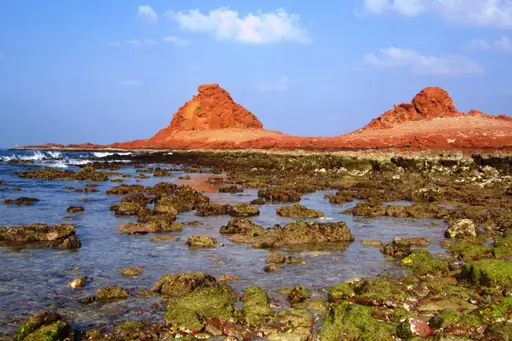
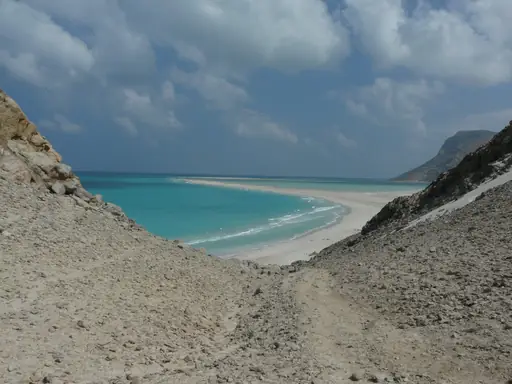
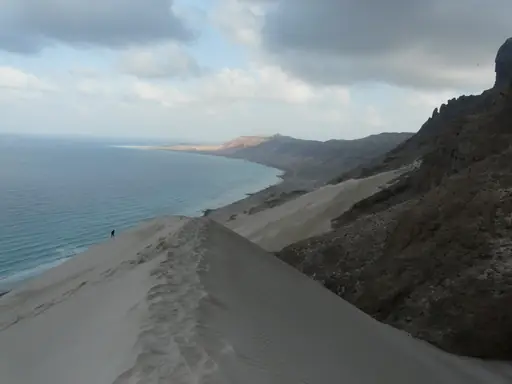
Island in Yemen
Socotra
Alien Landscapes, Untouched Adventure
Dragon's blood trees with umbrella-shaped canopies grow only on the isolated island of Socotra. Millions of years of separation from the mainland let unique plant species evolve here. Visitors can hike among the strange trees scattered across rocky highland plateaus. Nearby beaches sit backed by towering sand dunes and limestone caves.

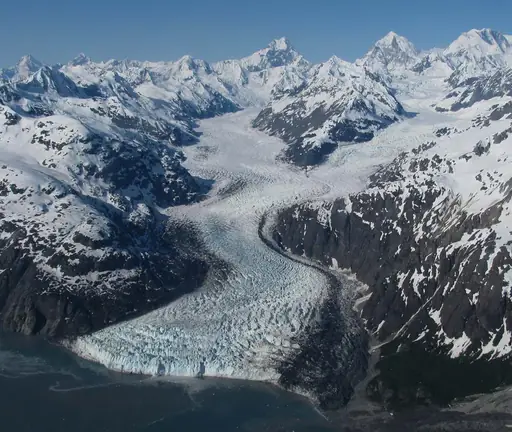
State/Prefecture in United States
Alaska
Land of superlatives and adventure
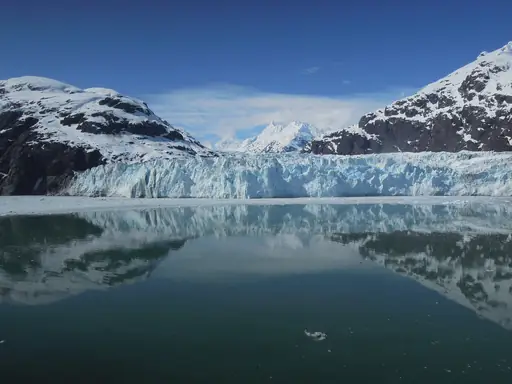
Brown bears gather each summer at Brooks Falls to catch leaping salmon. Katmai's rangers have tracked the same bears returning to the falls for decades. Visitors can watch from raised platforms just above the churning water. Nearby, the Kenai Peninsula's rivers draw anglers chasing the same salmon runs.
Region in United Kingdom
Scottish Highlands
Rugged Beauty and Ancient Legends
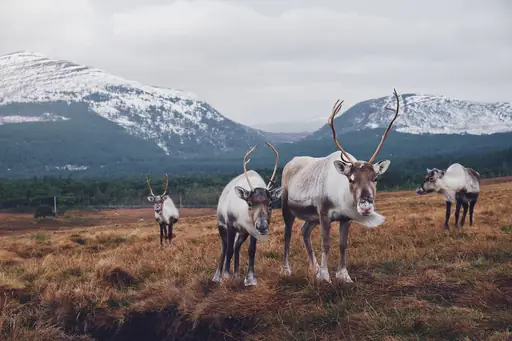
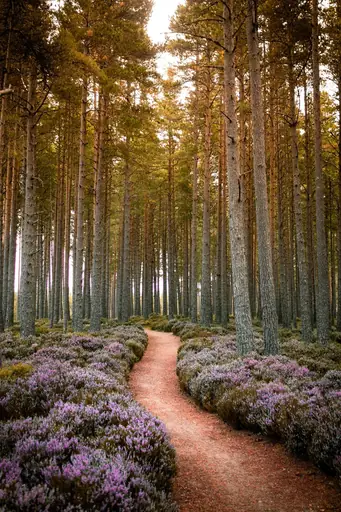
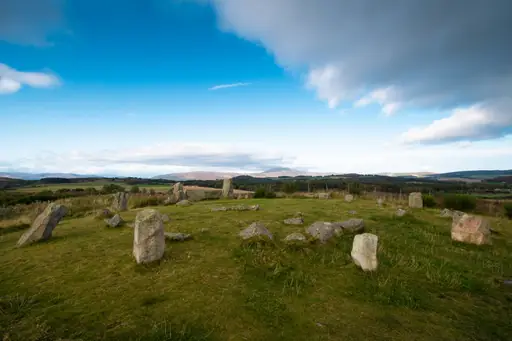
Lochs and glens fill much of the Highlands, shaped by glaciers thousands of years ago. Clans once controlled these valleys, leaving castles scattered across the landscape. Visitors can drive the North Coast 500 past lochs, mountains and rugged coastline. Nearby distilleries produce whisky using water drawn straight from Highland streams.
Town in Finland
Kittilä
Lapland’s Arctic Playground Year-Round
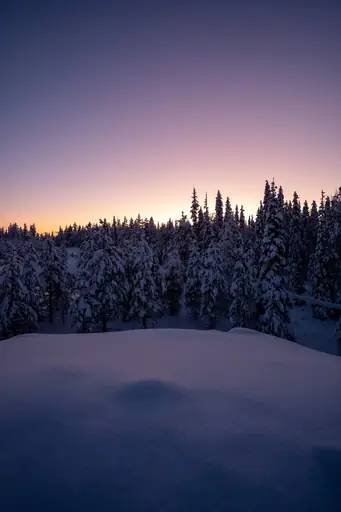
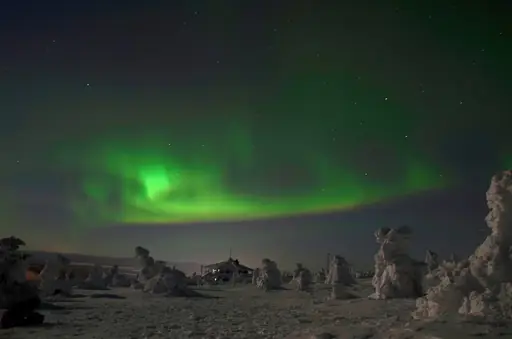
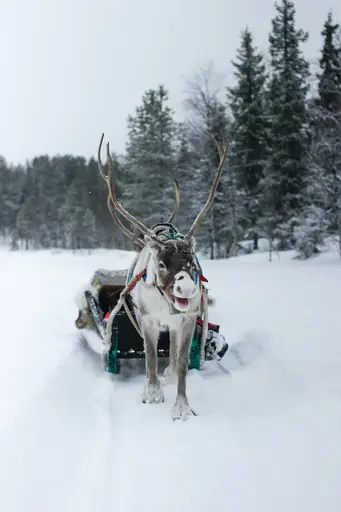
Reindeer herds still cross the roads around Kittila in Finnish Lapland. Sami herders have managed these migratory routes across the region for generations. Visitors can join a sled ride pulled by reindeer through snow-covered forest. Nearby fells offer some of the clearest views of the northern lights.
Town in Slovenia
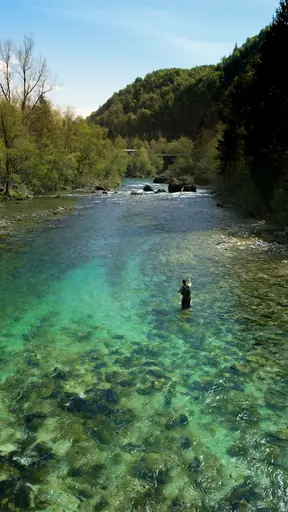
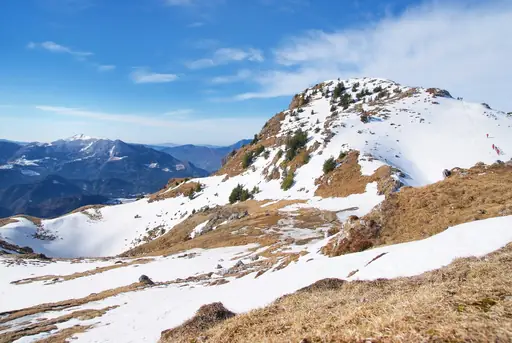
Bohinjska Bistrica
Gateway to Slovenia’s Alpine Wonders
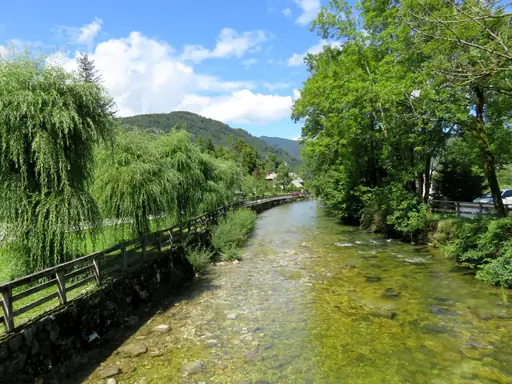
Lake Bohinj sits within Triglav National Park, quieter than nearby Lake Bled. Farmers in the surrounding valley still graze cattle on high alpine pastures each summer. Visitors can swim in the lake or hike towards a nearby waterfall. Nearby cable cars climb to viewpoints over the surrounding mountains.
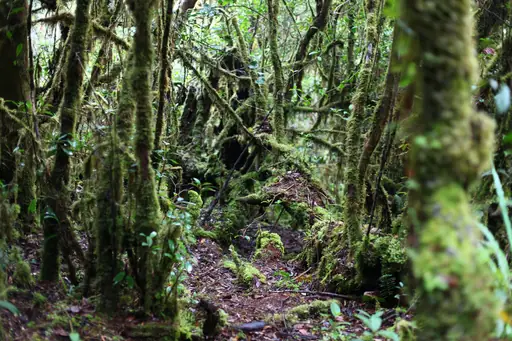
National Park in Indonesia
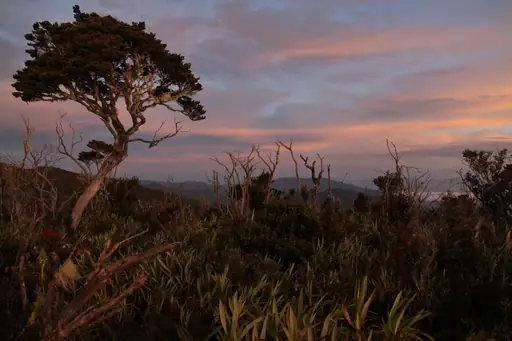
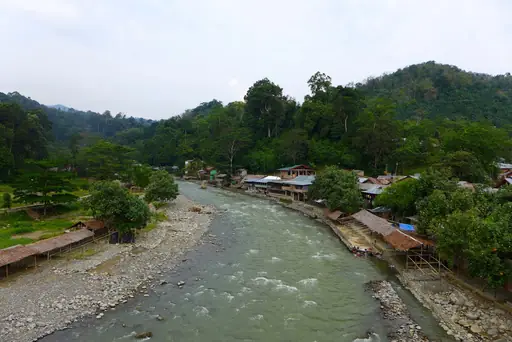
Gunung Leuser National Park
Breathtaking peaks and ancient rainforests
Gunung Leuser shelters one of the last places where orangutans still live wild in Sumatra. Researchers have tracked the park's population since long before it gained UNESCO recognition. Visitors can trek through the rainforest with guides trained to spot the apes. Nearby rivers offer tubing trips beneath a dense jungle canopy.

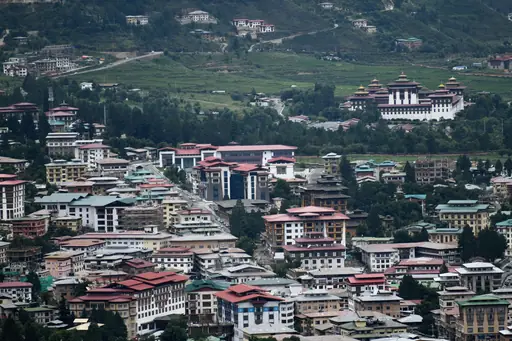
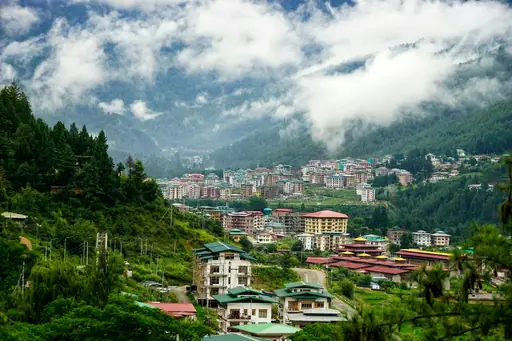
Country
Bhutan
Himalayan monasteries, dzongs and trekking trails
Paro Taktsang, the Tiger's Nest monastery, clings to a cliff face above the valley. Monks built it around a cave where a legendary figure is said to have meditated. Visitors can hike a steep trail to reach the monastery's terraces. Nearby villages still measure prosperity partly through the country's gross national happiness index.
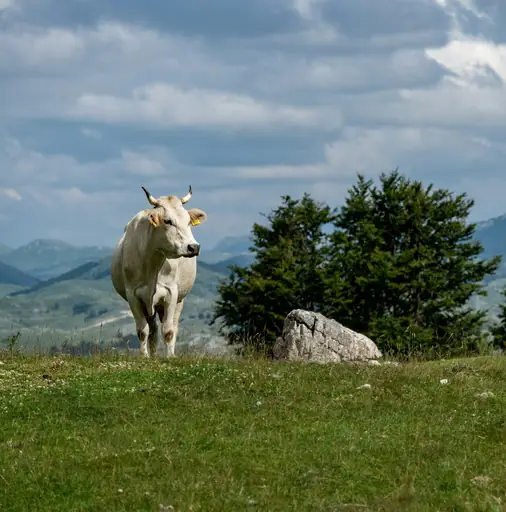
National Park in Montenegro
Durmitor National Park
Montenegro’s Wild Peaks and Deep Canyons
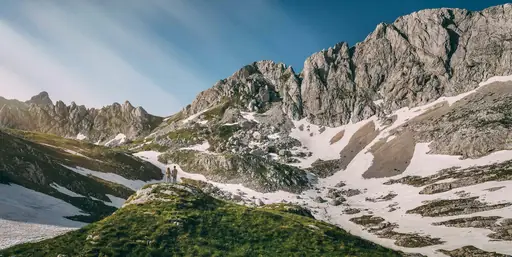
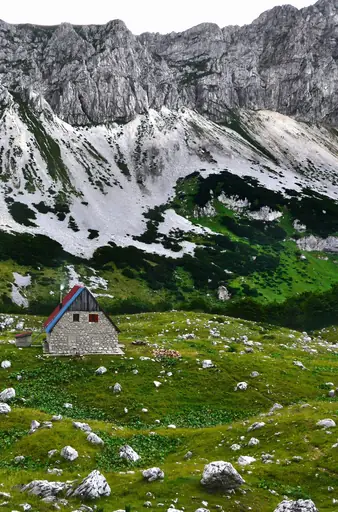
Glacial lakes known locally as mountain eyes dot Durmitor's high alpine terrain. The Tara River Canyon nearby ranks among the deepest gorges in Europe. Visitors can hike past lakes or raft the canyon's fast-moving rapids. Nearby peaks stay snow-capped well into the summer months most years.
Outer Territory in United Kingdom
Saint Helena, Ascension and Tristan da Cunha
Remote volcanic islands with history
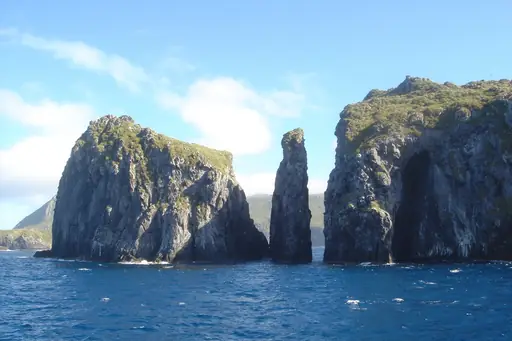
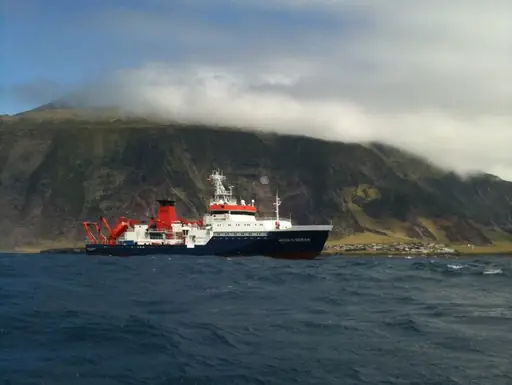
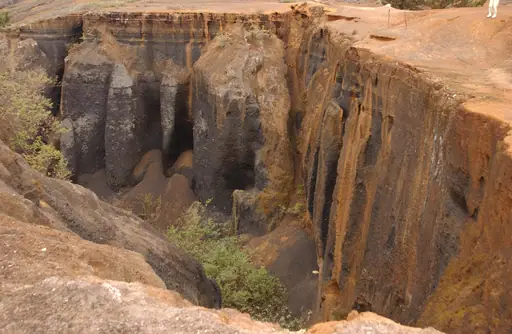
Napoleon spent his final years exiled on the remote island of Saint Helena. Ships once took months to reach the island before an airport finally opened in 2017. Visitors can tour the house where the emperor lived out his last days. Nearby cliffs shelter a colony of rare land birds found only on the island.
National Park in United States
Great Basin National Park
Ancient trees, caves and starry skies
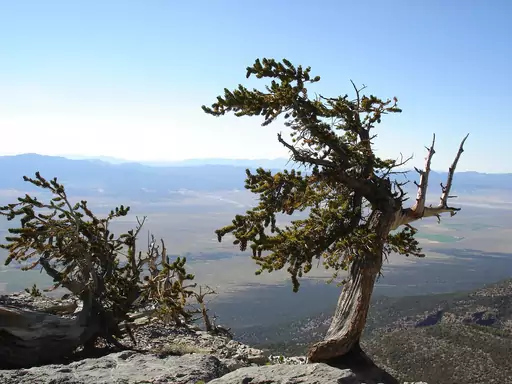
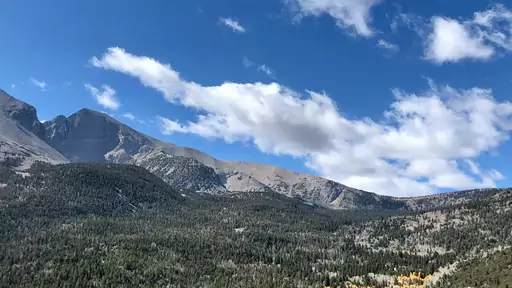
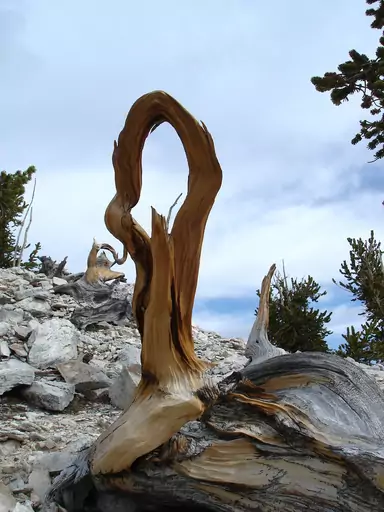
Bristlecone pines growing in Great Basin rank among the oldest living trees on Earth. Some of these gnarled trees have survived more than four thousand years in harsh mountain conditions. Visitors can hike a trail through a grove of the ancient pines. Nearby caves hold formations that took thousands of years to grow.
National Park in Indonesia
Tanjung Puting National Park
Orangutan paradise in Borneo jungle
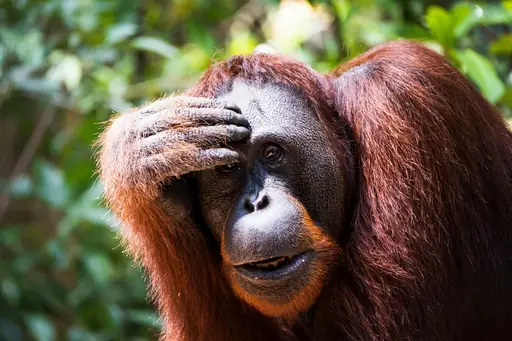
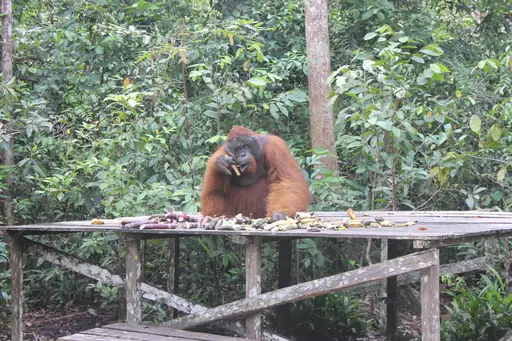
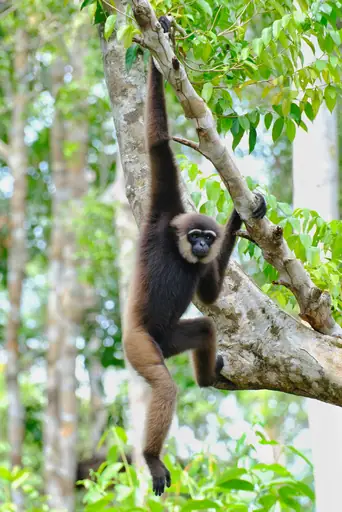
Orangutans roam freely through Tanjung Puting's swamp forest along Borneo's rivers. Rehabilitation centres here have released rescued orangutans back into the wild for decades. Visitors can cruise the river by traditional houseboat to spot the apes. Nearby feeding platforms let visitors watch orangutans up close.
Archipelago in Indonesia
Raja Ampat
Vibrant coral reefs and lush tropical islands
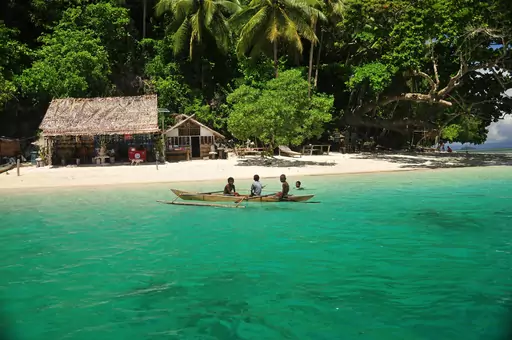
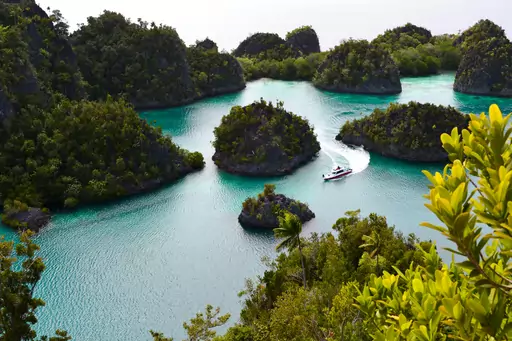
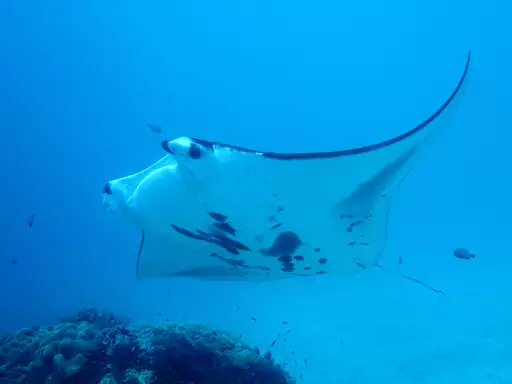
Coral reefs around Raja Ampat hold some of the highest marine biodiversity on Earth. Scientists have recorded more fish species here than almost anywhere else in the ocean. Visitors can dive or snorkel reefs largely untouched by mass tourism. Nearby limestone islands rise from turquoise water in scattered clusters.
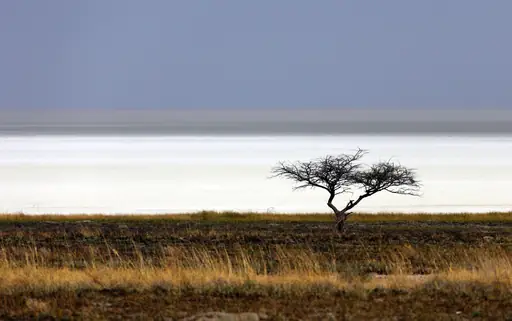
National Park in Namibia
Etosha National Park
Namibia's Wildlife Sanctuary
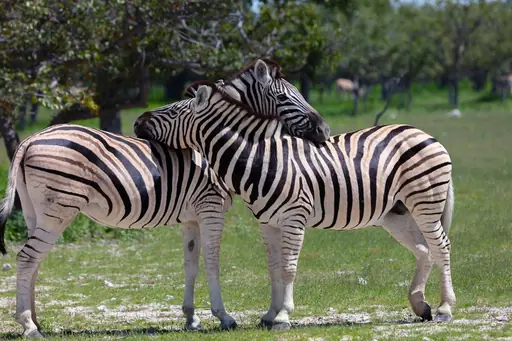
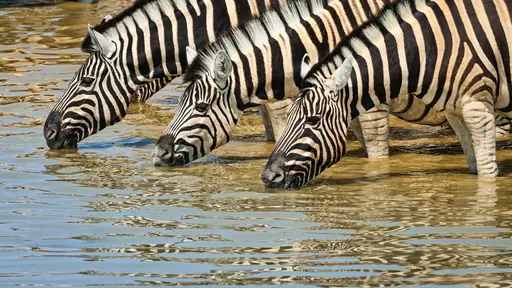
A vast salt pan dominates Etosha, visible even from space during the dry season. Wildlife gathers at waterholes around its edges when little other water remains. Visitors can watch elephants and lions arrive at the same waterhole within hours of each other. Nearby camps light waterholes at night for after-dark viewing.
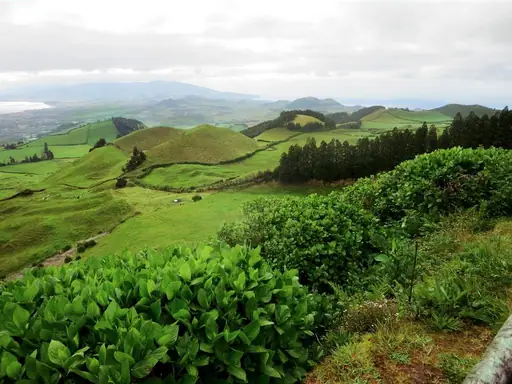
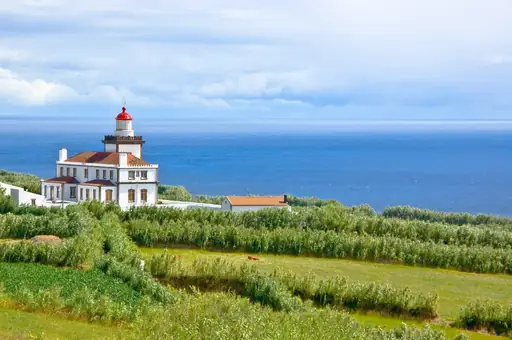
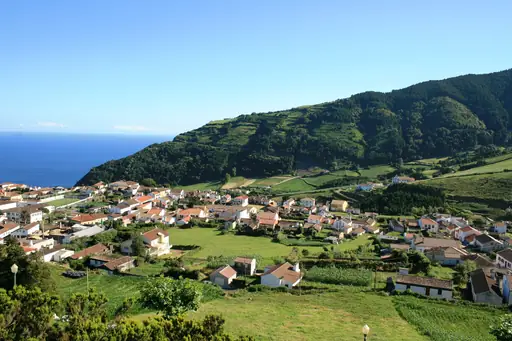
Archipelago in Portugal
Azores
Volcanic Isles of Atlantic Wonders
Hot springs heat the water at Furnas, where locals still cook stew buried in volcanic ground. Cooks bury pots each morning and dig them up hours later fully cooked. Visitors can taste the dish, cozido, straight from the earth oven. Nearby crater lakes fill old volcanic calderas with strikingly blue and green water.
Town in Canada
Tofino
Wild Pacific, Rainforest, Endless Waves
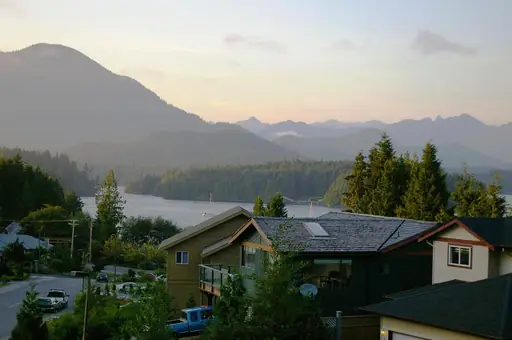
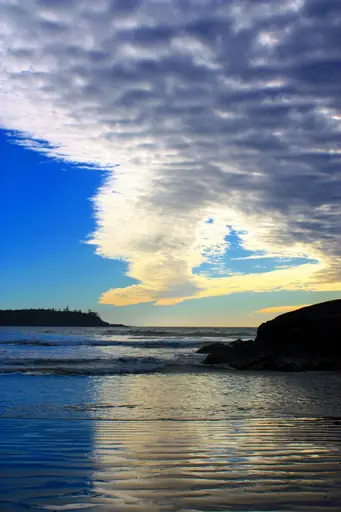
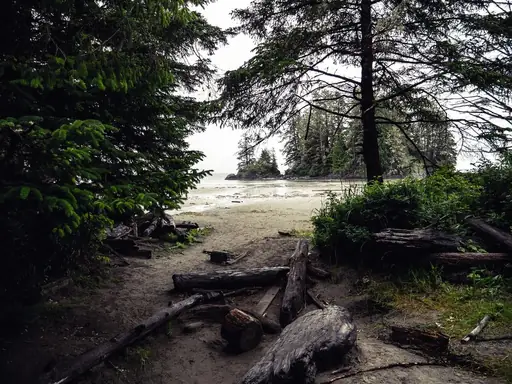
Storm watching draws visitors to Tofino's coast during the region's wild winter swells. Surfers have also gathered here for decades to ride some of Canada's most consistent waves. Visitors can surf, storm-watch or hike through old-growth rainforest nearby. Nearby beaches stretch for miles along Vancouver Island's rugged western edge.
Region in Austria
Tyrol
Alpine paradise in all seasons
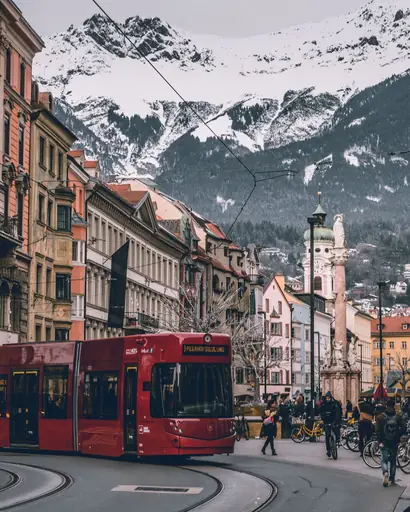
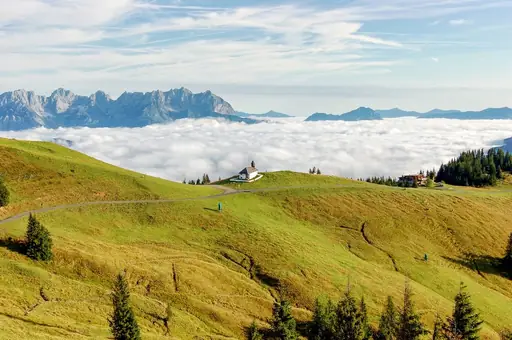
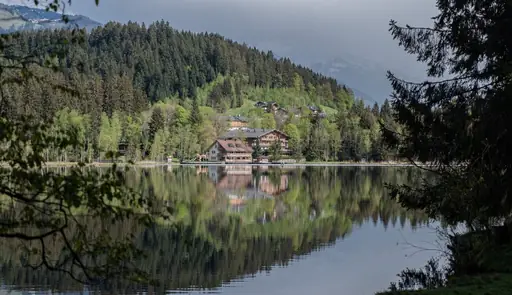
Alpine farms across Tyrol still produce cheese using methods passed down for generations. Cable cars now carry skiers up slopes once used only for summer grazing. Visitors can hike high mountain trails or ski deep snow depending on the season. Nearby valleys host traditional festivals celebrating the region's farming heritage.
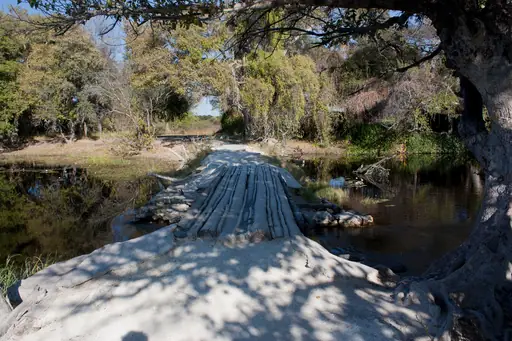
Nature Reserve in Botswana
Okavango Delta
Africa’s Uncharted Water Wilderness
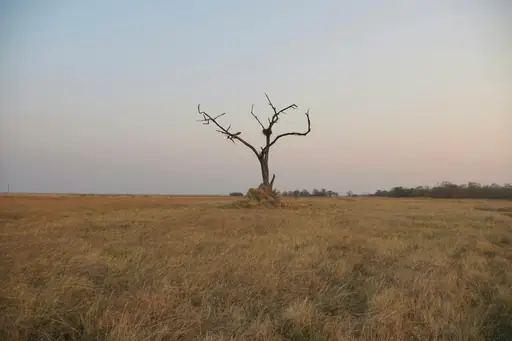
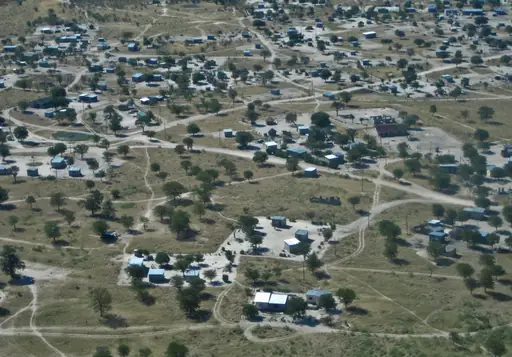
The Okavango River spreads into a vast inland delta instead of reaching the sea. Seasonal floods each year transform dry land into channels rich with wildlife. Visitors can explore the delta by traditional mokoro canoe, poled silently through reeds. Nearby islands support elephants, lions and a wide range of birdlife.
Country
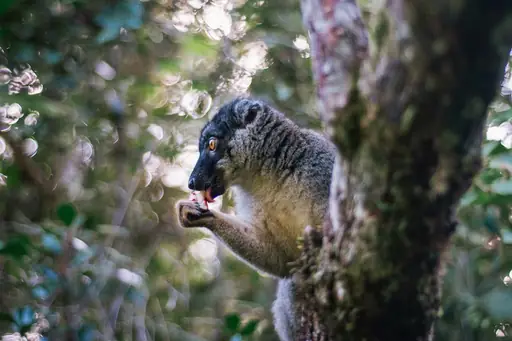
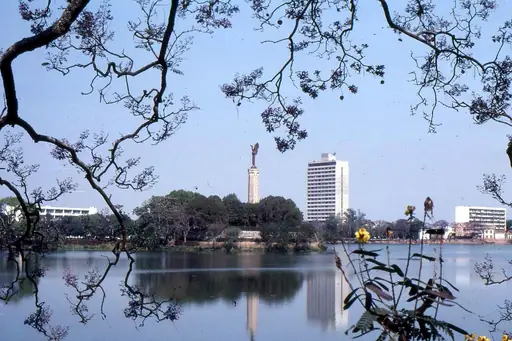
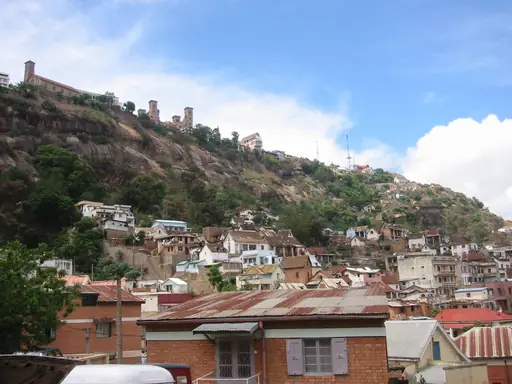
Madagascar
Unique biodiversity meets diverse landscapes
Baobab trees line a dirt road near Morondava, some estimated at over eight hundred years old. Farmers cleared the surrounding forest long ago, leaving the ancient trees standing alone. Visitors can walk the avenue at sunset as the sky turns orange behind the trunks. Nearby forests still shelter lemurs found nowhere else on Earth.
State/Prefecture in United States
Wyoming
Wild West landscapes and natural wonders
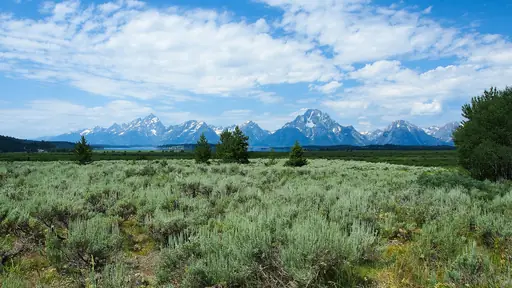
Wyoming's Wind River Range holds some of the largest glaciers in the American Rockies. Ranchers and outfitters have guided visitors through this remote wilderness for generations. Visitors can rucksack for days without crossing a paved road. Nearby geyser basins and hot springs sit just a drive away in Yellowstone.
Village in France
Moustiers Sainte Marie
Gateway to the Verdon Gorge
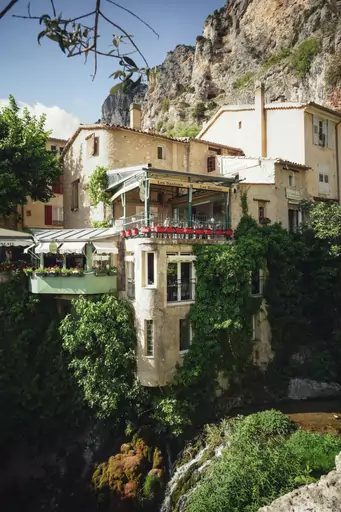
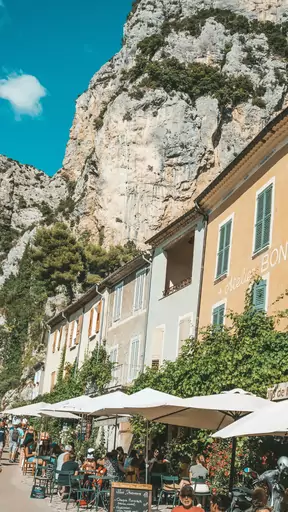
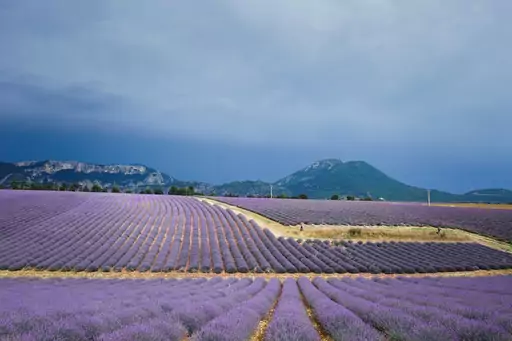
A star hangs on a chain strung between two cliffs above Moustiers-Sainte-Marie. Legend traces it to a knight who hung it there after returning from a crusade. Visitors can climb a steep path up to a chapel beneath the star. Nearby, the Gorges du Verdon cut a turquoise canyon through the countryside.

National Park in United States
Denali National Park
Wild Alaska’s peaks and wildlife
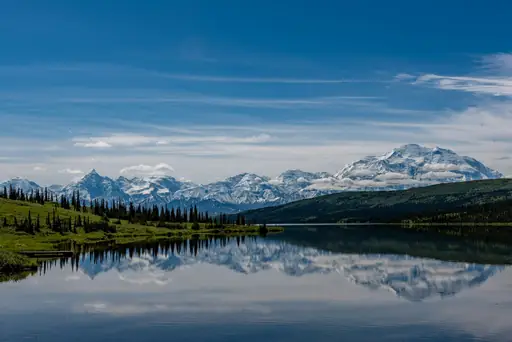
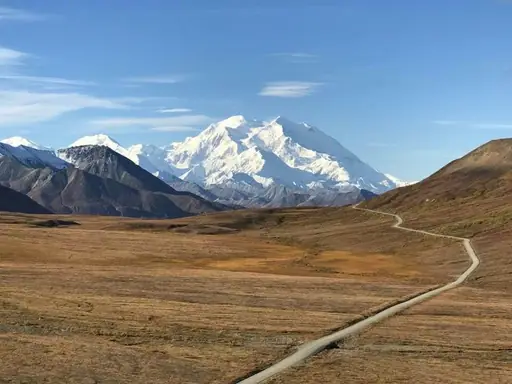
Denali's summit stands as the tallest peak in North America. Climbers have attempted the mountain since the early 1900s, when few reached the top. Visitors can spot grizzlies and caribou from a single road that crosses the park. Nearby, a single bus route offers most travellers their only access inside.
Mountain
Pyrenees
Where France meets Spain majestically
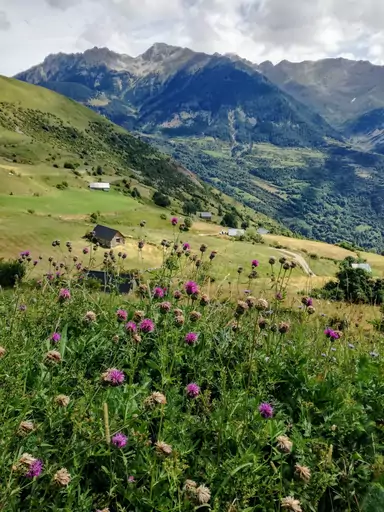
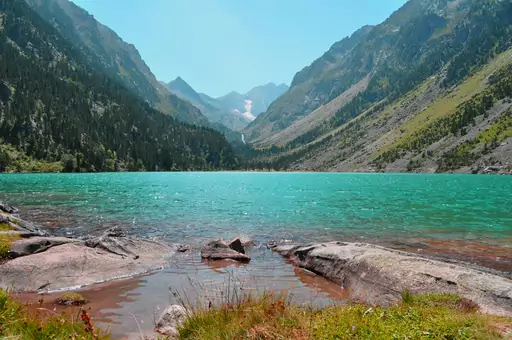
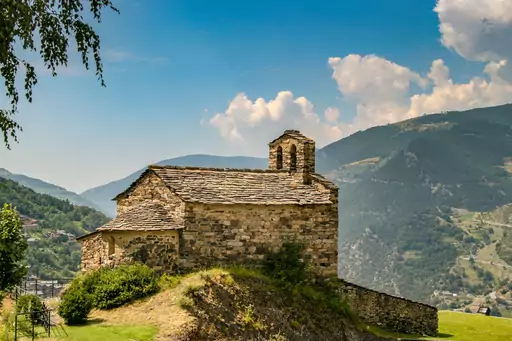
Shepherds still move flocks along ancient paths through the Spanish Pyrenees each summer. Stone villages tucked into these valleys have farmed the same slopes for generations. Visitors can hike between peaks with views stretching into both Spain and France. Nearby glacial lakes stay ice-cold even in the height of summer.
National Park in Japan
Daisetsuzan National Park
Japan's largest national park, in Hokkaido
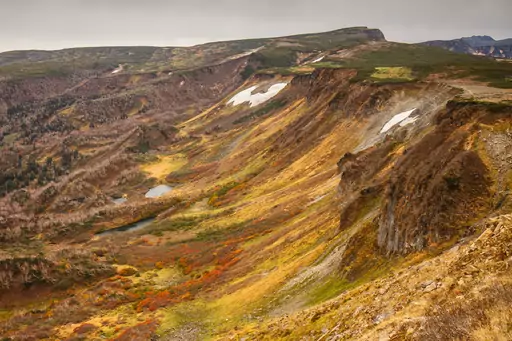
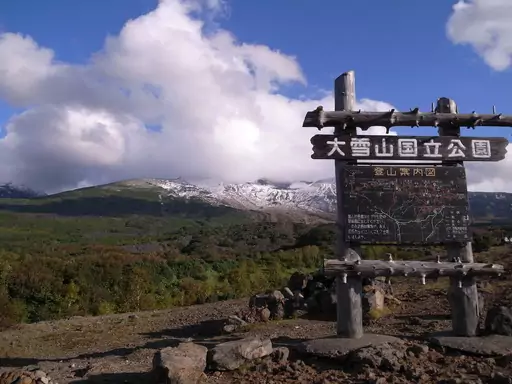
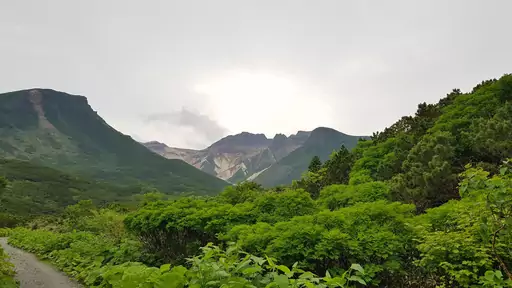
Daisetsuzan's peaks turn red each September before anywhere else in Japan. Locals call the park the roof of Hokkaido for its high volcanic terrain. Visitors can hike alpine trails as the frost line creeps down the slopes. Nearby hot springs offer a warm soak after a day on the mountain.
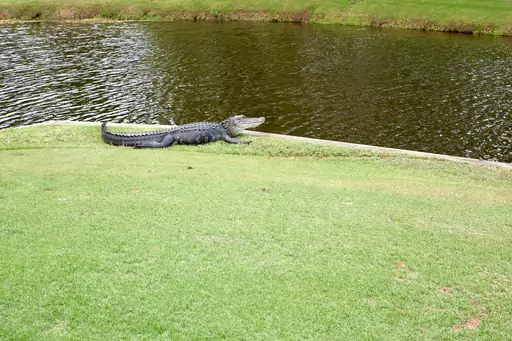
Island in United States
Kiawah Island
Wildlife, Beaches and Luxe Retreats
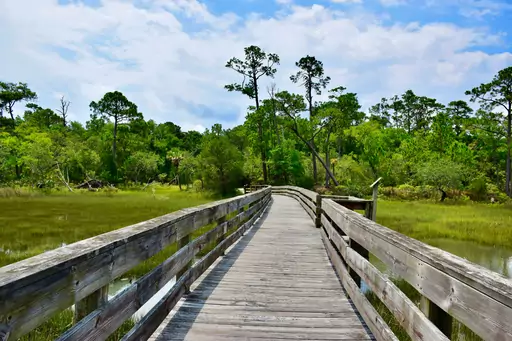
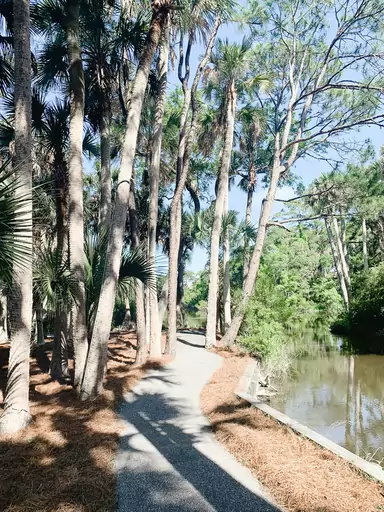
Loggerhead turtles nest along Kiawah Island's beaches through the warmer months. Volunteers have monitored the nests here for decades to protect hatchlings reaching the sea. Visitors can walk the shoreline at dawn to spot fresh turtle tracks. Nearby maritime forest shelters deer and a wide range of birdlife.
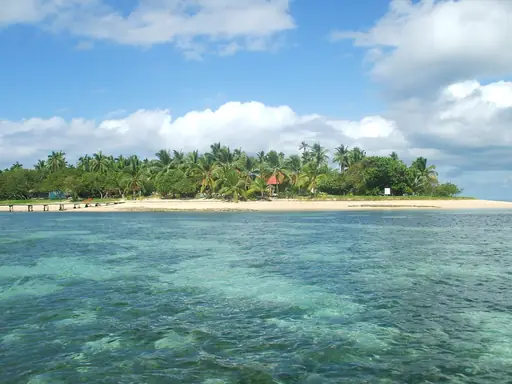
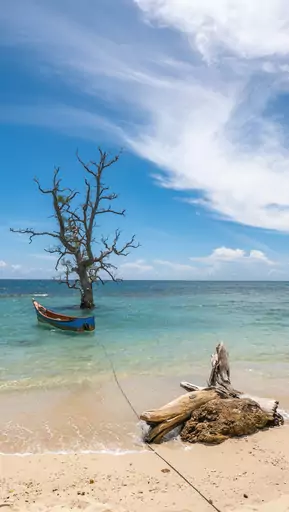
Country
Tonga
Tropical paradise with volcanic islands
Humpback whales migrate to Tonga's warm waters each year to breed and calve. Regulations here allow visitors to swim alongside the whales under close supervision. Travellers can snorkel near a mother and calf resting in shallow water. Nearby coral reefs remain relatively undisturbed by large-scale tourism.
Outer Territory in United Kingdom
South Georgia and the South Sandwich Islands
Remote polar wilderness with wildlife
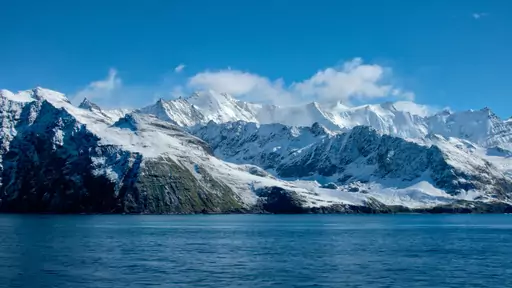
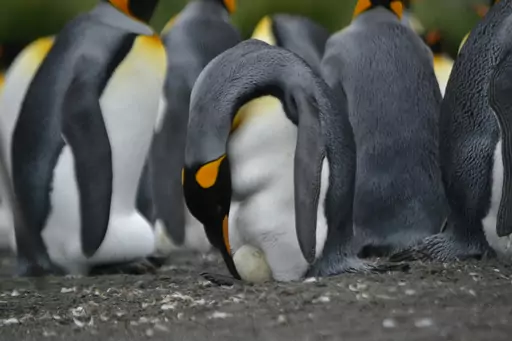
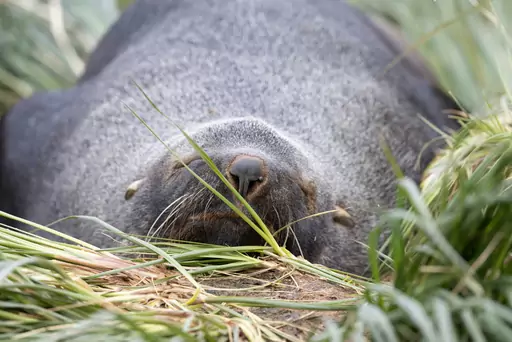
King penguin colonies on South Georgia number in the hundreds of thousands during breeding season. Explorer Ernest Shackleton is buried on the island after his famous Antarctic expedition. Visitors can walk among dense penguin colonies along the island's beaches. Nearby glaciers spill down mountains rising directly from the sea.
Region in Australia
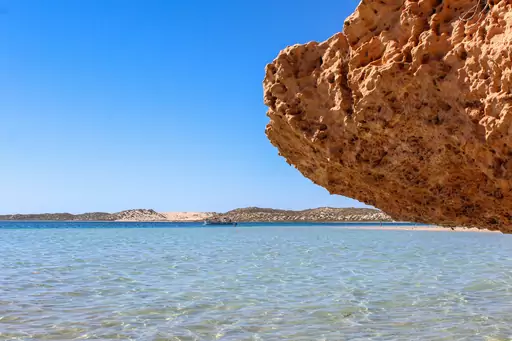
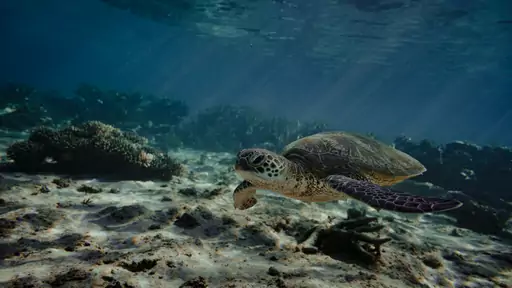
Ningaloo Coast
Australia's Accessible Underwater Wonderland
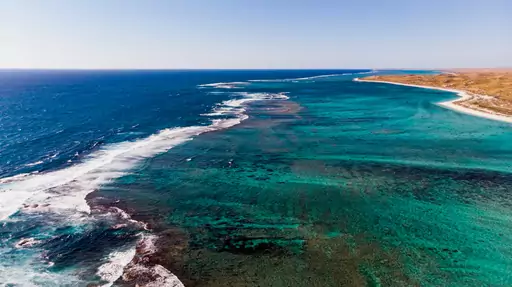
Whale sharks gather along the Ningaloo Coast each year to feed on plankton blooms. The reef here sits close enough to shore to reach by swimming from the beach. Visitors can snorkel alongside whale sharks during their seasonal visit. Nearby waters also draw manta rays and migrating humpback whales.
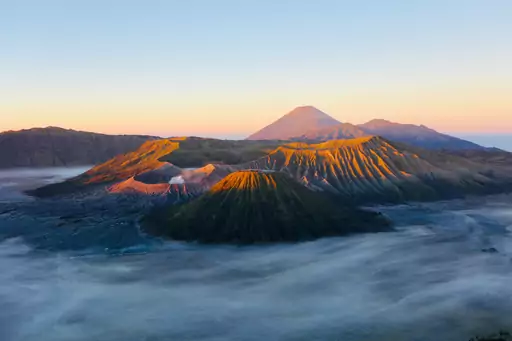
National Park in Indonesia
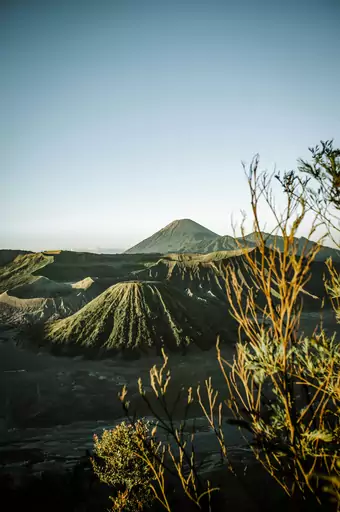
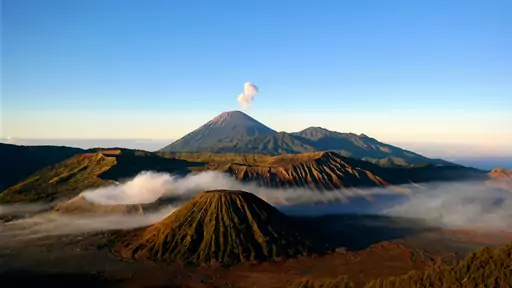
Bromo-Tengger-Semeru National Park
Where volcanoes meet ancient traditions
Mount Bromo's crater still sends thin smoke rising over a vast sea of volcanic sand. Local Tenggerese communities toss offerings into the crater during an annual festival. Visitors can watch sunrise from a nearby viewpoint as the smoke drifts upward. Nearby, Mount Semeru remains one of Indonesia's most active volcanoes.
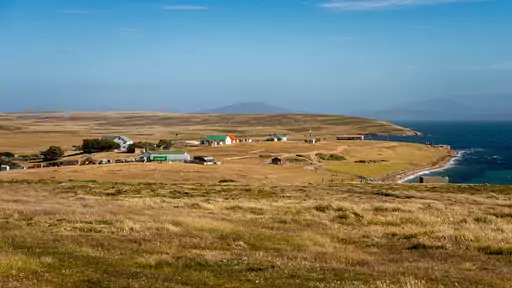
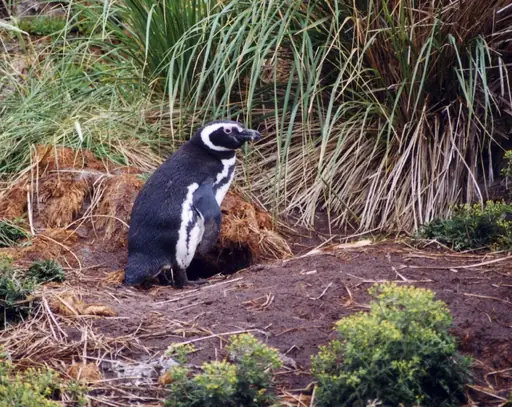
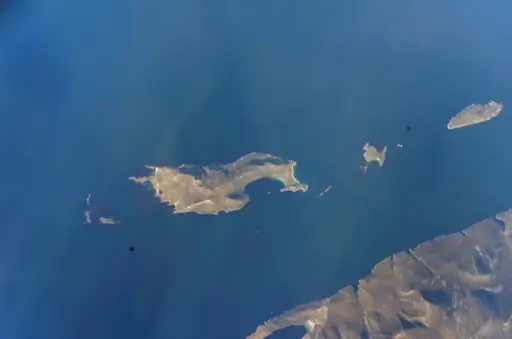
Outer Territory in United Kingdom
Falkland Islands
Untouched wilderness with abundant wildlife
Five species of penguin nest along the Falkland Islands' windswept coastline. Colonies here number in the hundreds of thousands during breeding season. Visitors can walk close to rockhopper and king penguin colonies on open beaches. Nearby cliffs host albatross that nest within sight of grazing sheep.
National Park in Namibia
Namib-Naukluft National Park
Endless Dunes and Desert Drama
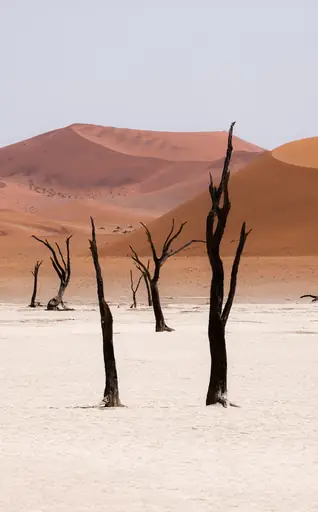
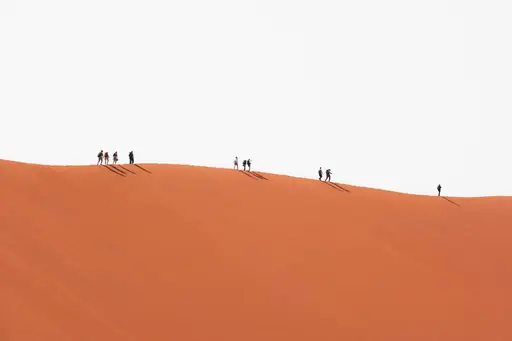
Towering red dunes at Sossusvlei rank among the tallest in the world. Dead, blackened trees stand in a nearby clay pan that dried out centuries ago. Visitors can climb the dunes at sunrise for long shadows across the sand. Nearby, the Namib's fog-fed ecosystem supports plants and insects found nowhere else.
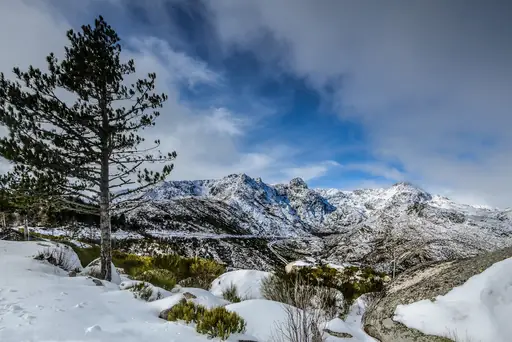
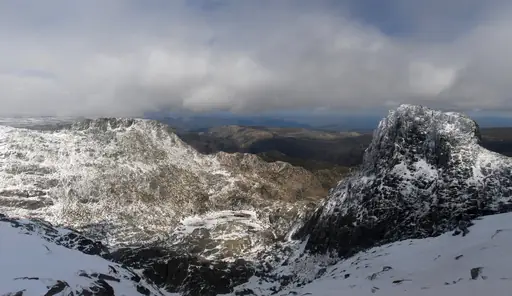
National Park in Portugal
Serra da Estrela Natural Park
Portugal’s High Peaks and Wild Beauty
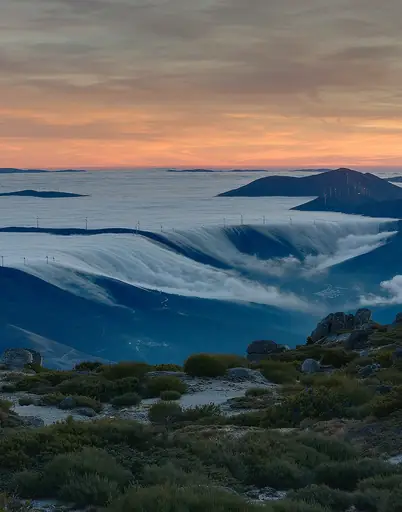
Sheep graze across Serra da Estrela, home to mainland Portugal's highest peak. Shepherds here have produced a soft, creamy cheese using the same recipe for centuries. Visitors can hike alpine trails or ski the park's modest slopes in winter. Nearby villages still sell the region's famous cheese from small family farms.
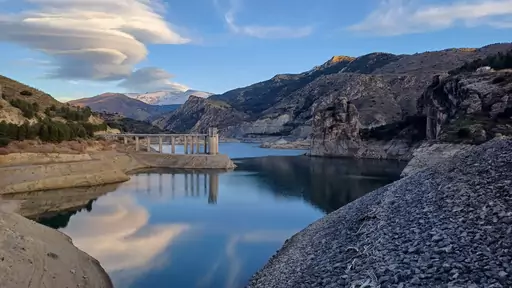
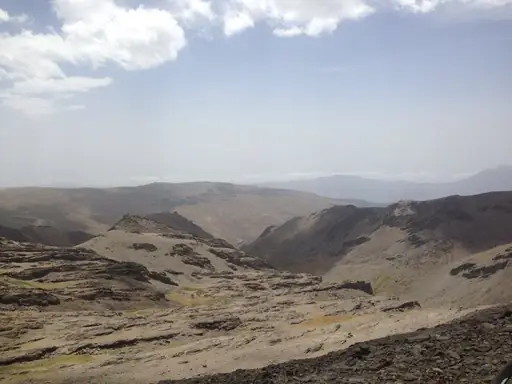
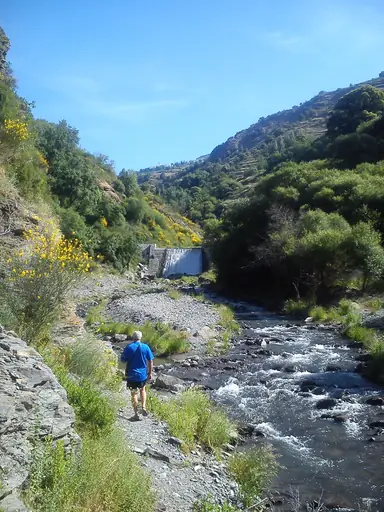
National Park in Spain
Sierra Nevada National Park
Spain’s Rooftop of Sun and Snow
Snow-capped peaks in Spain's Sierra Nevada rise close enough to the coast to see the Mediterranean. Skiers and beachgoers can reach both within the same short day. Visitors can hike alpine trails or ski some of Europe's southernmost slopes. Nearby villages in the Alpujarras still farm terraces built centuries ago.
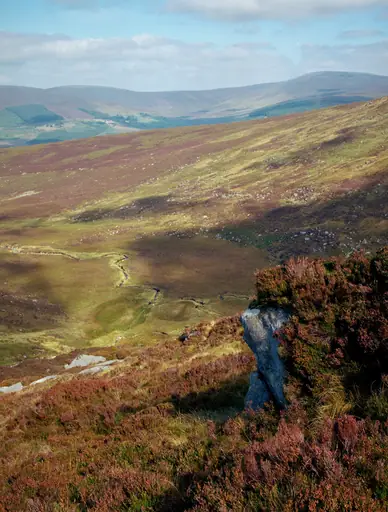
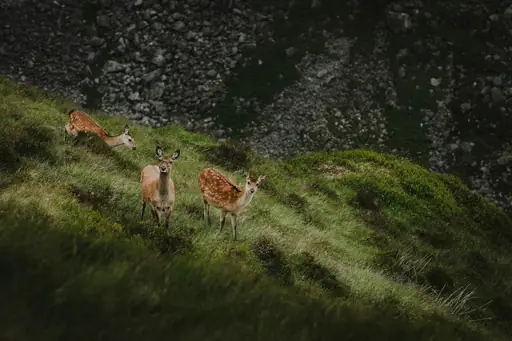
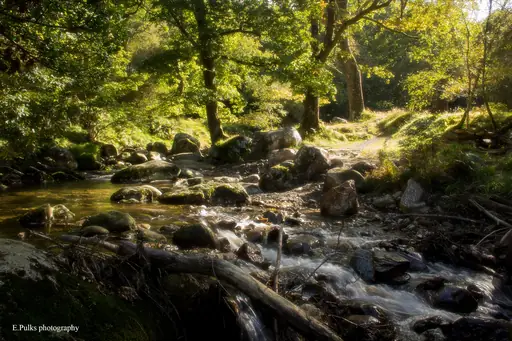
National Park in Ireland
Wicklow Mountains National Park
Wild Irish Peaks and Ancient Valleys
Glacial valleys carved the landscape now protected within Wicklow Mountains National Park. Monks founded a monastery at Glendalough within these valleys over a thousand years ago. Visitors can hike past lakes and ancient round towers built by early Christian settlers. Nearby forests and moorland fill much of the park's quiet interior.
Region in India
Zanskar
Hidden Himalayan Buddhist wilderness frontier
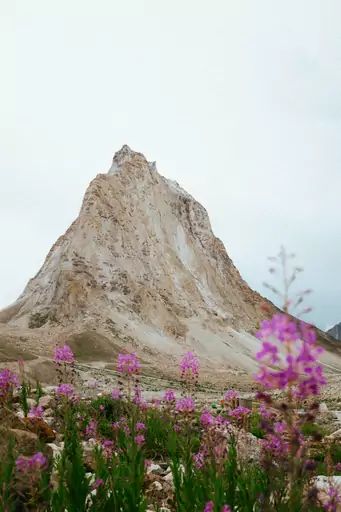
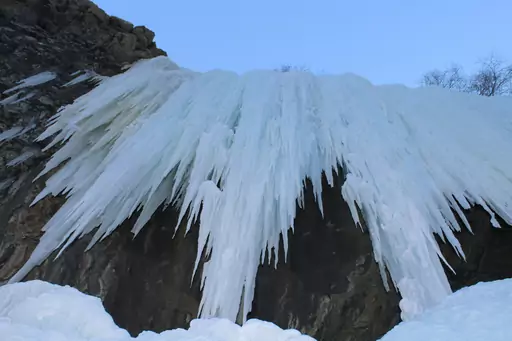
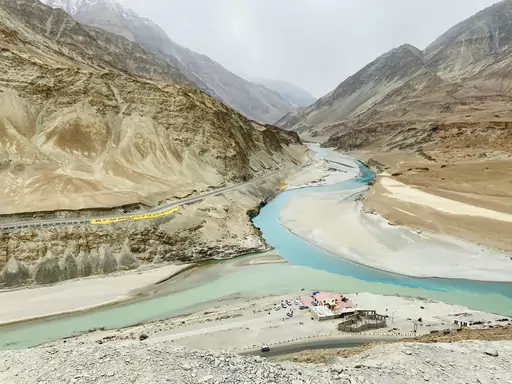
Frozen rivers in Zanskar once formed a walking trail known as the Chadar trek. Villagers used the icy path as their only winter route between remote valleys. Visitors can trek the frozen river or explore monasteries perched on cliffs above. Nearby passes remain snowbound for much of the year.
National Park in Japan
Kerama Shoto National Park
Kerama blue seas, coral and whales
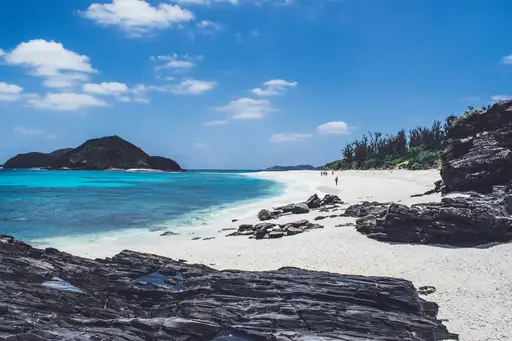
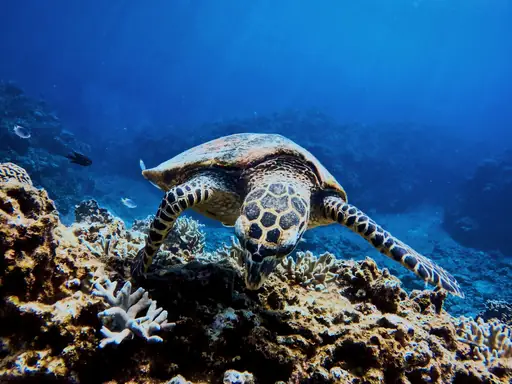
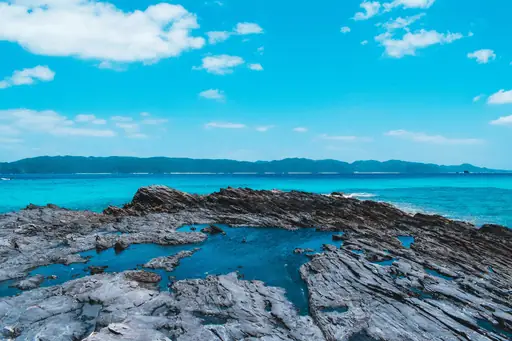
Coral reefs around the Kerama Islands hold water so clear it is nicknamed Kerama blue. Whales pass through these waters each winter on their migration route. Visitors can snorkel or dive reefs just a short boat ride from Okinawa's main island. Nearby beaches stay far quieter than the busier resorts nearby.
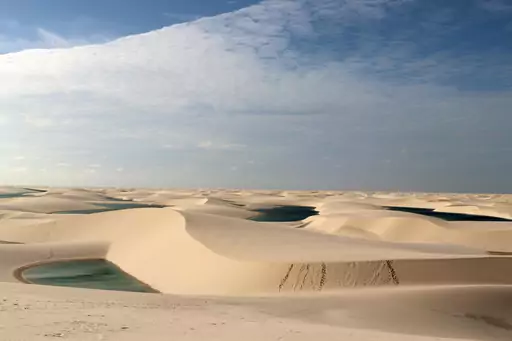
National Park in Brazil
Lençóis Maranhenses National Park
Otherworldly dunes with turquoise lagoons
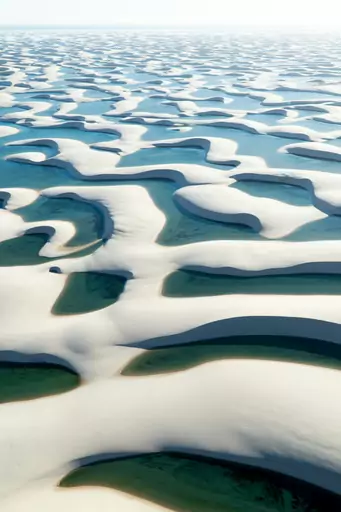
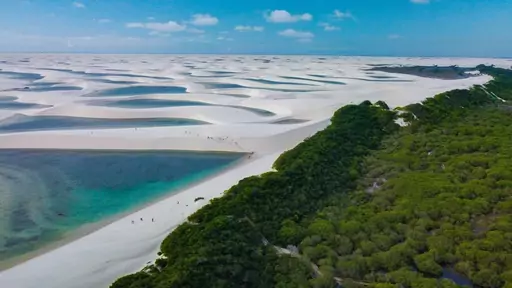
Rainwater collects in blue and green pools among Lencois Maranhenses' rolling white dunes. Rain falls heavily enough each year to fill the lagoons between the sand ridges. Visitors can swim in the pools during the wetter months of the year. Nearby dunes shift constantly, reshaped by strong coastal winds.
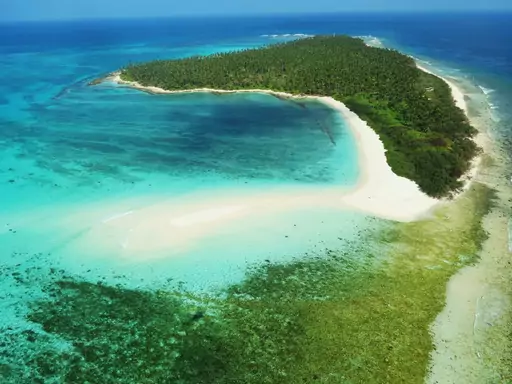
Island in India
Lakshadweep
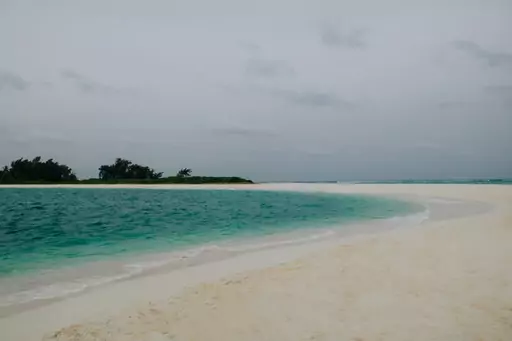
Pristine coral paradise off India
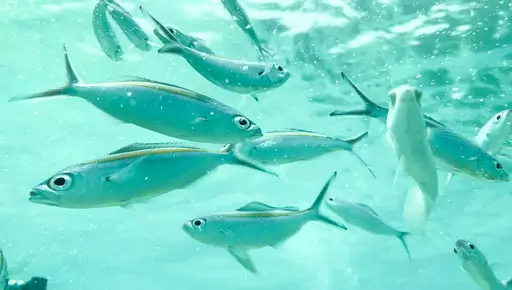
Coral atolls make up nearly all of Lakshadweep, India's smallest union territory. Strict permit rules have kept development and tourist numbers low across the islands. Visitors can snorkel lagoons that remain largely undisturbed by mass tourism. Nearby reefs shelter turtles and reef fish in clear shallow water.
National Park in United States
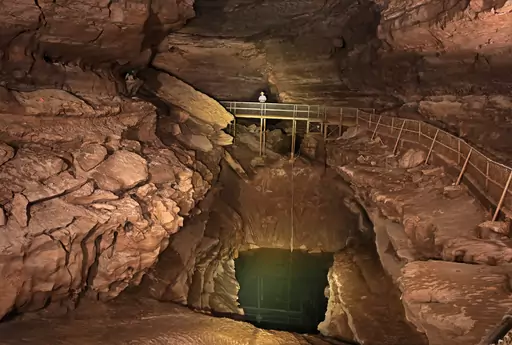
Mammoth Cave National Park
World's Longest Known Cave System
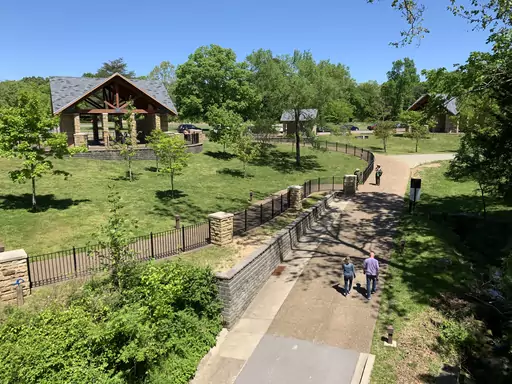
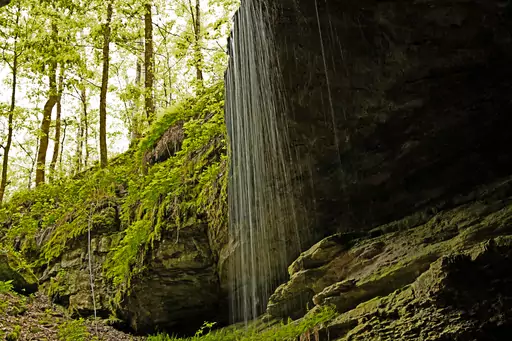
Mammoth Cave forms the longest known cave system in the world. Explorers have mapped well over three hundred miles of passages since surveys began in the 1800s. Visitors can join guided tours deep beneath the surrounding Kentucky hills. Nearby, the Green River winds through forest above the hidden passages.
Overseas Territory in France
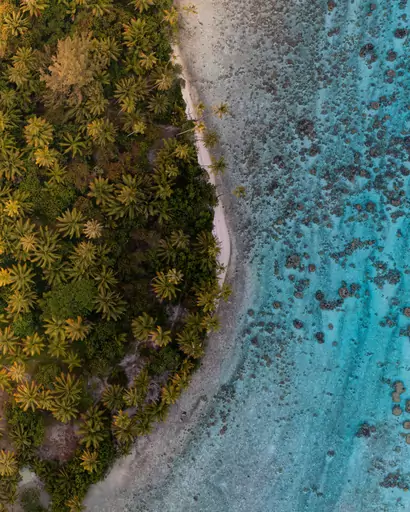
French Polynesia
Paradise of Crystal Clear Lagoons
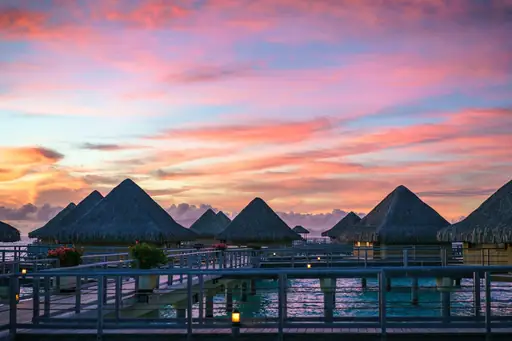
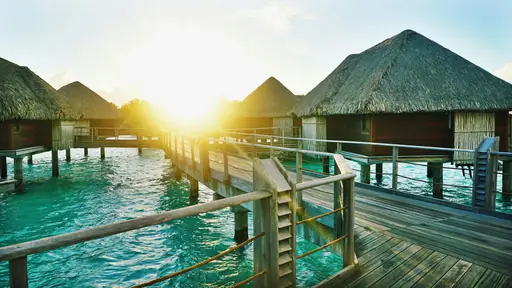
Coral atolls scattered across French Polynesia enclose lagoons calmer than the open ocean. Islanders have navigated between them using traditional star and wave reading for centuries. Visitors can snorkel shallow reefs teeming with reef fish and rays. Nearby islands offer overwater bungalows built directly above the lagoon.
National Park in Costa Rica
Corcovado National Park
Costa Rica’s Wildest Rainforest Frontier
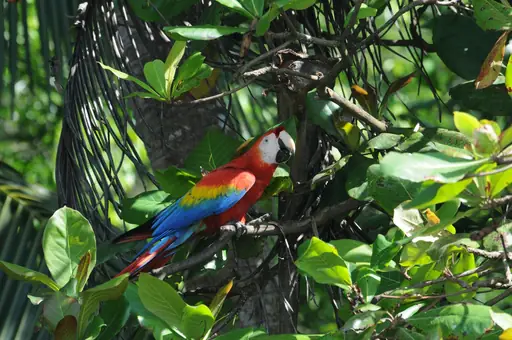
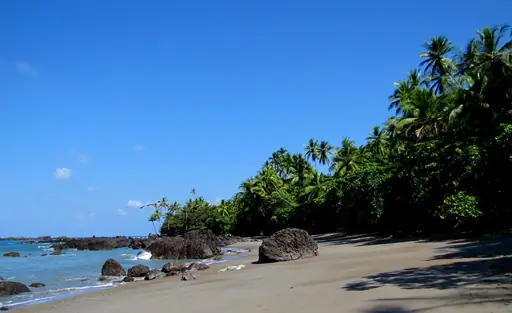
Corcovado protects one of the last stretches of Pacific lowland rainforest in Central America. Biologists consider it among the most biodiverse places on Earth per square mile. Visitors can spot tapirs and scarlet macaws along trails deep in the jungle. Nearby beaches stay accessible only by boat or a long hike.
National Park in Iceland
Vatnajökull National Park
Glaciers, Volcanoes and Ice Caves
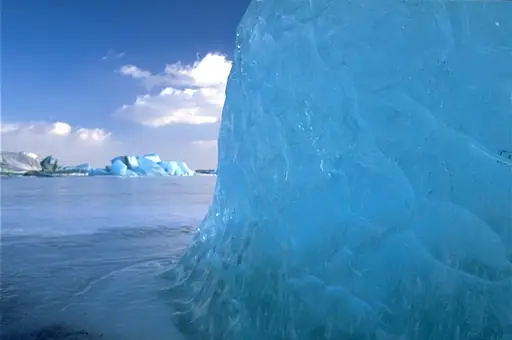
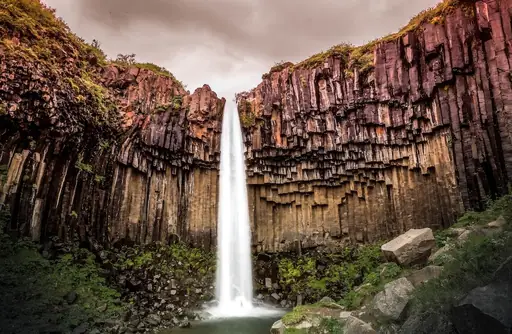
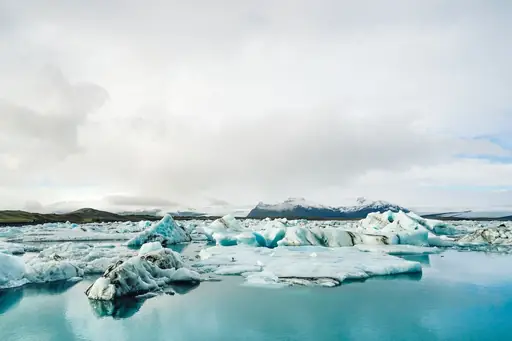
Vatnajokull, Europe's largest ice cap by volume, covers much of this Icelandic park. Meltwater from the glacier feeds rivers that carve constantly shifting canyons below. Visitors can hike into ice caves that form fresh each winter. Nearby volcanoes beneath the ice occasionally trigger sudden floods.
Outer Territory in Norway
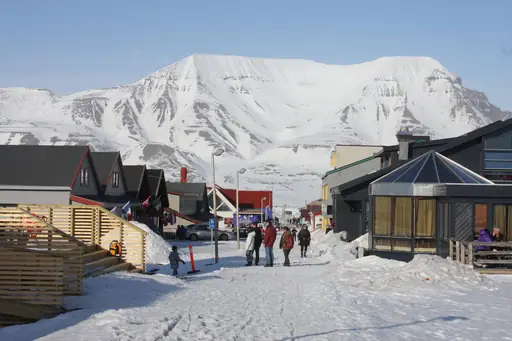
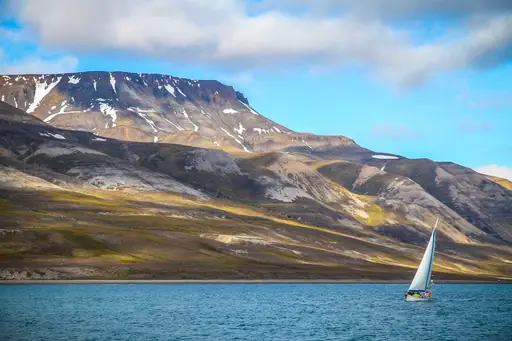
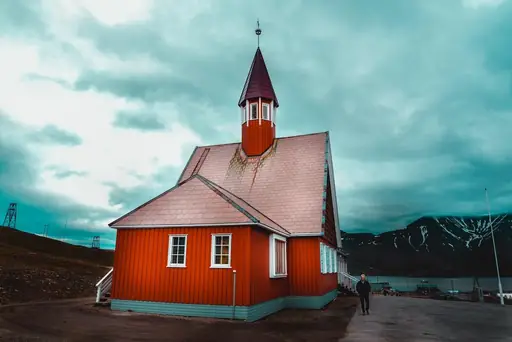
Svalbard
Arctic wilderness at Earth's edge
Polar bears outnumber people across much of the Svalbard archipelago. Visitors must carry firearms or hire an armed guide when travelling outside the main settlement. Travellers can join a boat trip to spot bears, walrus and arctic foxes. Nearby glaciers calve directly into fjords that stay frozen much of the year.
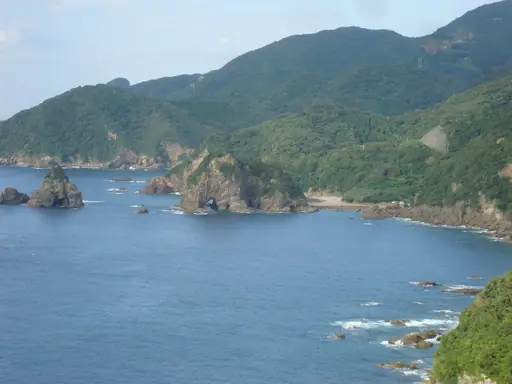
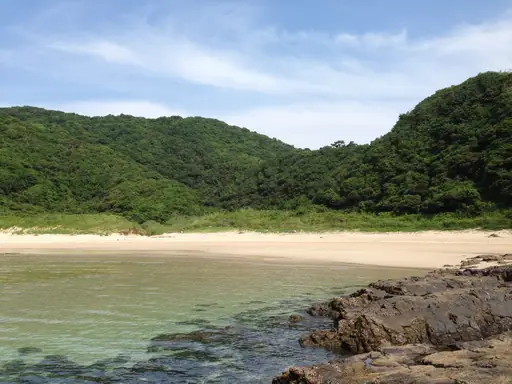
Island in Japan
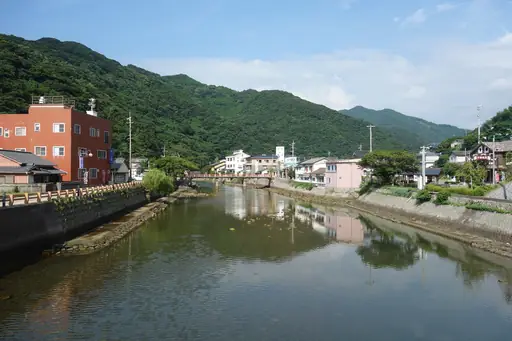
Amakusa
Hidden Christian sites and wild dolphins
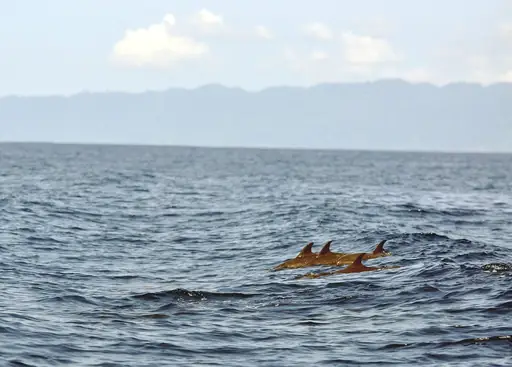
Dolphins have lived year-round in the waters off Amakusa for generations. Local boat operators track pods that rarely leave the surrounding channels. Visitors can watch them surface just meters from small tour boats. Nearby bridges link the islands, once a refuge for hidden Christian communities.
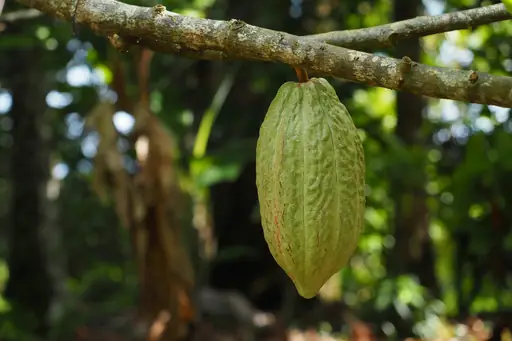
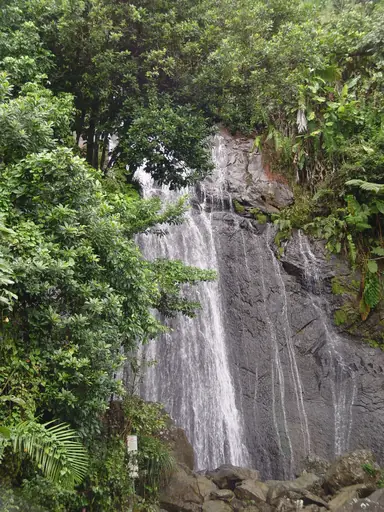
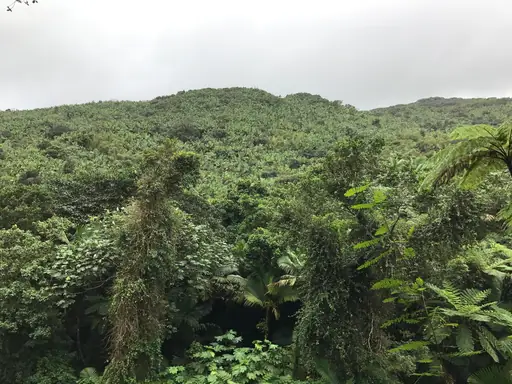
National Park in Costa Rica
El Yunque National Forest
Tropical rainforest paradise in Caribbean
El Yunque is a rare tropical rainforest managed directly by the U.S. Forest Service. Rain falls on the mountains here on most days of the year. Visitors can hike to waterfalls beneath a dense canopy of ferns and palms. Nearby, a rare coqui frog's call can be heard through the trees at dusk.
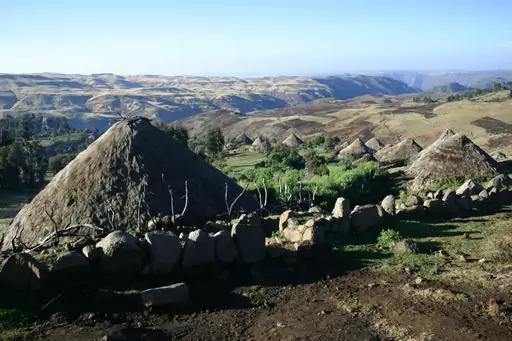
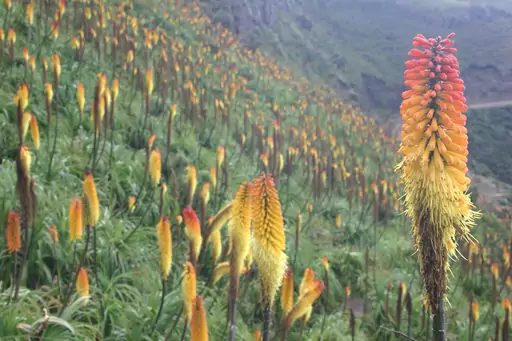
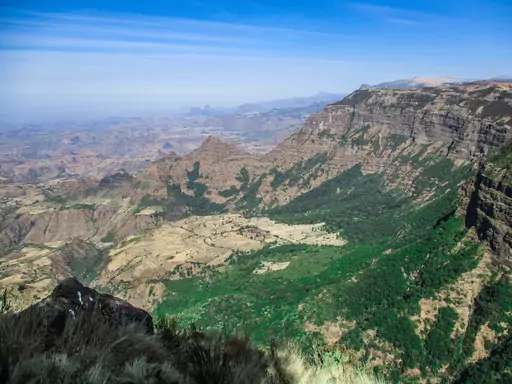
National Park in Ethiopia
Simien National Park
Jagged peaks of ancient wilderness
Gelada baboons graze in large troops across Simien's high volcanic plateau. Sheer cliffs drop thousands of feet from the plateau's edge into the valleys below. Visitors can trek along the escarpment with baboon troops grazing close by. Nearby peaks rank among the tallest in Africa outside the Rift Valley volcanoes.
Town in South Africa
Clarens
Art, Adventure and Mountain Calm
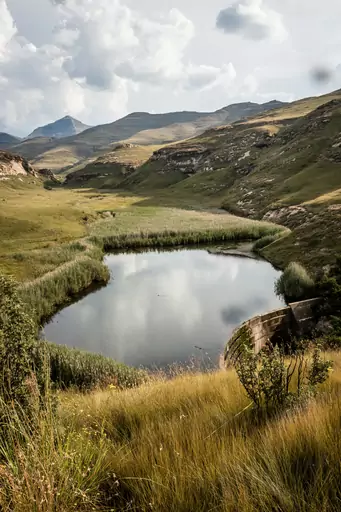
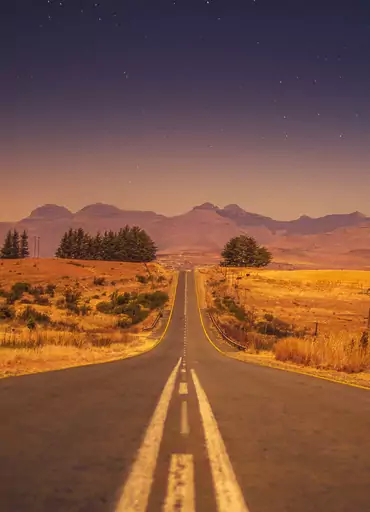
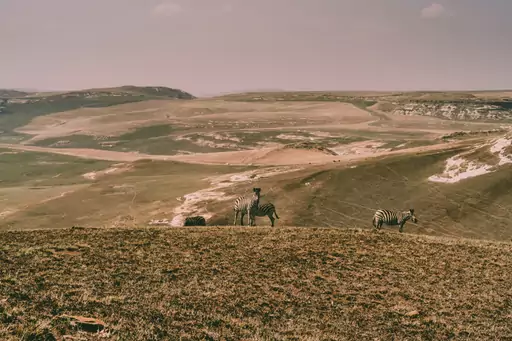
Sandstone cliffs surround the small town of Clarens in South Africa's eastern highlands. Farmers settled the area in the early 1900s, drawn by the fertile mountain valley. Visitors can hike nearby trails or browse galleries filled with local art. Nearby caves hold San rock paintings estimated at centuries old.
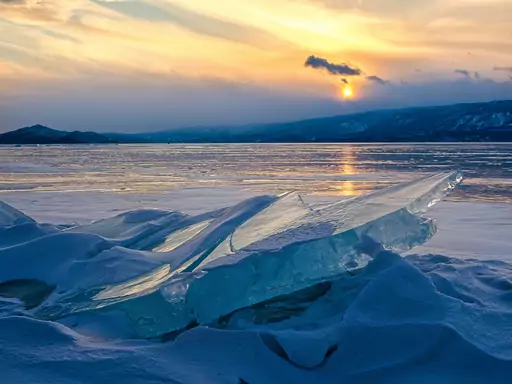
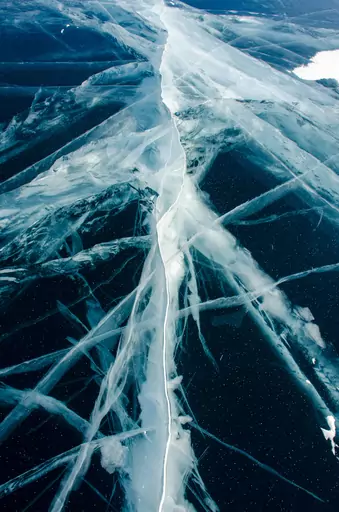
Lake in Russia
Lake Baikal
World's deepest lake, Siberia's jewel
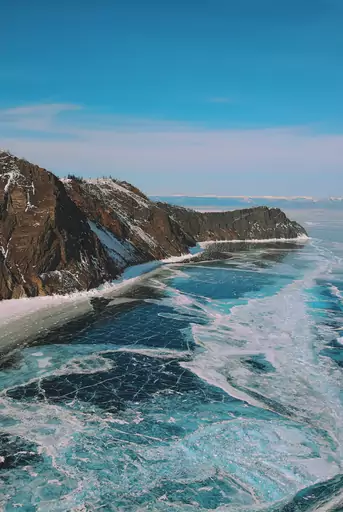
Lake Baikal holds more fresh water than any other lake on the planet. Its depth and age have allowed unique species found nowhere else to evolve here. Visitors can walk across its frozen surface in winter or swim in its cold water in summer. Nearby forests shelter brown bears along largely untouched shorelines.
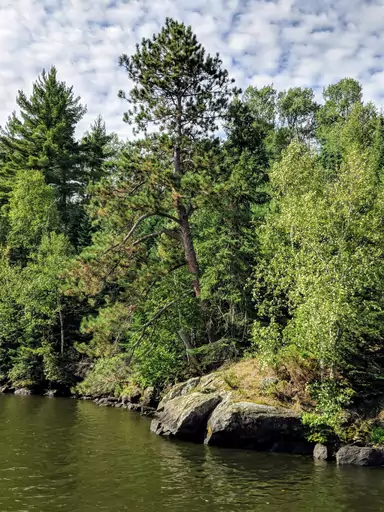
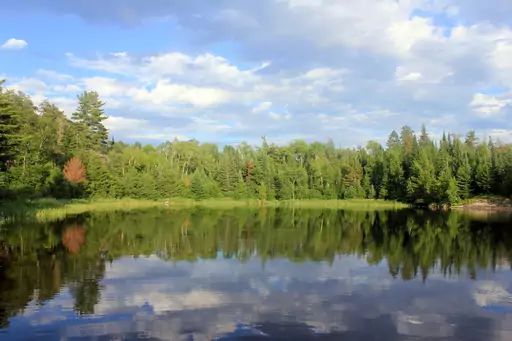
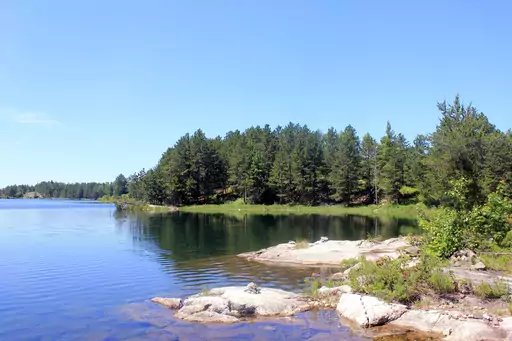
National Park in United States
Voyageurs National Park
Watery wilderness of northern Minnesota
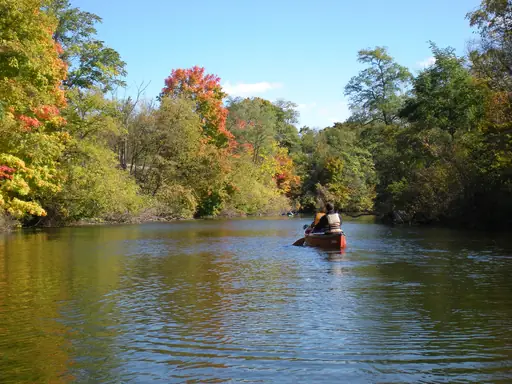
Water covers roughly a third of Voyageurs National Park, best explored by boat. French-Canadian fur traders once paddled these same interconnected lakes centuries ago. Visitors can canoe past rocky islands or spot loons calling across the water. Nearby forests offer some of the clearest night skies in the Midwest.
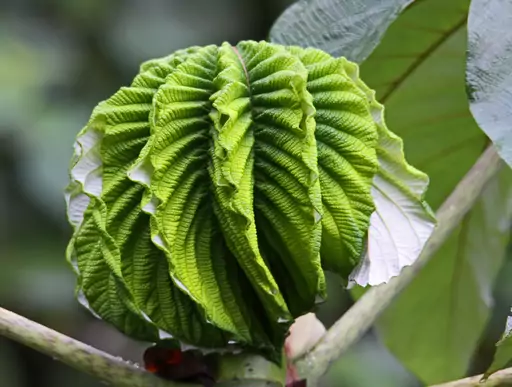
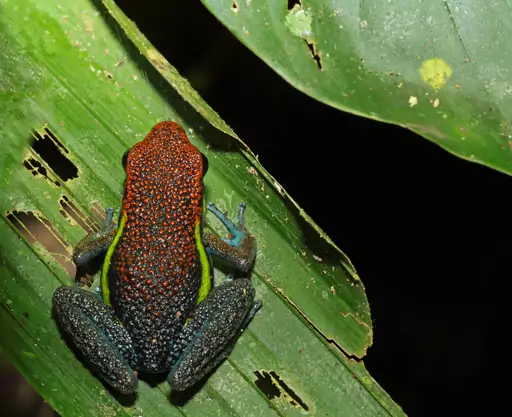
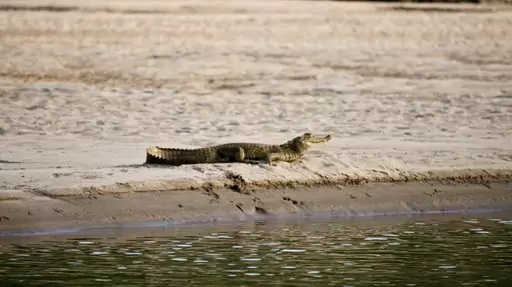
National Park in Peru
Manú National Park
Pristine Amazon biodiversity wonderland
Manu spans a range of elevations from high Andean peaks down to Amazon lowland. Biologists consider it among the most biodiverse protected areas on the planet. Visitors can spot macaws gathering at a riverside clay lick each morning. Nearby, remote sections of the park remain closed to protect isolated communities.
Region in United States
Finger Lakes
Waterfalls, wine and pristine lakes
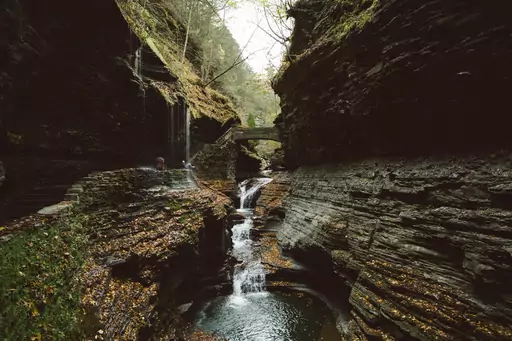
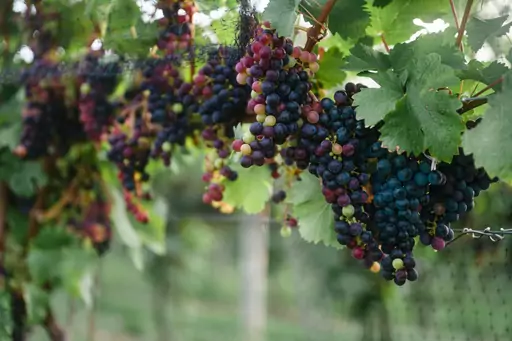
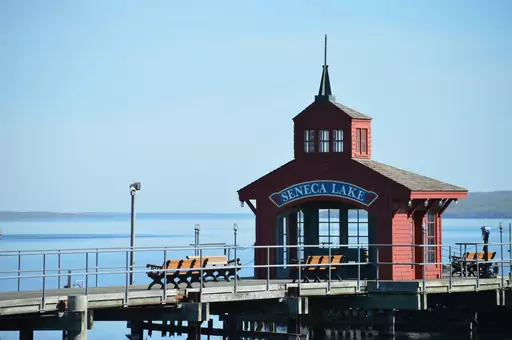
Eleven narrow lakes carved by glaciers give the Finger Lakes region its name. Vineyards now line many of the slopes above the deep, cold water. Visitors can taste Rieslings at wineries perched over the lakeshores. Nearby waterfalls drop through gorges cut into the surrounding hillsides.
Nature Reserve in Costa Rica
Monteverde and Santa Elena Cloud Forest Reserves
Mist, Wildlife and Cloudy Magic
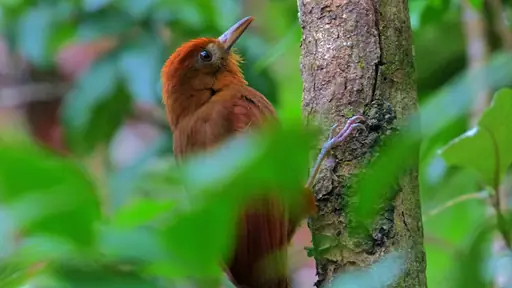
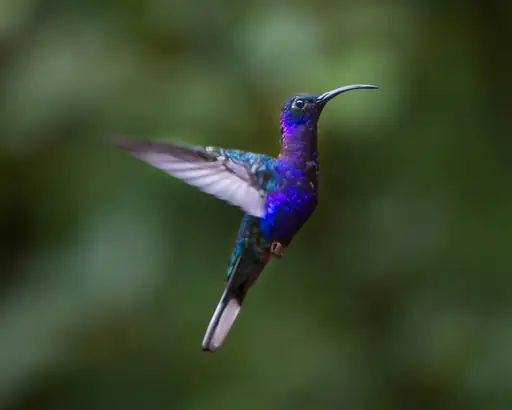
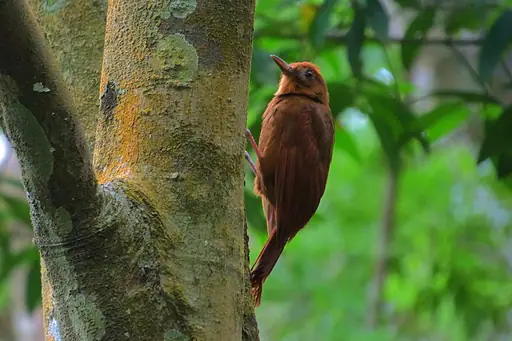
Thick mist blankets Monteverde's cloud forest for much of the year, feeding an unusually dense canopy. Quaker settlers established the reserve here in the 1950s to protect the surrounding watershed. Visitors can cross suspension bridges strung high above the forest floor. Nearby trails offer some of Costa Rica's best chances to spot a resplendent quetzal.
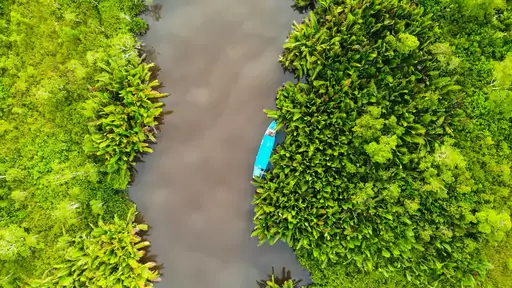
Island
Borneo
Wild rainforests meet unique wildlife
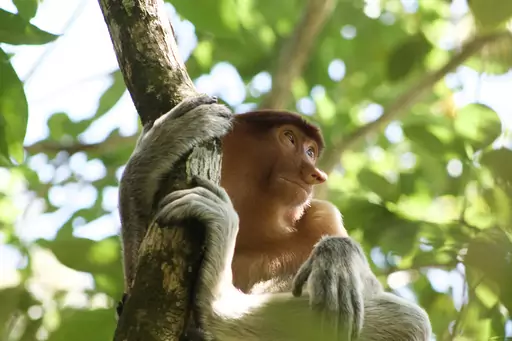
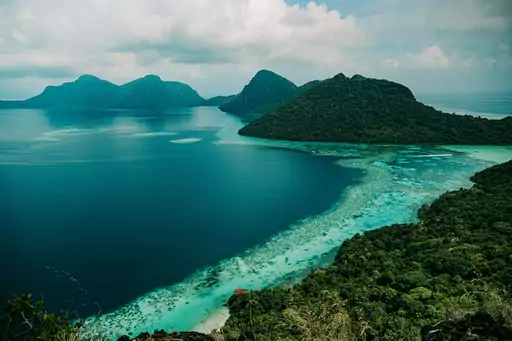
Rainforests across Borneo shelter some of the last wild orangutans on Earth. Conservation centres have rehabilitated orphaned orangutans here since the 1960s. Visitors can watch them swing through the canopy at feeding platforms. Nearby rivers wind through jungle that logging roads have almost never reached.

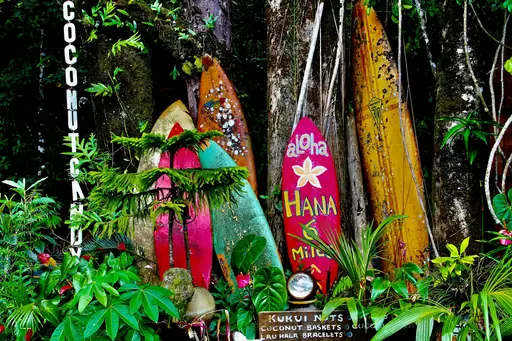
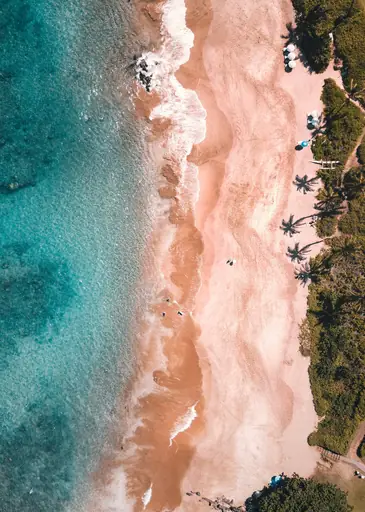
Island in United States
Maui
Island of Sun, Surf and Serenity
The Road to Hana winds past waterfalls along Maui's rugged northeastern coast. Engineers carved the narrow road through dense rainforest in the early twentieth century. Visitors can stop at black sand beaches and swim beneath roadside falls. Nearby Haleakala's summit offers sunrise views above the clouds.
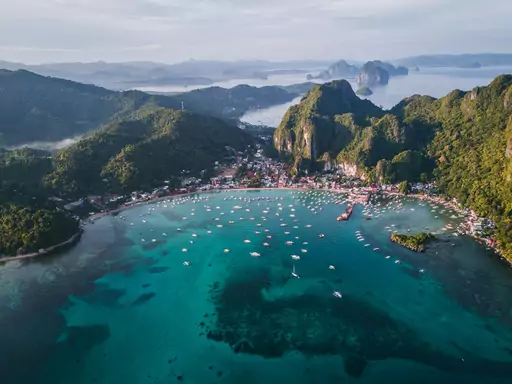
Island in Philippines
Palawan
Paradise of Lagoons and Limestone Cliffs
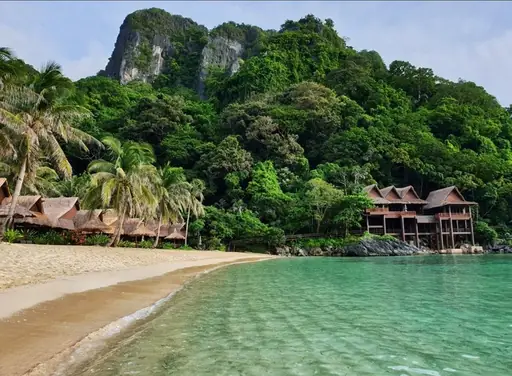
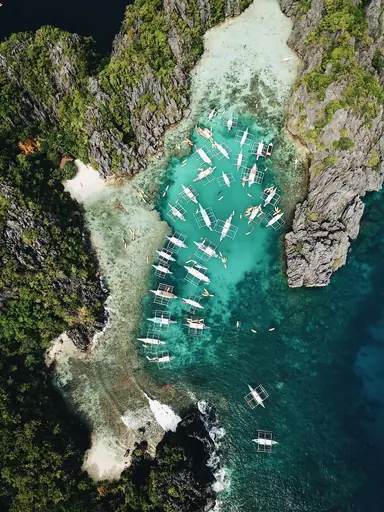
An underground river flows through a cave system beneath Palawan's coastal cliffs. Paddlers can travel over five miles into the mountain along this navigable waterway. Visitors can take a boat tour through chambers filled with stalactites. Nearby lagoons at El Nido sit ringed by dramatic limestone karst.
Island in India
Andaman and Nicobar Islands
Crystal waters and pristine wilderness
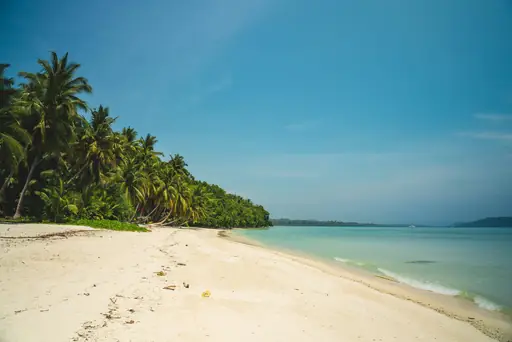
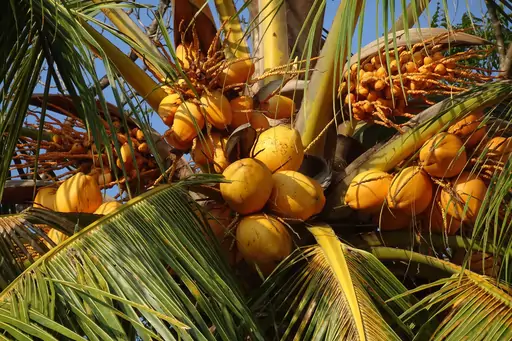
Reefs around the Andaman Islands shelter coral rarely seen elsewhere in the Indian Ocean. Isolation from the mainland has kept much of the marine life undisturbed. Visitors can snorkel over the reefs just off Havelock Island's beaches. Nearby forests still shelter tribes that have limited contact with outsiders.
National Park in Guyana
Kaieteur National Park
World's Most Powerful Single-Drop Waterfall
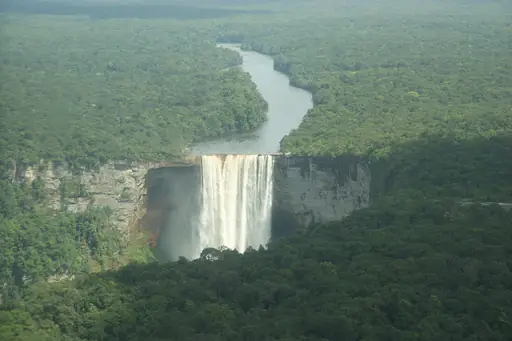
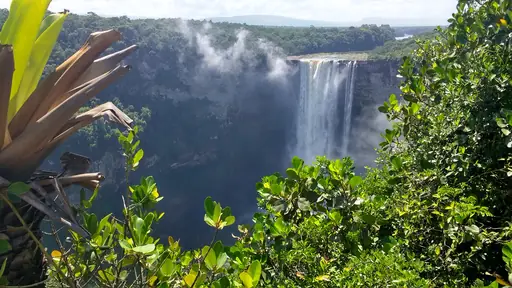
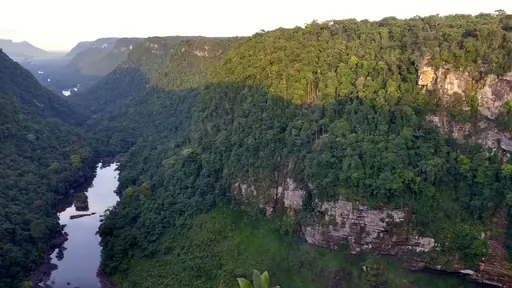
Kaieteur Falls drops in a single sheer plunge nearly five times the height of Niagara. Few roads reach this remote part of Guyana, so most visitors arrive by small plane. Visitors can stand at the edge of the gorge as the water thunders below. Nearby rainforest remains largely untouched by logging or development.
Nature Reserve in United States
Big Cypress National Preserve
Florida's wild swamp wilderness experience
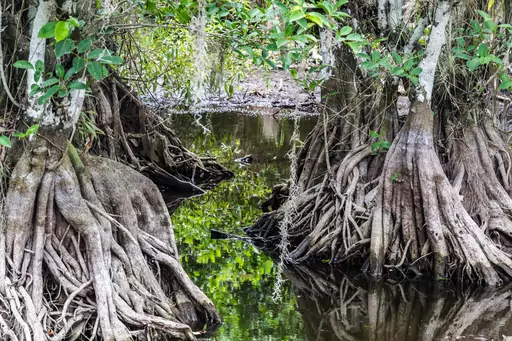
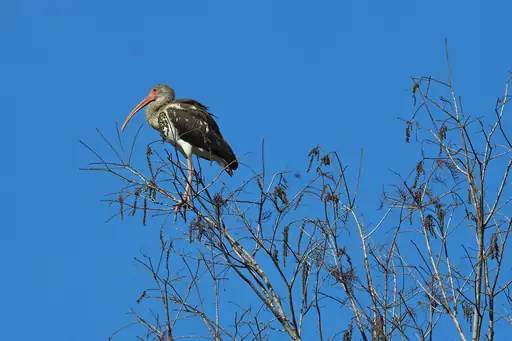
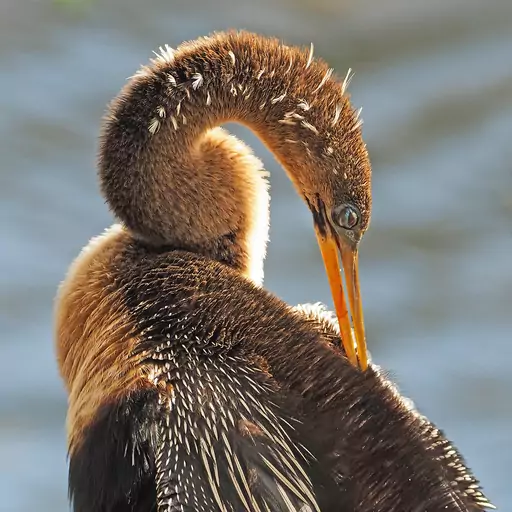
Big Cypress protects a swamp forest where Florida panthers still roam freely. Rangers have tracked the elusive cats through the preserve's cypress domes for decades. Visitors can spot wading birds and alligators along the Tamiami Trail boardwalks. Nearby, the preserve borders the Everglades' vast sawgrass marshes.
Nature Reserve in United States
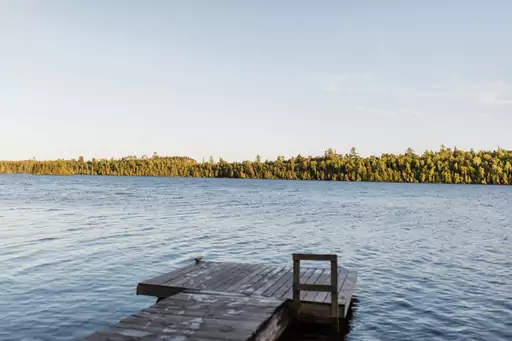
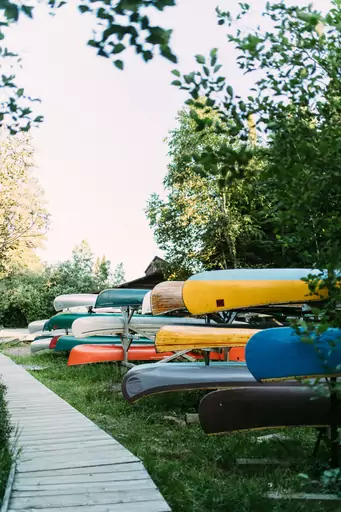
Boundary Waters Canoe Area Wilderness
Pristine lakes, untouched wilderness paradise
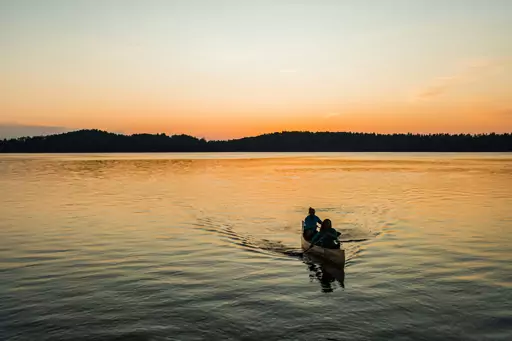
Over a thousand lakes link together across the Boundary Waters' canoe routes. Paddlers portage between them along trails first used by Ojibwe traders. Visitors can canoe for days without crossing a single road. Nearby forests stay quiet enough at night to hear wolves howling in the distance.
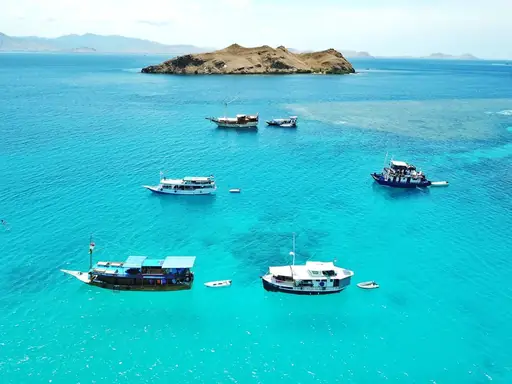
National Park in Indonesia
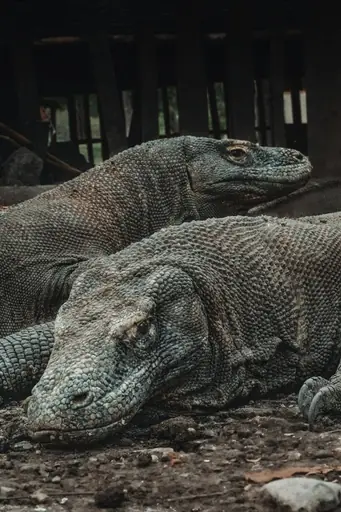
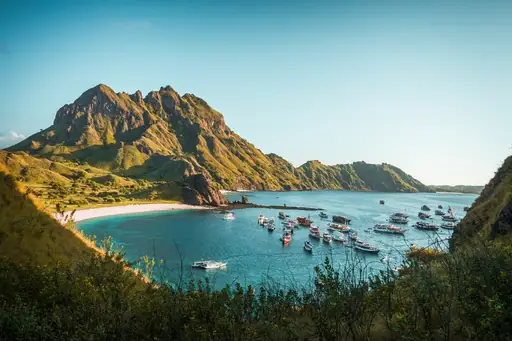
Komodo National Park
Dragons, Pristine Reefs and Wild Beauty
Komodo dragons, the world's largest living lizards, roam freely across this island park. Rangers guide visitors at a careful distance to observe the animals safely. Visitors can hike marked trails where dragons bask in the open. Nearby pink-sand beaches sit just a short boat ride from the dragon habitat.
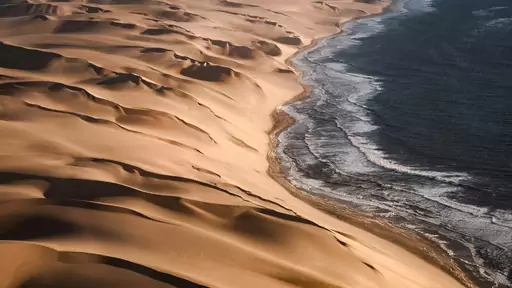
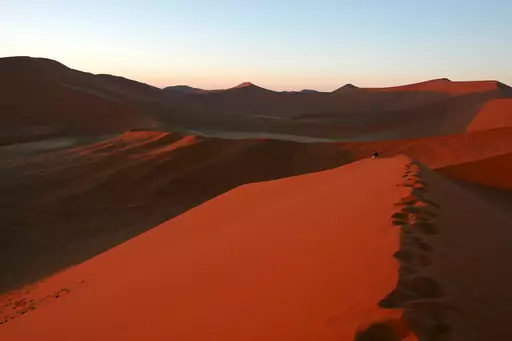
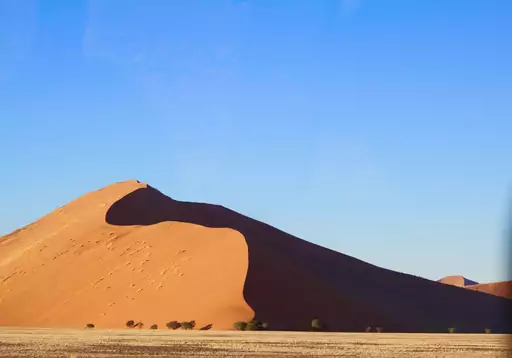
Desert in Namibia
Namib
Endless dunes whisper ancient desert secrets
Fog rolling in from the cold Atlantic sustains life across the otherwise arid Namib Desert. Some of the world's tallest sand dunes rise from this ancient coastal desert. Visitors can climb dunes at Sossusvlei or track wildlife adapted to the fog belt. Nearby, an old shipwreck sits rusting along the aptly named Skeleton Coast.
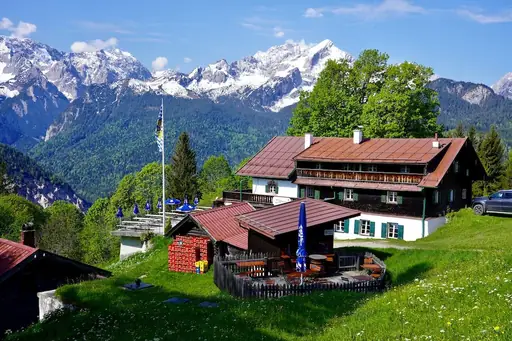
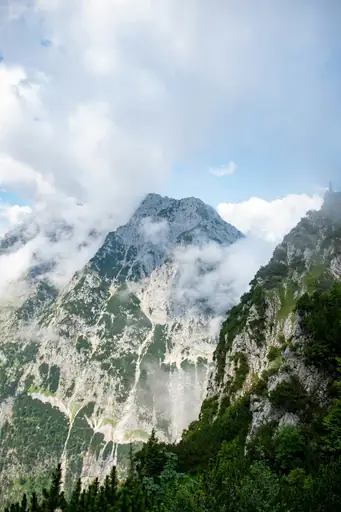
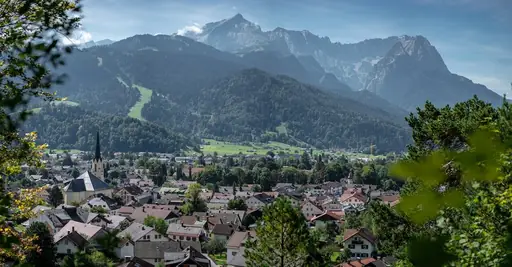
Town in Germany
Garmisch-Partenkirchen
Alpine Paradise with Bavarian Charm
Germany's highest peak, the Zugspitze, rises directly above Garmisch-Partenkirchen. A cogwheel train first reached the summit in 1930, opening it to regular visitors. Travellers can ride the train or cable car up for views across four countries. Nearby valleys host traditional Bavarian farms still growing hay by hand.
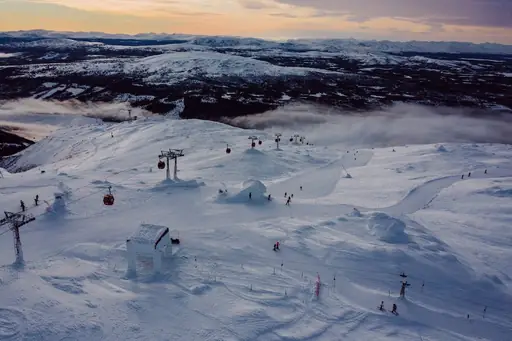
Town in Sweden
Åre
Sweden’s Alpine Playground, Year-Round
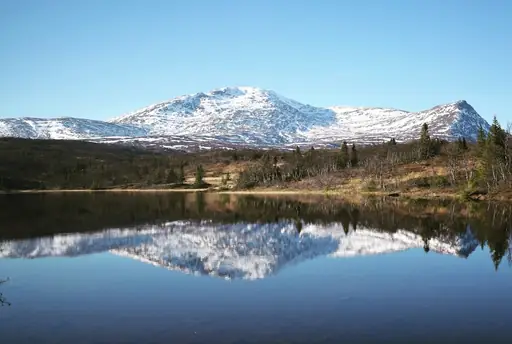
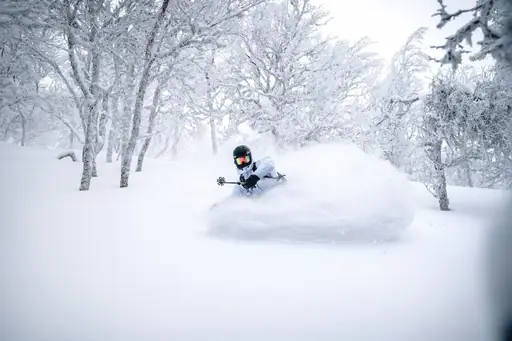
Are grew from a small farming village into Sweden's best-known ski destination. Mountain trails once used to move cattle now double as summer hiking routes. Visitors can ride a chairlift up for views over Are Lake and the surrounding hills. Nearby farms still sell cheese made using generations-old recipes.

National Park in Japan
Fuji-Hakone-Izu National Park
Fuji, Hakone, Izu and volcanic islands
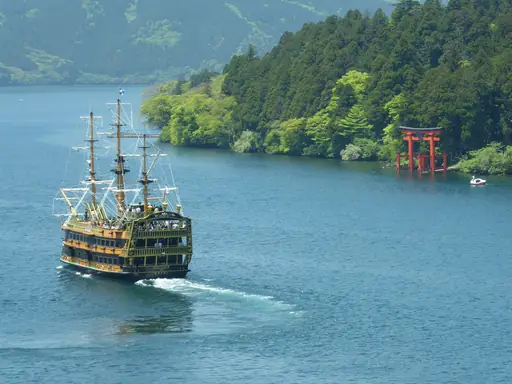
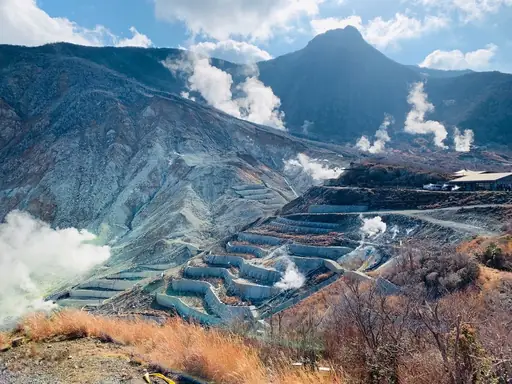
Hakone's hot springs draw on volcanic activity from a caldera formed long ago. Onsen inns here have hosted travellers along an old mountain trade route for centuries. Visitors can soak outdoors with views towards Mount Fuji on clear days. Nearby, a pirate-style boat crosses Lake Ashi past the mountain scenery.
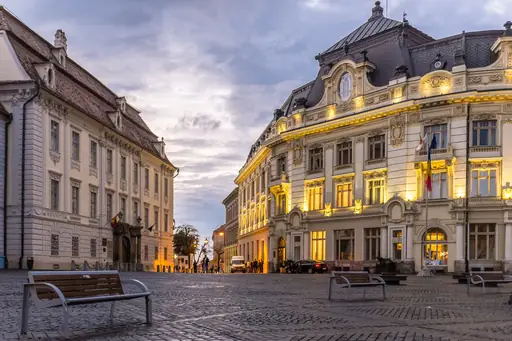
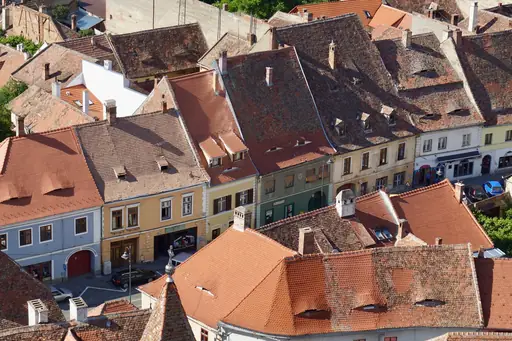
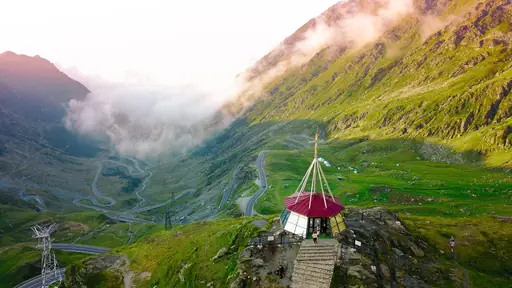
Region in Romania
Transylvania
Mysterious castles and misty mountain vistas
Fortified churches dot Transylvania's countryside, built by Saxon settlers centuries ago to withstand raids. Villagers once stored grain and hid inside these thick stone walls during attacks. Visitors can tour several of the churches scattered through rural Romanian villages. Nearby forests still shelter one of Europe's largest brown bear populations.
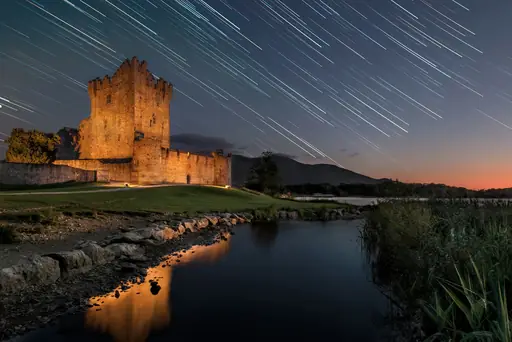
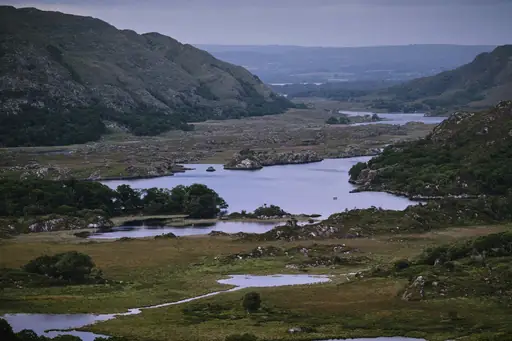
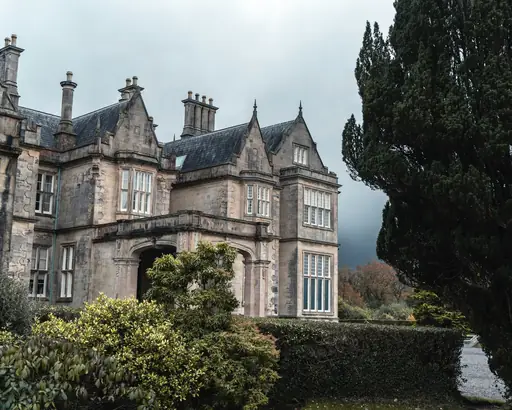
Town in Ireland
Killarney
Ireland’s Adventure Gateway Town
Ireland's only wild herd of red deer roams the hills around Killarney National Park. Descendants of deer present since the last ice age still graze here today. Visitors can spot them from trails around the Lakes of Killarney. Nearby, a horse-drawn jaunting car still carries visitors through the old estate.
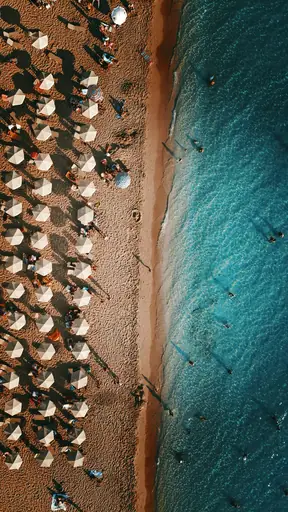
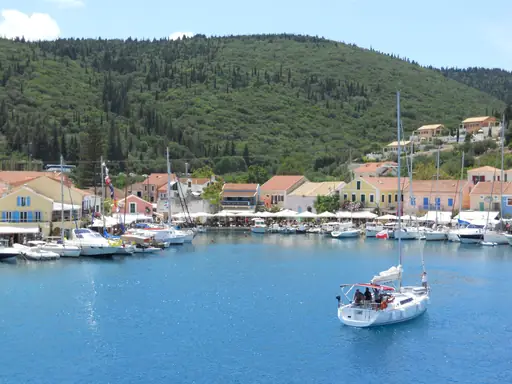
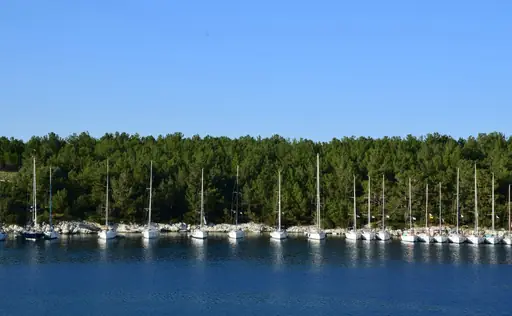
Island in Greece
Kefalonia
Wild Beauty of the Ionian Sea
Melissani Cave holds an underground lake lit by sunlight through a collapsed roof. Legend ties the cave to the nymph Melissani, said to have drowned herself there. Visitors can row a small boat across the strikingly blue water inside. Nearby beaches sit tucked beneath steep limestone cliffs.

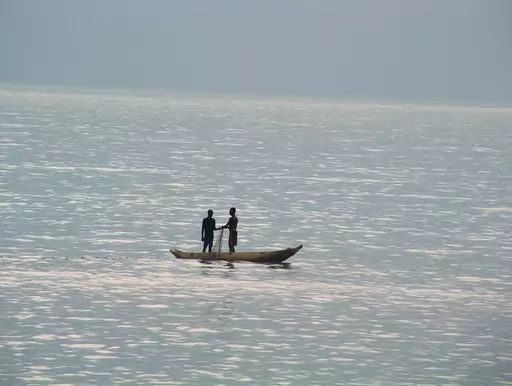
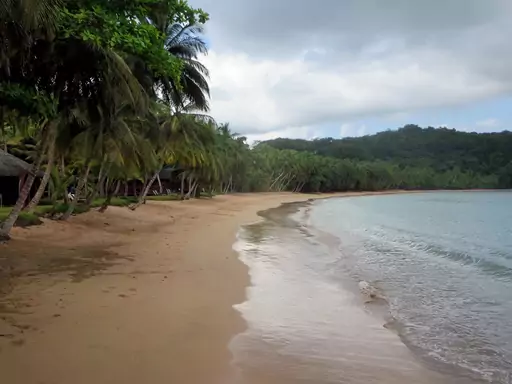
Country
São Tomé and Príncipe
Equatorial paradise with volcanic landscapes
Cacao once made Sao Tome one of the world's largest producers of cocoa. Old plantation estates called rocas still dot the islands' lush volcanic interior. Visitors can tour a working cacao farm and taste chocolate made on site. Nearby rainforest shelters birds found nowhere else on Earth.
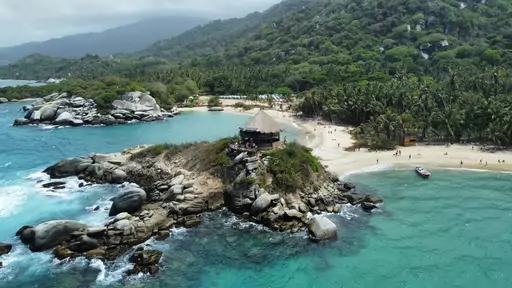
National Park in Colombia
Tayrona National Park
Where Jungle Meets Turquoise Caribbean
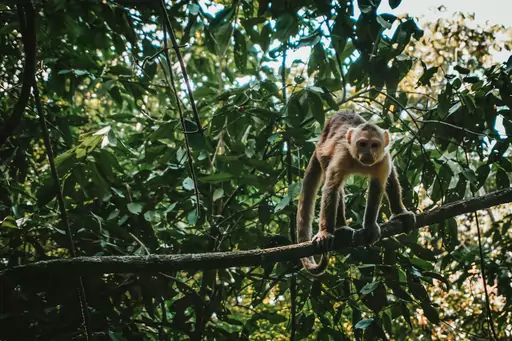
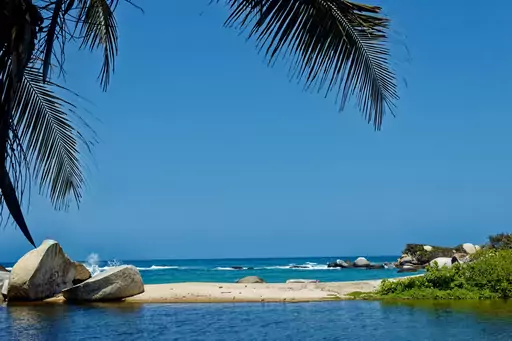
Jungle-covered hills meet white sand beaches within Tayrona National Park on Colombia's coast. Indigenous Kogi communities still consider parts of this land sacred and off-limits to visitors. Travellers can hike through forest to reach secluded coves along the shoreline. Nearby ruins hint at settlements that predate the arrival of Europeans.
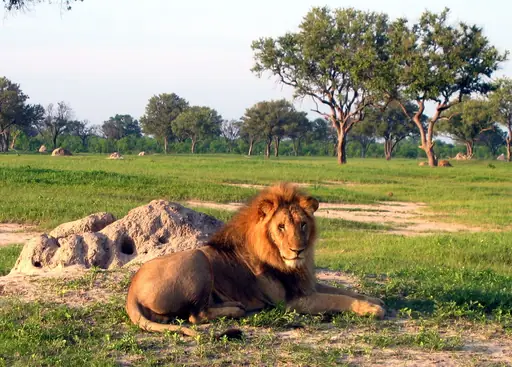
National Park in Zimbabwe
Hwange National Park
Elephant Herds and Wild Horizons
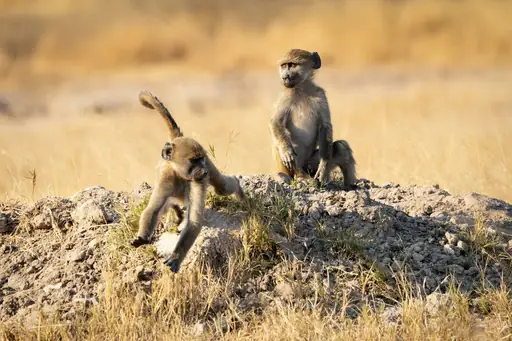
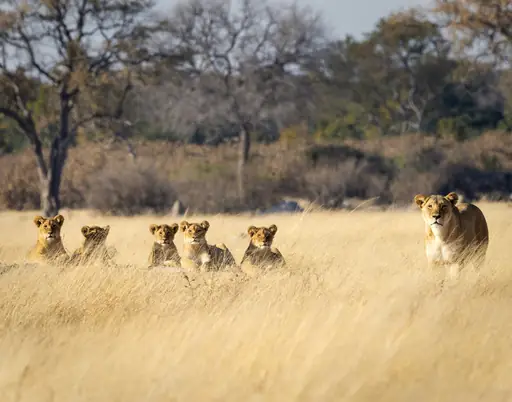
Hwange holds one of Africa's largest populations of elephants within a single park. Waterholes pumped by solar power keep wildlife nearby even during the region's dry season. Visitors can watch large herds gather at pumped waterholes just past sunset. Nearby camps let guests sleep close enough to hear elephants at night.
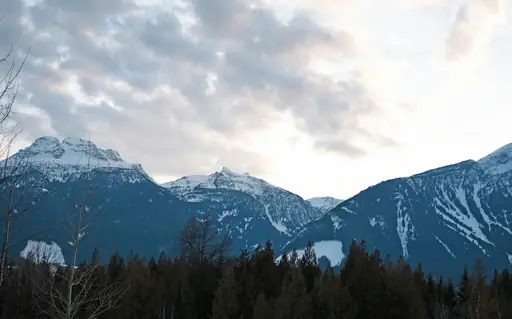
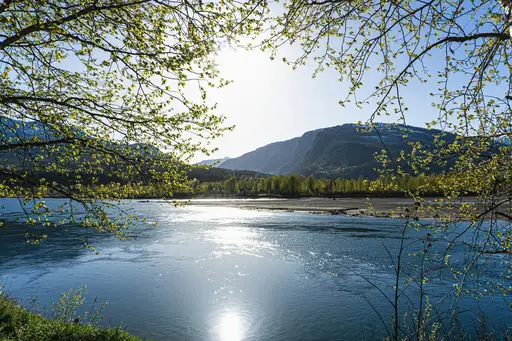
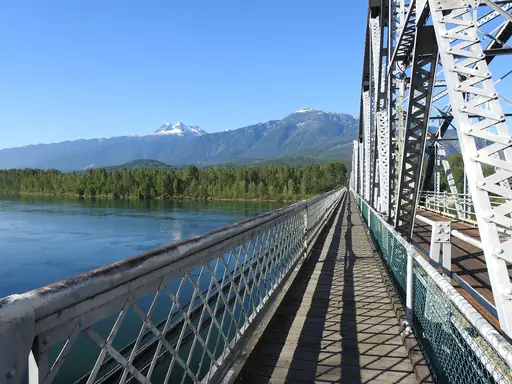
Town in Canada
Revelstoke
Big Mountain Adventure, Small Town Soul
Deep snowfall in the mountains around Revelstoke draws some of the heaviest annual totals in Canada. Railway workers first settled the town during construction of the transcontinental line. Visitors can ski powder by day and soak in nearby hot springs after. Nearby glaciers feed rivers that cut through the surrounding valleys.
Country
Lesotho
Mountain kingdom in the sky
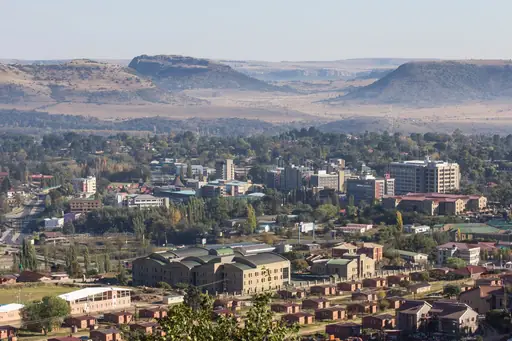
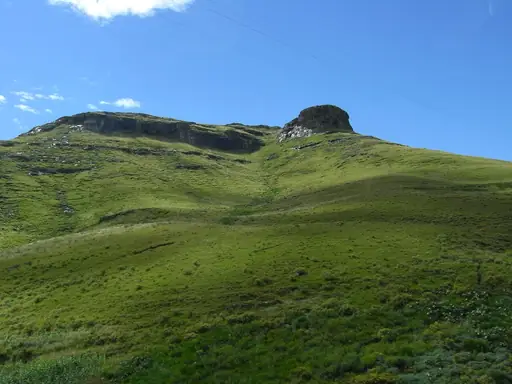
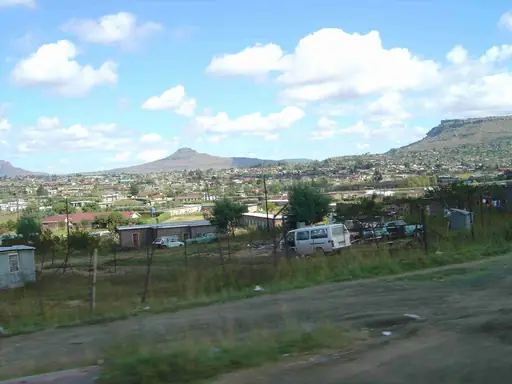
Lesotho sits entirely above one thousand metres, earning it the nickname Kingdom in the Sky. Basotho herders still travel these highlands on horseback, wrapped in traditional wool blankets. Visitors can ride a pony trek between remote mountain villages. Nearby waterfalls drop from cliffs across the Maloti Mountains.


State/Prefecture in United States
Michigan
Great Lakes State of Wonder
Sand dunes along Lake Michigan's shore rise among the largest freshwater dunes in the world. Wind off the lake has shaped and reshaped these dunes over thousands of years. Visitors can climb to the top of Sleeping Bear Dunes for views over the water. Nearby forests and orchards fill much of the surrounding countryside.
National Park in Germany
Harz National Park
Legendary mountain wilderness in transition
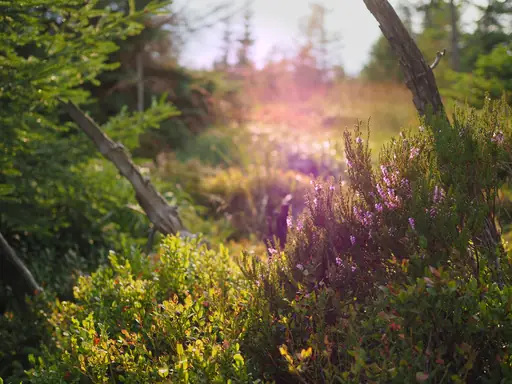
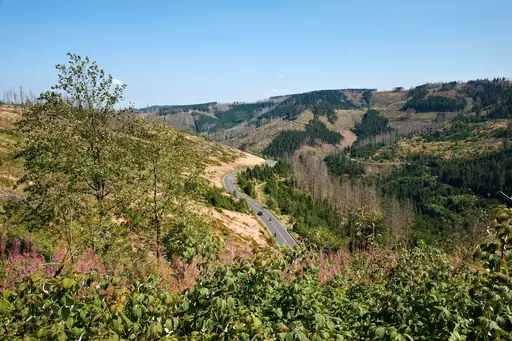
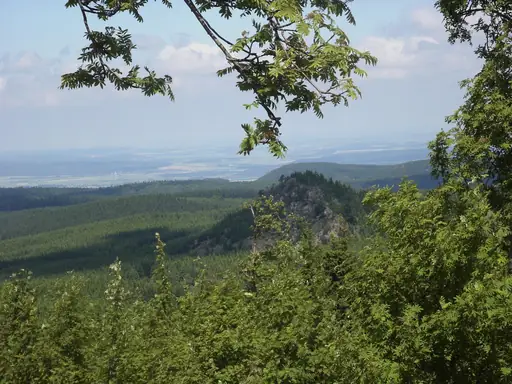
Dense spruce forest covers much of the Harz, Germany's northernmost low mountain range. Folklore across the region ties the Brocken peak to old tales of witches gathering. Visitors can ride a steam train to the summit or hike forest trails below. Nearby villages preserve half-timbered architecture from centuries past.
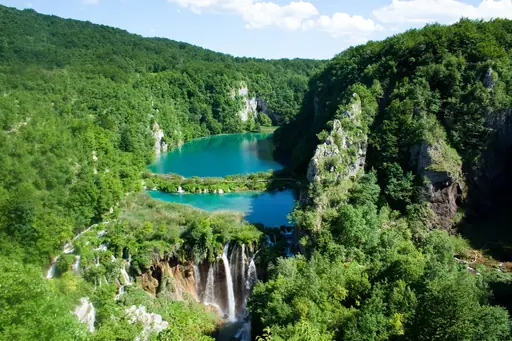
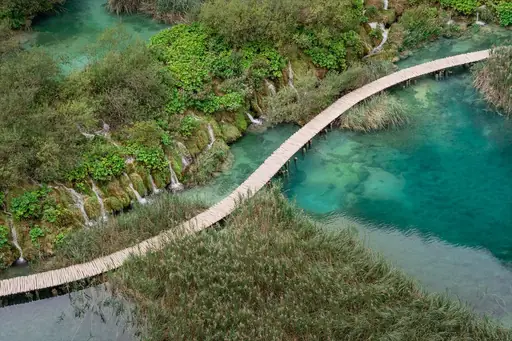
National Park in Croatia
Plitvice Lakes National Park
Cascading Waterfalls and Turquoise Lakes
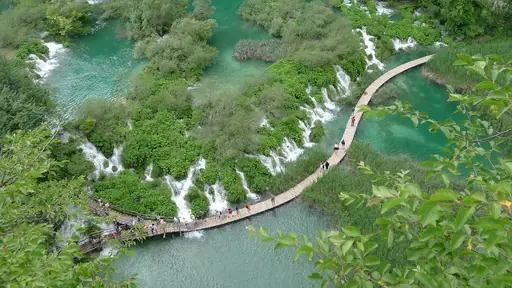
Sixteen terraced lakes connect through Plitvice's waterfalls, their colour shifting with mineral content. Natural travertine barriers built up over centuries divide the lakes from one another. Visitors can walk wooden boardwalks suspended just above the clear water. Nearby forest trails climb through beech woods surrounding the lake system.
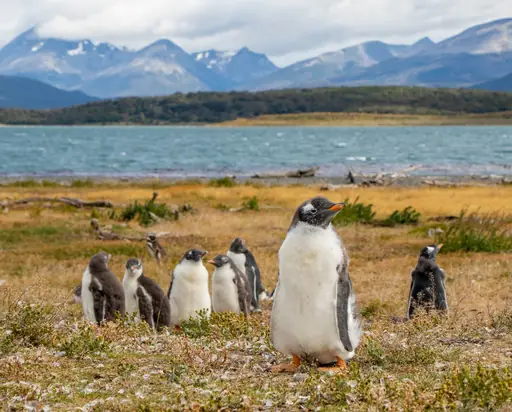
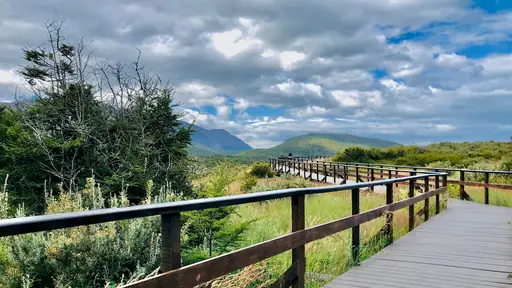
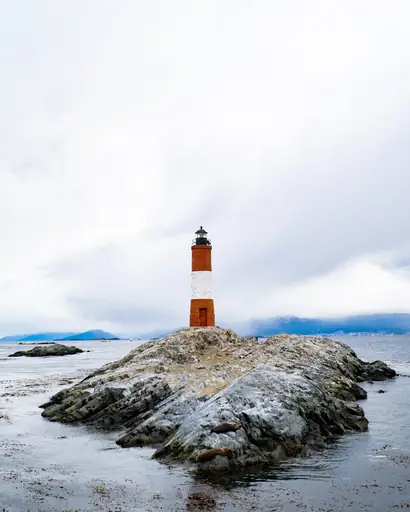
Town in Argentina
Ushuaia
End of the World Adventures
Ushuaia sits at the southern tip of South America, often called the end of the world. Ships bound for Antarctica depart from the town's harbour each summer season. Visitors can hike Tierra del Fuego's forests or cruise the Beagle Channel. Nearby glaciers and peaks rise sharply above the surrounding coastline.
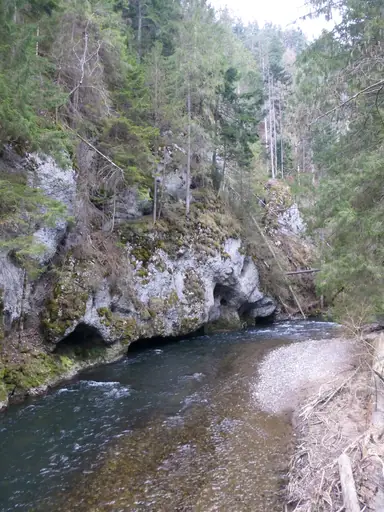
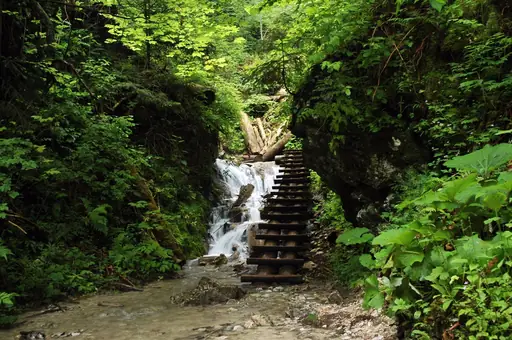
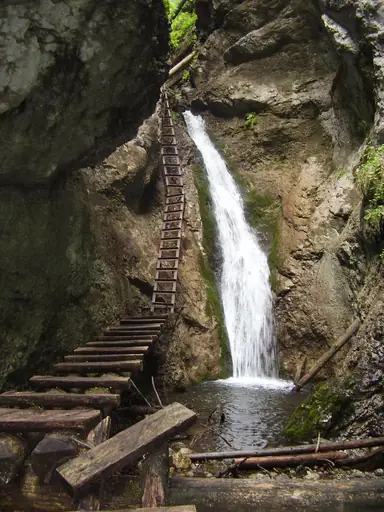
National Park in Slovakia
Slovak Paradise National Park
Ladders, Gorges and Wild Waterfalls
Wooden ladders and chains help hikers climb through Slovak Paradise's narrow river gorges. Streams here have carved deep ravines through the limestone plateau over thousands of years. Visitors can wade and climb directly through waterfalls along marked trails. Nearby caves hold ice formations that persist through much of the year.

Nature Reserve in Kenya
Maasai Mara National Reserve
Witness the Great Migration
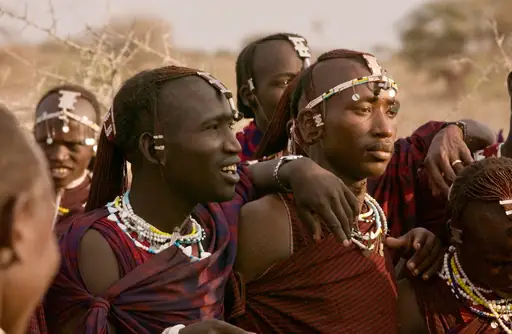
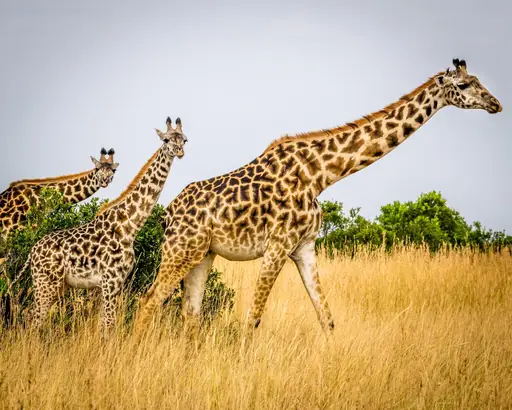
Over a million wildebeest cross the Maasai Mara each year during the Great Migration. Maasai communities have coexisted with this wildlife on these plains for generations. Visitors can watch herds cross the Mara River, often chased by waiting crocodiles. Nearby conservancies offer quieter game drives away from the main crowds.
National Park in India
Kanha National Park
Tiger paradise in magical wilderness
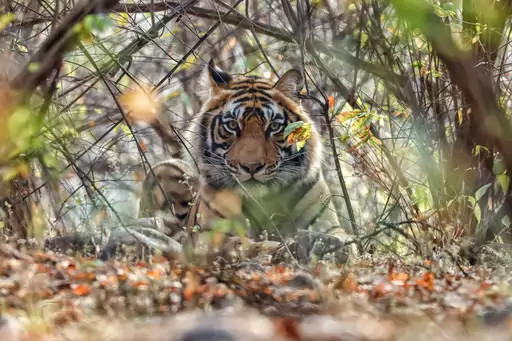
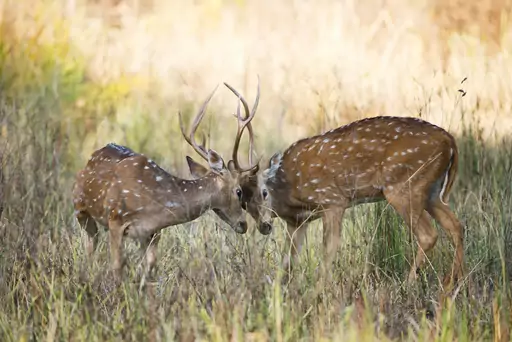
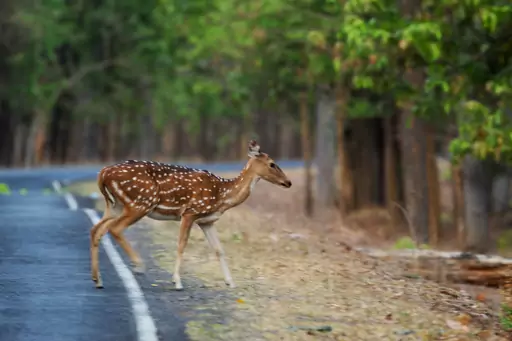
Kanha's sal forests are said to have inspired the setting of The Jungle Book. Rudyard Kipling never visited, but the landscape closely matches his descriptions. Visitors can spot tigers and barasingha deer from open safari vehicles. Nearby meadows support one of India's last populations of the rare deer.
National Park in Uganda
Bwindi Impenetrable National Park
Gorilla Encounters in Ancient Forest
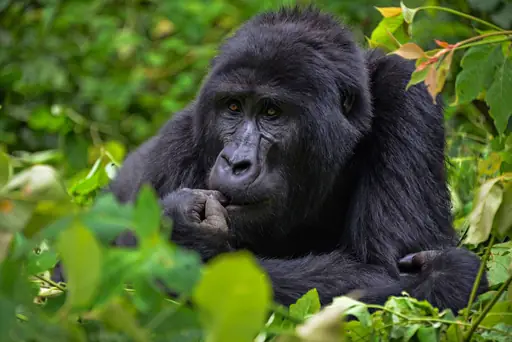
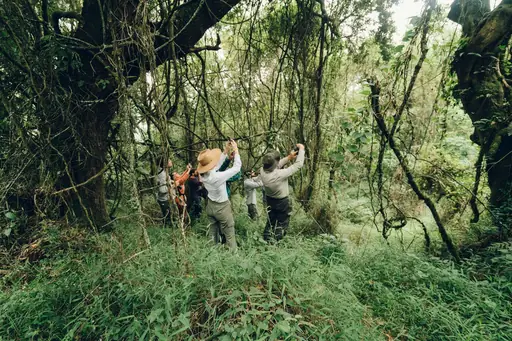
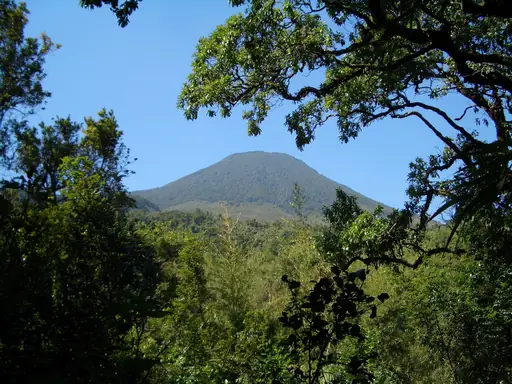
Bwindi shelters roughly half of the world's remaining mountain gorillas. Rangers lead small groups on treks that track habituated gorilla families through dense forest. Visitors can spend an hour observing a group from just meters away. Nearby ridges stay wrapped in mist through much of the year.
National Park in Canada
Banff National Park
Majestic Peaks and Turquoise Lakes
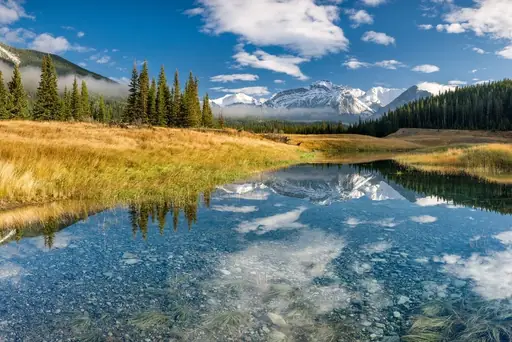
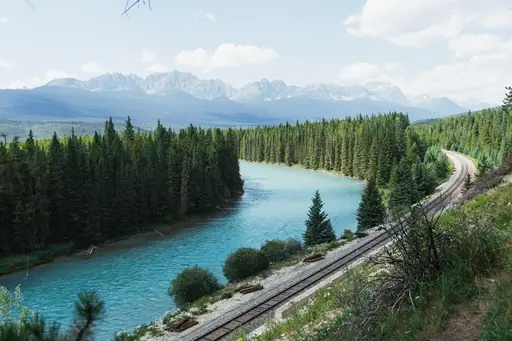
Glacial melt gives Moraine Lake its intense turquoise colour each summer. The lake sits inside a valley once nicknamed the Valley of the Ten Peaks. Visitors can canoe across the water with the surrounding peaks reflected on its surface. Nearby trails climb towards glaciers that feed the lake below.
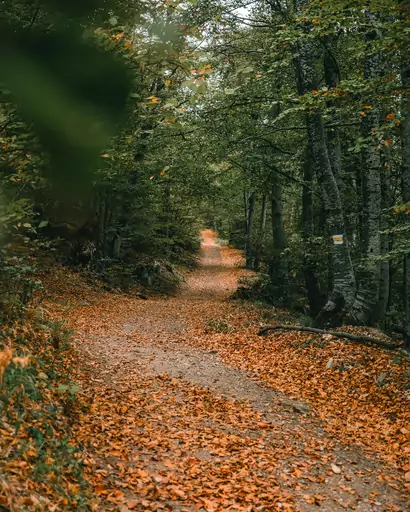
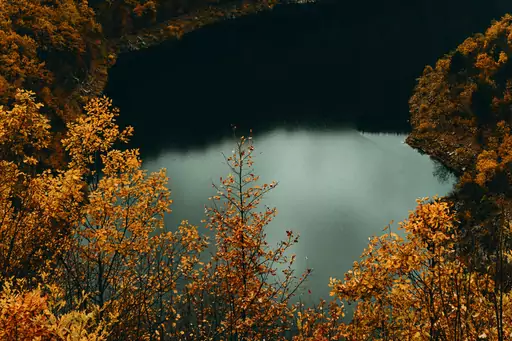
Mountain
Rhodope Mountains
Ancient mystical Balkan wilderness
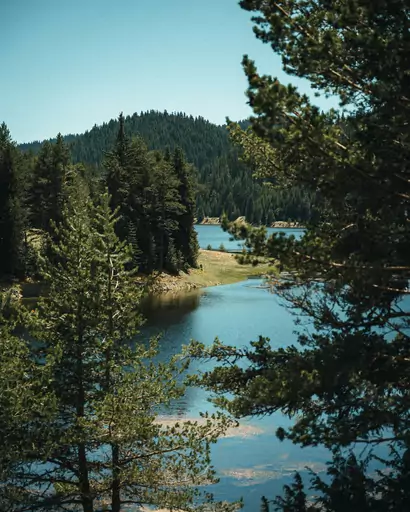
Traditional bagpipe music has been passed down through villages across the Rhodope Mountains for generations. Shepherds in this range still graze sheep on remote hillside pastures. Visitors can hike between villages that maintain centuries-old folk traditions. Nearby caves hold formations that took thousands of years to form.
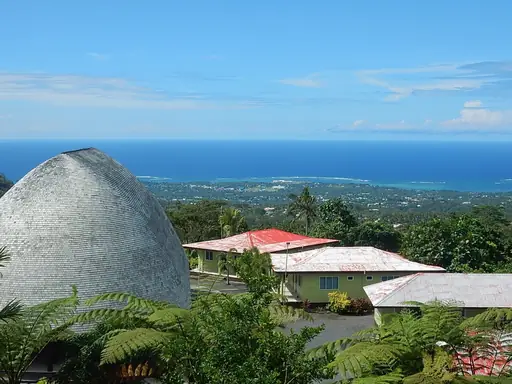
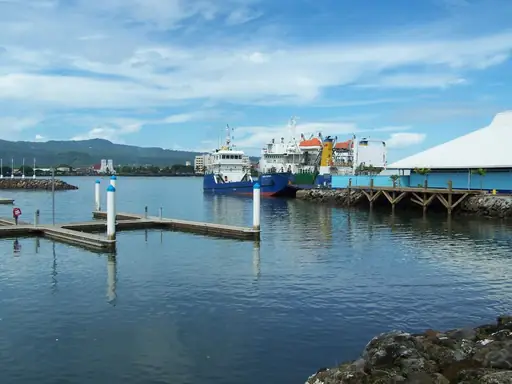
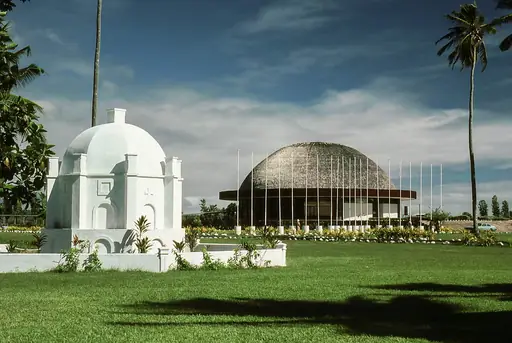
Country
Samoa
Tropical paradise with volcanic mountains
To-Sua Ocean Trench forms a giant swimming hole connected to the sea by an underwater channel. A ladder descends nearly a hundred feet into the garden-ringed pool below. Visitors can swim in the trench's calm, clear water surrounded by tropical plants. Nearby villages still follow traditional Samoan customs known as fa'a Samoa.
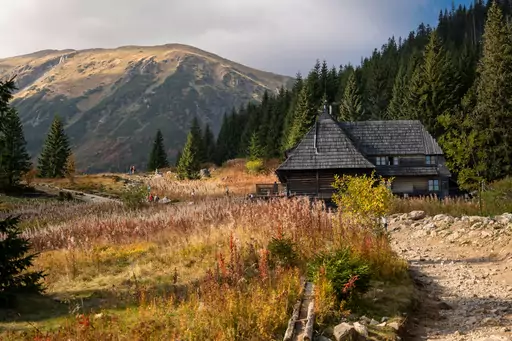
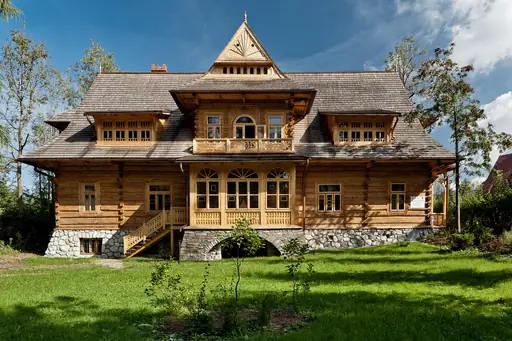
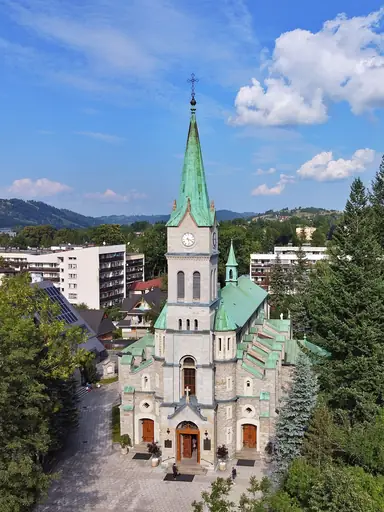
Town in Poland
Zakopane
Poland’s Tatra Mountain Adventure Hub
Wooden highland architecture defines much of Zakopane, a town at the foot of the Tatra Mountains. Craftsmen here developed a distinct regional style using carved timber and steep roofs. Visitors can hike into the Tatras or browse markets selling smoked highland cheese. Nearby trails lead to alpine lakes tucked into the mountains.
Island in Ireland
Inishmore
Stone Forts, Cliffs and Celtic Spirit
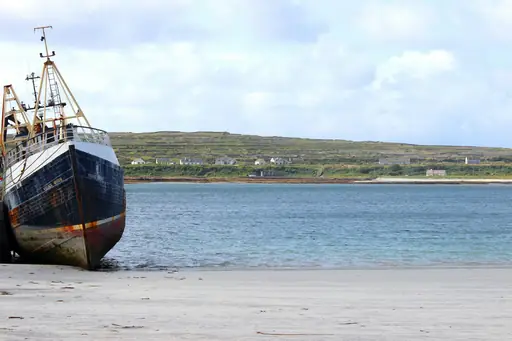
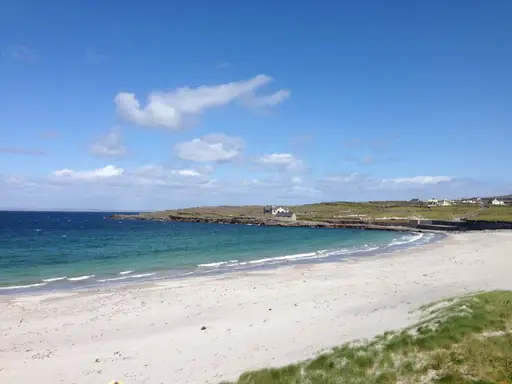
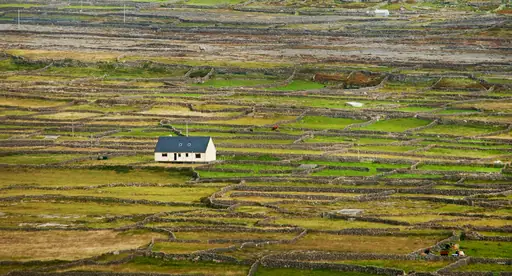
Stone walls divide nearly every field across Inishmore, built from cleared rock over generations. Farmers stacked the walls by hand to make the island's thin soil usable for grazing. Visitors can cycle narrow lanes between the walls towards ancient cliffside forts. Nearby cliffs drop sharply into the Atlantic along the island's western edge.
Town in Canada
Banff
Rocky Mountain Majesty, Endless Adventure
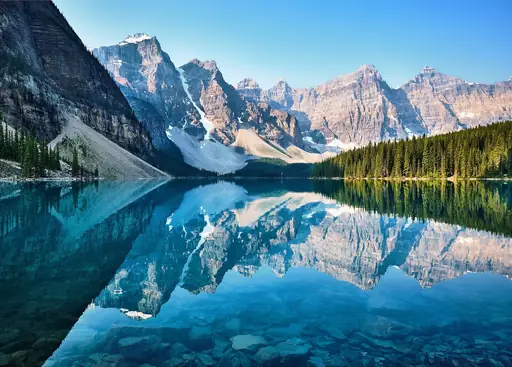
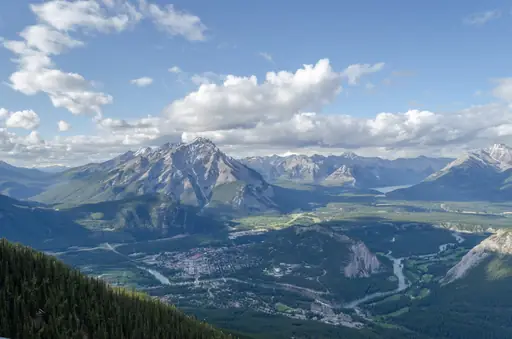
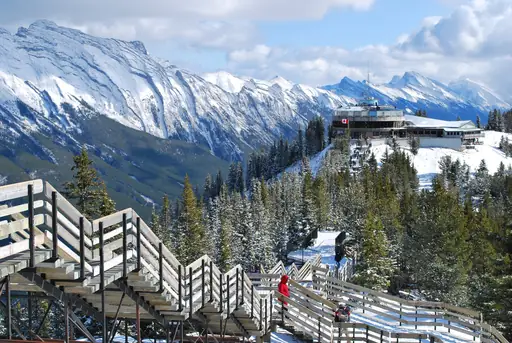
Banff grew up around hot springs discovered by railway workers in 1883. The discovery led Canada to establish its first national park around the site. Visitors can soak in the same mineral pools with mountains rising overhead. Nearby, Lake Louise turns a striking turquoise from glacial silt each summer.
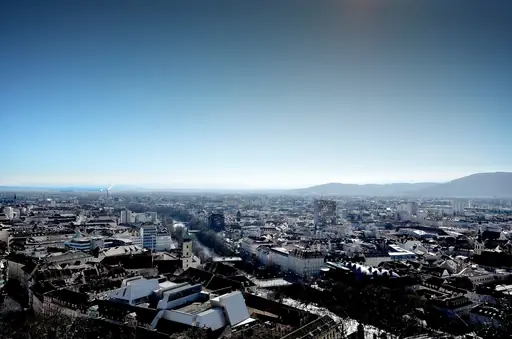
Region in Austria
Styria
Green Heart of Alpine Austria
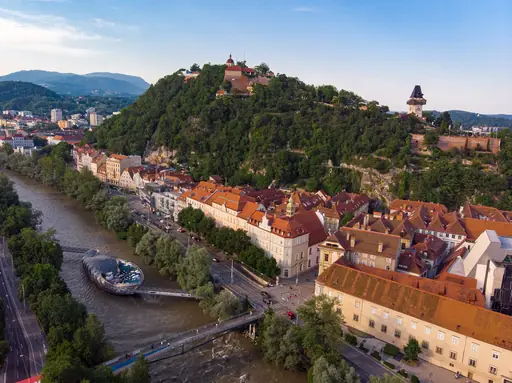
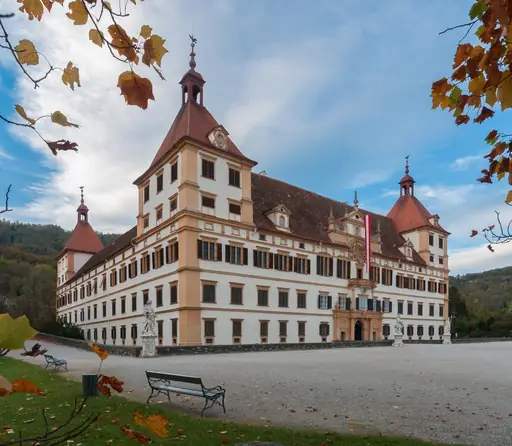
Pumpkin seed oil production has made Styria a distinct part of Austria's culinary map. Farmers here press the dark green oil from seeds grown across rolling hillside fields. Visitors can tour a family-run press and taste the oil drizzled over local dishes. Nearby vineyards produce wine along Styria's warmer southern slopes.

Island in French Polynesia
Bora Bora
Turquoise Lagoons, Overwater Dreams
A coral reef encircles Bora Bora's lagoon, creating calm, shallow turquoise water. The barrier reef shelters the island from the open Pacific's stronger swells. Visitors can snorkel among reef sharks and rays in waist-deep water. Nearby overwater bungalows sit just steps from the same lagoon.
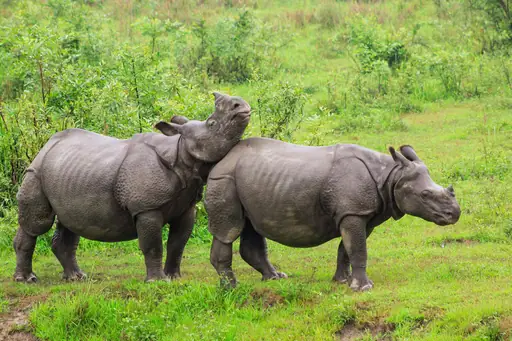
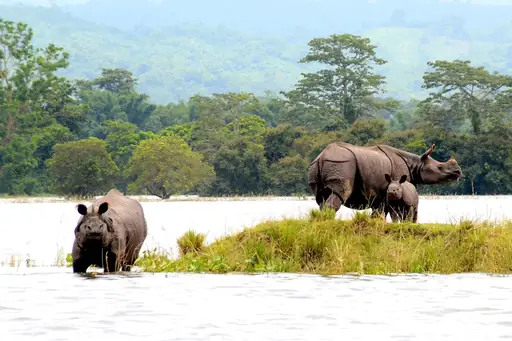
National Park in India
Kaziranga National Park
Land of Rhinos and Wild Grasslands
Kaziranga shelters roughly two thirds of the world's greater one-horned rhinos. Conservation efforts here rebuilt the population from a small remnant group a century ago. Visitors can spot rhinos grazing in tall grass from the back of an elephant. Nearby wetlands also support tigers, elephants and swamp deer.
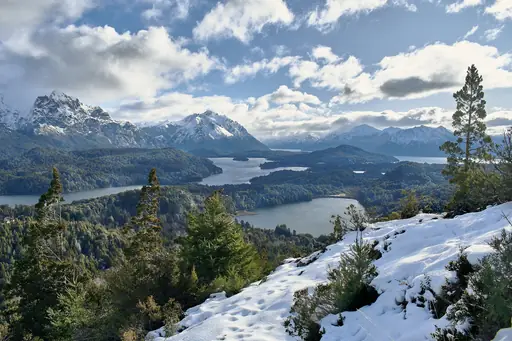
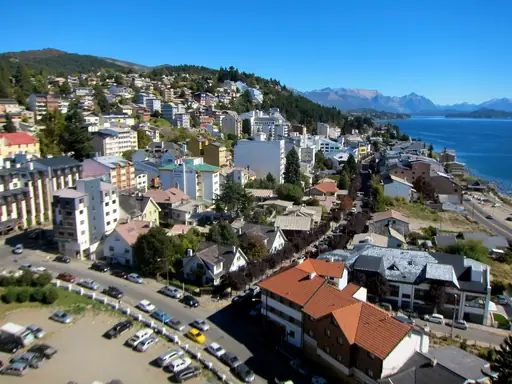
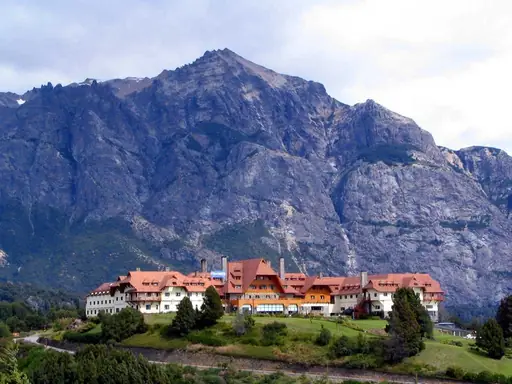
City in Argentina
San Carlos de Bariloche
Argentina’s Alpine Wonderland
Swiss and German settlers shaped Bariloche's alpine-style architecture in the early twentieth century. The town sits on the edge of a large lake ringed by forested mountains. Visitors can ski nearby slopes in winter or hike lakeside trails in summer. Nearby chocolate shops carry on a tradition brought by early European immigrants.
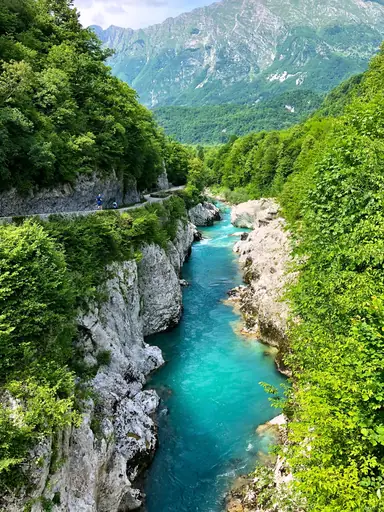

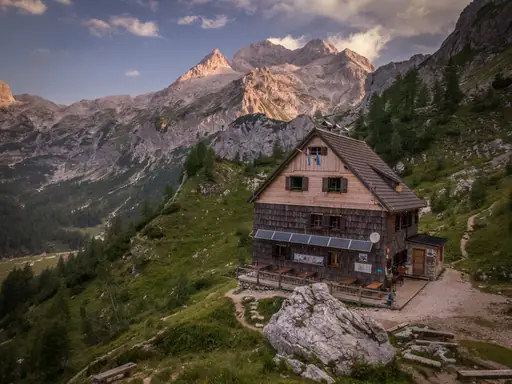
National Park in Slovenia
Triglav National Park
Slovenia’s Natural Beauty
Triglav, Slovenia's tallest peak, gives its name to the country's only national park. Climbing the mountain is considered by many locals a rite of passage. Visitors can hike towards alpine lakes fed by meltwater from the surrounding glaciers. Nearby gorges cut through limestone shaped by rivers over thousands of years.
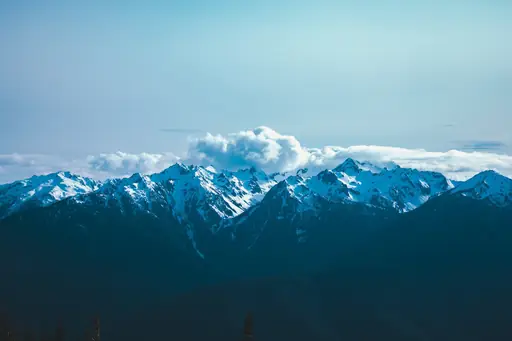
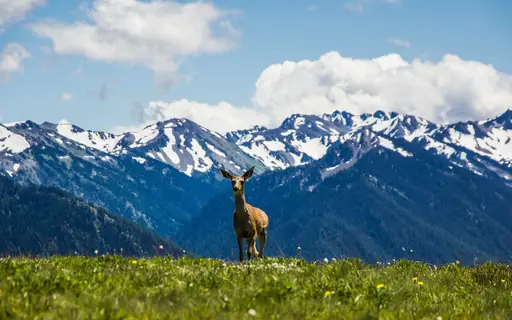
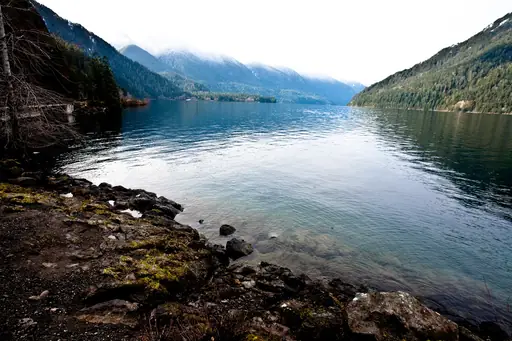
National Park in United States
Olympic National Park
Untamed Wilderness, All in One
Rainforest, mountains and coastline all meet within Olympic National Park's boundaries. Some valleys here receive over twelve feet of rain annually, among the wettest in the country. Visitors can hike through moss-draped forest before reaching wild Pacific beaches. Nearby glaciers cap peaks rising just miles from the shoreline.
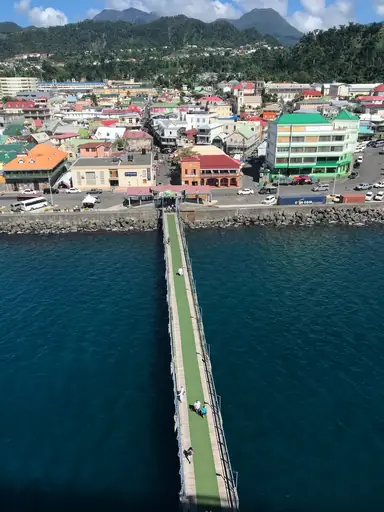
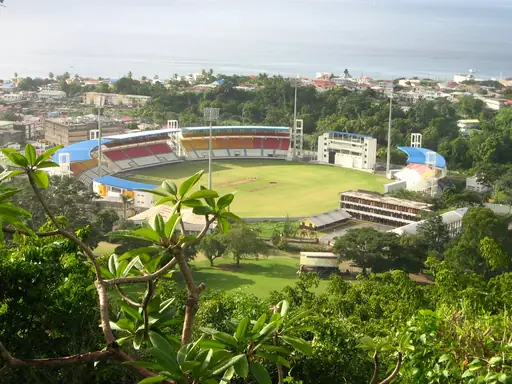
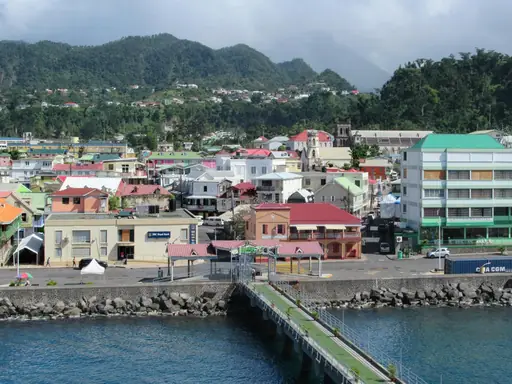
Country
Dominica
Nature island with pristine rainforests
Boiling Lake sits inside Dominica's rainforest, its water kept near boiling by volcanic heat below. Hikers reach it on a demanding trail that crosses a valley of steaming vents. Visitors can view the lake's grey water from a ridge above the basin. Nearby rivers wind through forest still largely untouched by development.
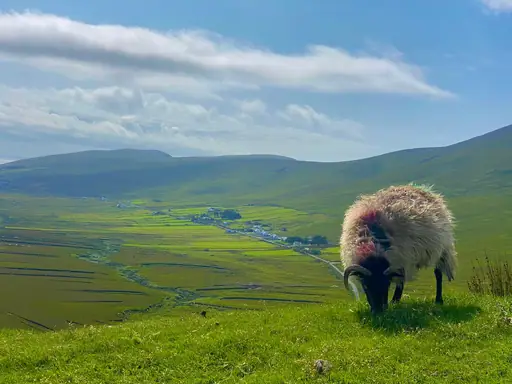
Region in Ireland
County Mayo
Wild Atlantic beauty and sacred peaks
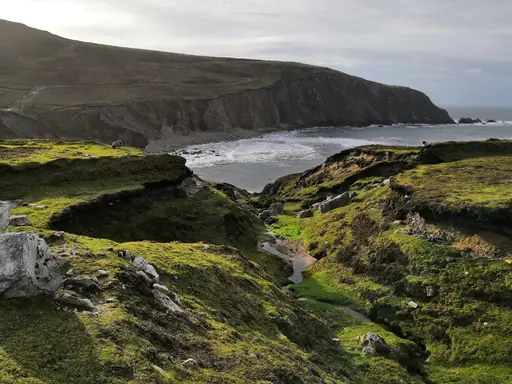
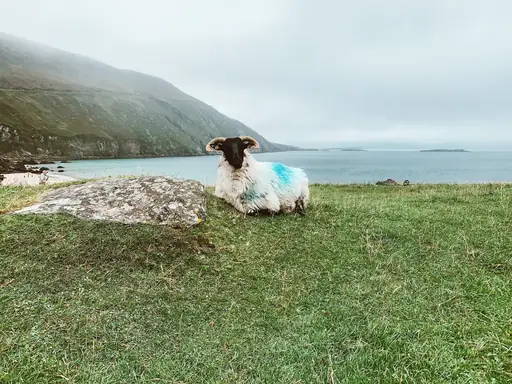
Croagh Patrick has drawn pilgrims up its steep slopes for well over a thousand years. Climbers still make the trek each July on a day known as Reek Sunday. Visitors can hike the same path for sweeping views over Clew Bay. Nearby cliffs at Downpatrick Head rise sharply above the Atlantic.

National Park in United States
Redwood National Park
Home of the World’s Tallest Trees
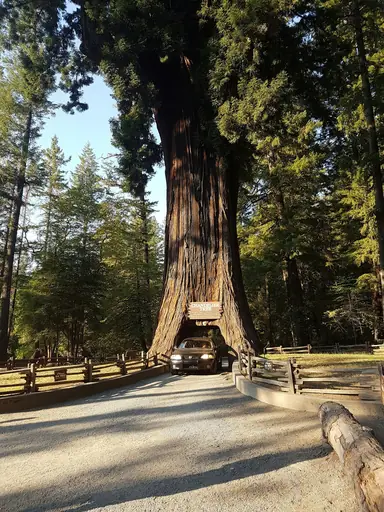
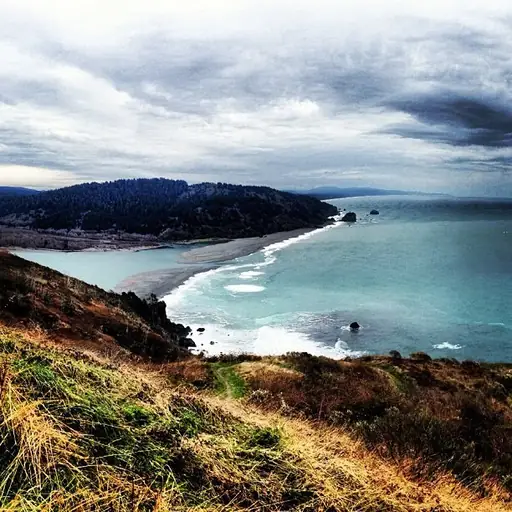
Coast redwoods in this park include some of the tallest trees ever measured on Earth. These giants can live well over a thousand years in the region's foggy, wet climate. Visitors can walk trails dwarfed by trunks wider than a car. Nearby fern-filled canyons stay cool and shaded even in summer.
National Park in India
Bandhavgarh National Park
Tiger territory in ancient forests
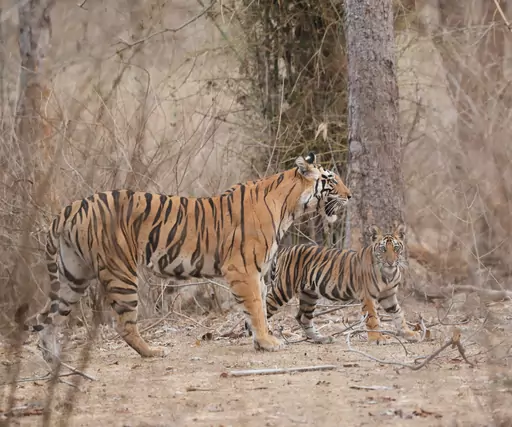
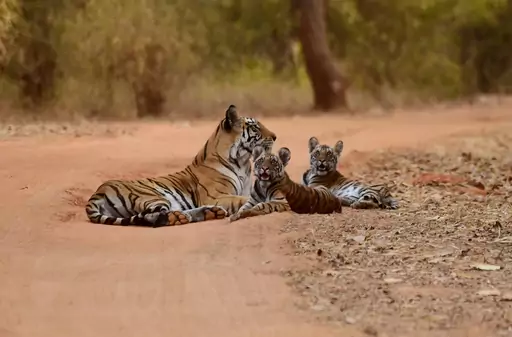
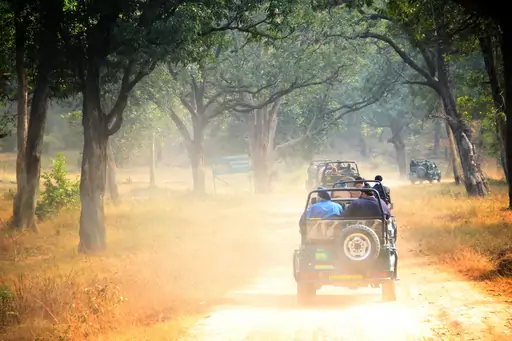
Bandhavgarh holds one of India's highest densities of wild tigers. Rangers have tracked individual tigers across the park's forest since the 1960s. Visitors can spot them from open jeeps along winding forest trails. Nearby ruins of an old fort sit atop a hill within the park.
National Park in New Zealand
Fiordland National Park
New Zealand’s Wildest Water World
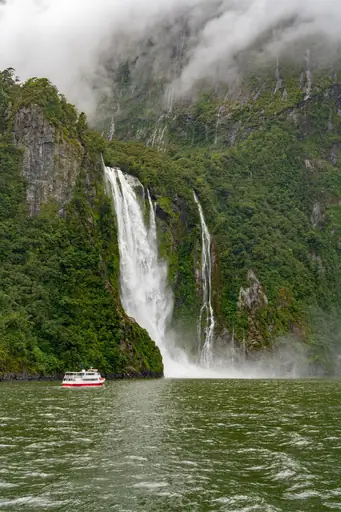
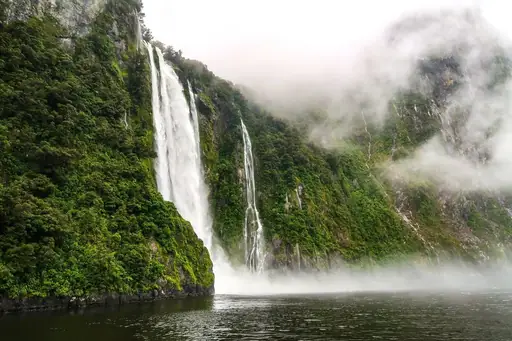
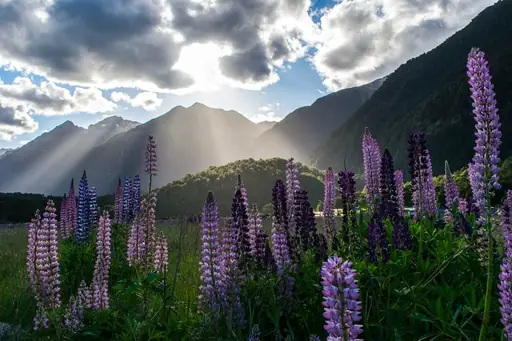
Milford Sound cuts deep into Fiordland's coastline, framed by cliffs rising straight from the water. Rain falls here on most days, feeding waterfalls that pour down the rock face. Visitors can cruise the sound and pass close beneath the falling water. Nearby, Doubtful Sound offers a quieter, less-visited version of the same scenery.
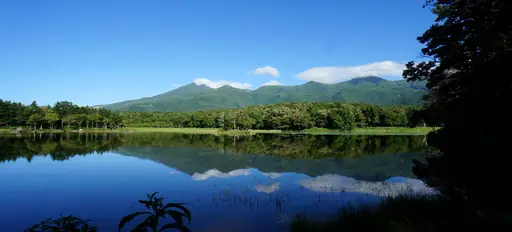
National Park in Japan
Shiretoko National Park
Brown bears and drift ice in Hokkaido
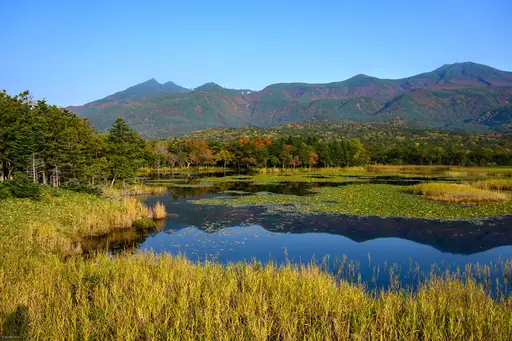
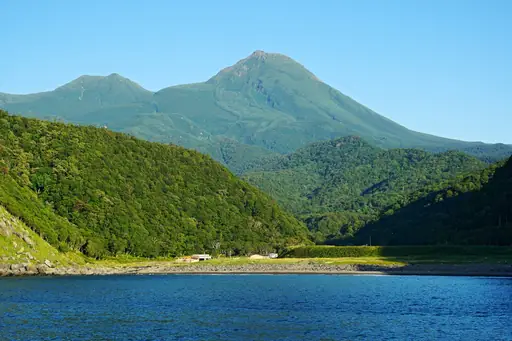
Brown bears roam freely across Shiretoko's remote coastal wilderness in eastern Hokkaido. Sea ice drifts down from Siberia each winter, coating the shoreline in thick pack ice. Visitors can cruise the coast to spot bears and eagles from the water. Nearby hot springs sit tucked into forest rarely reached by roads.
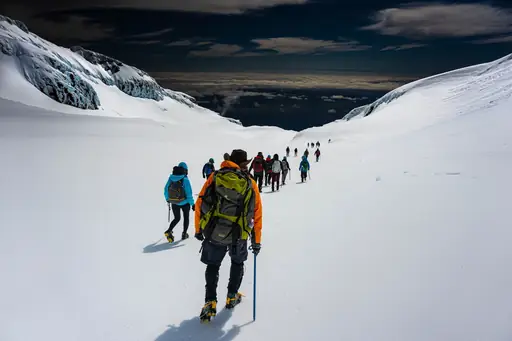
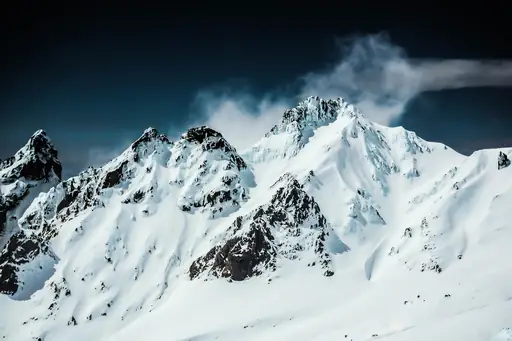
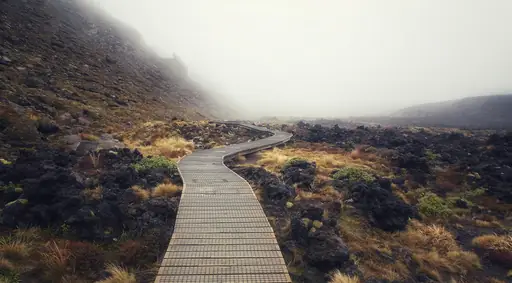
National Park in New Zealand
Tongariro National Park
Volcanic landscapes and epic hikes
Three active volcanoes rise within Tongariro, New Zealand's oldest national park. Maori tribes gifted the sacred peaks to the government in 1887 to protect them from development. Visitors can hike the Alpine Crossing past craters and turquoise volcanic lakes. Nearby ski fields open on the same slopes each winter.

Island in Indonesia
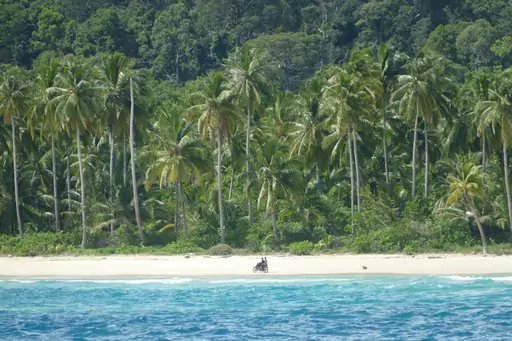
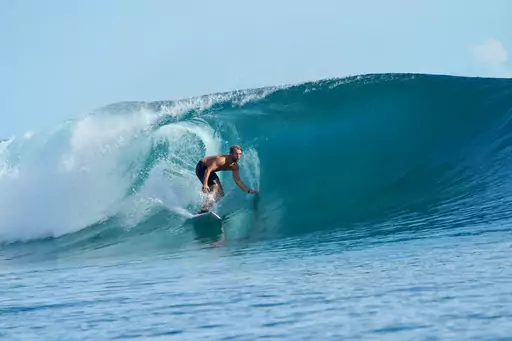
Mentawai Islands
Surfer's paradise with tribal culture
Consistent swells break along the Mentawai Islands' reefs, drawing surfers from around the world. Indigenous Mentawai communities have lived in the surrounding rainforest for centuries. Visitors can surf reef breaks accessible mainly by boat from small camps. Nearby jungle villages still practice traditional tattooing passed down through generations.
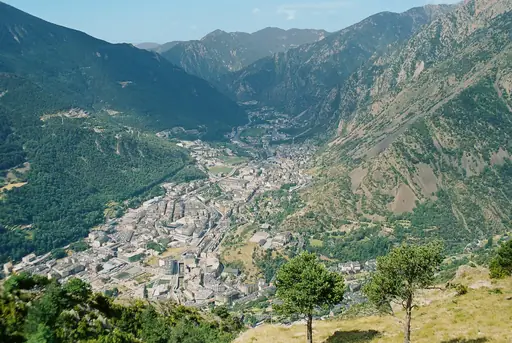
Country
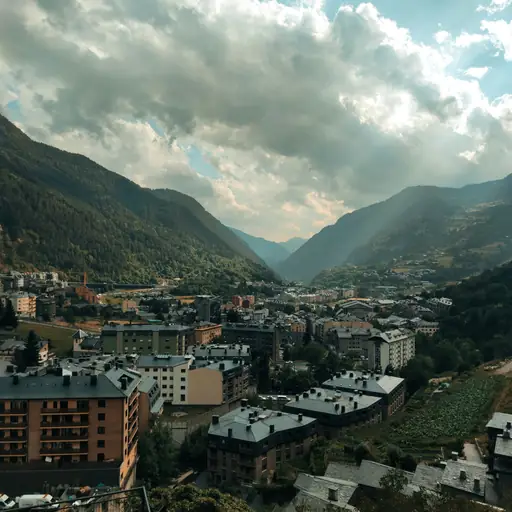
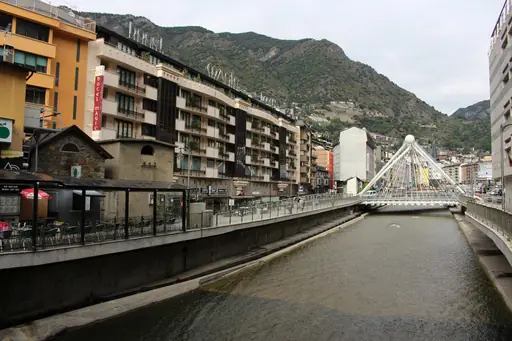
Andorra
Mountain paradise between France and Spain
Thermal baths at Caldea draw on natural hot springs found beneath the Pyrenees. The spa complex channels water that has warmed underground for centuries. Visitors can soak in outdoor pools while looking out at snow-capped peaks. Nearby mountain trails connect small stone villages tucked into the valleys.
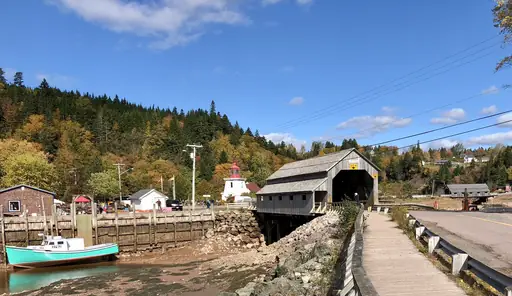

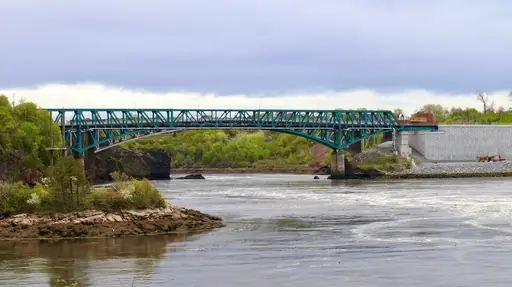
Region in Canada
Bay of Fundy
Home to world's highest tides
The Bay of Fundy sees the highest tides recorded anywhere on Earth. Water levels here can shift by more than fifteen meters between low and high tide. Visitors can walk the ocean floor at low tide, then return by kayak at high tide. Nearby cliffs hold fossils exposed by centuries of the same tidal action.
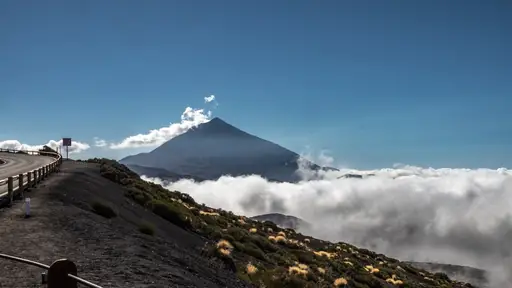
Island in Spain
Canary Islands
Spain's volcanic paradise year-round
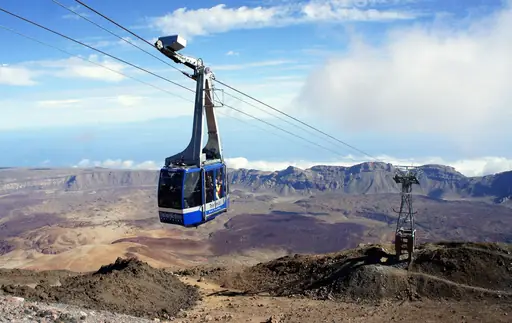
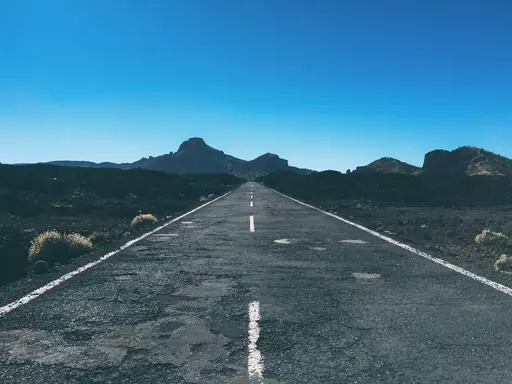
Volcanic peaks on Tenerife rise high enough to occasionally catch winter snow. Mount Teide, Spain's tallest mountain, anchors a national park protecting the surrounding lava fields. Visitors can ride a cable car partway up for sweeping views over the island. Nearby pine forests give way to black volcanic sand beaches below.
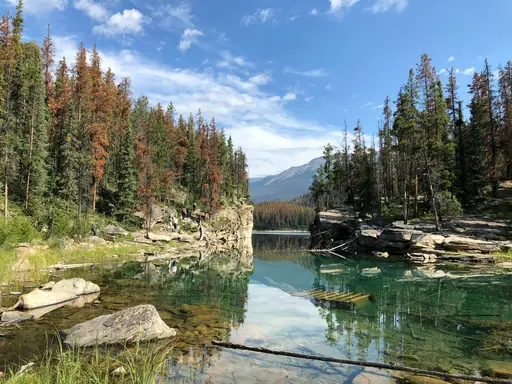
National Park in Canada
Jasper National Park
Untamed Wilderness and Starry Skies
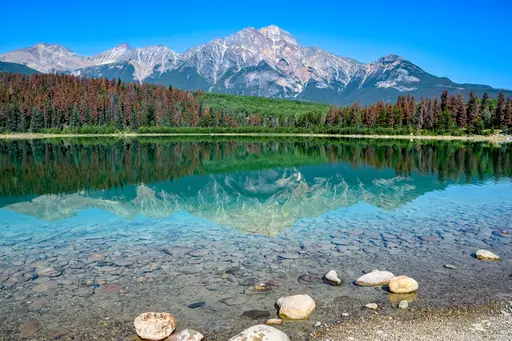
Jasper's Columbia Icefield feeds glaciers that stretch across the Canadian Rockies. Visitors have ridden specialised vehicles onto the ice since the mid twentieth century. Travellers can walk directly on the glacier's surface with guides. Nearby, Maligne Lake turns a deep blue fed by glacial meltwater.
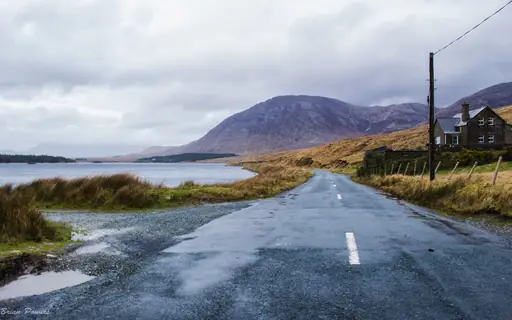
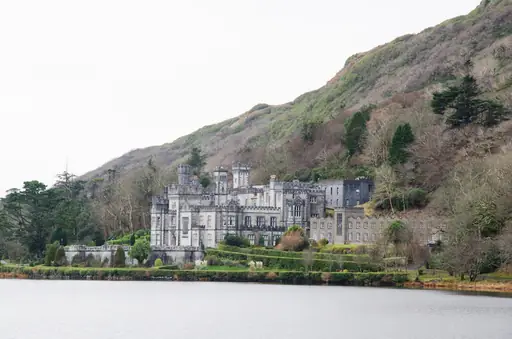
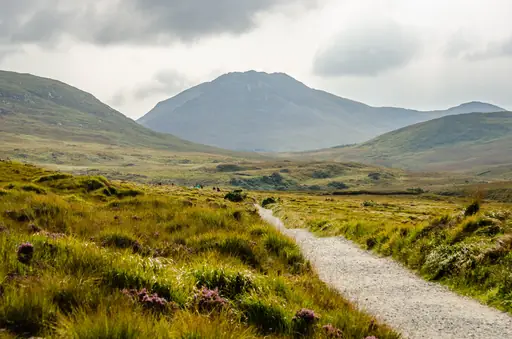
National Park in Ireland
Connemara National Park
Wild Bogs, Peaks and Ponies
Wild Connemara ponies still roam freely across the boglands of this Irish park. Farmers have kept the hardy native breed here for centuries despite the harsh terrain. Visitors can hike peaks like Diamond Hill for views over the surrounding bogs. Nearby lakes and stone-walled fields fill the quiet countryside.
National Park in Costa Rica
Tortuguero National Park
Wildlife and Waterways Adventure
Sea turtles nest along Tortuguero's protected beaches in some of the largest numbers in the Caribbean. Rangers and researchers patrol the shore each night during peak nesting season. Visitors can watch hatchlings emerge and crawl towards the surf. Nearby canals let boats glide past sloths and caimans in the rainforest.
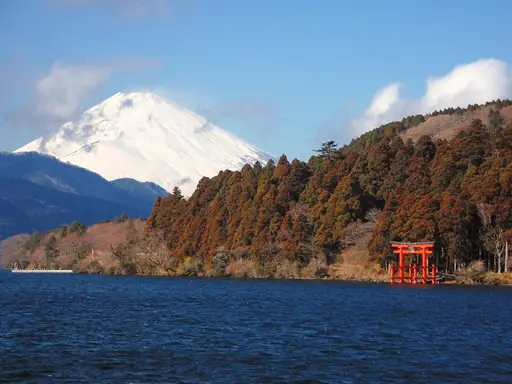
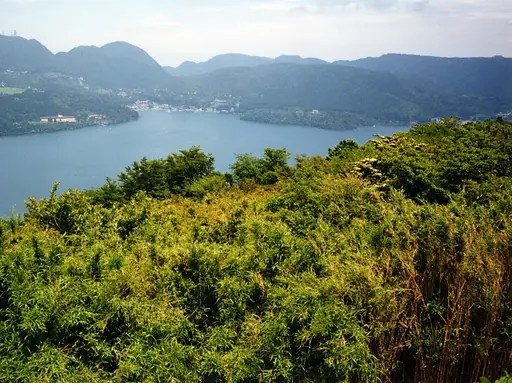
Town in Japan
Hakone
Onsen town with Fuji views and lake cruises
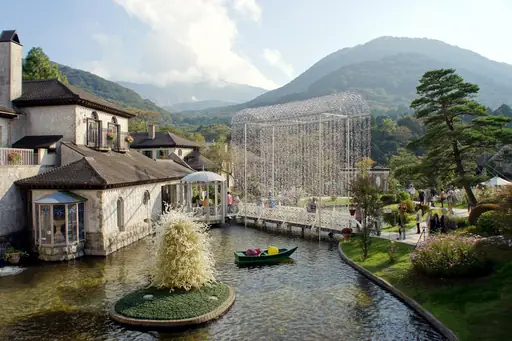
Sulphur vents still steam at Owakudani, a volcanic valley formed thousands of years ago. Vendors there boil eggs in the hot spring water until the shells turn black. Visitors can eat one, said locally to add years to your life. Nearby cable cars cross the valley with views towards Mount Fuji.
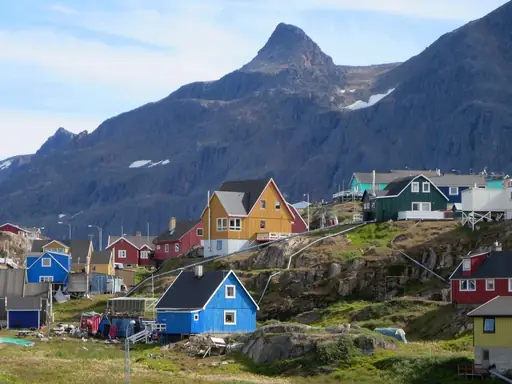
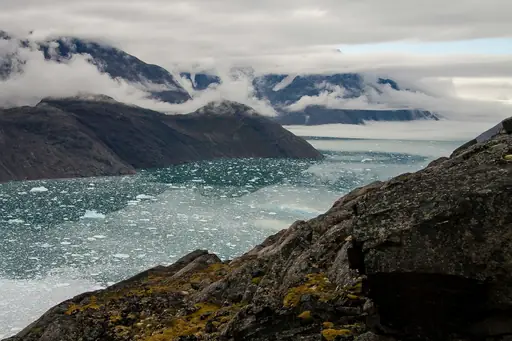
Country
Greenland
Arctic wilderness with ice landscapes
Icebergs calved from glaciers drift slowly past the town of Ilulissat each summer. UNESCO recognised the nearby icefjord for the sheer volume of ice it produces. Visitors can hike along the fjord's edge to watch the ice break apart. Nearby fishing villages still depend on the same cold waters for their catch.
Town in Japan
Yufuin Onsen
Lakeside onsen town below Mount Yufu
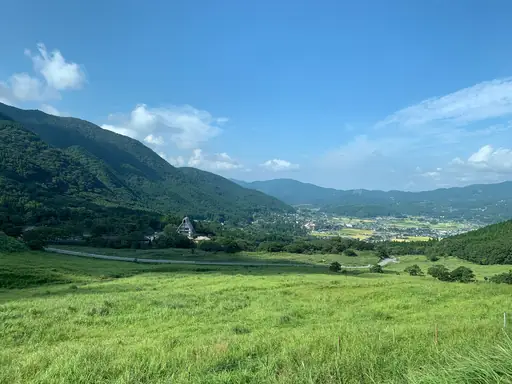
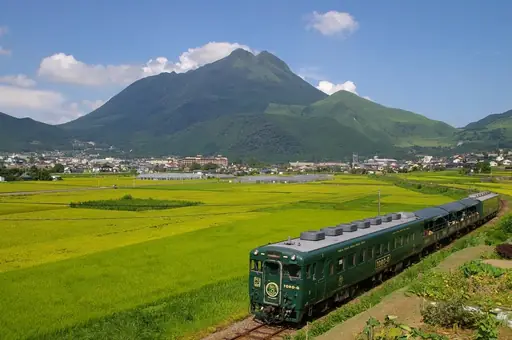
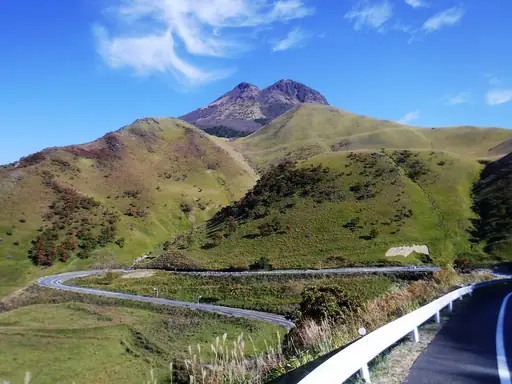
Steam rises from hot spring inns scattered across the valley town of Yufuin. Mount Yufu looms over the town, its slopes visible from many of the outdoor baths. Visitors can soak in an open-air onsen with mountain views close by. Nearby lakes and craft shops fill the quiet streets below the hills.
Island in Indonesia
Nusa Penida
Bali's rugged island paradise
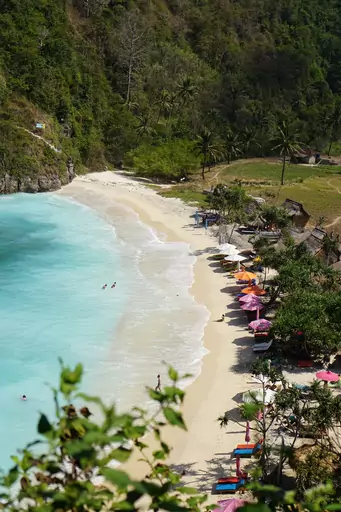
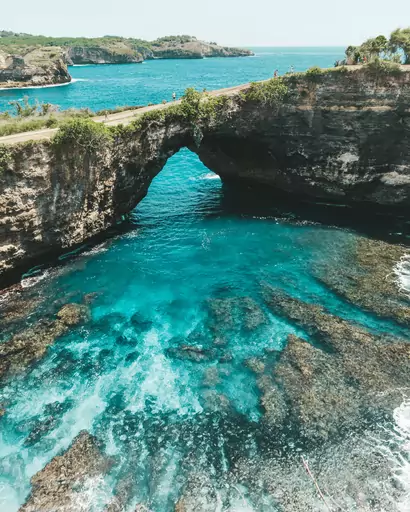
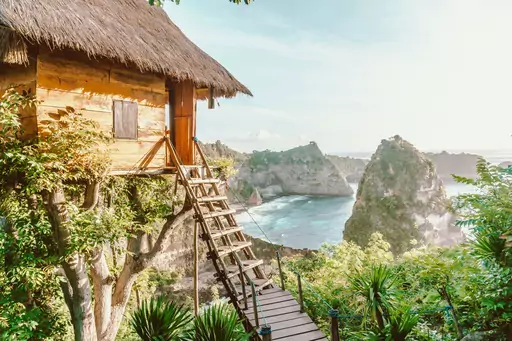
Cliffs on Nusa Penida drop straight into turquoise water at coves like Kelingking Beach. Fishing communities on the island have long lived apart from Bali's busier tourist areas. Visitors can hike down steep paths for views of the coastline below. Nearby reefs draw divers hoping to spot manta rays.
National Park in South Africa
Addo Elephant National Park
Big Five Safari in Malaria-Free Wilds
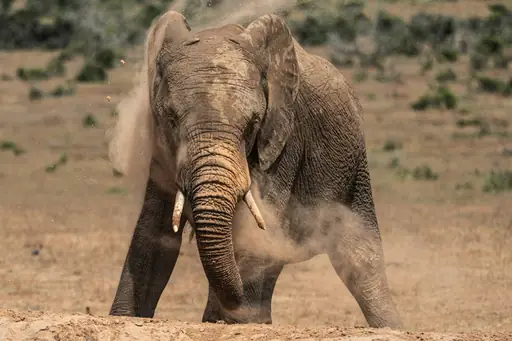
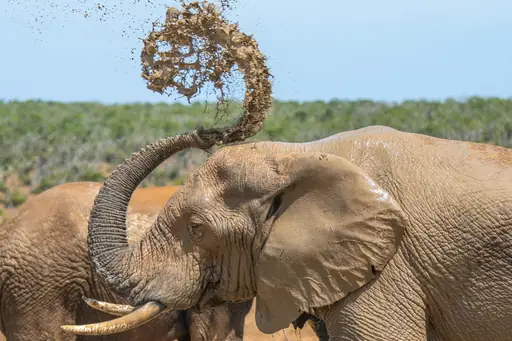
Addo protects one of Africa's densest elephant populations, descended from just eleven survivors. Rangers established the park in 1931 to save the herd from extinction. Visitors can watch elephants gather at waterholes just yards from the road. Nearby dung beetles, also protected here, cross the paths in large numbers.
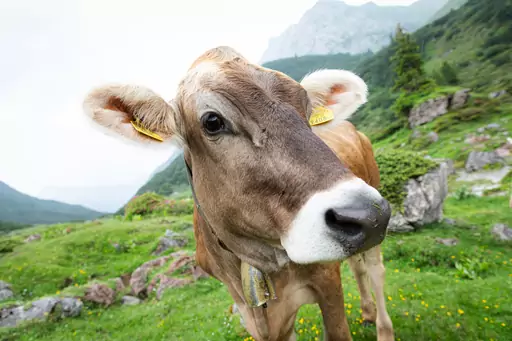
Village in Austria
Lech and Zürs am Arlberg
Alpine luxury meets skiing heritage
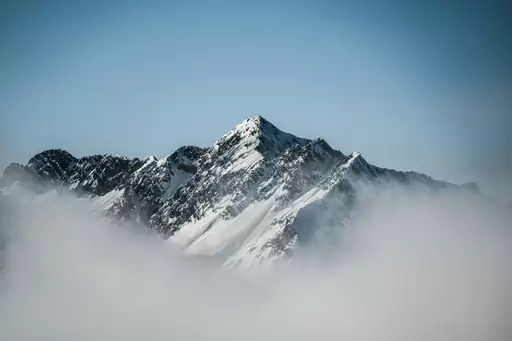
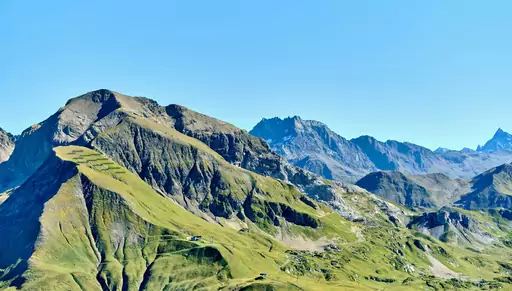
Heavy snowfall around Lech and Zurs has drawn skiers to the Arlberg region since the early 1900s. Farming families in the valley once relied on the same slopes for summer grazing. Visitors can ski deep powder by day and relax at mountain huts by evening. Nearby trails switch to hiking routes once the snow melts.
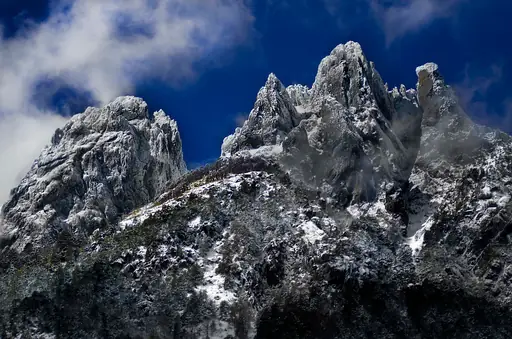
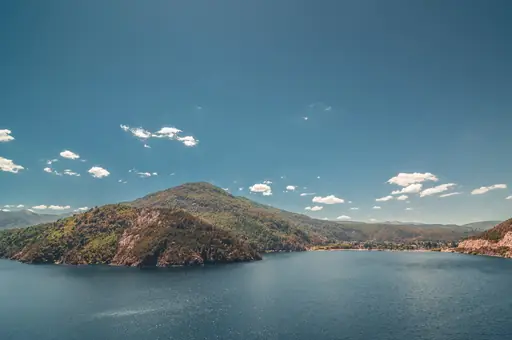
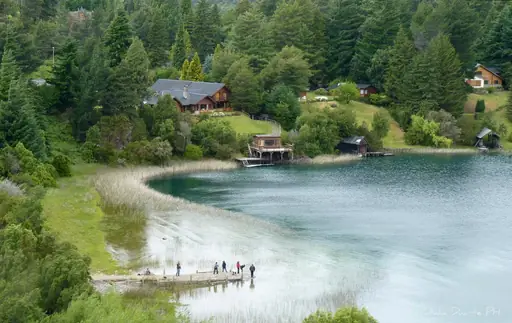
City in Argentina
San Martin de los Andes
Patagonian Paradise by Lake Lácar
Forested mountains and clear lakes surround the small town of San Martin de los Andes. Loggers and ranchers first settled the area before tourism became the main draw. Visitors can drive the Seven Lakes Route through some of Patagonia's most scenic terrain. Nearby trails lead into national parks bordering the Chilean frontier.
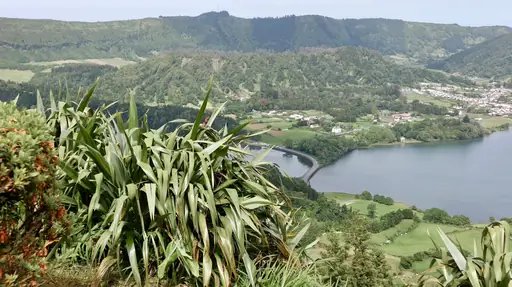
Nature Reserve in Portugal
Área de Paisagem Protegida das Sete Cidades
Twin Lakes and Volcanic Wonders
Twin crater lakes at Sete Cidades sit side by side in shades of blue and green. Legend explains the different colours through a story of forbidden love between a princess and shepherd. Visitors can hike the crater rim for views over both lakes at once. Nearby villages sit tucked into the surrounding volcanic caldera.
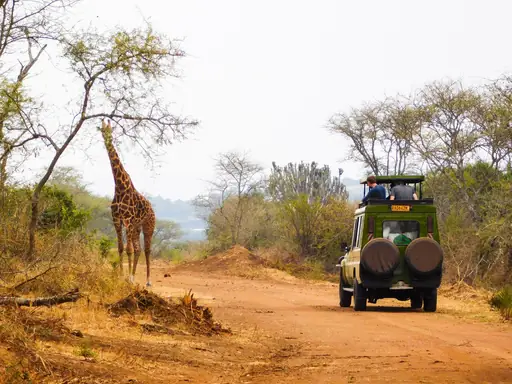
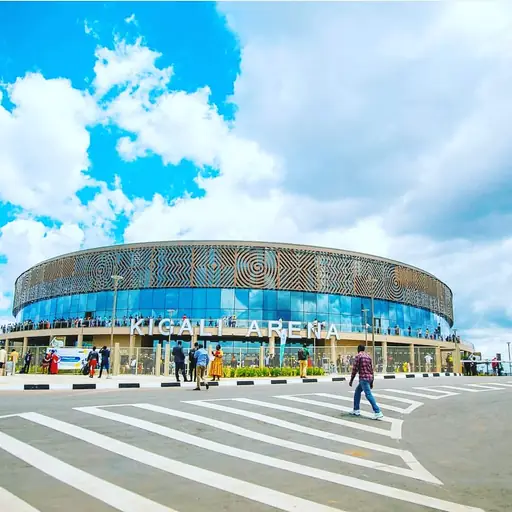
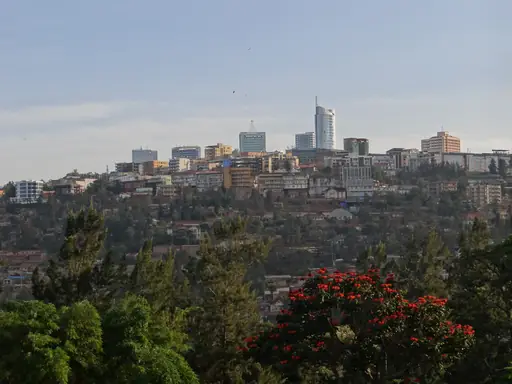
Country
Rwanda
Land of a thousand hills
Volcanoes National Park shelters mountain gorillas in dense forest along Rwanda's northern border. Conservationists brought the species back from the brink after decades of dedicated protection work. Visitors can trek through bamboo forest to observe a habituated gorilla family. Nearby volcanic peaks rise steeply above surrounding tea plantations.
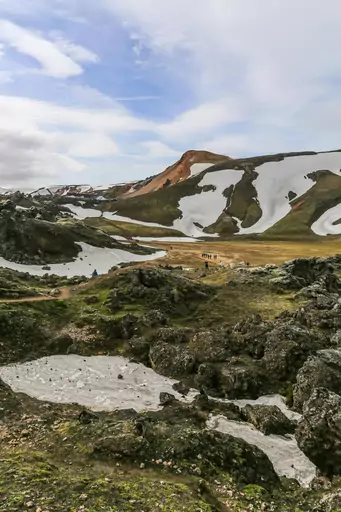

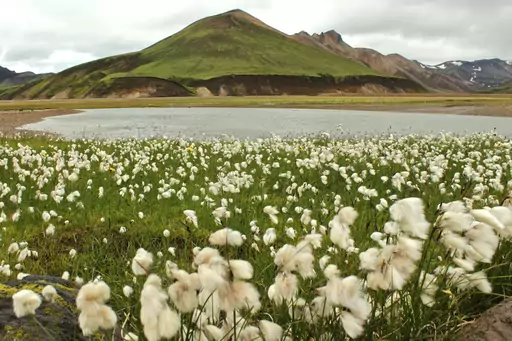
Region in Iceland
Landmannalaugar
Colorful mountains and natural pools
Rhyolite mountains around Landmannalaugar shift colour across shades of red, pink and gold. Geothermal activity beneath the highlands also heats natural pools near the campsite. Visitors can soak in warm water after hiking trails through the colourful hills. Nearby lava fields spread out where an eruption once reshaped the landscape.
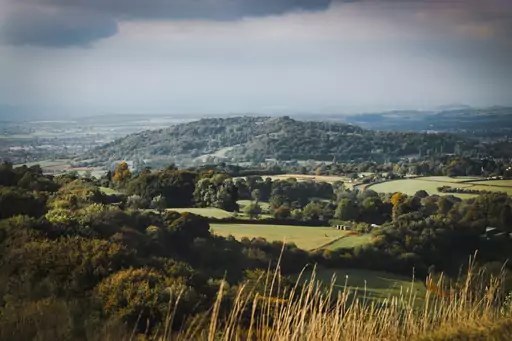
Region in United Kingdom
Cotswolds National Landscape
Honey-Colored Villages and Rolling Hills
Honey-coloured limestone built the Cotswolds' villages, quarried from the hills for centuries. Wool wealth funded many of the grand churches scattered through the countryside. Visitors can walk between villages along footpaths lined with dry stone walls. Nearby market towns still hold weekly markets much as they did generations ago.
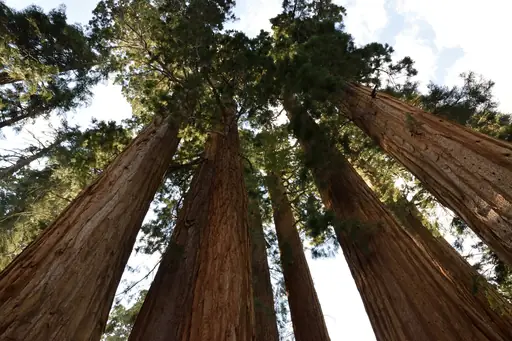
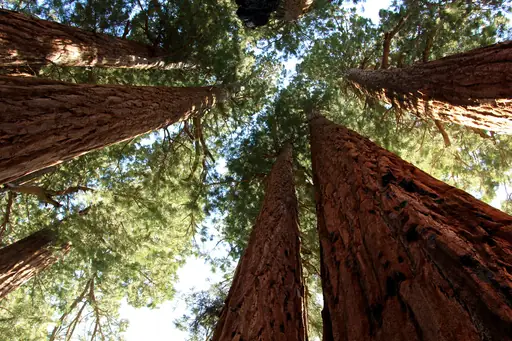
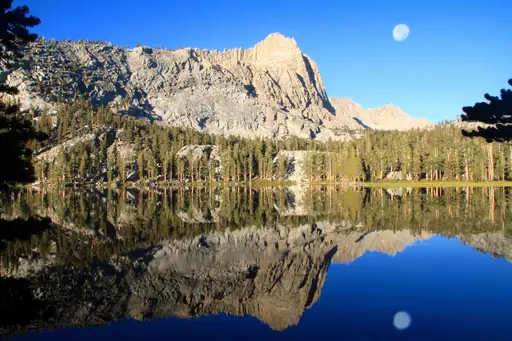
National Park in United States
Sequoia and Kings Canyon National Parks
Home of the Giant Sequoias
General Sherman, the world's largest tree by volume, grows within Sequoia National Park. These giant sequoias can live for well over two thousand years in the Sierra Nevada's climate. Visitors can walk among trunks wide enough to drive a car through. Nearby Kings Canyon cuts one of the deepest gorges in the country.
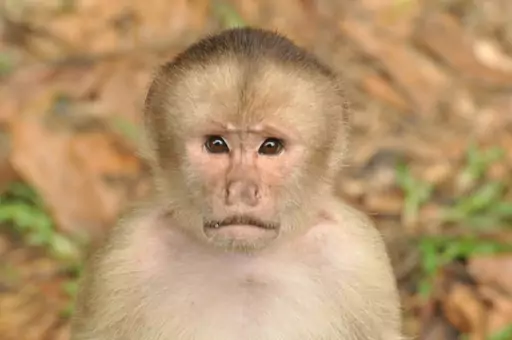
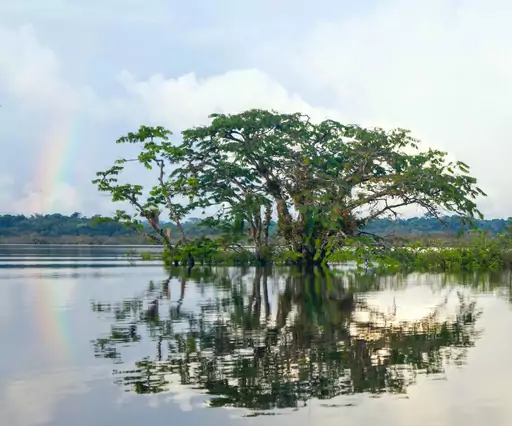
Nature Reserve in Ecuador
Cuyabeno Wildlife Reserve
Amazon wilderness teeming with life
Blackwater rivers wind through Cuyabeno's flooded Amazon forest for much of the year. Guides paddle canoes silently at night searching for caimans along the banks. Visitors can spot pink river dolphins surfacing near the boat. Nearby indigenous communities still fish these waters using traditional methods.
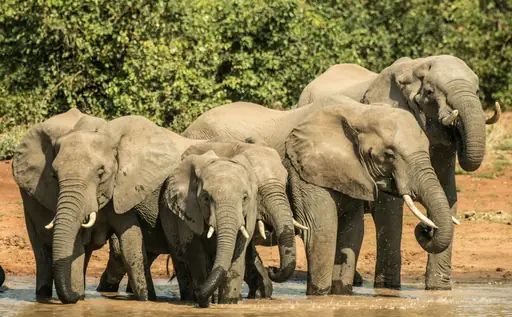
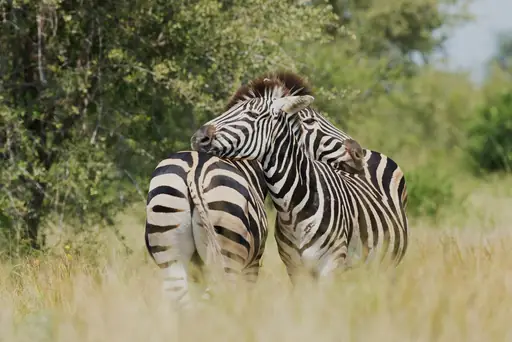
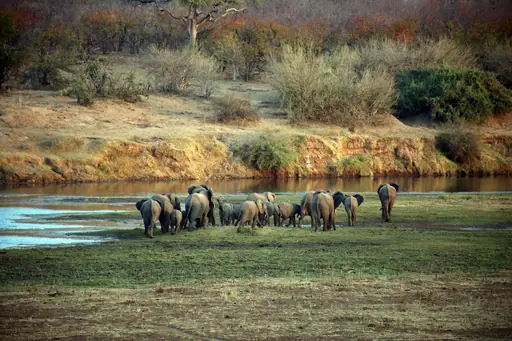
National Park in South Africa
Kruger National Park
Where Africa's Big Five Roam Free
Kruger protects one of Africa's largest populations of the Big Five game species. Rangers have managed the park's wildlife corridors since the reserve was established in 1898. Visitors can spot lions, elephants and rhinos from self-drive routes through the bush. Nearby rest camps let travellers sleep surrounded by the sounds of the savanna.
Town in Argentina
El Calafate
Gateway to Patagonia’s Glaciers
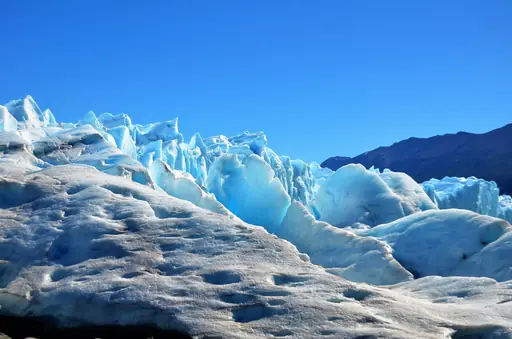
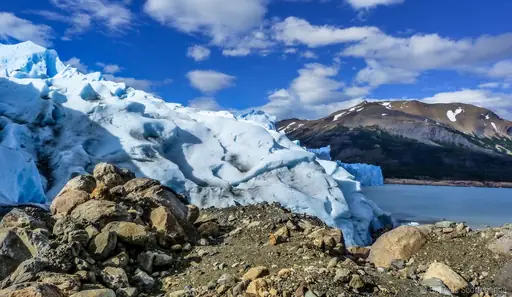
Perito Moreno Glacier advances towards the shore even as most glaciers worldwide retreat. Chunks of ice regularly calve off the face with a thunderous crack. Visitors can watch from walkways built just across the water from the glacier. Nearby boats cruise close enough to feel the cold air coming off the ice.
Island in Australia
Tasmania
Wilderness, Wildlife and Wild Coasts
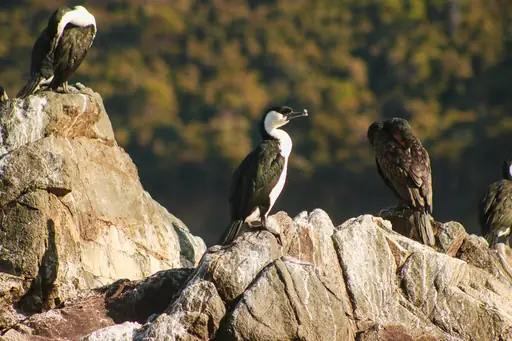
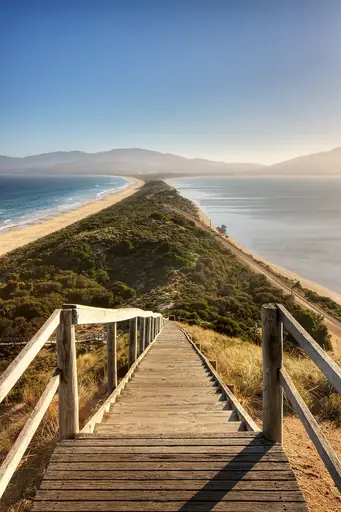
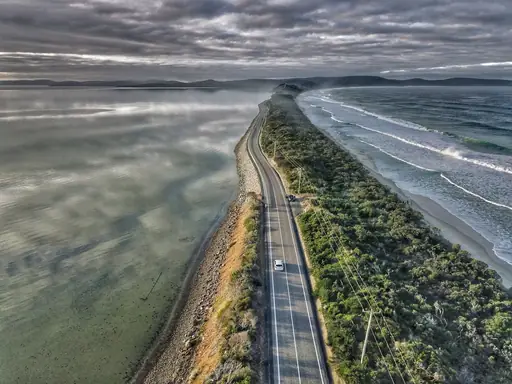
Old-growth rainforest covers much of Tasmania's rugged, sparsely populated wilderness. Convict-built roads and buildings from the 1800s still stand in several rural towns. Visitors can hike multi-day trails through forest rarely touched by development. Nearby coastlines shelter penguins and seals along quiet, largely undeveloped beaches.
Town in Japan
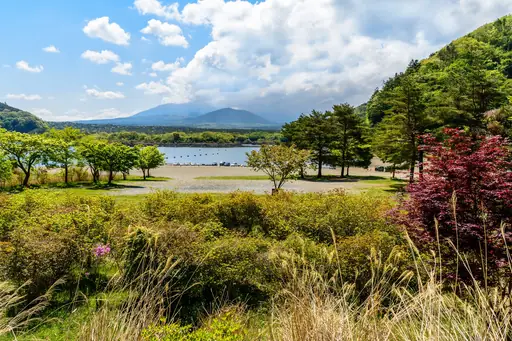
Fujikawaguchiko
Lake town with Mount Fuji views and onsen
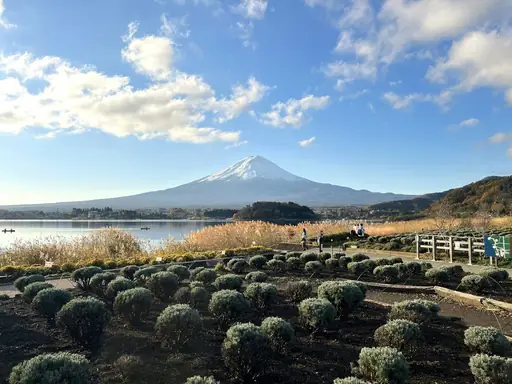
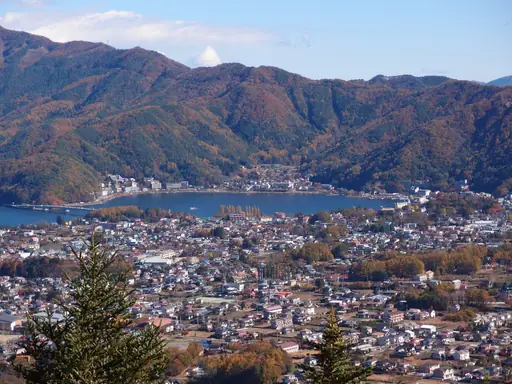
Lake Kawaguchi offers some of the clearest reflections of Mount Fuji among the surrounding lakes. Photographers gather along the shore especially during cherry blossom season each spring. Visitors can walk the lakeside path for shifting views of the mountain. Nearby hot spring inns look directly across the water towards Fuji.
Region in Italy
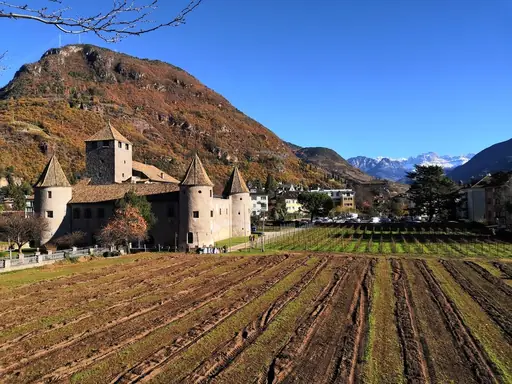
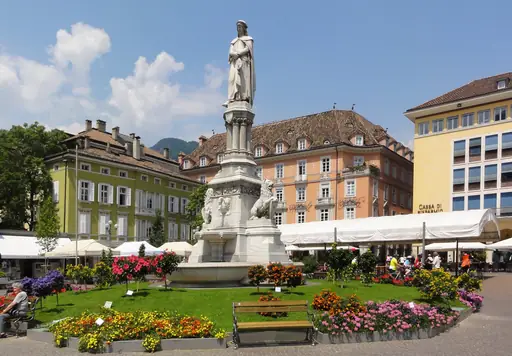
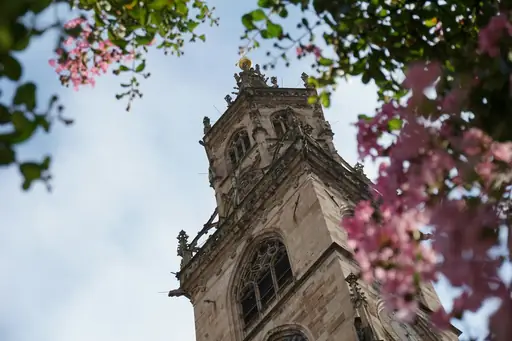
South Tyrol
Alpine culture where worlds collide
Vineyards and apple orchards cover the valley floors beneath South Tyrol's jagged Dolomite peaks. German and Italian influence blends throughout the region's food, language and architecture. Visitors can hike alpine trails by day and taste local wine at farmhouses by evening. Nearby mountain huts serve traditional meals to hikers passing through.
Mountain in Tajikistan
Pamir Mountains
The Remote Roof of the World
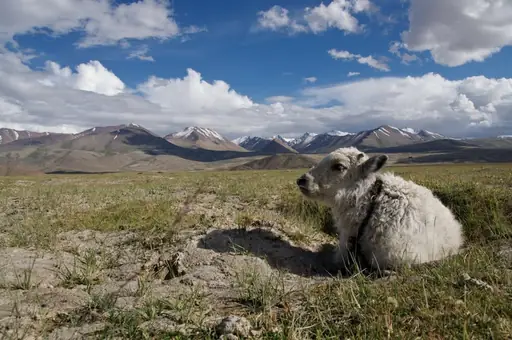
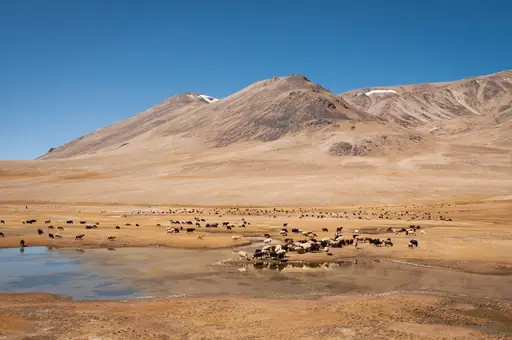
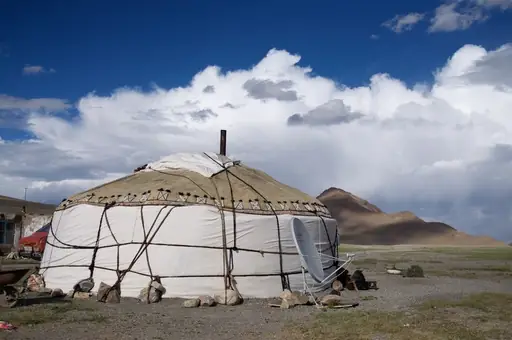
The Pamir Highway winds through some of the highest inhabited terrain in Central Asia. Traders once moved goods along this route as part of the historic Silk Road. Visitors can drive past remote villages perched at extreme altitude. Nearby glaciers feed rivers that cut through the region's deep valleys.

Country
Gabon
Pristine rainforests with diverse wildlife
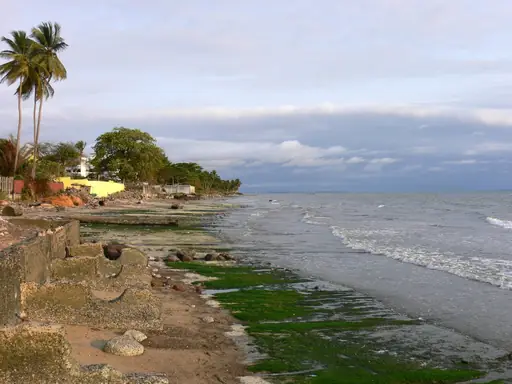
Loango National Park is one of the few places where elephants and hippos wander onto open beaches. Researchers have documented surfing hippos along this stretch of Gabon's coast. Visitors can spot forest elephants against a backdrop of Atlantic surf. Nearby rainforest runs almost unbroken from the coastline into the interior.
Town in New Zealand
Queenstown
Adventure capital with alpine beauty
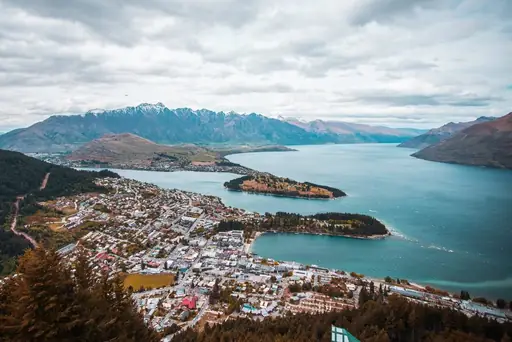
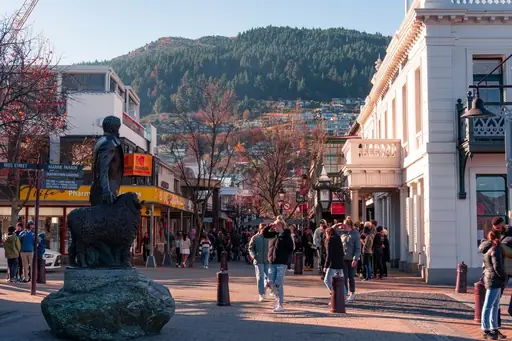
Bungee jumping as a commercial activity began at a bridge just outside Queenstown in 1988. Steep gorges and fast rivers around the town made it a natural fit for adventure sports. Visitors can jump from the same bridge or raft the nearby Shotover River. Nearby vineyards produce Pinot Noir grown on the surrounding hillsides.
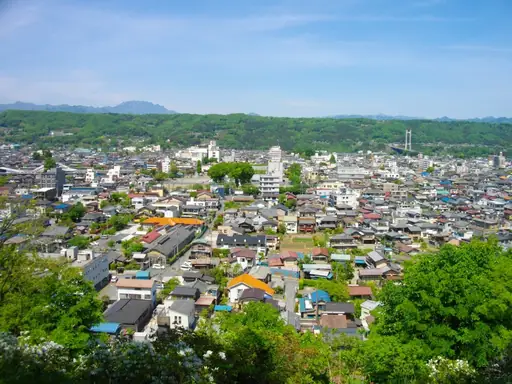
City in Japan
Chichibu
UNESCO float festival and mountain shrines
Chichibu's shrine holds a festival each December featuring elaborate wooden floats pulled through town. Families have maintained the ornate wooden floats since they were built generations ago. Visitors can watch fireworks light up the night sky above the procession. Nearby valleys turn bright red with maple leaves each autumn.
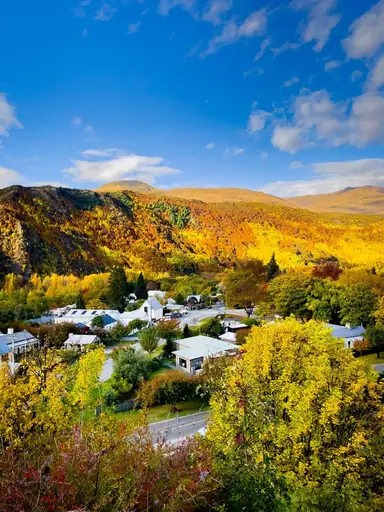
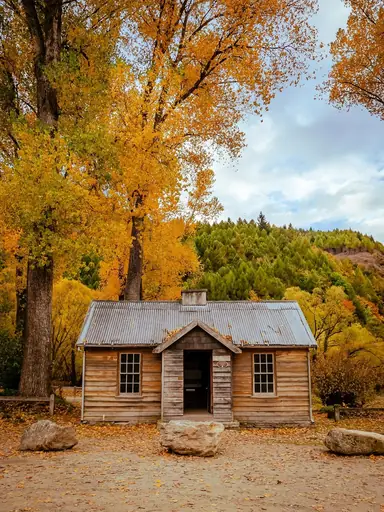
Town in New Zealand
Arrowtown
Gold Rush History Amid Mountain Beauty
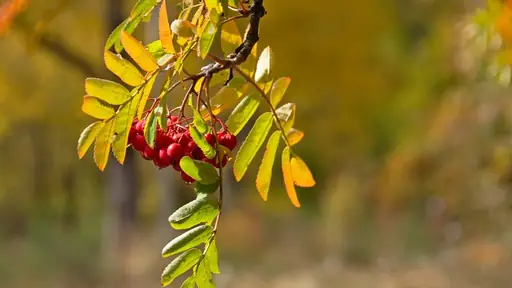
Gold miners built Arrowtown's main street during a rush that began in 1862. Many of the original stone cottages still line the road today. Visitors can walk the same street beneath rows of century-old trees turning gold each autumn. Nearby creeks still let visitors pan for leftover flecks of gold.
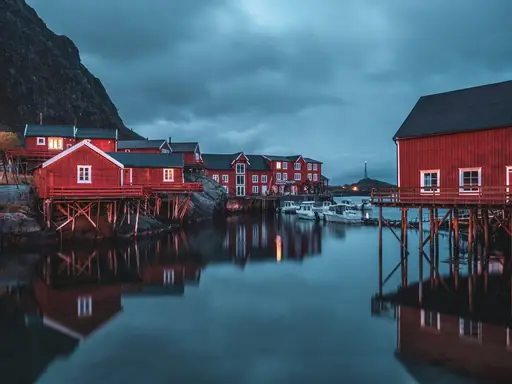
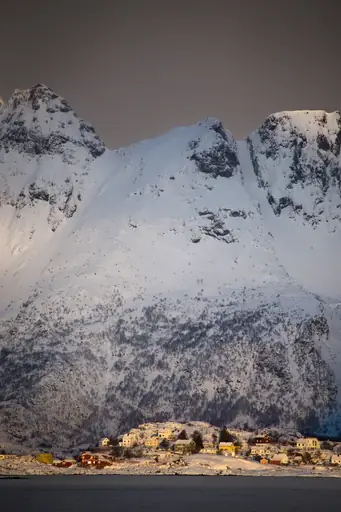
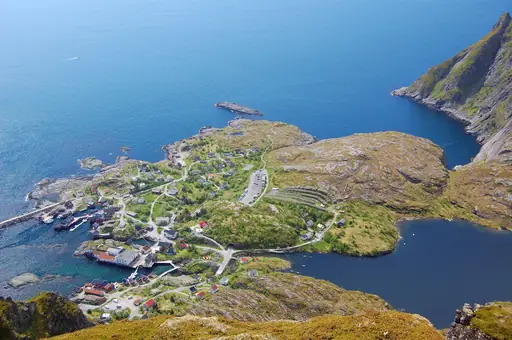
Island in Norway
Lofoten
Dramatic Peaks and Northern Lights
Fishing villages across Lofoten still hang cod on wooden racks to dry in the open air. Fishermen have used this same drying method here for over a thousand years. Visitors can walk among the racks in villages built on stilts over the water. Nearby peaks rise steeply enough to catch the midnight sun in summer.

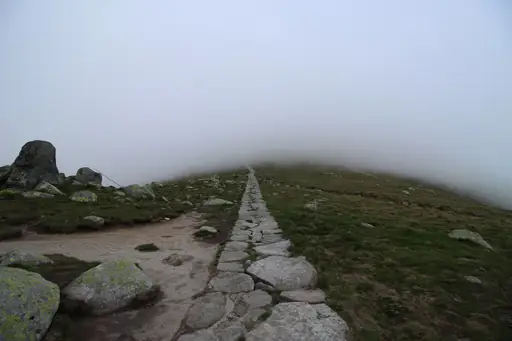
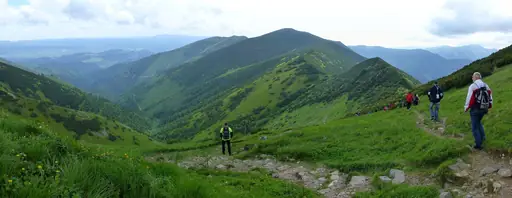
National Park in Slovakia
Low Tatras National Park
Slovakia’s Wild Ridges and Hidden Caves
Karst caves beneath the Low Tatras hold some of Slovakia's largest known cave systems. Ice formations inside several caves persist even through warmer months of the year. Visitors can tour caverns filled with stalactites and frozen waterfalls. Nearby peaks offer hiking in summer and skiing once the snow arrives.
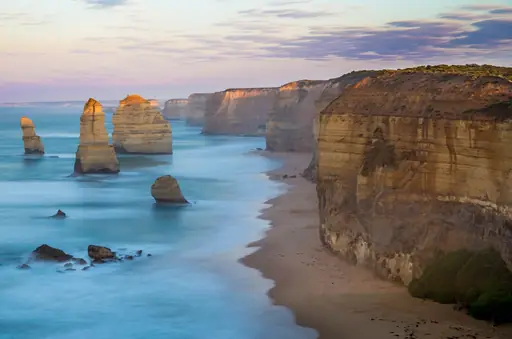
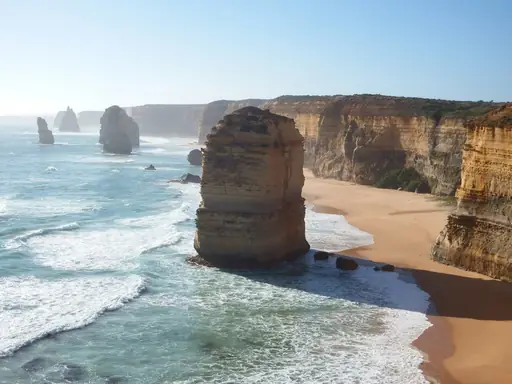
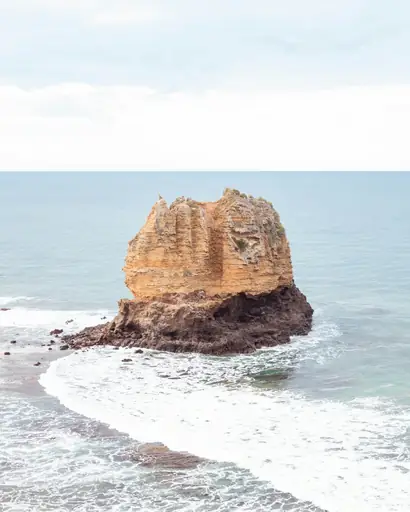
National Park in Australia
Twelve Apostles Marine National Park
Iconic Cliffs and Wild Ocean Wonders
Limestone stacks known as the Twelve Apostles rise from the sea along Victoria's coast. Erosion continues to reshape the formations, with some stacks having collapsed in recent decades. Visitors can view the stacks from clifftop platforms along the Great Ocean Road. Nearby beaches sit beneath towering sandstone cliffs.
Region in New Zealand
North Island
Geothermal Wonders and Māori Culture
Geothermal fields around Rotorua send steam rising from bubbling mud pools. Maori communities have lived alongside this volcanic activity for centuries. Visitors can walk boardwalks past hissing vents and colourful mineral terraces. Nearby forests and lakes fill much of the North Island's quieter rural interior.



Town in Oman
Nizwa
Ancient Capital with Mountain Charm
A centuries-old fort anchors Nizwa, once a key trading hub in Oman's interior. Farmers still irrigate date palm groves nearby using an ancient underground channel system. Visitors can walk the fort's tower for views over the surrounding oasis. Nearby markets sell goats and produce much as they have for generations.
Lake in Canada
Lake Louise
Turquoise Gem of the Canadian Rockies
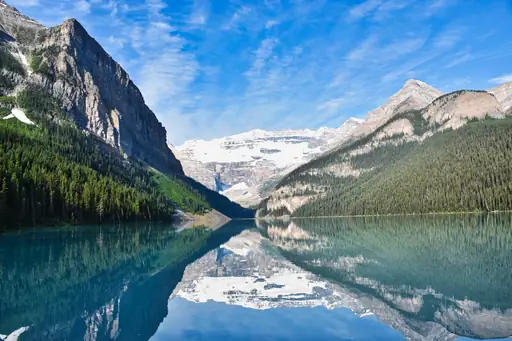
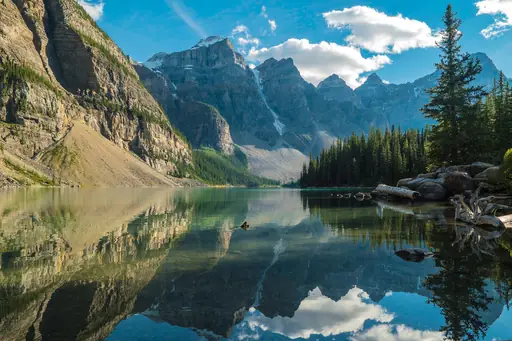
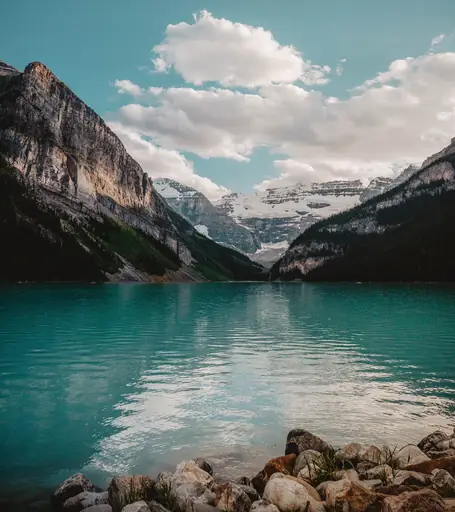
Glacial silt gives Lake Louise its striking turquoise colour each summer. A historic chateau built beside the water has hosted travellers since the 1890s. Visitors can canoe across the lake with a glacier visible at the far end. Nearby trails climb towards teahouses reachable only on foot.

Country
Faroe Islands
Dramatic cliffs meet misty landscapes
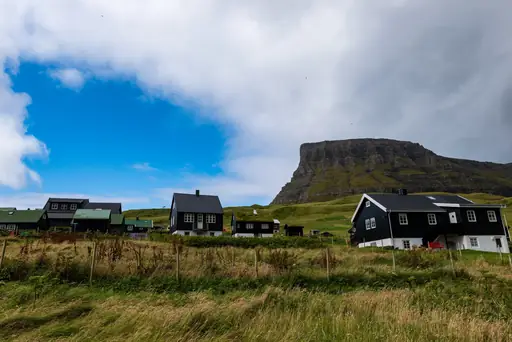
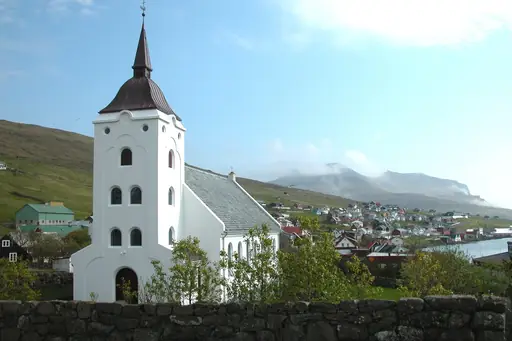
Grass-covered turf roofs still top many farmhouses across the Faroe Islands. Builders once layered turf over wood for insulation against the harsh North Atlantic wind. Visitors can see the style preserved at the village of Saksun. Nearby cliffs drop straight into the sea beneath circling seabirds.
Town in Japan
Nikko
Tokugawa shrines, waterfalls and hot springs
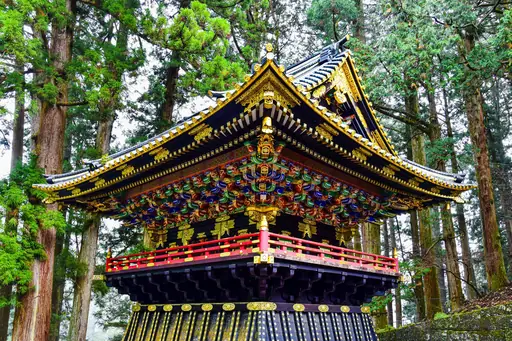
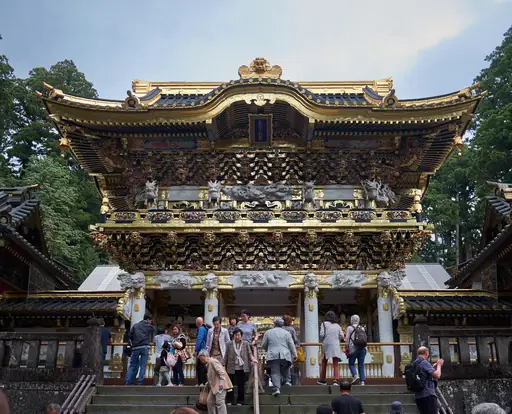
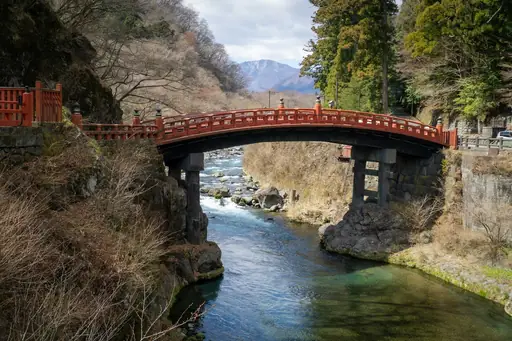
Ornate shrines at Nikko honour a shogun who unified Japan in the early 1600s. Craftsmen spent over a decade building the elaborate carvings and gold leaf details. Visitors can walk beneath ancient cedar trees lining the approach to the shrines. Nearby waterfalls and lakes sit within surrounding mountain forest.
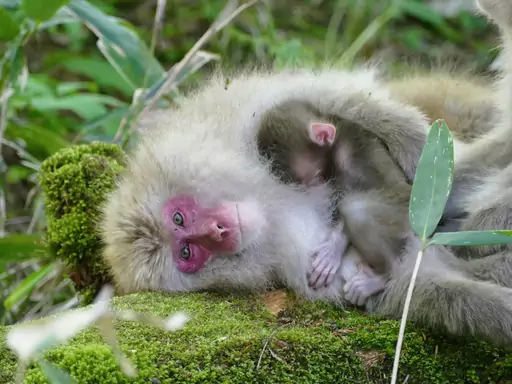
National Park in Japan
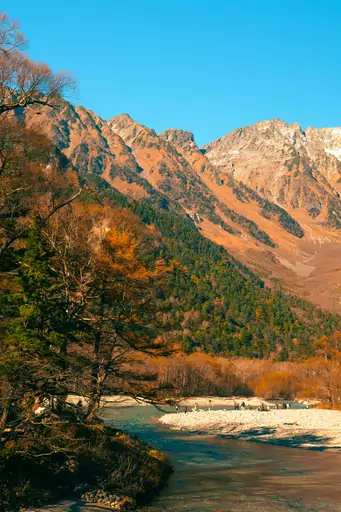
Kamikochi
Clear river valley beneath the Hotaka Range
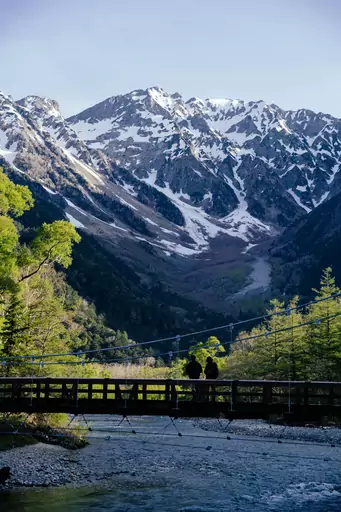
Kamikochi's valley sits ringed by jagged peaks within the Japanese Alps. Only buses and taxis may enter the valley, keeping the area free of private cars. Visitors can walk flat trails along the Azusa River with mountains rising on both sides. Nearby lodges have hosted climbers here since the early twentieth century.
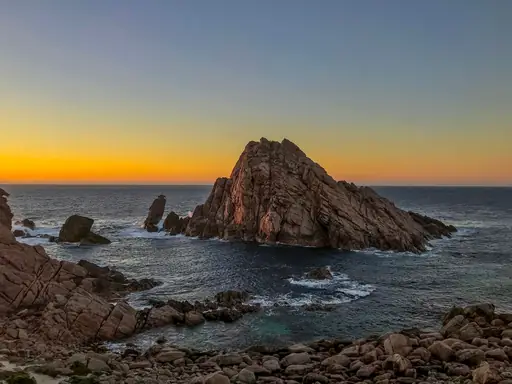
Region in Australia
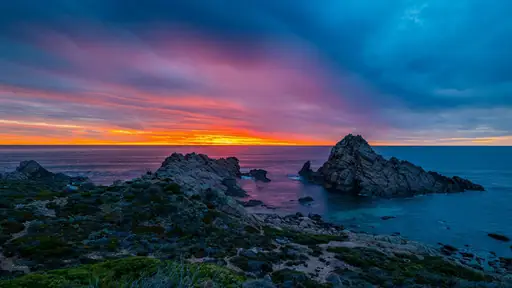
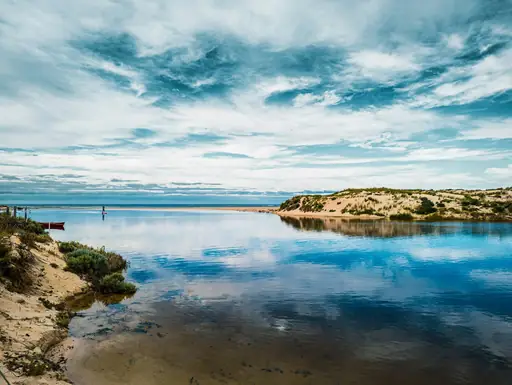
Margaret River
Coastal charm meets world‑class wineries
Vineyards across Margaret River grow grapes on soil shaped by an ancient coastline. Winemakers began planting seriously here only in the 1960s and 70s. Visitors can taste Cabernet and Chardonnay at cellar doors set among the vines. Nearby caves cut into limestone hold formations that took millennia to form.
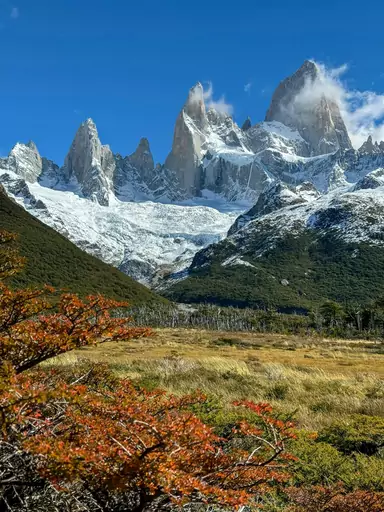
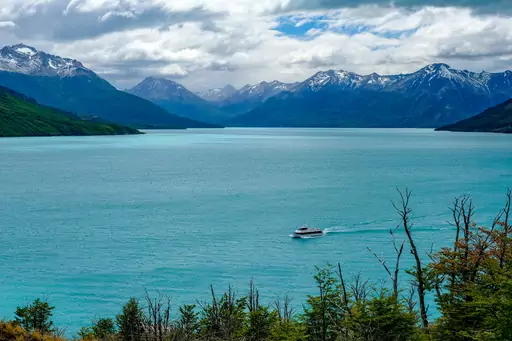
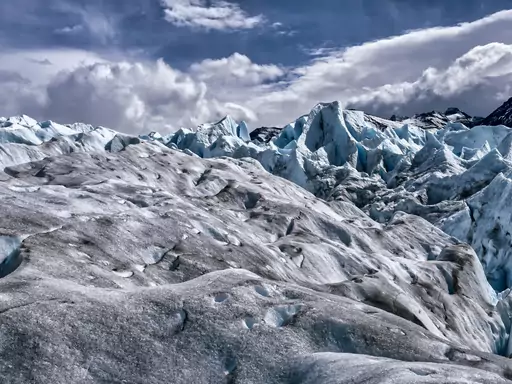
National Park in Argentina
Los Glaciares National Park
Where glaciers meet towering peaks
Perito Moreno Glacier within this park remains one of the few glaciers still advancing worldwide. Ice regularly calves from its face into the lake below with a loud crack. Visitors can walk boardwalks positioned close to the glacier's edge. Nearby, Mount Fitz Roy draws climbers to its sharp granite spire.
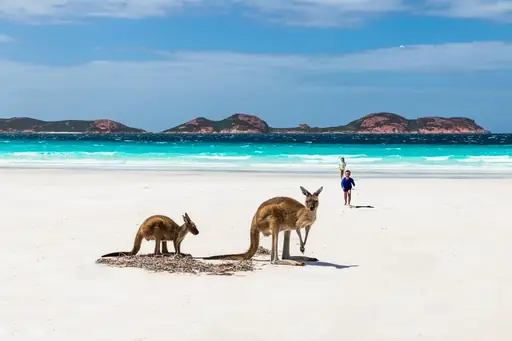
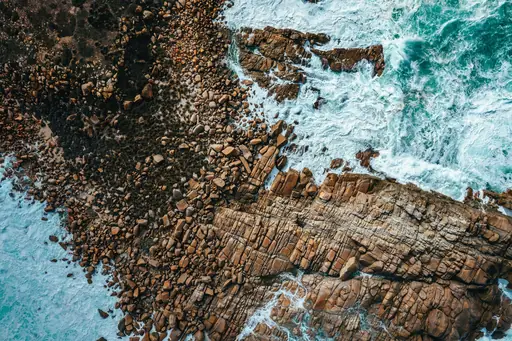
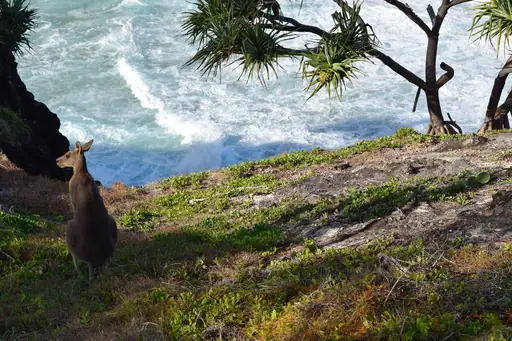
Island in Australia
Kangaroo Island
Wildlife, Wonders and Rugged Coast
Sea lions haul out on Kangaroo Island's beaches in colonies protected from disturbance. Rangers have monitored the same breeding colony at Seal Bay for decades. Visitors can walk close to the animals with a guide on the sand. Nearby cliffs shelter koalas and echidnas in coastal scrub.
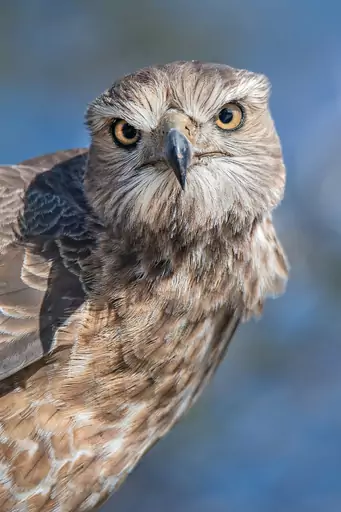
National Park
Kgalagadi Transfrontier Park
Where predators rule the Kalahari
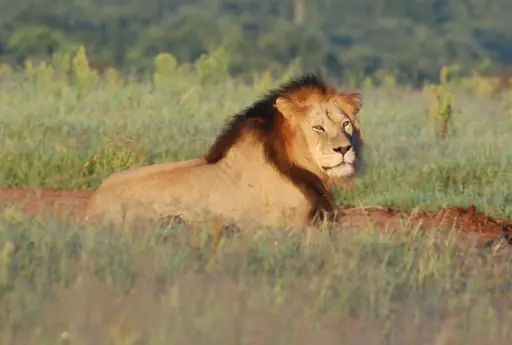
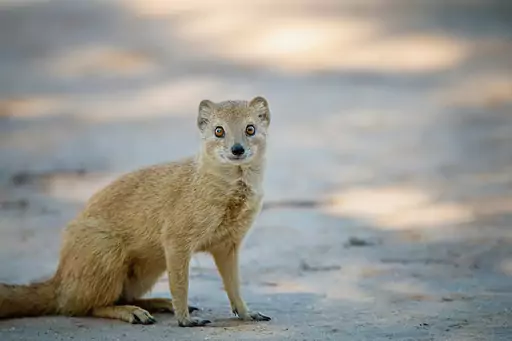
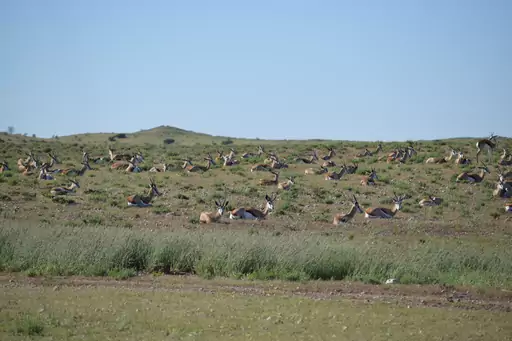
Red dunes stretch across Kgalagadi, a park that spans the border of South Africa and Botswana. Predators here, including black-maned lions, have adapted to one of the driest environments on the continent. Visitors can watch lions rest in the shade near dry riverbeds. Nearby waterholes draw wildlife from miles around during dry months.
Nature Reserve in Mexico
Calakmul Biosphere Reserve
Ancient Maya Ruins in Pristine Jungle
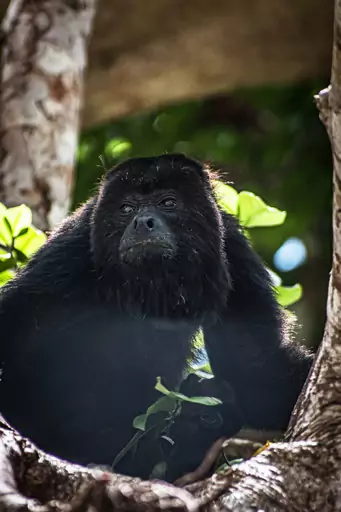
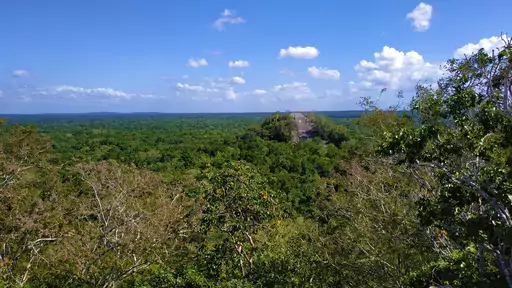
Maya pyramids rise above the jungle canopy within the remote Calakmul reserve. Archaeologists have uncovered one of the largest ancient Maya cities here, long swallowed by forest. Visitors can climb temples for views over an unbroken sea of treetops. Nearby forest still shelters jaguars and scarlet macaws.
Town in Argentina
Trevelin
A Welsh haven in Patagonia
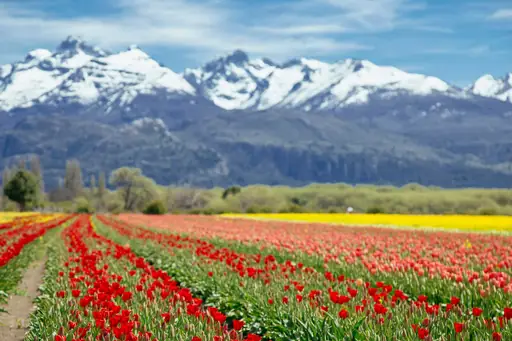
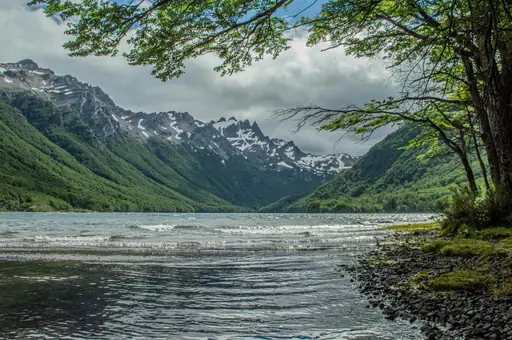
Welsh settlers founded Trevelin in the late 1800s. Their descendants still bake traditional tea cakes. Farmers in the valley grow wheat using techniques the original settlers brought with them. Visitors can stop at a Welsh teahouse for scones and jam. Nearby waterfalls and forest trails wind through the surrounding Patagonian countryside.

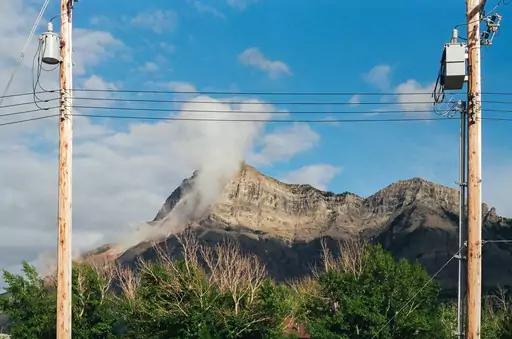
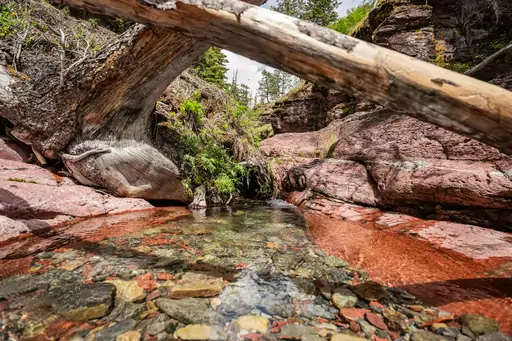
National Park in United States
Waterton Glacier International Peace Park
Where two nations preserve wilderness
Canada and the United States jointly manage this park, the world's first international peace park. Officials created it in 1932 to mark friendship between the two countries. Visitors can hike trails that cross freely between both nations' sides. Nearby lakes sit ringed by peaks shared across the border.
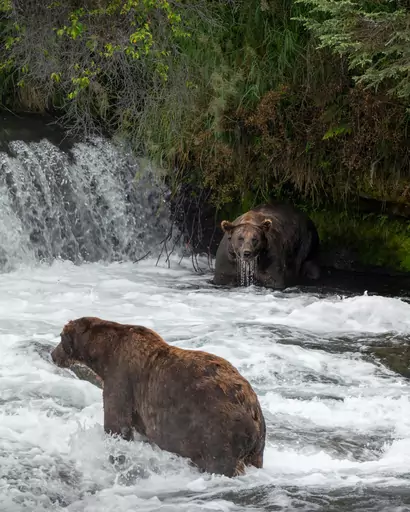
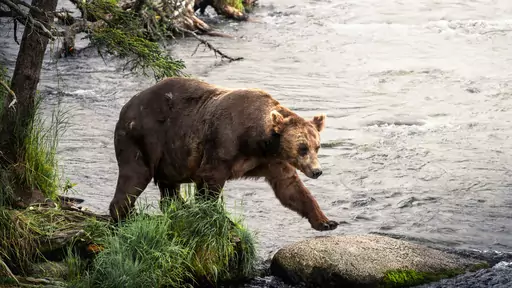
National Park in United States
Katmai National Park
Bears, salmon and volcanic wonders
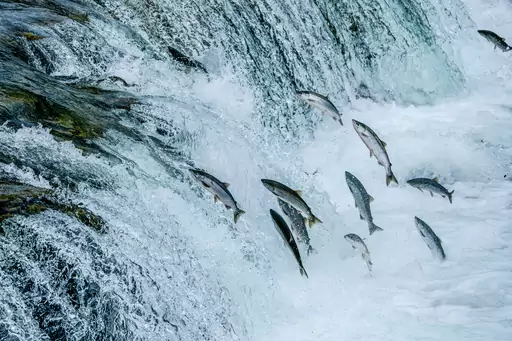
Katmai's Brooks Falls draws brown bears each July to catch salmon leaping upstream. Rangers have run a live bear camera from the falls for online viewers since 2012. Visitors can watch from platforms as bears fish just below the falls. Nearby, the Valley of Ten Thousand Smokes still steams from a 1912 eruption.
Town in Ireland
Dingle
Wild Atlantic Views, Music & Craic
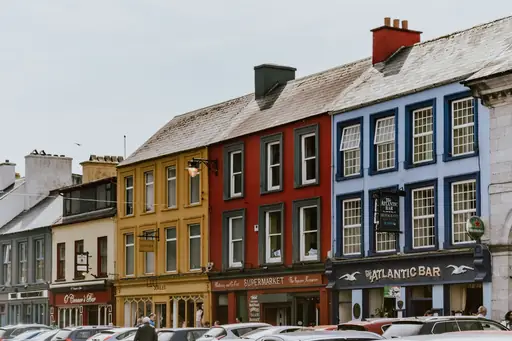
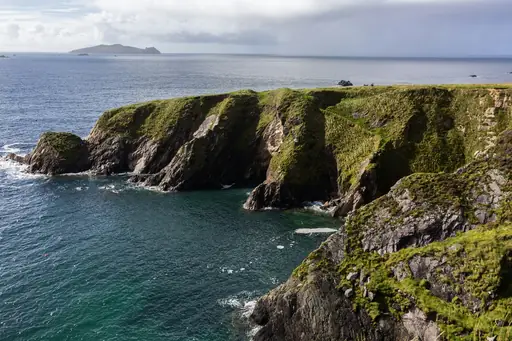
A resident dolphin named Fungie lived in Dingle's harbour for decades, drawing visitors to the town. Fishermen there have long shared the waters with dolphins passing through the bay. Visitors can take a boat trip out to look for dolphins in the harbour. Nearby cliffs along the Dingle Peninsula offer sweeping Atlantic views.

Region in Finland
Lapland
Northern lights and midnight sun
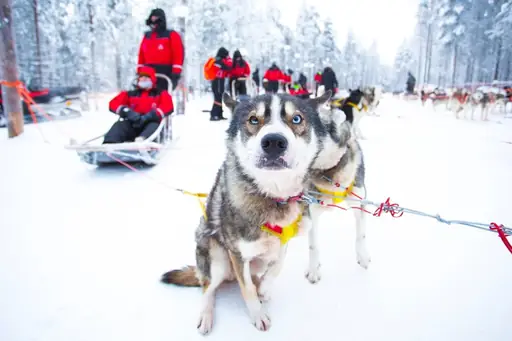
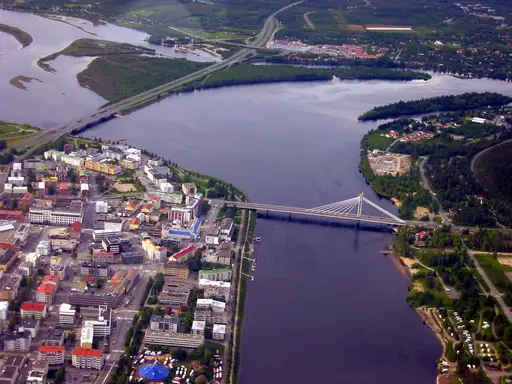
The aurora borealis appears over Finnish Lapland on many clear winter nights. Indigenous Sami communities have tracked reindeer herds across this land for generations. Visitors can sleep in glass-roofed cabins built for watching the lights overhead. Nearby husky farms offer sled rides across the snow-covered forest.
Town in France
Morzine
Alpine charm meets year-round adventure
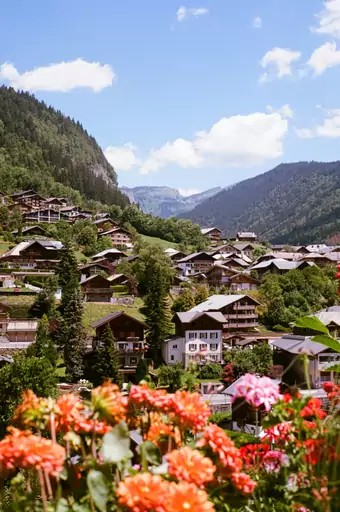
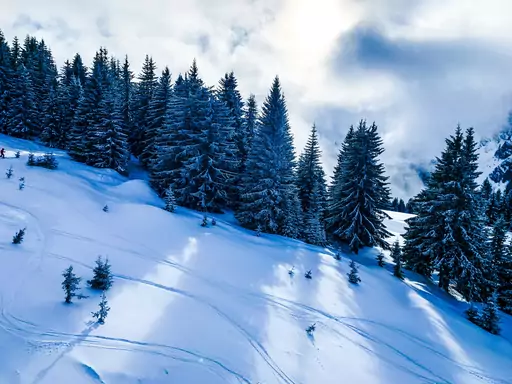
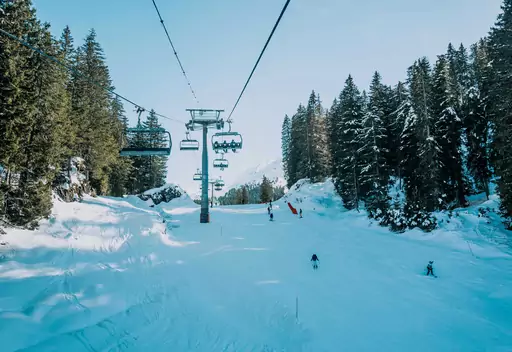
Alpine chalets built for farming now house skiers across the mountains around Morzine. Herders once moved cattle up to these same high pastures each summer. Visitors can ski deep snow in winter or hike wildflower meadows once it melts. Nearby lakes offer swimming with views back towards the peaks.
Country
East Timor
Coral reefs, mountain trails and quiet beaches
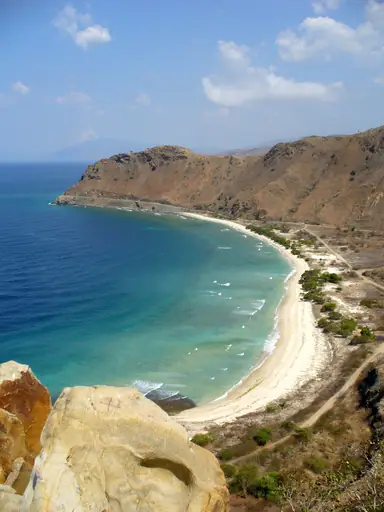
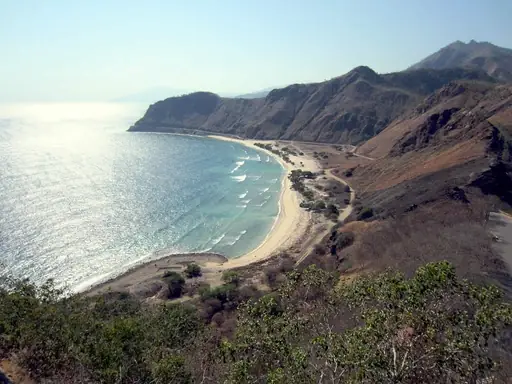
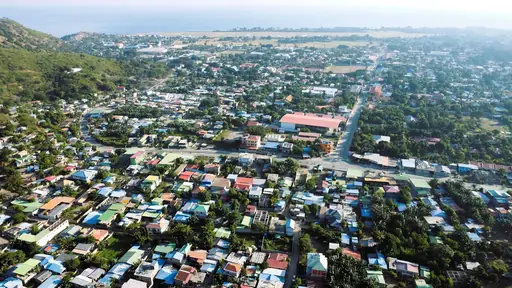
Coral reefs off East Timor's coast remain largely untouched by mass tourism. Divers have only recently begun exploring waters long closed off by decades of conflict. Visitors can snorkel reefs that rank among the least disturbed in Southeast Asia. Nearby mountain villages still farm coffee on slopes planted by Portuguese settlers.
National Park in Thailand
Khao Sok National Park
Ancient Jungle and Emerald Lake Paradise
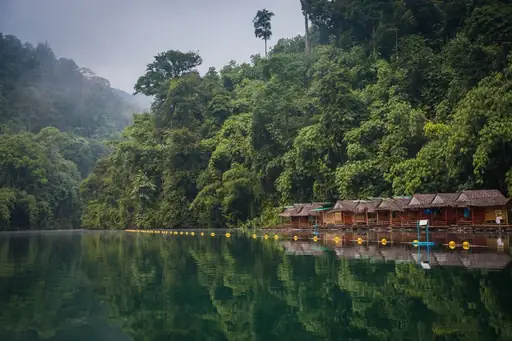
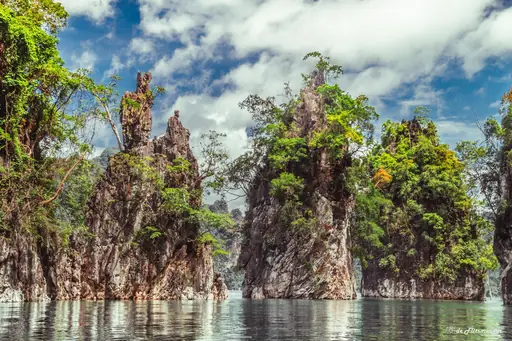
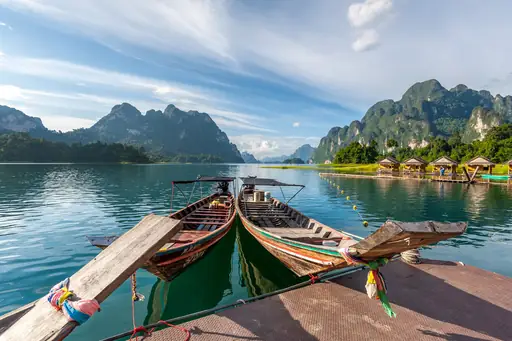
Limestone karsts rise straight from the water at Khao Sok's Cheow Lan Lake. Engineers created the lake by damming a river in the 1980s, flooding the valley floor. Visitors can stay in floating bamboo rafts anchored beneath the cliffs. Nearby rainforest holds some of Thailand's oldest evergreen forest.
Town in Argentina
Villa la Angostura
Patagonia's Hidden Gem
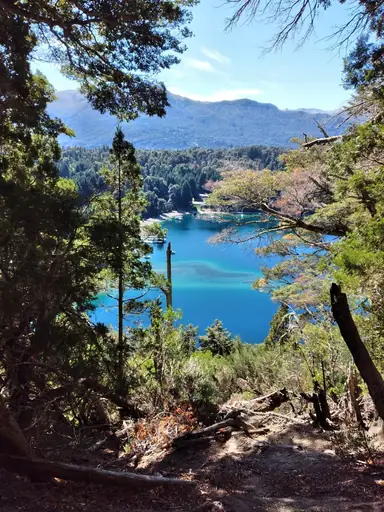
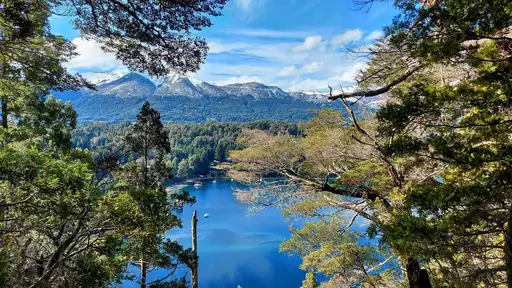
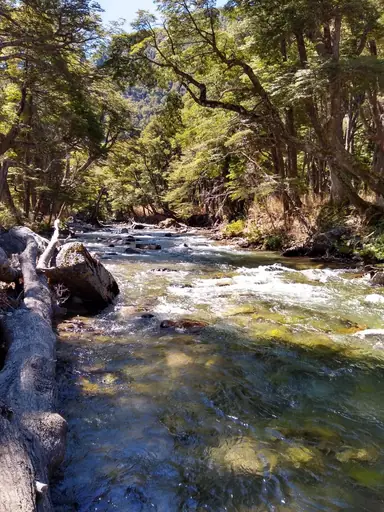
Ancient arrayan trees with cinnamon-coloured bark grow in a forest unique to this region. A single grove near Villa La Angostura is said to have inspired part of a Disney film. Visitors can hike or take a boat to walk among the unusual trees. Nearby lakes reflect forested mountains typical of the Argentine Lake District.

State/Prefecture in United States
Colorado
Rocky mountains and red rocks
Hot springs heat the pools at Glenwood Springs, among the largest in the world. Native tribes used the springs long before settlers built a resort around them in the 1880s. Visitors can soak outdoors with the Rocky Mountains rising in every direction. Nearby caves cut into the cliffs stay cool even in summer.
National Park in Australia
Blue Mountains National Park
Majestic Views and Untamed Nature
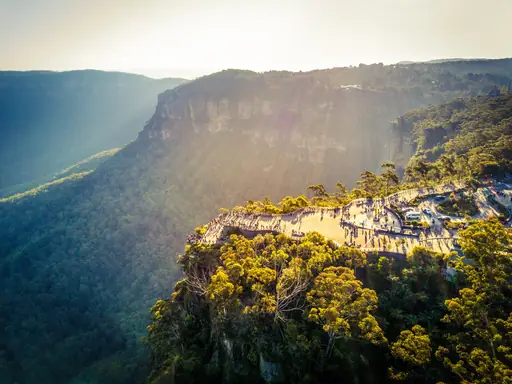
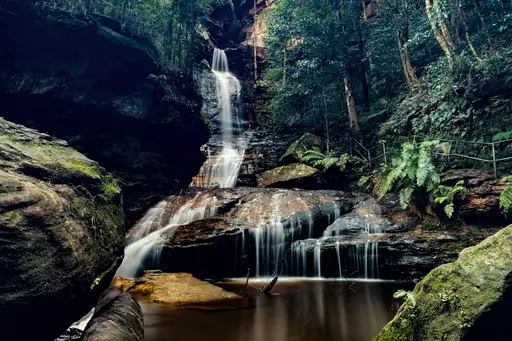
Three sandstone pillars known as the Three Sisters rise above the park's forested valleys. Aboriginal legend explains the rock formation through a story passed down for generations. Visitors can view them from a lookout or hike down into the valley below. Nearby, a steep railway once used for mining now carries tourists downhill.
National Park in United States
Rocky Mountain National Park
Majestic Peaks and Untamed Wilderness
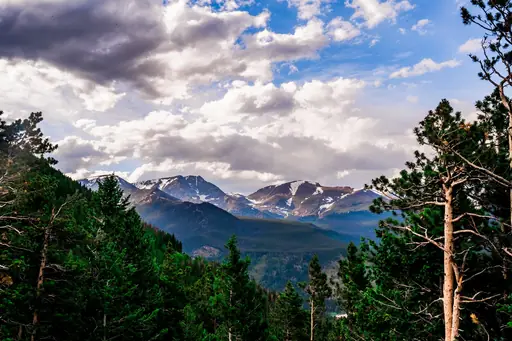
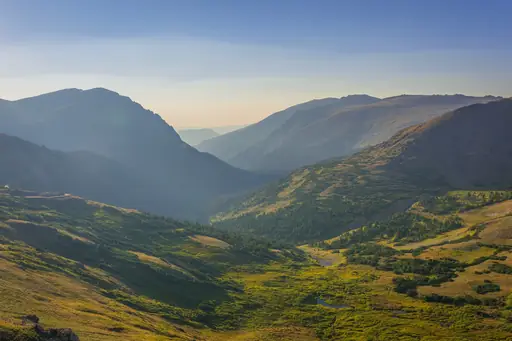
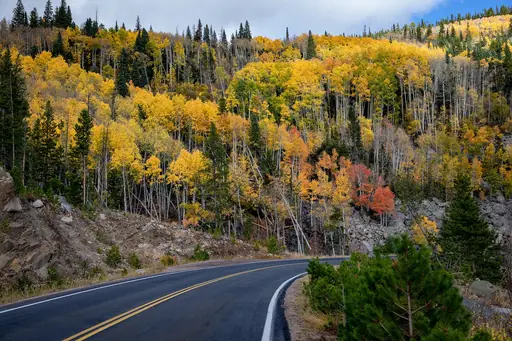
Trail Ridge Road climbs above the treeline to become the highest paved through-road in the country. Elk gather in large herds in the park's meadows each autumn during the rut. Visitors can drive the road or hike alpine tundra above eleven thousand feet. Nearby valleys shelter moose along slower-moving mountain streams.
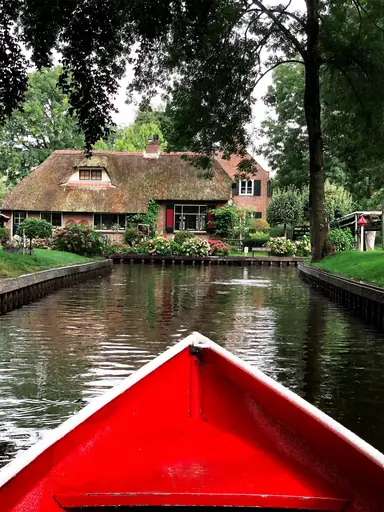
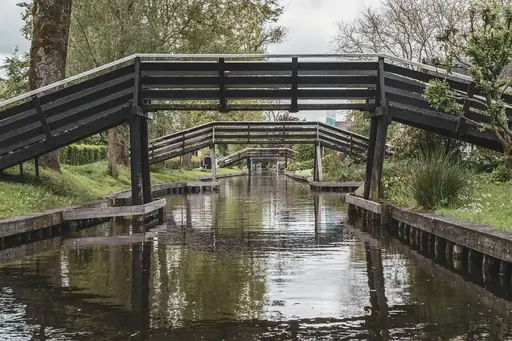
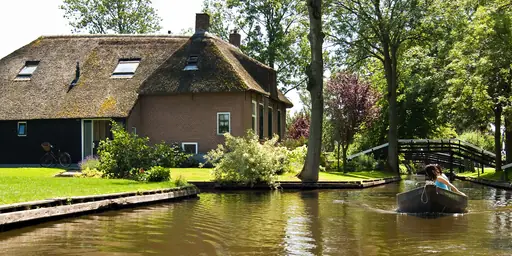
Village in Netherlands
Giethoorn
Venice of the North, Without Roads
Canals replace roads through much of Giethoorn, a village built on drained peat bogs. Residents still travel between farmhouses by flat-bottomed boat rather than by car. Visitors can hire a boat or walk over small arched bridges connecting the islands. Nearby thatched-roof farmhouses date back over a century.
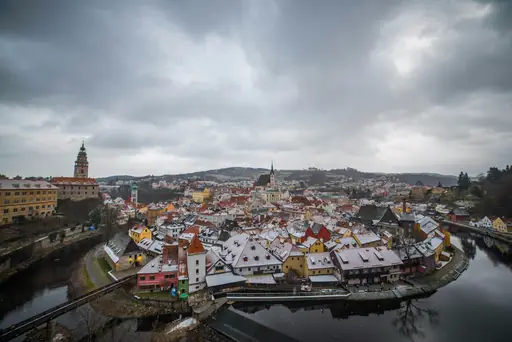
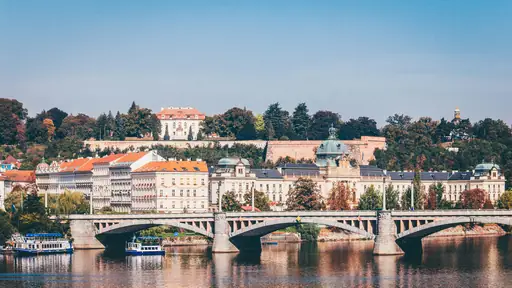
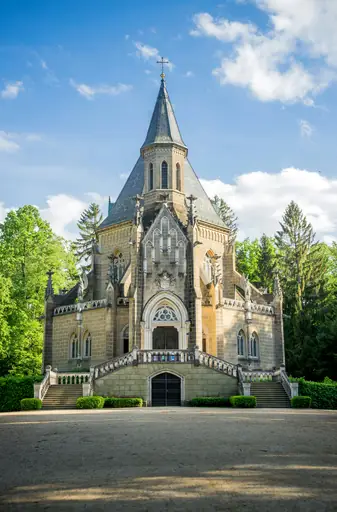
Region in Czech Republic
Bohemia
Fairytale castles and pristine wilderness
Spa towns across Bohemia have drawn visitors to their mineral springs for centuries. European royalty once travelled here specifically to drink and bathe in the waters. Visitors can sip spring water from colonnades built around the original springs. Nearby forests and castles fill much of the surrounding countryside.
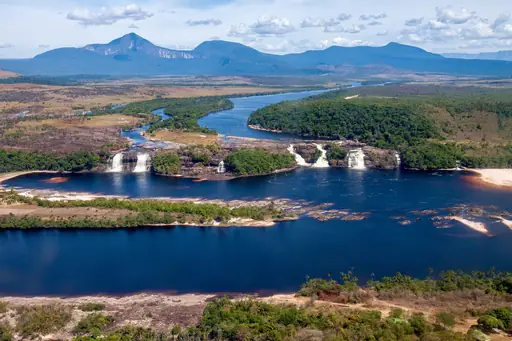
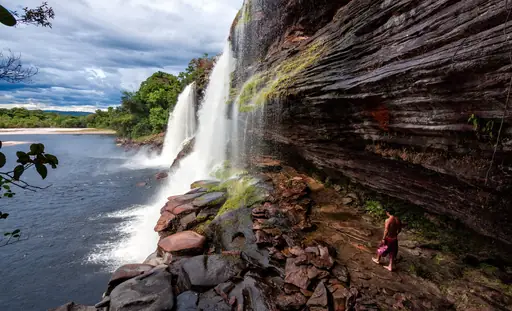
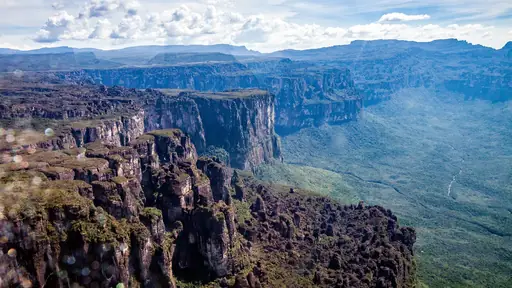
National Park in Venezuela
Canaima National Park
Tepui Peaks and Angel Falls Wonder
Angel Falls drops from a flat-topped mountain deep inside Canaima National Park. Water plunges nearly a kilometre, making it the world's tallest uninterrupted waterfall. Visitors can reach it by canoe along rivers that wind through the jungle. Nearby tabletop mountains, tepuis, rise sharply above the surrounding forest.
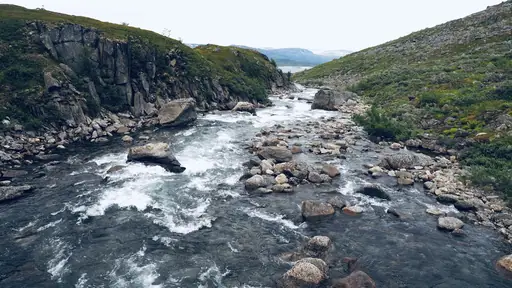
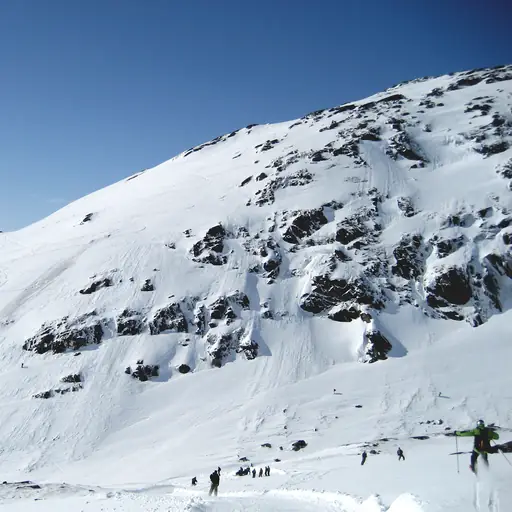
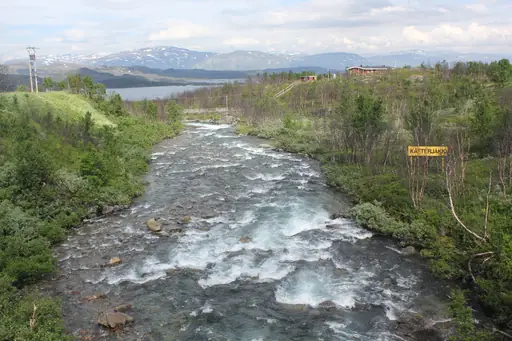
Village in Sweden
Riksgränsen
Arctic skiing under midnight sun
The midnight sun stays visible over Riksgransen through much of the summer season. Skiers can ride lifts under full daylight even late into the evening hours. Visitors can ski beneath the midnight sun or watch the northern lights in winter. Nearby lakes and fells fill the surrounding Swedish Lapland countryside.
National Park in Lithuania
Curonian Spit National Park
Dunes, Forests and Baltic Magic
Shifting sand dunes along the Curonian Spit rank among the tallest in Europe. Wind has slowly buried entire villages beneath these dunes over past centuries. Visitors can climb the dunes for views across the Baltic Sea and lagoon. Nearby forests were planted to help stabilise the shifting sand.
City in Japan
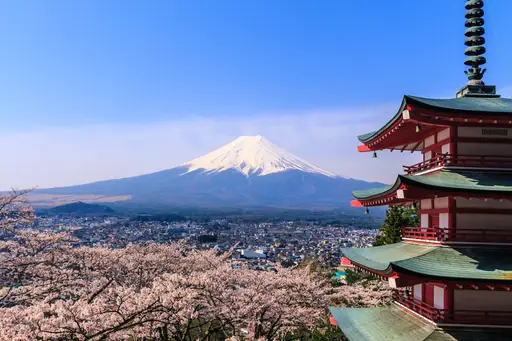
Fujiyoshida
Fuji's sacred trailhead with the pagoda view
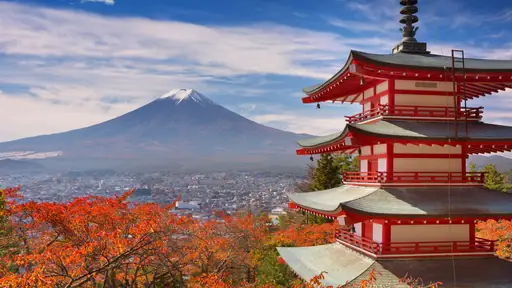
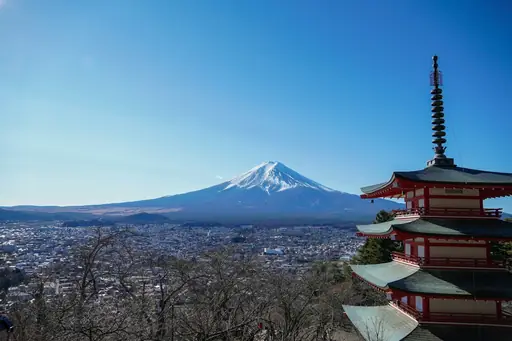
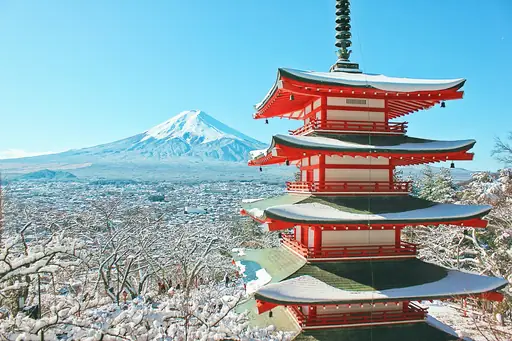
Mount Fuji rises directly behind Fujiyoshida, framed by a historic pagoda nearby. Pilgrims once began their climb up the mountain from shrines within this town. Visitors can photograph the pagoda with Fuji in the background during cherry blossom season. Nearby lakes offer additional views of the mountain's snow-capped peak.

National Park in United States
Yellowstone National Park
Geysers, wildlife and untamed wilderness
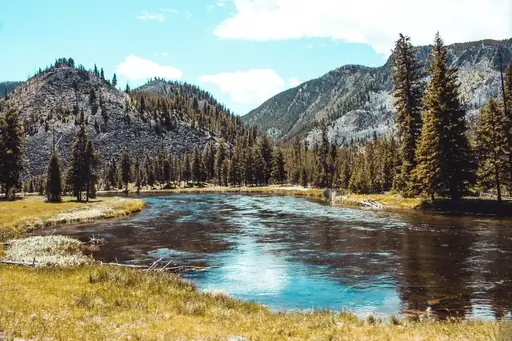
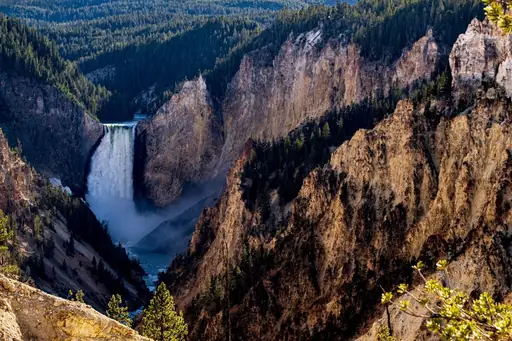
Yellowstone holds more geysers and hot springs than anywhere else on Earth. Old Faithful has erupted predictably enough to draw crowds since the park opened in 1872. Visitors can watch the geyser or spot bison grazing across open valleys. Nearby canyons reveal colourful mineral deposits carved by the Yellowstone River.
Country
Palau
Pristine paradise with underwater wonders
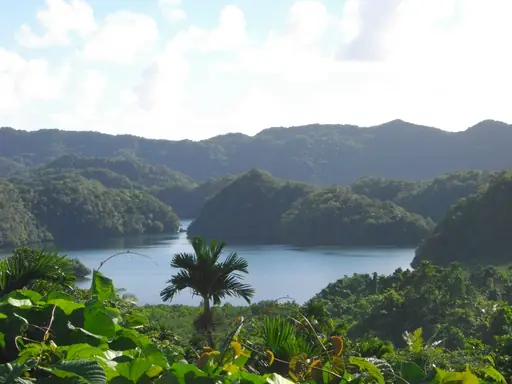
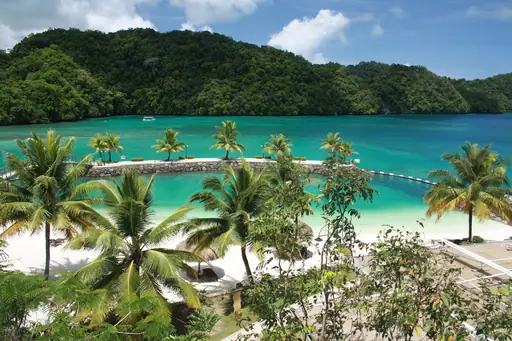
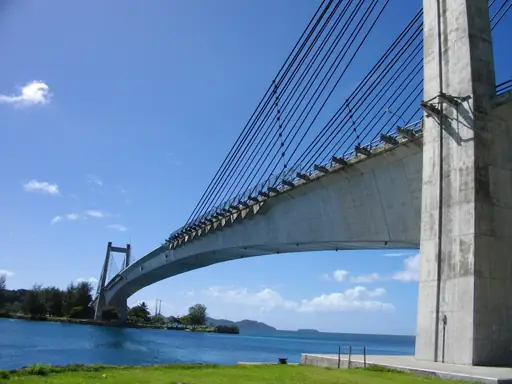
Jellyfish Lake on one of Palau's islands holds jellyfish that have lost their sting over time. Isolation from the ocean allowed the species to evolve without predators over thousands of years. Visitors can snorkel among thousands of the harmless jellyfish drifting near the surface. Nearby limestone islands rise from the lagoon like scattered green mushrooms.
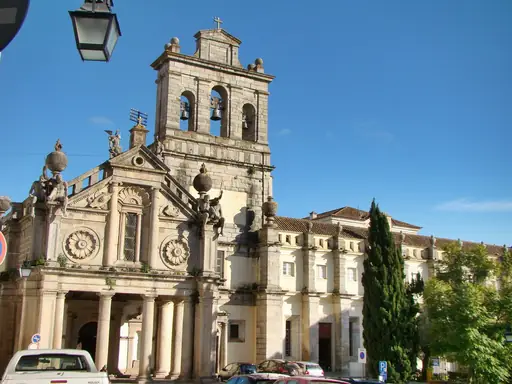
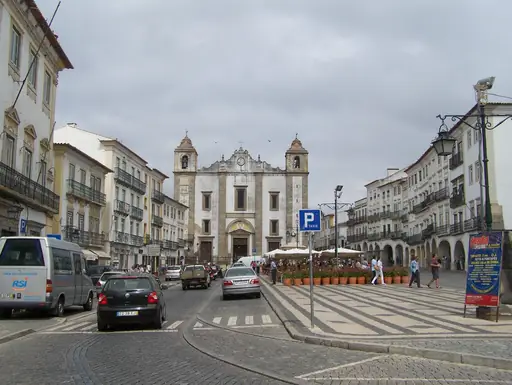
Region in Portugal
Alentejo
Rolling hills, historic villages, soulful cuisine
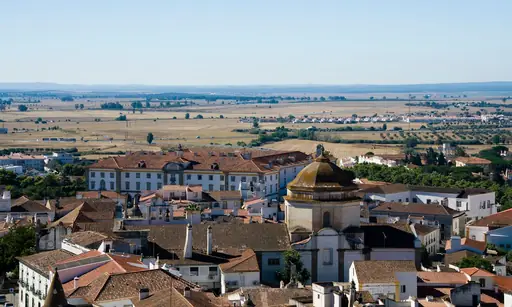
Cork oak groves cover much of Alentejo, supplying a large share of the world's cork. Farmers harvest the bark by hand once every nine years without harming the tree. Visitors can walk trails through the orchards between whitewashed hilltop towns. Nearby wineries pour reds grown in the same red clay soil.
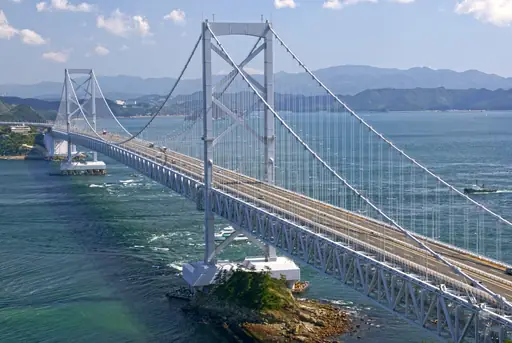
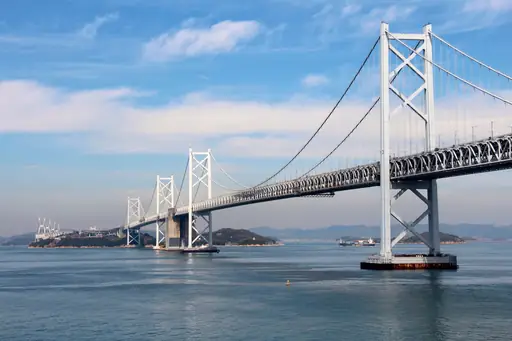
Island in Japan
Shikoku
Pilgrimage trail, gorges and hot springs
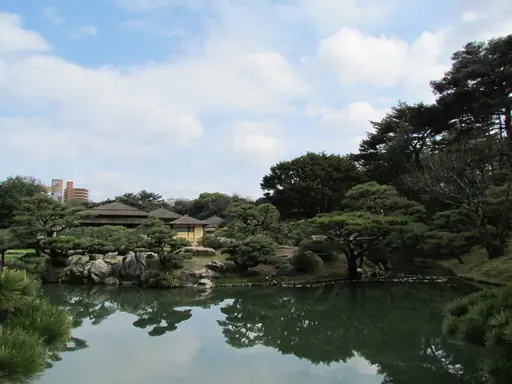
A pilgrimage route across Shikoku links eighty-eight Buddhist temples founded over a thousand years ago. Pilgrims traditionally walk the full circuit, a journey covering over seven hundred miles. Visitors can walk sections of the route between rural temples and rice paddies. Nearby gorges and rivers wind through the island's mountainous interior.
City in United States
Juneau
Glaciers, whales and wild Alaska
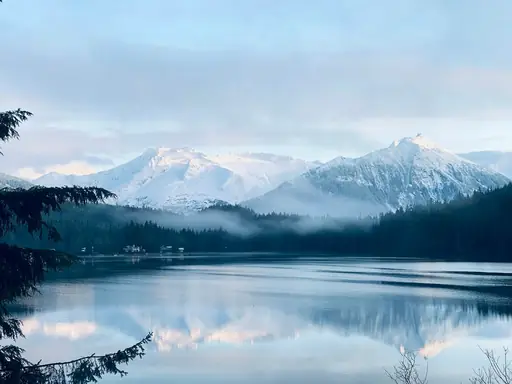
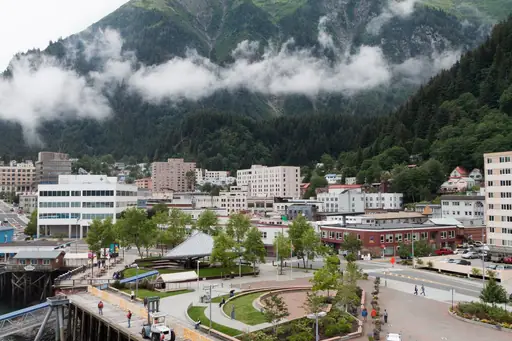
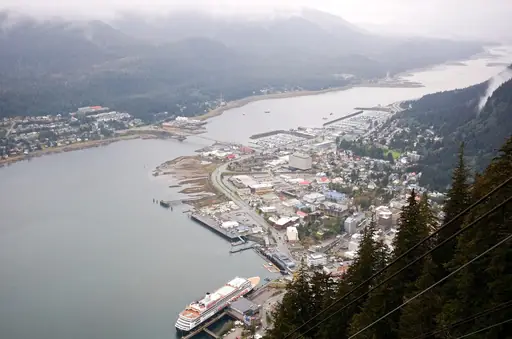
Mendenhall Glacier flows down from an icefield just outside downtown Juneau. Visitors have watched the glacier's slow retreat from nearby viewpoints for decades. Travellers can hike to ice caves carved into the glacier's face. Nearby fjords draw whales that feed close to the shoreline each summer.
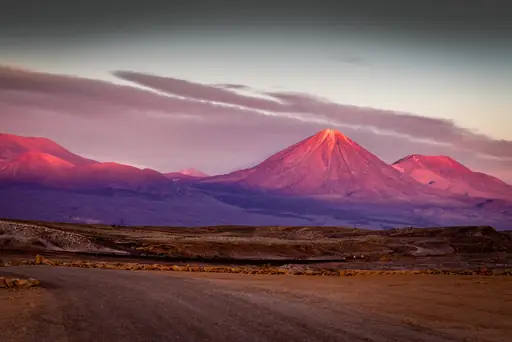
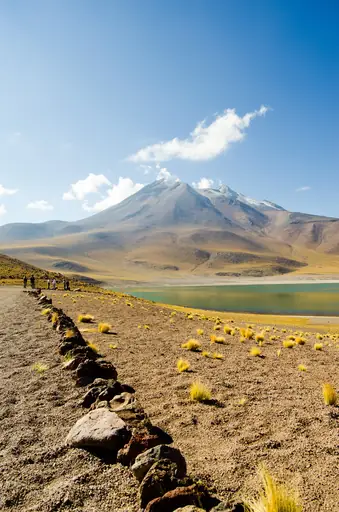
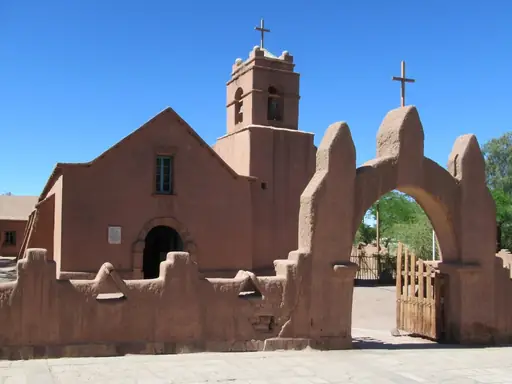
Town in Chile
San Pedro de Atacama
Mars-like Landscapes and Starry Nights
The Atacama Desert around San Pedro ranks among the driest places on Earth. Astronomers built major observatories nearby to take advantage of the region's exceptionally clear skies. Visitors can stargaze at night or explore salt flats and geysers by day. Nearby lagoons attract flocks of flamingos feeding in shallow, mineral-rich water.
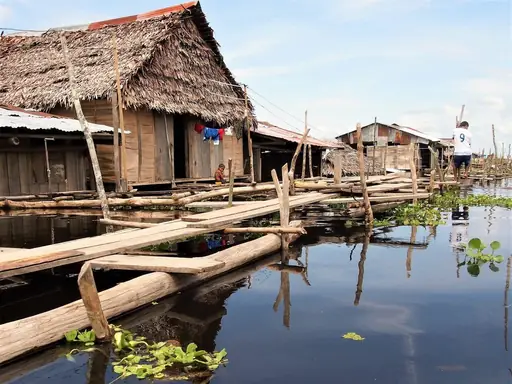
City in Peru
Iquitos
Amazon’s gateway to jungle adventures
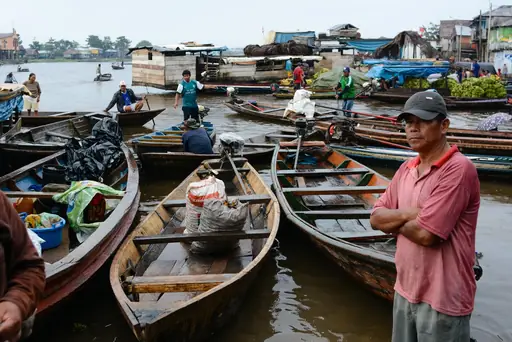
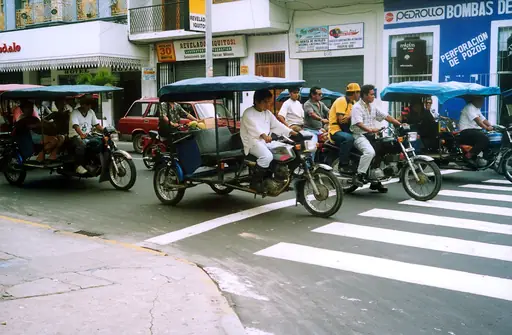
Iquitos sits deep in the Amazon, reachable only by boat or plane. Rubber wealth built the city's ornate buildings during a boom in the late 1800s. Visitors can take a boat from town into the surrounding rainforest. Nearby lodges offer nighttime tours to spot caimans along the riverbanks.
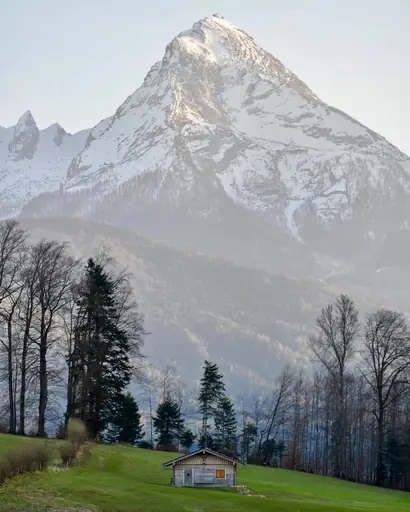
Town in Germany
Berchtesgaden
Alpine Peaks, Crystal Lakes, Living History
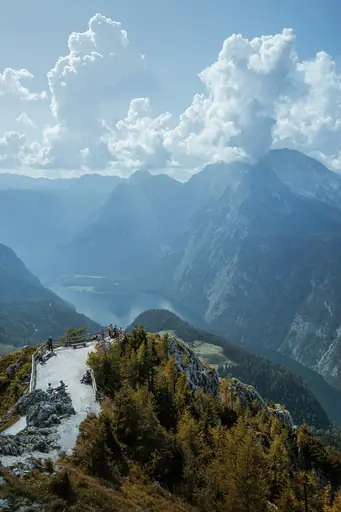
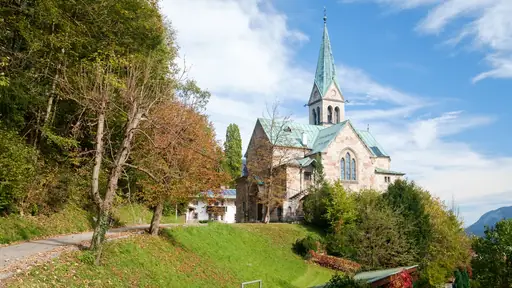
Lake Konigssee's clear water sits inside steep alpine walls near Berchtesgaden. Electric boats have carried visitors across the lake since noise disturbs its famous echo. Visitors can hear a trumpeter play a note that bounces off the surrounding cliffs. Nearby trails climb towards salt mines once worked for centuries.
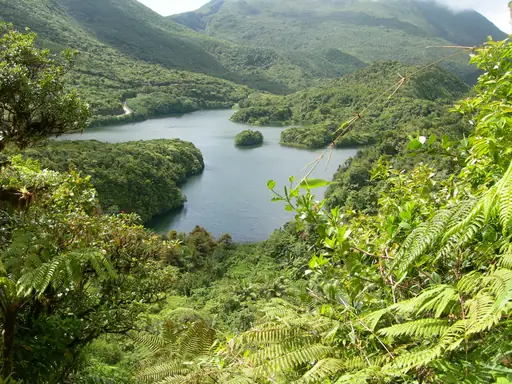
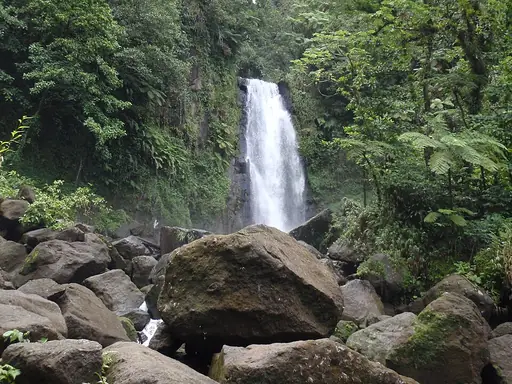
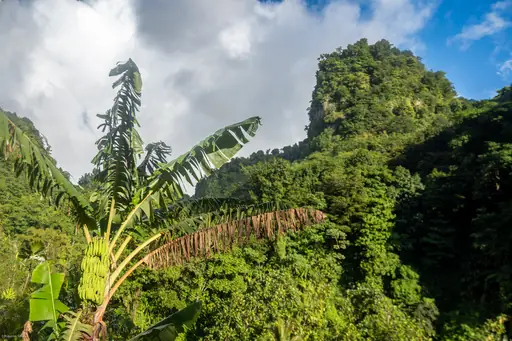
National Park in Dominica
Morne Trois Pitons National Park
Volcanic wonders in pristine rainforest
A boiling lake fed by volcanic heat sits deep within this Dominican rainforest park. Hikers cross a valley of steaming vents to reach the lake's edge. Visitors can trek through dense jungle past hot springs and waterfalls. Nearby, the park became the Caribbean's first UNESCO natural World Heritage site.
Country
Papua New Guinea
Last paradise of South Pacific
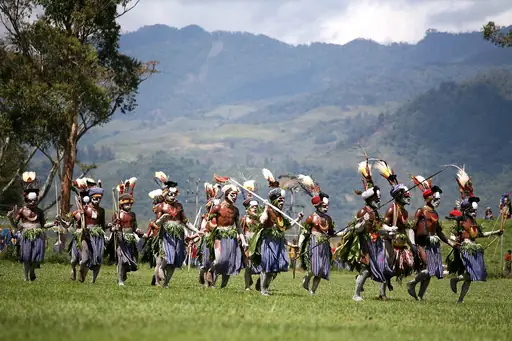
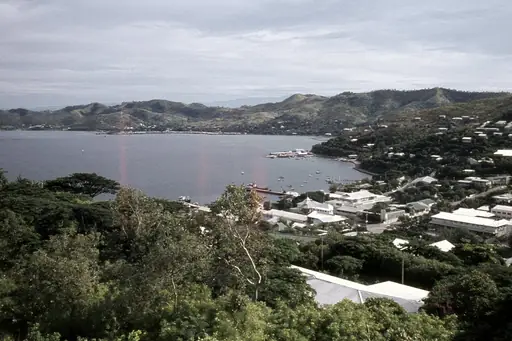
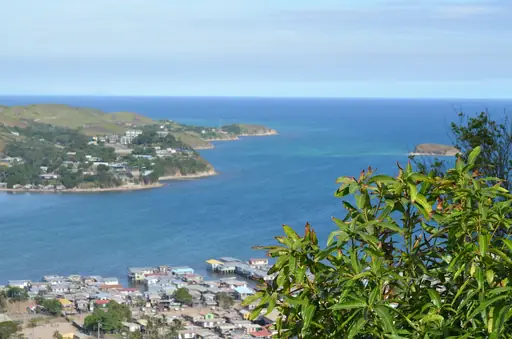
Hundreds of distinct languages are spoken across Papua New Guinea's rugged highlands. Isolated valleys here kept many communities separate from each other for centuries. Visitors can attend a highland sing-sing featuring elaborate traditional dress. Nearby rainforest remains largely unmapped outside a handful of established trekking routes.
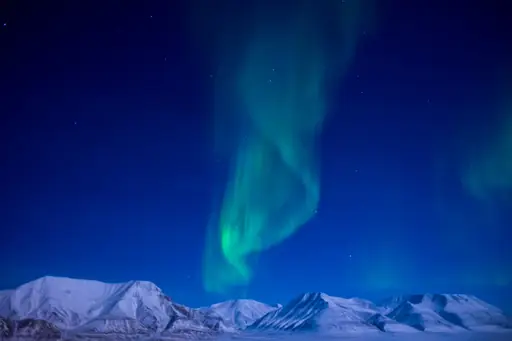
Town in Norway
Longyearbyen
The Edge of the Arctic Wild
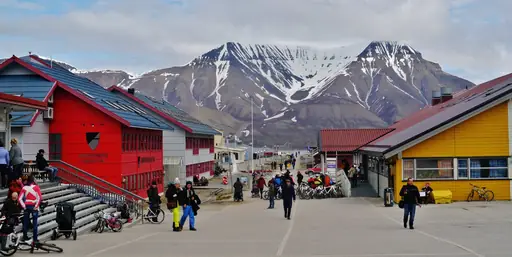
Longyearbyen ranks among the northernmost permanent settlements in the world. Polar bear warnings post at the town's edge, since bears can wander in from the surrounding wilderness. Visitors can join a guided snowmobile trip across the surrounding glaciers. Nearby fjords stay frozen through much of the long polar winter.
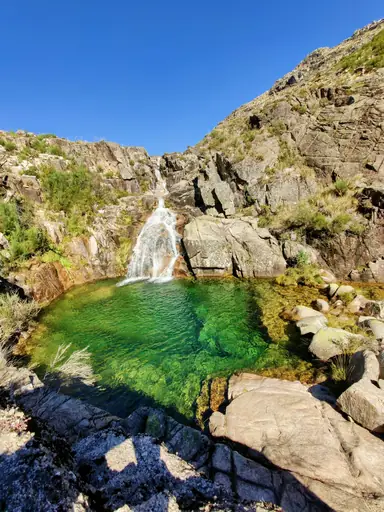
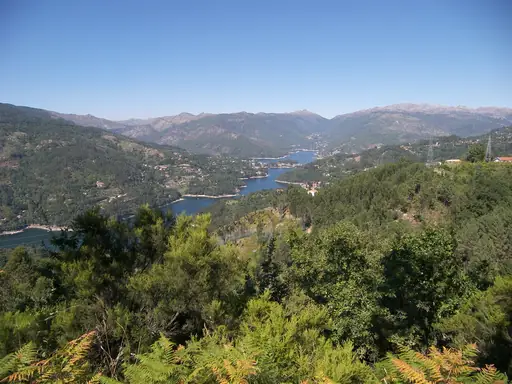
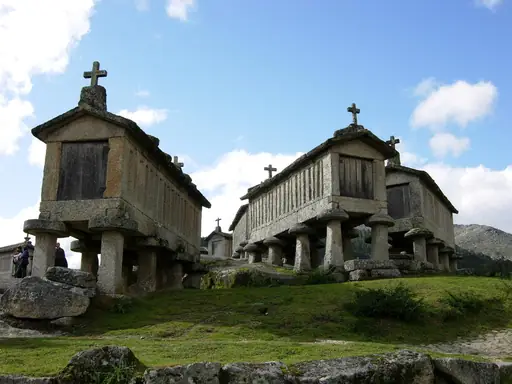
National Park in Portugal
Peneda-Gerês National Park
Portugal's Only National Park Paradise
Wild Garrano ponies still roam freely across Peneda-Geres, Portugal's only national park. Stone granaries built on stilts dot villages that have farmed these valleys for centuries. Visitors can hike between waterfalls and old stone bridges built by Roman engineers. Nearby villages still herd cattle along the same mountain paths.
Country
Guyana
South America's pristine rainforest gem
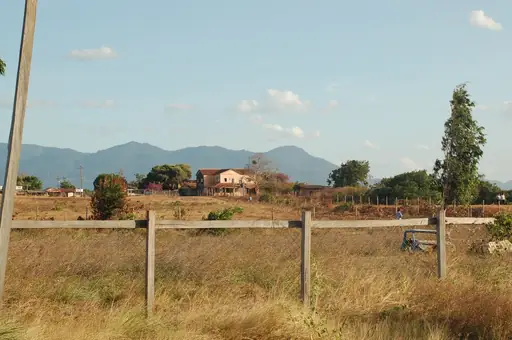
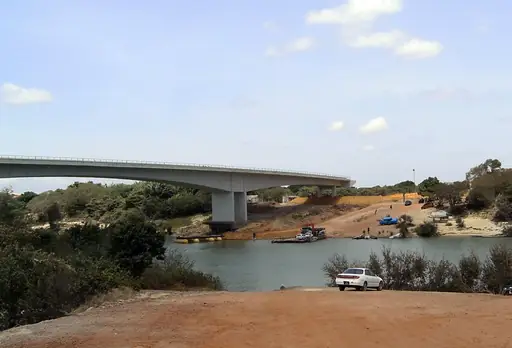
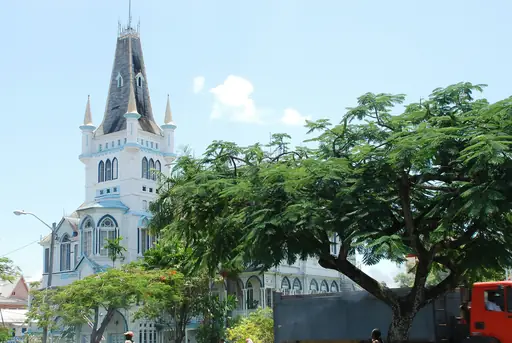
Kaieteur Falls drops in a single sheer plunge nearly five times the height of Niagara. Few roads reach the falls, so most visitors arrive by small aircraft. Visitors can stand at the edge of the gorge as the water crashes below. Nearby rainforest remains largely unlogged and rarely visited.
Outer Territory in France
Réunion
An Island of Adventure and Beauty
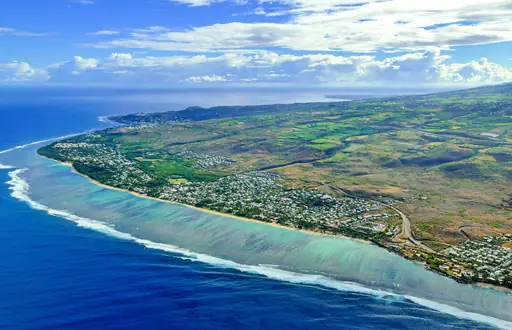
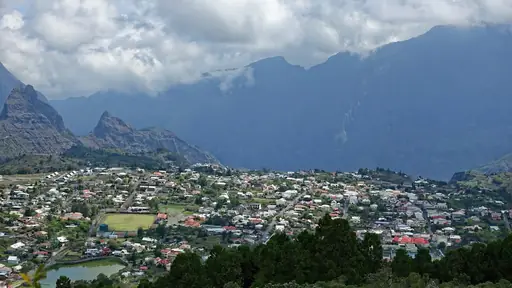
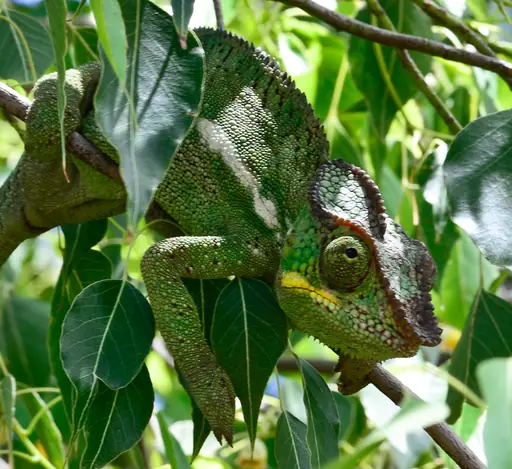
Piton de la Fournaise, one of the world's most active volcanoes, dominates southern Reunion. Lava flows here regularly reshape the surrounding black rock landscape. Visitors can hike across recent flows to the edge of the crater. Nearby cirques ringed by cliffs shelter villages reachable mainly on foot.
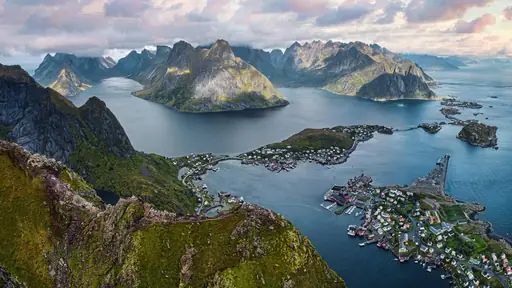
Village in Norway
Reine
Lofoten’s Iconic Fjord Village
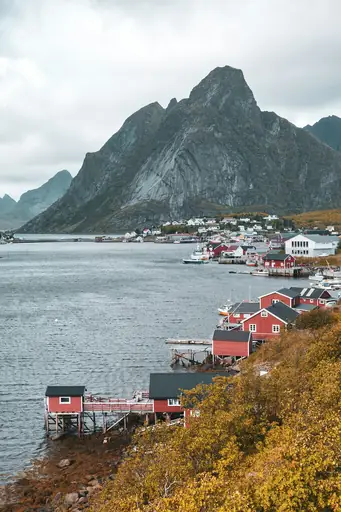
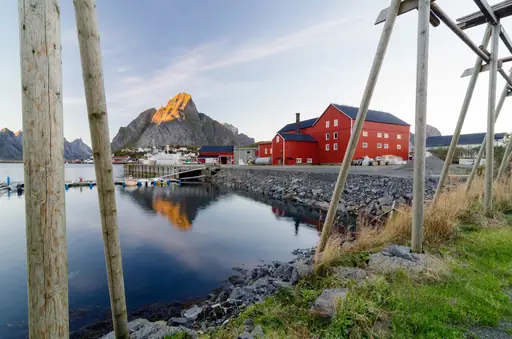
Fishing cabins on stilts line the harbour of Reine, a small village in the Lofoten Islands. Fishermen have based cod operations from this same harbour for generations. Visitors can photograph the village against jagged peaks rising straight from the sea. Nearby racks still dry fish in the open air each winter.
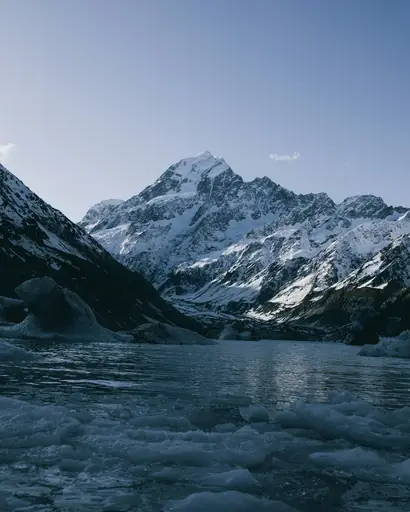
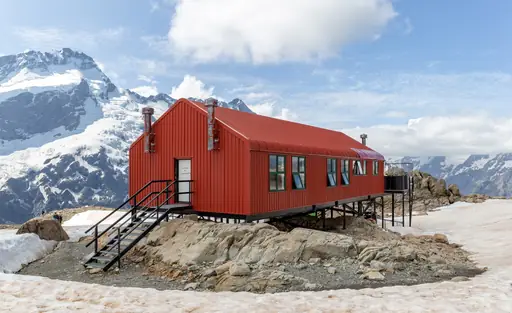
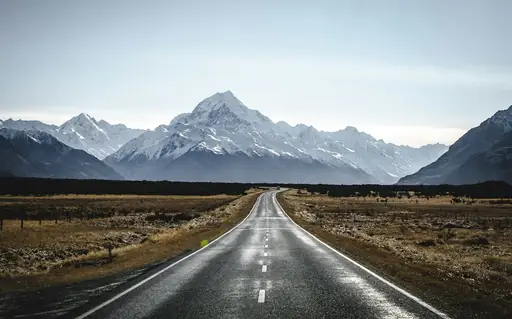
National Park in New Zealand
Mount Cook National Park
New Zealand’s alpine wonderland
Aoraki, New Zealand's tallest peak, rises straight from glacial valleys within the park. Climbers have used the mountain as a training ground since the early 1900s. Visitors can hike to Hooker Lake and watch icebergs drift near its face. Nearby, the park holds some of the darkest skies for stargazing in the country.
Town in Argentina
El Chalten
Hiking Capital of Argentina
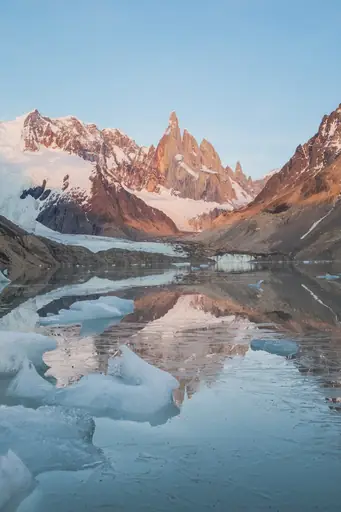
El Chalten grew up as a trekking base beneath the jagged peak of Fitz Roy. Argentina founded the town in 1985 partly to settle a border dispute with Chile. Visitors can hike to a glacial lake with the peak reflected in the water. Nearby trails lead towards other granite spires favoured by climbers.
City in Japan
Fuji
Mountain views, paper mills and fresh shirasu
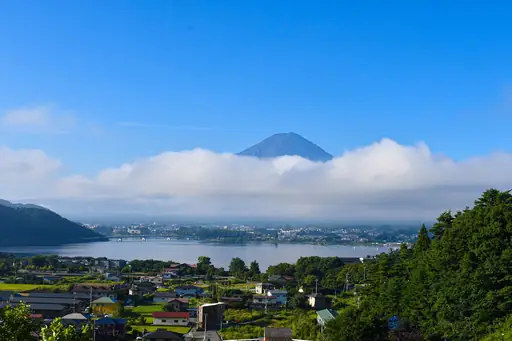
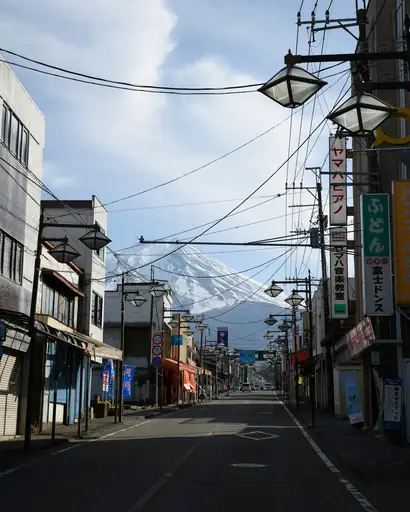
Mount Fuji's snow-capped cone has drawn climbers and pilgrims for centuries. Official climbing season runs only through the summer months when trails stay clear of ice. Visitors can hike overnight to reach the summit in time for sunrise. Nearby lakes reflect the mountain's outline on calm, clear mornings.
Region in Japan
Iya Valley
Vine bridges, deep gorges and mountain hot springs
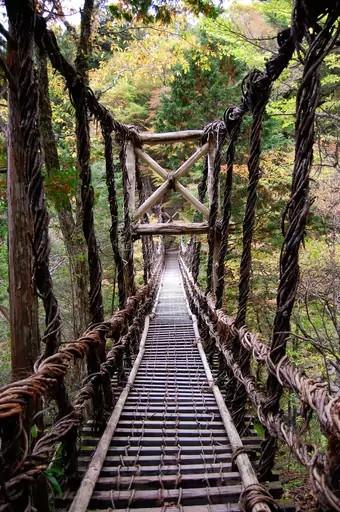
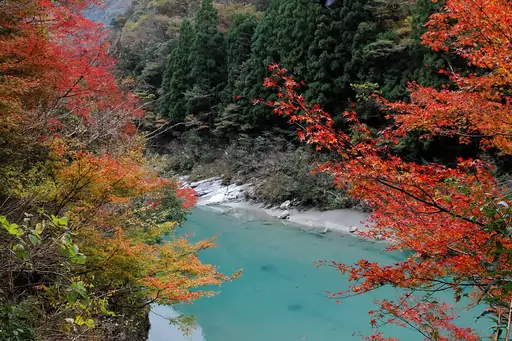
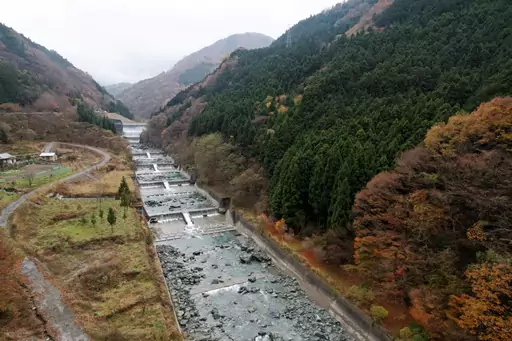
Vine bridges still cross the Iya Valley's gorge, rebuilt every few years using local materials. Legend holds that defeated warriors once hid in this remote valley centuries ago. Visitors can cross the swaying bridge above the rushing river below. Nearby hot spring baths sit perched on cliffs overlooking the valley.
Village in Morocco
Merzouga
Sahara Dunes, Starry Nights
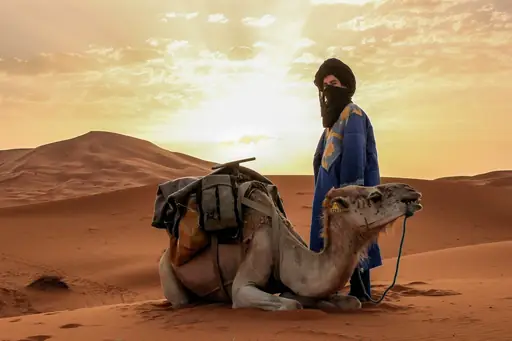
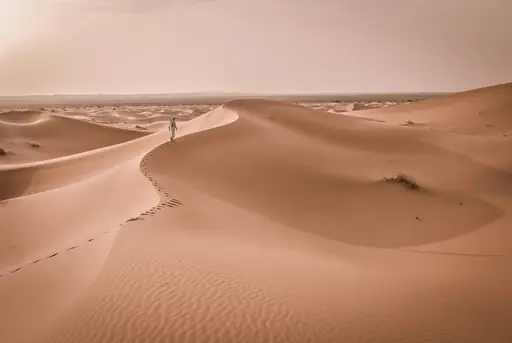
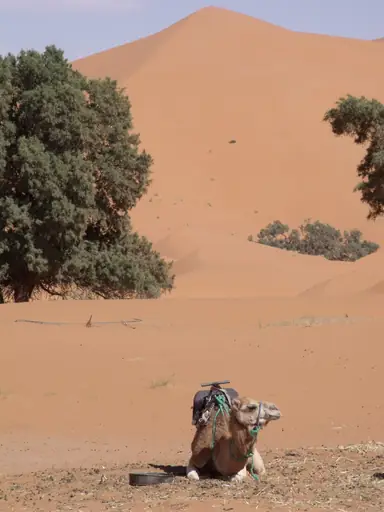
Erg Chebbi's dunes near Merzouga rise among the tallest in Morocco's Sahara. Berber guides have led camel caravans across this sand sea for generations. Visitors can ride a camel out to a desert camp for the night. Nearby dunes turn shades of orange and pink at sunrise and sunset.
Town in United States
Mammoth Lakes
Alpine Paradise in Eastern Sierra
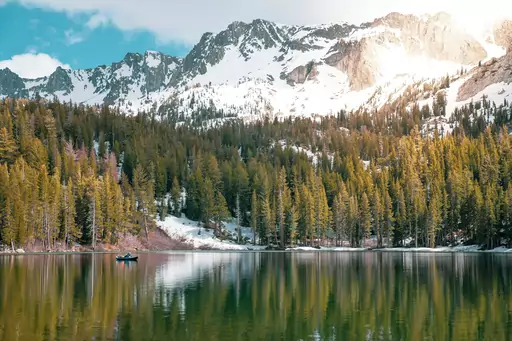
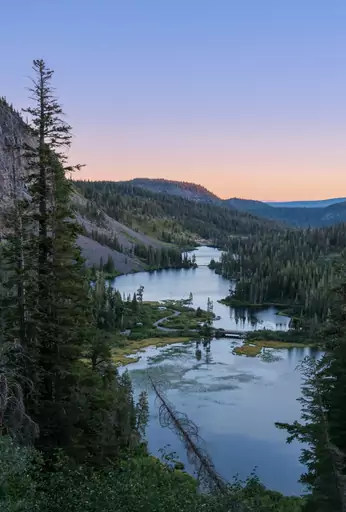
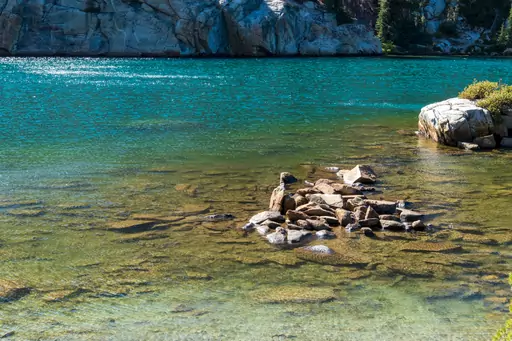
Volcanic activity beneath Mammoth Lakes still heats natural hot springs scattered through the area. Scientists monitor the dormant volcanic system for occasional small earthquakes. Visitors can soak in undeveloped hot springs with mountain views in every direction. Nearby lakes offer fishing and hiking through alpine forest each summer.
National Park in United Kingdom
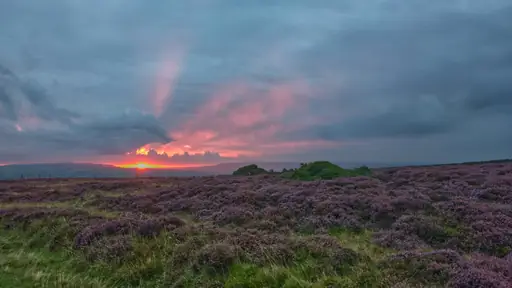
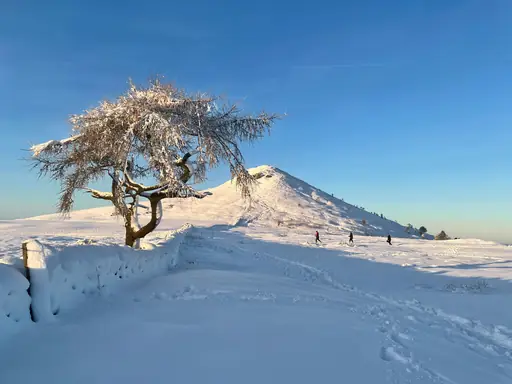
North York Moors
Heather moorlands meet rugged coastline
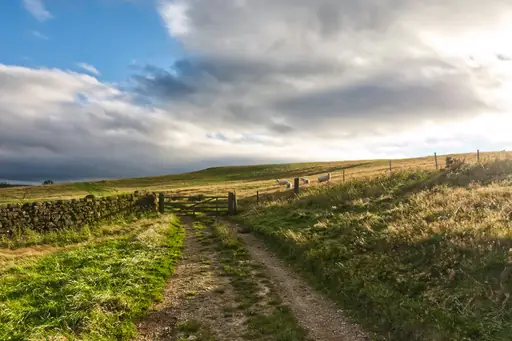
Heather blankets the North York Moors in purple across late summer. Shepherds have grazed sheep on these open moorlands for centuries. Visitors can hike trails past ancient stone crosses marking old travel routes. Nearby steam railways carry passengers through the surrounding countryside on restored heritage lines.

National Park in Costa Rica
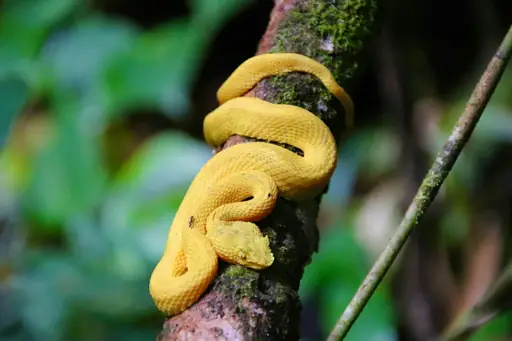
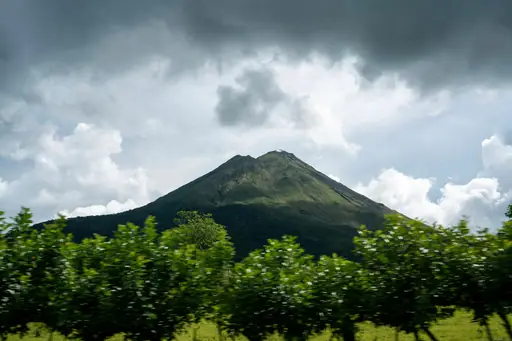
Arenal Volcano National Park
Lava Trails, Rainforest and Epic Views
Arenal's near-perfect cone rises above rainforest and pasture in northern Costa Rica. The volcano stayed continuously active for decades before quieting in recent years. Visitors can hike lava fields formed by past eruptions and soak in nearby hot springs. Nearby lakes offer views of the cone reflected in still water.
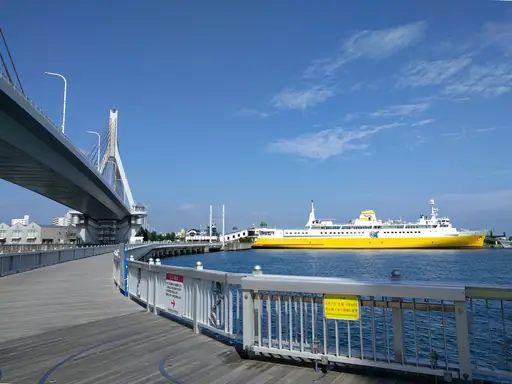
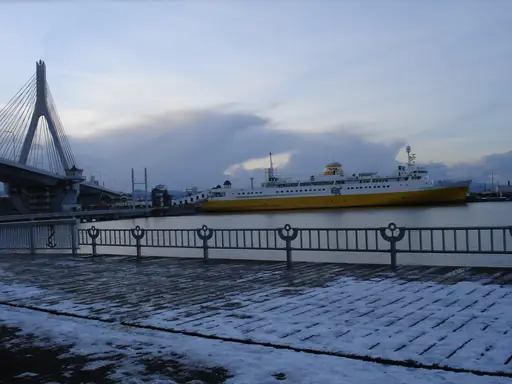
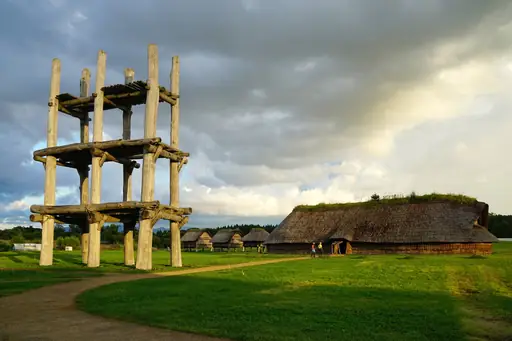
State/Prefecture in Japan
Aomori
Apples, giant lantern floats and beech forests
Orchards across Aomori grow more apples than anywhere else in Japan. Farmers have refined the region's varieties since apple trees arrived in the 1870s. Visitors can pick fruit straight from the trees each autumn. Nearby forests turn deep red as the same harvest season begins.
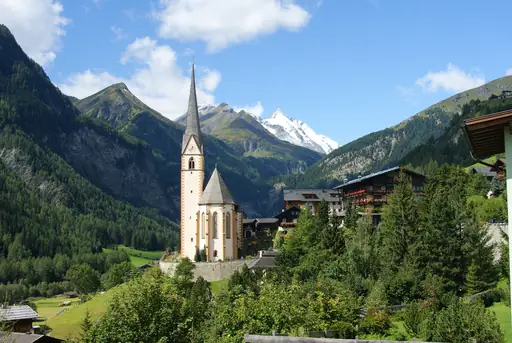
Region in Austria
Carinthia
Land of Lakes and Alpine Beauty
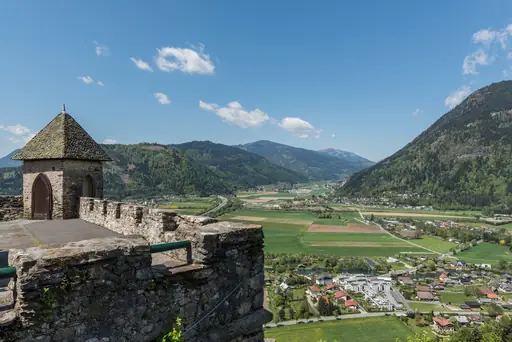
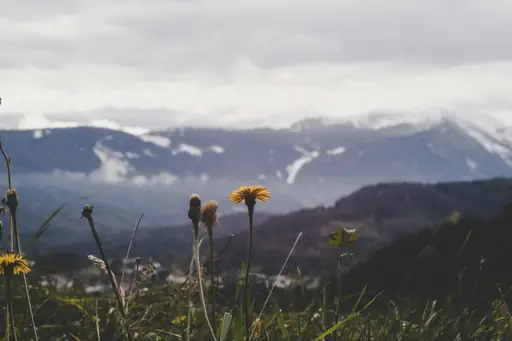
Lake Worthersee's water stays warm enough for swimming through much of the Alpine summer. Sheltered valleys around Carinthia trap heat that keeps the lake milder than nearby peaks suggest. Visitors can swim or sail with mountains rising steeply from the shoreline. Nearby villages host lakeside markets selling fruit grown in the valley.
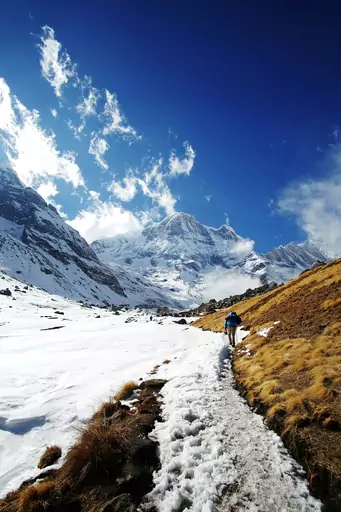
Region in Nepal
Annapurna
Legendary Trekking in Himalayan Diversity
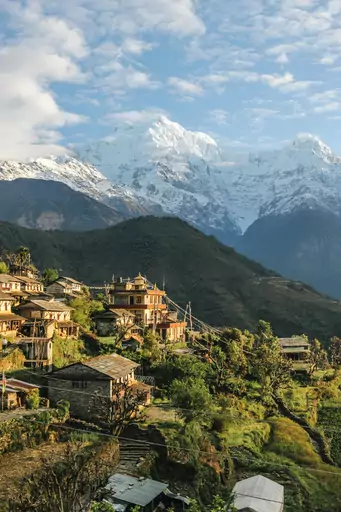
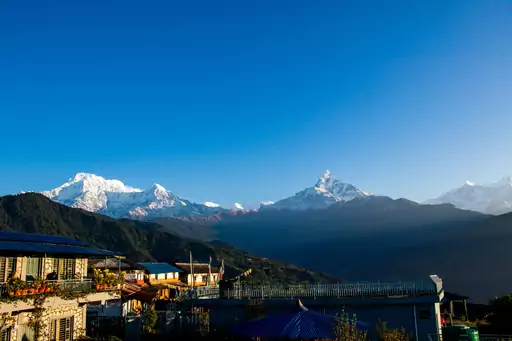
Trekkers on the Annapurna Circuit pass through villages growing apples and buckwheat on terraced slopes. The route climbs from subtropical valleys to high mountain passes over several days. Hikers can stop at teahouses run by the same families for generations. Nearby, prayer flags mark passes above five thousand metres.
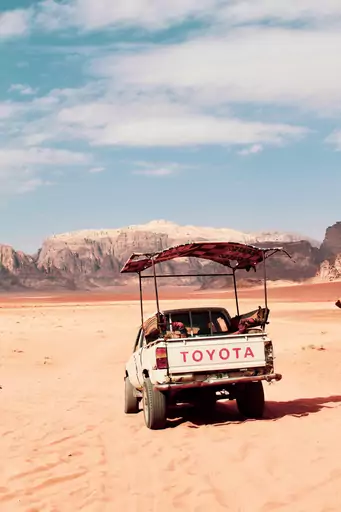
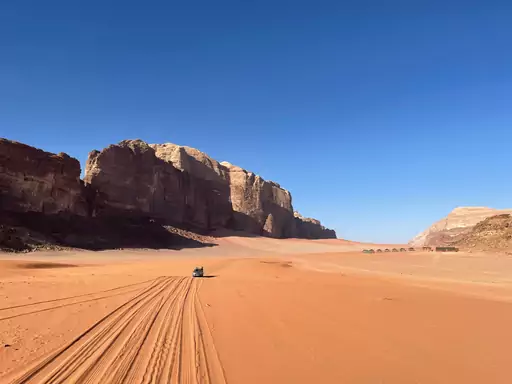
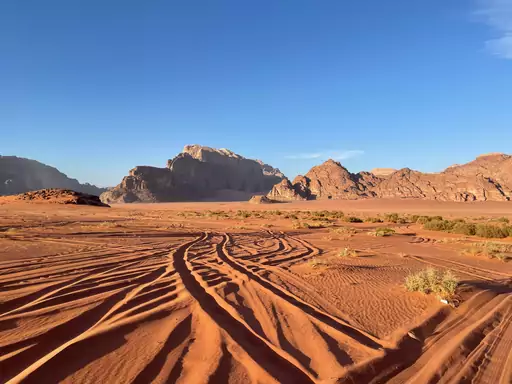
Nature Reserve in Jordan
Wadi Rum
Valley of the moon's timeless magic
Towering red sandstone cliffs rise from the desert floor across Wadi Rum. Bedouin communities have guided travellers through this valley for generations. Visitors can ride a jeep or camel between rock formations carved by ancient wind and water. Nearby camps offer a night under some of the desert's darkest skies.
Region in Ethiopia
Danakil Depression
Earth's Hottest, Most Alien Landscape
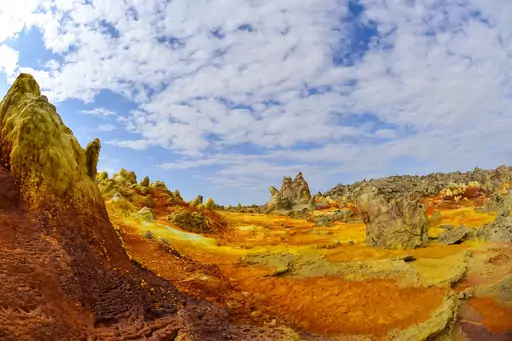
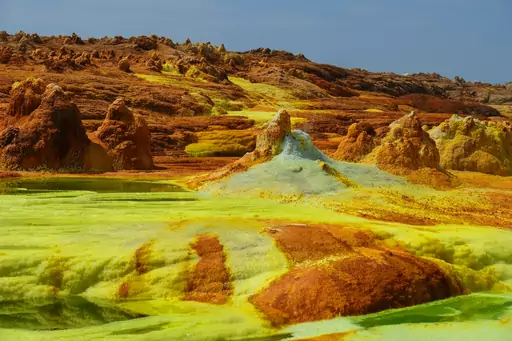
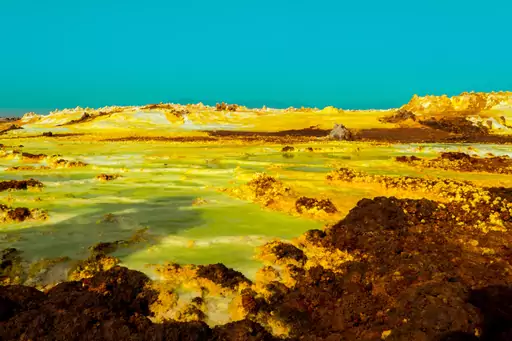
Sulphur springs colour the ground in bright yellows and greens across the Danakil Depression. Temperatures here rank among the hottest recorded anywhere on Earth. Visitors can walk near bubbling mineral pools and an active lava lake. Nearby salt flats are still mined by camel caravans as they have been for generations.
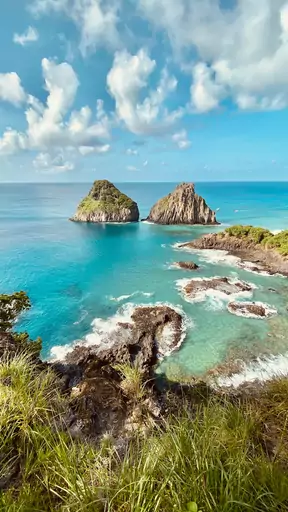
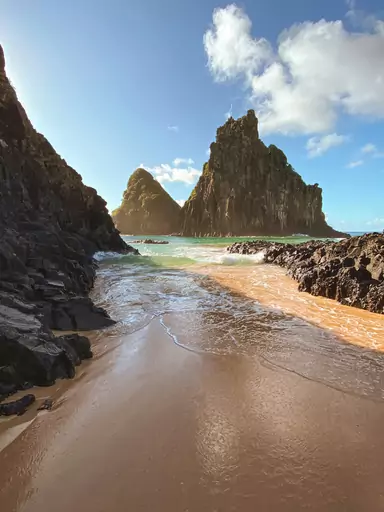
Island in Brazil
Fernando de Noronha
World's Best Beaches and Dolphins
Spinner dolphins gather by the hundreds each morning in Fernando de Noronha's bay. Researchers have studied the same pod's daily pattern for decades. Visitors can watch from the shore as the dolphins circle just offshore. Nearby beaches limit daily visitor numbers to protect the surrounding marine park.
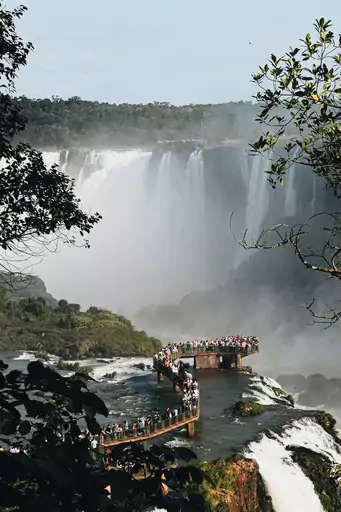
National Park in Argentina
Iguazú National Park and Reserve
Epic Waterfalls and Wild Rainforest
Nearly three hundred waterfalls make up the Iguazu system on the Argentine side of the border. A horseshoe-shaped section called the Devil's Throat sends up a constant cloud of spray. Visitors can walk catwalks leading right to the edge of the roaring falls. Nearby subtropical forest still shelters toucans, coatis and elusive jaguars.
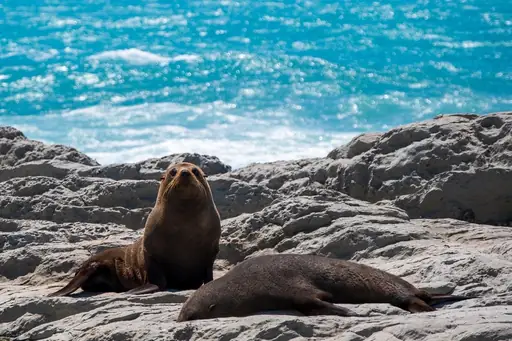
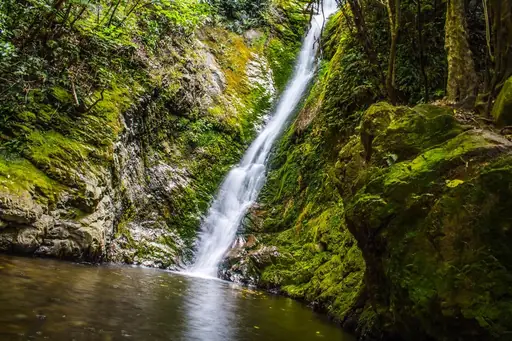
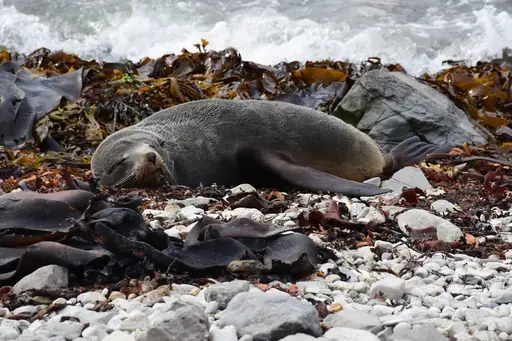
Region in New Zealand
Marlborough
Wine Country Meets Stunning Coastal Sounds
Sauvignon Blanc vineyards spread across Marlborough's sunny river valleys. Winemakers transformed the region into New Zealand's largest wine area starting in the 1970s. Visitors can taste crisp whites at wineries surrounded by mountains. Nearby sounds offer kayaking through quiet, forested inlets carved by ancient river valleys.
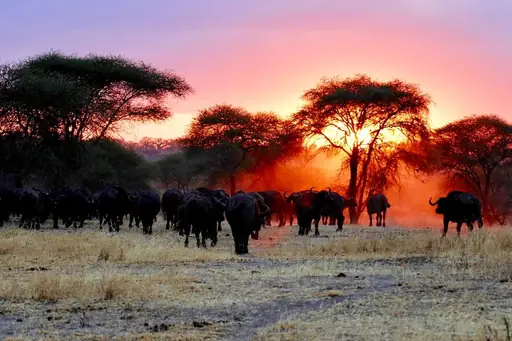
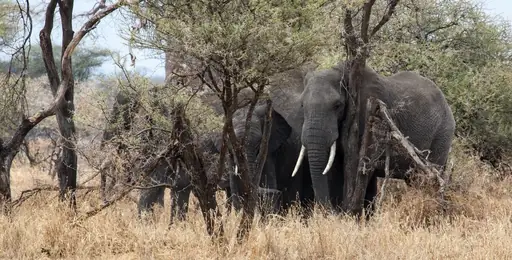
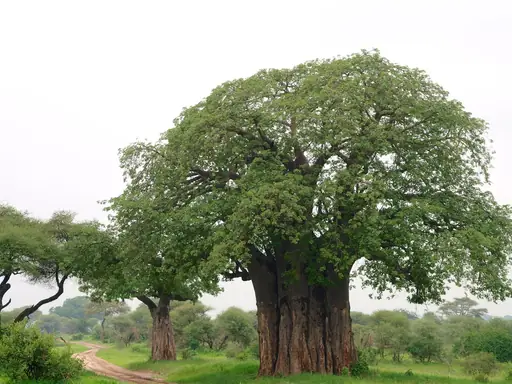
National Park in Tanzania
Tarangire National Park
Elephant Paradise with Baobab Backdrops
Ancient baobab trees tower over Tarangire's grasslands, some estimated at centuries old. Large elephant herds gather here during the dry season, drawn by the Tarangire River. Visitors can watch elephants bathe and drink along the riverbanks. Nearby swamps attract a wide variety of birds even during drier months.
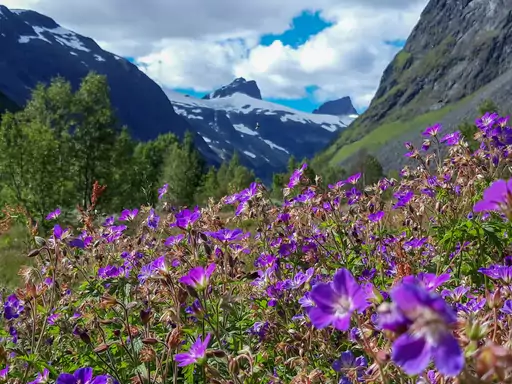
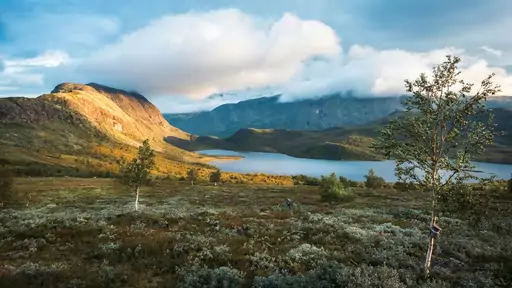
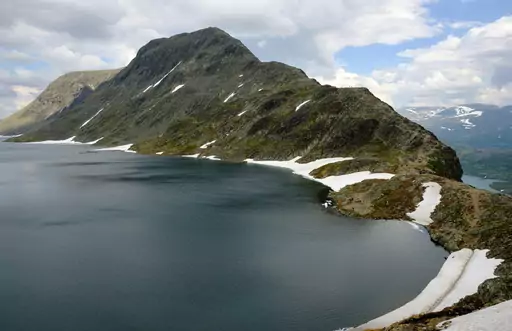
National Park in Norway
Jotunheimen
Home of giants and glaciers
Norway's tallest peaks rise within Jotunheimen, a name that translates to home of the giants. Hikers have climbed these mountains since organised ascents began in the 1800s. Visitors can hike the narrow ridge of Besseggen between two differently coloured lakes. Nearby glaciers feed rivers that cut through the surrounding valleys.
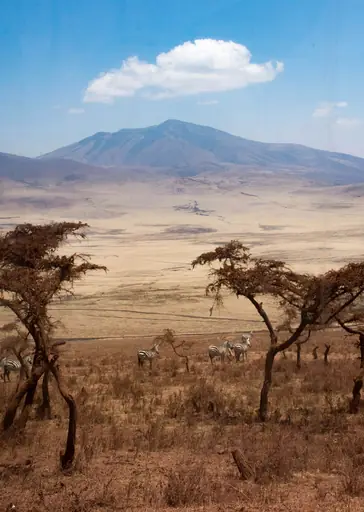
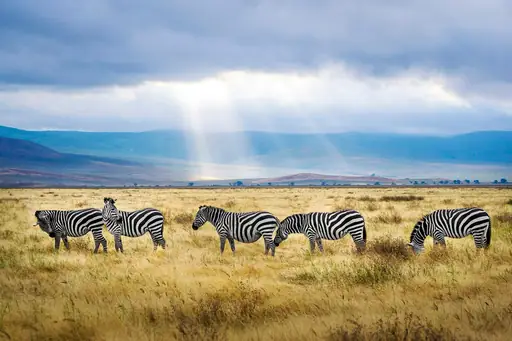
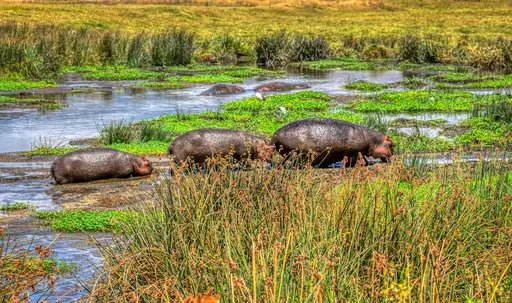
Nature Reserve in Tanzania
Ngorongoro Conservation Area
Nature's Untamed Sanctuary
Ngorongoro Crater formed when an ancient volcano collapsed inward on itself. Wildlife stays within the crater's walls year-round due to its steep, contained terrain. Visitors can spot lions, rhinos and elephants concentrated within a single caldera. Nearby Maasai communities still graze cattle on the surrounding highland slopes.
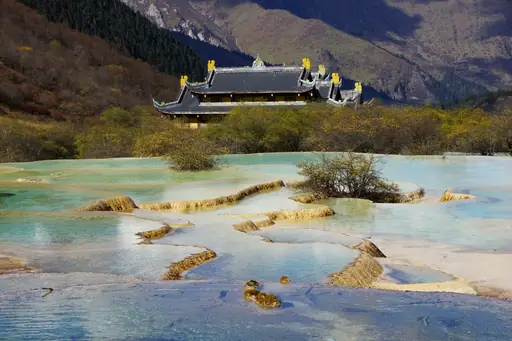
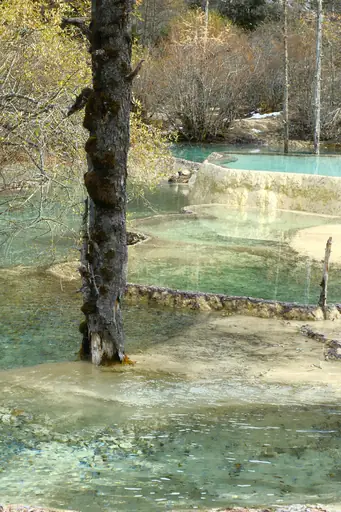
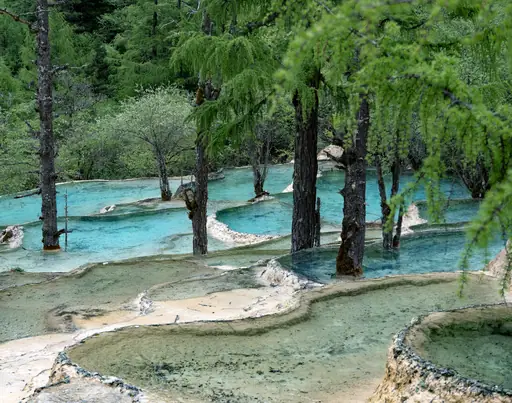
National Park in China
Huanglong National Park
China's Colorful Terraced Wonderland
Mineral-rich water fills Huanglong's terraced pools in shades of turquoise, gold and green. Centuries of calcium deposits built up the natural travertine terraces seen today. Visitors can walk boardwalks past pools that shift colour with the light. Nearby, snow-capped peaks frame the valley through much of the year.
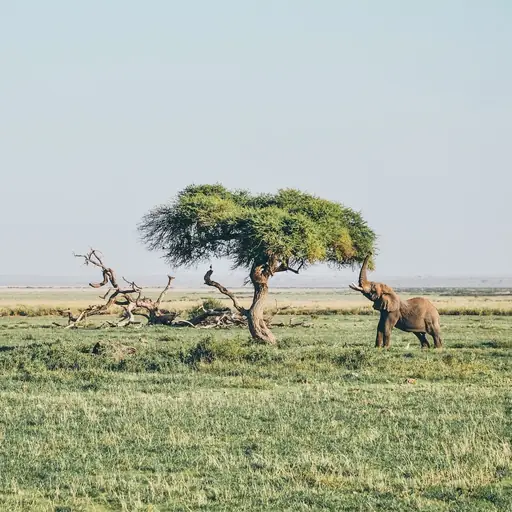
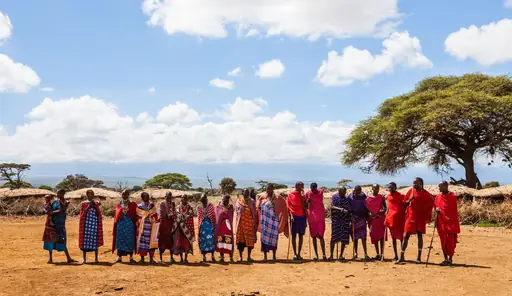
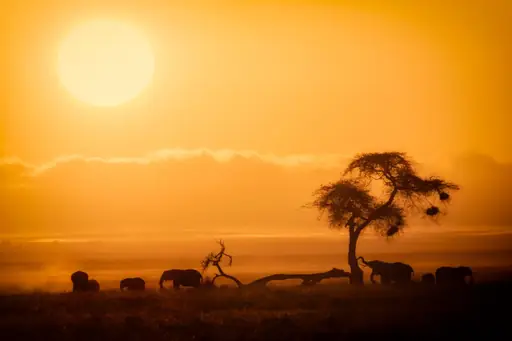
National Park in Kenya
Amboseli National Park
Elephants Against Kilimanjaro's Backdrop
Amboseli's plains offer some of Africa's clearest views of elephants against Kilimanjaro's peak. Researchers have studied the same elephant families here since the 1970s. Visitors can watch herds cross dried lakebeds with the mountain rising behind them. Nearby swamps stay green year-round, drawing wildlife even in dry seasons.
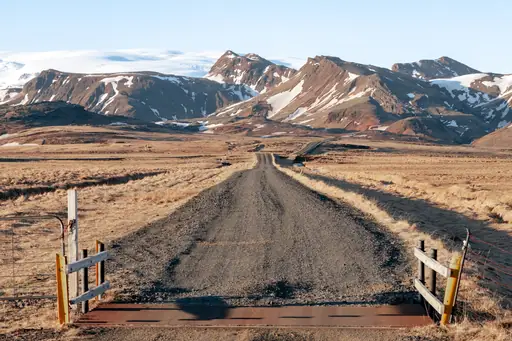
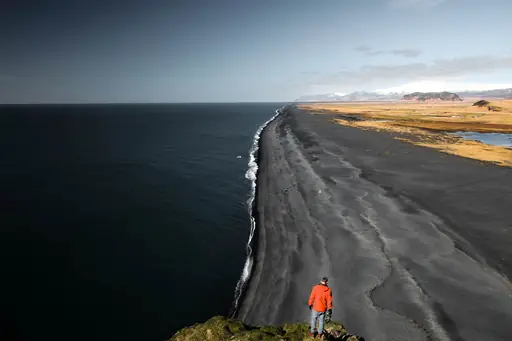
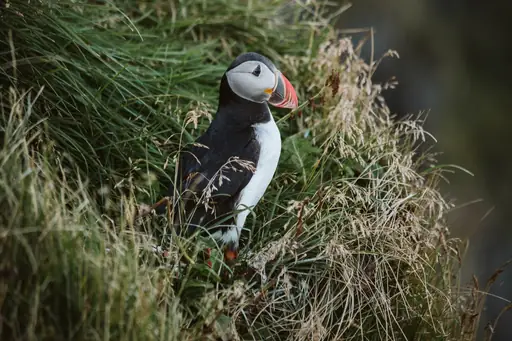
Village in Iceland
Vík í Mýrdal
Black Sands, Puffins and Volcano Views
Black sand stretches along Vik's coastline, framed by dramatic basalt sea stacks. Legend holds the stacks were once trolls turned to stone by the rising sun. Visitors can walk the beach and view the rock formations up close. Nearby cliffs host one of Iceland's largest puffin colonies each summer.
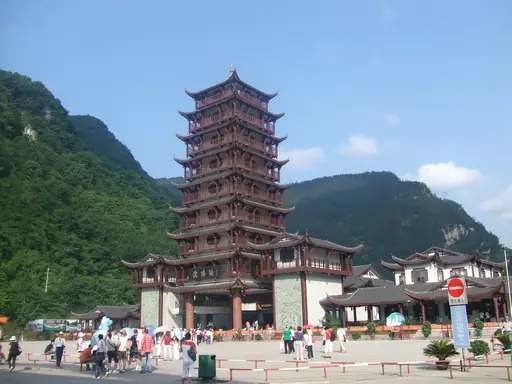
Nature Reserve in China
Wulingyuan nature reserve
Misty Peaks of Avatar Fame
Thousands of quartz-sandstone pillars rise from the forest across Wulingyuan. These narrow peaks are said to have inspired the floating mountains in a well-known film. Visitors can ride a glass lift up a cliff face for sweeping views. Nearby bridges cross gorges suspended high above the valley floor.
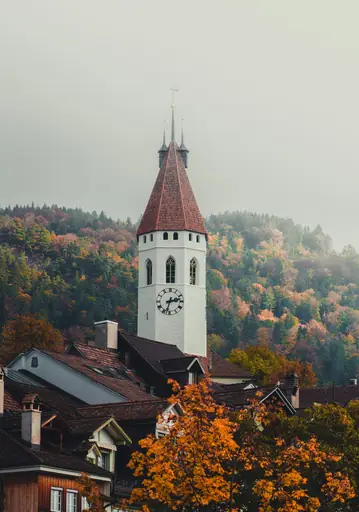
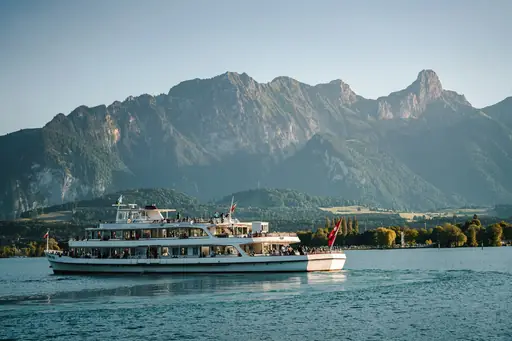
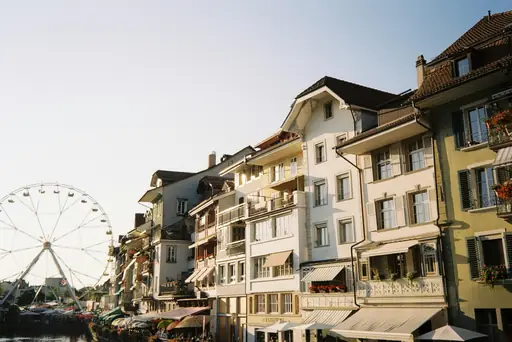
City in Switzerland
Thun
Medieval Charm Meets Alpine Beauty
Lake Thun stretches beneath snow-capped peaks just outside the town of Thun. A castle overlooking the water has stood above the town since medieval times. Visitors can cruise the lake or cycle along shoreline paths with mountain views. Nearby vineyards climb the sunny slopes above the lake.
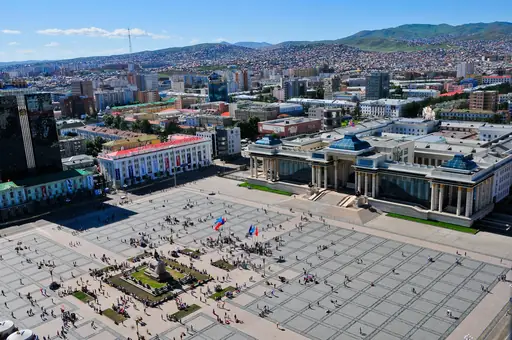

Country
Mongolia
Land of endless steppes
Nomadic families still move their round felt gers across Mongolia's open steppe each season. Herders have followed this seasonal pattern with livestock for thousands of years. Visitors can stay in a ger camp and ride horses across the grassland. Nearby, the Gobi Desert stretches south into dunes and rocky plains.
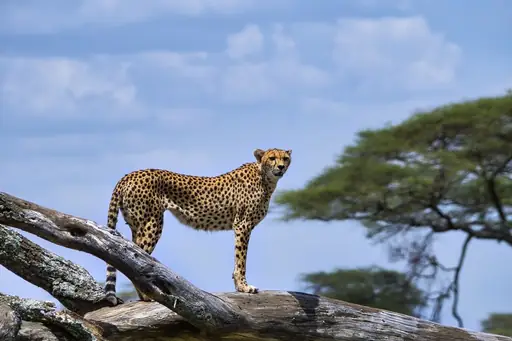
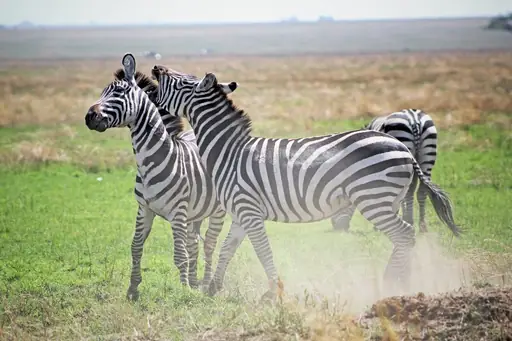
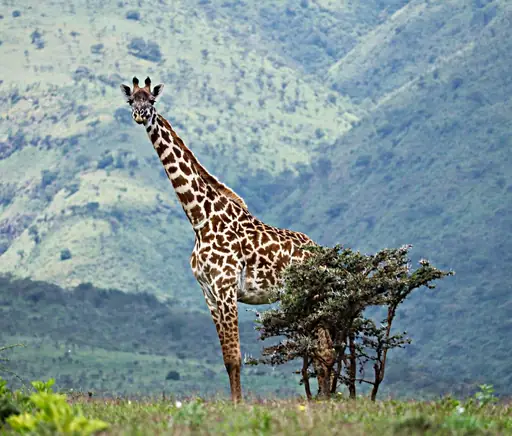
National Park in Tanzania
Serengeti National Park
The Ultimate Safari Adventure
Over a million wildebeest migrate across the Serengeti's plains in an endless annual cycle. Maasai herders once shared these grasslands with the same migrating herds for generations. Visitors can watch massive river crossings during the migration's most dramatic moments. Nearby kopjes, rocky outcrops, offer resting spots for lions surveying the plains.

State/Prefecture in United States
New Hampshire
Mountains, lakes and coastal charm
The White Mountains fill much of northern New Hampshire with dense forest and granite peaks. A cog railway has carried visitors up Mount Washington's summit since 1869. Visitors can ride the train or hike trails known for sudden, severe weather. Nearby covered bridges cross rivers throughout the surrounding countryside.
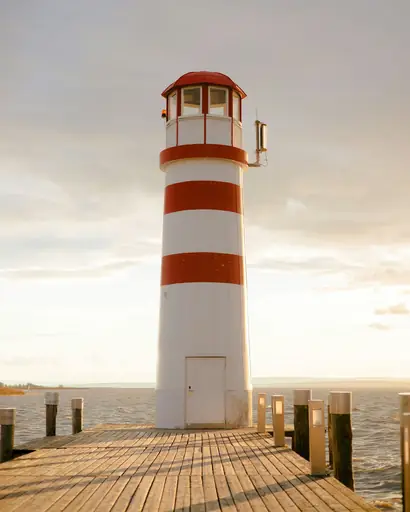
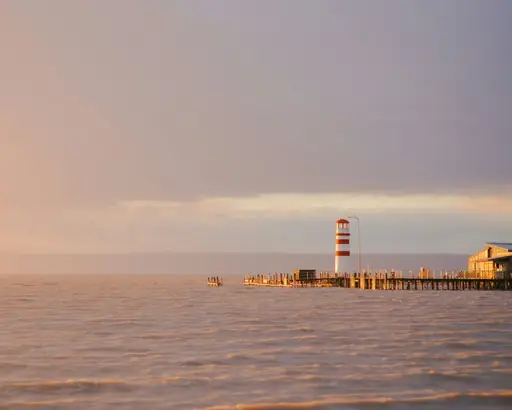
Town in Austria
Neusiedl am See
Lakeside Charm and Panonnian Wines
Reed beds ring much of Lake Neusiedl, a shallow steppe lake on the edge of the Alps. Farmers and vintners in the surrounding lowlands have grown grapes here for centuries. Visitors can cycle flat paths between vineyards and the reed-lined shore. Nearby wetlands draw large numbers of migratory birds each year.
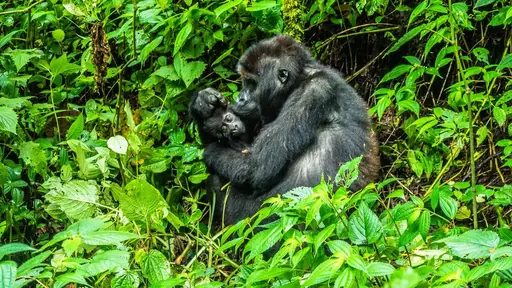

Country
Democratic Republic of the Congo
Wild heart of Central Africa
Virunga National Park shelters mountain gorillas within dense rainforest near an active volcano. Rangers have protected the park's gorilla families despite decades of regional conflict. Visitors can trek through the forest to observe a habituated troop up close. Nearby, Mount Nyiragongo's crater holds one of the world's largest lava lakes.
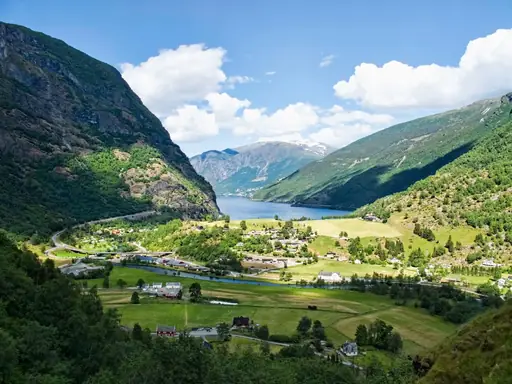
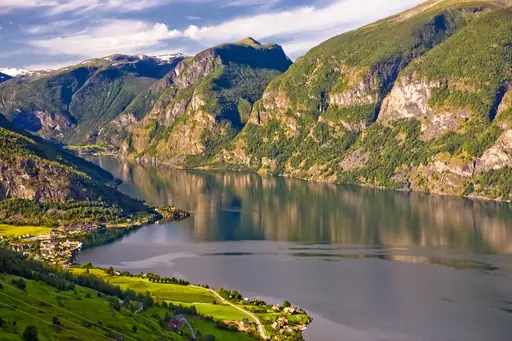
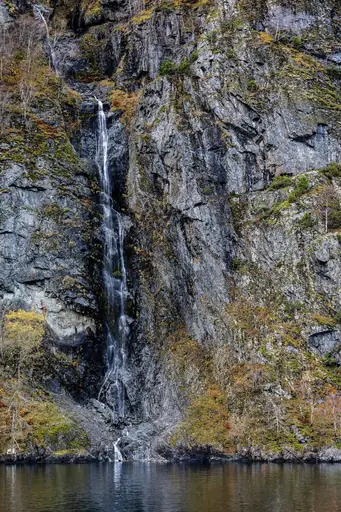
Village in Norway
Flåm
Fjord Dreams and Railway Magic
A steep railway climbs from Flam's fjord up into the mountains above. Engineers built the line in the early 1900s along one of the steepest standard-gauge routes in the world. Visitors can ride past waterfalls that drop close to the tracks. Nearby, ferries continue along the Naeroyfjord, one of Norway's narrowest fjords.
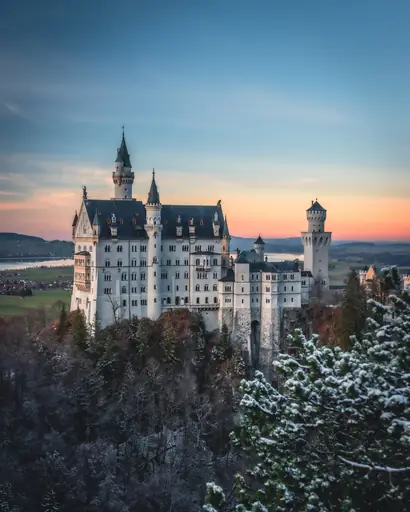
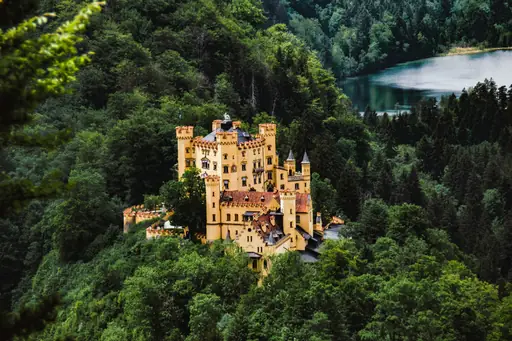
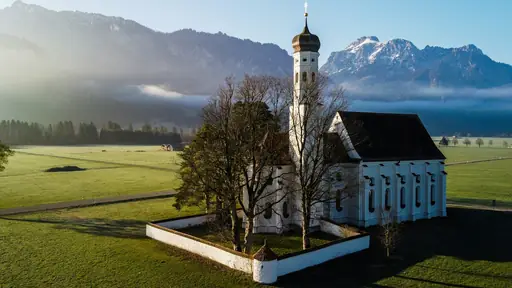
Village in Germany
Schwangau
Fairytale Castles and Alpine Adventure
Neuschwanstein Castle rises above Schwangau, built by a Bavarian king in the 1800s. The fairy-tale design later inspired a well-known theme park castle. Visitors can tour the interior or hike to a bridge for the classic overlook photo. Nearby lakes reflect the castle and surrounding alpine peaks.
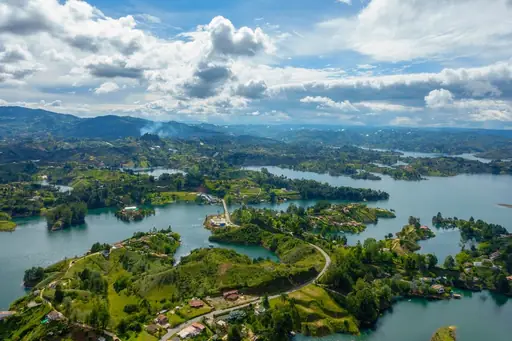
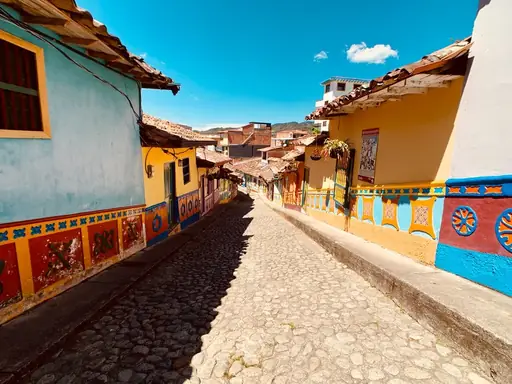
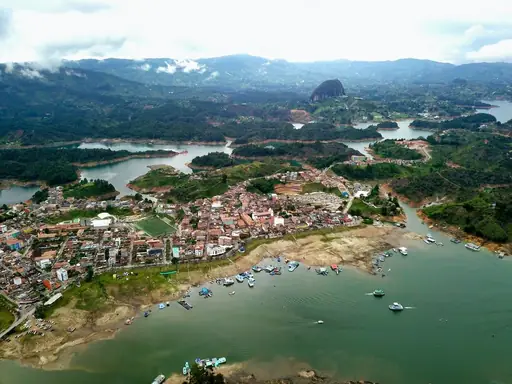
Town in Colombia
Guatape
Colorful Streets and Lakeside Views
A giant granite rock called El Penol rises sharply beside the town of Guatape. Climbers built a staircase of over seven hundred steps into a crack in the stone. Visitors can climb to the top for views over a maze of turquoise reservoirs. Nearby, the rock's steps remain the site's main draw for day-trippers.
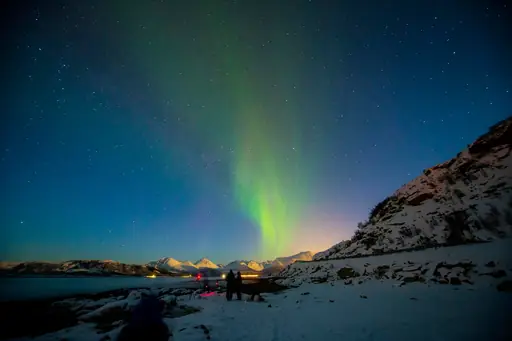

City in Norway
Tromsø
Arctic Lights, Culture and Wild Beauty
The aurora borealis appears frequently over Tromso, positioned well within the northern lights zone. Fishing and trading built the town's economy long before tourism arrived in recent decades. Visitors can join a boat trip to watch the lights reflect off Arctic fjords. Nearby mountains offer skiing lit by the midnight sun each summer.
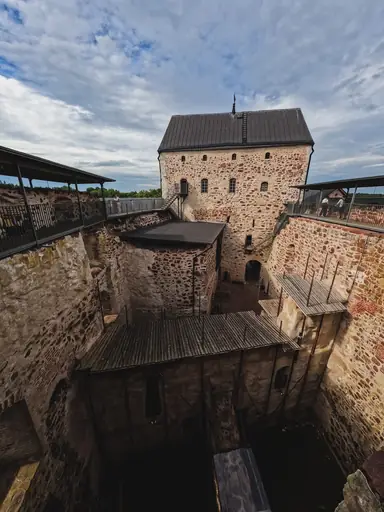
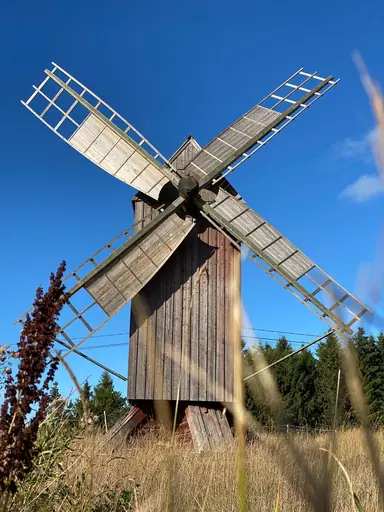
Archipelago in Finland
Åland
Nordic Sun, Archipelago Calm, Maritime Charm
Thousands of small granite islands make up the Aland archipelago between Sweden and Finland. Ferries link the islands along routes sailors have used for centuries. Visitors can cycle between islands on quiet roads bordered by red wooden cottages. Nearby waters stay calm enough for sea kayaking most of the summer.
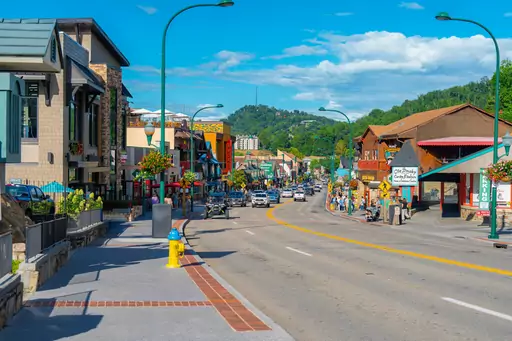
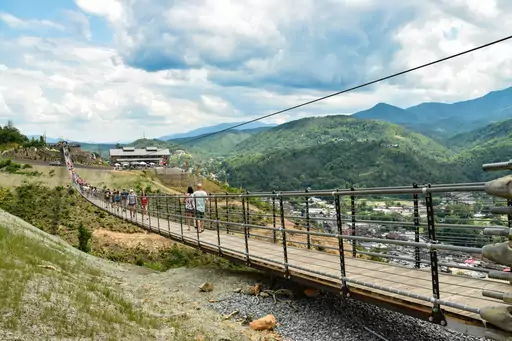
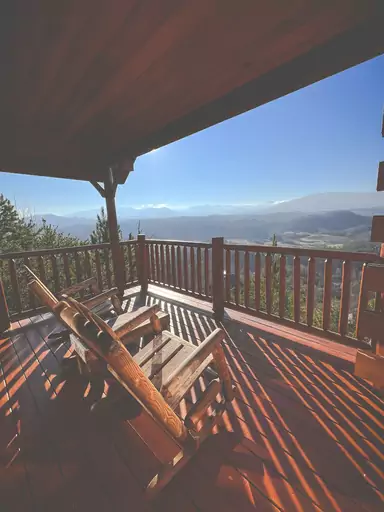
City in United States
Gatlinburg
Gateway to the Smoky Mountains
The Great Smoky Mountains rise directly behind Gatlinburg, their ridges often wrapped in blue haze. Cherokee communities lived in these mountains long before the town grew around tourism. Visitors can hike into old-growth forest just minutes from downtown. Nearby cabins look out over some of the park's quietest coves.
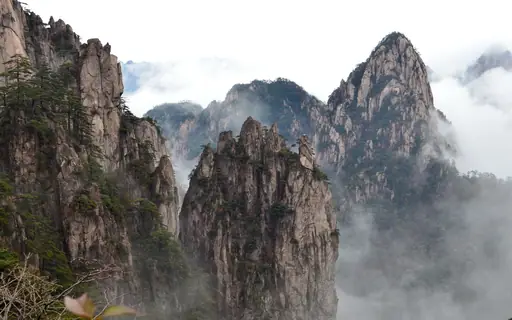
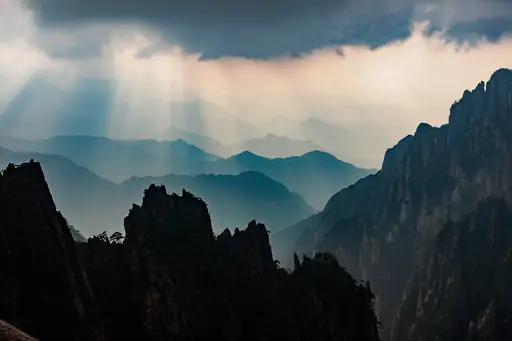
Mountain in China
Huangshan
Mystical Peaks and Ancient Villages
Twisted pine trees cling to Huangshan's granite peaks, some clinging on for centuries. Painters have used the mountain's misty scenery as a subject since at least the Ming dynasty. Visitors can hike between peaks on stone steps carved into the cliffside. Nearby hot springs offer a soak after the steep climb.
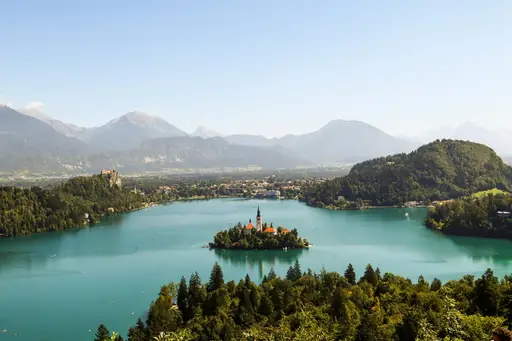
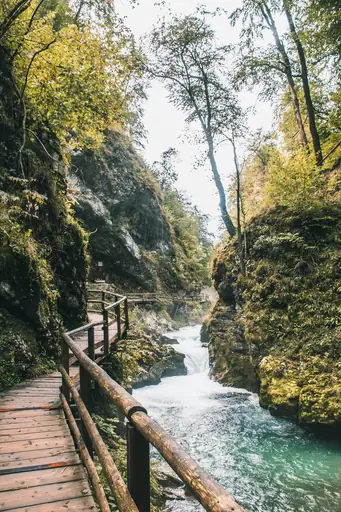
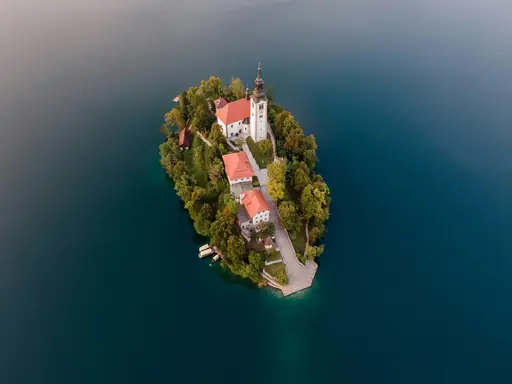
Town in Slovenia
Bled
Fairytale Lake and Alpine Beauty
A small island church sits at the centre of Lake Bled, reachable only by traditional wooden boats. Legend holds that ringing the church bell there grants a wish. Visitors can row across and climb ninety-nine steps to reach the entrance. Nearby, a cliffside castle looks down over the lake from above.
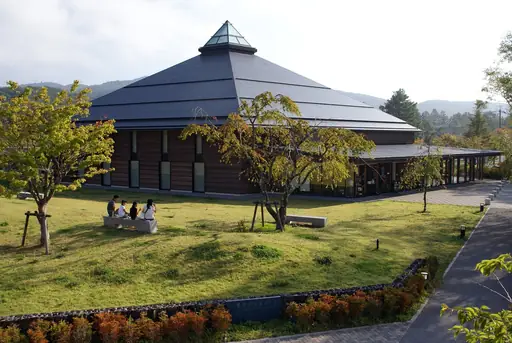
Town in Japan
Karuizawa
Cool highland resort at the foot of Asama
Wealthy families and missionaries built summer cottages in Karuizawa starting in the 1880s. Cooler mountain air drew them away from Tokyo's humid summers each year. Visitors can walk shaded lanes past old stone churches and villas. Nearby waterfalls and hiking trails wind through surrounding volcanic hills.
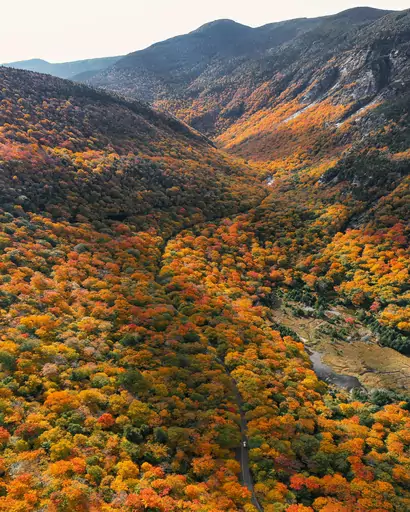

State/Prefecture in United States
Vermont
Green Mountains, Maple Syrup, Pure Charm
Maple syrup production has shaped rural Vermont's economy for generations. Sugar shacks across the state still boil sap each spring using methods passed down for years. Visitors can tour a working sugarhouse during the harvest season. Nearby covered bridges and dairy farms fill the surrounding countryside.
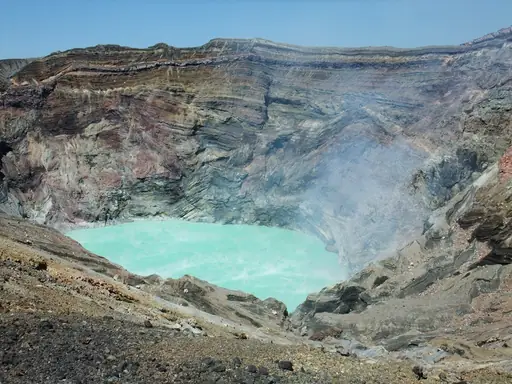
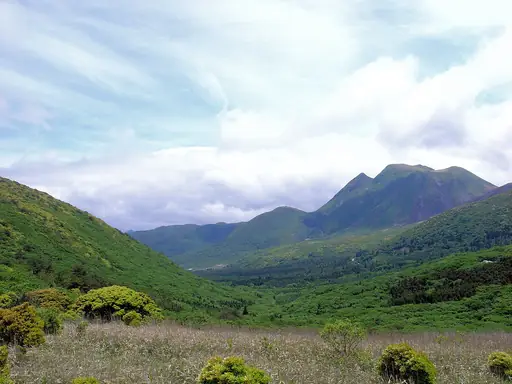
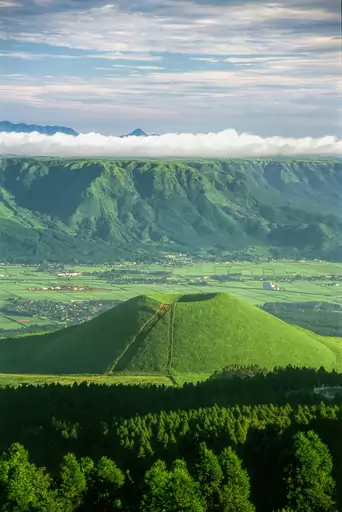
National Park in Japan
Aso-Kuju National Park
Giant caldera, active volcano and highlands
Mount Aso's crater ranks among the largest active volcanic calderas in the world. Farmers still graze cattle on grasslands formed by centuries of past eruptions. Visitors can drive to the rim and look down into the smoking crater below. Nearby hot spring towns draw on the same volcanic heat underground.
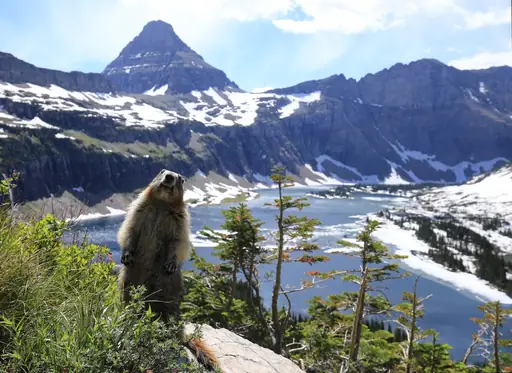
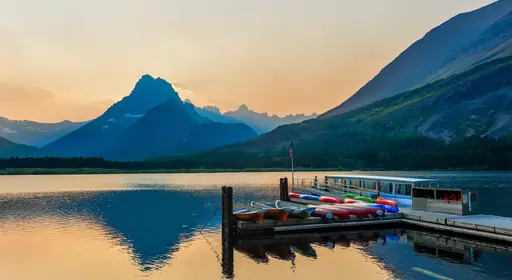
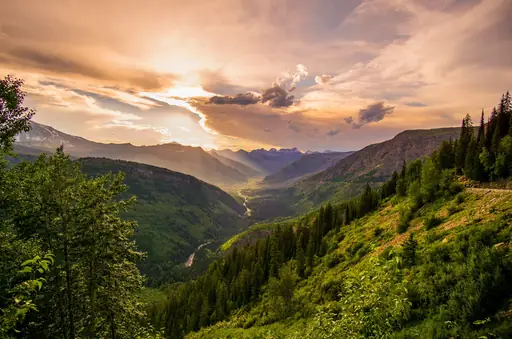
State/Prefecture in United States
Montana
Wild Beauty & Vast Big Skies
Glacier National Park's Going-to-the-Sun Road climbs through some of Montana's most dramatic peaks. Engineers built the road in the 1930s, carving it directly into the mountainside. Visitors can drive over Logan Pass or hike trails past alpine lakes. Nearby ranches still work cattle across the state's wide open plains.
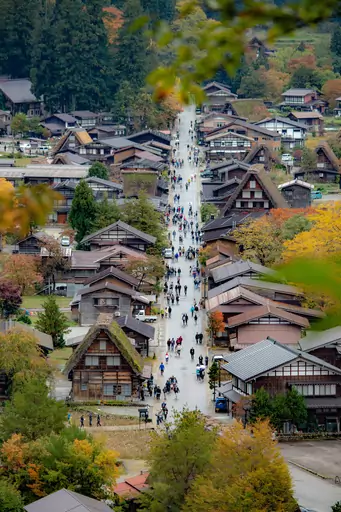
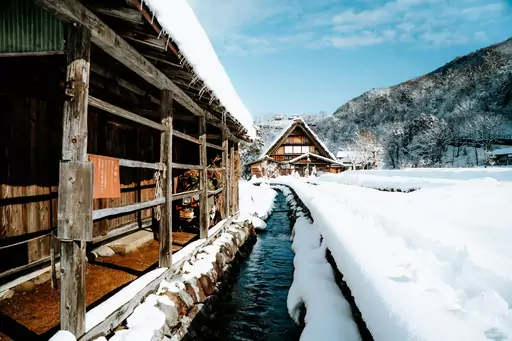
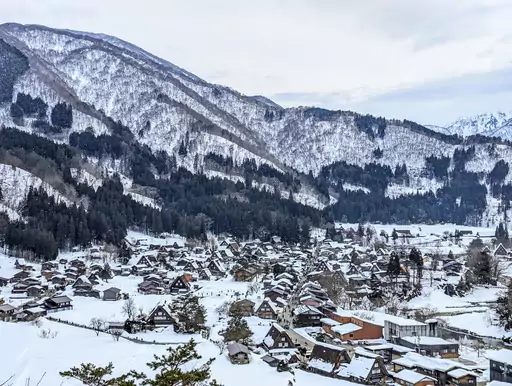
Village in Japan
Shirakawa-go
Thatched gassho farmhouses in the Hida mountains
Steep thatched roofs define the farmhouses of Shirakawa-go, built to shed heavy mountain snow. Villagers have maintained these gassho-zukuri houses using the same construction techniques for centuries. Visitors can tour a farmhouse interior or view the village lit up on winter evenings. Nearby rice fields surround the settlement on all sides.
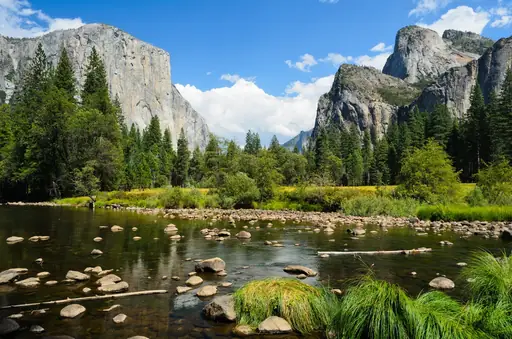
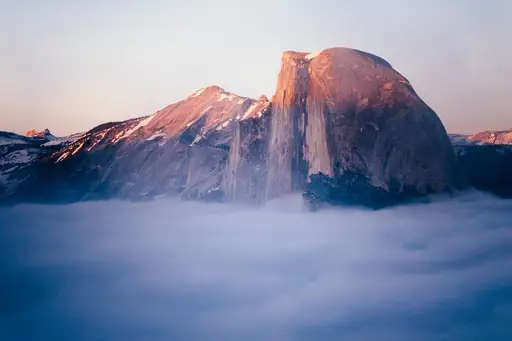
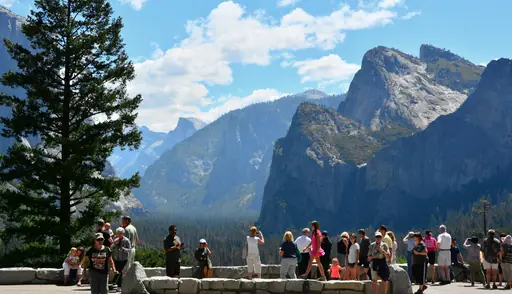
National Park in United States
Yosemite National Park
Nature's Grand Cathedral
Granite cliffs at Yosemite include El Capitan, a wall rising over three thousand feet. Rock climbers have attempted routes on the sheer face since the mid twentieth century. Visitors can watch climbers from the valley floor or hike towards waterfalls nearby. Nearby giant sequoias grow in groves scattered through the park.
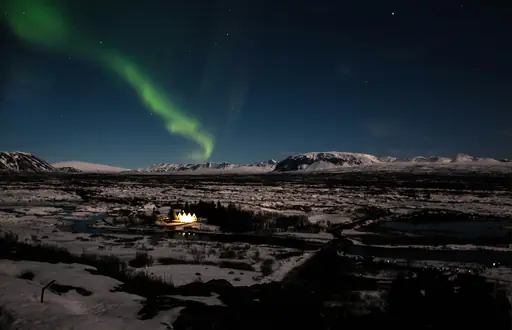
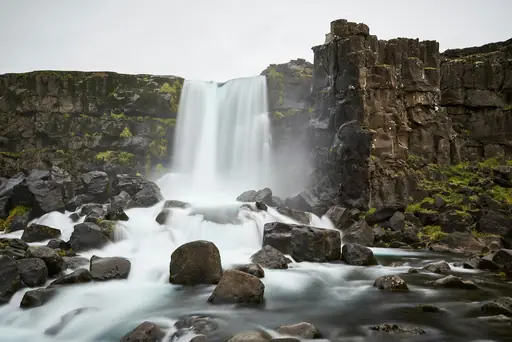
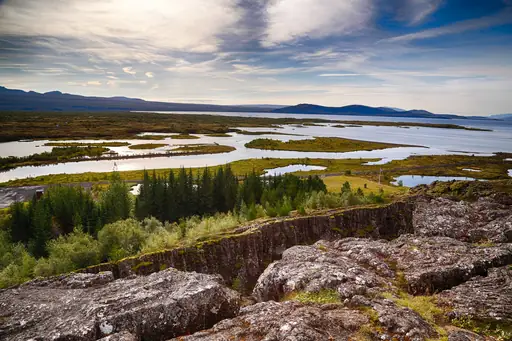
National Park in Iceland
Þingvellir National Park
Where History Meets Nature’s Power
Thingvellir sits in a rift valley where the North American and Eurasian plates slowly pull apart. Iceland's parliament met here in the open air starting in the year 930. Visitors can walk through the widening crack between the two tectonic plates. Nearby, clear glacial water at Silfra draws divers from around the world.
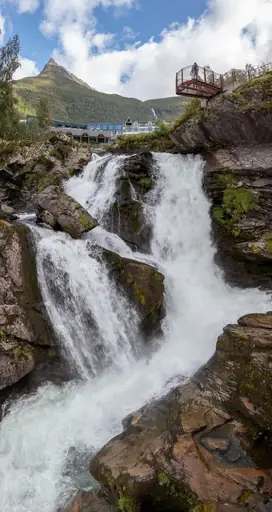
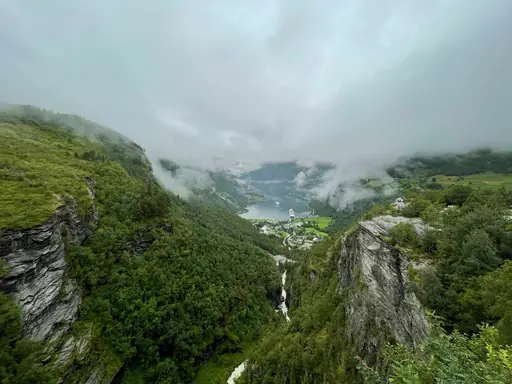
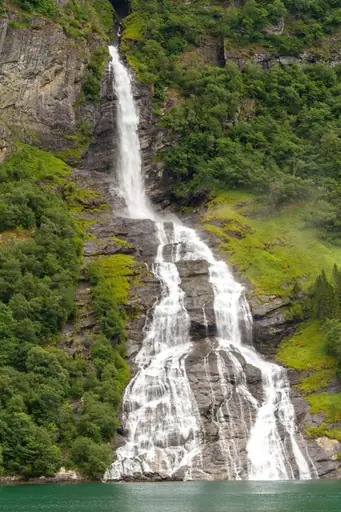
Village in Norway
Geiranger
Majestic Fjords and Dramatic Waterfalls
Waterfalls with names like the Seven Sisters cascade down the cliffs above Geirangerfjord. Farms once clung to ledges on these same cliffs, reachable only by rope or boat. Visitors can cruise beneath the falls on a boat tour through the fjord. Nearby switchback roads climb to viewpoints looking down on the water.
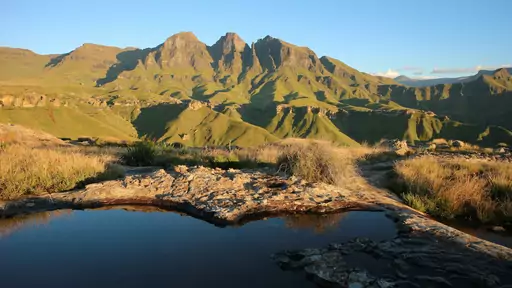
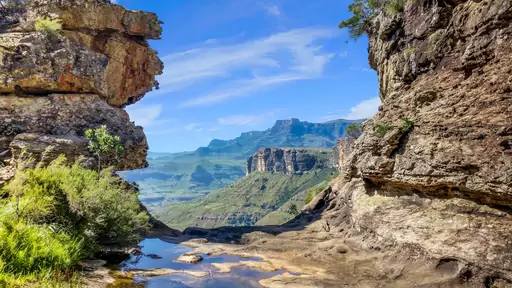
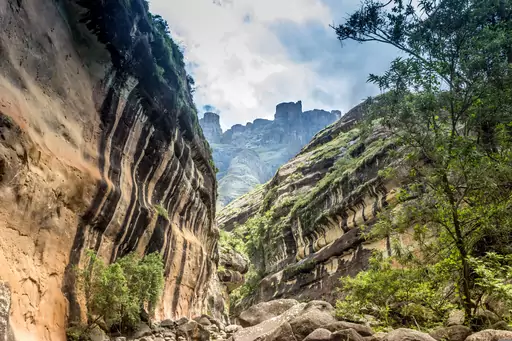
Nature Reserve in South Africa
Ukhahlamba Drakensberg Park
Barrier of spears touching sky
San rock art found in Drakensberg caves dates back thousands of years. These paintings record hunting scenes created by some of southern Africa's earliest inhabitants. Visitors can hike to view galleries of ancient art within the cliffs. Nearby peaks rank among the tallest in southern Africa.
National Park in United States
Acadia National Park
Rugged Shores, Sunrise Peaks, Wild Beauty
Cadillac Mountain's granite summit is known as an early spot to see sunrise in the U.S. Early risers have hiked up before dawn since the park opened in 1919. Visitors can watch the light spread over Frenchman Bay from the bare rock top. Nearby, carriage roads built by Rockefeller wind through quiet spruce forest.
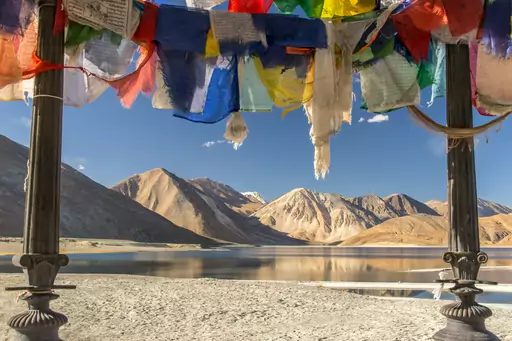
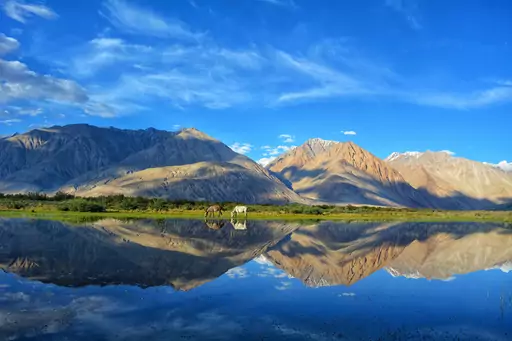
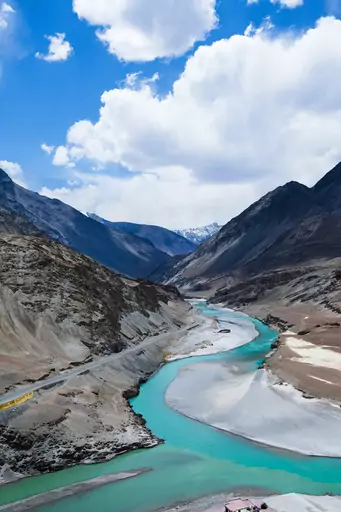
Region in India
Ladakh
Himalayan Cold Desert of Contrasts
Ladakh's high-altitude lakes turn a deep blue against a backdrop of barren mountains. Buddhist monasteries perched on cliffs here have stood for centuries above the valleys. Visitors can drive along Pangong Lake as its colour shifts through the day. Nearby passes rank among the highest motorable roads on Earth.
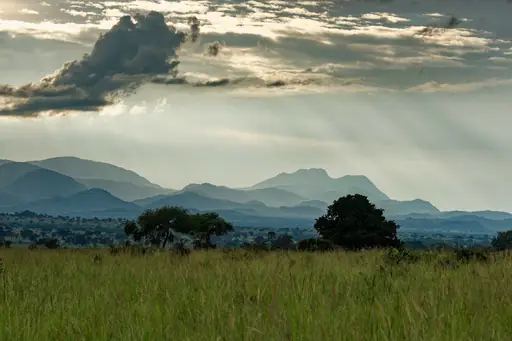
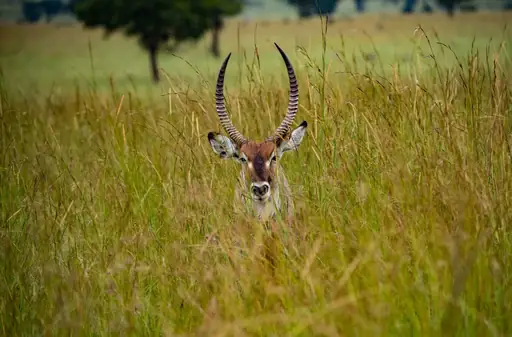
Country
Uganda
Pearl of Africa's diverse landscapes
Bwindi Impenetrable Forest shelters roughly half of the world's remaining mountain gorillas. Rangers here have tracked habituated gorilla families through dense vegetation for decades. Visitors can trek through the forest to observe a family up close. Nearby crater lakes dot the surrounding volcanic countryside near the park's edge.
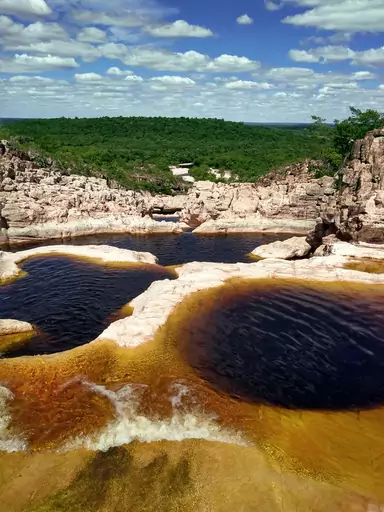
National Park in Brazil
Chapada Diamantina National Park
Waterfalls, Caves and Diamond History
Miners once combed Chapada Diamantina's rivers for diamonds during a boom in the 1800s. The same rugged terrain now draws hikers instead of prospectors. Visitors can swim in the Poco Encantado cave, where sunlight turns the water an intense blue. Nearby waterfalls drop from plateaus carved over millions of years.
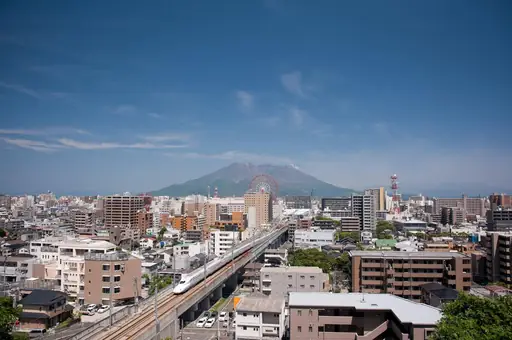
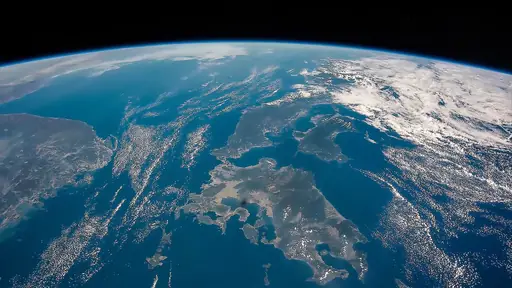
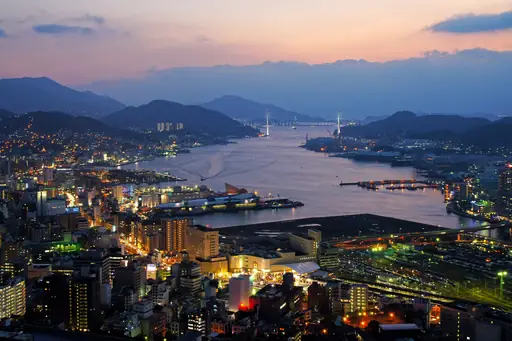
Island in Japan
Kyushu
Volcanoes, onsen and tonkotsu ramen
Mount Aso's crater ranks among the largest active volcanic calderas in the world. Farmers graze cattle on the surrounding grasslands formed by centuries of eruptions. Visitors can drive to the rim and look down into the smoking crater. Nearby hot spring towns draw on the same volcanic heat below.
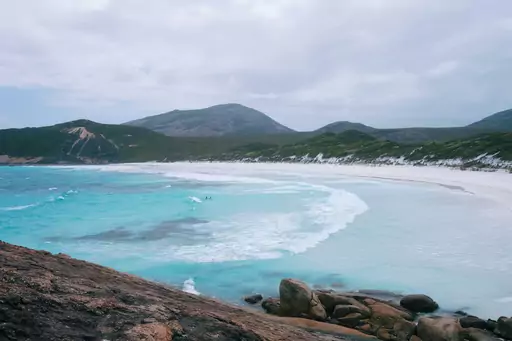
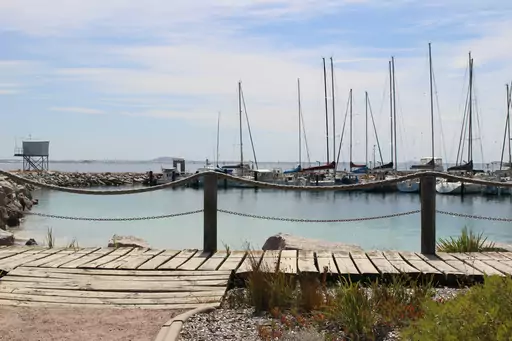
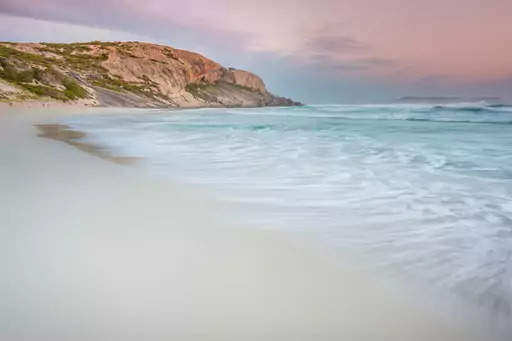
Town in Australia
Esperance
Australia's Whitest Beaches and Turquoise Waters
Lucky Bay's sand stays bright white against water so clear it looks tropical. Kangaroos regularly rest on the beach here, a sight rare anywhere else. Visitors can walk the shoreline and often find one dozing near the dunes. Nearby national parks protect a coastline largely free of development.
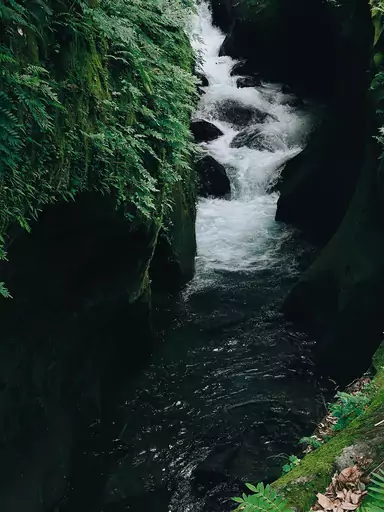
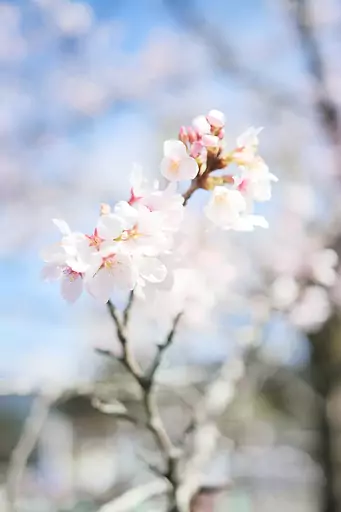
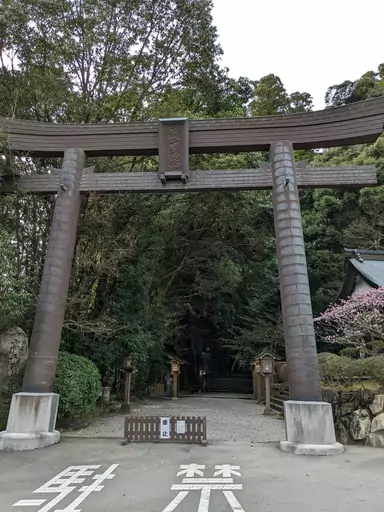
Town in Japan
Takachiho
Rowboat gorge and shrines of Japanese myth
A deep gorge cuts through Takachiho, its cliffs formed by ancient volcanic activity. Local legend holds that Japan's sun goddess once hid in a cave near this valley. Visitors can rent a rowboat to paddle beneath the gorge's waterfall. Nearby shrines host traditional dances performed much as they were centuries ago.
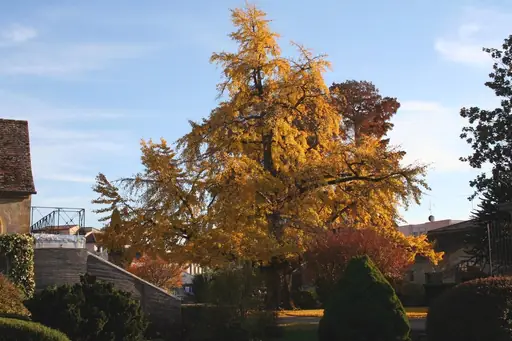
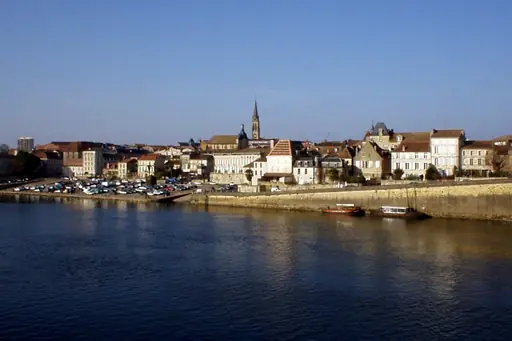
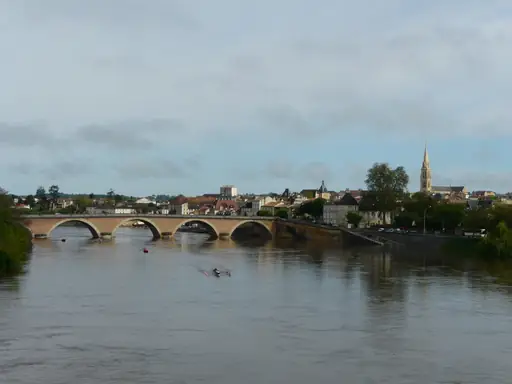
Region in France
Dordogne
Charming vineyards and medieval castles
Cro-Magnon paintings cover the walls of Lascaux, a cave discovered in the Dordogne in 1940. Teenagers stumbled on the cave while searching for a lost dog. Visitors can view a detailed replica built after the original closed to protect the art. Nearby, medieval villages sit perched above the winding Dordogne River.
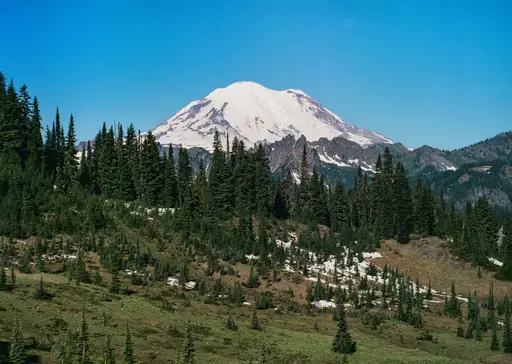
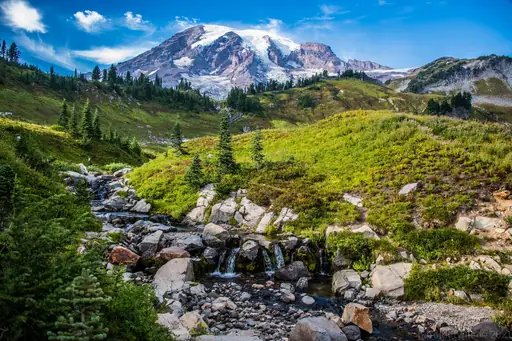
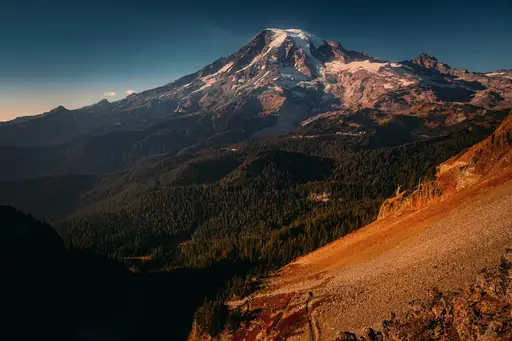
National Park in United States
Mount Rainier National Park
A Majestic Volcano and Wild Beauty
Mount Rainier holds more glacial ice than any other peak in the contiguous United States. Wildflower meadows bloom briefly each summer once the deep winter snowpack finally melts. Visitors can hike trails circling the mountain's base with views of its glaciers. Nearby old-growth forest shelters some of the park's oldest trees.

National Park in United States
Glacier National Park
Crown of the Continent
Going-to-the-Sun Road cuts through some of Glacier National Park's most dramatic alpine scenery. Engineers built the road in the 1930s, blasting sections directly into the mountainside. Visitors can drive over Logan Pass or hike trails past turquoise glacial lakes. Nearby valleys still shelter grizzly bears and mountain goats.
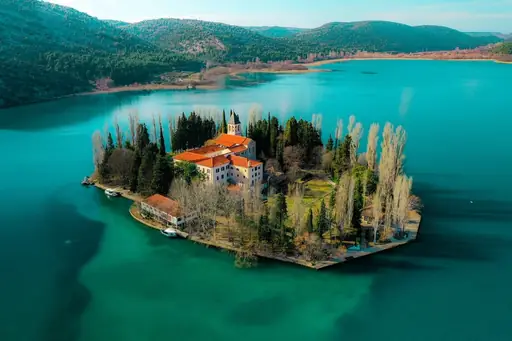
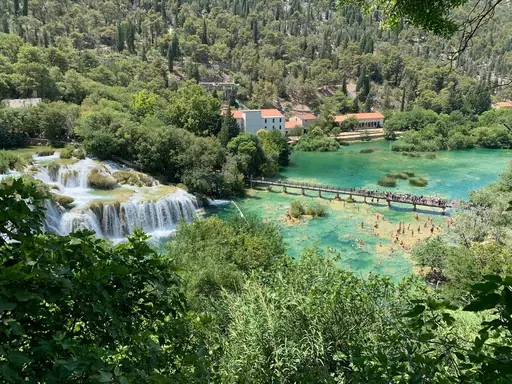
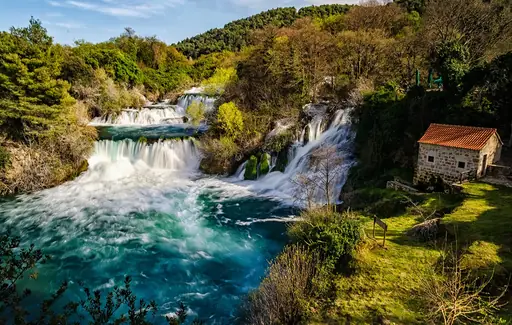
National Park in Croatia
Krka National Park
Waterfalls and Pristine Nature
Travertine waterfalls cascade through Krka National Park's forested river valley. Centuries of mineral deposits have built up the terraces seen along the river today. Visitors can walk boardwalks past cascades and swim in designated river pools. Nearby, an old watermill still sits beside one of the falls.
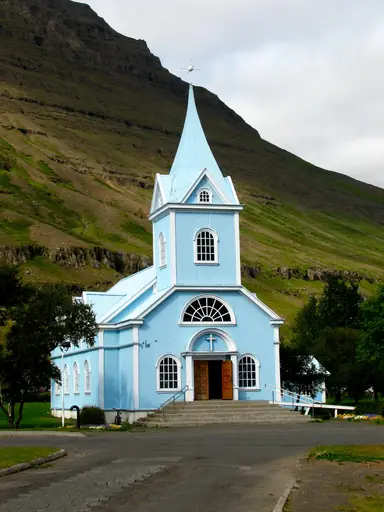
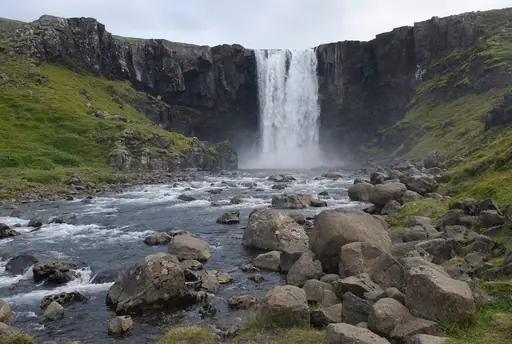
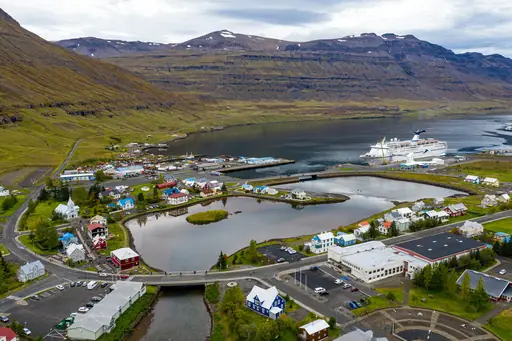
Town in Iceland
Seydisfjordur
Colorful Fjord Village of the East
A colourful painted path leads from Seydisfjordur's main street to its blue church. Local artists redesigned the street's pavement as part of a community art project. Visitors can walk the rainbow road before exploring the surrounding fjord on foot. Nearby waterfalls drop from mountains that ring the narrow inlet.
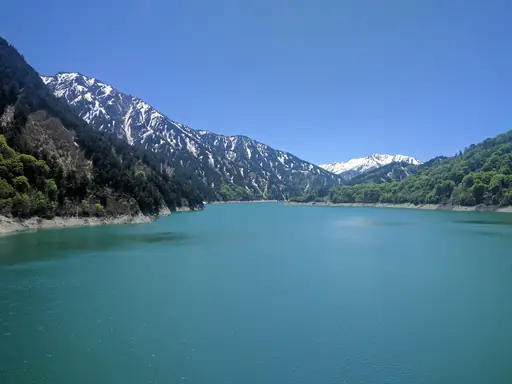
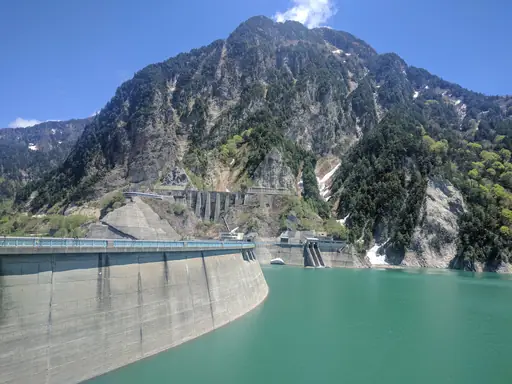
National Park in Japan
Chūbu-Sangaku National Park
Northern Alps peaks, snow walls and onsen
The Japanese Alps rise sharply within Chubu Sangaku, home to some of the country's tallest peaks. Climbers have used mountain huts scattered across these ridges for over a century. Visitors can hike multi-day routes between huts perched high above the valleys. Nearby hot springs offer a soak after a long day on the trail.
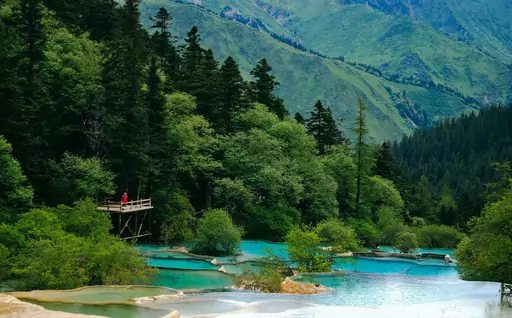
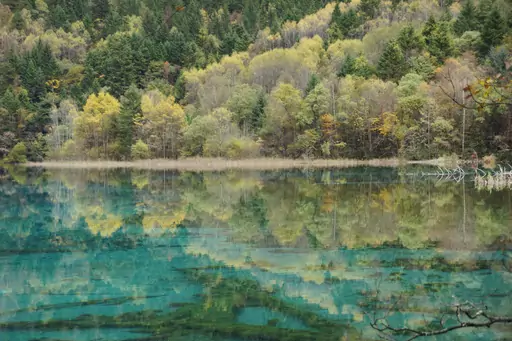
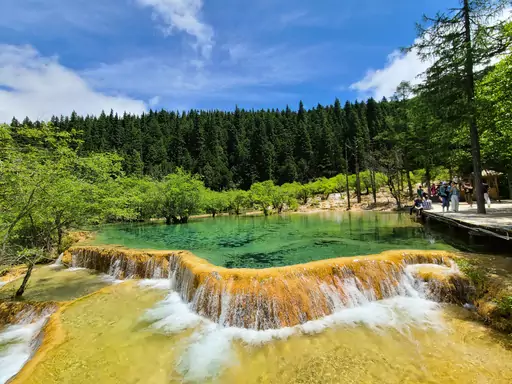
Nature Reserve in China
Jiuzhaigou Nature Reserve
Colorful lakes in Tibetan mountains
Mineral-rich lakes across Jiuzhaigou hold water so clear that submerged trees remain visible below. Tibetan communities have lived among these valleys for centuries, naming many of the lakes. Visitors can walk boardwalks past pools that shift shades of blue and green. Nearby waterfalls tumble over travertine terraces built up over time.
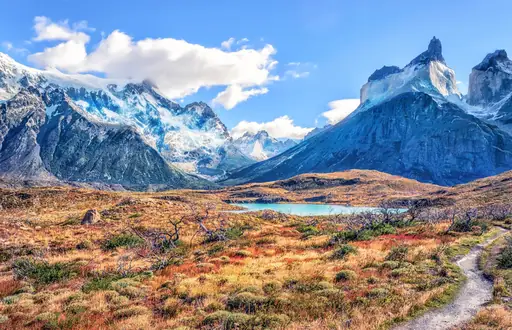
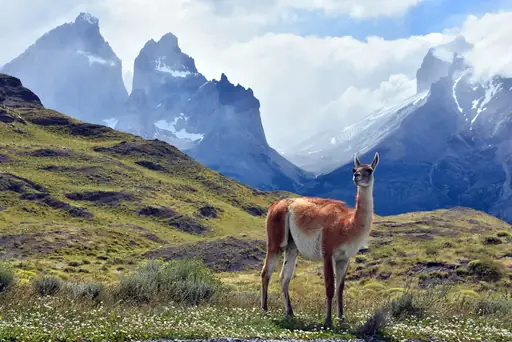
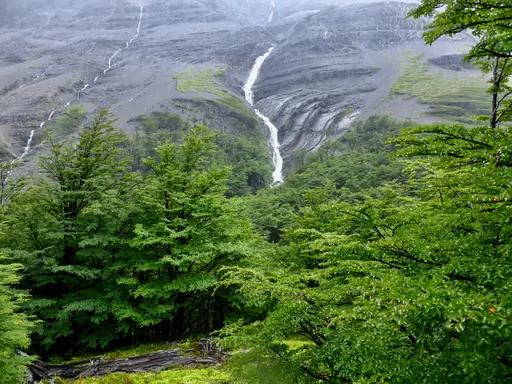
National Park in Chile
Torres del Paine National Park
Epic Landscapes and Untamed Wilderness
Granite towers rise sharply above Torres del Paine's turquoise glacial lakes. Strong Patagonian winds sweep across the park almost constantly, shaping the sparse vegetation. Visitors can trek the multi-day circuit past glaciers and windswept valleys. Nearby herds of guanaco graze across the open Patagonian steppe year-round.

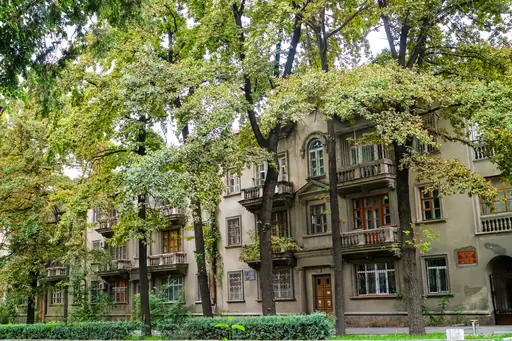
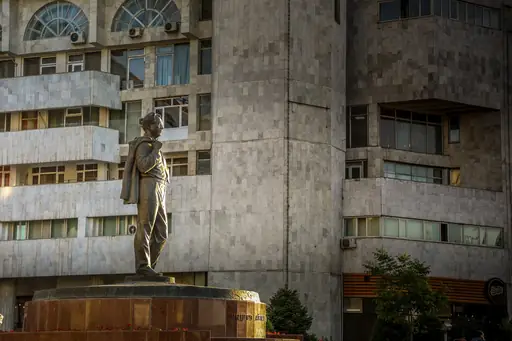
Country
Kyrgyzstan
Untouched mountain wilderness awaits explorers
Nomadic herders still move between mountain pastures across Kyrgyzstan each summer. Families set up yurts near Song Kol Lake much as their ancestors did generations ago. Visitors can ride horses between camps and sleep in a traditional yurt. Nearby glaciers feed rivers that cut through the Tian Shan range.
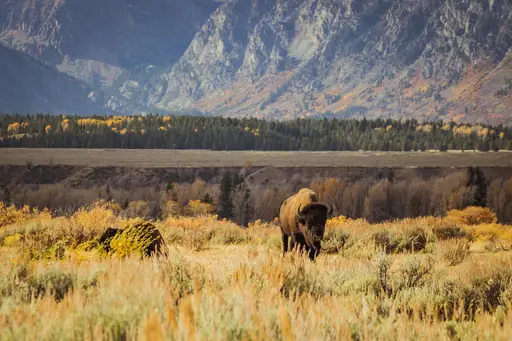
National Park in United States
Grand Teton National Park
Stunning Peaks and Wildlife Wonders
The Teton Range rises abruptly from the valley floor with no foothills in between. Geologists date the fault that lifted these peaks to roughly nine million years ago. Visitors can canoe on Jenny Lake with the jagged range reflected in the water. Nearby meadows fill with elk during the autumn rutting season.
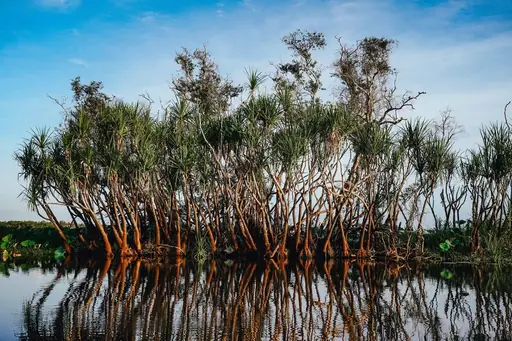
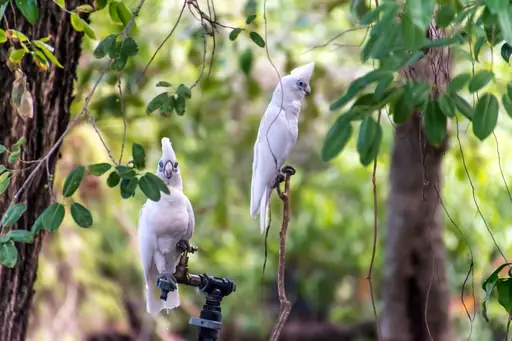
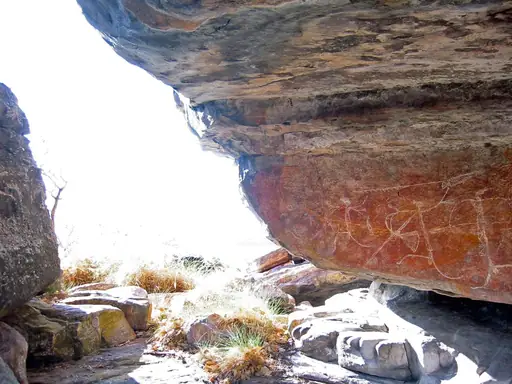
National Park in Australia
Kakadu National Park
Ancient Rock Art and Wild Wetlands
Aboriginal rock art at Kakadu spans tens of thousands of years of continuous history. Traditional owners still manage much of the park alongside the government today. Visitors can view galleries of ancient paintings at sites like Ubirr. Nearby wetlands fill with crocodiles and waterbirds during the wet season.
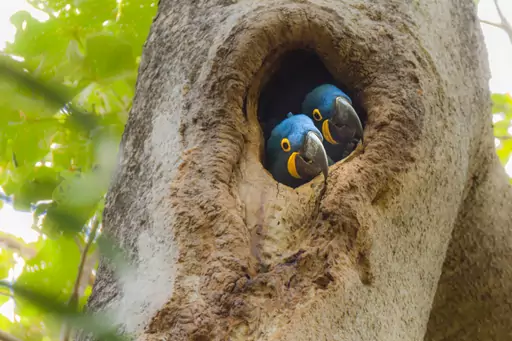
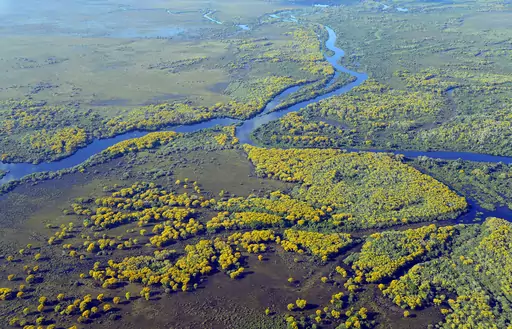
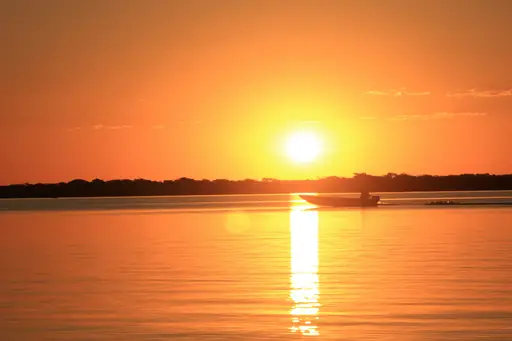
National Park in Brazil
Pantanal Matogrossense National Park
World's largest tropical wetland paradise
The Pantanal floods each year, creating the world's largest tropical wetland. Ranchers here have long grazed cattle alongside jaguars and giant otters. Visitors can spot jaguars from boats along rivers more easily than almost anywhere else. Nearby lodges offer horseback trips through the flooded grassland.
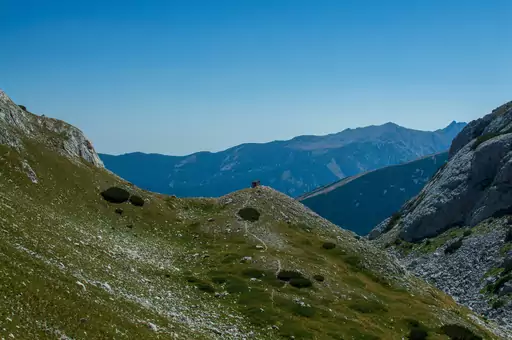
National Park in Bulgaria
Pirin National Park
Alpine Peaks, Glacial Lakes, Wild Beauty
Glacial lakes dot Pirin's high peaks, carved by ice that retreated thousands of years ago. Ancient pine trees in the park include specimens believed to be over a thousand years old. Visitors can hike between lakes with views of the Rila and Rhodope ranges beyond. Nearby caves cut through marble formed deep within the mountains.
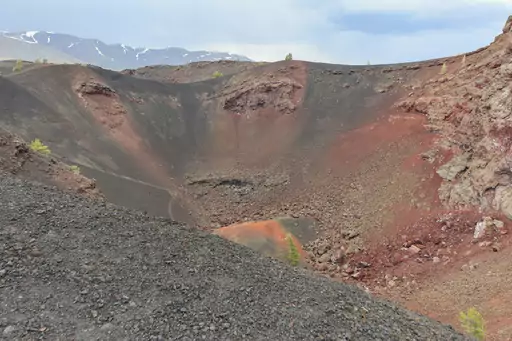
National Park in United States
Craters of the Moon National Monument
Otherworldly volcanic landscape on Earth
Lava fields at Craters of the Moon formed during eruptions that ended only a few thousand years ago. Astronauts once trained here because the terrain resembled the lunar surface. Visitors can walk through lava tubes and across fields of hardened black rock. Nearby cinder cones offer views across the wider volcanic plain.
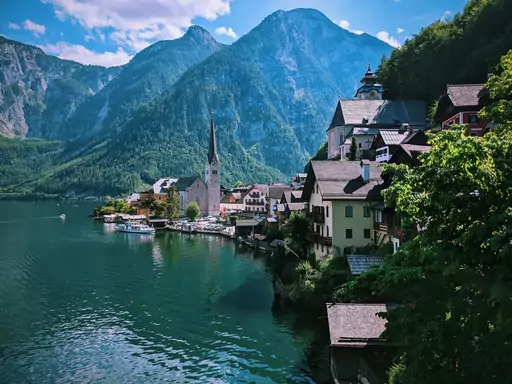
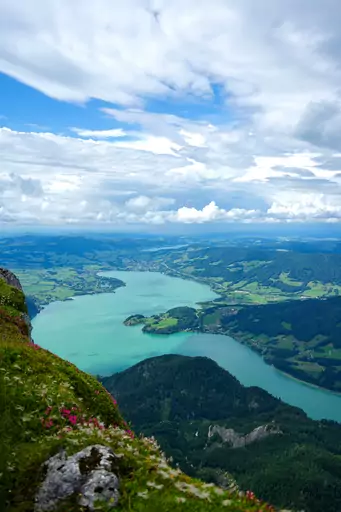
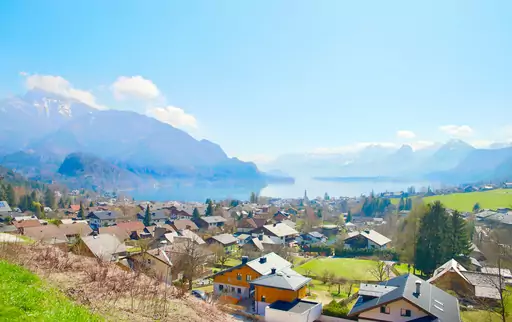
Region in Austria
Salzkammergut
Alpine lakes meet imperial heritage
Salt mining built the wealth of towns scattered across the Salzkammergut region for centuries. Miners once floated timber down mountain rivers to fuel the region's salt furnaces. Visitors can tour old salt mines and ride slides once used to move workers underground. Nearby lakes reflect the surrounding peaks in clear alpine water.
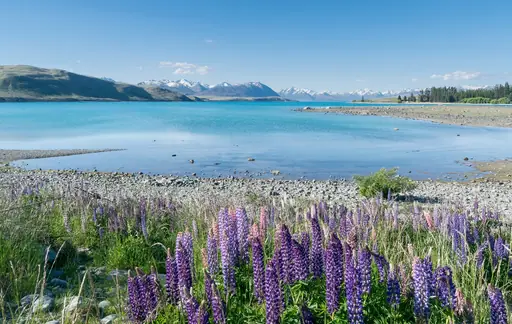
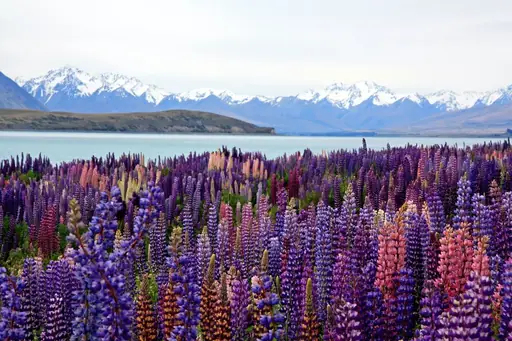
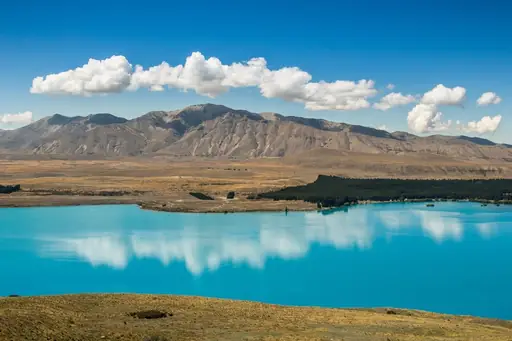
Lake in New Zealand
Lake Tekapo
The Glacial Gem of the South Island
Lake Tekapo sits within one of the largest official dark sky reserves on Earth. Strict lighting rules around the town keep the night sky free of light pollution. Visitors can stargaze from the lakeshore or join a tour at a nearby observatory. Nearby lupins bloom in bright colours along the water's edge each summer.
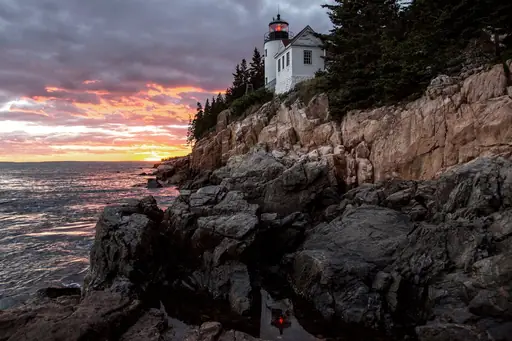
State/Prefecture in United States
Maine
Lobsters, Lighthouses and Lush Landscapes
Rocky shoreline and dense spruce forest define much of coastal and inland Maine. Lighthouses built along the coast have guided fishing boats since the 1700s. Visitors can hike Acadia's granite peaks or paddle the state's inland lakes. Nearby small towns still run working lobster boats out of quiet harbours.
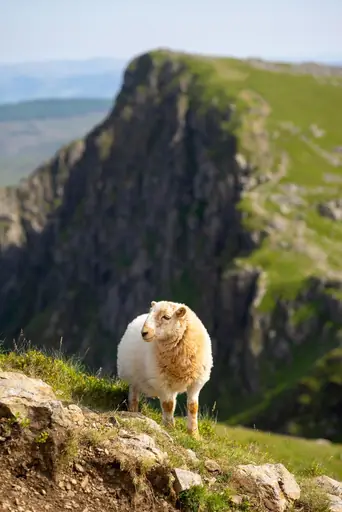
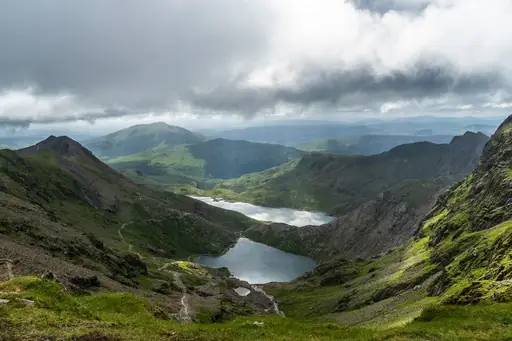
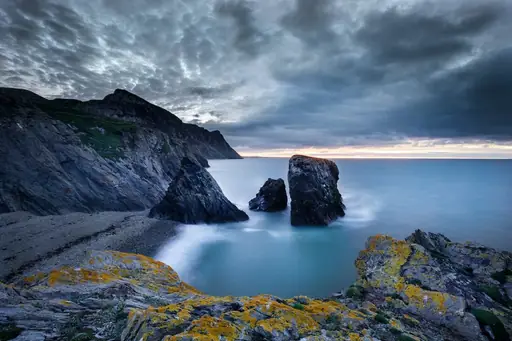
National Park in United Kingdom
Snowdonia National Park
Mythic Peaks and Wild Welsh Beauty
Snowdon, Wales's tallest peak, rises above a national park shaped by ancient glaciers. A mountain railway has carried visitors to the summit since the late 1800s. Visitors can hike one of several routes or ride the train to the top. Nearby lakes and slate villages fill the surrounding valleys.
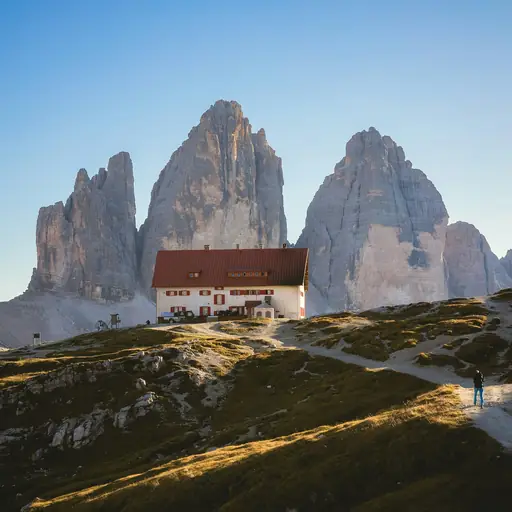
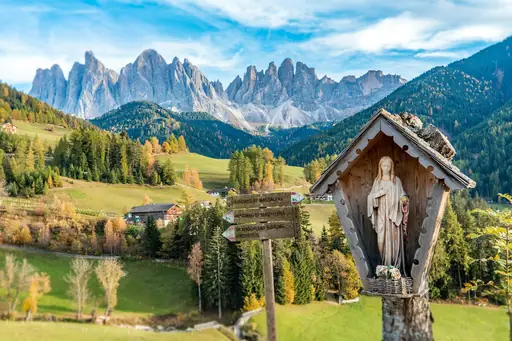
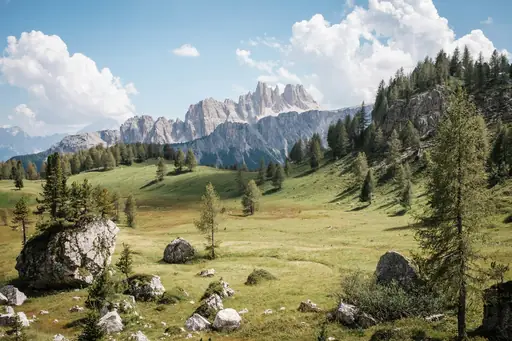
National Park in Italy
Dolomites National Park
Towering peaks and pristine wilderness
Jagged limestone peaks in the Dolomites turn pink at sunset in a glow known locally as enrosadira. Farming families still run mountain huts that have served hikers for generations. Visitors can hike between huts with views of sheer rock towers overhead. Nearby valleys blend Italian and Austrian culture in food and language.
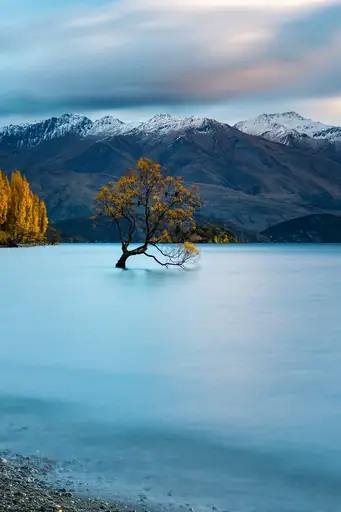
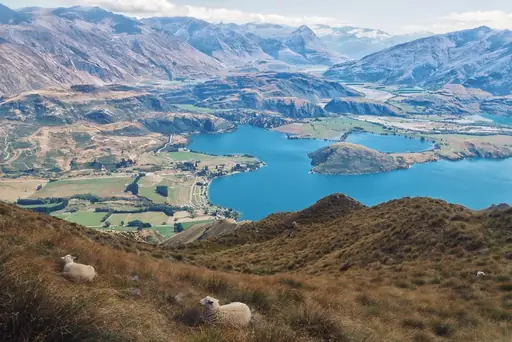
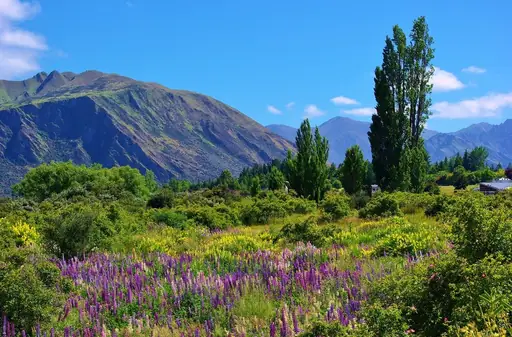
Town in New Zealand
Wanaka
Alpine Adventure, Lakeside Serenity
A lone willow tree stands partly submerged in the clear water of Lake Wanaka. Photographers have made the tree one of New Zealand's most recognised natural landmarks. Visitors can walk the lakeside path for views of the tree and surrounding peaks. Nearby orchards grow stone fruit across the sunny Central Otago valley.
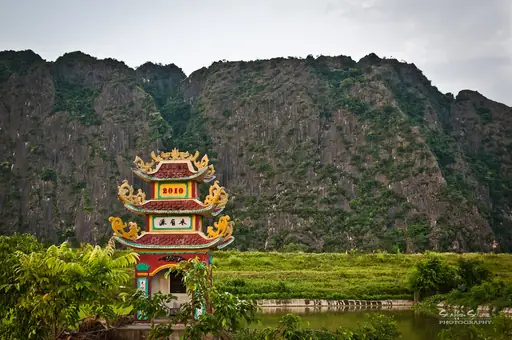
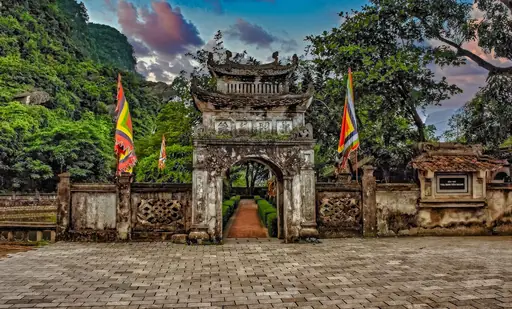
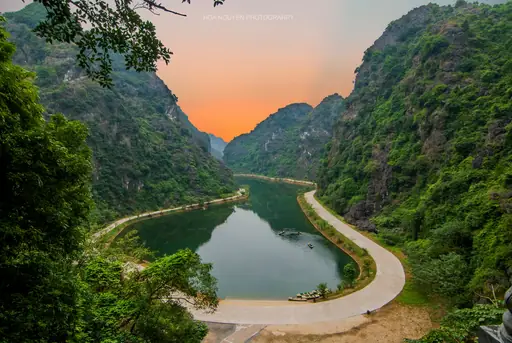
Region in Vietnam
Ninh Binh
Vietnam’s Hidden Inland Halong Bay
Limestone karsts rise from flooded rice paddies across Ninh Binh's countryside. Boatmen row visitors through caves cut beneath the cliffs by ancient rivers. Visitors can glide past farmers working paddies flanked by towering rock formations. Nearby temples sit tucked into caves within the surrounding hills.
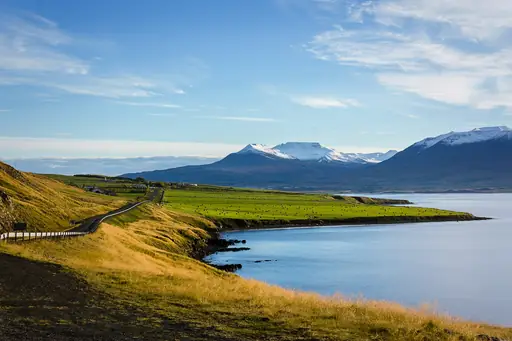

City in Iceland
Akureyri
Northern Lights, Fjord Views, Arctic Vibe
A small heart-shaped set of red lights hangs over Akureyri's main street each winter. Locals installed them to lift spirits during the town's darkest months. Visitors can stroll below the lights before soaking in a nearby geothermal pool. A short drive away, whale-watching boats head out into Eyjafjordur.
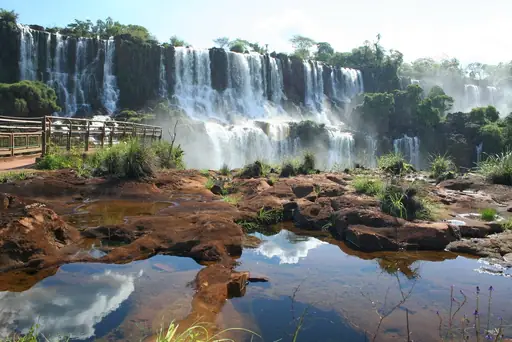
City in Argentina
Puerto Iguazú
Gateway to Iguazú’s Thundering Falls
Iguazu Falls spans nearly two miles of cascades along the Argentina-Brazil border. A horseshoe-shaped section called the Devil's Throat produces the loudest, heaviest spray. Visitors can walk catwalks that lead directly over the roaring water. Nearby rainforest trails offer sightings of toucans, coatis and dozens of butterfly species.
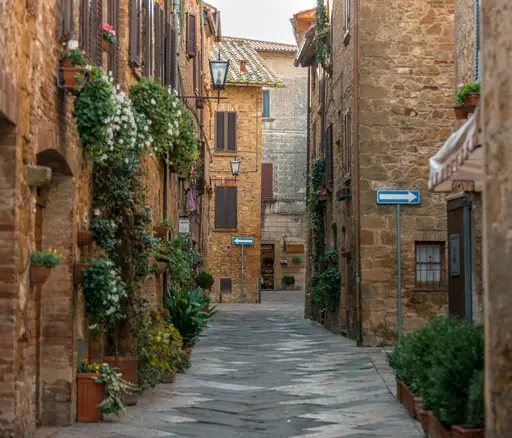
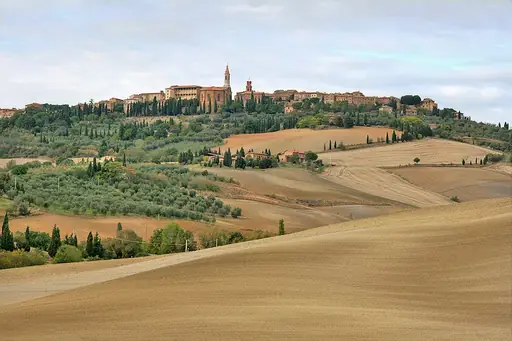
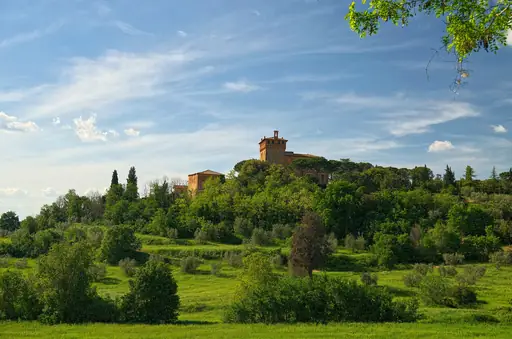
Valley in Italy
Val d'Orcia
Rolling vineyards cradle historic hilltop charm
Cypress-lined roads wind through Val d'Orcia's rolling Tuscan farmland. Renaissance-era planning shaped much of this countryside into the postcard scenery seen today. Visitors can drive between hilltop towns surrounded by vineyards and wheat fields. Nearby farms produce Pecorino cheese using methods passed down over centuries.
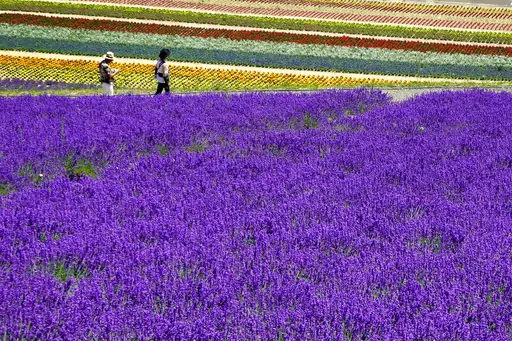
City in Japan
Furano
Lavender fields and powder snow in Hokkaido
Lavender fields blanket Furano's hills in deep purple each July. Farmers here began growing the crop commercially after founding one of Japan's first lavender farms. Visitors can walk between rows of blooming lavender with mountains in the background. Nearby farms also grow fields of sunflowers and other flowers through summer.
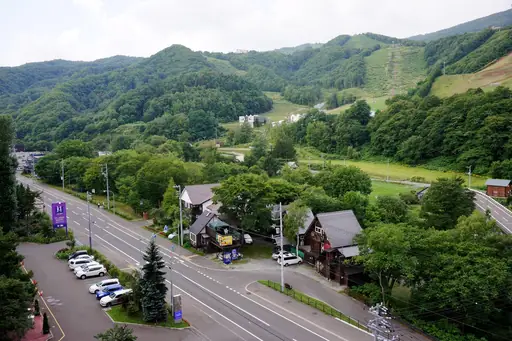
State/Prefecture in Japan
Hokkaido
Volcanoes, powder snow and fresh seafood
Wild red-crowned cranes gather each winter in the marshes of eastern Hokkaido. Conservationists once feared the species extinct before a small population was rediscovered in the 1920s. Visitors can watch the cranes perform mating dances in the snow. Nearby hot springs let visitors soak while snow falls around the pools.
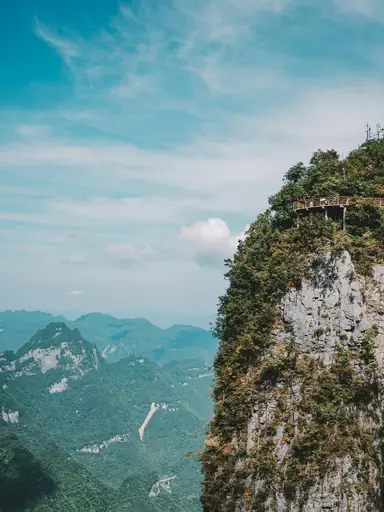
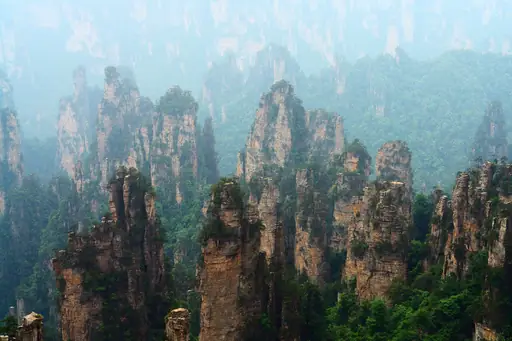
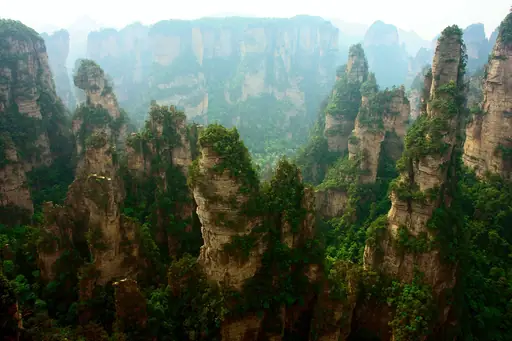
City in China
Zhangjiajie
Avatar's Floating Mountains Come Alive
Towering sandstone pillars in Zhangjiajie inspired the floating mountains of a popular film. Erosion over millions of years carved these narrow peaks from a former plateau. Visitors can ride a glass-bottomed bridge suspended between two cliffs. Nearby caves and gorges wind through the surrounding forest park.
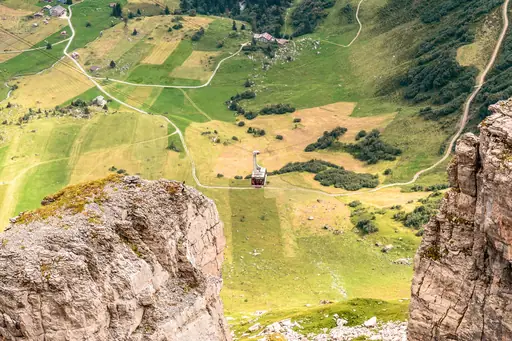
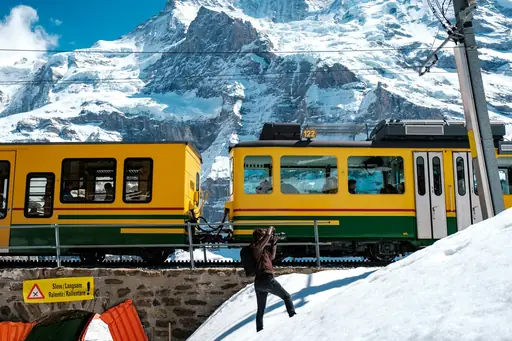
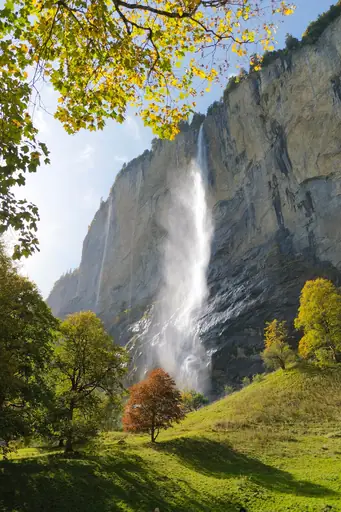
Village in Switzerland
Lauterbrunnen
Valley of 72 waterfalls
Seventy-two waterfalls drop from cliffs lining the Lauterbrunnen valley. Staubbach Falls, the tallest of them, was said to have inspired part of a Goethe poem. Visitors can walk the valley floor beneath the falls with the Jungfrau peak in view. Nearby cable cars climb towards alpine meadows above the valley walls.
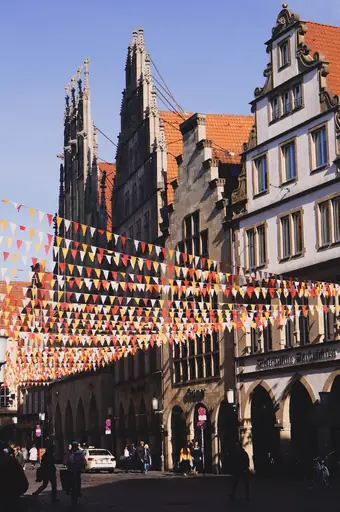
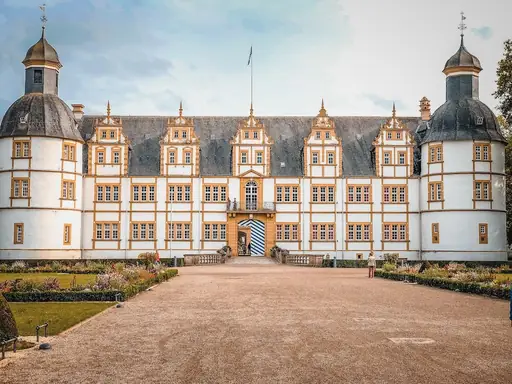

Region in Germany
Münsterland
Land of castles and cycling
Hundreds of moated castles dot the countryside across Munsterland. Noble families built many of these manors surrounded by water for defence centuries ago. Visitors can cycle a signed route linking dozens of the castles and estates. Nearby farmland stays flat and ideal for long, easy bike rides.
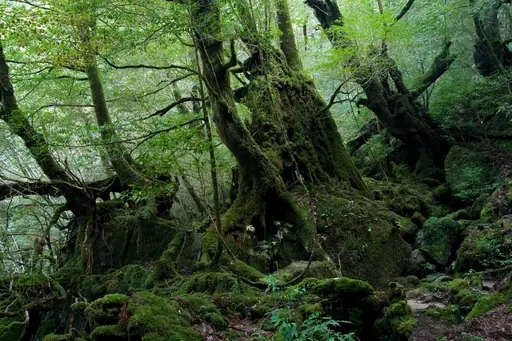
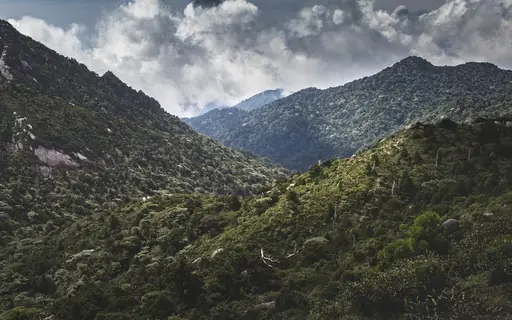
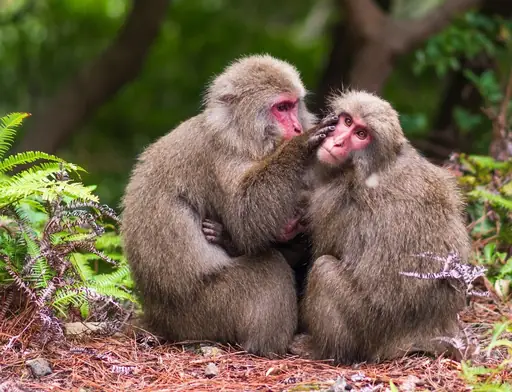
Island in Japan
Yakushima
Ancient cedars, mossy forest and waterfalls
Cedar trees on Yakushima include specimens believed to be over a thousand years old. Moss-covered forests here are said to have inspired scenes in an animated film. Visitors can hike trails deep into the misty, ancient woodland. Nearby waterfalls drop through dense subtropical rainforest near the coast.
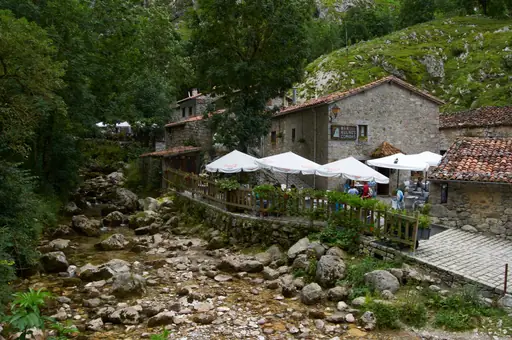
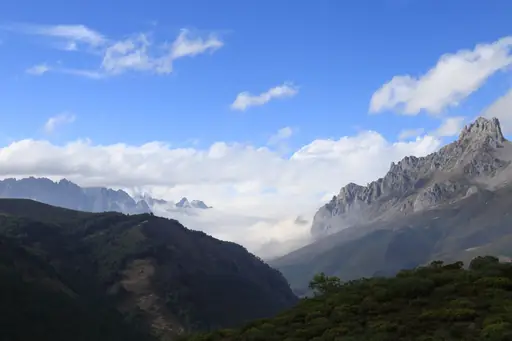
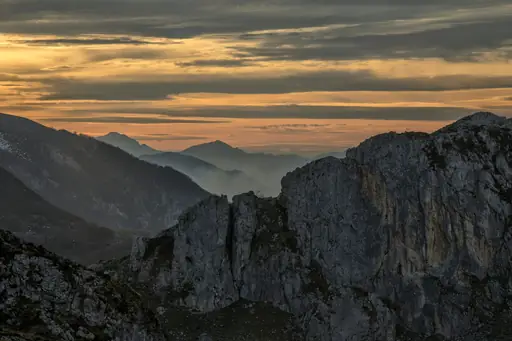
National Park in Spain
Picos de Europa National Park
Jagged Peaks, Deep Gorges, Wild Spain
Jagged limestone peaks rise sharply within the Picos de Europa, Spain's oldest national park. Shepherds still move flocks through these mountains along paths used for centuries. Visitors can hike towards glacial lakes or ride a cable car up steep terrain. Nearby villages produce a strong blue cheese aged in mountain caves.
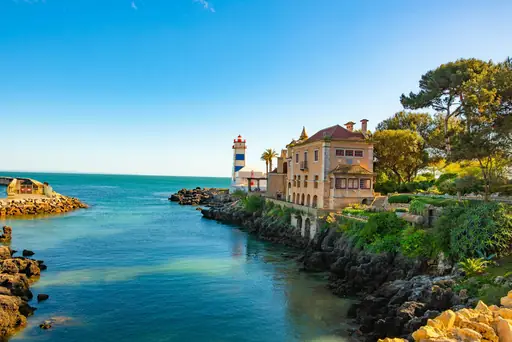
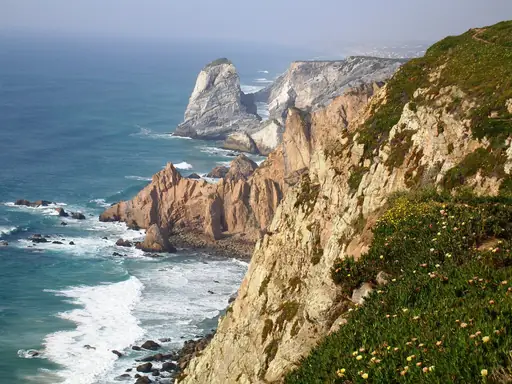
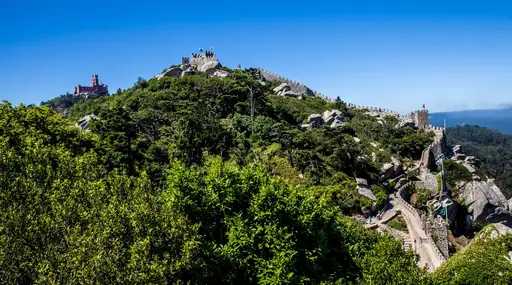
Nature Reserve in Portugal
Sintra-Cascais Nature Park
Where Europe meets the Atlantic
Misty forest surrounds Sintra's hilltop palaces, built as summer retreats for Portuguese royalty. Cooler mountain air drew nobles away from Lisbon's summer heat for centuries. Visitors can tour colourful palaces or hike trails through the surrounding woods. Nearby cliffs along the coast offer dramatic Atlantic views.
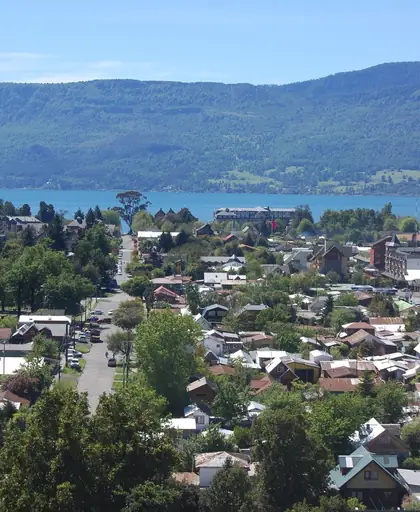
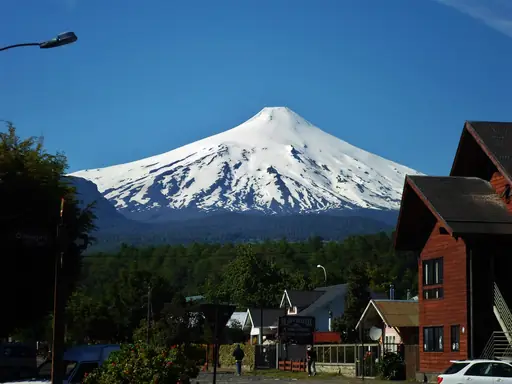
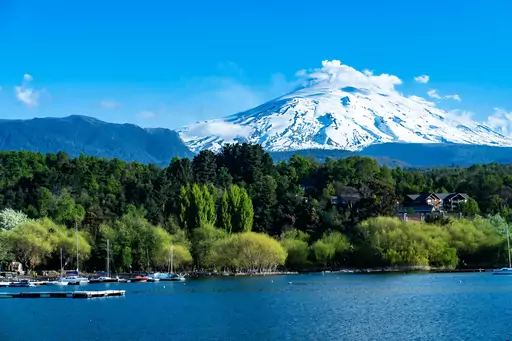
Town in Chile
Pucon
Volcano Views and Adventure Bliss
Villarrica Volcano looms over Pucon, its crater glowing faintly with lava at night. Climbers have summited the active cone regularly since guided ascents began decades ago. Visitors can hike to the rim or soak afterwards in nearby thermal pools. Nearby lakes and forest offer kayaking beneath the volcano's slopes.
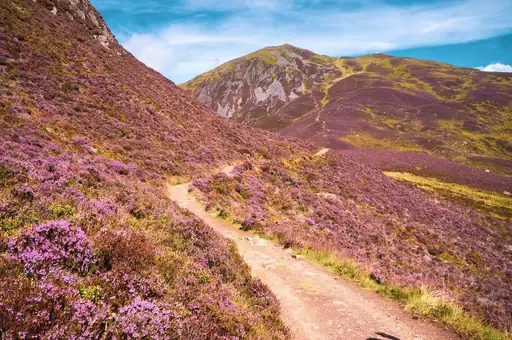
National Park in United Kingdom
Cairngorms National Park
Scotland’s Wild Heart of Adventure
Ancient Caledonian pine forest still covers parts of the Cairngorms' high plateau. Scotland's largest national park protects some of the country's last old-growth woodland. Visitors can spot red deer and golden eagles along quiet mountain trails. Nearby distilleries draw on the same water that feeds the park's rivers.
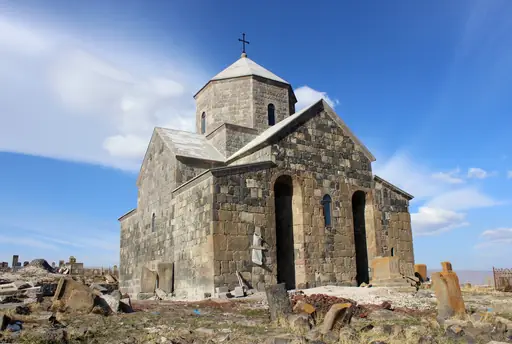
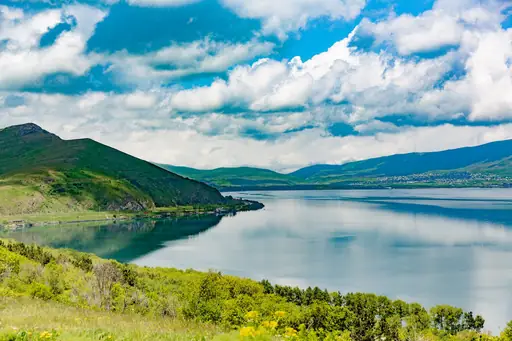
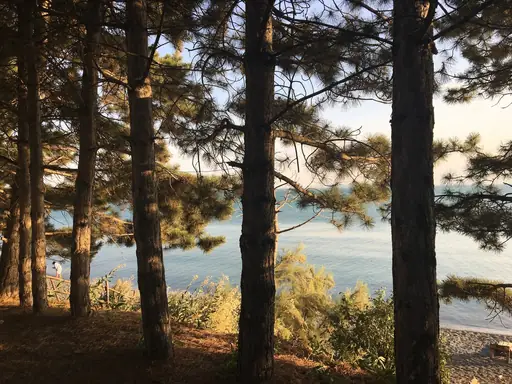
National Park in Armenia
Sevan National Park
Armenia’s Blue Pearl and Peaks
Lake Sevan sits high in Armenia's mountains, one of the largest alpine lakes in the world. A peninsula monastery here dates back over a thousand years. Visitors can swim in the lake or hike up to the ancient stone church. Nearby villages still fish these waters much as they have for generations.
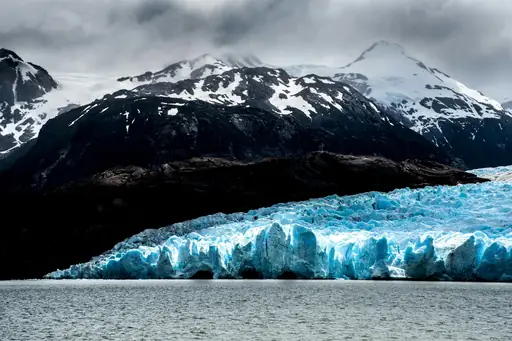
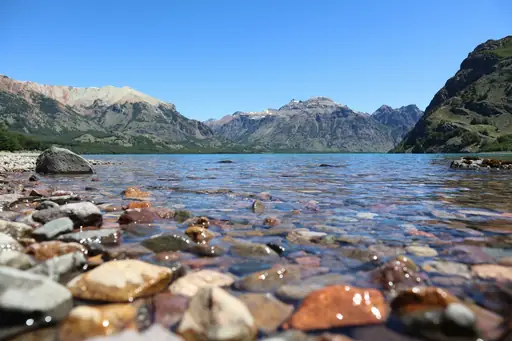
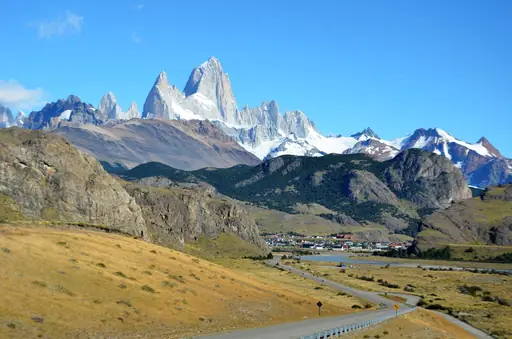
Region
Patagonia
Untamed Beauty at the End of the World
Glaciers and jagged granite peaks define much of Patagonia's remote southern landscape. Sheep ranching has shaped the region's economy since settlers arrived in the late 1800s. Visitors can trek past ice fields or drive long, empty roads between mountain towns. Nearby fjords and lakes fill the region's sparsely populated interior.
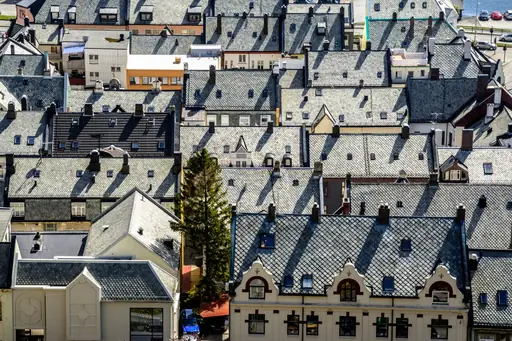
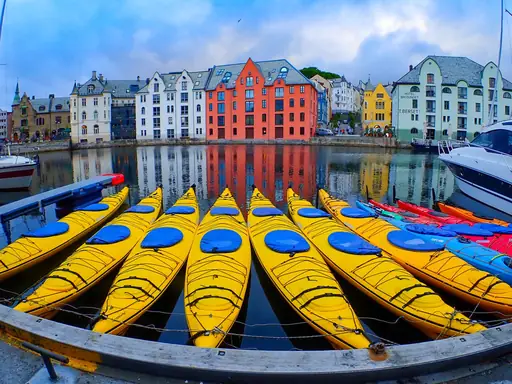
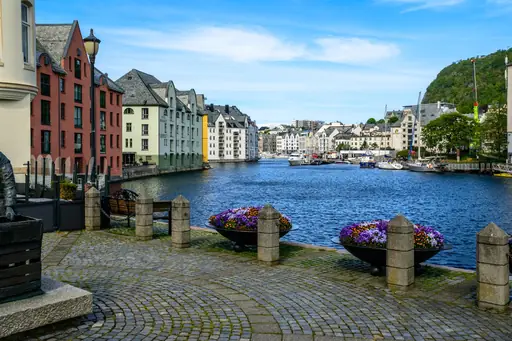
City in Norway
Ålesund
Art Nouveau Gem by the Fjords
Fire destroyed most of Alesund in 1904, prompting a full rebuild in Art Nouveau style. German architects and craftsmen helped design the stone buildings with their distinctive turrets. Visitors can climb a nearby staircase for a view over the harbour and fjords. Nearby islands offer trails with views back towards the colourful town.
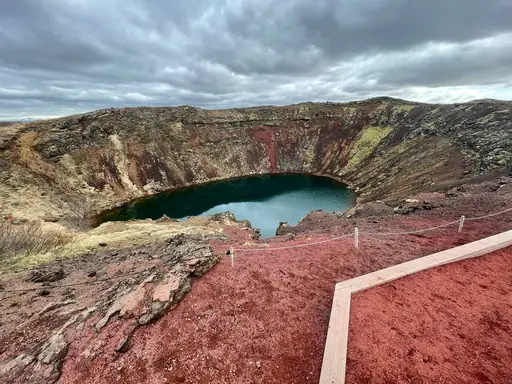
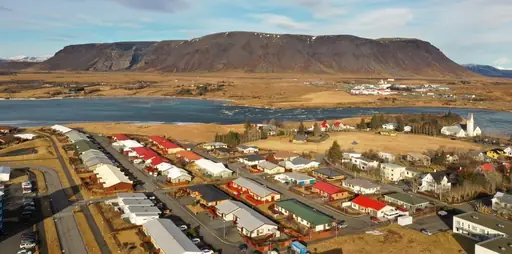
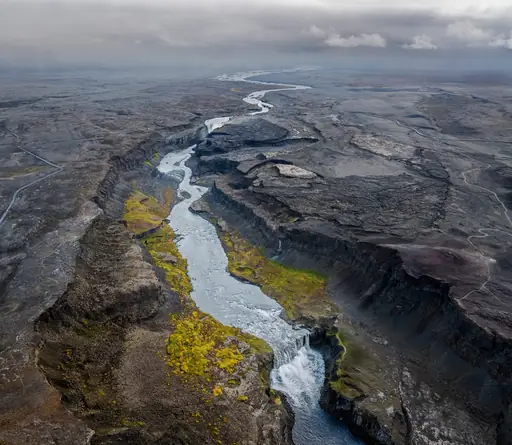
Town in Iceland
Selfoss
Gateway to Iceland’s South Coast
Rivers and waterfalls crisscross the farmland surrounding Selfoss in southern Iceland. Farmers here raise much of the country's livestock on the fertile volcanic plain. Visitors can stop at nearby Seljalandsfoss, a waterfall walkable from behind. Nearby geothermal areas send steam rising from fields just outside town.
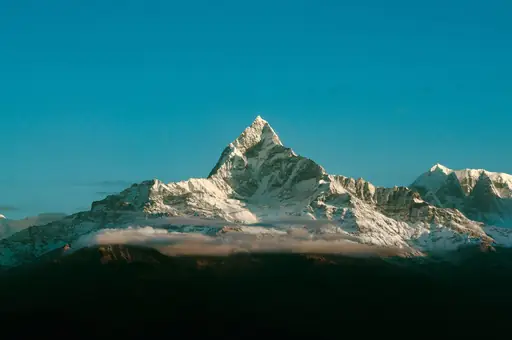
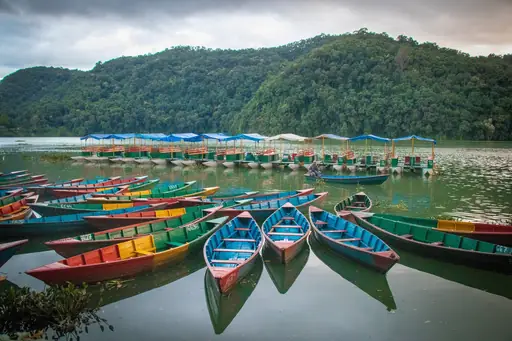
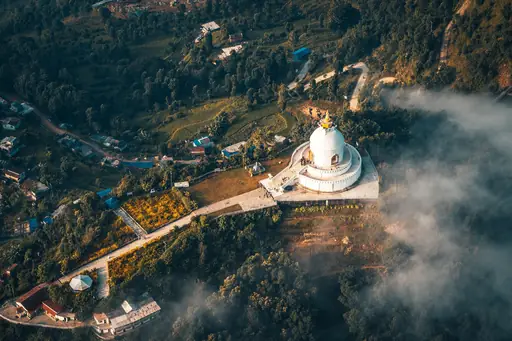
City in Nepal
Pokhara
Lakeside Calm, Himalayan Adventure Gateway
The Annapurna range rises sharply behind Pokhara, reflected in nearby Phewa Lake on calm mornings. Trekkers use the town as a base before heading into the surrounding mountains. Visitors can paddle across the lake with the peaks visible in the distance. Nearby caves and waterfalls sit tucked into the hills above town.


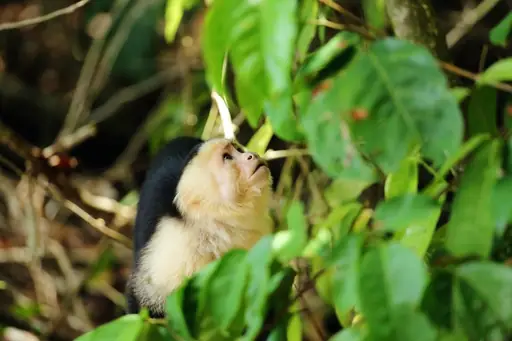
National Park in Costa Rica
Manuel Antonio National Park
Jungle, Wildlife and Stunning Beaches
Manuel Antonio packs rainforest, beaches and coral reef into one of Costa Rica's smallest parks. Sloths and white-faced monkeys move through the canopy just above the main trails. Visitors can swim at a beach bordered directly by jungle. Nearby lookout points offer views over the Pacific coastline.
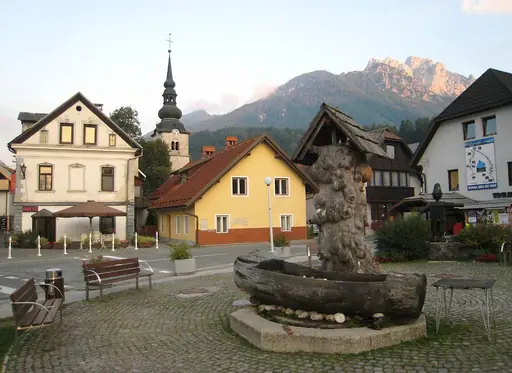
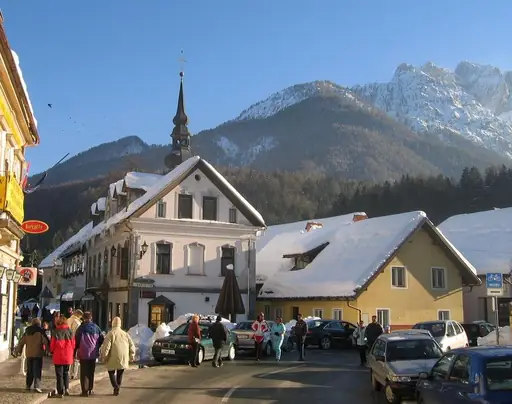
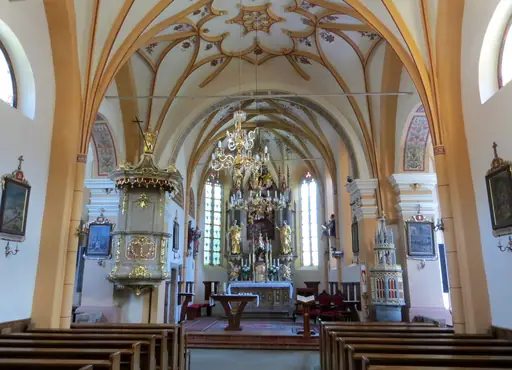
Town in Slovenia
Kranjska Gora
Alpine Adventure at Slovenia’s Edge
Slovenia's highest peak, Triglav, rises visibly above the village of Kranjska Gora. Farmers in this valley have grazed livestock on the same alpine meadows for generations. Visitors can hike towards the Vrsic Pass for sweeping views of the Julian Alps. Nearby lakes reflect the surrounding peaks in still morning water.
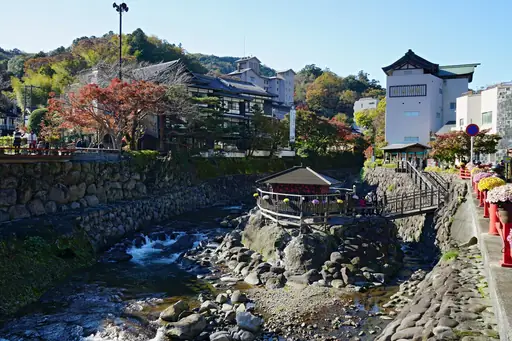
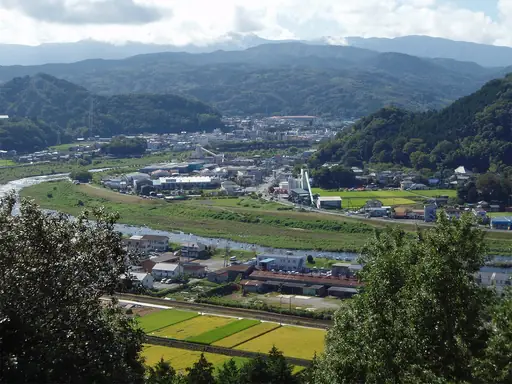
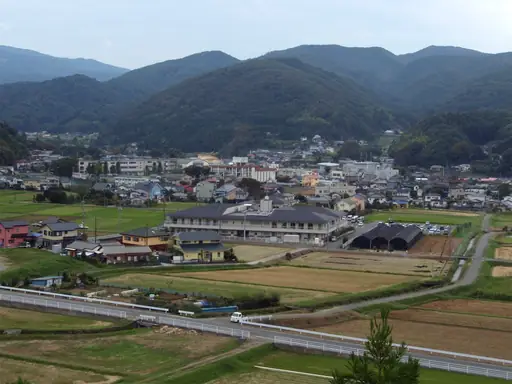
Town in Japan
Izu
Shuzenji hot springs, wasabi and Amagi hikes
Volcanic activity shaped the Izu Peninsula's rugged coastline and many hot spring towns. Onsen inns here have drawn travellers from Tokyo for day trips since the 1800s. Visitors can soak in seaside baths with views out over the Pacific. Nearby cliffs and coves make for scenic coastal hiking trails.
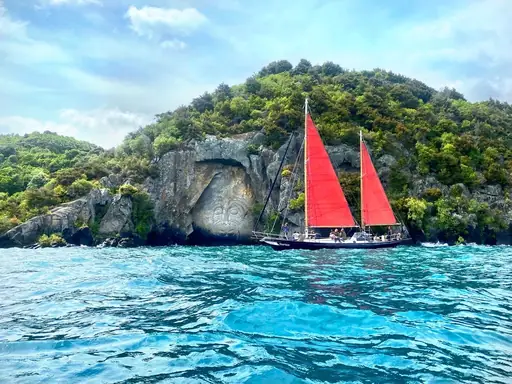
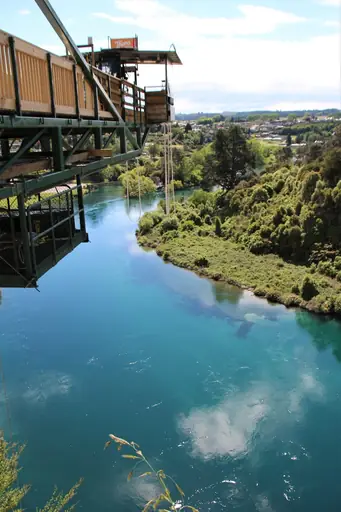
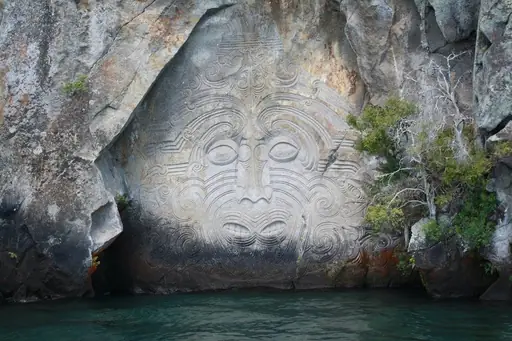
Town in New Zealand
Taupō
Volcanic Lake, Adventure and Hot Springs
Lake Taupo fills a massive volcanic crater formed by one of history's largest eruptions. Geothermal activity beneath the region still powers hot springs scattered around the lake. Visitors can soak in natural pools or view thermal terraces nearby. Nearby rivers offer some of New Zealand's best trout fishing.
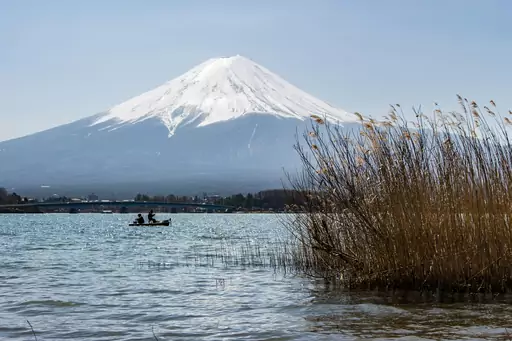
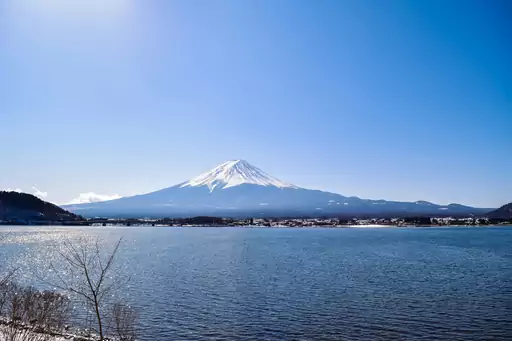
Lake in Japan
Lake Kawaguchi
Mirror-like lake with the best Fuji views
Lake Kawaguchi offers one of the clearest reflections of Mount Fuji among the Fuji Five Lakes. Photographers gather along its shore especially during cherry blossom season each spring. Visitors can walk the lakeside path for shifting views of the mountain. Nearby hot spring inns look directly across the water towards Fuji.
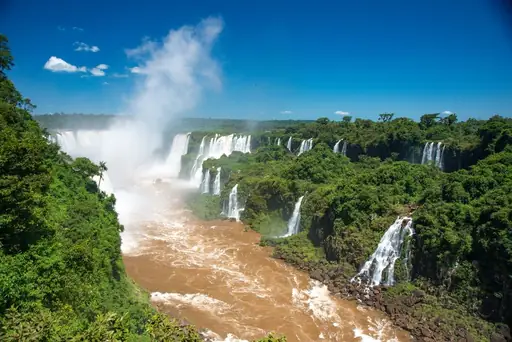
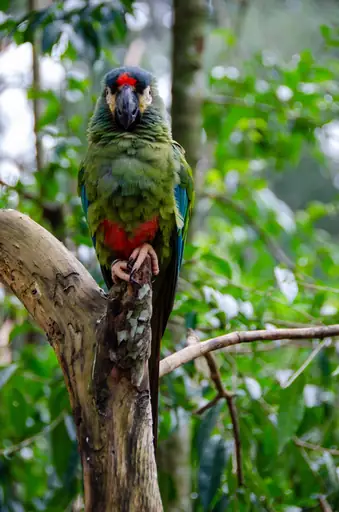
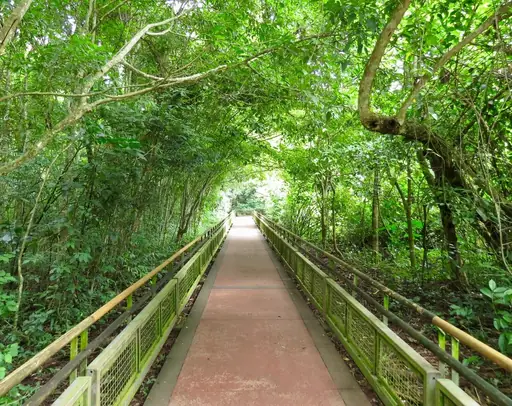
City in Brazil
Foz do Iguaçu
Where three nations meet waterfalls
Nearly three hundred waterfalls make up the Iguacu Falls system along the Brazil-Argentina border. Water plunges into a gorge known locally as the Devil's Throat. Visitors can walk catwalks that lead right to the edge of the roaring falls. Nearby rainforest still shelters toucans and coatis close to the walking trails.
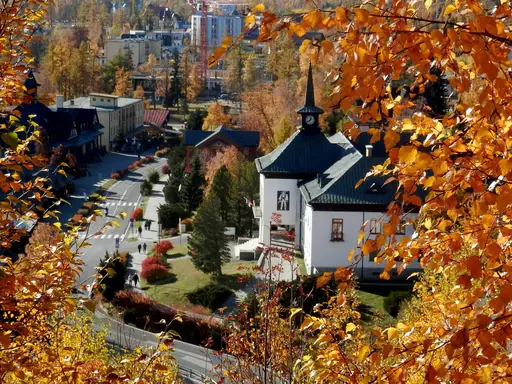
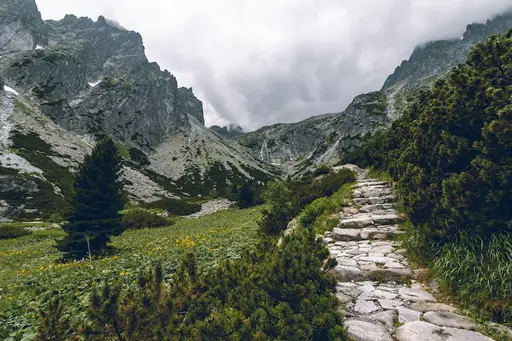
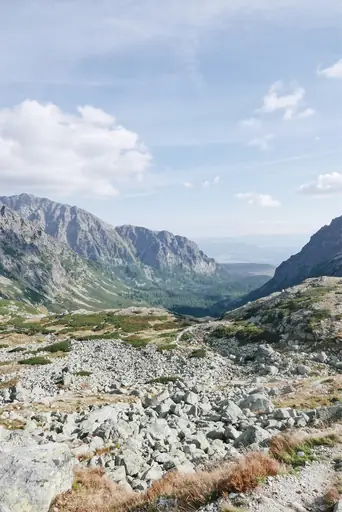
Mountain in Slovakia
Vysoké Tatry
Slovakia’s Majestic Alpine Playground
Jagged granite peaks rise sharply within Vysoke Tatry, Slovakia's highest mountain range. Cable cars and chairlifts carry hikers up slopes once reachable only on foot. Visitors can hike alpine trails past glacial lakes tucked beneath the peaks. Nearby spa towns offer a soak after a day on the mountain.
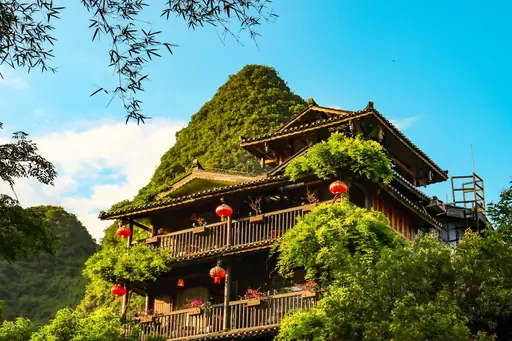
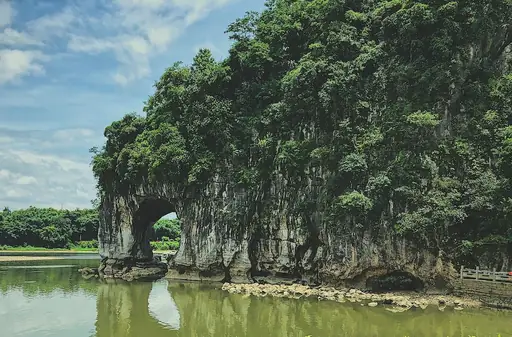

City in China
Guilin
Karst Mountains and Serene Rivers
Limestone karst peaks rise sharply from the flat farmland surrounding Guilin. Centuries of erosion carved these towers from what was once an ancient seabed. Visitors can cruise the Li River past peaks that inspired classical Chinese paintings. Nearby rice terraces at Longji wind up the surrounding hillsides.
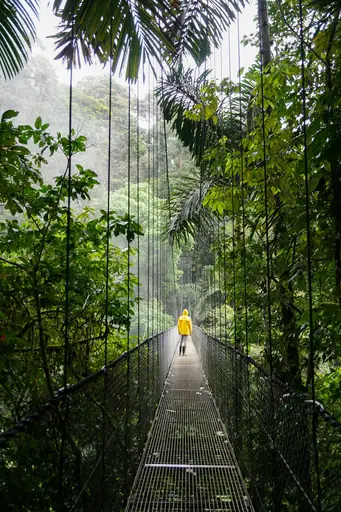
Town in Costa Rica
La Fortuna
Volcano Views, Hot Springs, Adventure
Arenal Volcano's near-perfect cone rises above the town of La Fortuna. Hot springs heated by the volcano feed pools scattered through the surrounding jungle. Visitors can soak in warm water with a view of the cone overhead. Nearby trails wind through rainforest to waterfalls fed by mountain streams.
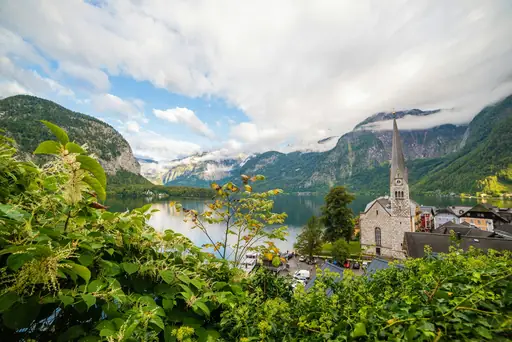
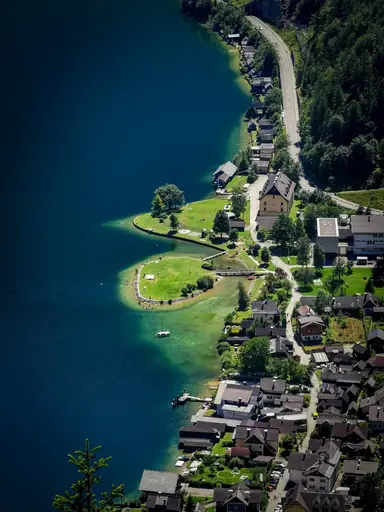
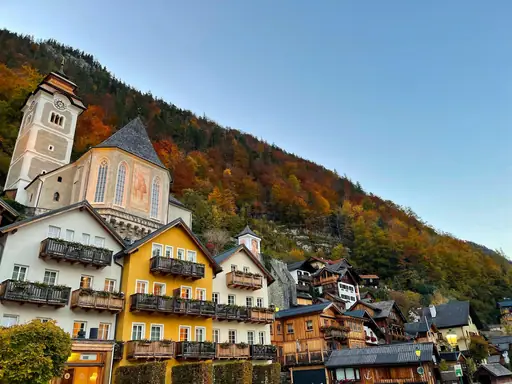
Village in Austria
Hallstatt
A Fairytale Village by the Lake
Salt mining shaped Hallstatt for millennia, giving a prehistoric culture its name. Archaeologists have found tools and graves in mountain tunnels above the village. Visitors can tour the mine and slide down an old chute once used by miners. Nearby, lakefront houses appear to rise straight out of the water.
Other lists you may like
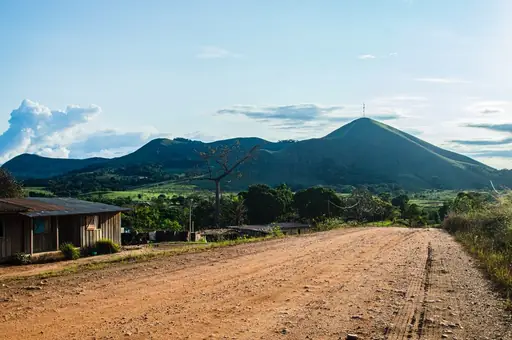
Discover
Best rural retreat destinations in Africa
Africa's rural retreat offer ranges from the vineyard farmsteads and coastal agricultural hinterlands of the far south to the highland tea and coffee growing regions of east Africa…
Read more
Discover
Best rural retreat destinations in Asia
Rural retreat travel is defined by the deliberate removal from urban pace and density, with landscape immersion, slower rhythms and direct engagement with food, nature and local…
Read more
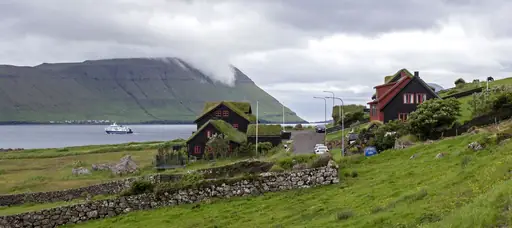
Discover
Best rural retreat destinations in Europe
Europe's rural landscapes offer some of the most accessible and varied retreat experiences in the world, with working agricultural regions, coastal hinterlands and forested uplands…
Read more
Discover
Best rural retreat destinations in North America
North America's rural retreat offer ranges from the vineyard valleys and coastal farmland of the Pacific coast to the forests and lake districts of the northeast, the ranching…
Read more
Discover
Best rural retreat destinations in Oceania
Oceania's rural retreat offer is anchored by the agricultural hinterlands, wine regions and coastal farmland of Australia and New Zealand, where a strong tradition of farm stays…
Read more
Discover
Best rural retreat destinations in South America
South America's rural retreat offer is shaped by the continent's extraordinary landscape diversity, with Andean valley farmsteads, Patagonian estancias, cloud forest lodges and…
Read more
What other users say about travelfilters
“travelfilters made it easy for me to find ski areas and compare what else they offer, so that I could find the best place for my personal travel style.”

Chris
Snowboarding & Onsen trip to Japan
“I love how transparent the data feels. There is no pushy upsell, just honest information and settings I can tune to my own travel style.”

Maria
After booking her 2027 winter escape
“The level of detail for each destination and how well those are displayed, make planning feel confident instead of overwhelming.”

Mina
Planned a week in New York City
“We used travelfilters for our planning from start to end. The trip turned out even better than expected, thanks to all their tools and customisation options.”

Allan & Etienne
Trip to Japan to see autumn foliage
“Thanks to travelfilters, I found some hidden gems to see. Being able to filter for exactly your interests is a game changer for my travel planning.”

Michael
Tour through the old cities of Northern Italy
“The customizable filters helped me find a quiet beach town with good wifi and low season crowds in under five minutes.”

Diego
Weekend Escape to Llanes, Spain
“The airport connection map saved me hours by showing good flight options from my home airport to lesser-known cities.”

Nguyen
Planning a 2027 trip to France
“The website is clean, fast and focused on the search itself, which makes travelfilters feel more like a professional tool than an ad-heavy booking site.”

Hassan
Christmas Market trip, Germany
