


Was this page helpful?

These place ratings give you a quick overview of how well a destination matches different types of trips.
‘Best for’ scores:
The specific interest scores show where this place really shines – whether it's ideal for hiking, food & drink experiences, museums or other activities. These highlights help you understand what makes the destination special at a glance.
‘Your personal’ scores:
This reflects how well a place matches your personal preferences. You can adjust the importances of travel topics or other personal requirements categories in your account settings.
‘Suited for’ badges:
These give you a quick overview of how well a destination suits specific types of travellers, to help you find the places that match your lifestyle, preferences or travel situation.
| Power Grid: |
220 V, 50 Hz Plug: Type C , Type F
Type C:
  Read about power adapters |
|---|---|
| Currency: |
Ethiopian Birr (ETB) £1 ≈ ETB 215.60 |
| Cashless info: |
Rating 3/5
Cashless payments are becoming more common in Ethiopia, especially in urban areas. Credit and debit cards are accepted in larger hotels and businesses, but cash is still preferred in many places.
Save with a travel credit card |
| eSIM providers: |
Flexibility: Airalo Read our in-depth comparison |
| Tipping: | Tipping is not compulsory in Ethiopia, but small tips for good service are appreciated. It is common to tip restaurant staff about 10% and give small tips to hotel staff and taxi drivers. |
|---|---|
| Public drinking: | Public drinking is generally not allowed in Ethiopia, and alcohol consumption is restricted to licensed venues like hotels, bars, and restaurants. |
| Public smoking: | Smoking is prohibited in indoor public spaces, but smoking is allowed in outdoor areas, such as designated smoking zones in cafes and restaurants. |
| Meskel (27 September) |
Religious holiday celebrating the discovery of the True Cross |
|---|---|
| Timkat (19 January) |
Epiphany celebration with religious processions |
| Emergency contact: | Emergency Numbers: 991 (Police), 907 (Ambulance), 939 (Fire) |
|---|---|
| Taxi apps: | Ride |
| Other: | Ethiopia is known for its ancient history, including the rock-hewn churches of Lalibela and the ruins of Aksum. The country's diverse culture and landscapes make it a fascinating destination, though infrastructure can be limited in rural areas. |
The best times to travel section shows how the months compare for a visit, so you can find the time of year that fits what you want to do.
Background colours of the months:
The colour shows the typical temperature: yellow (hot), green (mild) and blue (cold). How strong the colour is shows the travel season: full colour means high season, soft colour means shoulder season and soft-striped means off season.
Weather symbols:
Each month has one symbol showing what the weather is typically like, such as hot and sunny, freezing or a rainy or snowy season. Use them to quickly spot months that match the weather you want, or to avoid the ones that don't.
Crowdedness:
The people icon shows how busy the place usually is. The more people, the more crowded it gets.
Additional notes:
The grey info boxes point out special things worth knowing, like recurring weather issues or seasonal events.
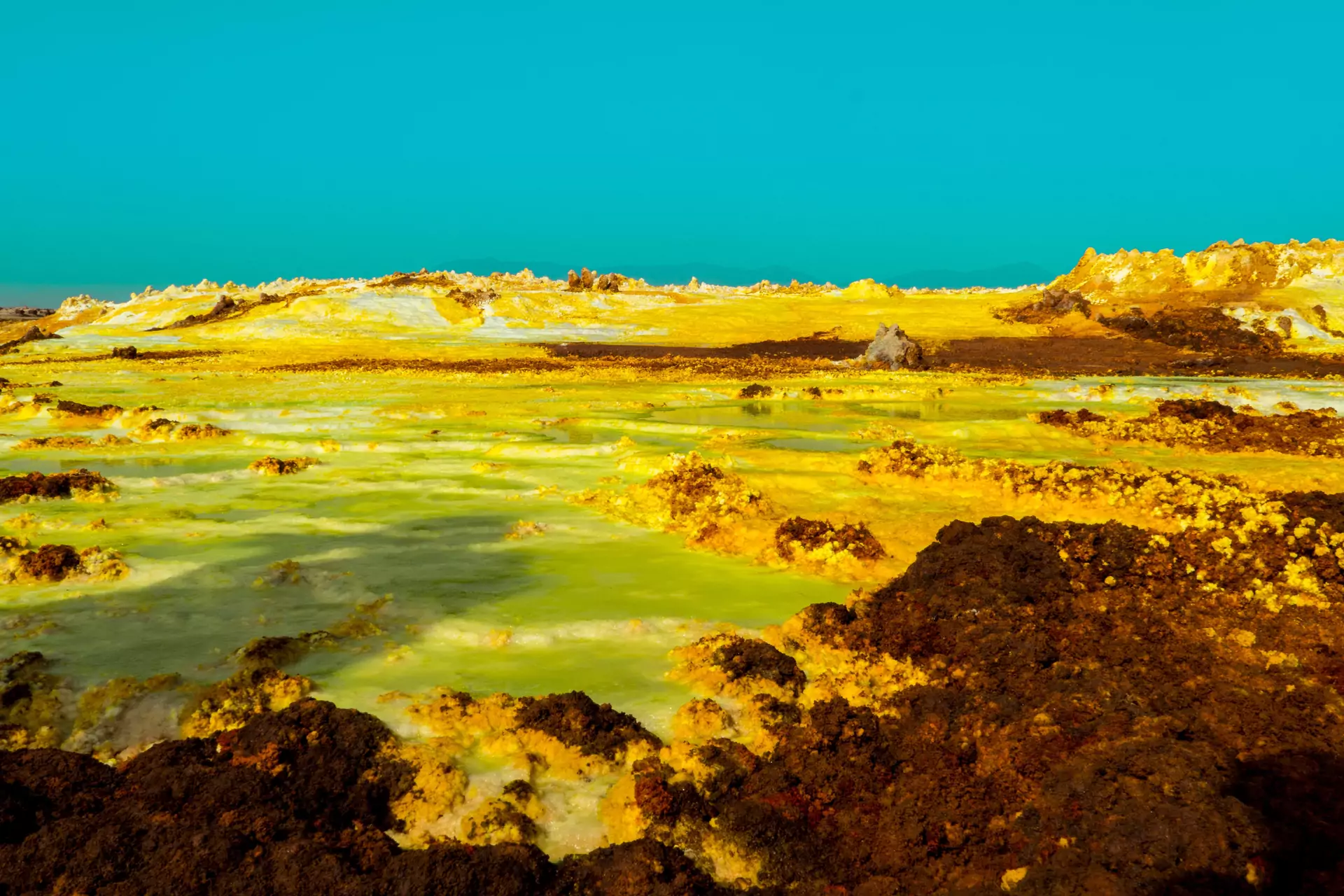
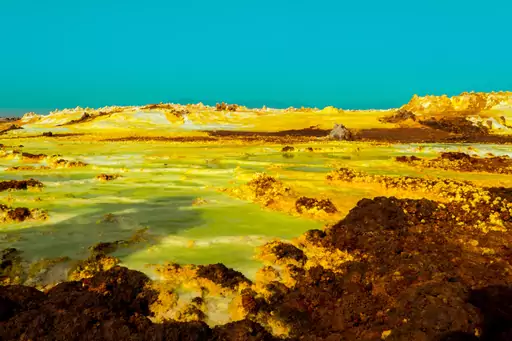
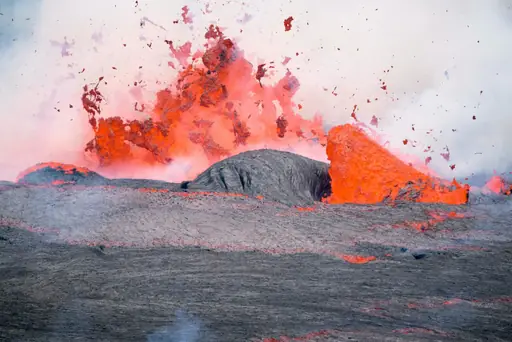
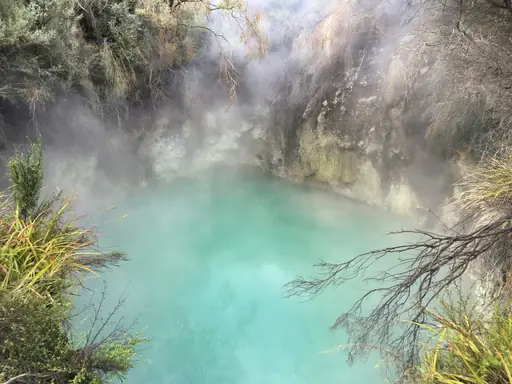
The Danakil Depression offers a true sense of adventure and exploration unlike anywhere else on Earth. At Dallol, you'll witness an otherworldly landscape that looks straight out of a sci-fi movie – a kaleidoscopic display of acidic hot springs and complex salt deposits with vibrant reds, yellows, greens and blues formed by water heated by underlying magma. Erta Ale, one of just six active lava lakes on Earth and the world's lowest-lying volcano, provides the thrilling opportunity to stand at the edge of an active crater and potentially witness the hypnotic glow of molten rock below (though a 2017 eruption means lava is now rarely visible). The salt plains of Karum Salt Lake offer another fascinating experience, where you can watch the Afar people harvest salt using traditional methods. However, this adventure comes with significant challenges. The heat is extreme and often dizzying, with little shade available. Tours are expensive (typically $400-600 per person) due to the requirement for multiple 4x4 vehicles, armed guards and local Afar guides. There are absolutely no facilities in this remote region – no hotels, restaurants, electricity or showers – and you'll be camping in basic, makeshift sites. The journey involves long, bumpy drives on dirt tracks and the 3-4 hour hike to Erta Ale's crater is physically demanding. While security has improved, a military escort is still mandatory for all tours. Despite these challenges, for those seeking a truly unique landscape that few travelers ever experience, the Danakil Depression delivers an unforgettable adventure.
The gateway to the Danakil Depression is Mekele, a town in northern Ethiopia. Most visitors fly to Mekele from Addis Ababa (the capital) as it's more comfortable than the long, dusty bus journey. From Mekele, all access to the Danakil is via organized tours, which typically last 3-4 days. These tours must be arranged in advance, as they require permits, multiple vehicles and coordination with local authorities.
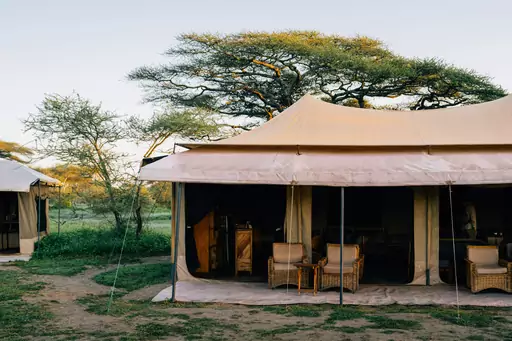
There are no permanent accommodations in the Danakil Depression. All overnight stays are in basic, makeshift campsites with no facilities – no showers, no electricity and very rudimentary toilet arrangements. Tour operators provide sleeping mats and sometimes tents, though many visitors sleep under the stars due to the heat. All supplies, including water, food and camping equipment, are brought in from Mekele.
We calculate the average costs when travelling to destinations and compare those with the living costs at your home. With this you can get an estimate of how expensive or cheap the destination is for you.
To customise this, you can set up which location and price level are used for the calculations in your account settings.
The exchange rate price factor shows how expensive or cheap a currency currently is compared to its historical average. It's a quick way to see if a country is currently more or less affordable due to exchange rate changes.
To help you plan your trip, we provide estimated daily costs per person (when travelling as a pair) for different travel styles. These numbers give you an idea of what you might spend each day at this destination, including accommodation, food, transport and activities.
Additionally, we also provide average hotel costs for different travel styles to give you an estimate for the accommodation only.
Please note that these are only estimates. The real costs depend on booking times, season and other factors.
Travel style categories explained:
Backpacker:
Staying in hostels or budget hotels, cooking your own meals or eating cheap and choosing low-cost activities.
Mid-range:
Staying in mid-range hotels, eating at a mix of restaurants and casual spots and enjoying a variety of activities.
Luxury:
Staying in luxury hotels, dining out at high-end restaurants and enjoying premium experiences without worrying about the price.
| Backpacker | Mid-range | Luxury | |
|---|---|---|---|
| 💵 Total costs per day, including accommodation | |||
| 🏨 Accommodation per night, per person | |||
| 🍝 Food per day | |||
| 🚕 Transportation per day |
| 🍽️ Restaurant Dinner, per person | |
|---|---|
| 🍛 Lunch Set, per person | |
| 🍟 Fast food combo | |
| 🍝 Preparing your own food, per day | |
| ☕ Cappuccino | |
| 🍺 Beer in a restaurant, 0.5 l |
| 🚌 Public transport ticket | |
|---|---|
| 🚕 Taxi Ride, 10 km / 6 mi | |
| ⛽ Petrol, 1 l |
| 🎞️ Cinema ticket | |
|---|---|
| 👩⚕️ Doctor's consult | |
| 🤧 Cold medication | |
| 💇 Basic haircut |
Log in to add this place to a travel list and get a summary of all recommended items for your whole trip.
