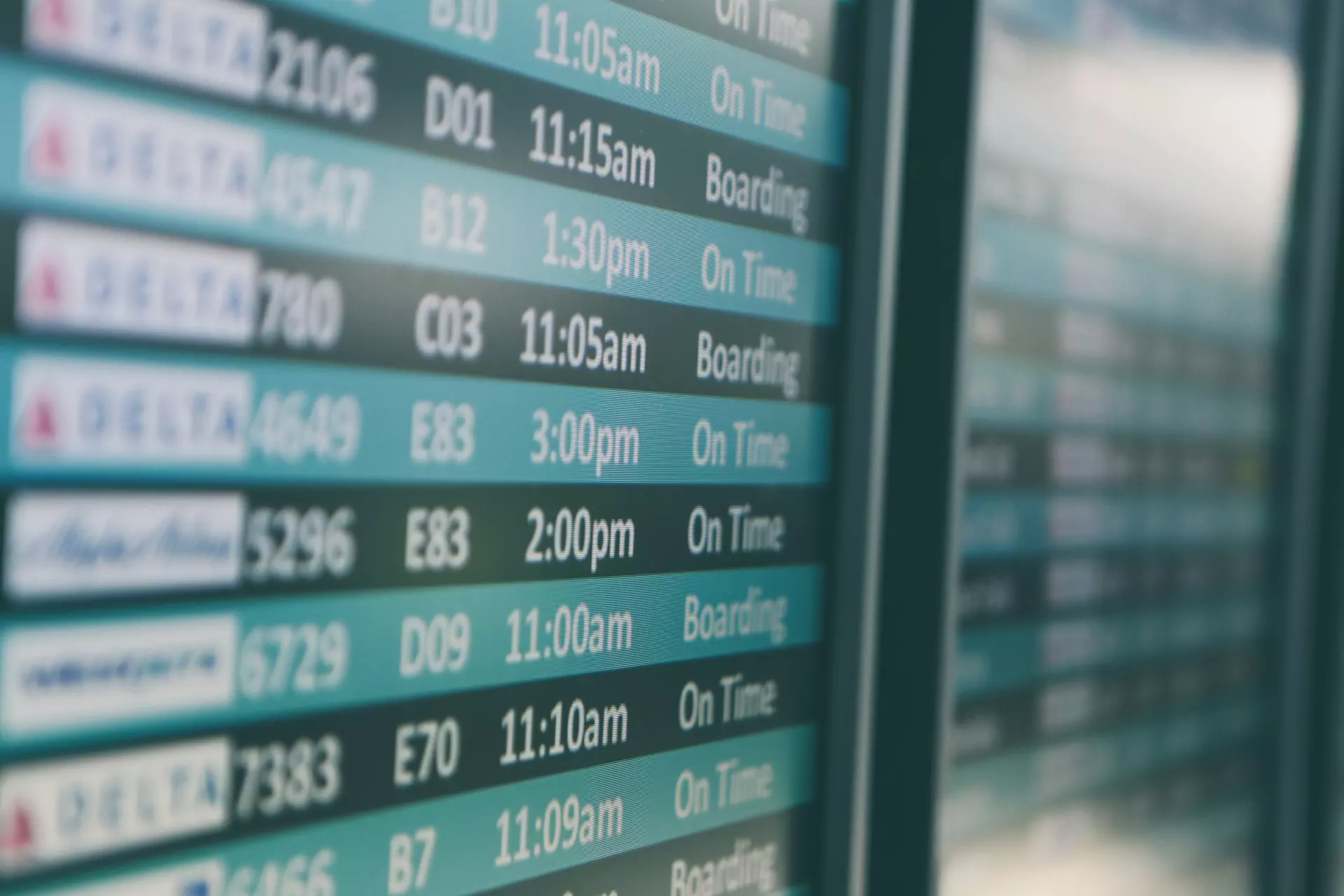

Flight prices can feel completely random. You check a route on Monday and it costs US$320 (£240.36). On Wednesday it's US$450 (£338.01) and by the weekend it's back down to US$340 (£255.39). Airlines use dynamic pricing, which means fares change constantly depending on demand, how many seats are left and what the competition is doing. That makes it hard to know when you've actually found a good deal.
There's also a lot of advice out there on how to beat the system, from booking on a Tuesday at midnight to searching in incognito mode. Some of it is still worth a shot and other approaches never really worked. In this guide we go through the strategies that can actually save you money on flights in 2026 and the ones you can safely ignore.
Step 1: Be flexible with your travel dates
Your travel dates usually have the biggest influence on what you pay. Flying during school holidays, around Christmas or in the peak season of a destination is almost always more expensive, because that's when everyone else wants to go, too. If you can move your trip by a few weeks, the savings are often a lot bigger than anything you could get with a clever booking trick.
The day of the week matters as well, although less than many people think. Sundays tend to be among the most expensive days to fly, since a lot of people travel back from their weekend trips and vacations. According to Expedia's 2026 Air Hacks report, Friday departures were about 8% cheaper than Sunday departures on average across its bookings. For domestic flights within the US, Tuesday was the cheapest day to fly. These averages can look very different for your specific route though. The easiest way to find out is to use the calendar or price graph view that most flight search sites have. It shows you the fares for a whole month at once, so you can see right away which days are cheaper.
Step 2: Book at the right time

Booking very early isn't always the cheapest option. Airlines often start selling seats at higher prices and then adjust them as the departure date gets closer. Expedia's data for 2026 found that booking six months or more ahead was the most expensive option for economy flights on average. For domestic flights, the cheapest window was roughly two to four weeks before departure and for international flights it was even shorter.
That doesn't mean you should always wait until the last minute. For popular routes, holidays and big events, the cheap seats tend to sell out first and prices usually go up the closer you get. If you're traveling during a busy time, booking a few months ahead is usually the safer choice. For a random weekend in November, you can probably afford to wait a little longer.
Step 3: Set up price alerts and compare several sites
Instead of checking the same flight every day, let the search engines do the work for you. Many sites let you track a route and send you an email when the price goes up or down. After a week or two, you'll have a pretty good idea of what a normal price looks like for that route and you'll notice when a fare drops below that. AI tools can also help with the search. Google's AI Mode, for example, lets you describe your trip in normal language and compares flights from hundreds of airlines and booking sites. It can also track the prices for your dates. Most of these tools still leave the actual booking to you though and they can get details like layovers or baggage rules wrong, so double-check everything before you pay.
It also helps to compare a few different sites before you book, since they don't always show the same flights or prices. Some smaller airlines and budget carriers aren't listed everywhere. Once you've found a good option, check the price on the airline's own website too. It's often the same or sometimes even cheaper. Booking directly with the airline can also make things easier if your flight gets cancelled or you need to change your booking, because you don't have a middleman in between.
Step 4: Look at other airports and routes
The airport closest to your destination isn't always the cheapest one to fly into. Large hub airports often have more airlines competing on the same routes, which tends to push prices down. Smaller airports nearby are sometimes served by budget airlines with very low fares. Many flight search sites let you include nearby airports in your search with one click. Do the same for your departure airport. If there's another airport within a reasonable distance of your home, it might have cheaper flights or better connections.
Our Hotels can help you get an overview. It shows you all direct routes from your home airport on a map, together with flight times and average prices. You can check the real time prices right there as well. That way you can quickly see which destinations are easy and affordable to reach. In Europe, combining a flight with a train can also be an option. A flight to a big hub and a high-speed train from there can sometimes cost less than flying directly to a smaller city. Just add the train ticket and the extra travel time to your calculation before you decide.
Some search sites also offer self-transfer connections, where you fly with two different airlines on two separate tickets. These can be a lot cheaper, but they come with a risk. If your first flight is delayed and you miss the second one, the second airline usually doesn't have to rebook you, because the two flights aren't on the same ticket. Some platforms offer their own guarantee for this situation, but these guarantees have their own conditions. If you book a self-transfer, read the terms carefully and plan enough buffer time between your flights. Also make sure the airport you're flying into and the one you're flying out of are the same, unless you want to spend a day or two in the city and make that part of the trip. Risking your connection isn't worth it just because you might assume that Bangkok's Don Mueang airport can't be that far from the city's main hub Suvarnabhumi. It will in fact take you at least an hour to get from one to the other and it can easily take more than two. The check-in for your onward flight might close while you're stuck in traffic or trying to make it there on time by train.
Step 5: Compare the total price, not just the ticket price
The cheapest fare in the search results isn't always the cheapest flight. Many airlines, especially budget carriers, charge extra for checked bags, bigger carry-ons and seat selection. Before you compare two flights, add up what each one would cost with the luggage and extras you actually need. If you can travel with carry-on only, you can save quite a bit of money, especially on short trips. If that's your plan, make sure that you and the airline have the same idea of what carry-on luggage is. A lot of budget airlines only include a personal item in the fare these days. That's usually a small backpack or a handbag, which doesn't even let you pack for a weekend trip unless you're very minimalist.
It also makes sense to look at the departure and arrival times. A very cheap flight at six in the morning might mean an expensive taxi to the airport or a night at an airport hotel. If you land late at night, public transport might have stopped running already and you'll have to pay for a transfer. Some budget airlines also fly to airports that are quite far away from the city they're named after. Ryanair in Europe is notorious for this. Their definition of what counts as "Paris", "Oslo" or "Frankfurt" is a tad creative, to say the least. So let's say you're booking a flight to Stockholm, but technically they drop you off in Västerås, which is an 80-minute bus ride from the city center. For that very reason, always check how long it takes to get from the airport to where you're actually going and what that costs. That slightly more expensive flight to the more central airport might actually end up saving you time and money. Our airport profiles show you exactly that, so you can just use the search bar above to check those things for any airport.
Step 6: Know what you can do after booking
Booking a flight doesn't have to be final right away. For flights to, from or within the US, the Department of Transportation requires airlines to either let you cancel for a full refund within 24 hours of booking or hold the fare for 24 hours without paying. This usually applies if you book at least seven days before departure and book directly with the airline. Some airlines offer more flexible rules than that. Many other airlines around the world don't have this rule, so check the fare conditions before you book.
It's also good to know your rights if something goes wrong. In the EU, passengers can be entitled to compensation of 250 to 600 euros if their flight arrives more than three hours late, is cancelled at short notice or if they're denied boarding. The amount depends on the distance of the flight. Airlines don't have to pay if the disruption was caused by extraordinary circumstances like bad weather. The EU recently agreed on a reform of these rules, which keeps the compensation amounts and changes some of the procedures. The new rules are expected to apply from autumn 2027. You can find the latest details on the EU's air passenger rights page. Many other countries have their own passenger rights rules too.
The old booking tricks
Some flight booking tips have been around for years and a lot of people still swear by them. Booking on a Tuesday at midnight is one of them. Airline prices change constantly based on demand, so there's no fixed day of the week when fares drop. The day you fly on is a lot more important than the day you book.
Searching in incognito mode is another one. The idea is that airlines notice you searching for the same flight again and again and then raise the price. So far there's no real evidence that this happens. In a test by Consumer Reports, a browser with cleared cookies and one with a long search history showed the same price in almost nine out of ten searches. The small differences went both ways. Economists who studied the pricing system of a large US airline also found that individual searches had no measurable effect on fares. If a price goes up while you're looking, it's most likely just dynamic pricing at work.
Using a VPN to pretend you're booking from another country is also often recommended. In most tests, like this one by Express & Star, it made little or no difference for flights. Sometimes a regional version of an airline's website shows different prices, but some of those fares are only for local residents and can require proof of residency at check-in. Paying in a foreign currency can also mean extra fees from your bank. So if you want to try it, read the fare conditions carefully.
Cheaper flights start with flexibility
There isn't one trick that always gets you the lowest price. What saves the most money is flexibility, whether that's with your dates, your airports or how early you book. Set up price alerts, compare the total cost including luggage and transfers and check the fare conditions before you pay. And if you're open to different destinations, our Trip Finder can help you find places that fit what you're looking for, so you can compare a few options instead of just one.