
Top architecture destinations and iconic landmarks
Top architecture destinations and iconic landmarks
Notable landmarks and architecture destinations
Architecture travel spans everything from ancient ceremonial complexes and medieval urban cores to the grands projets of the twentieth century and contemporary buildings that draw visitors specifically for their design. The most rewarding destinations tend to be those where multiple periods and styles coexist in density, allowing a single trip to cover significant ground. Cities built rapidly during periods of economic transformation often produce the most concentrated and legible architectural narratives.
Organised architectural tours and festivals exist in most major cities and provide access to buildings that are otherwise closed to the public. Open house weekends have expanded considerably across many countries and represent some of the best low-cost access available. For serious enthusiasts, planning around a specific building type, movement or architect produces more focused and satisfying trips than a general sightseeing approach.
Access to interiors is inconsistently managed and many significant buildings require advance booking, guided visits or professional accreditation. Photography restrictions vary widely and are worth checking before visiting. Travel to see specific contemporary projects carries the risk of construction delays or access changes and verifying current status before a dedicated trip is essential. Entrance fees at major sites vary considerably but the bulk of architectural experience in most cities remains free.
Lists by region
City in Turkey
Ephesus
Ancient Wonders and Roman Grandeur
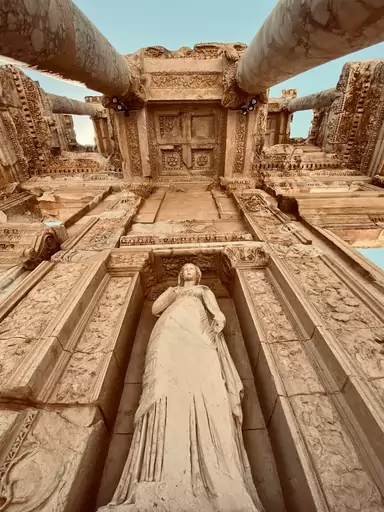
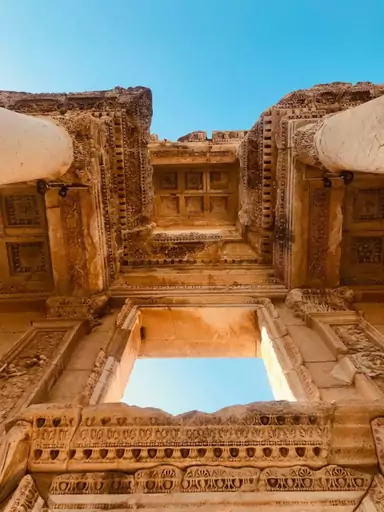
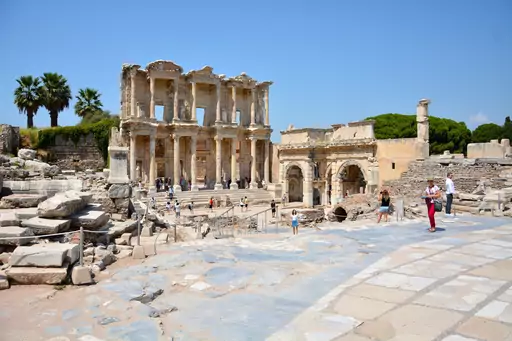
The Library of Celsus here was built in the 2nd century to honour a Roman senator. Its two-storey facade includes carved niches that once held statues representing wisdom and virtue. The ancient city around it once held tens of thousands of residents. A nearby amphitheatre could seat roughly 25,000 spectators.
City in Russia
Saint Petersburg
Where history and elegance meet
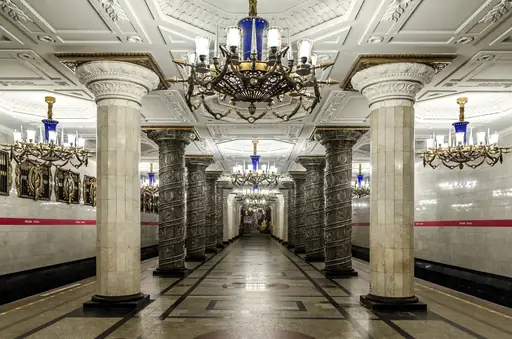
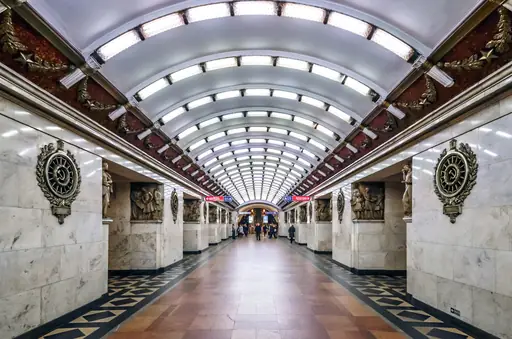
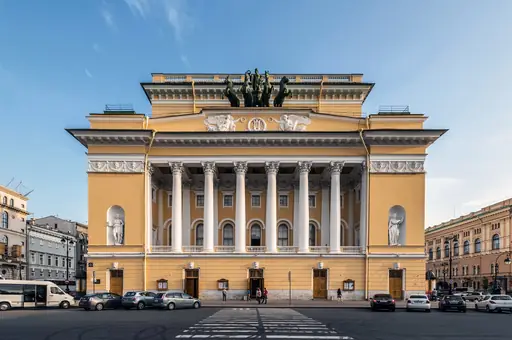
The Winter Palace once served as the official residence of Russian tsars, later part of the Hermitage. Its green and white facade stretches along the Neva River for roughly 200 metres. Over 1,000 rooms fill the interior, many decorated in gold leaf and marble. The museum now holds millions of artworks across several connected buildings.
City in Czech Republic
Prague
A fairy-tale city with rich history
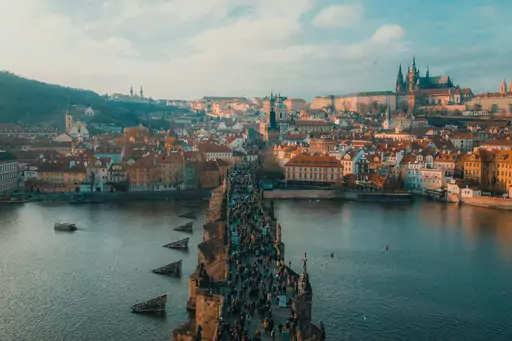
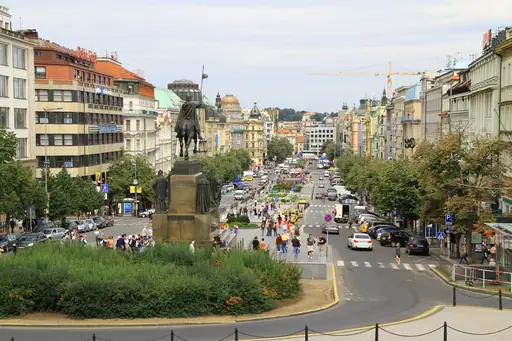
Prague Castle covers roughly 70,000 square metres, among the largest ancient castle complexes anywhere. Construction began in the 9th century and continued for over a thousand years. St. Vitus Cathedral, inside the castle grounds, holds the tombs of Bohemian kings. A changing of the guard still takes place at the main gate each day.
City in Italy
Venice
A floating city of romance and history
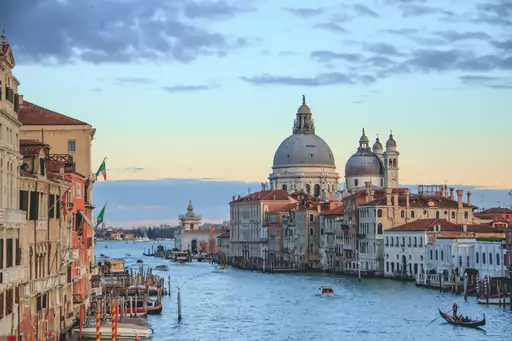
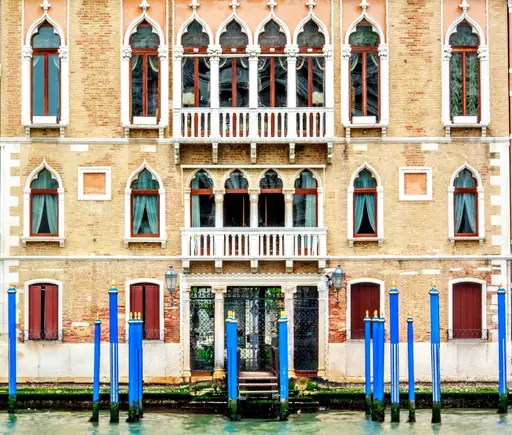
The Doge's Palace served as home for Venice's ruling doge and seat of government. Its pink and white facade rests on Gothic arches facing the lagoon. A covered bridge, later named the Bridge of Sighs, connects the palace to a former prison. Canals throughout the city replace roads found in most other places.
City in United Kingdom
London
A Tapestry of History and Modernity
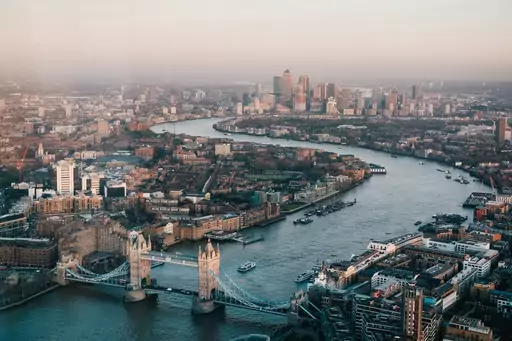
Elizabeth Tower, commonly called Big Ben after its largest bell, has stood since 1859. Its clock faces measure over seven metres across, among the largest in Britain. Tower Bridge nearby opens its two halves to let tall ships pass through. Both landmarks sit along the Thames within a short walk of each other.
Country
Singapore
Tropical city-state of hawker food and gardens
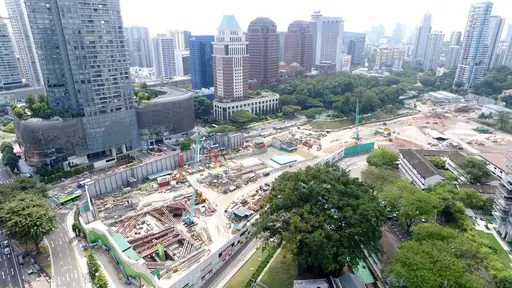
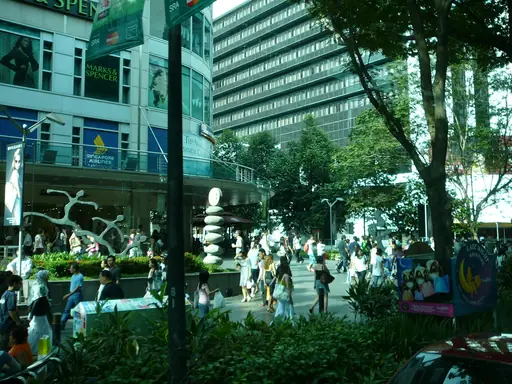
Marina Bay Sands supports a rooftop pool and garden across three connected towers. Engineers built it to hold weight comparable to a full-length ship. Gardens by the Bay nearby holds tree-like Supertrees, some over 50 metres tall. Solar panels built into the Supertrees help power lighting across the gardens at night.
Country
Vatican City
World's smallest sovereign art treasury
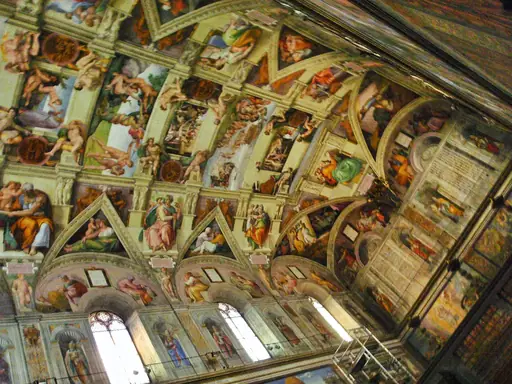
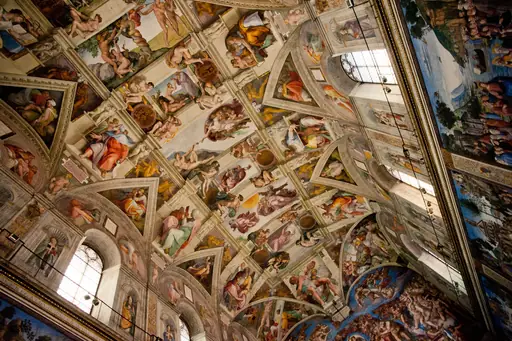
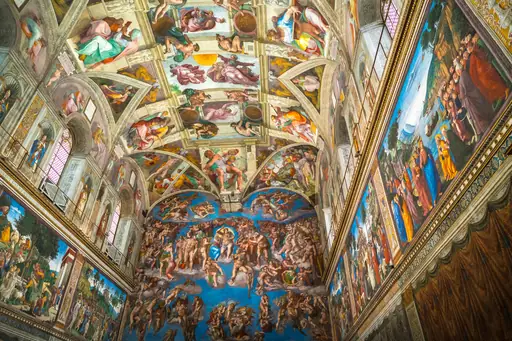
Michelangelo spent four years painting the Sistine Chapel's ceiling, working atop scaffolding. Its central panels show scenes from the Book of Genesis, including the creation of Adam. The chapel still hosts the conclave that elects each new pope. Restoration work in the 1980s and 1990s revealed brighter colours under centuries of soot.
City in Syria
Damascus
Ancient Alleys, Bazaars and Minarets
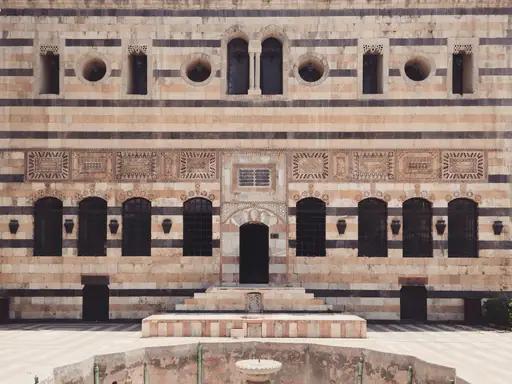
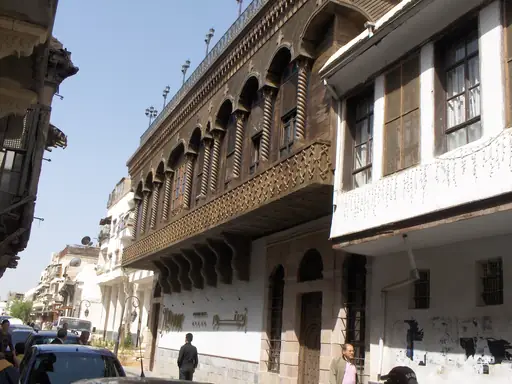
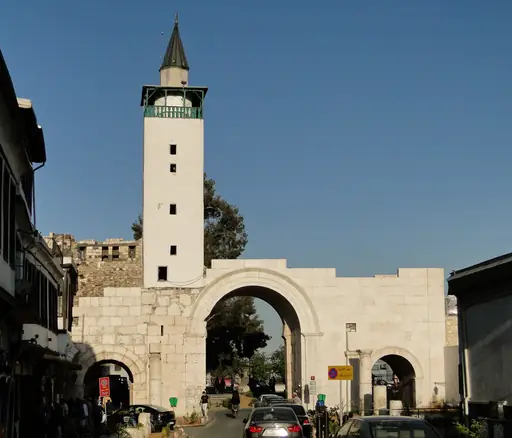
The Umayyad Mosque was built in the early 8th century on a site once used for older temples. Its courtyard mosaics depict a paradise garden in gold and green glass. A shrine inside is said to hold the head of John the Baptist. Three minarets rise above it, each added in a different era.
City in Uzbekistan
Bukhara
Ancient Silk Road Splendor
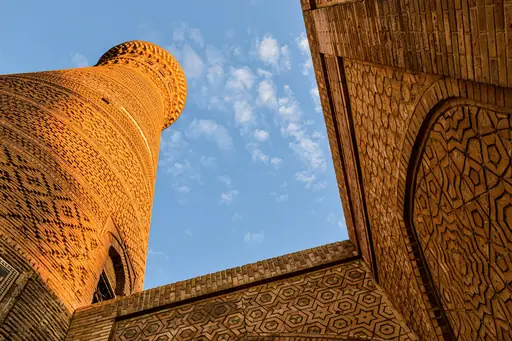
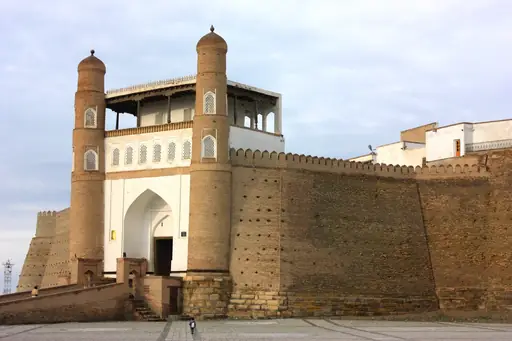
The Kalyan Minaret here rises 47 metres and dates to the 12th century. Its patterned brickwork once guided caravans travelling the Silk Road towards the city. Legend holds that Genghis Khan spared the tower while destroying much of Bukhara. The old town still holds dozens of mosques and madrassas from later centuries.
City in Italy
Agrigento
Sicily's Ancient Jewel of Ruins
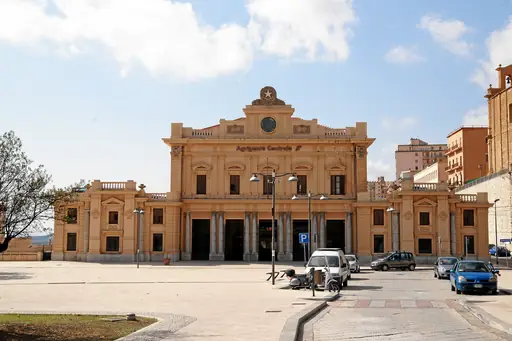
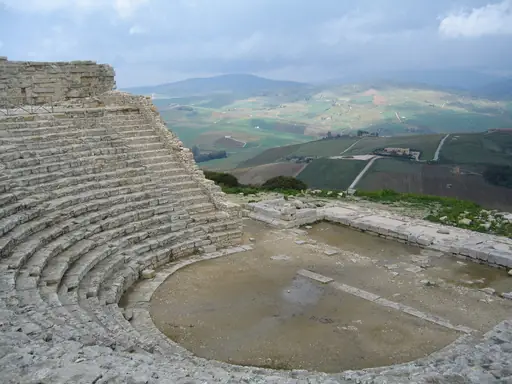
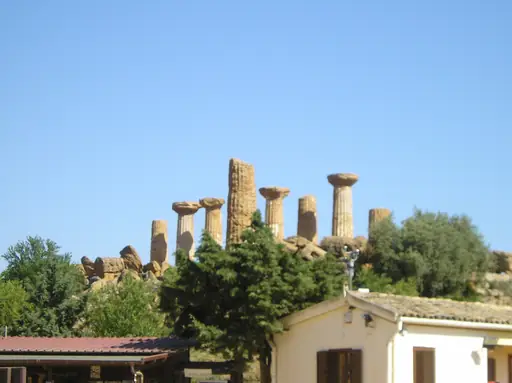
The Valley of the Temples here holds a cluster of well-preserved Greek Doric temples outside Greece itself. The Temple of Concordia still stands almost fully intact after roughly 2,500 years. Ancient builders aligned several temples along a ridge overlooking the surrounding countryside. Excavations continue to reveal more of the site's original layout.
Village in Egypt
Abu Simbel
Majestic Temples by the Nile
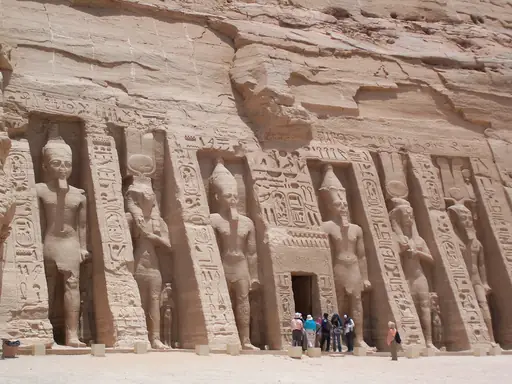
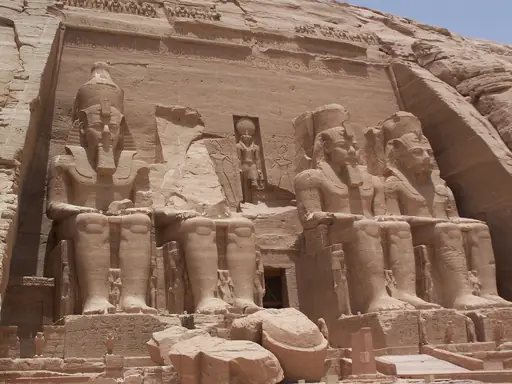
Four seated statues of Ramesses II, each roughly 20 metres tall, guard this temple's entrance. The complex was carved into a sandstone cliff over 3,000 years ago. In the 1960s, engineers relocated the temples piece by piece to save them from a rising reservoir. Twice a year, sunlight still reaches deep into the inner sanctuary.
City in Iran
Isfahan
Persia's Architectural Masterpiece
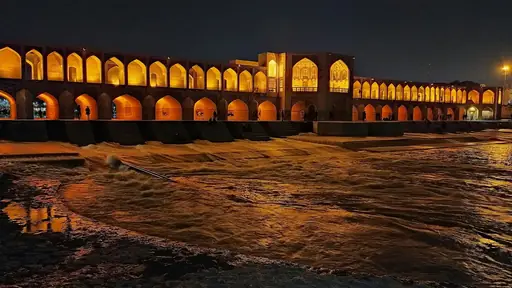
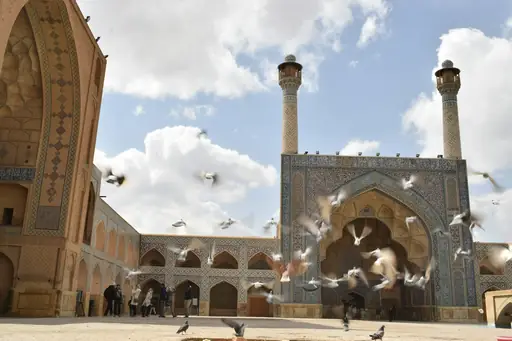
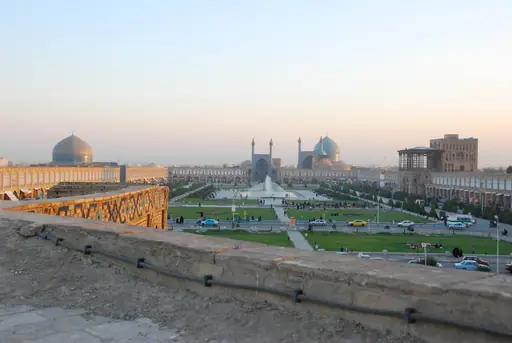
Naqsh-e Jahan Square ranks among the largest city squares ever built, surrounded by tiled mosques and a royal palace. The Shah Mosque's turquoise dome dominates one end of the plaza. Bazaars line the square's edges, much as they did centuries ago. UNESCO recognised the square as a World Heritage Site in 1979.
City in Denmark
Copenhagen
Scandi-cool vibes and world-class food
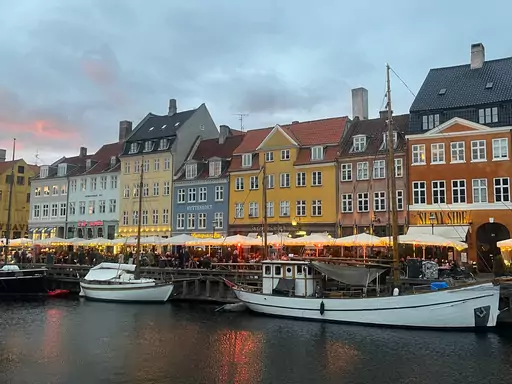
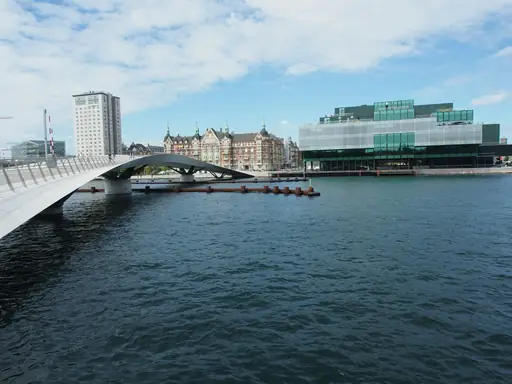
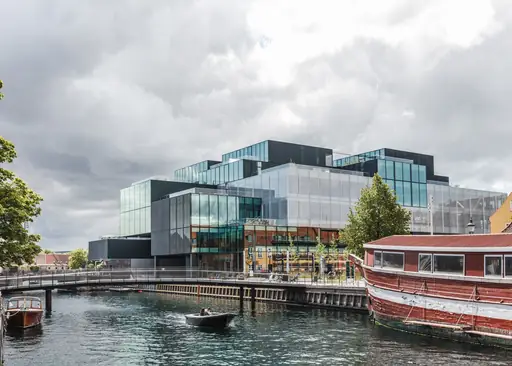
Nyhavn's waterfront is lined with narrow, brightly painted townhouses dating from the 17th and 18th centuries. Many once served as homes for sailors and merchants near the harbour. The Royal Danish Opera House sits nearby, its roof extending out over the water. Bicycles fill the streets here more often than cars, shaping the city's layout.
City in India
Chandigarh
India's planned city of contrasts
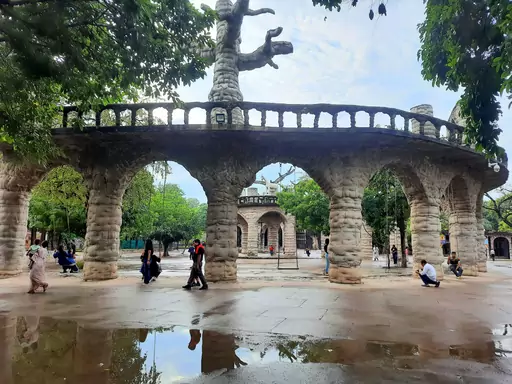
Le Corbusier planned this entire city after India's partition created a need for a new capital. Its Capitol Complex groups several government buildings around a shared open plaza. Raw concrete surfaces define much of the architecture, a style known as Brutalism. The High Court building uses a curved roof to shield against sun and rain.
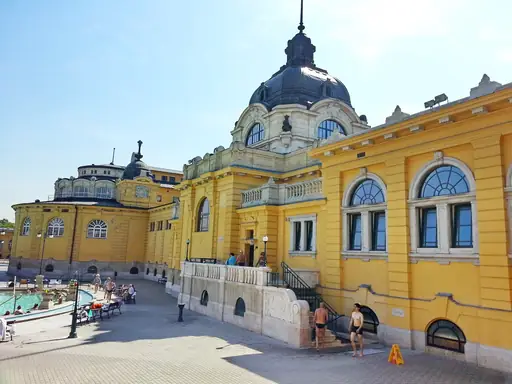
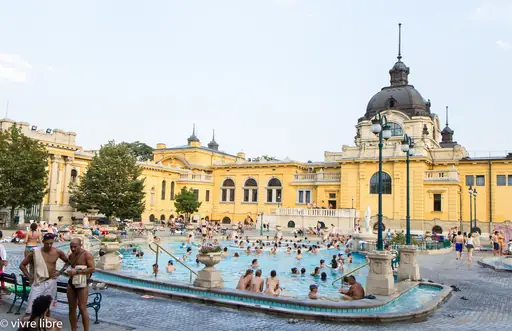
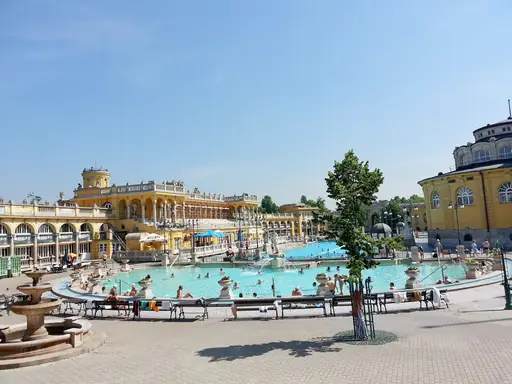
City in Hungary
Budapest
A stunning mix of history and nightlife
The Hungarian Parliament Building stretches nearly 268 metres along the Danube River. Its neo-Gothic facade includes 691 rooms and thousands of individual sculptures. A dome at the building's centre once required special permission for anyone outside government to view up close. The structure remains one of the largest legislative buildings in Europe.


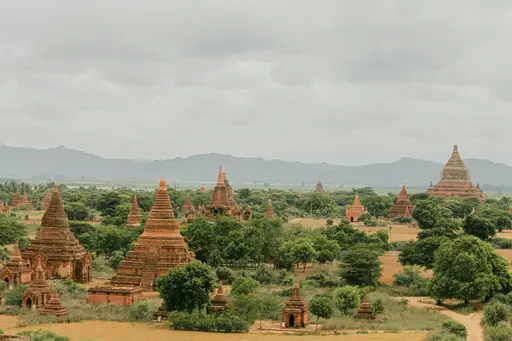
Region in Myanmar
Bagan
Ancient Temples and Timeless Sunsets
Thousands of Buddhist temples and stupas were built across this plain between the 9th and 13th centuries. Many still stand scattered across fields that stretch to the horizon. Hot air balloon rides at dawn are a popular way to see the site's full scale. Some temples remain active places of worship rather than pure ruins.

City in Netherlands
Amsterdam
Canals, culture and a vibrant spirit
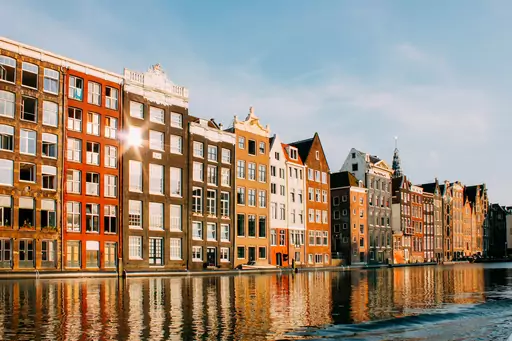
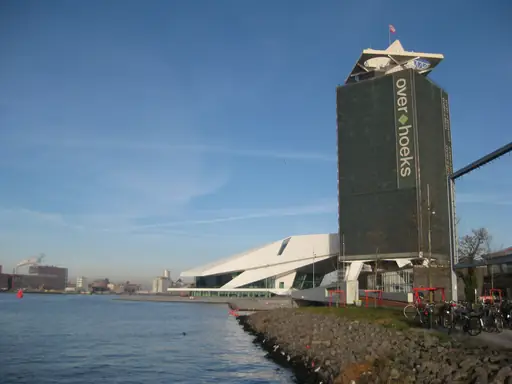
Narrow, gabled houses line the city's 17th-century canal ring, built during the Dutch Golden Age. Many facades lean slightly forward, a design choice that made it easier to hoist furniture through upper windows. Wooden hooks still hang from the gables of many older buildings. The canal ring became a UNESCO World Heritage Site in 2010.
City in China
Shanghai
A dazzling mix of modernity and tradition
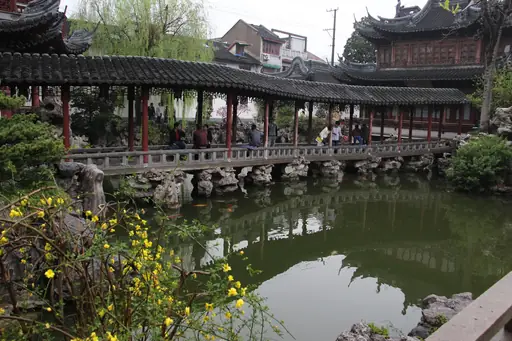
The Bund stretches along the Huangpu River, lined with banks in a mix of European styles. Construction ran mostly from the 1920s to 1930s during Shanghai's era as a treaty port. Across the water, the Pudong skyline shows a sharp contrast in glass and steel. Both waterfronts are lit up each night for evening walks.
Region in Turkey
Cappadocia
A surreal land of fairy chimneys
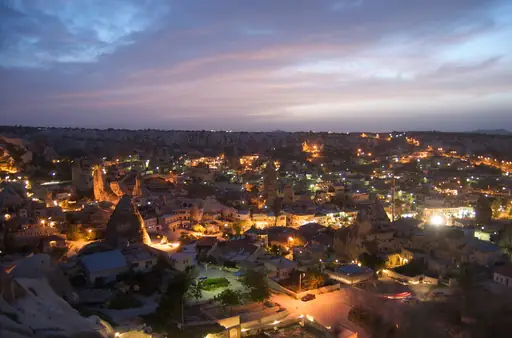
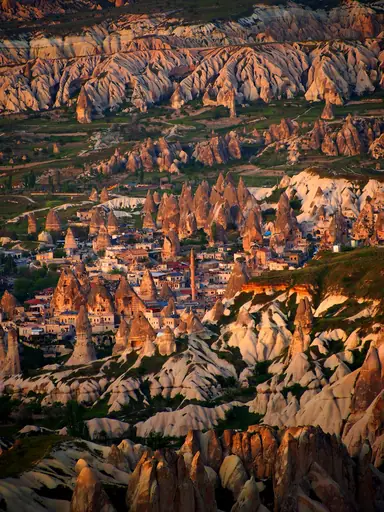
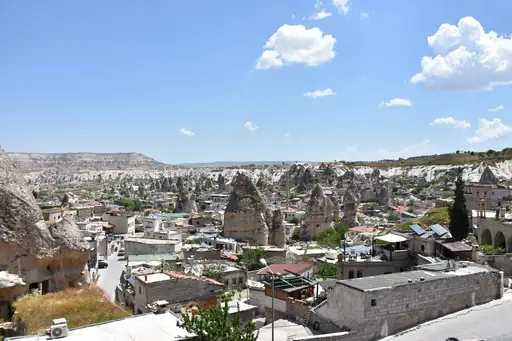
Entire homes, churches and monasteries were carved directly into this region's soft volcanic rock. Some underground cities here extend several levels deep, once used to hide from invaders. Fairy chimney formations rise across the landscape, many hollowed out for use as dwellings. Frescoes inside several rock-cut churches still show scenes from Byzantine Christianity.
City in United Arab Emirates
Abu Dhabi
Modern luxury meets rich traditions
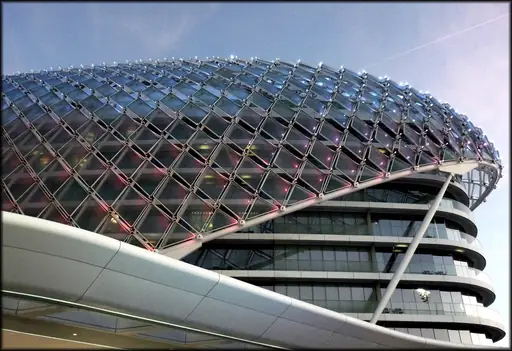
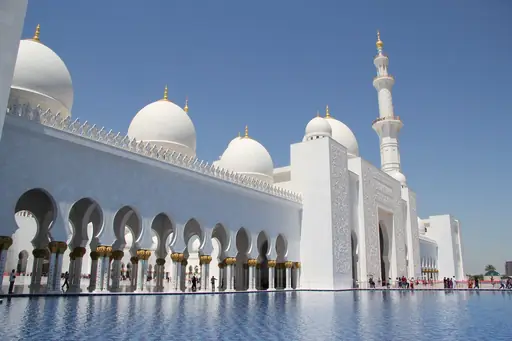
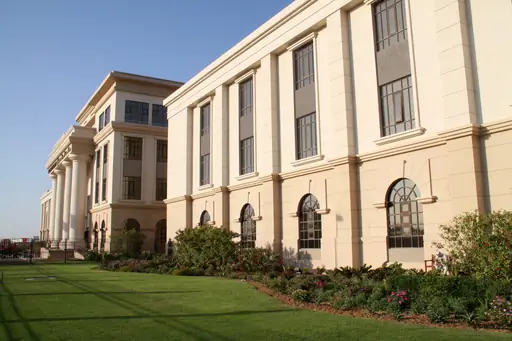
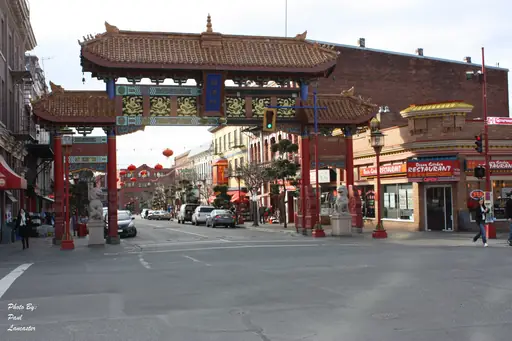
The Sheikh Zayed Grand Mosque here holds one of the largest hand-knotted carpets in the world. Its 82 domes and four minarets are built almost entirely from white marble. Over a thousand columns support the structure, many inlaid with semi-precious stones. The mosque can hold more than 40,000 worshippers at full capacity.
City in United States
New York City
Five boroughs of skyline, food and museums
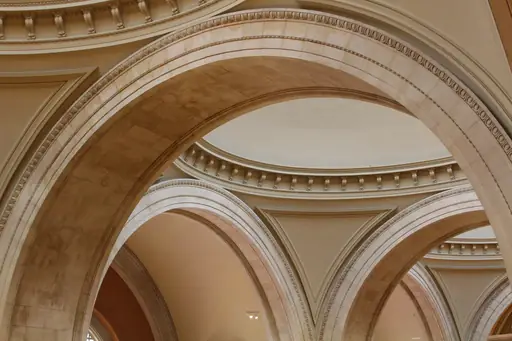
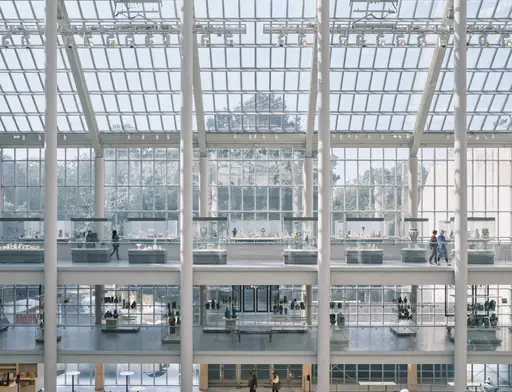
The Empire State Building rose in just over a year, completed in 1931 during the Great Depression. Its Art Deco spire was originally designed as a mooring mast for airships, a plan later abandoned. Two observation decks offer views across several boroughs. The building held the title of world's tallest for nearly 40 years.
City in Austria
Vienna
A Symphony of Culture and Elegance
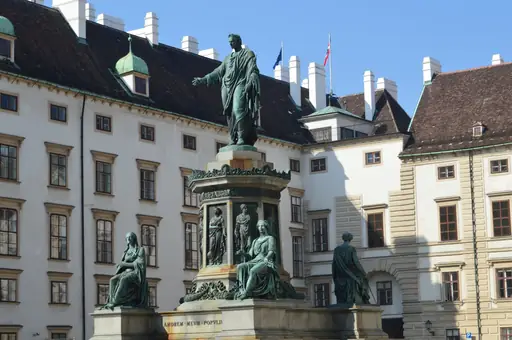
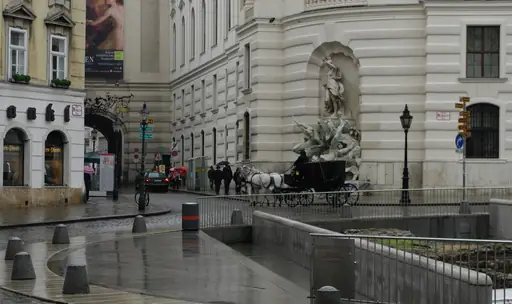
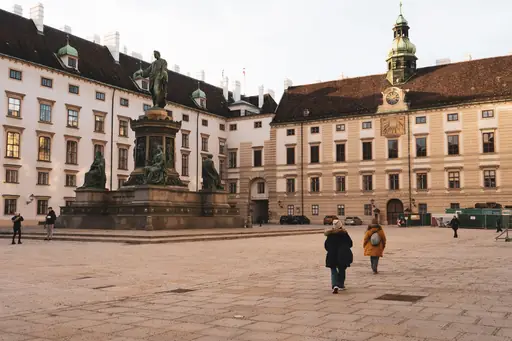
Schonbrunn Palace holds 1,441 rooms, built as a summer residence for the Habsburg family. Its formal gardens stretch out behind the palace towards a hilltop pavilion called the Gloriette. Mozart is said to have performed for the empress here as a child. The palace grounds opened partly to the public not long after completion.
City in Morocco
Fez
Labyrinthine Medina, Living Moroccan Heritage
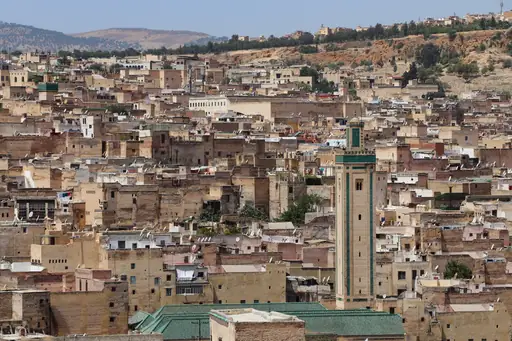
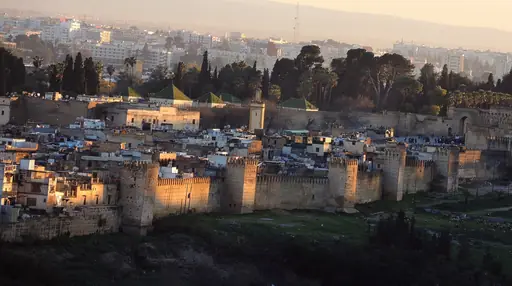
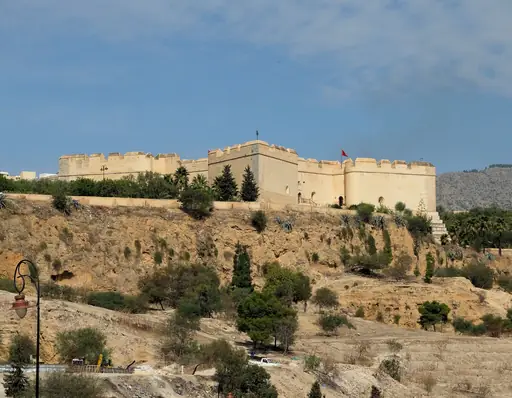
Al Quaraouiyine, founded in 859, is considered one of the oldest continuously operating universities in the world. Its library holds manuscripts dating back over a thousand years. The Bou Inania Madrasa nearby features detailed tilework, carved wood and calligraphy throughout its courtyard. Fez's medina remains one of the largest car-free urban areas anywhere.
City in Germany
Cologne
Gothic cathedral, Roman ruins and Kölsch
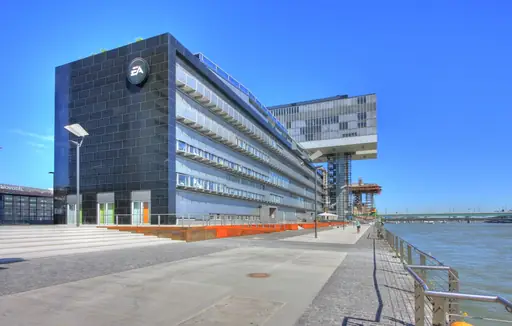
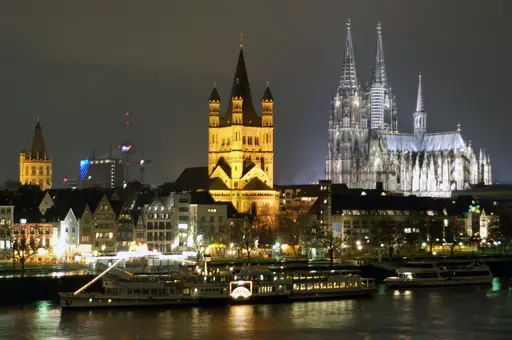
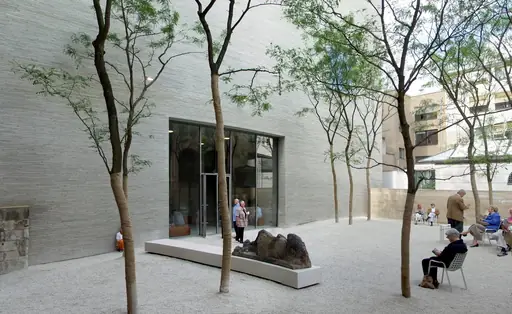
Cologne Cathedral took over 600 years to complete, with construction pausing for centuries. Its twin spires rise 157 metres, among the largest church facades anywhere. The building survived Allied bombing in World War Two while the city around it fell. Visitors can climb over 500 steps to a platform partway up one tower.
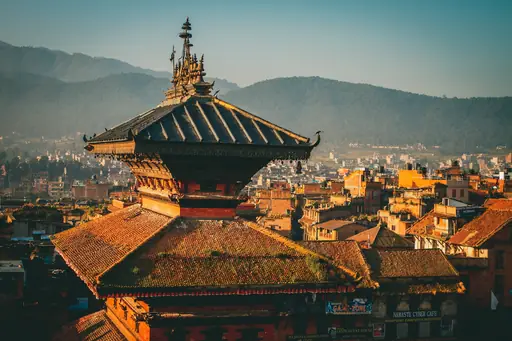
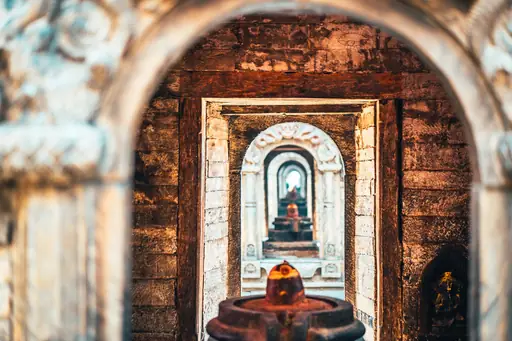
City in Nepal
Kathmandu
Temples, chaos and Himalayan magic
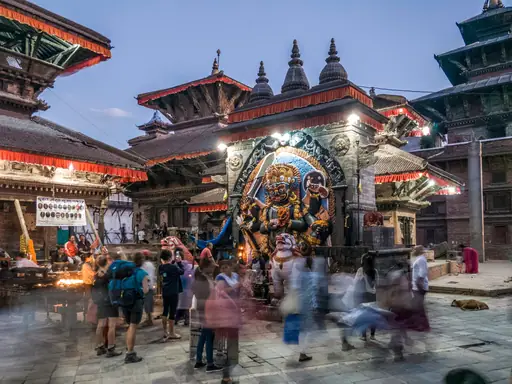
Kathmandu Durbar Square holds a cluster of pagoda-style temples built mostly between the 12th and 18th centuries. Carved wooden struts and multi-tiered roofs define much of the architecture here. A major earthquake in 2015 damaged several structures and rebuilding work has continued since. The square once served as the seat of Nepal's royal palace.
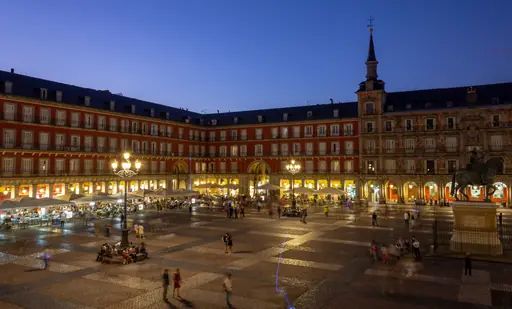
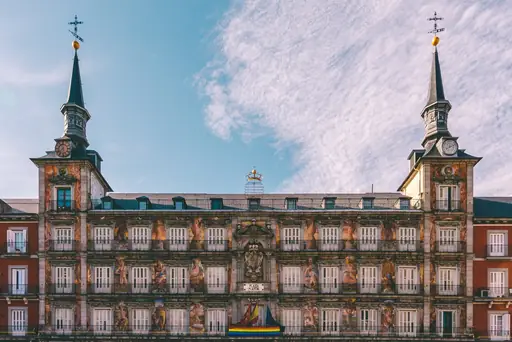
City in Spain
Madrid
A vibrant mix of culture and nightlife
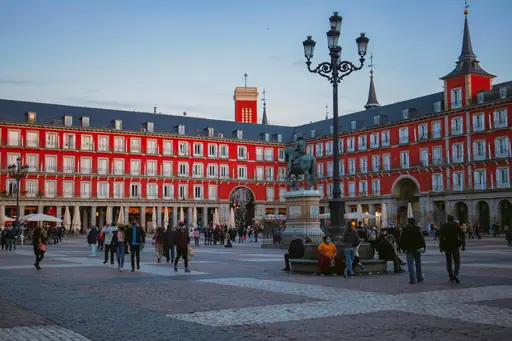
The Royal Palace here holds more rooms than any other royal residence in Western Europe. Construction began in 1738 after a fire destroyed an earlier palace on the same site. Its facade combines Baroque and Classical styles across three main wings. Spanish royals no longer live there, though it still hosts state ceremonies.
City in Belgium
Antwerp
Europe’s Hidden Gem of Culture & Style
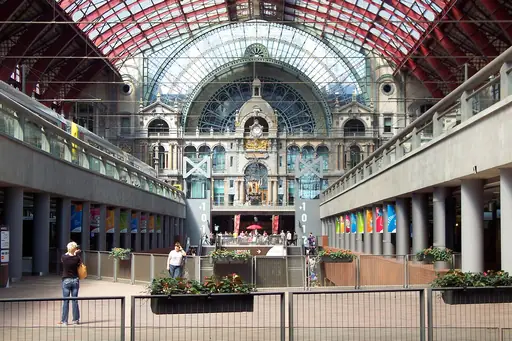
Antwerp Central Station is sometimes called the Railway Cathedral for its stone dome. Built in the early 1900s, it blends several architectural styles into one design. The Cathedral of Our Lady nearby holds paintings by Rubens among its Gothic arches. Its spire, unfinished on one side, remains one of the tallest in the country.
City in Turkey
Istanbul
Where East meets West in stunning contrast
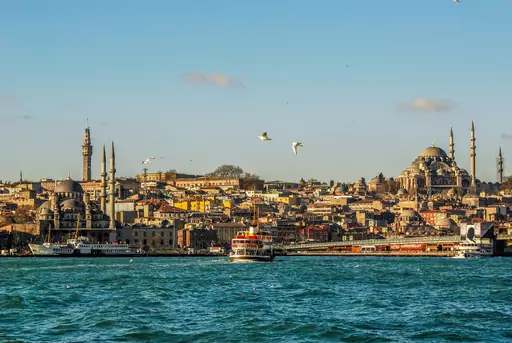
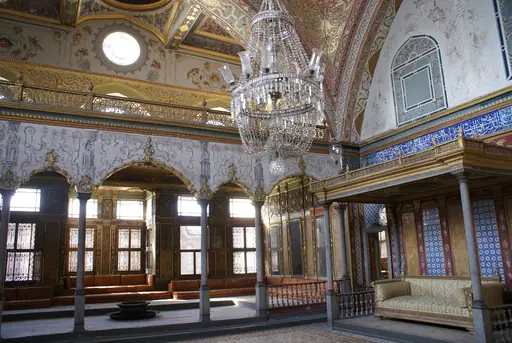
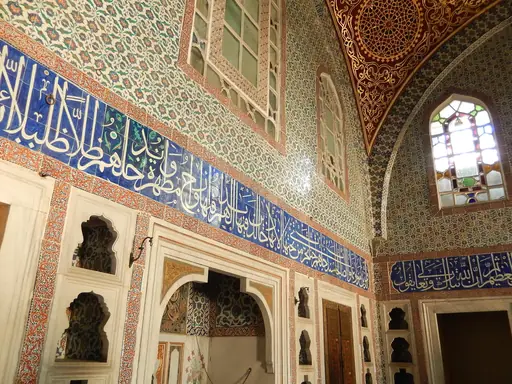
The Blue Mosque earned its nickname from the thousands of handmade blue tiles covering its interior walls. Six minarets rise around the building, an unusual number for a mosque at the time it was built. Construction finished in 1616 under Sultan Ahmed I. Its cascading domes were designed to rival the nearby Hagia Sophia.
City in Spain
Ronda
Clifftop drama and Andalusian soul
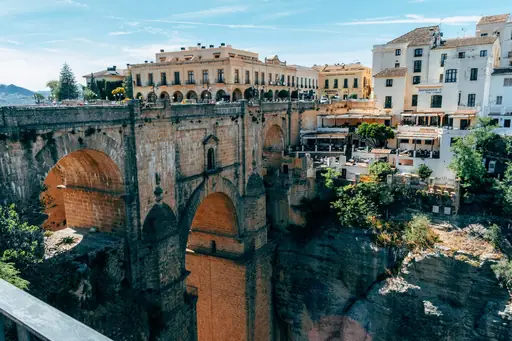
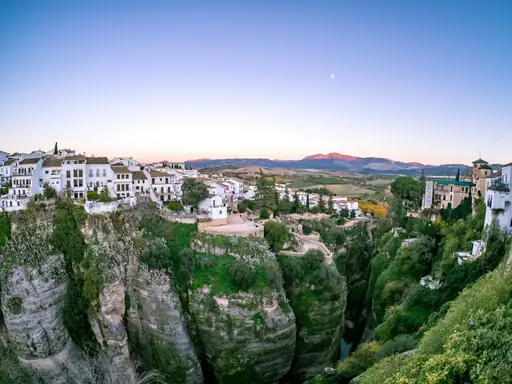
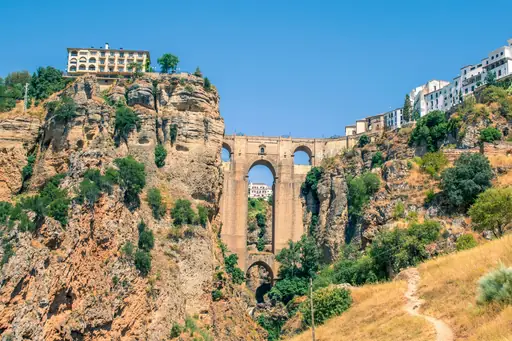
Puente Nuevo spans a gorge nearly 100 metres deep, connecting old and new parts of this Spanish town. Construction took over 40 years in the 18th century after an earlier bridge collapsed. A small chamber inside the bridge once served as a prison. Views from the gorge floor show the full scale of the structure.
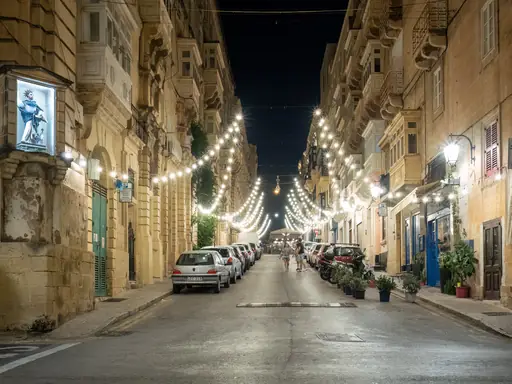
City in Malta
Valletta
A historic gem by the sea
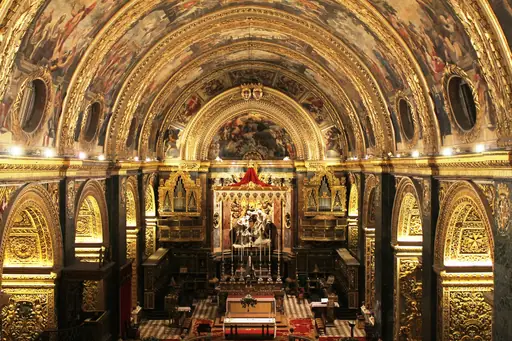
Knights of the Order of St John built this fortified city starting in 1566 after surviving an Ottoman siege. Thick bastion walls still ring much of the old town facing the harbour. Baroque churches and palaces fill the streets within, many built from local limestone. UNESCO named the city a World Heritage Site in 1980.
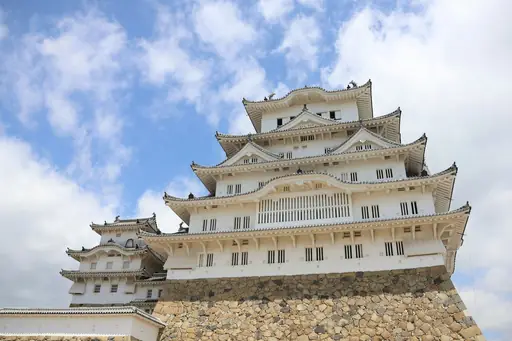
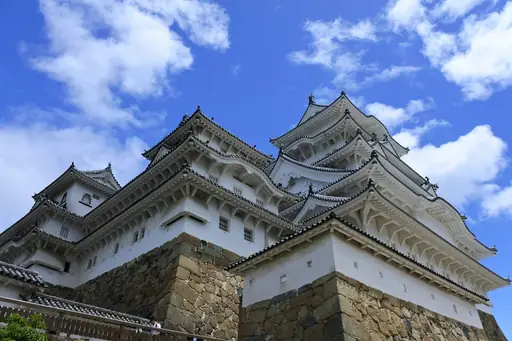
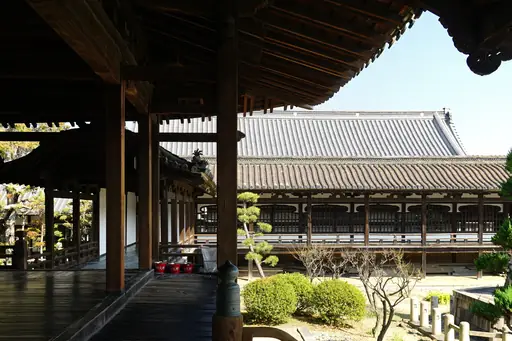
City in Japan
Himeji
Famed white castle and samurai gardens
Himeji Castle is nicknamed the White Heron Castle for its pale walls and wing-like roofs. Built mostly in the early 17th century, it survived World War Two bombing largely undamaged. A maze of gates and paths was designed to slow any attacking force. It remains an original, well-preserved castle rare among Japan's surviving fortresses.
City in Bolivia
Sucre
White City, Rooftops and Colonial Calm
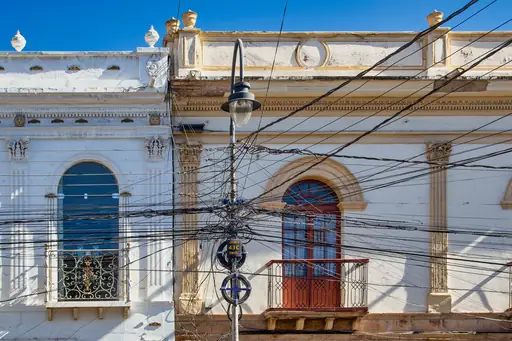
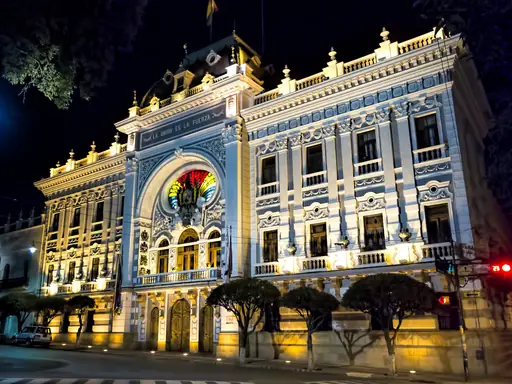
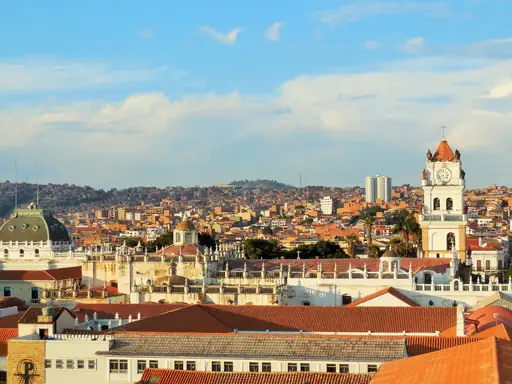
Sucre's old town is painted almost entirely white, a rule enforced by building codes since the 1990s. Spanish colonial churches and mansions date mostly from the 16th to 18th centuries. The city served as Bolivia's capital before that role moved partly to La Paz. UNESCO listed Sucre as a World Heritage Site in 1991.
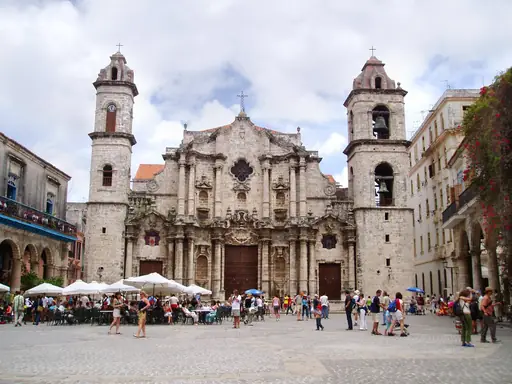
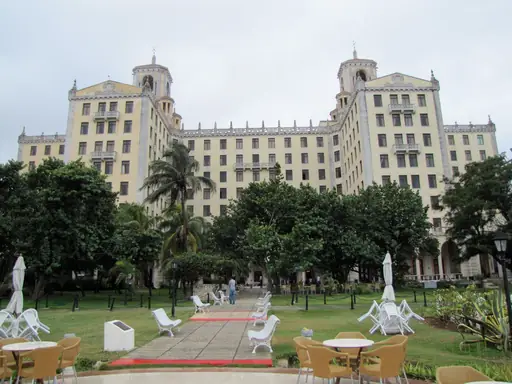
City in Cuba
Havana
Vibrant Streets, Timeless Rhythms
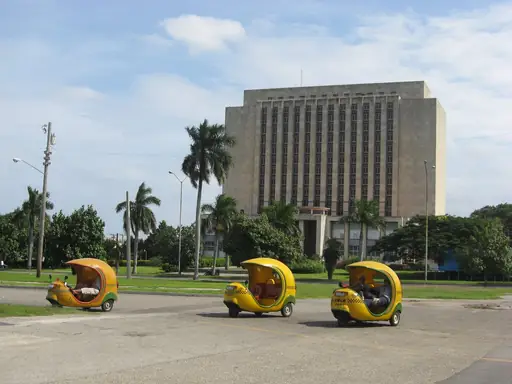
Havana's old town holds one of the largest collections of colonial-era buildings in the Caribbean. Spanish, French and Cuban Baroque styles all appear across the district's facades. The Capitolio, modelled loosely on government buildings elsewhere, was completed in 1929. Many buildings have been restored in recent decades after long periods of neglect.
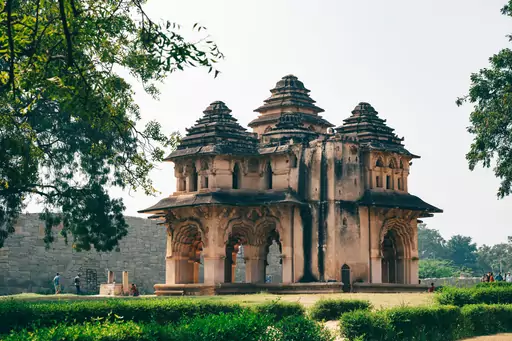
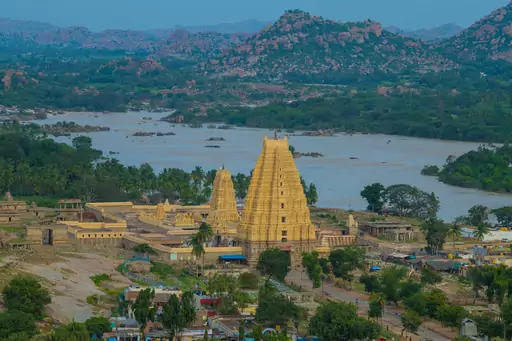
Village in India
Hampi
Ancient ruins in boulder landscapes
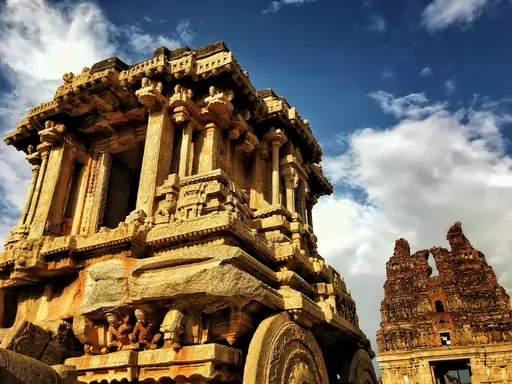
Ruins of the Vijayanagara empire spread across a boulder-strewn landscape here, dating to the 14th century. The Virupaksha Temple remains an active site of worship among the ruins. Stone chariots and carved pillars once formed part of a thriving royal capital. Much of the city was abandoned after a defeat in the 16th century.
City in Egypt
Giza
Timeless Pyramids on Cairo’s Edge
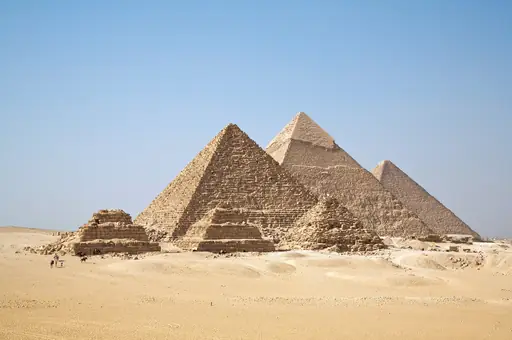
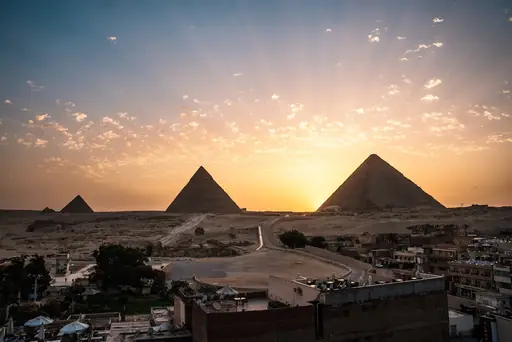
The Great Pyramid here was built as a tomb for the pharaoh Khufu around 2560 BC. It stood as the tallest man-made structure on Earth for roughly 3,800 years. Its base is aligned so precisely with true north that surveying methods stay debated. The Great Sphinx nearby was carved from a single block of limestone.


City in Germany
Berlin
Wall history, Museum Island and all-night clubs
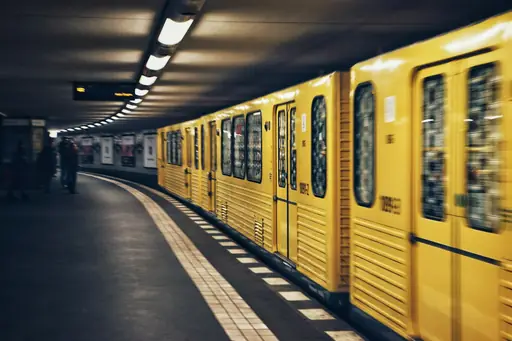
The Reichstag's glass dome, added in a 1990s renovation, lets visitors look down into the parliamentary chamber. Architect Norman Foster designed the dome to symbolise transparency in government. A mirrored cone at its centre reflects daylight into the main hall below. Visitors can walk a spiral ramp inside the dome for views over the city.



City in Germany
Dessau
Bauhaus landmarks and Elbe garden parks
The Bauhaus building here was designed by Walter Gropius and completed in 1926. Its glass curtain walls were considered radical at the time, prioritising function over ornament. The school that operated inside helped shape modern design movements around the world. Nazi authorities later forced the Bauhaus school to close, scattering its faculty abroad.
City in Belgium
Ghent
Medieval Canals, Art and Hip Vibes
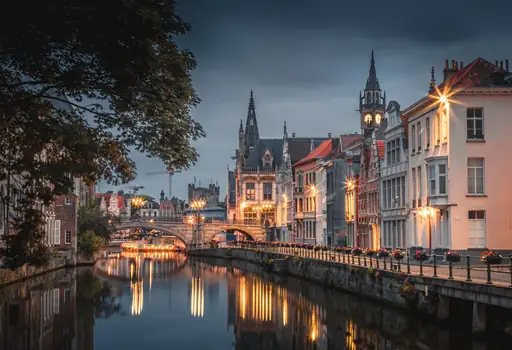
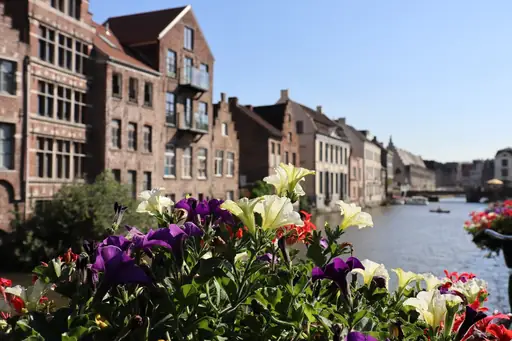
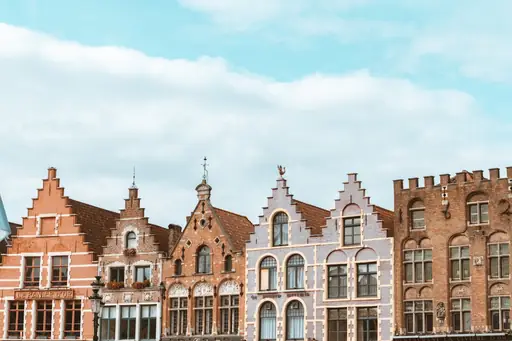
Gravensteen Castle rises above the city centre, built in the 12th century by a Flemish count. Its stone walls and battlements were modelled after Crusader fortresses seen abroad. Saint Bavo Cathedral nearby holds the Ghent Altarpiece, a major work of early Flemish painting. Medieval guild houses still line the canals just beyond the castle walls.
Town in Italy
Matera
The ancient cave city of Italy
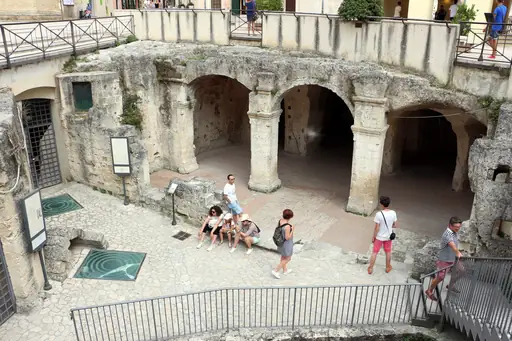
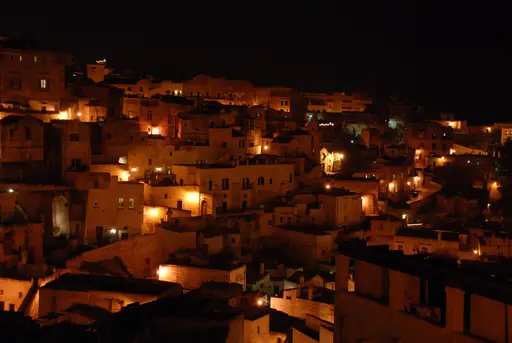
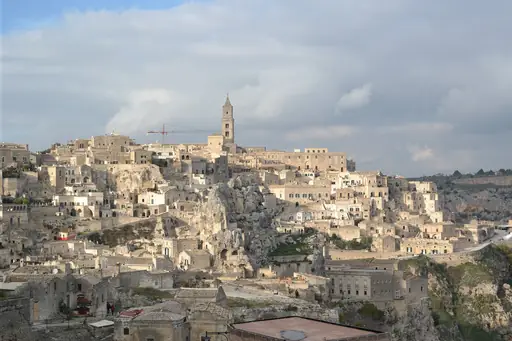
Cave dwellings called Sassi were carved into soft limestone cliffs here, some inhabited since prehistoric times. Families lived in these caves well into the 20th century before the government relocated many residents. Many caves have since been converted into hotels and restaurants. The town became a UNESCO World Heritage Site in 1993.
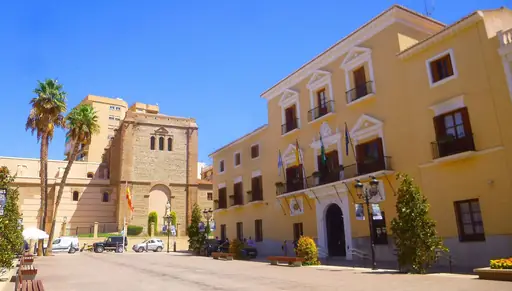
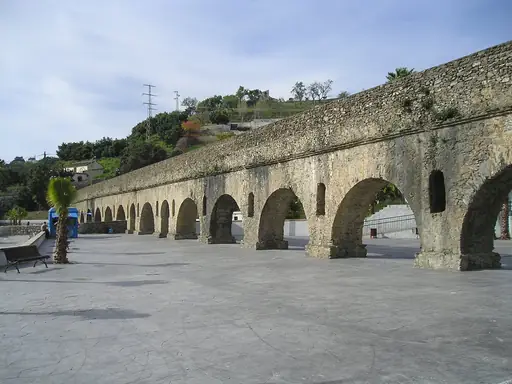
City in Spain
Granada
Where Moorish Palaces Meet Flamenco Beats
The Alhambra's Nasrid Palaces are covered in carved stucco, tilework and inscriptions from the Quran. Reflecting pools and fountains throughout the complex were designed to cool the air in summer. Its builders used geometric patterns that repeat without ever exactly overlapping. The Generalife gardens nearby once served as a retreat for the ruling family.
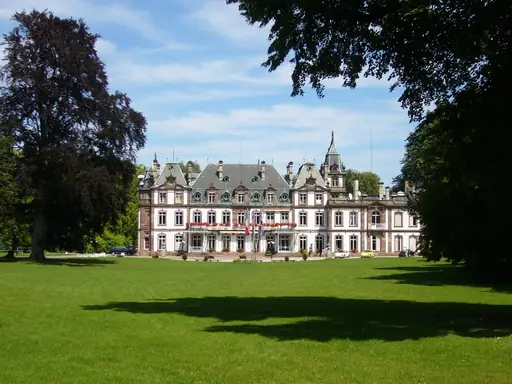
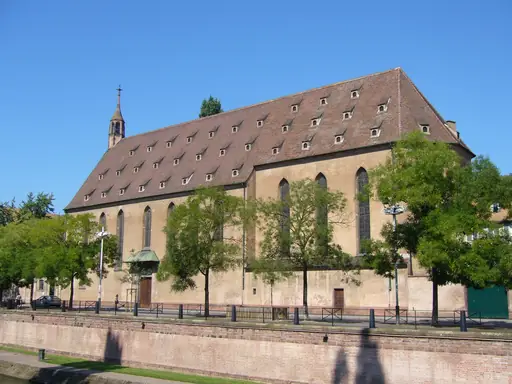
City in France
Strasbourg
Where France Meets Germany in Style
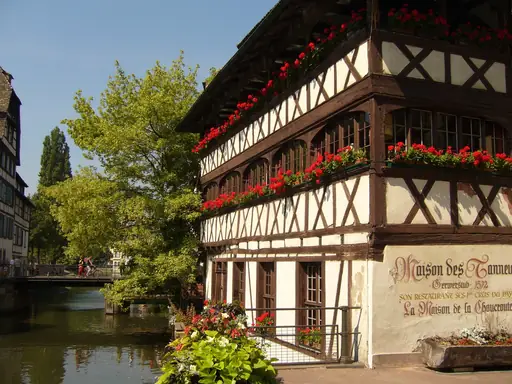
Strasbourg Cathedral's spire reached 142 metres in 1439, the tallest building in the world for over two centuries. Its astronomical clock displays moving figures marking the hour with mechanical precision. Pink sandstone gives the cathedral's facade a distinct rosy tone. Visitors can climb a platform partway up the spire for views over the old town.
City in Poland
Kraków
Timeless Charm and Rich History
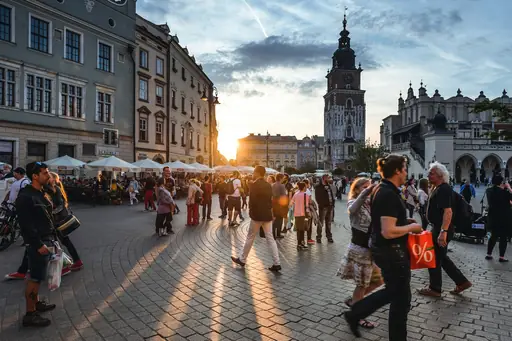
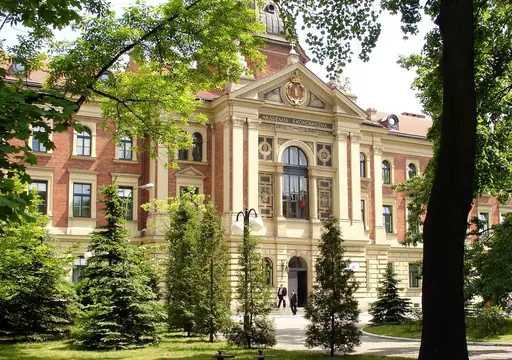
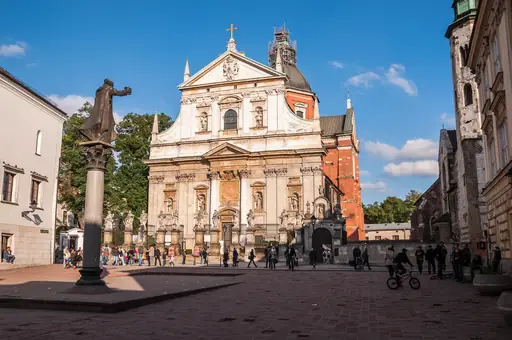
Wawel Castle sits on a limestone hill above the Vistula River, rebuilt across several centuries in Gothic and Renaissance styles. Polish kings were crowned inside its cathedral for hundreds of years. A dragon's den beneath the hill ties into local legend. The complex survived largely intact through both world wars.

City in Spain
Seville
Andalusia's Heartbeat of History
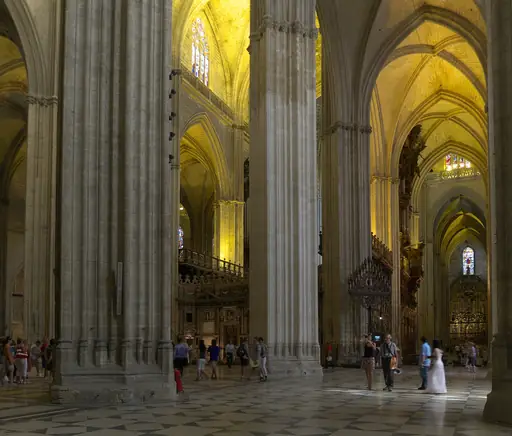
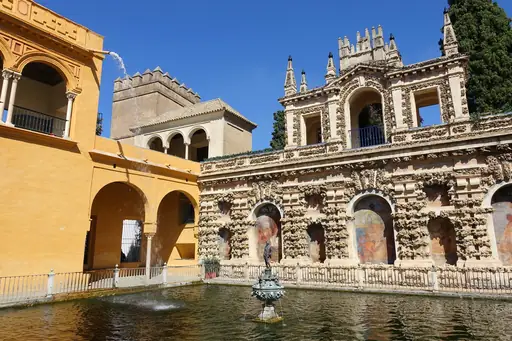
Seville Cathedral holds the title of largest Gothic cathedral by volume anywhere in the world. Its bell tower, the Giralda, began as a minaret before being converted after the Reconquista. Ramps inside the tower, rather than stairs, once let riders climb on horseback. Christopher Columbus is said to be buried inside the cathedral.
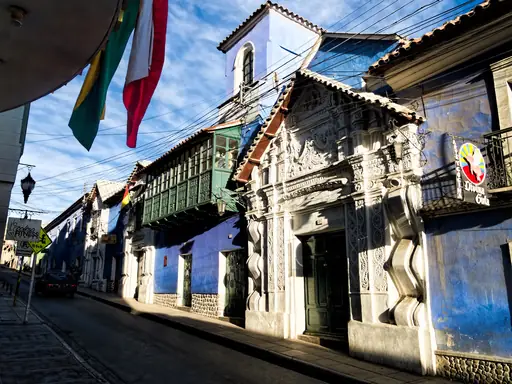
Country
Bolivia
Land of dramatic climate contrasts
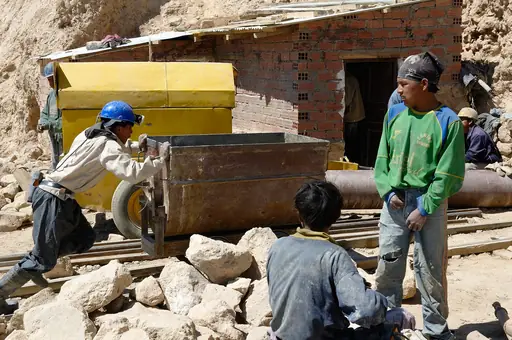
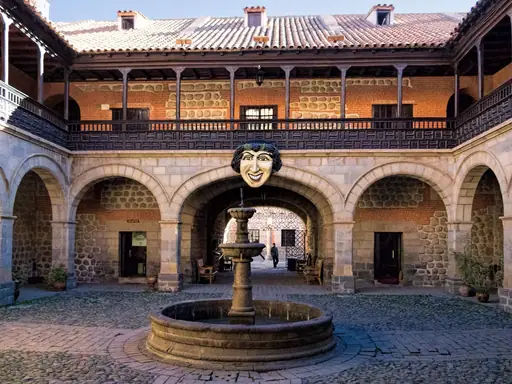
The ruins of Tiwanaku sit near Lake Titicaca and predate the Inca empire by centuries. Massive stone blocks were cut and fitted together without mortar. A carved monolithic gateway, known as the Gate of the Sun, remains a heavily studied feature of the site. Researchers still debate exactly how ancient builders moved such heavy stones.
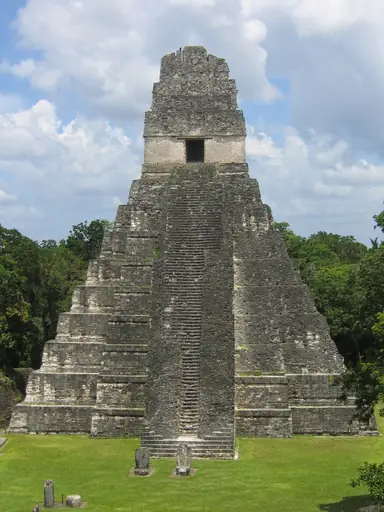
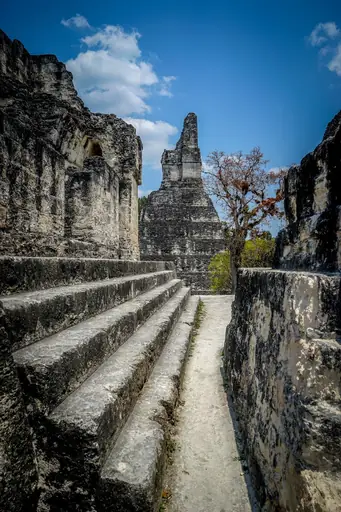
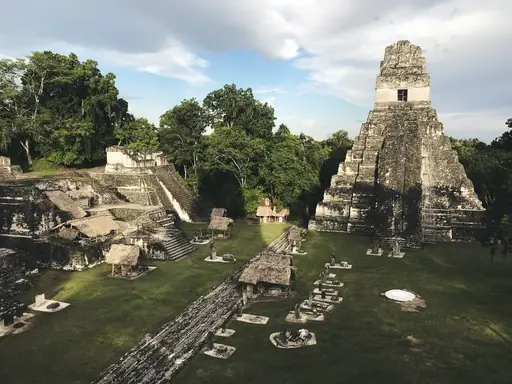
National Park in Guatemala
Tikal National Park
Lost Mayan City in the Jungle
Maya temple pyramids here rise above the jungle canopy, some reaching over 60 metres tall. Temple IV, the tallest, once served as a burial monument for a Maya ruler. Builders aligned several structures with astronomical events like solstices. The city was largely abandoned by the 10th century and swallowed by forest for centuries after.
City in India
Amritsar
Golden spirituality in Punjab's heart
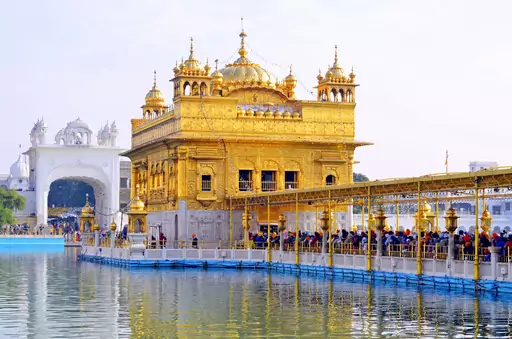
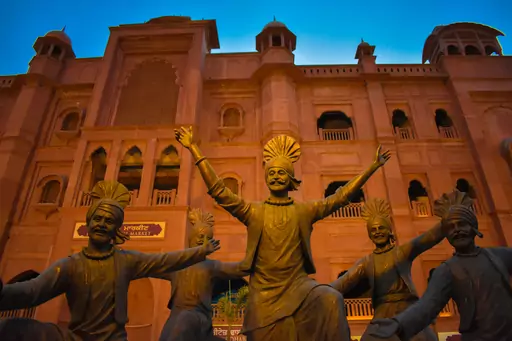
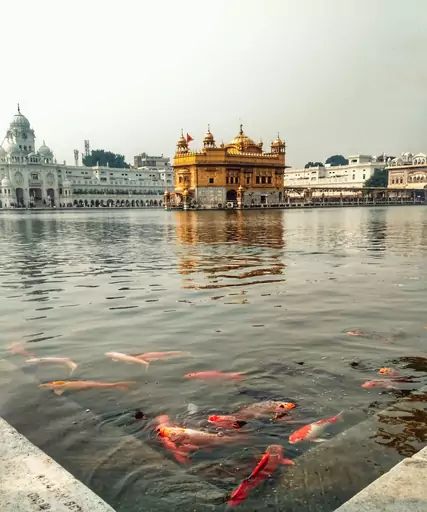
The Golden Temple here is covered in real gold leaf applied over copper sheeting. It sits at the centre of a large pool considered sacred in the Sikh faith. Four entrances open to the temple from each direction, symbolising openness to all people. Volunteers prepare free meals daily for tens of thousands of visitors.
City in Spain
Toledo
A Timeless Blend of Cultures
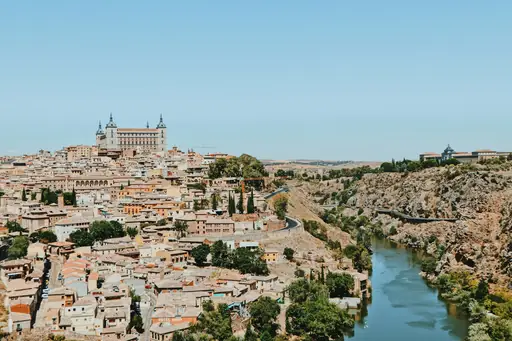
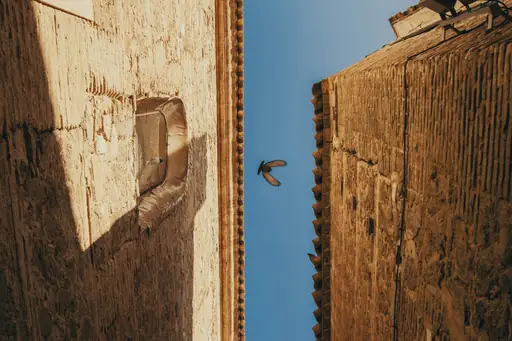
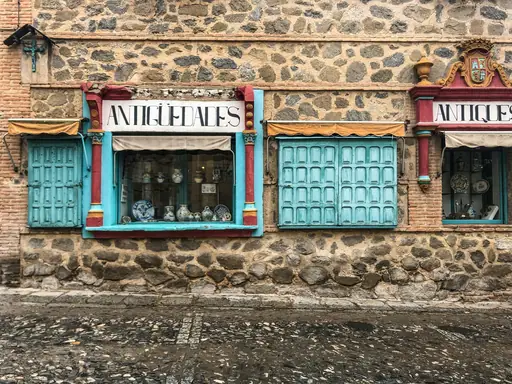
Christian, Muslim and Jewish architecture sit side by side across this walled hilltop city. Toledo Cathedral holds one of the largest Gothic interiors in Spain, built over more than two centuries. Synagogues and mosques converted into churches still show traces of their earlier decoration. The Tagus River wraps almost entirely around the old town below.
Region in Egypt
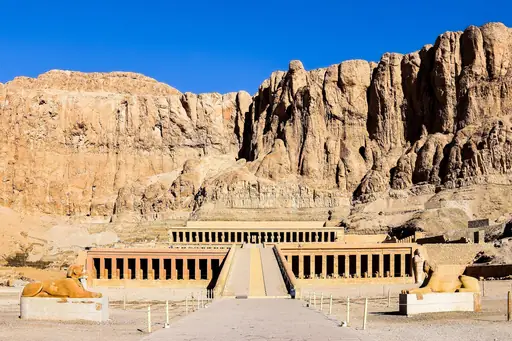
Valley of the Kings
Ancient tombs in Egypt's desert
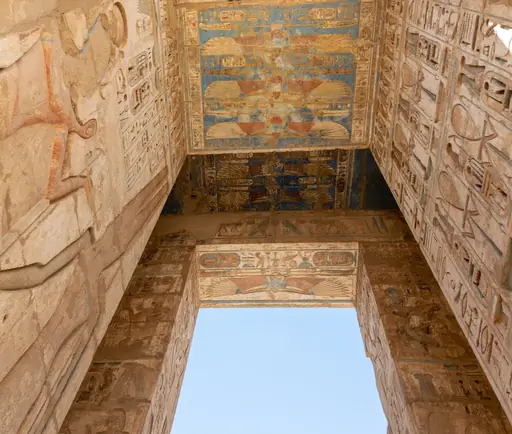
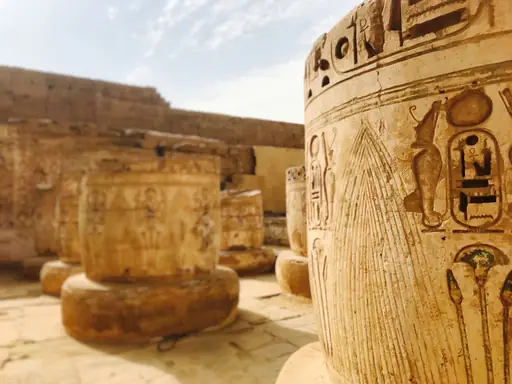
Rock-cut tombs here were carved deep into limestone cliffs to hide pharaohs from grave robbers. Tutankhamun's tomb, discovered nearly intact in 1922, remains the most famous among them. Painted walls inside several tombs still show vivid colours after thousands of years. More than 60 tombs have been identified across the valley so far.
City in India
Mumbai
India's bustling coastal metropolis
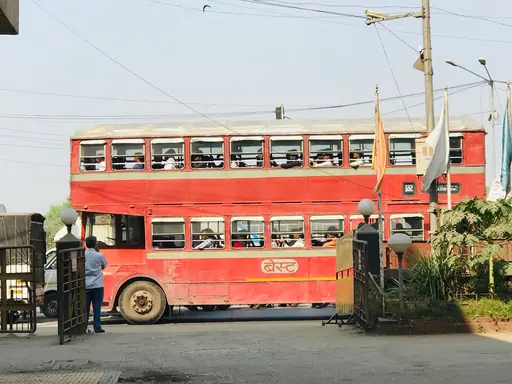
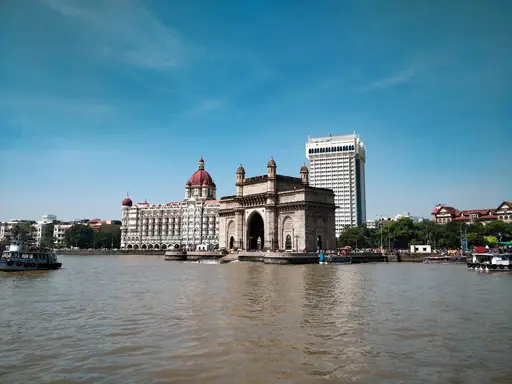
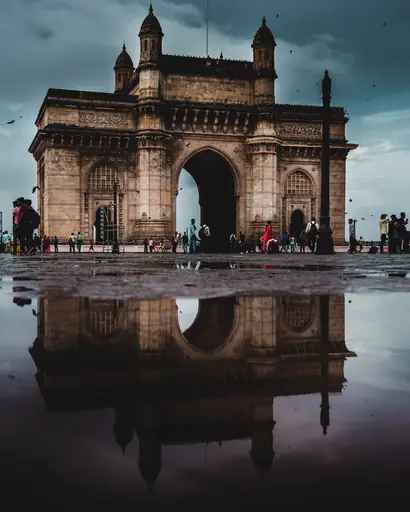
Chhatrapati Shivaji Terminus blends Victorian Gothic and traditional Indian architectural styles into one busy train station. Completed in 1888, its stone domes and turrets still frame one of the city's busiest streets. Roughly three million passengers pass through daily. UNESCO recognised the station as a World Heritage Site in 2004.
City in Sweden
Stockholm
Where islands, history and modernity meet
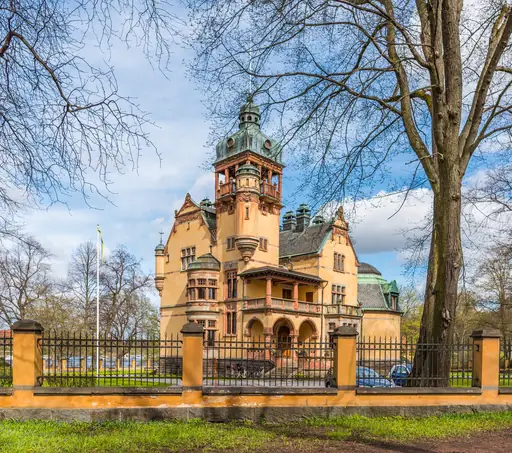
Stockholm City Hall took twelve years to build, finished in 1923 using roughly eight million bricks. Its Golden Hall is covered in over 18 million gold mosaic tiles. The Nobel Prize banquet has been held in the building's Blue Hall most years since. A tower at one end offers views across the city's waterways.

City in Netherlands
Rotterdam
A modern city with a creative soul
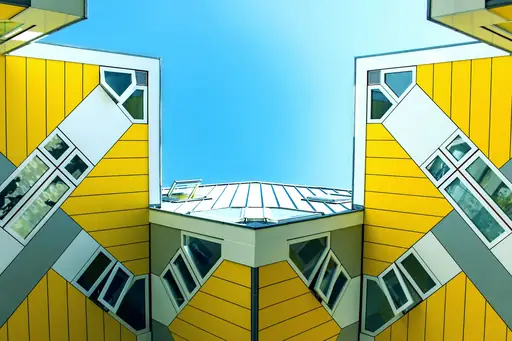
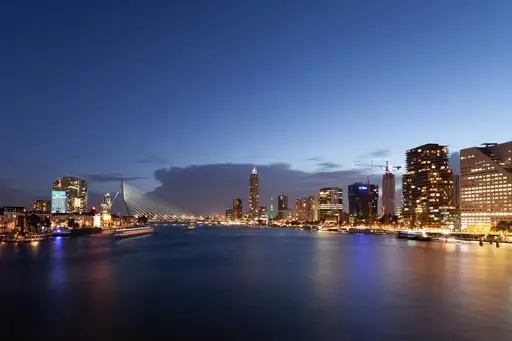
Cube Houses here were tilted 45 degrees to represent an abstract forest, completed in 1984. Each cube functions as a compact home, with sloped walls that challenge typical furniture placement. Architect Piet Blom designed the cluster to maximise space on a small footprint. One cube is open to the public as a furnished show home.
City in Spain
Córdoba
A timeless blend of cultures
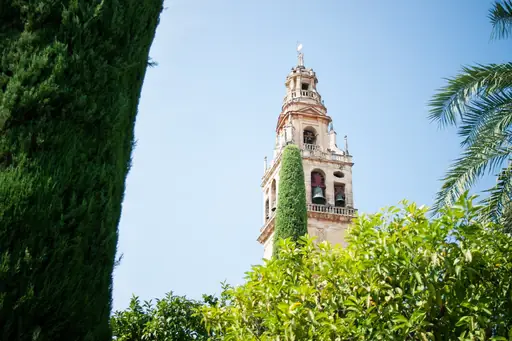
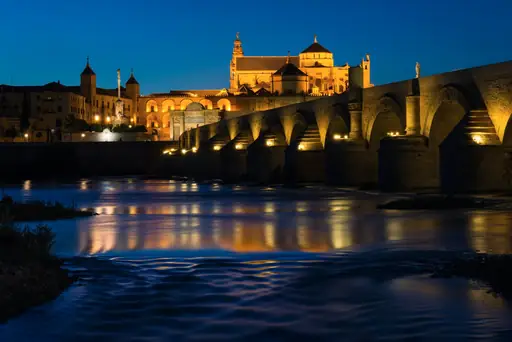
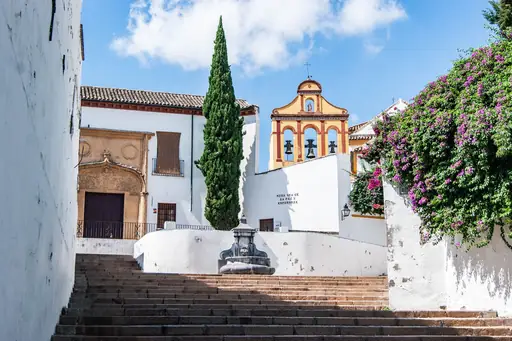
The Mezquita's prayer hall holds hundreds of columns topped with red and white striped arches. Built as a mosque in the 8th century, a cathedral was later built inside. Horseshoe arches throughout the building reflect strong Moorish architectural influence. Visitors can walk beneath the columns much as worshippers did over a thousand years ago.
City in United States
Washington, D.C.
Capital of History and Culture
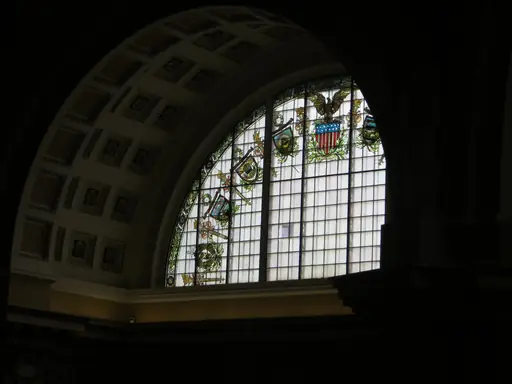
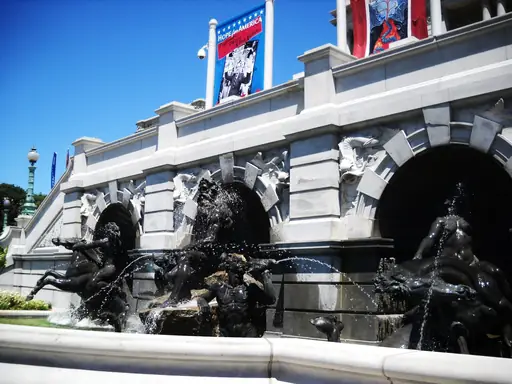
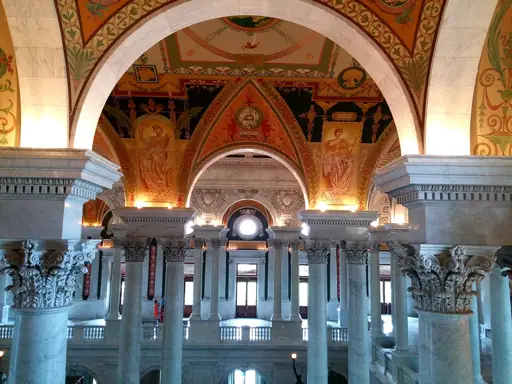
The Washington Monument rises 555 feet, built using two slightly different shades of marble due to a decades-long construction pause. Its obelisk shape pays tribute to ancient Egyptian design. An lift now carries visitors to an observation deck near the top. Construction stalled for years during the Civil War before finally finishing in 1884.
Town in Italy
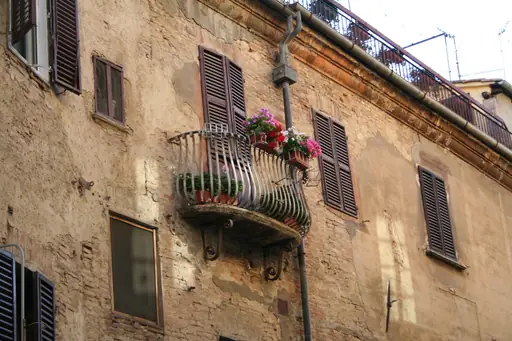
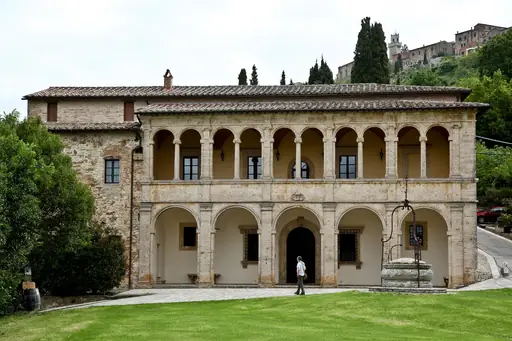
Siena
Timeless Charm in Tuscany
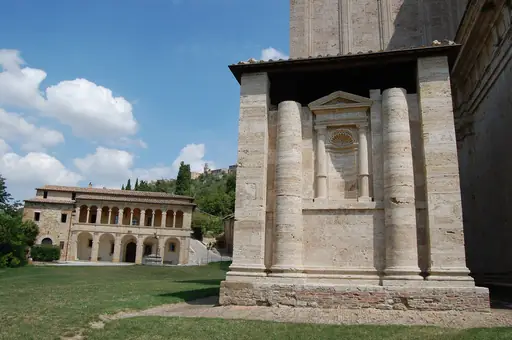
Piazza del Campo fans out in a shell shape, paved in nine sections for the city's medieval rulers. The Torre del Mangia rises over 100 metres above the square. A horse race called the Palio runs around the piazza's edge each summer. Siena's cathedral, striped in black and white marble, sits just up the hill.
City in Uzbekistan
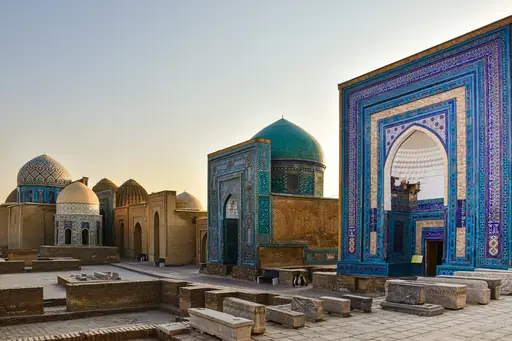
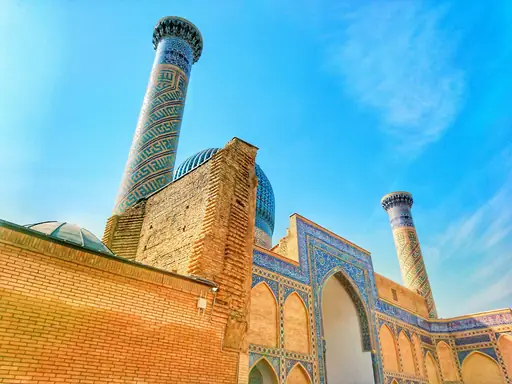
Samarkand
The Silk Road’s Shimmering Gem
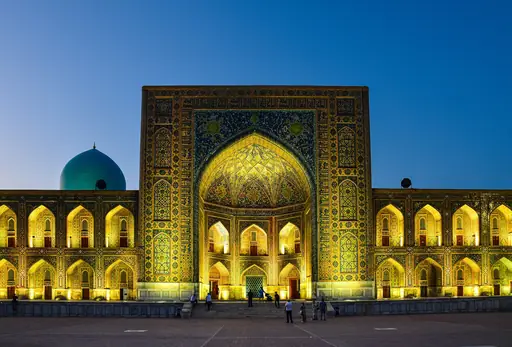
Registan Square holds three madrasas built between the 15th and 17th centuries, each covered in blue tilework. Their facades feature massive arched entrances flanked by minarets. Traders along the Silk Road once passed through this square on their way east or west. Restoration work has kept the tilework vivid despite centuries of desert sun.
City in Italy
Ravenna
Mosaics, History and Charm
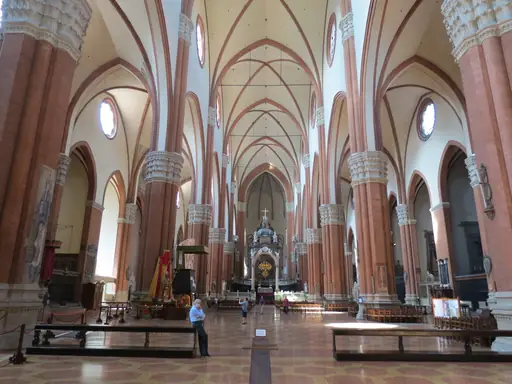
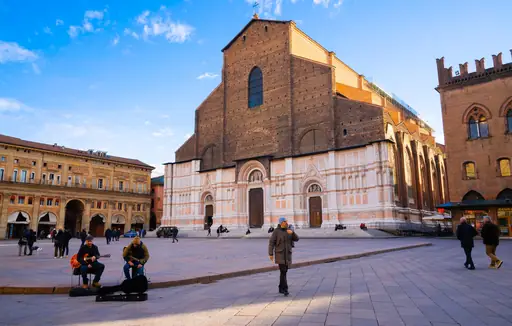
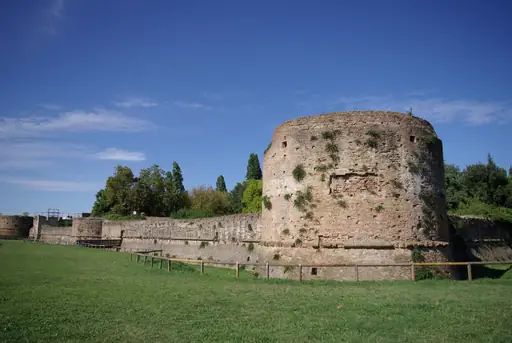
Byzantine mosaics inside the Basilica of San Vitale cover walls and ceilings in gold, green and blue glass tile. Built in the 6th century, the church blends Roman and Byzantine architectural styles. Its octagonal shape was unusual for churches of that era. Ravenna holds eight UNESCO-listed early Christian buildings within its city limits.
City in India
Ahmedabad
Where heritage meets modern India
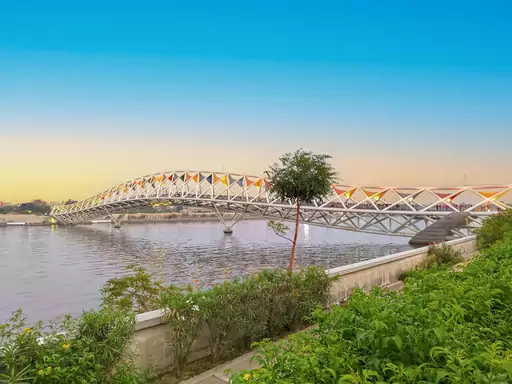
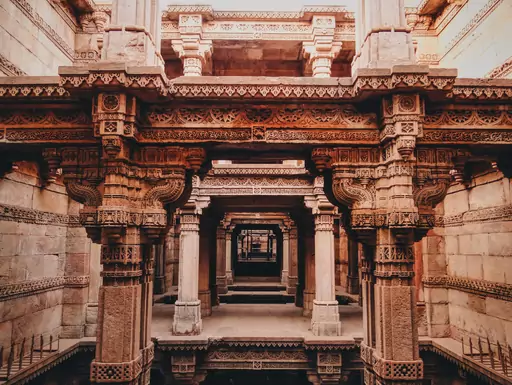
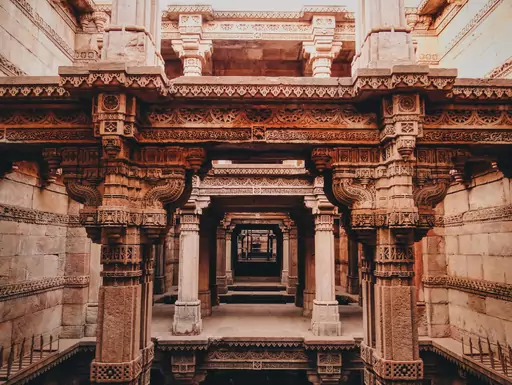
Le Corbusier designed several modernist buildings here, including the Mill Owners' Association headquarters. Sun-breakers built into the concrete facade help manage the city's intense summer heat. The city was later recognised as India's first UNESCO World Heritage City for its architecture. Older neighbourhoods nearby still hold traditional wooden pol houses dating back centuries.
Country
North Korea
Mysterious land of contrasts
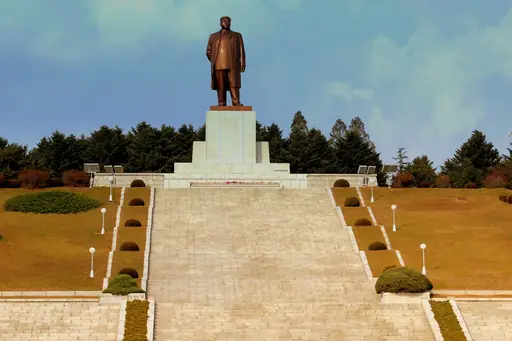
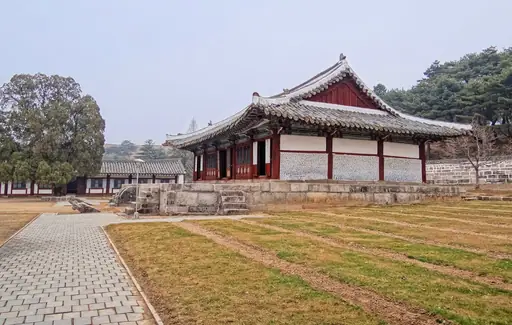
The Ryugyong Hotel rises 330 metres in a pyramid shape, dominating the Pyongyang skyline. Construction started in 1987 but stalled for years before an exterior glass facade was finally added. The building remains largely unused, with its interior said to be incomplete. Kim Il Sung Square nearby hosts large state parades and gatherings.
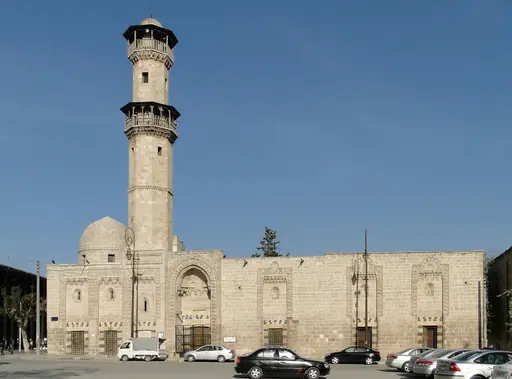
City in Syria
Aleppo
Ancient Markets and Resilient Spirit
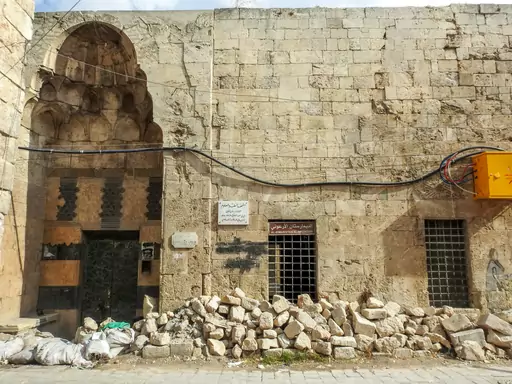
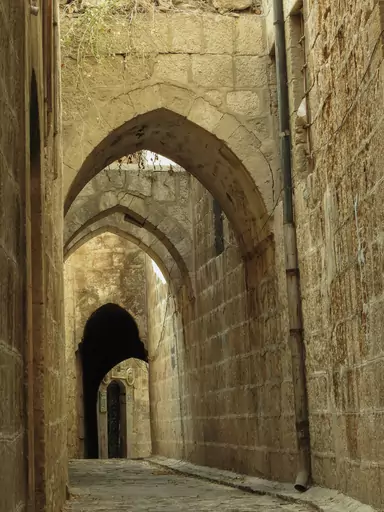
The Citadel of Aleppo rises on a hill fortified since at least the 3rd millennium BC. Its current form dates mostly from the 12th and 13th centuries. Thick stone walls and a steep entrance ramp were built to slow attacking forces. Ongoing conservation work has focused on repairing damage from recent conflict.
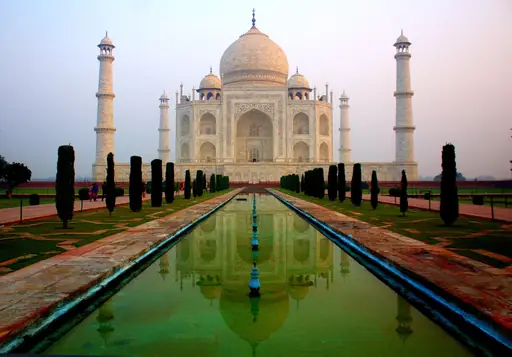
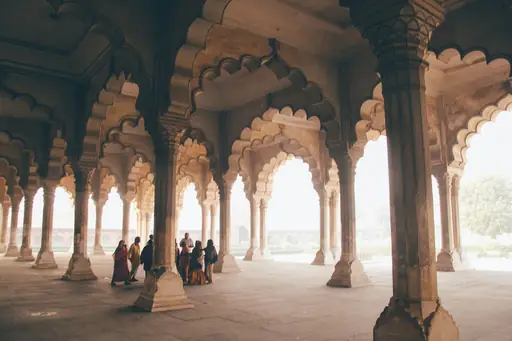
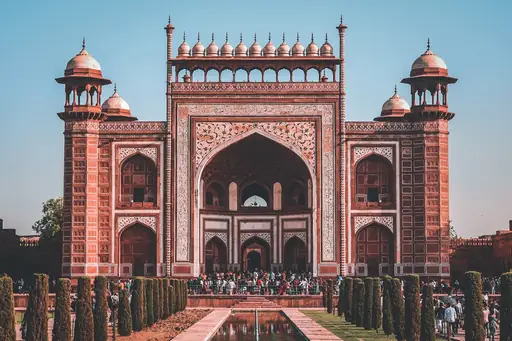
City in India
Agra
Home of the Majestic Taj Mahal
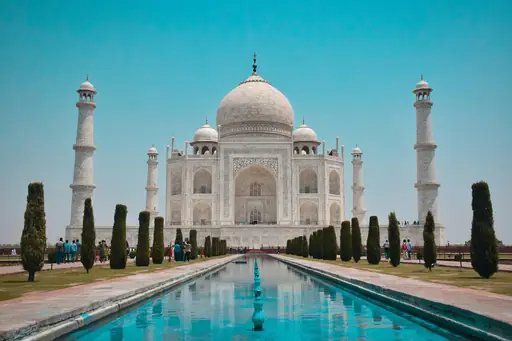
The Taj Mahal here was built by Shah Jahan starting in 1632 as a tomb for his wife. Its white marble dome and minarets shift colour with the light through the day. Detailed inlay work covers much of the surface using semi-precious stones. Roughly 20,000 workers are believed to have contributed to its construction.
City in France
Paris
The city of love, art and history
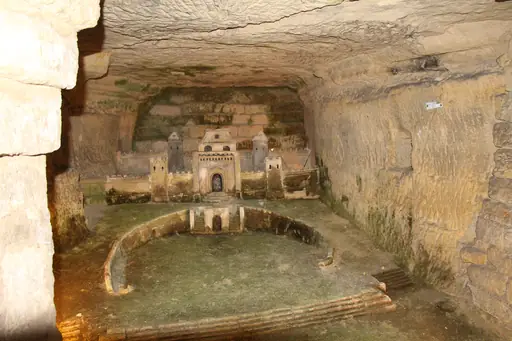
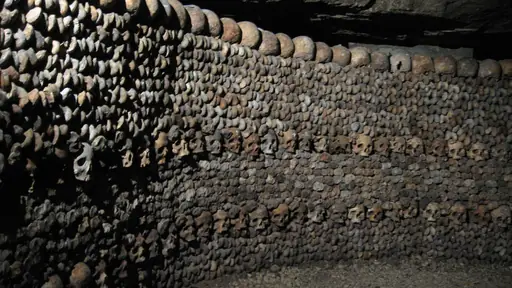
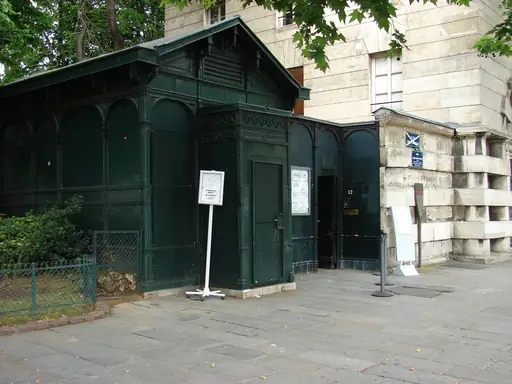
The Eiffel Tower was built for the 1889 World's Fair and was meant to stand only 20 years. Engineers used wrought iron lattice to keep it strong and light. It became the tallest man-made structure on Earth for over 40 years. Roughly seven million visitors now climb or ride to its upper decks each year.
City in Italy
Rome
The Eternal City of history and charm
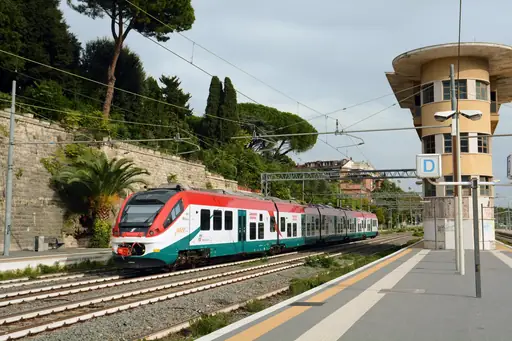
The Colosseum could hold an estimated 50,000 to 80,000 spectators for gladiator fights and public events. Builders finished the amphitheatre in 80 AD using concrete and volcanic stone. Underground tunnels once moved animals and performers up through trapdoors into the arena. Roughly a third of the original structure has survived earthquakes and stone scavenging.
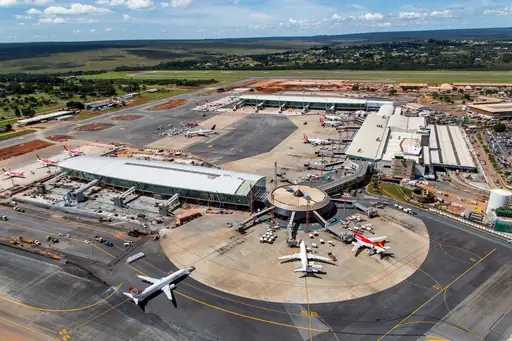
City in Brazil
Brasilia
Futuristic Capital of Modernist Marvels
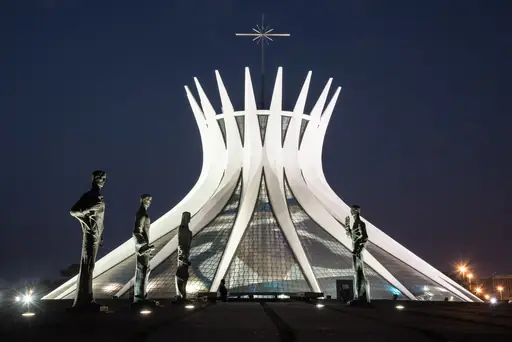
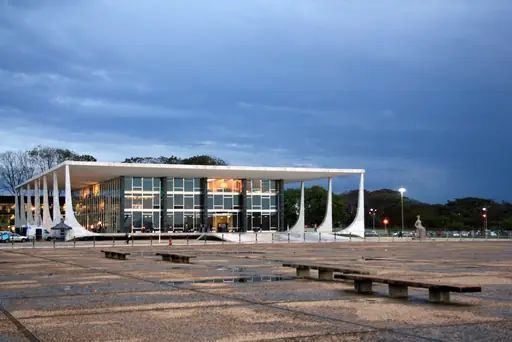
Oscar Niemeyer designed most of this city's major buildings once it became Brazil's capital in 1960. The Cathedral of Brasilia uses curved concrete columns to form a crown-like structure open to the sky. Stained glass between the columns floods the interior with coloured light. The city plan itself was laid out to resemble an aeroplane.
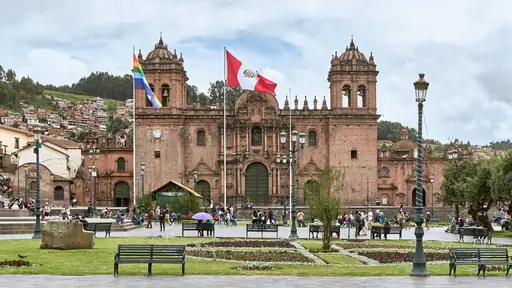
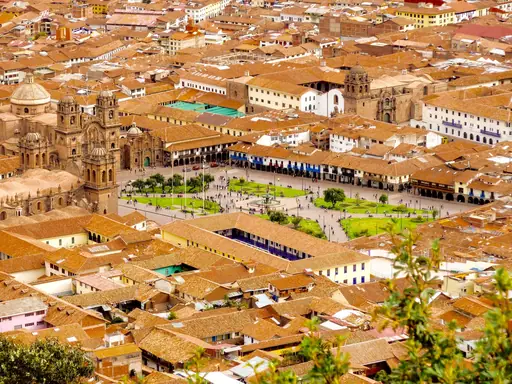
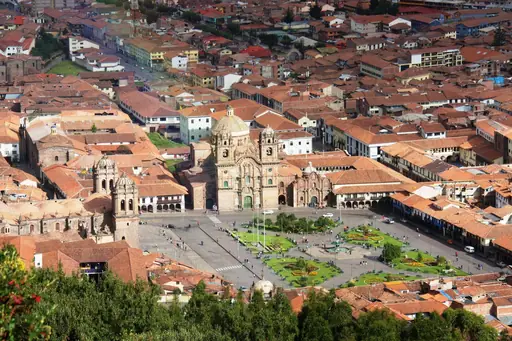
City in Peru
Cusco
Gateway to the Incan Empire's Heart
Inca stonework here fits together so precisely that many walls hold without any mortar. Sacsayhuaman, a fortress above the city, uses boulders weighing over 100 tons each. Spanish colonial buildings were later built directly on top of these Inca foundations. Earthquakes have repeatedly damaged colonial structures while leaving the older Inca walls largely intact.

City in South Korea
Seoul
Where Tradition Meets High-Tech Marvels
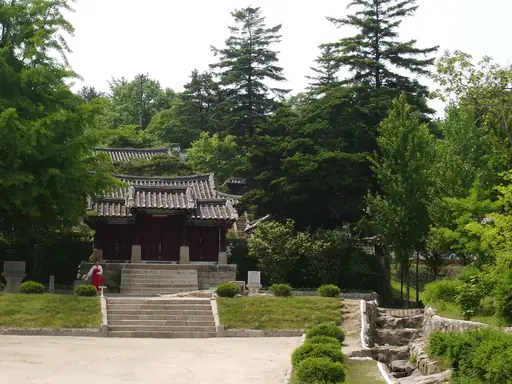
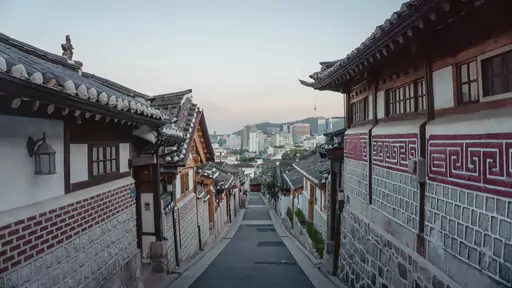
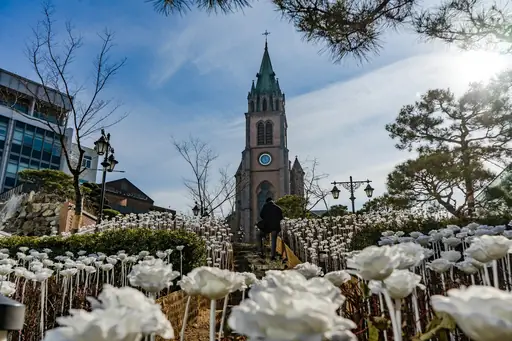
Gyeongbokgung Palace was first built in 1395 as the main royal residence of the Joseon dynasty. Japanese forces destroyed much of it in a 16th-century invasion. Later occupation caused further damage before restoration began. Work since the 1990s has rebuilt many of the palace's original structures.
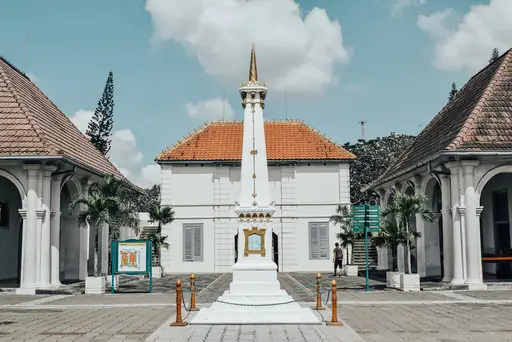
City in Indonesia
Yogyakarta
Java’s soul: temples, art, street eats
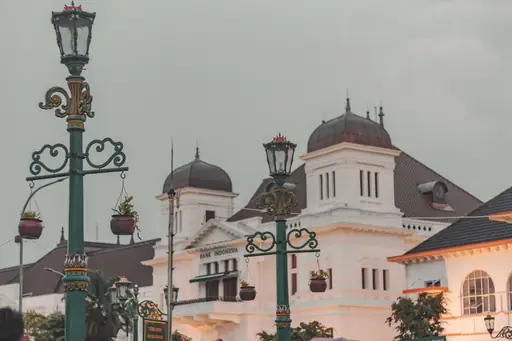
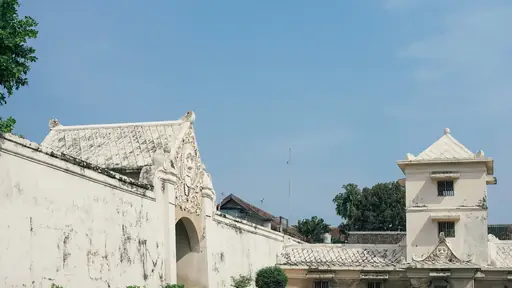
Borobudur, a short drive from this city, ranks among the largest Buddhist temples anywhere. Builders stacked nine platforms into a stepped pyramid, decorated with over 2,000 relief panels. Bell-shaped stupas line the upper levels, each holding a statue of Buddha inside. Pilgrims once walked a spiral path upward as a form of meditation.
City in France
Colmar
A Fairytale Town in Alsace
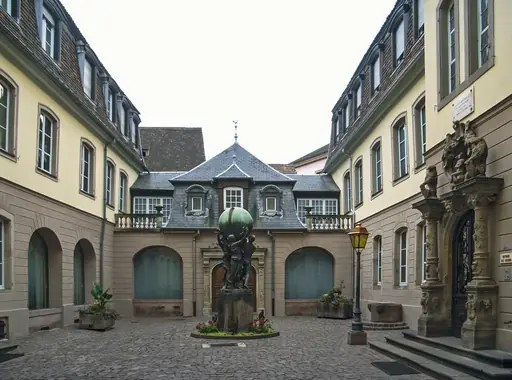
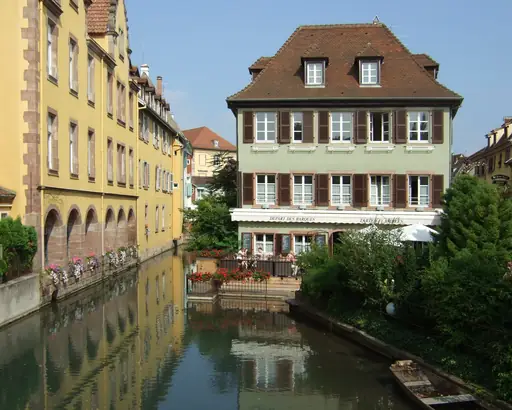
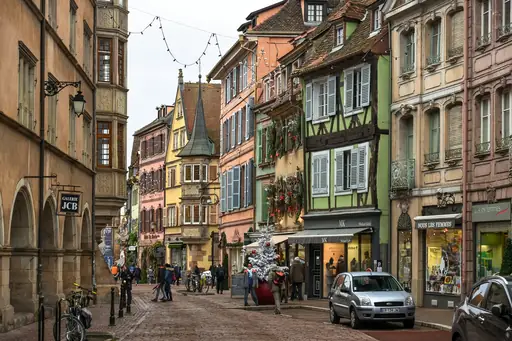
Half-timbered houses in shades of pink, blue and yellow line this town's old quarter. A canal running through part of the district has earned it the nickname Little Venice. Many buildings date from the 15th to 18th centuries and survived both world wars largely intact. Flower boxes hang from nearly every window in warmer months.
City in Belgium
Brussels
Europe's cozy capital of culture
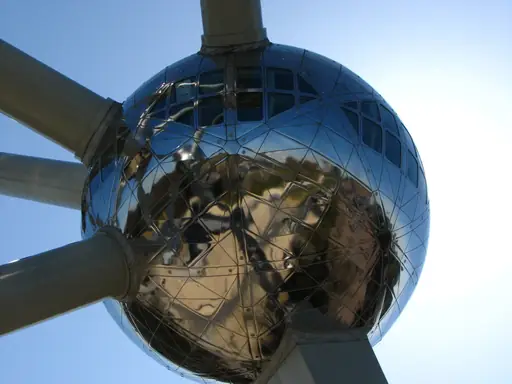
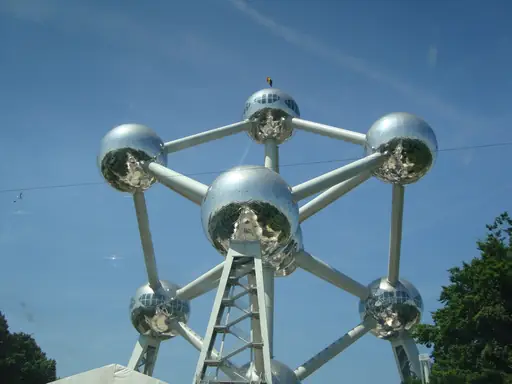
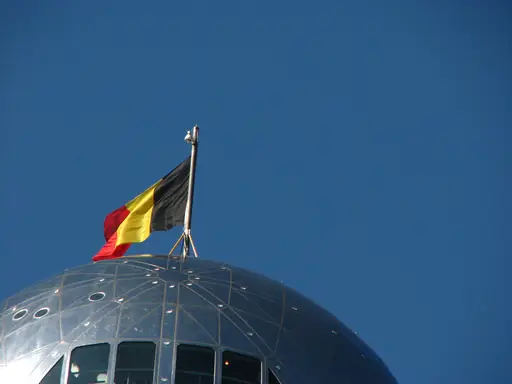
The Grand Place is lined with guildhalls built mostly after an 1695 bombardment destroyed the square. Gold leaf detailing covers much of the facades, catching light at night. The Atomium, built for a 1958 World's Fair, represents an iron crystal magnified 165 billion times. Its steel spheres connect through escalators and tubes visitors can walk.
City in Spain
Valencia
Sunlit Shores and Rich Culture
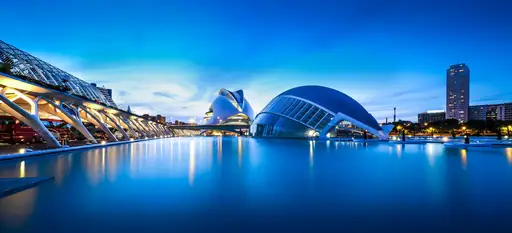
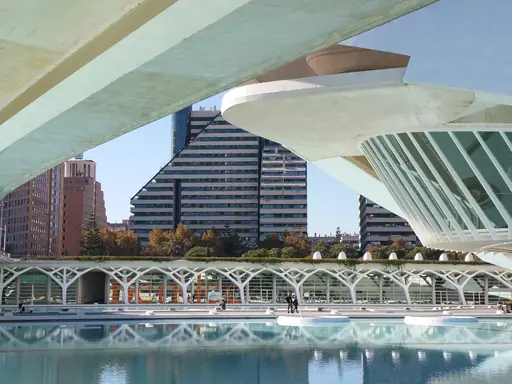
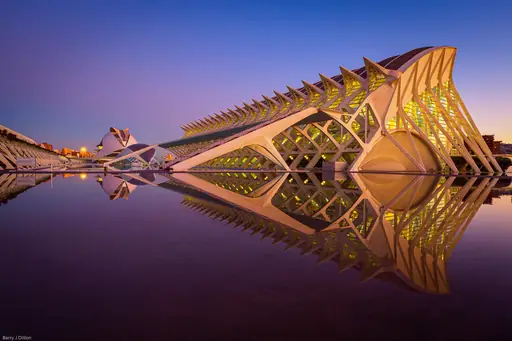
The City of Arts and Sciences here was designed by architect Santiago Calatrava, opened in stages starting in 1998. Its white, curved buildings sit in a drained riverbed running through the city. One structure houses Europe's largest aquarium beneath a shell-like roof. Reflecting pools surround much of the complex, doubling the buildings' visual scale.
City in Italy
Milan
Fashion, Art and Historic Splendor
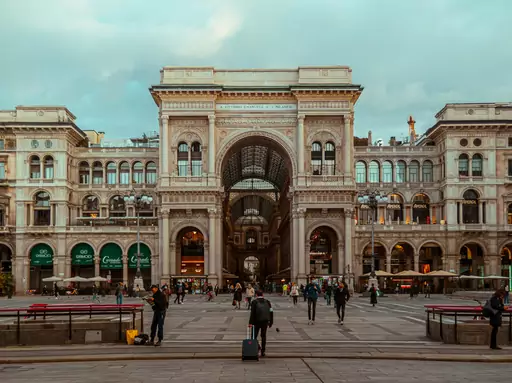
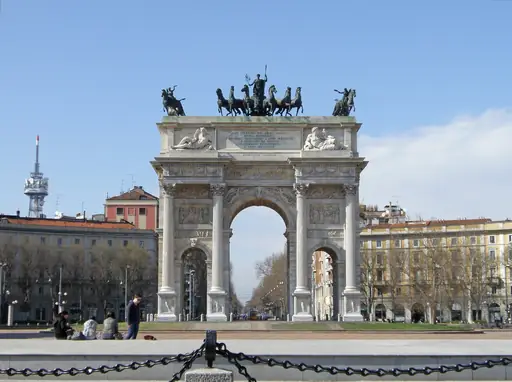
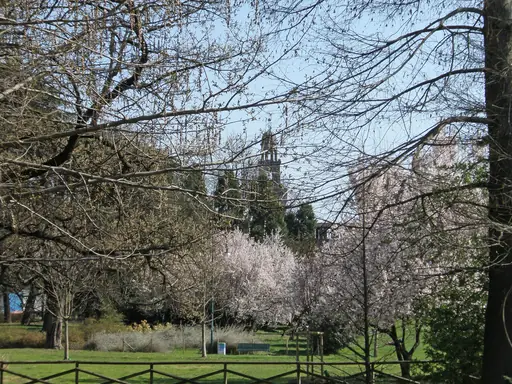
Milan Cathedral took nearly six centuries to complete, its facade covered in more than 3,000 statues. Spires topped with marble figures rise across the roofline, one for nearly every saint. Visitors can climb to the roof for close-up views of the carved spires. It remains one of the largest Gothic cathedrals in the world.

Country
Benin
West Africa's vibrant cultural mosaic
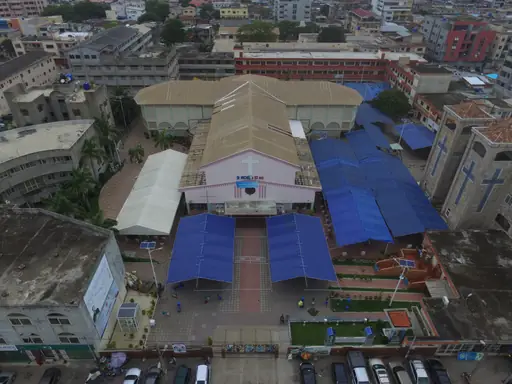
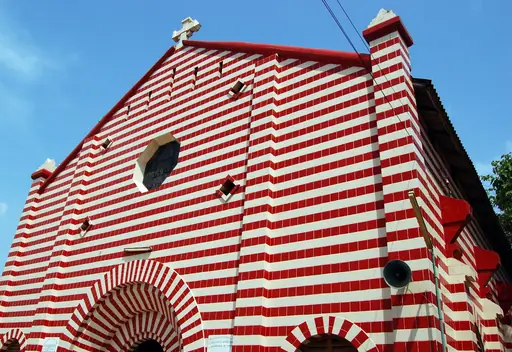
The Royal Palaces of Abomey were built over several centuries by successive kings of the Dahomey kingdom. Bas-relief panels on the walls record historical events using symbolic imagery. Earthen construction techniques used here are unique to the region's building traditions. UNESCO recognised the site despite damage from a fire in the 1980s.
Island in Tanzania
Zanzibar
Turquoise Waters and Spice Perfume
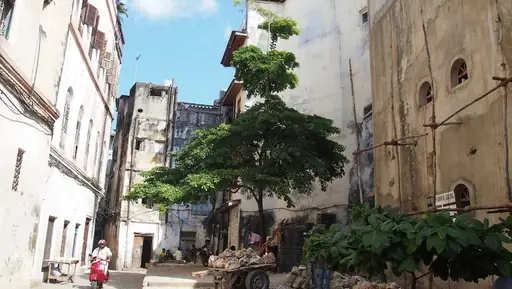
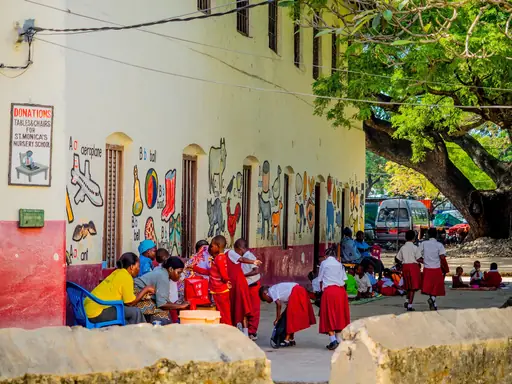
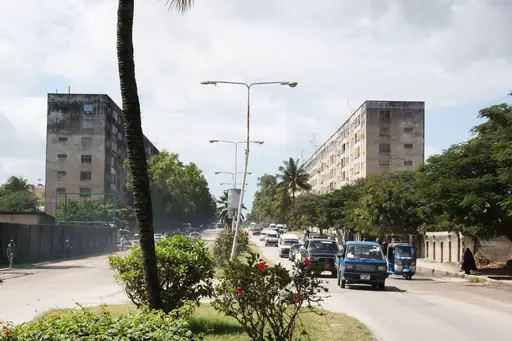
Stone Town's narrow streets are lined with buildings mixing Arab, Persian, Indian and European influences. Elaborately carved wooden doors mark many entrances, some studded with brass in a style brought from India. The town grew wealthy from the spice and slave trades centuries ago. UNESCO listed Stone Town as a World Heritage Site in 2000.
City in Japan
Kyoto
Temples, geisha districts and kaiseki dining
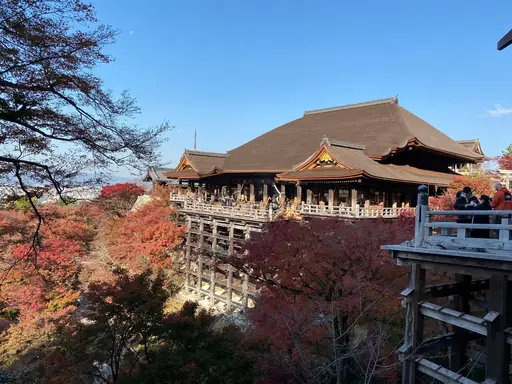
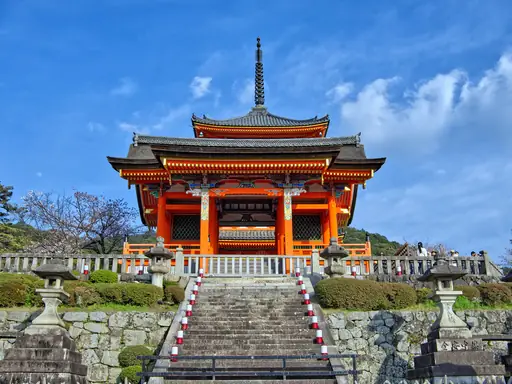
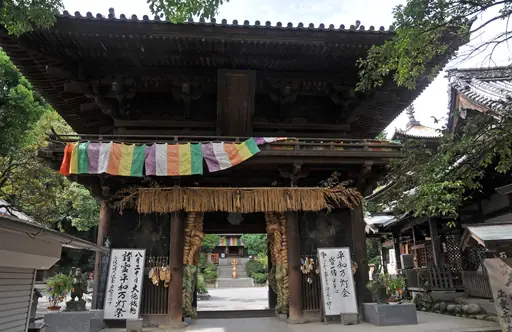
Kinkaku-ji's top two floors are covered in gold leaf, reflecting off the pond in front. The current structure dates to 1955, rebuilt after a monk set the original on fire. Fushimi Inari Shrine nearby holds thousands of vermilion gates forming a path up a hillside. Kyoto held Japan's capital for over a thousand years.
City in Argentina
Buenos Aires
Where Tango and Culture Thrive
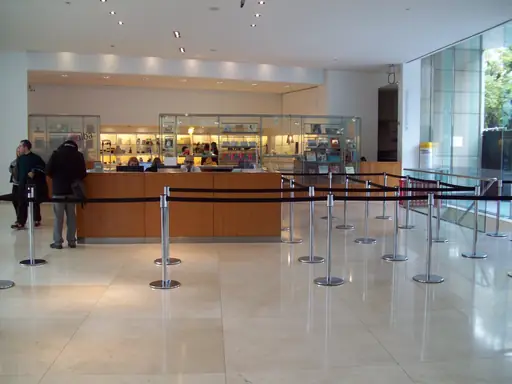
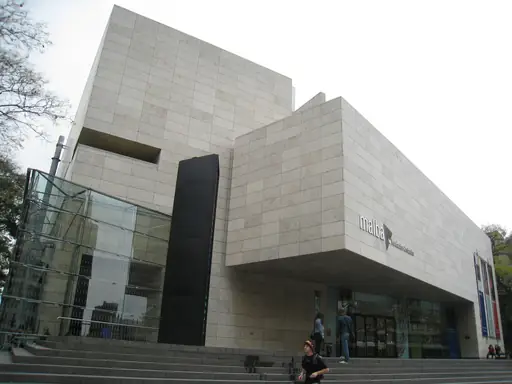
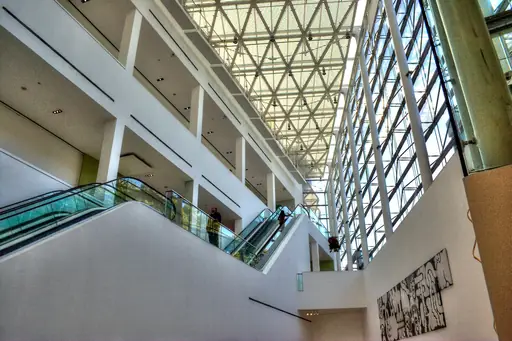
Teatro Colon here is considered one of the finest opera houses for acoustics anywhere in the world. Its interior mixes French, Italian and German architectural styles under one roof. Construction took nearly 20 years, spanning several changes in architect along the way. The building can seat close to 2,500 people across its ornate tiers.
City in Italy
Naples
Where history and passion converge
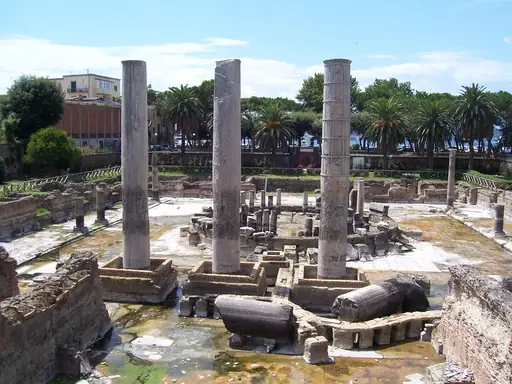
Napoli Sotterranea winds through tunnels and chambers carved beneath the city over more than 2,000 years. Ancient Greeks first dug the passages to quarry stone for building above ground. Later generations expanded them into aqueducts, then bomb shelters during World War Two. Guided tours now lead visitors through several kilometres of the underground network.
City in Syria
Palmyra
Ancient Silk Road's Desert Bride
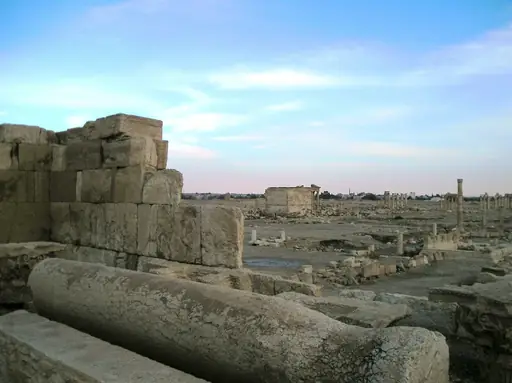
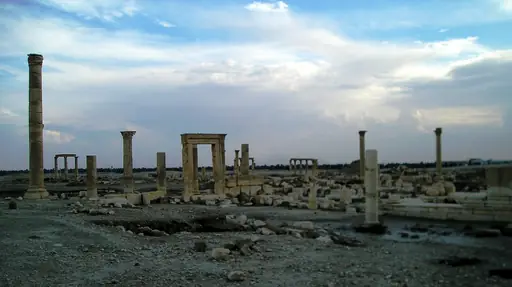
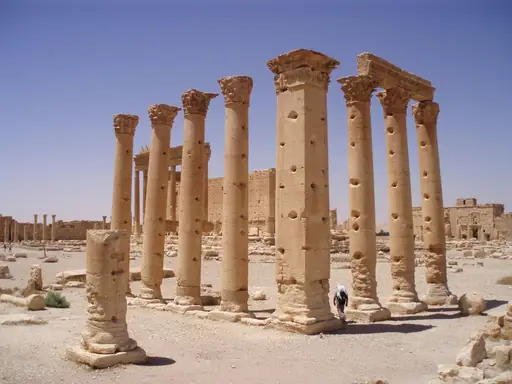
Colonnaded streets once stretched over a kilometre through this desert city, mixing Roman and Aramaic styles. Merchants along the Silk Road passed through Palmyra for centuries, funding its grand temples and tombs. Conflict in the 2010s destroyed several major structures, including the Temple of Bel. Restoration efforts have since begun on some of the ruins.
Country
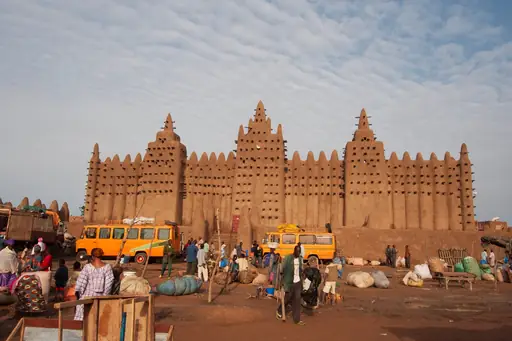
Mali
Ancient wonders meet natural landscapes
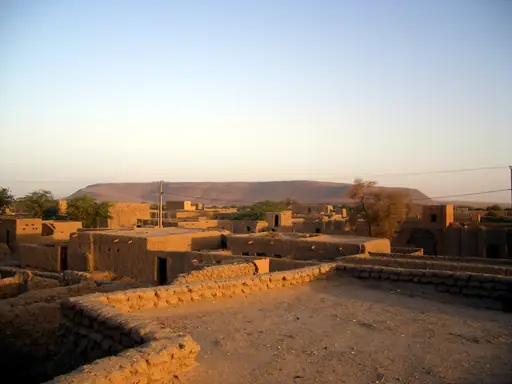
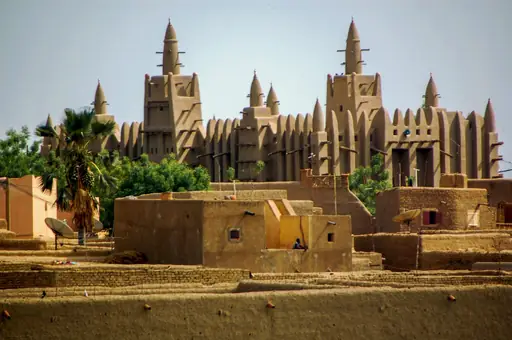
The Great Mosque of Djenne is built almost entirely from mud brick. Workers coat its walls in a fresh layer of plaster each year. Wooden beams jut out from the walls, doubling as scaffolding for annual repairs. A community festival each spring gathers residents to help replaster the mosque.
Island in France
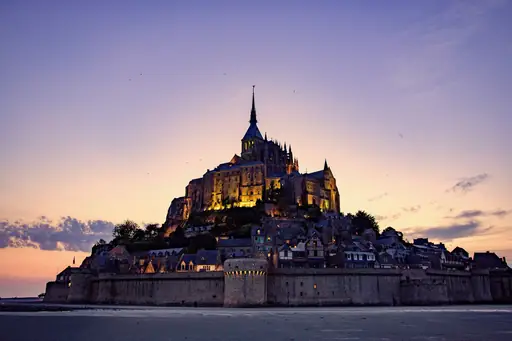
Mont Saint-Michel
A Medieval Island Rising from the Sea
This abbey sits atop a rocky island that becomes surrounded by water at high tide. Construction began in the 8th century after a bishop claimed to receive a vision. A causeway now connects the island to the mainland, replacing an older path. Tides here can rise unusually fast, a detail monks once used for protection.
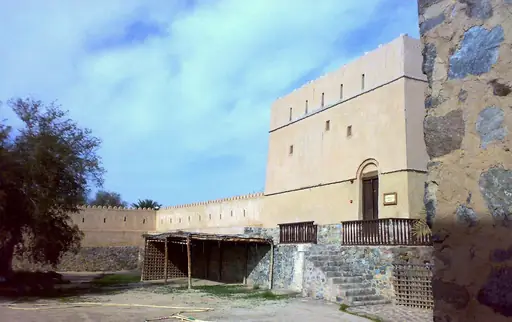
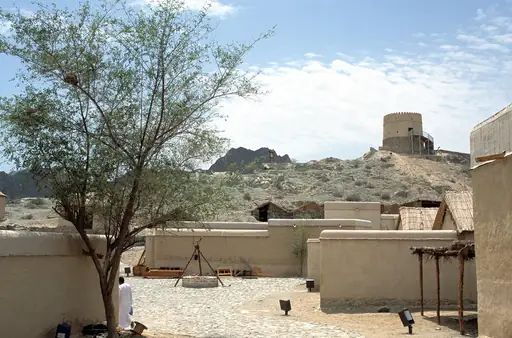
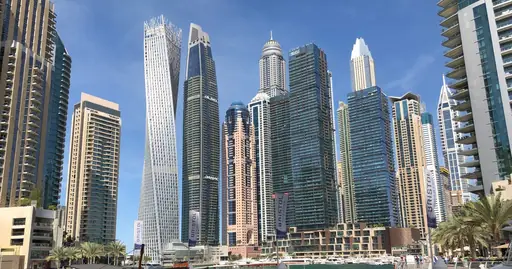
City in United Arab Emirates
Dubai
Glamour, Adventure and Desert Charm
Burj Khalifa rises 828 metres, currently the tallest building in the world. Its tapering, spiral form was designed to reduce wind forces as the tower climbs. An observation deck near the top offers views stretching out over the desert and coastline. The building's exterior uses over 26,000 glass panels across its curved facade.
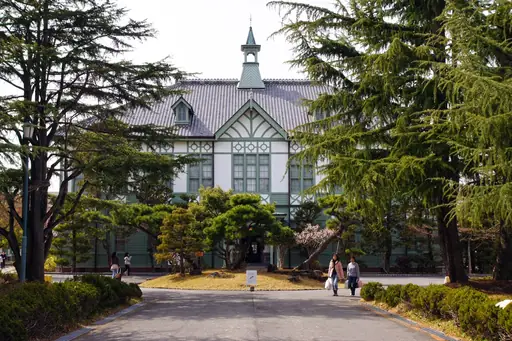
City in Japan
Nara
Giant Buddha, tame deer and ancient temples
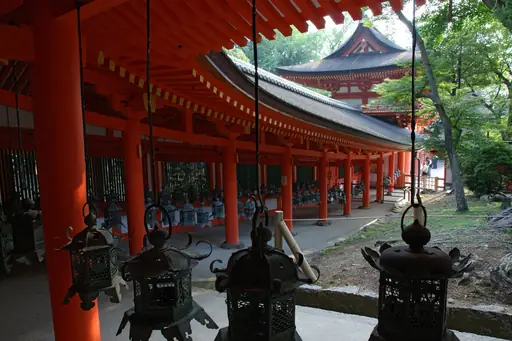
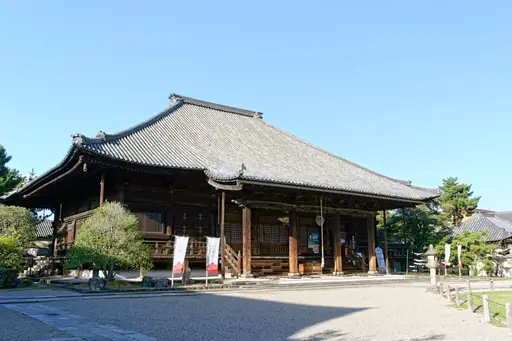
Todai-ji holds the title of the world's largest wooden building, even though the current structure is smaller than the original. Inside sits a bronze Buddha statue nearly 15 metres tall. Deer roam freely through the surrounding park, considered messengers of the gods in local tradition. The temple dates back to the 8th century.
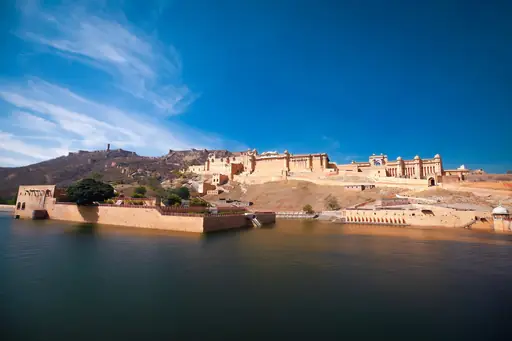
City in India
Jaipur
The Pink City of Royal Splendor
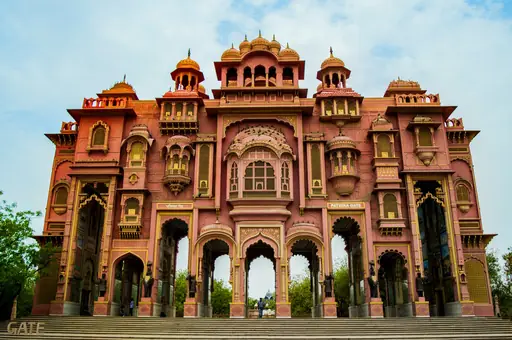
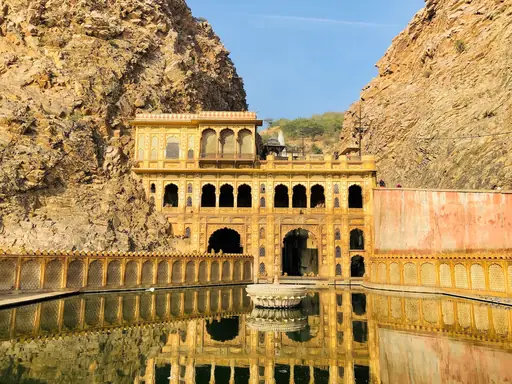
Hawa Mahal's pink sandstone facade holds nearly 1,000 small windows, built to let royal women watch street life unseen. Built in 1799, its honeycomb shape resembles a crown. The whole city was painted pink in 1876 to welcome a visiting British prince. That colour still defines much of Jaipur's old quarter today.
City in Morocco
Marrakech
A vibrant maze of colors and spices
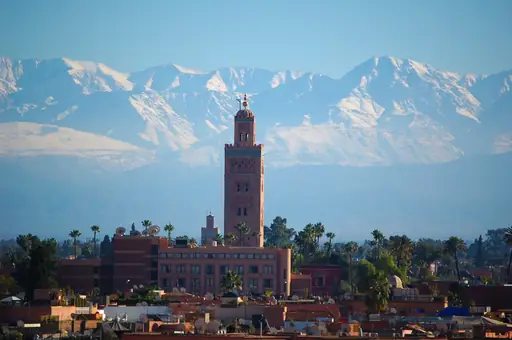
The Koutoubia Mosque's minaret rises nearly 70 metres, built in the 12th century from red sandstone. Its proportions later influenced towers built as far away as Seville and Rabat. Geometric patterns cover much of the tower's exterior in carved relief. The mosque remains closed to non-Muslim visitors, though the surrounding gardens are open to all.
City in Australia
Sydney
Where urban life meets stunning beaches
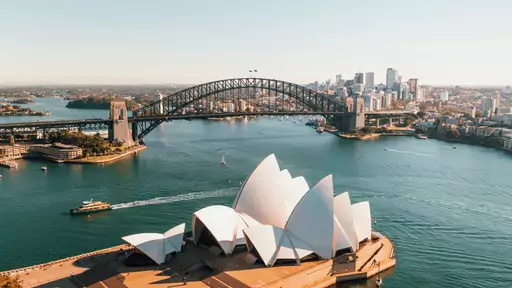
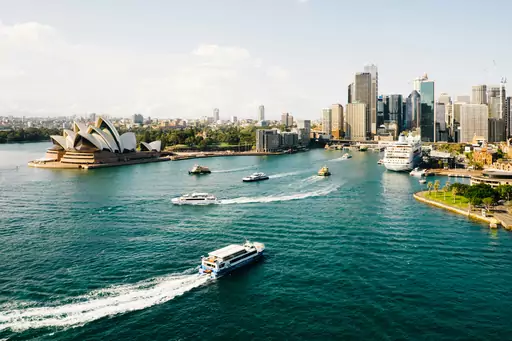
The Sydney Harbour Bridge spans 503 metres, opened in 1932 after eight years of building. Its steel arch design earned it the nickname the Coathanger. Climbers can walk to the very top of the arch on a guided tour. The bridge and the nearby opera house form one of the city's most photographed views.
City in Japan
Tokyo
Japan's capital of temples, towers and food
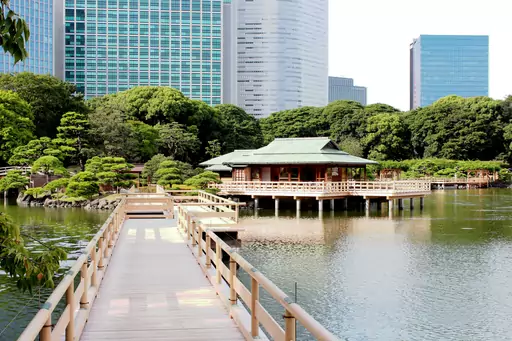
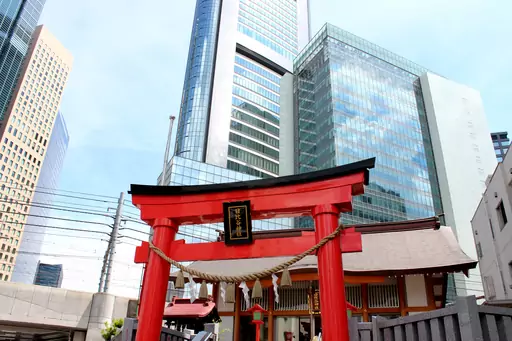
Tokyo Skytree rises 634 metres, currently the tallest tower in Japan. Its lattice frame was engineered to sway during earthquakes rather than resist them directly. Senso-ji, an older landmark nearby, holds a five-storey pagoda rebuilt after wartime bombing. Both sites sit within a short train ride of each other.
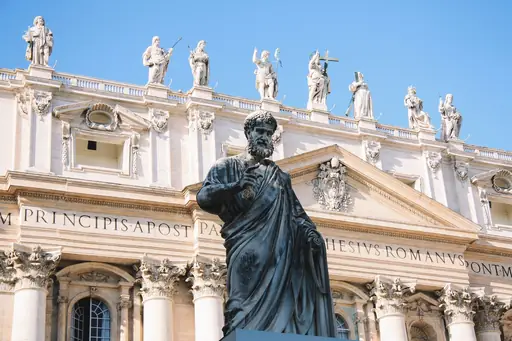
Church in Rome
St. Peter's Basilica
Iconic Heart of Catholic Faith
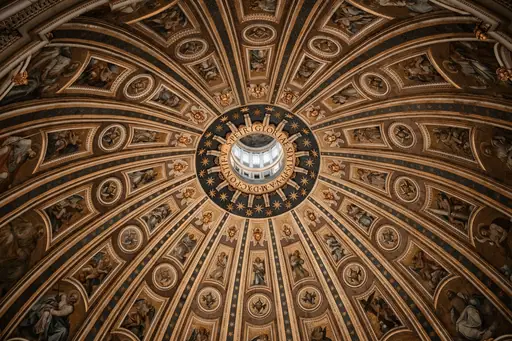
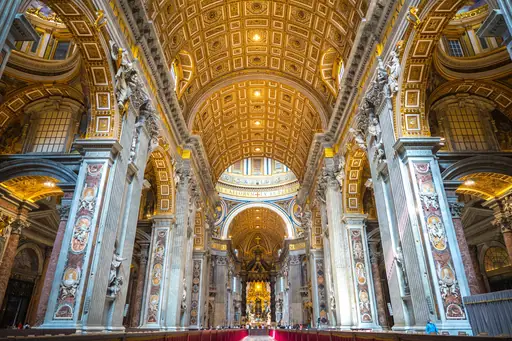
Michelangelo designed the basilica's dome, though he died before it was completed in 1590. Bernini's colonnade later wrapped around the piazza in front, forming a wide elliptical embrace. The building holds the title of largest church interior in the world. Visitors can climb to the top of the dome for views over Vatican City.
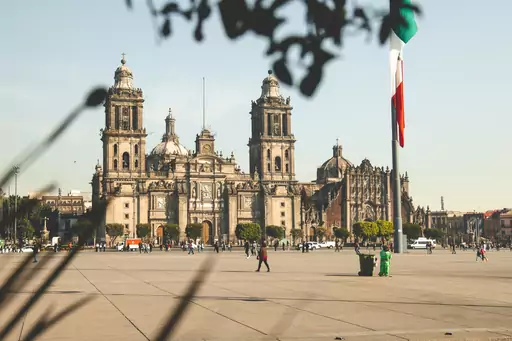
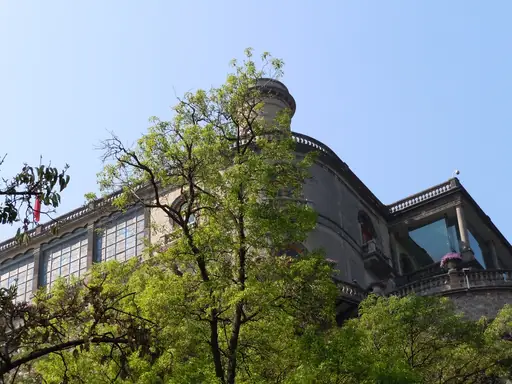
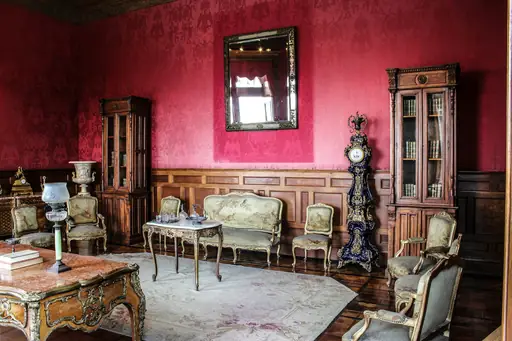
City in Mexico
Mexico City
Vibrant Culture, History and Street Food
The Metropolitan Cathedral here was built directly over the ruins of an Aztec temple complex. Construction stretched across nearly 250 years, blending several architectural styles as work continued. Parts of the building have sunk unevenly since the city sits on a former lakebed. Excavated Aztec ruins are visible in a nearby archaeological site.
City in United States
San Francisco
Iconic bridges, rolling hills and vibrant culture
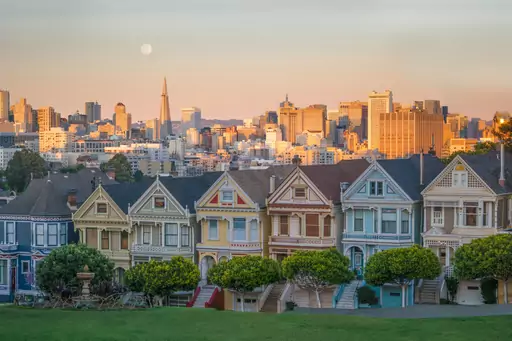
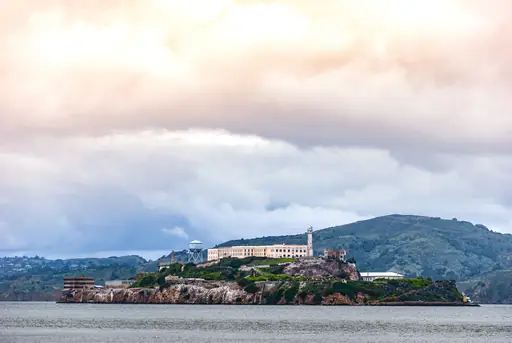
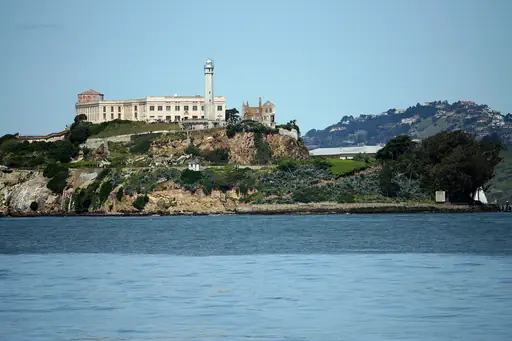
The Golden Gate Bridge spans 2.7 kilometres, painted in a shade called International Orange for visibility in fog. Engineers finished construction in 1937 after four years of work over strong currents. Its Art Deco towers rise 227 metres above the water. Fog rolling through the bay often hides the upper cables from view.
City in India
Delhi
A Kaleidoscope of History and Culture
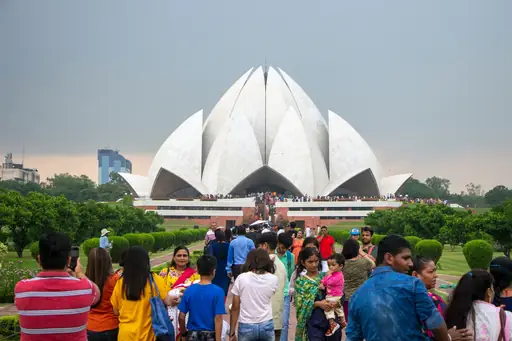
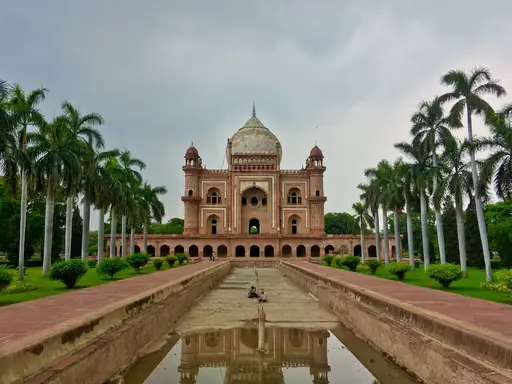
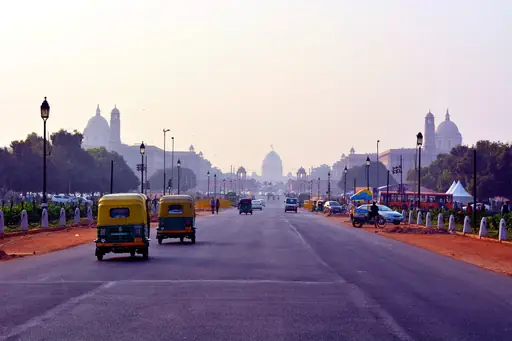
The Qutub Minar rises 73 metres, built starting in the 12th century as a victory tower. Detailed carvings and Quranic verses cover its sandstone and marble surface. Humayun's Tomb nearby became an early example of Mughal garden architecture later echoed at the Taj Mahal. Red sandstone forts and domed mausoleums dot the city's older districts.
City in Israel
Tel Aviv
Vibrant Beaches and Nonstop Energy
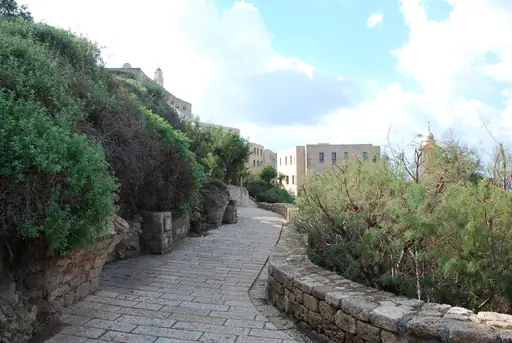
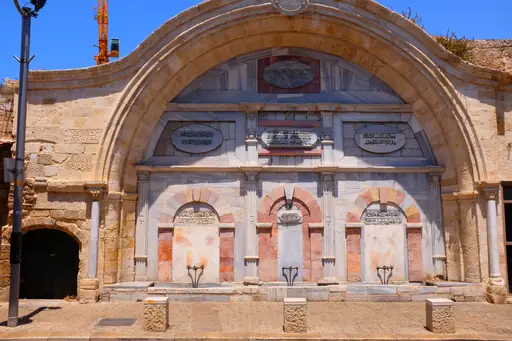
Tel Aviv holds the largest concentration of Bauhaus buildings anywhere, earning it the nickname the White City. Jewish architects fleeing Europe in the 1930s brought the style when they settled here. Flat roofs, rounded balconies and strip windows define much of the design. UNESCO recognised the district as a World Heritage Site in 2003.
City in United States
Chicago
Skyline, Deep-Dish and Jazz Nights
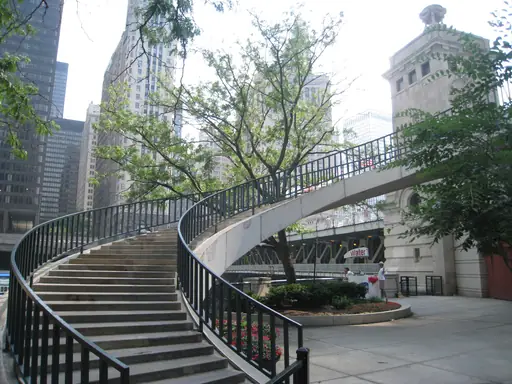
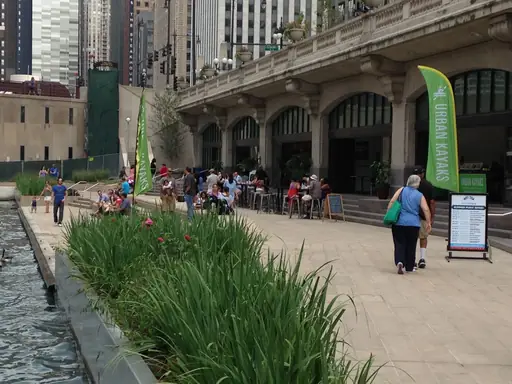
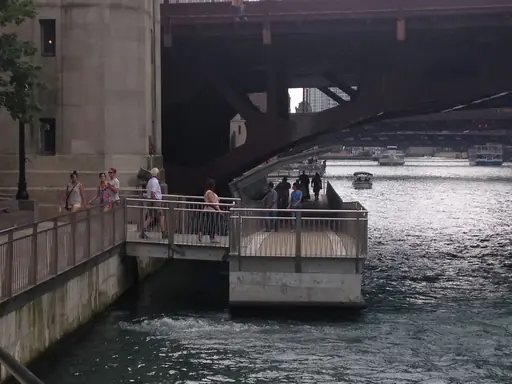
This city is often credited as the birthplace of the skyscraper after the 1885 Home Insurance Building. Steel-frame construction pioneered here let architects build taller than masonry alone could support. The Willis Tower held the title of world's tallest building for roughly 25 years. Frank Lloyd Wright also designed several Prairie-style homes here.
City in South Africa
Cape Town
Mountains, Beaches and a Vibrant Culture
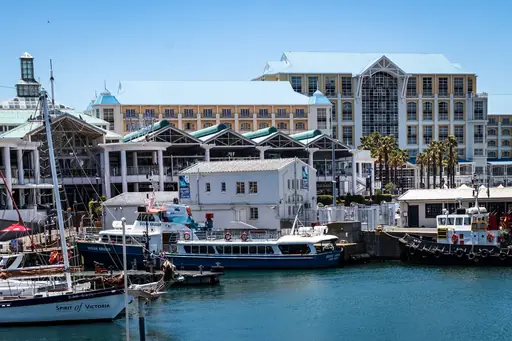
Bo-Kaap's streets are lined with brightly coloured houses built mostly in the 18th and 19th centuries. Many residents began painting their homes vivid shades after slavery ended in the Cape Colony. Cobbled lanes wind past mosques that reflect the neighbourhood's Cape Malay heritage. The hillside setting gives sweeping views back over the city and harbour.
Basilica in Barcelona
Sagrada Família
Gaudí's Unfinished Masterpiece
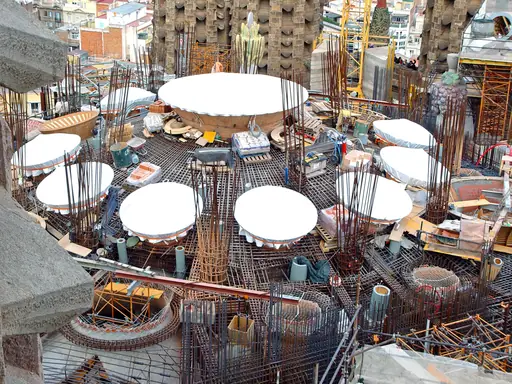
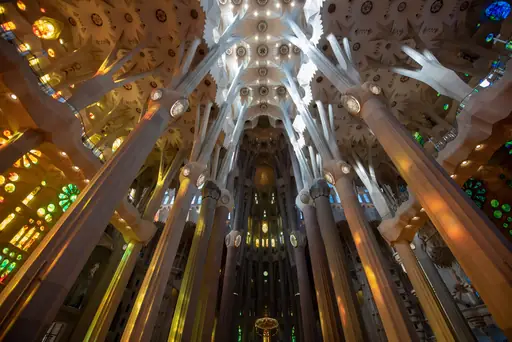
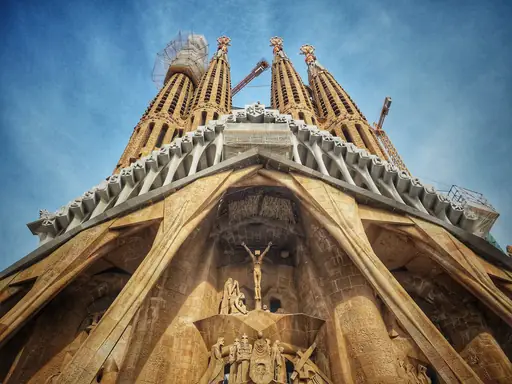
Antoni Gaudi began work on this basilica in 1882 and it remains unfinished today. Its towers are designed to represent the twelve apostles, along with Jesus and Mary. Construction has been funded entirely by donations and ticket sales rather than public money. Completion is now targeted for the centenary of Gaudi's death.
Archaeological Site in Cairo
Saqqara
Egypt's Timeless Step Pyramid Wonder
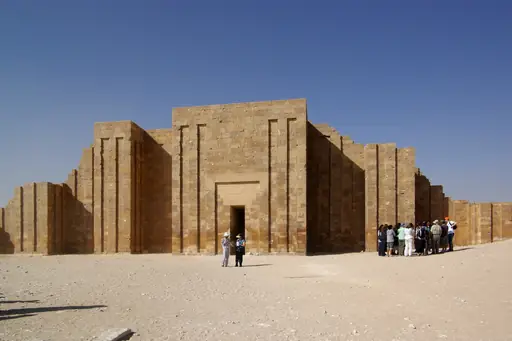
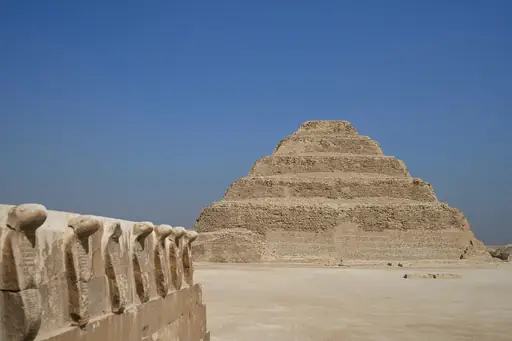
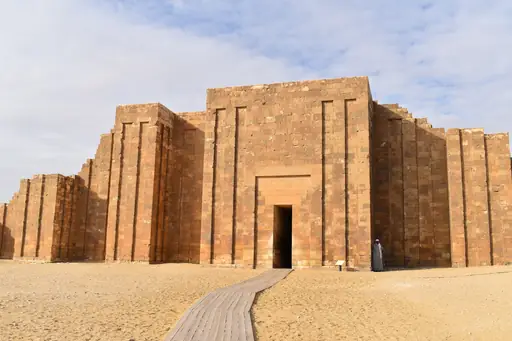
The Step Pyramid of Djoser here is considered the oldest large stone building in Egypt, dating to around 2670 BC. Its six stacked layers mark an early step between flat tombs and true pyramids. Architect Imhotep designed the structure for Pharaoh Djoser's burial complex. Excavations continue to uncover chambers and passages beneath the surrounding site.
City in Egypt
Luxor
Ancient wonders on the Nile
Luxor Temple was built mostly during the 14th century BC, dedicated to the Theban triad of gods. A long avenue of sphinxes once connected it directly to Karnak Temple nearby. Obelisks and colossal statues of Ramesses II still guard the entrance. Part of the temple remained buried under sand until excavations began in the 1880s.
City in Italy
Pisa
Beyond the Leaning Tower’s shadow
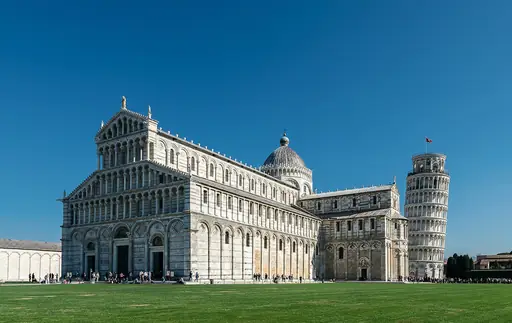
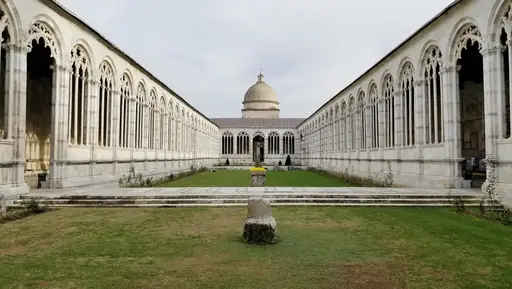
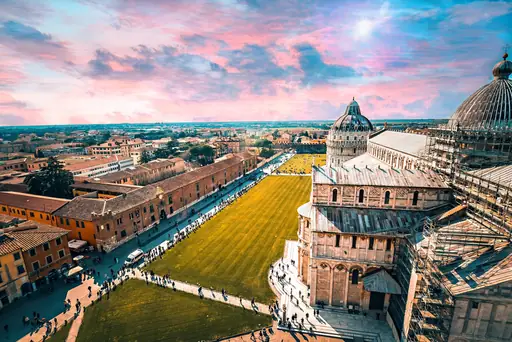
The Leaning Tower here began tilting almost as soon as construction started in 1173. Soft ground beneath the foundation caused the uneven settling. Engineers in the 1990s stabilised the tower, reducing its lean by roughly 40 centimetres. Visitors can still climb almost 300 steps to the top.
City in Spain
Bilbao
Basque culture meets bold design
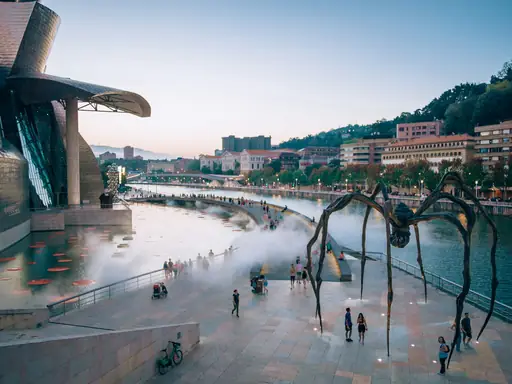
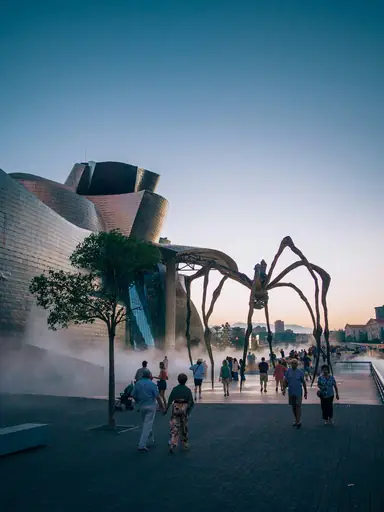
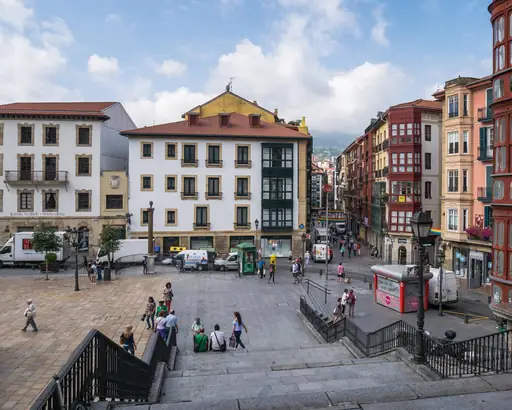
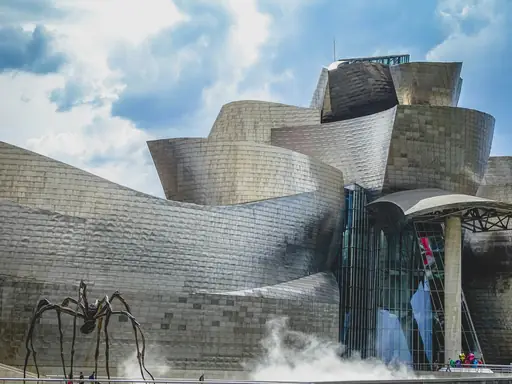
Frank Gehry designed this museum's curving titanium panels to catch changing light through the day. Completed in 1997, it transformed a struggling industrial city into a major destination. Locals sometimes call the design's impact the Bilbao Effect for its economic reach. A large spider sculpture by Louise Bourgeois stands just outside the entrance.
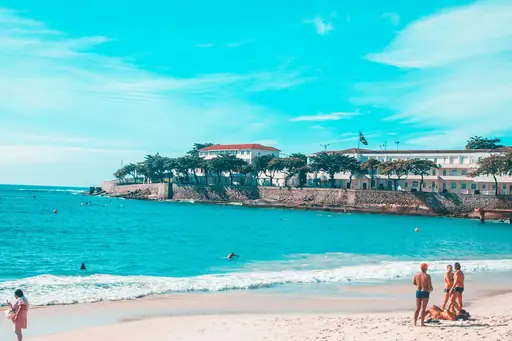
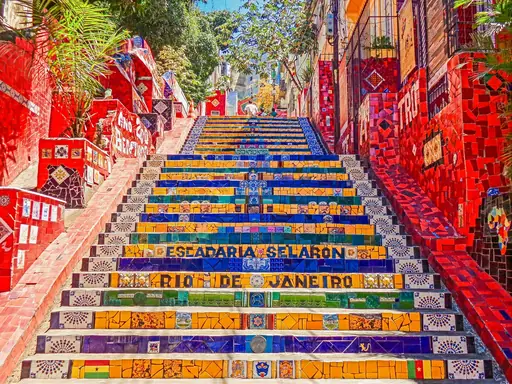
City in Brazil
Rio de Janeiro
The heartbeat of Brazil's coast
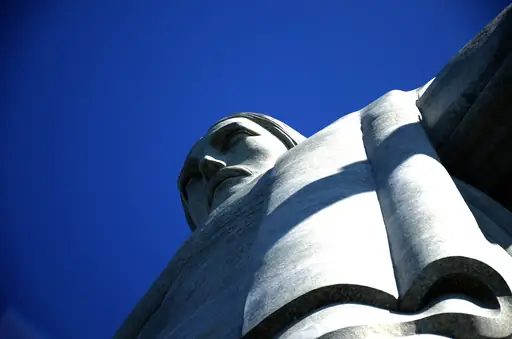
Christ the Redeemer stands 30 metres tall atop Corcovado Mountain, arms stretched across the skyline. Built between 1922 and 1931, it was assembled from soapstone panels over a concrete frame. A train and a set of stairs both lead visitors to the summit. The statue was named one of the New Seven Wonders in 2007.
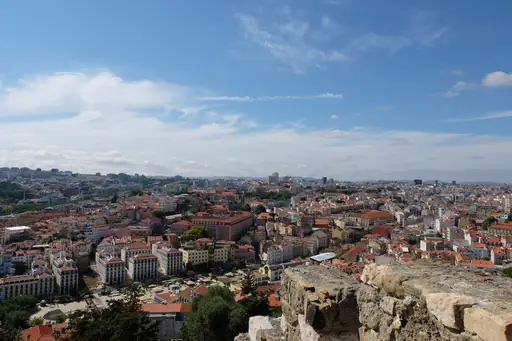
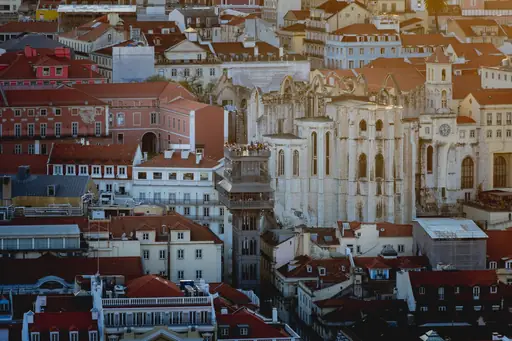
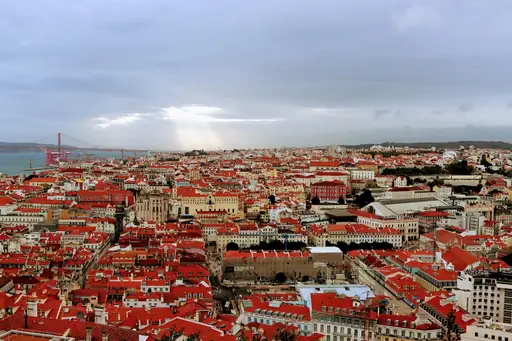
Neighbourhood in Lisbon
Alfama District
Lisbon's Historic Heartbeat
Narrow, winding lanes here survived the massive 1755 earthquake that flattened much of Lisbon. Tiled facades in shades of blue and white cover many of the district's older buildings. Fado music, a traditional Portuguese style, is still performed in small clubs throughout the neighbourhood. Steep staircases connect different levels of the hillside district.
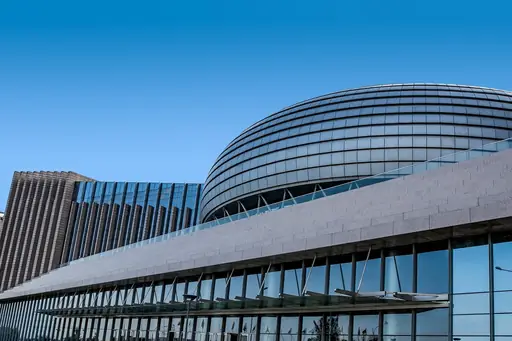
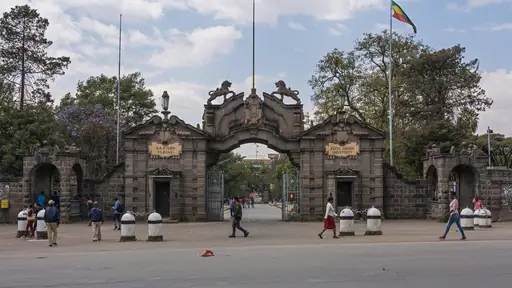
Country
Ethiopia
Ancient cultures meet diverse landscapes
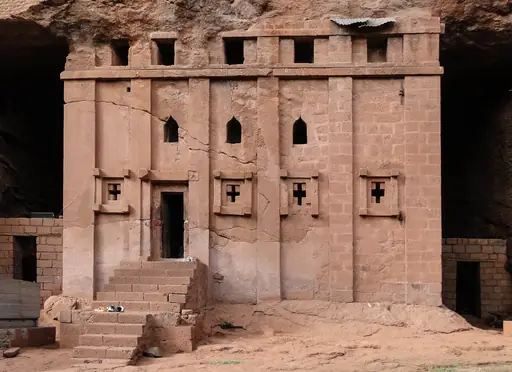
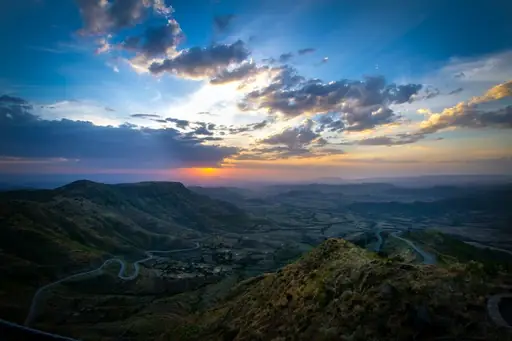
Eleven medieval churches at Lalibela were carved directly downward out of solid volcanic rock. Builders dug trenches around each block before hollowing out windows, doors and interior chambers. Some churches remain connected by tunnels and narrow passageways cut beneath the surface. The site is still an active place of Christian pilgrimage today.
City in Russia
Moscow
A grand city of history and power
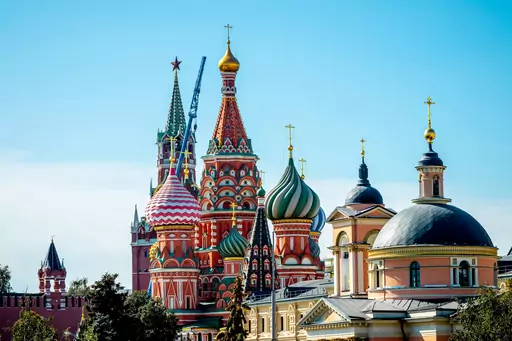
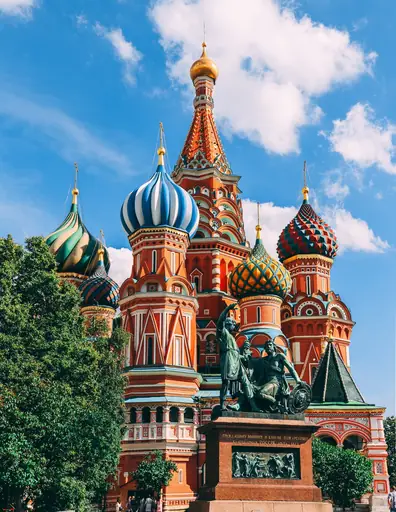
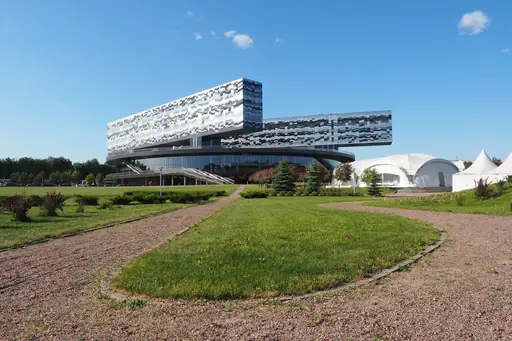
Saint Basil's Cathedral was completed in 1561, its colourful onion domes each shaped and painted differently. Legend claims Ivan the Terrible had the architect blinded to prevent a similar design elsewhere. The building actually houses nine separate chapels under one roof. Red Square, where it stands, has hosted centuries of public gatherings.

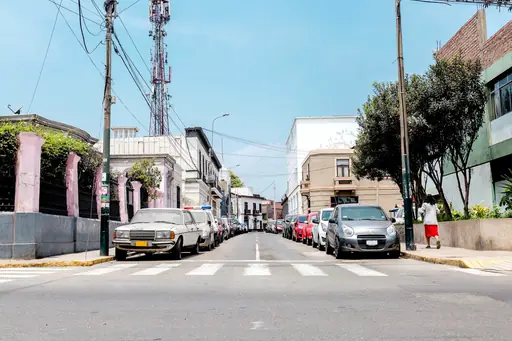
City in Peru
Lima
Historic Charm Meets Coastal Vibes
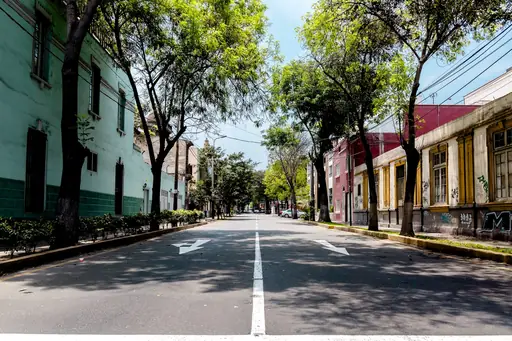
Torre Tagle Palace holds carved wooden balconies typical of colonial Lima, brought originally from the Philippines. Built in the 18th century, it now houses Peru's foreign ministry. Plaza Mayor nearby is lined with balconied buildings painted in bright colours. Lima's historic centre became a UNESCO World Heritage Site in 1988.
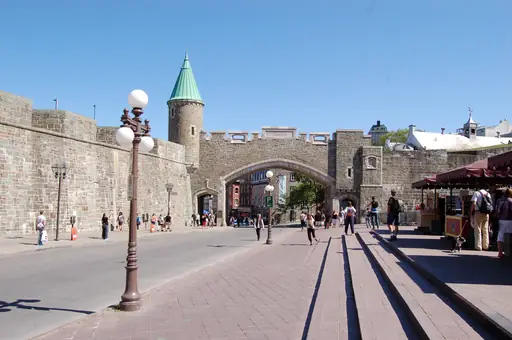
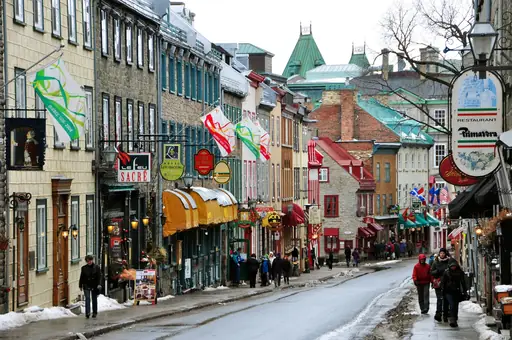
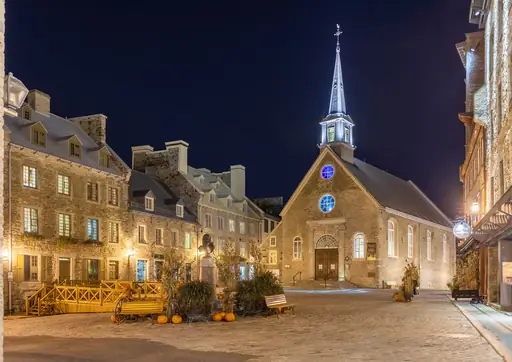
City in Canada
Quebec City
Old World Charm in North America
Chateau Frontenac's copper roofs and turrets rise above the old town, built as a railway hotel in 1893. Its design borrowed from French chateau architecture of past centuries. Stone ramparts nearby remain a rare stretch of fortified city walls still standing in North America. The old town became a UNESCO World Heritage Site in 1985.
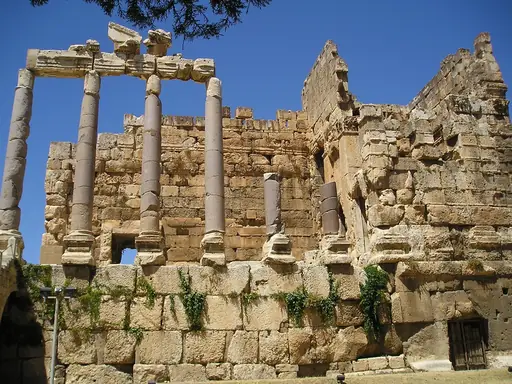
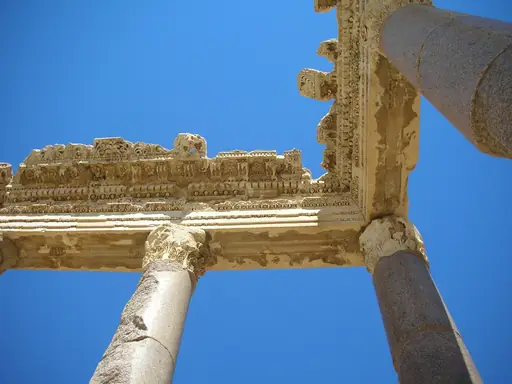
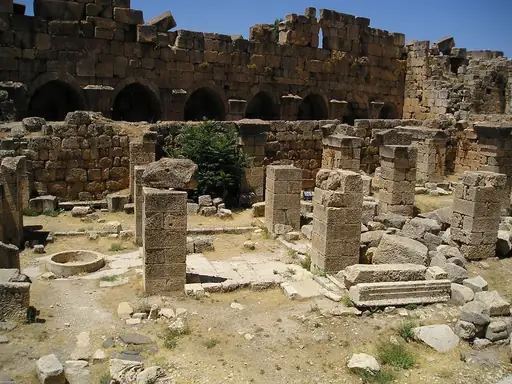
Archaeological Site in Lebanon
Baalbek
Ancient terraces echoing timeless desert grandeur
Roman engineers built some of the largest stone columns ever raised at this temple complex. Blocks in the foundation weigh several hundred tons each, moved without modern machinery. The Temple of Jupiter here once ranked among the largest religious buildings in the Roman world. Later additions layered Byzantine and Islamic structures over the original site.
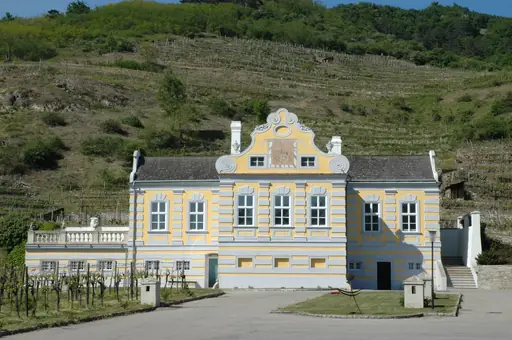
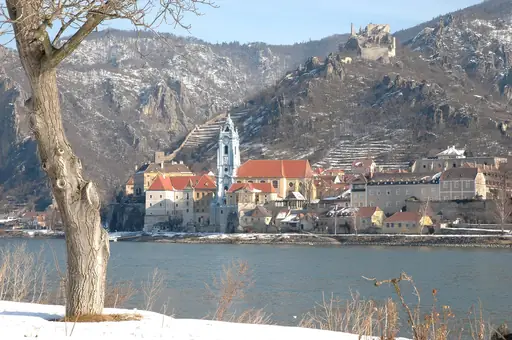
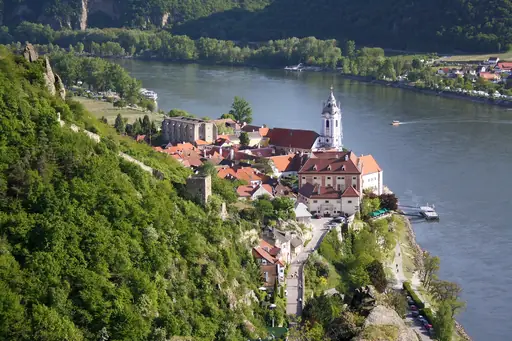
Region in Austria
Wachau
UNESCO Heritage along the Danube
Melk Abbey overlooks the Danube River from a rocky outcrop, rebuilt in Baroque style in the early 1700s. Its library holds thousands of manuscripts collected over nearly a thousand years. The abbey's yellow facade and twin towers can be seen from boats on the river. Vineyards line the valley's terraced slopes for miles around.
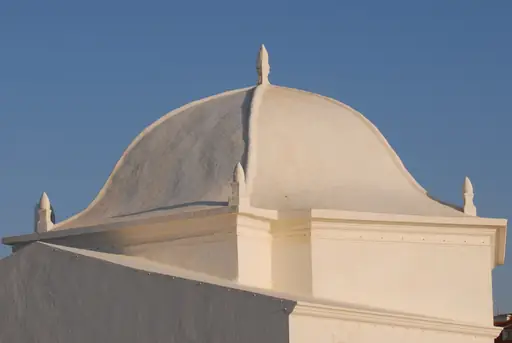
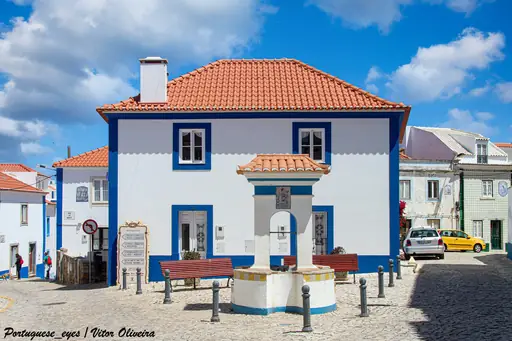
City in Portugal
Lisbon
Sun-soaked streets and rich history
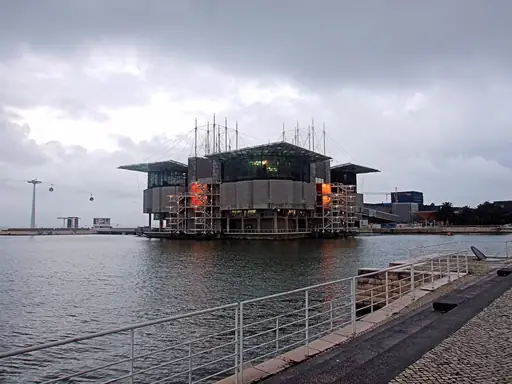
Jeronimos Monastery was built starting in 1501 using profits from Portugal's overseas trade voyages. Its stone carvings mix maritime motifs, twisted rope patterns and coral shapes into the Manueline style. The building survived the massive 1755 earthquake that flattened much of the rest of the city. Explorer Vasco da Gama is buried inside.
State/Prefecture in China
Hong Kong
Where East Meets West
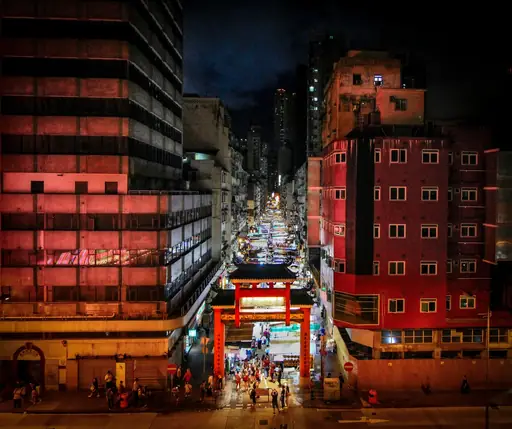
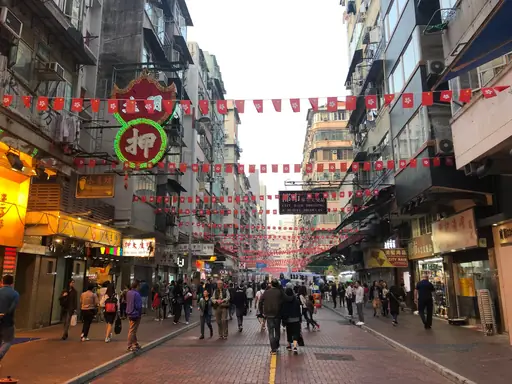
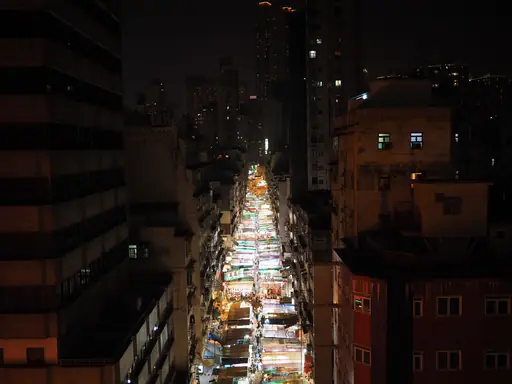
The Bank of China Tower, designed by I.M. Pei, uses triangular trusses instead of interior columns. Its sharp geometric form was meant to evoke bamboo shoots growing towards the sky. Dense clusters of skyscrapers along the harbour create a striking skyline. Older neighbourhoods nearby still hold walk-up buildings from the city's colonial era.
City in Ecuador
Quito
Andean Charm Meets Colonial Splendor
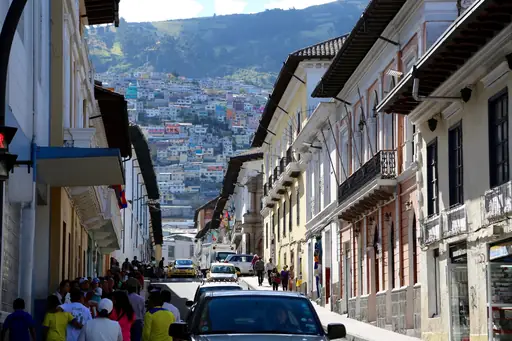
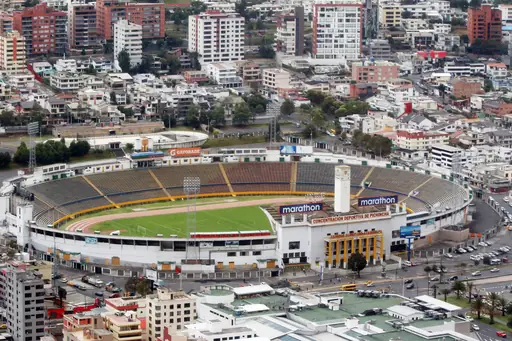
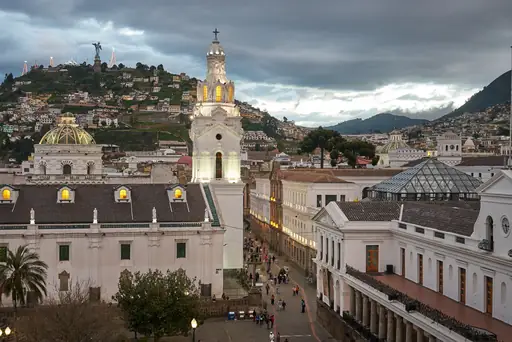
Quito's historic centre holds one of the largest, least altered old towns in Latin America. Spanish colonial churches here mix local indigenous carving styles with European design. La Compania church alone used several tons of gold leaf across its interior. UNESCO named the district among its very first World Heritage Sites in 1978.
National Park in United States
Mesa Verde National Park
Ancient Cliff Dwellings and Rich History
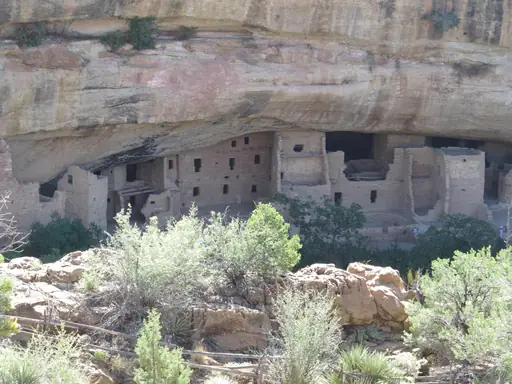
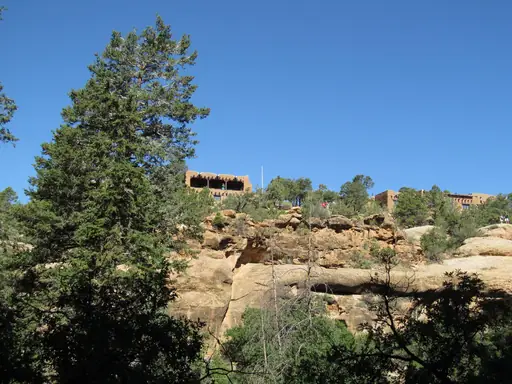
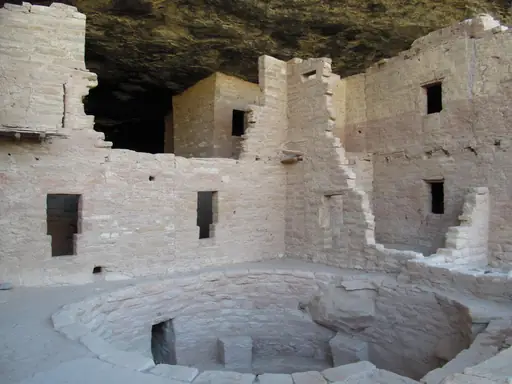
Cliff Palace here holds around 150 rooms built directly into a sandstone alcove by Ancestral Puebloans. Builders used stone, mortar and wooden beams to stack multi-storey dwellings against the rock. The complex was occupied for roughly a century before being abandoned in the late 1200s. Ranger-led tours require climbing ladders to reach the site.
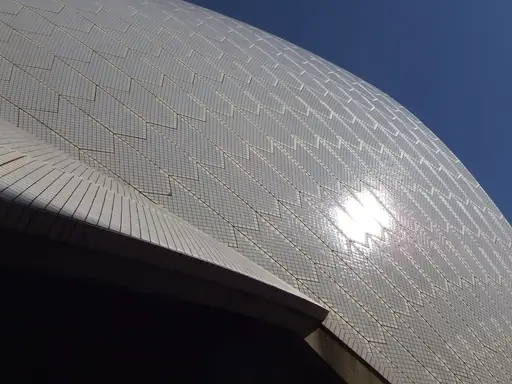
Theatre in Sydney
Sydney Opera House
Iconic Architectural and Cultural Marvel
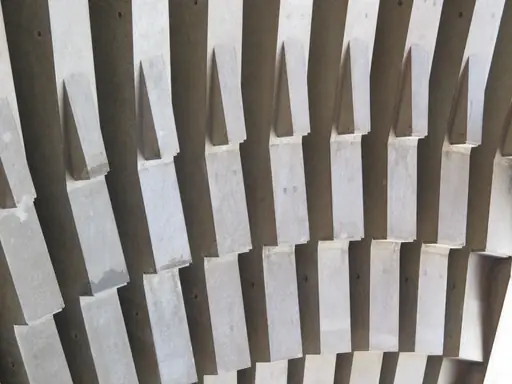
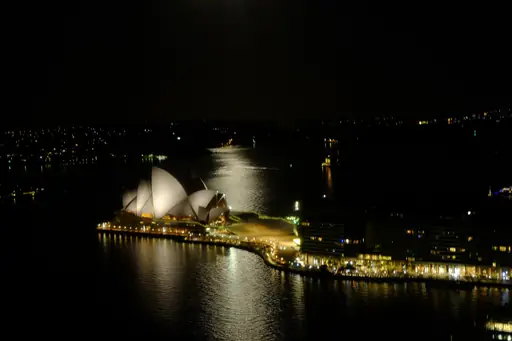
Architect Jorn Utzon designed this building's roof as a series of interlocking shell shapes. Over a million ceramic tiles cover the shells, arranged in a chevron pattern. Construction ran a decade behind schedule due to the complexity of the design. The building now hosts more than 1,500 performances across several venues each year.
Country
Iraq
Ancient cradle of civilization
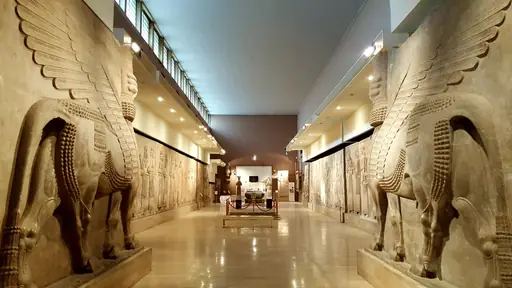
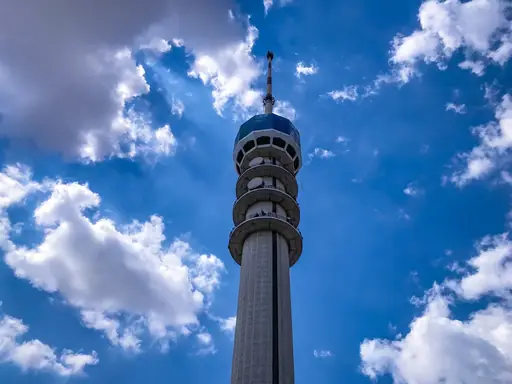
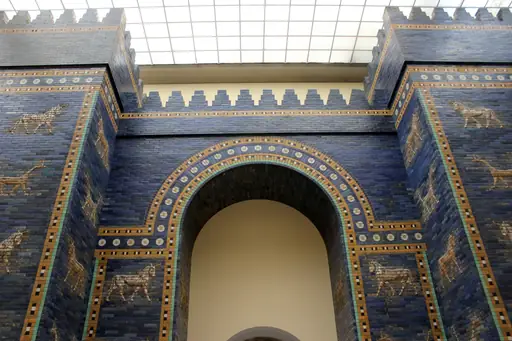
The Great Mosque of Samarra once held a spiral minaret unlike any other in the Islamic world. Built in the 9th century, its ramp winds upward instead of using stairs. Sections of ancient Babylon and ruins at Ur also survive in the country's south. War and looting have damaged many sites, though restoration work continues.
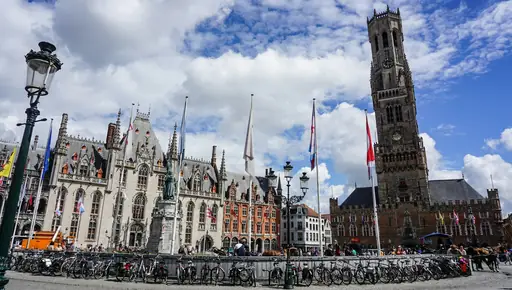
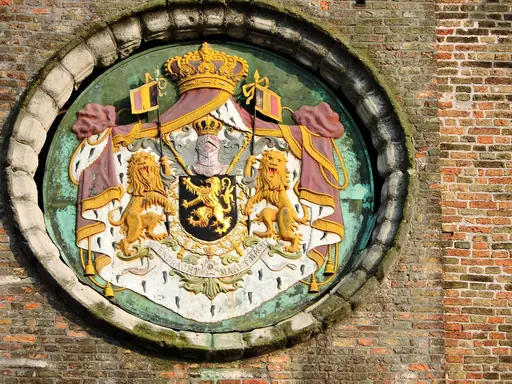
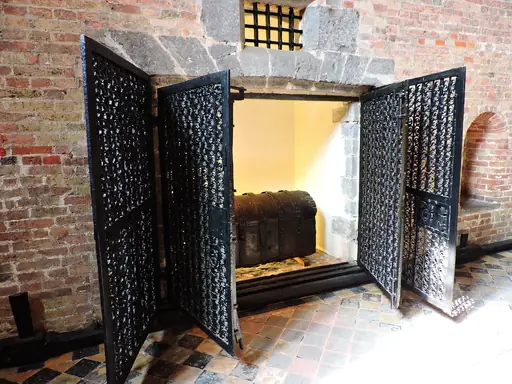
Historic Tower in Bruges
Belfry of Bruges
Medieval tower with stunning views
This medieval bell tower rises 83 metres above the city's market square. Visitors climbing to the top pass 366 narrow stone steps along the way. A 47-bell carillon inside still plays melodies at set times each day. The tower leans slightly, a result of settling in the soft ground beneath it.
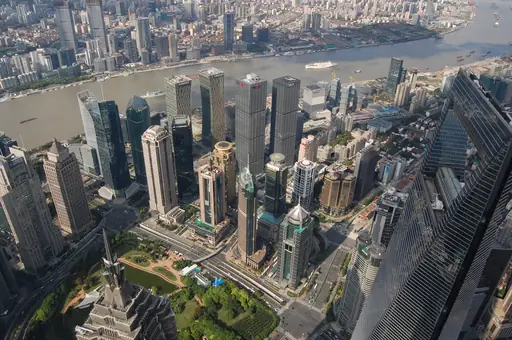
Landmark in Shanghai
Shanghai Tower
China's Towering Urban Marvel
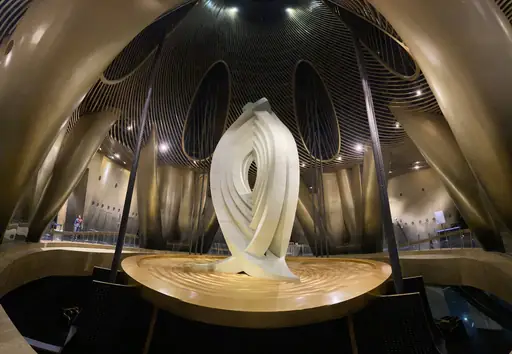
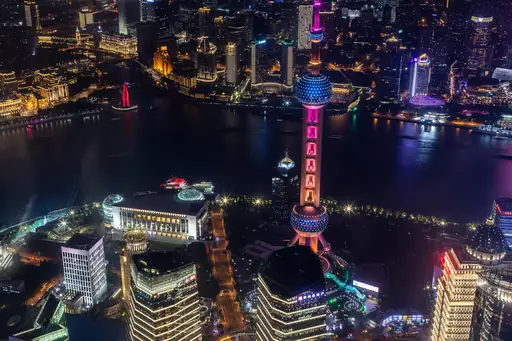
This skyscraper's outer shell twists 120 degrees as it rises, reducing wind load on the structure. At 632 metres, it was the tallest building completed in China at the time. Double-layer glass walls create nine indoor sky gardens stacked throughout the tower. High-speed lifts here can reach speeds of over 20 metres per second.
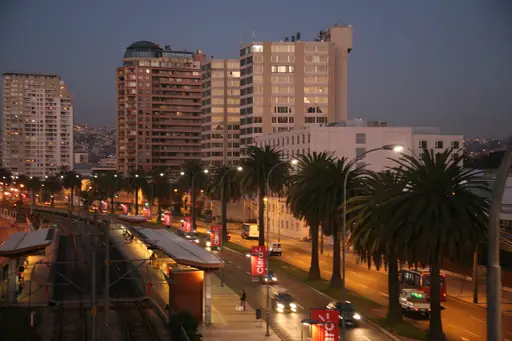
City in Chile
Valparaíso
Colorful Hills, Art and Ocean Views
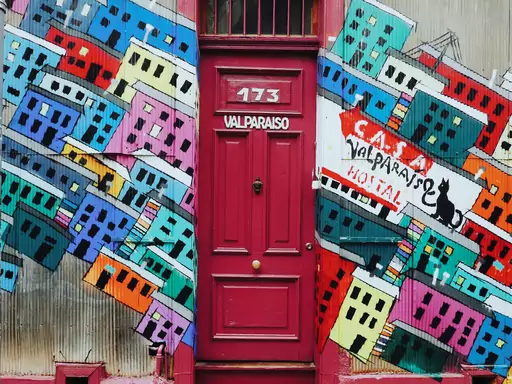
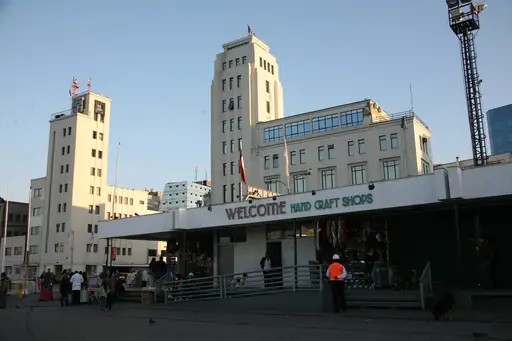
Brightly painted houses climb the steep hills of this Chilean port city, connected by narrow winding streets. Funiculars built in the late 1800s still carry residents up some of the steepest slopes. Street art covers many walls throughout the city's older neighbourhoods. UNESCO recognised Valparaiso's historic quarter as a World Heritage Site in 2003.
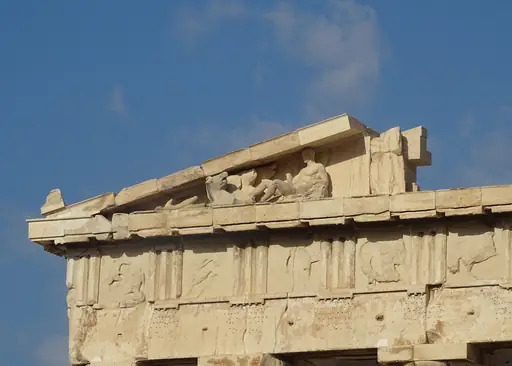
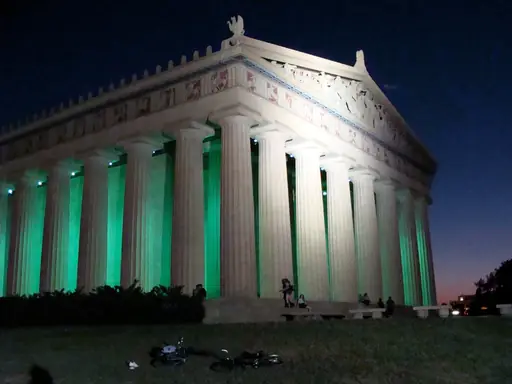
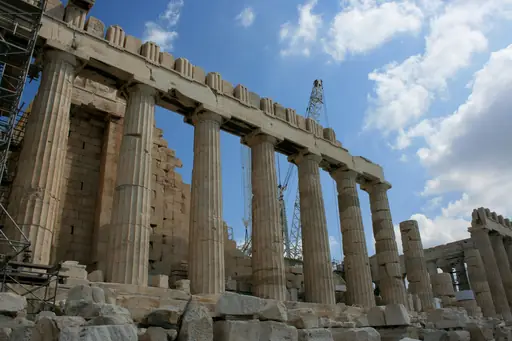
Historic Temple in Athens
Parthenon
Ancient Temple of Athena's Glory
This temple was built in 447 BC and dedicated to the goddess Athena. Doric columns line its exterior, slightly curved to correct an optical illusion. It once housed a massive gold and ivory statue of Athena now lost. The temple has survived wars, fires and an explosion that destroyed part of its roof.
Church in Istanbul
Hagia Sophia
Architectural Wonder of Istanbul
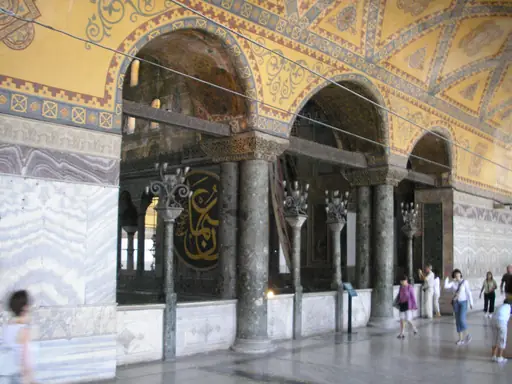
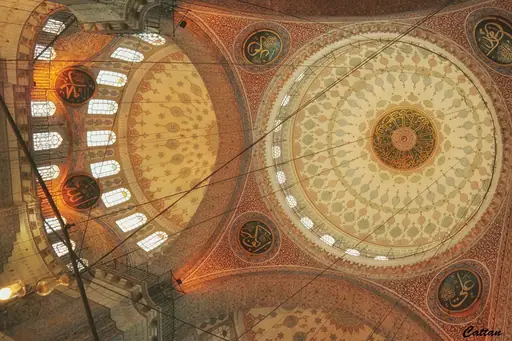
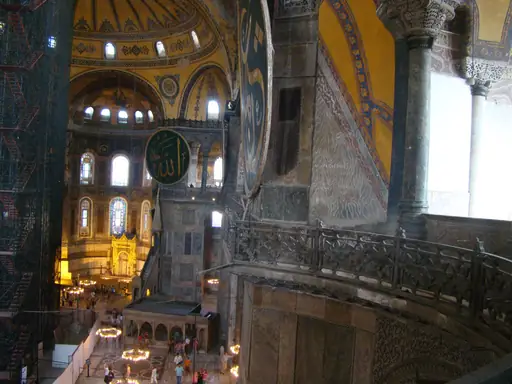
This building's dome rises 55 metres and spans over 30 metres with no central support. It was built as a cathedral in 537 AD before later becoming a mosque. Four minarets were added after the Ottoman conquest of Constantinople. Gold mosaics from its earlier Christian era are still visible in the interior.
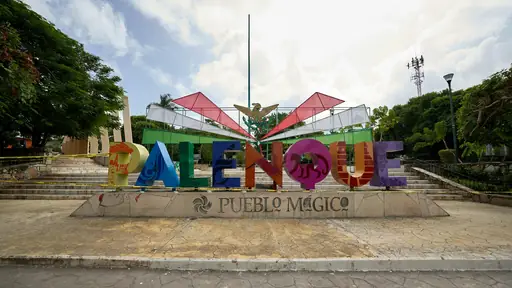
City in Mexico
Palenque (city)
Lively Jungle Gateway Town
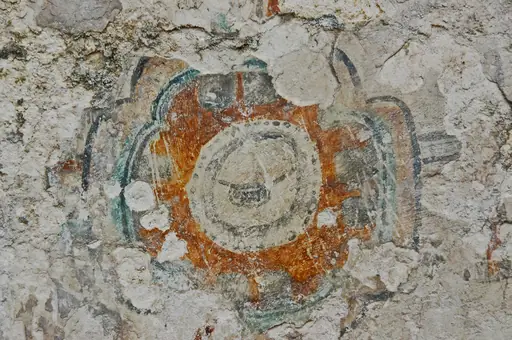
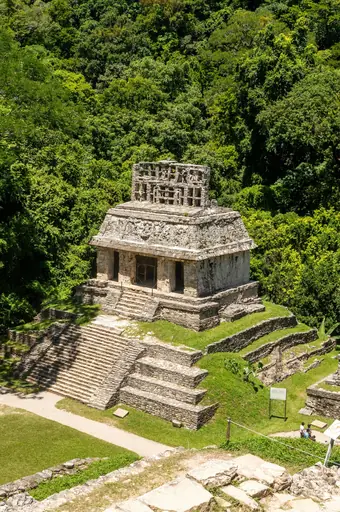
The Temple of Inscriptions here holds a stairway leading down to a royal tomb discovered in 1952. Carved hieroglyphic panels inside record centuries of Maya history and rulers. Dense jungle still surrounds much of the site, with many structures yet to be uncovered. Palenque flourished as a Maya city-state between the 5th and 8th centuries.

Archaeological Site in Mexico
Chichen Itza
Unravel the Mysteries of the Maya
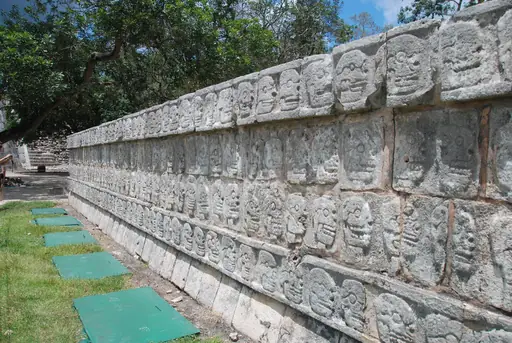
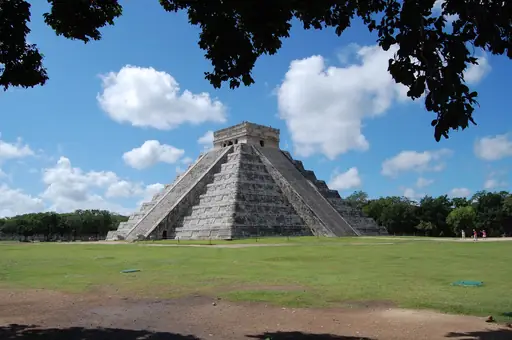
El Castillo, the main pyramid here, has exactly 365 steps across its four staircases combined. Twice a year, shadows on the pyramid form a serpent shape slithering down the steps. Maya builders aligned the structure closely with the solar calendar. A ball court nearby ranks among the largest known from the ancient Maya world.
City in Yemen
Sana'a
Timeless Towers and Ancient Alleys
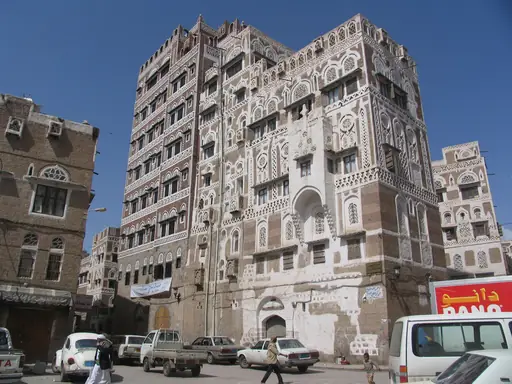
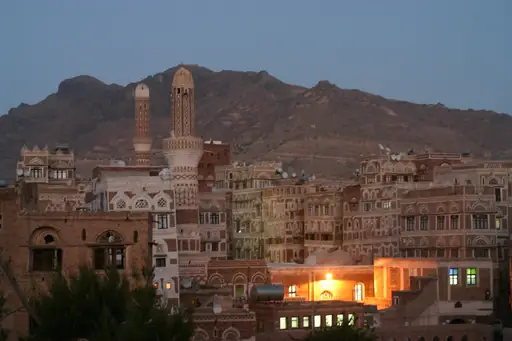
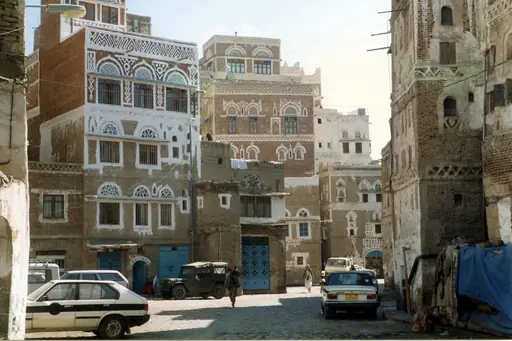
Tower houses in this old city rise up to nine stories, built from rammed earth. Many date back several centuries, built tall to save space within the walled city centre. Geometric patterns frame windows on nearly every floor, often trimmed in white gypsum. UNESCO listed the old city as a World Heritage Site in 1986.
Historic Site in Jordan
Petra
Ancient city carved into rose-red stone
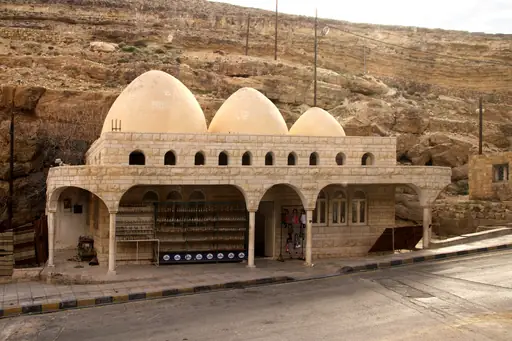
Nabataean builders carved the Treasury facade into a sandstone cliff over 2,000 years ago. Its columns and pediment mimic Greek temple design despite being cut from solid rock. A narrow canyon called the Siq leads visitors to the facade, hiding it until the last moment. Over 800 other structures are carved into the surrounding cliffs.
City in Morocco
Casablanca
Modern Vibes and Rich Traditions
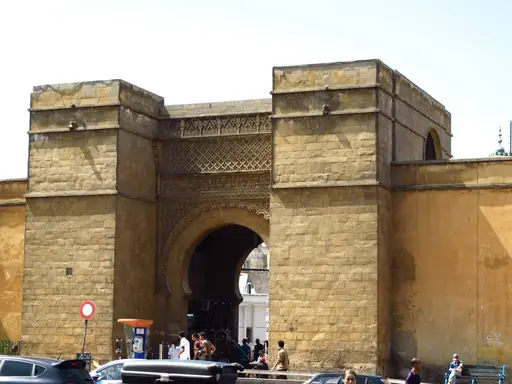
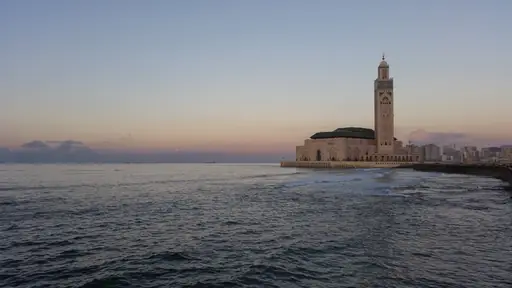
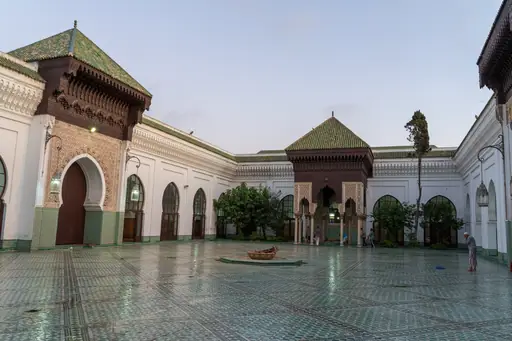
The Hassan II Mosque has a minaret rising over 200 metres, among the tallest in the world. Part of its floor sits over the Atlantic, with glass panels revealing water below. Thousands of craftsmen worked on its tilework and carved plaster. The mosque can hold tens of thousands of worshippers between its interior and courtyard.
Art Museum in Bilbao
The Guggenheim Bilbao
Immersive modern art in a striking steel shell
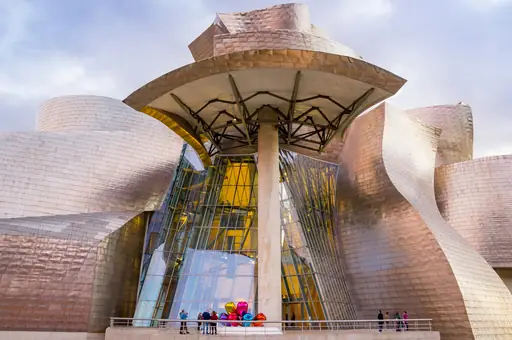
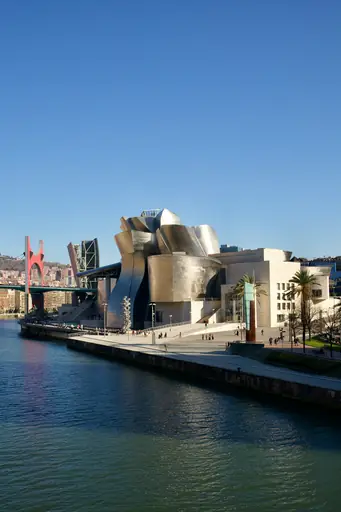
Curved titanium panels cover this museum's exterior, chosen partly for their light weight. Inside, a soaring atrium rises nearly 50 metres, ringed by walkways and glass lifts. Sculptures by Richard Serra fill one long gallery built specifically to hold them. Frank Gehry designed the building using aerospace software rather than traditional drafting.
City in Japan
Kamakura
Great Buddha, Zen temples and surf beaches
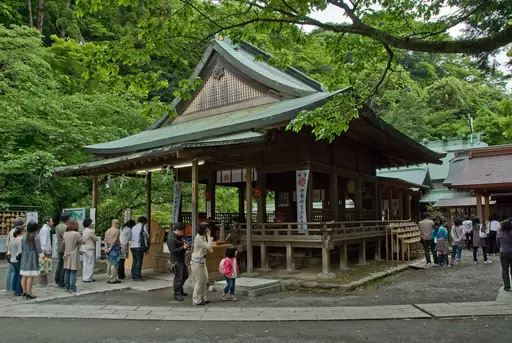
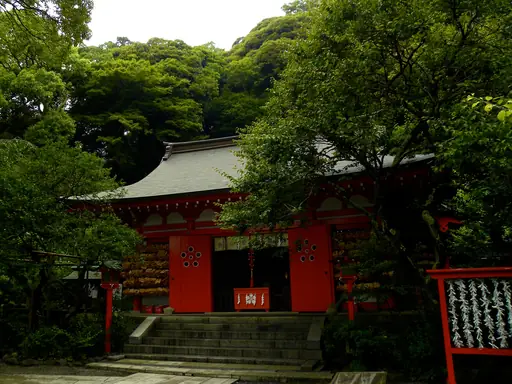
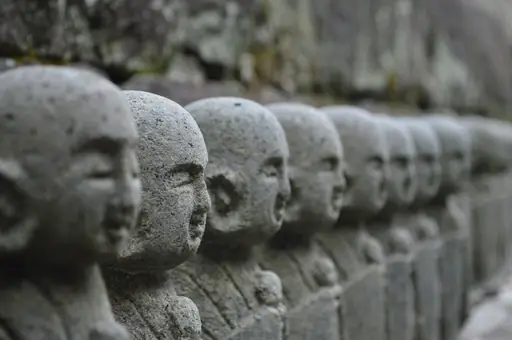
A bronze statue of Buddha here stands nearly 13 metres tall, cast in the 13th century. It once sat inside a wooden hall that was destroyed by a tsunami centuries ago. Visitors can step inside the hollow statue to see how it was assembled. The Buddha has sat in the open air ever since.
Church in Venice
St. Mark's Basilica
Venice's Glittering Byzantine Jewel
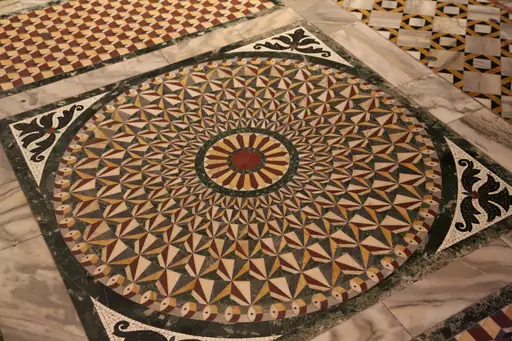
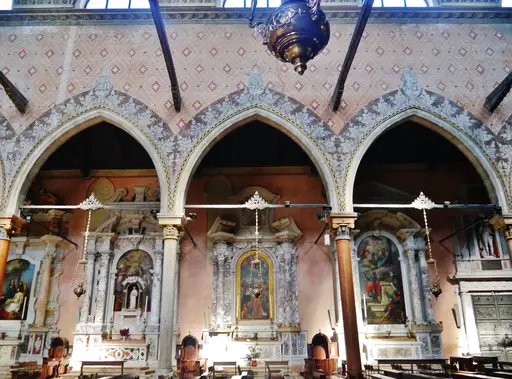
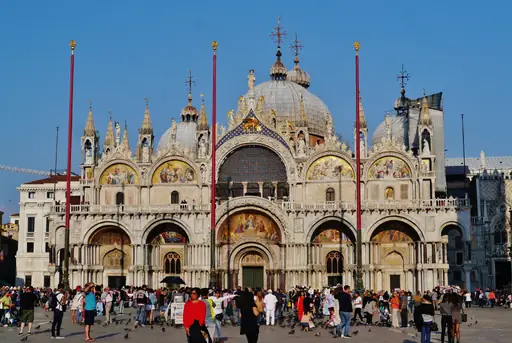
Byzantine mosaics cover roughly 8,000 square metres of the basilica's interior walls and ceilings. Four bronze horses once stood above the main entrance before being moved inside for protection. The building's five domes reflect its strong ties to Byzantine architectural style. Construction began in the 9th century to house the relics of Saint Mark.
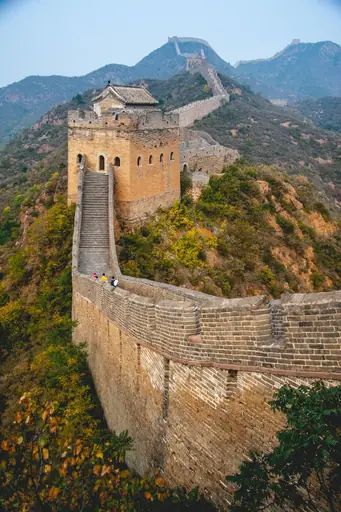
Landmark in Beijing
Great Wall of China
Ancient Marvel Spanning Centuries
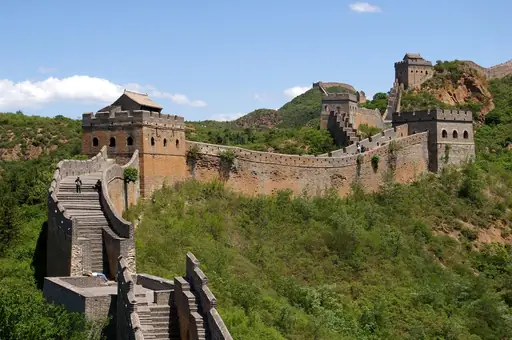
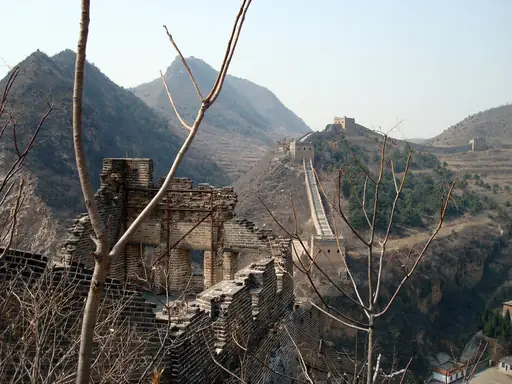
Sections of this wall were built and rebuilt over roughly two thousand years by different dynasties. Well-preserved stretches near Beijing date mostly from the Ming dynasty. Watchtowers spaced along the wall once relayed signals using smoke and fire. The full network of walls stretches for thousands of miles across northern China.
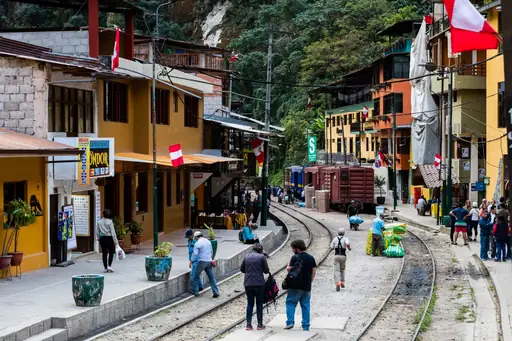

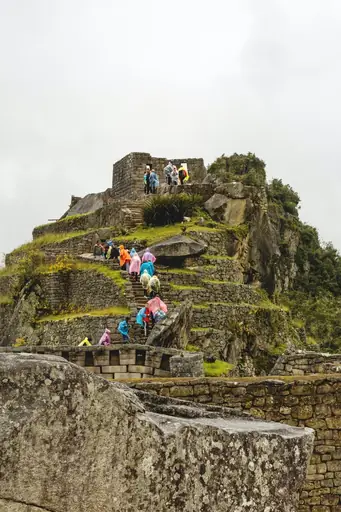
Archaeological Site in Peru
Machu Picchu
Lost Inca city among clouds
Inca builders shaped the Intihuatana stone to track the sun's position during key points of the year. Walls throughout the site were cut so precisely that no mortar was needed to hold them. Terraces cascade down the mountainside, built both for farming and to stabilise the slope. The site stayed hidden from outsiders until 1911.
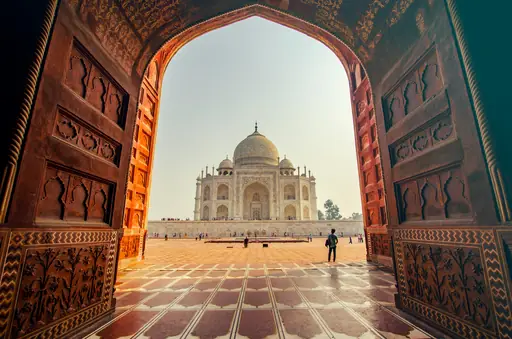
Monument in Agra
Taj Mahal
Radiant marble echoing timeless love
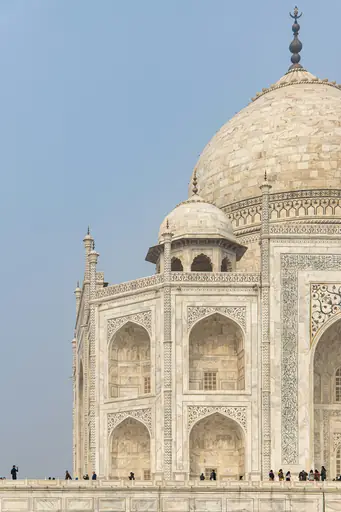
A reflecting pool runs the length of this monument's garden, doubling its white marble facade in still water. Four minarets flank the main dome, each built to tilt slightly outward for structural safety. A red sandstone gateway frames visitors' approach towards the tomb. Its symmetry extends even to a mirror-image mosque built on one side.
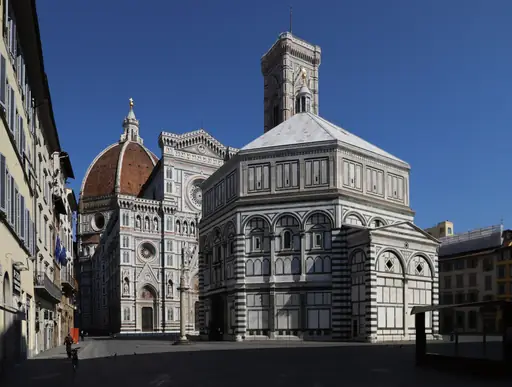
Cathedral in Florence
Florence Cathedral
Renaissance Masterpiece with a View
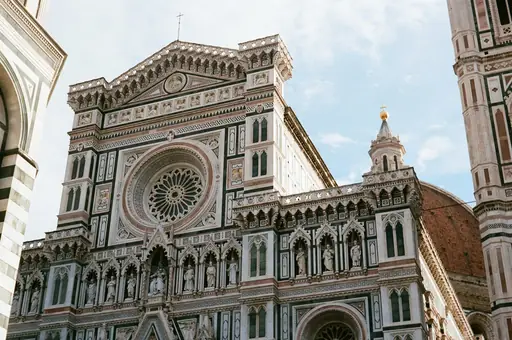
Filippo Brunelleschi engineered this cathedral's dome without using wooden supports during construction. He invented a herringbone brick pattern to help distribute the dome's weight evenly. Completed in 1436, it remains the largest brick dome ever built. Visitors can climb a narrow staircase between the dome's two shells for close-up views.
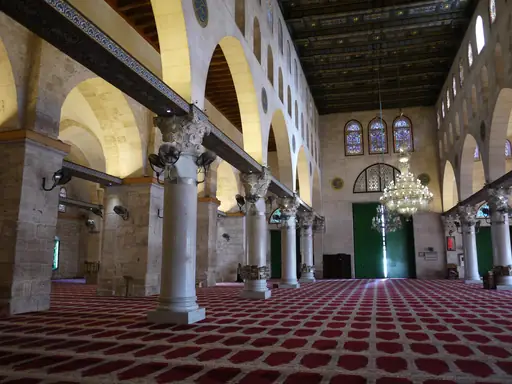
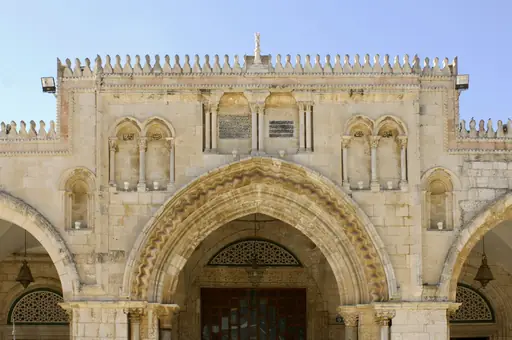
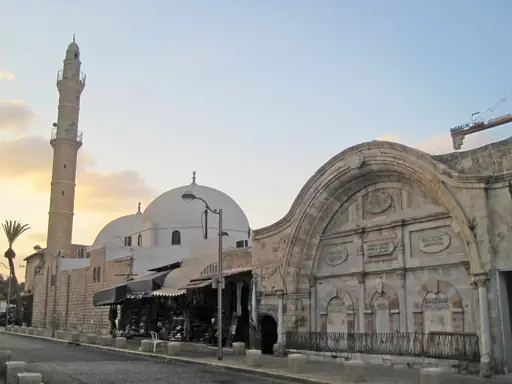
Place of Worship in Jerusalem
Dome of the Rock
Ancient Shrine with Golden Dome
This shrine was completed in 691 AD, one of the oldest surviving works of Islamic architecture. Its golden dome covers the rock believed to mark the site of Muhammad's ascension. Blue tilework covering the exterior was added centuries later under Ottoman rule. The structure sits atop the Temple Mount, a site sacred to three religions.
Palace in Versailles
Palace of Versailles
Grand Symbol of French Royalty
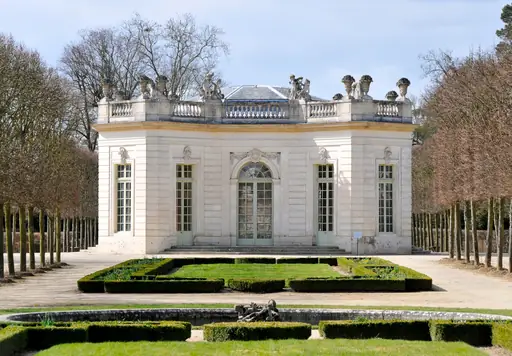
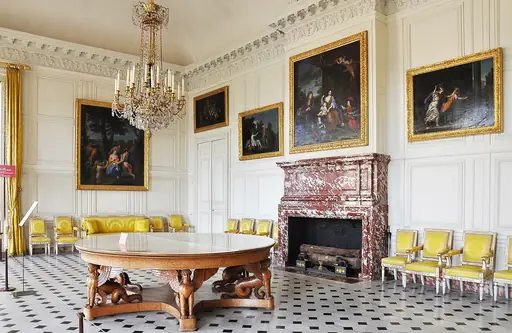
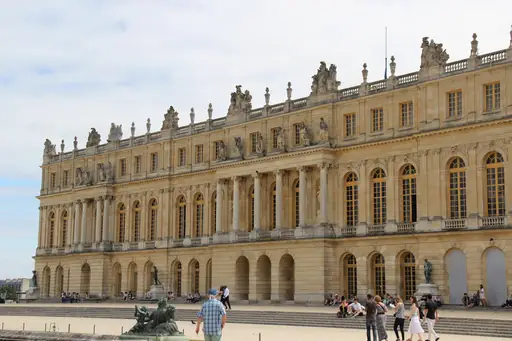
The Hall of Mirrors stretches 73 metres and holds 357 mirrors facing the palace gardens. It was built to reflect light from 17 arched windows overlooking the grounds. Louis XIV used the hall for court ceremonies and receiving foreign dignitaries. The gardens outside were designed by Andre Le Notre in strict geometric patterns.
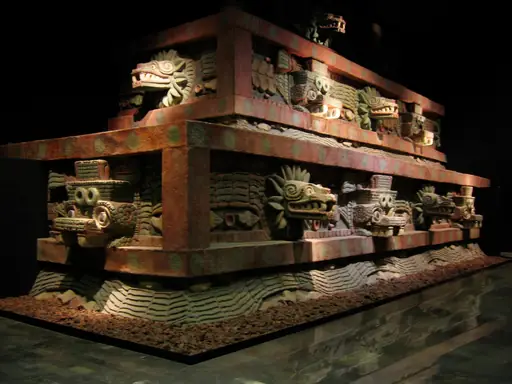
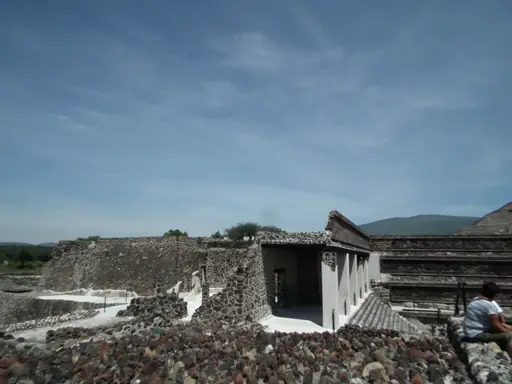
Archaeological Site in Puebla
Teotihuacan
Ancient Pyramids, Timeless Mystique
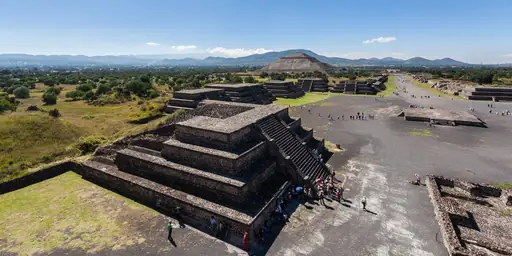
The Pyramid of the Sun rises over 60 metres, among the largest pyramids built anywhere in the ancient world. Builders aligned it closely with the sun's movement across the sky. A long avenue connects it to the smaller Pyramid of the Moon nearby. Archaeologists still aren't sure exactly who built the city.
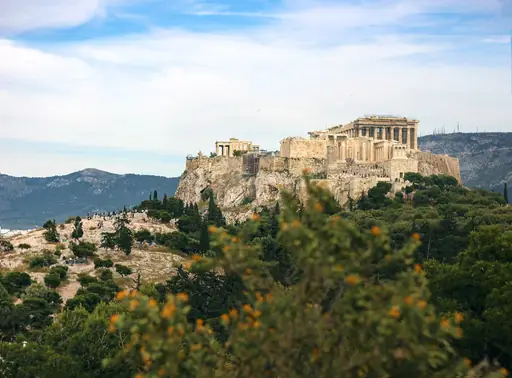
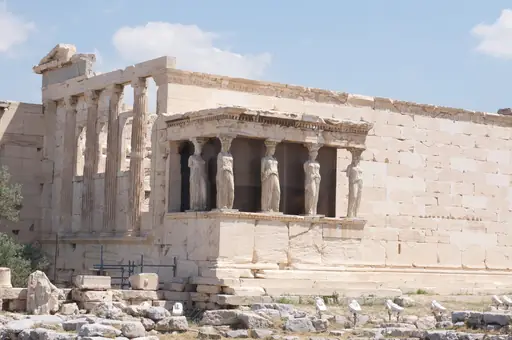
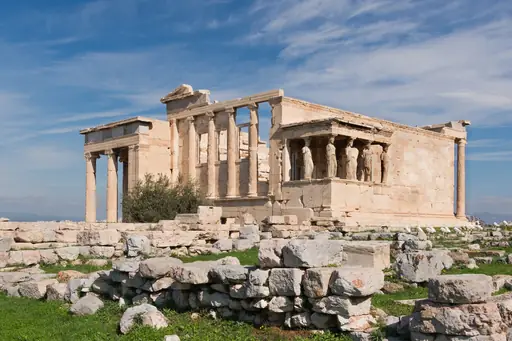
Historic Site in Athens
Acropolis
Ancient Glory Above Athens
This hilltop complex holds several ancient temples built during Athens' golden age in the 5th century BC. The Propylaea forms a grand marble gateway at the site's western entrance. Nearby, the Erechtheion features six carved female figures supporting its porch roof. Restoration work has continued on the site for several decades.
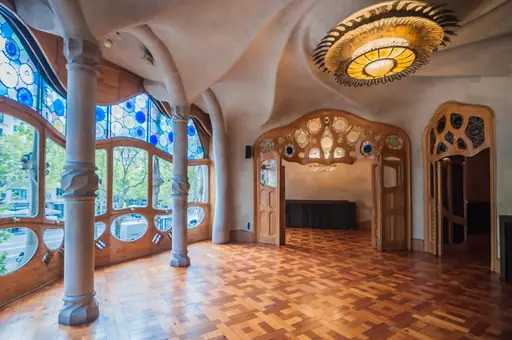
Landmark in Barcelona
Batlló House
Gaudí's Whimsical Modernist Masterpiece
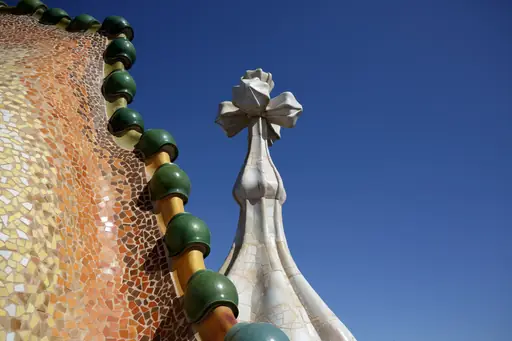
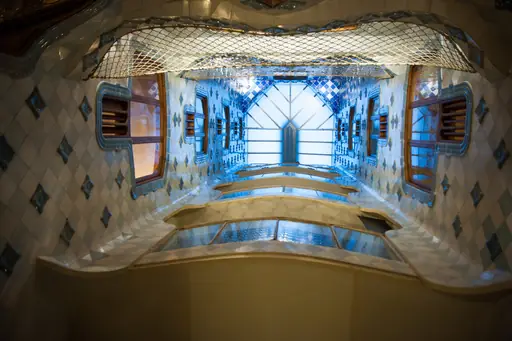
Antoni Gaudi redesigned this building's facade between 1904 and 1906 for a textile family. Its roof is shaped like a dragon's back, with scaled tiles running along the ridge. Balconies on the front resemble skeletal masks looking out over the street. Locals sometimes call it the House of Bones for its organic, curved shapes.
Historic Site in Ethiopia
Lalibela
Stone churches echoing centuries of faith
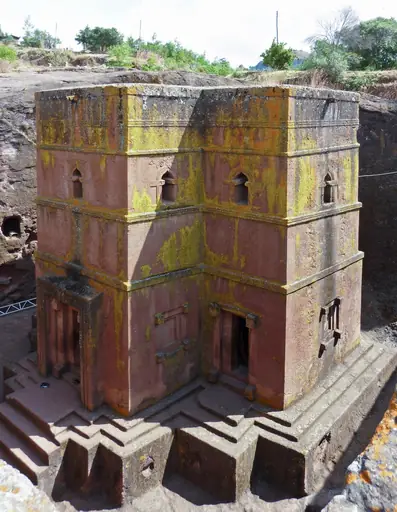
Saint George's Church here was carved downward in the shape of a cross, visible clearly from above. Workers dug a deep trench around the stone block before hollowing out windows and doors. The church sits roughly 15 metres below ground level. Pilgrims still gather here each January for religious celebrations.
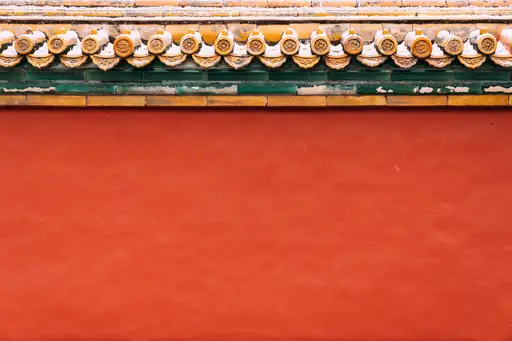
Palace in Beijing
Forbidden City
Ancient Imperial Majesty Center
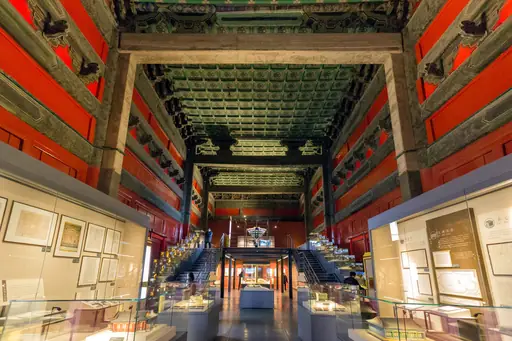
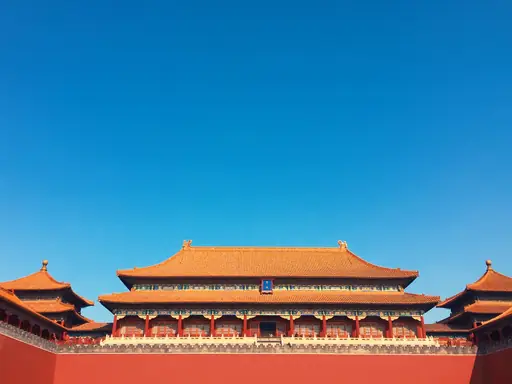
This palace complex once housed two dynasties of Chinese emperors and nearly 1,000 buildings. Yellow roof tiles cover most structures, a colour once reserved for imperial use. The complex follows a strict north-south axis under traditional design principles. It served as the political centre of China for close to 500 years.
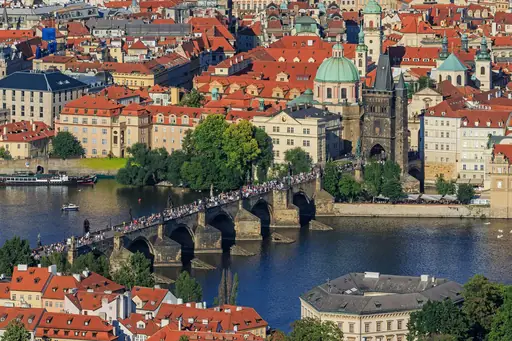
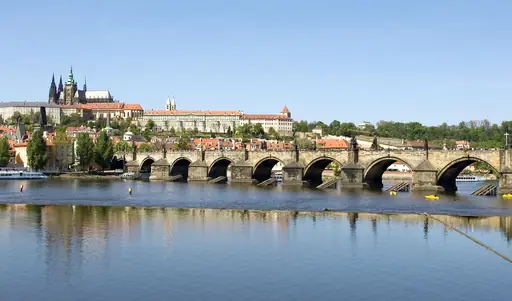
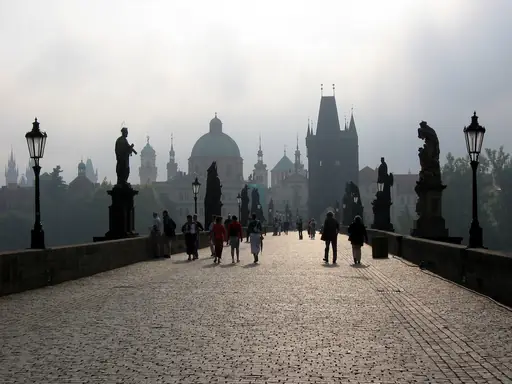
Bridge in Prague
Charles Bridge
Prague's Timeless Medieval Icon
Construction on this stone bridge began in 1357 under King Charles IV. Thirty statues of saints line the bridge, added mostly during the Baroque period. It replaced an earlier bridge that had been damaged by flooding. Pedestrians and street performers now fill the bridge throughout the day.



Government Building in Washington, D.C.
United States Capitol
Heart of American Democracy
A cast iron dome, added in 1866, replaced the building's original smaller copper dome. William Thornton's design won a competition held in 1792 for the new capital. The Statue of Freedom stands atop the dome, nearly 20 feet tall. Visitors can tour both chambers of Congress inside the building's two wings.
Bridge in Venice
Rialto Bridge
Venice’s Historic Grand Canal Crossing
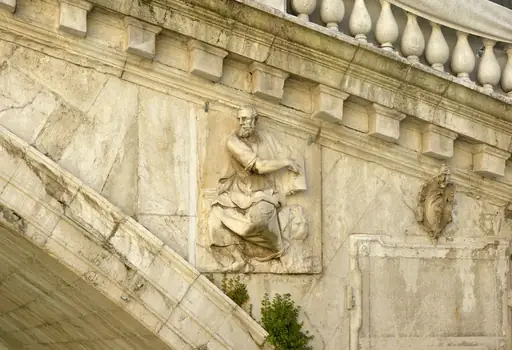
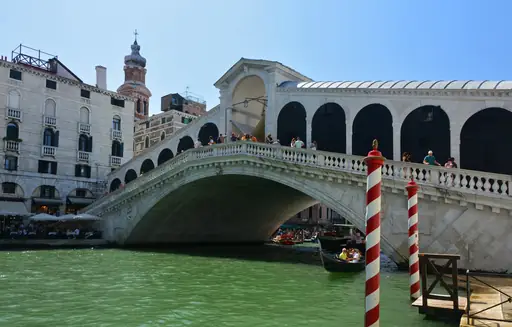
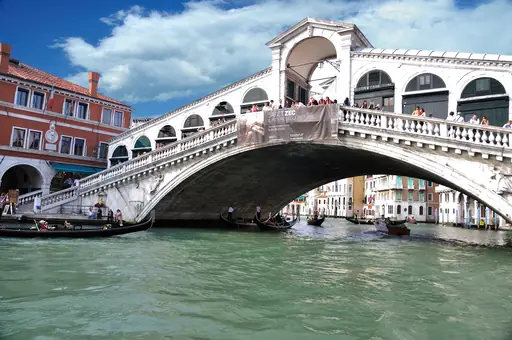
This stone bridge crosses the Grand Canal in a single arch, completed in 1591. Its design won out over proposals from Michelangelo and other well-known architects of the era. Rows of shops line both sides of the walkway across the top. The bridge stayed the main way to cross the canal on foot for centuries.
Historic Site in Yazd
Persepolis
Majestic ruins of ancient Persia
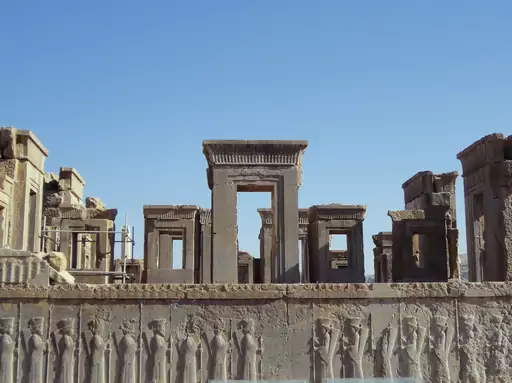
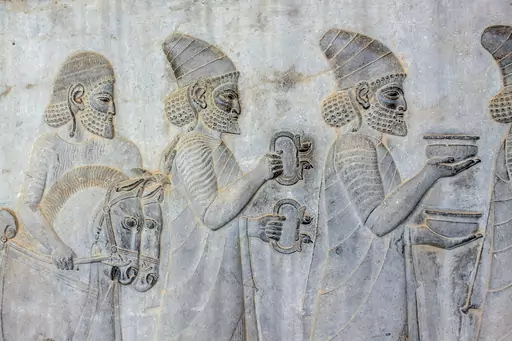
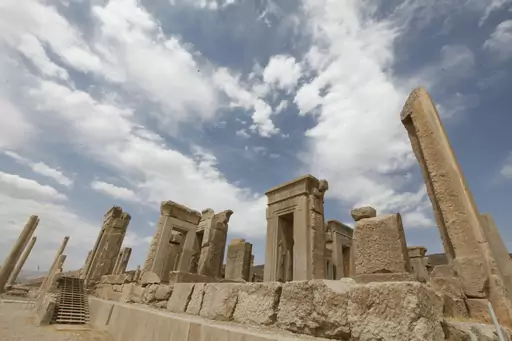
The Gate of All Nations here once welcomed envoys arriving to pay tribute to Persian kings. Carved reliefs along staircases show delegates from across the empire bringing gifts. Alexander the Great's forces burned much of the ceremonial capital in 330 BC. Massive stone columns, some still standing, hint at the palace's original scale.
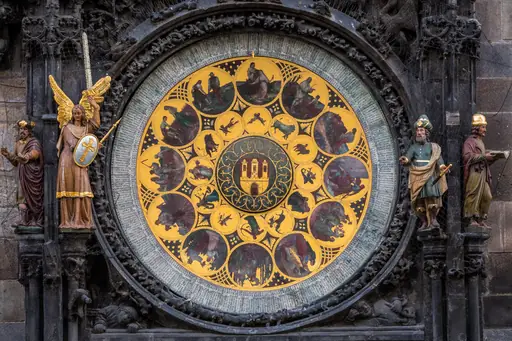
Clock in Prague
Astronomical Clock
Medieval Marvel of Time and Art
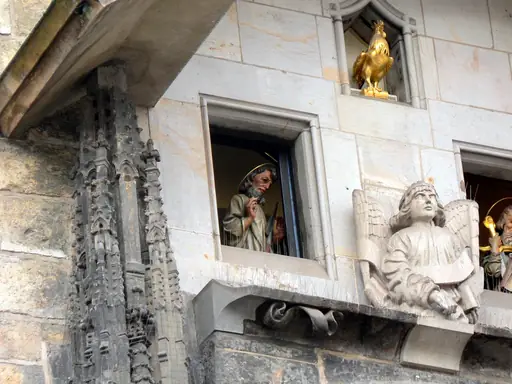
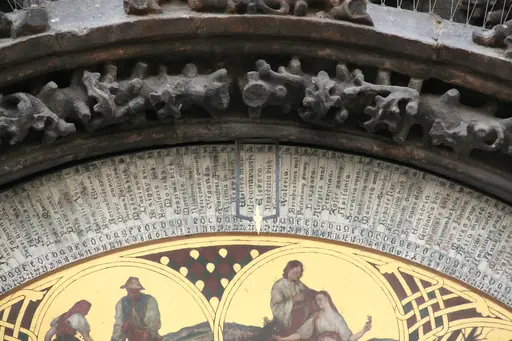
This clock has operated on Prague's Old Town Hall since 1410. It remains one of the oldest working astronomical clocks in the world. Moving figures of the apostles appear through small windows on the hour. A skeleton figure representing death rings a bell as part of the display.
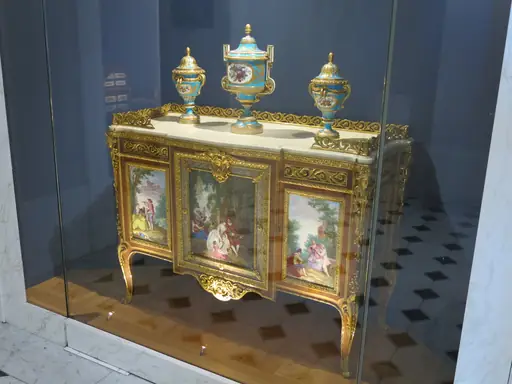
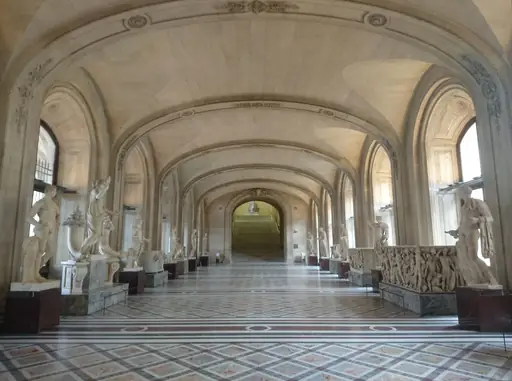
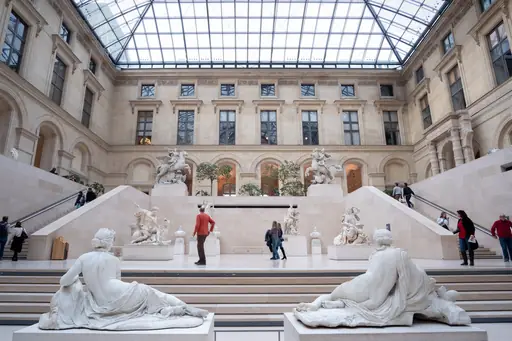
Museum in Paris
Louvre Museum
World's Largest Art Museum
A glass pyramid designed by I.M. Pei was added to the museum's courtyard in 1989. It serves as the main entrance, contrasting sharply with the surrounding classical facades. Sunlight filters down through the glass panels into the underground lobby. The pyramid drew criticism at first but is now considered a landmark in its own right.
Other lists you may like
Discover
Best architecture destinations in Africa
Africa's architectural heritage spans an enormous chronological range, from the ancient stone complexes of the northeast and the monumental earthen mosque traditions of the west to…
Read more
Discover
Best architecture destinations in Asia
Asia contains some of the world's most significant architectural traditions, with temple complexes, imperial palace compounds and historic urban quarters representing distinct…
Read more
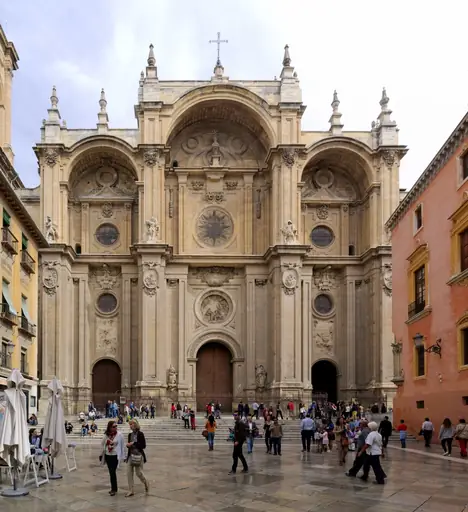
Discover
Best architecture destinations in Europe
Europe's architectural range spans Gothic cathedrals, Renaissance palaces and twentieth-century modernist landmarks within a single train journey, making it the continent most…
Read more
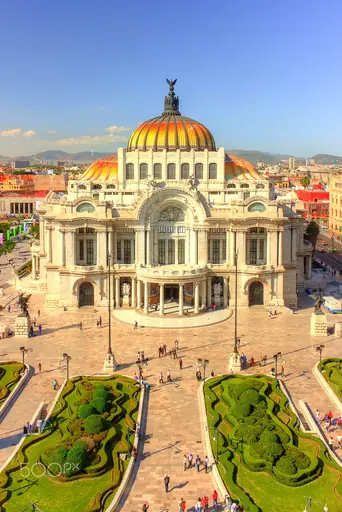
Discover
Best architecture destinations in North America
North America's architectural story is compressed into a relatively short documented history but covers an extraordinary range, from the pre-Columbian ceremonial structures of the…
Read more
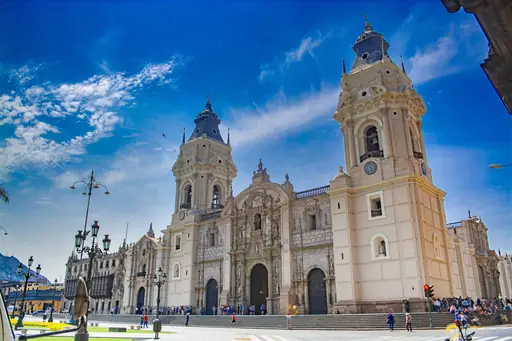
Discover
Best architecture destinations in South America
South America's architectural heritage is shaped by the collision between pre-Columbian monumental traditions and the colonial urban frameworks imposed from the sixteenth century…
Read more

Discover
Best architecture destinations in Oceania
Australia's most iconic piece of modern architecture remains the region's defining landmark, while New Zealand's Māori-influenced contemporary buildings offer a distinct…
Read more
What other users say about travelfilters
“travelfilters made it easy for me to find ski areas and compare what else they offer, so that I could find the best place for my personal travel style.”

Chris
Snowboarding & Onsen trip to Japan
“I love how transparent the data feels. There is no pushy upsell, just honest information and settings I can tune to my own travel style.”

Maria
After booking her 2027 winter escape
“The level of detail for each destination and how well those are displayed, make planning feel confident instead of overwhelming.”

Mina
Planned a week in New York City
“We used travelfilters for our planning from start to end. The trip turned out even better than expected, thanks to all their tools and customisation options.”

Allan & Etienne
Trip to Japan to see autumn foliage
“Thanks to travelfilters, I found some hidden gems to see. Being able to filter for exactly your interests is a game changer for my travel planning.”

Michael
Tour through the old cities of Northern Italy
“The customizable filters helped me find a quiet beach town with good wifi and low season crowds in under five minutes.”

Diego
Weekend Escape to Llanes, Spain
“The airport connection map saved me hours by showing good flight options from my home airport to lesser-known cities.”

Nguyen
Planning a 2027 trip to France
“The website is clean, fast and focused on the search itself, which makes travelfilters feel more like a professional tool than an ad-heavy booking site.”

Hassan
Christmas Market trip, Germany
