
Top spiritual travel destinations and wellness retreats
Top spiritual travel destinations and wellness retreats
Quiet destinations for spiritual growth and retreats
Spiritual travel works best at destinations with a genuine, long-standing tradition behind the practice on offer: places where meditation, ritual or retreat has been part of local life for generations rather than packaged recently for visitors. That depth tends to shape the atmosphere in ways that are hard to fake.
The destinations on this list range from ancient pilgrimage routes and monastic retreat centres to newer wellness destinations built around specific spiritual or meditative traditions. Some require structured commitment. Others offer a more flexible, self-directed experience. Speaking with a local guide or teacher beforehand often helps clarify which practices are open to visitors and which remain reserved for initiated members of the tradition.
Approaching with genuine openness, rather than treating the destination as a backdrop, tends to make the biggest difference to what a spiritual trip delivers.
Lists by region

Region in Indonesia
Bali
Tropical beaches, vibrant culture and adventure
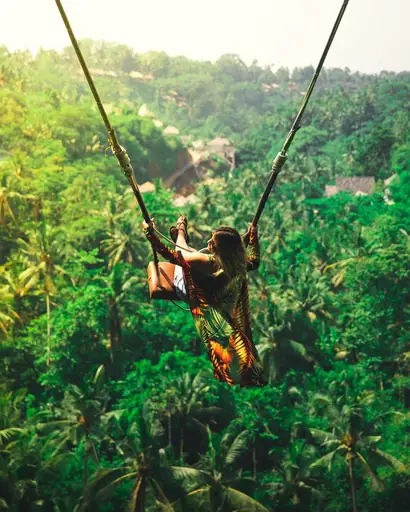
Nyepi, the Day of Silence, closes the whole island each March. No one may use lights, travel or work for 24 hours. Even the airport shuts down and the beaches and streets go quiet. The evening before, giant papier mache spirit figures parade through villages.
State/Prefecture in India
Rajasthan
Desert palaces and vibrant cultural tapestry
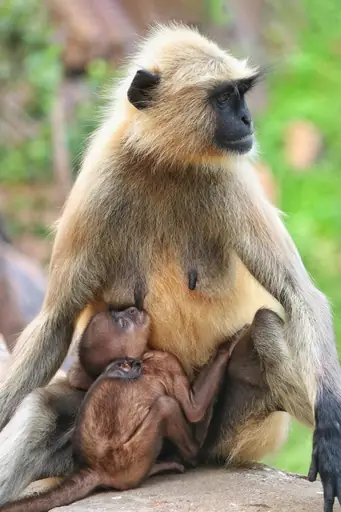
Pushkar Lake has 52 bathing ghats and a rare temple to Brahma. Pilgrims bathe in the lake at dawn on full moon days. Ajmer Sharif Dargah nearby is a Sufi shrine for all faiths. The Pushkar Camel Fair each November fills the town with herders.
City in Mexico
Tulum
Ruins, reefs and boho beaches
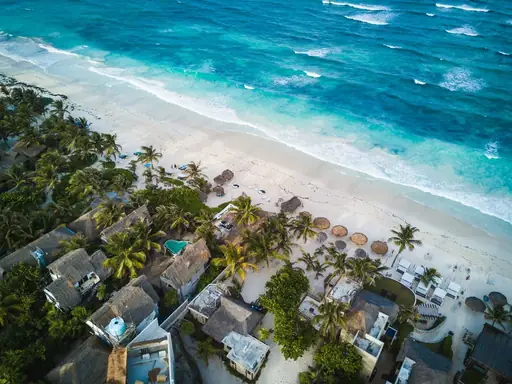
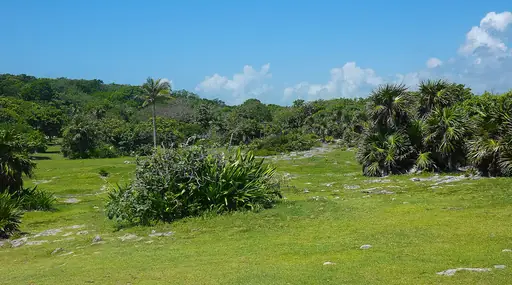
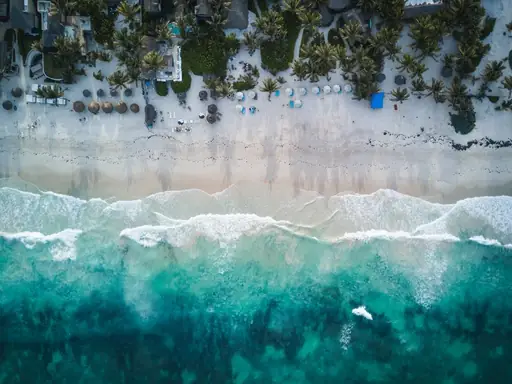
The Temple of the Wind God sits on a cliff above the Caribbean. Maya people called the walled city Zama, meaning dawn or sunrise. Yoga studios and temazcal steam huts fill the jungle hotels nearby. Cenotes such as Gran Cenote offer cool swims in clear caves.


Town in Indonesia
Ubud
Bali's Cultural and Spiritual Heart
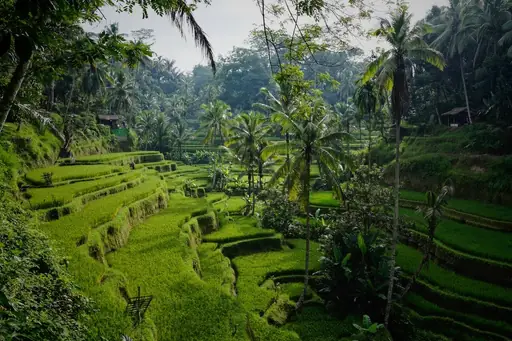
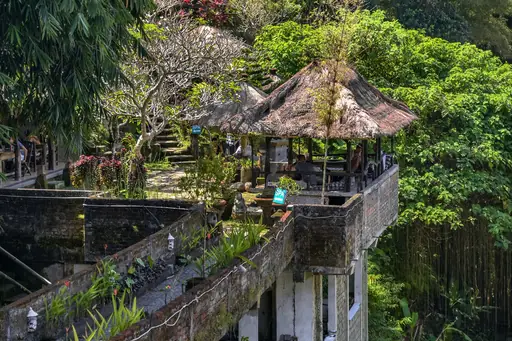
The Campuhan Ridge Walk follows a grassy path of two kilometres above two rivers. Yoga studios, traditional healers and organic cafes fill the town. Balian healers offer massage and herbal remedies in family compounds. Temple dance shows begin at dusk in old stone courtyards and palaces.
City in Japan
Nara
Giant Buddha, tame deer and ancient temples
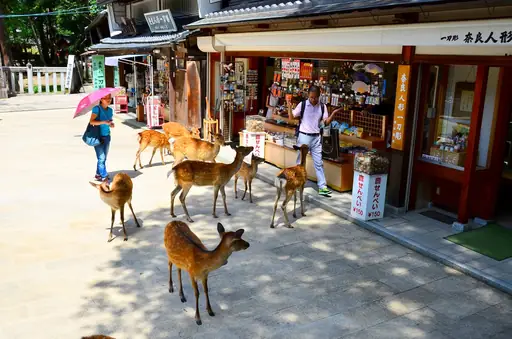
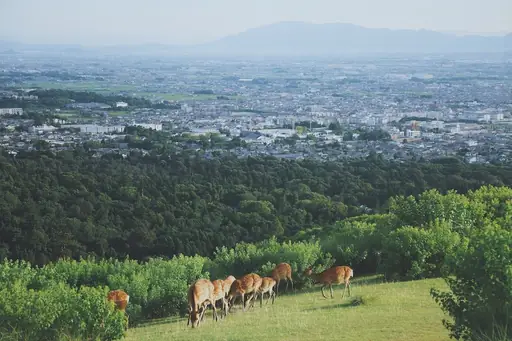
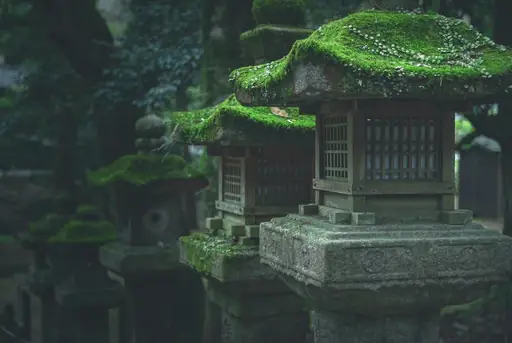
Todai-ji houses a bronze Great Buddha about 15 metres tall. The wooden hall that shelters it is among the largest in the world. Nara Park deer are treated as messengers of the gods. Kasuga Taisha shrine has thousands of stone and bronze lanterns lit twice a year.
City in India
Haridwar
Sacred riverbanks echo ancient pilgrim chants
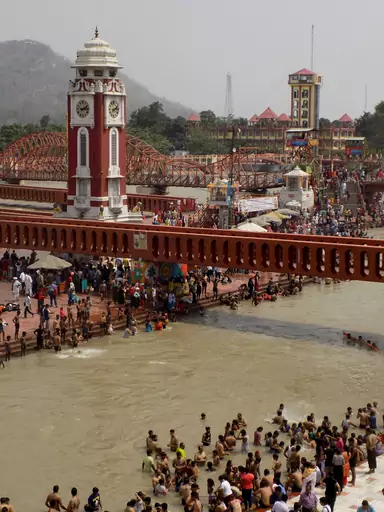
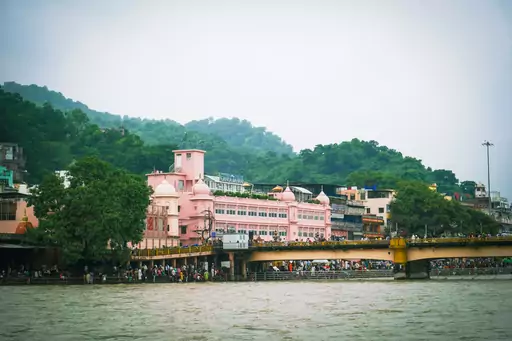
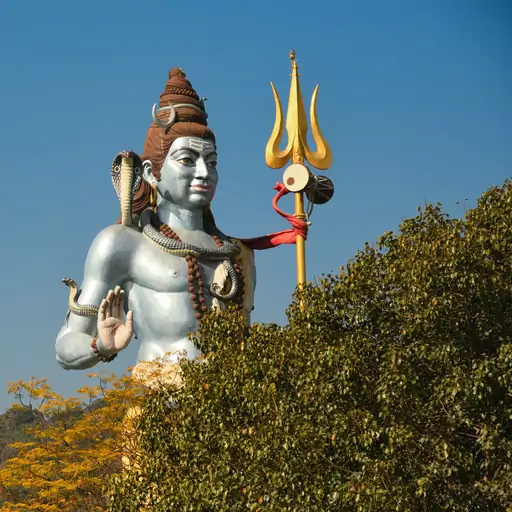
Every evening priests wave flaming lamps at Har Ki Pauri in the Ganga Aarti. Pilgrims float small leaf boats with flowers and candles on the river. The Kumbh Mela draws millions here every 12 years. Devotees bathe in the cold river to wash away sins.
City in India
Varanasi
India’s Timeless Spiritual Heartbeat
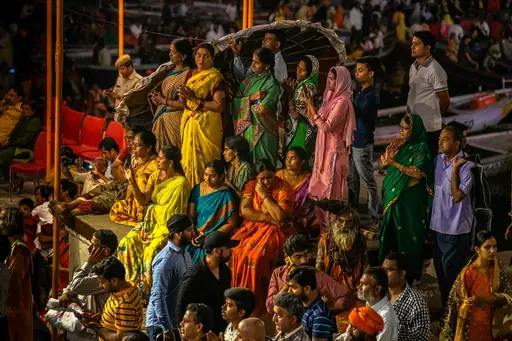
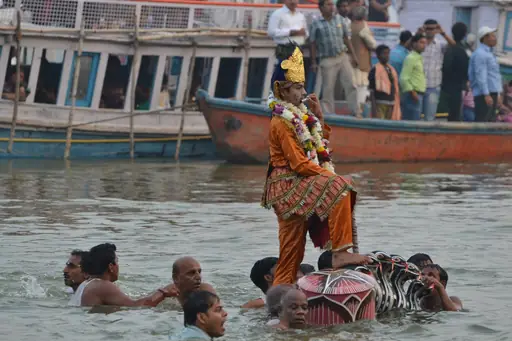
Boats glide along the Ganges at dawn past stone ghats and prayer fires. Manikarnika Ghat is a sacred cremation site beside the river. Each evening priests perform Ganga Aarti with flaming lamps at Dashashwamedh Ghat. The Kashi Vishwanath Temple, dedicated to Shiva, has a golden spire.
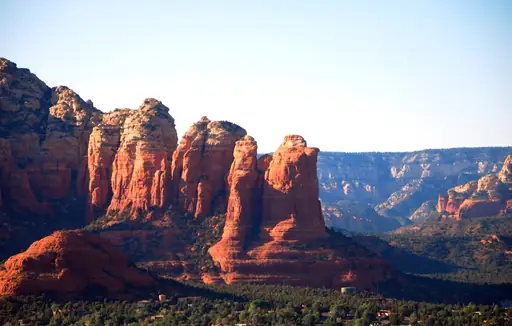
City in United States
Sedona
Red Rocks, Vortexes and Starry Skies
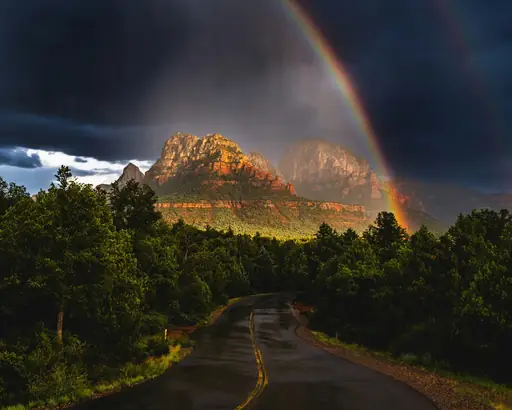
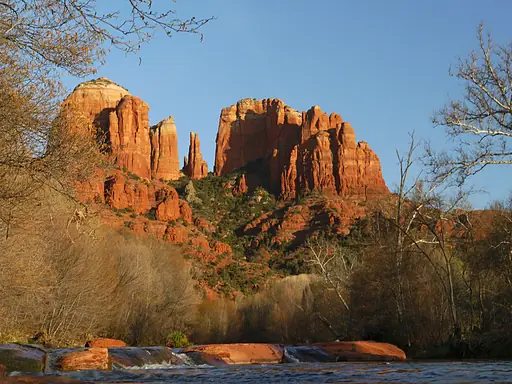
The Chapel of the Holy Cross is built into a tall red rock spire. It looks out over red buttes and green juniper. Amitabha Stupa and Peace Park offers a quiet garden for walking meditation. Guided tours visit places called vortexes, which some believe boost energy.
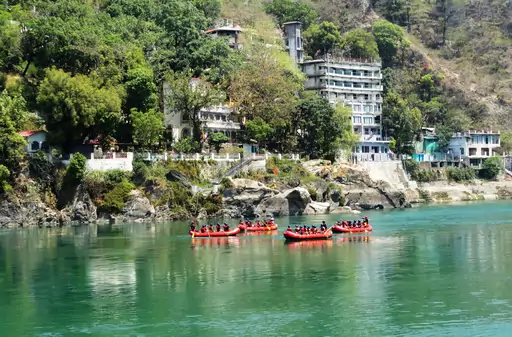
Town in India
Rishikesh
Yoga capital meets adventure haven
The Beatles studied meditation here at the ashram of Maharishi Mahesh Yogi in 1968. The old ashram now stands quiet among wall art and forest paths. Yoga schools offer classes and teacher training along the Ganges. The International Yoga Festival is held each March on the riverbank.
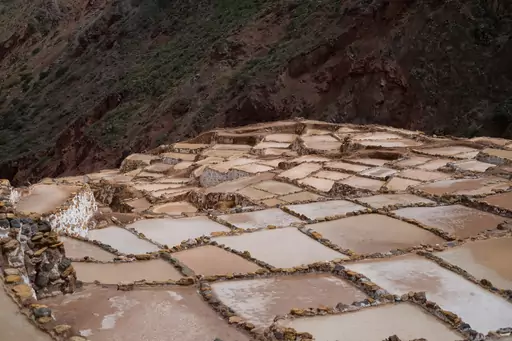
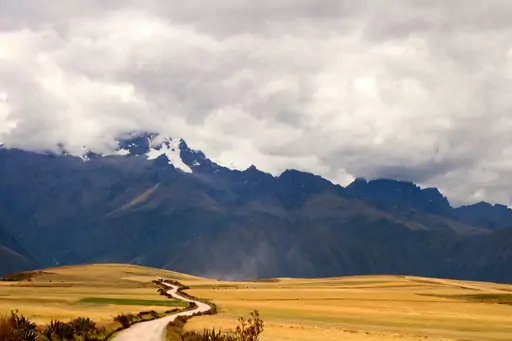
Valley in Peru
Sacred Valley
Ancient terraces echoing timeless Andean rhythms
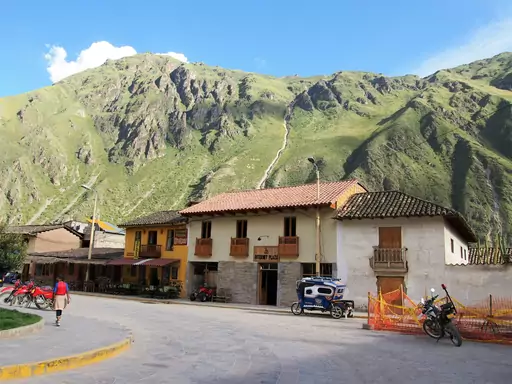
Pisac's Inca ruins sit on a steep ridge with a carved sun stone called an Intihuatana. Andean priests lead despacho ceremonies, offering coca leaves and flowers to Pachamama. On Sundays the village church holds a mass in Quechua with mayors carrying silver staffs. Ollantaytambo's stone terraces climb the hill above a small Inca town.
City in Nepal
Kathmandu
Temples, chaos and Himalayan magic
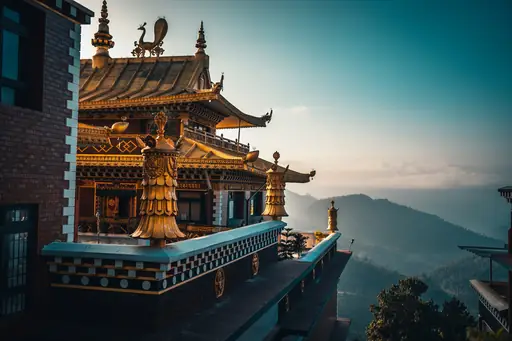
Boudhanath Stupa is a huge white dome with painted eyes of the Buddha. Pilgrims walk clockwise around it and spin rows of prayer wheels. Kopan Monastery on a hill above the valley offers meditation courses. Butter lamps flicker at dusk around the busy square and shops.
Town in Australia
Byron Bay
Bohemian Beaches and Laid-Back Vibes
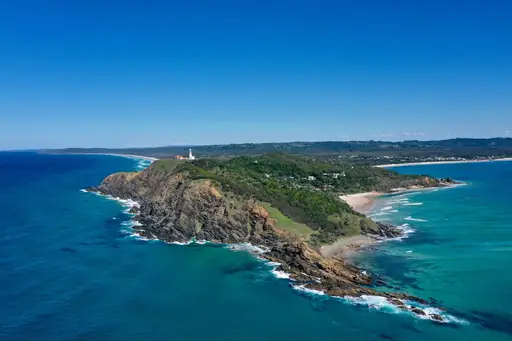
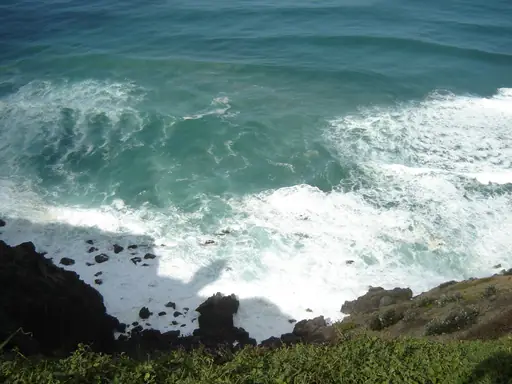
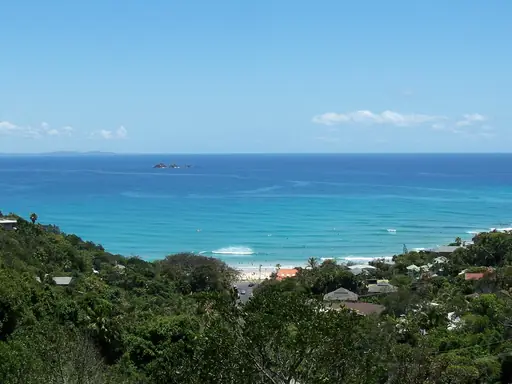
Cape Byron is called Walgun by the Arakwal Bundjalung people. Sunrise here comes earliest on the mainland because it is the easternmost point. Many visitors join yoga classes on the beach at dawn. A lighthouse walk leads around the headland with sea and whale views.
National Park in United States
Chaco Culture National Historical Park
Ancient pueblos under starlit skies
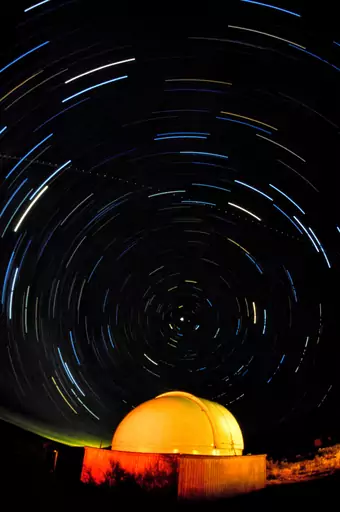
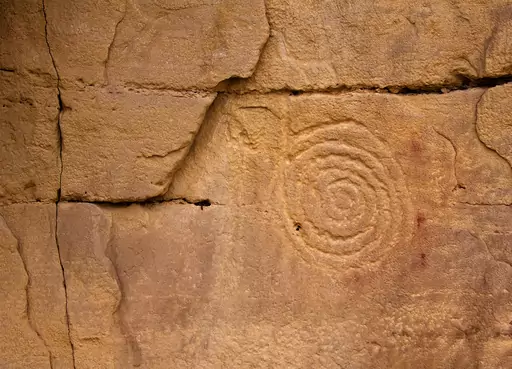
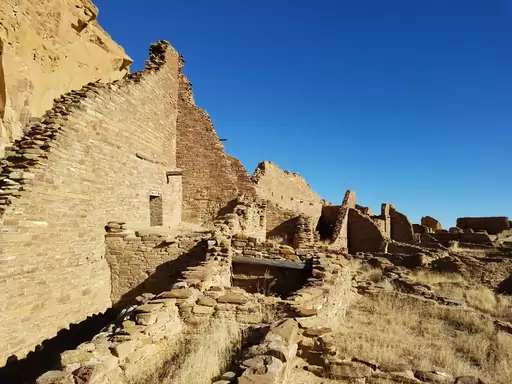
Pueblo Bonito, a great house of about 800 rooms, rises in stone terraces. Ancestral Puebloans built it between 850 and 1150. A round underground room called a great kiva sits at Casa Rinconada. Skies over the canyon are dark enough to see the Milky Way.
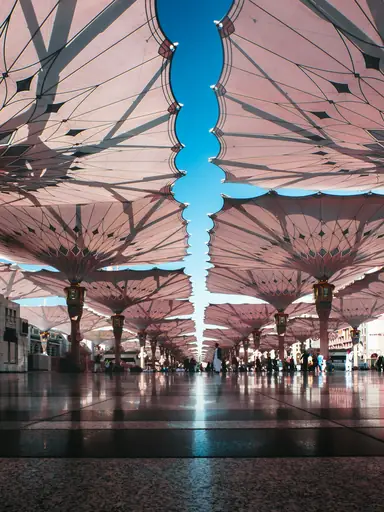
City in Saudi Arabia
Medina
A Spiritual Oasis
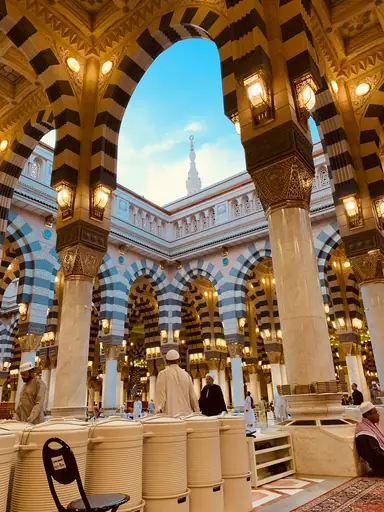
The Prophet's Mosque stands beneath a green dome over the tomb of Muhammad. Millions of pilgrims visit the mosque each year around the Hajj season. Quba Mosque nearby was built by the Prophet in 622. Non Muslims may not enter the central holy area of the city.
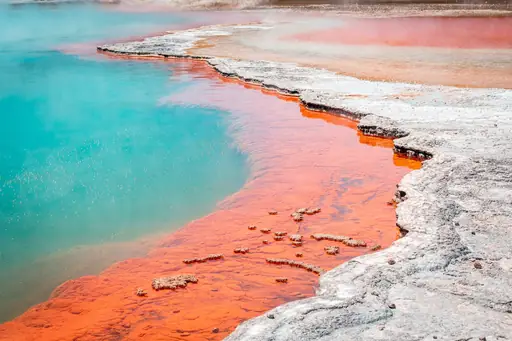
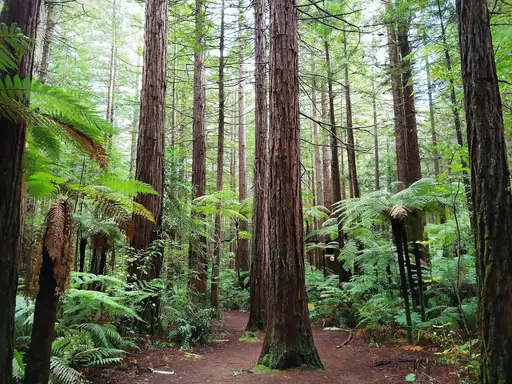
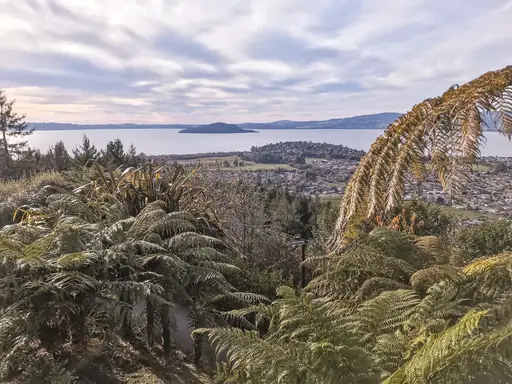
City in New Zealand
Rotorua
Geothermal Wonders and Māori Culture
Polynesian Spa has hot mineral pools with views over Lake Rotorua. Some pools are acidic and others are alkaline, fed by two springs. Maori people have long used the hot springs and warm mud to heal. Mitai Maori Village offers evening meals cooked in an earth oven.
City in India
Amritsar
Golden spirituality in Punjab's heart
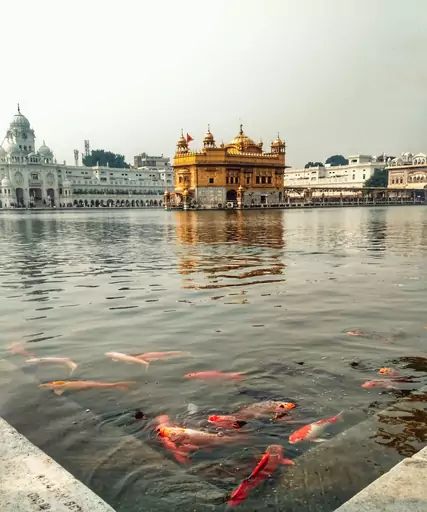
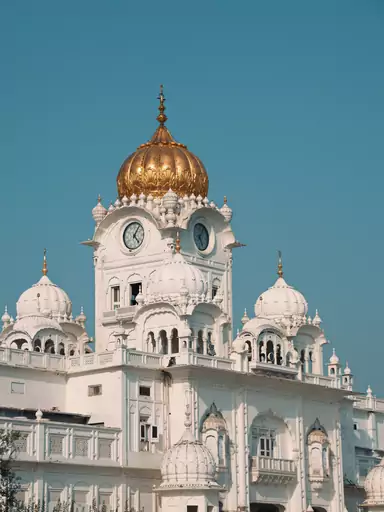
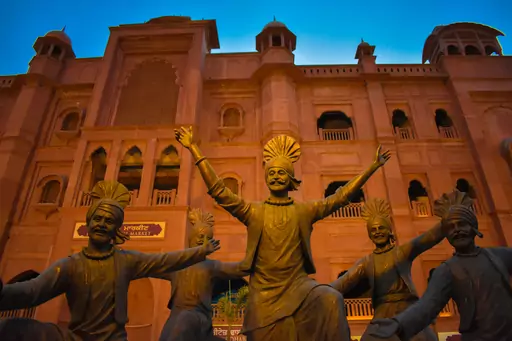
The Golden Temple, known as Harmandir Sahib, is the holiest shrine of Sikhism. Its upper floors are covered in gold and reflect in a sacred pool. Visitors cover their heads and walk barefoot around the marble path. A community kitchen serves free vegetarian meals to tens of thousands each day.
City in Senegal
Touba
Spiritual heart of West Africa’s pilgrimage
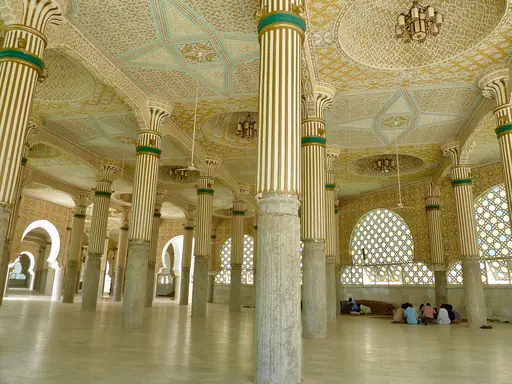
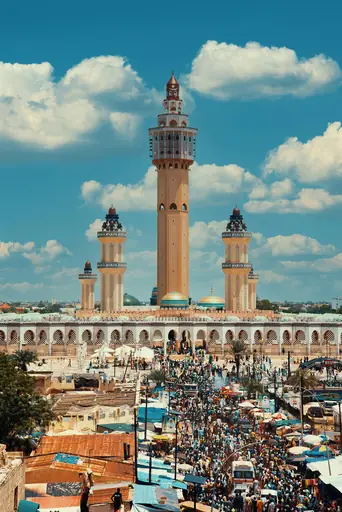
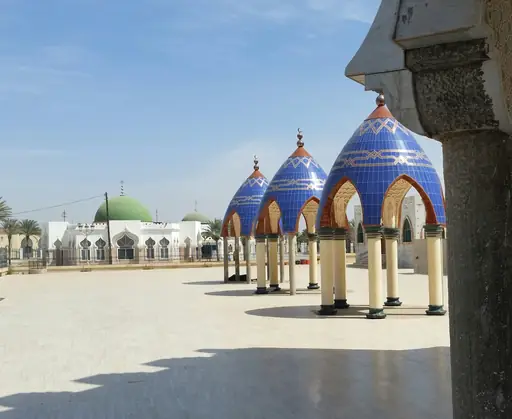
The Grand Mosque's tallest minaret rises about 87 metres over the holy city. Followers honour Sheikh Amadou Bamba, who founded the Mouride order. Millions of pilgrims arrive each year for the Grand Magal. Visitors dress modestly and alcohol and tobacco are banned in the city.
City in Spain
Santiago de Compostela
A Pilgrimage Through History and Charm
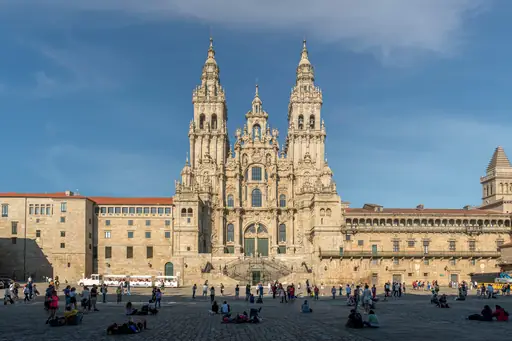
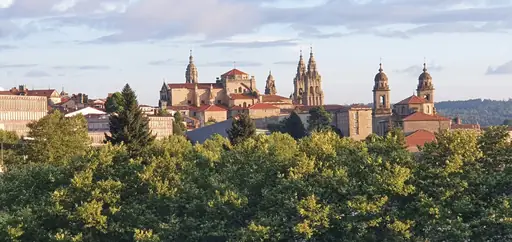
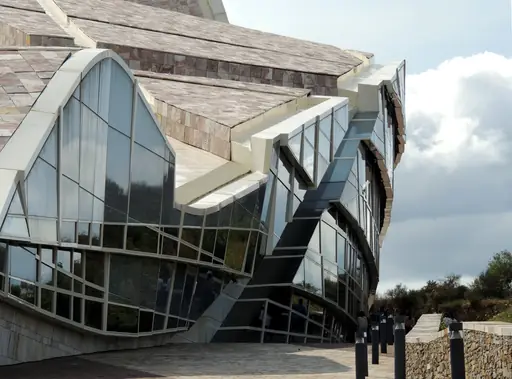
Pilgrims finish the Camino de Santiago at the cathedral of Saint James. Walkers must cover at least the last 100 kilometres to earn a certificate. At some pilgrim Masses a giant censer called the botafumeiro swings across the transept. Old stone streets echo with bagpipes and footsteps.
City in Italy
Assisi
Hilltop Saints, Frescoes and Peaceful Views
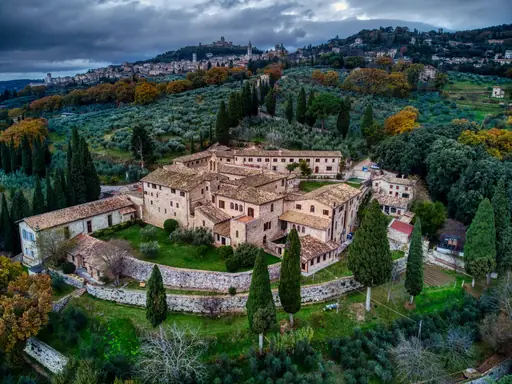
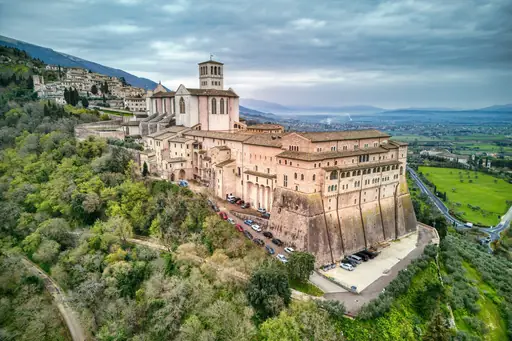
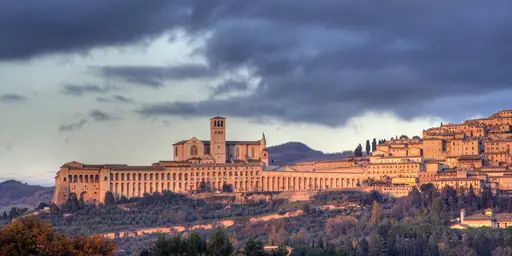
The Eremo delle Carceri is a hermitage in the oak woods above Assisi. Saint Francis and his friars retreated to caves here to pray. The Way of Saint Francis, a pilgrim path, runs about 550 kilometres from La Verna to Rome. Pilgrims carry a walking staff and stamp a credential at each stop.
City in Egypt
Luxor
Ancient wonders on the Nile
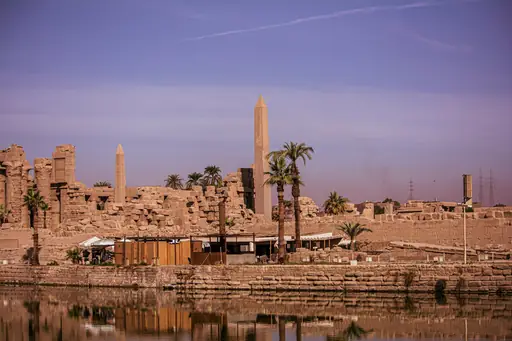
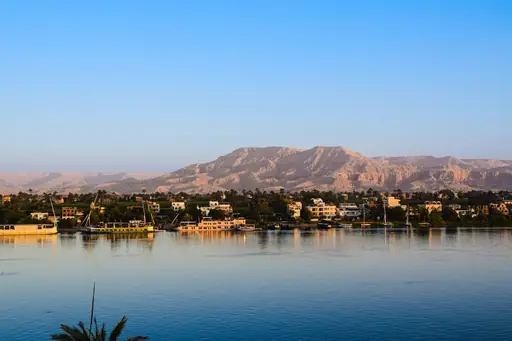
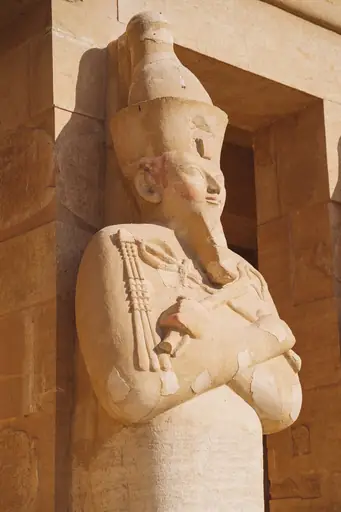
Karnak Temple has a hall of 134 huge stone columns. An avenue of sphinxes nearly three kilometres long links it to Luxor Temple. Carvings still show the colours of blue and red in some places. Evening light shows and sunset boat rides on the Nile follow.
City in Peru
Cusco
Gateway to the Incan Empire's Heart
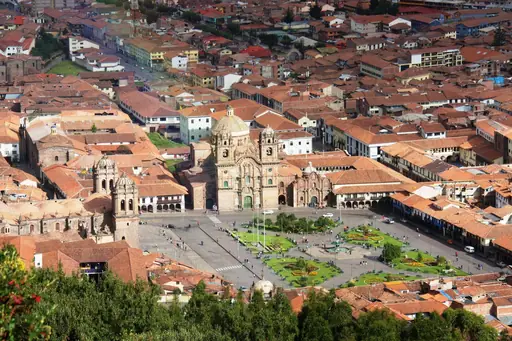
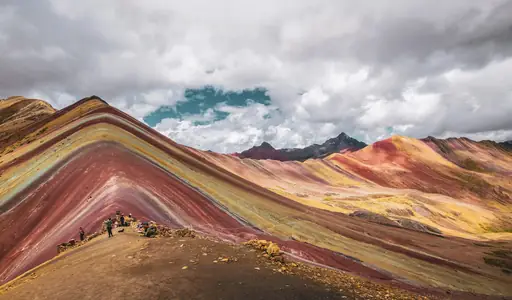
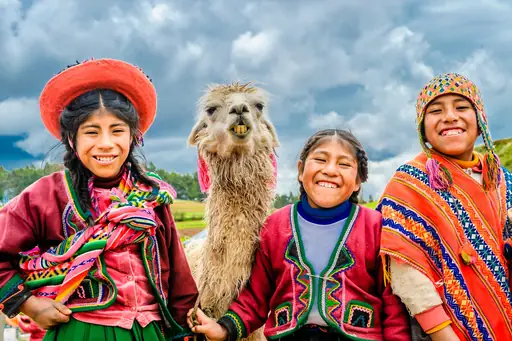
Qorikancha was the Inca Temple of the Sun and is now topped by a church. Spanish builders set Santo Domingo Church on its stone walls. Spanish chroniclers wrote that walls inside were covered in sheets of gold. Inti Raymi, the Festival of the Sun, is held on 24 June.
Country
Tonga
Tropical paradise with volcanic islands
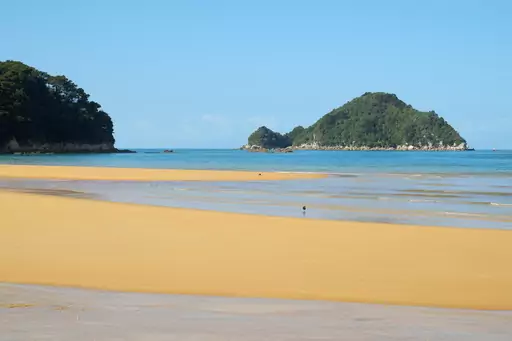
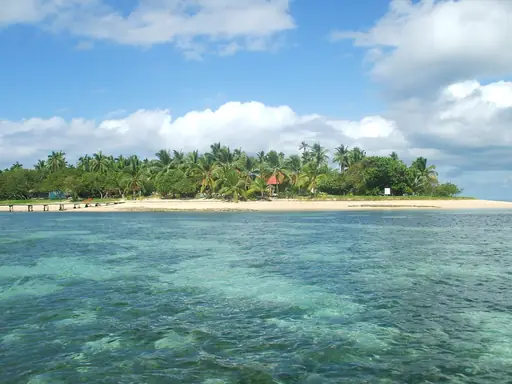
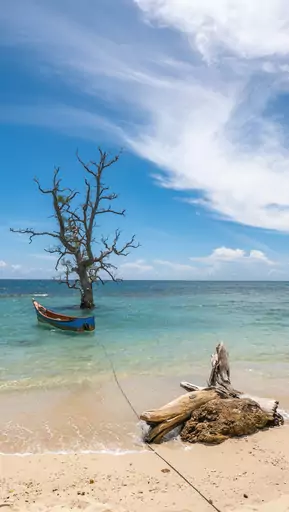
Ha'amonga 'a Maui is a huge stone gateway built in the 13th century. It is aligned with the sunrise at the summer solstice. On Sundays nearly everything closes for church services and family time. Visitors can swim with humpback whales from July to October with licensed guides.
City in Saudi Arabia
Mecca
A spiritual journey like no other
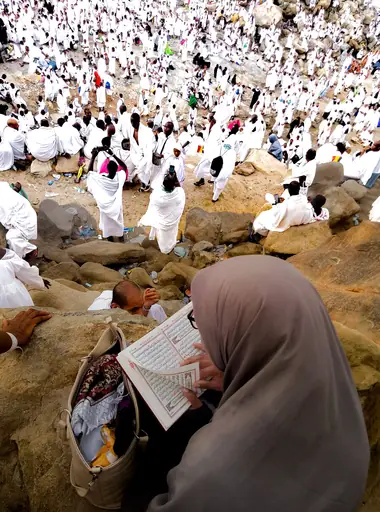
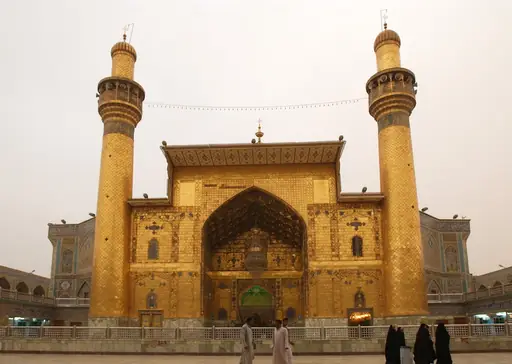
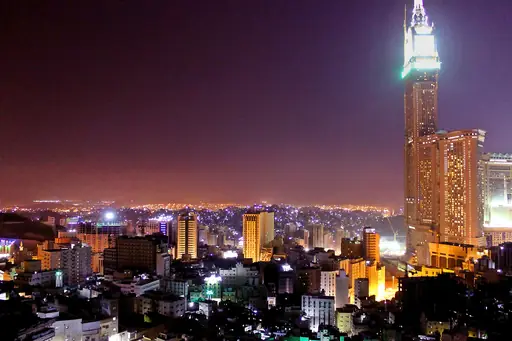
Muslim pilgrims circle the Kaaba in the Grand Mosque in a ritual called tawaf. Around two million people join the Hajj in the last month of the Islamic year. Umrah, a shorter pilgrimage, can be made at almost any time. Only Muslims may enter the holy city of Mecca.


City in Japan
Kyoto
Temples, geisha districts and kaiseki dining
Ryoan-ji has a rock garden with 15 stones on raked white gravel. From any spot on the veranda at least one stone stays hidden. Visitors can join zazen, seated Zen meditation, at temples such as Shunko-in. Moss gardens and small tea houses add quiet corners across the city.
Town in United Kingdom
Glastonbury
Mystic abbey shadows, festival spirit alive
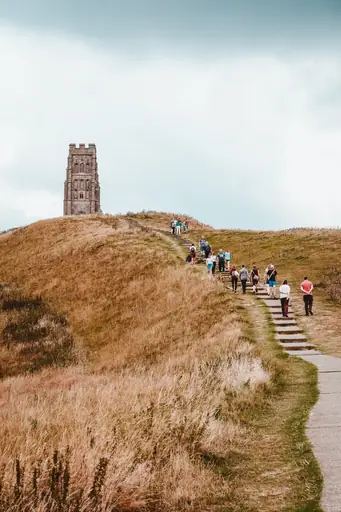
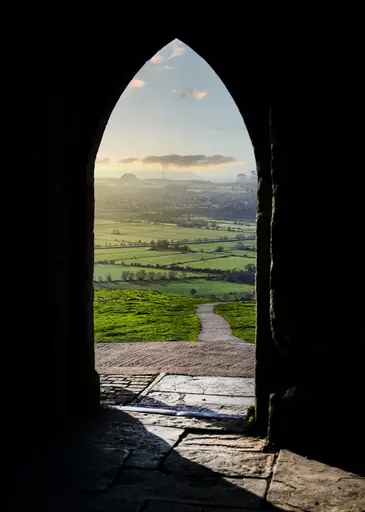
A steep green hill, the Tor, is topped by the tower of a ruined church. Chalice Well nearby has a red spring in quiet gardens. Legends link the town to King Arthur and the Holy Grail. Visitors can walk to the ruined abbey and join pilgrimage days.
Region in India
Goa
Beaches, Culture and Portuguese Heritage
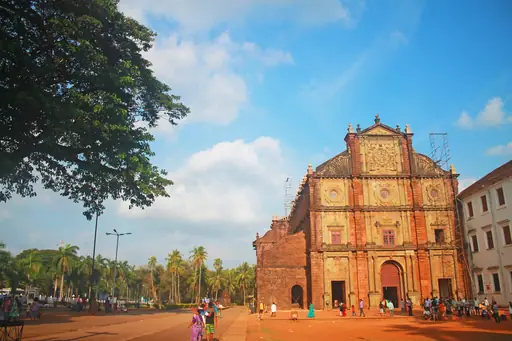
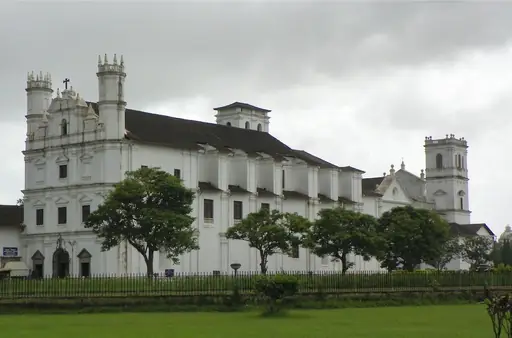
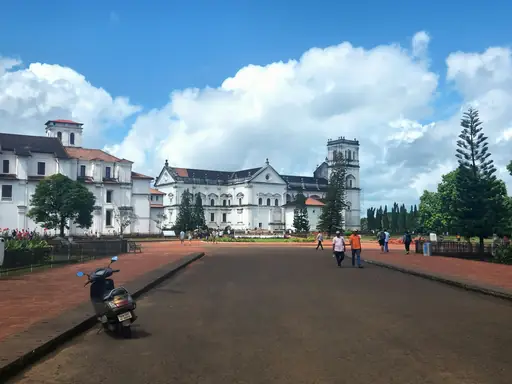
The Basilica of Bom Jesus in Old Goa holds the remains of Saint Francis Xavier. Portuguese builders finished the church in 1605. Yoga schools in Arambol and Palolem offer beach classes and retreats. Palm shaded lanes and small chapels line the road to the village.
City in India
Pondicherry
French Charm Meets Indian Culture
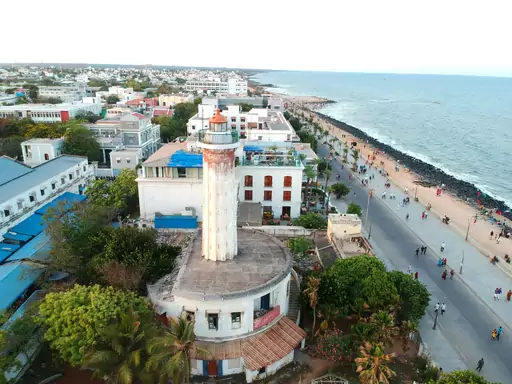
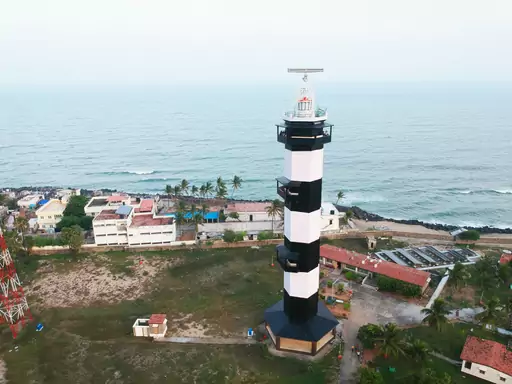
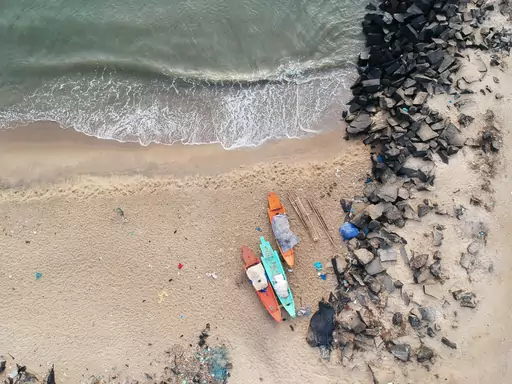
Auroville, an experimental community founded in 1968, lies just outside the city. Its Matrimandir is a golden sphere with a quiet meditation chamber. Sri Aurobindo Ashram in town welcomes visitors to its peaceful courtyard. French colonial streets have yellow buildings, flower filled balconies and small cafes.
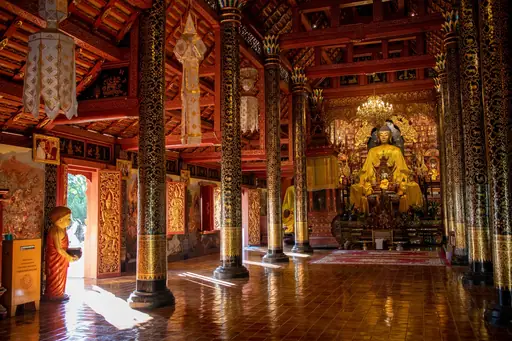
Town in Thailand
Pai
Chilled Mountain Vibes and Natural Magic
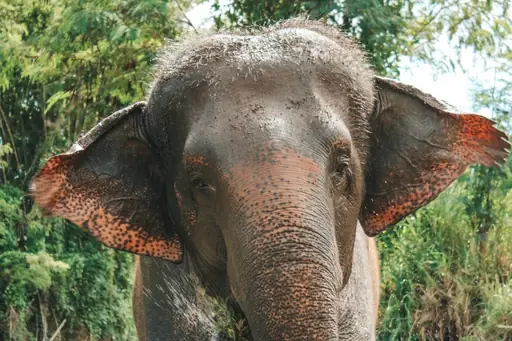
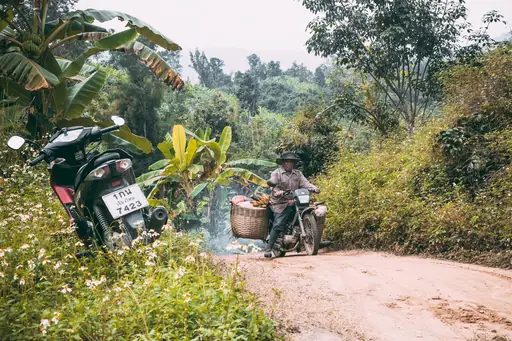
Wat Phra That Mae Yen has a huge white Buddha at the top of 353 steps. The hilltop temple looks over the whole valley and mountains at sunset. Yoga studios and herbal retreats fill the quiet lanes below. Natural hot springs bubble beside the river a short ride outside town.
City in China
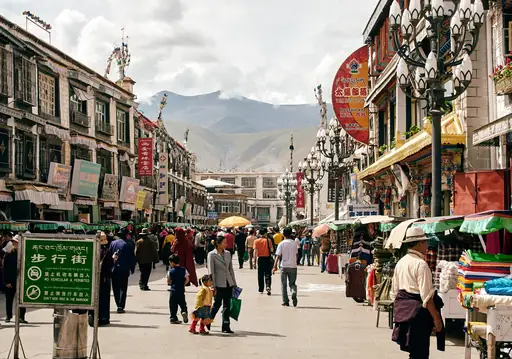
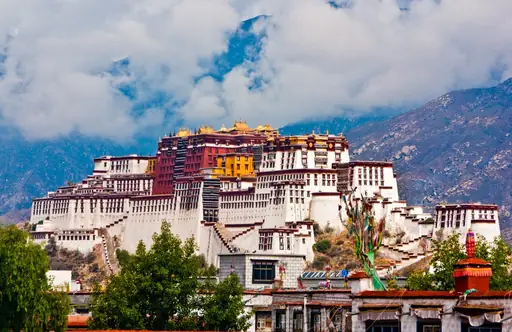
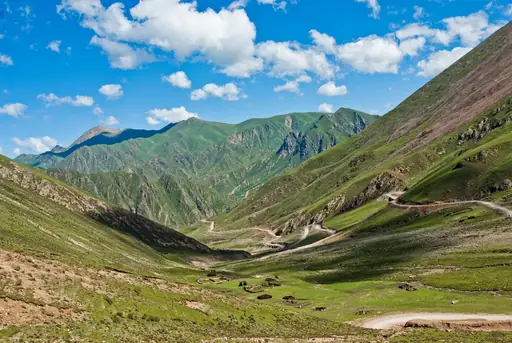
Lhasa
A Spiritual Journey in Tibet
The Potala Palace rises 13 stories above the city at 3,700 metres. It was the winter home of the Dalai Lamas until 1959. Pilgrims circle the Jokhang Temple clockwise on the Barkhor path. Foreign visitors need a Tibet travel permit and a guide to enter the region.
Archaeological Site in Puebla
Teotihuacan
Ancient Pyramids, Timeless Mystique
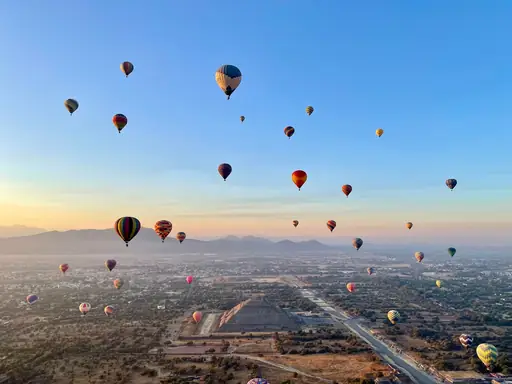
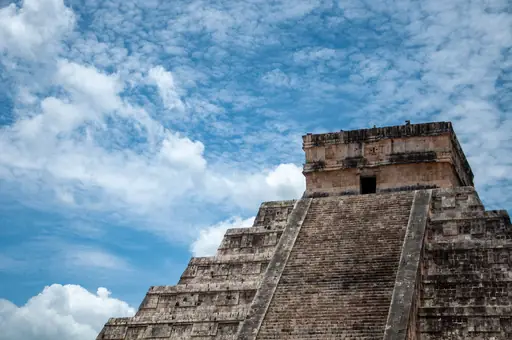
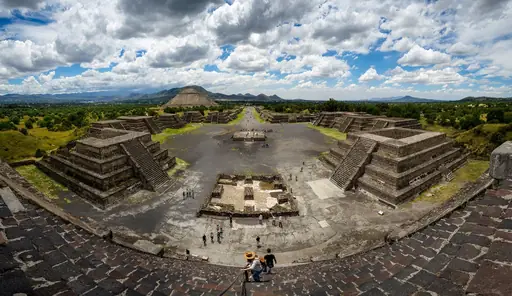
The Pyramid of the Sun rises 65 metres above the Avenue of the Dead. The name means place where the gods were created. On the spring equinox crowds in white climb the pyramid to greet the sun. Visitors can walk the 2 kilometre avenue at dawn.
State/Prefecture in United States
Hawaii
Tropical Vibes and Volcanic Wonders
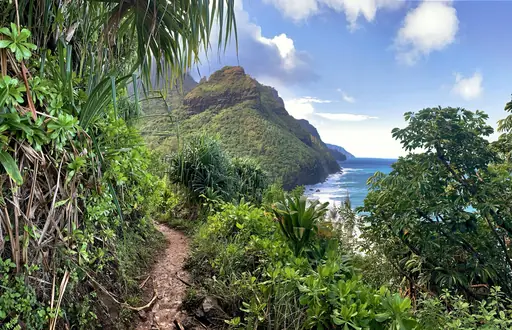
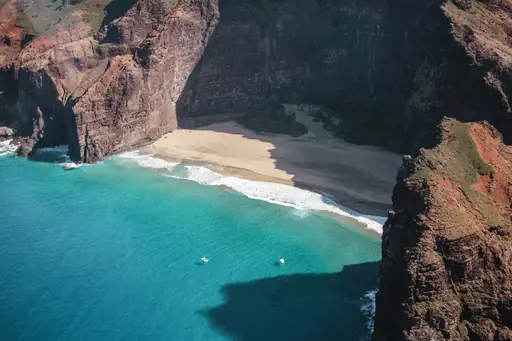
Pu'uhonua o Honaunau was a place of refuge for people who broke sacred laws. A stone wall about 300 metres long guards the site beside the sea. Wooden carved figures called ki'i stand beside the thatched buildings. Visitors can walk around the grounds and see canoe landings.
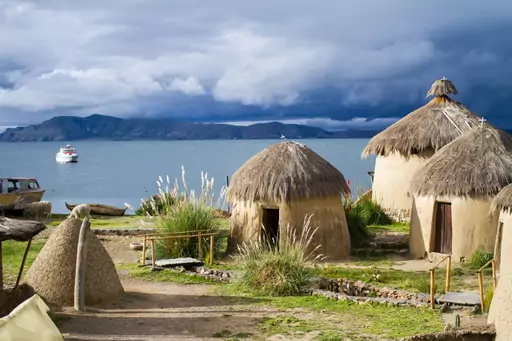
Lake
Lake Titicaca
Crystal waters echo ancient Andean legends
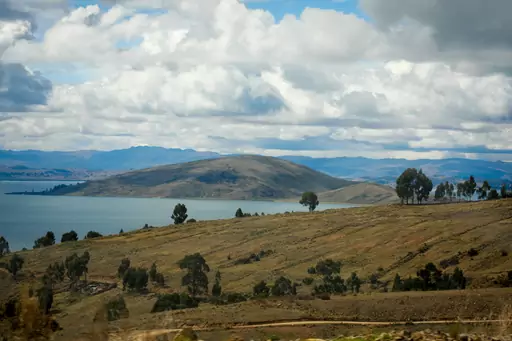
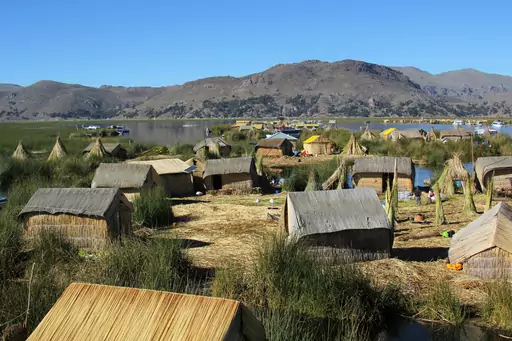
On Amantani island two hilltop temples, Pachamama and Pachatata, face the sunset. Families host visitors in simple homes and serve potato soup. Reed islands built by the Uros people float on the water near Puno. The lake sits at 3,812 metres and is one of the highest large lakes.
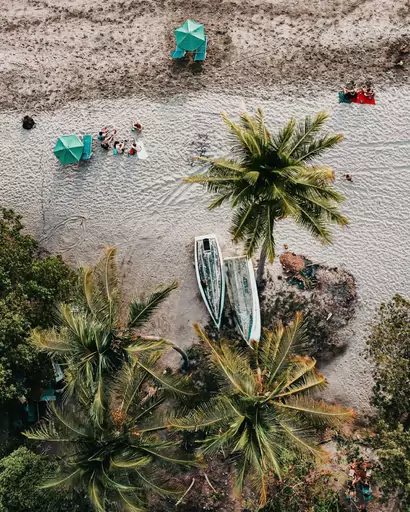
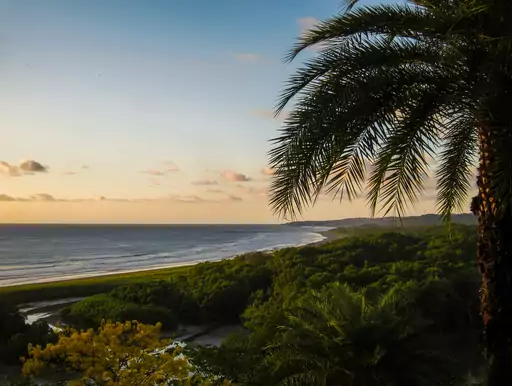
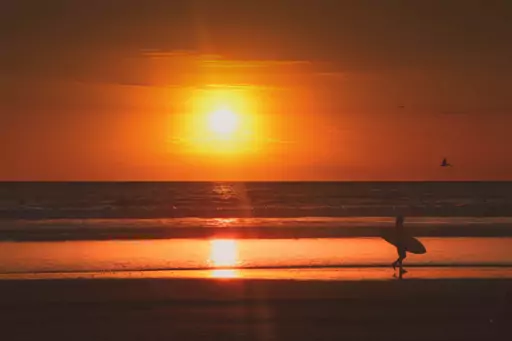
Village in Costa Rica
Nosara
Serene beachside village with lush rainforest
The Nicoya Peninsula is a Blue Zone where many people live past 90. Nosara Yoga Institute has trained teachers in this beach town since the 1990s. Playa Guiones has warm surf and long flat sand for morning sessions. Howler monkeys call from the jungle behind the beach.
City in Morocco
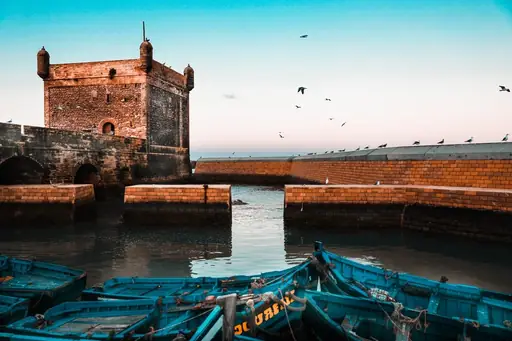
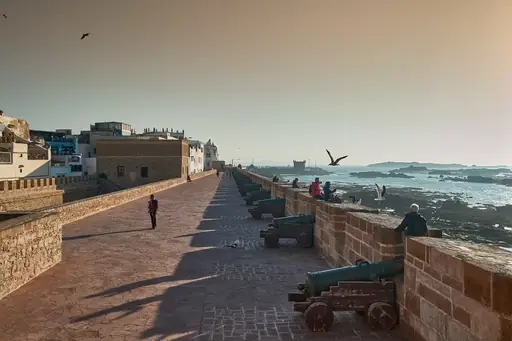
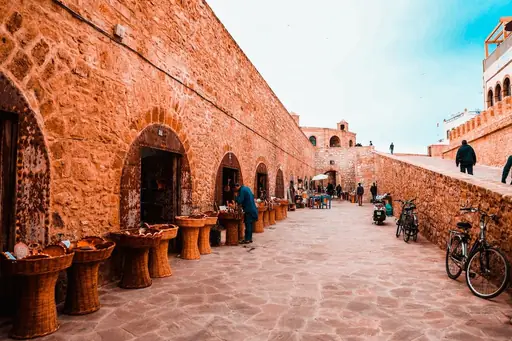
Essaouira
Atlantic Breeze, Blue Medina, Bohemian Vibe
The Gnaoua and World Music Festival fills the town with trance music each June. Gnawa musicians descend from West African communities and play healing rhythms. Concerts run in squares and on beach stages by the sea. Night ceremonies called lila use drums, iron castanets and chants.
National Park in Australia
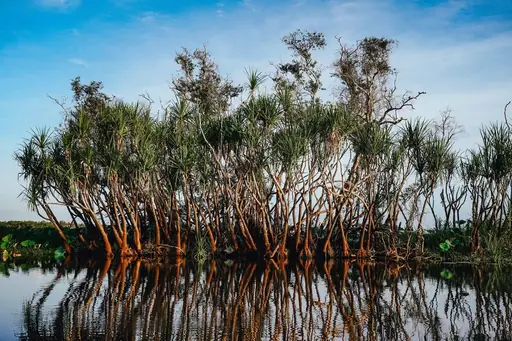
Kakadu National Park
Ancient Rock Art and Wild Wetlands
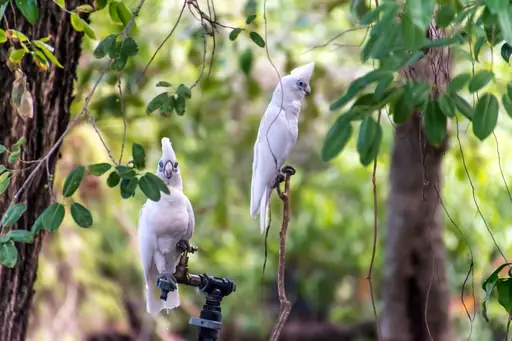
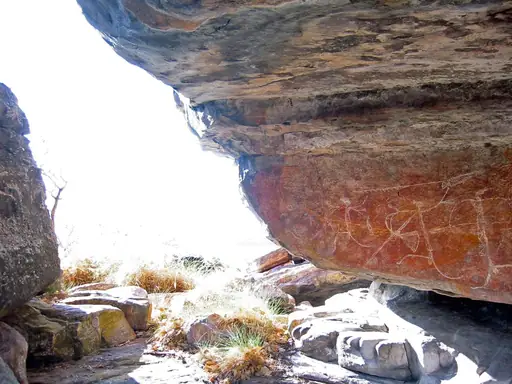
Gunlom Falls has a natural infinity pool at the top of a rock wall. A short but steep climb leads to plunge pools and wide views. Nourlangie has shelters with rock paintings and stories of ancestor spirits. Bininj and Mungguy traditional owners lead cultural tours and share creation stories.
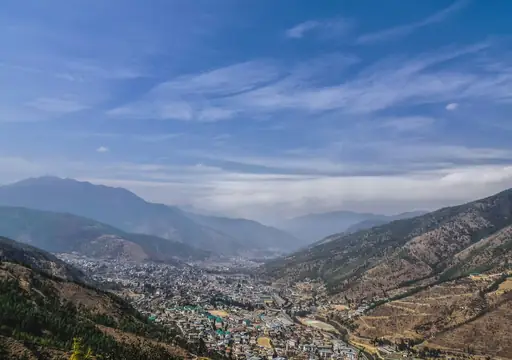
City in Bhutan
Thimphu
Himalayan Culture Meets Modern Life
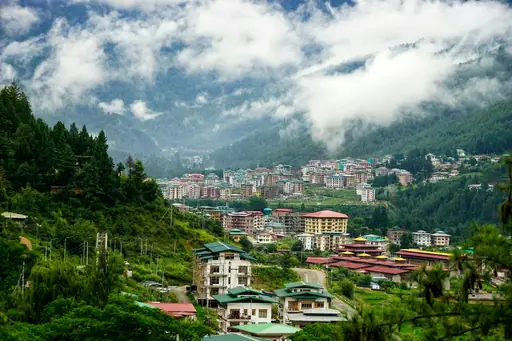
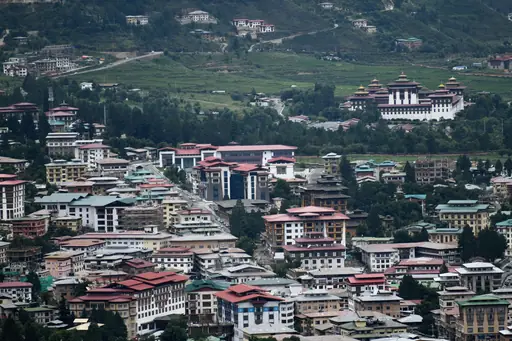
The Buddha Dordenma statue is 51 metres tall and made of gilded bronze. It holds one hundred thousand smaller Buddha statues inside. Bhutan measures progress with Gross National Happiness as well as income. Monks chant at Tashichho Dzong, which holds government offices and a monastery.
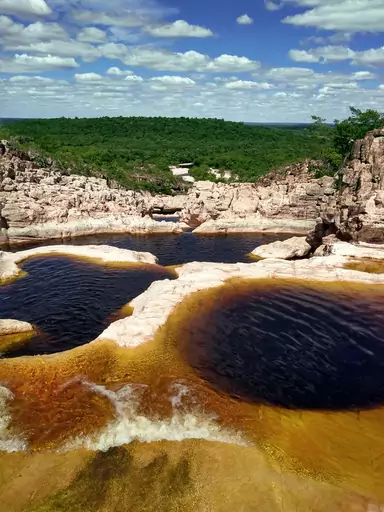
National Park in Brazil
Chapada Diamantina National Park
Waterfalls, Caves and Diamond History
Vale do Capao is a quiet village known for yoga and forest retreats. Trails lead to Cachoeira da Fumaca, a waterfall that drops 340 metres. Pai Inacio hill has sunset views over a wide flat topped valley. Cool springs form blue pools in limestone caves.
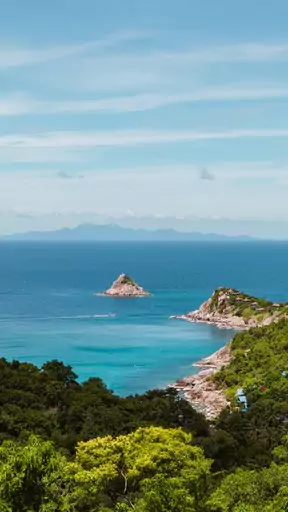
Island in Thailand
Ko Pha-ngan
Island of Parties and Pristine Beaches
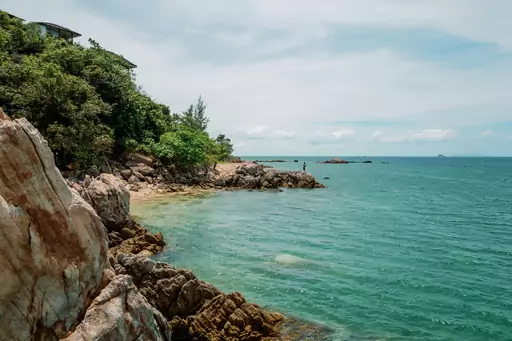
Wat Khao Tham is a hilltop temple with meditation retreats for foreign visitors. Retreats last about ten days with silence and simple food. Yoga studios and detox centres sit along the quiet north and west coasts. The famous Full Moon Party takes over Haad Rin beach once a month.
Region in Myanmar
Bagan
Ancient Temples and Timeless Sunsets
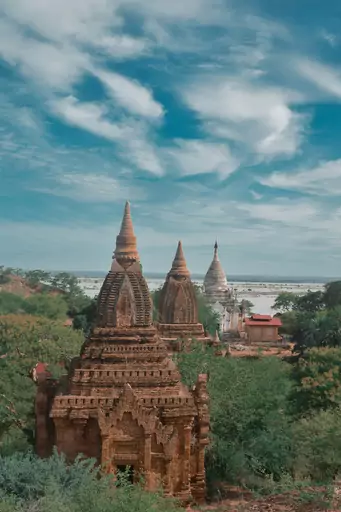
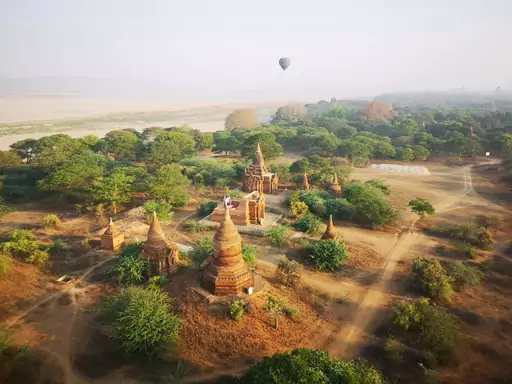
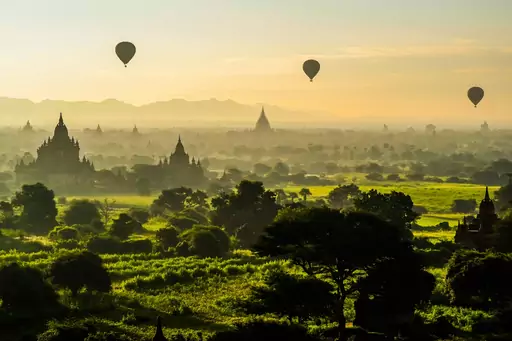
More than 2,000 temples and pagodas dot the dry plain beside the Irrawaddy River. Kings and nobles built them between the 11th and 13th centuries. Hot air balloons drift over the golden spires at sunrise in the cool season. Check current travel advice for Myanmar before planning a visit.
Historic Site in Ethiopia
Lalibela
Stone churches echoing centuries of faith
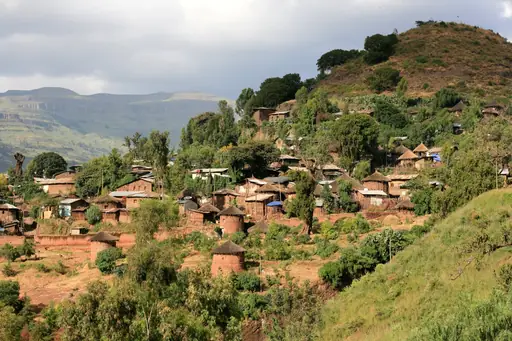
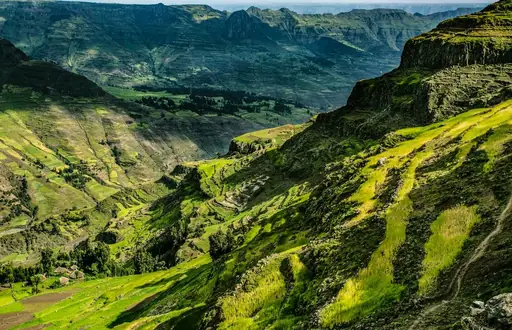
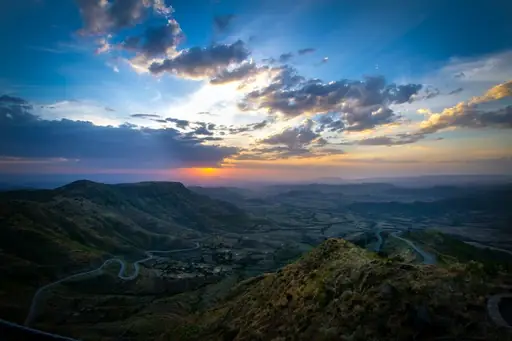
Each 7 January pilgrims in white shawls gather to celebrate Ethiopian Christmas. Priests in bright robes carry crosses and umbrellas and sing all night. Bete Medhane Alem is one of the largest rock cut churches in the world. Worshippers pray at dawn beside the carved stone walls.
City in Mexico
Oaxaca
Colonial Charm and Rich Traditions
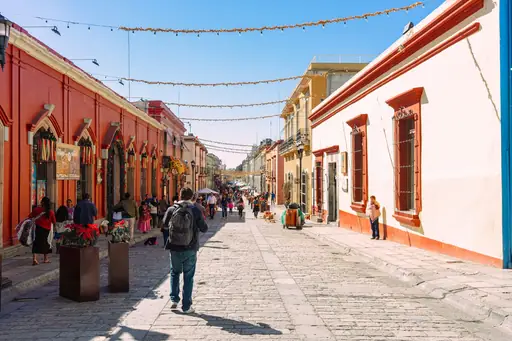
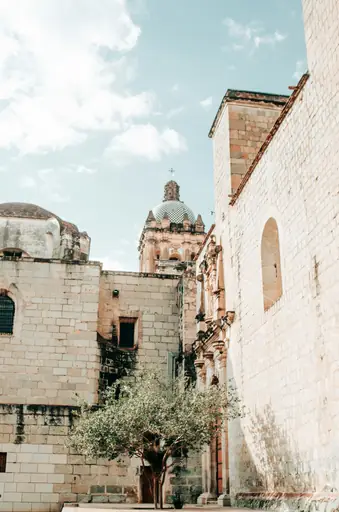
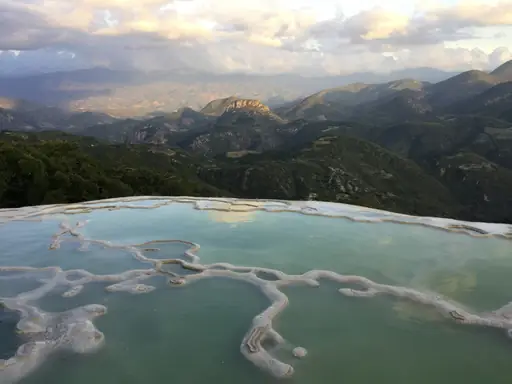
Monte Alban is a Zapotec hilltop city built around 500 BC. Its wide plazas and stone pyramids overlook the three valleys of Oaxaca. Hierve el Agua has pools above cliffs that look like frozen waterfalls. Local healers offer temazcal steam baths and herbal cleansing in nearby villages.
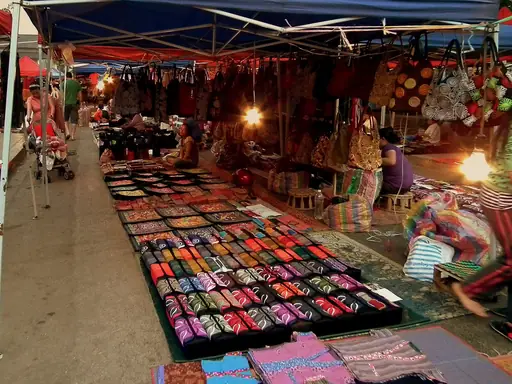
City in Laos
Luang Prabang
Laid-back charm by the Mekong River
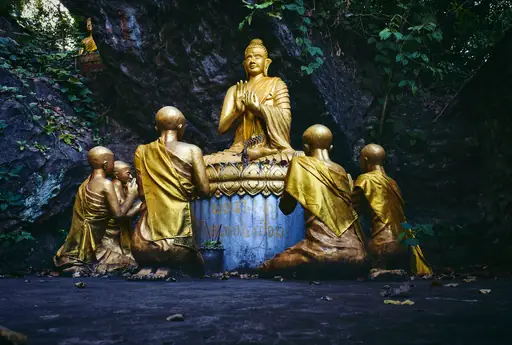
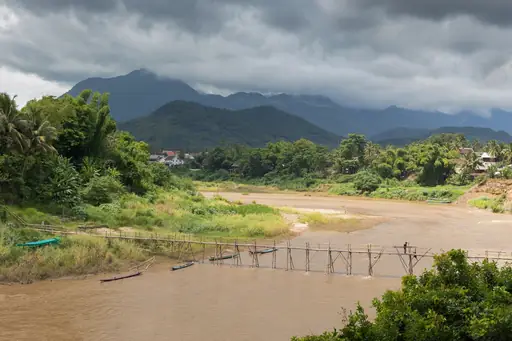
Wat Xieng Thong has golden mosaics and a sweeping roof built in 1560. Mount Phousi has a stairway of about 320 steps to a gilded stupa. Young monks in orange robes study at temples along the peninsula. Sunset from the hilltop draws quiet crowds beside the Mekong River.
City in Israel
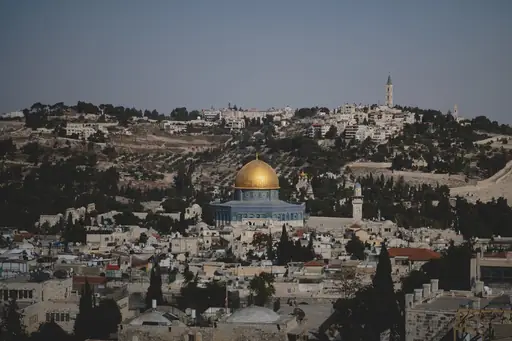
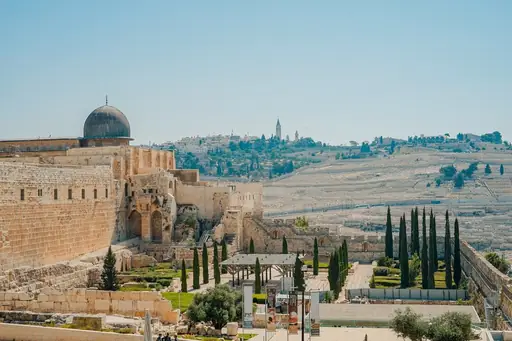
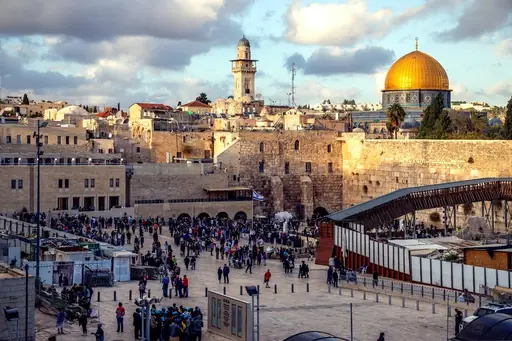
Jerusalem
Ancient History Meets Modern Culture
The Old City holds the Western Wall, the Dome of the Rock and the Church of the Holy Sepulchre. Four quarters, Jewish, Christian, Muslim and Armenian, share narrow stone lanes. Pilgrims follow the Via Dolorosa, a route of 14 stations. Bells, calls to prayer and chants fill the air.
Lake in Guatemala
Lake Atitlán
Crimson sunsets over turquoise waters
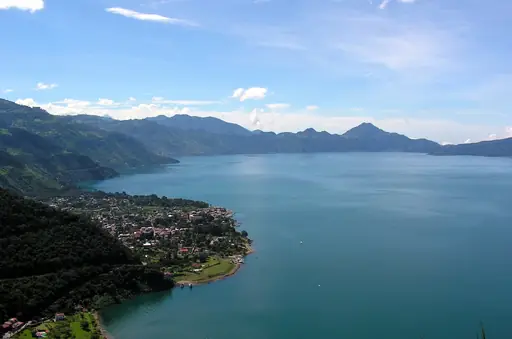
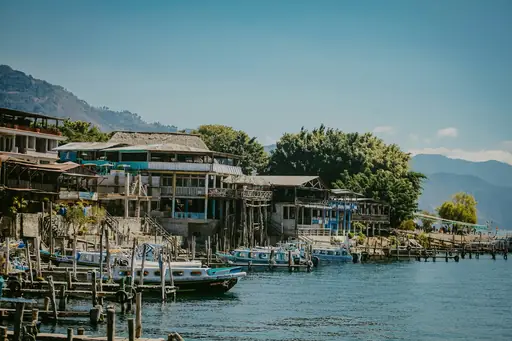
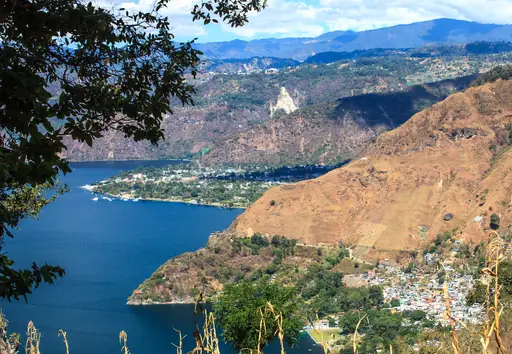
Aldous Huxley called this volcano ringed lake the most beautiful in the world in 1934. Boat taxis link Maya villages such as San Marcos and Santiago Atitlan. San Marcos has yoga studios and meditation centres among the trees. In Santiago a Maya saint called Maximon receives offerings of cigars and rum.
City in United States
Santa Fe (New Mexico)
Ancient adobe charm meets artistic soul
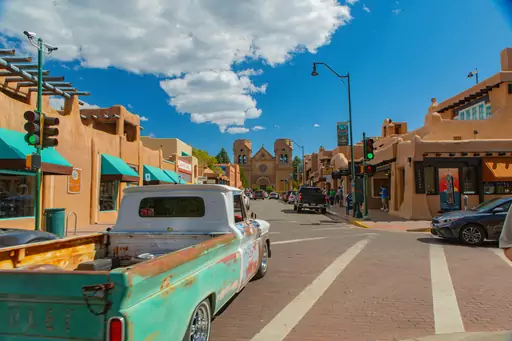
Loretto Chapel has a spiral staircase built in 1878 with no central support. Legends say a stranger built it after nuns prayed for help. The Santuario de Chimayo, about 30 miles north, draws pilgrims on Good Friday. Ten Thousand Waves offers hot tubs and Japanese style spa treatments.
Nature Reserve in Jordan
Wadi Rum
Valley of the moon's timeless magic
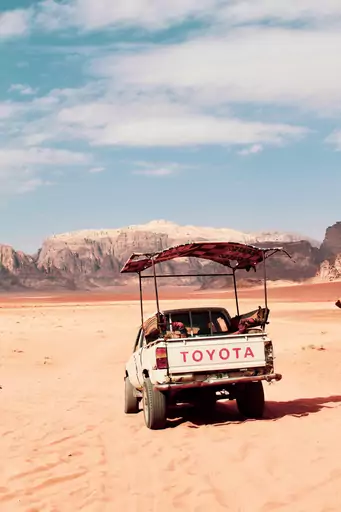
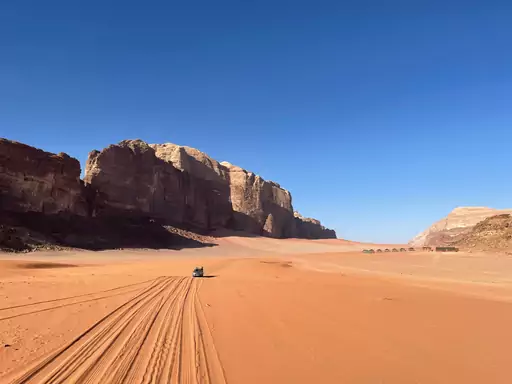
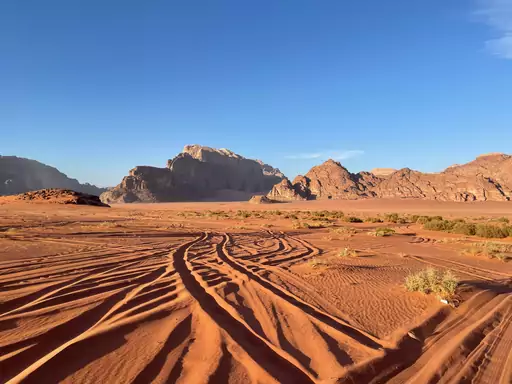
Bedouin hosts serve sweet sage tea and freshly cooked meals in desert camps. Rock carvings by Nabataean and earlier peoples mark the sandstone cliffs. UNESCO listed the area in 2011 for its natural and cultural value. Quiet nights and clear skies suit stargazing and reflection.
Landmark in Australia
Uluru
Majestic sandstone monolith under endless skies
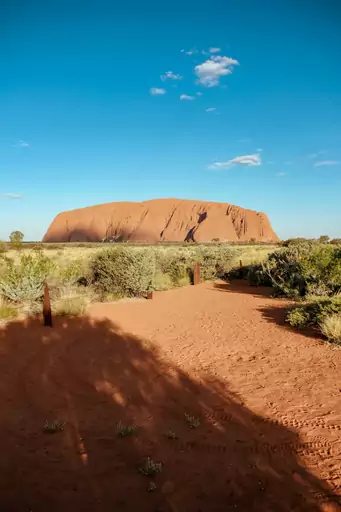
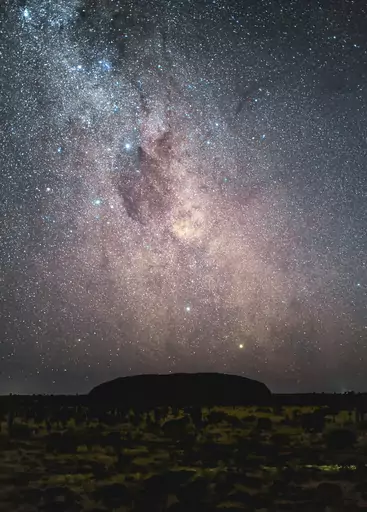
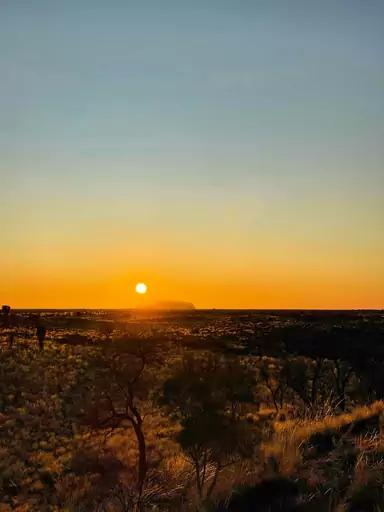
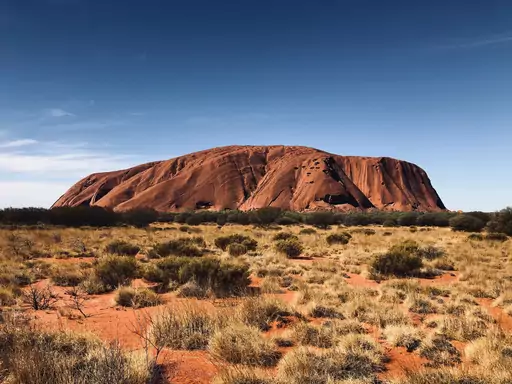
Anangu people share creation stories called Tjukurpa about the rock. The cultural centre near the base explains their law, art and land care. Photography is not allowed at some sacred sites around the rock. Sunrise turns the huge rock deep red and orange over the flat desert.
Island in United States
Kauai
Lush Landscapes and Secluded Beaches
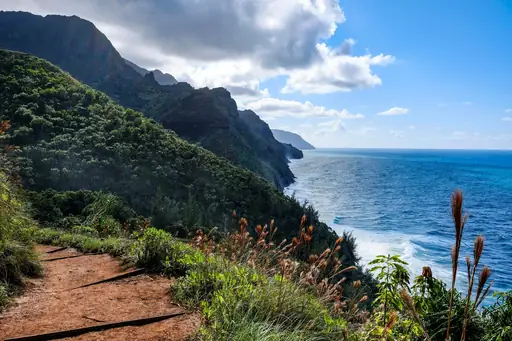
The Iraivan Temple is a white granite Hindu temple carved in India. It stands at a monastery in a quiet valley near the Wailua River. Visitors can join guided tours and see the large crystal Shiva lingam. Nearby Wailua River holds ancient Hawaiian sites where chiefs were born.
Country
Samoa
Tropical paradise with volcanic mountains
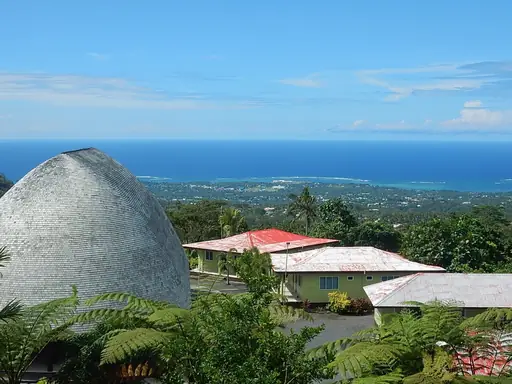
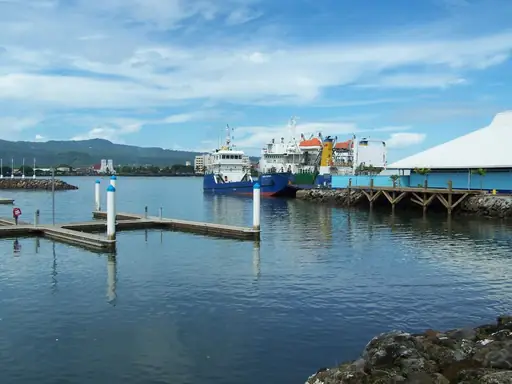
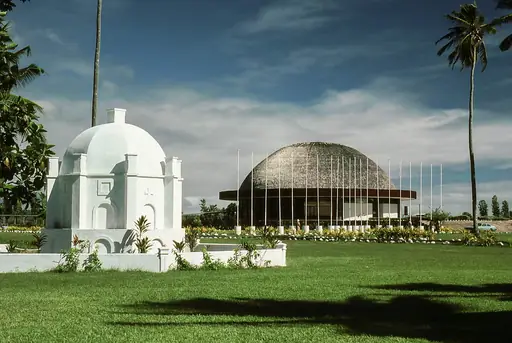
Samoans follow fa'a Samoa, a way of life based on family and church. On Sunday mornings whole villages sing hymns together in white clothes. Guests can stay in open beach houses called fales. To Sua Ocean Trench is a swimming hole reached by a 30 metre ladder.
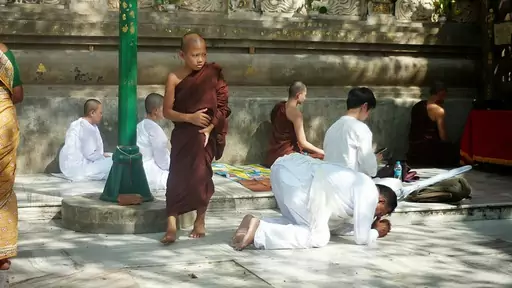
Historic Site in India
Bodh Gaya
Where Enlightenment Began Amid Sacred Monuments
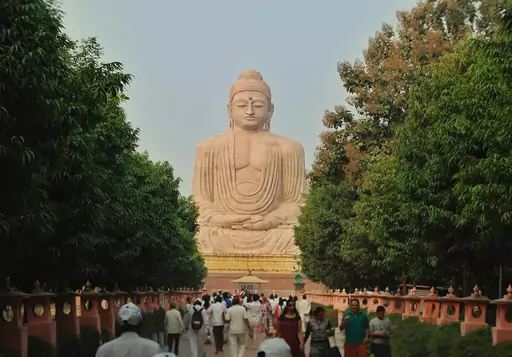
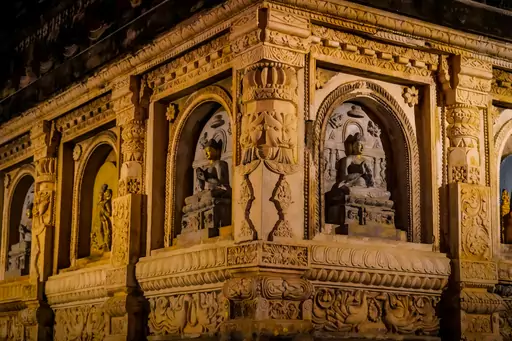
The Mahabodhi Temple stands beside the Bodhi tree where the Buddha reached enlightenment. The tall brick tower, about 50 metres high, is a UNESCO World Heritage Site. Pilgrims meditate and chant beneath the tree's heart shaped leaves. Monasteries from Tibet, Thailand, Japan and Bhutan surround the temple.
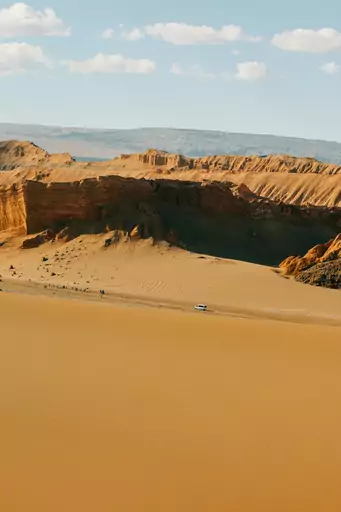
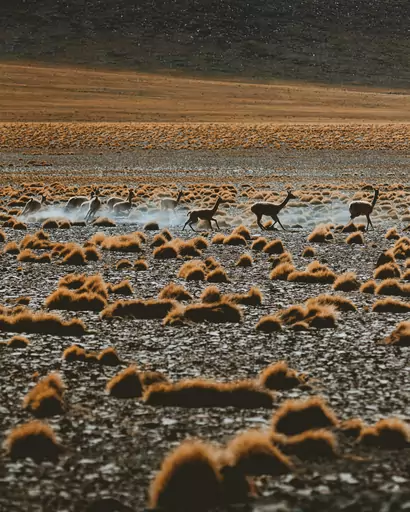
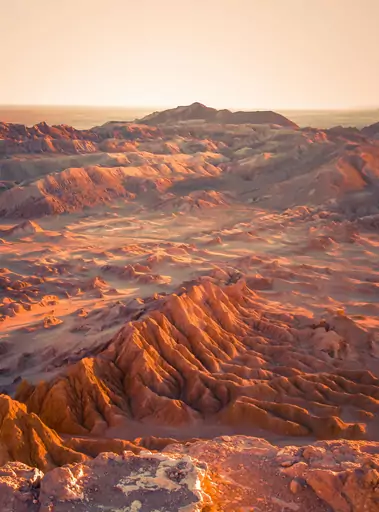
Desert in Chile
Atacama Desert
Endless dunes under starlit desert skies
The Termas de Puritama hot springs form eight warm pools in a canyon at about 3,500 metres. The water stays near 33 degrees Celsius all year. In town an adobe church from 1744 has a roof made of cactus wood. Clear night skies draw stargazers on telescope tours led by local astronomers.

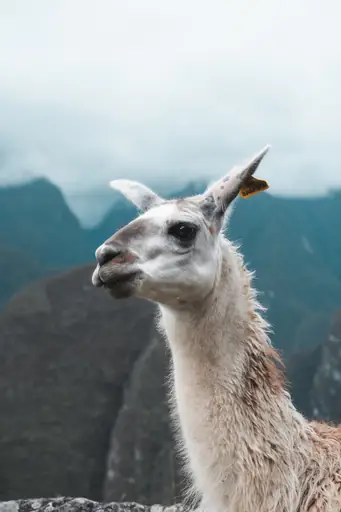
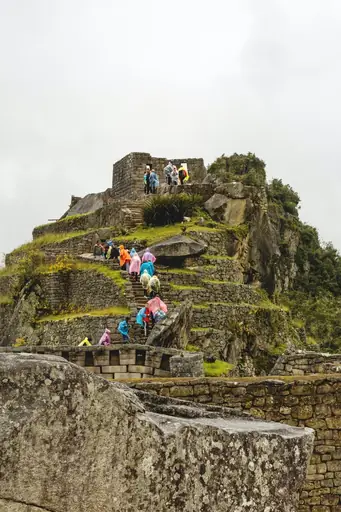
Archaeological Site in Peru
Machu Picchu
Lost Inca city among clouds
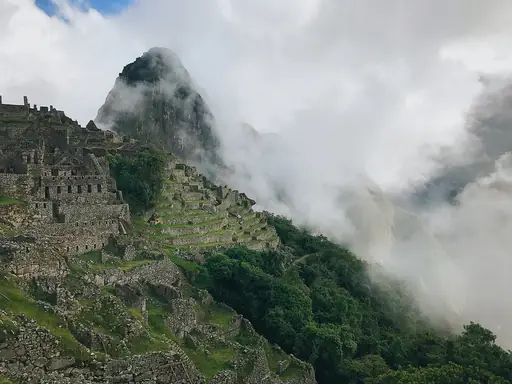
The Intihuatana stone is a carved block that Incas used to track the sun. The citadel sits at 2,430 metres on a ridge above the Urubamba. The Inca Trail runs 43 kilometres over high passes to the gate. Sunrise fog clears slowly from the ruins.
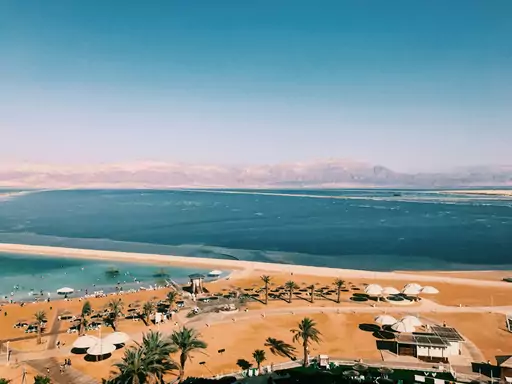
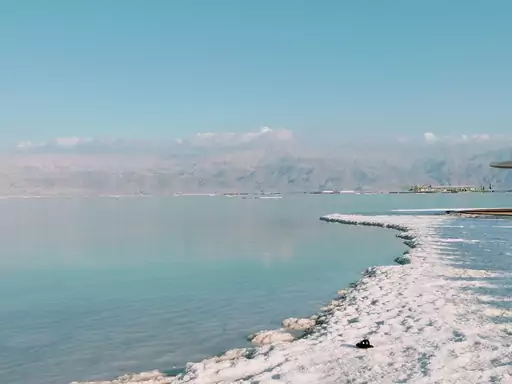
Lake
Dead Sea
Salt‑rich waters and ancient desert horizons
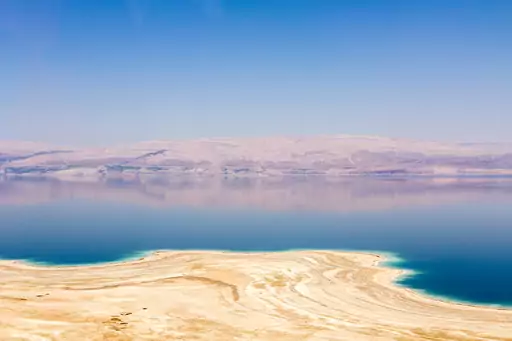
The Dead Sea shore lies about 430 metres below sea level. The water is far saltier than the ocean and swimmers float without effort. Visitors cover their skin in mineral mud and let it dry in the sun. Spas on both shores offer treatments with salt, mud and warm springs.
Other lists you may like
Discover
Best spiritual destinations in Africa
Spiritual travel in Africa is often less about a single famous building and more about a feeling, whether that comes from ancient ruins, a powerful waterfall or a long night of…
Read more
Discover
Best spiritual destinations in Asia
Asia is where a lot of people go when they want to slow down, look inward or learn a practice they can take home with them. Rishikesh in India is often called the yoga capital…
Read more
Discover
Best spiritual destinations in Europe
Europe's spiritual side goes back much further than its cathedrals, and many travelers are just as drawn to stone circles, quiet islands and old pilgrim towns. Stonehenge in…
Read more
Discover
Best spiritual destinations in North America
North America has a long history of places that people see as special, from ancient pyramids to red rock canyons that seem to invite a bit of quiet reflection. Sedona in Arizona…
Read more
Discover
Best spiritual destinations in Oceania
Oceania has huge open spaces, very old cultures and a relaxed pace of life, which makes it an easy place to slow down and reconnect with nature. Uluru in central Australia is…
Read more
Discover
Best spiritual destinations in South America
South America has ancient ruins, huge empty landscapes and living Indigenous traditions, which makes it a natural choice for travelers looking for something deeper than a regular…
Read more
What other users say about travelfilters
“travelfilters made it easy for me to find ski areas and compare what else they offer, so that I could find the best place for my personal travel style.”

Chris
Snowboarding & Onsen trip to Japan
“I love how transparent the data feels. There is no pushy upsell, just honest information and settings I can tune to my own travel style.”

Maria
After booking her 2027 winter escape
“The level of detail for each destination and how well those are displayed, make planning feel confident instead of overwhelming.”

Mina
Planned a week in New York City
“We used travelfilters for our planning from start to end. The trip turned out even better than expected, thanks to all their tools and customisation options.”

Allan & Etienne
Trip to Japan to see autumn foliage
“Thanks to travelfilters, I found some hidden gems to see. Being able to filter for exactly your interests is a game changer for my travel planning.”

Michael
Tour through the old cities of Northern Italy
“The customizable filters helped me find a quiet beach town with good wifi and low season crowds in under five minutes.”

Diego
Weekend Escape to Llanes, Spain
“The airport connection map saved me hours by showing good flight options from my home airport to lesser-known cities.”

Nguyen
Planning a 2027 trip to France
“The website is clean, fast and focused on the search itself, which makes travelfilters feel more like a professional tool than an ad-heavy booking site.”

Hassan
Christmas Market trip, Germany
