



South America › Argentina › Patagonia

Patagonia

Scroll
Untamed Beauty at the End of the World

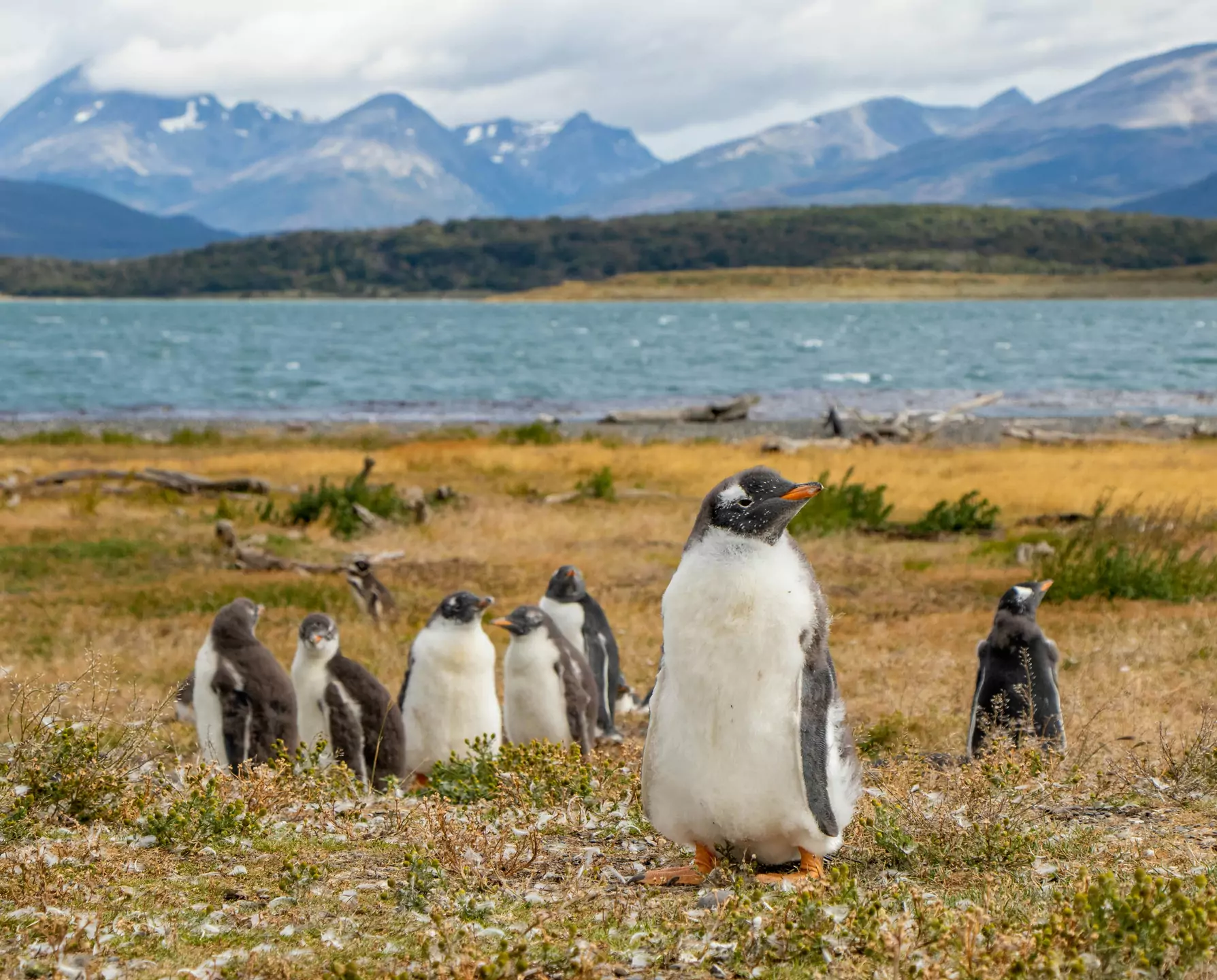
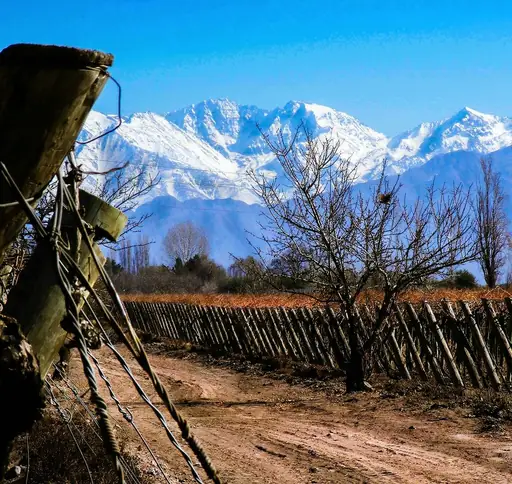
Patagonia in Argentina presents wide open spaces where jagged mountains meet endless plains. The landscape stretches across rolling hills, sharp peaks and deep blue lakes. Here you can see herds of guanacos roaming freely or spot condors soaring above rugged ridges. Towns like El Calafate serve as gateways to glaciers that slowly grind against stone. Weather changes quickly, bringing bright sunshine one moment and strong winds the next. Visitors experience a mix of wild nature and small communities where local culture thrives alongside ancient traditions.

Region
Climate zone: climate.koeppen.Cfc, ET.label

climate.koeppen.Cfc, ET.label: climate.koeppen.Cfc, ET.description

See climate table
Price level: $$$
$Cheap
$$Medium
$$$Expensive, upscale
$$$+Very expensive, luxury
See price details
Safety: 6.6
General Safety:7
Health & medical:6
Accessibility:4
Tap water:8
Read details
Tourist English: 2/5
English is spoken in tourist areas, but in remote regions, basic Spanish is helpful. Guides in national parks usually speak English.
Last update: 12 Oct 2026
* We earn a commission from some links on this page.
Patagonia Summary

These place ratings give you a quick overview of how well a destination matches different types of trips.

‘Best for’ scores:
The specific interest scores show where this place really shines – whether it's ideal for hiking, food & drink experiences, museums or other activities. These highlights help you understand what makes the destination special at a glance.

‘Your personal’ scores:
This reflects how well a place matches your personal preferences. You can adjust the importances of travel topics or other personal requirements categories in your account settings.

‘Suited for’ badges:
These give you a quick overview of how well a destination suits specific types of travellers, to help you find the places that match your lifestyle, preferences or travel situation.

Read how our scores work
World-class for remote wilderness and adventure travel. Trek dramatic mountain trails, explore glaciers and lakes, watch wildlife and experience vast open landscapes.
Place score
8.3
Best at:
Natural sites
10
Hiking
10
Mountains
9
Glaciers
9
Wildlife
9
Personal score
?
Log in to see how this place matches your personal travel interests.
Suited for
👶 7
Families
🧓 5
Seniors
❤️ 10
Couples
♻️ 9
Sustainability
Best times to travel

The best times to travel section shows how the months compare for a visit, so you can find the time of year that fits what you want to do.

Background colours of the months:
The colour shows the typical temperature: yellow (hot), green (mild) and blue (cold). How strong the colour is shows the travel season: full colour means high season, soft colour means shoulder season and soft-striped means off season.

Weather symbols:
Each month has one symbol showing what the weather is typically like, such as hot and sunny, freezing or a rainy or snowy season. Use them to quickly spot months that match the weather you want, or to avoid the ones that don't.

Crowdedness:
The people icon shows how busy the place usually is. The more people, the more crowded it gets.

Additional notes:
The grey info boxes point out special things worth knowing, like recurring weather issues or seasonal events.

for Patagonia
🌬️
Jan
🌬️
Feb
☀️
Mar
☀️
Apr
☀️
May
☀️
Jun
❄️
Jul
🌬️
Aug
🌬️
Sep
🌬️
Oct
🌬️
Nov
🌬️
Dec
High season: Jan. - Feb., Dec.
Shoulder season: March - April, July - Aug., Oct. - Nov.
Crowdedness: 6 (Many tourists)
Tap on a month for more info Hover over a month for more info
Climate and season vary a lot by area: south (El Calafate, El Chaltén) best for hiking November to March, Lake District (Bariloche) also for skiing July to August, coast for whales June to December
Many trekking lodges, boat tours and restaurants in the far south close from May to September
Southern right whales at Peninsula Valdés June to December, peaking September to October; orcas hunt from the beach February to April

Why travel to Patagonia?

If you've ever dreamed of seeing nature in its purest, most dramatic form, Patagonia is the place to be. Here, you can trek past jagged peaks, watch massive glaciers calve into turquoise lakes and spot wildlife like guanacos, condors and even elusive pumas. The region offers some of the world’s most legendary hikes, from Torres del Paine in Chile to Argentina’s Fitz Roy. The isolation and sheer scale of Patagonia make it a place that sticks with you forever.

🏯Places worth seeing
  • 1 Los Glaciares National Park
🎡Places for activities
  • 1 El Chalten
  • 2 Nahuel Huapi National Park
  • 3 Torres del Paine National Park
  • 4 Carretera Austral
  • 5 Cerro Castillo
  • 6 Magdalena Island
  • 7 San Rafael Lake
  • 8 General Carrera Lake / Lake Buenos Aires
🏞️Natural landmarks
  • 1 Perito Moreno
    A vast glacier in Argentina's southern Andes offers dramatic ice formations and trekking routes. The surrounding national park features rugged peaks, turquoise lakes and wildlife such as guanacos and Andean condors.
  • 2 Perito Moreno Glacier
  • 3 Torres del Paine
  • 4 Valdes Peninsula
  • 5 Tierra del Fuego
  • 6 Cueva de las Manos
  • 7 Monte Fitz Roy
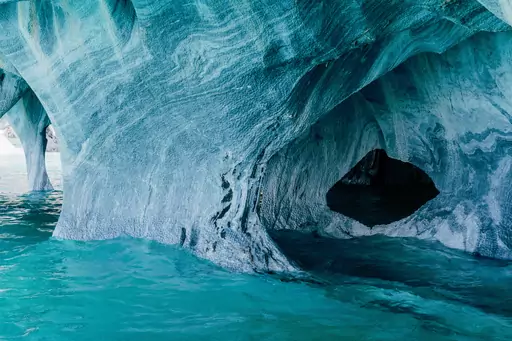
  • 8 Marble Caves
  • 9 Argentino Lake
  • 10 Punta Horn
🛍️Shopping
  • 1 Feria Artesanal de Esquel
🎈Events
  • Torres del Paine Ultra Trail Race
  • Patagonia International Marathon
  • Fiesta Nacional del Trekking
  • Whale Watching Season (Puerto Madryn)
  • Semana de la Aventura (Bariloche)
  • Festival del Hielo (El Calafate)
  • Fiesta de la Cerveza (Bariloche)
  • Vendimia Patagónica (Wine Harvest Festival)
  • Punta Arenas Winter Festival
  • Fiesta del Lago (Lago Argentino)

Knowledge before you go

  • Expect fierce winds; pack layers and secure gear.
  • Distances are huge; build buffer days for weather delays and transport changes.
  • Book refugios, park entry and buses early in peak season.
  • Travel shoulder season (late spring or early fall) for fewer crowds, good light and calmer trails.

How to travel to Patagonia

Fly into major gateways like Buenos Aires (Argentina) or Santiago (Chile), then take domestic flights to cities like El Calafate, Ushuaia or Punta Arenas. Buses and rental cars are necessary for remote areas.

Access summary

  • From main hubs (e.g., El Calafate, Punta Arenas airports): shuttle or car, 0.5–2 hours.
  • From Buenos Aires or Santiago: domestic flights to regional hubs, usually 3–4 hours.
  • Long-distance buses and scenic road trips (Ruta 40, Carretera Austral) popular with backpackers.

Where to stay in Patagonia

Accommodation ranges from cozy lodges and eco‑hotels in national parks to budget hostels in small towns. Luxury stays are available in select areas, while wild camping is an option for adventurers.

How to get around Patagonia

Distances in Patagonia are vast, so renting a car is the best way to explore. Buses connect major towns but can be infrequent. Domestic flights are useful for covering long distances quickly.
Budget snapshot
Costs compared to home

We calculate the average costs when travelling to destinations and compare those with the living costs at your home. With this you can get an estimate of how expensive or cheap the destination is for you.

To customise this, you can set up which location and price level are used for the calculations in your account settings.

---
We can't detect your current location. Please log in and set your current location in the account settings to see a cost comparison.
Exchange rate trend

The exchange rate price factor shows how expensive or cheap a currency currently is compared to its historical average. It's a quick way to see if a country is currently more or less affordable due to exchange rate changes.

---
We currently don't have exchange rates for this place

Safety information overview

General safety
7
Patagonia is very safe, with low crime rates. The biggest risks come from nature – unpredictable weather, remote areas and potential wildlife encounters.
Health & Medical
6
Medical care is good in larger towns but limited in remote areas. Travel insurance is essential and carrying a basic first aid kit is recommended.
Accessi­bility
4
Many natural areas require long hikes or rugged terrain, making accessibility difficult for those with mobility issues. Towns have basic infrastructure but few accommodations for disabilities.
Tap water
8
Tap water is safe in towns. In remote areas, it's best to filter or boil water from rivers and lakes before drinking.

Looking for inspiration?

Discover
Intimate escapes and romantic getaways
The most memorable trips for couples tend to have less to do with luxury and more to do with the quality of shared experience. A place that slows you down, removes the usual…
Read more
Discover
Top adventure destinations and outdoor activities
Adventure travel covers an enormous range of activities and risk tolerances, from multi-day wilderness trekking and white water rafting to technical climbing, polar expeditions and…
Read more
Discover
Best cave destinations in South America
South America's cave systems range from the vast limestone karst networks of the tropical interior and the quartzite cave systems of the ancient highland plateaus to the lava tubes…
Read more
Discover
Best yoga destinations in South America
High-altitude Andean valleys combine yoga practice with serious altitude and centuries of indigenous spiritual tradition, while warmer coastlines further east offer a…
Read more
Discover
Top motorcycling destinations and scenic routes
A great motorcycle route asks for more than scenery: it needs road surface, corner sequencing and enough remoteness to make the ride itself the point rather than simply transport…
Read more
Discover
Best desert destinations in South America
South America's desert environments range from the Atacama, one of the world's driest and highest deserts, and the vast Patagonian cold desert steppe to the coastal fog deserts of…
Read more
Discover
Top camping destinations and outdoor escapes
Camping travel spans an enormous range of experiences from wild backcountry camping in remote wilderness to well-serviced campsite networks with full amenity infrastructure that…
Read more
Discover
Best luxury destinations in South America
South America's luxury travel offer is built around the continent's extraordinary natural environments and cultural heritage, with the most compelling high-end experiences…
Read more
Discover
Best destinations to visit in November in South America
South America heads toward early summer in November, with warmer weather and the first hints of the wet season arriving in several regions. Andean regions start to see more rain…
Read more
Discover
Top autumn foliage destinations and colours
Few natural spectacles are as season-specific and location-dependent as autumn foliage, where the combination of tree species composition, temperature drop and daylight reduction…
Read more
Discover
Top desert destinations and arid landscapes
Desert travel offers some of the most visually arresting and physically demanding environments on earth, with the world's great sand seas, stone plateaus and salt flat systems…
Read more
Discover
Best destinations to visit in March in South America
South America settles into autumn in March, with the peak of summer travel and Carnival season both winding down. Carnival celebrations wrap up in early March in most years,…
Read more
Discover
Top digital nomad destinations and remote work hubs in South America
South America has become a real draw for remote workers looking for lower costs without giving up city comforts or a strong sense of community. Some nomads head straight for the…
Read more
Discover
Top cruise destinations and major routes
Cruise travel has evolved considerably beyond its traditional demographic and now encompasses everything from large resort ships carrying thousands of passengers to small…
Read more
Discover
Best van travel destinations
Van travel rewards destinations with genuinely good road networks, scenic variety within reasonable driving distance and enough infrastructure, such as campsites, fuel and…
Read more
Was this page helpful?
Feedback