
Top wine destinations and famous vineyards
Top wine destinations and famous vineyards
Famous vineyards and wine regions to visit
Wine travel has developed a well-established infrastructure of its own, with dedicated tasting rooms, cellar door visits and harvest experiences now standard across most major producing regions. The most rewarding trips tend to combine access to working producers with enough time to understand the relationship between a region's landscape, climate and the wines it produces. That connection between place and wine, broadly captured by the concept of terroir, is difficult to appreciate without visiting the vineyards themselves.
The classic European regions have the most developed wine tourism infrastructure, with accommodation, restaurants and guided experiences built around visiting producers at every price point. Newer producing regions elsewhere in the world offer a different experience, often with more direct access to winemakers and a less formal atmosphere, though the supporting infrastructure varies considerably.
Harvest season brings the most activity but also the most visitors and shoulder season visits in spring or early summer often provide better access to producers with more time to spend with guests. Driving between vineyards is standard in most regions but creates an obvious tension with tasting. Organised tours resolve this practically and are widely available across established wine destinations.
Lists by region
Region in United States
Sonoma County
Wine country beyond the vines
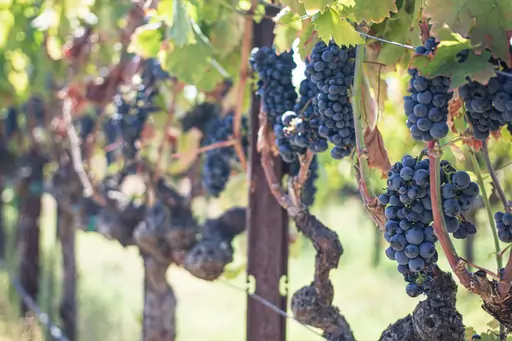
Old Zinfandel vines here, some planted over a century ago, still produce grapes for bold, jammy reds. Compared to neighbouring Napa, tasting rooms across Sonoma tend to feel more relaxed and less crowded. Redwood forests and a rugged coastline sit within a short drive of the vineyard-covered valleys.
Region in Mexico
Valle de Guadalupe
Mexico’s Wine Country Escape
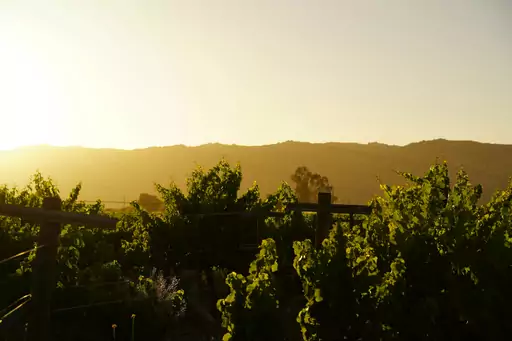
This Baja California valley has earned a nickname as Mexico's answer to Napa for its fast-growing wine scene. Dozens of boutique wineries have opened here over the past two decades. Warm days and cool ocean breezes suit a range of grape varieties. Restaurants throughout the valley pair tastings with locally grown produce.
Region in Portugal
Douro Valley
World's oldest wine wonderland
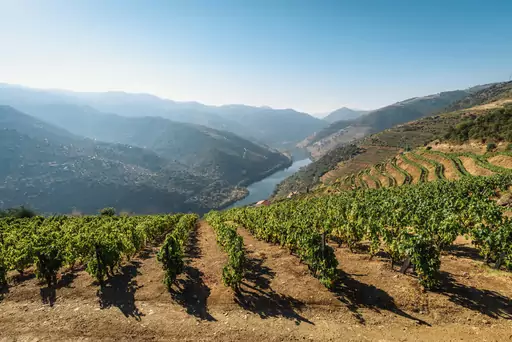
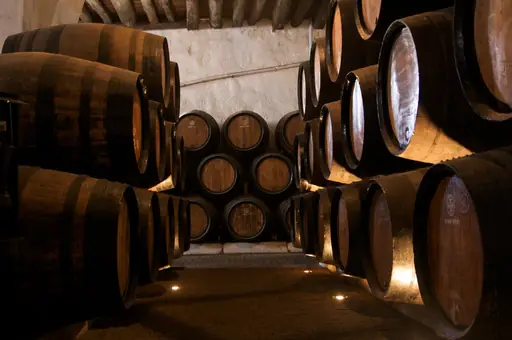
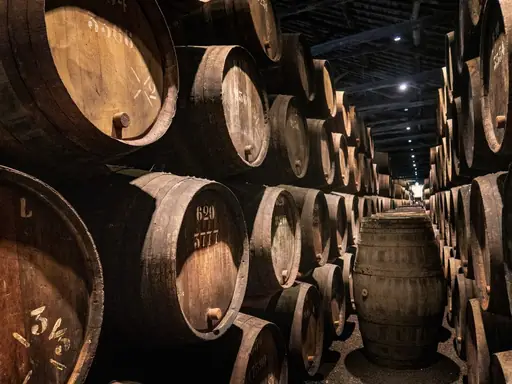
Steep terraced vineyards here produce grapes behind Port wine, a fortified speciality aged in Porto's cellars. Workers still harvest some of the steepest slopes entirely by hand. This was one of the first wine regions anywhere to receive an official boundary. Boats once carried Port wine barrels down the Douro River before modern roads existed.


Region in Australia
Victoria
Diverse Landscapes and Cultural Richness
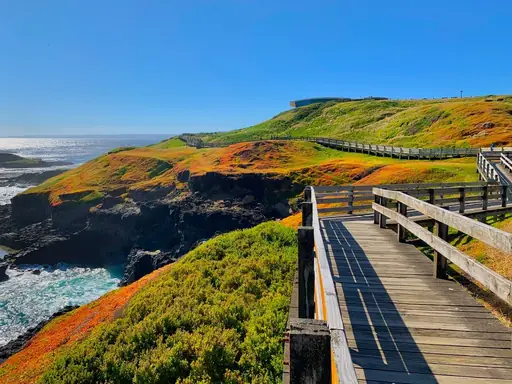
Cool climate wine regions ring Melbourne on nearly every side, from the Yarra Valley to the Mornington Peninsula. Pinot Noir and Chardonnay both thrive in the state's milder growing conditions compared to warmer regions further north. Cellar doors within an hour of the city make day trips easy for visitors.

Town in France
Beaune
Wine heritage and medieval charm
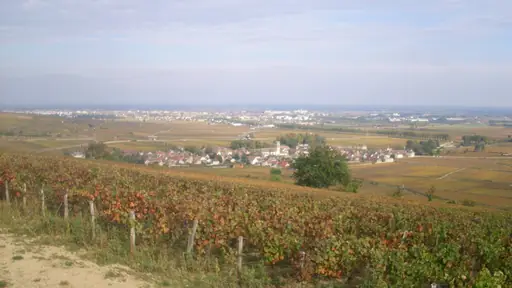
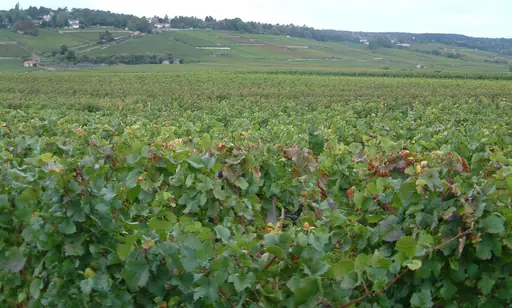
This town serves as the commercial capital of Burgundy's wine trade. An annual charity wine auction at the Hospices de Beaune draws buyers from around the world. Medieval hospital buildings with colourful tiled roofs still stand at the town centre. Vineyards in the surrounding Cote d'Or produce some of the world's most sought-after Pinot Noir.
Region in Italy
Piedmont
Truffles, Wine and Alpine Grandeur
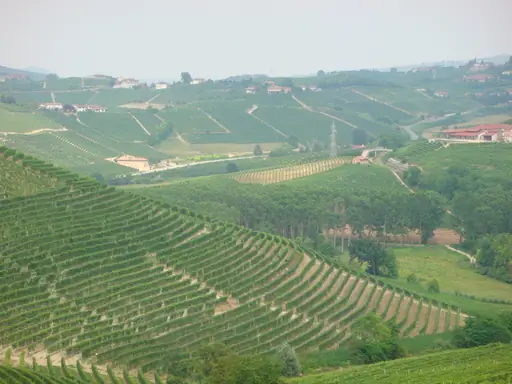
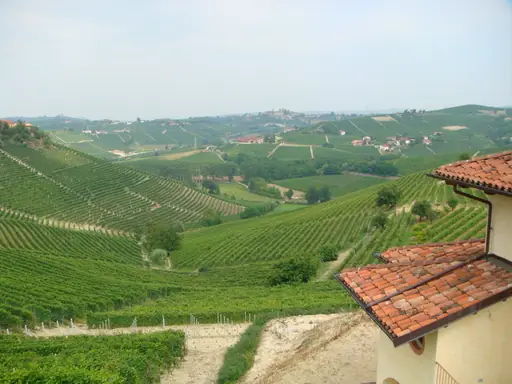
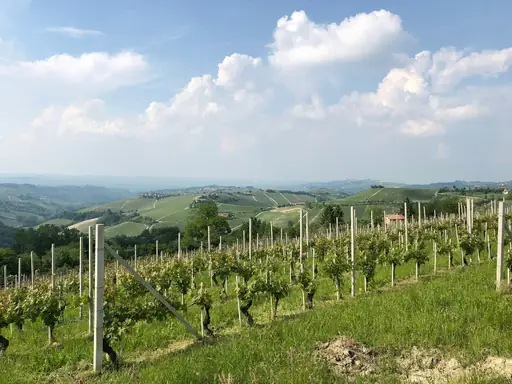
Fog rolls through these hills each autumn, giving the Nebbiolo grape its name from the Italian word for mist. That grape produces both Barolo and Barbaresco, two of Italy's most prized reds. Truffle season overlaps with harvest, so many visitors pair a hunt with a string of cellar visits.
Region in Spain
La Rioja
Wine, history and mountain views
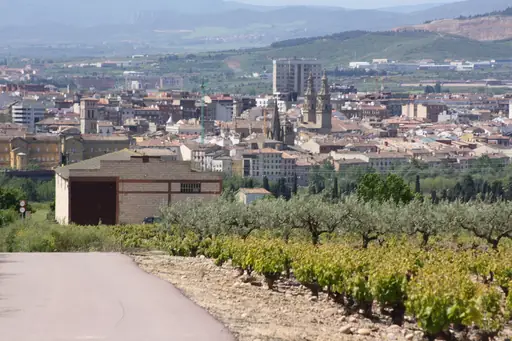
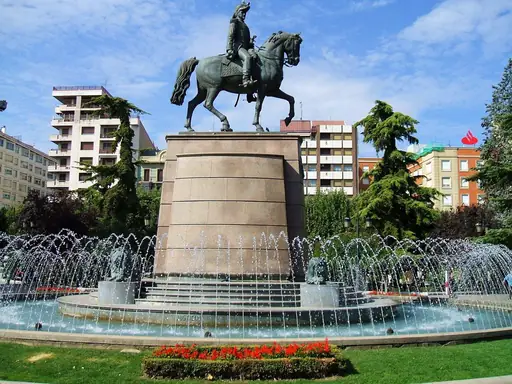
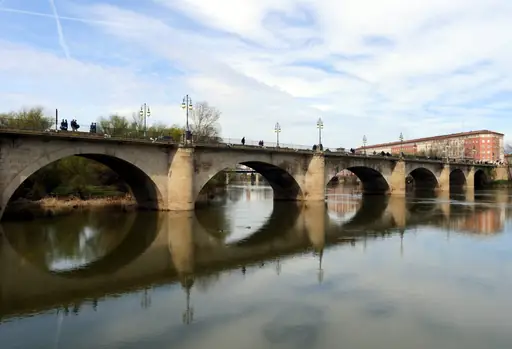
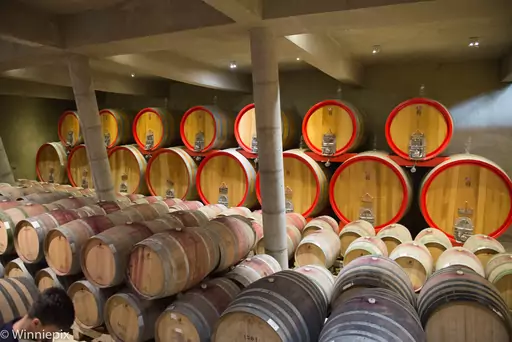
Tempranillo, Spain's signature red grape, dominates vineyards across this region's rolling hills. Oak barrel ageing plays a central role in the region's traditional winemaking style. Centuries-old bodegas throughout the area still age wine using methods passed down through generations. Medieval villages surrounded by vineyards make up much of the local landscape.

Region in Spain
Basque Country
Where tradition meets avant-garde beauty
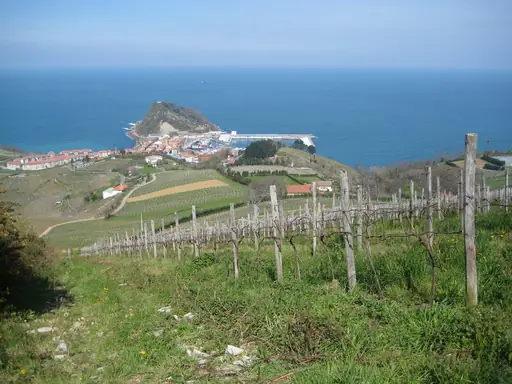
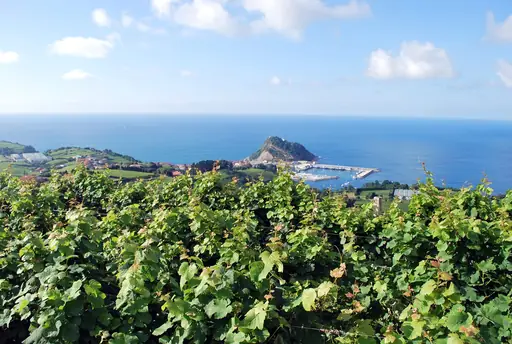
Txakoli, a slightly sparkling white wine, comes from steep coastal vineyards near towns like Getaria. Winemakers here pour the wine from a height into glasses, a tradition meant to aerate it. Vines grow low to the ground, trained to withstand strong Atlantic winds. Production remains small compared to Spain's larger wine regions further south.
Valley in Canada
Okanagan Valley
Vibrant vineyards and crystal‑clear lakes
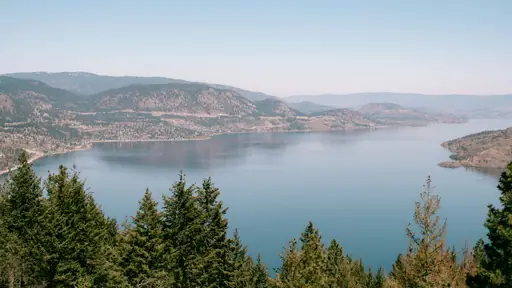
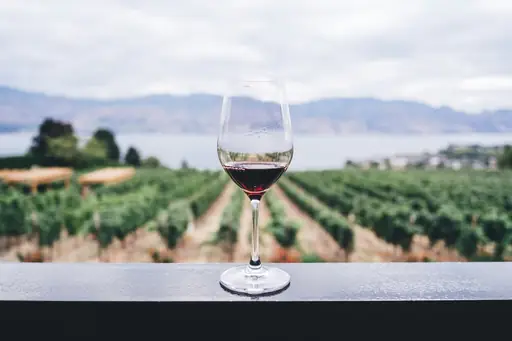
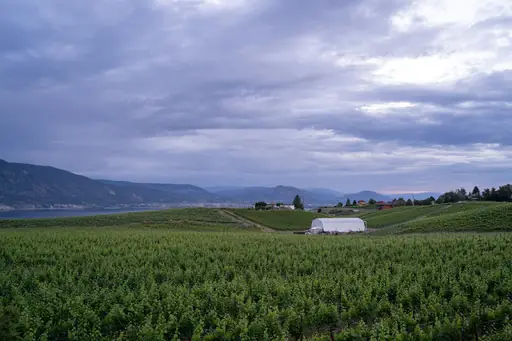
Desert-like conditions across this British Columbia valley support vineyards despite the region's otherwise cool Canadian climate. Lake-effect breezes moderate temperatures, helping grapes ripen fully during the short growing season. Over 200 wineries now operate across the valley's lake-lined landscape. Pinot Noir and Riesling both perform especially well in the region's cooler pockets.
Valley in Chile
Casablanca Valley
Hidden gem of Andean highlands
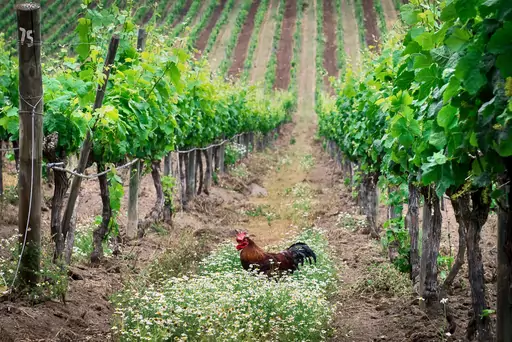
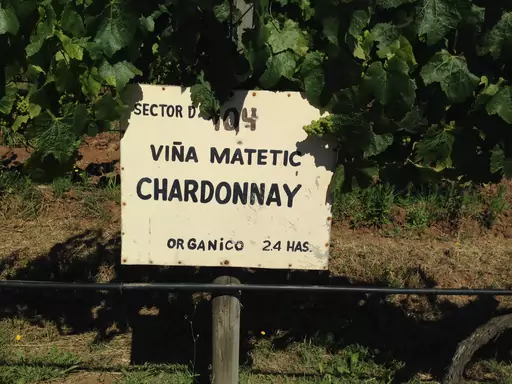
Cool ocean fog rolls into this Chilean valley most mornings, keeping temperatures low for Sauvignon Blanc and Chardonnay. This region sits closer to the Pacific than most other Chilean wine areas. Vineyards here were planted more recently than older regions inland. Wineries throughout the valley sit within easy reach of both Santiago and the coast.
City in Portugal
Porto
Wine, Coast and Old-World Charm
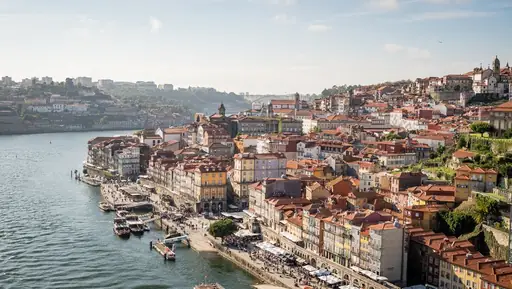
Port wine ages across the river from this city, inside cellars called caves. They line the hillside of Vila Nova de Gaia. Grapes grown far upstream in the Douro Valley get fortified with brandy before making the journey down. You can walk between cellar doors and taste styles ranging from ruby to tawny.
Town in Italy
Alba
Coastal charm meets vineyards in Alba
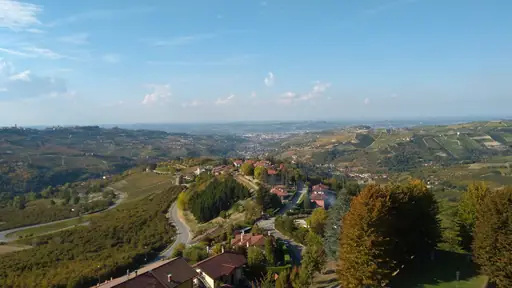
White truffles found in the hills around this town are traditionally paired with the region's Barolo and Barbaresco wines. An autumn truffle fair draws chefs and collectors from across Italy each year. Vineyards on the surrounding slopes grow Nebbiolo, the grape behind both famous wines. Medieval towers still rise above the town's historic centre.
Region in France
Champagne
Where bubbly dreams come alive
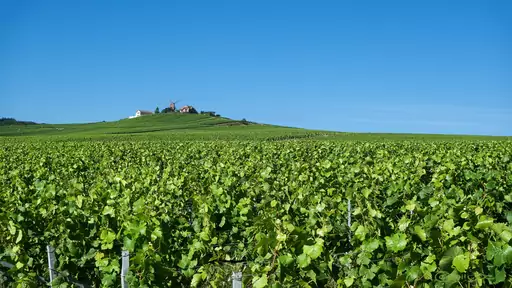
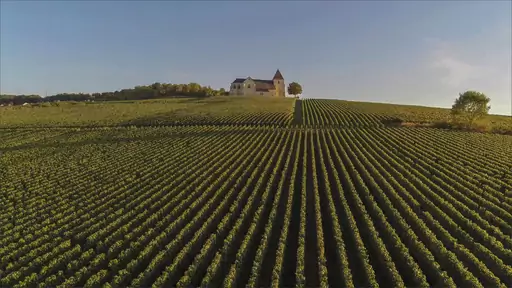
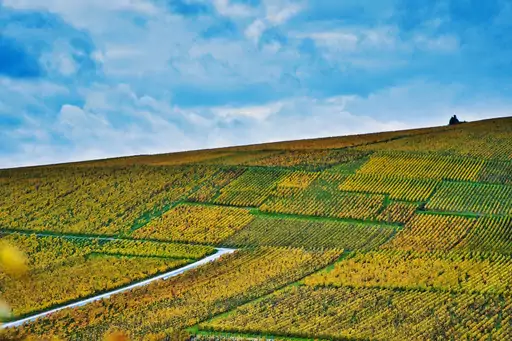
Sparkling wine from this region can only carry the name Champagne if made from grapes grown within its borders. Chalky soil beneath the vineyards helps retain moisture during dry summers. A secondary fermentation inside the bottle creates the wine's signature bubbles. Underground cellars carved from old chalk quarries store millions of bottles as they age.


City in France
Dijon
Burgundy’s Medieval and Culinary Gem
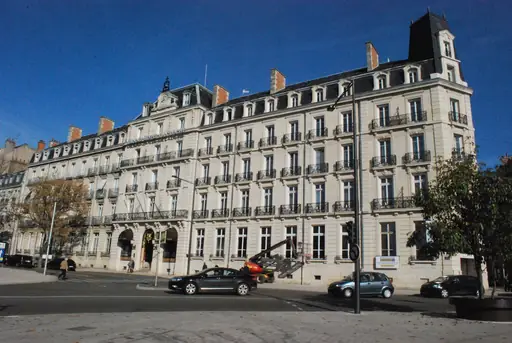
This city serves as Burgundy's administrative capital, though its famous vineyards lie south along the Cote d'Or. Mustard production here has historically overshadowed the wine industry in outside recognition. Medieval buildings fill much of the historic centre, a short drive from some valuable vineyard land. Wine shops throughout the city stock bottles from nearby villages.

Village in France
Eguisheim
Timeless village where history greets you
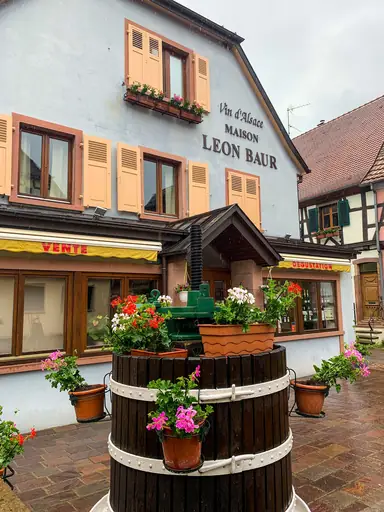
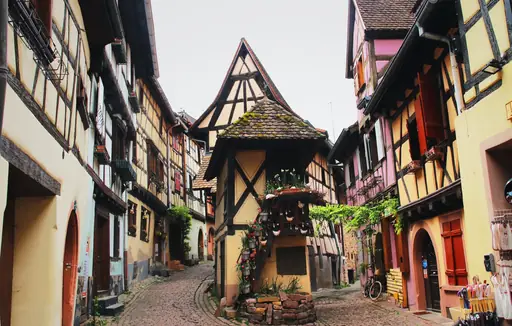
Half-timbered houses circle this Alsace village in rings, following the original medieval street layout. Vineyards climbing the hills just outside town produce Riesling and Gewurztraminer along the wine route. Storks nest on many rooftops each spring, a common sight in this part of Alsace. Flower boxes fill nearly every window throughout the old centre.
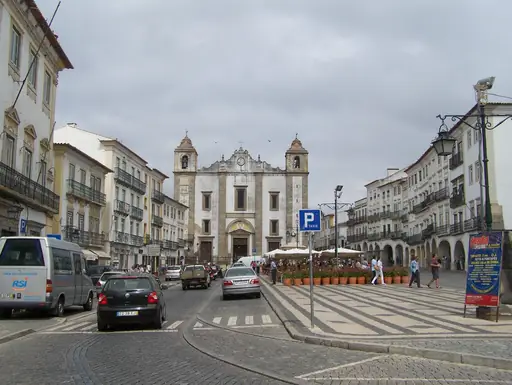
Town in Portugal
Évora
A Timeless Journey Through History
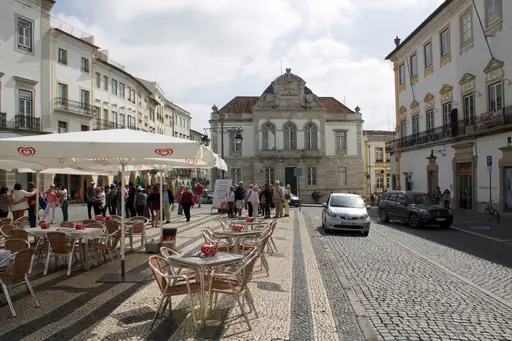
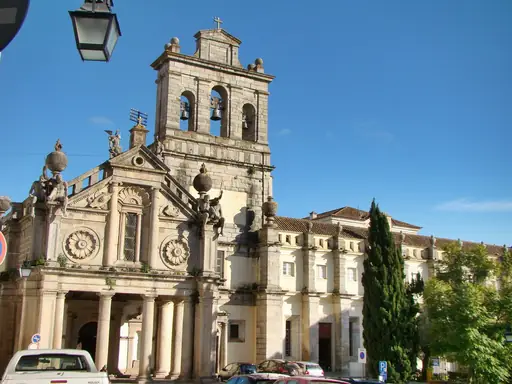
Roman ruins sit alongside centuries-old wine cellars in this walled Portuguese city. Cartuxa, a well-known local winery, traces its roots back to a 16th-century monastery. Vineyards across the surrounding plains benefit from the region's hot, dry summers. Local wine routes connect small producers scattered across the countryside outside the city.
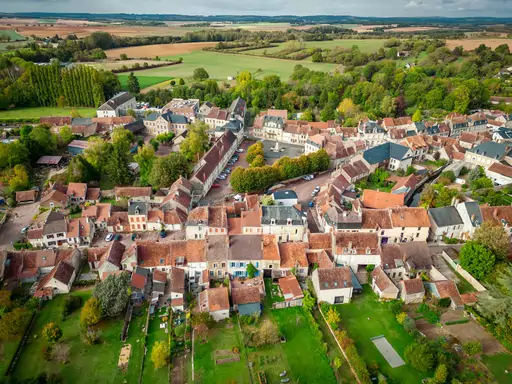
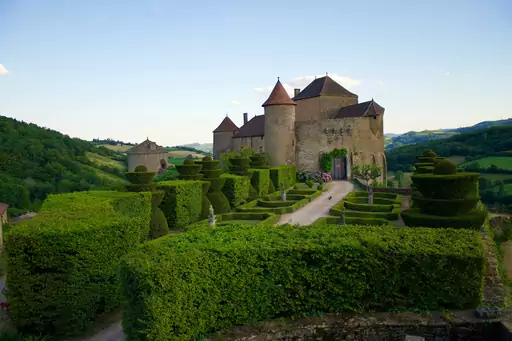
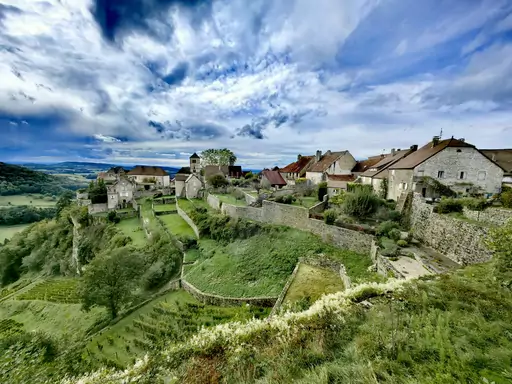
Region in France
Bourgogne
Crimson vineyards and historic châteaus
Vineyard plots here are divided into small parcels called climats, some no larger than a backyard garden. UNESCO recognised these historic divisions as a World Heritage Site in 2015. Pinot Noir and Chardonnay dominate plantings across the region's limestone hillsides. Prices for top bottles from certain plots rank among the highest in the wine world.
Island in Italy
Sicily
Sun, Sea and Ancient Secrets
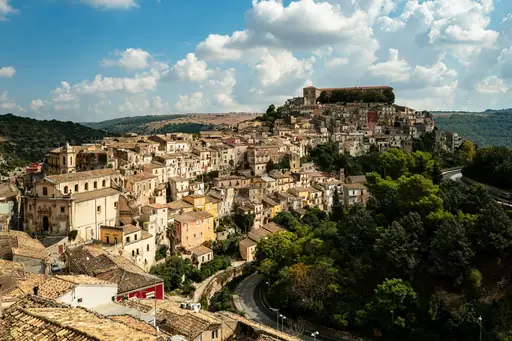
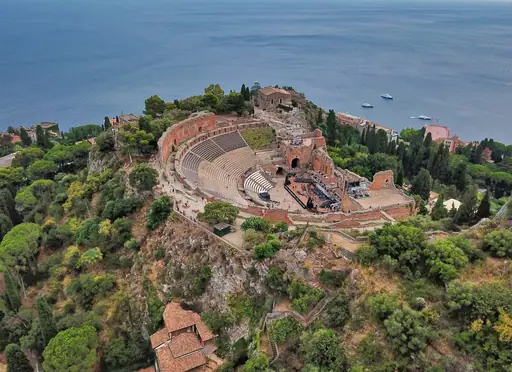
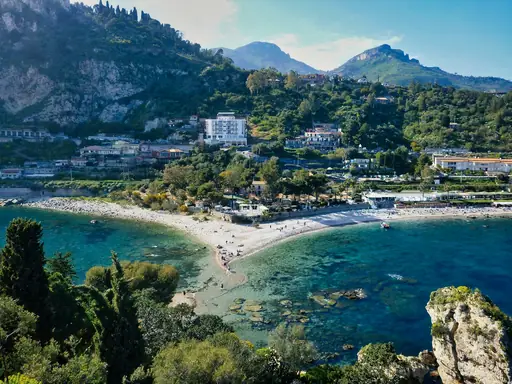
Nero d'Avola, a dark, thick-skinned grape, covers more vineyard land here than any other variety on the island. Vines grow across everything from coastal plains to the volcanic slopes of Mount Etna. Compared to mainland Italy, prices for a bottle here still run noticeably lower for the quality poured.
Town in Italy
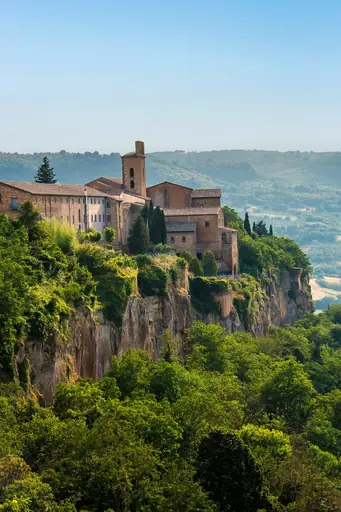
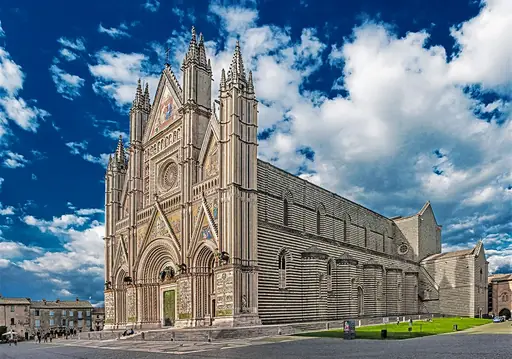
Orvieto
Umbrian hilltop gem
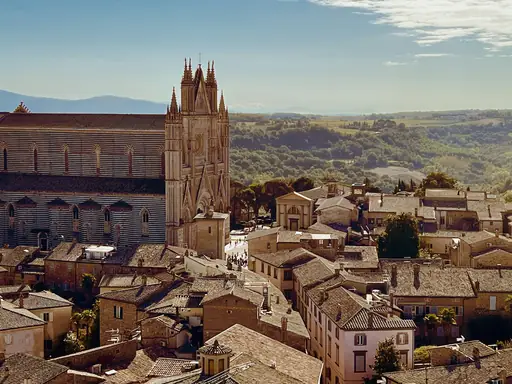
Etruscans carved wine cellars into the soft volcanic rock beneath this hilltop town over two thousand years ago. Many of those same tunnels still age Orvieto Classico, a crisp white made mostly from Grechetto and Trebbiano grapes. You can tour the caves before tasting the wine that ages inside them.
Town in United States
Yountville
Elegant vineyards and serene countryside charm
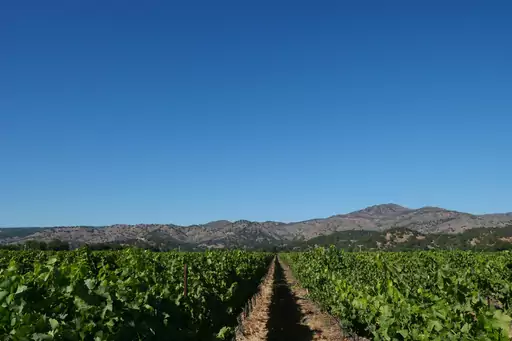
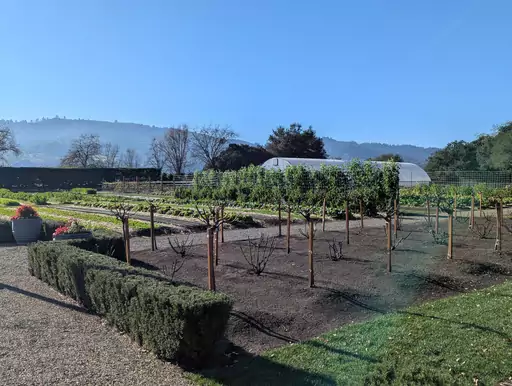
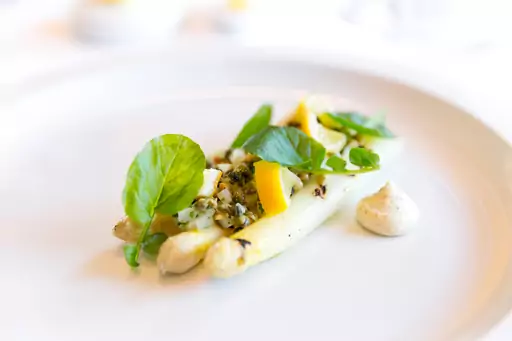
This small Napa Valley town holds more Michelin-starred restaurants per capita than most places in the country. The French Laundry, one of the most acclaimed restaurants in America, sits at the centre of town. Vineyards surrounding Yountville produce grapes for some of the valley's most established wineries. Tasting rooms line the town's compact main street.

Town in United States
Calistoga
Charming vineyards and rolling hills await you
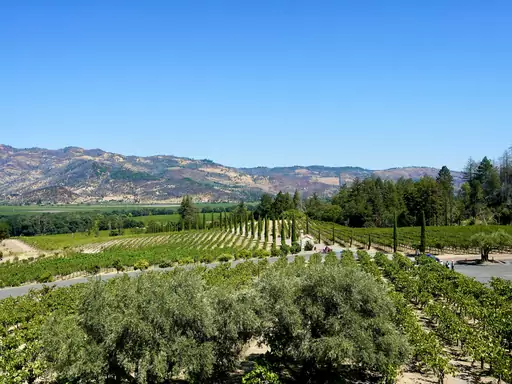
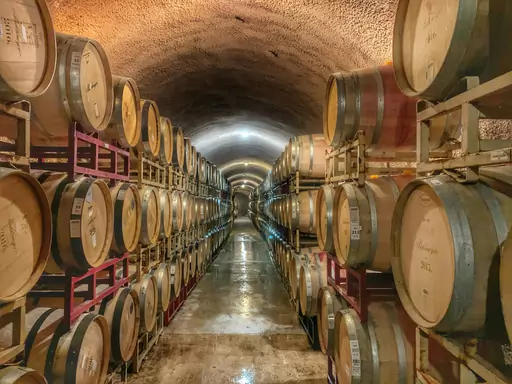
This town sits at the north end of Napa Valley, known for vineyards and hot springs. Volcanic soil in the surrounding hills helps shape the character of local wines. Mud baths drawn from mineral deposits have drawn visitors here since the 1800s. Smaller, family-run wineries dominate the area compared to the valley's corporate southern stretch.
Country
Georgia
Wine country, mountain villages and old Tbilisi
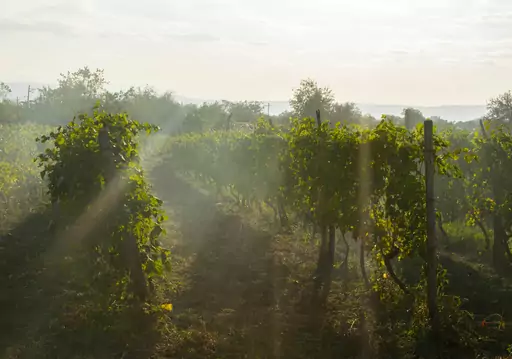
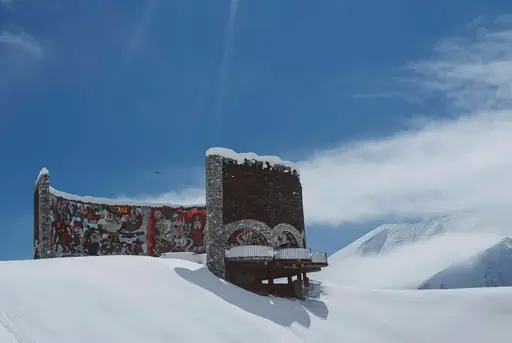
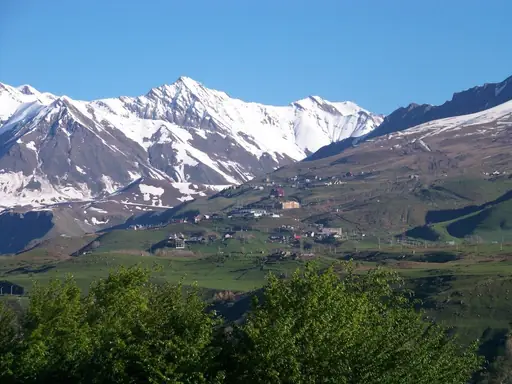
Winemakers here still ferment wine in large clay vessels called qvevri, buried to control temperature. UNESCO recognised this method as part of the world's intangible cultural heritage. Grape seeds found at nearby archaeological sites suggest wine production here stretches back thousands of years. Family-run wineries across the countryside still use methods passed down for generations.
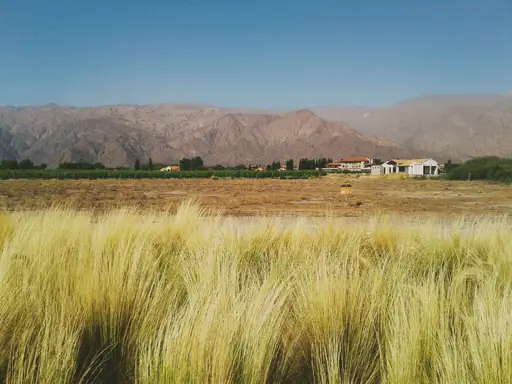
City in Argentina
Salta
Colonial Charm and Andean Landscapes
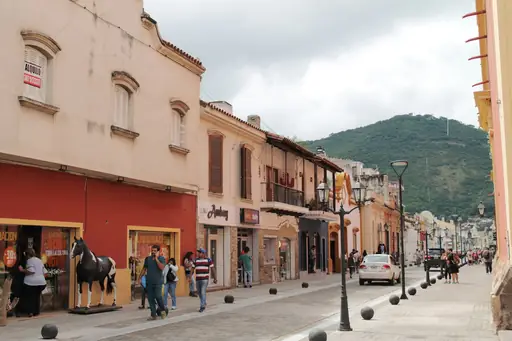
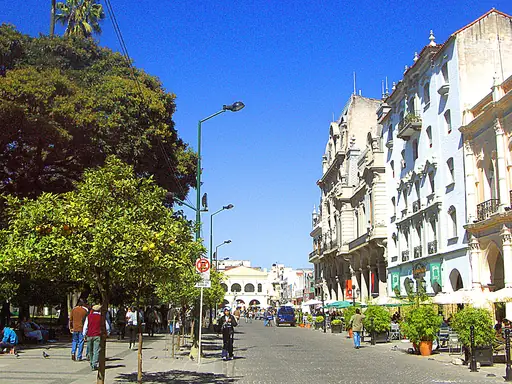
Vineyards near this northern Argentine city climb higher than almost anywhere else in the wine world. Some sit planted above 2,000 metres. That altitude helps grapes like Torrontes hold onto bright acidity despite the intense sun. The nearby Cafayate valley has become a popular base for visiting smaller family wineries.


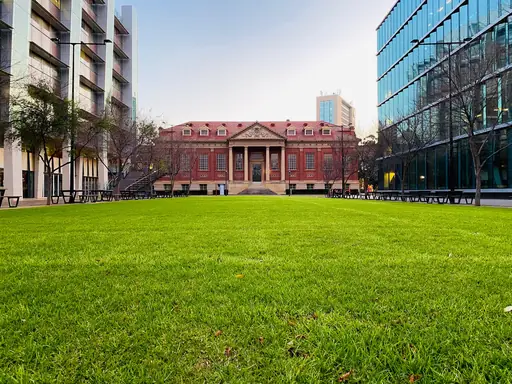
City in Australia
Adelaide
Festivals, wine and laid-back charm
This South Australian city sits within easy reach of both the Barossa Valley and McLaren Vale. Wine bars throughout the city centre pour heavily from nearby vineyards. Many producers maintain cellar door tasting rooms a short drive from downtown. The city hosts a major wine festival every two years, drawing growers from across the state.
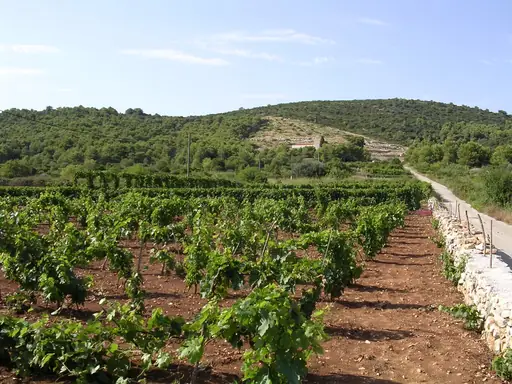
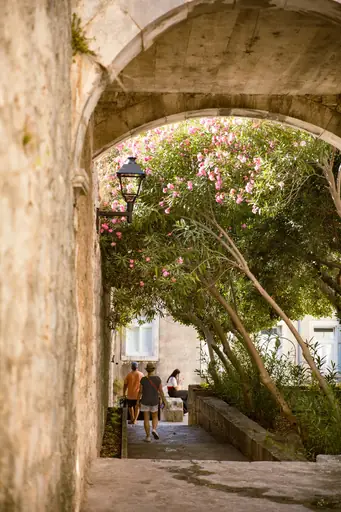
Region in Croatia
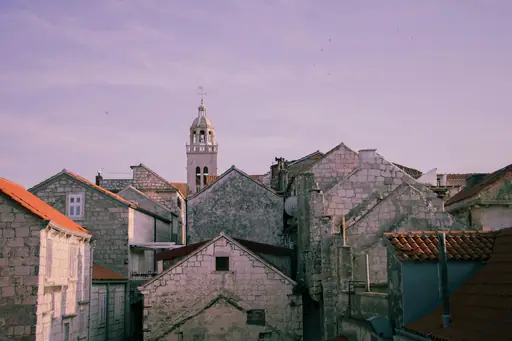
Dalmatia
Adriatic Coastline of Ancient Wonders
Plavac Mali, a red grape grown along this Croatian coast, shares roots with California's Zinfandel. Steep vineyards on islands like Hvar and Korcula often require harvesting by hand. Mediterranean sun and sea breezes shape the character of wines grown here. Some coastal vineyards sit close enough to the water to be seen from passing boats.

Region in Austria
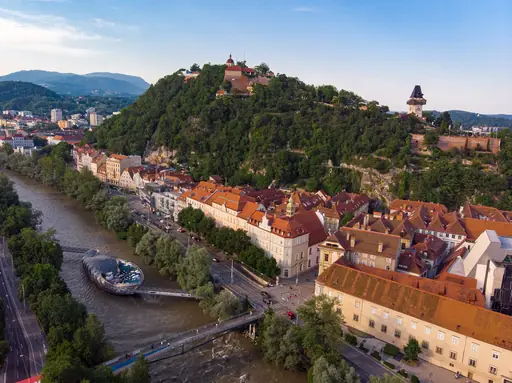
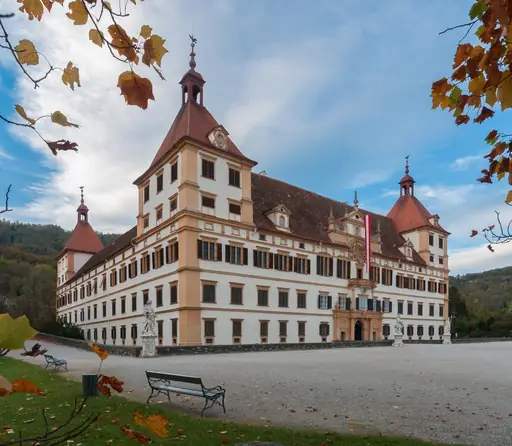
Styria
Green Heart of Alpine Austria
Schilcher, a sharp rose made from a grape grown almost nowhere else, comes exclusively from this southern Austrian region. Pumpkin seed oil production runs alongside winemaking on many of the same family farms. Rolling hills covered in vines give way to pumpkin fields once the grape harvest wraps up.
Region in Spain
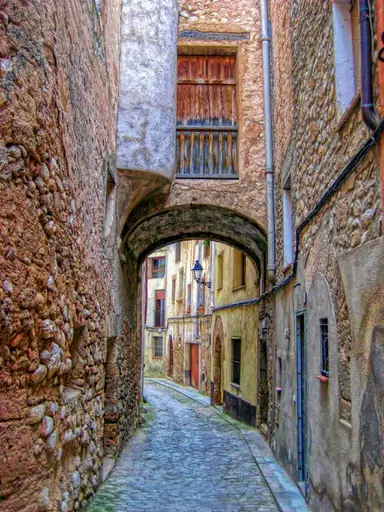
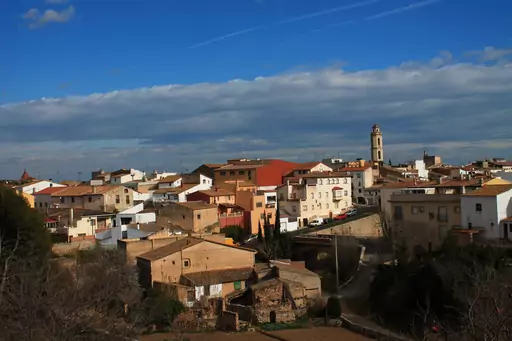
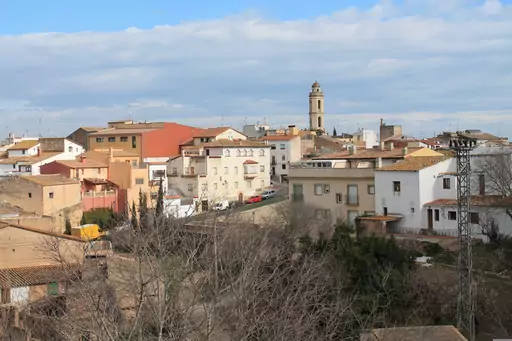
Penedès
Coastal charm meets historic villages
Cava, Spain's answer to Champagne, was first produced in this Catalan region in the 1870s. Underground cellars throughout the area age bottles using the same traditional method as French sparkling wine. Xarel-lo, Macabeo and Parellada grapes form the backbone of most local blends. Family-run wineries here have passed production down through multiple generations.
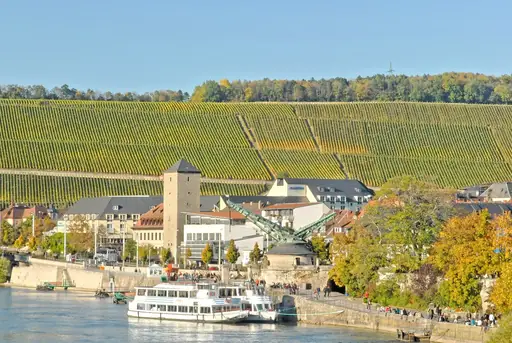
Region in Germany
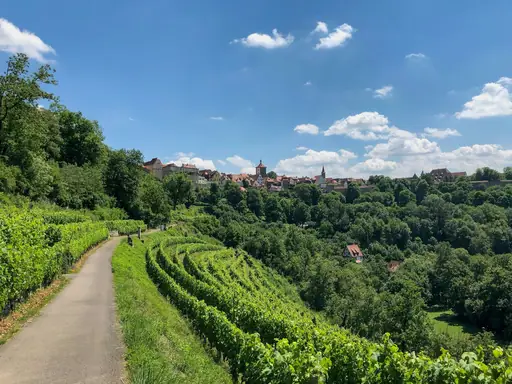
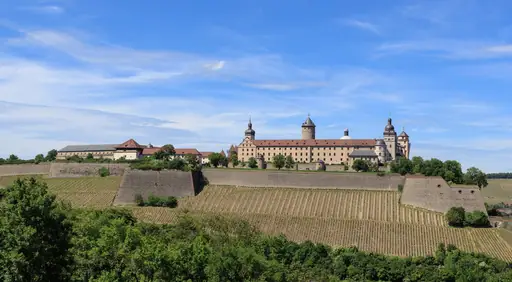
Franconia
Beer cellars, vineyards and Baroque palaces
Wine here is traditionally bottled in a flat, rounded flask called a Bocksbeutel, distinct from typical wine bottle shapes. Silvaner, a crisp white grape, remains the region's signature variety. Vineyards spread across terraced hillsides above the Main River. Wine taverns throughout the region serve local bottles alongside hearty Franconian food.
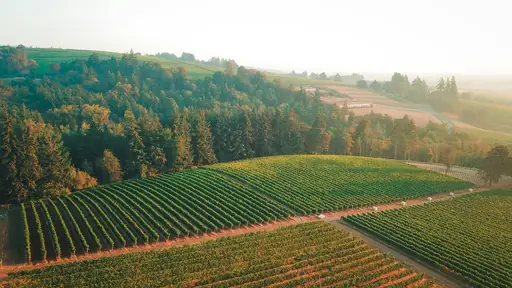
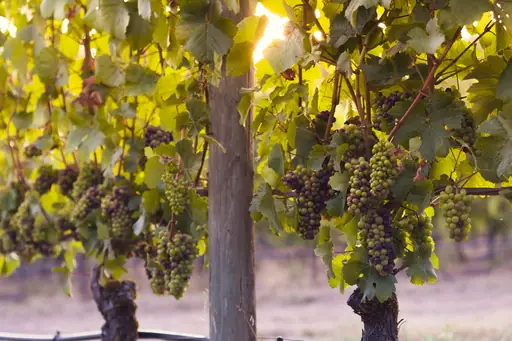
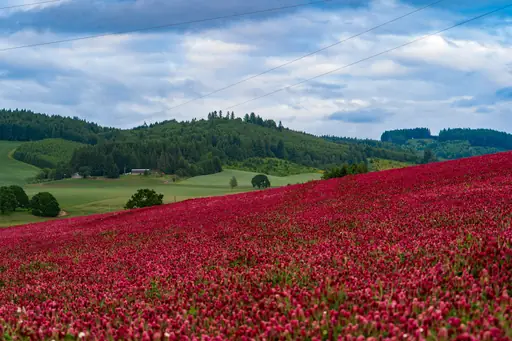
Region in United States
Willamette Valley
World-class pinot and scenic beauty
Pinot Noir thrives in this Oregon valley thanks to a cool, marine-influenced climate similar to parts of Burgundy. Volcanic and sedimentary soils across the region shift the character of wine from one vineyard to the next. Over 700 wineries now operate across the valley's rolling hills south of Portland.
District in Switzerland
Lavaux-Oron
UNESCO terraced vineyards above Lake Geneva
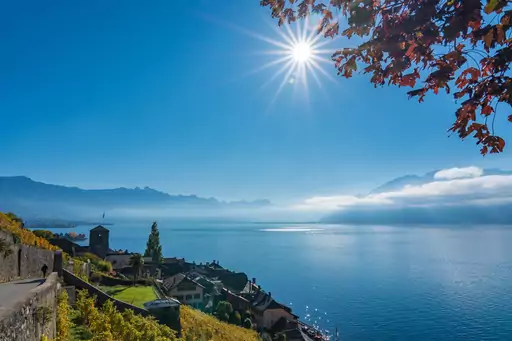
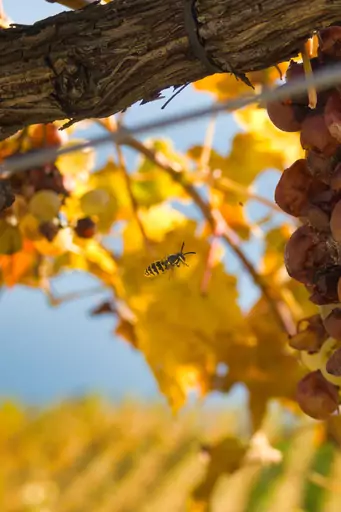
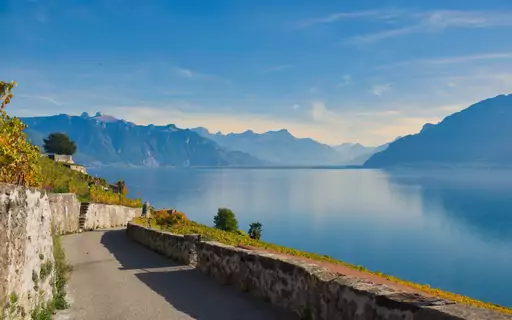
Terraced vineyards here climb steeply above Lake Geneva, built up over centuries by hand. UNESCO recognised the terraces as a World Heritage Site for their scale and long history. Chasselas, a delicate white grape, dominates plantings across the slopes. Small villages sit tucked between rows of vines, connected by narrow paths and old stone walls.
Town in South Africa
Franschhoek
Wine, Mountains and Gourmet Living
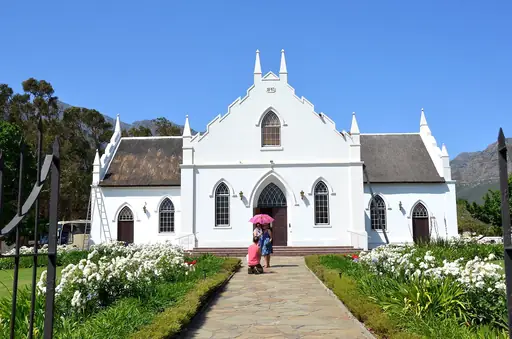
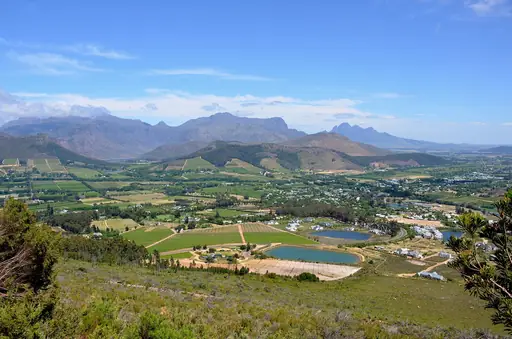
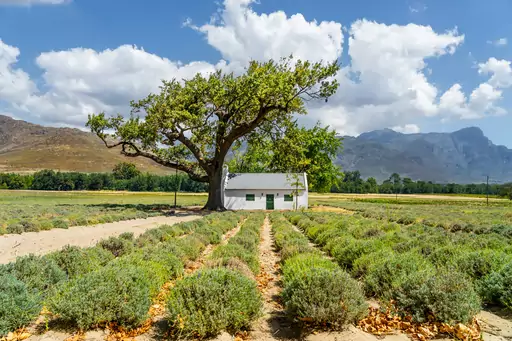
French Huguenot refugees settled this valley in the late 1600s, bringing winemaking traditions with them. Many local wine estates still carry French names tied to those early settlers. Mountains ring the valley on nearly every side, creating a naturally sheltered growing climate. A narrow-gauge wine tram now carries visitors between several of the valley's estates.

City in United States
Santa Barbara
California’s Riviera: sun, surf, style
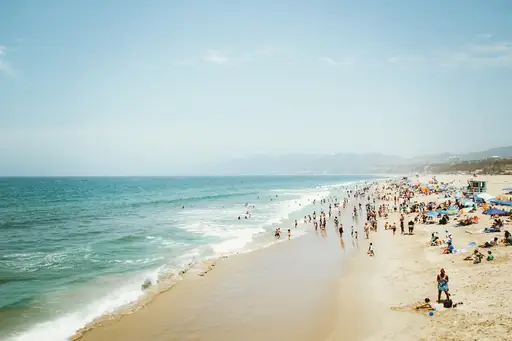
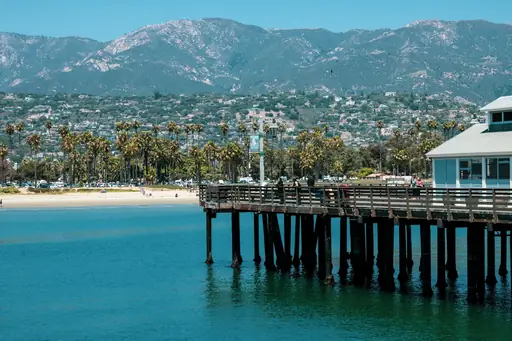
The film Sideways put the Santa Ynez Valley just north of this city on the map for its Pinot Noir. Cool ocean fog rolls into the valley through a rare east-west mountain gap, unlike most nearby coastal ranges. That breeze lets grapes ripen slowly, giving the wines a lighter, brighter style than warmer inland regions.
Region in Italy
Veneto
Venice, Mountains and Renaissance Splendor
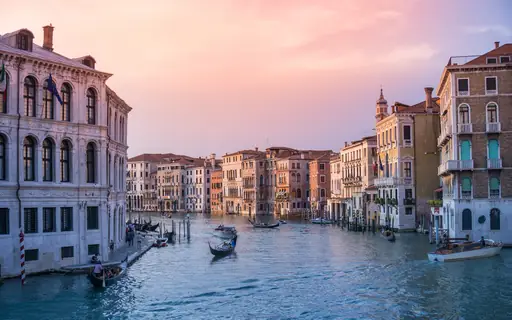
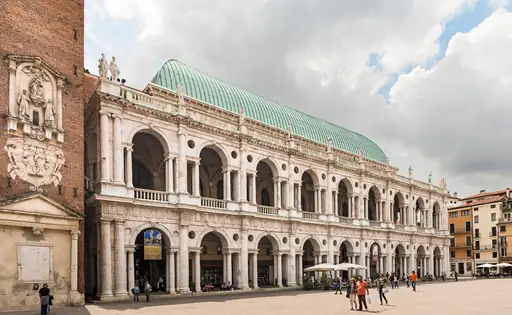
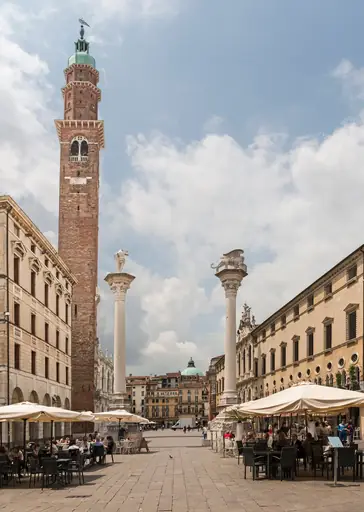
Prosecco, Italy's best-known sparkling wine, comes almost entirely from hillside vineyards in this northeastern region. Amarone, made from grapes dried on straw mats before pressing, produces a much heavier red from the same area. Both wines get poured side by side in bars throughout the region's small towns.
Region in Croatia
Istria
Heart-shaped peninsula of cultural fusion
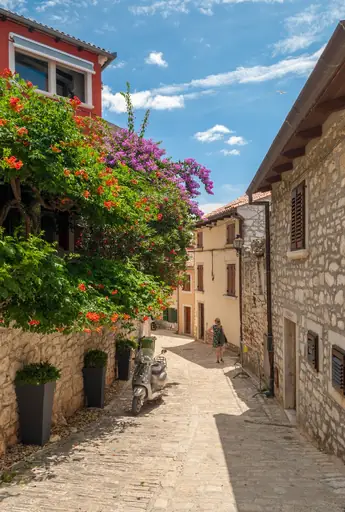
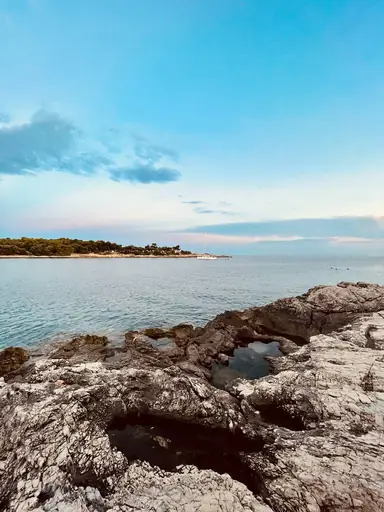
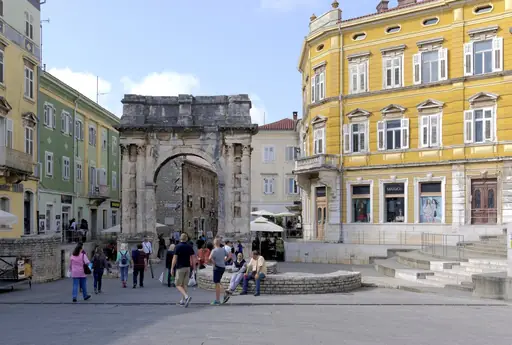
Malvazija, a crisp white grape, covers much of this Croatian peninsula's vineyard land. Olive groves often sit alongside vineyards across the region's rolling countryside. Small family wineries dominate production here compared to Croatia's larger coastal regions further south. Truffle hunting in nearby forests draws visitors alongside the area's growing wine tourism.
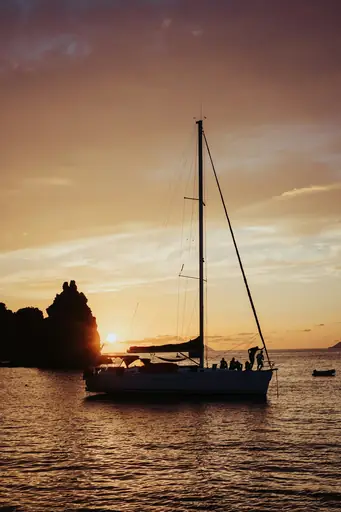
Archipelago in Italy
Aeolian Islands
Sunlit cliffs and volcanic horizons
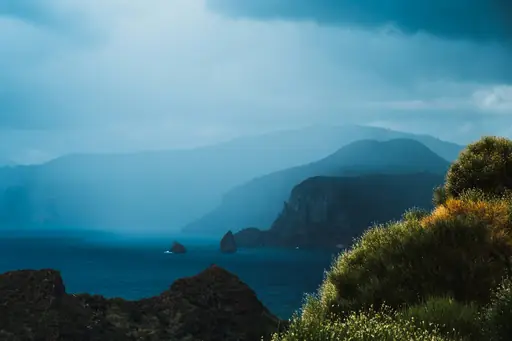
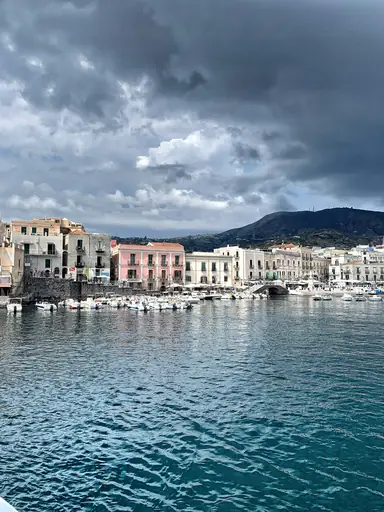
Volcanic soil across these islands produces Malvasia delle Lipari, a sweet wine made from sun-dried grapes. Vines here grow on steep terraces overlooking the sea, often tended entirely by hand. Winemaking on the islands dates back to ancient Greek settlers. Small production means much of the wine rarely leaves the region.
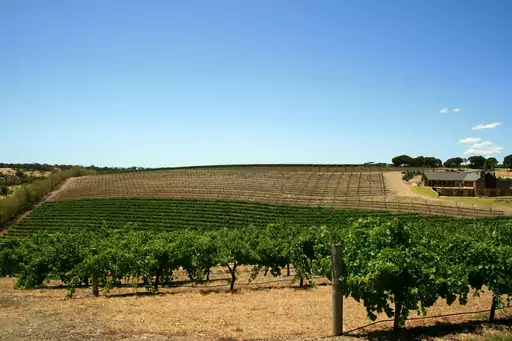
Region in Australia
Barossa Valley
Australia's premier wine country paradise
Some Shiraz vines here have produced grapes for over 150 years, among the oldest continuously cultivated vines anywhere. German settlers first planted vineyards across the valley in the 19th century. Warm, dry summers suit the bold, full-bodied style the region is known for. Cellar doors throughout the valley offer tastings directly from small family-run producers.

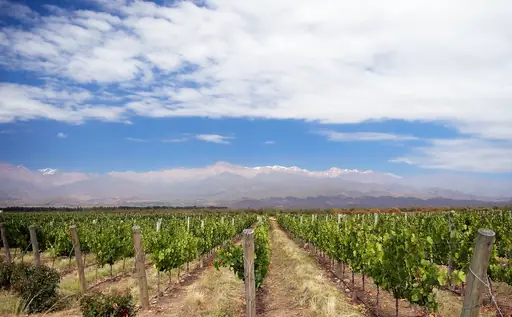
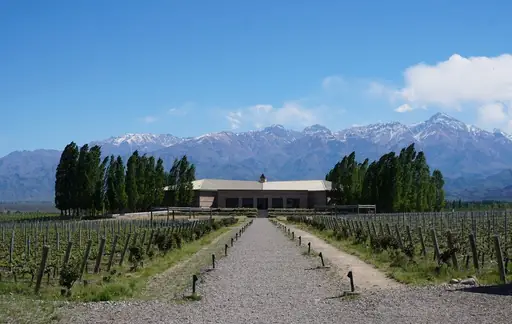
City in Argentina
Mendoza
Wine, Andes and Adventure Bliss
Malbec, a grape that struggled in France, found ideal conditions in this high-altitude Argentine region. Vineyards here sit in the shadow of the Andes, some planted above 1,000 metres. Irrigation channels dating back to indigenous farming techniques still help distribute meltwater to the vines. Wineries throughout the region often pair tastings with mountain views.
City in France
Aix-en-Provence
Fountains, Markets and Provençal Charm
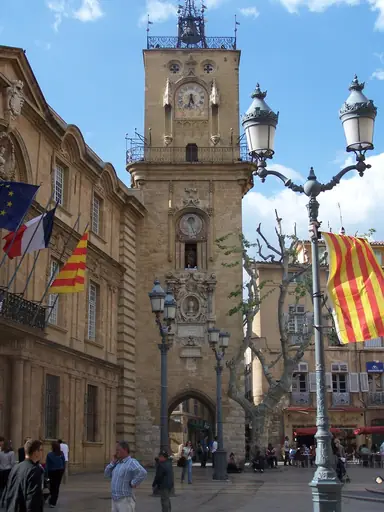
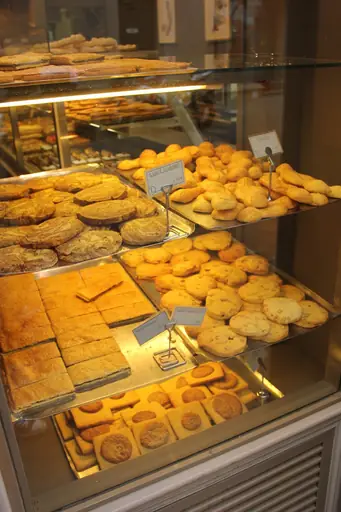
Rose wine production surrounds this city, with vineyards stretching across much of Provence. Cezanne once painted the same hillsides that still produce grapes today. Coteaux d'Aix-en-Provence, a local appellation, covers much of the wine made nearby. Warm, dry summers here suit the region's blend of Grenache, Cinsault and Syrah grapes.
Region in Spain
Ribera del Duero
Savoring vineyards along historic riverbanks
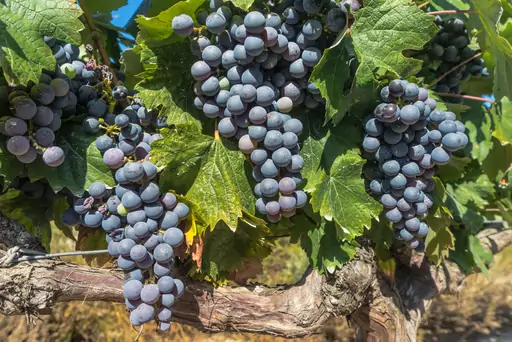
Tempranillo, known locally as Tinto Fino, thrives in this high-altitude Spanish region along the Duero River. Vega Sicilia, one of the country's most prized producers, has made wine here since the 1860s. Wide temperature swings between day and night help grapes develop concentrated flavour. Medieval castles dot the landscape across much of the region.
City in South Africa
Stellenbosch
Wine, Heritage and Mountain Views
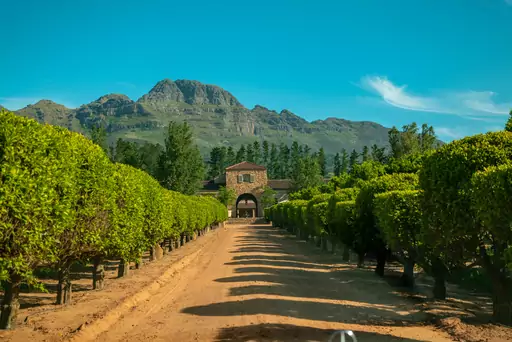
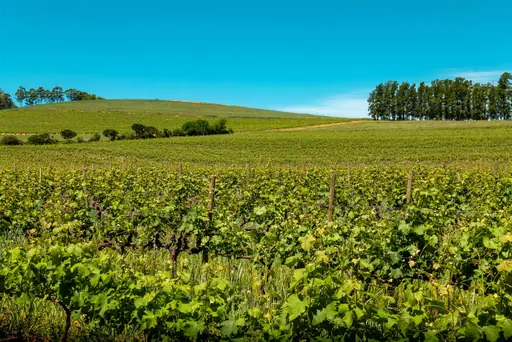
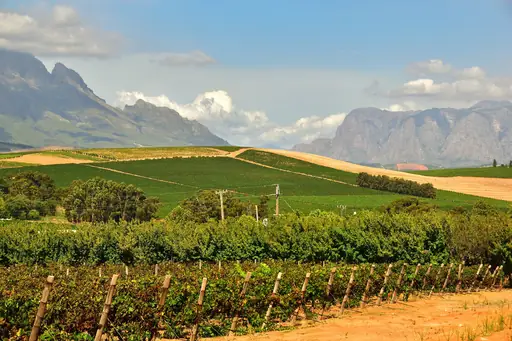
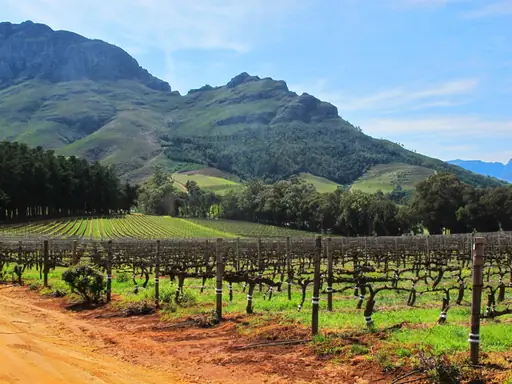
Oak-lined streets and whitewashed Cape Dutch buildings give this town a European feel rare in African wine country. Mountains ring the valley on three sides, sheltering vineyards from the strongest coastal winds. Cabernet Sauvignon and Chenin Blanc both thrive across the surrounding granite and sandstone soils.
Village in France
Châteauneuf-du-Pape
Sun‑kissed vineyards, historic hilltop charm
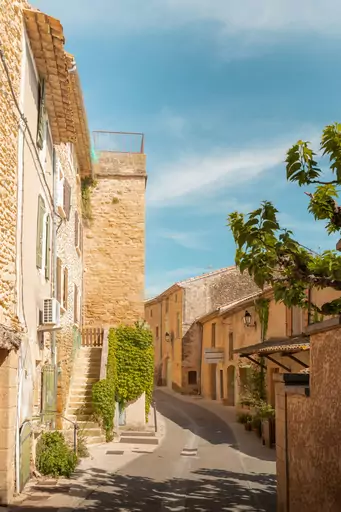
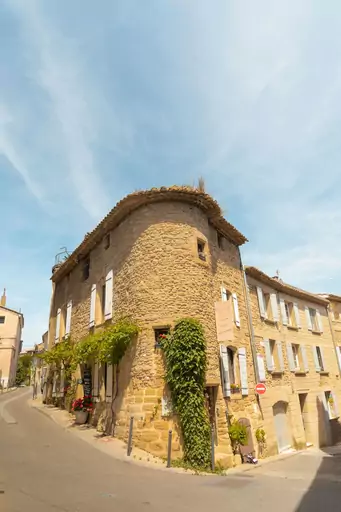
Large, rounded stones called galets cover this village's vineyard soil, absorbing heat during the day. Popes based in Avignon helped establish vineyards here in the 1300s. This became the first wine region in France to get a legal boundary, set in 1936. Red blends from the area often combine over a dozen permitted grapes.

Region in New Zealand
Marlborough
Wine Country Meets Stunning Coastal Sounds
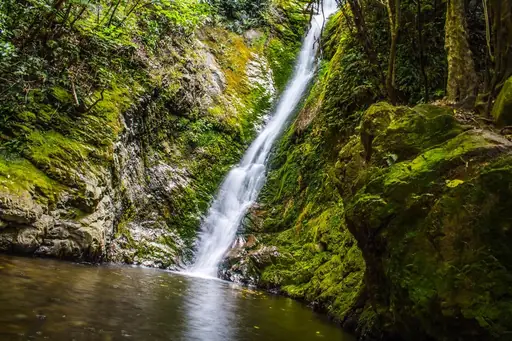
Sauvignon Blanc from this New Zealand region has become known worldwide for its zesty character. Vineyards spread across a wide, sunny valley near the top of the South Island. Cool nights help grapes retain the acidity that defines the region's signature style. Production here has grown rapidly since vines were first planted in the 1970s.
City in Spain
Jerez de la Frontera
Sunlit vineyards and flamenco rhythms
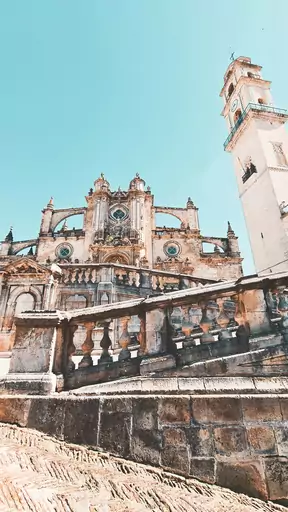
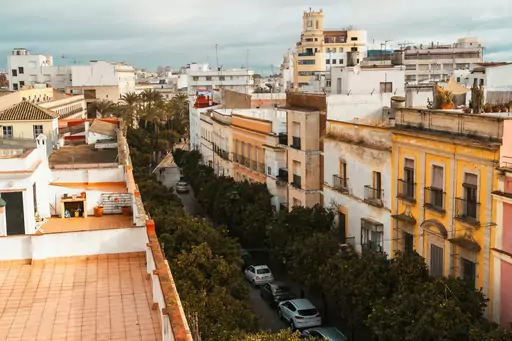
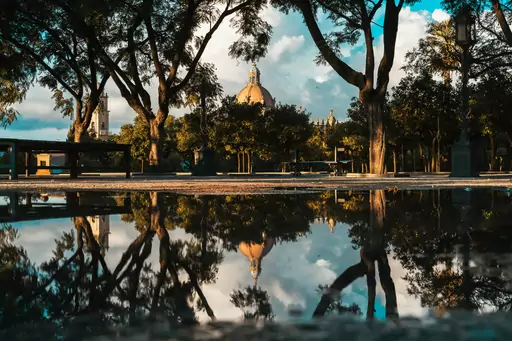
Sherry, a fortified wine, takes its English name from a mispronunciation of this town's name. A system called solera blends wine of different ages across stacked barrels. Chalky white soil in the surrounding countryside helps retain moisture through hot, dry summers. Bodegas throughout the town open their cellars for tastings and tours.
Region in Australia
Yarra Valley
Victoria's Premier Wine Country Paradise
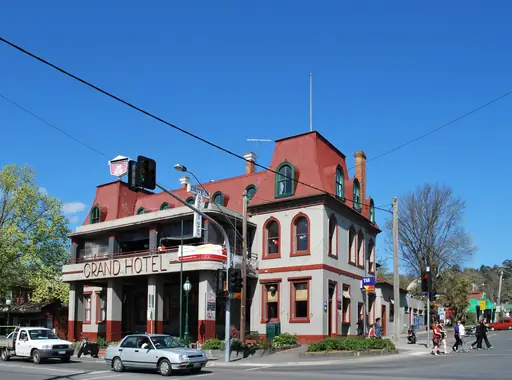
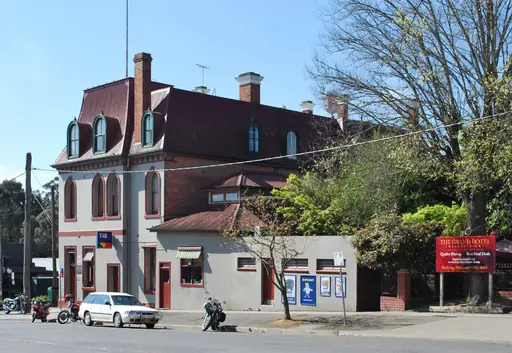
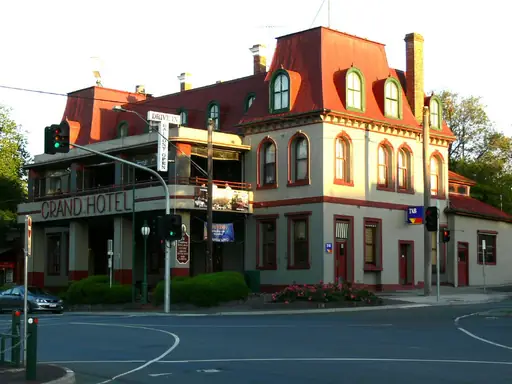
Cool climate conditions in this valley outside Melbourne suit Pinot Noir and Chardonnay particularly well. Vineyards spread across rolling hills within about an hour's drive of the city centre. Sparkling wine production here has grown steadily, using methods similar to Champagne. Cellar doors throughout the valley draw day-trippers year round.
Region in France
Provence
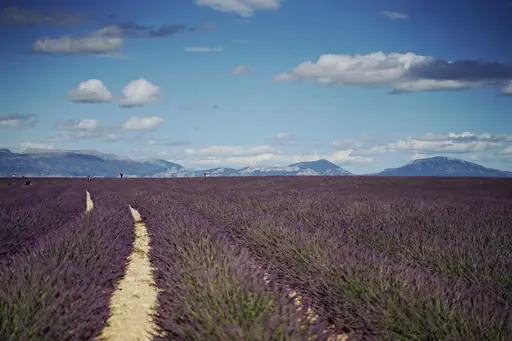
Sunlit lavender fields and historic villages
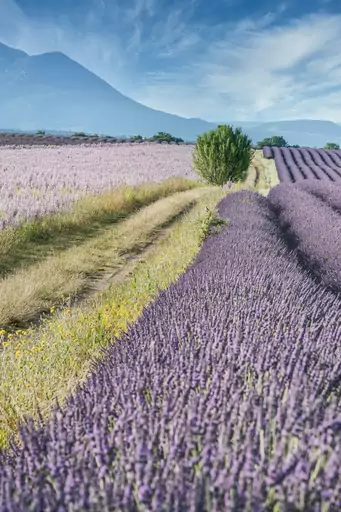
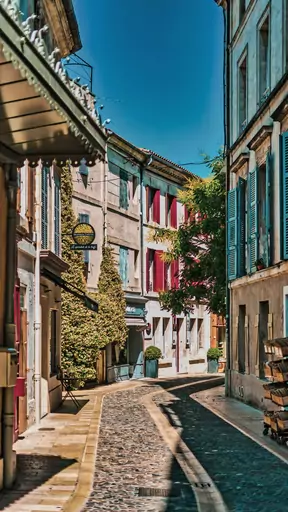
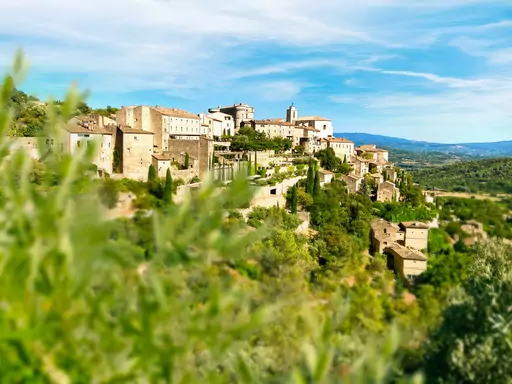
Rose wine makes up the vast majority of what vineyards produce across this southern French region. Grenache, Cinsault and Syrah grapes handle the intense summer heat well across sun-baked hillsides. Lavender fields often border vineyards throughout the countryside, especially further inland. Local producers have made rose here since Greek settlers first planted vines.
City in Italy
Florence
The cradle of the Renaissance
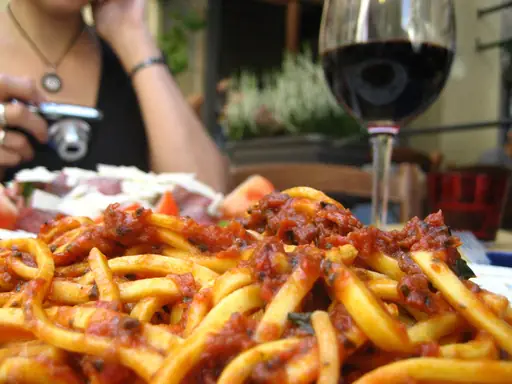
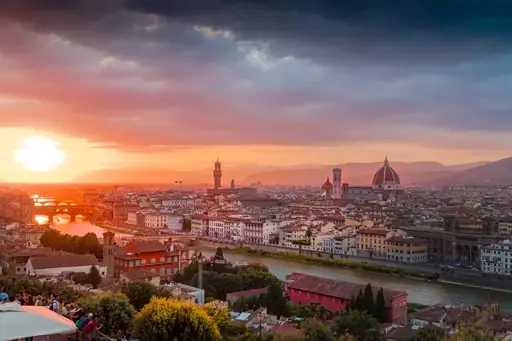
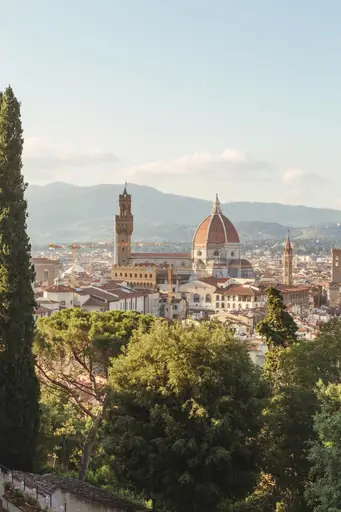
Chianti, one of Italy's best-known wines, comes from hills stretching south of this Renaissance city. Sangiovese grapes form the blend's backbone, grown across rolling vineyard-covered countryside. Medieval hilltop towns throughout the region double as bases for visiting nearby wineries. Black rooster emblems on many bottle labels mark wines from the historic Chianti Classico zone.
Region in France
Provence-Alpes-Côte d'Azur
Lavender Fields to Azure Seas
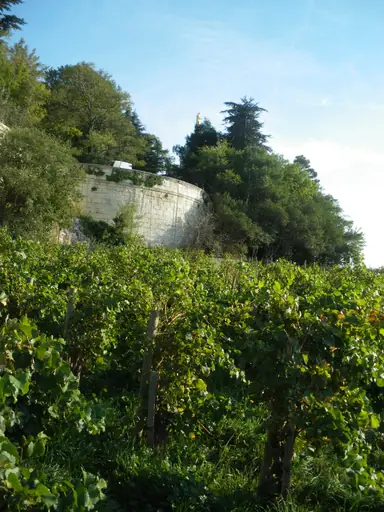
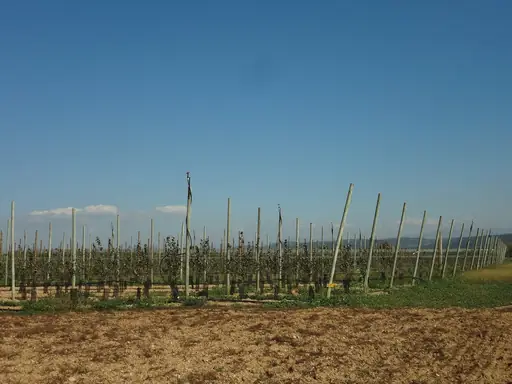
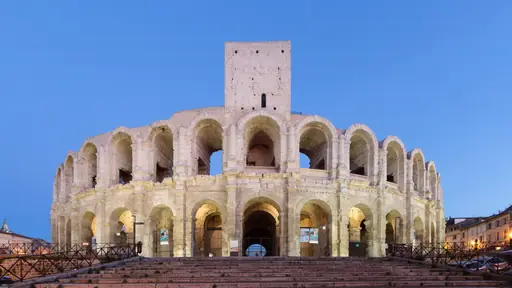
Pale pink wine dominates this region more than anywhere else in France. Rose makes up most of what local vineyards produce. Grenache, Cinsault and Syrah grapes handle the summer heat well across the sun-baked hills. Compared to Bordeaux or Burgundy, prices here stay far more approachable for a bottle to share.
Region in Germany
Rheingau-Taunus-Kreis
Riesling slopes and Taunus woods
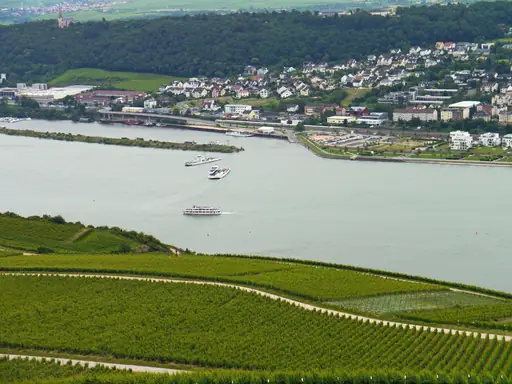
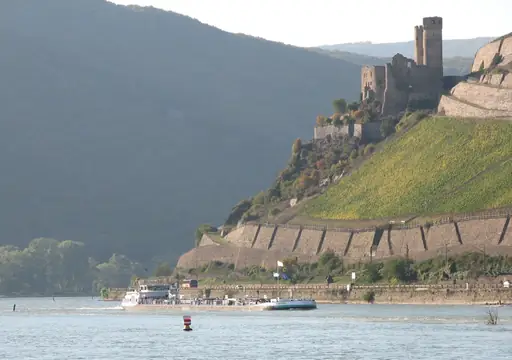
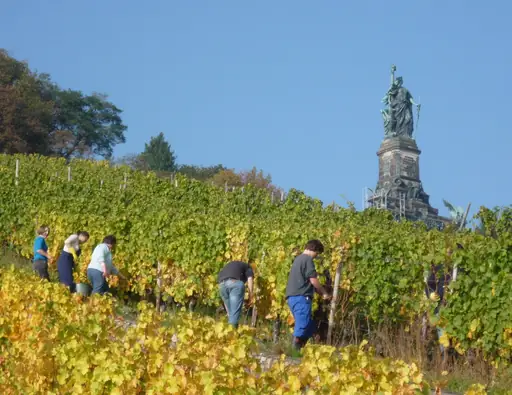
Riesling covers most vineyard land across this stretch of the Rhine River, among Germany's most respected growing regions. Kloster Eberbach, a former monastery, has produced wine on the same grounds for centuries. Steep, south-facing slopes here catch more sunlight than much of the surrounding countryside. Wine estates throughout the region date back generations.


City in South Africa
Cape Town
Mountains, Beaches and a Vibrant Culture
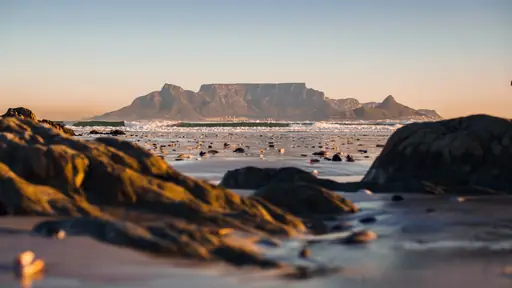
Constantia, a neighbourhood just outside the city, holds the oldest wine estate in the Southern Hemisphere. Dutch settlers planted vineyards here as early as the 17th century. Sweet dessert wines from the area were once prized across European royal courts. Mountains ring much of the valley, sheltering vineyards from the region's strong coastal winds.
Region in France
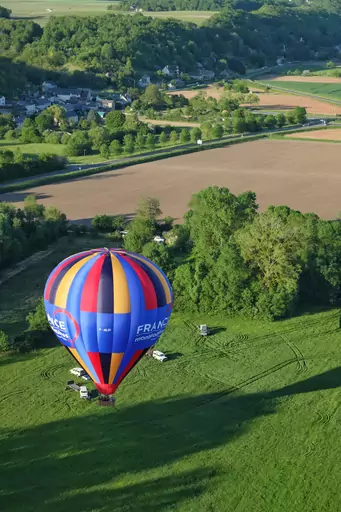
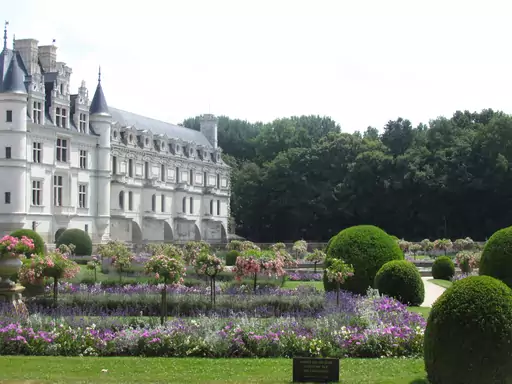
Loire Valley
Châteaux, vineyards and riverside charm
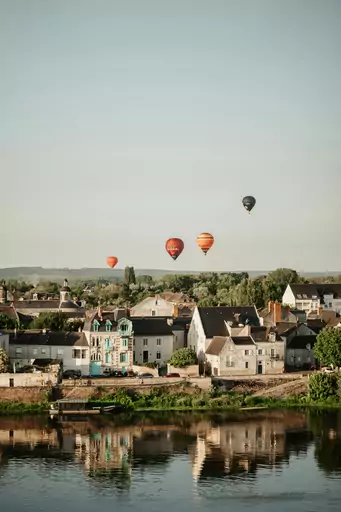
Chateaux throughout this valley sit surrounded by vineyards producing everything from crisp Sancerre to sweet Vouvray. The river itself moderates the climate, helping vines survive harsh winters. Sauvignon Blanc and Chenin Blanc both thrive across different stretches of the valley. Cave dwellings carved into limestone cliffs here double as natural wine cellars.
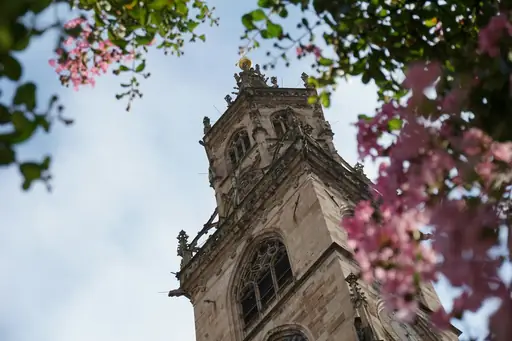
Region in Italy
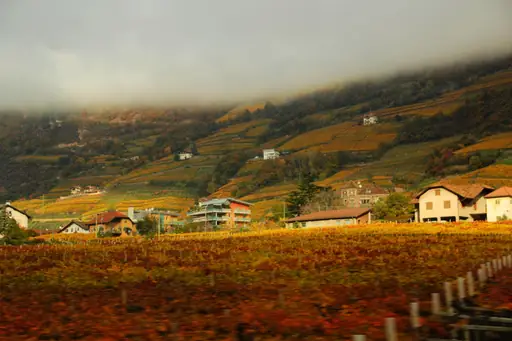
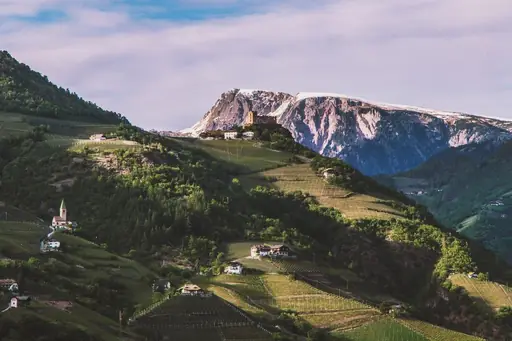
South Tyrol
Alpine culture where worlds collide
The village of Tramin here gave its name to Gewurztraminer, a grape now grown in wine regions worldwide. Steep, terraced vineyards climb the same alpine slopes used for hiking and skiing depending on the season. German and Italian both appear on wine labels here, a mix unique to this border region.
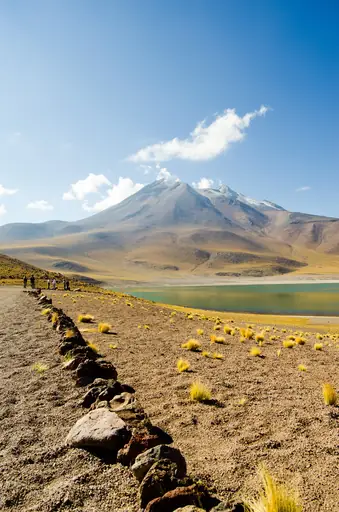

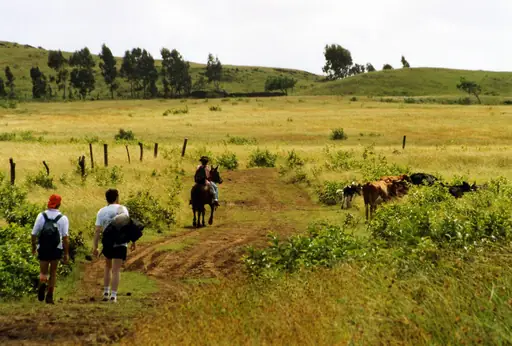
Country
Chile
Land of dramatic climate contrasts
Carmenere, a grape once thought lost when disease hit French vineyards, turned up here misidentified as Merlot. Vineyards stretch across a narrow strip between the Andes and Pacific. That geography helps shield vines from many pests that trouble other wine regions. Producers across the country now grow the grape as something of a national speciality.
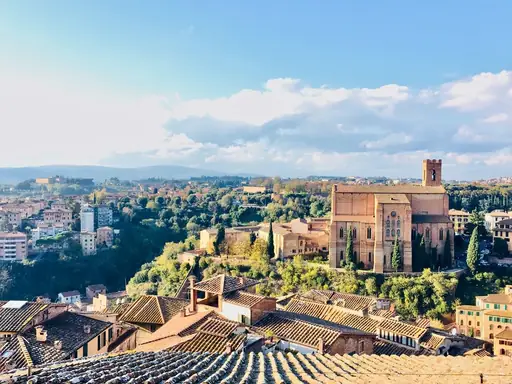
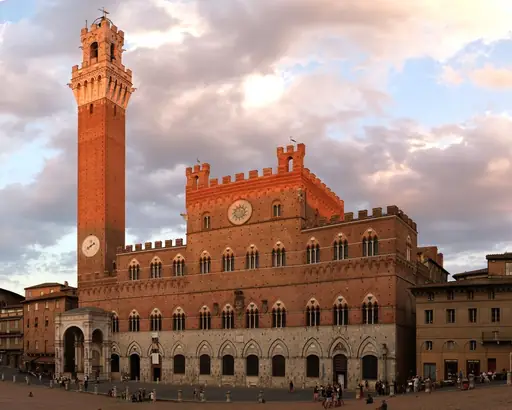
Region in Italy
Tuscany
Rolling Hills, Wine and Renaissance Charm
Cypress-lined roads cut through rolling hills covered in vineyards growing Sangiovese, the grape behind Chianti and Brunello di Montalcino. Medieval hilltop towns throughout the region double as bases for visiting nearby wineries. Harvest usually runs through September, when the vine leaves start turning shades of gold and red.
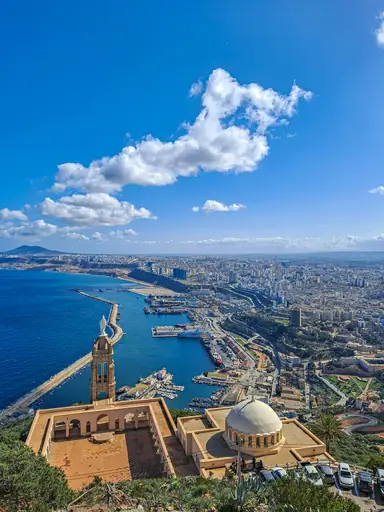
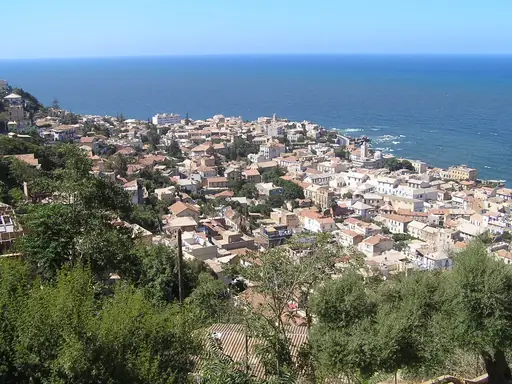

Country
Algeria
Mediterranean charm meets Saharan adventure
This country once ranked among the world's largest wine producers during the French colonial period. Vineyards covered vast stretches of the northern coast before independence in 1962 led to a sharp decline. Some historic vineyards still survive in regions like Mascara. Production today is a fraction of its former scale, though interest has slowly grown.
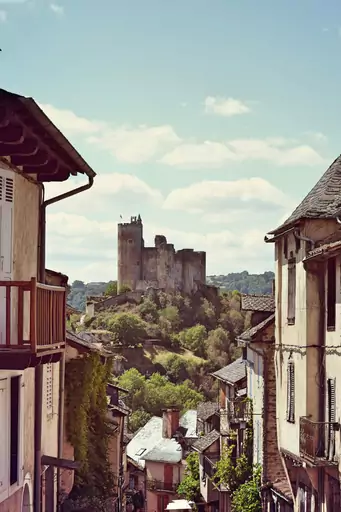
Region in France
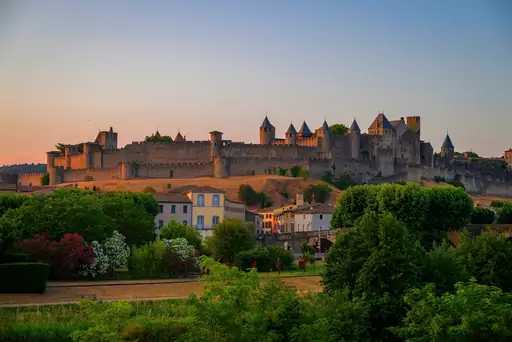
Occitanie
Sunlit vineyards and historic hilltop villages
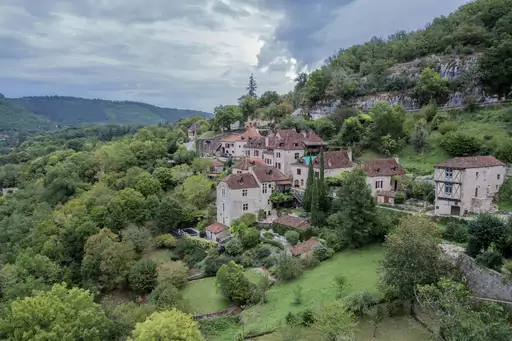
This region holds more vineyard land than almost any other wine-producing area on Earth. Languedoc, its largest wine district, once focused on bulk production before shifting towards higher-quality bottles. Grenache, Syrah and Carignan grapes all thrive across the region's warm, sunny hillsides. Medieval towns and Roman ruins sit scattered throughout the surrounding countryside.

City in Chile
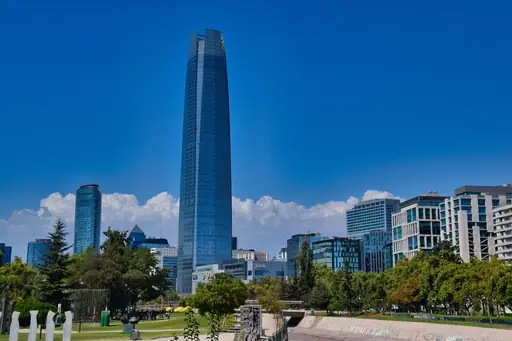
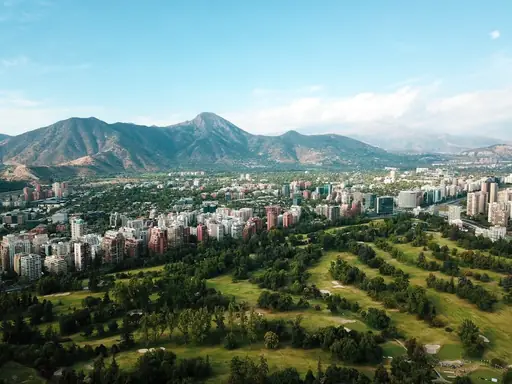
Santiago
A vibrant city between mountains
The Maipo Valley starts almost at this city's edge, close enough that some vineyards sit within view of downtown towers. Cabernet Sauvignon grown here has earned the valley a nickname as the Bordeaux of South America. You can taste a glass at a rooftop bar and reach the vines themselves within the hour.
State/Prefecture in Japan
Yamanashi
Mount Fuji's north side, lakes and wine
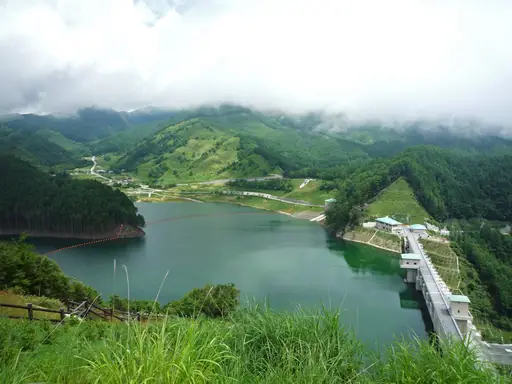
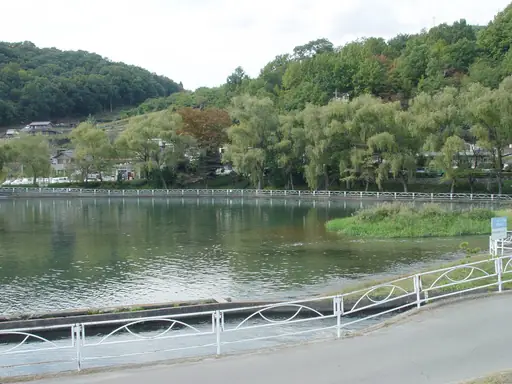
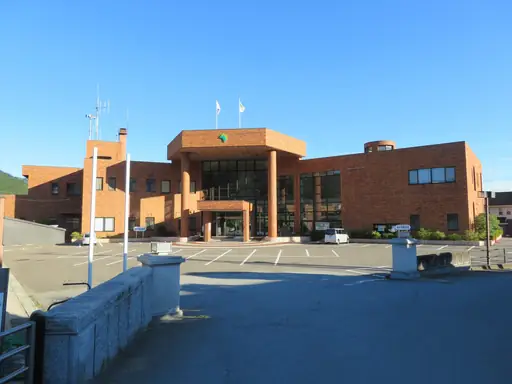
Koshu, a pink-skinned grape unique to Japan, grows across vineyards within view of Mount Fuji. This region produces more wine than any other prefecture in the country. Winemaking here dates back over a century, among the longest traditions anywhere in Japan. Wineries throughout the area often pair tastings with views of the surrounding mountains.
City in France
Reims
Champagne, Cathedrals and French Flair
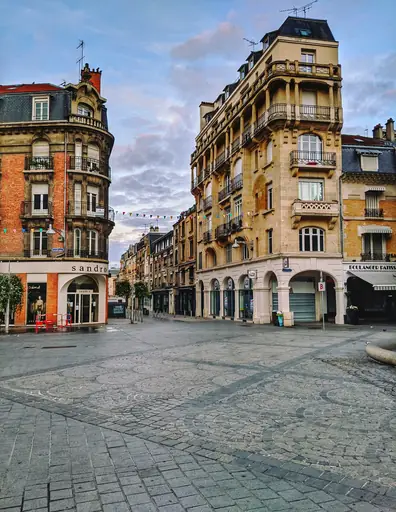
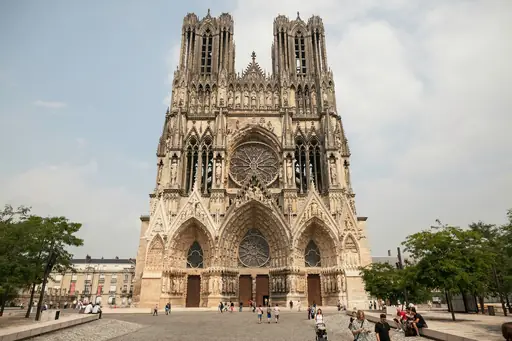
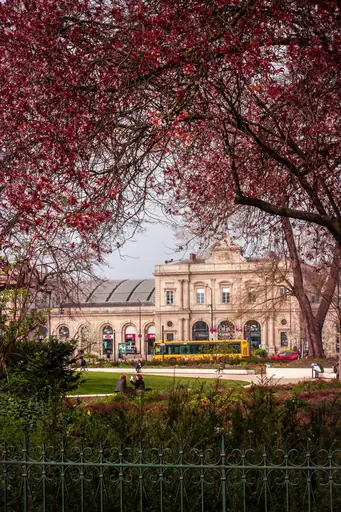
Champagne houses line the streets of this city, many with cellars carved into old Roman chalk quarries beneath town. French kings were once crowned in the cathedral here, a building that still stands at the historic centre. Tours through the underground galleries end with a glass of the sparkling wine stored above.
Region in United States
Finger Lakes
Waterfalls, wine and pristine lakes
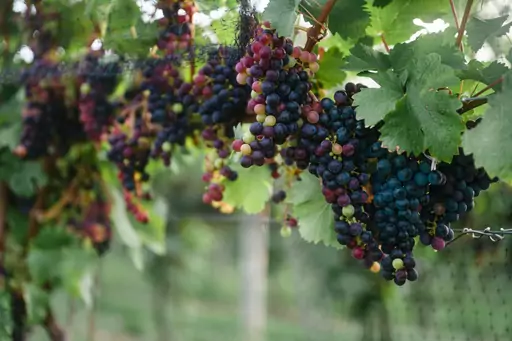
Deep glacial lakes here moderate the region's climate, helping vines survive harsh upstate New York winters. Riesling has become the signature grape grown along the steep slopes above the water. Over a hundred wineries now operate across the region's scenic lake trails. Cool nights help grapes retain acidity, giving local wines a crisp, bright character.
Country
Armenia
Mountain monasteries, wine and a pink capital
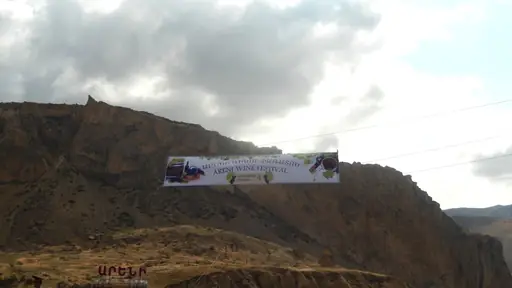
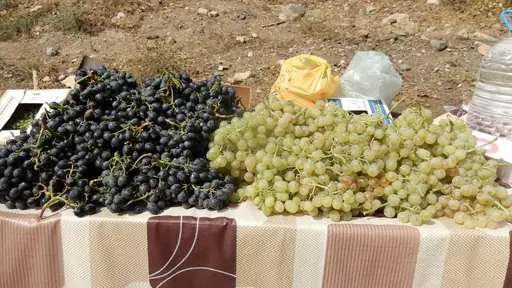
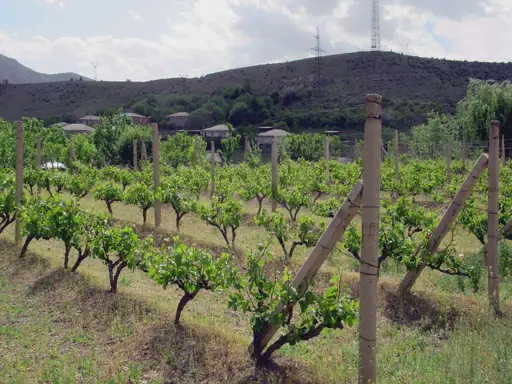
A cave here called Areni-1 holds the remains of the oldest known winery, dating back roughly 6,100 years. Archaeologists found grape seeds, a wine press and fermentation vessels preserved in the cave. Modern vineyards still grow in the surrounding Areni region. Local grape varieties used today trace back to some of the earliest domesticated vines.

City in France
Lyon
A Culinary and Cultural Gem
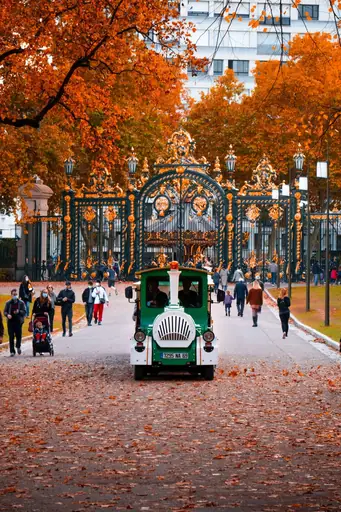
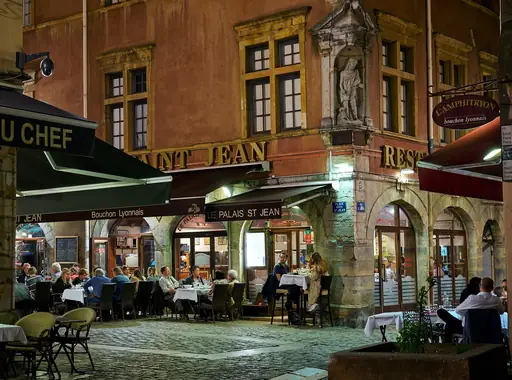
This city sits just south of Beaujolais, known for light, fruity reds made from Gamay grapes. Bouchons, traditional local restaurants, often pair Beaujolais wines with rich, hearty dishes. Beaujolais Nouveau, released each November, has become something of an annual wine celebration. Wine bars throughout the city stock bottles from both Beaujolais and nearby Rhone producers.
City in Italy
Perugia
Medieval Charm and Chocolate Bliss
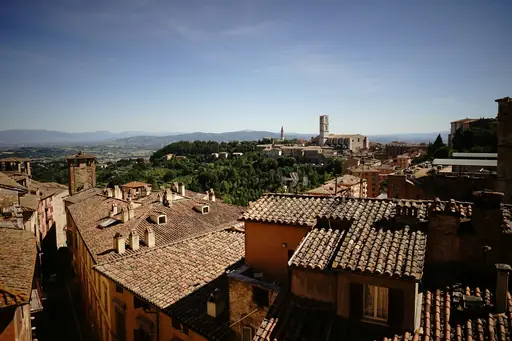
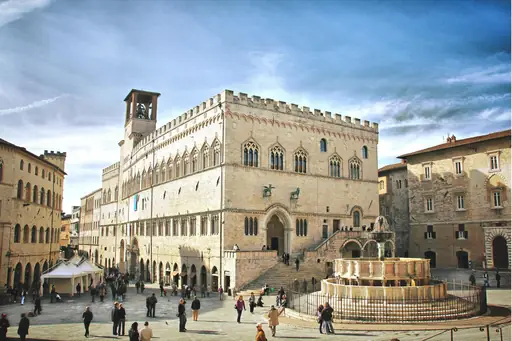
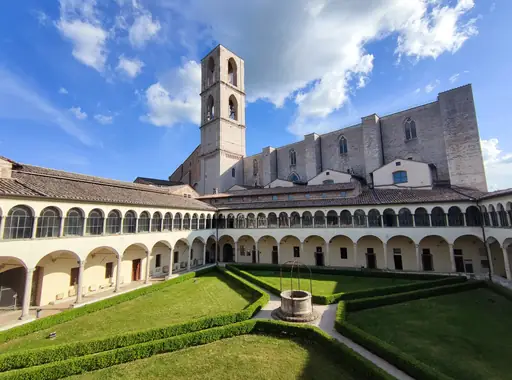
This Umbrian city sits close to Torgiano, home to a museum devoted entirely to the history of wine. Vineyards across the surrounding hills grow Sangiovese and other grapes used in regional reds. Chocolate gets more attention here, but the wine route through nearby towns draws its own steady following.
Region in United States
Napa Valley
Wine country's elegant culinary paradise
Cabernet Sauvignon from this valley gained recognition after outperforming top French wines in a 1976 blind tasting. Volcanic and alluvial soils across the valley floor support a range of grape varieties. Over 400 wineries operate across the region's roughly 30-mile stretch. Tourism and wine production together make up a major share of the local economy.
Town in France
Avignon
A Medieval Heartbeat in Provence
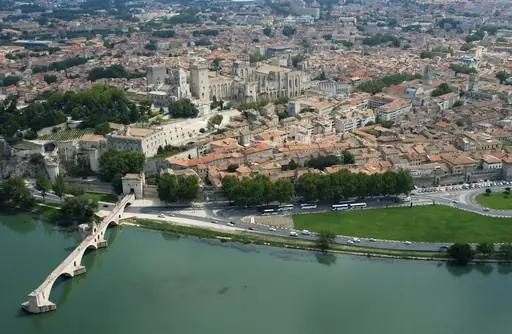
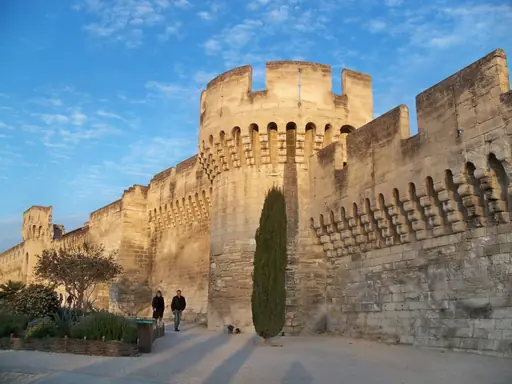
Chateauneuf-du-Pape, one of the Rhone Valley's most famous wines, comes from vineyards just outside this city. Popes based here in the 14th century helped establish vineyards that still produce wine. Large, rounded stones called galets cover much of the region's vineyard soil. Red blends from the area often combine over a dozen permitted grape varieties.
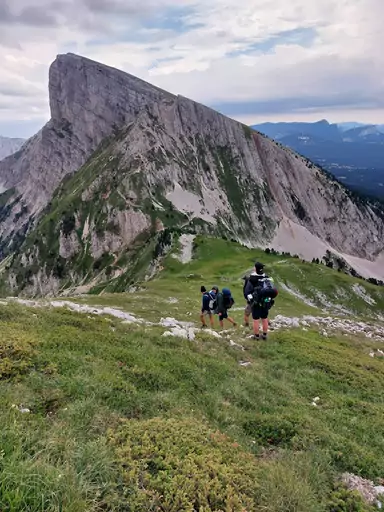
Valley in France
Rhône Valley
Lush vineyards and alpine vistas
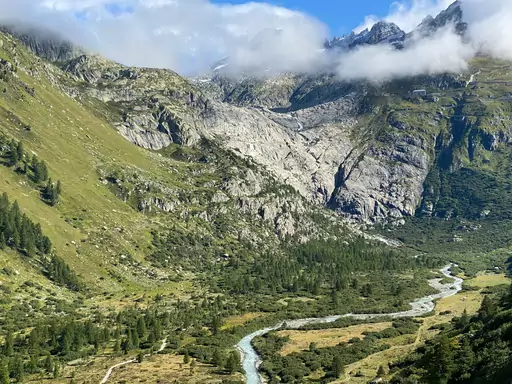
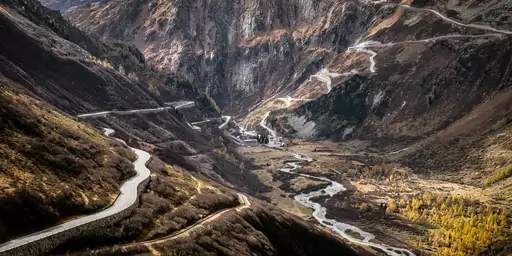
Vineyards here climb to some of the highest elevations used for winemaking in Europe. Chasselas, a delicate white grape, dominates plantings across steep, terraced slopes above Lake Geneva. Small stone walls divide the vineyards into narrow strips, tended for generations. Mountain views stretch across much of the valley from the higher rows.
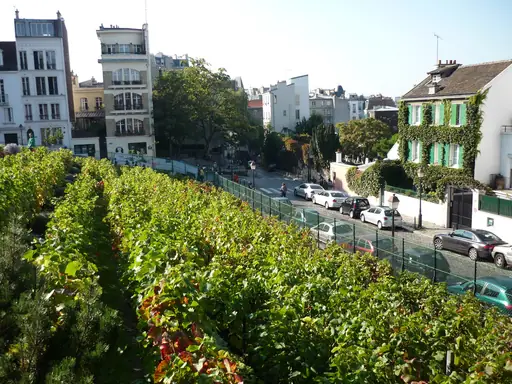


City in France
Paris
The city of love, art and history
A working vineyard called Clos Montmartre still grows on a hillside inside this city. Gamay and Pinot Noir vines cover the small plot. Each autumn a small harvest festival draws crowds to watch the grapes come in. Bottles from the tiny plot are auctioned for charity rather than sold in shops.
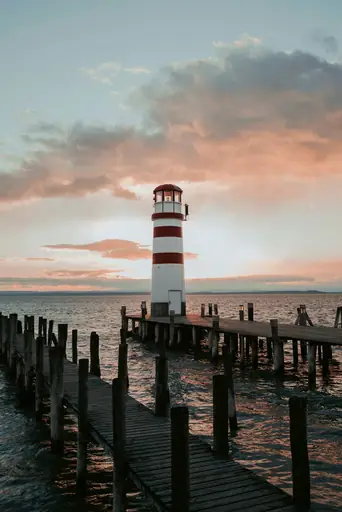
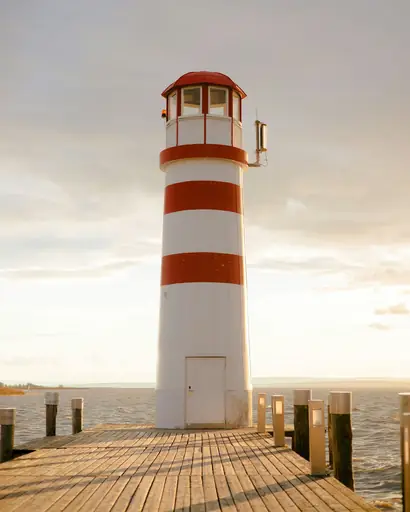
Town in Austria
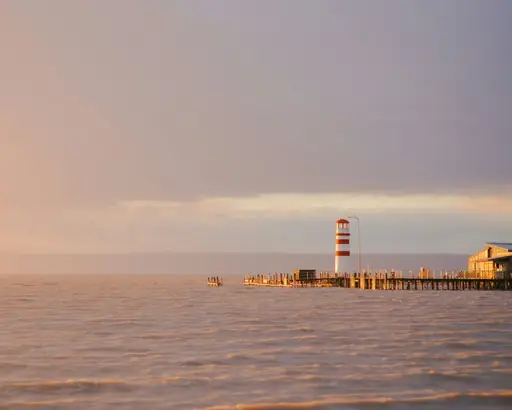
Neusiedl am See
Lakeside Charm and Panonnian Wines
Fog rolling off this shallow lake creates ideal conditions for botrytis, a fungus that concentrates sugar in grapes. That process produces intensely sweet dessert wines prized across the region. Warm days and cool nights also suit drier wine styles grown nearby. Vineyards ring much of the lake's shoreline across both its Austrian and Hungarian sides.
Region in France
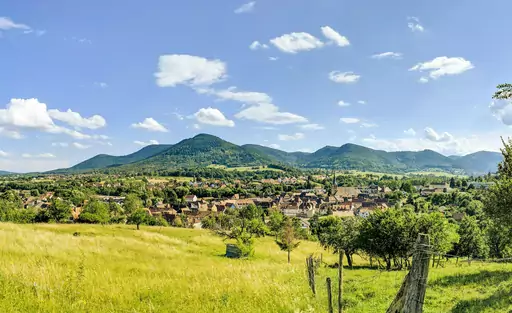
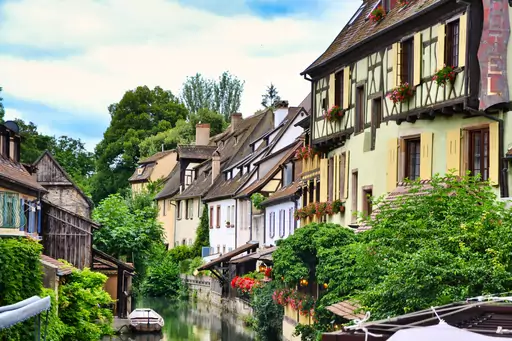
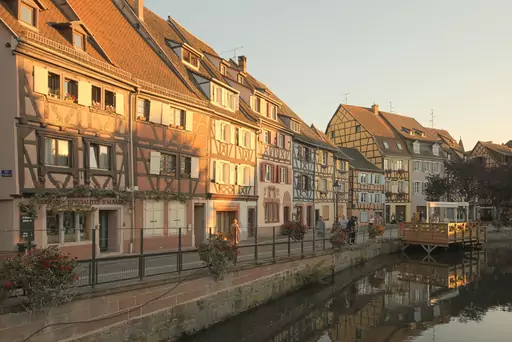
Alsace
Coastal vineyards and timbered village charm
A dedicated wine route winds through this region, connecting dozens of villages along the Vosges Mountains. Riesling and Gewurztraminer both thrive in the area's dry, sunny microclimate. Half-timbered houses and flower-lined streets fill many of the small towns along the route. Grand Cru vineyards here carry some of the region's most respected labels.
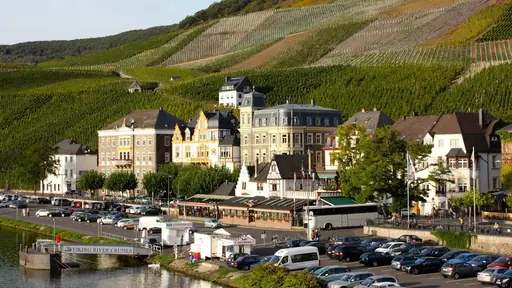
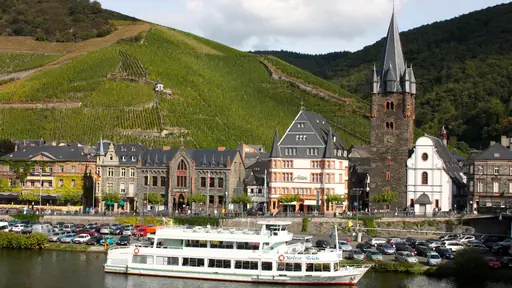
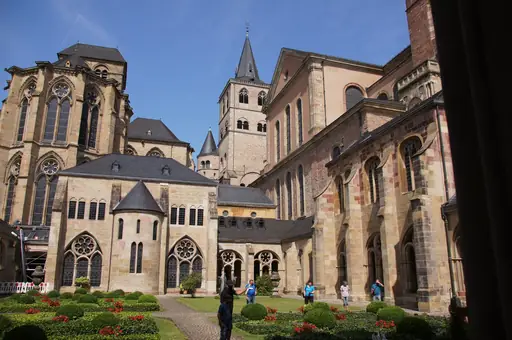
Region in Germany
Moselle Valley
Steep vineyards and riverside wine towns
Vineyards here cling to some of the steepest slopes used for winemaking anywhere. Slate soil beneath the vines reflects heat onto the grapes, helping Riesling ripen in a cool climate. Villages throughout the valley date to Roman times, when vines were first planted along the river. Some rows need ladders and pulleys to work them.
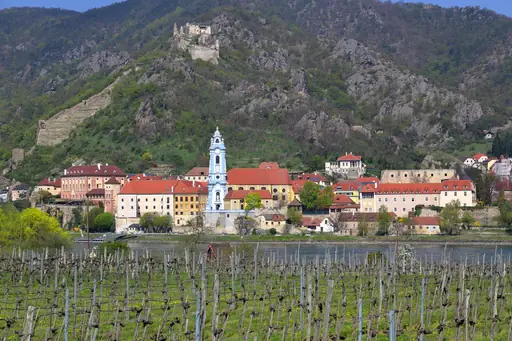
Region in Austria
Wachau
UNESCO Heritage along the Danube
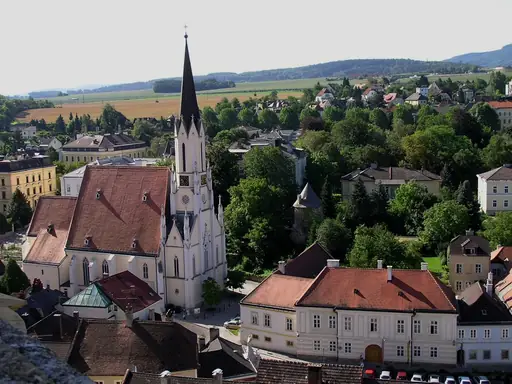
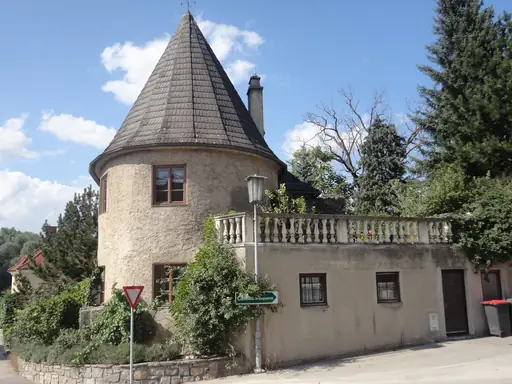
Terraced vineyards here climb steep hills above the Danube River, producing Riesling and Gruner Veltliner. Melk Abbey, a Baroque monastery, overlooks much of the valley from a rocky outcrop. Apricot orchards grow alongside the vines, giving the region a second local speciality. Boat cruises along the river pass directly beneath the hillside vineyards.
Region in Australia
McLaren Vale
Wine paradise with coastal charm
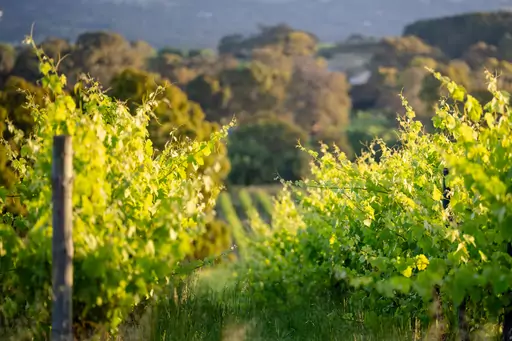
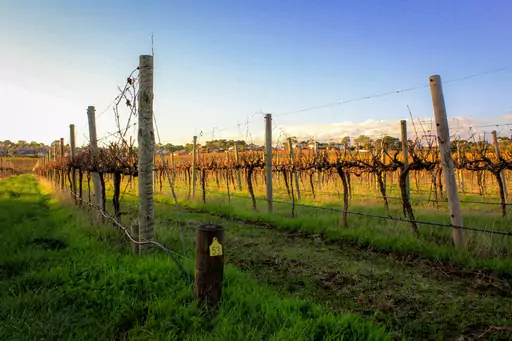
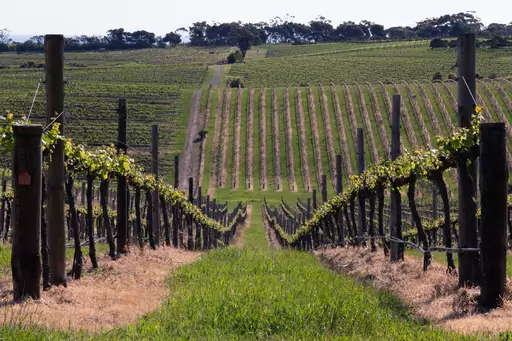
Shiraz thrives in this coastal region south of Adelaide, benefiting from sea breezes off the nearby gulf. Warm days and cooling ocean air create conditions suited to bold red wines. Cellar doors throughout the valley sit within a short drive of local beaches. A regional wine festival each year draws visitors from across South Australia.
Country
Lebanon
Mediterranean charm meets mountain majesty
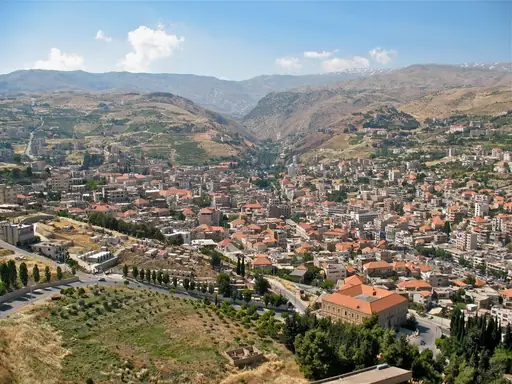
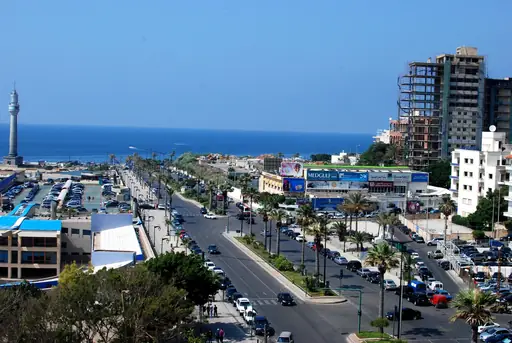
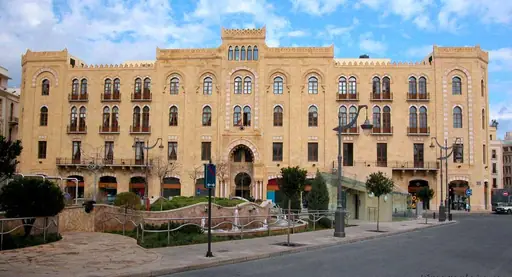
Vineyards in the Bekaa Valley here have produced wine since Phoenician times, among the oldest traditions anywhere. High altitude and dry summers give the valley conditions suited to a range of grape varieties. Some producers still operate wineries founded over a century ago. War and instability have repeatedly disrupted the industry without ending it entirely.
Valley in Italy
Val d'Orcia
Rolling vineyards cradle historic hilltop charm
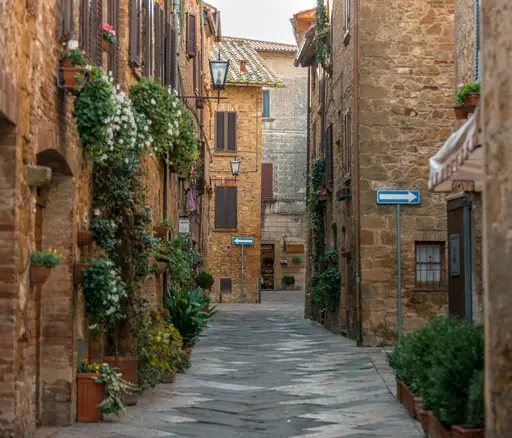
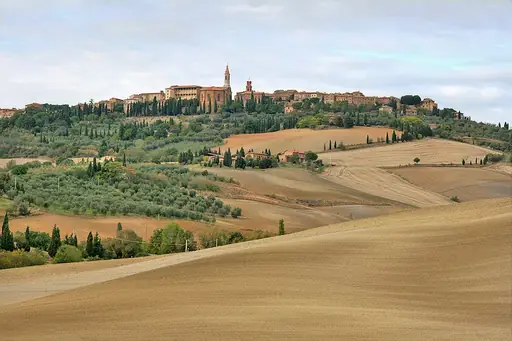
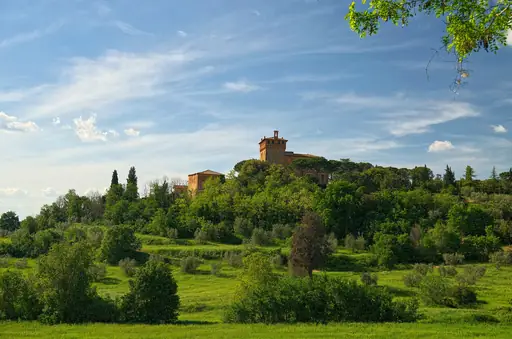
Rows of cypress trees line the roads winding through this Tuscan valley. The scene has appeared in countless paintings and films. Brunello di Montalcino, aged for years before release, comes from vineyards on the valley's hillsides. UNESCO recognised the entire landscape as a World Heritage Site in 2004.
City in Italy
Bologna
Medieval charm and culinary excellence
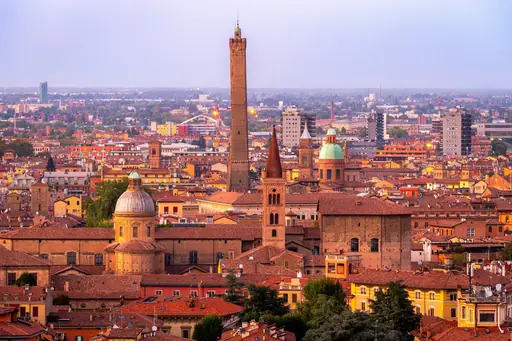
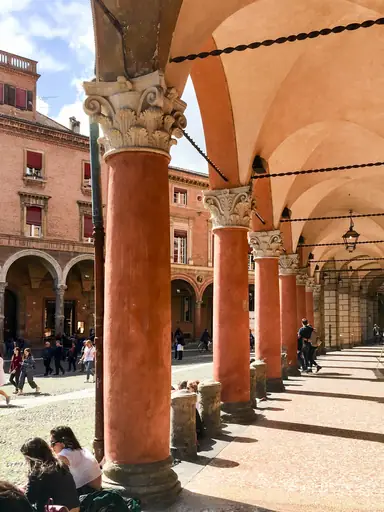
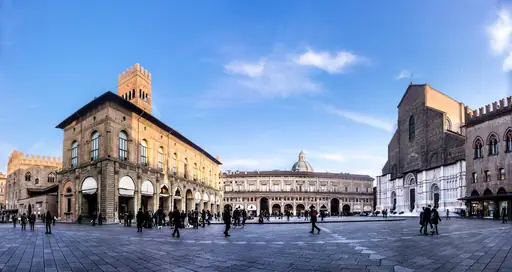
Lambrusco, a lightly sparkling red wine, comes from vineyards across the surrounding Emilia-Romagna countryside. Locals often pair it with the region's rich, savoury food rather than treating it as a dessert wine. Production ranges from dry to sweet depending on the style and producer. Small family wineries throughout the countryside welcome visitors for informal tastings.
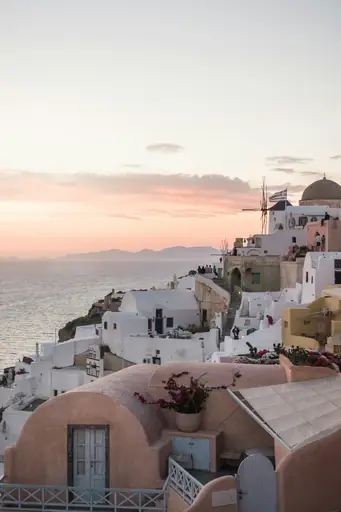
Island in Greece
Santorini
Breathtaking Views and Blue Domes
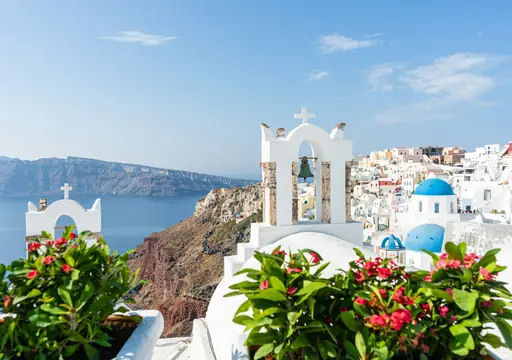
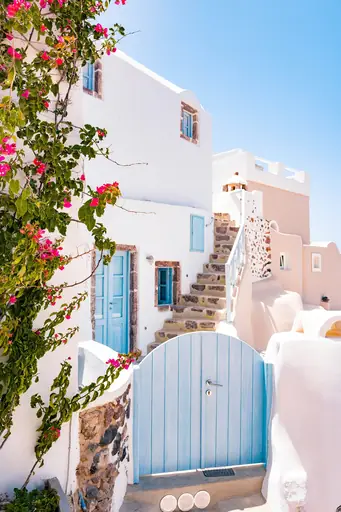
Vines here grow twisted into low, basket-shaped coils that hug the ground instead of climbing trellises. That shape protects the grapes from constant island wind and traps moisture in volcanic ash soil. Assyrtiko, the grape behind most local white wine, produces a sharp, mineral flavour found almost nowhere else.
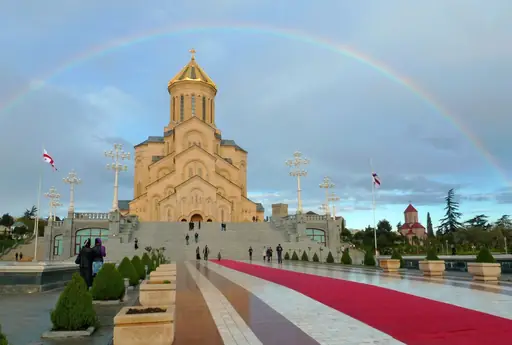
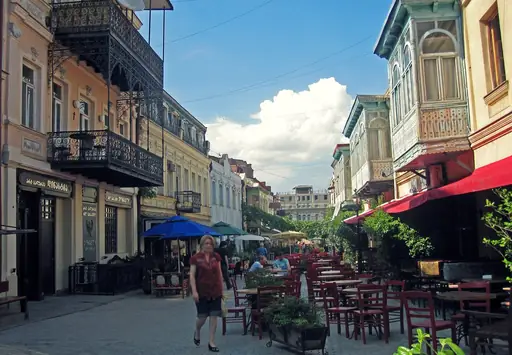
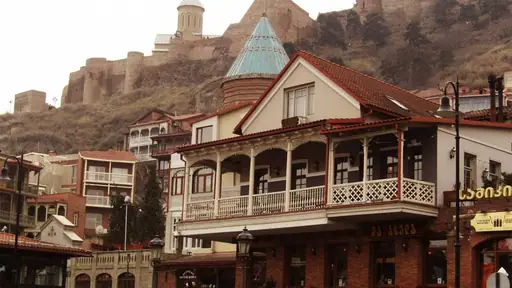
City in Georgia
Tbilisi
A blend of old-world charm and energy
Wine bars across the Vake district still ferment bottles using qvevri, clay vessels buried underground. The method has been used here for thousands of years. Grape seeds found in nearby caves suggest people were making wine before almost anywhere else on earth. Locals pair a glass with khachapuri, a cheese-filled bread sold on every corner.
Region in Germany
Pfalz
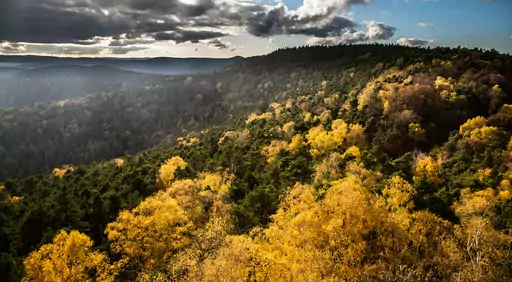
Wine villages and a vast sandstone forest
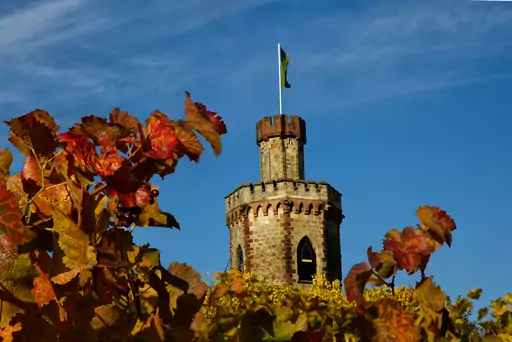
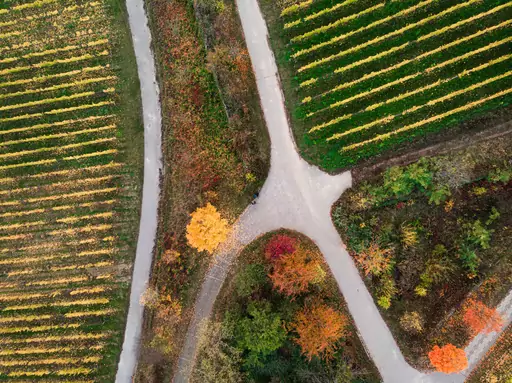
This is Germany's second-largest wine region, stretching along a warm, sheltered strip near the French border. Almond trees bloom pink each spring along a scenic route that winds through local vineyards. Riesling remains the dominant grape, though warmer conditions here also suit red varieties. Wine festivals throughout the region draw large crowds during harvest season.

Region in Italy
Campania
Ancient ruins meet coastal paradise
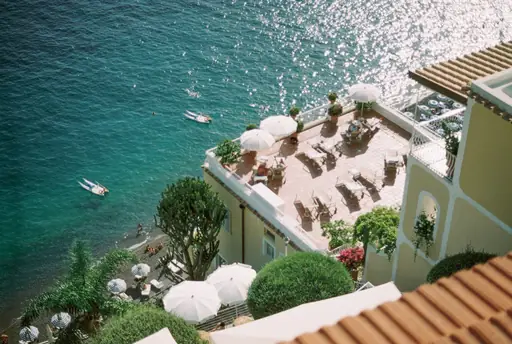
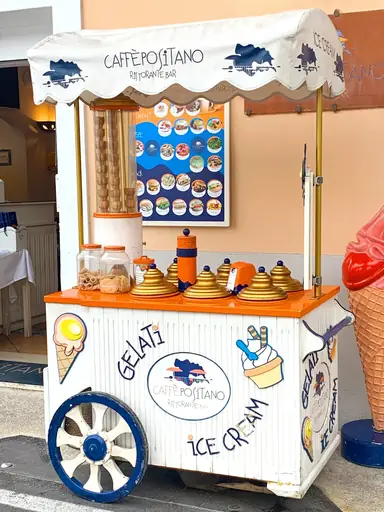
Vineyards on the slopes of Mount Vesuvius produce a wine known as Lacryma Christi, grown in volcanic soil. Aglianico, a dark, tannic grape, forms the backbone of many local reds. Winemaking traditions here trace back to ancient Greek and Roman settlers. Small producers still farm some of Europe's oldest ungrafted vines.
City in France
Bordeaux
Wine, elegance and riverside charm
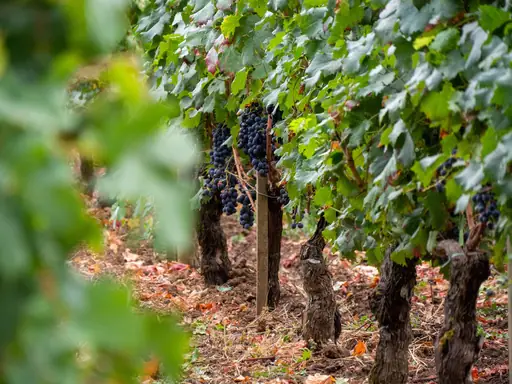
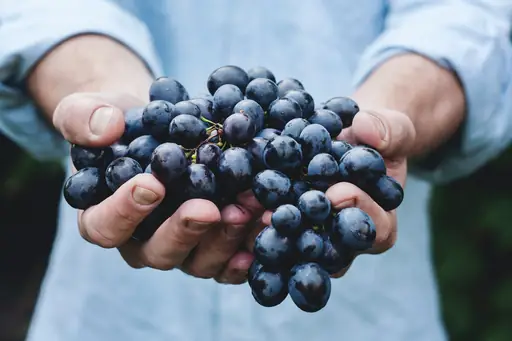
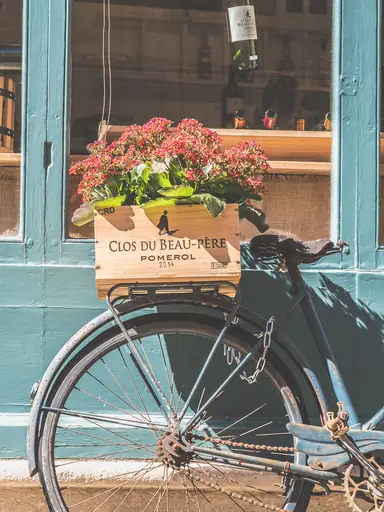
This region splits into two banks along the Garonne and Dordogne rivers, each favouring different blends. Cabernet Sauvignon dominates the Left Bank while Merlot leads on the Right Bank. Wine here is often sold as futures, purchased years before bottles are ready to drink. Chateaux throughout the countryside range from modest farmhouses to grand estates.
Region in China
Yunnan
Vibrant landscapes and ancient cultural crossroads
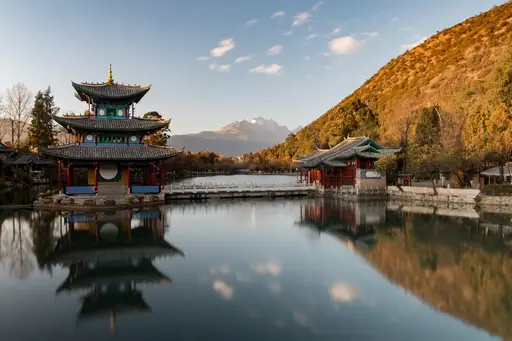
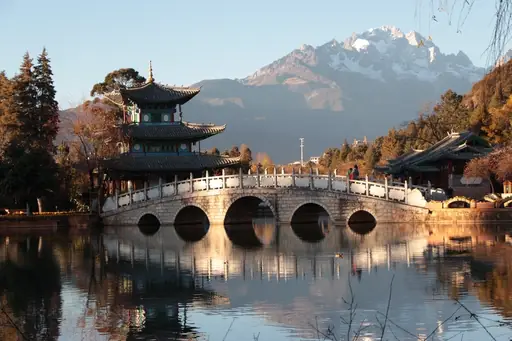
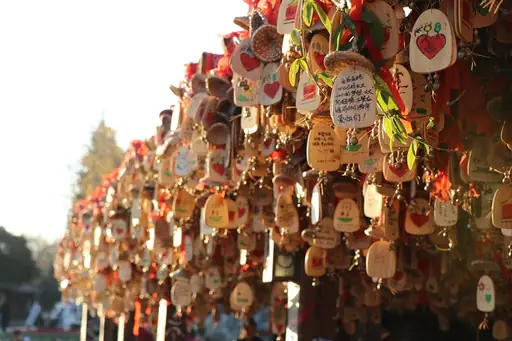
High-altitude vineyards near Shangri-La grow grapes at elevations rarely used for winemaking elsewhere. French missionaries first planted vines in this region over a century ago, introducing European varieties. Cold winters and intense mountain sunlight give local wines a distinct character. Production remains small compared to China's larger eastern wine regions.

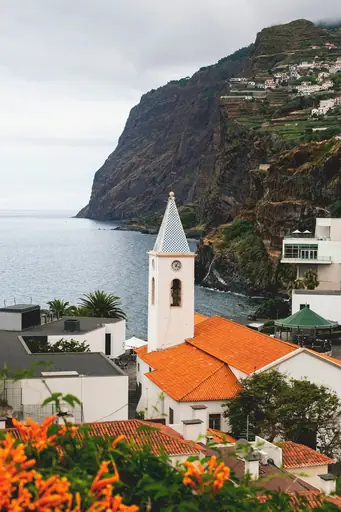
Island in Portugal
Madeira
Dramatic Cliffs and Eternal Spring
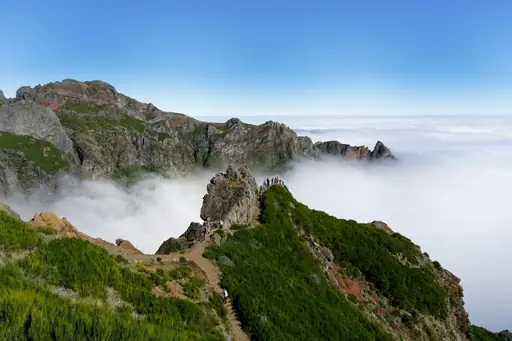
This fortified wine is deliberately heated during ageing, a process called estufagem. Historically, this mimicked the effect of long sea voyages the wine once endured. That heating gives Madeira unusual stability, letting opened bottles last for months. Some bottles have reportedly stayed drinkable for well over a century.
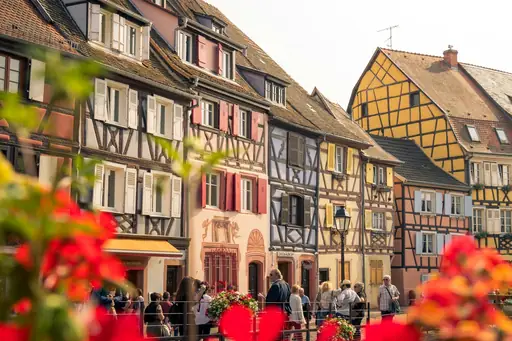
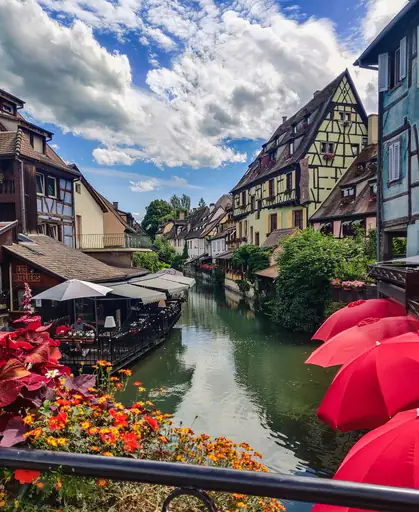

City in France
Colmar
A Fairytale Town in Alsace
Vineyards along the Alsace wine route surround this half-timbered town, producing crisp whites like Riesling. Grand Cru vineyards on nearby hillsides carry some of the region's top labels. Medieval streets in the town centre sit a short drive from small family wineries. Harvest festivals here draw crowds each autumn as the season's grapes come in.
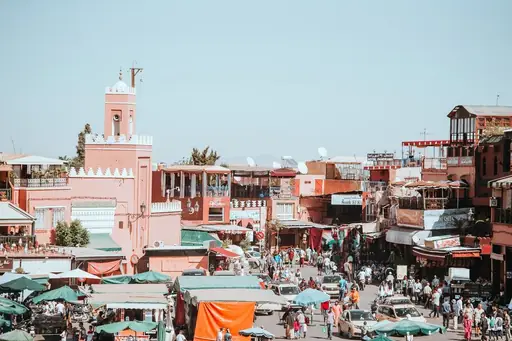
Country
Morocco
Where desert meets Mediterranean magic
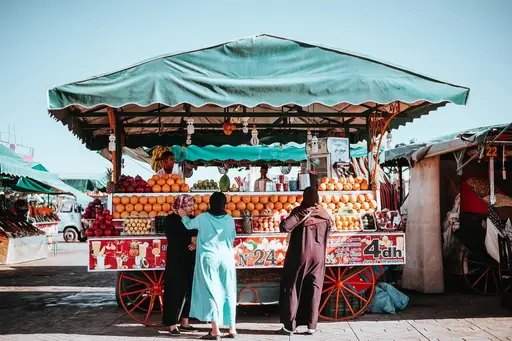
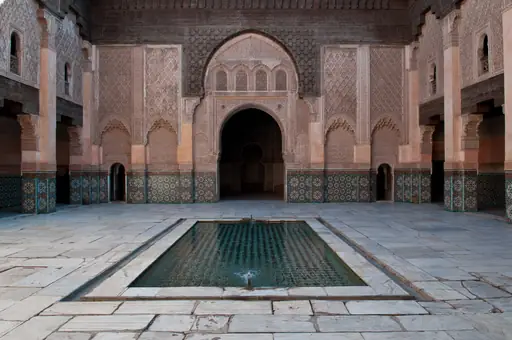
Vineyards around Meknes produce much of the country's wine, benefiting from fertile plains near the Atlas Mountains. French colonial rule helped establish much of the modern wine industry here in the early 20th century. Production dropped sharply after independence before slowly recovering in recent decades. Local wineries now export bottles to markets across Europe.
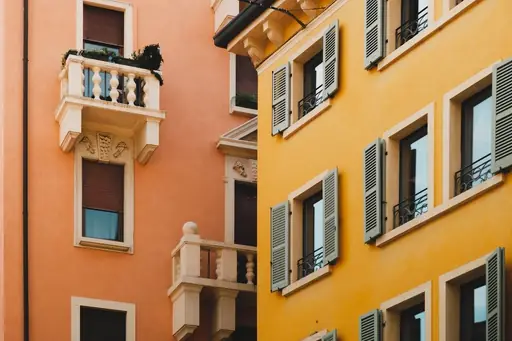
City in Italy
Verona
Romantic Charm and Ancient History
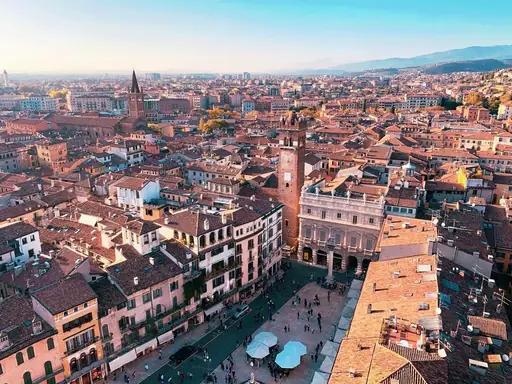
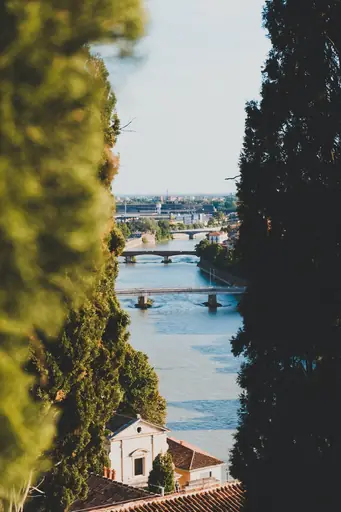
Vinitaly, one of the world's largest wine trade fairs, fills this city's exhibition halls every spring. Amarone della Valpolicella, a rich red made from partially dried grapes, comes from vineyards just outside town. Shakespeare set Romeo and Juliet here, a link the city leans into around its historic squares.
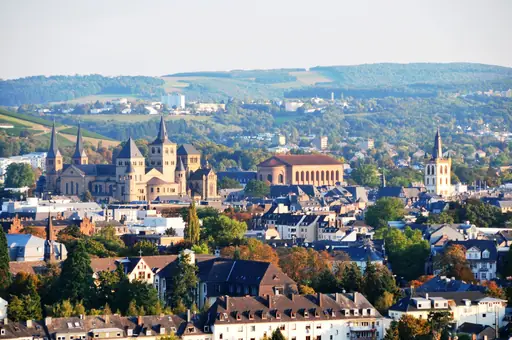
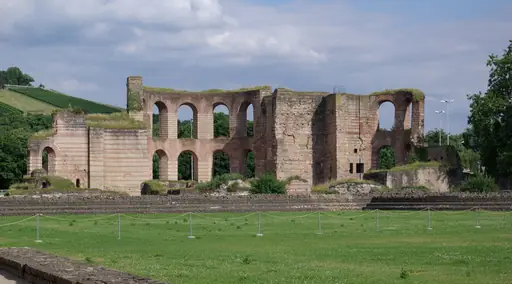
City in Germany
Trier
Roman gates, baths and Moselle wine
This is Germany's oldest city, founded by the Romans more than 2,000 years ago along the Moselle River. Steep, slate-covered vineyards climbing the valley walls outside town have grown Riesling grapes for centuries. Roman ruins including a massive stone gate still stand within walking distance of local wine bars.
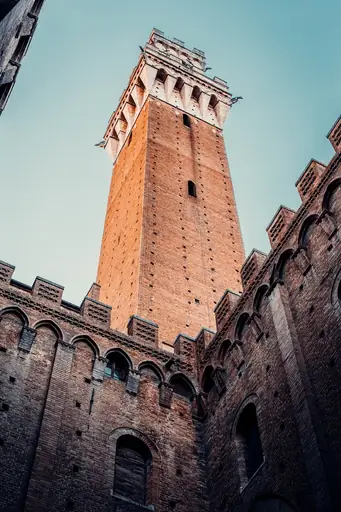
Town in Italy
Siena
Timeless Charm in Tuscany
Twice each summer this city pauses for the Palio, a bareback horse race that fills the main square with crowds. Vineyards producing Chianti Classico and Brunello di Montalcino spread across the hills just beyond town. Wine bars near the square pour both styles alongside the local cured meats and cheese.

City in France
Orléans
Historic heart where river meets cathedral
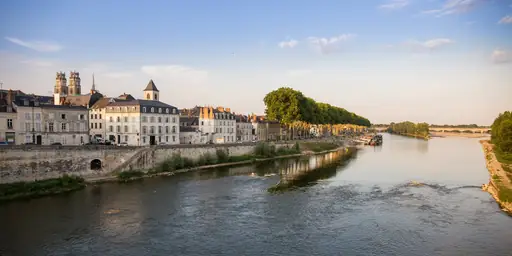
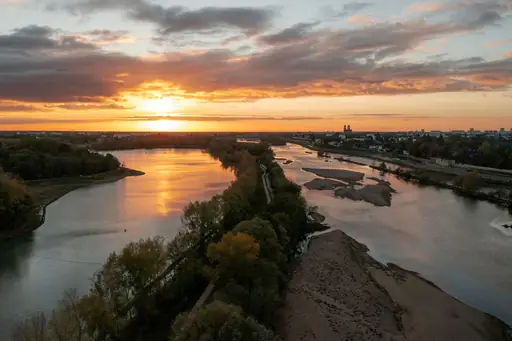
A wine vinegar trade once ran through this Loire city. Barrels soured on the slow river trip up from Bordeaux. Local vinegar makers turned that spoiled cargo into a speciality still sold today. Vineyards along the nearby Loire still grow Pinot Meunier and other grapes for regional wines.
Region in France
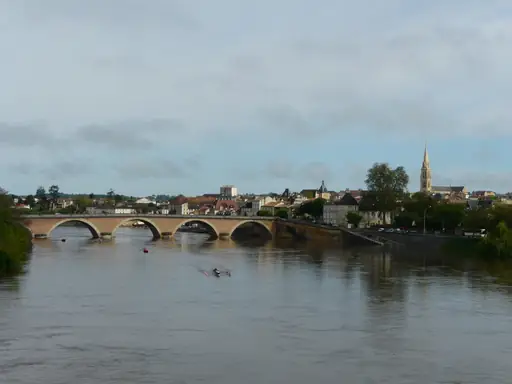
Dordogne
Charming vineyards and medieval castles
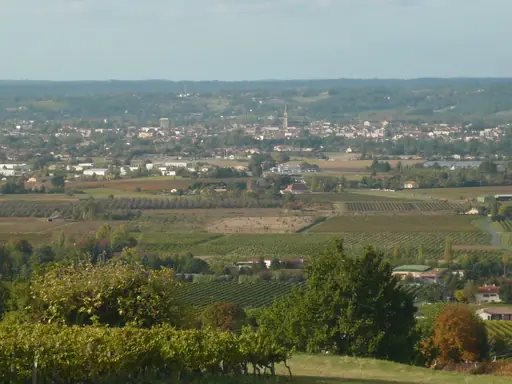
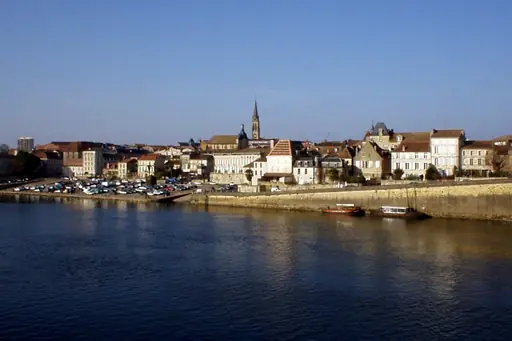
Bergerac, a wine region bordering Bordeaux, produces reds and whites from many of the same grape varieties. Vineyards here often sell for less than comparable land just across the regional border. Medieval towns throughout the valley sit surrounded by rolling vineyard hills. Sweet white wines from the nearby Monbazillac appellation are a regional speciality.
Region in Portugal
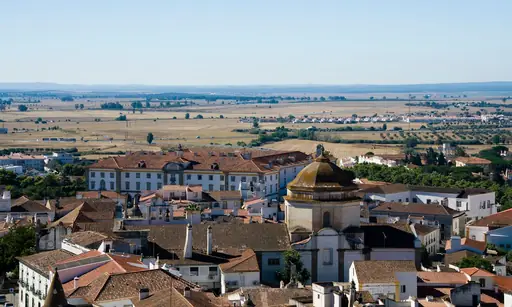
Alentejo
Rolling hills, historic villages, soulful cuisine
Winemakers here still use clay amphorae called talhas, a method passed down since Roman times. Wine ferments inside these large earthenware vessels rather than in steel tanks or oak barrels. Flat, sun-baked plains cover much of this Portuguese region. A local festival each November celebrates the season's first wine straight from the talha.
City in Italy
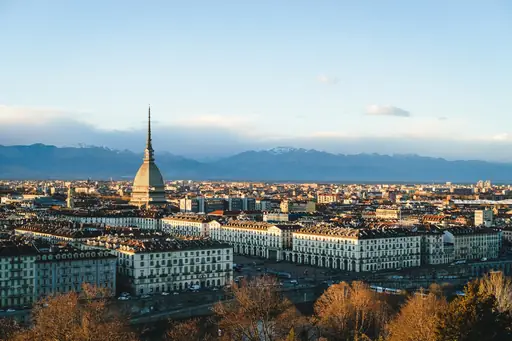
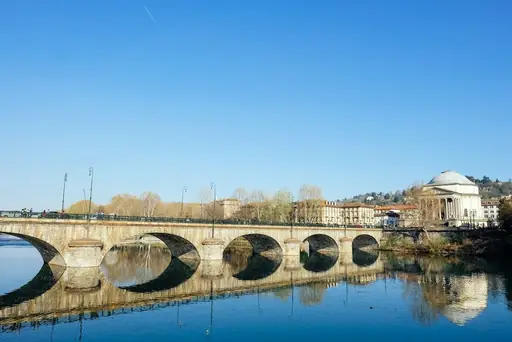
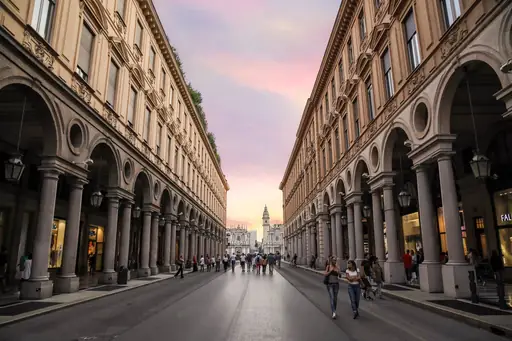
Turin
Baroque Grandeur, Chocolate and Alps
Vermouth was invented in this city in the late 1700s. Makers mixed local wine with herbs and spices into a fortified aperitif. Bars throughout the historic centre still serve it in the same style, poured before dinner rather than after. Vineyards across the surrounding Piedmont hills supply the base wine most vermouth makers rely on.
Country
Tunisia
Mediterranean charm meets desert adventure
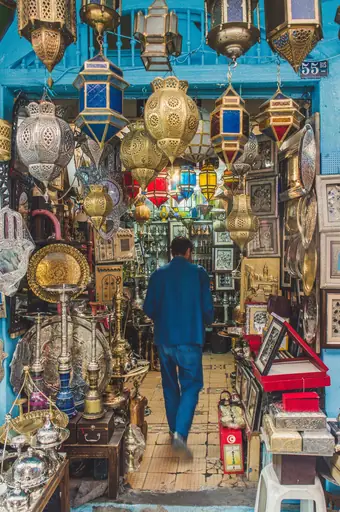
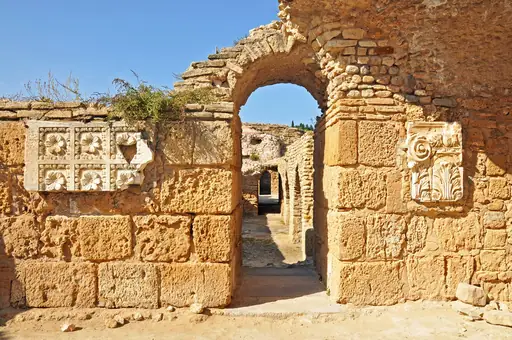
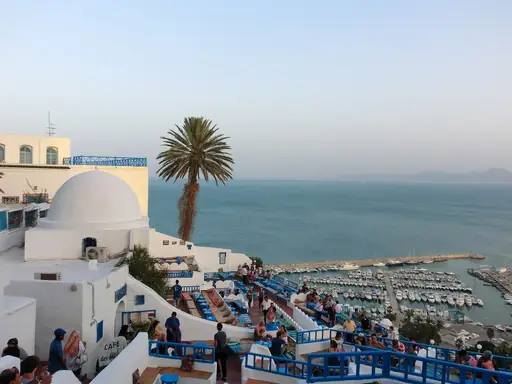
Phoenician and later Roman settlers planted vineyards across this country's coast, a tradition that mostly faded after independence in 1956. A handful of producers have since revived old vineyard sites near Carthage and Bizerte. Muscat grapes, grown here for centuries, still make up much of what local wineries produce today.
City in New Zealand
Napier
Art Deco, Wine & Seaside Charm
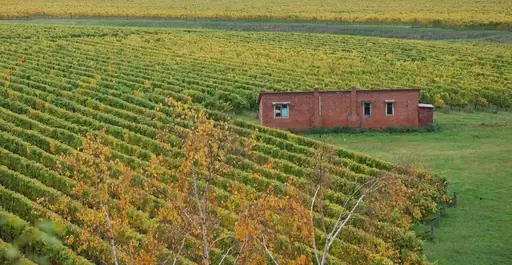
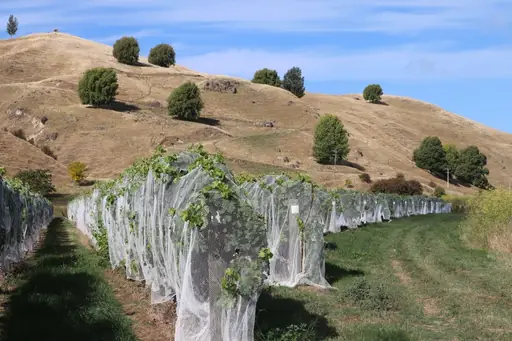
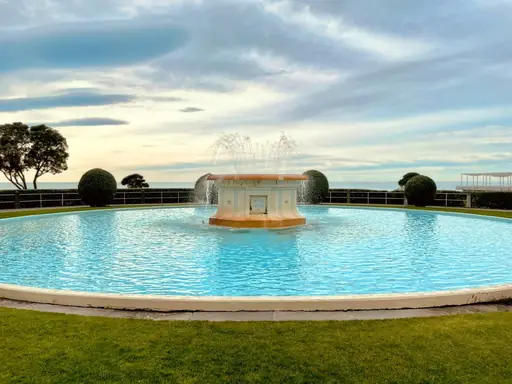
This New Zealand city serves as a gateway to Hawke's Bay, one of the country's oldest wine regions. Art Deco buildings fill downtown, rebuilt after a major earthquake in 1931. Syrah and Bordeaux-style red blends thrive in the region's warm, dry climate. Wine trails connect dozens of cellar doors across the surrounding countryside.
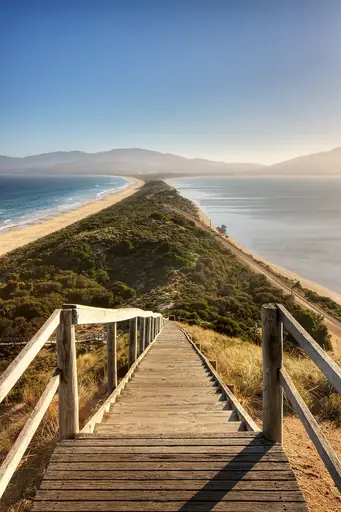
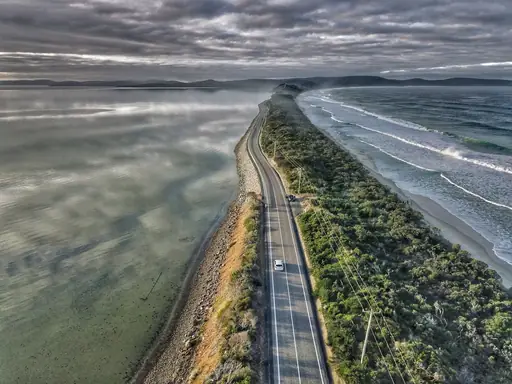
Island in Australia
Tasmania
Wilderness, Wildlife and Wild Coasts
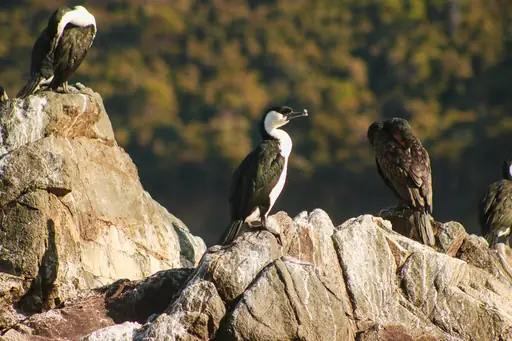
Cool ocean air surrounding this island slows grape ripening, giving sparkling wine here time to develop complex flavour before harvest. Producers use the same traditional method as Champagne, ageing bottles for years in their own cellars. Pinot Noir and Chardonnay both thrive in the island's short, mild growing season.
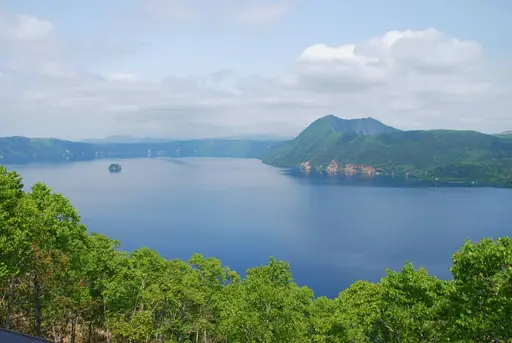
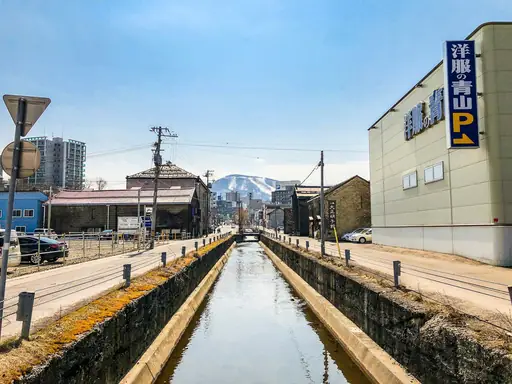
State/Prefecture in Japan
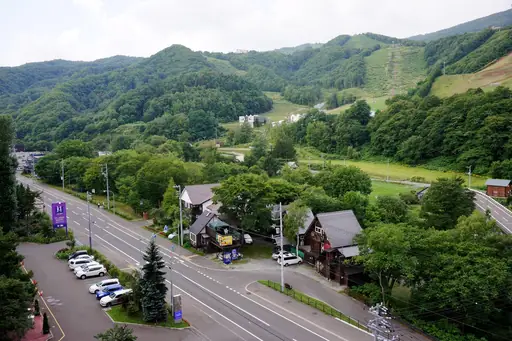
Hokkaido
Volcanoes, powder snow and fresh seafood
This is Japan's northernmost wine region, with a cooler climate suited to grapes like Pinot Noir. Winemaking here remains relatively young compared to more established regions further south. Harsh winters mean vines require careful management to survive the cold season. Interest in Hokkaido wine has grown steadily as producers refine techniques suited to the climate.
City in United States
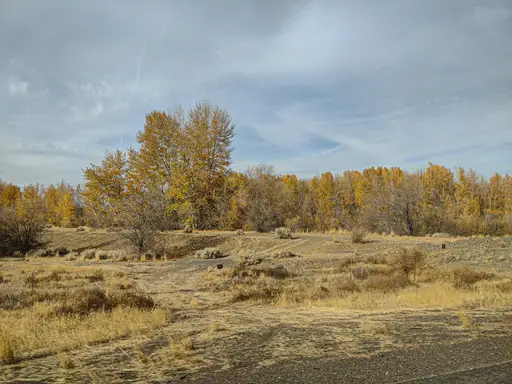
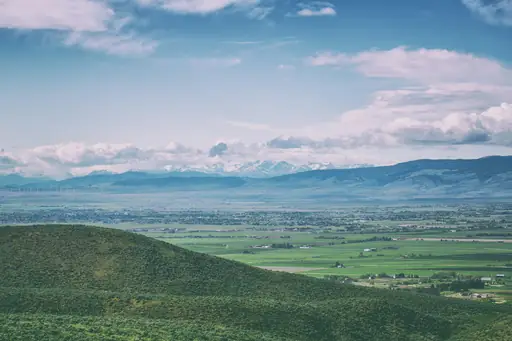
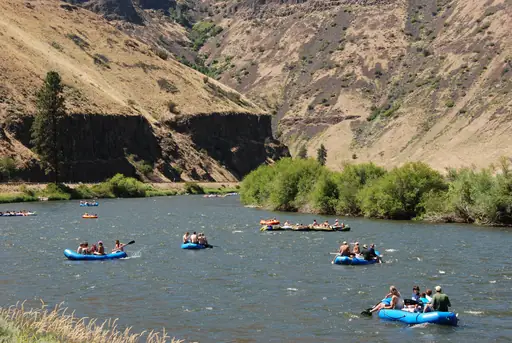
Yakima
Wine Country in Washington's Sunshine
Desert-like conditions across this Washington valley require irrigation to keep vineyards producing through hot, dry summers. Cabernet Sauvignon and Merlot both thrive in the intense daytime heat and cool nights. This was the first federally recognised wine region in Washington state, established in 1983. Orchards growing apples and hops share the same valley floor.
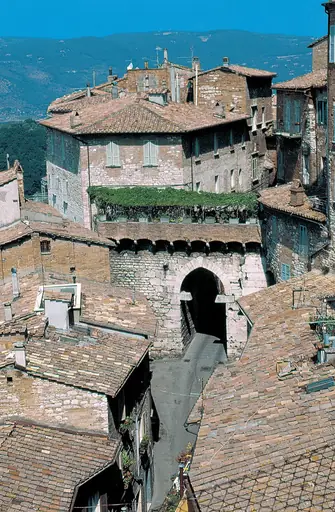
Region in Italy
Umbria
Italy's mystical green heart
This is Italy's only landlocked region without a coastline, tucked between Tuscany and the country's central mountains. Sagrantino, a thick-skinned grape grown almost exclusively around the town of Montefalco, produces some of Italy's most tannic reds. Vineyards here draw far fewer visitors than neighbouring Tuscany despite similar rolling countryside.
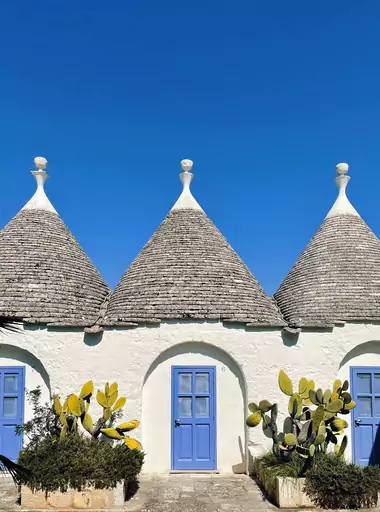
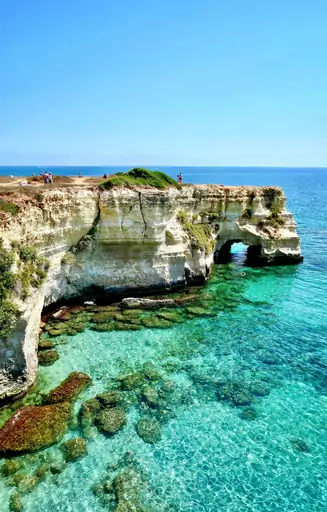
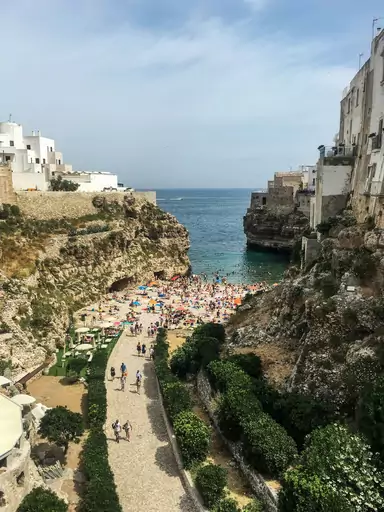
Region in Italy
Puglia
Sun‑kissed coastlines and ancient olive groves
Primitivo, genetically identical to California's Zinfandel, covers vast stretches of vineyard land across this southern Italian region. This area produces more wine by volume than almost any other region in Italy. Ancient olive trees often grow alongside the vines across the flat, sun-baked countryside. Trulli, cone-roofed stone huts, dot parts of the landscape.
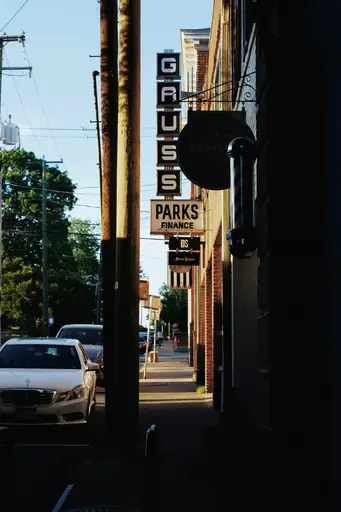


City in United States
Charlottesville
History, Vineyards and Blue Ridge Views
Thomas Jefferson experimented with European grape varieties at his estate, Monticello, though most attempts failed. Modern vineyards around the city have since found success using varieties suited to Virginia's climate. Rolling hills near the Blue Ridge Mountains provide much of the area's vineyard land. Wine trails now link dozens of small producers across the countryside.
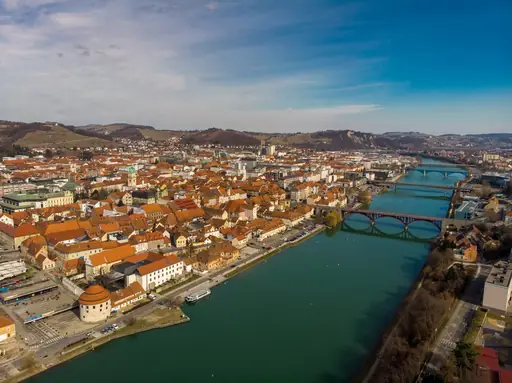
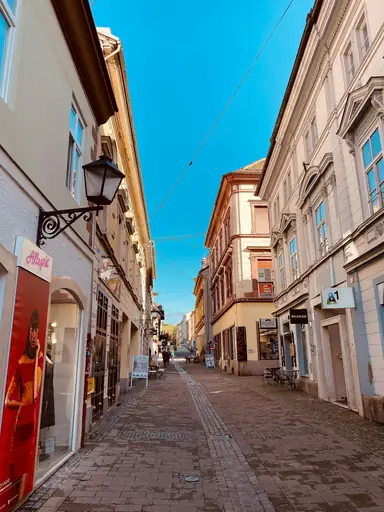
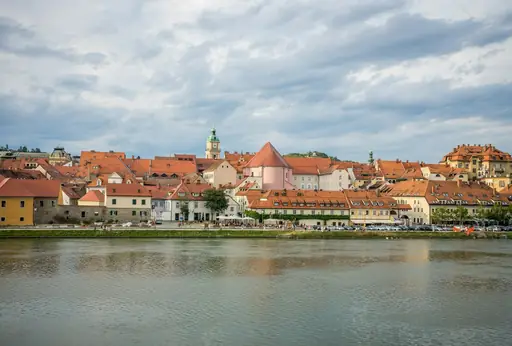
City in Slovenia
Maribor
Vineyards, River Views, Alpine Energy
A vine growing against a building here is recognised as the oldest still producing grapes, planted over 400 years ago. The Zametovka variety yields a light, tart wine in small quantities. A small museum nearby tells the vine's history alongside the region's broader traditions. Vineyards across the surrounding hills continue a long local wine tradition.
Town in South Africa
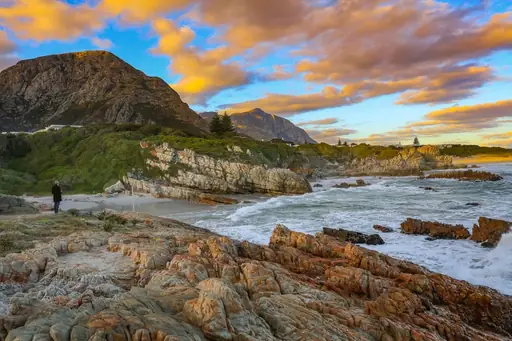
Hermanus
Whale Watching and Coastal Wonders
Pinot Noir grown in the cool climate around this coastal town has drawn growing attention from critics. Vineyards here benefit from ocean breezes off Walker Bay. Southern right whales pass close to shore during the same months grapes are harvested. Small, boutique wineries dominate the local scene compared to South Africa's larger producing regions.
Mountain in Catania
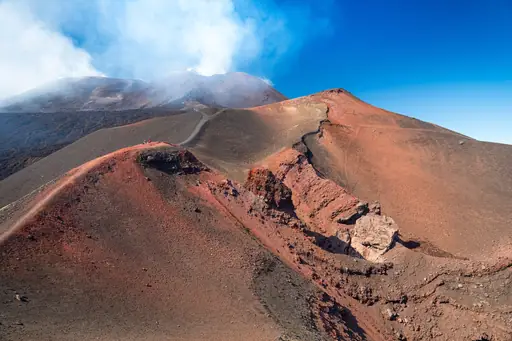
Mount Etna
Europe’s Fiery Giant in Sicily
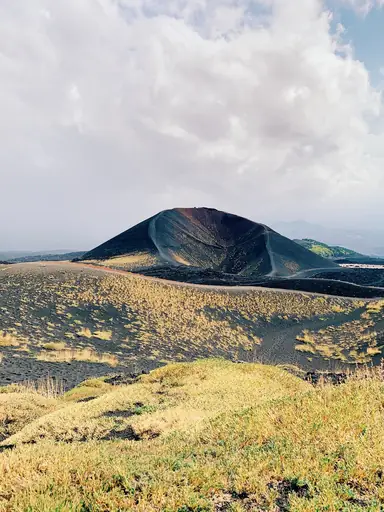
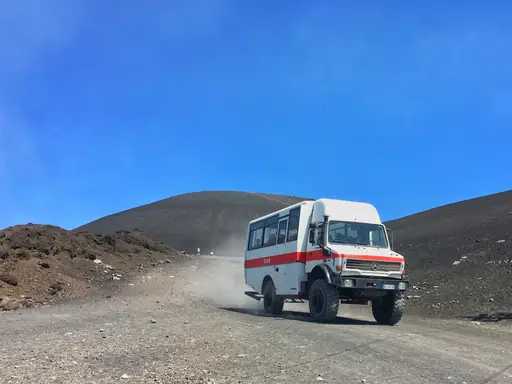
Vineyards here grow on the slopes of Europe's most active volcano, planted in dark volcanic soil. Nerello Mascalese, the dominant grape, produces wines often compared to those from Burgundy. Different elevations and soil types across the volcano create distinct character from vineyard to vineyard. Some vines here survived past eruptions that buried neighbouring plots.


City in Uruguay
Montevideo
Chill vibes on the Río de la Plata
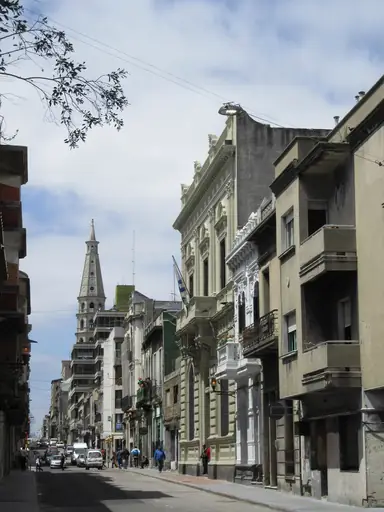
Tannat, a grape brought over by Basque immigrants, has become Uruguay's signature red wine variety. Vineyards close to the coast benefit from moderating ocean breezes during the growing season. Wineries near the city often welcome visitors for tastings paired with local grilled meats. Production here remains smaller in scale compared to neighbouring Argentina and Chile.
Region
Patagonia
Untamed Beauty at the End of the World
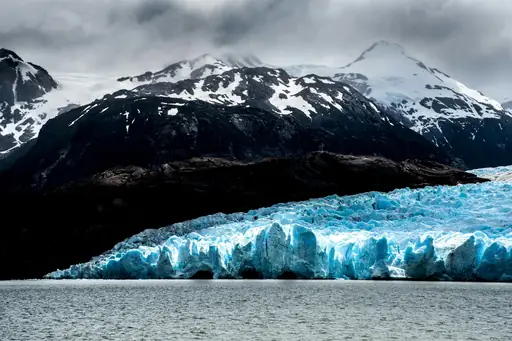
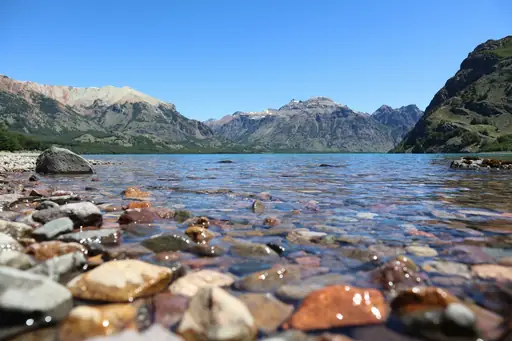
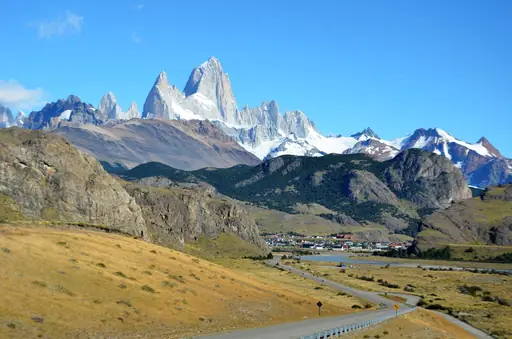
Vineyards in the Rio Negro Valley here sit farther south than most wine regions anywhere. Cool temperatures and strong winds slow grape ripening, extending the growing season considerably. Pinot Noir has become an increasingly popular variety planted across the region's high desert terrain. Irrigation channels dating back over a century still water many vineyards.
Other lists you may like
Discover
Best wine destinations in Africa
Africa's wine production is concentrated in the far southwest of the continent, where a Mediterranean climate and diverse soil types across a compact geographic area have produced…
Read more
Discover
Best wine destinations in Asia
Asia's wine regions are younger than those of the western world but several have developed with striking speed, producing wines that have drawn serious international attention…
Read more
Discover
Best wine destinations in Europe
Europe contains the world's most established wine producing regions, with centuries of accumulated knowledge about which varieties, soils and microclimates produce the most…
Read more
Discover
Best wine destinations in North America
North America's wine regions are concentrated along the Pacific coast and in a handful of inland areas where climate and soil conditions have proved favourable, with the most…
Read more
Discover
Best wine destinations in Oceania
Oceania's wine regions are concentrated in the temperate southern zones of Australia and New Zealand, where a range of distinct cool and warm climate appellations have developed…
Read more
Discover
Best wine destinations in South America
South America's wine regions are anchored by the long narrow corridor of Andean foothills running through the western side of the continent, where altitude, sunshine and diurnal…
Read more
What other users say about travelfilters
“travelfilters made it easy for me to find ski areas and compare what else they offer, so that I could find the best place for my personal travel style.”

Chris
Snowboarding & Onsen trip to Japan
“I love how transparent the data feels. There is no pushy upsell, just honest information and settings I can tune to my own travel style.”

Maria
After booking her 2027 winter escape
“The level of detail for each destination and how well those are displayed, make planning feel confident instead of overwhelming.”

Mina
Planned a week in New York City
“We used travelfilters for our planning from start to end. The trip turned out even better than expected, thanks to all their tools and customisation options.”

Allan & Etienne
Trip to Japan to see autumn foliage
“Thanks to travelfilters, I found some hidden gems to see. Being able to filter for exactly your interests is a game changer for my travel planning.”

Michael
Tour through the old cities of Northern Italy
“The customizable filters helped me find a quiet beach town with good wifi and low season crowds in under five minutes.”

Diego
Weekend Escape to Llanes, Spain
“The airport connection map saved me hours by showing good flight options from my home airport to lesser-known cities.”

Nguyen
Planning a 2027 trip to France
“The website is clean, fast and focused on the search itself, which makes travelfilters feel more like a professional tool than an ad-heavy booking site.”

Hassan
Christmas Market trip, Germany
