

Torbenbrinker, CC BY-SA 4.0, via Wikimedia Commons
Europe › Portugal › Alentejo

Alentejo

Scroll
Rolling hills, historic villages, soulful cuisine

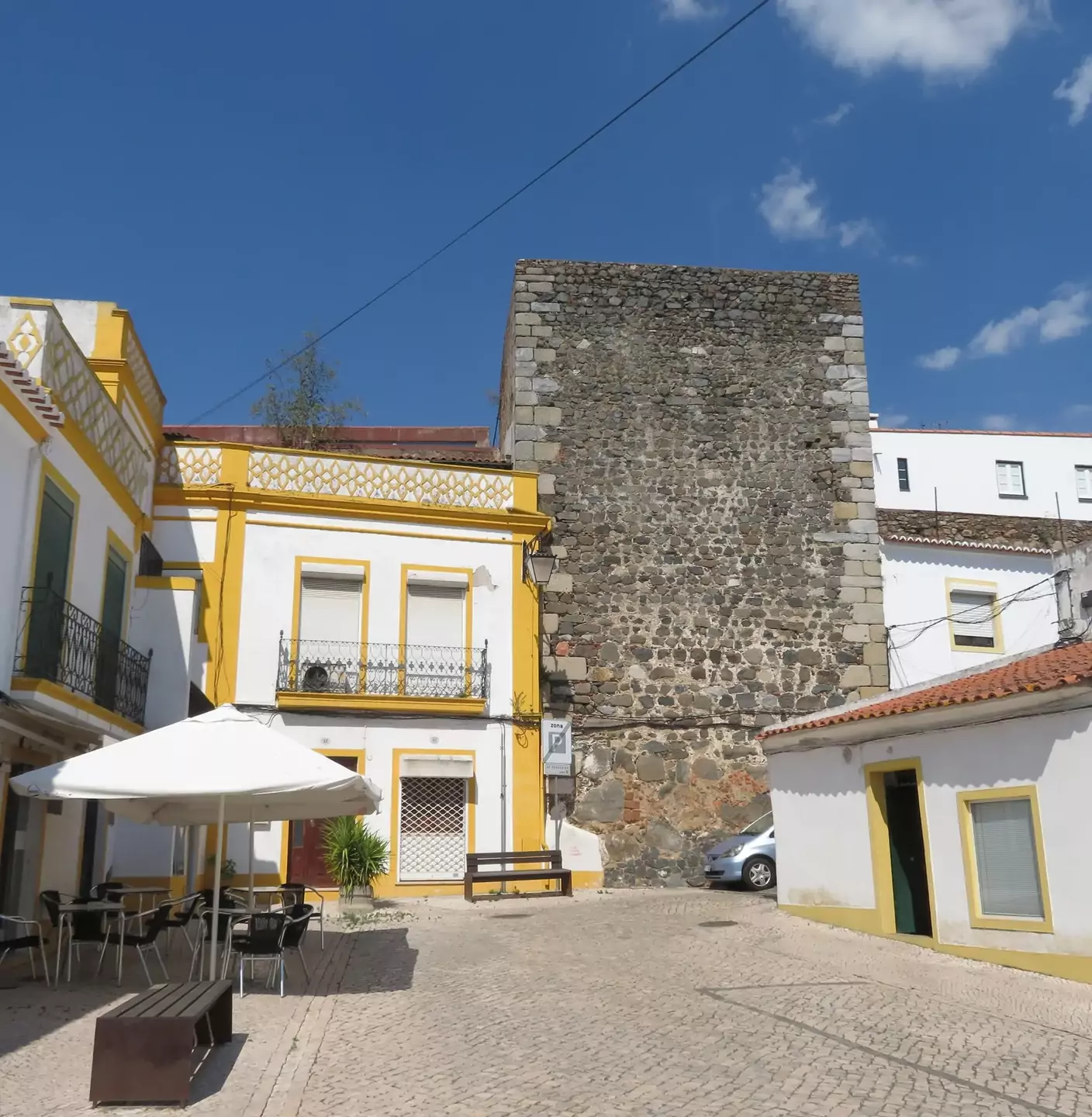
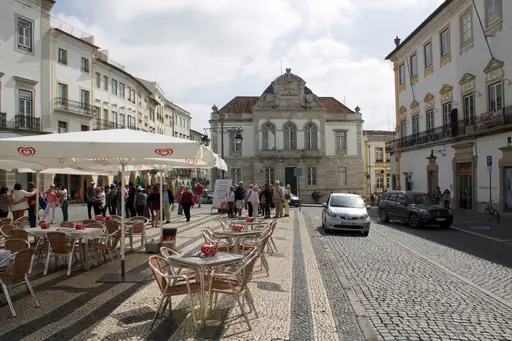
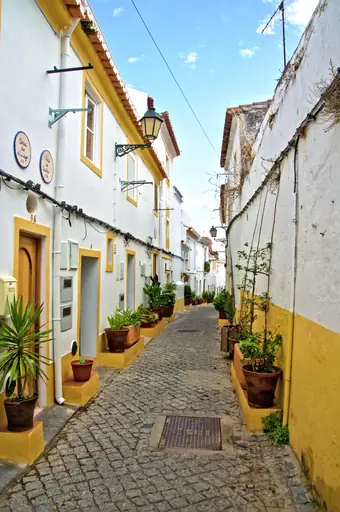
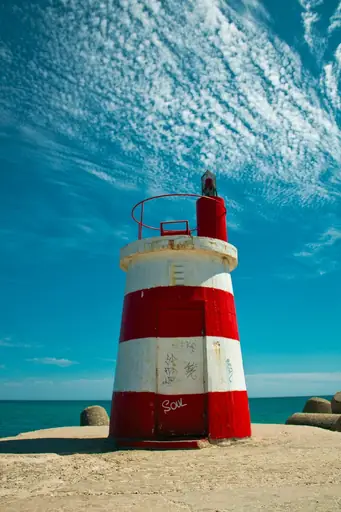
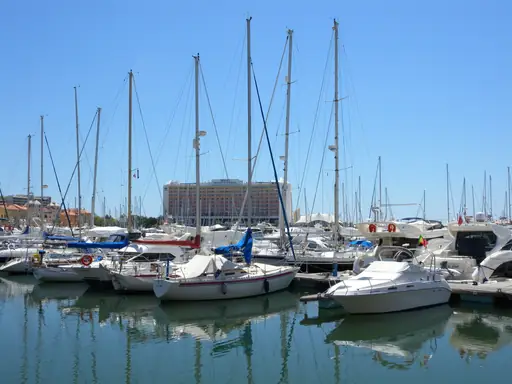
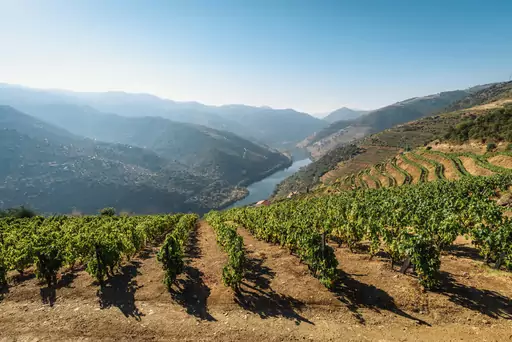
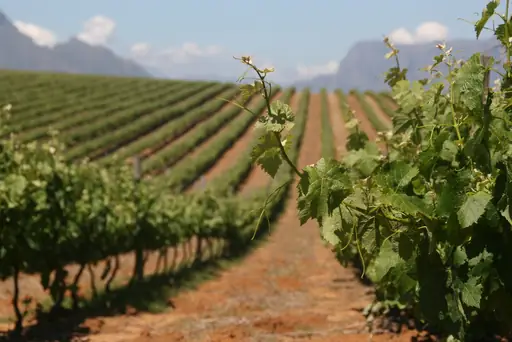
The Alentejo region in Portugal stretches across rolling plains, ancient villages and long Atlantic coastlines. Known for its warm climate and golden sunlight, it produces much of the country’s olive oil and cork. Traditional whitewashed houses dot the landscape alongside terraced vineyards and cork oak forests. Historic towns like Évora preserve Roman ruins and medieval architecture. Local markets sell fresh seafood, cheeses and bread baked in wood-fired ovens. Visitors can explore centuries-old monasteries or relax on quiet beaches where fishing boats bob gently at sunrise.

Region in Portugal
Climate zone: Mediterranean

Mediterranean: Mid-latitude climates with hot, dry summers and mild, wet winters, typical of coastal regions around the Mediterranean Basin.

See climate table
Price level: $$$
$Cheap
$$Medium
$$$Expensive, upscale
$$$+Very expensive, luxury
See price details
Safety: 8.0
General Safety:9
Health & medical:7
Accessibility:4
Tap water:8
Read details
Tourist English: 3/5
In Alentejo, most locals speak basic English, especially in towns and tourist spots. Rural areas may have limited fluency, but simple phrases and gestures usually suffice for smooth communication.
Last update: 12 Oct 2026
* We earn a commission from some links on this page.
Alentejo Summary

These place ratings give you a quick overview of how well a destination matches different types of trips.

‘Best for’ scores:
The specific interest scores show where this place really shines – whether it's ideal for hiking, food & drink experiences, museums or other activities. These highlights help you understand what makes the destination special at a glance.

‘Your personal’ scores:
This reflects how well a place matches your personal preferences. You can adjust the importances of travel topics or other personal requirements categories in your account settings.

‘Suited for’ badges:
These give you a quick overview of how well a destination suits specific types of travellers, to help you find the places that match your lifestyle, preferences or travel situation.

Read how our scores work
Strong for wine regions and rural landscapes. Tour vineyards, explore historic villages, enjoy quiet countryside drives and taste regional cuisine.
Place score
9.0
Best at:
Stargazing
10
Cosy towns
9
Birdwatching
9
Sea
8
Beaches
8
Personal score
?
Log in to see how this place matches your personal travel interests.
Suited for
👶 7
Families
🧓 6
Seniors
❤️ 8
Couples
🐕 8
With dogs
Portugal – Quick facts
Power Grid: 230 V, 50 Hz
Plug: Type C , Type F
Type C:
Diagram of a Type C power plug
Type F:
Diagram of a Type F power plug

Read about power adapters
Currency: Euro (EUR)
£1 ≈ €1.19
Cashless info: Rating 4/5
Portugal has widespread acceptance of cashless payments, particularly in urban areas and larger businesses. Cards are commonly used, and mobile payment options are increasingly available.

Save with a travel credit card
eSIM providers: Best value: Saily
Flexibility: Airalo
Read our in-depth comparison
Tipping: Tipping is customary but not mandatory in Portugal. In restaurants, leaving a 5-10% tip is common, especially if the service is exceptional. Taxi drivers usually expect a small tip of around 5-10%, and hotel staff appreciate tips for their services.
Public drinking: Public drinking is generally accepted in most public spaces, such as parks and beaches. However, certain municipalities may enforce restrictions in specific areas.
Public smoking: Smoking is prohibited indoors in public places like restaurants and bars. Designated smoking areas are available in many public spaces.
Portuguese Republic Day
(October)
National holiday with public celebrations and some closures, particularly in Lisbon.
Christmas
(December)
Holiday celebrations and increased tourism, expect crowded areas and higher accommodation prices.
Carnival
(February)
Festive celebrations with parades and events, especially in Lisbon and Madeira. Expect lively crowds.
Emergency contact: Emergency Number: 112 (Police, Fire, Ambulance)
Taxi apps: Bolt, Uber
Other: Portugal boasts rich cultural heritage, beautiful beaches, and historic landmarks. Public transport is reliable, and the country is known for its mild climate, especially in the southern regions.
Best times to travel

The best times to travel section shows how the months compare for a visit, so you can find the time of year that fits what you want to do.

Background colours of the months:
The colour shows the typical temperature: yellow (hot), green (mild) and blue (cold). How strong the colour is shows the travel season: full colour means high season, soft colour means shoulder season and soft-striped means off season.

Weather symbols:
Each month has one symbol showing what the weather is typically like, such as hot and sunny, freezing or a rainy or snowy season. Use them to quickly spot months that match the weather you want, or to avoid the ones that don't.

Crowdedness:
The people icon shows how busy the place usually is. The more people, the more crowded it gets.

Additional notes:
The grey info boxes point out special things worth knowing, like recurring weather issues or seasonal events.

for Alentejo, Portugal
🌤️
Jan
☀️
Feb
🌤️
Mar
🌤️
Apr
☀️
May
🔥
Jun
🔥
Jul
🔥
Aug
🔥
Sep
☀️
Oct
☀️
Nov
☀️
Dec
High season: May - Sep.
Shoulder season: March - April, Oct.
Crowdedness: 3 (Few tourists)
Tap on a month for more info Hover over a month for more info
Climate and season vary by area: the Atlantic coast (Comporta, Vicentine Coast) is best for beaches June to September, the inland towns (Évora, Marvão, Monsaraz) are best March to June and September to October, as midsummer heat inland is extreme
Many coastal restaurants, beach bars and guesthouses close from November to March, main season April to October
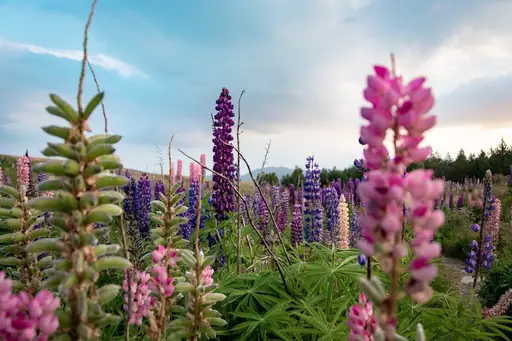
Wildflowers peak in March and April, and the Rota Vicentina trails are best in spring and autumn

Why travel to Alentejo?

Alentejo, a gently rolling region in southern Portugal, offers travelers an authentic slice of the country’s rural heritage without the crowds that often accompany more famous destinations. The landscape is dominated by cork oak forests, wind‑torn plains and limestone cliffs that rise above the Atlantic coast, providing a backdrop for quiet walks, cycling routes and scenic drives. Small villages such as Évora, Monsaraz and Vila Viçosa retain medieval charm with narrow streets, whitewashed houses and historic churches, allowing visitors to step back in time while enjoying modern amenities. Culinary experiences are central to Alentejo’s appeal. The region is renowned for its hearty stews, slow‑cooked meats and locally produced olive oil, all paired with robust red wines from the nearby vineyards. Farm stays and agritourism farms offer hands‑on tastings of cheese, honey and traditional pastries, giving insight into local production methods. For those interested in history, Alentejo houses well‑preserved Roman ruins, fortified towns and UNESCO‑listed sites such as the Chapel of Bones in Évora. The coastal areas feature quiet beaches with clear waters, ideal for relaxation or water sports without the bustle of larger resorts. Overall, Alentejo provides a balanced mix of natural beauty, cultural depth and culinary delight, making it an inviting destination for travelers seeking genuine Portuguese experience at a relaxed pace.

🏙️Cities & Regions
  • 1 Évora
    The historic Roman city of Évora lies in Portugal's Alentejo region, featuring a UNESCO World Heritage center with ancient temples and tombs. Its cobblestone streets wind through olive groves and sun-drenched landscapes that blend history with rural tranquility.
  • 2 Elvas
    A historic town in southern Portugal, Elvas sits on a fortified frontier overlooking the Guadiana River. Its well-preserved walls, bastions and 18th‑century artillery galleries attract visitors interested in military architecture and regional culture and history.
🏯Places worth seeing
  • 1 Cascais
  • 2 Comporta
  • 3 Lagos
  • 4 Monsaraz
  • 5 Rua da Nova Sintra
  • 6 Vila Viçosa
🎡Places for activities
  • 1 Alqueva Reservoir
  • 2 Castelo de Monsaraz
  • 3 Sudoeste Alentejano e Costa Vicentina Nature Park
  • 4 Guadiana
🏞️Natural landmarks
  • 1 Sudoeste Alentejano e Costa Vicentina Nature Park
  • 2 Praia dos Pescadores
  • 3 Guadiana
🛍️Shopping
  • 1 Wine District
  • 2 Mercado Municipal de Beja
  • 3 Mercado Municipal de Évora

Knowledge before you go

  • Rent a car; public transport is limited in rural Alentejo.
  • Visit during spring or autumn to avoid crowds and enjoy milder temperatures for countryside walks.
  • Try local dishes like açorda, migas and the region’s renowned red wine from nearby vineyards.
  • Explore the ancient Roman ruins at Mértola early in the morning; they offer unique insights into Alentejo’s historic past.

How to travel to Alentejo

The Alentejo region in Portugal is accessible primarily by air and road. The nearest major airport is Beja, located about 40 kilometers from the regional capital Évora, though flights to smaller regional airports like Portimão or Faro may offer closer access depending on origin. Public transportation includes buses operated by companies such as Rede Expressos and Carris, connecting cities like Lisbon (approximately 2.5 hours by train) and Porto to Alentejo towns. Private car rentals are recommended for exploring rural areas due to limited public transit options. The region’s highway network, including A1 and A25, facilitates driving between key destinations. Trains link major hubs but cover fewer rural routes.

Access summary

  • From Faro Airport (FAO): Bus to Évora (1h 30m); train to Lisbon (2h).
  • From Lisbon Airport (LIS): Train to Setúbal (45m); bus to Alentejo villages (1h).
  • By ferry from Portimão to Faro (1h 15m) for coastal access.

Where to stay in Alentejo

Alentejo offers a spectrum of lodging that mirrors its tranquil countryside and historic villages. Rustic agriturismos dominate the landscape, where guests can stay in renovated farmhouses or traditional stone cottages, often including homemade meals and local wine tastings for €70 – 120 (£58.97 – 101.09) per night. Boutique guesthouses in towns like Évora or Vila Viçosa provide elegant rooms with modern amenities, priced around €90 – 150 (£75.82 – 126.36). For those seeking luxury, the region’s boutique resorts on the coast feature sea‑view suites, spa services and gourmet dining, ranging from €200 (£168.48) to €350 (£294.84) per night. Many accommodations emphasize sustainability, using solar power and organic produce, while some offer guided tours of nearby cork forests or olive groves.

How to get around Alentejo

The Alentejo region in Portugal offers diverse transportation options to explore its rural landscapes and historic towns. Renting a car is ideal, as it provides flexibility to navigate winding country roads and reach remote villages like Monsaraz or Marvão. For shorter distances, buses operated by companies such as Rede Expressos connect major cities like Évora and Beja with smaller towns. Trains are limited but available between key hubs like Lisbon (via the Linha do Alentejo) and Faro. Biking is a scenic alternative in flatter areas, though infrastructure varies. Taxis and ride-hailing services are accessible in urban centers. Always check local schedules for buses or trains, as rural routes may have infrequent departures.
Budget snapshot
Costs compared to home

We calculate the average costs when travelling to destinations and compare those with the living costs at your home. With this you can get an estimate of how expensive or cheap the destination is for you.

To customise this, you can set up which location and price level are used for the calculations in your account settings.

-35 %
Daily expenses in the region are around 35% lower than the average across United States. That means you'll spend considerably less on meals and getting around.
Exchange rate trend

The exchange rate price factor shows how expensive or cheap a currency currently is compared to its historical average. It's a quick way to see if a country is currently more or less affordable due to exchange rate changes.

-3 %
Your exchange rate (GBP to EUR) is 3% better than in recent years. That means travelling now costs around the same compared to the past.

Travel costs

To help you plan your trip, we provide estimated daily costs per person (when travelling as a pair) for different travel styles. These numbers give you an idea of what you might spend each day at this destination, including accommodation, food, transport and activities.

Additionally, we also provide average hotel costs for different travel styles to give you an estimate for the accommodation only.

Please note that these are only estimates. The real costs depend on booking times, season and other factors.

Daily cost summary

Travel style categories explained:

Backpacker:
Staying in hostels or budget hotels, cooking your own meals or eating cheap and choosing low-cost activities.

Mid-range:
Staying in mid-range hotels, eating at a mix of restaurants and casual spots and enjoying a variety of activities.

Luxury:
Staying in luxury hotels, dining out at high-end restaurants and enjoying premium experiences without worrying about the price.

Backpacker Mid-range Luxury
💵 Total costs per day, including accommodation
£50
£98
£251
🏨 Accommodation per night, per person
£20
£44
£101
🍝 Food per day
£21
£45
£126
🚕 Transportation per day
£9
£9
£24
Food & Drink
🍽️ Restaurant Dinner, per person
£18
🍛 Lunch Set, per person
£10
🍟 Fast food combo
£7.50
🍝 Preparing your own food, per day
£7
☕ Cappuccino
£1.30
🍺 Beer in a restaurant, 0.5 l
£2.70
Transportation
🚌 Public transport ticket
£2
🚕 Taxi Ride, 10 km / 6 mi
£13
⛽ Petrol, 1 l
£1.60
Other
🎞️ Cinema ticket
£7.50
👩‍⚕️ Doctor's consult
£55
🤧 Cold medication
£4.70
💇 Basic haircut
£10

Safety information overview

General safety
9
Alentejo offers a tranquil, low‑crime environment ideal for travelers seeking peace of mind. Petty theft is rare and local communities are welcoming. Stay vigilant in tourist hotspots, keep valuables secure and follow standard travel precautions to enjoy a safe visit.
Health & Medical
7
Alentejo offers reliable public health care with regional hospitals and accessible private clinics, supported by Portugal’s high medical standards. The area enjoys clean air, a Mediterranean diet rich in antioxidants and low pollution. Travelers should watch for summer heat and dehydration.
Accessi­bility
4
Alentejo offers mixed accessibility: many historic towns have uneven cobblestones, but newer hotels and public transport are increasingly wheelchair‑friendly. Good signage in Portuguese and English helps, yet rural villages still lack ramps and accessible restrooms – plan ahead for mobility needs.
Tap water
8
Portugal’s Alentejo offers excellent tap water – clean, soft and safe to drink straight from the faucet. Public fountains are plentiful in towns and most hotels provide filtered water. Staying hydrated is effortless with reliable municipal supplies throughout the region.

Packing recommendations for Alentejo

Log in to add this place to a travel list and get a summary of all recommended items for your whole trip.

Looking for inspiration?

Discover
Best wine destinations in Europe
Europe contains the world's most established wine producing regions, with centuries of accumulated knowledge about which varieties, soils and microclimates produce the most…
Read more
Discover
Top digital nomad destinations and remote work hubs in Europe
Europe offers remote workers a level of infrastructure that is hard to beat, along with enough cultural variety to keep even a long stay interesting. City based nomads can hop…
Read more
Discover
Best rural retreat destinations in Europe
Europe's rural landscapes offer some of the most accessible and varied retreat experiences in the world, with working agricultural regions, coastal hinterlands and forested uplands…
Read more
Discover
Top digital nomad destinations and remote work hubs in 2026
Working from anywhere in the world sounds simple until you actually try it and the best digital nomad destinations look different depending on what kind of remote worker you are.…
Read more
Discover
Best couple holiday destinations
Travelling as a couple sounds simple enough, yet the best couple holiday destinations mean something different to almost every pair. What feels romantic to one couple can feel like…
Read more
Discover
Best couple vacation destinations in Europe
Europe has been the backdrop for love stories for centuries, and for couples it remains one of the easiest continents to feel romantic in without even trying. The choice of…
Read more
Discover
Top flower destinations and botanical gardens
Flower travel has developed a dedicated following built around the world's most significant wildflower seasons, bulb field landscapes and botanical garden collections that offer…
Read more
Discover
Best destinations for first-time travellers
A first trip abroad works best somewhere that eases you in, rather than throwing every possible culture shock and logistical headache at you at once. Some first-time travellers…
Read more
Discover
Top wine destinations and famous vineyards
Wine travel has developed a well-established infrastructure of its own, with dedicated tasting rooms, cellar door visits and harvest experiences now standard across most major…
Read more
Discover
Best flower destinations in Europe
Europe's flower seasons range from the tulip and bulb field landscapes of the northwest and the wildflower meadows of the Alpine zones to the lavender fields of the Mediterranean…
Read more
Discover
Best travel destinations for seniors in Europe
Europe remains one of the easiest continents for older travelers, thanks to excellent trains, reliable healthcare and cities built for walking rather than driving. River cruises…
Read more
Discover
Top rural retreat destinations and countryside getaways
Rural retreat travel is defined by the deliberate removal from urban pace and density, with landscape immersion, slower rhythms and direct engagement with food, nature and local…
Read more
Discover
Best travel destinations for seniors
Senior travel covers a wide range, from slow, low effort trips built around comfort to more independent trips for travellers who still want to cover plenty of ground. Some…
Read more
Discover
Best destinations for first-time travelers in Europe
Europe is often the easiest continent to start with, thanks to short distances between countries and infrastructure built for travelers of every experience level. Trains connect…
Read more
Discover
Most beautiful beaches and coastal escapes
For a lot of people, a beach is the whole point of a holiday, but what makes a beach day perfect really depends on personal taste. Some travellers want isolation and the feeling…
Read more
Was this page helpful?
Feedback