
Best travel destinations for seniors
Best travel destinations for seniors
Accessible historical walking paths and comfortable city transportation routes
Senior travel covers a wide range, from slow, low effort trips built around comfort to more independent trips for travellers who still want to cover plenty of ground.
Some travellers want direct flights, accessible hotels and a relaxed pace with plenty of rest built in. Others prefer a more independent trip, exploring on their own terms rather than following a set tour, though usually still without the long days or heavy packing of a typical backpacking trip. Good healthcare access matters more on trips at this stage of life, along with travel insurance that actually covers pre-existing conditions. Guided tours appeal to travellers who want the planning taken care of, while others still prefer figuring things out on their own.
The destinations on our list reflect that same range, from easy, fully supported trips to ones that offer a bit more independence within a comfortable pace.
Lists by region
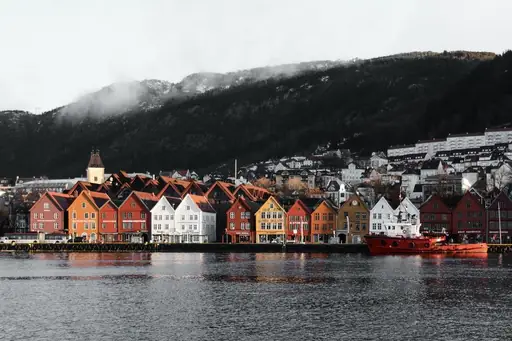
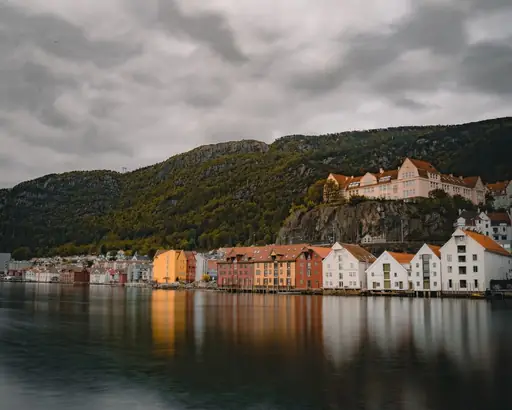
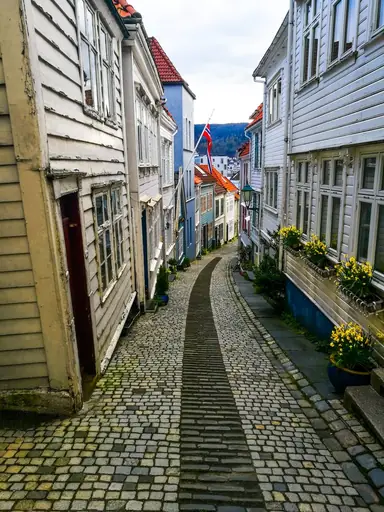
Town in Norway
Bergen
The gateway to the fjords
The Fløibanen funicular has climbed Mount Fløyen above Bergen since 1918. The short ride ends at a viewpoint 320 metres above the harbour. Bryggen, the old wooden wharf, became a UNESCO World Heritage Site in 1979. The fish market beside the harbour sells fresh shrimp and smoked salmon.
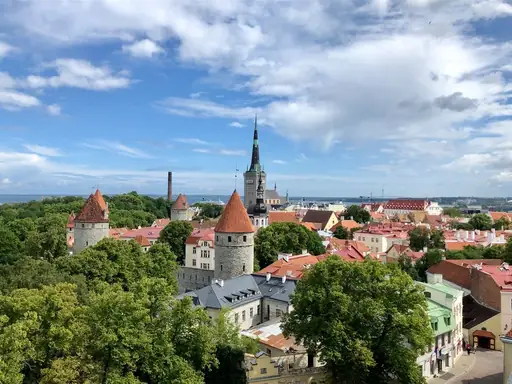
City in Estonia
Tallinn
Medieval charm meets modern innovation
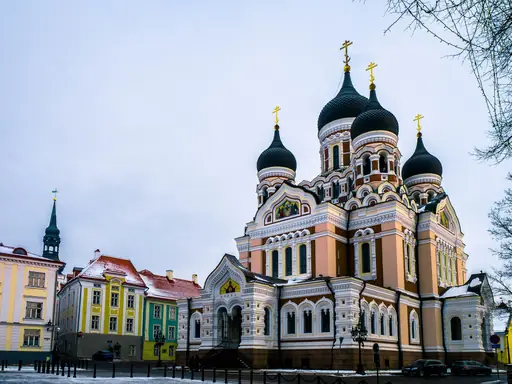
Medieval stone walls with 26 surviving towers still ring Tallinn's Old Town. UNESCO added the Old Town to its World Heritage list in 1997. Most sights sit within a short walk of Town Hall Square. Visitors can take a taxi or bus up steep Toompea hill.

Island in Spain
Canary Islands
Spain's volcanic paradise year-round
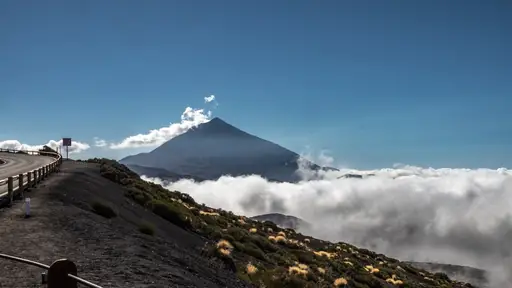
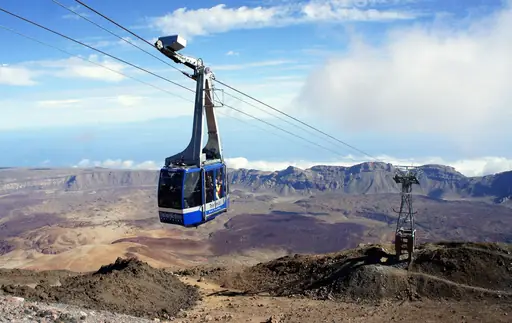
A cable car carries passengers to 3,555 metres on Mount Teide in about eight minutes. Teide in Tenerife is the highest peak in Spain at 3,715 metres. Short viewpoint paths near the top station offer views across the volcanic landscape. Coastal resorts on the island stay pleasantly warm through winter.
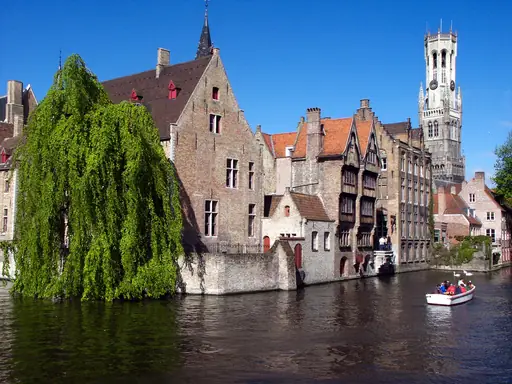
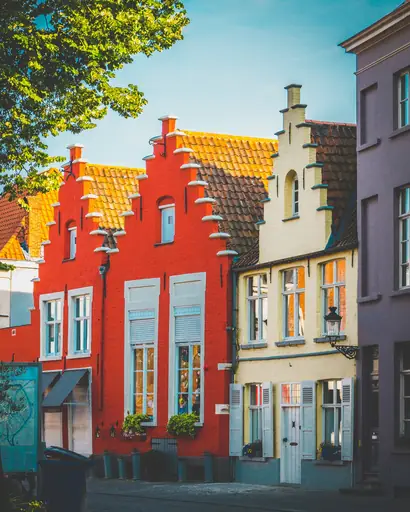

City in Belgium
Bruges
Medieval Charm and Chocolate Bliss
A walled beguinage founded in 1245 stands beside the Minnewater lake. Whitewashed houses circle a green lawn that fills with daffodils each spring. Horse drawn carriages leave the Markt square for gentle tours of the old town. Short distances keep most sights within an easy stroll.

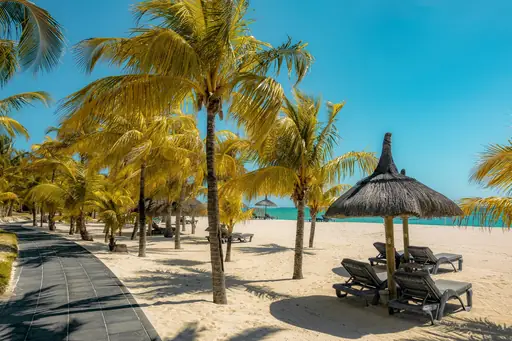
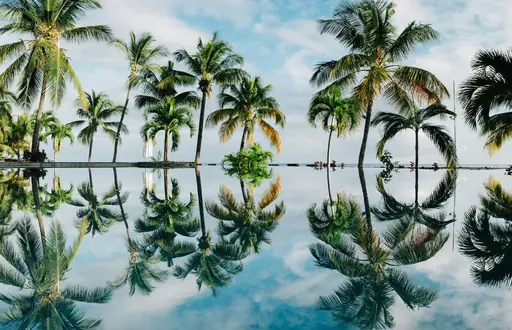
Country
Mauritius
Tropical Bliss in the Indian Ocean
Giant water lilies float in ponds at the Pamplemousses Botanical Garden. The garden dates to the 1700s and has neat avenues of tall royal palms. Wide flat paths and shaded benches suit a slow walk. Calm lagoon beaches lie a short drive north at Grand Baie.

City in Japan
Takayama
Old town, morning markets and Hida beef
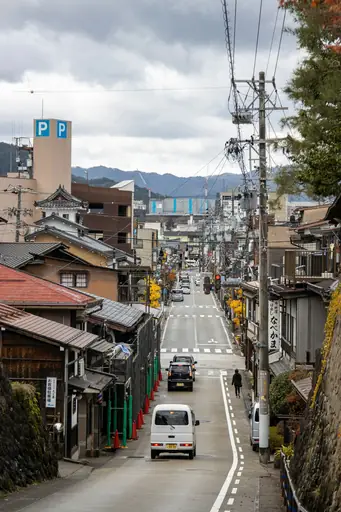
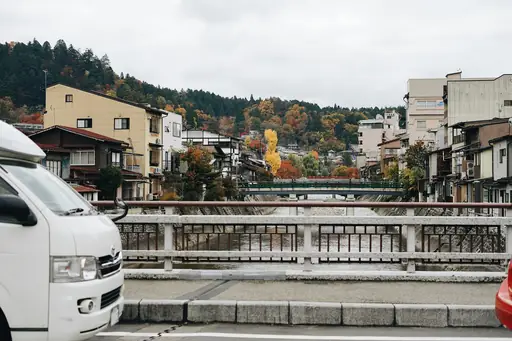
Sake breweries in Takayama hang balls of cedar boughs called sugidama over their doors. The balls turn from green to brown as the new sake matures. Sanmachi Suji streets are lined with preserved Edo period merchant houses. Morning markets beside the Miyagawa river sell pickles and fresh produce.
Town in United Kingdom
St Andrews
Golf, Ruins and Coastal Magic
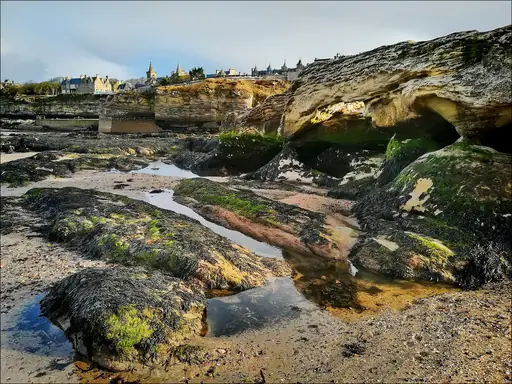
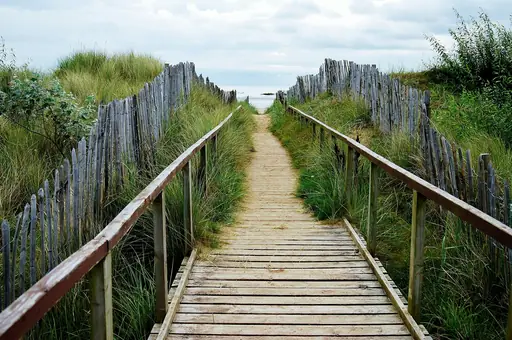
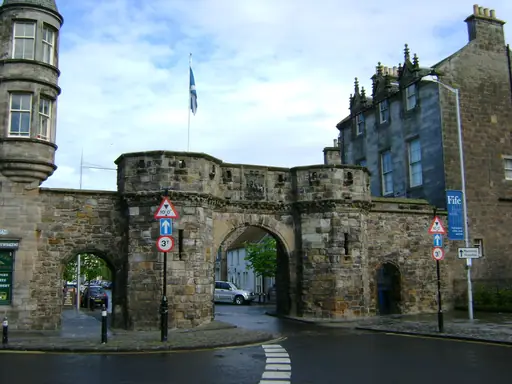
Golf has been played on the Old Course since the early 1400s. Golfers pose for photos on the old stone Swilcan Bridge. On Sundays the course is closed to golfers and open to walkers. The ruined cathedral, begun in the 12th century, stands beside the sea nearby.
City in Netherlands
Leiden
Canals, courtyards and student spirit
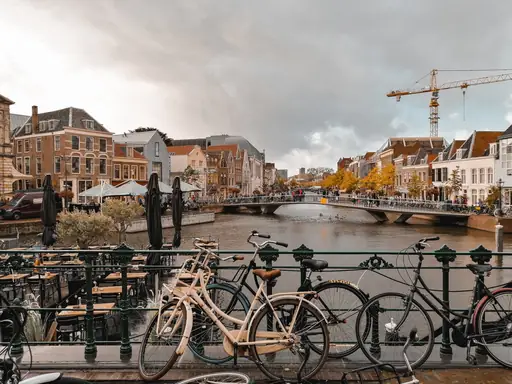
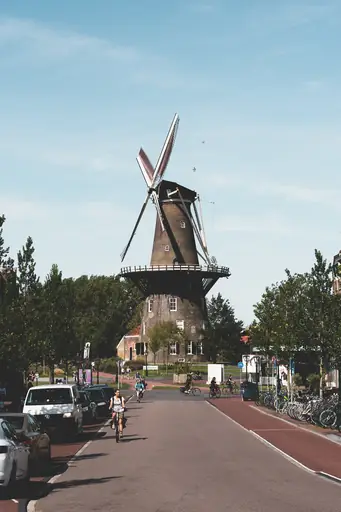
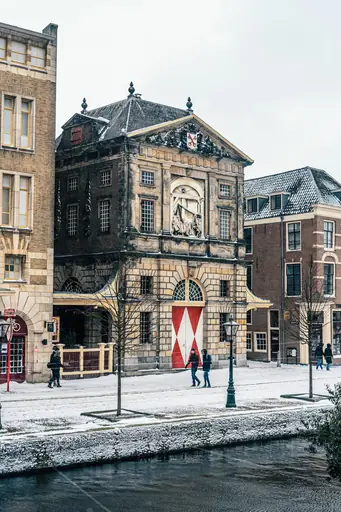
The painter Rembrandt was born in Leiden in 1606. He trained in the city under a local artist named Jacob van Swanenburgh. Small canal boats carry visitors past bridges and gabled houses in the old centre. The Hortus Botanicus, a garden founded in 1590, is a short walk away.
City in Japan
Kanazawa
Samurai streets, gold leaf and Kenrokuen garden
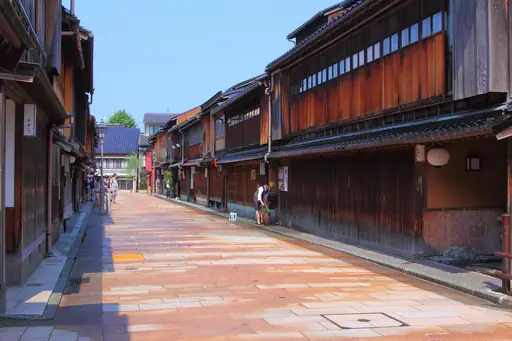
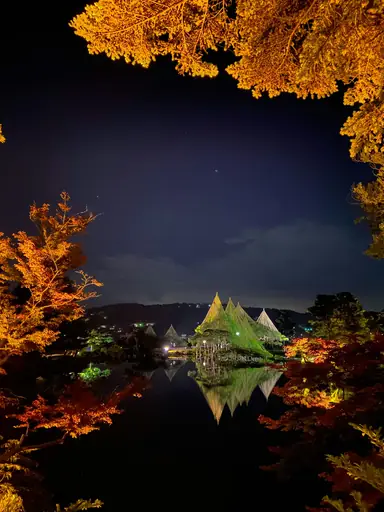
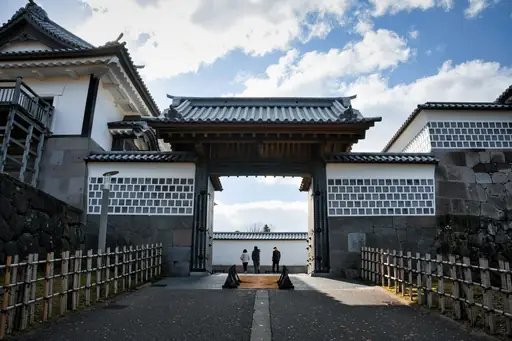
Kenrokuen Garden was created by the Maeda clan starting in the 1600s. Rope cones called yukitsuri protect the pine branches from heavy winter snow. Paths wind gently past ponds, stone lanterns and old tea houses. A loop bus links the garden with the castle park and other main sights.

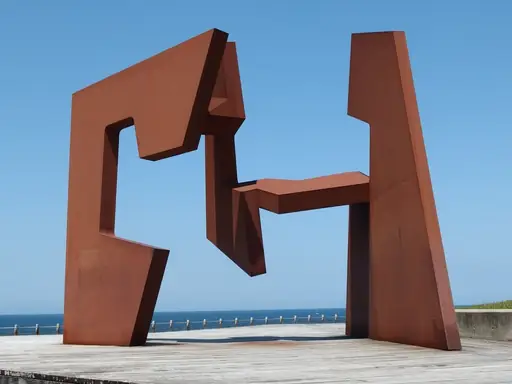
City in Spain
San Sebastián
Basque charm with beach vibes
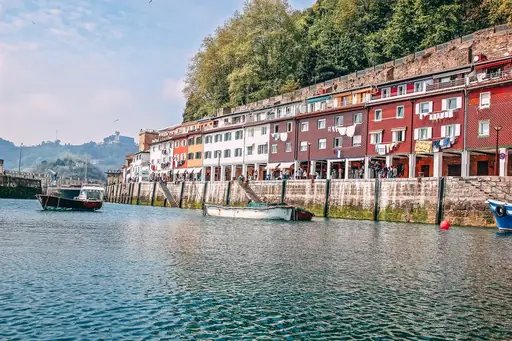
The wooden funicular up Monte Igueldo has run since 1912. It climbs to a hilltop viewpoint above the bay. A flat promenade with white railings follows the curved sand of La Concha beach. Bars in the old town serve pintxos, small plates that are easy to share.
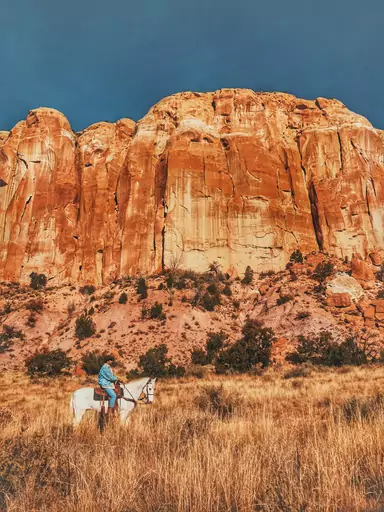
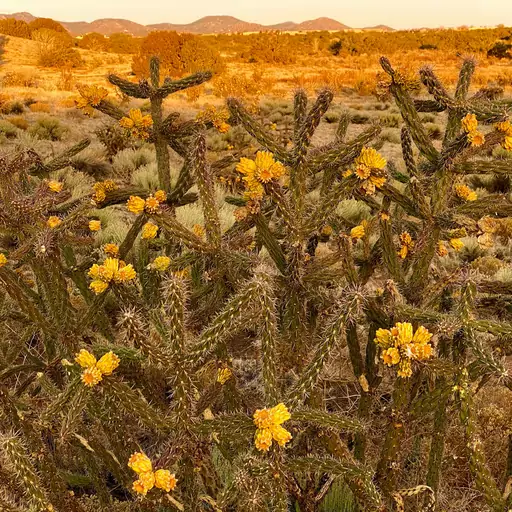
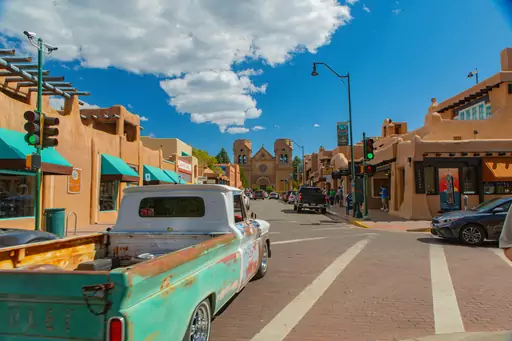
City in United States
Santa Fe (New Mexico)
Ancient adobe charm meets artistic soul
The adobe Palace of the Governors was built in 1610 on Santa Fe's central plaza. Native artisans sell handmade silver jewellery under its long porch most days. Museums, galleries and cafés cluster within a few flat blocks of the plaza. The city sits about 2,200 metres above sea level.

Island in Portugal
Madeira
Dramatic Cliffs and Eternal Spring
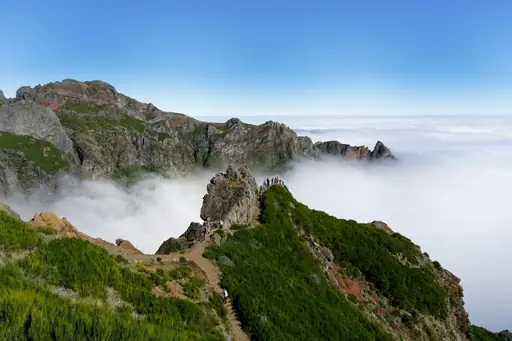
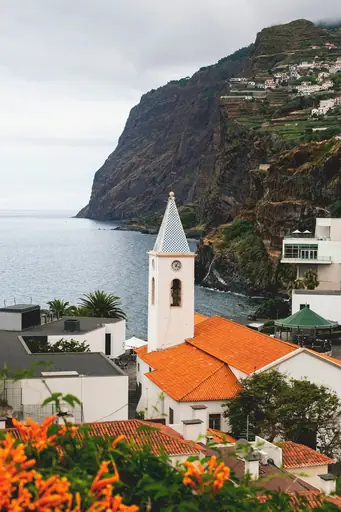
A cable car climbs from Funchal's old town to the hilltop gardens of Monte. Wicker toboggans steered by two men in straw hats slide riders back down the hill. Several levada trails beside old irrigation channels stay nearly flat. Mild weather keeps flowers blooming across the island most of the year.
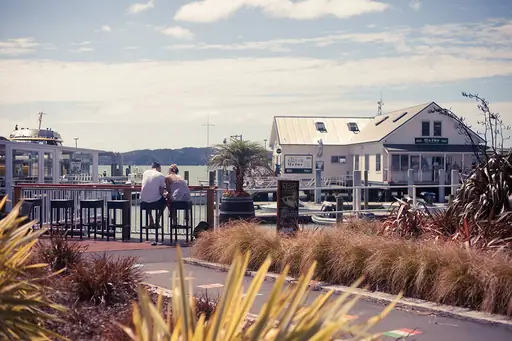
Bay in New Zealand
Bay of Islands
Sunlit coves echo with ancient legends
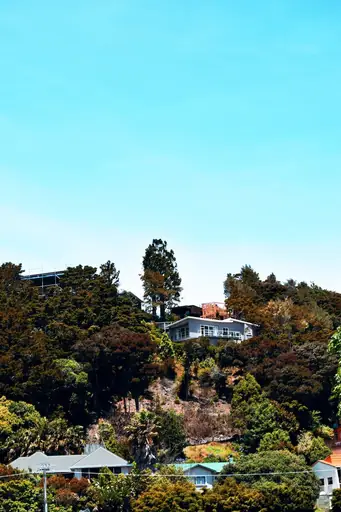
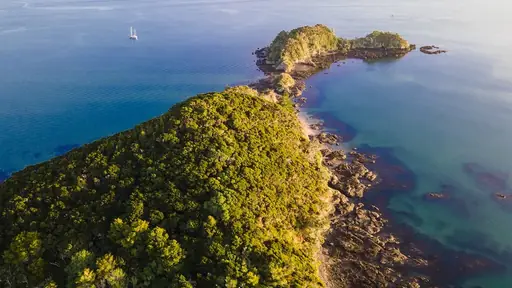
The Treaty of Waitangi was signed in the Bay of Islands on 6 February 1840. The treaty grounds include a carved meeting house and a huge war canoe. Boat cruises from Paihia pass through the Hole in the Rock when seas allow. A short passenger ferry links Paihia with the historic town of Russell.
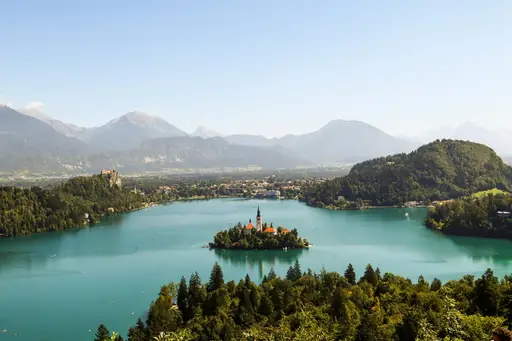
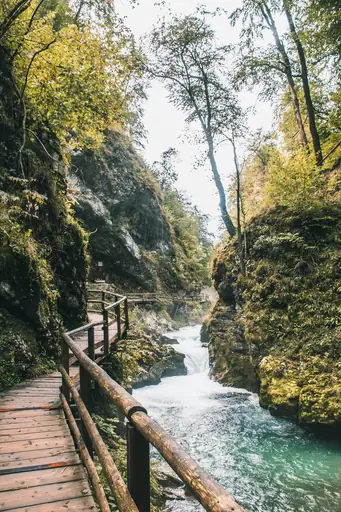
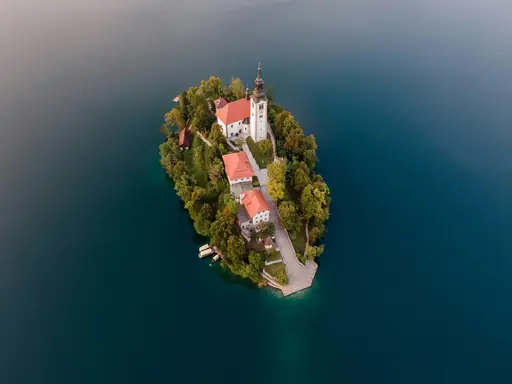
Town in Slovenia
Bled
Fairytale Lake and Alpine Beauty
Traditional pletna boats carry passengers to the small island in Lake Bled. A church with a wishing bell waits at the top of 99 stone steps. A flat path of about six kilometres circles the lake for an easy walk. Bled Castle sits on a cliff 130 metres above the water.
Town in Germany
Garmisch-Partenkirchen
Alpine Paradise with Bavarian Charm
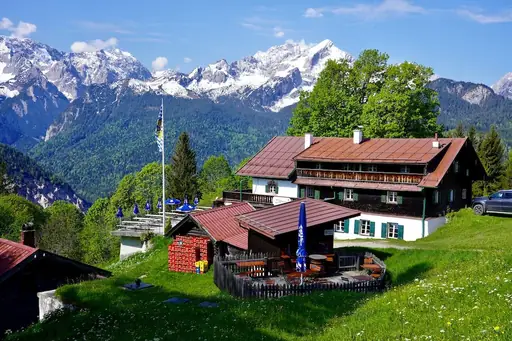
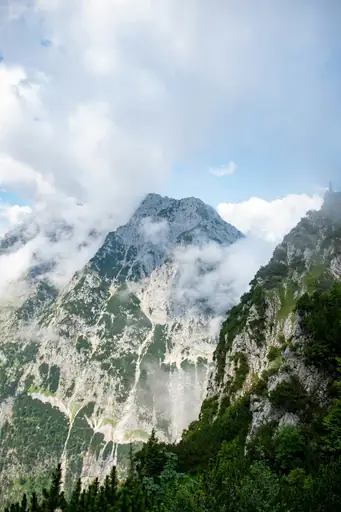
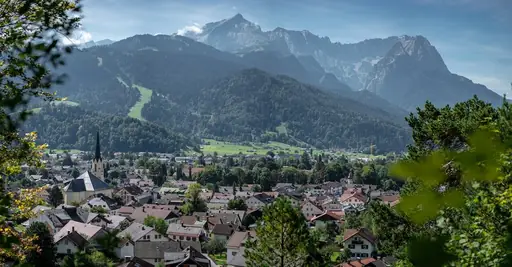
A cogwheel train and cable car carry visitors to the summit of the Zugspitze. At 2,962 metres it is the highest mountain in Germany. The summit terrace has cafés and views into Austria, Italy and Switzerland. Garmisch hosted the 1936 Winter Olympics in the valley below.
City in Canada
Quebec City
Old World Charm in North America
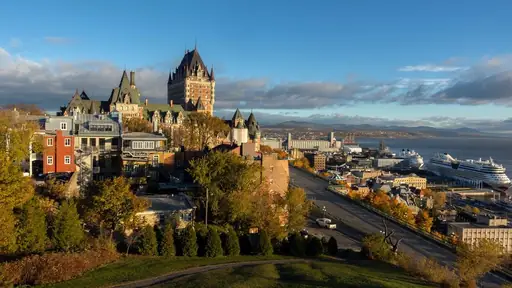
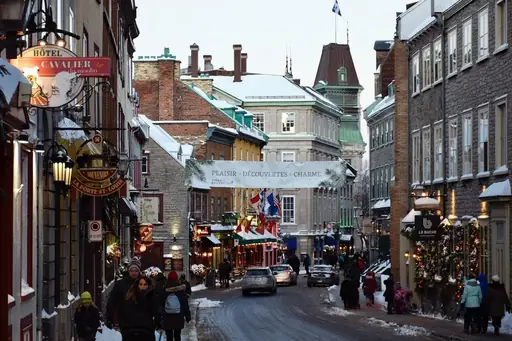
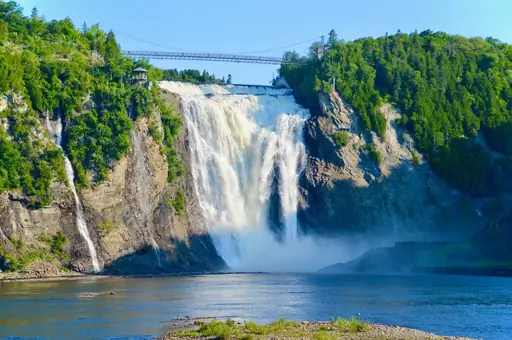
A funicular has carried riders between Lower Town and Upper Town since 1879. It climbs the cliff to Dufferin Terrace beside the Château Frontenac. Rue du Petit Champlain at the bottom is lined with small shops and cafés. Horse drawn calèche rides tour the old walled city.

City in United States
Asheville
Blue Ridge arts, brews and views
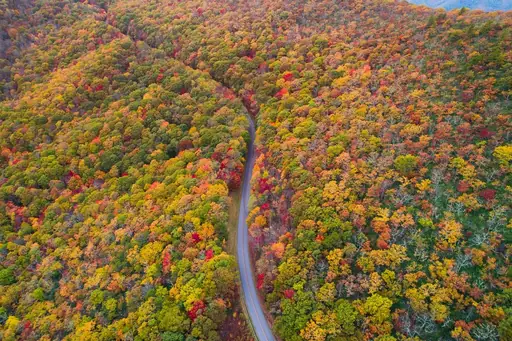
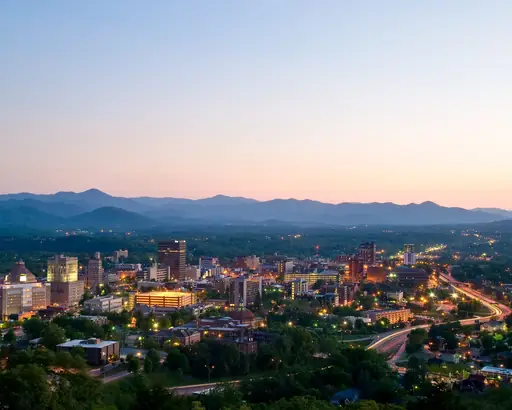
Biltmore House opened on Christmas Eve in 1895 with 250 rooms. Landscape architect Frederick Law Olmsted designed the surrounding forest and gardens. Easy paths link the house with the glass conservatory and the walled garden. Scenic overlooks on the nearby Blue Ridge Parkway need very little walking.

Island in Tanzania
Zanzibar
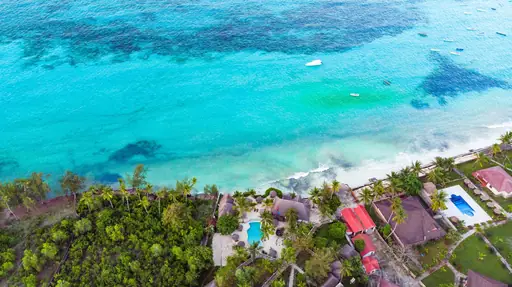
Turquoise Waters and Spice Perfume
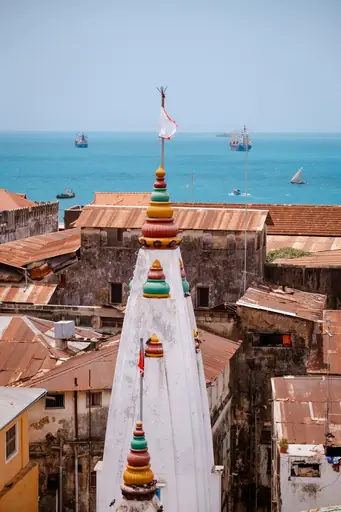
Carved wooden doors with brass studs decorate many old houses in Stone Town. Many date from the 1800s when Omani sultans ruled from the island. A short walk leads to Forodhani Gardens where food stalls set up each evening. Local guides run slow walking tours through the maze of alleys.
Town in Japan
Hakone
Onsen town with Fuji views and lake cruises
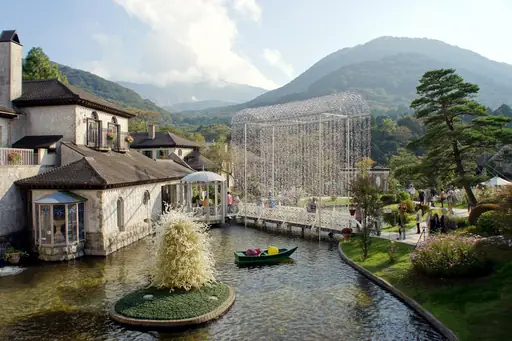
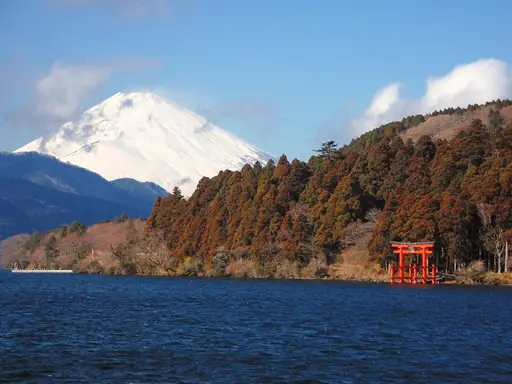
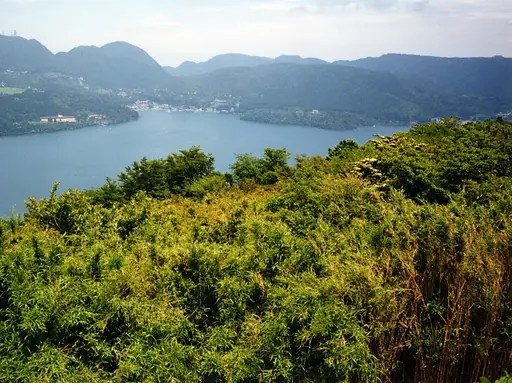
Sightseeing boats built like colourful pirate ships cross Lake Ashi near Hakone town. Mount Fuji rises beyond the water on clear days. A ropeway carries passengers high over the steaming volcanic valley of Owakudani. Eggs boiled in the hot springs there turn black and are sold as snacks.

Town in Ireland
Dingle
Wild Atlantic Views, Music & Craic
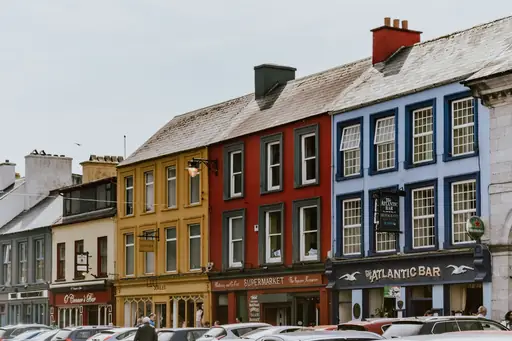
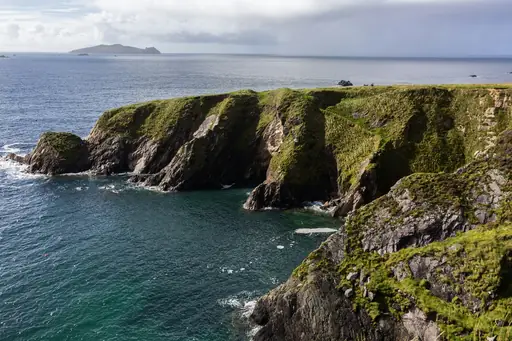
A 47 kilometre loop road called Slea Head Drive circles the tip of the peninsula. Ancient stone beehive huts stand in fields beside the route. Small group bus tours run the loop from town. The Gallarus Oratory, a tiny dry stone chapel, sits just off the route.
State/Prefecture in United States
Vermont
Green Mountains, Maple Syrup, Pure Charm
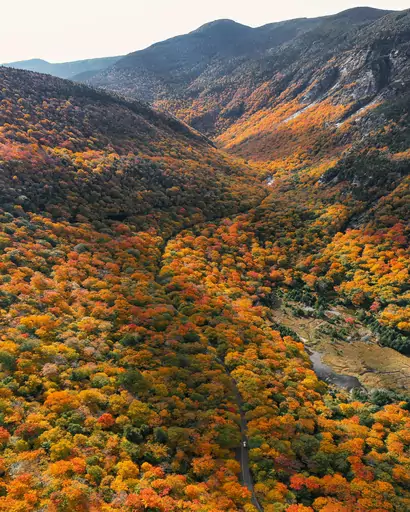
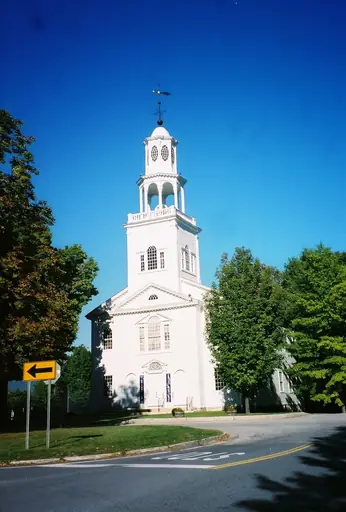
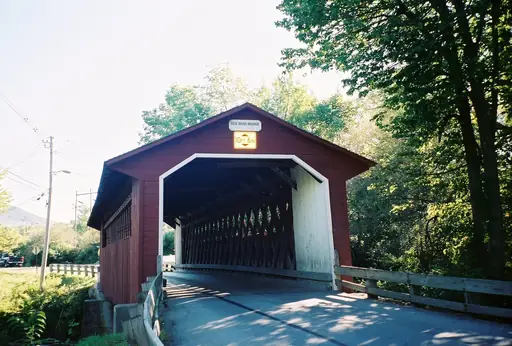
More than 100 historic covered bridges still cross rivers and streams here. Autumn turns the hillsides red and orange from late September into October. Small sugarhouses across the hills offer tastings of fresh maple syrup in spring. Quiet country roads link the bridges with villages and white church steeples.


Country
Oman
Ancient heritage meets natural wonders
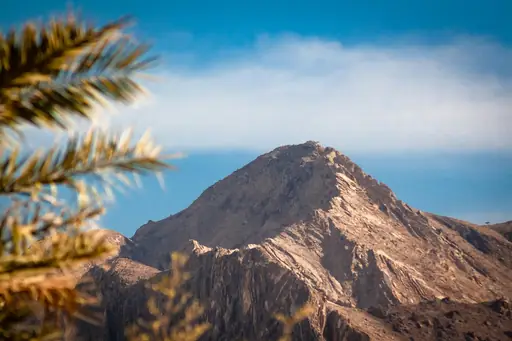
Mutrah Souq is a covered market of winding alleys beside the Muscat seafront. Shops sell frankincense, curved silver daggers called khanjars and colourful textiles. A flat seaside corniche runs past the market with benches along the water. Cooler winter months from November to March suit sightseeing well.
Region in United Kingdom
Cornwall
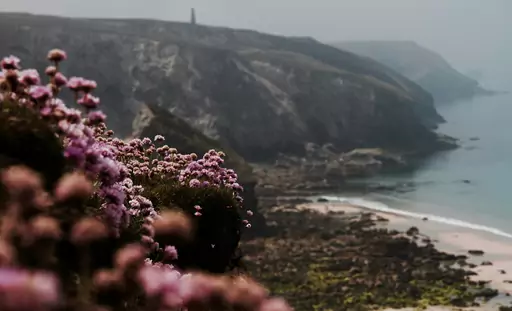
Coastal charm with rugged cliffs and golden sands
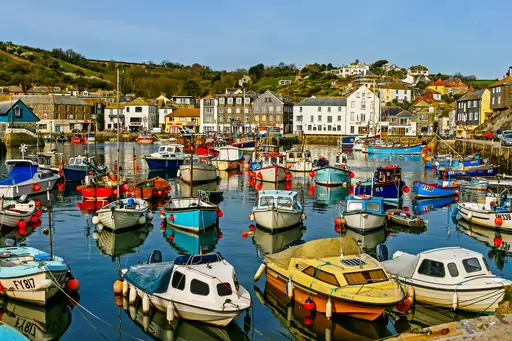
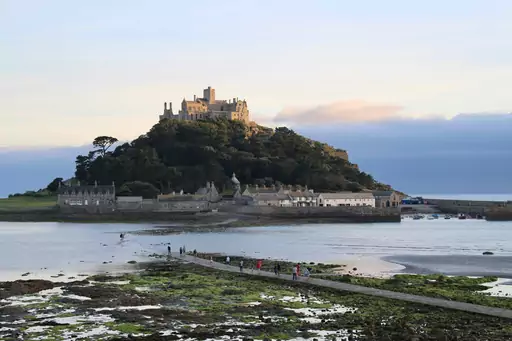
A stone causeway links St Michael's Mount to the mainland at low tide. The St Aubyn family has lived in the island castle since the 1600s. Small boats carry visitors across when the causeway is under water. Terraced subtropical gardens grow on the rocky slopes below the castle.

City in Mexico
Mérida
Colonial charm and Yucatán culture
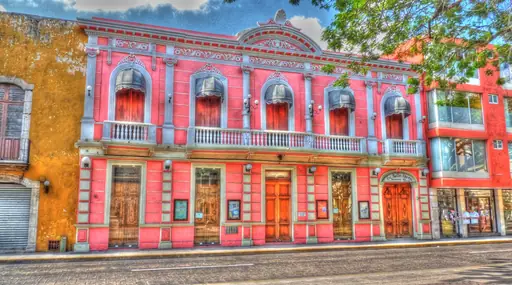
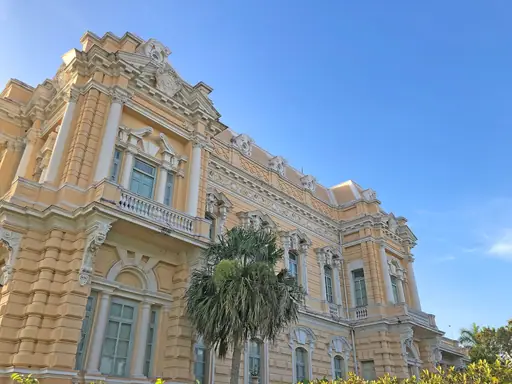
Main streets around the Plaza Grande close to traffic every Sunday for a street fair. Vendors sell hammocks, crafts and dishes such as cochinita pibil. Musicians and dancers perform in the plaza and nearby parks. Paseo de Montejo, a wide tree lined boulevard, has mansions from the early 1900s.
Region in United Kingdom
Cotswolds National Landscape
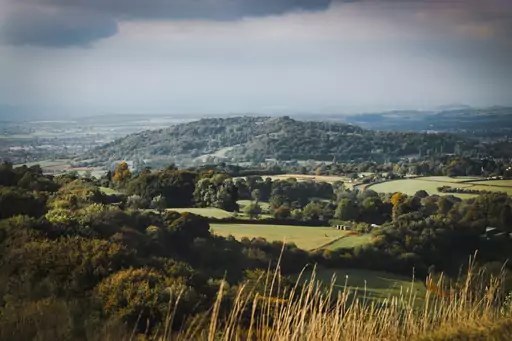
Honey-Colored Villages and Rolling Hills
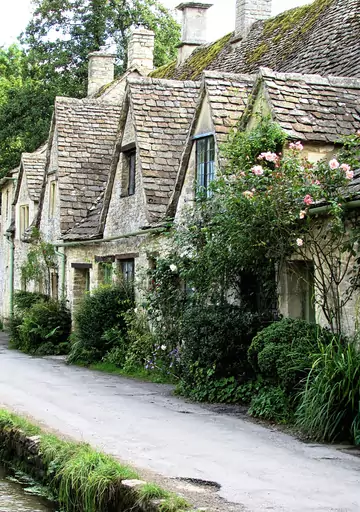
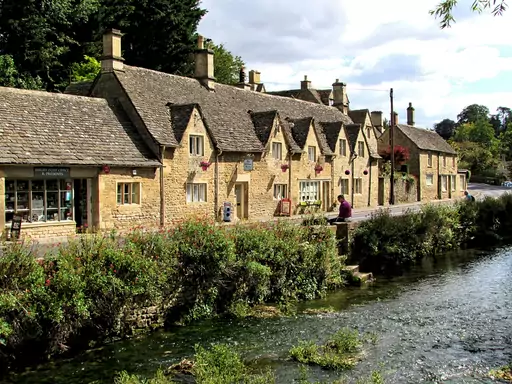
Arlington Row in Bibury is a line of stone cottages built in 1380 as a wool store. Golden limestone walls and steep roofs face the River Coln. Village walks nearby are short and mostly level with tearooms close by. Small group minibus tours visit several villages in a single day.
Town in Canada
Niagara-on-the-Lake
Charming Wine Country by the Lake
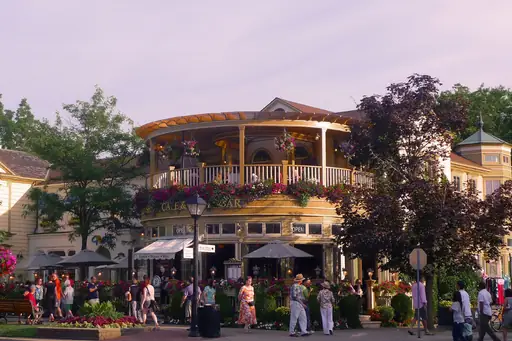
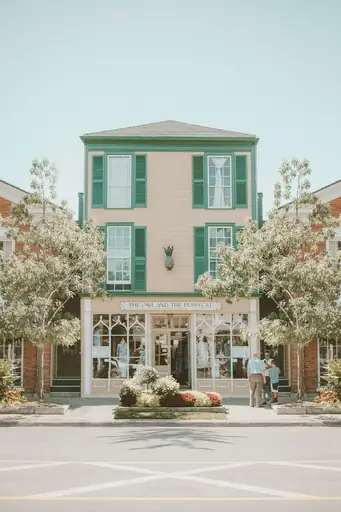
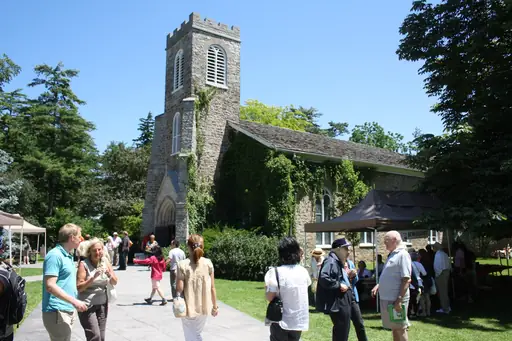
The Shaw Festival has staged plays by George Bernard Shaw in town since 1962. Its three theatres sit within walking distance of the main street. Queen Street is lined with hanging flower baskets and heritage shops. Wine estates in the surrounding countryside offer tastings and long lunches.
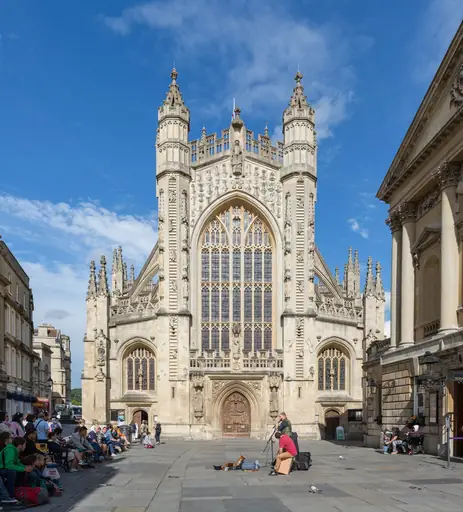
City in United Kingdom
Bath
Historic Charm and Natural Hot Springs
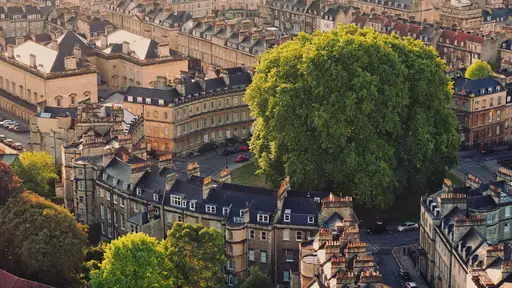
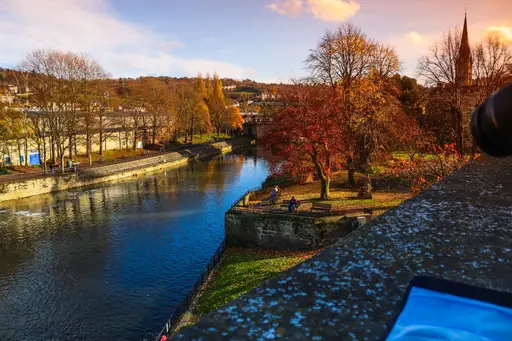
Hot water at about 46 degrees Celsius still rises from the spring beneath the Roman Baths. Romans began building the temple and baths around AD 70. Visitors can soak in the rooftop pool at Thermae Bath Spa nearby. Pulteney Bridge, finished in 1774, is lined with small shops.
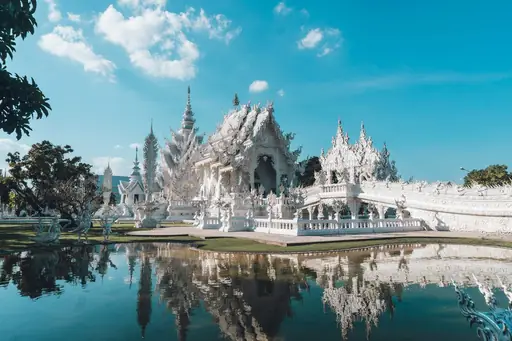
City in Thailand
Chiang Rai
Temples, Misty Mountains, Lanna Soul
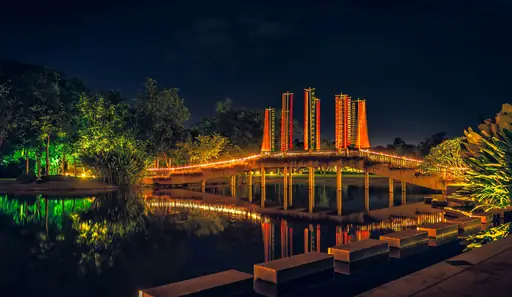
Wat Rong Khun, called the White Temple, has been under construction since 1997. Tiny mirrored glass pieces in the white plaster sparkle in the sun. A short bridge lined with reaching hands leads to the main hall. The Blue Temple and Black House are a short drive from town.

City in Australia
Cairns
Gateway to Reef and Rainforest Wonders
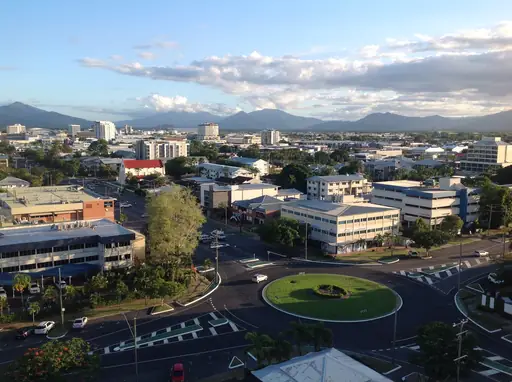
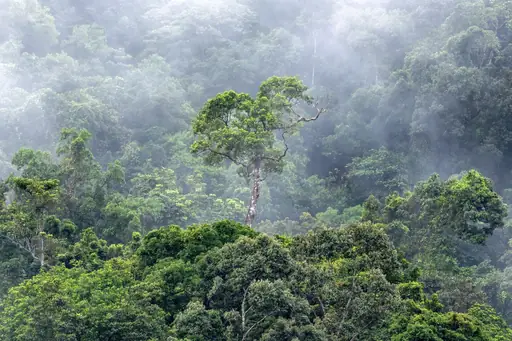
The Kuranda Scenic Railway climbs from Cairns into rainforest through 15 hand cut tunnels. Workers built the line in the 1880s with picks and shovels. Skyrail gondolas glide 7.5 kilometres above the rainforest canopy to the same village. Many visitors ride the train up and the cable car back.
City in China
Hangzhou
A Timeless Blend of Serenity
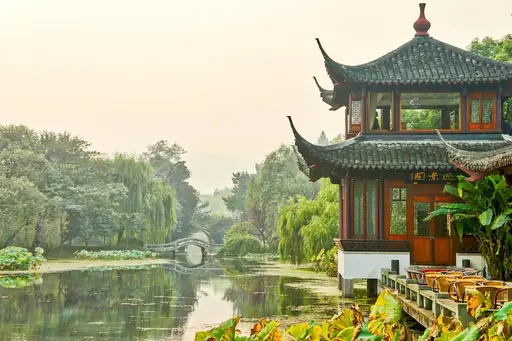
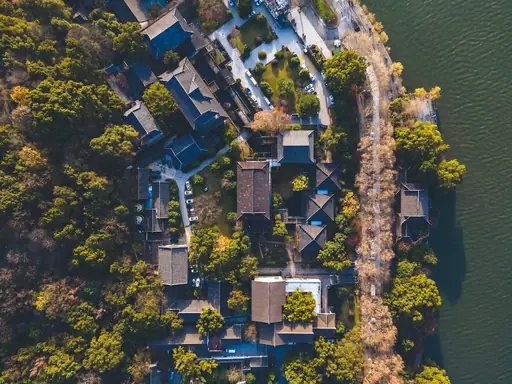
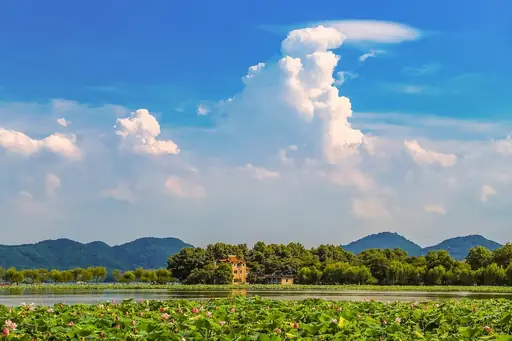
The Su Causeway, built by the poet Su Dongpo around 1090, crosses West Lake. Willows and arched stone bridges line the flat path for about 2.8 kilometres. Wooden boats carry passengers across the lake to small islands. Tea houses in nearby Longjing village serve fresh green tea.
City in France
Strasbourg
Where France Meets Germany in Style
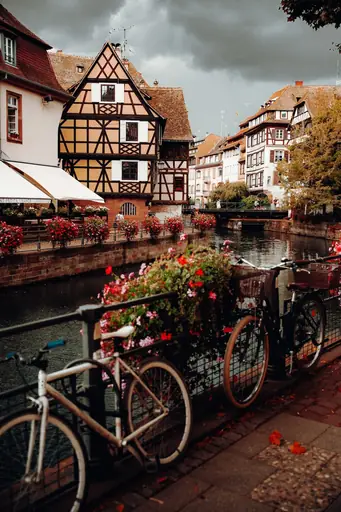
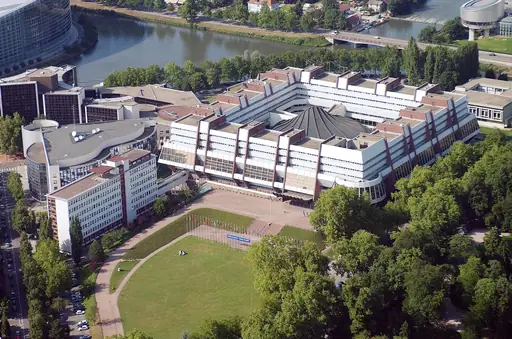
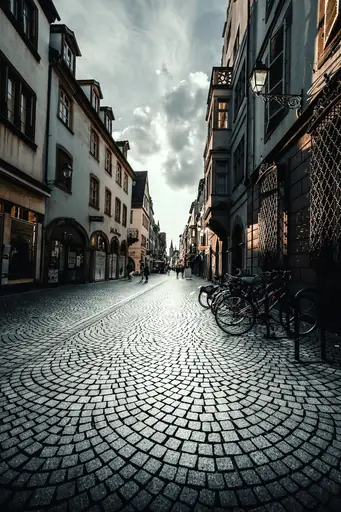
The astronomical clock in Strasbourg Cathedral puts on a figure parade at half past noon. The current clock was completed in 1843 in the south transept. Canal boat tours glide through Petite France past half timbered houses and locks. Trams and flat streets make the compact centre easy to navigate.
City in Australia
Hobart
Coastal charm meets historic streets
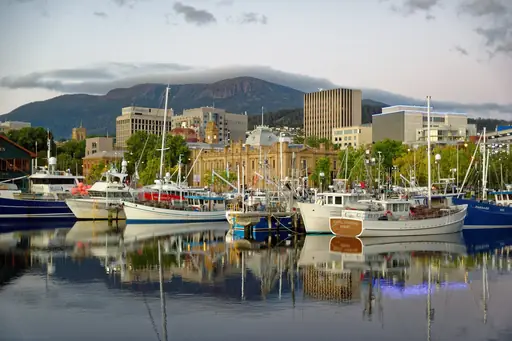
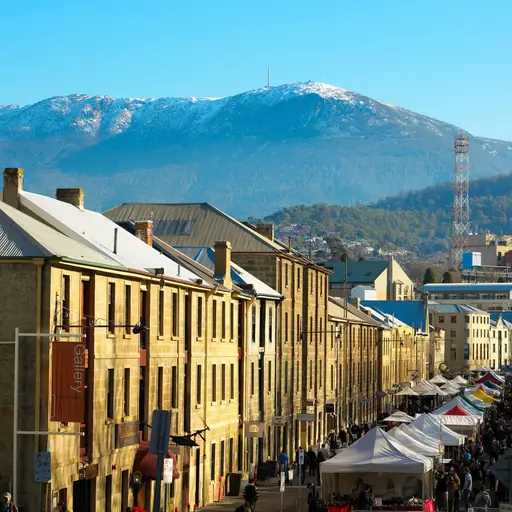
Salamanca Market fills a row of sandstone warehouses along the waterfront each Saturday. The market has run since 1972 with more than 300 stalls. A ferry from the waterfront reaches the Museum of Old and New Art, opened in 2011. Battery Point, a village of old sailors' cottages, is a short walk away.
Lake in Italy
Lake Como
Alpine elegance meets Italian charm
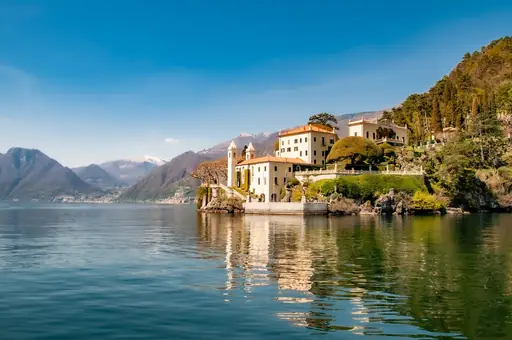
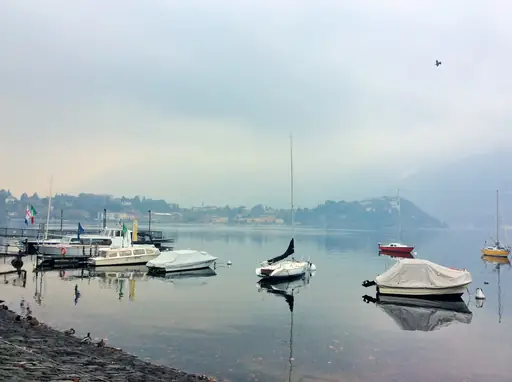
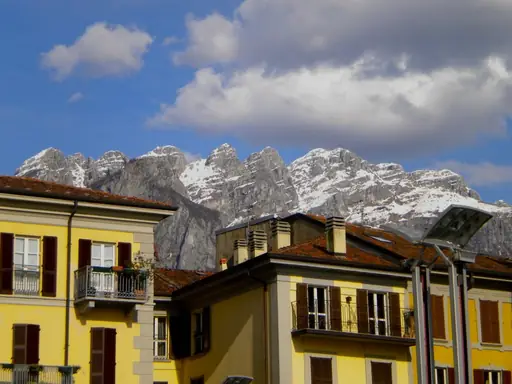
Public ferries link Bellagio, Varenna and Menaggio across the middle of the lake. Villa Carlotta in Tremezzo has terraced gardens full of azaleas in spring. The villa gates are a short walk from the ferry landing. Varenna has a flat lakeside promenade called the Walk of Lovers.

City in United States
San Antonio
River Walk, missions and fiesta spirit
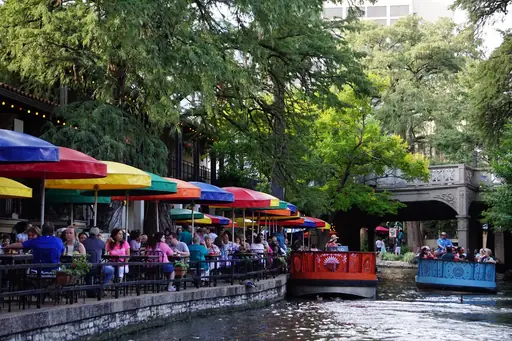
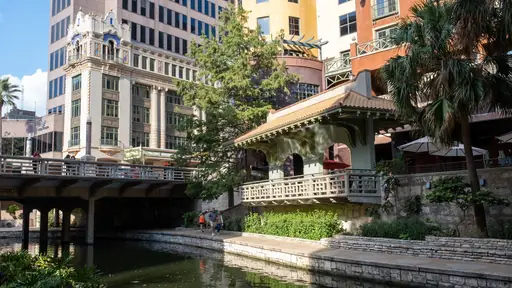
The Alamo began as a Spanish mission in 1718 before its famous battle in 1836. Its limestone chapel front still stands in the centre of downtown. The River Walk, a shaded path below street level, lies a few steps away. Narrated river barge cruises last about 35 minutes.
Town in Switzerland
Interlaken
Adventure, Lakes and Alpine Magic
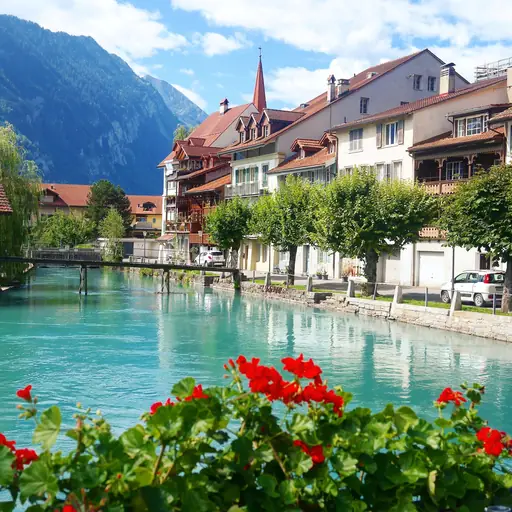
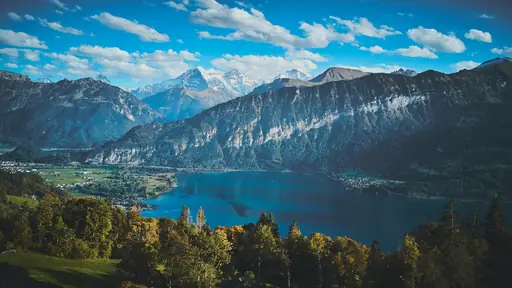
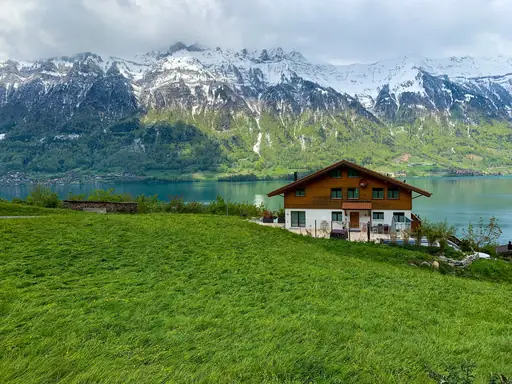
A funicular opened in 1908 climbs Harder Kulm above the town. The ride takes about ten minutes to reach a viewing platform at 1,322 metres. Views reach across both lakes to the Eiger, Mönch and Jungfrau peaks. Historic steamboats cruise on both Lake Thun and Lake Brienz.
City in Sweden
Gothenburg
Where coastal charm meets cool culture
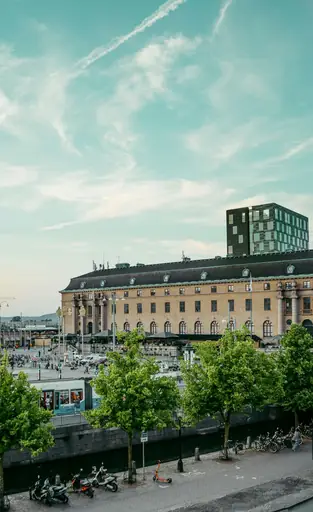
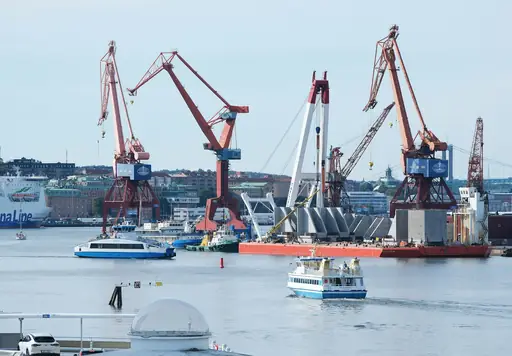
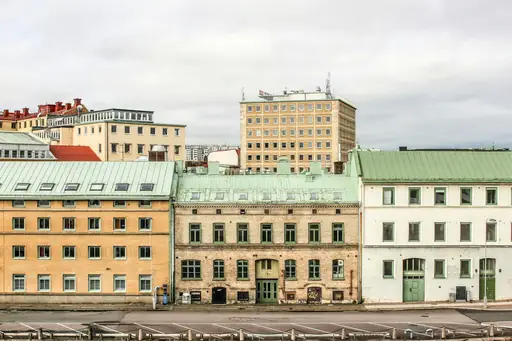
Public ferries carry passengers from Gothenburg to car free islands such as Styrsö. Narrow lanes on the islands lead to cafes and rocky swimming spots. Regular city tickets cover both the trams and the ferries. The ferry leaves from Saltholmen, a short tram ride from the centre.
City in South Africa
Stellenbosch
Wine, Heritage and Mountain Views
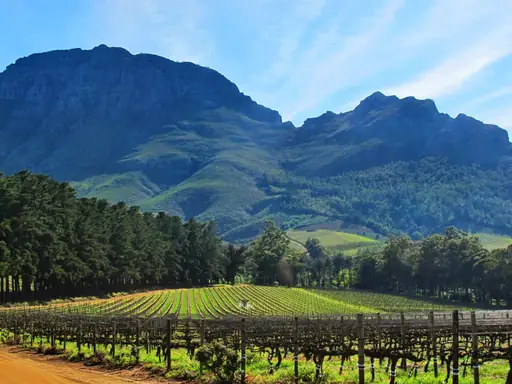
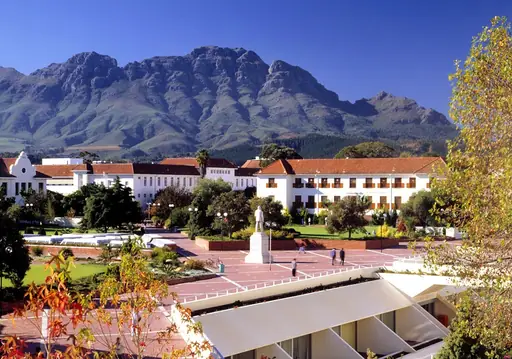
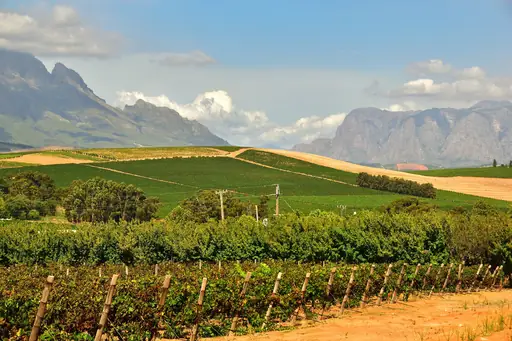
Governor Simon van der Stel founded the town in 1679 beside the Eerste River. Oak trees along the streets earned it the nickname Eikestad, meaning town of oaks. Wine estates a short drive away offer tastings on shaded terraces. Dorp Street is lined with white gabled Cape Dutch houses.
Archipelago in Portugal
Azores
Volcanic Isles of Atlantic Wonders
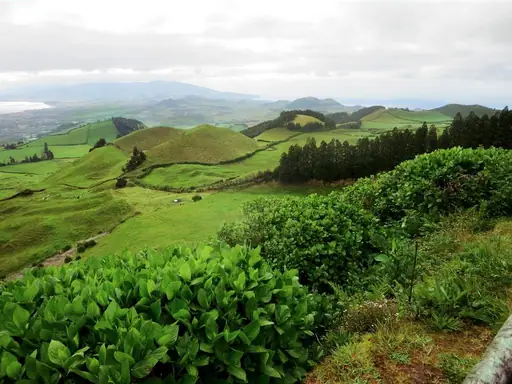
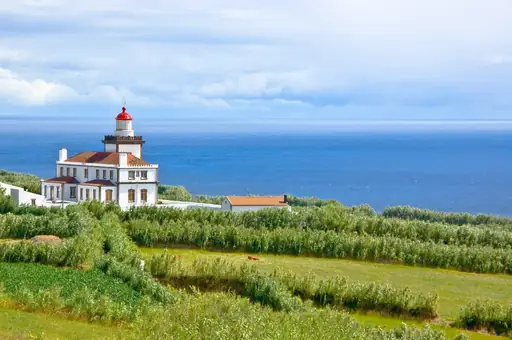
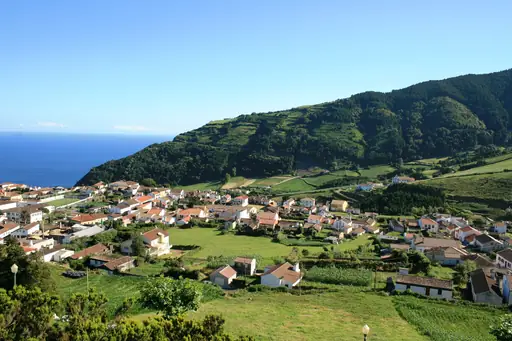
Pots of cozido stew cook for hours in hot volcanic ground at Furnas on São Miguel. Restaurants dig up the pots just before lunch each day. The thermal pool in Terra Nostra Park has warm orange brown water in a shady garden. Van tours reach the twin crater lakes of Sete Cidades.
City in Belgium
Ghent
Medieval Canals, Art and Hip Vibes
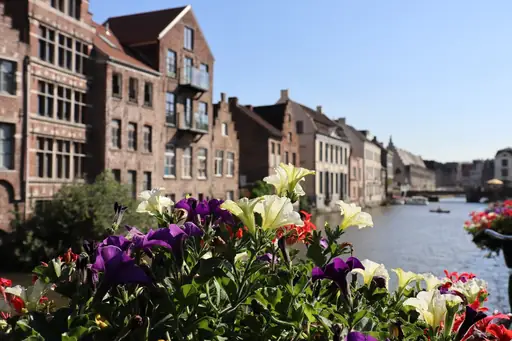
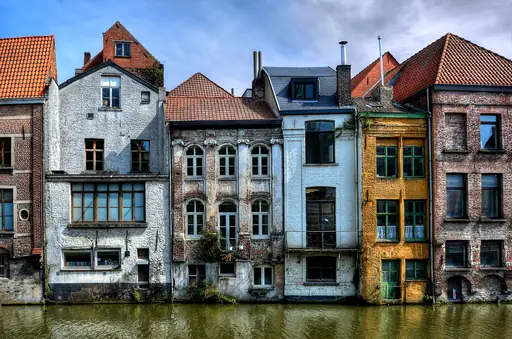
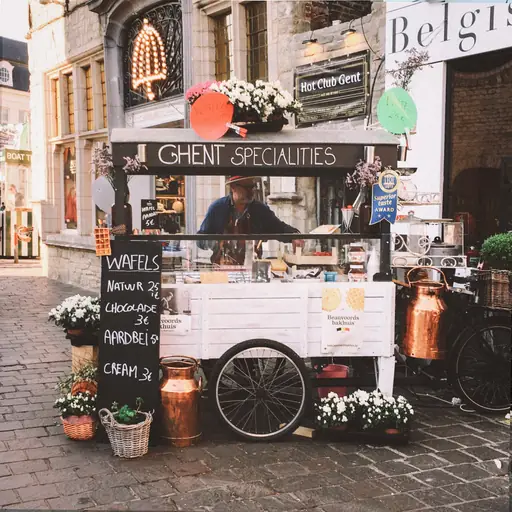
The Ghent Altarpiece was completed in 1432 by the painter Jan van Eyck. It hangs behind protective glass inside Saint Bavo's Cathedral. Canal boat tours glide past the medieval guild houses along the Graslei quay. Trams and flat streets make the compact centre easy to navigate.
City in United States
Charleston (South Carolina)
Southern Charm, History and Coastline
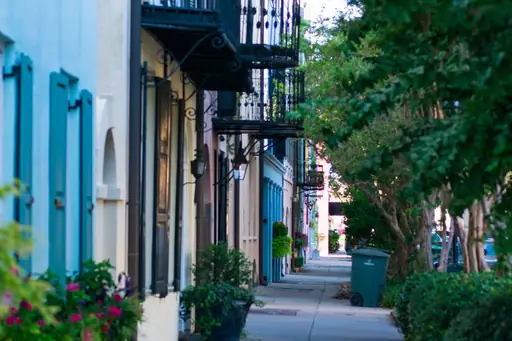
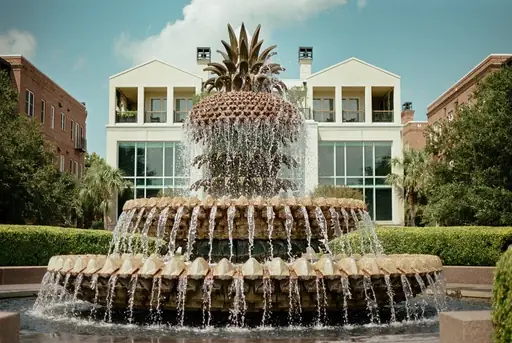
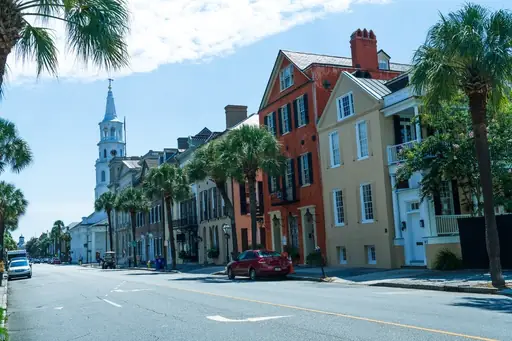
A line of 13 pastel houses called Rainbow Row runs along East Bay Street. Most were built in the 1700s as merchant homes and shops. Horse drawn carriage tours pass them with guides who share local history. White Point Garden nearby has shaded paths under old live oaks.
City in Uruguay
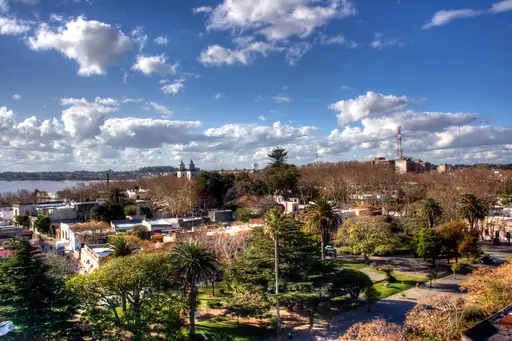
Colonia del Sacramento
Timeless Streets on the Río de la Plata
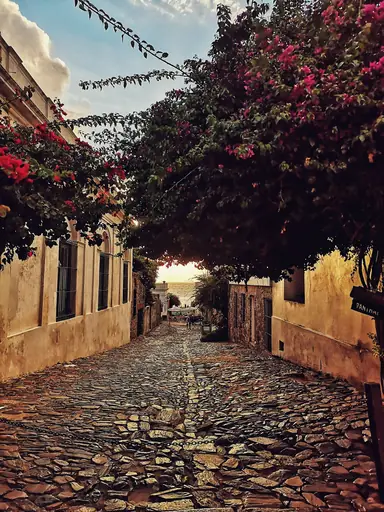
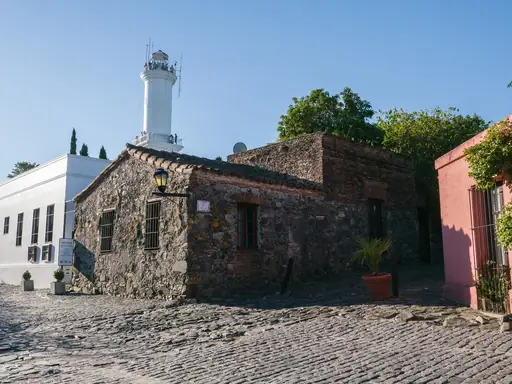
Portuguese settlers founded Colonia del Sacramento in 1680 across the river from Buenos Aires. UNESCO listed the cobbled historic quarter as a World Heritage Site in 1995. Visitors can climb the 1857 lighthouse for views over the river. Fast ferries from Buenos Aires arrive in about an hour.
Town in Ireland
Killarney
Ireland’s Adventure Gateway Town
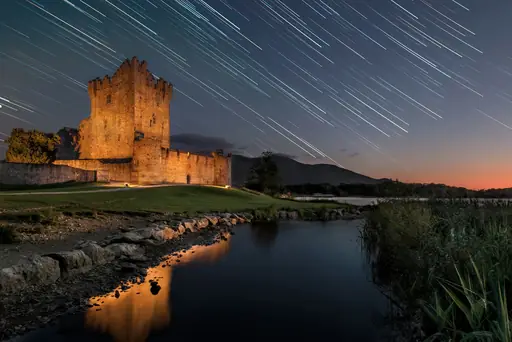
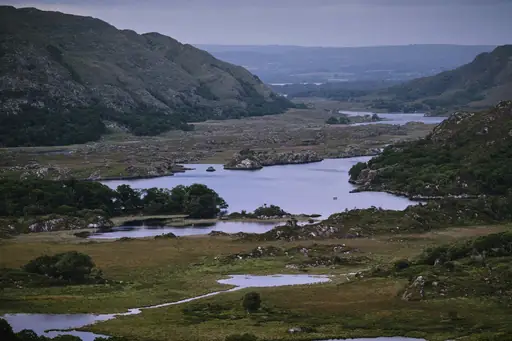
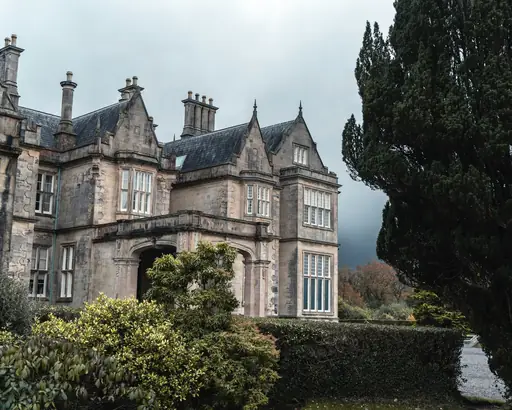
Horse drawn jaunting cars carry visitors along quiet lanes in Killarney National Park. Drivers called jarveys share local stories along the way. Muckross House, a Victorian mansion finished in 1843, stands beside the lakes. Ross Castle, a 15th century tower house, sits on the lake shore.

City in Japan
Nara
Giant Buddha, tame deer and ancient temples
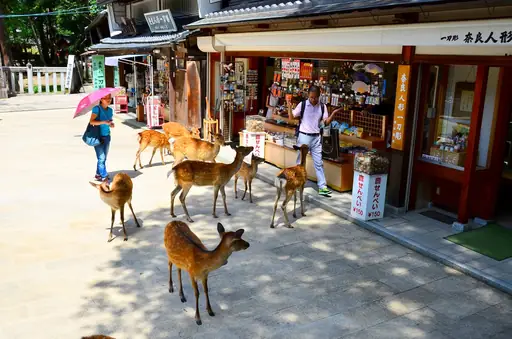
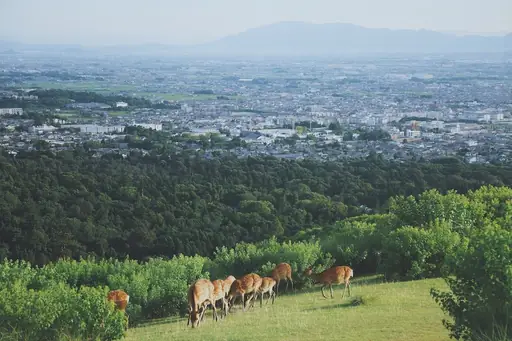
A bronze Buddha about 15 metres tall sits inside Todaiji's Great Buddha Hall. The huge wooden hall was rebuilt in 1709 after earlier fires damaged it. Sika deer roam freely through Nara Park and bow for crackers. Wide paths link the temple with the museums and shrines nearby.
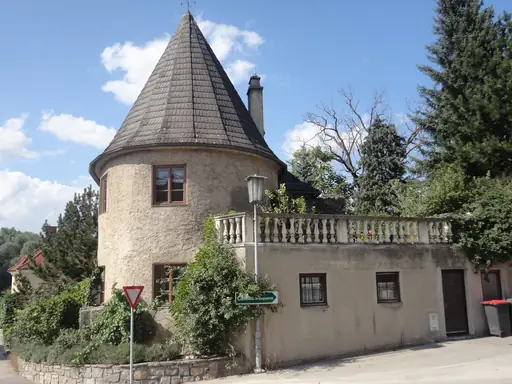
Region in Austria
Wachau
UNESCO Heritage along the Danube
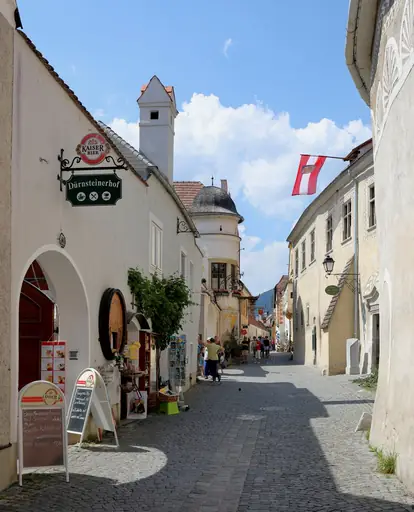
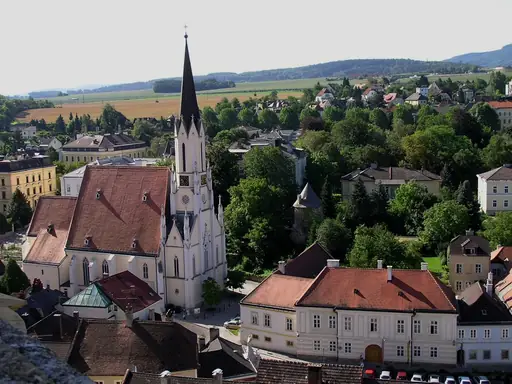
Melk Abbey sits on a rocky cliff above the Danube at the edge of the valley. Its baroque church and library were built in the early 1700s. River boats run between Melk and Krems past vineyards and castle ruins. Apricot orchards fill the hillsides with white blossoms in spring.
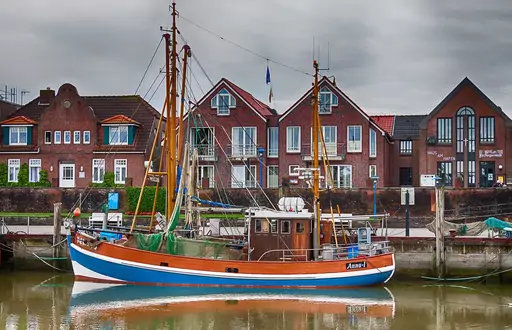
Region in Germany
Eastern Friesland
Tea culture meets coastal charm
East Frisians pour tea over a lump of rock sugar called kluntje. A spoonful of cream forms a small cloud called a wulkje on top. Cosy tea rooms in villages such as Greetsiel serve it with local cake. Greetsiel's small fishing harbour also has a pair of twin windmills.
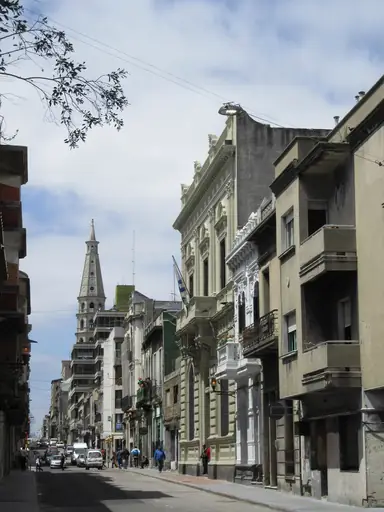
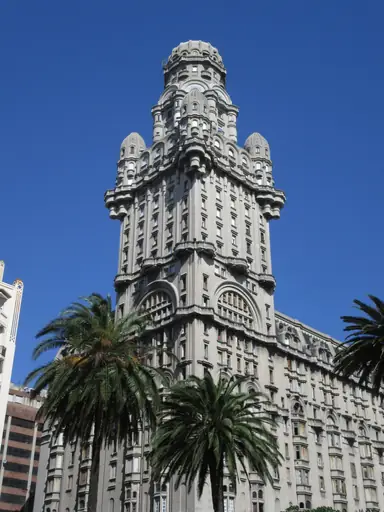
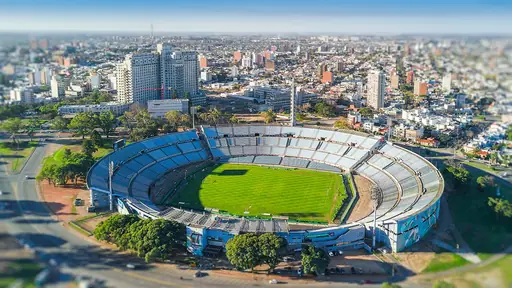
City in Uruguay
Montevideo
Chill vibes on the Río de la Plata
A flat promenade called the Rambla follows the Río de la Plata for about 22 kilometres. Locals stroll along it with thermoses of mate at sunset. Grill restaurants inside the iron roofed Mercado del Puerto serve beef cooked over coals. Teatro Solís, opened in 1856, offers guided tours of the historic hall.
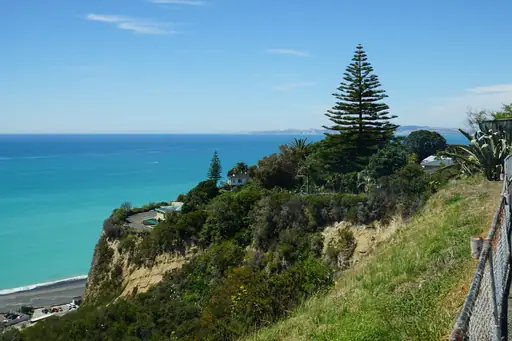
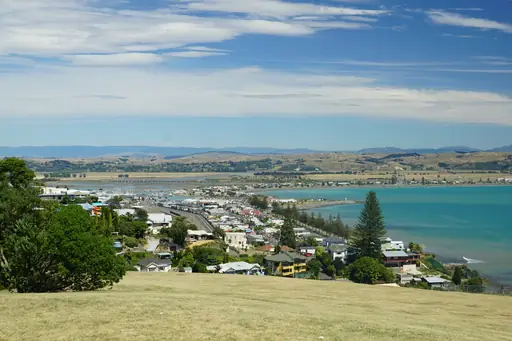
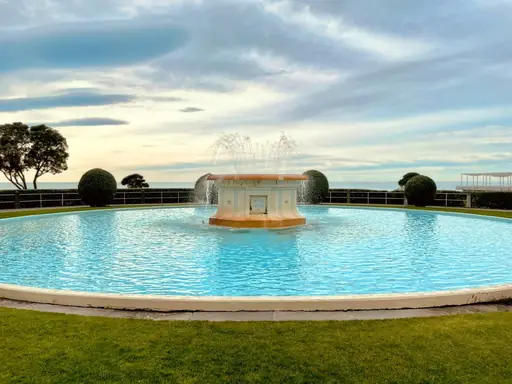
City in New Zealand
Napier
Art Deco, Wine & Seaside Charm
A powerful earthquake in 1931 destroyed most of Napier's central buildings. Architects rebuilt the town in a bold Art Deco style over the next few years. Guided walks and vintage car tours explain the buildings in detail. Marine Parade is a flat seafront promenade with gardens and sculptures.
Town in France
Annecy
Fairytale town by a crystal lake
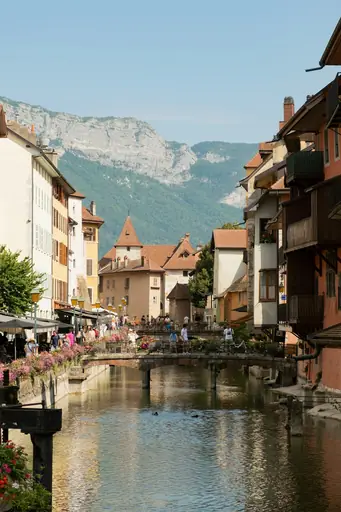
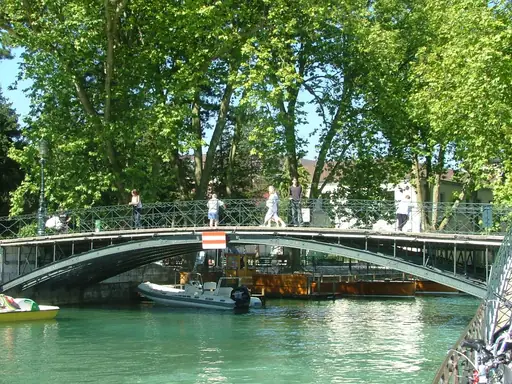
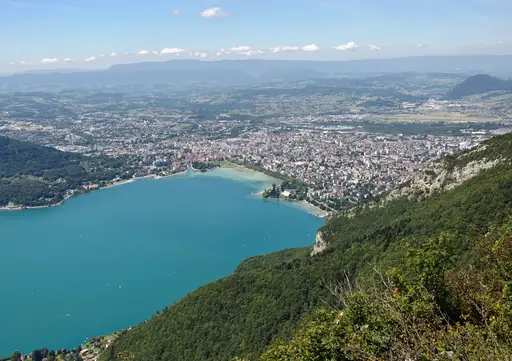
The Palais de l'Île, a medieval building shaped like a ship, sits on the Thiou canal. It served as a prison in the 1800s. Flower boxes brighten the canal bridges and pastel houses nearby. Flat paved paths follow the shore of Lake Annecy from the old town.
City in Germany
Heidelberg
Romantic Charm by the Neckar River
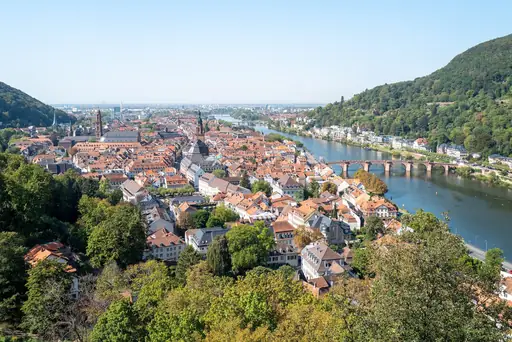
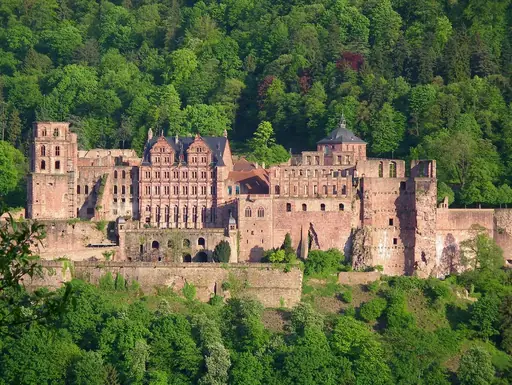
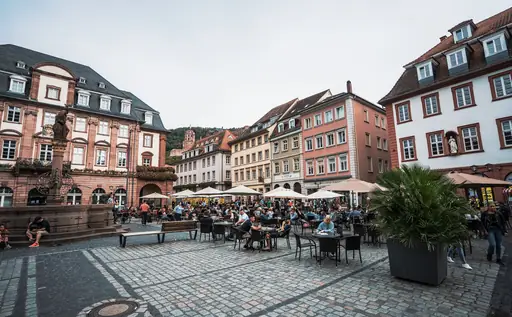
A funicular railway climbs from the old town to the red sandstone castle ruins. A giant wine barrel in the cellar holds about 220,000 litres. Visitors stroll across the Old Bridge beneath a twin towered gate. The pedestrian Hauptstrasse runs flat for 1.6 kilometres through the historic centre.

City in France
Colmar
A Fairytale Town in Alsace
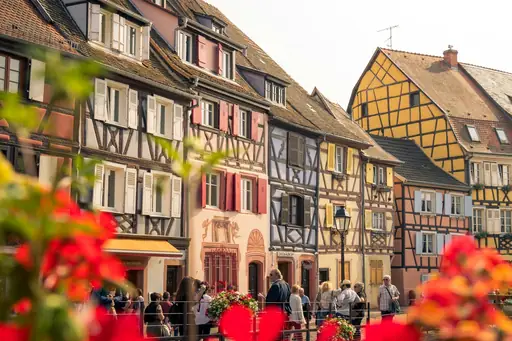
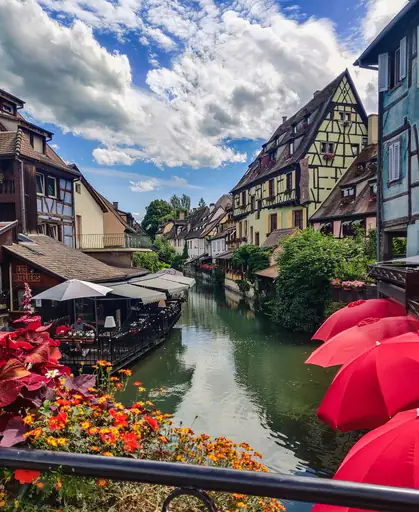
The Unterlinden Museum holds the Isenheim Altarpiece painted around 1512 to 1516. It occupies a former Dominican convent beside a quiet cloister. Flat bottomed boats glide along the canals of Little Venice with local guides. Half timbered houses in soft pastel colours lean over the canal banks.

City in Switzerland
Lucerne
Alpine Beauty Meets Medieval Charm
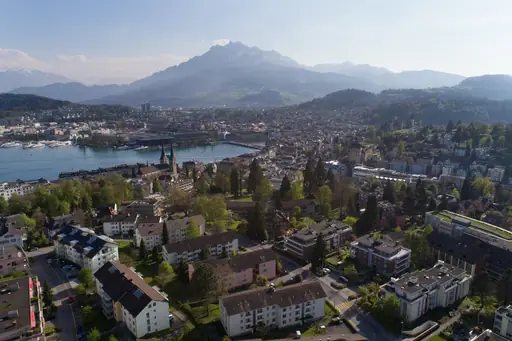
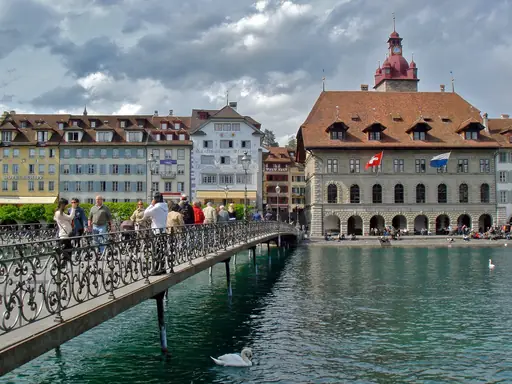
The Chapel Bridge in Lucerne is a covered wooden footbridge first built around 1333. Locals rebuilt most of it after a fire in 1993. Historic paddle steamers cross Lake Lucerne to lakeside towns such as Vitznau. A cogwheel train climbs from Vitznau up Mount Rigi for wide views of the Alps.
Town in Portugal
Ponte de Lima
Coastal charm with historic bridges and vineyards
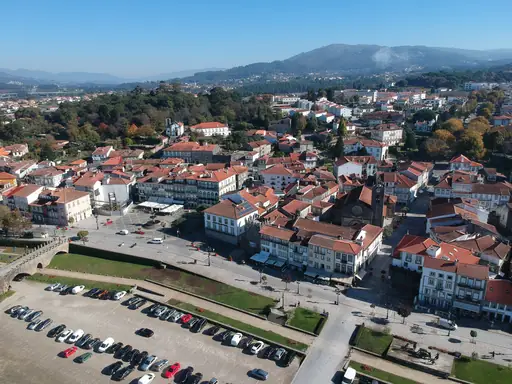
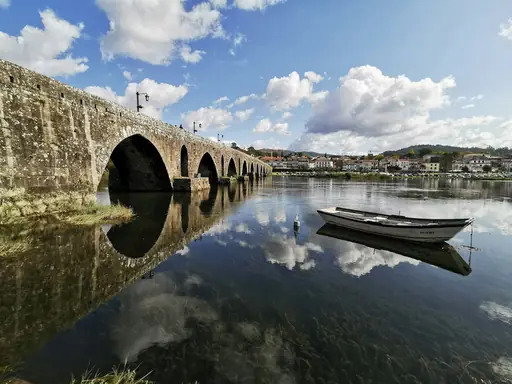
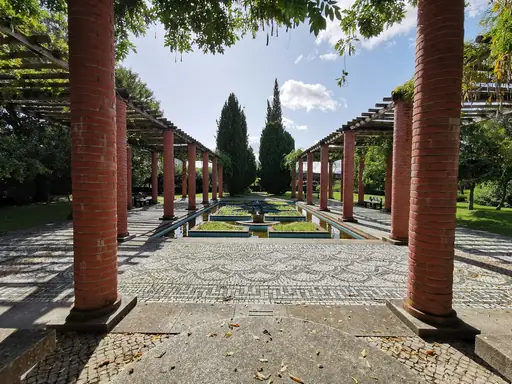
Romans began work on the bridge over the Lima river in the 1st century. Medieval builders finished the Gothic section in 1370. Walkers can cross it to Arnado Park, a quiet garden beside the river. A royal charter from 1125 makes the town one of Portugal's oldest.
City in Denmark
Aarhus
Scandi Cool Meets Viking Roots
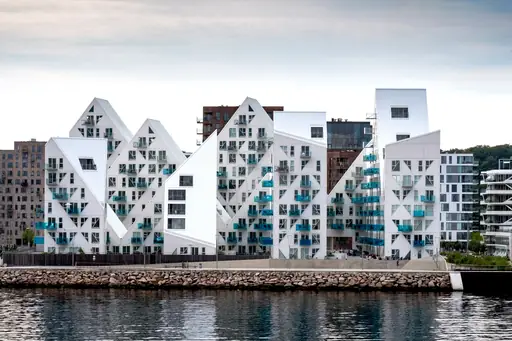
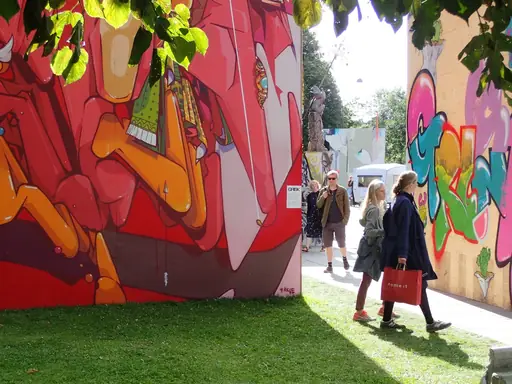
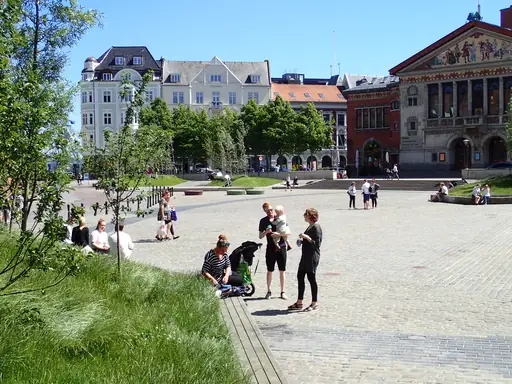
A circular rainbow coloured walkway 150 metres around crowns the ARoS art museum roof. Artist Olafur Eliasson designed the walkway, which opened in 2011. Visitors ride an lift to the roof then stroll the level ring. Den Gamle By, an open air museum of historic Danish streets, is nearby.
City in Colombia
Cartagena
Walled city of Caribbean color
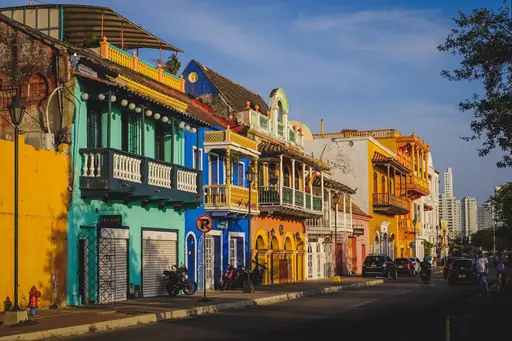
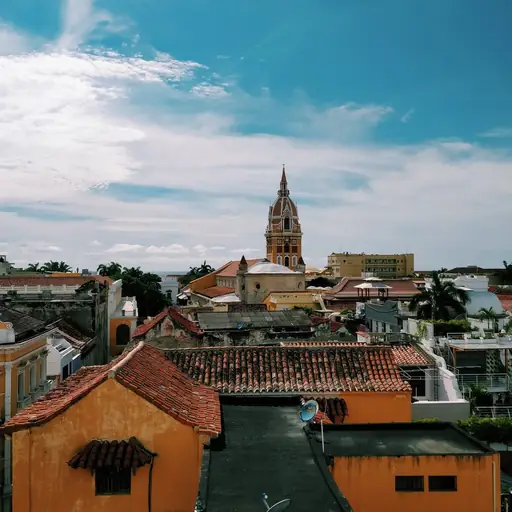
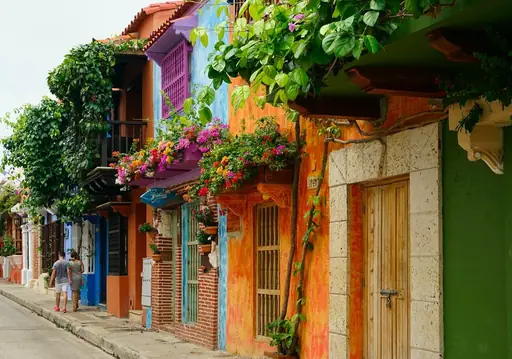
Thick coral stone walls from the 1500s and 1600s circle the old city. A wide walkway on top of the walls has sea views at sunset. Horse drawn carriages roll through the old streets in the cooler evening hours. Shaded plazas such as Plaza de Bolívar have benches and fruit sellers.
City in Austria
Graz
Courtyards, Culinary Delights, Creative Vibes
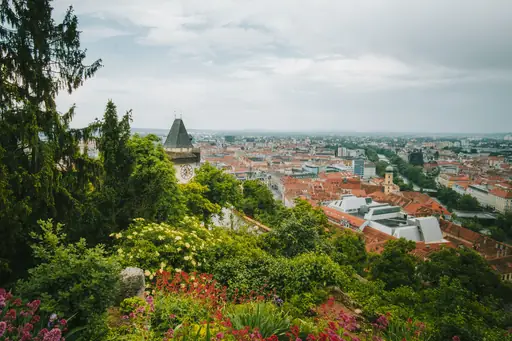
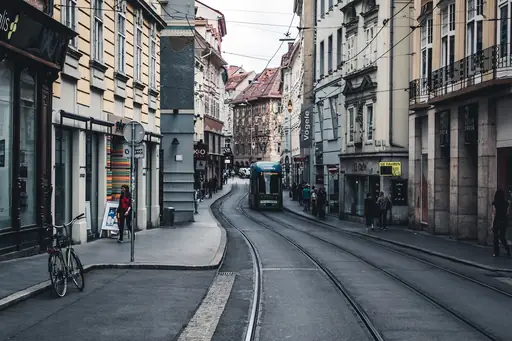
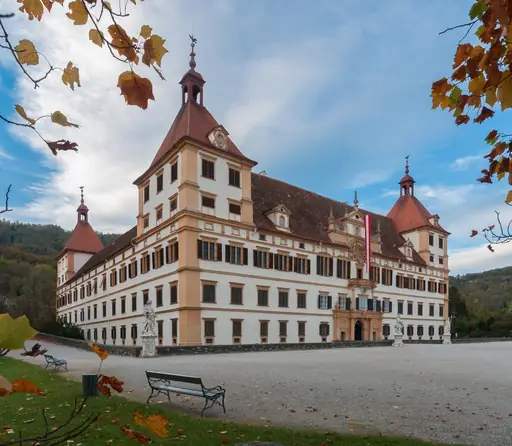
The Clock Tower on Schlossberg hill has watched over Graz since the 1500s. Its hour hand is longer than its minute hand, which surprises many visitors. A funicular and a glass lift carry visitors up the hill. The compact old town below is a UNESCO World Heritage Site.
City in Mexico
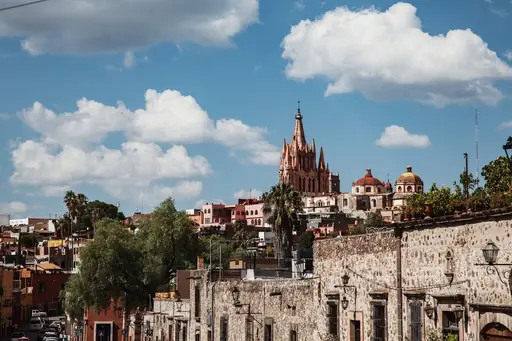
San Miguel de Allende
Colonial Charm with Artistic Soul
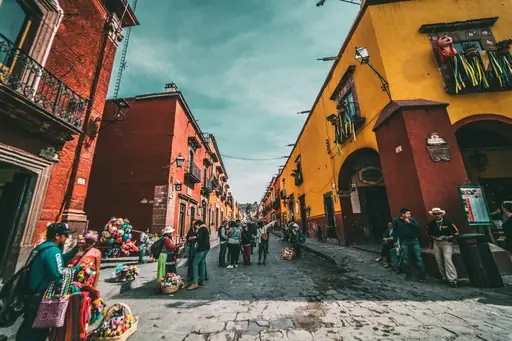
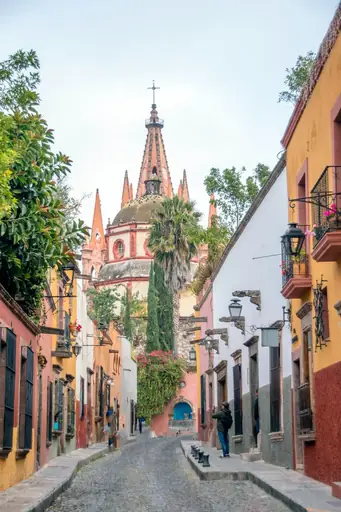
The pink stone Parroquia church, with its Gothic spires, towers over the main square. A self taught local mason named Zeferino Gutiérrez designed the facade in the late 1800s. Shaded benches in the Jardín Principal make an easy place to rest. Taxis are inexpensive and easy to find for the hilly cobbled streets.


City in Japan
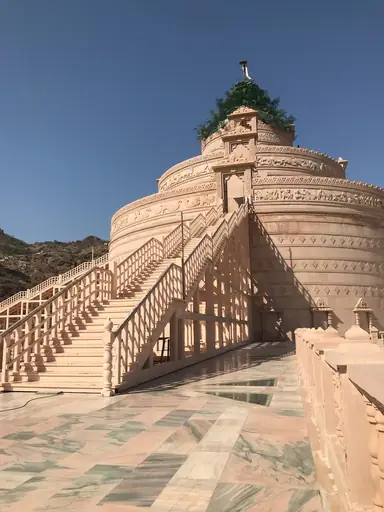
Kyoto
Temples, geisha districts and kaiseki dining
The Golden Pavilion at Kinkakuji is covered in gold leaf above a mirror pond. A fire destroyed the original in 1950 before a careful rebuild in 1955. A one way path leads visitors through the garden on mostly level ground. City buses and taxis link the temple with Kyoto Station.
Country
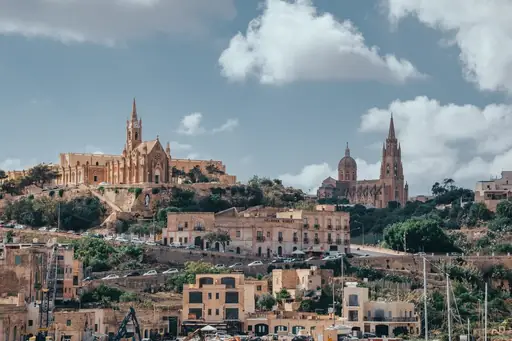
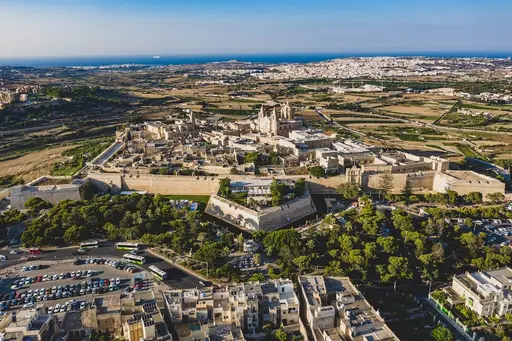
Malta
History, beaches and Mediterranean charm
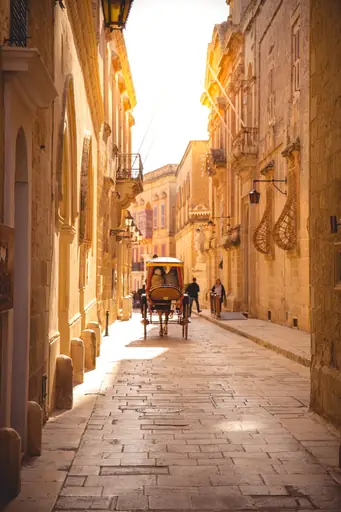
Mdina, a walled hilltop town called the Silent City, was Malta's capital until 1530. Only a few residents' cars enter the narrow lanes between honey coloured palaces. Winters in Malta are far milder than in most of northern Europe. Public buses link Mdina with Valletta in under an hour.
City in Austria
Salzburg
Baroque Beauty and Musical Magic
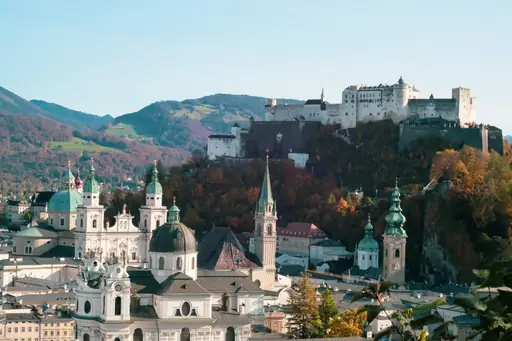
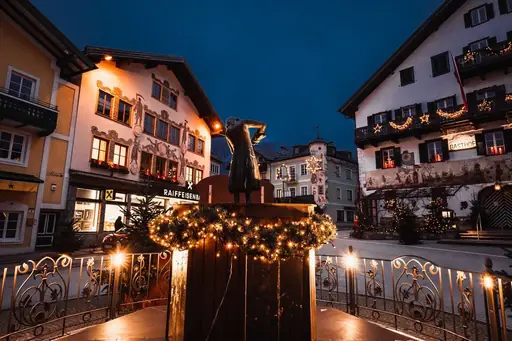
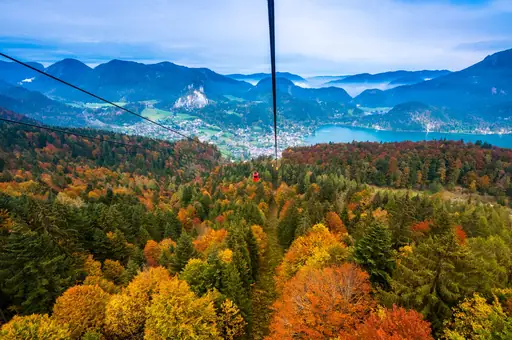
Mozart was born in 1756 in a yellow townhouse on Getreidegasse. The house is now a museum that displays his childhood violin. A funicular railway carries visitors straight up the hill to the huge Hohensalzburg Fortress. Mirabell Gardens has flat paths and neat flower beds where Sound of Music scenes were filmed.

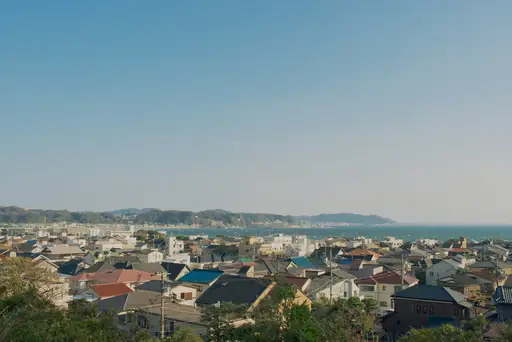

City in Japan
Kamakura
Great Buddha, Zen temples and surf beaches
The bronze Great Buddha of Kamakura, about 13 metres tall, was cast around 1252. A tsunami washed away the hall that once covered it in 1498. Visitors can step inside the hollow statue for a small fee. Small Enoden trains rattle along the coast past beaches and seaside homes.
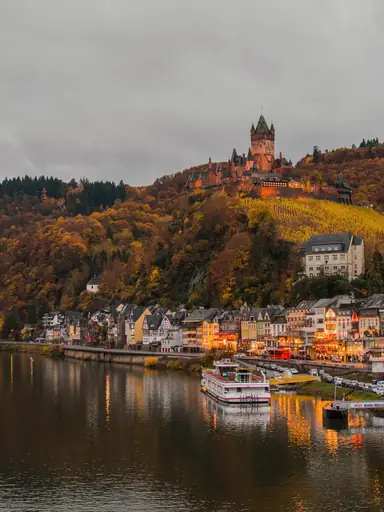
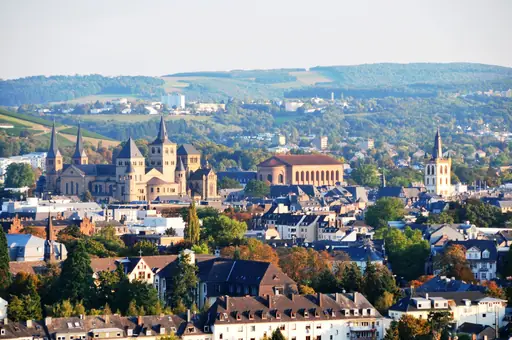
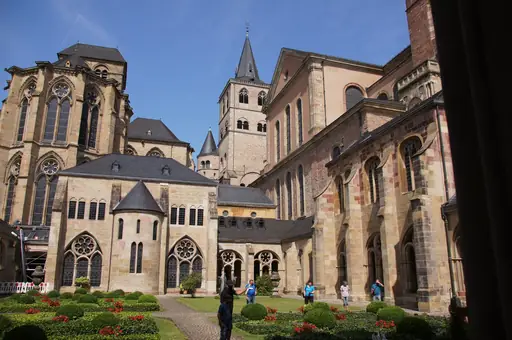
Region in Germany
Moselle Valley
Winding River, Castles and Riesling
A neo Gothic castle called Reichsburg stands above the river town of Cochem. It was rebuilt in the 1870s after French troops destroyed it in 1689. River cruises call at wine villages along the Moselle. Steep vineyards of Riesling grapes climb the slopes behind the villages.
Town in Canada
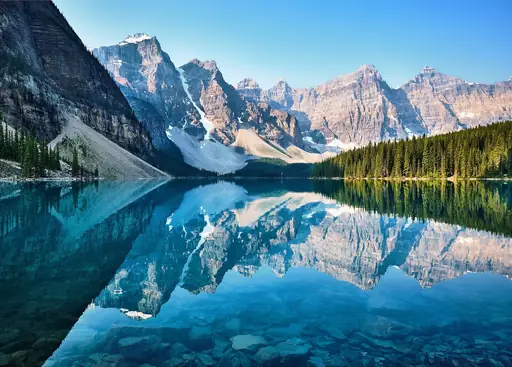
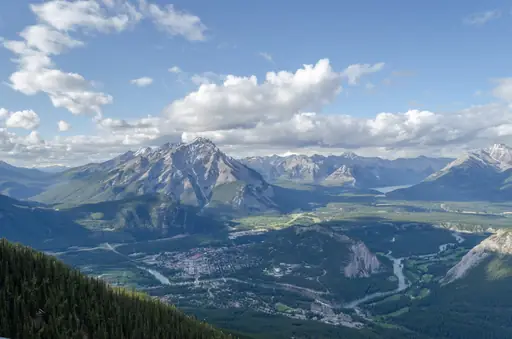
Banff
Rocky Mountain Majesty, Endless Adventure
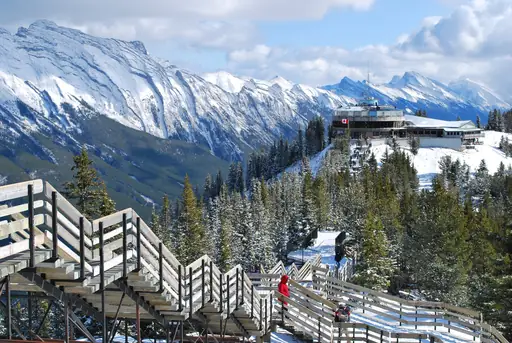
A gondola climbs Sulphur Mountain to 2,281 metres in about eight minutes. A boardwalk at the top leads to the old weather station on Sanson's Peak. Banff Upper Hot Springs has a pool filled with naturally heated mineral water. Roam transit buses link the town with the gondola and the hot springs.
City in United States
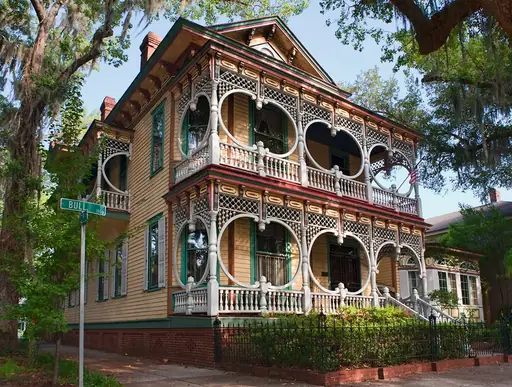
Savannah
Southern Charm, Moss-Draped Squares
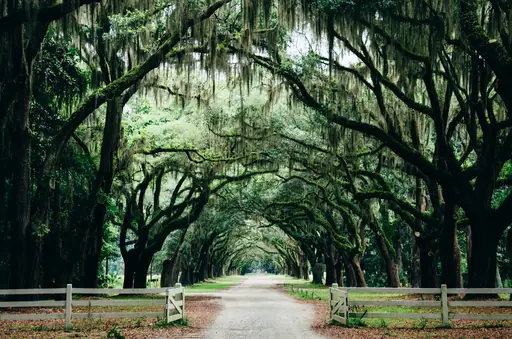
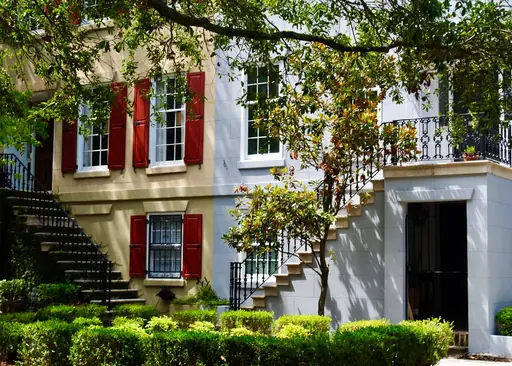
A grid of 22 shady squares survives from the original plan laid out in 1733. Live oaks draped in Spanish moss shade the benches in each one. Hop on hop off trolley tours carry visitors among the squares. Forsyth Park's fountain, installed in 1858, is a popular resting spot.
City in Norway
Ålesund
Art Nouveau Gem by the Fjords
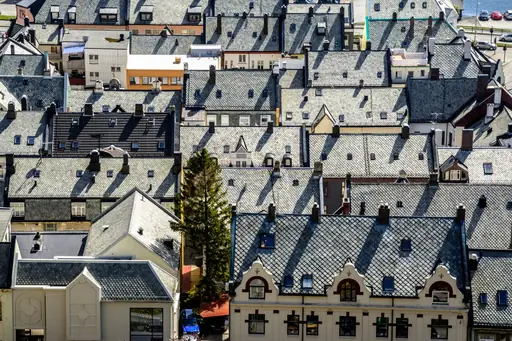
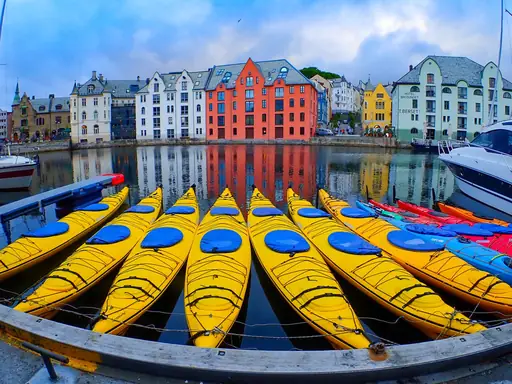
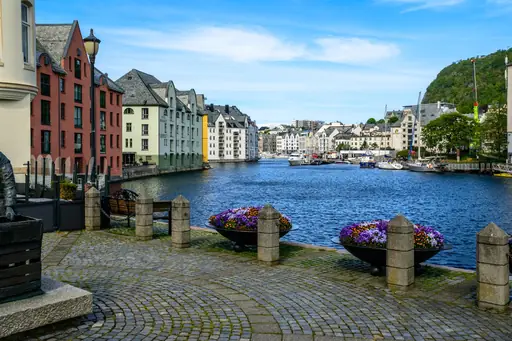
A fire in 1904 destroyed most of Ålesund's wooden town. Architects rebuilt it in stone in the Art Nouveau style within about three years. The Aksla viewpoint can be reached by 418 steps or by road. Bridges and tunnels link the islands the town is built on.
Town in Croatia
Rovinj
Adriatic Charm, Art and Sunsets
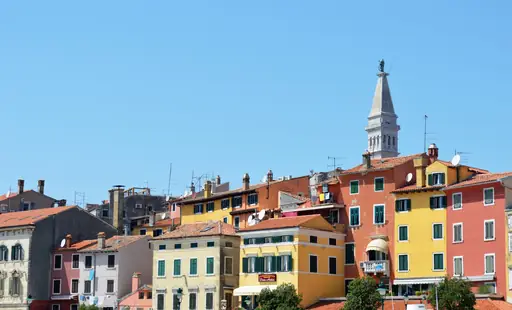
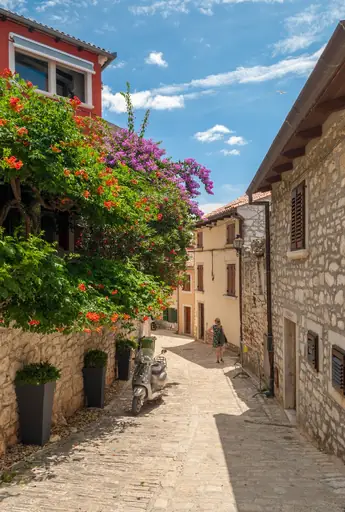
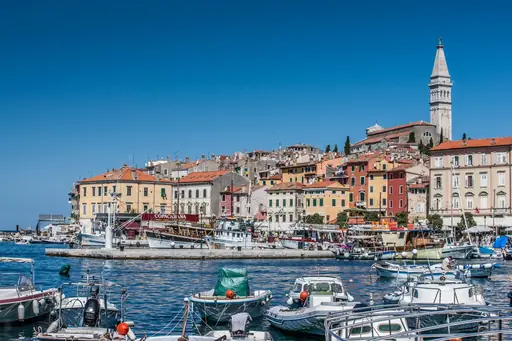
The bell tower of Saint Euphemia's Church rises 60 metres above the old town. A copper statue of the saint on top turns with the wind. Cafés line the harbour promenade at the foot of the hill. Nearby Zlatni Rt forest park has shaded seaside paths.
Island in Australia
Tasmania
Wilderness, Wildlife and Wild Coasts
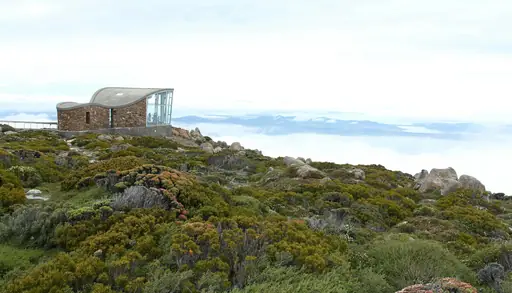
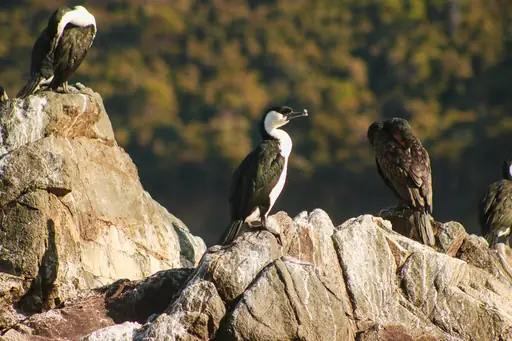
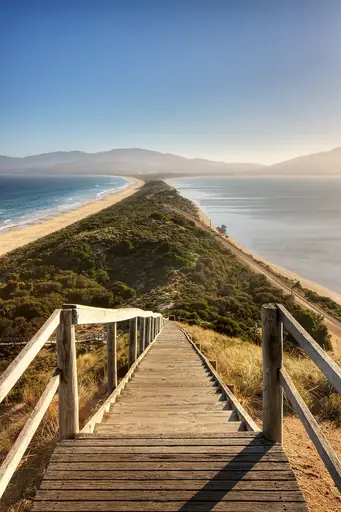
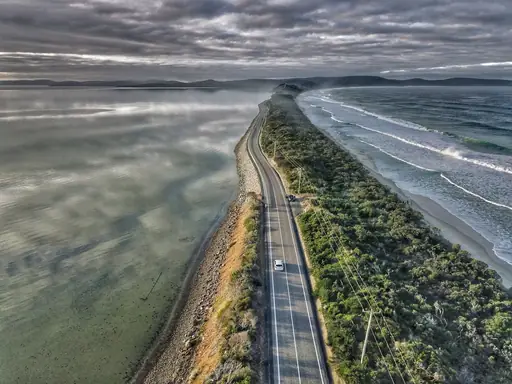
A six kilometre track circles Dove Lake beneath the jagged peak of Cradle Mountain. Much of the path is level with boardwalks over wet ground. Wombats often graze on the grass near the trail at dusk. Shuttle buses run from the visitor centre to the lake.
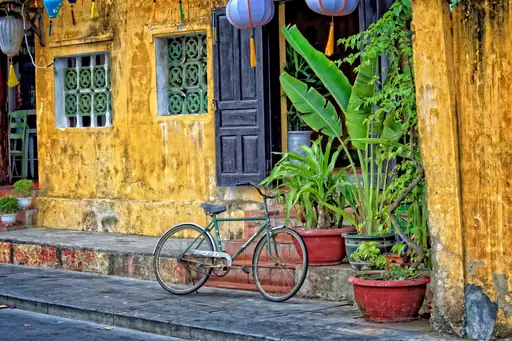

Town in Vietnam
Hoi An
Charming Lanterns and Timeless Streets
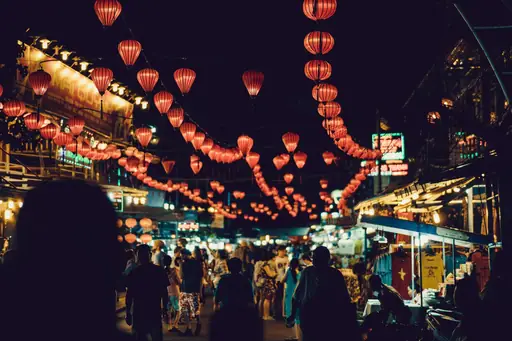
A roofed wooden bridge from the late 1500s crosses a canal in the old town. Silk lanterns in many colours light the streets after dark. Cyclos and bicycles are easy ways to get around the flat streets. Tailor shops nearby can sew custom clothes in a day or two.
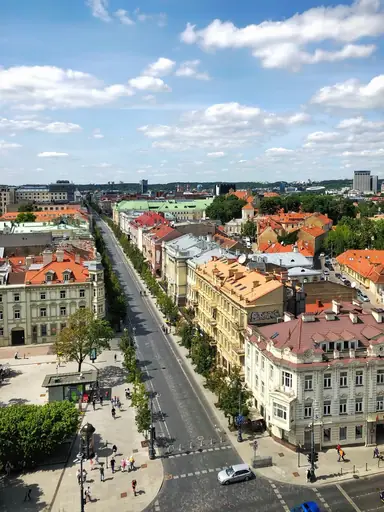
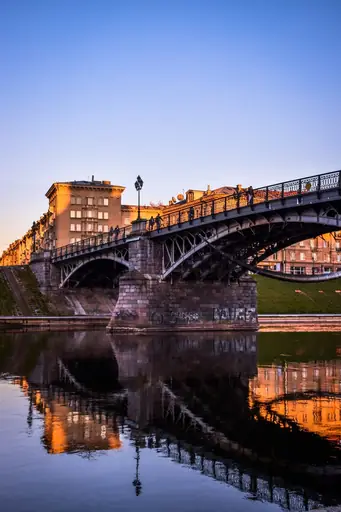
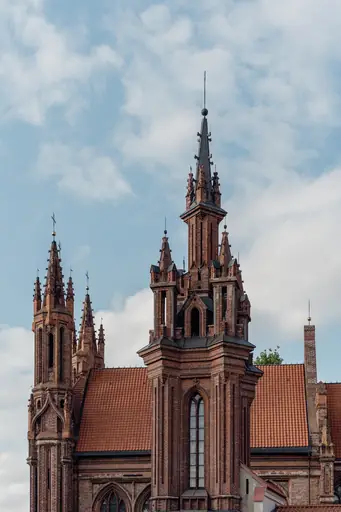
City in Lithuania
Vilnius
Medieval Charm Meets Modern Vibes
The Užupis district declared itself an independent republic on 1 April 1997. Its constitution appears on mirrored plaques in many languages along a lane. Small galleries and cafés line the quiet banks of the Vilnia river. The baroque churches of the Old Town lie a short walk away.

City in Canada
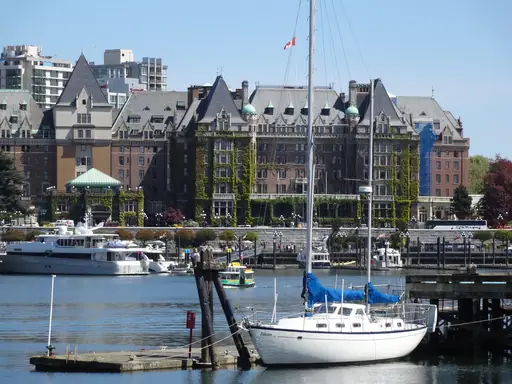
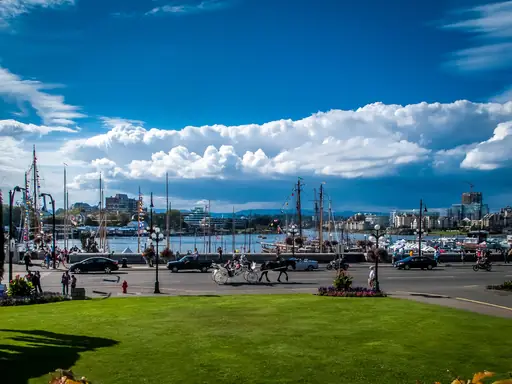
Victoria
Garden city by the Pacific
Butchart Gardens began in 1904 in an old limestone quarry north of Victoria. Jennie Butchart turned the empty pit into a sunken garden. Paved paths wind past rose beds, a Japanese garden and fountains. Buses run from the Inner Harbour to the gardens in about an hour.
Town in Czech Republic
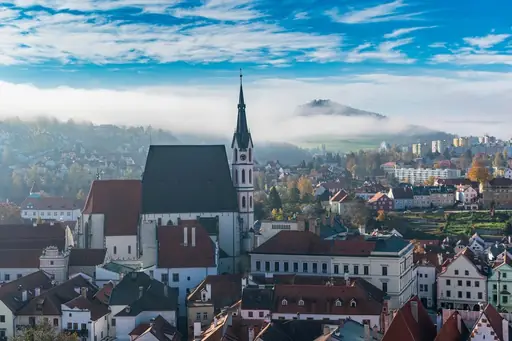
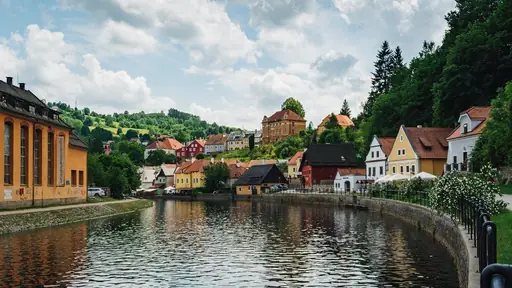
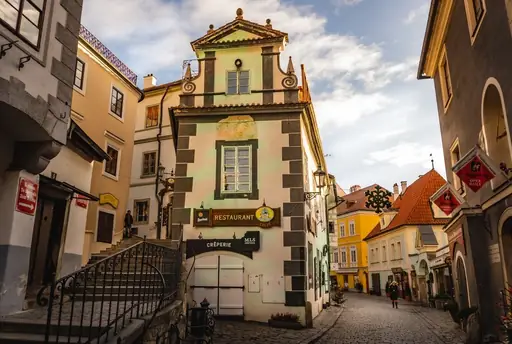
Český Krumlov
Fairytale Town with Rich History
The castle's Baroque theatre, built in the 1680s, still has its original stage machinery. Guided tours show how painted scenery was changed by hand. The old town below is small enough to explore on foot. Gentle rafting trips float down the Vltava river past red rooftops.
City in Norway
Tromsø
Arctic Lights, Culture and Wild Beauty
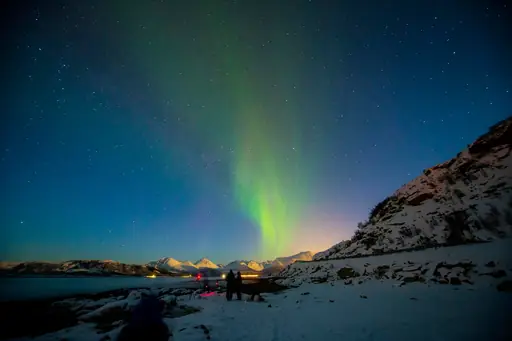
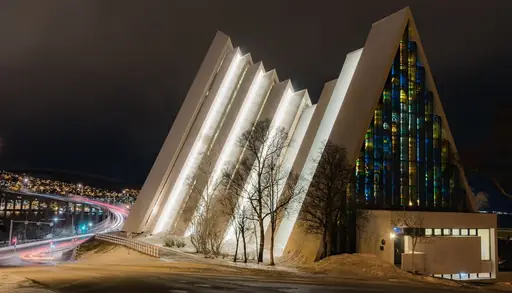
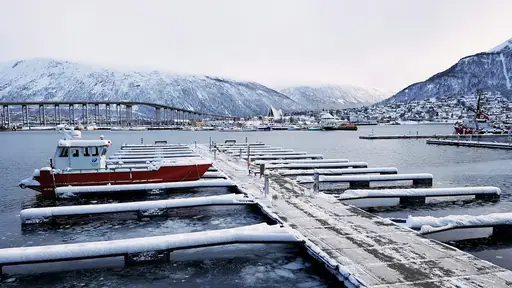
The Fjellheisen cable car rises 421 metres above Tromsø in about four minutes. A viewing platform at the top looks out over islands, fjords and peaks. On clear winter nights the northern lights sometimes glow over the mountains. The Arctic Cathedral, finished in 1965, sits across the bridge from the centre.
Town in Switzerland
Zermatt
Alpine Magic and the Matterhorn
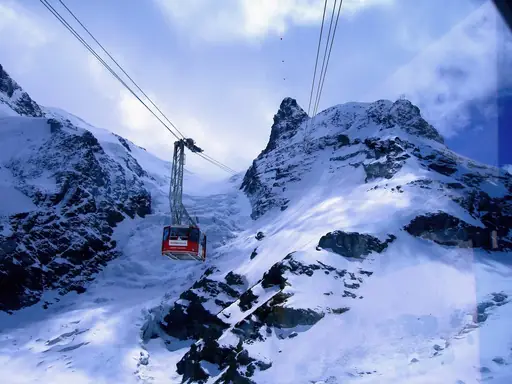
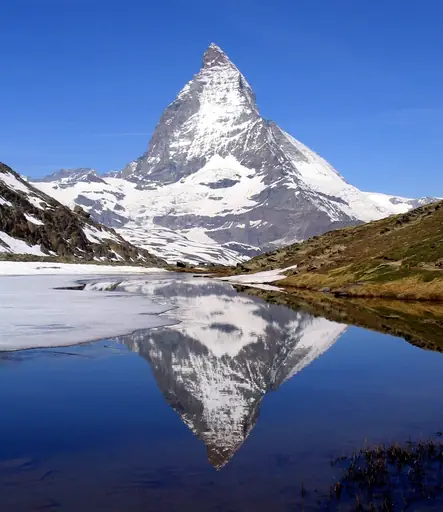
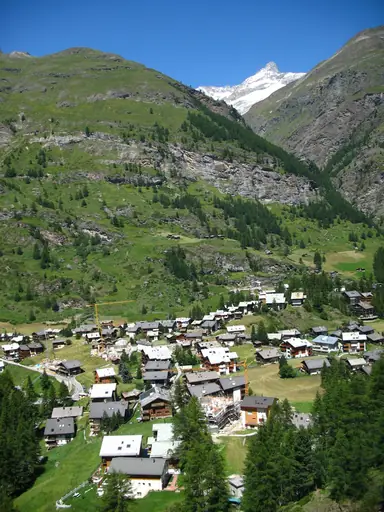
A cogwheel train opened in 1898 climbs to 3,089 metres at Gornergrat. The ride takes about 33 minutes from a station in the village centre. The Matterhorn rises across the valley from the summit terrace. Electric taxis and buses replace petrol cars in the village streets.
Island in France
Corsica
Island of Beauty and Contrast
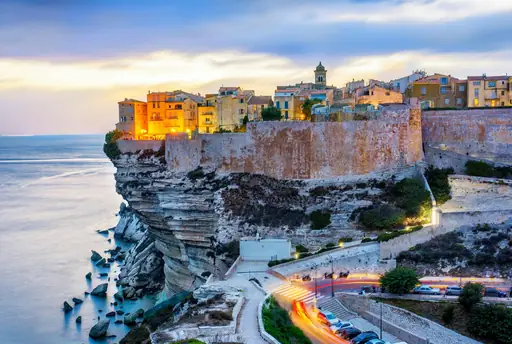
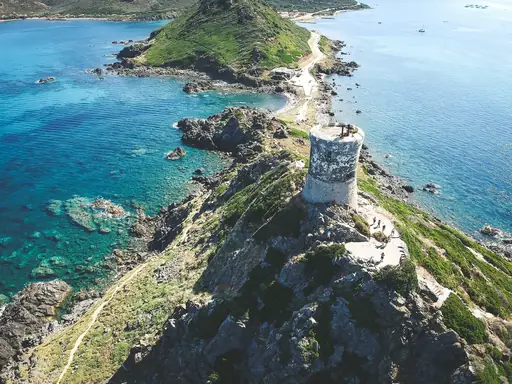
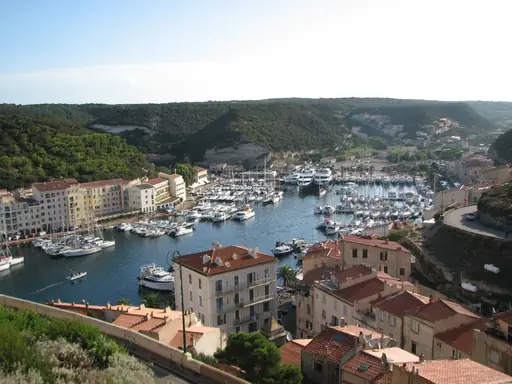
The old town of Bonifacio perches on white limestone cliffs above the sea. Boat tours leave the harbour to view the cliffs and sea caves from the water. On clear days the coast of Sardinia is visible across the strait. Cafés line the flat harbour quay below the old town.
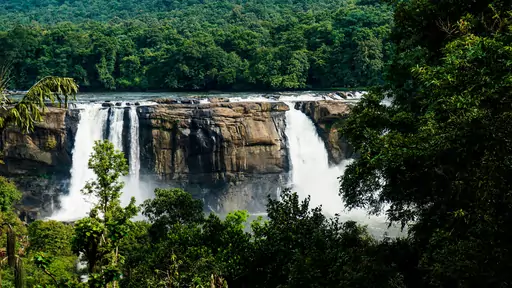
State/Prefecture in India
Kerala
Verdant backwaters and serene spice gardens
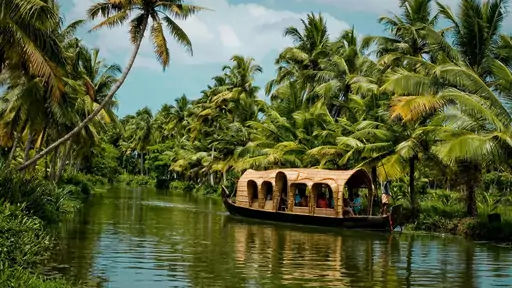
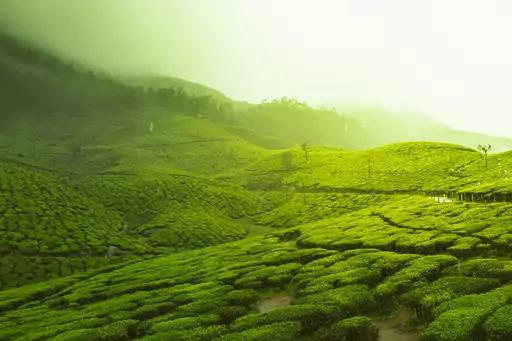
Converted rice barges called kettuvallams drift through the backwaters near Alleppey. Coconut palms and green paddy fields line the quiet canals. Houseboats come with a crew and a cook who serves fresh fish curry. Ayurvedic resorts across the state offer relaxing oil massages and herbal treatments.
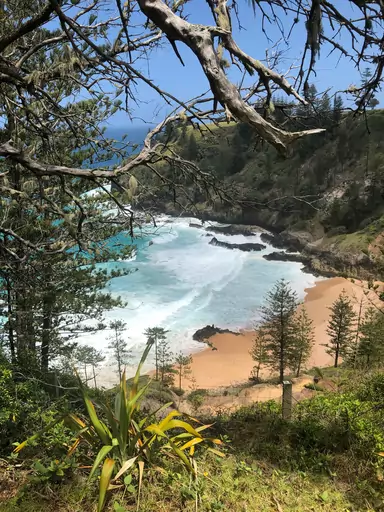
Outer Territory in Australia
Norfolk Island
Untouched Paradise with Rich History
Descendants of the Bounty mutineers moved to Norfolk Island from Pitcairn in 1856. Many islanders still speak Norf'k, a mix of English and Tahitian. The old convict settlement at Kingston is now a UNESCO World Heritage Site. Grazing cows share the quiet island roads with slow traffic.
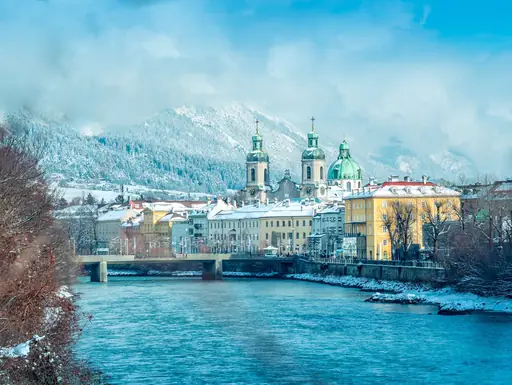
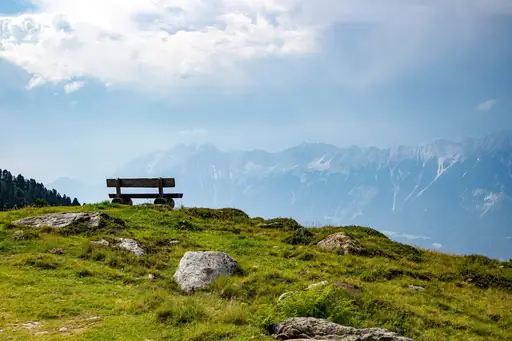

City in Austria
Innsbruck
Alpine Peaks and Imperial Streets
The Golden Roof, built around 1500 for Emperor Maximilian I, has 2,657 gilded copper tiles. The balcony below it gave the emperor a seat at public festivals. The old town streets around it are compact and mostly closed to cars. A funicular and cable cars rise from the town centre to alpine viewpoints.
Other lists you may like
Discover
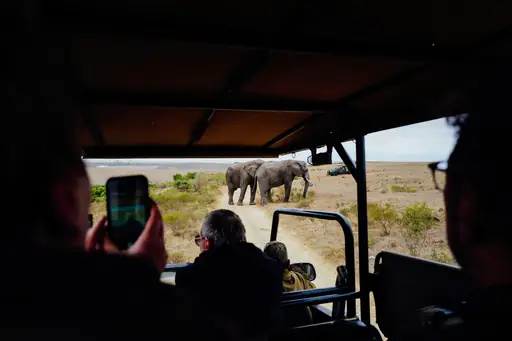
Best travel destinations for seniors in Africa
Africa has become steadily more accessible for older travelers, with more lodges and tour operators now set up to make a safari more comfortable than it used to be. Many safari…
Read more
Discover
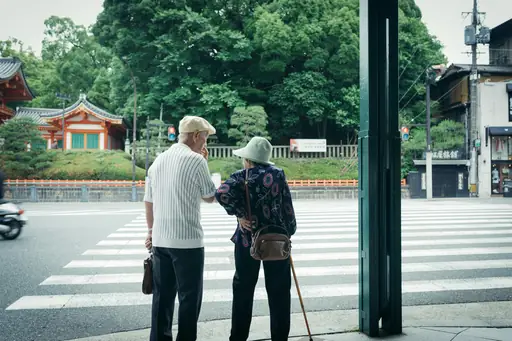
Best travel destinations for seniors in Asia
Asia offers some of the most senior friendly infrastructure anywhere, alongside destinations that still call for a bit more independence and stamina. Japan in particular stands…
Read more
Discover
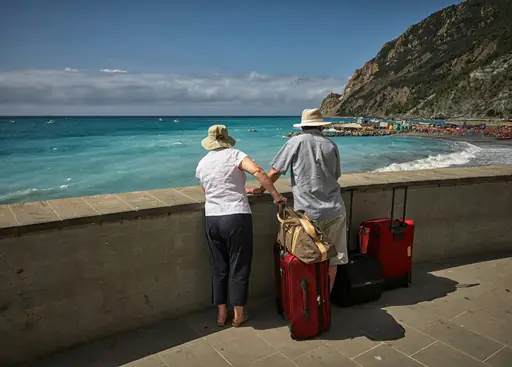
Best travel destinations for seniors in Europe
Europe remains one of the easiest continents for older travelers, thanks to excellent trains, reliable healthcare and cities built for walking rather than driving. River cruises…
Read more
Discover
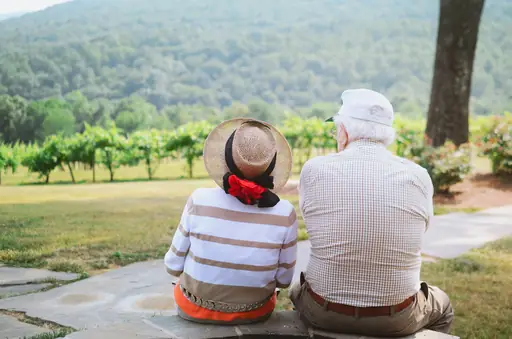
Best travel destinations for seniors in North America
North America offers older travelers a strong mix of accessible infrastructure and destinations built specifically with comfort in mind. National parks across the continent have…
Read more
Discover
Best travel destinations for seniors in Oceania
Oceania asks older travelers to commit to a long flight, but many find the comfortable infrastructure on the other end makes it worthwhile. Australia and New Zealand both offer…
Read more

Discover
Best travel destinations for seniors in South America
South America has real appeal for older travelers, though a bit more planning goes into some parts of the continent than others. Buenos Aires and Santiago offer walkable, well…
Read more
What other users say about travelfilters
“travelfilters made it easy for me to find ski areas and compare what else they offer, so that I could find the best place for my personal travel style.”

Chris
Snowboarding & Onsen trip to Japan
“I love how transparent the data feels. There is no pushy upsell, just honest information and settings I can tune to my own travel style.”

Maria
After booking her 2027 winter escape
“The level of detail for each destination and how well those are displayed, make planning feel confident instead of overwhelming.”

Mina
Planned a week in New York City
“We used travelfilters for our planning from start to end. The trip turned out even better than expected, thanks to all their tools and customisation options.”

Allan & Etienne
Trip to Japan to see autumn foliage
“Thanks to travelfilters, I found some hidden gems to see. Being able to filter for exactly your interests is a game changer for my travel planning.”

Michael
Tour through the old cities of Northern Italy
“The customizable filters helped me find a quiet beach town with good wifi and low season crowds in under five minutes.”

Diego
Weekend Escape to Llanes, Spain
“The airport connection map saved me hours by showing good flight options from my home airport to lesser-known cities.”

Nguyen
Planning a 2027 trip to France
“The website is clean, fast and focused on the search itself, which makes travelfilters feel more like a professional tool than an ad-heavy booking site.”

Hassan
Christmas Market trip, Germany
