
Top geothermal wonders and volcanic landscapes
Top geothermal wonders and volcanic landscapes
Notable geothermal wonders and landscapes
Geothermal travel encompasses a spectrum of experiences from the dramatic spectacle of geyser fields and volcanic hot springs to the deeply embedded bathing cultures that have developed around naturally heated water across several distinct regional traditions. The most compelling geothermal destinations combine geological drama with accessible infrastructure, offering experiences that range from wild natural soaking to architecturally ambitious spa complexes built around the same thermal resource.
Bathing cultures built around geothermal water vary considerably in character and etiquette, with the communal onsen traditions of Japan, the public bath culture of Iceland and the wild hot spring circuits of volcanic regions elsewhere each operating on distinct social terms that reward research before arriving. The therapeutic dimension of geothermal bathing has generated a substantial wellness tourism offer around the most developed destinations, with spa infrastructure ranging from basic to genuinely world class.
Active geothermal areas carry genuine hazards and staying on marked paths is essential as ground crust thickness varies unpredictably around active features. Water temperatures at natural sources vary considerably and checking before entering is non-negotiable. The most visited geothermal attractions have introduced timed entry and advance booking systems and planning ahead is now essential at the most celebrated bathing and geyser destinations during peak season.
Lists by region
Town in Japan
Noboribetsu
Steaming hell valley and nine spring types
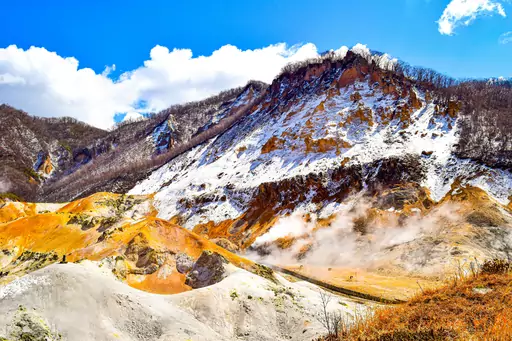
Jigokudani (Hell Valley) steams with sulphurous vents just outside Noboribetsu. Volcanic heat from the valley feeds the hot spring baths the town is known for. Visitors can walk boardwalks past bubbling vents before soaking in a nearby onsen. Nearby forests turn bright red each autumn around the steaming valley.
City in Japan
Beppu
Steaming hot springs and colourful Hells
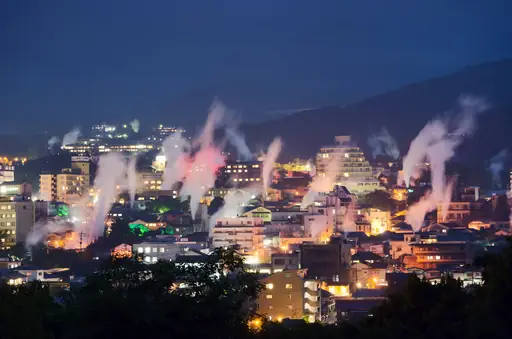
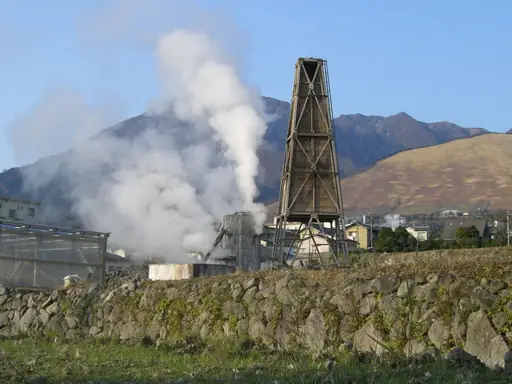
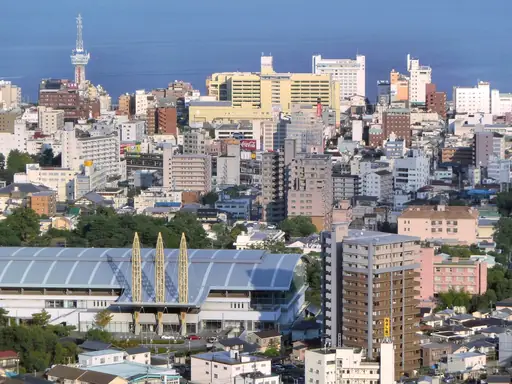
Beppu produces more hot spring water than almost any other town in Japan. Steam rises constantly from vents scattered across the city's hillsides and streets. Visitors can tour a set of colourful hot spring pools known as the Hells of Beppu. Nearby, bathers can soak in mineral-rich water piped directly from underground sources.
Town in Japan
Hakone
Onsen town with Fuji views and lake cruises
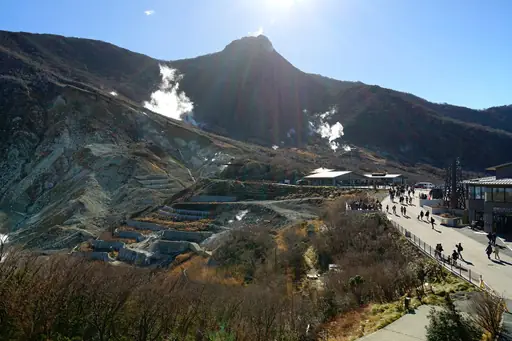
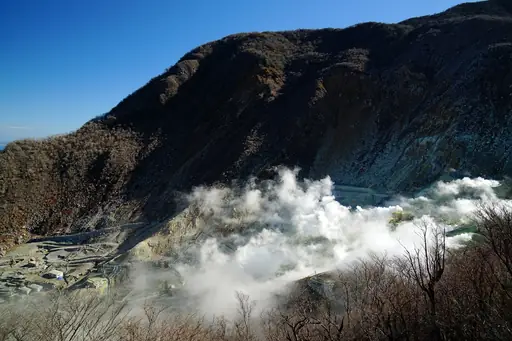
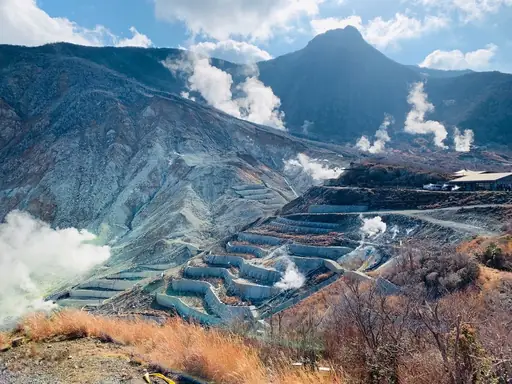
Sulphur vents still steam at Owakudani, a volcanic valley formed thousands of years ago. Vendors there boil eggs in the hot spring water until the shells turn black. Visitors can eat one, said locally to add years to your life. Nearby cable cars cross the valley with views towards Mount Fuji.
Region in Iceland
Landmannalaugar
Colorful mountains and natural pools
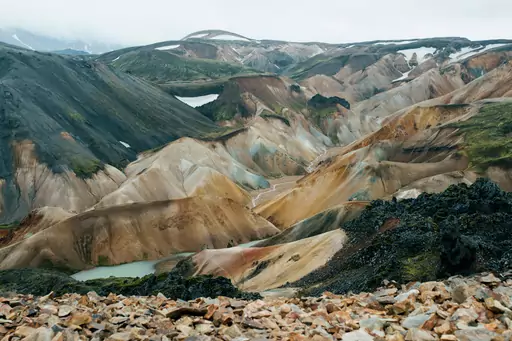
Rhyolite mountains around Landmannalaugar shift colour across shades of red, pink and gold. Geothermal activity beneath the highlands also heats natural pools near the campsite. Visitors can soak in warm water after hiking trails through the colourful hills. Nearby lava fields spread out where an eruption once reshaped the landscape.
National Park in United States
Lassen Volcanic National Park
Majestic volcanoes rise over rugged wilderness
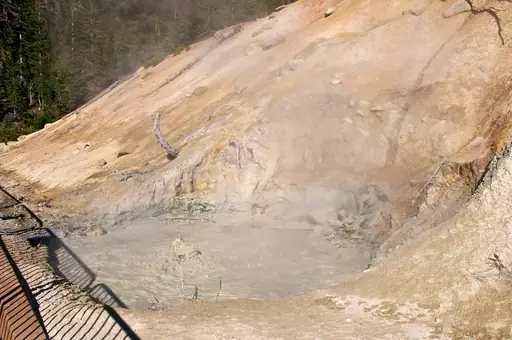
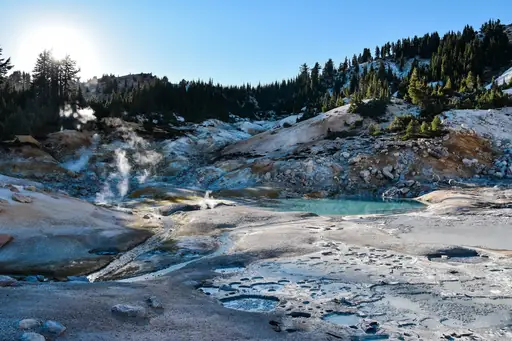
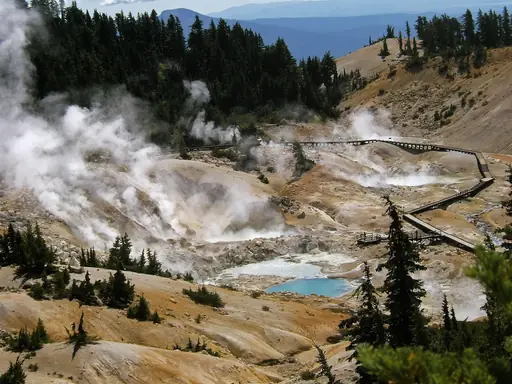
Lassen's bubbling mud pots and steam vents reveal ongoing volcanic activity beneath the park. The park's namesake peak last erupted in the early twentieth century. Visitors can walk boardwalks past hydrothermal features at Bumpass Hell. Nearby lava fields and cinder cones fill much of the surrounding landscape.
Village in Portugal
Furnas
A Geothermal Wonderland
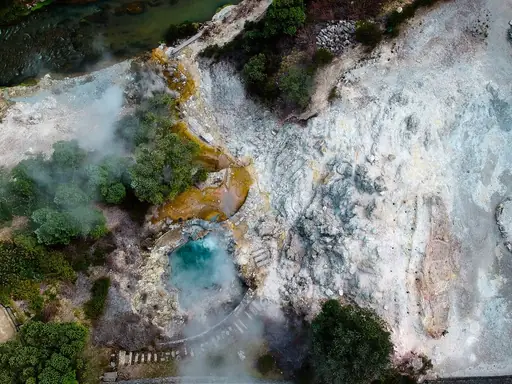
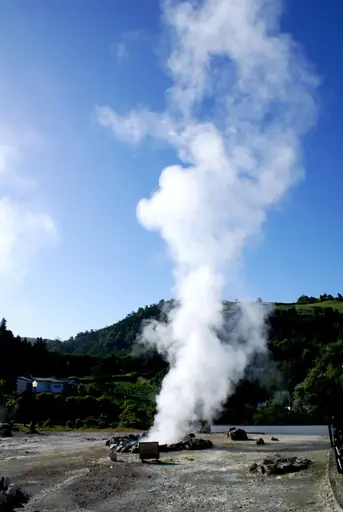
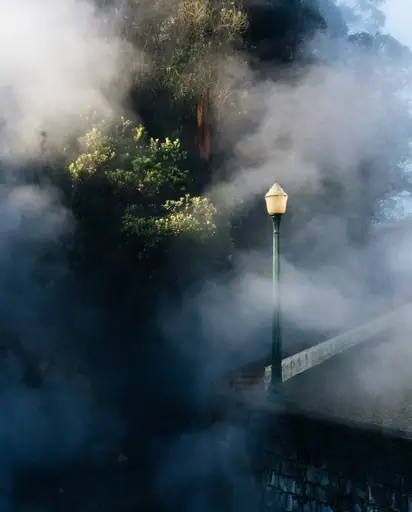
Hot springs heat the water at Furnas, where locals still cook stew buried in volcanic ground. Cooks bury pots each morning and dig them up hours later fully cooked. Visitors can taste the dish, cozido, straight from the earth oven. Nearby crater lakes fill old volcanic calderas with strikingly blue and green water.
Town in Japan
Kusatsu-Onsen
Steaming hot water field and bath hopping
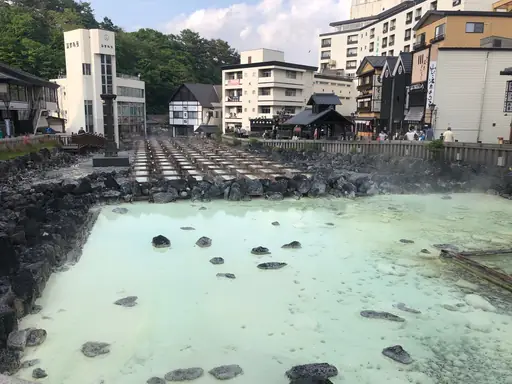
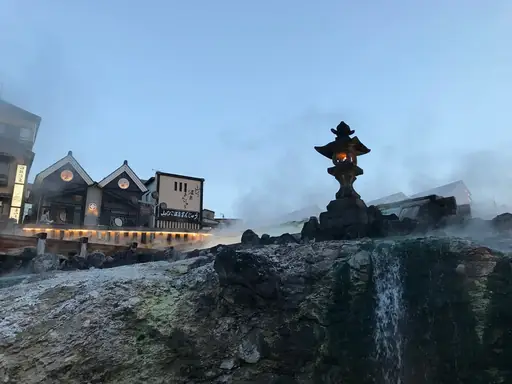
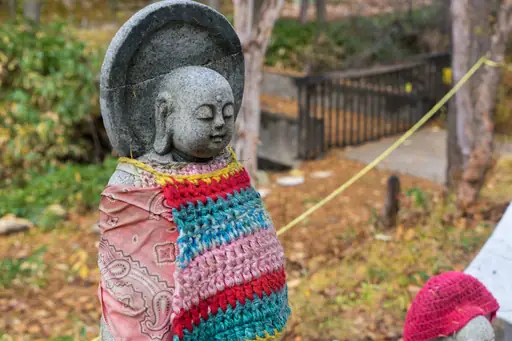
Kusatsu Onsen produces some of the highest volume of natural hot spring water in Japan. A central field in town channels the steaming water for visitors to see up close. Visitors can watch traditional water-cooling performances before soaking in the baths. Nearby ryokan inns have served travellers drawn to the springs for centuries.
Village in Japan
Kurokawa Onsen
Riverside bath hopping in a Kumamoto valley
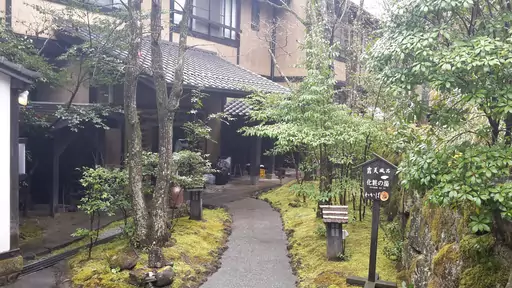
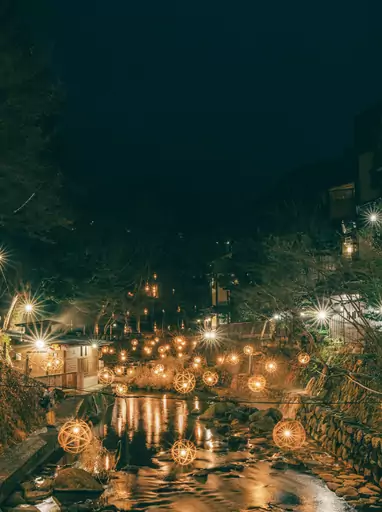
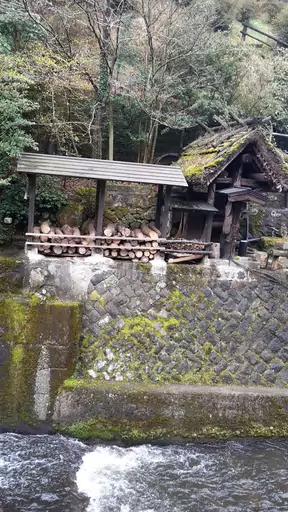
Kurokawa Onsen preserves a traditional hot spring village atmosphere along a wooded river valley. Wooden inns here maintain rustic charm rather than modern hotel development. Visitors can purchase a pass allowing entry to multiple outdoor baths around town. Nearby forest paths connect the scattered inns along the riverbank.

Town in Costa Rica
La Fortuna
Volcano Views, Hot Springs, Adventure
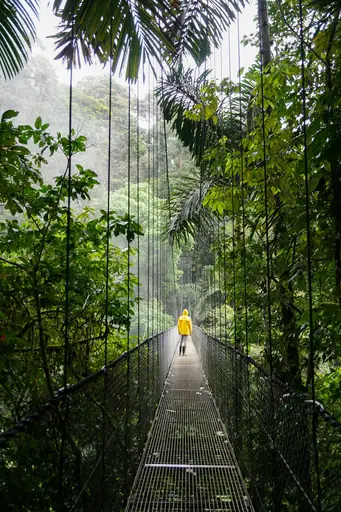
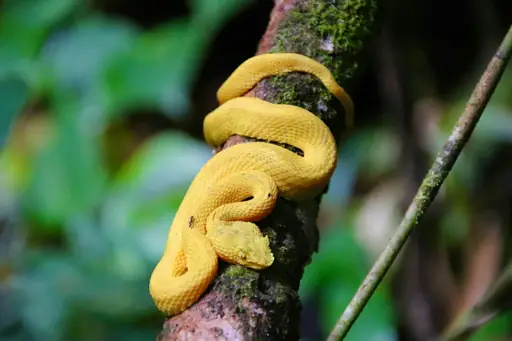
Arenal Volcano's near-perfect cone rises above the town of La Fortuna. Hot springs heated by the volcano feed pools scattered through the surrounding jungle. Visitors can soak in warm water with a view of the cone overhead. Nearby trails wind through rainforest to waterfalls fed by mountain streams.
Town in New Zealand
Taupō
Volcanic Lake, Adventure and Hot Springs
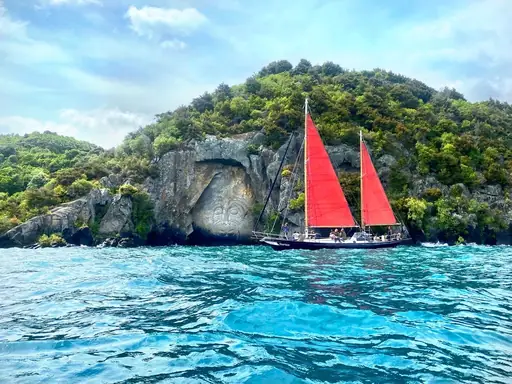
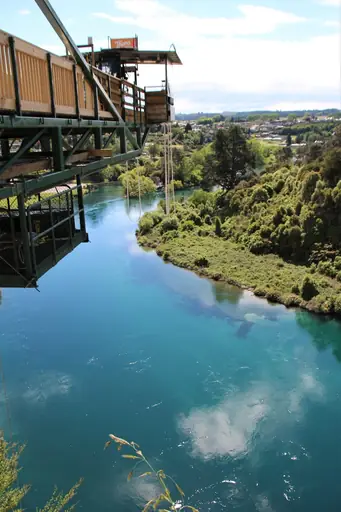
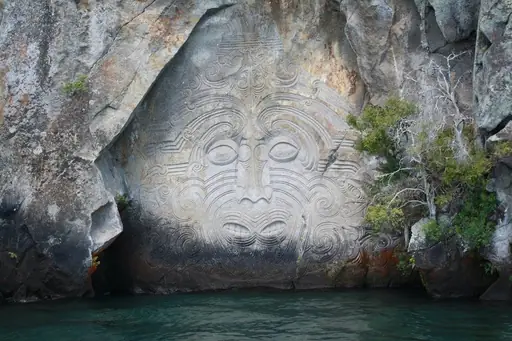
Lake Taupo fills a massive volcanic crater formed by one of history's largest eruptions. Geothermal activity beneath the region still powers hot springs scattered around the lake. Visitors can soak in natural pools or view thermal terraces nearby. Nearby rivers offer some of New Zealand's best trout fishing.
Country
Iceland
Land of fire and ice
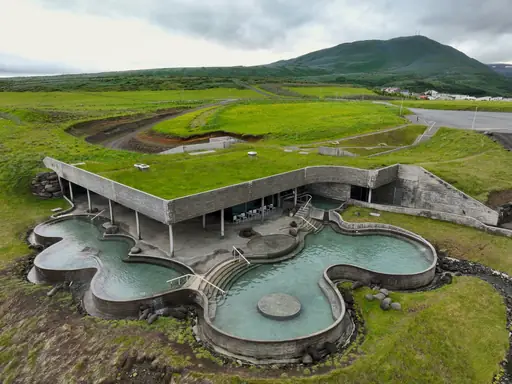
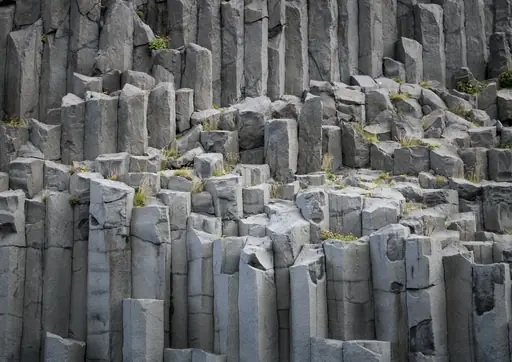
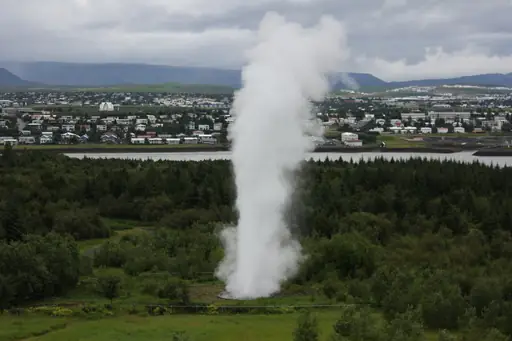
Geothermal energy powers much of Iceland, drawing on heat from beneath the volcanic island. Hot springs and geysers scattered across the country reflect this constant underground activity. Visitors can soak in geothermal lagoons or watch geysers erupt on scheduled cycles. Nearby lava fields and volcanoes shape much of the surrounding countryside.
National Park in Iceland
Vatnajökull National Park
Glaciers, Volcanoes and Ice Caves
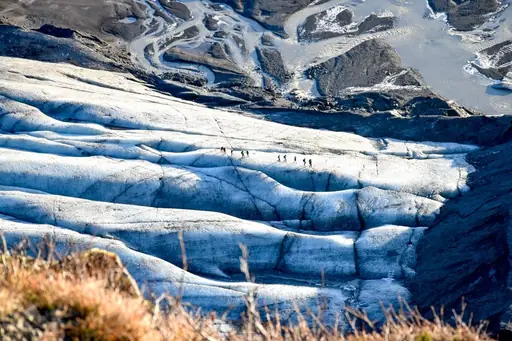
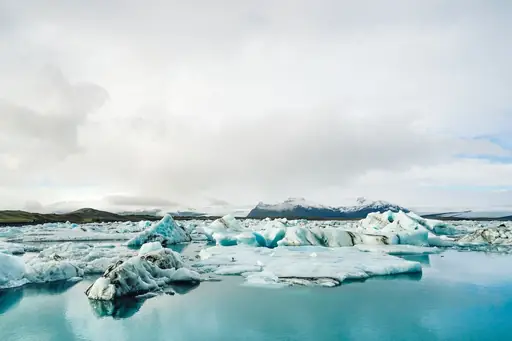
Volcanoes lie hidden beneath Vatnajokull, Europe's largest ice cap by volume. Eruptions beneath the ice occasionally trigger sudden floods as meltwater bursts free. Visitors can hike into ice caves that form fresh each winter. Nearby geothermal areas heat pockets of ground even beneath the glacier's edge.
Town in Chile
San Pedro de Atacama
Mars-like Landscapes and Starry Nights
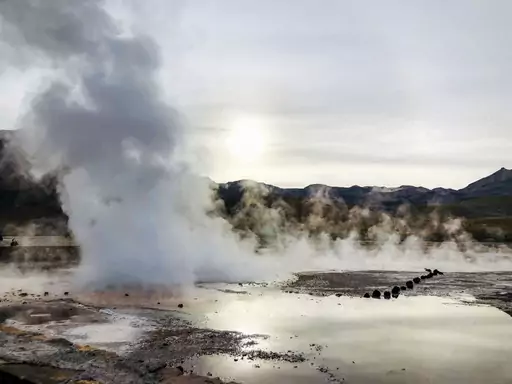
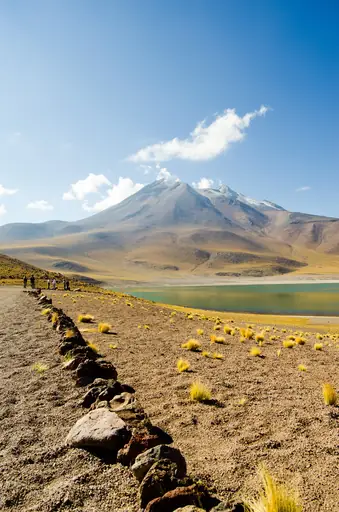
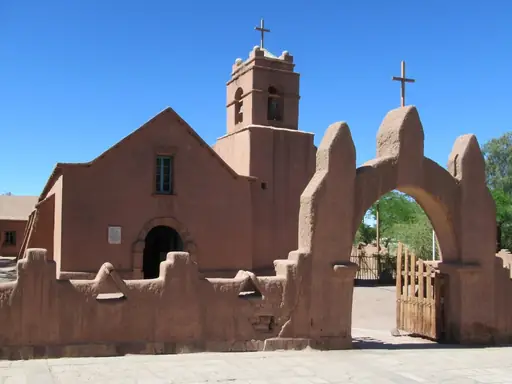
El Tatio's geyser field near San Pedro erupts most dramatically in the cold early morning hours. Steam columns rise against the desert sky as temperatures drop overnight. Visitors can watch the geysers erupt at sunrise before the desert heat sets in. Nearby hot springs offer a warm soak after the chilly predawn excursion.
Island in Japan
Kyushu
Volcanoes, onsen and tonkotsu ramen
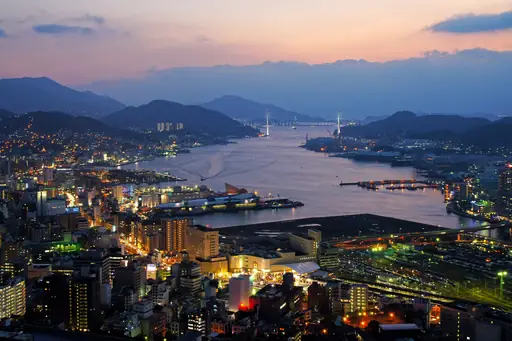
Volcanic activity across Kyushu has produced some of Japan's most famous hot spring towns. Mount Aso's active crater sits at the centre of one of the world's largest calderas. Visitors can drive to the rim and look down into the smoking crater. Nearby hot spring towns draw on the same volcanic heat below.
State/Prefecture in Japan
Hokkaido
Volcanoes, powder snow and fresh seafood
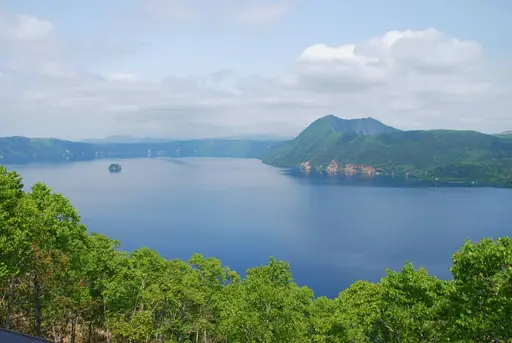
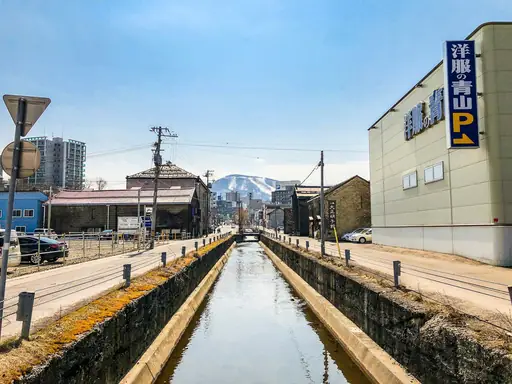
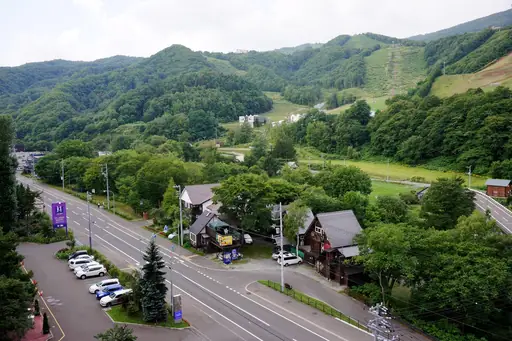
Hot spring towns dot Hokkaido, tapping the island's constant volcanic activity. Noboribetsu's Jigokudani (Hell Valley) steams with sulphurous vents just outside town. Visitors can walk boardwalks past bubbling vents before soaking in a nearby onsen. Nearby forests turn bright red each autumn around the steaming valley.
Town in Japan
Izu
Shuzenji hot springs, wasabi and Amagi hikes
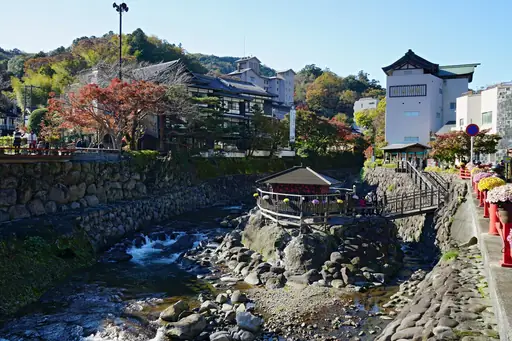
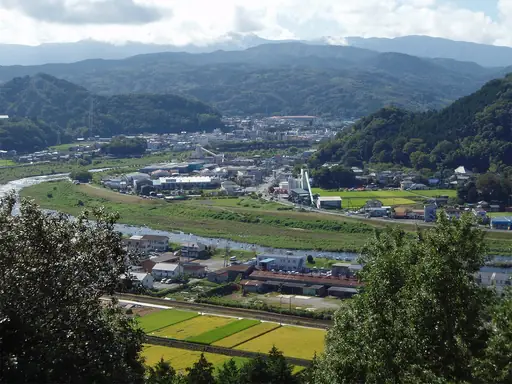
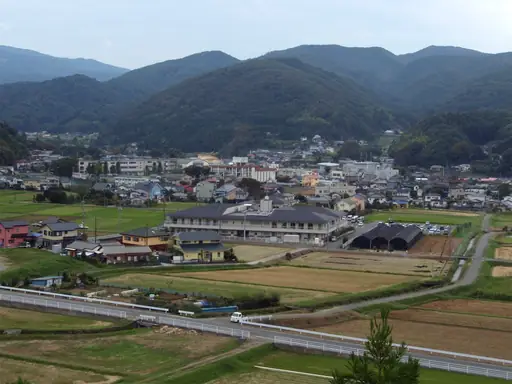
Volcanic activity shaped the Izu Peninsula's rugged coastline and many hot spring towns. Onsen inns here have drawn travellers from Tokyo for day trips since the 1800s. Visitors can soak in seaside baths with views out over the Pacific. Nearby cliffs and coves make for scenic coastal hiking trails.
Archipelago in Portugal
Azores
Volcanic Isles of Atlantic Wonders
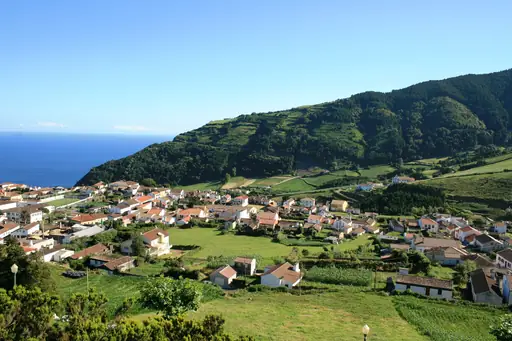
Hot springs heat the water at Furnas, where locals still cook stew buried in volcanic ground. Cooks bury pots each morning and dig them up hours later fully cooked. Visitors can taste the dish, cozido, straight from the earth oven. Nearby crater lakes fill old volcanic calderas with strikingly blue and green water.
Town in Chile
Pucon
Volcano Views and Adventure Bliss
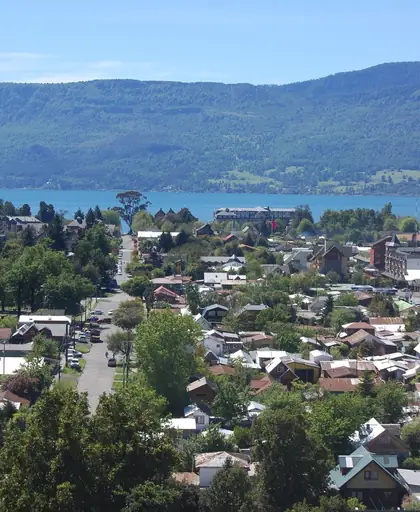
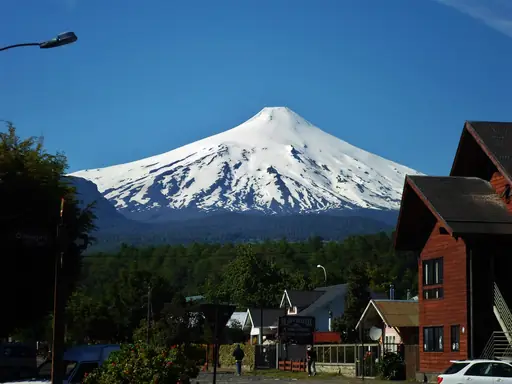
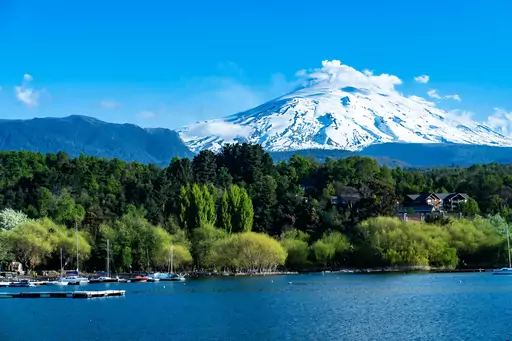
Villarrica Volcano looms over Pucon, its crater glowing faintly with lava at night. Hot springs heated by the same volcanic system feed pools scattered through the surrounding forest. Visitors can hike to the crater rim or soak in nearby thermal pools. Nearby lakes and forest offer kayaking beneath the volcano's slopes.

Town in Japan
Zao Onsen
Sulphur onsen, snow monsters and ski slopes
Zao Onsen's sulphuric hot springs have drawn bathers to this mountain town for centuries. Snow monsters, trees encased in wind-driven ice, form nearby each winter season. Visitors can soak in milky, acidic hot spring water unique to this region. Nearby ski slopes offer views of the frost-covered trees in winter.

City in Japan
Oita
Monkeys, hot springs and Otomo history
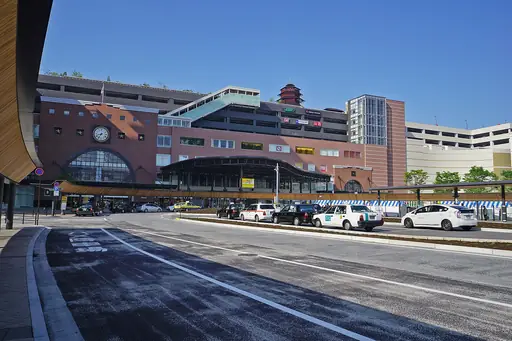
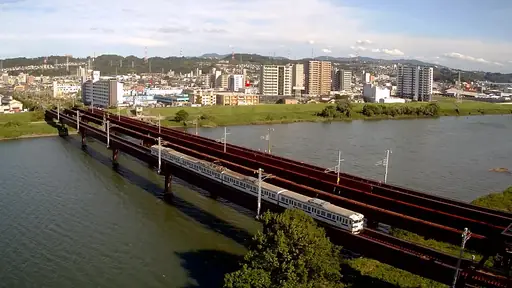
Oita prefecture produces the highest volume of hot spring water anywhere in Japan. Beppu, within the prefecture, alone accounts for a large share of the national total. Visitors can tour colourful hot spring pools known locally as the Hells of Beppu. Nearby ryokan inns offer traditional baths fed by the same underground heat.
Valley in Russia
Valley of Geysers
Erupting wonders beneath Icelandic skies
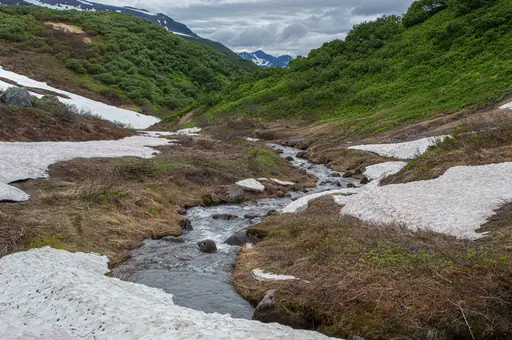
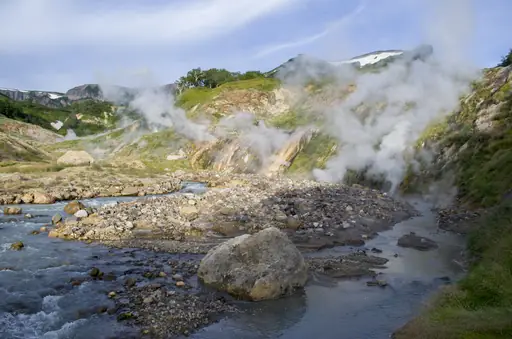
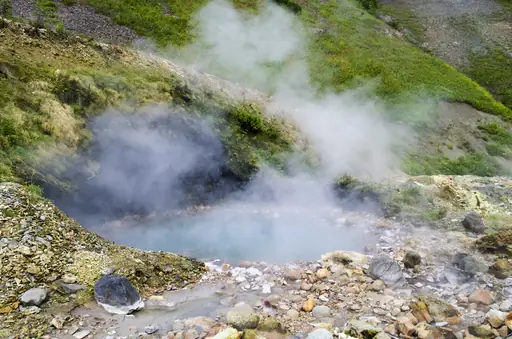
Russia's Valley of Geysers holds one of the world's largest concentrations of geysers. A remote location on the Kamchatka Peninsula keeps the valley difficult to reach. Visitors can view the geysers mainly by helicopter tour due to the terrain. Nearby volcanoes and hot springs add to the peninsula's dramatic volcanic scenery.
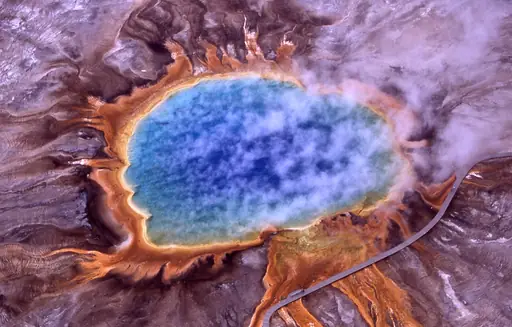
National Park in United States
Yellowstone National Park
Geysers, wildlife and untamed wilderness
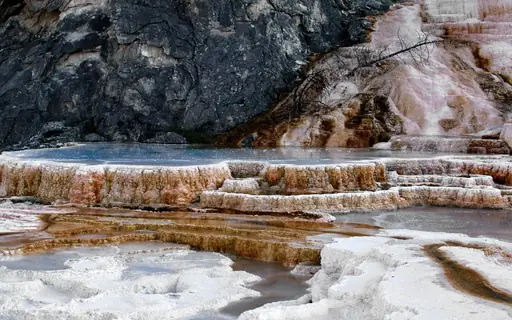
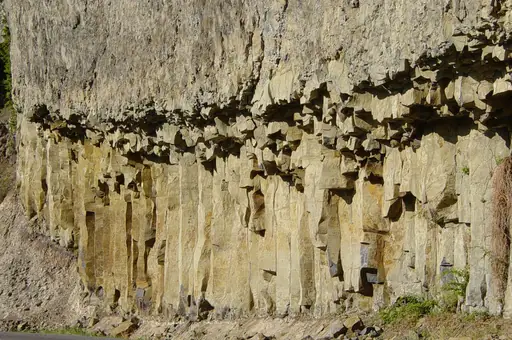
Yellowstone holds more geysers and hot springs than anywhere else on Earth. Old Faithful has erupted predictably enough to draw crowds since the park opened in 1872. Visitors can watch the geyser or view colourful hot springs nearby. Nearby canyons reveal mineral deposits carved by the Yellowstone River.
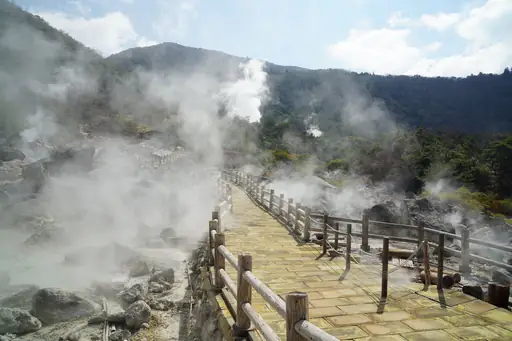
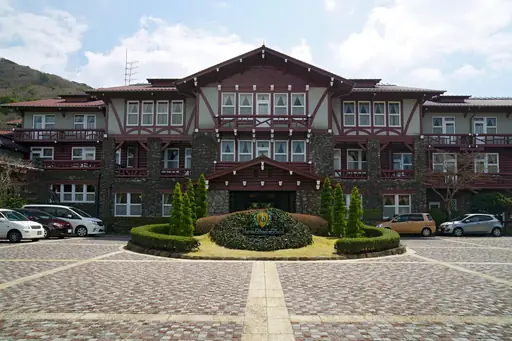
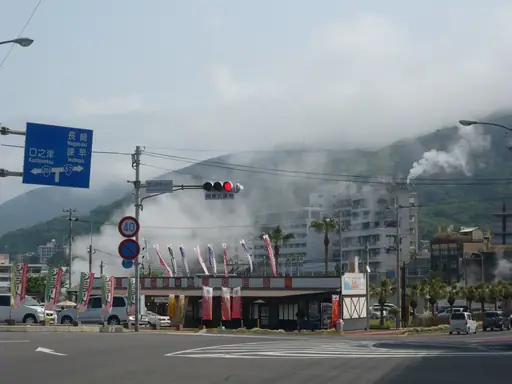
Town in Japan
Unzen Onsen
Volcanic hot spring town with steaming hells
Unzen's hot spring town sits within an active volcanic area on Kyushu's Shimabara Peninsula. Sulphur vents known locally as jigoku (hells) steam throughout the surrounding hillside. Visitors can walk boardwalks past bubbling vents before soaking in a nearby bath. Nearby forests turn vivid colours each autumn around the steaming valley.
City in New Zealand
Rotorua
Geothermal Wonders and Māori Culture
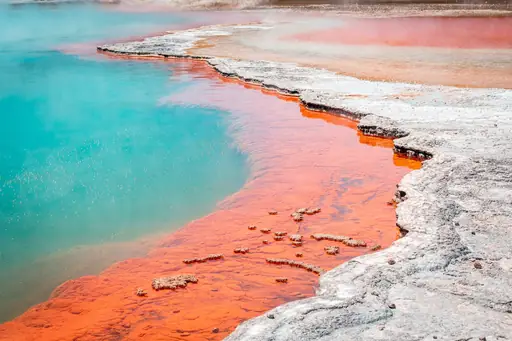
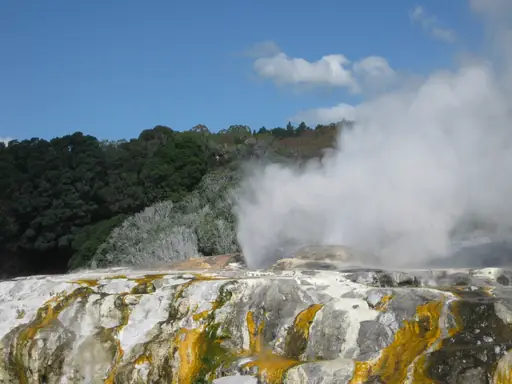
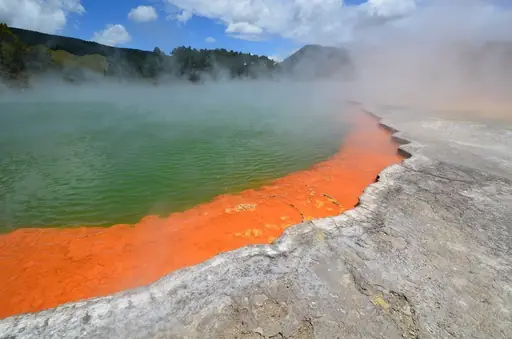
Steam rises from bubbling mud pools across geothermal fields near Rotorua. Maori communities have lived alongside this volcanic activity for centuries. Visitors can walk boardwalks past hissing vents and colourful mineral terraces. Nearby lakes and forests fill much of the North Island's volcanic interior beyond town.

Island in Indonesia
Java
Vibrant capital city and ancient temples
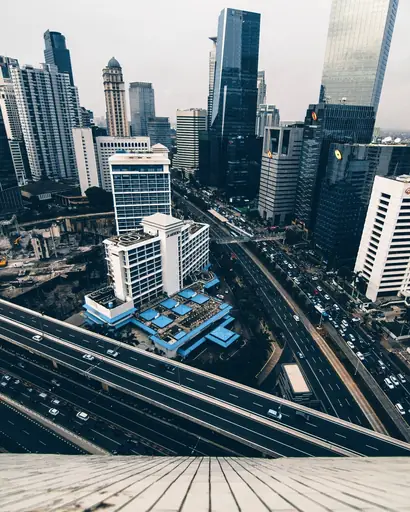
Volcanoes line much of Java, powering geothermal activity across the densely populated island. Sulphur miners still work at active craters like Kawah Ijen, hauling loads by hand. Visitors can hike to steaming craters and witness rare blue flame phenomena at night. Nearby hot springs offer a soak after exploring the volcanic terrain.
Region in New Zealand
North Island
Geothermal Wonders and Māori Culture
Geothermal wonders scatter across New Zealand's North Island, tied to its volcanic spine. Rotorua's mud pools and mineral terraces draw the most visitors seeking hands-on geothermal sights. Visitors can walk boardwalks past hissing vents and bubbling pools near town. Nearby Taupo and Tongariro add volcanic lakes and craters to the same region.
City in Turkey
Pamukkale
Cotton Castle of Thermal Pools
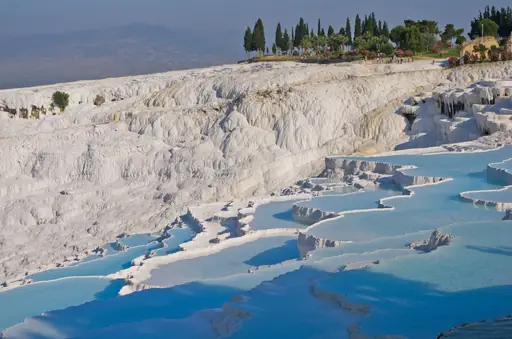
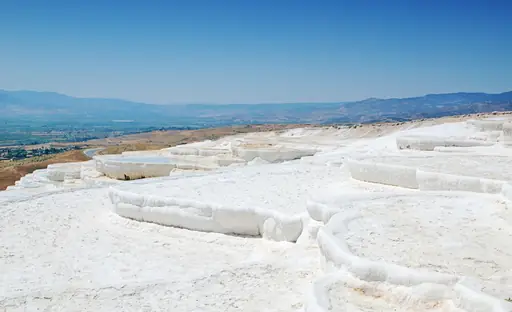
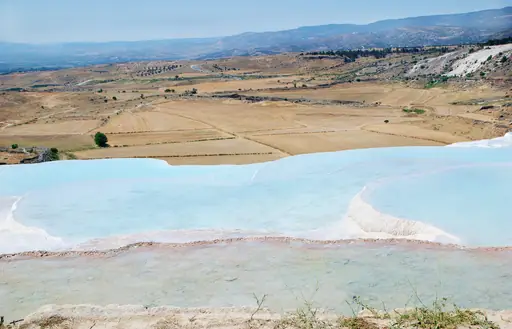
Mineral-rich water has built Pamukkale's white travertine terraces over thousands of years. Calcium deposits carried by hot springs solidified into the cascading white formations visible today. Visitors can walk barefoot across the terraces and wade in shallow pools. Nearby Roman ruins mark an ancient spa town built around the same springs.
Region in Indonesia
Dieng Plateau
Mist‑kissed highlands echo ancient rhythms
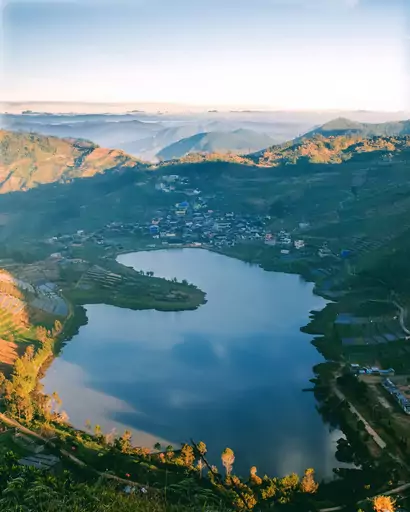
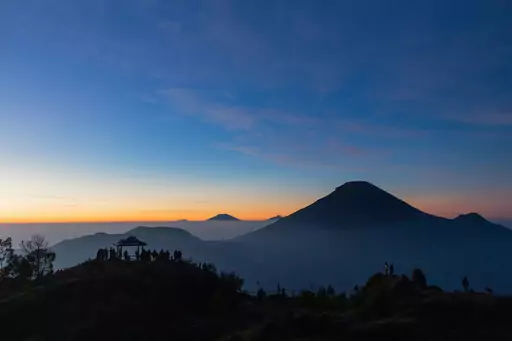
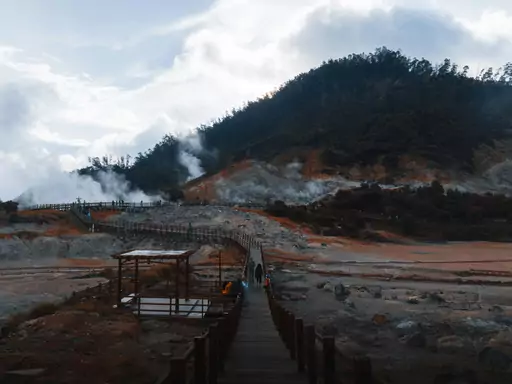
Sulphur vents and colourful crater lakes dot Java's high-altitude Dieng Plateau. Volcanic activity beneath the plateau has shaped the region's temples and hot springs alike. Visitors can walk among steaming craters and lakes tinted green by mineral content. Nearby ancient Hindu temples sit scattered across the same volcanic highland.
National Park in Dominica
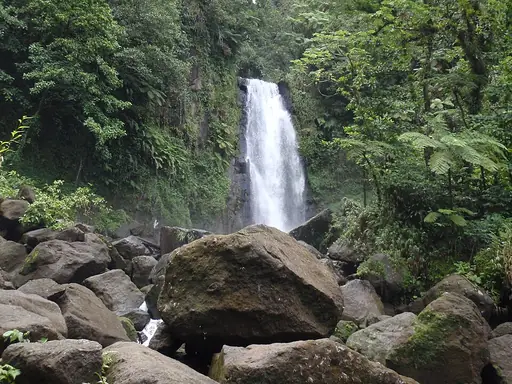
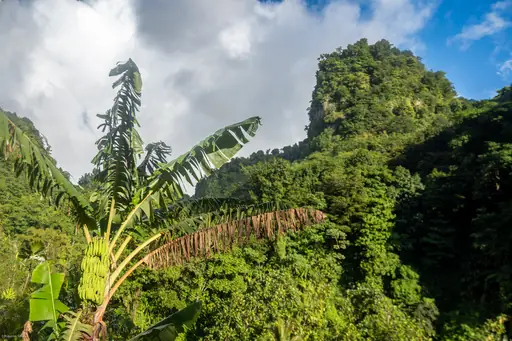
Morne Trois Pitons National Park
Volcanic wonders in pristine rainforest
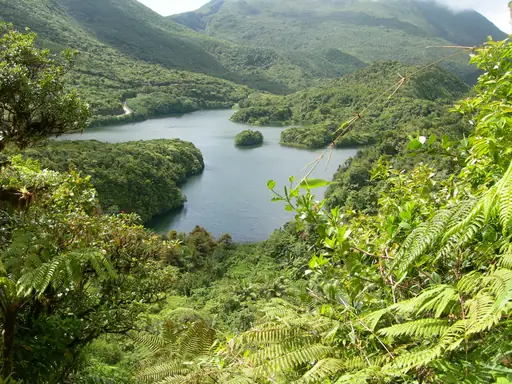
A boiling lake fed by volcanic heat sits deep within this Dominican rainforest park. Hikers cross a valley of steaming vents to reach the lake's edge. Visitors can trek through dense jungle past hot springs and waterfalls. Nearby, the park became the Caribbean's first UNESCO natural World Heritage site.
Region in Ethiopia
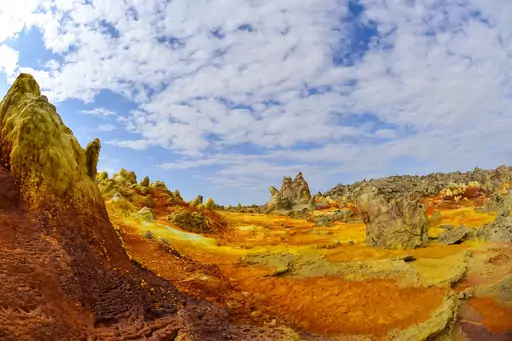
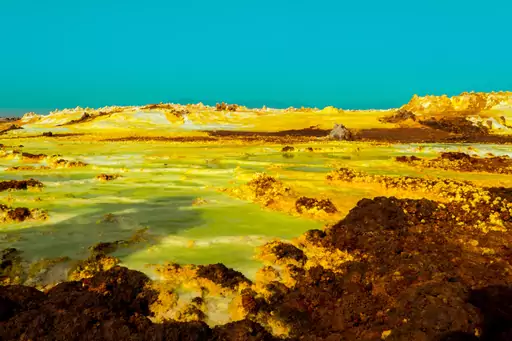
Danakil Depression
Earth's Hottest, Most Alien Landscape
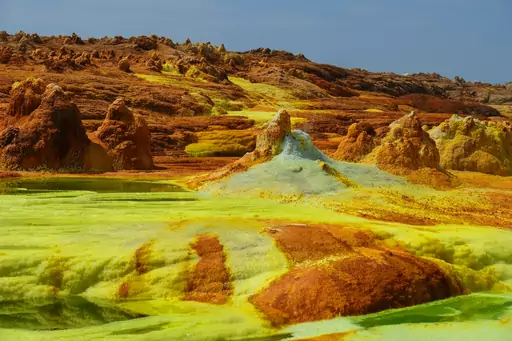
Sulphur springs colour the ground in bright yellows and greens across the Danakil Depression. Temperatures here rank among the hottest recorded anywhere on Earth. Visitors can walk near bubbling mineral pools and an active lava lake. Nearby salt flats are still mined by camel caravans as they have been for generations.
Region in Japan
Izu Peninsula
Hot springs, volcanic coast and beaches
Steam vents and hot springs dot the Izu Peninsula, fed by underground volcanic heat. Ancient eruptions shaped much of the peninsula's dramatic coastal terrain. Visitors can soak in oceanfront baths built directly into coastal rock formations. Nearby hiking trails wind past cliffs formed by the same volcanic history.
City in Iceland
Reykjavík
Vibrant city amidst stunning nature
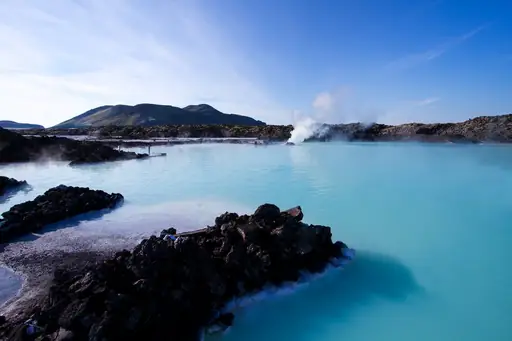
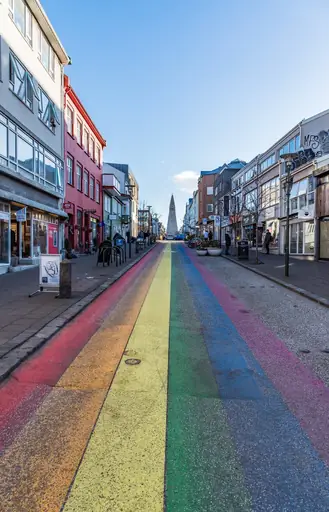
Geothermal energy heats most of Reykjavik's buildings, drawing on Iceland's volcanic activity. A famous geothermal lagoon sits a short drive from the capital, popular with visitors. Visitors can soak in warm mineral water surrounded by black lava fields. Nearby power plants demonstrate how the country converts heat into electricity.

City in Japan
Matsuyama
A hilltop castle and Japan's oldest hot spring
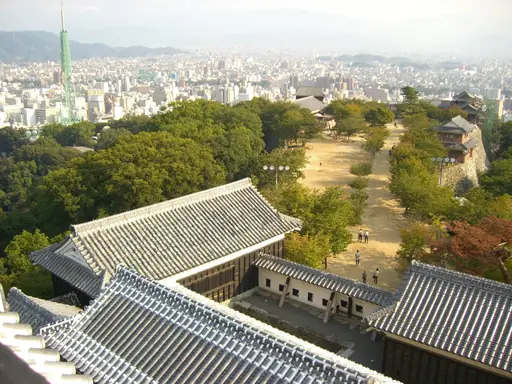
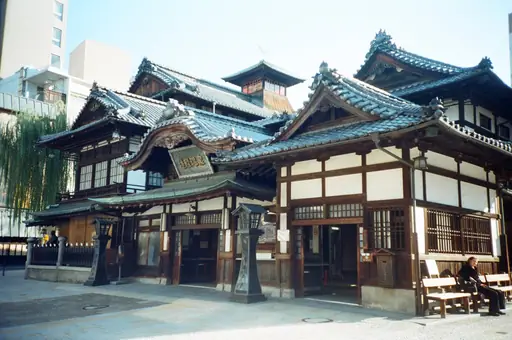
Dogo Onsen in Matsuyama ranks among Japan's oldest hot spring bathhouses. Legend holds that an injured deer once revealed the healing waters to early visitors. Visitors can bathe at the historic building, said to have inspired a famous animated film. Nearby shopping streets serve visitors drawn to the centuries-old springs.
Cave in Iceland
Grjótagjá
Iceland’s Mystical Lava Cave
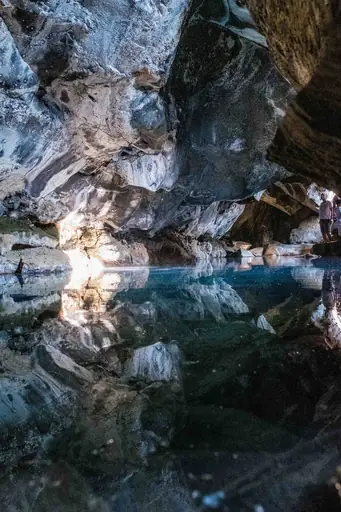
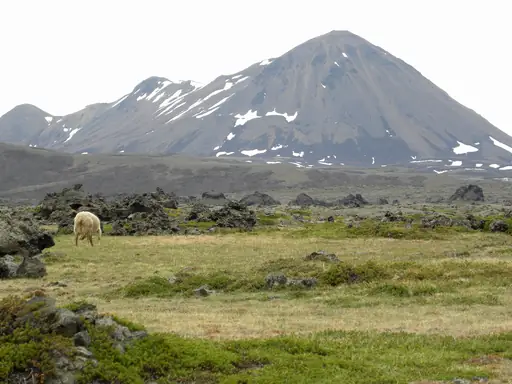
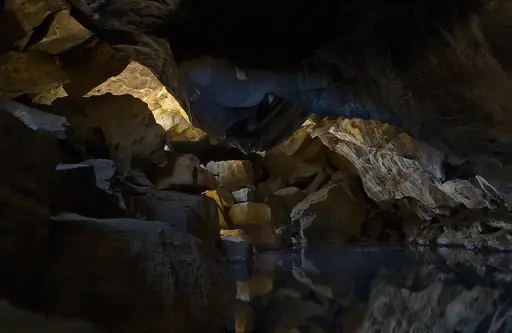
Grjotagja is a small lava cave near Lake Myvatn holding a heated thermal pool. Icelanders once bathed in the cave until rising temperatures made it too hot to swim. Visitors can view the glowing blue water without entering, as it stays scalding today. Nearby lava fields still show scars from eruptions that reshaped the landscape.
Lake in Kenya
Lake Bogoria
Vibrant wildlife reflections over crystal waters
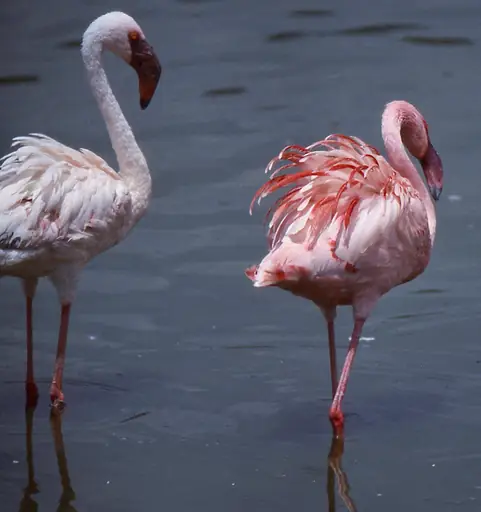
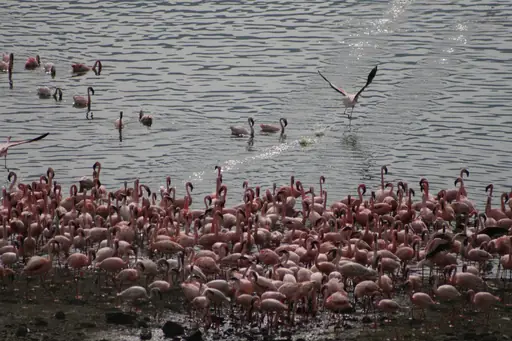
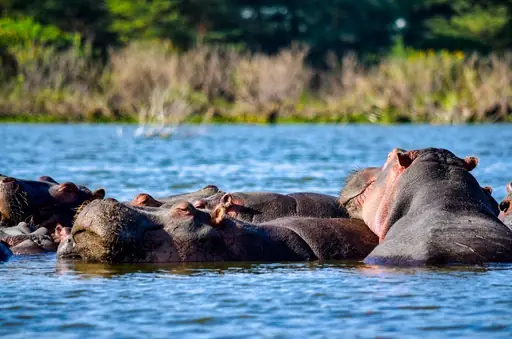
Lake Bogoria's shoreline steams with hot springs set against flocks of pink flamingos. Geysers along the lake occasionally shoot boiling water several feet into the air. Visitors can walk near bubbling springs before viewing the lake's flamingo-filled shallows. Nearby cliffs mark the edge of the Rift Valley's dramatic escarpment.
Landmark in United States
The Geysers
Majestic hot springs amid desert skies
The Geysers complex in California ranks as the largest geothermal field used for power generation. Steam drawn from deep underground here has supplied electricity since the 1960s. Visitors can view steam rising from the hillside power facility from nearby roads. Nearby volcanic history shaped the same underground heat now harnessed for energy.
Country
Argentina
Land of diverse natural wonders
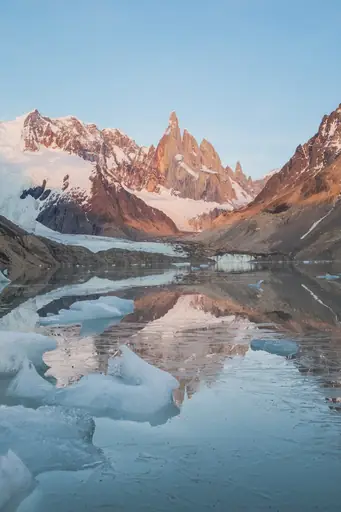
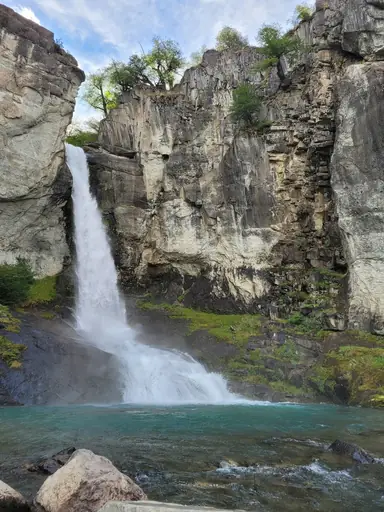
Volcanic activity across Argentina's Andes region has created hot springs scattered through the mountains. Towns near volcanoes like Copahue have built bathing facilities around naturally heated mineral water. Visitors can soak in thermal pools with views of surrounding peaks. Nearby volcanic mud is also used in traditional therapeutic treatments.
State/Prefecture in United States
Wyoming
Wild West landscapes and natural wonders
Wyoming's Yellowstone region sits atop one of the world's largest active volcanic systems. Geysers, hot springs and mud pots reflect the massive magma chamber below the surface. Visitors can watch Old Faithful erupt or view colourful mineral hot springs nearby. Nearby canyons reveal geothermal activity carved into colourful rock formations.
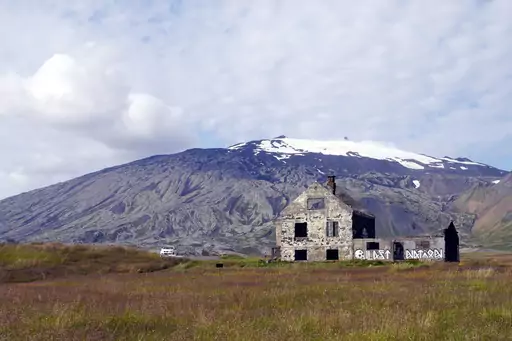
National Park in Iceland
Snæfellsjökull National Park
Majestic glacier crowned volcanic landscape
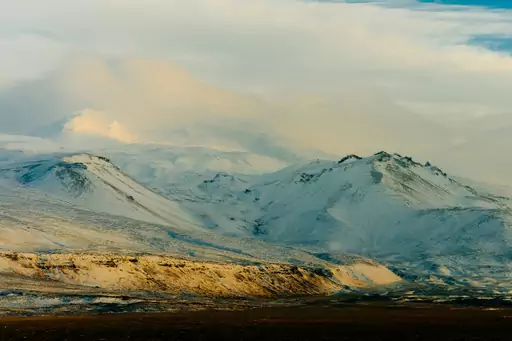
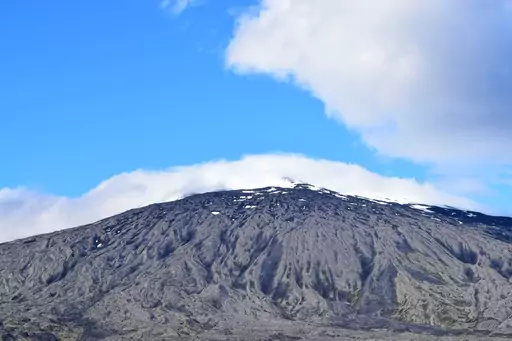
Snaefellsjokull's glacier-capped volcano rises above a peninsula shaped by ancient eruptions. Lava fields and volcanic craters cover much of the surrounding national park. Visitors can hike across lava formations or explore caves formed by past flows. Nearby coastal cliffs also reveal the peninsula's volcanic origins.
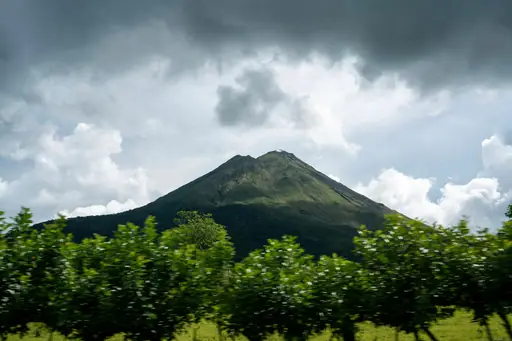
National Park in Costa Rica
Arenal Volcano National Park
Lava Trails, Rainforest and Epic Views
Arenal's near-perfect cone rises above rainforest and pasture in northern Costa Rica. The volcano stayed continuously active for decades before quieting in recent years. Visitors can hike lava fields formed by past eruptions and soak in nearby hot springs. Nearby lakes offer views of the cone reflected in still water.
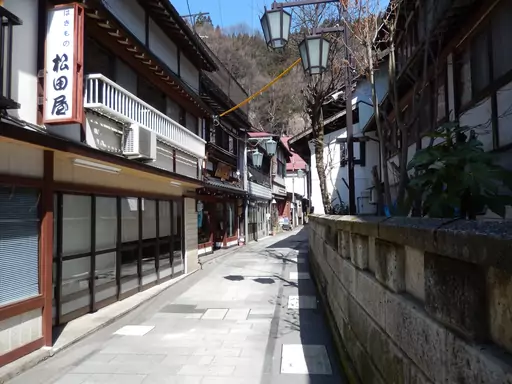
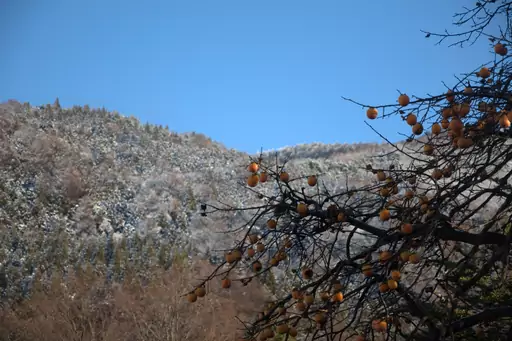
Village in Japan
Shibu Onsen
Nine public baths and cobbled lanes
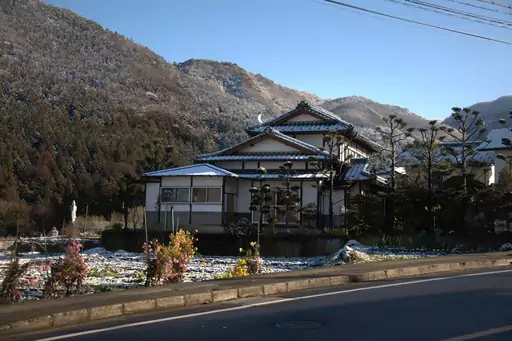
Shibu Onsen's narrow lanes connect nine public bathhouses fed by natural hot springs. Tradition holds that visiting all nine baths brings good fortune to bathers. Visitors can wander the historic streets in traditional robes between baths. Nearby, wild snow monkeys famously soak in hot springs of their own.
Country
Tanzania
Wild safaris meet tropical beaches
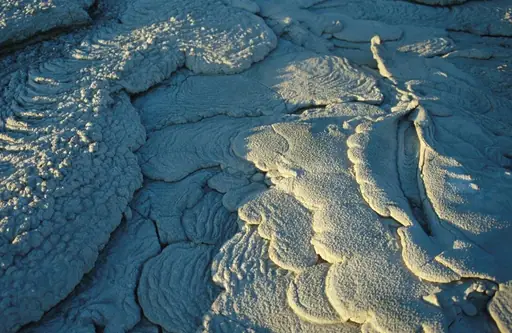
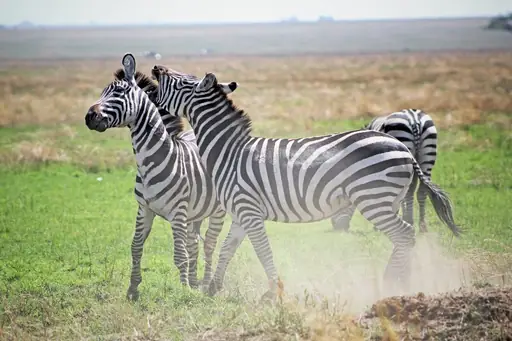
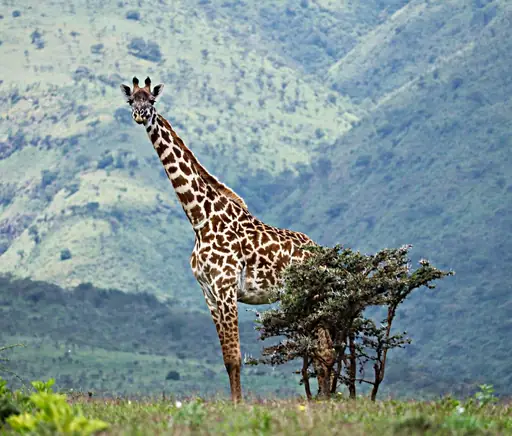
Volcanic activity along Tanzania's section of the Rift Valley has shaped its dramatic landscape. Ol Doinyo Lengai, a still-active volcano, produces unusually cool, dark lava unlike most volcanoes. Visitors can hike the volcano's slopes or view hot springs scattered nearby. Nearby soda lakes also reflect the region's ongoing volcanic and geothermal activity.
State/Prefecture in Japan
Yamanashi
Mount Fuji's north side, lakes and wine
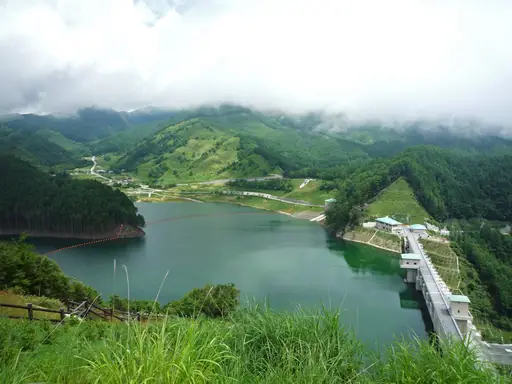
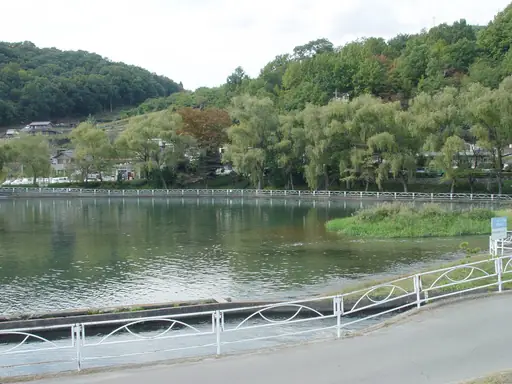
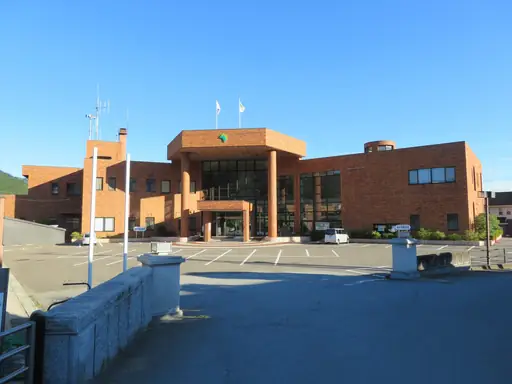
Hot spring towns dot Yamanashi prefecture, drawing on volcanic activity near Mount Fuji. Onsen inns here have hosted travellers for generations seeking mountain views and warm baths. Visitors can soak outdoors with views towards Japan's tallest peak. Nearby lakes reflect Fuji's snow-capped summit on clear mornings.
Landmark in Iceland
Hellisheiði Power Plant
Steam and geothermal wonder in Iceland’s heart
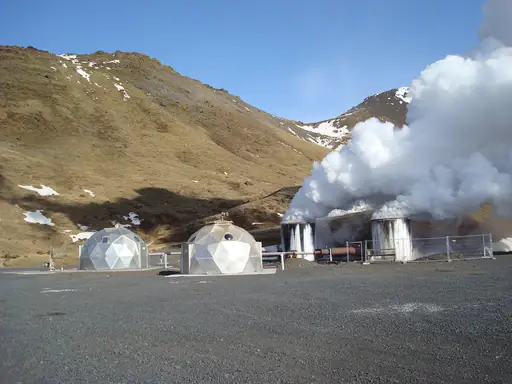
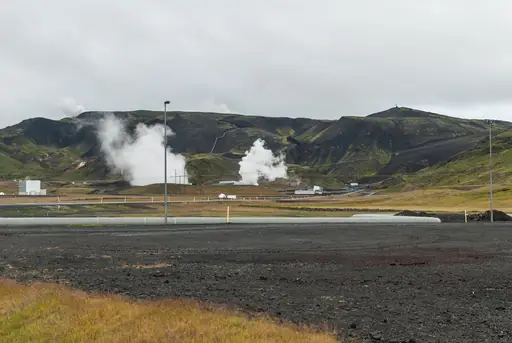
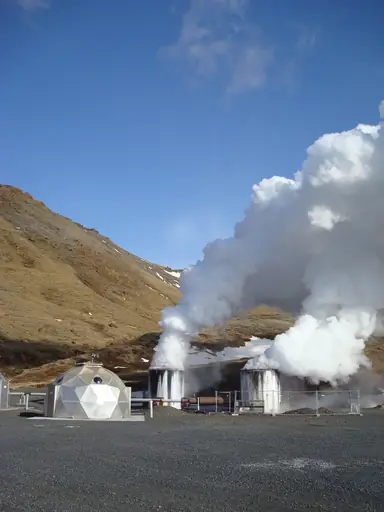
Hellisheithi ranks among the largest geothermal power plants in the world. Engineers tap volcanic heat here to supply electricity and hot water across Reykjavik. Visitors can tour an exhibition explaining how the plant converts heat into power. Nearby lava fields and steam vents reveal the volcanic source of the plant's energy.
National Park in Japan
Aso-Kuju National Park
Giant caldera, active volcano and highlands
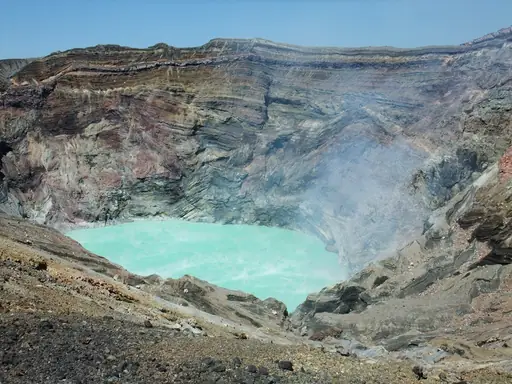
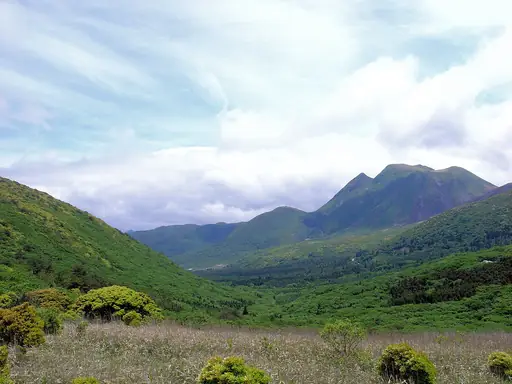
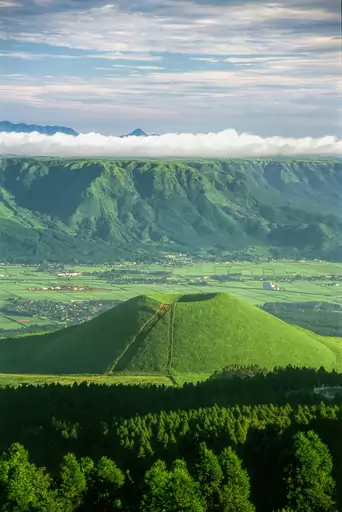
Mount Aso's crater ranks among the largest active volcanic calderas in the world. Farmers still graze cattle on grasslands formed by centuries of past eruptions. Visitors can drive to the rim and look down into the smoking crater below. Nearby hot spring towns draw on the same volcanic heat underground.
Hot Springs in Bolivia
Sol de Mañana
Warm waters rise beneath Andean sunrise
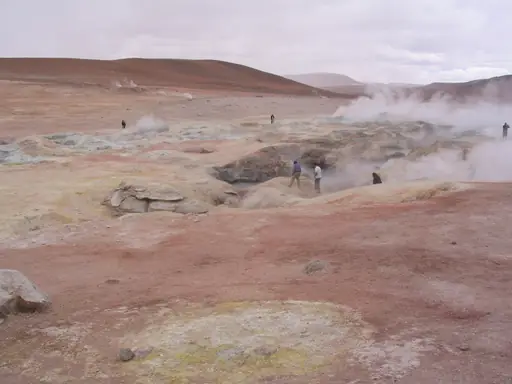
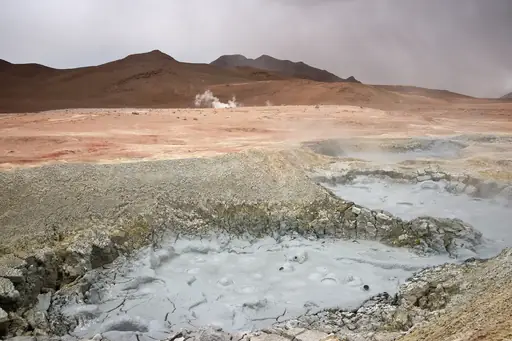
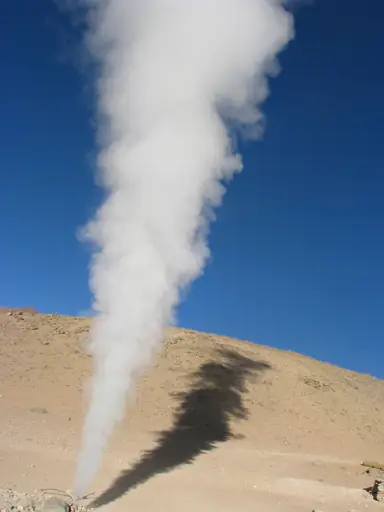
Sol de Manana's geyser field steams across a remote stretch of Bolivia's high plateau. Mud pots and fumaroles release gas at extreme altitude near the Chilean border. Visitors can walk among bubbling mud and steaming vents in the thin mountain air. Nearby coloured lagoons add to the otherworldly high-altitude landscape.
Hot Springs in Chile
El Tatio
Misty geysers glow beside crystal waters
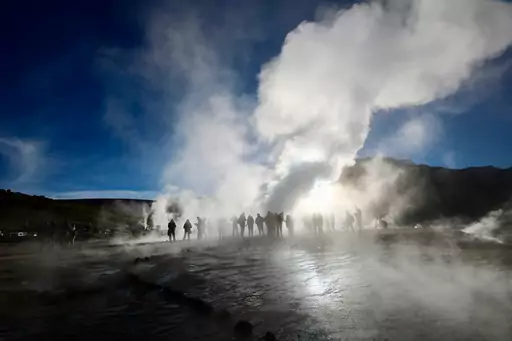
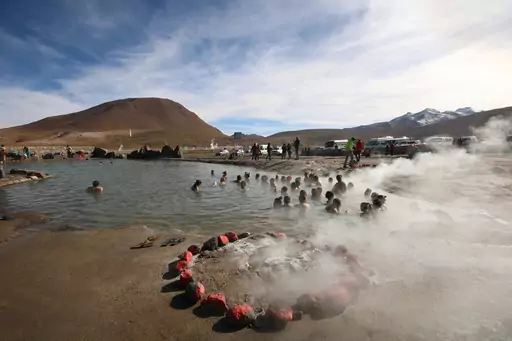
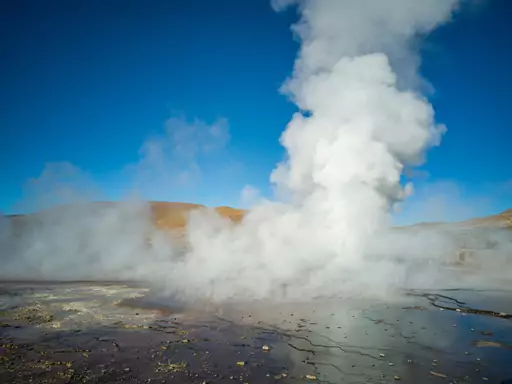
El Tatio's geyser field erupts most dramatically in the cold early morning hours. Steam columns rise against the desert sky as temperatures drop overnight at high altitude. Visitors can watch the geysers erupt at sunrise before the desert heat sets in. Nearby hot springs offer a warm soak after the chilly predawn excursion.

Country
Kenya
Safari paradise meets coastal charm
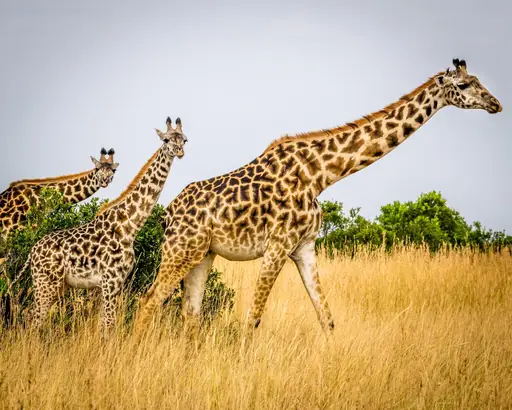
Geothermal activity along Kenya's Rift Valley powers hot springs and steaming vents. Lake Bogoria's shoreline steams with geysers set against a backdrop of flamingo-filled water. Visitors can walk near bubbling hot springs before viewing the lake's pink-tinted flocks. Nearby valleys hold further evidence of the region's ongoing volcanic activity.
Volcano in Italy
Solfatara of Pozzuoli
Eruptive wonder beneath Naples' ancient skies
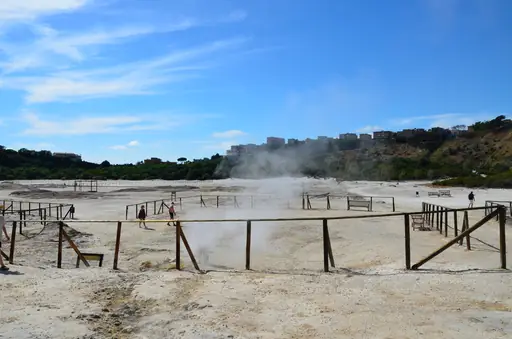
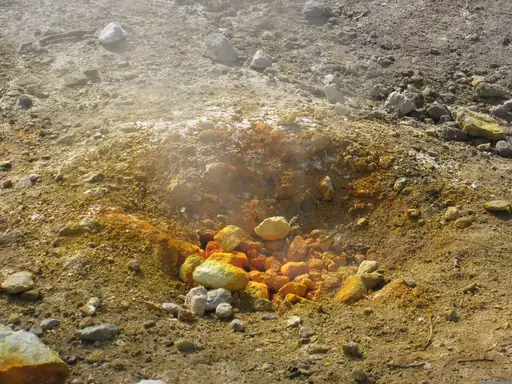
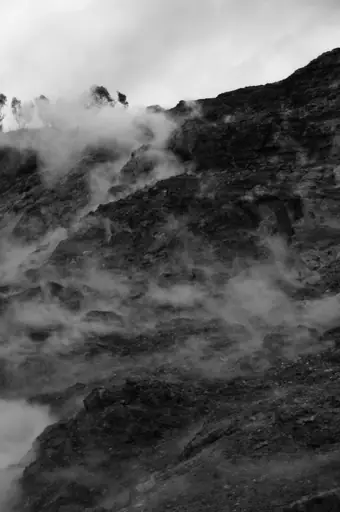
Solfatara's shallow volcanic crater steams and bubbles just outside Naples. Ancient Romans believed the site marked an entrance to the underworld due to its sulphurous vents. Visitors can walk across the crater floor amid rising steam and bubbling mud. Nearby, the surrounding Campi Flegrei region remains volcanically active today.
Volcano in Indonesia
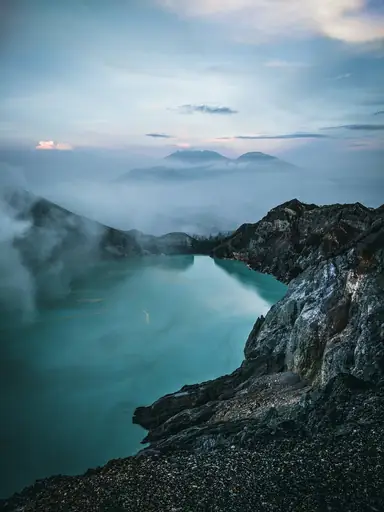
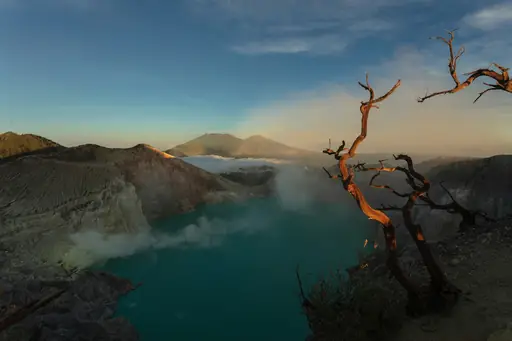
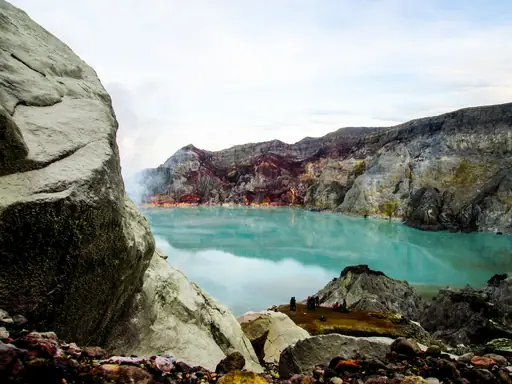
Kawah Ijen
Erupting beauty amid lush volcanic landscapes
Blue flames flicker at night around Kawah Ijen's sulphur vents, a rare volcanic phenomenon. Miners still haul heavy loads of sulphur by hand from the crater floor. Visitors can hike overnight to witness the glowing blue flames before sunrise. Nearby, the crater lake below glows a striking turquoise by day.
Hot Springs in New Zealand
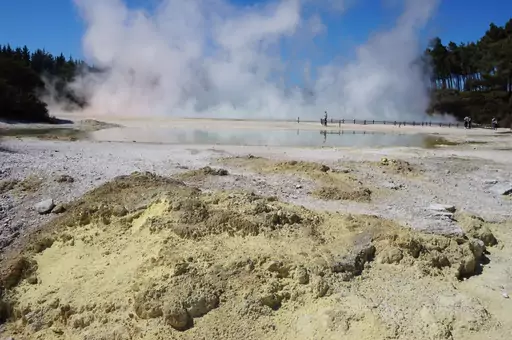
Wai-O-Tapu
Soothing geothermal waters amid lush landscapes
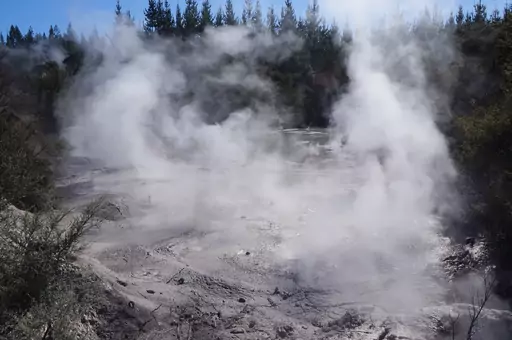
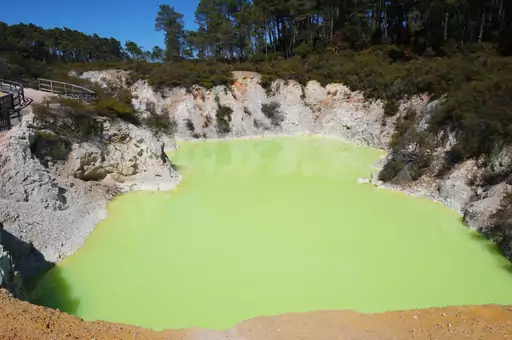
Wai-O-Tapu's mineral pools shift through vivid colours caused by different dissolved elements. The Champagne Pool's orange rim results from mineral deposits ringing the steaming water. Visitors can walk boardwalks past bubbling mud and colourful geothermal pools. Nearby geysers erupt on a predictable daily schedule for visitors.
City in Japan
Toyota
Car capital with Korankei maple gorge
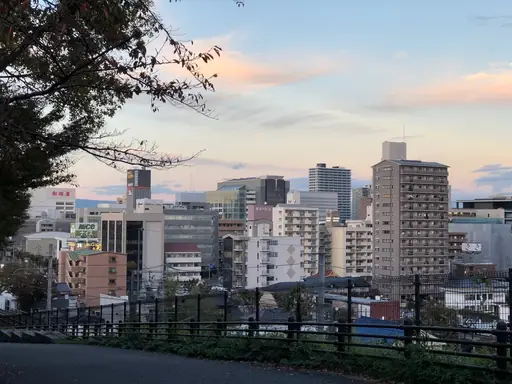
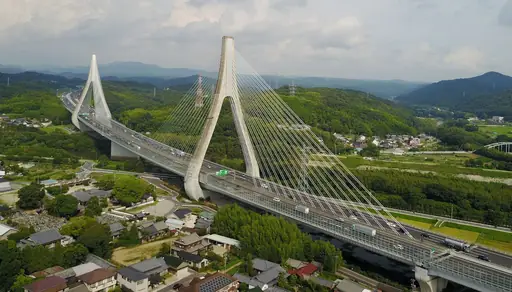
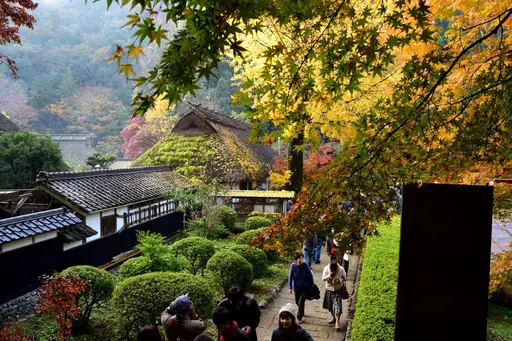
Hot springs near Toyota draw on geothermal activity within the surrounding mountain terrain. Local inns have offered mineral baths to travellers for generations in this region. Visitors can soak in traditional baths fed by naturally heated underground water. Nearby forests and mountain trails add to the area's rural appeal.
Other lists you may like
Discover
Best geothermal destinations in Africa
Africa's geothermal activity is concentrated along the East African Rift System, one of the world's most significant active geological features, where the slow separation of…
Read more
Discover
Best geothermal destinations in Asia
Asia's geothermal offer is anchored by Japan's onsen culture, one of the world's most deeply embedded bathing traditions, where thousands of hot spring facilities ranging from…
Read more
Discover
Best geothermal destinations in Europe
Europe's geothermal offer is concentrated in its volcanically active zones, with Iceland, the Italian peninsula and the Carpathian basin containing the most significant thermal…
Read more
Discover
Best geothermal destinations in North America
North America's geothermal offer is anchored by the vast hydrothermal systems of the Rocky Mountain interior, where the continent's most extensive concentration of geysers, hot…
Read more
Discover
Best geothermal destinations in Oceania
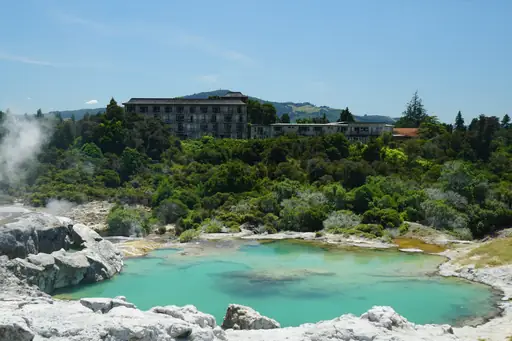
Oceania's geothermal offer is concentrated in New Zealand's North Island, where one of the world's most accessible and varied hydrothermal landscapes produces geysers, boiling mud…
Read more
Discover
Best geothermal destinations in South America
South America's geothermal offer is concentrated along the Andean volcanic arc, where one of the world's most extensive chains of active volcanic systems produces hot springs,…
Read more
What other users say about travelfilters
“travelfilters made it easy for me to find ski areas and compare what else they offer, so that I could find the best place for my personal travel style.”

Chris
Snowboarding & Onsen trip to Japan
“I love how transparent the data feels. There is no pushy upsell, just honest information and settings I can tune to my own travel style.”

Maria
After booking her 2027 winter escape
“The level of detail for each destination and how well those are displayed, make planning feel confident instead of overwhelming.”

Mina
Planned a week in New York City
“We used travelfilters for our planning from start to end. The trip turned out even better than expected, thanks to all their tools and customisation options.”

Allan & Etienne
Trip to Japan to see autumn foliage
“Thanks to travelfilters, I found some hidden gems to see. Being able to filter for exactly your interests is a game changer for my travel planning.”

Michael
Tour through the old cities of Northern Italy
“The customizable filters helped me find a quiet beach town with good wifi and low season crowds in under five minutes.”

Diego
Weekend Escape to Llanes, Spain
“The airport connection map saved me hours by showing good flight options from my home airport to lesser-known cities.”

Nguyen
Planning a 2027 trip to France
“The website is clean, fast and focused on the search itself, which makes travelfilters feel more like a professional tool than an ad-heavy booking site.”

Hassan
Christmas Market trip, Germany
