





Was this page helpful?

| Opening hours: |
|
||
|---|---|---|---|
| Public website: | www.geothermalexhibition.com |
| Power Grid: |
230 V, 50 Hz Plug: Type F
Type F:
 Read about power adapters |
|---|---|
| Currency: |
Icelandic Króna (ISK) £1 ≈ ISK 163 |
| Cashless info: |
Rating 5/5
Cashless payments are highly common in Iceland, especially in cities. Most businesses accept credit and debit cards, including smaller establishments. Mobile payment options like Apple Pay and Google Pay are popular.
Save with a travel credit card |
| eSIM providers: |
Best value: Saily Flexibility: Airalo Read our in-depth comparison |
| Tipping: | Tipping is not common in Iceland and not expected in restaurants. A service charge is usually included in the bill. Tipping taxi drivers or hotel staff is appreciated but not necessary. |
|---|---|
| Public drinking: | Public drinking is allowed, especially in designated areas during festivals or outdoor events. Alcohol is also available at licensed venues. |
| Public smoking: | Smoking is prohibited in indoor public spaces and on public transport. Designated smoking areas are available outside of many restaurants and public buildings. |
| Icelandic National Day (June) |
Expect parades and celebrations throughout the country. Hotels and tourist spots can get busy. |
|---|---|
| Christmas (December) |
Christmas is widely celebrated, and it’s a great time to visit for festive markets, but accommodation can be more expensive. |
| Þorrablót Festival (January) |
A festival celebrating Icelandic cuisine, it’s a popular time to visit, though some businesses may have reduced hours. |
| Emergency contact: | Emergency Number: 112 (Police, Fire, Ambulance) |
|---|---|
| Taxi apps: | Hreyfill, Reykjavik Taxi |
| Other: | Iceland's weather can be unpredictable, so it’s important to prepare for sudden changes in climate. Always check weather forecasts before venturing into nature. |
The best times to travel section shows how the months compare for a visit, so you can find the time of year that fits what you want to do.
Background colours of the months:
The colour shows the typical temperature: yellow (hot), green (mild) and blue (cold). How strong the colour is shows the travel season: full colour means high season, soft colour means shoulder season and soft-striped means off season.
Weather symbols:
Each month has one symbol showing what the weather is typically like, such as hot and sunny, freezing or a rainy or snowy season. Use them to quickly spot months that match the weather you want, or to avoid the ones that don't.
Crowdedness:
The people icon shows how busy the place usually is. The more people, the more crowded it gets.
Additional notes:
The grey info boxes point out special things worth knowing, like recurring weather issues or seasonal events.
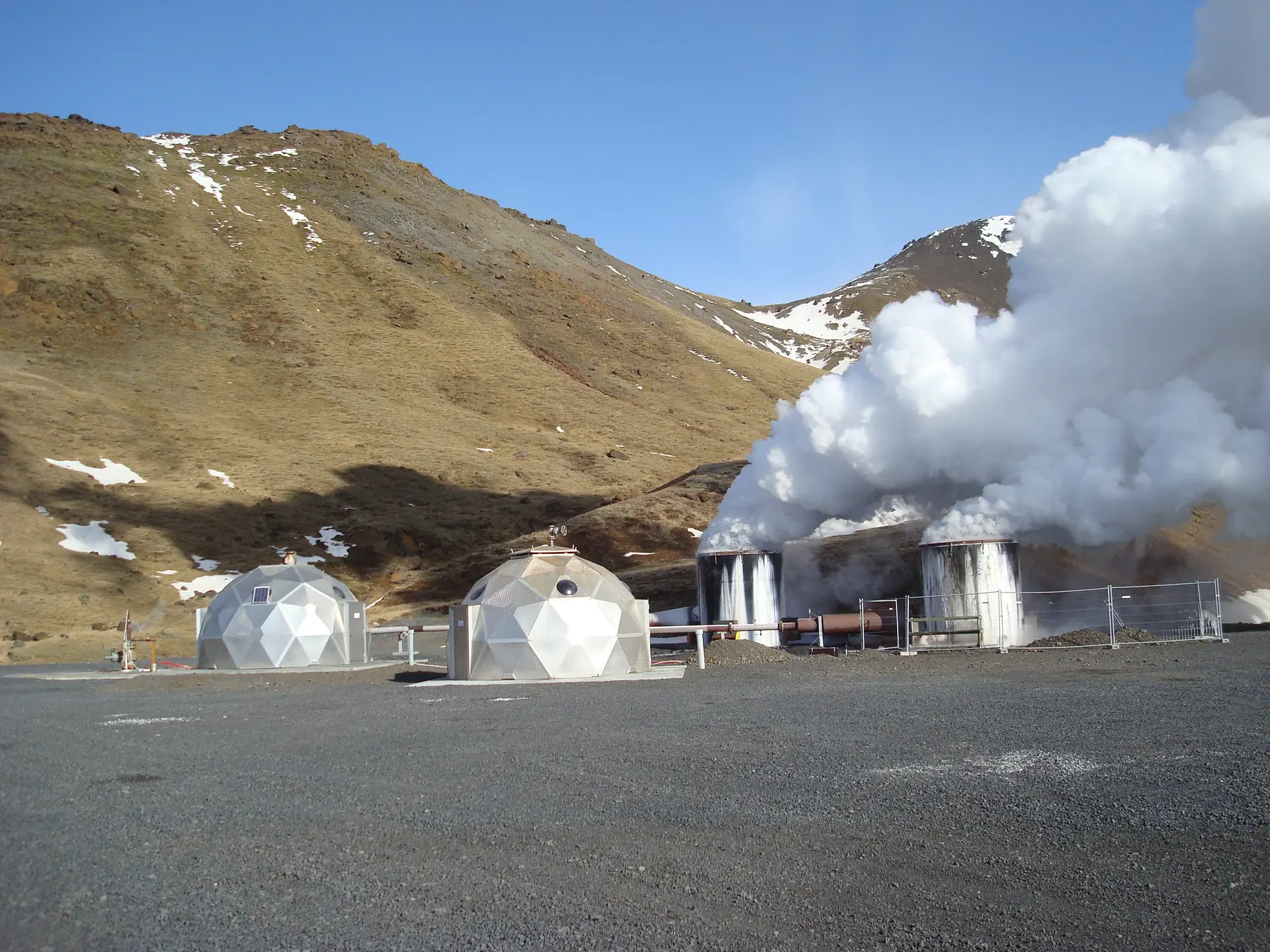
Hellisheiði Power Plant stands as a remarkable example of geothermal energy use in Iceland. Located near Reykjavik the facility taps heat from deep underground to generate electricity and warm homes. The plant processes hot water pumped from reservoirs beneath the earth’s surface turning it into steam that drives turbines. This process reduces reliance on fossil fuels while providing clean power for thousands of households.
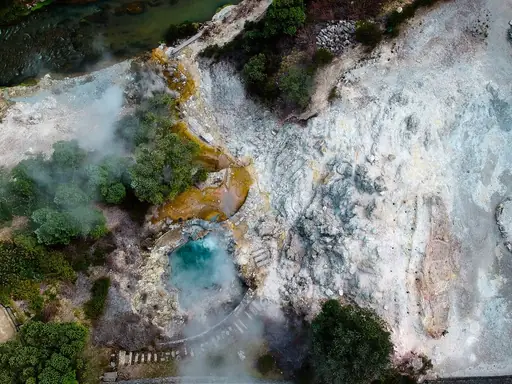
The site includes a visitor center where guests can learn about geothermal science through interactive displays and guided tours. A museum explains how Iceland harnesses natural resources without harming the environment. Visitors often notice steam rising from vents creating soft hissing sounds that signal active energy production. The area also features walking paths with viewpoints showing turbines generators and cooling towers set against a backdrop of rolling hills.
Hellisheiði’s operations extend beyond electricity generation. It supplies hot water to nearby communities for heating and supports greenhouse agriculture by providing warmth for crops. This multi-purpose approach demonstrates how industrial sites can serve multiple needs sustainably. The plant’s design prioritizes minimal disruption to surrounding landscapes preserving natural beauty while meeting modern energy demands.
Tourists find the combination of technology education and scenic surroundings appealing. The facility operates responsibly with visible efforts to protect local ecosystems. Observing the interplay between human innovation and nature offers insight into practical solutions for reducing carbon footprints. Hellisheiði Power Plant represents a thoughtful balance between progress and preservation making it worth visiting for those interested in renewable energy.
Hellisheiði Power Plant, located near Reykjavik, Iceland, is accessible via Route 41, which connects the capital to the southern coast. The facility sits approximately 30 kilometers east of Reykjavik, reachable by car or guided tours departing from the city. Public transportation options include buses operated by Strætó, with routes terminating near the plant’s visitor center. A dedicated parking area accommodates private vehicles. Guided tours often provide transport and structured access to viewing platforms, offering insights into geothermal energy production. The site is well-marked on major roads, ensuring clear navigation for visitors arriving independently or via organized excursions.
Near the Hellisheiði geothermal power station, accommodation ranges from cozy guesthouses in the surrounding rural villages to modern eco‑lodges that emphasize sustainability and energy efficiency. Many local inns offer comfortable rooms with panoramic views of the volcanic landscape, while a few boutique hostels cater to budget travelers seeking simple, clean spaces. The area is renowned for its “green” lodging options: several establishments power themselves entirely with geothermal heat, providing hot showers and low‑carbon footprints. For those desiring more privacy, self‑contained cabins are available in nearby forested areas, offering a quiet retreat after a day of exploring the plant’s impressive infrastructure. Overall, visitors find a mix of affordable, high‑quality stays that reflect Iceland’s commitment to renewable energy and environmental stewardship.
Log in to add this place to a travel list and get a summary of all recommended items for your whole trip.
We calculate the average costs when travelling to destinations and compare those with the living costs at your home. With this you can get an estimate of how expensive or cheap the destination is for you.
To customise this, you can set up which location and price level are used for the calculations in your account settings.
The exchange rate price factor shows how expensive or cheap a currency currently is compared to its historical average. It's a quick way to see if a country is currently more or less affordable due to exchange rate changes.
