





South America › Ecuador › Galapagos Islands

Galapagos Islands

Scroll
The Wildlife Paradise of Ecuador

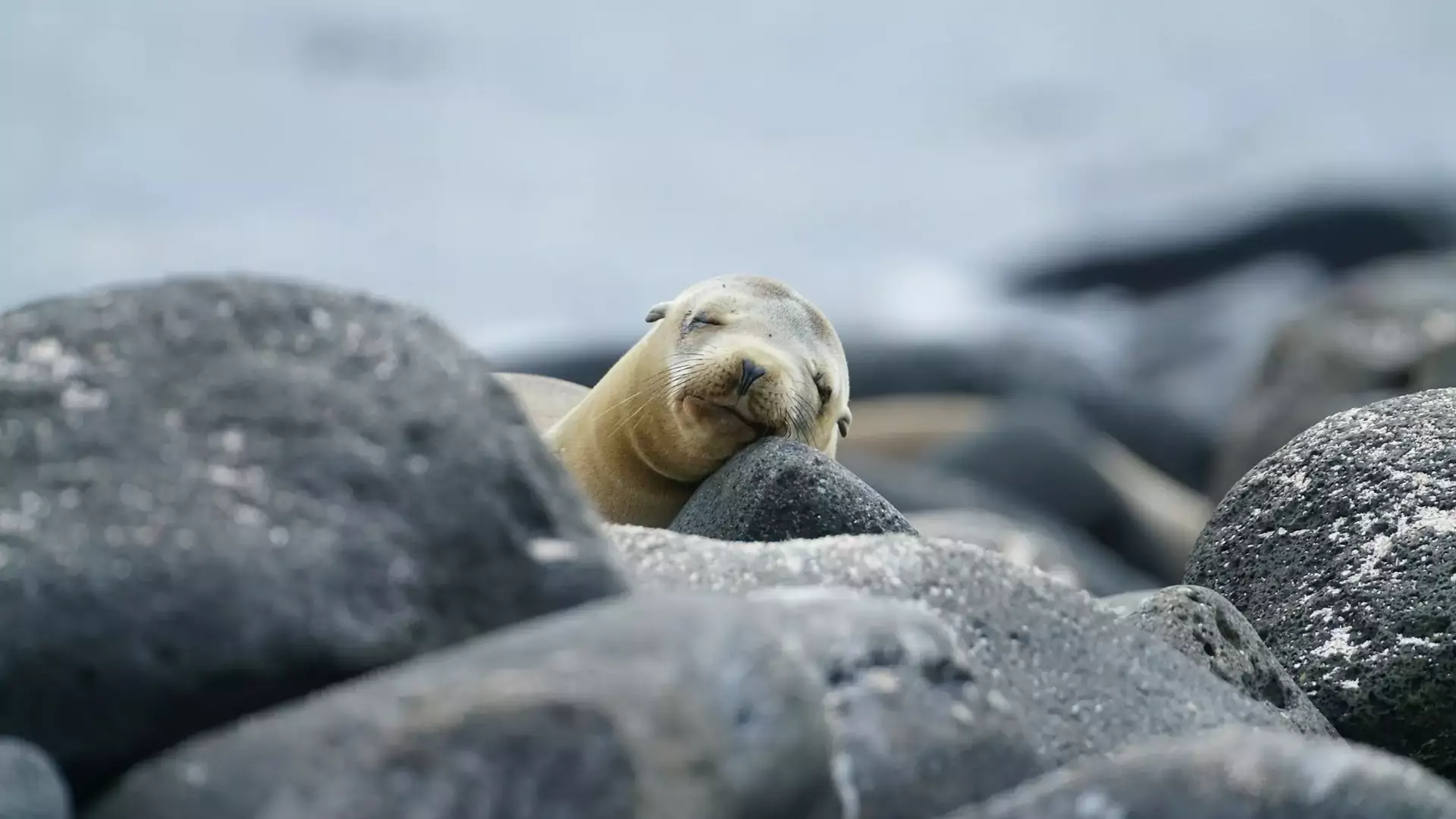
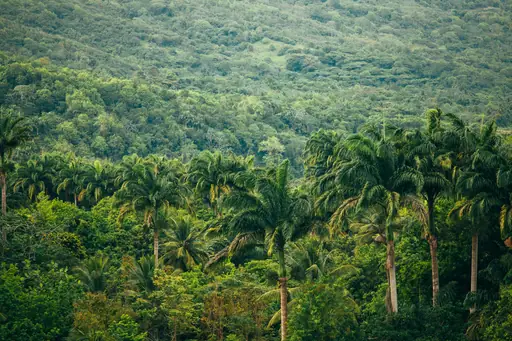
The Galápagos Islands sit far off Ecuador’s coast in the Pacific Ocean. These volcanic islands are home to wildlife found nowhere else on Earth. Giant tortoises roam lush highlands while marine iguanas bask under bright sun. Blue-footed boobies perform unique mating dances along rocky shores. The waters around the archipelago teem with colorful fish and playful dolphins. Each island shows different landscapes from arid plains to misty forests. Visitors experience clear skies, gentle breezes and quiet trails that let them observe nature up close without crowds.

Island in Ecuador
Climate zone: Hot desert

Hot desert: Extremely arid climates with very high temperatures, minimal rainfall, strong evaporation and sparse vegetation, typical of subtropical deserts.

See climate table
Price level: $$$+
$Cheap
$$Medium
$$$Expensive, upscale
$$$+Very expensive, luxury
See price details
Safety: 7.2
General Safety:8
Health & medical:6
Accessibility:5
Tap water:7
Read details
Tourist English: 3/5
English is commonly spoken in tourist areas, especially by guides and in hotels, but not all locals speak it fluently. Learning a few phrases in Spanish can be helpful, especially in smaller communities.
Last update: 12 Oct 2026
* We earn a commission from some links on this page.
Galapagos Islands Summary

These place ratings give you a quick overview of how well a destination matches different types of trips.

‘Best for’ scores:
The specific interest scores show where this place really shines – whether it's ideal for hiking, food & drink experiences, museums or other activities. These highlights help you understand what makes the destination special at a glance.

‘Your personal’ scores:
This reflects how well a place matches your personal preferences. You can adjust the importances of travel topics or other personal requirements categories in your account settings.

‘Suited for’ badges:
These give you a quick overview of how well a destination suits specific types of travellers, to help you find the places that match your lifestyle, preferences or travel situation.

Read how our scores work
World-class for wildlife encounters. Snorkel with marine animals, hike volcanic islands, watch unique species and explore protected natural landscapes.
Place score
8.5
Best at:
Islands
10
Sea
10
Natural sites
10
Wildlife
10
Diving
9
Personal score
?
Log in to see how this place matches your personal travel interests.
Suited for
👶 8
Families
🧓 7
Seniors
🛡️ 9
Travel Beginners
❤️ 9
Couples
Ecuador – Quick facts
Power Grid: 120 V, 60 Hz
Plug: Type A , Type B
Type A:
Diagram of a Type A power plug
Type B:
Diagram of a Type B power plug

Read about power adapters
Currency: US Dollar (USD)
£1 ≈ US$1.33
Cashless info: Rating 4/5
Cashless payments are becoming more common in Ecuador, especially in urban areas. However, cash is still widely used, particularly in rural regions. Credit cards are accepted in larger establishments.

Save with a travel credit card
eSIM providers: Best value: Saily
Flexibility: Airalo
Read our in-depth comparison
Tipping: Tipping is appreciated in Ecuador, though not mandatory. A 10% tip in restaurants is common, and small tips are also welcome for taxi drivers and hotel staff.
Public drinking: Public drinking is generally not allowed in Ecuador, and alcohol consumption is confined to licensed establishments like bars and restaurants.
Public smoking: Smoking is prohibited in indoor public places, including restaurants and public transport. Smoking is allowed in designated outdoor areas.
Independence Day
(10 August)
National holiday celebrating Ecuador’s independence
Christmas
(25 December)
Celebrated with family gatherings, festive meals, and fireworks
Emergency contact: Emergency Number: 911
Taxi apps: Uber
Other: Ecuador is known for its diverse landscapes, including the Amazon rainforest, the Andes mountains, and the Galapagos Islands. It offers a mix of nature, culture, and adventure for travellers.
Best times to travel

The best times to travel section shows how the months compare for a visit, so you can find the time of year that fits what you want to do.

Background colours of the months:
The colour shows the typical temperature: yellow (hot), green (mild) and blue (cold). How strong the colour is shows the travel season: full colour means high season, soft colour means shoulder season and soft-striped means off season.

Weather symbols:
Each month has one symbol showing what the weather is typically like, such as hot and sunny, freezing or a rainy or snowy season. Use them to quickly spot months that match the weather you want, or to avoid the ones that don't.

Crowdedness:
The people icon shows how busy the place usually is. The more people, the more crowded it gets.

Additional notes:
The grey info boxes point out special things worth knowing, like recurring weather issues or seasonal events.

for Galapagos Islands, Ecuador
🌤️
Jan
🌤️
Feb
☀️
Mar
☀️
Apr
☀️
May
🌤️
Jun
🌤️
Jul
🌤️
Aug
🌬️
Sep
🌤️
Oct
🌤️
Nov
🌤️
Dec
High season: Jan. - April, July - Sep., Dec.
Shoulder season: May - June, Oct. - Nov.
Crowdedness: 6 (Many tourists)
Tap on a month for more info Hover over a month for more info
Warm and wet season December to May suits snorkelling and swimming, cool and dry season June to November suits wildlife and diving with cold water
Wildlife varies by month: sea turtle nesting January to April, albatross at Española late March to December, blue-footed booby courtship May to July
Island cruises sell out months ahead for December to January and July to August; park fee and entry card required on arrival

Why travel to Galapagos Islands?

The Galapagos Islands are home to an unparalleled variety of wildlife, much of which can only be found here. The islands offer a perfect combination of natural beauty and adventure. Whether you’re hiking through volcanic landscapes, diving with sea lions or just observing giant tortoises, there’s something magical about this place. However, be prepared for the high cost of travel due to its remote location and limited infrastructure. A visit here is also a reminder of the importance of conservation, as the islands are a UNESCO World Heritage site with strict regulations in place to protect the environment.

🏯Places worth seeing
  • 1 Isla Santa Cruz
  • 2 Isla Genovesa
  • 3 Isla Floreana
  • 4 Parque Nacional Galápagos
  • 5 Charles Darwin Research Station
  • 6 Isla Isabela
  • 7 Bartolomé Island
🏞️Natural landmarks
  • 1 Tortuga Bay
  • 2 Kicker Rock
  • 3 Volcán Sierra Negra
🛍️Shopping
  • 1 Amadita Mini Market
🎈Events
  • Galapagos Music Festival
  • Fiestas de la Virgen del Carmen
  • Galapagos Sea Lion Festival
  • Carnival
  • Galapagos International Marathon

Knowledge before you go

  • Book guided tours only. Independent travel restricted in national park.
  • Pay $200 USD entry fee upon arrival and carry Transit Control Card always.
  • Pack reef-safe sunscreen, water shoes and binoculars for wildlife viewing.
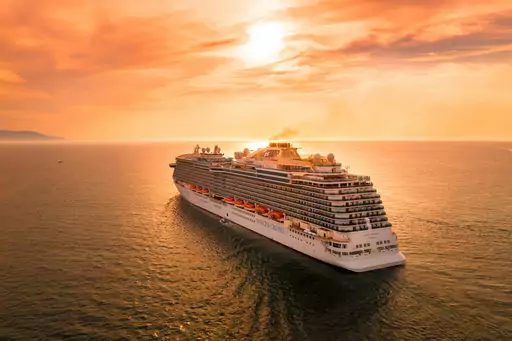
  • Choose liveaboard cruises over island-hopping to access remote uninhabited islands.

How to travel to Galapagos Islands

You can reach the Galapagos Islands from Ecuador’s mainland by flying into either Baltra Island or San Cristobal Island. Flights from Guayaquil or Quito are frequent, but be sure to book in advance, as the islands are a popular destination. Ferries and boats connect the main islands.

Access summary

  • From Baltra/San Cristóbal airports: Shuttle and boat to towns, 30–60 minutes.
  • From Quito: Morning flights via/without Guayaquil, usually about 2–3 hours.
  • From Guayaquil: Direct flights to Galapagos typically around 1.5–2 hours.

Where to stay in Galapagos Islands

Accommodation varies widely from basic hostels to luxury eco‑lodges. While most visitors stay on Santa Cruz Island, there are options across the islands, including beachfront hotels, private villas and budget‑friendly guesthouses. The eco‑lodges tend to have a more sustainable focus.

How to get around Galapagos Islands

Most of the Galapagos Islands are accessible by boat and the main islands have local transport via buses, taxis and even bicycles. For more remote areas, you’ll need to book boat tours or use private boats for island hopping.
Budget snapshot
Costs compared to home

We calculate the average costs when travelling to destinations and compare those with the living costs at your home. With this you can get an estimate of how expensive or cheap the destination is for you.

To customise this, you can set up which location and price level are used for the calculations in your account settings.

-58 %
Daily expenses in Galapagos Islands are around 58% lower than the average across United States. That means you'll spend a lot less on meals and getting around.
Exchange rate trend

The exchange rate price factor shows how expensive or cheap a currency currently is compared to its historical average. It's a quick way to see if a country is currently more or less affordable due to exchange rate changes.

-4 %
Your exchange rate (GBP to USD) is 4% better than in recent years. That means travelling now costs around the same compared to the past.

Travel costs

To help you plan your trip, we provide estimated daily costs per person (when travelling as a pair) for different travel styles. These numbers give you an idea of what you might spend each day at this destination, including accommodation, food, transport and activities.

Additionally, we also provide average hotel costs for different travel styles to give you an estimate for the accommodation only.

Please note that these are only estimates. The real costs depend on booking times, season and other factors.

Daily cost summary

Travel style categories explained:

Backpacker:
Staying in hostels or budget hotels, cooking your own meals or eating cheap and choosing low-cost activities.

Mid-range:
Staying in mid-range hotels, eating at a mix of restaurants and casual spots and enjoying a variety of activities.

Luxury:
Staying in luxury hotels, dining out at high-end restaurants and enjoying premium experiences without worrying about the price.

Backpacker Mid-range Luxury
💵 Total costs per day, including accommodation
£57
£137
£387
🏨 Accommodation per night, per person
£41
£105
£285
🍝 Food per day
£15
£29
£84
🚕 Transportation per day
£1
£3
£18
Notable additional fees: Park entry US$200 (£150.23) per foreign adult, US$100 (£75.11) under 12, cash on arrival at Baltra or San Cristóbal. Plus the US$20 (£15.02) INGALA transit card, now bought online before you fly.
Food & Drink
🍽️ Restaurant Dinner, per person
£12.50
🍛 Lunch Set, per person
£3.30
🍟 Fast food combo
£5.50
🍝 Preparing your own food, per day
£5
☕ Cappuccino
£2
🍺 Beer in a restaurant, 0.5 l
£1.60
Transportation
🚌 Public transport ticket
£0.25
🚕 Taxi Ride, 10 km / 6 mi
£12
⛽ Petrol, 1 l
£0.55
Other
🎞️ Cinema ticket
£4.90
👩‍⚕️ Doctor's consult
£26
🤧 Cold medication
£6
💇 Basic haircut
£5.50

Safety information overview

General safety
8
The Galapagos Islands are generally very safe for tourists. However, as with any destination, it's important to stay aware of your belongings, especially in tourist areas. The natural wildlife is not dangerous, but it's important to respect local regulations to avoid disturbing animals.
Health & Medical
6
Medical services on the islands are limited. There are small clinics on the main islands, but for major medical issues, you’ll need to travel to mainland Ecuador. It's essential to have travel insurance and bring any necessary medication.
Accessi­bility
5
The Galapagos can be challenging for people with mobility issues due to uneven terrain and remote islands. Most tours are accessible to general visitors, but some activities, like hiking and snorkeling, may require physical ability.
Tap water
7
Tap water in the Galapagos is not potable and you should rely on bottled or filtered water. Bottled water is readily available throughout the islands and most accommodations provide clean drinking water.

Nearby recommended places

Looking for inspiration?

Discover
Most beautiful beaches and coastal escapes
For a lot of people, a beach is the whole point of a holiday, but what makes a beach day perfect really depends on personal taste. Some travellers want isolation and the feeling…
Read more
Discover
Stunning national parks and wilderness areas
National parks exist because someone decided that certain landscapes were too important to lose. The best of them protect ecosystems, wildlife and natural processes that would…
Read more
Discover
Intimate escapes and romantic getaways
The most memorable trips for couples tend to have less to do with luxury and more to do with the quality of shared experience. A place that slows you down, removes the usual…
Read more
Discover
Top adventure destinations and outdoor activities
Adventure travel covers an enormous range of activities and risk tolerances, from multi-day wilderness trekking and white water rafting to technical climbing, polar expeditions and…
Read more
Discover
Top luxury island resort destinations in South America
South America's luxury islands look a little different from the classic overwater bungalow image, built more around conservation and scarcity than resort scale. Fernando de…
Read more
Discover
Best travel destinations for food allergies
Travelling with a food allergy adds a layer of planning most people never have to think about and the right destination can make that planning a lot easier. Some travellers…
Read more
Discover
Stunning national parks and wilderness areas in South America
Read more
Discover
Volcano destinations and volcanic landscapes
Volcanic destinations offer a category of landscape experience unavailable anywhere else, with the combination of raw geological drama, active crater environments and the…
Read more
Discover
Best luxury destinations in South America
South America's luxury travel offer is built around the continent's extraordinary natural environments and cultural heritage, with the most compelling high-end experiences…
Read more
Discover
Best destinations to visit in November in South America
South America heads toward early summer in November, with warmer weather and the first hints of the wet season arriving in several regions. Andean regions start to see more rain…
Read more
Discover
Best travel destinations for food allergies in South America
South America takes more preparation for allergy conscious travelers than some other regions, since formal allergen labeling laws are less consistent from country to country.…
Read more
Discover
South America's best beach destinations
South America's coastline runs from the Caribbean in the north to near-Antarctic waters in the south, and the range between those two points is considerable. The continent has…
Read more
Discover
Best destinations to visit in March in South America
South America settles into autumn in March, with the peak of summer travel and Carnival season both winding down. Carnival celebrations wrap up in early March in most years,…
Read more
Discover
Top digital nomad destinations and remote work hubs in South America
South America has become a real draw for remote workers looking for lower costs without giving up city comforts or a strong sense of community. Some nomads head straight for the…
Read more
Discover
Top cruise destinations and major routes
Cruise travel has evolved considerably beyond its traditional demographic and now encompasses everything from large resort ships carrying thousands of passengers to small…
Read more
Was this page helpful?
Feedback