
Top ecotourism destinations and sustainable travel hubs
Top ecotourism destinations and sustainable travel hubs
Sustainable travel hubs and low-impact nature resorts
Travel and conservation do not always go hand in hand, but eco tourism is built on the idea that a trip can truly support the places it visits rather than just pass through them.
Some travellers want hands on experiences, like helping with a conservation project or staying at a lodge that funds local wildlife protection. Others simply want a low impact trip, choosing accommodation and activities that leave a lighter footprint without much extra effort on their part. Wildlife lovers often chase rare or endangered species, while others are just as happy exploring a well managed forest or coastline close to home. Certification and transparency vary a lot, so it pays to look past marketing and check what a destination actually does.
The destinations on our list have been chosen with that in mind, favouring places where tourism truly supports the environment rather than working against it.
Lists by region
Worldwide (162)
Africa (15)
Asia (24)
Europe (36)
North America (34)
Oceania (14)
South America (10)
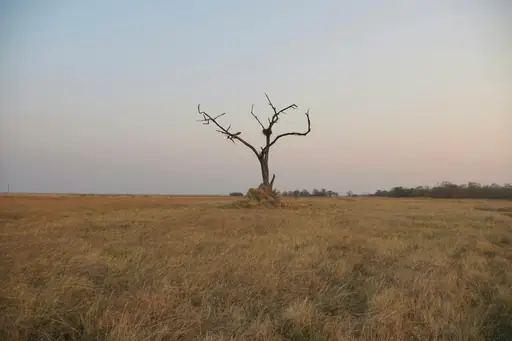
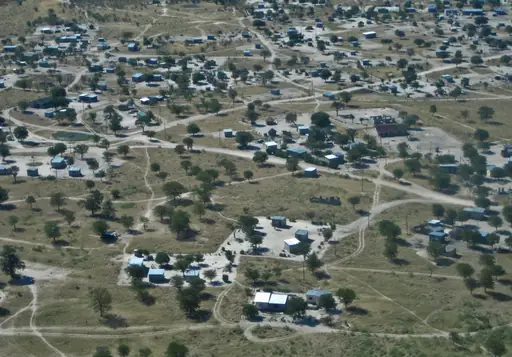
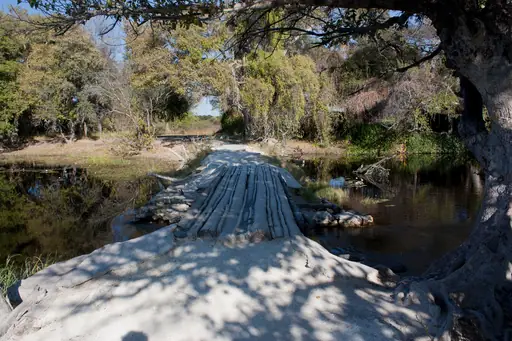
Nature Reserve in Botswana
Okavango Delta
Africa’s Uncharted Water Wilderness
Seasonal floods from the Angolan highlands spread across the Kalahari sands each year. The water peaks in July and August and creates a maze of channels. Local guides pole traditional mokoro canoes quietly through papyrus channels. Elephants, hippos and lions live on the many dry islands.
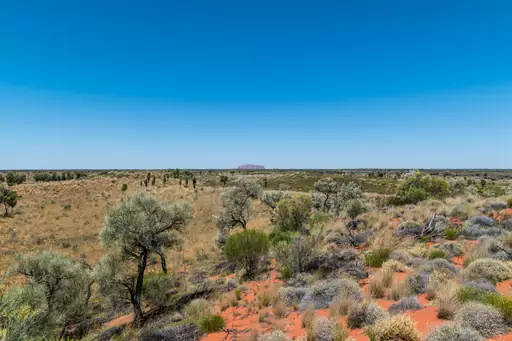
National Park in Australia
Uluṟu-Kata Tjuṯa National Park
Sacred Red Rock and Majestic Domes
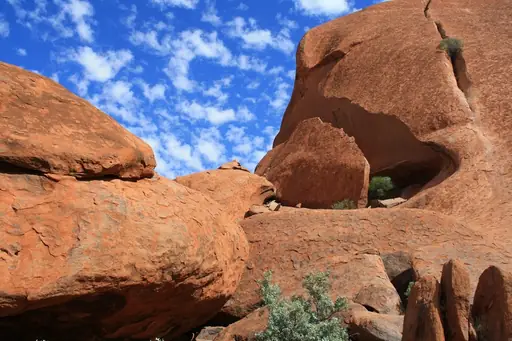
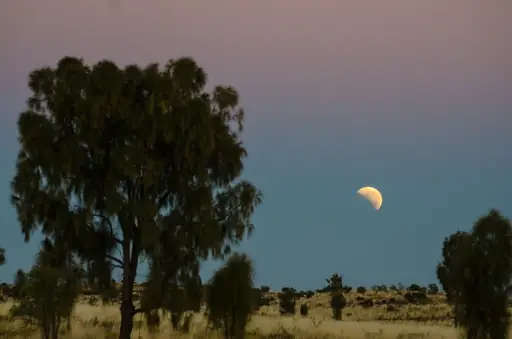
Red sandstone glows orange at sunrise and deep purple at dusk. The climb has been closed since October 2019 out of respect for Anangu owners. You can walk the 10 kilometre base track or join a local guide. The domes of Kata Tjuta, a short drive west, make another good walk.

Region in Iceland
Landmannalaugar
Colorful mountains and natural pools
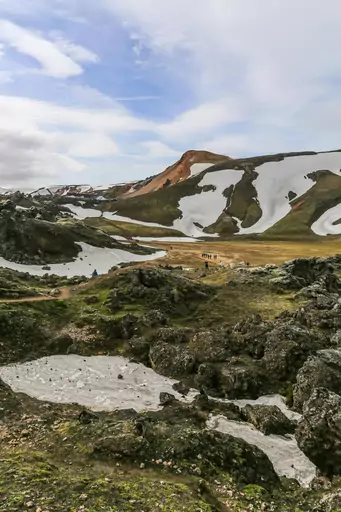
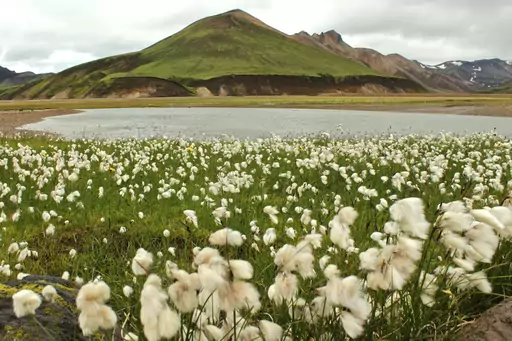
Rhyolite mountains in shades of pink, green and yellow surround this Icelandic highland area. A warm stream runs beside the start of the Laugavegur trail. Hikers can soak in a natural pool after crossing the Laugahraun lava field. Most hikers finish the Laugavegur trek at Thorsmork after four days.
National Park in Iceland
Vatnajökull National Park
Glaciers, Volcanoes and Ice Caves
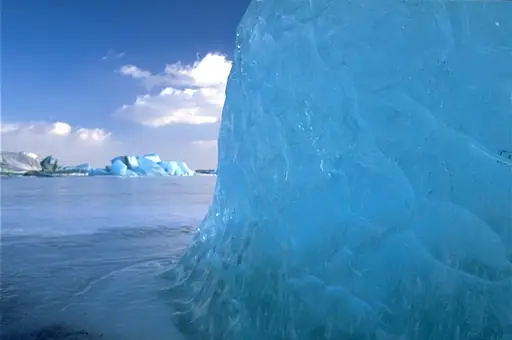
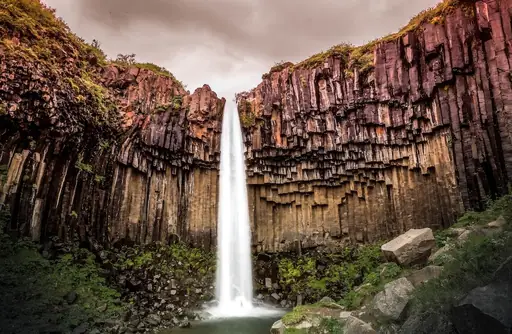
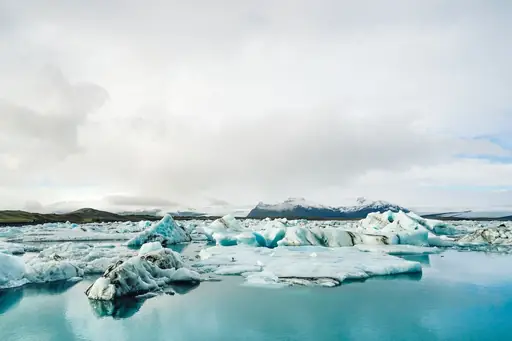
From November to March guides lead small groups into blue ice caves beneath the glacier. Summer melt closes the caves to visitors. The ice cap is the largest glacier in Europe by volume. Skaftafell has walking trails to waterfalls such as Svartifoss, which is framed by dark basalt columns.
Nature Reserve in United States
Big Cypress National Preserve
Florida's wild swamp wilderness experience
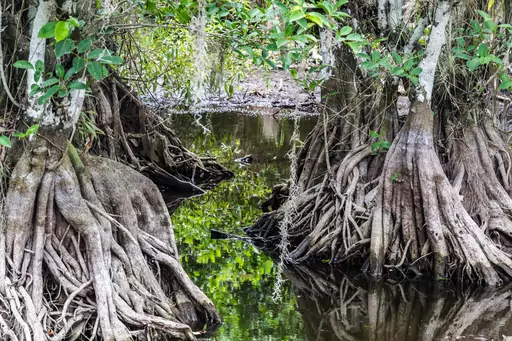
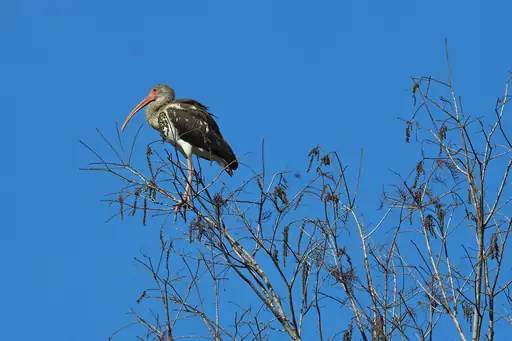
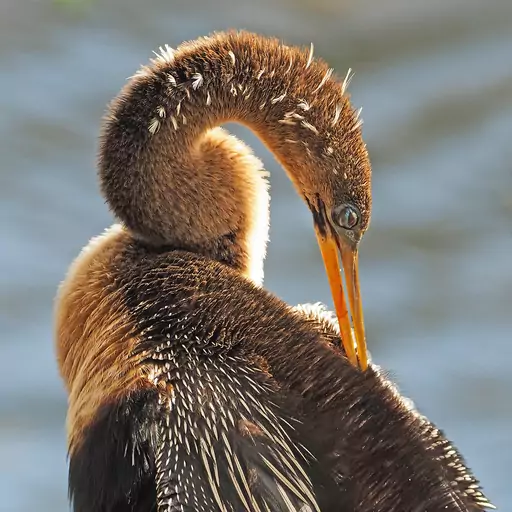
Big Cypress National Preserve protects a swamp ecosystem bordering Everglades National Park in Florida. Boardwalks and swamp buggy tours let visitors explore cypress domes without disturbing the wetland. Visitors can spot alligators, wading birds and orchids along marked trails. The preserve allows limited off-road vehicle use in designated zones, a rule unique among park units.
National Park in United Kingdom
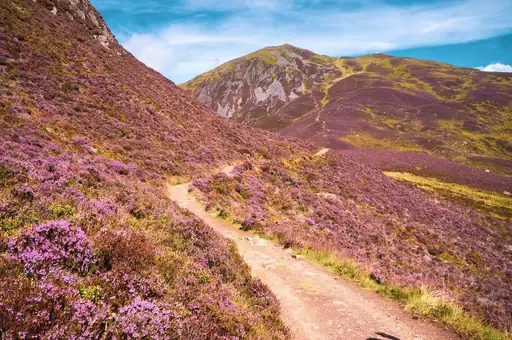
Cairngorms National Park
Scotland’s Wild Heart of Adventure
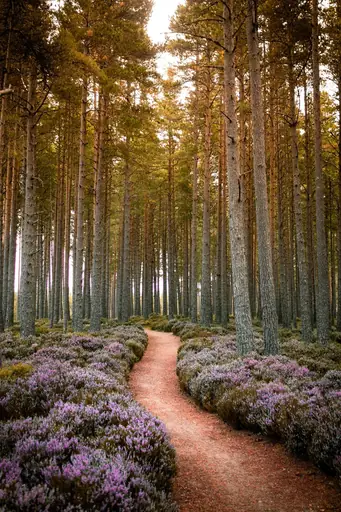
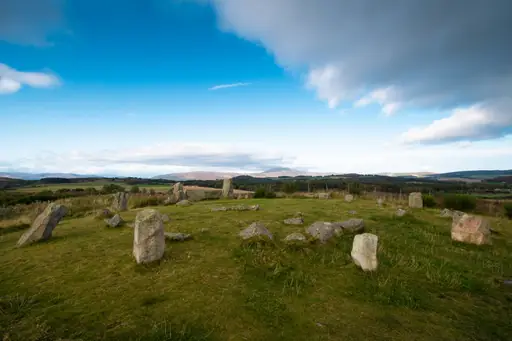
Cairngorms National Park protects the largest area of arctic-alpine habitat anywhere in the UK. Reindeer, reintroduced to Scotland in the 1950s, still roam a managed herd here. Visitors can join guided walks to see the reindeer grazing on the plateau. The park's ancient Caledonian pine forests rank among the last remnants of that woodland.
National Park in United States
Voyageurs National Park
Watery wilderness of northern Minnesota
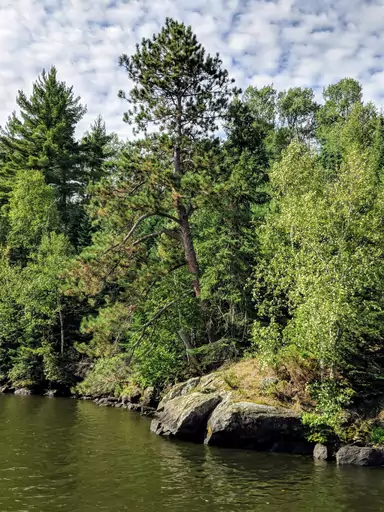
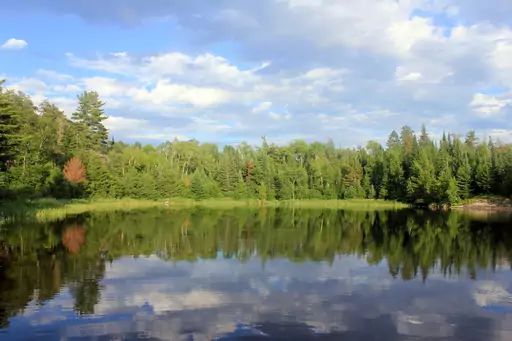
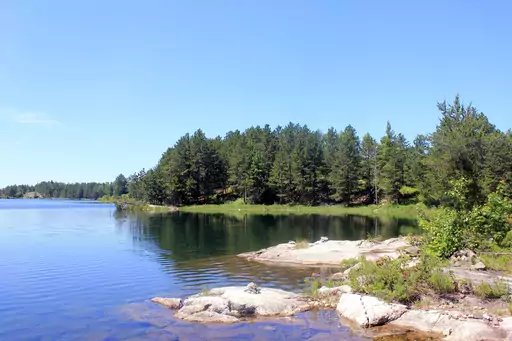
Most visitors get around Voyageurs by boat, like the French Canadian fur traders it is named for. Houseboat rentals and canoe campsites dot the four big lakes. It is an International Dark Sky Park where northern lights sometimes glow overhead. Bald eagles and loons nest on the lakeshores.
Island in Ireland
Inishmore
Stone Forts, Cliffs and Celtic Spirit
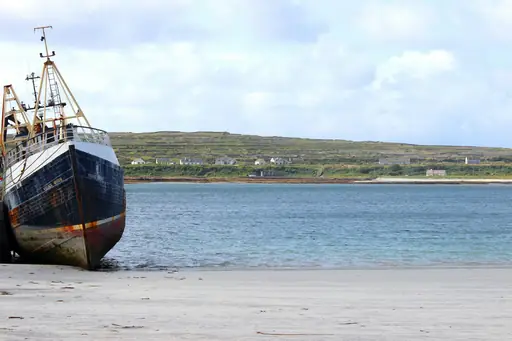
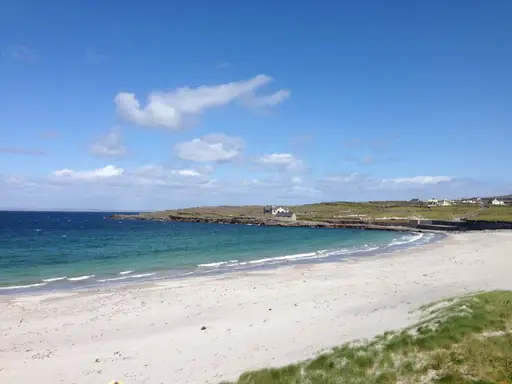
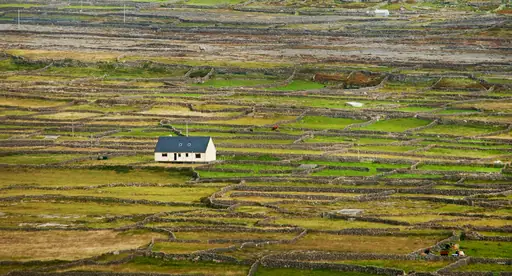
Islanders still speak Irish every day and knit thick Aran jumpers. Stone walls divide tiny fields made from bare limestone and seaweed. Visitors rent bicycles to ride out to Dun Aonghasa, a cliff fort over 100 metres above the sea. The fort is thousands of years old.
National Park in Costa Rica
El Yunque National Forest
Tropical rainforest paradise in Caribbean
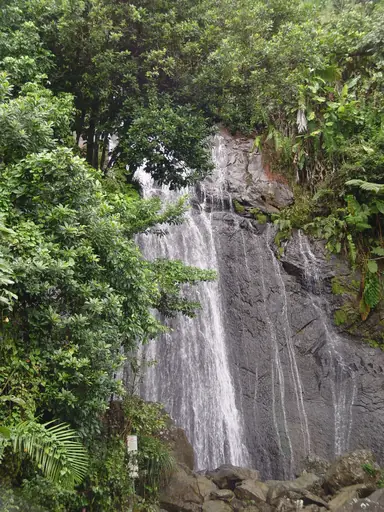
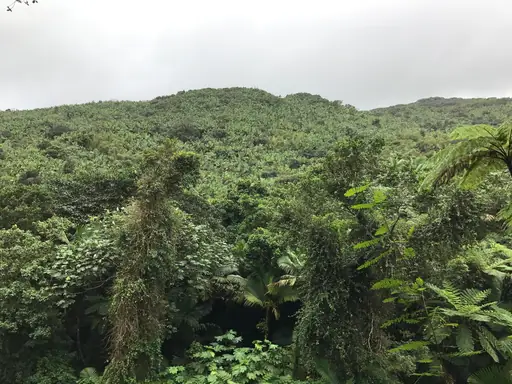
El Yunque ranks as a rare tropical rainforest within the US National Forest System. Rainfall here can exceed 200 inches annually in the forest's higher elevations. Visitors can hike to waterfalls like La Mina, a short walk from the main trailhead. The forest's coqui frogs produce a distinctive nightly chorus heard throughout Puerto Rico.
National Park in United States
Olympic National Park
Untamed Wilderness, All in One
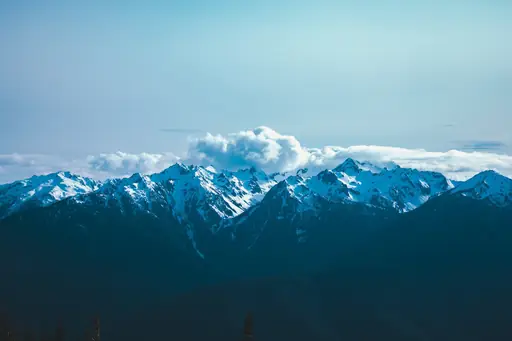
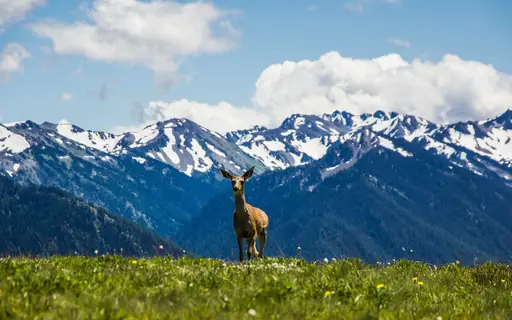
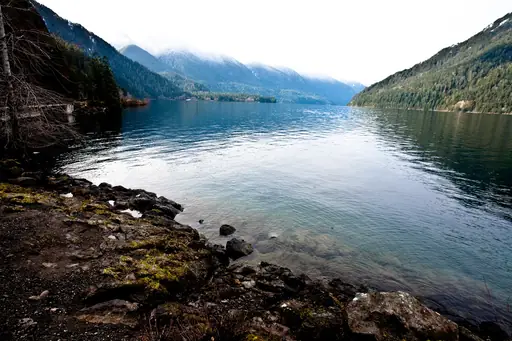
Hoh Rain Forest receives roughly 12 feet of rain a year. Moss hangs from bigleaf maples along the Hall of Mosses trail. Hikers can walk a short loop through it in under an hour. Ruby Beach on the Pacific coast has sea stacks and tide pools.
National Park in Indonesia
Komodo National Park
Dragons, Pristine Reefs and Wild Beauty
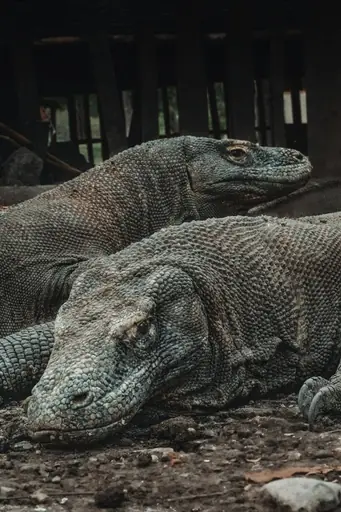
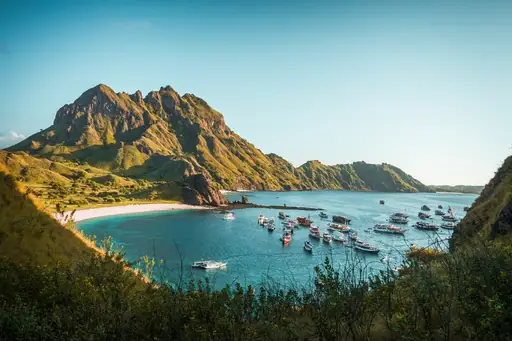
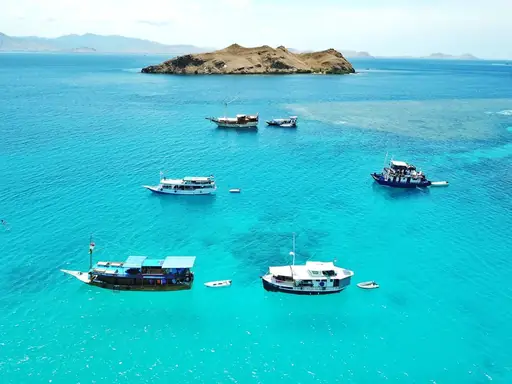
Giant lizards up to three metres long roam Rinca and Komodo islands. Rangers guide small groups along marked trails to see them safely. Divers can drift past manta rays at Manta Point in the park's channels. Pink Beach gets its colour from crushed red coral mixed into the sand.

National Park in Slovenia
Triglav National Park
Slovenia’s Natural Beauty
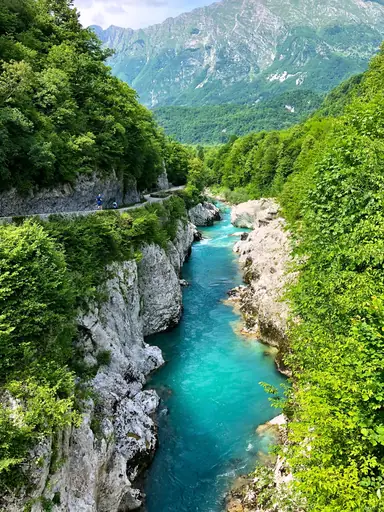
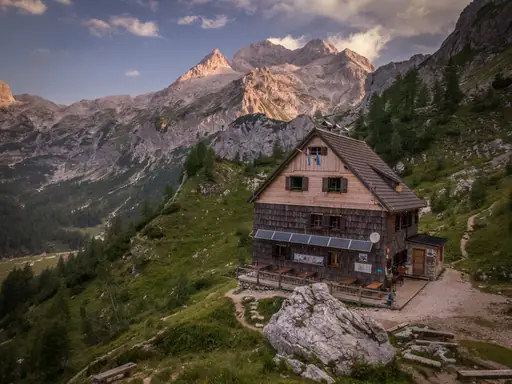
Mount Triglav is so important to Slovenians that it appears on their flag. Its summit is 2,864 metres high. Tradition says every Slovenian should climb it once. Lake Bohinj in the park has clear water for swimming and kayaking. The Soca River, with its emerald green water, starts in the park's valleys.

Region in Canada
Bay of Fundy
Home to world's highest tides
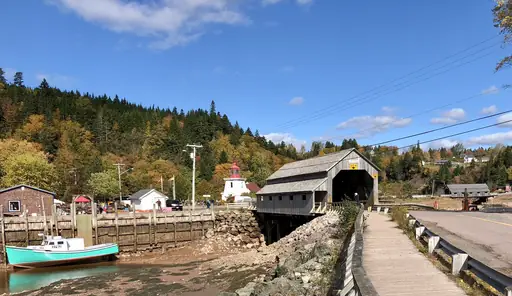
The Bay of Fundy records the highest tides on Earth, with water levels shifting over 15 metres. Boats sitting in deep water at high tide rest on exposed mud flats hours later. Visitors can walk the ocean floor at low tide before watching the bay refill. Whale watching tours time departures around this tidal shift.
National Park in United States
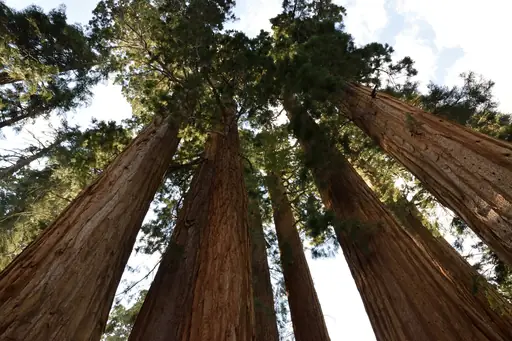
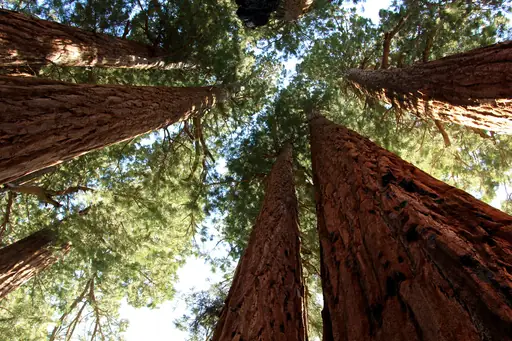
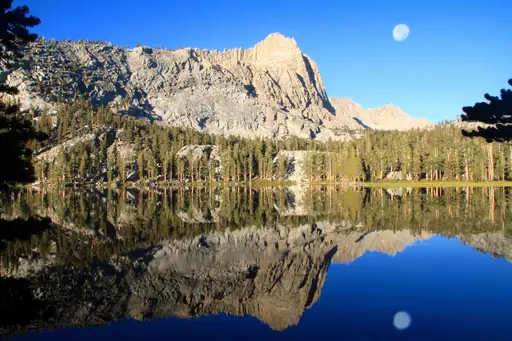
Sequoia and Kings Canyon National Parks
Home of the Giant Sequoias
General Sherman, a giant sequoia, is the largest tree on Earth by volume. It stands about 275 feet tall with a base over 36 feet wide. Visitors can walk a paved trail down to the tree from the parking area. Nearby Moro Rock offers granite stairs and sweeping views of the Great Western Divide.
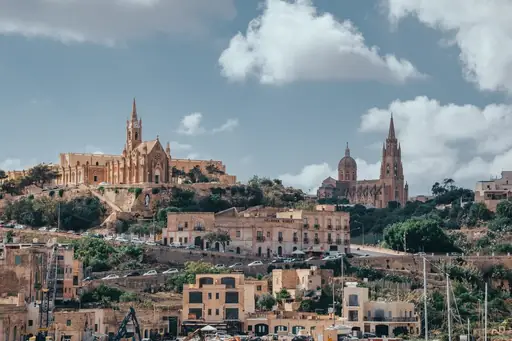
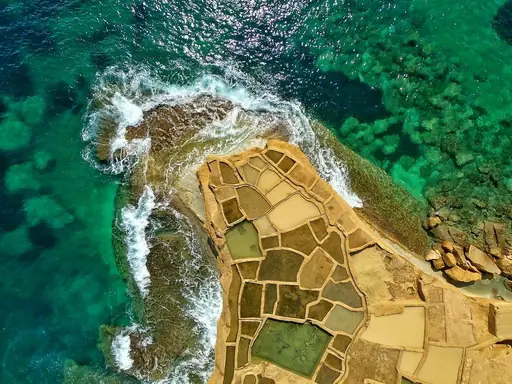
Island in Malta
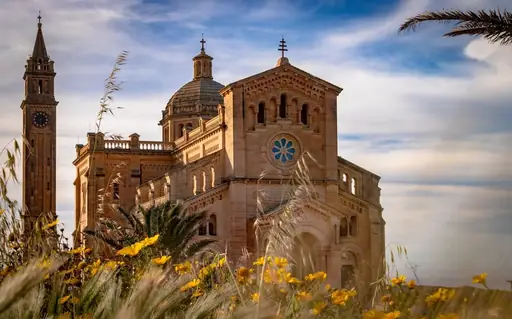
Gozo
Hidden Mediterranean Gem
Gozo moves at a slower pace than Malta, with fewer resorts and quieter villages. Dwejra's Inland Sea connects to open water through a narrow tunnel carved into the cliffs. Visitors can take a small boat through this tunnel out to the Mediterranean. Terraced fields and dry stone walls still shape much of the island's landscape.
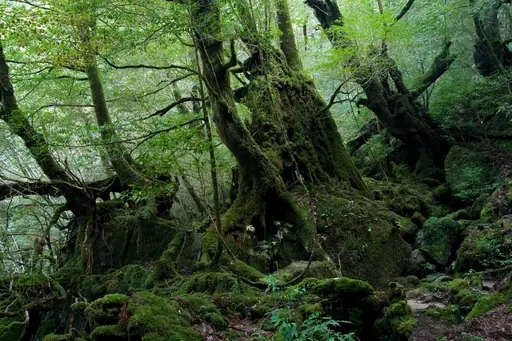
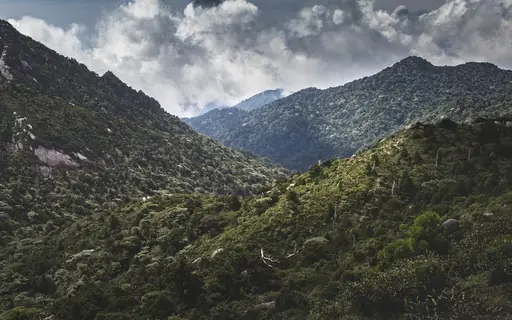
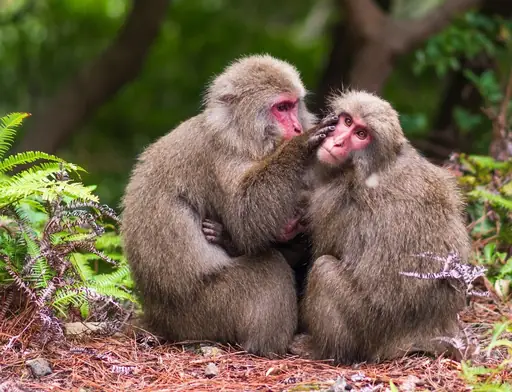
Island in Japan
Yakushima
Ancient cedars, mossy forest and waterfalls
Jomon Sugi is a giant cedar tree that may be thousands of years old. Cedars here older than 1,000 years are called yakusugi. A moss covered forest called Shiratani Unsuikyo helped inspire the film Princess Mononoke. The trail to Jomon Sugi follows old logging rail tracks through the forest.
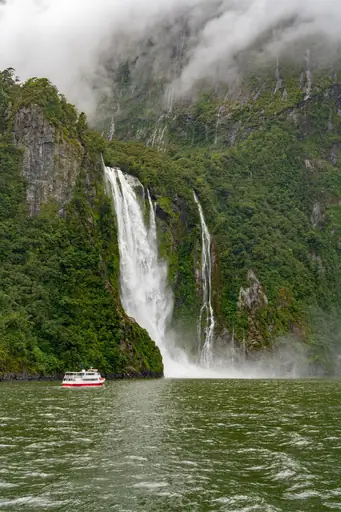
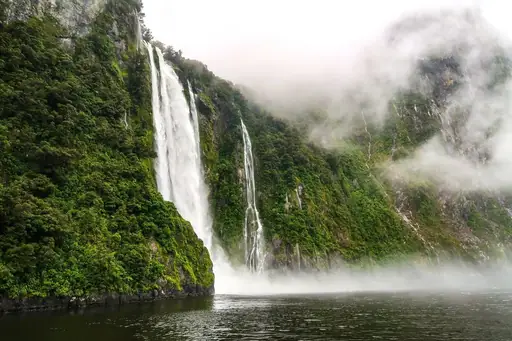
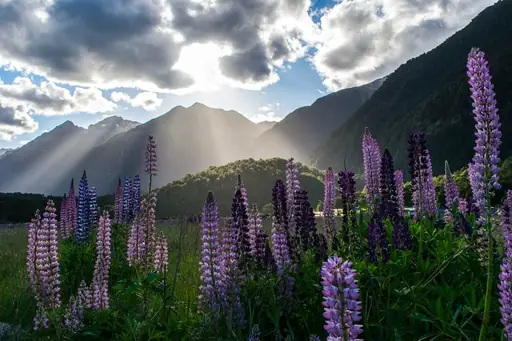
National Park in New Zealand
Fiordland National Park
New Zealand’s Wildest Water World
Fiordland National Park protects Milford Sound, a fjord carved by glaciers over thousands of years. Rainfall here ranks among the highest of any inhabited region on Earth, feeding many falls. Visitors can cruise the fjord to see waterfalls cascade into the sea. Its isolation has kept the forest free from introduced predators in fenced sanctuaries.
Nature Reserve in China
Jiuzhaigou Nature Reserve
Colorful lakes in Tibetan mountains
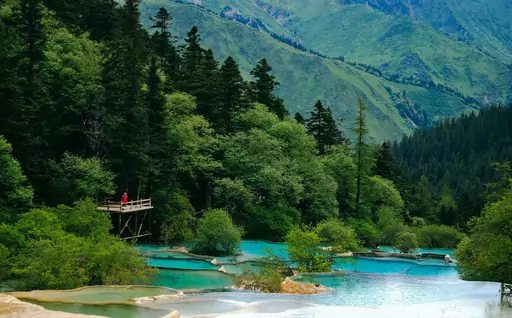
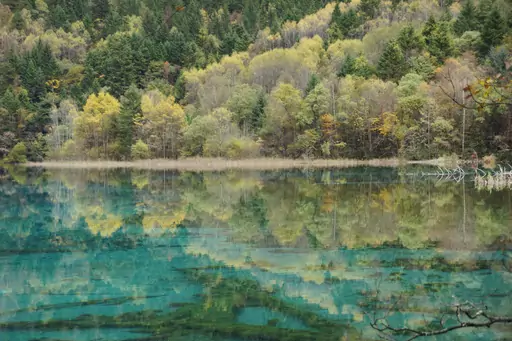
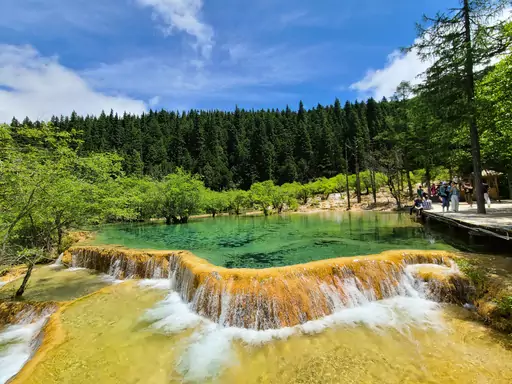
Jiuzhaigou Nature Reserve protects a valley of turquoise lakes coloured by dissolved minerals and algae. Waterfalls connect these lakes in tiered cascades visible from boardwalks throughout the reserve. Visitors can ride a shuttle bus between viewpoints, since private cars stay banned. A 2017 earthquake closed the reserve; restoration work reshaped parts of the trail network.
National Park in Chile
Torres del Paine National Park
Epic Landscapes and Untamed Wilderness
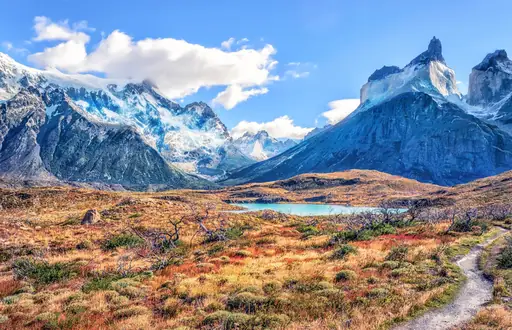
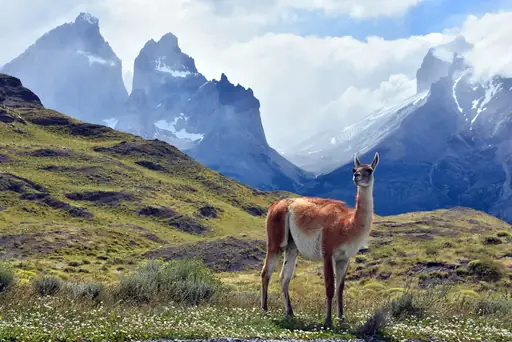
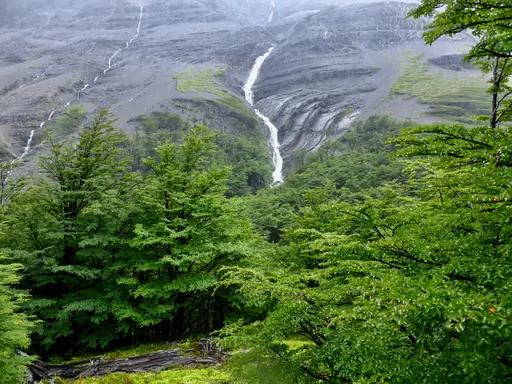
Grey Glacier drops into a lake dotted with blue icebergs along the W Trek. Guanacos graze on the steppe below granite towers. Open fires are banned after tourists sparked huge blazes in 2005 and 2011. Hikers must camp only in marked sites and carry out their rubbish.
National Park in Croatia
Plitvice Lakes National Park
Cascading Waterfalls and Turquoise Lakes
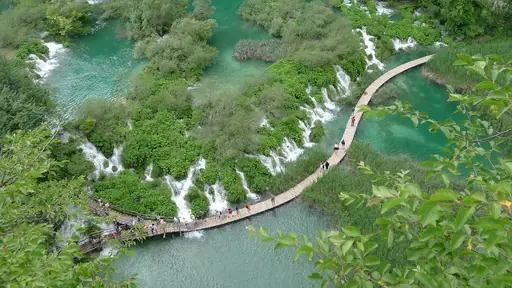
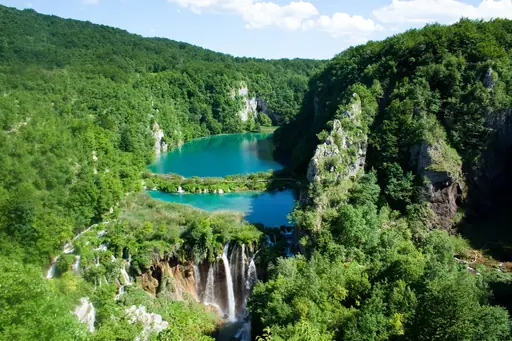
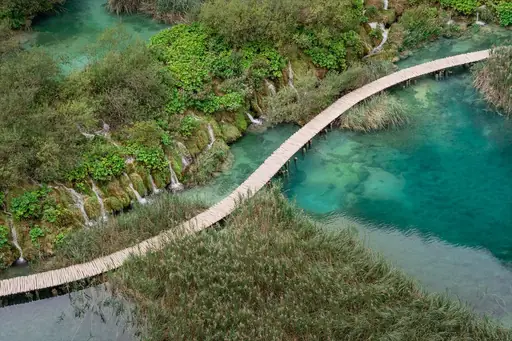
Sixteen terraced lakes step down through beech forest in Croatia, linked by waterfalls. Travertine barriers built by moss and algae form the natural dams. Wooden boardwalks let visitors walk directly over the turquoise water in every season. Veliki Slap, the tallest fall, drops about 78 metres.
Island in Spain
Formentera
Turquoise Waters and Bohemian Calm
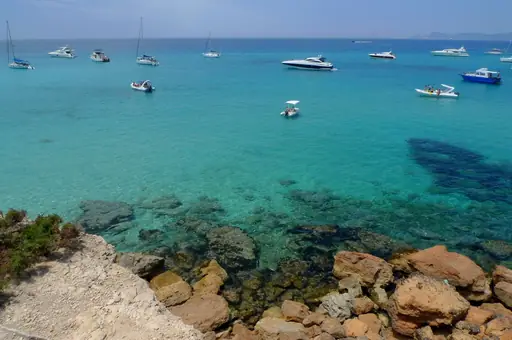
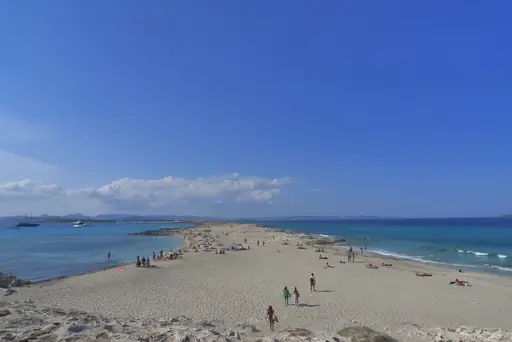
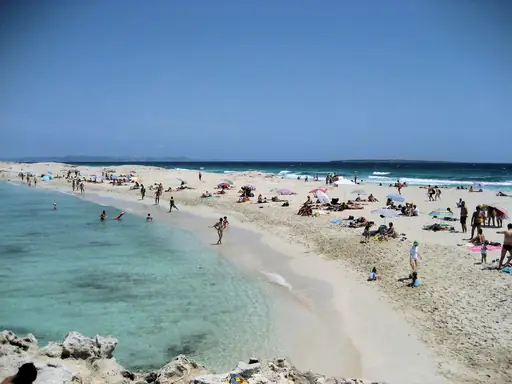
Formentera's Ses Salines nature park protects salt flats that still supply the island's traditional salt harvest. Posidonia seagrass meadows offshore help keep the surrounding water exceptionally clear. Visitors can snorkel over these meadows, a UNESCO-recognised ecosystem rare in the Mediterranean. The island limits car hire during peak season to reduce traffic on its narrow roads.
National Park in Kenya
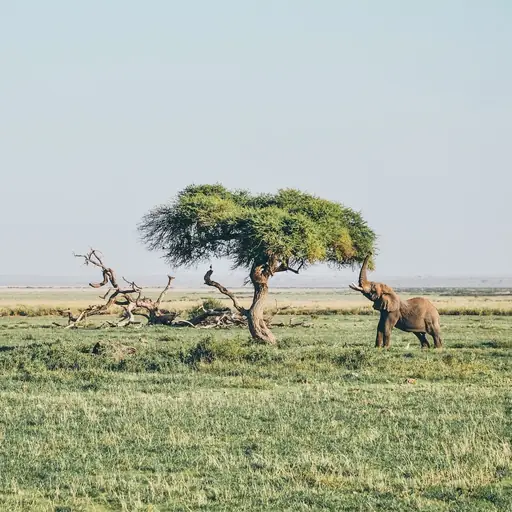
Amboseli National Park
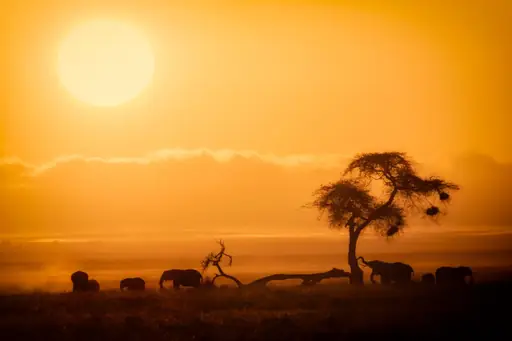
Elephants Against Kilimanjaro's Backdrop
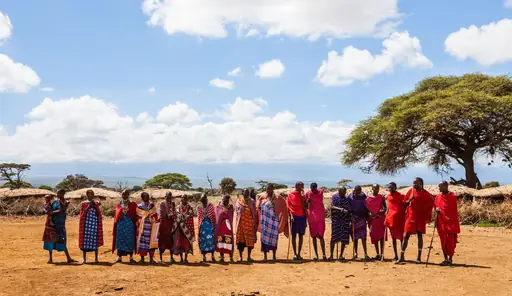
Amboseli National Park offers clear views of Mount Kilimanjaro rising across the border in Tanzania. Large elephant herds gather at swamps fed by underground runoff from the mountain's glaciers. Visitors can photograph elephants against the snow-capped peak, a classic safari image. Maasai communities near the park co-manage some of its surrounding conservation areas.
Nature Reserve
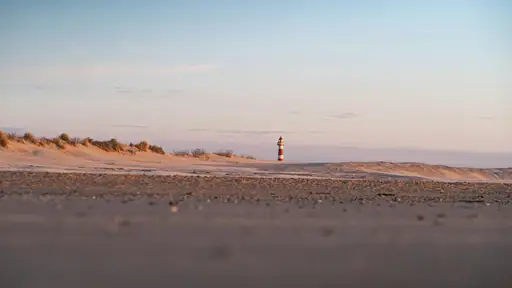
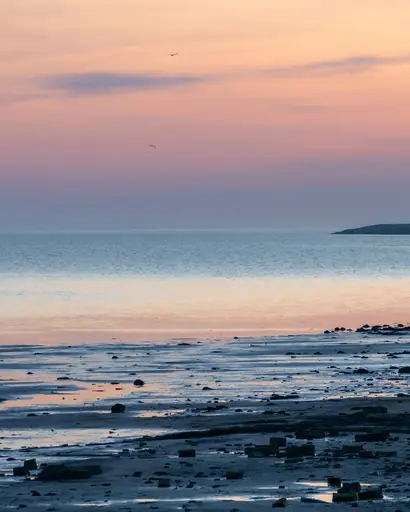
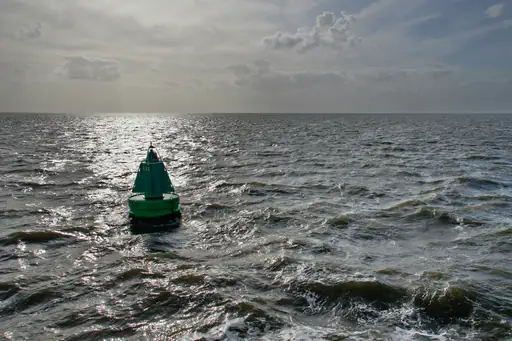
Wadden Sea
World's largest tidal flats ecosystem
Guided walks called wadlopen cross the mudflats at low tide out to islands. Guides lead you through wet sand where the sea returns within hours. Millions of migrating birds and thousands of seals feed on the tidal flats. UNESCO lists the shared mudflats of the Netherlands, Germany and Denmark.
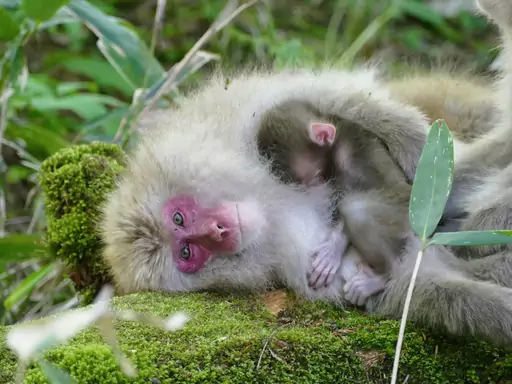
National Park in Japan
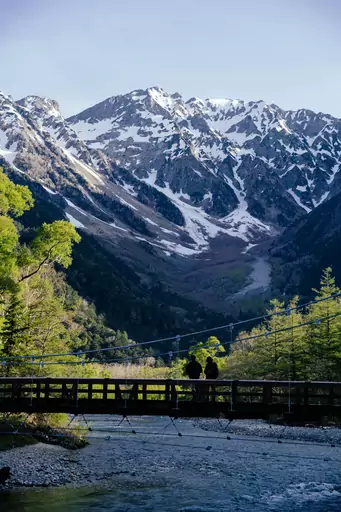
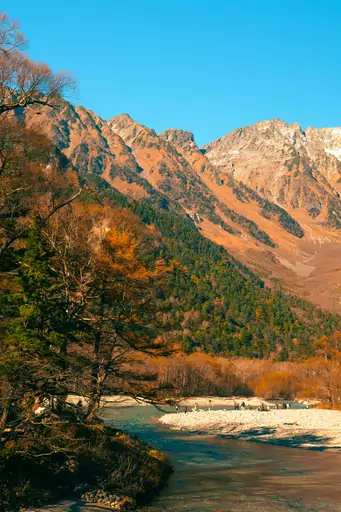
Kamikochi
Clear river valley beneath the Hotaka Range
Private cars are banned from this Japanese Alps valley. The Azusa River runs clear past Taisho Pond, which an eruption of Mount Yakedake created in 1915. Hikers can cross Kappa Bridge and follow flat trails towards the Hotaka peaks. Wild Japanese macaques often wander along the paths.

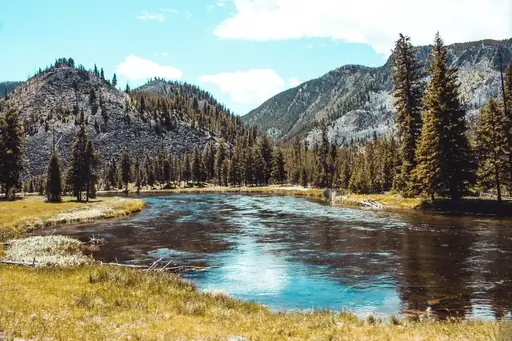
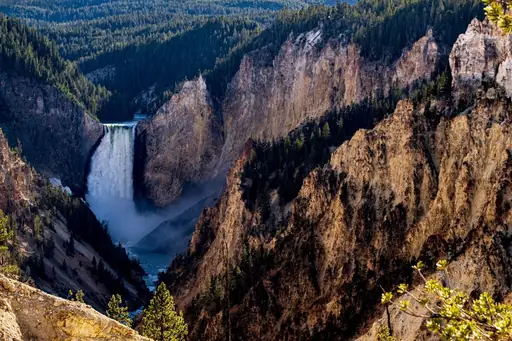
National Park in United States
Yellowstone National Park
Geysers, wildlife and untamed wilderness
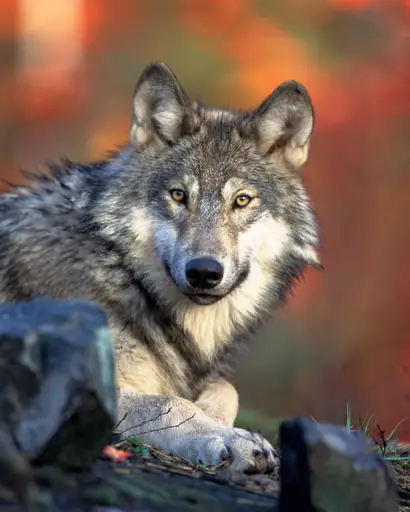
In 1995 wildlife managers released grey wolves here, decades after they were wiped out. The wolves changed where elk graze across the northern range. Visitors watch the packs at dawn in Lamar Valley with spotting scopes. Old Faithful geyser erupts about every 90 minutes and draws crowds daily.
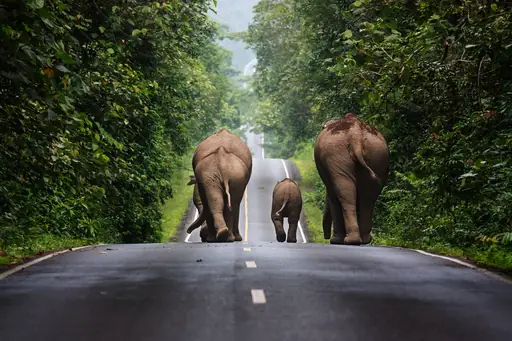
National Park in Thailand
Khao Yai National Park
Wild Elephants, Waterfalls and Jungle Trails
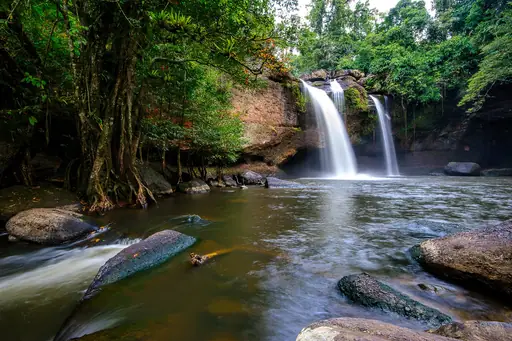
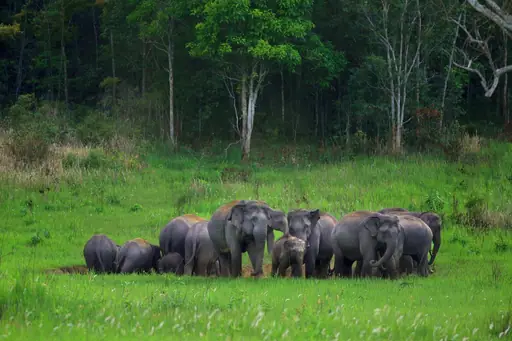
Haew Suwat Waterfall, seen in the film The Beach, drops through the forest here. Wild Asian elephants often cross park roads in the early evening. Night safaris with rangers search the forest for sambar deer and civets. Great hornbills call from the tall treetops at dawn.
National Park in Spain
Doñana National Park
Wildlife sanctuary where rivers meet wetlands
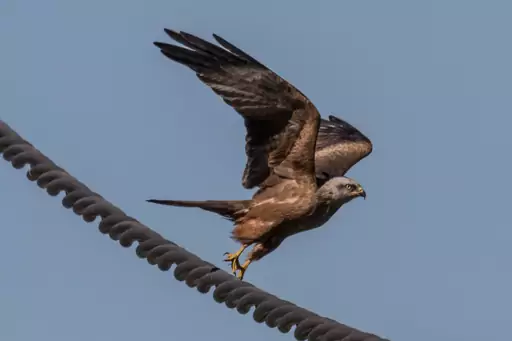
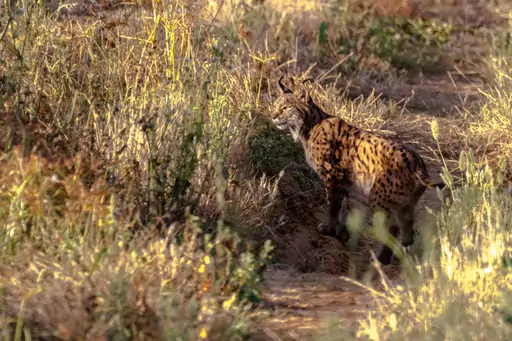
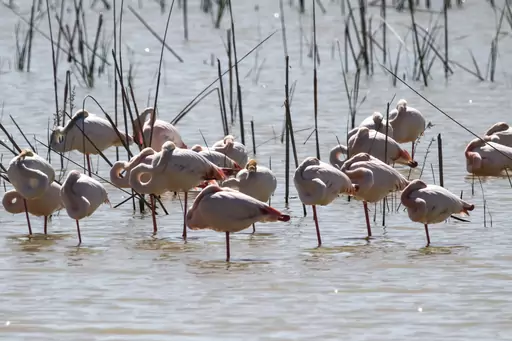
Every spring pilgrims travel by horse cart to the village of El Rocio for a festival. The wetlands nearby fill with thousands of flamingos in winter and spring. Iberian lynx, among the rarest cats, live in the scrub. Guided 4x4 tours cross dunes and marshes to spot imperial eagles.
National Park in Peru
Manú National Park
Pristine Amazon biodiversity wonderland
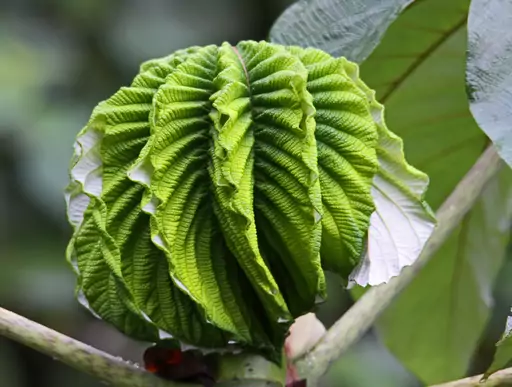
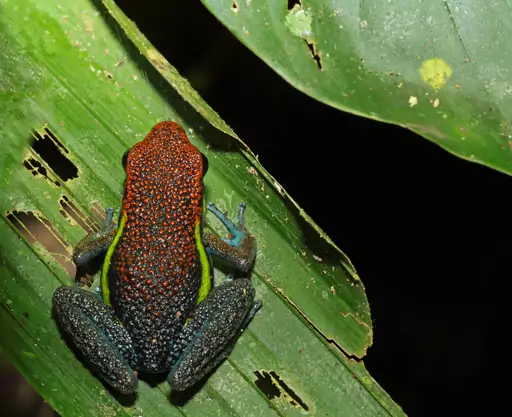
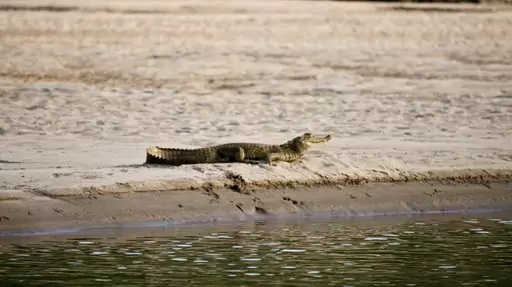
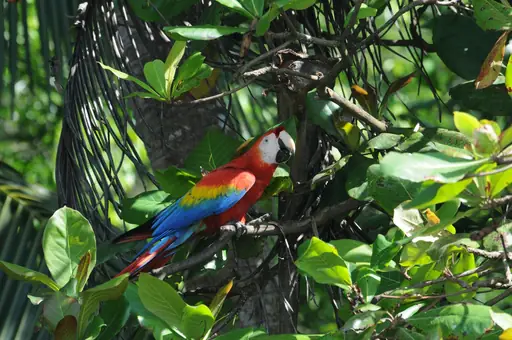
Scarlet macaws gather at clay licks along the Manu River to eat mineral-rich soil. The soil helps them neutralise toxins in the seeds they eat. Visitors can watch the colourful flocks from a blind at dawn. Only licensed operators can bring visitors into the core zone.
Overseas Territory in France
New Caledonia
Tropical Paradise with French Flair
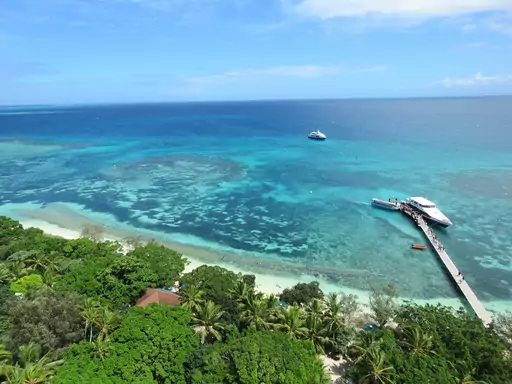
UNESCO lists the lagoons around this Pacific archipelago as a World Heritage Site. The barrier reef encircling the main island is one of the longest double reefs on Earth. Snorkellers can float through the calm natural pool at Oro Bay on Ile des Pins. Kanak villages host visitors for guided cultural tours.
National Park in Japan
Chūbu-Sangaku National Park
Northern Alps peaks, snow walls and onsen
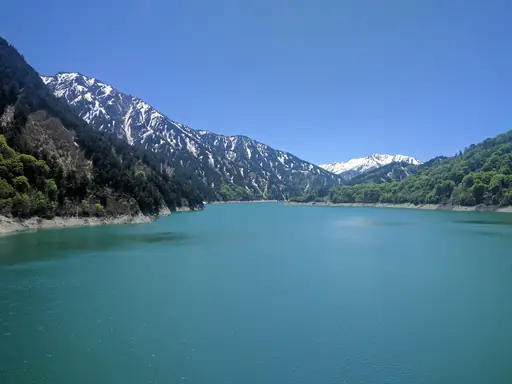
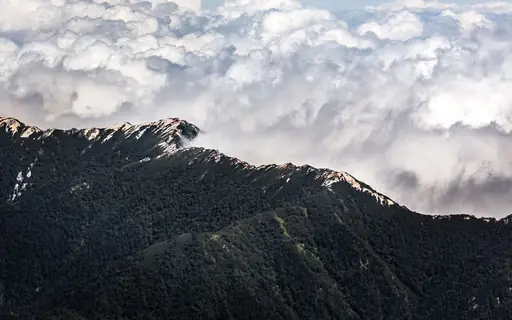
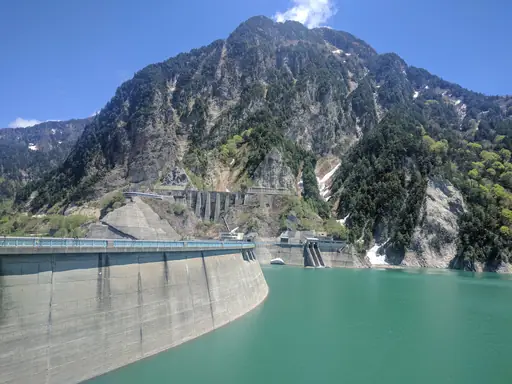
The Yuki no Otani Snow Corridor has walls of snow up to 20 metres high. Buses drive on the road between the walls from mid April to June. Electric trolley buses carry passengers through a tunnel under the mountains. Kurobe Dam nearby has a large arch and wide water spray in summer.

Country
Isle of Man
Temperate island with varied landscapes
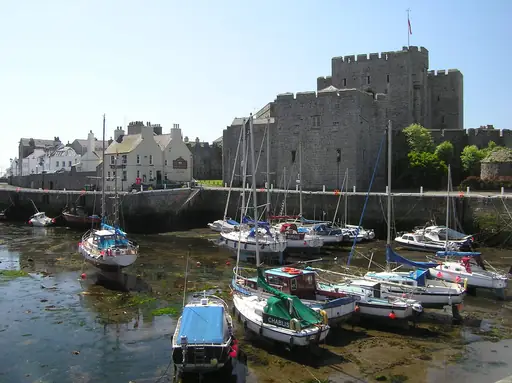
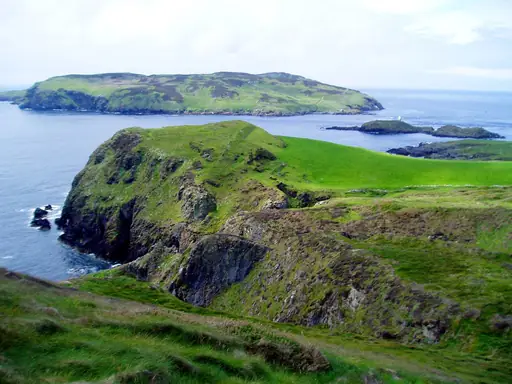
The Isle of Man became an early entire nation to earn UNESCO Biosphere Reserve status. The designation covers the whole island rather than a single protected site within it. Visitors can hike coastal paths circling the island's full perimeter over multiple days. Manx wildlife includes a native breed of tailless cat found nowhere else originally.
Nature Reserve in Ecuador
Cuyabeno Wildlife Reserve
Amazon wilderness teeming with life
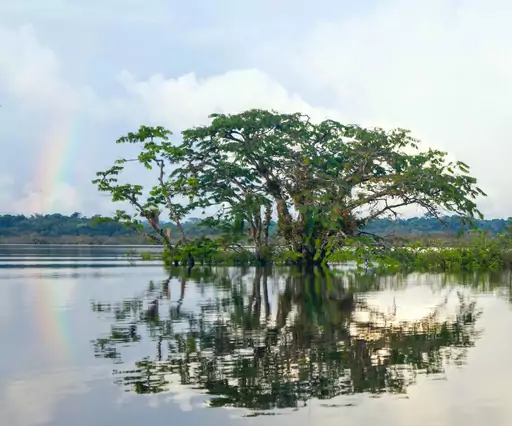
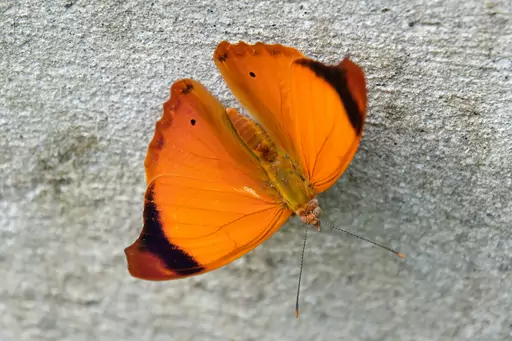
Cuyabeno Wildlife Reserve protects a flooded Amazon forest reachable only by canoe from the nearest road. Black water lagoons throughout the reserve host pink river dolphins and caimans. Visitors can paddle silently through the flooded forest at night to spot nocturnal wildlife. Indigenous Siona communities co-manage parts of the reserve alongside Ecuador's environment ministry.

Region in Portugal
Algarve
Golden cliffs and azure waters
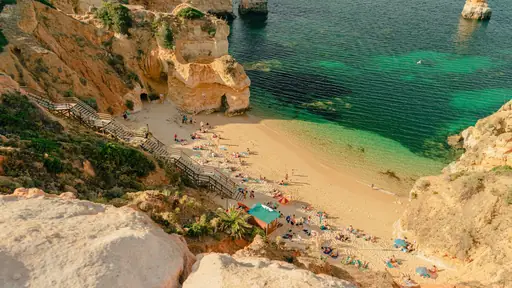
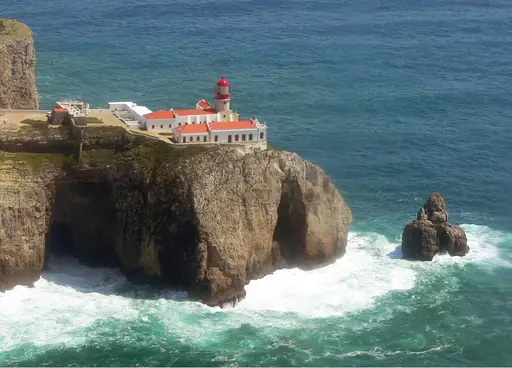
The Algarve's Ria Formosa lagoon system protects wetlands that filter water and shelter migratory birds. Boat tours through the lagoon avoid motorised engines in sensitive channels to limit disturbance. Visitors can paddle a kayak through the marshes before exploring nearby dune-backed beaches. The lagoon separates several barrier islands from the mainland coast.
Town in Australia
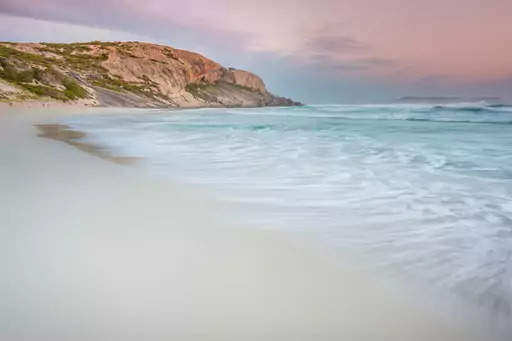
Esperance
Australia's Whitest Beaches and Turquoise Waters
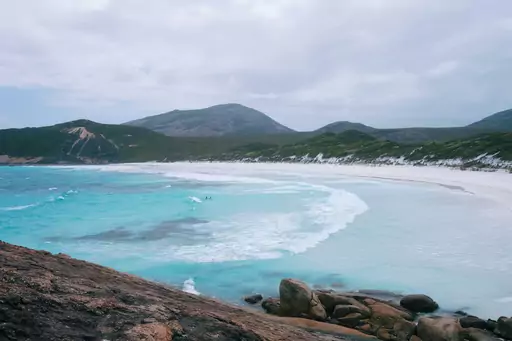
Esperance's Lucky Bay regularly ranks among Australia's whitest-sand beaches, fine enough to squeak underfoot. Kangaroos frequently rest on the beach here, an unusual sight for visitors. Visitors can drive the scenic Great Ocean Drive loop past additional bays and lookout points. The turquoise water along this coast rivals tropical destinations despite the region's temperate climate.

Town in Czech Republic
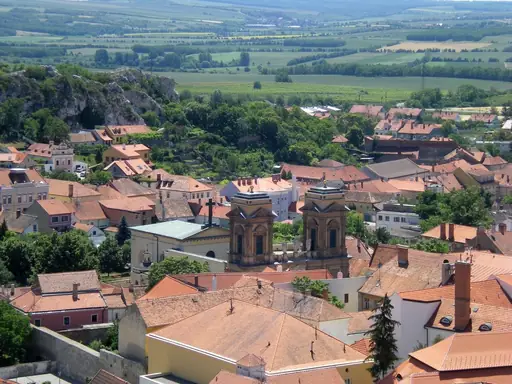
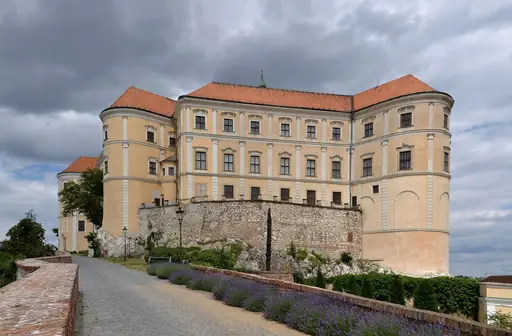
Mikulov
Wine, Castles and Borderland Charm
Local winemakers open cellar doors to cyclists on marked trails through the Palava hills. The hills are part of a UNESCO biosphere reserve. Nearby Lednice and Valtice have parks and castles on the UNESCO list. Flat lanes between vineyards make the ride easy for beginners.

City in Faroe Islands
Tórshavn
Nordic Charm on Stormy Shores
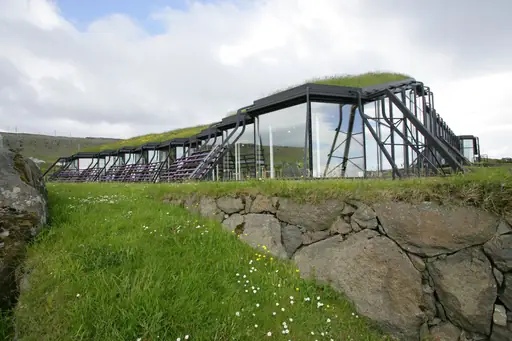
Faroese builders still top wooden houses with living grass roofs to keep them warm. Tinganes, the old red harbour quarter, has some of the oldest ones. The islands invited volunteers to fix trails in a campaign called Closed for Maintenance, Open for Voluntourism. Ferries and buses link the capital with quiet villages and hiking trails.
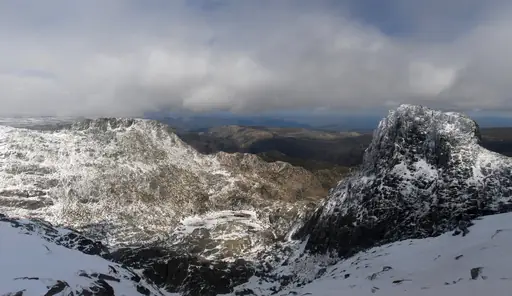
National Park in Portugal
Serra da Estrela Natural Park
Portugal’s High Peaks and Wild Beauty
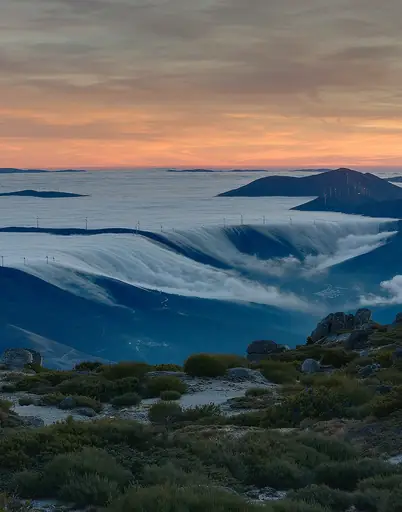
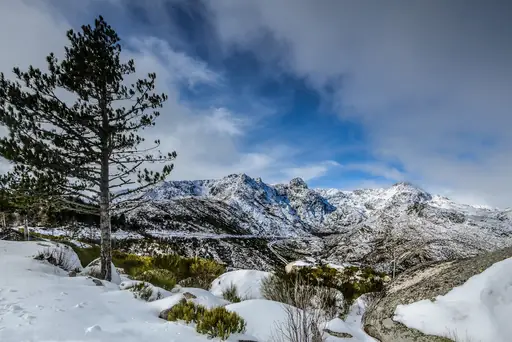
Torre, at 1,993 metres, is the highest point in mainland Portugal. Ice age glaciers carved the wide U shaped valleys around it long ago. Shepherds still make soft Serra cheese from sheep milk in nearby villages. Large Estrela mountain dogs guard the flocks against wolves.
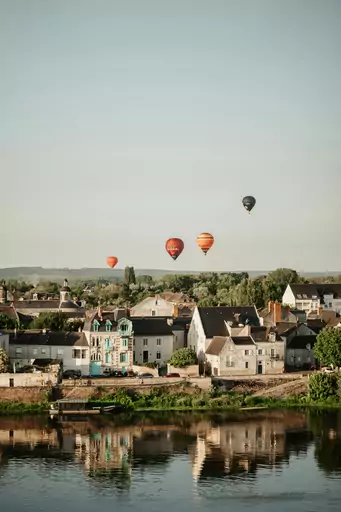
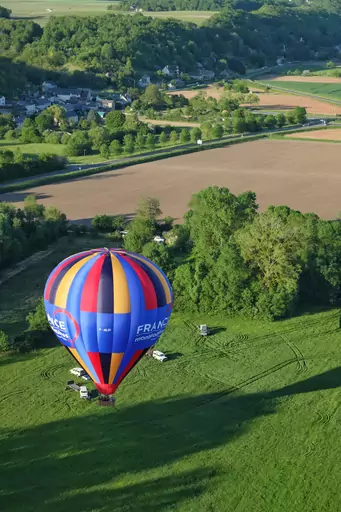
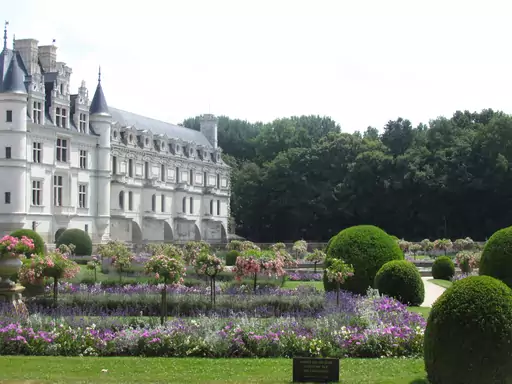
Region in France
Loire Valley
Châteaux, vineyards and riverside charm
The Loire à Vélo cycle route runs about 900 kilometres along the river through France. Cyclists can pedal past castles such as Chambord and Amboise. Flat riverside paths make the ride easy for families and beginners. Many farms near the route sell local goat cheese and wine.

City in New Zealand
Dunedin
Wildlife, castles and quirky charm
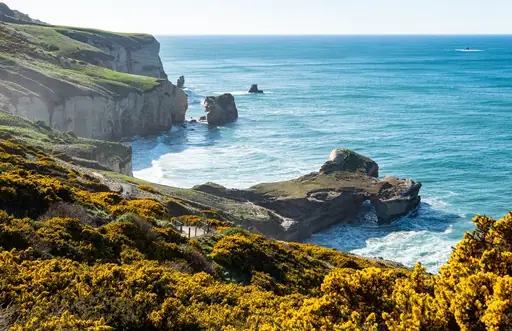
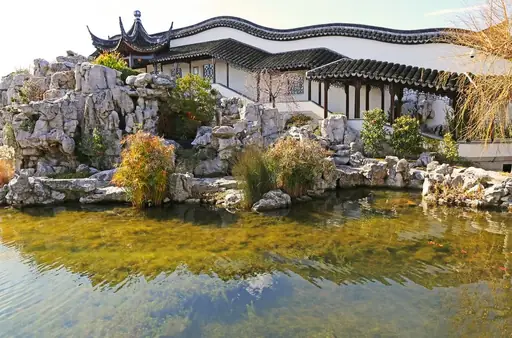
Dunedin sits near the Otago Peninsula, home to a rare mainland breeding colony of royal albatross. A visitor centre on the peninsula lets guests observe nesting albatross without disturbing them. Visitors can also spot yellow-eyed penguins, among the world's rarest, along nearby beaches. The city's Scottish heritage still shows in its architecture and street names.
National Park in United States
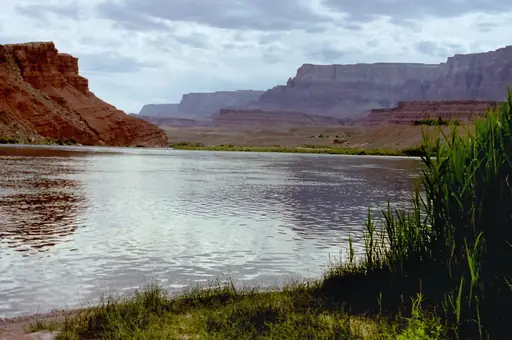
Canyonlands National Park
Epic Canyons and Untamed Wilderness
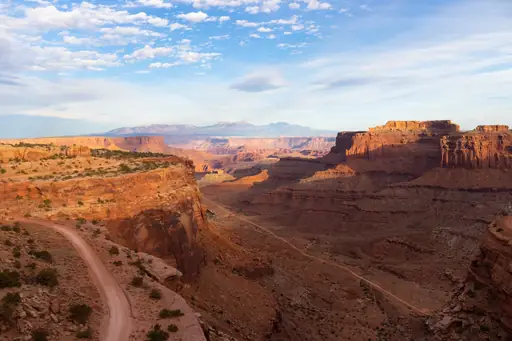
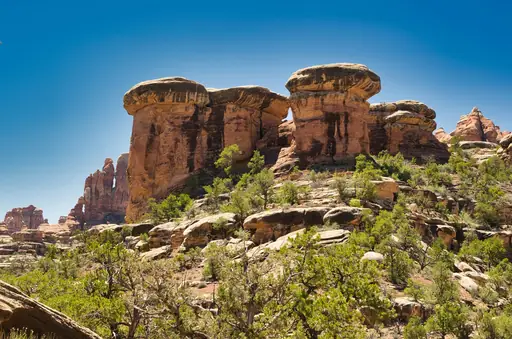
Canyonlands National Park splits into districts divided by the Colorado and Green Rivers. The Island in the Sky district offers panoramic overlooks reachable by a short walk. Visitors can drive to several viewpoints before descending into the remote Needles district. Fewer visitors reach the park's rugged sections, which require high-clearance vehicles or long hikes.
National Park in Portugal
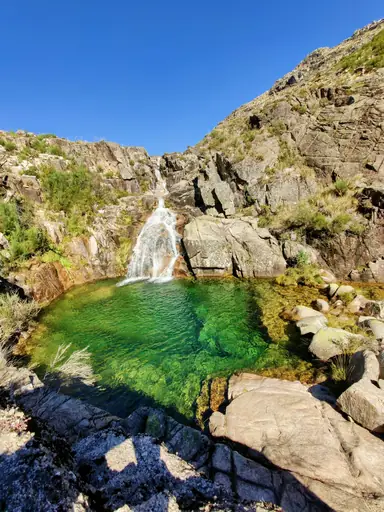
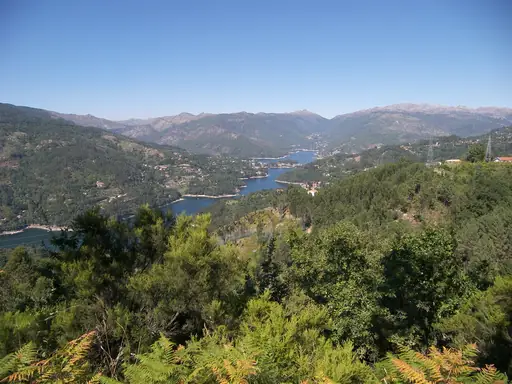
Peneda-Gerês National Park
Portugal's Only National Park Paradise
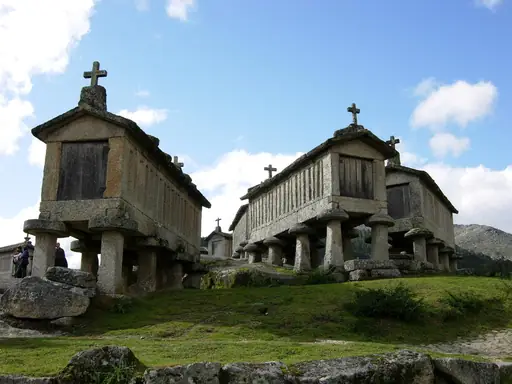
Garranos, small semi-wild horses, graze the granite hills of this northern Portuguese park. Shepherds in the villages of Soajo and Lindoso store grain in stone granaries called espigueiros. Hikers can swim in clear river pools below waterfalls such as Fecha de Barjas. Wolves and roe deer live in the higher forests.
Village in Indonesia
Wae Rebo
Ancient village in the clouds
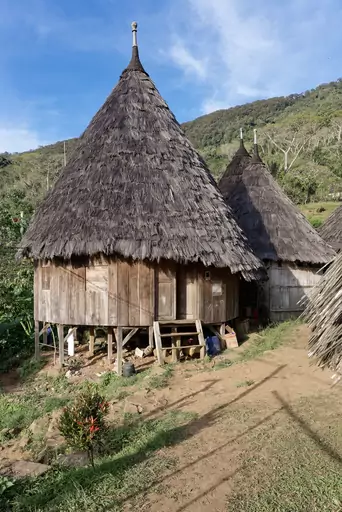
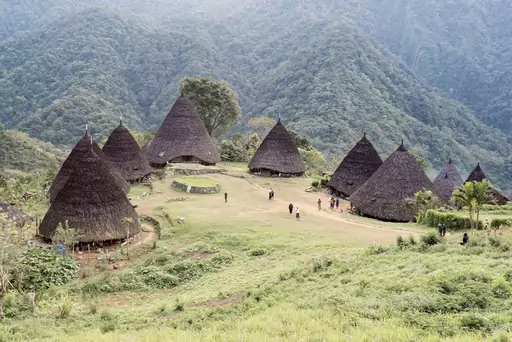
Seven tall conical houses stand in a ring like giant beehives above the clouds. Each house is called a Mbaru Niang and holds several families. The village sits a three hour uphill trek from Denge. Guests sleep in a house and share coffee grown by the villagers.
National Park in Ireland
Wicklow Mountains National Park
Wild Irish Peaks and Ancient Valleys
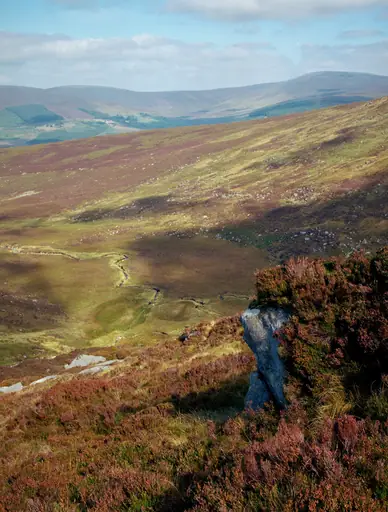
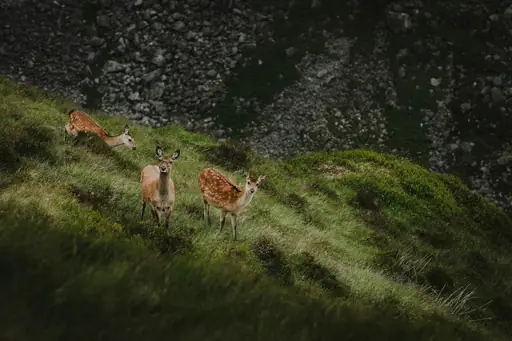
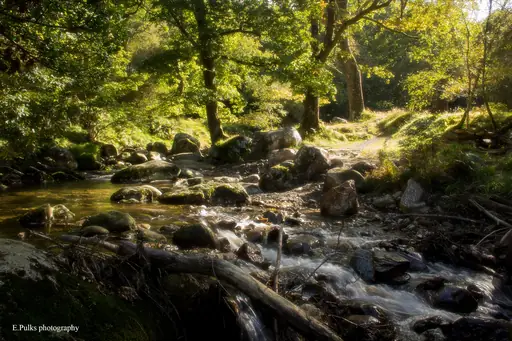
Each September sika deer stags call across the hills during their rutting season. Glendalough has a round tower and ruined church from a monastery founded in the 6th century. Hikers can follow the Wicklow Way, a 130 kilometre trail, from Dublin's edge. Two lakes at Glendalough have calm water and walking paths.
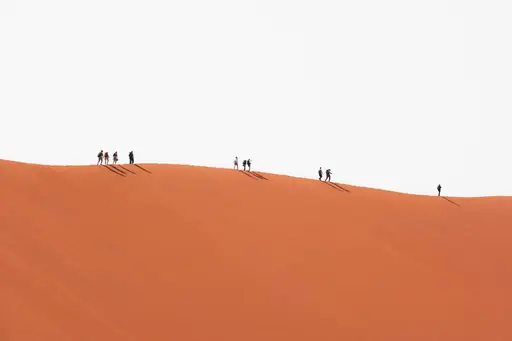
National Park in Namibia
Namib-Naukluft National Park
Endless Dunes and Desert Drama
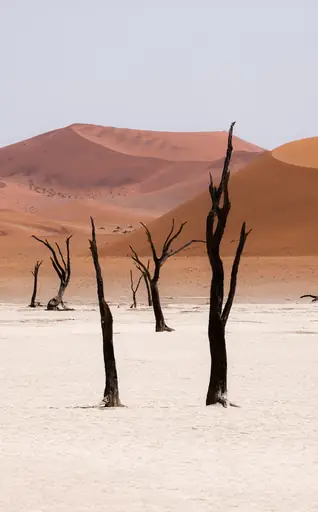
Red dunes at Sossusvlei rise more than 300 metres above white clay pans. Dead camel thorn trees in Deadvlei have stood for hundreds of years. Visitors can climb Dune 45 at sunrise for wide views across the desert. Fog from the Atlantic gives desert beetles and lizards their drinking water.
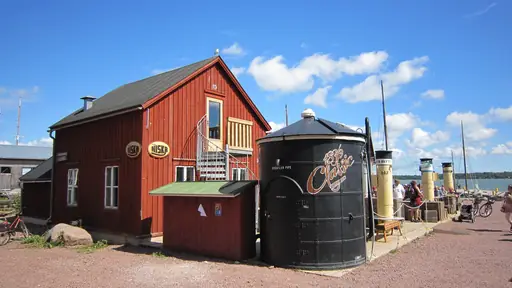
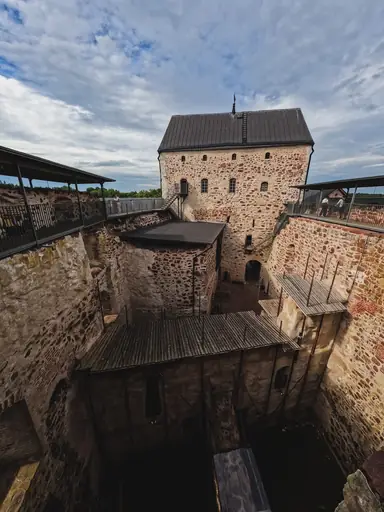
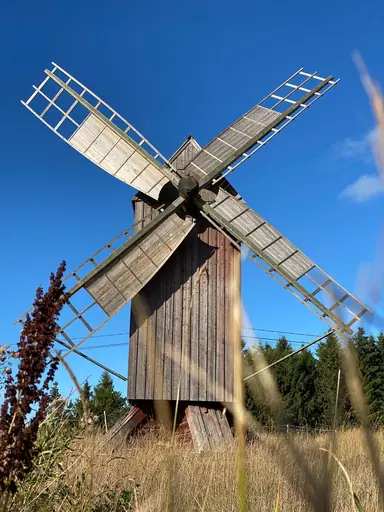
Archipelago in Finland
Åland
Nordic Sun, Archipelago Calm, Maritime Charm
Aland's roughly 6,500 islands sit between Finland and Sweden, governed as an autonomous, demilitarized region. Cycling paths connect many larger islands via small bridges and short ferry hops. Visitors can hire a bike to island-hop across the archipelago over several days. The islands' Swedish-speaking population keeps its own flag and stamps despite belonging to Finland.
National Park in South Africa
Kruger National Park
Where Africa's Big Five Roam Free
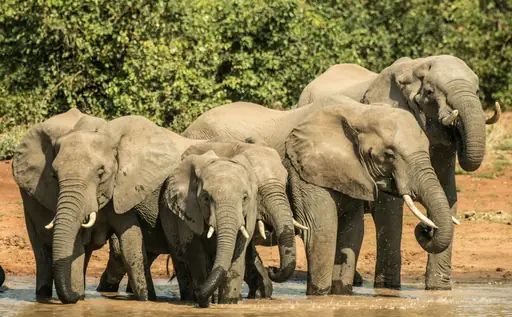
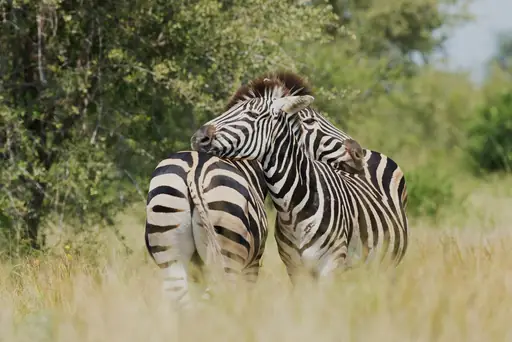
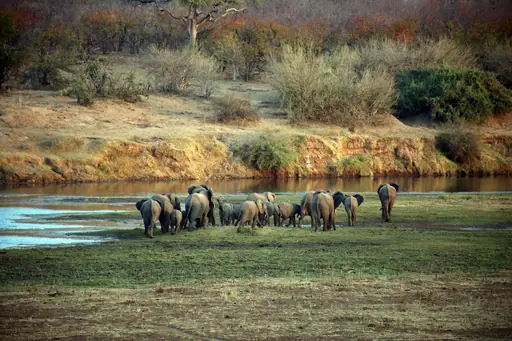
All of the Big Five roam this South African park. The Sabie and Olifants rivers draw herds of elephants and buffalo to drink. Visitors can join guided bush walks at dawn led by armed rangers. Rest camps such as Skukuza and Letaba offer thatched huts with river views.
National Park in United Kingdom
Snowdonia National Park
Mythic Peaks and Wild Welsh Beauty
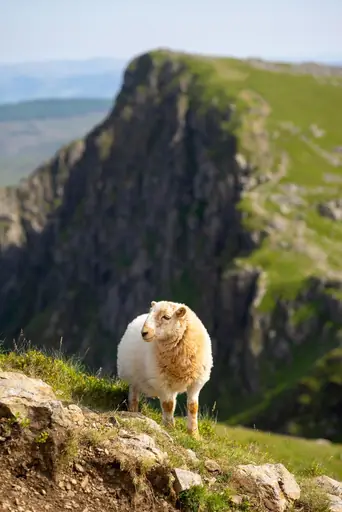
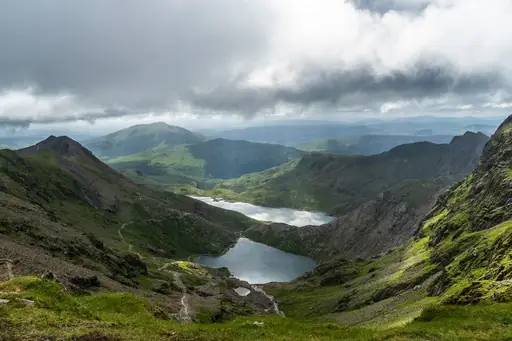
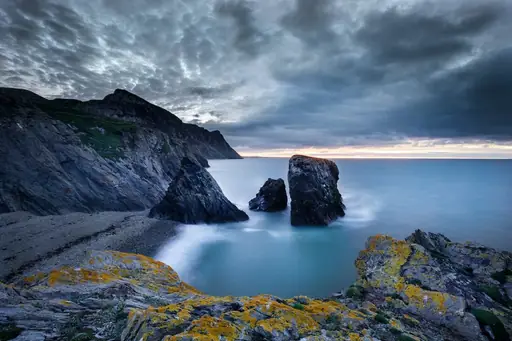
Cold air and the smell of wet moss fill the trails up Yr Wyddfa, the Welsh name for Snowdon. The summit is 1,085 metres high, the tallest in Wales. Six main hiking routes lead to the top. A small train from Llanberis also climbs to the summit station.

National Park in United States
Glacier National Park
Crown of the Continent
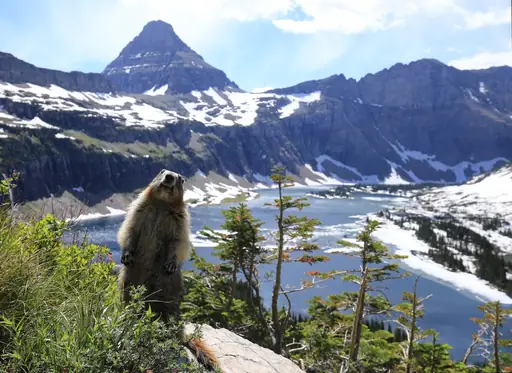
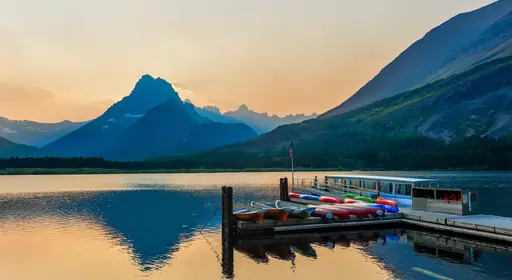
Going to the Sun Road climbs to Logan Pass, which sits on the Continental Divide. The road usually opens fully in late June after crews plough the snow. Lake McDonald has clear water over red and green pebbles. Grinnell Glacier trail passes turquoise lakes and mountain goats.
National Park in Iceland
Þingvellir National Park
Where History Meets Nature’s Power
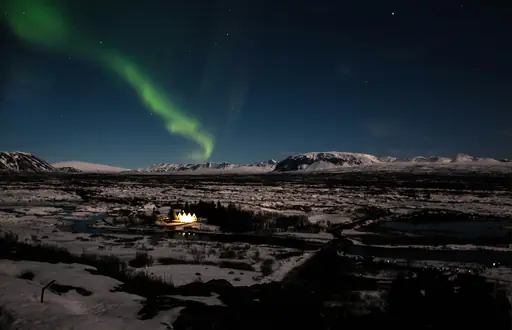
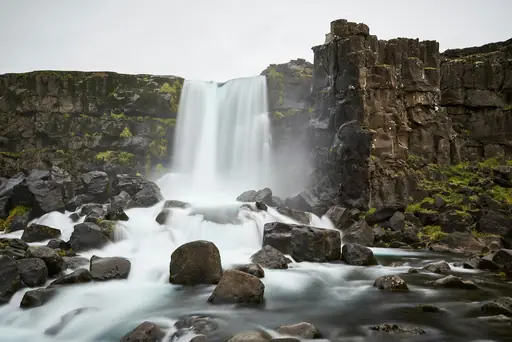
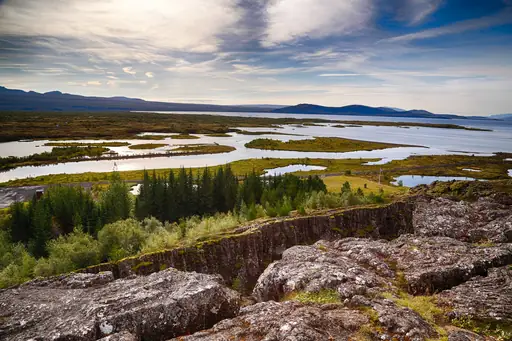
Thingvellir National Park sits on the rift between the North American and Eurasian tectonic plates. Visitors can walk through a canyon where these plates pull apart a few centimetres yearly. Divers can snorkel the Silfra fissure, where glacial water offers visibility exceeding 100 metres. Iceland's original parliament met at Thingvellir starting in the year 930.
National Park in Namibia
Etosha National Park
Namibia's Wildlife Sanctuary
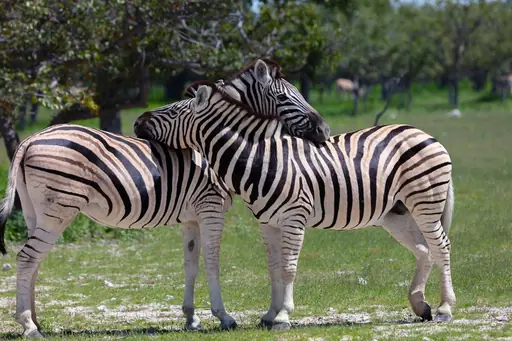
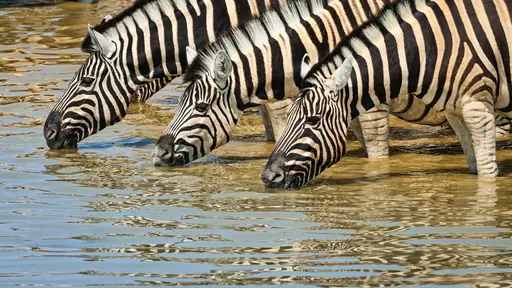
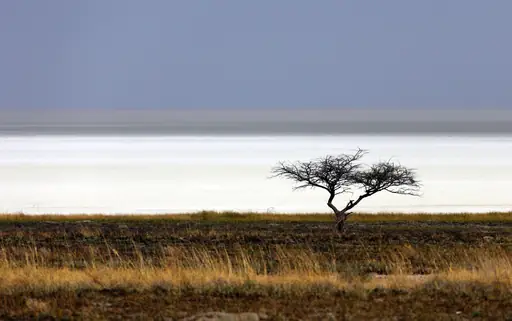
Etosha National Park centres on a vast salt pan visible from space in the dry season. Wildlife concentrates around remaining waterholes as the pan dries each year. Visitors can park at floodlit waterholes after dark to watch animals come to drink. The pan occasionally floods during rare heavy rains, drawing flamingos to its shallow water.
Island in Ecuador
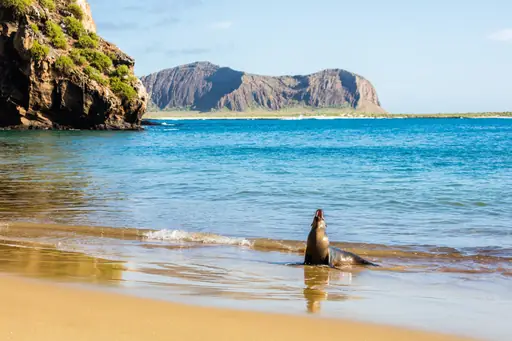
Galapagos Islands
The Wildlife Paradise of Ecuador
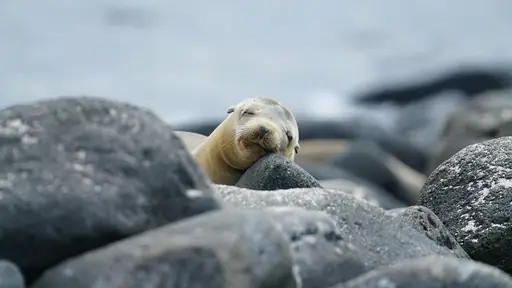
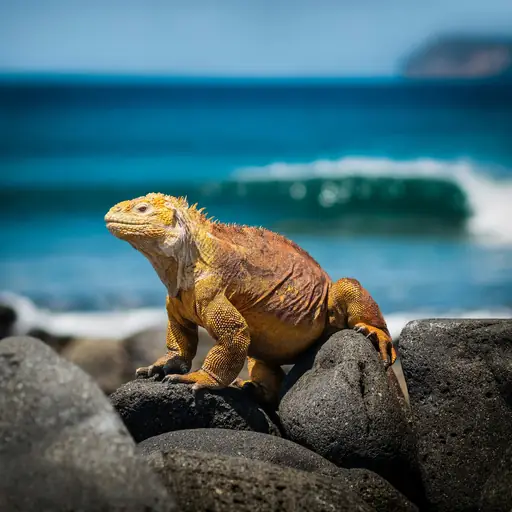
The Galapagos Islands require every visitor to travel with a licensed guide at protected sites. Wildlife here shows little fear of humans, having evolved without major land predators. Visitors can walk within a few feet of iguanas, sea lions and blue-footed boobies. Strict rules limit visitor numbers per site to reduce impact on nesting areas.
National Park in India
Sundarbans National Park
Whispers of mangrove giants and elusive tigers
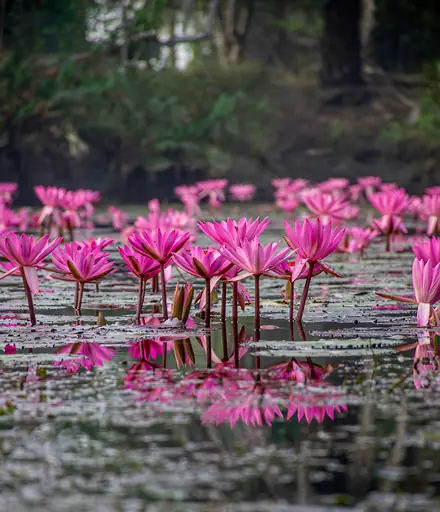
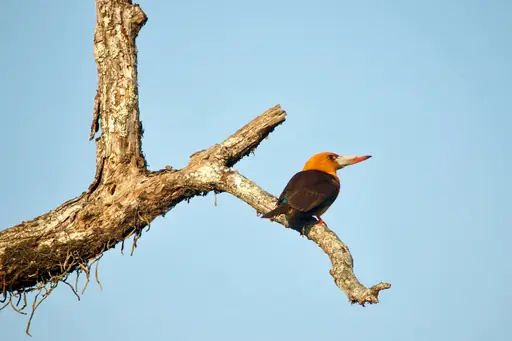
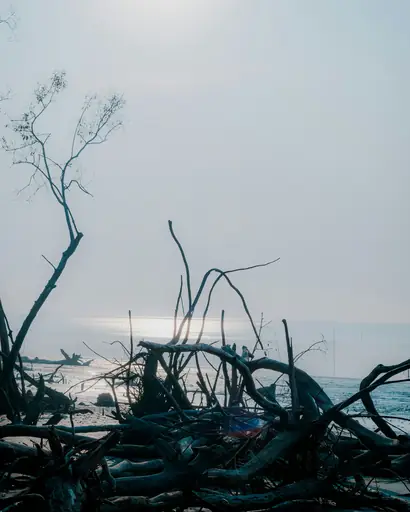
Sajnekhali has a watchtower above a tidal creek where visitors scan for crocodiles and deer. Bengal tigers here swim between islands to hunt. Visitors cruise narrow channels on small boats with local guides through the mangroves. UNESCO listed these mangroves as a World Heritage Site in 1987.
National Park in United States
Bryce Canyon National Park
Hoodoo Wonderland and Starry Nights
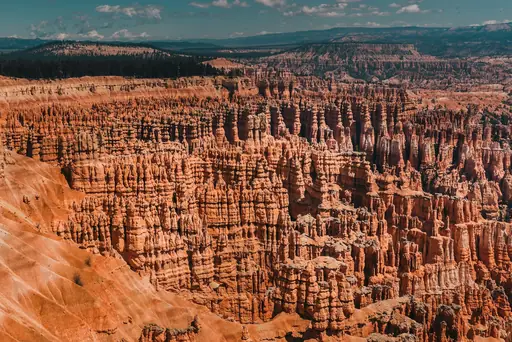
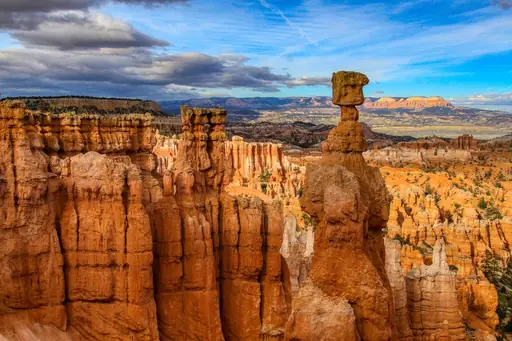
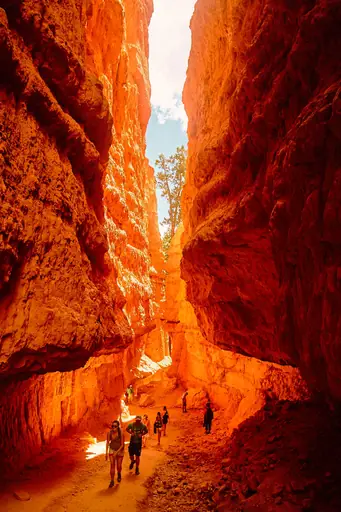
Bryce Canyon protects the largest concentration of hoodoos, tall rock spires, found anywhere on Earth. Erosion from freezing and thawing water carved these formations out of a pink limestone plateau. Visitors can hike into the amphitheatre of hoodoos on trails below the rim. The park's high elevation keeps its night skies unusually dark for stargazing.

Island in Australia
Phillip Island
Penguins, Surf and Coastal Wonders
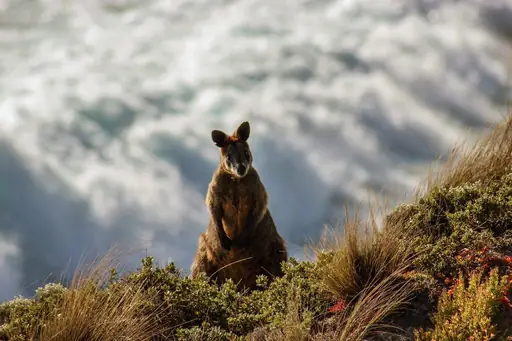
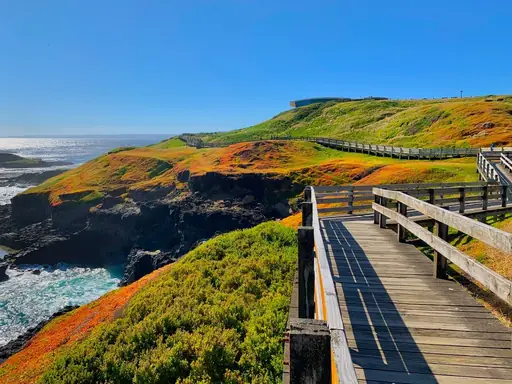
Little penguins waddle ashore at Summerland Beach every evening at dusk. Ticket income helps pay for penguin conservation and research on the island. Visitors watch from tiered stands and boardwalks above the beach. Seal Rocks lies offshore with a large colony of Australian fur seals.
National Park in United States
Grand Teton National Park
Stunning Peaks and Wildlife Wonders
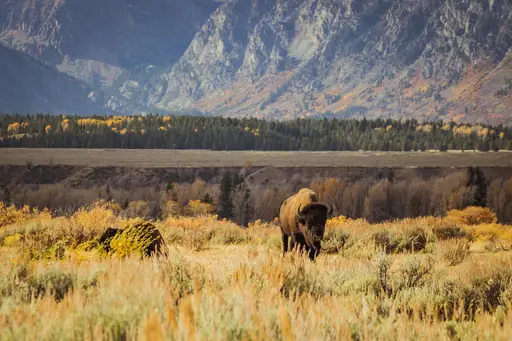
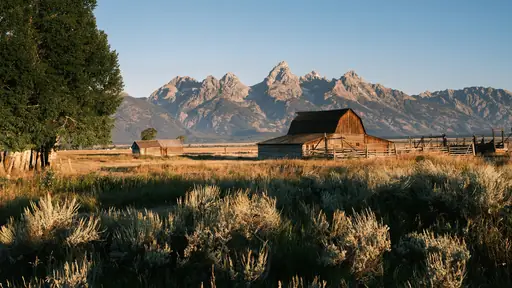
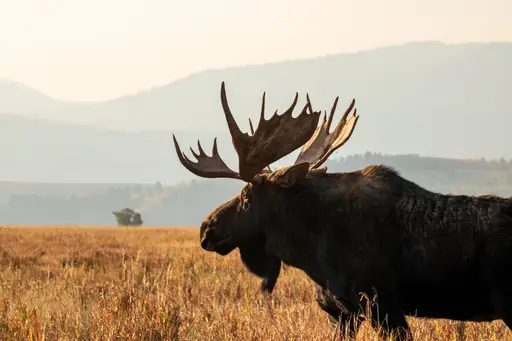
Grand Teton National Park rises sharply from the valley with no foothills before the peaks. Moose, elk and grizzly bears roam the flats below the range. Visitors can paddle Jenny Lake for close views of the peaks reflected in the water. The Teton Range formed along a fault line still active today, slowly rising higher.
National Park in Dominica
Morne Trois Pitons National Park
Volcanic wonders in pristine rainforest
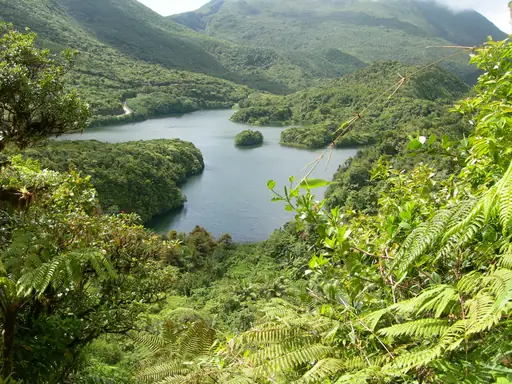
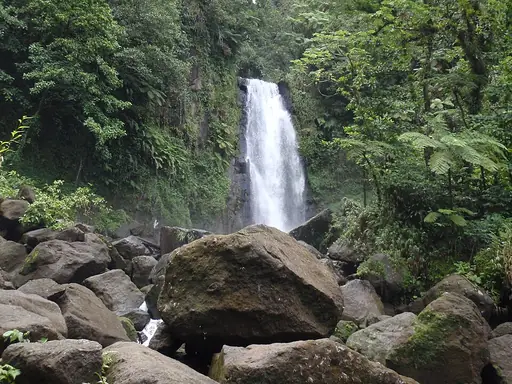
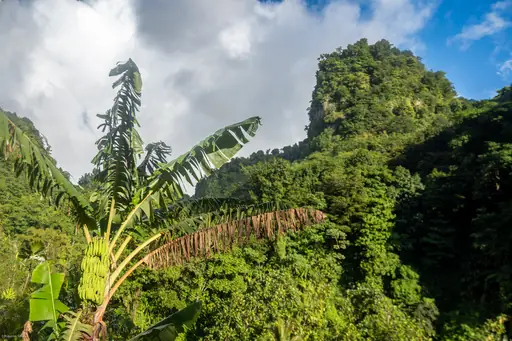
A volcanic ridge in central Dominica has steam vents, hot springs and warm streams. The Boiling Lake is a flooded fumarole with grey bubbling water. Most hikers need a guide and about six hours for the round trip. Emerald Pool nearby is an easy walk with a small waterfall.
Town in Portugal
Arouca
Adventure and Serenity Combined
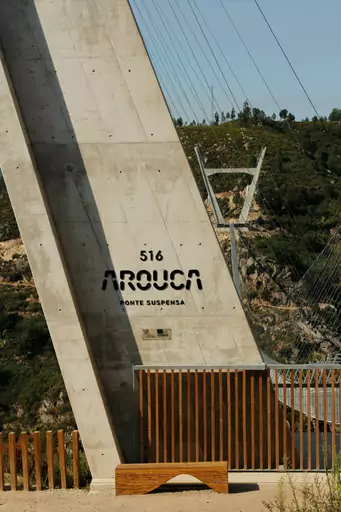
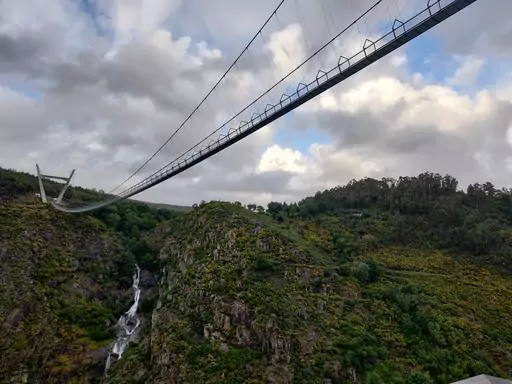
Wooden boardwalks creak along the Paiva River for about eight kilometres. The Paiva Walkways pass waterfalls and quiet swimming pools. A footbridge called 516 Arouca hangs high above the river and is 516 metres long. The area is a UNESCO Global Geopark with ancient trilobite fossils.
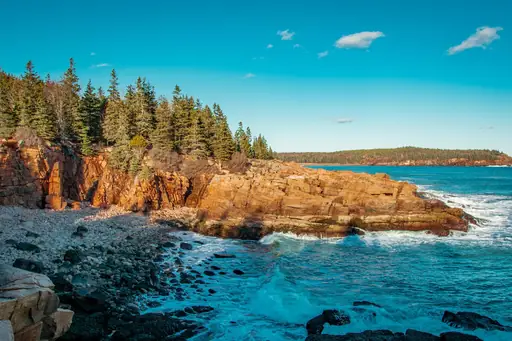
National Park in United States
Acadia National Park
Rugged Shores, Sunrise Peaks, Wild Beauty
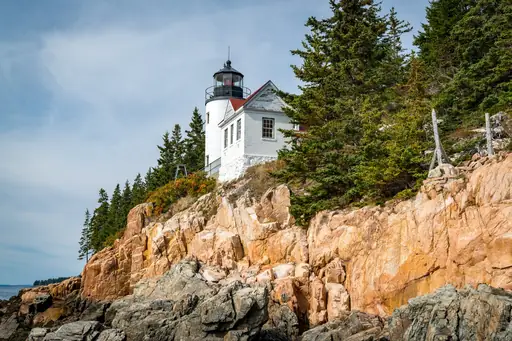
Acadia's Cadillac Mountain ranks among the earliest US spots to see sunrise for part of the year. The park protects granite peaks and rocky Atlantic shoreline in Maine. Visitors can hike to the summit before exploring carriage roads built without motor vehicles allowed. Acadia remains one of the smallest national parks by total area.
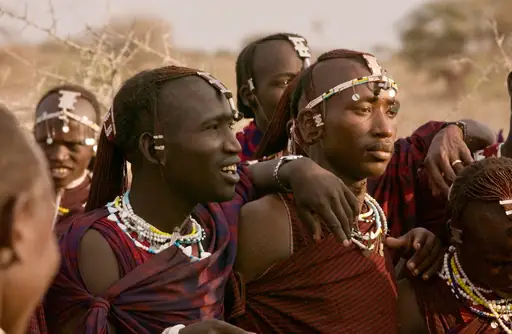
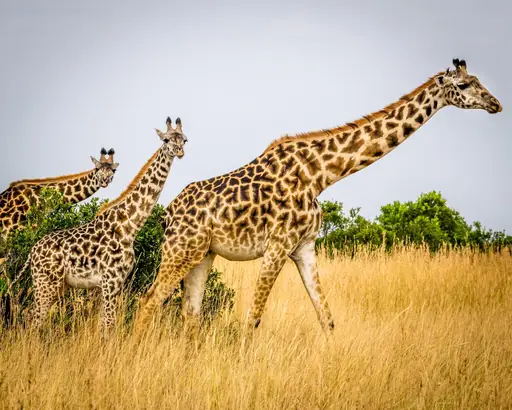

Nature Reserve in Kenya
Maasai Mara National Reserve
Witness the Great Migration
Over a million wildebeest cross the Mara River each year during the great migration. Crocodiles wait below the steep banks at the main crossing points. Maasai landowners run conservancies beside the reserve that limit vehicle numbers. Visitors can take dawn game drives or float over the plains in a hot air balloon.
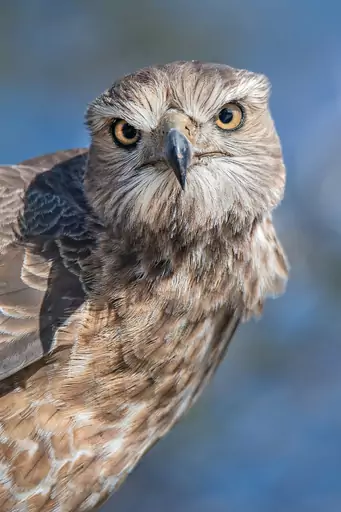
National Park
Kgalagadi Transfrontier Park
Where predators rule the Kalahari
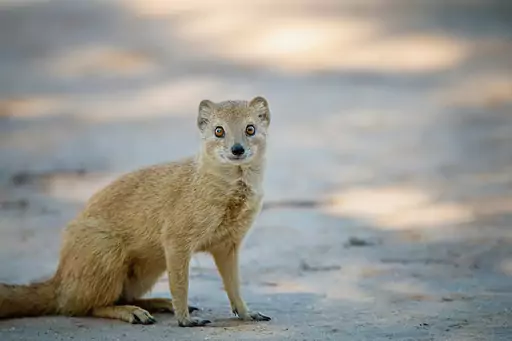
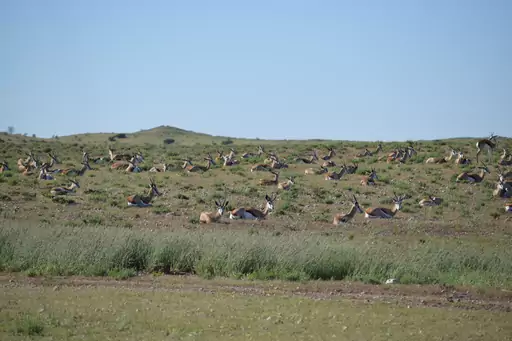
Black-maned Kalahari lions rest in the dry Auob and Nossob riverbeds of this cross-border park. Rangers manage the park as one ecosystem shared by South Africa and Botswana. Visitors can sleep in remote wilderness camps beside waterholes at night. Cheetahs and gemsbok often cross the red dunes at dawn.
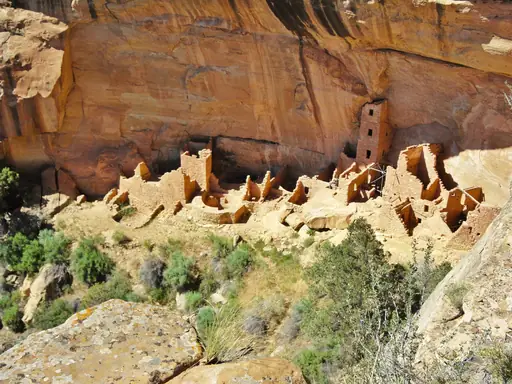
National Park in United States
Mesa Verde National Park
Ancient Cliff Dwellings and Rich History
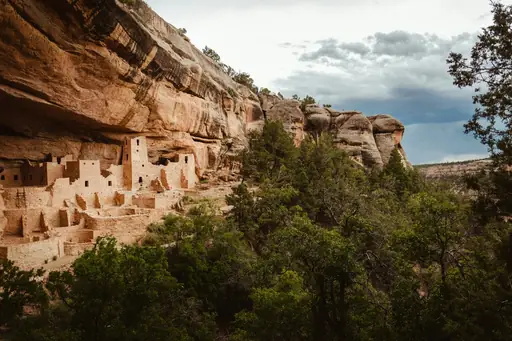
Cliff Palace holds about 150 rooms built into a sandstone alcove. Ancestral Puebloans built it in the 1200s and lived here for generations. Rangers lead small tours that climb wooden ladders into the dwelling. Mesa Verde became a national park in 1906 to protect these ruins.
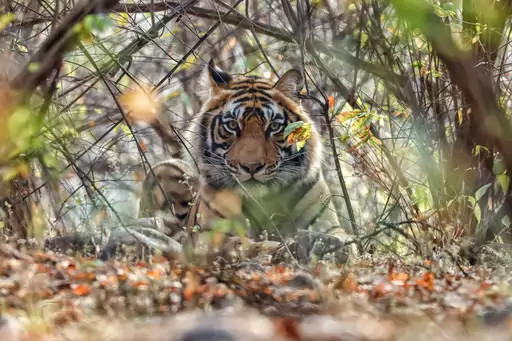
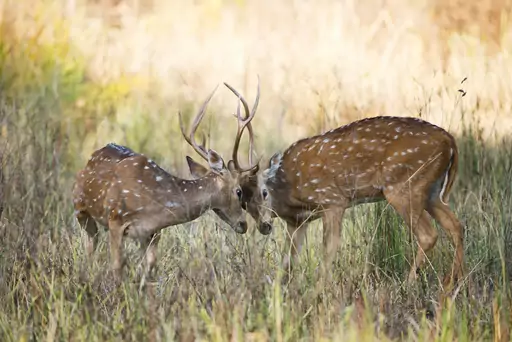
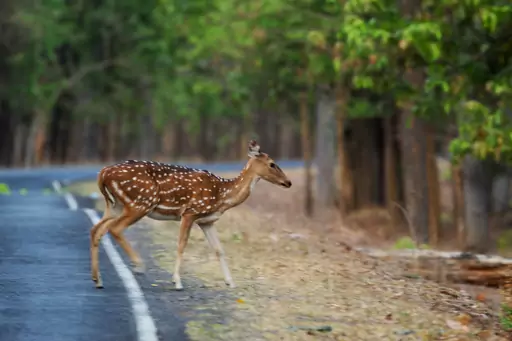
National Park in India
Kanha National Park
Tiger paradise in magical wilderness
The rare hard-ground barasingha, a swamp deer, was saved from near extinction in this Indian park. Conservation work began after its numbers fell below one hundred in the 1970s. Visitors ride open jeeps at dawn across the misty meadows of Kanha. Bengal tigers also hunt across these grasslands.
Island in Brazil
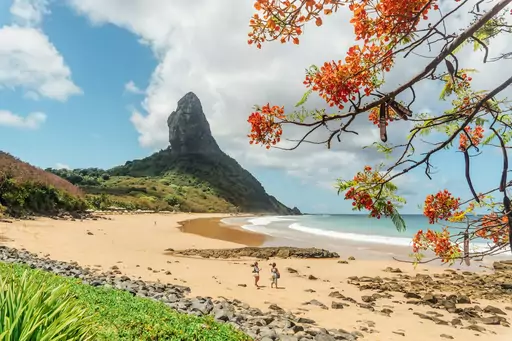
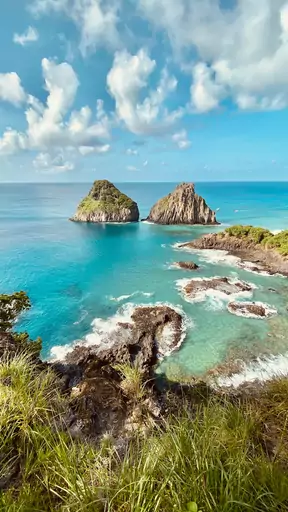
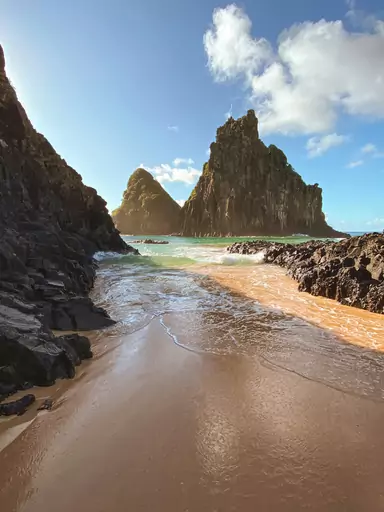
Fernando de Noronha
World's Best Beaches and Dolphins
Fernando de Noronha caps daily visitors and charges a fee that rises the longer guests stay. Clear waters and a marine park protect one of Earth's largest spinner dolphin populations. Visitors can snorkel from several beaches without a boat to reach reefs. Most of the chain remains undeveloped, a marine park closed to settlement.
National Park in Ireland
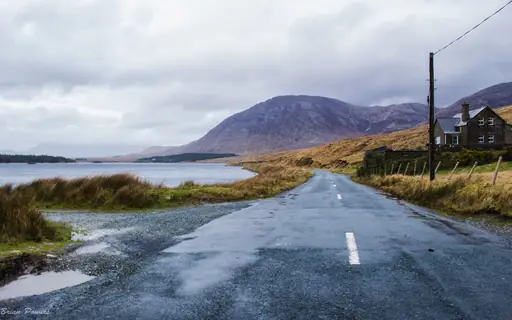
Connemara National Park
Wild Bogs, Peaks and Ponies
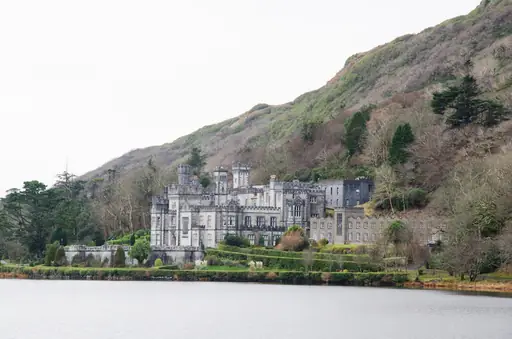
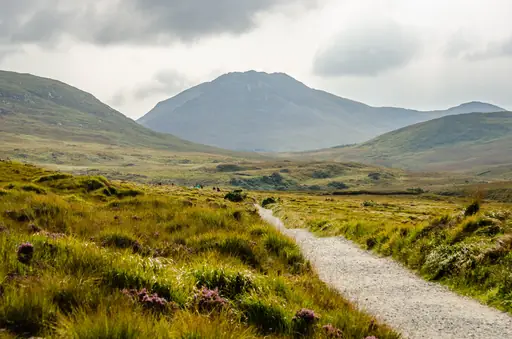
Like a soft green blanket, peat bog covers much of this western Irish park. Diamond Hill has wide views over Kylemore Abbey, the Twelve Bens and the Atlantic. Loop trails climb it in two to three hours. Small sturdy Connemara ponies graze on the hills nearby.
National Park in Brazil
Pantanal Matogrossense National Park
World's largest tropical wetland paradise
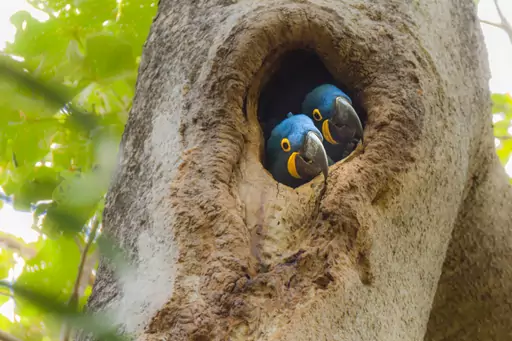
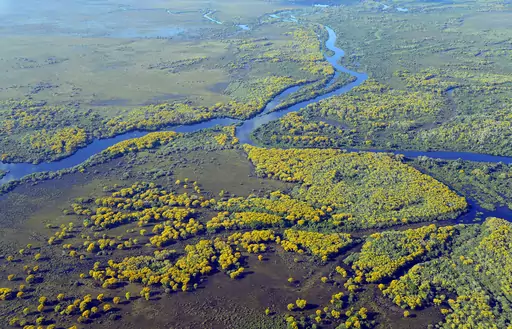
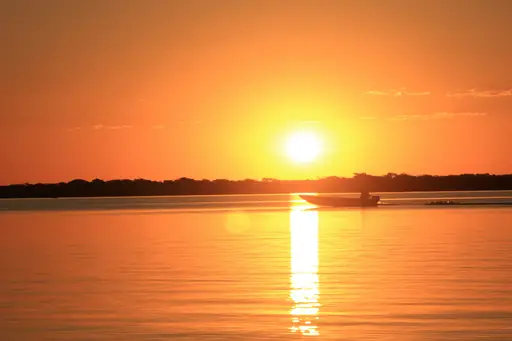
Jaguars hunt caimans along the riverbanks of this vast wetland in western Brazil. Boat trips near Porto Jofre often find jaguars resting on the shore. Giant otters and capybaras share the same quiet waterways with herons. Hyacinth macaws, the largest flying parrots, nest in tall palm trees.
National Park in United States
Zion National Park
Red rocks, epic hikes and nature's beauty
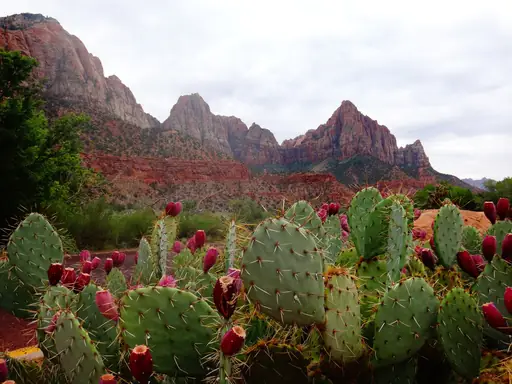
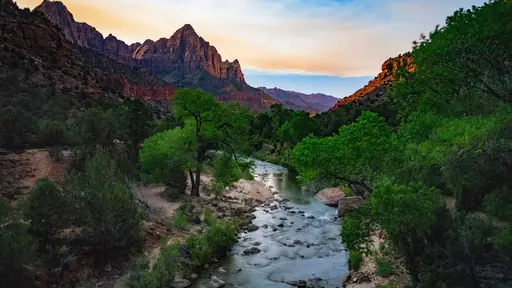
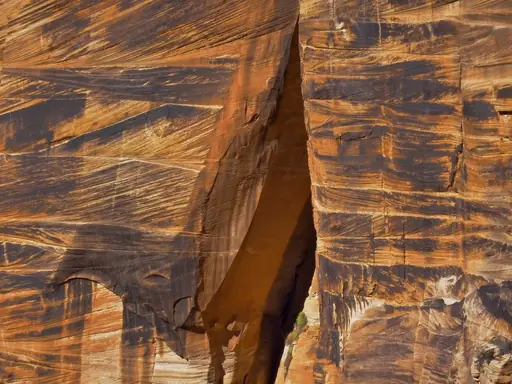
Since 2000 visitors ride a shuttle bus up Zion Canyon instead of driving their own cars. Buses stop at trailheads for Angels Landing and the Narrows. In the Narrows hikers wade through a cold river between walls hundreds of feet high. Canyon wrens sing from the red cliffs in spring.
City in Sweden
Helsingborg
Swedish Seaside Charm Meets History
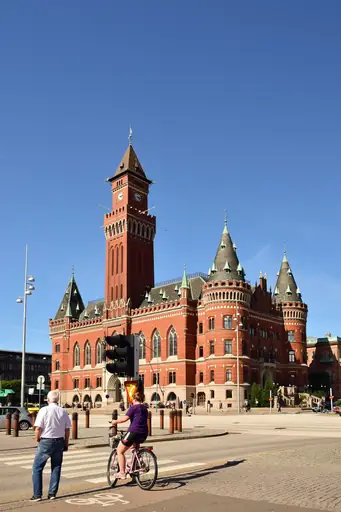
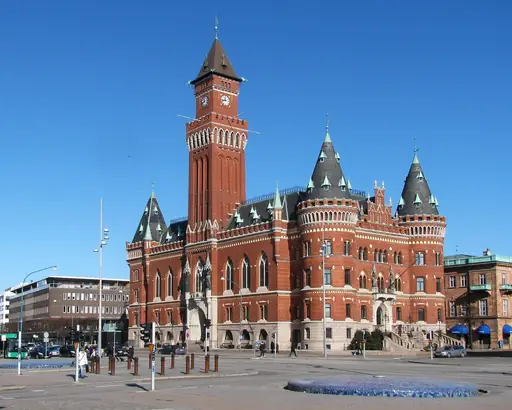
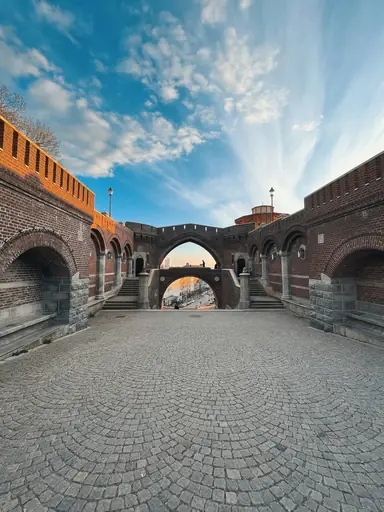
Helsingborg sits along the narrowest point of the Oresund Strait, facing Denmark a few kilometres away. Ferries cross the strait constantly, making it one of Europe's busiest crossings. Visitors can walk the city's Terrasstrappan staircase for a view over to Denmark. The city has invested heavily in waterfront parks built on former industrial land.
Lake in Russia
Lake Baikal
World's deepest lake, Siberia's jewel
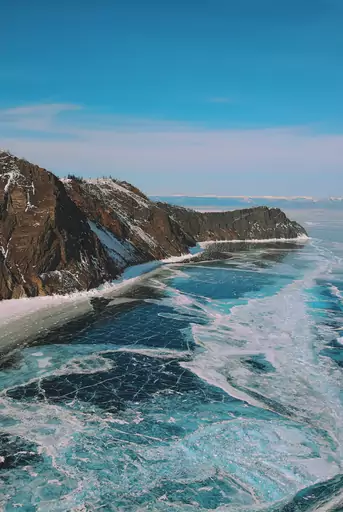
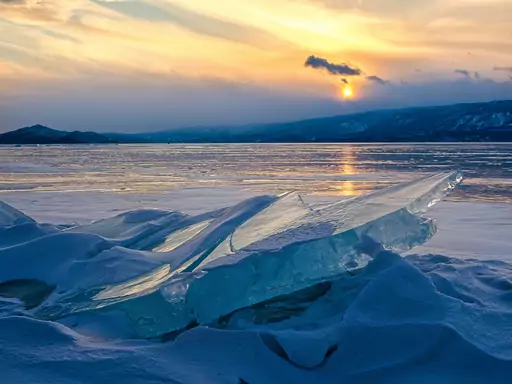
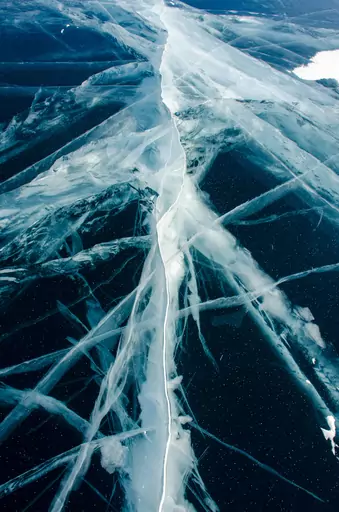
About one fifth of the world's fresh surface water sits in this Siberian lake. Its ice grows thick enough in winter to drive across. Volunteers from many countries have built the Great Baikal Trail along its shore. Nerpa seals, a freshwater species, swim beneath the winter ice.
Island in India
Lakshadweep
Pristine coral paradise off India
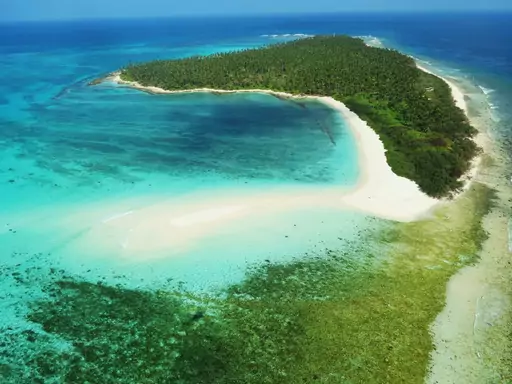
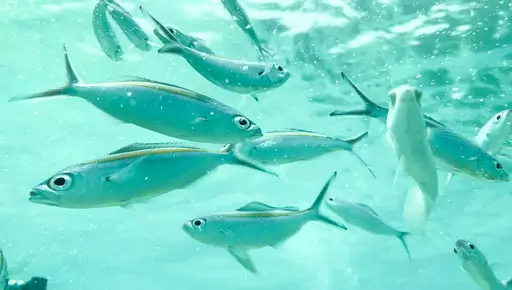
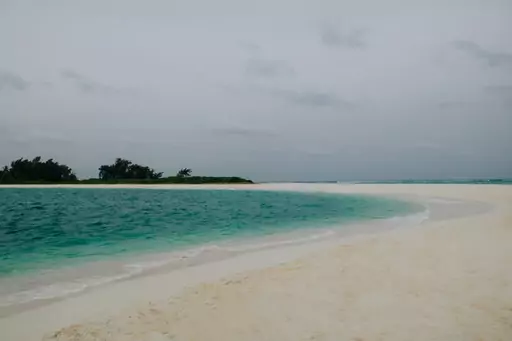
Coral atolls scatter across the Arabian Sea far off India's Malabar coast. Visitors need an entry permit, which helps keep tourist numbers low. Snorkellers can float over coral in the shallow lagoon at Agatti Island. Kadmat Island offers sea kayaking, scuba diving and quiet white beaches.
Island in United Kingdom
Isle of Skye
Dramatic Landscapes and Ancient Legends
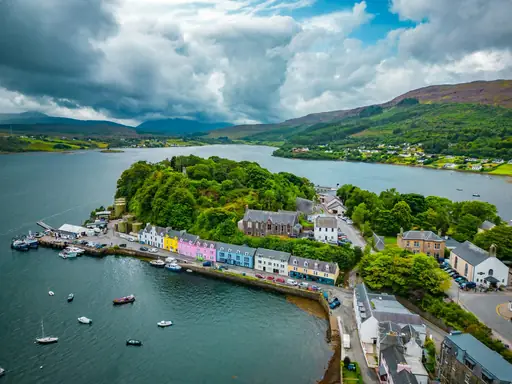
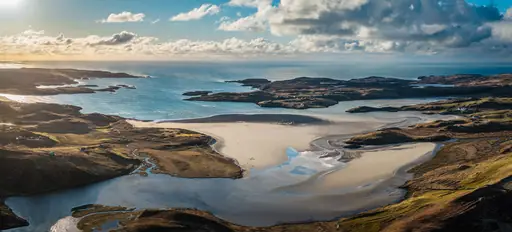
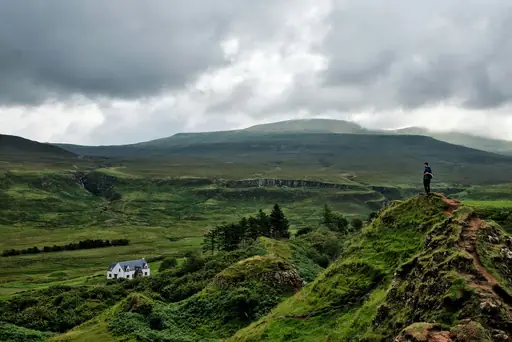
The Old Man of Storr is a tall rock pinnacle on the Trotternish ridge. A huge ancient landslide created it and the cliffs around it. You can hike up on a marked path for wide views over the sea. Sea eagles and golden eagles often soar over the island's quiet moors.
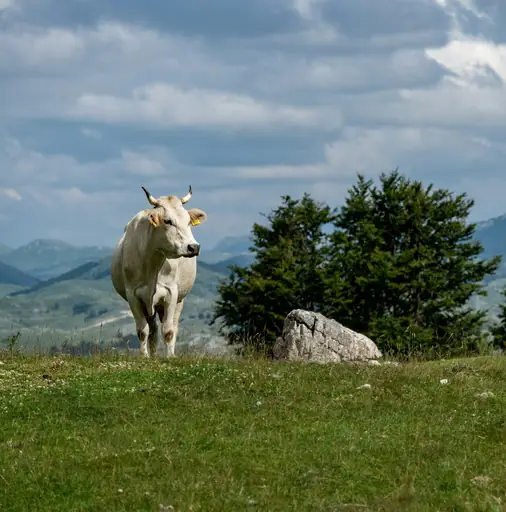
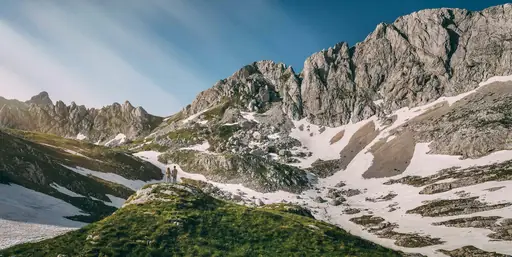
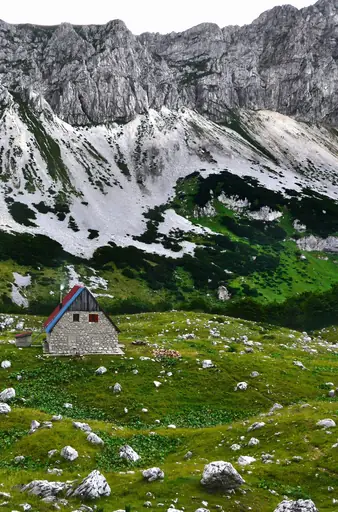
National Park in Montenegro
Durmitor National Park
Montenegro’s Wild Peaks and Deep Canyons
White water roars through the Tara River Canyon, which is about 1,300 metres deep. It is one of the deepest canyons in Europe. Rafters float past cliffs and waterfalls from spring to early autumn. Black Lake near the town of Zabljak has calm water ringed by pine forest.
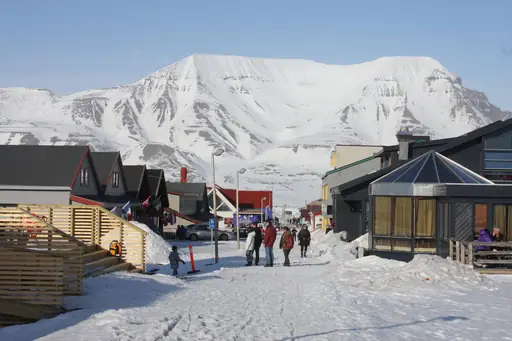
Outer Territory in Norway
Svalbard
Arctic wilderness at Earth's edge
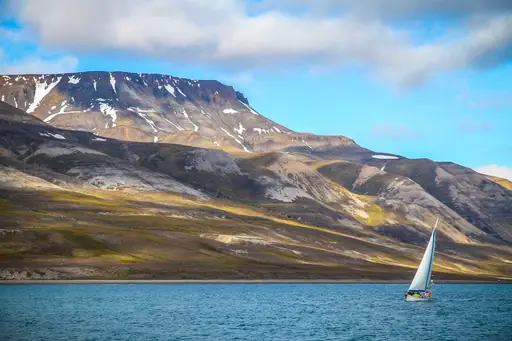
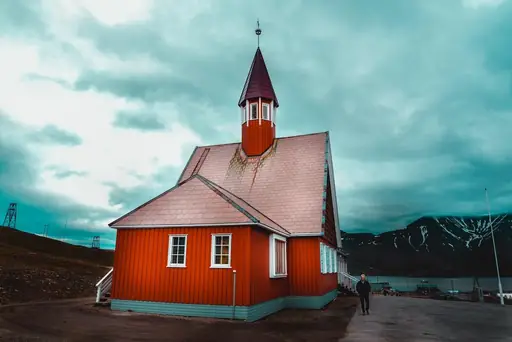
Longyearbyen began in 1906 as a coal mining camp run by an American named John Longyear. Today most visitors come for nature trips led by trained guides. About two thirds of Svalbard's land is protected as parks and nature reserves. You can join a dog sled ride or a boat trip past walrus.
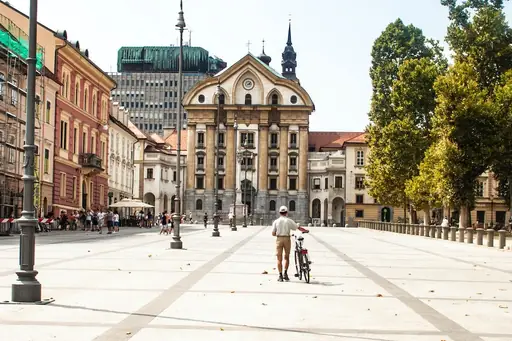
City in Slovenia
Ljubljana
A charming green city with soul
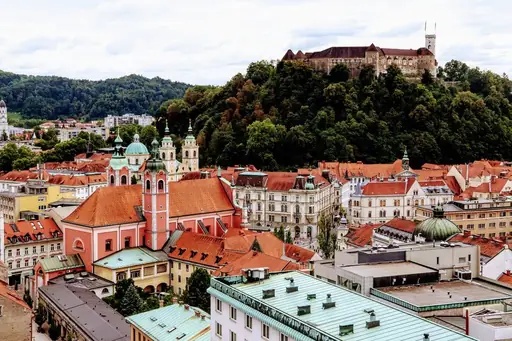
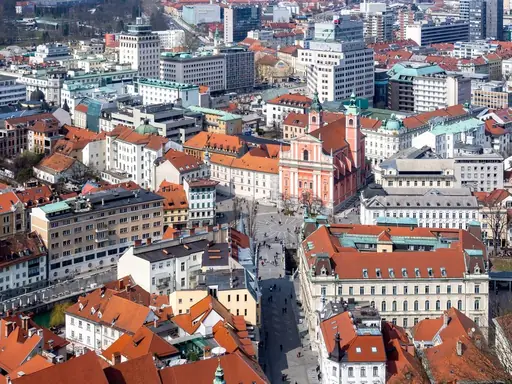
Cars are banned from the historic centre of this Slovenian capital. The European Commission named it a European Green Capital for 2016. Visitors can walk or cycle along the Ljubljanica River past many riverside cafes. Tap water comes from clean local groundwater and is safe to drink.
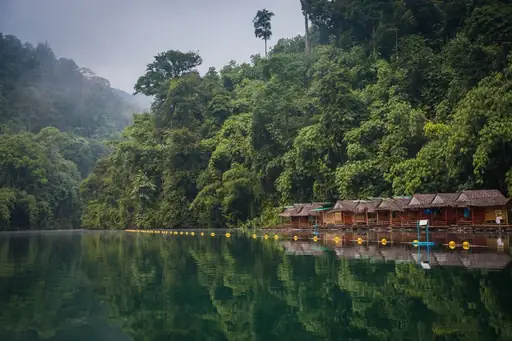
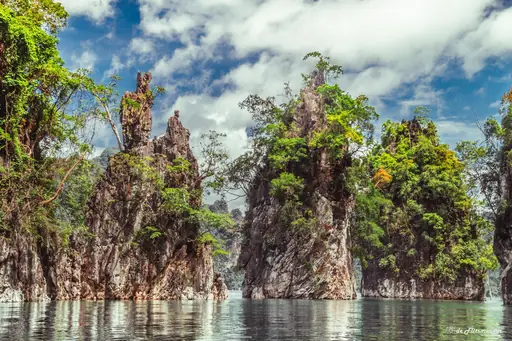
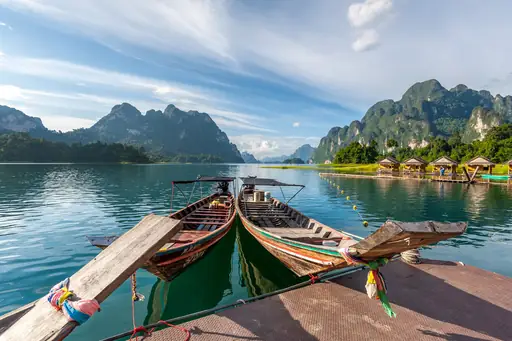
National Park in Thailand
Khao Sok National Park
Ancient Jungle and Emerald Lake Paradise
Limestone cliffs rise straight out of Cheow Lan Lake, a reservoir made by a dam in 1982. Floating bungalows moored beneath them sit deep inside the rainforest. Kayakers paddle at dawn while gibbons call from the treetops. The park also grows Rafflesia, one of the largest flowers on Earth.
City in New Zealand
Rotorua
Geothermal Wonders and Māori Culture
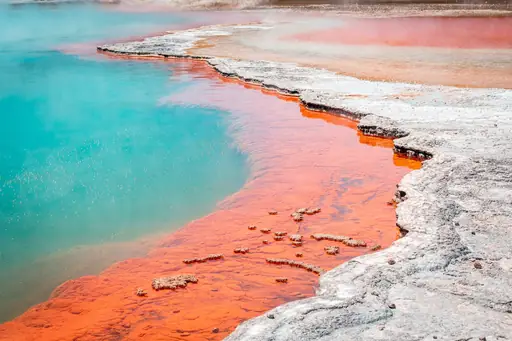
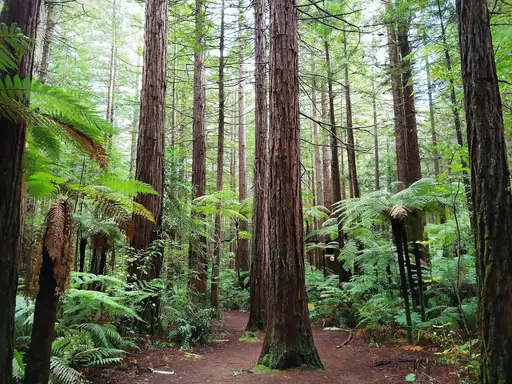
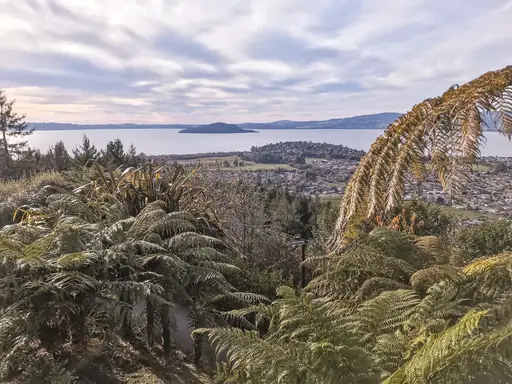
Residents of Whakarewarewa village still cook family meals in natural steam boxes. The living Maori village sits among geysers and bubbling mud pools. Local guides from the community lead walking tours and share family history. The Redwoods Whakarewarewa Forest nearby has treetop walkways and mountain bike trails.
Region in Malaysia
Danum Valley
Untamed rainforest, rare wildlife sanctuary
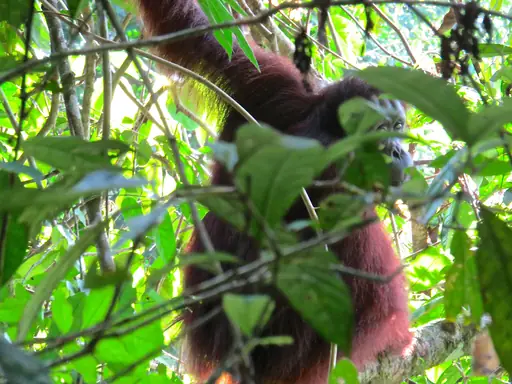
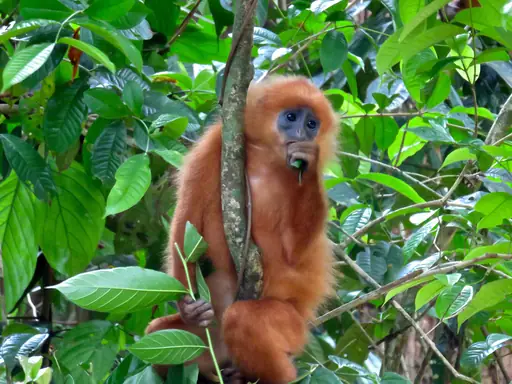
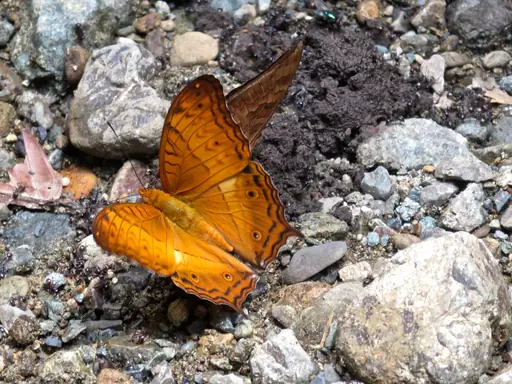
Scientists have studied this Bornean rainforest since a field centre opened in 1986. A canopy walkway lifts visitors high above the forest floor near the lodge. Guided night walks find slow lorises and flying squirrels. Orangutans and Borneo pygmy elephants roam the forest around the river.
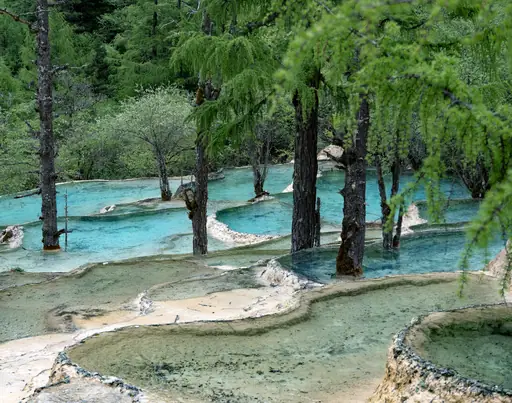
National Park in China
Huanglong National Park
China's Colorful Terraced Wonderland
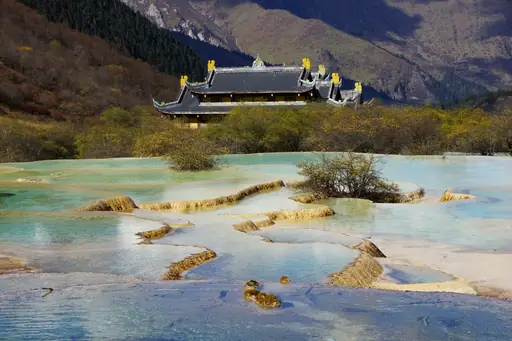
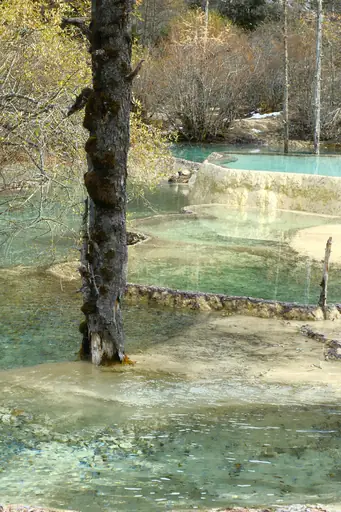
Huanglong National Park protects terraced mineral pools whose colours shift with mineral content and season. Calcium carbonate built the pools over thousands of years into a shape like a dragon. Visitors can walk boardwalks above the pools without stepping on the fragile formations. The park sits at high elevation, requiring visitors to acclimatise before hiking.


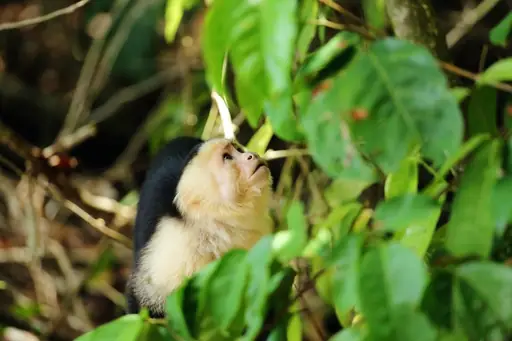
National Park in Costa Rica
Manuel Antonio National Park
Jungle, Wildlife and Stunning Beaches
The endangered Central American squirrel monkey lives in the forests behind the beaches here. Sloths hang in the trees above the wide trails. Visitors can walk to Playa Manuel Antonio and swim in calm shallow water. The park closes on Mondays to give wildlife a rest.
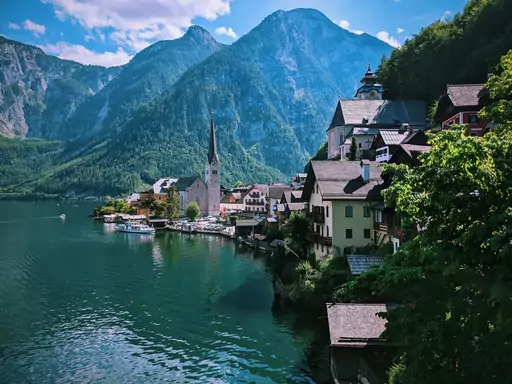
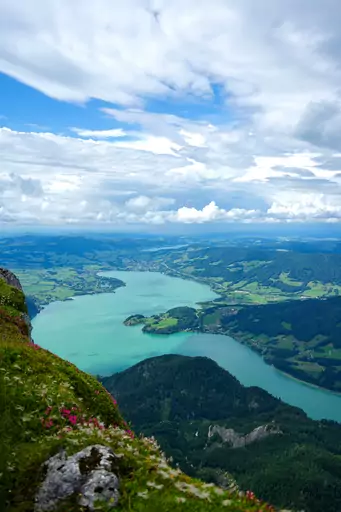
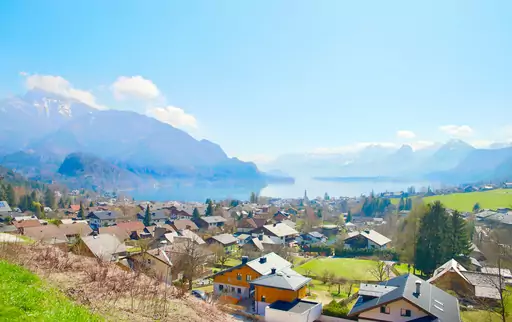
Region in Austria
Salzkammergut
Alpine lakes meet imperial heritage
Salt has been mined above Hallstatt for thousands of years. The village and its lake are part of a UNESCO World Heritage cultural landscape. Visitors can ride a funicular up to the Salzwelten mine and a viewing platform. Trains and ferries link many lakeside villages in the region.
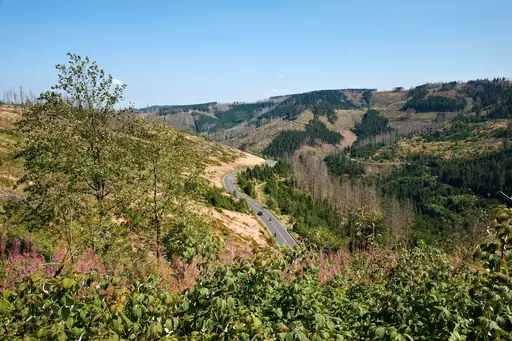
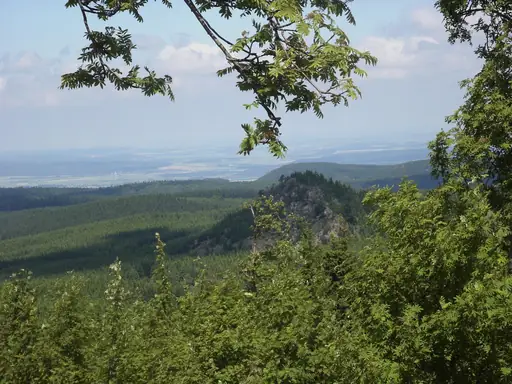
National Park in Germany
Harz National Park
Brocken peak, steam trains and wild forests
A steam train puffs up to Brocken, the Harz's highest peak at 1,141 metres. Fog often wraps the bare summit, which is tied to old witch legends. Each April 30 people dress as witches for Walpurgis Night festivals in Harz towns. Lynx roam the forests after a return programme that began in 2000.
Nature Reserve in Tanzania
Ngorongoro Conservation Area
Nature's Untamed Sanctuary
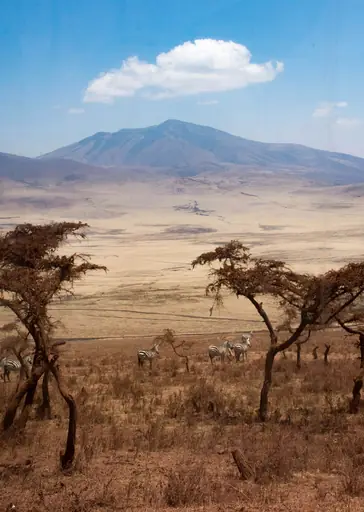
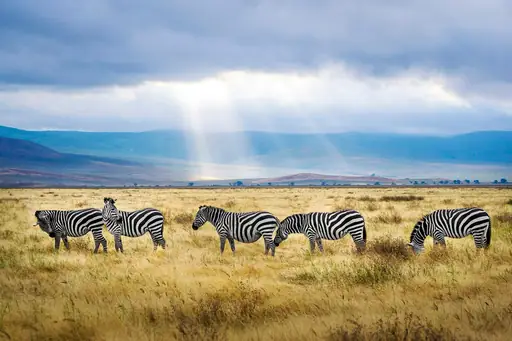
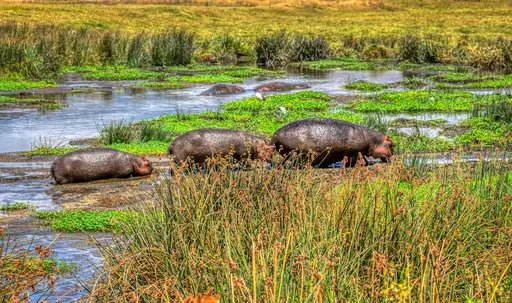
A collapsed volcano forms a huge crater about 260 square kilometres wide in northern Tanzania. Maasai herders still graze cattle in the wider conservation area. Safari vehicles descend steep roads to search the floor for black rhinos. Olduvai Gorge nearby holds fossils that reveal early human history.
National Park in Bulgaria
Pirin National Park
Alpine Peaks, Glacial Lakes, Wild Beauty
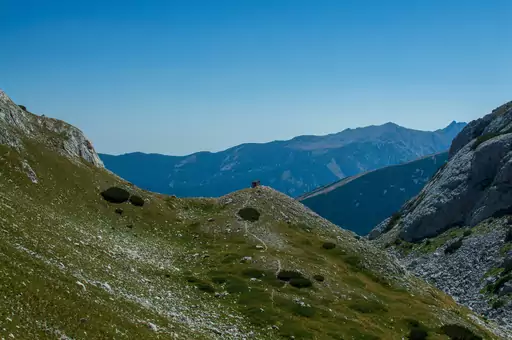
Baikushev's pine, a tree estimated at 1,300 years old, grows in this Bulgarian range. Dozens of glacial lakes fill hollows below the marble peaks. Hikers can walk from Bansko to Vihren Hut and the Banderitsa lakes. UNESCO added the park to its World Heritage list in 1983.
Town in Switzerland
Zermatt
Alpine Magic and the Matterhorn
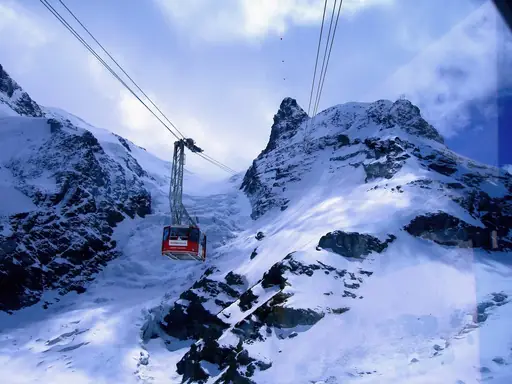
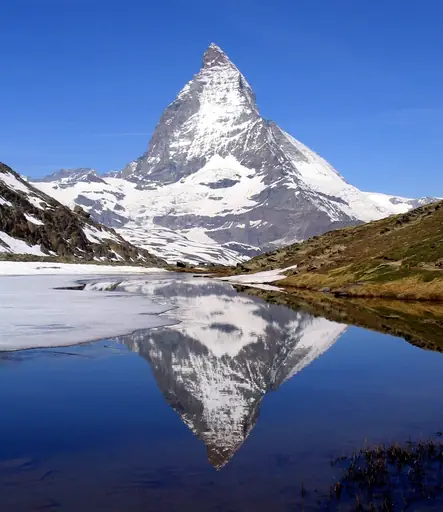
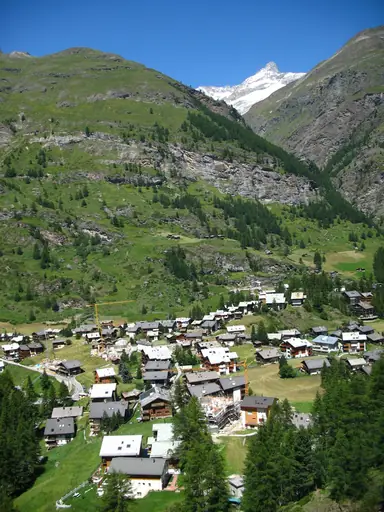
From July to September the high trails below the Matterhorn are clear of snow. Gas powered cars are banned in the village. Small electric taxis and horse drawn sleighs carry visitors from the train station. The Gornergrat cog railway climbs to 3,089 metres for views of the Matterhorn.

Island in Canada
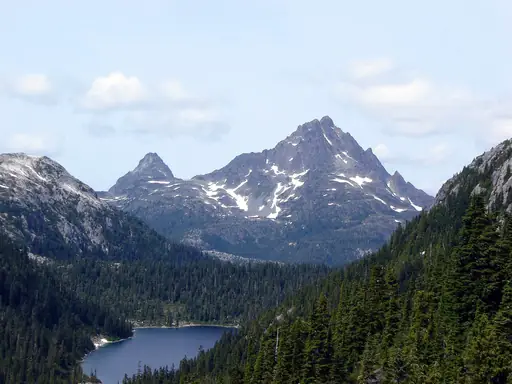
Vancouver Island
Untamed Beauty and Coastal Charm
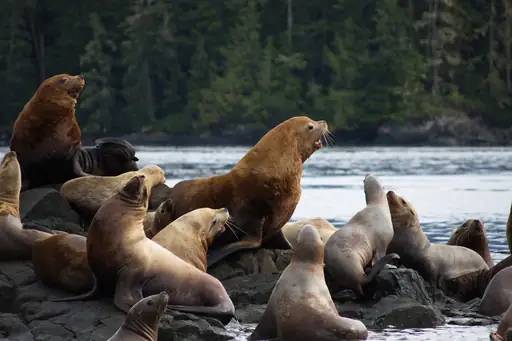
On the island's wet west coast, Clayoquot Sound is a UNESCO biosphere reserve. Old growth cedars and spruce cover the hills above quiet inlets. Boat tours from Tofino look for grey whales and black bears. Long Beach in Pacific Rim National Park has long sands and tide pools.
Town in Austria
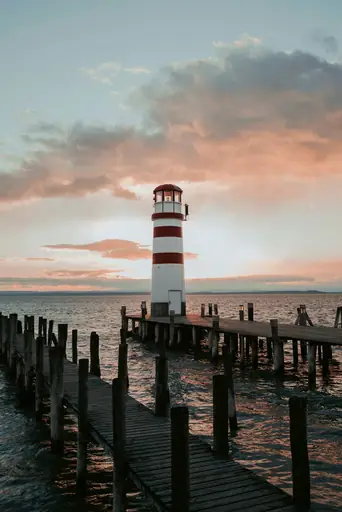
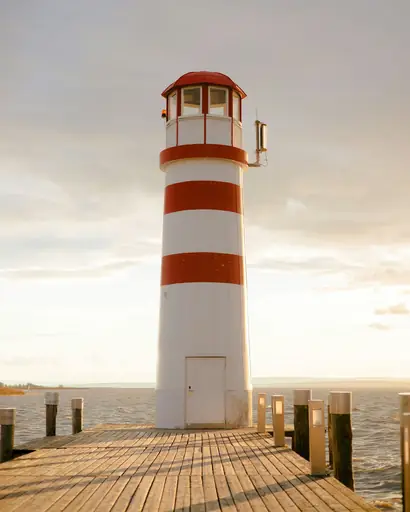
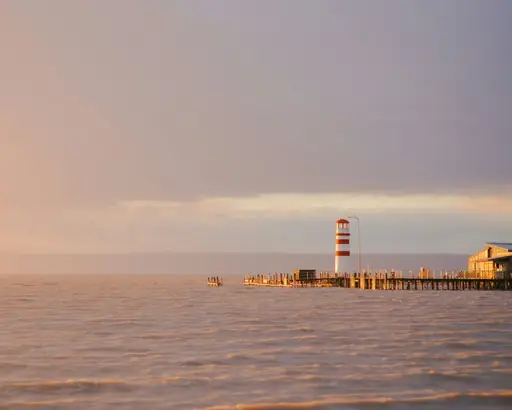
Neusiedl am See
Lakeside Charm and Panonnian Wines
Shallow Neusiedler See, a steppe lake, straddles the Austrian and Hungarian border. White storks nest on the chimneys of Rust each spring. Cyclists can ride a flat 125 kilometre path all the way around the lake. Birdwatchers visit the Seewinkel salt pans to see avocets.
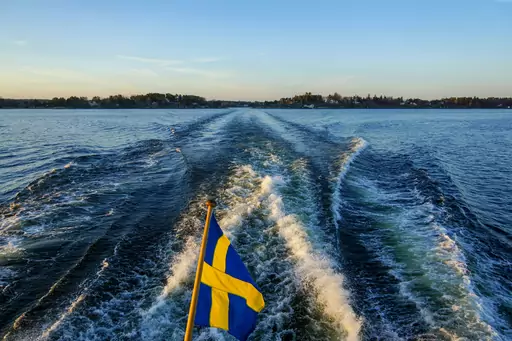
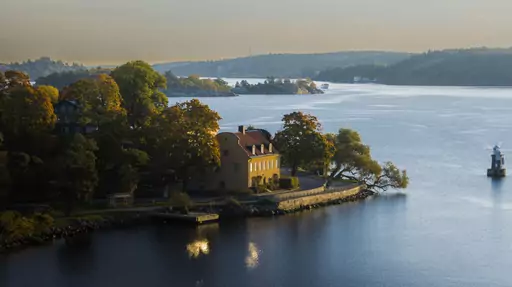
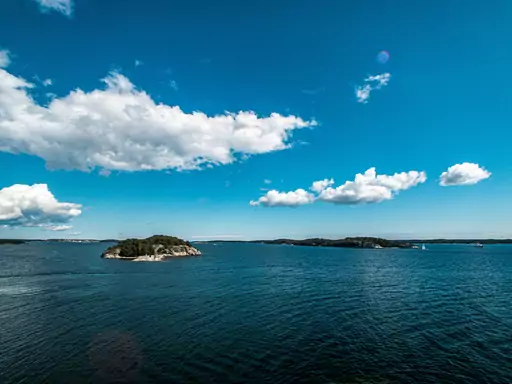
Region in Sweden
Stockholm Archipelago
30,000 islands of Swedish idyll
Few coasts are as spread out as this one, with about 30,000 islands and rocky islets. Sweden's right of public access means you can camp or kayak on most open shores. Ferries reach islands such as Sandhamn and Uto from Stockholm. Visitors walk or cycle between beaches and pine forests on quiet islands.
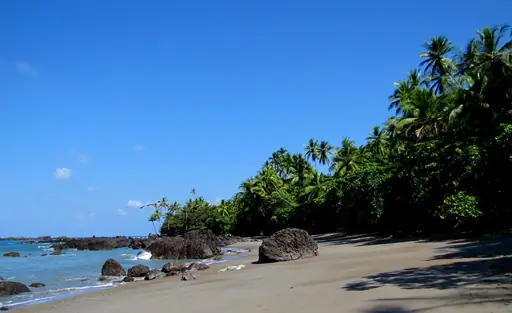
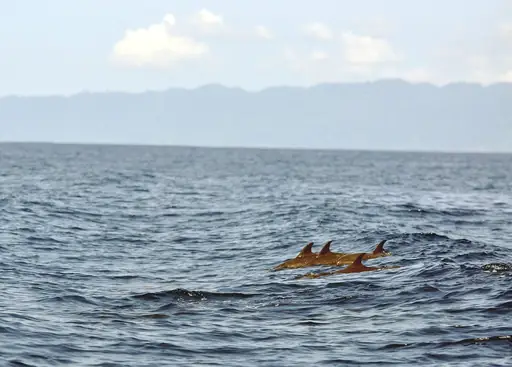
National Park in Costa Rica
Corcovado National Park
Costa Rica’s Wildest Rainforest Frontier
Corcovado National Park sits on Costa Rica's remote Osa Peninsula, reachable by boat or plane. National Geographic once called the area one of the most biologically intense places on Earth. Visitors can hike with a required guide, spotting tapirs and macaws. Jaguars still roam the rainforest, one of the species' last strongholds in Central America.
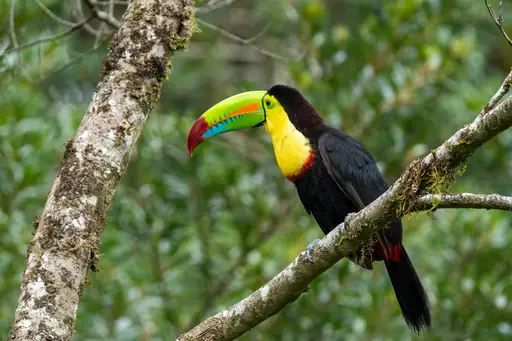
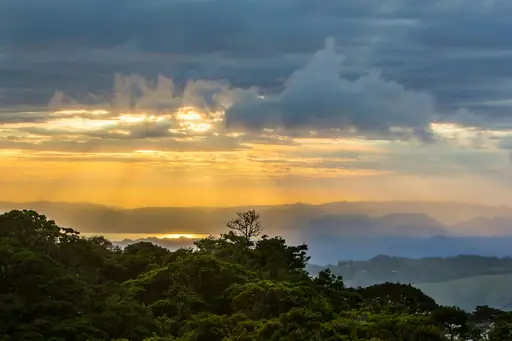
Nature Reserve in Costa Rica
Monteverde
Verdant cloud forests whisper ancient secrets
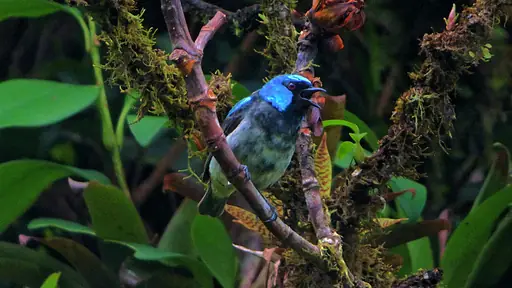
In 1951 Quaker families from Alabama settled here and set aside forest to protect their water. That land grew into the Monteverde Cloud Forest Reserve, which now spans over 10,000 hectares. Visitors can walk misty trails to a lookout on the Continental Divide. The golden toad once lived here and was last seen in 1989.
Island in Yemen
Socotra
Alien Landscapes, Untouched Adventure
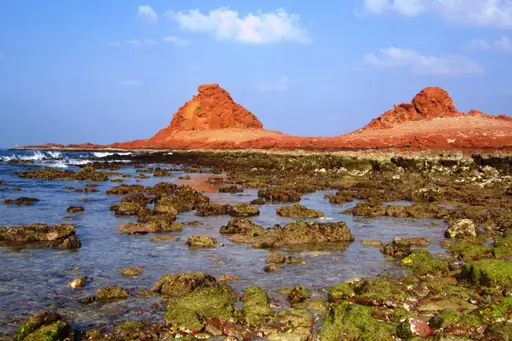
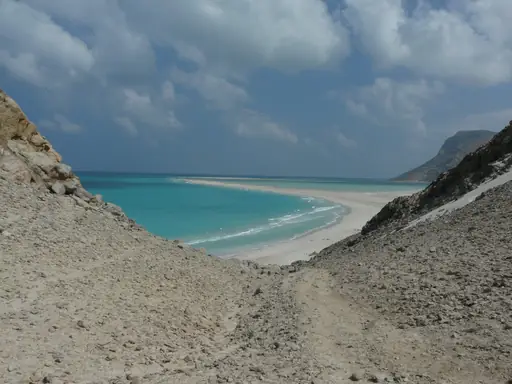
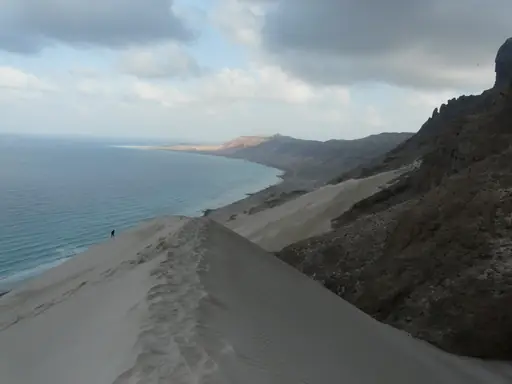
This island sits in the Arabian Sea about 240 kilometres off the coast of Somalia. Dragon's blood trees grow here with wide crowns shaped like upside down umbrellas. Their red sap was once traded as medicine and dye. More than a third of the island's plants grow nowhere else on Earth.
Region in Australia
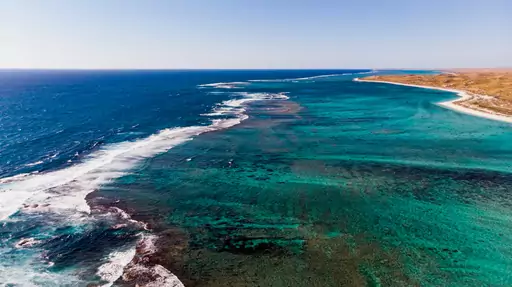
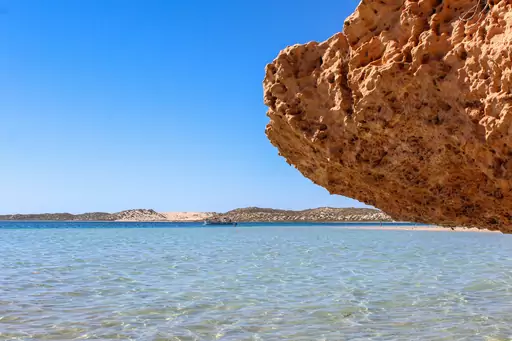
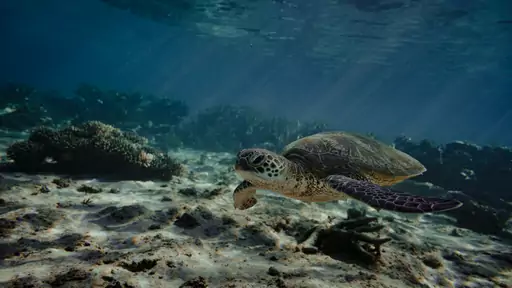
Ningaloo Coast
Australia's Accessible Underwater Wonderland
From March to July whale sharks gather along this stretch of Western Australia's coast. You can swim beside them on licensed boat tours out of Exmouth. The reef begins a few steps from the beach at Turquoise Bay. Humpback whales pass by on their migration from June to November.
Outer Territory in United Kingdom
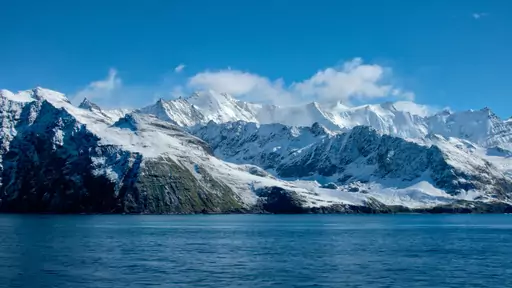
South Georgia and the South Sandwich Islands
Remote polar wilderness with wildlife
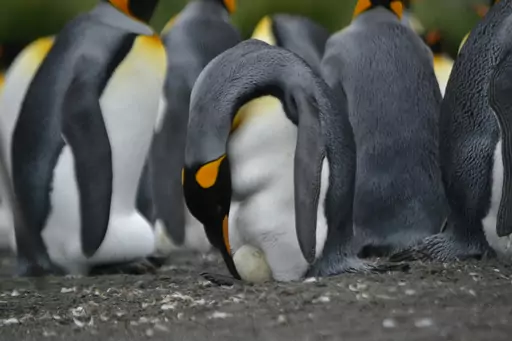
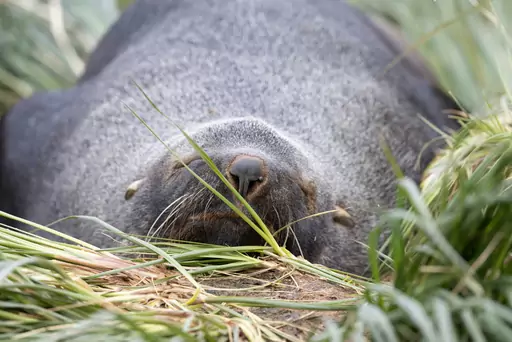
Ships visit from about October to March when fur seals and penguins crowd the beaches. St Andrews Bay has a huge colony of king penguins with brown fluffy chicks. A large rat removal programme ended in 2018 and helped ground nesting birds return. Visitors clean their boots before landing to keep pests out.
National Park in Brazil
Chapada Diamantina National Park
Waterfalls, Caves and Diamond History
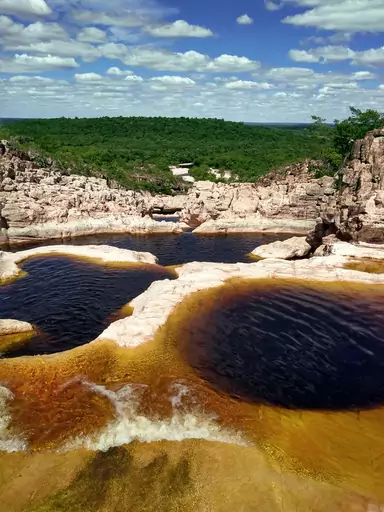
Chapada Diamantina takes its name from diamonds once mined across the region's highlands. Waterfalls here include Cachoeira da Fumaca, one of Brazil's tallest at over 300 metres. Visitors can hike through canyons and swim in pools fed by these cascades. Former mining trails now serve as marked routes for multi-day treks across the plateau.
Nature Reserve in United States
Boundary Waters Canoe Area Wilderness
Pristine lakes, untouched wilderness paradise
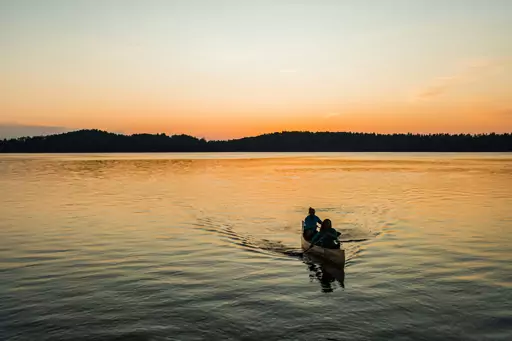
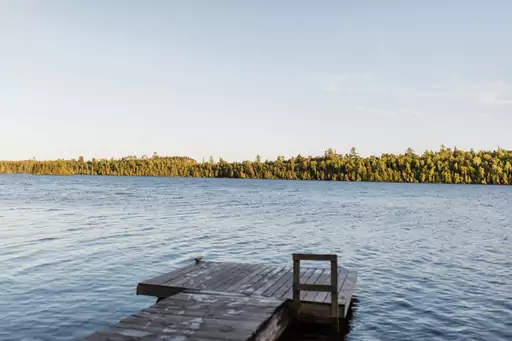
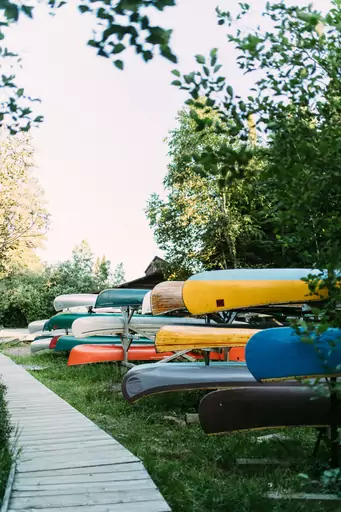
The Boundary Waters spans over a million acres of interconnected lakes reached only by canoe or foot. Motorised boats are banned across most of the wilderness to preserve its quiet character. Visitors can portage between lakes on trails carrying canoes and gear overhead. Permits limit how many groups can enter through each access point daily.
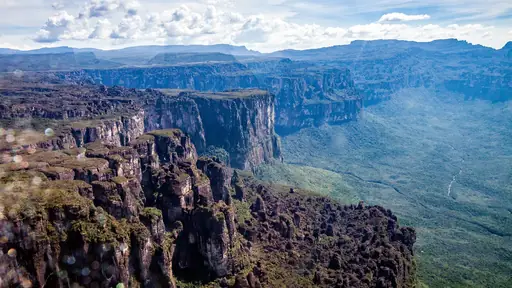
National Park in Venezuela
Canaima National Park
Tepui Peaks and Angel Falls Wonder
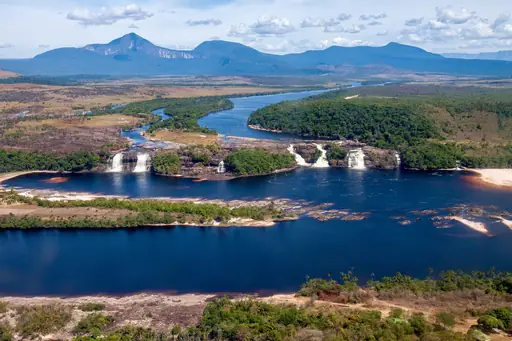
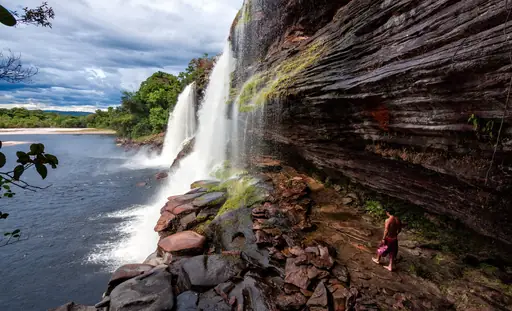
Canaima National Park protects Angel Falls, the world's tallest uninterrupted waterfall at over 900 metres. Flat-topped mountains called tepuis rise sharply from the surrounding rainforest. Visitors can reach the falls by canoe and a forest hike, since no roads lead there. The tepuis' isolation has produced plant and animal species found nowhere else on Earth.

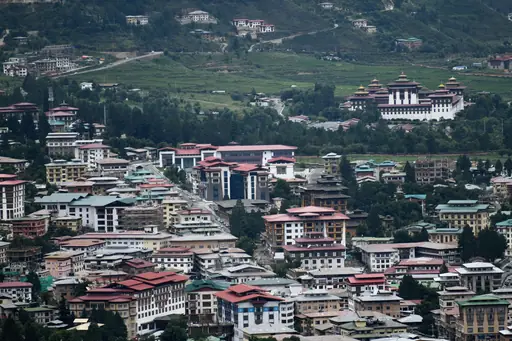
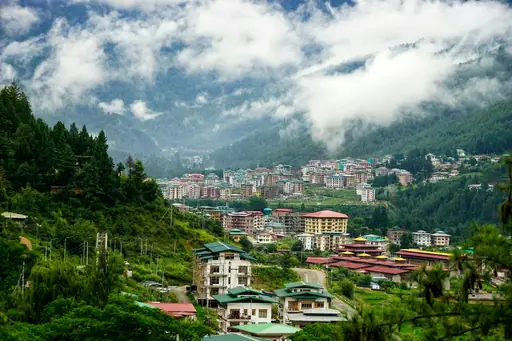
Country
Bhutan
Himalayan monasteries, dzongs and trekking trails
Bhutan runs on a constitutional mandate to keep at least 60 percent of its land forested. The country charges a daily sustainable development fee that funds conservation and healthcare. Visitors can trek through protected valleys closed to unrestricted mass tourism. Bhutan measures national progress through a Gross National Happiness index rather than GDP.
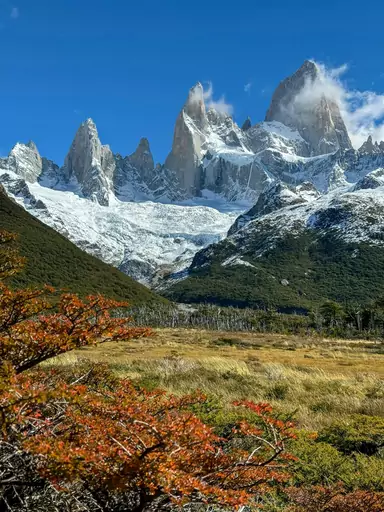
National Park in Argentina
Los Glaciares National Park
Where glaciers meet towering peaks
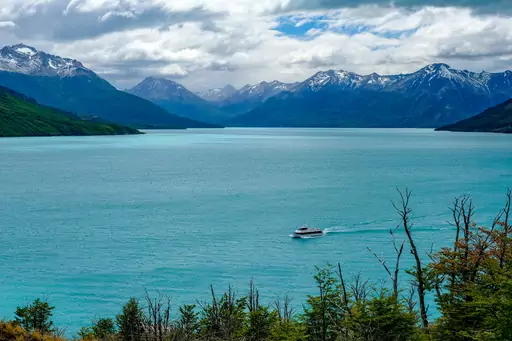
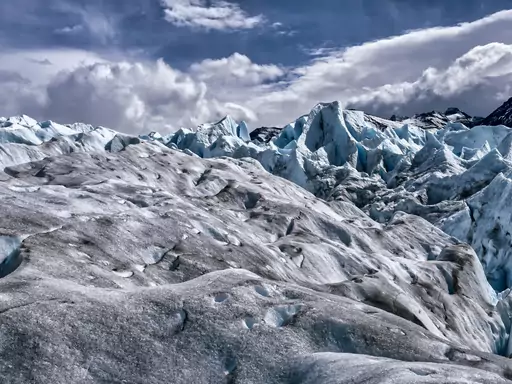
The Perito Moreno Glacier towers roughly 70 metres above Lake Argentino in this Patagonian park. Its ice front regularly calves house-sized blocks into the water. Visitors can watch from boardwalks that face the wall of ice. Hikers near El Chalten can reach the base of Mount Fitz Roy.
National Park in South Africa
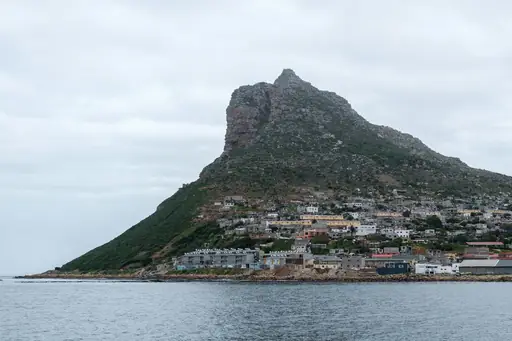
Table Mountain National Park
Epic views and wild landscapes
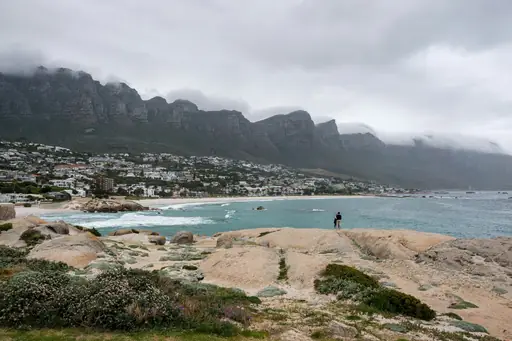
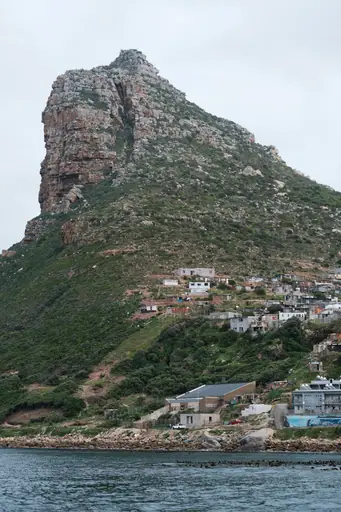
The scent of fynbos, the local shrubs and flowers, drifts across the trails above Cape Town. More than 2,000 plant species grow on the mountain itself. African penguins waddle and swim at Boulders Beach in the park's southern section. Hikers can climb Platteklip Gorge in about two hours or ride the cable car.

National Park in United States
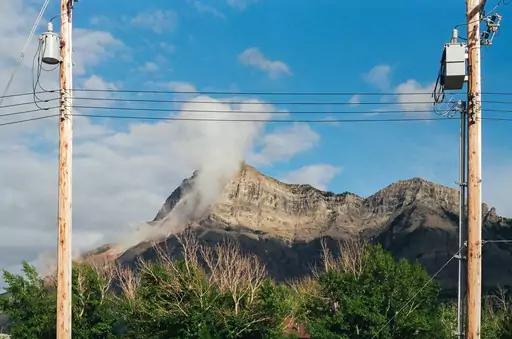
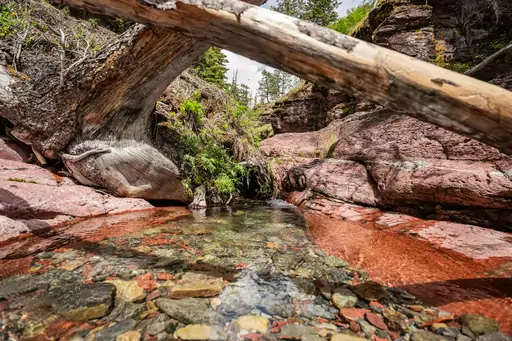
Waterton Glacier International Peace Park
Where two nations preserve wilderness
Like neighbours sharing a backyard, two national parks work together across the Canada and U.S. border. Together they were named an International Peace Park in 1932. Boat cruises on Upper Waterton Lake cross the border between the two countries. Mountain goats and bighorn sheep often stand near the trails.
National Park in United States
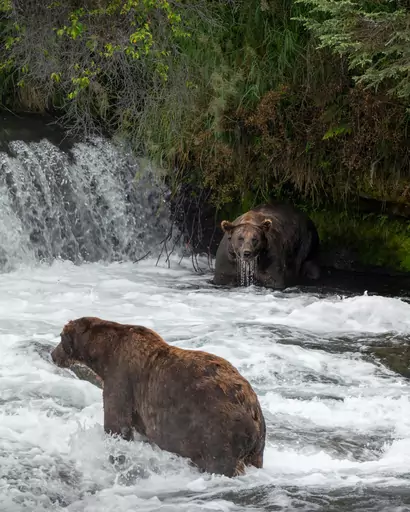
Katmai National Park
Bears, salmon and volcanic wonders
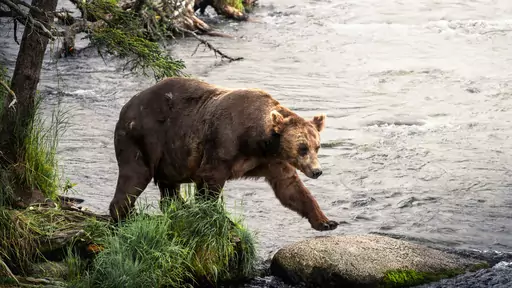
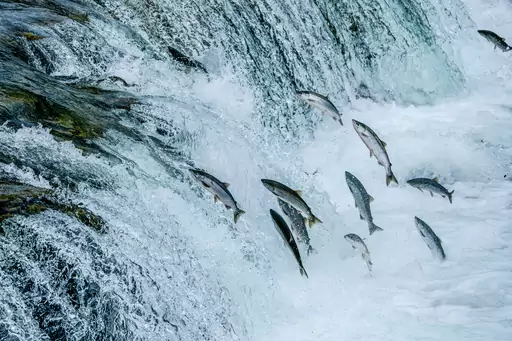
Brown bears gather at Brooks Falls each July to catch leaping sockeye salmon. They stand at the lip of the falls and snatch fish from the air. Wooden viewing platforms keep visitors at a safe distance. The Valley of Ten Thousand Smokes lies inland, created by a huge 1912 eruption.
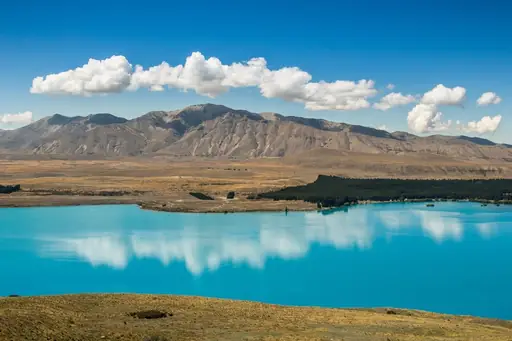
Lake in New Zealand
Lake Tekapo
The Glacial Gem of the South Island
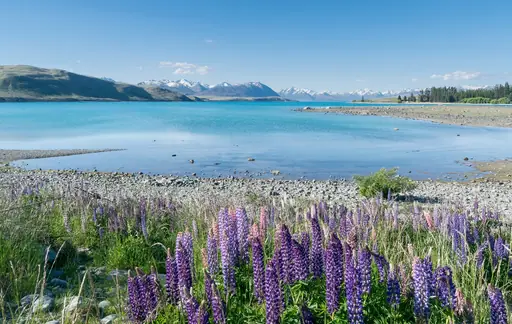
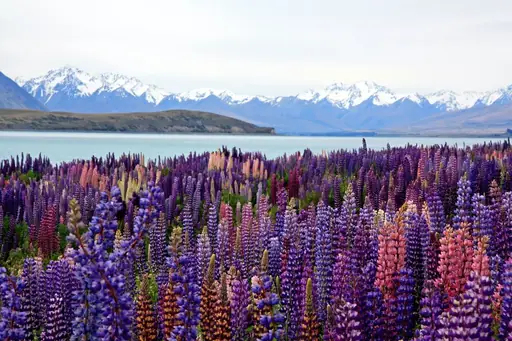
The Aoraki Mackenzie International Dark Sky Reserve, named in 2012, surrounds this South Island lake. Mount John Observatory sits on a hill above the turquoise water. Stargazers can join night tours and see the Milky Way overhead. The tiny Church of the Good Shepherd stands on the lakeshore.
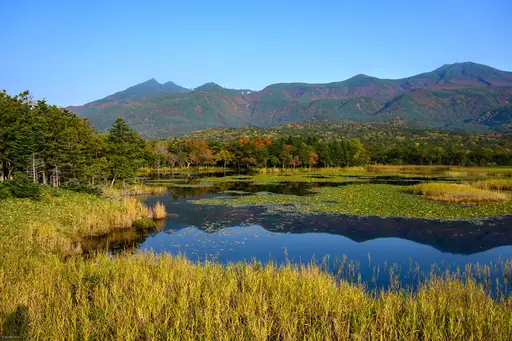
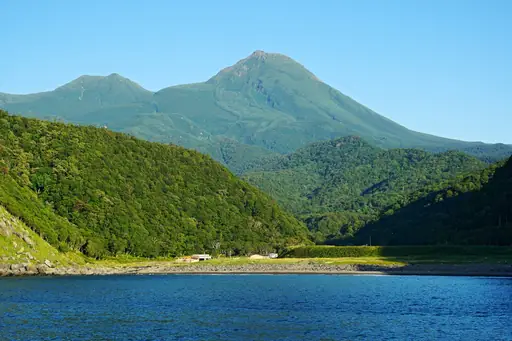
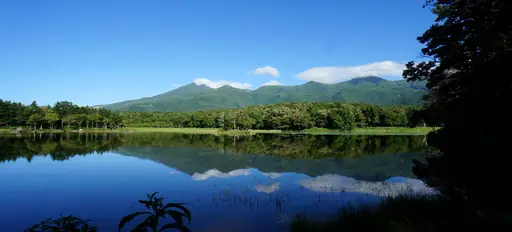
National Park in Japan
Shiretoko National Park
Brown bears and drift ice in Hokkaido
Sea ice from the Sea of Okhotsk reaches this Hokkaido peninsula each winter. The ice feeds plankton that supports one of the richest marine food chains. Boat tours from Rausu offer a view of brown bears along the coast. UNESCO listed the peninsula as a World Heritage Site in 2005.
National Park in Australia
Kakadu National Park
Ancient Rock Art and Wild Wetlands
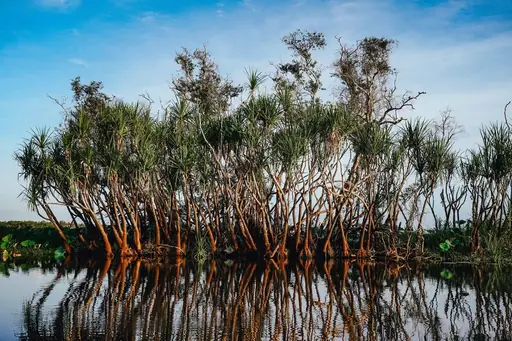
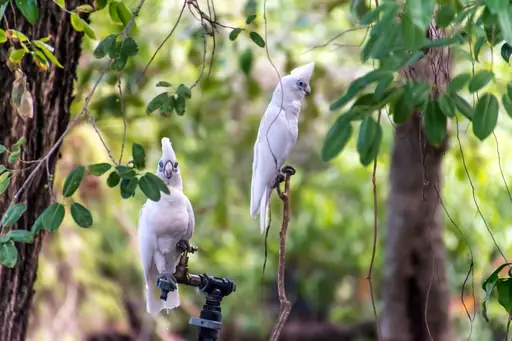
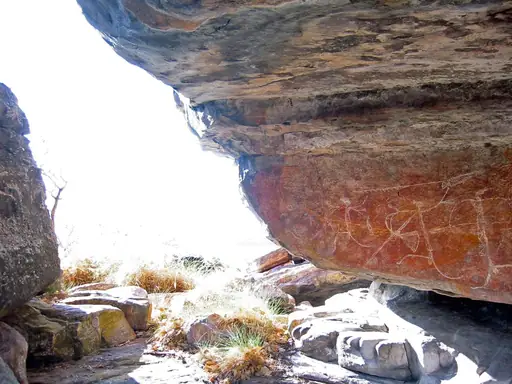
Aboriginal rock art at Ubirr and Nourlangie records more than 20,000 years of history. Traditional owners still co-manage the park with Parks Australia. Visitors can walk the Ubirr rock shelters and climb to a lookout over the floodplains. Yellow Water Billabong nearby offers dawn boat cruises past saltwater crocodiles.
National Park in Uganda
Bwindi Impenetrable National Park
Gorilla Encounters in Ancient Forest
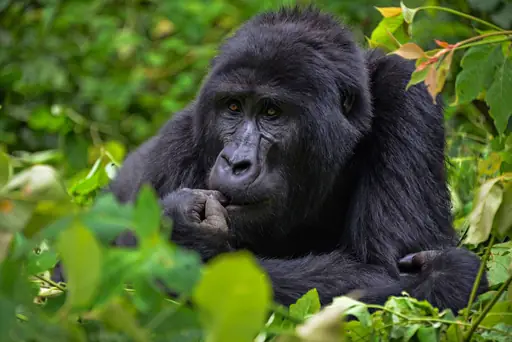
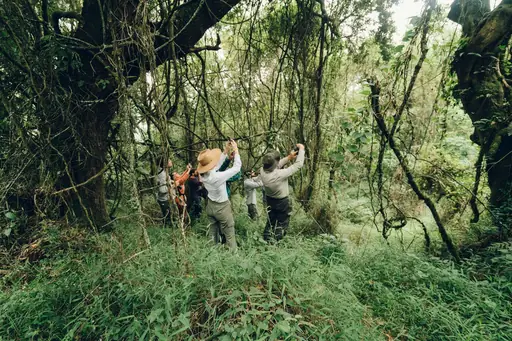
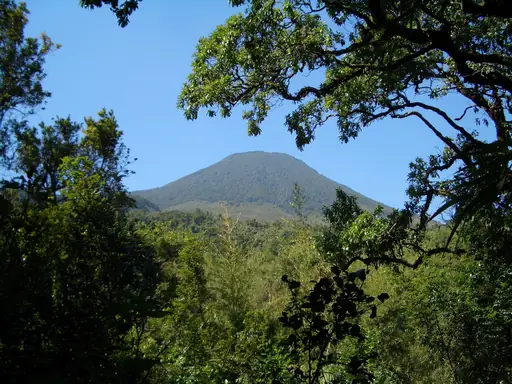
Bwindi's dense canopy blocks sunlight, keeping undergrowth thick and giving the park its name. Trackers lead small groups to locate habituated gorilla families through this terrain. Visitors can spend a permitted hour observing a family once trackers find them. Permits stay limited to a set number of daily visitors to reduce stress on the gorillas.
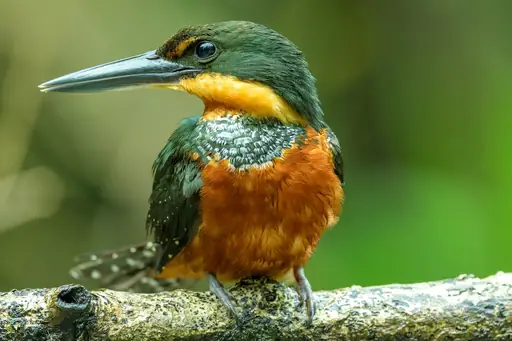
National Park in Costa Rica
Tortuguero National Park
Wildlife and Waterways Adventure
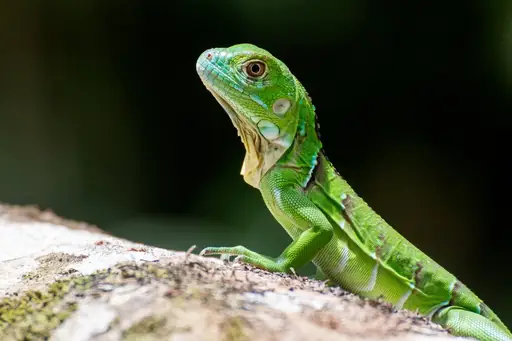
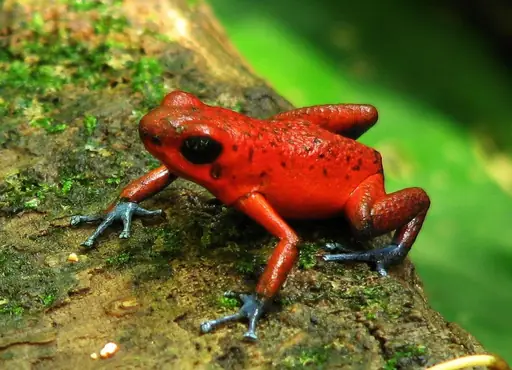
Like Venice, this jungle village has no roads and everyone travels by boat. Green turtles come ashore to nest on the beach from July to October. Guides with red lights lead night walks to watch them lay eggs. Kayak tours along the canals often spot caimans and howler monkeys.
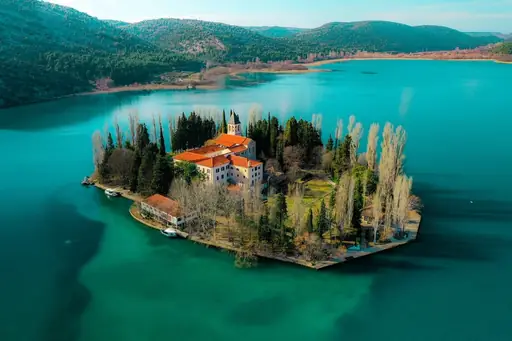
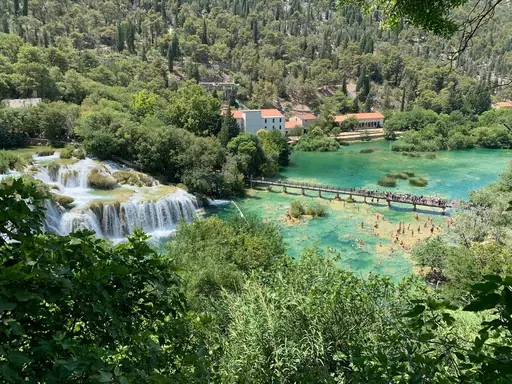
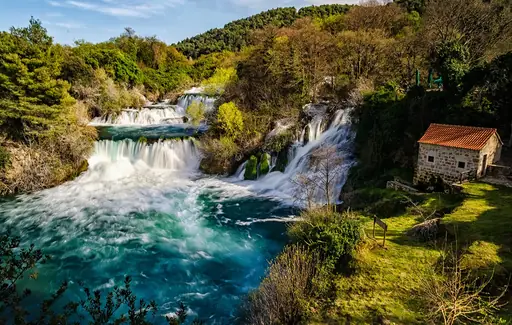
National Park in Croatia
Krka National Park
Waterfalls and Pristine Nature
Like Plitvice Lakes farther north, Krka has waterfalls stepping down in travertine terraces. Skradinski Buk has 17 of them in a row. Wooden boardwalks wind through the reeds and past old watermills. Swimming has been banned below the falls since 2021 to protect the water.
National Park in United Kingdom
North York Moors
Heather moorlands meet rugged coastline
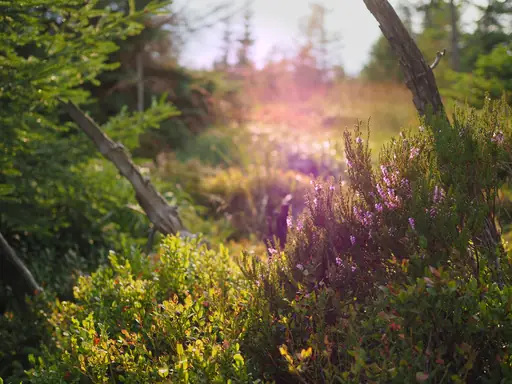
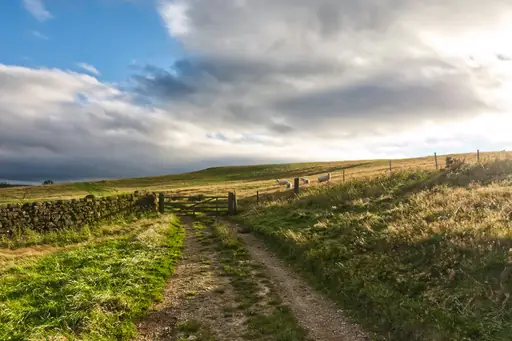
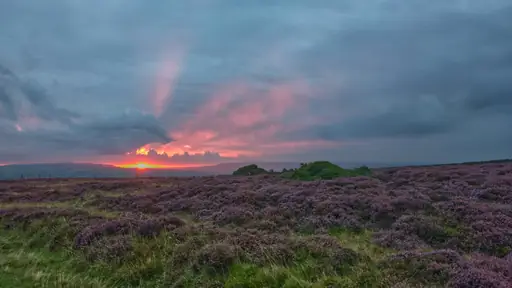
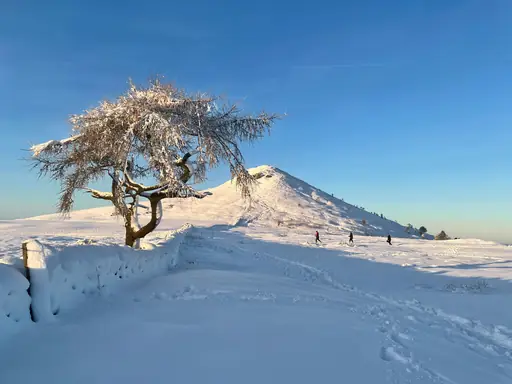
Purple heather covers the high moors in late summer and hums with bees. The park became an International Dark Sky Reserve in 2020. Winter stargazers can see the Milky Way from places such as Sutton Bank. Steam trains run through Newtondale gorge from Pickering to Whitby.
Town in New Zealand
Franz Josef
Gateway to the Majestic Glaciers
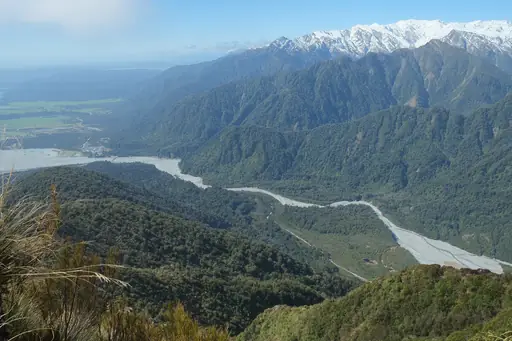
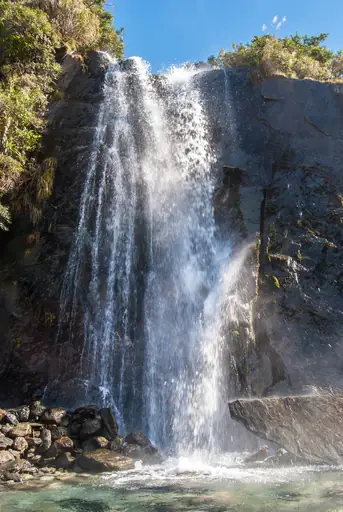
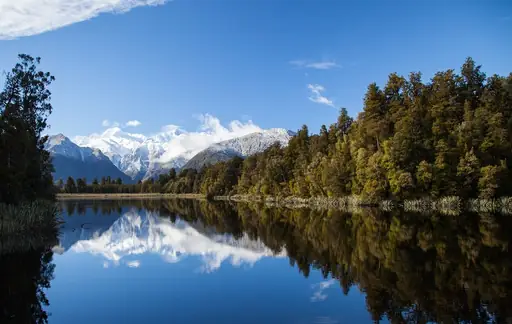
Franz Josef Glacier descends unusually close to sea level compared to glaciers at similar latitudes. Guided ice hikes let visitors walk on the glacier with crampons and trained guides. Visitors can also view the glacier from a valley trail without a guide. The glacier has retreated significantly in recent decades, changing the route guides use.
Archipelago in Indonesia
Raja Ampat
Vibrant coral reefs and lush tropical islands
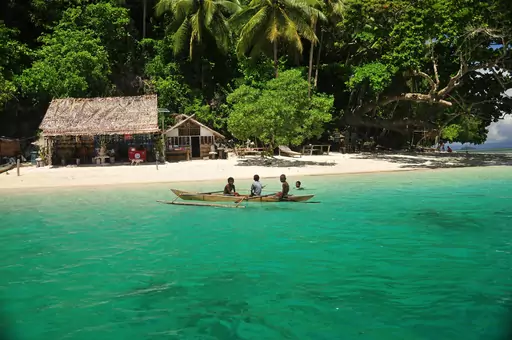
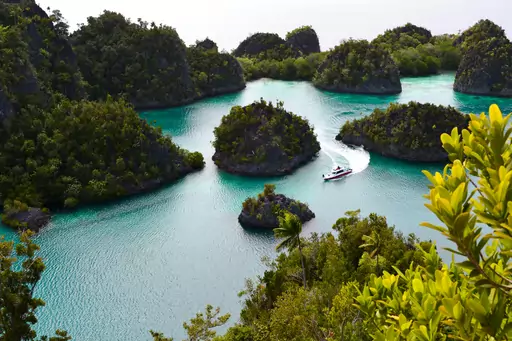
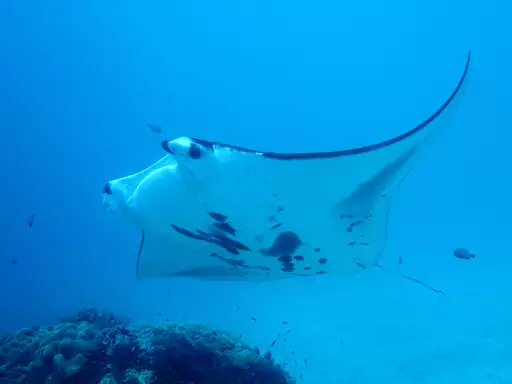
From October to April the seas are calm and clear for snorkelling. Families run homestays on islands such as Gam and Arborek. Manta rays glide past a site called Manta Sandy near Arborek village. More than 1,500 kinds of reef fish have been counted in these waters.
National Park in Norway
Jotunheimen
Home of giants and glaciers
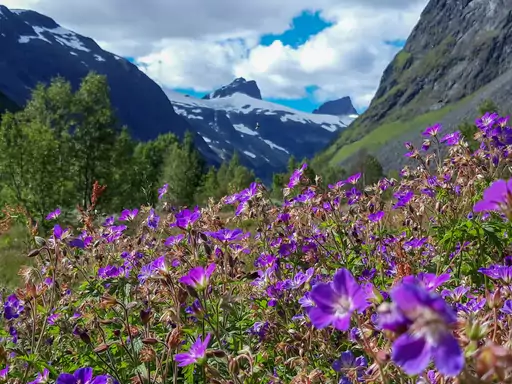
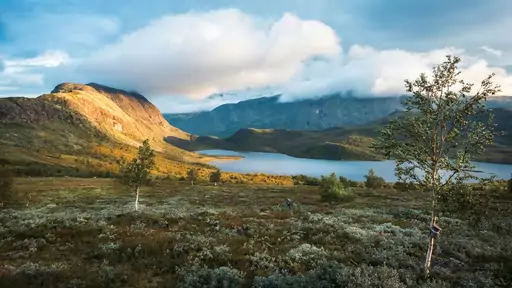
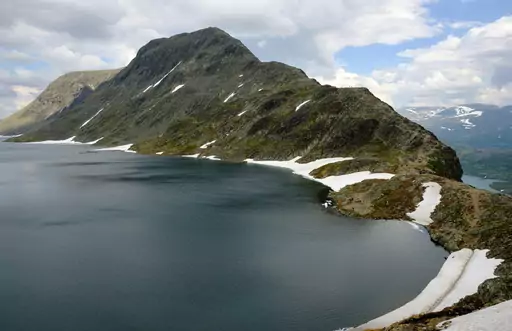
Jotunheimen holds Norway's tallest peaks, including Galdhopiggen, the highest point in Northern Europe. Hikers can traverse Besseggen, a narrow ridge between two lakes of strikingly different colours. Visitors can complete that hike in a single long day without technical climbing gear. The park's name translates roughly to home of the giants, drawn from folklore.
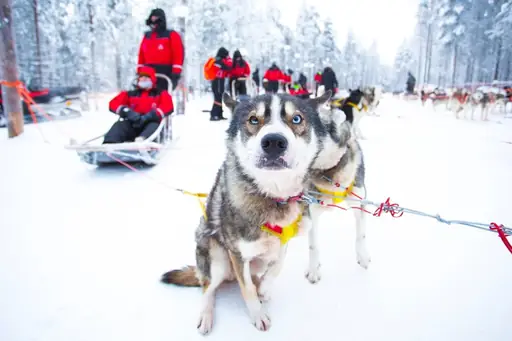
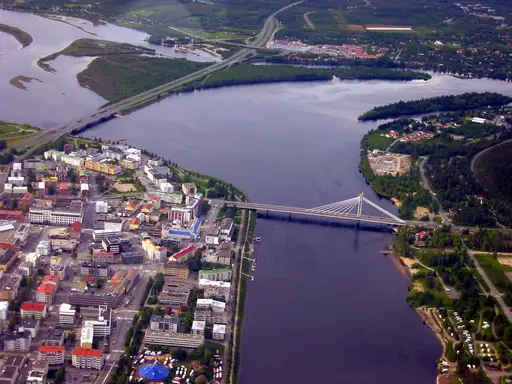

Region in Finland
Lapland
Northern lights and midnight sun
Finnish Lapland's Urho Kekkonen National Park protects one of Europe's largest roadless wilderness areas. Reindeer herding remains an active Sami tradition across much of the region. Visitors can join a guided trek to learn about traditional herding practices still used today. The park's remote trails see far fewer visitors than accessible parks farther south.
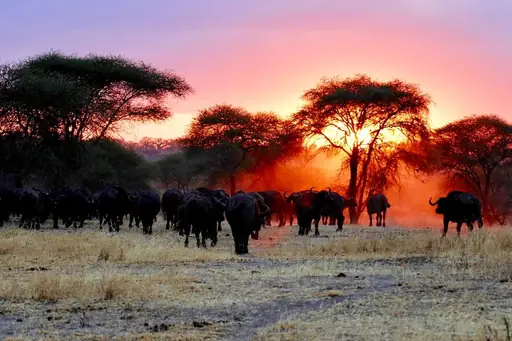
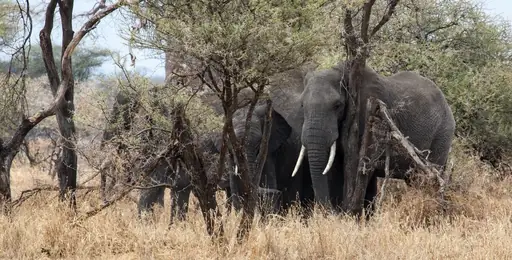
National Park in Tanzania
Tarangire National Park
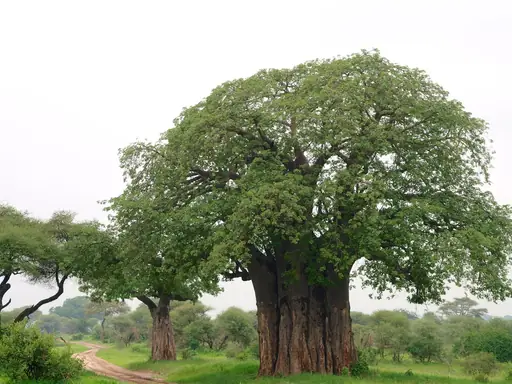
Elephant Paradise with Baobab Backdrops
This park in northern Tanzania gets very dry for much of the year. The Tarangire River draws elephants, zebras and wildebeest from August to October. Giant baobab trees, some very old, dot the ridges. Guided night drives run just outside the park boundary in nearby areas.
Island in Greece
Andros
Lush Trails, Hidden Beaches, Real Greece
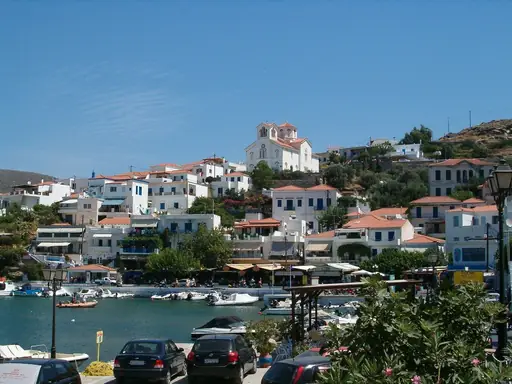
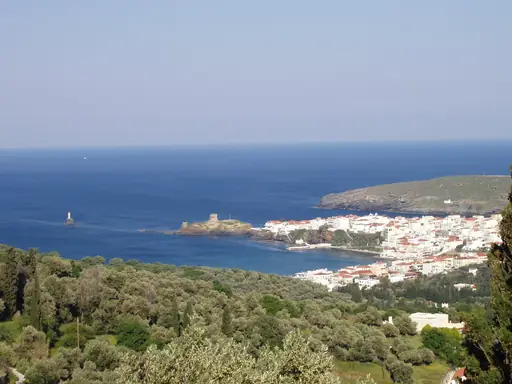
Andros holds more natural springs than any other Greek island, feeding valleys unusual for the Aegean. Trails once used to move goods between mountain villages now serve as marked hiking routes. Visitors can follow these paths past waterfalls fed by the island's water sources. The island's greenery looks strikingly different from its drier Cycladic neighbours.
National Park in Australia
Blue Mountains National Park
Majestic Views and Untamed Nature
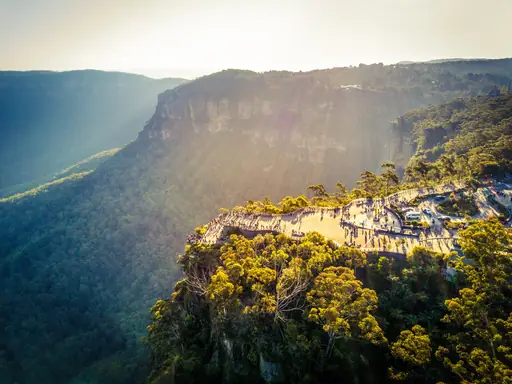
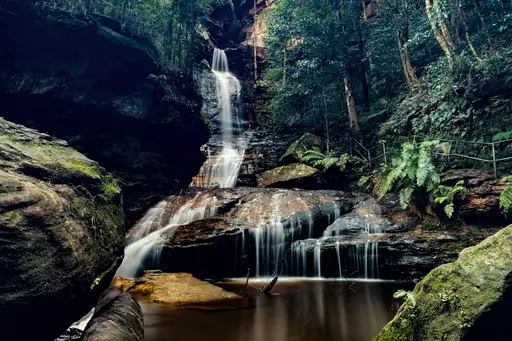
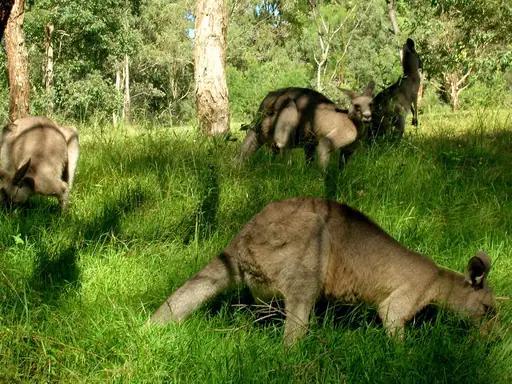
Blue Mountains National Park takes its name from a blue haze created by eucalyptus oil evaporating into the air. The Three Sisters rock formation draws visitors to lookouts above the valley. Visitors can hike down on trails built from historic mining infrastructure. UNESCO listed the mountains as a World Heritage Site for eucalyptus diversity.
Town in Argentina
El Chalten
Hiking Capital of Argentina
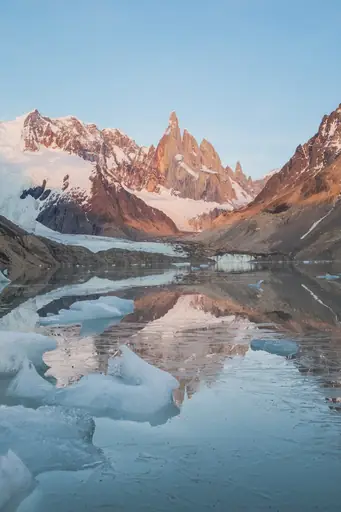
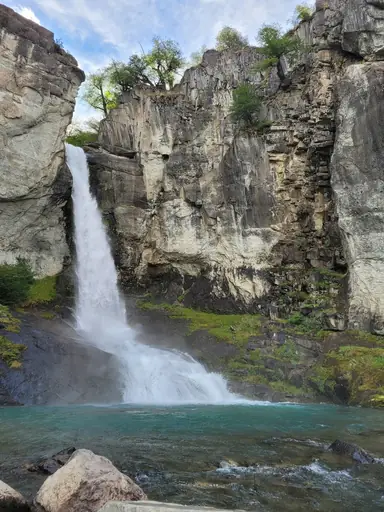
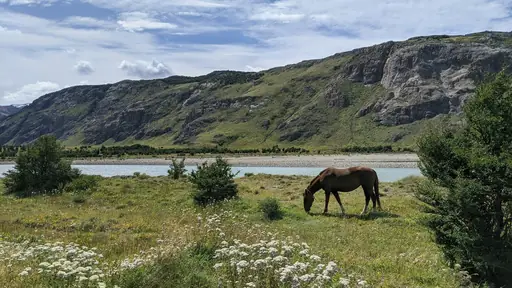
El Chalten was founded in 1985 to support Argentina's claim over a border region. The town has grown since into the country's trekking capital, built around hiking. Visitors can access trails to Mount Fitz Roy from the town centre. No paved roads connected the town to the rest of Argentina until decades after its founding.
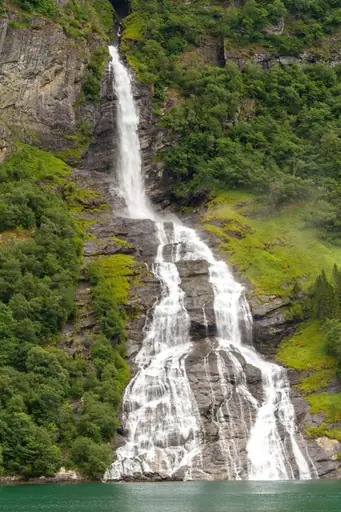
Village in Norway
Geiranger
Majestic Fjords and Dramatic Waterfalls
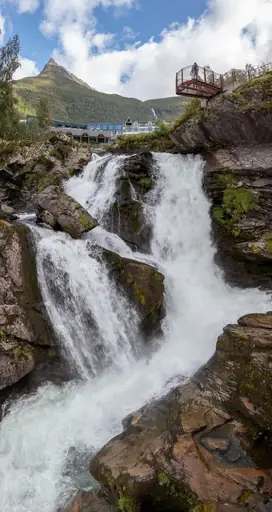
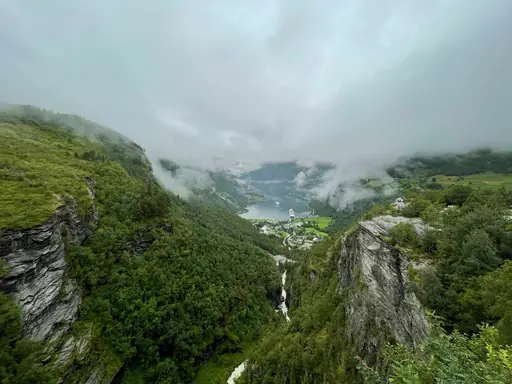
Geiranger sits at the end of a fjord recognised by UNESCO for its scenery. Waterfalls with names like the Seven Sisters cascade down cliffs into the fjord below. Visitors can cruise the fjord to view these falls up close from the water. Cruise ship traffic here has prompted new rules limiting emissions within the fjord.
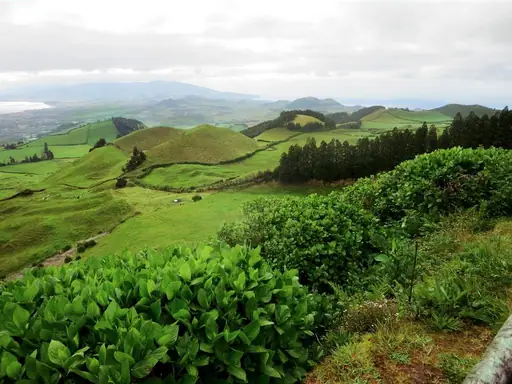
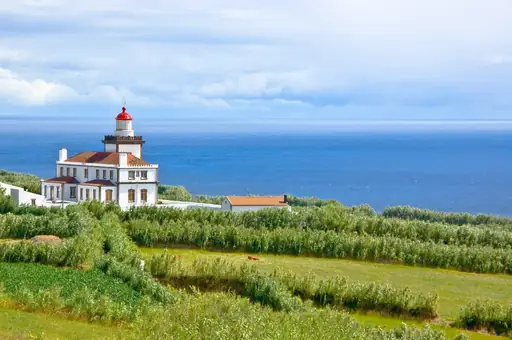
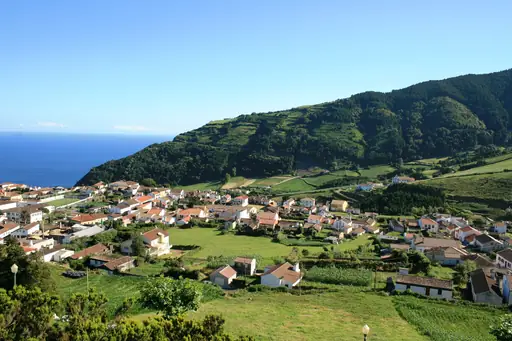
Archipelago in Portugal
Azores
Volcanic Isles of Atlantic Wonders
The Azores generate most of their electricity from geothermal and hydroelectric sources drawn from volcanic terrain. Crater lakes fill several extinct volcanoes across the archipelago, some split into twin blue and green pools. Visitors can hike rim trails overlooking these lakes on islands like Sao Miguel. Whale watching tours nearby follow guidelines limiting boat numbers.
National Park in Spain
Teide National Park
Mars-Like Landscapes and Epic Views
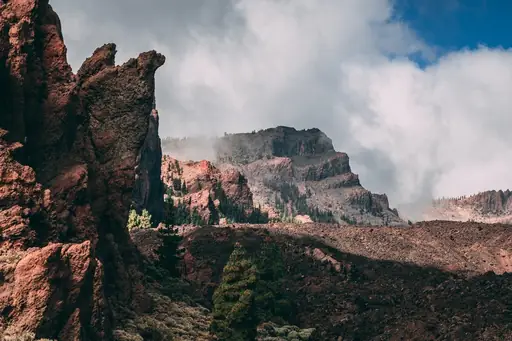
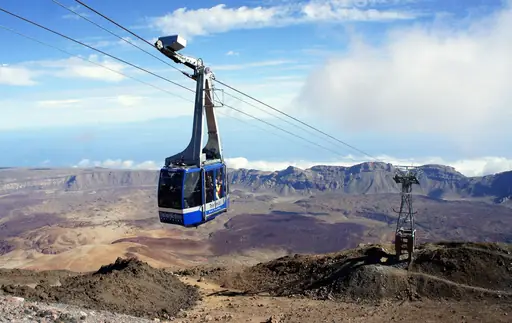
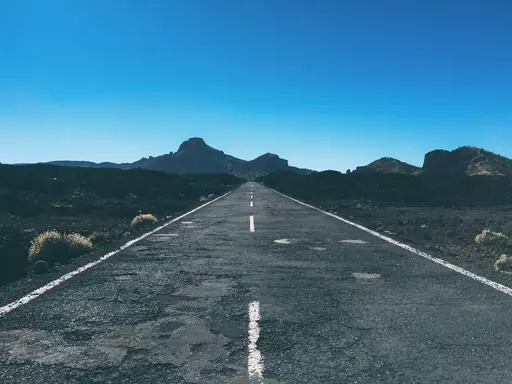
Spain's highest mountain rises 3,715 metres from the middle of Tenerife. A cable car climbs most of the way in about eight minutes. Skies here are so clear that observatories and stargazers gather nightly. Red flowering Teide viper's bugloss covers the slopes in late spring.
National Park in Nepal
Chitwan National Park
Wild Rhinos and Jungle Adventures
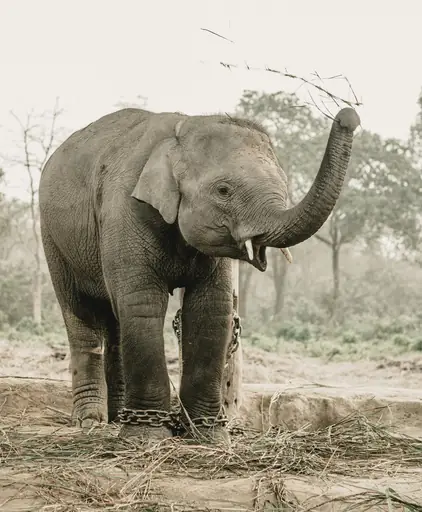
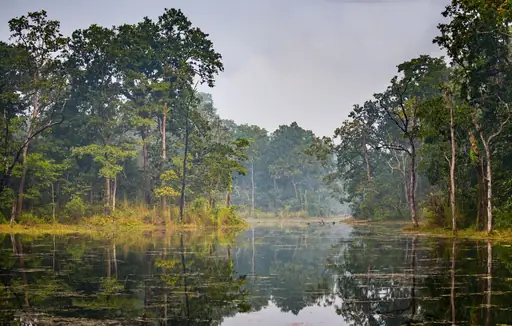
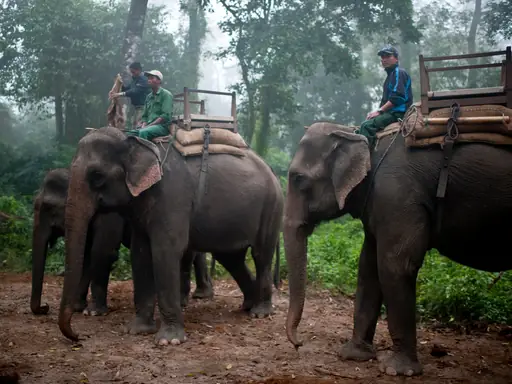
Greater one-horned rhinos wade through the tall grasslands of this southern Nepali park. Guides lead visitors on foot or by canoe along the Rapti River. Gharial crocodiles, with long thin snouts, bask on the sandy riverbanks. Local Tharu villages offer homestays with traditional stick dance shows.
Island in Norway
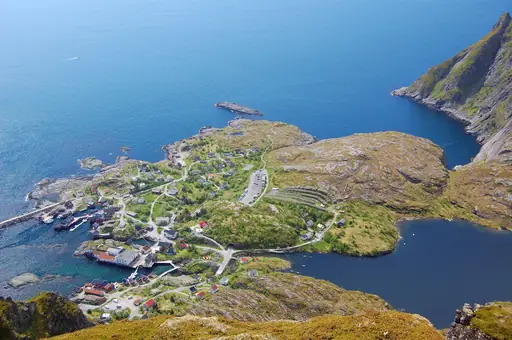
Lofoten
Dramatic Peaks and Northern Lights
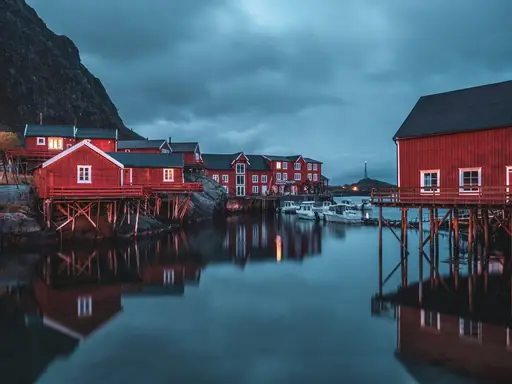
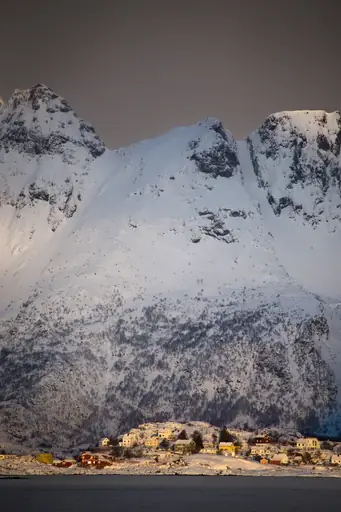
Red fishing cabins called rorbuer stand on stilts above the water in these Norwegian islands. Fishermen have caught Arctic cod here for more than a thousand years. Visitors can sleep in converted rorbuer in villages such as Reine. Midnight sun lights the peaks from late May to mid July.
Country
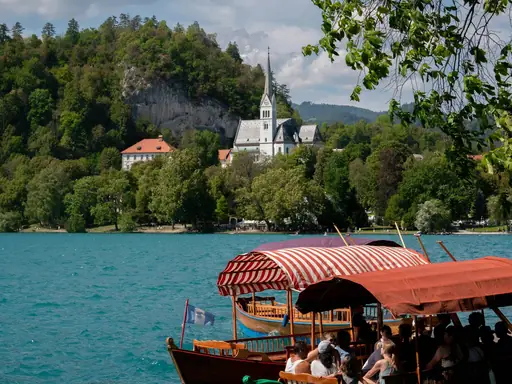
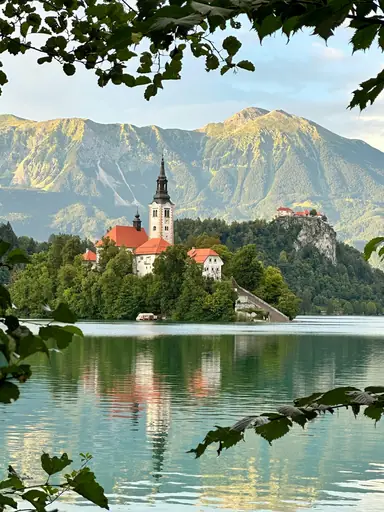
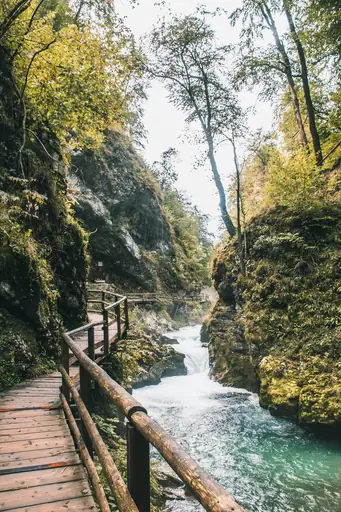
Slovenia
Alpine beauty meets Adriatic charm
Painted hive panels with folk scenes date to the 1700s in Slovenian bee houses. Beekeeping is still a proud national tradition here. A programme called Slovenia Green rates towns, hotels and parks on sustainability. You can stay at a family farm and taste local honey at breakfast.
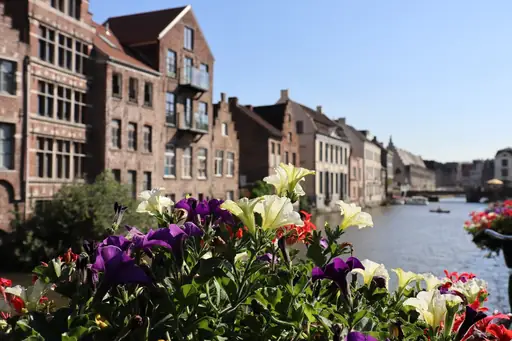
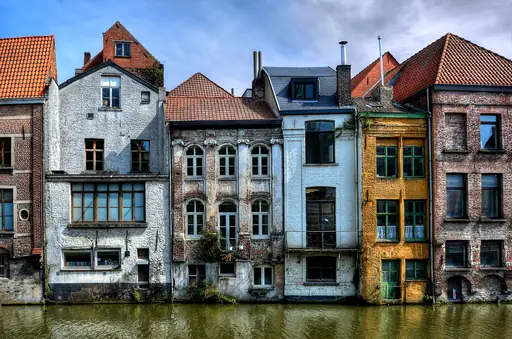

City in Belgium
Ghent
Medieval Canals, Art and Hip Vibes
Ghent bans most car traffic from its centre, favouring bicycles, trams and pedestrians. Cyclists make up a large share of commuters, aided by an extensive bike lane network. Visitors can hire a bike to explore canals and guild houses without a car. The city has expanded its car-free zone several times since the policy began.
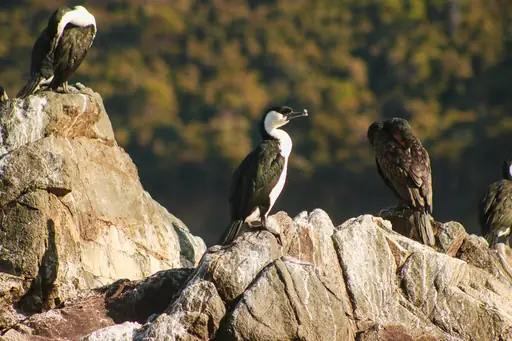
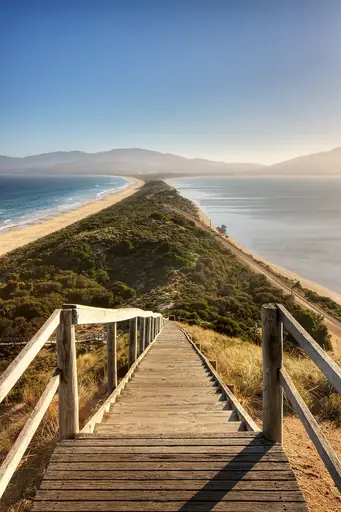
Island in Australia
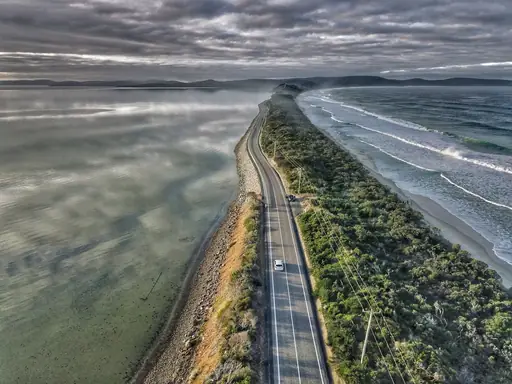
Tasmania
Wilderness, Wildlife and Wild Coasts
Long warm days from December to March suit the Overland Track, a six day trail through alpine country. Wild areas cover nearly a fifth of Tasmania and are listed by UNESCO. Bennett's wallabies and wombats graze near the Cradle Mountain trailheads. Bruny Island sells oysters straight from the sea.

National Park in United States
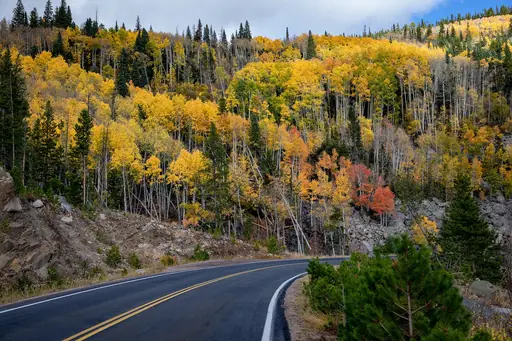
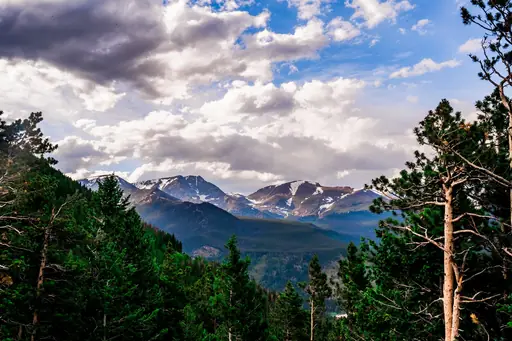
Rocky Mountain National Park
Majestic Peaks and Untamed Wilderness
Trail Ridge Road climbs to 12,183 feet, one of the highest paved roads in the country. Elk gather in Moraine Park meadows during the autumn rut. Visitors can hike to Bear Lake and Emerald Lake from a single trailhead. Pikas whistle from the rock slides above the tree line.
National Park in Tanzania
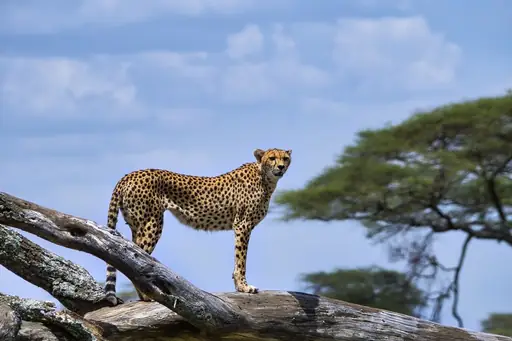
Serengeti National Park
The Ultimate Safari Adventure
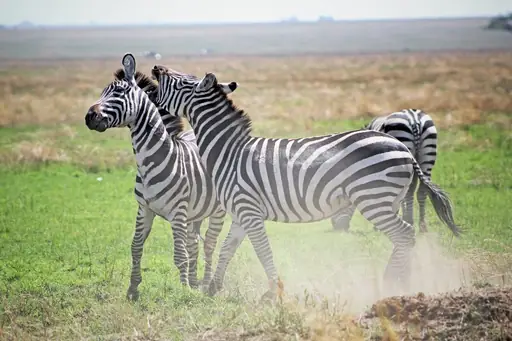
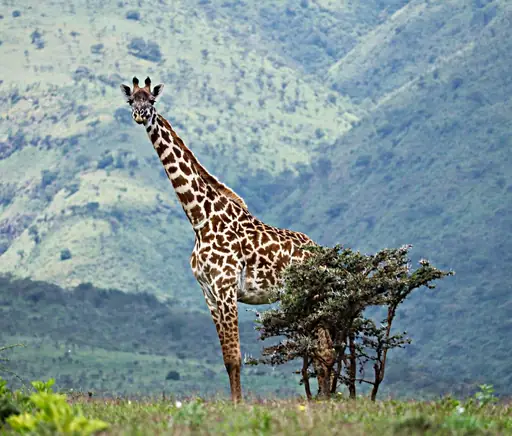
About 1.5 million wildebeest follow the rains through this Tanzanian plain each year. They travel in a huge loop between the Serengeti and Kenya's Maasai Mara. Visitors can watch river crossings at the Grumeti and Mara rivers. Lions rest on granite outcrops called kopjes across the plains.
National Park in South Africa
Addo Elephant National Park
Big Five Safari in Malaria-Free Wilds
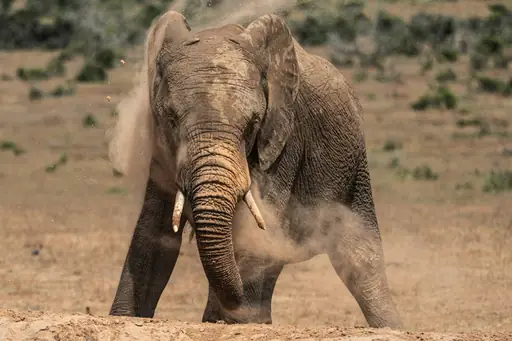
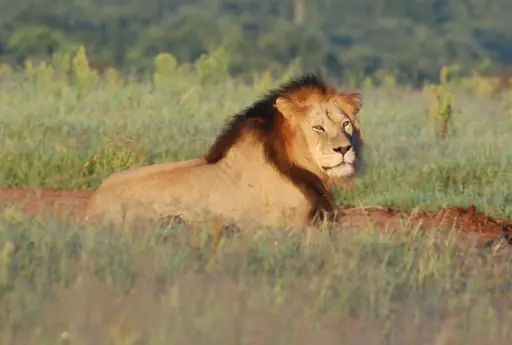
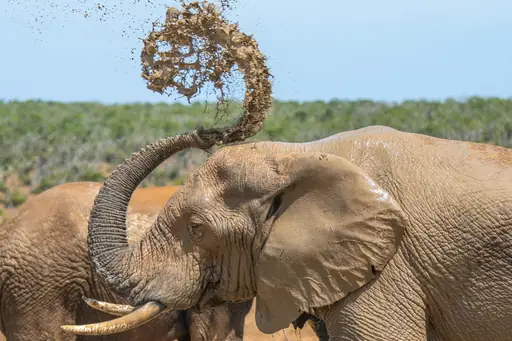
Addo Elephant National Park protects one of Africa's densest elephant populations within a fenced reserve. Rangers rebuilt the herd from just eleven surviving elephants in the 1930s. Visitors can spot elephants gathering at waterholes alongside buffalo, rhino and other wildlife. The park has since expanded to include a stretch of protected coastline and marine habitat.
Island in China
Hainan
China’s Tropical Escape-Beaches & Beyond
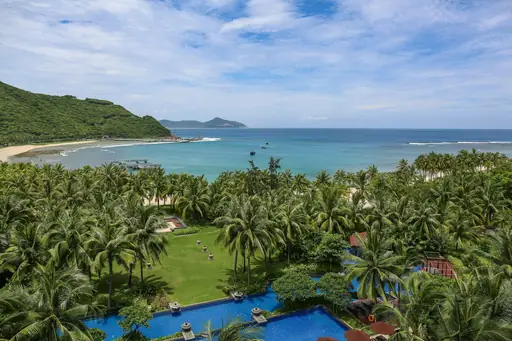
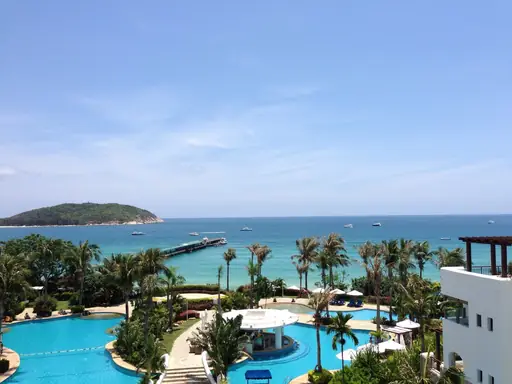
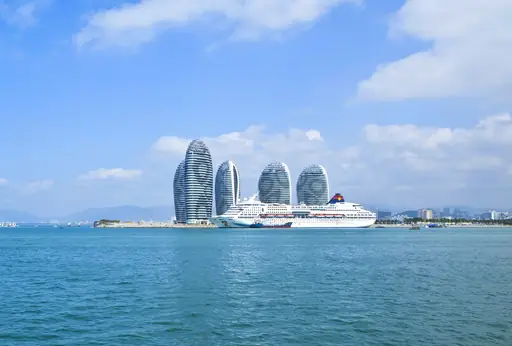
Hainan has positioned itself as a pilot zone for China's national parks and tourism policy. Tropical rainforest covers much of the interior, home to the rare Hainan gibbon. Visitors can trek through Yanoda Rainforest Park on boardwalks designed to limit disturbance. The Hainan gibbon ranks among the rarest primates on Earth, with a tiny population.
Nature Reserve in Israel
Ein Gedi
Oasis by the Dead Sea
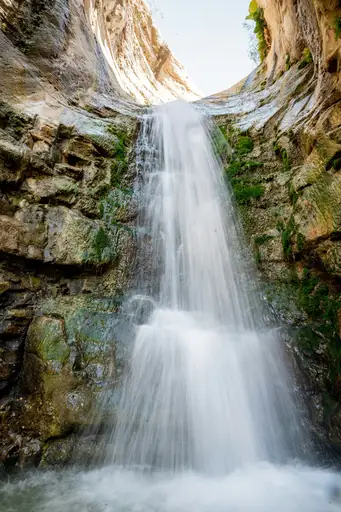
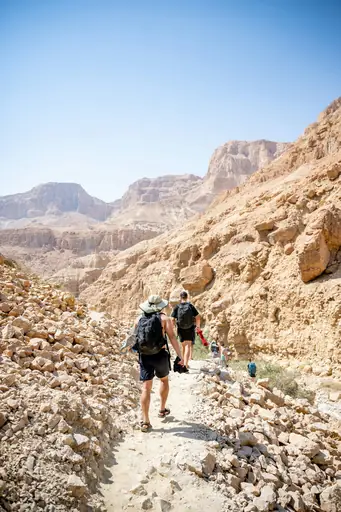
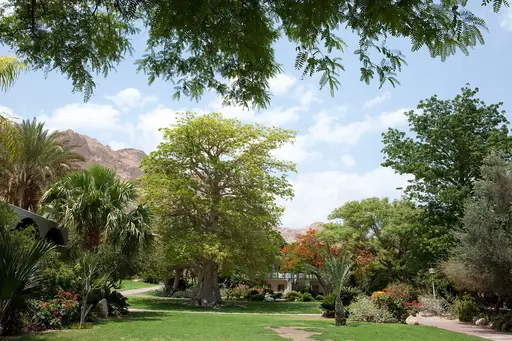
Ein Gedi's freshwater springs create a green oasis in the arid landscape around the Dead Sea. Waterfalls in the reserve feed pools where ibex and hyrax gather to drink. Visitors can hike marked trails past these falls before floating in the sea. The reserve sits at one of the lowest elevations on Earth's land surface.
National Park in Zimbabwe
Hwange National Park
Elephant Herds and Wild Horizons
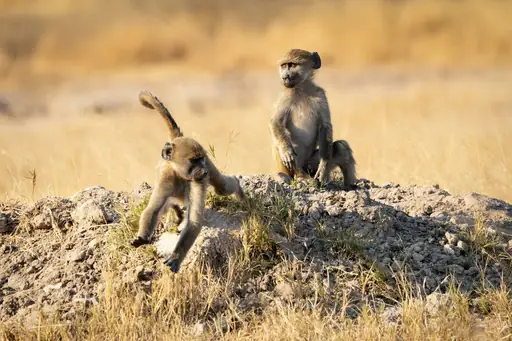
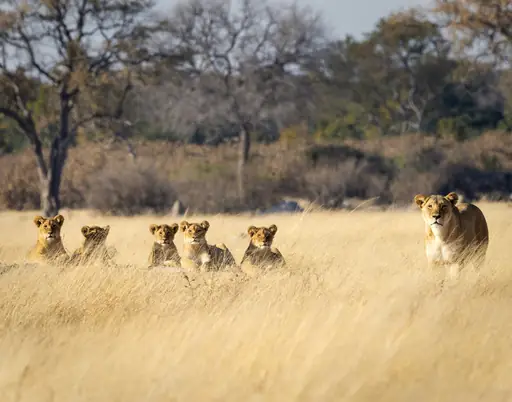
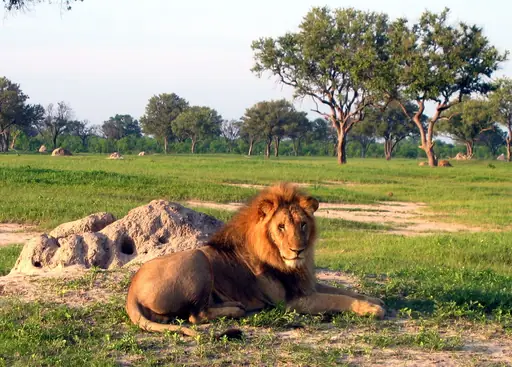
Each dry season rangers pump groundwater into pans across the park. Elephants gather at these pans by the hundreds in the late afternoon. Visitors can watch from shaded hides and platforms built close to the water. African wild dogs also hunt on the open plains nearby.
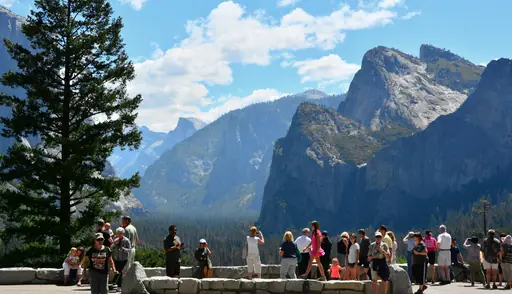
National Park in United States
Yosemite National Park
Nature's Grand Cathedral
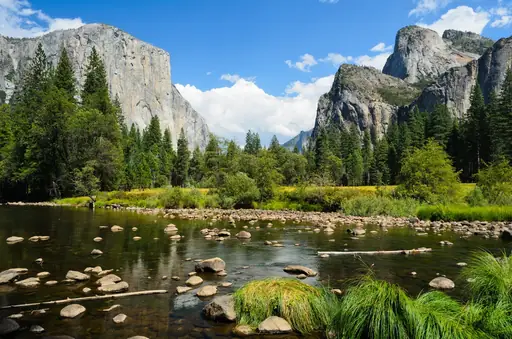
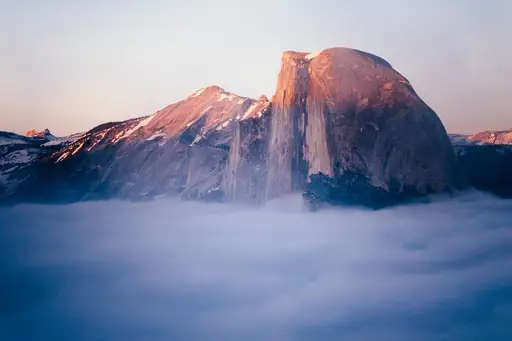
Ice carved this deep granite valley in California's Sierra Nevada over millions of years. Half Dome rises about 1,400 metres above the valley floor. Yosemite Falls drops about 740 metres in three stages, most loudly in May. Free shuttle buses and bike paths make it easy to skip the car in the valley.
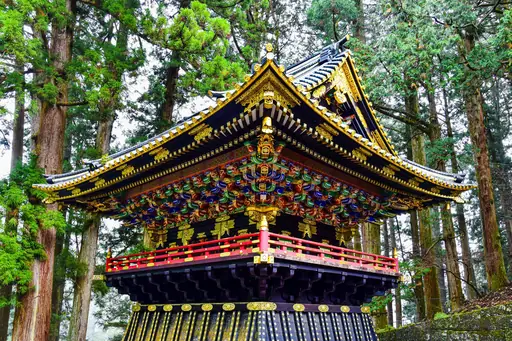
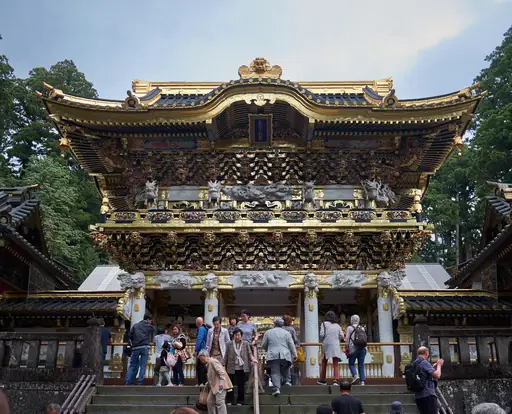
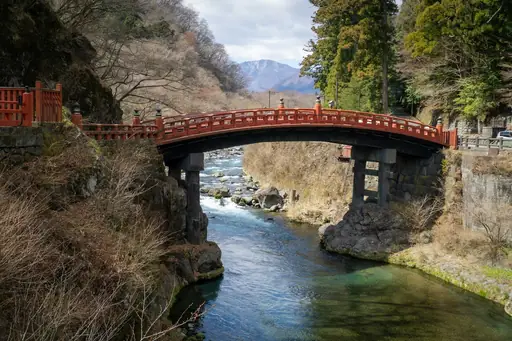
Town in Japan
Nikko
Tokugawa shrines, waterfalls and hot springs
Kegon Falls plunges about 97 metres from Lake Chuzenji. The falls sit inside Nikko National Park in the mountains north of Tokyo. Visitors can walk the boardwalk across the Senjogahara marsh in early autumn. Toshogu Shrine, a UNESCO site, is covered in gold leaf and detailed carvings.
Town in Canada
Jasper
Raw Wilderness and Starry Skies
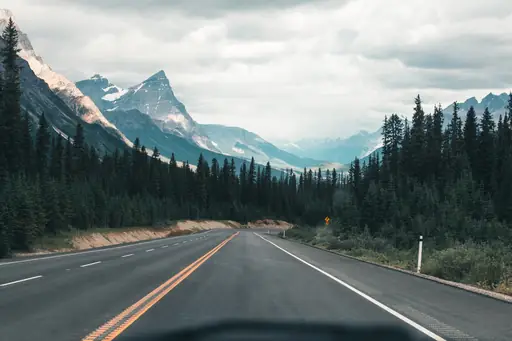
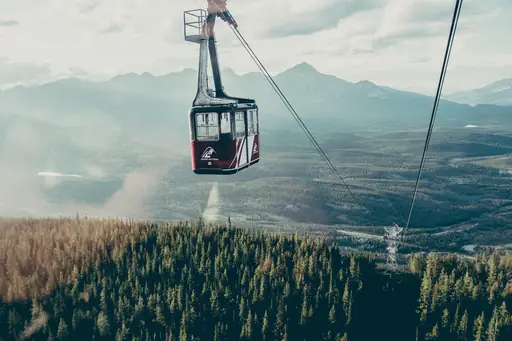
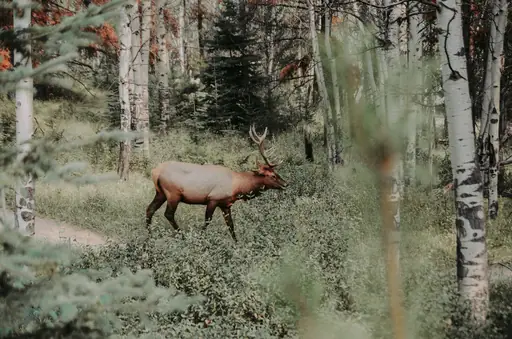
Jasper townsite sits inside Jasper National Park, one of few Canadian towns fully ringed by wilderness. Wildlife regularly wanders through town, including elk grazing on lawns. Visitors can join a dark sky festival held each autumn, since Jasper holds Dark Sky status. The town rebuilt several structures after a major wildfire swept through in 2024.
Region in Ireland
County Mayo
Wild Atlantic beauty and sacred peaks
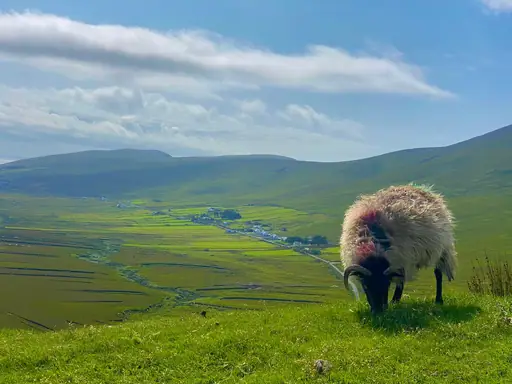
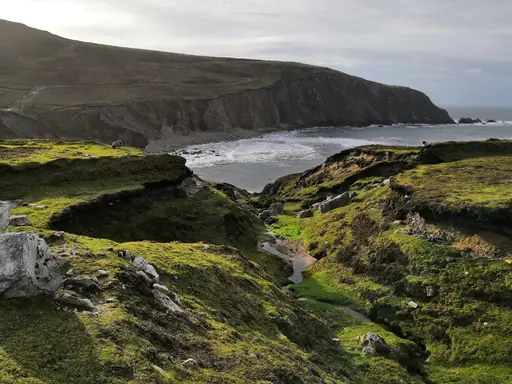
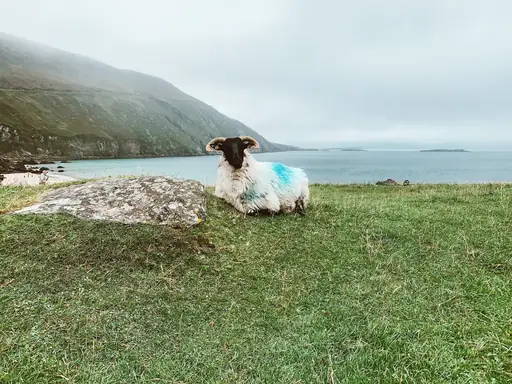
County Mayo's Wild Atlantic Way stretches along sea cliffs and quiet coastal villages in western Ireland. Achill Island, connected to the mainland by bridge, holds some of the county's tallest cliffs. Visitors can hike the Achill Head trail for views over the coastline. Croagh Patrick, a pilgrimage mountain, also rises above the county's rural landscape.
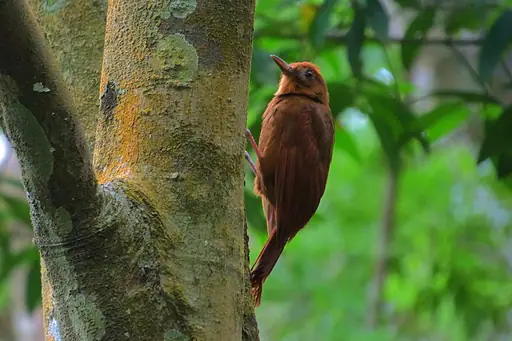
Nature Reserve in Costa Rica
Monteverde and Santa Elena Cloud Forest Reserves
Mist, Wildlife and Cloudy Magic
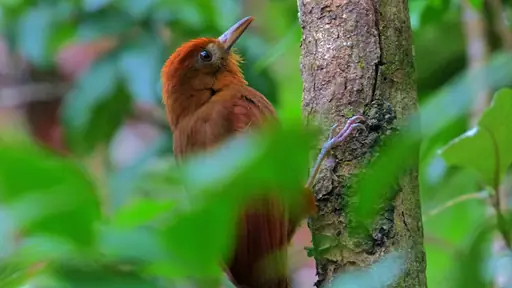
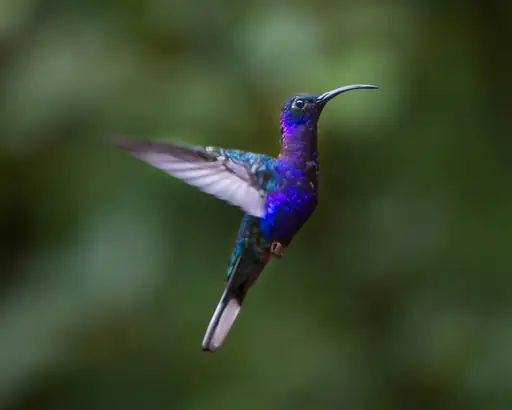
Mist from the trade winds keeps this Costa Rican cloud forest wet all year. Hanging bridges cross the canopy above orchids, ferns and many bromeliads. Visitors can spot resplendent quetzals, birds with long green tail feathers. The nearby Santa Elena reserve is managed by a local high school.

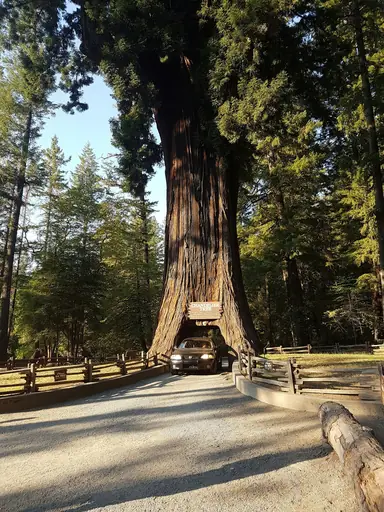
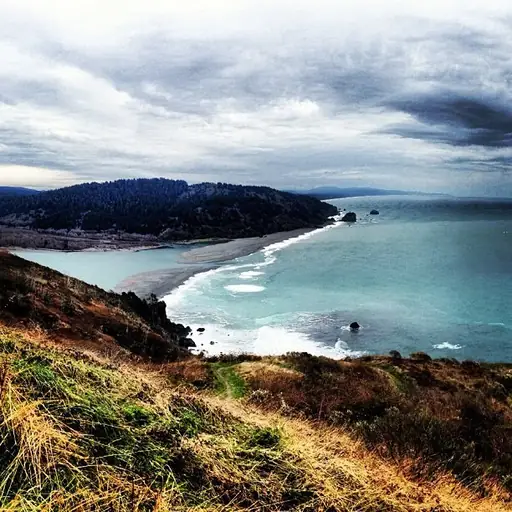
National Park in United States
Redwood National Park
Home of the World’s Tallest Trees
Coast redwoods in this California park can grow taller than 350 feet. Fog from the Pacific gives the trees much of their water in summer. Visitors can walk the Lady Bird Johnson Grove loop in about an hour. Roosevelt elk graze in the open prairie near Elk Meadow.
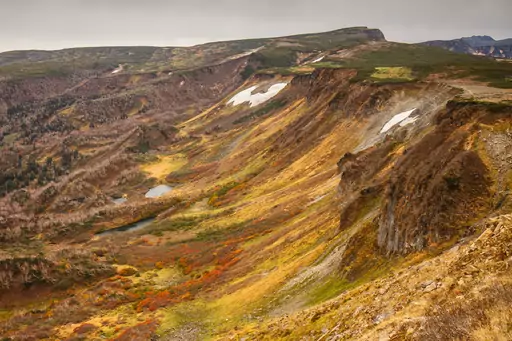
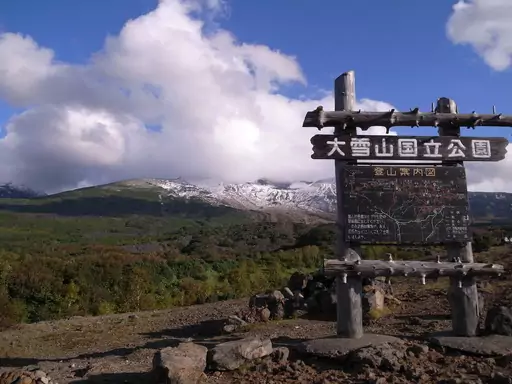
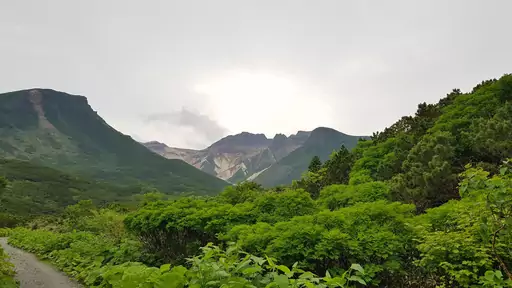
National Park in Japan
Daisetsuzan National Park
Japan's largest national park, in Hokkaido
Daisetsuzan National Park protects Hokkaido's tallest peaks, ranking as Japan's largest national park. Autumn colour arrives here earlier than almost anywhere else in the country, drawing hikers each September. Visitors can soak in remote hot springs reached only after a multi-day trek. Brown bears roam the backcountry, requiring hikers to carry bear bells on trails.
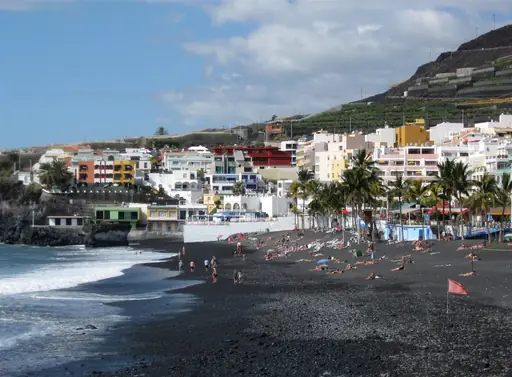
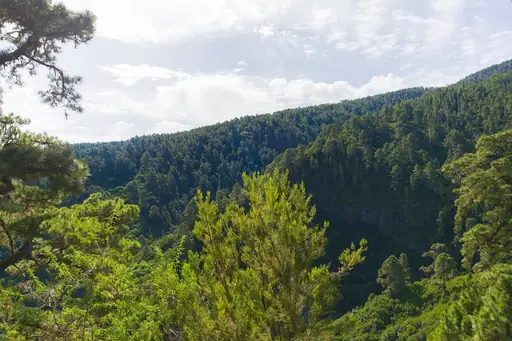
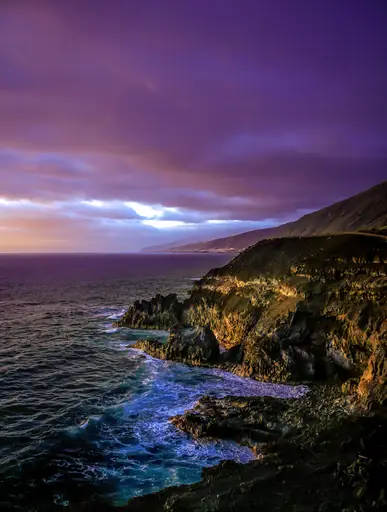
Island in Spain
La Palma
Volcanic beauty under starry skies
The Roque de los Muchachos Observatory sits above the clouds at about 2,400 metres. Local laws limit light pollution across the island to protect the night sky. Stargazers can join guided night tours at official astronomical viewpoints. The whole island has been a UNESCO Biosphere Reserve since 2002.
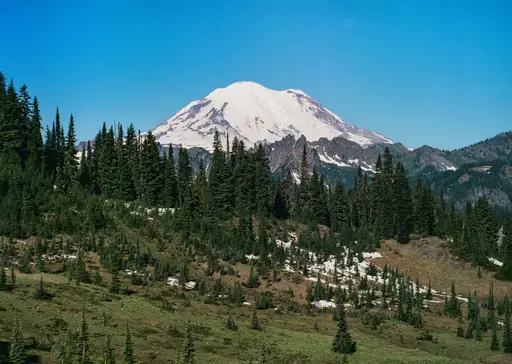
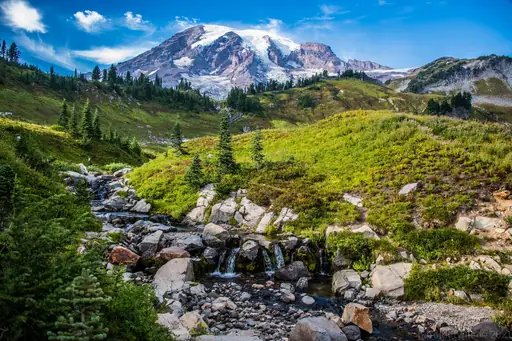
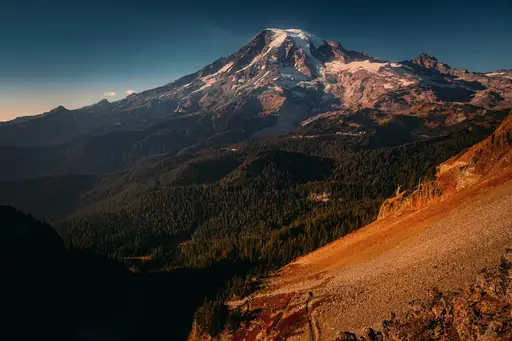
National Park in United States
Mount Rainier National Park
A Majestic Volcano and Wild Beauty
Twenty five named glaciers flow down the slopes of this Washington volcano. Bright wildflower meadows at Paradise bloom from July to August. Hikers can follow the Wonderland Trail, a 93 mile loop around the mountain. Marmots whistle from the rocks beside the trails near Paradise.
National Park in Indonesia
Tanjung Puting National Park
Orangutan paradise in Borneo jungle
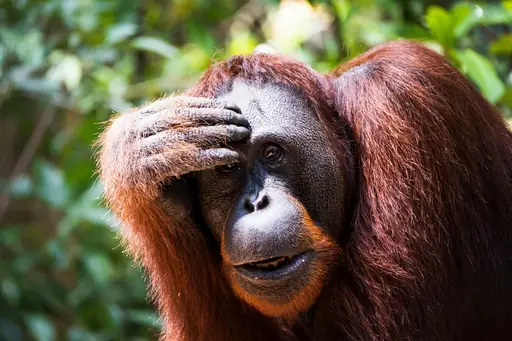
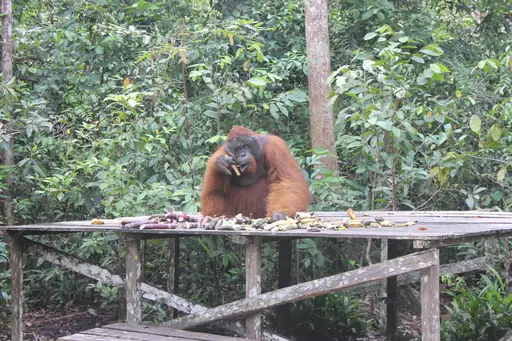
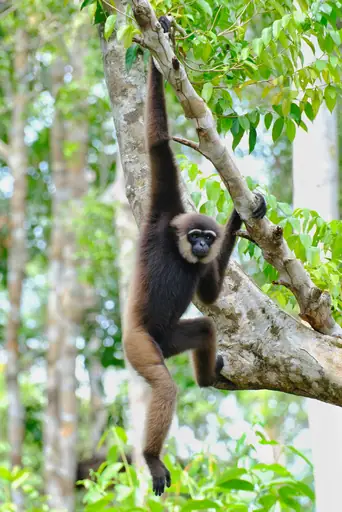
Researcher Birute Galdikas set up Camp Leakey here in 1971 to study orangutans. Rescued orangutans still get fed at platforms near the camp. Visitors sleep on klotoks, small wooden houseboats that drift down the Sekonyer River. Proboscis monkeys in trees along the banks are easy to spot.
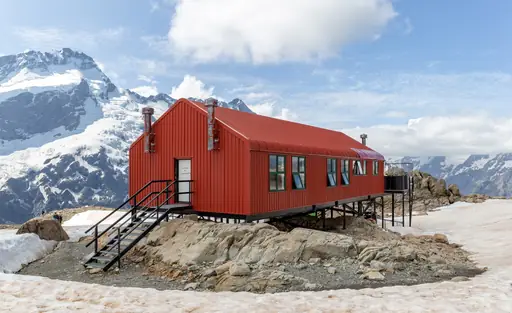
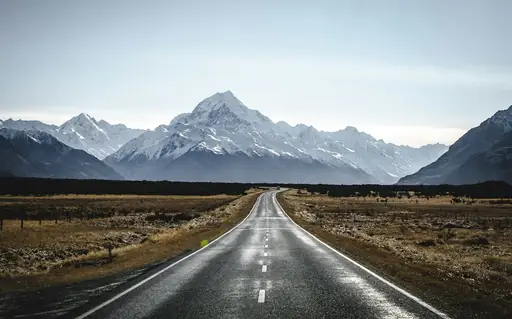
National Park in New Zealand
Mount Cook National Park
New Zealand’s alpine wonderland
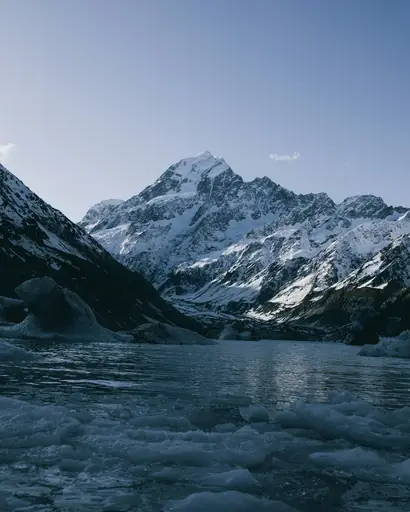
Mount Cook National Park protects New Zealand's tallest peak alongside the Tasman Glacier, the country's longest. Stargazing draws visitors after dark, since the park sits within a certified Dark Sky Reserve. Visitors can hike glacier-fed valleys by day before joining a night tour. The glacier has retreated over the past century, exposing a growing lake.
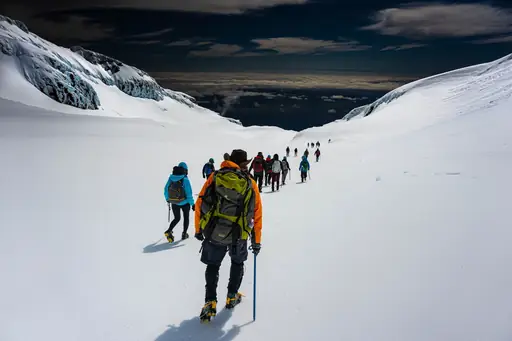
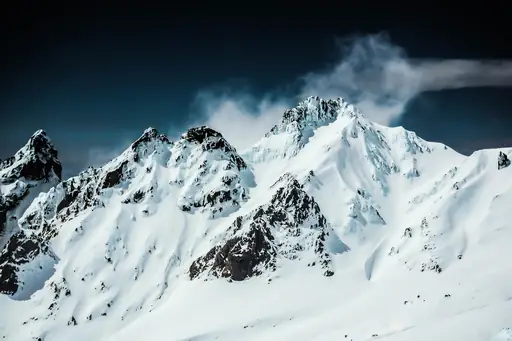
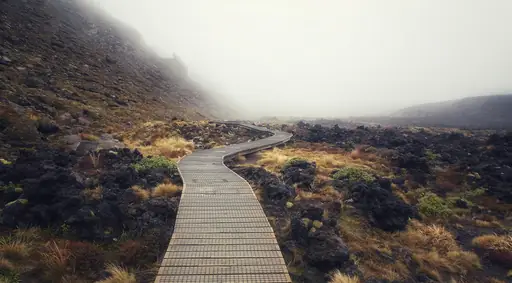
National Park in New Zealand
Tongariro National Park
Volcanic landscapes and epic hikes
Few day hikes match the Tongariro Alpine Crossing, a 19.4 kilometre walk past craters and bright Emerald Lakes. The park is a dual World Heritage Site for both nature and Maori culture. Mount Ngauruhoe played Mount Doom in the Lord of the Rings films. Steam and sulphur drift over the trail near Red Crater.
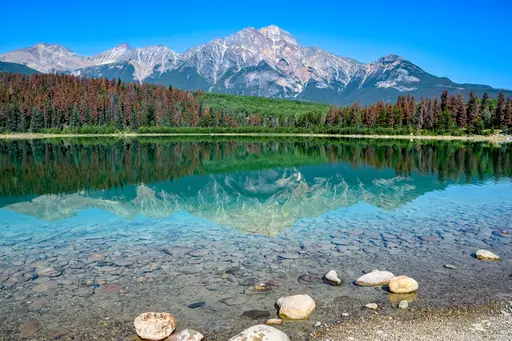
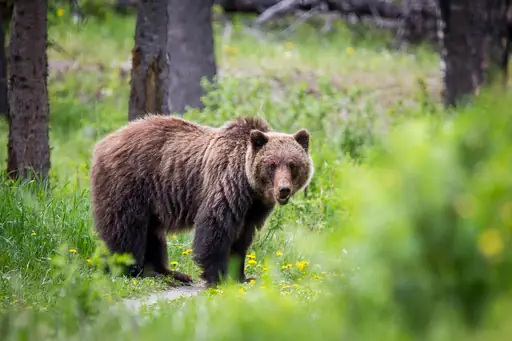
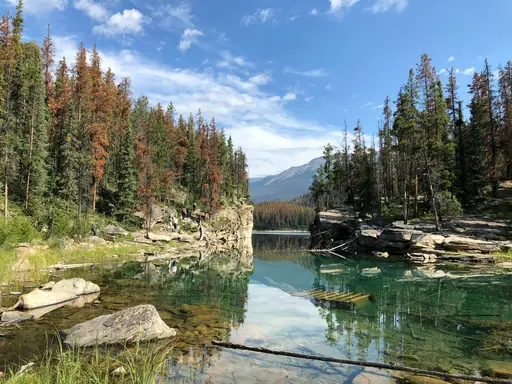
National Park in Canada
Jasper National Park
Untamed Wilderness and Starry Skies
Jasper National Park protects the largest area of any park in the Canadian Rockies. Icefields along the parkway feed glaciers visible directly from the roadside. Visitors can walk onto the Athabasca Glacier on a guided ice walk departing from a nearby centre. The park's size gives it far more backcountry trail mileage than neighbouring Banff.
National Park in Botswana
Chobe National Park
Elephant Haven in Botswana
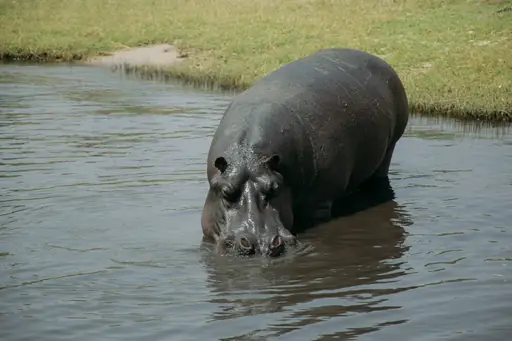
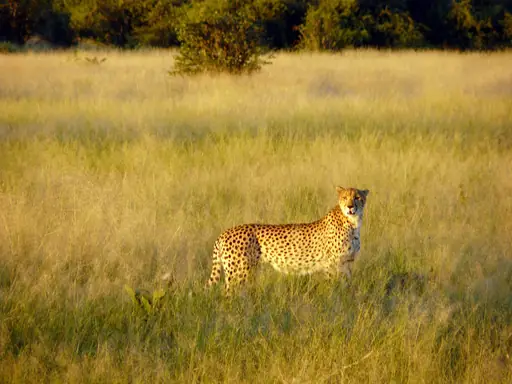
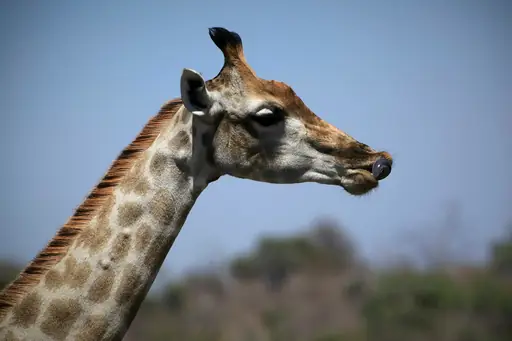
Chobe National Park holds one of Africa's largest elephant concentrations along its riverfront. Herds gather at the river each dry season to drink and bathe. Visitors can take a boat safari along the river for close views of elephants entering the water. The park's elephant population has grown large enough to strain its woodland habitat.
National Park in United States
Arches National Park
A Desert Wonderland of Stone Arches
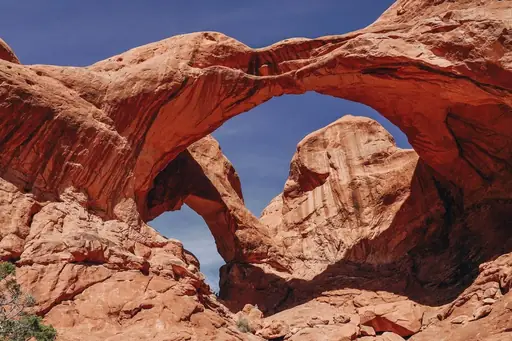
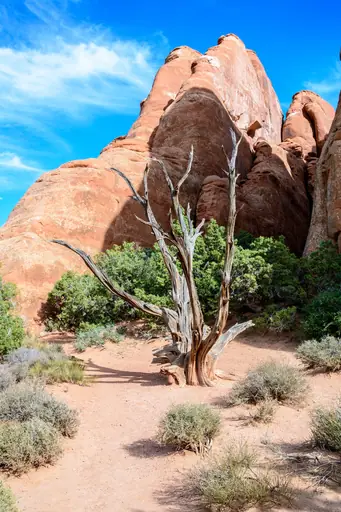
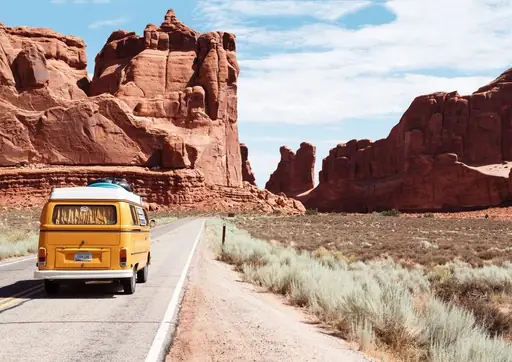
Arches National Park protects over 2,000 documented natural stone arches within a compact desert landscape. Delicate Arch, the park's best-known formation, appears on Utah number plates. Visitors can hike a moderate trail to view the arch up close near sunset. The park's arches continue slowly forming and collapsing as erosion reshapes the sandstone.
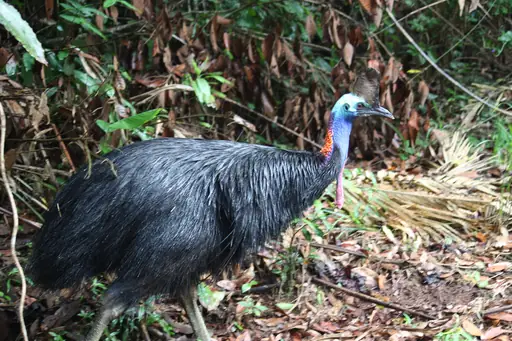
Forest in Australia
Daintree Rainforest
Lush canopy whispers ancient rainforest secrets
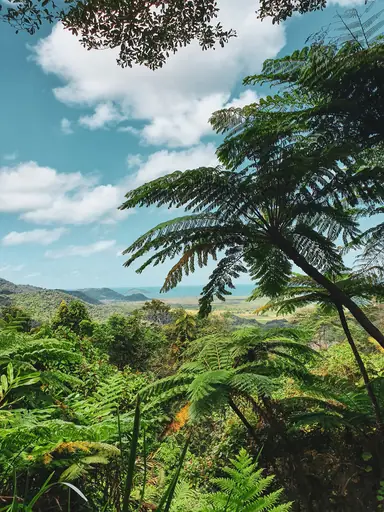
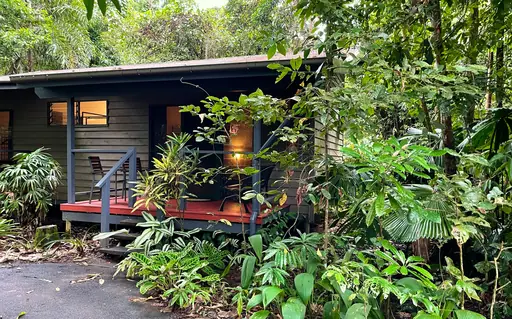
The Daintree Rainforest ranks among the oldest continuously surviving rainforests on Earth, predating the Amazon. Boardwalks let visitors explore the canopy without disturbing the forest floor. Visitors can also join a night walk to spot nocturnal species like tree kangaroos. The rainforest meets the Great Barrier Reef along a short stretch of coastline nearby.
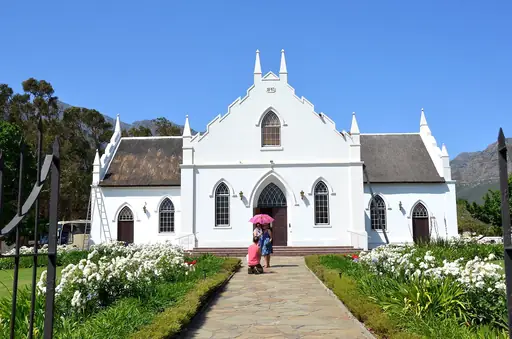
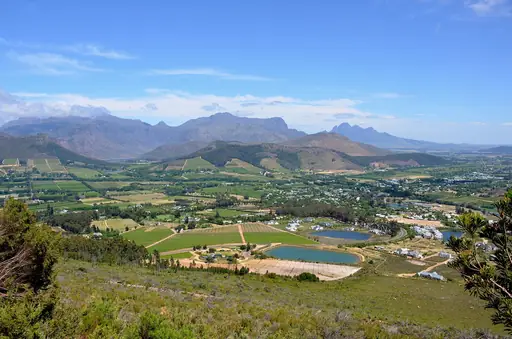
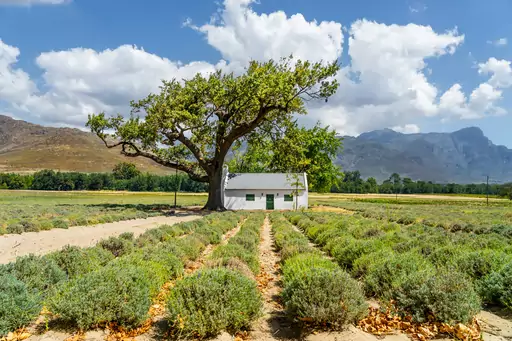
Town in South Africa
Franschhoek
Wine, Mountains and Gourmet Living
Franschhoek's valley was settled by French Huguenot refugees who brought winemaking traditions to the region. Many wine estates here now practice organic or biodynamic farming. Visitors can tour these estates by bike or on a heritage train that loops through the valley. The surrounding mountains shelter the vineyards from harsher coastal winds.
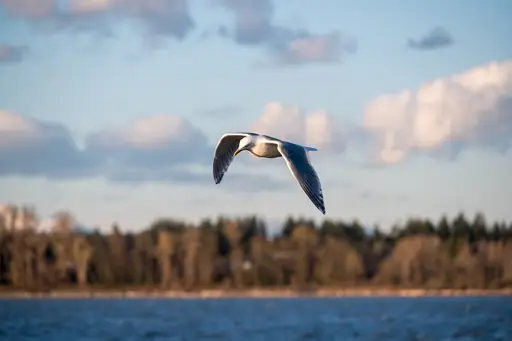
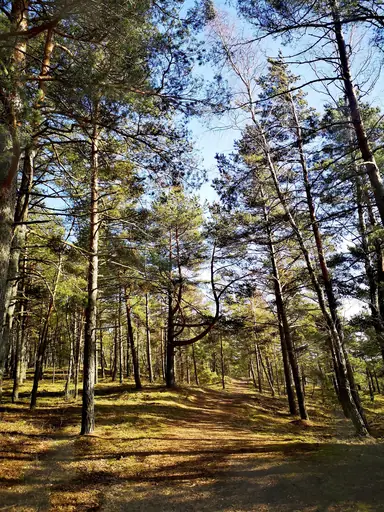
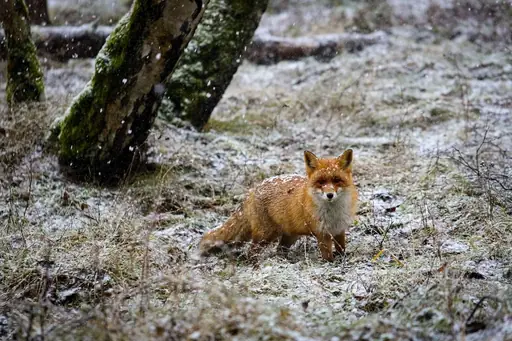
National Park in Lithuania
Curonian Spit National Park
Dunes, Forests and Baltic Magic
Parnidis Dune near Nida rises about 52 metres above the Baltic lagoon. This narrow sand strip has some of the tallest shifting dunes in Europe. A wooden path leads walkers up to a sundial at the top. UNESCO listed the spit, shared with Russia, in 2000.
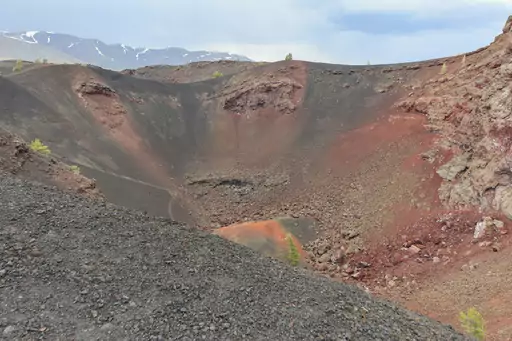
National Park in United States
Craters of the Moon National Monument
Otherworldly volcanic landscape on Earth
Craters of the Moon National Monument protects a field of lava flows and cinder cones in Idaho. NASA sent Apollo astronauts here in 1969 to study geology before moon missions. Visitors can walk lava tubes and climb cinder cones on marked trails. The dark landscape has also earned recognition as an International Dark Sky Park.
Forest
Białowieża Forest
Ancient woodland echoing centuries of wildlife
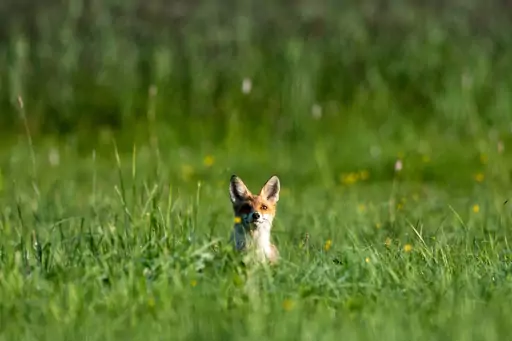
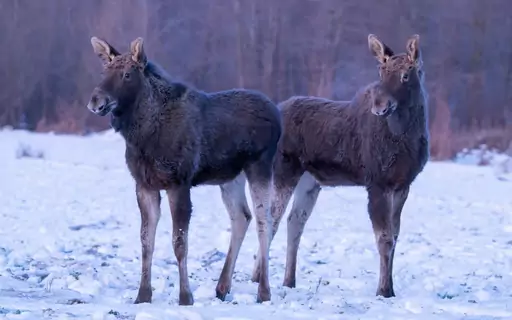
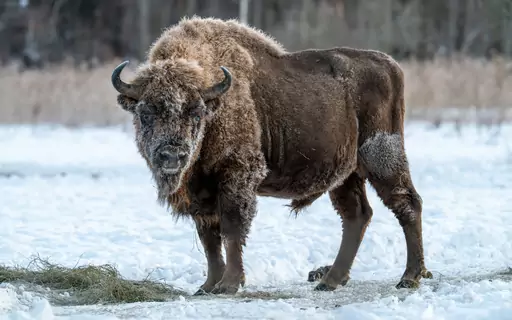
Polish kings protected this forest as a royal hunting ground for centuries. The last wild bison died here in 1919 and captive bison were later reintroduced. Guides lead walks among giant oaks and spruce trees in the strict reserve. Free roaming bison now graze in meadows near the village.
Forest in Bangladesh
Sundarbans
Whispers of mangrove giants and hidden wildlife
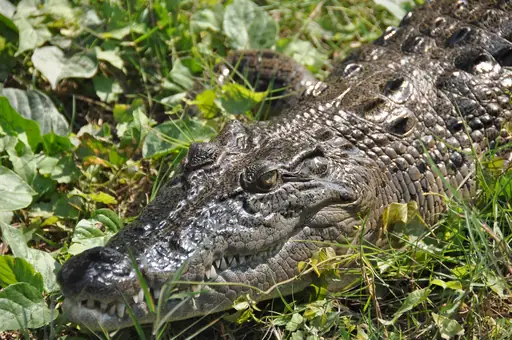
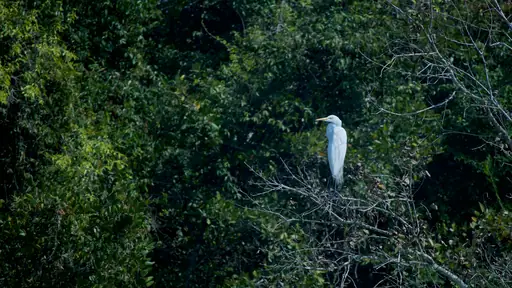
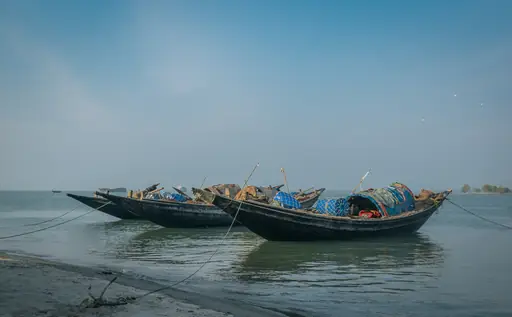
Mangrove roots poke up from the salty mud like thousands of pencils. Honey collectors enter the forest each spring in small teams. Fishing cats and spotted deer move along the muddy creek banks at low tide. Small boats ride the rising tide up narrow creeks with quiet local guides.

Country
Oman
Ancient heritage meets natural wonders
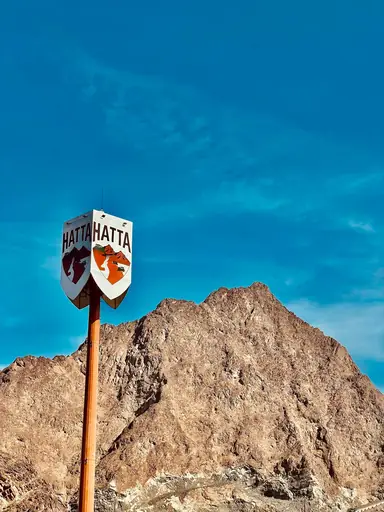
Green turtles nest year round at Ras al Jinz, on the eastern tip of Oman. Rangers guide small groups onto the beach after dark to protect the nests. Visitors can watch females lay eggs under dim red light. Hatchlings usually head for the sea in the early morning hours.
National Park in Italy
Dolomites National Park
Towering peaks and pristine wilderness
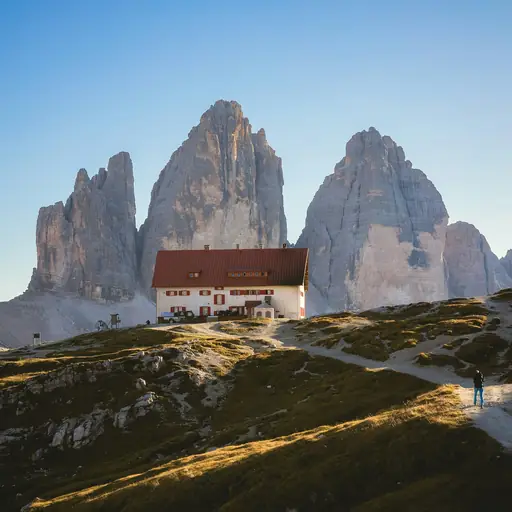
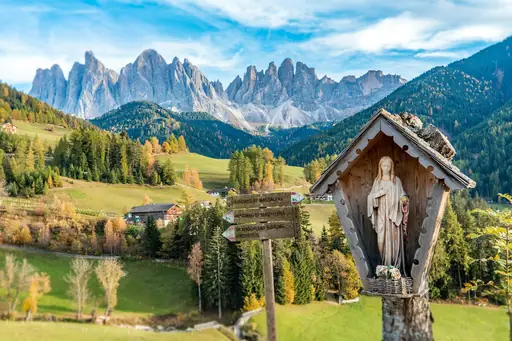
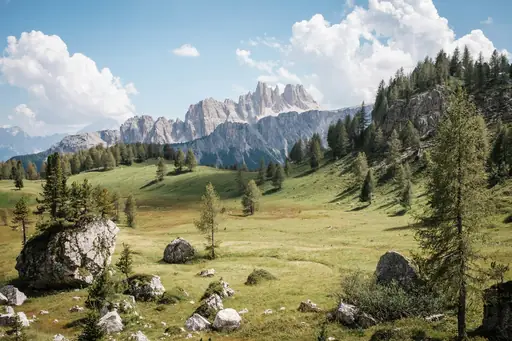
UNESCO added the Dolomites to its World Heritage list in 2009 for their pale rock towers. The rock began as coral reef in a warm sea long ago. At sunset the peaks can glow pink in a light called enrosadira. Hikers in Dolomiti Bellunesi National Park near Belluno find quiet trails and mountain huts.
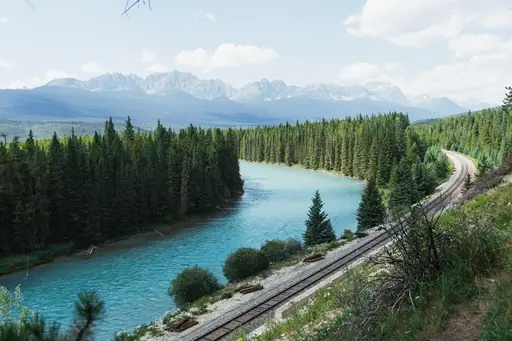
National Park in Canada
Banff National Park
Majestic Peaks and Turquoise Lakes
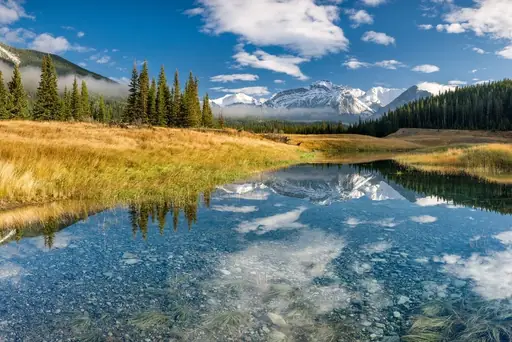
Banff National Park became Canada's first national park in 1885, established around natural hot springs. Those springs still feed a historic bathhouse now open as a museum. The park requires a pass for entry, with proceeds funding conservation across the Canadian Rockies. Visitors can soak in a separate, still-operating hot spring elsewhere in the park.
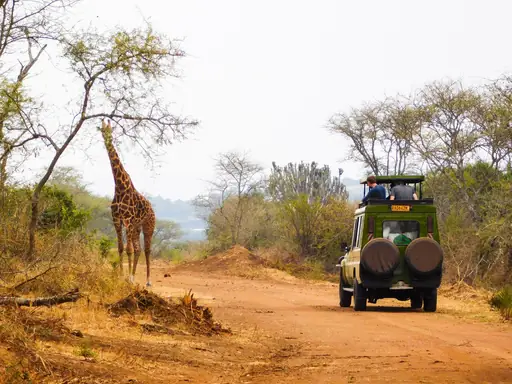

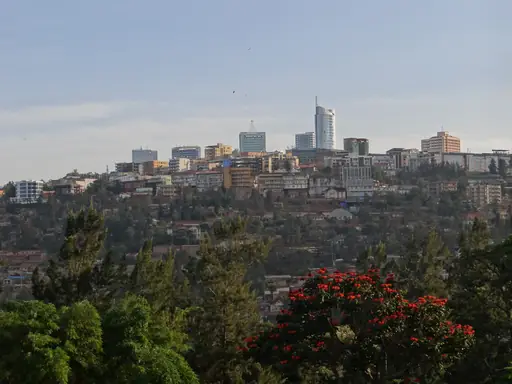
Country
Rwanda
Land of a thousand hills
Gorilla trekking in Volcanoes National Park starts from the town of Musanze. Permit fees fund conservation work and local community projects such as schools. Each year the Kwita Izina ceremony gives names to newborn mountain gorillas. Trekkers may spend one hour with a habituated gorilla family.
Region in Italy
South Tyrol
Alpine culture where worlds collide
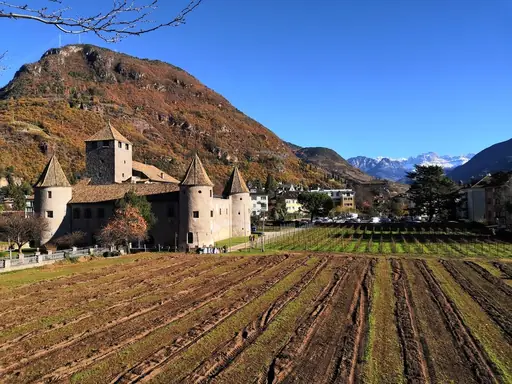
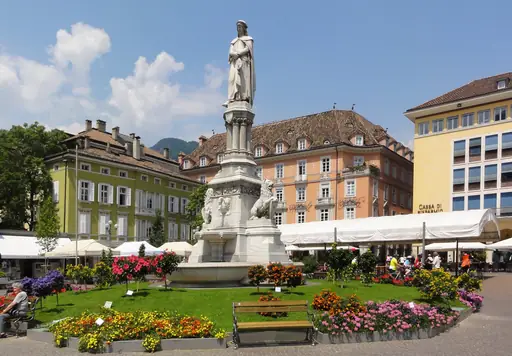
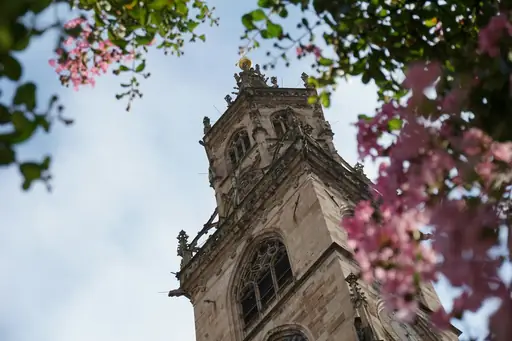
Each autumn farmers deck their cows with flowers and lead them down from summer pastures. The parade is a festival called Almabtrieb. Buildings here follow KlimaHaus, an energy saving standard that began in Bolzano. Hikers can sleep in mountain huts and cross high meadows beneath the Dolomites.

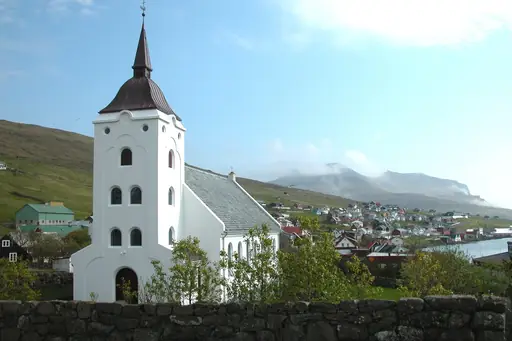
Country
Faroe Islands
Dramatic cliffs meet misty landscapes
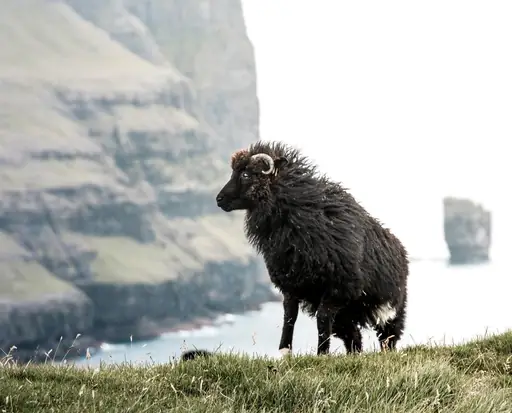
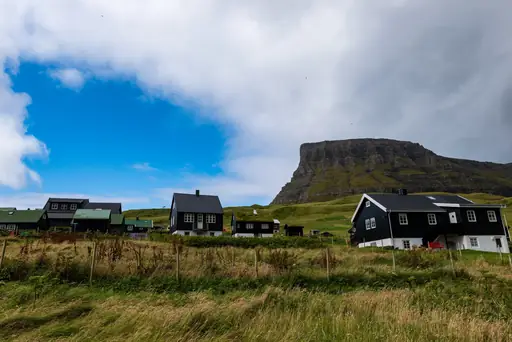
The Faroe Islands close designated hiking sites annually for volunteer trail maintenance. Visitors can register to trade a day of trail work for free lodging. Grass-roofed homes and sheer sea cliffs define much of the landscape across the eighteen islands. Puffins nest along several cliffside colonies open to visitors each summer breeding season.
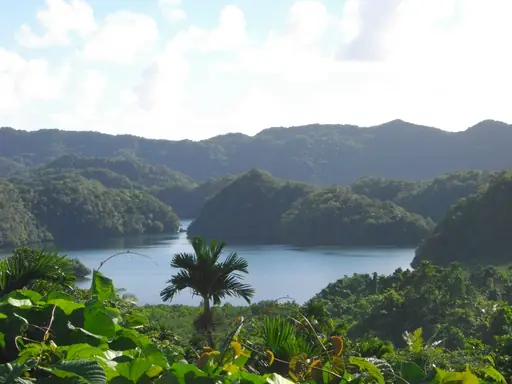
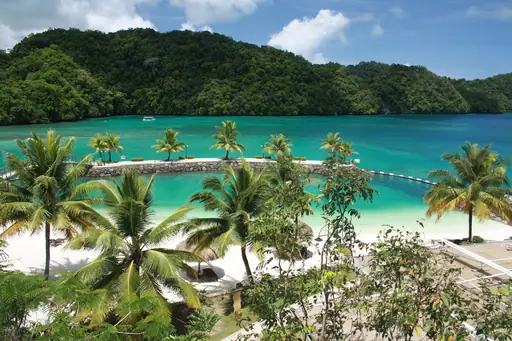
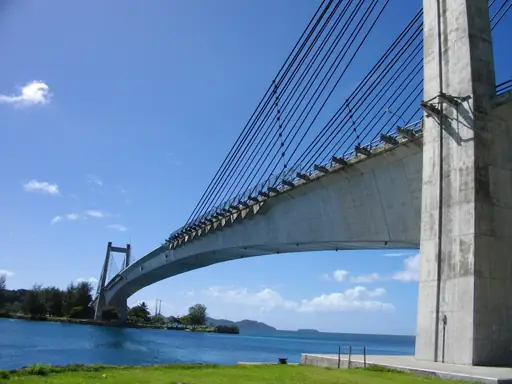
Country
Palau
Pristine paradise with underwater wonders
Visitors sign the Palau Pledge, an eco promise stamped into every passport on arrival. The pledge asks travellers to act in ways that protect the islands and ocean. Divers and snorkellers explore the Rock Islands, a UNESCO World Heritage lagoon of limestone islets. Palau protects about 80 percent of its waters as a marine sanctuary.
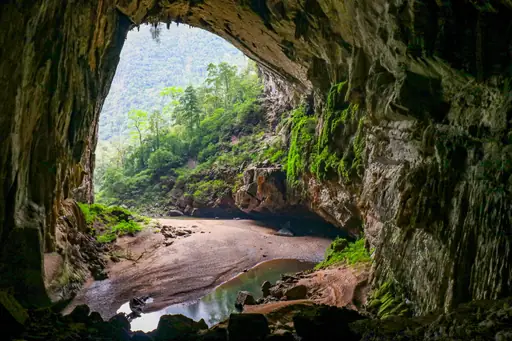
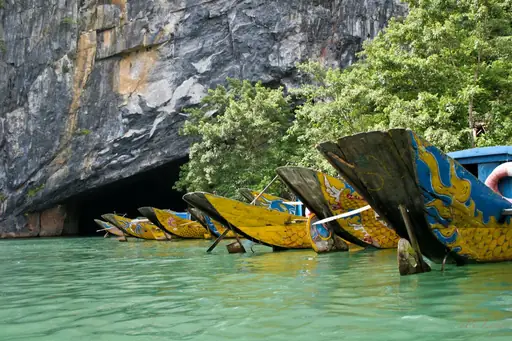
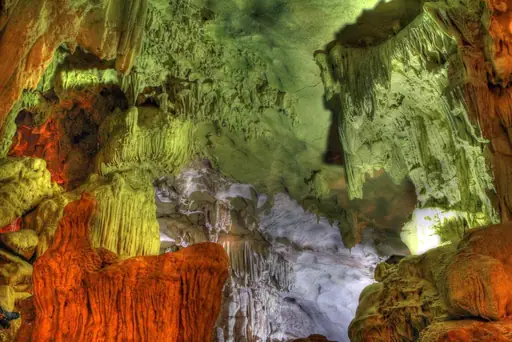
Cave in Vietnam
Phong Nha cave
Majestic Underground Wonder
Phong Nha sits near Son Doong, the world's largest cave passage, found by a farmer in 1991. Researchers only fully explored the cave decades after that discovery. Visitors can tour smaller, accessible caves before booking a trek to Son Doong itself. Permits for the deepest cave stay limited to a few hundred visitors each year.
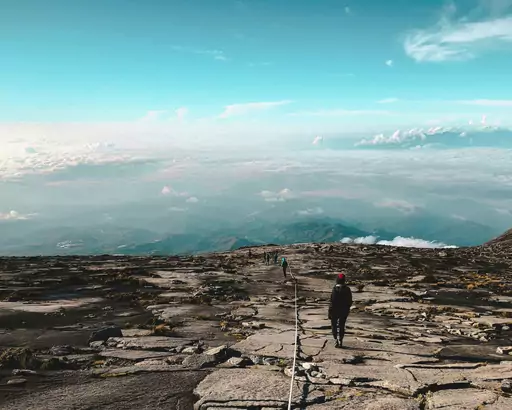
Mountain in Malaysia
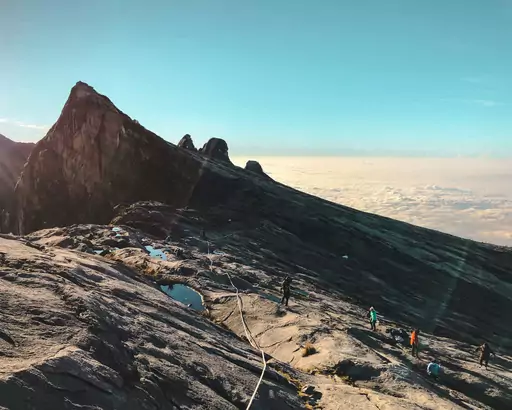
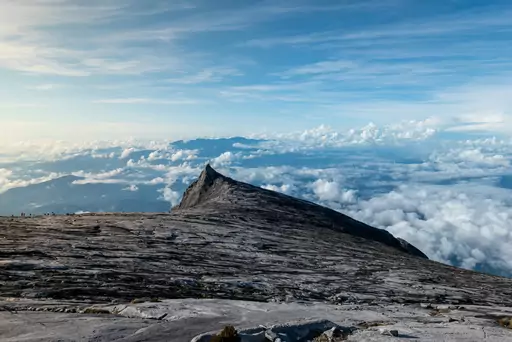
Mount Kinabalu
Majestic peaks echo ancient jungle whispers
Malaysia's highest peak rises 4,095 metres above the rainforests of Borneo. UNESCO listed the park as a World Heritage Site in 2000. Climbers must book a permit early and hike with a licensed mountain guide. Giant Nepenthes rajah pitcher plants grow on the lower slopes of the mountain.
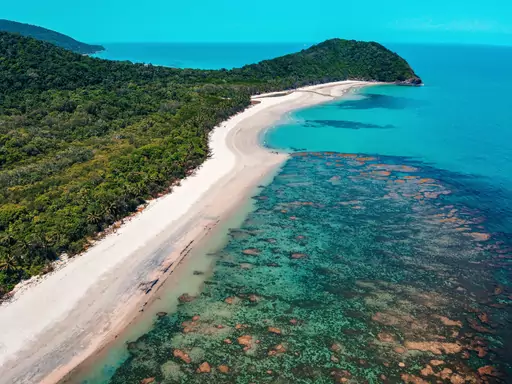
Reef in Australia
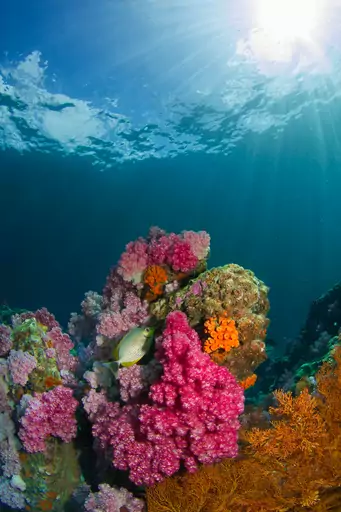
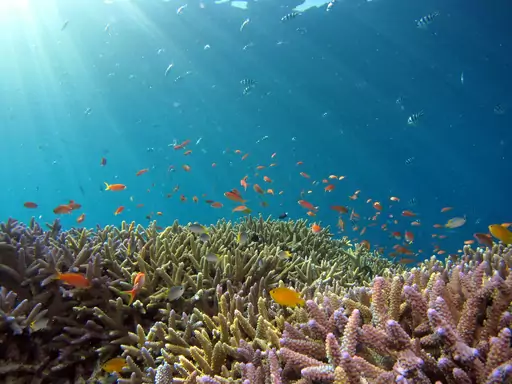
Great Barrier Reef
World's largest living coral wonder
The Great Barrier Reef stretches roughly 2,300 kilometres, visible from space along Australia's coast. Reef operators follow permits limiting how many boats can visit sensitive sites daily. Visitors can snorkel or dive with operators trained in low-impact reef practices. Rising ocean temperatures have triggered repeated bleaching events across sections of the reef.
Other lists you may like
Discover
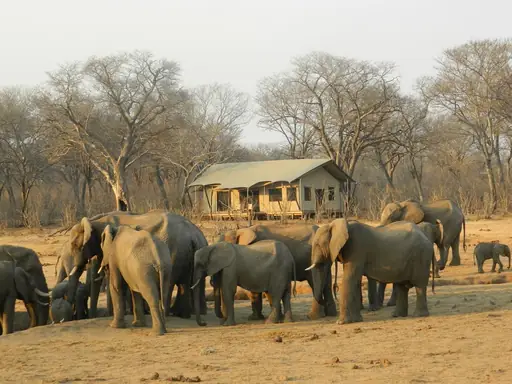
Best eco-tourism destinations in Africa
High-fee, deliberately low-volume conservation programmes in East Africa fund protection directly through visitor fees, a model credited with helping endangered species populations…
Read more
Discover
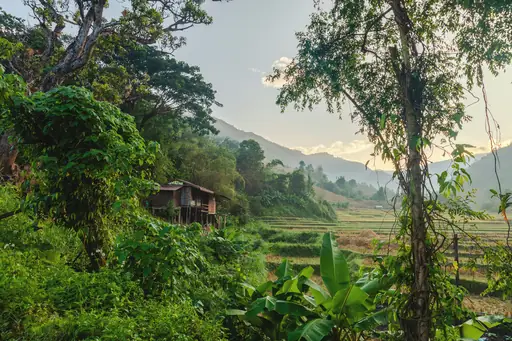
Best eco-tourism destinations in Asia
One Himalayan kingdom's deliberately restrictive, high-value tourism policy funds conservation and limits environmental impact by design, a model considerably different from…
Read more
Discover
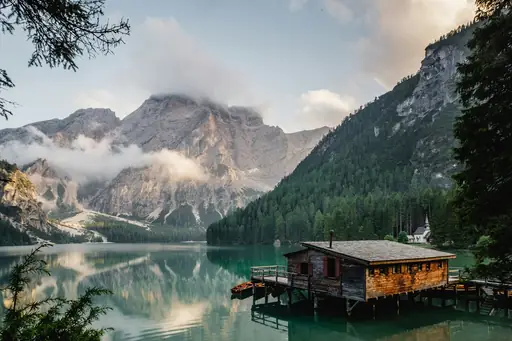
Best eco-tourism destinations in Europe
One Central European country has built a national reputation around sustainable, low-impact tourism, with strict protections across much of its forest and lake landscape. Rewilding…
Read more
Discover
Best eco-tourism destinations in North America
One Central American country remains one of the world's most cited ecotourism success stories, having reversed significant deforestation through tourism revenue tied directly to…
Read more
Discover
Best eco-tourism destinations in Oceania
A national conservation agency manages an extensive network of huts and trails funded partly through tourism, built around genuine habitat and species protection rather than…
Read more
Discover
Best eco-tourism destinations in South America
One remote island archipelago operates under some of the strictest visitor regulations anywhere in the world, deliberately limiting tourism to protect endemic species found nowhere…
Read more
What other users say about travelfilters
“travelfilters made it easy for me to find ski areas and compare what else they offer, so that I could find the best place for my personal travel style.”

Chris
Snowboarding & Onsen trip to Japan
“I love how transparent the data feels. There is no pushy upsell, just honest information and settings I can tune to my own travel style.”

Maria
After booking her 2027 winter escape
“The level of detail for each destination and how well those are displayed, make planning feel confident instead of overwhelming.”

Mina
Planned a week in New York City
“We used travelfilters for our planning from start to end. The trip turned out even better than expected, thanks to all their tools and customisation options.”

Allan & Etienne
Trip to Japan to see autumn foliage
“Thanks to travelfilters, I found some hidden gems to see. Being able to filter for exactly your interests is a game changer for my travel planning.”

Michael
Tour through the old cities of Northern Italy
“The customizable filters helped me find a quiet beach town with good wifi and low season crowds in under five minutes.”

Diego
Weekend Escape to Llanes, Spain
“The airport connection map saved me hours by showing good flight options from my home airport to lesser-known cities.”

Nguyen
Planning a 2027 trip to France
“The website is clean, fast and focused on the search itself, which makes travelfilters feel more like a professional tool than an ad-heavy booking site.”

Hassan
Christmas Market trip, Germany
