








Was this page helpful?

| Power Grid: |
220 V, 50 Hz Plug: Type C , Type D
Type C:
  Read about power adapters |
|---|---|
| Currency: |
Bangladeshi Taka (BDT) £1 ≈ BDT 165.01 |
| Cashless info: |
Rating 3/5
Cashless payments are becoming more common in major cities like Dhaka, but cash is still widely used, especially in rural areas.
Save with a travel credit card |
| eSIM providers: |
Best value: Saily Flexibility: Airalo Read our in-depth comparison |
| Tipping: | Tipping is not compulsory in Bangladesh but is appreciated, with 10% being a standard amount in restaurants. Tipping hotel staff is also common. |
|---|---|
| Public drinking: | Public drinking is prohibited in Bangladesh, and alcohol is only available in certain licensed venues. |
| Public smoking: | Smoking is prohibited in public indoor areas, including restaurants and shops, but is allowed in designated outdoor spaces. |
| Pohela Boishakh (April) |
Expect traditional celebrations with crowds and local festivities. |
|---|---|
| Eid al-Fitr (Varies) |
Expect religious celebrations, family gatherings, and business closures. |
| Emergency contact: | Emergency Number: 999 |
|---|---|
| Taxi apps: | Uber, Pathao, Ride |
| Other: | Bangladesh is known for its rich culture, vibrant festivals, and beautiful landscapes like the Sundarbans and Cox's Bazar beaches. |
The best times to travel section shows how the months compare for a visit, so you can find the time of year that fits what you want to do.
Background colours of the months:
The colour shows the typical temperature: yellow (hot), green (mild) and blue (cold). How strong the colour is shows the travel season: full colour means high season, soft colour means shoulder season and soft-striped means off season.
Weather symbols:
Each month has one symbol showing what the weather is typically like, such as hot and sunny, freezing or a rainy or snowy season. Use them to quickly spot months that match the weather you want, or to avoid the ones that don't.
Crowdedness:
The people icon shows how busy the place usually is. The more people, the more crowded it gets.
Additional notes:
The grey info boxes point out special things worth knowing, like recurring weather issues or seasonal events.
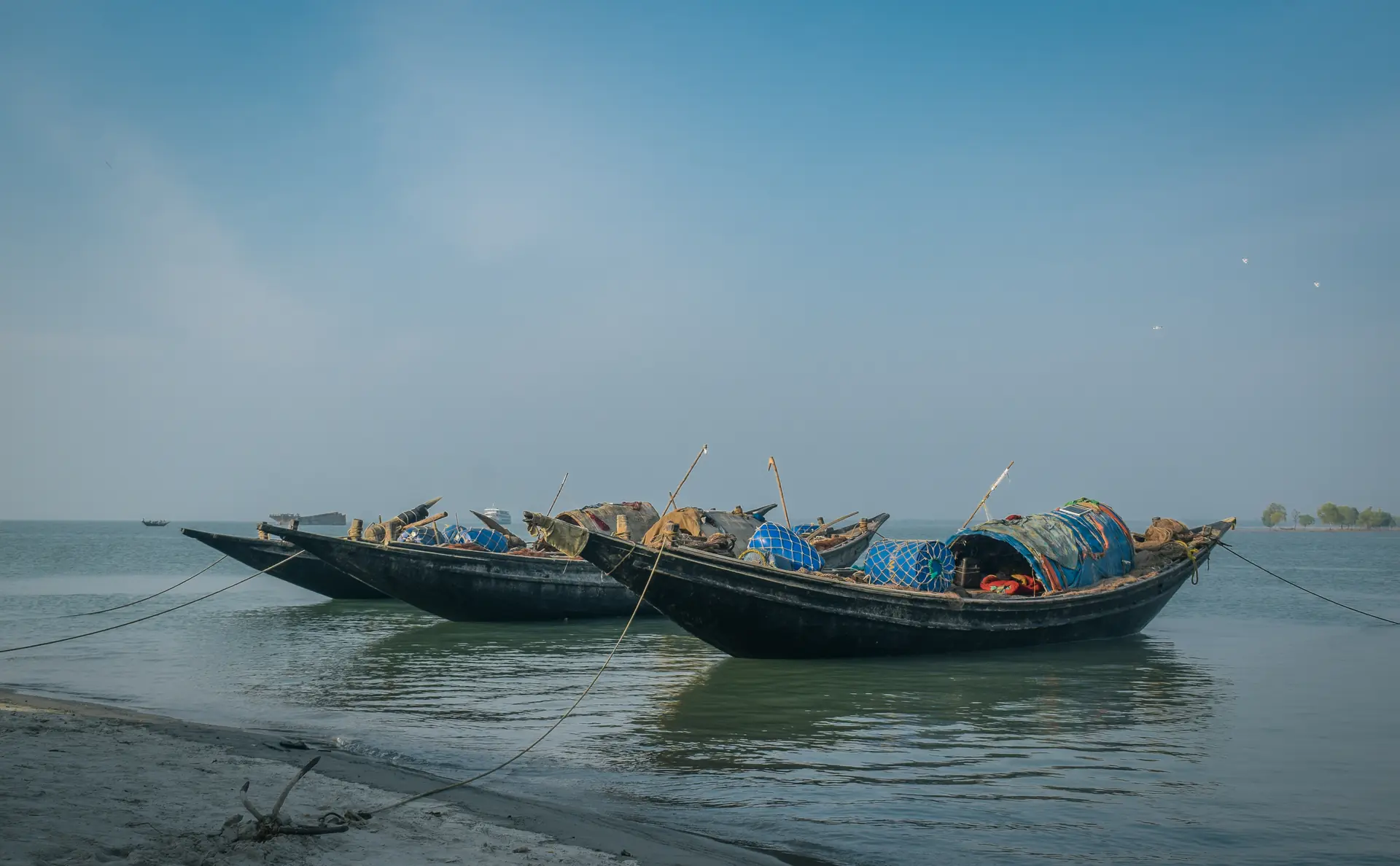
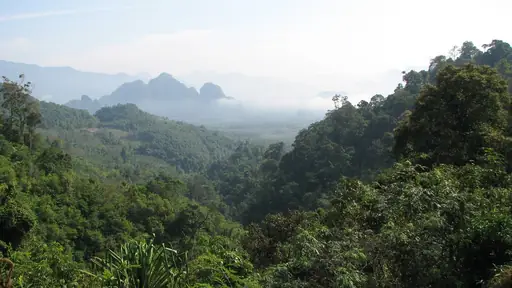
Sundarbans National Park stands as a remarkable wetland forest in South Asia. It spans across mangrove ecosystems where freshwater meets saltwater from the Bay of Bengal. The area supports diverse wildlife including the Royal Bengal tiger and numerous bird species. Visitors encounter unique landscapes shaped by tidal rivers and dense vegetation.
The park’s waterways form a complex network of channels and islands. Travelers often explore by boat to observe animals in their natural habitat. The environment adapts constantly due to shifting tides and seasonal monsoon rains. This dynamic setting creates habitats for fish, crustaceans and migratory birds that rely on the mangrove roots for shelter.
Human communities live alongside wildlife within this fragile zone. Local people practice fishing and honey collection while respecting traditional knowledge about the forest’s rhythms. Conservation efforts focus on protecting endangered species and maintaining ecological balance amid rising sea levels and human pressures. Sustainable practices aim to preserve both nature and livelihoods in this vulnerable region.
Travelers seeking quiet natural beauty will find Sundarbans offers a rare glimpse into untouched ecosystems. The experience highlights the importance of preserving mangrove forests for future generations. Every visit reinforces how interconnected people, wildlife and environment truly are within such delicate landscapes.
Access to Sundarbans National Park in the Sundarbans region of Asia is primarily via road and waterway from Kolkata, West Bengal’s capital. The nearest major city is Canning, approximately 60 km away, reachable by bus or train. From Canning, visitors can take a boat or rickshaw to Hatiya or other entry points into the park. The Sundarbans’ unique mangrove ecosystem spans across India and Bangladesh; entry from Bangladesh typically involves travel through Khulna or Mongla ports via riverboat. Entry permits are required for all visitors and must be obtained in advance from designated forest offices. Travel within the park is limited to authorized boats due to its protected status and dense waterways.
Sundarbans offers a range of lodging that caters to both budget travelers and those seeking a more immersive experience. Guesthouses and homestays dot the villages along the riverbanks, providing basic amenities such as shared kitchens, Wi‑Fi and guided boat tours for a modest fee. For a slightly higher price, eco‑lodges built from reclaimed timber offer private rooms with panoramic mangrove views, solar power and organic meals sourced locally. Some tour operators run floating camps that allow visitors to sleep on the water, complete with hammocks and mosquito nets, at a premium rate. The area is renowned for its rustic charm and emphasis on sustainable tourism, ensuring accommodations blend seamlessly into the natural landscape.
Log in to add this place to a travel list and get a summary of all recommended items for your whole trip.
We calculate the average costs when travelling to destinations and compare those with the living costs at your home. With this you can get an estimate of how expensive or cheap the destination is for you.
To customise this, you can set up which location and price level are used for the calculations in your account settings.
The exchange rate price factor shows how expensive or cheap a currency currently is compared to its historical average. It's a quick way to see if a country is currently more or less affordable due to exchange rate changes.
