
Top beer destinations and famous breweries
Top beer destinations and famous breweries
Top beer destinations and brewery tours
Beer travel has developed a dedicated following built around the explosion of craft and independent brewing that has transformed the offer in many countries over the past two decades. The most rewarding destinations combine a strong brewing tradition with an accessible taproom culture, allowing visitors to drink close to the source across a range of styles within a compact area. Historic brewing regions and newer craft scenes both reward deliberate, unhurried exploration.
Regional brewing traditions tied to specific ingredients, water profiles or fermentation methods produce styles that are difficult to appreciate fully outside their place of origin, giving beer travel a terroir dimension that parallels wine tourism. Brewery taprooms and beer-focused bars have become anchor points for dedicated itineraries, with organised tours and festival experiences widely available across the strongest markets.
Major beer festivals sell out months ahead and require early planning for accommodation and tickets. Visiting outside festival periods often delivers better brewery access with more time than peak events allow. Responsible consumption planning is worth taking seriously on multi-brewery days and organised tours with transport are widely available across most established destinations.
Lists by region

City in Ireland
Dublin
Where History, Pubs and Culture Collide
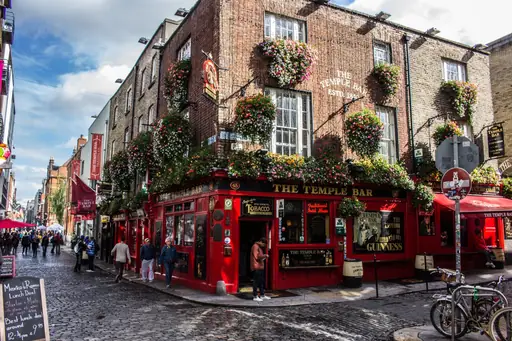
The Guinness Storehouse occupies part of the original St. James's Gate brewery, operating in this location since 1759. A self-guided tour ends at a rooftop bar with panoramic views across the city. Traditional pubs throughout Dublin still serve Guinness poured with the brand's signature slow, two-part method.

Region in Germany
Bavaria
Alpine beauty meets medieval charm
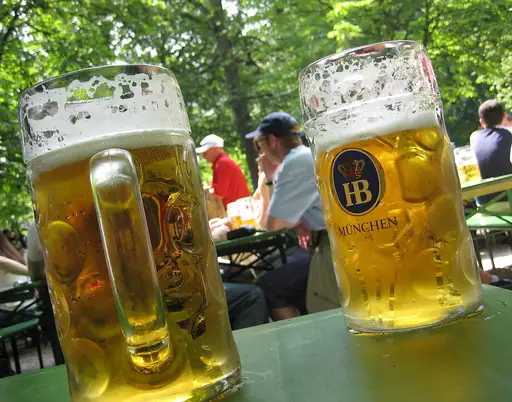
A beer purity law passed here in 1516 still influences brewing regulations across Germany today. Only water, barley and hops were originally permitted under the law, later amended to include yeast. Munich's Oktoberfest, the world's largest beer festival, draws millions of visitors to the region each autumn.
State/Prefecture in United States
Wisconsin
Four seasons of Midwestern charm
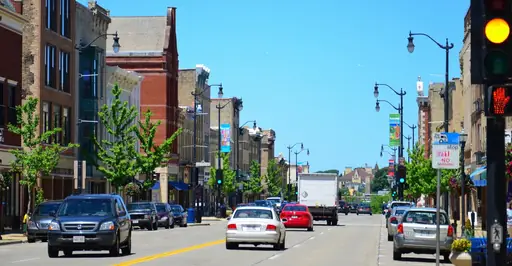
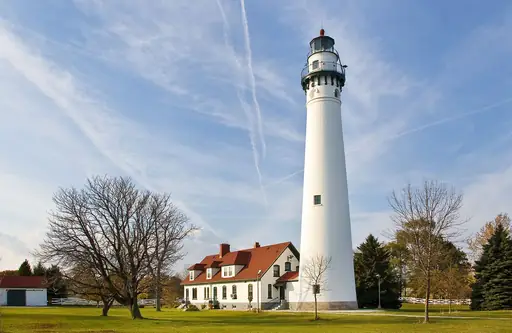
This state built much of its identity around beer, home to historic brands like Miller and Leinenkugel's. German immigrants brought brewing traditions here in the 1800s that still shape the state's beer culture today. Small towns throughout Wisconsin often centre around a local brewery or supper club.
City in Germany
Bamberg
Seven Hills, Smoked Beer, Living History
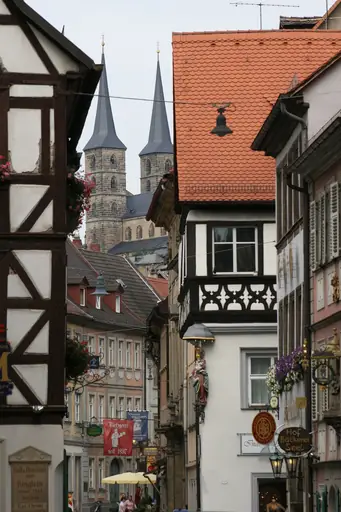
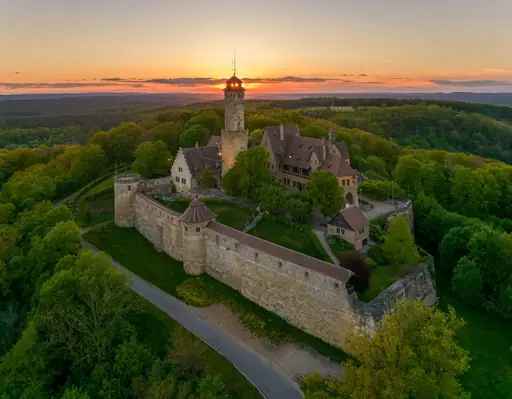
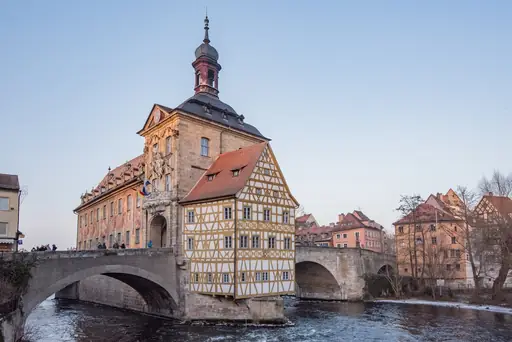
Smoked beer called Rauchbier remains a speciality here, made using malt dried over open flames. Schlenkerla, one of the city's oldest breweries, still serves the style from wooden casks in its historic tavern. Bamberg's old town, a UNESCO World Heritage Site, holds several breweries within walking distance of each other.
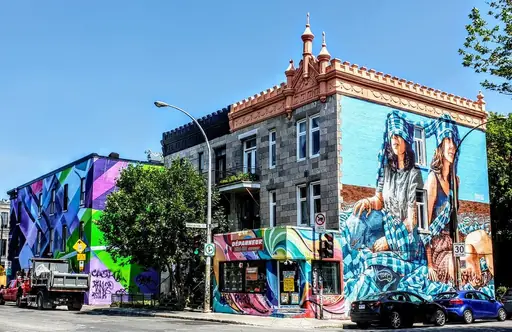
City in Canada
Montreal
A city of festivals, food and culture
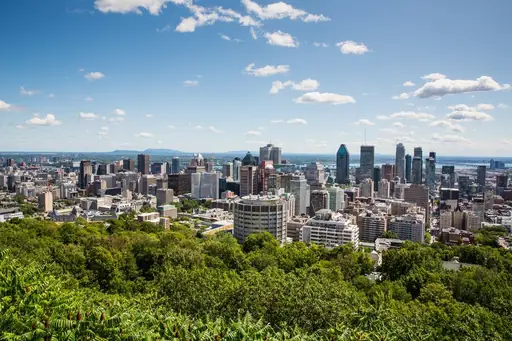
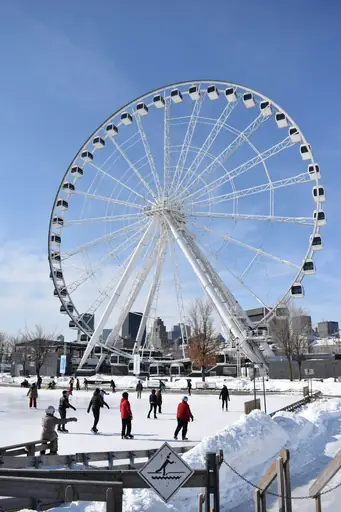
Dieu du Ciel helped establish this city's craft beer scene after opening as a brewpub in the 1990s. French-speaking Quebec has developed a beer culture somewhat distinct from the rest of Canada. Local breweries often experiment with fruit and spice, drawing on Belgian brewing traditions.
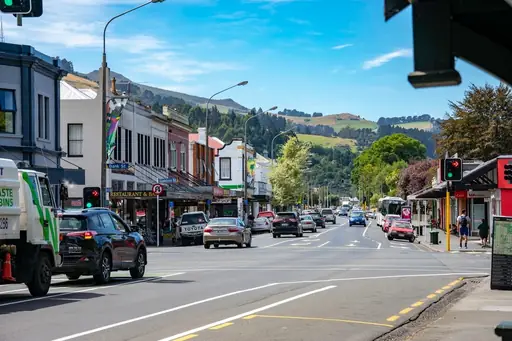
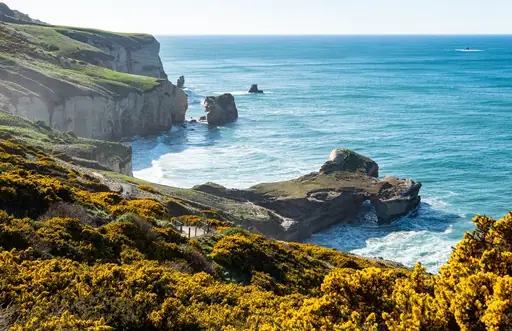

City in New Zealand
Dunedin
Wildlife, castles and quirky charm
Speight's Brewery has operated in this New Zealand city since 1876, becoming closely tied to southern regional identity. A brewery tour and tasting room sit inside part of the original historic building. Cooler southern temperatures here suit certain beer styles better than warmer parts of the country.

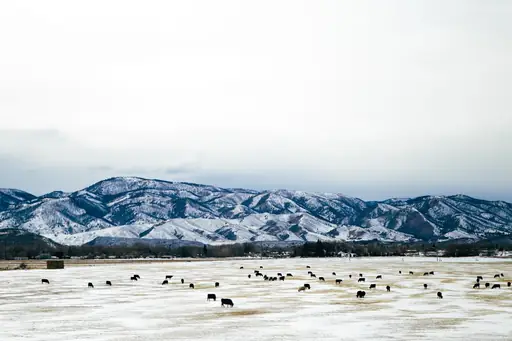

City in United States
Fort Collins
Craft Beer, Trails and Mountain Views
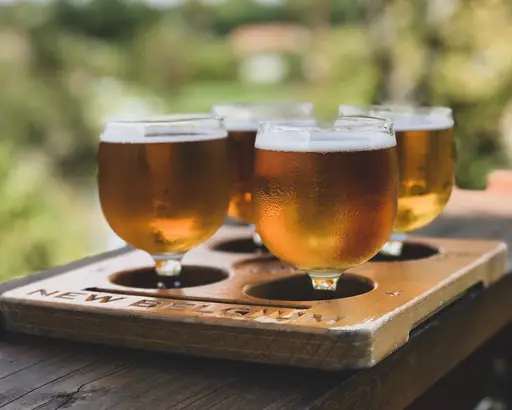
New Belgium Brewing, maker of Fat Tire ale, runs a major production facility in this Colorado city. It has operated here since the 1990s. Anheuser-Busch also operates a large brewery here, giving the city an unusual mix of craft and mass-market production. A bike-friendly downtown connects several smaller breweries within walking distance of each other.

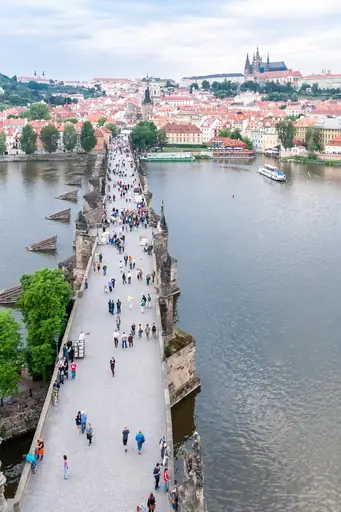

City in Czech Republic
Prague
A fairy-tale city with rich history
This city has some of the highest beer consumption rates anywhere on Earth, tied closely to Czech national identity. Traditional pubs serve beer at prices often lower than bottled water in tourist areas. Historic breweries throughout the city trace their roots back centuries, some still using unpasteurized recipes.

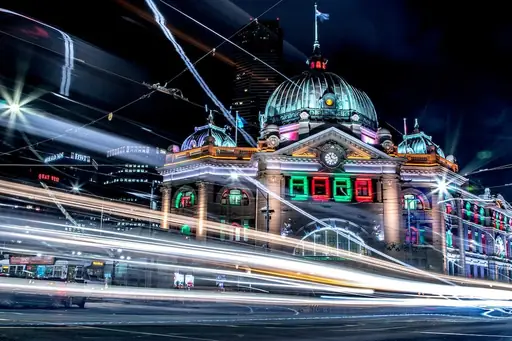
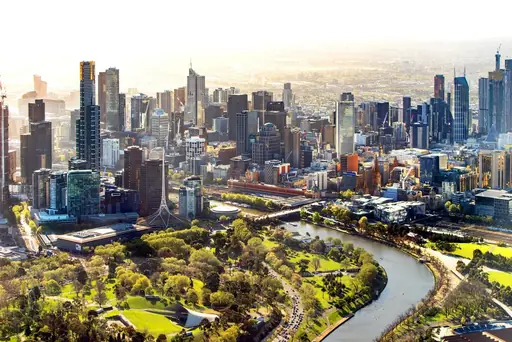
City in Australia
Melbourne
The heart of culture and coffee
Hidden laneway bars throughout this city often double as craft beer venues, tucked behind unmarked doors and narrow alleys. Australia's craft beer movement took root early here, with several breweries now recognised nationally. Beer festivals held throughout the year draw crowds from across the state.
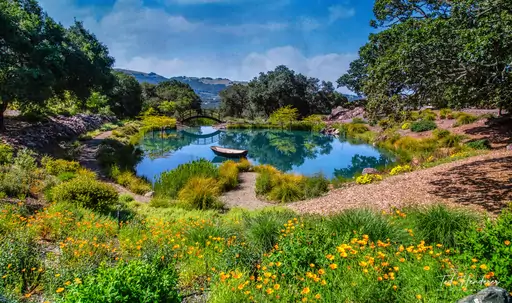


City in United States
Santa Rosa (California)
Coastal charm meets vibrant arts scene
Russian River Brewing, maker of the cult favourite Pliny the Elder, operates out of this Sonoma County city. Fans travel from across the country specifically to try beers rarely available outside the brewery's taproom. Wine country surrounds the city, giving visitors an unusual mix of beer and vineyard tourism.


City in United States
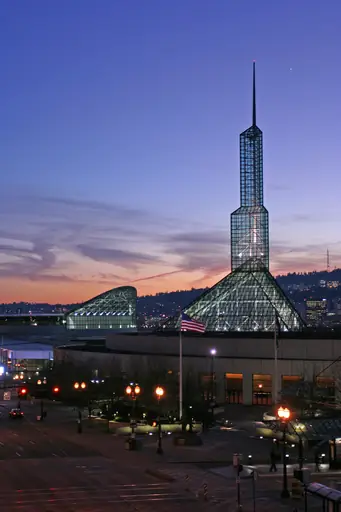
Portland (Oregon)
Quirky, green and endlessly creative
This Oregon city holds one of the highest brewery counts of any city in the United States. Locals sometimes call it Beervana, reflecting the sheer density of taprooms across nearly every neighbourhood. Access to Pacific Northwest hops has helped fuel the region's brewing industry for decades.

City in Colombia
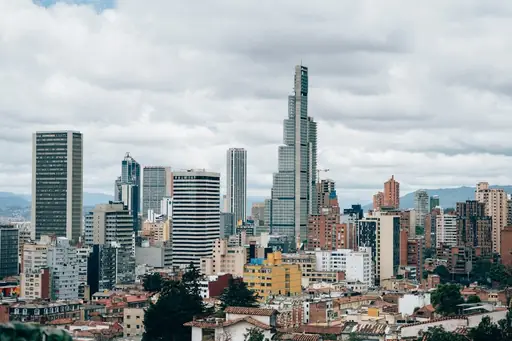
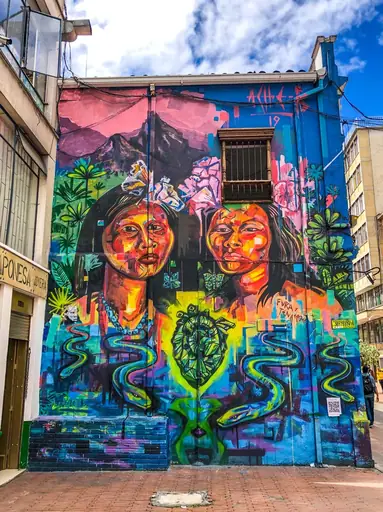
Bogotá
Vibrant Culture in the Andean Highlands
Bogota Beer Company helped launch Colombia's modern craft beer movement after opening its first taproom in the early 2000s. Local breweries now produce a wide range of styles, often using regional ingredients like panela or tropical fruit. High altitude gives the city cooler temperatures than much of the rest of the country.
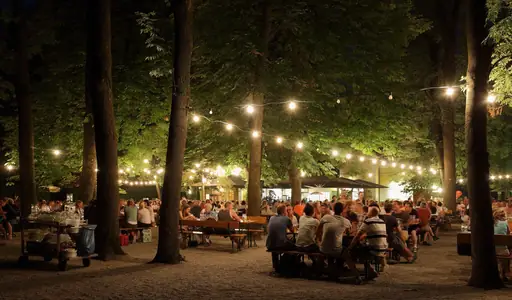
City in Germany
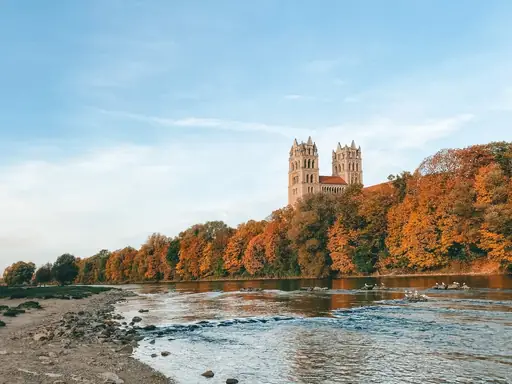
Munich
Bavarian Tradition Meets Modern Flair
Oktoberfest began here in 1810 as a royal wedding celebration before growing into the world's largest beer festival. Hofbrauhaus, one of the city's oldest breweries, has served beer on the same site since the 1500s. Large communal tables inside traditional beer halls encourage strangers to share space and conversation.


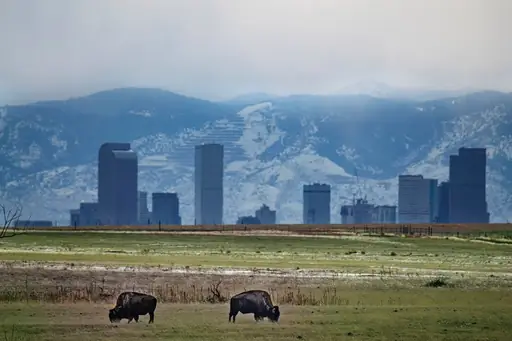
City in United States
Denver
Sunshine, Culture and Rocky Peaks
This city hosts the Great American Beer Festival, one of the largest beer events in the country. Dozens of breweries operate within city limits, many concentrated in walkable downtown and industrial neighbourhoods. Colorado's mountain water supply has helped establish the region as a major centre for craft brewing.
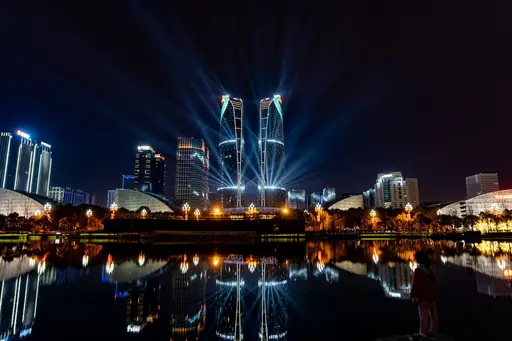


City in China
Chengdu
Pandas, Hotpot and Laid-back Vibes
Craft beer has taken root in this Sichuan city, often served alongside the region's famously spicy food. Local breweries sometimes experiment with Sichuan peppercorn and chilli in their beer recipes. Traditional teahouses still outnumber breweries citywide, though beer bars have multiplied here in recent years as demand grows.
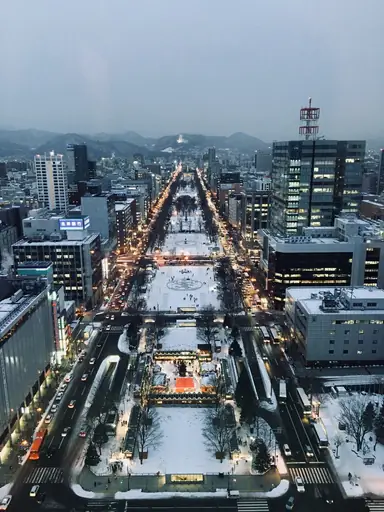

City in Japan
Sapporo
Snow festival city with ramen and beer
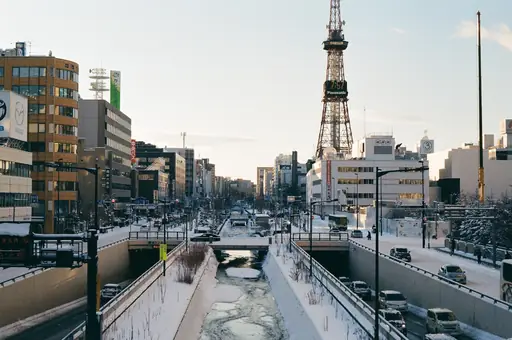
Sapporo Beer, one of Japan's oldest brands, traces its roots to a brewery founded in this city in 1876. A museum on the original brewery grounds walks visitors through the company's history and beer-making process. An annual beer festival held each summer takes over a park in the city centre.
City in China
Harbin
Ice sculptures sparkle beneath winter’s glow
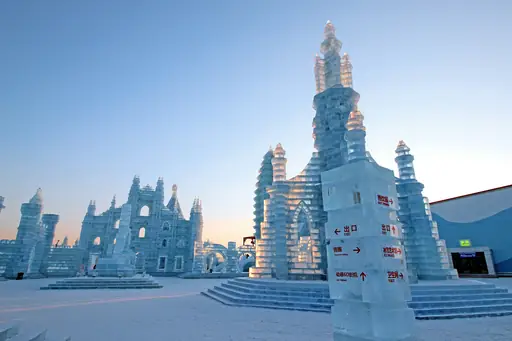
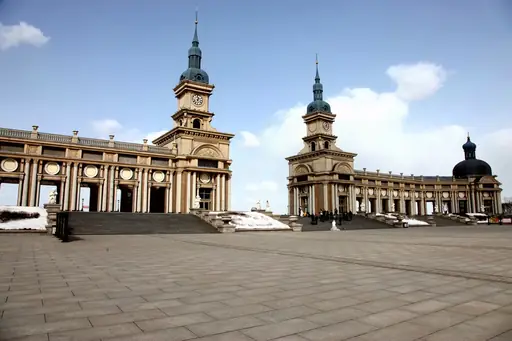
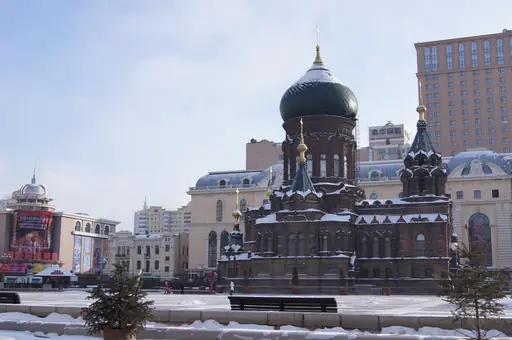
Harbin Brewery, founded in 1900, ranks among the oldest breweries operating anywhere in China today. Russian influence from the city's early history still shows in its brewing traditions and architecture. A beer festival held each summer draws large crowds to sample local and imported styles side by side.
City in Czech Republic
České Budějovice
Bohemian Squares, Beer and Bridges
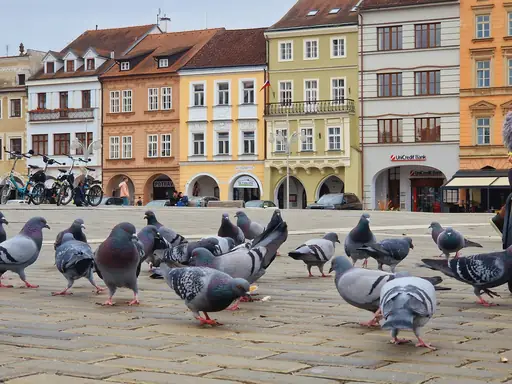
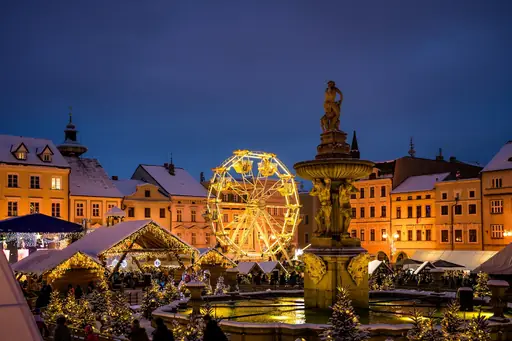
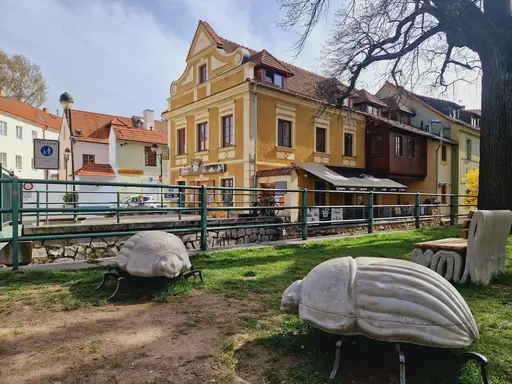
This Czech city gave its German name, Budweis, to the beer style now known internationally as Budweiser. Budweiser Budvar, the original brewery, still produces its lager using traditional methods established in 1895. A long-running trademark dispute with the American Budweiser brand has played out in courts across multiple countries.


City in Germany
Cologne
Where history meets a vibrant lifestyle
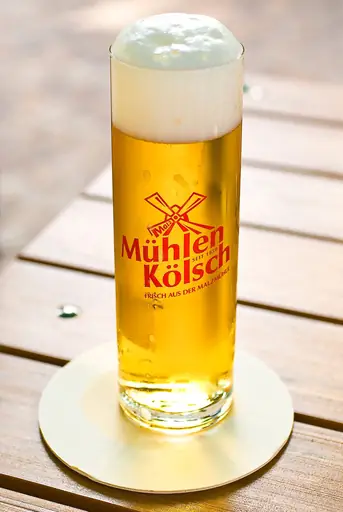
Kolsch, a light, crisp beer style, can only legally be called by that name if brewed within this city. Traditional Cologne breweries serve the beer in small, narrow glasses called stangen, refilled quickly by roaming waiters. A coaster placed on an empty glass signals to servers that a drinker is finished.

City in United States
Bend
Mountain town that's got it all
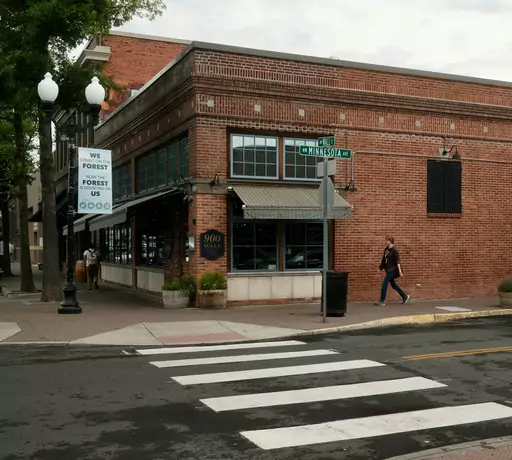
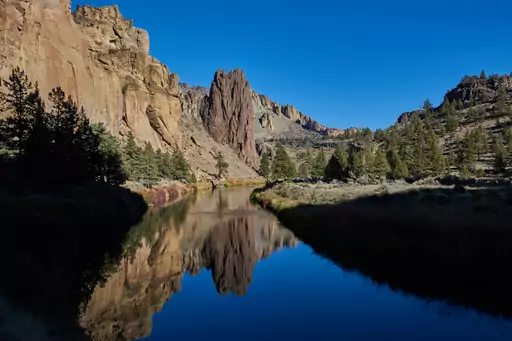
This Oregon city holds one of the highest brewery counts per capita of any US city its size. A marked Ale Trail connects breweries across town, with a passport programme encouraging visitors to collect stamps. Access to clean mountain water and locally grown hops has helped the industry take root here.
Region in Belgium
Flanders
Coastal charm and historic city streets
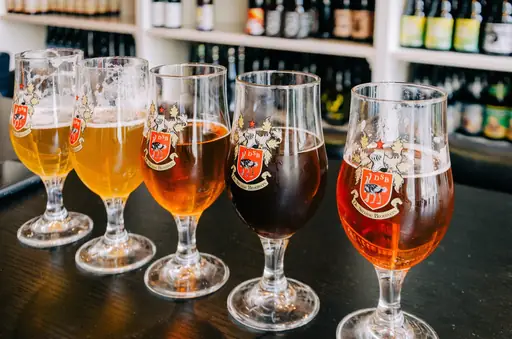
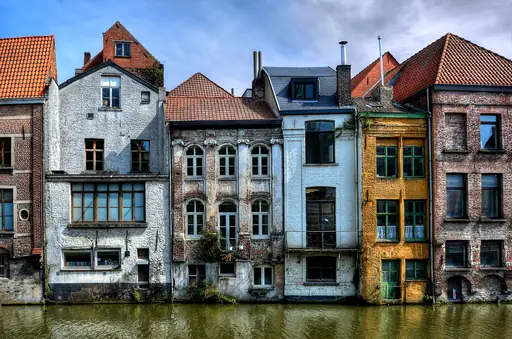
Sour red and brown ales define much of this region's brewing tradition, aged for months or years in oak barrels. Rodenbach, one of the style's most established producers, blends young and old beer to balance the sourness. Local brewers often describe the flavour as closer to wine than typical beer.



City in South Africa
Cape Town
Mountains, Beaches and a Vibrant Culture
A craft beer district has grown around the Woodstock neighbourhood, home to dozens of independent breweries and taprooms. South Africa's beer scene has expanded rapidly here over the past decade, moving well beyond mass-market lager. Brewery tours often pair with the neighbourhood's street art and design shops nearby.


City in Thailand
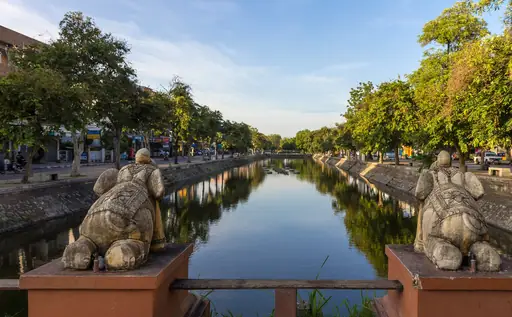
Chiang Mai
Ancient temples and mountain escapes
Small craft beer bars have opened across this northern Thai city despite restrictive national alcohol production laws. Many local brewers produce beer just outside city limits or export ingredients to be brewed abroad. Night markets throughout the city sell beer alongside street food stalls each evening.
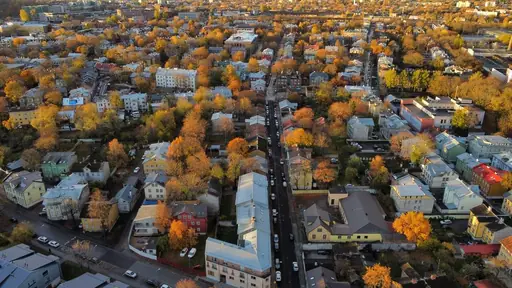
City in Estonia
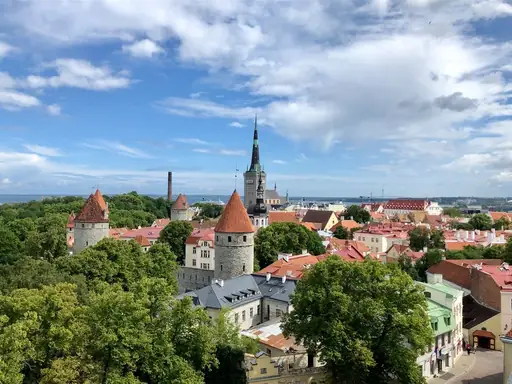
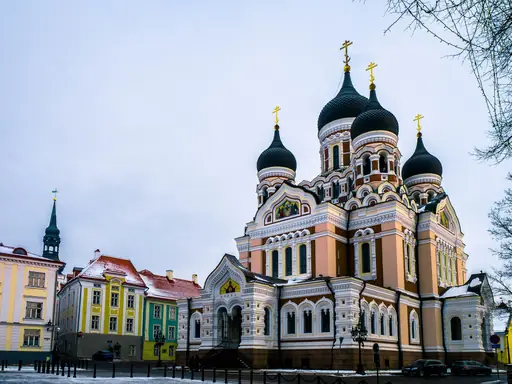
Tallinn
Medieval charm meets modern innovation
A. Le Coq has brewed beer in Estonia since the 1800s, becoming one of the country's most recognised brands. Medieval taverns throughout the old town serve beer in a setting that feels little changed over centuries. Craft breweries have opened steadily in recent years, adding variety to the historically lager-focused market.

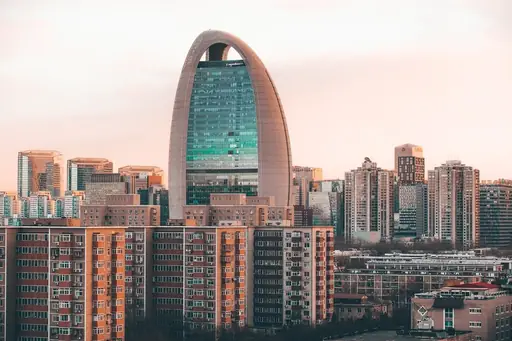

City in China
Beijing
Ancient history meets modern dynamism
Great Leap Brewing helped pioneer the city's craft beer scene after opening in a converted courtyard house in 2010. Local ingredients like Sichuan peppercorns and honey sometimes make their way into experimental brews. Taproom locations across the city now serve alongside a growing number of competing craft breweries.
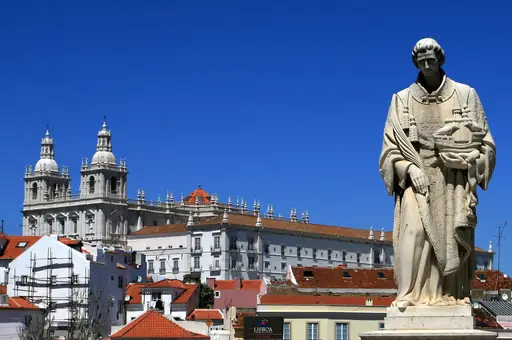
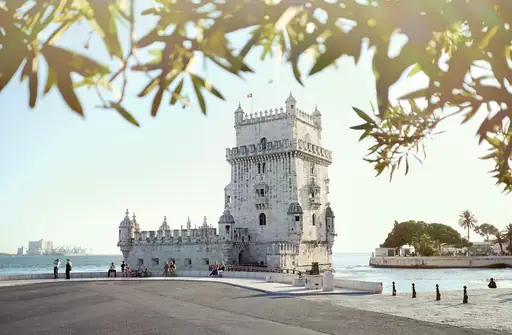
City in Portugal
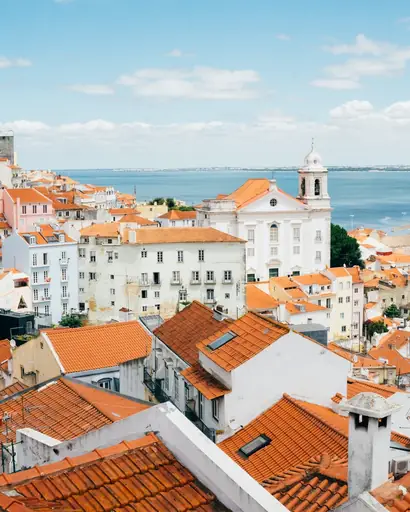
Lisbon
Sun-soaked streets and rich history
Craft breweries have opened inside old factory buildings across this city, including one converted textile mill turned taproom. Sovina and other local producers have grown steadily since the craft beer movement arrived in Portugal. Traditional Portuguese lager still fills most mainstream bars outside dedicated craft venues.
City in Slovenia
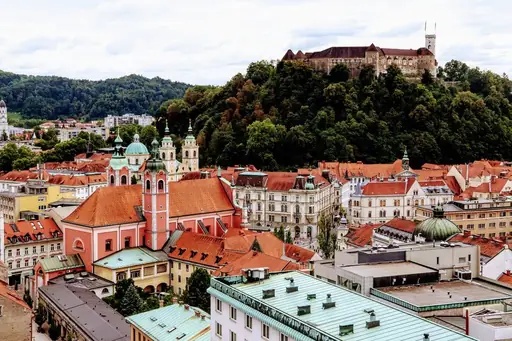
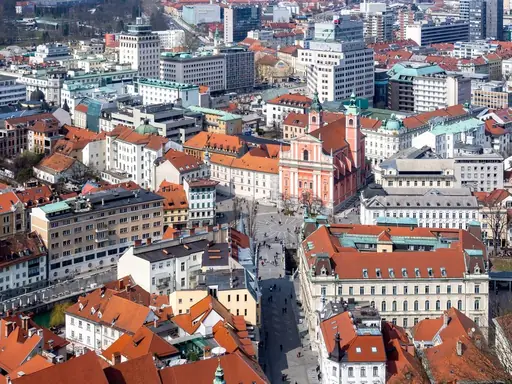
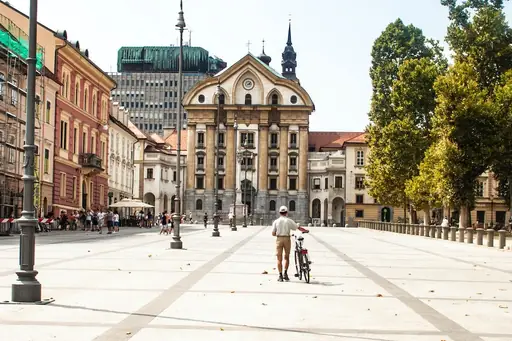
Ljubljana
A charming green city with soul
Human Fish Brewery helped establish Slovenia's craft beer scene after opening in the early 2010s. Small bars throughout the city centre now serve a rotating selection of local and imported craft beer. Slovenia's proximity to both Austria and Italy has shaped a beer culture that borrows from both traditions.

Town in Germany
Bayreuth
Cultural heart of Bavarian music heritage
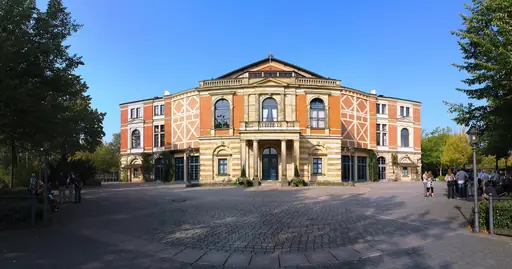
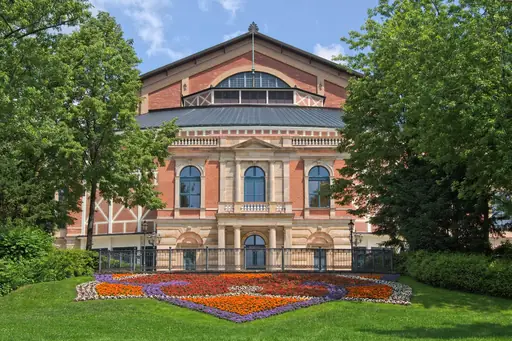
Maisel's Weisse has brewed wheat beer in this city since the 1880s, specialising in the cloudy, fruity style. A brewery museum here traces the history of beer production using historic equipment and displays. Bayreuth is better known internationally for its opera festival, though beer culture runs just as deep locally.
City in United Kingdom
Leeds
Northern England's Dynamic Cultural Hub
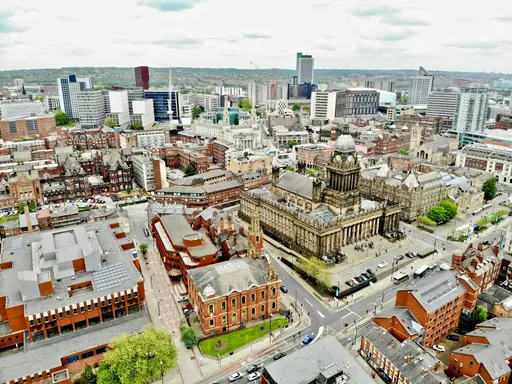
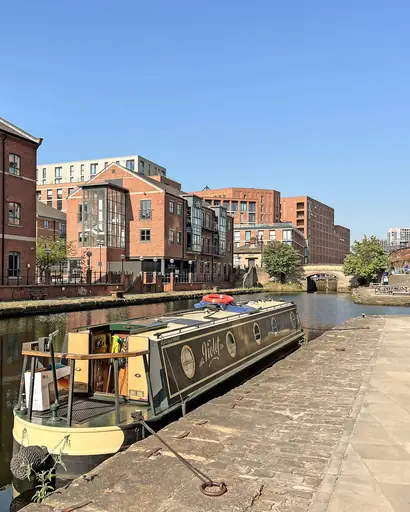
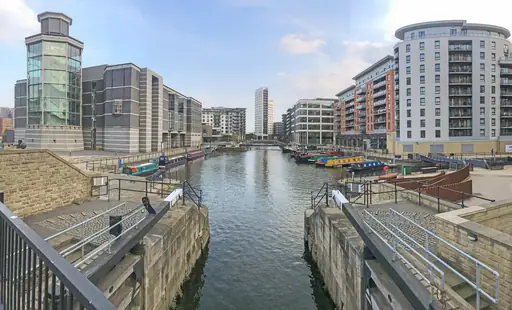
Northern Monk operates out of a converted Victorian mill here, one of the city's most recognised craft breweries. This northern English city has built a reputation for independent brewing distinct from London's larger scene. Taprooms and bottle shops have multiplied across former industrial buildings in recent years.
Region in Germany
Saxon Switzerland
Timeless vineyards and alpine charm
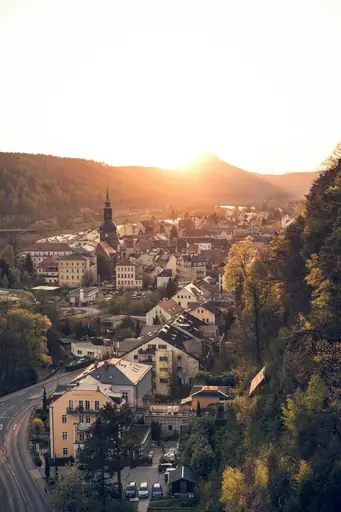
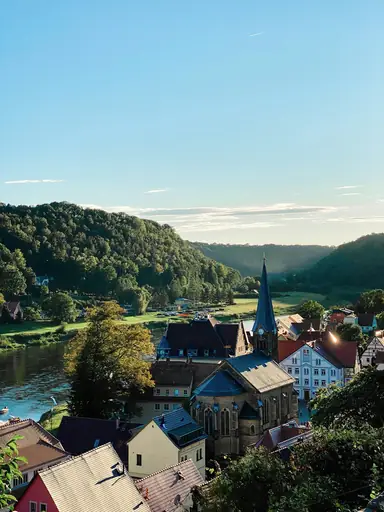
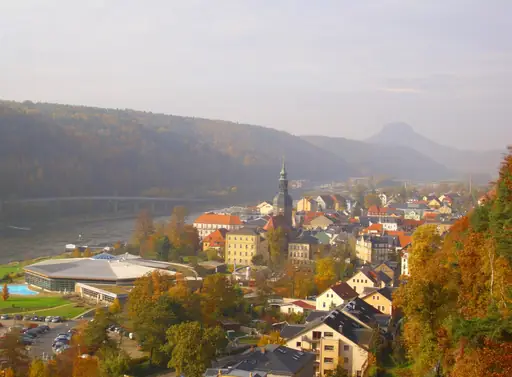
Sandstone caves carved throughout this region were historically used to store beer at consistent cool temperatures before refrigeration. Small local breweries still operate in towns scattered across the surrounding hills. Hikers exploring the region's dramatic rock formations often stop at village taverns for a local beer.

State/Prefecture in United States
Colorado
Rocky mountains and red rocks
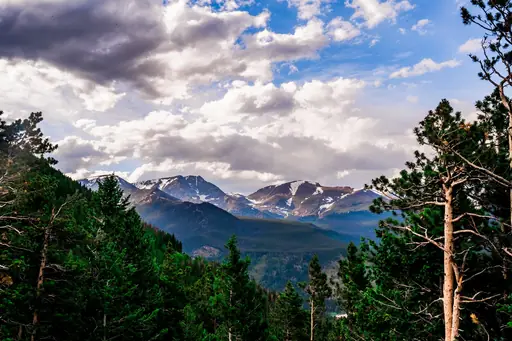
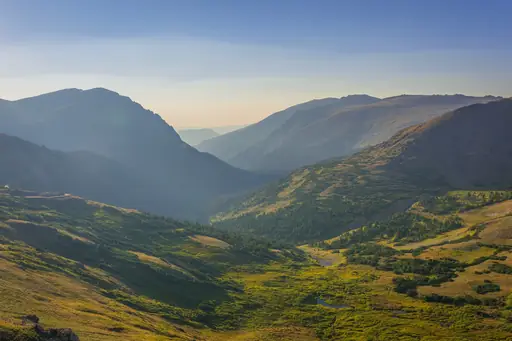
This state holds one of the highest brewery counts per capita anywhere in the United States. The Great American Beer Festival, one of the country's largest beer events, takes place here each year. Clean mountain water and a strong outdoor culture have both helped fuel the state's brewing industry.
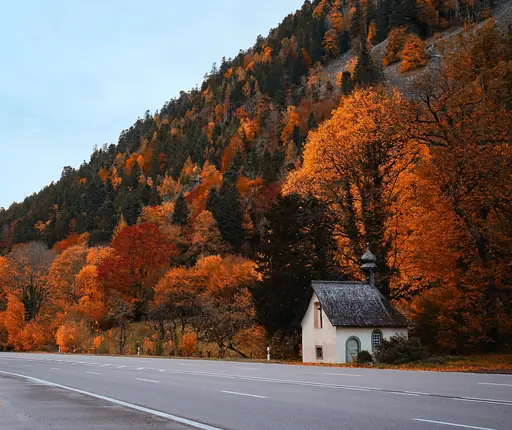
Region in Germany
Black Forest
Enchanted woodlands echo with timeless folklore
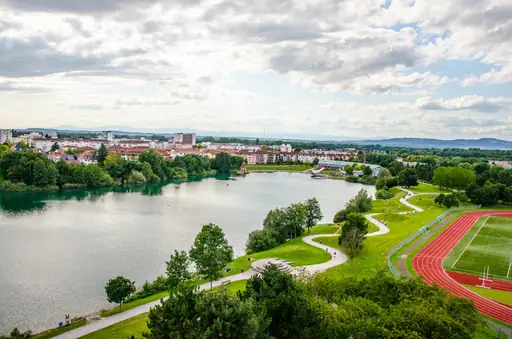
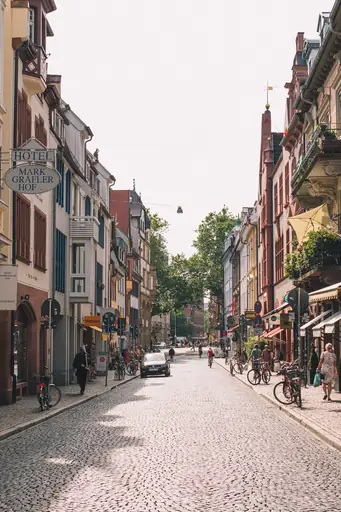
Rothaus brewery has operated in this region since 1791, best known for its Tannenzapfle pilsner in a green bottle. Traditional breweries throughout the Black Forest still follow recipes passed down across generations. Forest-fed spring water plays a central role in the character of many local beers.
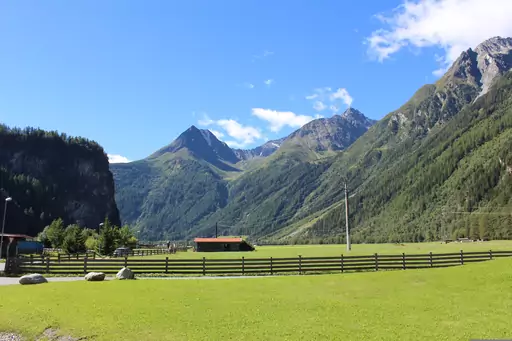

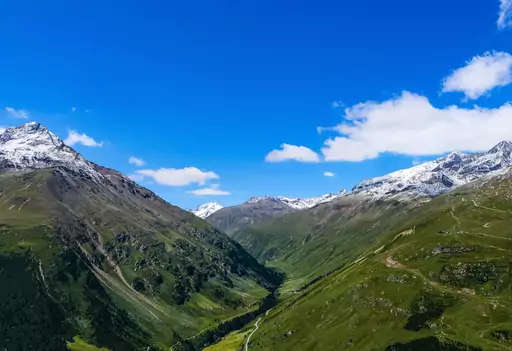
Valley in Austria
Ötztal
Majestic alpine valley with crystal lakes
Small alpine breweries operate across this Austrian valley, often tucked into villages that also serve as ski or hiking bases. Local beer here tends towards traditional Austrian lagers, served in mountain huts alongside hearty regional food. Glacial meltwater feeding the valley plays a role in several local recipes.
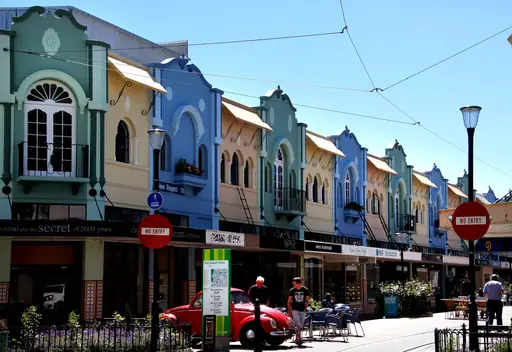
City in New Zealand
Christchurch
The Garden City of Adventure
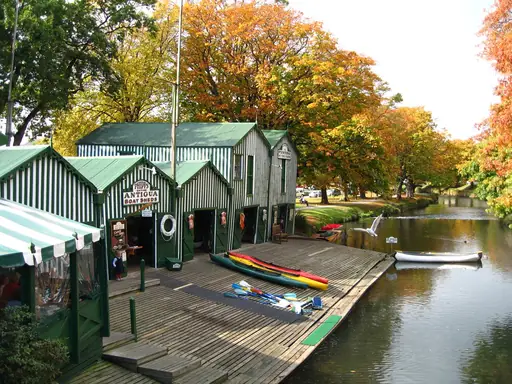
This New Zealand city rebuilt much of its craft beer scene following a series of major earthquakes in 2011. Breweries reopened in new locations across town, often weaving the city's reconstruction into their branding. A container mall built after the disaster became a temporary home for several small producers.
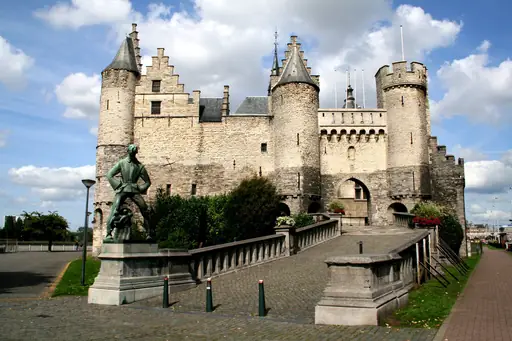
City in Belgium
Antwerp
Europe’s Hidden Gem of Culture & Style
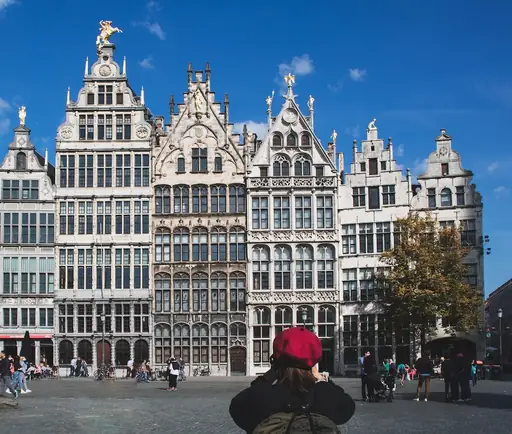
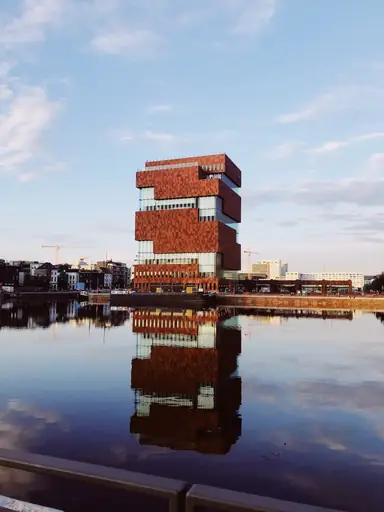
De Koninck has brewed beer in this city since the 1830s, becoming closely tied to local identity over generations. Locals traditionally order the beer in a small, round glass called a bolleke. The brewery's visitor centre sits inside a converted building near the original production site.
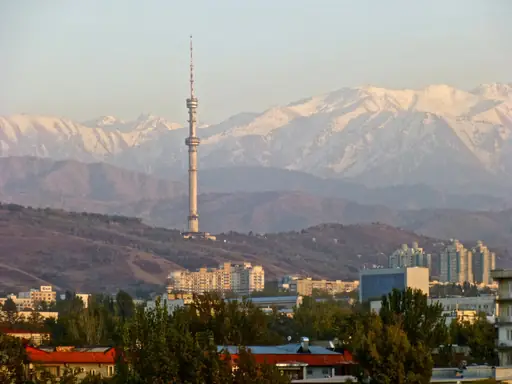
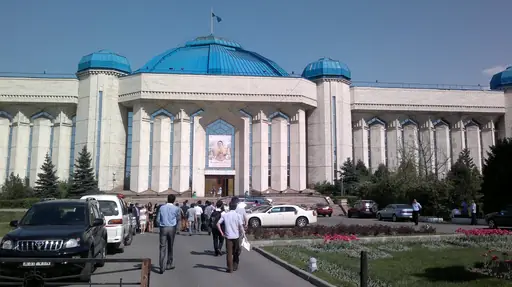
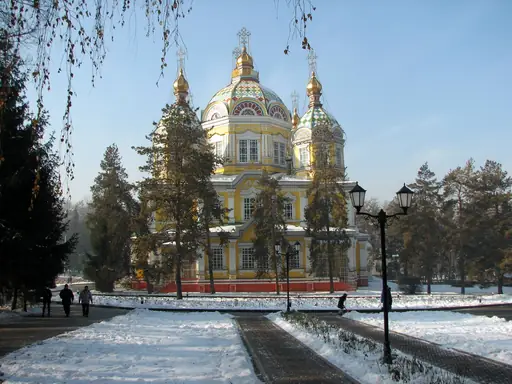
City in Kazakhstan
Almaty
Mountains, markets and modern spirit
A growing craft beer scene has taken hold in this Kazakh city. It builds on a tradition dating back to Soviet times. Local breweries now produce styles ranging from pale ales to stouts alongside more traditional lagers. Beer gardens fill up during the city's warmer months, especially near the surrounding mountains.
Region in Germany
Franconia
Medieval Towns and Brewing Traditions
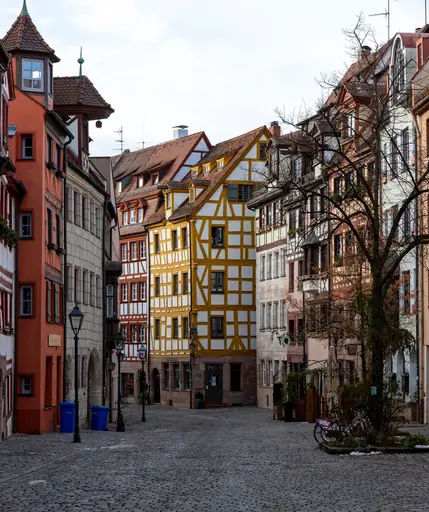
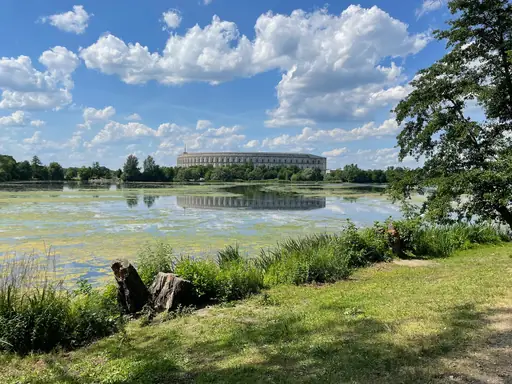
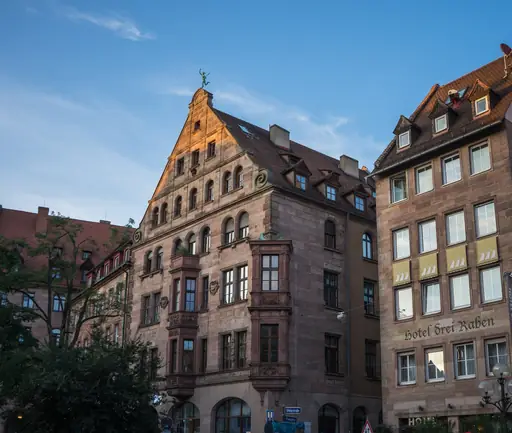
This German region holds the highest density of breweries per capita found anywhere in the world. Small village breweries often produce beer sold only within a few miles of where it was made. Many have operated continuously for well over a century, passed down through family generations.

City in United Kingdom
London
A Tapestry of History and Modernity
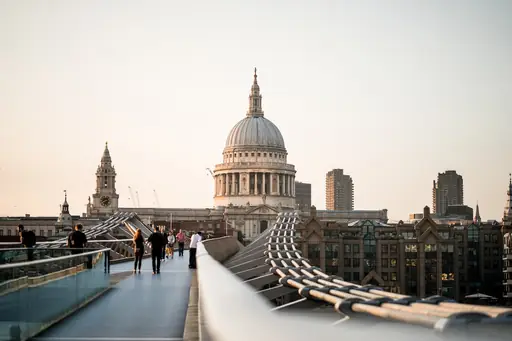
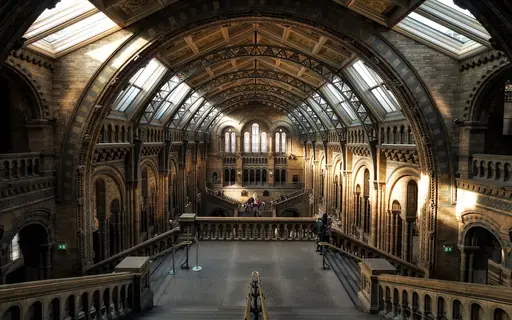
Brewing has shaped this city for centuries, from historic breweries like Fuller's to a modern explosion of craft producers. Brick Lane and the surrounding area now hold one of the densest clusters of breweries in Britain. Traditional cask ale remains a defining feature of London's pub culture alongside newer craft styles.

City in Argentina
San Carlos de Bariloche
Argentina’s Alpine Wonderland
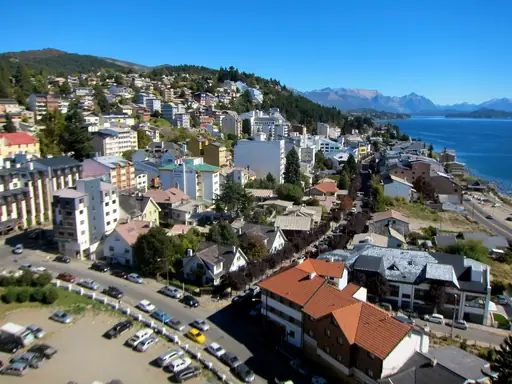
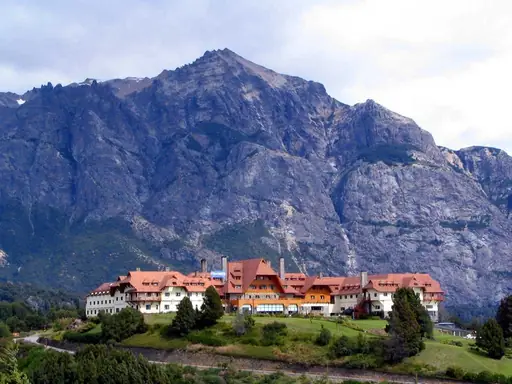
This Argentine mountain town has earned a reputation as the country's craft beer capital, home to dozens of breweries. Alpine-style architecture throughout the town echoes its European immigrant roots, which also shaped its brewing traditions. Local breweries often draw on Patagonia's clean glacial water in their recipes.
Lake in Germany
Bodensee
Alpine lake shared by three countries
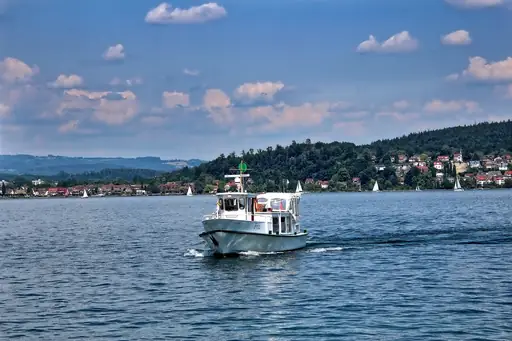
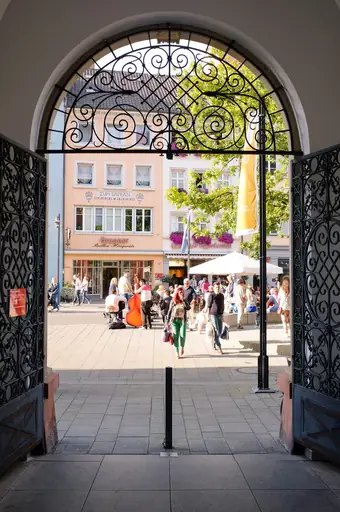
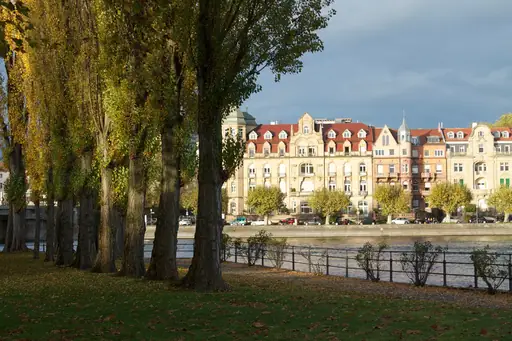
Small breweries dot the shores of this lake, shared between Germany, Switzerland and Austria. Local beer gardens take advantage of lake views during the warmer months, popular with cyclists circling the shoreline. Regional styles here often reflect a mix of German and Swiss brewing traditions.
City in Denmark
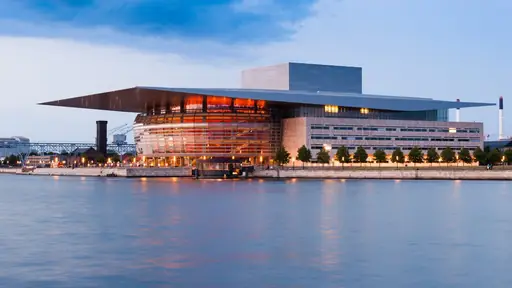
Copenhagen
Scandi-cool vibes and world-class food
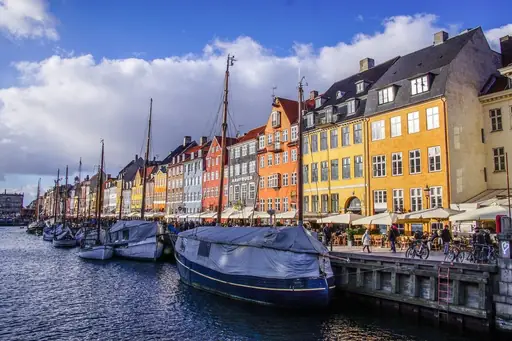
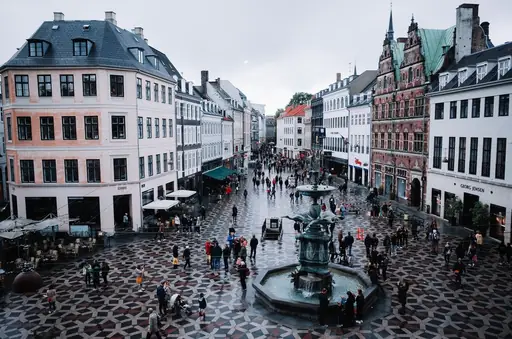
Mikkeller helped popularise the gypsy brewing model here, producing beer using contracted breweries rather than owning its own facilities. Carlsberg, one of the world's largest beer companies, was founded in this city in 1847. Craft beer bars throughout Copenhagen now serve rotating taps from small producers across Scandinavia.

State/Prefecture in United States
Michigan
Great Lakes State of Wonder
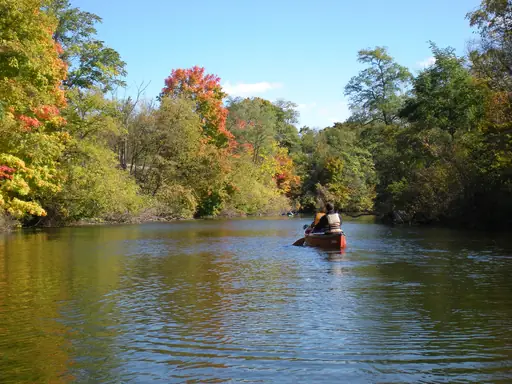
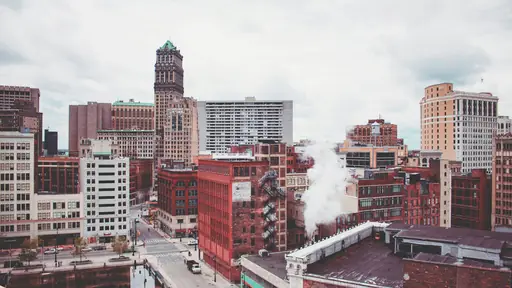
This state ranks among the top craft beer producers in the country, home to brands like Bell's and Founders. Bell's, based in Kalamazoo, helped establish Michigan's reputation as a serious craft beer destination early on. Breweries cluster in cities across the state, often drawing on the Great Lakes' abundant water.
City in Belgium
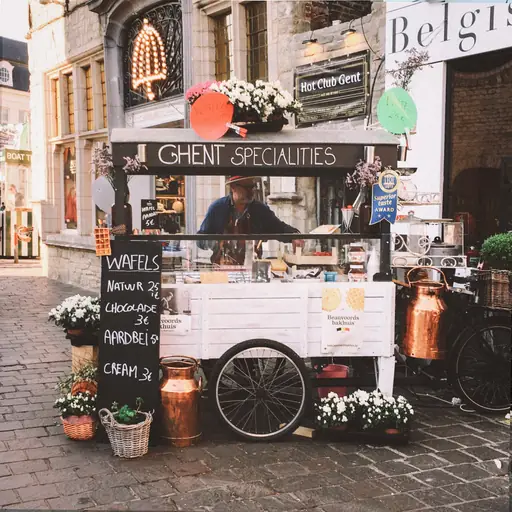
Ghent
Medieval Canals, Art and Hip Vibes
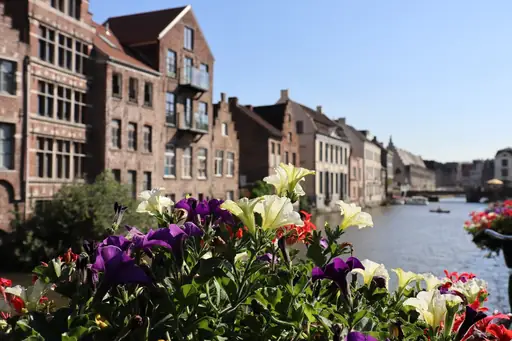
Gruut brewery produces beer flavoured with herbs instead of hops, reviving a brewing method that predates modern hop use. This gruit tradition once dominated European brewing before hops became the standard bittering ingredient. The brewery operates within the city centre, offering tours through its working production space.

City in Peru
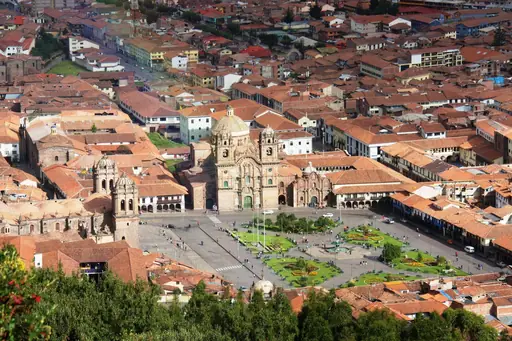
Cusco
Gateway to the Incan Empire's Heart
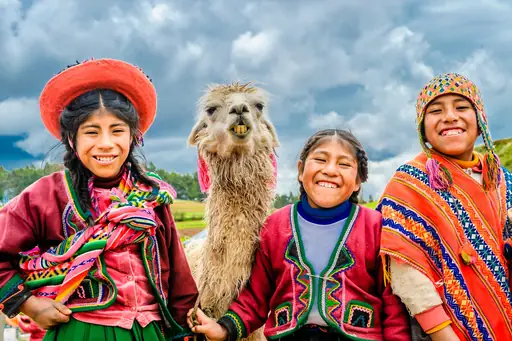
Cerveceria del Valle Sagrado brews beer at high altitude in the hills outside this Peruvian city. Recipes use local ingredients like quinoa and coca leaf. Craft beer bars in the city centre have grown steadily to serve both travellers and locals. Thin mountain air changes how brewers manage fermentation compared to lower elevations.

City in United States
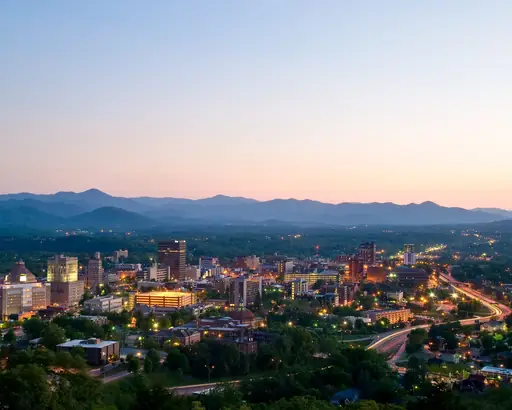
Asheville
Blue Ridge arts, brews and views
This North Carolina city holds one of the highest concentrations of breweries per capita anywhere in the country. Major national craft breweries have opened East Coast production facilities here, drawn by the region's water. A dedicated trolley tour connects several of the city's breweries for visitors without a car.
City in United Kingdom
Edinburgh
History, Culture and Festival Fever
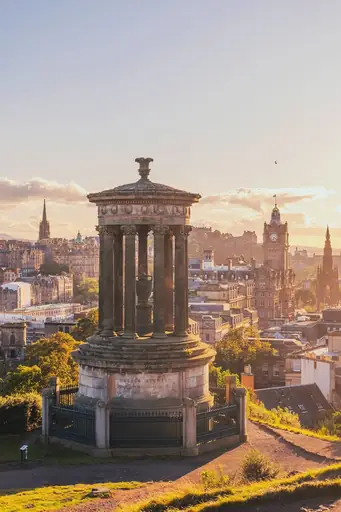
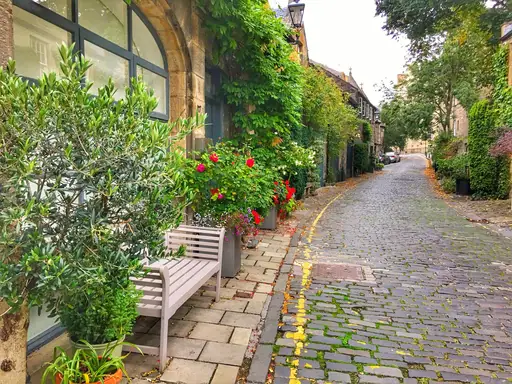
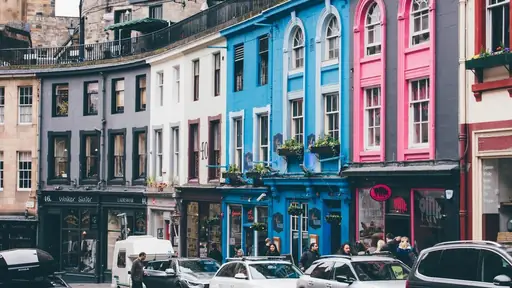
This Scottish city once held one of the highest concentrations of breweries anywhere in Britain during the industrial era. Most of those historic breweries have closed, though a handful of newer craft producers have taken their place. Traditional Scottish ales tend towards maltier, less hoppy profiles than many English styles.
City in Czech Republic
Pilsen
Beer Legends, Culture and Cobblestones
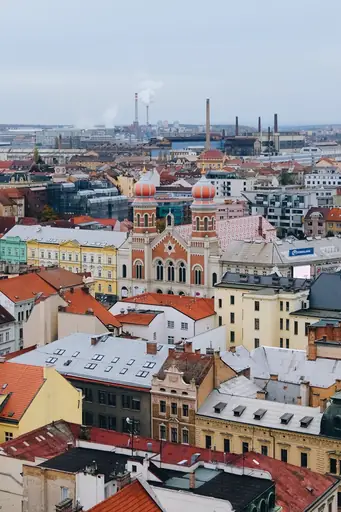
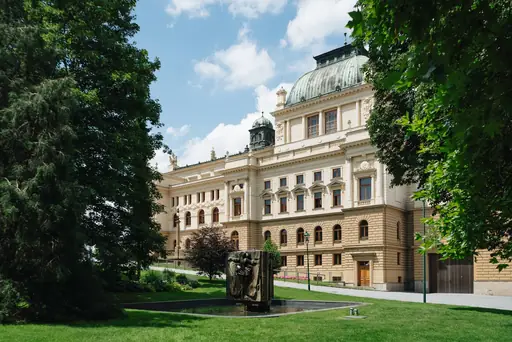
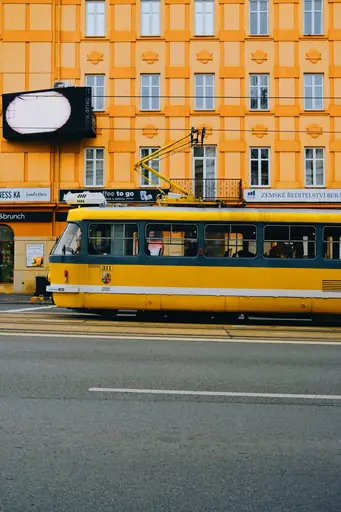
This Czech city gave its name to pilsner, now the most widely brewed beer style anywhere in the world. Pilsner Urquell, the original brewery, has produced the style using the same recipe since 1842. Underground cellars beneath the brewery once kept the beer cold using natural ice before refrigeration existed.

City in Belgium
Brussels
Europe's cozy capital of culture
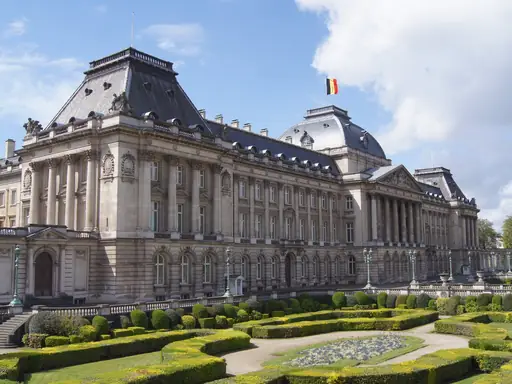
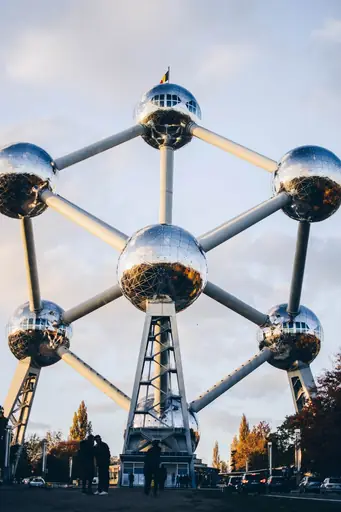
This city serves as the unofficial capital of Belgian beer, home to hundreds of distinct styles and labels. A bar called Delirium once held a record for offering more beer varieties than anywhere else on Earth. Trappist ales, sour lambics and strong golden ales all get equal attention on local menus.
City in United Kingdom
Bristol
Creative Energy on the River Avon
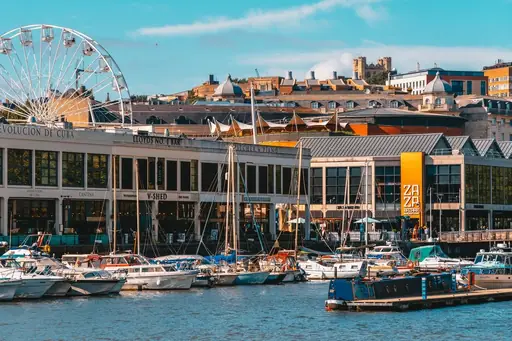
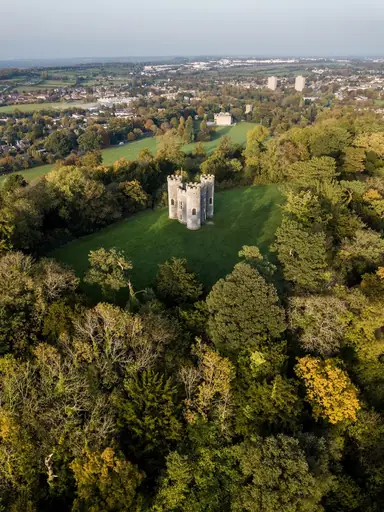
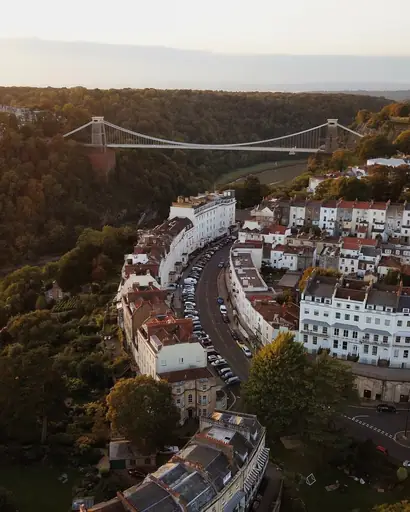
This English city holds one of the densest concentrations of independent breweries anywhere in the United Kingdom. Many operate out of converted industrial spaces across the harborside and surrounding neighbourhoods. A local beer festival each year brings together dozens of regional producers under one roof.
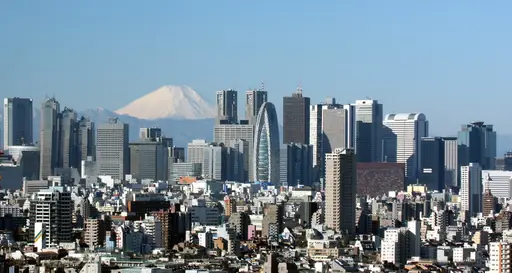

City in Japan
Tokyo
Japan's capital of temples, towers and food
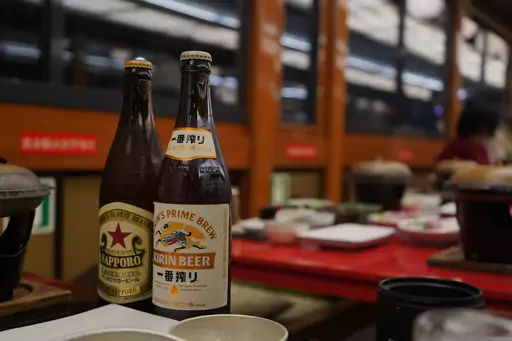
Baird Brewing and other craft producers have grown steadily here, adding variety to Japan's traditionally lager-dominated beer scene. Izakaya pubs throughout the city still serve mostly mainstream Japanese lager alongside small plates of food. Beer gardens open seasonally on rooftops across the city during warmer summer months.
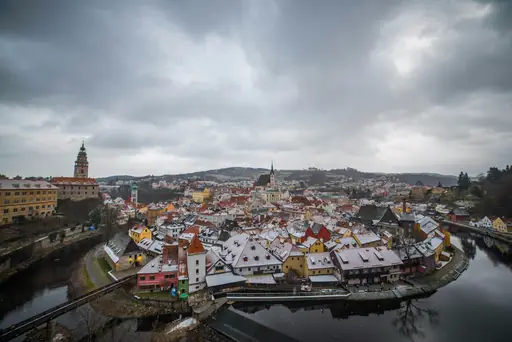
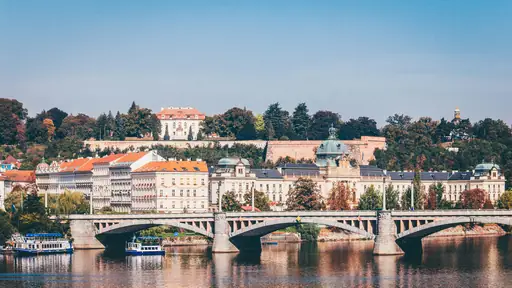
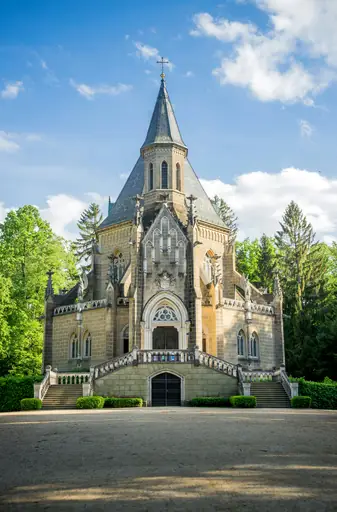
Region in Czech Republic
Bohemia
Fairytale castles and pristine wilderness
This Czech region holds the highest beer consumption per capita anywhere in the world. Pilsner-style lager, now brewed globally, traces its origins directly back to breweries within this region. Traditional pubs throughout Bohemia serve beer as a near-daily staple rather than an occasional treat, woven into everyday routines.


City in United States
San Diego
California's perfect weather playground
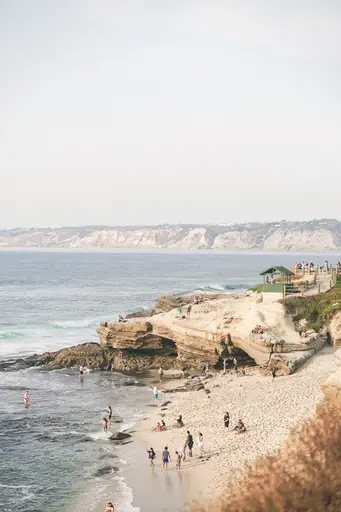
This California city has built a reputation as one of the country's top craft beer destinations, home to Stone Brewing. Hop-forward IPAs became closely associated with the local brewing style here starting in the 1990s. Breweries cluster across several neighbourhoods, connected by dedicated beer trail maps.
City in Argentina
Buenos Aires
Where Tango and Culture Thrive
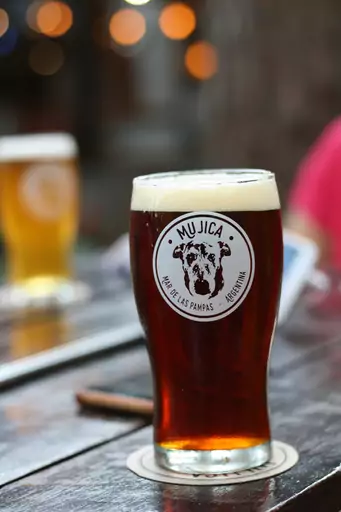
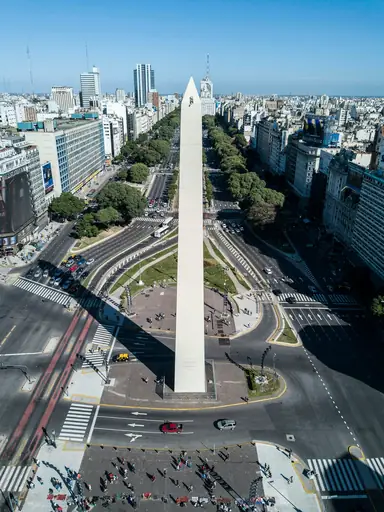
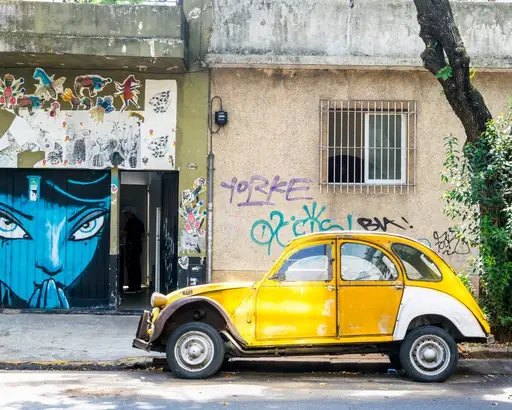
A craft beer boom has reshaped this city's drinking scene over the past two decades, adding hundreds of new labels. Quilmes, a mass-market lager first brewed here in the 1890s, still dominates most mainstream bars. Microbreweries cluster in neighbourhoods like Palermo, often paired with the city's famous grilled meat.



City in New Zealand
Wellington
Creative capital by wild seas
Garage Project has helped build this city's reputation as one of New Zealand's leading craft beer destinations. Experimental small-batch releases from local breweries often sell out within hours of hitting taproom shelves. Windy weather here has done little to slow the popularity of outdoor beer gardens.

City in Mongolia
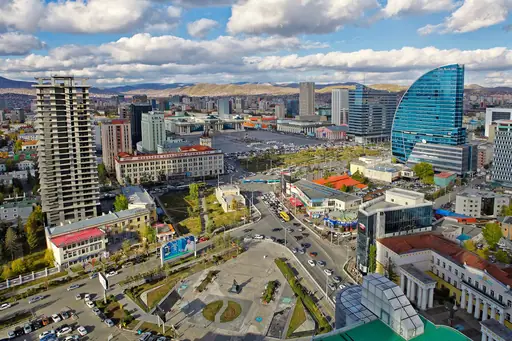
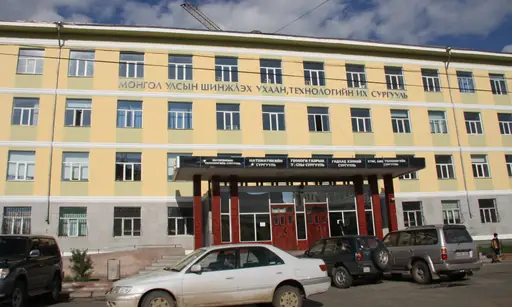
Ulaanbaatar
Vibrant capital where steppes meet skyscrapers
Chinggis Beer, named after the historical Mongol leader, ranks among the country's most recognised domestic brands. Local breweries have grown steadily in recent years, catering to a young and increasingly urban population. Traditional airag, fermented mare's milk, still competes with beer as a common drink outside the capital.

City in Cambodia
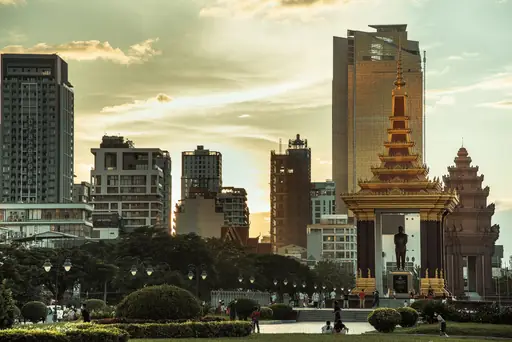
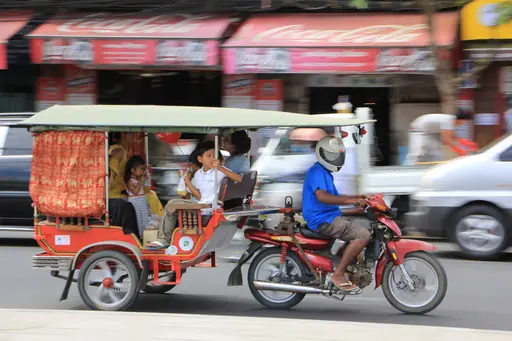
Phnom Penh
Vibrant City with Deep History
Angkor Beer dominates most bars and restaurants across this city, brewed domestically since the 1960s. A small but growing craft beer scene has emerged in recent years, catering to both locals and visitors. Riverside bars along the Tonle Sap offer views while serving both craft and mainstream options.
City in Latvia
Riga
Art Nouveau, Old Town, Baltic Soul
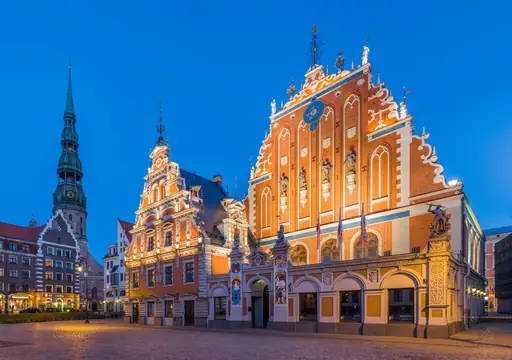
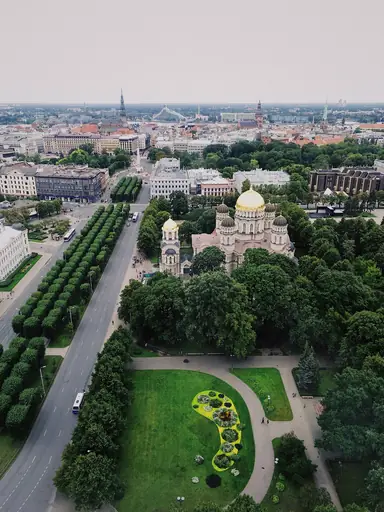
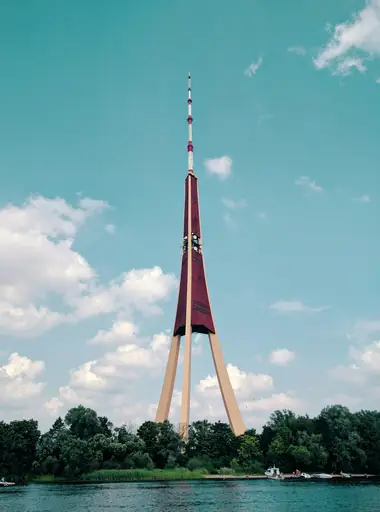
Valmiermuiza, one of Latvia's oldest breweries, has produced beer using traditional methods since the 1500s. Craft beer bars throughout Riga's old town now serve alongside longer-established Latvian brands. Local brewing traditions draw on both German and Baltic influences from the region's layered history, still visible in menus today.


City in China
Hangzhou
A Timeless Blend of Serenity
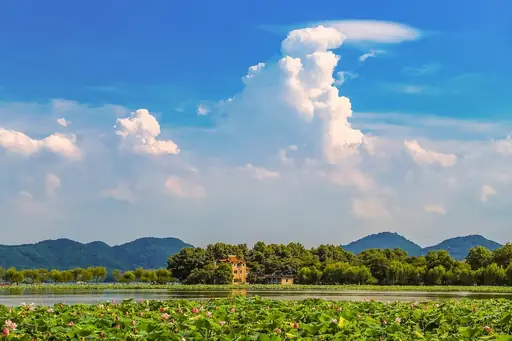
Craft beer bars have opened near West Lake in recent years, adding a modern layer to the city's drinking scene. Local breweries sometimes draw on regional tea traditions, incorporating Longjing tea into experimental brews. Lakeside patios make popular spots for an evening beer as the sun sets.
City in Canada
Quebec City
Old World Charm in North America
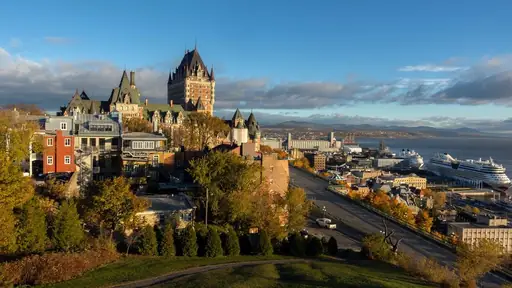
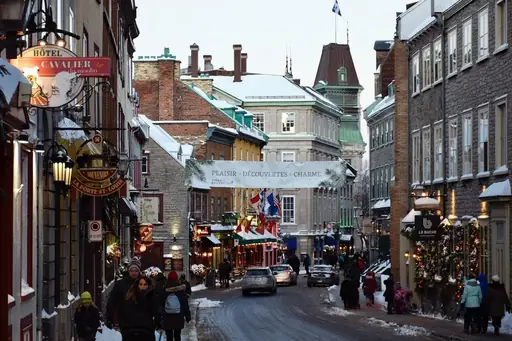
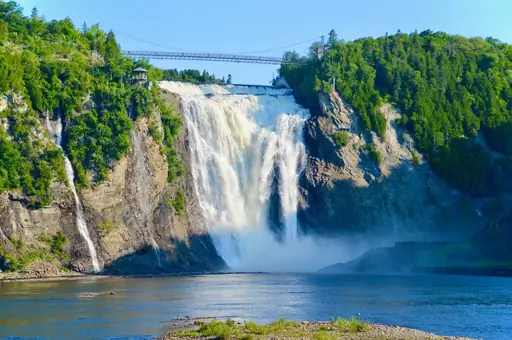
Microbreweries have multiplied across this city's old town in recent years, adding to Quebec's distinct beer culture. French Canadian brewing traditions often lean towards Belgian-style ales rather than the lagers more common elsewhere in Canada. Winter festivals throughout the city sometimes feature beer served alongside ice sculptures and outdoor fires.
City in Germany
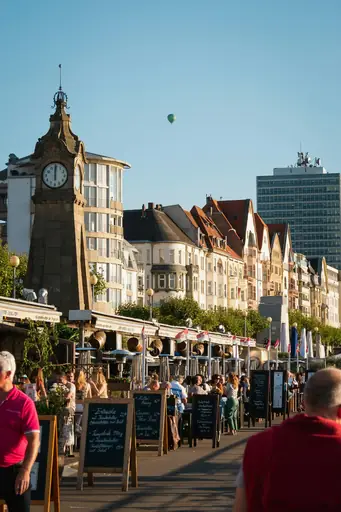
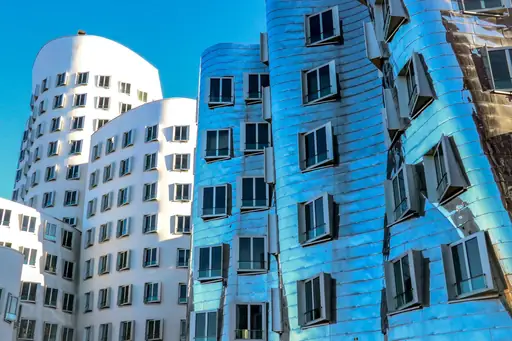
Düsseldorf
Riverside Charm Meets Urban Style
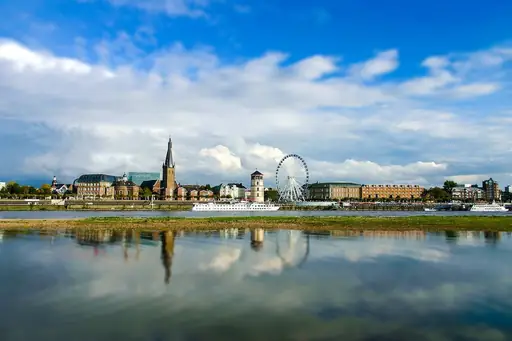
Altbier, a dark, copper-coloured ale, remains the defining beer style across this city's traditional brewpubs. Servers carry trays of small glasses through crowded pubs, refilling empty ones without needing to be asked. The old town holds one of the highest concentrations of breweries anywhere in Germany.
City in Belgium
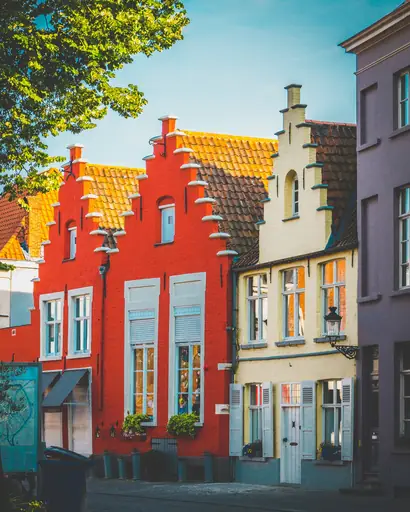
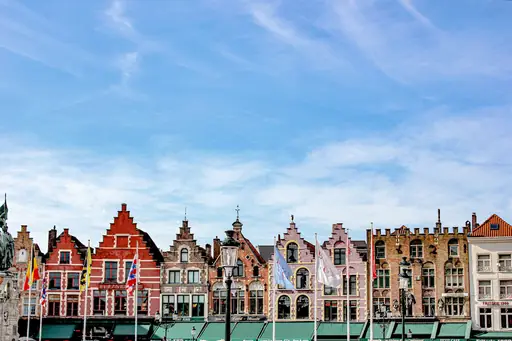
Bruges
Medieval Charm and Chocolate Bliss
De Halve Maan has brewed beer in this city centre location since 1856, run by the same family for generations. An underground pipeline now carries beer nearly two kilometres to a bottling plant outside the historic core. Tours climb to a rooftop viewpoint overlooking the city's medieval skyline.
City in United States
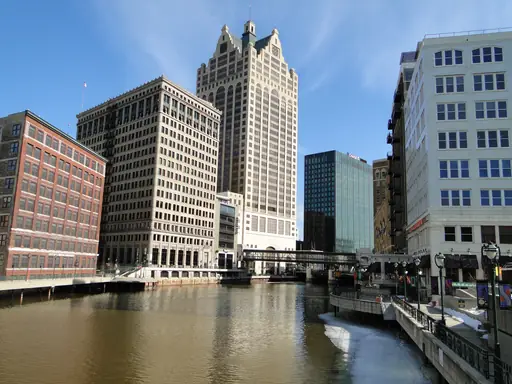
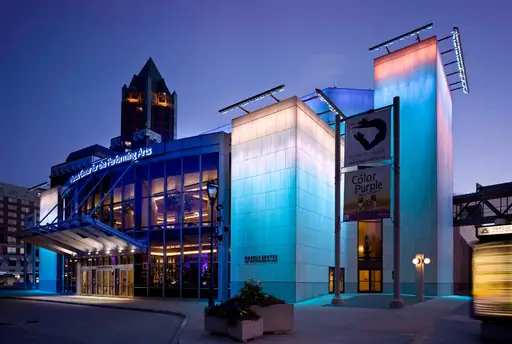
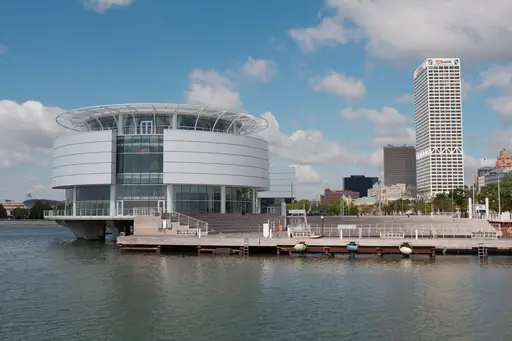
Milwaukee
Beer, bikes and Lake Michigan vibes
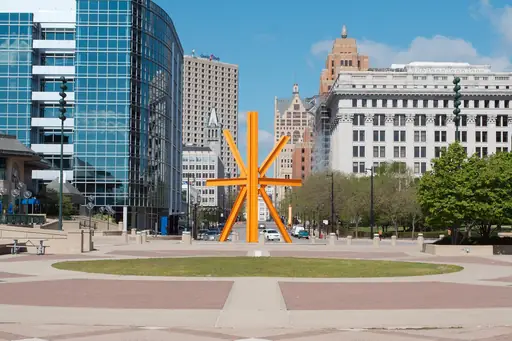
This city built its identity around beer production, once home to major national breweries like Miller and Pabst. Miller still operates a large brewery here, offering public tours through part of its historic facility. Smaller craft breweries have opened steadily in recent years alongside the older industrial giants.
City in United States
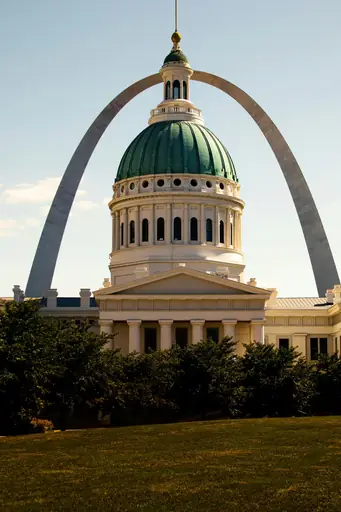
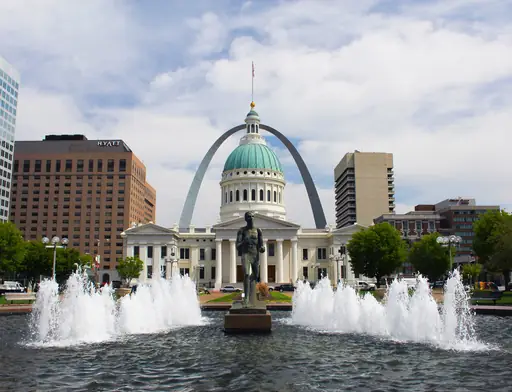
St. Louis
Gateway to the West's Soul
Anheuser-Busch, maker of Budweiser, has operated its headquarters and a major brewery in this city since the 1800s. Tours through the historic brewery complex include a stop to see the company's famous Clydesdale horses. Smaller craft breweries have opened steadily in recent years alongside the industrial giant.

City in Colombia
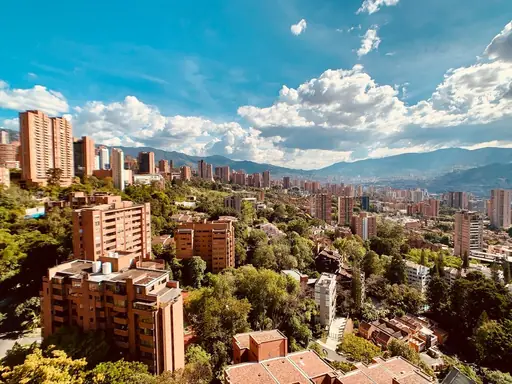
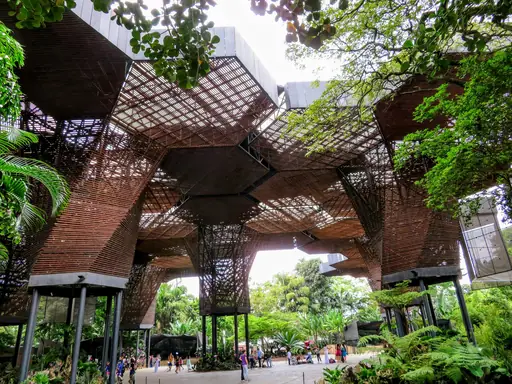
Medellín
The City of Eternal Spring
3 Cordilleras helped pioneer Colombia's craft beer movement after opening a brewery and taproom in this city. Local breweries here often reference the surrounding Andean mountains in their branding and recipes. Rooftop bars across the city's trendier neighbourhoods serve craft beer with views over the valley.
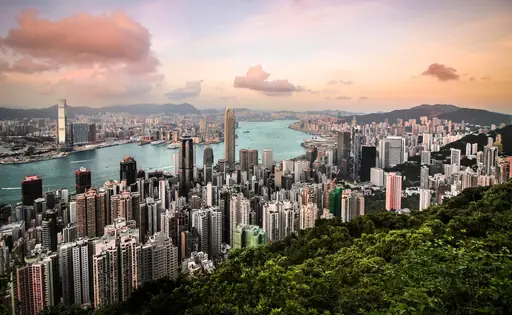


State/Prefecture in China
Hong Kong
Where East Meets West
Young Master Brewery helped kickstart this city's craft beer scene after opening in a converted industrial space in 2013. Local breweries now compete for shelf space in a market long dominated by mass-market lager. Taprooms cluster in neighbourhoods like Kennedy Town and Sheung Wan, drawing steady crowds after work.
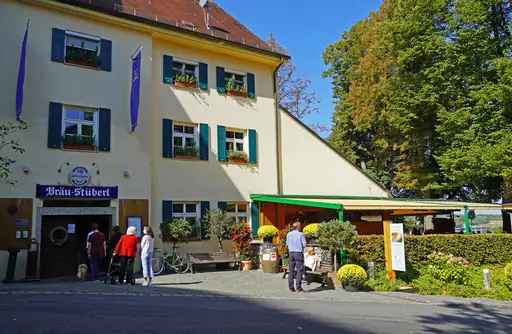
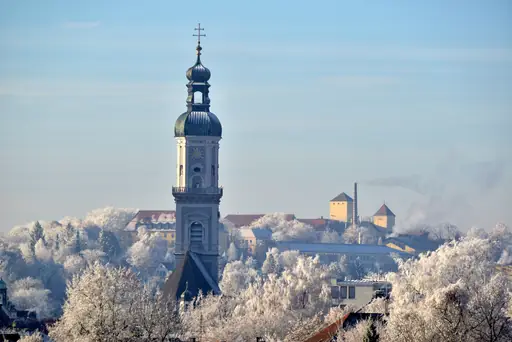
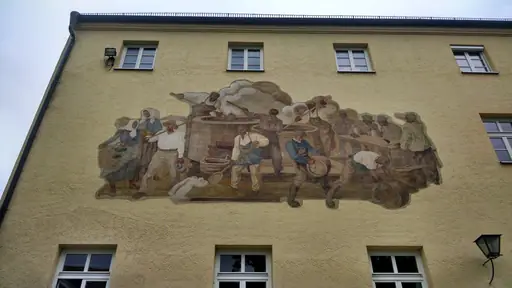
Brewery in Germany
Weihenstephan
Historic brewery where hops meet tradition
This Bavarian brewery has operated continuously since 768, making it the oldest brewery still in existence anywhere. Monks originally ran the operation before it eventually came under state ownership. A brewing science programme tied to the site trains many of Germany's professional brewers today, keeping the tradition alive.

City in China
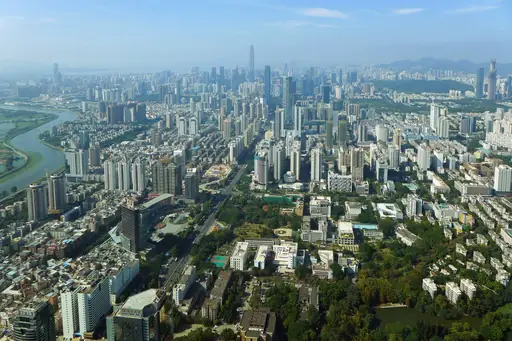
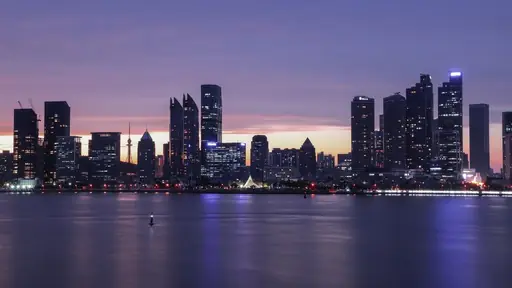
Qingdao
Beaches, Beer and Old-World Charm
Tsingtao Beer traces its roots to German colonists who founded a brewery here in 1903. That German influence still shows in parts of the city's architecture and brewing traditions today. An annual beer festival draws massive crowds each summer, among the largest beer events in Asia. Tsingtao remains one of China's best-known beer exports worldwide.
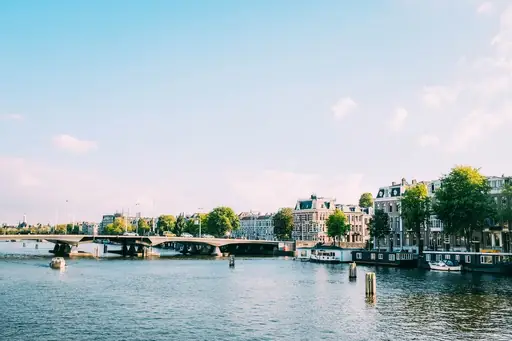
City in Netherlands
Amsterdam
Canals, culture and a vibrant spirit
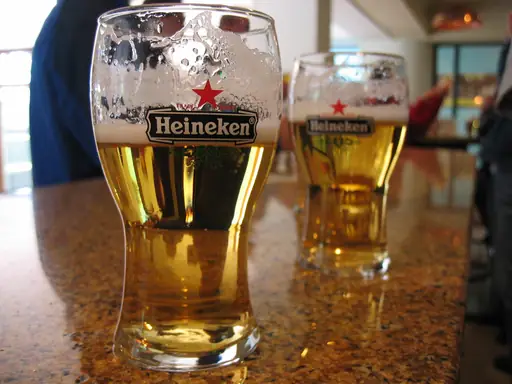
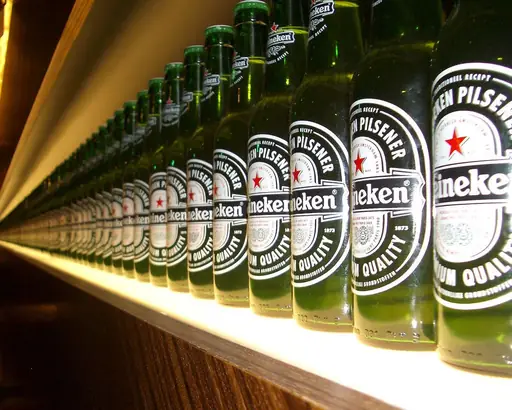
The Heineken Experience occupies the brewery's original 19th-century building, now converted into a museum and tour. Visitors can walk through old brewing equipment before finishing with a tasting session. Brown cafes throughout the city serve Dutch beer in a low-key, traditional setting. Craft breweries have opened steadily in recent years.

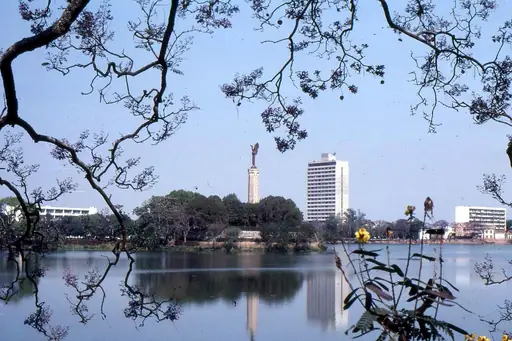
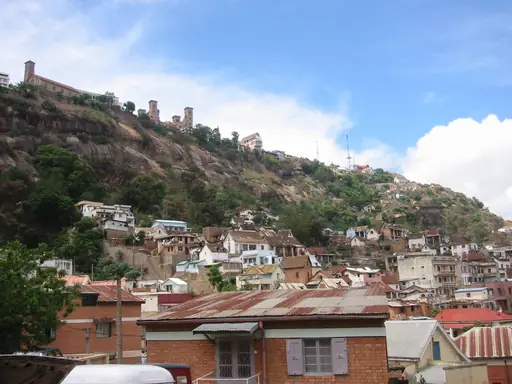
Country
Madagascar
Unique biodiversity meets diverse landscapes
Three Horses Beer, known locally as THB, dominates the market as the country's best-known domestic brand. This lager has been brewed on the island since the French colonial era in the early 1900s. Local bars serve THB alongside imported beers, though the domestic brand remains the most common choice.
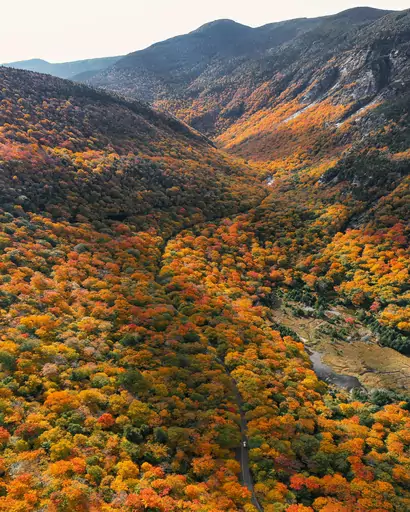
State/Prefecture in United States
Vermont
Green Mountains, Maple Syrup, Pure Charm
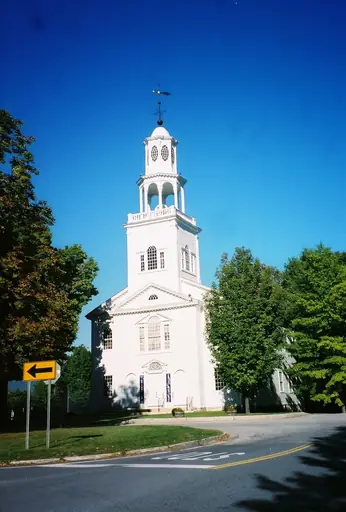
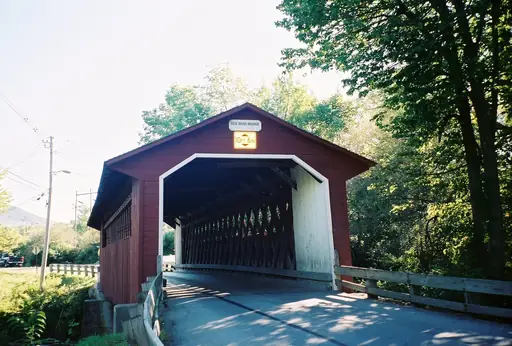
This state holds one of the highest brewery counts per capita anywhere in the United States. The Alchemist, maker of the cult favourite Heady Topper, helped put Vermont on the national craft beer map. Small towns throughout the state often centre around a single well-known local brewery.

City in South Korea
Seoul
Where Tradition Meets High-Tech Marvels
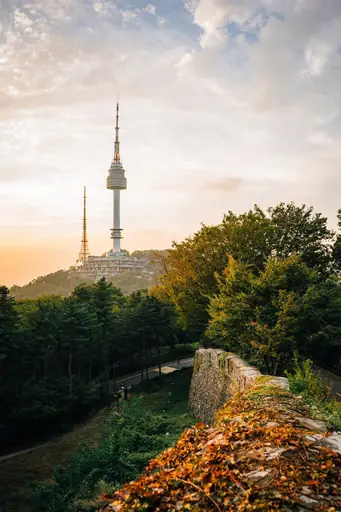
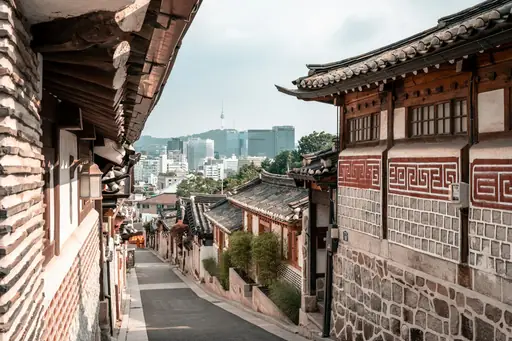
Craft beer bars have multiplied across this city over the past decade, moving beyond the traditionally light Korean lager market. Makgeolli, a traditional rice wine, still competes with beer as a favourite drink at gatherings. Breweries in neighbourhoods like Itaewon and Gyeongridan cater to both locals and expats.

Country
Cameroon
Africa in miniature, diverse landscapes
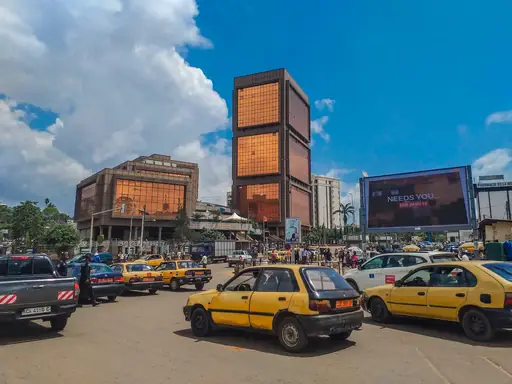
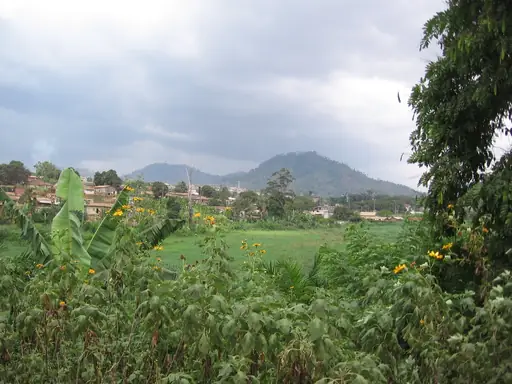
This country ranks among the largest beer-consuming nations in Africa, with several major breweries operating domestically. Guinness and other international brands compete alongside home-grown labels across most local bars. Palm wine remains a common alternative in rural areas where commercial beer is less accessible. Football matches and beer often go hand in hand.


City in Mexico
Mexico City
Vibrant Culture, History and Street Food
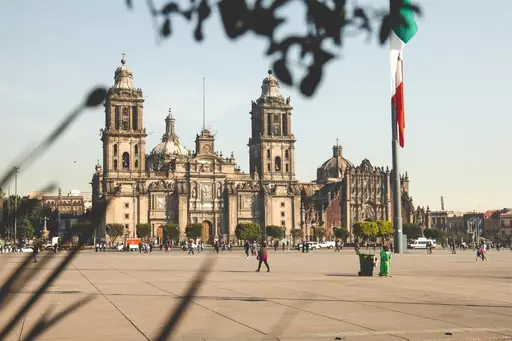
Craft beer has grown rapidly here, adding to a market long dominated by major national lager brands. Local breweries often draw on Mexican ingredients like chilli, hibiscus or tamarind in their recipes. Beer bars cluster in neighbourhoods like Roma and Condesa, popular with both locals and visitors.
City in Australia
Brisbane
River City with a Laid-Back Vibe
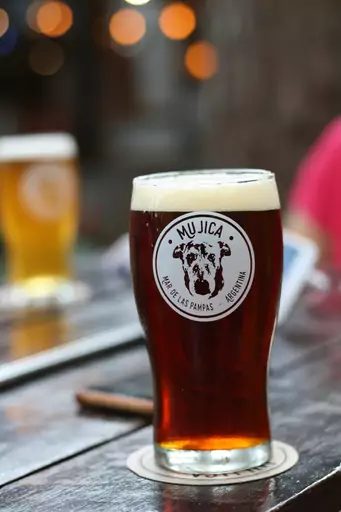
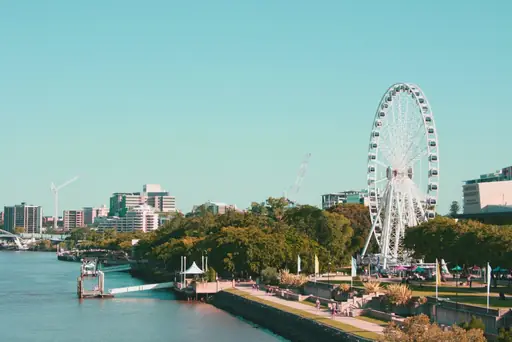
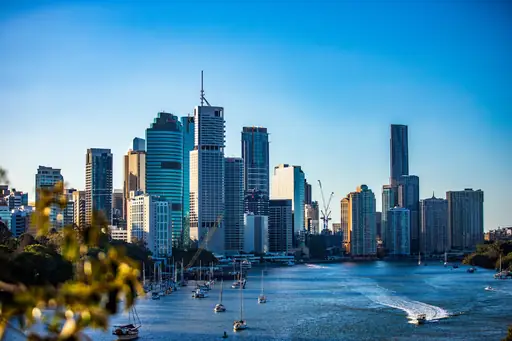
XXXX Brewery has operated here since the 1870s, one of the most recognised beer brands across Australia. A brewery tour walks visitors through the production process before ending with a tasting session. Newer craft breweries have opened steadily across the city in recent years, adding variety beyond traditional lager.
City in Colombia
Cartagena
Walled city of Caribbean color
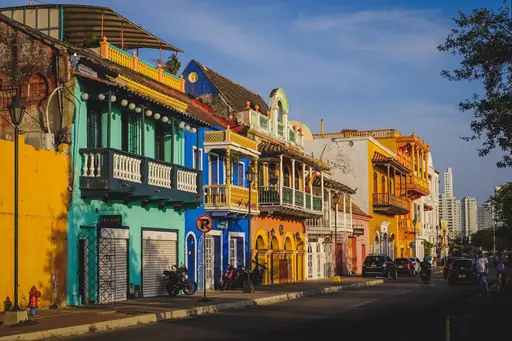
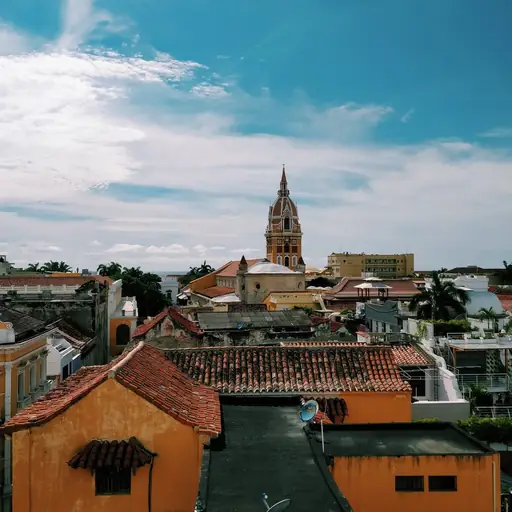
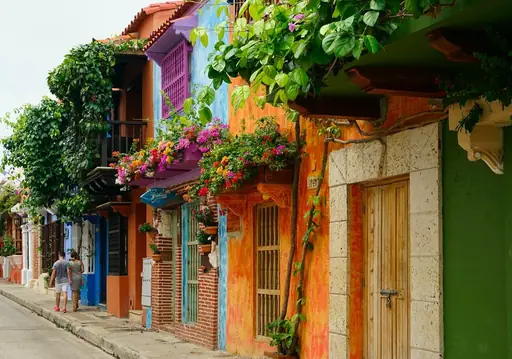
Craft beer bars have opened steadily across this coastal Colombian city, offering an alternative to the mass-market lagers found elsewhere. Tropical fruit flavours often appear in local brews, suited to the city's warm, humid climate. Rooftop terraces within the walled old town make popular spots for an evening drink.

City in China
Chongqing
China’s Mountain City on the Yangtze
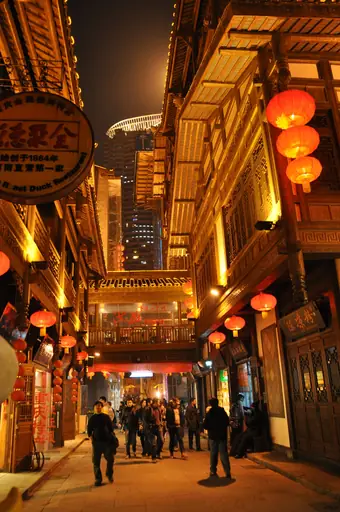
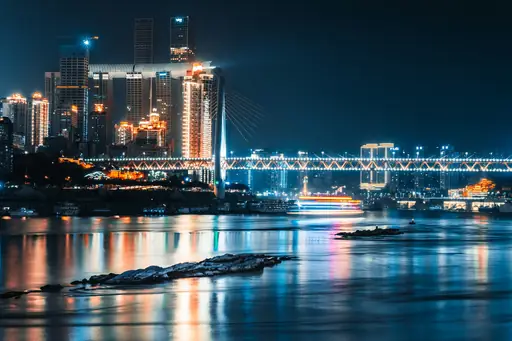
Hotpot restaurants throughout this city serve beer as a near-essential pairing with the region's intensely spicy broth. Local breweries produce lighter lagers designed to balance the heat of Sichuan-style cooking. The city's dense, hilly layout has led to a cluster of riverside bars with views over the water.

City in Argentina
Córdoba
Colonial Heritage, Student Energy, Sierras
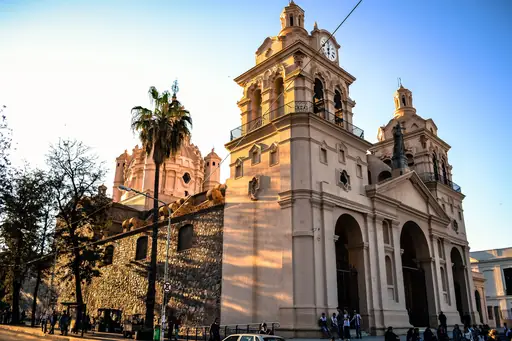
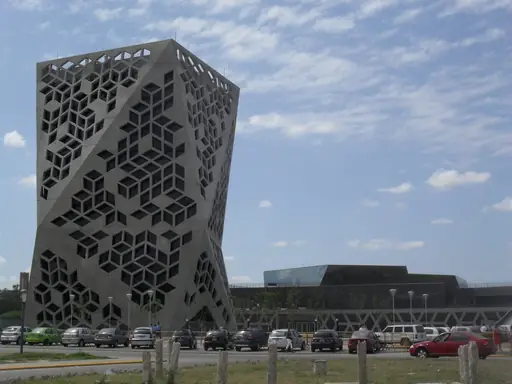
This Argentine city has built a craft beer movement that adds to its reputation as a university town. Local breweries often collaborate with each other, producing limited-run beers for shared events and festivals. Bars near the historic centre serve craft beer alongside the more traditional lager still favoured by many locals.

City in Japan
Osaka
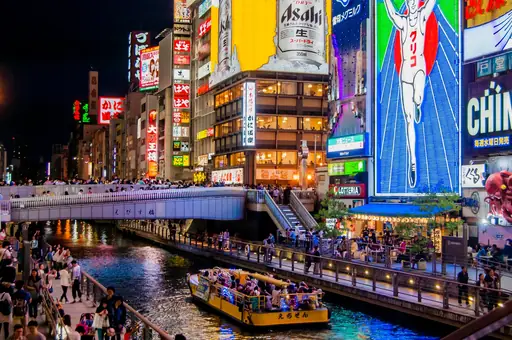
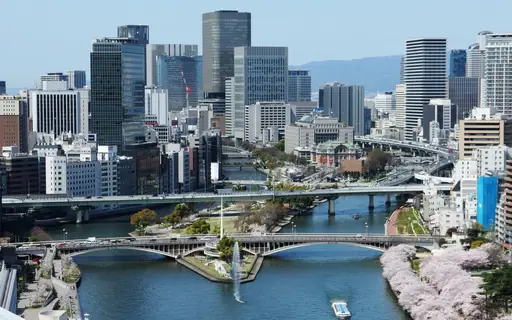
Castle, neon canals and street food
Craft beer bars have multiplied across this city in recent years, adding variety to Japan's traditionally lager-focused drinking culture. Small breweries often operate out of narrow spaces tucked between the city's dense restaurant districts. Izakaya pubs throughout Osaka still serve mostly mainstream Japanese lager alongside food.

City in Kenya
Nairobi
Where urban life meets wild adventures
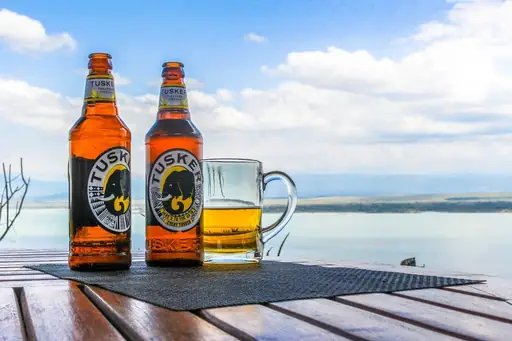
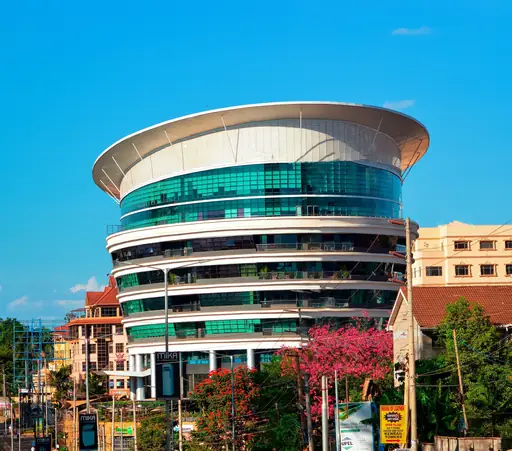
Tusker, Kenya's best-known lager, has been brewed in this city since the 1920s under Kenya Breweries. Local bars serve Tusker alongside a small but growing number of craft beer options. The brand's name reportedly honours a colleague of the founders killed by an elephant during the company's early years.

City in China
Guangzhou
A Fusion of Tradition and Modernity
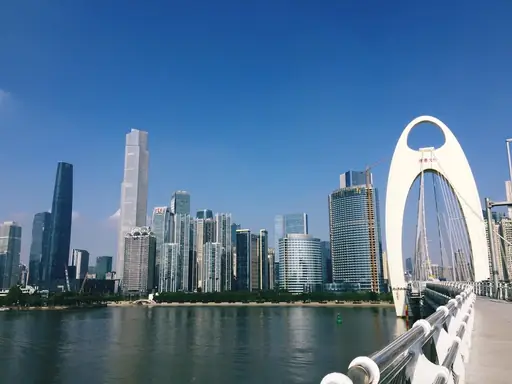
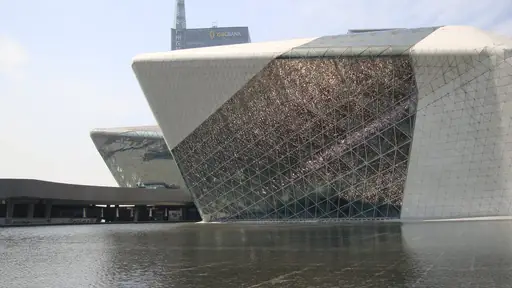
Mass-market lager still dominates most bars across this southern Chinese city, though craft beer has slowly gained ground. Newer taprooms have opened in districts popular with younger residents and expats alike. Local dim sum culture often pairs with beer rather than tea during late-night meals.
Region in Germany
Lüneburg Heath
Verdant dunes and historic castles
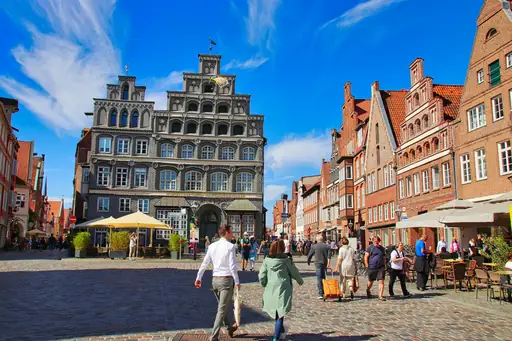
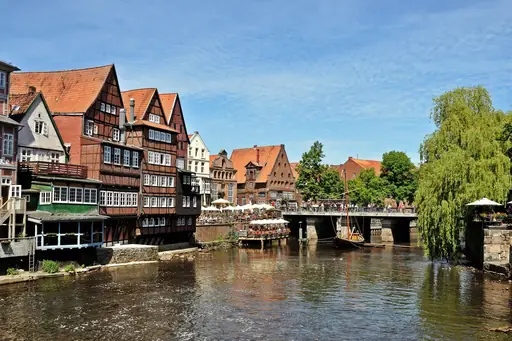
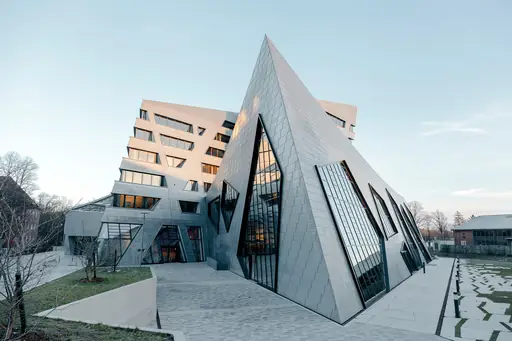
The town of Luneburg built its early wealth on salt production, a trade closely tied to preserving beer for transport. Local breweries in the region still draw on that salt-mining heritage in their branding. Heather fields across the surrounding heath turn purple each August, drawing visitors alongside the area's beer gardens.
Region in Germany
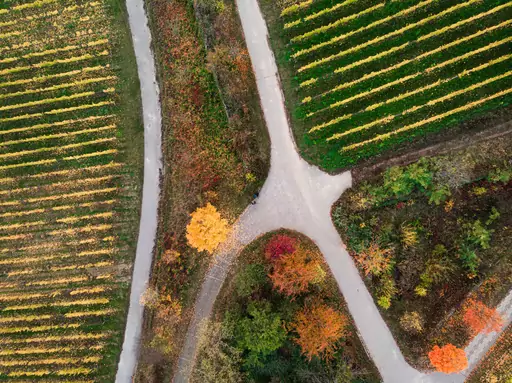
Pfalz
Wine villages and a vast sandstone forest
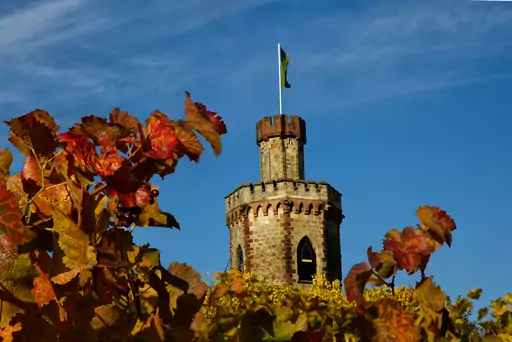
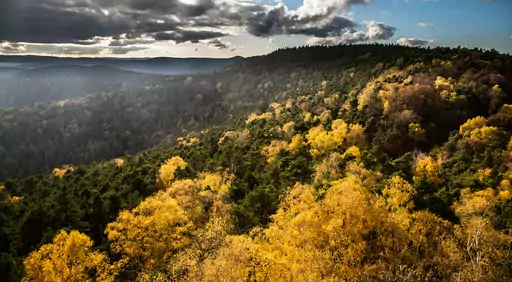
This German wine region also holds a smaller but steady brewing tradition, often overshadowed by its vineyards. Local breweries here tend to produce traditional German lagers rather than experimental craft styles. Wine festivals throughout the region sometimes feature beer tents alongside the more prominent wine stands.
Island in Germany
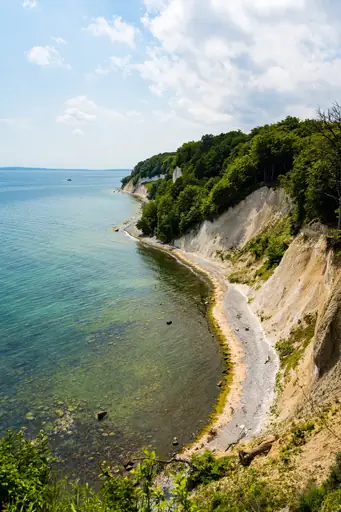
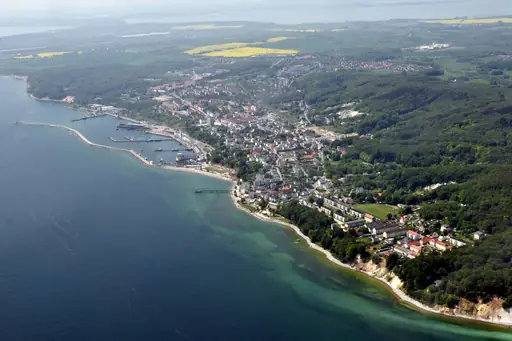
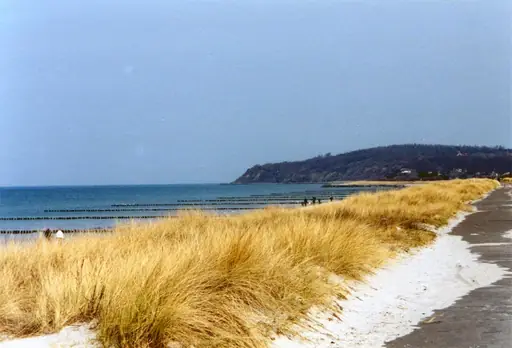
Rügen
Coastal cliffs and amber‑laden beaches
This German island holds a small but growing number of local breweries serving the surrounding coastal towns. Baltic Sea views from island beer gardens draw visitors during the warmer summer months. Chalk cliffs along the coast provide a scenic backdrop for many of the island's outdoor drinking spots.

City in Ethiopia
Addis Ababa
Vibrant capital where history meets modernity
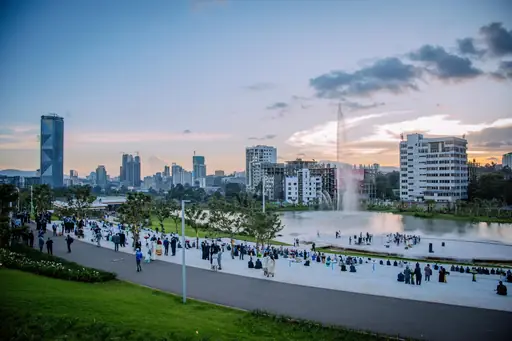
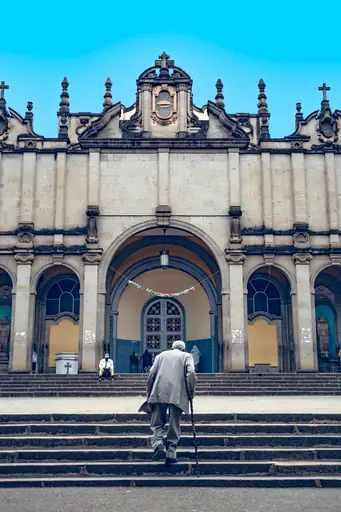
St. George Brewery here has produced beer since 1922, among the oldest breweries anywhere in Ethiopia. Local lager remains more common than imported styles across most bars and restaurants in the city. Tej, a honey wine, often shares menu space with beer at traditional gatherings.


City in China
Shanghai
A dazzling mix of modernity and tradition
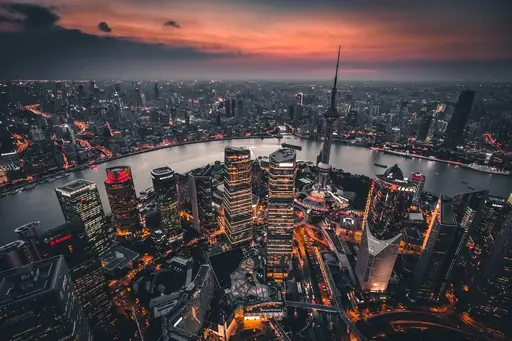
Boxing Cat Brewery helped establish this city's craft beer scene after opening in the early 2010s. Local breweries now compete for attention in a market long dominated by mainstream Chinese lager brands. Taprooms cluster in the French Concession and other trendy neighbourhoods popular with younger residents.



Country
Mozambique
Pristine beaches meet vibrant culture
2M, the country's best-known lager, dominates most bars and shops across Mozambique. This beer has been brewed domestically since the colonial era, later becoming a symbol of national identity. Local bars serve 2M alongside imported beers, though the domestic brand remains far more common at most gatherings.
Other lists you may like
Discover
Best beer destinations in Africa
Africa's beer culture is built on a foundation of mass-market lager brands with deep roots in local identity, several of which have genuine character and are worth engaging with on…
Read more
Discover
Best beer destinations in Asia
Asia's beer culture spans an enormous range, from the deeply embedded drinking traditions of East Asia and the rapidly evolving craft scenes of its major cities to the more…
Read more
Discover
Best beer destinations in Europe
Europe contains the world's most deeply rooted brewing traditions, with distinct regional styles shaped by centuries of accumulated knowledge about local ingredients, water…
Read more
Discover
Best beer destinations in North America
North America's beer culture has been transformed by four decades of craft brewing growth that has produced one of the most diverse and innovative brewing scenes in the world. The…
Read more
Discover
Best beer destinations in Oceania
Oceania's beer scene is dominated by the mature and diverse craft brewing industries of Australia and New Zealand, both of which have developed well beyond the early craft wave…
Read more
Discover
Best beer destinations in South America
South America's beer culture is undergoing a rapid transformation, with a craft brewing movement that has taken root across the continent's major cities and produced a scene of…
Read more
What other users say about travelfilters
“travelfilters made it easy for me to find ski areas and compare what else they offer, so that I could find the best place for my personal travel style.”

Chris
Snowboarding & Onsen trip to Japan
“I love how transparent the data feels. There is no pushy upsell, just honest information and settings I can tune to my own travel style.”

Maria
After booking her 2027 winter escape
“The level of detail for each destination and how well those are displayed, make planning feel confident instead of overwhelming.”

Mina
Planned a week in New York City
“We used travelfilters for our planning from start to end. The trip turned out even better than expected, thanks to all their tools and customisation options.”

Allan & Etienne
Trip to Japan to see autumn foliage
“Thanks to travelfilters, I found some hidden gems to see. Being able to filter for exactly your interests is a game changer for my travel planning.”

Michael
Tour through the old cities of Northern Italy
“The customizable filters helped me find a quiet beach town with good wifi and low season crowds in under five minutes.”

Diego
Weekend Escape to Llanes, Spain
“The airport connection map saved me hours by showing good flight options from my home airport to lesser-known cities.”

Nguyen
Planning a 2027 trip to France
“The website is clean, fast and focused on the search itself, which makes travelfilters feel more like a professional tool than an ad-heavy booking site.”

Hassan
Christmas Market trip, Germany
