
Top fine dining cities and culinary destinations
Top fine dining cities and culinary destinations
Award-winning restaurants and culinary destinations to visit
Some cities earn a reputation for food that goes well beyond a handful of well-reviewed restaurants. Fine dining destinations tend to have a deeper culinary infrastructure, including markets, producers, training systems and a dining culture, that supports excellence across dozens of kitchens rather than one or two standout tables.
The cities on this list range from long-established culinary capitals with centuries of gastronomic tradition to younger food scenes that have built serious reputations in a single generation. Some lean on Michelin-starred formality, others on chef-driven informality that takes the cooking just as seriously.
Booking ahead matters more here than almost anywhere else in travel. The best tables in a serious food city fill weeks or months out and arriving without reservations usually means settling for whatever's left.
Lists by region



City in Brazil
Rio de Janeiro
The heartbeat of Brazil's coast
Feijoada, a black bean stew with pork, remains a traditional Saturday meal across the city. Churrascarias serve skewered meats tableside, carved directly onto diners' plates. Visitors can pair fresh coconut water with grilled fish at a beachfront kiosk. Cachaca, distilled from sugarcane, forms the base of the city's classic caipirinha cocktail.

City in Australia
Sydney
Where urban life meets stunning beaches
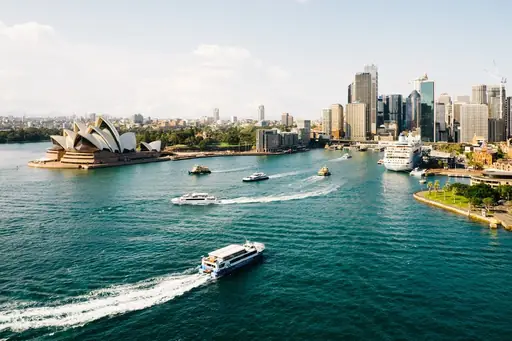
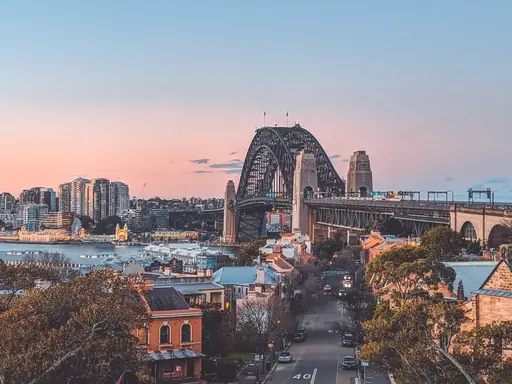
Rock oysters pulled from nearby estuaries supply raw bars across the harbour front. Modern Australian cooking here blends European technique with Asian and Pacific ingredients. Visitors can pair fresh seafood with a harbour view at a restaurant near the Opera House. Chinatown and other immigrant neighbourhoods add depth to the city's wider food scene.



Town in France
Courchevel
Luxury alpine paradise year-round
The resort's 1850 sector holds one of the highest concentrations of Michelin stars at altitude anywhere. Cheese fondue and raclette remain staples even at the resort's most refined addresses. Visitors can ski directly to a mountaintop restaurant for a multicourse lunch. Wine cellars here stock vintages flown in specifically for the winter season's wealthy clientele.

Overseas Territory in France
Saint Barthélemy
Luxury Island with Caribbean Charm
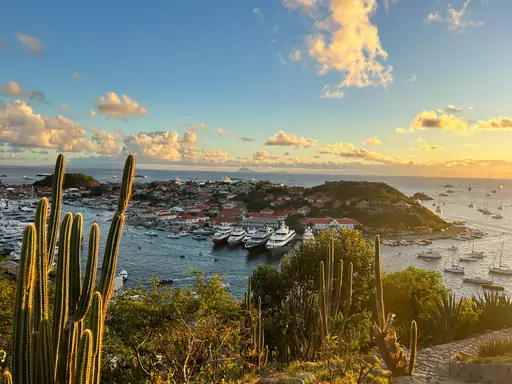
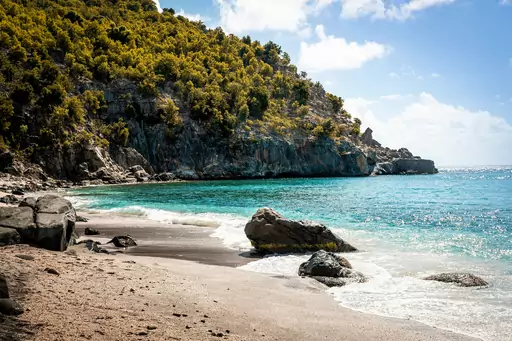
French chefs have opened outposts here, blending Caribbean seafood with classical technique. Beach restaurants along Gustavia's coves serve lunch with feet in the sand. Visitors can pair grilled lobster with rose wine at a harborfront table each evening. Boulangeries on the island bake baguettes daily, a legacy of its French territory status.

Village in Italy
Positano
Cliffside Beauty on Amalfi Coast
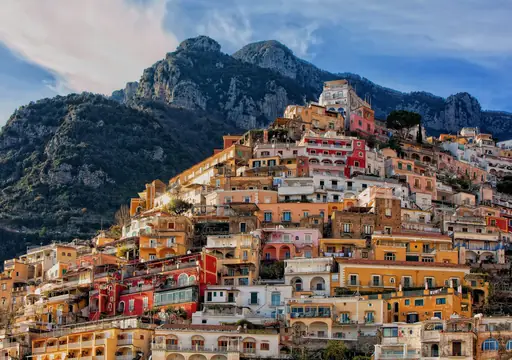
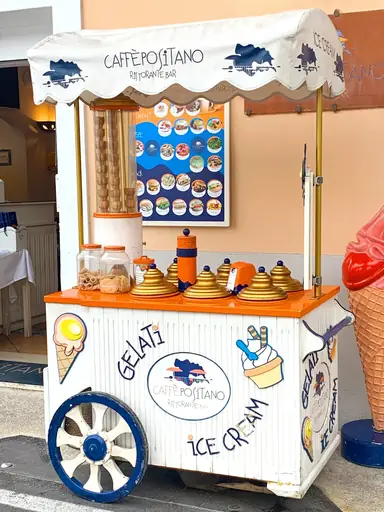
Cliffside restaurants here serve seafood pulled from boats docked at the small harbour below. Lemon groves terraced into the hillsides supply desserts and the local limoncello. Visitors can order scialatielli ai frutti di mare at a table overlooking the water. Handmade sandals shops sit alongside restaurants along the steep, narrow main lane.


City in Spain
Barcelona
Vibrant City of Art and Beaches
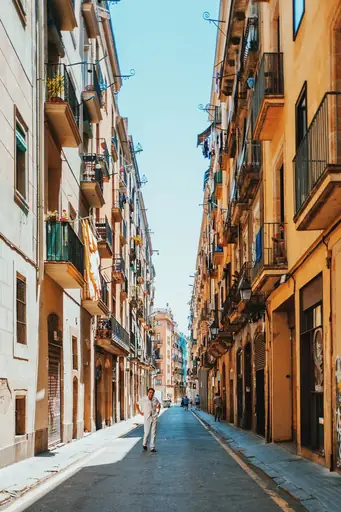
Ferran Adria's elBulli helped pioneer molecular gastronomy before closing in 2011. La Boqueria market off Las Ramblas still supplies chefs with produce and seafood. Visitors can hop between tapas bars in the Gothic Quarter, sampling small plates. Catalan cuisine here blends Mediterranean seafood with mountain cured hams and sausages.
City in France
Lyon
A Culinary and Cultural Gem
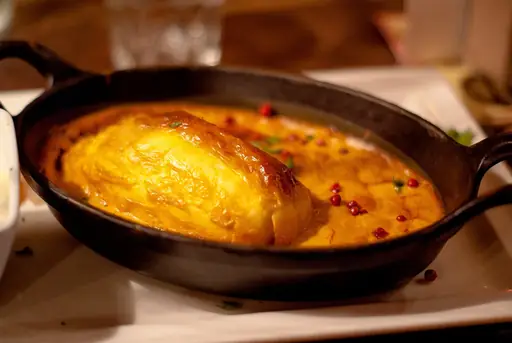
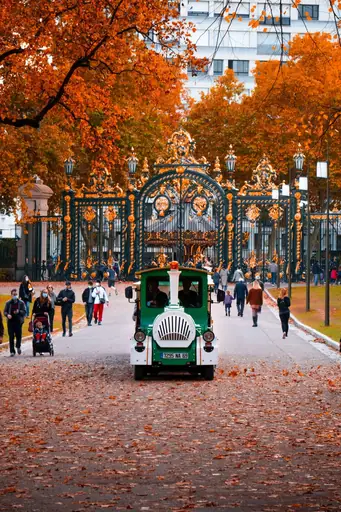
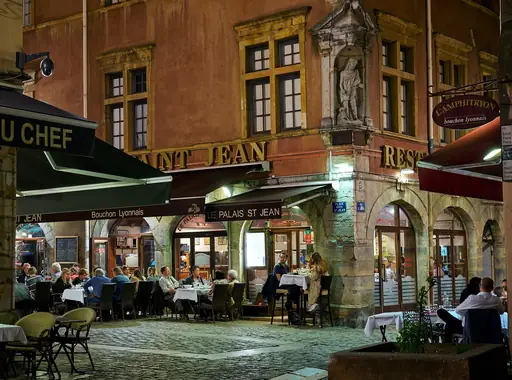
Paul Bocuse helped define modern French cooking from his restaurant just outside this city. Bouchons, traditional taverns, serve hearty dishes like quenelles and coq au vin. Visitors can browse Les Halles market before lunch at a bouchon nearby. This city is widely regarded as one of France's culinary capitals, alongside Paris.


Town in Switzerland
Zermatt
Alpine Magic and the Matterhorn
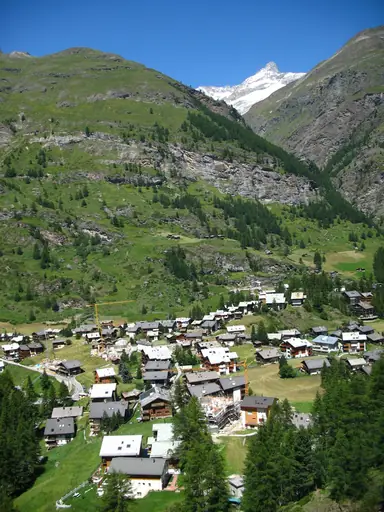
Raclette and rosti remain staples at mountain restaurants facing the Matterhorn's peak. Wine cellars here stock bottles carried up by mule before the village went car free. Visitors can ski to a hut for fondue before a formal dinner back in the village. Cheese from alpine dairies supplies nearly every restaurant menu across town.


City in Switzerland
Zurich
A city of lakes, luxury and history
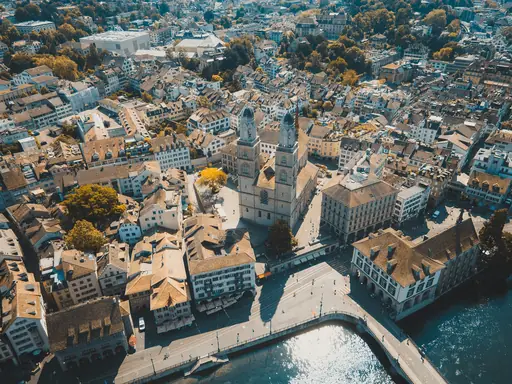
Zurcher geschnetzeltes, veal in cream sauce, remains a defining dish at restaurants citywide. Chocolate makers here have crafted pralines using traditions dating back generations. Visitors can pair a lakeside lunch with a tasting menu at a converted guild hall. Markets along the Limmat River supply kitchens with cheese, bread and produce.



City in United States
Los Angeles
The city of stars, beaches and dreams
Food trucks parked outside studios serve tacos alongside decorated tasting menus. Korean barbecue restaurants in Koreatown grill meat tableside over charcoal or gas. Visitors can eat at a strip mall counter one night and a chef's table the next. Farmers markets across the city supply produce to some of its most ambitious kitchens.


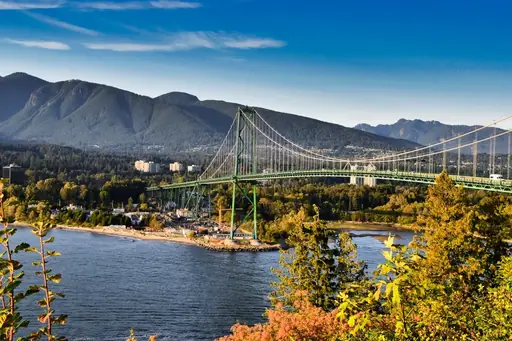
City in Canada
Vancouver
Where mountains, ocean and city life meet
Fresh spot prawns and salmon from nearby waters supply sushi counters across the city. Chinatown here holds one of North America's oldest and largest Chinese communities. Visitors can pair dim sum with a tasting menu at a restaurant the same week. Food trucks parked downtown serve cuisines drawn from the city's many immigrant communities.
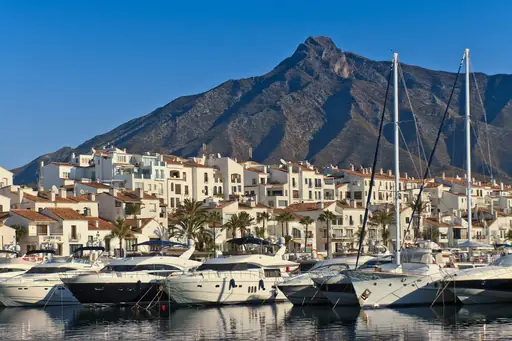
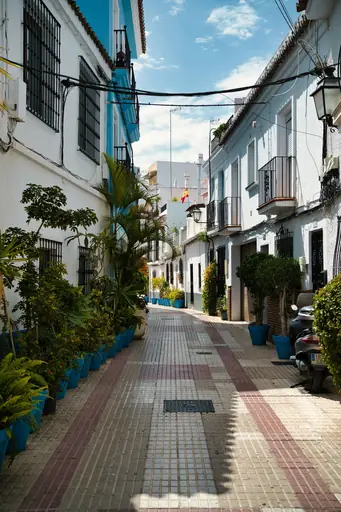

City in Spain
Marbella
Beaches, Old Town and Glamour
Puerto Banus draws international chefs who blend Andalusian tapas with global fine dining trends. Chiringuitos, casual beach restaurants, grill fresh sardines on skewers over open coals. Visitors can pair a formal tasting menu one night with beachside seafood the next. Gazpacho and other cold Andalusian soups remain popular through the region's hot summers.
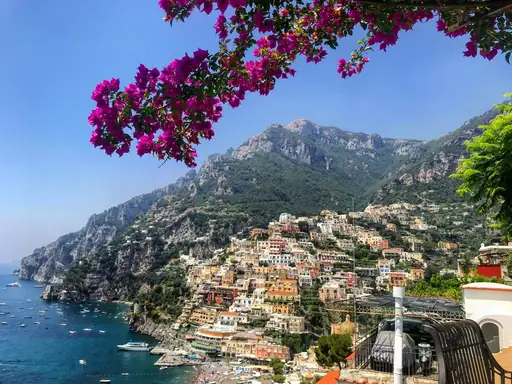
Region in Italy
Amalfi Coast
Italy's Coastal Gem
Cliffside restaurants here often require a funicular or long staircase to reach a table. Seafood comes straight off small fishing boats that dock each morning below town. Visitors can order scialatielli ai frutti di mare, tossed with the day's shellfish. Lemon groves terraced into the hillsides supply nearly every dessert menu here.

City in Finland
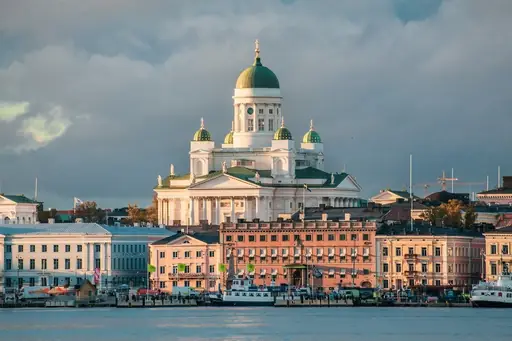
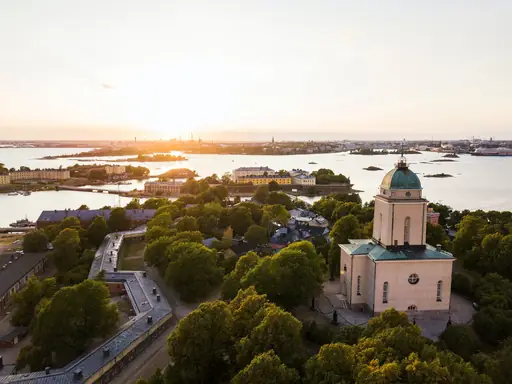
Helsinki
Nordic charm by the Baltic Sea
Market halls near the harbour sell reindeer, salmon and rye bread alongside cafes and small kitchens. New Nordic cooking here leans on foraged mushrooms, berries and root vegetables. Visitors can sample smoked fish straight off boats docked at the Market Square. Sauna culture often pairs with a simple meal of grilled sausage and dark bread.
Region in Italy
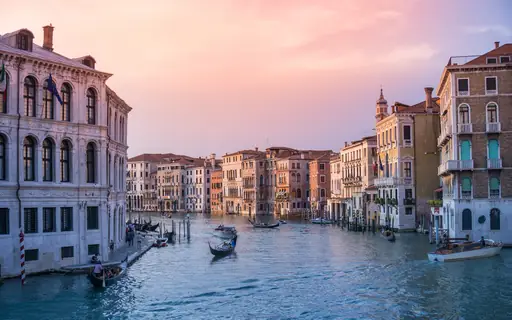
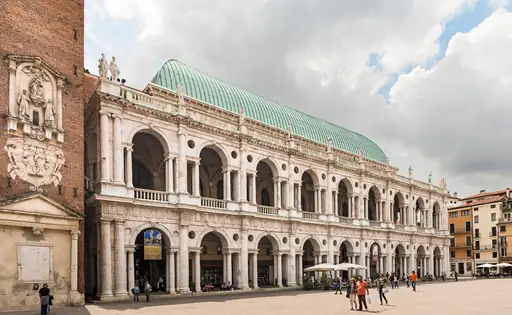
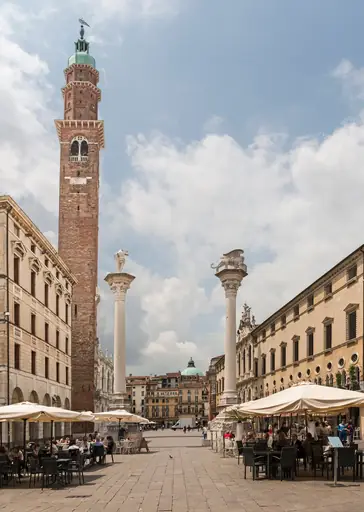
Veneto
Venice, Mountains and Renaissance Splendor
Risotto al nero di seppia, coloured black with squid ink, remains a coastal speciality here. Prosecco vineyards across the region pair tastings with cured meats and cheese. Visitors can sample baccala mantecato, whipped salt cod, at a bacaro wine bar. Polenta paired with game meats remains a staple in the region's inland towns.


Country
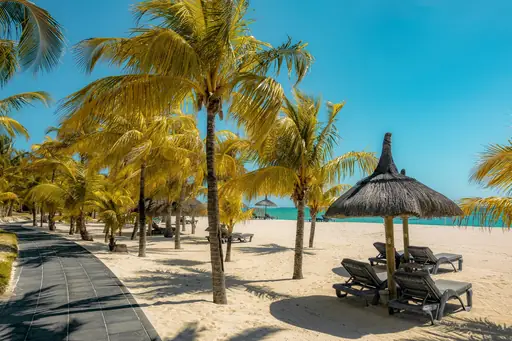
Mauritius
Tropical Bliss in the Indian Ocean
Dholl puri, a flatbread stuffed with split peas, is a beloved street food. Creole cooking here blends French, Indian, Chinese and African culinary traditions. Visitors can sample fish vindaye, a tangy curry from the island's Indian community. Rum distilleries nearby produce spirits served at restaurants along the coast.
Town in Portugal
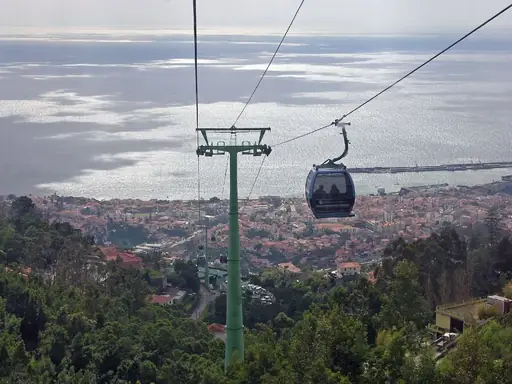
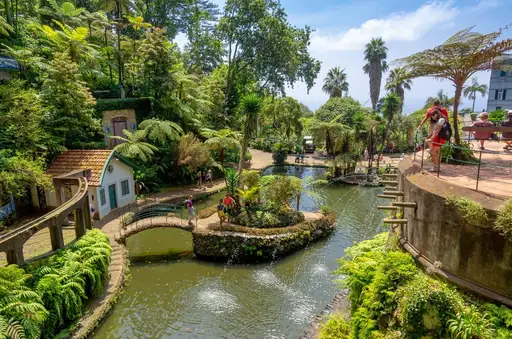
Funchal
Island Charm with Lush Landscapes
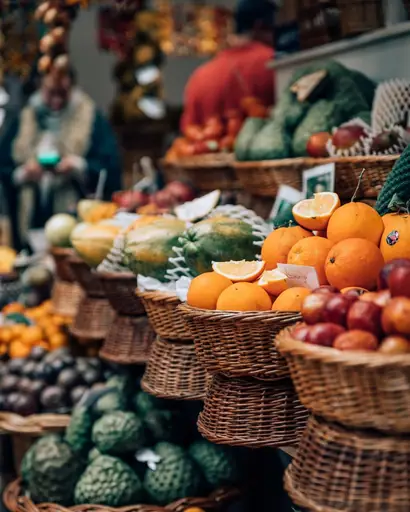
Espetada, beef skewers grilled over laurel wood, is a signature dish of this island. Madeira wine, fortified and aged for decades, gets poured at restaurants citywide. Visitors can browse a produce market stacked with tropical fruit from the island's slopes. Scabbardfish paired with banana appears on menus unique to this corner of Portugal.


City in Belgium
Brussels
Europe's cozy capital of culture
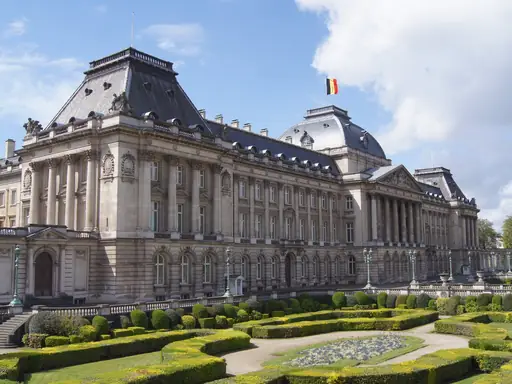
Moules frites, mussels served with a mountain of fries, anchors menus citywide. Chocolate shops near the Grand Place have crafted pralines for generations. Visitors can pair a tasting menu with one of hundreds of Belgian beers. Waffle stands sell both Brussels and Liege style versions on nearly every corner.


Town in South Africa
Franschhoek
Wine, Mountains and Gourmet Living
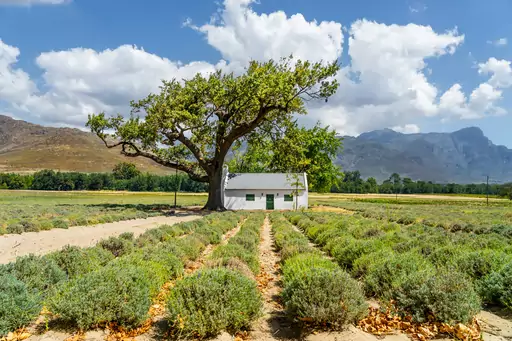
French Huguenot settlers brought winemaking traditions to this valley more than three centuries ago. Restaurants along the main road now pair tasting menus with wines grown just outside. Visitors can ride a vintage tram between wine estates instead of driving between meals. Chefs here often use game meats sourced from farms across the surrounding valley.


Region in France
Loire Valley
Châteaux, vineyards and riverside charm
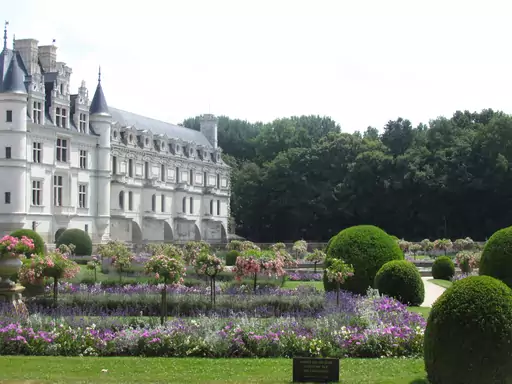
Chateaux across this valley once hosted royal banquets built around game and produce. Vineyards along the river produce crisp whites like Sancerre and Vouvray nearby. Visitors can pair a cellar tour with lunch inside a converted chateau. Goat cheese from small local farms appears on menus throughout the region.

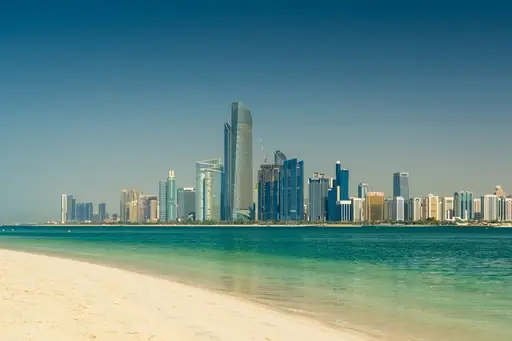

City in United Arab Emirates
Abu Dhabi
Modern luxury meets rich traditions
Celebrity chef outposts from Nobu to Hakkasan have opened branches inside the city's hotel towers. Emirati cooking here often pairs dates, saffron and slow cooked lamb with Gulf seafood. Visitors can sample both traditions at restaurants set right along the corniche waterfront. Tasting menus increasingly draw on local fishing boats for same day catch.


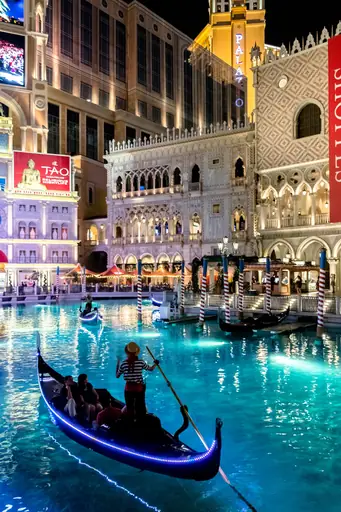
City in United States
Las Vegas
Lights, Luxury and Limitless Fun
Celebrity chefs from across the globe operate flagship restaurants inside the city's largest resorts. Buffets here range from casual spreads to elaborate, multistation culinary displays. Visitors can dine at a Michelin starred kitchen before a late show down the Strip. Steakhouses tucked inside casino towers have served the same cuts for decades.
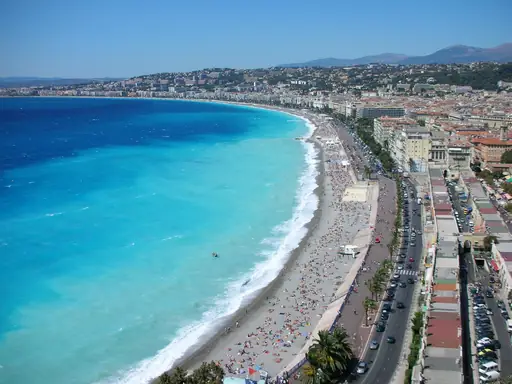
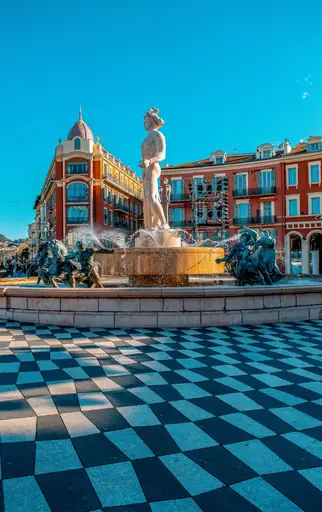
City in France
Nice
Sun, Sea and Sophistication on the Riviera
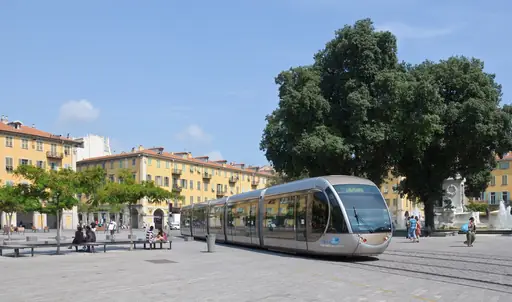
Socca, a chickpea flour flatbread, gets sold hot from stalls across the old town. Salade nicoise, built around tuna, olives and eggs, is said to have originated here. Visitors can browse the flower market before lunch at a bistro nearby. Pissaladiere, an onion and anchovy tart, remains a local speciality found citywide.



City in United States
Washington, D.C.
Capital of History and Culture
Half smokes, a local sausage speciality, remain a beloved street food across the city. Immigrant neighbourhoods have shaped entire dining scenes, from Ethiopian to Salvadoran cooking. Visitors can pair a tasting menu with cocktails at a bar near the monuments. Farmers markets supply chefs with produce grown across the surrounding Chesapeake region.

Region in Italy
South Tyrol
Alpine culture where worlds collide
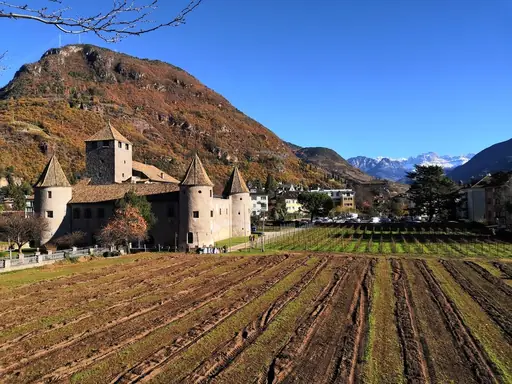
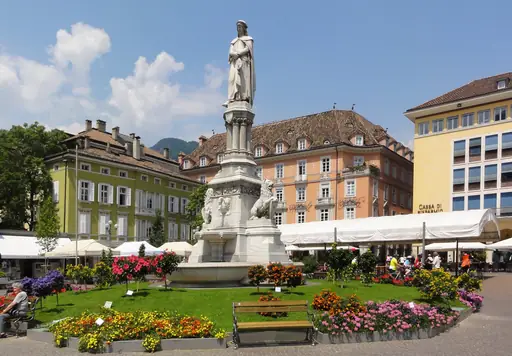
Speck and mountain cheese appear on nearly every menu across this Alpine Italian region. German and Italian culinary traditions blend into dishes found only in this valley. Visitors can pair canederli, bread dumplings, with a glass of local white wine. Apple orchards across the valley supply strudel recipes passed down for generations.

Town in Indonesia
Ubud
Bali's Cultural and Spiritual Heart
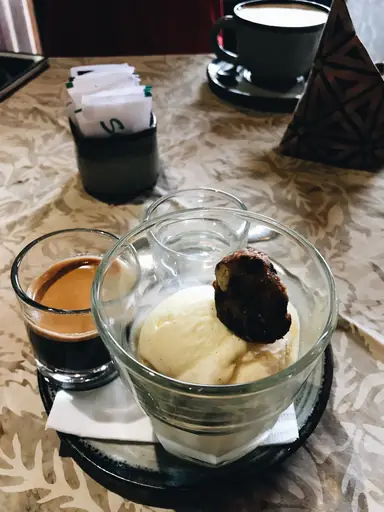
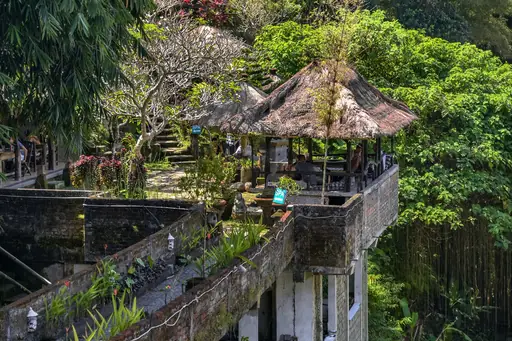
Warungs here serve some of the island's most respected cooking from small family kitchens. Babi guling, roasted pig stuffed with turmeric, remains a centrepiece dish nearby. Visitors can dine at a restaurant overlooking rice paddies in the surrounding hills. Fine dining kitchens increasingly pair French technique with Balinese spices and produce.
City in South Africa
Stellenbosch
Wine, Heritage and Mountain Views
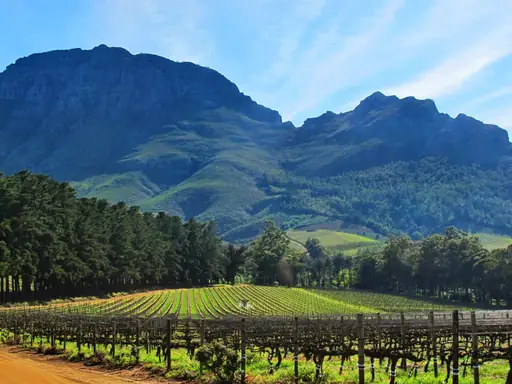
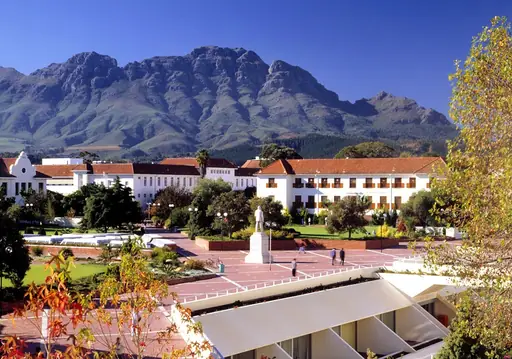
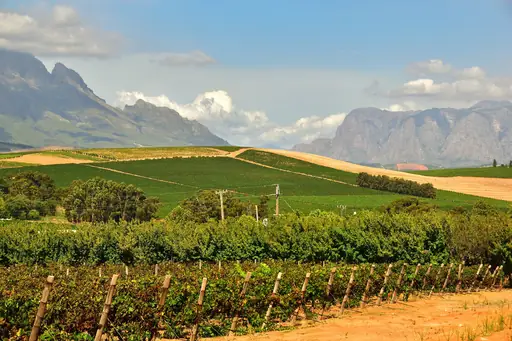
Cabernet and chenin blanc vines cover the hillsides surrounding this historic Cape Winelands town. Restaurants on working wine estates pair tasting menus with the property's own vintages. Visitors can tour a cellar before lunch at a restaurant overlooking the vineyards. Cape Dutch buildings house many of the region's oldest and most decorated kitchens.
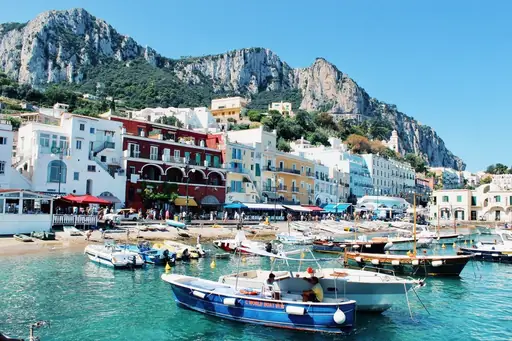
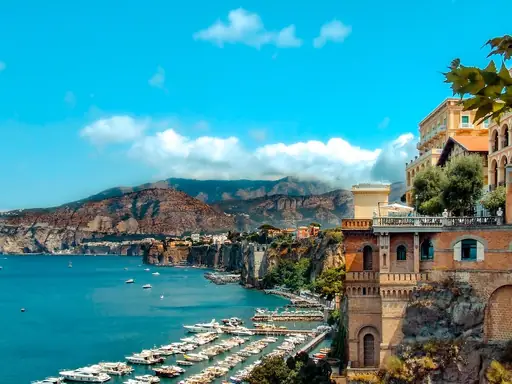
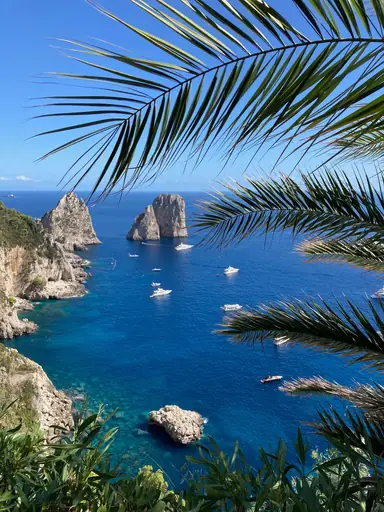
Island in Italy
Capri
Mediterranean Elegance and Natural Beauty
Caprese salad, tomato and mozzarella layered with basil, is widely said to have originated here. Lemon groves across the island supply desserts and the local limoncello served after meals. Visitors can dine at cliffside restaurants overlooking the Faraglioni rock formations offshore. Ravioli capresi, filled with local cheese and herbs, appears on menus across the island.
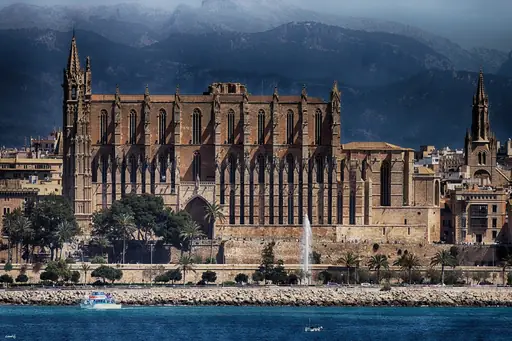
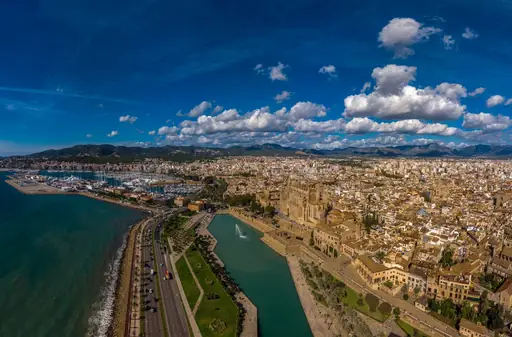

City in Spain
Palma de Mallorca
Mediterranean Charm with Island Vibes
Ensaimada, a coiled pastry dusted with powdered sugar, is a breakfast staple here. Tapas bars in the old quarter fill with locals each evening before dinner. Visitors can pair fresh seafood with local wine at a harbour front restaurant. Markets sell sobrassada, a spreadable cured sausage found only on this island.
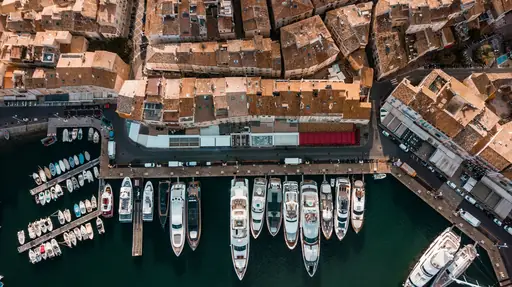
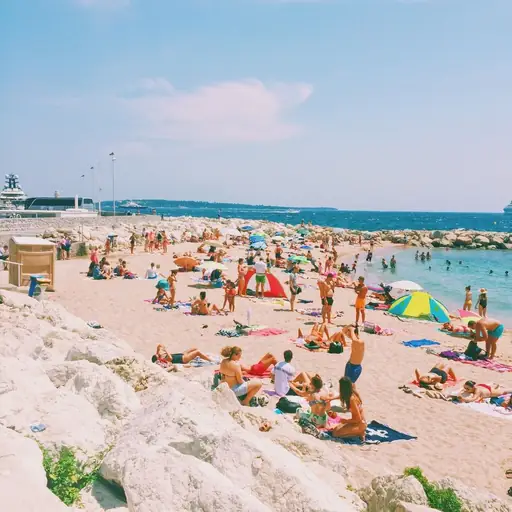
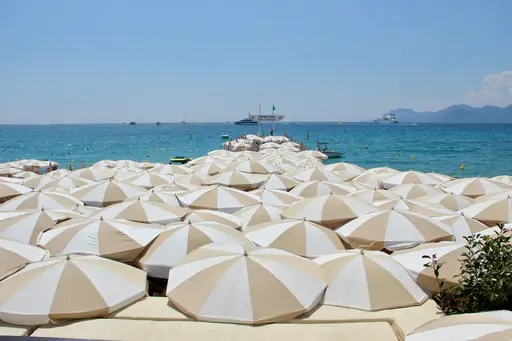
City in France
Cannes
Glamour, Sun and French Riviera Charm
Palace hotels along the Croisette hold some of the coast's most decorated kitchens. Bouillabaisse and other Provencal seafood dishes appear on menus with a view of the bay. Visitors can dine at a beachfront restaurant before a walk along the promenade. Markets in the old town supply chefs with produce grown across the surrounding hills.


City in China
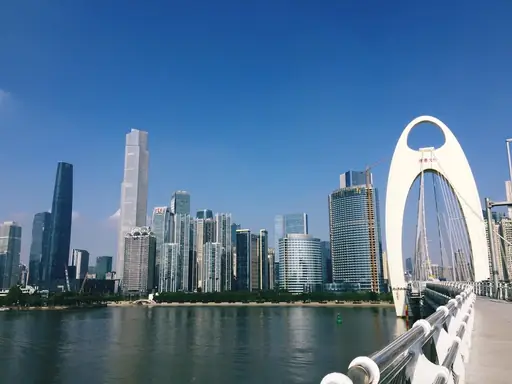
Guangzhou
A Fusion of Tradition and Modernity
Dim sum here traces its roots to Cantonese teahouses serving small dishes with tea. Restaurants across the city still wheel carts of dumplings and buns between tables. Visitors can order a full breakfast spread, a tradition known locally as yum cha. Seafood markets nearby supply kitchens with live fish kept in tanks until ordered.
Town in Italy
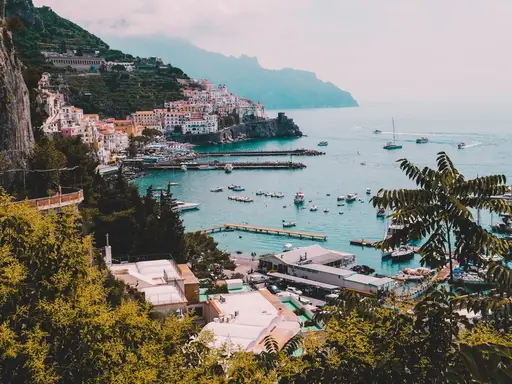
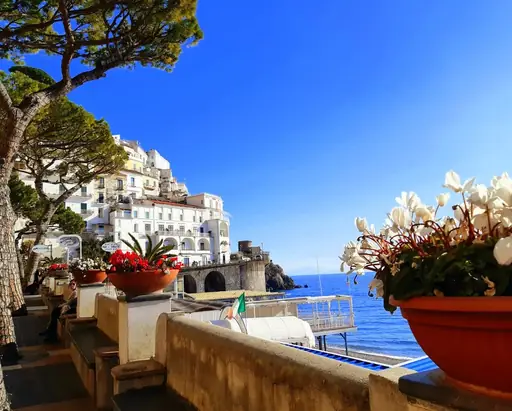
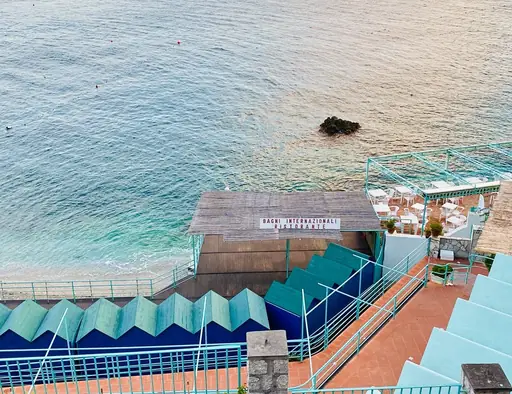
Amalfi
Enchanting Coastal Italian Gem
Sfusato lemons grown on terraced hillsides here perfume both savoury dishes and dessert. Delizia al limone, a lemon soaked sponge cake, originated in this town's pastry shops. Visitors can eat fresh anchovies and scialatielli pasta at restaurants steps from the harbour. Limoncello, made from the same lemons, caps most meals as a chilled digestif.



Island in French Polynesia
Bora Bora
Turquoise Lagoons, Overwater Dreams
Overwater restaurants here serve tuna and mahi mahi caught the same morning. French technique blends with Polynesian ingredients like coconut and breadfruit on many menus. Visitors can dine barefoot on the sand or aboard a private lagoon cruise. Poisson cru, raw fish marinated in lime and coconut milk, appears on most menus.


City in Japan
Kyoto
Temples, geisha districts and kaiseki dining
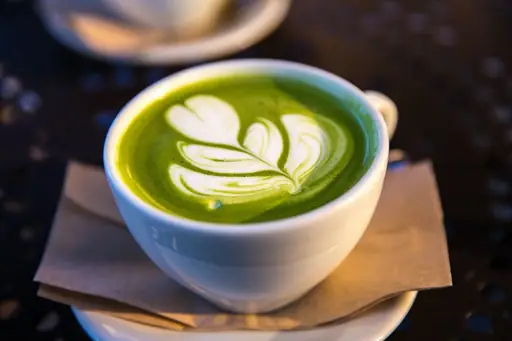
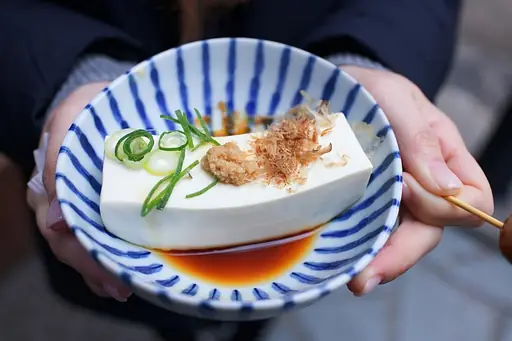
Kaiseki, a multicourse meal built around seasonal ingredients, developed alongside this city's tea ceremony tradition. Tofu here gets elevated into full tasting menus at restaurants near old temples. Visitors can eat in a private tatami room overlooking a small, carefully tended garden. Nishiki Market's narrow lanes sell pickles, sweets and seafood found nowhere else.

City in Malaysia
Kuala Lumpur
A fusion of cultures and skyscrapers
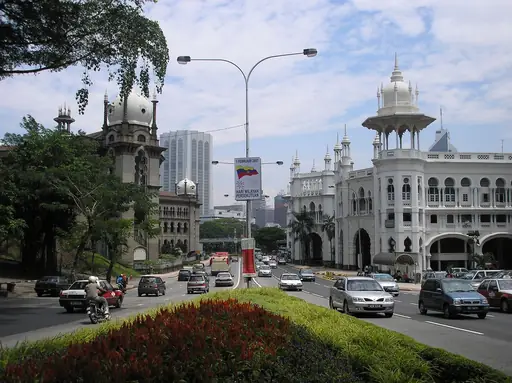
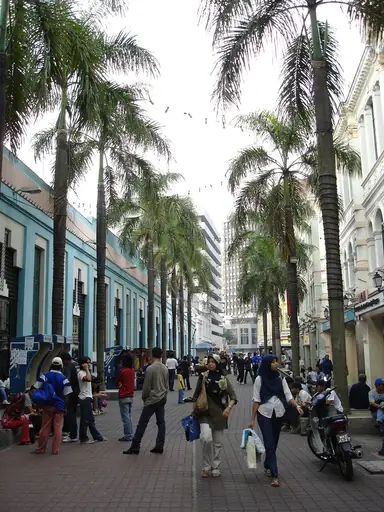
Hawker centres here bring together Malay, Chinese and Indian cooking under one roof. Nasi lemak, coconut rice served with sambal and anchovies, remains a breakfast staple. Visitors can sample roti canai and curry at a stall before a tasting menu. Satay skewers grilled over charcoal are sold at stalls well into the night.

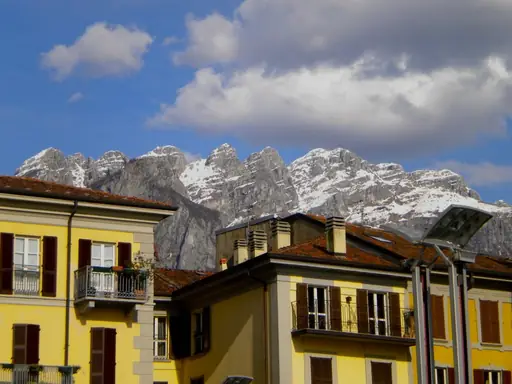
Town in Italy
Lecco
Lakeside charm meets mountain majesty
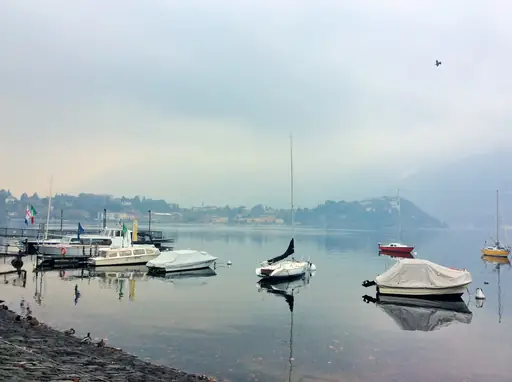
This town sits where Lake Como narrows, supplying restaurants with the same prized fish. Polenta paired with local cheese remains a staple of the surrounding mountain villages. Visitors can dine on a terrace facing the water before a walk along the lakefront. Risotto here often gets finished with perch fillets caught earlier that day.
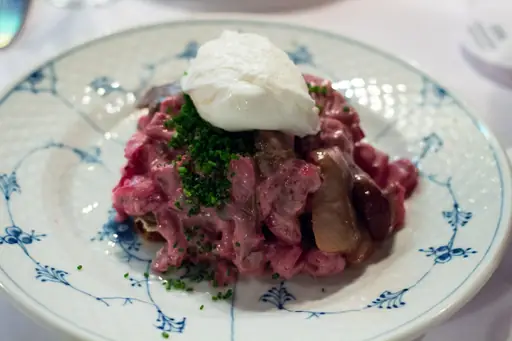
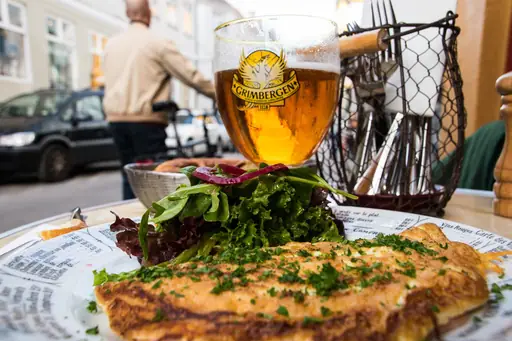
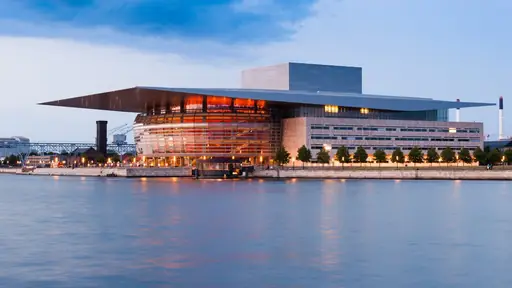
City in Denmark
Copenhagen
Scandi-cool vibes and world-class food
Noma helped popularise New Nordic cuisine, built around foraged, seasonal and hyper local ingredients. Smorrebrod, open faced rye sandwiches, remain a lunchtime staple across the city. Visitors can browse a food hall before a tasting menu built entirely around Nordic produce. Bakeries here sell cardamom buns and rye bread using recipes passed down for generations.
City in Spain
Madrid
A vibrant mix of culture and nightlife
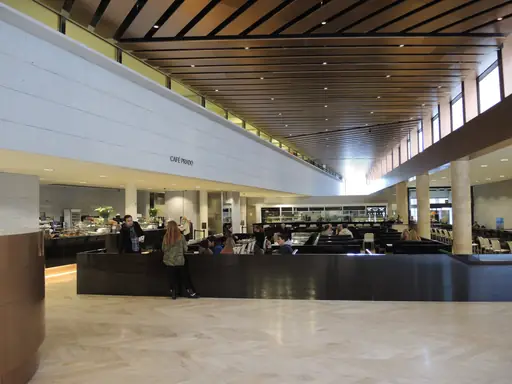
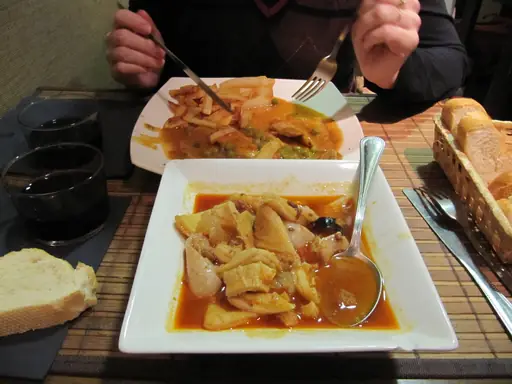
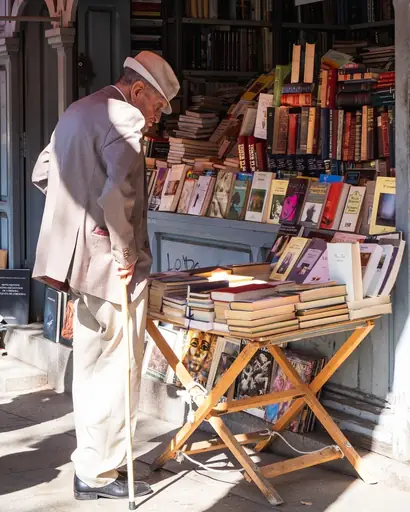
Cocido madrileno, a slow simmered chickpea stew, remains a cold weather staple. Mercado de San Miguel packs dozens of tapas stalls under one restored iron roof. Visitors can bar hop through La Latina, sampling small plates at each stop. Michelin starred kitchens here increasingly reinterpret Spanish dishes with modern technique.

City in Peru
Lima
Historic Charm Meets Coastal Vibes
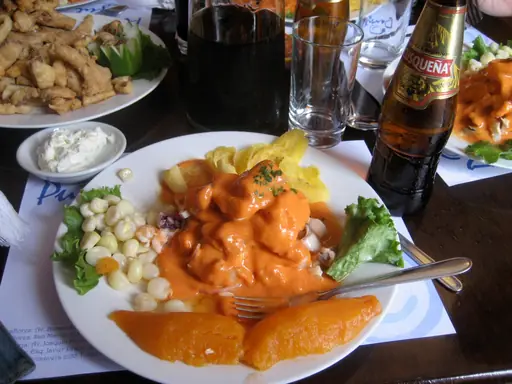
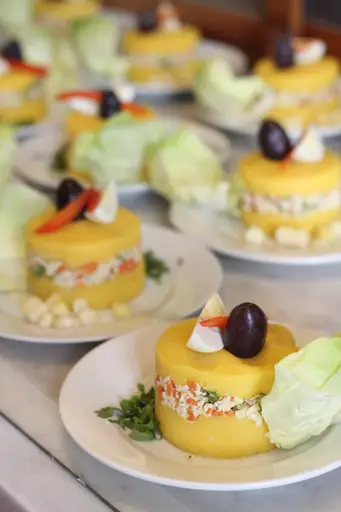
Ceviche, raw fish cured in citrus, defines much of this coastal capital's culinary identity. Chef Gaston Acurio helped draw global attention to Peruvian ingredients and cooking traditions. Visitors can sample causa, a layered potato dish, at markets across the city. Pisco sours remain the standard aperitif at restaurants ranging from casual to formal.
Town in Italy
Taormina
Sicily’s Cliffside Charmer by the Sea
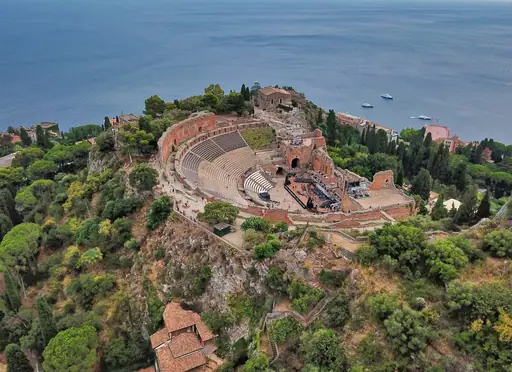
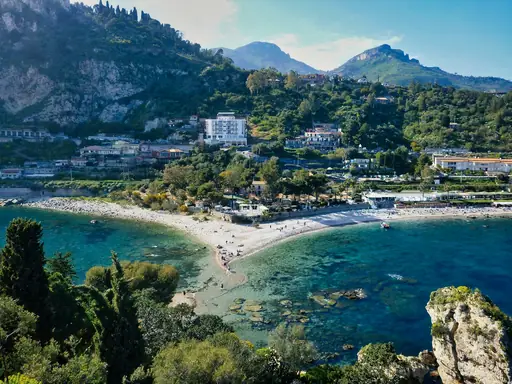
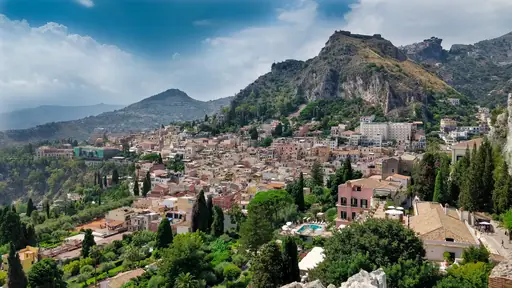
Restaurants along the clifftop here pair views of Mount Etna with Sicilian seafood dishes. Granita and brioche remain a traditional breakfast pairing across the town's cafes. Visitors can sample almond pastries at bakeries lining Corso Umberto's pedestrian street. Wine from vineyards on Etna's slopes appears on menus throughout the town.

City in France
Paris
The city of love, art and history
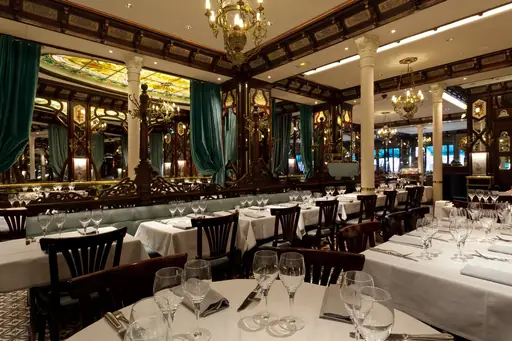
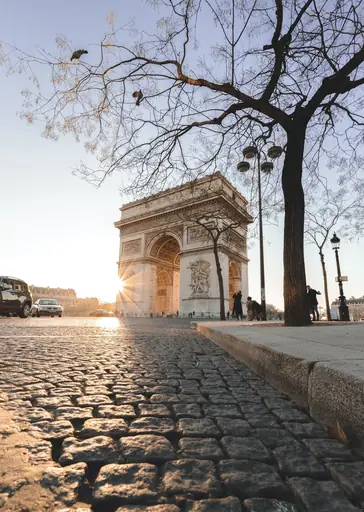
Bistros tucked along side streets have served the same classics for generations in some cases. Boulangeries citywide bake baguettes each morning under rules set by a century old law. Visitors can pair a market lunch with a Michelin starred dinner the same day. Wine bars near the Marais pour natural wines alongside small, seasonal plates.
City in Italy
Como
Lakeside charm meets mountain views
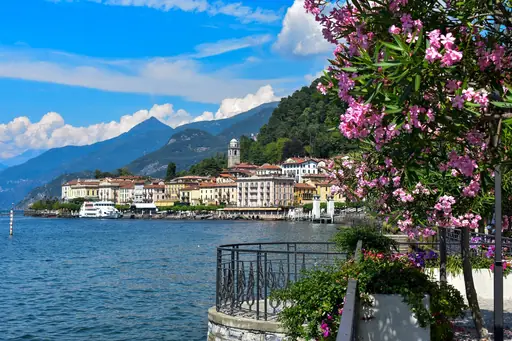
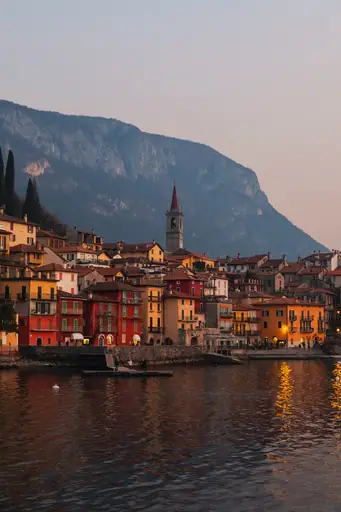
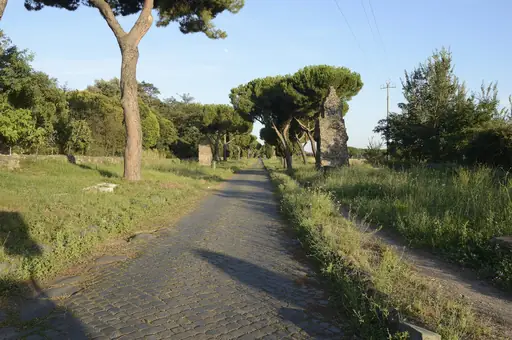
Risotto here often gets finished with Lake Como's own perch, caught fresh each morning. Lakeside restaurants set tables right at the water's edge for sunset dinners. Visitors can pair a tasting menu with local wine grown on nearby terraced hillsides. Missoltini, sun dried lake fish, remains a traditional dish specific to this region.
City in Japan
Tokyo
Japan's capital of temples, towers and food
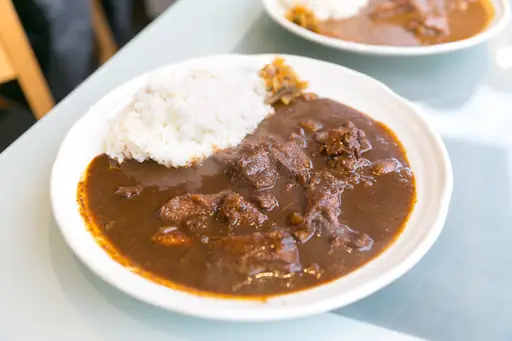
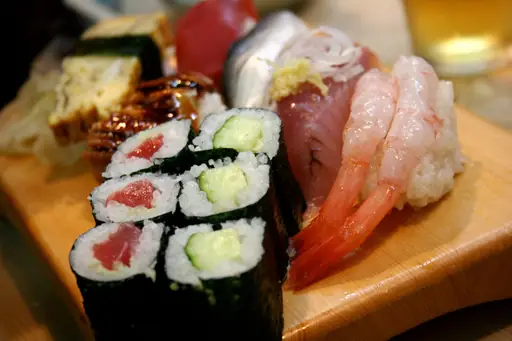
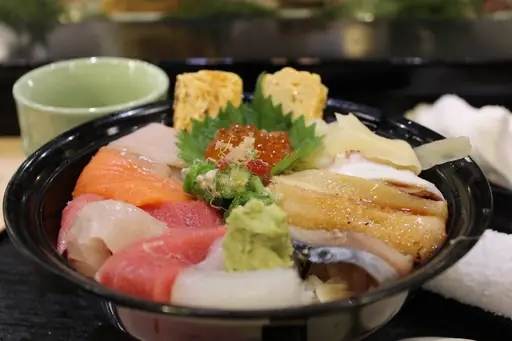
This city holds more Michelin starred restaurants than any other in the world. Sushi counters seating fewer than ten guests often require reservations booked months ahead. Visitors can pair a ramen lunch with a formal kaiseki dinner the same day. Tsukiji's outer market still sells knives, seaweed and dried goods to home cooks and chefs.

Island in Portugal
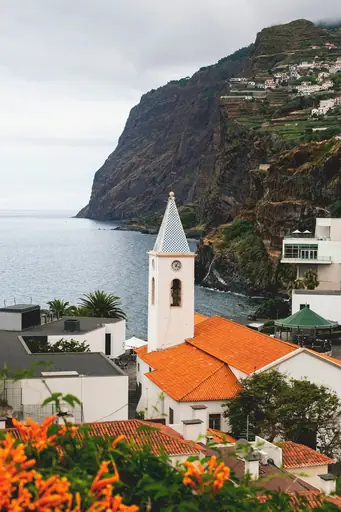
Madeira
Dramatic Cliffs and Eternal Spring
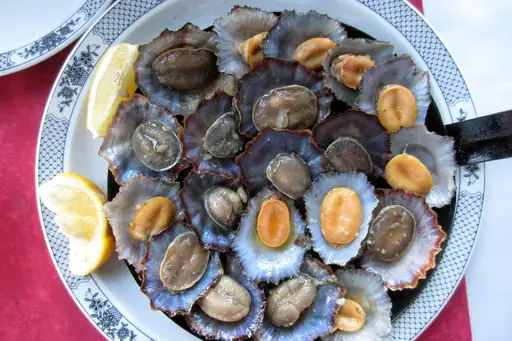
Fortified Madeira wine, aged for decades in barrels, remains the island's signature export. Espetada, beef grilled on skewers over laurel wood, appears on menus across the island. Visitors can browse a produce market stacked with passion fruit and other tropical crops. Scabbardfish paired with fried banana is a dish found almost exclusively here.
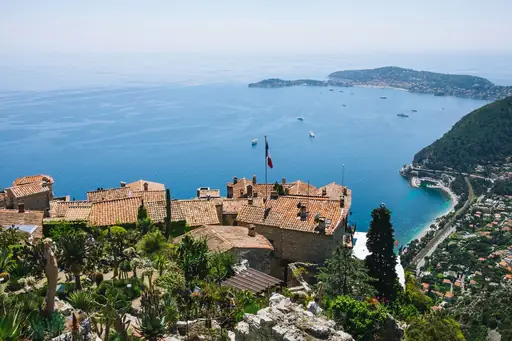
Region in France
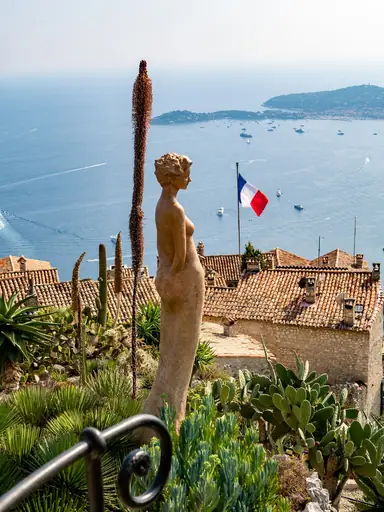
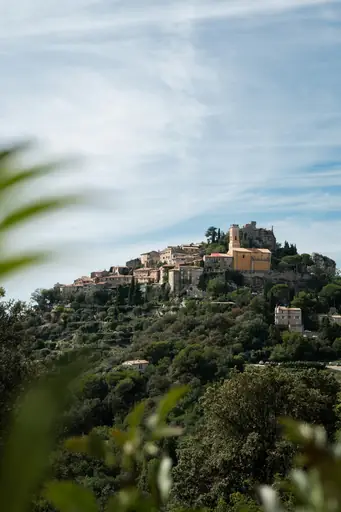
French Riviera
Glamorous Mediterranean Getaway
Bouillabaisse and other Provencal seafood stews appear on menus across the coast's resort towns. Markets each morning sell olives, herbs and produce grown in the surrounding hills. Visitors can dine at a beachfront restaurant before an evening stroll through the old town. Michelin starred kitchens cluster along this stretch, many inside storied grand hotels.
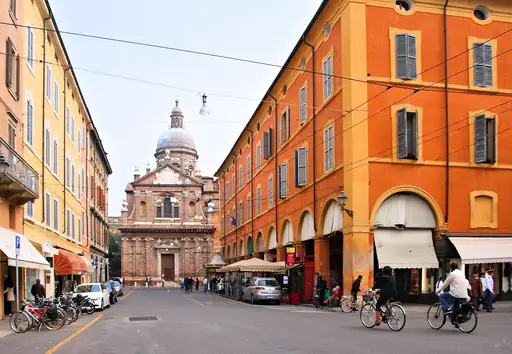


City in Italy
Modena
Motors, Music and Balsamic Magic
Massimo Bottura's Osteria Francescana has repeatedly ranked among the world's best restaurants. Traditional balsamic vinegar, aged for years in wooden barrels, originated in these hills. Visitors can tour a family run acetaia before lunch at a trattoria. Parmigiano Reggiano wheels age in nearby warehouses stacked floor to ceiling.
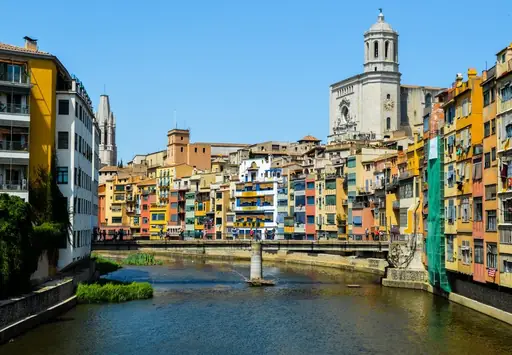


City in Spain
Girona
Medieval Walls, Colorful Rivers, Catalan Soul
El Celler de Can Roca, run by three brothers, ranks among the world's best restaurants. Medieval streets in the old town hold small tapas bars alongside tasting menus. Visitors can walk the Onyar riverbanks before dinner at a converted stone building. Catalan cuisine here draws on both mountain produce and nearby Costa Brava seafood.

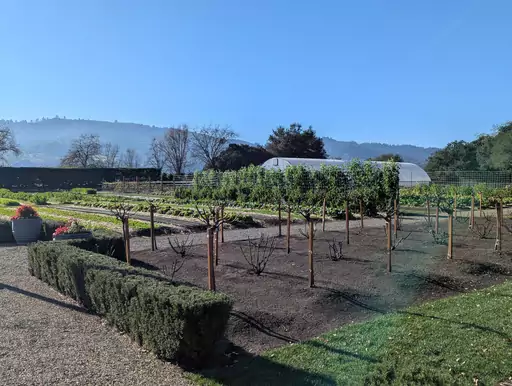
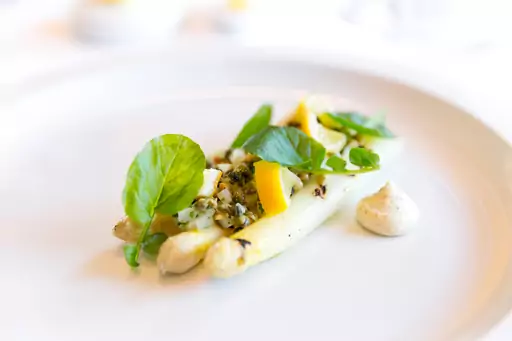
Town in United States
Yountville
Elegant vineyards and serene countryside charm
The French Laundry helped turn this small town into a serious American dining destination. Several Michelin starred kitchens now operate within walking distance of each other here. Visitors can pair a tasting menu with wine from vineyards just outside town. Bakeries and cafes along the main street draw crowds well before dinner reservations begin.
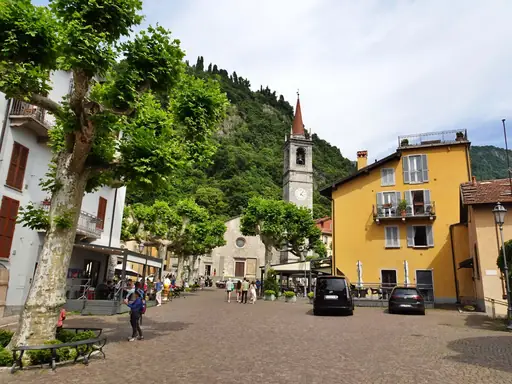

Town in Italy
Varenna
Charming Lakeside Escape in Italy
Lakeside restaurants here serve perch pulled from Lake Como earlier that same morning. Risotto paired with local wine remains a staple across the village's small kitchens. Visitors can dine on a terrace overlooking the water before a walk along the shore. Missoltini, sun dried lake fish, appears on menus specific to this region.



City in United States
Portland (Oregon)
Quirky, green and endlessly creative
Food carts cluster in pods across the city, serving cuisines from dozens of countries. Farm to table kitchens here draw heavily on produce from the Willamette Valley. Visitors can pair a late night doughnut with dinner at a chef driven restaurant. Craft breweries and coffee roasters have multiplied across the city's neighbourhoods.



City in United States
Aspen
Rocky Mountain Glam Meets Outdoor Thrills
Farm to table menus here lean on game meats like elk and venison from nearby ranches. Apres ski dining fills mountain restaurants with fondue and mulled wine each afternoon. Visitors can book a chef's table inside a converted Victorian building downtown. Wine cellars in some restaurants hold bottles collected over decades by longtime owners.
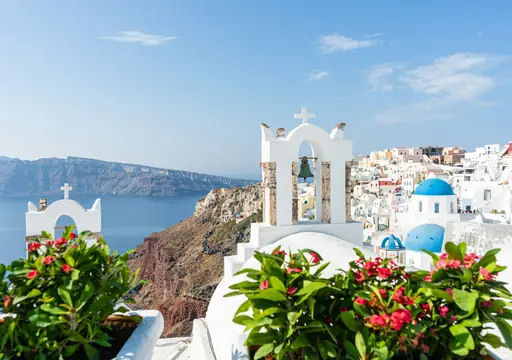


Island in Greece
Santorini
Breathtaking Views and Blue Domes
Fava, a puree made from local yellow split peas, appears on menus across the island. Restaurants along the caldera rim pair sunset views with fresh caught seafood. Visitors can sample tomatokeftedes, fried tomato fritters made from the island's small tomatoes. Assyrtiko, a crisp white wine grown in volcanic soil, pairs with most local dishes.
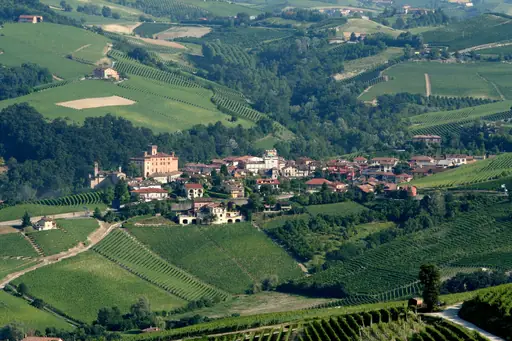
Region in Italy
Langhe
Rolling hills of wine paradise
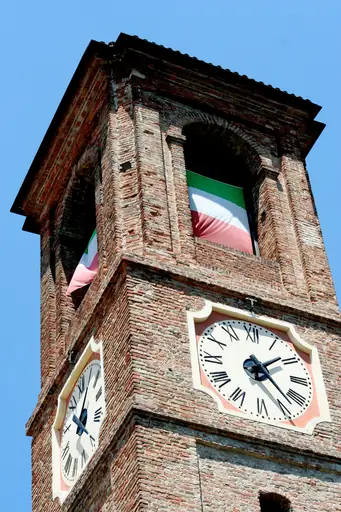
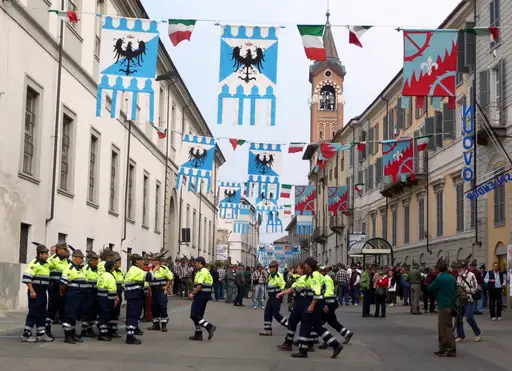
White truffles unearthed each autumn draw chefs and collectors to this hilly Piedmont region. Barolo and Barbaresco, two of Italy's most prized reds, are both produced here. Visitors can tour a cellar before a truffle centred tasting menu at a family run restaurant. Hazelnut groves nearby supply the region's famous chocolate and pastry makers.
City in Ireland
Dublin
Where History, Pubs and Culture Collide
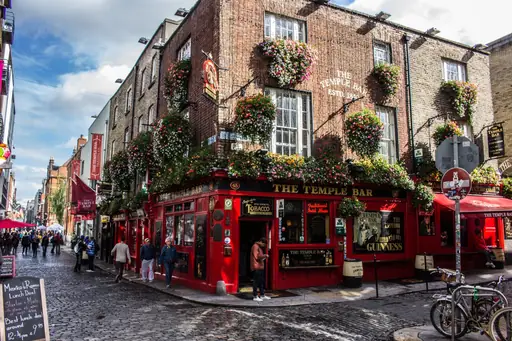
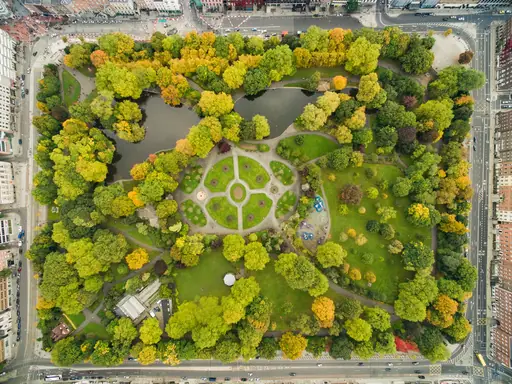
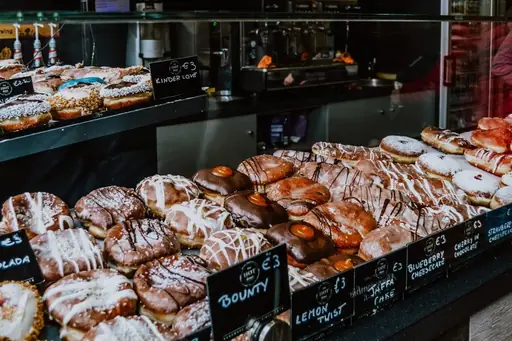
Oysters and Guinness remain a classic pairing at pubs across the city centre. Chefs here increasingly draw on Irish beef, seafood and dairy for tasting menus. Visitors can browse a food market before a pub lunch of traditional Irish stew. Whiskey bars nearby pour flights alongside small plates from the same kitchen.
City in Japan
Osaka
Castle, neon canals and street food
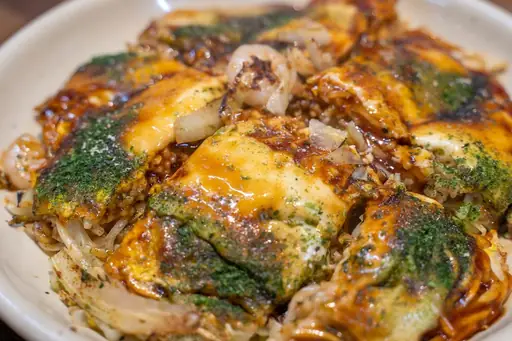
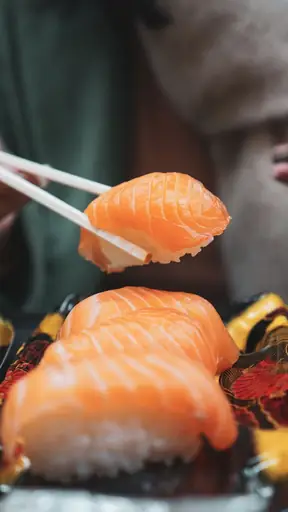
Locals call this city Japan's kitchen, a nod to its long reputation for serious eating. Takoyaki, octopus filled batter balls, get grilled on street corners across Dotonbori. Visitors can slurp okonomiyaki, a savoury pancake cooked tableside at counter restaurants. Kuromon Market supplies chefs with seafood, produce and knives sold by speciality vendors.


Region in United States
Sonoma County
Wine country beyond the vines
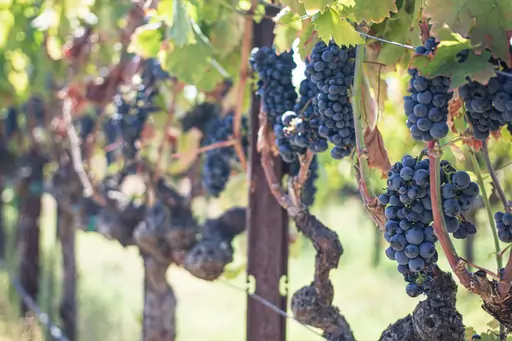
Pinot noir and chardonnay thrive in this county's cooler, fog influenced coastal valleys. Farm to table restaurants here draw on produce grown just outside the tasting room door. Visitors can pair a cheese course with wine at a family run creamery nearby. Oyster farms along the coast supply raw bars at restaurants throughout the county.


City in United States
Miami
Vibrant City of Sun and Fun
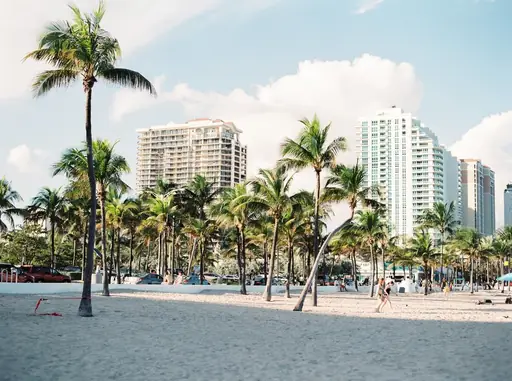
Cuban sandwiches and cafecito remain daily rituals in neighbourhoods shaped by immigration. Latin American chefs have turned the city into a hub for pan regional dining. Visitors can pair stone crab claws with a cortadito at a Cuban diner. Wynwood's food halls gather dozens of vendors from across the hemisphere.
City in Mexico
Mexico City
Vibrant Culture, History and Street Food
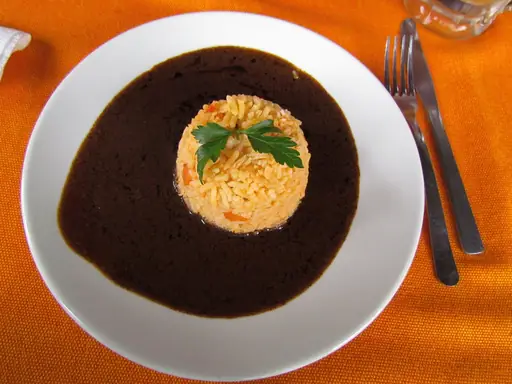
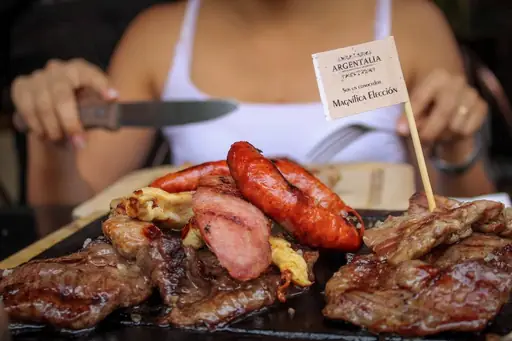
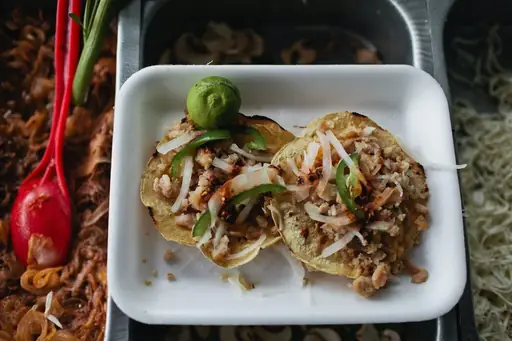
Street tacos compete for attention with some of Latin America's most decorated tasting menus. Chef Enrique Olvera helped draw global attention to Mexican fine dining with Pujol. Visitors can sample mole, a complex sauce built from dozens of ingredients, citywide. Mezcalerias pour agave spirits from small producers across several southern states.

City in Austria
Vienna
A Symphony of Culture and Elegance
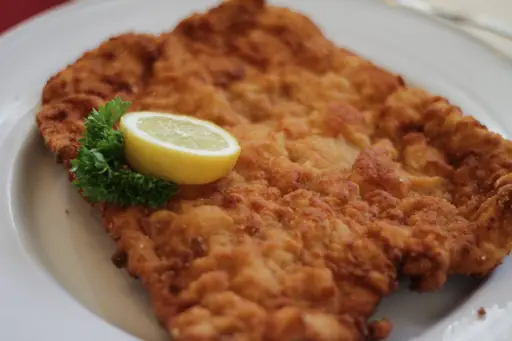
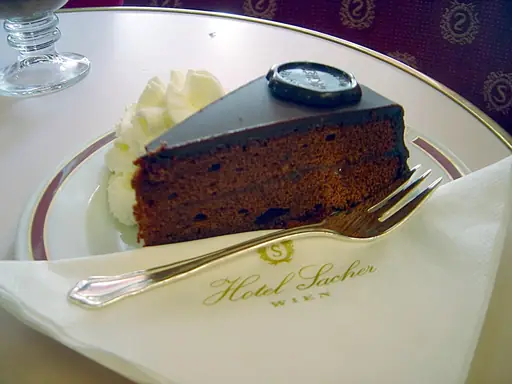
Coffeehouses here have hosted writers and composers over pastries since the 1800s. Wiener schnitzel, a breaded veal cutlet, remains a defining dish across the city. Visitors can pair a slice of sachertorte with coffee at a historic cafe. Naschmarkt sells produce, spices and street food just steps from the opera house.
Lake in Italy
Lake Como
Alpine elegance meets Italian charm
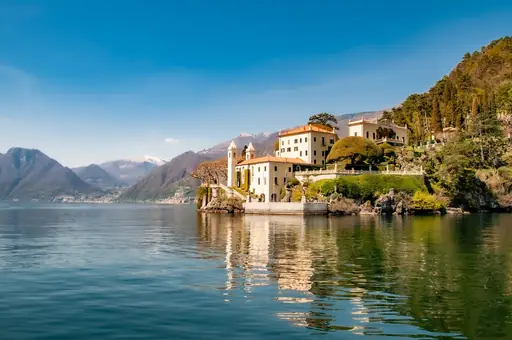
Lakeside restaurants here serve perch caught that morning, often paired with local risotto. Grand hotel dining rooms along the shore have hosted European nobility for generations. Visitors can take a private boat between towns, stopping for lunch at a waterside terrace. Missoltini, a traditional sun dried fish, appears on menus specific to this lake.

Town in Italy
Riva del Garda
Lakeside beauty meets mountain adventure
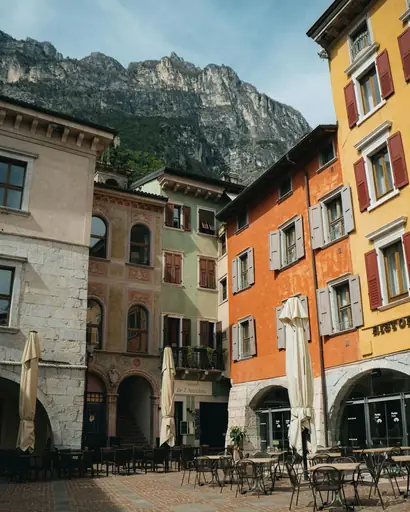
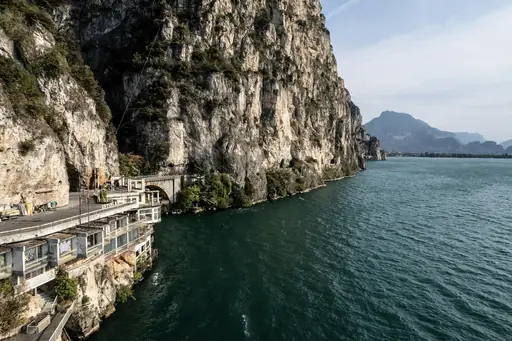
Olive oil pressed from groves along this lake's shore supplies kitchens across the town. Restaurants here pair lake fish with polenta, a staple of the surrounding region. Visitors can dine on a terrace facing the water before a walk along the harbour. Trentino wines from nearby hillsides appear on menus throughout the town.
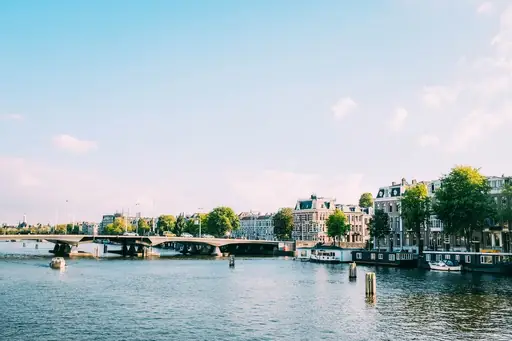
City in Netherlands
Amsterdam
Canals, culture and a vibrant spirit
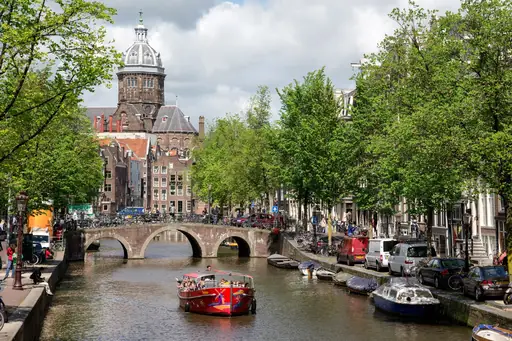
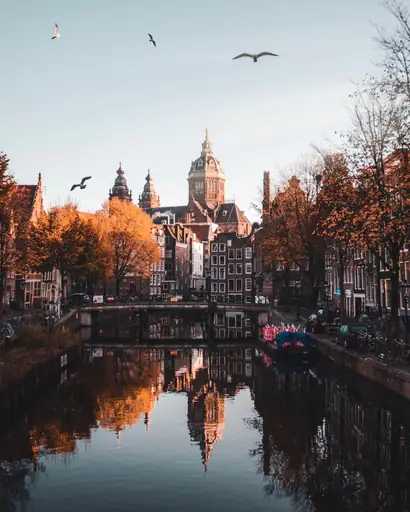
Canal side restaurants here increasingly hold Michelin stars once concentrated in Paris. Rijsttafel, a multicourse spread of Indonesian dishes, reflects the city's colonial era trade ties. Visitors can browse cheese shops and herring stalls before a tasting menu that night. Brown cafes, dim and wood panelled, still serve simple Dutch fare with craft beer.

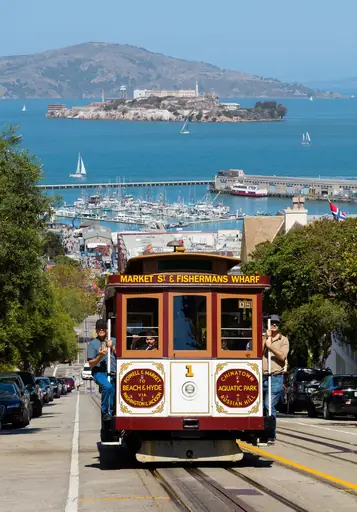

City in United States
San Francisco
Iconic bridges, rolling hills and vibrant culture
Sourdough bread, shaped by wild yeast from the bay's climate, dates to the gold rush. Chinatown holds one of the oldest and largest Chinese communities outside Asia. Visitors can pair fresh crab at the wharf with a tasting menu the same evening. Farmers markets supply chefs with produce grown across the Bay Area.



City in Australia
Melbourne
The heart of culture and coffee
Laneways across the city hide small cafes credited with helping shape modern espresso culture. Greek, Vietnamese and Italian immigration has shaped entire neighbourhoods around specific cuisines. Visitors can brunch at a hatted restaurant before dinner at a Chinatown institution nearby. Wine bars pour drops from Yarra Valley vineyards just outside the city.
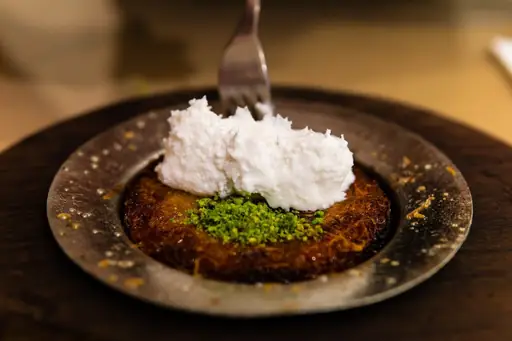
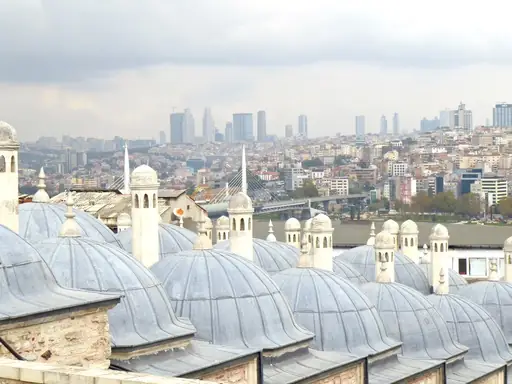
City in Turkey
Istanbul
Where East meets West in stunning contrast
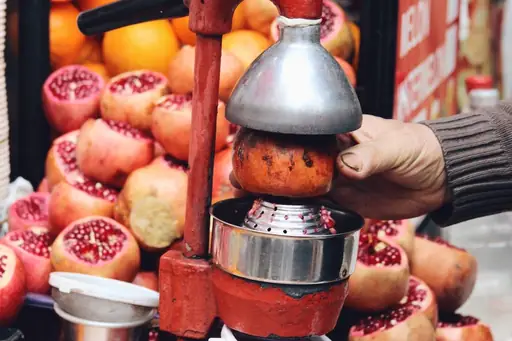
Spice bazaars here have traded saffron, sumac and dried fruit since Ottoman times. Meyhanes, traditional taverns, serve small mezze plates alongside raki, an anise spirit. Visitors can cross between European and Asian sides for different specialities at each stop. Baklava shops near the old city still layer pastry using old family recipes.

Island in Japan
Kyushu
Volcanoes, onsen and tonkotsu ramen
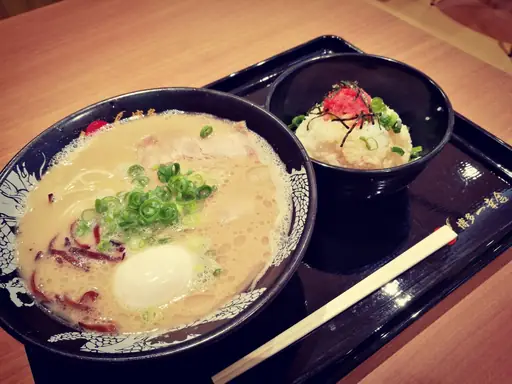
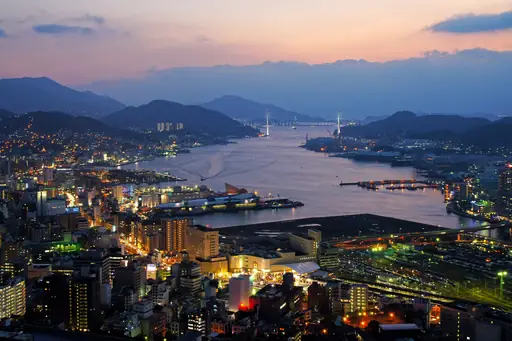
Tonkotsu ramen, built on a cloudy pork bone broth, originated on this southern island. Hot spring resorts here pair mineral bathing with multicourse kaiseki dinners each evening. Visitors can sample basashi, thin sliced horse meat, a regional speciality around Kumamoto. Shochu distilleries across the island produce spirits from sweet potato, barley or rice.



Island in United States
Maui
Island of Sun, Surf and Serenity
Poke, cubed raw fish tossed with soy and sesame, traces its roots to Hawaiian fishing traditions. Farm to table kitchens here draw on produce grown in the island's upcountry region. Visitors can attend a luau featuring kalua pork cooked in an underground oven. Shave ice stands sell tropical flavours as a cooling treat between meals.
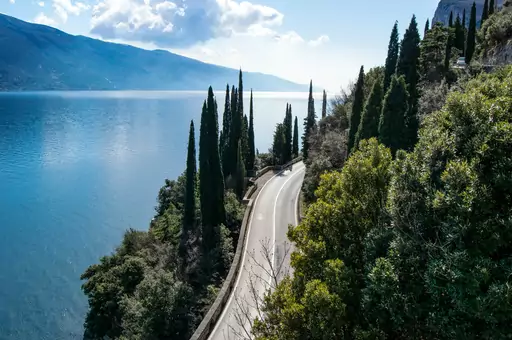
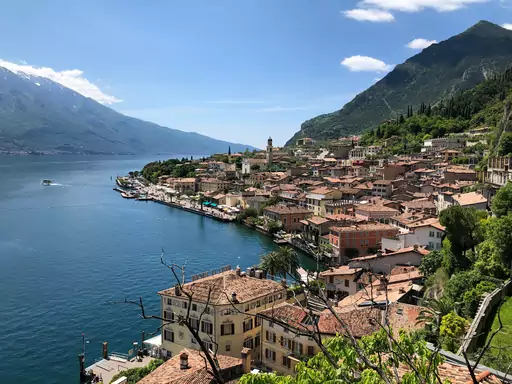
Lake in Italy
Lake Garda
Italy's largest lake of wonders
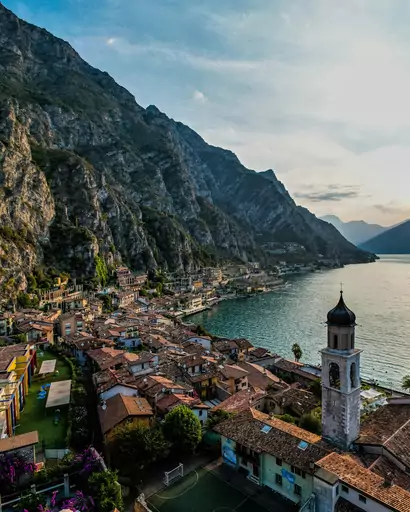
Olive oil pressed from groves along this lake's shore supplies kitchens region wide. Restaurants in towns like Sirmione pair lake fish with wine from nearby hillsides. Visitors can dine on a terrace overlooking the water before a walk through town. Bardolino's vineyards produce a light red wine served at nearly every local table.


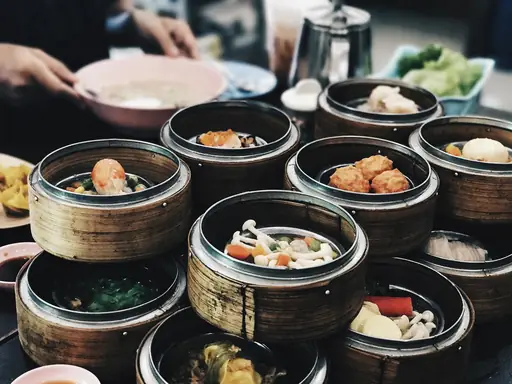
State/Prefecture in China
Hong Kong
Where East Meets West
Dim sum carts still circle dining rooms in some of the city's oldest teahouses. This city holds one of the densest concentrations of Michelin starred restaurants in Asia. Visitors can eat roast goose at a stall before dessert at a fine dining kitchen. Wet markets supply chefs with live seafood kept in tanks until ordered.
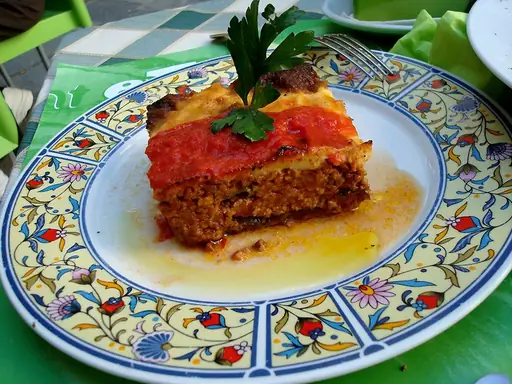
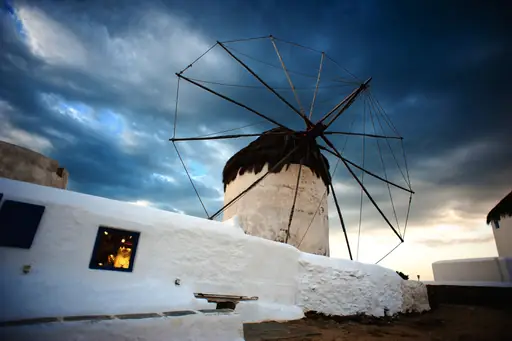

Island in Greece
Mykonos
Whitewashed beauty and wild nights
Beach clubs here pair all day dining with views over the Aegean. Fresh caught fish gets grilled whole and served with lemon at taverns islandwide. Visitors can dine at a windmill lined terrace before dessert in Chora. Local cheese and honey from nearby farms appear on menus across the island.

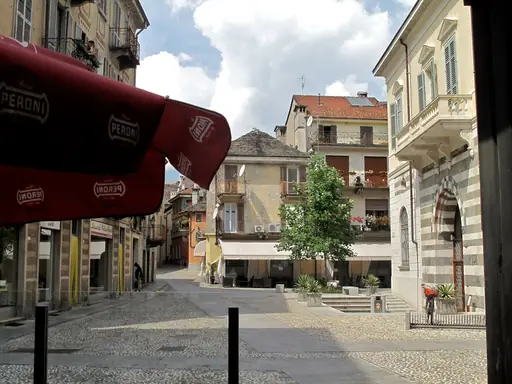
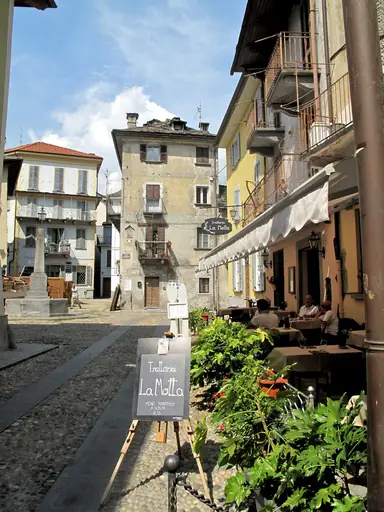
Region in Italy
Piedmont
Truffles, Wine and Alpine Grandeur
White truffles unearthed each autumn near Alba draw chefs from around the world. Barolo and Barbaresco wines, both produced here, pair with the region's rich meats. Visitors can tour a cellar before a truffle tasting menu at a family restaurant. Bagna cauda, a warm anchovy and garlic dip, remains a regional speciality.
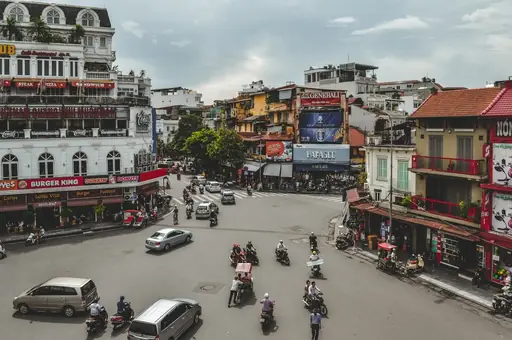


City in Vietnam
Hanoi
Where tradition meets modern vibrancy
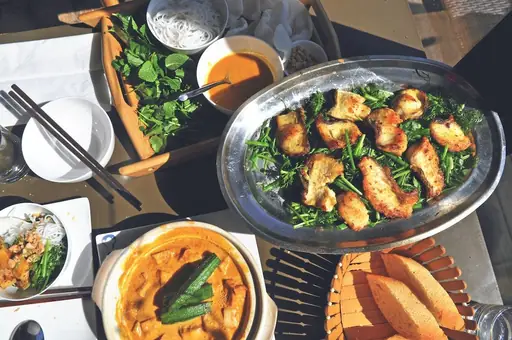
Bun cha, grilled pork with rice noodles and herbs, is a beloved lunchtime dish. Street vendors set up plastic stools on pavements throughout the Old Quarter each day. Visitors can sample egg coffee, made with whipped egg yolk and condensed milk. Pho, the city's signature noodle soup, is said to have originated here.

City in United States
Santa Monica
California Cool on the Pacific
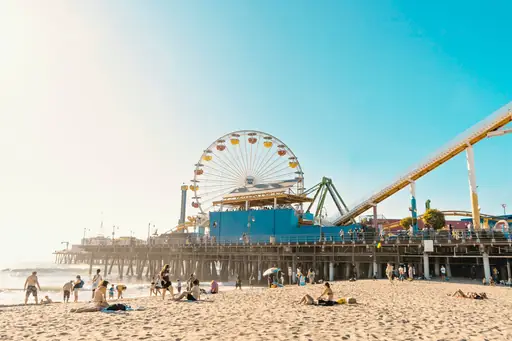
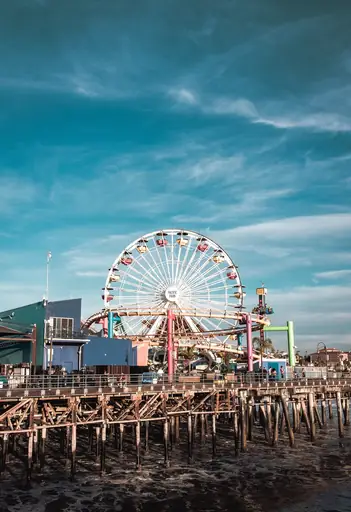
The farmers market on Wednesdays supplies some of the city's most respected kitchens directly. Seafood shacks near the pier serve fish tacos steps from the sand. Visitors can pair a beachfront lunch with dinner at a chef driven restaurant nearby. Third Street Promenade holds a wide range of dining options within a few blocks.


City in Germany
Berlin
Wall history, Museum Island and all-night clubs
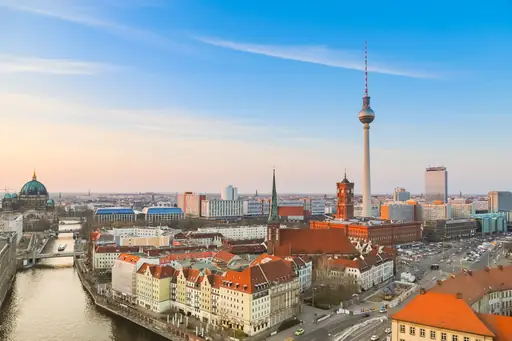
Currywurst stalls sit within blocks of Michelin starred kitchens across this city. Turkish immigrants brought the doner kebab here, now a late night staple citywide. Visitors can graze a food hall before a tasting menu at a converted warehouse. Craft breweries and natural wine bars have multiplied across once industrial neighbourhoods.
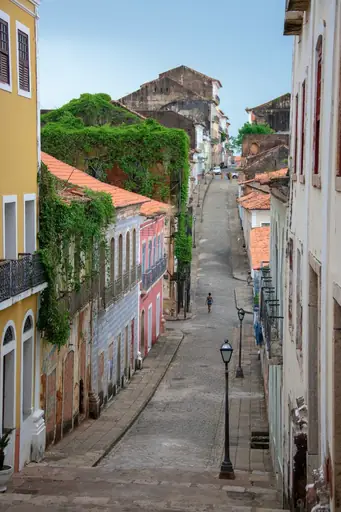

City in Brazil
São Paulo
A vibrant mix of culture and cuisine
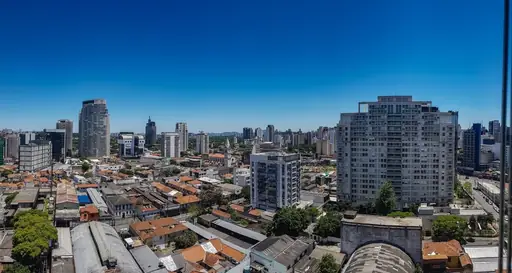
Immigrant communities have shaped this city's food scene, from Italian trattorias to Japanese izakayas. Feijoada, a hearty bean stew, remains a traditional Saturday meal across the city. Visitors can pair a churrascaria feast with dessert at a Japanese Brazilian bakery nearby. Coffee culture here draws on beans grown across the surrounding countryside.
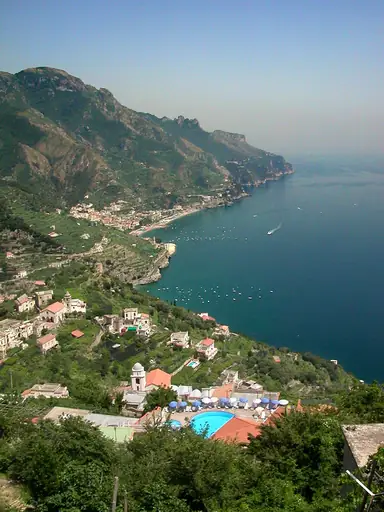
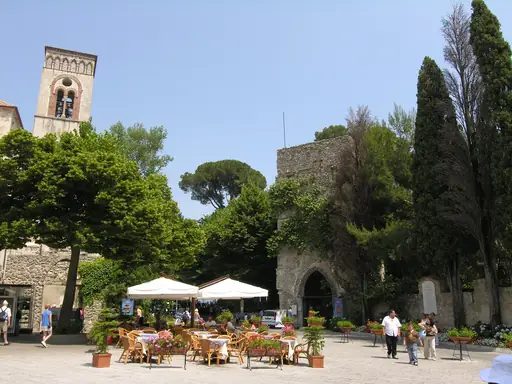
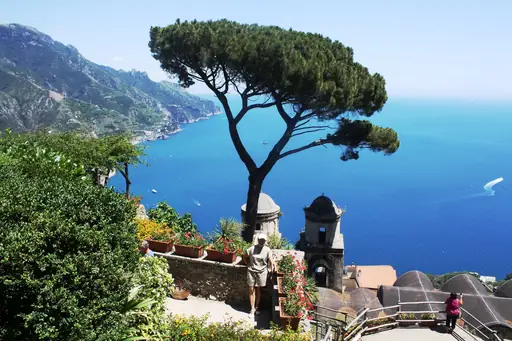
Town in Italy
Ravello
Romantic Gardens Above the Amalfi
Restaurants here overlook the Amalfi coastline from terraces cut into the cliffside above the sea. Lemon groves nearby supply desserts and a local limoncello served after most meals. Visitors can pair a tasting menu with views stretching from Villa Cimbrone's gardens. Concerts staged on an open air stage sometimes precede dinner at nearby restaurants.



City in United Kingdom
London
A Tapestry of History and Modernity
Curry houses along Brick Lane trace back to waves of South Asian immigration. Borough Market supplies chefs with produce, cheese and meat from across the country. Visitors can pair a Sunday roast with a pint before a tasting menu later. Michelin starred kitchens here now span cuisines from dozens of countries.
City in China
Beijing
Ancient history meets modern dynamism
Peking duck here gets carved tableside, its skin lacquered and roasted over fruitwood. Centuries old restaurants near the Forbidden City still serve imperial court recipes. Visitors can watch chefs slice the duck into dozens of wafer thin pieces. Night markets nearby sell skewered snacks alongside the city's grander banquet halls.
Region in Spain
La Rioja
Wine, history and mountain views
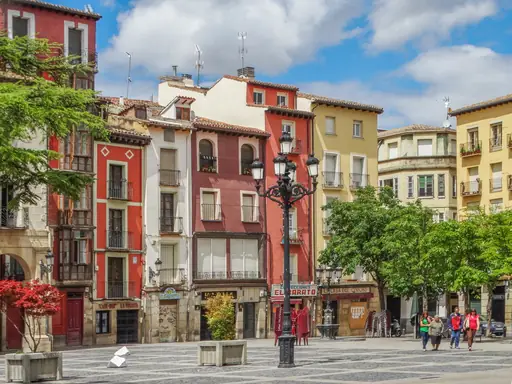
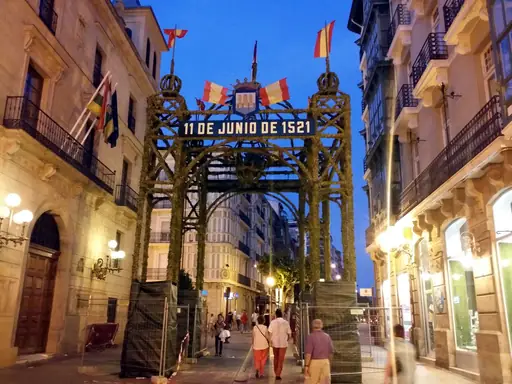
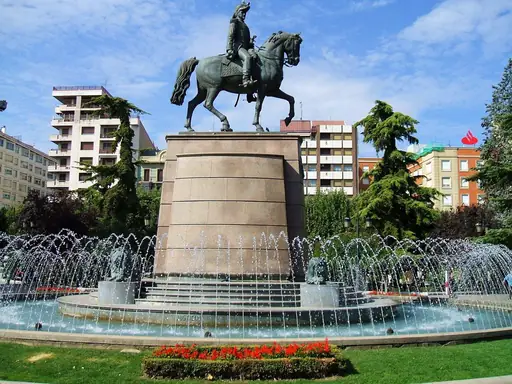
Tempranillo grapes thrive in this region's mix of clay, limestone and iron rich soil. Bodegas here range from centuries old cellars to buildings designed by famous architects. Visitors can pair a barrel tasting with lamb chops grilled over dried vine cuttings. Pintxos bars in Logrono's old town stay crowded with locals most evenings.


City in United States
Miami Beach
The ultimate blend of sun, sand and Art Deco charm
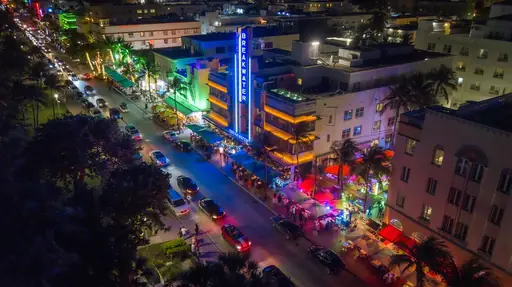
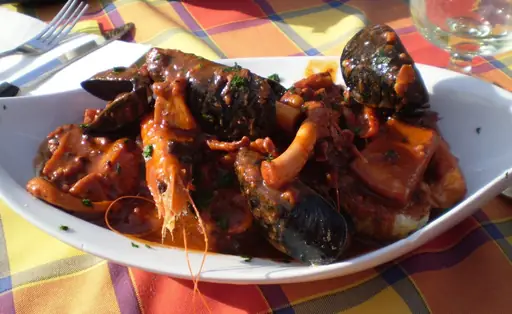
Art Deco hotels along Ocean Drive hold restaurants serving classic and modern Cuban fare. Stone crab season each autumn draws diners to seafood houses serving the dish for decades. Visitors can pair fresh ceviche with a sunset view from a beachfront terrace. Rooftop bars nearby pair small plates with skyline views over the bay.
Region in Italy
Tuscany
Rolling Hills, Wine and Renaissance Charm
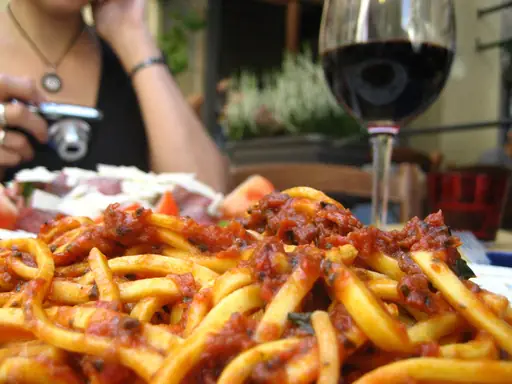
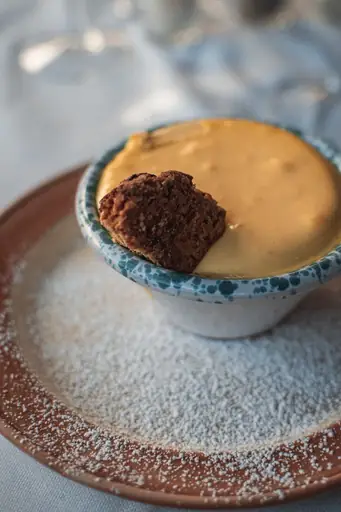
Bistecca alla fiorentina, a thick grilled steak, remains a signature dish across the region. Chianti vineyards pair tastings with lunches built around local olive oil and bread. Visitors can tour a cellar before a meal at a restaurant inside a converted farmhouse. Pecorino cheese from nearby hills appears on menus throughout the countryside.


Town in Ireland
Bray
Coastal charm meets historic seaside allure
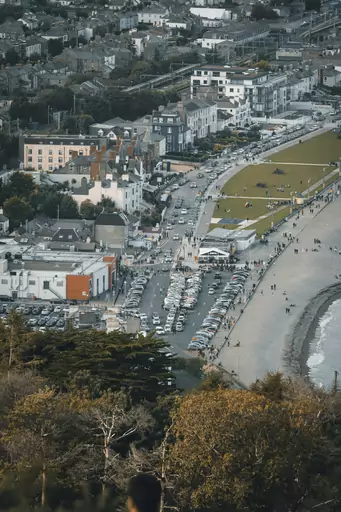
This seaside town sits at the start of the scenic Cliff Walk along Ireland's east coast. Fish and chip shops near the seafront have served the same recipes for generations. Visitors can pair a promenade walk with lunch at a harborside restaurant. Dublin's wider dining scene sits just a short train ride up the coast.


City in South Korea
Seoul
Where Tradition Meets High-Tech Marvels
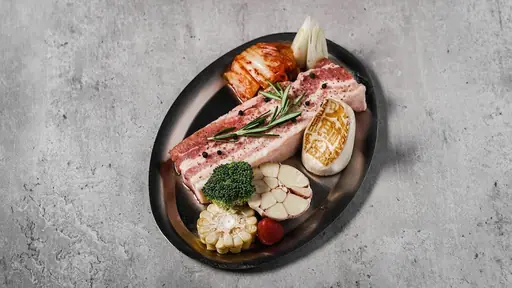
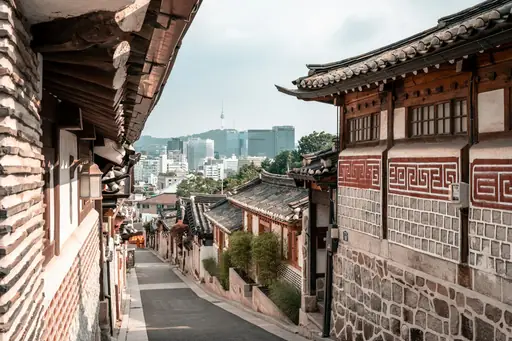
Korean barbecue restaurants grill meat tableside over charcoal or gas at nearly every corner. Street food markets sell tteokbokki and other spicy snacks well into the night. Visitors can pair a tasting menu with a late night visit to a market stall. Fermented kimchi, made in dozens of regional variations, appears at nearly every meal.
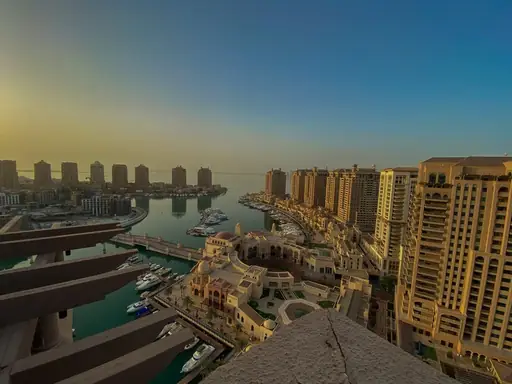
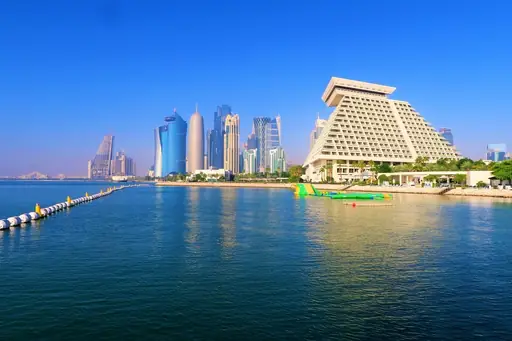
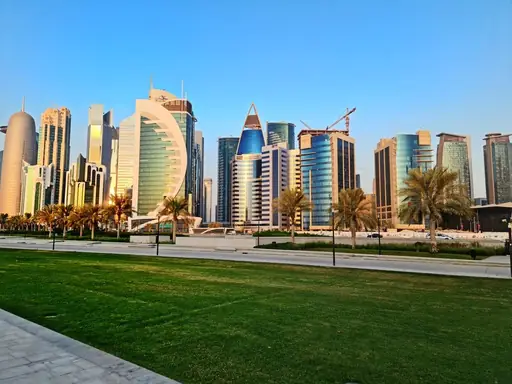
City in Qatar
Doha
Where modern luxury meets tradition
Machbous, spiced rice topped with meat or fish, remains a staple across Qatari homes. International chefs have opened outposts inside the city's hotel towers in recent years. Visitors can shop the Souq Waqif for spices before dinner nearby. Camel milk and Arabic coffee spiced with cardamom close out many traditional meals.

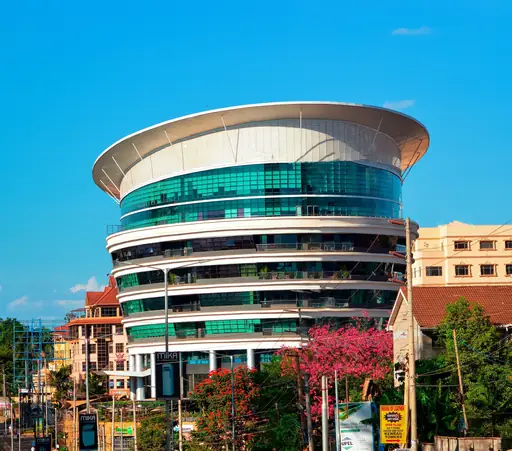

City in Kenya
Nairobi
Where urban life meets wild adventures
Nyama choma, grilled meat served with ugali, anchors social gatherings across this East African capital. Restaurants here increasingly blend Kenyan ingredients with French and Italian technique. Visitors can sample a full carnivore style feast at a restaurant known for open fire grilling. Coffee grown in the surrounding highlands supplies cafes across the city.

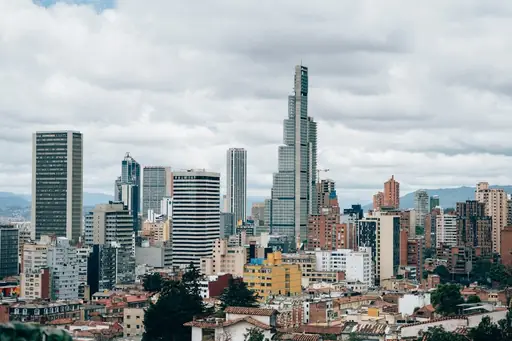
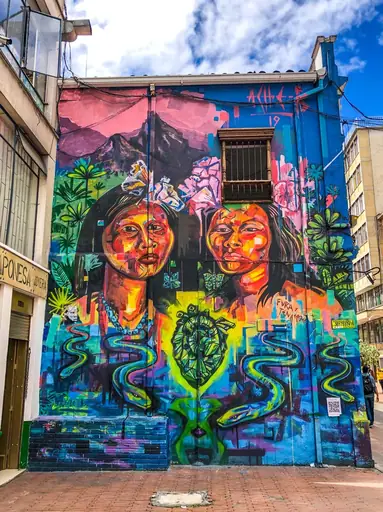
City in Colombia
Bogotá
Vibrant Culture in the Andean Highlands
Ajiaco, a hearty potato and chicken soup, defines this high altitude capital's cooking. Coffee grown in the surrounding mountains supplies both local cafes and export markets. Visitors can browse a produce market before lunch at a spot reviving Colombian cooking. Chicha, a fermented corn drink with pre Columbian roots, still appears on some menus.
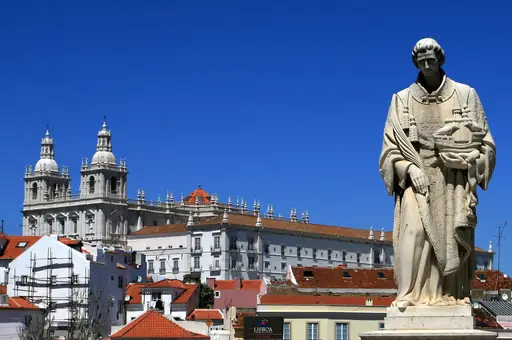
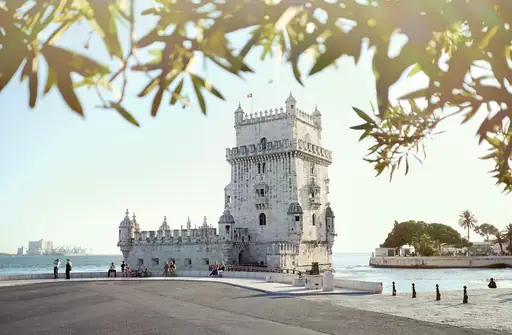
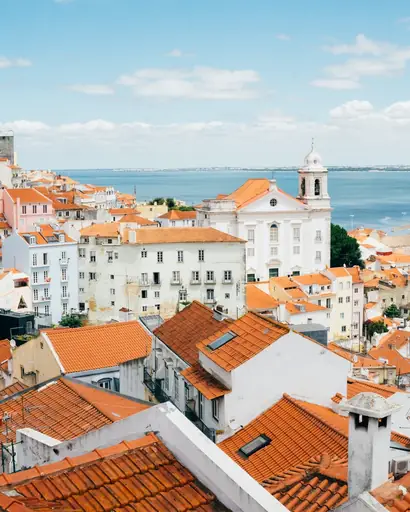
City in Portugal
Lisbon
Sun-soaked streets and rich history
Pasteis de nata, custard tarts with a flaky crust, are sold fresh at bakeries. Bacalhau, salted cod, appears in hundreds of preparations across the city's restaurants. Visitors can pair a tasting menu with vinho verde or port from nearby regions. Fado houses often serve dinner alongside live performances of traditional music.



City in Argentina
Mendoza
Wine, Andes and Adventure Bliss
Malbec grapes thrive in this high altitude desert at the base of the Andes. Asado, meat slow grilled over wood coals, remains the centrepiece of celebratory meals. Visitors can tour boutique wineries by bike between tastings paired with grilled beef. Restaurants here often serve dinner as late as ten at night, by local custom.


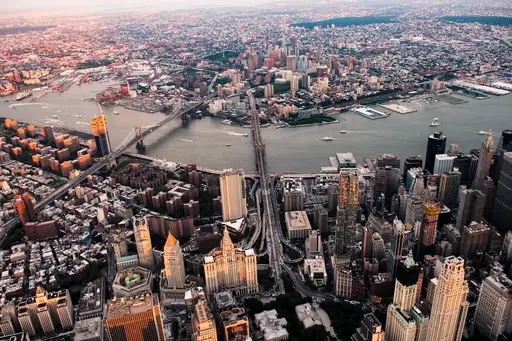
City in United States
New York City
Five boroughs of skyline, food and museums
Bagels boiled before baking remain a defining breakfast tradition at the city's delis. Immigrant neighbourhoods have shaped entire culinary scenes, from Chinatown to Little Italy. Visitors can pair a slice of pizza with a tasting menu the same week. Greenmarkets supply chefs with produce grown across the Hudson Valley region.
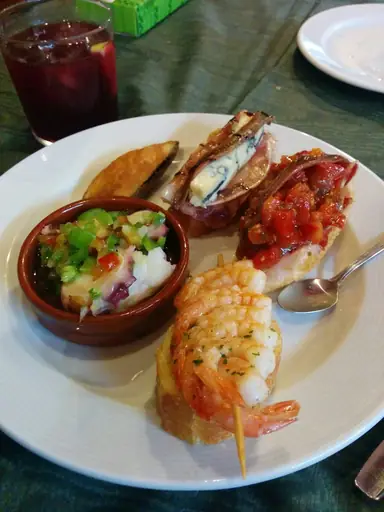

Region in Spain
Basque Country
Where tradition meets avant-garde beauty
Pintxos, small snacks pinned to bread with toothpicks, cover bar counters each evening. San Sebastian alone holds one of the highest concentrations of Michelin stars anywhere. Visitors can bar hop through the old town, sampling a pintxo at each stop. Cider houses further inland pour directly from giant barrels alongside grilled steak.


Country
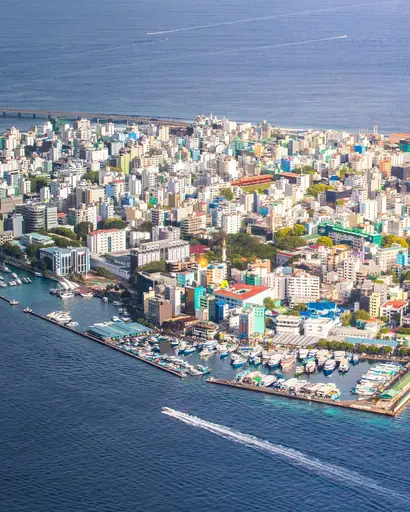
Maldives
Coral atolls, lagoons and overwater villas
Garudhiya, a clear fish broth with rice and lime, remains a staple dish. Overwater restaurants here serve reef fish and lobster caught within sight of the table. Visitors can join a sunset fishing trip before a chef prepares the catch. Coconut appears throughout the cuisine, from curries to desserts served after dinner.


City in Italy
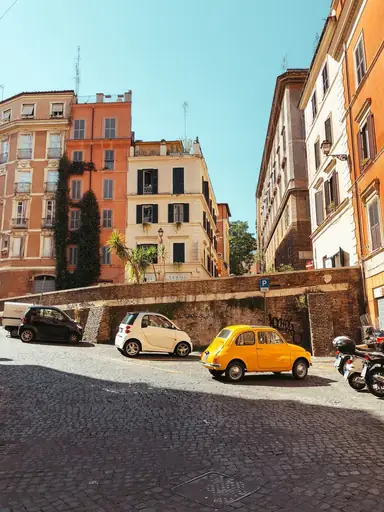
Rome
The Eternal City of history and charm
Cacio e pepe, made from just cheese, pepper and pasta water, defines Roman cooking's simplicity. Trattorias in Trastevere have served the same handful of pasta dishes for generations. Visitors can pair carbonara with a glass of local white before gelato nearby. Testaccio Market supplies kitchens with offal cuts still central to traditional Roman recipes.
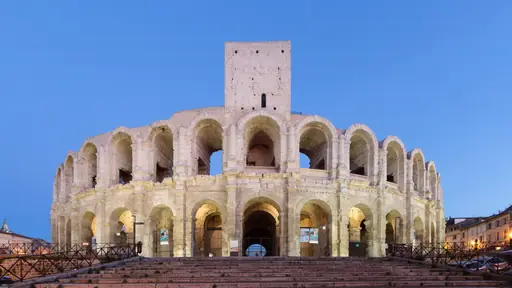
Region in France
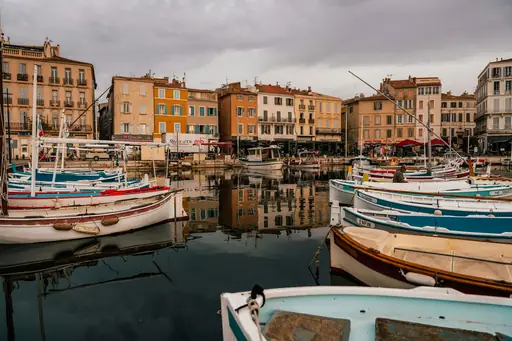
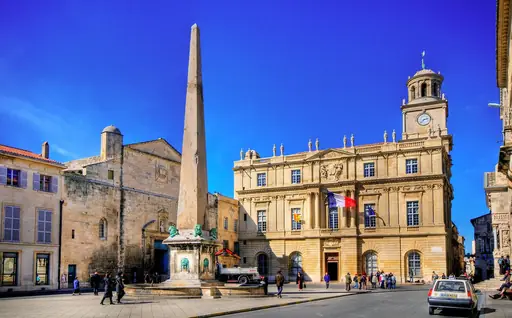
Provence-Alpes-Côte d'Azur
Lavender Fields to Azure Seas
Bouillabaisse and other Provencal seafood stews appear on menus across coastal towns. Markets each morning sell olives, herbs and lavender honey from the surrounding hills. Visitors can pair a market lunch with dinner at a Michelin starred restaurant. Rose wine produced across the region pairs with nearly every seafood dish here.
City in Italy
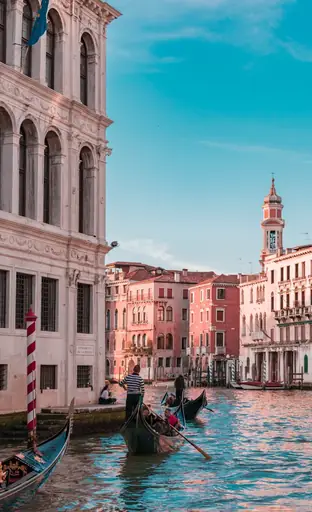
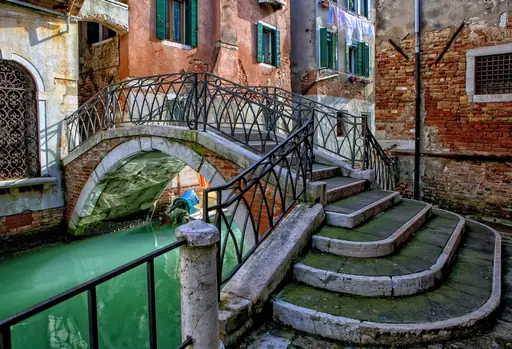
Venice
A floating city of romance and history
Cicchetti, small snacks served at bacari wine bars, anchor the city's evening dining ritual. Seafood from the lagoon supplies restaurants with fresh catch throughout the year. Visitors can pair a spritz with cicchetti before dinner at a canal side restaurant. Rialto Market has supplied the city's kitchens with fish and produce for centuries.

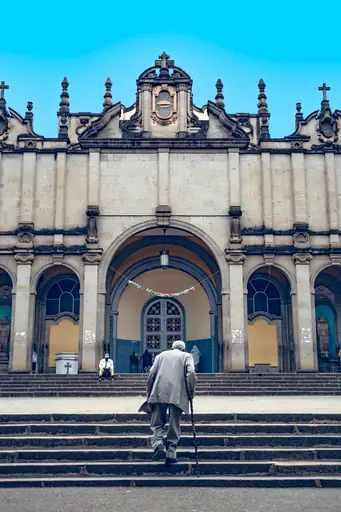
City in Ethiopia
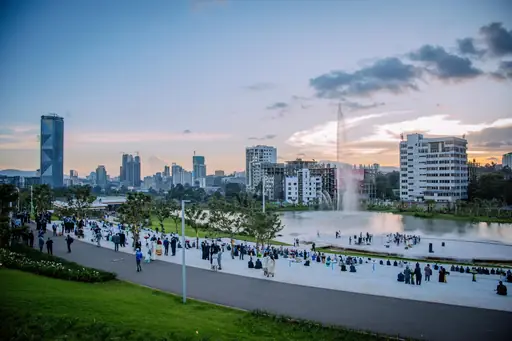
Addis Ababa
Vibrant capital where history meets modernity
Injera, a spongy flatbread, serves as both plate and utensil at most meals. Spiced stews called wat, some fiery with berbere, get scooped up by hand. Visitors can watch a coffee ceremony, roasting green beans over charcoal before brewing. Ethiopia is widely credited as coffee's birthplace, where the ritual still anchors daily life.

City in China
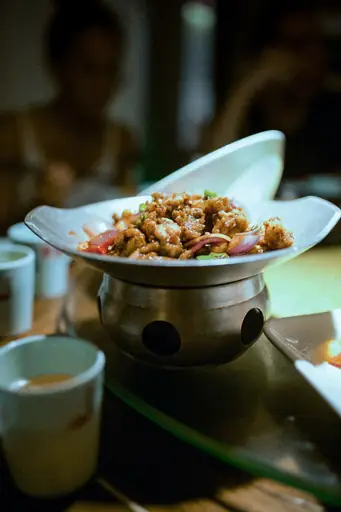
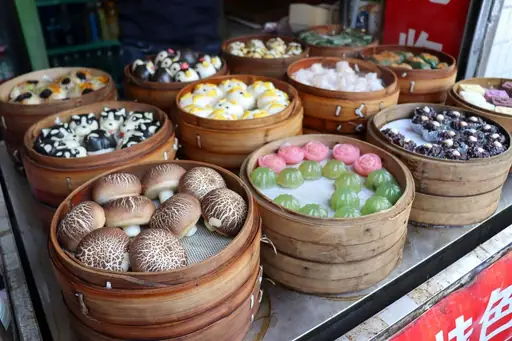
Shanghai
A dazzling mix of modernity and tradition
Xiaolongbao, soup filled dumplings, are carefully pleated by hand at restaurants across the city. Old Shanghai cuisine leans on rich, sweet sauces built around soy and sugar. Visitors can pair street snacks in the French Concession with a tasting menu that evening. Tea houses nearby serve delicate pastries alongside pours from across China's growing regions.


State/Prefecture in Japan
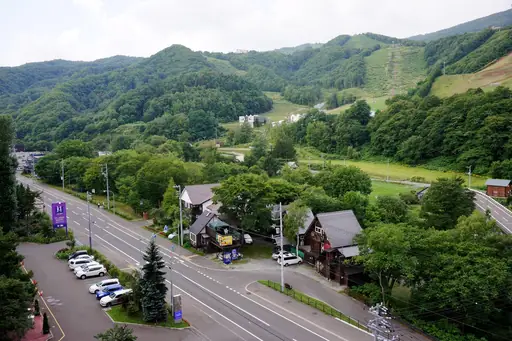
Hokkaido
Volcanoes, powder snow and fresh seafood
Uni and scallops from these cold waters are prized across Japan's sushi restaurants. Dairy farms here supply much of the country's butter, cheese and soft serve. Visitors can eat fresh crab straight from tanks at a market near Sapporo's station. Ramen shops in Sapporo serve a rich miso broth specific to this region.



City in South Africa
Cape Town
Mountains, Beaches and a Vibrant Culture
Cape Malay cooking blends spices brought by enslaved people from Southeast Asia. Restaurants in the Winelands pair tasting menus with wines grown just outside. Visitors can sample bobotie, a spiced minced meat dish topped with egg custard. Seafood markets along the harbour supply kitchens with rock lobster and line fish.

City in Spain
Bilbao
Basque culture meets bold design
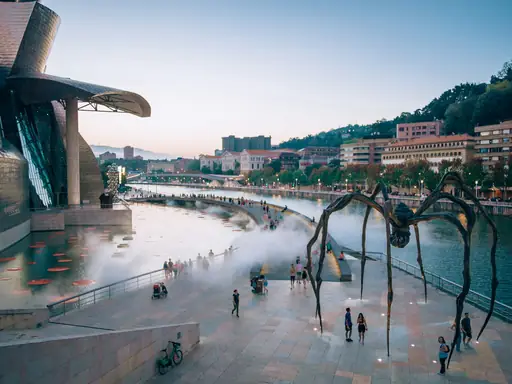
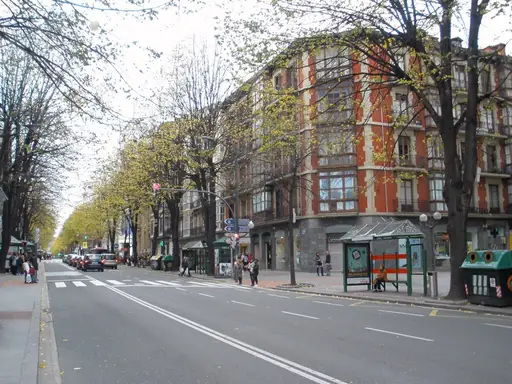
Pintxos bars line the old town's streets, each counter stacked with small plates. The Guggenheim's 1997 opening helped spark a wider culinary renaissance across the city. Visitors can bar hop through the Casco Viejo, pairing txakoli wine with each bite. Basque cider houses nearby serve grilled steak straight from barrels of tart cider.
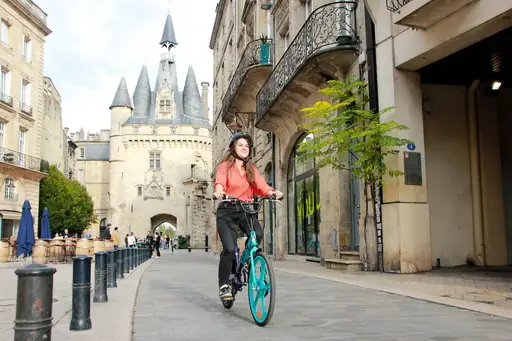
City in France
Bordeaux
Wine, elegance and riverside charm
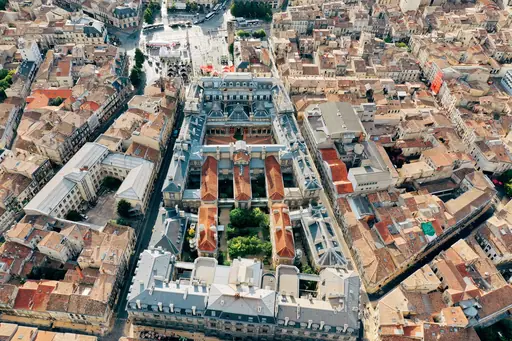
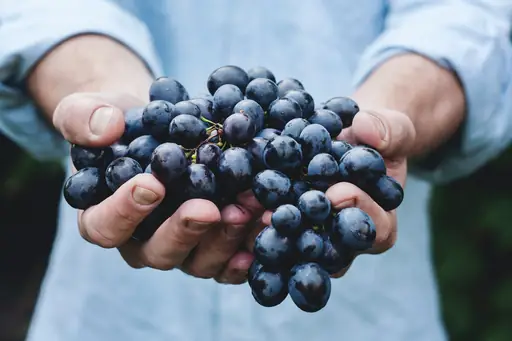
Cabernet and merlot vines surround this city, feeding wine lists at nearly every restaurant. Oysters from the nearby Arcachon Basin pair with local white wine at raw bars. Visitors can tour a chateau cellar before a multicourse lunch paired with its wine. Canele, a small caramelized pastry, originated in this city's bakeries.
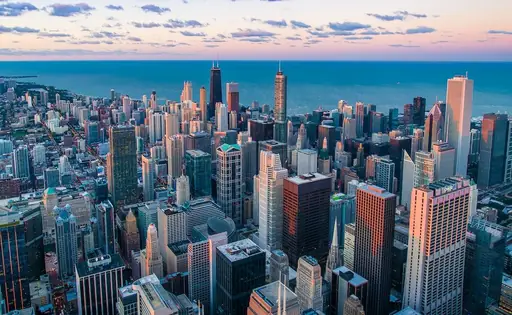
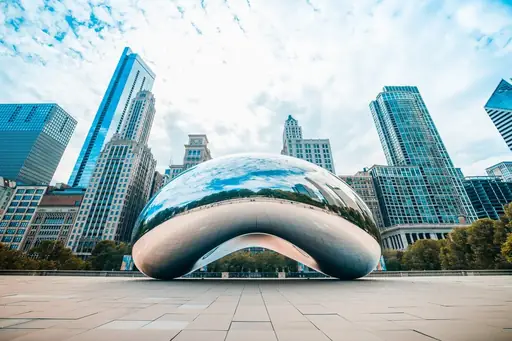
City in United States
Chicago
Skyline, Deep-Dish and Jazz Nights
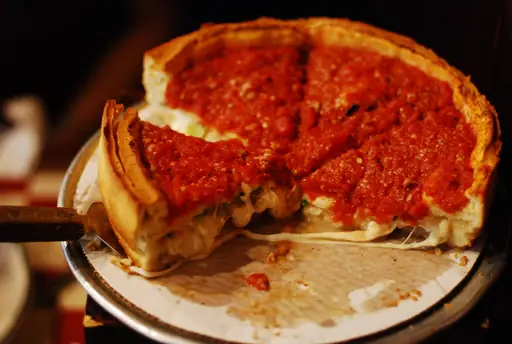
Deep dish pizza, baked in a buttery crust with layers of cheese, began here. Alinea helped put the city on the map for avant garde tasting menus. Visitors can pair a classic hot dog with a reservation at a Michelin kitchen. Steakhouses downtown have served the same cuts since the city's stockyard era.



Village in United States
Carmel-by-the-Sea
European-style charm meets coastal beauty
Chefs here draw heavily on Monterey Bay seafood, including abalone and local salmon. Wine tasting rooms line Ocean Avenue, many pouring vintages from Santa Lucia Highlands. Visitors can dine at a cottage style restaurant before browsing nearby galleries. Farmers markets in the Carmel Valley supply produce to many town kitchens.

City in United States
New Orleans
Jazz, Creole Flavors and Mardi Gras Vibes
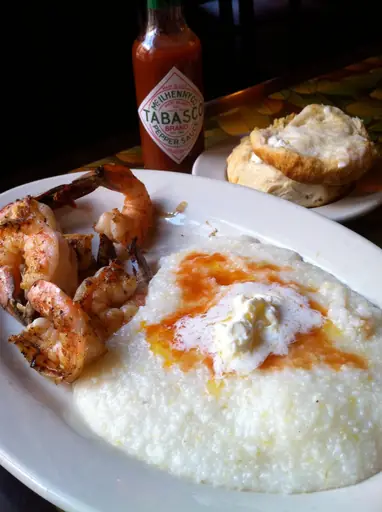
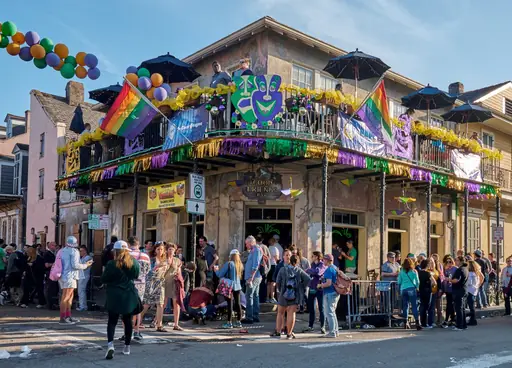
Gumbo, jambalaya and po'boys reflect this city's blend of French, African and Spanish culinary roots. Beignets served with chicory coffee remain a breakfast tradition dating back generations. Visitors can pair a muffuletta sandwich with live jazz at a French Quarter restaurant. Crawfish boils each spring draw crowds to backyard gatherings across the city.

State/Prefecture in China
Macau
Where East meets West in style
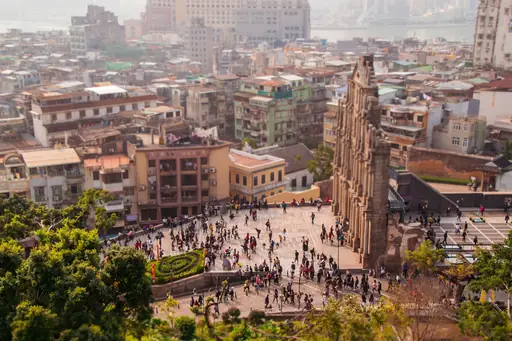
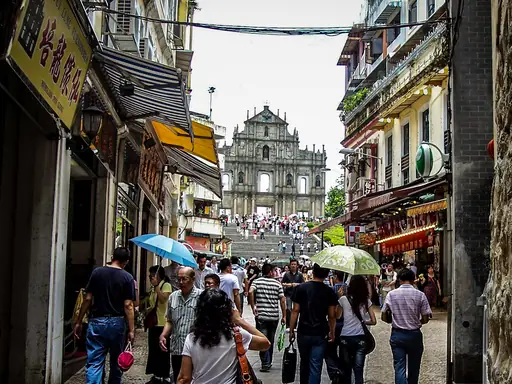
Portuguese and Cantonese traditions blend here into dishes found nowhere else in the world. Casino resorts hold some of the region's highest concentration of Michelin starred restaurants. Visitors can sample egg tarts and African chicken at old town bakeries and cafes. Wine cellars inside casino towers stock vintages flown in for high stakes clientele.
Country
Singapore
Tropical city-state of hawker food and gardens
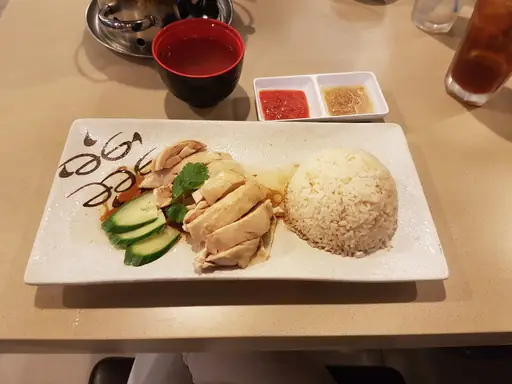
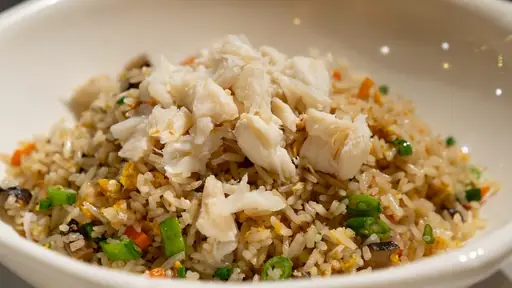
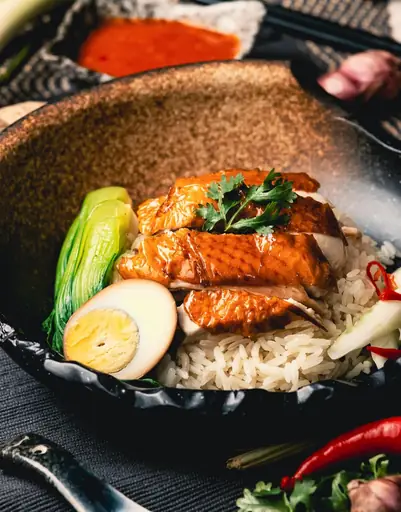
Hawker centres here hold Michelin stars alongside the country's most refined tasting menus. Chilli crab, stir fried in a sweet and spicy sauce, remains a signature dish. Visitors can sample laksa, satay and roti at a single hawker centre. Peranakan cooking blends Chinese and Malay traditions into dishes found only here.

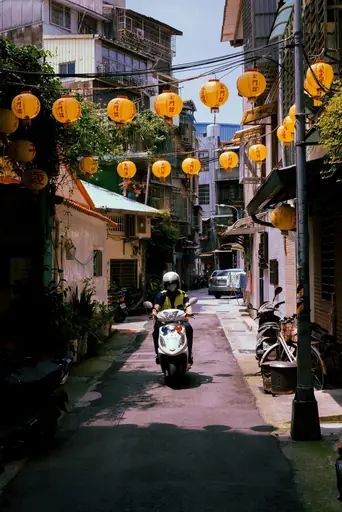
City in Taiwan
Taipei
A vibrant blend of old and new
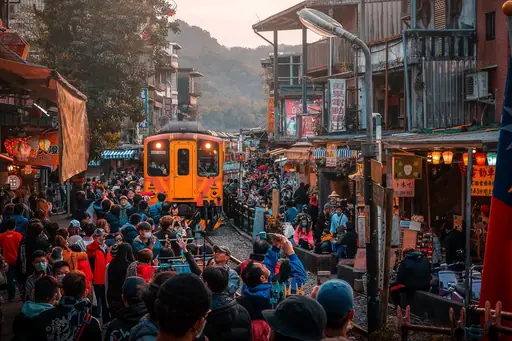
Night markets here serve stinky tofu, oyster omelets and bubble tea well past midnight. Din Tai Fung, famous for soup dumplings, opened its original location in this city. Visitors can pair street snacks with a formal tasting menu the same week. Teahouses in the hills above the city serve oolong grown on nearby mountain slopes.


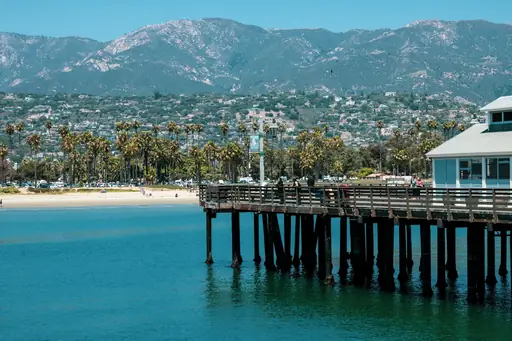
City in United States
Santa Barbara
California’s Riviera: sun, surf, style
Spot prawns and uni pulled from nearby waters supply sushi counters across the city. Vineyards in the Santa Ynez Valley pair tastings with lunches built around local produce. Visitors can pair fresh seafood with a courthouse view from a downtown terrace. Farmers markets on State Street supply many kitchens with produce grown just outside town.


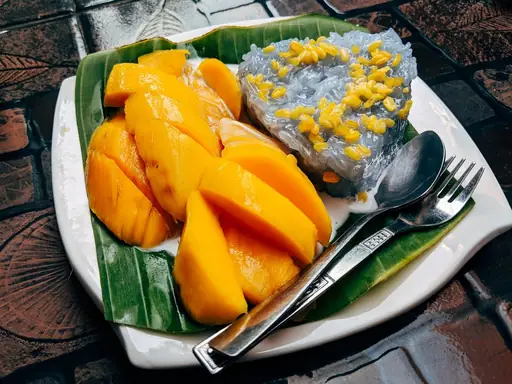
City in Thailand
Bangkok
The city of contrasts and chaos
Jay Fai, a Bangkok street vendor, holds a Michelin star for her crab omelette. The city's Michelin Guide, launched in 2017, now lists restaurants across every price range. Visitors can eat from plastic stools beside luxury tasting menus, often blocks apart. Night markets serve grilled skewers and noodle soups well past midnight.
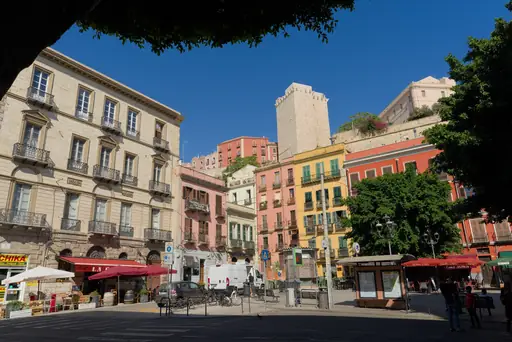

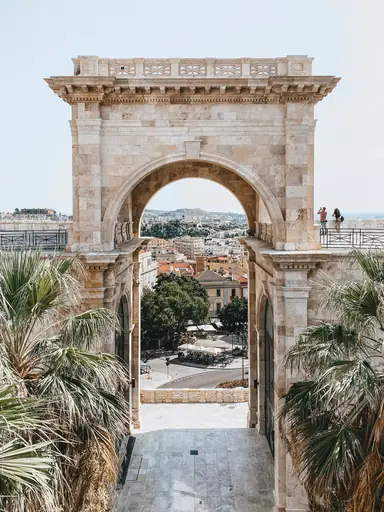
Island in Italy
Sardinia
Turquoise seas and ancient secrets
Pane carasau, a thin crispy flatbread, remains a staple across this island's kitchens. Porceddu, whole roasted suckling pig, appears at celebrations and traditional feasts here. Visitors can pair bottarga, cured fish roe, with pasta at a coastal trattoria. Cannonau wine, produced from local grapes, pairs with the island's hearty meat dishes.
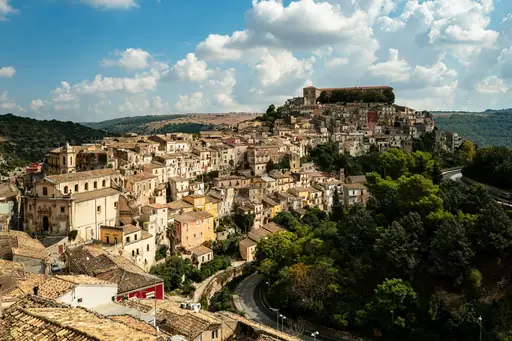
Island in Italy
Sicily
Sun, Sea and Ancient Secrets
Arancini, fried rice balls stuffed with ragu or cheese, remain a beloved street snack here. Cannoli filled fresh to order appear at pastry shops across nearly every town. Visitors can pair fresh swordfish with local wine at a harbour front trattoria. Street markets in Palermo sell panelle and other fried snacks well into the evening.
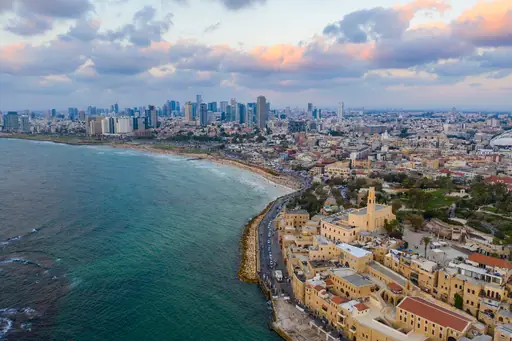

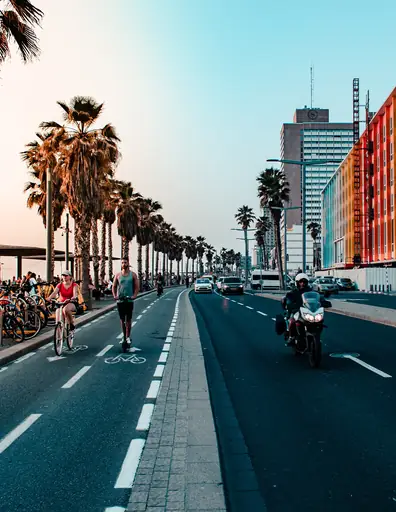
City in Israel
Tel Aviv
Vibrant Beaches and Nonstop Energy
Hummus and falafel stands draw long queues at lunch across nearly every neighbourhood. Shuk HaCarmel market sells produce, spices and baked goods late into the afternoon. Visitors can pair fresh Mediterranean seafood with a rooftop view near the beach. Modern Israeli cooking here blends Middle Eastern, North African and European influences.


City in Peru
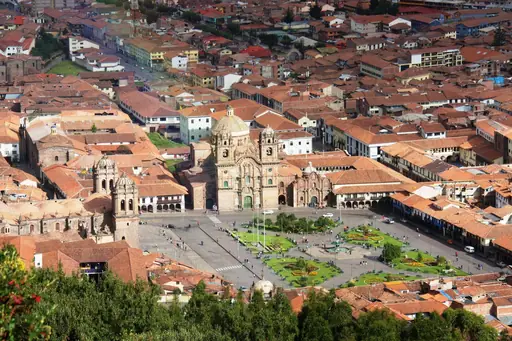
Cusco
Gateway to the Incan Empire's Heart
Cuy, roasted guinea pig, remains a traditional dish tied to Andean celebrations here. Chef Virgilio Martinez helped draw global attention to Peruvian ingredients grown at high altitude. Visitors can sample potatoes in dozens of native varieties, some found nowhere else. Markets near the main square sell chicha morada and other drinks made from purple corn.

City in Japan
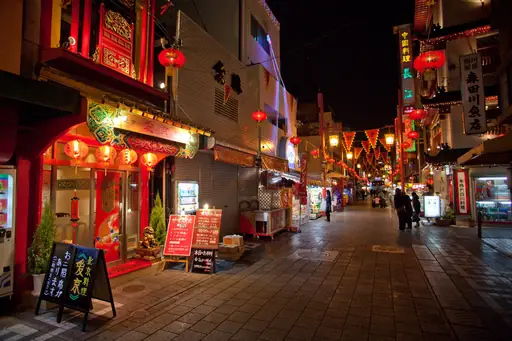
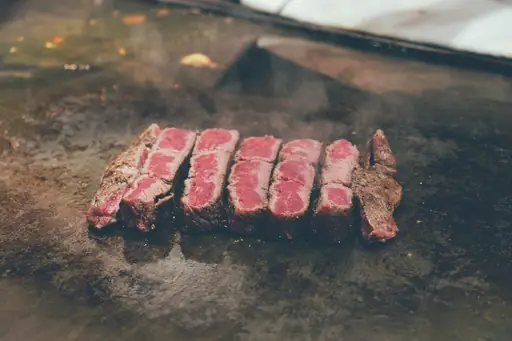
Kobe
Harbour city with hills, beef and hot springs
Kobe beef, prized for its marbling, comes from cattle raised under strict regional standards. Teppanyaki restaurants here grill the beef tableside on a hot iron plate. Visitors can pair a steak dinner with sake produced in the nearby Nada district. Chinatown near the harbour adds dumplings and noodle dishes to the city's culinary mix.

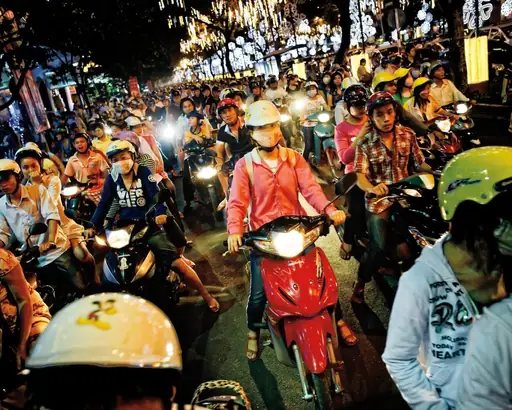
City in Vietnam
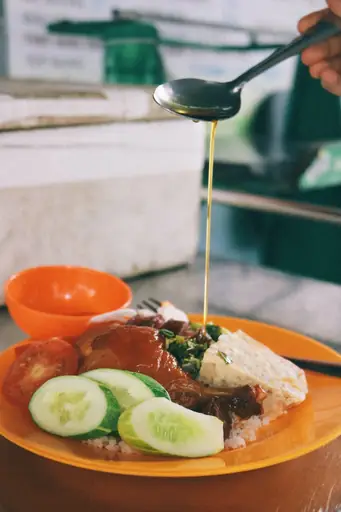
Ho Chi Minh City
A chaotic blend of history and energy
Banh mi vendors fill baguettes with pate, pickled vegetables and grilled pork each morning. French colonial influence still shows in the city's bread, coffee and pastry traditions. Visitors can sample com tam, broken rice with pork, at a pavement stall. Rooftop bars above the city pair skyline views with modern Vietnamese tasting menus.

Town in Greece
Oia
Sunsets Over Whitewashed Cliffs
Restaurants along this village's caldera rim pair sunset views with fresh seafood. Fava, a puree made from local yellow split peas, appears on menus islandwide. Visitors can dine at a table carved into the cliffside, overlooking the sunken centre. Assyrtiko, a crisp white wine grown in volcanic soil, pairs with most seafood dishes.
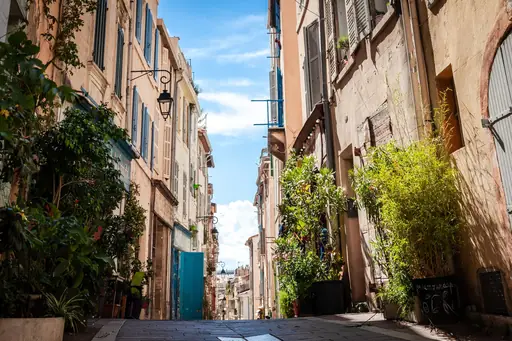

City in France
Marseille
Grit, grandeur and Mediterranean soul
Bouillabaisse, a saffron scented fish stew, is widely said to have originated here. The Vieux Port fish market sells the morning's catch steps from waterfront restaurants. Visitors can pair a bowl of the stew with rouille, a garlicky sauce on toast. Pastis, an anise flavoured spirit, remains the city's classic aperitif before a meal.
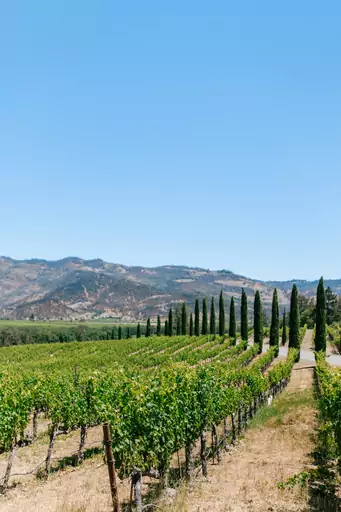
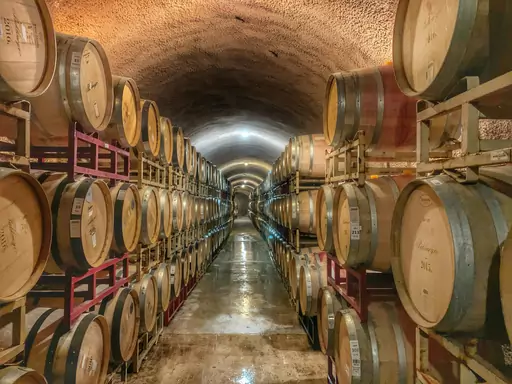

Region in United States
Napa Valley
Wine country's elegant culinary paradise
Cabernet vines cover much of this valley, feeding wine lists built around pairings. The French Laundry helped establish this valley as a serious American dining destination. Visitors can tour a cellar before a multicourse lunch paired with the estate's wine. Farm stands along the main road sell produce grown just outside the tasting rooms.
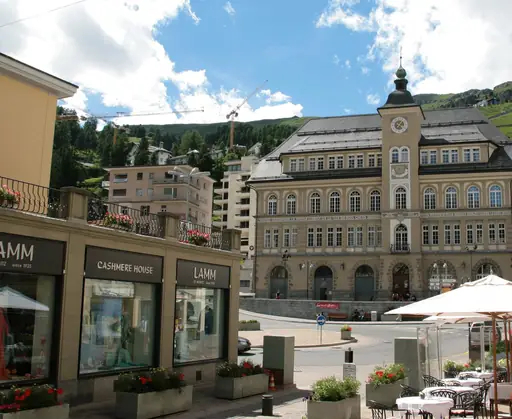
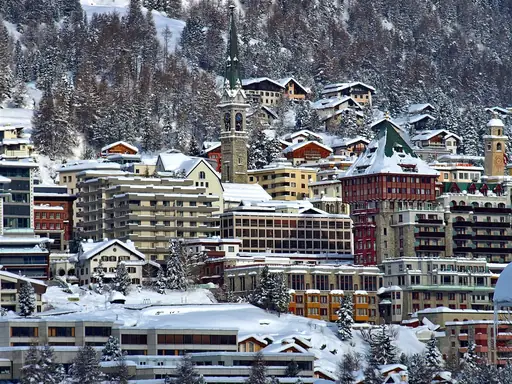

City in Switzerland
St. Moritz
Alpine Glamour and Winter Magic
Alpine kitchens here pair Swiss classics like rosti with imported caviar and truffle. Fondue and raclette remain staples even at the resort's most decorated addresses. Visitors can ski to a mountaintop hut for lunch before returning for a formal dinner. Wine cellars in some hotels hold vintages collected over generations by longtime owners.
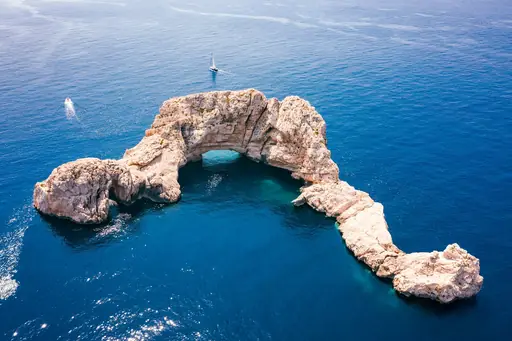
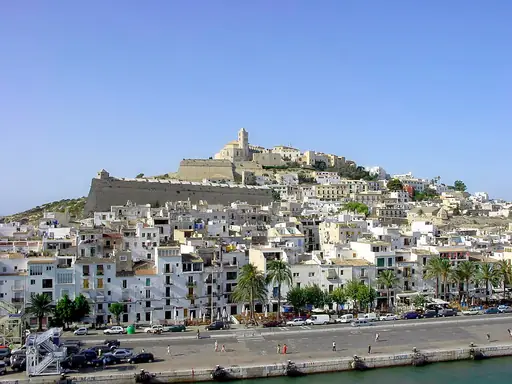
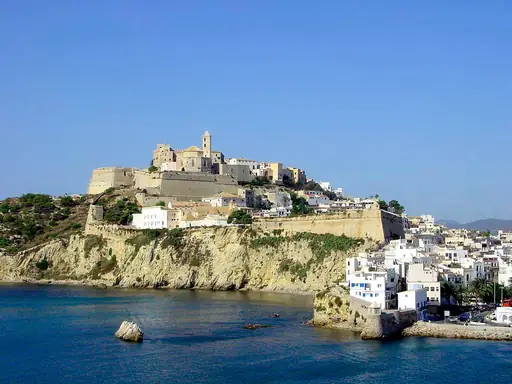
Island in Spain
Ibiza
Mediterranean Energy, Timeless Charm
Beach clubs along the south coast pair all day dining with sweeping sea views. Traditional Ibizan cooking leans on rustic stews, salted fish and local almonds. Visitors can dine at a converted farmhouse before an evening at a beachfront lounge. Markets in the old town sell figs, capers and produce grown across the island.


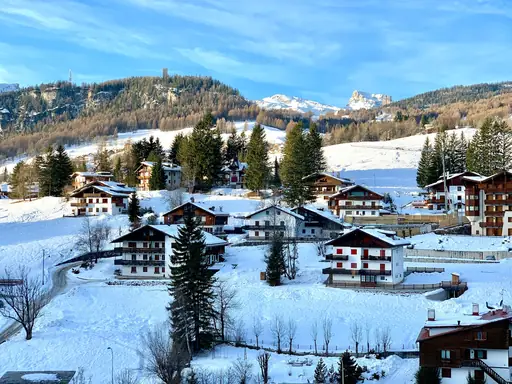
Town in Italy
Cortina d'Ampezzo
Dolomite Peaks, Alpine Glamour, Adventure
Mountain restaurants here mix Venetian seafood with heartier, Austrian influenced Alpine cooking. Casunziei, beet filled ravioli topped with poppy seeds, is a speciality of this valley. Visitors can ski to a rifugio for lunch before returning to slopes. Wine cellars carved into the mountainside store bottles from the surrounding Veneto region.


Region in Indonesia
Bali
Tropical beaches, vibrant culture and adventure
Babi guling, a whole roasted pig stuffed with turmeric and spices, is a signature dish. Warungs, small family run eateries, often serve some of the island's most respected cooking. Visitors can dine at open air restaurants overlooking rice paddies around Ubud. Fine dining kitchens increasingly pair French technique with Balinese spices and produce.
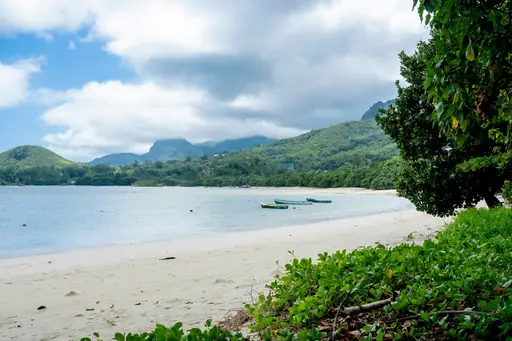
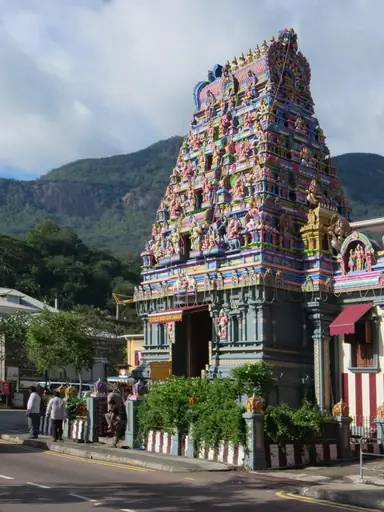

Island in Seychelles
Mahé
Tropical Paradise with a Wild Side
Creole cooking here blends French, African and Indian influences into dishes found nowhere else. Octopus curry, simmered with coconut milk and spices, appears on menus across the island. Visitors can eat fresh caught tuna and grilled fish at beachfront restaurants each evening. Breadfruit, often fried or mashed, remains a common side dish at local tables.

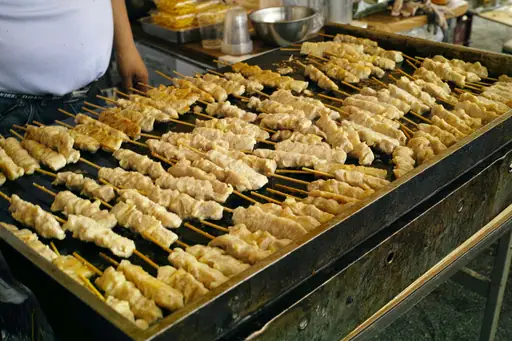

City in Japan
Sapporo
Snow festival city with ramen and beer
Miso ramen, developed in this city, uses a rich broth associated specifically with the region. Crab markets nearby sell live king crab pulled from cold northern waters. Visitors can pair fresh seafood with local Sapporo beer at a market stall. Soup curry, a lighter local speciality, blends Japanese and Southeast Asian influences.


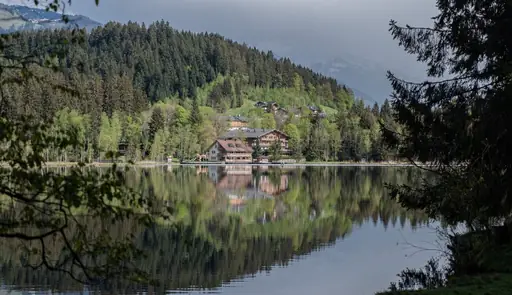
Town in Austria
Kitzbühel
Alpine Elegance Meets Outdoor Adventure
Mountain huts here serve kaiserschmarrn, a shredded pancake dusted with powdered sugar. Tyrolean specialities like speck and dumplings anchor menus across the resort town. Visitors can ski to a hut for lunch before a formal dinner back in the village. Cheese from alpine dairies supplies nearly every restaurant across the valley.
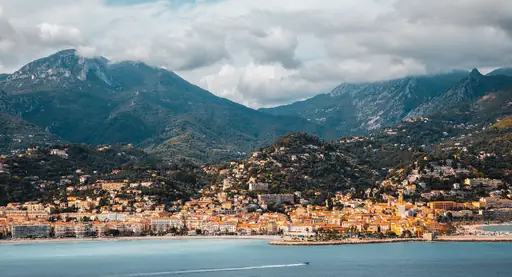
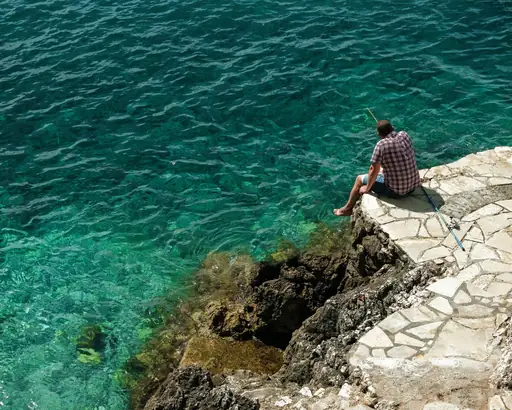

Town in France
Menton
Sunlit Riviera charm meets Mediterranean breeze
A lemon festival each February celebrates the citrus grown across this town. Restaurants here fold lemon into both savoury dishes and desserts year round. Visitors can browse the covered market for fish, olives and produce before lunch. Italian influence shows in local pasta dishes, a legacy of the town's border location.

City in Ireland
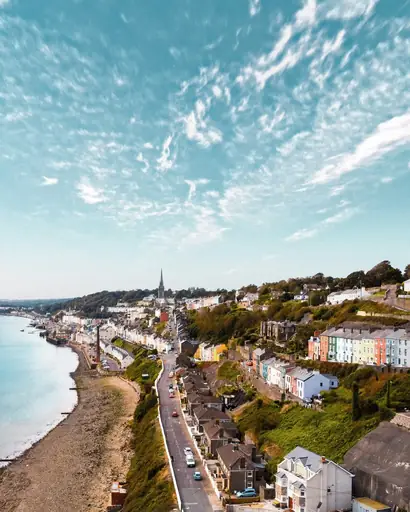
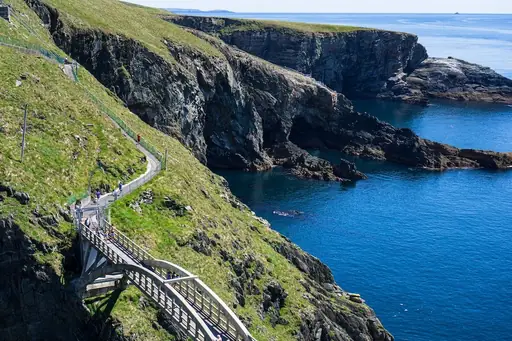
Cork
Ireland’s rebel city with soul
The English Market has supplied the city's kitchens with fish, meat and produce since 1788. Chefs here draw heavily on West Cork's cheese, seafood and grass fed beef. Visitors can browse market stalls before lunch at a restaurant just steps away. Guinness and local craft stout remain common pairings with the city's seafood chowders.


Region in Australia
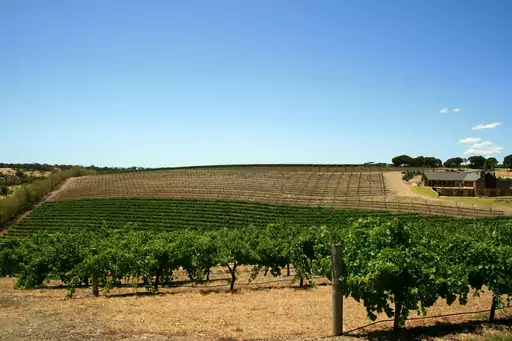
Barossa Valley
Australia's premier wine country paradise
Shiraz vines planted over a century ago still bear fruit across this wine region. Cellar door restaurants pair tasting flights with menus built around local lamb. Visitors can tour vineyards by bike before a long lunch at a farmhouse. Farmers markets in nearby towns sell cheese and bread made just down the road.
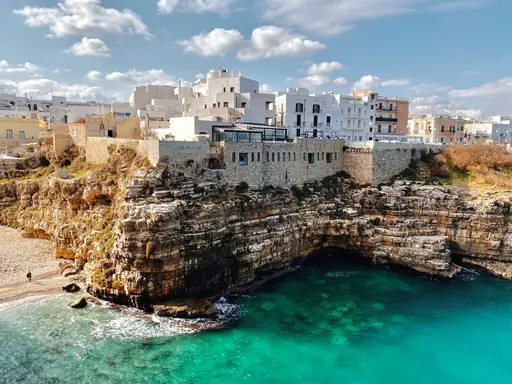
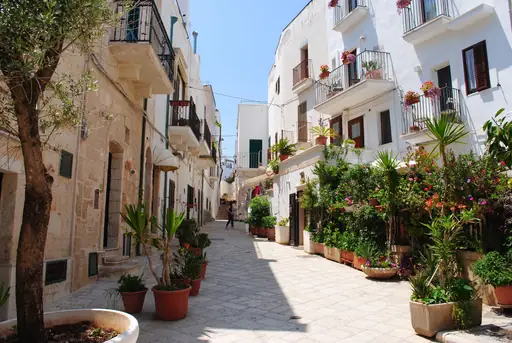
Town in Italy
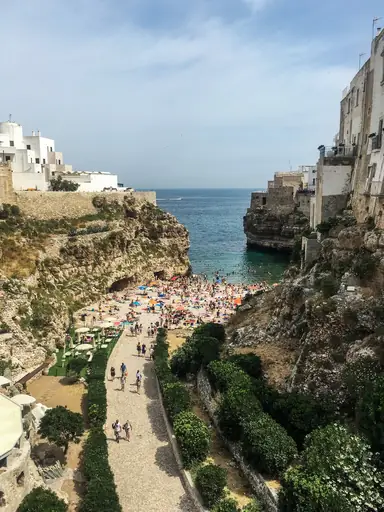
Polignano a Mare
Dramatic Cliffs and Crystal Waters
Restaurants here perch above sea caves carved into cliffs along the Adriatic coast. Orecchiette, ear shaped pasta, gets paired with turnip greens at trattorias across town. Visitors can dine at a table built into a cave, waves visible just below the floor. Focaccia barese, topped with tomato and olives, remains a local speciality found citywide.
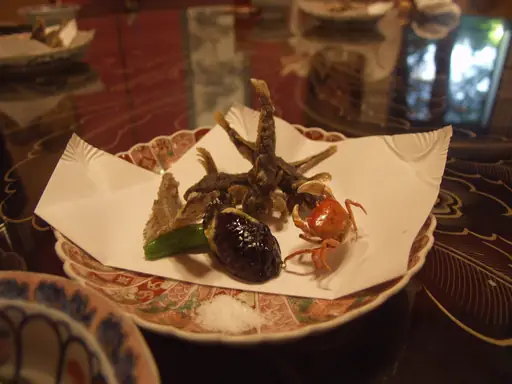

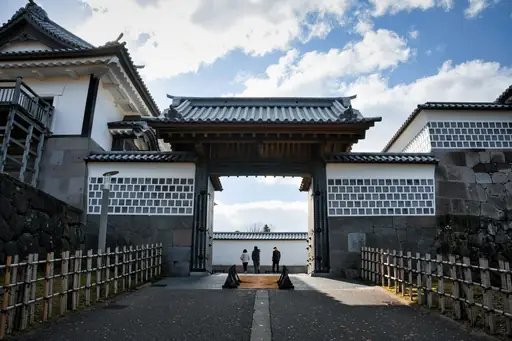
City in Japan
Kanazawa
Samurai streets, gold leaf and Kenrokuen garden
Fresh seafood from the Sea of Japan supplies sushi counters across this city. Omicho Market has supplied local kitchens with fish, crab and produce for centuries. Visitors can eat kaiseki, a multicourse meal, at a restaurant inside a converted teahouse. Gold leaf, produced locally, sometimes tops desserts sold near the historic district.
City in Argentina
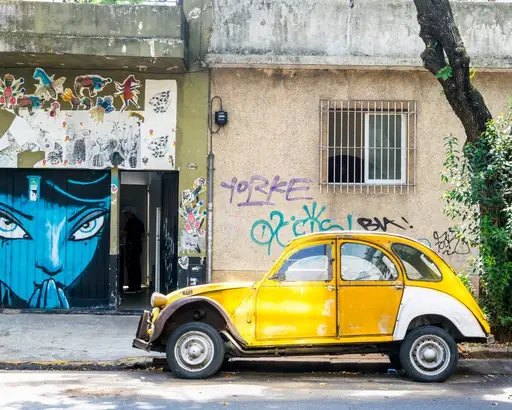
Buenos Aires
Where Tango and Culture Thrive
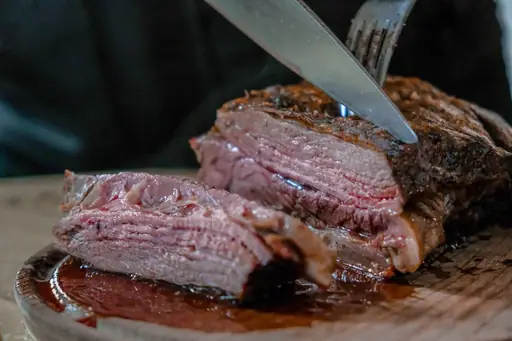
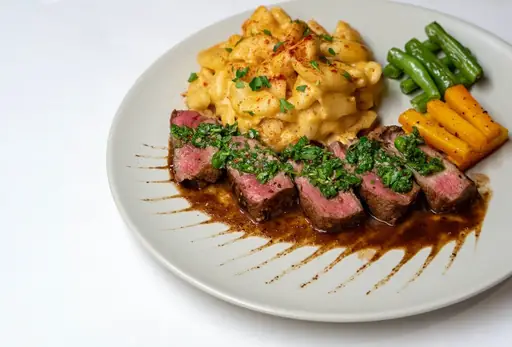
Parrillas, steakhouses built around open wood fired grills, anchor the city's reputation for beef. Malbec from nearby Mendoza fills wine lists at restaurants across nearly every neighbourhood. Visitors can watch a whole animal roast slowly over coals at a traditional asado. Cafes serving medialunas and coffee stay busy from breakfast well into the evening.
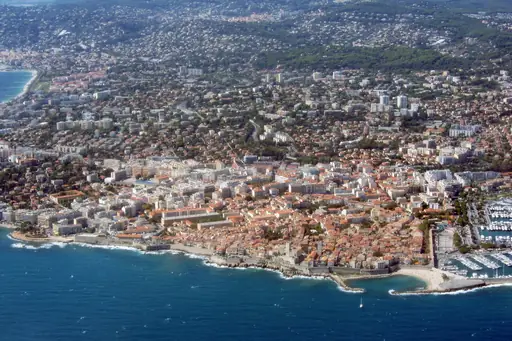
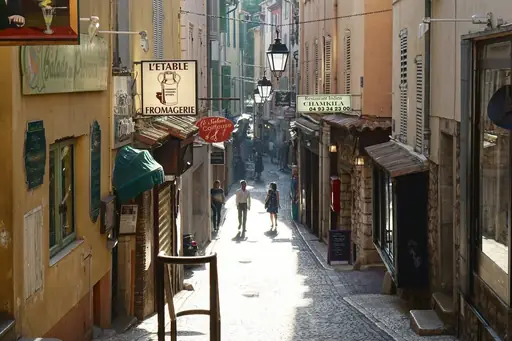
City in France
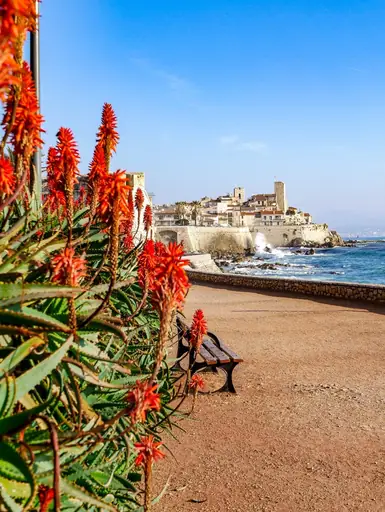
Antibes
Mediterranean Charm with Riviera Soul
The Marche Provencal fills each morning with stalls selling olives, tapenade and fish. Bouillabaisse and other Provencal seafood stews appear on menus across the old town. Visitors can shop the market before lunch at a bistro steps from the stalls. Restaurants along the port serve grilled fish caught that same morning off Cap d'Antibes.
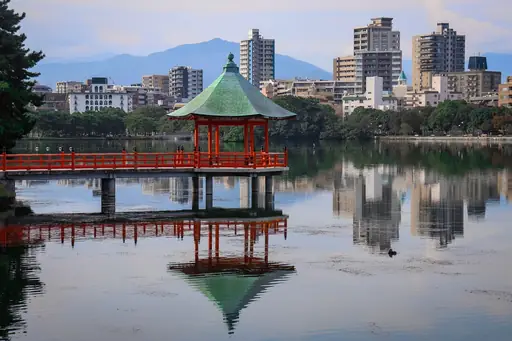
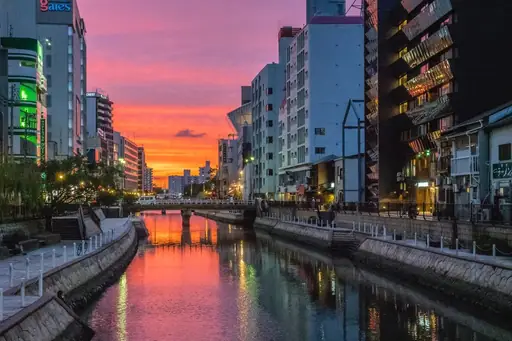
City in Japan
Fukuoka
Kyushu's biggest city, known for yatai and ramen
Yatai food stalls line the riverbanks each evening, serving ramen from open carts. Hakata style ramen here uses a rich pork bone broth simmered for hours. Visitors can hop between stalls, sampling a different dish at each stop. Mentaiko, spiced cod roe, appears in dishes across the city's restaurants and markets.
Other lists you may like

Discover
Best fine dining destinations in Africa
South Africa anchors much of Africa's fine dining scene, with a wine-region restaurant culture built alongside some of the world's most renowned vineyards. North African cities…
Read more

Discover
Best fine dining destinations in Asia
East Asia holds more world-renowned fine dining recognition than any other region on earth and that single fact says a lot about the depth of the wider culinary scene. Several…
Read more
Discover
Best fine dining destinations in Europe
Europe still anchors the world's idea of fine dining, from classical haute cuisine traditions to a reinvention of Nordic cooking that has reshaped the culinary world over the past…
Read more
Discover
Best fine dining destinations in North America
Major coastal cities anchor much of North America's fine dining reputation, but other cities have emerged as exciting food capitals in their own right, reinterpreting regional…
Read more
Discover
Best fine dining destinations in Oceania
Major coastal cities have built fine dining scenes that rank among the most respected anywhere, drawing on the region's exceptional seafood and produce as much as international…
Read more
Discover
Best fine dining destinations in South America
Andean and coastal cuisines have helped one part of the continent become one of the world's most respected food regions over the past two decades, drawing on extraordinary…
Read more
What other users say about travelfilters
“travelfilters made it easy for me to find ski areas and compare what else they offer, so that I could find the best place for my personal travel style.”

Chris
Snowboarding & Onsen trip to Japan
“I love how transparent the data feels. There is no pushy upsell, just honest information and settings I can tune to my own travel style.”

Maria
After booking her 2027 winter escape
“The level of detail for each destination and how well those are displayed, make planning feel confident instead of overwhelming.”

Mina
Planned a week in New York City
“We used travelfilters for our planning from start to end. The trip turned out even better than expected, thanks to all their tools and customisation options.”

Allan & Etienne
Trip to Japan to see autumn foliage
“Thanks to travelfilters, I found some hidden gems to see. Being able to filter for exactly your interests is a game changer for my travel planning.”

Michael
Tour through the old cities of Northern Italy
“The customizable filters helped me find a quiet beach town with good wifi and low season crowds in under five minutes.”

Diego
Weekend Escape to Llanes, Spain
“The airport connection map saved me hours by showing good flight options from my home airport to lesser-known cities.”

Nguyen
Planning a 2027 trip to France
“The website is clean, fast and focused on the search itself, which makes travelfilters feel more like a professional tool than an ad-heavy booking site.”

Hassan
Christmas Market trip, Germany
