
Glamping gets criticized from two sides. Campers see a four-poster bed in a tent and say that it isn't real camping. People who are used to hotels see the path to the bathroom and say that it isn't a real hotel. All of this might be true, but glamping is essentially the best compromise you can find if you want to experience nature up close without having to sleep on a thin mat on the ground.
Still, it's easy to make a few mistakes when booking. Some people expect hotel comfort and are then annoyed about the walk to the shower. Others expect camping prices and are surprised by how much a night costs. And some book a beautiful dome in the one month of the year when the area is too hot, too wet or full of mosquitoes. Don't write the concept off, though, just because there might be more comfortable or cheaper alternatives. Glamping can really give you some of the most memorable nights you'll spend away from home.
Step 1: Know what you're getting
Glamping is a trade-off. Compared to camping, you don't have to buy any gear, pitch a tent or know how any of it works. You usually get a real bed with proper linen, some furniture and enough space to stand up. If the roof leaks, it's someone else's job to fix it. Compared to a hotel, you have to accept a few things too. You're a lot closer to the weather. The bathroom, the parking or the breakfast area might be a short walk away. And you'll share your surroundings with the local wildlife, insects included.
If that sounds like exactly what you want, glamping is probably a great fit for you. It's popular with couples who are celebrating a special occasion, families with kids who think sleeping in a yurt is the biggest adventure ever and people who like the idea of camping but don't want to buy all the equipment.
Step 2: Get to know the different types
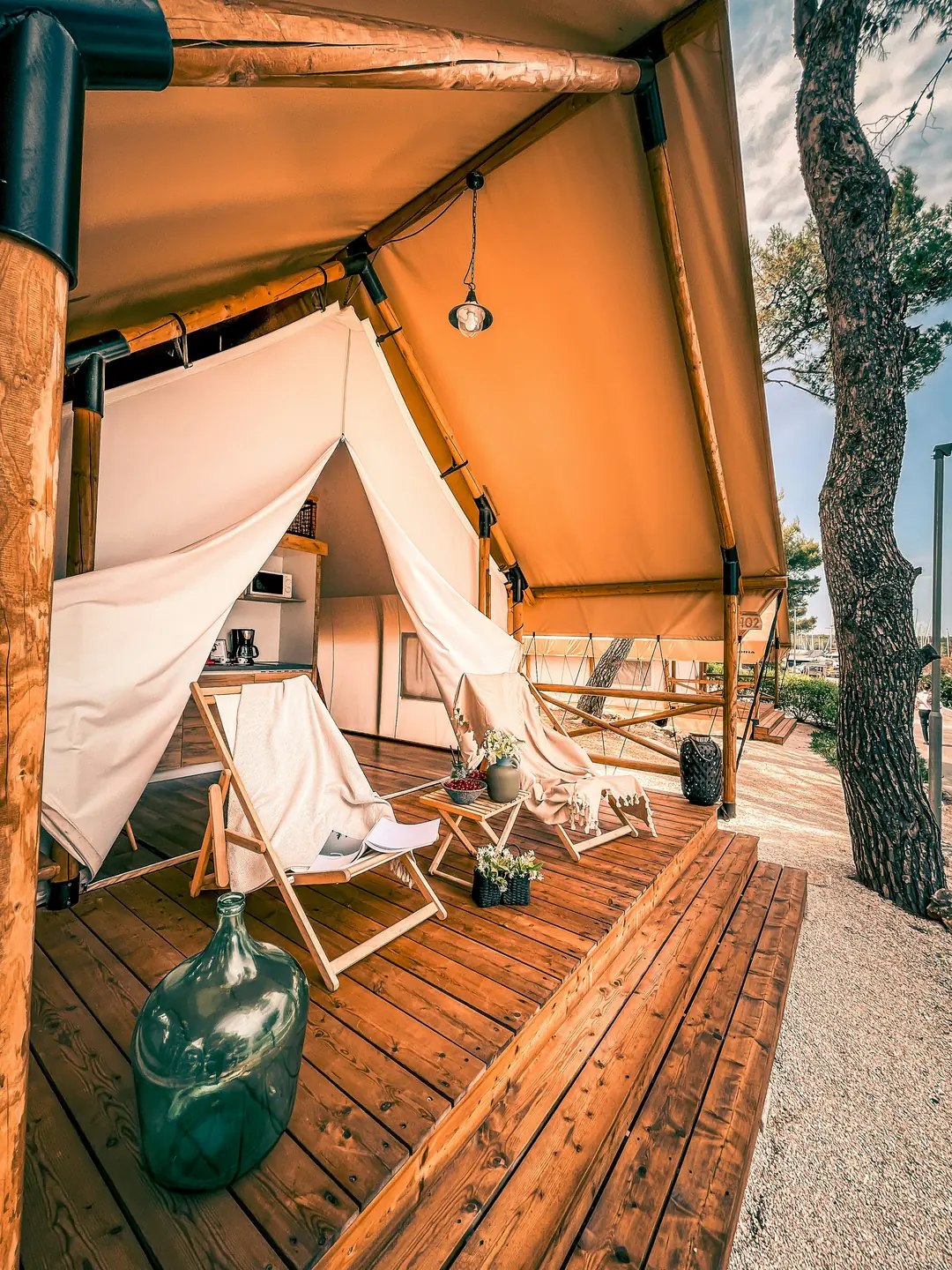
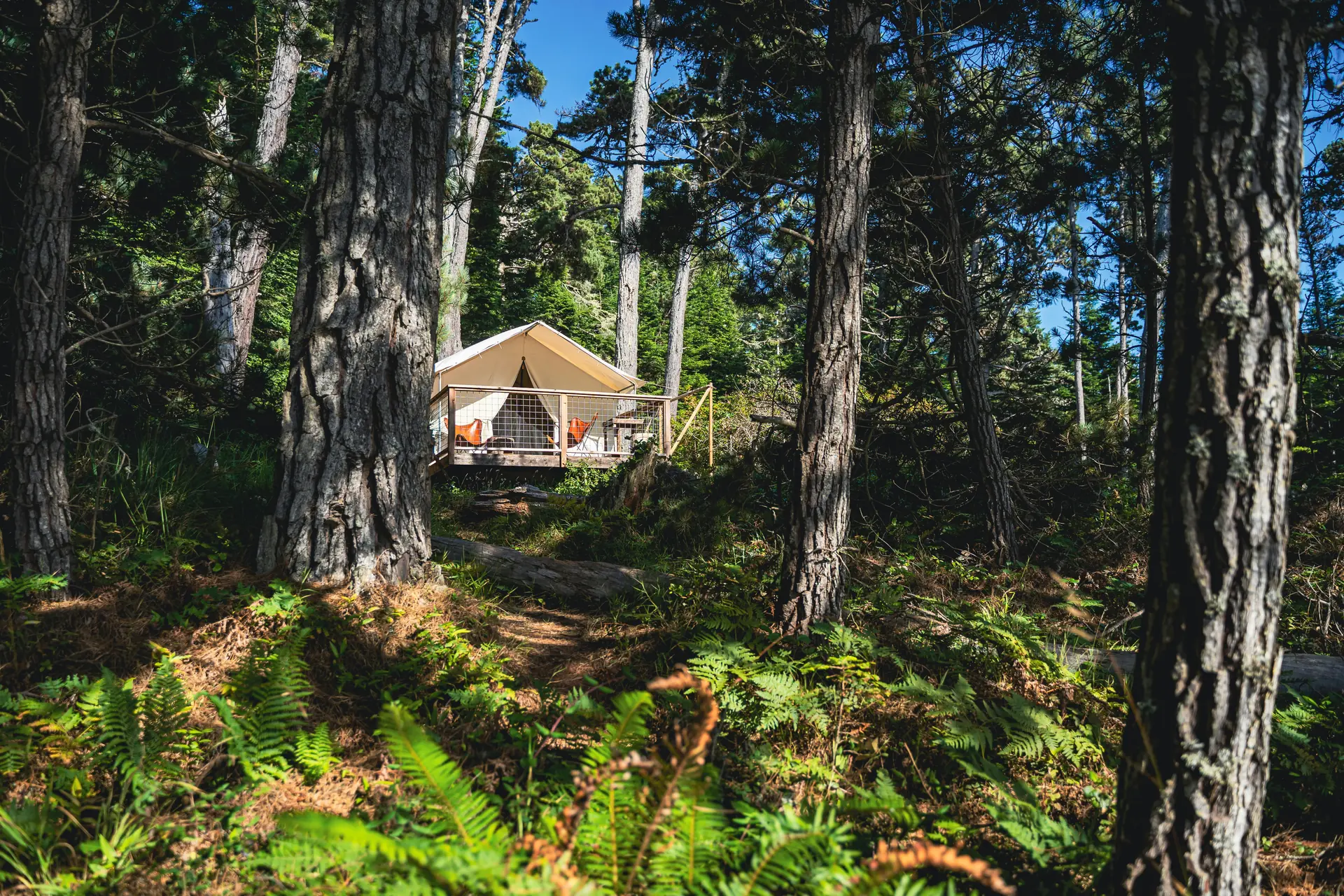
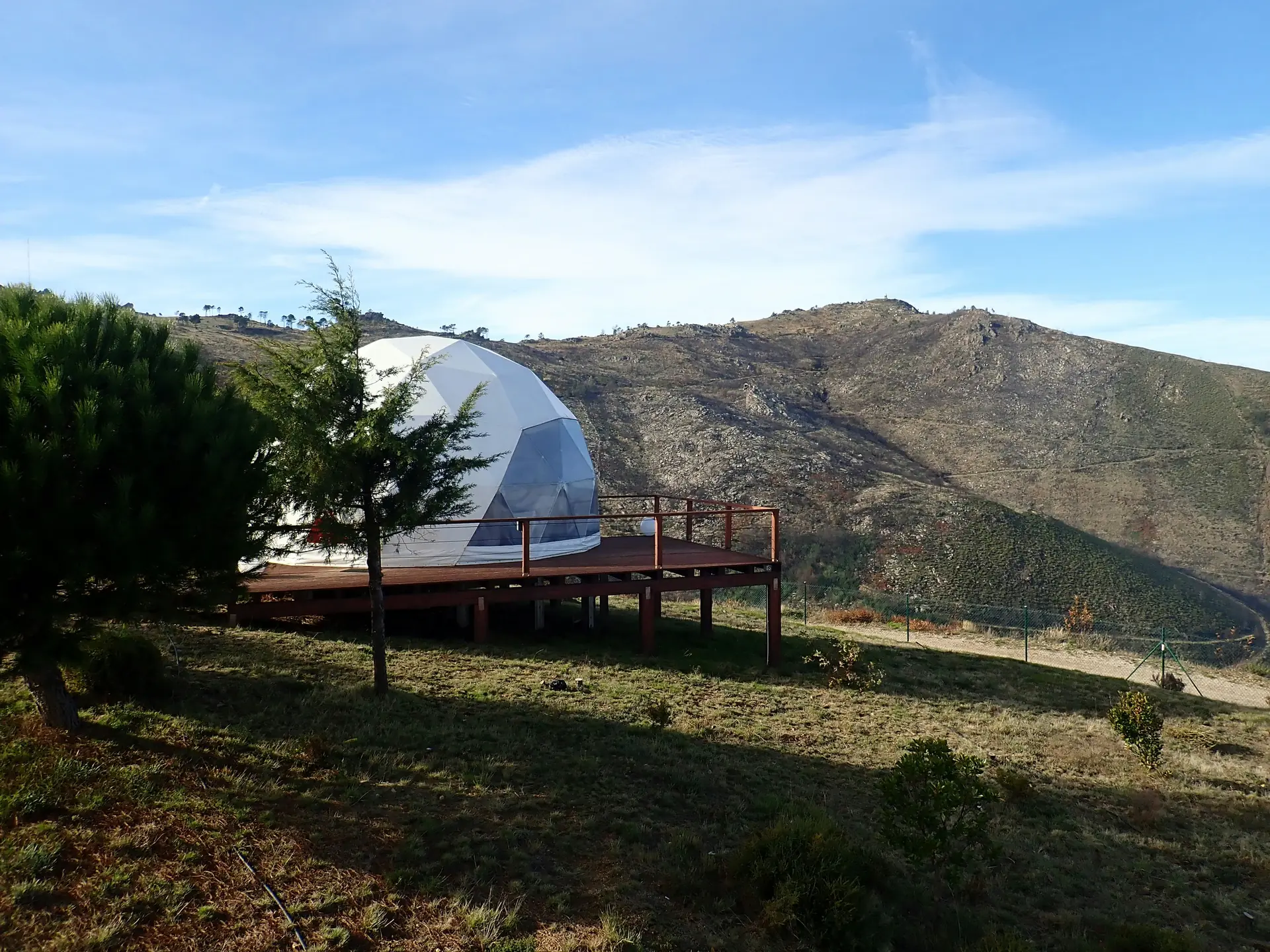
Glamping covers quite a few different types of accommodation. Safari tents are the classic version. They're spacious canvas tents on a wooden platform and often have their own bathroom behind a partition. Of all the options, they're the closest you'll get to a hotel room in tent form. Yurts are round and cozy and a good choice in bad weather. Geodesic domes are all about the view, often with a large transparent panel for stargazing. In return they need good heating and cooling, since the sun can heat them up quickly. Pods and cabins have solid walls and are more like small huts than tents. Treehouses come with a ladder and are a dream for a lot of kids (and adults). Then there are also vintage caravans and Airstreams that have been turned into permanent accommodation.
The practical differences mostly come down to the size of the accommodation, the insulation and whether there is a private bathroom or not. It's a good idea to think about these aspects and get clarity on what's most important to you before you book anything. Also think about the season you're traveling in and who's coming with you. Your fellow glampers' preferences might be different than your own.
Step 3: Ask the relevant questions before you book
Glamping listings usually show the sunset and the nice bedding. For everything else, you might have to ask. It makes a big difference to your experience if the bathroom is private or shared, inside or a walk away and if there's hot water all the time or only at certain hours. How heating and cooling are handled is another important factor. A wood stove is cozy, but if it's up to you to keep it going you might want to be prepared for that. Also check if there are power outlets and Wi-Fi. Some sites don't have either, which can be great or a problem, depending on who you're traveling with and what you're all looking for.
It also helps to ask about the practical side, so that you know how to get there and know how far of a walk the location is from the parking in case you have to schlepp your luggage. The food question should also be investigated. Some places serve breakfast, some have a shared kitchen and sometimes the nearest restaurant is twenty minutes away by car. Check whether kids and dogs are allowed if you're bringing either and what the site says about insects. If the listing tells you to bring repellent, they probably mention it because you'll need it.
Step 4: Pick the right time of year
For glamping, timing is extremely important because the same site can feel completely different depending on the month. A dome with a view of the stars needs clear, cool nights. A safari tent by a river is nicest after the mosquito season and before the rains start. A yurt in the hills can be lovely in spring and fall and a lot less pleasant in the middle of winter. In hot regions, peak summer is often the worst time to sleep under canvas. The shoulder seasons, with mild days, cool nights and fewer people around, are usually a much better time to go.
Our Trip Finder can help you with that. You can filter for the climate you want in the exact month you're traveling, together with things like nature, peace and quiet or hiking. The destinations where the weather should be pleasant during your dates then show up at the top. On our place info pages you'll also find detailed climate info and the best times to travel, so you can check when you're likely to have the best possible experience.
Step 5: Know what you're paying for
Glamping often surprises people when it comes to the price. Good sites can cost as much as a boutique hotel and sometimes even more. That's usually because there are only a few units in a remote location with real service. Still, it makes sense to think about whether the price is right for you. What you're mainly paying for is the setting and the privacy. You have your own tent in the middle of nature instead of a room along a hallway. You also get the evenings by the fire, the view of the stars and the quiet mornings. Often there's a small team that takes good care of you. What you aren't paying for is the infrastructure of a hotel, so comparing the two by price alone doesn't really make sense.
If the landscape and spending your evenings outside are the main reason for the trip, the higher price is probably worth it. The experience of two nights like that can stay with you a lot longer than five nights in an ordinary hotel. If you're going to be out all day and only come back to sleep, a guesthouse will give you a bed for a lot less money. And as with other small places, it can help to book through the site's own website or to write to them directly. Sometimes that gets you a better price or a unit in a nicer spot.
Step 6: Pack a few things and keep your schedule free
You don't need to pack much for glamping, but there are a few things you shouldn't forget. Bring layers, because nights in a tent can get cold even in summer. Sturdy shoes for the paths and a headlamp or flashlight for the walk to the bathroom at night are a good idea, too. If it's the season for insects, don't forget to bring repellent. Snacks and drinks for the evening can also be useful, since there's often no shop nearby. And make sure to take something to do with you that doesn't need electricity, like a deck of cards or a good book.
Probably the most important tip is to not plan too much. Glamping is at its nicest from the late afternoon onwards, when you light the fire, have dinner outside and watch the stars come out. If you spend the whole day on excursions and only come back to sleep, you miss a big part of what you're paying for. Try to arrive while it's still light, so you can find your way around and settle in.
Comfort and nature in one trip
Glamping is a lot of fun if you book it for what it is. You get to experience nature up close and still have enough comfort to sleep well. Pick the type of accommodation that makes sense for the season and a destination with good weather during your travel dates. Ask all the important questions before you book and keep your evenings free. Then you can leave the argument about whether it's real camping to others and enjoy your evening by the fire.