
Top cosy towns and quaint villages
Top cosy towns and quaint villages
Quaint towns and comfortable winter villages
Some towns have an atmosphere that's hard to manufacture deliberately: scale, architecture and a pace of life that makes a short visit feel unusually restorative. The best of them tend to be small enough to walk entirely on foot, with enough character in the buildings and streets to reward simply wandering.
The villages on this list range from historic stone-built settlements centuries old to smaller modern towns that have cultivated a similarly unhurried feel. Some sit on coastlines or lakes. Others are tucked into valleys or hillsides away from any major route.
Visiting outside peak season tends to preserve the atmosphere that makes these places worth seeking out, since a quiet village can change considerably once full of day-trippers.
Lists by region
Village in France
Gordes
Timeless stone charm amid lavender fields
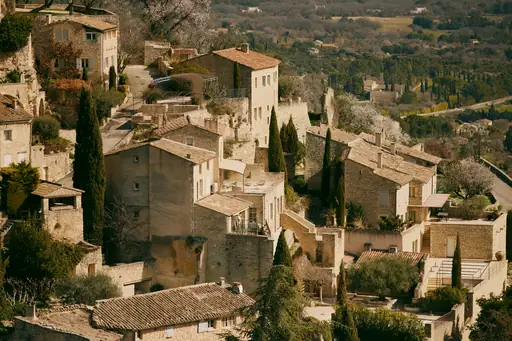
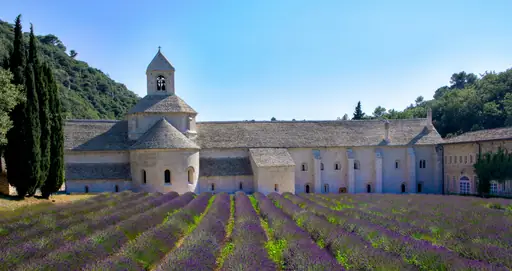
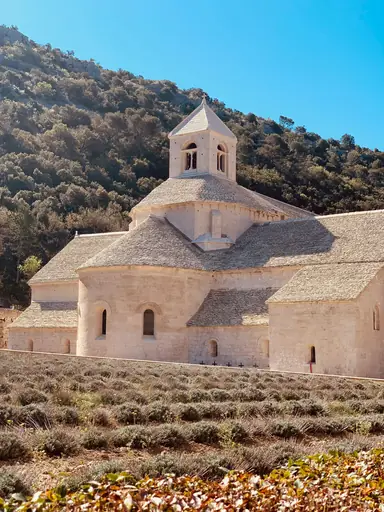
Pale stone houses stack up a steep hill above the Luberon valley in Provence. The Village des Bories nearby has round dry stone huts. Visitors can visit Senanque Abbey to see lavender fields in July. The Tuesday market fills the main square with olive oil and cheese.
Village in Japan
Kinosaki Onsen
Seven bathhouses to stroll between in yukata
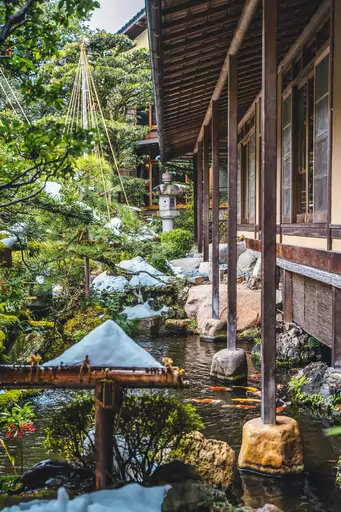
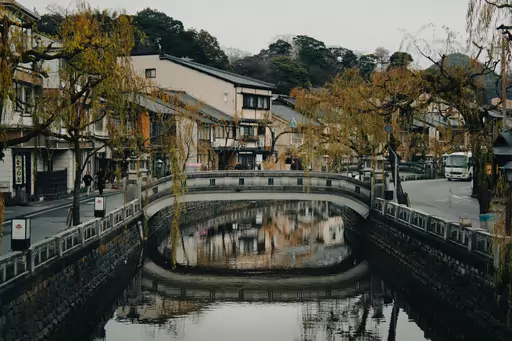
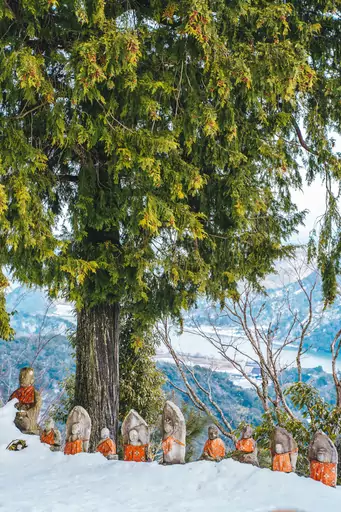
Guests walk between seven public bathhouses in cotton robes and wooden sandals. Willow trees line the small canal that runs through town. Each bathhouse has its own design and a different type of hot water. Visitors can buy a pass to enter all seven baths in a day.

City in China
Pingyao
Ancient walls echo through timeless streets
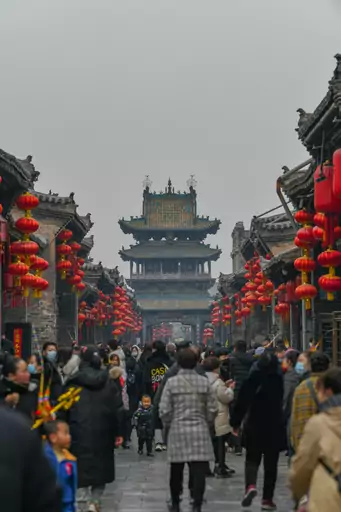
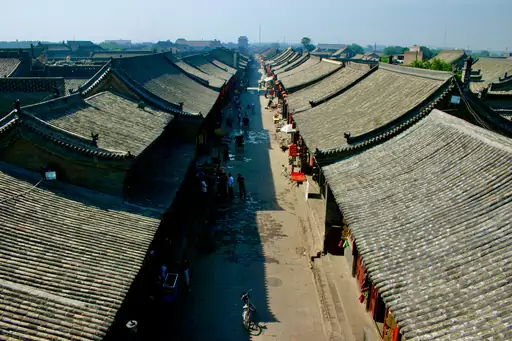
Thick brick city walls, about six kilometres long, enclose this old Chinese town. In the 1800s its banks made it a financial centre for the country. Visitors can walk the top of the walls or stay in a courtyard house. Lantern lit alleys are quiet after tour groups leave.
City in China
Lijiang
Ancient Charm and Mountain Majesty
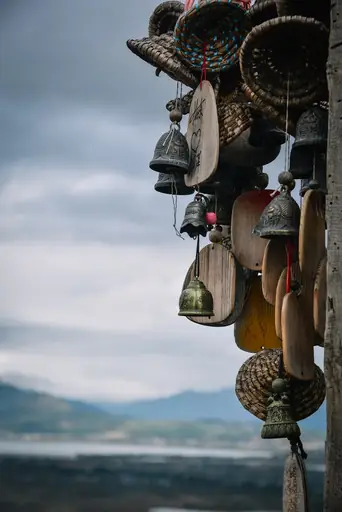
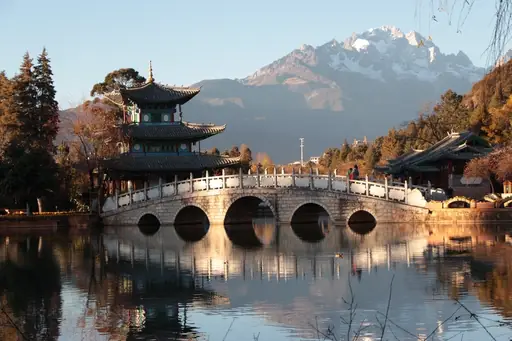
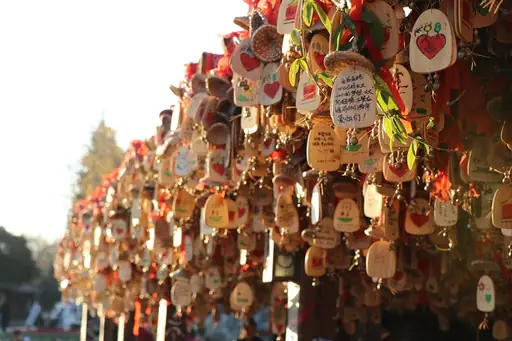
Naxi people have lived in this old town for centuries. An earthquake hit the town in 1996 and UNESCO listed it in 1997. Canals run through cobbled lanes lined with tile roofed wooden houses. Visitors can hear Naxi musicians play ancient music at a hall in the old town.
Town in Greece
Nafplio
Venetian Charm Meets Greek History
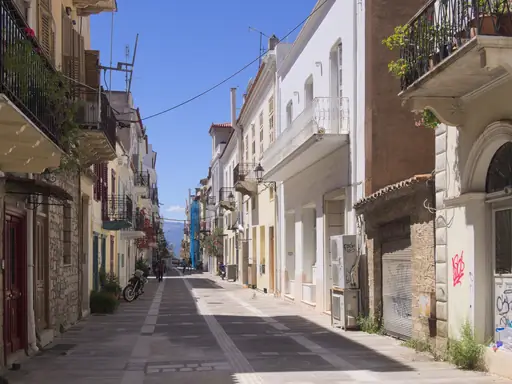
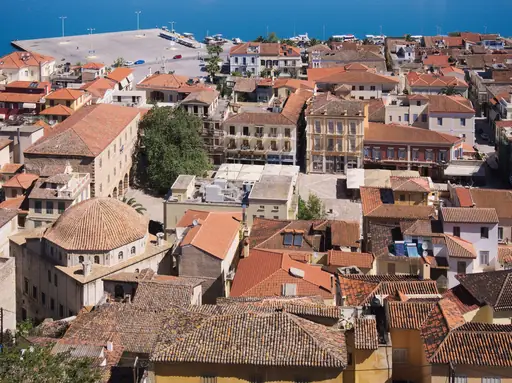
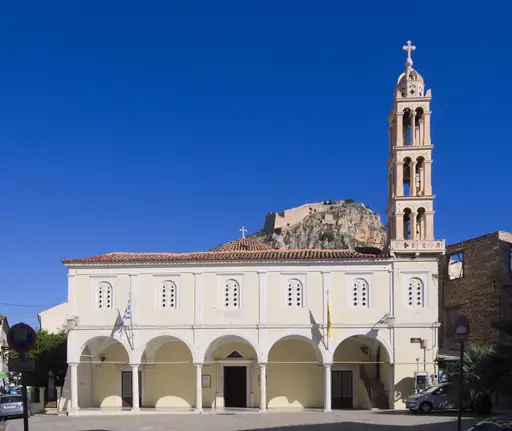
This seaside town sits on the Argolic Gulf in the Peloponnese. Palamidi Fortress on the hill above has stone walls built by Venetians in the 1700s. A small fort called Bourtzi sits on an island in the harbour. Neoclassical houses with flowering balconies line quiet streets near Syntagma Square.
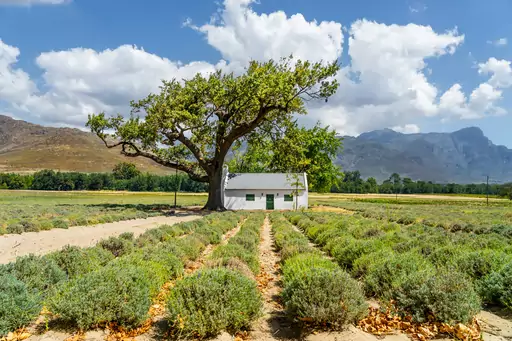
Town in South Africa
Franschhoek
Wine, Mountains and Gourmet Living
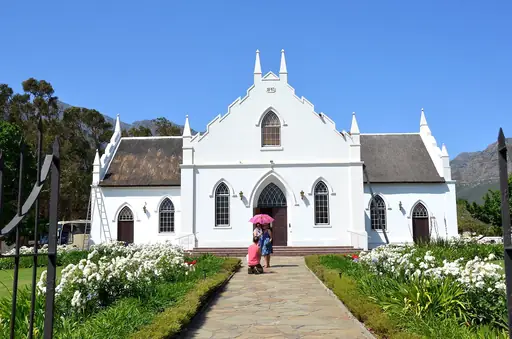
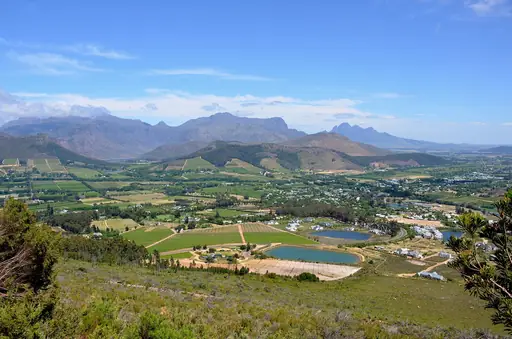
Steep mountains ring this small valley in the winelands of South Africa's Western Cape. French Huguenots settled here in 1688 and named it French Corner. A hop on hop off wine tram and bike paths link the estates. Restaurants serve Cape Malay curry and fresh trout with local wine.
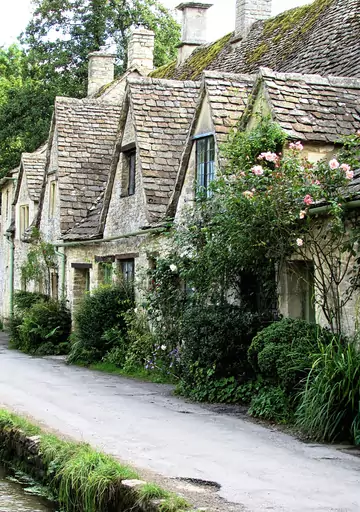
Region in United Kingdom
Cotswolds National Landscape
Honey-Colored Villages and Rolling Hills
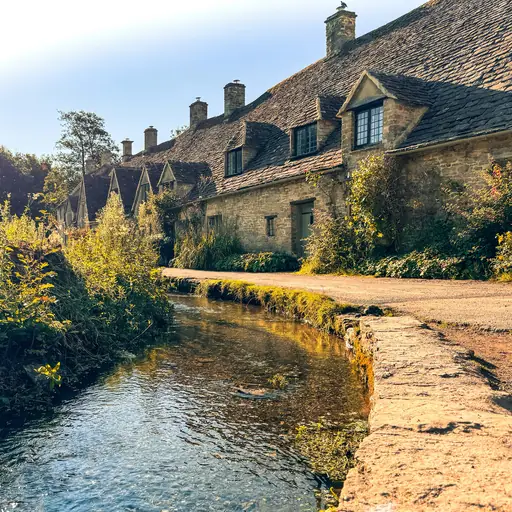
Local builders still use honey coloured limestone from nearby quarries for walls and roofs. Arlington Row in Bibury is a row of stone cottages first built in 1380. Walkers can follow footpaths across fields of grazing sheep to nearby villages. Village pubs serve Sunday roast dinners beside crackling log fires.
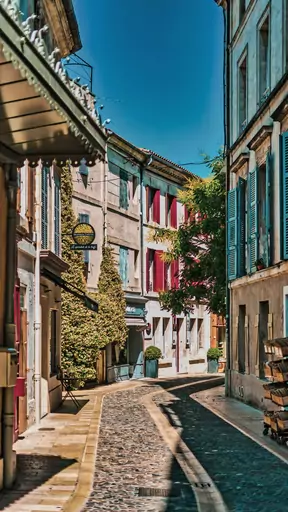
Region in France
Provence
Sunlit lavender fields and historic villages
Purple lavender rows on the Valensole plateau bloom from late June to July. Hilltop villages such as Roussillon and Lourmarin sit in the Luberon hills to the west. Visitors can cycle between villages and stop at markets for olives and soap. Roussillon has cliffs that glow red and orange from ochre pigment.
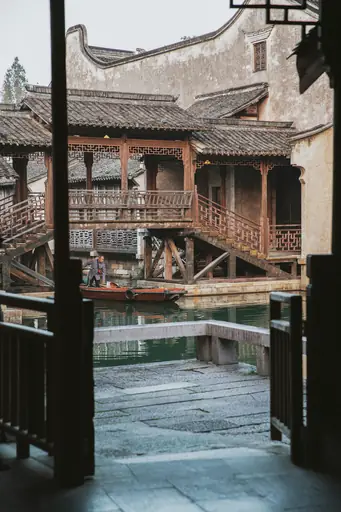
Town in China
Wuzhen
Timeless canals weave historic charm
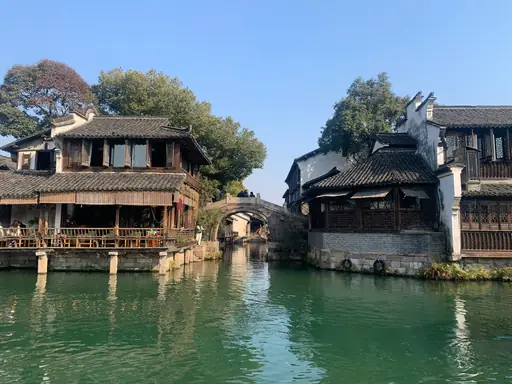
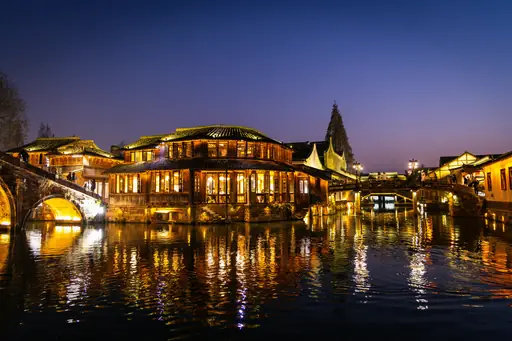
Water canals run beside wooden houses with stone bridges in this old Chinese town. Boats glide along the water in the evening under lantern light. Visitors can tour a dye workshop where blue cloth dries on tall poles. Locals sell steamed buns and sweet rice cakes along the canal.

City in Japan
Kawagoe
Edo-style warehouse town near Tokyo
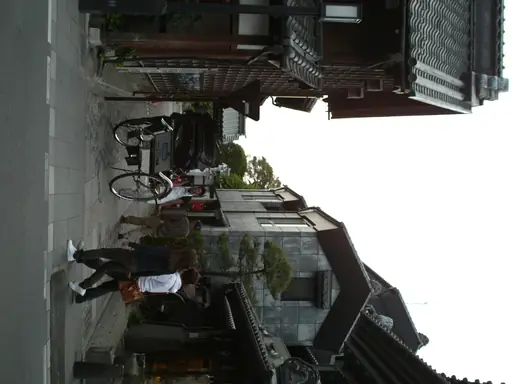
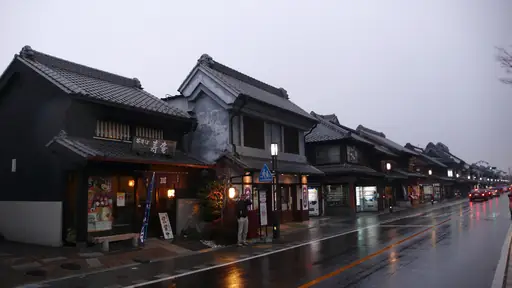
Bells ring from a wooden bell tower called Toki no Kane above the old street. Rows of dark clay warehouses, called kurazukuri, line the street below. Shops sell sweet potato snacks, a local speciality since the 1700s. Candy Alley has old fashioned sweets and a smell of sugar.

Village in Japan
Nozawa Onsen
Thirteen free public baths and a ski area
Thirteen free public bathhouses stand around this Japanese ski village. Locals boil vegetables and eggs in the hot Oyu spring near the top of town. Each January a fire festival lights up the hillside with burning torches. Skiers finish the day at a bath in wooden bathhouses.
Town in Albania
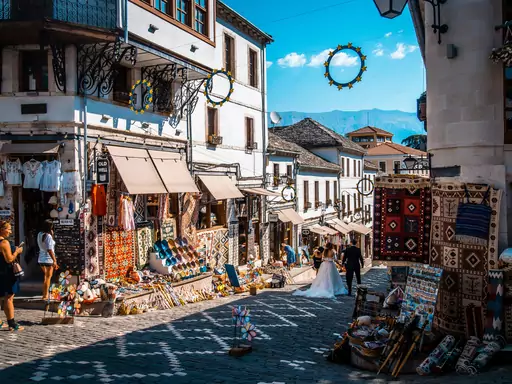
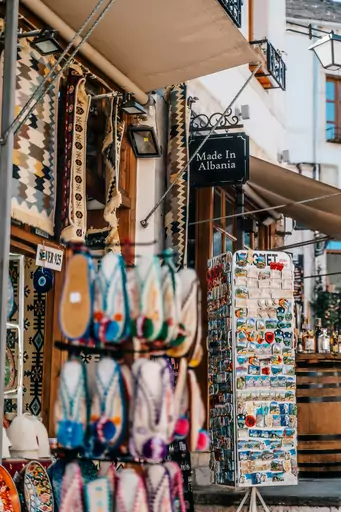
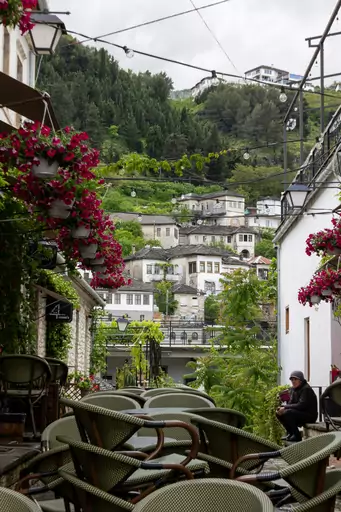
Gjirokastër
Ancient stone streets echo timeless heritage
Grey slate roofs glisten after rain on the steep streets of this stone city. Its tall Ottoman houses have thick stone walls and tiny windows. A hilltop castle has a weapons museum and a captured American jet. Writer Ismail Kadare grew up here and wrote about the town.
City in France
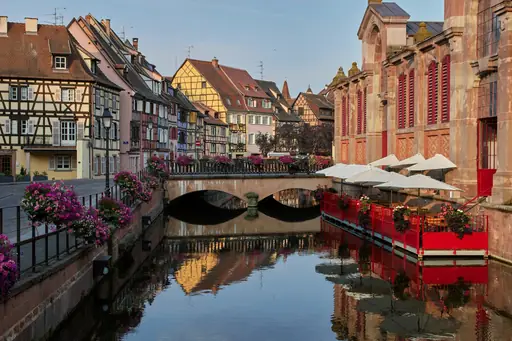
Colmar
A Fairytale Town in Alsace
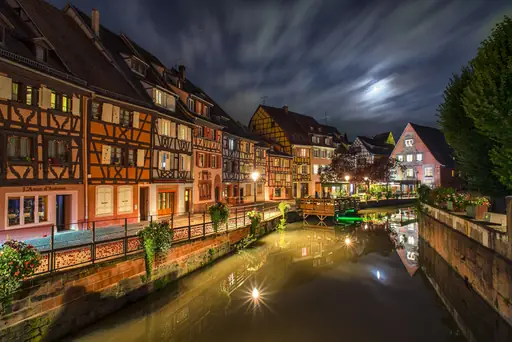
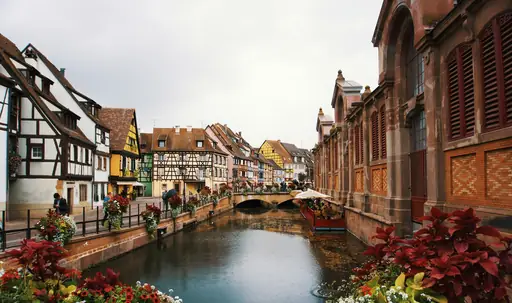
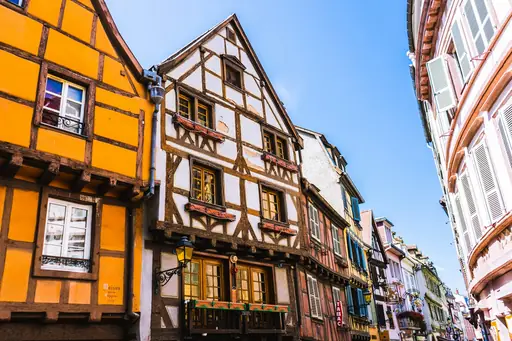
From late November to Christmas Eve, six markets fill the old streets with lights. Half timbered houses in Little Venice reflect in the Lauch River. Flat bottomed boats glide along the canal past pastel houses. Stalls sell warm pretzels, gingerbread stars and mulled wine in paper cups.
Village in Spain
Albarracín
Coastal charm meets historic stone streets
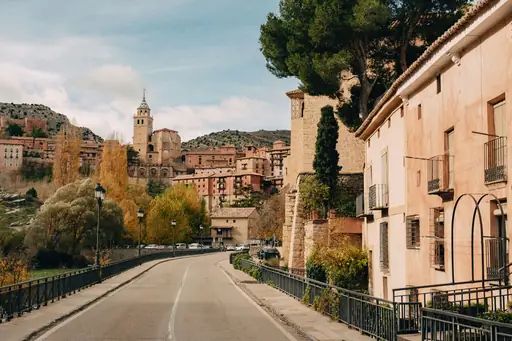
Rose coloured walls and a hilltop wall run like a ribbon above the river. Wooden balconies overhang the narrow lanes on all sides. Visitors can hike to prehistoric cave paintings in the pine forests near town. The Guadalaviar River loops around the base of the rock.
City in Italy
Assisi
Hilltop Saints, Frescoes and Peaceful Views
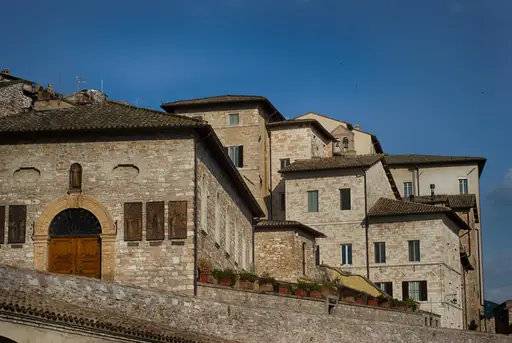
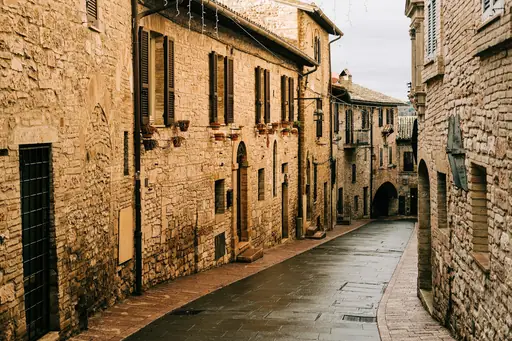
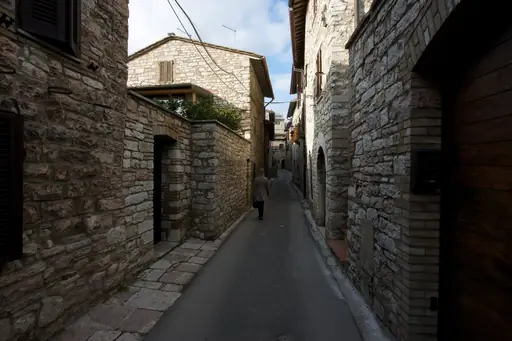
Saint Francis was born in this hill town around 1181. He founded the Franciscan order and is buried in a basilica on a hill. Frescoes showing scenes from his life cover the walls of the upper church. Pink and white stone from Mount Subasio gives the streets a warm glow.
Town in Japan
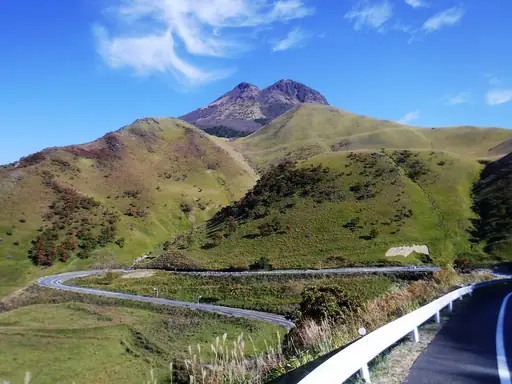
Yufuin Onsen
Lakeside onsen town below Mount Yufu
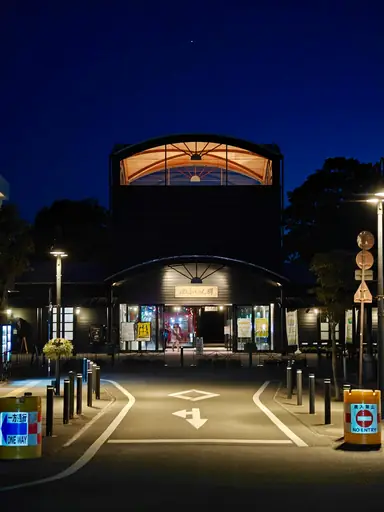
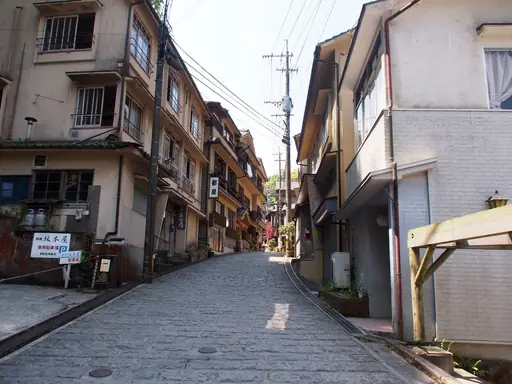
Mount Yufu rises behind the village and often wears a cap of mist. Lake Kinrinko has warm spring water that makes fog on cold autumn mornings. Visitors can soak in outdoor baths at small inns beside rice fields. Shops on Yunotsubo Street sell cheesecake, pottery and handmade sweets.
Town in Switzerland
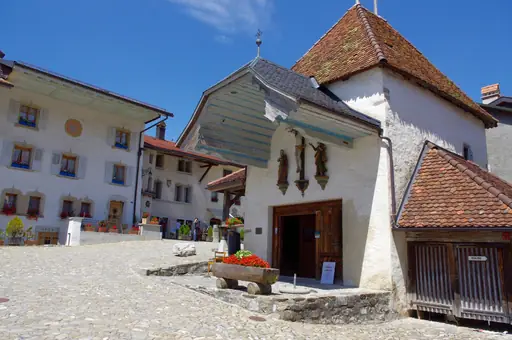
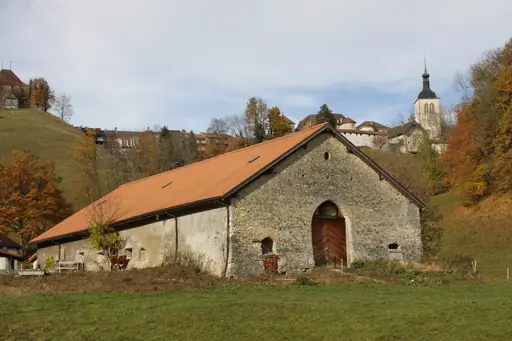
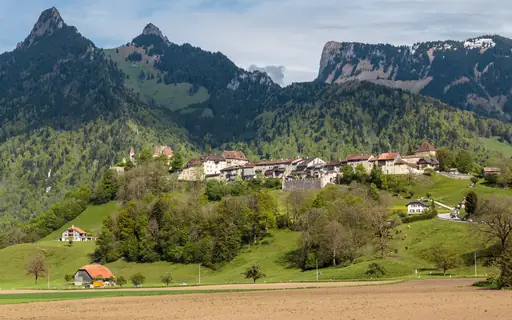
Gruyères
Medieval Charm and Cheese Delights
Cheesemakers heat milk in copper vats at the nearby show dairy. The hilltop town has a 13th century castle with wide views. Visitors dine on fondue made with local cheese at old wooden inns. H R Giger, the artist behind Alien, has a museum in the town.
Town in Italy
Alberobello
The fairytale town of trulli
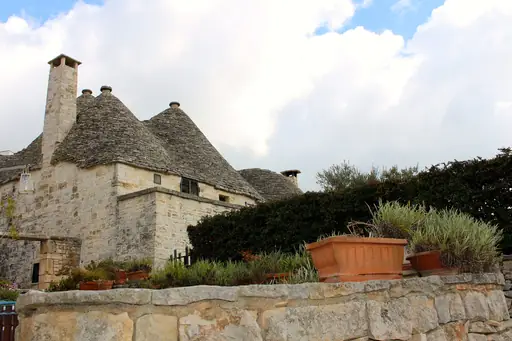
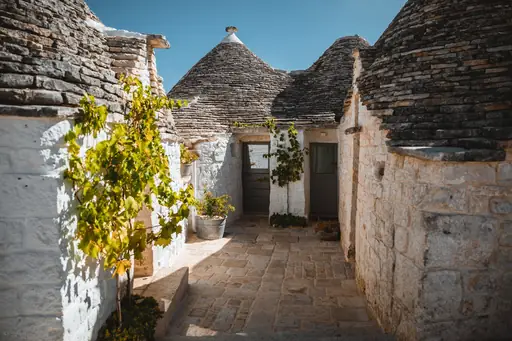
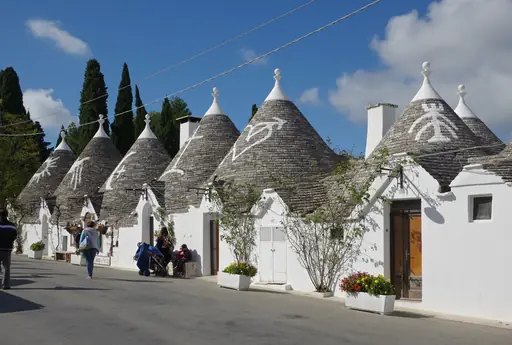
Cone roofed stone houses called trulli were built here without mortar, mostly in the 1600s. More than a thousand of them fill the Rione Monti district. UNESCO named the town a World Heritage Site in 1996. Visitors can stay overnight in a restored trullo with thick cool walls.
Town in United States
Telluride
Breathtaking box canyon mountain paradise
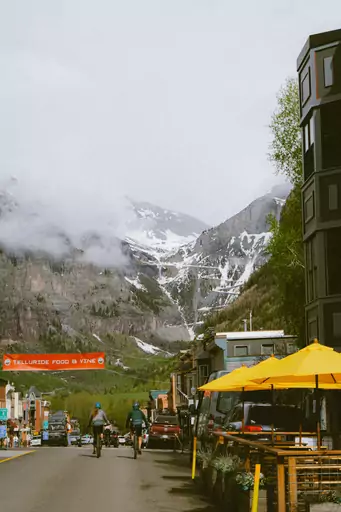
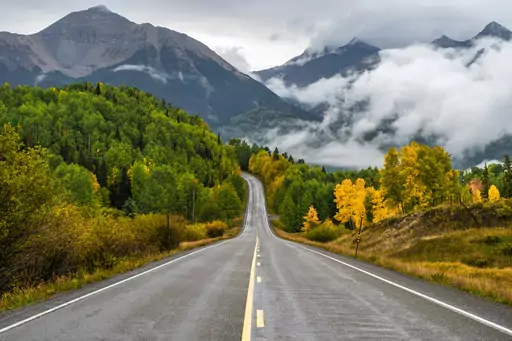
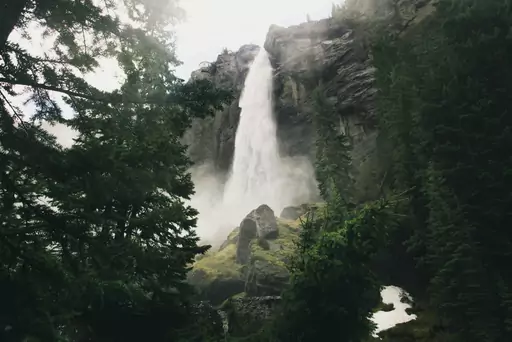
Bridal Veil Falls drops about 110 metres at the end of a steep box canyon. A free gondola links the old mining town to Mountain Village. Visitors can ski in winter or hike wildflower trails in summer. The town holds a film festival each Labor Day weekend.
Town in Turkey
Kaş
Turquoise Coast's Hidden Gem
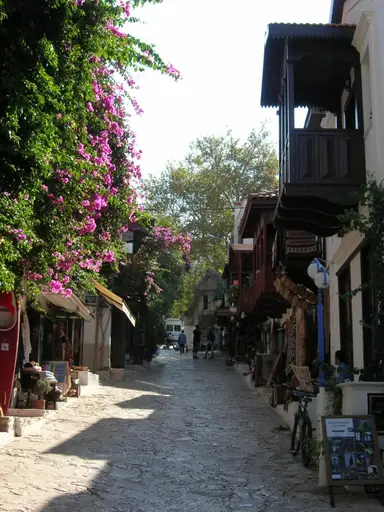
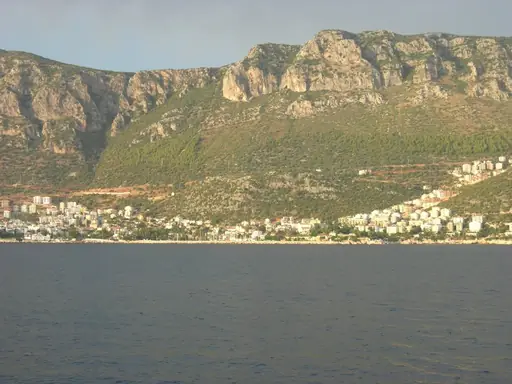
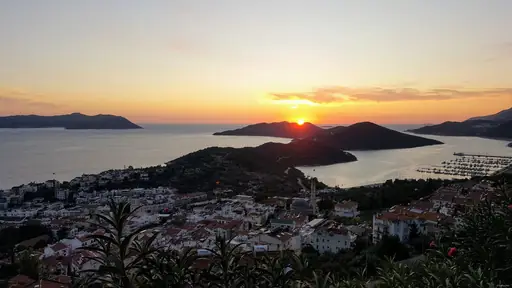
In ancient times this Turkish coastal town was a Lycian port called Antiphellos. A Lycian rock tomb with carved columns stands above the harbour. Divers explore reefs, caves and shipwrecks in the clear water offshore. Small pebble beaches and quiet cafes fill the harbour area near the old Greek houses.
Town in South Africa
Hermanus
Whale Watching and Coastal Wonders
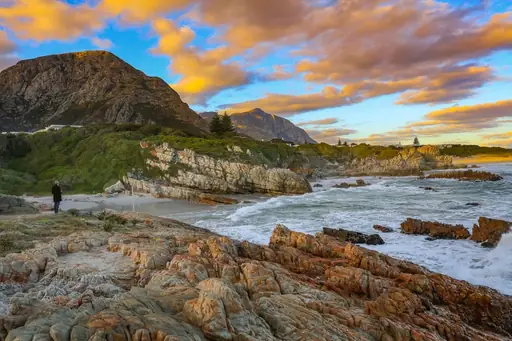
A shepherd named Hermanus Pieters gave this Cape coast town its name in the 1800s. Today southern right whales come close to shore from June to November. Cliff paths run for 12 kilometres along the coast. A town crier blows a kelp horn to announce sightings.
Town in Colombia
Villa de Leyva
Timeless Cobblestones and Andean Skies
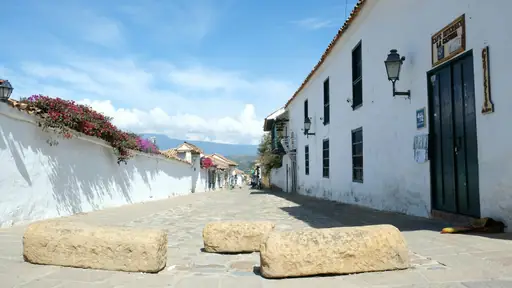
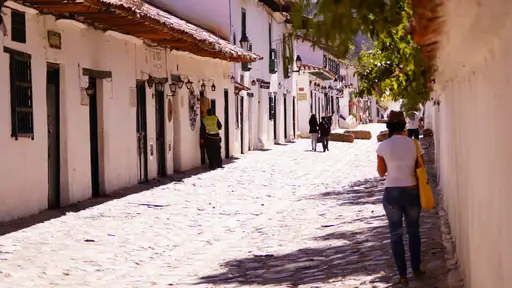
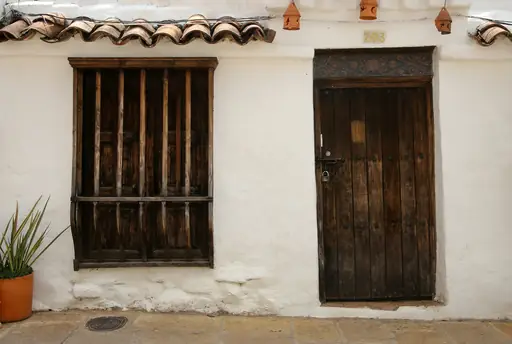
El Infiernito is a field of stone pillars used by the Muisca people to track the sun. The pillars sit on a dry plain near the town. Visitors can walk among the stones on a quiet dirt path. Cobbled streets in town are lined with whitewashed houses and tiled roofs.
Island in France
Mont Saint-Michel
A Medieval Island Rising from the Sea
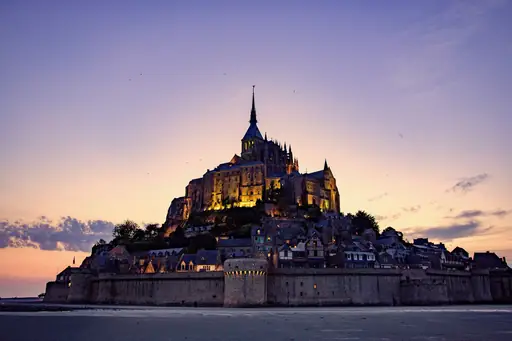
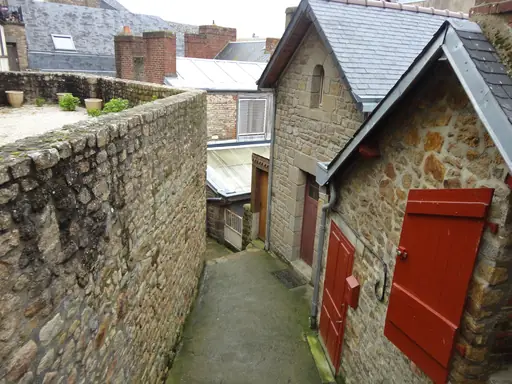
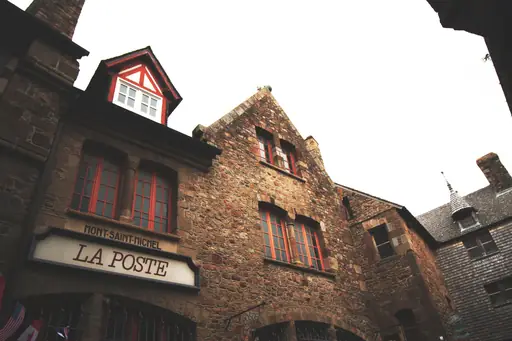
Benedictine monks began building the abbey in 966. It crowns a granite island in a bay with some of Europe's highest tides. At high tide the water can rush in quickly. Visitors can join guided walks across the bay at low tide. Fluffy omelets, cooked in copper bowls over open flames, are a local speciality.
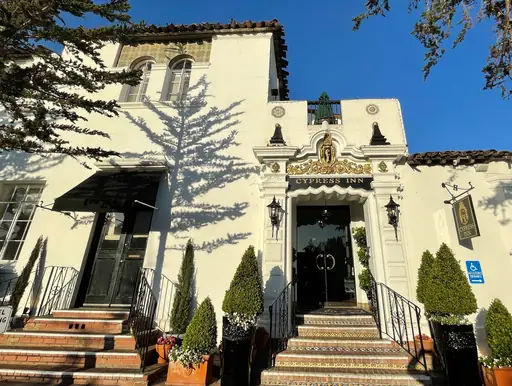
Village in United States
Carmel-by-the-Sea
European-style charm meets coastal beauty
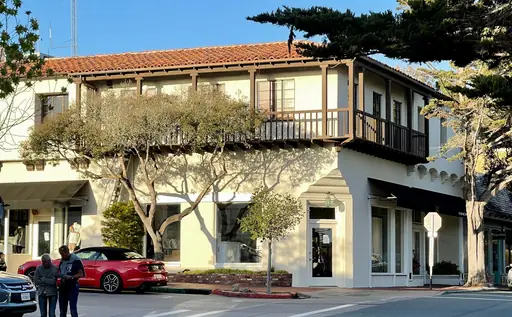
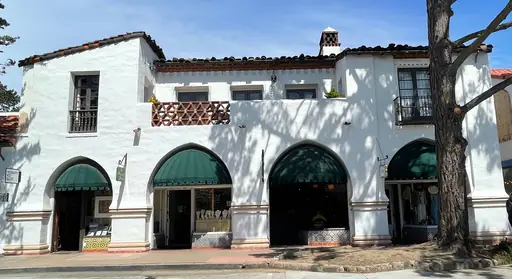
Mission San Carlos Borromeo, founded here in 1771, has a stone church and gardens. Father Junipero Serra is buried inside the church. White sand at Carmel Beach and twisted cypress trees frame the cold Pacific. Small storybook cottages with tiled roofs line lanes with no street numbers.
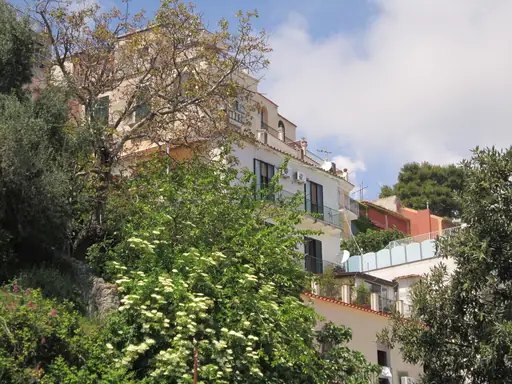
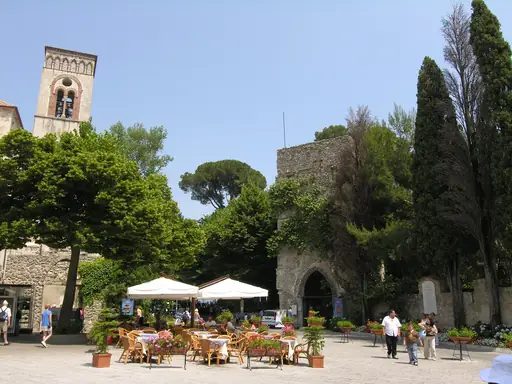
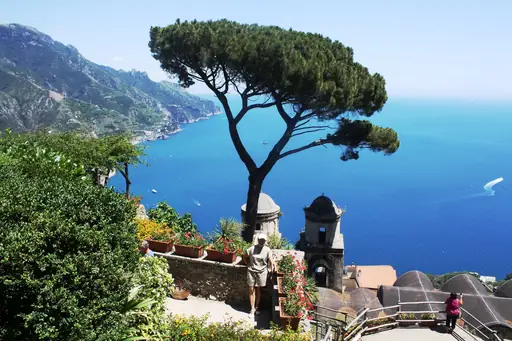
Town in Italy
Ravello
Romantic Gardens Above the Amalfi
Villa Rufolo has gardens that inspired the composer Richard Wagner during a visit in 1880. Its terraces look down to the sea from about 350 metres up. The summer Ravello Festival holds concerts on a stage above the sea. Villa Cimbrone has a marble terrace called the Terrace of Infinity.
City in Mexico
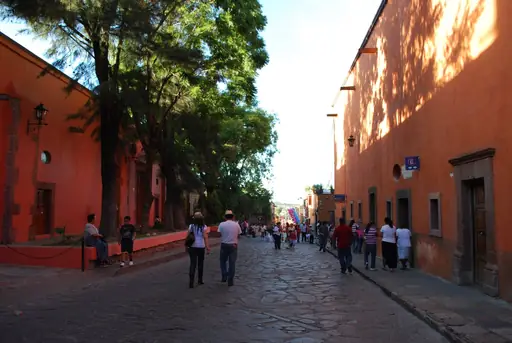
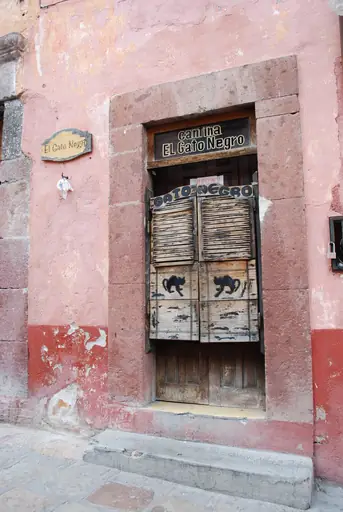
San Miguel de Allende
Colonial Charm with Artistic Soul
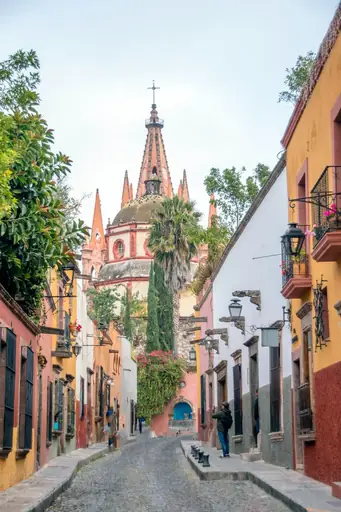
The pink Parroquia church has a spire that looks like a Gothic castle. A local builder designed it in the 1880s after postcards of European churches. Visitors can browse art galleries and craft shops in old colonial houses. Rooftop bars offer sunset views over domes and cobbled streets.
Town in Italy
Varenna
Charming Lakeside Escape in Italy
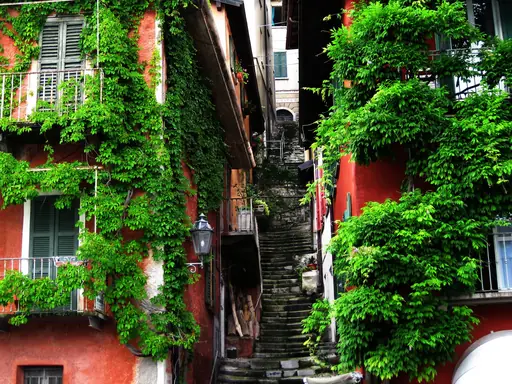
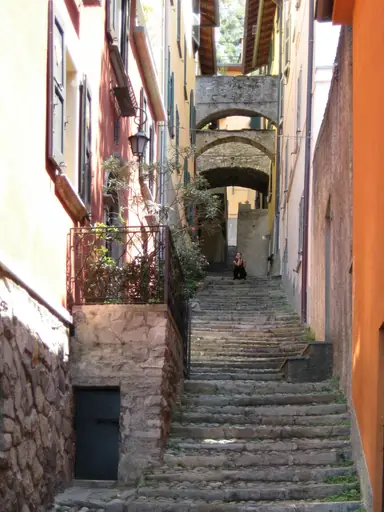
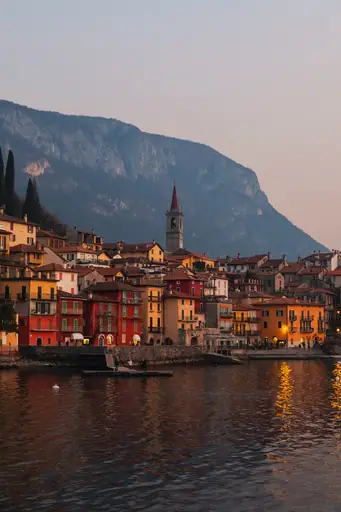
Colourful houses step down to a small harbour on the eastern shore of Lake Como. A shore path called the Passerella runs along the water on wooden boards. Villa Monastero has botanical gardens along the lake for a quiet walk. Ferries cross to Bellagio in about 15 minutes.
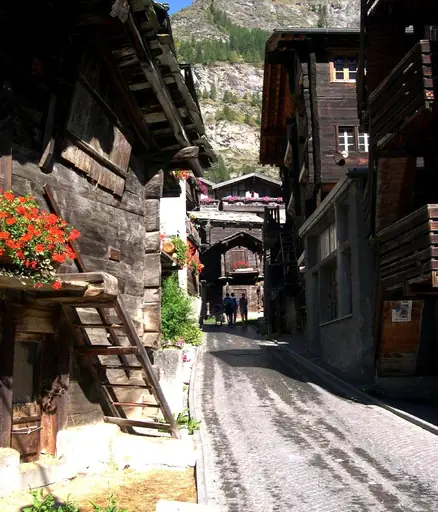
Town in Switzerland
Zermatt
Alpine Magic and the Matterhorn
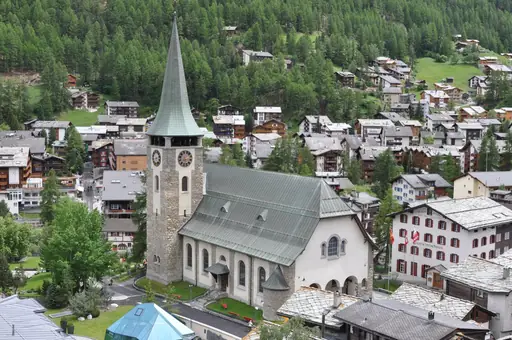
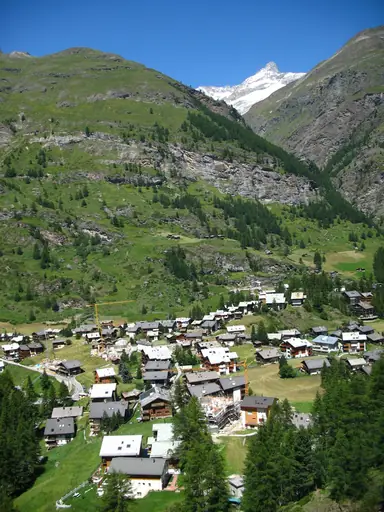
The Five Lakes Walk passes small mountain lakes that mirror the Matterhorn in calm weather. The trail starts at Blauherd, reached by a funicular and a cable car. Riffelsee gives a classic reflection of the peak on calm mornings. Hikers finish at Sunnegga after about three hours.
City in Montenegro
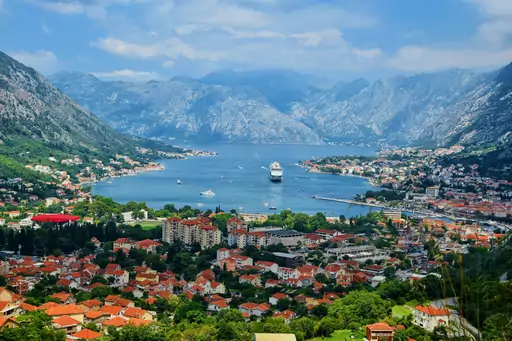
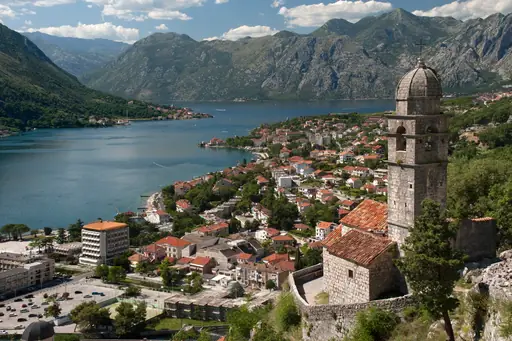
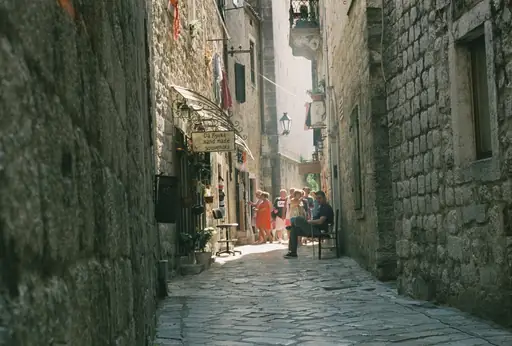
Kotor
Medieval magic on a fjord-like bay
Early mornings are quiet in this bay town before cruise passengers arrive. Stone streets open onto small squares with cafes and old churches. The Cathedral of Saint Tryphon, built in 1166, has twin bell towers. Climbers start up the fortress steps at sunrise to beat the heat.
Town in Slovenia
Bled
Fairytale Lake and Alpine Beauty
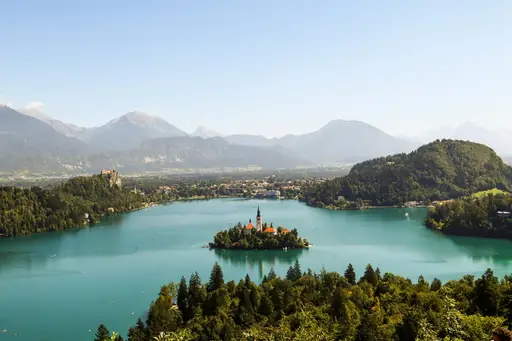
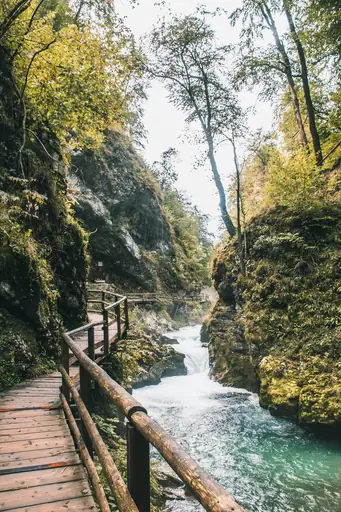
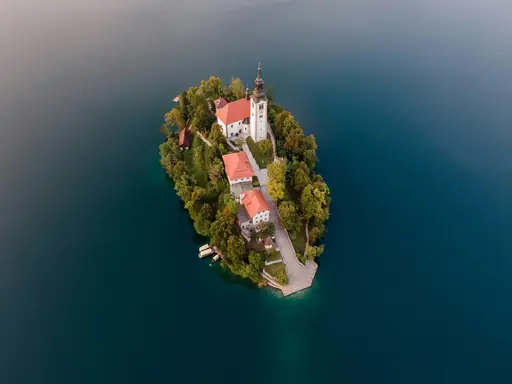
A small church on Bled Island has a bell that visitors ring for luck. Traditional wooden boats called pletna carry passengers across the lake. A medieval castle on a cliff above the water has a wine cellar and print shop. Locals serve kremsnita, a vanilla custard cream cake, at lakeside cafes.
Town in Namibia
Swakopmund
Coastal charm meets desert horizons
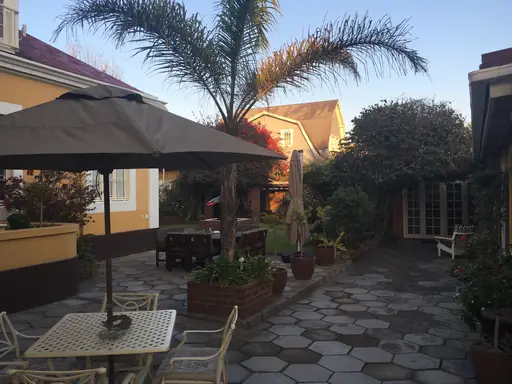
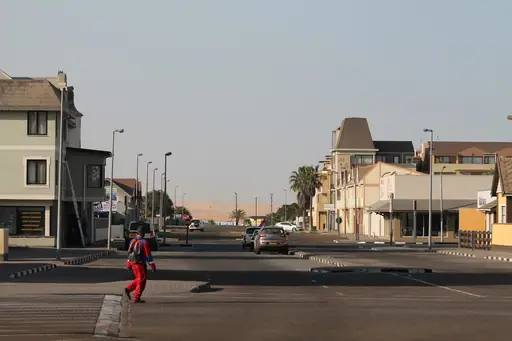
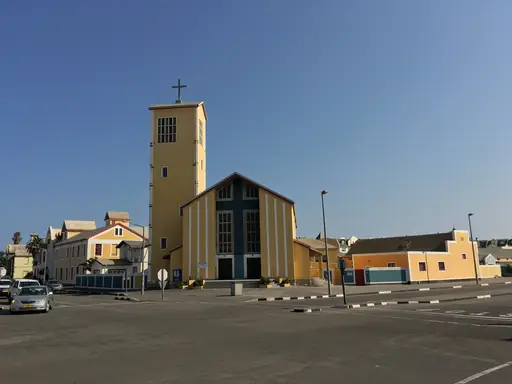
The Jetty, a long pier built in 1905, reaches into the cold Atlantic. A cafe at the end serves coffee above the waves. Colourful German colonial buildings with red roofs line the streets nearby. Visitors can climb the Woermann Tower for views across town and desert.
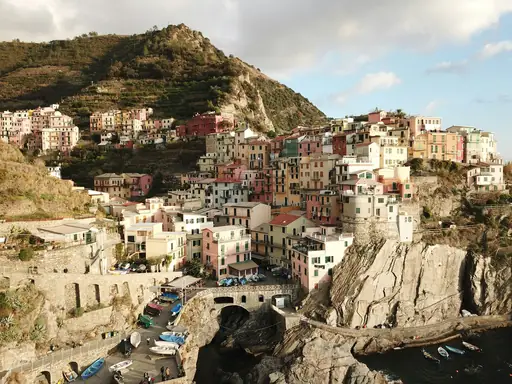
Village in Italy
Manarola
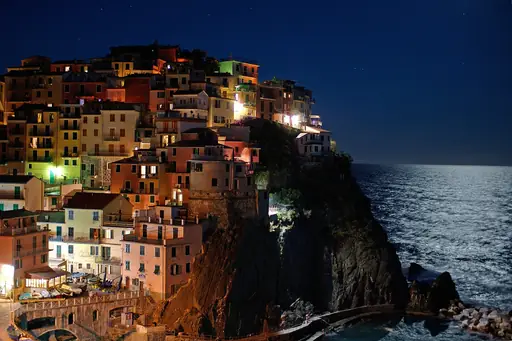
Enchanting Cliffside Coastal Village
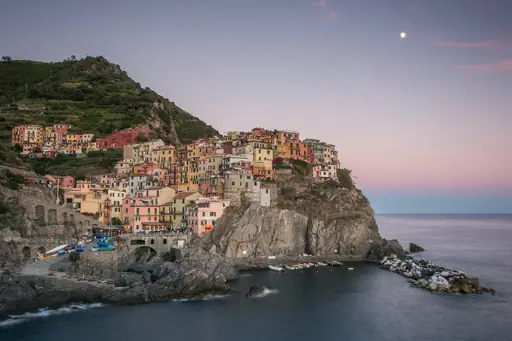
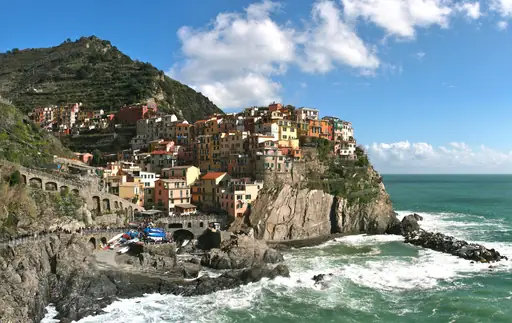
Growers pick grapes by hand on steep terraces and use small cable trolleys. They make Sciacchetra, a sweet golden wine, in tiny cellars. Colourful houses stack above a rocky cove where swimmers jump from the rocks. A short walk from the station leads to a popular viewpoint.
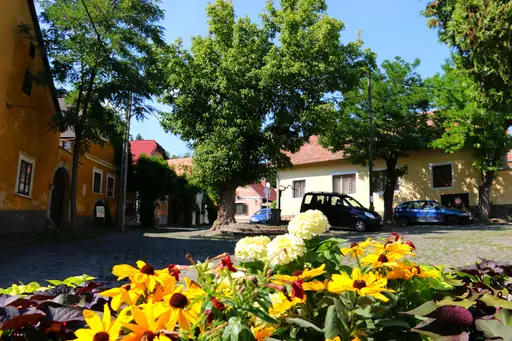
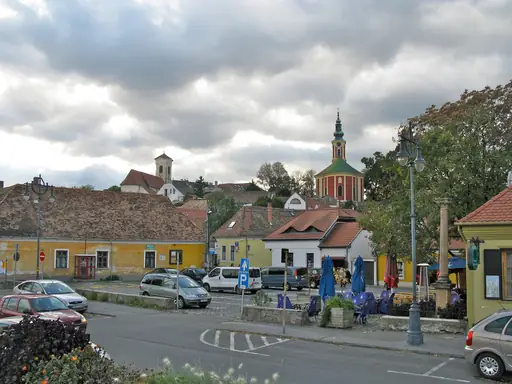
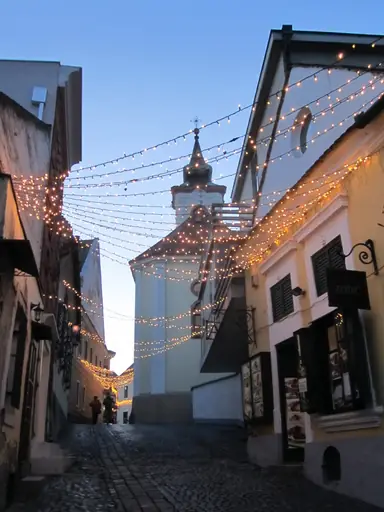
Town in Hungary
Szentendre
A riverside town of art and charm
Baroque houses in pastel colours surround small squares near the Danube. Serbian settlers built Orthodox churches here after fleeing Ottoman rule in the 1690s. Visitors can tour the Marzipan Museum to see sculptures made from sweet almond paste. Artists run galleries and studios along the winding lanes.
Town in Italy
Taormina
Sicily’s Cliffside Charmer by the Sea
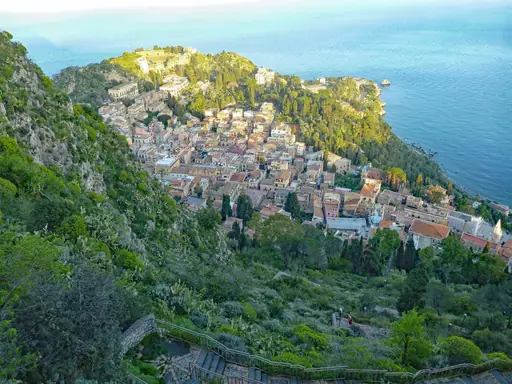
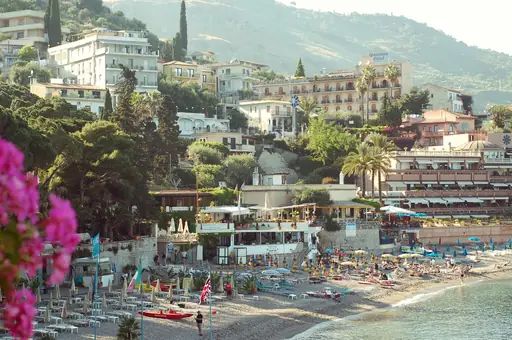
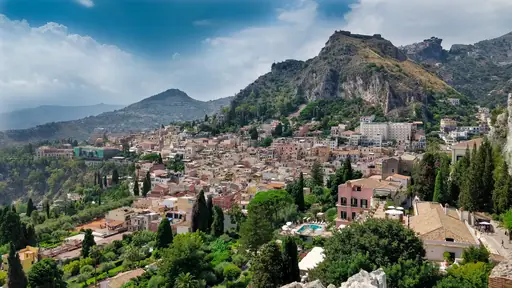
A Greek theatre from the 3rd century BC faces Mount Etna and the sea. Concerts and plays are still held there on summer nights. Visitors can ride a cable car down to the beach at Isola Bella. Corso Umberto is a pedestrian street with cafes and shops.
Valley in Italy
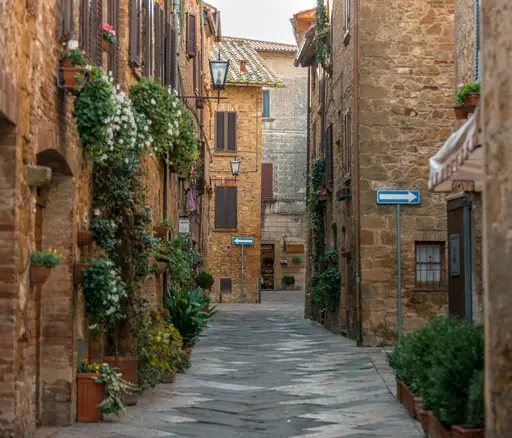
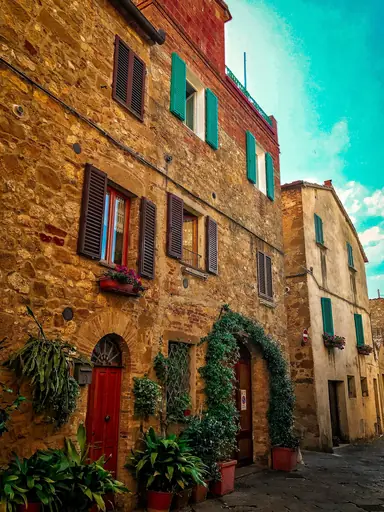
Val d'Orcia
Rolling vineyards cradle historic hilltop charm
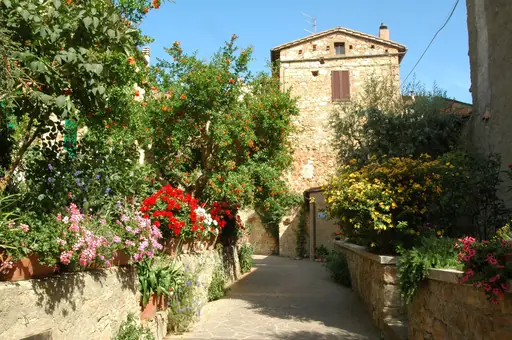
Rows of tall cypress trees line curving roads across green rolling hills. Small hill towns such as Pienza and Montalcino sit on the ridges. Visitors can taste Brunello wine in Montalcino or soak in the hot springs at Bagno Vignoni. Pecorino cheese from Pienza is aged in caves.
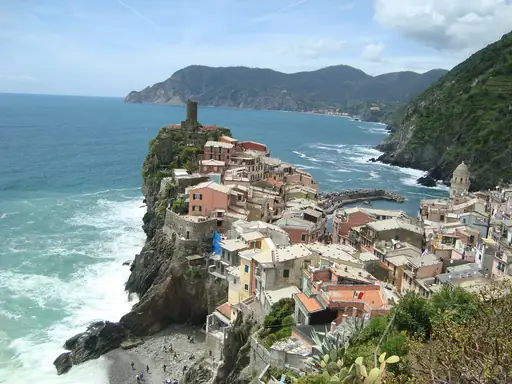
Region in Italy
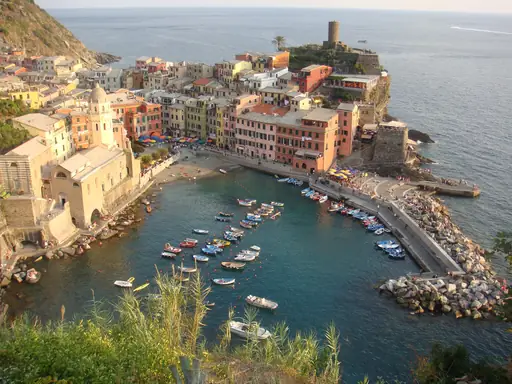
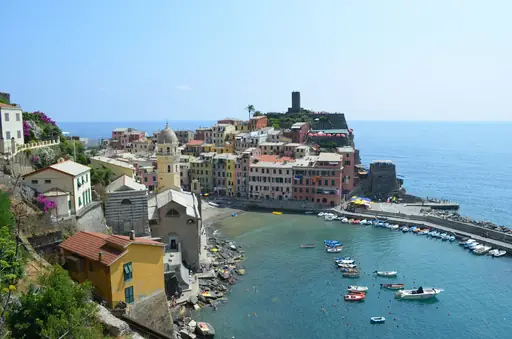
Cinque Terre
Colorful Cliffs and Coastal Charm
Five small villages cling to steep cliffs on Italy's Ligurian coast near La Spezia. A coastal trail and a small train link all five villages. Terraced vineyards with dry stone walls climb the slopes above the sea. Fishermen still salt anchovies, a local speciality served with lemon.
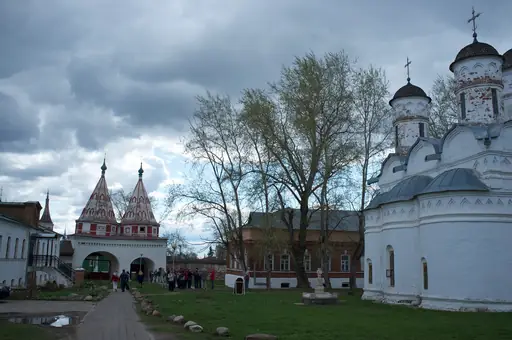
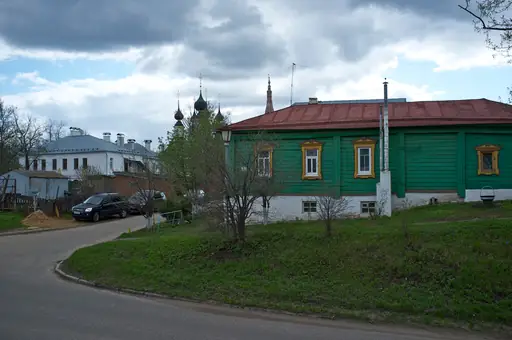
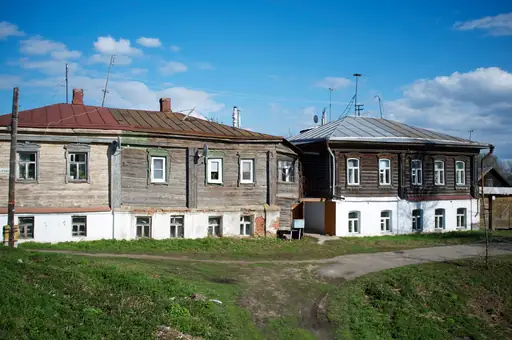
Town in Russia
Suzdal
Time Travel to Old Russia
Wooden churches and white stone monasteries with gold or blue domes dot this Russian town. The Kremlin, a walled complex with a cathedral from the 1200s, sits by the river. Visitors can sample honey mead, a local drink, in small taverns. Each July a cucumber festival fills the streets with food stalls.
Town in Turkey
Göreme
Fairy Chimneys and Cave Dwellings
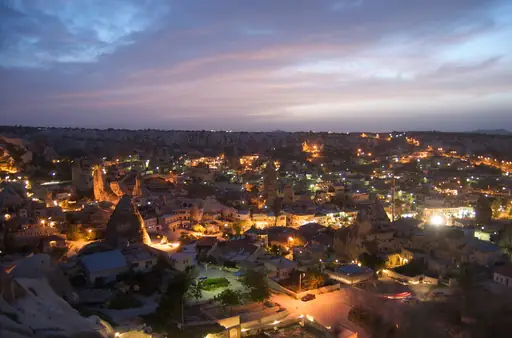
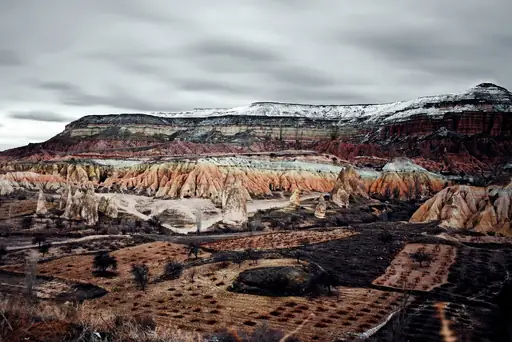
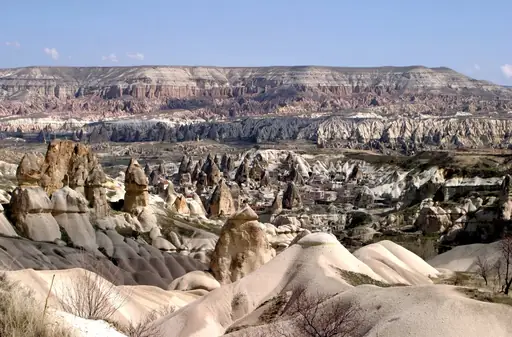
At dawn dozens of hot air balloons lift off over the rock valleys nearby. Flights run most mornings if the winds are calm enough. Visitors can sleep in a cave room carved into soft volcanic rock. The Open Air Museum has painted rock churches from the 1000s and 1100s.
Town in Portugal
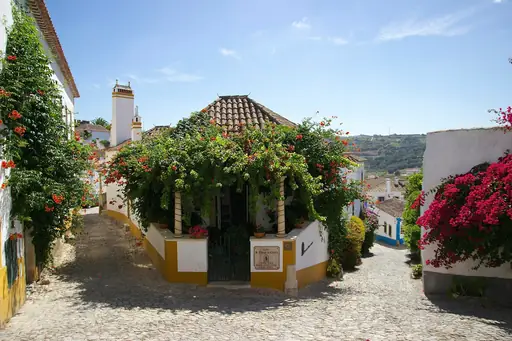
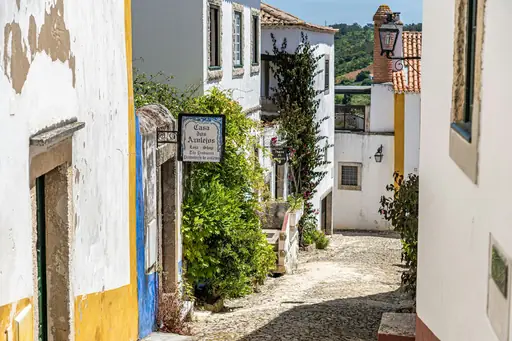
Óbidos
A Fairytale Town Behind Ancient Walls
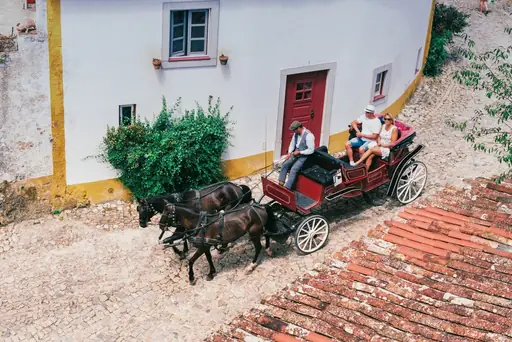
Medieval stone walls circle this hilltop village about an hour north of Lisbon. Visitors can walk along the top of the walls, which have no railings. Whitewashed houses with blue and yellow trim line the main street. Locals serve ginjinha, a sour cherry liqueur, in small chocolate cups.
Town in Italy
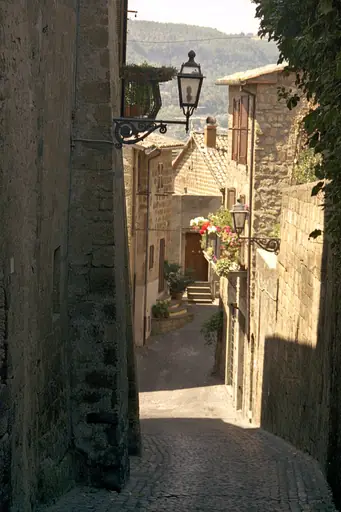
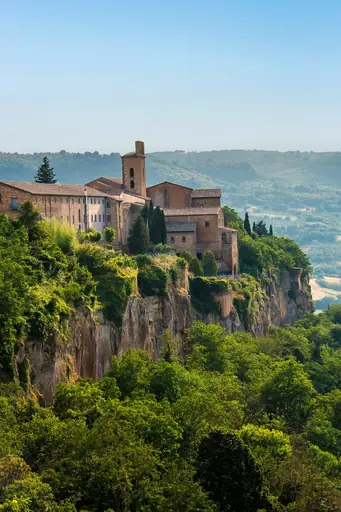
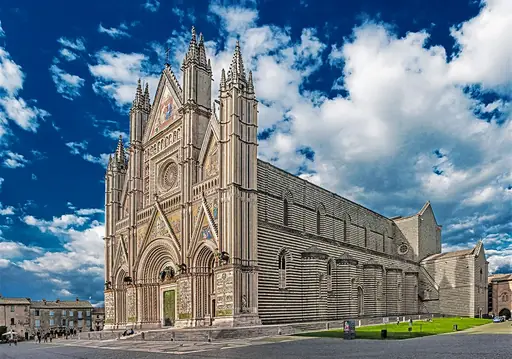
Orvieto
Umbrian hilltop gem
A striped cathedral with a golden mosaic front rises above this hilltop town. It sits on a flat block of volcanic rock with steep cliffs on all sides. Visitors can tour underground caves, cisterns and tunnels cut into the soft rock. Local white wine called Orvieto Classico is poured in small wine bars.
Village in France
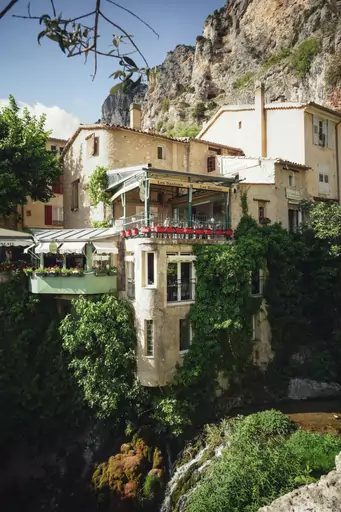
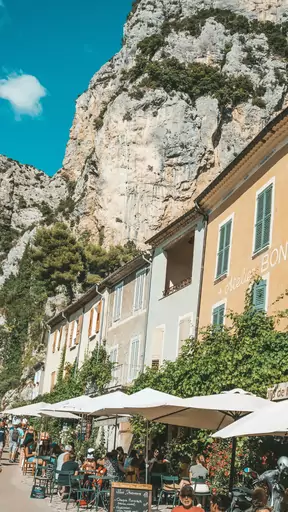
Moustiers Sainte Marie
Gateway to the Verdon Gorge
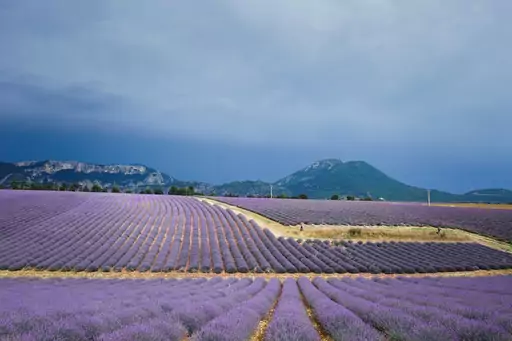
Water from a mountain stream tumbles through the middle of this village. A golden star hangs on a chain between two cliffs above the roofs. Workshops sell hand painted faience, a glazed pottery made here since the 1600s. Lavender fields near the Verdon Gorge bloom purple in July.
City in Germany
Bamberg
Seven Hills, Smoked Beer, Living History
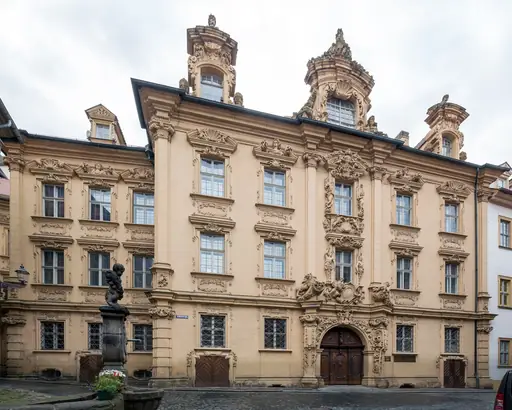
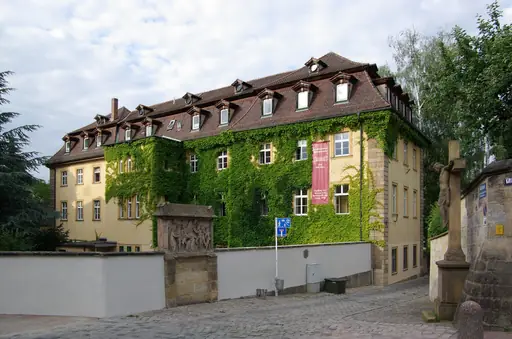
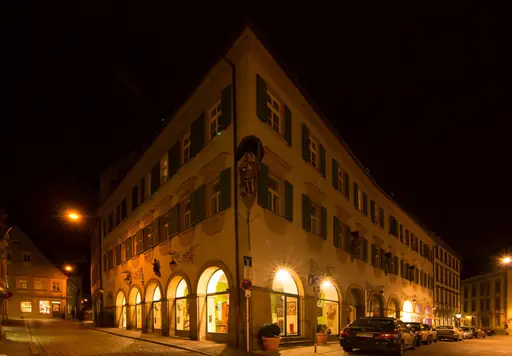
The smoky smell of rauchbier, a beer brewed with smoked malt, drifts from taverns. The old town hall sits on a tiny island in the middle of the river. UNESCO lists the whole old town, which spreads across seven hills. Brewery taverns serve smoked beer with roast pork and dumplings.
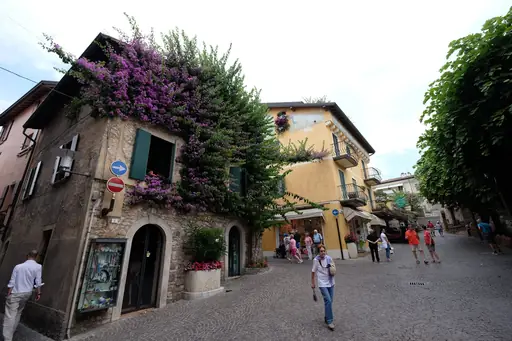
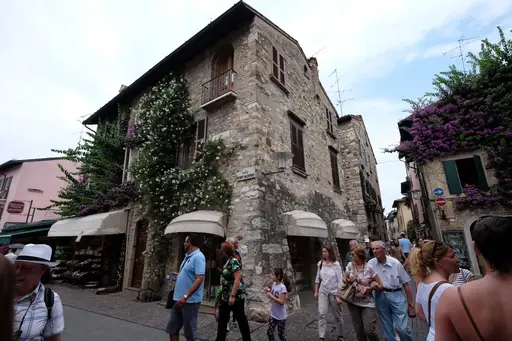
Town in Italy
Sirmione
Castles, Spas and Lake Garda Views
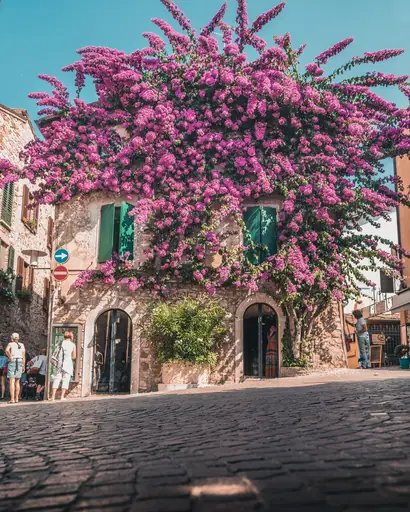
Scaliger Castle sits at the entrance with a drawbridge and three tall towers. The town lies on a thin peninsula reaching into Lake Garda. Visitors can soak in natural sulphur hot springs beside the lake. Roman ruins called the Grottoes of Catullus sit at the tip of the peninsula.
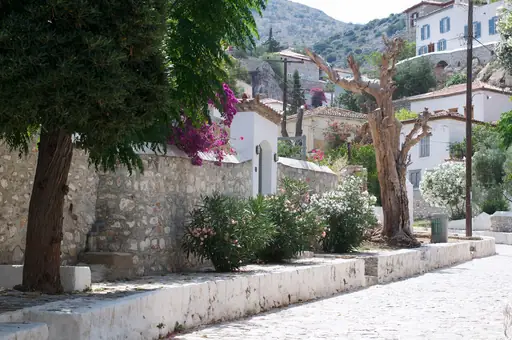
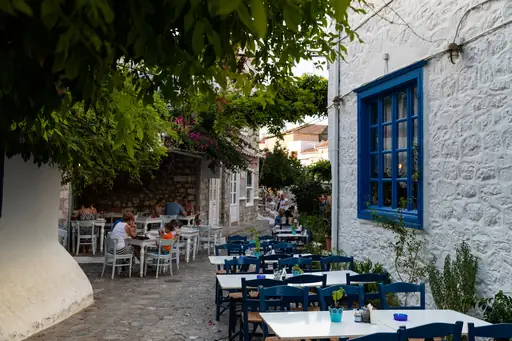
Island in Greece
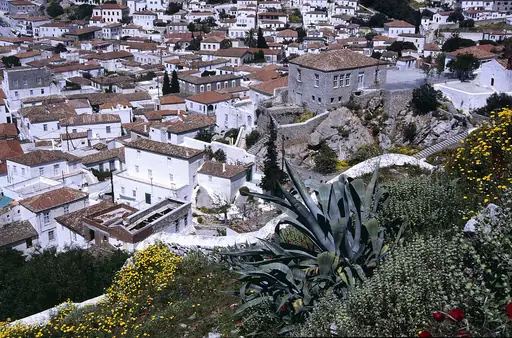
Hydra
Car-Free Charm and Greek Sun
Cars are banned on this small Greek island near Athens. Donkeys and mules carry luggage and supplies up the steep stone lanes. Water taxis link the harbour to swimming spots along the rocky coast. Grand stone mansions built by ship captains in the 1700s line the harbour.
Town in Italy
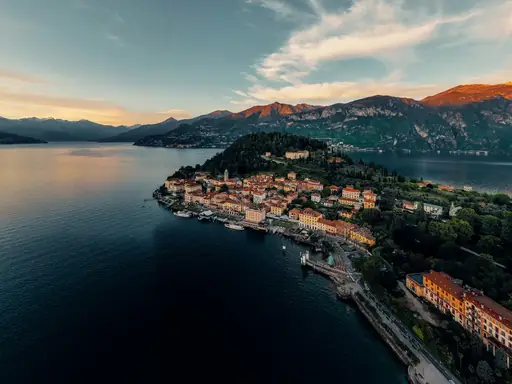
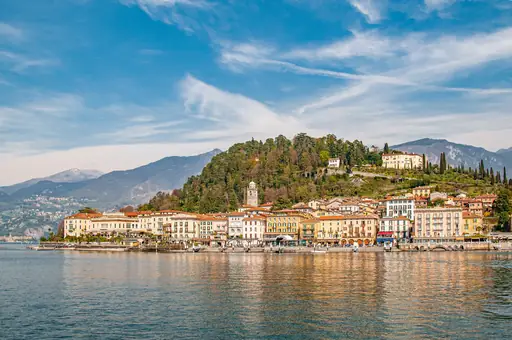
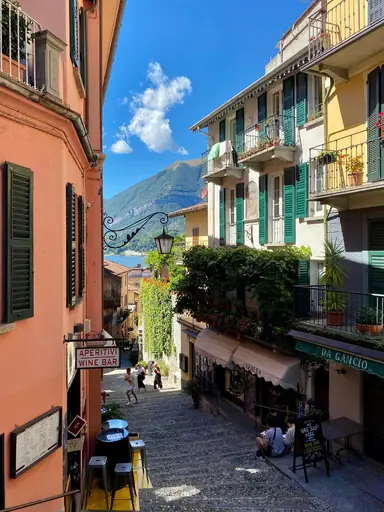
Bellagio
Pearl of Lake Como’s Shores
Locals meet at cafes on the waterfront steps each evening for a spritz. This village sits on a point where Lake Como splits into two arms. Narrow stepped lanes called salite climb between shops selling silk scarves. Ferries link it to Varenna and Tremezzo across the water.
Village in France
Giverny
Monet's living canvas of inspiration
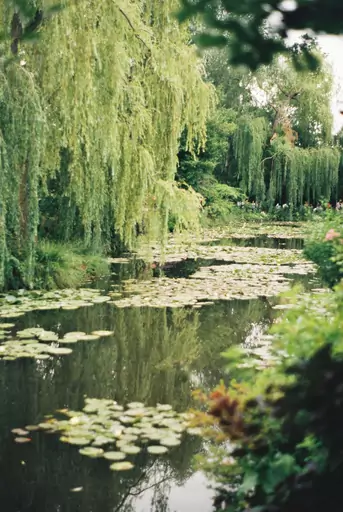
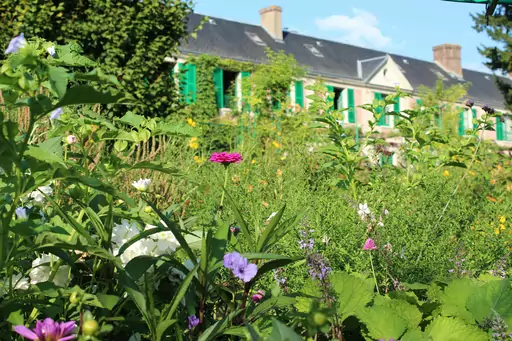
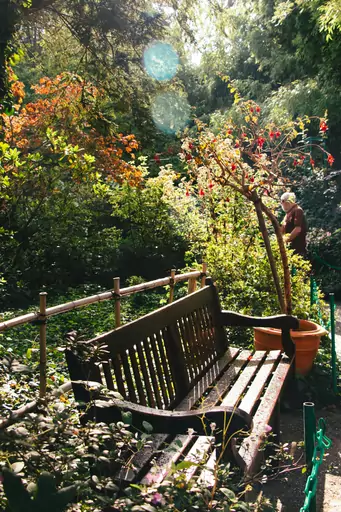
Claude Monet moved here in 1883 and stayed until he died in 1926. He painted the water lily pond in his garden for years. Visitors can walk across the green Japanese bridge over the pond. The house has pink walls, green shutters and a bright yellow dining room.
Village in Italy
Riomaggiore
Pastel Cliffs Meet Azure Sea
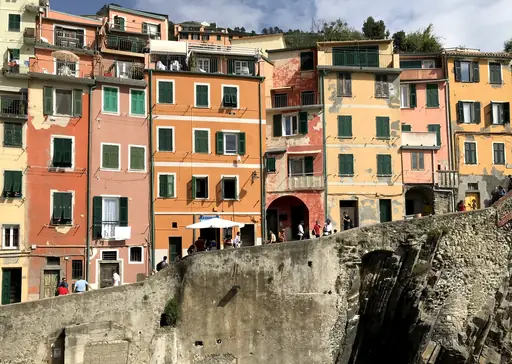
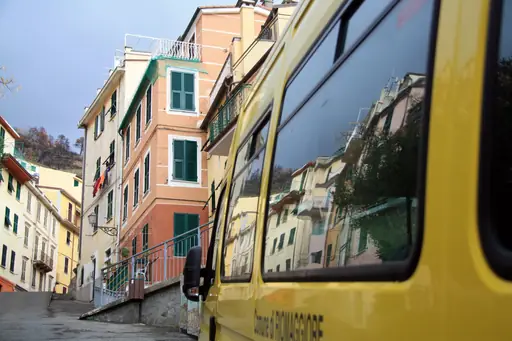
Tall houses in pink and ochre stack above a tiny harbour at the edge of Cinque Terre. Boats sit on the slipway in the middle of the village. Visitors can swim off the rocks or take a boat tour along the coast. Local trattorias serve anchovies and trofie pasta with basil pesto.
Village in Greece
Lindos
Ancient Ruins Meet Pristine Beaches
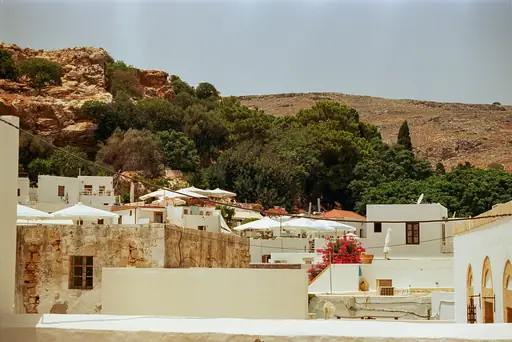
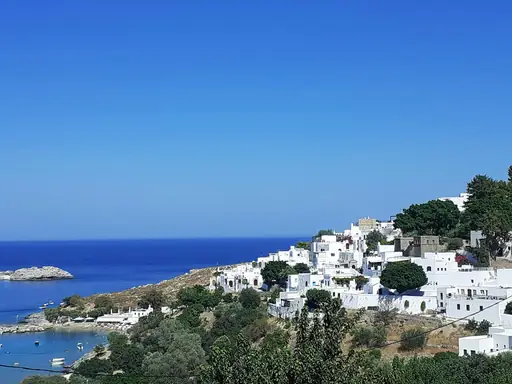
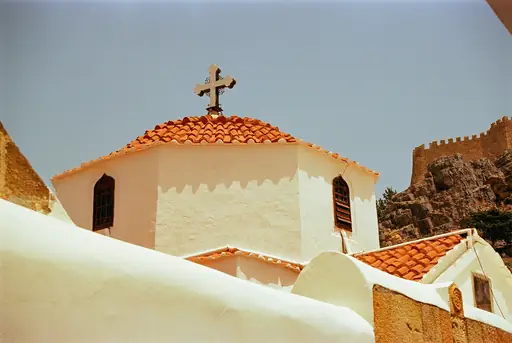
Whitewashed houses with pebble courtyards crowd the narrow lanes below a cliff top acropolis. The acropolis has a temple of Athena from the 4th century BC. A steep path and a donkey ride lead to the top. St Paul's Bay, a tiny round cove, has calm turquoise water for swimming.
Village in Norway
Flåm
Fjord Dreams and Railway Magic
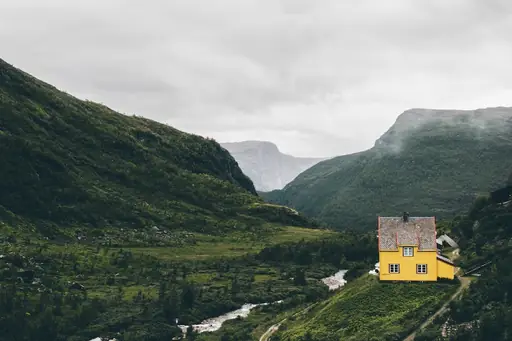
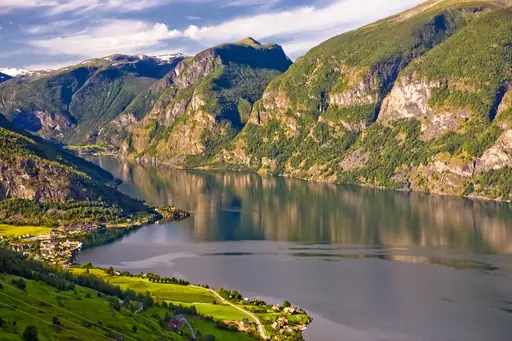
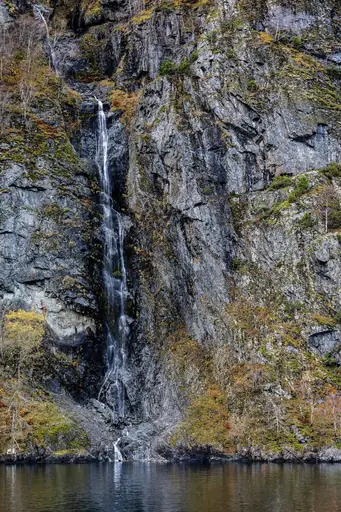
Waterfalls roar beside the Flam Railway as it climbs steep mountain walls. The line rises about 860 metres over 20 kilometres. Passengers stop at Kjosfossen falls, where a singer in red appears on the rocks. The village sits at the end of Aurlandsfjord, a branch of Sognefjord.
Town in France
Annecy
Fairytale town by a crystal lake
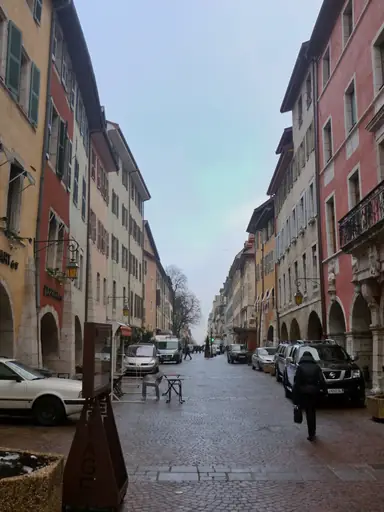
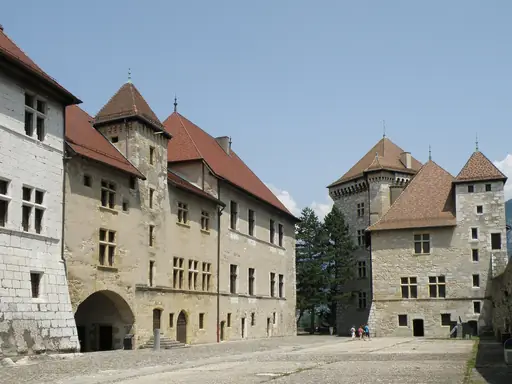
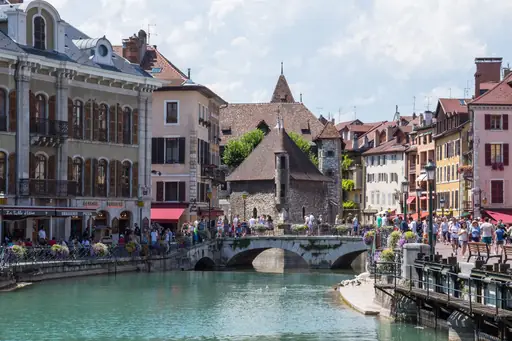
Markets fill the old town streets on Tuesday, Friday and Sunday mornings. Vendors sell Reblochon cheese, cured sausage and fresh bread. Canals lined with flower boxes run beside pastel houses. The Palais de l'Ile, a small stone castle, sits on an island in the canal. The lake has clear water for swimming.
City in Japan
Gero
One of Japan's three great hot springs
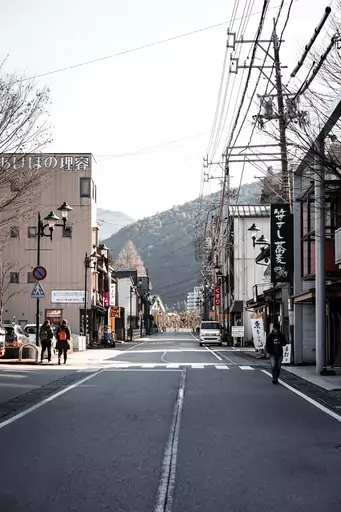
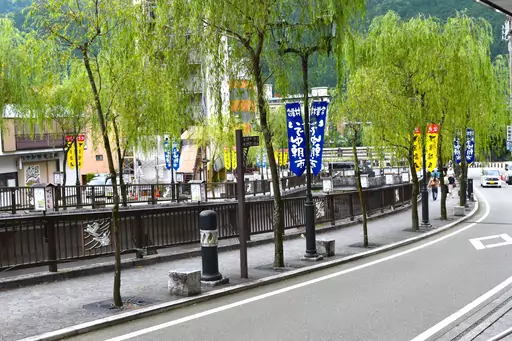
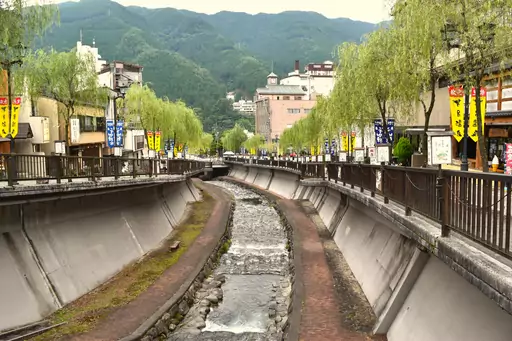
Along with Arima and Kusatsu, this town is ranked among Japan's three famed hot springs. The alkaline water feels silky and smooth on the skin. Free foot baths and small shrines dot the streets beside the Hida River. Gassho Village nearby has thatched farmhouses moved from other regions.
City in United States
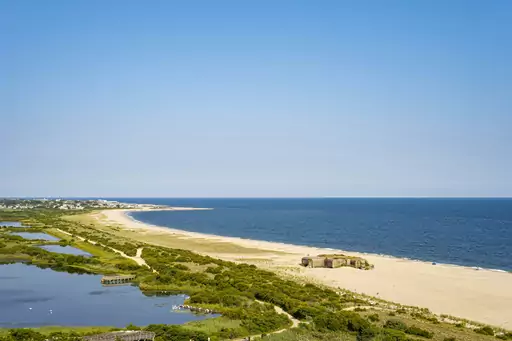
Cape May
Victorian Charm Meets Atlantic Surf
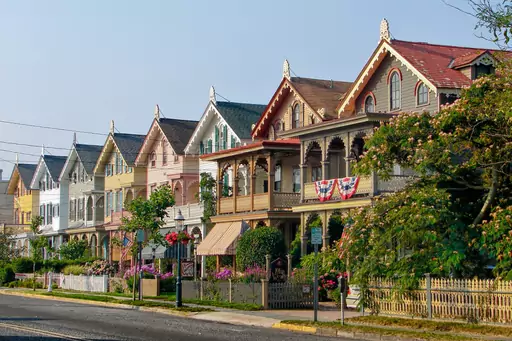
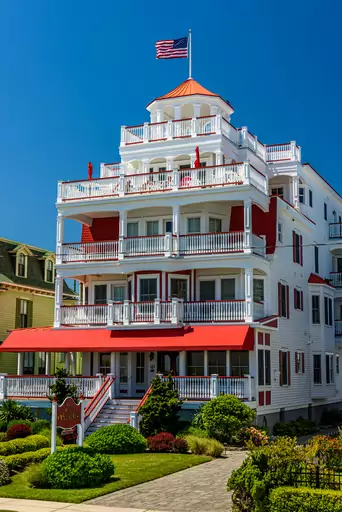
Guests sip iced tea on the front porches of colourful Victorian houses. The town is a National Historic Landmark with over 600 Victorian buildings. Birdwatchers gather at the point each autumn to watch hawks and songbirds migrate. Cape May diamonds, clear quartz pebbles, wash up on Sunset Beach.
Town in Germany
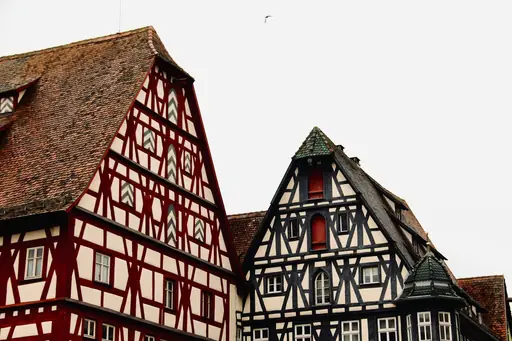
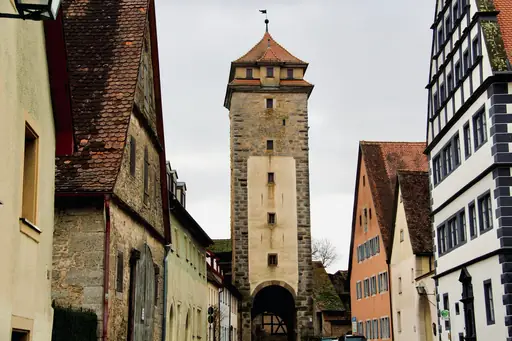
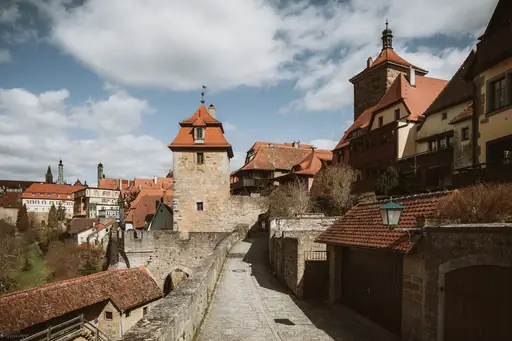
Rothenburg ob der Tauber
Step Into a Living Fairytale
A wall walk of about 2.5 kilometres circles this old Bavarian town. Half timbered houses with red roofs and flower boxes line the cobbled lanes. Visitors can climb the town hall tower for wide views over the roofs. A year round Christmas shop sells glass ornaments and wooden toys.
Village in United Kingdom
Bibury
Timeless stone cottages beside tranquil river
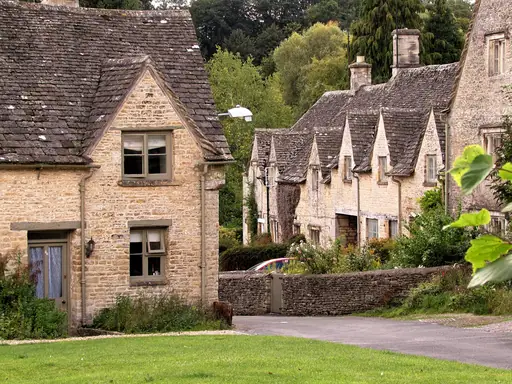
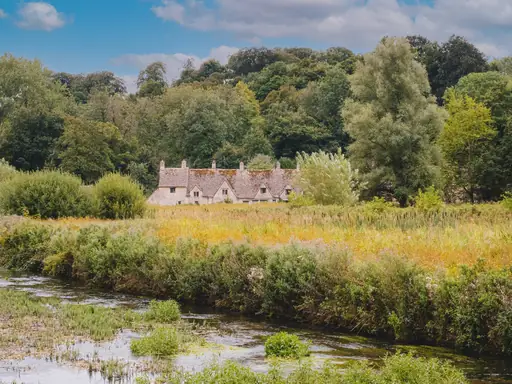
Arlington Row is a line of stone cottages first built in 1380. Weavers lived in the cottages in the 1600s and dried cloth on Rack Isle nearby. Visitors can walk beside the River Coln and see trout at Bibury Trout Farm. Stone bridges cross the stream near meadows.
Town in China
Fenghuang
Ancient river town where history flows
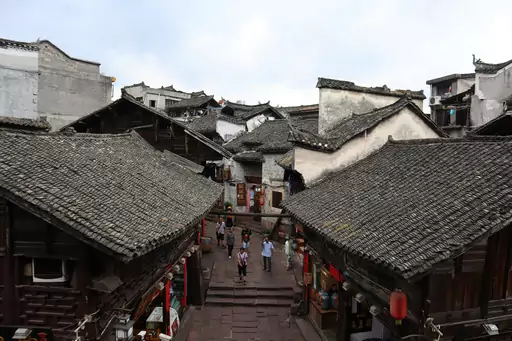
Wooden stilt houses called diaojiaolou have stood over the Tuo River for centuries. The town was a military post in the Qing dynasty. Writer Shen Congwen was born here and wrote about its river life. At night lanterns light the river and small boats drift beneath the bridges.
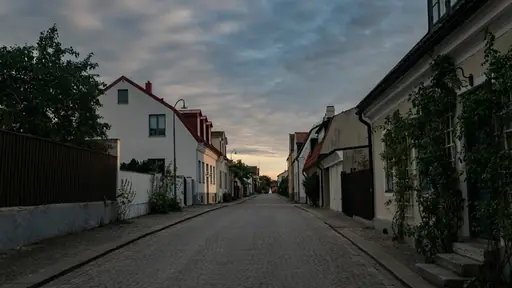
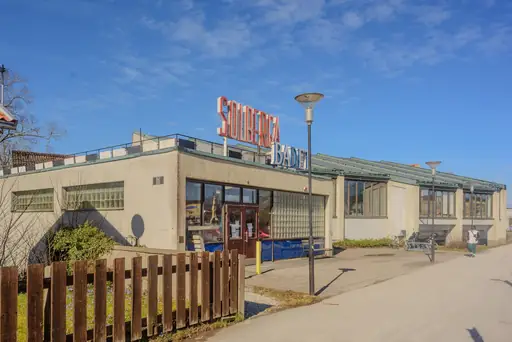
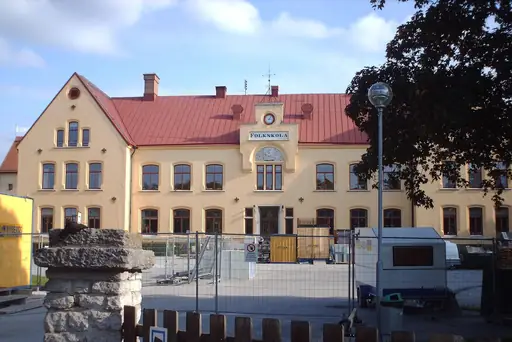
City in Sweden
Visby
Medieval Walls, Roses and Ruins
A medieval wall about 3.4 kilometres long circles this island town. It has 27 towers and dates to the 1200s and 1300s. Each August a medieval week fills the streets with costumed visitors and jousting. Ruined churches with roofless stone walls stand among the wild roses.
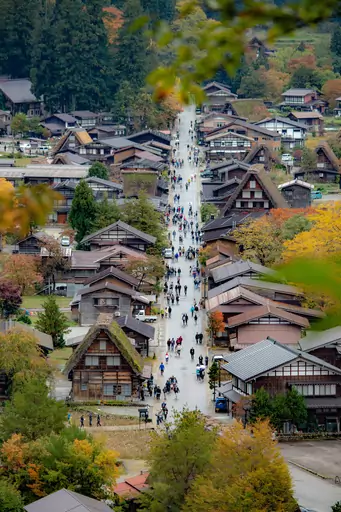
Village in Japan
Shirakawa-go
Thatched gassho farmhouses in the Hida mountains
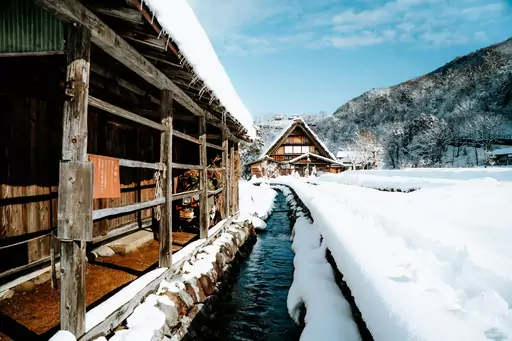
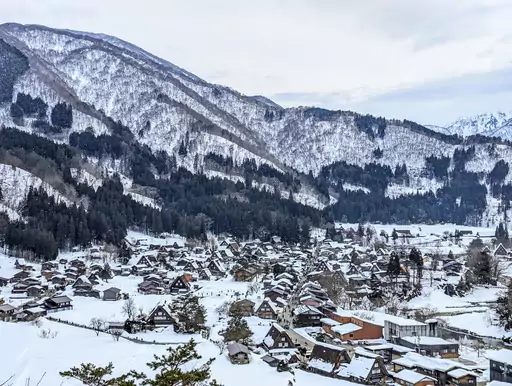
Steep thatched farmhouses in the gassho style, meaning praying hands, dot this mountain valley. The roofs are angled at about 60 degrees to shed heavy winter snow. Visitors can stay overnight in a farmhouse and eat local mountain vegetables. On select winter evenings the houses glow with warm light against the snow.
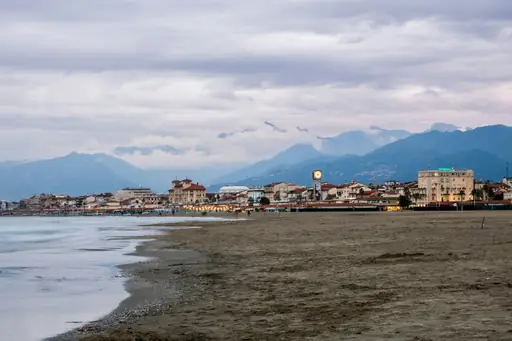
Town in Italy
Lucca
Medieval Charm and Hidden Gems
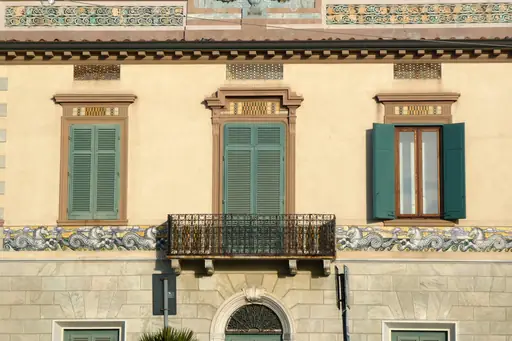
Each July the Lucca Summer Festival brings concerts to Piazza Napoleone. Renaissance walls circle the old town and are wide enough for a bike path. Visitors can cycle along the treetop lined walls for four kilometres. The oval Piazza dell'Anfiteatro follows the shape of a Roman arena.
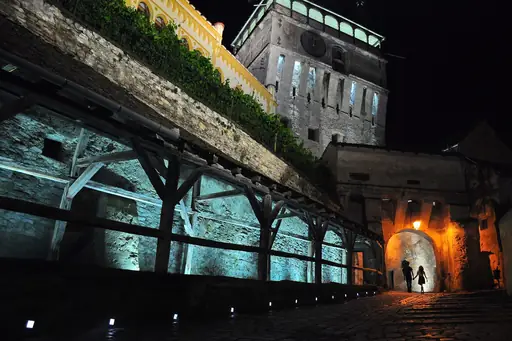
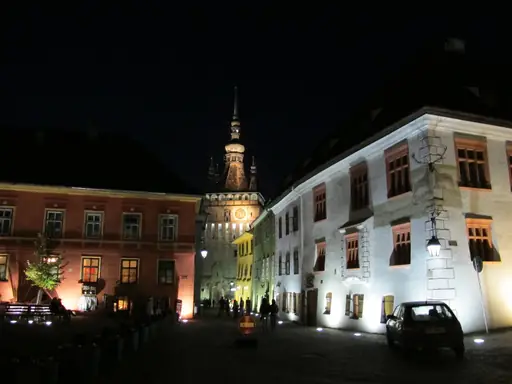
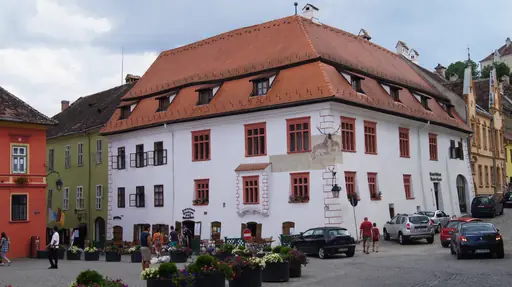
Town in Romania
Sighișoara
Medieval magic in Transylvania
Each July this walled town holds a medieval festival with knights and archers. Sword fights and music fill the streets inside the citadel walls. Visitors can browse craft stalls selling clay pottery and leather goods. The tall clock tower marks the entrance to the old citadel.
Village in Argentina
Purmamarca
Rainbow Hills and Andean Traditions
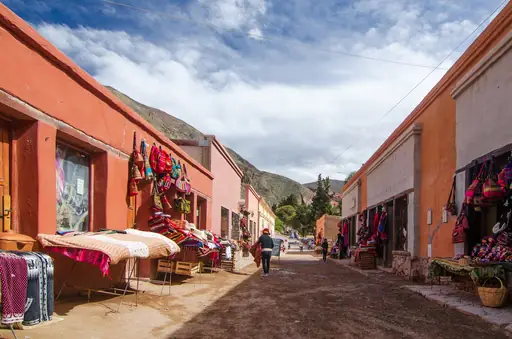
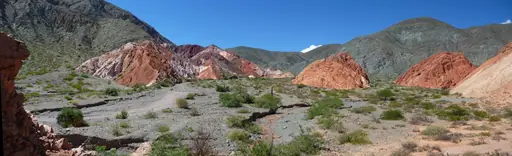
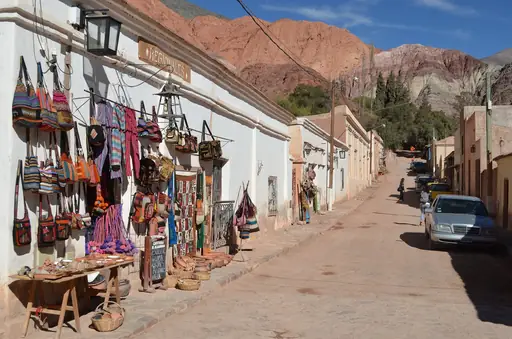
A hill of seven colours rises behind this small town in northern Argentina. The rock bands show red, pink, green and yellow minerals. Visitors can walk the Paseo de los Colorados loop at the base of the hill. Craft stalls in the main square sell wool ponchos and llama textiles.
Village in France
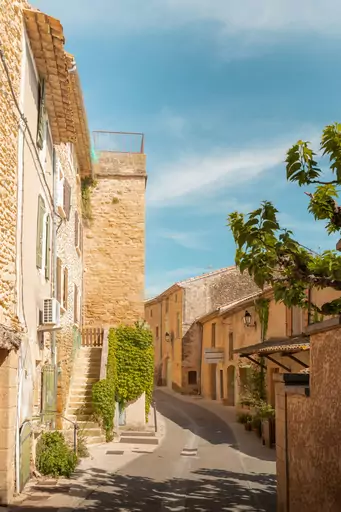
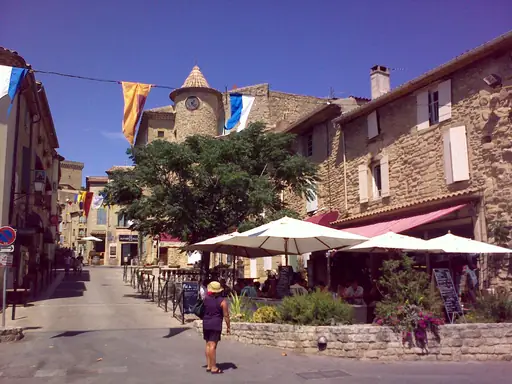
Châteauneuf-du-Pape
Sun‑kissed vineyards, historic hilltop charm
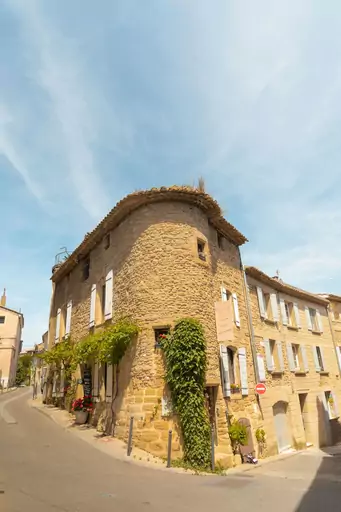
Large round stones called galets cover the vineyards of this Rhone Valley village. They hold heat from the sun and warm the grapes at night. Visitors can taste red wine in cellars and see the ruined papal castle. Popes of Avignon planted vines here in the 1300s.
City in Uruguay
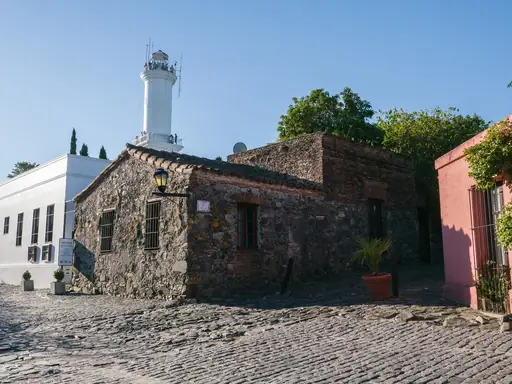
Colonia del Sacramento
Timeless Streets on the Río de la Plata
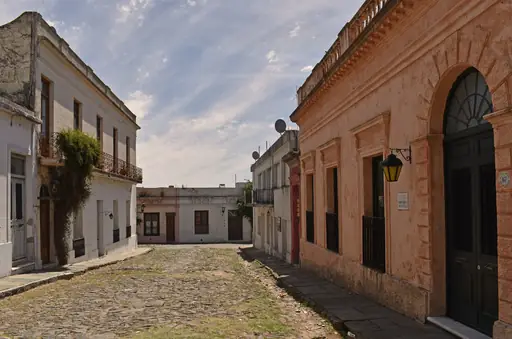
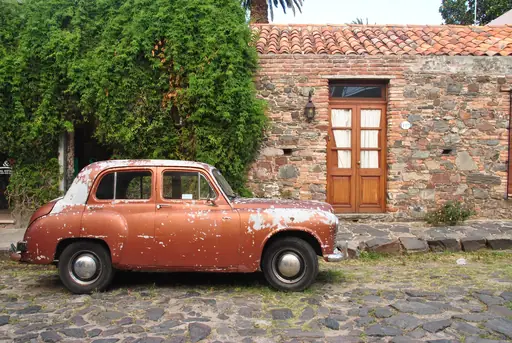
The old quarter of Colonia was listed by UNESCO in 1995. Cobbled lanes have oil lamps and old stone houses with tiled roofs. Visitors can rent golf carts or bikes to tour the old quarter. Sunset over the wide Rio de la Plata draws small crowds to the waterfront.
Village in Spain
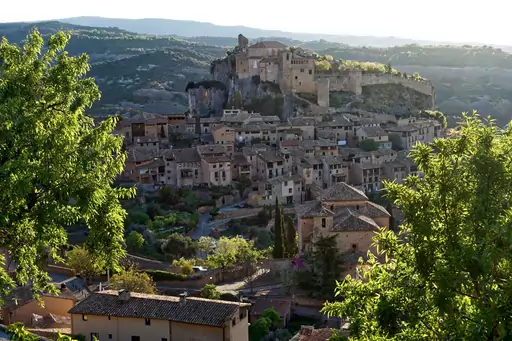
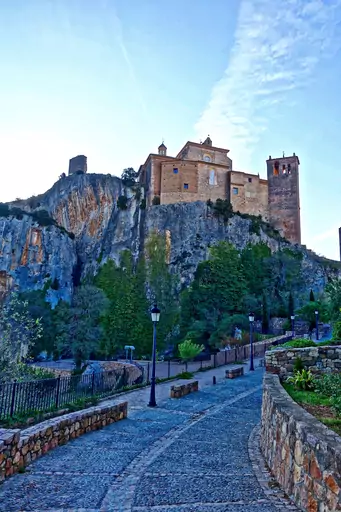
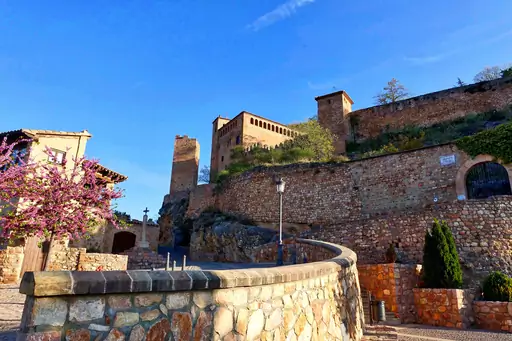
Alquezar
A Medieval Gem in the Mountains
The sound of the Vero River rises from the canyon below this hill village. A castle and collegiate church from the 1100s crown the rock above the houses. Visitors can walk metal footbridges along the canyon walls on the Pasarelas trail. Arcades around the small main square hold cafes and shops.
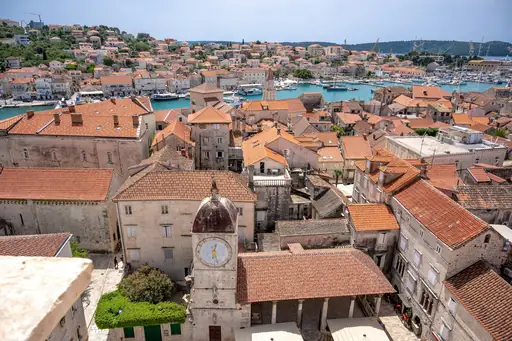
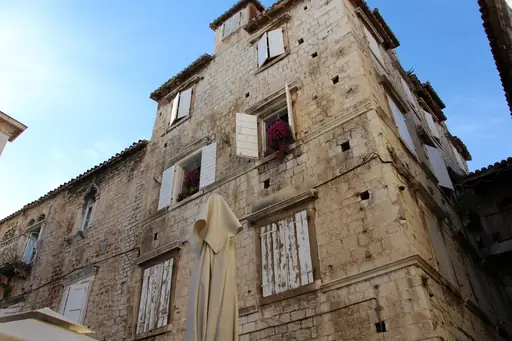
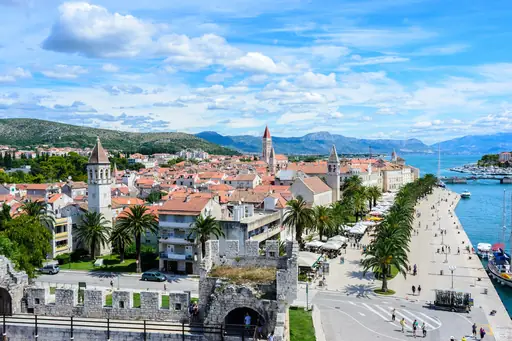
Town in Croatia
Trogir
Medieval Marvel on the Adriatic
Kamerlengo Fortress, built in the 1400s, guards the southern edge of the old town. Its stone towers look over the harbour and the bridge to the island of Ciovo. Visitors can climb the walls to see the red roofs below. Concerts are held in its courtyard on summer evenings.
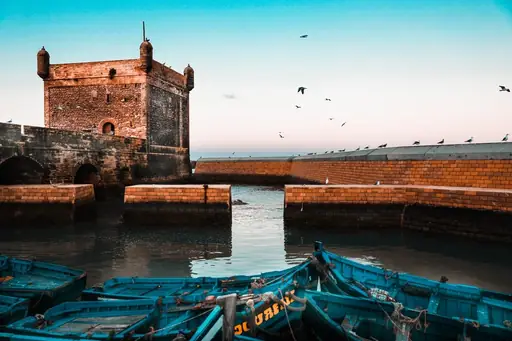
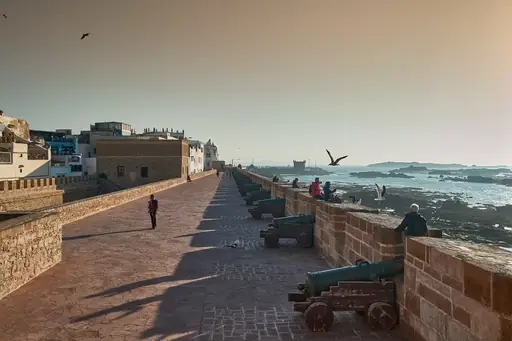
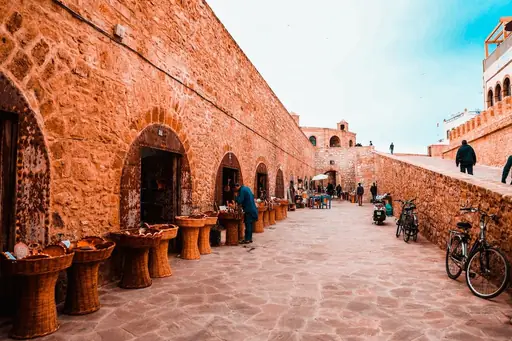
City in Morocco
Essaouira
Atlantic Breeze, Blue Medina, Bohemian Vibe
The Skala de la Ville sea wall has rows of old cannons facing the Atlantic. Orson Welles filmed scenes from Othello here in the 1950s. Visitors can walk the ramparts at sunset above crashing waves. Gnawa musicians play trance music at street cafes and in the annual June festival.
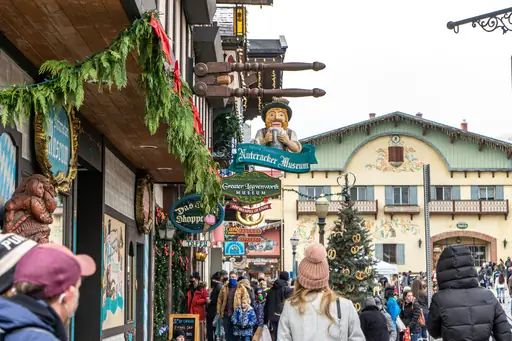
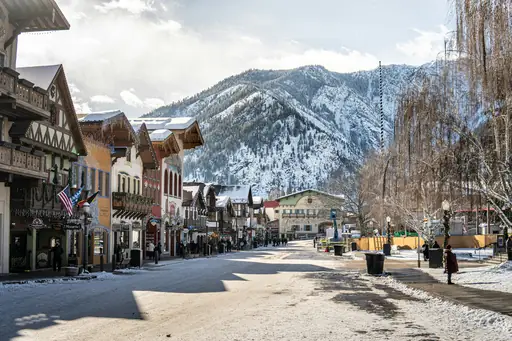
Town in United States
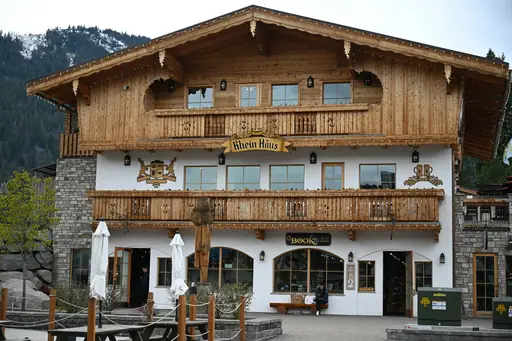
Leavenworth
Charming riverfront town with vibrant fall colors
The town was rebuilt in the 1960s to look like a Bavarian village. Wooden buildings with painted signs and flower boxes line the main street. Visitors can see Oktoberfest each autumn and a Christmas lighting festival each December. The Wenatchee River and Cascade mountain peaks are just a short drive away.
Village in Switzerland
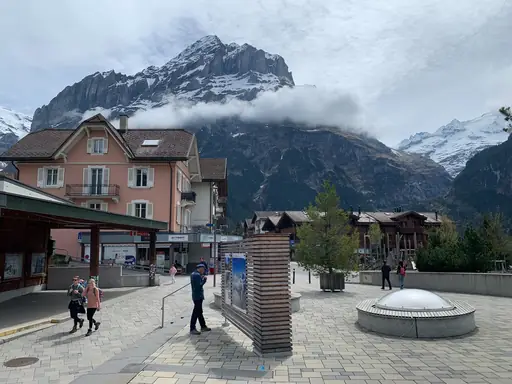
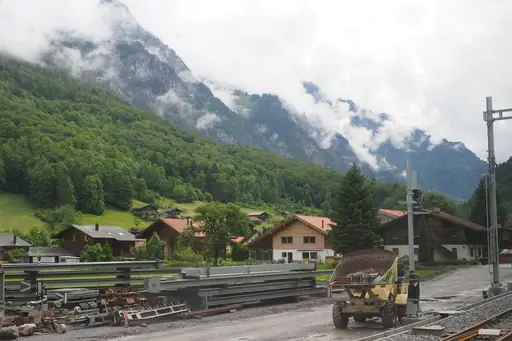
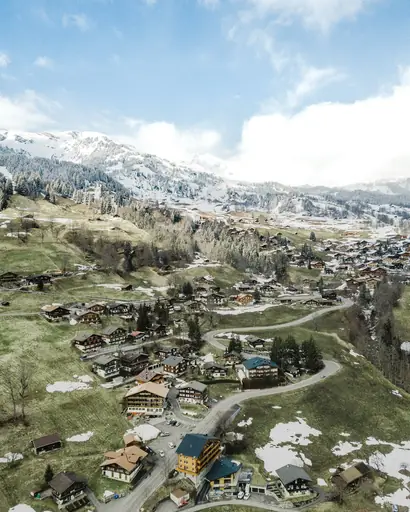
Grindelwald
A Majestic Swiss Mountain Village
In winter the village fills with skiers and sledders below the Eiger north face. In summer hikers follow a steel cliff path built into the rock above First. Cows with large bells graze on the high green pastures all summer. A small train carries walkers up to Kleine Scheidegg.
Town in Canada
Banff
Rocky Mountain Majesty, Endless Adventure
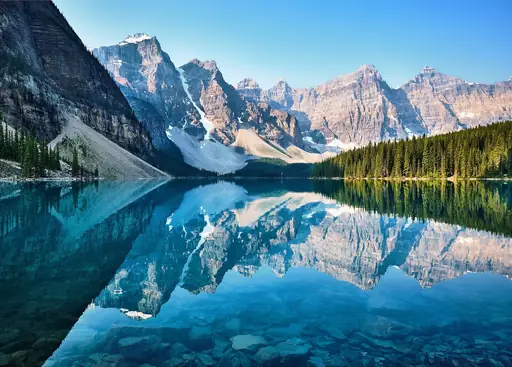
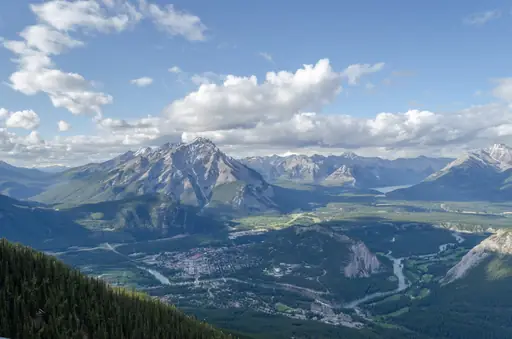
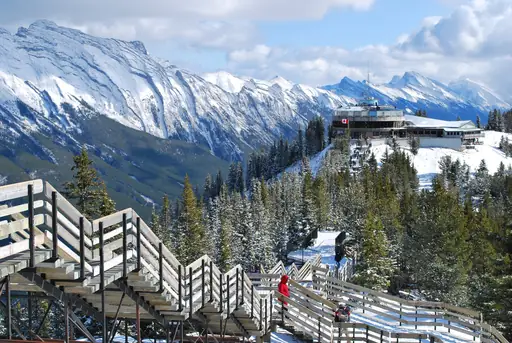
Mountains rise on every side of this small town in the Canadian Rockies. Elk often wander down the main streets and graze on the lawns. The Upper Hot Springs pool is warmed by mineral water on Sulphur Mountain. A gondola climbs the mountain for views of six mountain ranges.
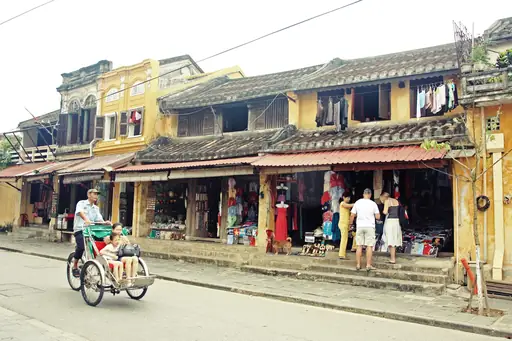
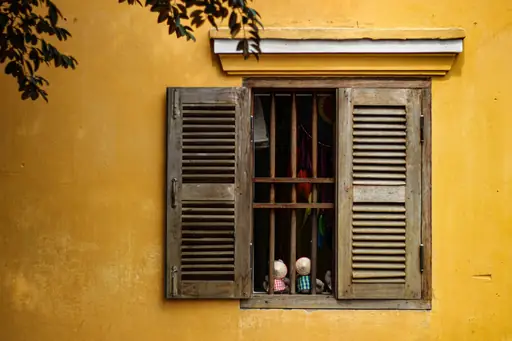
Town in Vietnam
Hoi An
Charming Lanterns and Timeless Streets
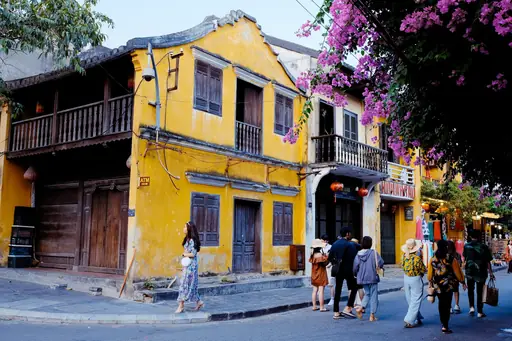
On full moon nights the town turns off its lights and floats paper lanterns on the river. Silk lanterns in many colours hang over the narrow streets. Tailors in the old quarter sew shirts and dresses in a day or two. Bicycles and small boats are common ways to travel to nearby villages.
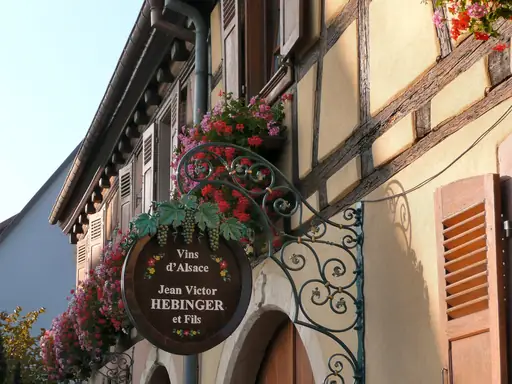
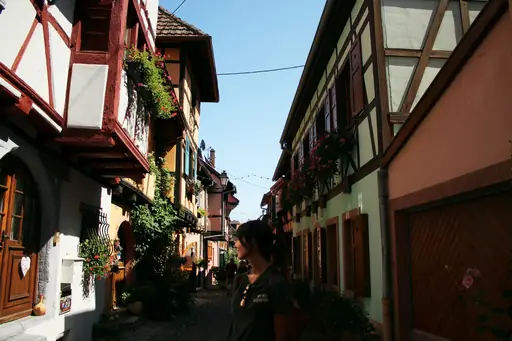
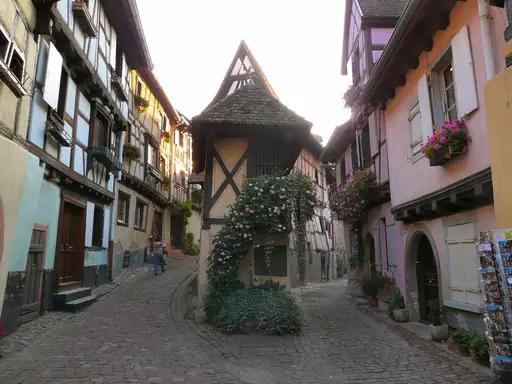
Village in France
Eguisheim
Timeless village where history greets you
Circular streets wind around a small castle in the middle of this Alsace wine village. Half timbered houses in pink and yellow are covered with flower boxes. Visitors can taste Riesling and Gewurztraminer in family wine cellars. Storks nest on rooftops and church towers in spring.
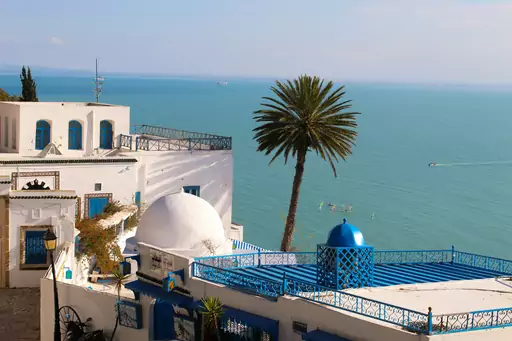
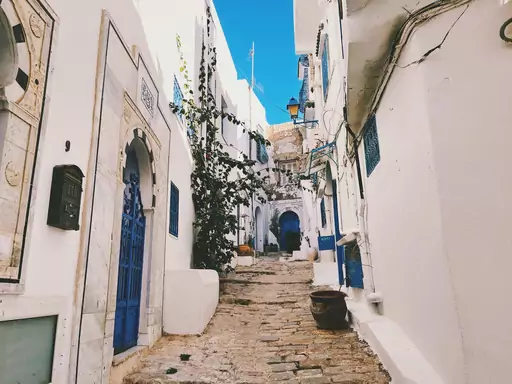
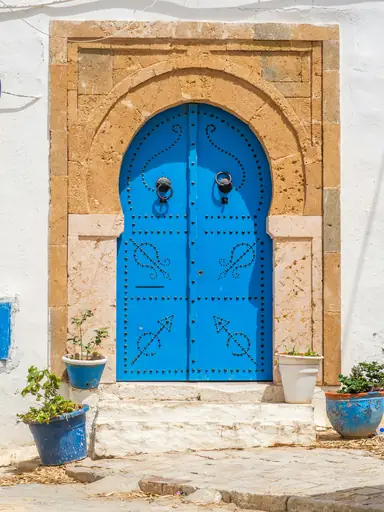
Town in Tunisia
Sidi Bou Said
White-blue gem overlooking Mediterranean Sea
Blue doors and window grilles brighten the whitewashed walls of this hilltop village. Mint tea with pine nuts is a local treat at Cafe des Nattes. Visitors can look over the Bay of Tunis from the hilltop lanes and terraces. Artists Paul Klee and August Macke visited in 1914.
Town in Turkey
Alaçatı Mahallesi
Aegean charm meets windswept paradise
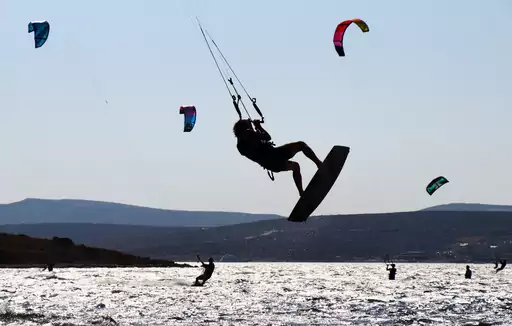
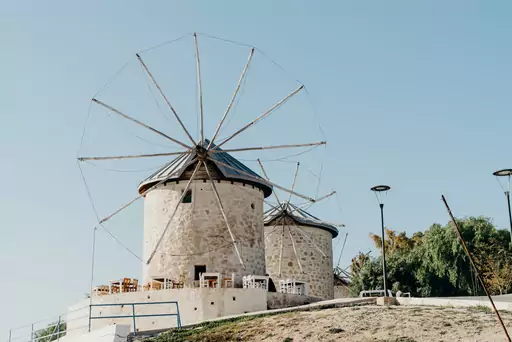
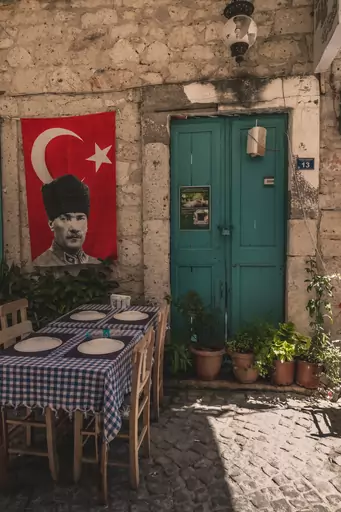
Old stone windmills stand on the hills above this Aegean coast town near Izmir. Former Greek houses with painted shutters line the narrow lanes. Steady sea winds make the bay one of Turkey's top windsurfing spots. Visitors sip iced coffee under bougainvillea in small courtyard cafes.
City in Morocco
Chefchaouen
Blue Medina, Mountain Views, Calm Vibes
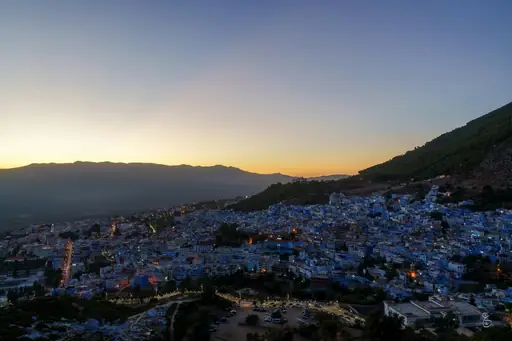
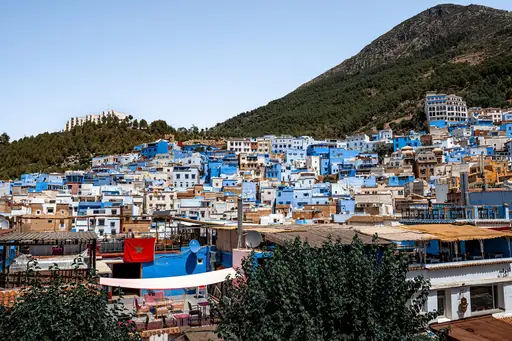
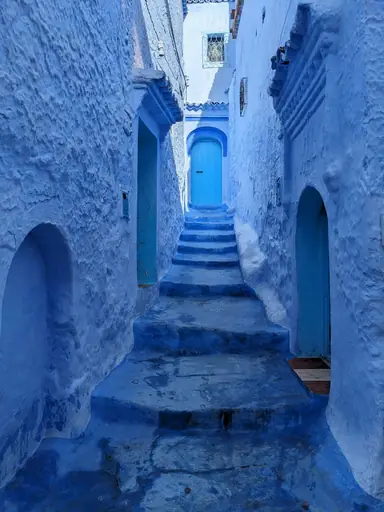
Walls in shades of blue cover the lanes of this mountain town. Many residents repaint stairs and doorways with fresh blue paint. Mint tea and goat cheese are sold in the small square called Outa el Hammam. Trails lead up to the Spanish Mosque for sunset views over the town.
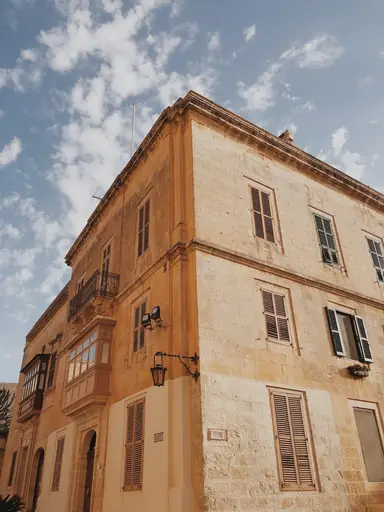
Town in Malta
Mdina
The Silent City of Malta
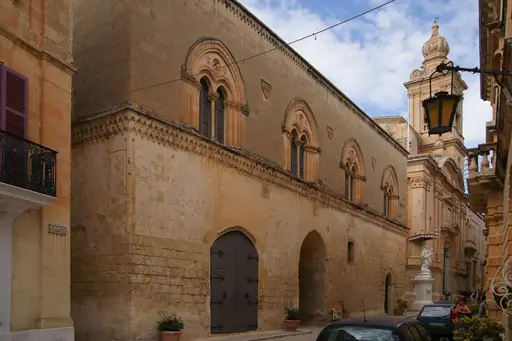
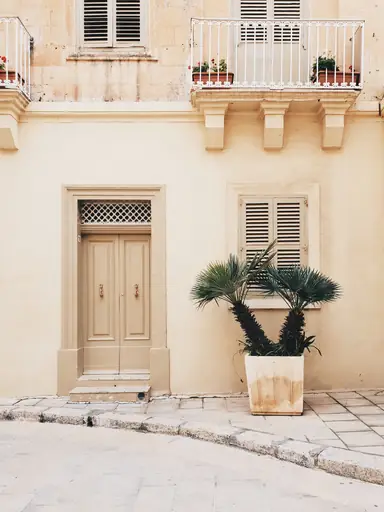
The Main Gate over a dry moat leads into a maze of quiet stone lanes. The city was Malta's capital until the Knights arrived in 1530. Very few cars are allowed inside the walls and the lanes stay peaceful. Cafes on the bastion serve cake with views over the island.
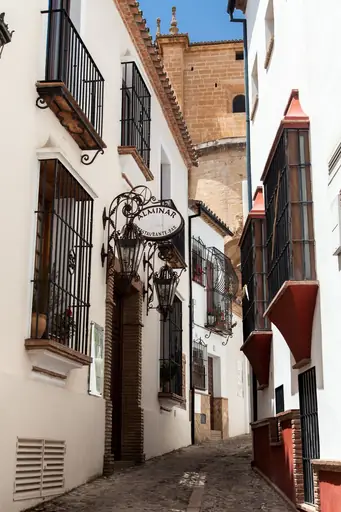
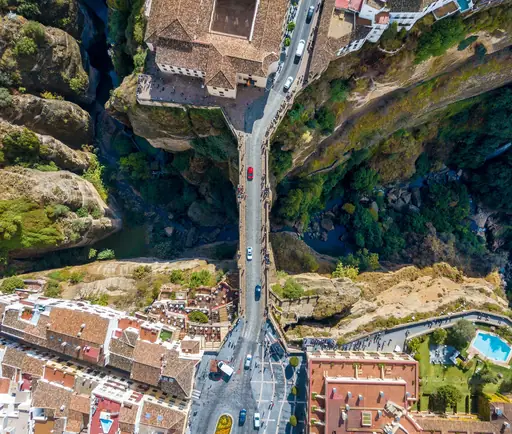
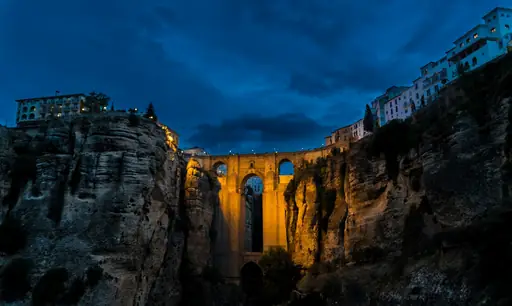
City in Spain
Ronda
Clifftop drama and Andalusian soul
A stone bridge crosses a gorge about 100 metres deep in the middle of town. It was finished in 1793 after decades of work. Visitors can walk down paths for views of the bridge from below. The bullring dates to 1785 and is among the oldest in Spain.
Town in Denmark
Skagen
Where Two Seas and Art Meet
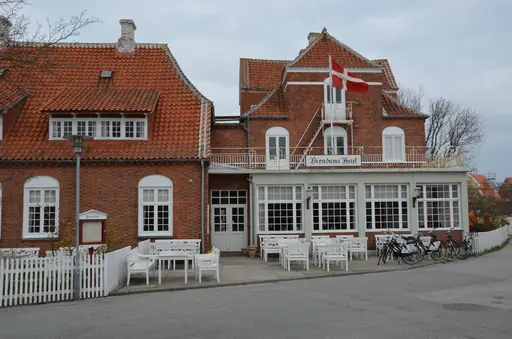
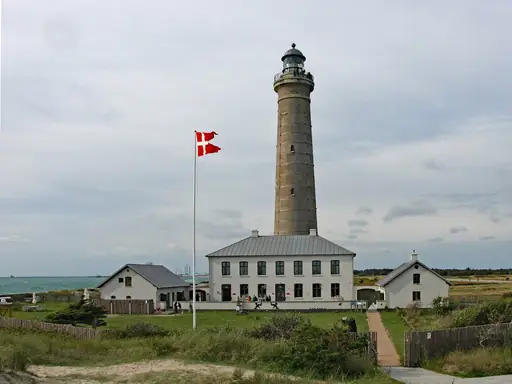
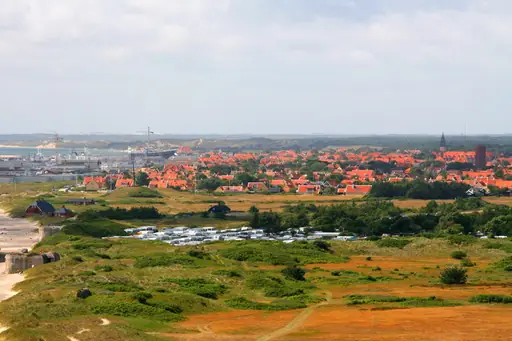
Two seas, the North Sea and the Baltic Sea, meet at the tip of Denmark. Visitors can stand with one foot in each sea at Grenen point. Painters in the late 1800s gathered here for the special light. Yellow houses with red tile roofs line quiet streets.

Town in Japan
Kusatsu-Onsen
Steaming hot water field and bath hopping
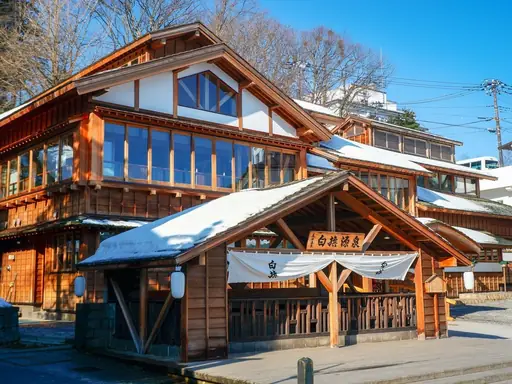
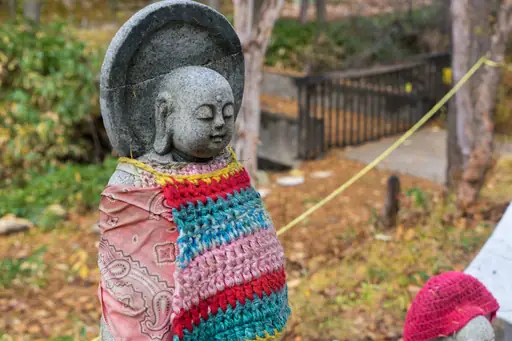
Like a giant kettle, the Yubatake sits steaming in the middle of town. Wooden channels carry hot spring water across it to cool it down. Sulphur smells drift through the streets near free public foot baths. Visitors can watch a yumomi show where women stir the water with boards.
Village in Switzerland
Lauterbrunnen
Valley of 72 waterfalls
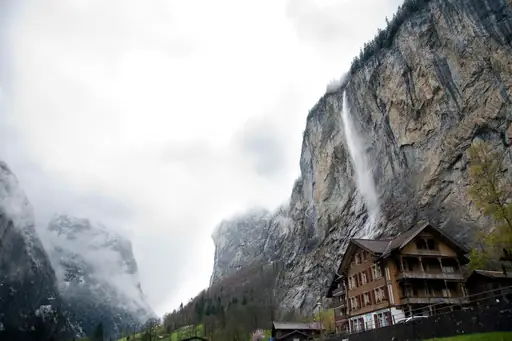
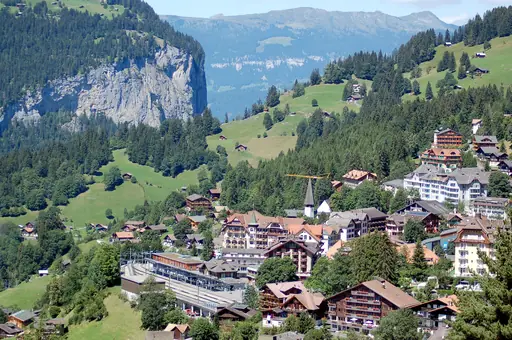
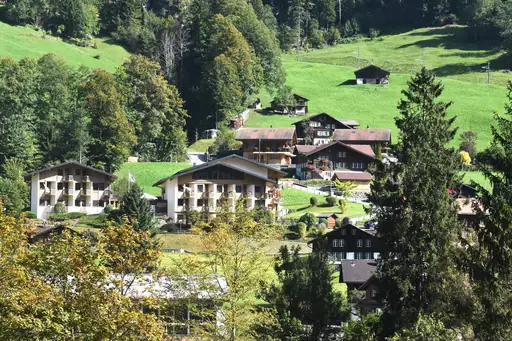
Staubbach Falls drops nearly 300 metres from a cliff above the village. The valley has 72 waterfalls along its rock walls. Trains and cable cars climb to Wengen and Murren, two car free villages. Hikers can walk flat trails past meadows and farmhouses along the valley floor.
Town in Switzerland
Saas-Fee
Glaciers, Peaks and Alpine Serenity
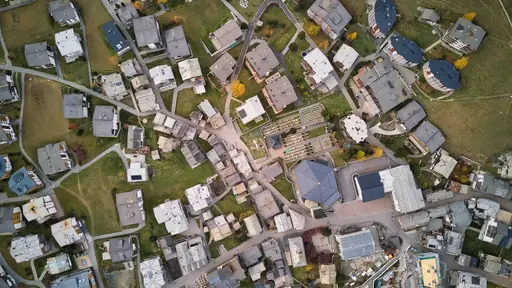
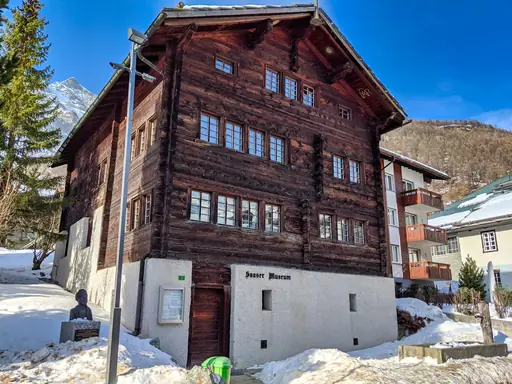
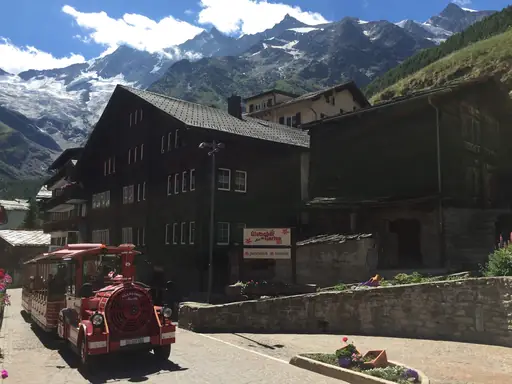
Cars are banned in this Swiss village ringed by 13 peaks over 4,000 metres. Electric taxis carry visitors from the edge of town to hotels. Skiers can reach the glacier for turns almost all year. Wooden storehouses on stone stilts, used for grain, stand along the lanes.
Town in United Kingdom
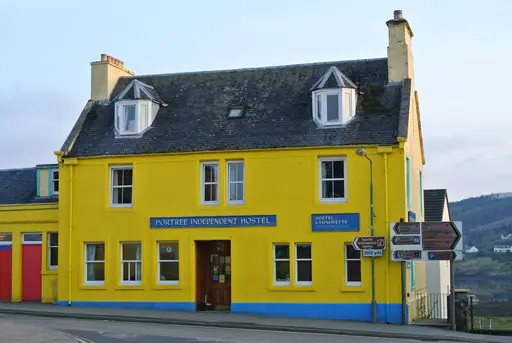
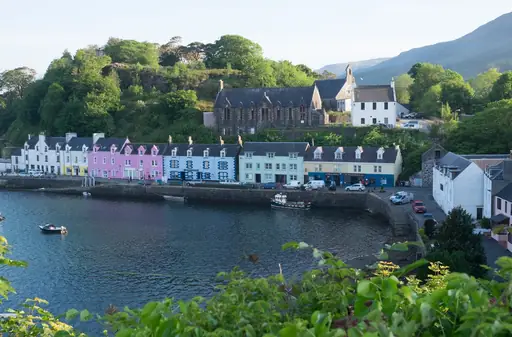
Portree
Colorful Harbour in the Scottish Highlands
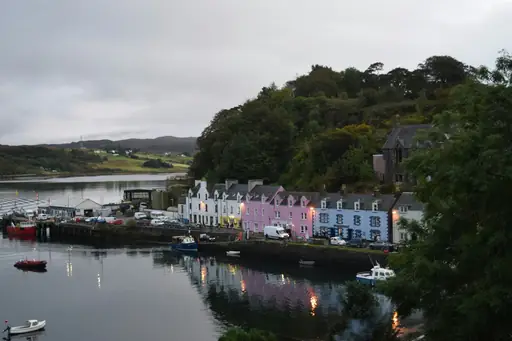
Bright painted harbour houses in pink, yellow and blue line the small port. Fishing boats still unload fresh scallops and crab at the pier. Visitors can take a short drive to Kilt Rock, where a waterfall drops into the sea. Its Gaelic name means Port of the King after a royal visit in 1540.

Village in Colombia
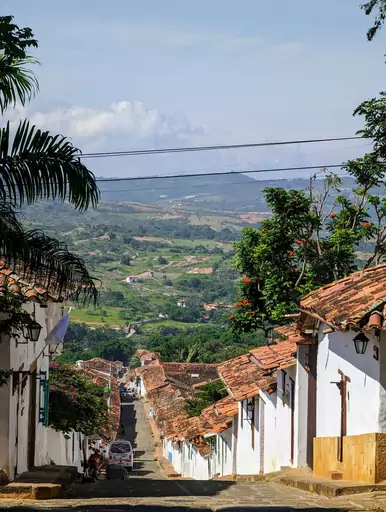
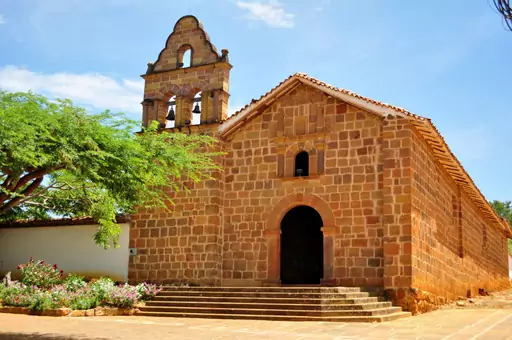
Barichara
Colombia's most beautiful colonial gem
At sunset the pale stone streets of this Colombian town turn golden. Stone masons here still cut and set the paving and church walls by hand. The sandstone cathedral of the Immaculate Conception is on the main square. Guane village, a short walk down the old road, has a tiny museum.
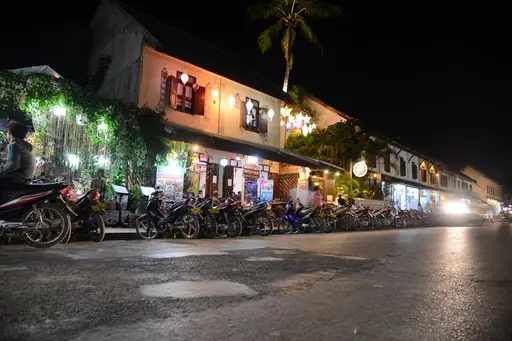
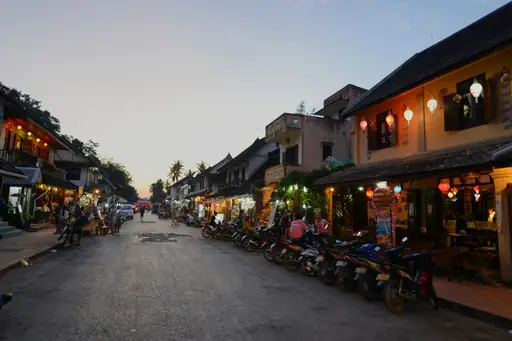
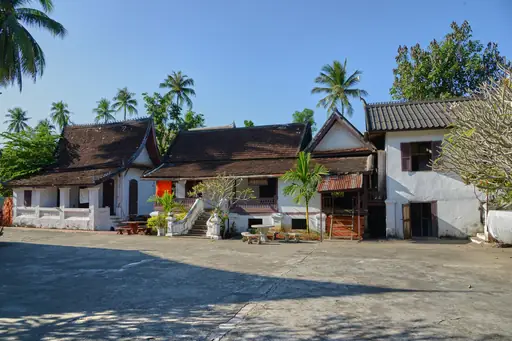
City in Laos
Luang Prabang
Laid-back charm by the Mekong River
Two rivers, the Mekong and the Nam Khan, meet at this old royal capital. Monks collect alms at dawn along the main streets. Kuang Si Falls has turquoise pools for swimming, a short ride south of town. UNESCO listed the town in 1995 for its temples and French colonial houses.
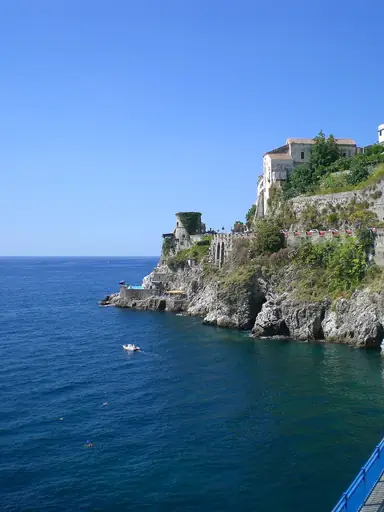
Town in Italy
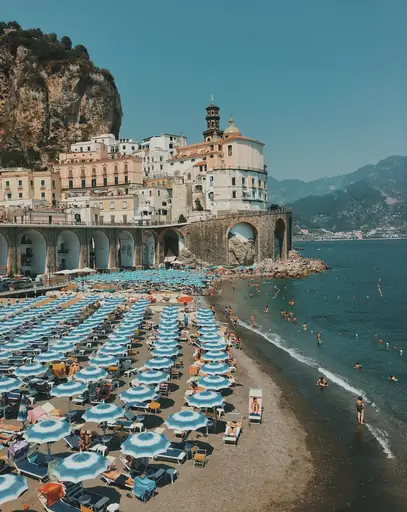
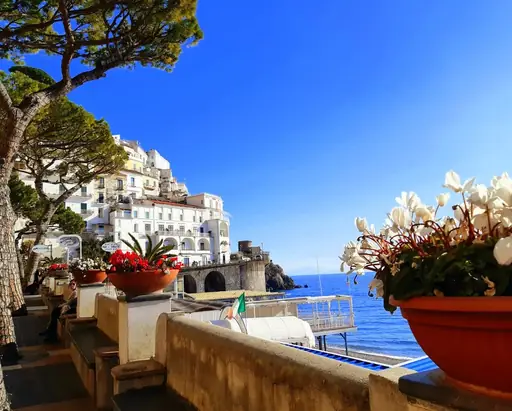
Amalfi
Enchanting Coastal Italian Gem
Cliffs drop straight into the sea along this stretch of Italy's coast. Terraced lemon groves climb the slopes above the harbour and cathedral. The cathedral of Saint Andrew has a striped facade and a wide stairway. Small shops sell limoncello and handmade paper, a craft the town has kept for centuries.
Town in Bulgaria
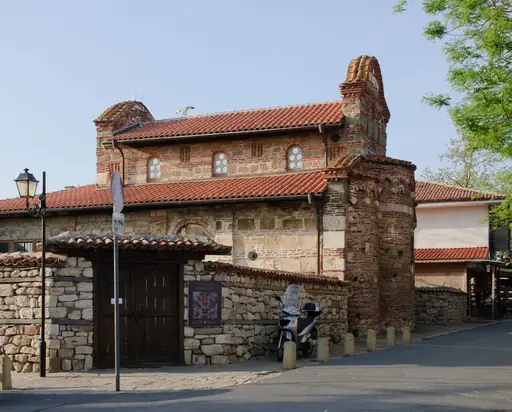
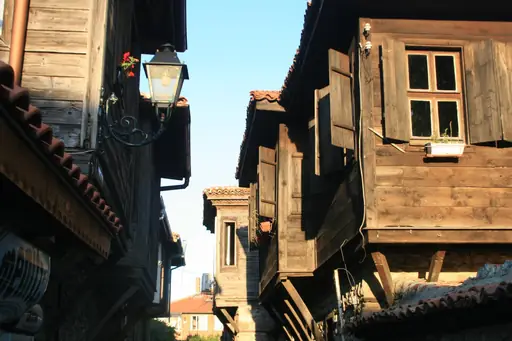
Nesebar
Ancient Black Sea charm and sun
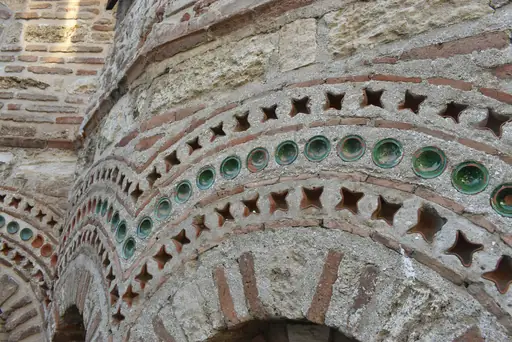
A rocky peninsula linked to the mainland by a narrow causeway holds this old Black Sea town. Ruined and restored churches with red brick stripes stand between wooden houses. Visitors can walk the cobbled lanes and end the day at the windmill on the shore. Seafood restaurants along the harbour grill fresh fish each evening.
Village in Italy
Positano
Cliffside Beauty on Amalfi Coast
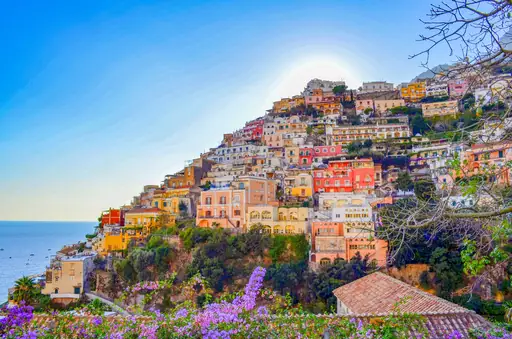
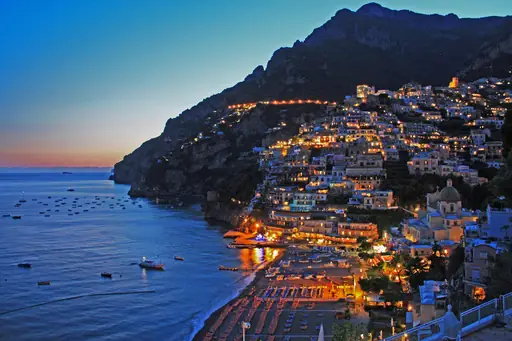
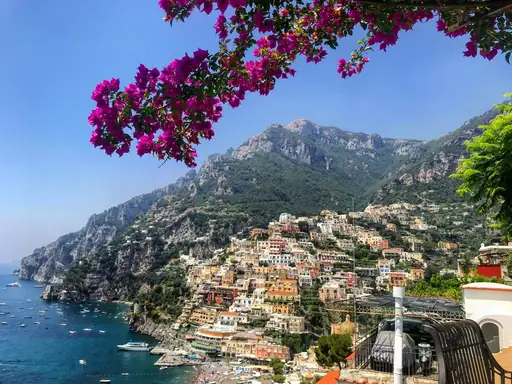
Pastel houses climb a steep hill in stacked rows above the beach. The tiled dome of Santa Maria Assunta church sits at the centre. Visitors can walk the Path of the Gods trail for wide coastal views. Small boutiques sell handmade leather sandals made to fit your feet.
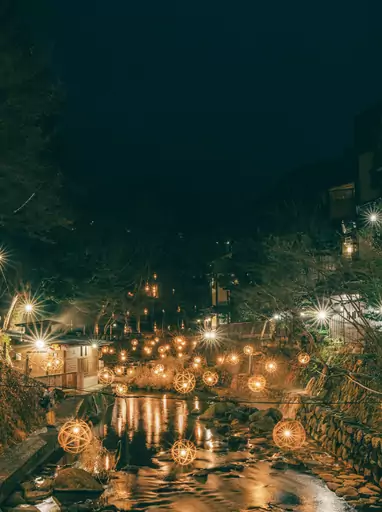
Village in Japan
Kurokawa Onsen
Riverside bath hopping in a Kumamoto valley
Visitors buy a wooden hand pass to soak in three baths at different inns. Around 30 small inns sit along a stream in a forested valley. Most baths are outdoors and surrounded by trees and stone. Lantern light glows along the stream path in the evening.
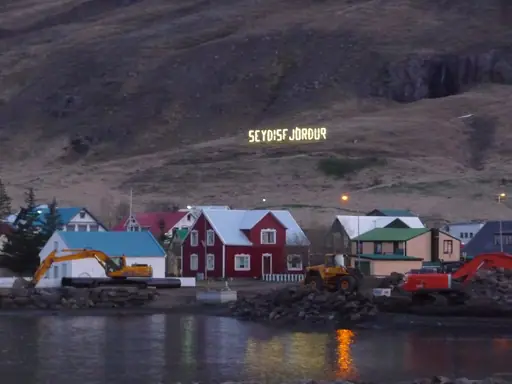
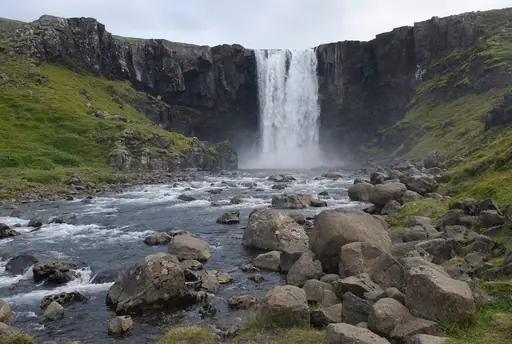
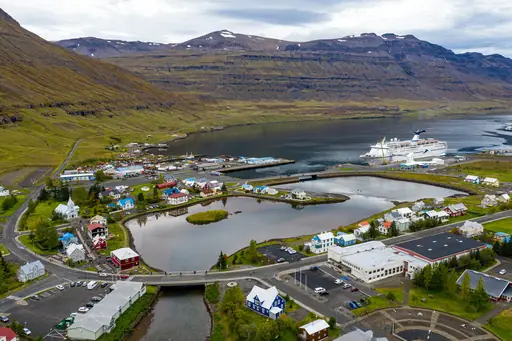
Town in Iceland
Seydisfjordur
Colorful Fjord Village of the East
A blue church stands at the end of a rainbow painted street. The village sits at the end of a narrow fjord with waterfalls on both sides. Ferries from Denmark and the Faroe Islands dock at the small harbour. Artists run studios and small galleries in old wooden houses.
City in France
Saint-Malo
Walled city, wild tides, pirate tales
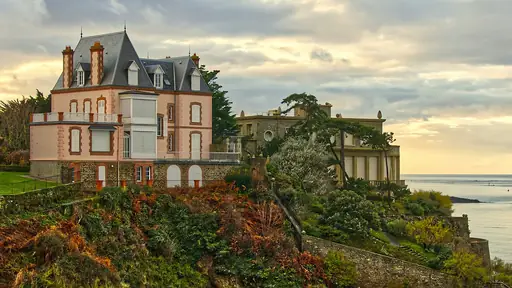
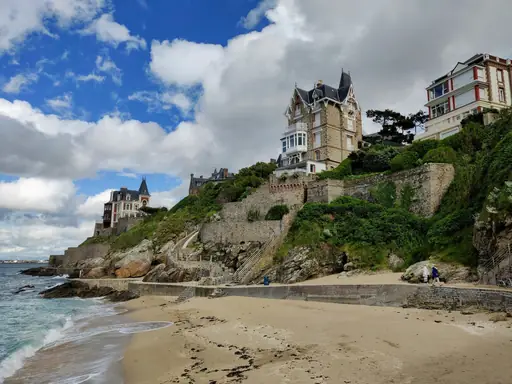
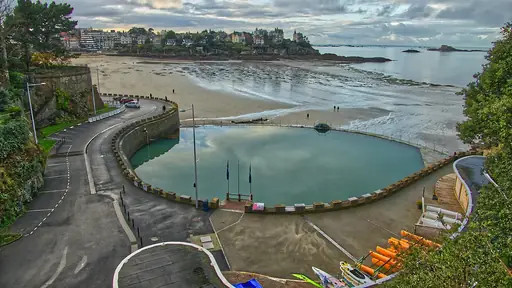
Granite ramparts circle the old walled town on the coast of Brittany. Privateers sailed from here to raid English ships in the 1600s and 1700s. Visitors can walk the top of the walls at low tide and reach tidal islands on foot. Local crepe shops serve buckwheat galettes with ham and cheese.
Town in Greece
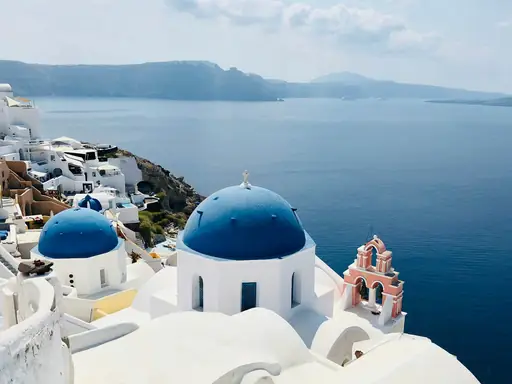
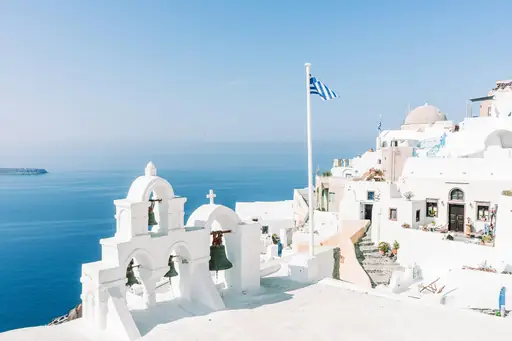
Oia
Sunsets Over Whitewashed Cliffs
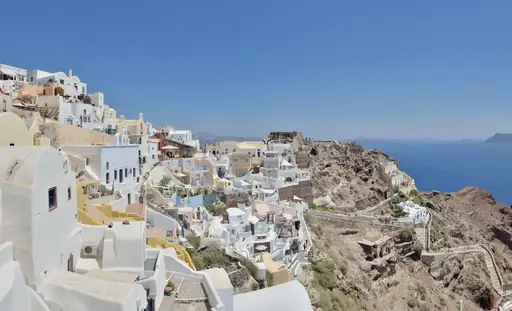
Like a stage set, white and blue houses step down the cliff above the caldera. Sunset crowds gather at the old castle ruins each evening. A stairway of about 300 steps leads down to Amoudi Bay. Small tavernas there serve grilled octopus and fresh fish beside the water.
Town in Italy
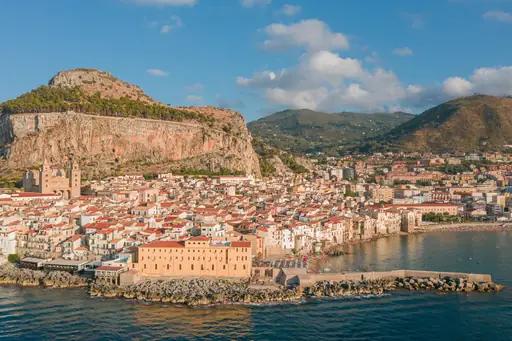
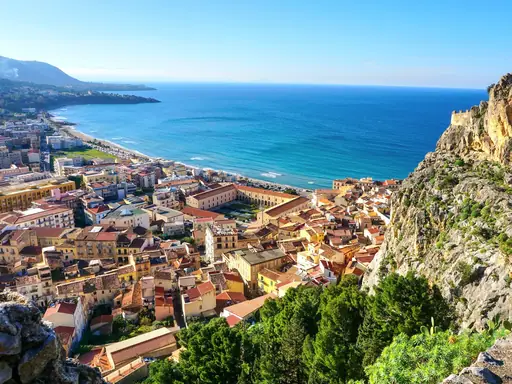
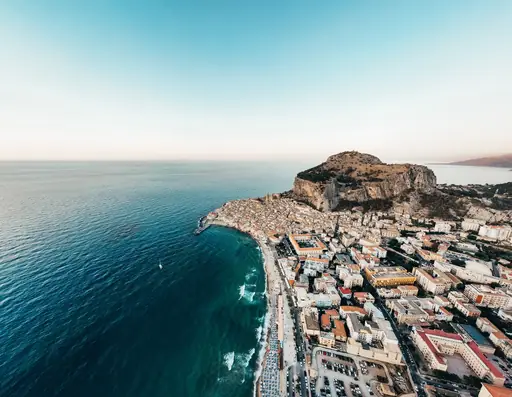
Cefalù
Sicilian Charm, Beaches and History
King Roger II of Sicily began building the cathedral here in 1131. Byzantine gold mosaics of Christ Pantocrator cover its apse. A huge rock called La Rocca rises behind the town. Visitors can climb a steep trail to old ruins for views of the harbour. Fishing boats rest on the sandy beach below.
City in Brazil
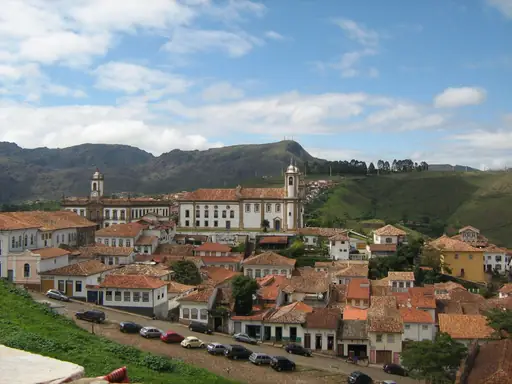
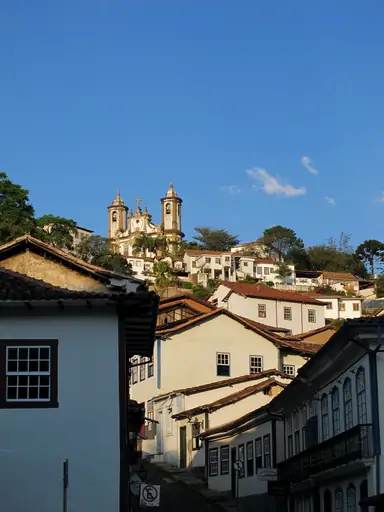
Ouro Preto
Historic gold‑mining town with baroque charm
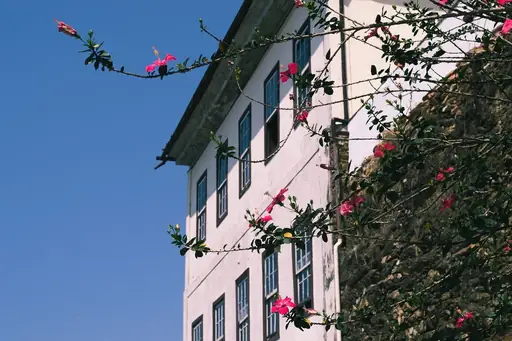
The sculptor Aleijadinho carved statues and church fronts across this town in the 1700s. The town grew rich during a gold rush in Brazil's Minas Gerais region. Steep cobbled streets link white churches with gold covered altars. Visitors can descend into an old gold mine at Mina do Chico Rei.
City in Belgium
Bruges
Medieval Charm and Chocolate Bliss
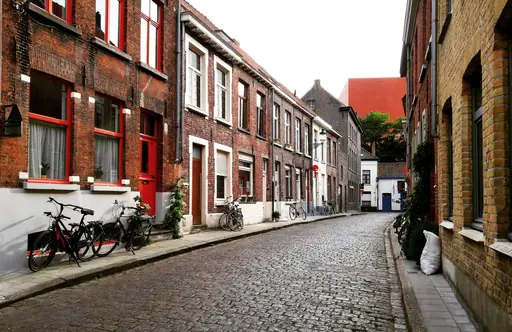
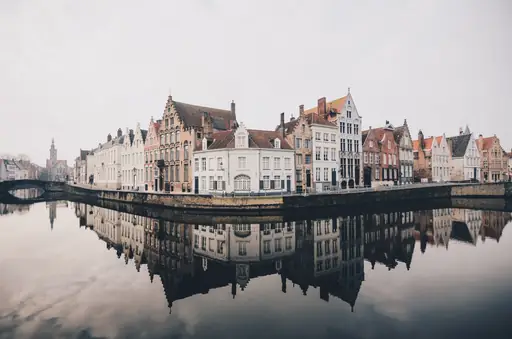
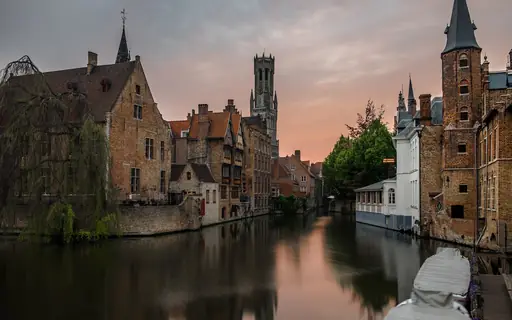
Bells from the medieval Belfry tower ring out over red roofs and calm canals. The tower has 366 steps and a wide view from the top. Swans glide under stone bridges while boats pass beneath low arches. Chocolate shops and lace makers fill the streets around the market square.
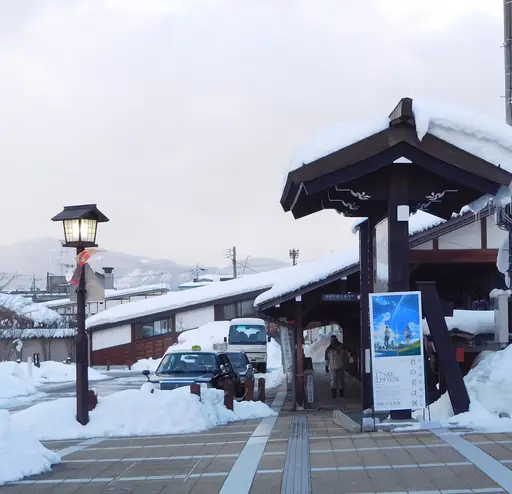

City in Japan
Hida
Carp canal and sake town near Takayama
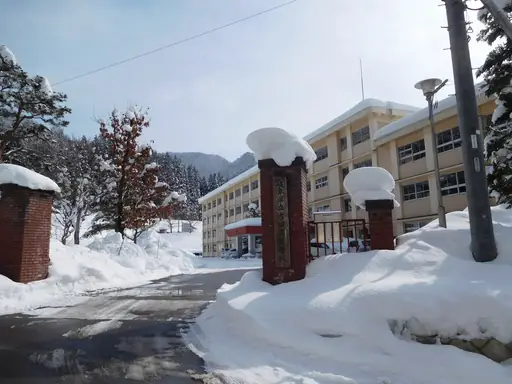
Koi carp splash in a narrow canal beside white walled storehouses in Furukawa. Hida Furukawa, the historic quarter of the city, is a short walk from the station. Old shops sell hand dipped candles and local sake. The sound of running water follows walkers along the Seto River.
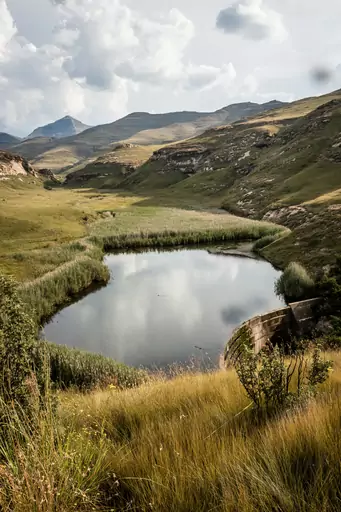

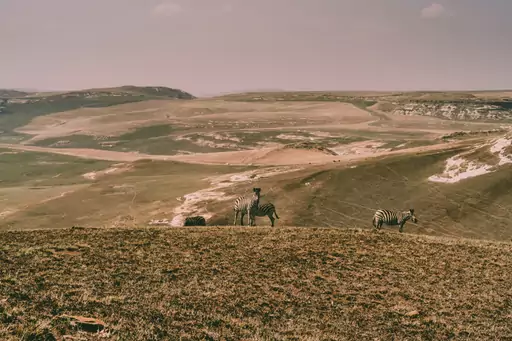
Town in South Africa
Clarens
Art, Adventure and Mountain Calm
Sandstone cliffs in the Golden Gate Highlands National Park rise near this Free State village. Artists run galleries and studios around the central square. Visitors can taste beer at a local brewery and try trout dishes. Hikers can follow trails to sandstone caves and small waterfalls nearby.
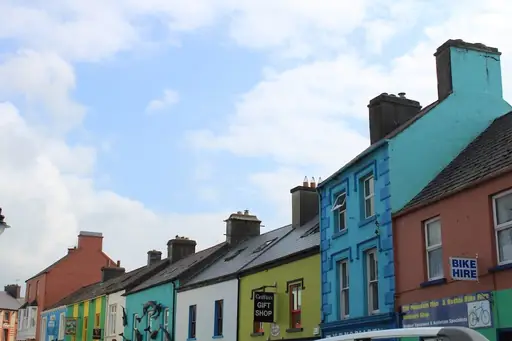
Town in Ireland
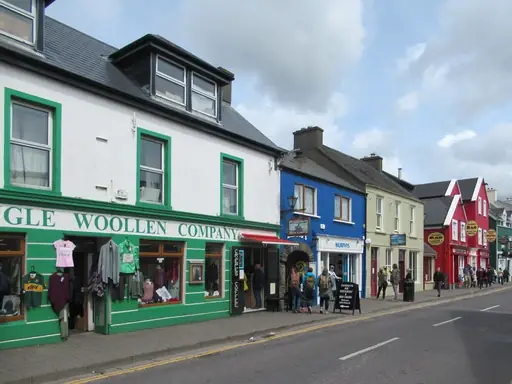
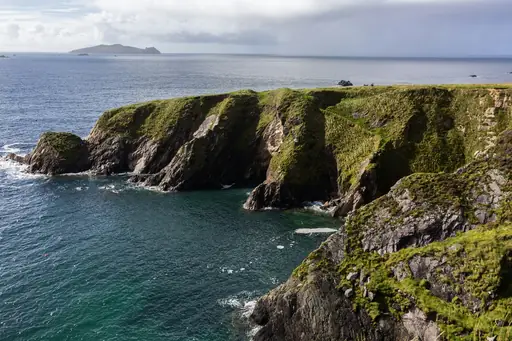
Dingle
Wild Atlantic Views, Music & Craic
Boat tours leave the small harbour to see seabirds and the wild Blasket Islands. The nearby Slea Head Drive loops around the peninsula past stone beehive huts. Pubs in town host live folk music most nights. Irish is still spoken daily and street signs use it first.
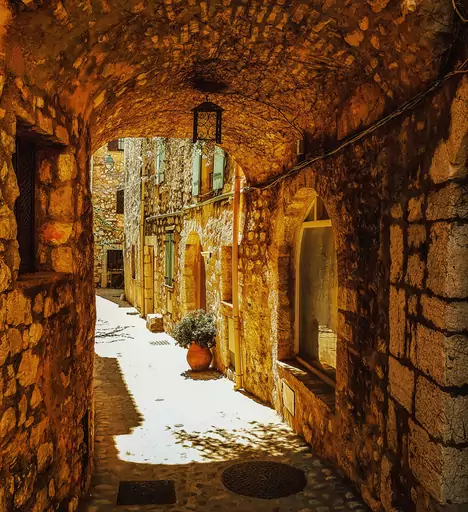
Village in France
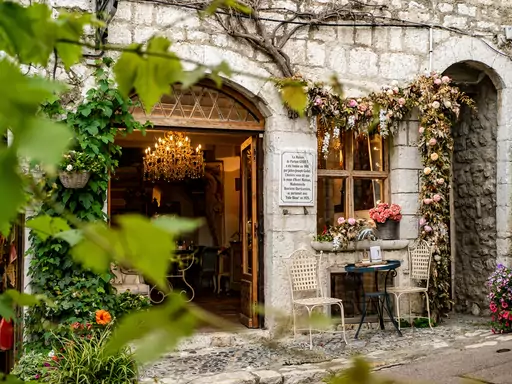
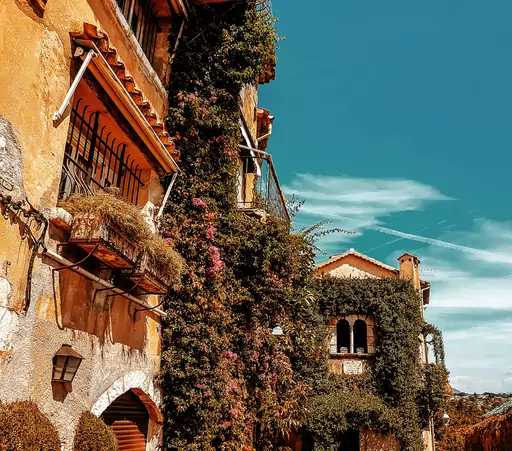
Saint-Paul-de-Vence
Sunlit vineyards and historic hilltop charm
Marc Chagall is buried in the small cemetery of this hilltop village. Stone ramparts from the 1500s circle the village and give views to the sea. Visitors can walk the lanes to galleries and the Maeght Foundation art museum. Locals play petanque under plane trees in the shady main square.
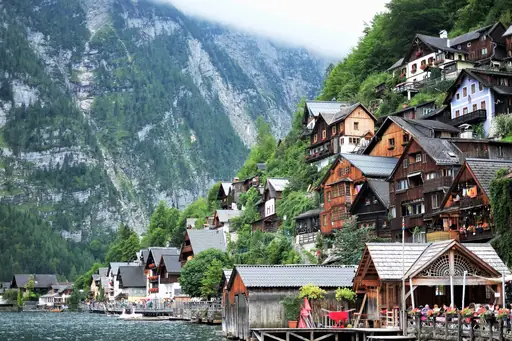
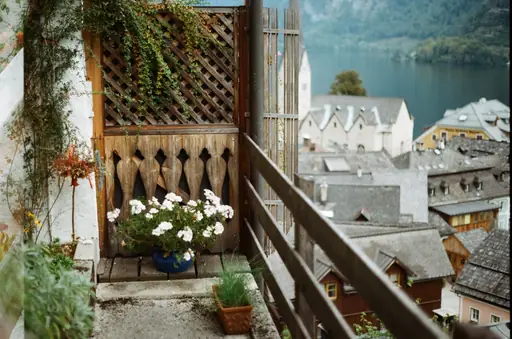
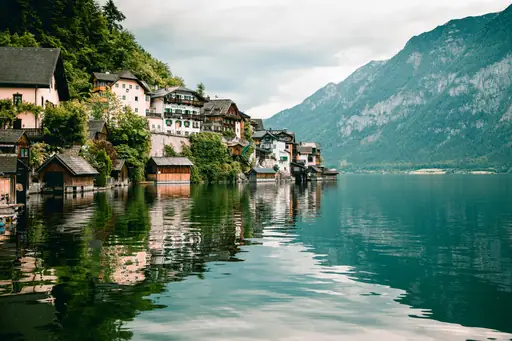
Village in Austria
Hallstatt
A Fairytale Village by the Lake
The Evangelical church spire rises above a row of wooden houses on the lake. The lake water stays clear and cool even in midsummer. A funicular climbs to the Salzwelten salt mine, where miners have worked for thousands of years. Visitors can rent a rowboat and drift under the mountains.
Village in Taiwan
Jiufen
Historic mountain town steeped in tea heritage
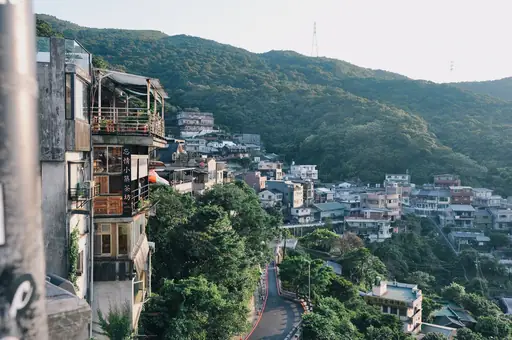
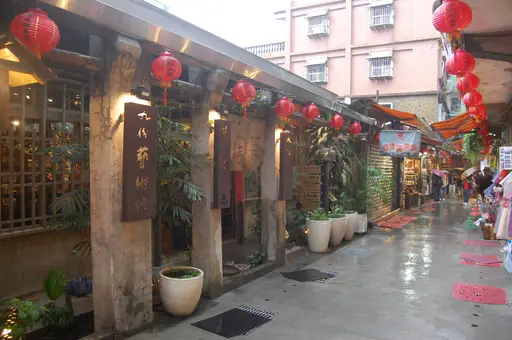
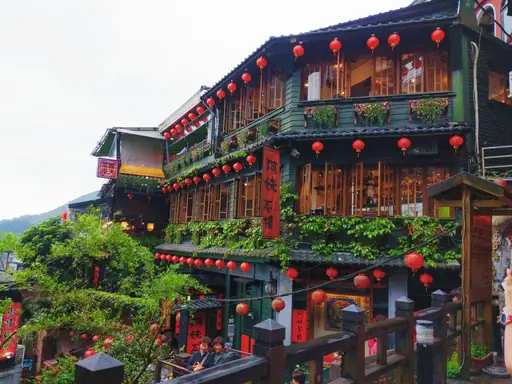
Shuqi Road is a narrow stone stairway lined with red lanterns and tea houses. The town grew during a gold rush in the 1890s. Visitors can sip oolong tea in a tea house with views over the sea. Street stalls sell taro balls, a chewy dessert served in sweet soup.
Village in Norway
Reine
Lofoten’s Iconic Fjord Village
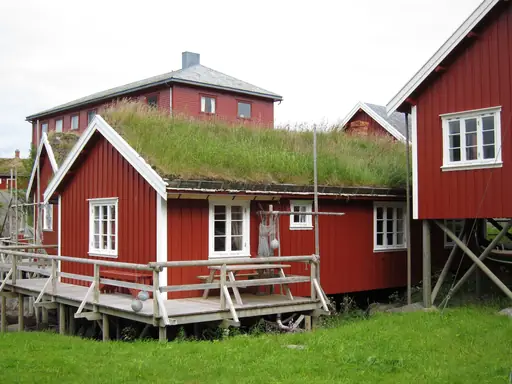
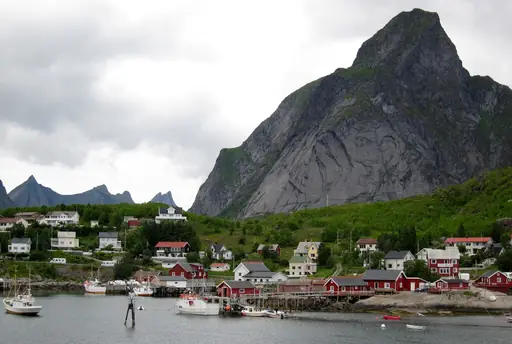
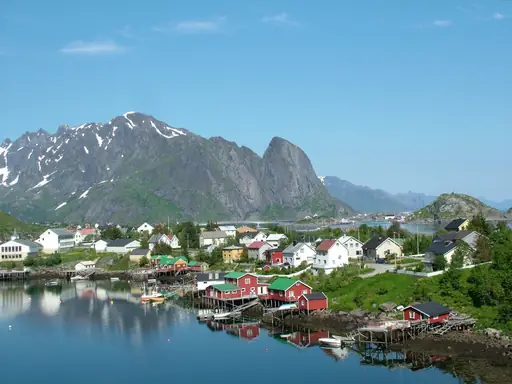
Red fishing cabins stand on stilts beside sharp peaks in this Lofoten village. A stone stairway of almost 2,000 steps built by Sherpas climbs Reinebringen. The top gives a wide view over the blue fjord and nearby islands. Kayakers paddle out from the harbour beneath steep mountain walls.
Town in Brazil
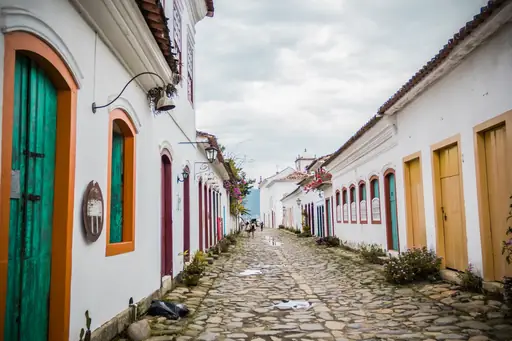
Paraty
Colonial Charm and Tropical Beauty
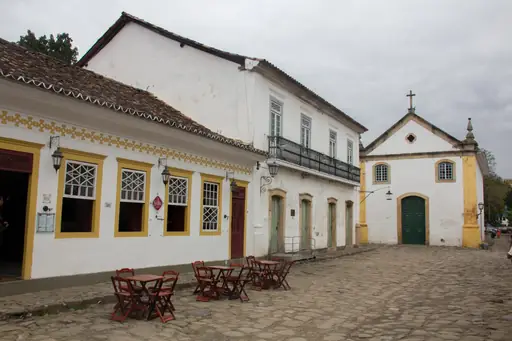
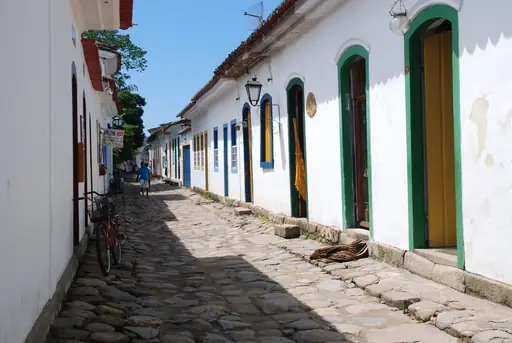
Each July authors and readers gather here for FLIP, a literary festival. Colonial houses with blue and yellow doors line the stone streets. Boats from the harbour reach islands and beaches in a few minutes. The Gold Road from Minas Gerais ended at this port in the 1700s.
Village in Netherlands
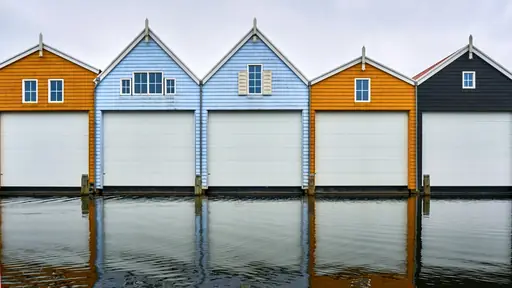
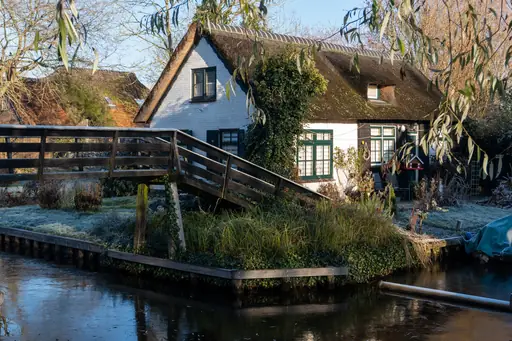
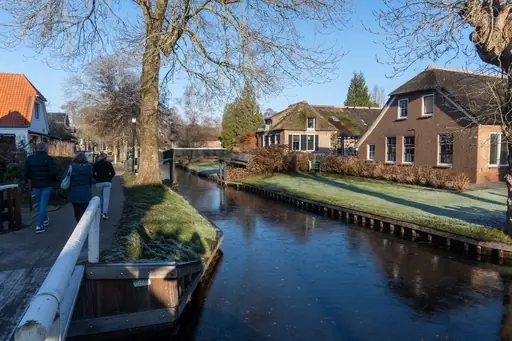
Giethoorn
Venice of the North, Without Roads
Thatched roof farmhouses sit on small islands linked by about 180 wooden bridges. Visitors get around by whisper boat or on foot. Electric boats keep noise low along the narrow waterways. Settlers in the 1200s found many goat horns in the soil, giving the village its name.
Town in Canada
Tofino
Wild Pacific, Rainforest, Endless Waves
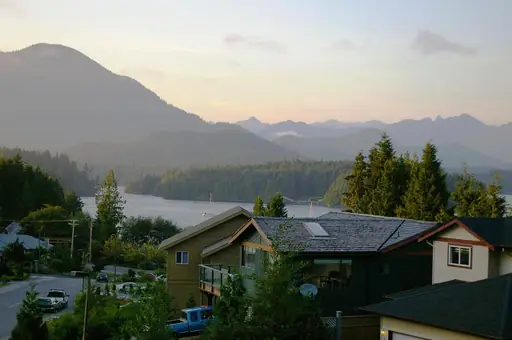
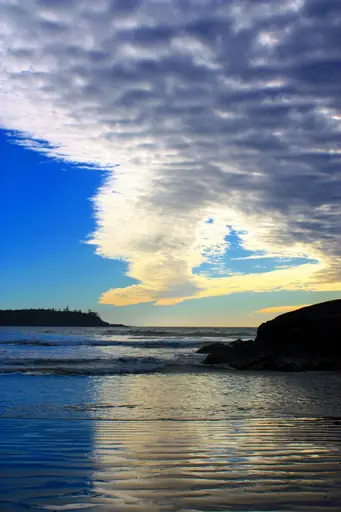
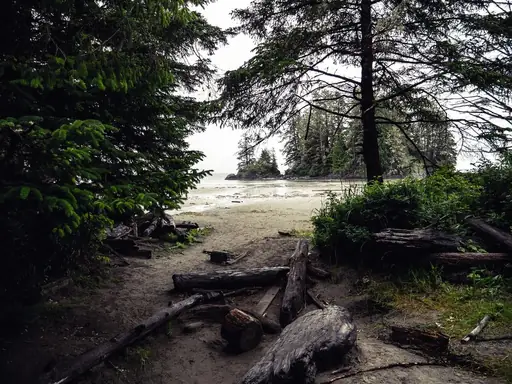
Long sandy beaches such as Chesterman Beach face the open Pacific on Vancouver Island. Storm watchers come in winter to see huge waves crash on the rocks. Surfers ride cold water waves year round in thick wetsuits. Boat trips look for grey whales, sea otters and black bears.
Town in Switzerland
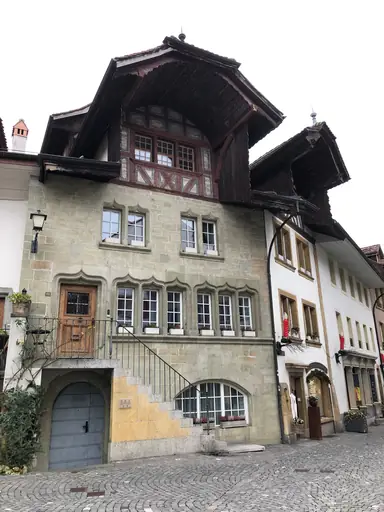
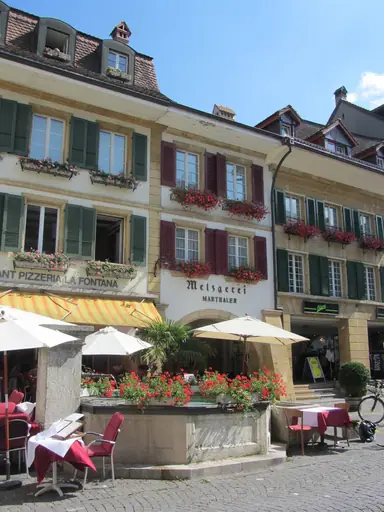
Murten
Charming medieval lakeside town
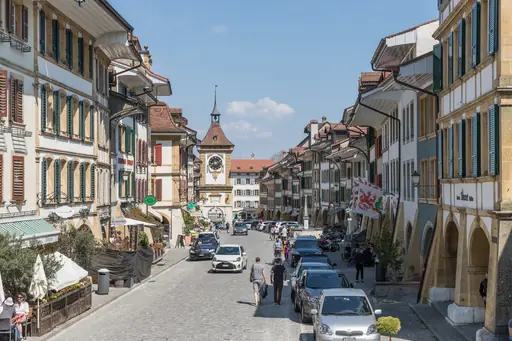
Medieval walls with a covered wooden walkway circle the old town on Lake Murten. Walking the full ring takes about 30 minutes and shows views of the lake. A clock tower with a Baroque gate spans the main street. Locals eat Nidelkuchen, a sweet cream tart, in old town cafes.
City in Bulgaria
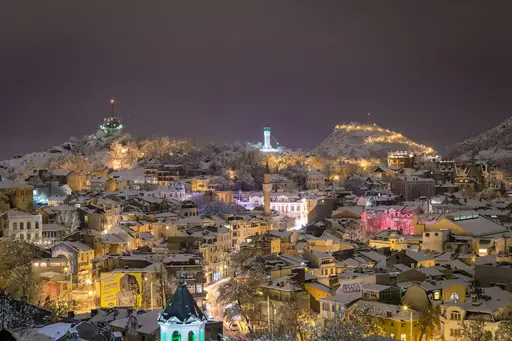
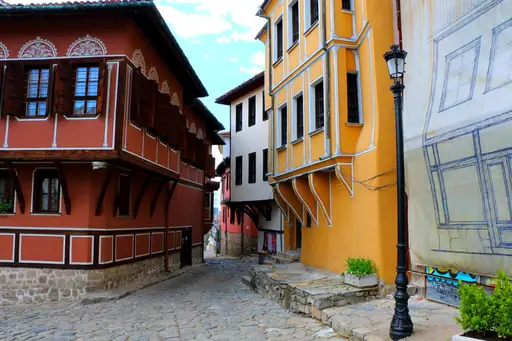
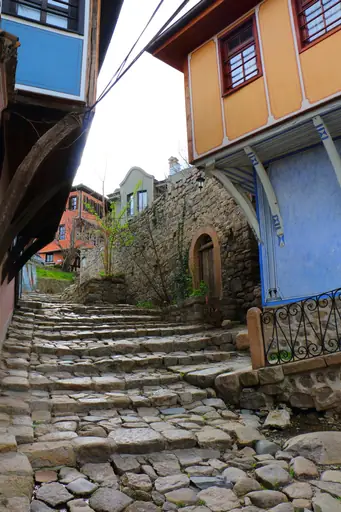
Plovdiv
Europe’s Oldest City, Alive with Art
The city was a European Capital of Culture in 2019. Wooden houses with bright painted upper floors line the old town hills. Visitors can climb Nebet Tepe hill for views over red roofs and the river plain. Small museums fill the restored houses, including one for regional ethnography.
Village in Switzerland
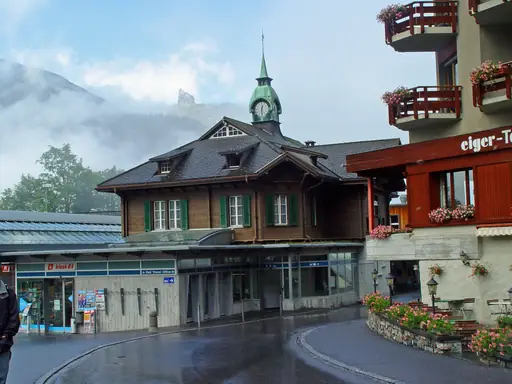
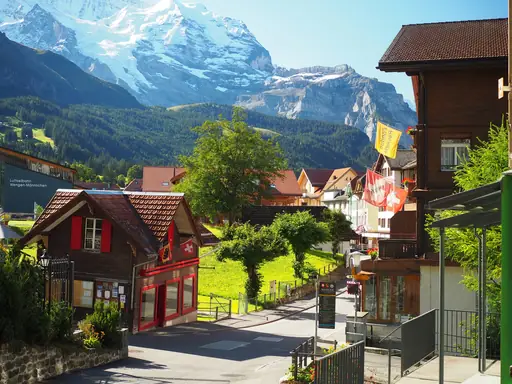
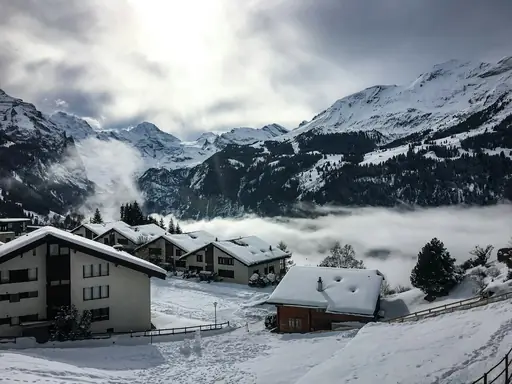
Wengen
Car-Free Alpine Bliss and Epic Views
Trains climb a steep slope from Lauterbrunnen to reach this car free village. The Lauberhorn ski race, one of the longest World Cup downhill courses, finishes here. In summer hikers walk from Wengen to Kleine Scheidegg with Eiger views. Cows wear large bells on the meadows above the village.
City in Belgium
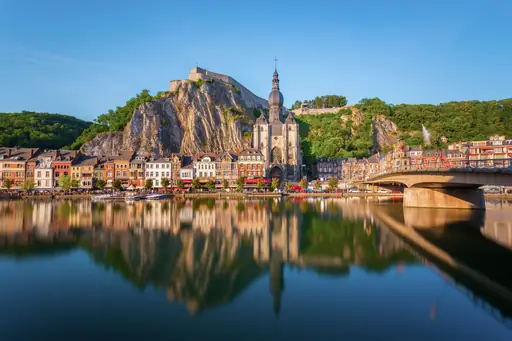
Dinant
Cliffs, Saxophones and River Views
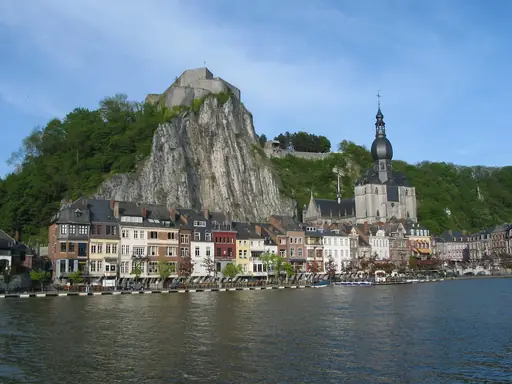
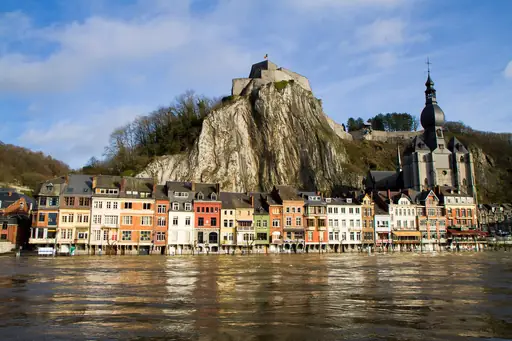
Few towns are as musical as this one, where Adolphe Sax was born in 1814. Colourful saxophone statues line the Charles de Gaulle bridge in his honour. A cable car climbs to a citadel above the river. Locals bake couque de Dinant, a very hard honey cookie, in carved moulds.
Town in New Zealand
Arrowtown
Gold Rush History Amid Mountain Beauty
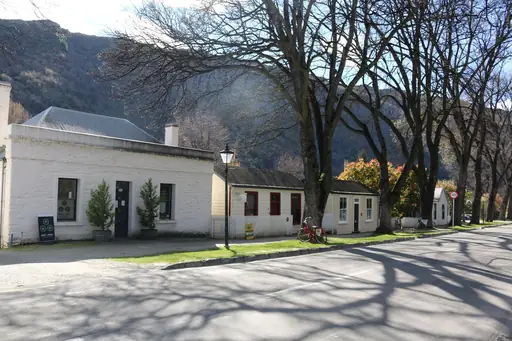
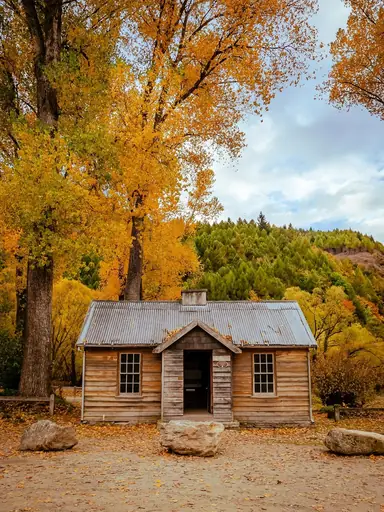
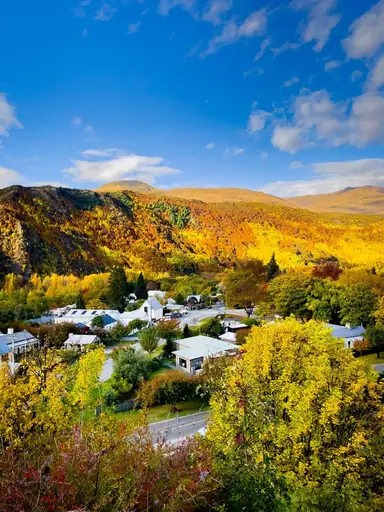
The Chinese Settlement by Bush Creek has restored miners' huts from the 1860s. Gold rush miners came to the Arrow River in 1862. Visitors can pan for gold in the river beside the town. Autumn turns the poplars and oaks along the streets bright gold and red.
Town in Chile
Pucon
Volcano Views and Adventure Bliss
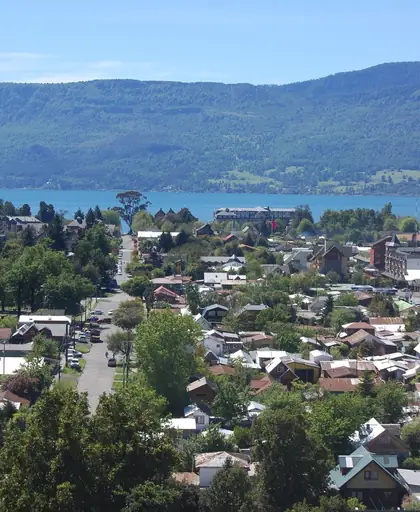
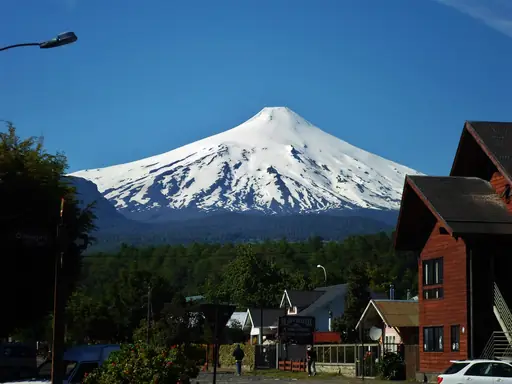
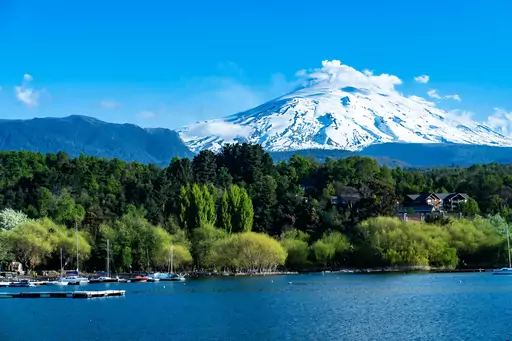
Villarrica Volcano rises above the lake with a snowy cone and a glowing crater. Guides lead climbs to the summit on summer days when the weather is clear. Thermal pools in forests near town steam in cool weather. Lake Villarrica has black volcanic sand beaches and calm swimming water.
City in Guatemala
Antigua Guatemala
Colonial Charm and Volcanic Views
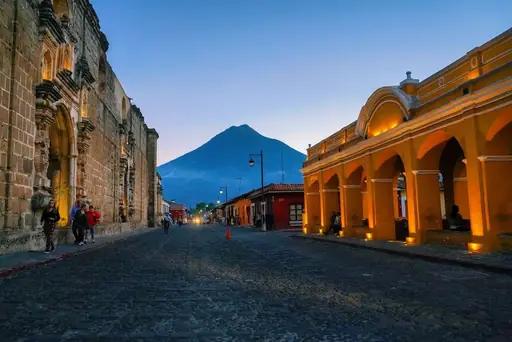
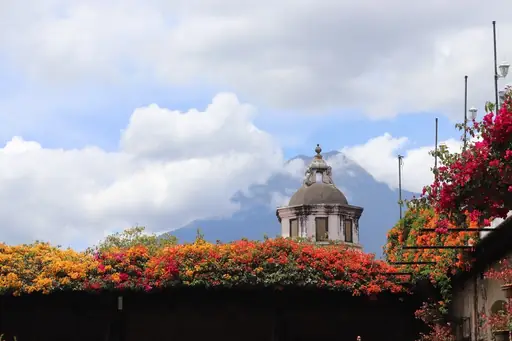
Colourful buildings and cobbled streets feel like a small Spanish city stuck in the 1700s. Volcan de Agua rises behind the yellow Santa Catalina Arch. Visitors can climb the active Pacaya volcano and roast marshmallows on hot rock. Market stalls sell jade and woven textiles from nearby villages.
Island in Croatia
Korčula
Medieval charm meets Adriatic beauty
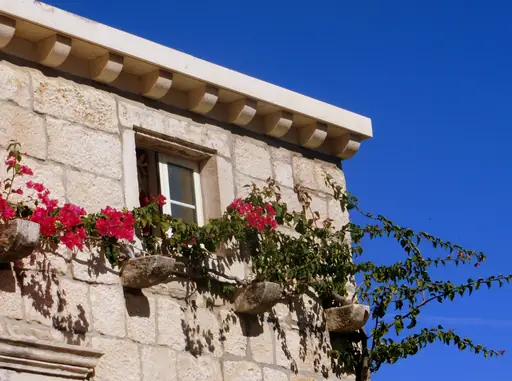
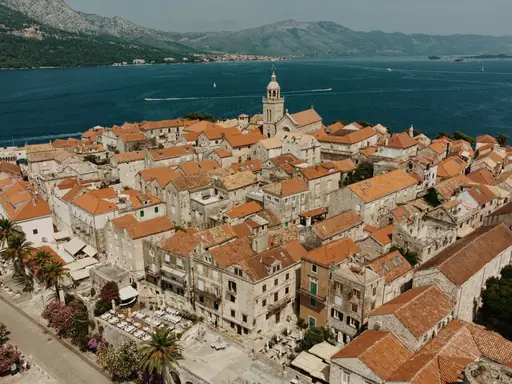
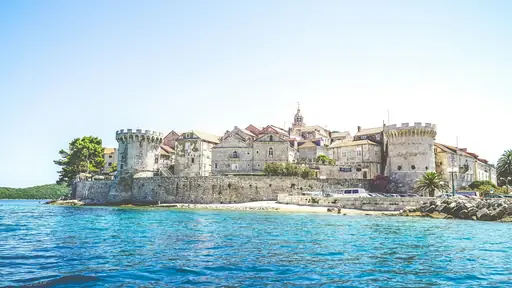
This island in the Adriatic has a walled old town shaped like a fish bone. Streets curve in a herringbone pattern to break the strong winds. Visitors can climb the cathedral bell tower of St Mark for harbour views. Nearby vineyards make Posip, a crisp white wine.

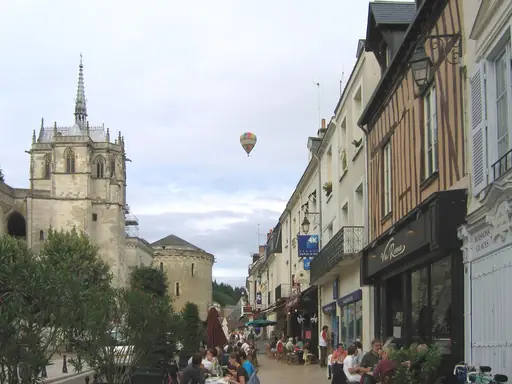
Town in France
Amboise
Renaissance Charm along the Loire
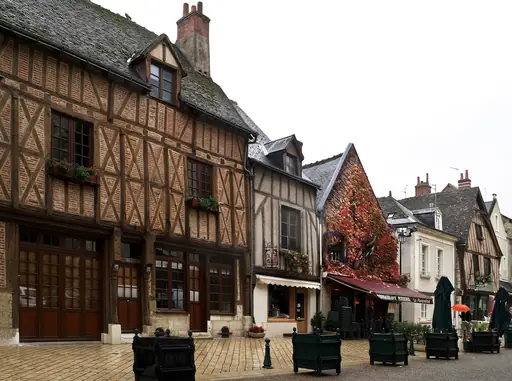
In 1516 Leonardo da Vinci moved to a manor called Clos Luce in this Loire town. He lived there until he died in 1519. Visitors can tour his workshop and see models of his machines in the park. A royal castle above the river has a small Gothic chapel.
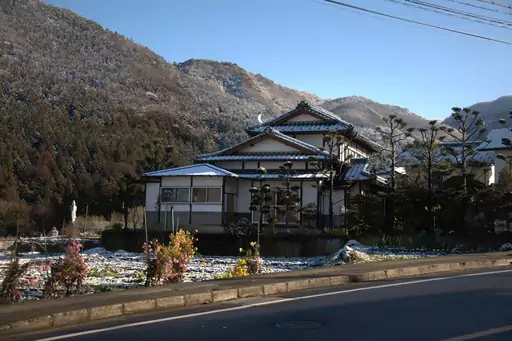
Village in Japan
Shibu Onsen
Nine public baths and cobbled lanes
Nine public bathhouses in this village each have their own name and hot water. Visitors carry a towel and get a stamp at each bathhouse. Snow monkeys bathe in a hot spring at Jigokudani Monkey Park nearby. Wooden inns line a narrow street with steam rising from vents.

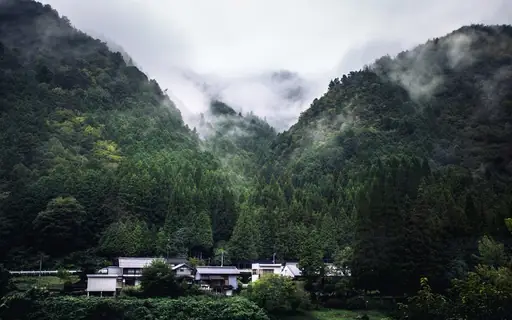
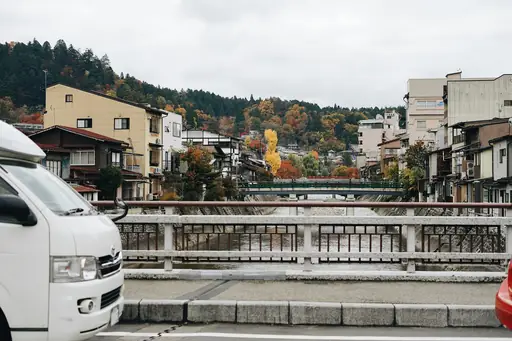
City in Japan
Takayama
Old town, morning markets and Hida beef
Mountains of the Japanese Alps surround this old town in Gifu Prefecture. Sanmachi Suji street has dark wooden merchant houses and sake breweries. Cedar balls hang from the eaves of breweries when new sake is ready. Morning markets along the Miyagawa River sell pickles and fresh vegetables.
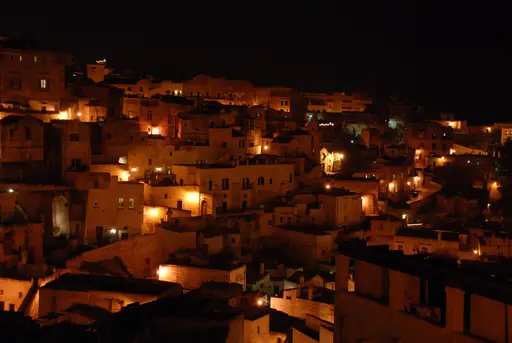
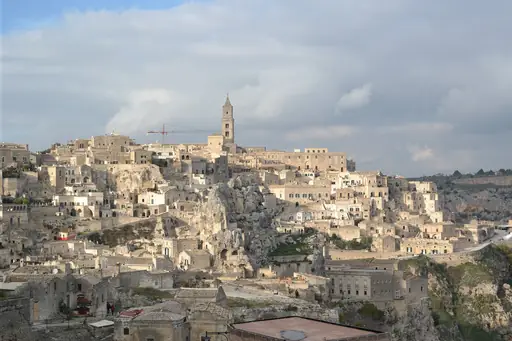
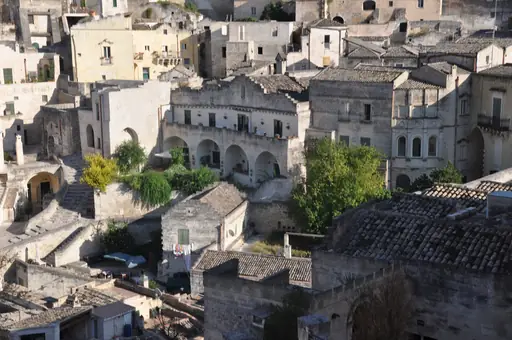
Town in Italy
Matera
The ancient cave city of Italy
The Sassi district looks so much like ancient Jerusalem that filmmakers used it as a set. Mel Gibson filmed The Passion of the Christ here in 2003. Cave homes cut into the rock now hold small hotels and restaurants. A short walk leads to a wide viewpoint over the Gravina canyon.
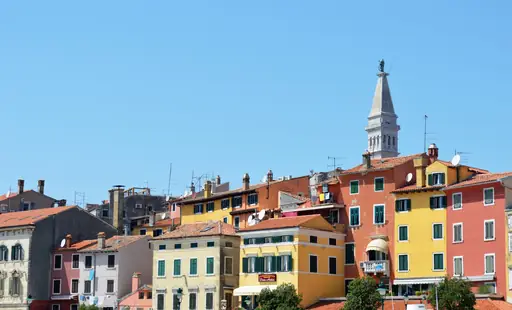
Town in Croatia
Rovinj
Adriatic Charm, Art and Sunsets
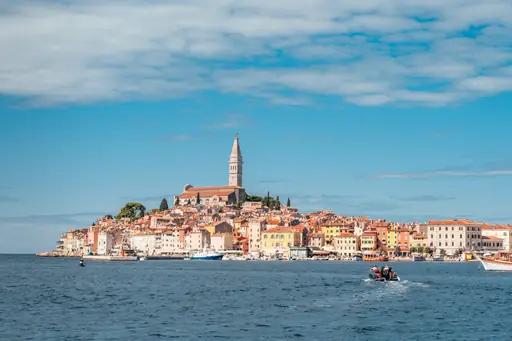
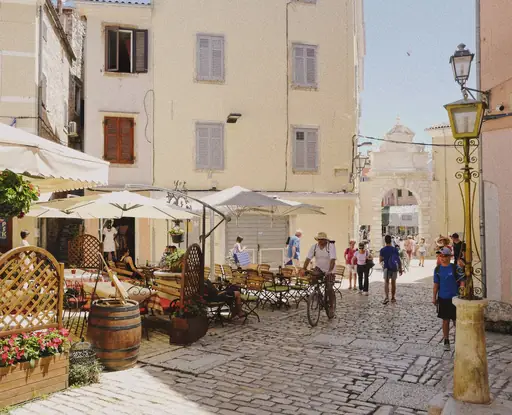
A bell tower with a copper statue of Saint Euphemia rises above the town. The church stands at the top of a hill on a former island. Visitors can wander cobbled lanes lined with small art galleries. Fishing boats return to the harbour each afternoon with fresh catch.
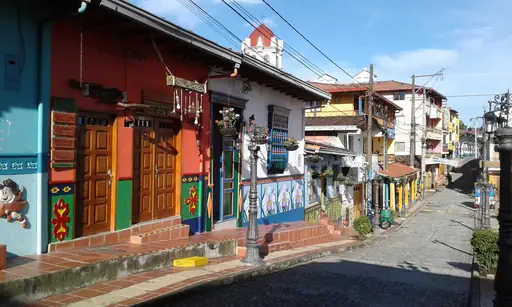
Town in Colombia
Guatape
Colorful Streets and Lakeside Views
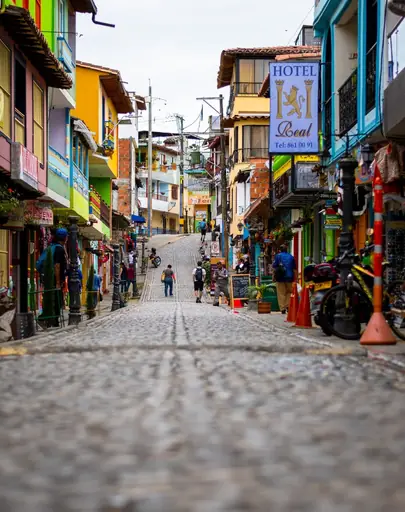
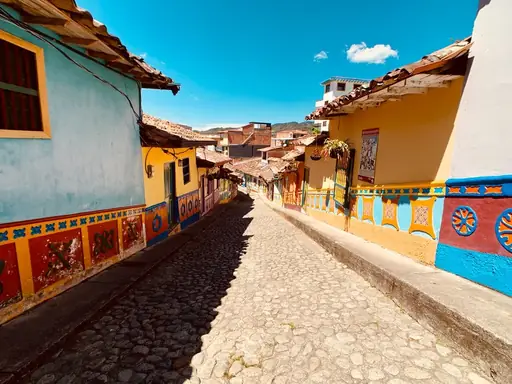
Colourful panels called zocalos line the lower walls like pages from a picture book. Each panel shows a scene from local life. Nearby a giant granite rock called El Penon rises about 200 metres. Visitors can climb 740 steps to the top for views of lakes.
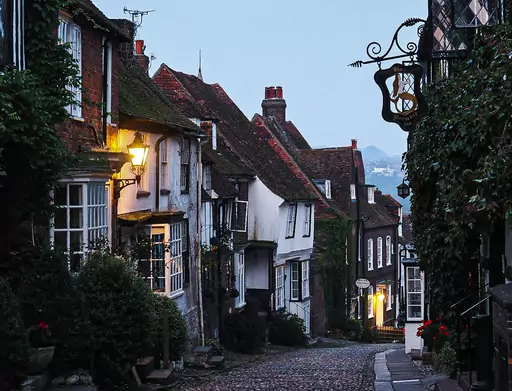
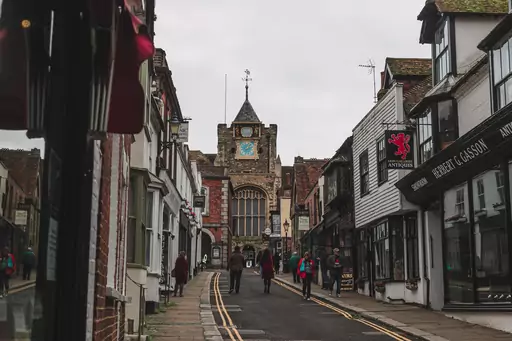
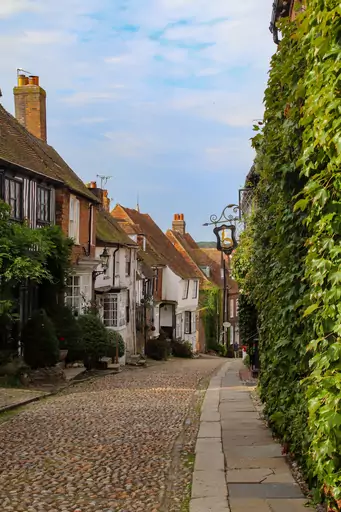
Town in United Kingdom
Rye
Medieval citadel with smuggler's soul
Mermaid Street is a steep cobbled lane with crooked timber houses. Smugglers once drank at the Mermaid Inn, which dates to 1420. Visitors can climb the tower of St Mary's church to look over the marsh and sea. Nearby Camber Sands has wide dunes and a long beach.
Town in Czech Republic
Český Krumlov
Fairytale Town with Rich History
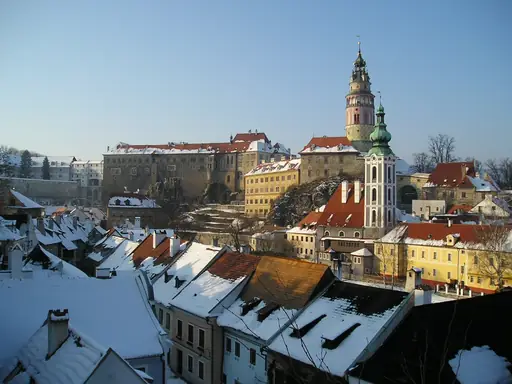
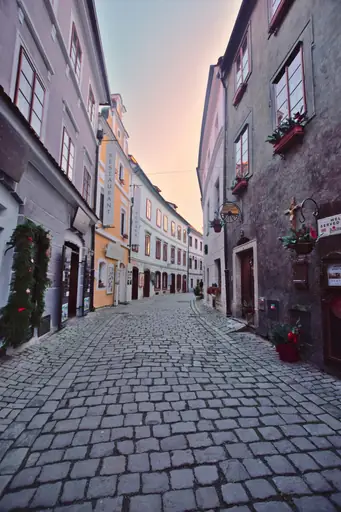
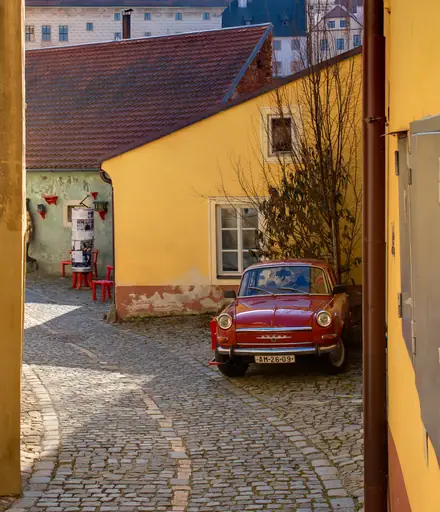
Every June residents dress in Renaissance clothes for the Five Petaled Rose Festival. Knights, musicians and market stalls fill the old streets for several days. The rest of the year the Vltava River loops around the old town. A castle with a painted round tower watches over the red roofs.
Village in Turkey
Birgi
Timeless Ottoman Village Charm
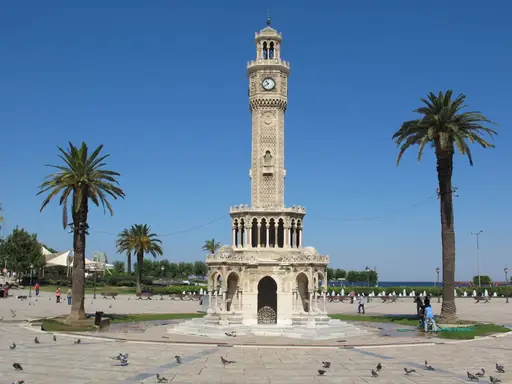
Wooden Ottoman mansions with carved balconies line the narrow lanes of this village. The Cakiroglu mansion has painted ceilings and rooms from the 1700s. The Great Mosque of Birgi, built in 1312, has a carved wood door. A cool stream runs beside the main road through the village.
City in Brazil
Gramado
Brazil’s Alpine Escape in the South
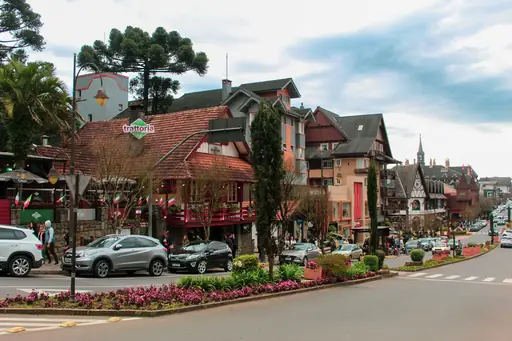
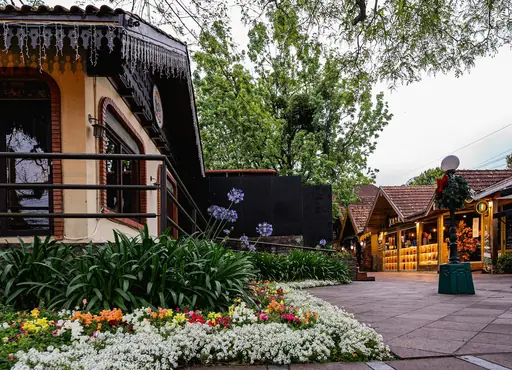
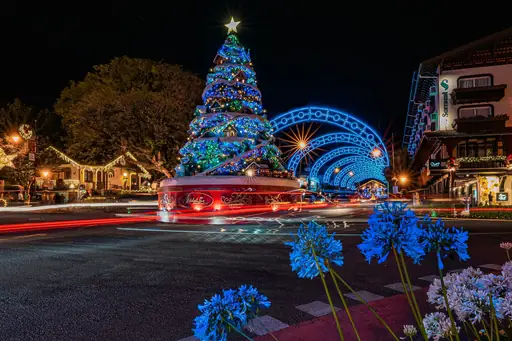
This town sits about 800 metres high in the Serra Gaucha mountains of southern Brazil. German and Italian settlers shaped its timber houses and chocolate shops. Cool weather brings fog, fondue and a Christmas festival called Natal Luz. Hydrangeas fill the flower gardens along Avenida Borges de Medeiros.
City in Slovenia
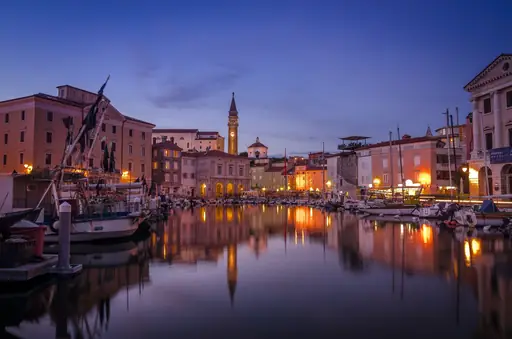
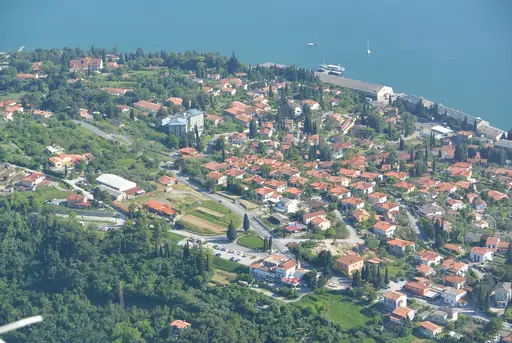
Piran
Venetian Alleys, Adriatic Sunsets, Charm
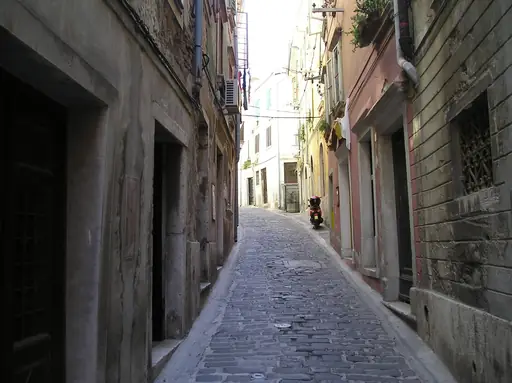
Tartini Square is a wide oval plaza named for a famous violinist born here. Venetian style houses in pink and yellow crowd the narrow streets. Visitors can climb the town walls for views of red roofs and the Adriatic. Salt pans at nearby Secovlje still produce salt by hand.
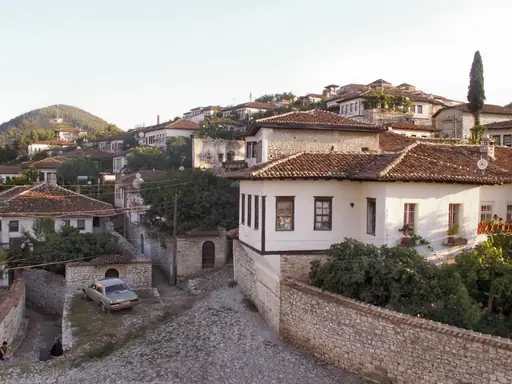
Town in Albania
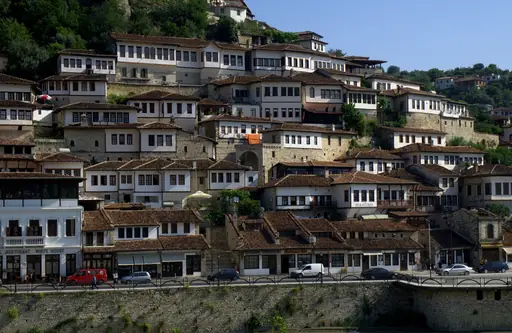
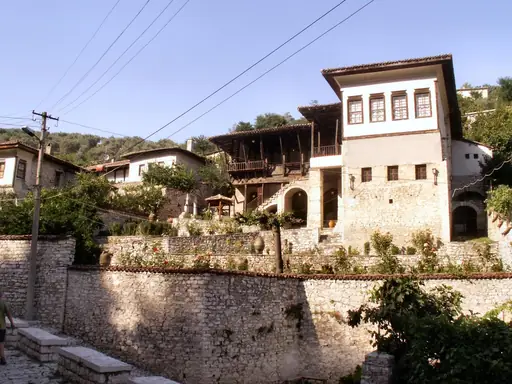
Berat
City of a Thousand Windows
White stone houses stack up the hillside like seats in a theatre. A lived in castle at the top has small Byzantine churches. An Ottoman bridge with seven arches links the Gorica quarter to the town. Visitors can visit the Onufri museum in a church inside the castle.
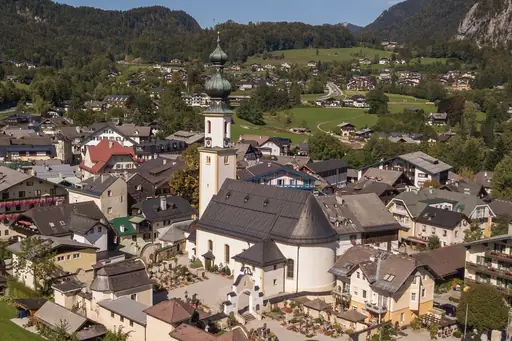
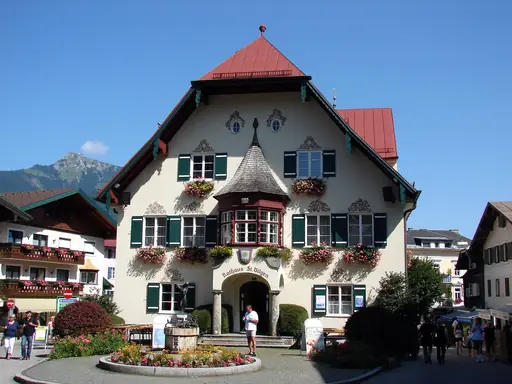
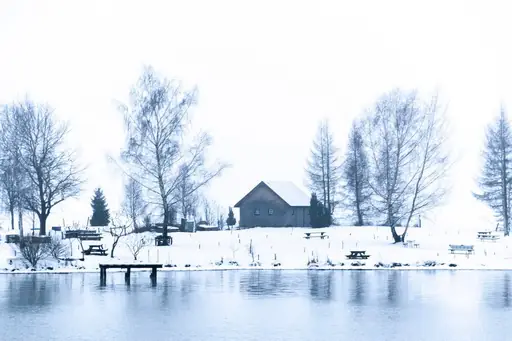
Village in Austria
Sankt Gilgen
Lakeside Charm in the Alps
Wolfgang Mozart's mother was born in a house on the main square. The house is now a small museum about the Mozart family. Visitors can take a cable car up the Zwolferhorn for lake views. Historic paddle steamers cross Wolfgangsee to the village of St Wolfgang.
City in Japan
Kurashiki
Canal town with storehouses and Western art
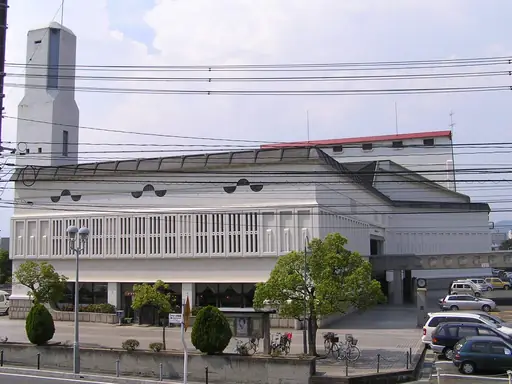
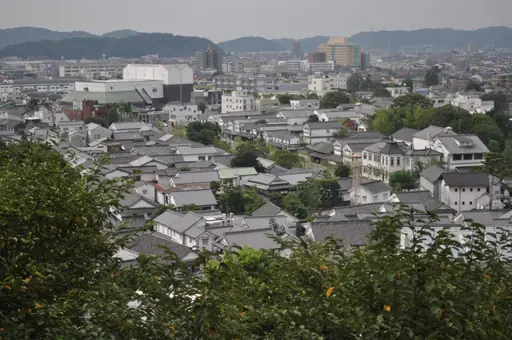
Boatmen in traditional clothes pole flat boats along the willow lined canal. White walled rice warehouses from the Edo period line the water. Many now hold museums, cafes and shops selling denim goods. Ohara Museum of Art opened in 1930 with works by Monet and El Greco.
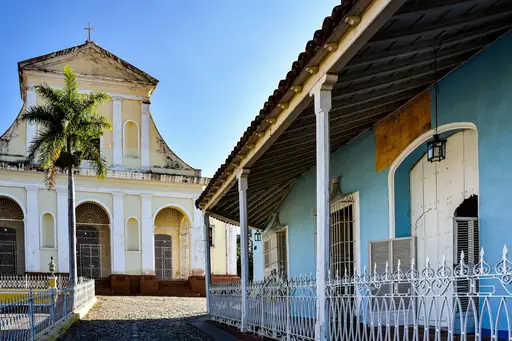
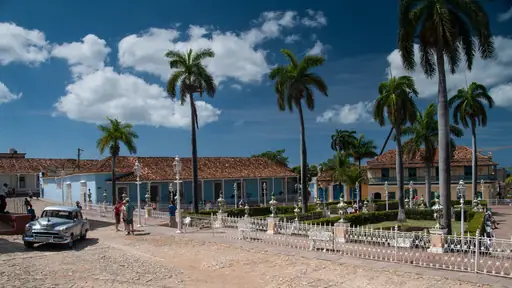
City in Cuba
Trinidad
Cuba’s Colonial Gem by the Sea
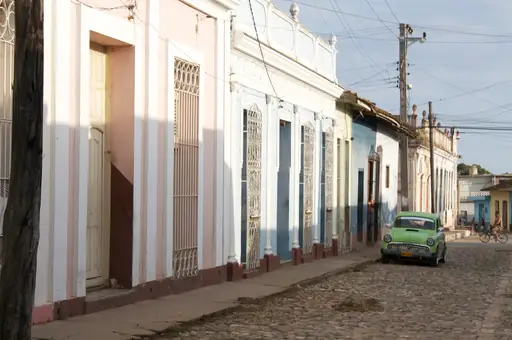
Playa Ancon is a long white beach about 12 kilometres from the old town. The Topes de Collantes mountains behind town have waterfalls and coffee farms. Visitors can swim in a natural pool at Salto del Caburni. Old cobbled streets are quiet in the early morning.
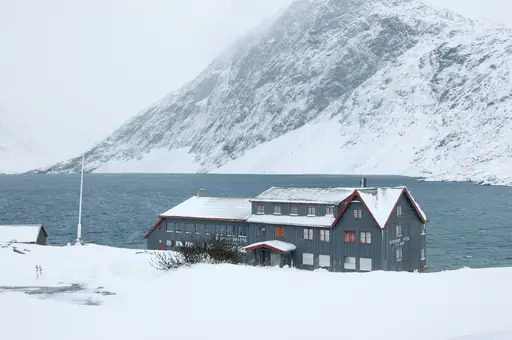
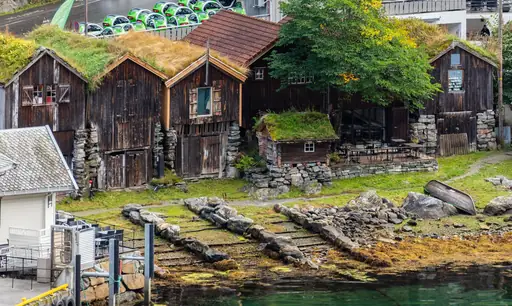
Village in Norway
Geiranger
Majestic Fjords and Dramatic Waterfalls
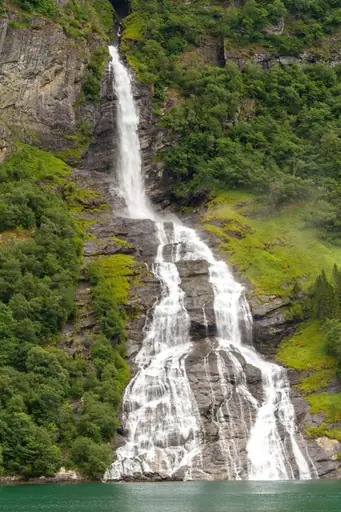
Farmers once lived on tiny ledges high above this narrow Norwegian fjord. The abandoned Skagefla farm is reached by a steep stone path. The Seven Sisters waterfall drops in seven streams down the cliff across the water. Kayakers and small ferries move quietly through the deep blue fjord.

Village in France
Èze
Medieval Magic Above the Riviera
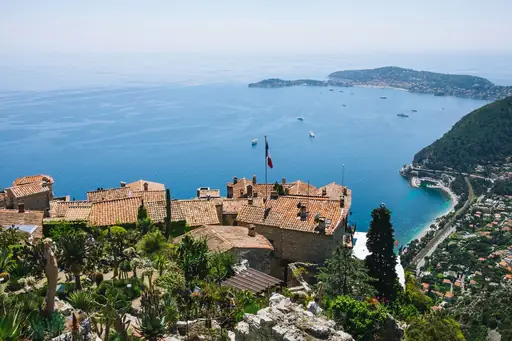
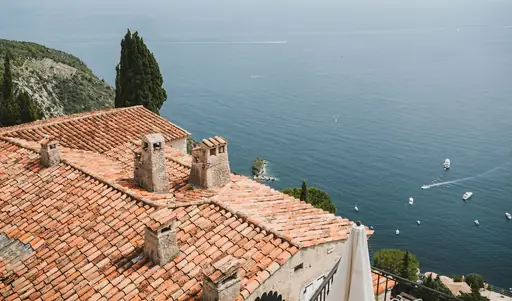
A medieval village perches on a 427 metre rock above the sea. The Exotic Garden at the top has cactus and views of the coast. Visitors can walk the Nietzsche Path, a steep trail down to the sea. Perfume workshops at the Fragonard factory offer free tours.
Town in Italy
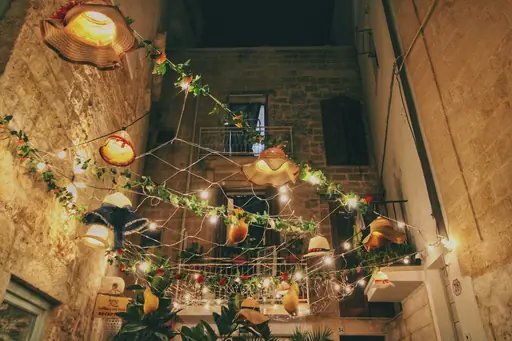
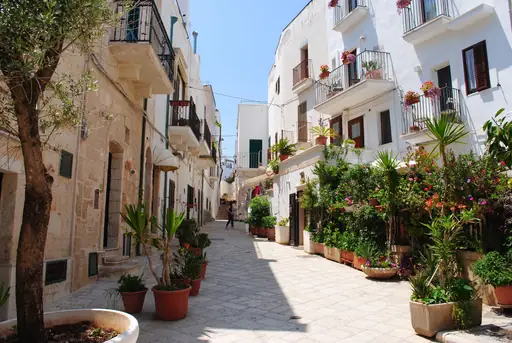
Polignano a Mare
Dramatic Cliffs and Crystal Waters
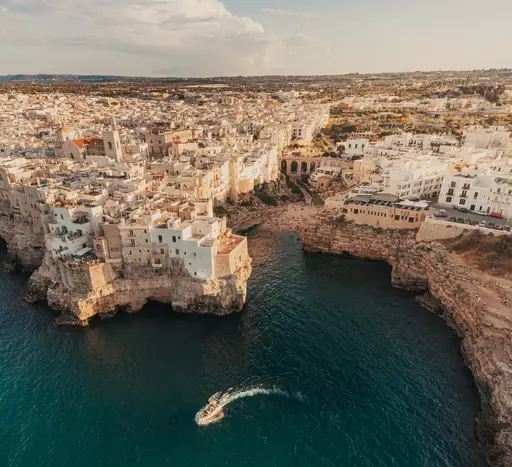
Cliffs of white limestone rise straight from the sea at this Puglia town. Houses sit on the cliff edge above sea caves such as Grotta Palazzese. Visitors can swim at Lama Monachile, a small pebble beach between two cliffs. A bronze statue of singer Domenico Modugno stands by the sea.
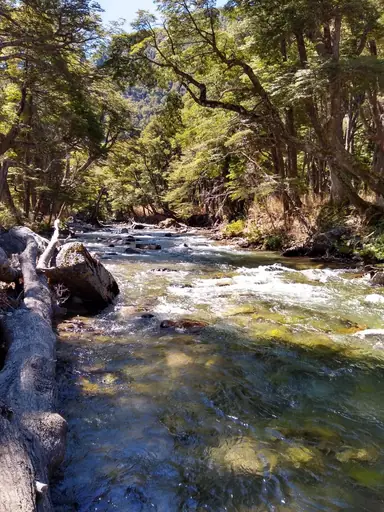
Town in Argentina
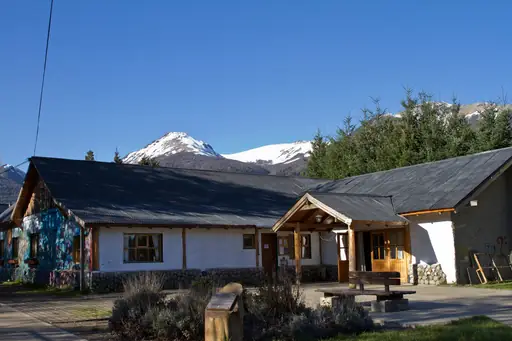
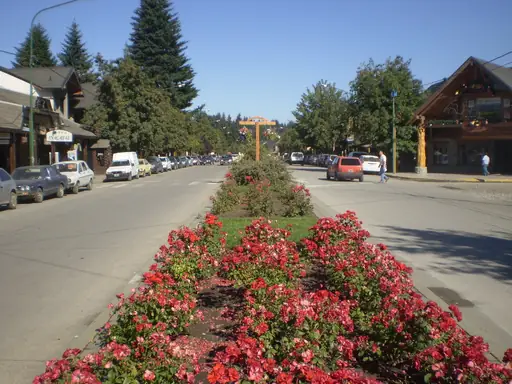
Villa la Angostura
Patagonia's Hidden Gem
The Arrayanes Forest has trees with smooth cinnamon coloured bark. A wooden boardwalk crosses the forest on a small peninsula in Lake Nahuel Huapi. Visitors can take a boat or a long walk to reach the trees. Wood cabins in town sell chocolate and smoked trout.
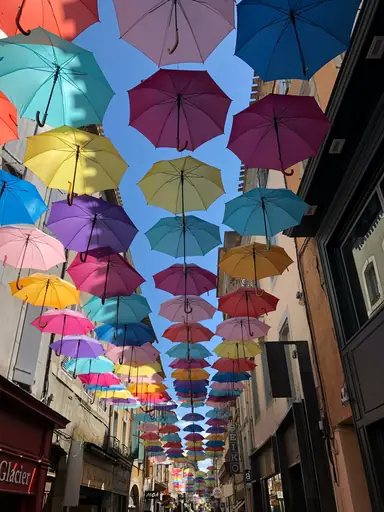
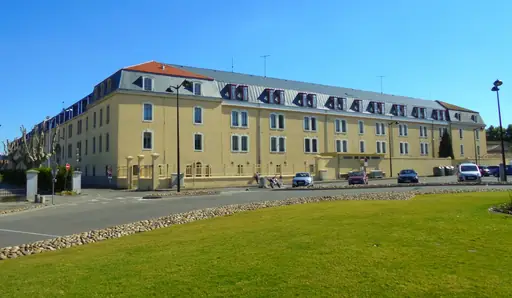
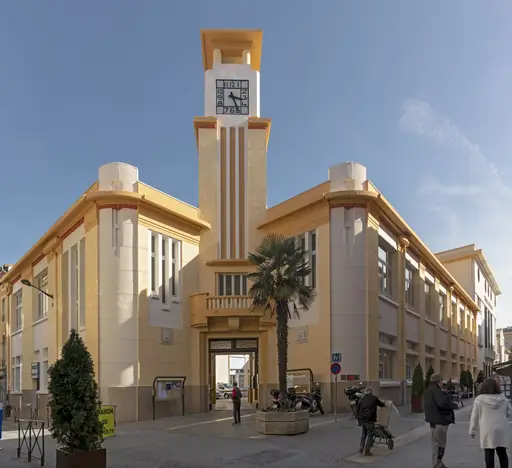
City in France
Carcassonne
Medieval Walls, Towers and Timeless Magic
Like a castle from a storybook, La Cite has double walls and 52 towers. It sits above the Aude river in southern France. Visitors can walk along the walls and cross the drawbridge into cobbled lanes. Restaurants serve cassoulet, a slow cooked stew of beans and duck.
Town in Canada
Niagara-on-the-Lake
Charming Wine Country by the Lake
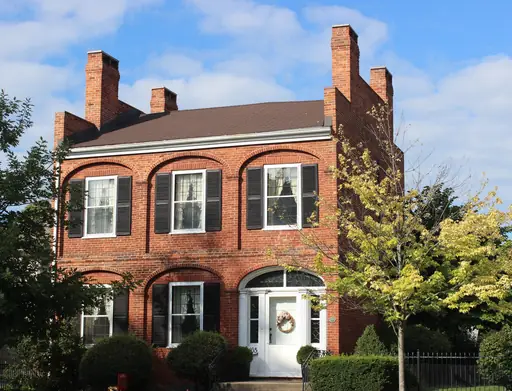
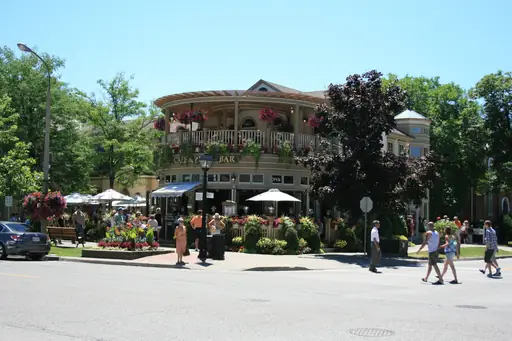
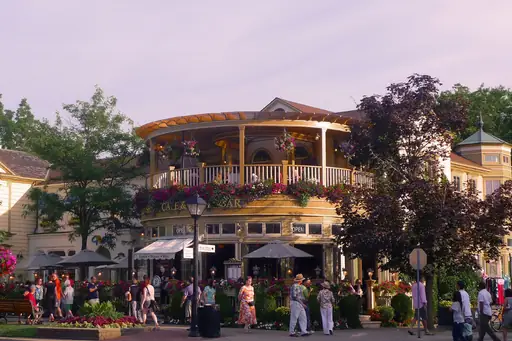
Historic Queen Street has Georgian shops and a clock tower built as a war memorial in 1922. Fort George nearby, built in the 1790s, has costumed guides and cannon fire. Visitors can bike between wineries that make ice wine from frozen grapes. Shaw Festival theatres stage plays from April to December.
Town in Italy
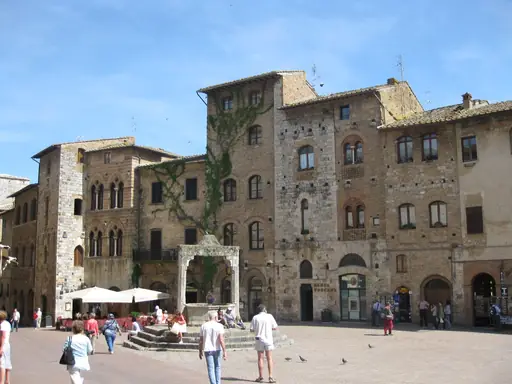
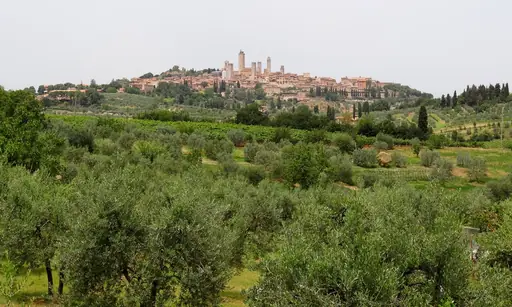
San Gimignano
Medieval Towers and Tuscan Charm
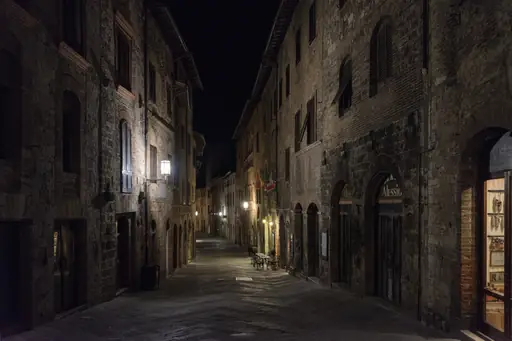
Fourteen medieval stone towers rise above the village skyline. Rich families built them in the 1200s to show their power. Visitors can climb the tallest tower, Torre Grossa, for wide views over vineyards. The local white wine Vernaccia is served in wine bars along the lanes.
Town in Slovenia
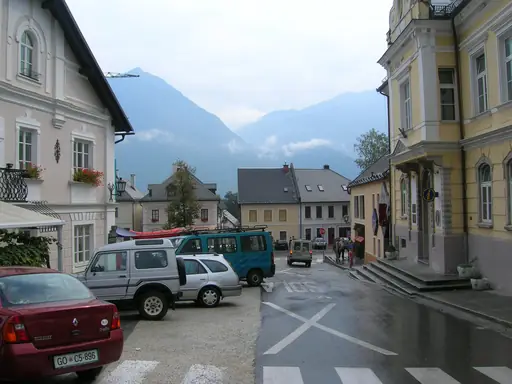
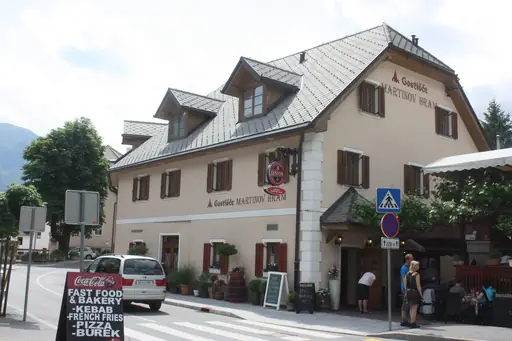
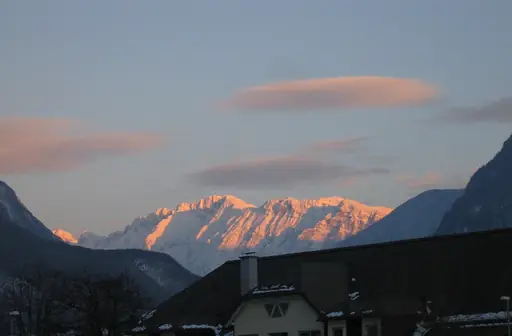
Bovec
Slovenia’s Adventure Capital
Soldiers fought in these mountains during World War One on the Isonzo front. Old forts and trenches in the hills around town remain open to visitors. Today the emerald Soca River draws rafters and kayakers. Small farms sell Bovec cheese, a hard sheep milk cheese, in the town.
Other lists you may like
Discover
Best cozy town destinations in Africa
North African mountain towns painted in distinctive colours have become some of the region's most distinctive small towns, while southern African wine-country towns offer a…
Read more
Discover
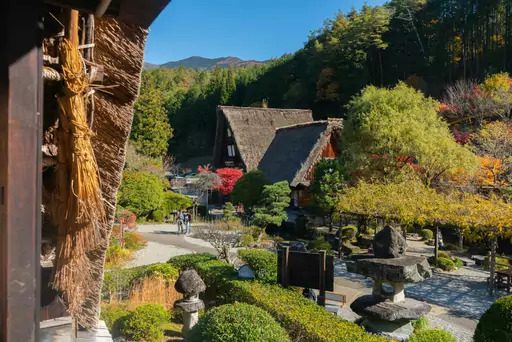
Best cozy town destinations in Asia
A lantern-lit old town in Vietnam has preserved its heritage remarkably well, with tailors, lanterns and riverside cafés creating an atmosphere that's hard to find elsewhere in the…
Read more
Discover
Best cozy town destinations in Europe
Stone-built villages in rural England, built from the same honey-coloured limestone for centuries, anchor much of Europe's idea of a cozy town, while alpine villages further east…
Read more
Discover
Best cozy town destinations in North America
Small New England towns, with their white church steeples and town greens, anchor much of North America's idea of a cozy town, particularly during autumn, while French-influenced…
Read more
Discover
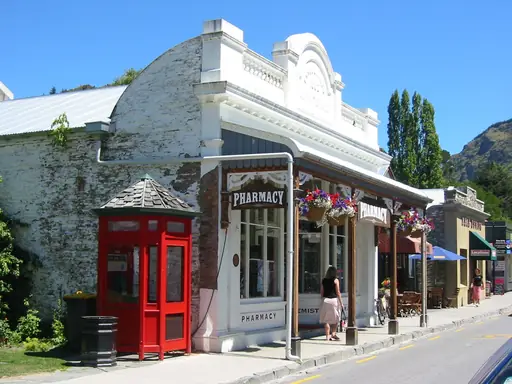
Best cozy town destinations in Oceania
A harbour town in New Zealand, built around an unusual settler history inside a volcanic crater, offers one of the region's most distinctive small towns, while an inland village in…
Read more
Discover
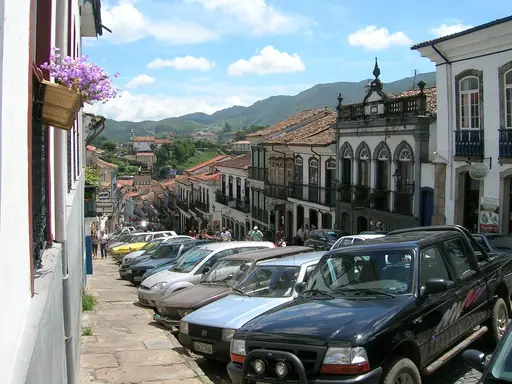
Best cozy town destinations in South America
A colonial town in Colombia, built around one of South America's largest colonial-era plazas, has preserved its whitewashed architecture remarkably well, while a small mountain…
Read more
Discover
Most picturesque small towns and charming villages
Small towns and villages reveal a different side of a country than its cities tend to. The pace is slower, the architecture is less altered by development and the relationship…
Read more

Discover
Most picturesque small towns and charming villages in Africa
Read more
What other users say about travelfilters
“travelfilters made it easy for me to find ski areas and compare what else they offer, so that I could find the best place for my personal travel style.”

Chris
Snowboarding & Onsen trip to Japan
“I love how transparent the data feels. There is no pushy upsell, just honest information and settings I can tune to my own travel style.”

Maria
After booking her 2027 winter escape
“The level of detail for each destination and how well those are displayed, make planning feel confident instead of overwhelming.”

Mina
Planned a week in New York City
“We used travelfilters for our planning from start to end. The trip turned out even better than expected, thanks to all their tools and customisation options.”

Allan & Etienne
Trip to Japan to see autumn foliage
“Thanks to travelfilters, I found some hidden gems to see. Being able to filter for exactly your interests is a game changer for my travel planning.”

Michael
Tour through the old cities of Northern Italy
“The customizable filters helped me find a quiet beach town with good wifi and low season crowds in under five minutes.”

Diego
Weekend Escape to Llanes, Spain
“The airport connection map saved me hours by showing good flight options from my home airport to lesser-known cities.”

Nguyen
Planning a 2027 trip to France
“The website is clean, fast and focused on the search itself, which makes travelfilters feel more like a professional tool than an ad-heavy booking site.”

Hassan
Christmas Market trip, Germany
