
Camping used to have a bit of a reputation as something you do to prove that you can. You carry way too much stuff, sleep badly on a thin mat and come home with a sore back and a few good stories. That has changed quite a bit over the last years. The gear has become lighter and more comfortable, campgrounds have more to offer and a lot of people now go camping simply because they want to spend some quiet time outside without having to rough it.
Whether you're planning a solo trip to get away from your screens for a few days or you're looking for a campground where you can meet other people around the fire, camping has become a lot easier and more comfortable than it used to be. Let's go through what has changed and what you can do to make your next camping trip as enjoyable as possible.
Camping trends in 2026
One of the bigger changes is how social camping has become. A lot of campgrounds now put more effort into shared spaces like communal kitchens, central gathering areas and shared fire pits. As a result, getting to know your fellow campers has become a lot easier and if you're traveling alone, this can be a nice way to have some company in the evenings without having to plan anything.
Van life has also changed. It used to be mostly associated with people who live on the road full-time, but these days there are modular conversion kits that let you turn a regular SUV or van into a basic camper without a permanent build. Some campgrounds have also started offering self check-in, so you can drive straight to your spot instead of waiting at the reception. If sustainability matters to you, there are more and more options like separation toilets and biodegradable cleaning products.
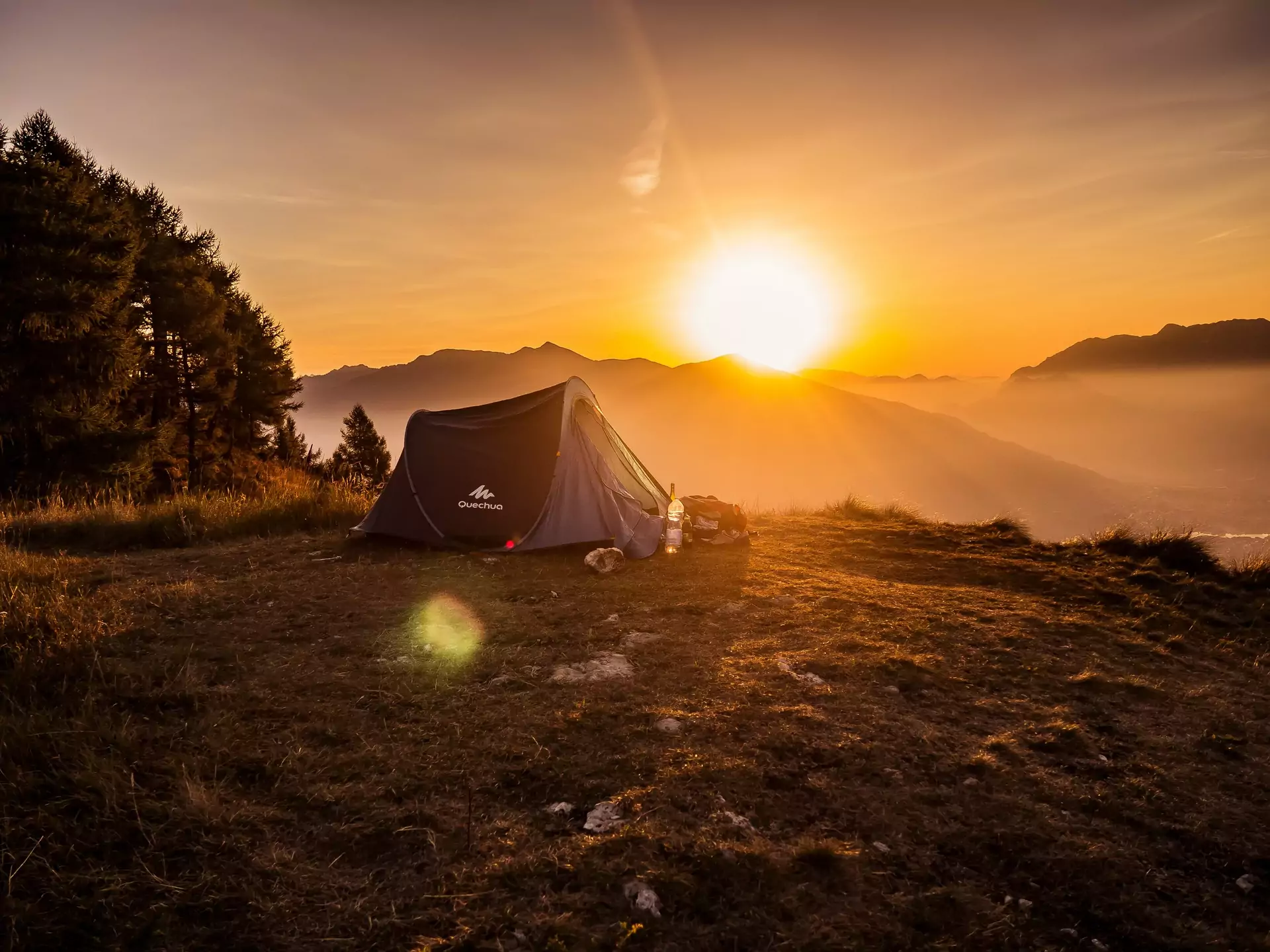
Tents have gotten a lot better, too. Many of them are much lighter than the heavy ones a lot of us grew up with. The poles are often color-coded or already attached, so pitching a tent usually takes a few minutes instead of a long discussion about which pole goes where. There are also inflatable tents that use air beams instead of poles and tents made with blackout fabric, which keeps the inside darker and cooler in the morning. Most good tents now also have better ventilation, which helps with the condensation that used to leave everything damp by the morning.
How to sleep well in a tent
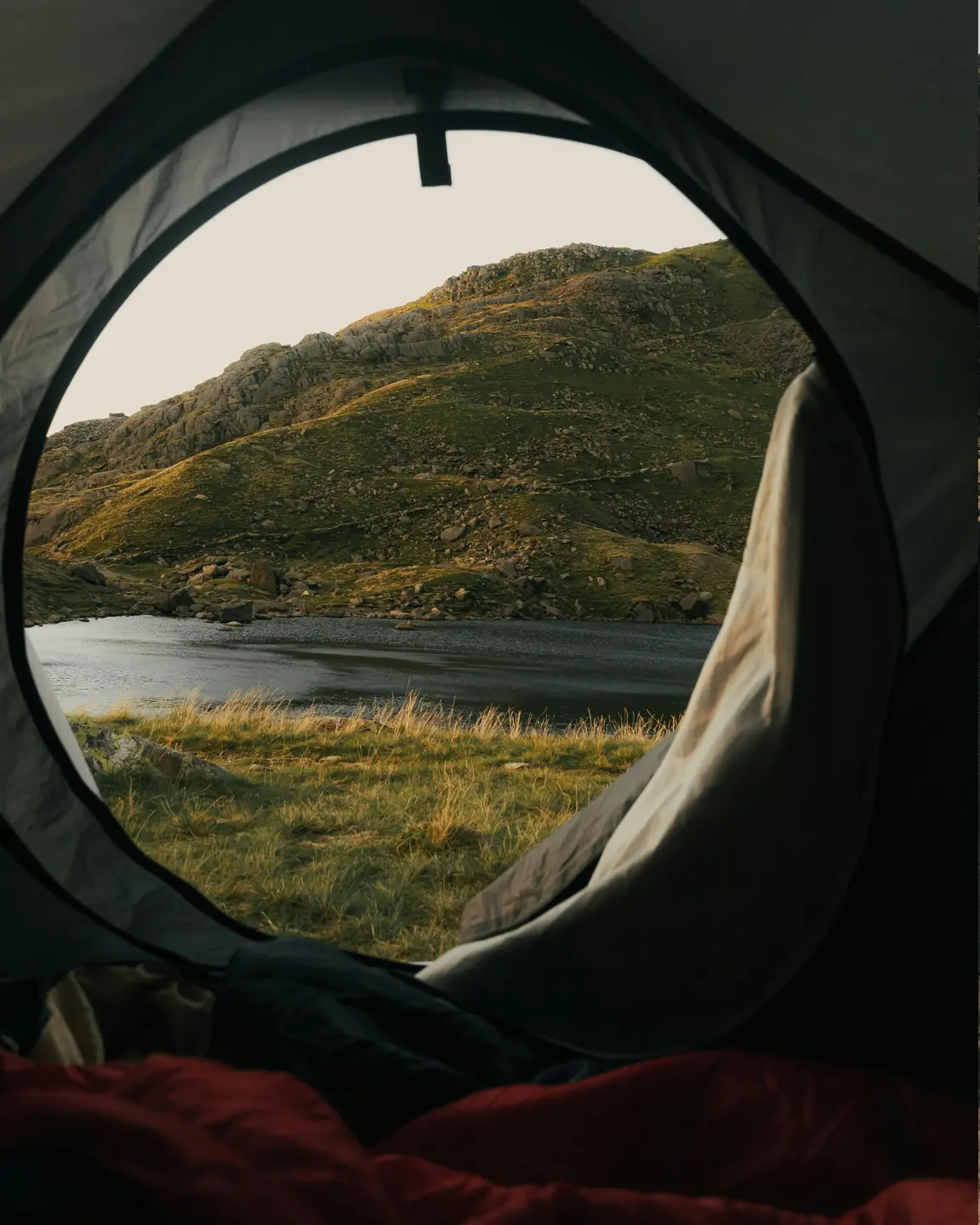
Whether a camping trip feels relaxing or exhausting logically comes down to how well you sleep. The thin foam pads or inflatable mattresses from back in the day aren't your only option anymore. Sleeping mats have come a long way when it comes to comfort and many of them even have an R-value now. This number tells you how well the mat insulates you from the cold ground underneath.
The same goes for sleeping bags. Most bags list several temperature ratings and the extreme rating is the one you can mostly ignore. The comfort rating is the more useful number for casual use. It's a good idea to pick a bag with a comfort rating a few degrees below the lowest temperature you're expecting at night. To get an idea of what to expect temperature-wise for the days you're going, you can have a look at the detailed climate info on the travelfilters place info page for your destination. Just use the search bar above to look up the place you're going to.
Picking the right spot for your tent
When you get to choose your own spot, it's good to take a few minutes to look around before you start pitching. Sites on the edge of a loop are usually quieter and more private than the ones in the middle. They also tend to be further away from the noise around the bathrooms. Hollows might look cozy and sheltered, but cold air and rainwater collect there, which can make nights cold and wet. It's better to look for ground that is high and flat and to point the tent door away from the wind. If you can't avoid a slight slope, sleep with your head on the uphill side. Most campers find this a lot more comfortable than the other way around.
Even at campgrounds where the sites are assigned to you, it doesn't hurt to ask at check-in whether there are any spots left in a quiet zone. You can also try to request a site with some natural wind protection, like hedges or boulders.
Little things that make your campsite more comfortable
Taking care of a few details can make your campsite a lot more pleasant. Putting a mat outside the tent entrance helps keep dirt out of your sleeping area. Rechargeable string lights with a warm tone can also make your campsite feel a lot cozier in the evening than a single headlamp or a flashlight.
If you're looking for real quiet, it's worth walking a bit further. A lot of campers don't go very far from their car or the campground, so hiking for an hour or so can already get you to places that are much quieter and less crowded.
What to check before you go wild camping
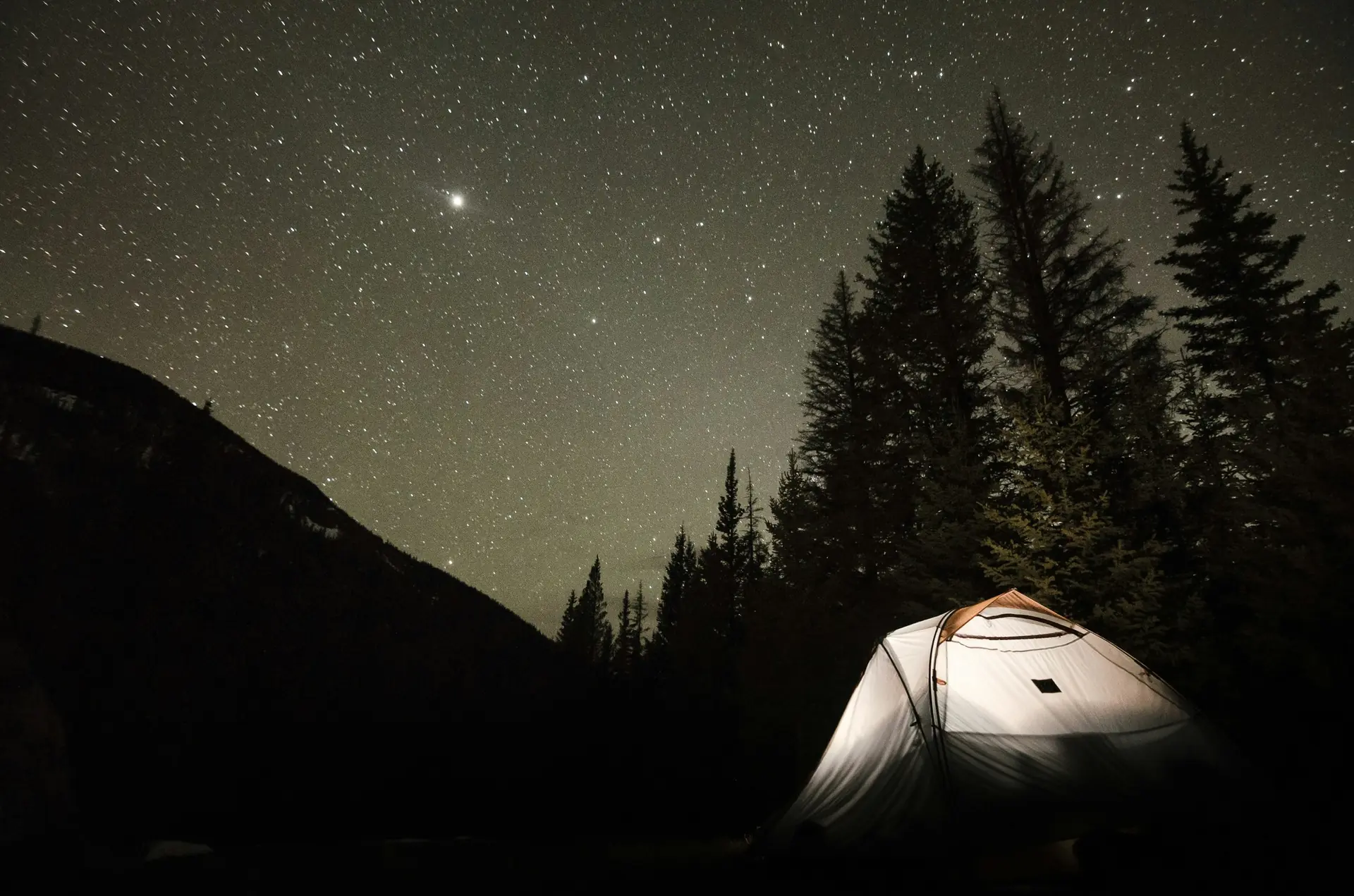
A long hike away from the campground is great for a quiet day, but if you want to spend the night out there, there are a few things you should check first. Wild camping rules differ a lot from country to country. In some places, like Norway, Sweden or Scotland, the right to roam means you can usually camp on most unfenced land for a night or two, as long as you follow a few basic rules. In many other countries, wild camping is only allowed in certain areas or with a permit. In some, it isn't allowed at all and the fines can be quite high. The rules can even differ between regions or national parks within the same country, so make sure to check the current rules with the local authorities or the park administration before you go.
The wildlife situation is the other thing you should look into. In some regions, bears or other large animals are a real factor and you might need a bear-proof food container or have to hang your food away from your tent. Even in places without large animals, it's a good idea to cook and store your food a bit away from where you sleep, since smaller animals like foxes or raccoons will go after anything that smells like food. Rangers or local visitor centers can usually tell you if there have been any recent sightings. Ticks can also be an issue in a lot of regions, so checking yourself after a day in tall grass is a good habit.
If you're venturing out, it's also a good idea to tell someone where you're going and when you plan to be back, especially if there's no phone signal. In the dry summer months, a lot of regions also have fire bans, so check those before you plan on having a campfire.
Camping more sustainably
The "Leave No Trace" principles have been around for a long time and the idea is simple. You leave your campsite the way you found it. Some campers now go a step further and try to leave it in a better state, for example by picking up litter that others left behind. Separation toilets and biodegradable soaps help with this, as do portable power stations if you want to charge your devices without running a generator.
Cooking simple one-pot meals is another easy change. It saves water and means fewer dishes to wash in the dark, which leaves you more time for the evening. If you're camping somewhere high up and far away from any light pollution, stargazing can become one of the best parts of the trip.
Enjoying the outdoors without the sore back
Camping today can be a lot more comfortable than many of us remember from our childhood. If you invest in a good sleeping setup, take a few minutes to choose your spot and keep your gear simple, you can enjoy the quiet of the outdoors without most of the usual discomforts. Whether you're sleeping in a converted van or a tent, if you prepare properly for your trip you will be able to enjoy nature to the fullest without even missing the comforts you have at home.