
Top ancient ruins destinations and archaeological sites
Top ancient ruins destinations and archaeological sites
Ancient ruins and historic archaeological sites
The world's most significant ancient ruin destinations range from the ceremonial complexes of early river civilisations and the monumental remains of classical empires to the less documented but equally ambitious structures left by cultures that predated written records. The density of significant sites within individual regions varies enormously and some of the most rewarding destinations concentrate multiple distinct periods of construction within a relatively compact area.
Access infrastructure around the best-known sites has improved considerably, with visitor centres, guided programmes and transport links now standard at most major destinations. Less visited sites often require more effort to reach but offer a significantly different experience, with fewer crowds and a physical context that has changed less since the structures were built. Ongoing excavation at many sites means the publicly accessible areas continue to expand.
Heat and sun exposure are factors at most open-air sites and early morning visits make a practical difference to both comfort and crowd levels. Photography conditions are also best at either end of the day. Entry fees and permit requirements have increased at many high-profile destinations and advance booking is now essential at the most visited sites during peak season.
Lists by region
City in Italy
Rome
The Eternal City of history and charm
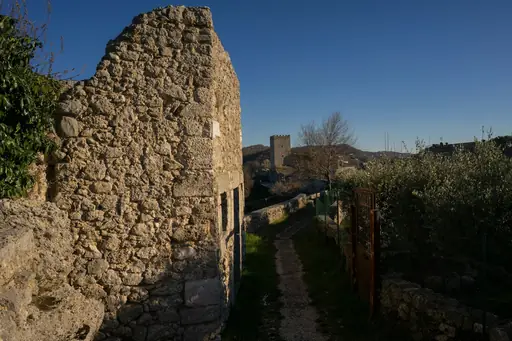
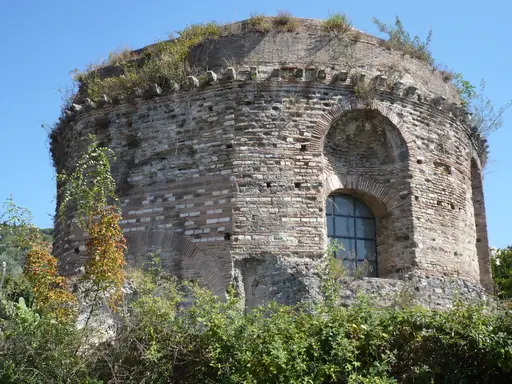
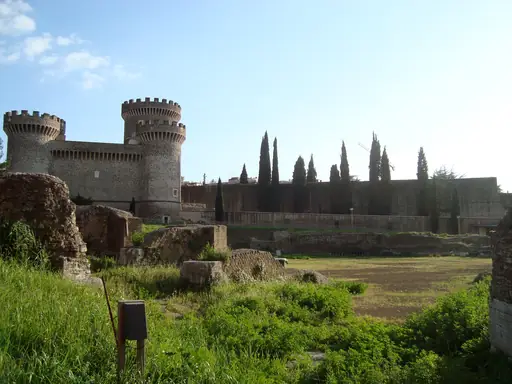
The Roman Forum served as the political and commercial heart of the ancient empire. Temples, government buildings and monuments here hosted speeches, elections and gatherings for centuries. Much of the site fell into ruin and was later used as pastureland before excavations began. Columns and archways still rise above the excavated streets.
City in Mexico
Palenque (city)
Lively Jungle Gateway Town
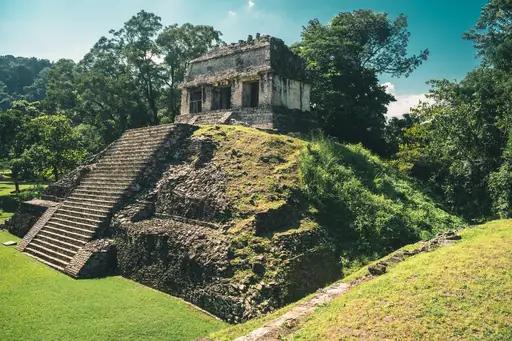
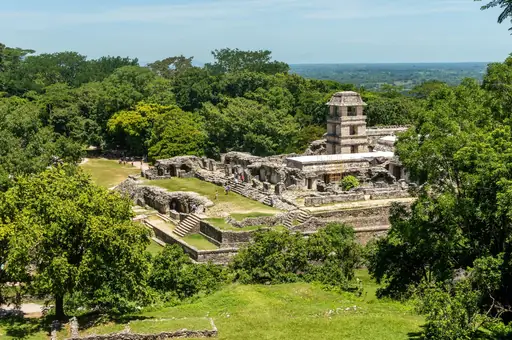
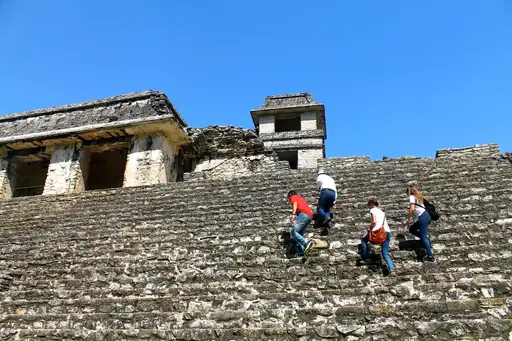
The Temple of the Cross group here holds detailed hieroglyphic panels found at this Maya site. Carved texts record royal genealogies and myths tied to its rulers. Dense jungle still surrounds much of the site, with structures yet to be uncovered. Palenque flourished as a Maya city-state between the 5th and 8th centuries.
Region in Egypt
Valley of the Kings
Ancient tombs in Egypt's desert
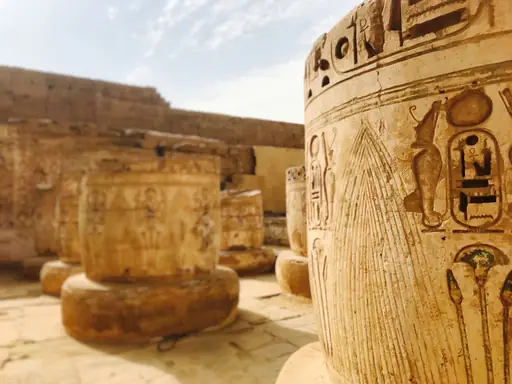
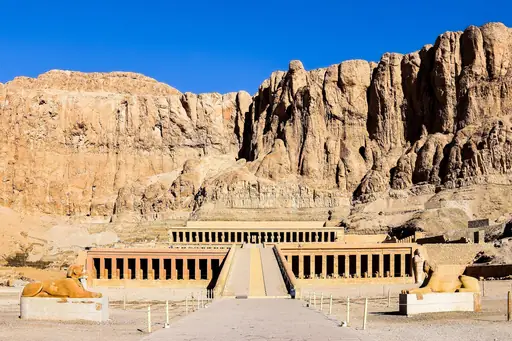
More than 60 tombs have been found in this valley, cut into limestone to hide pharaohs from robbers. KV5, one of the largest found here, belonged to sons of Ramesses II. Tutankhamun's tomb, found nearly intact in 1922, remains the valley's most famous find. Painted walls inside several tombs still show vivid colour today.
National Park in Guatemala
Tikal National Park
Lost Mayan City in the Jungle
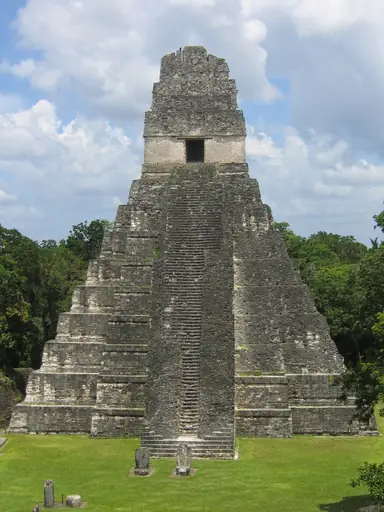
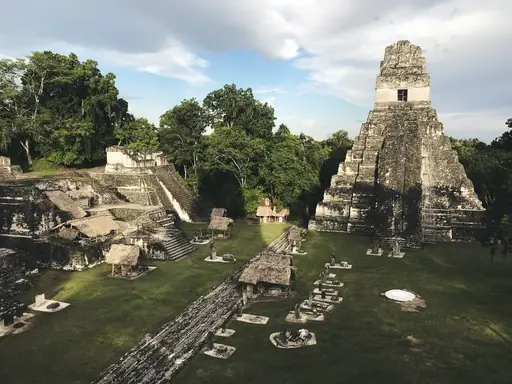
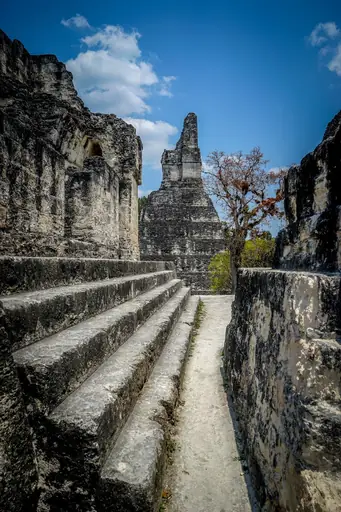
Howler monkeys and toucans fill the jungle canopy surrounding this park's Maya ruins. Climbing to the top of some temples offers views across an unbroken stretch of rainforest. Archaeologists estimate the wider settlement once supported tens of thousands of residents. Causeways and reservoirs built by the Maya still shape the landscape beneath the trees.
Region in Myanmar
Bagan
Ancient Temples and Timeless Sunsets
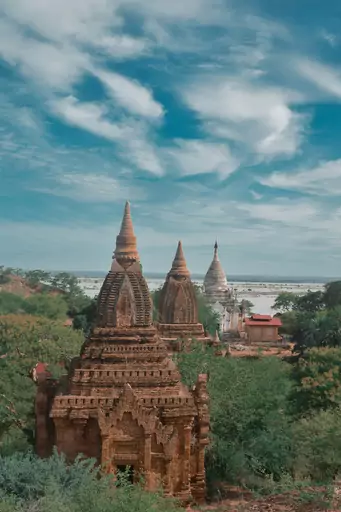
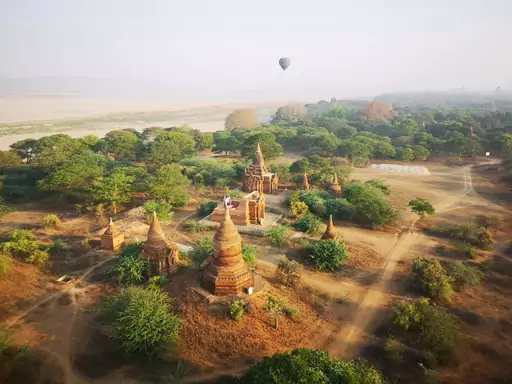
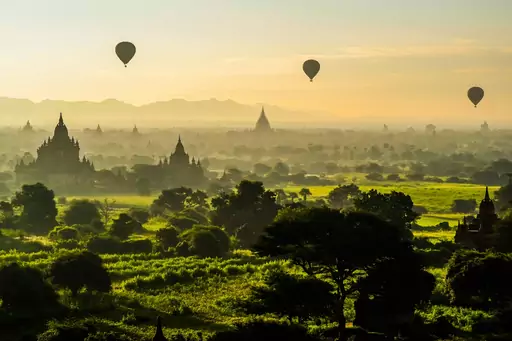
Roughly 2,000 temples and stupas still stand here, down from an estimated 10,000 built during the Pagan Kingdom. Construction ran mostly between the 11th and 13th centuries. Earthquakes have repeatedly damaged structures across the plain, including a major one in 2016. Restoration work has drawn criticism for methods that don't always match the originals.
National Park in United States
Chaco Culture National Historical Park
Ancient pueblos under starlit skies
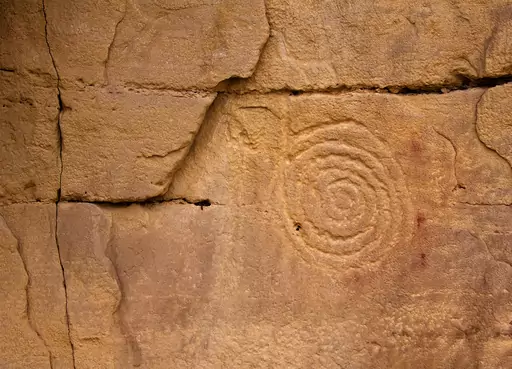
Ancestral Puebloans built Pueblo Bonito here, a multi-storey complex with roughly 650 rooms. Builders aligned several structures with solar and lunar cycles using precise stonework. Roads radiating out from the site once connected it to dozens of smaller communities. The site was largely abandoned by the 13th century for reasons still debated by archaeologists.
Town in Peru
Machupicchu Pueblo
Gateway to the Inca wonder
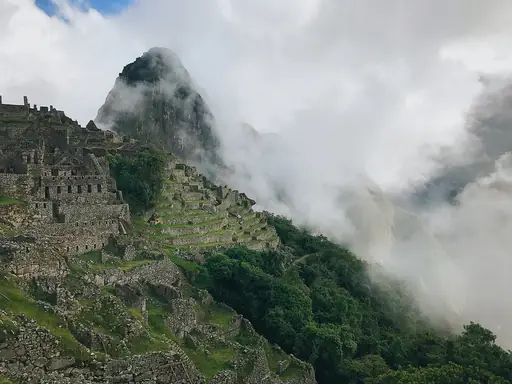
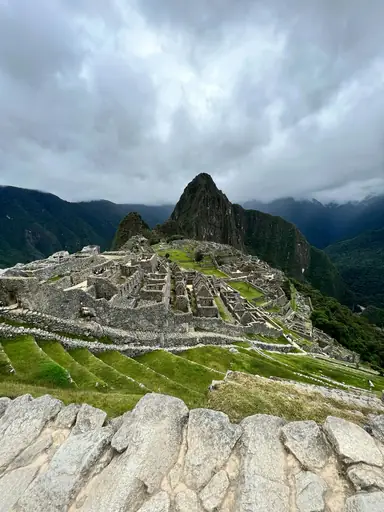
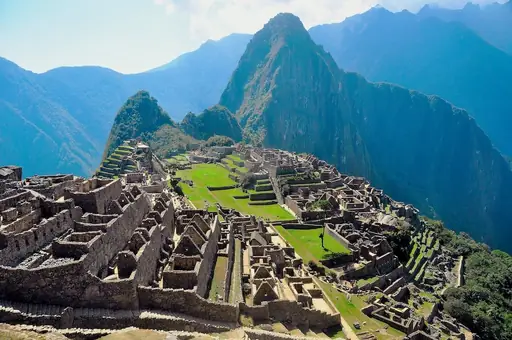
This town, also called Aguas Calientes, sits in a valley along the Urubamba River below the ruins. Most visitors base here overnight before an early bus up to Machu Picchu. Natural hot springs, which gave the town its name, sit within walking distance. Trains connect the town to Cusco, since no roads reach it directly.
Village in Egypt
Abu Simbel
Majestic Temples by the Nile
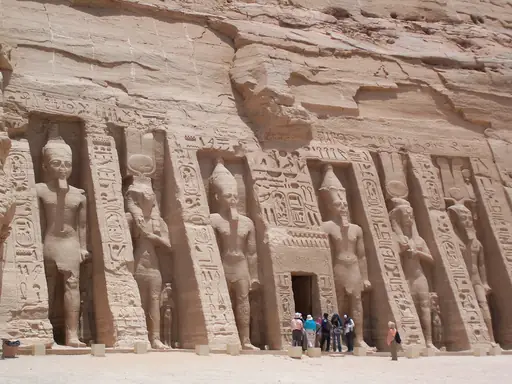
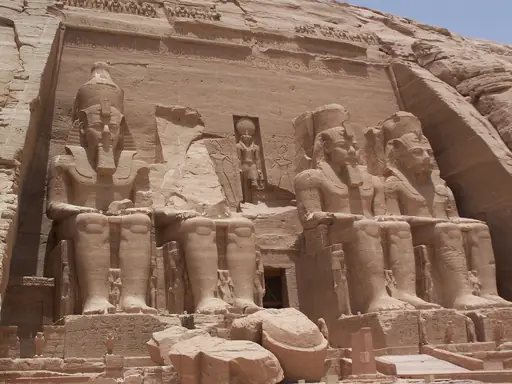
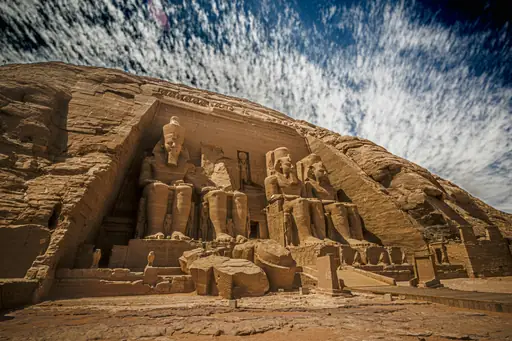
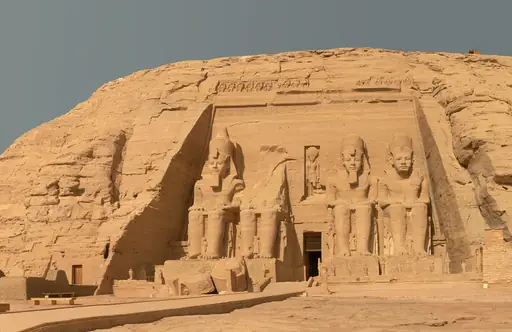
Two temples here were carved into a sandstone cliff for Ramesses II and his wife Nefertari. The larger temple's four seated statues stand roughly 20 metres tall. Engineers relocated both temples piece by piece in the 1960s to save them from a rising reservoir. Sunlight still reaches deep into the inner sanctuary twice each year.
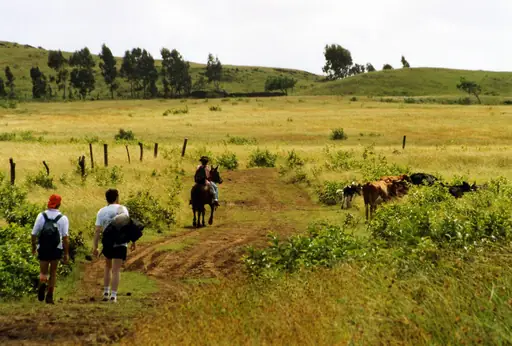
Island in Chile
Easter Island
Mysterious Moai and Volcanic Landscapes
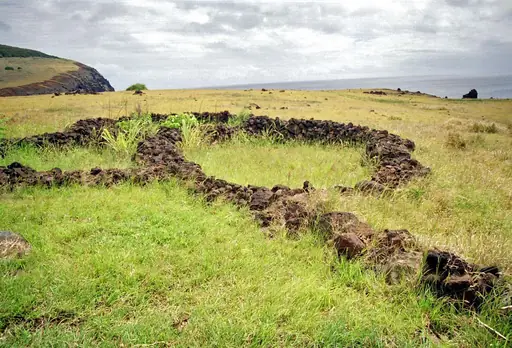
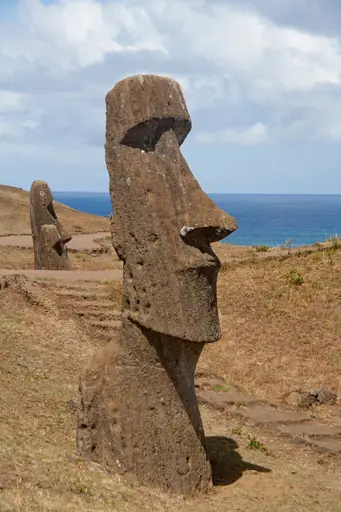
Nearly 900 moai statues stand or lie scattered across this remote Pacific island. Carvers cut most from volcanic tuff at a quarry called Rano Raraku, where dozens remain unfinished. Some statues were later toppled during conflicts between rival clans. Researchers still debate exactly how the statues moved from the quarry to their final locations.
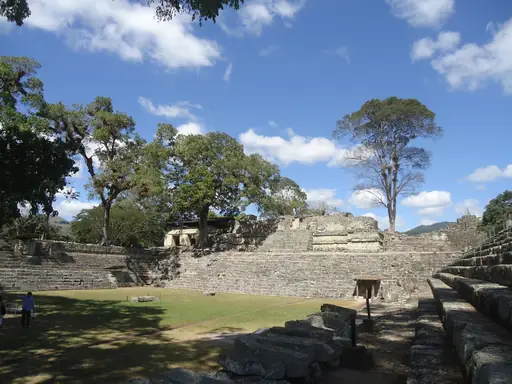
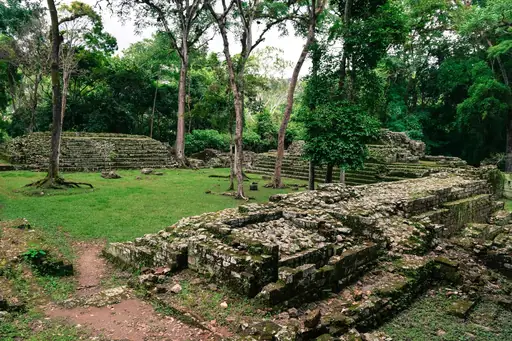
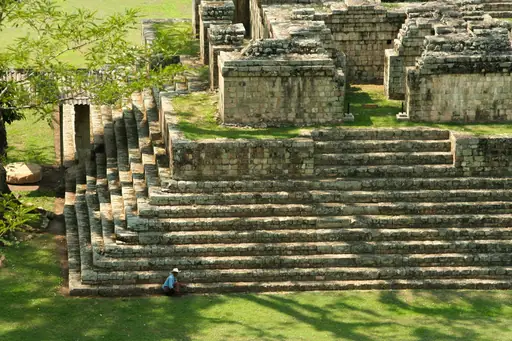
Town in Honduras
Copán Ruinas
Mayan Mystique Meets Rural Charm
This Maya city holds a hieroglyphic stairway carved with the longest known Maya text. Its 63 steps record centuries of the city's royal history in carved glyphs. Elaborately carved stelae throughout the site depict rulers in detailed relief. Copan flourished as a major Maya centre before its decline around the 9th century.
State/Prefecture in India
Rajasthan
Desert palaces and vibrant cultural tapestry
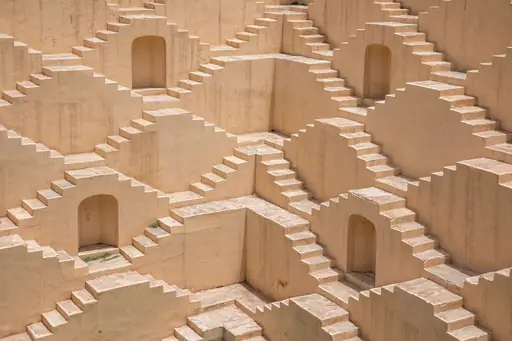
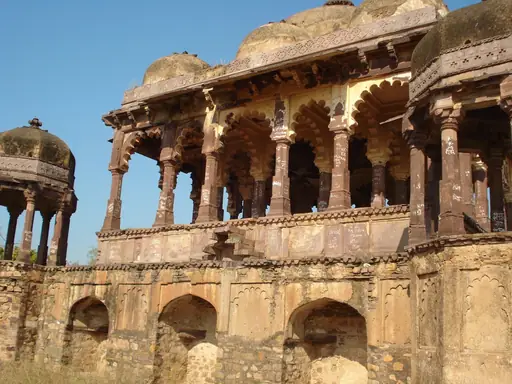
Chittorgarh Fort ranks among the largest fort complexes in India, spread across a hilltop of nearly 700 acres. Its walls enclose palaces, temples and towers built across several centuries by different rulers. The fort withstood multiple sieges before finally falling in the 16th century. Towers commemorating victory and sacrifice still rise above the surrounding ruins.
Town in Cambodia
Siem Reap
Gateway to Ancient Temples and Culture
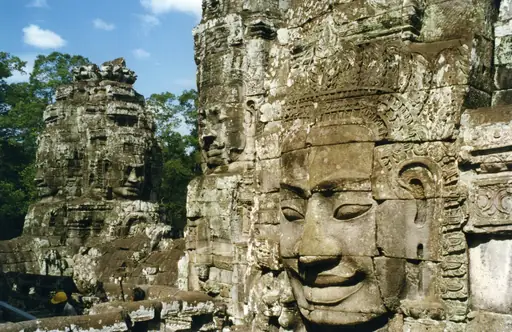
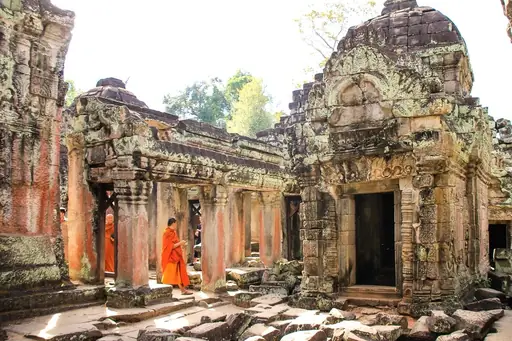
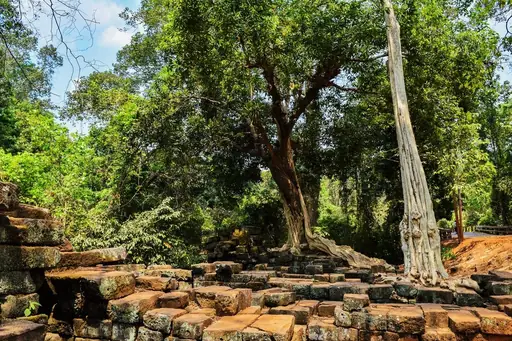
This city serves as the main gateway to Angkor, a temple complex covering roughly 400 square kilometres. Hundreds of temples sit scattered across the surrounding forest and farmland. Angkor Wat, the largest, began as a Hindu shrine before later becoming Buddhist. Tuk-tuks and bicycles are common ways for visitors to move between the ruins.
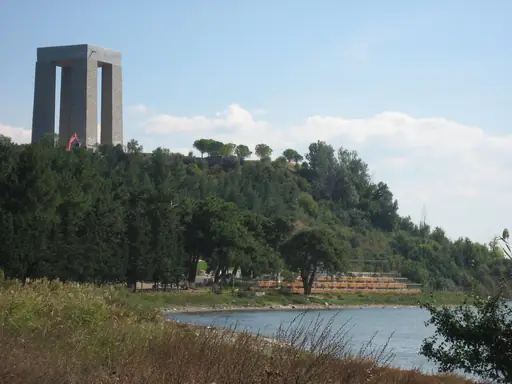
City in Turkey
Çanakkale
Gateway to Troy and Gallipoli
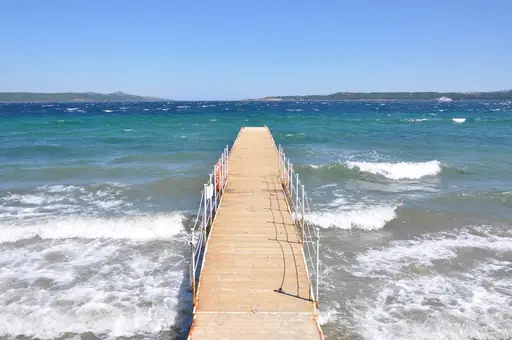
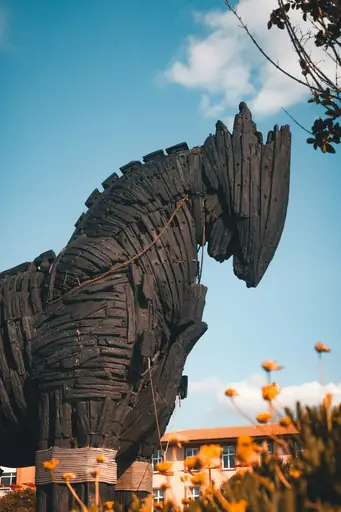
The ruins of ancient Troy sit a short drive from this city, excavated starting in the 1870s. Heinrich Schliemann dug through layers of settlement searching for the city from Homer's epics. Archaeologists later identified at least nine cities built one atop another here. A wooden horse replica now stands near the ruins for visitors.
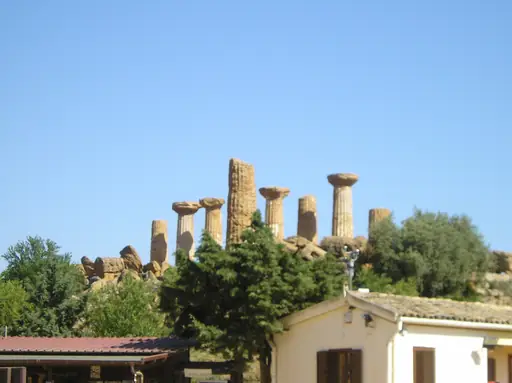
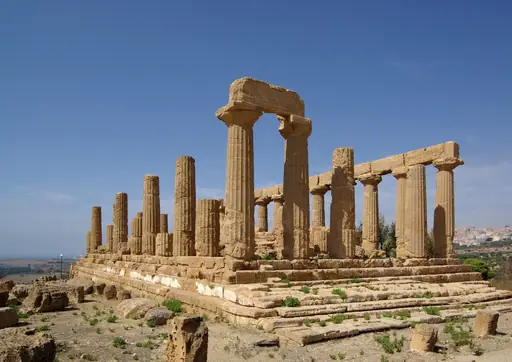
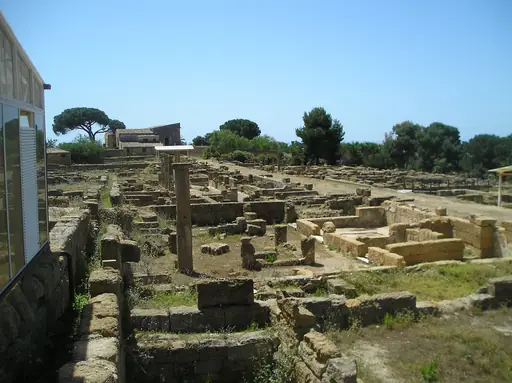
City in Italy
Agrigento
Sicily's Ancient Jewel of Ruins
The Temple of Concordia here survived largely intact after being converted into a church in the 6th century. That conversion protected it from the stone scavenging that damaged nearby temples. Its Doric columns still stand almost exactly as they did over 2,000 years ago. The surrounding valley holds several other ruins from the same era.
City in South Korea
Gyeongju
Ancient Treasures in a Modern World
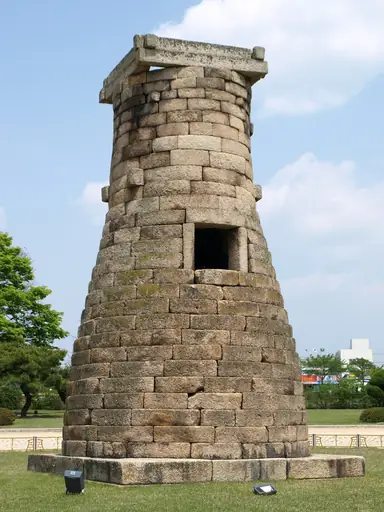
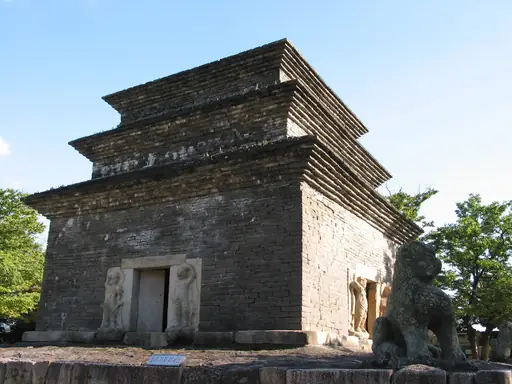
Cheomseongdae here is considered the oldest surviving astronomical observatory in East Asia, built in the 7th century. Its stone tower stands just over nine metres tall, made from 362 blocks. Royal tombs scattered across the city hold treasures from the Silla Kingdom's rulers. Excavated grave goods, including gold crowns, are displayed in a museum nearby.

City in Egypt
Aswan
Nile Islands, Nubian Culture, Golden Light
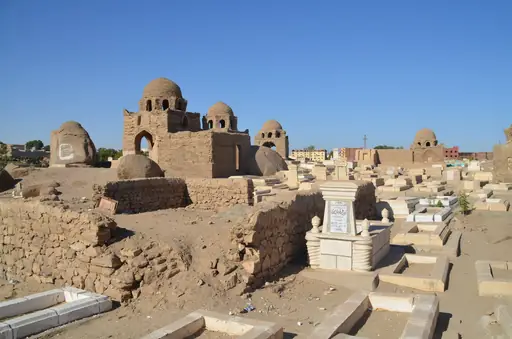
An unfinished obelisk still lies in a granite quarry here, abandoned after cracks appeared during carving. Completed, it would have stood taller than any other obelisk ever erected in Egypt. Philae Temple nearby was moved piece by piece after the Aswan Dam raised water levels. The unfinished obelisk still shows the ancient tool marks.
City in Iran
Shiraz
Poetry, Gardens and Persian Splendor
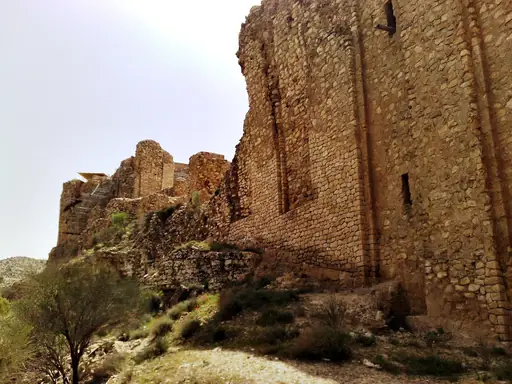
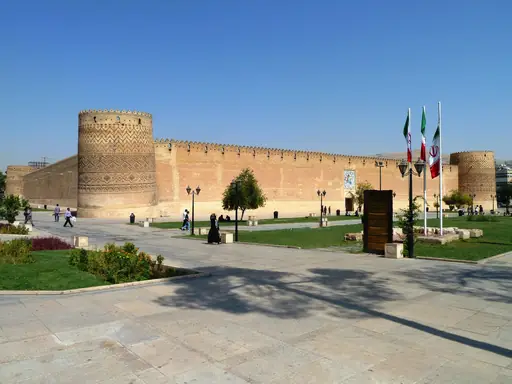
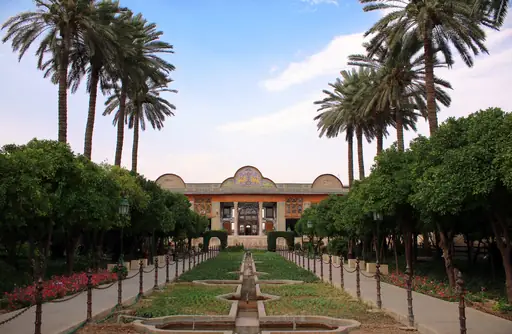
Rock-cut tombs at nearby Naqsh-e Rustam hold the remains of several Persian kings carved into a cliff. This city serves as the main gateway to the ruins of Persepolis, a short drive away. Reliefs at the tombs depict scenes of royal power and ceremony. Fire temples and other Zoroastrian ruins survive scattered across the region.
City in Egypt
Luxor
Ancient wonders on the Nile
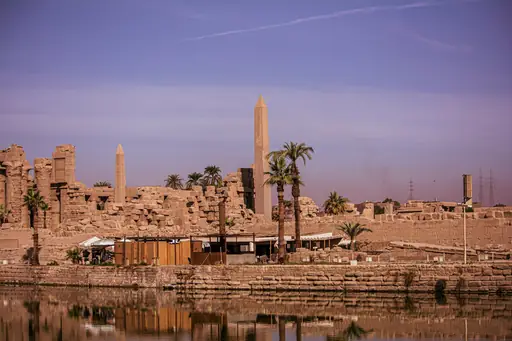
Karnak Temple here ranks among the largest religious complexes ever built anywhere. Its Hypostyle Hall alone holds 134 massive stone columns arranged in dense rows. Construction stretched across roughly 2,000 years, with successive pharaohs adding their own structures. A processional avenue of ram-headed sphinxes once linked the complex to nearby Luxor Temple.
City in Ethiopia
Addis Ababa
Vibrant capital where history meets modernity
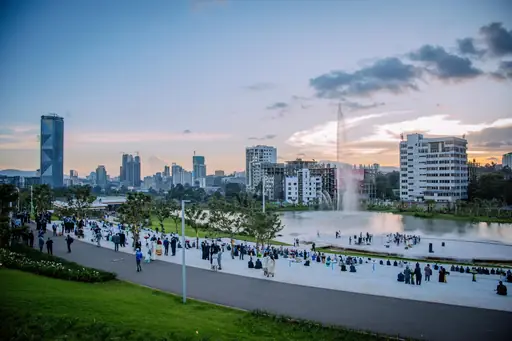
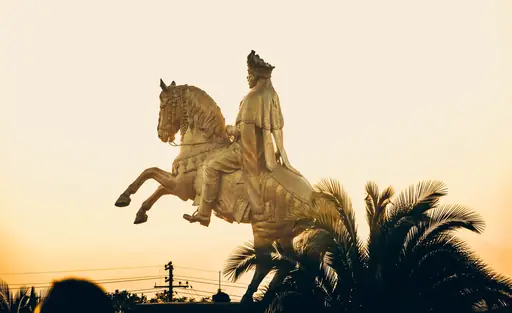
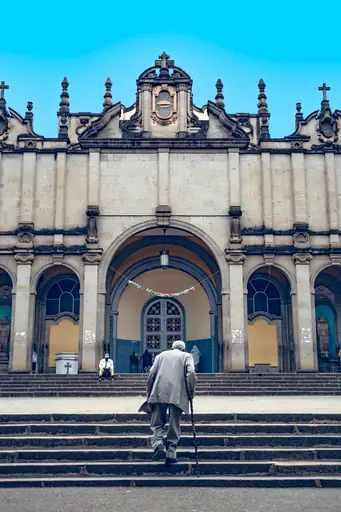
The National Museum here holds the fossilised remains of Lucy, a human ancestor roughly 3.2 million years old. Her skeleton, discovered in Ethiopia in 1974, remains one of the most complete early hominid finds made. Researchers still study her bones for clues about human posture. A replica skeleton is displayed for visitors alongside the original.
Town in Greece
Olympia
Birthplace of the Olympic Games
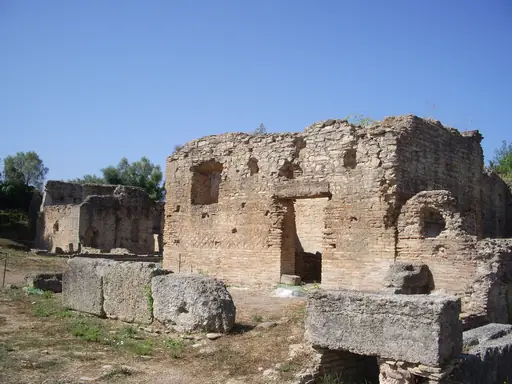
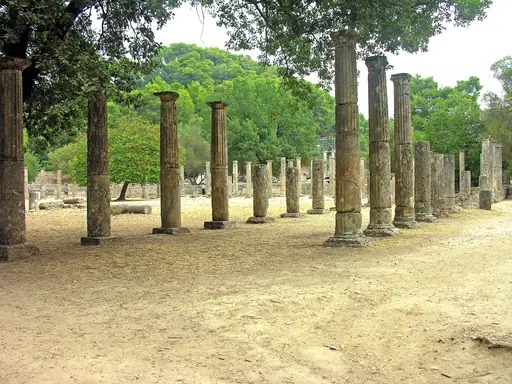
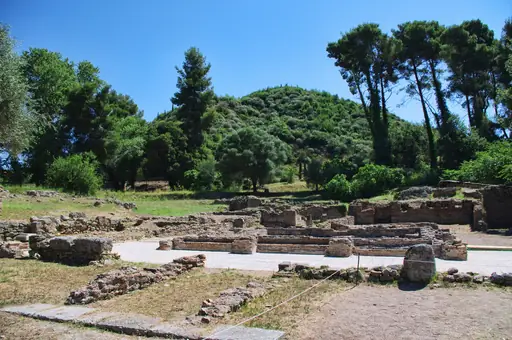
The ancient Olympic Games began here in 776 BC and ran for nearly 1,200 years. Athletes competed in a stadium that held roughly 45,000 spectators. The Temple of Zeus once held a gold statue counted among the seven wonders of the ancient world. Excavations here have shaped much of what is known about the games.
Country
Sudan
Ancient pyramids beyond the crowds
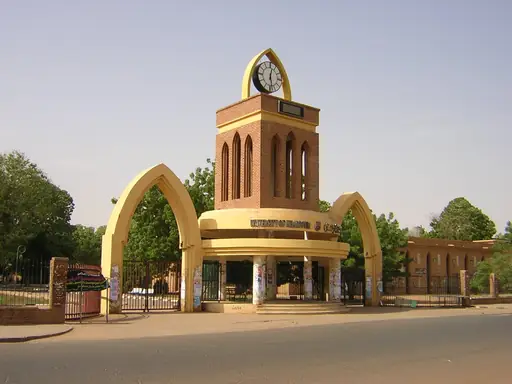
More pyramids stand in this country than in Egypt, despite being far less visited. Most were built by rulers of the Kingdom of Kush, buried at Meroe from around 300 BC. Their sides rise at a steeper angle than Egyptian pyramids, giving a distinct silhouette. Sand dunes have partly buried some smaller structures over time.
City in Syria
Palmyra
Ancient Silk Road's Desert Bride
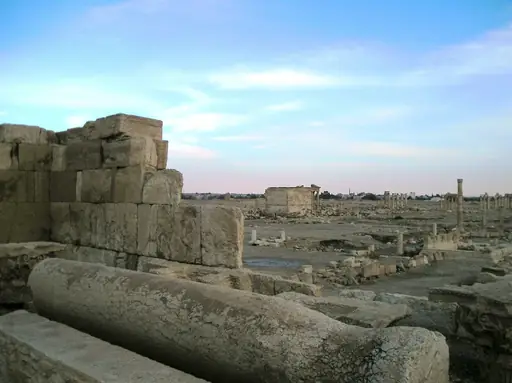
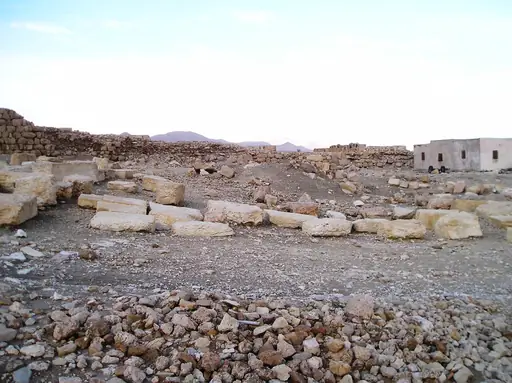
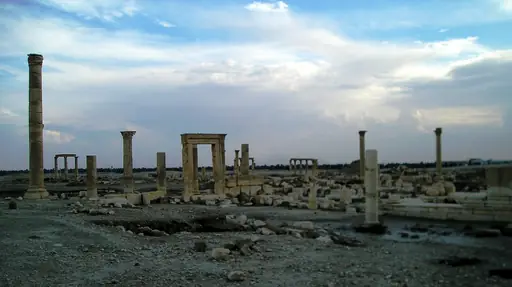
A monumental arch once stood at this ancient city's colonnaded main street entrance. Conflict in 2015 destroyed the arch along with several other major structures. Wealthy families once built funerary towers along the city's edges, stacking chambers for their dead. Restoration efforts have since begun on some of the damaged ruins.
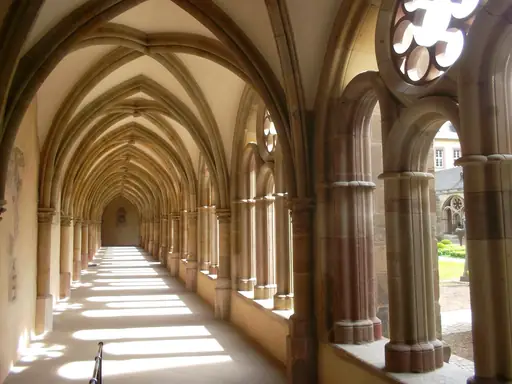
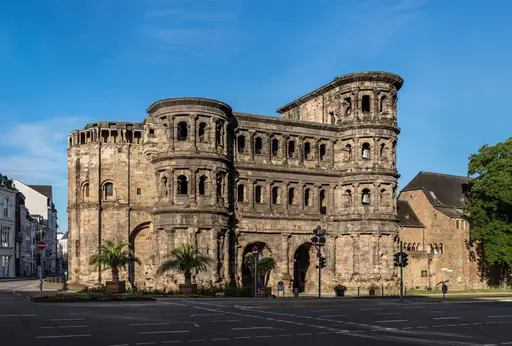
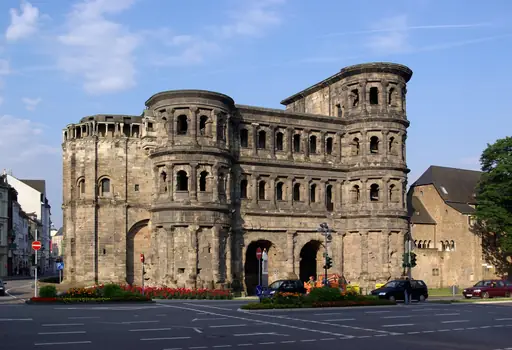
City in Germany
Trier
Germany’s Oldest City, Roman Heart
This is considered Germany's oldest city, founded by the Romans over 2,000 years ago. Porta Nigra, a massive stone gate, still guards the old town's entrance. Roman baths and an amphitheatre survive in ruins scattered across the city. Trier once served as a capital of the western Roman Empire during the late imperial era.
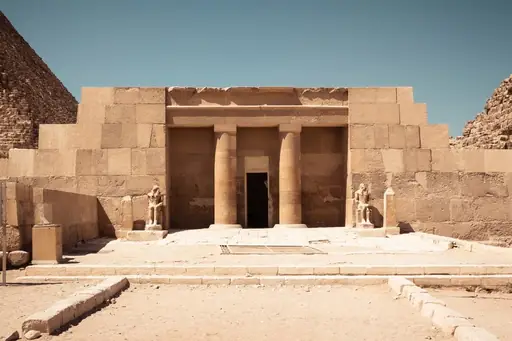
City in Egypt
Giza
Timeless Pyramids on Cairo’s Edge
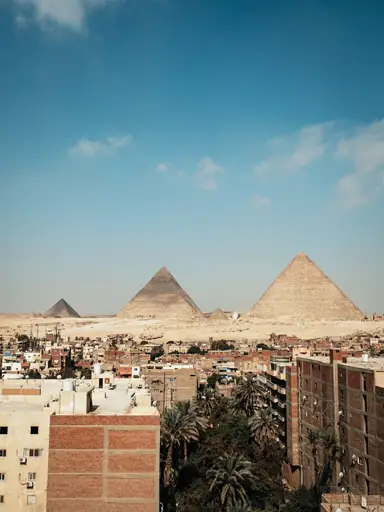
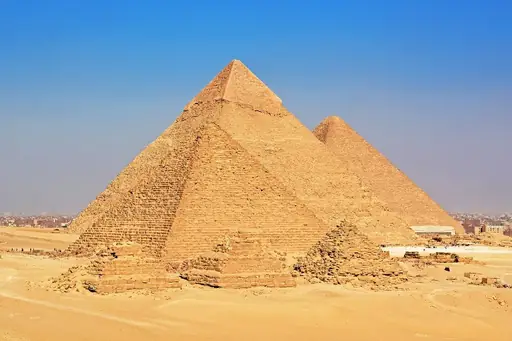
This is the only ancient wonder of the world still standing today. The Great Pyramid was built as a tomb for the pharaoh Khufu around 2560 BC. Its base aligns so closely with true north that early surveying methods remain debated. The Sphinx nearby was carved from a single block of leftover quarry stone.
City in Italy
Syracuse
Ancient ruins by the sea
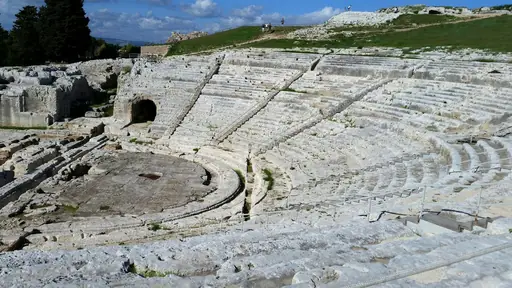
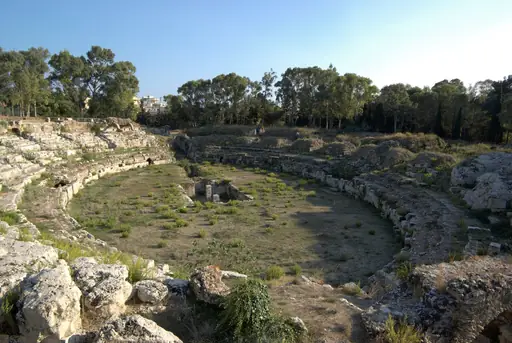
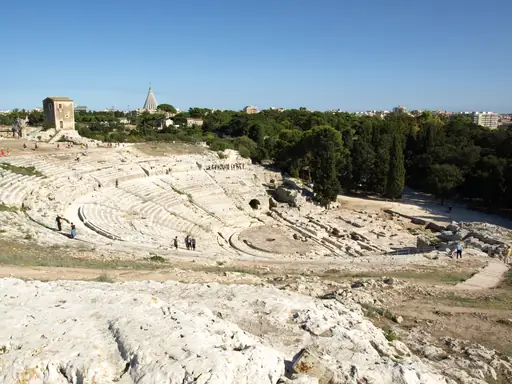
A Greek theatre here was carved directly into solid rock, seating roughly 15,000 spectators. Ancient Greek plays are still staged in the same theatre today. A nearby limestone cave called the Ear of Dionysius amplifies even quiet sounds because of its shape. Quarries surrounding the theatre once supplied stone for much of the ancient city.
City in France
Nîmes
Roman Grandeur in Southern Sun
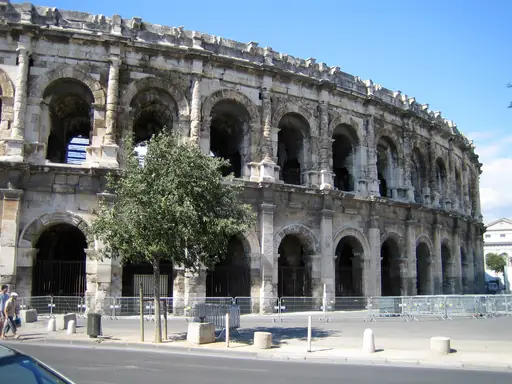
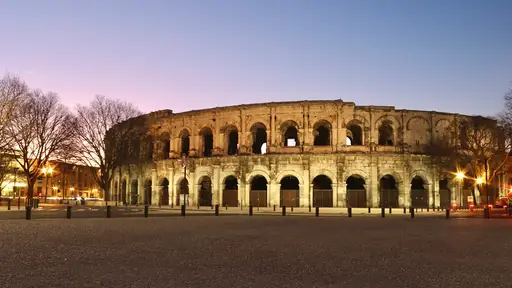
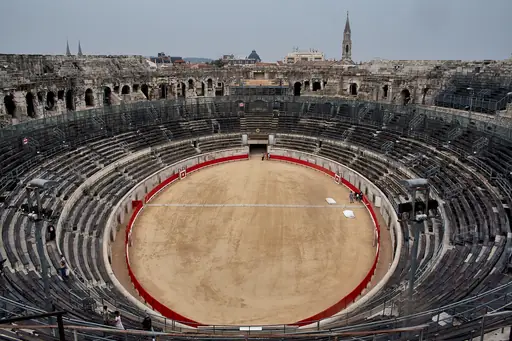
A Roman amphitheatre here has hosted events almost continuously since it was built around the 1st century AD. It once held tens of thousands of spectators for gladiator fights. Bullfights and concerts now fill the same arena on a regular basis. The Maison Carree, a well-preserved Roman temple, stands nearby in the city centre.
City in Spain
Tarragona
Roman Ruins Meet Mediterranean Bliss
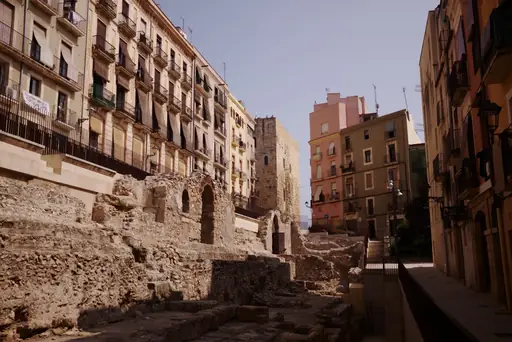
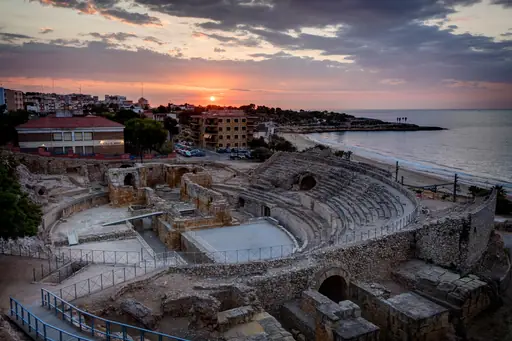
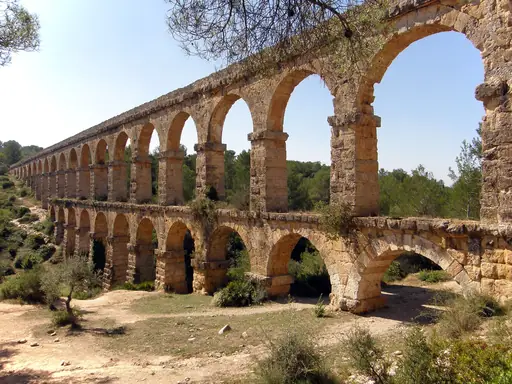
Roman Tarraco once served as the capital of an entire province stretching across Spain. Its amphitheatre once hosted gladiator fights within view of the Mediterranean coastline. An aqueduct outside the city still carries its Roman arches across a wooded valley. Roman walls, some of the oldest in Spain, still enclose parts of the old town.
City in Greece
Heraklion
Ancient Wonders Meet Mediterranean Charm
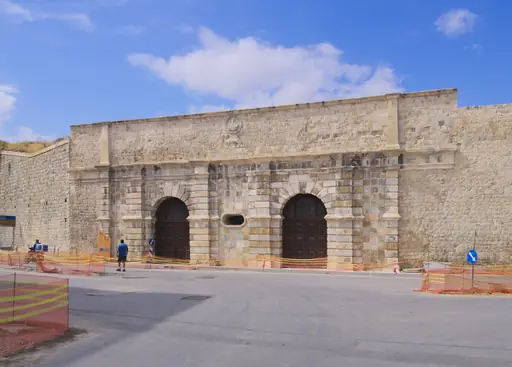
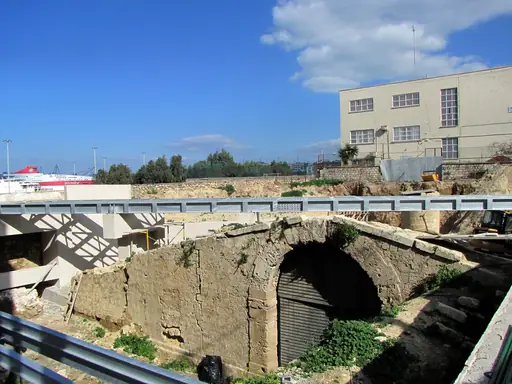
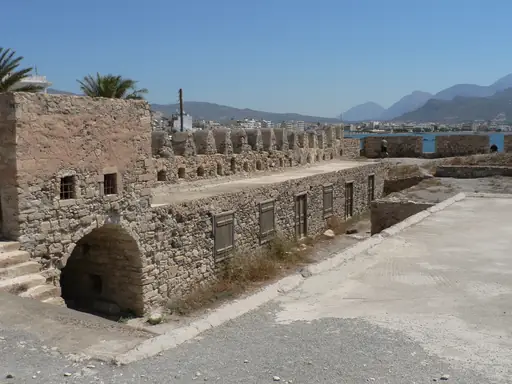
This city serves as the main gateway to the ruins of Knossos, a short drive inland. A Venetian-built fortress called Koules still guards the old harbour. Ottoman and Venetian layers of history sit alongside older Minoan artefacts in the city museum. Archaeological finds from across Crete are gathered in one of Greece's largest collections.
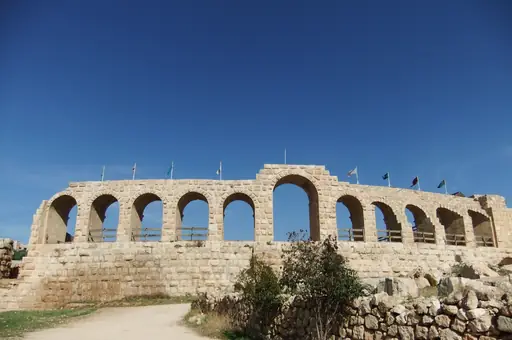
City in Jordan
Jerash
Roman Grandeur in Jordan’s Hills
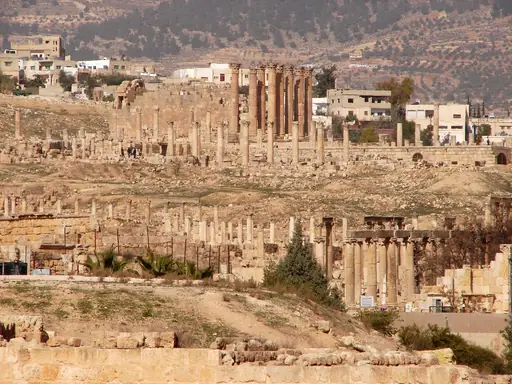
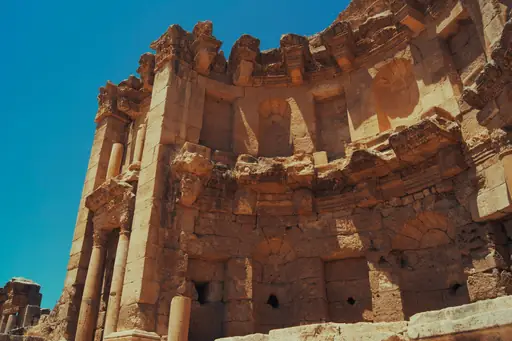
Colonnaded streets here stretch across one of the more intact Roman provincial cities outside Italy. An oval-shaped plaza links the main street to a hillside temple complex. Chariot races are staged for visitors inside the ancient hippodrome during parts of the year. Earthquakes over the centuries toppled parts of the site, though much still stands.
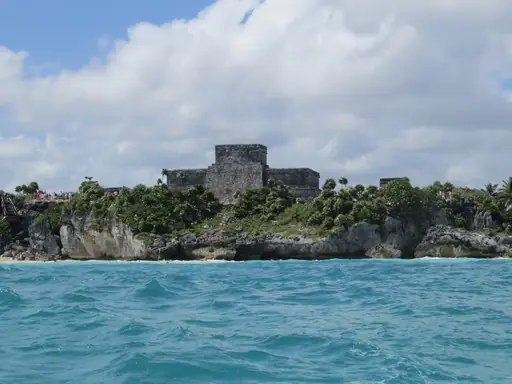
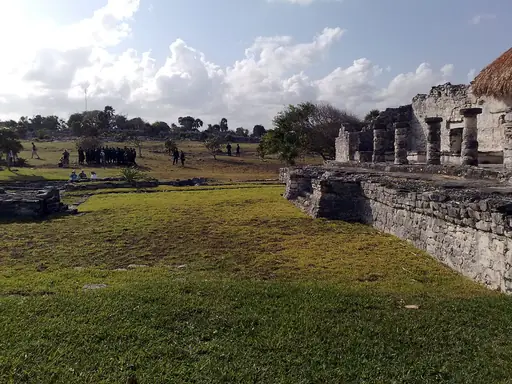
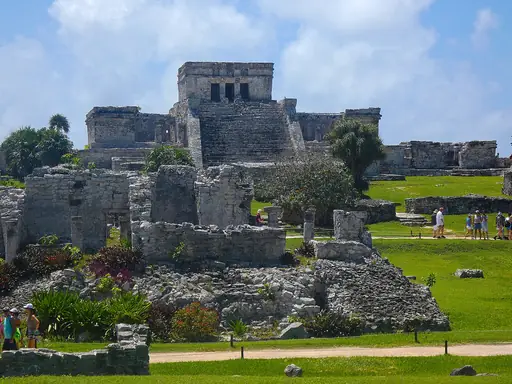
City in Mexico
Tulum
Ruins, reefs and boho beaches
Maya ruins here sit atop cliffs overlooking the Caribbean Sea, a rare coastal setting for a Maya city. El Castillo, a stone structure at the site's edge, may have doubled as a watchtower. Walls once enclosed the city's landward sides, unusual for a Maya settlement. The site flourished as a trading port before Spanish contact.
Nature Reserve in Mexico
Calakmul Biosphere Reserve
Ancient Maya Ruins in Pristine Jungle
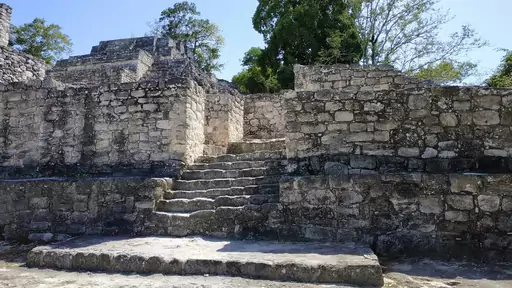
This Maya city sits hidden deep within dense jungle, reachable only after a long drive. It once rivalled Tikal as one of the most powerful cities in the Maya world. Twin pyramid complexes here mirror a layout found at only a handful of other Maya sites. Howler monkeys and jaguars still roam the surrounding forest.
Island in Greece
Crete
A Journey Through History and Nature
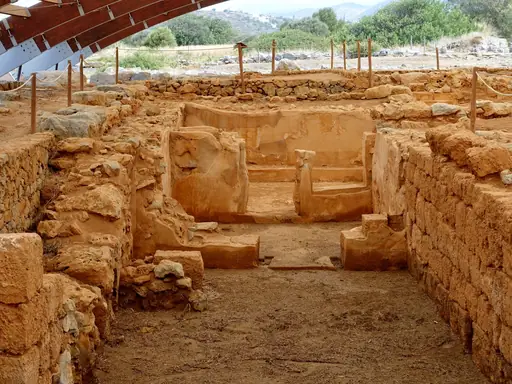
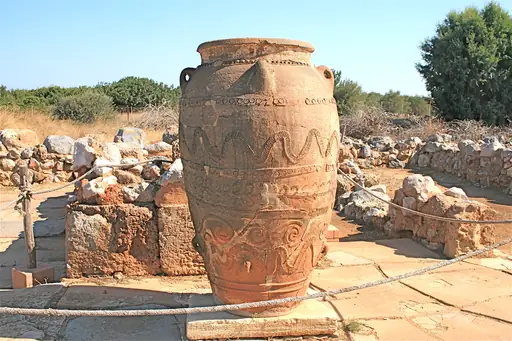
The Palace of Knossos here was the ceremonial centre of the Minoan civilisation, one of Europe's earliest advanced societies. Frescoes throughout the ruins show scenes of bull-leaping and marine life. British archaeologist Arthur Evans excavated and partly reconstructed the site in the early 1900s. Some of his reconstructions remain controversial among archaeologists today.

Town in Greece
Delphi
The legendary oracle of Greece
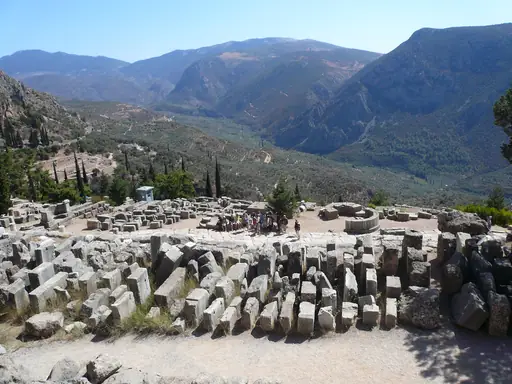
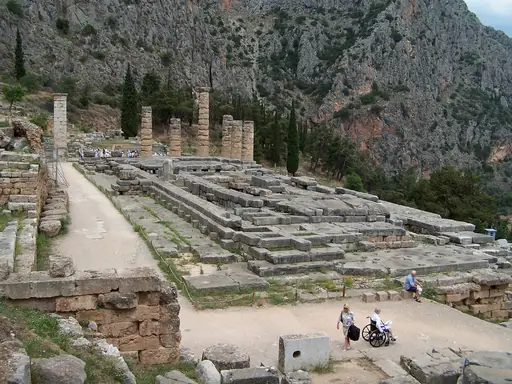
Ancient Greeks believed this site marked the centre of the world, tied to a myth about eagles released by Zeus. A stone called the omphalos, meaning navel, still marks the spot. The Temple of Apollo here once housed an oracle whose words swayed decisions across Greece. Pilgrims travelled from across the Mediterranean to consult her.
City in Thailand
Ayutthaya
Ancient Ruins and Timeless Temples
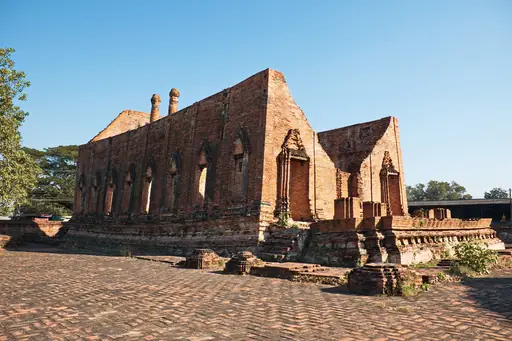
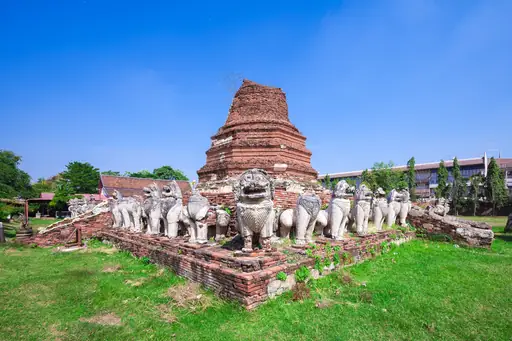
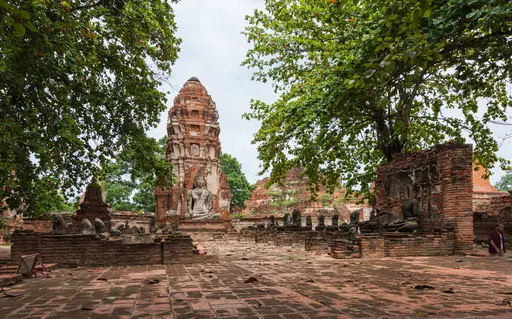
A stone Buddha head sits wrapped in tree roots at Wat Mahathat, one of the city's most photographed ruins. This former capital of Siam was destroyed by Burmese invaders in 1767. Rows of headless Buddha statues still line the grounds from that attack. Brick chedis rise across the site, remnants of a once-wealthy Asian capital.
Village in India
Hampi
Ancient ruins in boulder landscapes
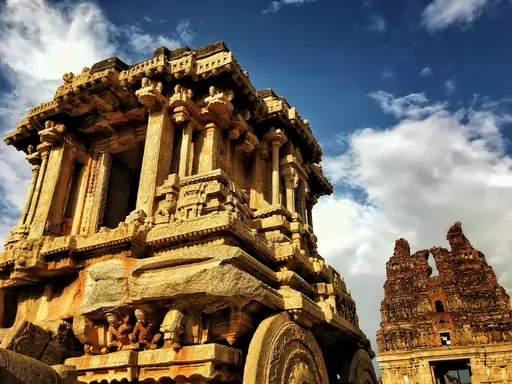
A stone chariot at Vittala Temple ranks among the most photographed monuments here. Its wheels were carved to look as though they could actually turn. Musical pillars nearby are said to produce different tones when tapped, though the mechanism is debated. Vijayanagara rulers built much of the site before its fall in the 16th century.
City in China
Xi'an
Where history whispers through time
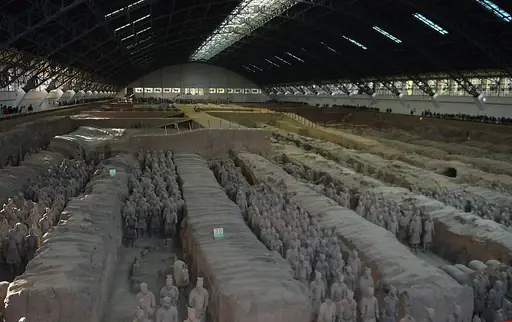
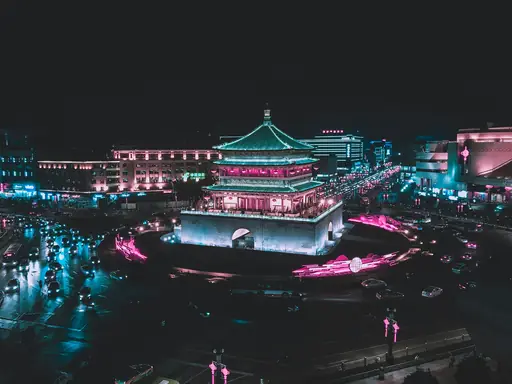
Thousands of life-size clay soldiers stand guard in pits near this city. Builders made them to protect the tomb of Qin Shi Huang, China's first emperor. Each figure was individually sculpted with distinct facial features and armour details. Farmers digging a well in 1974 stumbled onto the first pit by accident.
City in Libya
Leptis Magna
Ancient Roman splendor in sand
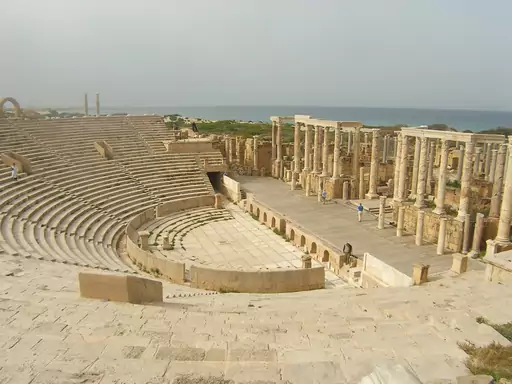
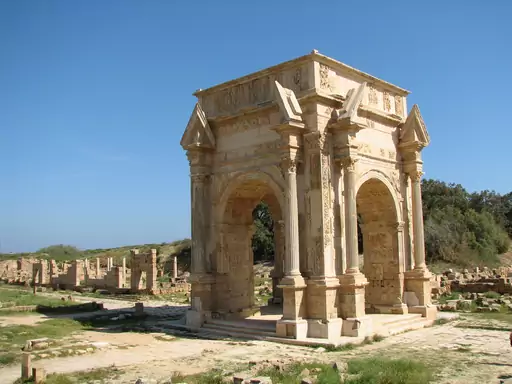
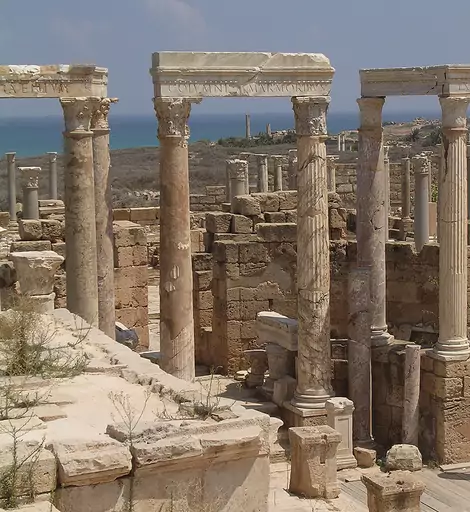
Roman ruins here rank among the more intact in the Mediterranean, protected for centuries by desert sand. The Arch of Septimius Severus honours an emperor born in this North African city. Baths, a theatre and a forum survive largely intact. Wind and sand once buried much of the city, slowing looting and decay over time.
National Park in United States
Mesa Verde National Park
Ancient Cliff Dwellings and Rich History
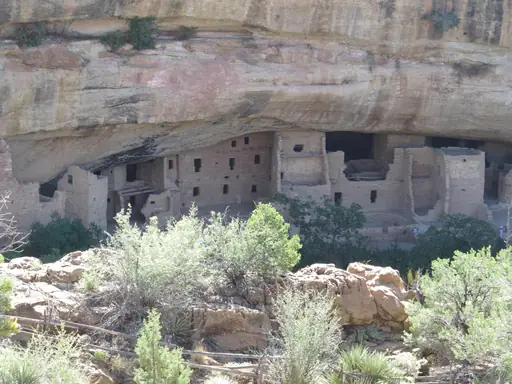
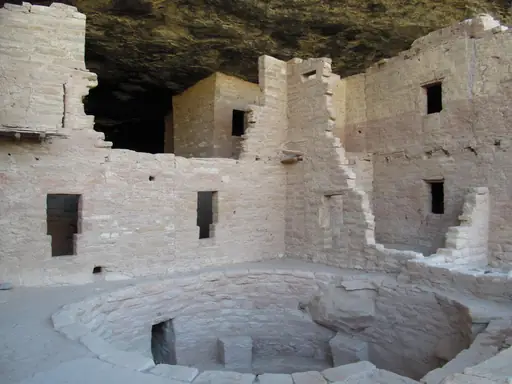
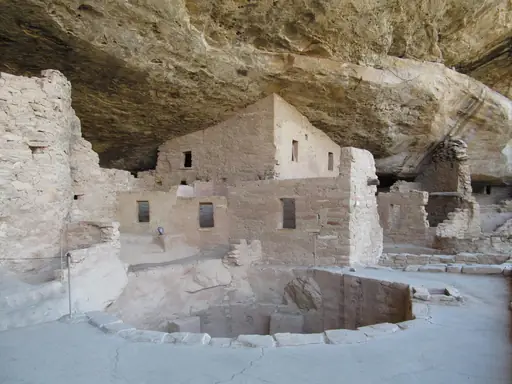
Over 600 cliff dwellings sit tucked into sandstone alcoves across this park. Ancestral Puebloans built and occupied these multi-storey structures for roughly a century before leaving in the late 1200s. Cliff Palace, the largest, holds around 150 rooms built directly into the rock. Reasons for the site's abandonment remain a subject of ongoing research.
Town in Bolivia
Tiwanaku
Ancient pre-Incan civilization's mysterious ruins
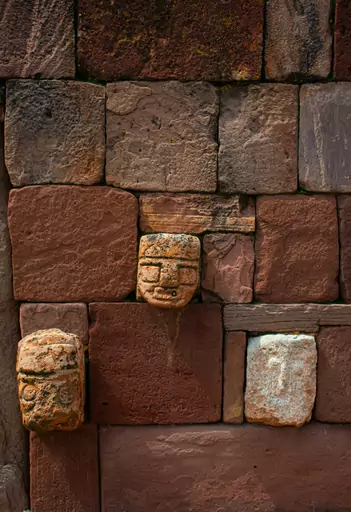
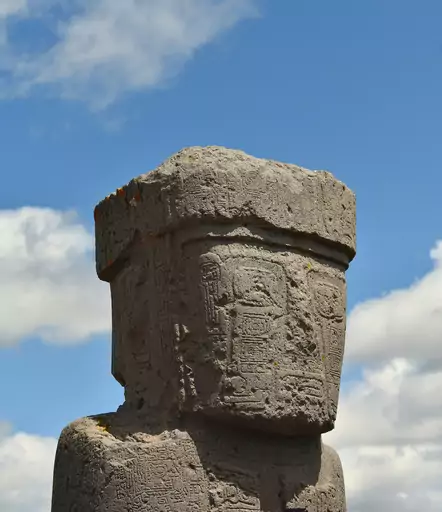
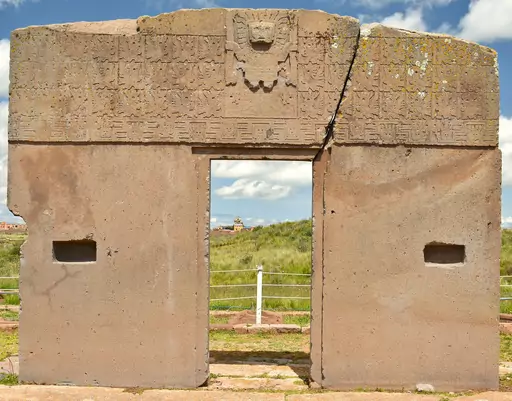
The Akapana pyramid was built from massive stone blocks fitted together without mortar. This site is a cultural predecessor to the Inca empire, which absorbed many of its ideas. A carved gateway called the Gate of the Sun remains a heavily studied feature. Researchers still debate how builders moved stones this heavy across the landscape.
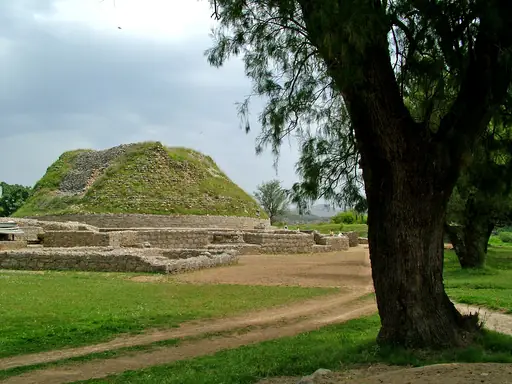
Town in Pakistan
Taxila
Ancient Buddhist university frozen in time
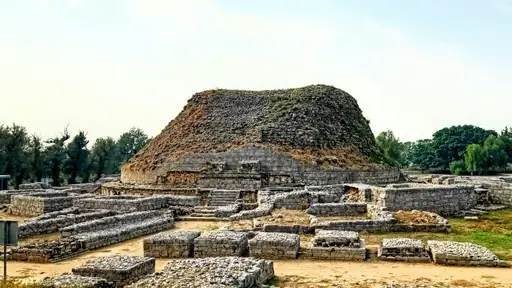
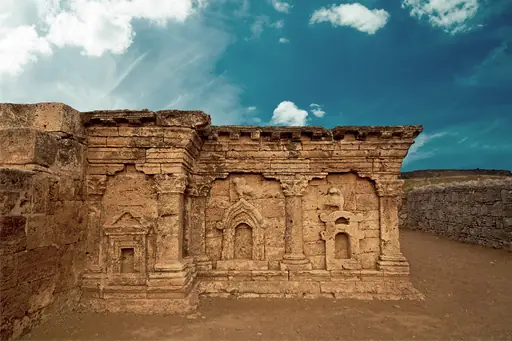
This ancient city sat along major trade routes linking Central Asia, Persia and India for centuries. Buddhist stupas and monasteries here reflect a wealthy period under the Kushan empire. Greek, Persian and Indian influences all left traces in the ruins across the site. Archaeologists have uncovered artefacts from several civilisations that occupied the area.
City in Cyprus
Pafos
Myth, Mosaics and Mediterranean Sun
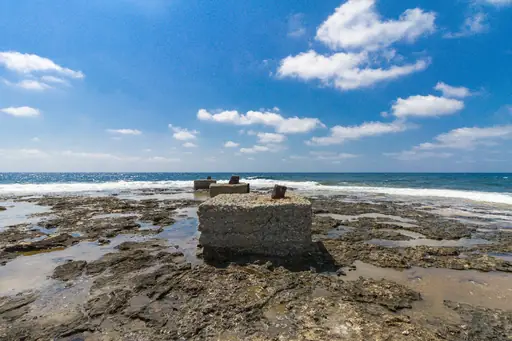
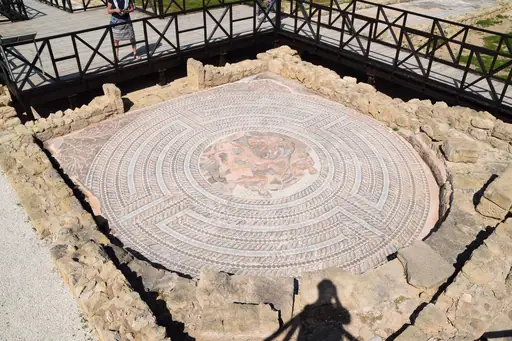
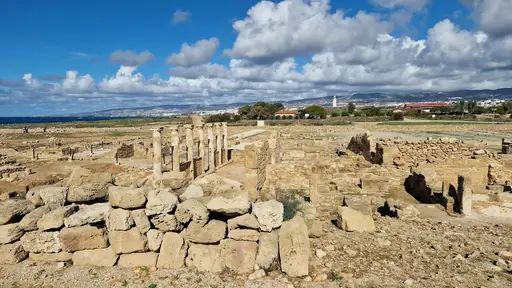
Underground tombs called the Tombs of the Kings were carved for wealthy citizens rather than actual kings. Some chambers feature Doric columns cut directly from the surrounding stone. Roman-era mosaics nearby depict scenes from Greek mythology in remarkably preserved detail. The site has drawn both archaeologists and looters since it was first documented.
City in Turkey
Pamukkale
Cotton Castle of Thermal Pools
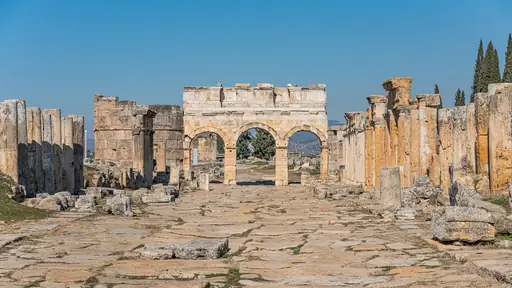
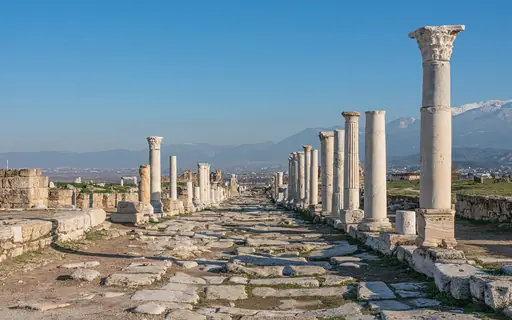
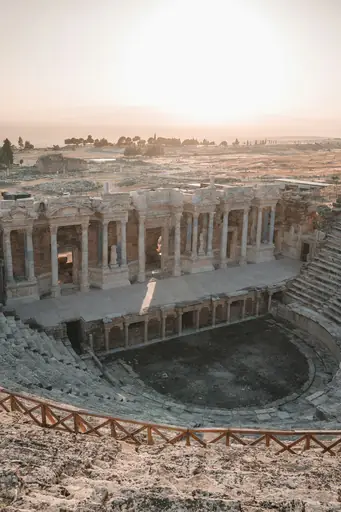
White travertine terraces here formed over thousands of years from mineral hot springs. Ruins of the Roman spa city Hierapolis sit directly above the terraces. A large necropolis nearby holds hundreds of tombs, among the largest ancient burial grounds in Anatolia. Visitors can still walk through a partially preserved Roman theatre on the site.
City in Peru
Cusco
Gateway to the Incan Empire's Heart
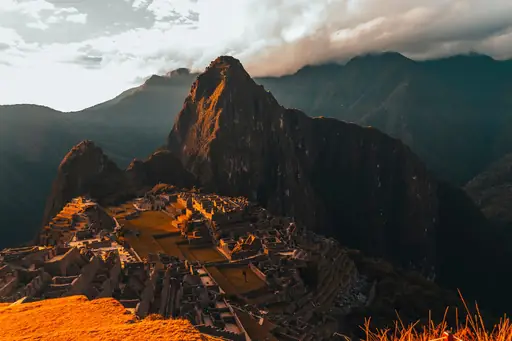
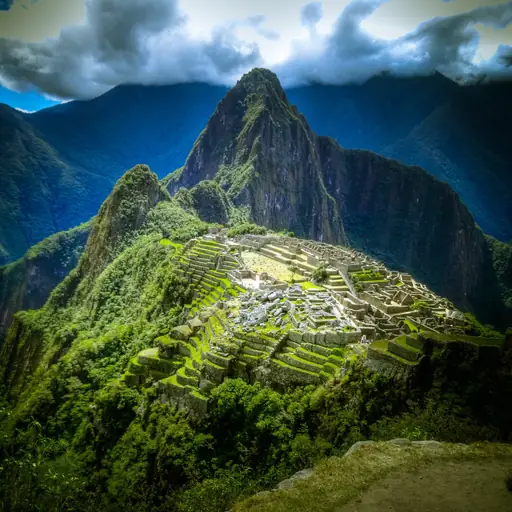
Qorikancha once served as the Inca empire's most important temple, its walls covered in sheets of gold. Spanish colonisers built a church directly on top of the temple's stone foundations. Inca stonework beneath the church still fits together without any mortar. Earthquakes have repeatedly damaged the colonial structure while leaving the Inca walls largely intact.
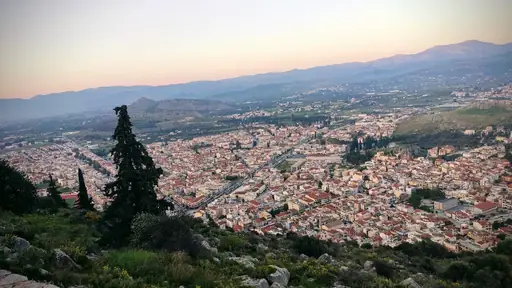
Town in Greece
Nafplio
Venetian Charm Meets Greek History
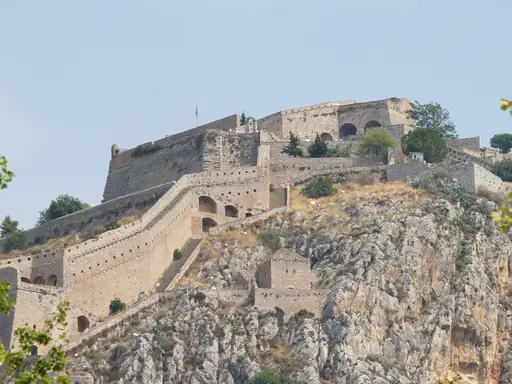
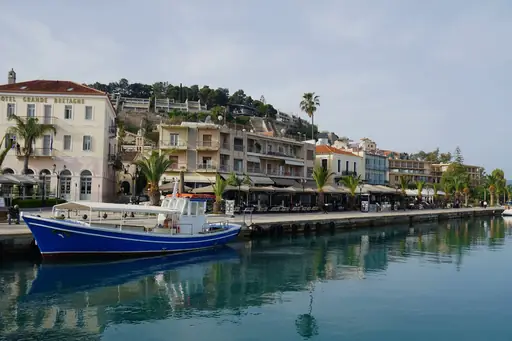
Massive stones make up the walls at nearby Tiryns, so large Greeks later credited them to giants. This coastal town serves as a base for visiting both Tiryns and Mycenae. A fortress called Palamidi sits on a hill above the harbour, though from a later era. Bourtzi, a small island fortress, guards the bay offshore.
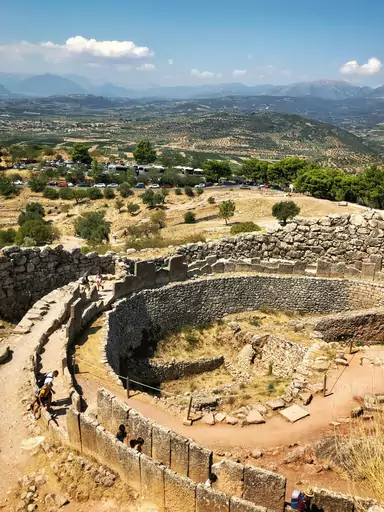
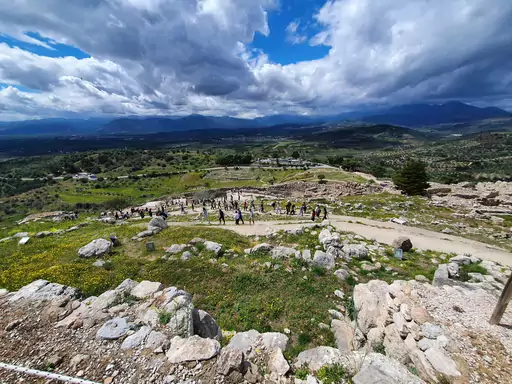
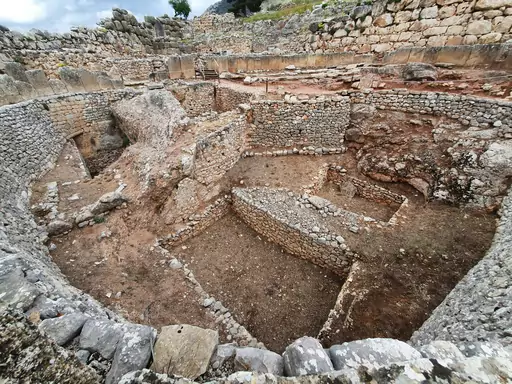
Town in Greece
Mycenae
Ancient citadel of legendary kings
The Lion Gate here forms the entrance to a Bronze Age citadel dating back over 3,000 years. Two carved lions flank the gate above a massive stone lintel. This site gave its name to Mycenaean civilisation, the Greek culture that flourished before the classical era. Tholos tombs nearby held royal burials beneath domed stone ceilings.
City in Turkey
Ephesus
Ancient Wonders and Roman Grandeur
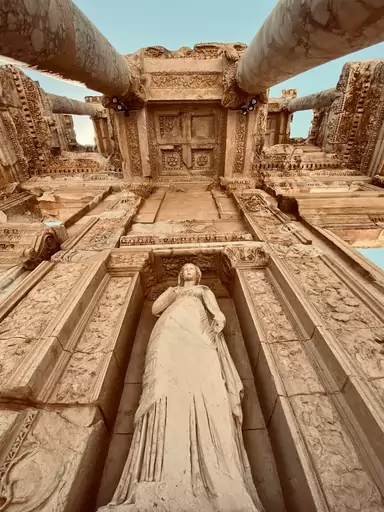
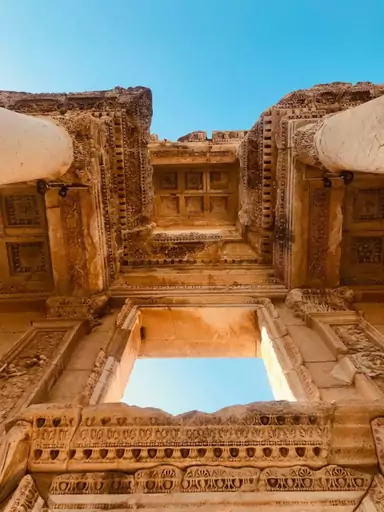
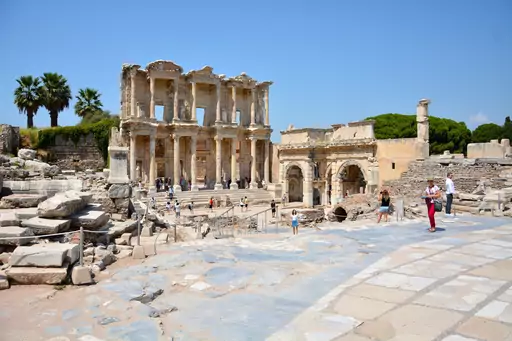
The Temple of Artemis once stood here as one of the seven wonders of the ancient world. Only a single reconstructed column marks where its foundations once stood. Fires, floods and later stone scavenging stripped the site of its marble. The Library of Celsus nearby survives in far better condition, its facade still largely intact.
City in Tunisia
Carthage
Ancient Ruins by the Mediterranean
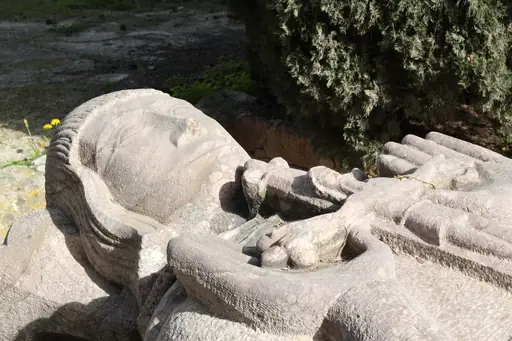
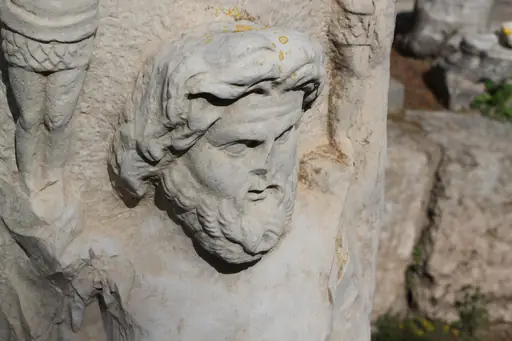
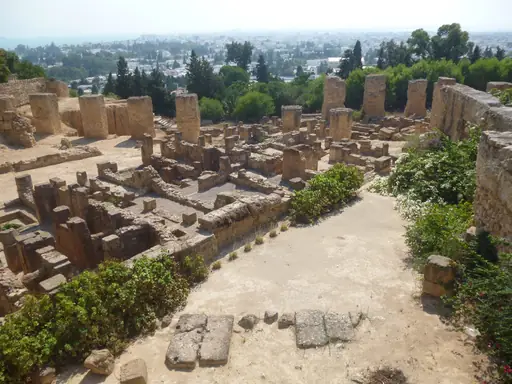
Roman forces destroyed this Phoenician city in 146 BC after the final Punic War. Legend holds that soldiers salted the earth afterwards, though historians dispute whether that happened. Romans later rebuilt Carthage into a major city of their own empire. Ruins from both the Phoenician and Roman periods survive in layers across the site.
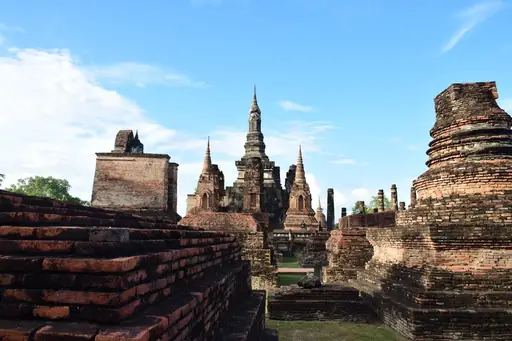
Archaeological Site in Thailand
Sukhothai
Ancient temples echoing Sukhothai’s golden past
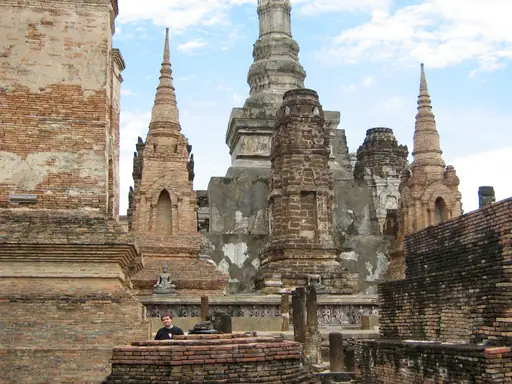
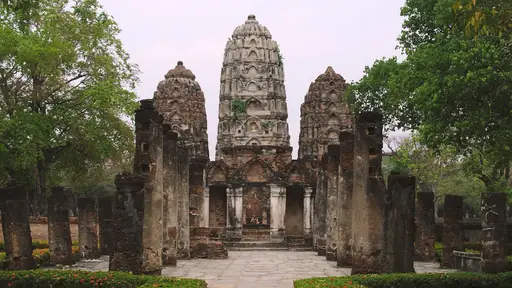
This city served as the capital of an early independent Thai kingdom, founded in the 13th century. Buddha statues throughout the historical park show an early Thai artistic style later copied elsewhere. Moats and brick walls once ringed the city for defence. Lotus-bud stupas here became a signature feature of early Thai temple design.

Statue in China
Leshan Giant Buddha
Majestic stone guardian overlooking serene river
Carvers spent roughly 90 years cutting this seated Buddha into a cliff face, finishing around 803 AD. At 71 metres tall, it ranks among the largest stone Buddha statues anywhere. A drainage system hidden within the statue helps protect it from water damage and erosion. The figure overlooks the meeting point of three rivers below.
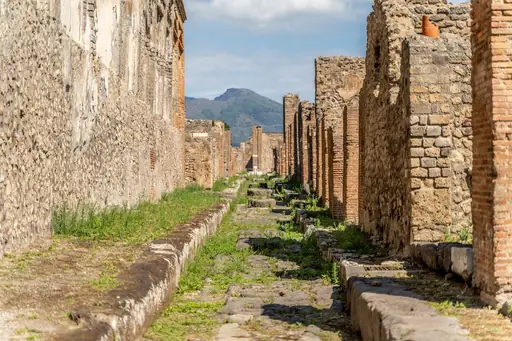
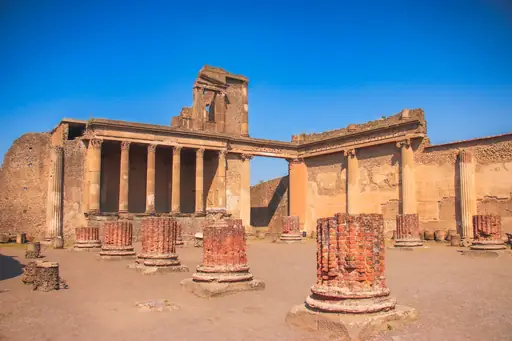
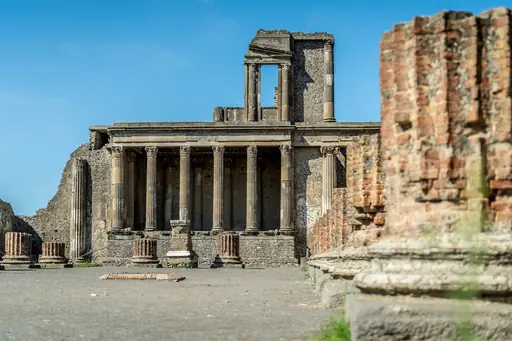
Archaeological Site in Naples
Pompeii Archaeological Site
Ancient City in Vesuvius’ Shadow
Volcanic ash from Vesuvius buried this Roman town in 79 AD, preserving streets and homes under debris. Plaster casts made from cavities in the ash show the final positions of victims. Bakeries and bathhouses survive largely intact across the site. Excavations have continued here since the 18th century, with new areas still being uncovered.
Island in Greece
Rhodes
Medieval Charm and Sun-Kissed Beaches
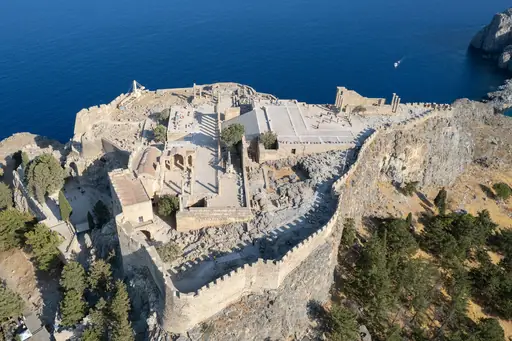
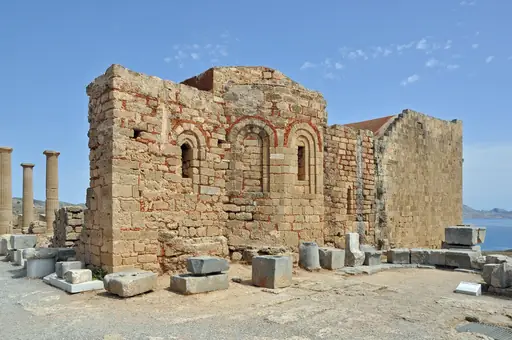
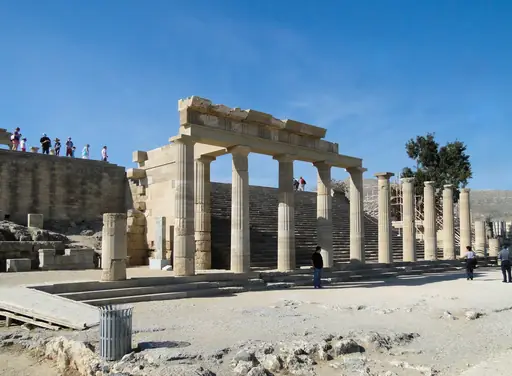
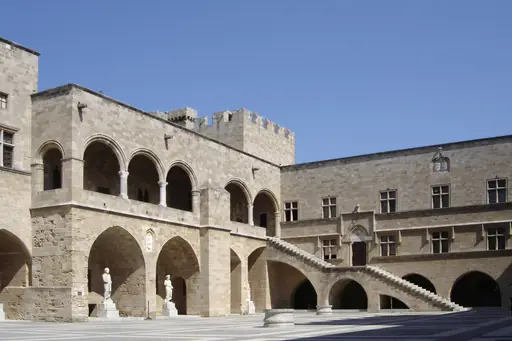
A bronze statue called the Colossus once stood near this island's harbour. It was counted among the seven wonders of the ancient world. An earthquake toppled it decades after it was built. Medieval walls built later by the Knights of St John still enclose the island's old town.
Town in Jordan
Wadi Musa
Gateway to ancient Petra wonders
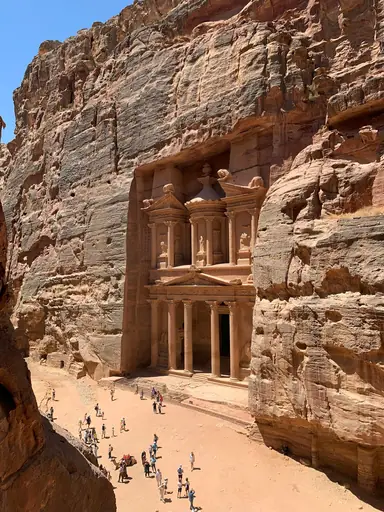
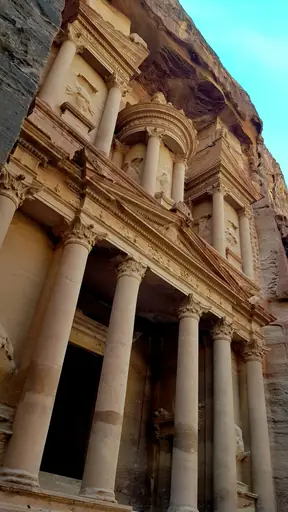
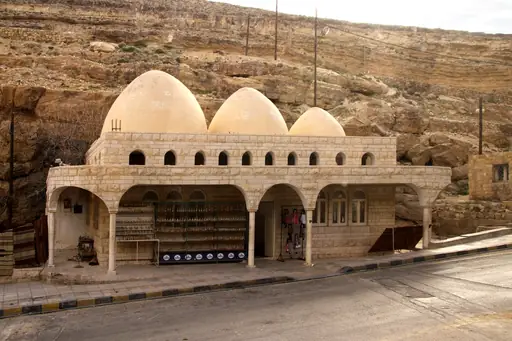
This town grew up specifically to serve visitors heading into the ruins of Petra. Hotels and restaurants here cluster near the entrance to the ancient city's main canyon. Bedouin families in the area have long histories guiding travellers through the desert. Most visitors base here for at least one night before exploring the ruins.
Town in Lebanon
Byblos
Ancient city by the sea
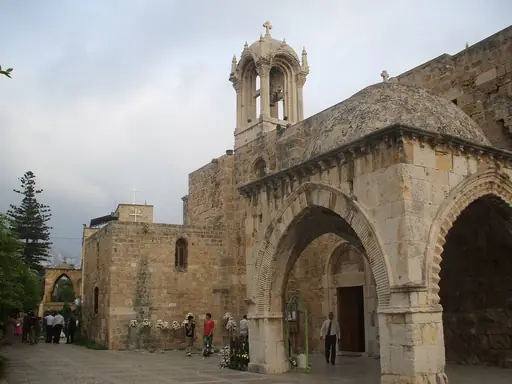
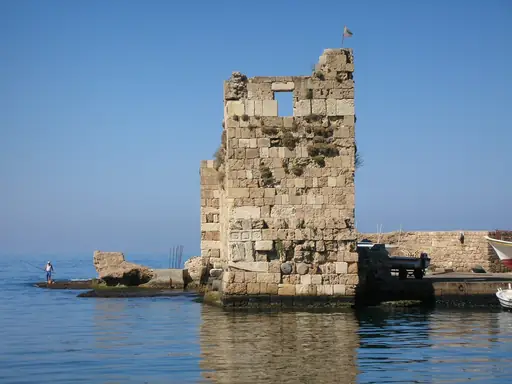
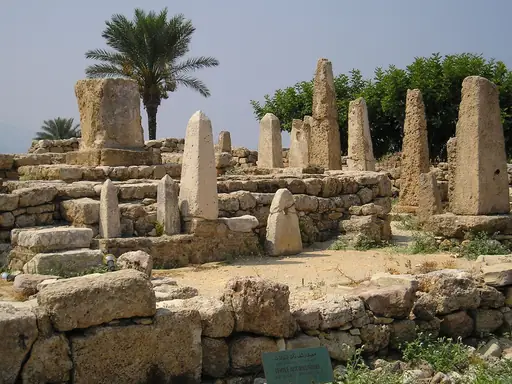
This is one of the oldest continuously inhabited cities anywhere, with settlement layers stretching back thousands of years. Phoenician traders shipped papyrus through its port, a trade tied to the Greek root of the word book. Crusader-era fortifications still stand above older Phoenician and Roman ruins. Archaeologists have uncovered temple foundations from the Bronze Age.
Archaeological Site in Lebanon
Baalbek
Ancient terraces echoing timeless desert grandeur
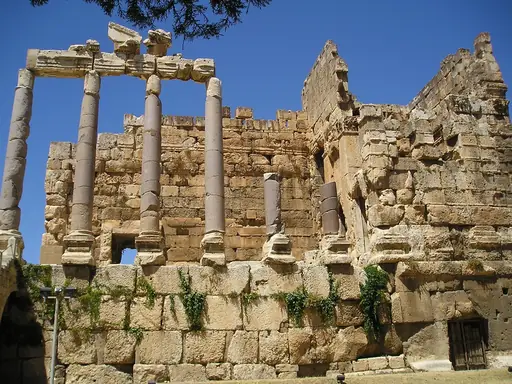
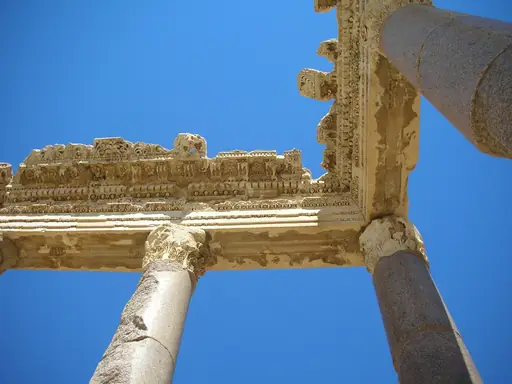
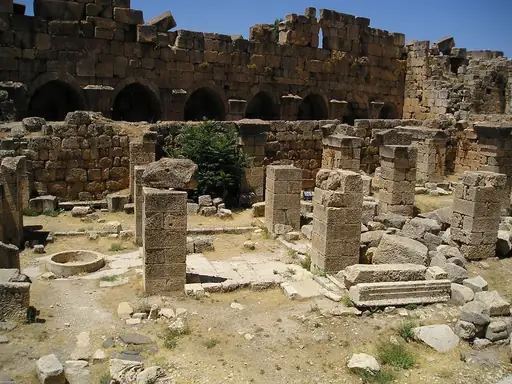
Three stone blocks here, known as the Trilithon, rank among the largest cut stones ever used in construction. Each weighs an estimated 800 tons, quarried and moved using methods still debated by engineers. The Temple of Jupiter once stood atop this same massive platform. A fourth, even larger block remains half-cut in a nearby quarry.
Archaeological Site in Cairo
Saqqara
Egypt's Timeless Step Pyramid Wonder
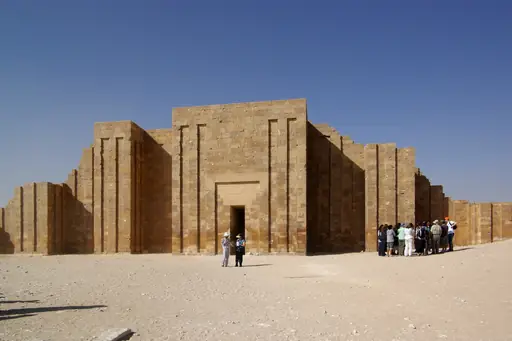
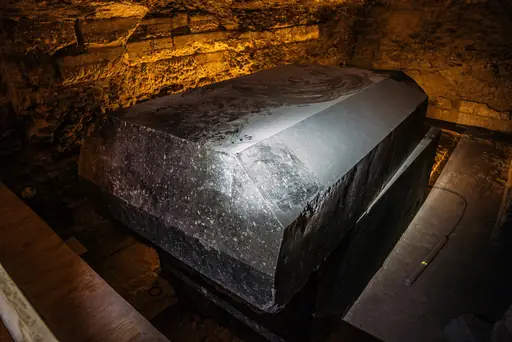
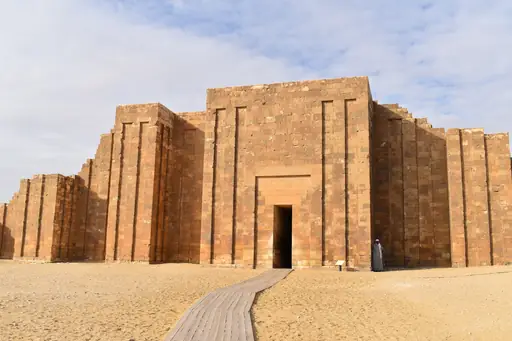
Beneath this necropolis, the Serapeum holds massive stone sarcophagi built for sacred Apis bulls. Egyptians worshipped these bulls as living manifestations of a god. Each granite box weighs an estimated 70 tons, carved and polished with remarkable precision. Underground galleries stretch for hundreds of metres beneath the desert sand.
Nature Reserve in Greece
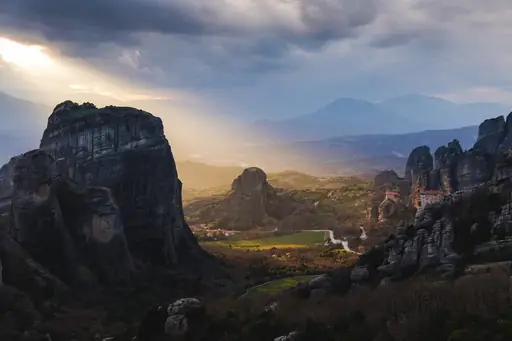
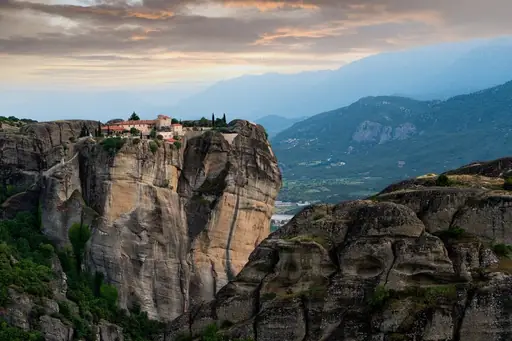
Meteora
Monasteries Suspended in the Sky
Hermits lived in caves carved into these rock pillars before monks built monasteries above them. The earliest monasteries date to the 14th century, reached originally only by removable ladders or nets. Six monasteries remain active today out of an original 24. Stone-cut paths now connect the cliff base to the surviving monasteries.
Historic Site in Ethiopia
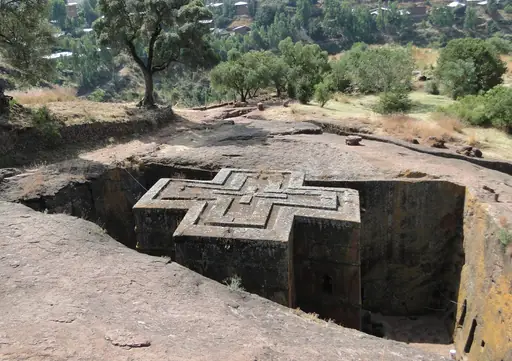
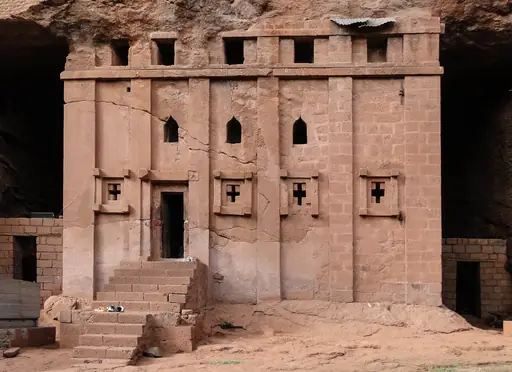
Lalibela
Stone churches echoing centuries of faith
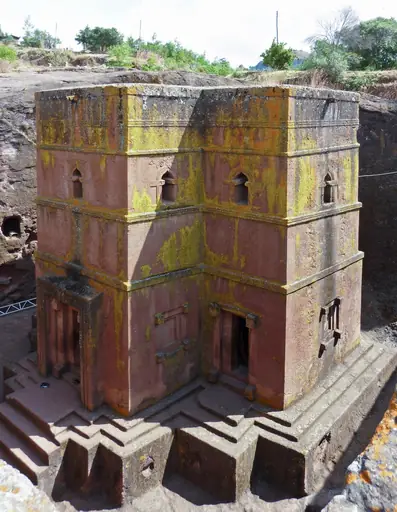
Eleven churches here were carved downward directly out of solid volcanic rock rather than built up. Workers dug deep trenches around each block before hollowing out windows and interior chambers. Some churches remain connected by tunnels cut beneath the surface. These structures have stayed in continuous use as active places of worship for centuries.
Town in Portugal
Évora
A Timeless Journey Through History
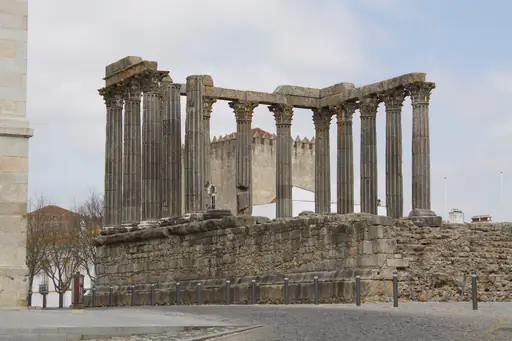
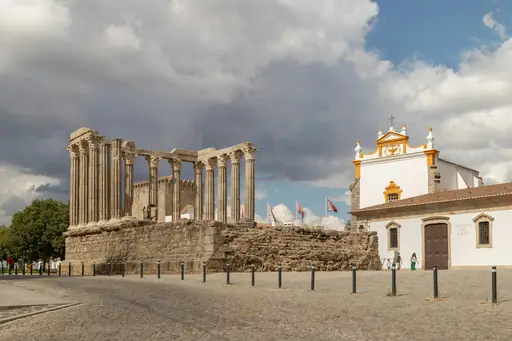
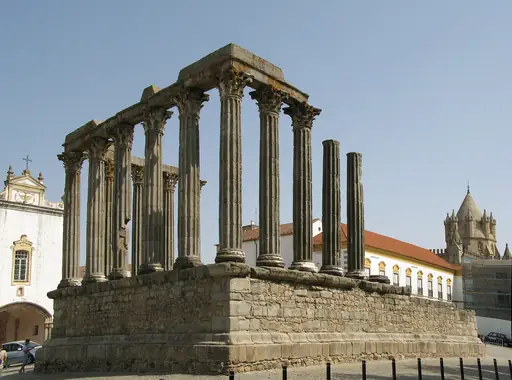
The Roman Temple of Diana here still has 14 Corinthian columns standing after roughly 2,000 years. Locals once tied the ruins to a legendary temple, helping protect them from demolition. A nearby chapel is lined with human skulls and bones from monastery burials. Roman walls and aqueducts also survive in fragments around the old town.
Archaeological Site in Turkey
Göbekli Tepe
Ancient stone circles whisper prehistory's secrets
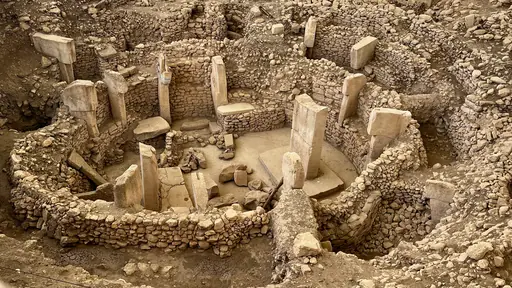
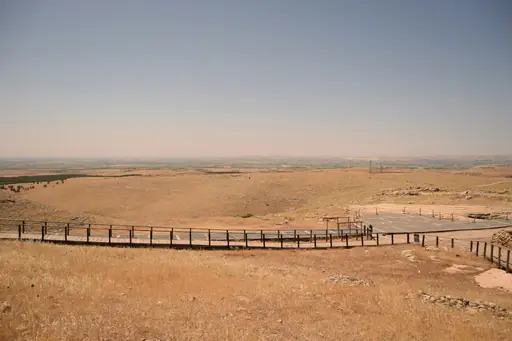
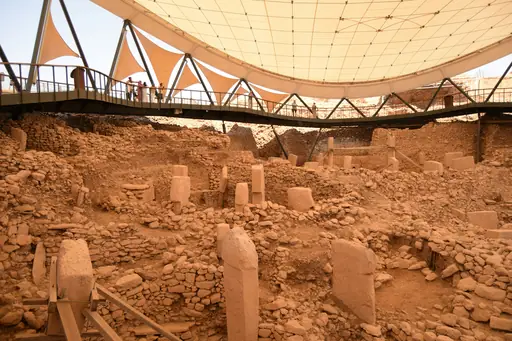
Carved stone pillars here date back roughly 11,600 years, making this one of the oldest known temple complexes. Construction predates both farming and pottery, upending assumptions about how civilisations developed. Animal carvings cover many of the T-shaped pillars arranged in circular enclosures. Builders deliberately buried the site under rubble for reasons still debated by archaeologists.
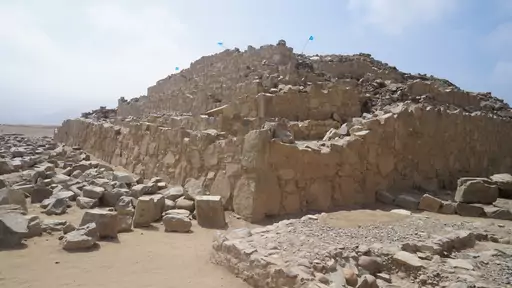
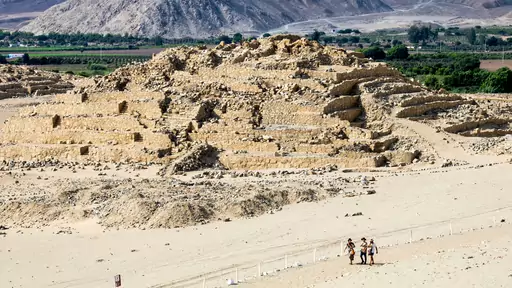
Archaeological Site in Lima
Caral-Supe
Americas' Oldest Known Urban Civilization
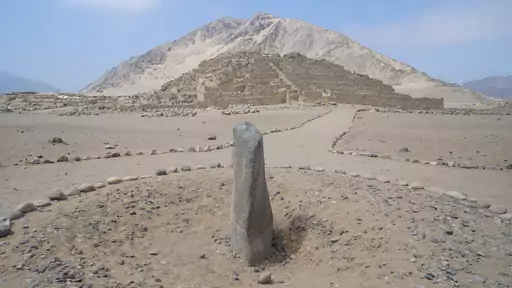
This site in Peru is considered the oldest known city in the Americas, dating back roughly 5,000 years. Its pyramids predate the earliest structures at Giza by centuries. Builders here left no evidence of weapons or warfare, unusual for a civilisation this size. Archaeologists still debate how this society organised itself without apparent conflict.
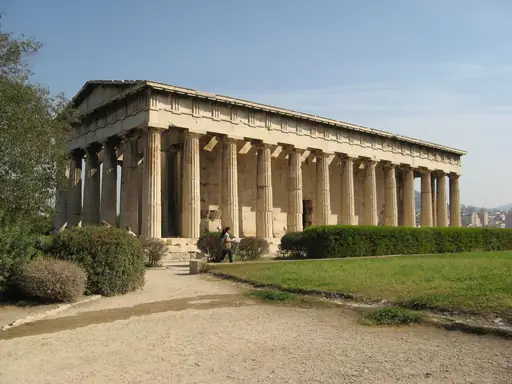
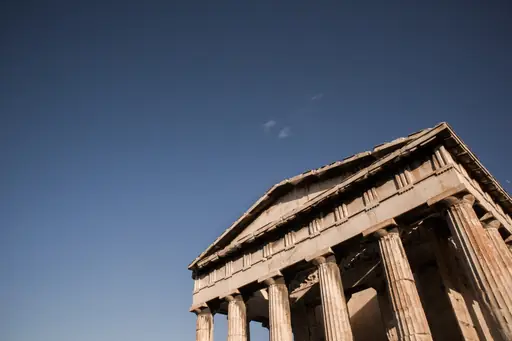
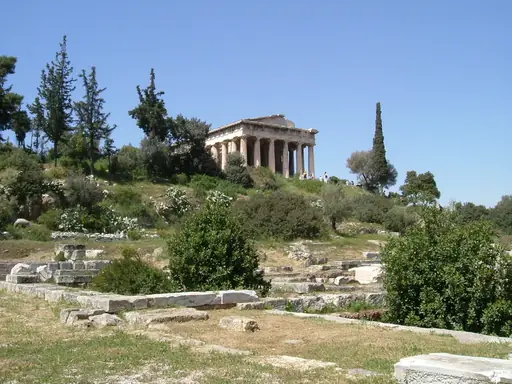
Historic Site in Athens
Ancient Agora of Athens
Heart of Ancient Athenian Life
This open square once served as the civic and commercial heart of ancient Athens. The Temple of Hephaestus survives as one of the most intact Greek temples. Socrates is said to have taught and debated among the market stalls that filled the space. Excavations have uncovered layers of ruins spanning more than a thousand years.
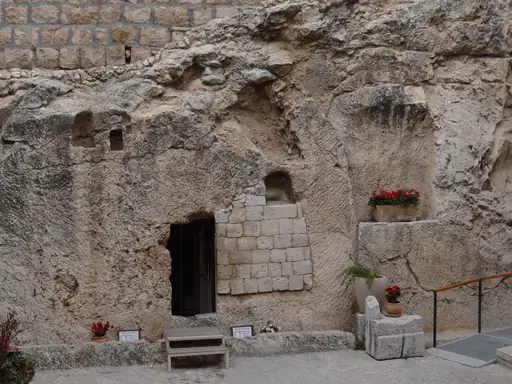
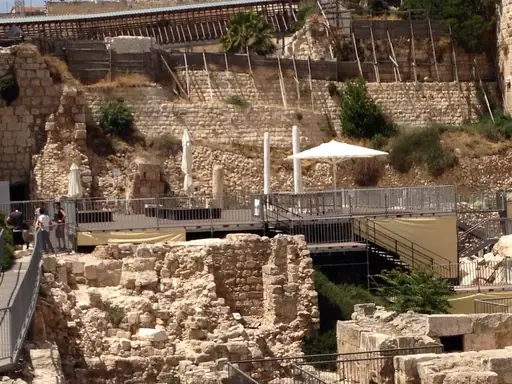
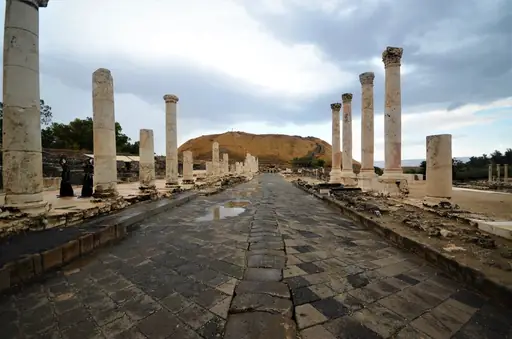
City in Israel
Jerusalem
Ancient History Meets Modern Culture
The Western Wall is the last remaining section of a retaining wall built around the Second Temple. Archaeologists keep excavating the nearby City of David, uncovering layers of settlement. Tunnels beneath the Old City reveal older stonework hidden under later construction. Millions of visitors touch the wall's stones each year as part of religious practice.
Historic Site in Yazd
Persepolis
Majestic ruins of ancient Persia
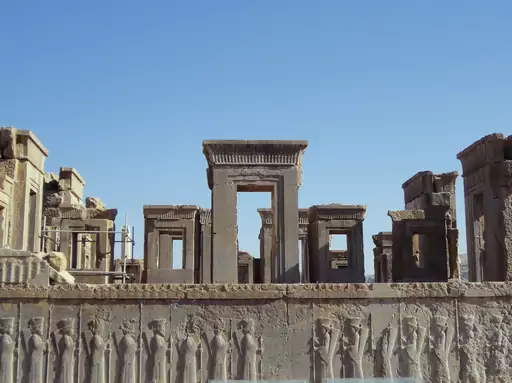
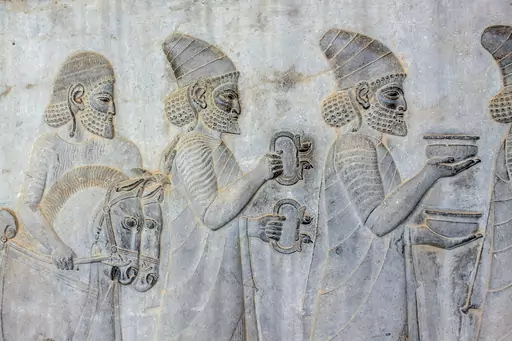
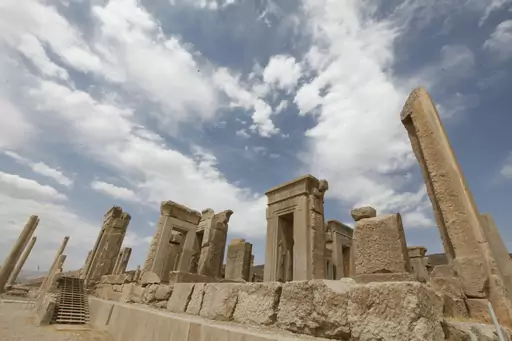
Alexander the Great's army burned much of this ceremonial capital in 330 BC. Historians still debate whether the fire was deliberate or accidental. Carved reliefs along the Apadana Palace staircases show delegates bringing tribute from across the Persian empire. Massive stone columns, some still standing, hint at the palace's original scale.
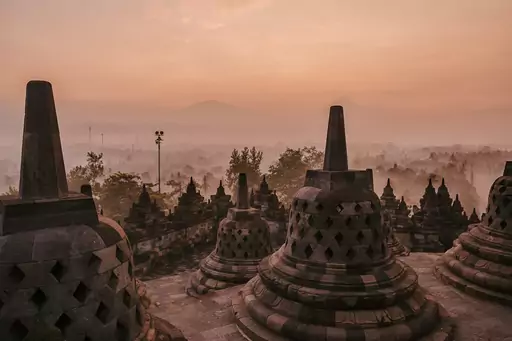

Temple in Indonesia
Borobudur
Majestic stone monolith echoing ancient devotion
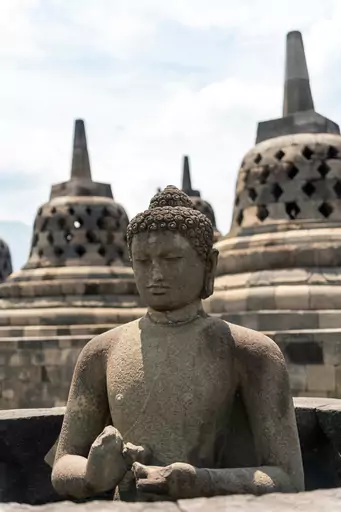
Volcanic ash and jungle growth buried this temple for centuries before its rediscovery in the early 1800s. Builders stacked nine platforms into a pyramid, decorated with over 2,000 relief panels. A British colonial officer ordered the site cleared after hearing local reports of a hidden monument. It remains the largest Buddhist structure ever built.
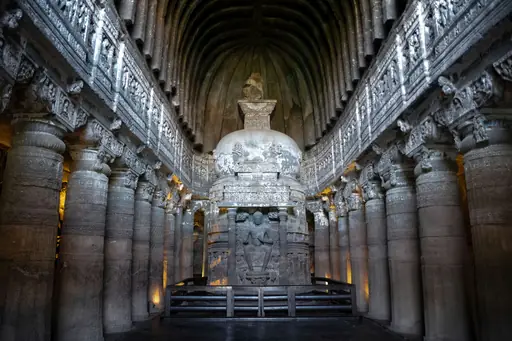
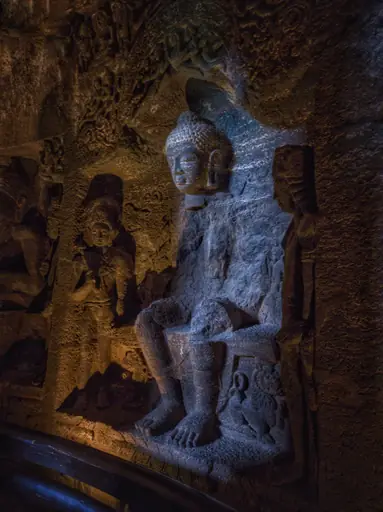
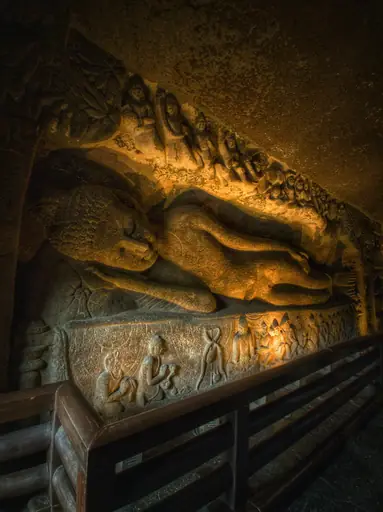
Cave in India
Ajanta Caves
Echoes of ancient artistry carved in stone
Buddhist monks carved these caves into a rock face above a river gorge around the 2nd century BC. Painted murals inside show scenes from Buddha's life in fine detail. Some caves served as monasteries, others as prayer halls. The site was largely forgotten until a British officer found it on a tiger hunt in 1819.
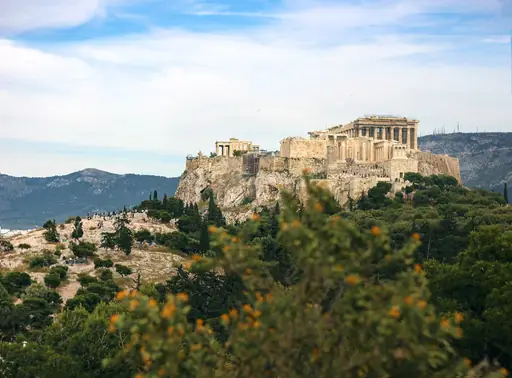
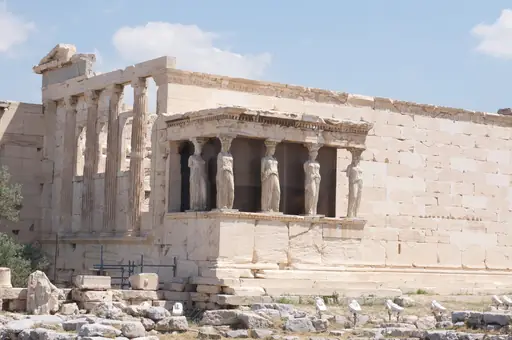
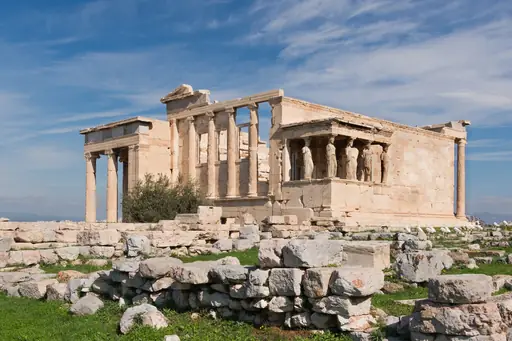
Historic Site in Athens
Acropolis
Ancient Glory Above Athens
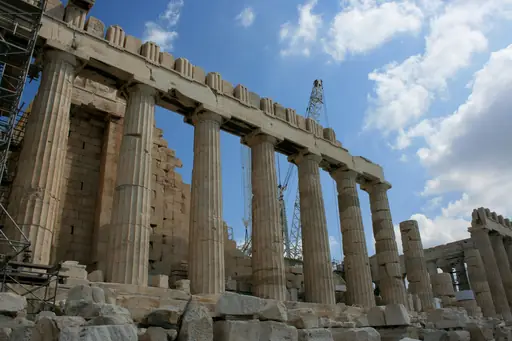
People have lived on this rocky hill since Neolithic times, long before the famous temples were built. Most surviving structures date to the 5th century BC under the statesman Pericles. War, looting and pollution have all left marks on the marble over the centuries. Restoration cranes have become a near-permanent fixture on the site.
Archaeological Site in Peru
Machu Picchu
Lost Inca city among clouds
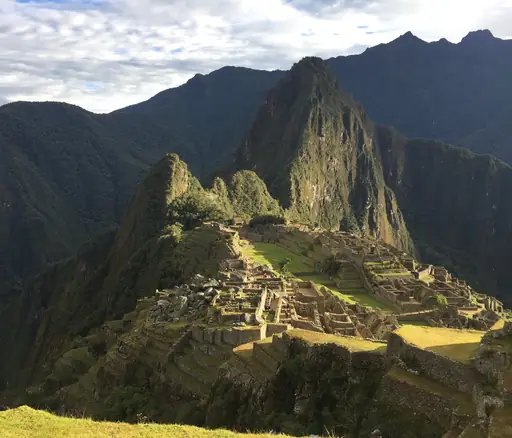
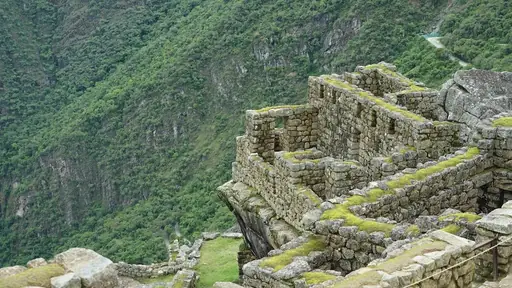
Inca ruler Pachacuti likely had this mountain estate built in the mid-15th century. American explorer Hiram Bingham brought it wider attention in 1911, guided by local farmers. Terraces cascade down the slopes, built for farming and to stabilise the mountainside. Walls throughout the site were cut so precisely that no mortar was needed.
Archaeological Site in Pakistan
Mohenjo-daro
Ancient Indus Valley civilization revealed
This city ranks among the oldest known urban settlements, built around 2500 BC by the Indus Valley Civilization. Its grid-planned streets and covered drainage system were advanced for their era. A large public bathing structure, likely used for rituals, survives near the centre. Researchers still debate why the civilisation declined and the city was abandoned.
Archaeological Site in Guatemala
Tikal
Ancient Maya Ruins in Jungle
Temple IV here rises over 70 metres, among the tallest structures built anywhere in the pre-Columbian Americas. Dense jungle canopy surrounds the site, with howler monkeys often heard before they're seen. Causeways once connected temples and plazas across the sprawling Maya city. Archaeologists estimate the site supported tens of thousands of residents at its height.
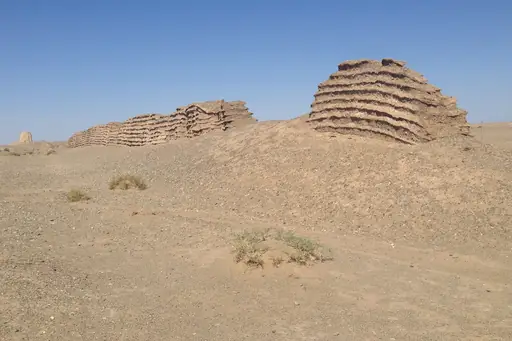
Landmark in Beijing
Great Wall of China
Ancient Marvel Spanning Centuries
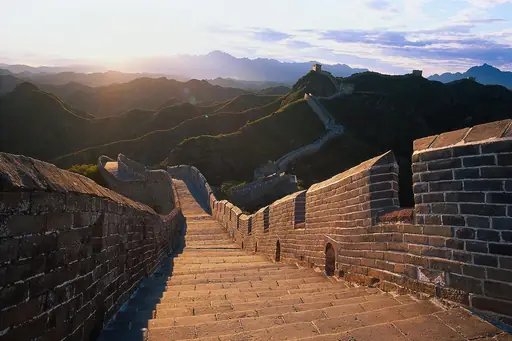
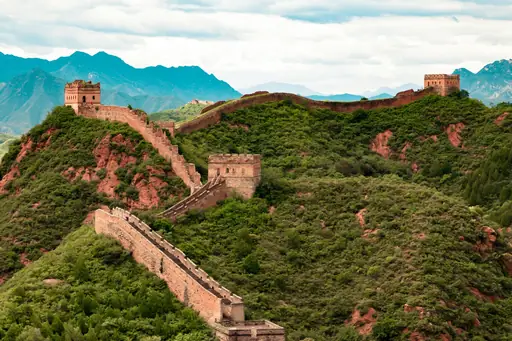
Sections of this wall date back over two thousand years, built and rebuilt by different dynasties. Well-preserved stretches near Beijing come mostly from the Ming dynasty. Watchtowers along the wall once relayed warnings using smoke and fire signals. Erosion and tourism have damaged some unrestored sections over the centuries.
Archaeological Site in Sri Lanka
Sigiriya
Majestic rock fortress echoes ancient glory
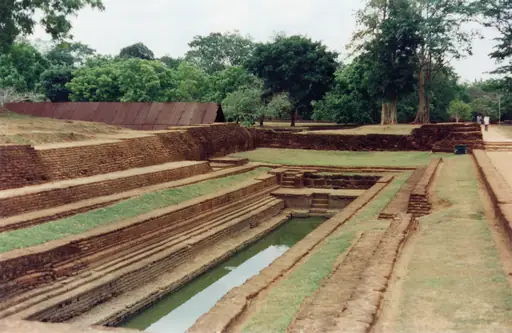
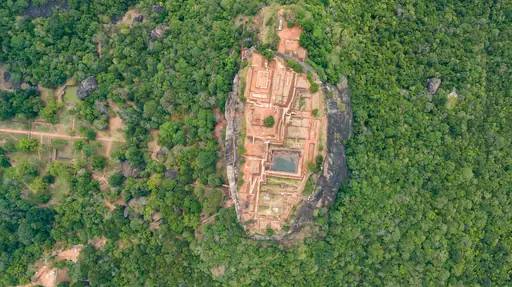
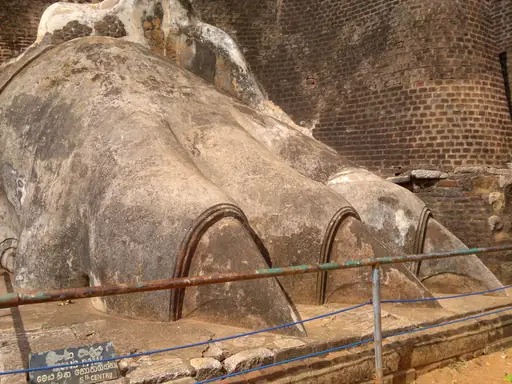
This rock fortress rises nearly 200 metres above the plain, built by a king in the 5th century AD. Frescoes of women, painted onto the rock face, still survive partway up the climb. Water gardens at the base once used gravity-fed channels to power fountains. Lion-shaped paws carved into the rock mark the final staircase.
Archaeological Site in Naples
Herculaneum
Ancient ruins echoing Mediterranean legends
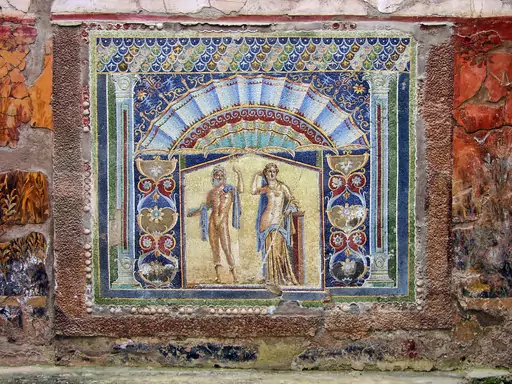
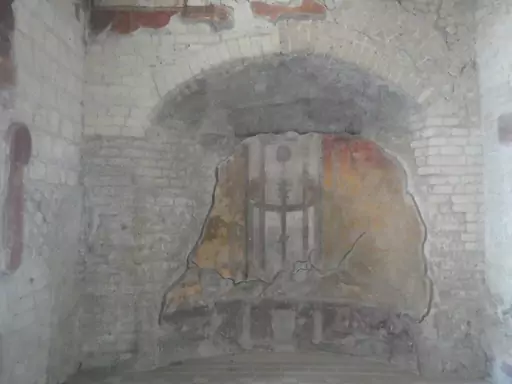
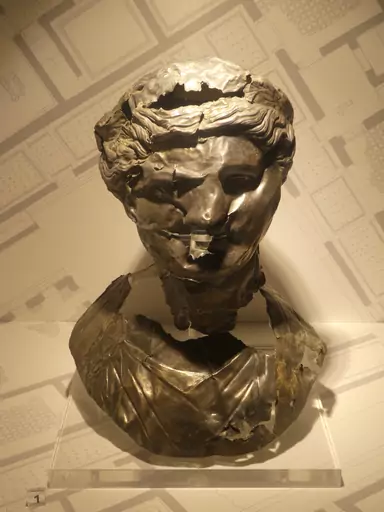
The 79 AD eruption that buried Pompeii destroyed this smaller Roman town too, by a different process. A fast pyroclastic flow carbonized wood and organic material instead of burying it in ash. That process preserved furniture and food rarely seen at other Roman sites. Papyrus scrolls found in one villa here are still being studied.
Historic Temple in Athens
Parthenon
Ancient Temple of Athena's Glory
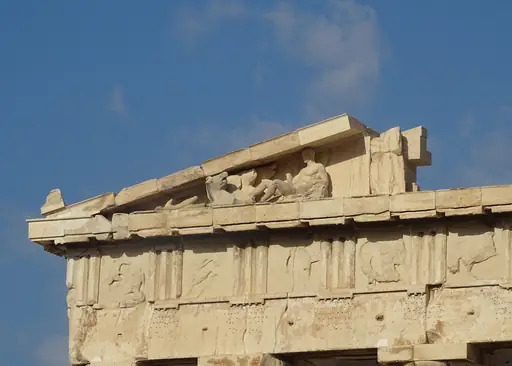
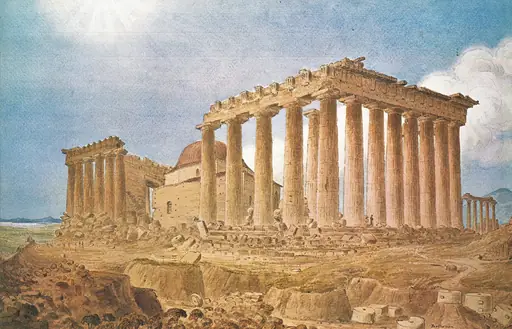
An explosion in 1687 tore through this temple after Venetian forces besieging Athens set off gunpowder stored inside. The blast destroyed much of the roof and interior structure. Marble sculptures from its friezes were later removed and now sit in museums in London and Athens. Restoration work has continued on the ruins for decades.
Historic Site in Athens
Temple of Olympian Zeus
Majestic Ruins of Ancient Greece
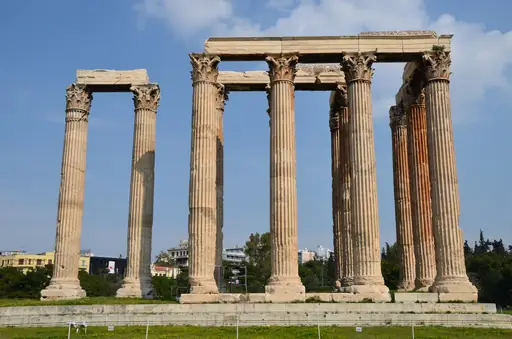
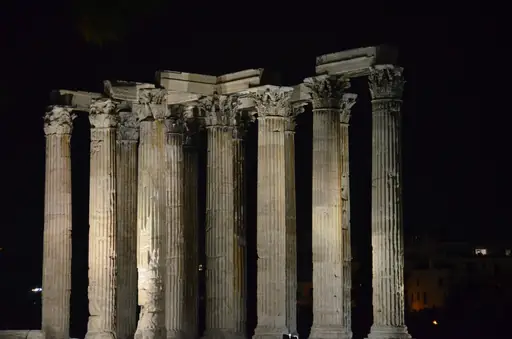
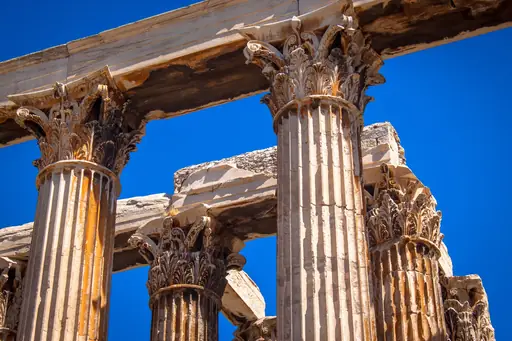
Construction on this temple stretched across roughly 600 years before it was finally finished under Emperor Hadrian. Only 15 of its original 104 columns still stand today. Each column rises over 17 metres, among the tallest built anywhere in the ancient world. A storm toppled one column in 1852, leaving it lying where it fell.
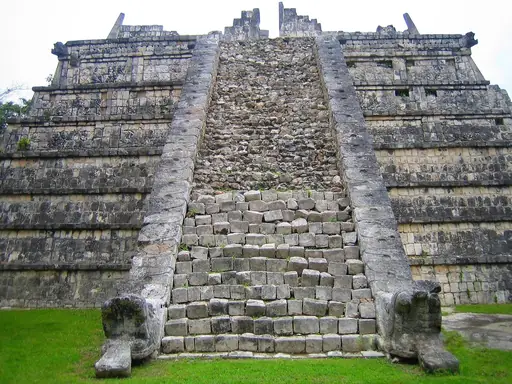
Archaeological Site in Mexico
Chichen Itza
Unravel the Mysteries of the Maya
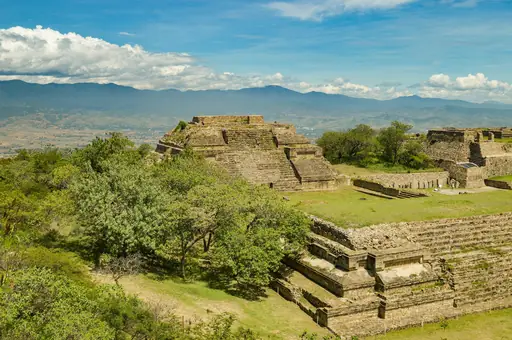
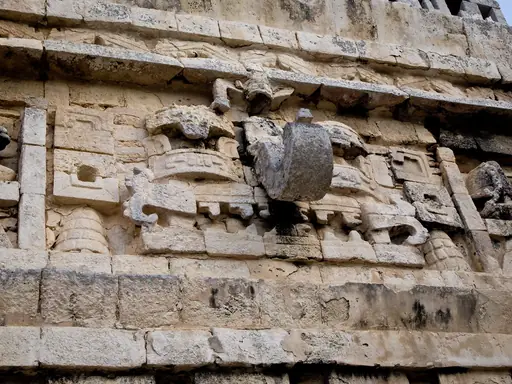
A sacred cenote here was used for ceremonial offerings, including objects and remains recovered by archaeologists. El Castillo, the main pyramid, has exactly 365 steps across its four staircases. Twice a year, shadows on the pyramid form a serpent shape slithering down the steps. Maya builders aligned much of the site with the solar calendar.
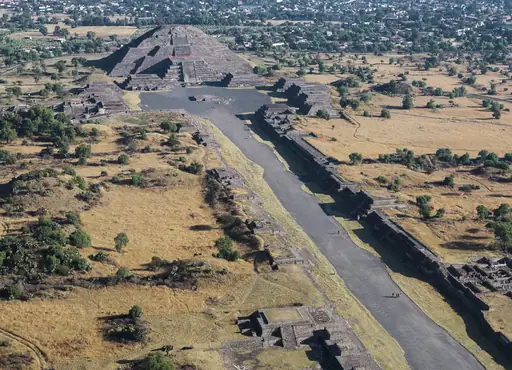
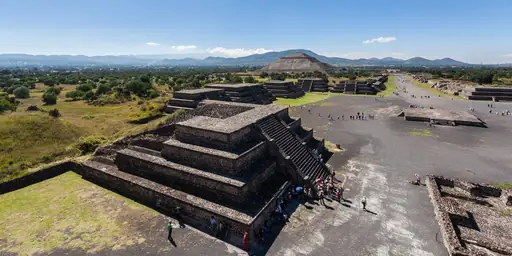
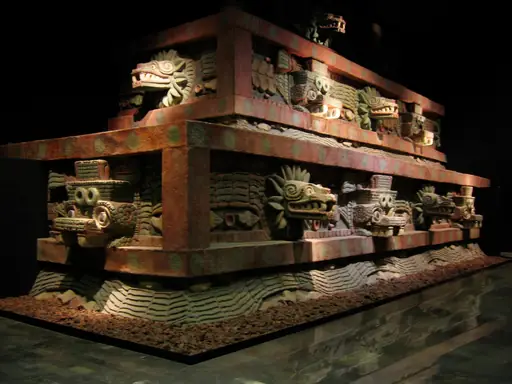
Archaeological Site in Puebla
Teotihuacan
Ancient Pyramids, Timeless Mystique
No one knows for certain which civilisation built this city, since its founders left no records. The Avenue of the Dead runs through the centre, linking its two largest pyramids. Builders aligned the Pyramid of the Sun with the movement of celestial bodies. The city was likely home to over 100,000 people at its peak.
Archaeological Site in Peru
Nazca Lines
Mysterious geoglyphs etched across desert skies
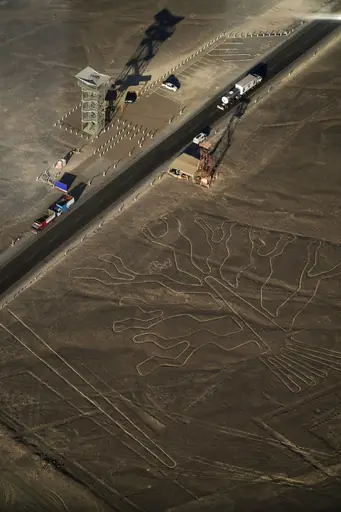
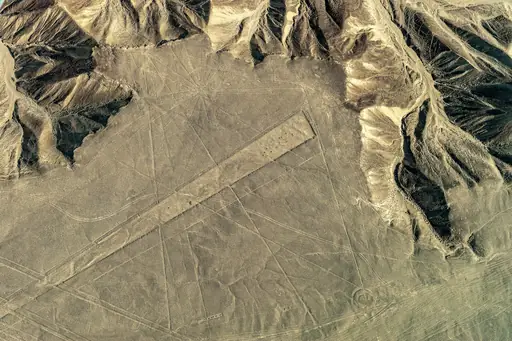
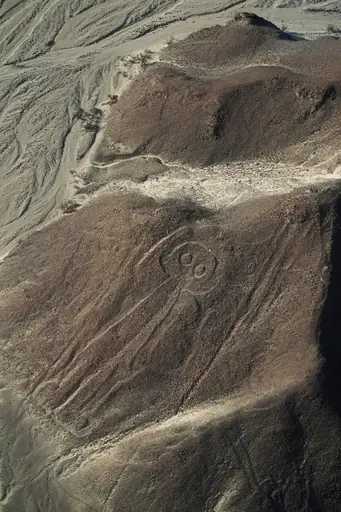
Giant geoglyphs etched into this desert plain depict animals, plants and shapes visible only from the air. Some figures stretch hundreds of metres, made by removing dark stones to reveal lighter ground. Their purpose remains debated, with theories ranging from calendars to rituals. Dry, windless conditions have helped preserve the lines for roughly 2,000 years.
Historic Site in United Kingdom
Stonehenge
Mysterious Ancient Stones of Wonder
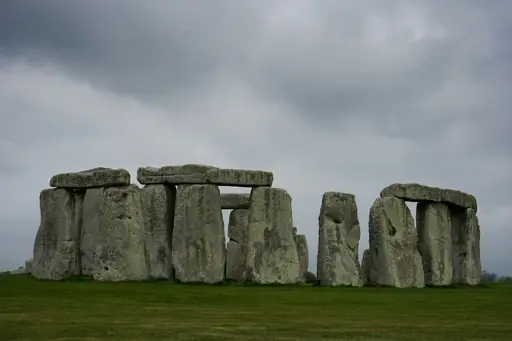
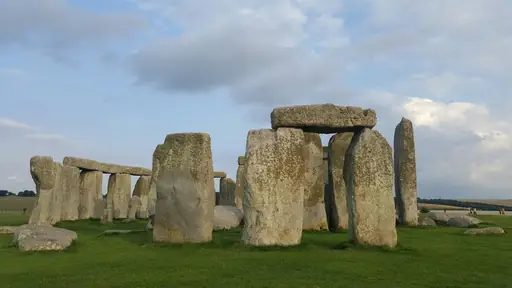
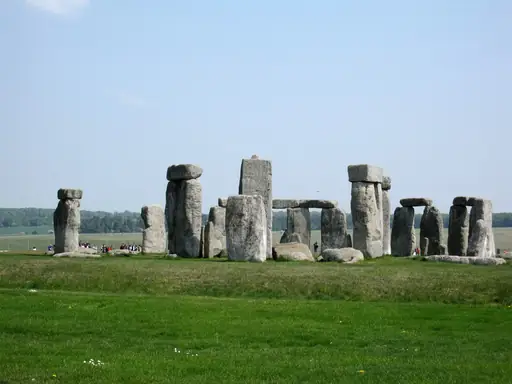
This ring of standing stones took shape in stages over roughly 1,500 years, starting around 3000 BC. Some of its bluestones were transported from quarries in Wales, over 150 miles away. Researchers still debate the monument's original purpose, from burial site to astronomical calendar. Its alignment with the summer solstice sunrise draws crowds every June.
Historic Site in Jordan
Petra
Ancient city carved into rose-red stone
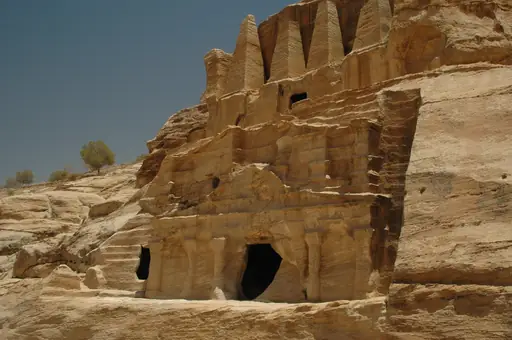
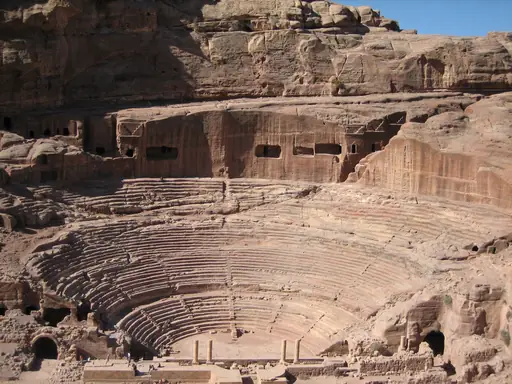
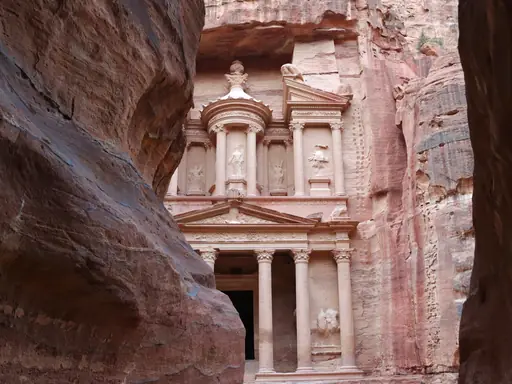
The Monastery sits higher up the mountain than the famous Treasury, reached by climbing roughly 800 steps. Despite its name, it likely served as a temple rather than a residence. Its facade stretches even wider than the Treasury's, carved from the same sandstone. Fewer visitors make the climb, leaving it quieter than the main entrance.
Other lists you may like
Discover
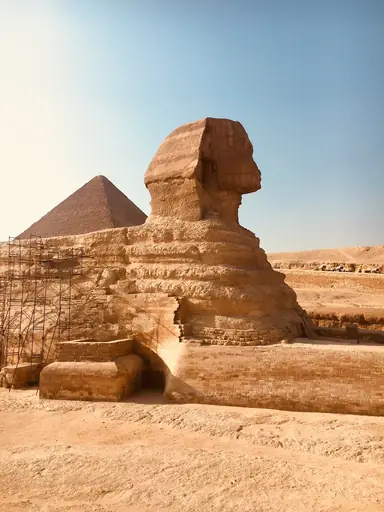
Best ancient ruins destinations in Africa
Africa's ancient sites span a wider chronological range than any other continent, with the Nile Valley alone containing a sequence of monumental construction that stretches across…
Read more
Discover
Best ancient ruins destinations in Asia
Southeast Asia's largest religious monuments rank among the most significant architectural achievements anywhere, built at a scale that still requires multiple days to properly…
Read more
Discover
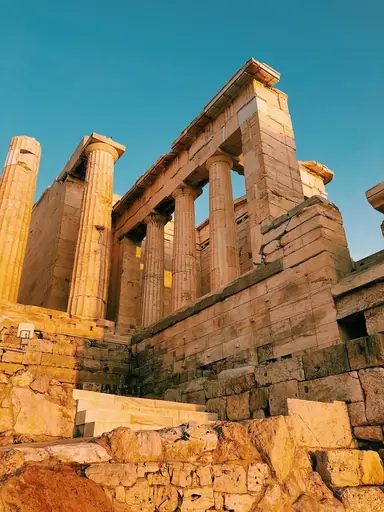
Best ancient ruins destinations in Europe
Europe's ancient sites span an exceptional chronological range, from the megalithic stone structures of the Atlantic fringe that predate the classical world by millennia to the…
Read more
Discover
Best ancient ruins destinations in North America
North America's ancient sites offer a striking counterpoint to the continent's modern identity, with pre-Columbian ceremonial complexes, cliff dwellings and earthwork mounds…
Read more
Discover
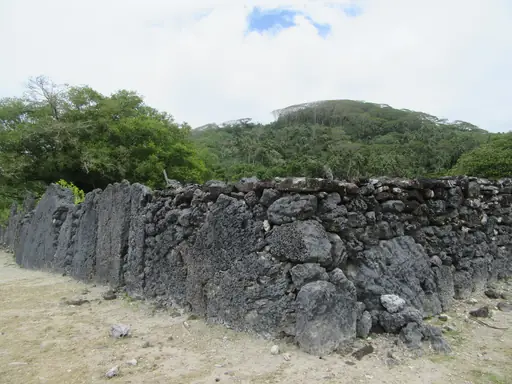
Best ancient ruins destinations in Oceania
Oceania's ancient sites are less monumental than those of other regions but offer a distinct and often underappreciated window into the settlement of the Pacific, one of the most…
Read more
Discover
Best ancient ruins destinations in South America
South America's ancient sites are dominated by the achievements of Andean civilisations, whose monumental stonework, road networks and ceremonial complexes represent some of the…
Read more
What other users say about travelfilters
“travelfilters made it easy for me to find ski areas and compare what else they offer, so that I could find the best place for my personal travel style.”

Chris
Snowboarding & Onsen trip to Japan
“I love how transparent the data feels. There is no pushy upsell, just honest information and settings I can tune to my own travel style.”

Maria
After booking her 2027 winter escape
“The level of detail for each destination and how well those are displayed, make planning feel confident instead of overwhelming.”

Mina
Planned a week in New York City
“We used travelfilters for our planning from start to end. The trip turned out even better than expected, thanks to all their tools and customisation options.”

Allan & Etienne
Trip to Japan to see autumn foliage
“Thanks to travelfilters, I found some hidden gems to see. Being able to filter for exactly your interests is a game changer for my travel planning.”

Michael
Tour through the old cities of Northern Italy
“The customizable filters helped me find a quiet beach town with good wifi and low season crowds in under five minutes.”

Diego
Weekend Escape to Llanes, Spain
“The airport connection map saved me hours by showing good flight options from my home airport to lesser-known cities.”

Nguyen
Planning a 2027 trip to France
“The website is clean, fast and focused on the search itself, which makes travelfilters feel more like a professional tool than an ad-heavy booking site.”

Hassan
Christmas Market trip, Germany
