
Best ancient ruins destinations in Asia
Best ancient ruins destinations in Asia
Dynastic temple ruins and sacred monuments across Asia
Southeast Asia's largest religious monuments rank among the most significant architectural achievements anywhere, built at a scale that still requires multiple days to properly explore. Several represent the peak of their respective civilisations' architectural and religious ambition.
The destinations on this list range from vast temple complexes requiring multiple days to properly explore to smaller, more intimate ruins scattered across the surrounding countryside. Both reward visiting at sunrise, before the heat and crowds of midday arrive.
Hiring a knowledgeable local guide tends to transform a visit to these sites from simple sightseeing into something considerably more meaningful, given the depth of history involved. Visiting during the cooler months of the year also tends to make exploring these large complexes considerably more comfortable.
Lists by region
Village in India
Hampi
Ancient ruins in boulder landscapes
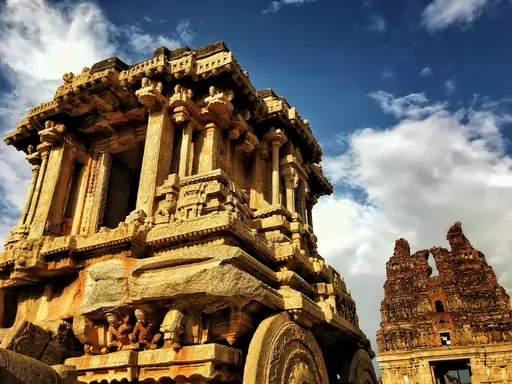
Hampi is the ruined capital of the Vijayanagara Empire and spreads across about 4,000 hectares by the Tungabhadra River. Temples and markets lie among huge round boulders. Visitors can climb Matanga Hill for a sunrise view over the ruins. Coracle boats cross the river below.
City in Jordan
Jerash
Roman Grandeur in Jordan’s Hills
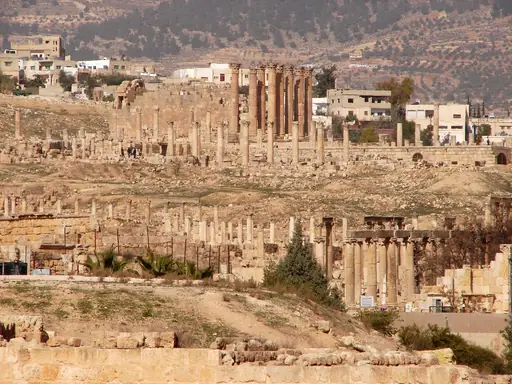
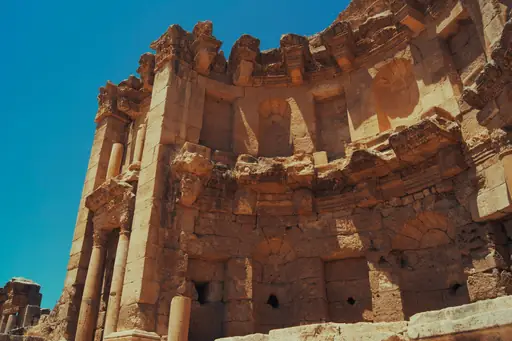
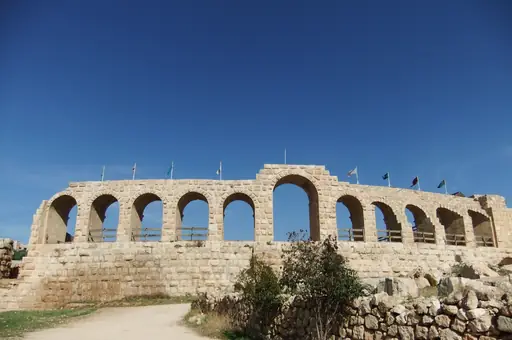
Jerash in Jordan is a well preserved Roman provincial city near Amman. A colonnaded street runs to an oval plaza framed by tall Ionic columns. Hadrian's Arch stands at the southern entrance and dates from 129 AD. A hippodrome hosts chariot races and shows for visitors.
City in Syria
Palmyra
Ancient Silk Road's Desert Bride
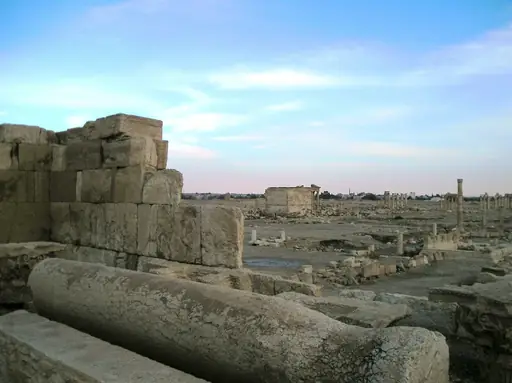
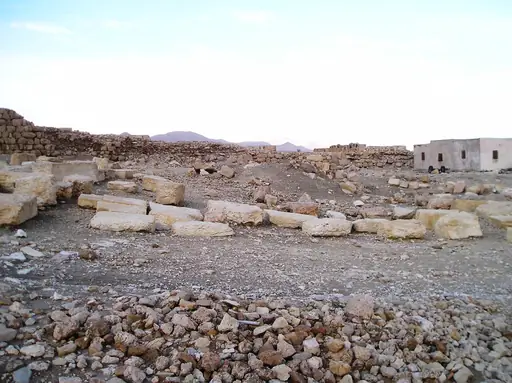
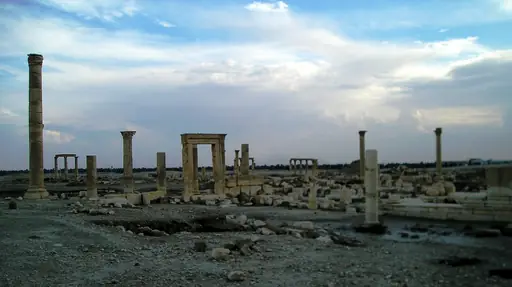
Palmyra in Syria was an oasis city that reached its peak under Queen Zenobia in the 3rd century. Tall tower tombs stand in the Valley of the Tombs outside the walls. Inside the carved chambers are portraits of families. The city sits in the desert and was hit by war.

State/Prefecture in India
Rajasthan
Desert palaces and vibrant cultural tapestry
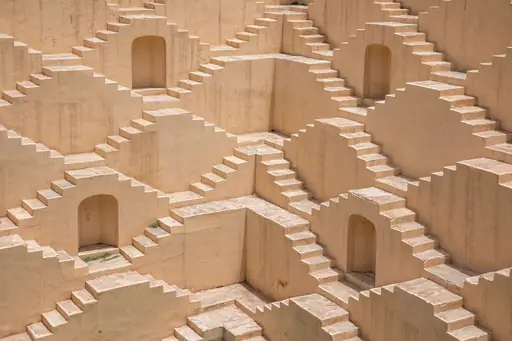
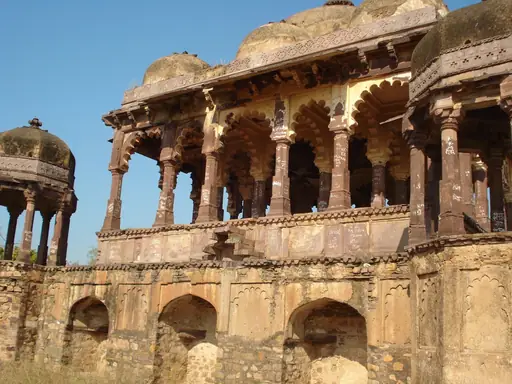
Chittorgarh Fort in Rajasthan is a huge hilltop ruin that covers about 280 hectares. The Victory Tower rises about 37 metres and was built in the 15th century. Palaces, temples and water tanks lie inside the walls. The fort saw many sieges and legends of Rajput heroism.
Region in Myanmar
Bagan
Ancient Temples and Timeless Sunsets
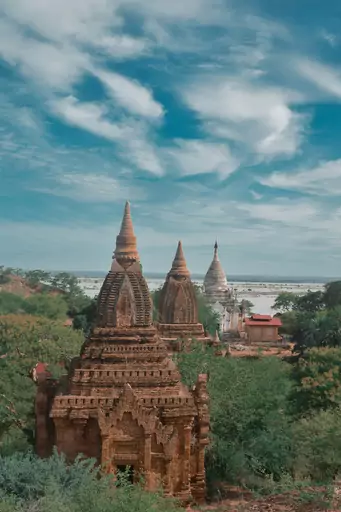
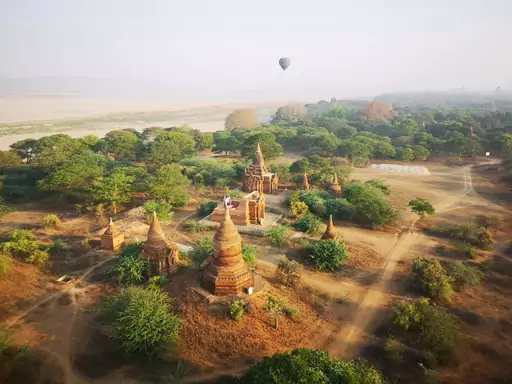
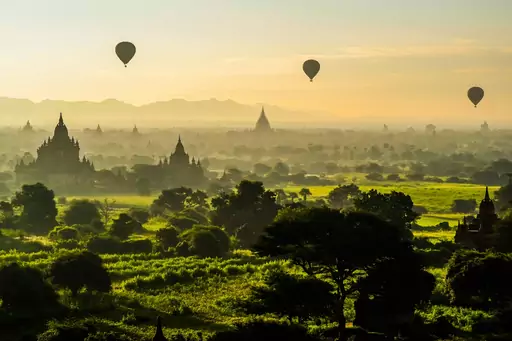
Bagan in Myanmar has more than 2,000 ancient temples that rise from a dry plain. Hot air balloons lift off at dawn and drift above the spires. Passengers see the mist and pagodas glow in the early light. Cyclists and horse carts explore the dirt lanes below.
Town in Lebanon
Byblos
Ancient city by the sea
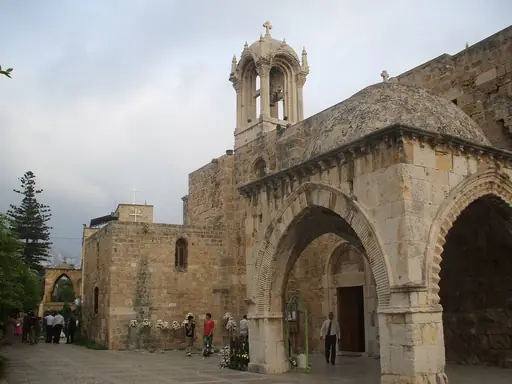
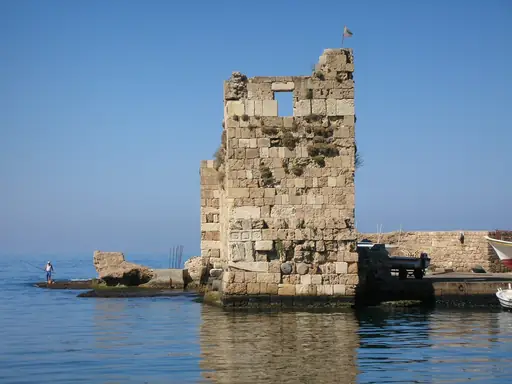
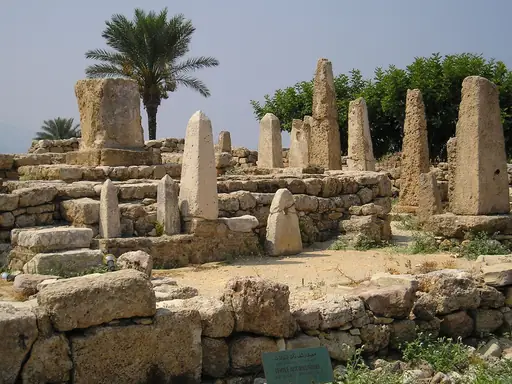
Byblos in Lebanon has been inhabited for about 7,000 years and is among the oldest towns in the world. A Crusader castle stands beside Roman columns and a Phoenician temple. The Phoenician alphabet developed in this region. A small harbour still holds fishing boats and seafood restaurants.
City in China
Xi'an
Where history whispers through time
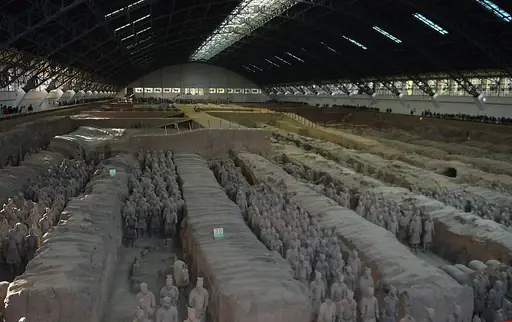
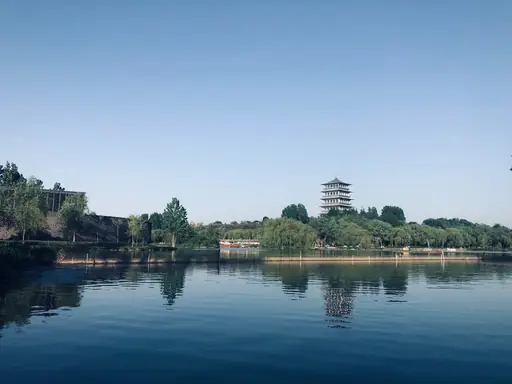
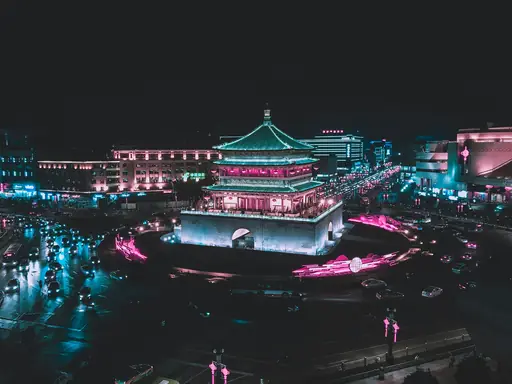
The Terracotta Army near Xi'an was buried with China's first emperor Qin Shi Huang around 210 BC. Farmers found the site in 1974. More than 8,000 soldiers stand in battle formation in huge pits. Each clay warrior has a different face and hairstyle and once held real weapons.
Town in Jordan
Wadi Musa
Gateway to ancient Petra wonders
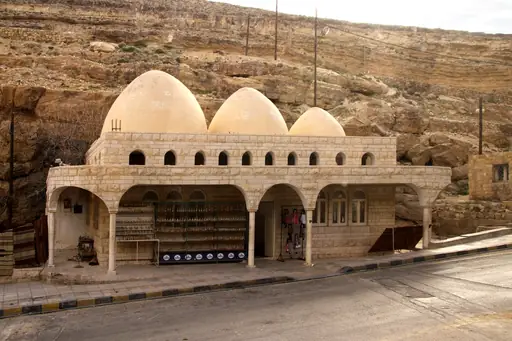
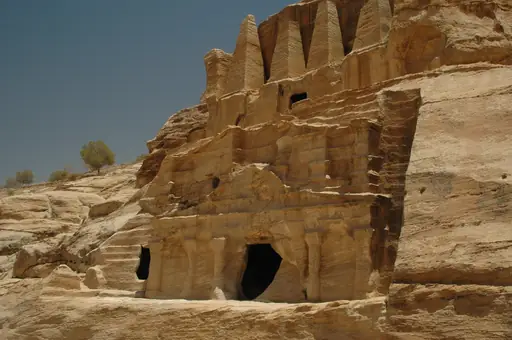
Little Petra lies about eight kilometres north of Wadi Musa and is also known as Siq al Barid. It was a suburb of the Nabataean capital. Carved rooms and dining halls line a narrow canyon. Paintings still show on the ceiling of a small chamber called Painted House.
Town in Pakistan
Taxila
Ancient Buddhist university frozen in time
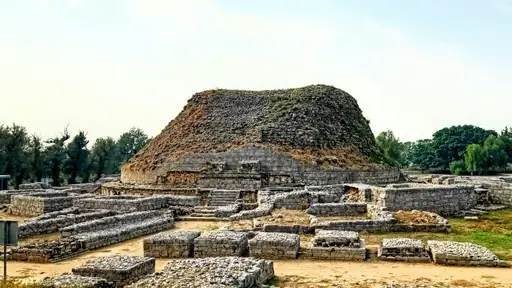
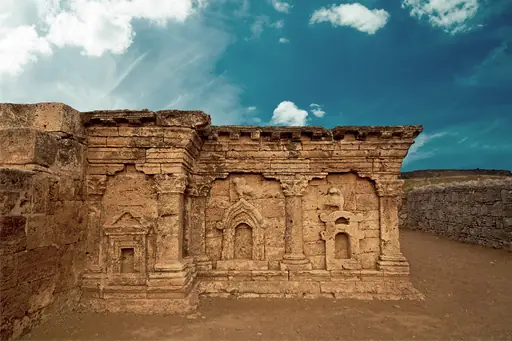
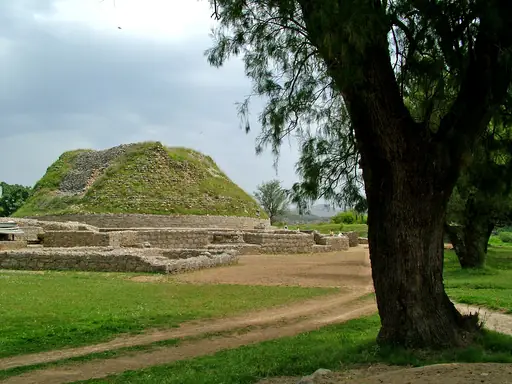
Taxila in Pakistan was a centre of Gandhara Buddhist culture and learning. The Dharmarajika Stupa dates back to the 3rd century BC and is linked to Emperor Ashoka. Monasteries such as Jaulian hold carved stucco Buddhas. A museum nearby displays coins and statues from the ancient city.
City in Turkey
Ephesus
Ancient Wonders and Roman Grandeur
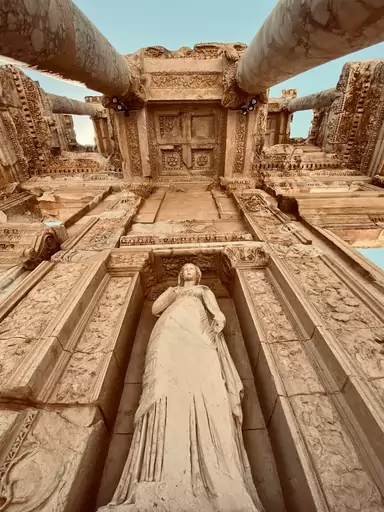
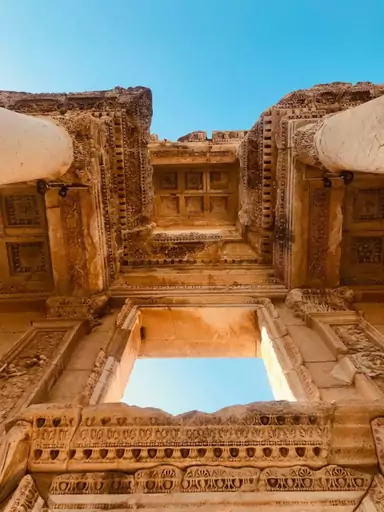
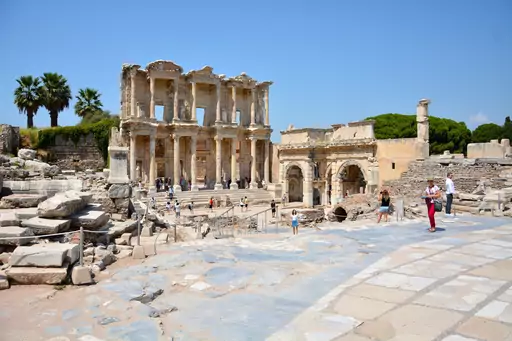
The Great Theatre at Ephesus could seat about 25,000 people and was built into the slope of Panayir Hill. Marble seats rise in a huge curve. Gladiator shows and plays took place here in Roman times. Visitors climb to the top for a view down the harbour road.
City in South Korea
Gyeongju
Ancient Treasures in a Modern World
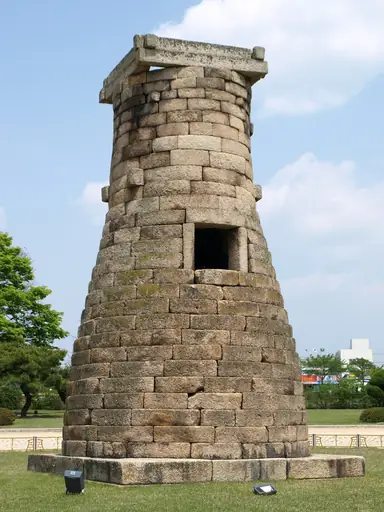
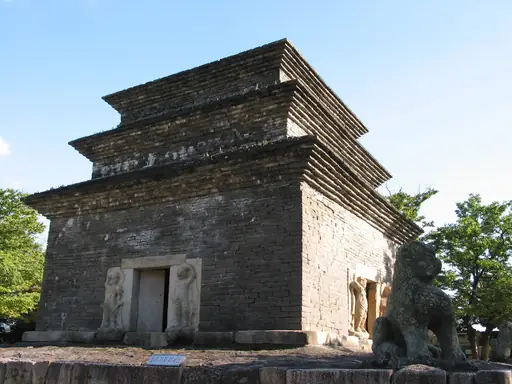
Gyeongju was the capital of the Silla kingdom for nearly a thousand years. Grass covered royal burial mounds rise in the middle of the city. The Cheomseongdae observatory dates from the 7th century and is a bottle shaped tower of stone. Temples and pagodas dot the nearby hills.
City in Turkey
Çanakkale
Gateway to Troy and Gallipoli
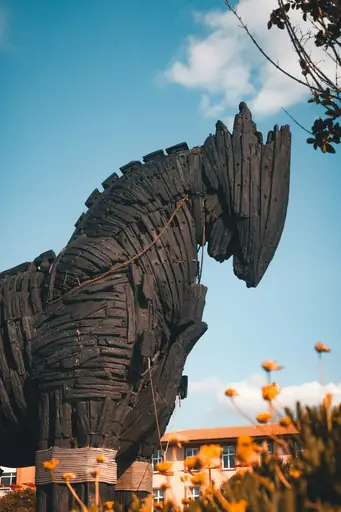
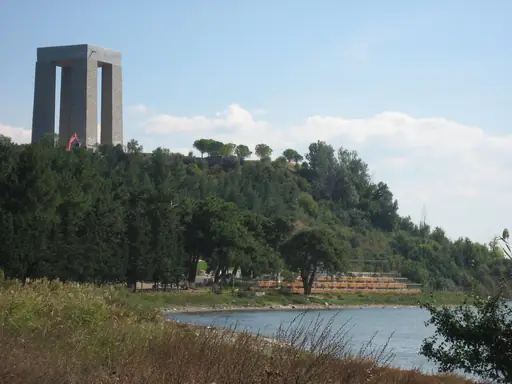
Troy near Canakkale is a mound of ruins with nine layers of settlements built over 4,000 years. Stone walls and gates stand in the excavated pits. A large wooden horse near the entrance recalls the epic story of Homer. Visitors can climb inside the replica and look out.
City in Iran
Shiraz
Poetry, Gardens and Persian Splendor
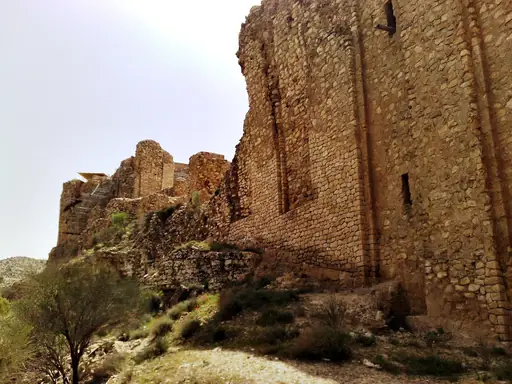
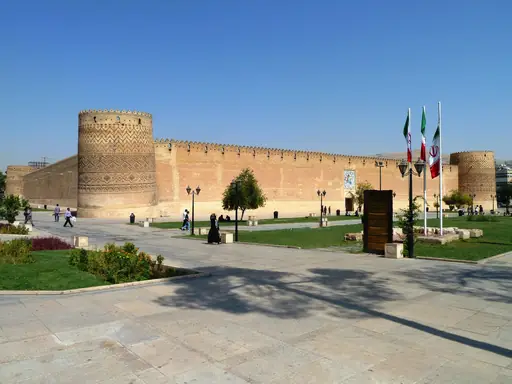
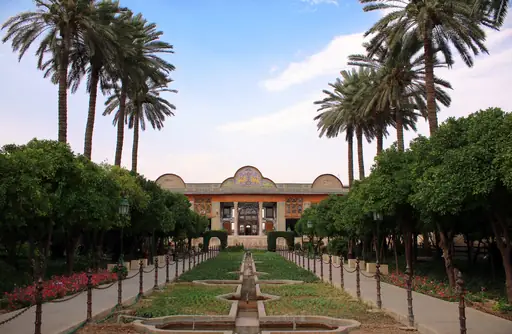
Naqsh e Rustam near Shiraz is a cliff face with four royal tombs cut high into the rock. They belong to Persian kings including Darius I from the 5th century BC. Huge cross shaped facades cover the front of each tomb. Reliefs of Sassanid kings are carved below them.

Temple in Indonesia
Borobudur
Majestic stone monolith echoing ancient devotion
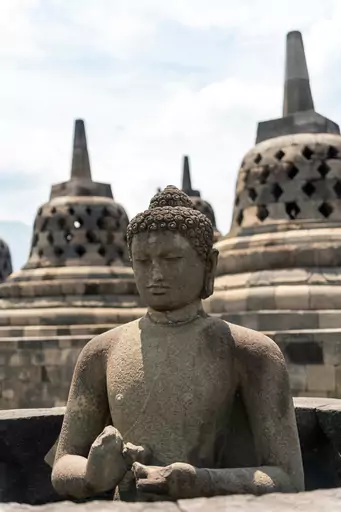
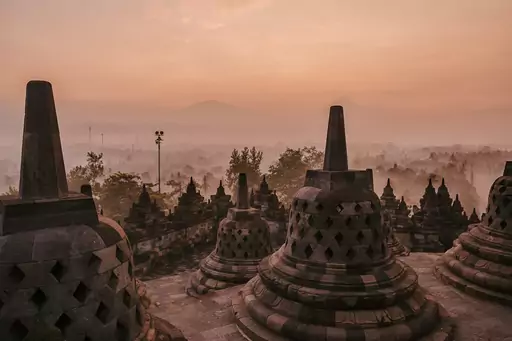
Borobudur in Java is a 9th century Buddhist monument built in the shape of a mandala. Nine stone platforms rise above the plain and hold 72 bell shaped stupas. The walls are lined with 2,672 carved panels. Pilgrims and visitors climb at sunrise to see the mist lift from the valley.
City in Thailand
Ayutthaya
Ancient Ruins and Timeless Temples
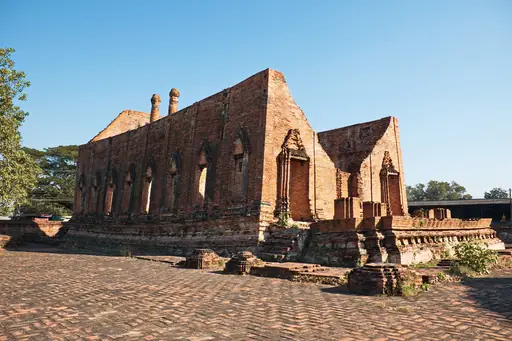
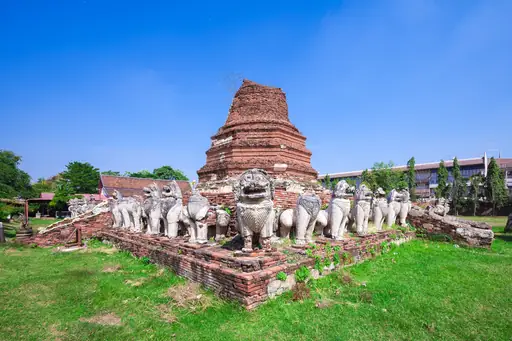
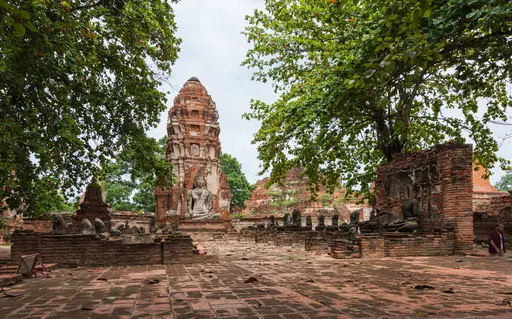
Ayutthaya was the capital of Siam from 1350 until Burmese armies burned it in 1767. Today brick towers and Buddha statues stand in an historical park. At Wat Mahathat a stone Buddha head sits in the roots of a banyan tree. Visitors can rent bicycles to travel between the ruins.
Town in Cambodia
Siem Reap
Gateway to Ancient Temples and Culture
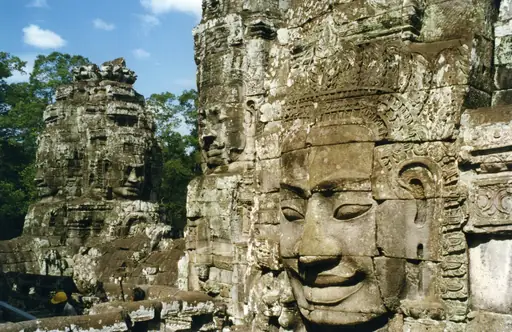
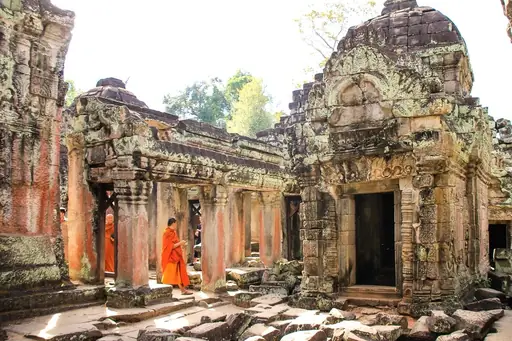
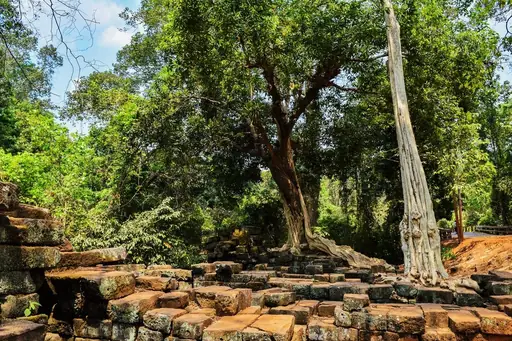
Banteay Srei near Siem Reap was built in the 10th century and is made of pink sandstone. It is a small temple with very fine carving. Delicate reliefs of gods and floral patterns cover the walls. The name means Citadel of Women in the Khmer language.
City in Israel
Jerusalem
Ancient History Meets Modern Culture
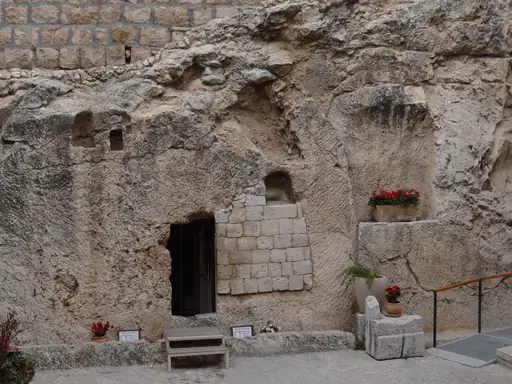
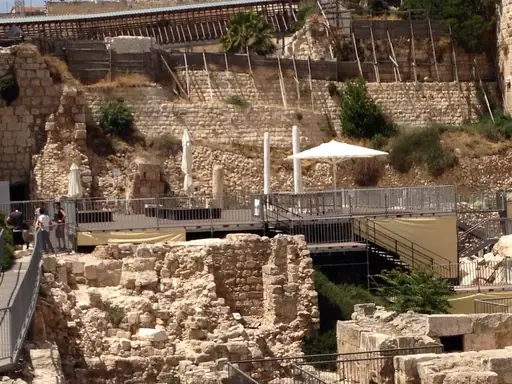
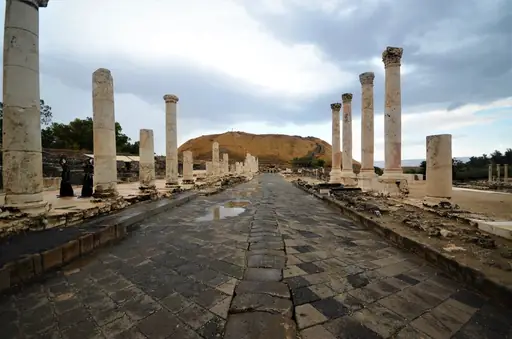
Hezekiah's Tunnel in the City of David in Jerusalem was cut through rock about 2,700 years ago. It brought water from a spring into the city. The tunnel is about 530 metres long. Visitors can wade through the water in the dark with a torch.

Archaeological Site in Pakistan
Mohenjo-daro
Ancient Indus Valley civilization revealed
Mohenjo daro was a large city of the Indus Valley Civilization built about 4,500 years ago. Its streets follow a neat grid and have brick drains. The Great Bath is a large brick pool that may have been used for rituals. Houses stand in rows made of baked brick.
Archaeological Site in Thailand
Sukhothai
Ancient temples echoing Sukhothai’s golden past
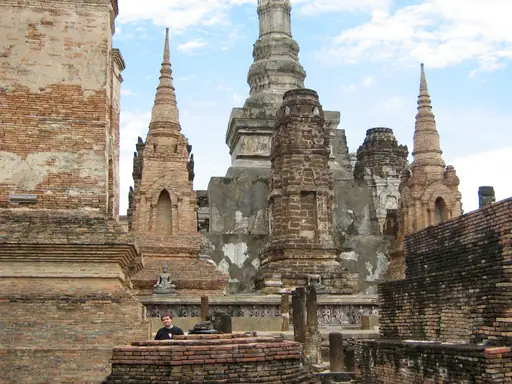
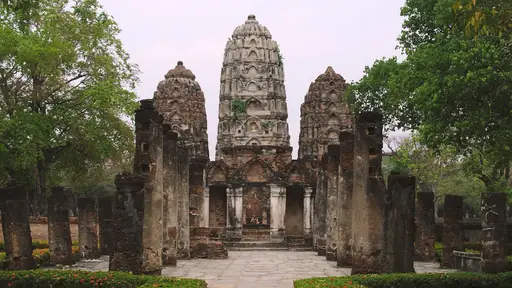
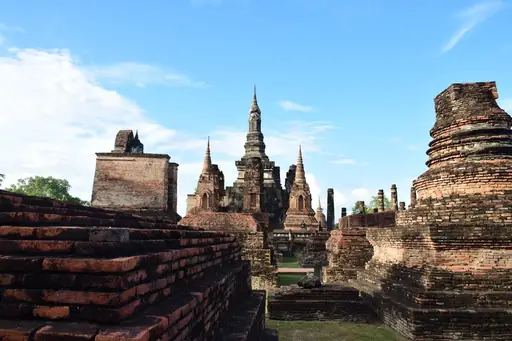
Sukhothai was the capital of a Thai kingdom in the 13th century. Its historical park has brick stupas and stone Buddhas set among lotus ponds. At Wat Mahathat a huge seated Buddha rises from the ruins. Visitors can cycle between the temples at sunrise and enjoy the quiet.
Statue in China
Leshan Giant Buddha
Majestic stone guardian overlooking serene river
The Leshan Giant Buddha was carved into a red sandstone cliff during the Tang dynasty between 713 and 803. It stands 71 metres tall and looks down on three rivers. A hidden drainage system inside the statue protects it from rain. Each big toe is wide enough for a person to sit on.
City in Turkey
Pamukkale
Cotton Castle of Thermal Pools
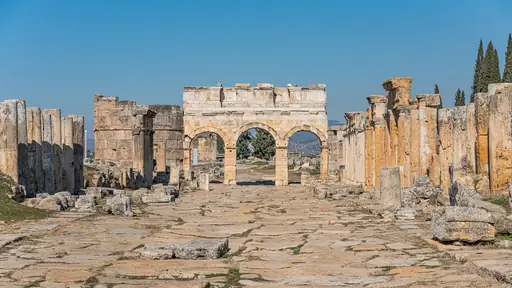
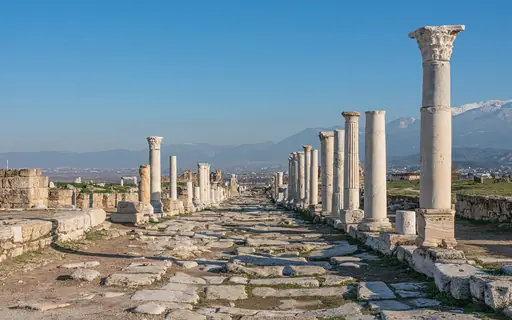
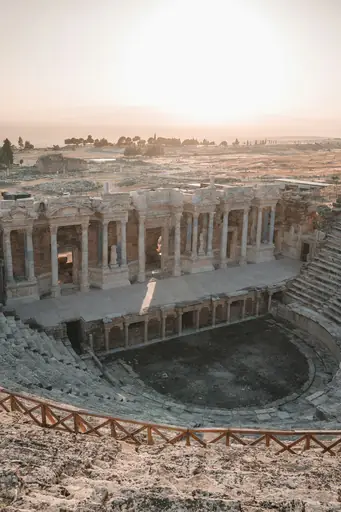
Hierapolis stands above the white travertine terraces of Pamukkale in Turkey. The Romans built a spa city here around hot springs in the 2nd century BC. Broken columns lie beneath the warm water in the Antique Pool. A well preserved theatre seats about 12,000 people.
Historic Site in Jordan
Petra
Ancient city carved into rose-red stone
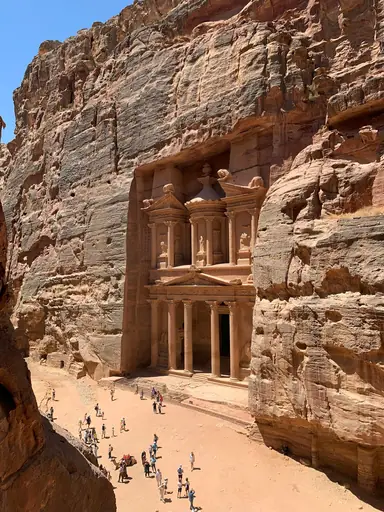
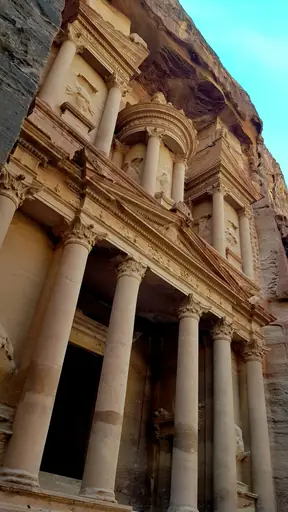
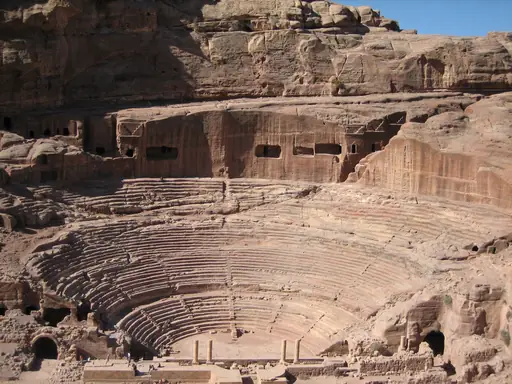
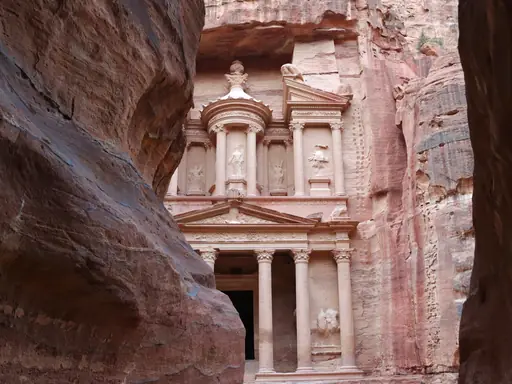
The Siq is a narrow gorge about 1.2 kilometres long that leads to the ancient city of Petra. Sheer walls rise up to 80 metres on either side. Nabataean channels and carved niches line the path. The Treasury appears suddenly at the end through a slit of light.
Archaeological Site in Lebanon
Baalbek
Ancient terraces echoing timeless desert grandeur
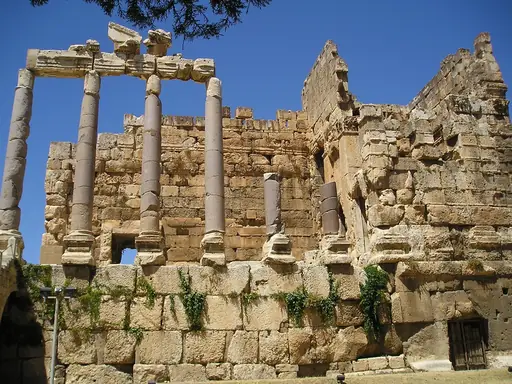
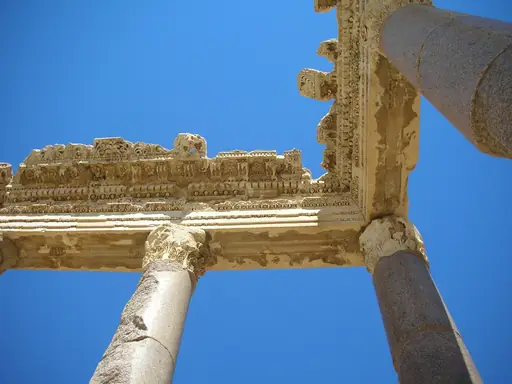
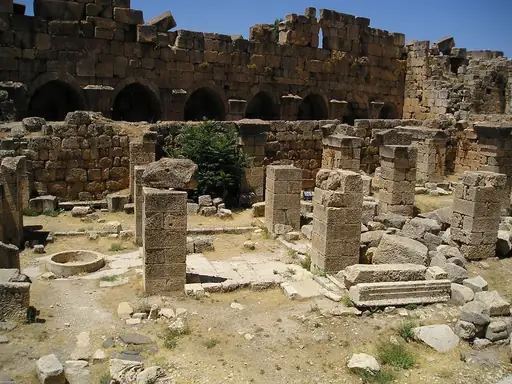
The Temple of Bacchus at Baalbek was built in the 2nd century AD and is a well preserved Roman temple. A carved doorway rises more than 13 metres. Fluted columns line the sides of the hall. Its ceiling and reliefs show gods and vines in fine detail.
Cave in India
Ajanta Caves
Echoes of ancient artistry carved in stone
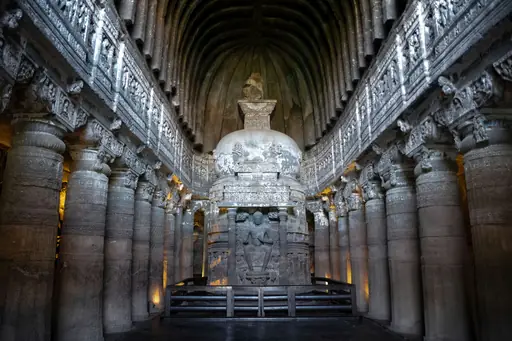
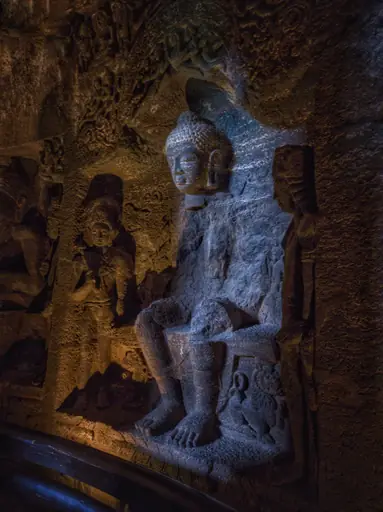
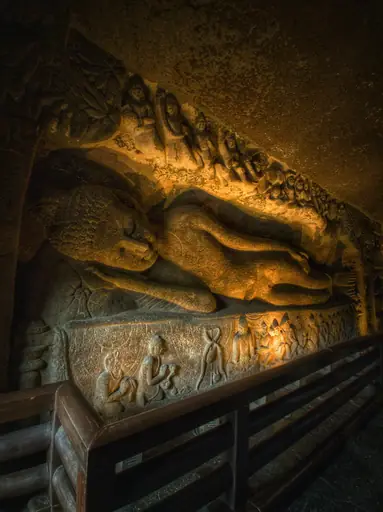
The Ajanta Caves in India are 30 Buddhist caves cut into a horseshoe shaped cliff. Monks carved them between the 2nd century BC and the 5th century AD. Walls and ceilings are covered in murals of the Buddha and his past lives. The paintings are among the finest of ancient India.
Archaeological Site in Sri Lanka
Sigiriya
Majestic rock fortress echoes ancient glory
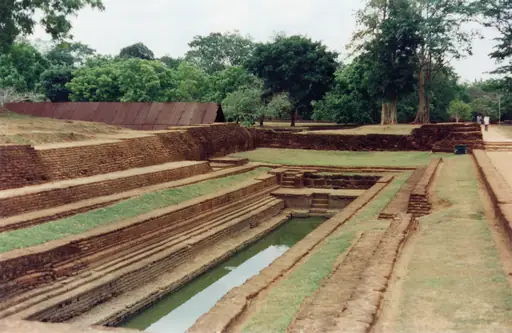
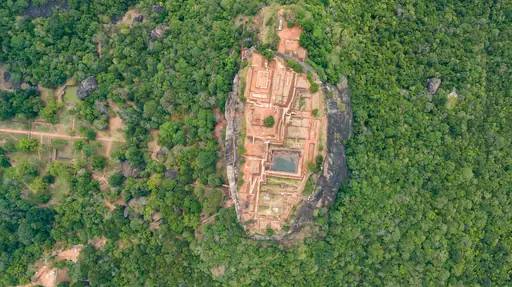
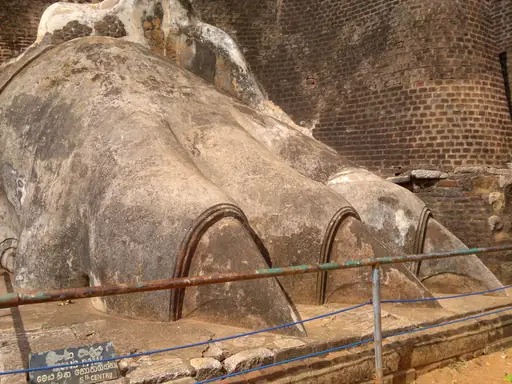
Sigiriya is a rock fortress that rises about 200 metres above the forests of Sri Lanka. King Kashyapa built his palace on top in the 5th century. Visitors climb past ancient frescoes and a mirror wall. Lion paws of stone guard the final staircase to the summit.
Archaeological Site in Turkey
Göbekli Tepe
Ancient stone circles whisper prehistory's secrets
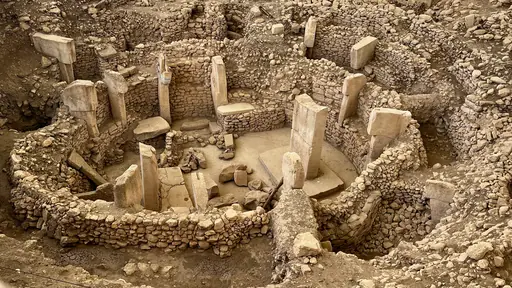
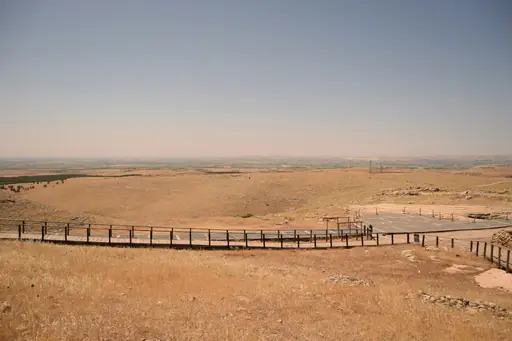
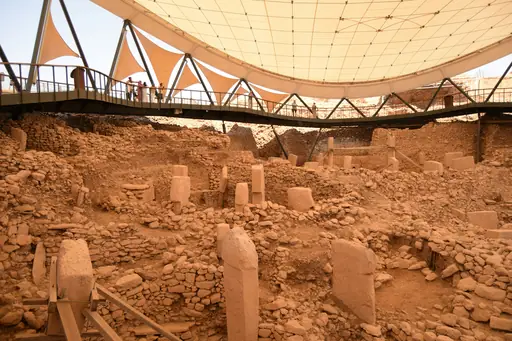
Gobekli Tepe in Turkey is about 11,600 years old and is older than Stonehenge by around 6,000 years. Tall T shaped stone pillars stand in circles on a hilltop. Some reach five metres and are carved with foxes, boars and snakes. Archaeologists believe hunter gatherers built the site.
Historic Site in Yazd
Persepolis
Majestic ruins of ancient Persia
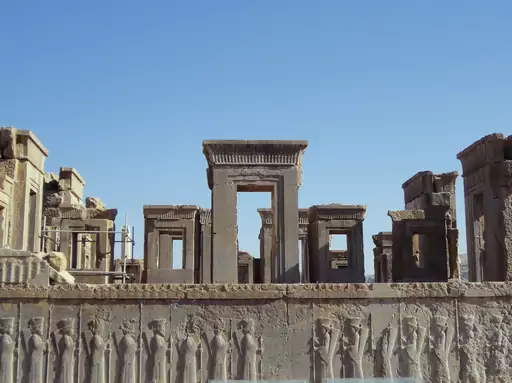
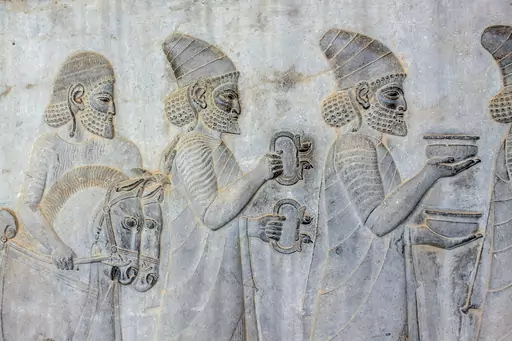
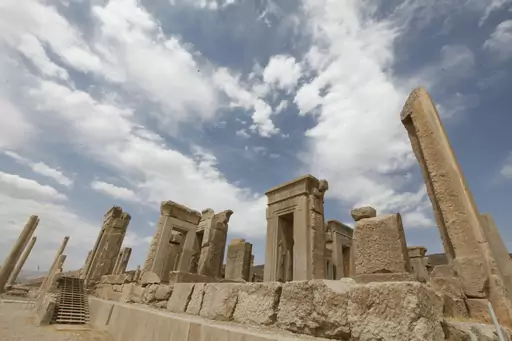
Persepolis was the ceremonial capital of the Persian Empire and was begun around 518 BC. Alexander the Great burned the palace in 330 BC. Tall columns and carved gateways still rise from the great stone terrace. Reliefs show delegates from many lands carrying gifts to the king.
Landmark in Beijing
Great Wall of China
Ancient Marvel Spanning Centuries
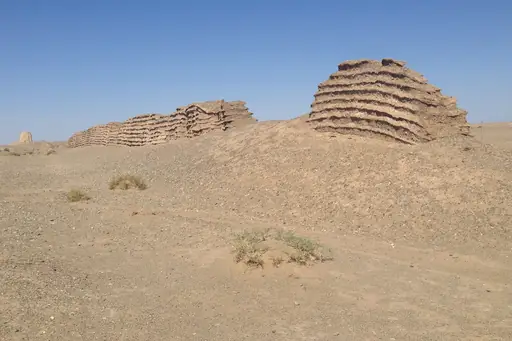
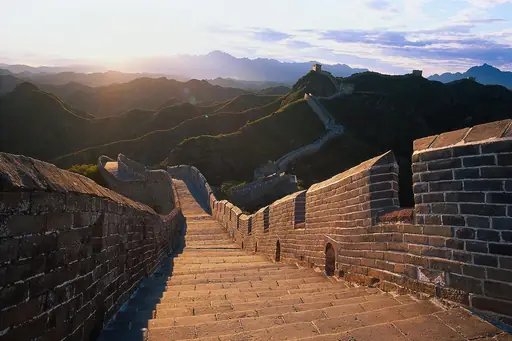
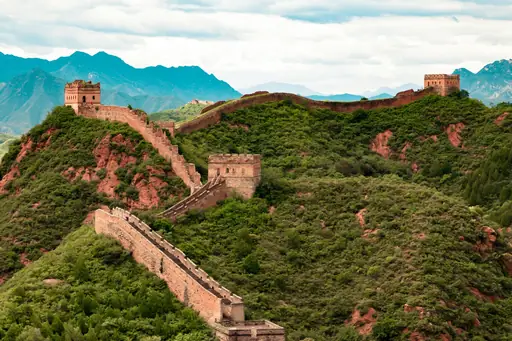
The Jiankou section of the Great Wall north of Beijing is left in its wild state. Ming dynasty towers stand on steep ridges above green valleys. Sections have crumbled and are overgrown with grass and trees. Hikers can scramble along the ruined ramparts far from the crowds at Badaling.
Other lists you may like
Discover
Top ancient ruins destinations and archaeological sites
The world's most significant ancient ruin destinations range from the ceremonial complexes of early river civilisations and the monumental remains of classical empires to the less…
Read more
Discover
Best ancient ruins destinations in Africa
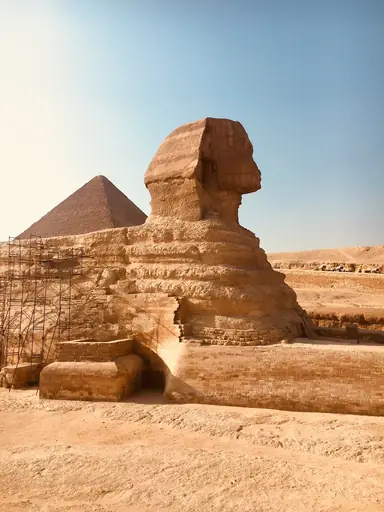
Africa's ancient sites span a wider chronological range than any other continent, with the Nile Valley alone containing a sequence of monumental construction that stretches across…
Read more
Discover
Best ancient ruins destinations in Europe
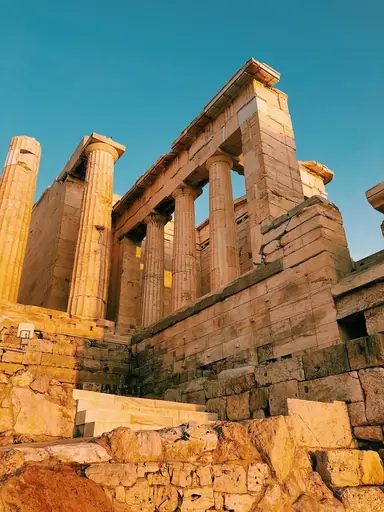
Europe's ancient sites span an exceptional chronological range, from the megalithic stone structures of the Atlantic fringe that predate the classical world by millennia to the…
Read more
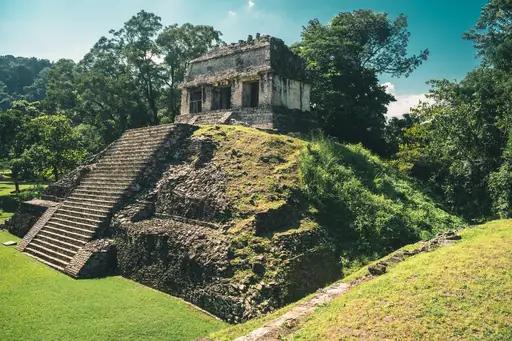
Discover
Best ancient ruins destinations in North America
North America's ancient sites offer a striking counterpoint to the continent's modern identity, with pre-Columbian ceremonial complexes, cliff dwellings and earthwork mounds…
Read more
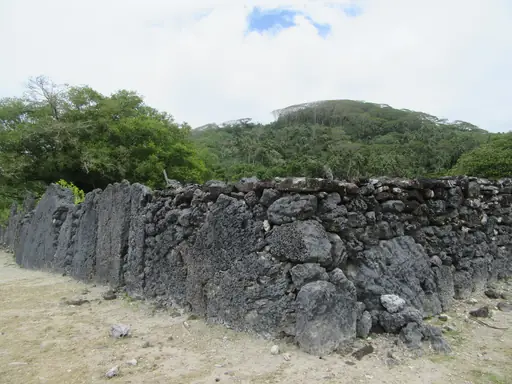
Discover
Best ancient ruins destinations in Oceania
Oceania's ancient sites are less monumental than those of other regions but offer a distinct and often underappreciated window into the settlement of the Pacific, one of the most…
Read more
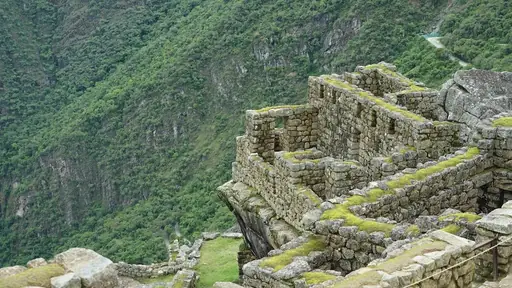
Discover
Best ancient ruins destinations in South America
South America's ancient sites are dominated by the achievements of Andean civilisations, whose monumental stonework, road networks and ceremonial complexes represent some of the…
Read more
What other users say about travelfilters
“travelfilters made it easy for me to find ski areas and compare what else they offer, so that I could find the best place for my personal travel style.”

Chris
Snowboarding & Onsen trip to Japan
“I love how transparent the data feels. There is no pushy upsell, just honest information and settings I can tune to my own travel style.”

Maria
After booking her 2027 winter escape
“The level of detail for each destination and how well those are displayed, make planning feel confident instead of overwhelming.”

Mina
Planned a week in New York City
“We used travelfilters for our planning from start to end. The trip turned out even better than expected, thanks to all their tools and customisation options.”

Allan & Etienne
Trip to Japan to see autumn foliage
“Thanks to travelfilters, I found some hidden gems to see. Being able to filter for exactly your interests is a game changer for my travel planning.”

Michael
Tour through the old cities of Northern Italy
“The customizable filters helped me find a quiet beach town with good wifi and low season crowds in under five minutes.”

Diego
Weekend Escape to Llanes, Spain
“The airport connection map saved me hours by showing good flight options from my home airport to lesser-known cities.”

Nguyen
Planning a 2027 trip to France
“The website is clean, fast and focused on the search itself, which makes travelfilters feel more like a professional tool than an ad-heavy booking site.”

Hassan
Christmas Market trip, Germany
