
Ultimate bike routes and cycling getaways
Ultimate bike routes and cycling getaways
Best routes for your next cycling holiday
Cycling is one of the most rewarding ways to explore a destination, covering enough ground to see real variety while staying connected to the landscape in a way that faster travel doesn't allow. The right route at the right time of year can be the kind of trip that redefines what travel feels like.
The routes on this list span a wide range of terrain, distance and difficulty. Some are classic long-distance routes with centuries of history behind them. Others are lesser-known regional rides that reward those willing to look beyond the obvious. What they share is a quality of landscape and a riding experience worth planning a trip around.
Seasonality, road conditions, elevation and logistics all factor into whether a route delivers what it promises. This list tries to give you what you need to choose the right destination for your level, your timing and what you're actually looking for from a ride.
Lists by region
City in Denmark
Copenhagen
Scandi-cool vibes and world-class food
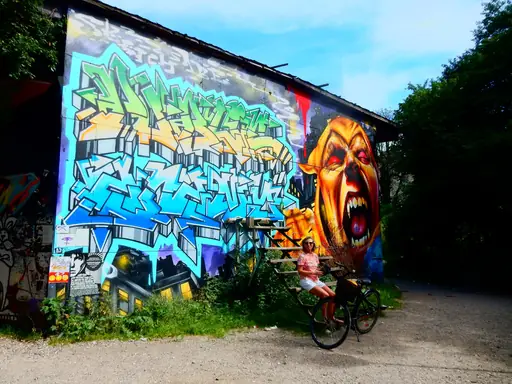
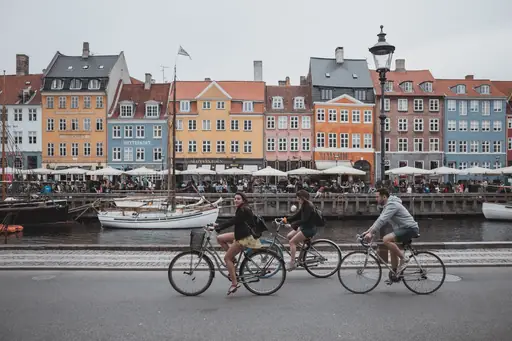
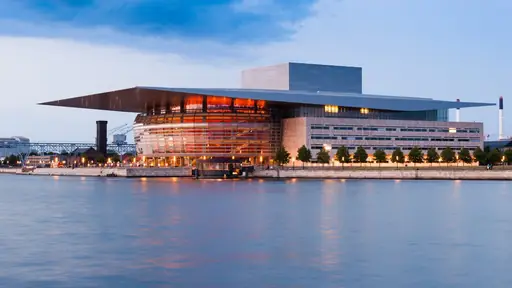
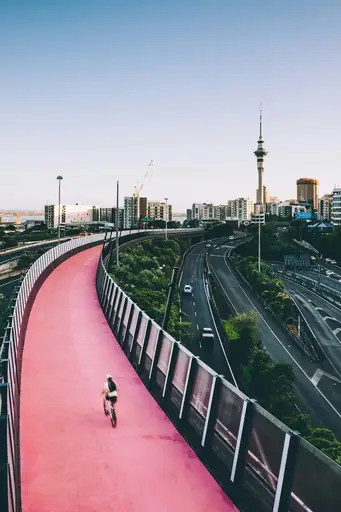
Copenhagen built one of the world's most developed urban cycling networks over decades. Elevated bike lanes let commuters cross busy intersections without slowing for cars. Riders can cross the harbour on the Cykelslangen, a raised orange bicycle bridge. Roughly half the city's residents commute by bike on an average day.
Country
Netherlands
Land of canals and culture
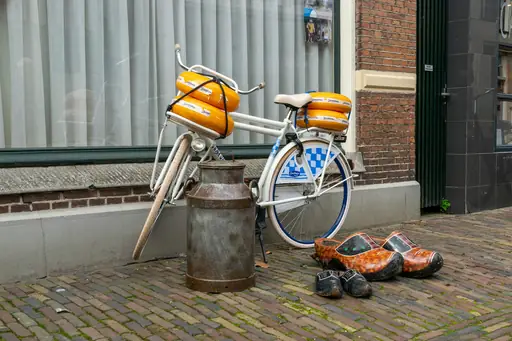
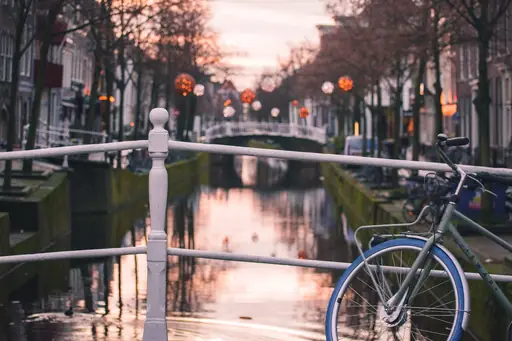
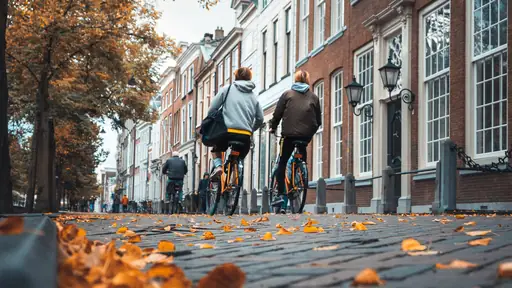
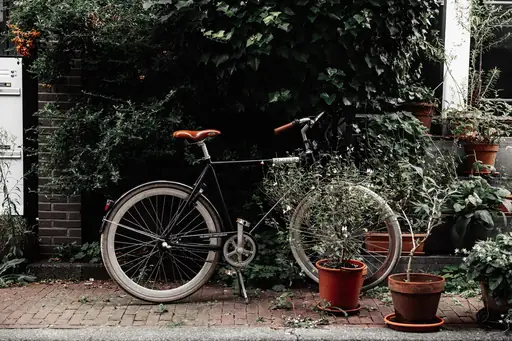
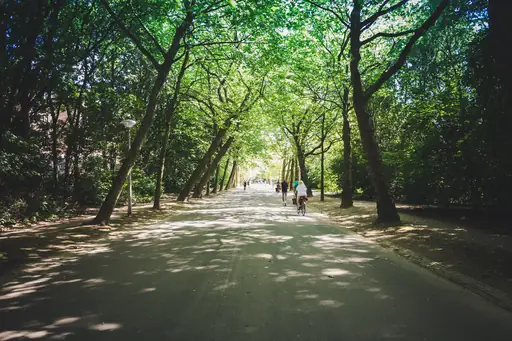
The Netherlands maintains over 35,000 kilometres of dedicated cycling paths nationwide. Flat terrain and a mild climate make it one of the world's easiest countries to cycle. Riders can pedal between cities on paths separated entirely from car traffic. Dutch railway stations often include guarded bike parking for thousands of bicycles.

Region in Austria
Tyrol
Alpine paradise in all seasons
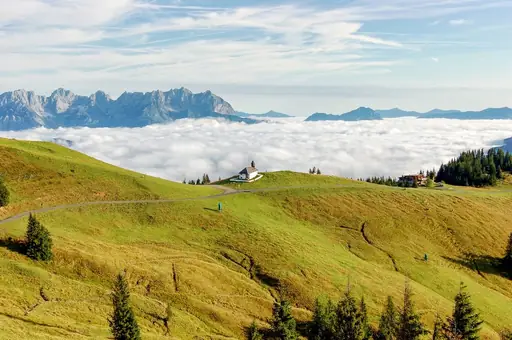
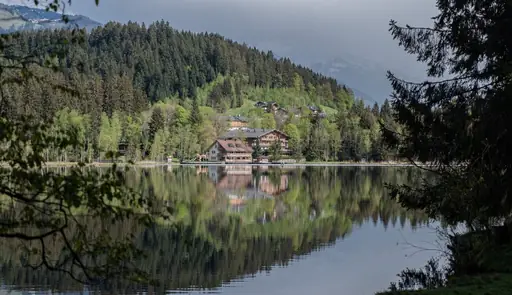
Tyrol's valley roads connect small alpine villages beneath jagged limestone peaks. The Achensee Cycle Path circles Austria's largest mountain lake on mostly flat terrain. Riders can climb steeply into side valleys for tougher alpine challenges. Church spires mark nearly every village passed along the valley floor.
City in Netherlands
Amsterdam
Canals, culture and a vibrant spirit
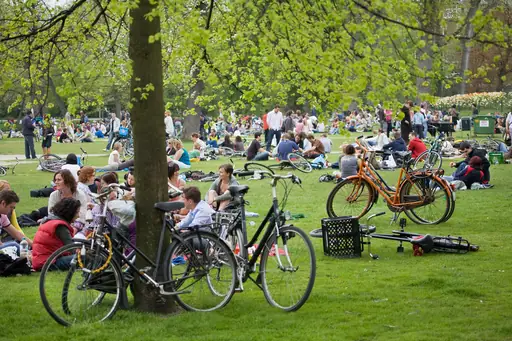
Amsterdam has more bicycles than residents spread across its canal-lined streets. Dedicated bike lanes separate cyclists from car traffic on nearly every major road. Riders can pedal the full length of the canal ring in under an hour. Bike parking garages near the central station hold thousands of bicycles at once.
Town in Netherlands
Lisse
Blooming tulip paradise in Dutch countryside
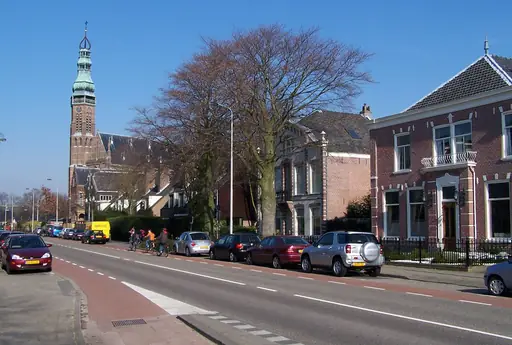
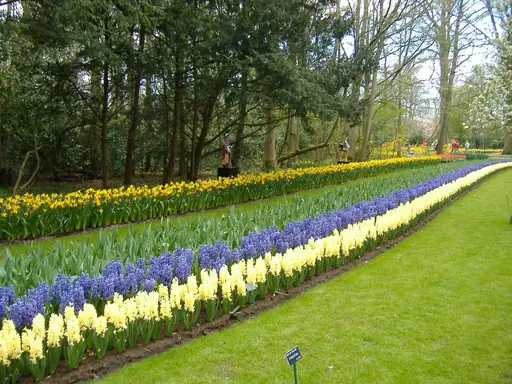
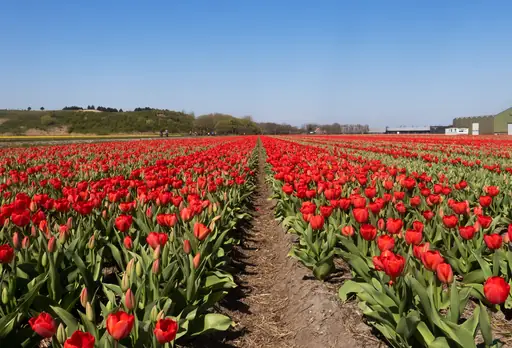
Lisse sits at the centre of the Netherlands' bulb growing region near Keukenhof. Fields of tulips turn entire stretches of road into bands of colour each spring. Riders can pedal flat paths between fields planted in neat, colourful rows. Windmills along the route mark the edges of older farming villages.
Region in Morocco
Atlas Mountains
Majestic peaks echo ancient desert horizons
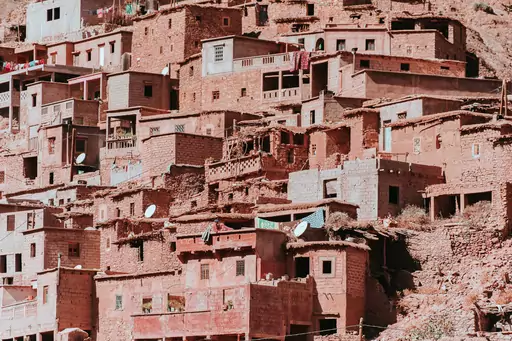
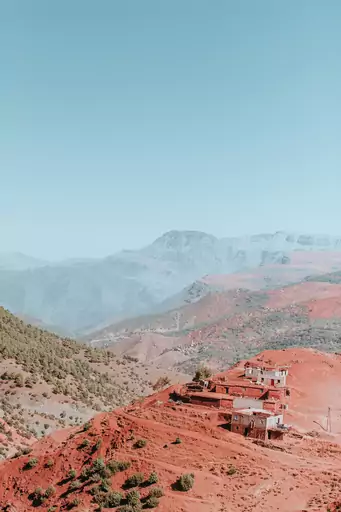
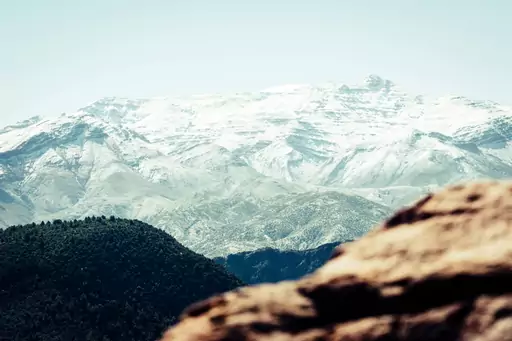
Roads through Morocco's Atlas Mountains climb past Berber villages built into steep hillsides. The Tizi n'Tichka pass crosses the range at over 2,200 metres elevation. Riders can pedal through terraced farmland before reaching bare, rocky high passes. Snow can cap the surrounding peaks even during warmer months.
Lake in Italy
Lake Garda
Italy's largest lake of wonders
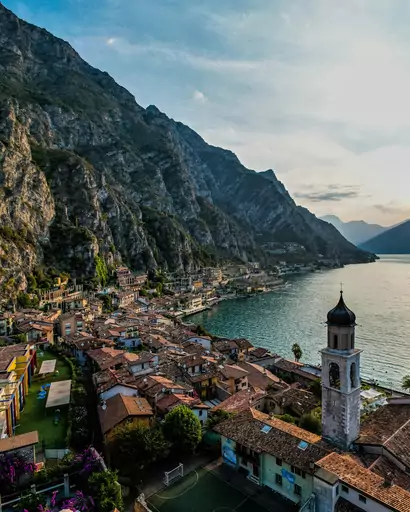
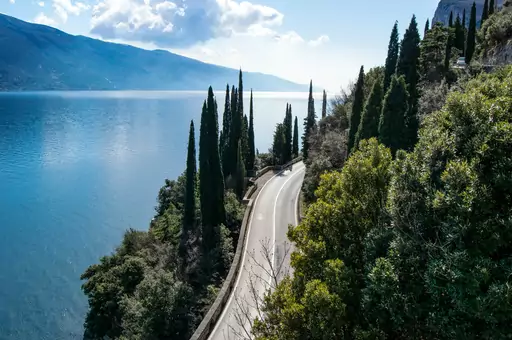
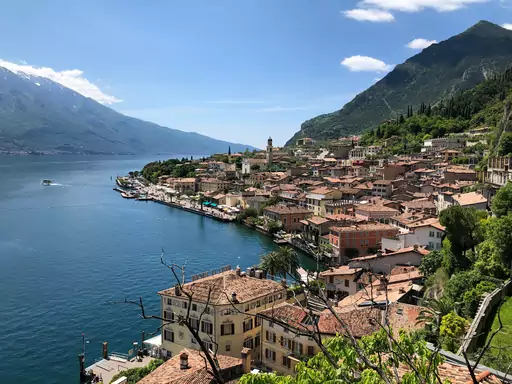
Roads above Lake Garda climb steeply from the shoreline into the surrounding mountains. Tunnels carved through cliffs connect lakeside villages along the western shore. Riders can loop the full lake or cut inland towards Monte Baldo. Olive groves and lemon terraces line much of the lower route.
National Park in Italy
Dolomites National Park
Towering peaks and pristine wilderness
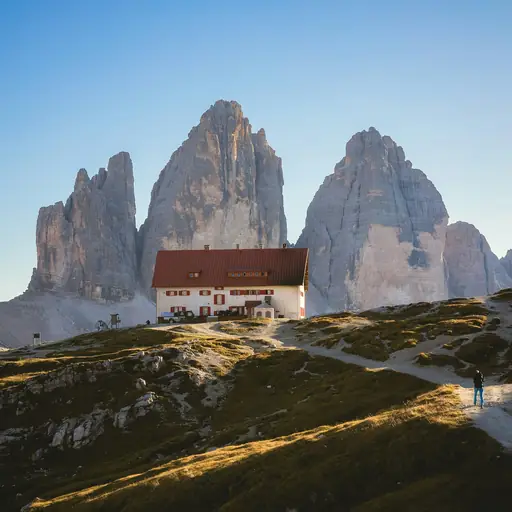
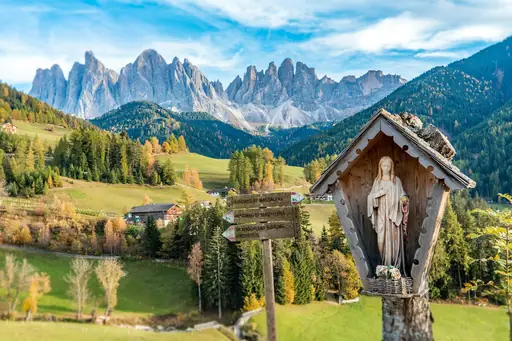
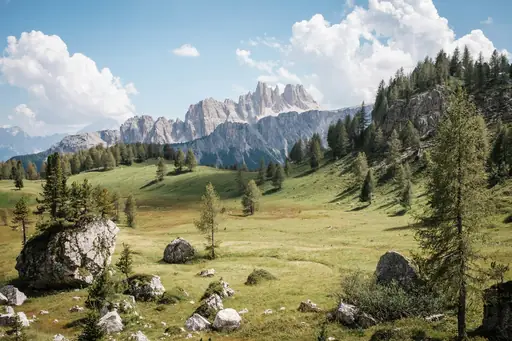
Dolomites National Park protects some of the range's most dramatic limestone spires. Roads skirting the park's edges climb towards passes like Falzarego and Giau. Riders can pedal beneath sheer rock walls that turn pink at sunset. The phenomenon, known locally as enrosadira, draws cyclists to time their rides for dusk.
Region in Netherlands
Friesland
Coastal charm with windmills and waterways
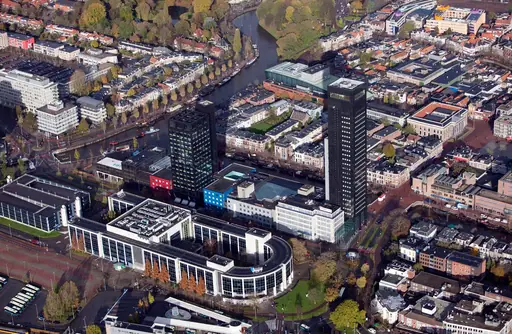
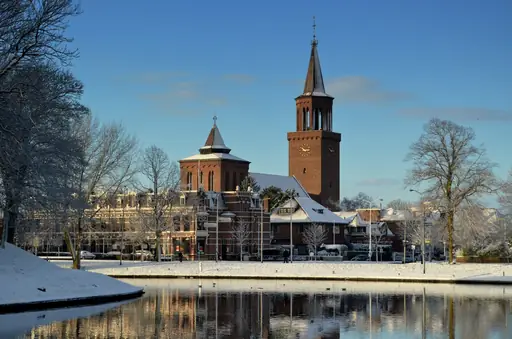
Friesland's flat farmland is crossed by an extensive network of dedicated cycling paths. The Elfstedentocht route links eleven historic towns across the province by bike. Riders can pedal for hours without encountering a single real hill. Windmills and canals mark much of the open, low lying landscape.
State/Prefecture in Japan
Hokkaido
Volcanoes, powder snow and fresh seafood
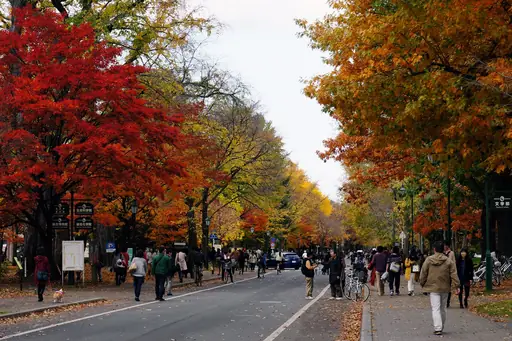
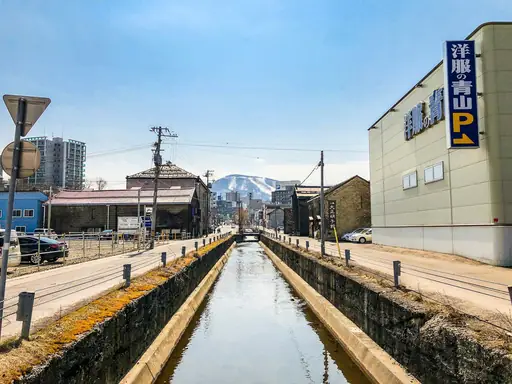
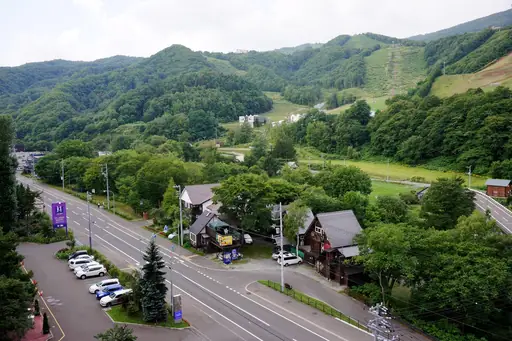
Hokkaido's quiet rural roads roll through farmland framed by distant volcanic peaks. Lavender fields near Furano turn the landscape purple during midsummer. Riders can cover long, empty stretches with little traffic to interrupt the ride. Cool summer temperatures make the island a popular escape from mainland Japan's heat.
Mountain
Pyrenees
Where France meets Spain majestically
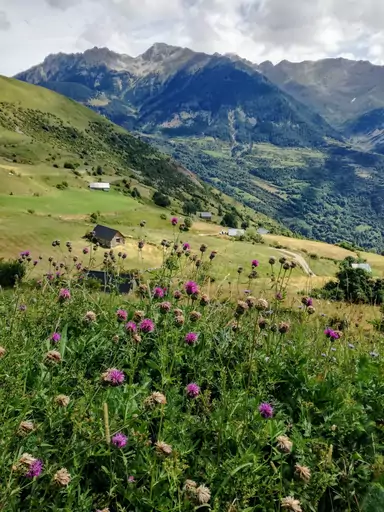
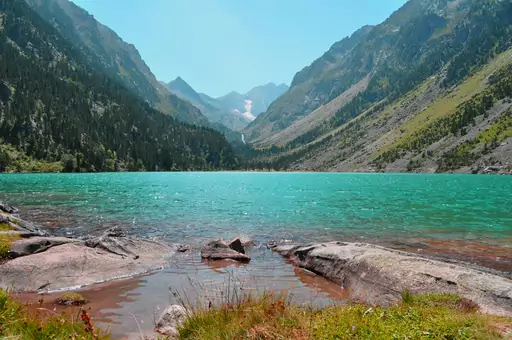
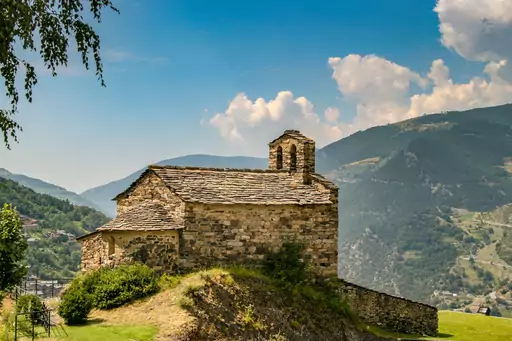
Col du Tourmalet is the most visited high mountain pass in Tour de France history. Its switchbacks climb above 2,100 metres through bare, rocky alpine terrain. Riders can follow the same route used by the race nearly ninety times. A statue of a climbing cyclist marks the summit for those who reach it.
Country
Vietnam
Ancient charm meets natural wonder
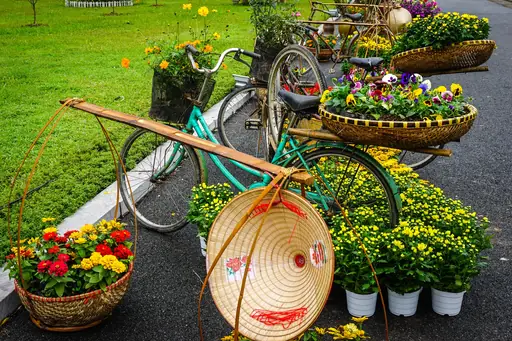
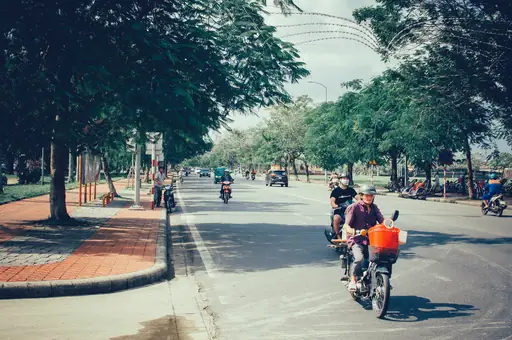
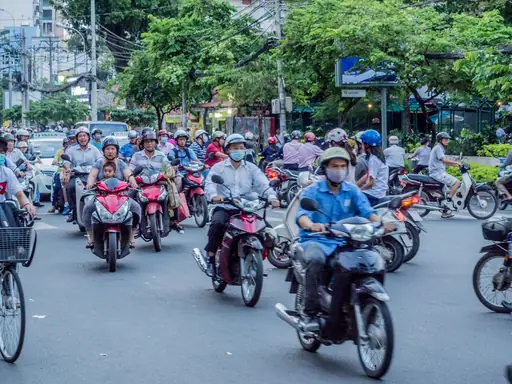
The Hai Van Pass climbs along Vietnam's central coast between Hue and Da Nang. Its switchbacks offer views over the South China Sea from high above the water. Riders can also pedal quieter roads through rice paddies in the Mekong Delta. French colonial bunkers still sit near the pass's highest point.
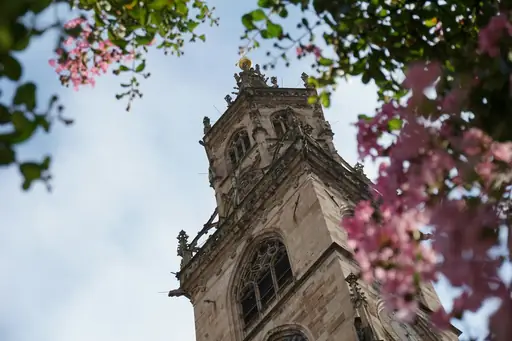
City in Italy
Bolzano
Where Alpine peaks meet Italian soul
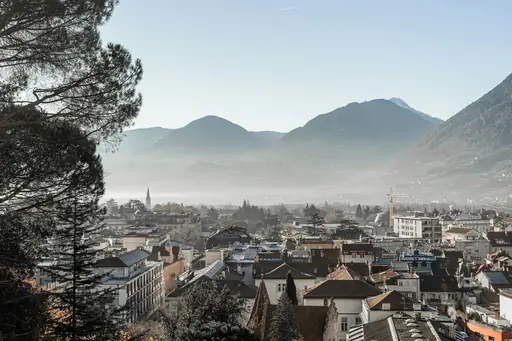
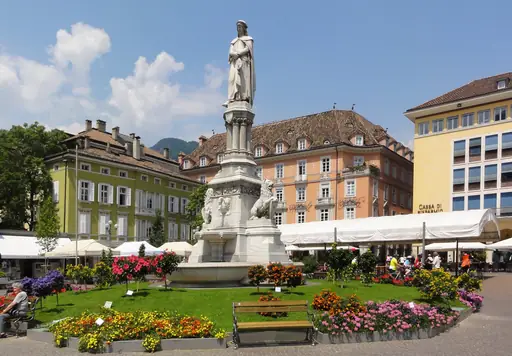
Bolzano sits at the base of South Tyrol's network of paved valley bike paths. A former rail line was converted into a smooth trail linking nearby wine villages. Riders can follow the Adige River path north towards Merano without touching a road. Vineyards and apple orchards line much of the flat, easy route.
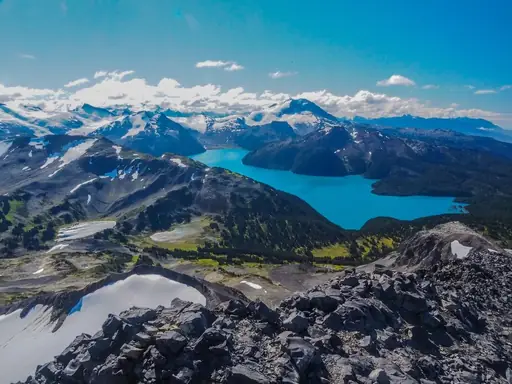
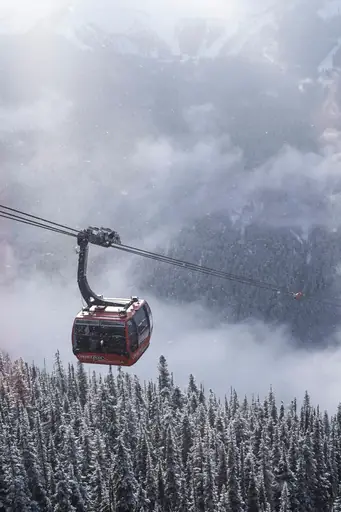
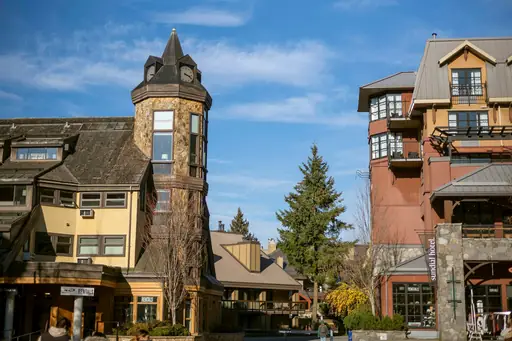
City in Canada
Whistler
Alpine Adventure, Epic Views, Year-Round Fun
Whistler Bike Park is one of the largest lift accessed mountain bike parks in the world. Chairlifts carry riders up for downhill runs across dozens of marked trails. Riders can progress from beginner flow trails to steep, technical black routes. The park operates through the summer months once ski lifts open for bikes.
Region in France
Loire Valley
Châteaux, vineyards and riverside charm
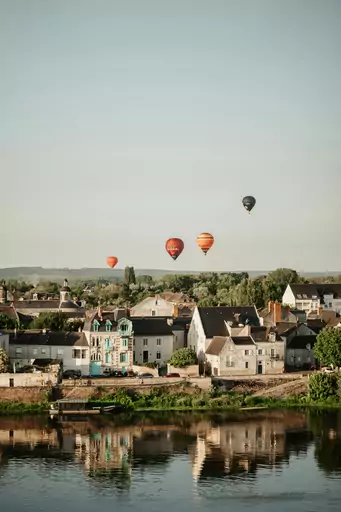
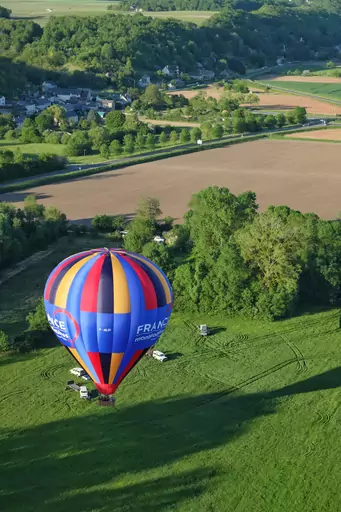
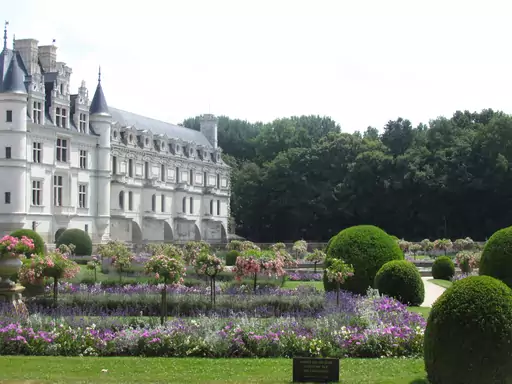
The Loire a Velo route follows the river past dozens of historic chateaux. Flat, well marked paths make this one of France's easiest long distance rides. Riders can stop at castles like Chambord or Chenonceau along the way. Vineyards producing Loire wines line much of the surrounding countryside.
City in Netherlands
Utrecht
Medieval Canals, Modern Dutch Cool
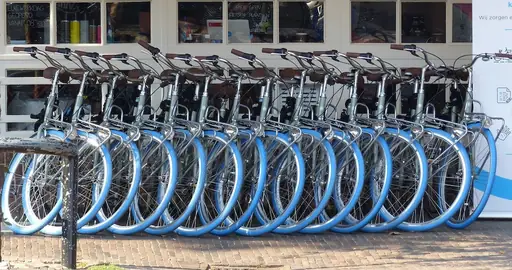
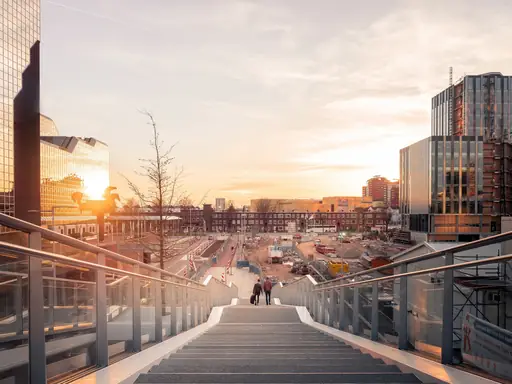
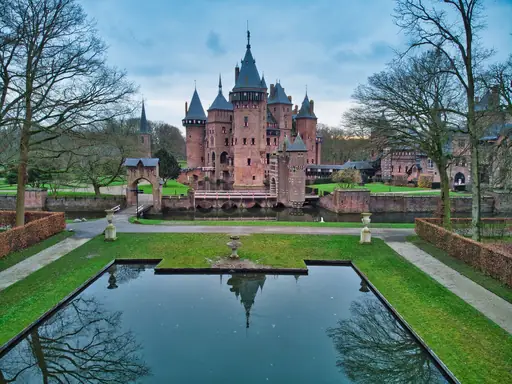
Utrecht built one of the world's largest bicycle parking garages beneath its central station. Flat terrain and an extensive canal network make the city easy to explore by bike. Riders can pedal along tree lined canals through the compact medieval centre. Cargo bikes are a common sight carrying children and groceries through town.
Town in Canada
Squamish
Mountain‑coast escape with breathtaking vistas
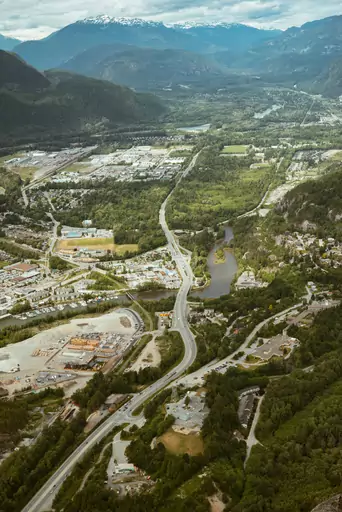
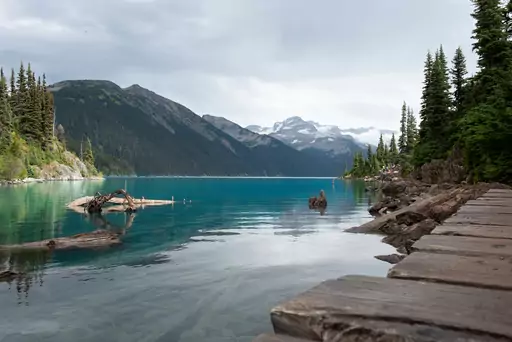
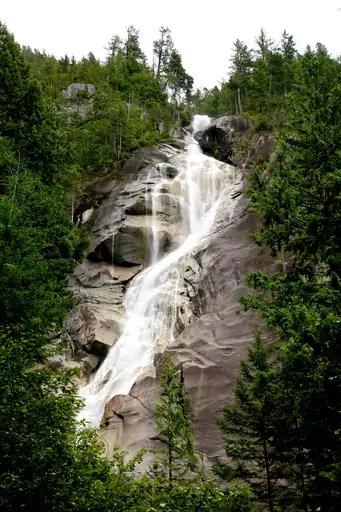
Squamish sits between granite cliffs and dense coastal rainforest north of Vancouver. Its mountain bike trails wind through old growth forest above the Sea to Sky corridor. Riders can climb towards alpine terrain or drop into flowing forest singletrack. The Stawamus Chief granite monolith looms over much of the riding area.
Region in Germany
Bavaria
Alpine beauty meets medieval charm
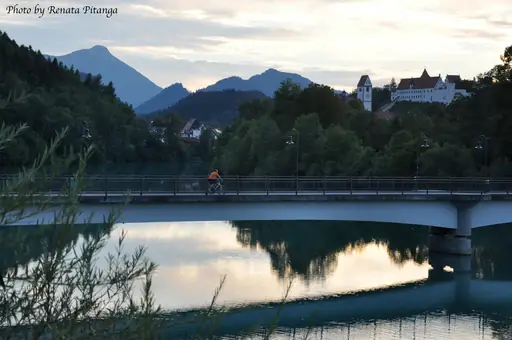
Routes around Bavaria's Alpine foothills pass beneath castles and past deep glacial lakes. Konigssee's shoreline road offers flat riding framed by towering limestone peaks. Riders can climb into the mountains near Garmisch-Partenkirchen for steeper alpine terrain. Beer gardens along the way make for a common midway stop.

City in South Africa
Cape Town
Mountains, Beaches and a Vibrant Culture
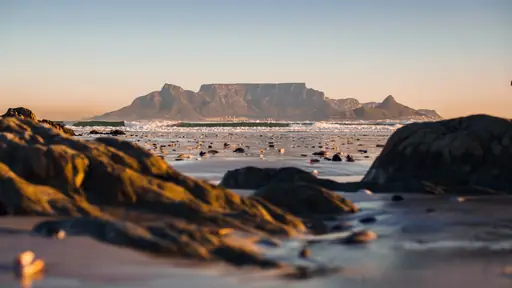
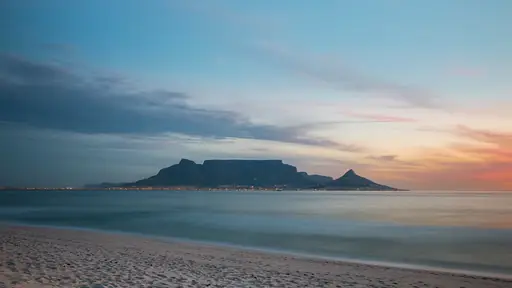
Chapman's Peak Drive winds along cliffs above the Atlantic on Cape Town's coast. The Cape Town Cycle Tour, one of the world's largest timed races, follows this route. Riders can pedal past penguin colonies at Boulders Beach along the way. Table Mountain looms over much of the ride's final stretch.
Region in Belgium
Flanders
Coastal charm and historic city streets
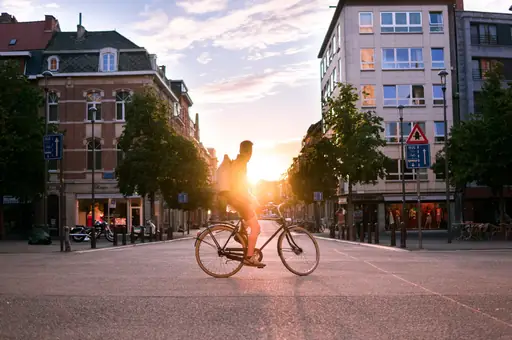
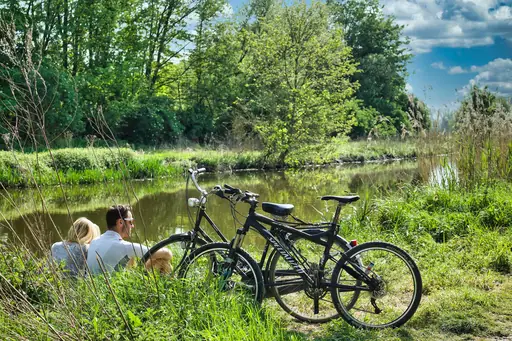
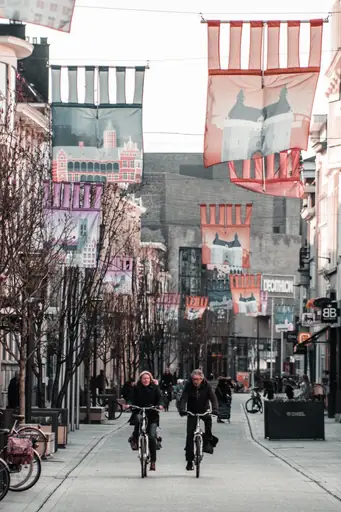
Flanders is famous for short, steep cobbled climbs called hellingen. The Muur van Geraardsbergen and Koppenberg are among the most feared in professional racing. Riders can test themselves on the same cobblestones used in the Tour of Flanders. Cobbles here are notoriously rough compared to smoother modern roads.

Region in Spain
Basque Country
Where tradition meets avant-garde beauty
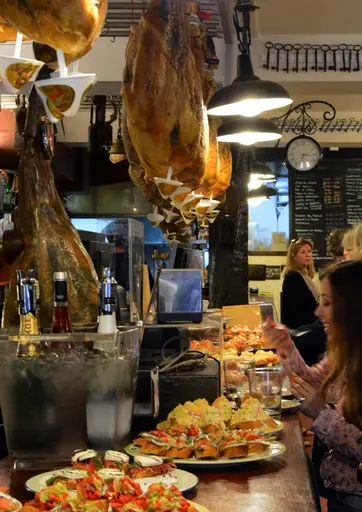
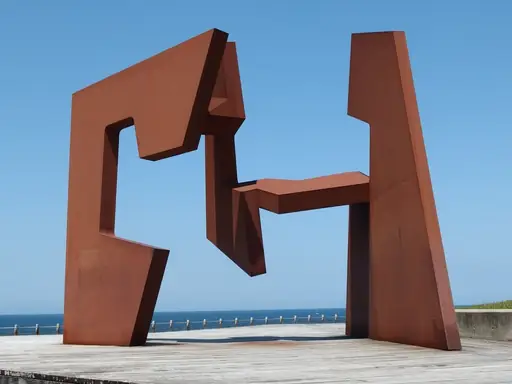
The Basque Country holds some of Spain's steepest and most demanding cycling roads. Local fans line these climbs by the thousands during the annual Itzulia stage race. Riders can test themselves on short, brutal ramps above the Bay of Biscay. Green rolling hills give way suddenly to sharp coastal cliffs.
Region in United States
Sonoma County
Wine country beyond the vines
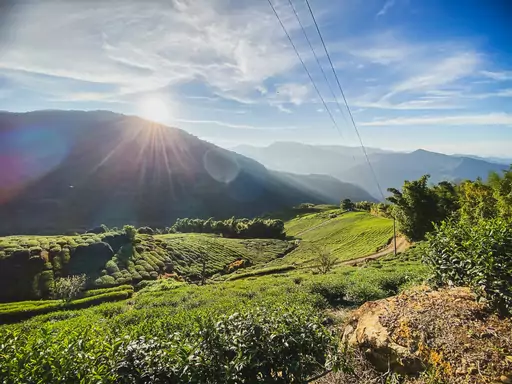
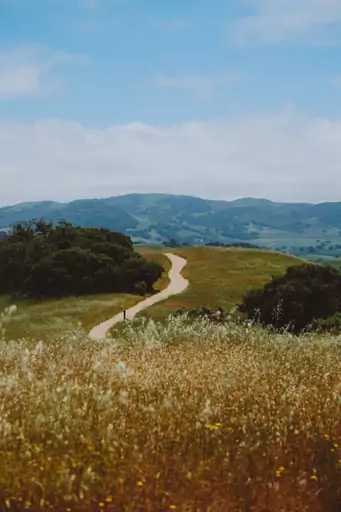
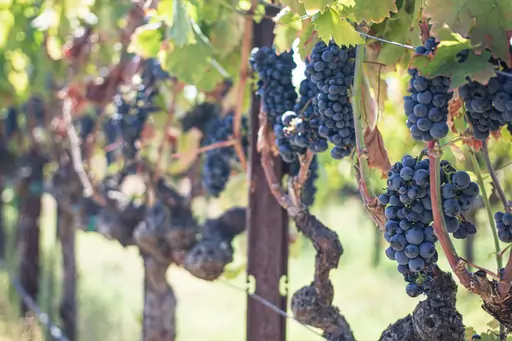
Sonoma County's quiet backroads roll through vineyards planted across gentle coastal hills. The Sonoma Valley route passes wineries dating back to the 19th century. Riders can climb towards Sonoma Mountain for views stretching to the Pacific. Redwood groves offer shaded riding just west of the main wine country roads.
City in South Africa
Stellenbosch
Wine, Heritage and Mountain Views
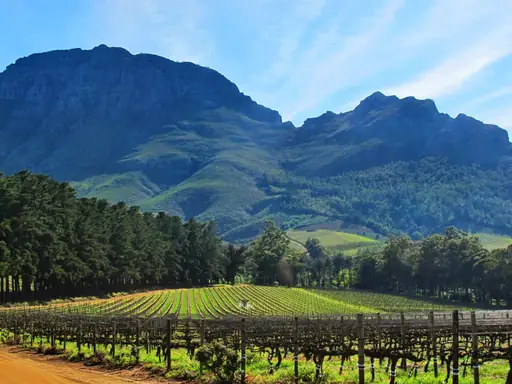
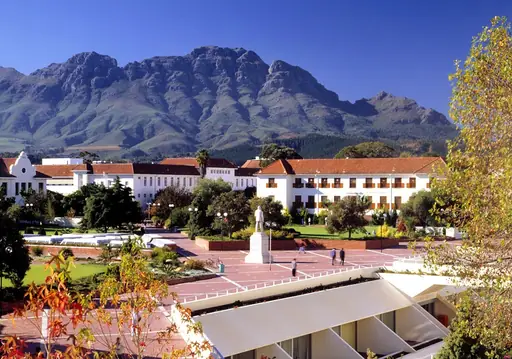
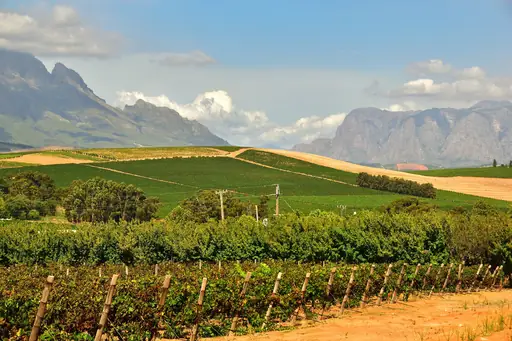
Stellenbosch's rolling vineyard roads sit beneath the Jonkershoek mountain range. South Africa's oldest wine region spreads across gentle hills easy to cycle. Riders can stop at historic Cape Dutch wineries along quiet country lanes. Steeper gravel climbs into the surrounding mountains offer a tougher alternative.
Town in France
Morzine
Alpine charm meets year-round adventure
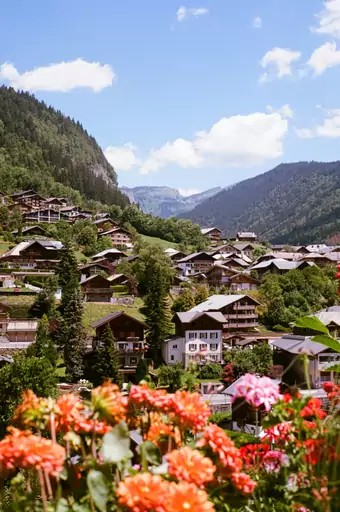
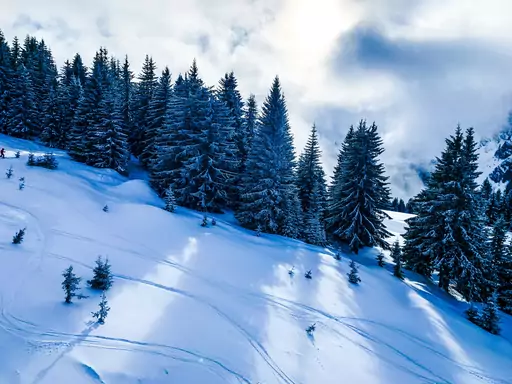
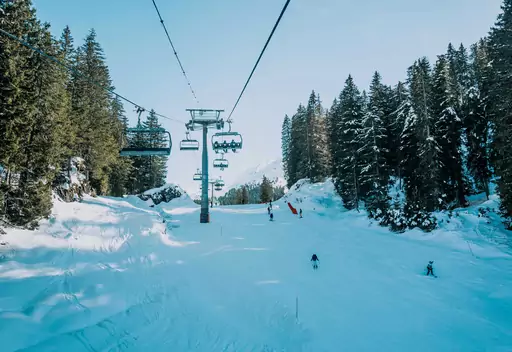
Morzine sits within the Portes du Soleil, a vast network of Alpine bike trails. Lift access here lets downhill riders skip the climb back up. Riders can also pedal road routes connecting Morzine to neighbouring mountain villages. Summer chairlifts carry both bikes and riders above the tree line.
Region in Italy
Veneto
Venice, Mountains and Renaissance Splendor
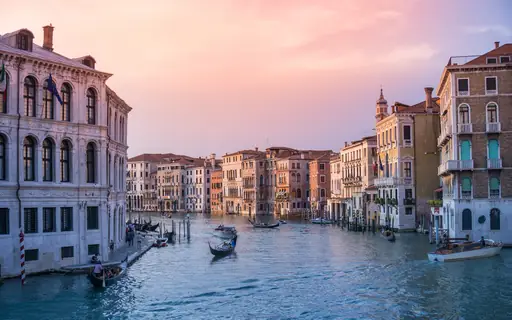
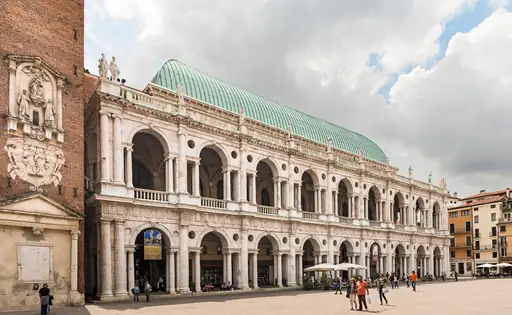
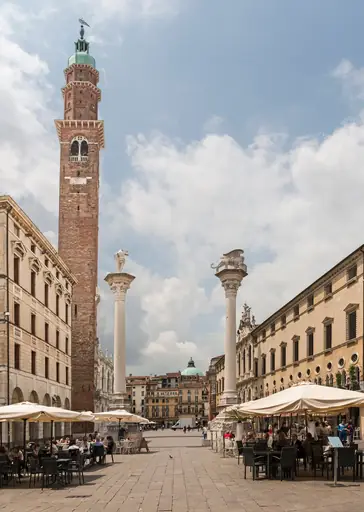
Veneto's flat plains give way to the steep climbs of the nearby Dolomites. The Prosecco hills near Valdobbiadene roll gently between rows of vineyards. Riders can pedal past Palladian villas before tackling mountain terrain further north. Canals near Venice offer a much flatter, easier alternative closer to the coast.

State/Prefecture in United States
Colorado
Rocky mountains and red rocks
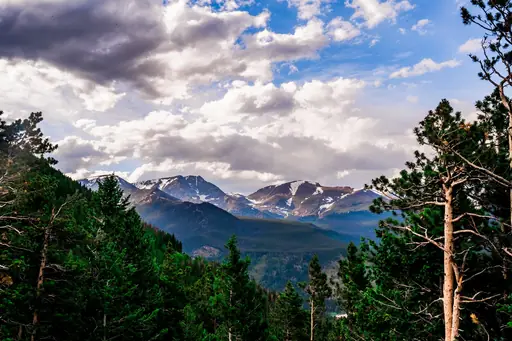
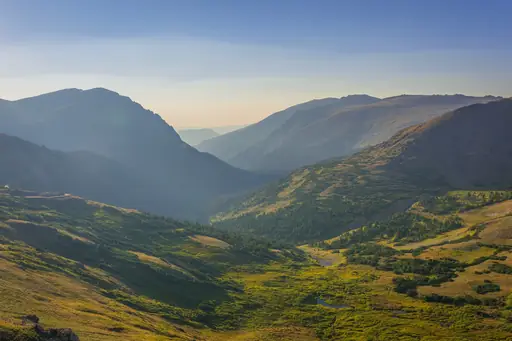
Colorado's high passes climb well above 3,000 metres through the Rocky Mountains. Independence Pass near Aspen is among the highest paved roads in the country. Riders can pedal through alpine tundra where trees no longer grow. Thin air at these elevations makes even gentle climbs feel demanding.
State/Prefecture in United States
Vermont
Green Mountains, Maple Syrup, Pure Charm
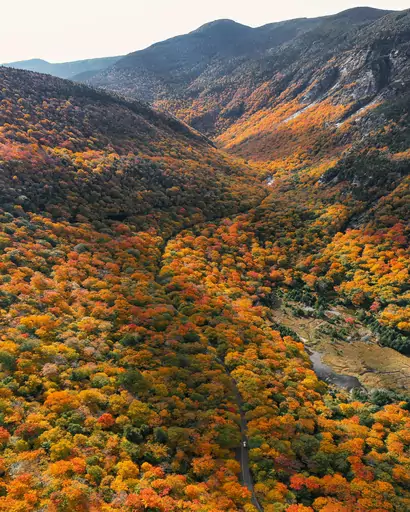
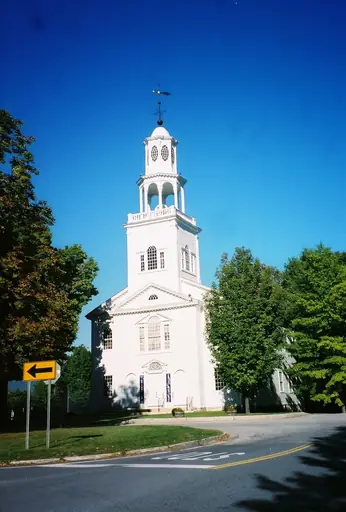
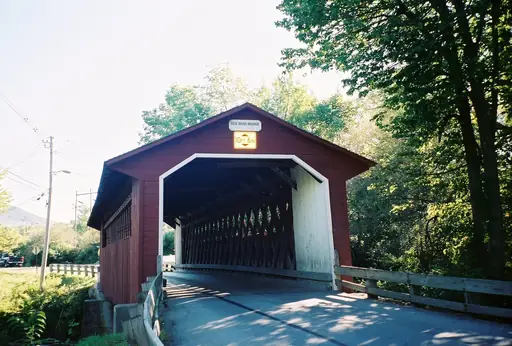
Vermont's dirt roads roll through farmland dotted with covered bridges and maple trees. Kingdom Trails in the state's northeast holds one of the largest singletrack networks in the country. Riders can climb through forest before dropping into flowing, purpose built trails. Autumn foliage turns the surrounding hillsides bright red and orange each October.
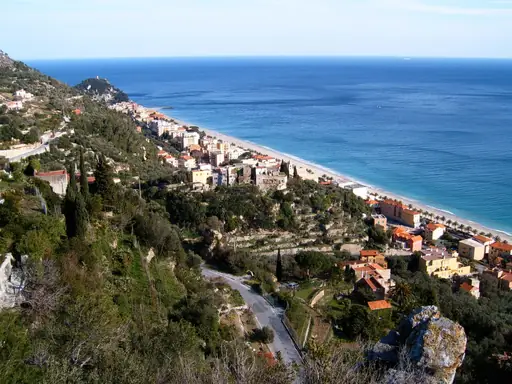
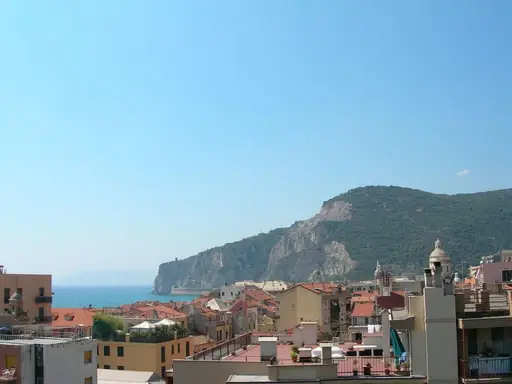
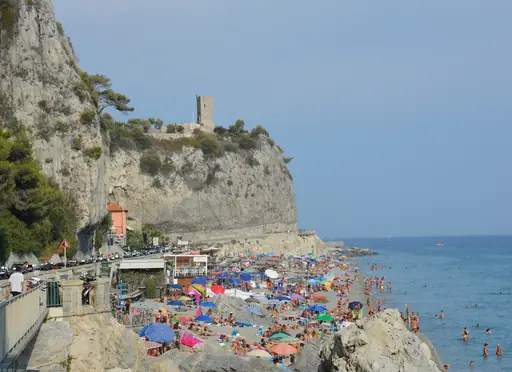
Town in Italy
Finale Ligure
Coastal charm and historic seaside allure
Finale Ligure built its reputation on singletrack trails cut into coastal hillsides. Mountain bikers descend from medieval villages towards views of the Mediterranean below. Riders can link dozens of marked trails across the surrounding limestone terrain. The town hosts international mountain biking events most years.
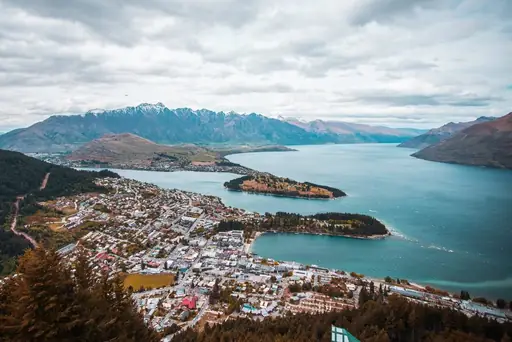
Town in New Zealand
Queenstown
Adventure capital with alpine beauty
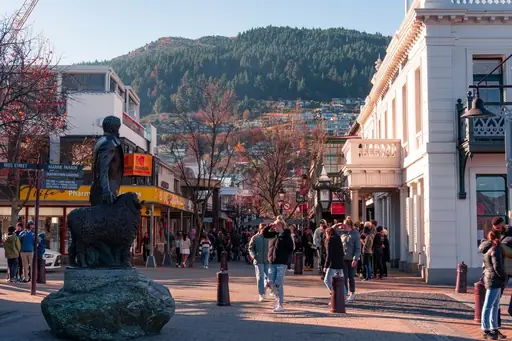
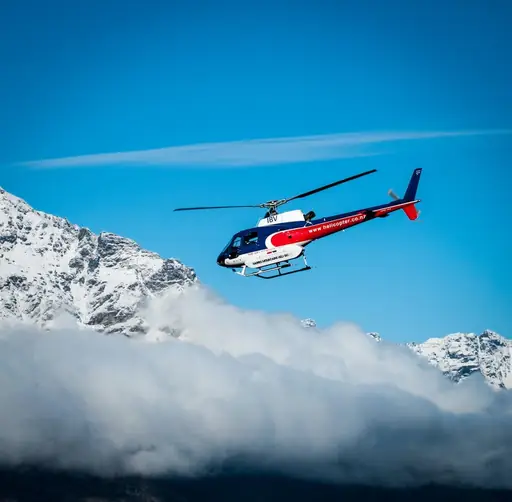
Queenstown's trails climb steeply from the shores of Lake Wakatipu into surrounding mountains. The Skyline Gondola carries mountain bikers up for a fast downhill run back to town. Riders can also pedal road routes past vineyards towards nearby Gibbston Valley. Snow capped peaks frame nearly every trail around the lake.
City in United States
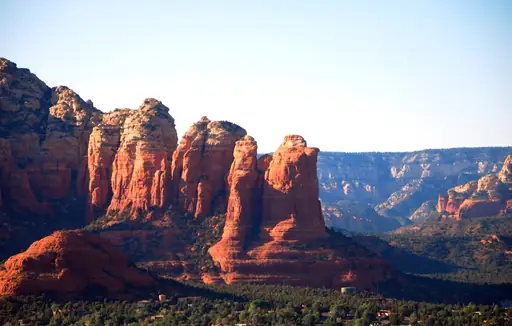
Sedona
Red Rocks, Vortexes and Starry Skies
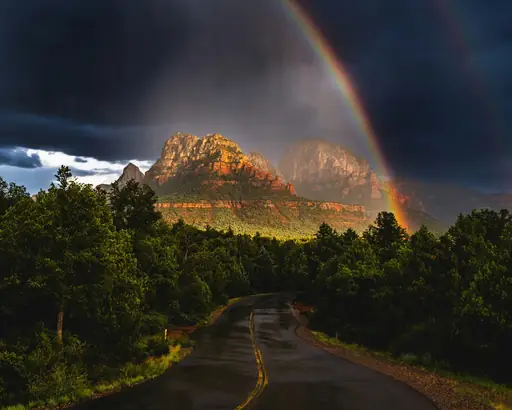
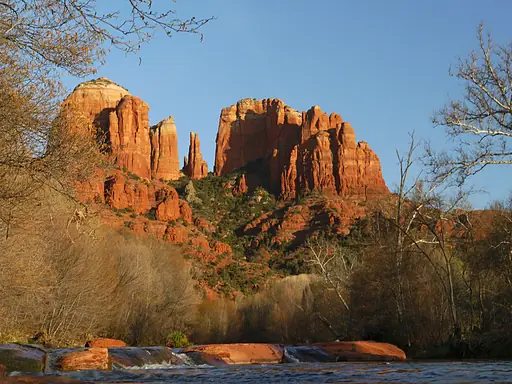
Sedona's red rock trails wind between towering sandstone formations shaped over millions of years. Slickrock and packed dirt make for fast, flowing singletrack riding. Riders can climb towards viewpoints overlooking the valley's distinctive rust coloured buttes. Trails here range from gentle beginner loops to steep technical descents.
Region in France
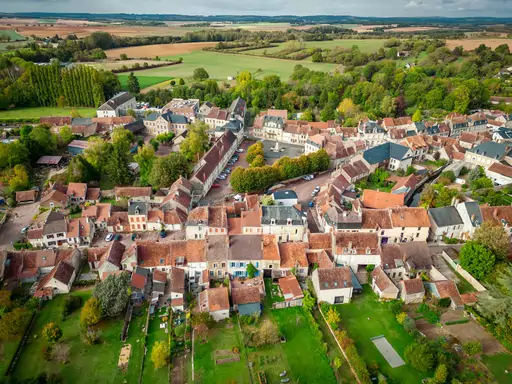
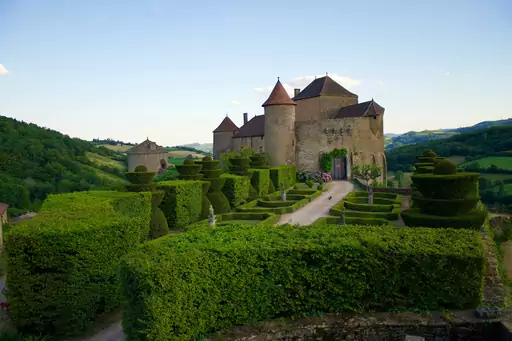
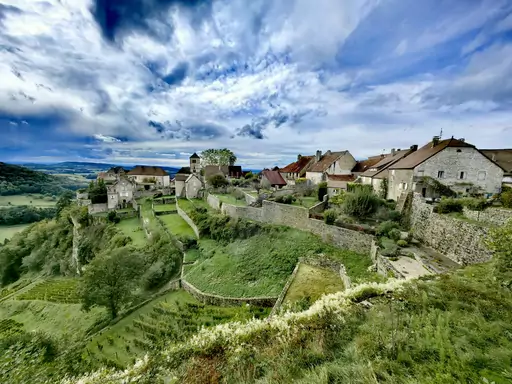
Bourgogne
Crimson vineyards and historic châteaus
Roads through Burgundy roll gently between vineyards producing some of France's finest wines. The Voie des Vignes path links villages across the Cote d'Or wine region. Riders can stop at small cellars for tastings along quiet country lanes. Stone farmhouses and church spires mark nearly every village along the route.
City in Austria
Innsbruck
Alpine Peaks and Imperial Streets
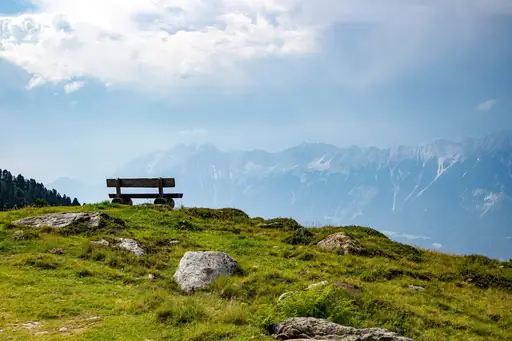
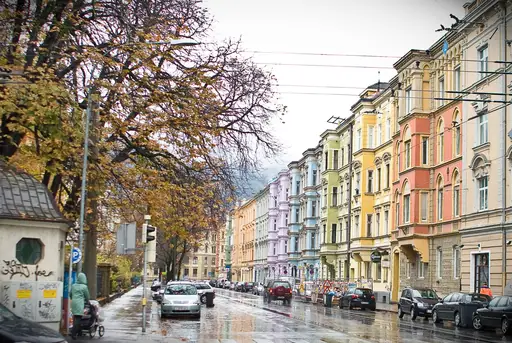
Innsbruck sits ringed by the Tyrolean Alps, hosting road cycling world championships in 2018. The Brenner Pass route connects the city south towards Italy's border. Riders can climb steeply into the mountains just minutes from the city centre. Cable cars nearby offer quick access to even higher alpine trails.
Island in Spain
Mallorca
Mediterranean Magic: Beaches & Mountains
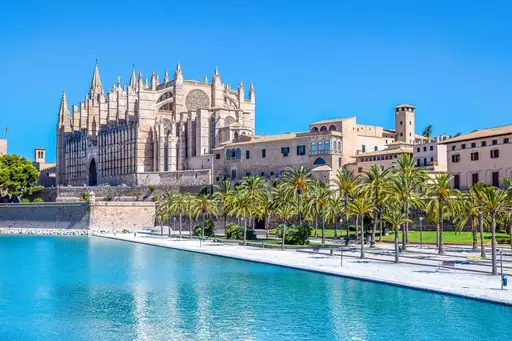
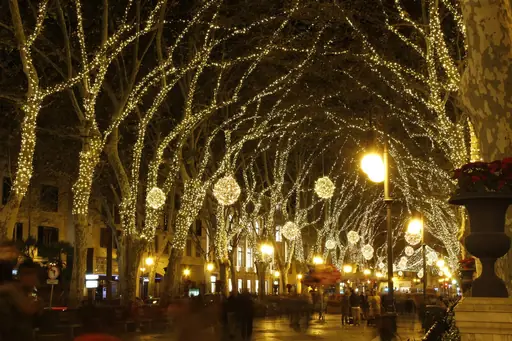
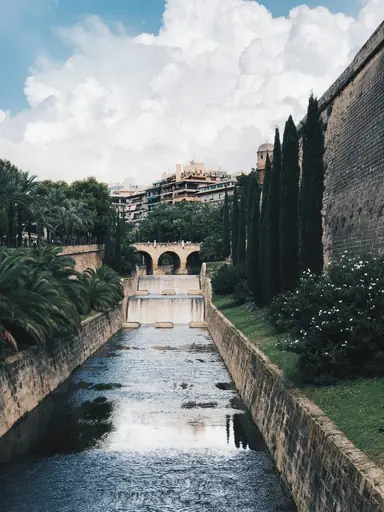
Mallorca's Serra de Tramuntana mountains draw thousands of cyclists for winter training each year. The Sa Calobra climb drops through hairpins towards a hidden cove below. Riders can tackle this same descent in reverse as a brutal uphill test. Mild Mediterranean winters keep these roads rideable outside Europe's main cycling season.
Town in Italy
Peschiera del Garda
Fortified Canals Meet Lake Magic
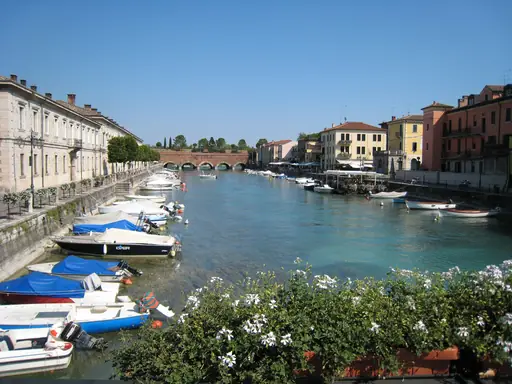
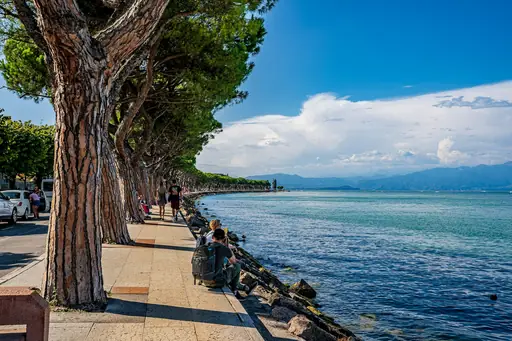
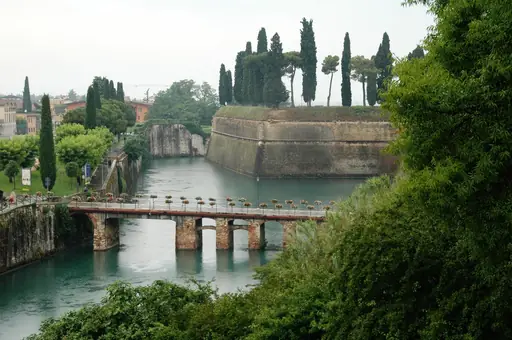
Peschiera del Garda sits where Lake Garda's cycling paths and old fortress walls meet. A flat lakeside route connects the town to villages along the southern shore. Riders can pedal within the walls of a star shaped Venetian fortress. Cycling paths here link easily to steeper climbs further up the lake.
Town in Switzerland
Interlaken
Adventure, Lakes and Alpine Magic
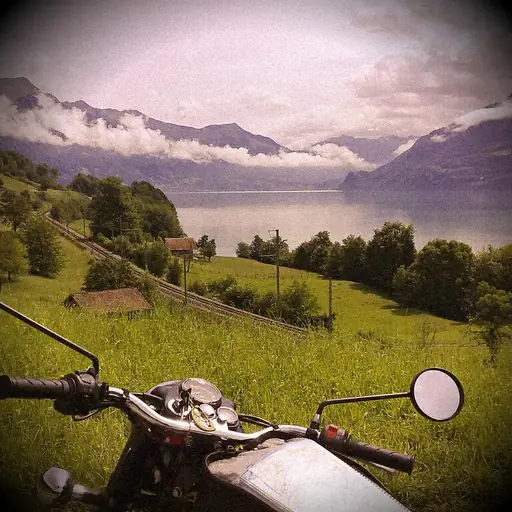
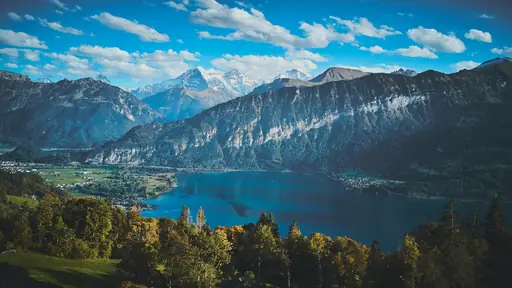
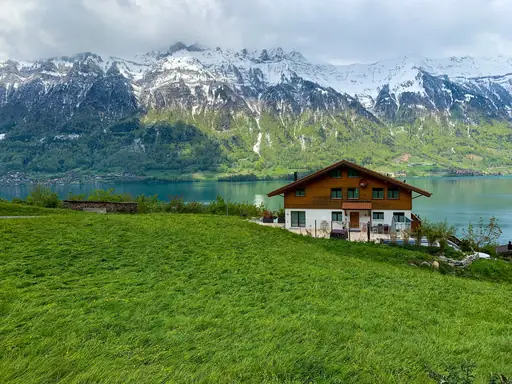
Interlaken sits between two lakes in the shadow of the Jungfrau massif. Flat lakeside paths connect to steep climbs into the surrounding mountain valleys. Riders can pedal beside turquoise glacial water before tackling alpine switchbacks above. Paragliders drifting overhead are a common sight along the entire route.
Island in Spain
Canary Islands
Spain's volcanic paradise year-round
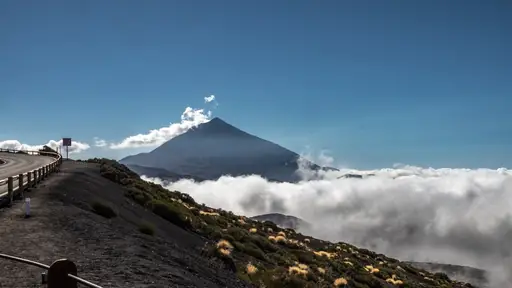
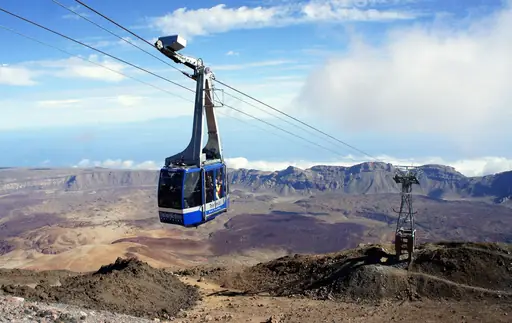
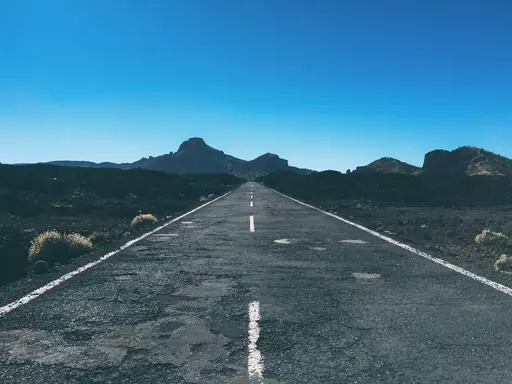
Volcanic roads on Tenerife climb from sea level to over 2,000 metres in a single ride. Mount Teide's slopes draw professional teams for high altitude training camps each winter. Riders can pass through pine forest and black lava fields on one long climb. Warm winter temperatures make the islands popular outside Europe's cycling season.
Region in Italy
South Tyrol
Alpine culture where worlds collide
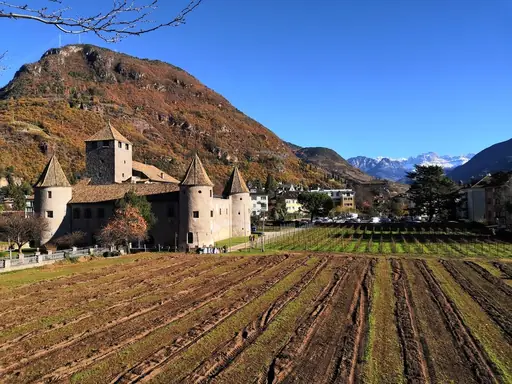
South Tyrol's valley floors are crossed by smooth, mostly car free cycling paths. Steep climbs rise from these valleys into the surrounding Dolomite peaks. Riders can pedal past vineyards and apple orchards before tackling alpine passes. German and Italian signage reflects the region's mixed cultural history.
Region in United States
Napa Valley
Wine country's elegant culinary paradise
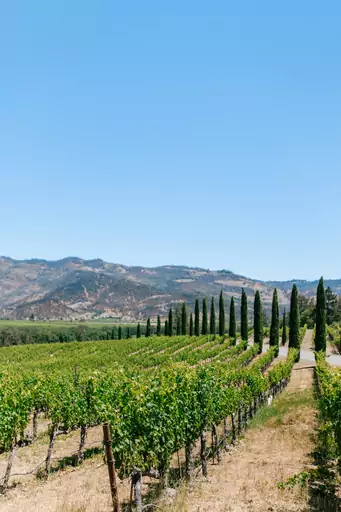
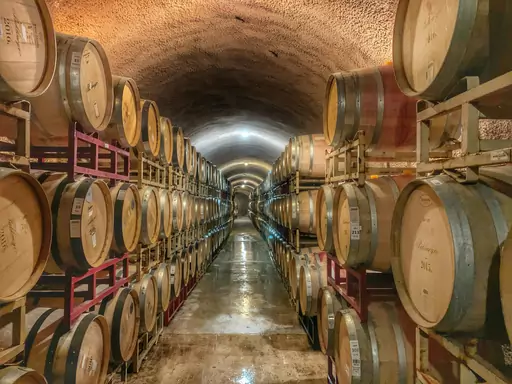
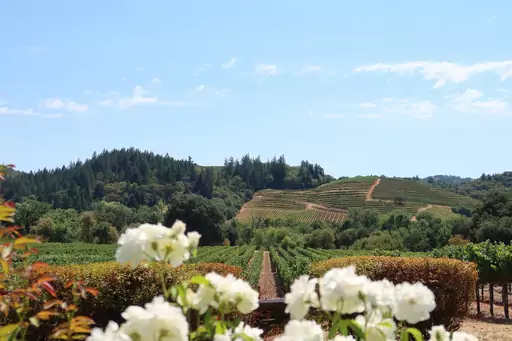
Napa Valley's Silverado Trail runs past vineyards along the valley's eastern edge. Gentle rolling terrain makes this a popular route for casual, scenic riding. Riders can stop at wineries scattered along both sides of the valley floor. The Mayacamas Mountains rise along the valley's western horizon.
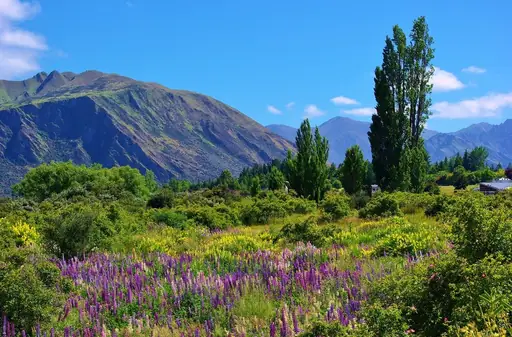
Town in New Zealand
Wanaka
Alpine Adventure, Lakeside Serenity
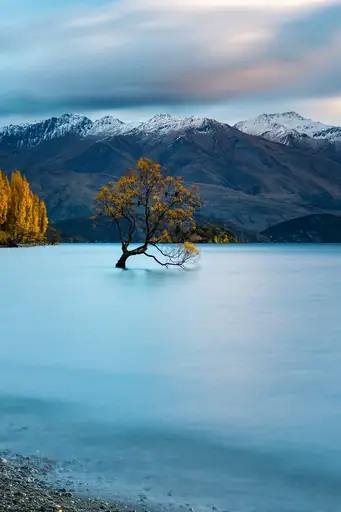
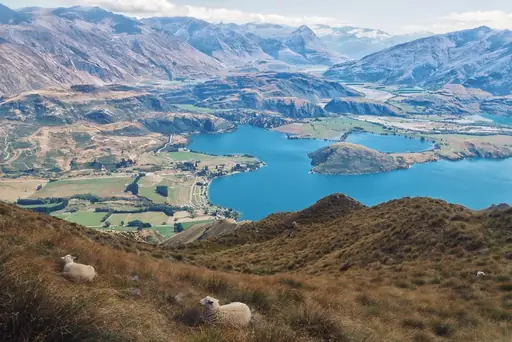
Wanaka's Lake Dunstan Trail follows a former rail corridor along a turquoise reservoir. Bridges and tunnels built for the railway now carry cyclists through the gorge. Riders can pedal past vineyards in the nearby Cromwell basin. Snow capped Southern Alps rise across the lake from much of the trail.
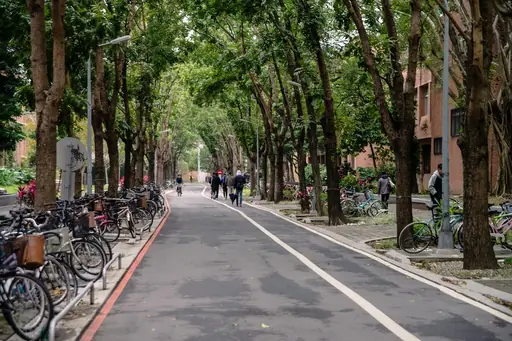
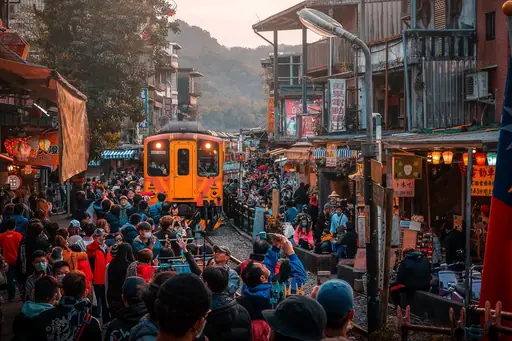
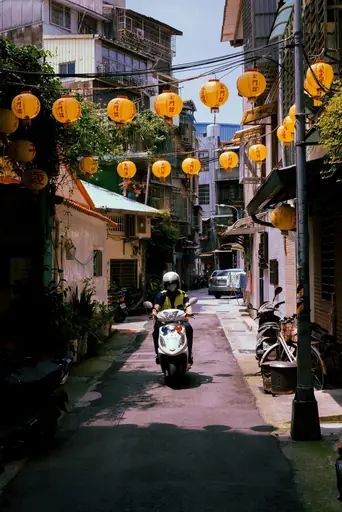
City in Taiwan
Taipei
A vibrant blend of old and new
Taipei's Riverside Bikeway network follows rivers through the city for over 100 kilometres. Dedicated paths let riders cross the city almost entirely away from traffic. Riders can climb into the hills towards Maokong for views over the skyline. Taiwan is also home to Giant, one of the world's largest bicycle manufacturers.
Region in Switzerland
Graubünden
Alpine wonderland with pristine lakes and trails
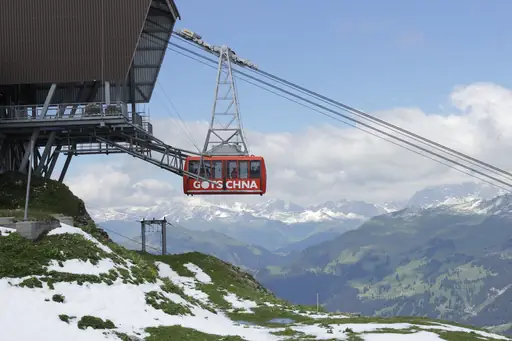
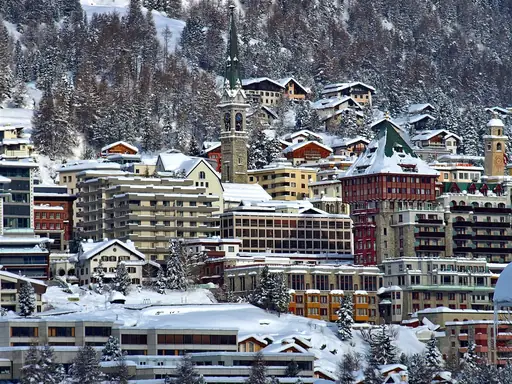
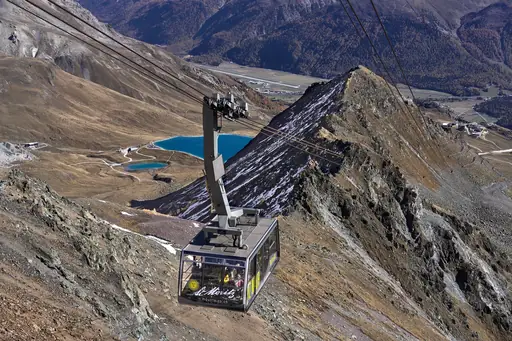
Graubunden's high mountain passes connect Switzerland's Alpine valleys to Italy and Austria. The Flueela Pass climbs above 2,300 metres through bare granite scenery. Riders can descend into Italy through the Bernina Pass on the same trip. Glacier fed rivers run alongside much of the canton's cycling routes.
Country
Sri Lanka
Ancient cities, tea hills and surf beaches
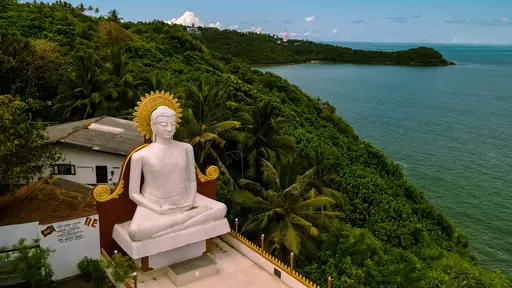
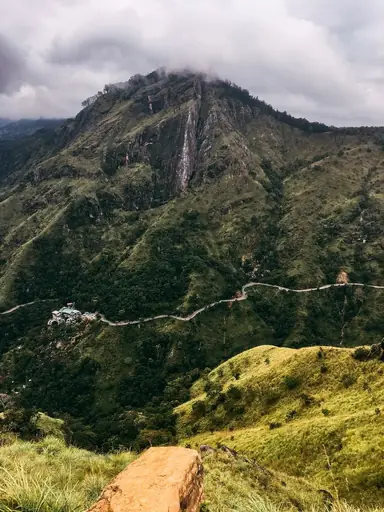
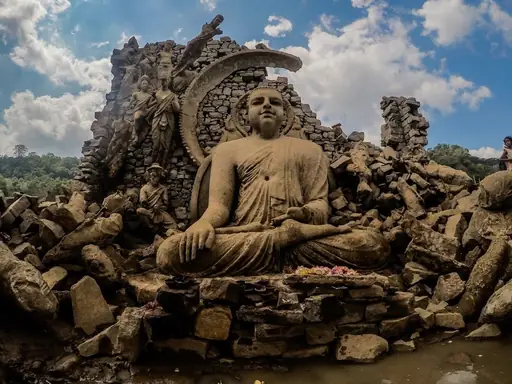
Roads through Sri Lanka's hill country climb steeply into tea growing regions. Colonial era rail lines wind alongside many of the same mountain routes. Riders can pedal past terraced tea plantations near Ella and Nuwara Eliya. Waterfalls and misty valleys mark much of the higher elevation riding.

Region in Indonesia
Bali
Tropical beaches, vibrant culture and adventure
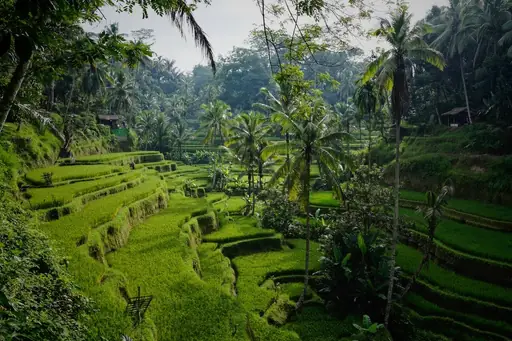
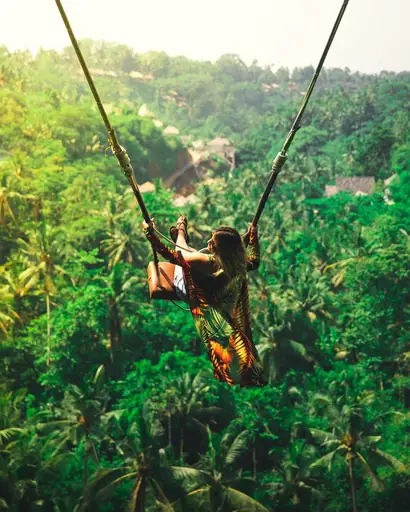
Rice terrace roads wind through Bali's interior around the town of Ubud. Narrow paths cut between paddies farmed using centuries old irrigation channels. Riders can coast downhill through jungle and farmland before looping back through villages. Early morning rides avoid both the heat and the island's busier traffic.
Country
Andorra
Mountain paradise between France and Spain
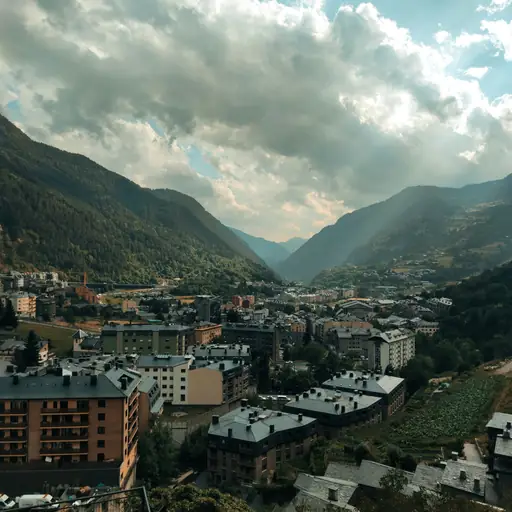
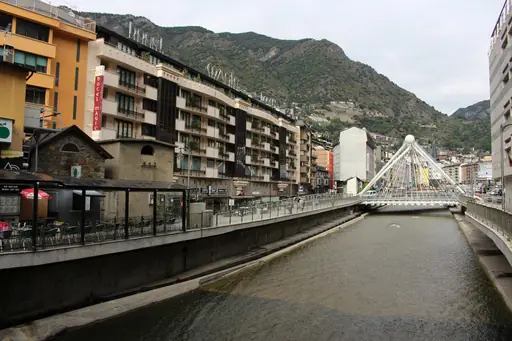
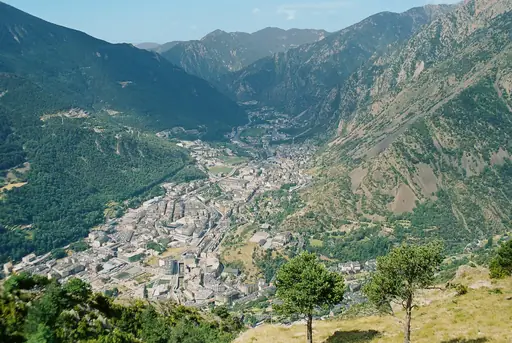
Coll de la Gallina climbs steeply above Andorra's capital towards the Pyrenees peaks. The Tour de France and Vuelta a Espana have both finished stages here. Riders can tackle switchback after switchback with views back over the valley. Andorra's compact size lets cyclists cross into both France and Spain in a single day.
Town in France
Alpe d'Huez
Legendary Cycling and Alpine Skiing Paradise
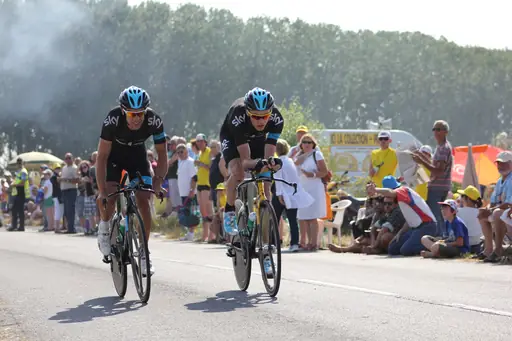
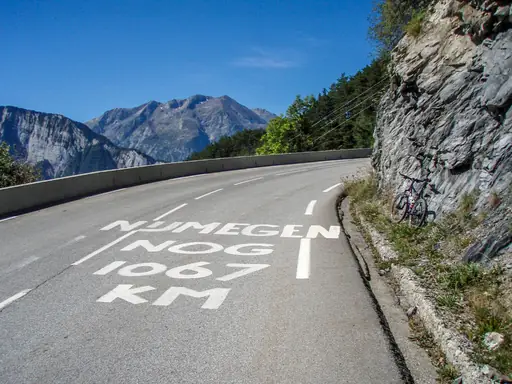
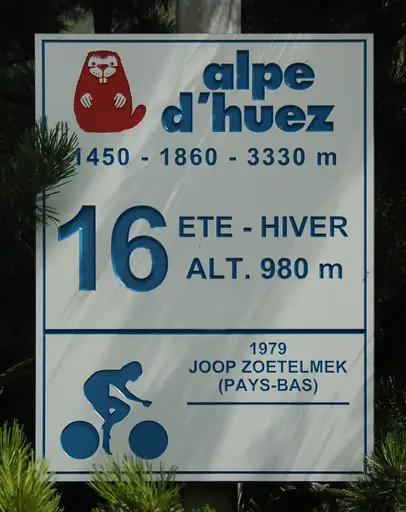
Alpe d'Huez climbs through 21 numbered hairpin switchbacks up the French Alps. Each bend carries a sign naming a past Tour de France stage winner. Riders can grind up the same 13 kilometre climb used in the race since 1952. The final hairpin opens onto the ski resort town at the summit.
Island in South Korea
Jeju Island
Nature's Island Paradise
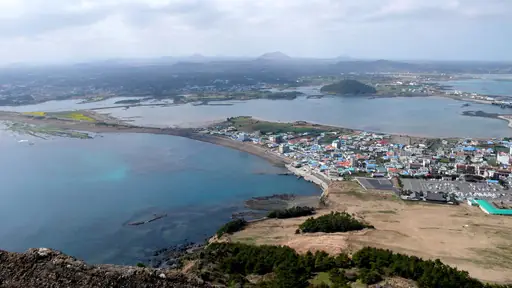
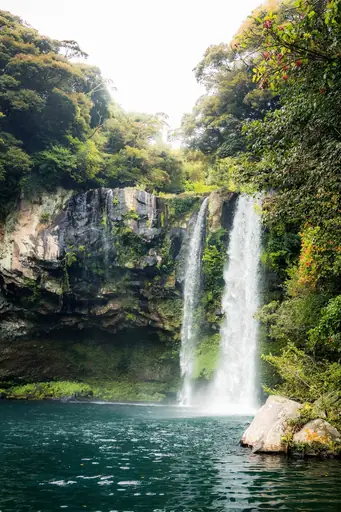
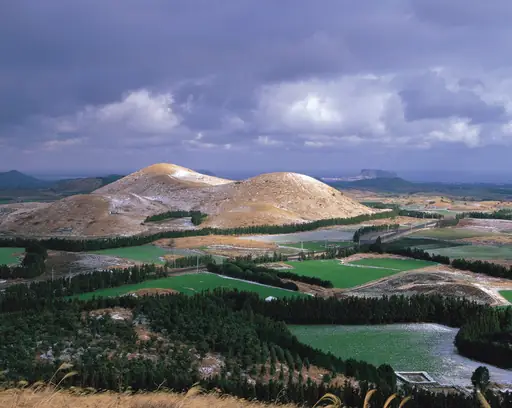
Jeju Island circles a dormant volcano rising from the centre of its coastline. A dedicated bike path traces the island's full perimeter along the sea. Riders can complete the full loop over several days, staying near the coast. Black lava rock walls line many of the island's rural roads.
City in Brazil
Florianopolis
Beaches, lagoons and island adventure
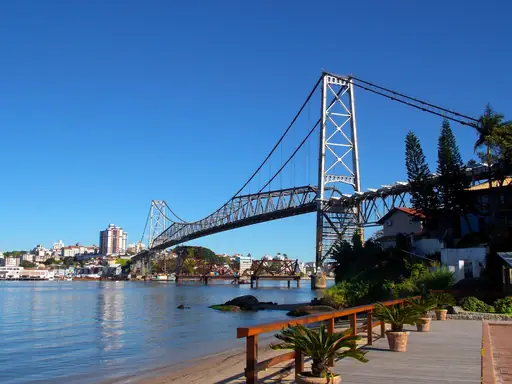
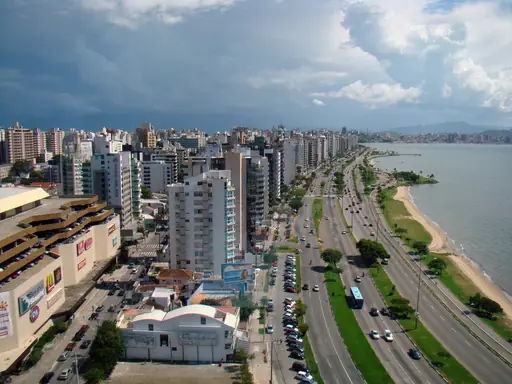
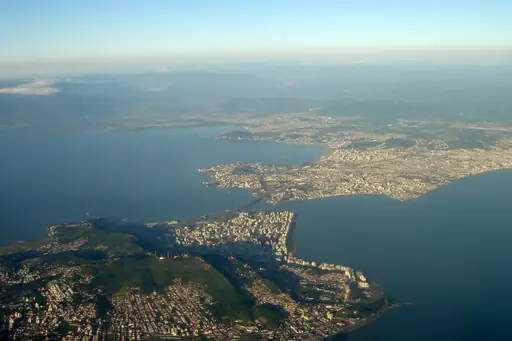
Florianopolis sits on an island ringed by more than 40 named beaches. Coastal roads connect surf towns through stretches of Atlantic rainforest and dunes. Riders can climb inland hills before dropping back down to sea level. Lagoa da Conceicao's lakeside path offers a flatter, easier alternative route.
Region in New Zealand
Marlborough
Wine Country Meets Stunning Coastal Sounds
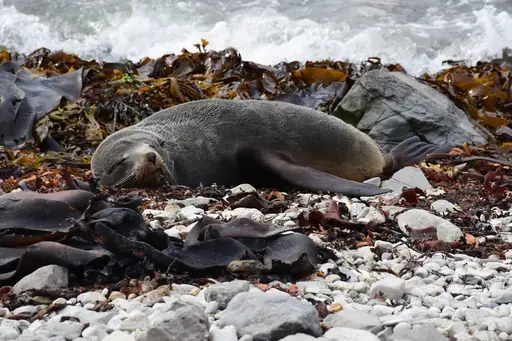
Marlborough's flat valley roads wind between rows of sauvignon blanc vineyards. New Zealand's largest wine region spreads across gentle, easy to ride terrain. Riders can stop at wineries along quiet country lanes near Blenheim. Mountains ring the valley, visible in the distance from nearly every road.
Town in Spain
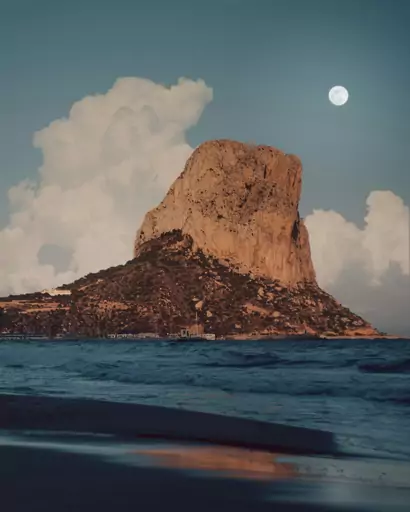
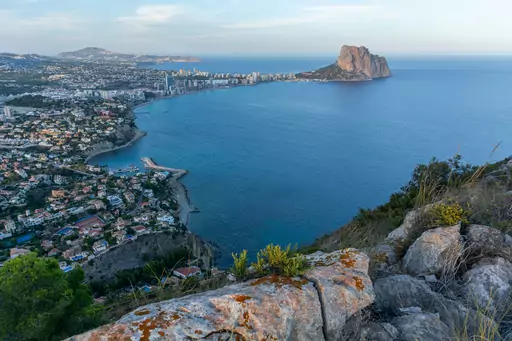
Calpe
Mediterranean gem with iconic rock
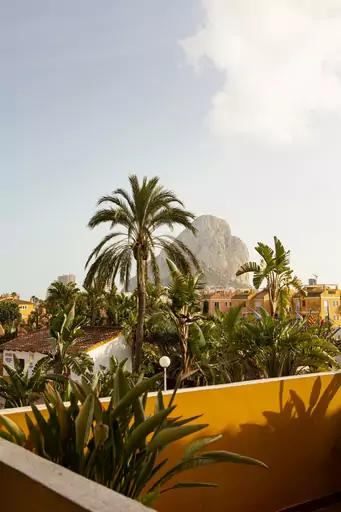
Roads around Calpe wind along cliffs beneath the towering Penon de Ifach rock. Professional cycling teams use this stretch of Costa Blanca for winter training camps. Riders can climb inland towards Alicante's hill towns before returning to the coast. Mild winter weather keeps these roads rideable nearly year round.
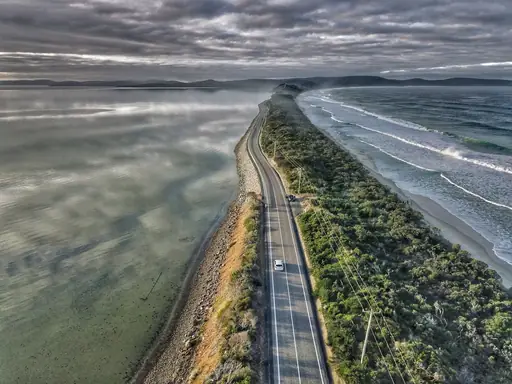
Island in Australia
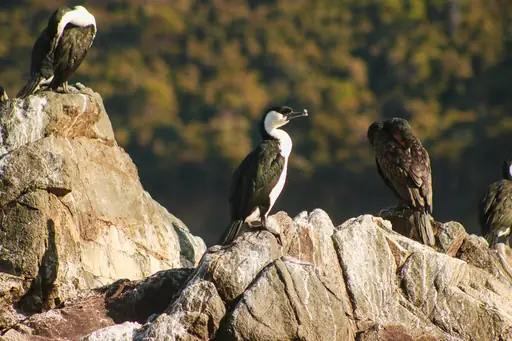
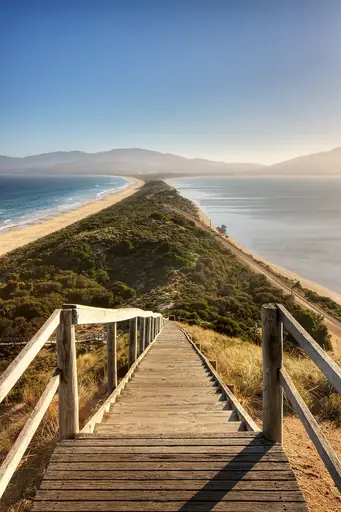
Tasmania
Wilderness, Wildlife and Wild Coasts
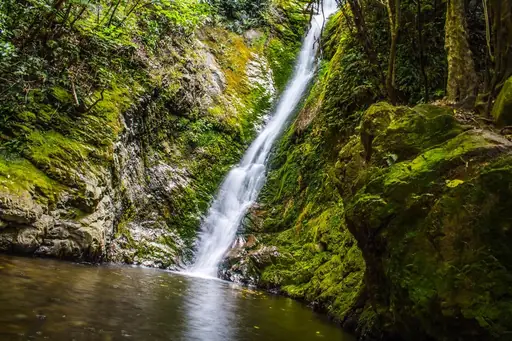
Tasmania's Blue Derby trail network was built into former mining and forestry land. Rainforest singletrack winds past waterfalls in the island's rugged northeast. Riders can descend through fern gullies on trails purpose built for mountain bikes. The town of Derby transformed around the trail network after decades of decline.
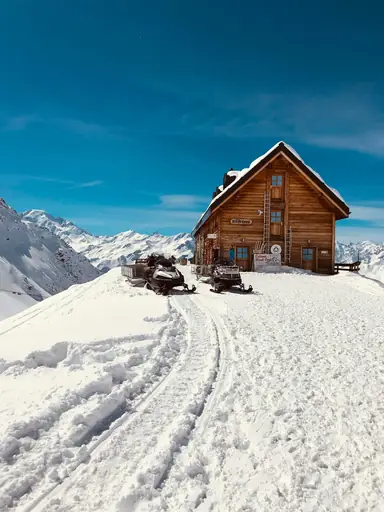
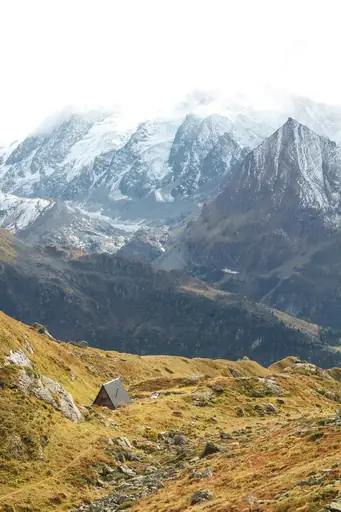
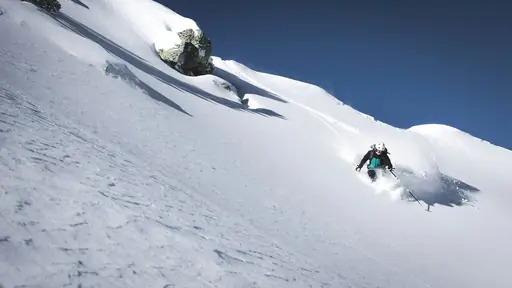
Town in Switzerland
Verbier
Alpine Paradise with Epic Views
Verbier sits high in the Swiss Alps, ringed by glaciers and steep mountain trails. Chairlifts carry mountain bikers up for long descents through alpine meadows. Riders can also pedal challenging road climbs connecting Verbier to neighbouring valleys. The resort hosts enduro mountain bike races through its steep terrain each summer.
Island in Spain
Lanzarote
Volcanic Landscapes and Sunny Shores
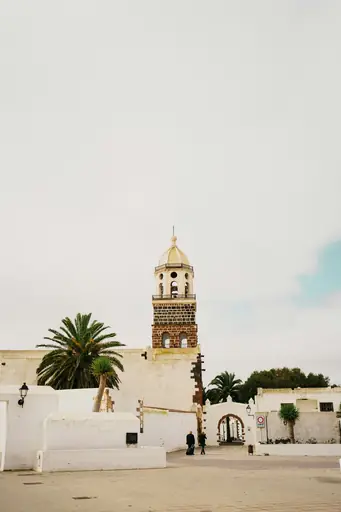
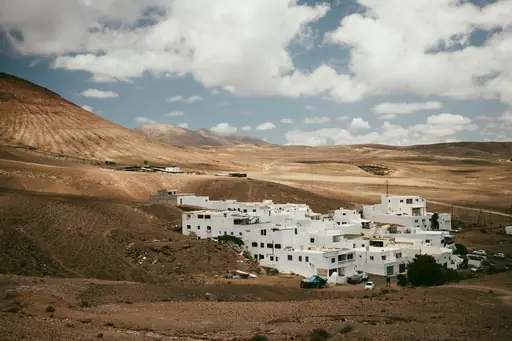
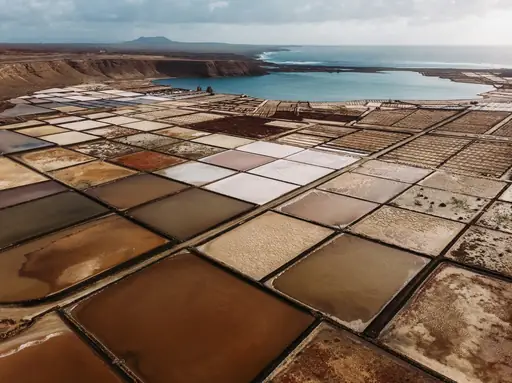
Lanzarote's volcanic roads cross black lava fields shaped by 18th century eruptions. Professional teams use the island's steady winter climate for training camps. Riders can climb past Timanfaya National Park's cratered, otherworldly landscape. Coastal winds make flat stretches here feel far more demanding than expected.
Region in New Zealand
North Island
Geothermal Wonders and Māori Culture
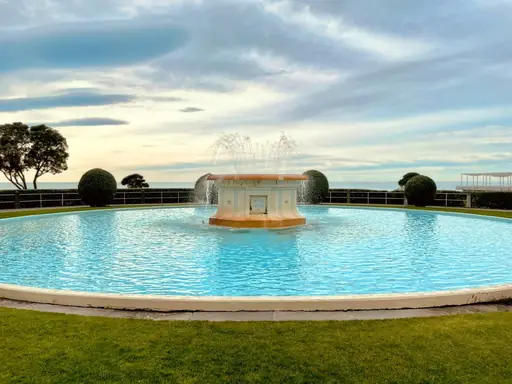
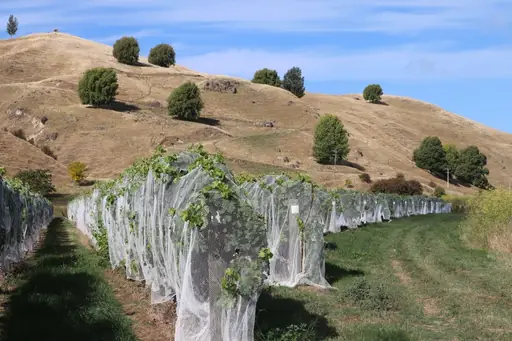
The Timber Trail crosses a former logging railway through native forest on the North Island. Old bridges and tunnels built for timber trains now carry mountain bikers instead. Riders can cover the full route across two long days in the backcountry. Volcanic peaks are visible from several high points along the trail.
National Park in Australia
Blue Mountains National Park
Majestic Views and Untamed Nature
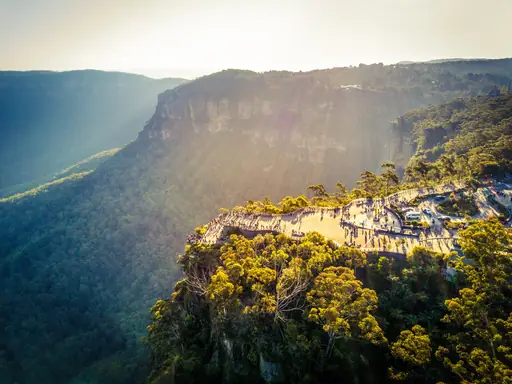
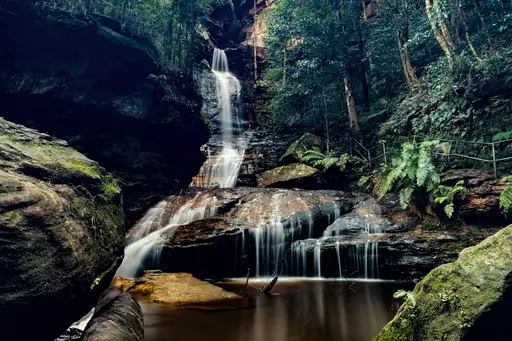
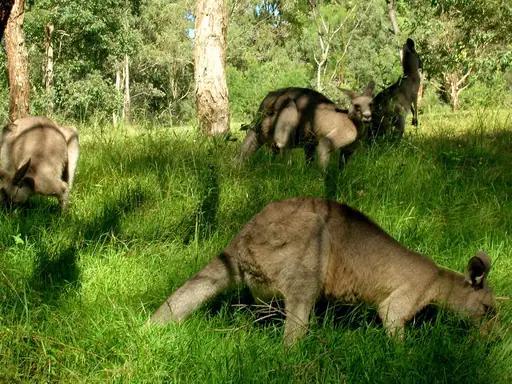
Roads through the Blue Mountains trace cliff edges above deep sandstone gorges. The Six Foot Track nearby draws mountain bikers onto rougher forest terrain. Riders can stop at lookout points over the Jamison Valley along the way. Eucalyptus oil in the air gives the surrounding ranges their signature blue haze.
Country
Tanzania
Wild safaris meet tropical beaches
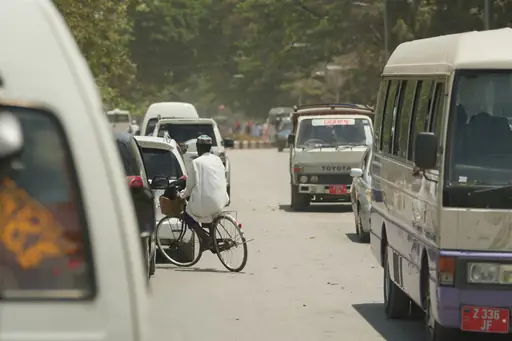
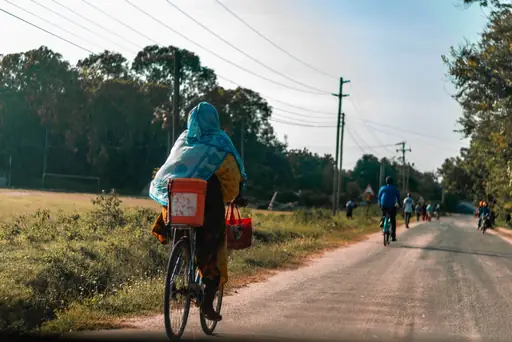
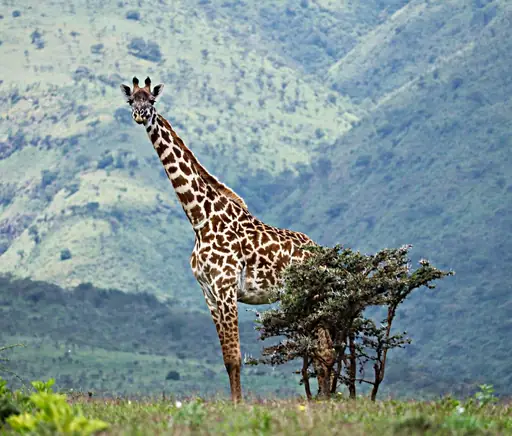
Roads around Mount Kilimanjaro climb through farmland towards Africa's tallest peak. Coffee and banana plantations line much of the lower elevation riding. Riders can pedal with views of Kilimanjaro's snow capped summit on clear days. The Rift Valley's escarpments offer steeper terrain further to the west.
Valley in Peru
Sacred Valley
Ancient terraces echoing timeless Andean rhythms
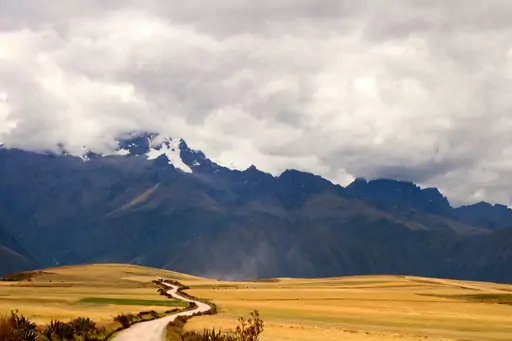
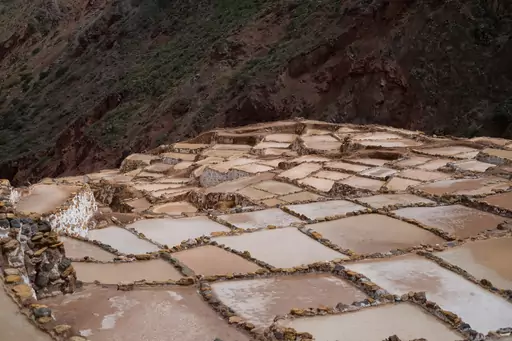
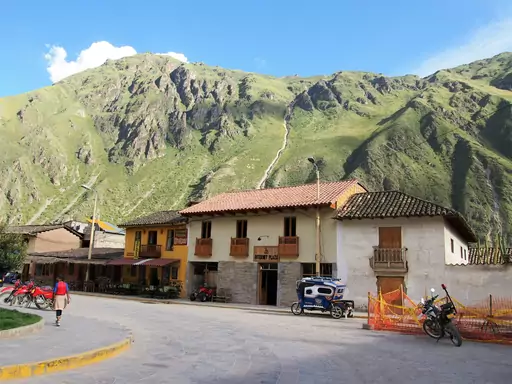
Peru's Sacred Valley connects Inca ruins across a corridor of terraced farmland. Roads climb from the valley floor towards high passes above 4,000 metres. Riders can pedal past sites like Moray and Ollantaytambo along the way. Snow capped peaks of the Andes rise above much of the surrounding countryside.
Island in Japan
Shikoku
Pilgrimage trail, gorges and hot springs
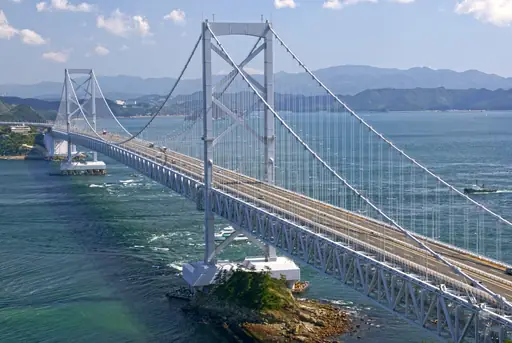
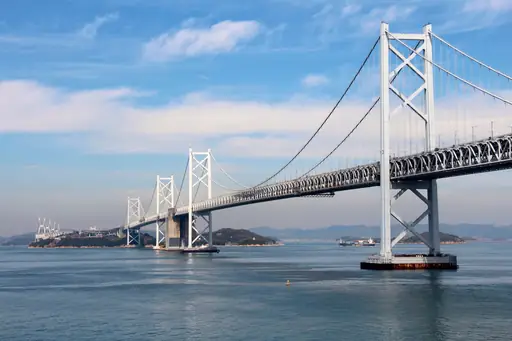
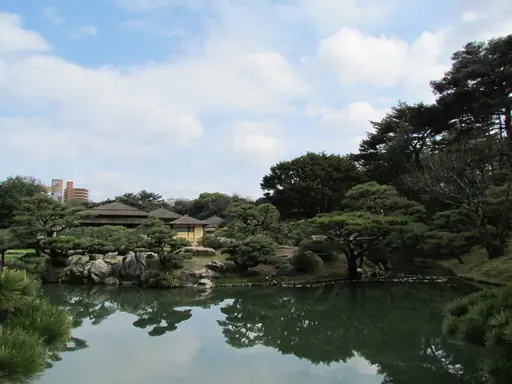
The Shimanami Kaido links Shikoku to Honshu across a chain of small islands. Six suspension bridges carry a dedicated cycling path high above the Seto Inland Sea. Riders can stop on each island for citrus fruit grown along the route. Blue lines painted on the road mark the way for the entire crossing.

City in South Korea
Gyeongju
Ancient Treasures in a Modern World
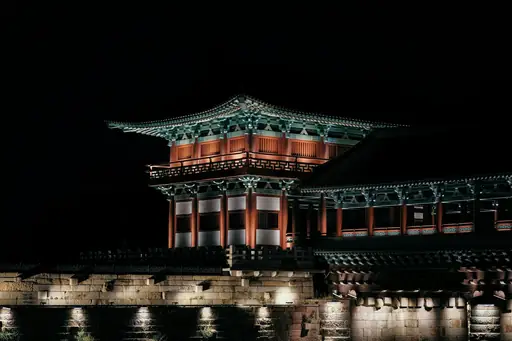
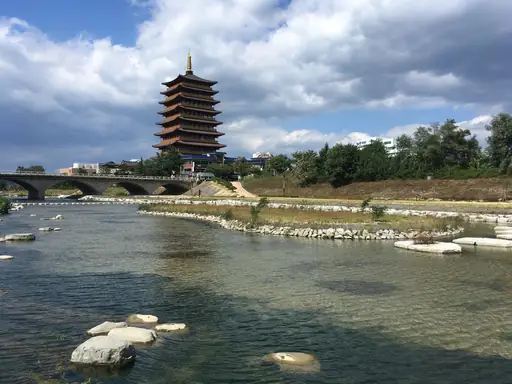
Gyeongju's flat terrain is scattered with ancient royal burial mounds from the Silla dynasty. Bike paths circle Bulguksa Temple and the shores of Bomun Lake nearby. Riders can pedal between UNESCO listed historic sites without much elevation gain. Cherry blossoms line many of the city's paths each spring.
City in United States
Moab
Red rock canyons echo adventure seekers' dreams
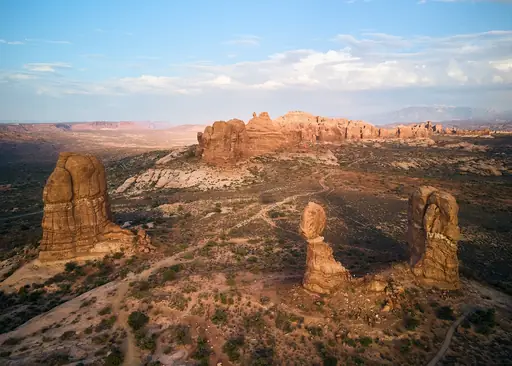
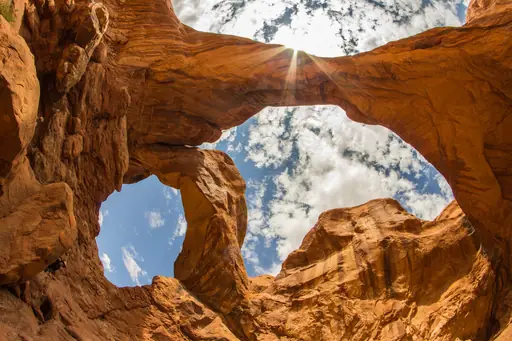
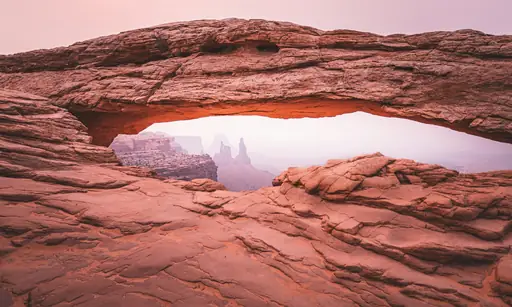
Moab's red rock trails helped establish mountain biking as a mainstream sport in the 1980s. Slickrock Trail rolls across bare sandstone shaped by wind and water. Riders can navigate cairns marking the route across the exposed rock. Canyonlands and Arches national parks sit just outside town.
City in Thailand
Chiang Mai
Ancient temples and mountain escapes
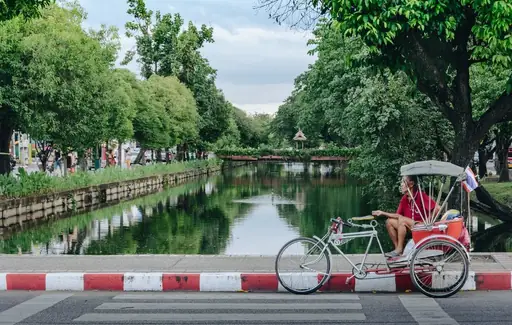
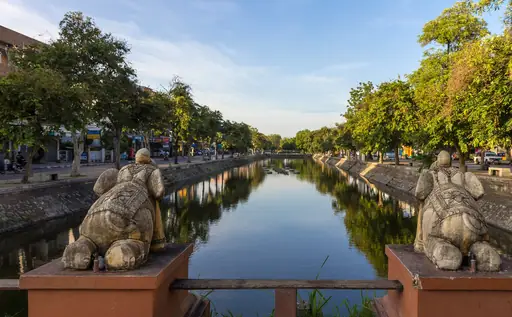
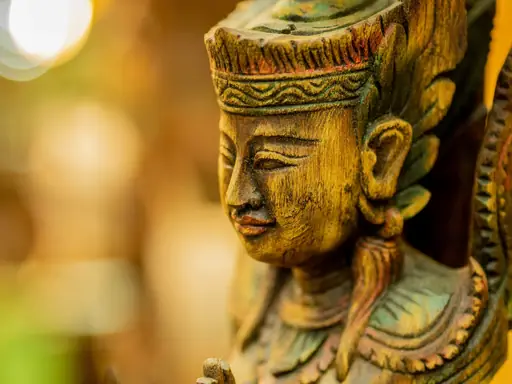
Doi Suthep's mountain road climbs steeply from Chiang Mai towards a hilltop temple. Switchbacks wind through forest before reaching sweeping views over the city below. Riders can stop partway up at waterfalls hidden just off the road. Cooler temperatures near the summit offer relief from the valley's heat.
Region
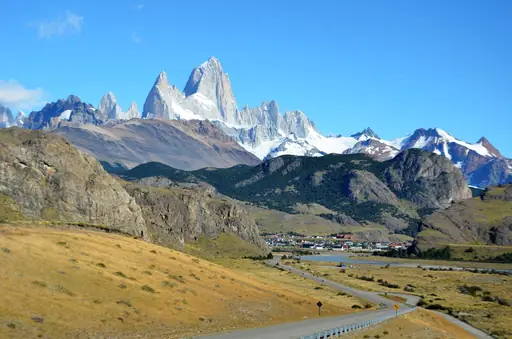
Patagonia
Untamed Beauty at the End of the World
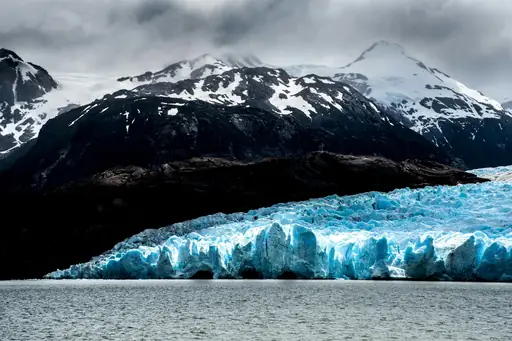
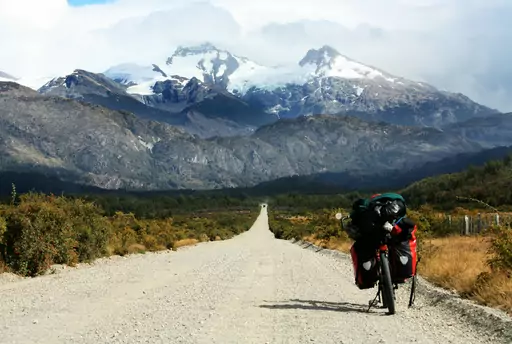
Patagonia's Carretera Austral extends for over 1,200 kilometres through remote wilderness. Gravel sections wind past glaciers and fjords through dense temperate rainforest. Riders can camp beside the road for days without passing a real town. Strong winds sweeping off the Andes can make even flat stretches difficult.
City in United States
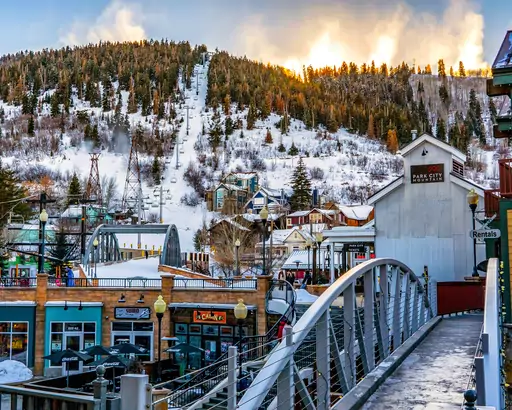
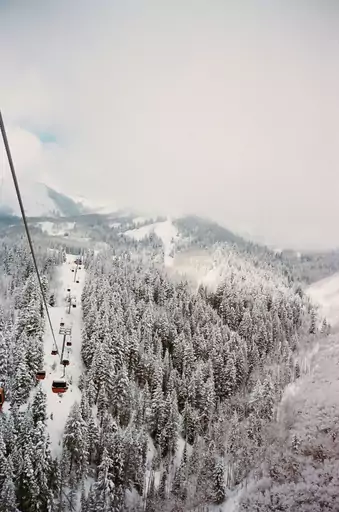
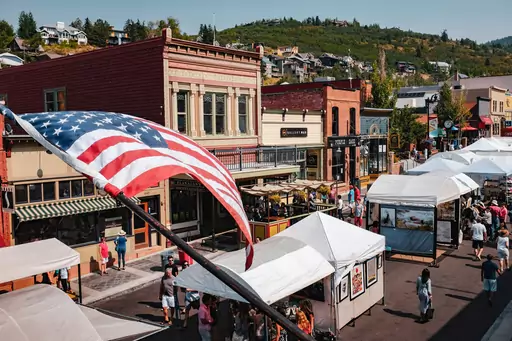
Park City (Utah)
Where Olympic dreams meet culture
Park City holds one of the largest connected trail networks in the United States. Former mining roads from the 19th century now serve as singletrack mountain bike trails. Riders can climb through aspen groves before descending past old mine shafts. The town hosts a stop on the Tour of Utah stage race most years.
Island in Australia
Kangaroo Island
Wildlife, Wonders and Rugged Coast
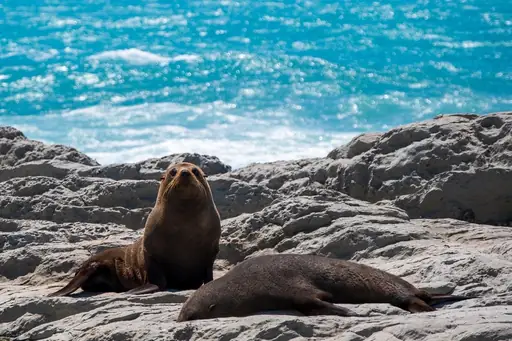
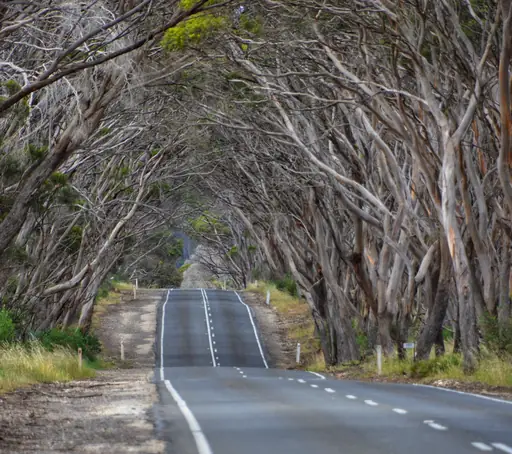
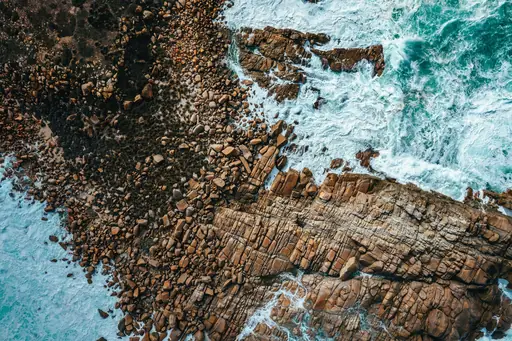
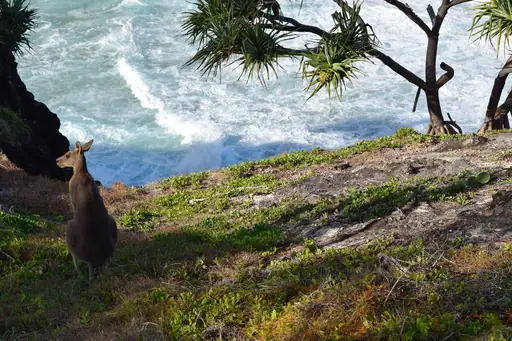
Kangaroo Island's coastal roads pass wildlife reserves home to koalas and sea lions. Long, quiet stretches connect small towns across the island's interior. Riders can stop at Seal Bay to watch colonies resting on the sand. Limited traffic makes the island's main roads comfortable for longer rides.
City in Australia
Adelaide
Festivals, wine and laid-back charm
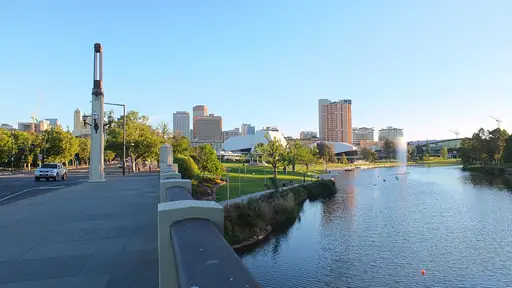
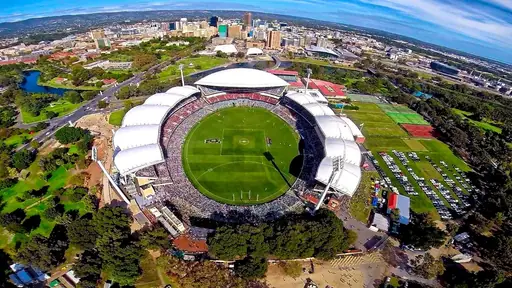
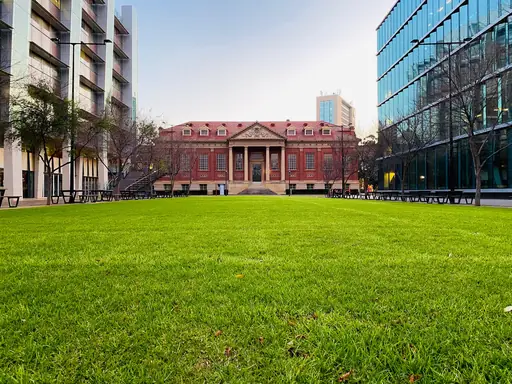
Adelaide hosts the Tour Down Under, an early stop on the UCI WorldTour calendar. Flat city streets connect to steeper climbs in the nearby Adelaide Hills. Riders can pedal from the coast at Glenelg into vineyard country within an hour. Willunga Hill, a regular race finish, draws cyclists chasing the pros' climb.
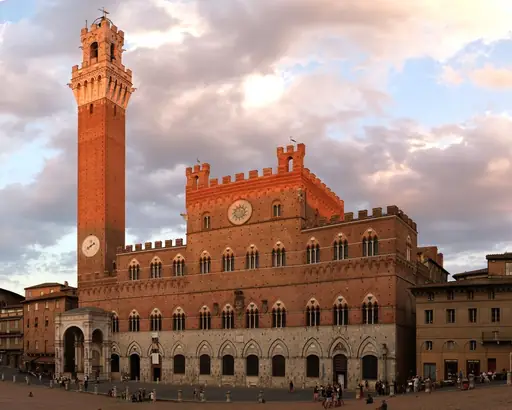
Region in Italy
Tuscany
Rolling Hills, Wine and Renaissance Charm
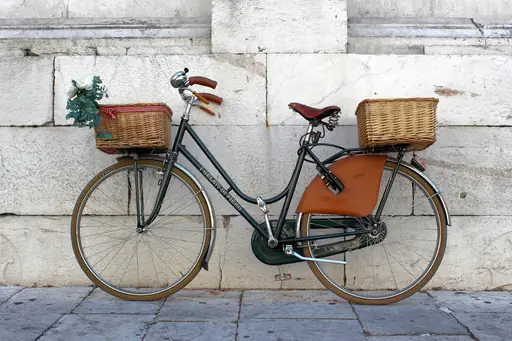
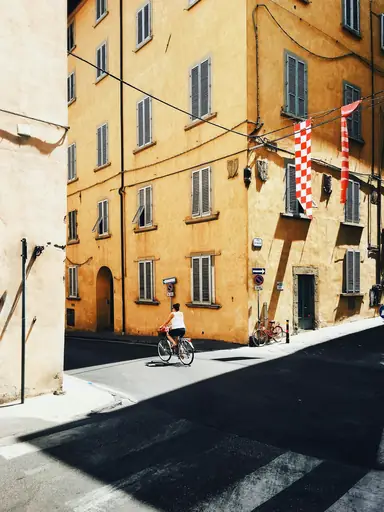
Strade Bianche, Tuscany's famous white gravel roads, wind between vineyards and cypress trees. A professional one day race now carries the same name each spring. Riders can climb through rolling hills towards hilltop towns like Montalcino. Dust from the pale gravel roads coats bikes and riders by the ride's end.
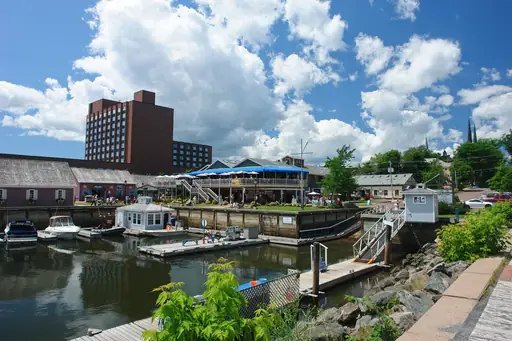
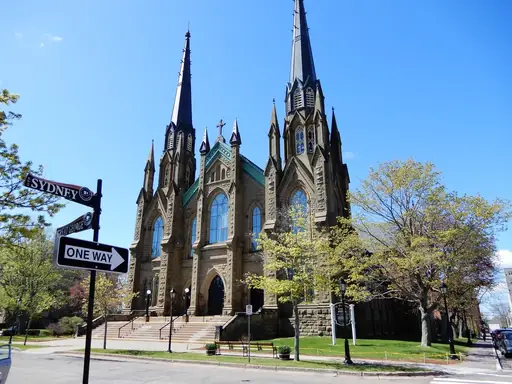
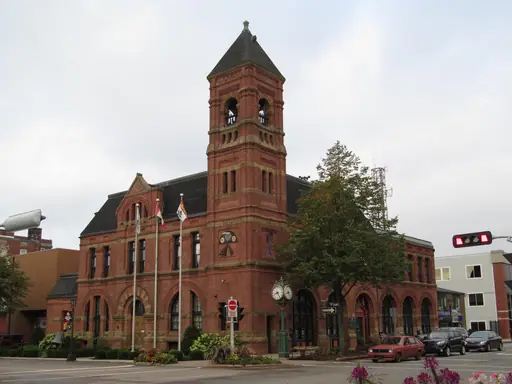
Island in Canada
Prince Edward Island
Coastal charm and serene wilderness
The Confederation Trail crosses Prince Edward Island along a former railway corridor. Its gentle, mostly flat grade makes it accessible to riders of nearly any level. Riders can pedal past red sand cliffs and rolling potato farmland. The full trail runs coast to coast across the island's length.
City in New Zealand
Rotorua
Geothermal Wonders and Māori Culture
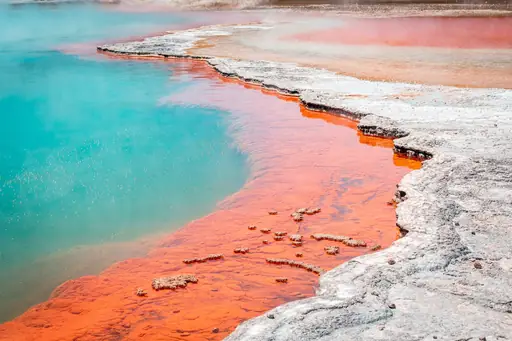
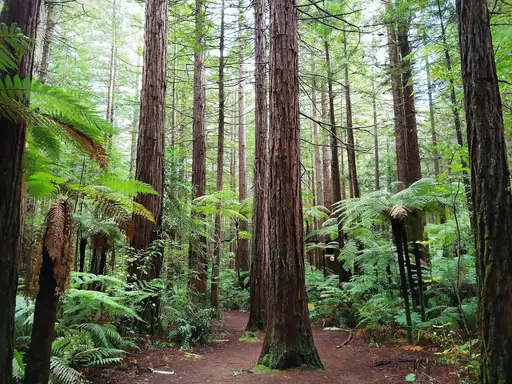
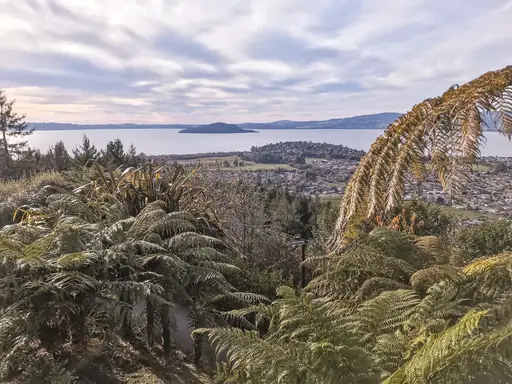
Rotorua's Whakarewarewa Forest holds over 180 kilometres of purpose built mountain bike trails. Tall redwood trees planted in the early 1900s now shade much of the singletrack. Riders can choose trails ranging from gentle loops to steep technical descents. Geothermal steam vents nearby are a reminder of the region's volcanic activity.
City in Spain
Girona
Medieval Walls, Colorful Rivers, Catalan Soul
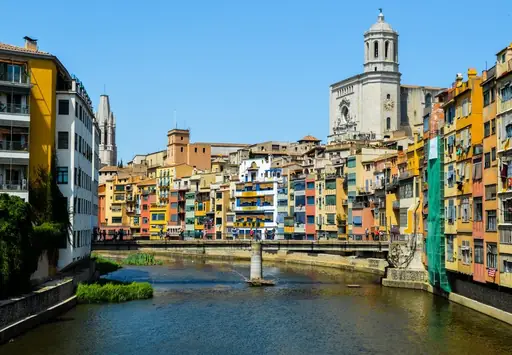
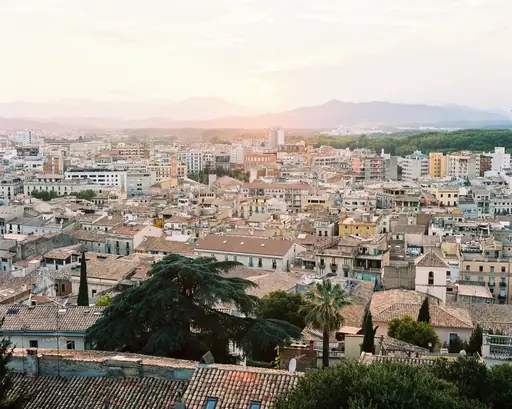
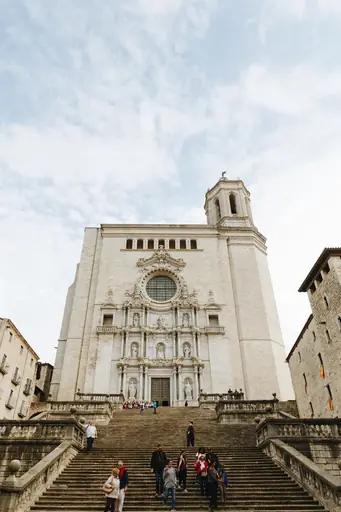
Girona has become a training base for professional cyclists from around the world. Quiet rural roads climb gently through Catalonia's countryside just outside the city. Riders can follow routes used regularly by WorldTour teams during the off season. The city's medieval old town offers a scenic start and finish point.
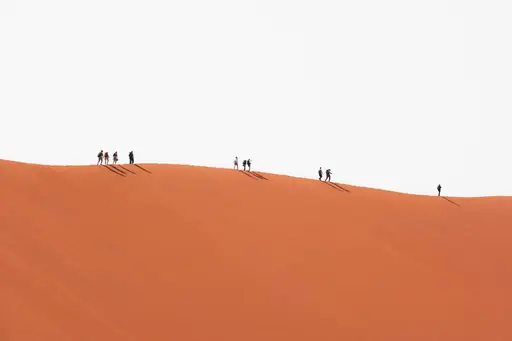
National Park in Namibia
Namib-Naukluft National Park
Endless Dunes and Desert Drama
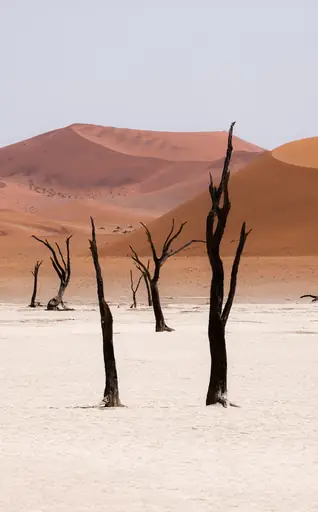
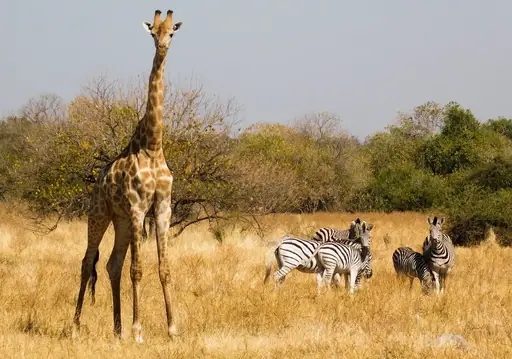
Roads through the Namib-Naukluft cross some of the oldest desert dunes on Earth. Towering red dunes near Sossusvlei rise directly beside the gravel routes. Riders can pedal past dry white clay pans dotted with dead camelthorn trees. Wide open desert here offers almost no shade or water along the way.
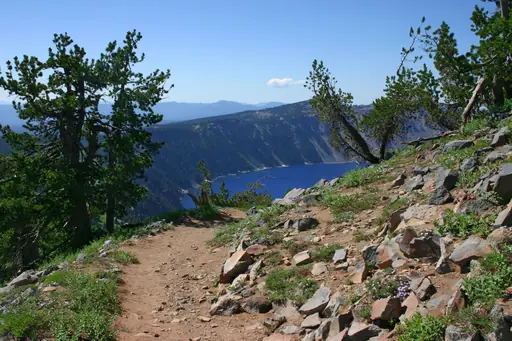
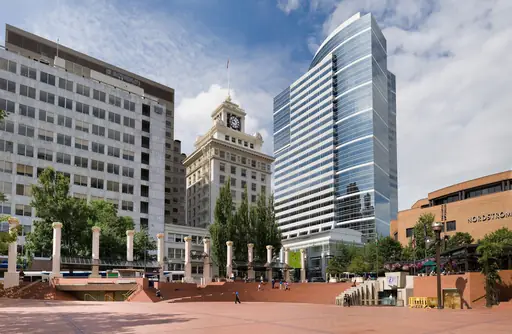
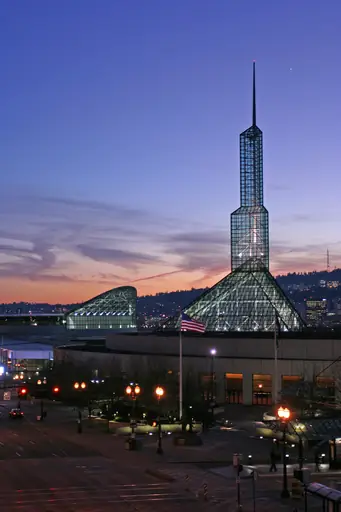
State/Prefecture in United States
Oregon
Diverse Landscapes and Outdoor Wonders
The McKenzie River Trail winds through old growth forest beside rushing whitewater rapids. Volcanic rock formations and waterfalls line much of this singletrack route. Riders can follow the river for over 40 kilometres through dense Cascade forest. Clear blue pools form where the river slows near natural lava dams.
City in China
Guilin
Karst Mountains and Serene Rivers
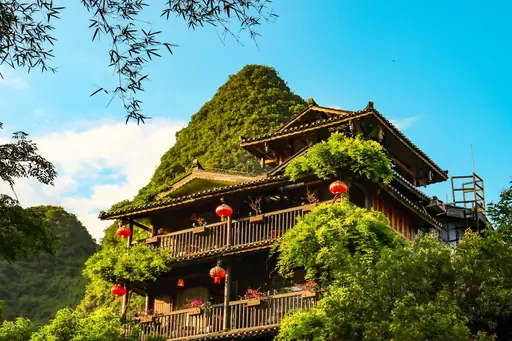
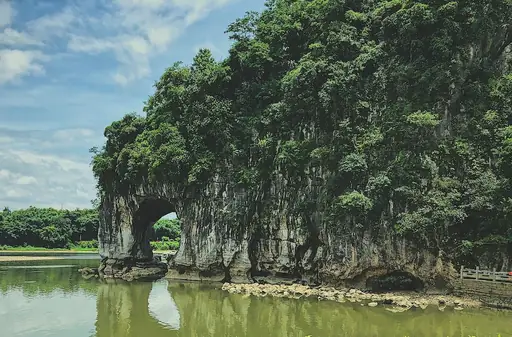
Roads around Guilin wind between karst limestone peaks rising sharply from flat farmland. The Li River winds alongside much of the route towards Yangshuo. Riders can pedal past rice paddies and bamboo groves framed by the peaks. Fishermen using trained cormorants still work sections of the river below.
City in France
Chamonix-Mont-Blanc
Alpine thrills beneath Mont Blanc
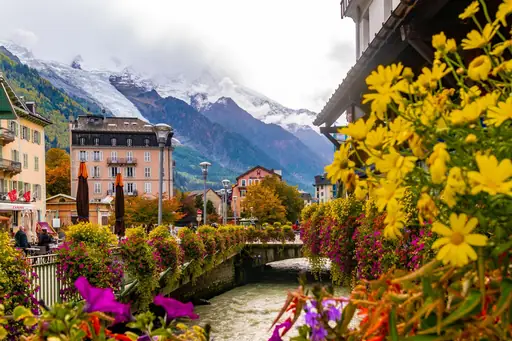
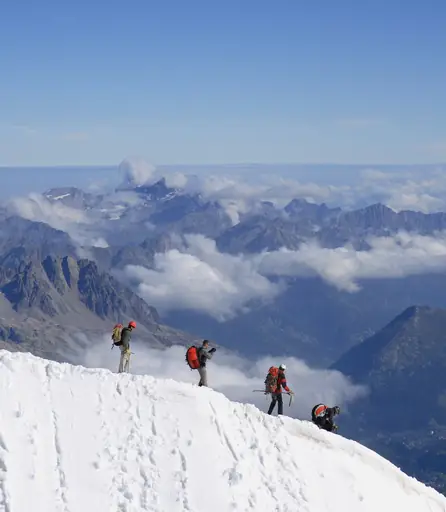
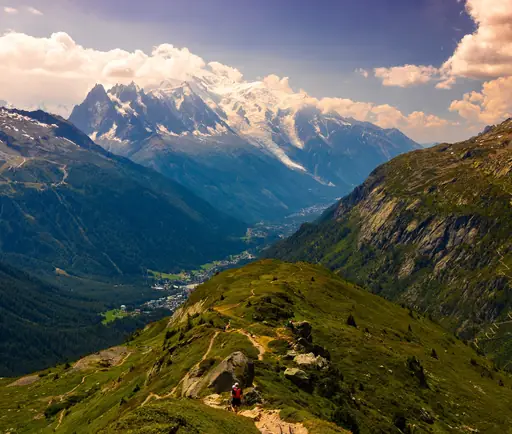
Roads around Chamonix climb steeply beneath Mont Blanc's glaciers and jagged peaks. The Col des Montets connects the valley to neighbouring Swiss cycling routes. Riders can test their legs on the same slopes used by ski mountaineers. Cable cars nearby offer a shortcut back down for tired legs.
Region in United States
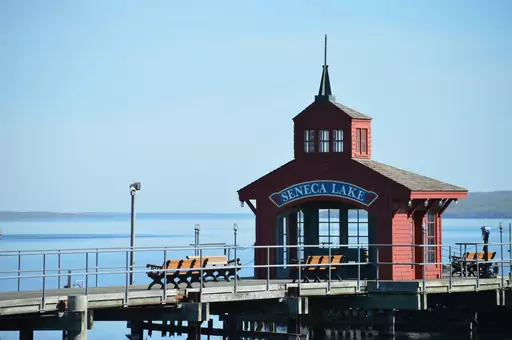
Finger Lakes
Waterfalls, wine and pristine lakes
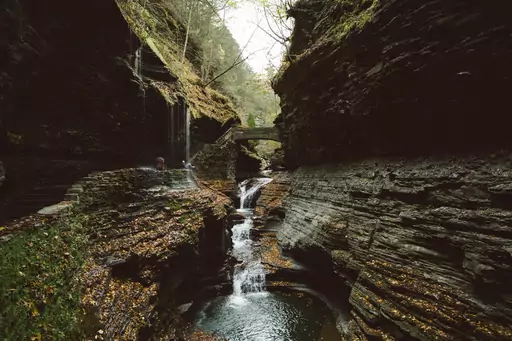
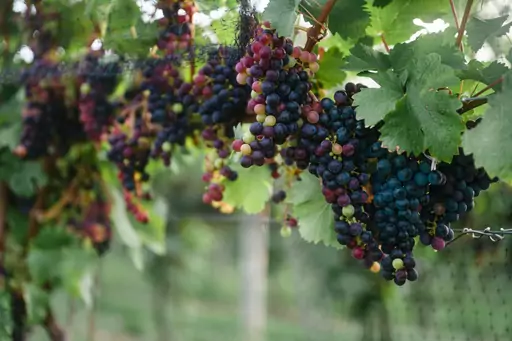
Roads around the Finger Lakes roll past vineyards planted on old glacial slopes. Long, narrow lakes carved by glaciers shape the region's winding cycling routes. Riders can stop at wineries along Seneca or Cayuga Lake's shoreline roads. Rolling hills here offer climbs without the scale of true mountains.
City in Argentina
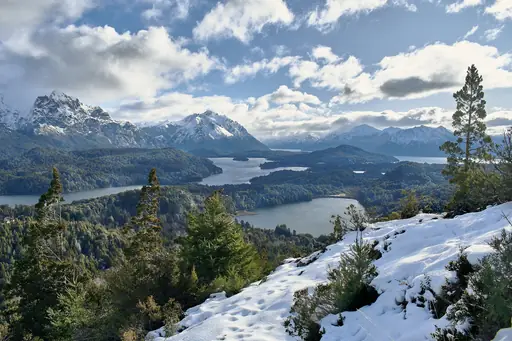
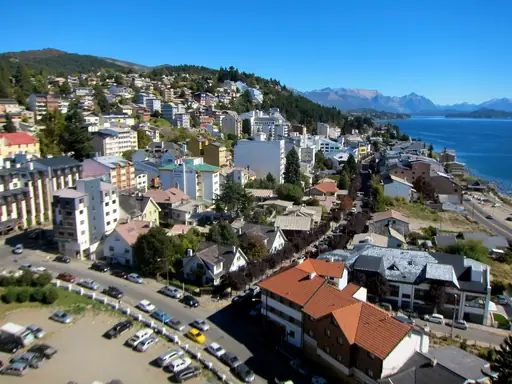
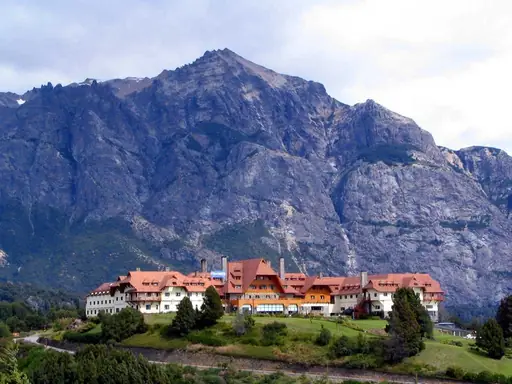
San Carlos de Bariloche
Argentina’s Alpine Wonderland
Bariloche sits along Argentina's Route of the Seven Lakes through Andean forest. Circuito Chico loops past glacial lakes framed by snow capped peaks nearby. Riders can stop at chocolate shops built in a distinct Alpine architectural style. Steep climbs reward riders with sweeping views over Nahuel Huapi Lake.
Nature Reserve in South Africa
Ukhahlamba Drakensberg Park
Barrier of spears touching sky
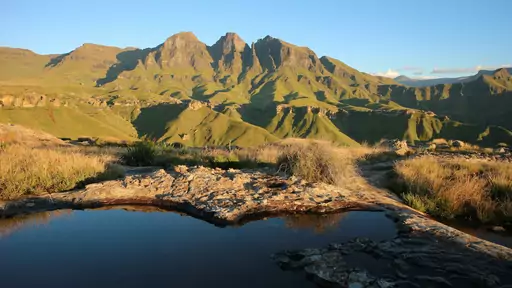
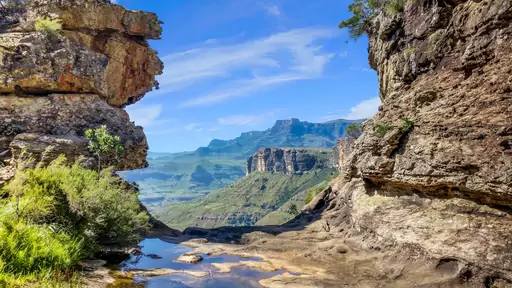
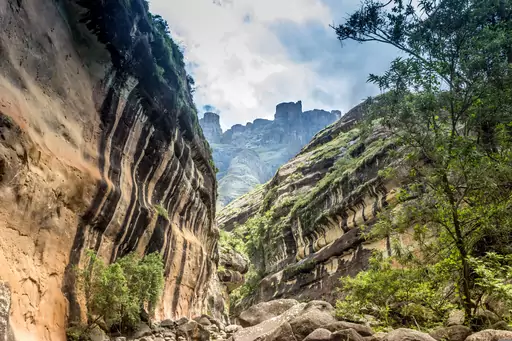
The Drakensberg escarpment rises in a dramatic wall of basalt cliffs and peaks. Sani Pass climbs a rough gravel road up the mountain towards Lesotho's border. Riders can tackle steep switchbacks with sheer drop-offs on either side. San rock art found in nearby caves dates back thousands of years.
Town in Italy
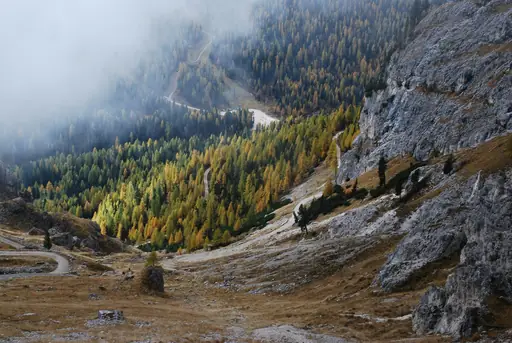
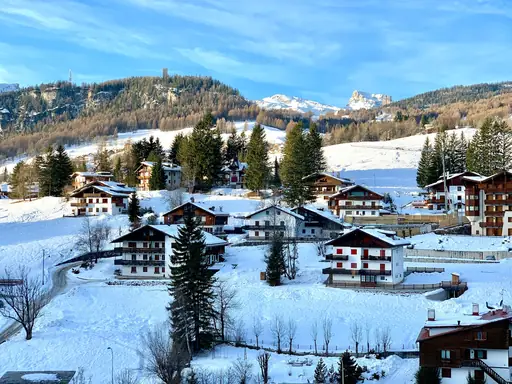
Cortina d'Ampezzo
Dolomite Peaks, Alpine Glamour, Adventure
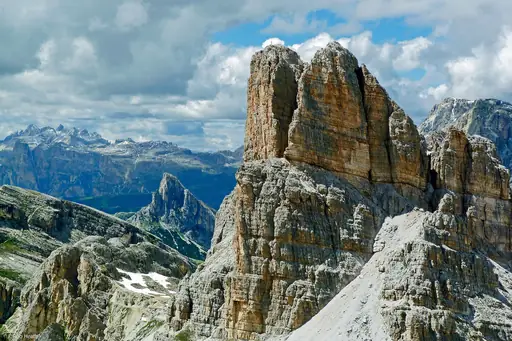
Cortina d'Ampezzo sits surrounded by the jagged peaks of the Dolomites. Passo Giau nearby climbs through dozens of hairpins above the tree line. Riders can tackle this same climb used repeatedly in the Giro d'Italia. Pale limestone spires rise directly above the road's steepest switchbacks.
City in Mexico
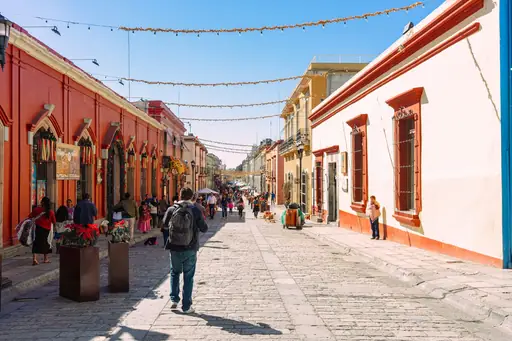
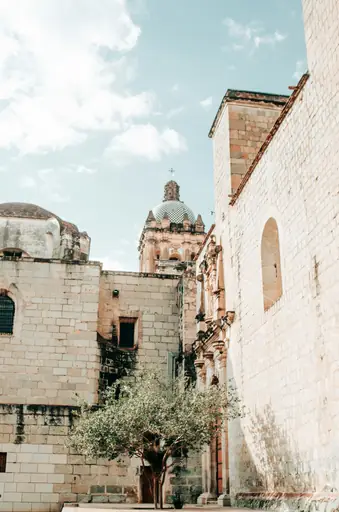
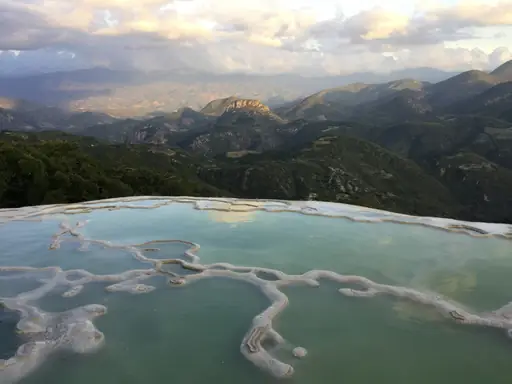
Oaxaca
Colonial Charm and Rich Traditions
Roads around Oaxaca climb through mountain villages known for mezcal and handwoven textiles. Steep, quiet routes wind between valleys at over 1,500 metres elevation. Riders can stop in small towns for tlayudas or fresh mezcal along the way. Colonial churches mark the centre of nearly every village passed on the ride.
Country
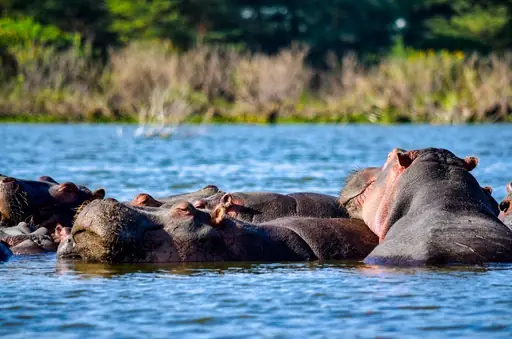
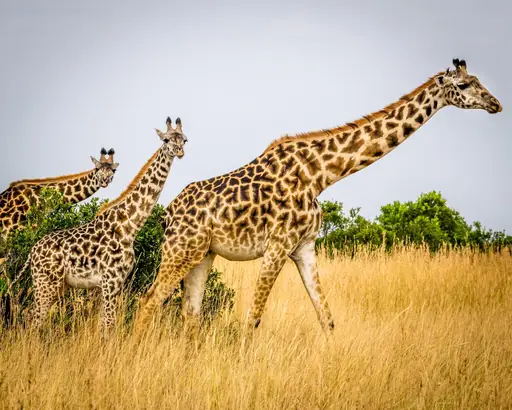
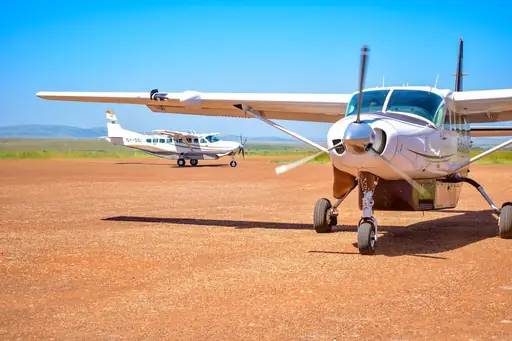
Kenya
Safari paradise meets coastal charm
The Great Rift Valley cuts through Kenya's highlands at altitudes above 2,000 metres. Many of the world's top distance runners train on these same high roads. Riders can pedal past flamingo lined lakes and volcanic escarpments. Thin mountain air here adds an extra challenge to every climb.
City in Italy
Trento
Alpine Charm Meets Italian Culture
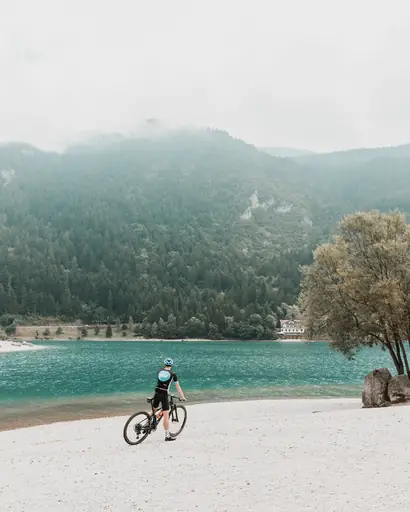
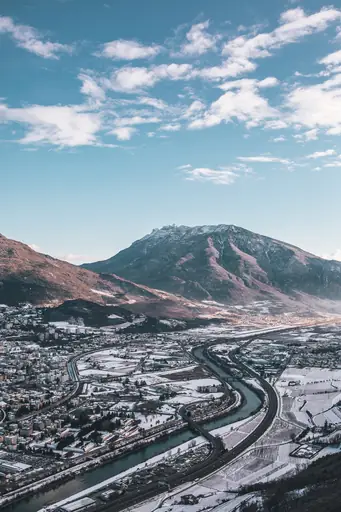
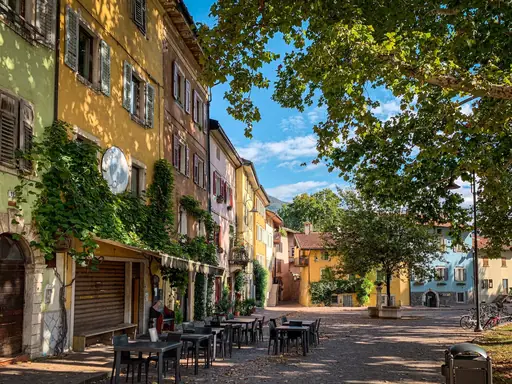
Trento sits along a valley floor crossed by a long, mostly flat cycling path. The route follows the Adige River north towards Bolzano through orchard country. Riders can climb steeply into the Dolomites just beyond the valley's edges. Medieval castles overlook the river from hillsides along much of the ride.
Lake
Lake Titicaca
Crystal waters echo ancient Andean legends
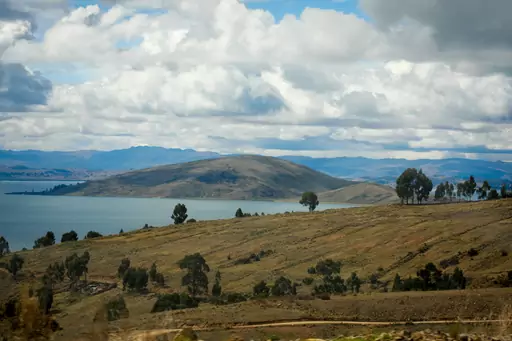
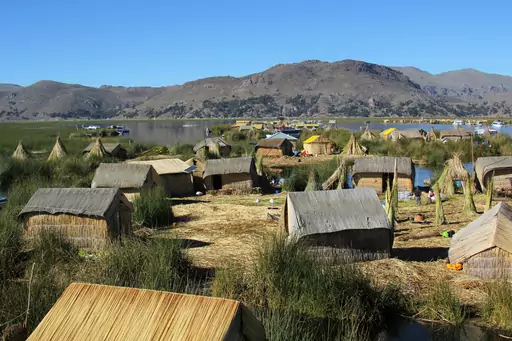
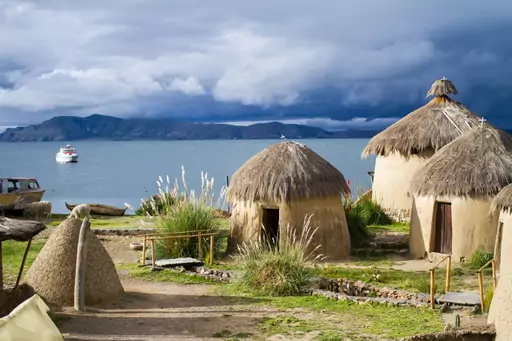
Lake Titicaca sits at roughly 3,800 metres, among the highest navigable lakes on Earth. Thin air at this altitude makes every climb feel far harder than usual. Riders can pedal along the shoreline past traditional reed boats and villages. Views stretch across the water towards snow capped Andean peaks.
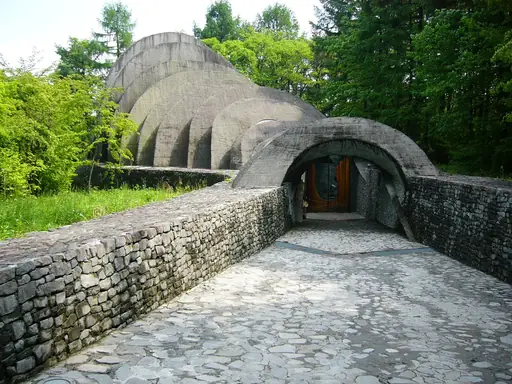
Town in Japan
Karuizawa
Cool highland resort at the foot of Asama
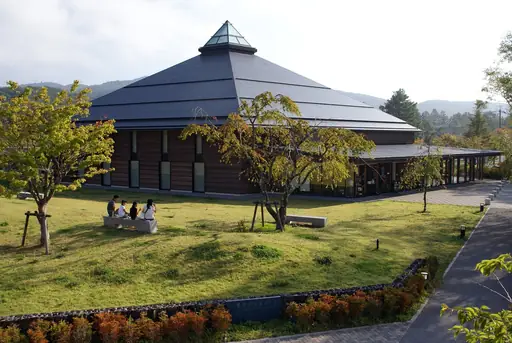
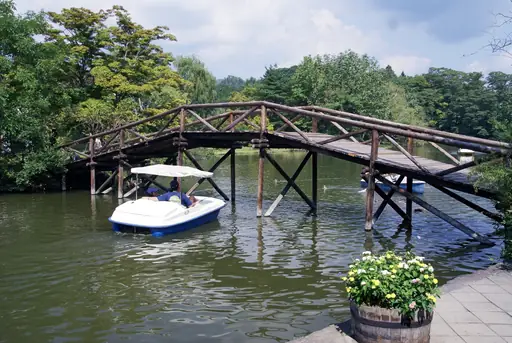
Karuizawa's forested lanes have drawn cyclists to this mountain resort town for over a century. Cool summer temperatures make it a popular escape from Tokyo's heat. Riders can pedal quiet roads shaded by tall larch and birch trees. A dedicated cycling path connects the town to nearby Mount Asama's foothills.
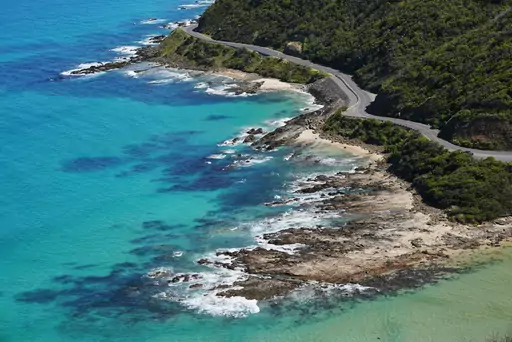
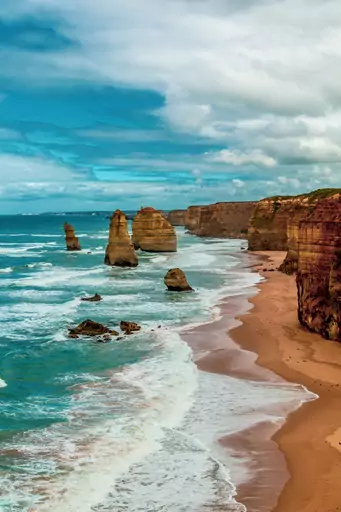
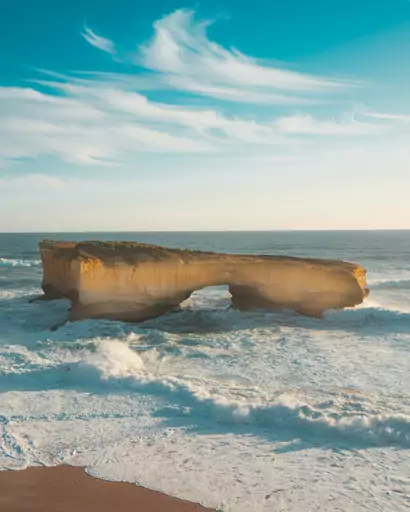
Landmark in Australia
Great Ocean Road
Coastal cliffs and turquoise waves
The Great Ocean Road hugs cliffs above the Southern Ocean for over 240 kilometres. Limestone stacks called the Twelve Apostles rise from the water along the route. Riders can stop at surf towns like Lorne and Apollo Bay along the way. Returned soldiers built the road by hand in the years following World War One.
River
Nile River
Majestic waters weaving through timeless desert
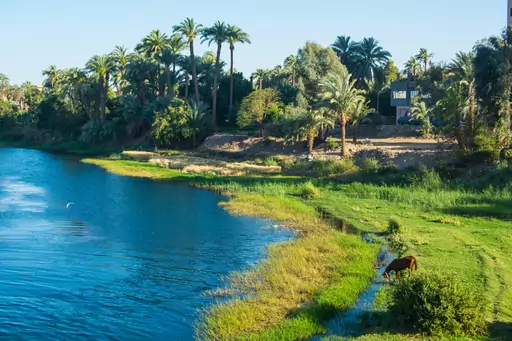
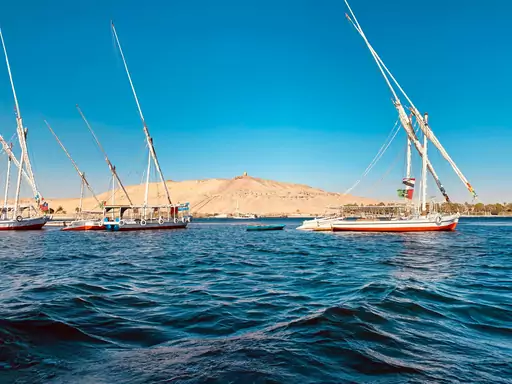
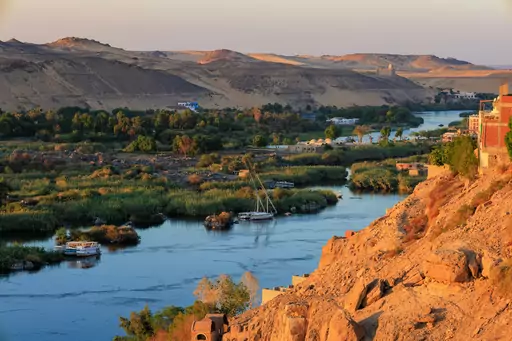
Roads along the Nile connect ancient temple sites across southern Egypt. Riders can pedal between Luxor and Aswan, passing small farming villages along the riverbank. Feluccas, traditional sailboats, drift along the water beside much of the route. Date palms and irrigated fields line the narrow strip of green beside the desert.
City in China
Xiamen
Coastal Charm and Island Adventures
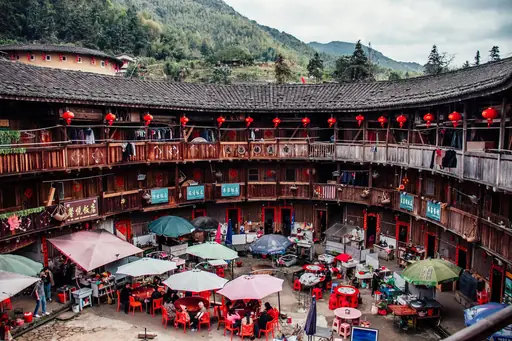
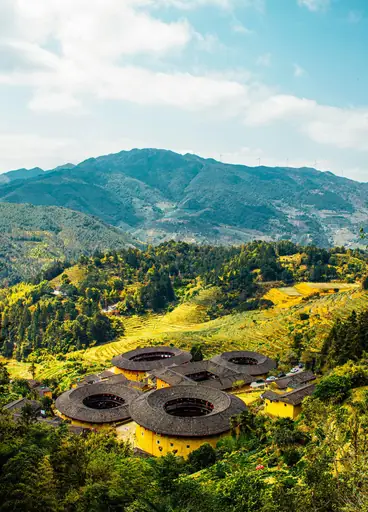
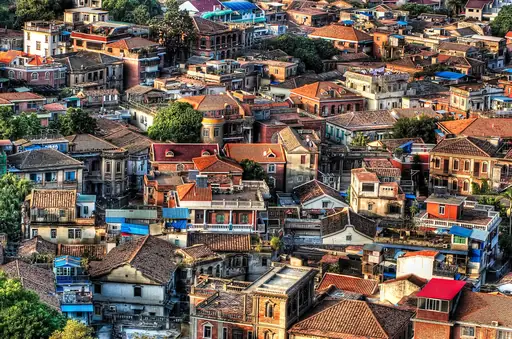
Xiamen's coastal bike path runs along the waterfront past Gulangyu Island's harbour. Dedicated lanes separate cyclists from the city's busy street traffic. Riders can pedal past colonial era buildings on the nearby car free island. Sea breezes keep much of this flat coastal route comfortable through summer.
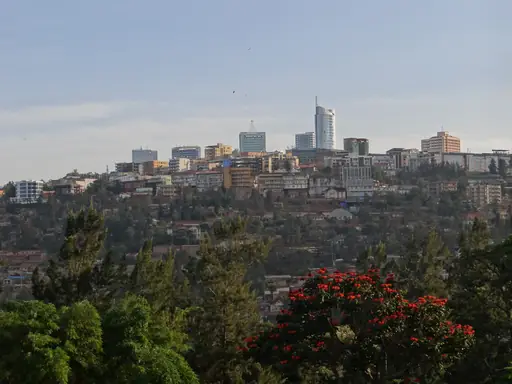
Country
Rwanda
Land of a thousand hills
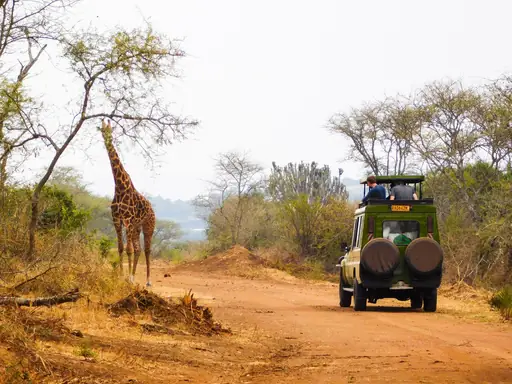
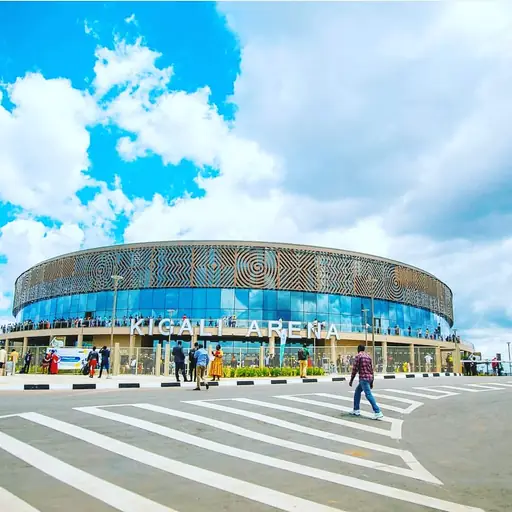
Rwanda's hills earned the country the nickname Land of a Thousand Hills. Roads here climb and descend constantly through terraced farmland and tea plantations. Riders can test themselves on the same terrain used by the Tour du Rwanda. Volcanoes National Park rises in the distance along several northern routes.
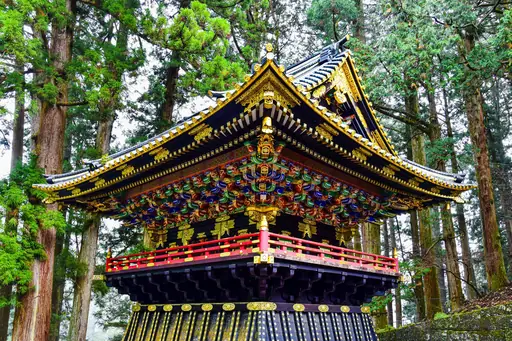
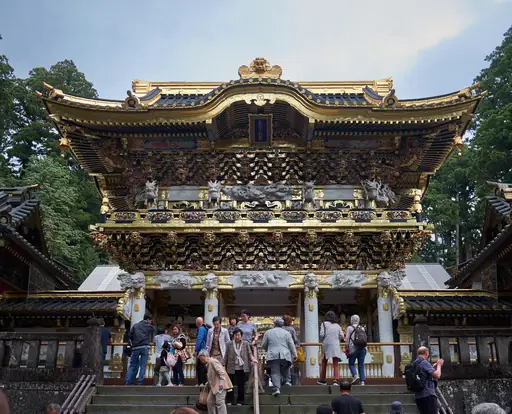
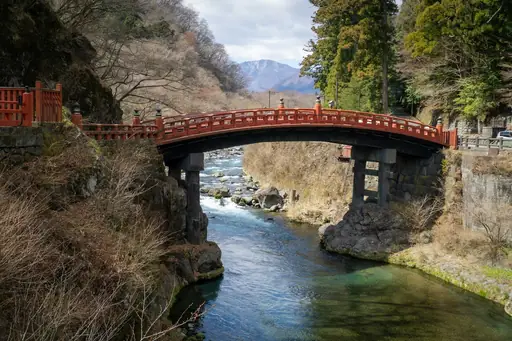
Town in Japan
Nikko
Tokugawa shrines, waterfalls and hot springs
Roads near Nikko climb through cedar forest towards mountain lakes and waterfalls. Irohazaka, a famous switchback road, twists sharply up the mountainside in dozens of turns. Riders can pedal past Lake Chuzenji before tackling the steep descent back down. Historic shrines sit just at the base of these forested climbing routes.
Region in Chile
Carretera Austral
Endless Patagonian horizons under starlit skies
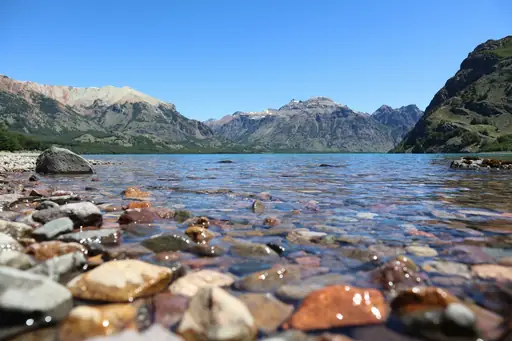
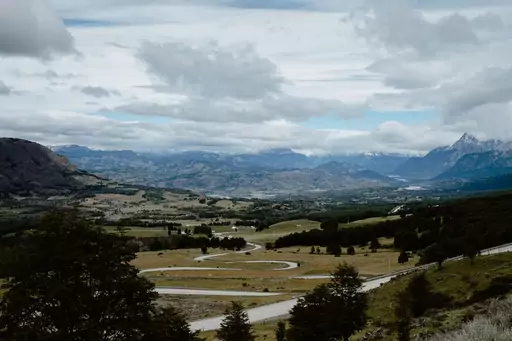
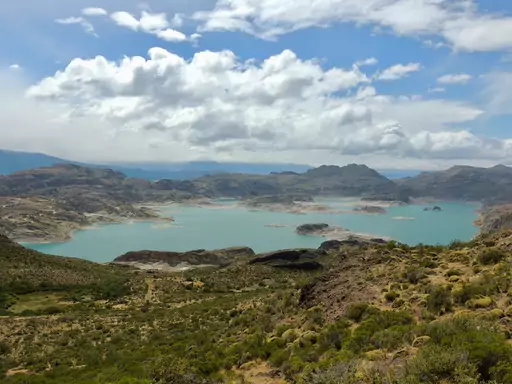
General Carrera Lake sits along the Carretera Austral, ringed by marble caves carved by waves. Its glacial water shifts between deep blue and turquoise depending on the light. Riders can detour by boat to see the caves up close. The route continues south towards Villa O'Higgins, its final remote endpoint.
Country
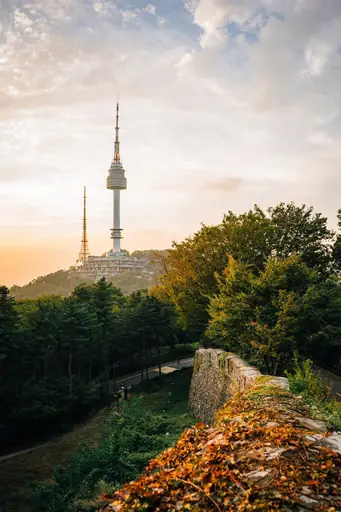
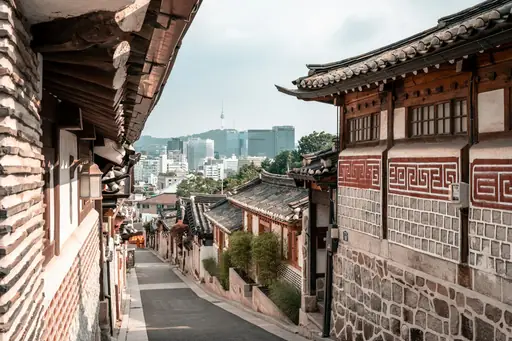
South Korea
Tradition meets modern innovation
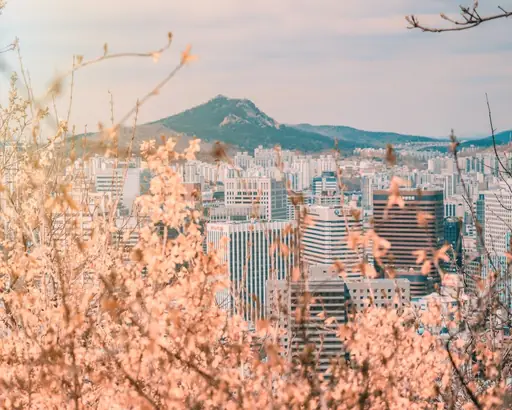
South Korea built a network of riverside cycling paths connecting Seoul to Busan. The Four Rivers route follows waterways for roughly 600 kilometres coast to coast. Riders can collect ink stamps at certification centres along the entire crossing. Completing the full route earns cyclists an official certificate at the finish.
Mountain in France
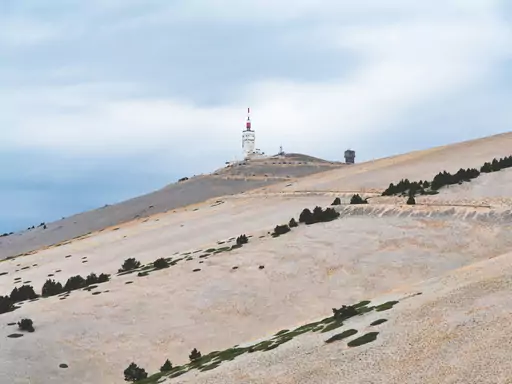
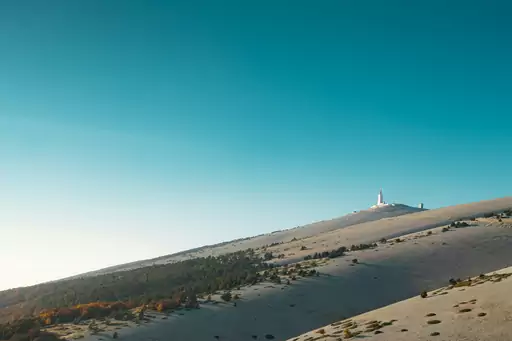
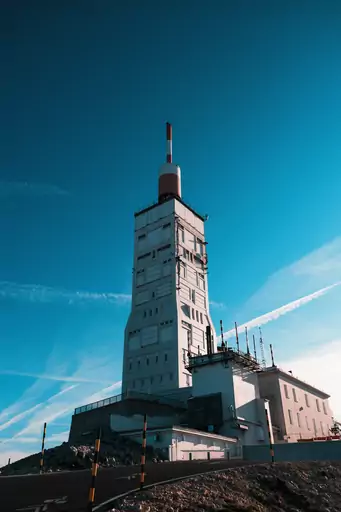
Mont Ventoux
Majestic peaks echoing ancient Provençal charm
Mont Ventoux rises alone above Provence, earning the nickname the Giant of Provence. Its barren, white summit looks like snow even in summer heat. Riders can climb over 1,600 metres from Bedoin to the windswept top. The mountain has featured in the Tour de France many times.

City in Australia
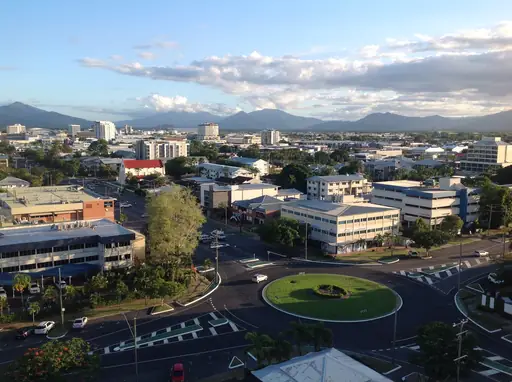
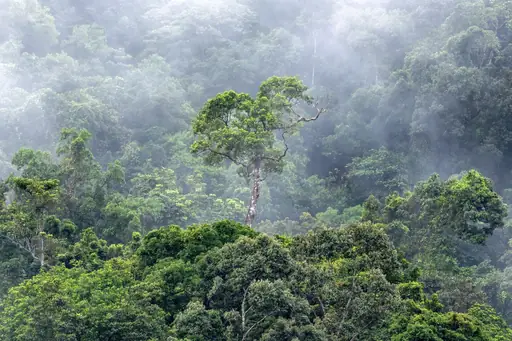
Cairns
Gateway to Reef and Rainforest Wonders
Trails around Cairns wind through rainforest at the edge of the Atherton Tablelands. Smithfield's mountain bike park is carved into thick tropical jungle terrain. Riders can drop through berms and roots beneath a dense forest canopy. The Great Barrier Reef sits just offshore from the city's flatter coastal paths.
National Park in Switzerland
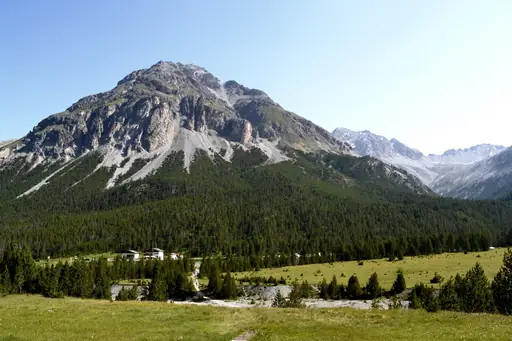
Swiss National Park
Majestic alpine wilderness, untouched and serene
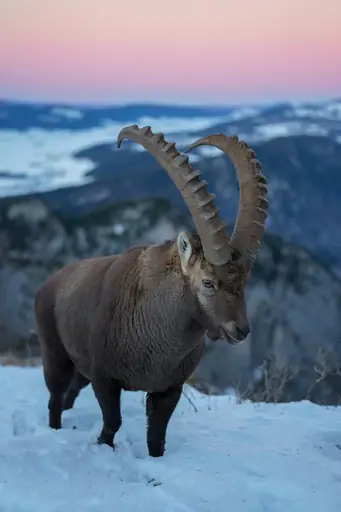
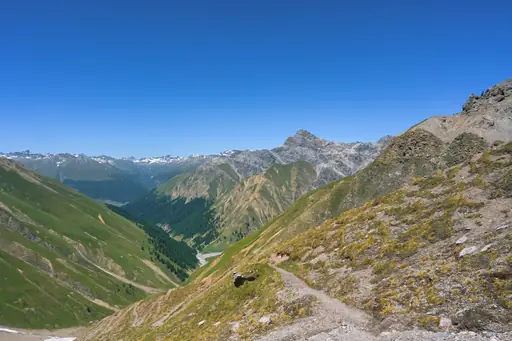
Switzerland's oldest national park restricts cycling to a small number of marked routes. Strict rules protect wildlife like ibex and golden eagles found across the reserve. Riders can pedal designated valley roads while hiking trails remain closed to bikes. The park has been left largely untouched since it was founded in 1914.
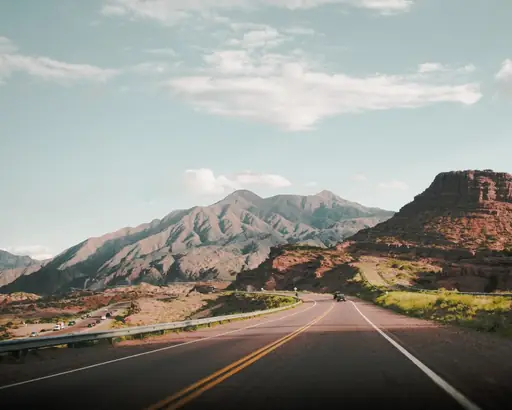
City in Argentina
Mendoza
Wine, Andes and Adventure Bliss
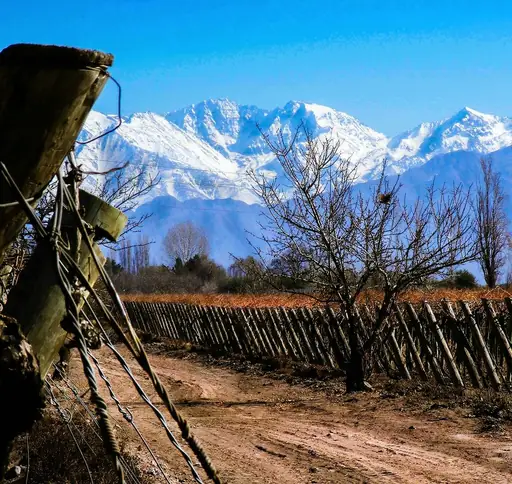
Roads around Mendoza climb from vineyard flats towards the towering Andes mountains. Aconcagua, the tallest peak outside Asia, rises just west of the city. Riders can pedal past malbec vineyards before tackling steep mountain switchbacks. Snowmelt from the Andes irrigates much of the surrounding wine country.
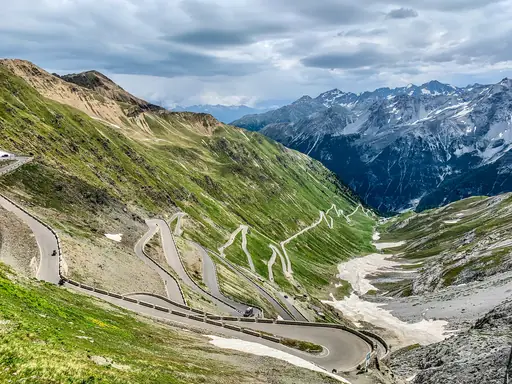
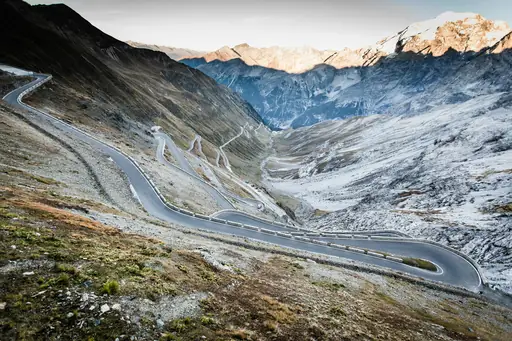
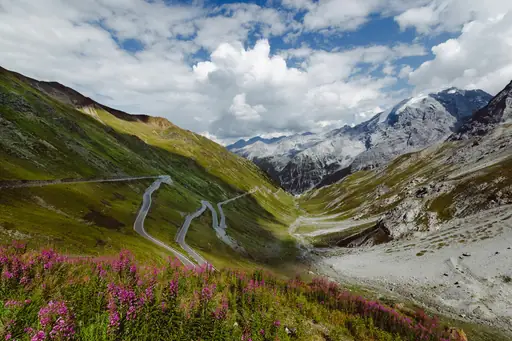
Mountain in Bolzano
Passo dello Stelvio
Majestic alpine vistas and historic passes
The Stelvio Pass climbs through 48 numbered hairpins to over 2,700 metres elevation. It ranks among the highest paved mountain passes in the Alps. Riders can count each switchback marked with a small stone number sign. The Giro d'Italia has crowned this climb its highest point many times.
City in Laos
Luang Prabang
Laid-back charm by the Mekong River
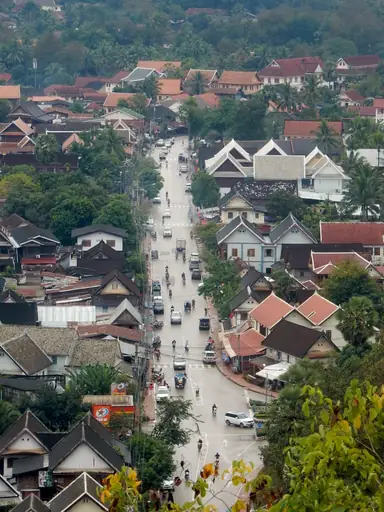
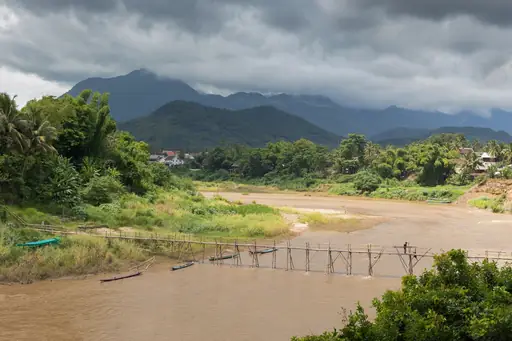
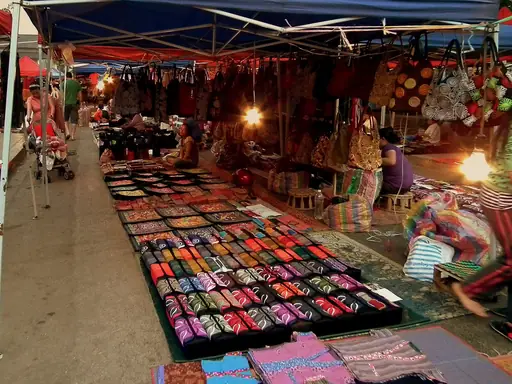
Roads around Luang Prabang wind through hills dotted with hillside villages and rice terraces. The Mekong and Nam Khan rivers frame much of the town's surrounding countryside. Riders can stop at waterfalls like Kuang Si along quieter rural routes. Golden temple roofs are visible from many of the surrounding hillside roads.
Desert in Chile
Atacama Desert
Endless dunes under starlit desert skies
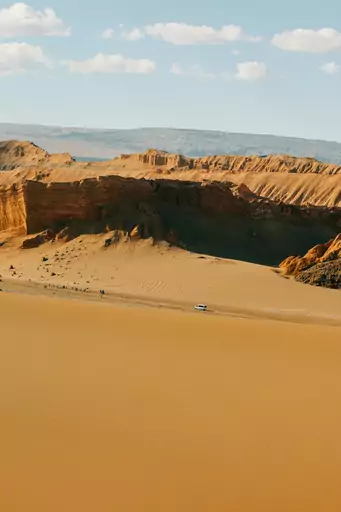
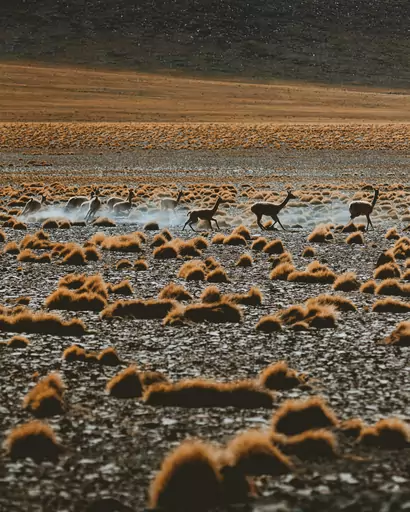
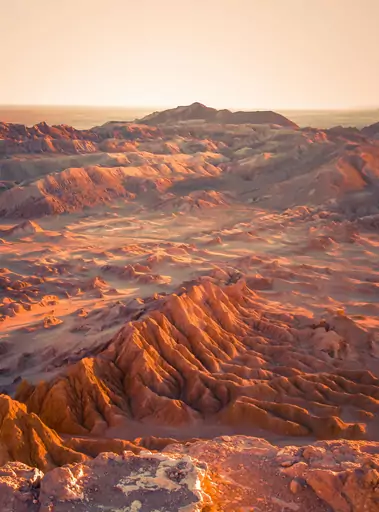
The Atacama Desert is among the driest places on Earth, with some areas receiving almost no rain. Roads here cross vast salt flats framed by volcanic peaks. Riders can pedal past flamingo filled lagoons at extreme high altitude. Thin, dry air makes even short climbs feel far more demanding than usual.
Other lists you may like
Discover
Best cycling destinations in Africa
Cycling in Africa is not the most obvious choice, but for those willing to engage with it seriously, the continent offers a riding experience that is genuinely unlike anywhere…
Read more
Discover
Best cycling destinations in Asia
Asia offers some of the most varied cycling terrain on earth, ranging from high altitude mountain passes to flat river delta routes, tropical coastal roads, and the quiet backroads…
Read more
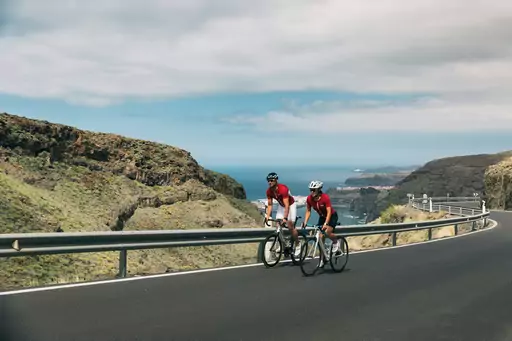
Discover
Best cycling destinations in Europe
Europe is one of the world's great cycling continents, with a infrastructure and culture around the activity that few regions can match. From Alpine climbs that have defined…
Read more
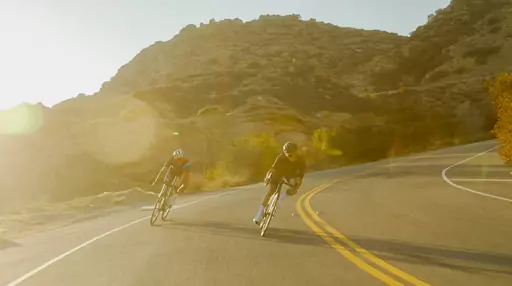
Discover
Best cycling destinations in North America
North America offers cycling terrain on a scale that can be hard to grasp until you're out in it. Route options range from multi-month coast-to-coast crossings to concentrated…
Read more
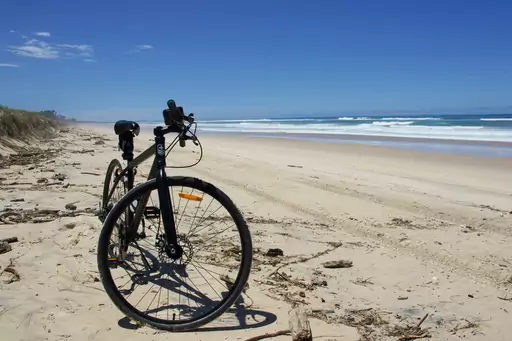
Discover
Best cycling destinations in Oceania
Oceania may not be the first region that comes to mind for cycling, but it offers a riding experience that rewards those who look into it seriously. The landscapes range from…
Read more
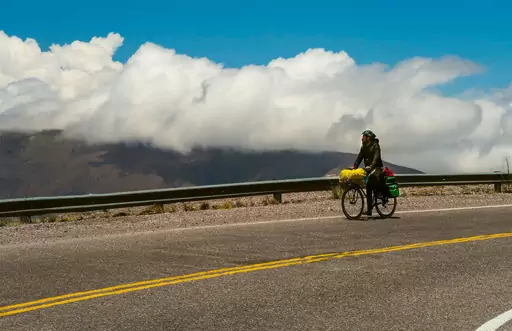
Discover
Best cycling destinations in South America
South America offers some of the most dramatic cycling terrain on earth. A vast mountain range runs the length of the continent, offering high altitude passes and descents that…
Read more
What other users say about travelfilters
“travelfilters made it easy for me to find ski areas and compare what else they offer, so that I could find the best place for my personal travel style.”

Chris
Snowboarding & Onsen trip to Japan
“I love how transparent the data feels. There is no pushy upsell, just honest information and settings I can tune to my own travel style.”

Maria
After booking her 2027 winter escape
“The level of detail for each destination and how well those are displayed, make planning feel confident instead of overwhelming.”

Mina
Planned a week in New York City
“We used travelfilters for our planning from start to end. The trip turned out even better than expected, thanks to all their tools and customisation options.”

Allan & Etienne
Trip to Japan to see autumn foliage
“Thanks to travelfilters, I found some hidden gems to see. Being able to filter for exactly your interests is a game changer for my travel planning.”

Michael
Tour through the old cities of Northern Italy
“The customizable filters helped me find a quiet beach town with good wifi and low season crowds in under five minutes.”

Diego
Weekend Escape to Llanes, Spain
“The airport connection map saved me hours by showing good flight options from my home airport to lesser-known cities.”

Nguyen
Planning a 2027 trip to France
“The website is clean, fast and focused on the search itself, which makes travelfilters feel more like a professional tool than an ad-heavy booking site.”

Hassan
Christmas Market trip, Germany
