

Wandersmaa, CC BY-SA 3.0, via Wikimedia Commons
Europe › Switzerland › Graubünden › Swiss National Park

Swiss National Park

Scroll
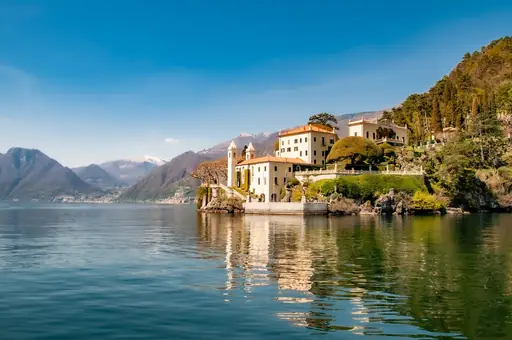
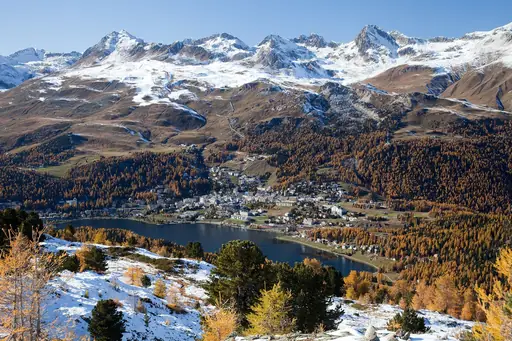
Majestic alpine wilderness, untouched and serene

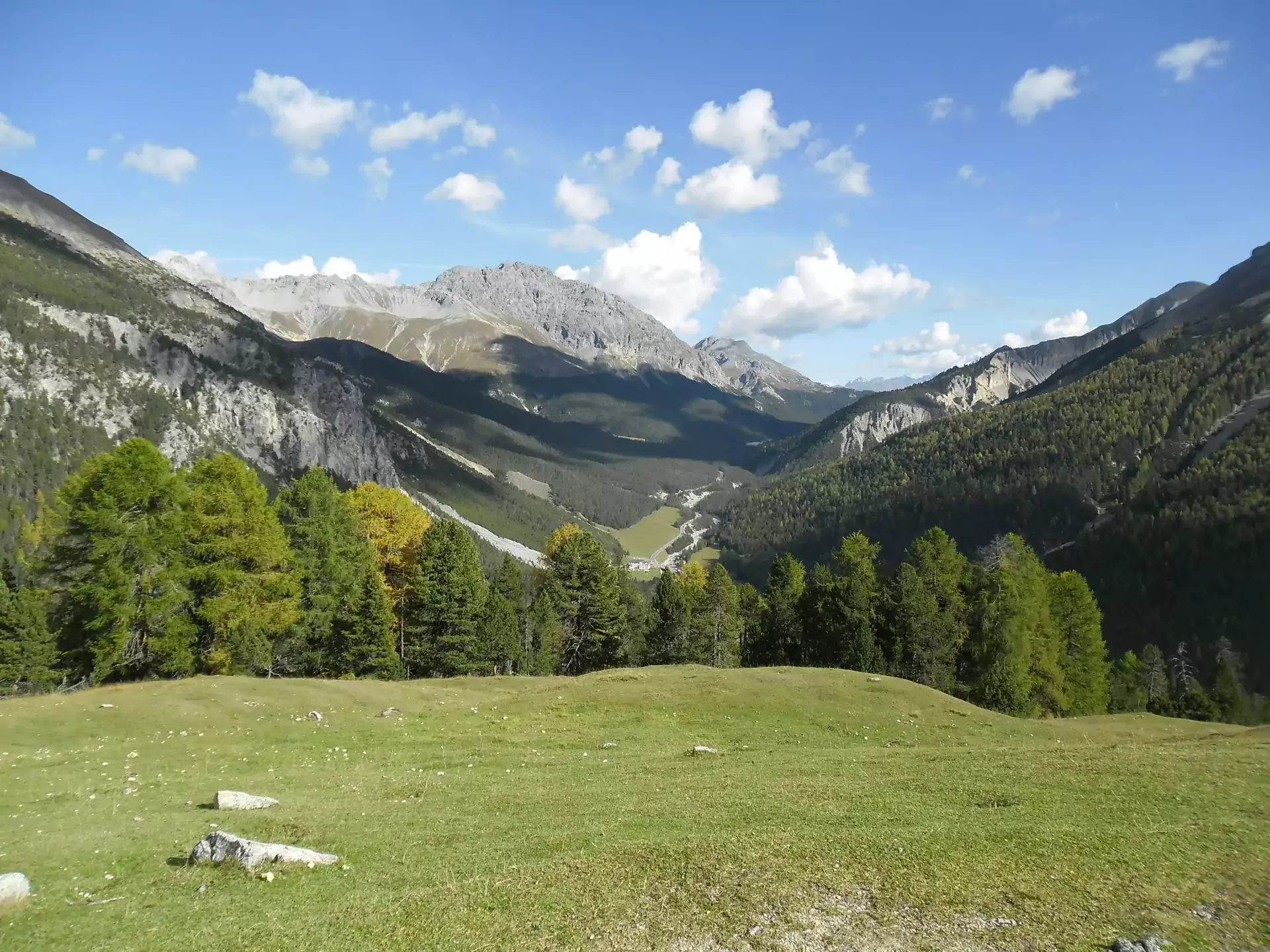
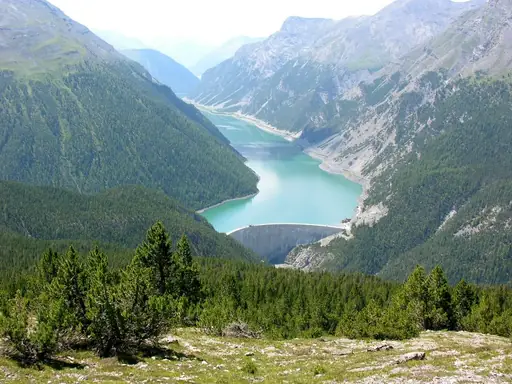
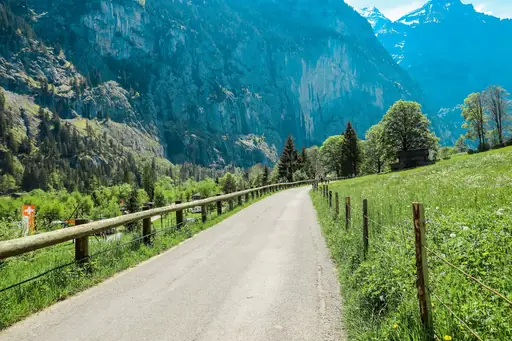
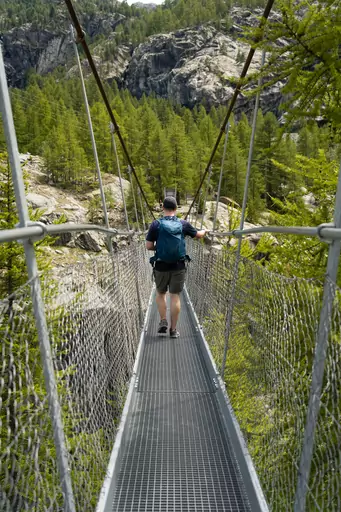
Graubünden in Switzerland hosts the Swiss National Park, a protected area covering over 170 square kilometers across mountain valleys and alpine meadows. The park is home to wildlife such as ibex, chamois and lynx, which roam freely through forests of spruce and pine. Visitors can explore marked trails that wind past streams and waterfalls while learning about the region’s geology and conservation efforts. Weather changes quickly in this high-altitude setting, so preparation helps ensure safe hiking amid diverse landscapes and seasonal snow cover on higher paths.

National Park in Switzerland
Climate zone: Tundra

Tundra: Polar climates where warmest month remains cool, allowing only low-growing vegetation above permafrost or seasonally frozen ground.

See climate table
Price level: $$$+
$Cheap
$$Medium
$$$Expensive, upscale
$$$+Very expensive, luxury
See price details
Safety: 8.2
General Safety:9
Health & medical:7
Accessibility:5
Tap water:10
Read details
Tourist English: 2/5
English is widely understood by park staff and nearby towns, especially in tourist‑heavy areas like Chur and Davos. Most visitors find basic communication easy, though some remote trails may have limited help.
Last update: 12 Oct 2026
* We earn a commission from some links on this page.
Swiss National Park Summary

These place ratings give you a quick overview of how well a destination matches different types of trips.

‘Best for’ scores:
The specific interest scores show where this place really shines – whether it's ideal for hiking, food & drink experiences, museums or other activities. These highlights help you understand what makes the destination special at a glance.

‘Your personal’ scores:
This reflects how well a place matches your personal preferences. You can adjust the importances of travel topics or other personal requirements categories in your account settings.

‘Suited for’ badges:
These give you a quick overview of how well a destination suits specific types of travellers, to help you find the places that match your lifestyle, preferences or travel situation.

Read how our scores work
Outstanding for alpine wilderness and hiking. Walk well-marked mountain trails, watch wildlife like ibex and marmots, enjoy scenic valleys and experience untouched alpine nature.
Place score
8.4
Best at:
Spotless
10
Natural sites
10
Mountains
9
Hiking
9
Wildlife
9
Personal score
?
Log in to see how this place matches your personal travel interests.
Suited for
👶 5
Families
🧓 5
Seniors
♻️ 10
Sustainability
👩 7
Solo
Switzerland – Quick facts
Power Grid: 230 V, 50 Hz
Plug: Type C , Type J
Type C:
Diagram of a Type C power plug
Type J:
Diagram of a Type J power plug

Read about power adapters
Currency: Swiss Franc (CHF)
£1 ≈ CHF 1.10
Cashless info: Rating 5/5
Switzerland is very cashless-friendly, with credit and debit cards widely accepted. Mobile payments like Apple Pay and Google Pay are also increasingly common.

Save with a travel credit card
eSIM providers: Best value: Saily
Flexibility: Airalo
Read our in-depth comparison
Tipping: Tipping is appreciated but not mandatory in Switzerland. Most service charges are included in bills. In restaurants, rounding up to the nearest 5 CHF or leaving 5-10% is common. Taxi drivers and hotel staff appreciate small tips for exceptional service.
Public drinking: Public drinking is allowed and socially acceptable in Switzerland, but being disruptive is frowned upon. Alcohol can be consumed in parks, trains, and outdoor events.
Public smoking: Smoking is banned indoors in public places but allowed in designated areas. Outdoor smoking is common.
Swiss National Day
(August)
Expect celebrations, parades, and fireworks throughout the country.
Christmas
(December)
Markets and festive events are common, with tourist areas being busier than usual.
Easter
(March/April)
Many attractions are closed, but some areas offer special events and celebrations.
Emergency contact: Emergency Number: 112 (Police, Fire, Ambulance)
Taxi apps: Uber, Bolt
Other: Switzerland is famous for its natural beauty, well-organised transport, and multilingual culture. The Swiss Travel Pass is highly recommended for tourists.
Best times to travel

The best times to travel section shows how the months compare for a visit, so you can find the time of year that fits what you want to do.

Background colours of the months:
The colour shows the typical temperature: yellow (hot), green (mild) and blue (cold). How strong the colour is shows the travel season: full colour means high season, soft colour means shoulder season and soft-striped means off season.

Weather symbols:
Each month has one symbol showing what the weather is typically like, such as hot and sunny, freezing or a rainy or snowy season. Use them to quickly spot months that match the weather you want, or to avoid the ones that don't.

Crowdedness:
The people icon shows how busy the place usually is. The more people, the more crowded it gets.

Additional notes:
The grey info boxes point out special things worth knowing, like recurring weather issues or seasonal events.

for Swiss National Park, Switzerland
🌨️
Jan
🌨️
Feb
🌨️
Mar
🌨️
Apr
🌨️
May
🌦️
Jun
🌦️
Jul
🌦️
Aug
🌤️
Sep
🌨️
Oct
🌨️
Nov
🌨️
Dec
High season: July - Sep.
Shoulder season: June, Oct.
Crowdedness: 4 (Moderate tourist numbers)
Tap on a month for more info Hover over a month for more info
Hiking season roughly June to October, depending on snow; high trails often open only late June
Hotel Il Fuorn and the park's mountain huts open summer only, closing in late October
Walking off marked trails, camping and dogs are banned in the park all year

Why travel to Swiss National Park?

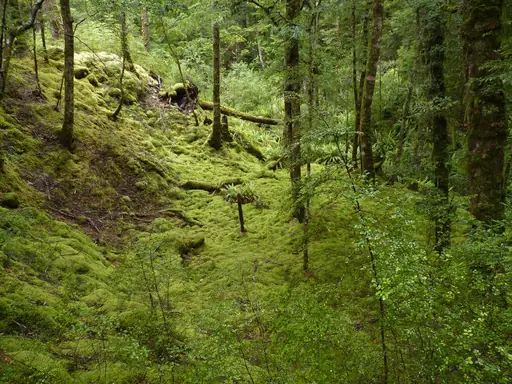
The Swiss National Park in the canton of Graubünden offers a quiet, unspoiled experience of alpine nature. Established in 1914, it is the oldest national park in the Alps and protects a wide range of habitats from high mountain meadows to deep valleys. The park’s strict protection policy means that visitors can observe wildlife in its natural state without any human interference. You’ll find species such as ibex, chamois, marmot, golden eagle and alpine ibex grazing or nesting on the rocky slopes. The landscape is varied: towering peaks, glacial lakes and dense pine forests create a dramatic backdrop for hiking. The park’s network of marked trails ranges from easy walks to more demanding routes that take you close to the summit of Piz Bernina, Switzerland’s highest peak. Along the way, you’ll encounter alpine meadows blooming with wildflowers in summer and snow-covered ridges in winter. Because the park is a protected area, there are no facilities or commercial services inside its boundaries; this keeps the environment pristine and encourages visitors to bring their own supplies and respect the rules. The absence of infrastructure also means fewer crowds, allowing for a more contemplative experience. Whether you’re interested in geology, biology or simply enjoying quiet mountain scenery, the Swiss National Park provides an authentic glimpse into alpine ecosystems that has remained largely unchanged for over a century.

🏯Places worth seeing
  • 1 Sankt Moritz
  • 2 Val Bregaglia
🎡Places for activities
  • 1 Sankt Moritz
🏞️Natural landmarks
  • 1 Val Bregaglia

Knowledge before you go

  • Pack layered clothing; temperatures vary widely in alpine terrain.
  • Carry a reusable water bottle and refill at designated stations to reduce plastic waste.
  • Respect wildlife by staying on marked trails, keeping distance from animals and not feeding them.
  • The park offers free guided hikes during peak season; check the official website for schedules and seasonal highlights.

How to travel to Swiss National Park

The Swiss National Park in Graubünden, Switzerland, is accessible via public transport and private vehicles. The nearest railway station is in Zernez, approximately 15 km from the park’s main entrance at Schanfigg Valley. Buses operated by PostBus connect Zernez to nearby towns like St. Moritz and Scuol, with seasonal schedules available. Drivers can reach the park via the A13 motorway, exiting at Zernez or S-US Graubünden, then follow signs to the Schanfigg Valley. Parking is permitted at designated lots near trailheads such as Tufi and Pischa. Bicycles are allowed on most paths but must be stored in designated areas when not in use.

Access summary

  • From Zurich Airport (ZRH): Train to Chur (2h), bus to park entrance (30min).
  • From Chur: Local bus to park entrance (30min); from Davos: Bus via Klosters (45min).
  • By train to Sargans, then bus to the park (1h 15min).

Where to stay in Swiss National Park

In the vicinity of the Swiss National Park, lodging ranges from rustic alpine chalets to modern eco‑resorts, catering to both budget travelers and luxury seekers. Small family‑run inns offer cozy rooms with traditional décor for about CHF 120 – 180 (£109.08 – 163.62) per night, while boutique hotels provide contemporary comforts at CHF 250 – 350 (£227.25 – 318.15). For those preferring self‑contained stays, well‑equipped mountain lodges and B&Bs are available between CHF 150 (£136.35) and CHF 220 (£199.98), often featuring panoramic views of the park’s rugged terrain. The area is renowned for its sustainable accommodations: many establishments use renewable energy, local timber construction and offer organic farm‑to‑table dining, reflecting Switzerland’s commitment to environmental stewardship.

How to get around Swiss National Park

Exploring Graubünden’s Swiss National Park by public transport is efficient and eco-friendly. The region’s remote location means cars are not essential, with buses connecting major towns like Scuol and Zernez to park entrances. The PostBus network offers regular routes across the canton, including lines reaching key trailheads such as Tufi and S-chanf. For a scenic experience, consider the Rhaetian Railway (RhB), which links Chur to nearby mountain stations with easy access to hiking paths within the park. Bicycles are also popular – rentals are available in towns like Pontresina for self-guided rides along quiet roads and dedicated trails. Parking is limited near trailheads, so prioritize public transit or bike rentals to minimize environmental impact while enjoying the alpine scenery.
Budget snapshot
Costs compared to home

We calculate the average costs when travelling to destinations and compare those with the living costs at your home. With this you can get an estimate of how expensive or cheap the destination is for you.

To customise this, you can set up which location and price level are used for the calculations in your account settings.

+59 %
Daily expenses in the region are around 59% higher than the average across United States. That means you'll spend a lot more on meals and getting around.
Exchange rate trend

The exchange rate price factor shows how expensive or cheap a currency currently is compared to its historical average. It's a quick way to see if a country is currently more or less affordable due to exchange rate changes.

+6 %
Your exchange rate (GBP to CHF) is 6% worse than in recent years. That means travelling now is more expensive compared to the past.

Travel costs (Data for Chur, Switzerland - 53 km away)

To help you plan your trip, we provide estimated daily costs per person (when travelling as a pair) for different travel styles. These numbers give you an idea of what you might spend each day at this destination, including accommodation, food, transport and activities.

Additionally, we also provide average hotel costs for different travel styles to give you an estimate for the accommodation only.

Please note that these are only estimates. The real costs depend on booking times, season and other factors.

Daily cost summary

Travel style categories explained:

Backpacker:
Staying in hostels or budget hotels, cooking your own meals or eating cheap and choosing low-cost activities.

Mid-range:
Staying in mid-range hotels, eating at a mix of restaurants and casual spots and enjoying a variety of activities.

Luxury:
Staying in luxury hotels, dining out at high-end restaurants and enjoying premium experiences without worrying about the price.

Backpacker Mid-range Luxury
💵 Total costs per day, including accommodation
£110
£232
£621
🏨 Accommodation per night, per person
£49
£105
£240
🍝 Food per day
£47
£110
£312
🚕 Transportation per day
£14
£17
£69
Food & Drink
🍽️ Restaurant Dinner, per person
£44
🍛 Lunch Set, per person
£24
🍟 Fast food combo
£14
🍝 Preparing your own food, per day
£16
☕ Cappuccino
£4.60
🍺 Beer in a restaurant, 0.5 l
£7
Transportation
🚌 Public transport ticket
£3.60
🚕 Taxi Ride, 10 km / 6 mi
£41
⛽ Petrol, 1 l
£1.70
Other
🎞️ Cinema ticket
£18
👩‍⚕️ Doctor's consult
£115
🤧 Cold medication
£15
💇 Basic haircut
£33

Safety information overview

General safety
9
Switzerland’s Graubünden region, including the Swiss National Park, is exceptionally safe for travelers. Low crime rates, reliable public transport and strict wildlife regulations ensure a secure environment. Visitors should respect park rules, stay on marked trails and keep valuables secured.
Health & Medical
7
Switzerland’s Graubünden region, including the Swiss National Park, offers top‑tier medical care with highly trained professionals and state‑of‑the‑art facilities nearby. Clean air, low pollution and pristine alpine environments reduce health risks, though altitude sickness may affect unacclimated visitors.
Accessi­bility
5
Switzerland’s Swiss National Park in Graubünden offers excellent accessibility: well‑maintained, wheelchair‑friendly trails and clear signage. However, some remote paths remain steep or uneven, so visitors with mobility issues should plan ahead, use guided tours and check weather conditions.
Tap water
10
Tap water in Switzerland’s Graubünden region, including the Swiss National Park, is exceptionally clean and safe to drink straight from the tap. Public fountains are plentiful throughout the park, ensuring hikers stay well‑hydrated while exploring pristine alpine landscapes.

Looking for inspiration?

Discover
Top adventure destinations and outdoor activities
Adventure travel covers an enormous range of activities and risk tolerances, from multi-day wilderness trekking and white water rafting to technical climbing, polar expeditions and…
Read more
Discover
Best travel destinations for food allergies in Europe
Europe is one of the more manageable continents for allergy conscious travelers, thanks to strict food labeling rules that apply across the entire European Union. Restaurants…
Read more
Discover
Best cycling destinations in Europe
Europe is one of the world's great cycling continents, with a infrastructure and culture around the activity that few regions can match. From Alpine climbs that have defined…
Read more
Discover
Best hiking destinations in Europe
Europe has one of the most developed long distance hiking cultures in the world, with a network of waymarked trails covering everything from high alpine routes and coastal paths to…
Read more
Discover
Best travel destinations for food allergies
Travelling with a food allergy adds a layer of planning most people never have to think about and the right destination can make that planning a lot easier. Some travellers…
Read more
Discover
Best adventure destinations in Europe
Europe's adventure offer is built around the accessibility of its mountain ranges, white water rivers and coastal environments, with a well-regulated outdoor industry and dense…
Read more
Discover
Best glacier destinations in Europe
Europe's glacial environments are concentrated in the Alpine arc, Scandinavian mountain ranges and the Icelandic ice fields, with the continent's most accessible and dramatic ice…
Read more
Discover
Top digital nomad destinations and remote work hubs in Europe
Europe offers remote workers a level of infrastructure that is hard to beat, along with enough cultural variety to keep even a long stay interesting. City based nomads can hop…
Read more
Discover
Top hiking destinations and famous trails
Hiking at its best is one of the most direct ways to engage with a landscape. The pace forces a relationship with terrain, weather and distance that faster forms of travel rarely…
Read more
Discover
Top forest destinations and woodland landscapes
Forest travel encompasses some of the world's most biodiverse and ecologically significant environments, with the great tropical rainforests, temperate old growth systems and…
Read more
Discover
Top digital nomad destinations and remote work hubs in 2026
Working from anywhere in the world sounds simple until you actually try it and the best digital nomad destinations look different depending on what kind of remote worker you are.…
Read more
Discover
Best couple holiday destinations
Travelling as a couple sounds simple enough, yet the best couple holiday destinations mean something different to almost every pair. What feels romantic to one couple can feel like…
Read more
Discover
Best couple vacation destinations in Europe
Europe has been the backdrop for love stories for centuries, and for couples it remains one of the easiest continents to feel romantic in without even trying. The choice of…
Read more
Discover
Best rainforest destinations in Europe
Europe's rainforest is a genuine rarity, but parts of the British Isles hold pockets of temperate rainforest, kept wet year-round by Atlantic weather systems rather than tropical…
Read more
Discover
Top snow destinations and winter wonderlands
Snow has a way of making even a familiar place feel new and for a lot of travellers a winter trip is about much more than skiing. Some people chase fresh powder in places like…
Read more
Was this page helpful?
Feedback