
Best travel destinations for food allergies
Best travel destinations for food allergies
Clear ingredient menu labelling zones and allergen-aware dining districts
Travelling with a food allergy adds a layer of planning most people never have to think about and the right destination can make that planning a lot easier.
Some travellers manage a single allergy like nuts or shellfish that is fairly easy to explain and avoid, while others deal with coeliac disease or multiple allergies that require real care with every meal. Countries with strong food labelling laws and a good understanding of gluten free and dairy free eating make dining out far less stressful, while places where cross contamination is poorly understood call for more caution and backup snacks. Access to good medical care also matters more here than on an average trip, in case a reaction happens far from home.
The destinations on our list take these factors into account, favouring places where eating out feels manageable rather than stressful. A bit of research before you go still makes a real difference.
Lists by region

City in New Zealand
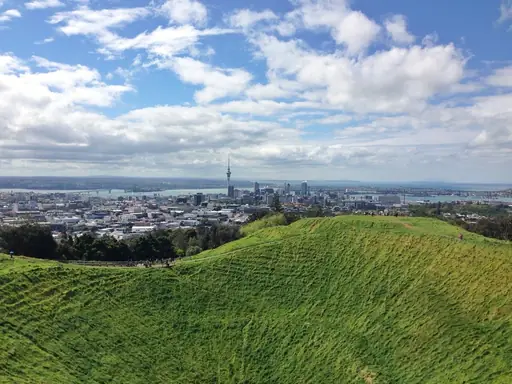
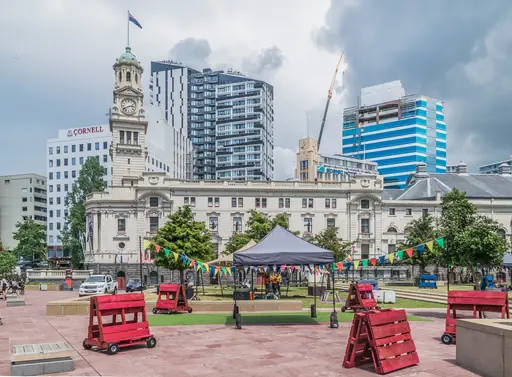
Auckland
Where Urban Life Meets Nature
New Zealand's Food Standards Code requires packaged foods to declare major allergens such as peanuts, milk and sesame. La Cigale French Market in Parnell runs on Saturday and Sunday mornings with fresh produce. Stallholders can explain what goes into their products. Ferries from the city centre reach Waiheke Island in about 40 minutes.
City in Canada
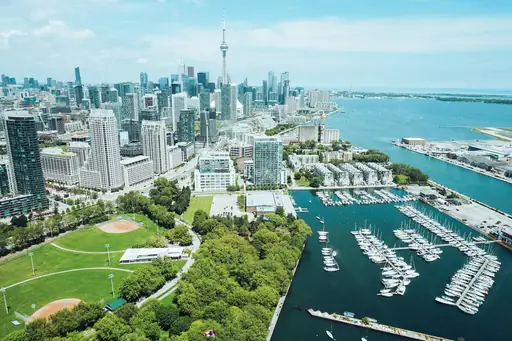
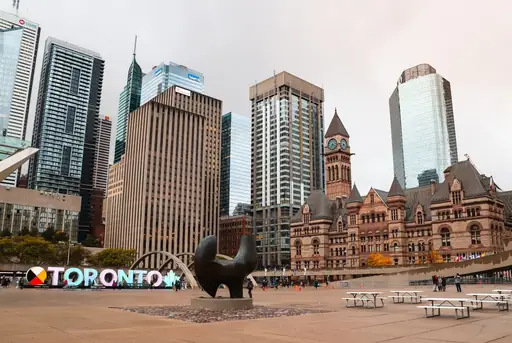
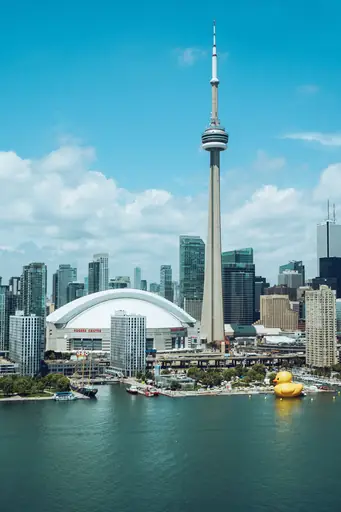
Toronto
A vibrant mix of cultures and skyline
St. Lawrence Market has served as a public market since 1803 near Toronto's waterfront. Its South Market building holds more than 100 vendors selling fish, meat, cheese and bread. Canadian labels must declare priority allergens including sesame, mustard and sulphites. Peameal bacon, a Toronto favourite, is coated in cornmeal rather than wheat flour.

City in Canada
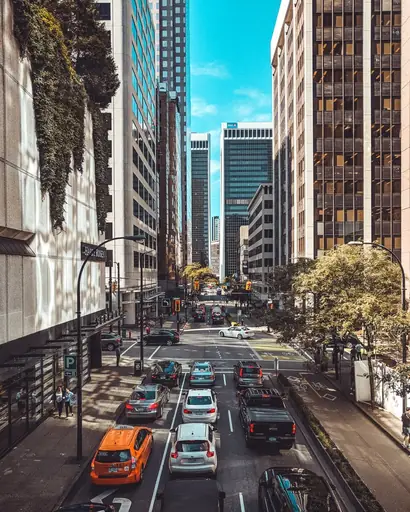
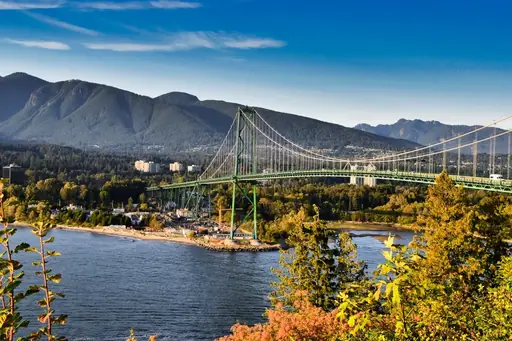
Vancouver
Where mountains, ocean and city life meet
Granville Island Public Market opened in 1979 on a former industrial site. Vendors sell fresh fish, seasonal produce, cheese and baked goods under one roof. Shoppers can ask makers directly what goes into each item they sell. Small aquabus ferries cross False Creek to the island from downtown.
City in Denmark
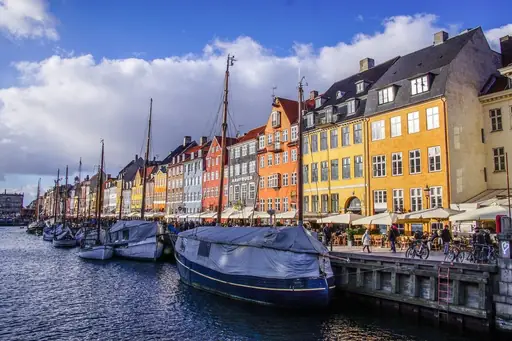
Copenhagen
Scandi-cool vibes and world-class food
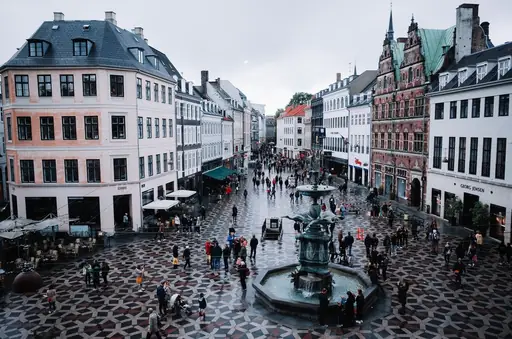
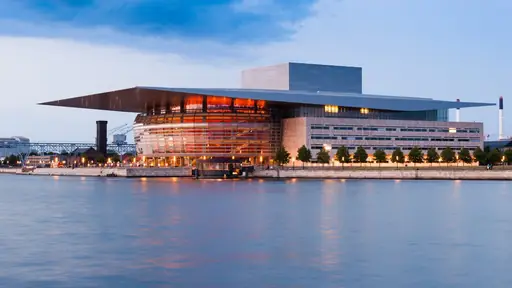
Torvehallerne food market opened in 2011 in two glass halls beside Nørreport station. About 60 stalls sell fresh fish, vegetables, cheese and bread. Danish rules require restaurants to give information on 14 major allergens. Open faced smørrebrød sandwiches are easy to check because each topping is visible.
City in Italy
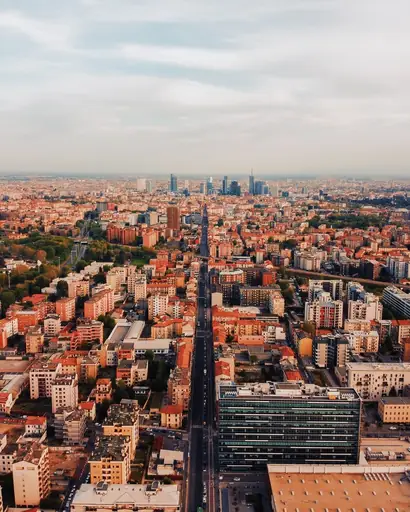
Milan
Fashion, Art and Historic Splendor
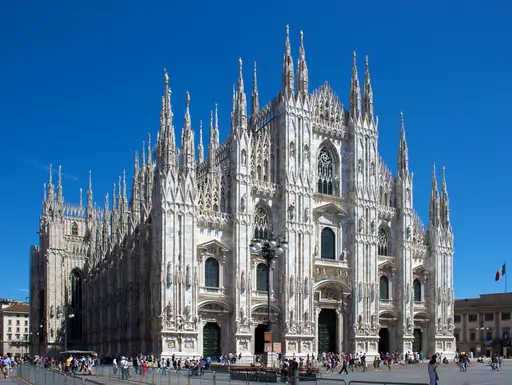
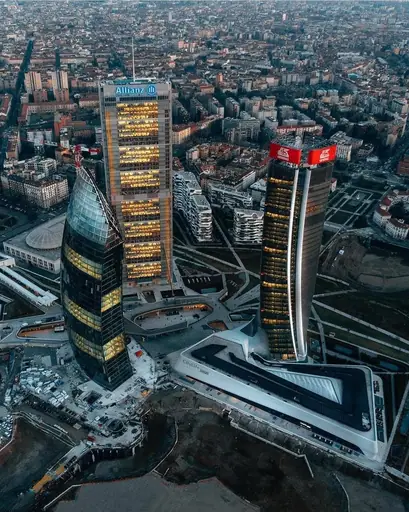
Risotto alla milanese, made from rice, saffron, butter and broth, is a signature dish of Milan. It contains no wheat, though butter and parmesan bring milk. Breaded veal cutlet called cotoletta alla milanese contains wheat and egg. Italian law requires restaurants to declare 14 major allergens.

City in Sweden
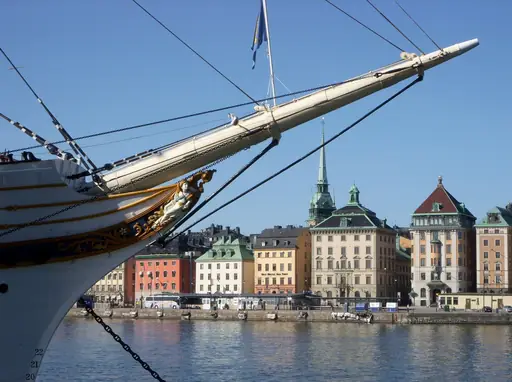
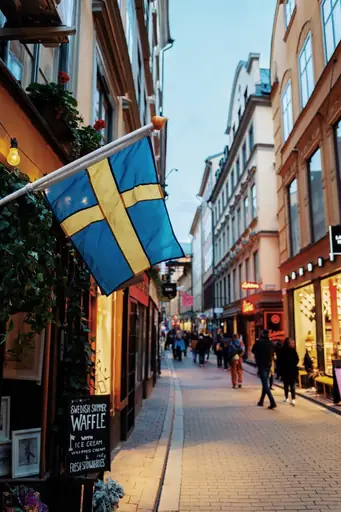
Stockholm
Where islands, history and modernity meet
Östermalms Saluhall has sold food since 1888 in a brick hall on Östermalmstorg. Its counters sell fish, game, cheese, bread and fresh berries in season. Lactose free milk and yogurt are widely sold in Swedish supermarkets. Traditional cinnamon buns called kanelbullar contain wheat, milk and eggs.
City in United States
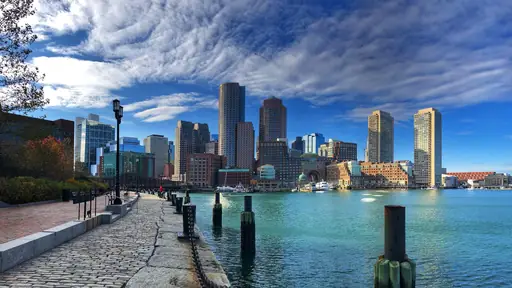
Boston
Historic charm meets modern innovation
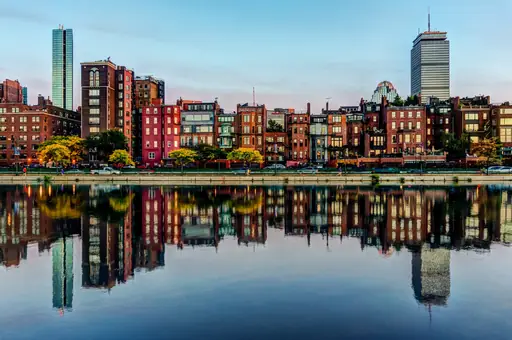
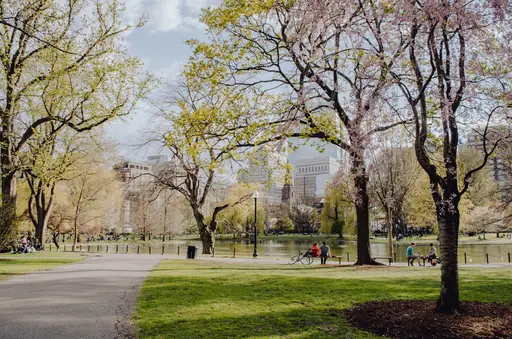
A Massachusetts law requires restaurants to display an allergy awareness poster in staff areas. Menus must also carry a notice asking diners to tell servers about food allergies. Clam chowder and fried seafood dominate many Boston menus. Diners with shellfish allergies should ask about shared fryers.
City in Sweden
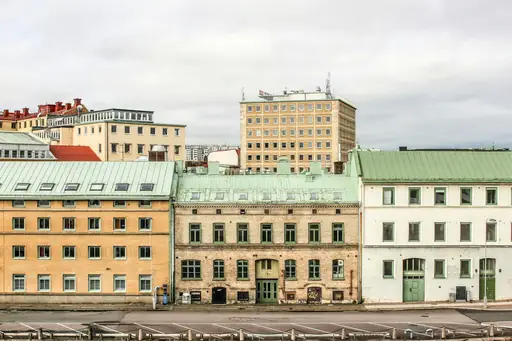
Gothenburg
Where coastal charm meets cool culture
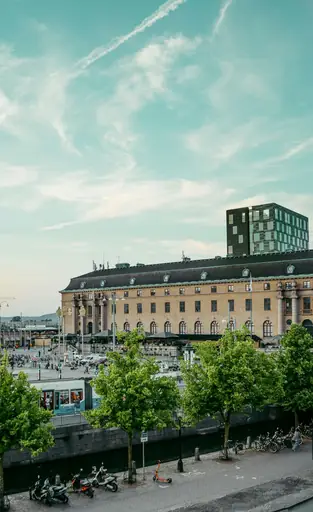
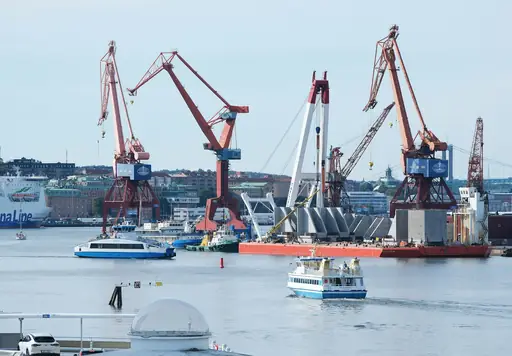
The Saluhallen food hall has stood on Kungstorget since 1889. Its iron and brick hall holds stalls selling fish, cheese, bread and vegetables. Swedish rules follow EU law that requires 14 major allergens to be declared, even on unpackaged food. Trams link the market with the rest of the compact centre.

City in Italy
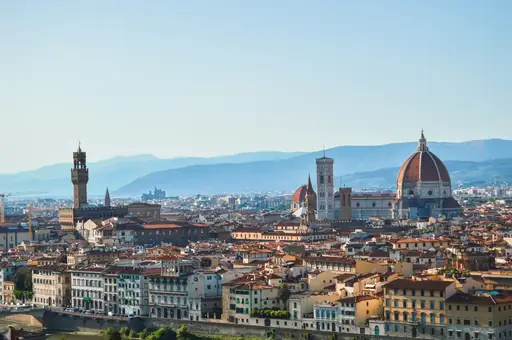
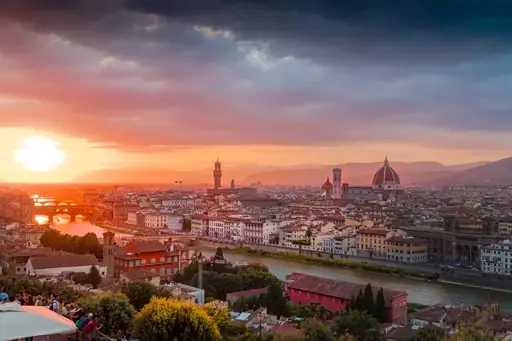
Florence
The cradle of the Renaissance
The Mercato Centrale opened in 1874 in the San Lorenzo district. Ground floor stalls sell fresh meat, cheese, fish and vegetables. Bistecca alla fiorentina is a thick grilled steak seasoned with salt and olive oil. Tuscan pane sciocco, a bread baked without salt, still contains wheat.
City in United States
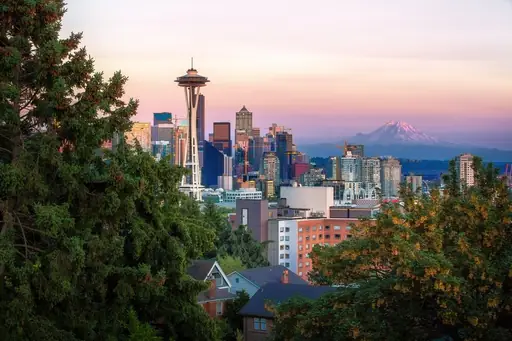
Seattle
Where nature and innovation converge
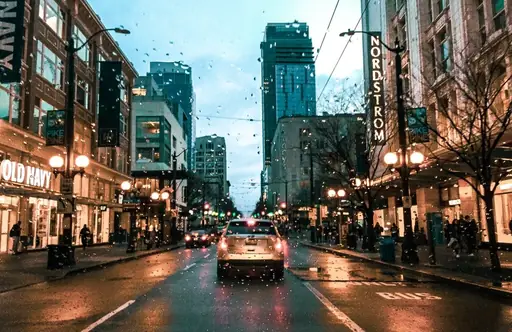
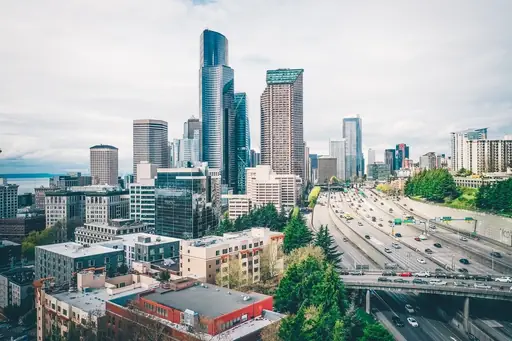
Pike Place Market opened in 1907 on a bluff above Elliott Bay. Farmers, fishmongers, cheesemakers and bakers sell directly to shoppers. Sesame joined the nine major allergens that US law requires on packaged food labels in 2023. Stalls let shoppers ask makers about ingredients face to face.



City in South Africa
Cape Town
Mountains, Beaches and a Vibrant Culture
The Neighbourgoods Market fills the Old Biscuit Mill in Woodstock every Saturday morning. Stalls sell fresh produce, bread, cheese and prepared meals. Cooks at the stalls can explain ingredients face to face. South African rules require packaged foods to declare allergens such as peanuts, milk and gluten cereals.

City in United States
New York City
Five boroughs of skyline, food and museums
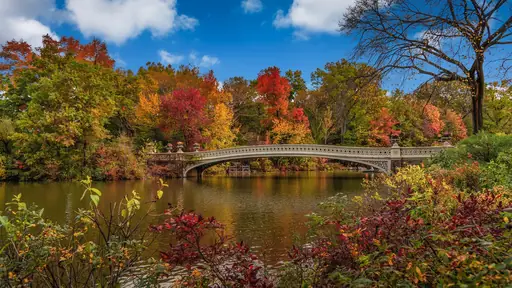
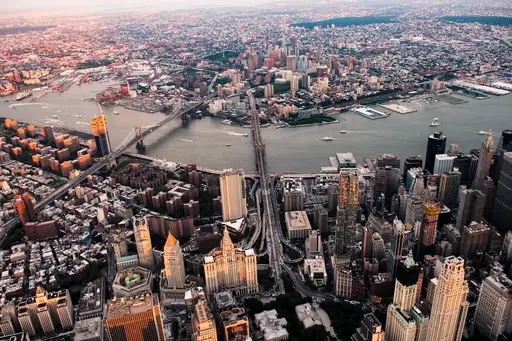
New York City health rules require restaurants to post a food allergy poster in the kitchen. A certified supervisor must be present whenever food is being prepared. The Union Square Greenmarket runs four days a week with farmers selling produce and eggs. Shoppers can ask growers how their food is raised.
City in Australia
Brisbane
River City with a Laid-Back Vibe
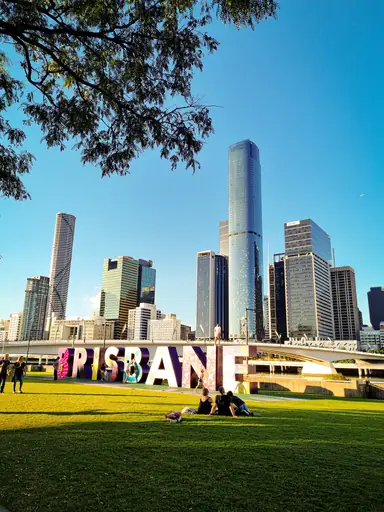
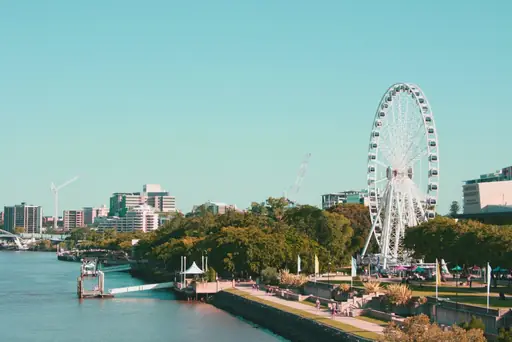
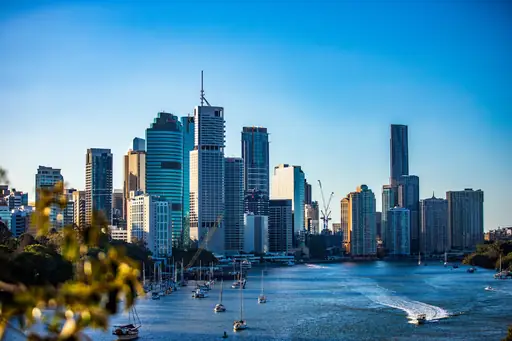
Davies Park Market in West End runs on Saturday mornings with fresh produce, bread and street food. Shopping for whole ingredients makes cooking in a holiday rental easier for allergic travellers. CityCat ferries glide along the Brisbane River between riverside suburbs. Queensland's warm climate suits long picnic lunches beside the water.

City in Finland
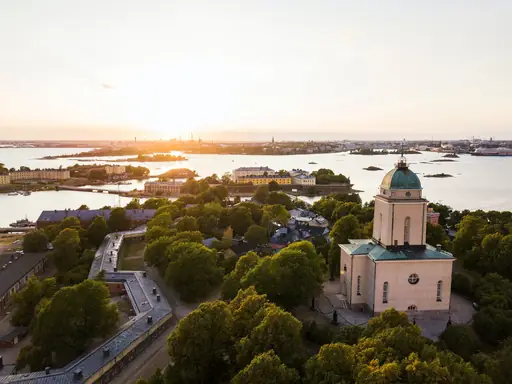
Helsinki
Nordic charm by the Baltic Sea
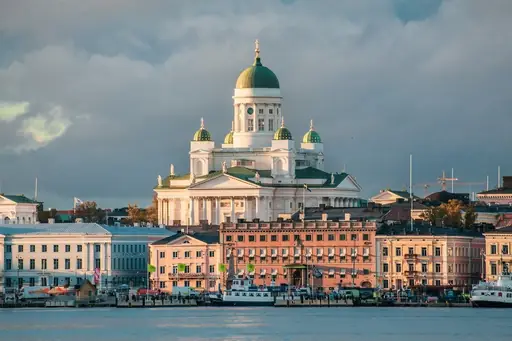
Finnish menus mark dishes with letters such as G for gluten free and L for lactose free. M means free of milk and VL means low in lactose. The Old Market Hall opened in 1889 beside the harbour. Its stalls sell fish, cheese, baked goods and fresh berries in summer.

City in Kenya
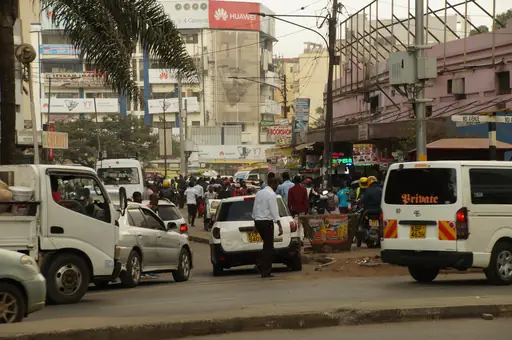
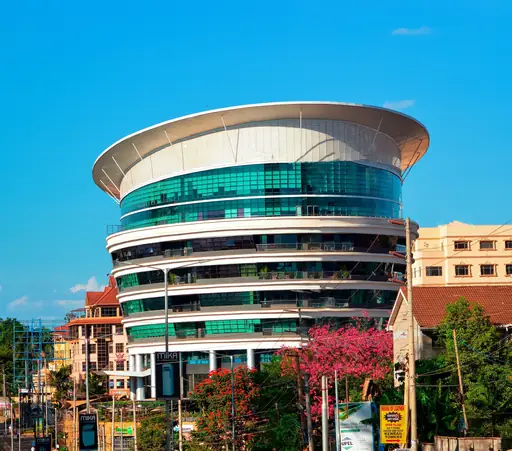
Nairobi
Where urban life meets wild adventures
Ugali, a stiff porridge made from maize flour, is a daily staple across Kenya. Maize is a cereal that is naturally free of gluten. Nyama choma, grilled meat seasoned with salt, comes with ugali and a tomato and onion salad called kachumbari. Mandazi, popular fried dough snacks, are made with wheat flour.

City in Brazil
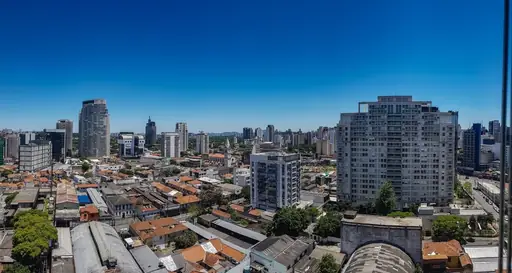
São Paulo
A vibrant mix of culture and cuisine
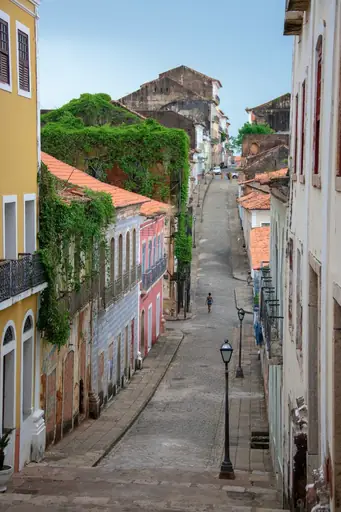
The Mercado Municipal opened in 1933 in the city centre with stained glass windows and tall arches. Stalls sell tropical fruit, nuts, spices, dried fish and cured meats. Vendors offer slices of fruit to taste before buying. Brazilian labels list allergens after the word alérgicos, followed by each ingredient name.

City in Morocco
Marrakech
A vibrant maze of colors and spices
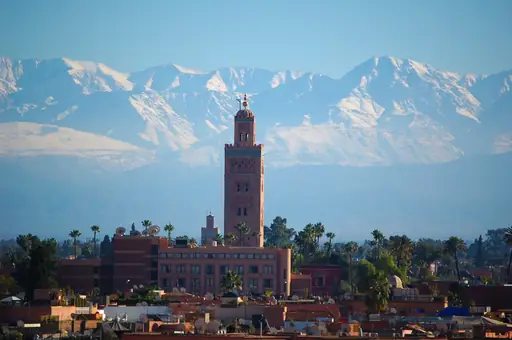
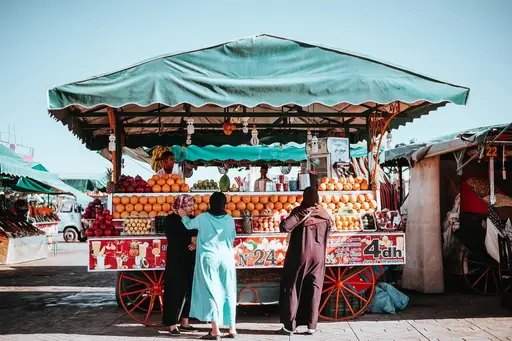
Food stalls with numbered grills fill the Jemaa el-Fnaa square in the old medina every evening. Tagine, a stew slow cooked in a clay pot, usually contains meat, vegetables, olive oil and spices. Some versions add whole almonds or dried prunes for sweetness. Couscous, served alongside many stews, is made from wheat semolina.

City in South Korea
Seoul
Where Tradition Meets High-Tech Marvels
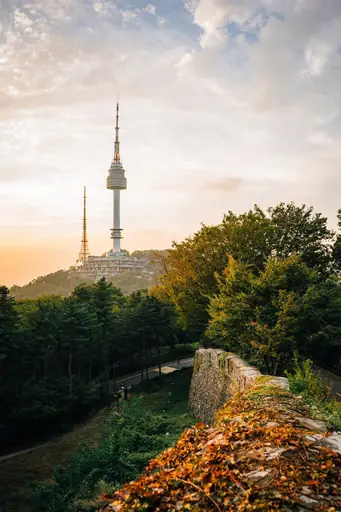
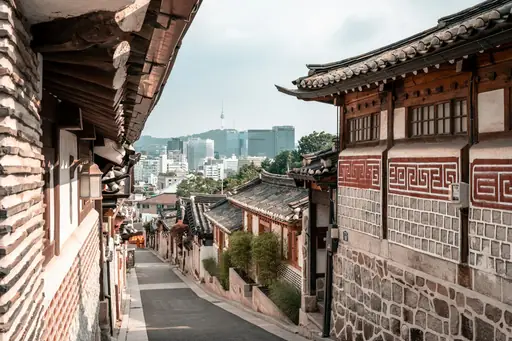
South Korea requires packaged foods to declare allergens that include mackerel, pork, peach and tomato. Sesame oil, soy sauce and soybean paste flavour much of Korean cooking. Bibimbap arrives with each topping in a separate pile, which makes it easy to adjust. Restaurant menus often include photos of each dish.
City in Chile
Santiago
A vibrant city between mountains
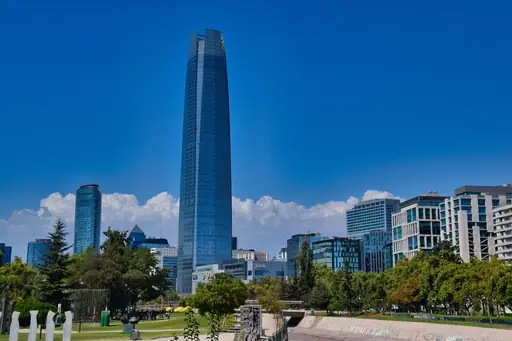
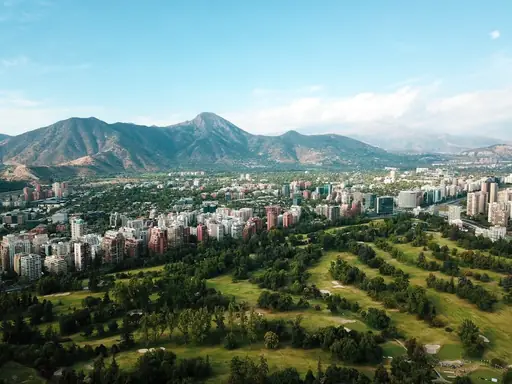
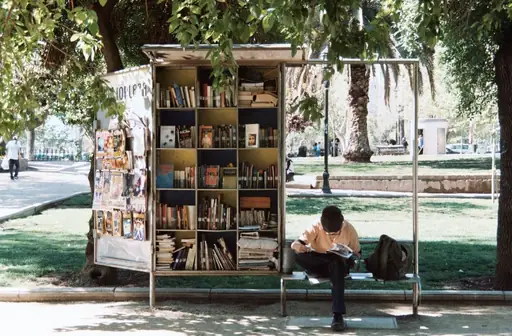
The Mercado Central opened in 1872 under an ornate iron roof. Stalls sell fresh fish, shellfish and vegetables. La Vega Central, a large fruit and vegetable market, stands across the Mapocho river. Chile requires packaged foods to list common allergens such as peanuts, milk and wheat.


Country
Singapore
Tropical city-state of hawker food and gardens
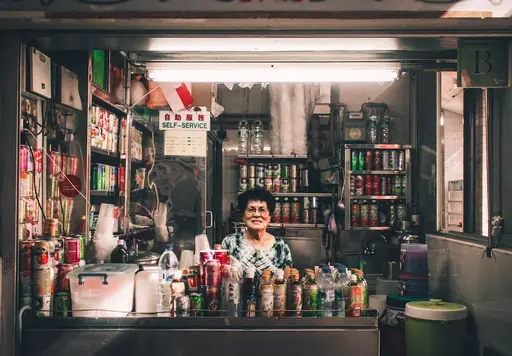
UNESCO added Singapore's hawker culture to its intangible heritage list in 2020. Most stalls specialise in one or two dishes with short ingredient lists. Singapore's food rules require packaged foods to declare allergens such as peanuts and crustaceans. Chicken rice comes with plain poached chicken, fragrant rice and chilli sauce.


City in New Zealand
Wellington
Creative capital by wild seas
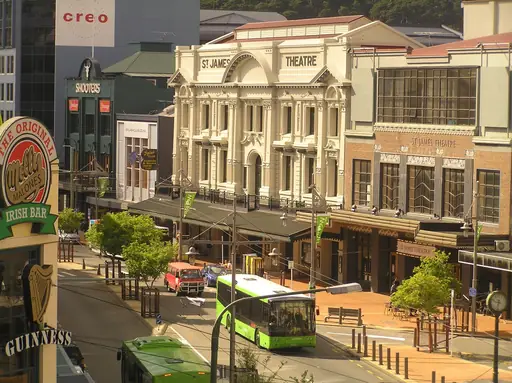
Harbourside Market sets up beside the waterfront near Te Papa on Sundays. Stalls sell vegetables, eggs, cheese, bread, honey and freshly roasted coffee. Stallholders can explain how their products are grown or made. The compact city centre is walkable from the waterfront to Cuba Street.

City in Malaysia
Kuala Lumpur
A fusion of cultures and skyscrapers
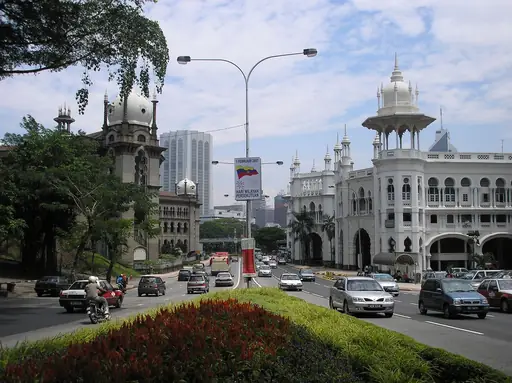
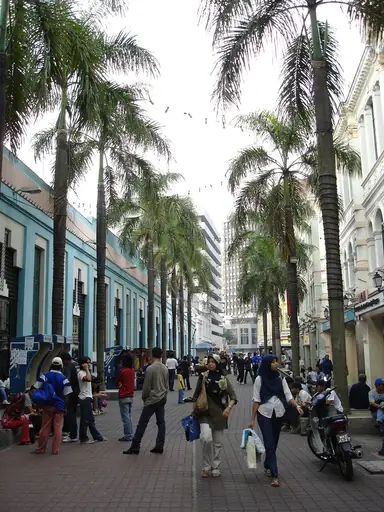
Nasi lemak, a national dish of Malaysia, is coconut rice served with anchovies, peanuts, cucumber and egg. Stalls in Kuala Lumpur assemble each plate from separate toppings. Diners can ask vendors to leave out the peanuts or anchovies. Food courts in malls display their dishes on illustrated boards.

City in United Kingdom
Edinburgh
History, Culture and Festival Fever
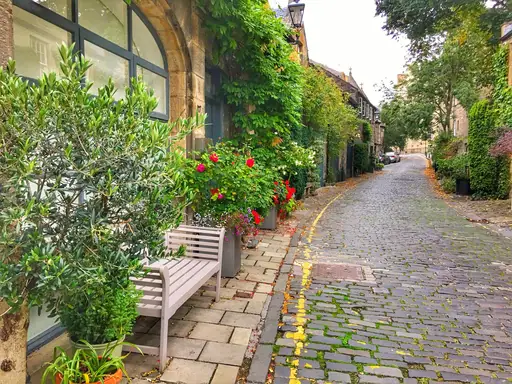
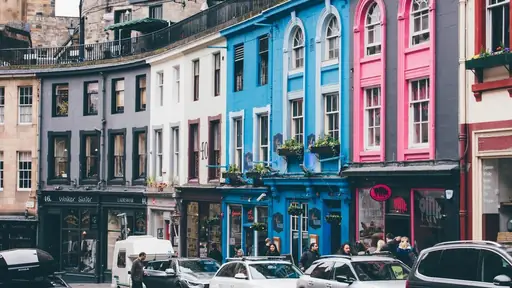
Every Saturday a farmers' market fills Castle Terrace below Edinburgh Castle. Producers sell fresh seafood, meat, cheese and baked goods. Scottish rules follow UK law that requires 14 major allergens to be declared. Traditional porridge and oatcakes are based on oats, which many gluten free diners avoid unless certified.

City in Ethiopia
Addis Ababa
Vibrant capital where history meets modernity
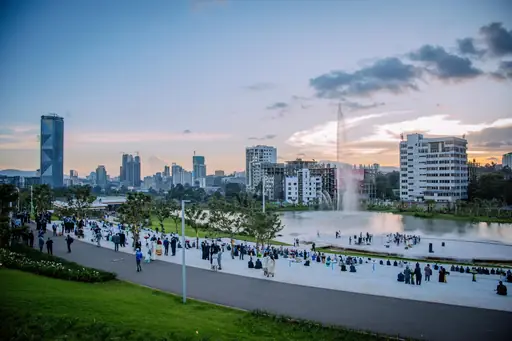
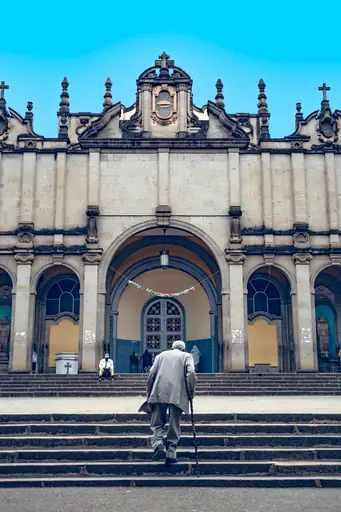
Orthodox fasting on Wednesdays and Fridays leads many Ethiopian restaurants to serve meals free of meat, dairy and eggs. Those dishes use vegetable oil instead of spiced butter. Injera comes from teff, a tiny grain without gluten, though some cooks blend in wheat or barley flour. Diners should ask whether the injera is pure teff.
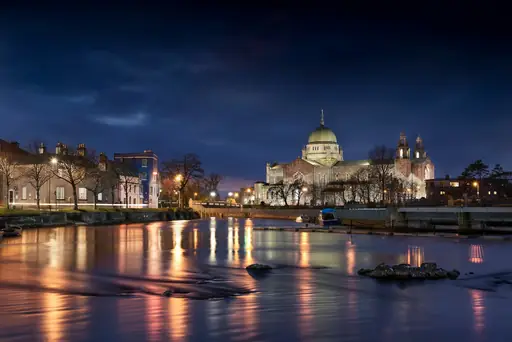
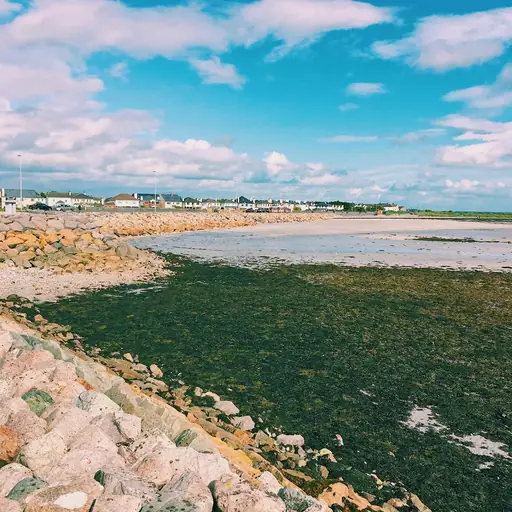

City in Ireland
Galway
Bohemian spirit on the wild Atlantic
A Saturday market sets up beside St Nicholas' Collegiate Church in the medieval centre. Stalls sell fresh vegetables, cheese, bread and hot street food. Traders often chat with shoppers about how each item is made. Oysters from Galway Bay are a local speciality each autumn.
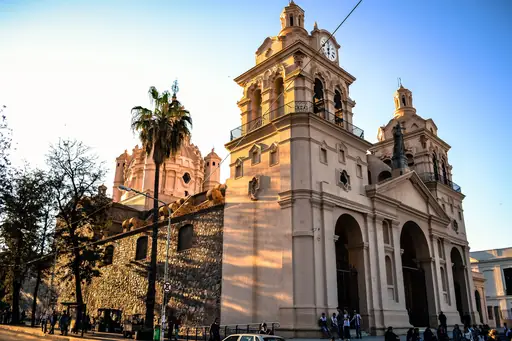

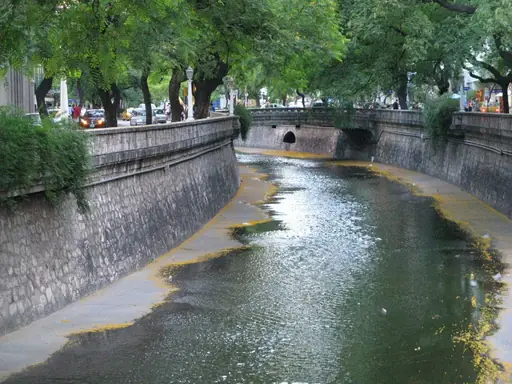
City in Argentina
Córdoba
Colonial Heritage, Student Energy, Sierras
The Jesuit Block in central Córdoba became a UNESCO World Heritage Site in 2000. The National University of Córdoba, founded in 1613, fills the district with cafés and bakeries. Steakhouses serve simple grilled cuts seasoned mainly with salt. Look for the sin TACC label when buying packaged snacks.

City in Thailand
Bangkok
The city of contrasts and chaos
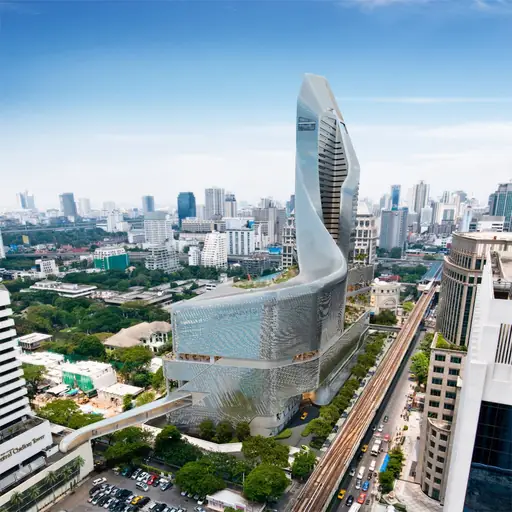
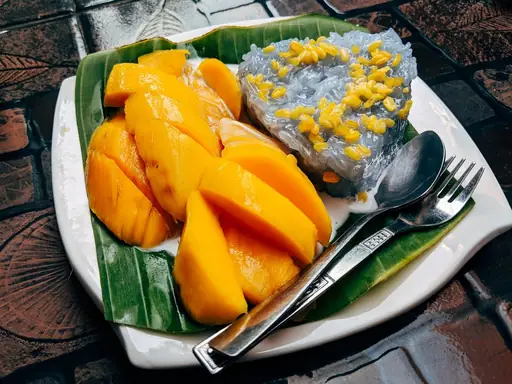
Fish sauce, shrimp paste and ground peanuts flavour many classic Thai dishes. Oyster sauce and soy sauce also appear in many stir fries. Allergy cards written in Thai help explain restrictions to kitchen staff. Street vendors cook each dish to order in full view of customers.

City in United Kingdom
London
A Tapestry of History and Modernity
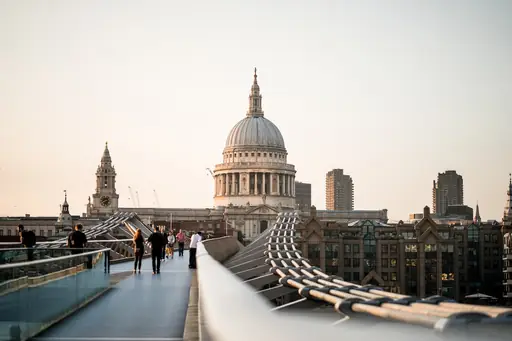
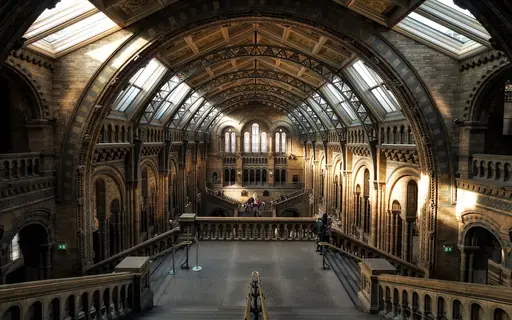
Natasha's Law, in force since October 2021, requires full ingredient lists on food packed on site. Sandwich shops and bakeries across London must label every ingredient. Restaurants must also tell diners which of 14 major allergens a dish contains. Borough Market near London Bridge has traded on its present site since 1756.

City in Australia
Melbourne
The heart of culture and coffee
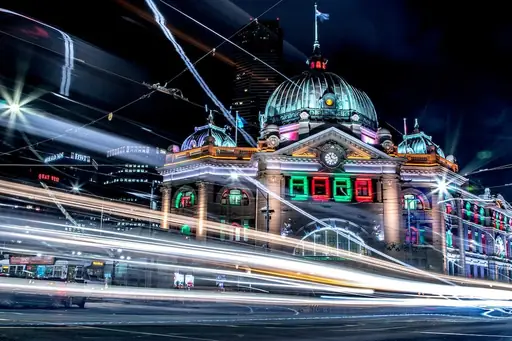
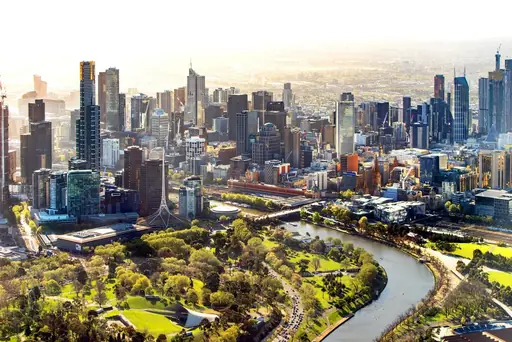
Researchers at Melbourne's Murdoch Children's Research Institute found that about 10 percent of one year olds had a food allergy. That work, known as the HealthNuts study, helped shape national advice on early peanut and egg introduction. Queen Victoria Market has sold fresh food since 1878. Australian law requires packaged foods to declare major allergens.
City in New Zealand
Christchurch
The Garden City of Adventure
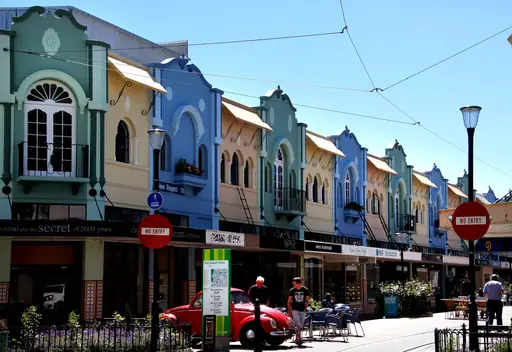
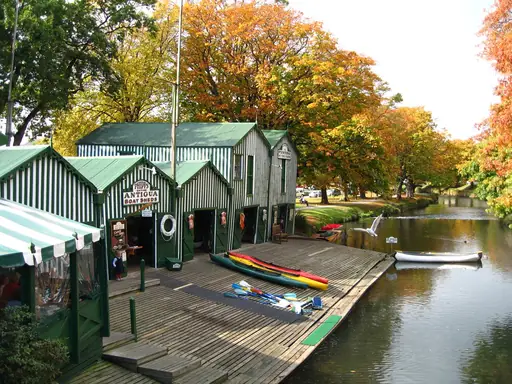
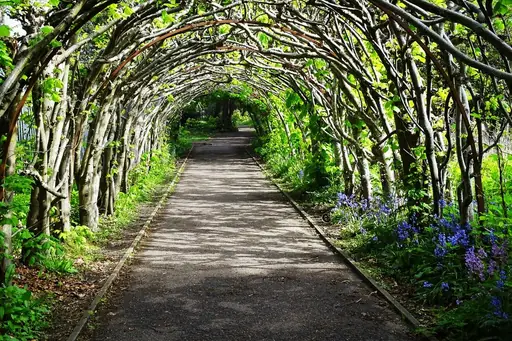
A farmers' market meets on Saturday mornings at historic Riccarton House in Christchurch. Growers sell vegetables, eggs, meat, cheese and honey directly to shoppers. Talking with producers shows travellers exactly what goes into each product. The city's flat streets suit easy cycling between the market and central hotels.

City in Egypt
Cairo
Where ancient history meets bustling life
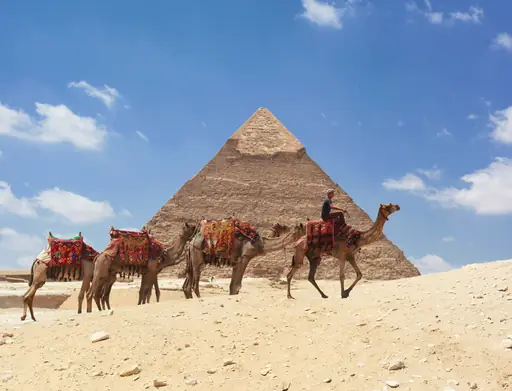
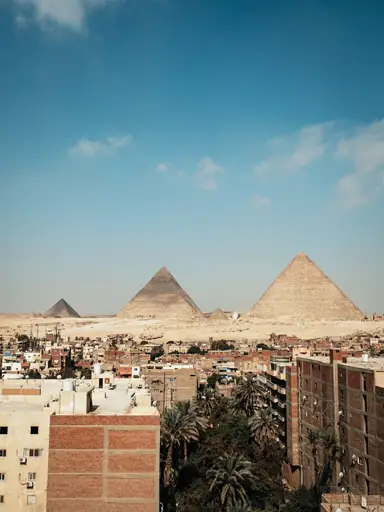
Koshari, a popular Egyptian street dish of rice, lentils, pasta and fried onions, is vegan by tradition. The pasta in it contains wheat. Ta'ameya, Egyptian falafel, is made from fava beans instead of chickpeas. Ful medames is simply cooked fava beans with oil, lemon and cumin.


City in Australia
Adelaide
Festivals, wine and laid-back charm
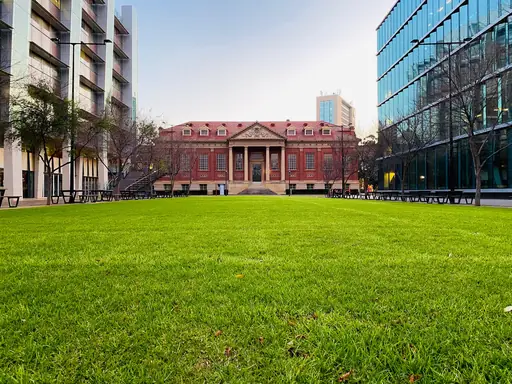
The Central Market on Grote Street has traded since 1869 with dozens of stalls. Fresh produce, meat, fish and cheese stalls make self catering simple. Cooking from whole ingredients avoids the hidden allergens found in many prepared foods. The market sits a short walk from Victoria Square in the city centre.

City in Italy
Rome
The Eternal City of history and charm
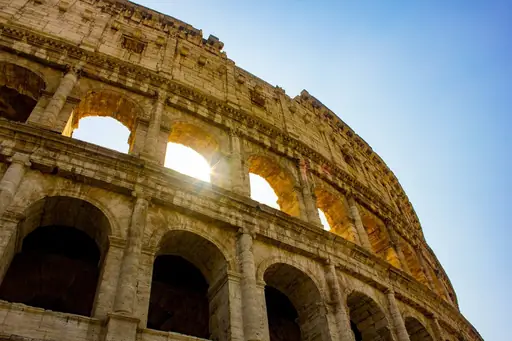
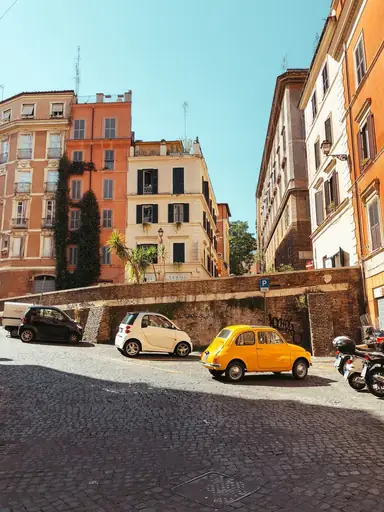
Italy's health service helps people with coeliac disease pay for gluten free food. Pharmacies and supermarkets in Rome stock gluten free bread and pasta. Classic Roman pasta such as cacio e pepe uses only pasta, pecorino cheese and black pepper. Short ingredient lists make dishes easier to check.

City in Canada
Montreal
A city of festivals, food and culture
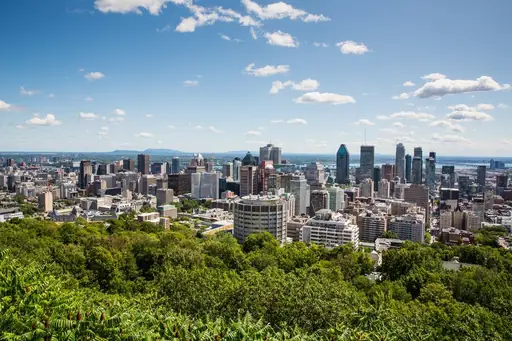
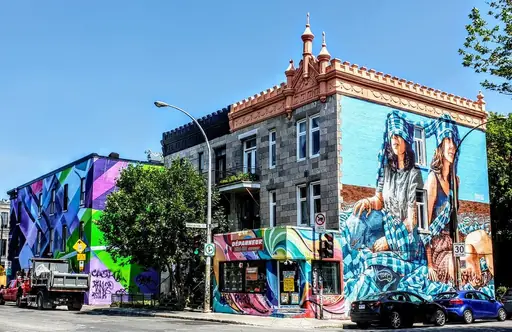
Jean-Talon Market opened in 1933 in the Little Italy neighbourhood. Farmers sell vegetables, fruit, cheese and maple products at outdoor stalls. Canadian food labels appear in both English and French across the country. Montreal style bagels are boiled in honey water and rolled in sesame or poppy seeds before baking.

City in Australia
Sydney
Where urban life meets stunning beaches
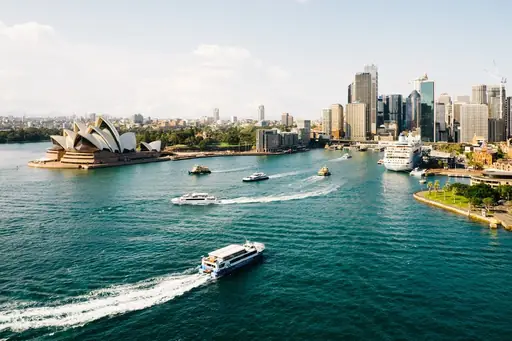
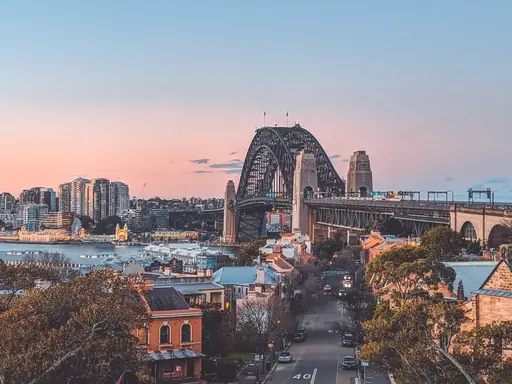
Carriageworks Farmers Market fills a former railway workshop in Eveleigh every Saturday. Growers sell fresh produce, eggs, cheese, bread and hot food. Australian rules require packaged foods to declare allergens including sesame, lupin and tree nuts. Ferries from Circular Quay cross the harbour to Manly in about 30 minutes.



City in Norway
Oslo
Scandinavia’s modern capital in nature’s embrace
Mathallen Oslo opened in 2012 in the former industrial Vulkan district. About 30 vendors sell fish, cheese, bread and vegetables. Norwegian rules require restaurants to give allergen information for 14 major allergens. Seafood is a staple on many menus, which makes shared fryers worth asking about.

City in Ireland
Cork
Ireland’s rebel city with soul
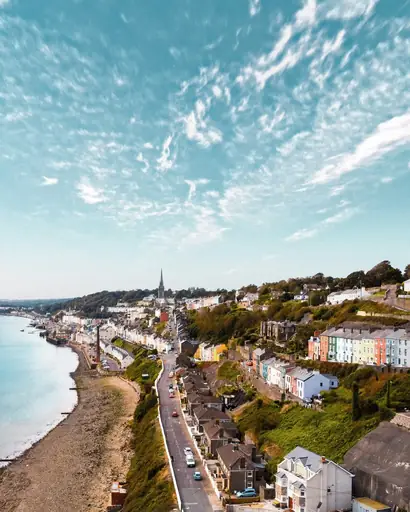
The English Market has traded in central Cork since 1788. Its Victorian hall from 1862 holds stalls selling fresh fish, meat, cheese and vegetables. Shoppers can ask the traders how each product is made. Farmgate Café on the upper level serves meals from ingredients bought below.

City in Peru
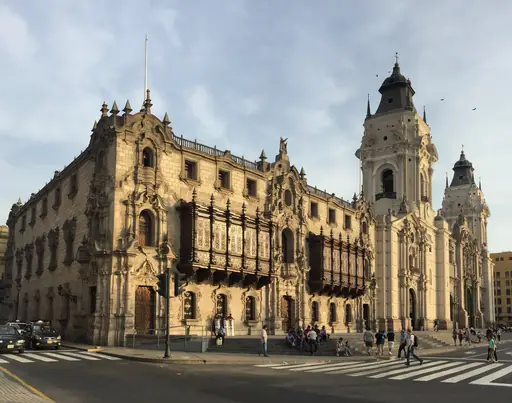
Lima
Historic Charm Meets Coastal Vibes
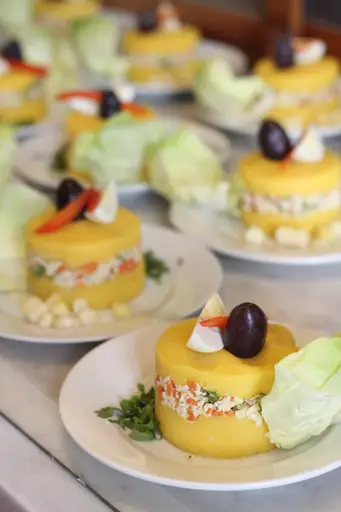
Potatoes, corn and quinoa are Andean staples that are naturally free of gluten. Peru grows thousands of native potato varieties in the Andes. Classic ceviche of raw fish, lime juice, onion and chilli contains no wheat or dairy. Chifa restaurants, though, rely on soy sauce and wheat noodles.
Valley in Chile
Casablanca Valley
Hidden gem of Andean highlands
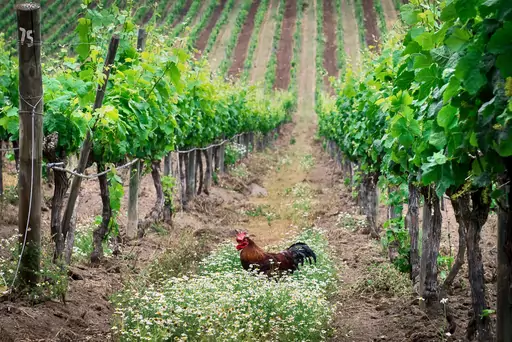
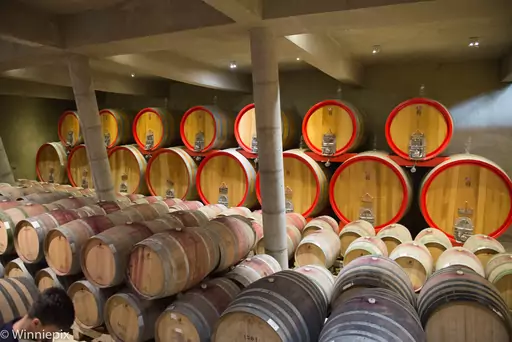
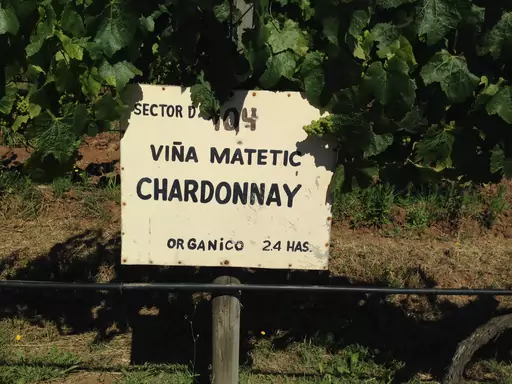
Cool ocean breezes suit Sauvignon Blanc and Chardonnay grapes in this valley west of Santiago. Wine naturally contains sulfites, which Chilean rules require labels to declare. Guests can share food allergies when booking a winery lunch. The drive from Santiago takes a little over an hour by road.


City in Brazil
Rio de Janeiro
The heartbeat of Brazil's coast
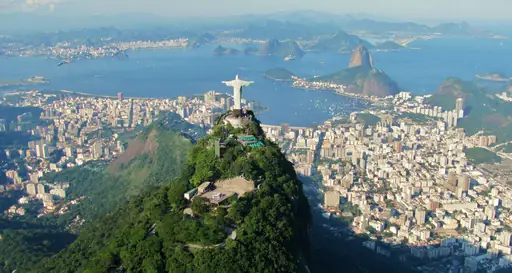
Brazilian law has required packaged foods to say whether they contain gluten since 2003. Labels read contém glúten or não contém glúten. Tapioca crepes and pão de queijo cheese bread are made from cassava starch instead of wheat flour. Beachside kiosks sell fresh coconut water and cut fruit.
City in Ireland
Dublin
Where History, Pubs and Culture Collide
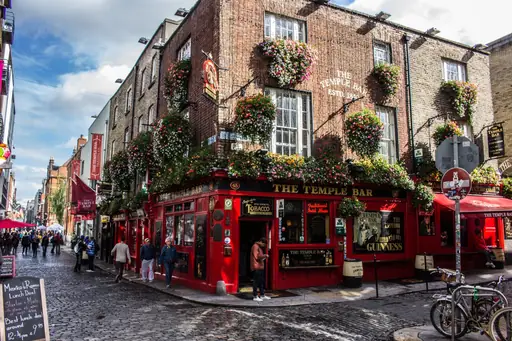
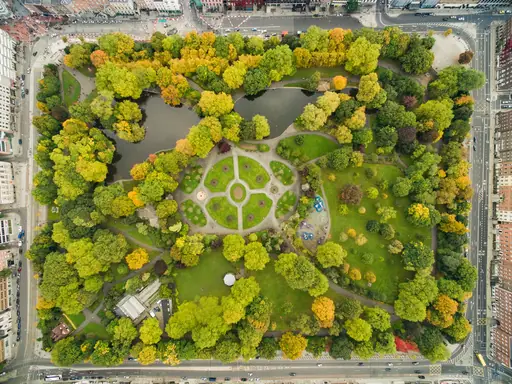
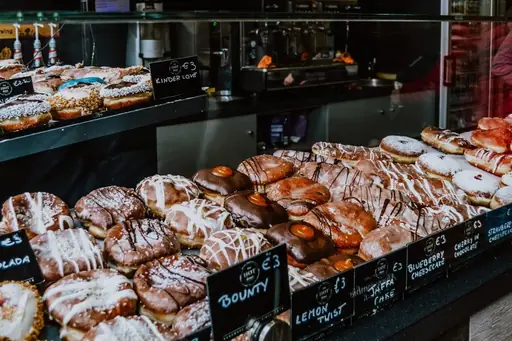
Irish food businesses must give customers clear information on 14 major allergens. Temple Bar Food Market sets up on Saturdays in Meeting House Square. Stalls sell fresh vegetables, artisan cheese, bread and hot lunches. Dublin's compact centre is easy to explore on foot in a single day.
City in South Africa
Johannesburg
Vibrant city life meets rich history
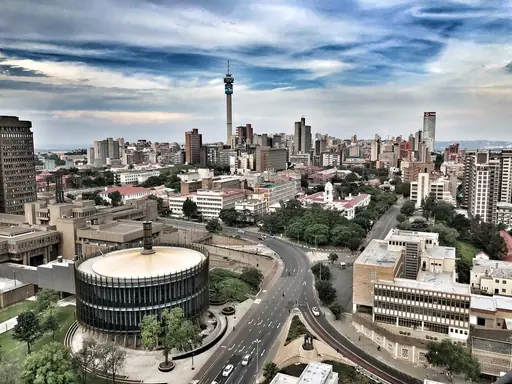
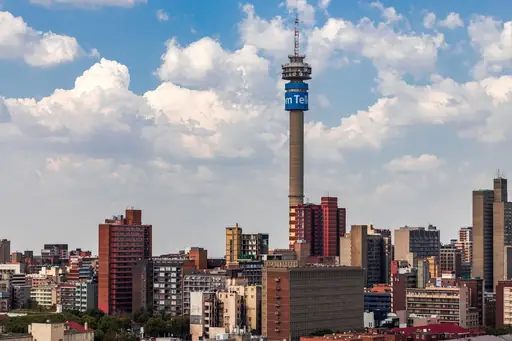
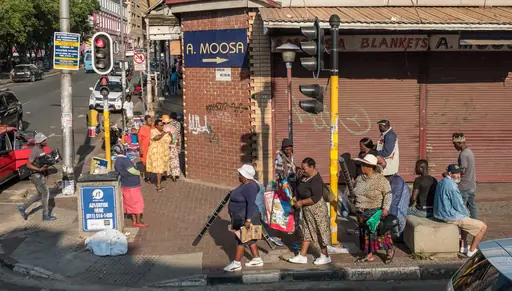
Pap, a stiff porridge made from maize meal, is a staple on South African tables. Maize is naturally free of gluten. Braai meals pair grilled meat with pap and chakalaka, a spicy vegetable relish. Some boerewors sausages contain wheat based filler, which is worth asking butchers about.

City in Argentina
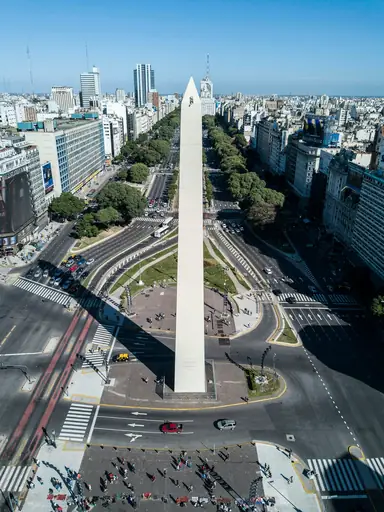
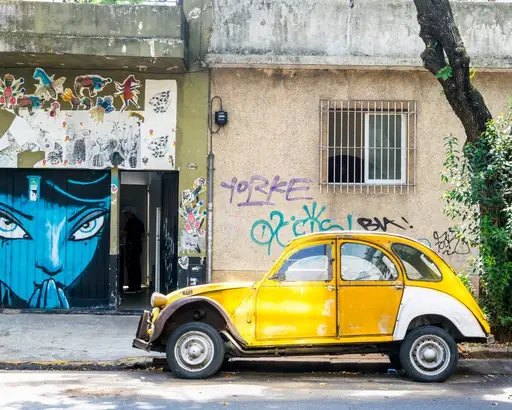
Buenos Aires
Where Tango and Culture Thrive
Argentine food labels marked sin TACC show that a product is free of wheat, oats, barley and rye. Dedicated sin TACC bakeries and cafés operate in many neighbourhoods across the city. Steakhouses typically season grilled beef with only coarse salt. Diners can ask for chimichurri sauce on the side.


City in Australia
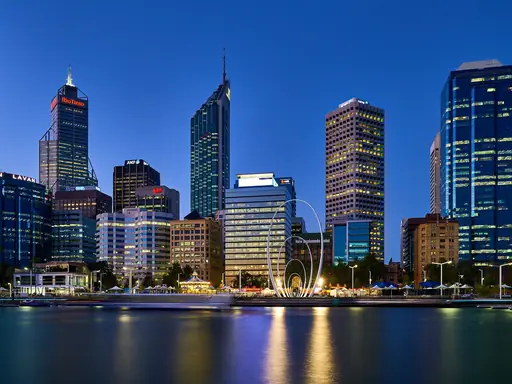
Perth
Sun, surf and city style collide
Fremantle Markets have traded in a Victorian hall since 1897 close to the harbour. Stalls selling fresh fruit, vegetables, bread and cheese make self catering simple. Trains link central Perth and Fremantle in about 30 minutes. Sunny weather across Western Australia suits outdoor picnic lunches by the river.
City in Taiwan
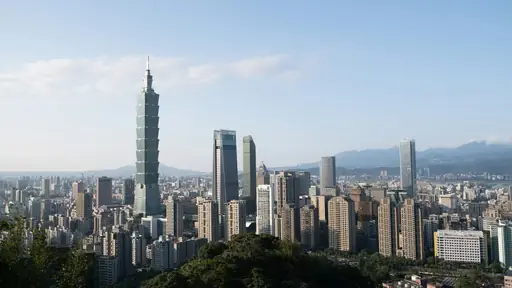
Taipei
A vibrant blend of old and new
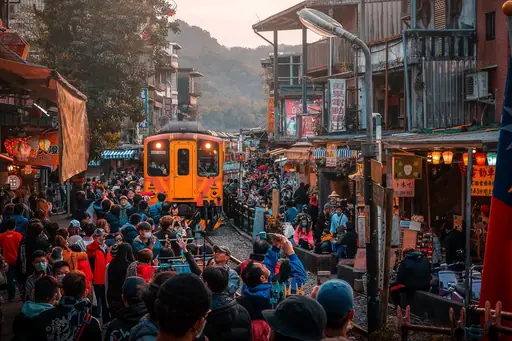
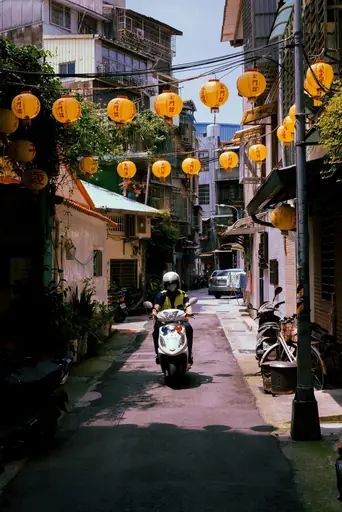
Taiwan requires packaged foods to declare 11 groups of allergens, including mango. Many stalls cook each dish to order in view of customers. Beef noodle soup, a Taiwanese classic, contains wheat noodles and soy sauce. Metro trains run to stations beside Shilin, Raohe and other well known night markets.

City in Japan
Tokyo
Japan's capital of temples, towers and food
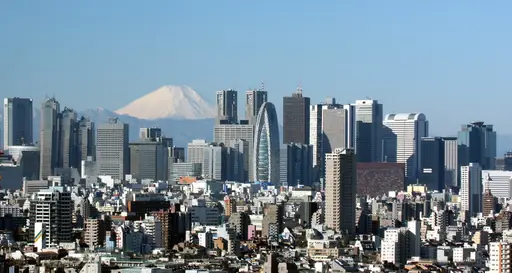
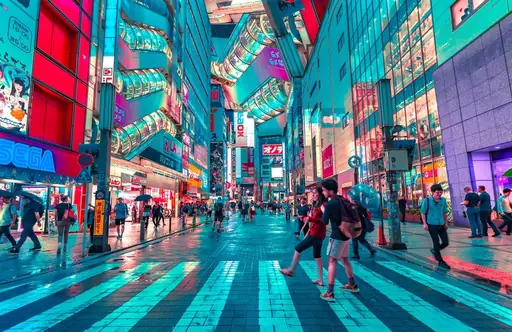
Japan requires packaged foods to declare specified allergens including wheat, buckwheat, egg, milk, peanuts, shrimp and crab. Allergen tables at many chain restaurants list what each dish contains. Convenience store onigiri carry small allergy labels on the back. A card written in Japanese helps explain a food allergy to staff.
Other lists you may like
Discover
Best travel destinations for food allergies in Africa
Africa is easy to overlook for allergy conscious travelers, yet parts of it turn out to be naturally allergy friendly once you know where to look. Ethiopian cuisine stands out…
Read more
Discover
Best travel destinations for food allergies in Asia
Asia has real strengths for allergy conscious travelers once you know what to look for, since several of its cuisines are naturally suited to specific diets. Rice based diets…
Read more
Discover
Best travel destinations for food allergies in Europe
Europe is one of the more manageable continents for allergy conscious travelers, thanks to strict food labeling rules that apply across the entire European Union. Restaurants…
Read more
Discover
Best travel destinations for food allergies in North America
Food allergy awareness runs fairly high across North America, backed by laws that require major allergens to be listed clearly on packaged food. The United States and Canada…
Read more

Discover
Best travel destinations for food allergies in Oceania
Australia and New Zealand share some of the clearest food allergen laws anywhere, which makes Oceania a fairly reassuring region for allergy conscious travelers. Packaged food…
Read more

Discover
Best travel destinations for food allergies in South America
South America takes more preparation for allergy conscious travelers than some other regions, since formal allergen labeling laws are less consistent from country to country.…
Read more
What other users say about travelfilters
“travelfilters made it easy for me to find ski areas and compare what else they offer, so that I could find the best place for my personal travel style.”

Chris
Snowboarding & Onsen trip to Japan
“I love how transparent the data feels. There is no pushy upsell, just honest information and settings I can tune to my own travel style.”

Maria
After booking her 2027 winter escape
“The level of detail for each destination and how well those are displayed, make planning feel confident instead of overwhelming.”

Mina
Planned a week in New York City
“We used travelfilters for our planning from start to end. The trip turned out even better than expected, thanks to all their tools and customisation options.”

Allan & Etienne
Trip to Japan to see autumn foliage
“Thanks to travelfilters, I found some hidden gems to see. Being able to filter for exactly your interests is a game changer for my travel planning.”

Michael
Tour through the old cities of Northern Italy
“The customizable filters helped me find a quiet beach town with good wifi and low season crowds in under five minutes.”

Diego
Weekend Escape to Llanes, Spain
“The airport connection map saved me hours by showing good flight options from my home airport to lesser-known cities.”

Nguyen
Planning a 2027 trip to France
“The website is clean, fast and focused on the search itself, which makes travelfilters feel more like a professional tool than an ad-heavy booking site.”

Hassan
Christmas Market trip, Germany
