
Best market destinations and street shopping
Best market destinations and street shopping
Top market destinations for street shopping
Markets are one of the most direct ways into the everyday life of a place. Where supermarkets and shopping centres smooth over local difference, a good market reflects the climate, the agriculture, the culture and the economy of its surroundings in ways that are difficult to find elsewhere. The produce, the noise, the negotiation and the cooking smells tell you more about a destination in an hour than most guided tours manage in a day.
The markets on this list range from ancient trading bazaars to modern food halls, from weekly rural gatherings to permanent urban institutions that have been running for centuries. Some are primarily about food. Others cover textiles, spices, crafts or antiques. What they share is a character and a quality of experience that makes them worth visiting as a destination in their own right.
A few practical details make a market visit significantly better. Going early usually means better produce, more atmosphere and fewer crowds. Knowing what a market specialises in helps manage expectations. And arriving hungry is rarely a mistake. The markets here have been selected because they offer something genuinely memorable, regardless of whether you leave with anything in your bag.
Lists by region
City in Vietnam
Hanoi
Where tradition meets modern vibrancy
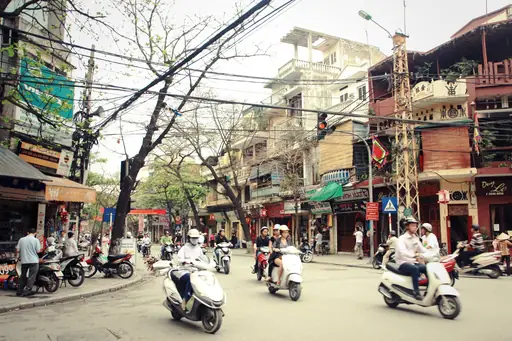
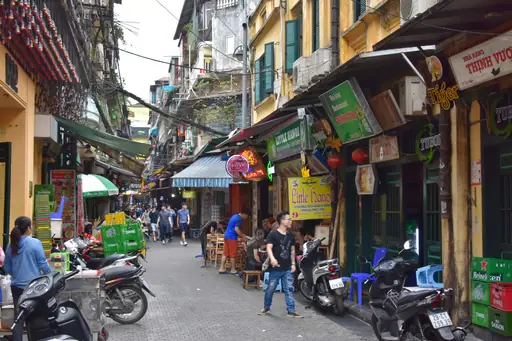
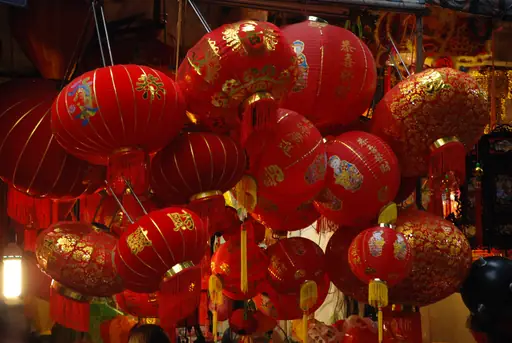
Hanoi's Old Quarter organises streets by trade, a layout dating back centuries. Each street traditionally sold a single good, from silk to silver. Visitors can browse Dong Xuan Market, the quarter's largest covered trading hall. Street food vendors set up on plastic stools throughout the surrounding lanes.
City in Turkey
Istanbul
Where East meets West in stunning contrast
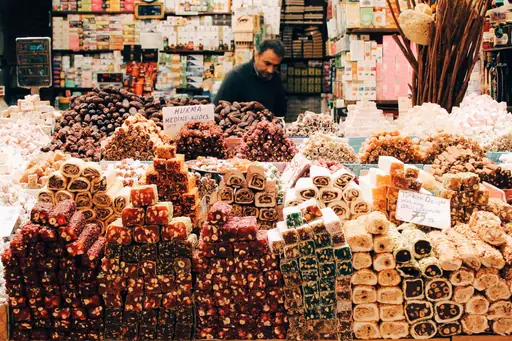
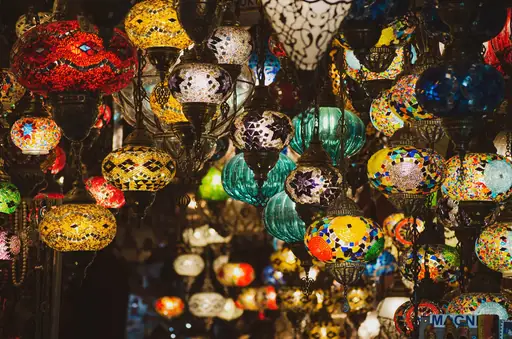
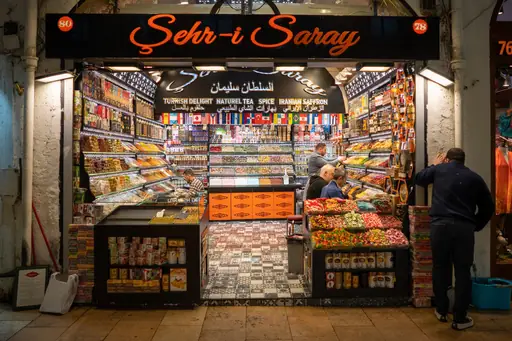
The Spice Bazaar has sold spices and sweets in Istanbul since the 1660s. Its L-shaped layout sits beside the Golden Horn near the Galata Bridge. Visitors can sample Turkish delight from vendors offering free tastes. The building was originally funded by taxes collected from Egyptian trade.
City in Thailand
Bangkok
The city of contrasts and chaos
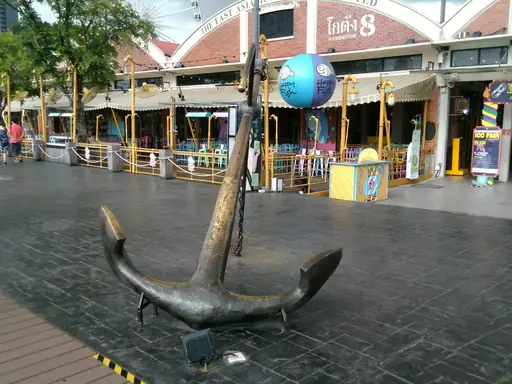
Bangkok's floating markets let vendors sell produce directly from wooden boats. Paddlers navigate narrow canals lined with fruit and cooked food stalls. Visitors can ride a longtail boat through the canals to reach the market. Damnoen Saduak remains the most visited of the city's floating markets.

City in Australia
Hobart
Coastal charm meets historic streets
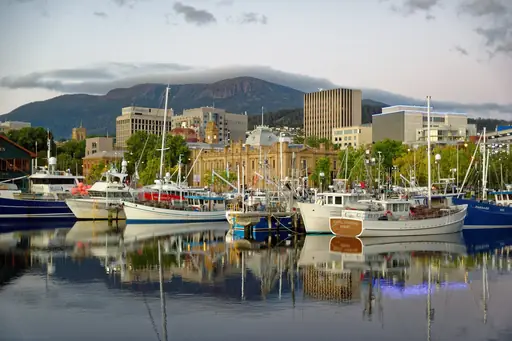
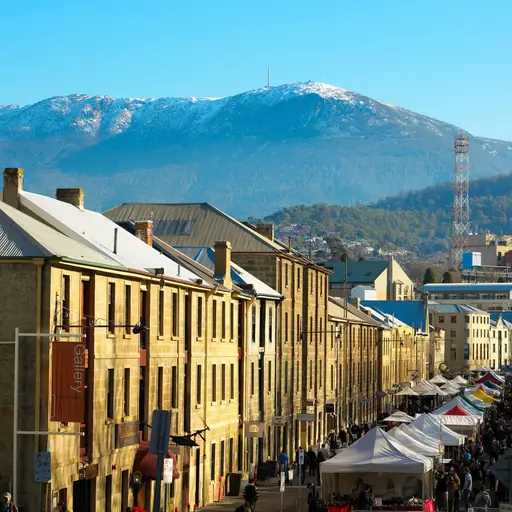
Salamanca Market sets up every Saturday along Hobart's historic waterfront warehouses. Stalls sell Tasmanian produce, crafts and antiques beneath sandstone buildings from the 1830s. Visitors can sample local cheese and cider at stalls throughout the market. The market has run continuously in this location since 1972.
City in Australia
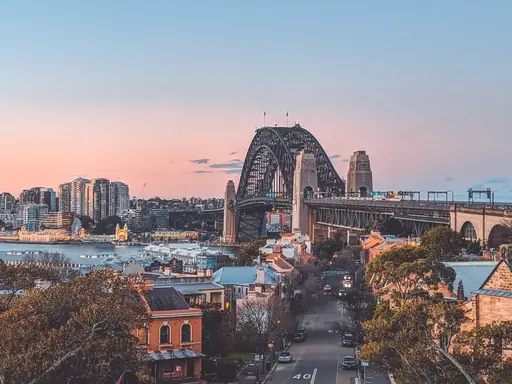
Sydney
Where urban life meets stunning beaches
Paddy's Market has traded goods in central Sydney continuously since it opened in 1834. Vendors sell fresh produce and clothing across the covered market hall. Visitors can browse bargain goods alongside stalls selling Australian made crafts. The market has moved locations several times but never stopped trading.

City in Mexico
Mexico City
Vibrant Culture, History and Street Food
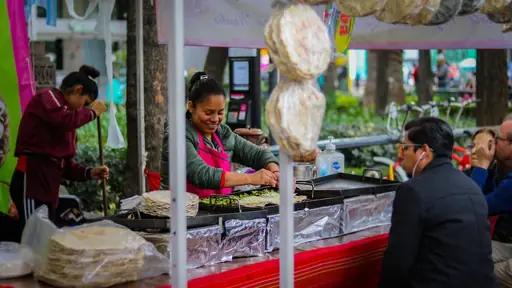
Mercado de la Merced ranks among the largest traditional markets in Mexico City. Its stalls stretch across several city blocks selling produce and household goods. Visitors can sample regional dishes at food stands scattered throughout the market. The market has operated on this site since the 16th century.
City in India
Mumbai
India's bustling coastal metropolis
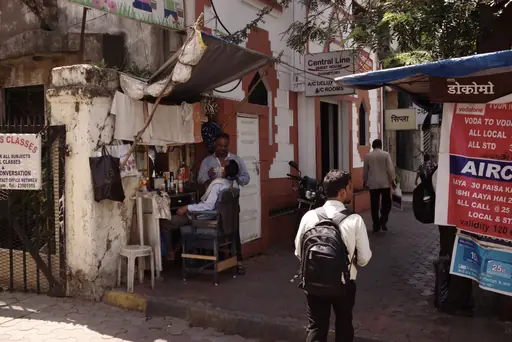
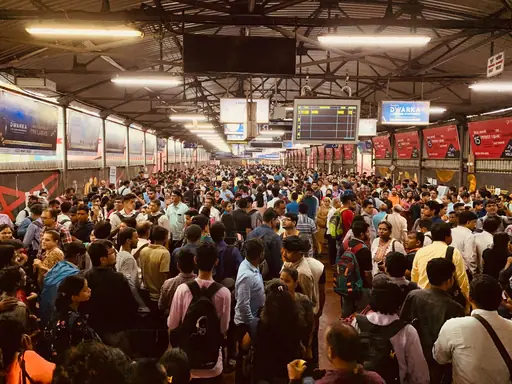
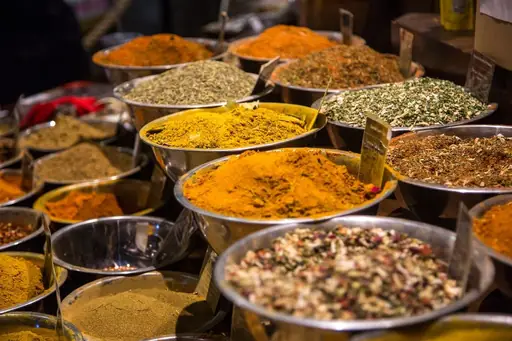
Crawford Market has traded fruit and spices in Mumbai since the 1860s. Its Gothic Revival stone building was designed under British colonial rule. Visitors can browse imported fruit alongside stalls selling household pets nearby. Frieze carvings on the exterior were designed by Rudyard Kipling's father.
City in Poland
Kraków
Timeless Charm and Rich History
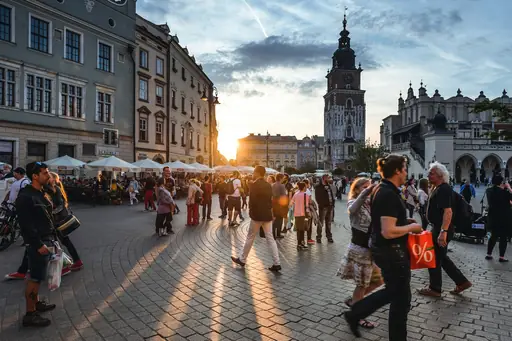
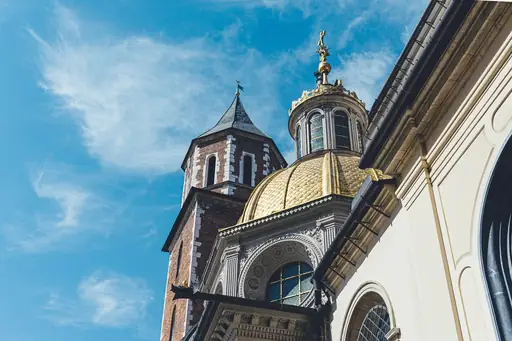
The Cloth Hall has traded textiles in Krakow's main square since the 14th century. Its long Renaissance arcade houses stalls selling amber jewellery and wooden crafts. Visitors can browse under the same vaulted hall merchants used centuries ago. St Mary's Basilica towers over the square just beside the market.
City in Bolivia
La Paz
Where Altitude Meets Adventure and Culture
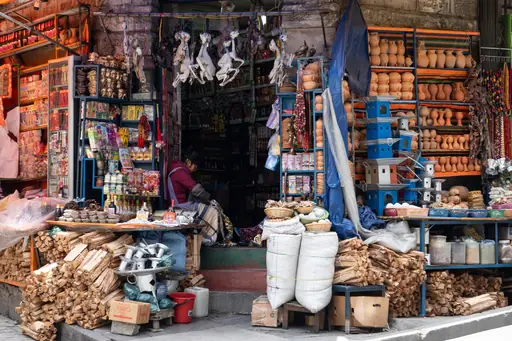
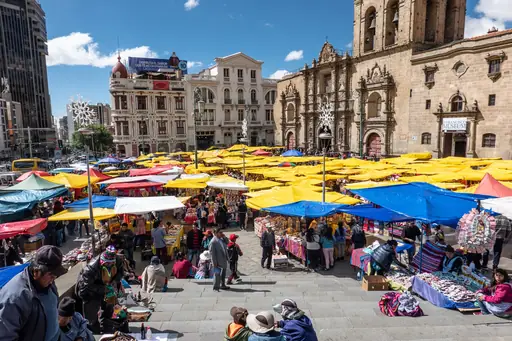
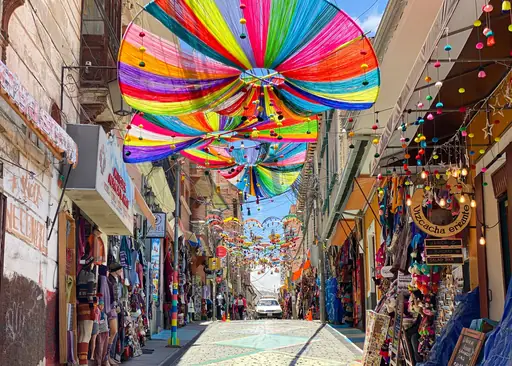
La Paz's Witches Market sells traditional remedies and ritual items used in Andean folk practices. Dried llama fetuses hang alongside herbs meant to bring luck to new homes. Visitors can browse alpaca wool goods sold in nearby stalls. The market sits along a steep street in the city's old centre.
City in Germany
Nuremberg
Medieval Charm Meets Living History
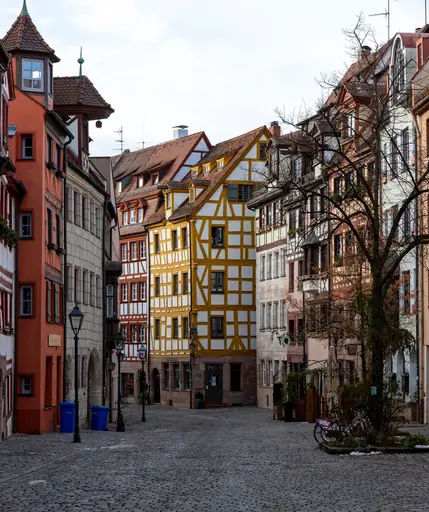
Nuremberg's Hauptmarkt hosts a famous Christmas market dating back to the 1600s. A gilded gothic fountain called the Schoner Brunnen rises at its centre. Visitors can spot a hidden golden ring embedded in the fountain's railing. Legend holds that spinning the ring three times brings good luck.
City in China
Lhasa
A Spiritual Journey in Tibet
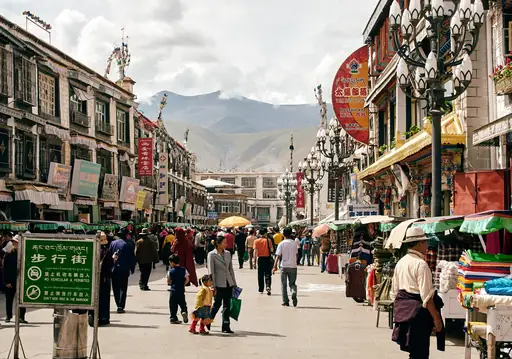
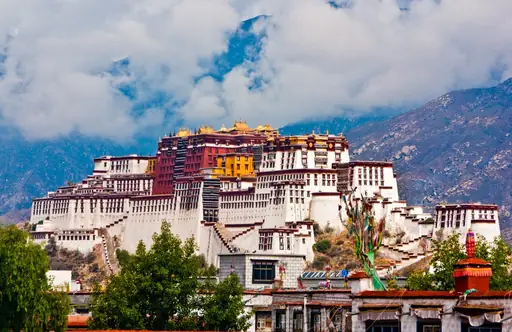
Barkhor Street circles the Jokhang Temple, one of Tibetan Buddhism's holiest sites. Pilgrims walk the circuit clockwise past stalls selling prayer wheels and turquoise jewellery. Visitors can browse Tibetan carpets and religious artefacts along the route. The street has served as both pilgrimage path and marketplace for centuries.
City in Vietnam
Ho Chi Minh City
A chaotic blend of history and energy
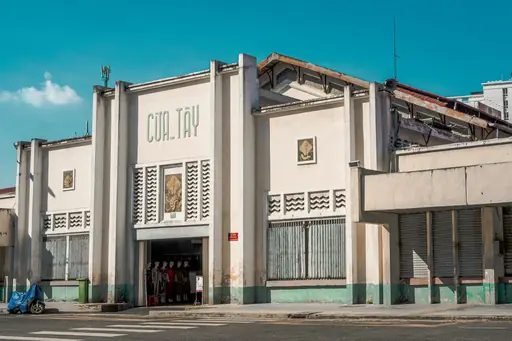
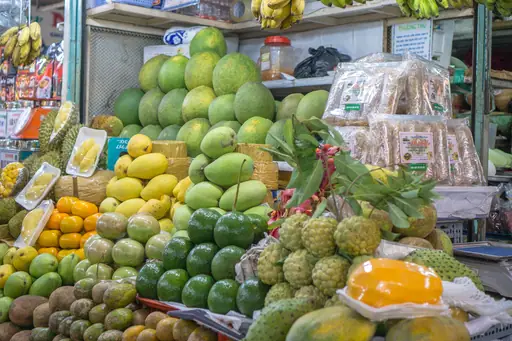
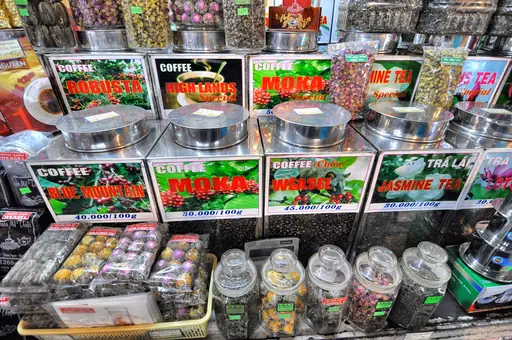
Binh Tay Market anchors Cholon, the historic Chinese quarter of Ho Chi Minh City. Its yellow clock tower has marked the wholesale market's entrance since the 1920s. Visitors can browse dried goods and textiles across the market's crowded aisles. Traders here sell largely in bulk to shops from across the region.
City in Morocco
Fez
Labyrinthine Medina, Living Moroccan Heritage
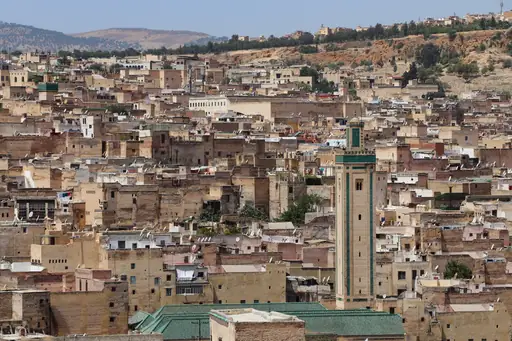
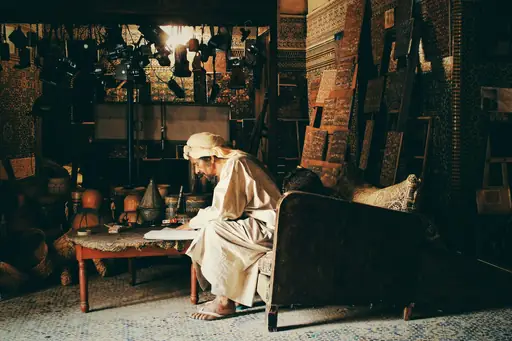
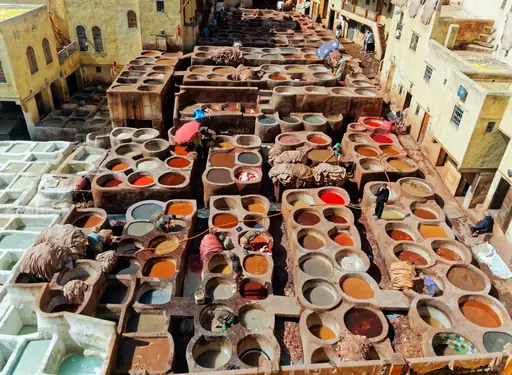
Fez's medina holds one of the largest car free urban areas in the world. Tanneries here still dye leather using methods practised for centuries. Visitors can view the tannery pits from surrounding rooftop terraces. Donkeys remain the main way goods move through the medina's narrow lanes.
City in Israel
Jerusalem
Ancient History Meets Modern Culture
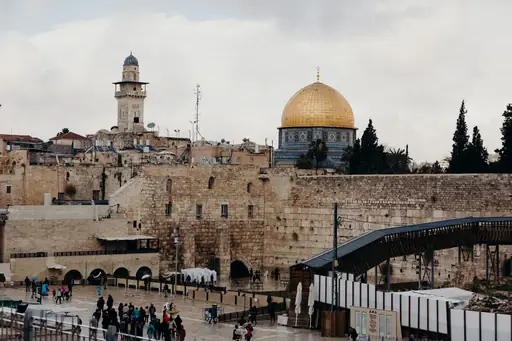
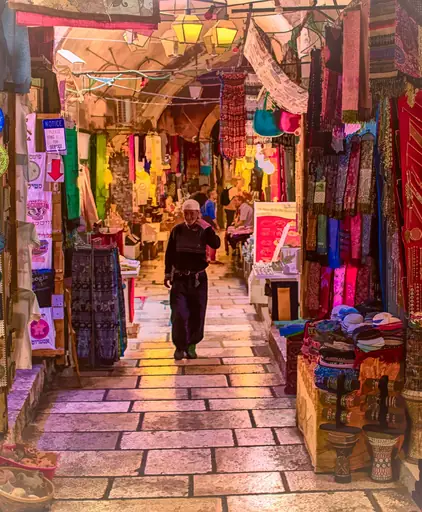
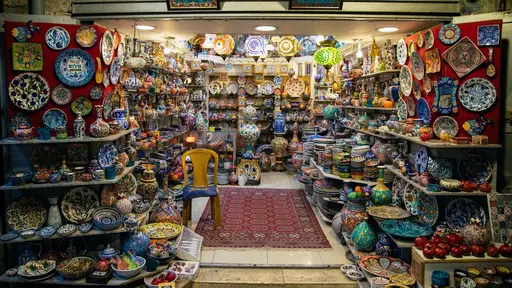
The Old City's markets in Jerusalem sit divided among historic quarters, each with distinct goods. Narrow stone lanes sell spices and religious items side by side. Visitors can walk covered passageways dating back to Roman and Ottoman periods. The market layout has remained largely unchanged for centuries.
City in Japan
Sapporo
Snow festival city with ramen and beer
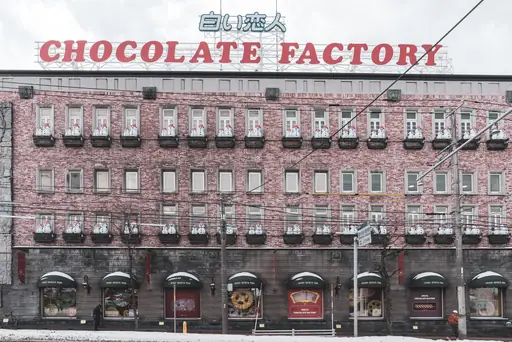
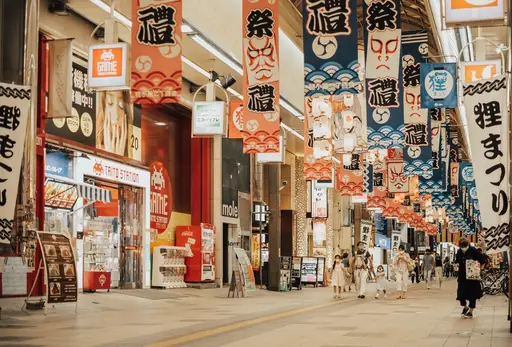
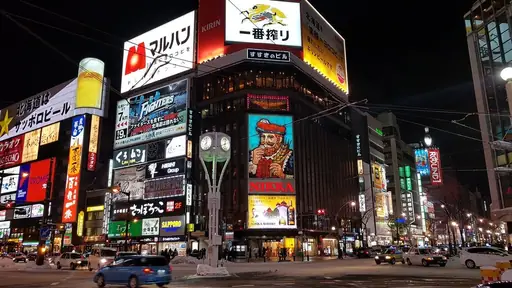
Nijo Market has traded fresh seafood in central Sapporo since the 1870s. Crab and salmon roe from Hokkaido's cold waters fill the stalls. Visitors can eat a fresh seafood bowl at counters throughout the market. The market grew alongside Sapporo's development following Japan's northern expansion.
City in Spain
Valencia
Sunlit Shores and Rich Culture
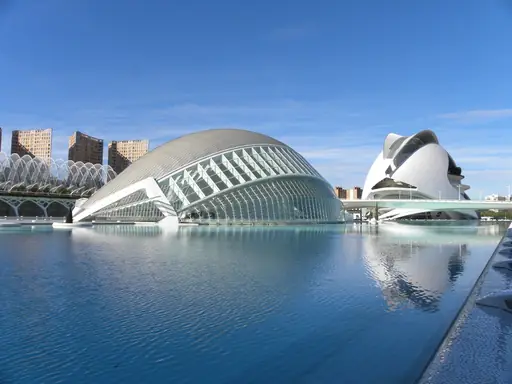
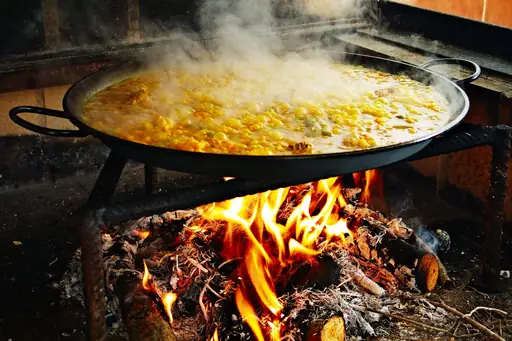
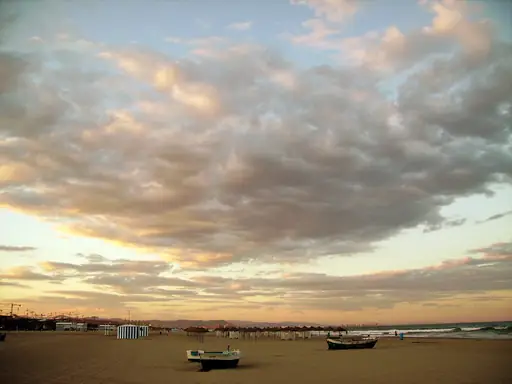
Mercado Central trades produce inside a modernist building completed back in the year 1928. Stained glass and ceramic tiles decorate the market's soaring, colourful interior. Visitors can browse fresh seafood and jamon across hundreds of individual stalls. The building ranks among Europe's largest covered food markets.

City in Italy
Rome
The Eternal City of history and charm
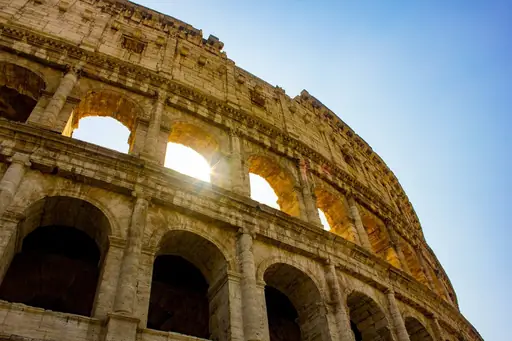
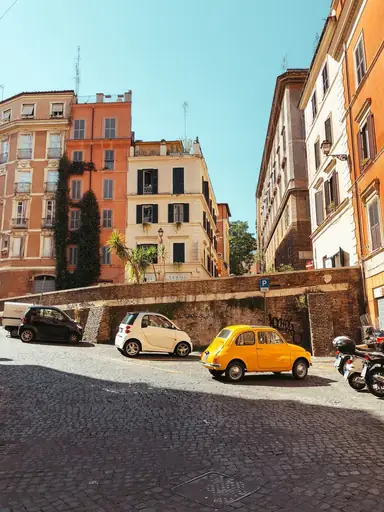
Campo de Fiori has traded produce in central Rome since the 19th century. A statue of philosopher Giordano Bruno stands at the market's centre. Visitors can buy fresh vegetables and porcini mushrooms in season. The square shifts into a lively bar scene once the stalls pack up each evening.
City in Canada
Toronto
A vibrant mix of cultures and skyline
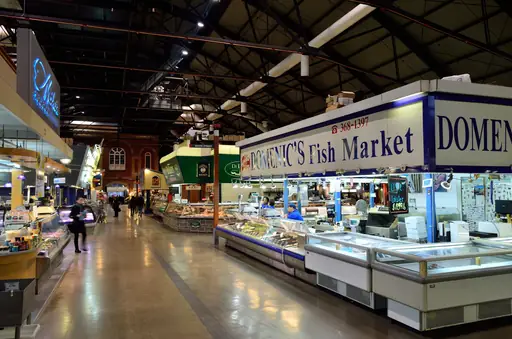
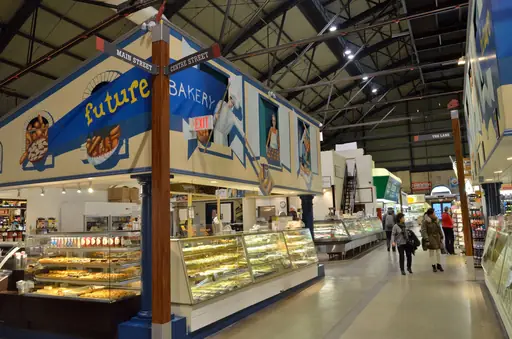
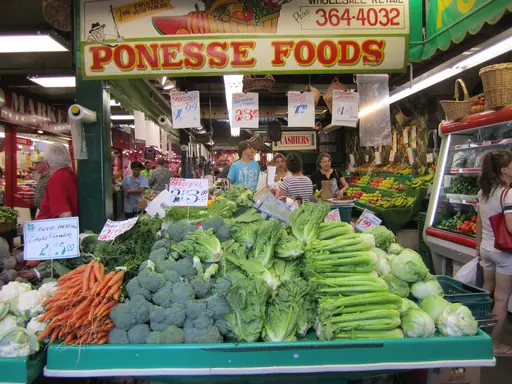
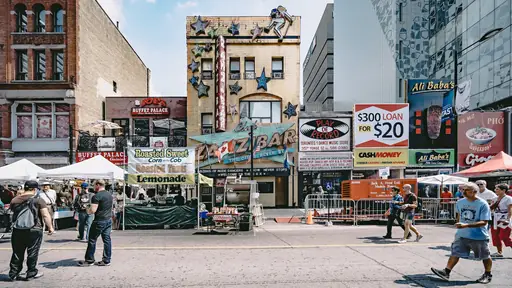
St Lawrence Market trades food inside a converted 19th century city hall building. National Geographic once named it one of the world's best food markets. Visitors can eat a peameal bacon sandwich, a Toronto speciality found here. The market has traded continuously on this site since 1803.
City in Panama
Panama City
Where History Meets Modern Skylines
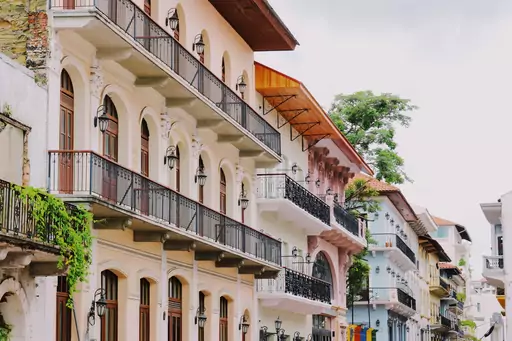
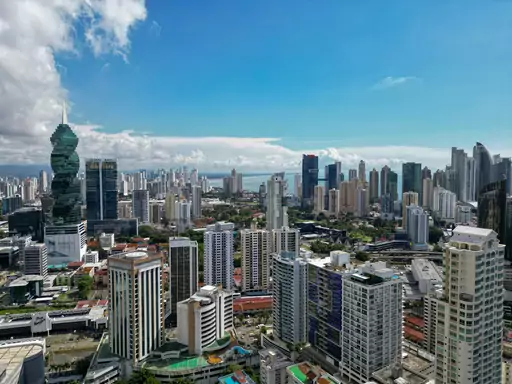
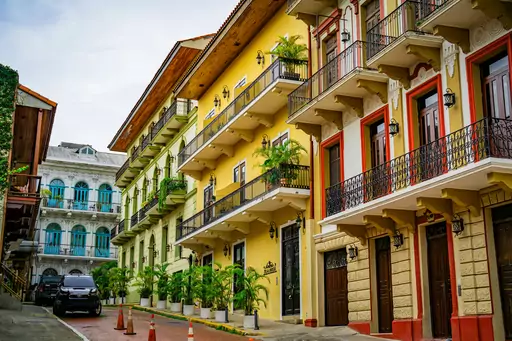
Mercado de Mariscos sells fresh seafood along Panama City's waterfront each morning. Fishing boats unload their catch directly to vendors inside the covered hall. Visitors can eat ceviche prepared fresh at counters facing the water. The market sits within view of the city's modern skyline.
City in Morocco
Essaouira
Atlantic Breeze, Blue Medina, Bohemian Vibe
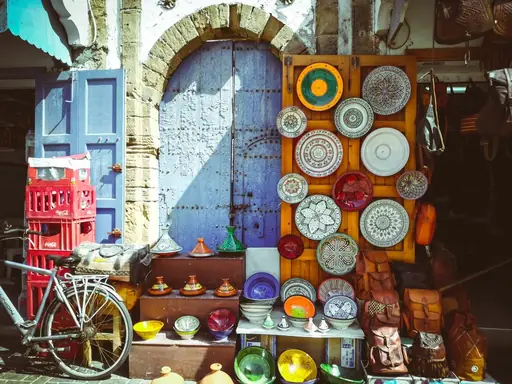
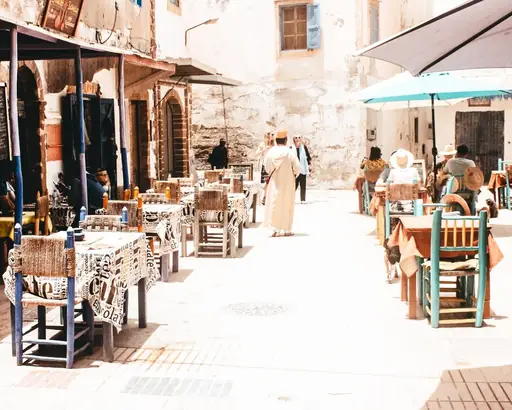
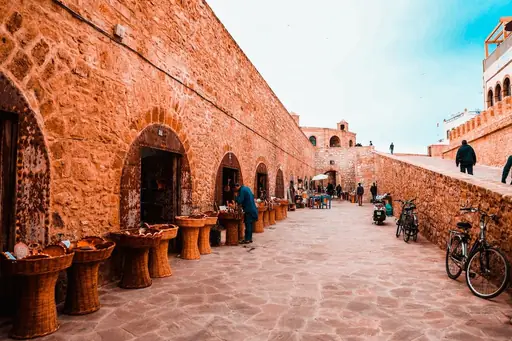
Essaouira's medina market sells thuya wood carvings crafted by local artisans. Fishermen sell the day's catch each morning near the port's stone walls. Visitors can browse argan oil products made by women's cooperatives nearby. Blue painted doors and boats give the coastal town its distinct colour scheme.
City in India
Kolkata
The Cultural Heart of India
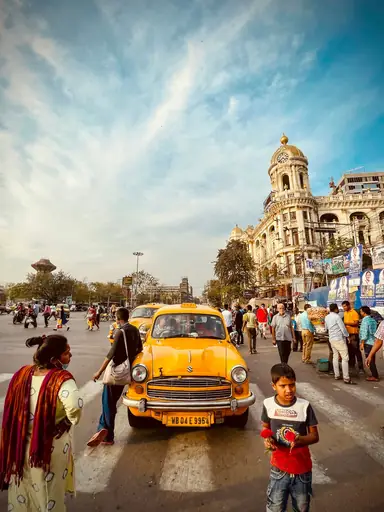
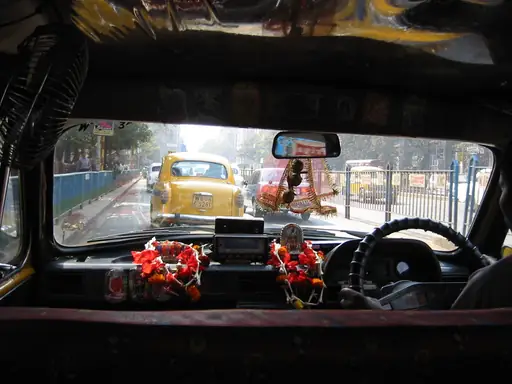
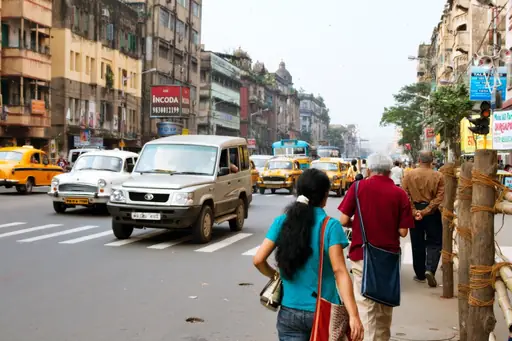
New Market has traded goods in central Kolkata since the British colonial era. Its red brick clock tower was built back in the 1870s. Visitors can browse leather goods and traditional Bengali sweets nearby. Vendors here have served customers across generations of the very same families.
City in Malaysia
Malacca
Where centuries of culture converge
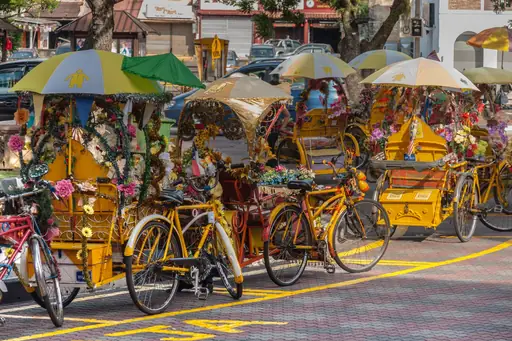
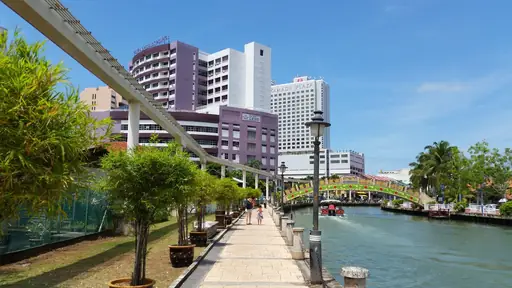
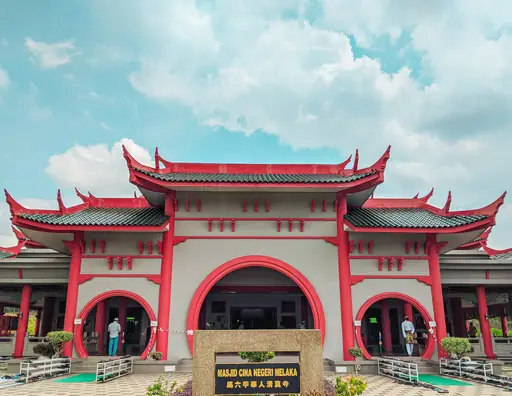
Jonker Street transforms into a night market each weekend in Malacca's old quarter. Peranakan shops sell traditional Nyonya snacks alongside antiques and trinkets. Visitors can sample cendol and other local desserts from street food carts. The street sits within a UNESCO listed historic trading port.
City in Italy
Naples
Where history and passion converge
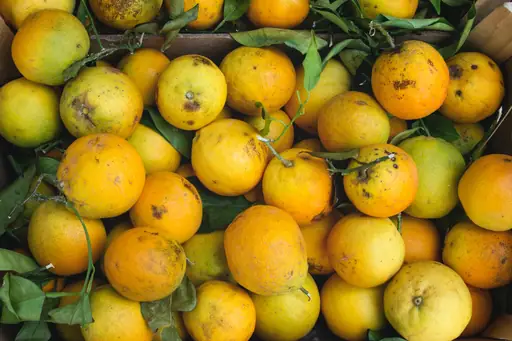
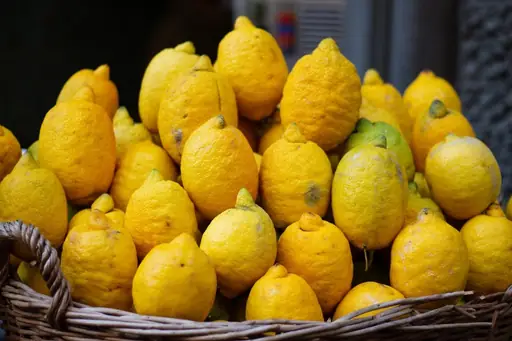
Mercato di Porta Nolana sells fresh seafood near one of Naples's old city gates. Vendors shout prices in the local dialect as customers browse the stalls. Visitors can buy fish straight off crates stacked along the narrow street. The gate itself dates back to the 15th century Aragonese city walls.
City in Portugal
Lisbon
Sun-soaked streets and rich history
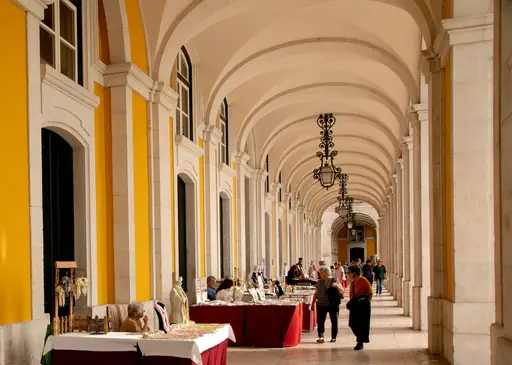
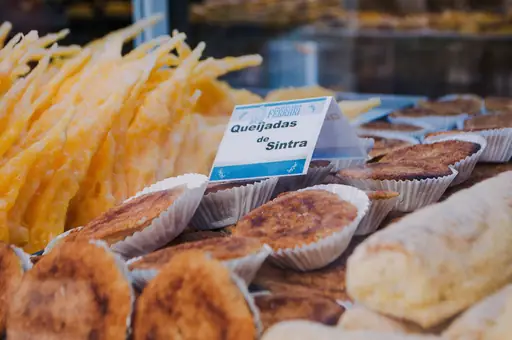
Mercado da Ribeira sits along Lisbon's waterfront in a 19th century iron hall. Traditional produce stalls share the space with a modern food court. Visitors can sample pastel de nata alongside fresh fish and produce. The market has traded on this riverside site since the 1880s.
City in India
Varanasi
India’s Timeless Spiritual Heartbeat
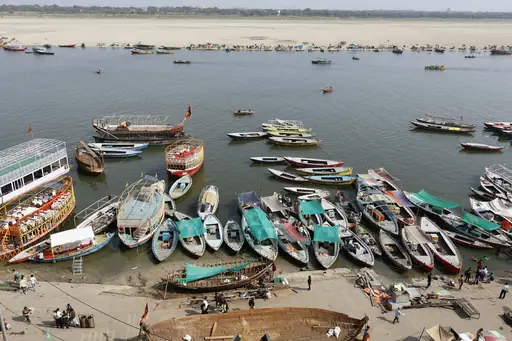
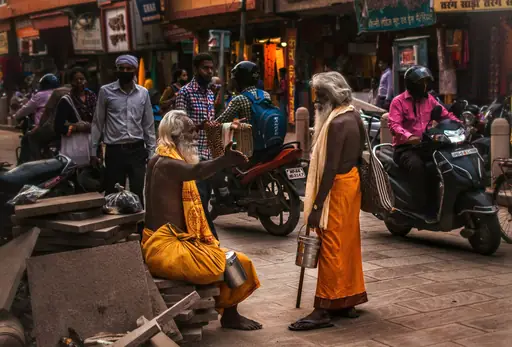
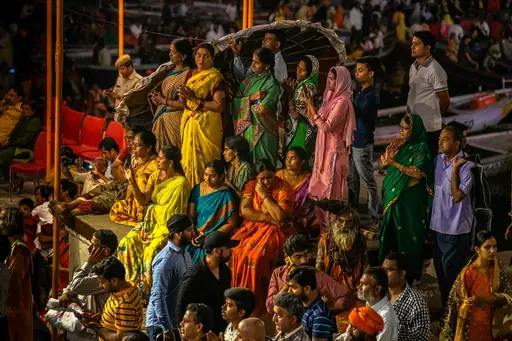
Vishwanath Gali trades goods along a narrow lane leading towards the Kashi Vishwanath Temple. Vendors sell brass idols and silk sarees meant for temple offerings. Visitors can browse alongside pilgrims heading towards the Ganges riverbank nearby. The narrow lane has served religious travellers for many centuries.
City in China
Kunming
Spring City with Eternal Blossoms
Kunming's flower and bird market sells orchids grown across Yunnan's mild climate. Songbirds in wooden cages hang from stalls throughout the market lanes. Visitors can browse jade carvings alongside potted plants and fresh cut flowers. Yunnan's diverse ethnic groups bring distinct crafts to sell here.
City in Argentina
Salta
Colonial Charm and Andean Landscapes
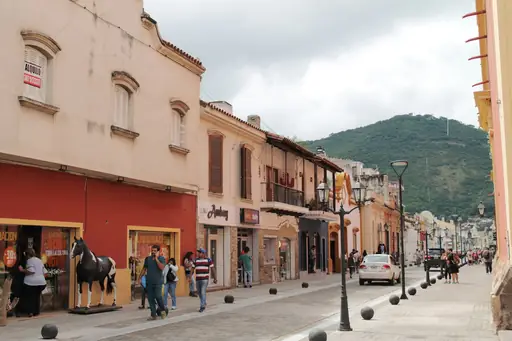
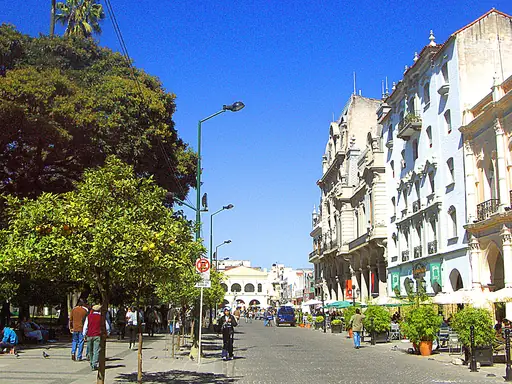
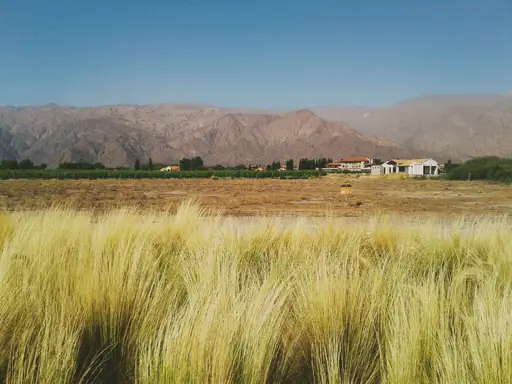
Mercado San Miguel trades Andean goods in northern Argentina's colonial city of Salta. Vendors sell llama wool ponchos alongside empanadas baked fresh each morning. Visitors can try regional dishes like locro at food stalls inside. The surrounding streets keep much of their colonial Spanish character intact.
City in Bosnia and Herzegovina
Sarajevo
Where East meets West in the Balkans
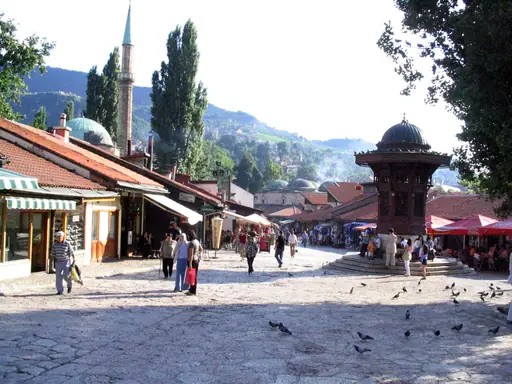
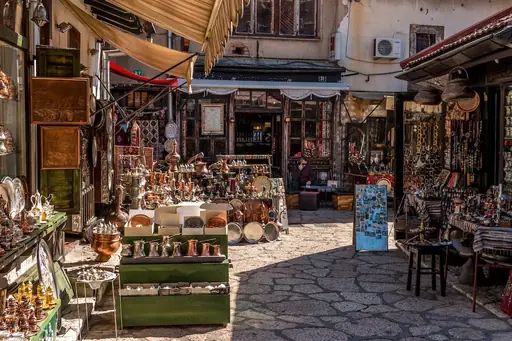
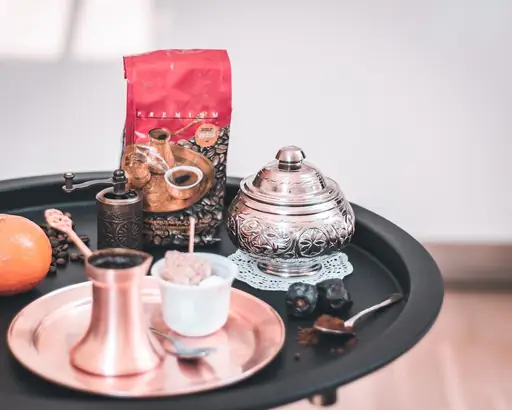
Bascarsija trades copper crafts and coffee within Sarajevo's Ottoman era old town. Coppersmiths still hammer pots and trays using techniques passed down for generations. Visitors can sip Bosnian coffee at small cafes tucked between market stalls. The district survived centuries of shifting rule between empires.
City in China
Shenzhen
A Futuristic City with a Soul
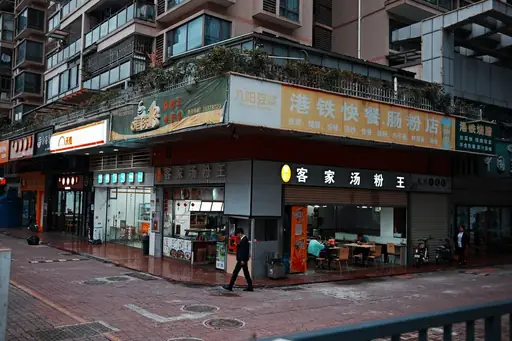
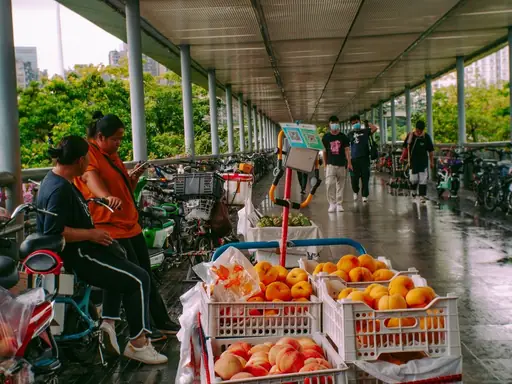
Dongmen Market trades clothing and electronics across a pedestrian district in Shenzhen. The area grew rapidly alongside the city's transformation from fishing village to metropolis. Visitors can browse wholesale prices on goods rarely found this cheap elsewhere. Neon signage lights the crowded shopping streets after dark.
City in Italy
Florence
The cradle of the Renaissance
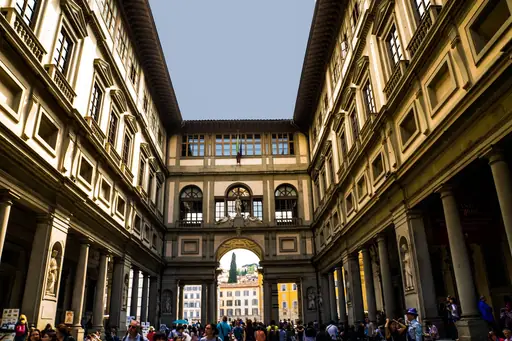
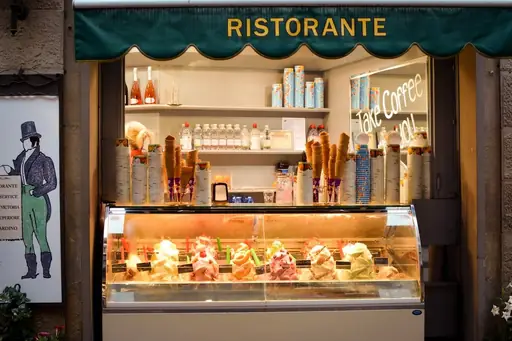
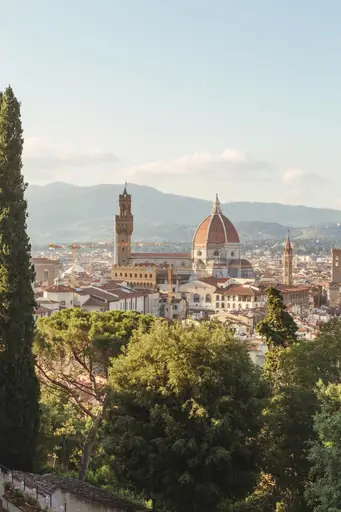
Mercato Centrale occupies a 19th century iron and glass building near Florence's cathedral. Ground floor stalls sell fresh pasta, cheese and cured meats daily. Visitors can eat at food counters on the upper floor food hall. The market has operated on this site since 1874.
City in Morocco
Casablanca
Modern Vibes and Rich Traditions
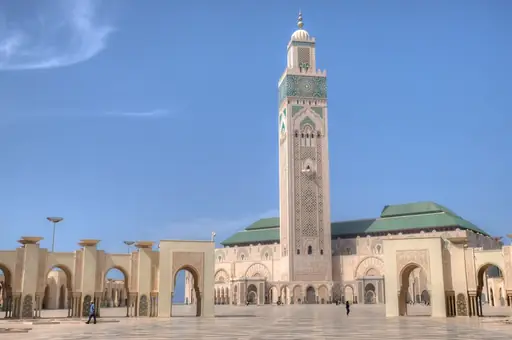
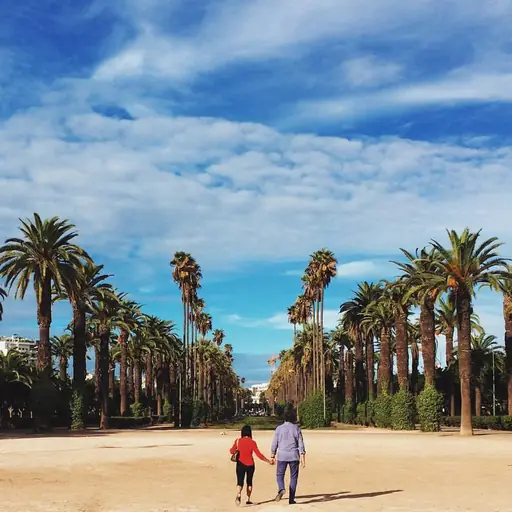
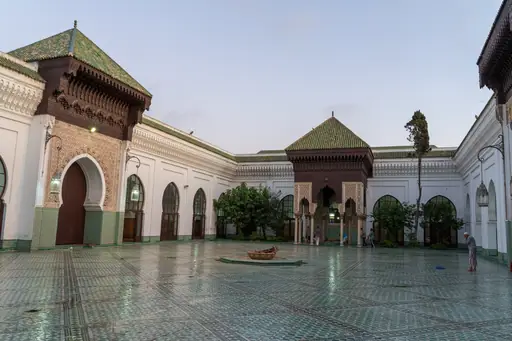
Marche Central in Casablanca has traded fresh fish and produce since French colonial rule. Its iron and glass structure dates back to the early 20th century. Visitors can pick fresh seafood and have it grilled at a nearby stall. Spice vendors nearby sell blends used in traditional Moroccan tagines.
City in China
Lijiang
Ancient Charm and Mountain Majesty
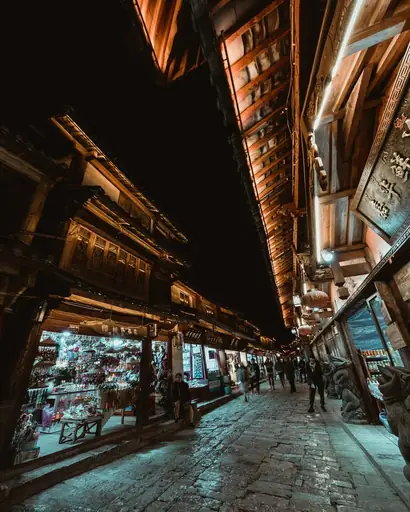
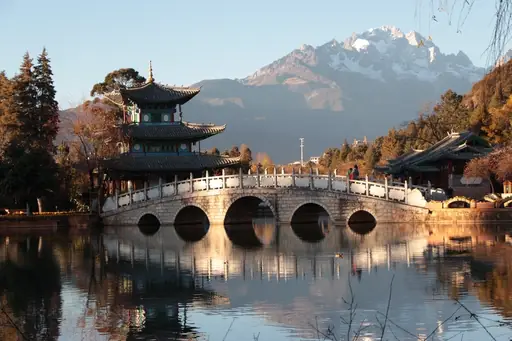
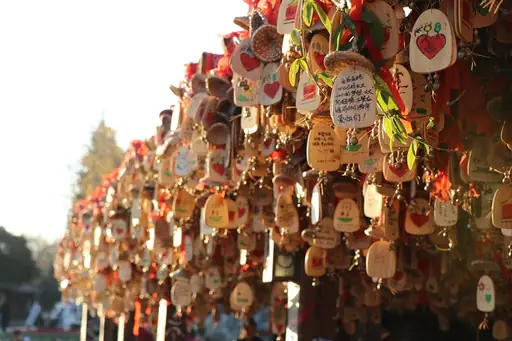
Lijiang's old town markets sell handicrafts made by the local Naxi ethnic group. Canals wind between wooden buildings preserved from the Ming and Qing dynasties. Visitors can browse silver jewellery and traditional Naxi textiles along cobbled lanes. The old town is protected as a UNESCO World Heritage Site.


City in Czech Republic
Prague
A fairy-tale city with rich history
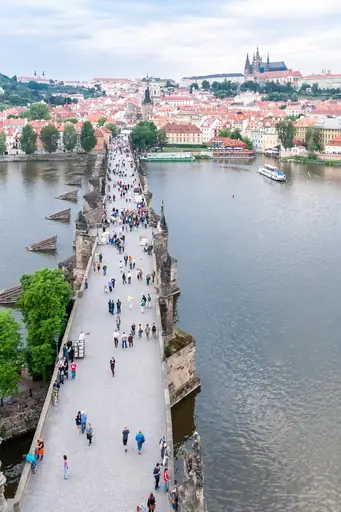
Havelske Trziste has traded fruit and crafts in central Prague since the 13th century. Wooden stalls line a narrow street just steps from the Old Town Square. Visitors can browse marionettes and garnet jewellery alongside fresh produce. The market remains one of the city's oldest continuously operating trading spaces.
City in Myanmar
Yangon
Golden pagodas and colonial echoes
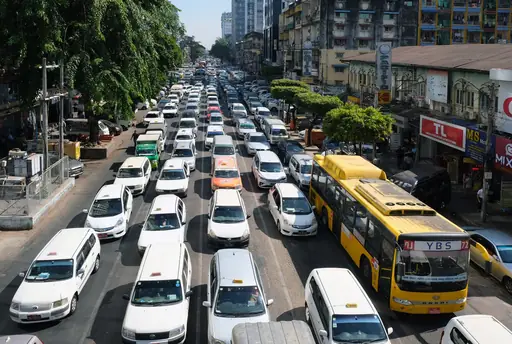
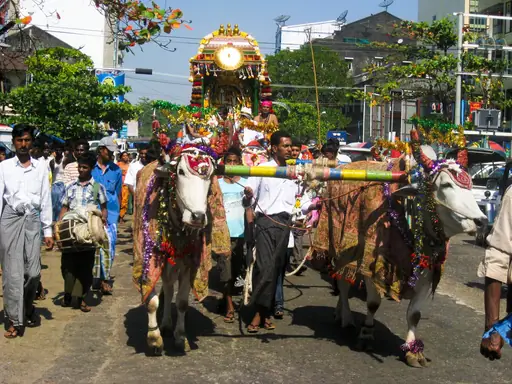
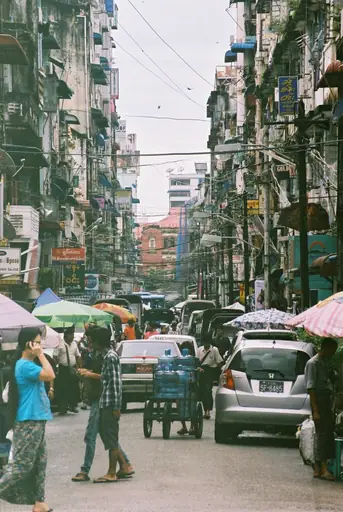
Bogyoke Aung San Market trades goods inside a colonial era building completed in 1926. Vendors sell jade and traditional Burmese textiles across the covered halls. Visitors can browse lacquerware crafted using techniques passed down for generations. The market takes its name from a leader of Myanmar's independence movement.

City in Italy
Palermo
Sicily’s melting pot of wonders
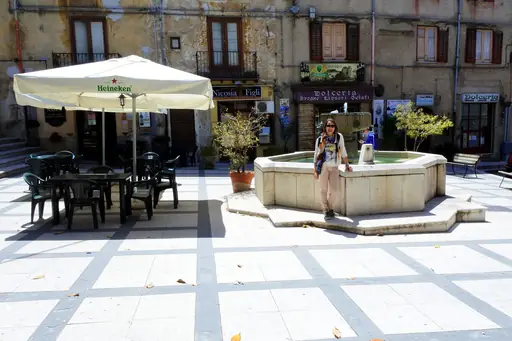
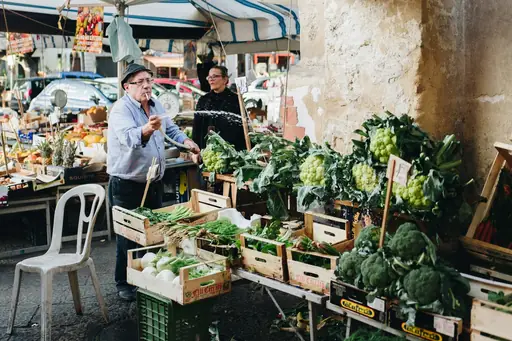
Ballaro Market has traded food in central Palermo since Arab rule over Sicily. Vendors shout to sell fish and produce in a tradition called abbanniata. Visitors can sample panelle, a fried chickpea fritter unique to the city. The market's layout still reflects its centuries old Arab origins.
City in Ghana
Accra
Vibrant Culture and Coastal Charm
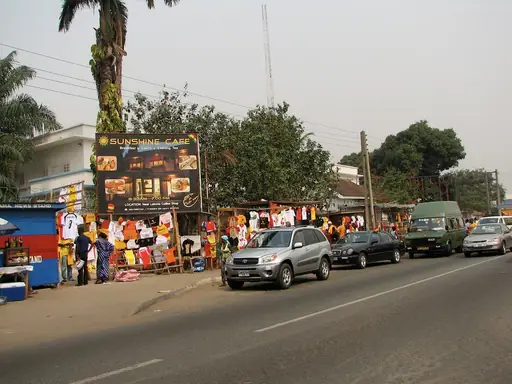
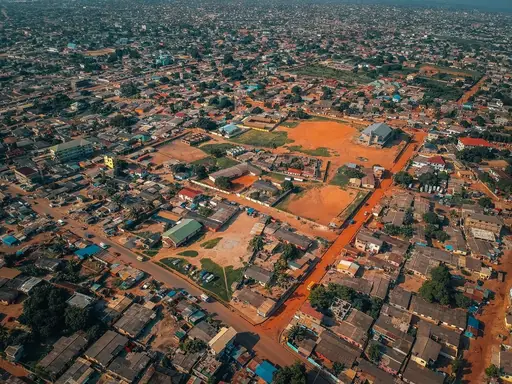
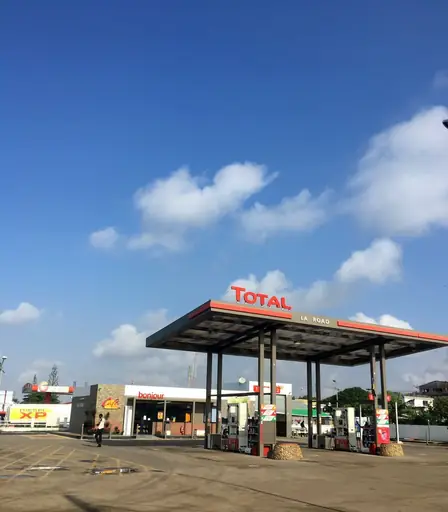
Makola Market spreads through central Accra as one of West Africa's busiest trading hubs. Traders sell wax print fabrics alongside fresh produce and household goods. Visitors can navigate crowded lanes carrying everything from spices to secondhand clothing. The market has operated on this site since the colonial era.
City in Mexico
Guanajuato
Colorful alleys and silver history
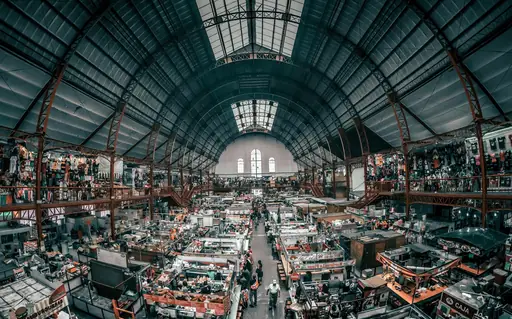
Mercado Hidalgo occupies a steel structure built for an exposition in 1910. Vendors sell candied fruit and local sweets across the covered hall. Visitors can browse leather goods and silver jewellery on the upper level. The building's design was influenced by the same era as Paris's old market halls.
City in Israel
Tel Aviv
Vibrant Beaches and Nonstop Energy
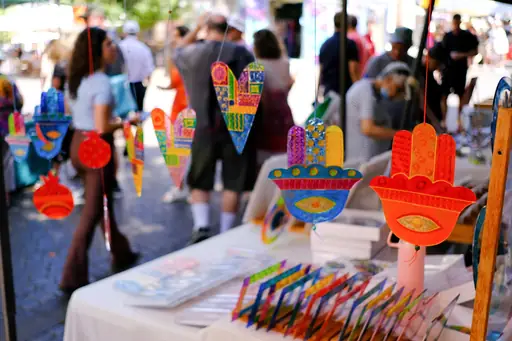
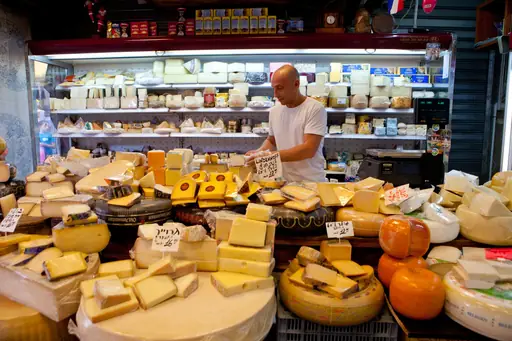
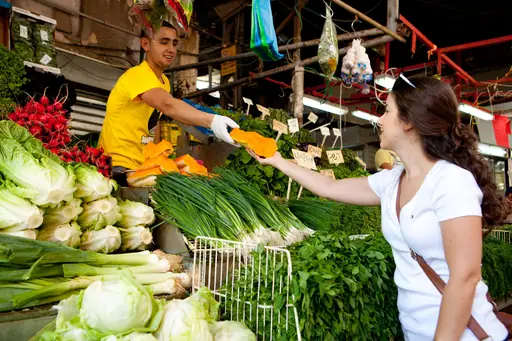
Carmel Market trades produce and street food across central Tel Aviv's busiest lane. Vendors sell fresh fruit and baked goods along the crowded strip. Visitors can eat sabich, a stuffed pita sandwich, from stalls throughout the market. The market stands close to Tel Aviv's beachfront promenade.
City in Myanmar
Mandalay
Ancient culture, temples and tradition
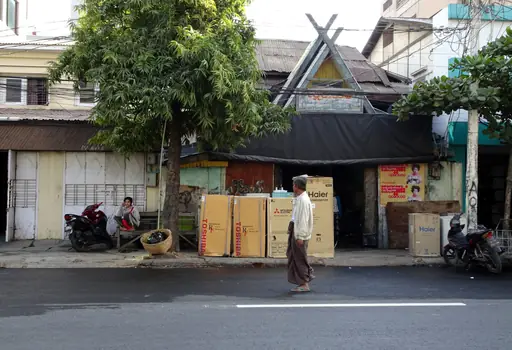
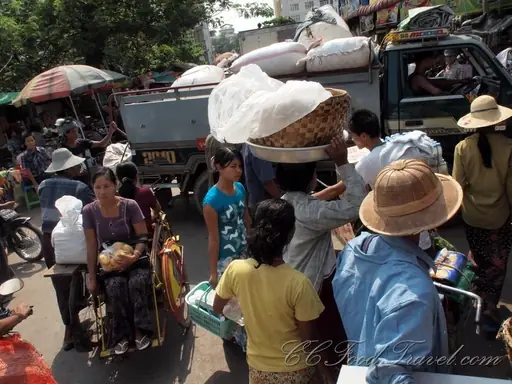
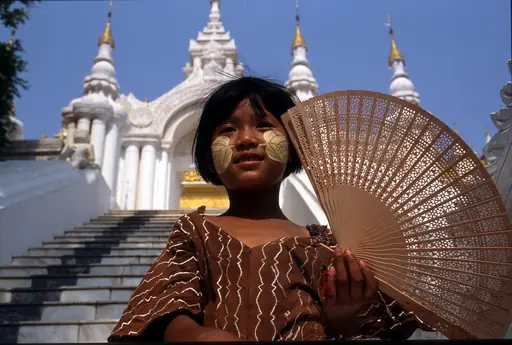
Zegyo Market has traded goods in central Mandalay since the 19th century. Traders sell traditional longyi fabric alongside jade and gemstones. Visitors can browse jewellery made from stones mined in nearby regions. The market rebuilt after a major fire destroyed much of the original structure.
City in Lebanon
Beirut
The Paris of the Middle East
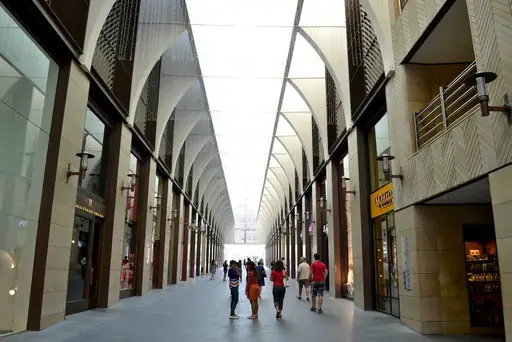
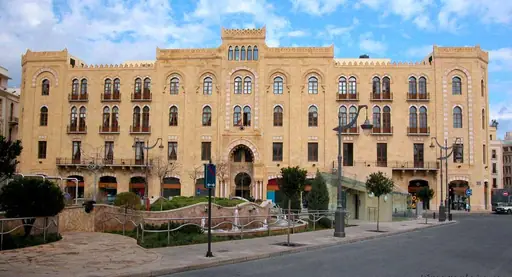
Beirut Souks rebuilt the city's historic trading district after the civil war ended. Modern shops now sit on streets that once held Ottoman era markets. Visitors can browse both international brands and local Lebanese design shops. The district blends old street layouts with entirely rebuilt buildings.
City in France
Lyon
A Culinary and Cultural Gem
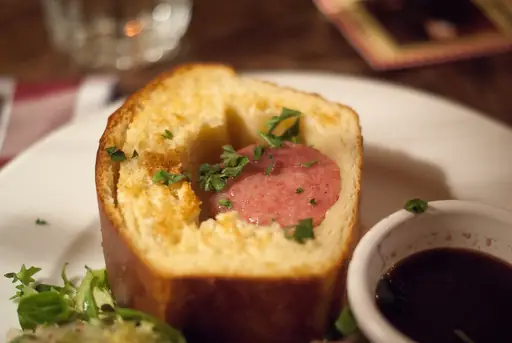
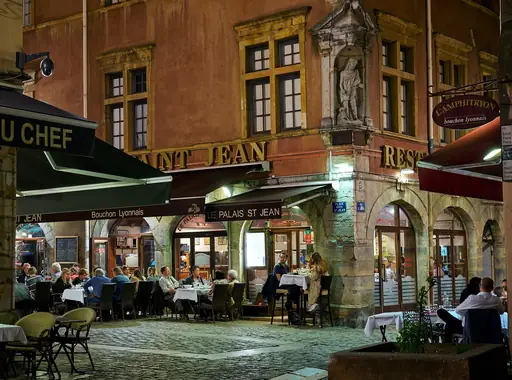
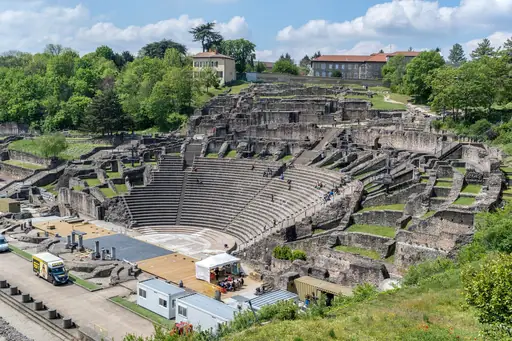
Les Halles de Lyon carries the name of a celebrated French chef born in the city. Stalls inside sell cheese and charcuterie from regional producers. Visitors can sample quenelles and other Lyonnaise specialities at counter seating. The market has operated at this site since the 1970s.
City in China
Guangzhou
A Fusion of Tradition and Modernity
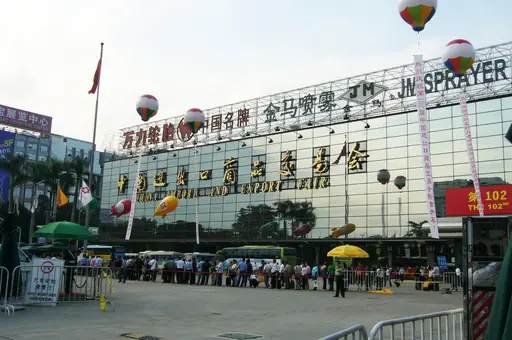
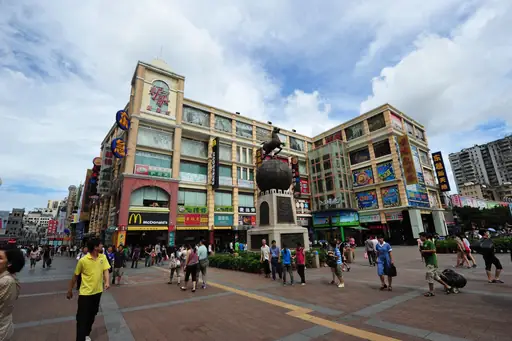
Qingping Market has traded herbs and spices in Guangzhou since the 1970s. Traditional Chinese medicine shops line the streets near the Pearl River. Visitors can browse dried herbs and roots stacked in bins along the aisles. The market grew from an informal roadside trade into a major wholesale hub.
City in France
Paris
The city of love, art and history
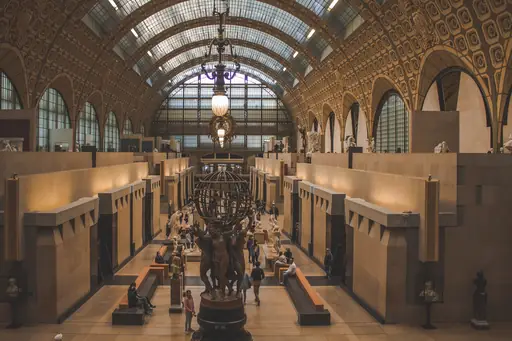
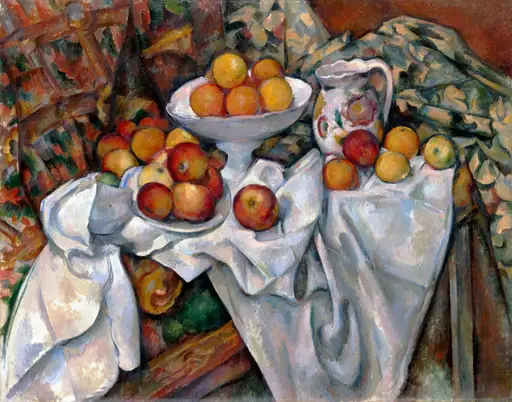
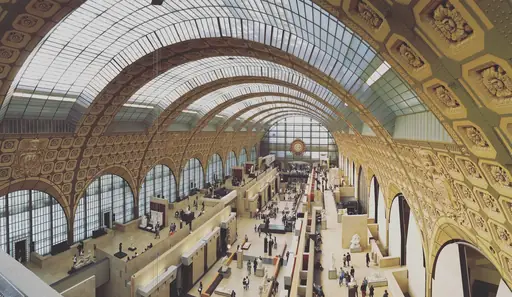
Marche des Enfants Rouges is the oldest covered market still operating in Paris. Its name recalls an orphanage that once stood on the same site. Visitors can eat at food stalls serving cuisines from across the world. The market has traded continuously since it first opened in 1615.
City in Azerbaijan
Baku
Where modernity meets ancient charm
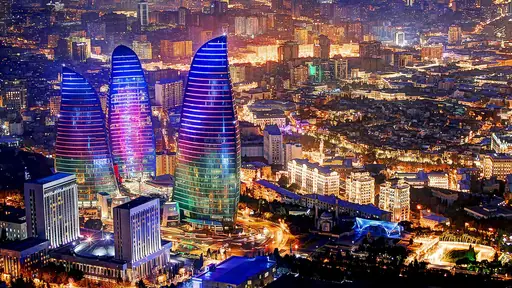
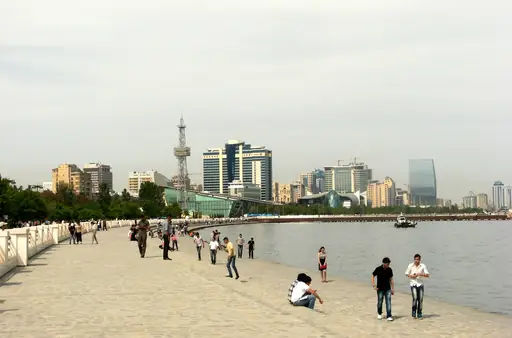
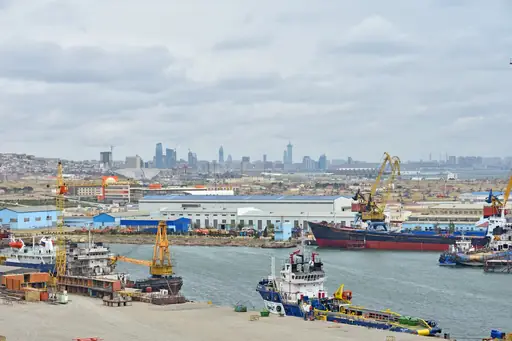
Baku's Taza Bazar sells produce and spices inside the city's walled old town. Persian carpets and pomegranates are among the market's signature offerings. Visitors can wander narrow lanes near the Maiden Tower nearby. Tea houses close to the market serve strong black tea in small pear shaped glasses.

City in Mexico
Oaxaca
Colonial Charm and Rich Traditions
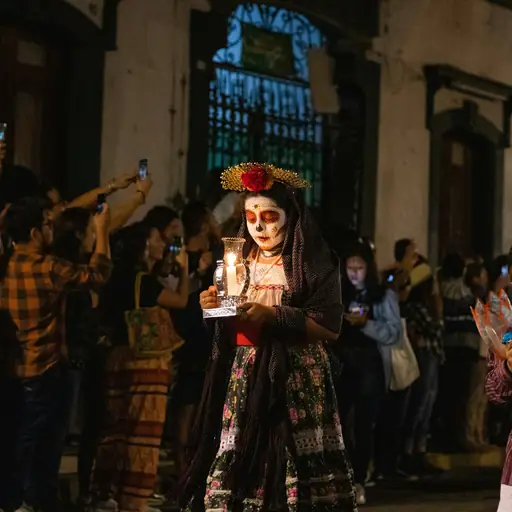
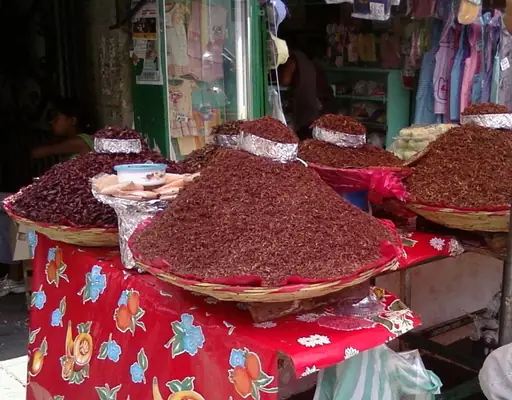
Mercado Benito Juarez sells chapulines, fried grasshoppers eaten as a local snack. Chocolate ground fresh from cacao beans fills much of the market's air. Visitors can sample regional moles alongside handwoven textiles from nearby villages. The market sits just steps from Oaxaca's colonial central square.
City in Colombia
Bogotá
Vibrant Culture in the Andean Highlands
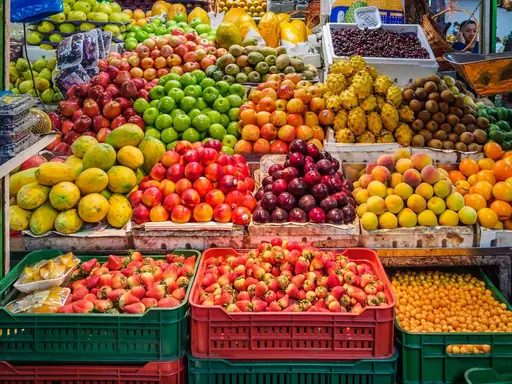
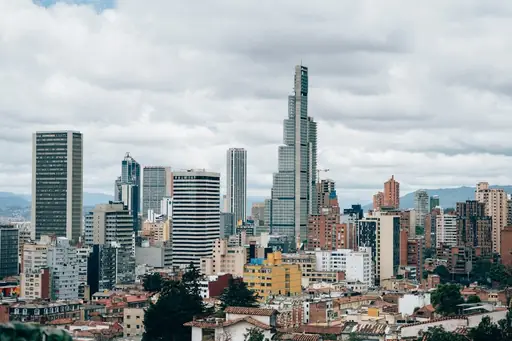
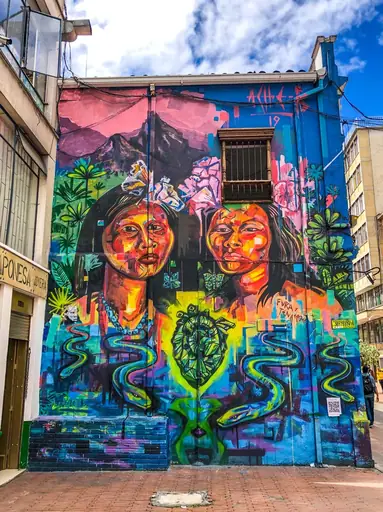
Paloquemao Market sells fresh flowers, fruit and produce from across Colombia's regions. Stalls stacked with exotic fruits like lulo and pitaya draw curious visitors. Visitors can grab fresh juice blended to order at counters throughout the market. Flower vendors here supply much of Bogota's cut flower trade.
City in South Korea
Seoul
Where Tradition Meets High-Tech Marvels
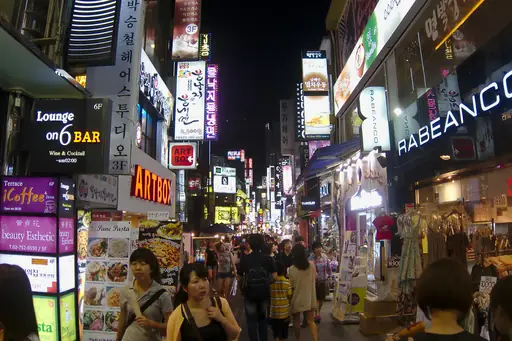
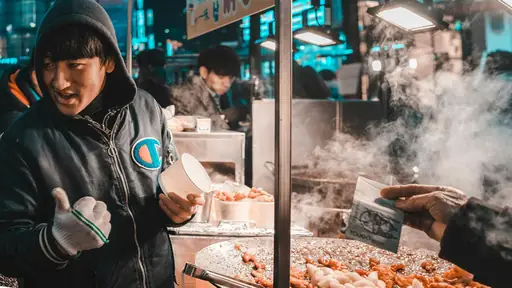
Namdaemun Market has traded goods in central Seoul since the 15th century. Vendors sell clothing and kitchenware across its crowded winding alleys. Visitors can eat hotteok, a sweet filled pancake, from carts throughout the market. The market takes its name from Seoul's nearby historic south gate.
City in India
Lucknow
City of Nawabs and kebabs
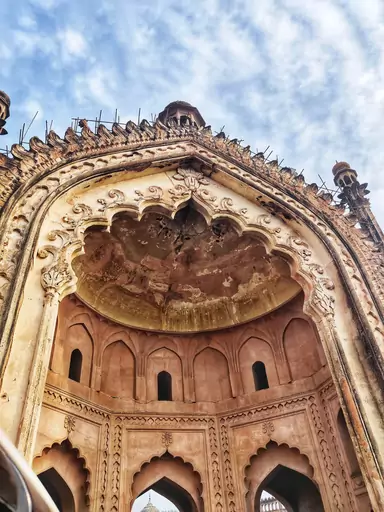
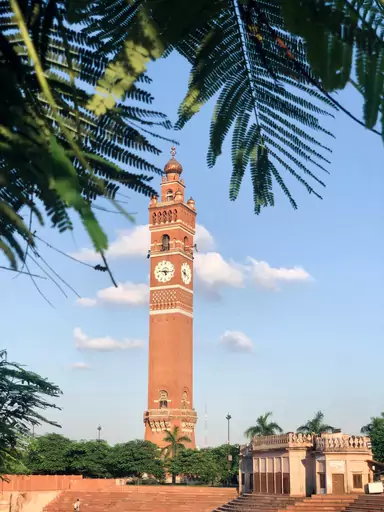
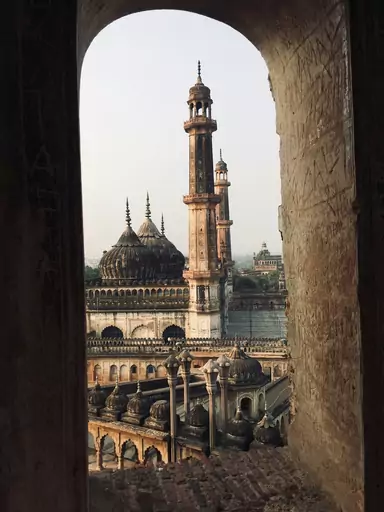
Chowk Market in Lucknow specialises in chikankari, a delicate hand embroidery style. Perfume sellers known as attar wallahs have traded here for generations. Visitors can browse embroidered fabric alongside traditional Awadhi jewellery nearby. The market sits within Lucknow's old city, once the seat of Nawab rulers.
City in Mexico
Guadalajara
Mariachi, murals and modern flair
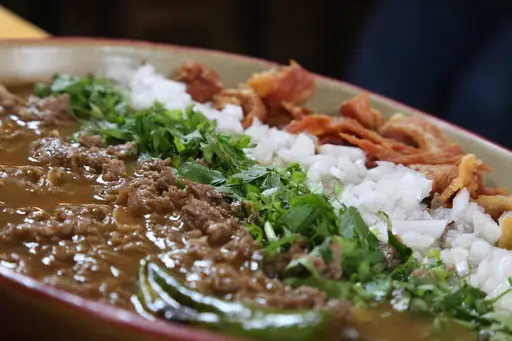
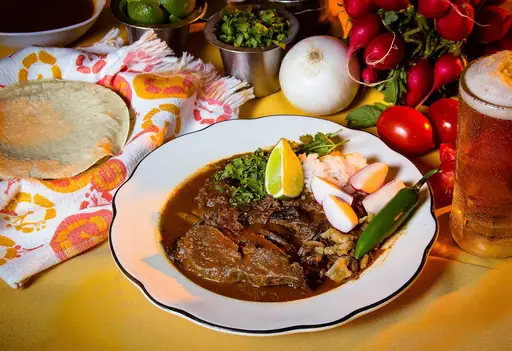
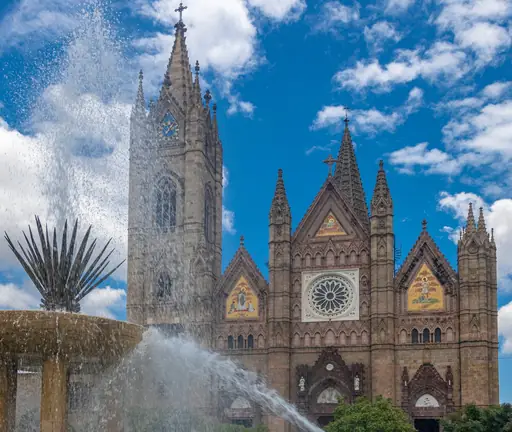
Mercado San Juan de Dios is one of the largest indoor markets in Latin America. Its three floors hold everything from leather goods to fresh produce. Visitors can eat tortas ahogadas, a dish said to have originated in this city. Mariachi music, born in the surrounding state of Jalisco, often plays nearby.


City in Australia
Perth
Sun, surf and city style collide
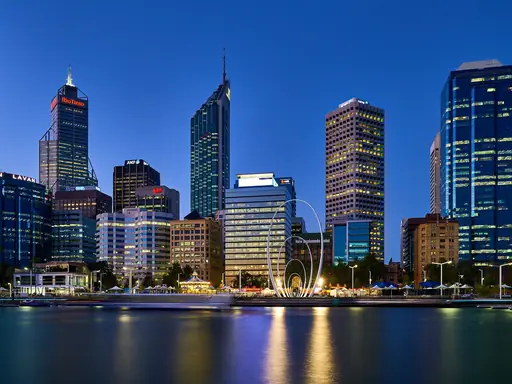
Fremantle Markets have traded goods near Perth since the Victorian era gold rush. The heritage listed building still holds its original 1897 iron roof structure. Visitors can browse local produce and secondhand goods across the market hall. Street performers often play music near the market's main entrance.
City in Iran
Tabriz
Bazaar Wonders and Persian Heritage
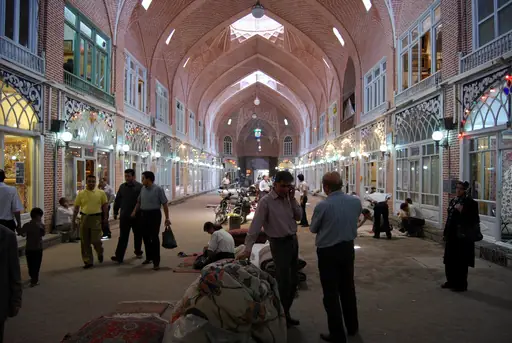
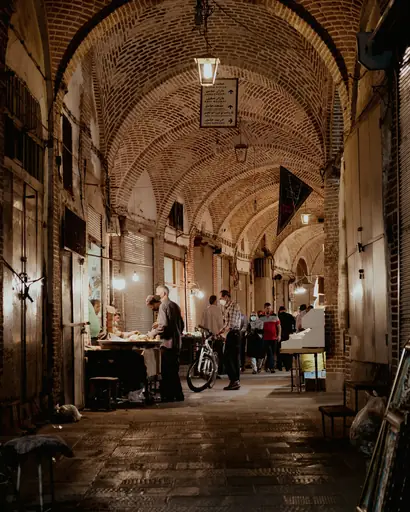
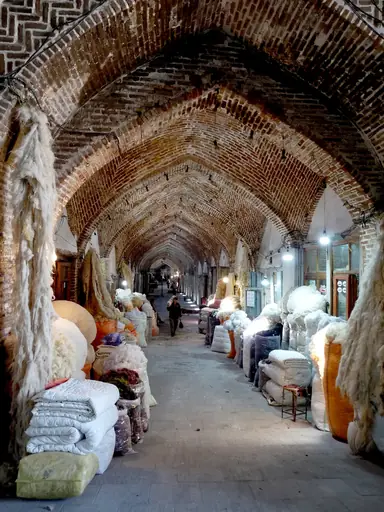
Tabriz Bazaar ranks among the oldest and largest covered markets in the Middle East. Brick domed corridors have traded carpets and textiles for over a thousand years. Visitors can browse handwoven rugs known throughout Iran for their quality. The bazaar earned recognition as a UNESCO World Heritage Site.
City in Italy
Bologna
Medieval charm and culinary excellence
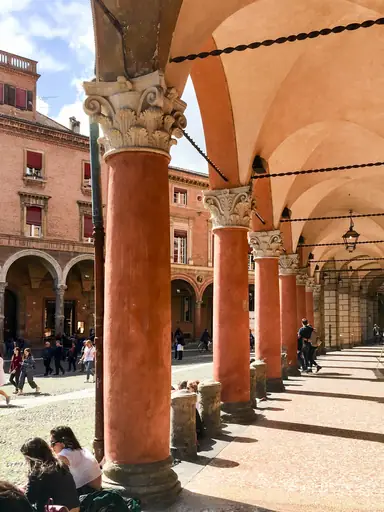
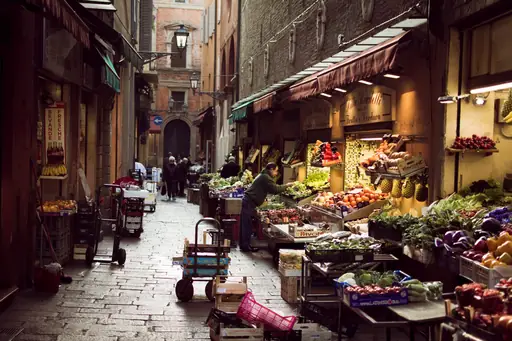
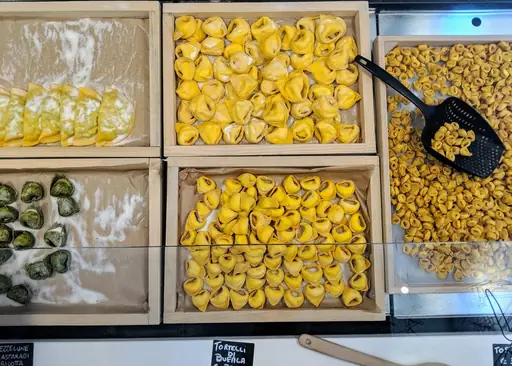
Mercato di Mezzo sits at the centre of Bologna's medieval quadrilatero district. Narrow streets nearby have sold food since the city's earliest markets formed. Visitors can sample mortadella and parmesan at stalls inside the covered hall. Porticoed streets surrounding the market are a defining feature of the old city.
City in Laos
Luang Prabang
Laid-back charm by the Mekong River
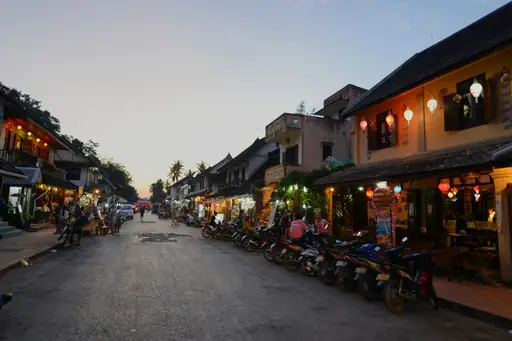
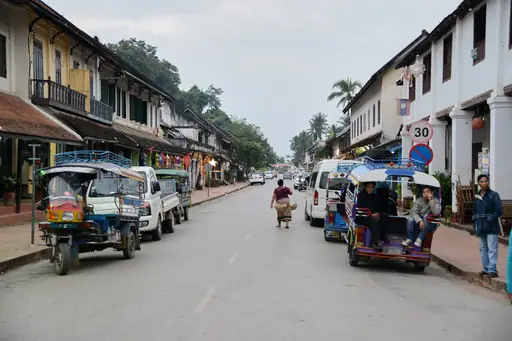
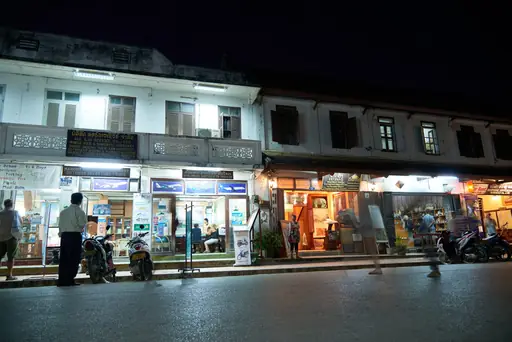
Luang Prabang's night market fills the main street each evening with handwoven textiles. Hmong and Khmu artisans sell embroidered fabric alongside handmade paper lanterns. Visitors can browse quietly, since the market stays notably calm compared to others in the region. Buddhist temples line the street where the market sets up.
City in China
Wuhan
Where history meets the Yangtze
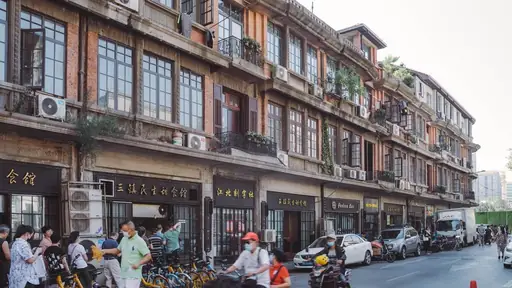
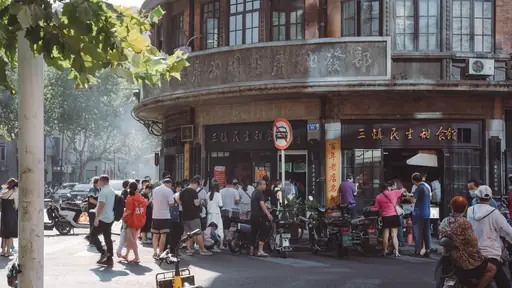
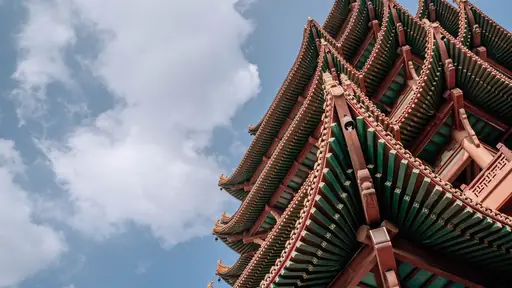
Jianghan Road trades goods across a pedestrian shopping street in central Wuhan. Colonial era buildings from the early 20th century line much of the route. Visitors can browse clothing stores alongside stalls selling regional Hubei snacks. The street ranks among the busiest shopping districts in central China.

City in Canada
Vancouver
Where mountains, ocean and city life meet
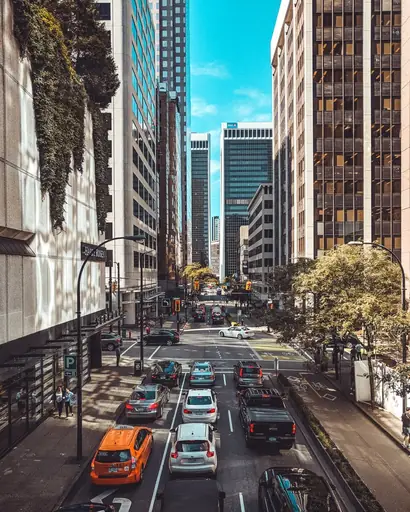
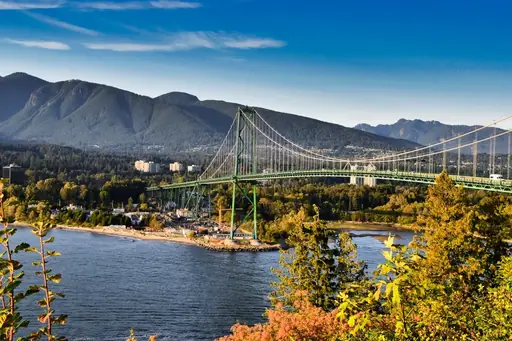
Granville Island Public Market trades local produce and crafts inside a converted industrial shed. Fishing boats once serviced this area before it became a public market. Visitors can browse fresh seafood and baked goods throughout the covered hall. Street performers often play near the market's main entrance.
Town in Ecuador
Otavalo
Coastal charm meets vibrant local culture
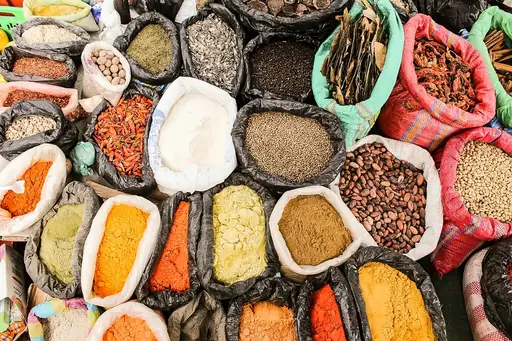
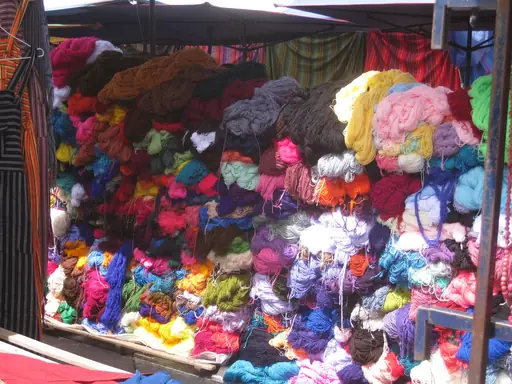
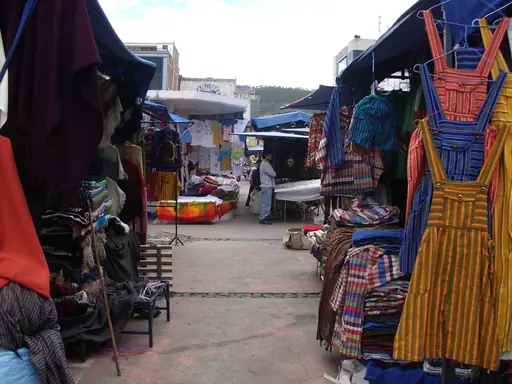
Otavalo's Saturday market has traded Andean textiles for centuries in Ecuador's highlands. Indigenous weavers sell handwoven ponchos and tapestries using patterns passed down through generations. Visitors can browse an animal market held separately on the edge of town. Volcanic peaks ring the valley surrounding the market grounds.
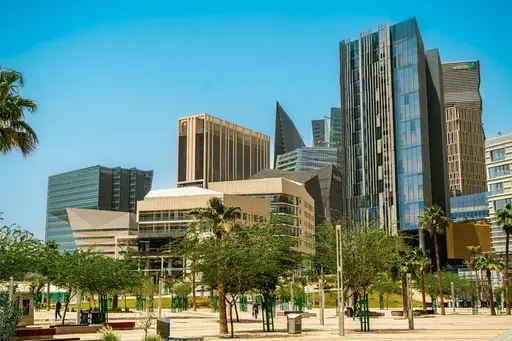
City in Saudi Arabia
Riyadh
Tradition Meets Modern Ambition
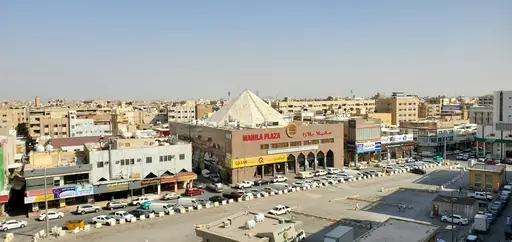
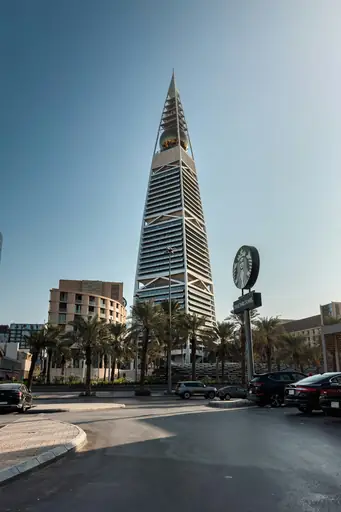
Souq Al Zal has traded antiques and traditional crafts in central Riyadh for decades. Vendors sell Bedouin jewellery and old coffee pots alongside handwoven rugs. Visitors can browse alongside a section devoted entirely to dates and dried fruit. The market gives a glimpse of Saudi trading life before the city's modern growth.
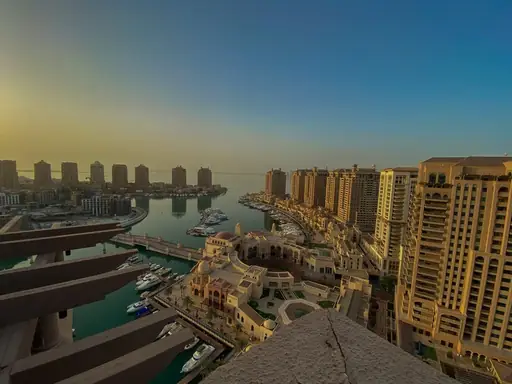
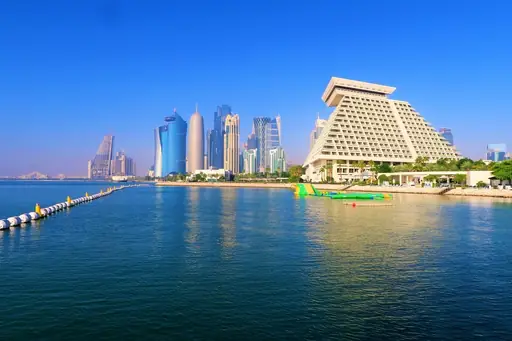
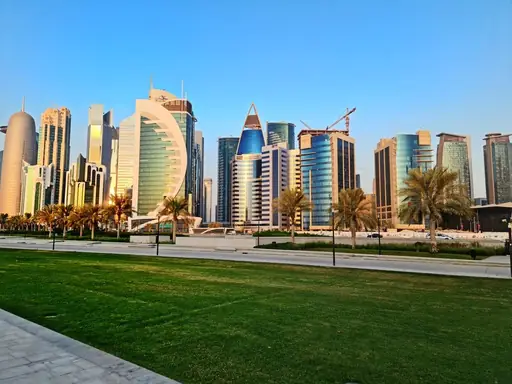
City in Qatar
Doha
Where modern luxury meets tradition
Souq Waqif has traded goods along Doha's waterfront for over a century. Restored mudbrick buildings now house shops selling spices, textiles and falcons. Visitors can watch falconers displaying trained birds near the market's edges. Traditional dhow boats moored along the nearby corniche complete the scene.
City in Thailand
Chiang Mai
Ancient temples and mountain escapes
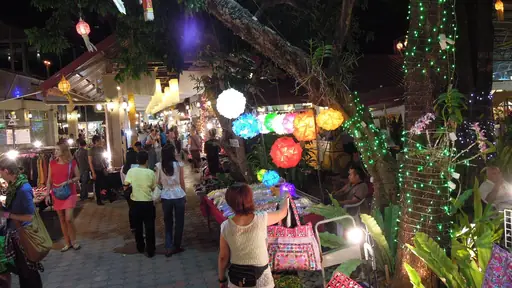
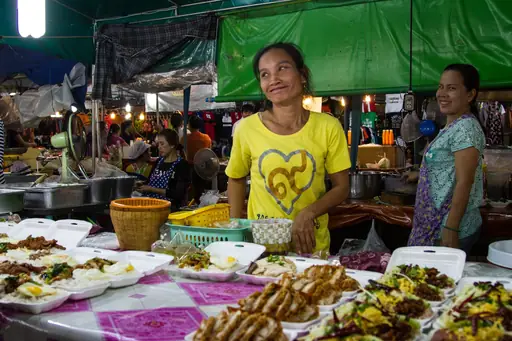
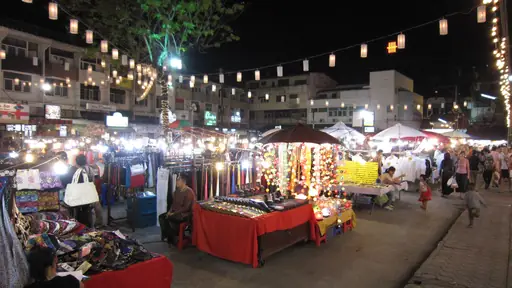
Chiang Mai's Sunday Walking Street closes off the old city's main road to traffic. Vendors line the route selling handicrafts, textiles and northern Thai food. Visitors can walk from the east gate through temple courtyards used as market space. Live music from street performers fills several points along the route.
Country
Bangladesh
Mangrove tigers, tea hills and a long beach
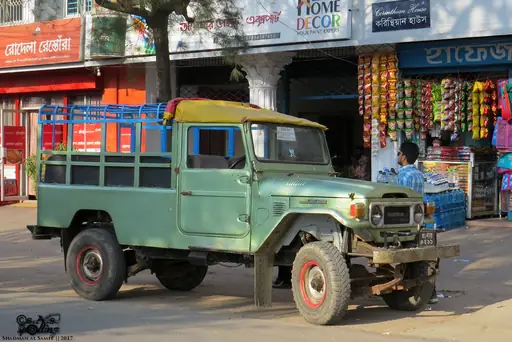
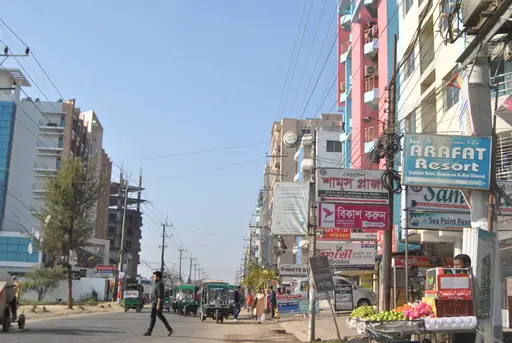
New Market in Dhaka has served as a central trading hub since 1954. Its arched red brick facade marks the entrance to hundreds of shops inside. Visitors can find tailored clothing and jewellery across the market's crowded sections. Rickshaws crowd the streets surrounding the market throughout the day.
Town in Vietnam
Hoi An
Charming Lanterns and Timeless Streets
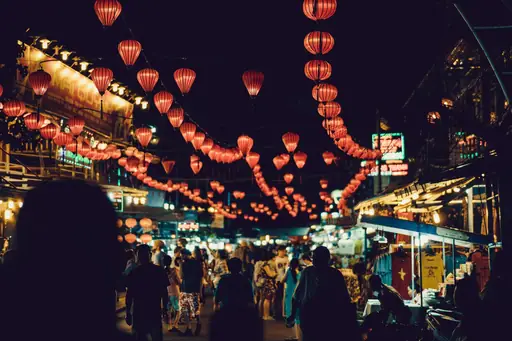
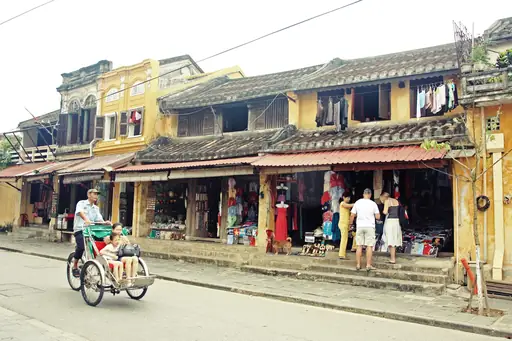
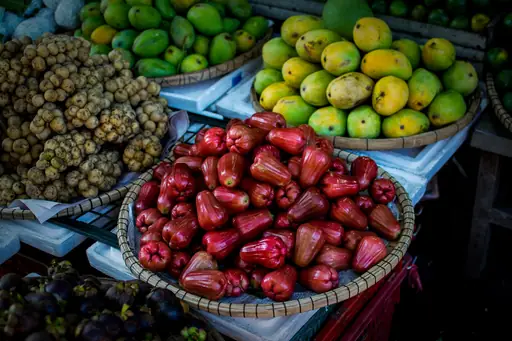
Hoi An's central market sits beside the Thu Bon River in the old town. Tailors here can stitch custom clothing within a single day. Visitors can browse silk lanterns and fresh produce along the riverside stalls. Lantern lit boat rides depart from the riverbank just steps away each evening.
City in Georgia
Tbilisi
A blend of old-world charm and energy
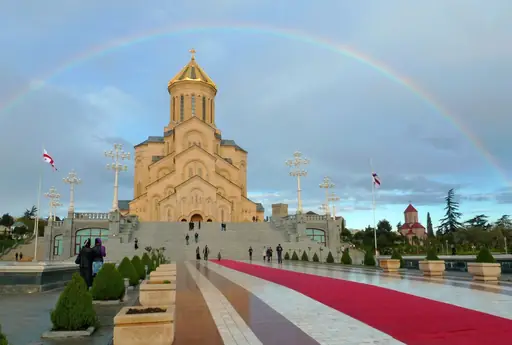
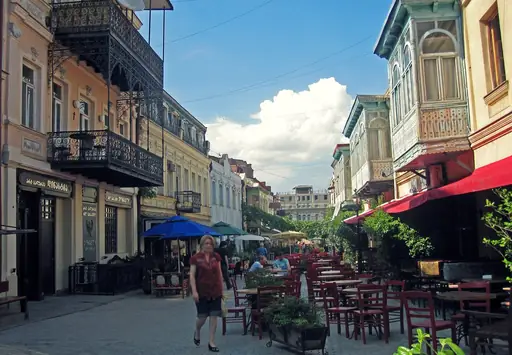
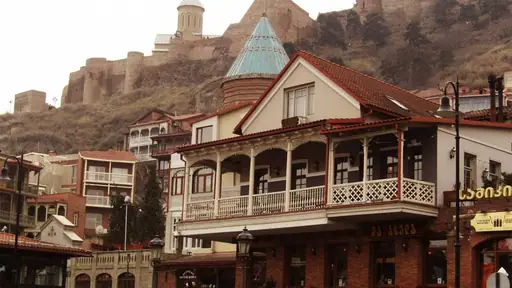
Dezerter Bazaar trades produce and spices near Tbilisi's central railway station. Vendors sell churchkhela, a traditional candle shaped candy, alongside dried herbs. Visitors can browse Georgian wine and cheese stalls throughout the covered market. The bazaar earned its name from soldiers who once traded here after deserting.
City in Taiwan
Tainan
Temples, Night Markets and Ancient Soul
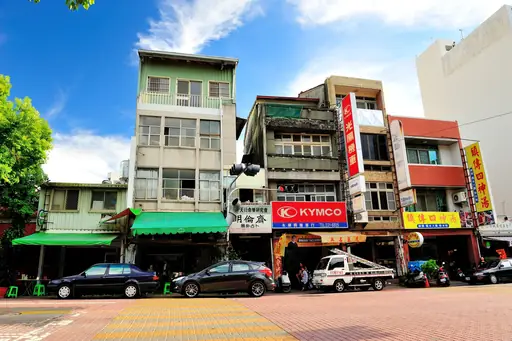
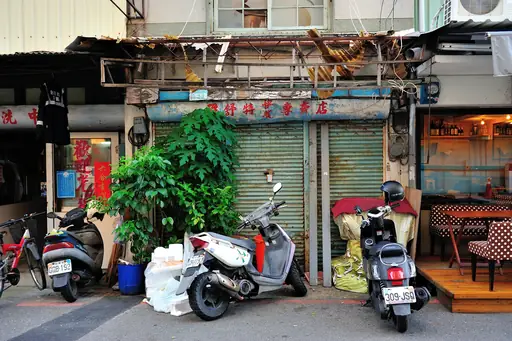
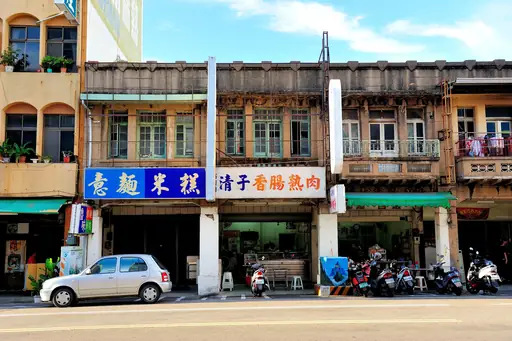
Huayuan Night Market trades street food and games across Tainan's rotating weekend grounds. Vendors serve coffin bread and other snacks unique to this southern city. Visitors can sample dishes rarely found in Taiwan's larger northern markets. The market rotates locations depending on the day of the week.
City in Malaysia
Kuala Lumpur
A fusion of cultures and skyscrapers
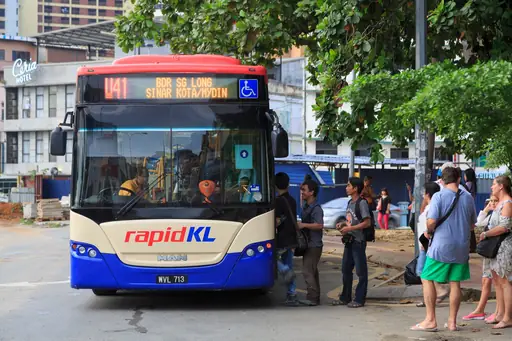
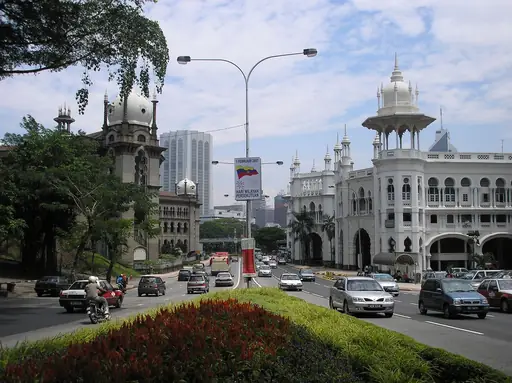
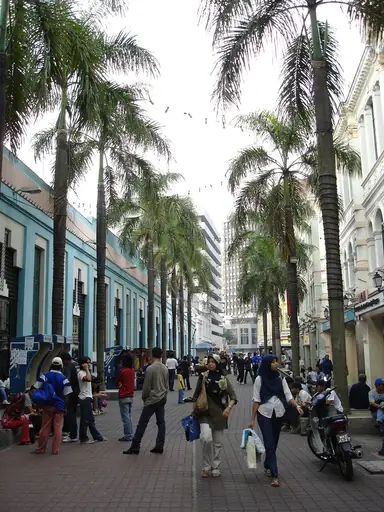
Central Market in Kuala Lumpur occupies an Art Deco building dating to the 1930s. Stalls inside sell batik textiles and traditional Malaysian handicrafts. Visitors can browse alongside Petaling Street's nearby night market for street food. The building was originally constructed as a wet market for fresh produce.
City in Turkey
Bursa
Ottoman Heritage Meets Mountain Adventure
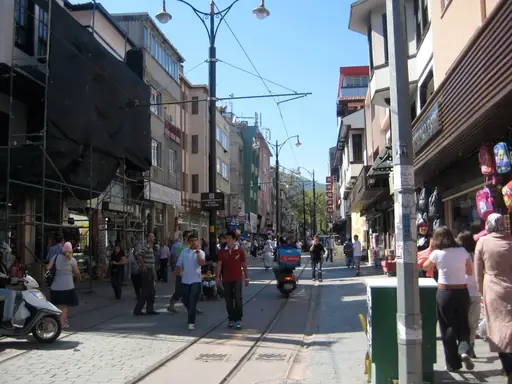
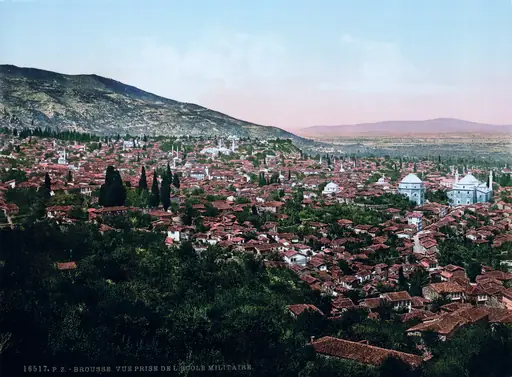
Bursa's Koza Han has traded silk since the market opened in 1491. Its central courtyard holds a small mosque built above a fountain. Visitors can buy silk scarves and textiles from shops ringing the courtyard. The building takes its name from the Turkish word for cocoon.
City in Yemen
Sana'a
Timeless Towers and Ancient Alleys
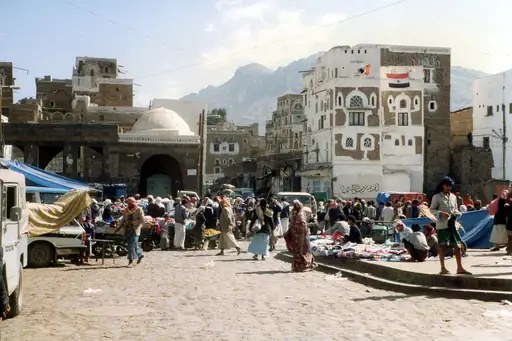
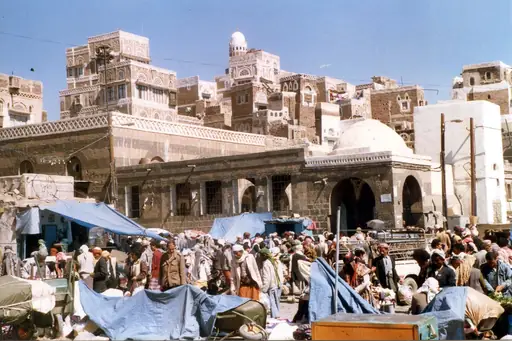
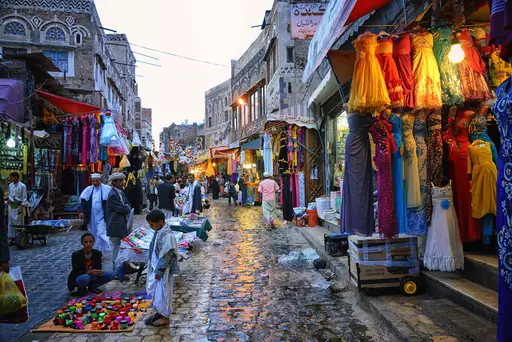
Souq al-Milh trades goods within Sanaa's old city, a UNESCO listed area of tower houses. Silver daggers called jambiya are a traditional craft sold throughout the market. Visitors can browse coffee and textiles across narrow covered lanes. The old city's distinctive architecture rises directly above the market stalls.

City in China
Chongqing
China’s Mountain City on the Yangtze
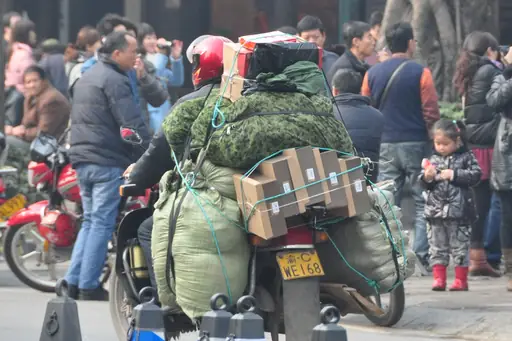
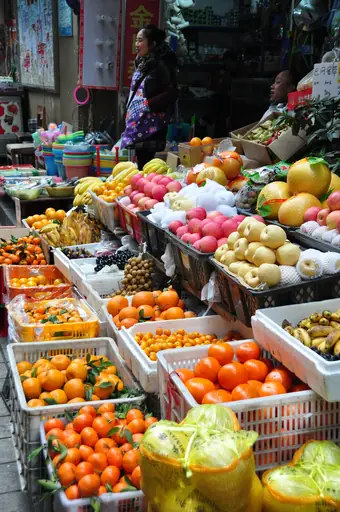
Hongyadong's stacked buildings in Chongqing house a multi level shopping and dining complex. Traditional stilt house architecture climbs eleven floors up a steep riverbank. Visitors can browse Sichuan snacks and crafts across the terraced levels. The complex lights up in neon each night above the Jialing River.

City in Morocco
Marrakech
A vibrant maze of colors and spices
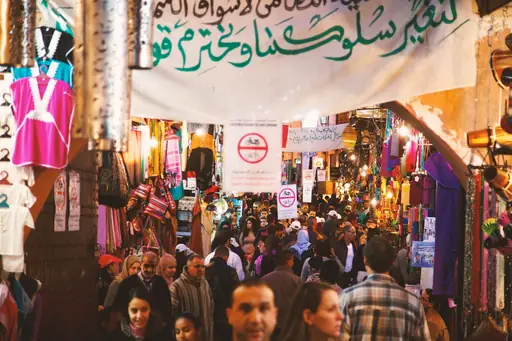
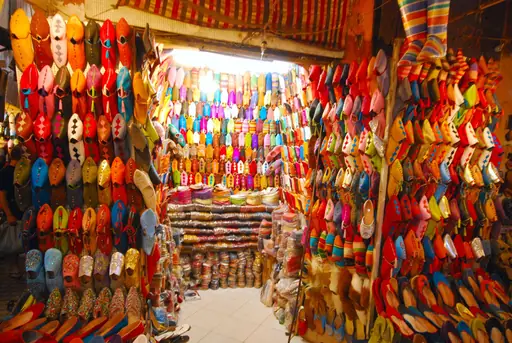
Jemaa el-Fnaa transforms each evening into a market filled with food stalls and performers. Snake charmers and storytellers have entertained crowds here for centuries. Visitors can eat grilled skewers at communal tables set up after sunset. The surrounding souks sell leather goods and traditional lanterns.
City in Egypt
Cairo
Where ancient history meets bustling life
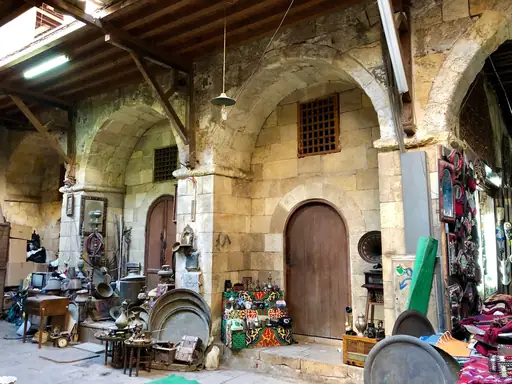
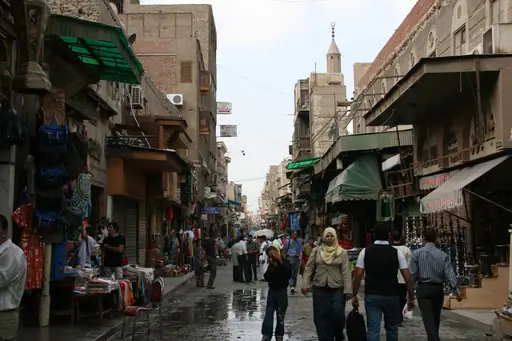
Wekalet El Balah in Cairo sells fabric and clothing across a busy downtown street. Traders here have specialised in textiles for generations of Cairo shoppers. Visitors can find bolts of cloth stacked from floor to ceiling in narrow shops. The market stays open late into the evening most nights.
Town in Cambodia
Siem Reap
Gateway to Ancient Temples and Culture
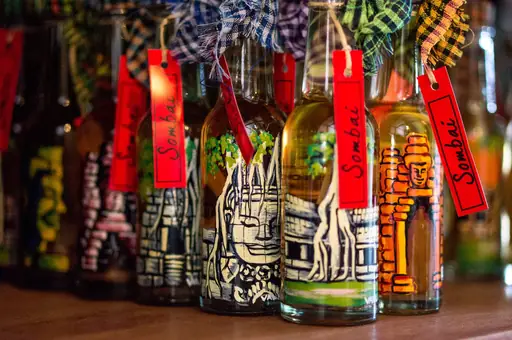
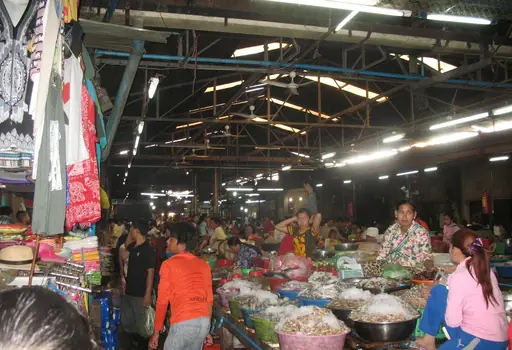
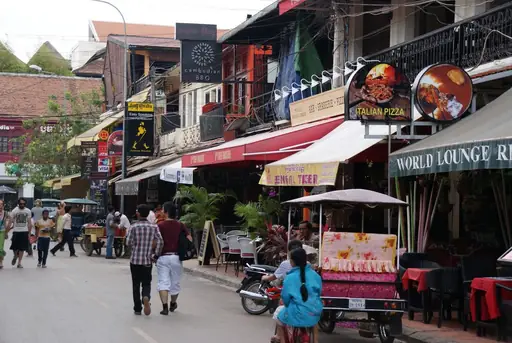
Old Market trades produce and crafts near central Siem Reap, close to Angkor's temples. Vendors sell silk scarves and dried fish inside the covered hall. Visitors can eat street food from stalls surrounding the market's edges. The market has served both locals and temple pilgrims for generations.
City in Laos
Vientiane
Laid-back temples on the Mekong
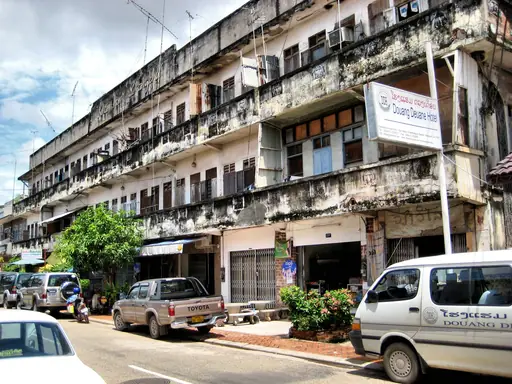
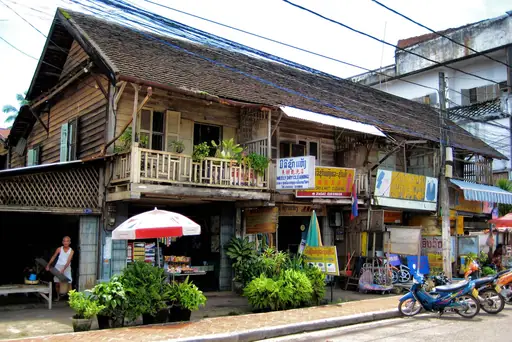
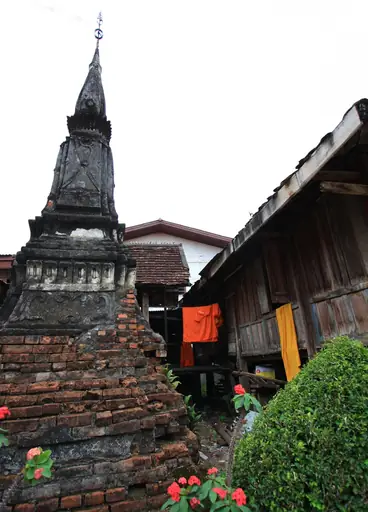
Talat Sao trades goods across covered arcades in central Vientiane, known as the Morning Market. Vendors sell Laotian textiles and electronics side by side under one roof. Visitors can browse handwoven silk alongside traditional Lao coffee stalls. The market has expanded over decades into a large modern complex.
City in Austria
Vienna
A Symphony of Culture and Elegance
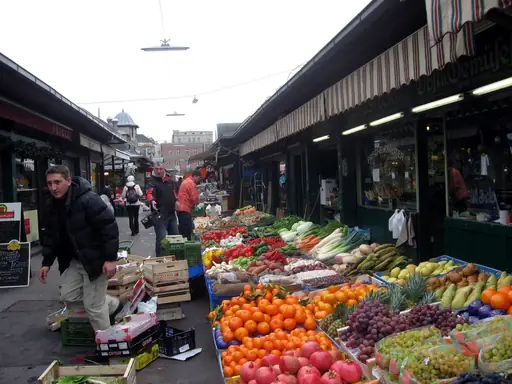
Naschmarkt trades produce and international foods across Vienna's longest running market. Vendors sell Middle Eastern spices alongside traditional Austrian cheese and produce. Visitors can eat at small restaurants tucked between the market's food stalls each day. A flea market operates alongside the main market every Saturday.
City in Spain
Barcelona
Vibrant City of Art and Beaches
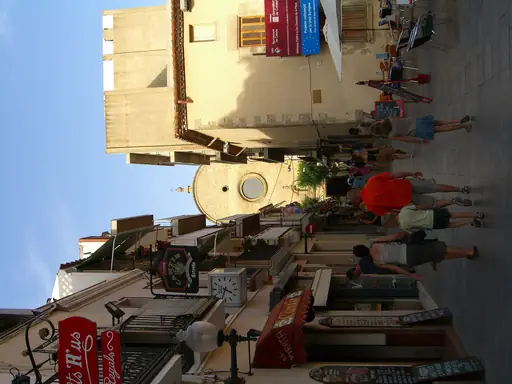
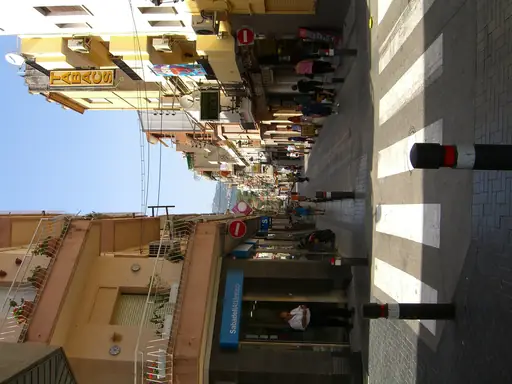
El Raval's street markets sell everything from vintage clothing to fresh produce. Els Encants, one of Europe's oldest flea markets, trades nearby under a mirrored roof. Visitors can dig through secondhand goods stacked across open air stalls. The market has operated in various forms since the 14th century.


Island in Thailand
Phuket
Beaches, Culture and Nightlife
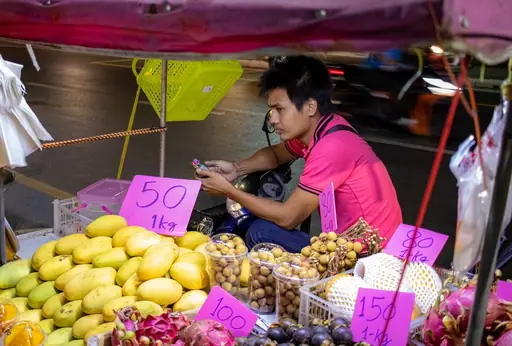
Phuket Weekend Market fills a large lot near town with hundreds of vendor stalls. Traders sell clothing, antiques and local crafts across the sprawling grounds. Visitors can sample street food from carts scattered throughout the market. The market draws both locals and visitors looking for lower prices than the resorts.
City in Tunisia
Tunis
Where Ancient Meets Vibrant Modernity
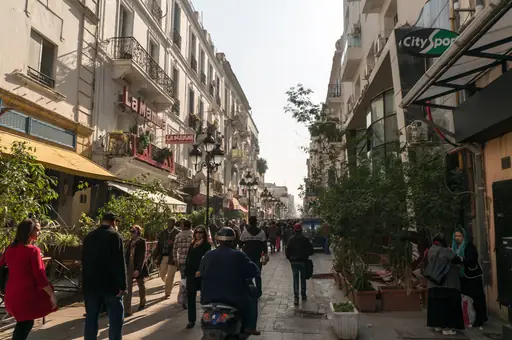
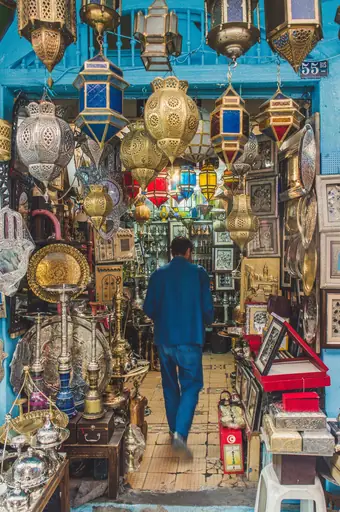
The Medina of Tunis trades goods across souks organised by trade since medieval times. Perfume and gold sellers each occupy their own dedicated street. Visitors can browse handwoven carpets alongside traditional Tunisian ceramics. The medina earned recognition as one of the earliest UNESCO listed sites.
State/Prefecture in China
Hong Kong
Where East Meets West
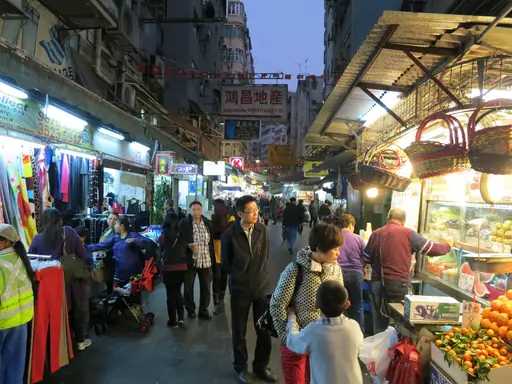
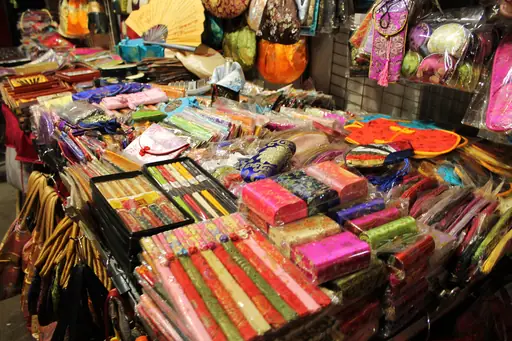
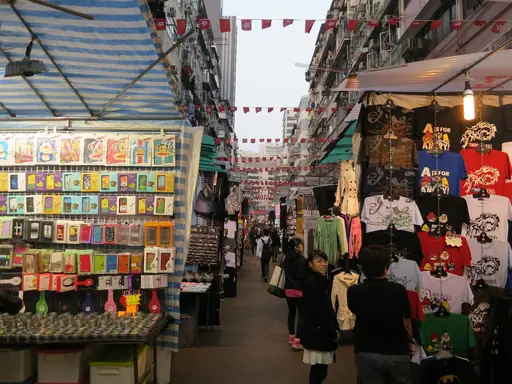
Stanley Market spreads through narrow lanes near Hong Kong's southern coastline. Vendors sell silk clothing and artwork across the market's covered walkways. Visitors can walk along the waterfront promenade after browsing the market stalls. The area once served as a fishing village before becoming a shopping destination.
City in India
Hyderabad
Where Ancient Meets Tech Revolution
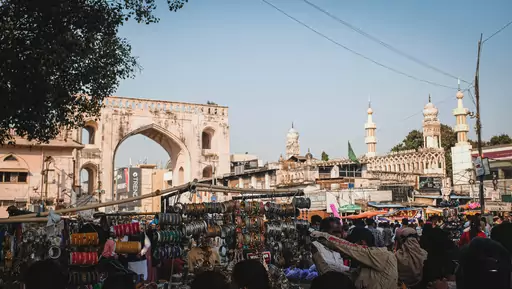
Laad Bazaar sits beside the historic Charminar monument in Hyderabad's old city. Shops here specialise in bangles crafted from lac, a resin based material. Visitors can watch artisans shape and decorate bangles by hand in small workshops. Pearl jewellery is another speciality long associated with this market district.
Town in Indonesia
Ubud
Bali's Cultural and Spiritual Heart
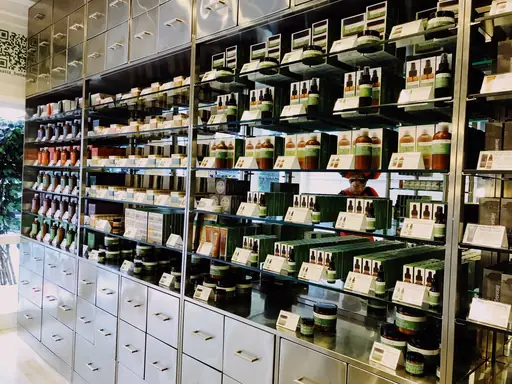
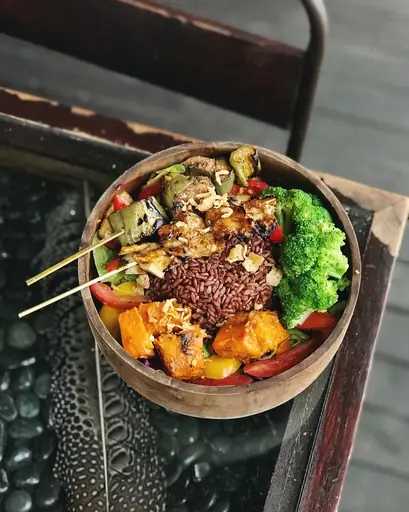
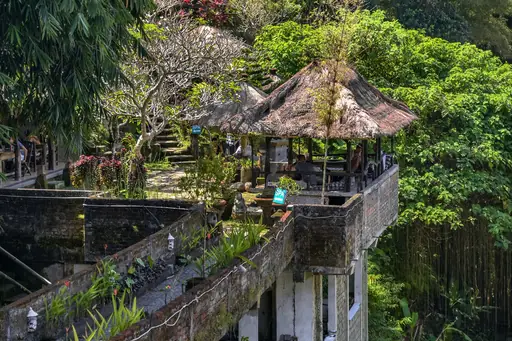
Ubud Art Market trades handmade crafts across covered stalls near the royal palace. Balinese woodcarvers and painters sell work directly from their own workshops nearby. Visitors can bargain for wind chimes and woven baskets throughout the market. Morning offerings placed outside shop entrances reflect Bali's Hindu traditions.
City in Iran
Tehran
A vibrant city with rich history
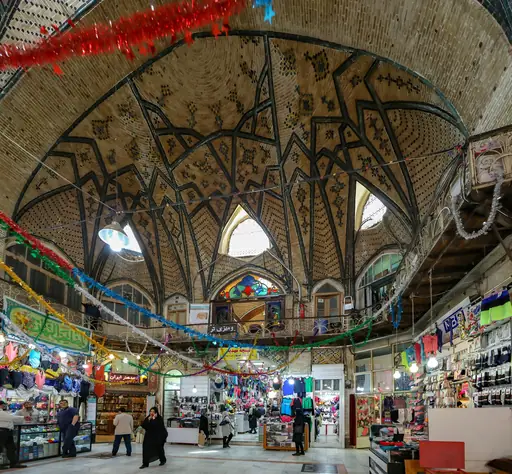
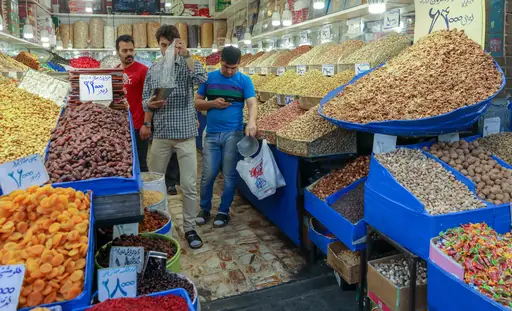
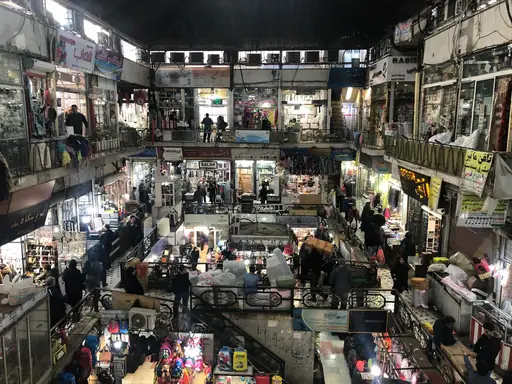
Tajrish Bazaar trades produce and spices in northern Tehran near the Alborz foothills. Vendors sell dried fruit and herbs across the covered market lanes. Visitors can browse alongside a historic shrine standing just outside the market entrance. Cooler mountain air here contrasts with the busier bazaars downtown.
City in Syria
Aleppo
Ancient Markets and Resilient Spirit
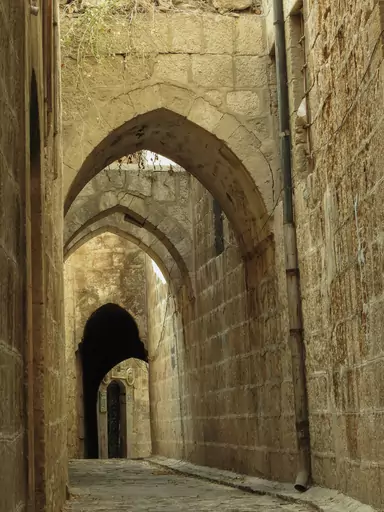
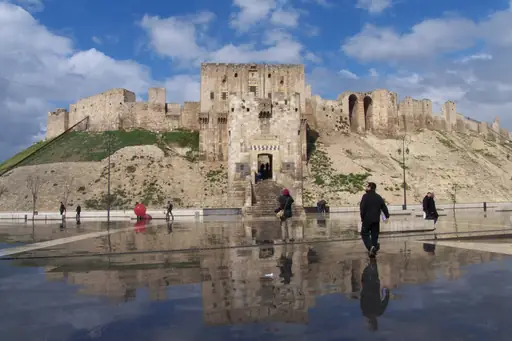
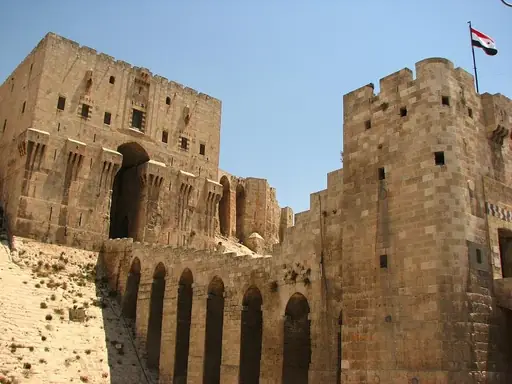
Aleppo's covered souk was once among the largest historic markets in the Middle East. Stone vaulted passageways connected traders dealing in soap and textiles for centuries. Visitors can see ongoing restoration work after damage during the country's civil war. Sections of the market date back to the medieval period.
City in China
Shanghai
A dazzling mix of modernity and tradition
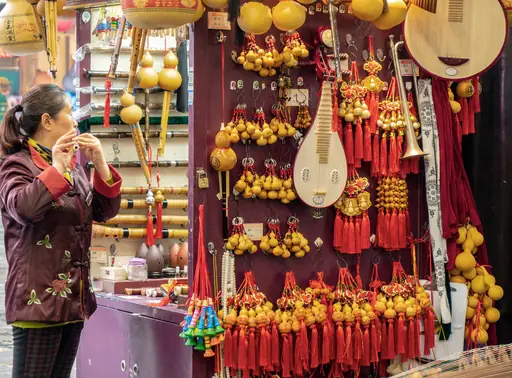
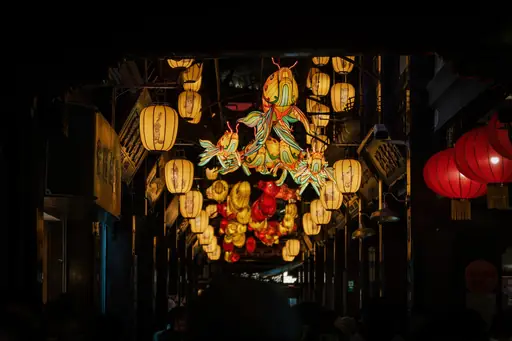
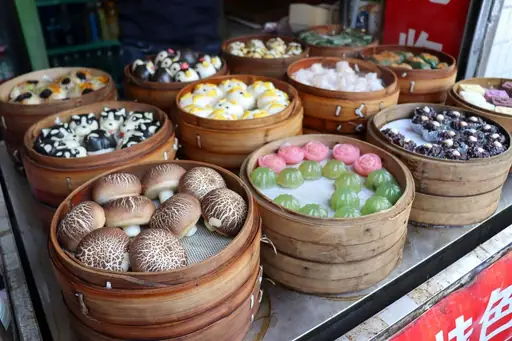
Yuyuan Market trades traditional goods beside a centuries old classical garden in Shanghai. Curved rooflines and koi ponds surround the market's winding shopping lanes. Visitors can sample xiaolongbao, soup dumplings, at stalls throughout the district. The garden itself dates back to the early Ming dynasty.
City in Australia
Brisbane
River City with a Laid-Back Vibe
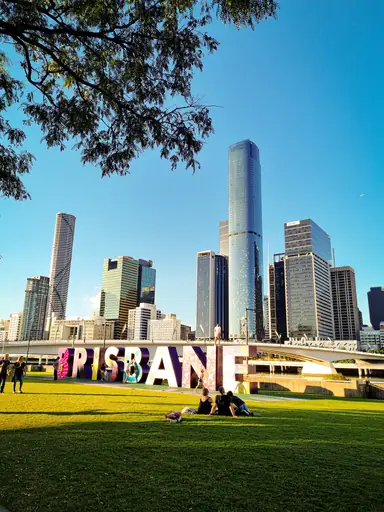
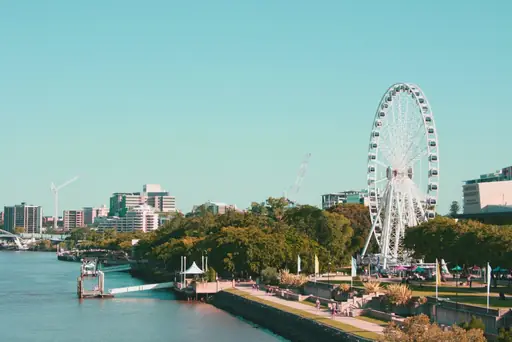
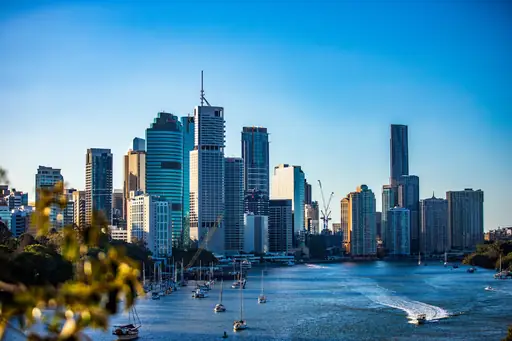
Eat Street Northshore turns a converted shipping container yard into a night market. Vendors serve street food from dozens of countries along the waterfront. Visitors can eat overlooking the Brisbane River as ferries pass by. The market runs on weekend evenings near the old wharf district.

City in France
Marseille
Grit, grandeur and Mediterranean soul
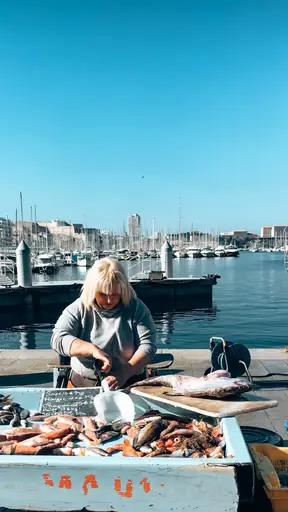
Marseille's Vieux Port fish market sells the day's catch each morning at the docks. Fishermen have sold directly from their boats here for generations. Visitors can watch the auction style selling before it winds down by midday. Bouillabaisse, the city's signature dish, relies on fish sold at this market.
State/Prefecture in China
Macau
Where East meets West in style
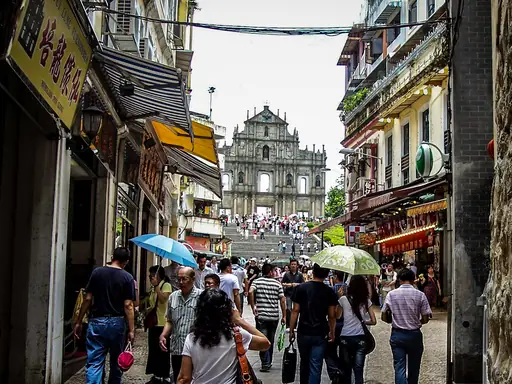
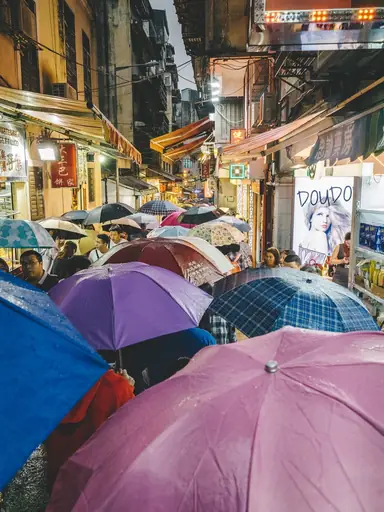
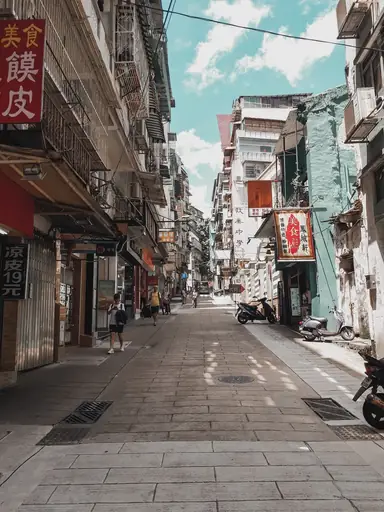
Rua de Sao Paulo leads shoppers past historic Portuguese colonial storefronts in Macau. Vendors sell almond cookies and egg tarts baked using Portuguese recipes. Visitors can browse jewellery shops set among the district's colonial architecture. The ruins of St Paul's Cathedral sit just at the street's end.
City in Morocco
Rabat
A Hidden Gem with Royal Flair
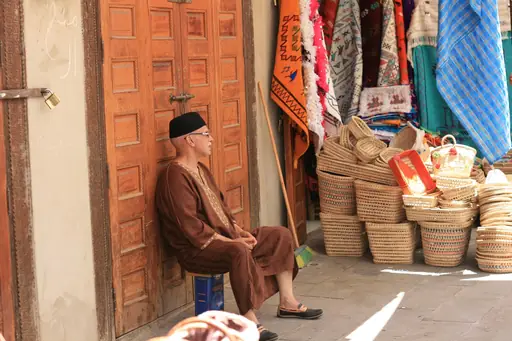
Rabat's medina market trades leather goods and textiles within centuries old stone walls. Craftsmen work in small shops tucked along the market's narrow passageways. Visitors can browse woven rugs alongside traditional Moroccan pottery and lanterns. The Kasbah of the Udayas rises just beyond the market's edge.
City in Syria
Damascus
Ancient Alleys, Bazaars and Minarets
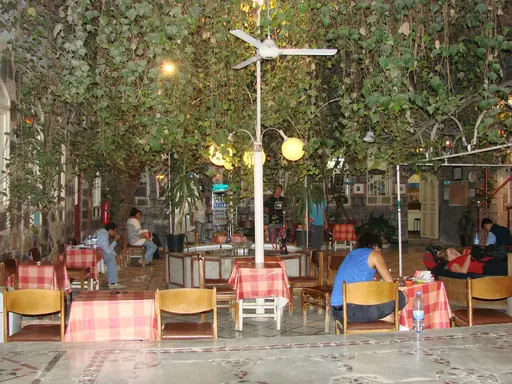
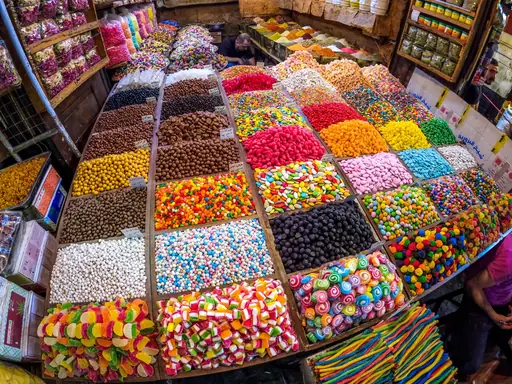
Al-Hamidiyah Souk stretches through central Damascus beneath a long vaulted iron roof. Small holes punched in the metal once let bullets pass during French occupation. Visitors can browse inlaid wood boxes and traditional soap made from olive oil. The souk leads directly towards the entrance of the Umayyad Mosque.
City in Pakistan
Peshawar
Historic crossroads where cultures intertwine
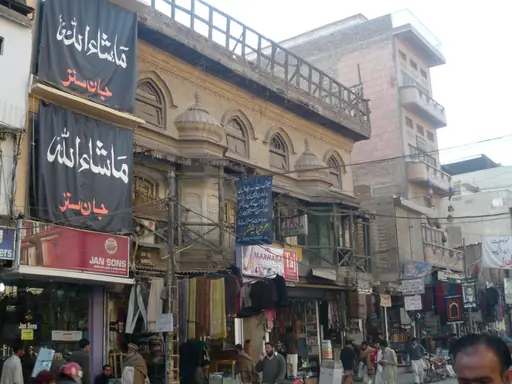
Qissa Khwani Bazaar has served as Peshawar's storytellers market for centuries. Traders once gathered here to share news carried along Silk Road caravan routes. Visitors can browse dried fruit and copper goods along the crowded lane. The market's name still recalls the storytellers who once entertained travellers here.
City in Taiwan
Taichung
Creative city with a sweet side
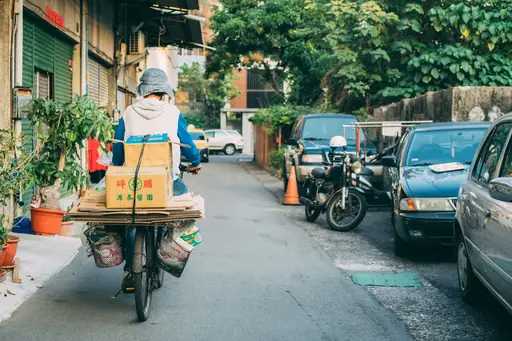
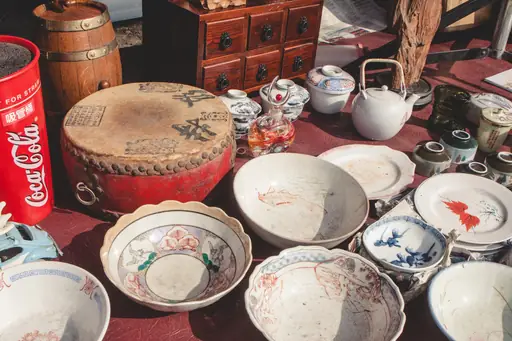
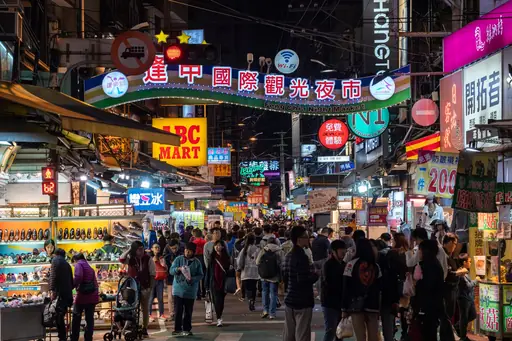
Fengjia Night Market trades street food and goods near a university campus in Taichung. Vendors sell bubble tea and fried snacks along the crowded lanes. Visitors can sample large fried chicken cutlets, a dish invented at this market. Crowds fill the streets most nights well past midnight.
City in Netherlands
Amsterdam
Canals, culture and a vibrant spirit
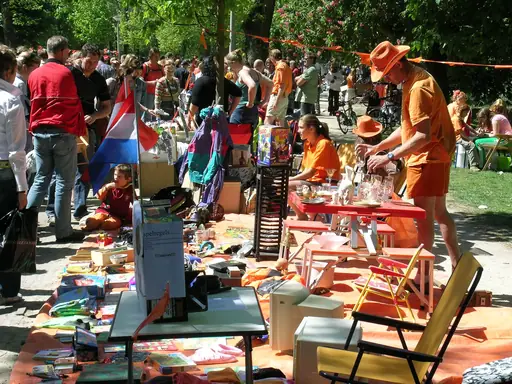
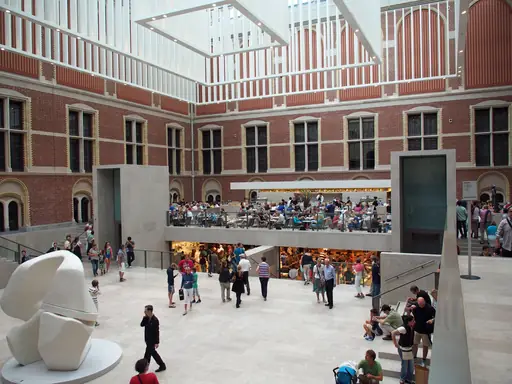
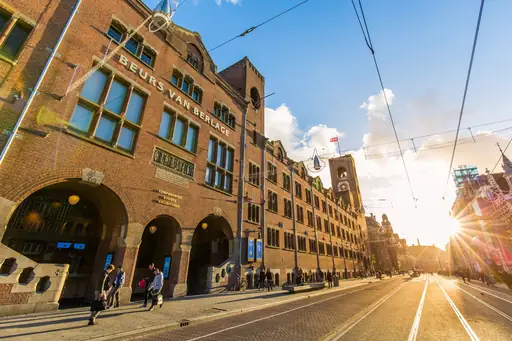
Albert Cuyp Market runs through central Amsterdam as the city's largest daily street market. Vendors sell stroopwafels and cheese along a stretch of canal side street. Visitors can grab a herring sandwich from a stall along the route. The market has operated on this site since the early 1900s.
City in Ethiopia
Addis Ababa
Vibrant capital where history meets modernity
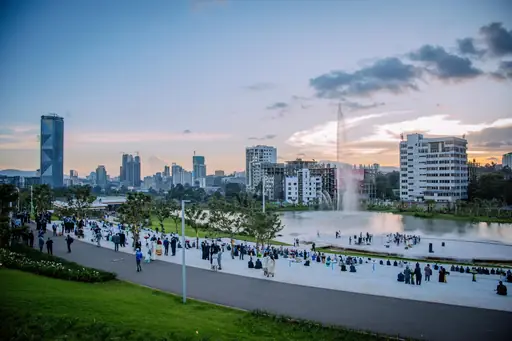
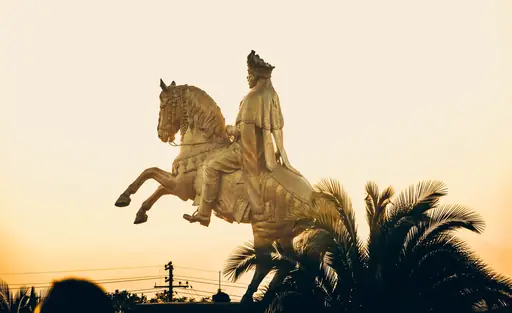
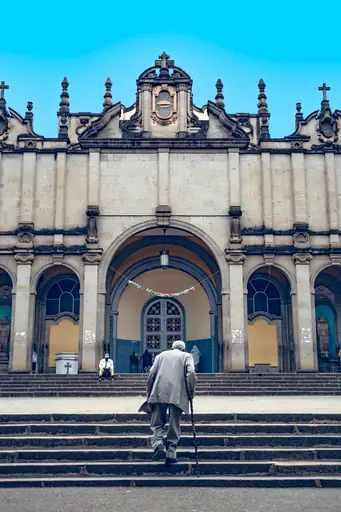
Merkato in Addis Ababa is considered one of the largest open air markets in Africa. Traders sell everything from coffee beans to woven baskets across sprawling lanes. Visitors can find sections devoted to spices, textiles and secondhand goods. The market has grown informally since it was established in the 1930s.
City in India
Delhi
A Kaleidoscope of History and Culture
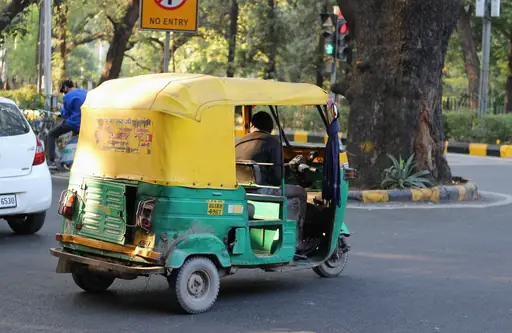
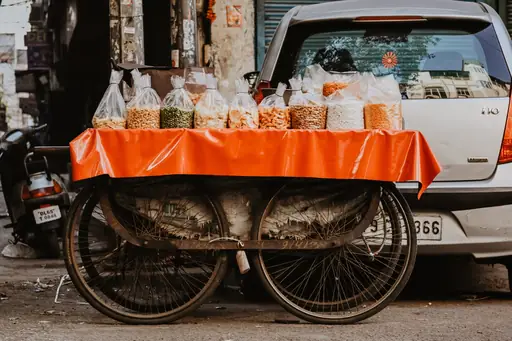
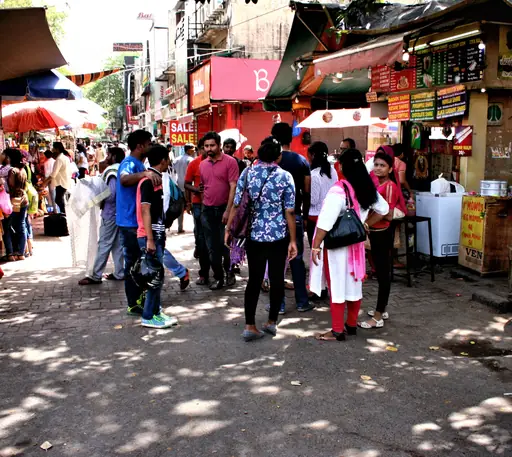
Chandni Chowk has traded goods in Old Delhi since the 17th century Mughal era. Narrow lanes each specialise in a single good, from spices to wedding cards. Visitors can sample paranthas at a lane devoted entirely to fried bread. Cycle rickshaws are a common way to move through the crowded streets.
City in Spain
Madrid
A vibrant mix of culture and nightlife
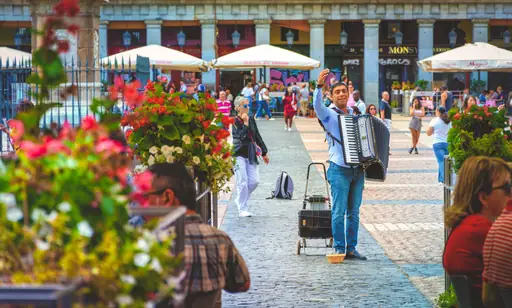
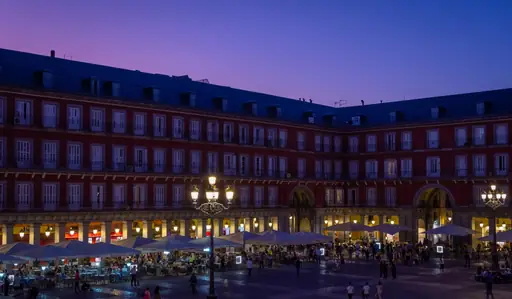
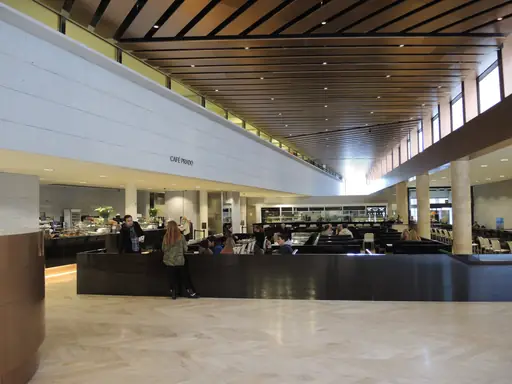
El Rastro has run as Madrid's largest flea market every Sunday since medieval times. Vendors set up along Ribera de Curtidores selling antiques and secondhand goods. Visitors can browse vintage clothing and old vinyl records among the crowded stalls. The market takes its name from the trail once left by slaughtered livestock.
City in Poland
Warsaw
Where history meets modern vibrance
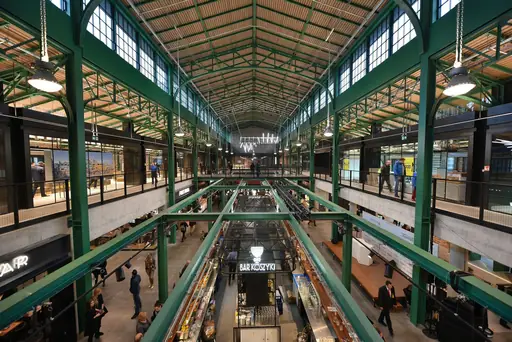
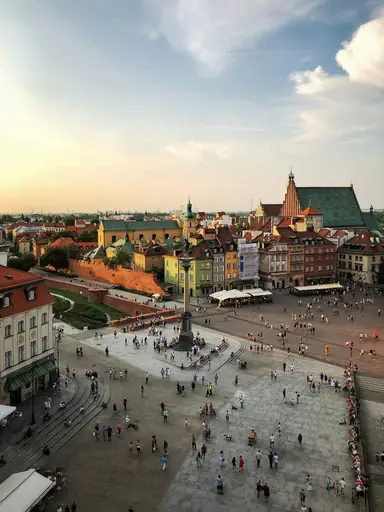
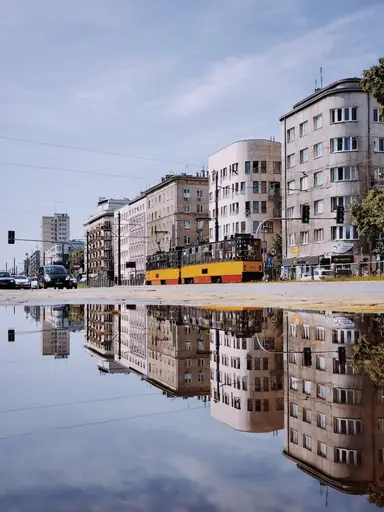
Hala Koszyki trades food and goods inside a restored early 20th century market hall. The building survived heavy damage during the Second World War. Visitors can eat at food stalls representing cuisines from across the world. The renovated hall reopened after decades of standing largely abandoned.
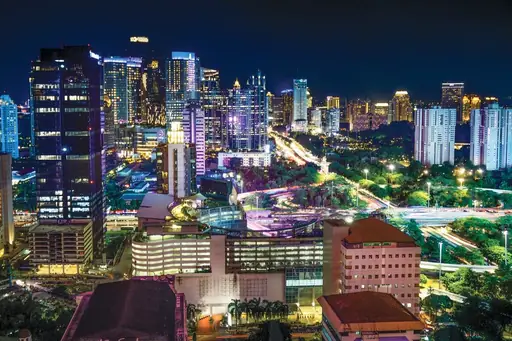
City in Indonesia
Jakarta
A chaotic, vibrant urban jungle
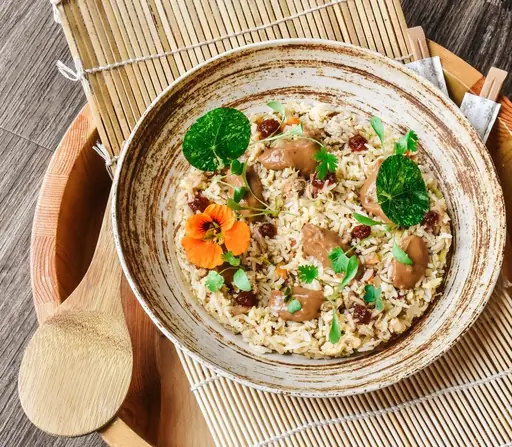
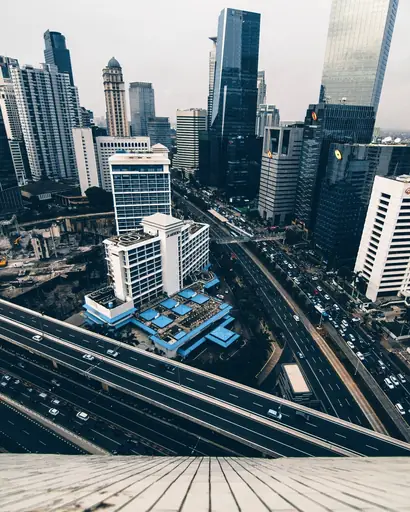
Pasar Baru has traded textiles and goods in central Jakarta since Dutch colonial times. Its covered arcade dates back to the 19th century. Visitors can browse fabric shops alongside vendors selling traditional batik prints. The market's name translates simply to New Market despite its long history.
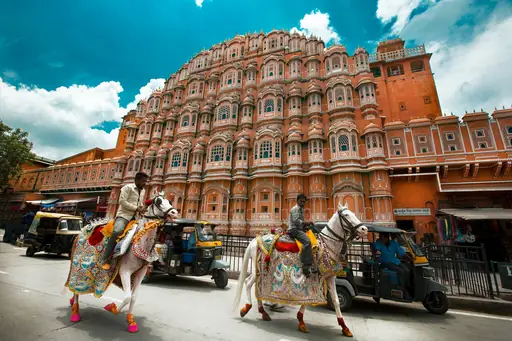
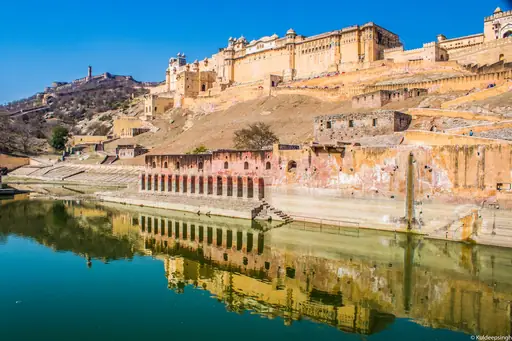
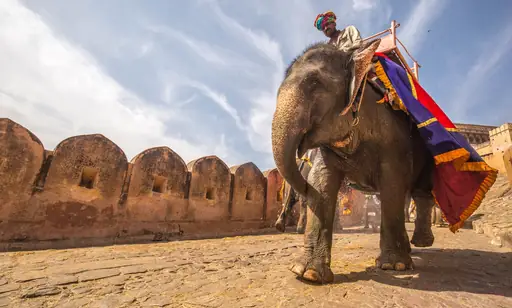
City in India
Jaipur
The Pink City of Royal Splendor
Johari Bazaar in Jaipur specialises in gemstones and traditional Rajasthani jewellery. Pink sandstone buildings line the street, giving the market its distinct colour. Visitors can browse block printed textiles alongside carefully crafted silver pieces nearby. The bazaar sits within Jaipur's walled old city, built in the 18th century.
City in Saudi Arabia
Medina
A Spiritual Oasis
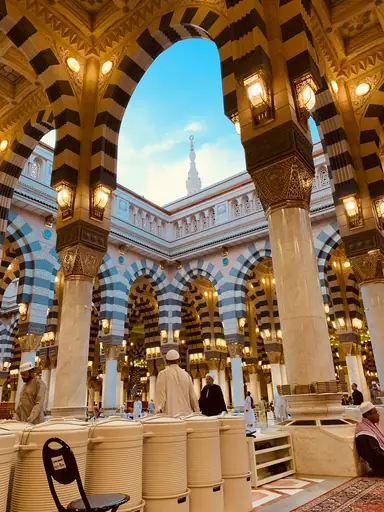
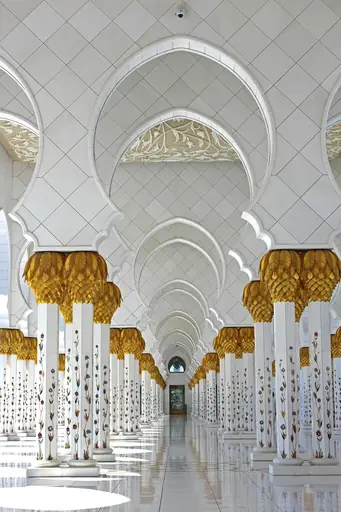
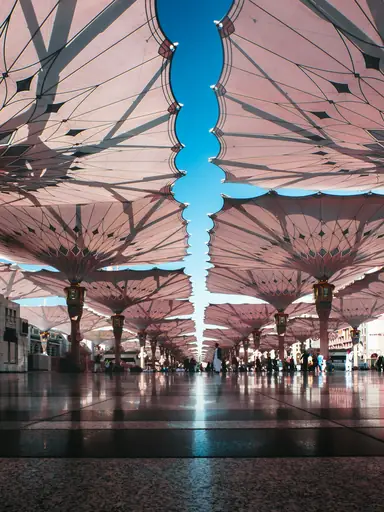
Medina's central market sells dates grown in the fertile surrounding oasis region for centuries. Traders offer varieties prized for their size and natural sweetness. Visitors can sample fresh dates alongside traditional Saudi coffee and sweets. The market sits within easy walking distance of the Prophet's Mosque.
City in Mexico
San Miguel de Allende
Colonial Charm with Artistic Soul
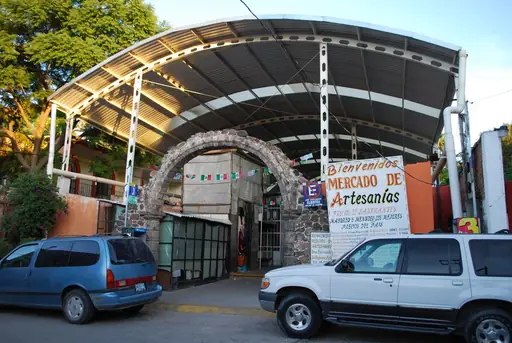
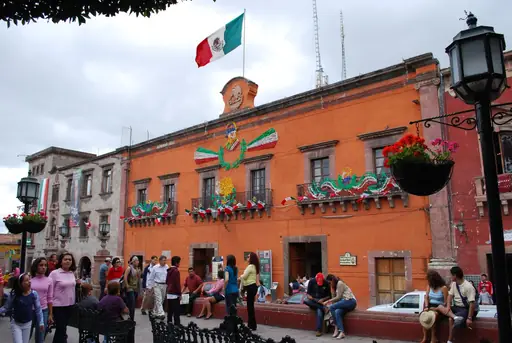
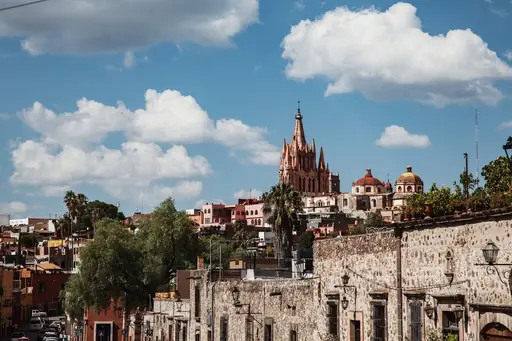
Mercado de Artesanias trades Mexican folk art within a covered alley near the centre. Vendors sell hand painted ceramics and tin ornaments woven into displays. Visitors can browse alongside stalls selling silver jewellery from nearby Taxco. The market runs close to San Miguel's pink stone parish church.
City in China
Xi'an
Where history whispers through time
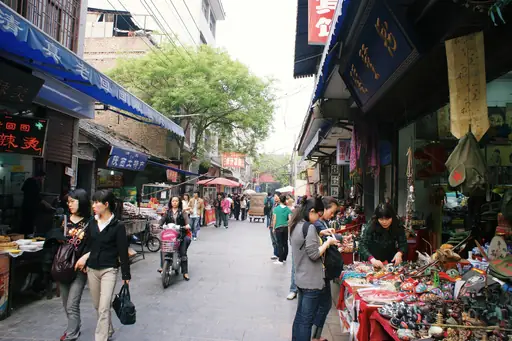
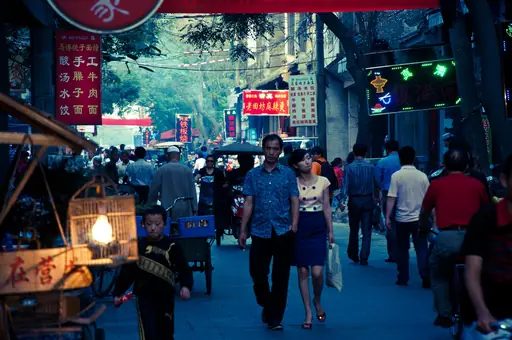
The Muslim Quarter trades food and goods along narrow lanes near Xian's Great Mosque. Hui Muslim vendors sell skewered lamb and hand pulled noodles throughout the streets. Visitors can sample persimmon cakes, a local speciality found mainly here. The quarter has traded goods along this route for over a thousand years.
City in China
Beijing
Ancient history meets modern dynamism
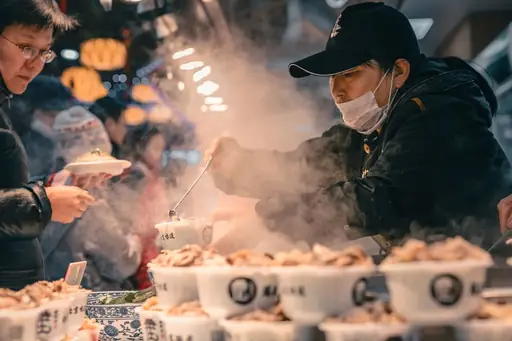
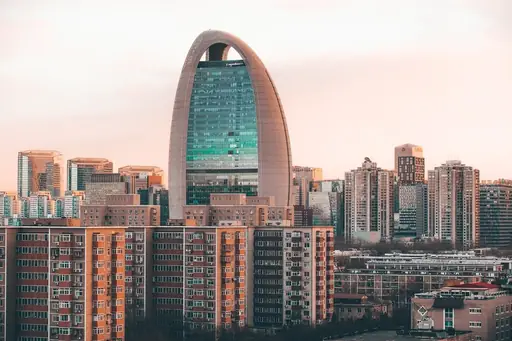
Panjiayuan Market fills weekends with antiques, calligraphy and porcelain from across China. Traders spread goods across mats and folding tables through the open air lot. Visitors can bargain hard, since asking prices here start well above final ones. The market draws collectors searching for both real antiques and clever reproductions.
City in Japan
Osaka
Castle, neon canals and street food
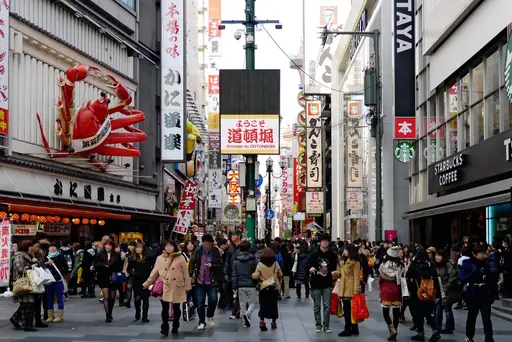
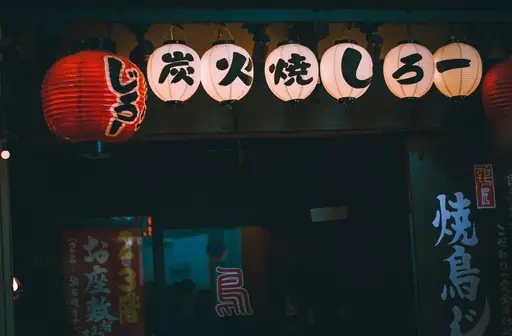
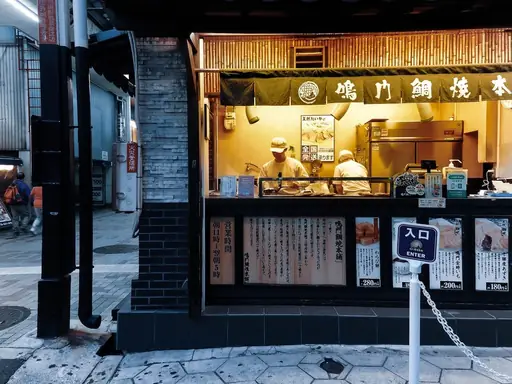
Kuromon Ichiba has traded fresh seafood in Osaka since the early 1800s. Vendors grill scallops and skewer street food right at their stalls. Visitors can eat their way down the covered arcade stall by stall. The market earned the nickname Osaka's Kitchen among local chefs.
Region in Indonesia
Bali
Tropical beaches, vibrant culture and adventure
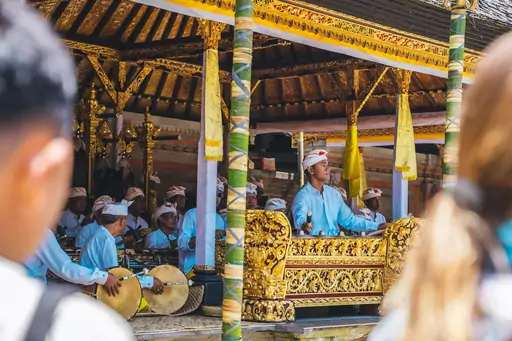
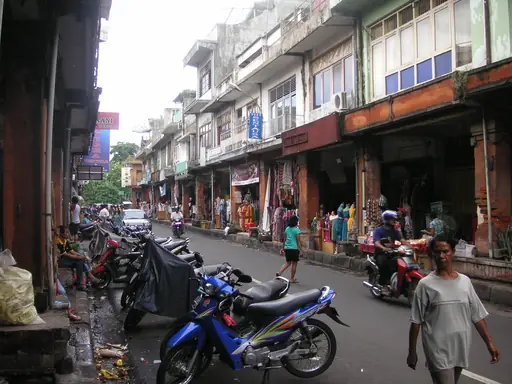
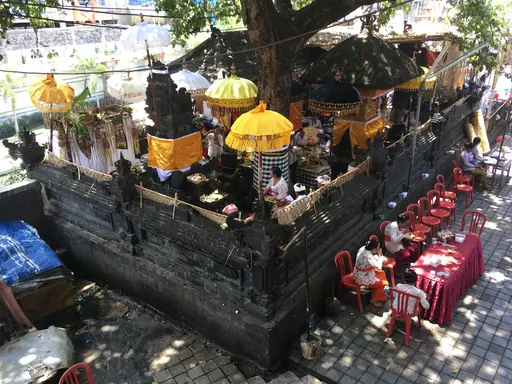
Ubud's art market sells wood carvings and woven baskets made by local artisans. Stalls stack items from floor to ceiling along narrow covered walkways. Visitors can bargain for sarongs and paintings inside the crowded market. The market sits directly across from Ubud's royal palace grounds.

City in Japan
Kagoshima
Volcano views, samurai history and black pork
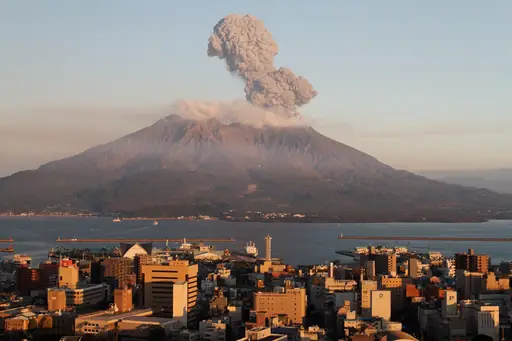
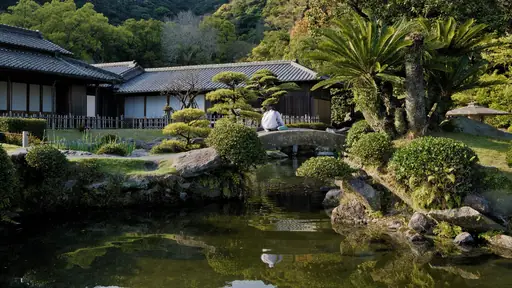
Kagoshima's morning market sells fresh seafood pulled from Kinko Bay each day. Sakurajima, an active volcano, is visible smoking across the water from the market. Visitors can sample kurobuta pork, a local speciality raised on the surrounding land. Stalls here operate at their busiest during the early morning hours.
City in China
Xiamen
Coastal Charm and Island Adventures
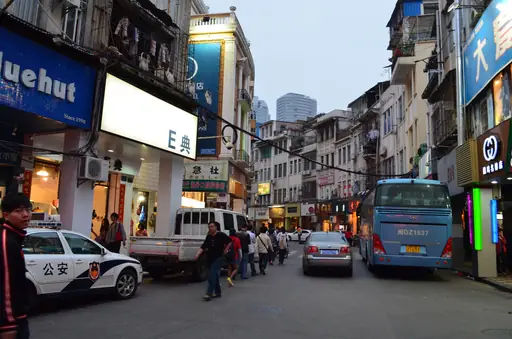
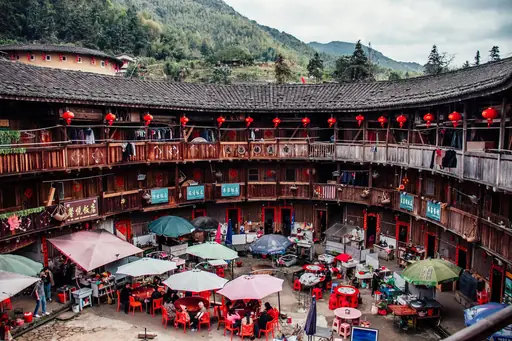
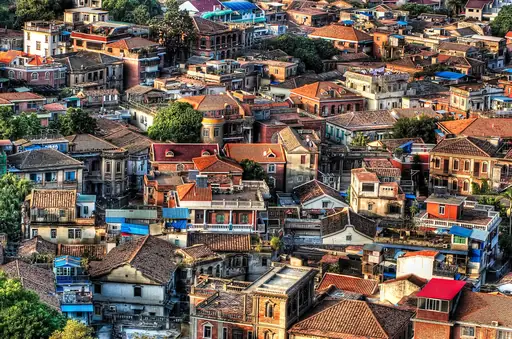
Zhongshan Road trades goods across a historic pedestrian street near Xiamen's old port. Arcaded buildings built by returning overseas Chinese line much of the route. Visitors can sample local snacks like oyster omelets from street vendors nearby. The street leads directly towards ferries departing for Gulangyu Island.
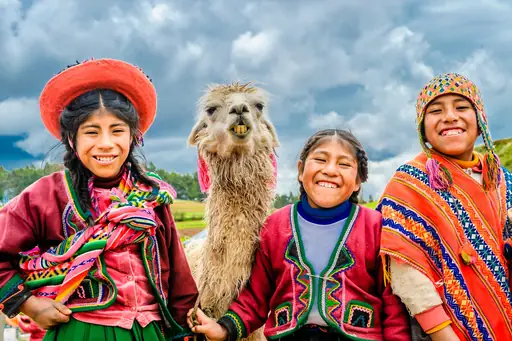
City in Peru
Cusco
Gateway to the Incan Empire's Heart
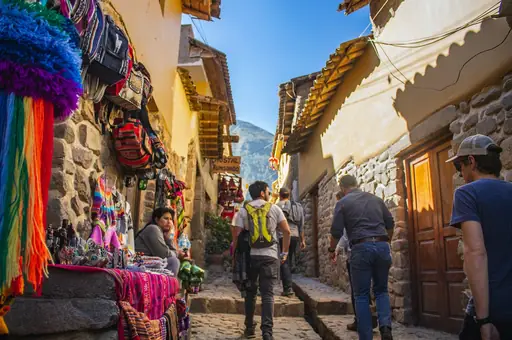
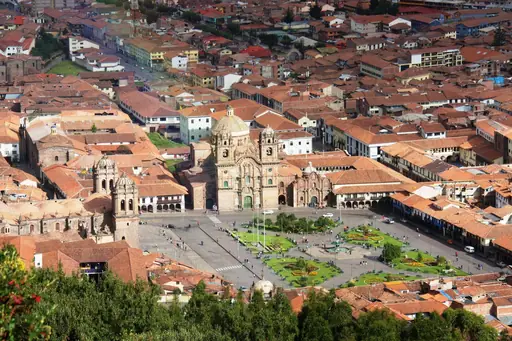
San Pedro Market in Cusco has traded Andean goods since the early 1900s. Stalls sell alpaca wool textiles alongside unusual local fruits and juices. Visitors can try fresh ceviche or a bowl of caldo de gallina soup. The market sits within walking distance of Cusco's main plaza.
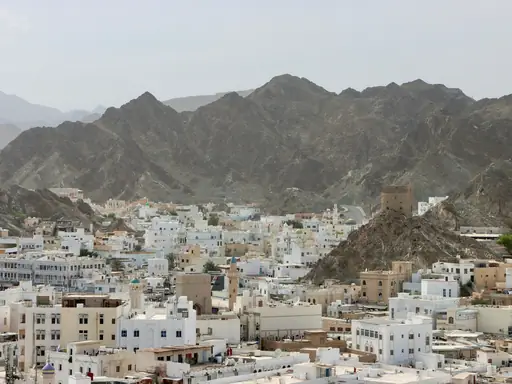
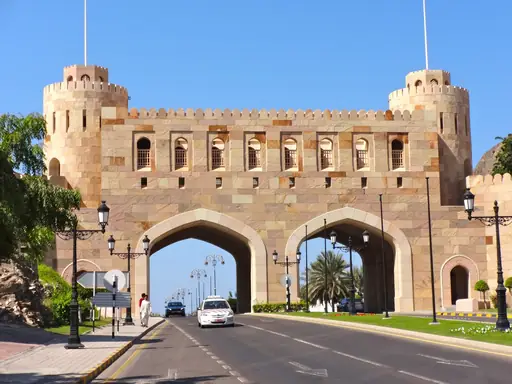
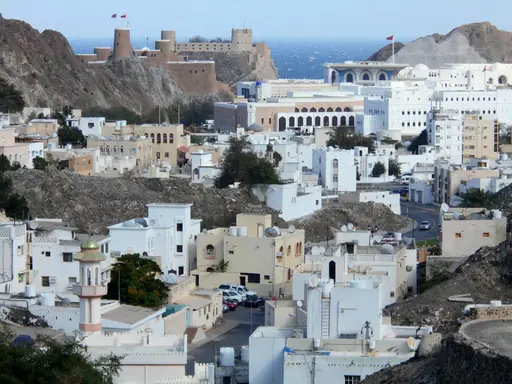
City in Oman
Muscat
Where mountains meet Arabian sea
Muttrah Souq sits along Muscat's waterfront corniche inside a covered wooden roof. Frankincense, a resin harvested from trees native to Oman, fills much of the market's air. Visitors can browse silver khanjar daggers and traditional Omani textiles. The souq has traded goods along this harbour for centuries.
Region in Malaysia
Penang
Heritage charm meets foodie heaven
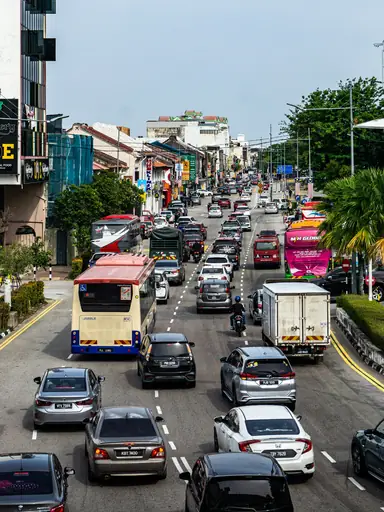
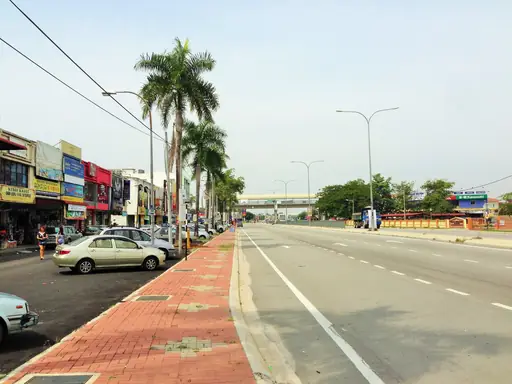
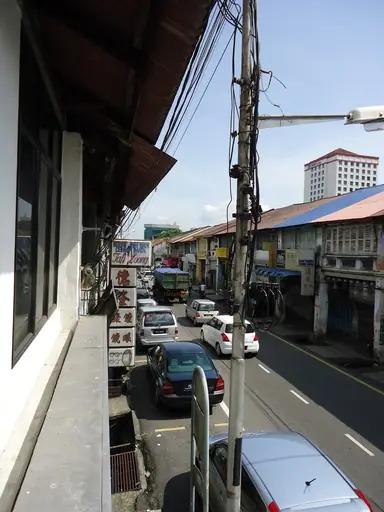
Chowrasta Market has traded goods in George Town since the 19th century. Nyonya kuih, colourful traditional sweets, are a signature find among its stalls. Visitors can browse spices and local snacks across two covered floors. The market sits within Penang's UNESCO listed historic city centre.
City in South Korea
Busan
Beaches, Markets and Culture
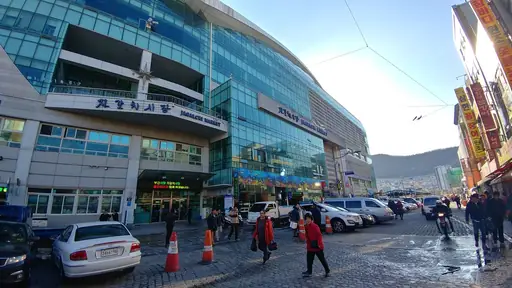
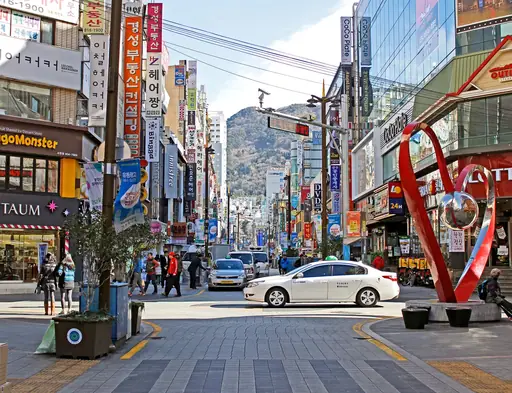
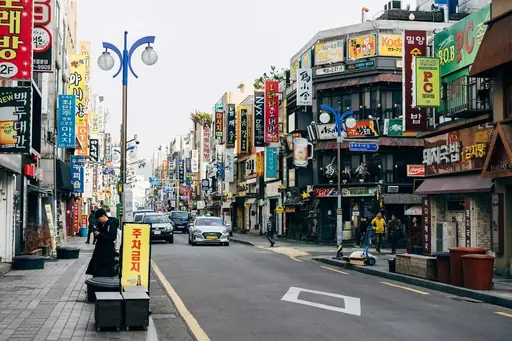
Jagalchi Market sits along Busan's harbour as South Korea's largest seafood market. Vendors sell live octopus, crab and fish pulled fresh from nearby boats. Visitors can pick a fish and have it prepared at an upstairs restaurant. The market has operated dockside since the years after the Korean War.
City in Cambodia
Phnom Penh
Vibrant City with Deep History
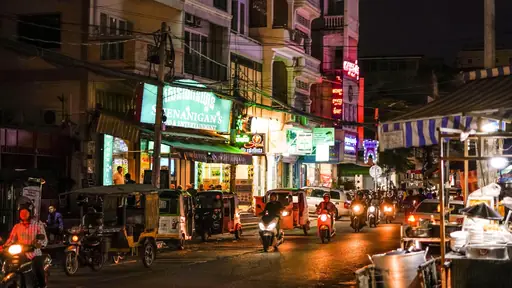
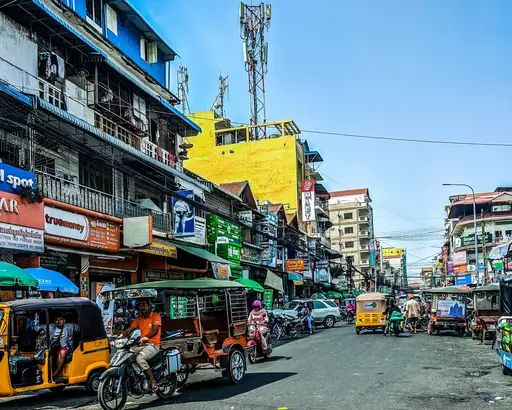
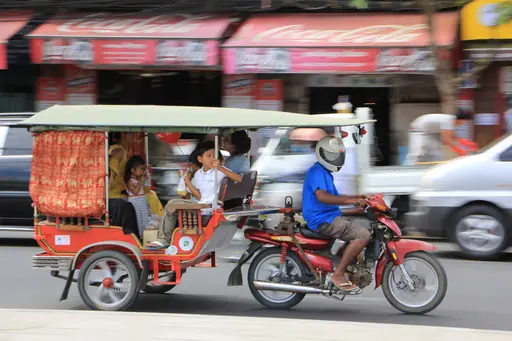
Phnom Penh's Central Market occupies a yellow art deco building shaped like a dome. French colonial architects designed the structure back in 1937. Visitors can browse gold jewellery and textiles across the market's four wings. Vendors selling fresh produce spill into the streets surrounding the main hall.
City in United Kingdom
London
A Tapestry of History and Modernity
Borough Market has traded food near London Bridge for over a thousand years. Stalls sell British cheese and cured meats beneath a Victorian iron roof. Visitors can sample artisan bread while browsing produce stacked in wooden crates. The market survived London's Great Fire and both World Wars.
City in United States
New York City
Five boroughs of skyline, food and museums
Chelsea Market occupies a former Nabisco cookie factory building in Manhattan. Vendors sell everything from fresh seafood to baked goods inside the converted space. Visitors can shop alongside food stalls representing cuisines from around the world. The building's exposed brick and pipes recall its industrial past.
City in Germany
Munich
Bavarian Tradition Meets Modern Flair
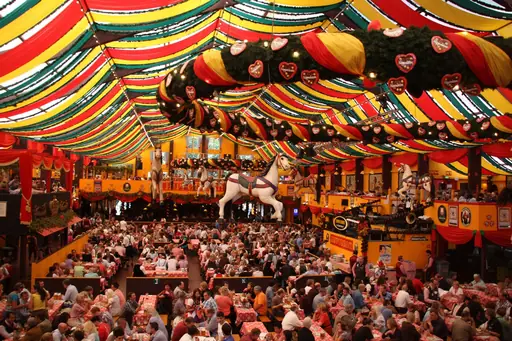
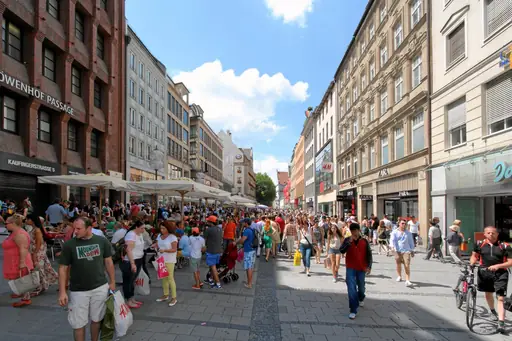
Viktualienmarkt has traded fresh food in central Munich since the early 1800s. Stalls sell Bavarian cheese and sausages beneath colourful market umbrellas. Visitors can grab a beer at the market's own beer garden in the centre. A maypole decorated with painted guild symbols marks the market square.
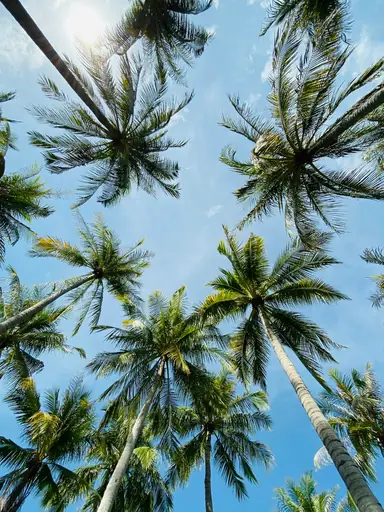
City in Australia
Darwin
Tropical gateway to ancient wetlands and reefs
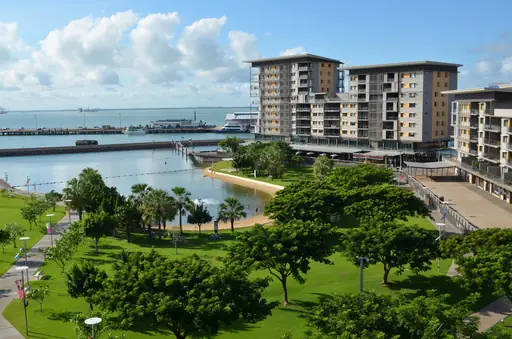
Mindil Beach Sunset Market sets up each dry season evening along the sand. Vendors sell food from across Southeast Asia alongside local crafts. Visitors can watch the sunset over the Timor Sea while eating dinner. The market runs only during Darwin's cooler dry season months.
City in Australia
Melbourne
The heart of culture and coffee
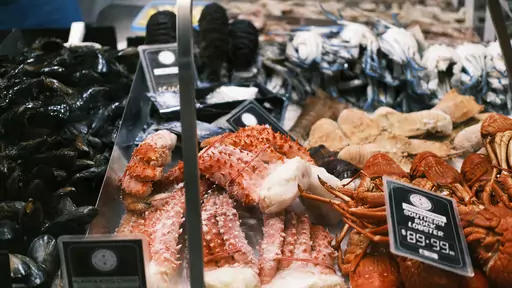
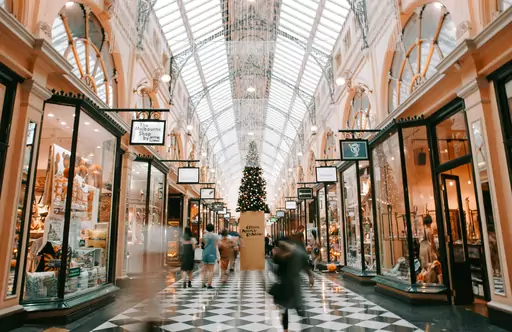
Queen Victoria Market has traded fresh food in central Melbourne since 1878. Its heritage listed sheds hold produce stalls alongside a busy deli hall. Visitors can browse a night market held seasonally with food trucks and music. The market sits on the edge of what was once a colonial cemetery.
City in Philippines
Manila
Vibrant City with Rich History
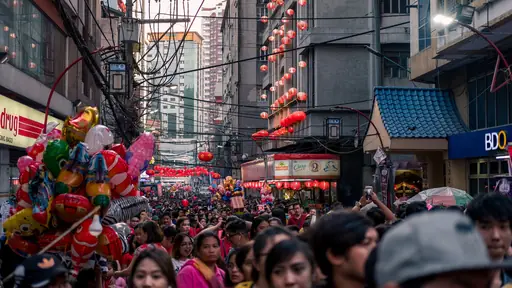
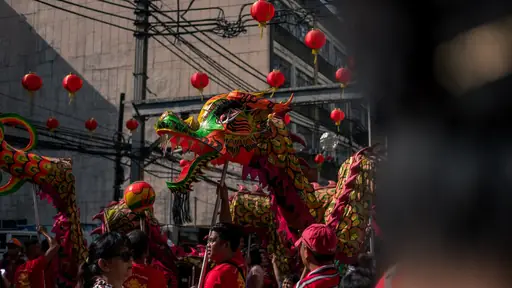
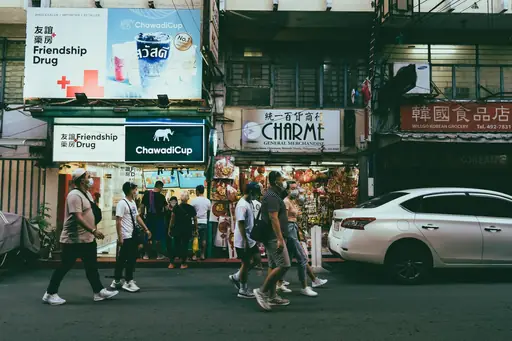
Quiapo Market surrounds a historic church at the heart of old Manila. Vendors sell herbal remedies and religious candles alongside fresh produce. Visitors can browse stalls selling amulets believed to bring luck or protection. The nearby Quiapo Church draws crowds that spill directly into the market.
City in Taiwan
Taipei
A vibrant blend of old and new
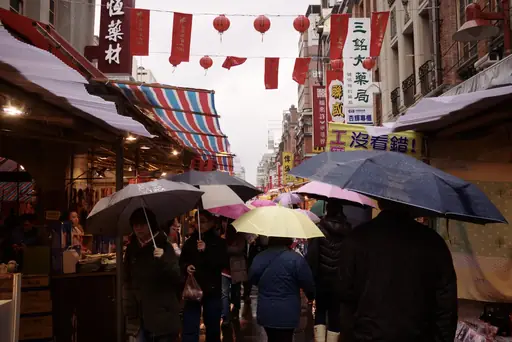
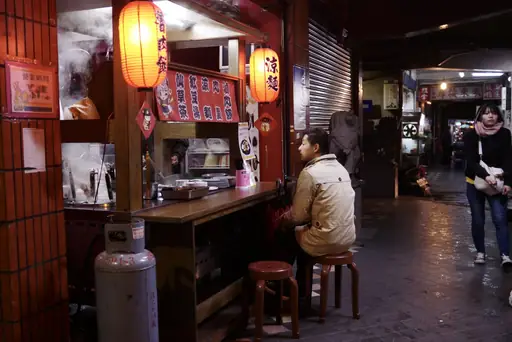
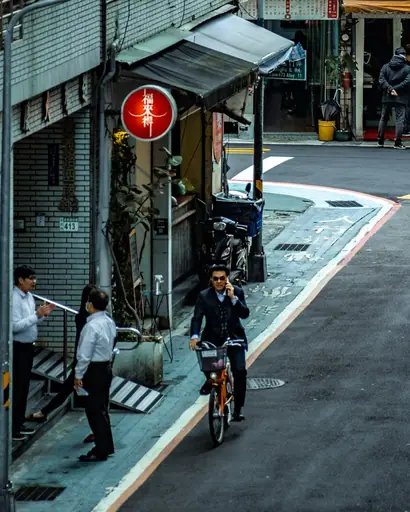
Shilin Night Market trades street food and clothing across Taipei's largest night market grounds. Underground food stalls serve stinky tofu and oyster omelets late into the night. Visitors can play carnival games alongside crowded rows of clothing vendors. The market draws some of the heaviest evening crowds in the city.
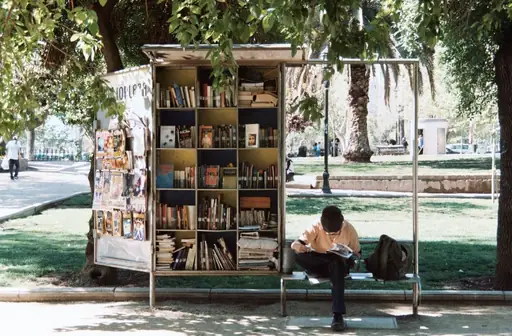
City in Chile
Santiago
A vibrant city between mountains
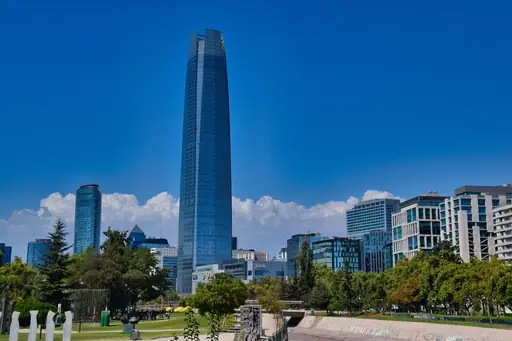
Mercado Central trades fresh seafood inside a Victorian iron structure in Santiago. Chile's long coastline supplies an unusually wide variety of fish to its stalls. Visitors can eat at restaurants built directly into the market itself. The building's ironwork was shipped from England in the 19th century.
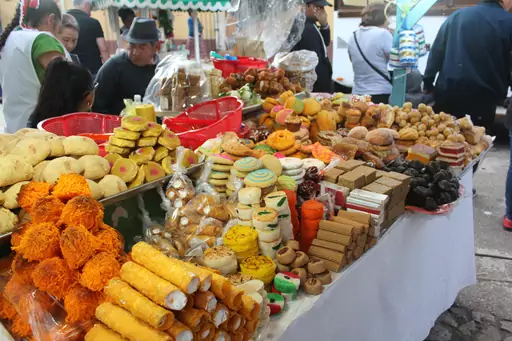
City in Mexico
San Cristóbal de las Casas
Colonial Charm Meets Indigenous Culture
San Cristobal's municipal market trades Maya textiles woven by nearby highland communities. Vendors from Chamula and Zinacantan sell handwoven huipiles in distinct village patterns. Visitors can browse fresh produce alongside crafts stacked across crowded stalls. The market draws sellers from villages scattered through the Chiapas highlands.
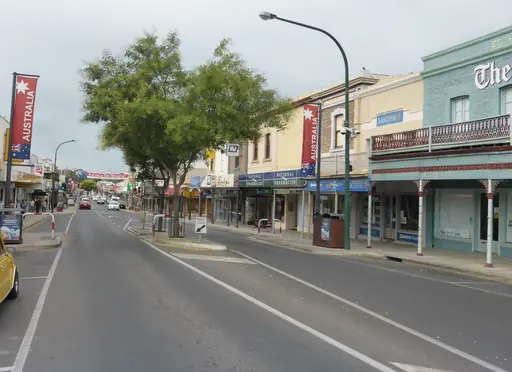
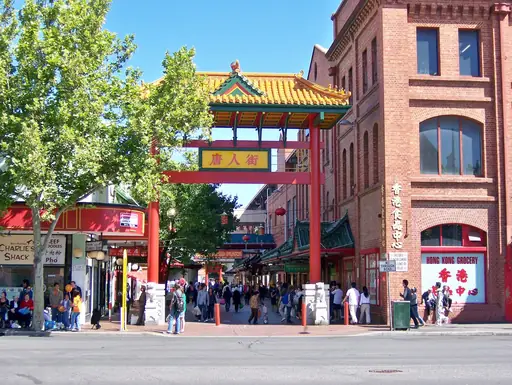
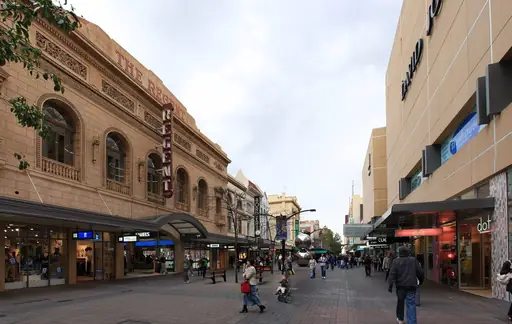
City in Australia
Adelaide
Festivals, wine and laid-back charm
Adelaide Central Market has operated continuously since 1869 in the city centre. Its stalls sell South Australian produce, cheese and baked goods from small bakeries. Visitors can sample local wine alongside fresh oysters at nearby counters. Chinatown sits just steps from the market's main entrance.
Town in Guatemala
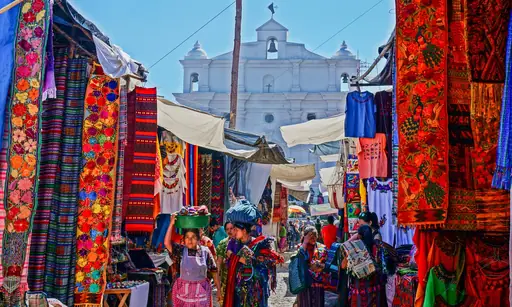
Chichicastenango
Ancient Market with Vibrant Mayan Culture
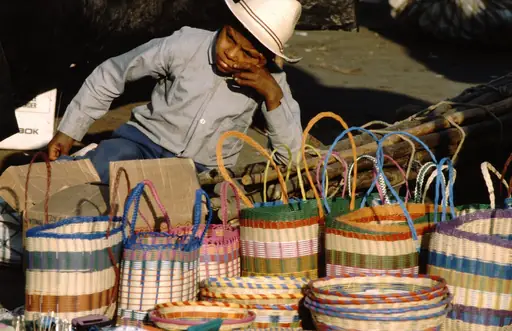
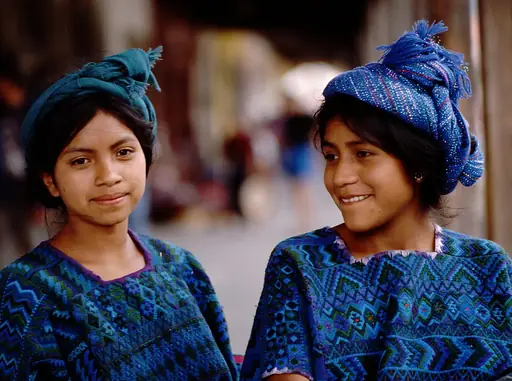
Chichicastenango's market has run twice weekly for centuries in Guatemala's highlands. Maya vendors sell handwoven textiles and carved wooden masks across the plaza. Visitors can climb the steps of Santo Tomas church overlooking the market. Copal incense burns at the church entrance as part of ongoing Maya traditions.
City in Uzbekistan
Bukhara
Ancient Silk Road Splendor
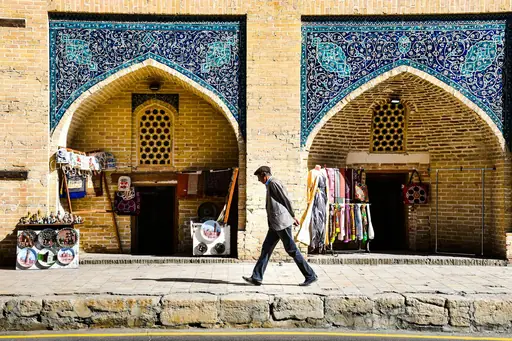
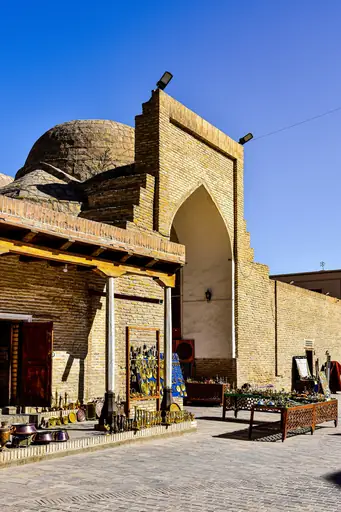
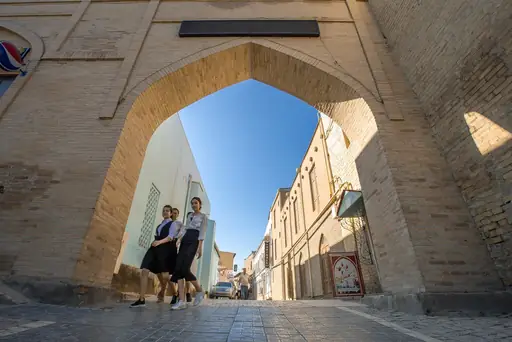
Bukhara's domed trading halls have sold goods along the Silk Road for centuries. Each dome once housed a different trade, from jewellers to hat makers. Visitors can still find craftsmen working under the same brick domes today. The old town's markets sit within a UNESCO listed historic centre.
City in Kenya
Mombasa
Swahili Coasts Meet Sun-Soaked Shores
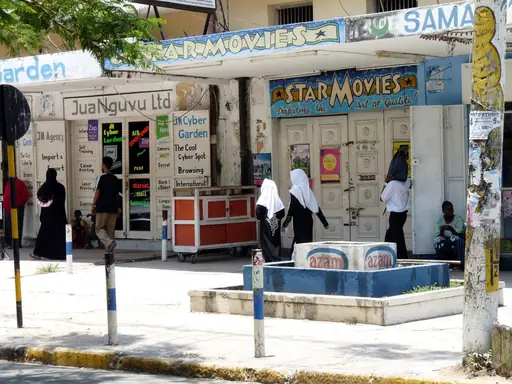
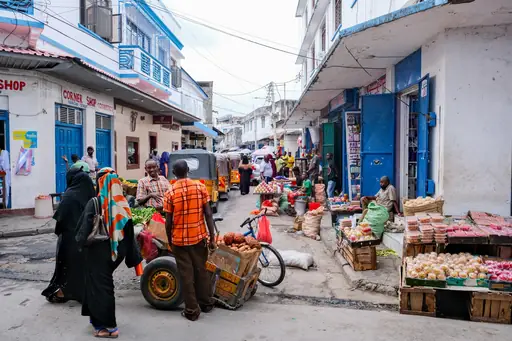
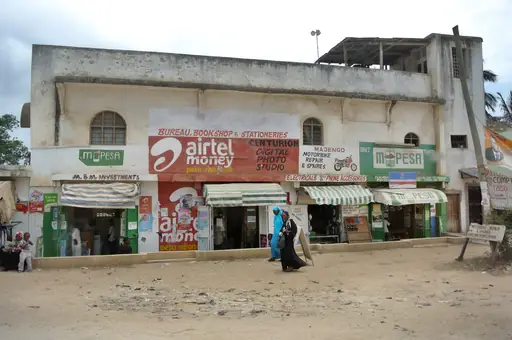
Old Town Mombasa's markets sell spices grown along Kenya's coastal region for export. Swahili architecture with carved wooden doors lines the surrounding narrow streets. Visitors can browse baskets and kitenge fabric alongside fresh tropical fruit. Centuries of Arab and African trade shaped the district's character.
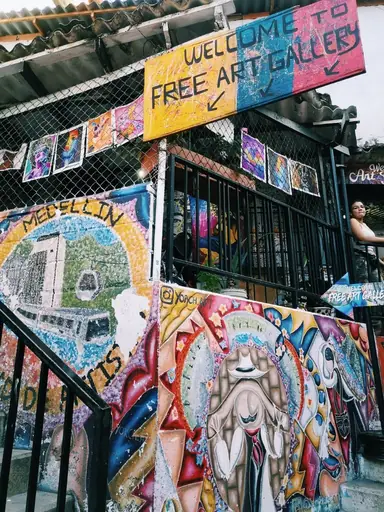
City in Colombia
Medellín
The City of Eternal Spring
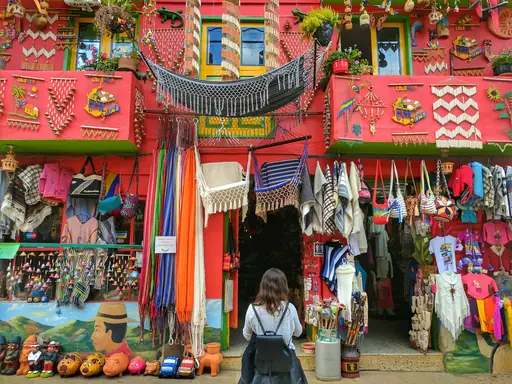
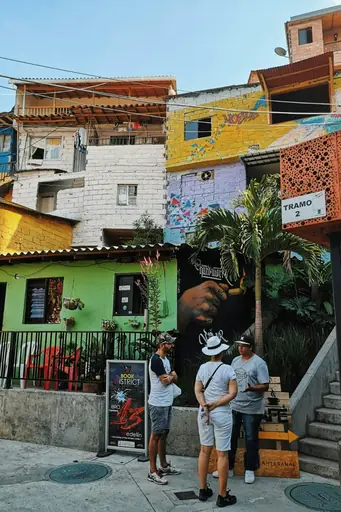
Mercado de San Alejo sets up monthly as one of Medellin's largest craft fairs. Vendors sell handmade jewellery and leather goods from across Colombia. Visitors can browse alongside local families out for a weekend stroll. The market has run continuously since the 1980s in Bolivar Park.
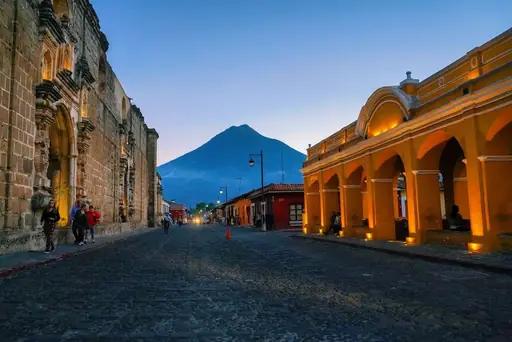
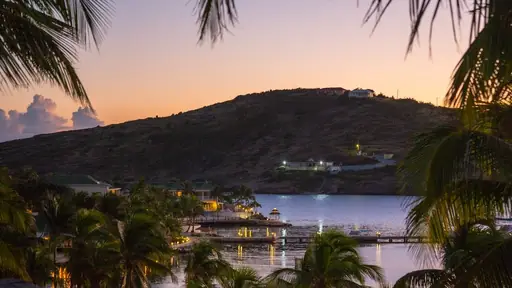
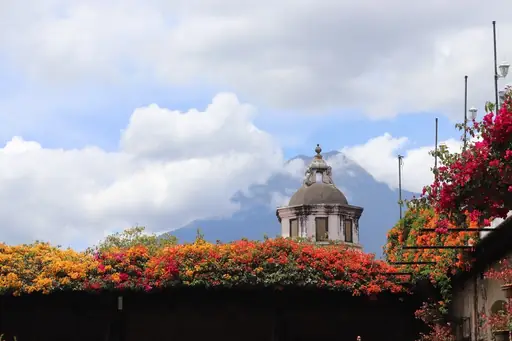
City in Guatemala
Antigua Guatemala
Colonial Charm and Volcanic Views
Antigua's central market sells textiles woven using techniques passed down through generations. Colourful huipil blouses and woven bags fill stalls near the market's edges. Visitors can also find fresh produce and flowers in the covered sections. Cobbled streets nearby lead past colonial ruins from Spanish rule.

City in Brazil
São Paulo
A vibrant mix of culture and cuisine
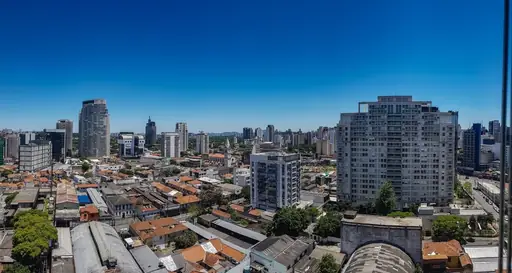
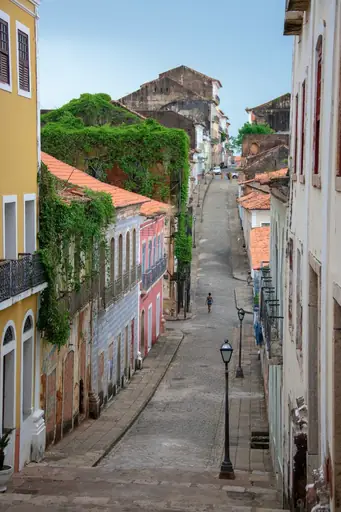
Mercado Municipal trades produce and speciality foods inside a grand early 1900s hall. Stained glass windows depicting harvest scenes light the market's main floor. Visitors can order a towering mortadella sandwich at the upstairs food counters. The market has supplied Sao Paulo's kitchens for more than a century.
City in Ecuador
Quito
Andean Charm Meets Colonial Splendor
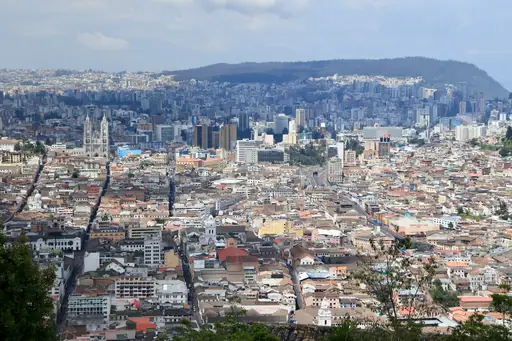
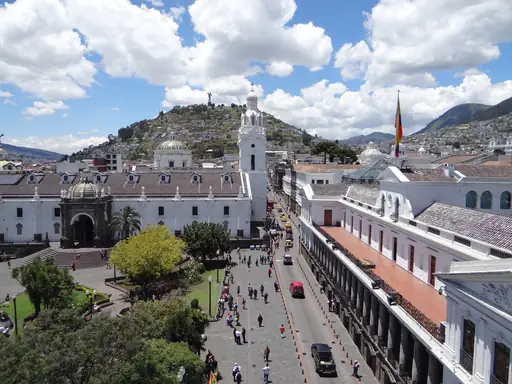
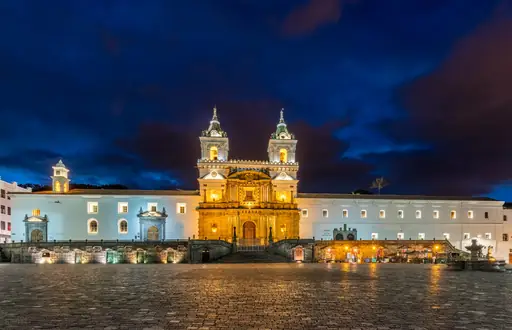
Mercado Central de Quito trades fresh produce and prepared food in the city's historic core. Stalls stack unusual Andean fruits alongside fresh juices blended to order. Visitors can try traditional dishes like locro soup at food counters inside. Colonial church towers rise in the shadow just beyond the market.
City in Russia
Moscow
A grand city of history and power
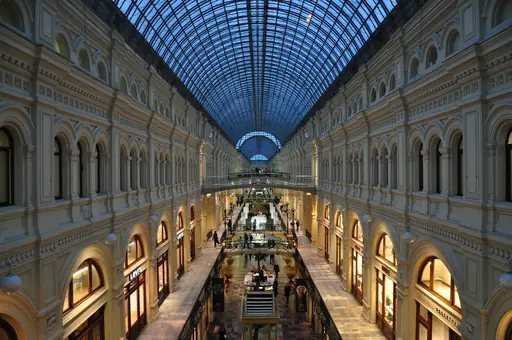
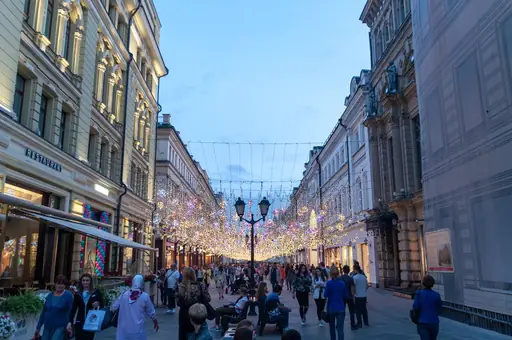
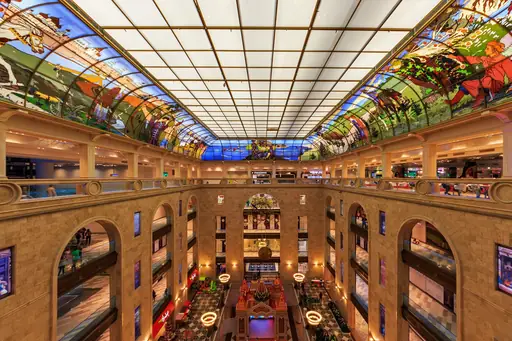
Izmailovsky Market sells Soviet era souvenirs and traditional Russian crafts near Moscow. Vendors offer nesting dolls and hand painted lacquer boxes for sale. Visitors can browse alongside a themed wooden kremlin built as the market's centrepiece. The site once served as a royal hunting estate centuries ago.
City in Uzbekistan
Samarkand
The Silk Road’s Shimmering Gem
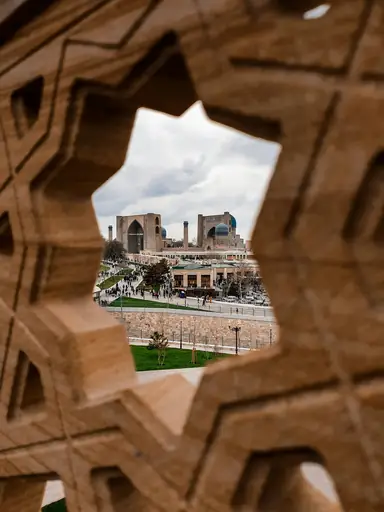
Siab Bazaar has traded goods near Samarkand's Registan since the Silk Road era. Vendors sell dried apricots and melons alongside non bread baked in clay ovens. Visitors can watch bakers pull rounds of bread straight from tandoor style ovens. The market's produce reflects centuries of trade along the ancient route.
City in Morocco
Tangier
Gateway of Cultures, Sea and Stories
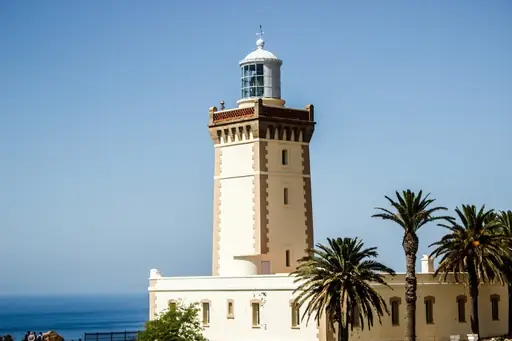
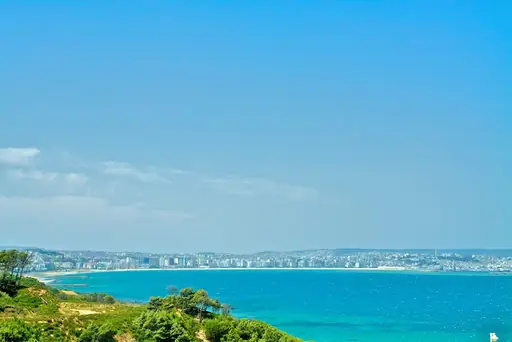
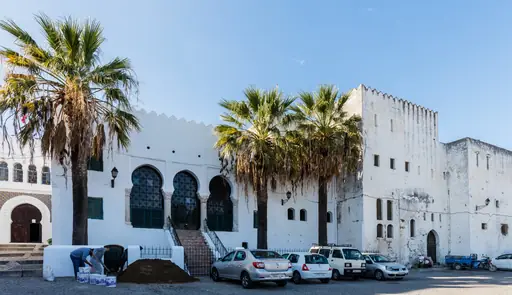
Tangier's Grand Socco trades goods just outside the entrance to the old medina. Vendors sell spices and leather goods across the open square. Visitors can browse alongside a nearby cinema built during the French protectorate era. The square connects directly to narrow medina lanes packed with smaller shops.

City in China
Chengdu
Pandas, Hotpot and Laid-back Vibes
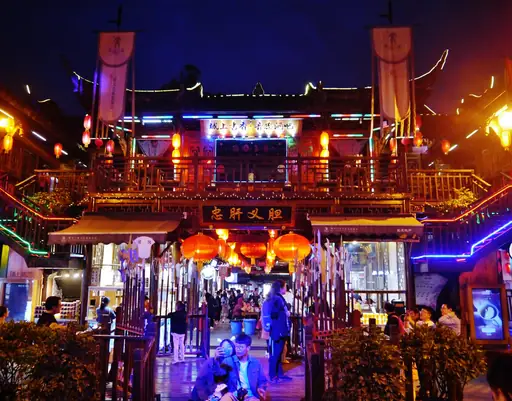
Jinli Street recreates a traditional Sichuan market lane near Chengdu's old town. Vendors sell spicy street snacks alongside handmade crafts and pots of tea. Visitors can sample skewers coated in Sichuan peppercorns while browsing the lane. Red lanterns strung overhead light the narrow street once evening falls.

City in Brazil
Rio de Janeiro
The heartbeat of Brazil's coast
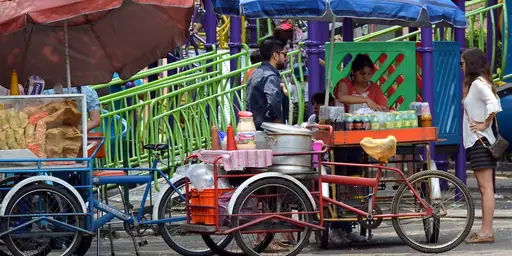
Feira de Sao Cristovao brings food and music from Brazil's northeast to Rio. Vendors sell tapioca crepes and regional dishes rarely found elsewhere in the city. Visitors can dance to forro music played live most weekend evenings. The market operates inside a large domed pavilion built for a past exhibition.
Country
Nigeria
Diverse cultures meet tropical landscapes
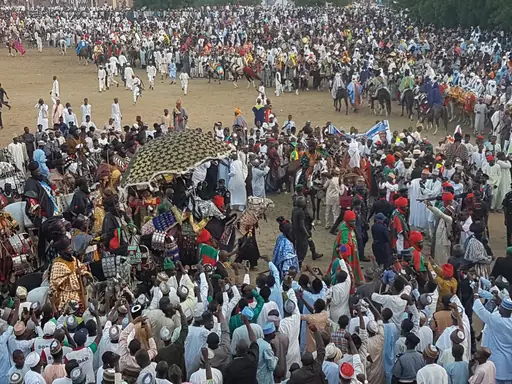
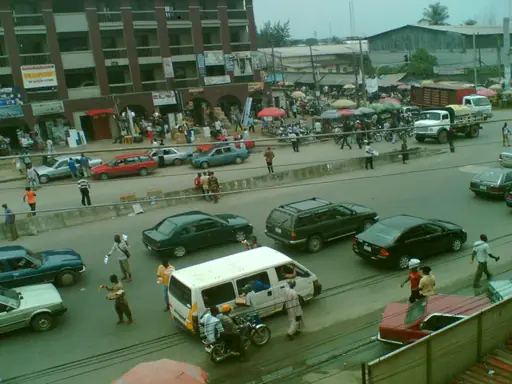
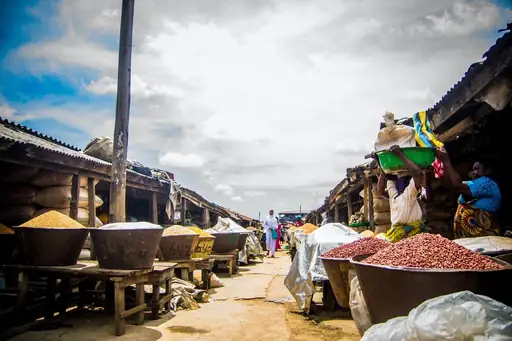
Balogun Market in Lagos ranks among West Africa's largest open air trading hubs. Traders sell textiles and electronics across crowded narrow lanes each day. Visitors can browse Ankara fabric alongside imported goods from across the region. The market has operated in central Lagos since the colonial era.
City in Portugal
Porto
Wine, Coast and Old-World Charm
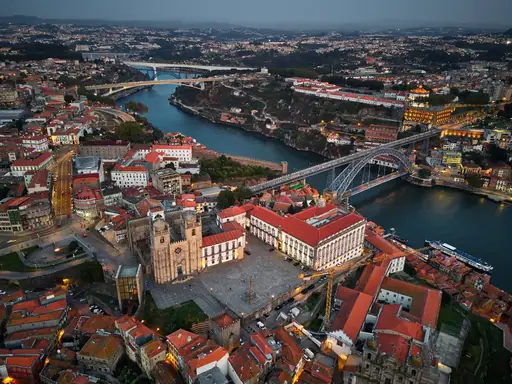
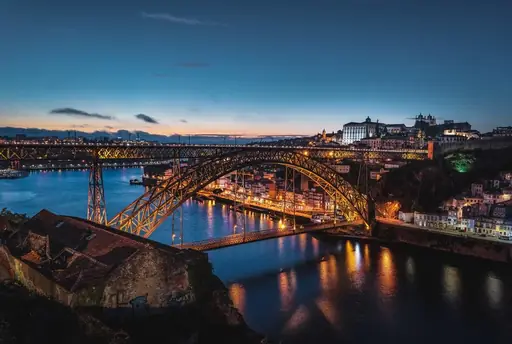
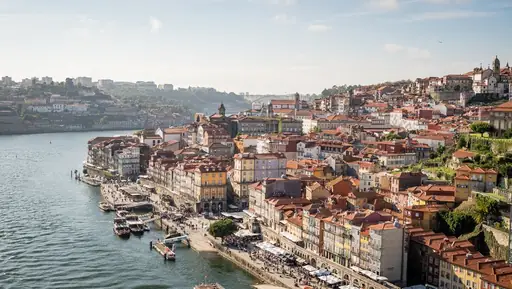
Mercado do Bolhao reopened after renovation inside its original 19th century iron structure. Vendors sell fresh fish and Portuguese sausage across two levels of stalls. Visitors can grab a quick lunch at counters scattered throughout the hall. The market has traded on this site in central Porto since 1839.

Town in China
Dali
Ancient Charm by Erhai Lake
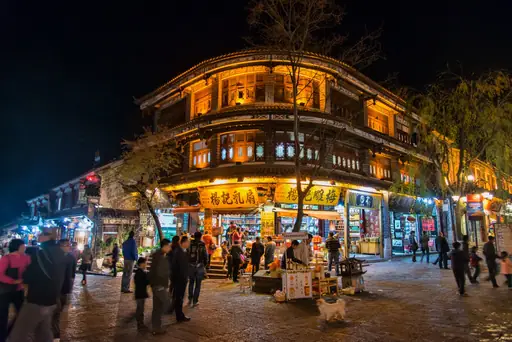
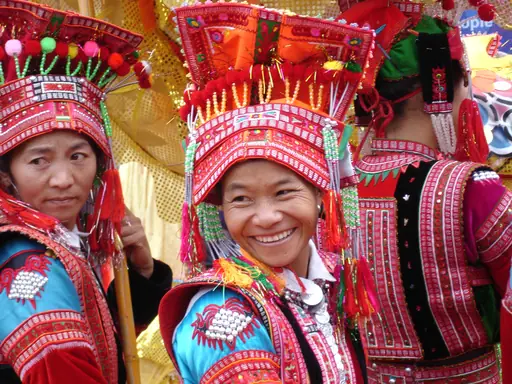
Dali's old town market sells tie-dye textiles made using a centuries old Bai technique. Marble carvings and silver jewellery fill stalls near the town's main gate. Visitors can watch artisans dye fabric using patterns unique to the region. Erhai Lake sits just outside town, visible from the market's edges.

City in Iran
Isfahan
Persia's Architectural Masterpiece
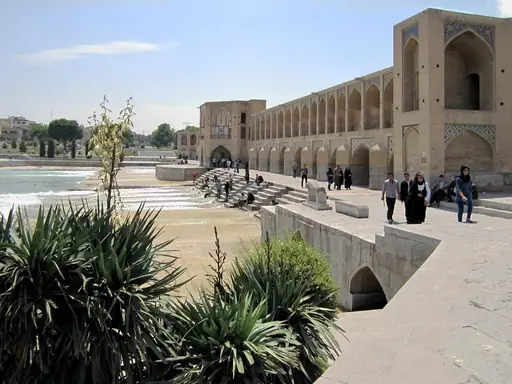
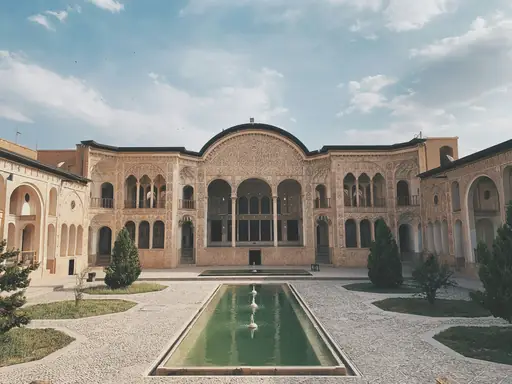
Isfahan's Grand Bazaar connects directly to Naqsh-e Jahan Square, a UNESCO listed plaza. Vaulted brick passageways have sold carpets and metalwork since the Safavid era. Visitors can watch coppersmiths hammering trays in small workshops along the route. Domed skylights let natural light filter into the market's covered corridors.
City in India
Ahmedabad
Where heritage meets modern India
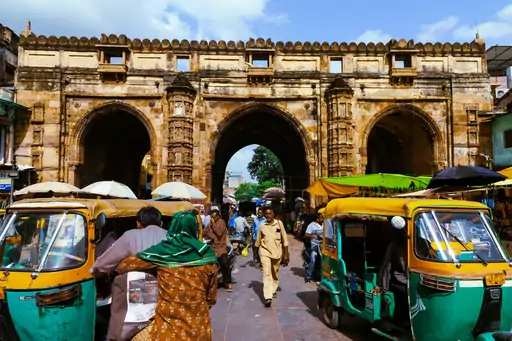
Ahmedabad's old city markets specialise in block printed textiles and traditional bandhani tie-dye fabric. Narrow lanes near Manek Chowk turn into a food market each evening. Visitors can browse silver jewellery shops tucked inside centuries old buildings. The old city's markets sit within a UNESCO listed historic district.
City in Greece
Thessaloniki
History, Seaside Charm and Lively Vibes
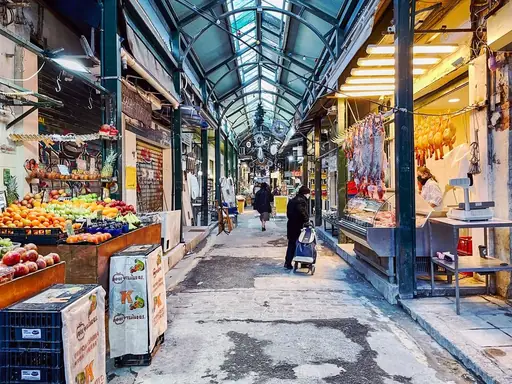
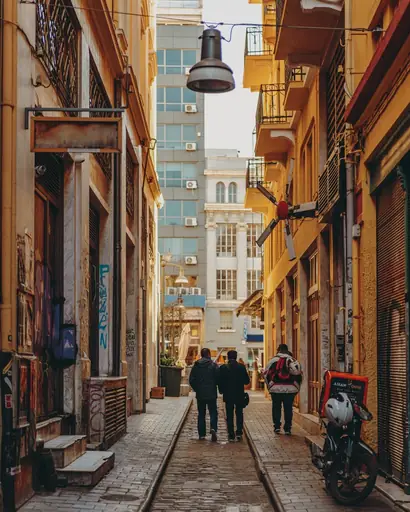
Modiano Market trades fresh food inside a covered hall in central Thessaloniki. Jewish merchants built the market in the early 20th century before the war. Visitors can browse fish and produce stalls across the restored building. The market reflects the city's once large Sephardic Jewish community.
City in Spain
Salamanca
Golden Stone and Timeless Charm
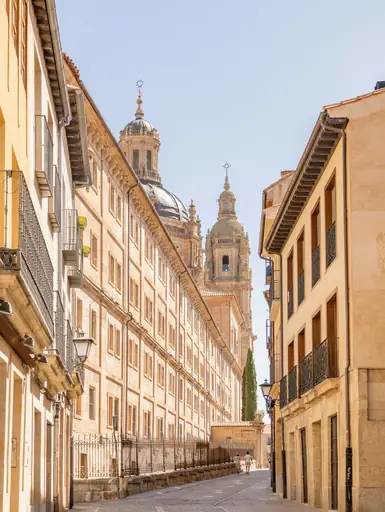
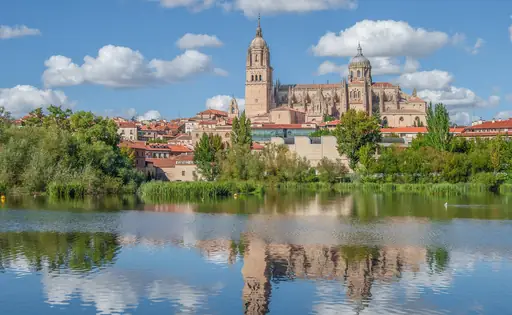
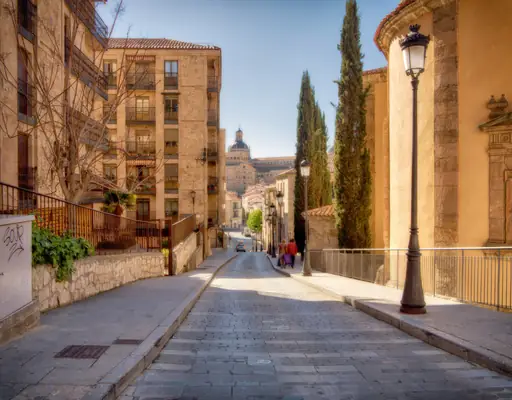
Mercado Central de Abastos trades regional produce close to Salamanca's old town. Iberian ham hangs from hooks above stalls selling cheese and cured meats. Visitors can eat pinchos at counter bars scattered throughout the covered hall. The market stands just steps from Salamanca's famous sandstone university buildings.
City in Tanzania
Zanzibar City
Stone Town’s Spice-Scented Labyrinth
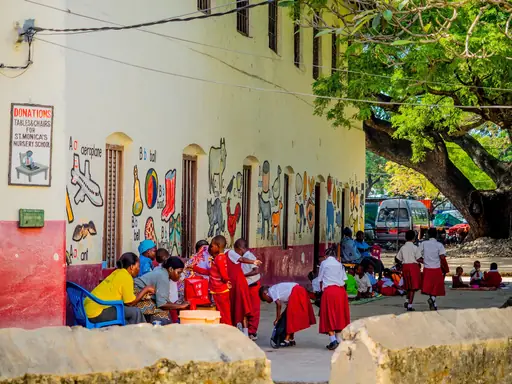
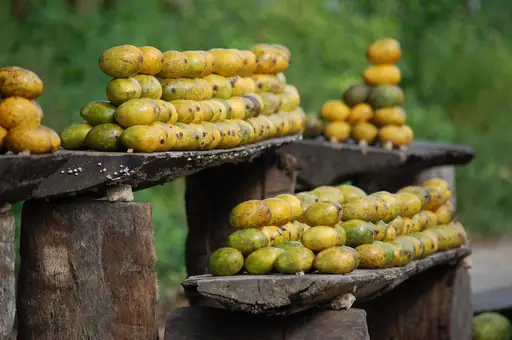
Darajani Market trades spices and produce near Zanzibar City's historic Stone Town. Vendors sell cloves and cinnamon grown across the island's plantations. Visitors can browse fresh fish stalls alongside traditional Swahili textiles nearby. The market reflects centuries of Arab and African trade on this coast.
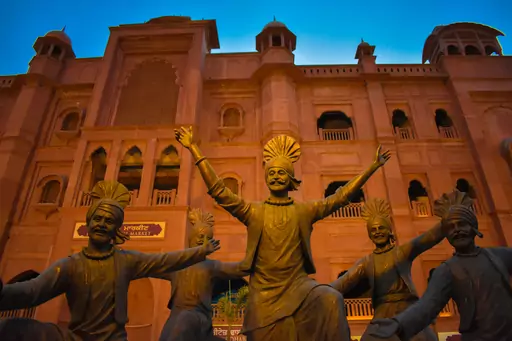
City in India
Amritsar
Golden spirituality in Punjab's heart
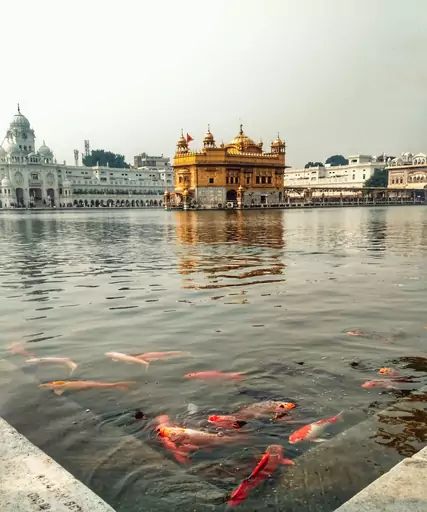
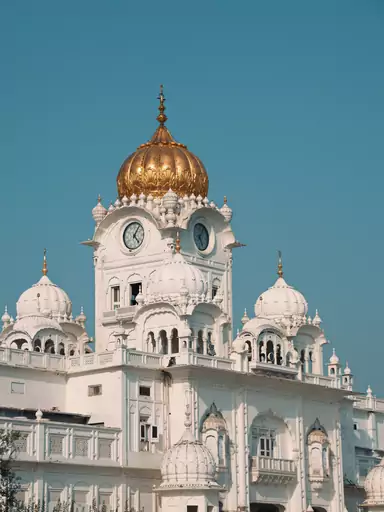
Amritsar's old bazaars sell traditional Punjabi jutti shoes and embroidered phulkari textiles. Narrow lanes near the Golden Temple fill with vendors selling sweets and spices. Visitors can sample fresh lassi at stalls that have operated for generations. The market stays busiest during the evening hours near the temple complex.
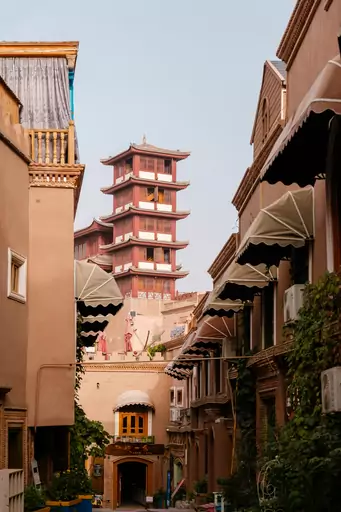

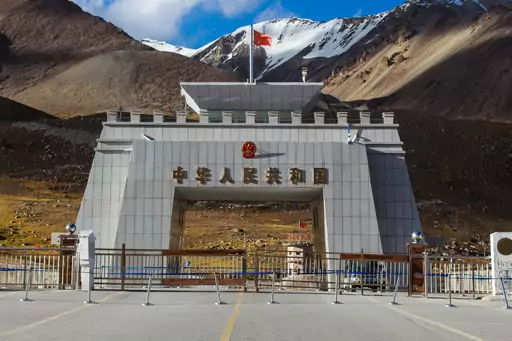
City in China
Kashgar
Ancient Silk Road's living museum
Kashgar's Sunday Market once served as a major stop along the historic Silk Road. Traders sell livestock and dried fruit across the market's sprawling grounds. Visitors can watch camel and horse trading continue in dedicated sections. The market draws sellers from villages across the surrounding region.
Marketplace in Ho Chi Minh City
Ben Thanh Market
Vibrant Heart of Saigon Shopping
Ben Thanh Market has anchored central Ho Chi Minh City since the early 1900s. Its clock tower entrance is one of the city's most recognised landmarks. Visitors can bargain for silk and lacquerware inside the market's covered stalls. The market spills into a lively night market on the streets outside after dark.
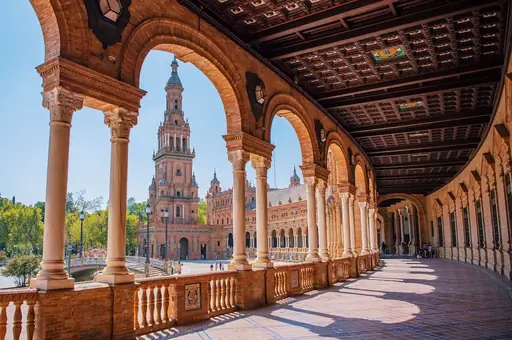
City in Spain
Seville
Andalusia's Heartbeat of History
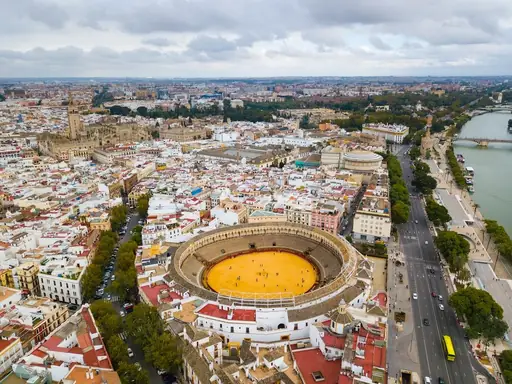
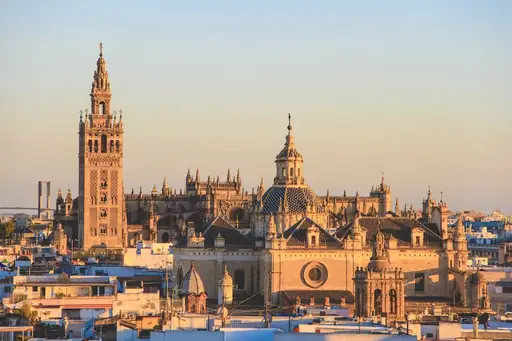
Mercado de Triana trades produce on the site of a former medieval castle in Seville. Excavated ruins beneath the market are visible through a small museum. Visitors can browse fresh fish and olives across the covered hall. The Triana district is known as the traditional home of flamenco culture.
City in Vietnam
Da Nang
Beaches, Mountains and City Vibes
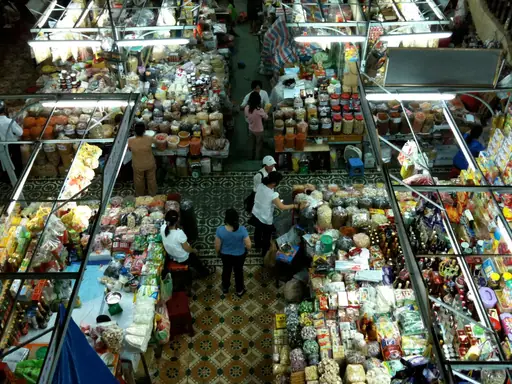
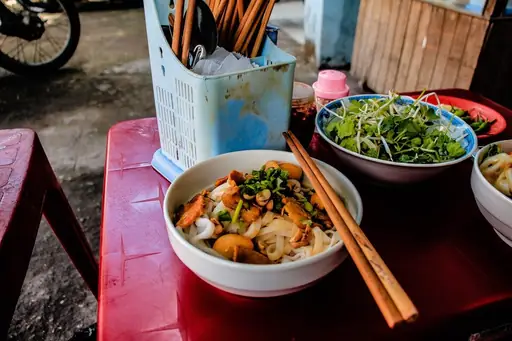
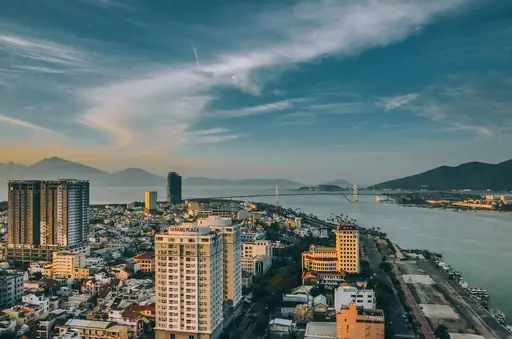
Han Market sits along the Han River in central Da Nang, trading since French colonial times. Vendors sell dried seafood, textiles and local snacks across its two floors. Visitors can sample banh xeo and other central Vietnamese street food nearby. The market stays busiest during the early morning hours.
City in Italy
Venice
A floating city of romance and history
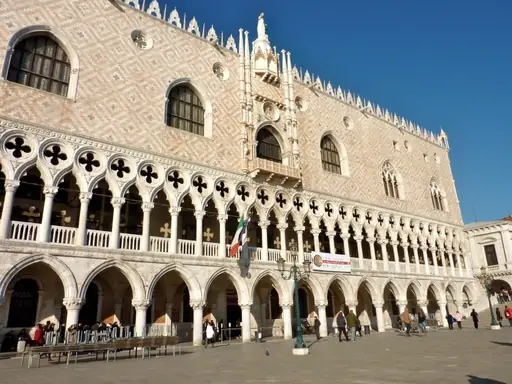
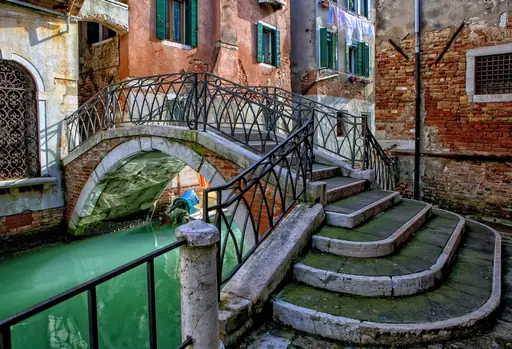
Rialto Market trades fresh fish and produce beside the Grand Canal since medieval times. Gondoliers once ferried goods directly to merchants working this historic site. Visitors can browse seafood stalls each morning before the day's tourists arrive. The market stands within view of the famous Rialto Bridge.
City in Nepal
Kathmandu
Temples, chaos and Himalayan magic
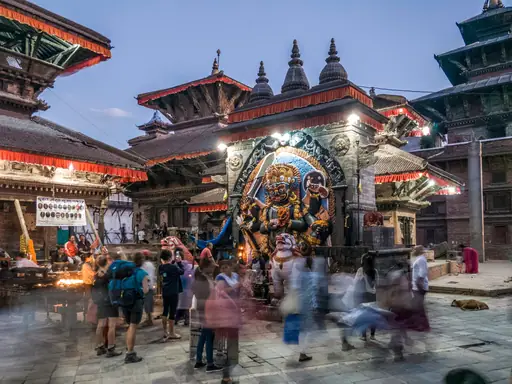
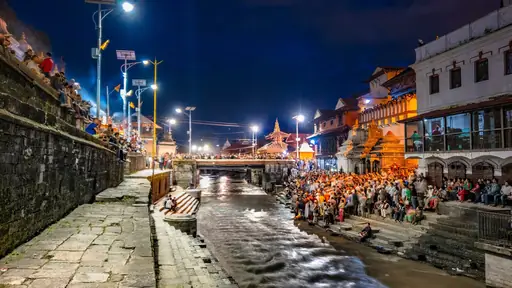
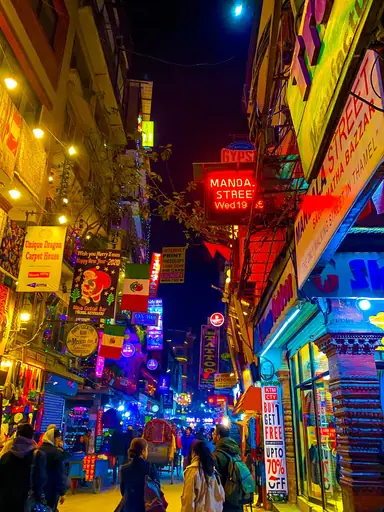
Asan Market sits at a crossing point of six streets in old Kathmandu. Spice merchants and vegetable sellers have traded here for centuries. Visitors can browse prayer flags and singing bowls in nearby shop fronts. Temple bells ring out from small shrines tucked between the market stalls.
City in Japan
Takayama
Old town, morning markets and Hida beef
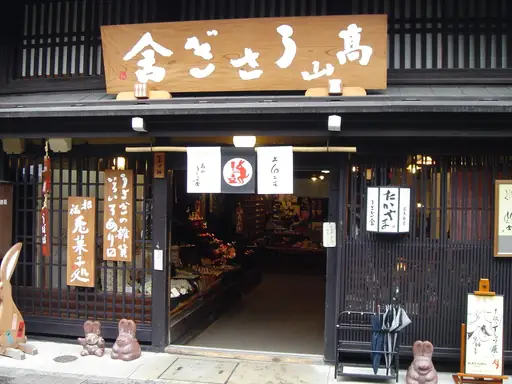
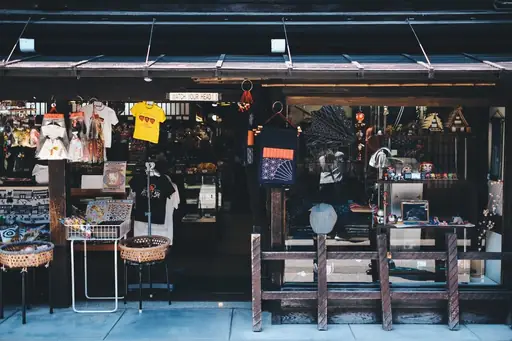
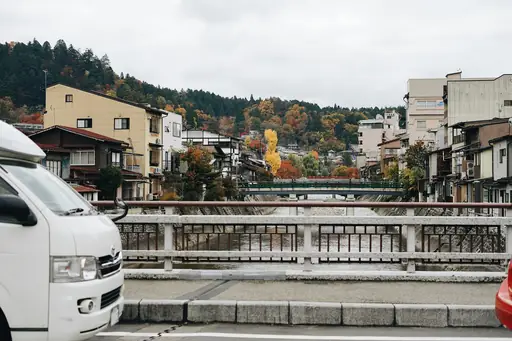
Takayama's morning markets have run along the Miyagawa River for centuries. Farmers sell pickles, fresh produce and local crafts from small riverside stalls. Visitors can sample hida beef skewers while browsing the early morning market. Traditional merchant houses line the nearby preserved old town streets close by.
City in Peru
Lima
Historic Charm Meets Coastal Vibes
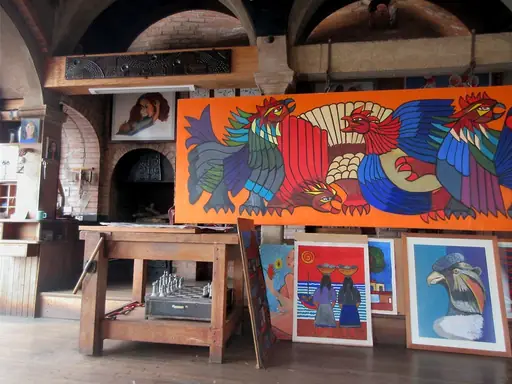
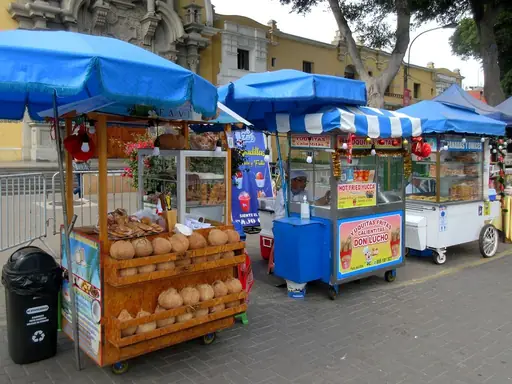
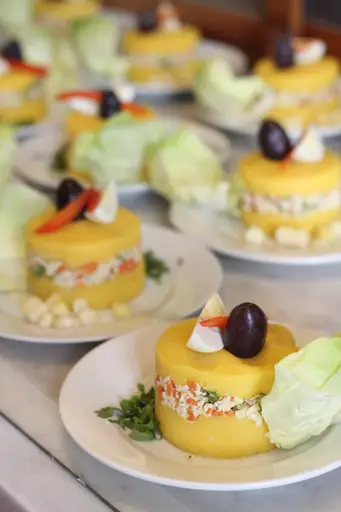
Mercado Central de Lima sells produce and seafood in the city's historic downtown. Stalls stack unusual Andean fruits alongside fresh fish from the Pacific coast. Visitors can try fresh ceviche prepared right at the market's food stalls. Chinatown, one of Latin America's oldest, sits just next door.
City in Iran
Shiraz
Poetry, Gardens and Persian Splendor
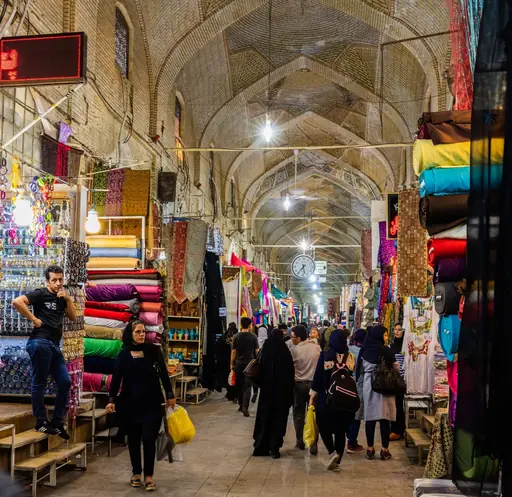
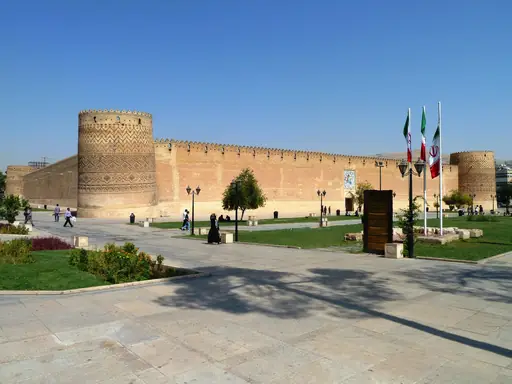
Vakil Bazaar trades carpets and spices beneath brick vaulted ceilings in Shiraz. Merchants built the bazaar during the 18th century Zand dynasty period. Visitors can browse handwoven kilims alongside stalls selling saffron and rosewater. The bazaar connects directly to a historic bathhouse and mosque nearby.
City in Japan
Kyoto
Temples, geisha districts and kaiseki dining
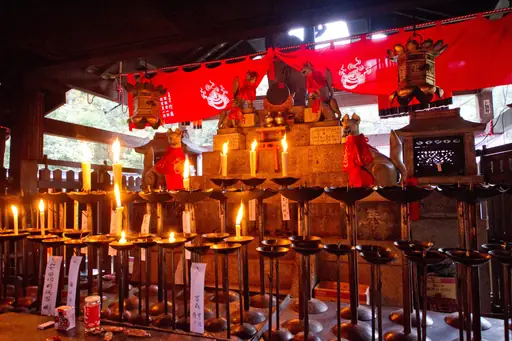
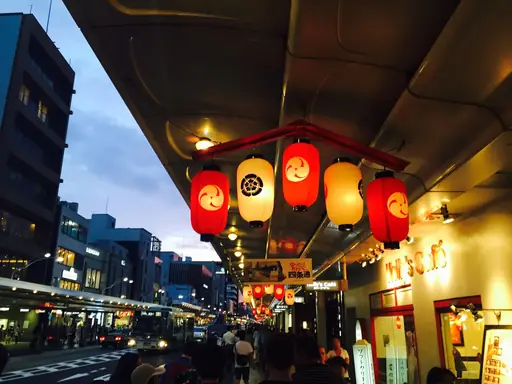
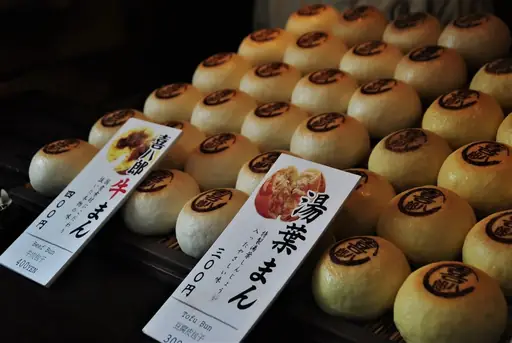
Nishiki Market has traded fresh food through central Kyoto for over 400 years. Narrow covered lanes sell pickles and tofu made fresh each morning. Visitors can sample skewered foods while walking the market's full length. Local chefs still shop here for ingredients used in traditional Kyoto cuisine.
Country
Singapore
Tropical city-state of hawker food and gardens
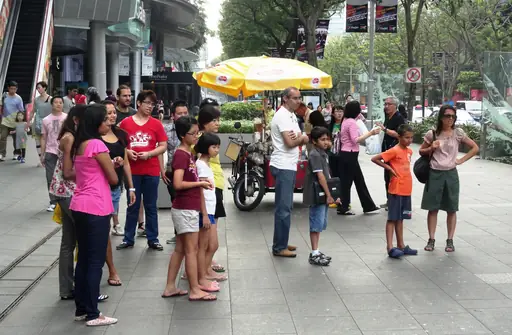
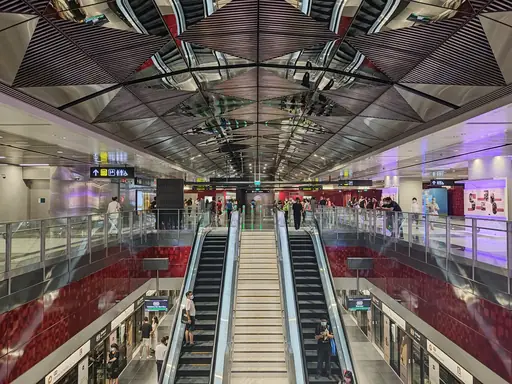
Tekka Centre trades goods within Little India, one of Singapore's oldest ethnic districts. Vendors sell spices and fresh produce across a busy wet market. Visitors can eat South Indian dishes at hawker stalls on the upper floor. The market reflects Singapore's long history of Indian immigration and trade.



Region in Myanmar
Bagan
Ancient Temples and Timeless Sunsets
Nyaung-U Market serves the town nearest Bagan's thousands of ancient temples. Traders sell lacquerware, a craft the region has practised for centuries. Visitors can browse produce stalls alongside workshops selling handmade goods. The market gets busiest in the early morning before the day's heat sets in.

City in Armenia
Yerevan
Soviet Grandeur, Pink Stone, Lively Soul
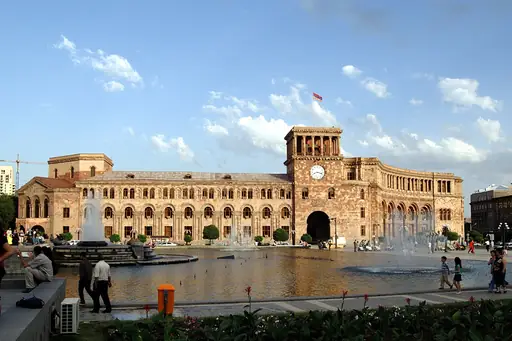
GUM Market trades produce and dried fruit inside a covered hall in central Yerevan. Vendors sell dried apricots and walnuts alongside traditional Armenian sweets called sujukh. Visitors can browse spice stalls alongside fresh herbs stacked in wooden crates. The market reflects Armenia's long agricultural trading traditions.
City in Bulgaria
Sofia
Europe's Hidden Gem with Ancient Charm
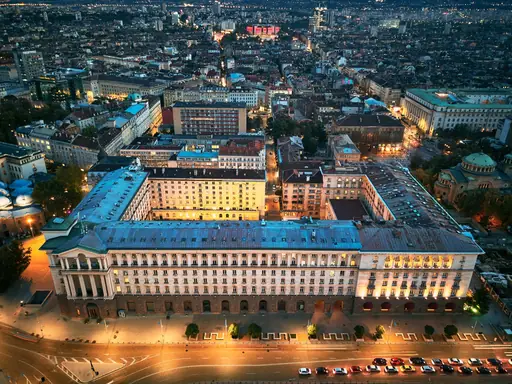
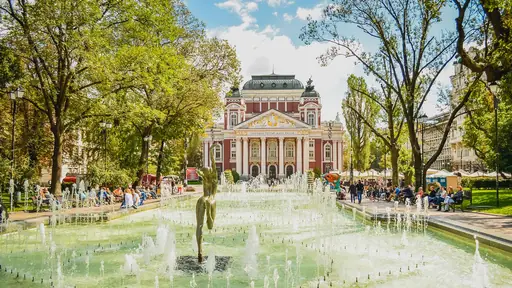
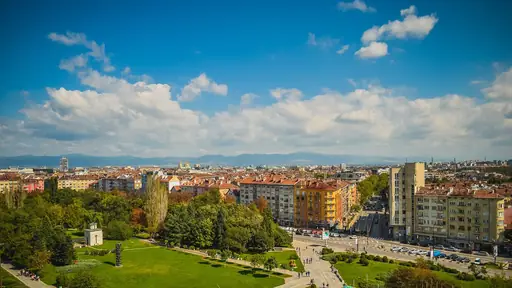
Zhenski Pazar trades produce in central Sofia, a market dating back over a century. Vendors sell Bulgarian cheese and peppers alongside rose based products. Visitors can browse alongside locals doing their weekly grocery shopping here. The market reflects Sofia's mix of Balkan and Ottoman trading traditions.
City in Uzbekistan
Tashkent
Silk Road crossroads with modern flair
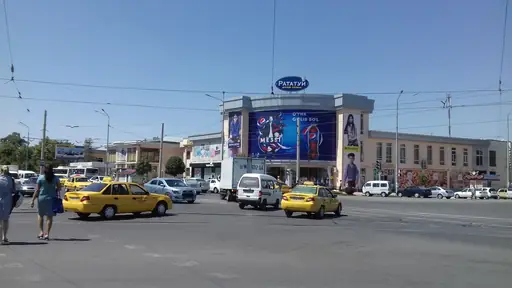
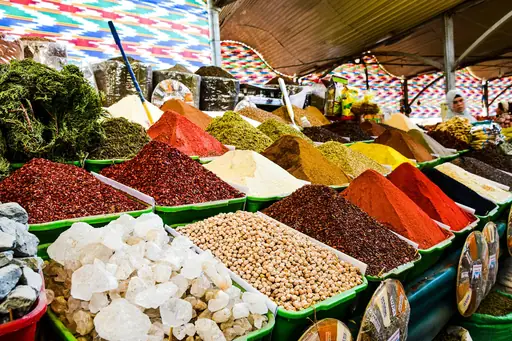
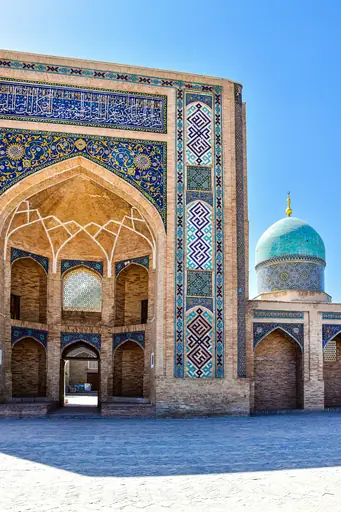
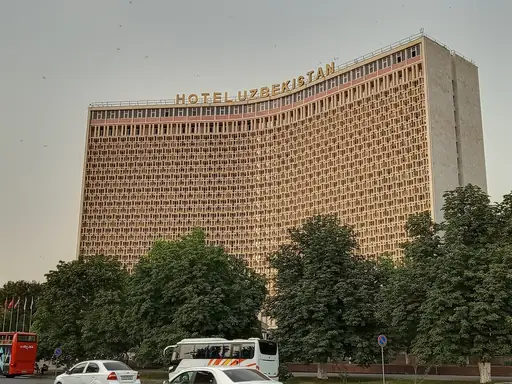
Chorsu Bazaar trades produce and spices beneath a large turquoise domed roof in Tashkent. Vendors sell dried fruit and fresh bread across multiple covered sections. Visitors can browse meat and dairy stalls organised under separate smaller domes. The bazaar has traded goods on this site for centuries.
City in China
Suzhou
Gardens, canals and silk dreams
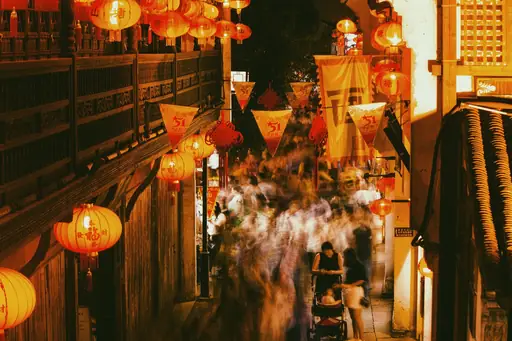
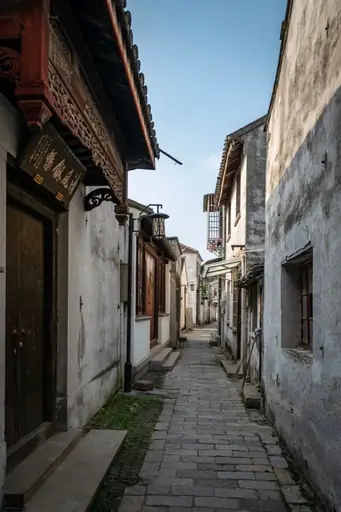
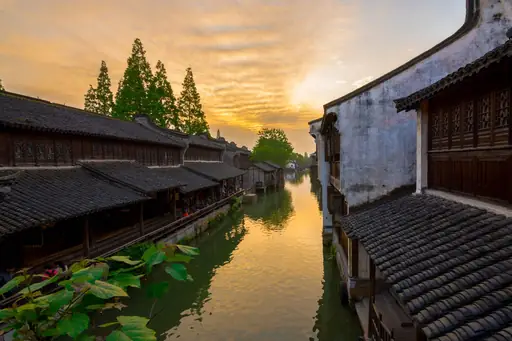
Guanqian Street trades traditional snacks and crafts near Suzhou's historic temple district. Silk goods and folding fans reflect the city's centuries old craft traditions. Visitors can sample local sweets while walking the pedestrian shopping street. Canals nearby recall Suzhou's long history as a water town.
City in Italy
Milan
Fashion, Art and Historic Splendor
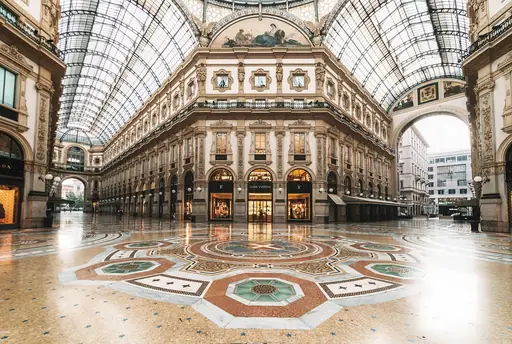
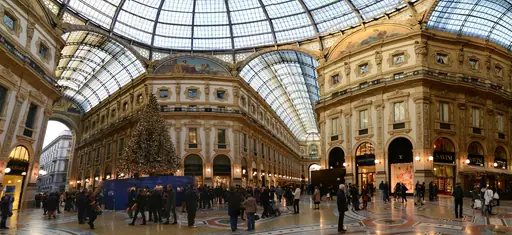
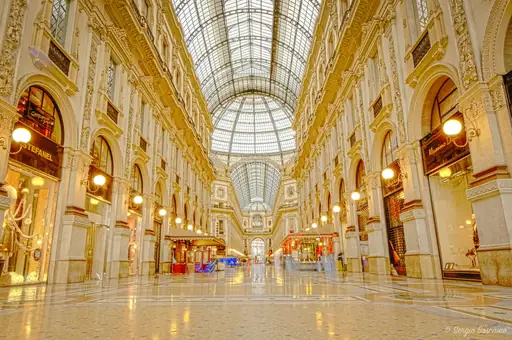
Mercato Metropolitano occupies a former rail yard converted into a modern food market. Local producers sell cheese and fresh pasta under open air sheds. Visitors can eat at long communal tables set among the market stalls. The space also hosts occasional live music and cultural events.

City in Kenya
Nairobi
Where urban life meets wild adventures
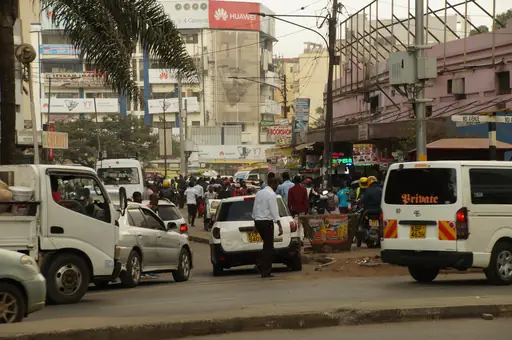
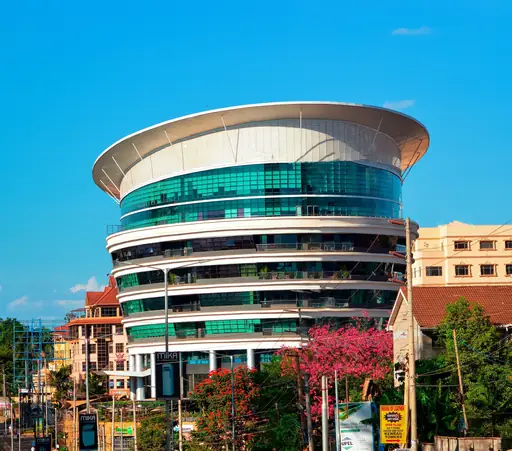
Maasai Market moves between locations across Nairobi on a rotating weekly schedule. Maasai beadwork and carved wooden sculptures fill stalls throughout the grounds. Visitors can bargain for jewellery and textiles made by artisans from across Kenya. The market's changing location keeps it tied closely to local community events.
City in Colombia
Cartagena
Walled city of Caribbean color
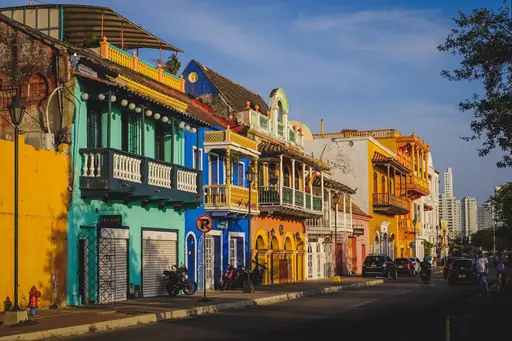
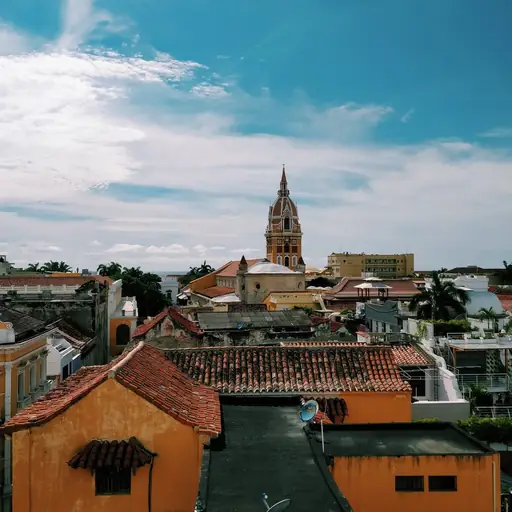
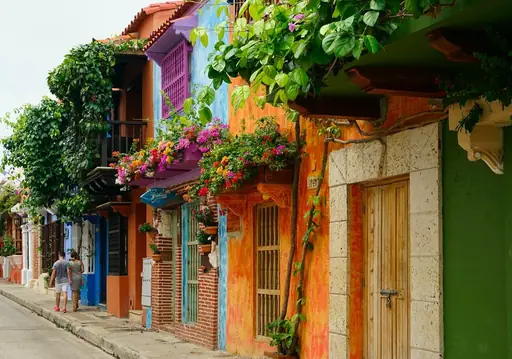
Cartagena's Mercado de Bazurto is one of the largest markets in Colombia's Caribbean region. Vendors sell tropical fruit and seafood across sprawling covered stalls each day. Visitors can try exotic fruits rarely found outside the region. The market sits just outside the city's colonial walled centre.
Town in Uzbekistan
Khiva
A Step Back in Time
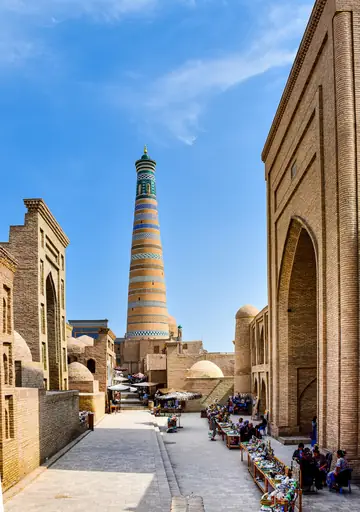
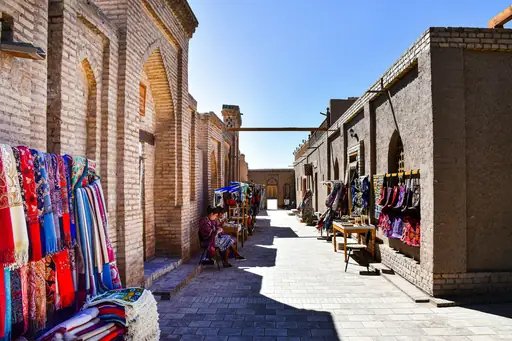
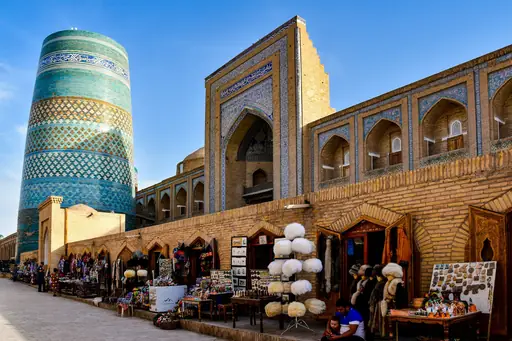
Khiva's old town markets sit inside a walled city built from sun dried mudbrick. Craftsmen sell carved wood doors and embroidered skullcaps near the main gate. Visitors can watch woodworkers carving patterns using techniques passed down for generations. The entire old town is preserved as a UNESCO listed site.
City in Japan
Fukuoka
Kyushu's biggest city, known for yatai and ramen
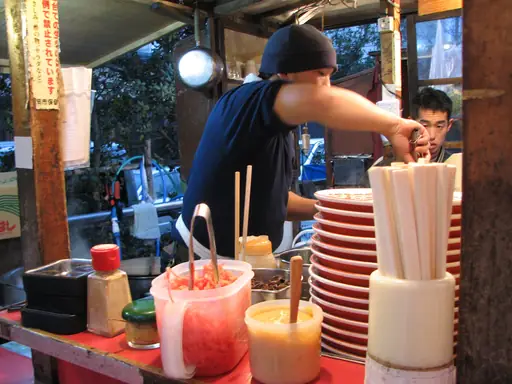
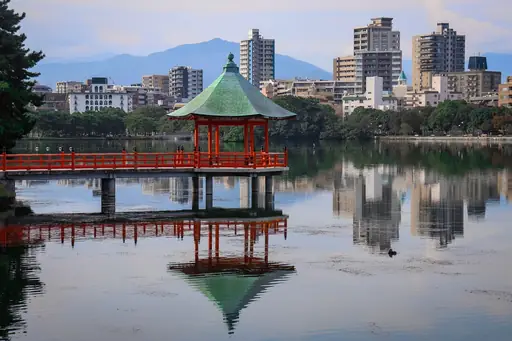
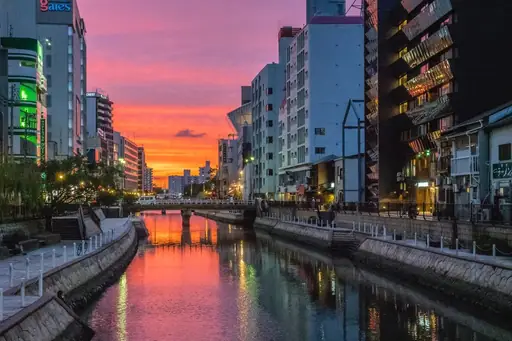
Yatai food stalls line Fukuoka's streets each evening, a tradition dating back decades. Small mobile carts serve ramen and grilled skewers to seated customers outdoors. Visitors can hop between stalls along the Nakasu riverside district. Fukuoka holds more of these street stalls than any other Japanese city.
Marketplace in China
Temple Street Night Market
Vibrant Nightlife and Market Buzz
Temple Street fills each evening with stalls selling clothing, electronics and trinkets. Fortune tellers and open air Cantonese opera performers set up along the street. Visitors can eat at plastic stool restaurants called dai pai dong nearby. Neon signs overhead give the market its distinct Hong Kong atmosphere after dark.
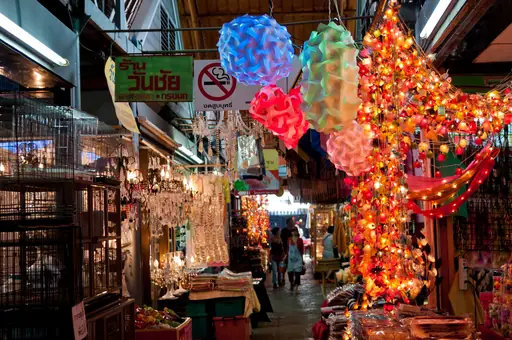
Marketplace in Bangkok
Chatuchak Market
World's Largest Weekend Shopping Maze
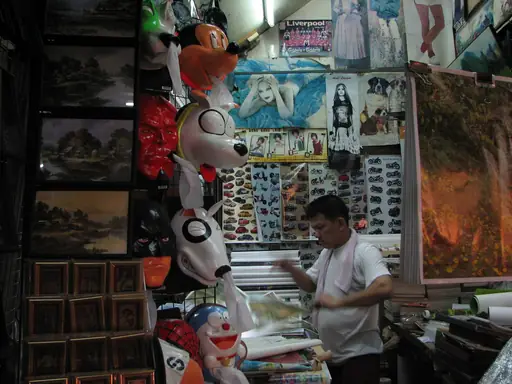
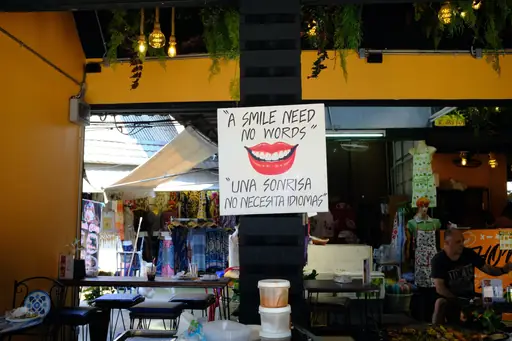
Chatuchak Market spreads across roughly 35 acres, making it one of the world's largest weekend markets. Its maze of over 8,000 stalls sells everything from antiques to live animals. Visitors can get lost in narrow aisles organised loosely by section. Misting fans overhead offer some relief from Bangkok's heat.
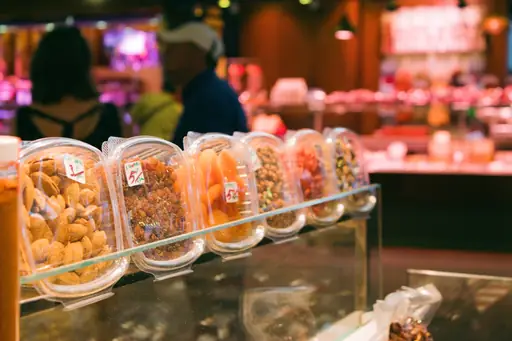
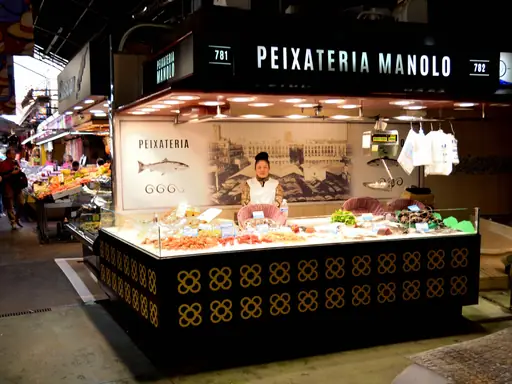
Marketplace in Barcelona
Mercat de la Boqueria
Barcelona’s vibrant food haven
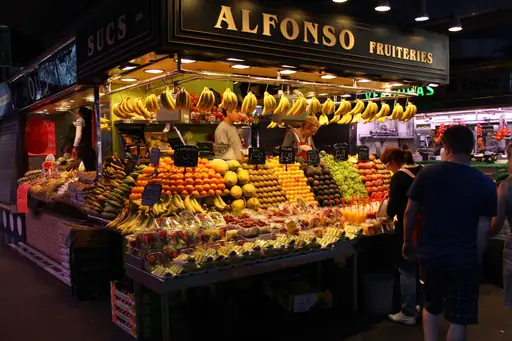
La Boqueria sits just off Barcelona's Las Ramblas, trading on this site since the 13th century. Stalls stacked high with jamon and fresh seafood line its covered aisles. Visitors can grab a quick tapas plate at one of the market's counter bars. Colourful fruit displays near the entrance are a favourite photo stop.
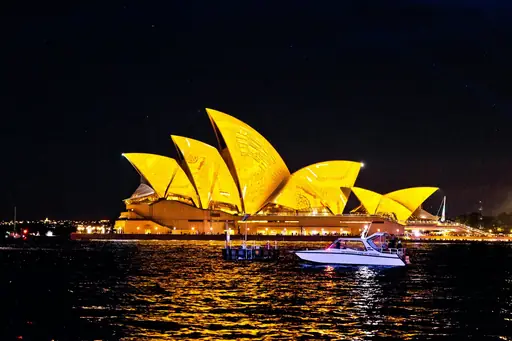
Neighbourhood in Sydney
The Rocks
Sydney’s Historic Waterfront Neighborhood
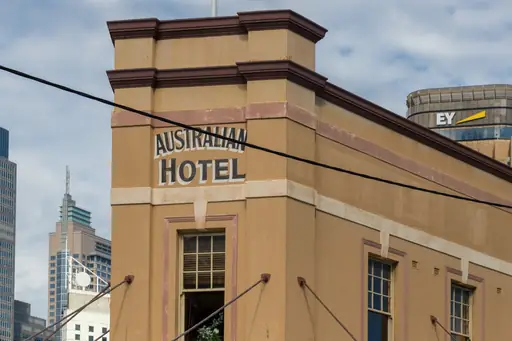
The Rocks sits on Sydney's original 18th century settlement site by the harbour. A weekend market fills the cobbled streets with craft and food stalls. Visitors can browse handmade jewellery and artwork beneath the Sydney Harbour Bridge. Historic sandstone buildings from the colonial era still line the surrounding lanes.
Marketplace in Thailand
Damnoen Saduak
Vibrant floating stalls, fragrant Thai aromas
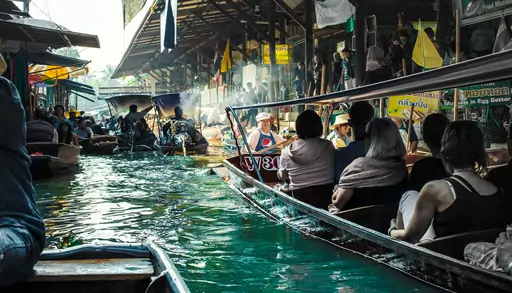
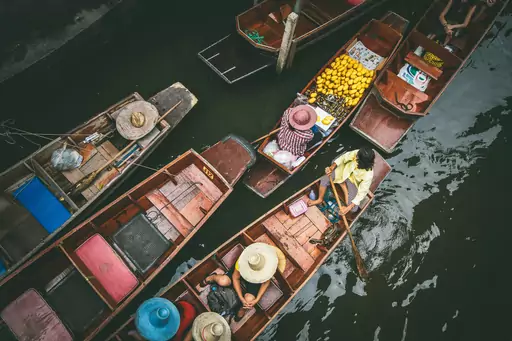
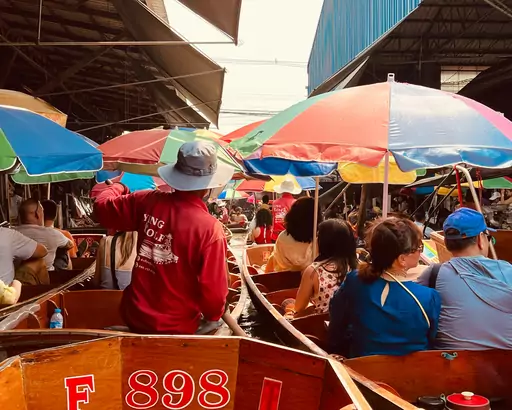
Damnoen Saduak's canals were dug by hand in the 1860s under royal order. Vendors paddle wooden boats loaded with fruit and noodles for hungry visitors. Visitors can float alongside the boats or watch from canal side platforms. The market remains one of Thailand's most recognised floating markets.
Marketplace in Budapest
Great Market Hall
Budapest’s Vibrant Historic Market
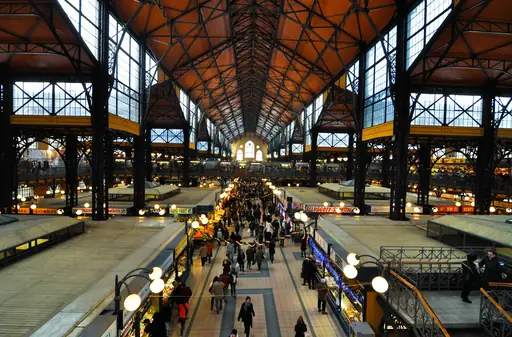
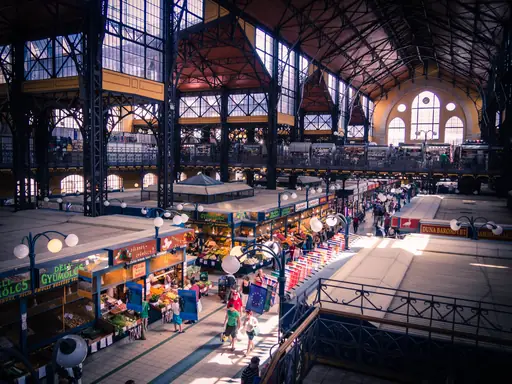
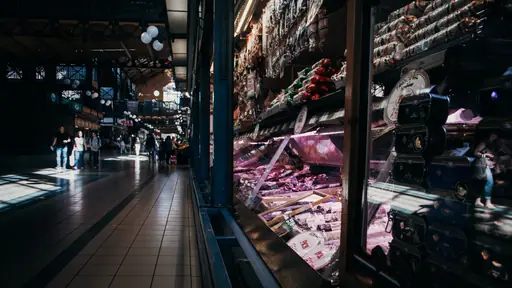
Budapest's Great Market Hall opened in 1897 beneath a colourful tiled roof. Stalls on its ground floor sell paprika, sausages and fresh produce. Visitors can find embroidered textiles and folk crafts on the upper level. The building's ironwork frame was among the largest of its kind when built.
Marketplace in Cairo
Khan el-Khalili
Vibrant Historic Bazaar Bustling
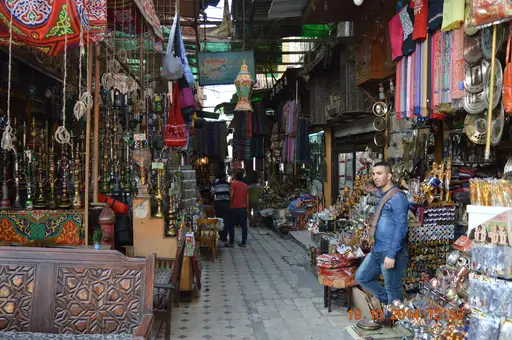
Khan el-Khalili has traded goods in central Cairo since the 14th century. Narrow alleys wind between shops selling brass lanterns and perfume oils. Visitors can stop for mint tea at El Fishawy, a cafe open since the 1770s. Gold and spice sections each occupy their own dedicated stretch of the market.
Marketplace in Chiang Mai
Night Bazaar
Vibrant Evening Market in Chiang Mai
Chiang Mai's Night Bazaar sets up each evening along a strip of the old city. Vendors sell handwoven textiles and carved wood alongside street food stalls. Visitors can sample northern Thai dishes while browsing rows of lantern lit tables. The market has run nightly here since the 1970s.
Marketplace in Vietnam
Cai Rang
Vibrant floating market, colors and aromas
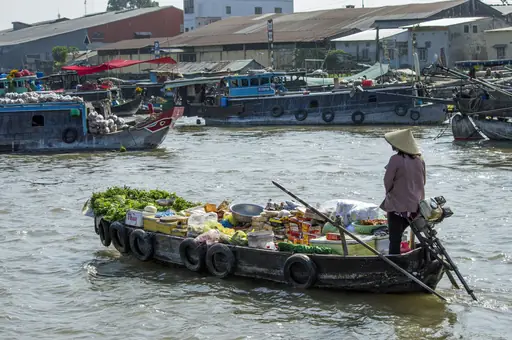
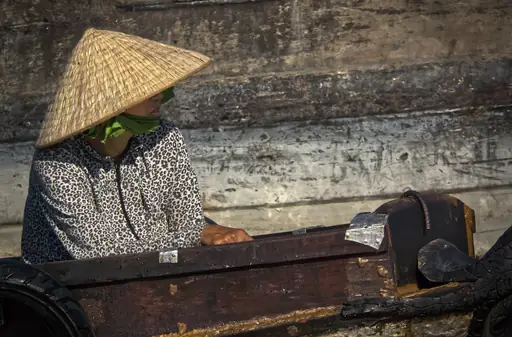
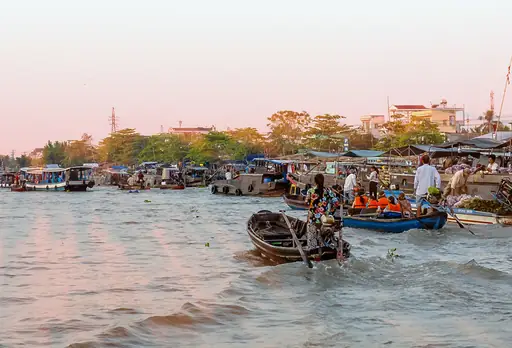
Cai Rang Floating Market trades produce directly from wooden boats near Can Tho. Vendors hang samples of their goods from tall poles above each boat. Visitors can drift between boats by small vessel in the early morning hours. The market has operated on this stretch of the Mekong for generations.
Marketplace in Istanbul
Grand Bazaar
Labyrinth of Timeless Treasures
Istanbul's Grand Bazaar holds more than 4,000 shops under one covered roof. Its origins trace back to the 15th century, shortly after the Ottoman conquest of the city. Visitors can wander sixty-one covered streets selling carpets, ceramics and jewellery. Domed ceilings painted with detailed patterns arch above much of the market.
Marketplace in Tehran
Tehran Grand Bazaar
Historic Labyrinth of Trade
Tehran's Grand Bazaar has operated as a trading hub for over a thousand years. Its vaulted brick corridors stretch for kilometres through the old city centre. Visitors can browse sections devoted separately to carpets, spices and gold jewellery. Tea houses tucked inside the market offer a break from the crowded aisles.
Other lists you may like
Discover
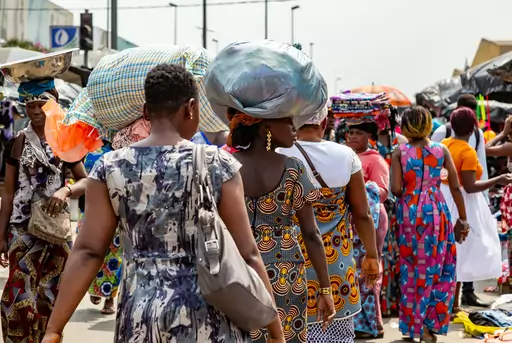
Markets and street shopping in Africa
North Africa's medina markets trade in spices, textiles and crafts within layouts that have changed little for centuries, often built around a single old quarter at the heart of…
Read more
Discover
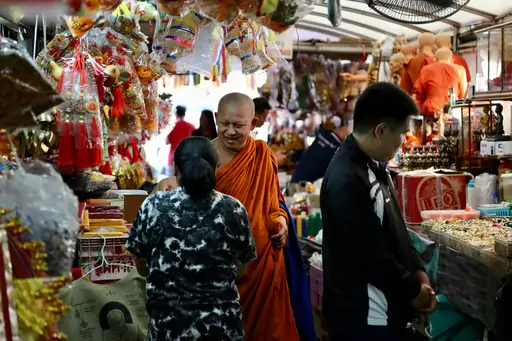
Markets and street shopping in Asia
Asia has some of the most extraordinary market cultures on earth, shaped by thousands of years of trade and an extraordinary diversity of produce, cuisine, and craft traditions.…
Read more
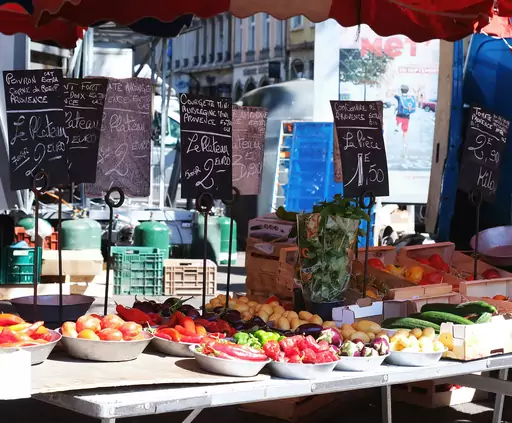
Discover
Markets and street shopping in Europe
Europe has a long and serious market tradition, from the medieval trading halls of northern cities to the sprawling weekly markets of the Mediterranean south. Markets here are…
Read more
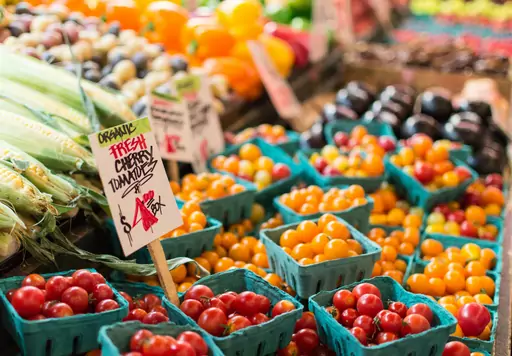
Discover
Markets and street shopping in North America
North America's market culture is younger than in many parts of the world, but it has developed a distinct character and energy that makes it worth seeking out. The farmers market…
Read more
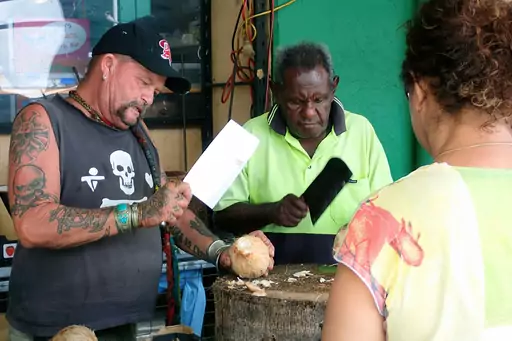
Discover
Markets and street shopping in Oceania
Oceania has a market culture that reflects the region's extraordinary agricultural diversity and its mix of indigenous, European, and Asian influences. At their best, markets here…
Read more
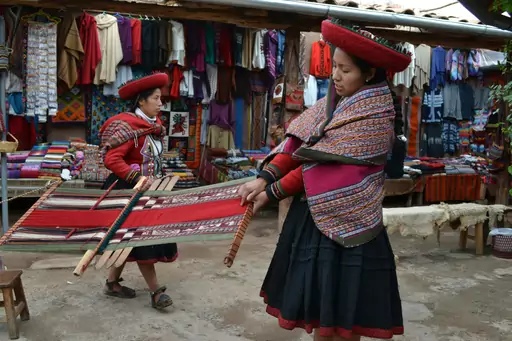
Discover
Markets and street shopping in South America
South American markets are among the most compelling on earth, rooted in trading traditions that predate European arrival and shaped by centuries of cultural exchange since. They…
Read more
What other users say about travelfilters
“travelfilters made it easy for me to find ski areas and compare what else they offer, so that I could find the best place for my personal travel style.”

Chris
Snowboarding & Onsen trip to Japan
“I love how transparent the data feels. There is no pushy upsell, just honest information and settings I can tune to my own travel style.”

Maria
After booking her 2027 winter escape
“The level of detail for each destination and how well those are displayed, make planning feel confident instead of overwhelming.”

Mina
Planned a week in New York City
“We used travelfilters for our planning from start to end. The trip turned out even better than expected, thanks to all their tools and customisation options.”

Allan & Etienne
Trip to Japan to see autumn foliage
“Thanks to travelfilters, I found some hidden gems to see. Being able to filter for exactly your interests is a game changer for my travel planning.”

Michael
Tour through the old cities of Northern Italy
“The customizable filters helped me find a quiet beach town with good wifi and low season crowds in under five minutes.”

Diego
Weekend Escape to Llanes, Spain
“The airport connection map saved me hours by showing good flight options from my home airport to lesser-known cities.”

Nguyen
Planning a 2027 trip to France
“The website is clean, fast and focused on the search itself, which makes travelfilters feel more like a professional tool than an ad-heavy booking site.”

Hassan
Christmas Market trip, Germany
