









Was this page helpful?

These place ratings give you a quick overview of how well a destination matches different types of trips.
‘Best for’ scores:
The specific interest scores show where this place really shines – whether it's ideal for hiking, food & drink experiences, museums or other activities. These highlights help you understand what makes the destination special at a glance.
‘Your personal’ scores:
This reflects how well a place matches your personal preferences. You can adjust the importances of travel topics or other personal requirements categories in your account settings.
‘Suited for’ badges:
These give you a quick overview of how well a destination suits specific types of travellers, to help you find the places that match your lifestyle, preferences or travel situation.
| Power Grid: |
230 V, 50 Hz Plug: Type C , Type L
Type C:
  Read about power adapters |
|---|---|
| Currency: |
Syrian Pound (SYP) £1 ≈ SYP 147 |
| Cashless info: |
Rating 2/5
Cashless payments are not widely accepted in Syria, and cash is the preferred method of payment. Larger businesses in urban areas may accept credit cards.
Save with a travel credit card |
| eSIM providers: | We cannot recommend an eSIM provider for this country. We advise getting a local SIM card. |
| Tipping: | Tipping is common in Syria, usually around 5-10% in restaurants. Small tips are appreciated by taxi drivers and hotel staff. |
|---|---|
| Public drinking: | Public drinking is generally not allowed in Syria, and alcohol is typically consumed in private or in licensed venues. |
| Public smoking: | Smoking is common in Syria, and it is allowed in outdoor public spaces and designated indoor areas. |
| Independence Day (17 April) |
Celebrates Syria’s independence from France |
|---|---|
| Eid al-Fitr (date varies) |
Celebrates the end of Ramadan |
| Emergency contact: | Emergency Numbers: 112 (Police), 110 (Ambulance), 113 (Fire) |
|---|---|
| Taxi apps: | |
| Other: | Syria has a rich cultural history, but the ongoing conflict makes travel dangerous. Travellers should be aware of the volatile security situation. |
The best times to travel section shows how the months compare for a visit, so you can find the time of year that fits what you want to do.
Background colours of the months:
The colour shows the typical temperature: yellow (hot), green (mild) and blue (cold). How strong the colour is shows the travel season: full colour means high season, soft colour means shoulder season and soft-striped means off season.
Weather symbols:
Each month has one symbol showing what the weather is typically like, such as hot and sunny, freezing or a rainy or snowy season. Use them to quickly spot months that match the weather you want, or to avoid the ones that don't.
Crowdedness:
The people icon shows how busy the place usually is. The more people, the more crowded it gets.
Additional notes:
The grey info boxes point out special things worth knowing, like recurring weather issues or seasonal events.
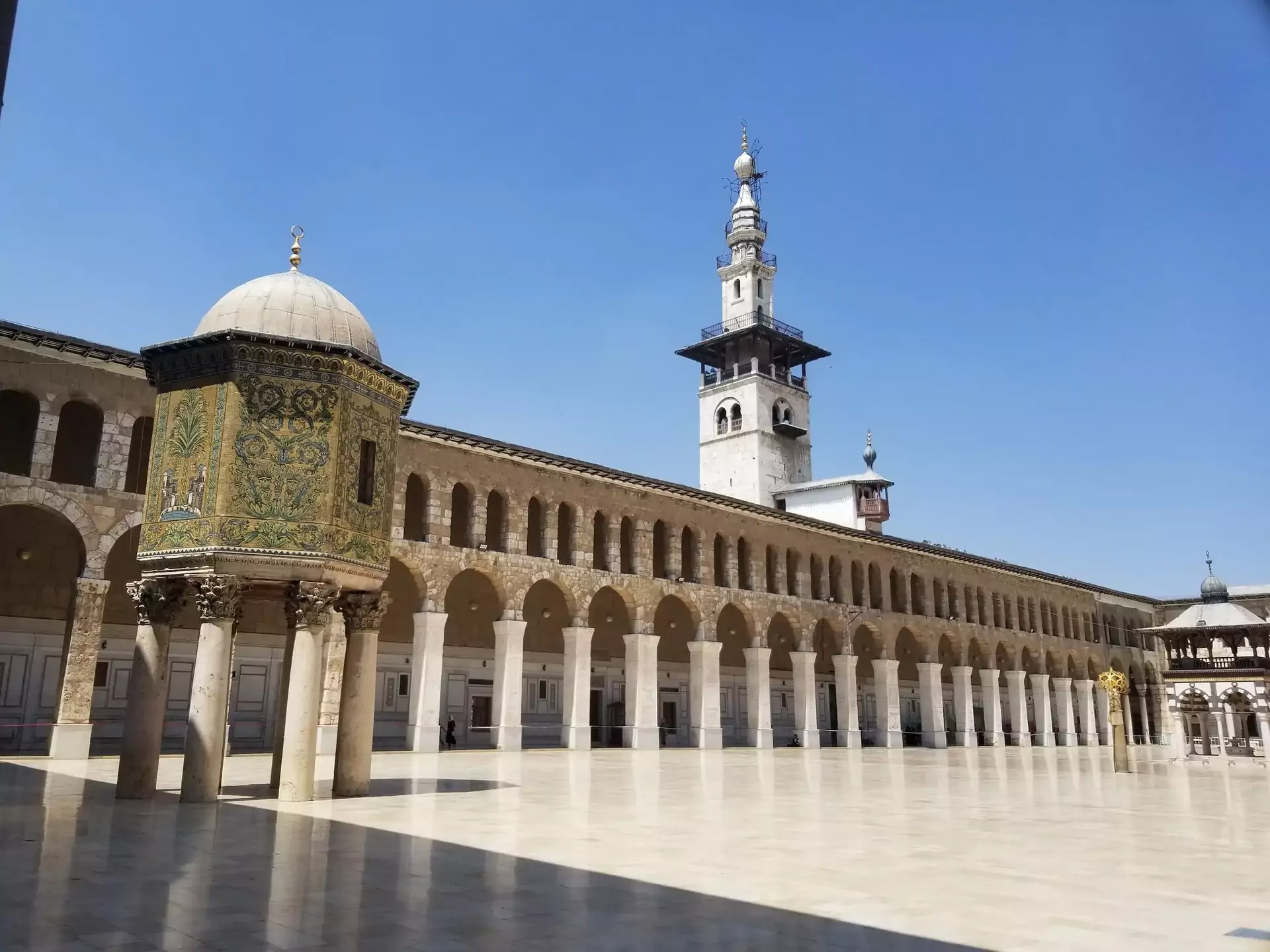
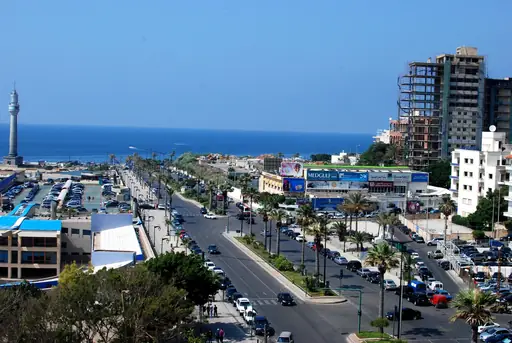
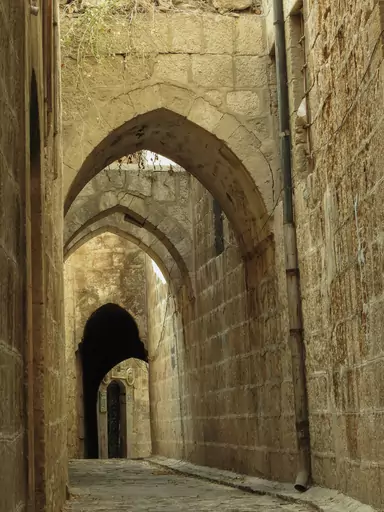
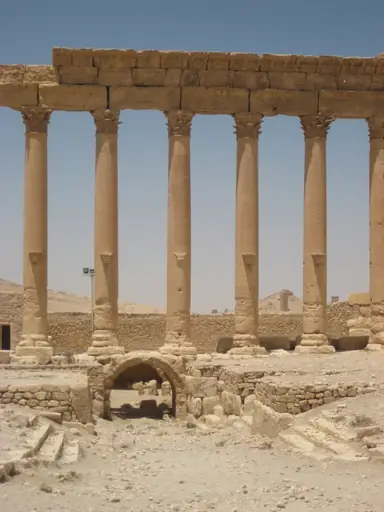
Damascus is a dream for history lovers, architecture buffs and anyone curious about the crossroads of civilizations. Highlights include wandering the legendary Al-Hamidiyeh Souk, tasting traditional ice cream at Bakdash, discovering the grandeur of the Umayyad Mosque and exploring Ottoman-era palaces like Azem Palace. The city’s spiritual and cultural diversity is on full display, from ancient churches to vibrant mosques and shrines. Locals are famously hospitable and the food scene is rich with Levantine flavors. However, it’s crucial to note that Damascus remains an extremely high-risk destination due to ongoing conflict, terrorism and instability. Violent crime, kidnappings and civil unrest are real dangers and basic services (including medical care) can be limited or unreliable. Solo, family and especially female travelers face additional risks. Most governments advise against all travel to Syria and visiting should only be considered for essential reasons, with careful planning, local guidance and robust contingency plans.
Damascus International Airport is the main entry point but flights are limited and subject to sudden changes. Overland travel from Lebanon is possible but risky and may involve long waits or closures. Entry requirements, visas and border conditions are subject to rapid change – always check the latest updates and travel advisories before planning any trip.
Damascus offers a mix of traditional guesthouses in the Old City, modern hotels and budget hostels. Many historic properties have been restored, but quality and availability can vary due to the ongoing situation. Book in advance, confirm all details locally and be prepared for fluctuating power, water and internet.
We calculate the average costs when travelling to destinations and compare those with the living costs at your home. With this you can get an estimate of how expensive or cheap the destination is for you.
To customise this, you can set up which location and price level are used for the calculations in your account settings.
The exchange rate price factor shows how expensive or cheap a currency currently is compared to its historical average. It's a quick way to see if a country is currently more or less affordable due to exchange rate changes.
To help you plan your trip, we provide estimated daily costs per person (when travelling as a pair) for different travel styles. These numbers give you an idea of what you might spend each day at this destination, including accommodation, food, transport and activities.
Additionally, we also provide average hotel costs for different travel styles to give you an estimate for the accommodation only.
Please note that these are only estimates. The real costs depend on booking times, season and other factors.
Travel style categories explained:
Backpacker:
Staying in hostels or budget hotels, cooking your own meals or eating cheap and choosing low-cost activities.
Mid-range:
Staying in mid-range hotels, eating at a mix of restaurants and casual spots and enjoying a variety of activities.
Luxury:
Staying in luxury hotels, dining out at high-end restaurants and enjoying premium experiences without worrying about the price.
| Backpacker | Mid-range | Luxury | |
|---|---|---|---|
| 💵 Total costs per day, including accommodation | |||
| 🏨 Accommodation per night, per person | |||
| 🍝 Food per day | |||
| 🚕 Transportation per day |
| 🍽️ Restaurant Dinner, per person | |
|---|---|
| 🍛 Lunch Set, per person | |
| 🍟 Fast food combo | |
| 🍝 Preparing your own food, per day | |
| ☕ Cappuccino | |
| 🍺 Beer in a restaurant, 0.5 l |
| 🚌 Public transport ticket | |
|---|---|
| 🚕 Taxi Ride, 10 km / 6 mi | |
| ⛽ Petrol, 1 l |
| 🎞️ Cinema ticket | |
|---|---|
| 👩⚕️ Doctor's consult | |
| 🤧 Cold medication | |
| 💇 Basic haircut |
Log in to add this place to a travel list and get a summary of all recommended items for your whole trip.
