
Markets and street shopping in Asia
Markets and street shopping in Asia
Busy night markets and historic street vendors across Asia
Asia has some of the most extraordinary market cultures on earth, shaped by thousands of years of trade and an extraordinary diversity of produce, cuisine, and craft traditions. From vast covered bazaars that feel more like small cities to floating markets on river deltas and night markets that come alive after dark, the variety of market experiences across the region is unlike anywhere else.
Food is at the heart of most Asian markets, and the range on offer reflects the continent's extraordinary culinary diversity. Fresh produce, street food stalls, spice traders, and prepared food vendors often share the same space, making a market visit as much about eating as it is about browsing. Many of the best meals to be had in Asia are found not in restaurants but at a market stall with a few plastic stools.
Timing and local knowledge make a significant difference. Many markets operate on specific days or hours, and the best ones tend to be busiest early in the morning when produce is freshest and the atmosphere is most alive. Going with a local or a knowledgeable guide can open up parts of a market that are easy to miss, and turn a good visit into a genuinely memorable one.
Lists by region
City in Turkey
Istanbul
Where East meets West in stunning contrast
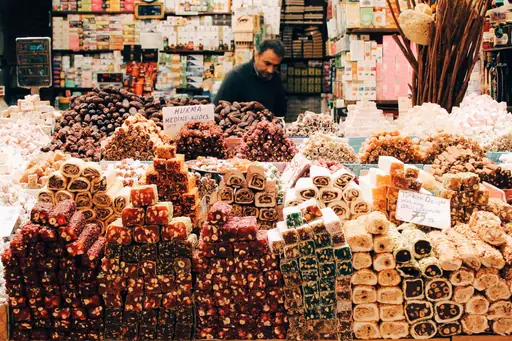
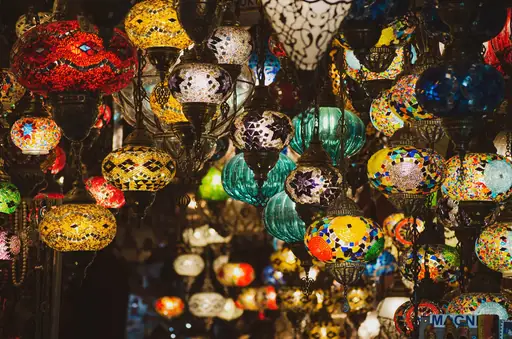
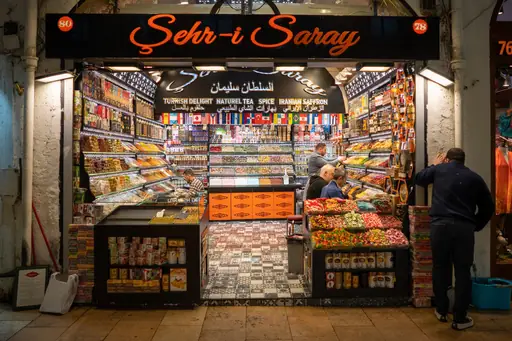
The Spice Bazaar fills the air with the scent of saffron, sumac and Turkish delight near the Golden Horn. Vendors stack colourful spice pyramids alongside dried fruit, nuts and honeycomb. The nearby Grand Bazaar adds gold, carpets and ceramics across thousands of shops. Both markets draw crowds mixing tourists with locals doing their daily shopping.
City in China
Guangzhou
A Fusion of Tradition and Modernity
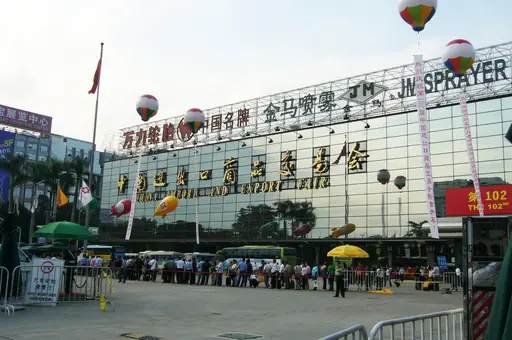
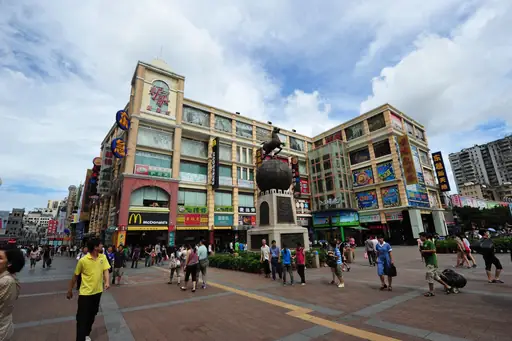
Qingping Market once traded in exotic herbs and wildlife before shifting towards conventional traditional medicine goods. Vendors sell dried mushrooms, ginseng and other ingredients used in Chinese herbal remedies. Nearby Shangxiajiu Pedestrian Street mixes historic arcades with modern shops and street food. Cantonese snacks like rice rolls and egg tarts are sold from carts throughout.
City in Myanmar
Mandalay
Ancient culture, temples and tradition
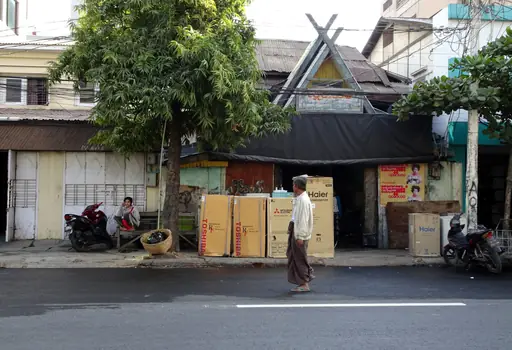
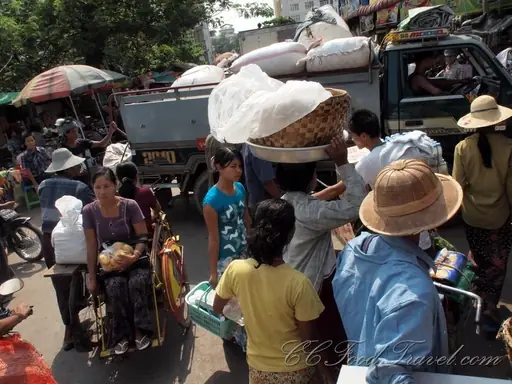
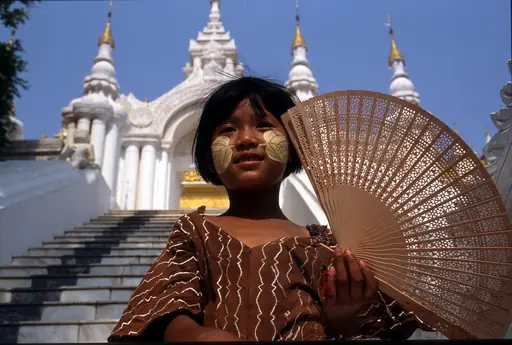
Zegyo Market sells textiles, jade and household goods across several floors near central Mandalay. Vendors trade in longyi fabric and traditional Burmese lacquerware within the crowded aisles. Jade stalls nearby cater to buyers examining stones under handheld lights for quality. Street food carts outside serve mohinga and other Burmese noodle dishes to passing shoppers.
City in Japan
Takayama
Old town, morning markets and Hida beef
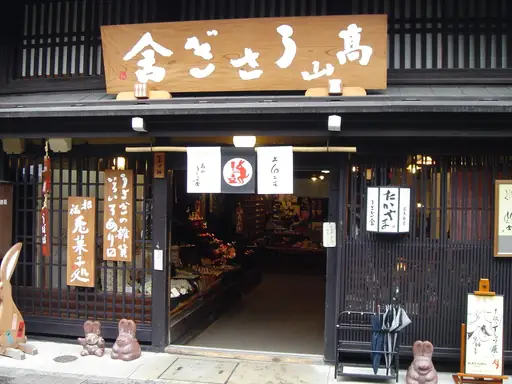
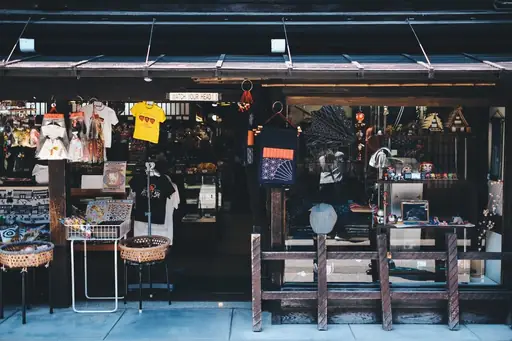
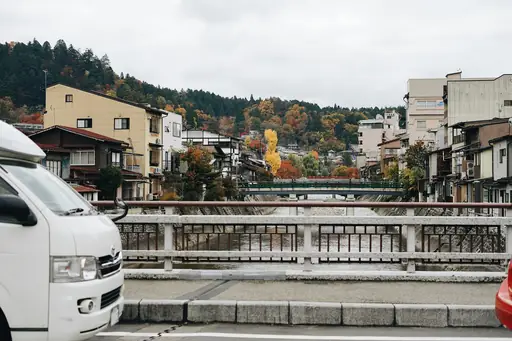
Takayama's morning markets set up daily along the Miyagawa riverside and near the old Jinya government house. Farmers sell pickles, local produce and handicrafts from small stalls each day before noon. Sake breweries in the old town offer tastings within walking distance. Wooden merchant houses line the surrounding streets, preserved from the Edo period.
City in Taiwan
Taipei
A vibrant blend of old and new
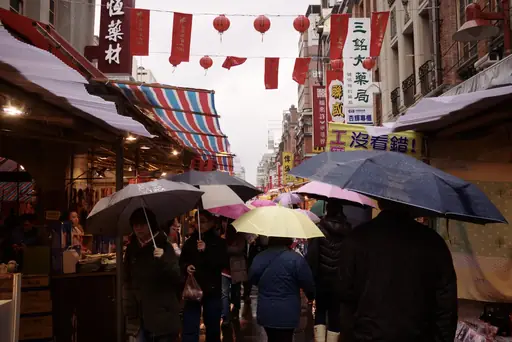
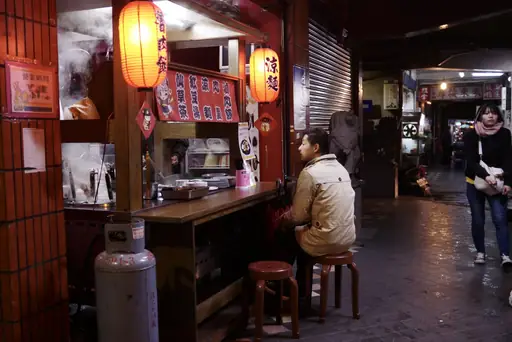
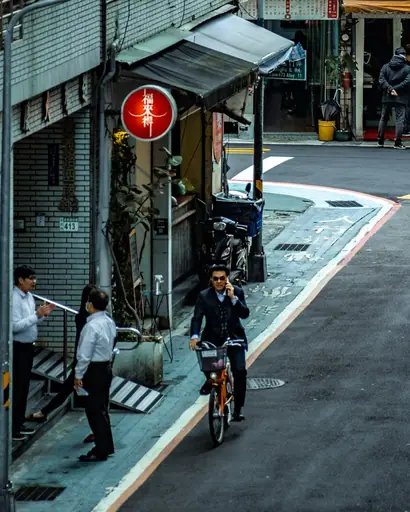
Shilin Night Market ranks among Taipei's largest, filling streets with food stalls and games. Vendors sell stinky tofu, bubble tea and grilled skewers to crowds each evening. Raohe Street Night Market nearby offers a more compact layout near a temple entrance. Clothing and accessory stalls fill the gaps between the market's many food vendors.
City in India
Kolkata
The Cultural Heart of India
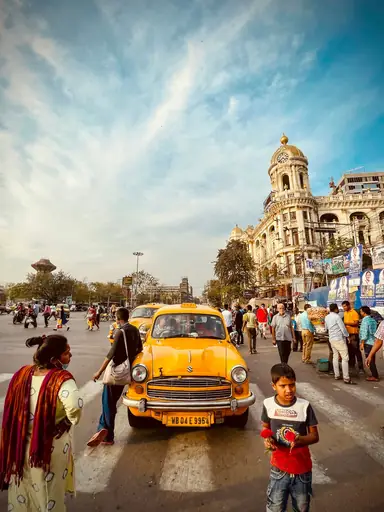
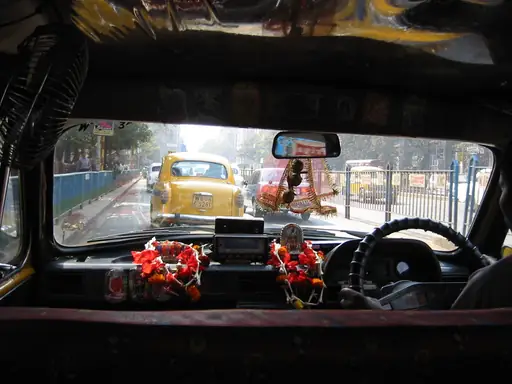
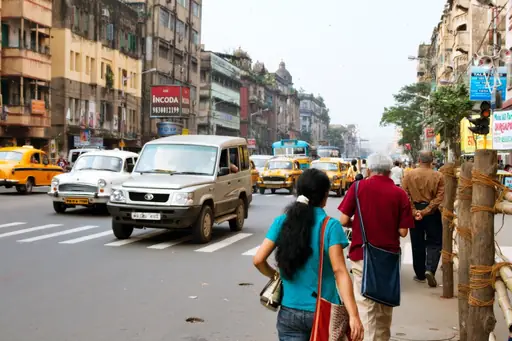
New Market has sold clothing, spices and household goods beneath a Gothic clock tower since 1874. Vendors in the surrounding lanes trade in leather goods, books and Bengali sweets. College Street nearby houses one of Asia's largest book markets, stall after stall of secondhand titles. Hawkers selling street snacks like puchka fill the pavements nearby.
Region in Malaysia
Penang
Heritage charm meets foodie heaven
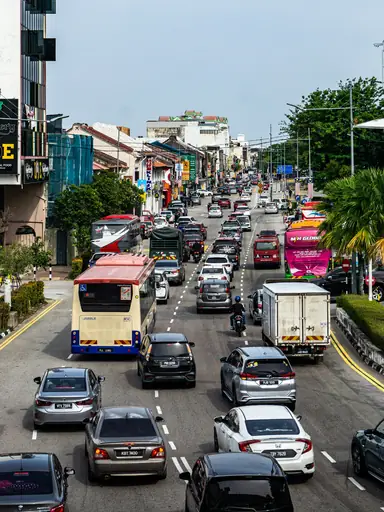
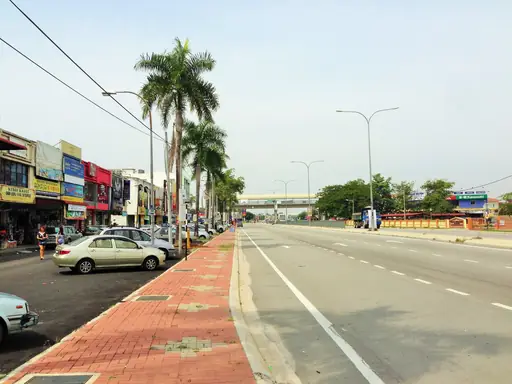
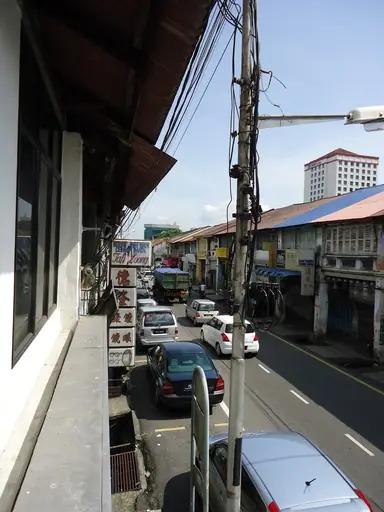
Chowrasta Market sells spices, dried goods and local snacks across several floors in George Town. Vendors trade nutmeg products, a Penang speciality, alongside traditional Peranakan crafts. Jalan Kuala Kangsar night market fills nearby streets with hawker stalls each evening. Street art scattered through George Town draws visitors between market stops.
City in Israel
Jerusalem
Ancient History Meets Modern Culture
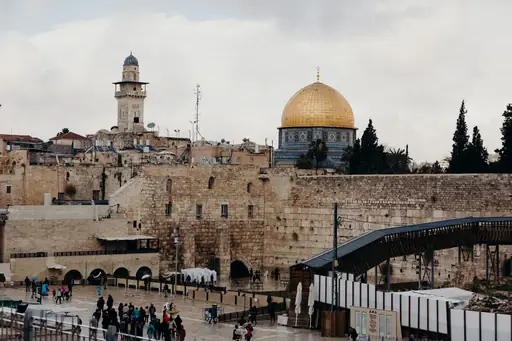
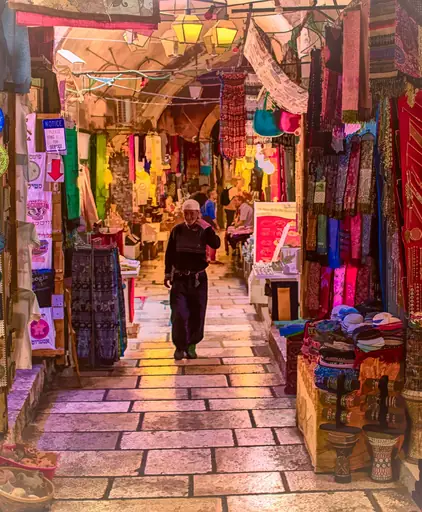
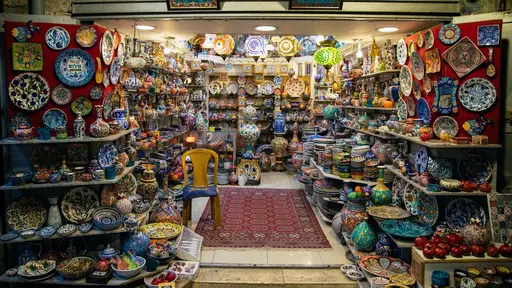
The markets of Jerusalem's Old City wind through four quarters, each with its own character. Vendors in the Muslim Quarter sell spices, sweets and souvenirs along narrow lanes. The Christian Quarter's shops offer olive wood carvings and textiles near holy sites. Machane Yehuda, outside the walls, adds a lively food market with bars open late.
City in Thailand
Bangkok
The city of contrasts and chaos
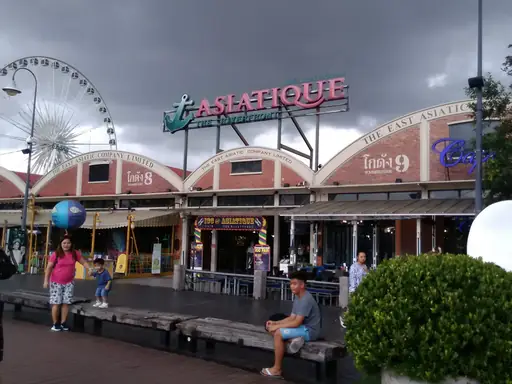
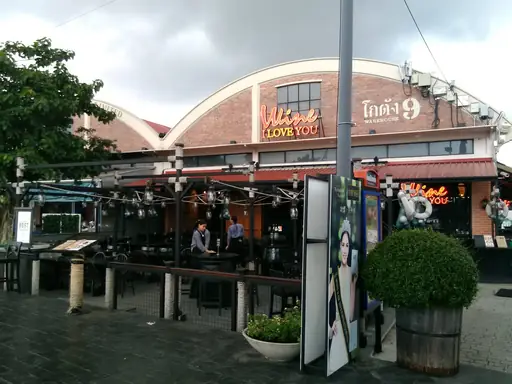
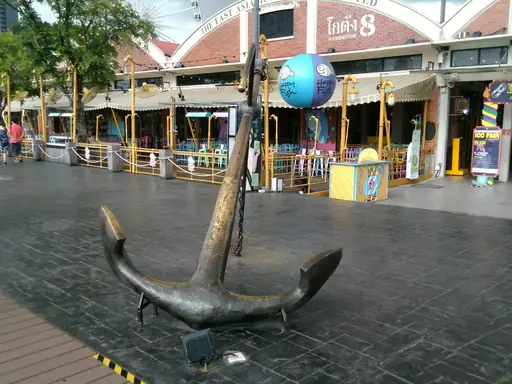
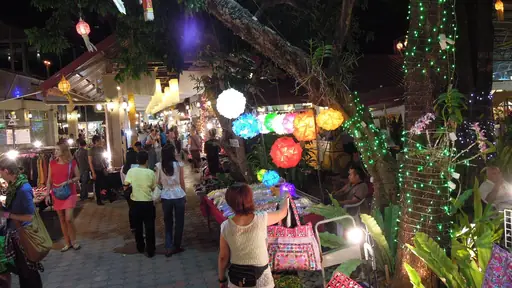
Bangkok's markets range from the sprawling Chatuchak Weekend Market to floating stalls on canals outside the city. Chinatown's Yaowarat Road fills with food carts and gold shops each evening. Pak Khlong Talat, the flower market, operates around the clock near the river. Tuk-tuks and river boats offer easy ways between the city's many trading hubs.
City in Thailand
Chiang Mai
Ancient temples and mountain escapes
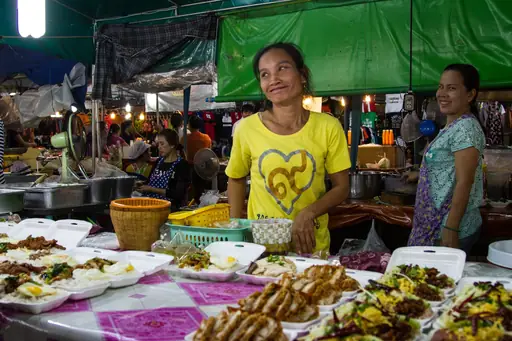
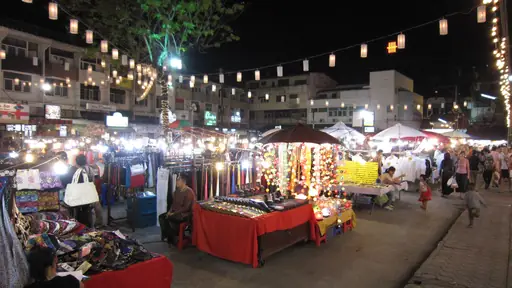
Chiang Mai's Sunday Walking Street transforms the old city's main road into a pedestrian market each week. Hill tribe crafts, silver jewellery and hand-painted umbrellas fill stalls stretching over a kilometre. Temple courtyards along the route double as food courts serving northern Thai dishes. Street performers add to the atmosphere as the evening wears on.
City in India
Varanasi
India’s Timeless Spiritual Heartbeat
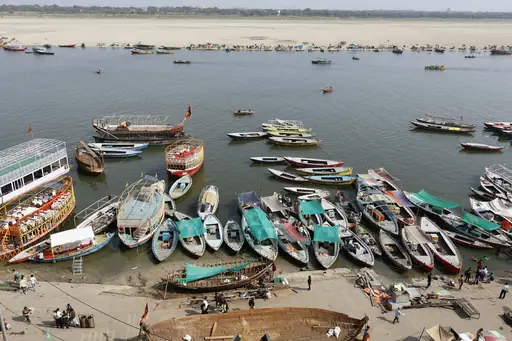
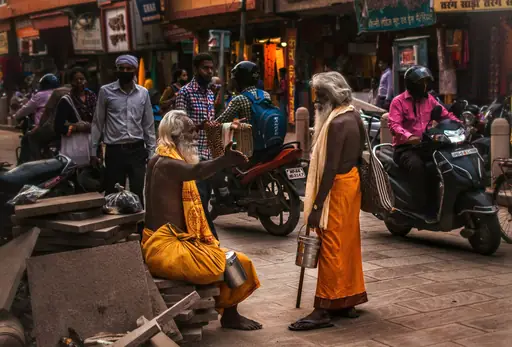
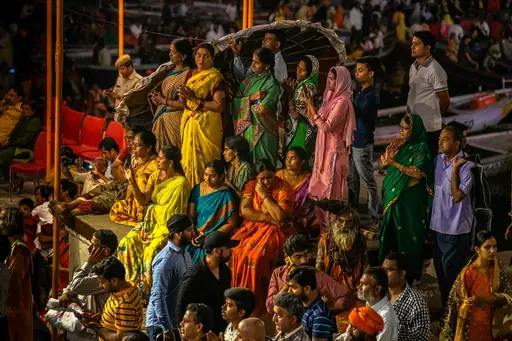
Vishwanath Gali leads pilgrims towards the Kashi Vishwanath Temple, lined with shops selling brass idols and silk. Vendors trade in Banarasi sarees, woven with gold and silver thread, along the lane. Ghats along the Ganges host smaller stalls selling flowers, incense and offerings. Boats drift past the riverbank as vendors call out from the steps.
City in Laos
Luang Prabang
Laid-back charm by the Mekong River
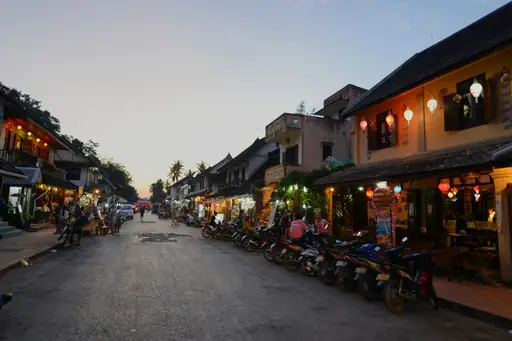
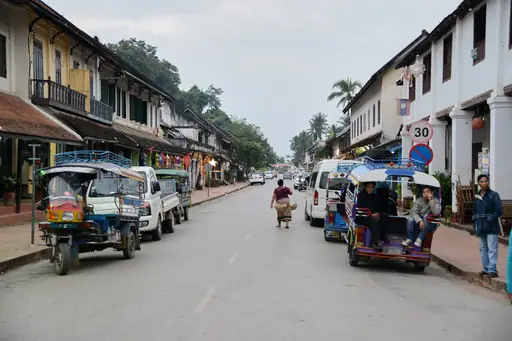
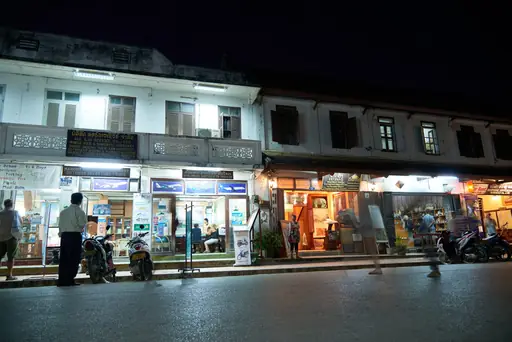
Luang Prabang's night market fills the main street each evening with handwoven textiles and silver crafts. Hmong and Khmu artisans sell embroidered fabric and bamboo baskets from stalls along the road. A morning market nearby sells fresh produce and local delicacies. Monks collecting alms pass through the streets before the stalls even open.
City in India
Hyderabad
Where Ancient Meets Tech Revolution
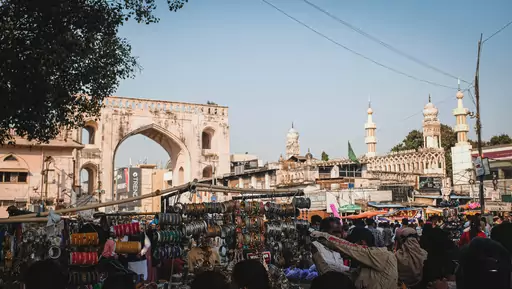
Laad Bazaar sells glass bangles in every colour imaginable beneath the Charminar monument. Vendors stack boxes of bangles floor to ceiling in shops lining the narrow street. Nearby, Pearl Market trades in Hyderabad's famous cultured pearls, sold loose or strung. Perfume sellers and spice merchants add their own scents to the crowded lanes.


Island in Thailand
Phuket
Beaches, Culture and Nightlife
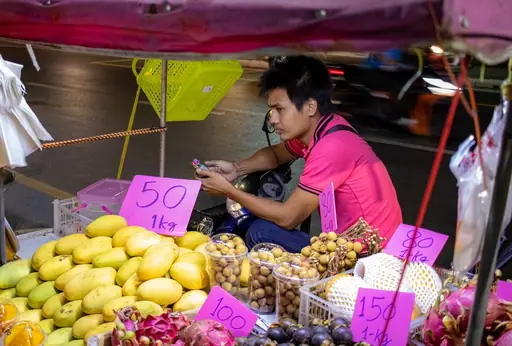
Phuket's Sunday Walking Street transforms Old Town's colonial streets into a market of crafts and street food. Sino-Portuguese shophouses line the route, many now home to boutiques and cafes. Vendors sell hand-carved wood, batik fabric and local snacks like moo ping skewers. Weekend Market elsewhere in the city offers a larger, more everyday shopping experience.
City in China
Suzhou
Gardens, canals and silk dreams
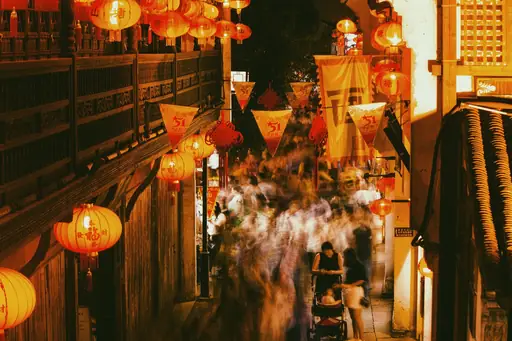
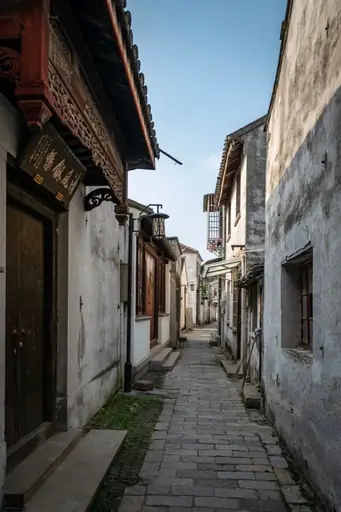
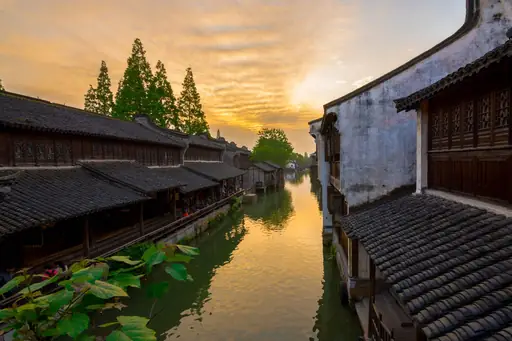
Guanqian Street sells silk, tea and traditional snacks near Suzhou's Taoist Xuanmiao Temple. Vendors trade in embroidery, a craft the city has practised for over two thousand years. Pingjiang Road nearby offers a quieter canal-side alternative lined with tea houses and shops. Boats occasionally glide past the market on canals threading through the old quarter.
City in Vietnam
Ho Chi Minh City
A chaotic blend of history and energy
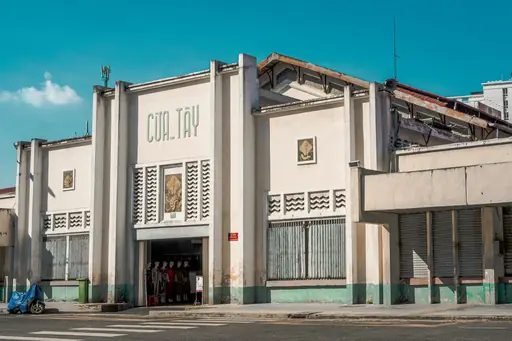
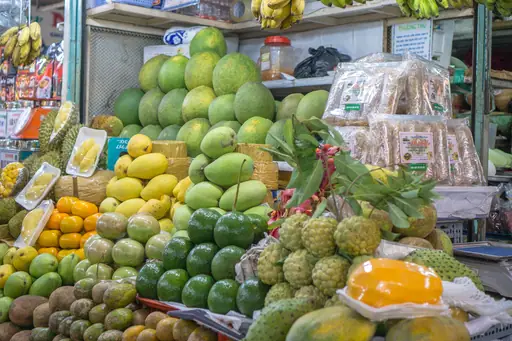
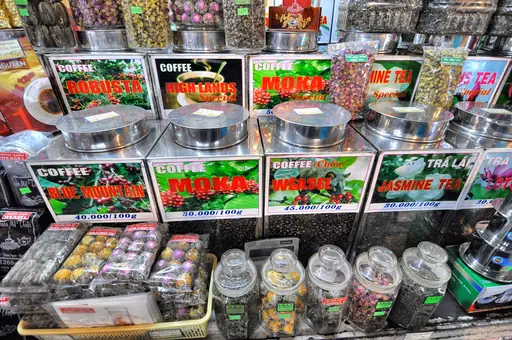
Binh Tay Market anchors the Chinese quarter of Cholon, selling wholesale goods beneath a distinctive clock tower. Vendors trade fabric, dried food and household items across a sprawling covered hall. An Dong Market nearby caters to fashion, with multiple floors of clothing and accessories. Street food carts outside serve com tam and other Saigon specialities.
City in Syria
Damascus
Ancient Alleys, Bazaars and Minarets
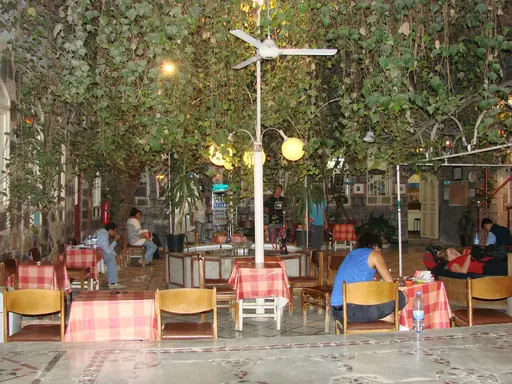
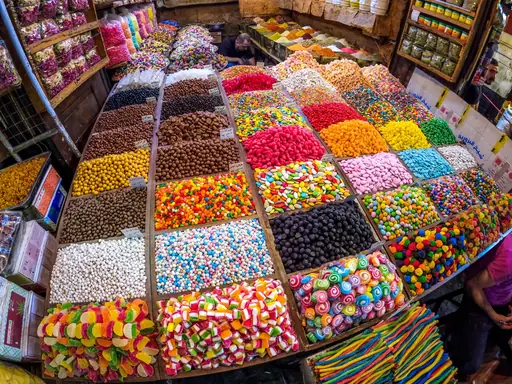
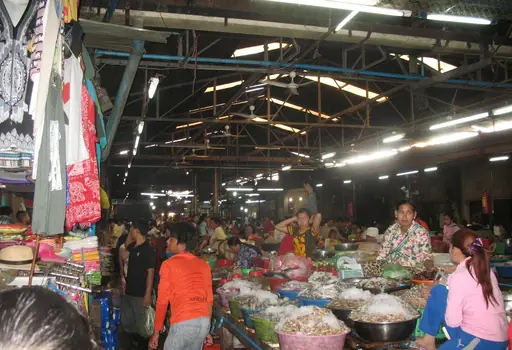
Al-Hamidiyah Souq stretches beneath a vaulted iron roof towards the ancient Umayyad Mosque in old Damascus. Vendors sell textiles, spices and sweets like the city's famous ice cream. Bullet holes in the metal roof let shafts of sunlight filter onto the crowded lane. Some shops here have been run by the same families for generations.
Town in Cambodia
Siem Reap
Gateway to Ancient Temples and Culture
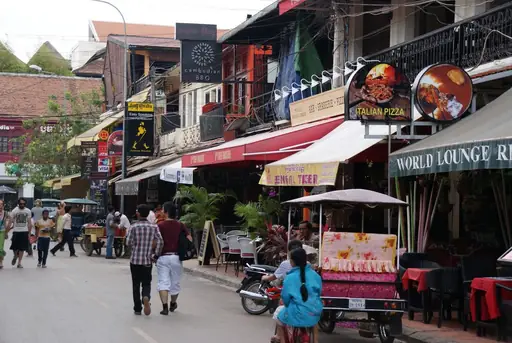
Old Market sells silk scarves, spices and fresh produce within walking distance of Siem Reap's riverside. Vendors trade in silver jewellery and Cambodian handicrafts across the covered stalls. Pub Street nearby fills with restaurants and night market stalls once the sun sets. Massage parlours and souvenir shops cluster around both markets, catering to visiting tourists.
City in China
Xiamen
Coastal Charm and Island Adventures
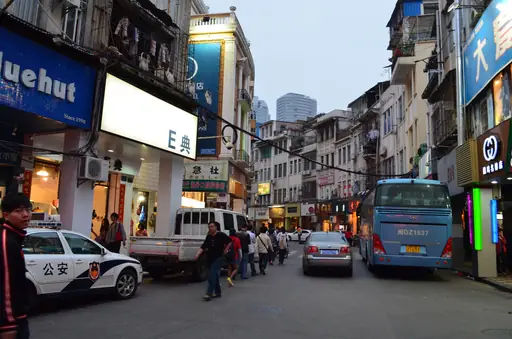
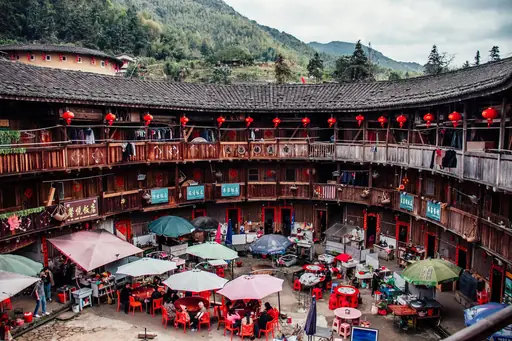
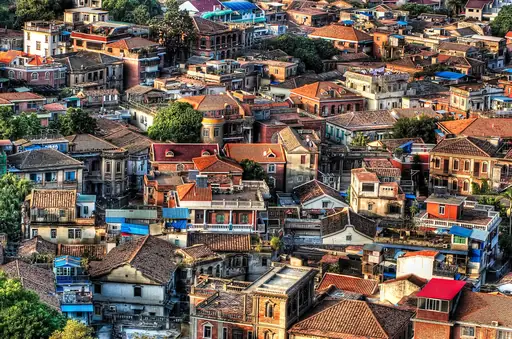
Zhongshan Road sells local snacks, tea and souvenirs along a covered arcade in central Xiamen. Vendors grill oyster omelets and sell spring rolls from carts lining the pedestrian street. Nearby Gulangyu Island adds a quieter, car-free shopping district reachable only by ferry. Tea shops throughout the area offer tastings of Fujian's famous oolong varieties.
City in India
Jaipur
The Pink City of Royal Splendor
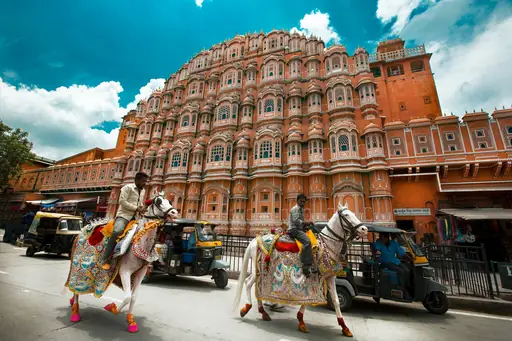
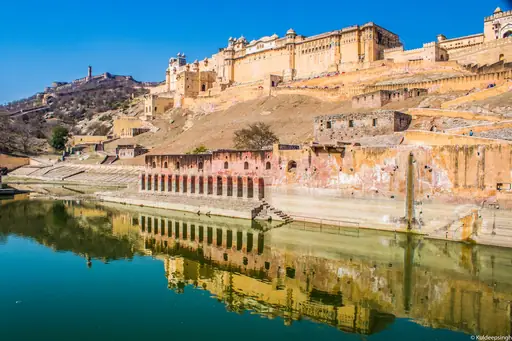
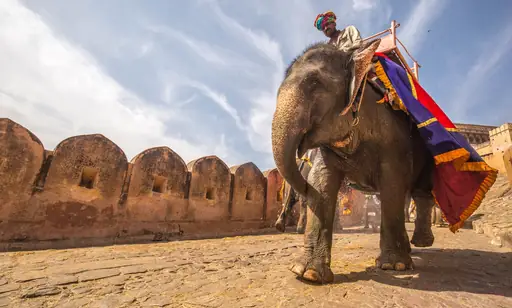
Johari Bazaar sells gemstones, gold and traditional Rajasthani jewellery beneath the pink-hued buildings of Jaipur's old city. Bapu Bazaar nearby specialises in textiles, leather juttis and block-printed fabric. Elephants occasionally pass through the crowded streets near the City Palace. Bargaining is expected across nearly all of the old city's markets.
Country
Bangladesh
Mangrove tigers, tea hills and a long beach
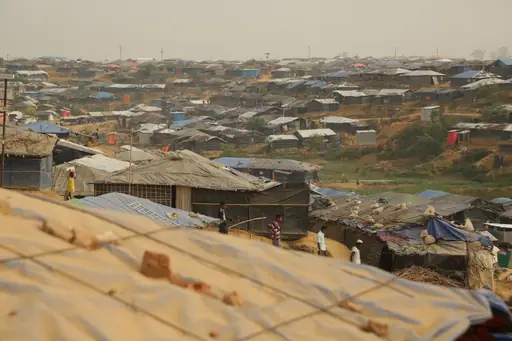
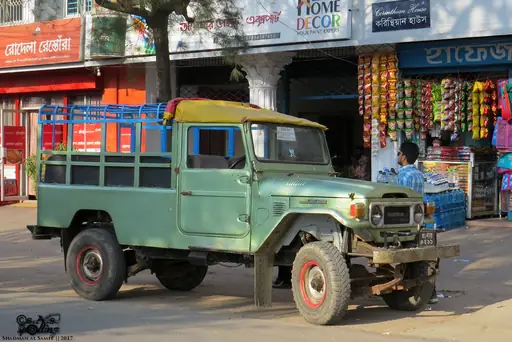
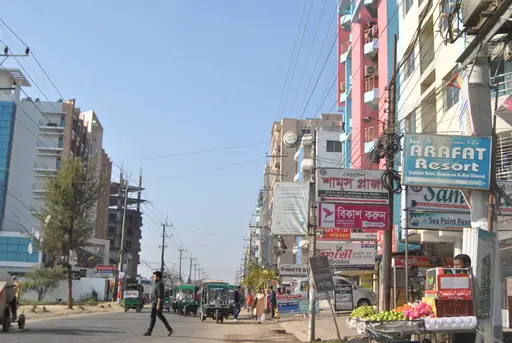
Dhaka's New Market draws shoppers for clothing, jewellery and household goods across a maze of covered stalls. Old Dhaka's narrow lanes host spice markets and brassware shops dating back generations. Rickshaws navigate the crowded streets, weaving between vendors selling everything from saris to snacks. Bargaining is standard practice across nearly all of the country's markets.
City in Philippines
Manila
Vibrant City with Rich History
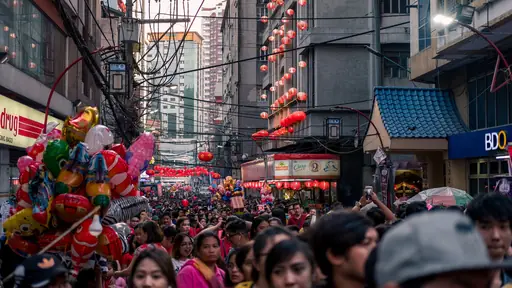
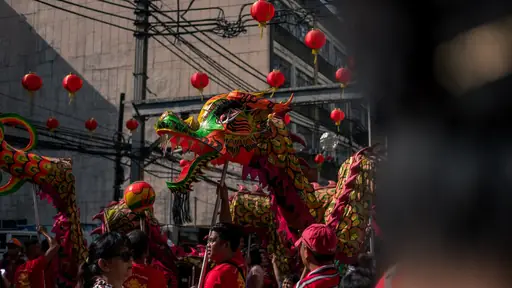
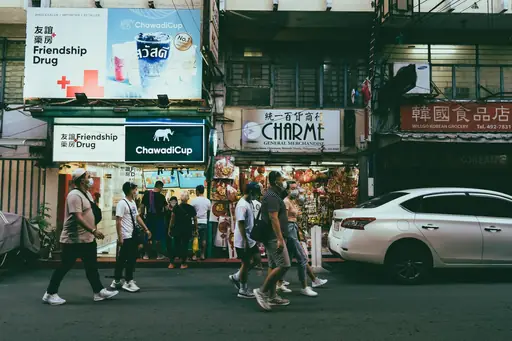
Divisoria draws bargain hunters to a sprawling wholesale district selling clothing, fabric and household goods. Vendors call out prices as shoppers navigate crowded pavements lined with stalls. Quiapo Market nearby sells religious items, herbal remedies and street food near the historic church. Jeepneys and pedicabs squeeze through the congested streets surrounding both markets.
City in Myanmar
Yangon
Golden pagodas and colonial echoes
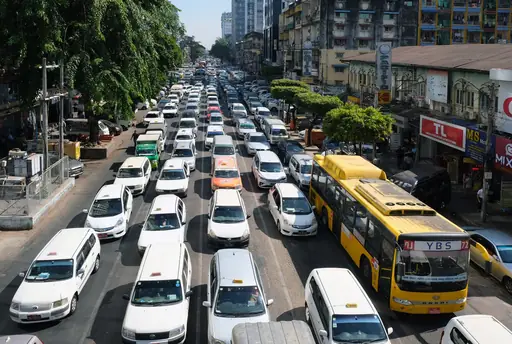
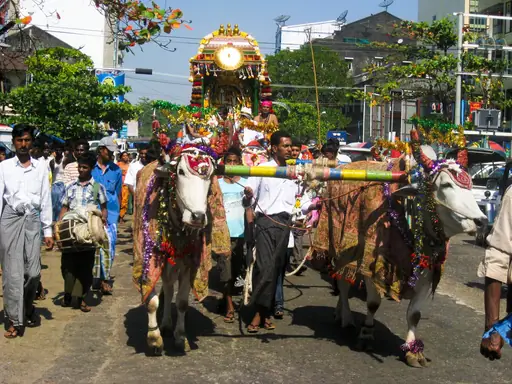
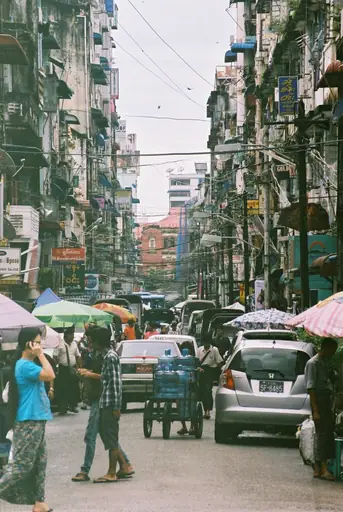
Bogyoke Aung San Market sells jade, gems and traditional crafts beneath a colonial-era building in Yangon. Vendors trade in longyi fabric, lacquerware and antique curiosities across the covered halls. Street food stalls surrounding the building serve tea leaf salad and other specialities. Gold shops nearby sell jewellery by weight to local and visiting buyers.
City in Turkey
Bursa
Ottoman Heritage Meets Mountain Adventure
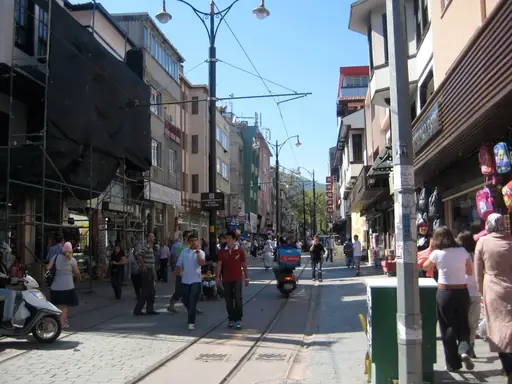
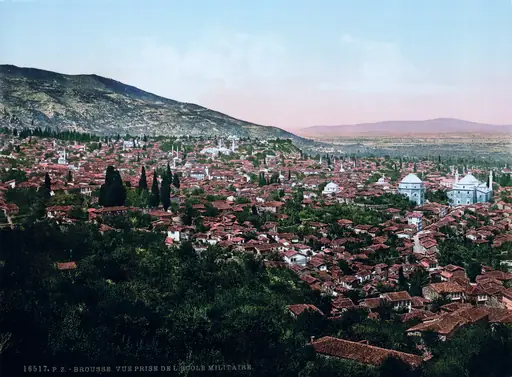
Bursa's Koza Han, a silk trading hall built in 1491, still sells silk scarves around a courtyard. The nearby Grand Bazaar sells textiles and Turkish delight beneath a covered arcade. Bursa built its wealth on the silk trade. Shops throughout the old quarter still carry that tradition on. A small mosque sits at the courtyard's centre.
City in Indonesia
Jakarta
A chaotic, vibrant urban jungle
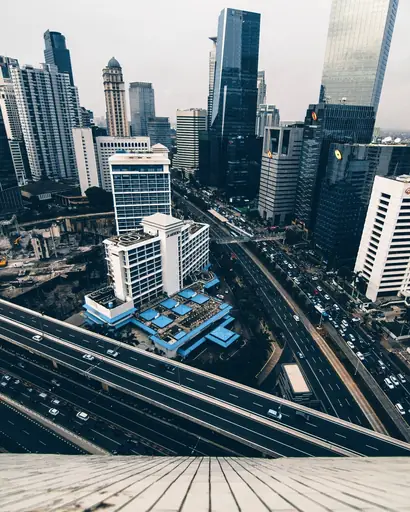
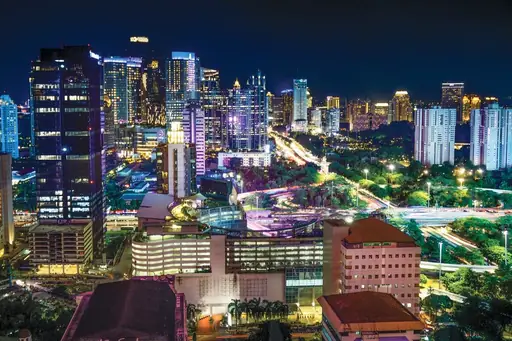
Tanah Abang ranks among Southeast Asia's largest textile markets, spread across a multi-storey complex in Jakarta. Vendors sell fabric by the roll alongside ready-made clothing and batik prints. Glodok, Jakarta's Chinatown, adds electronics and traditional medicine shops to its lanes. Street food carts selling satay and fried snacks line the streets outside both markets.
City in Uzbekistan
Samarkand
The Silk Road’s Shimmering Gem
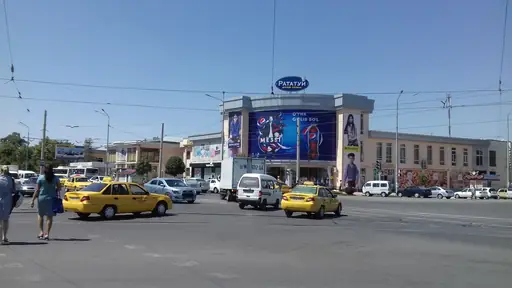
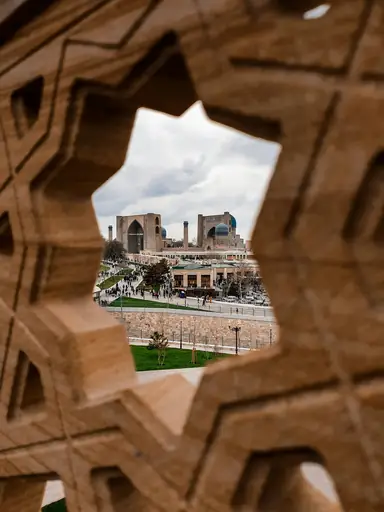
Siab Bazaar sells dried fruit, spices and fresh bread near Samarkand's Bibi-Khanym Mosque. Vendors stack pyramids of raisins, apricots and walnuts across the market's open-air stalls. Traditional round bread, a Samarkand speciality, comes fresh from clay ovens throughout the day. Silk and suzani embroidery shops line the streets just outside the market's entrance.

City in China
Chongqing
China’s Mountain City on the Yangtze
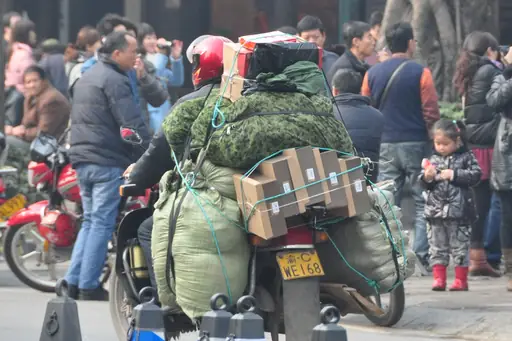
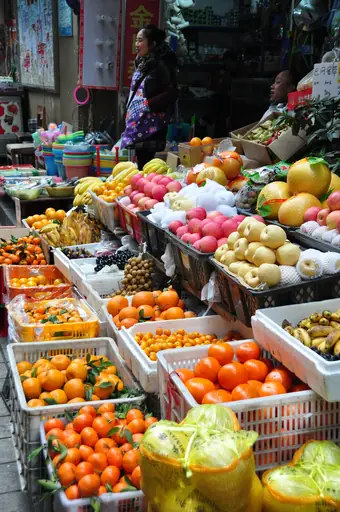
Ciqikou Ancient Town sells tea, spices and handicrafts along stone streets built during the Ming and Qing dynasties. Vendors roast peanuts and sell candied fruit from carts lining the narrow lanes. The town overlooks the Jialing River, offering views between shopfronts and teahouses. Opera performances sometimes take over small courtyards within the old quarter.
City in Vietnam
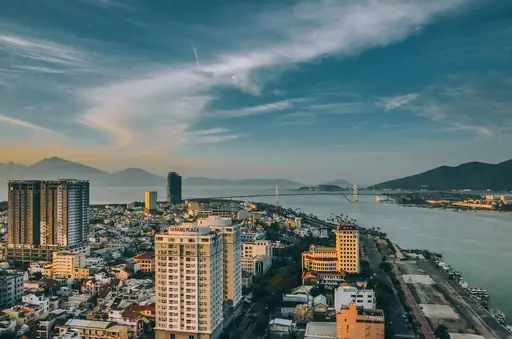
Da Nang
Beaches, Mountains and City Vibes
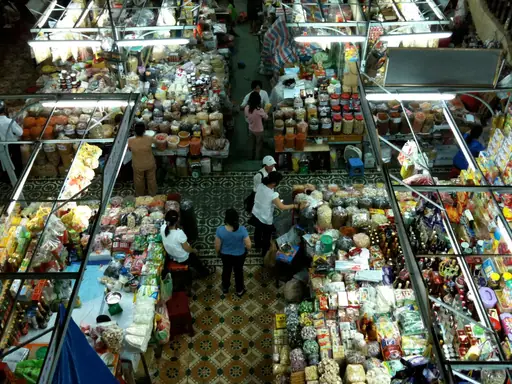
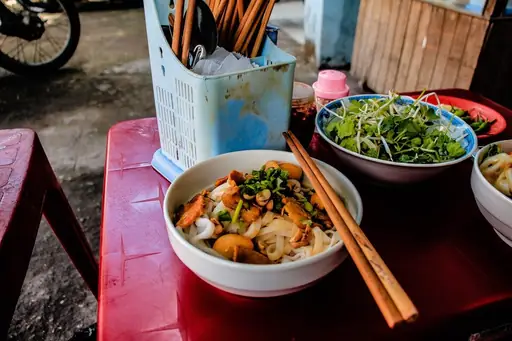
Han Market sells fresh seafood, textiles and dried goods across a covered hall near the riverfront. Vendors call out prices for shrimp paste, dried squid and tropical fruit stacked in piles. Con Market, a larger option nearby, adds clothing and household goods. Street food stalls just outside serve banh xeo and other central Vietnamese specialities.
City in Russia
Moscow
A grand city of history and power
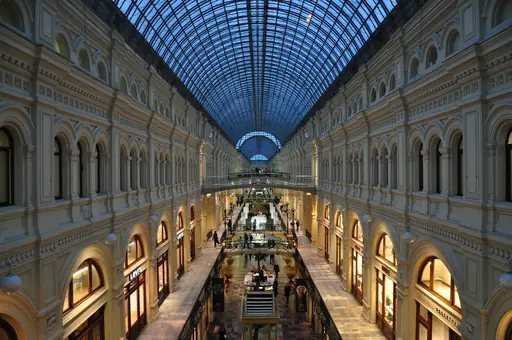
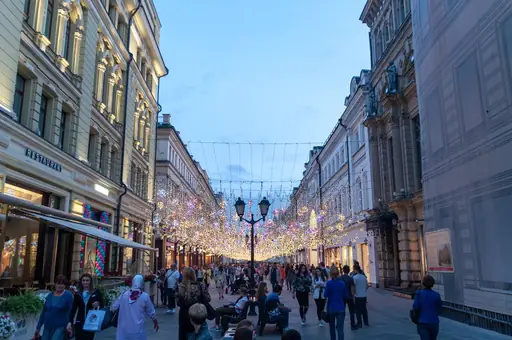
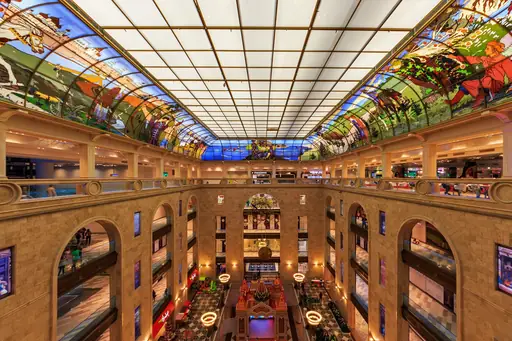
Izmailovsky Market sells matryoshka dolls, fur hats and Soviet memorabilia beneath colourful onion-domed towers. Vendors display hand-painted lacquer boxes and amber jewellery across outdoor stalls. Danilovsky Market, a covered food hall, offers a modern setting for fresh produce and prepared dishes. Weekend crowds mix tourists hunting souvenirs with locals doing regular grocery shopping.
City in Yemen
Sana'a
Timeless Towers and Ancient Alleys
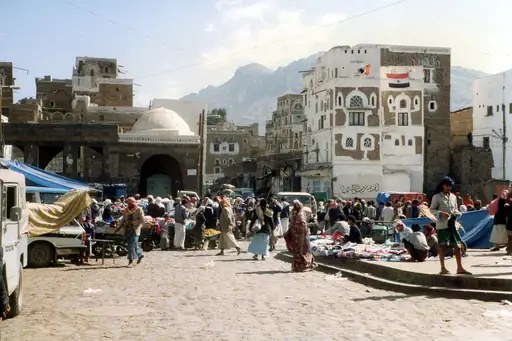
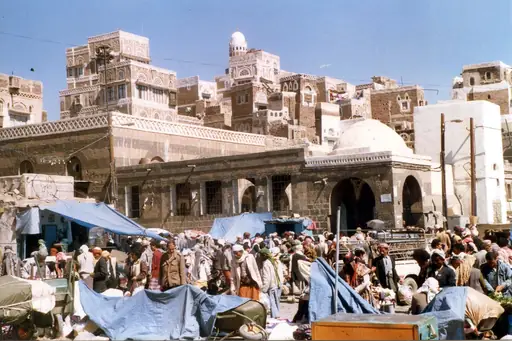
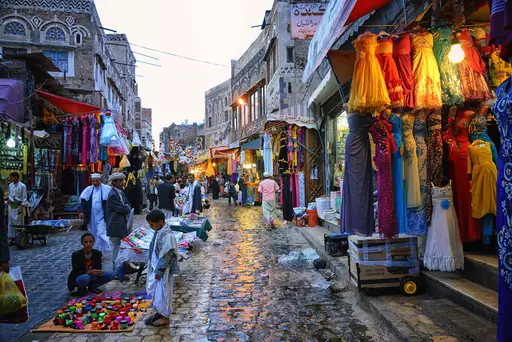
Souk Al-Milh, the salt market, sells spices, textiles and jambiya daggers within Sanaa's Old City walls. Multi-story mudbrick buildings tower above the narrow lanes, some standing for centuries. Vendors trade in coffee, qat leaves and traditional silver jewellery across the covered market. The old city's UNESCO-listed architecture frames nearly every stall in the souq.
City in Japan
Osaka
Castle, neon canals and street food
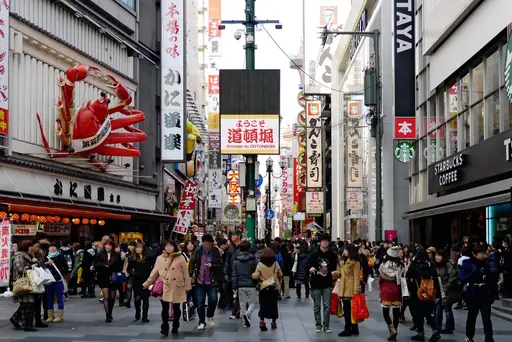
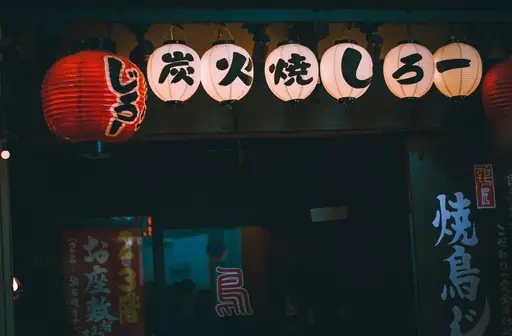
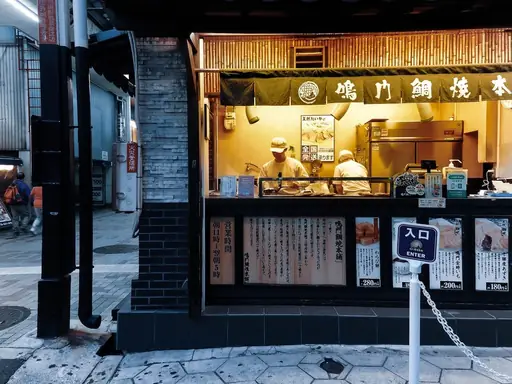
Kuromon Ichiba Market sells fresh seafood, wagyu beef and street snacks across a covered arcade in Osaka. Vendors grill skewers of octopus and scallops for shoppers to eat on the spot. Nearby Dotonbori adds neon signs and street food stalls along a canal-side strip. Takoyaki stands throughout both areas serve the city's signature octopus balls.
City in Saudi Arabia
Riyadh
Tradition Meets Modern Ambition
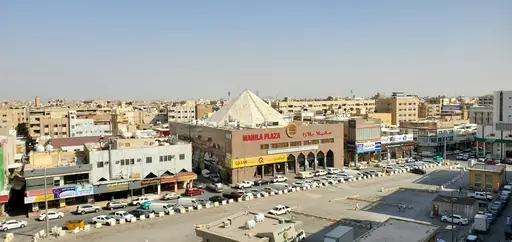
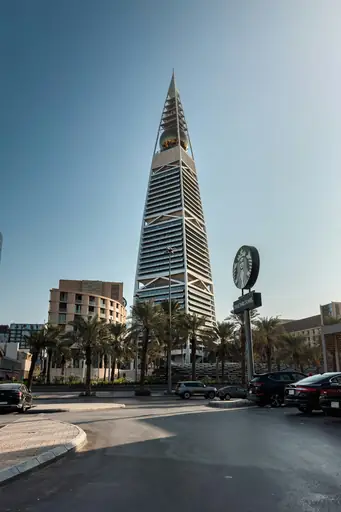
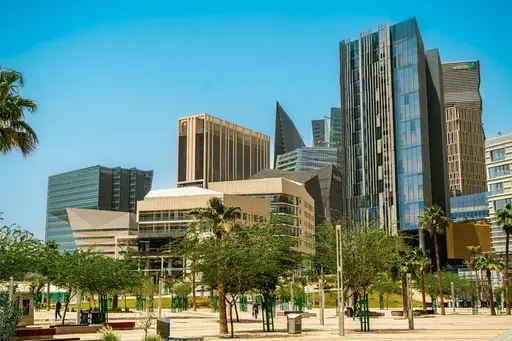
Souq Al Zal sells antiques, traditional textiles and Bedouin handicrafts within Riyadh's historic quarter. Vendors trade in old coins, daggers and handwoven rugs alongside more modern souvenirs. Gold souks nearby sell jewellery by weight in shops clustered along narrow lanes. Dates and spices fill stalls throughout the market's covered walkways.
City in Nepal
Kathmandu
Temples, chaos and Himalayan magic
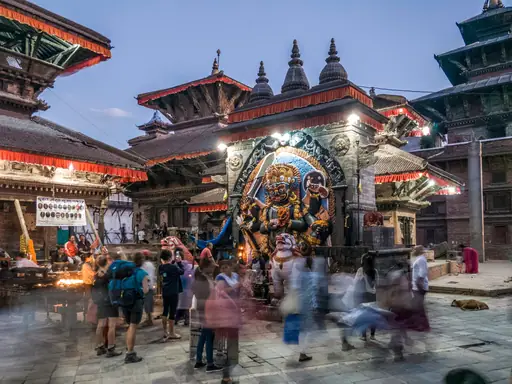
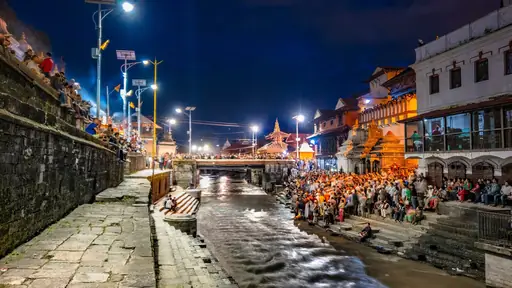
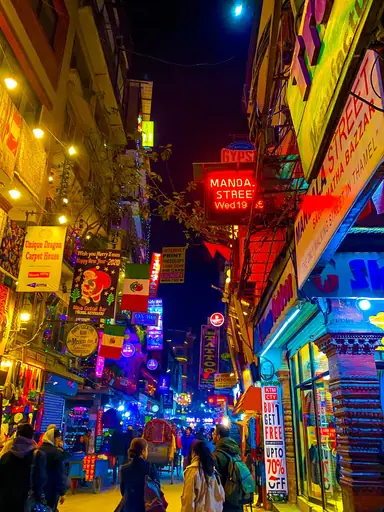
Asan Bazaar sells spices, textiles and household goods along one of Kathmandu's oldest trading routes. Thamel, the city's tourist hub, adds trekking gear, pashmina scarves and handicraft shops. Vendors near temples sell prayer flags, singing bowls and incense to pilgrims. Narrow lanes throughout the old city stay crowded with shoppers from morning until dusk.
City in Vietnam
Hanoi
Where tradition meets modern vibrancy
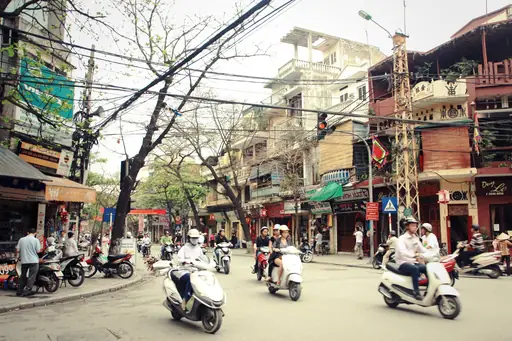
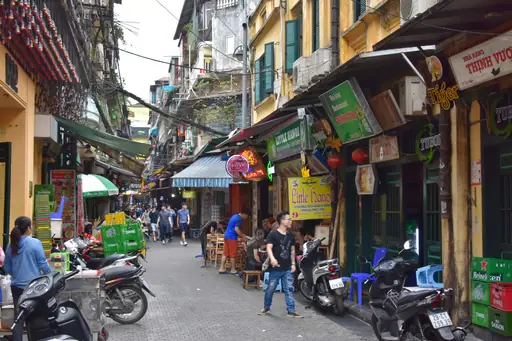
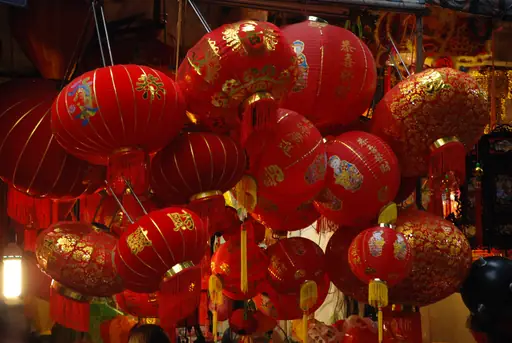
Hanoi's Old Quarter organises its 36 streets by trade, a layout dating to medieval guilds. Dong Xuan Market, the city's largest, sells clothing and household goods under one roof. Street vendors balance baskets of fruit on shoulder poles through the quarter's narrow lanes. Weekend night markets take over several streets with clothing, snacks and souvenirs.
City in Saudi Arabia
Medina
A Spiritual Oasis
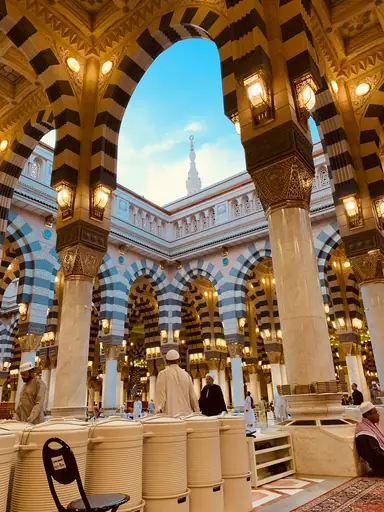
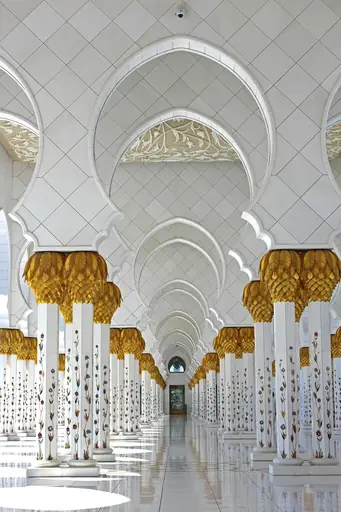
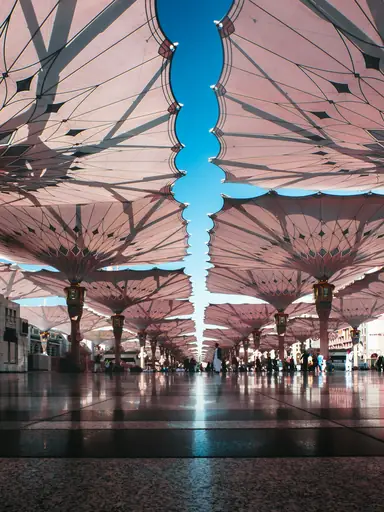
Al-Manakha Market near Medina's Prophet's Mosque sells dates, perfumes and prayer items to pilgrims. Vendors offer dozens of date varieties, from soft Medjool to drier Ajwa dates prized locally. Gold shops and textile stalls line the covered walkways surrounding the mosque complex. Crowds swell during pilgrimage seasons as visitors shop before or after prayers.
City in Uzbekistan
Bukhara
Ancient Silk Road Splendor
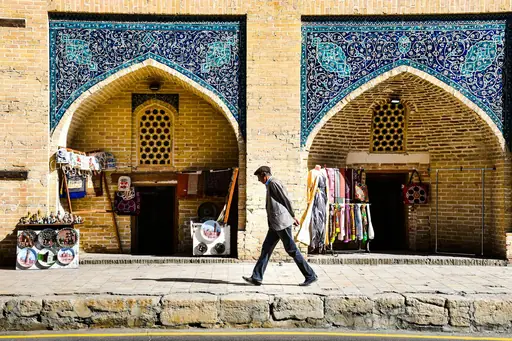
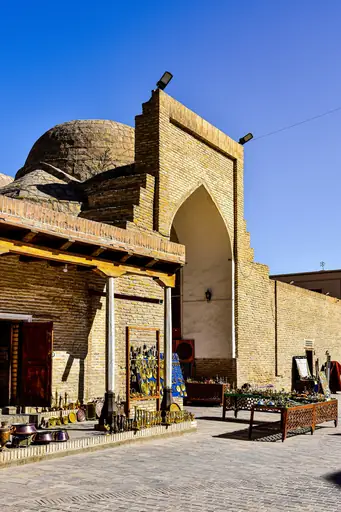
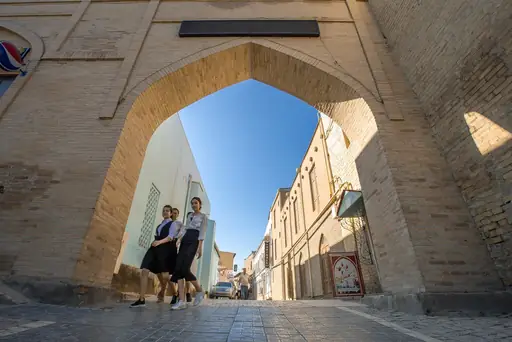
Bukhara's domed trading arcades once sheltered Silk Road merchants selling spices, jewellery and fine textiles. Several brick domes still house craft shops today, largely unchanged in layout for centuries. Artisans demonstrate suzani embroidery and miniature painting in workshops along the covered lanes. Carpet sellers display handwoven rugs in patterns passed down through generations.
City in China
Shanghai
A dazzling mix of modernity and tradition
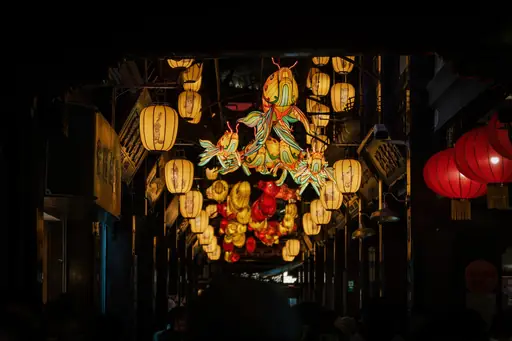
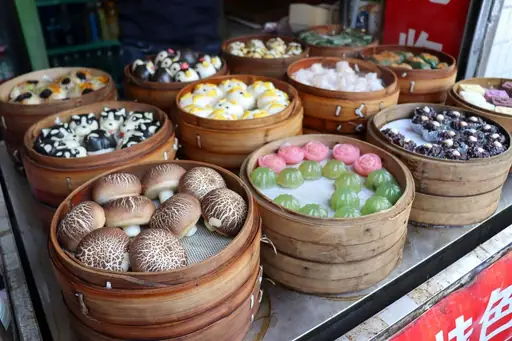
Yuyuan Bazaar sells silk, tea and handicrafts beneath curved rooflines near Shanghai's classical garden. Vendors serve xiaolongbao soup dumplings from stalls that draw long queues all day. Old Street nearby offers a similar mix of shops within restored Qing dynasty buildings. Antique dealers trade in porcelain, jade and calligraphy scrolls across the market's side lanes.
City in China
Wuhan
Where history meets the Yangtze
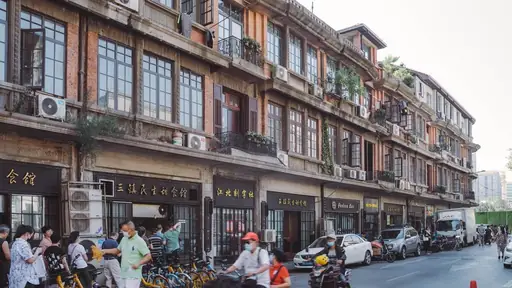
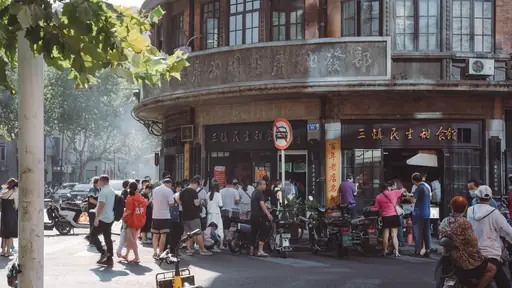
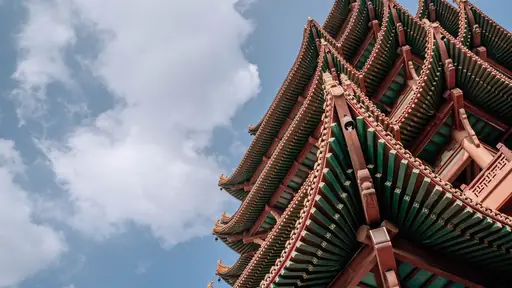
Hubu Alley sells Wuhan's signature hot dry noodles alongside dumplings and other street snacks. Vendors line the narrow lane with carts each morning, drawing crowds before the workday begins. Jianghan Road nearby mixes colonial-era architecture with modern shopping arcades. Riverside stalls along the Yangtze add fresh produce and seafood to the mix.
City in Israel
Tel Aviv
Vibrant Beaches and Nonstop Energy
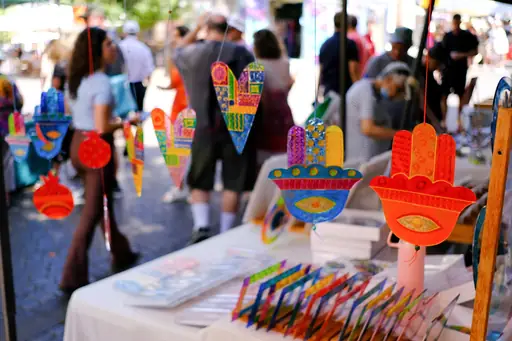
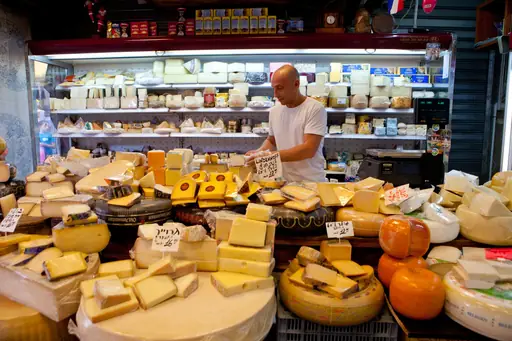
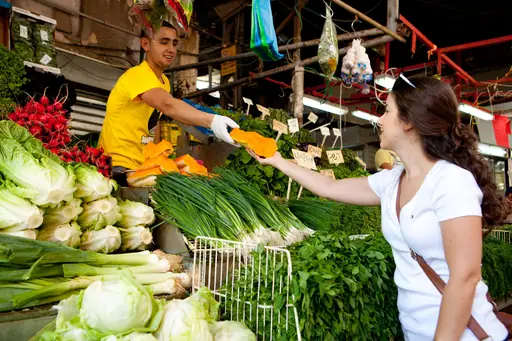
Carmel Market sells fresh produce, spices and street food along a bustling Tel Aviv street. Vendors call out prices as shoppers navigate crowded stalls stacked with fruit and vegetables. Nachalat Binyamin's craft fair nearby sells handmade jewellery and art twice weekly. Cafes and juice bars line the market's edges, popular for a break between purchases.

Town in China
Dali
Ancient Charm by Erhai Lake
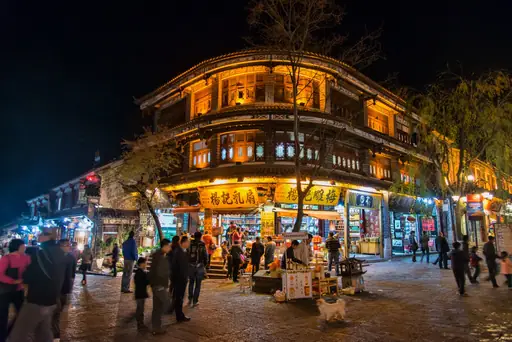
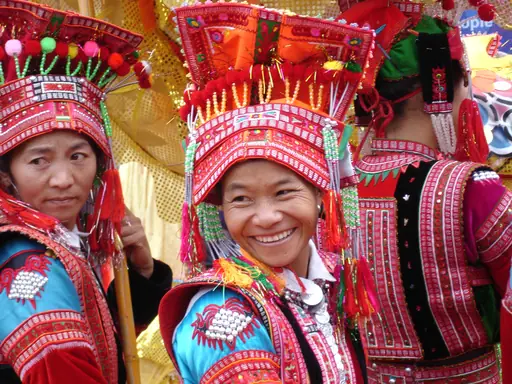
Dali's Old Town market sells tie-dyed textiles, silver jewellery and Bai ethnic handicrafts along cobbled streets. Vendors grill rushan, a local cheese snack, at stalls through the market. Foreigner Street, once a haven for backpackers, still sells crafts alongside cafes. Erhai Lake sits a short distance away, visible from parts of the old town walls.
City in India
Ahmedabad
Where heritage meets modern India
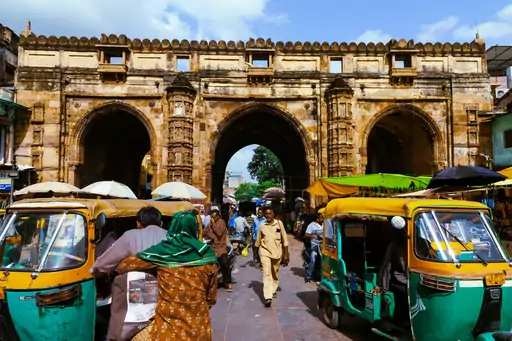
Ahmedabad's Law Garden Market sells embroidered textiles, bandhani fabric and traditional Gujarati handicrafts each evening. The city's old walled quarter houses spice markets and jewellery bazaars along narrow lanes. Street food stalls nearby serve dhokla and other Gujarati snacks to shoppers. Bargaining is standard practice across nearly all of the city's markets.
Town in Uzbekistan
Khiva
A Step Back in Time
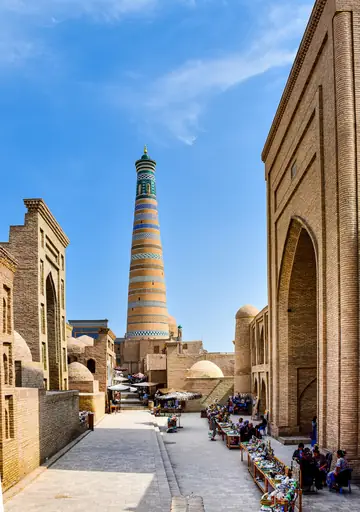
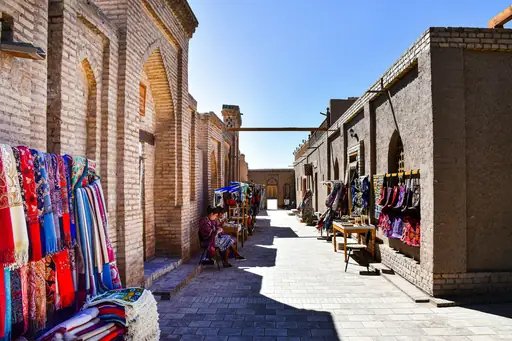
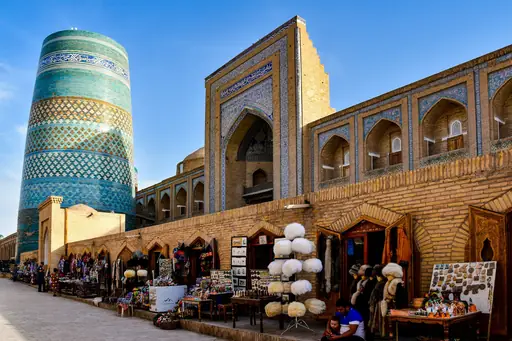
Khiva's old walled city, Itchan Kala, houses craft shops selling ceramics, carpets and carved wood. Vendors work within centuries-old madrasas and caravanserais repurposed as stalls. Silk scarves and embroidered skullcaps hang from doorways along the narrow lanes. The old town, preserved as a museum city, once served as a key Silk Road stop.
Town in Indonesia
Ubud
Bali's Cultural and Spiritual Heart
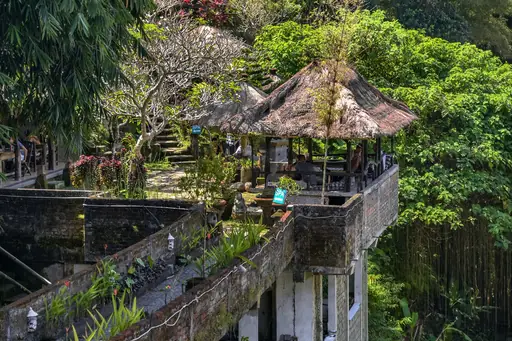
Ubud's traditional market sells woodcarvings, sarongs and woven baskets beneath a bustling covered pavilion. Vendors haggle cheerfully with tourists over prices for batik fabric and silver jewellery. The art market spills into surrounding streets each morning before the day's heat sets in. Offerings of flowers and incense are sold alongside typical souvenirs.
City in Lebanon
Beirut
The Paris of the Middle East
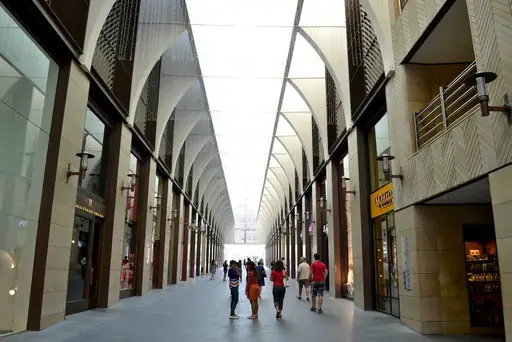
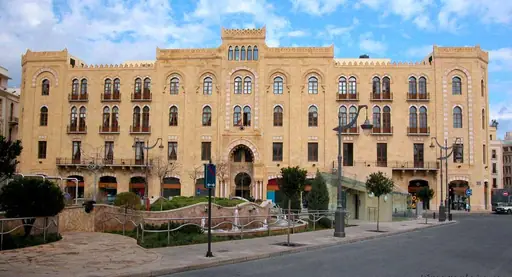
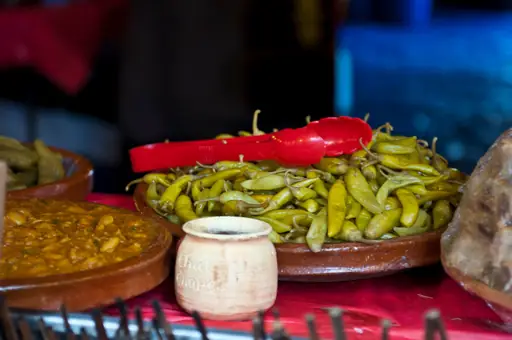
Souk el Tayeb, a weekly farmers market in Beirut, brings together producers from across Lebanon. Vendors sell olive oil, cheese and seasonal produce alongside prepared dishes like manakish. The rebuilt downtown souks house international boutiques within a more modern, upscale setting. Older neighbourhood markets like Souk el Ahad sell secondhand goods and antiques at weekends.
City in China
Beijing
Ancient history meets modern dynamism
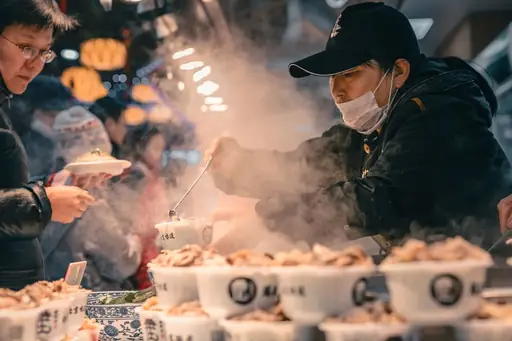
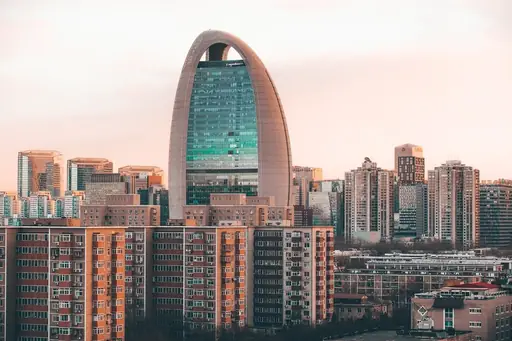
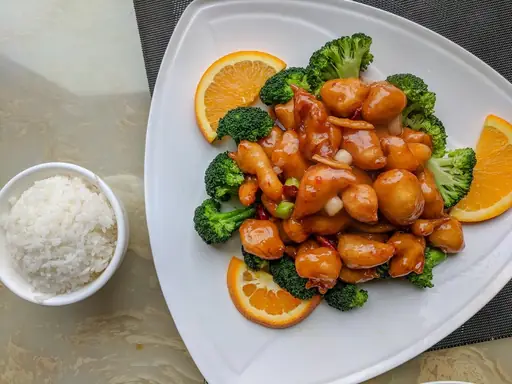
Panjiayuan Market in Beijing draws collectors hunting for antiques, calligraphy and traditional crafts each weekend. Vendors spread blankets covered in porcelain, jade and old coins across the sprawling outdoor lot. Silk Street Market nearby caters more to tourists with clothing, bags and electronics. Bargaining is expected at both, often starting well below the asking price.
City in India
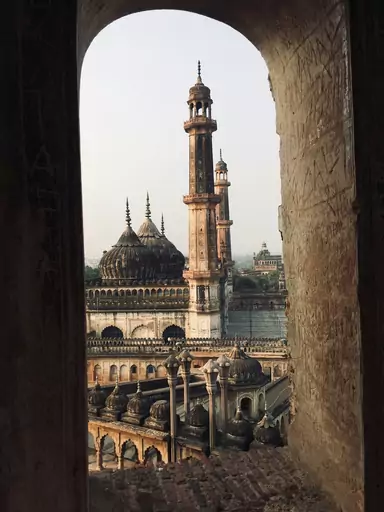
Lucknow
City of Nawabs and kebabs
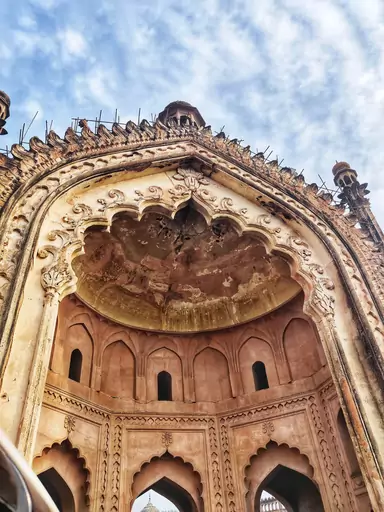
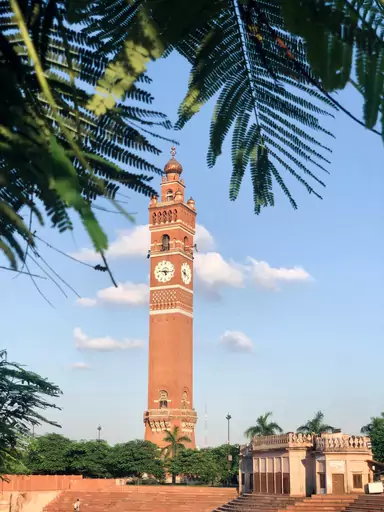
Aminabad Market sells chikankari embroidery, a delicate hand-stitching craft associated with Lucknow for centuries. Vendors trade attar perfumes and traditional Lucknawi caps within the market's crowded lanes. Hazratganj, a more modern shopping street, mixes old-world charm with contemporary boutiques. Street food stalls selling kebabs and biryani line the roads near both markets.
Region in Indonesia
Bali
Tropical beaches, vibrant culture and adventure
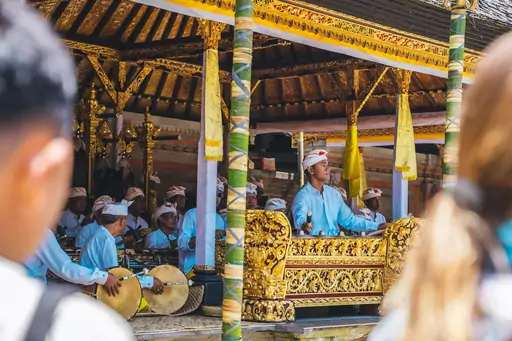
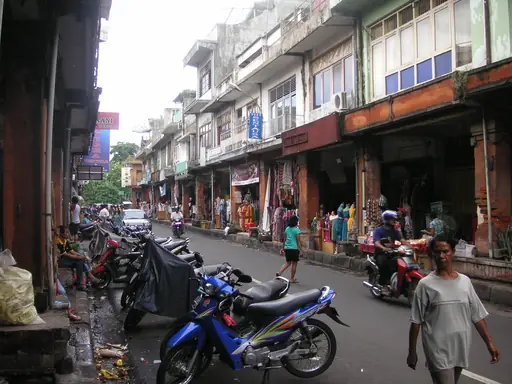
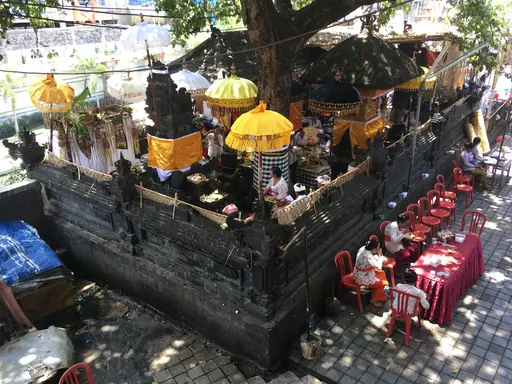
Ubud's traditional market sells woodcarvings, sarongs and woven baskets beneath a bustling covered pavilion. Vendors haggle cheerfully with tourists over prices for batik fabric and silver jewellery. The nearby art market spills into surrounding streets each morning before the heat sets in. Offerings of flowers and incense are sold alongside the more typical souvenirs.
City in South Korea
Busan
Beaches, Markets and Culture
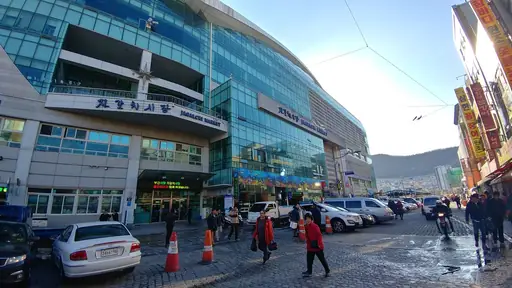
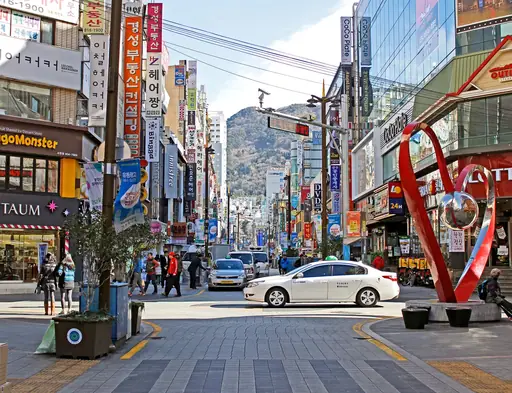
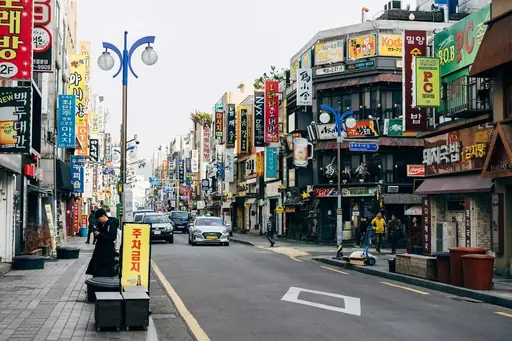
Jagalchi Market sells the day's catch straight from South Korea's largest fish market on the waterfront. Vendors call out prices as live octopus and crab squirm in tanks along the aisles. Gukje Market nearby sells clothing and street snacks across a sprawling maze of alleys. Grilled seafood restaurants upstairs let shoppers cook their fresh purchases.
City in China
Xi'an
Where history whispers through time
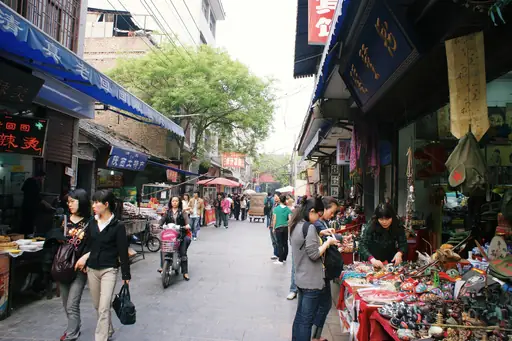
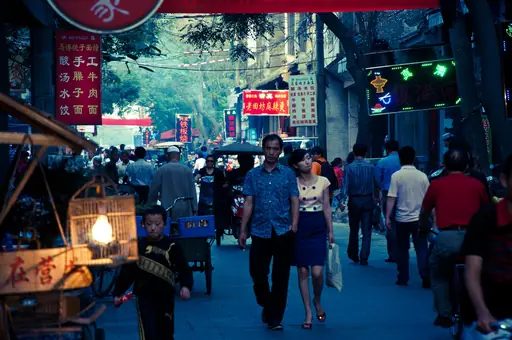
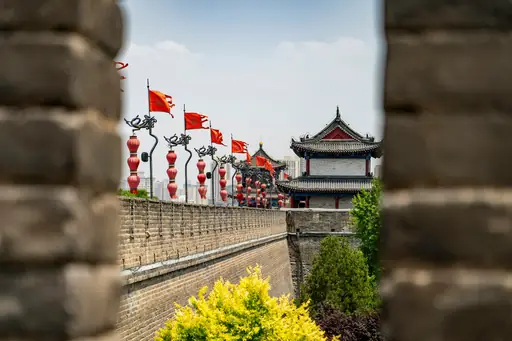
The Muslim Quarter's narrow lanes sell lamb skewers, biang biang noodles and dried fruit near the Great Mosque. Hui vendors trade spices, nuts and handicrafts across stalls operating for generations. Persimmon cakes and other regional sweets draw long queues at popular stalls. Bell Tower and Drum Tower frame the market district's skyline after dark.
City in Syria
Aleppo
Ancient Markets and Resilient Spirit
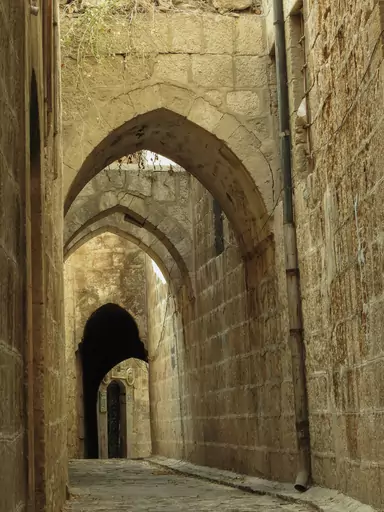
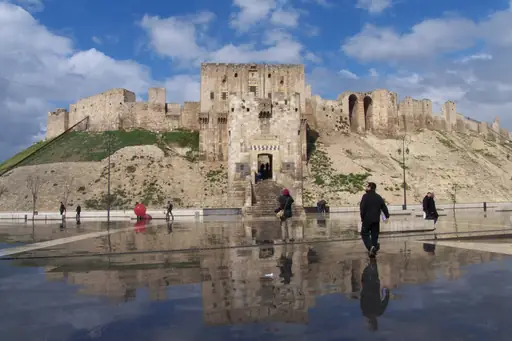
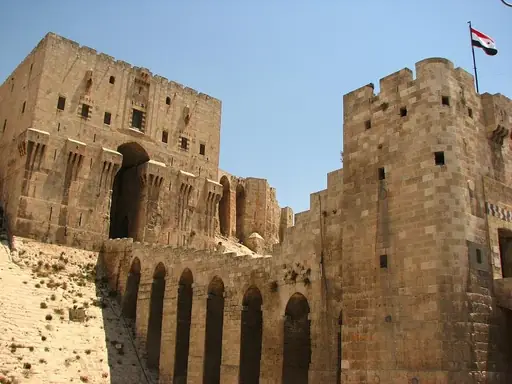
Aleppo's Al-Madina Souq once ranked among the world's largest covered markets before Syria's civil war damaged much of it. Vaulted stone passageways historically sold silk, spices and soap made from olive oil and laurel. Reconstruction has slowly reopened sections of the ancient market. Some family businesses inside have traded in the same stalls for generations.
City in India
Delhi
A Kaleidoscope of History and Culture
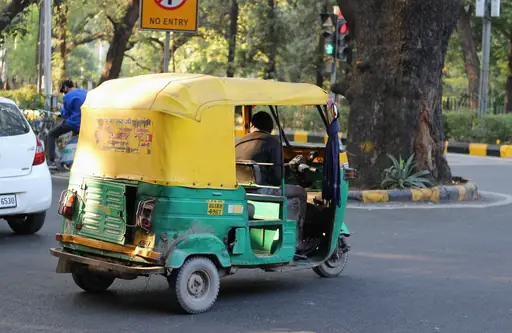
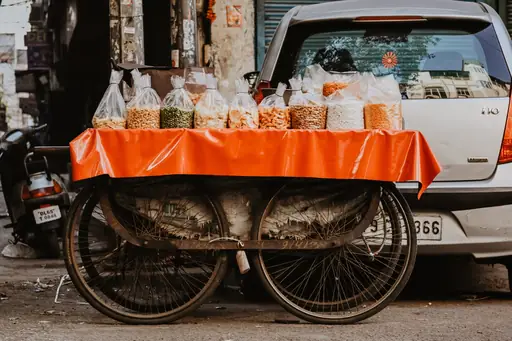
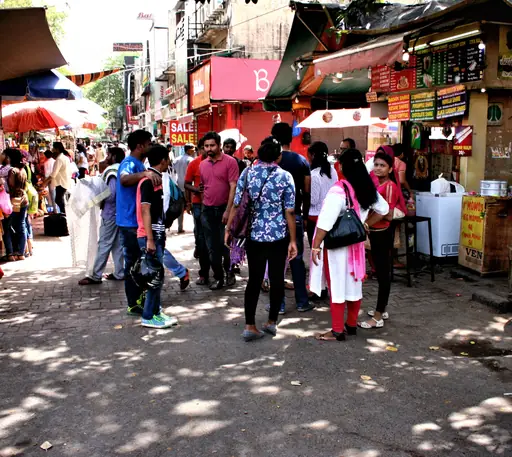
Chandni Chowk's narrow lanes have sold spices, jewellery and textiles in Old Delhi since the 17th century. Cycle rickshaws squeeze through crowds thick with shoppers and vendors calling out their wares. Parathe Wali Gali, a lane within the market, has served stuffed flatbreads for generations. Dariba Kalan nearby specialises in gold and silver jewellery.
City in Malaysia
Malacca
Where centuries of culture converge
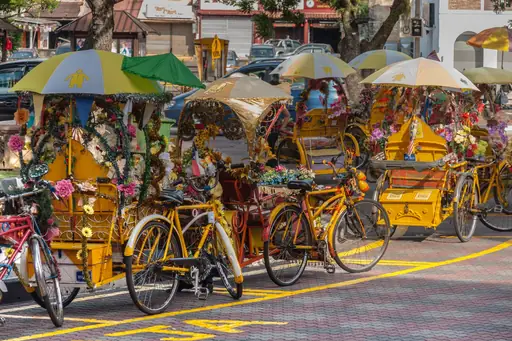
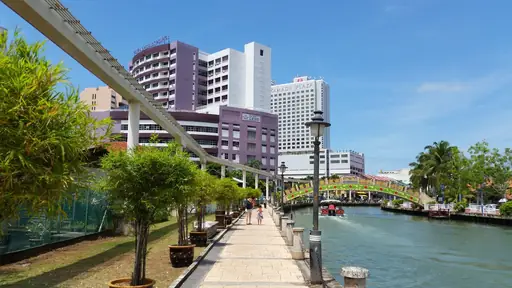
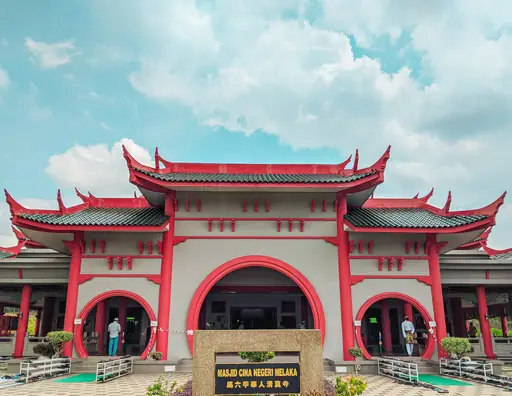
Jonker Street transforms into a lively night market each weekend, selling antiques, snacks and souvenirs. Vendors sell cendol, satay celup and other Peranakan specialities from stalls lining the historic street. Antique shops throughout the day trade in colonial-era furniture and porcelain. Trishaws decorated with flowers and lights pedal past the market stalls each evening.
City in Qatar
Doha
Where modern luxury meets tradition
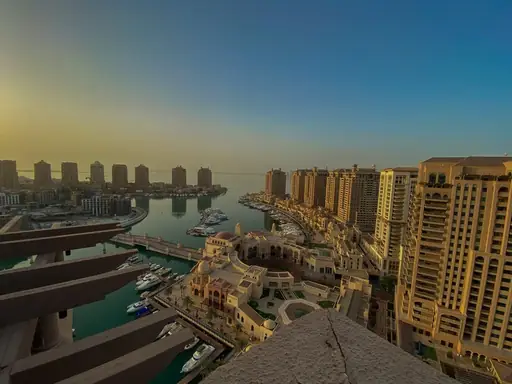
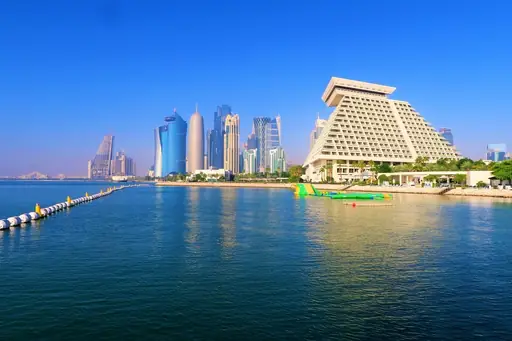
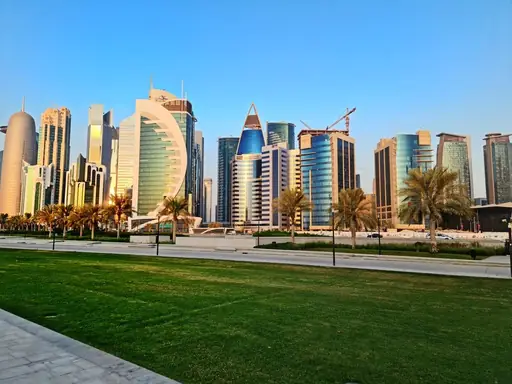
Souq Waqif sells spices, textiles and falcons along restored sandstone alleyways near central Doha. Traditional wind-tower architecture shades shoppers browsing incense, perfume oils and handwoven carpets. Restaurants and shisha cafes line the souq's edges, filling with visitors as evening cools. Falcon shops display birds trained for the hunting tradition still practised across the Gulf.
Town in Vietnam
Hoi An
Charming Lanterns and Timeless Streets
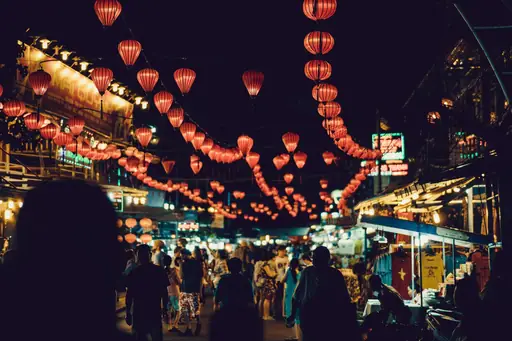
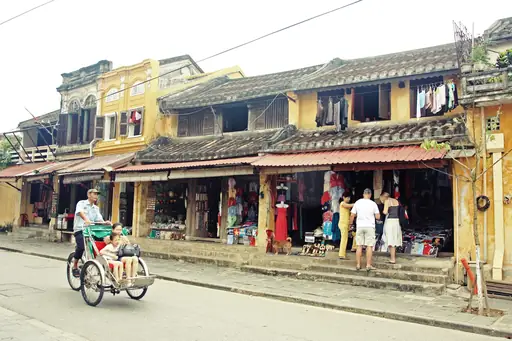
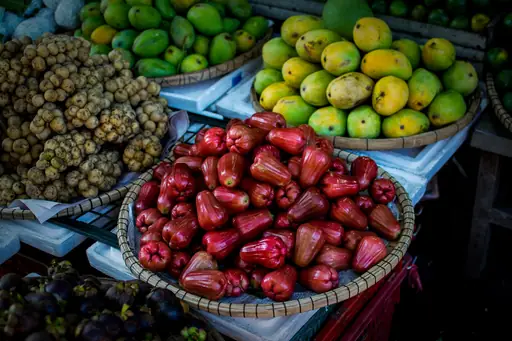
Hoi An's Central Market sells produce, silk and handicrafts along the riverside each morning. Tailor shops throughout the old town can stitch custom clothing within a day. Lantern makers sell colourful silk lanterns that light up the streets each evening. Boat vendors paddle the river selling snacks and drinks to strolling visitors.

City in Iran
Isfahan
Persia's Architectural Masterpiece
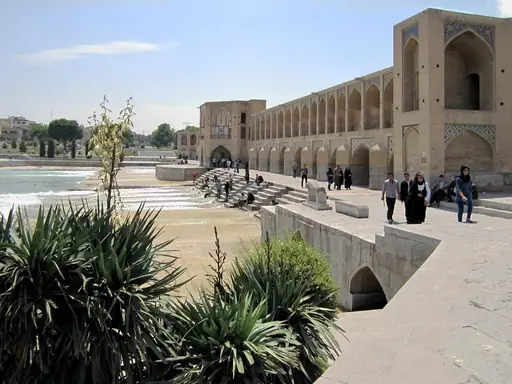
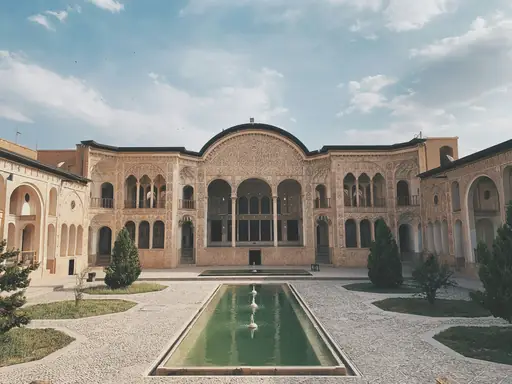
Isfahan's Grand Bazaar wraps around Naqsh-e Jahan Square, one of the largest public squares in the world. Vendors sell hand-painted miniatures, carpets and inlaid woodwork within vaulted brick corridors. Coppersmiths hammer trays and bowls in workshops that have operated for generations. Tea houses tucked into the bazaar offer a quiet break from the crowds.
City in Oman
Muscat
Where mountains meet Arabian sea
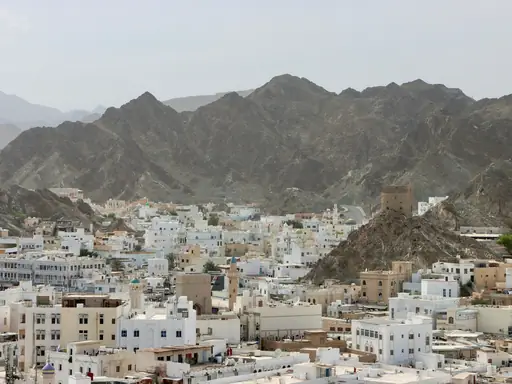
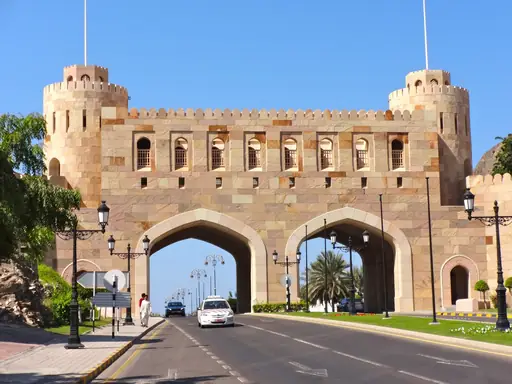
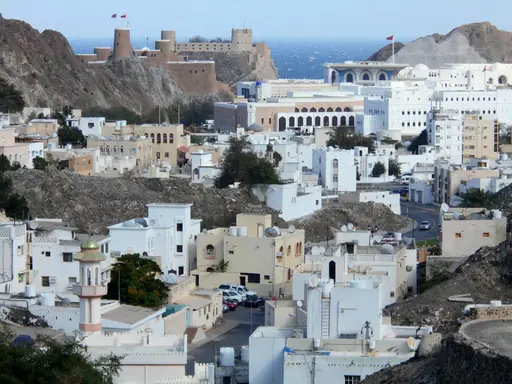
Muttrah Souq sells frankincense, silver jewellery and textiles beneath a covered wooden ceiling near Muscat's waterfront. Vendors offer khanjar daggers, the curved ceremonial blade found across Oman. Incense burners and perfume oils fill many of the market's narrow, winding lanes. The corniche just outside offers views of dhows anchored in the harbour.

City in China
Chengdu
Pandas, Hotpot and Laid-back Vibes
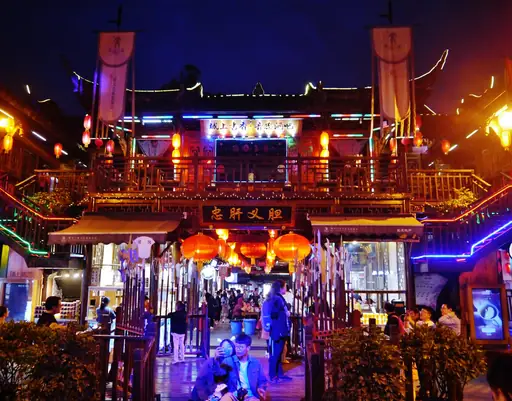
Jinli Ancient Street recreates a Qing dynasty market with lantern-lit lanes selling snacks, tea and handicrafts. Vendors sell sugar paintings and shadow puppets alongside spicy Sichuan street food. Wide Narrow Alley nearby offers a similarly restored setting with teahouses and craft shops. Both streets draw crowds each evening once the lanterns are lit.



Region in Myanmar
Bagan
Ancient Temples and Timeless Sunsets
Small markets in Nyaung-U near Bagan sell lacquerware, longyi fabric and fresh produce beneath open-air sheds. Vendors set up early, before the heat of the day settles over the temple plains. Handwoven baskets and sand paintings of Bagan's temples are popular souvenirs. Monks collecting alms are a common sight passing through the market at dawn.
State/Prefecture in China
Hong Kong
Where East Meets West
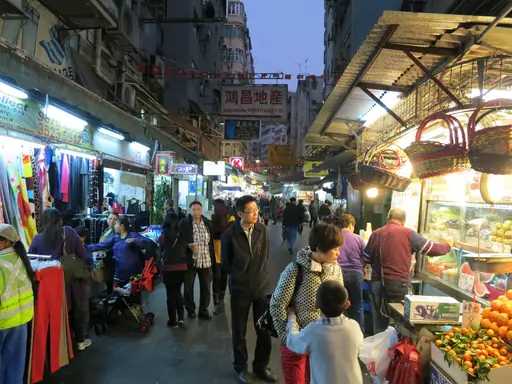
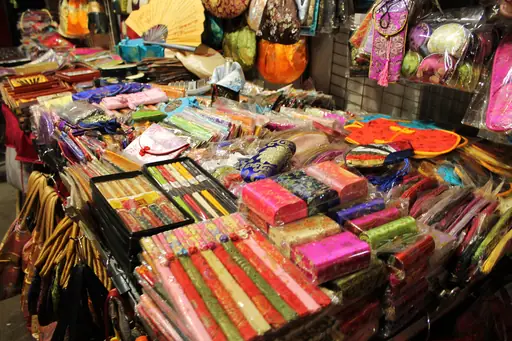
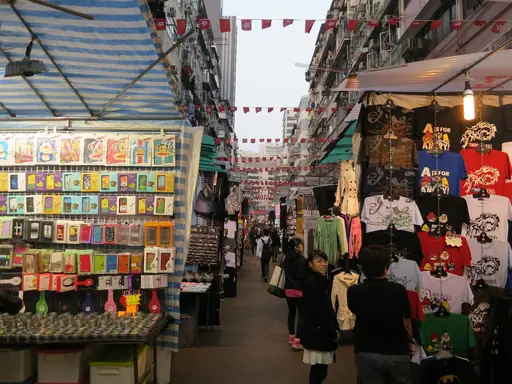
The Ladies' Market in Mong Kok sells clothing, accessories and souvenirs along a bustling pedestrian street. Stanley Market on the south side offers a quieter shopping experience near the waterfront. Wet markets across the city sell fresh seafood and produce each morning. Jade Market in Yau Ma Tei specialises in carved jade jewellery and ornaments.
City in Japan
Sapporo
Snow festival city with ramen and beer
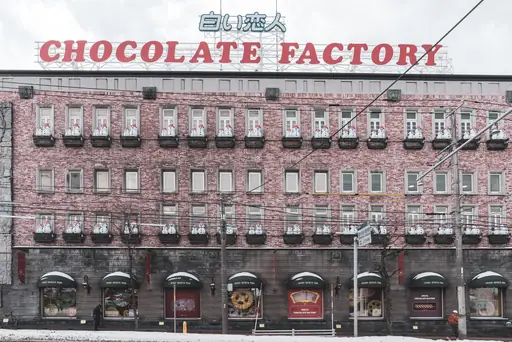
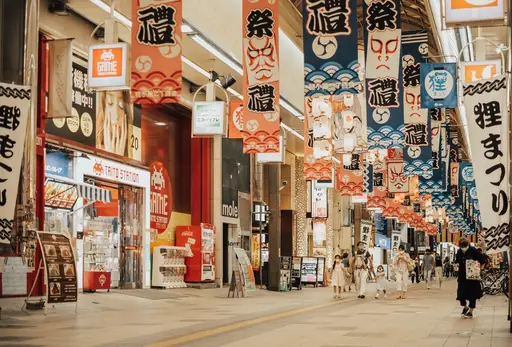
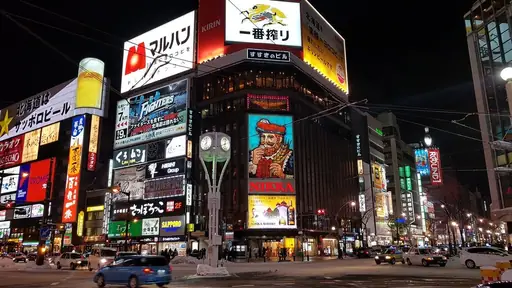
Nijo Market sells fresh crab, sea urchin and salmon roe near central Sapporo's waterfront district. Vendors let shoppers sample seafood before buying, a common practice throughout the market. Nearby food stalls grill scallops and squid for those wanting a meal on the spot. Winter visits pair well with the market's warming bowls of seafood soup.
City in Malaysia
Kuala Lumpur
A fusion of cultures and skyscrapers
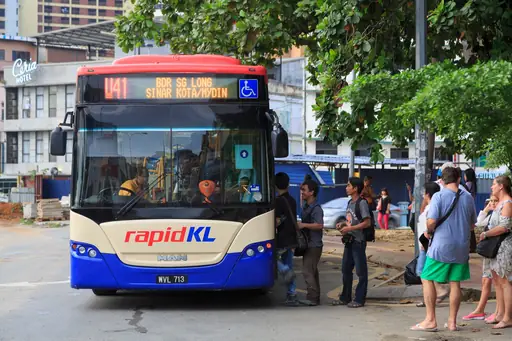
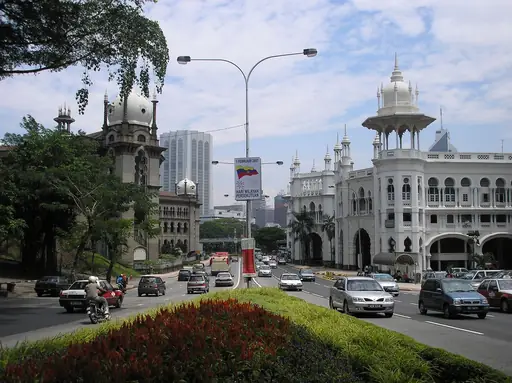
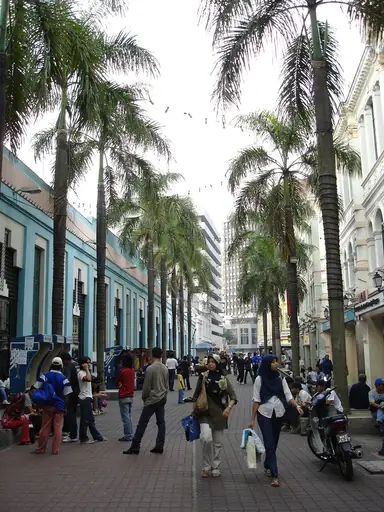
Petaling Street forms the heart of Kuala Lumpur's Chinatown, covered by a red arch and awnings. Vendors sell clothing, electronics and souvenirs alongside stalls selling durian and tropical fruit. Central Market nearby houses a more organised setting for crafts and local artwork. Night markets in nearby neighbourhoods add street food and bargain shopping after dark.
City in Iran
Tabriz
Bazaar Wonders and Persian Heritage
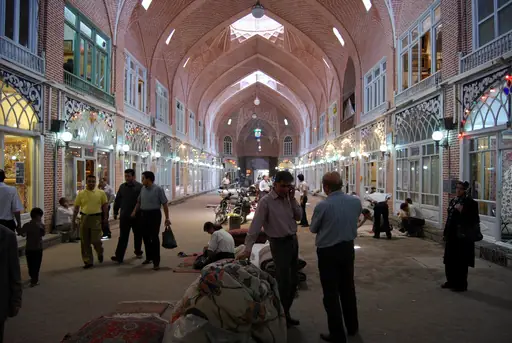
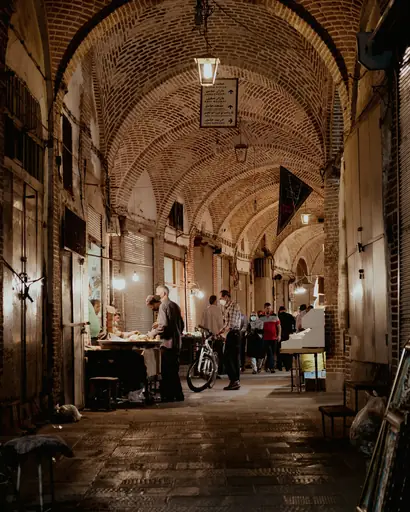
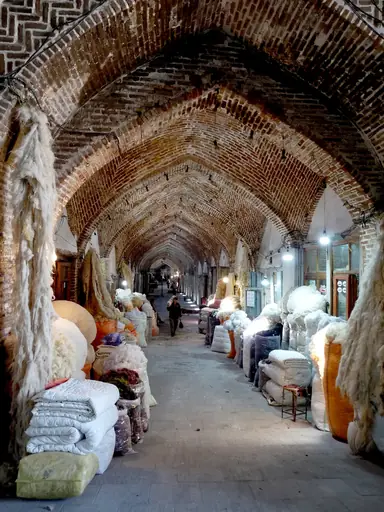
Tabriz's Grand Bazaar ranks among the largest covered markets in the world, a UNESCO World Heritage site. Vendors trade in carpets, gold and leather goods within brick-vaulted corridors dating back centuries. Separate sections specialise in specific crafts, a layout preserved since its start. Tea houses and caravanserais tucked inside offer a break from crowded lanes.
City in Taiwan
Tainan
Temples, Night Markets and Ancient Soul
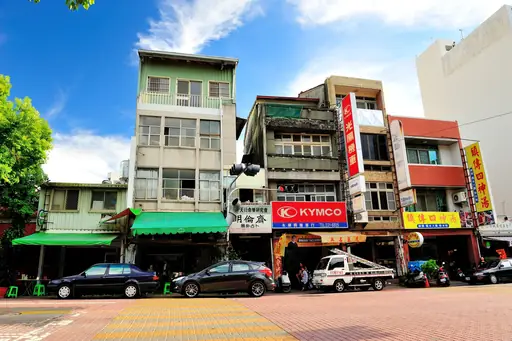
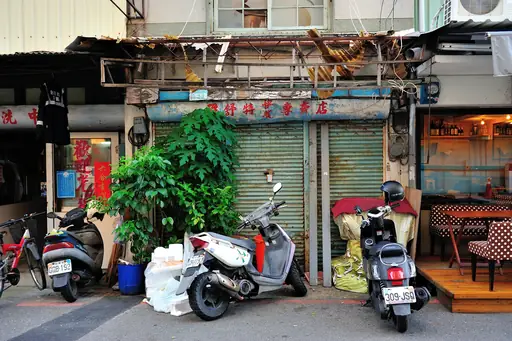
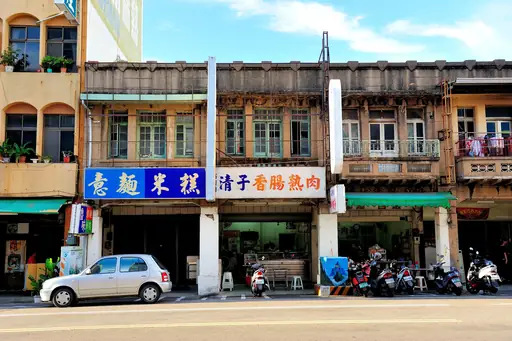
Flower Night Market fills streets in Taiwan's oldest city with food stalls, games and clothing vendors weekly. Shoppers line up for local specialities like coffin bread and oyster omelets. Garden Night Market nearby offers a larger, air-conditioned alternative on other nights. Tainan's older temples sit within walking distance of several rotating markets.
City in Iran
Tehran
A vibrant city with rich history
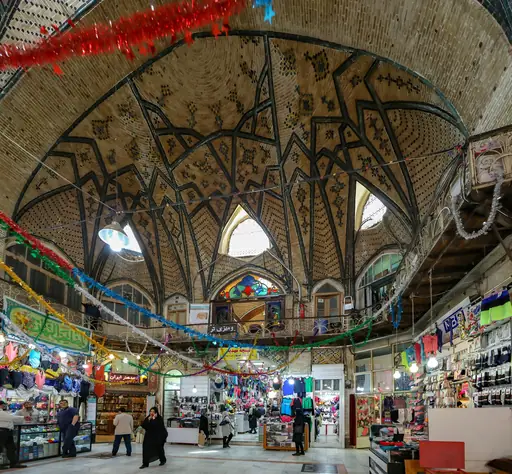
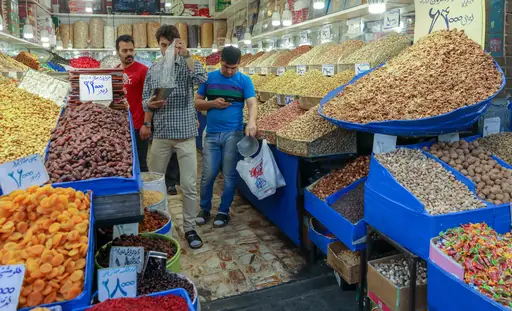
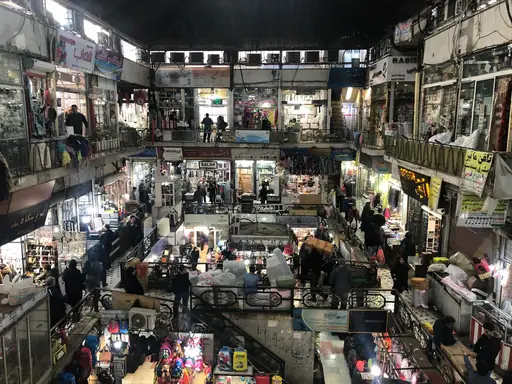
Tajrish Bazaar sells spices, nuts and fresh produce beneath a covered roof in northern Tehran. Vendors trade dried fruit, saffron and rosewater alongside more everyday household goods. The bazaar sits near Imamzadeh Saleh Shrine, drawing both shoppers and pilgrims through its lanes. Tea houses tucked into the market offer a break from the crowds outside.
City in China
Shenzhen
A Futuristic City with a Soul
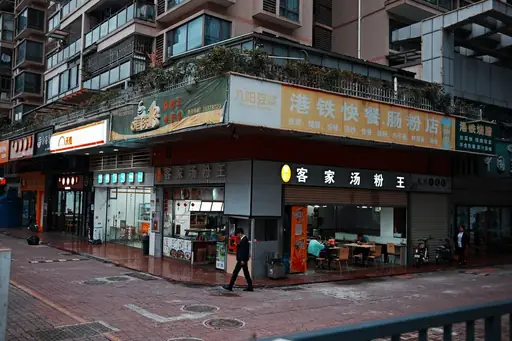
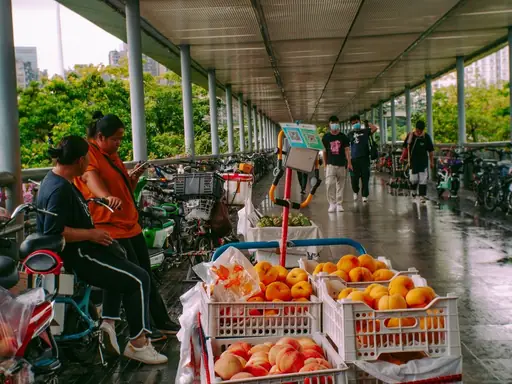
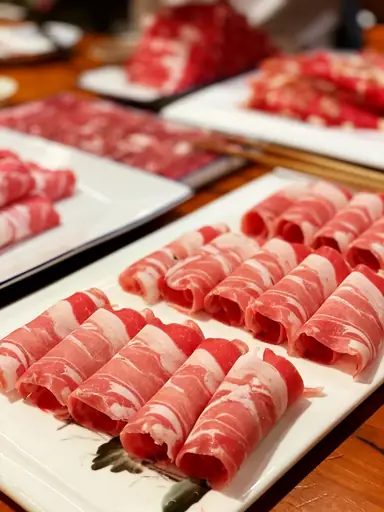
Dongmen Market sells clothing, electronics and accessories across a dense pedestrian shopping district in Shenzhen. Vendors offer custom tailoring alongside ready-made fashion at competitive prices. Huaqiangbei nearby ranks among the world's largest electronics markets, selling everything from components to finished gadgets. Bargaining is common practice throughout both districts.
City in Taiwan
Taichung
Creative city with a sweet side
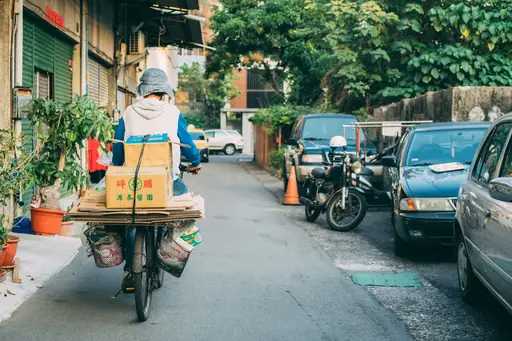
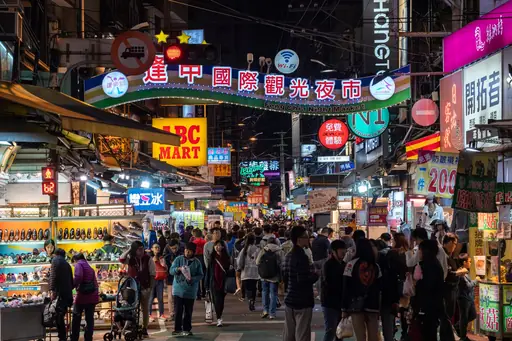
Fengjia Night Market ranks among Taiwan's largest, filling streets near Feng Chia University with food stalls. Vendors sell bubble tea, stinky tofu and grilled skewers to crowds each evening. Clothing and accessory stalls fill the gaps between the market's countless food vendors. Students from the nearby university keep the market busy well past midnight.

City in Japan
Kagoshima
Volcano views, samurai history and black pork
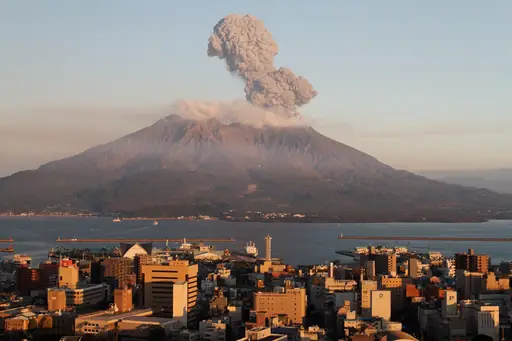
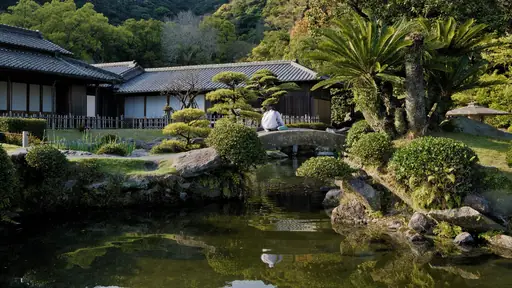
Kagoshima's covered arcades sell fresh seafood, sweet potato treats and local sake near the city centre. Vendors grill satsuma-age fish cakes at stalls scattered throughout the covered streets. Tenmonkan, the main shopping district, mixes traditional shops with modern boutiques. Views of the active Sakurajima volcano appear at the end of several downtown streets.
City in China
Lijiang
Ancient Charm and Mountain Majesty
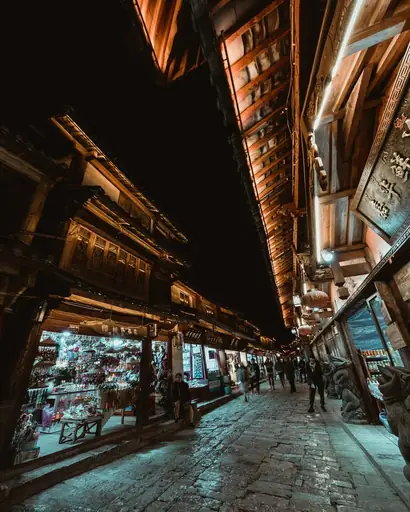
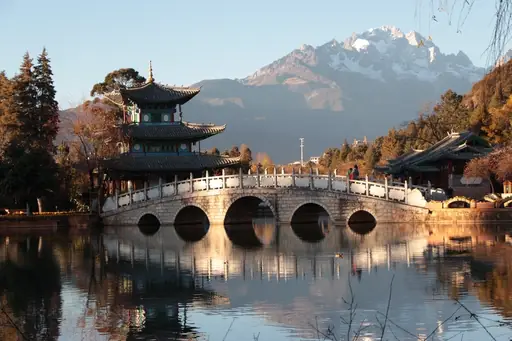
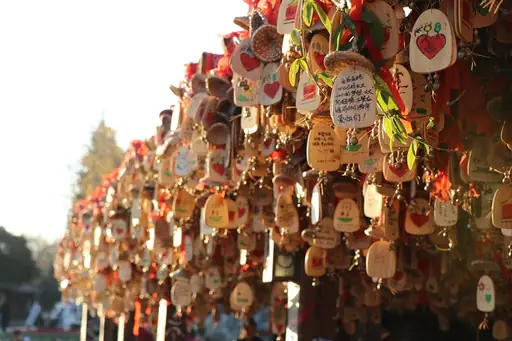
Lijiang's Old Town market sells Naxi handicrafts, silver jewellery and local snacks along cobblestone canal-side streets. Vendors sell yak jerky and baba flatbread from small stalls through the quarter. Water channels running through the town once supplied households and now add scenic backdrop. Evening lantern light draws crowds to the narrow lanes after dark.
City in Azerbaijan
Baku
Where modernity meets ancient charm
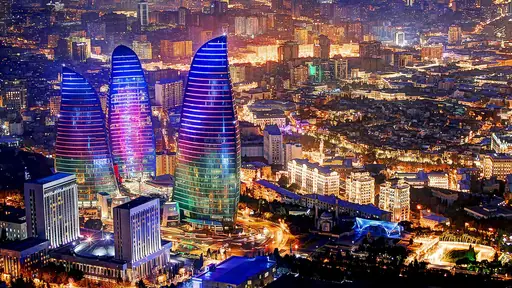
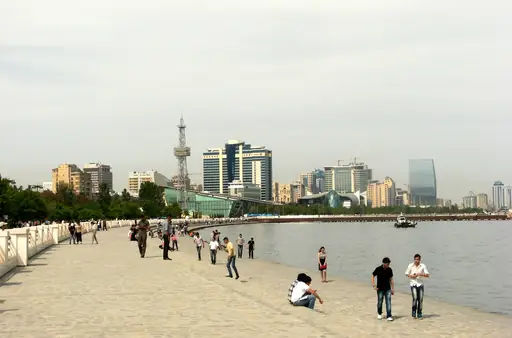
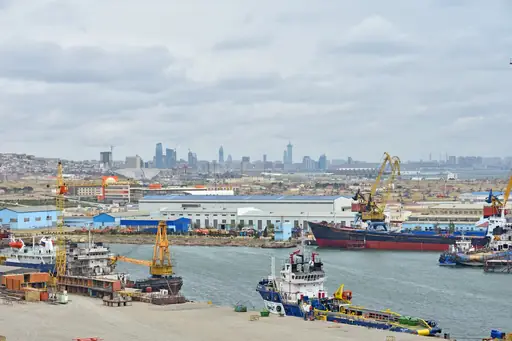
The Taza Bazaar in Baku's old city sells dried fruits, nuts and spices beneath a domed roof. Vendors offer samples of pomegranate syrup and saffron to passing shoppers. Carpet sellers nearby display handwoven Azerbaijani rugs in a range of traditional patterns. The market sits a short walk from the medieval walls of Icherisheher.
City in Georgia
Tbilisi
A blend of old-world charm and energy
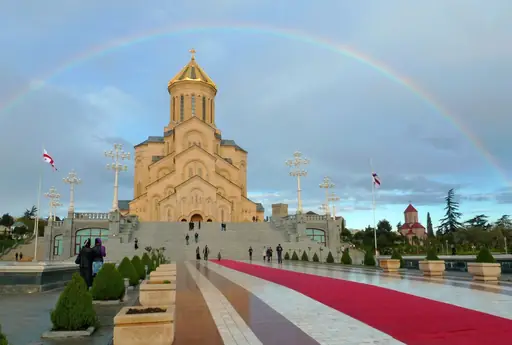
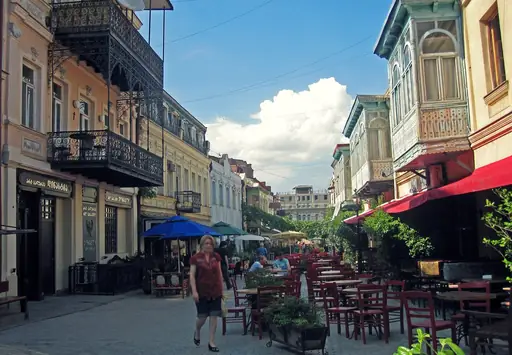
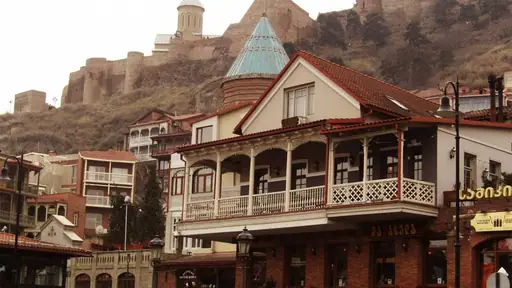
Dezerter Bazaar sells spices, cheese and fresh produce across a sprawling covered market in central Tbilisi. Vendors offer churchkhela, a traditional candle-shaped candy made from grape juice and nuts. Dry Bridge Market nearby trades in Soviet antiques, artwork and secondhand books. Wine sellers throughout both markets offer tastings of Georgia's amber and red varieties.
Country
Singapore
Tropical city-state of hawker food and gardens
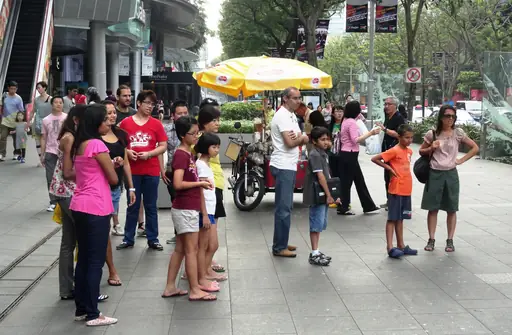
Chinatown's street market sells traditional medicine, souvenirs and street food across several covered blocks. Vendors trade in silk, tea and porcelain within shophouses lining the pedestrian streets. Little India's markets add spices, garlands and gold jewellery to the city's shopping mix. Hawker centres throughout the city serve as informal food markets alongside the retail stalls.

City in China
Kashgar
Ancient Silk Road's living museum
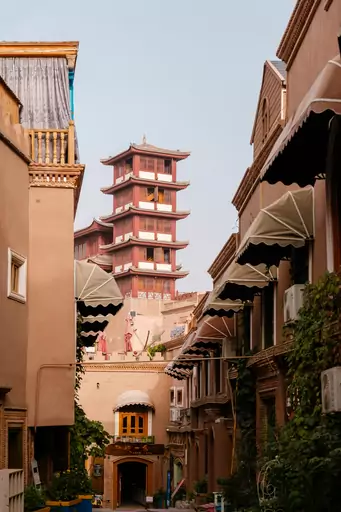
Kashgar's Sunday Bazaar draws traders from across Central Asia to sell livestock, carpets and knives. Uyghur vendors sell dried fruit, spices and hand-pulled noodles from stalls in the old city. The animal market on the outskirts trades sheep, cattle and camels weekly. Centuries of trade shaped Kashgar into one of the region's oldest hubs.
State/Prefecture in China
Macau
Where East meets West in style
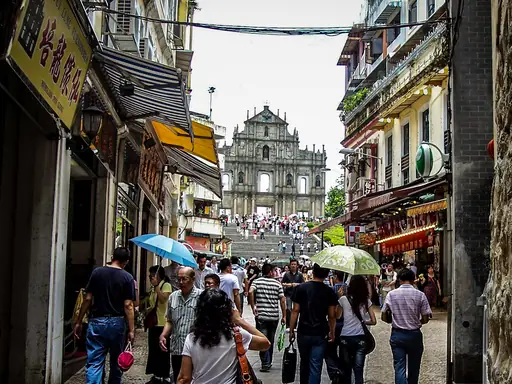
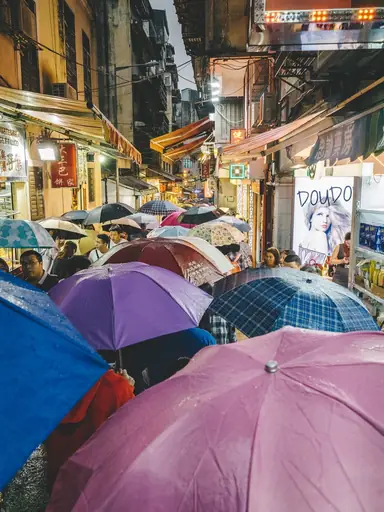
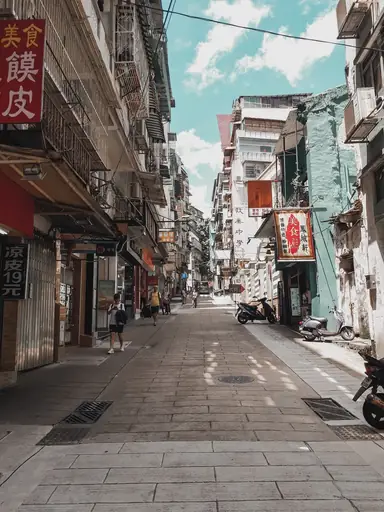
Rua de Sao Paulo leads towards Macau's famous ruined church facade, lined with shops selling almond cookies and egg tarts. Vendors sell jerky and Portuguese-influenced sweets along the cobbled street. The Red Market, a colonial-era building nearby, trades in fresh produce and seafood. Neon signs and colonial architecture give the district a distinct look.
City in India
Mumbai
India's bustling coastal metropolis
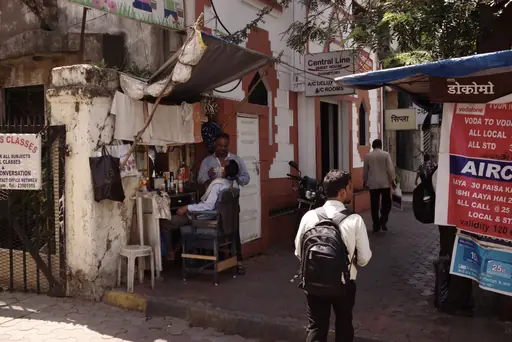
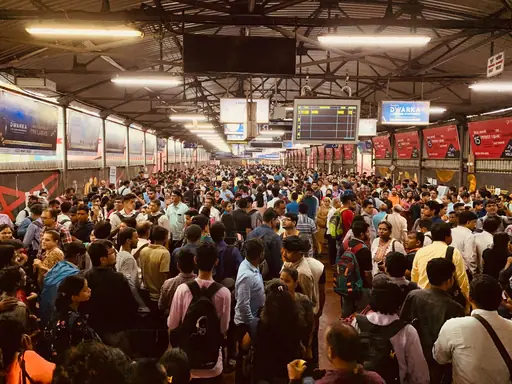
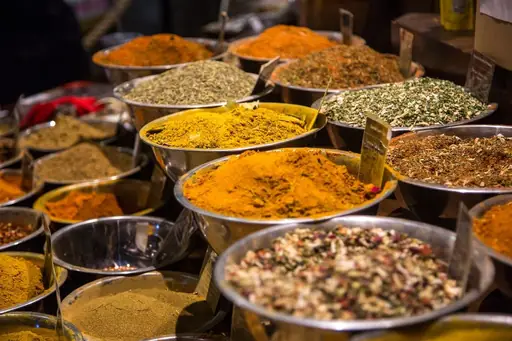
Crawford Market sells fresh produce, spices and imported goods beneath a Gothic stone facade near south Mumbai. Vendors trade pets, fruit and household items across the market's crowded aisles. Colaba Causeway nearby sells clothing, jewellery and antiques along a bustling street. Chor Bazaar, the city's thieves market, trades in antiques and vintage curiosities.
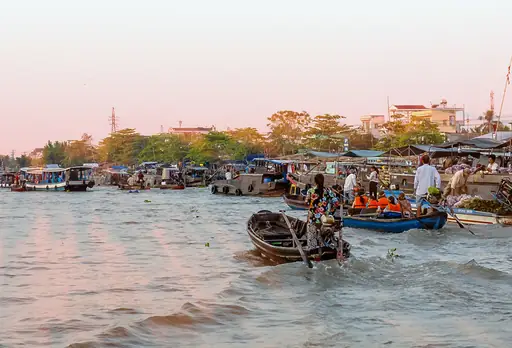
Marketplace in Vietnam
Cai Rang
Vibrant floating market, colors and aromas
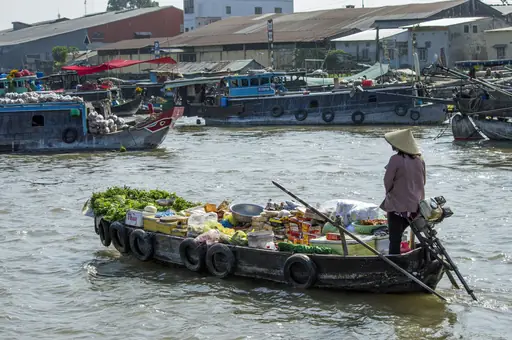
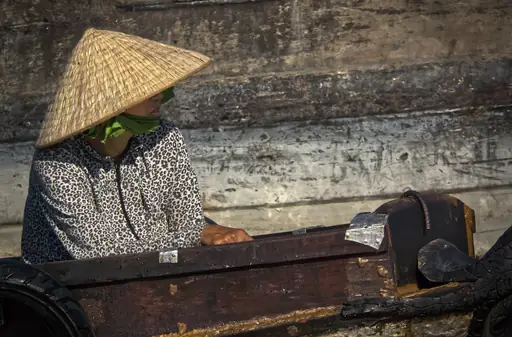
Cai Rang Floating Market sells fruit and vegetables from hundreds of boats along the Mekong Delta's waterways. Traders hang a sample of their goods from a tall pole so buyers can spot them. Vendors sell breakfast noodles and coffee from smaller boats weaving through the crowd. Activity peaks before dawn, when wholesale trading is busiest.
City in South Korea
Seoul
Where Tradition Meets High-Tech Marvels
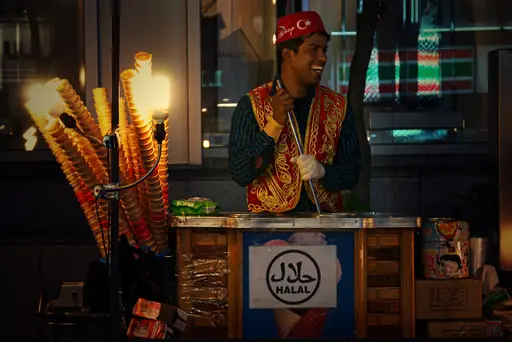
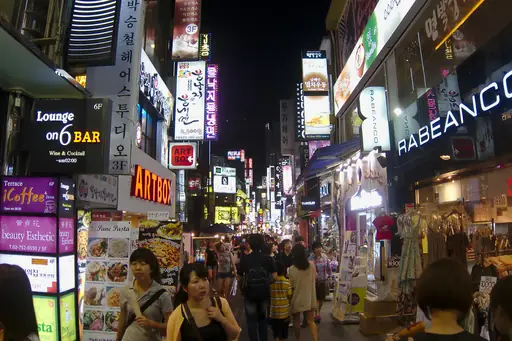
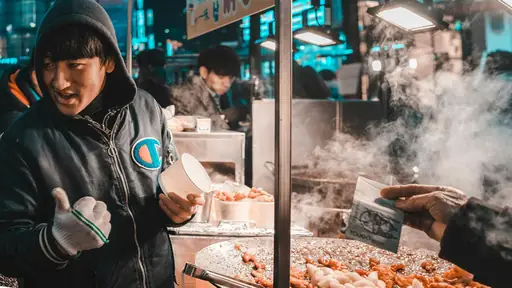
Gwangjang Market sells silk, hanbok fabric and street food across one of Seoul's oldest covered markets. Vendors serve bindaetteok, mung bean pancakes fried fresh at crowded food stalls. Namdaemun Market nearby offers a larger mix of clothing, kitchenware and imported goods. Dongdaemun's markets stay open into the early morning, popular with fashion wholesalers.
City in Cambodia
Phnom Penh
Vibrant City with Deep History
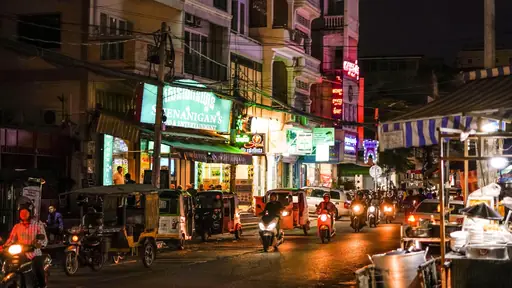
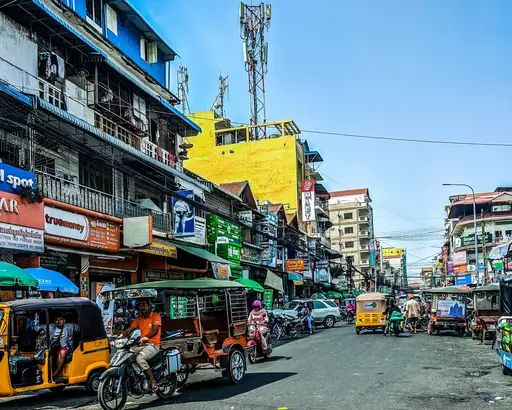
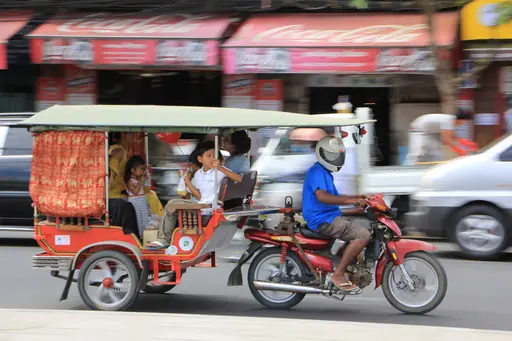
Central Market's Art Deco dome houses gold jewellery, watches and electronics under a distinctive yellow facade. Vendors in the surrounding wings sell clothing, fabric and household goods across crowded stalls. Russian Market nearby offers similar goods at lower prices, popular with budget shoppers. Street food carts outside both markets serve grilled meats and noodle dishes.

City in India
Amritsar
Golden spirituality in Punjab's heart
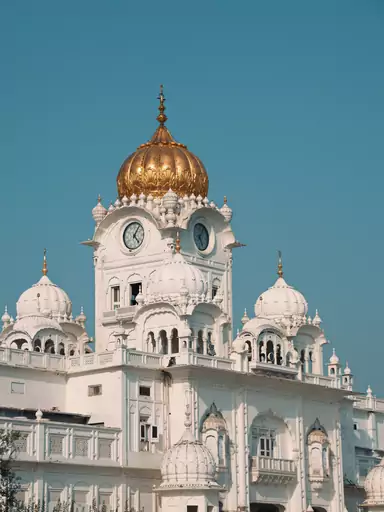
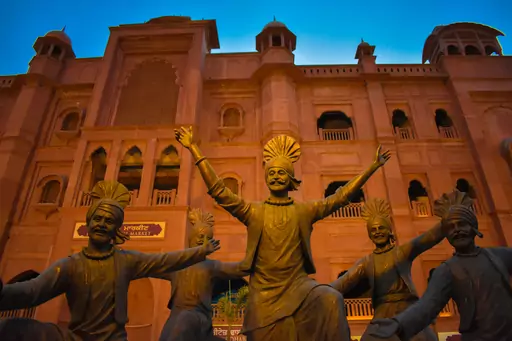
Amritsar's Hall Bazaar leads directly towards the Golden Temple, lined with shops selling Punjabi jutti shoes and embroidery. Vendors nearby sell dry fruits, spices and sweets like the city's famous kulcha bread. Crowds thicken towards evening as pilgrims and shoppers mix in the narrow lanes. Silver jewellery and turbans fill many of the smaller stalls.
City in China
Kunming
Spring City with Eternal Blossoms
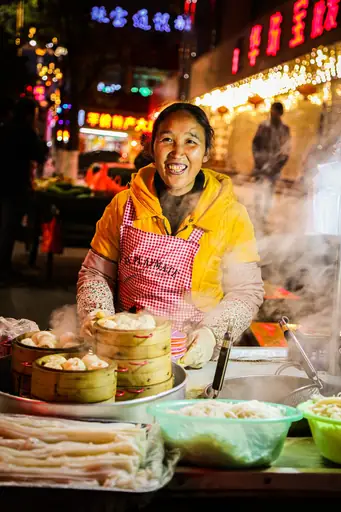
Kunming's flower and bird market sells songbirds, orchids and jade carvings across a maze of narrow lanes. Vendors from Yunnan's ethnic minority groups sell handwoven textiles and silver jewellery nearby. Wild mushroom stalls appear each summer, selling varieties foraged from the surrounding hills. Tea shops throughout the market offer tastings of Yunnan's famous pu-erh tea.
City in Japan
Fukuoka
Kyushu's biggest city, known for yatai and ramen
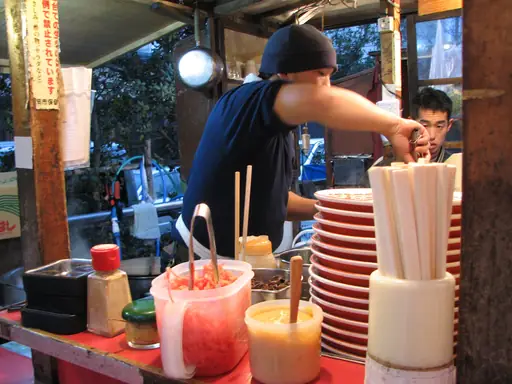
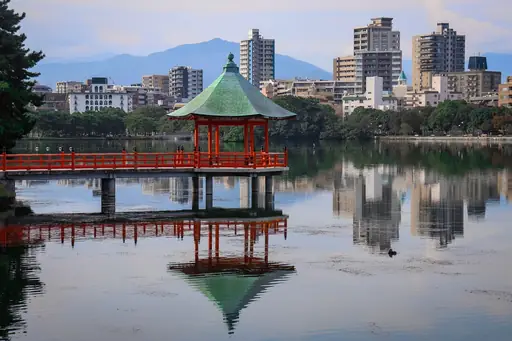
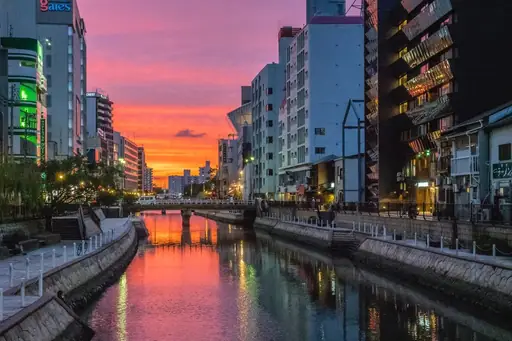
Fukuoka's yatai food stalls line riverside streets each evening, serving ramen and grilled skewers from portable carts. Yanagibashi Market operates by day, selling fresh seafood and produce to local chefs. Canal City's shopping complex offers a modern contrast to the city's traditional markets. Tenjin's underground arcades stretch for blocks beneath the main district.

City in Armenia
Yerevan
Soviet Grandeur, Pink Stone, Lively Soul
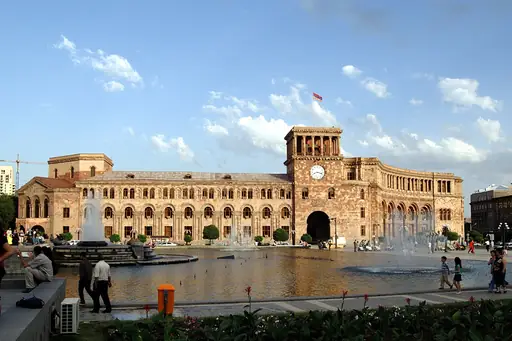
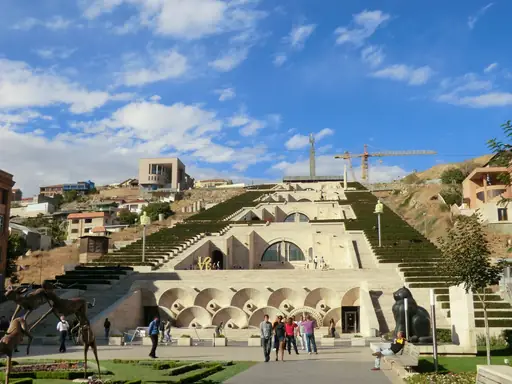
GUM Market sells dried fruit, spices and pickled vegetables across a covered hall in central Yerevan. Vendors stack sujukh, a traditional candy made from grape juice and walnuts, in colourful rows. Vernissage Market nearby trades in handmade crafts, carpets and Soviet-era antiques each weekend. Wine and brandy sellers throughout offer tastings of Armenia's local varieties.
City in Pakistan
Peshawar
Historic crossroads where cultures intertwine
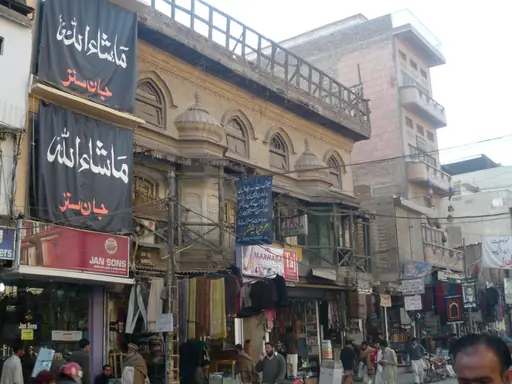
Qissa Khwani Bazaar, the storytellers' market, has traded spices and dried fruit in Peshawar for centuries. Vendors sell naswar, embroidered shawls and Peshawari chappal sandals along the crowded street. Tea stalls here once hosted storytellers who entertained merchants on Silk Road caravans. Copper and brass workshops nearby hammer out pots and decorative items by hand.
City in Iran
Shiraz
Poetry, Gardens and Persian Splendor
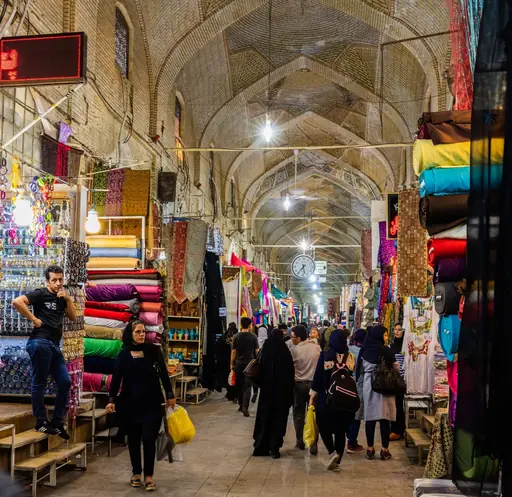
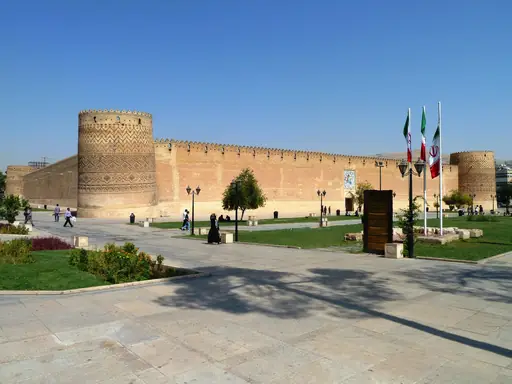
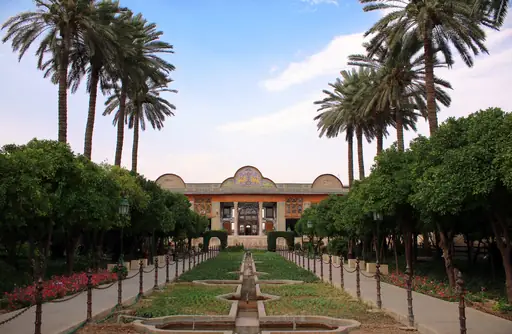
Vakil Bazaar sells carpets, spices and handicrafts beneath vaulted brick ceilings in central Shiraz. Vendors trade in rosewater, saffron and traditional Persian sweets across the covered corridors. Vakil Mosque and Bathhouse sit within walking distance, both built during the same 18th-century era. Tea houses tucked into the bazaar offer a break from the crowded lanes.
City in Uzbekistan
Tashkent
Silk Road crossroads with modern flair
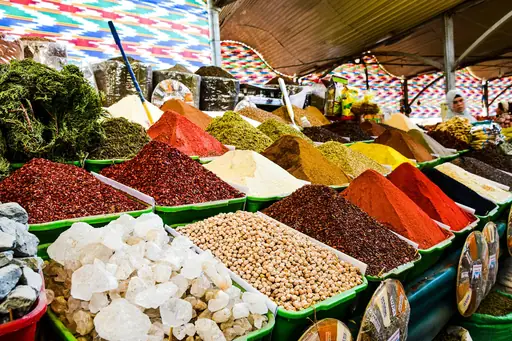
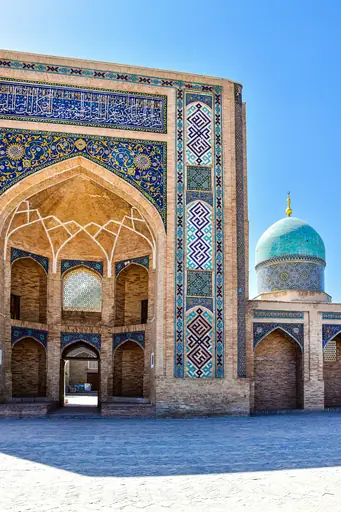
Chorsu Bazaar trades beneath a distinctive turquoise dome in old Tashkent. Vendors sell spices, dried fruit and fresh bread across the market's sprawling covered halls. Meat and dairy sections operate separately from the produce stalls filling the surrounding lanes. Silk and ceramics shops line the streets just outside the bazaar's main entrance.
City in Japan
Kyoto
Temples, geisha districts and kaiseki dining
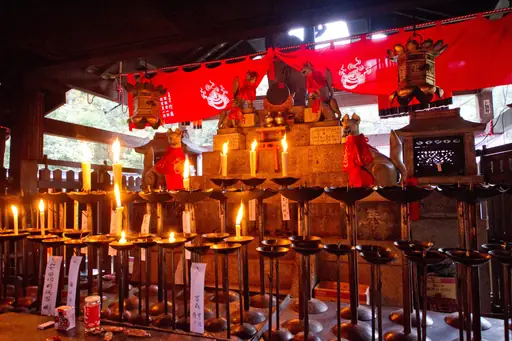
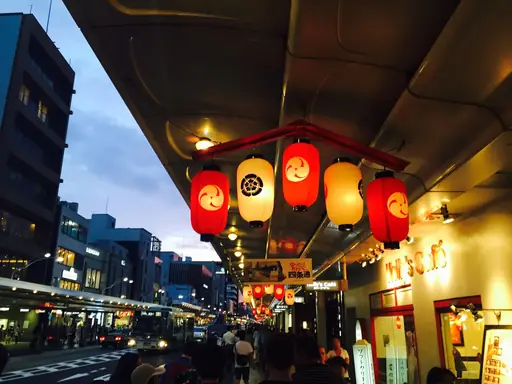
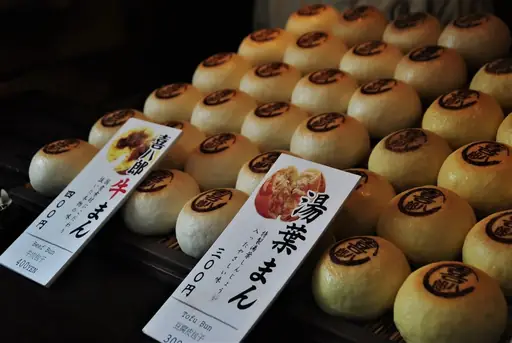
Nishiki Market stretches five city blocks through central Kyoto, nicknamed the city's kitchen. Vendors sell pickles, fresh seafood and Kyoto-style sweets from stalls that have operated for generations. Knife shops here sell handcrafted blades prized by chefs across Japan. Tofu, matcha and yuba specialities fill the narrow covered arcade alongside more everyday groceries.
City in Laos
Vientiane
Laid-back temples on the Mekong
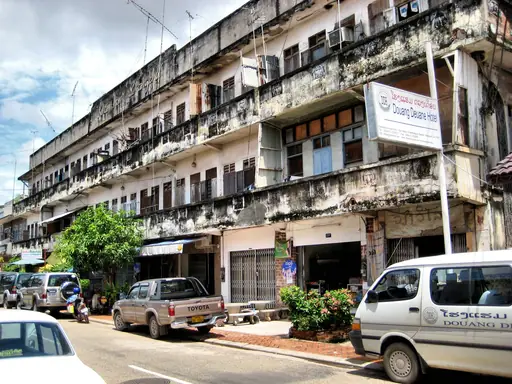
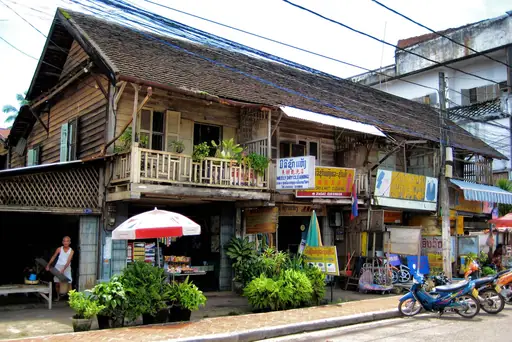
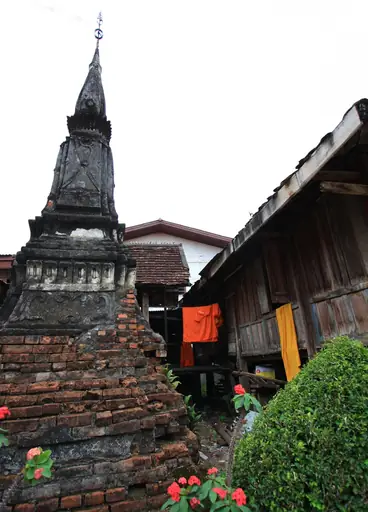
Talat Sao, the morning market, sells textiles, gold and electronics across a multi-storey complex in Vientiane. Vendors trade in Lao silk and handwoven baskets alongside more everyday household goods. A night market along the Mekong riverfront adds food stalls and souvenirs each evening. Monks and shoppers mix in the crowded aisles from early morning onward.
City in China
Lhasa
A Spiritual Journey in Tibet
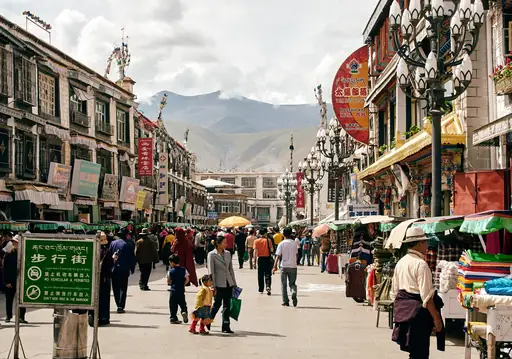
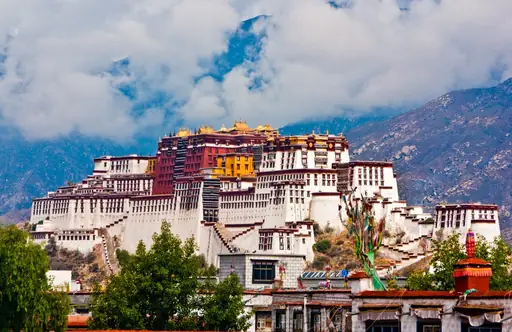
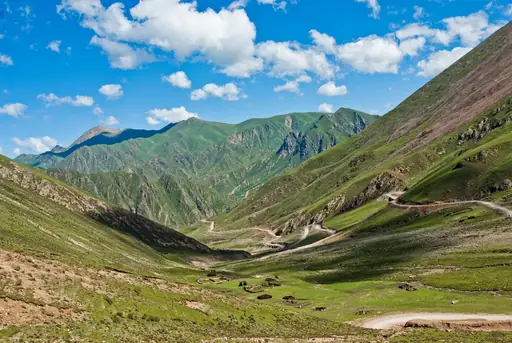
Barkhor Street circles the Jokhang Temple, Tibet's holiest site, lined with stalls selling prayer wheels and turquoise jewellery. Pilgrims walk clockwise around the route, prostrating as they pass devotional shops. Vendors sell yak butter, prayer flags and religious texts alongside typical souvenirs. Incense smoke drifts through the market from braziers along the circuit.
Marketplace in Tehran
Tehran Grand Bazaar
Historic Labyrinth of Trade
Tehran's Grand Bazaar spreads across covered corridors selling carpets, gold and spices near the city centre. Vaulted brick ceilings shade shoppers from the sun across several kilometres of passageways. Separate sections specialise in specific trades, a layout largely unchanged for centuries. Tea houses tucked into side alleys offer a break for merchants and visitors alike.
Marketplace in Chiang Mai
Night Bazaar
Vibrant Evening Market in Chiang Mai
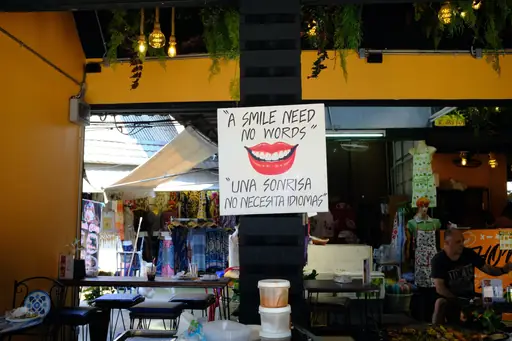
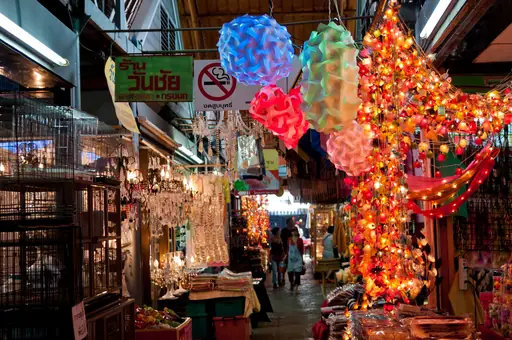
Chiang Mai's Night Bazaar fills several city blocks with stalls once the sun goes down. Hill tribe crafts, silk scarves and hand-carved wood sit alongside cheap souvenirs and clothing. Food vendors set up alongside the stalls, serving skewers and noodle dishes to browsing shoppers. Live music from nearby bars spills into the market most evenings.
Marketplace in Bangkok
Chatuchak Market
World's Largest Weekend Shopping Maze
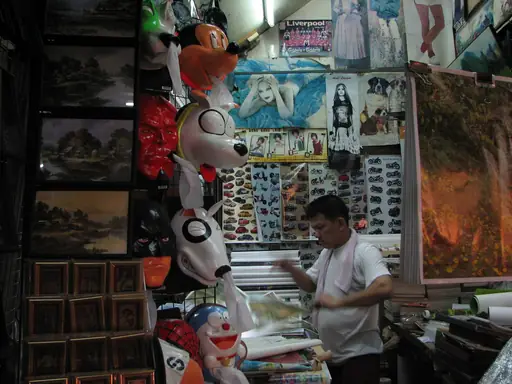
Chatuchak Weekend Market covers 27 acres of Bangkok with more than 15,000 stalls divided into 27 sections. Vendors sell everything from antiques and ceramics to exotic pets and vintage clothing. More than 200,000 shoppers pass through the market's numbered alleyways each weekend. Street food stalls scattered throughout make it easy to refuel between purchases.
Marketplace in Istanbul
Grand Bazaar
Labyrinth of Timeless Treasures
Istanbul's Grand Bazaar houses more than 4,000 shops beneath vaulted ceilings across 61 covered streets. Gold jewellery, carpets and ceramics fill entire sections dedicated to a single trade. Built in the 15th century, it remains one of the oldest covered markets still operating. Tea sellers weave through the crowds offering small glasses to browsing shoppers.
Marketplace in China
Temple Street Night Market
Vibrant Nightlife and Market Buzz
Temple Street comes alive after dark with stalls selling clothing, electronics and souvenirs beneath red lanterns. Fortune tellers and Cantonese opera singers set up near the market's northern end. Seafood stalls and dai pai dong food stands serve diners at plastic tables. Bargaining is common, though prices run cheaper than daytime tourist markets.
Marketplace in Ho Chi Minh City
Ben Thanh Market
Vibrant Heart of Saigon Shopping
Ben Thanh Market has anchored central Ho Chi Minh City since French colonial times, its clock tower a well-known landmark. Vendors inside sell lacquerware, silk clothing and fresh produce under one covered roof. The surrounding streets fill with food stalls each evening as the indoor market closes. Bargaining is expected on nearly everything sold inside.
Marketplace in Thailand
Damnoen Saduak
Vibrant floating stalls, fragrant Thai aromas
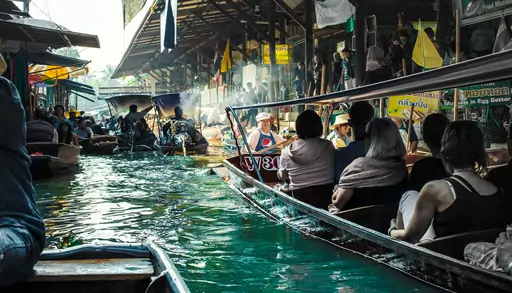
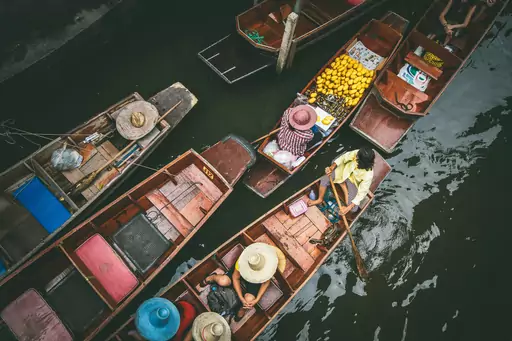
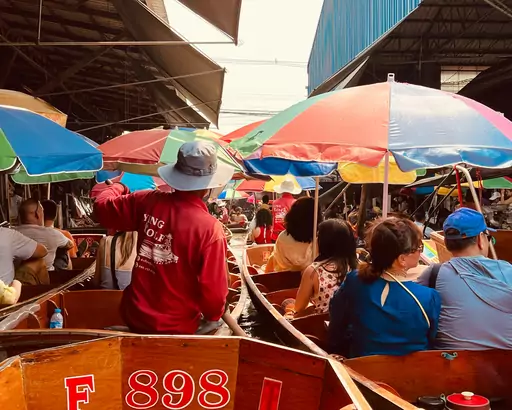
Damnoen Saduak's floating market lets vendors sell fruit and cooked food straight from narrow wooden boats. Canals crowd with traffic each morning as sellers paddle between customers along the waterways. Mango sticky rice and boat noodles rank among the market's most popular dishes. Colourful produce piled high in the boats makes for a well-photographed scene.
Other lists you may like
Discover
Best market destinations and street shopping
Markets are one of the most direct ways into the everyday life of a place. Where supermarkets and shopping centres smooth over local difference, a good market reflects the climate,…
Read more
Discover
Markets and street shopping in Africa
North Africa's medina markets trade in spices, textiles and crafts within layouts that have changed little for centuries, often built around a single old quarter at the heart of…
Read more
Discover
Markets and street shopping in Europe
Europe has a long and serious market tradition, from the medieval trading halls of northern cities to the sprawling weekly markets of the Mediterranean south. Markets here are…
Read more
Discover
Markets and street shopping in North America
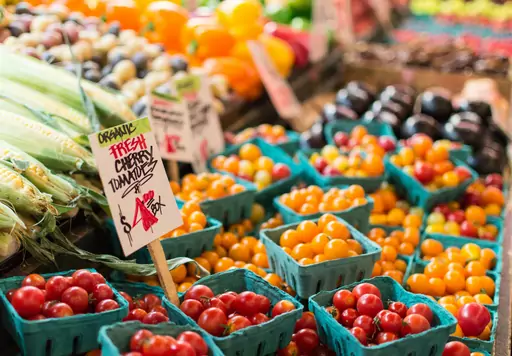
North America's market culture is younger than in many parts of the world, but it has developed a distinct character and energy that makes it worth seeking out. The farmers market…
Read more
Discover
Markets and street shopping in Oceania
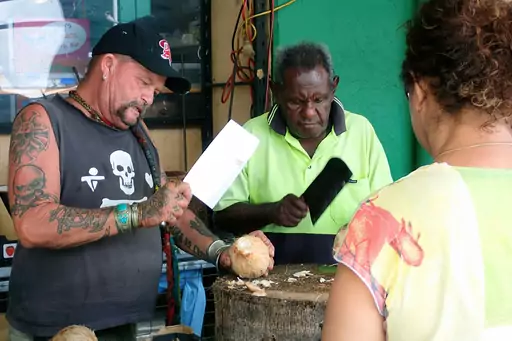
Oceania has a market culture that reflects the region's extraordinary agricultural diversity and its mix of indigenous, European, and Asian influences. At their best, markets here…
Read more
Discover
Markets and street shopping in South America
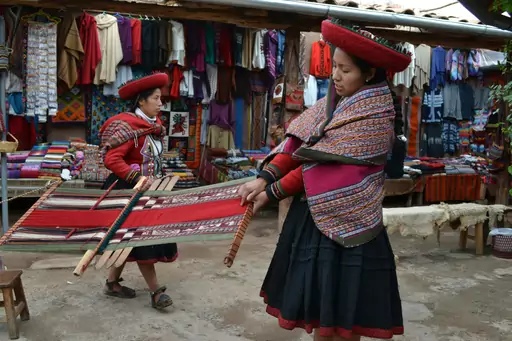
South American markets are among the most compelling on earth, rooted in trading traditions that predate European arrival and shaped by centuries of cultural exchange since. They…
Read more
What other users say about travelfilters
“travelfilters made it easy for me to find ski areas and compare what else they offer, so that I could find the best place for my personal travel style.”

Chris
Snowboarding & Onsen trip to Japan
“I love how transparent the data feels. There is no pushy upsell, just honest information and settings I can tune to my own travel style.”

Maria
After booking her 2027 winter escape
“The level of detail for each destination and how well those are displayed, make planning feel confident instead of overwhelming.”

Mina
Planned a week in New York City
“We used travelfilters for our planning from start to end. The trip turned out even better than expected, thanks to all their tools and customisation options.”

Allan & Etienne
Trip to Japan to see autumn foliage
“Thanks to travelfilters, I found some hidden gems to see. Being able to filter for exactly your interests is a game changer for my travel planning.”

Michael
Tour through the old cities of Northern Italy
“The customizable filters helped me find a quiet beach town with good wifi and low season crowds in under five minutes.”

Diego
Weekend Escape to Llanes, Spain
“The airport connection map saved me hours by showing good flight options from my home airport to lesser-known cities.”

Nguyen
Planning a 2027 trip to France
“The website is clean, fast and focused on the search itself, which makes travelfilters feel more like a professional tool than an ad-heavy booking site.”

Hassan
Christmas Market trip, Germany
