
Top surfing destinations and wave breaks
Top surfing destinations and wave breaks
World-class surf breaks and legendary coastlines
A genuinely great surf destination needs more than one good wave: it needs consistency, the right swell exposure and enough variety to suit more than one skill level and board. The places that have built real surf culture around their coastline tend to have all three, plus infrastructure that's grown up specifically to serve surfers.
The breaks on this list range from world-famous reef passes that draw professional competitions to lesser-known beach breaks locals would rather keep quiet. Some suit beginners learning their first pop-up. Others are serious, heavy waves that demand real experience.
Swell season and wind direction determine almost everything about whether a destination delivers and arriving in the right window makes all the difference. Local surf reports updated daily make checking conditions before heading out considerably easier than in the past.
Lists by region
City in France
Biarritz
Surf, Style and Basque Flair
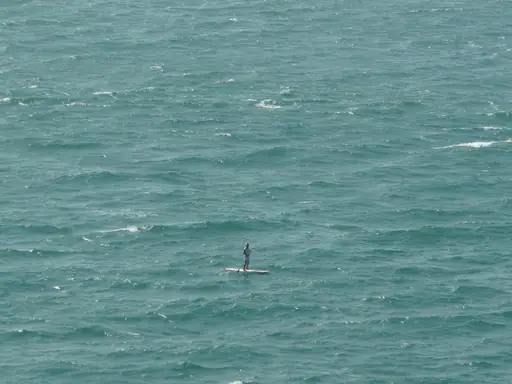
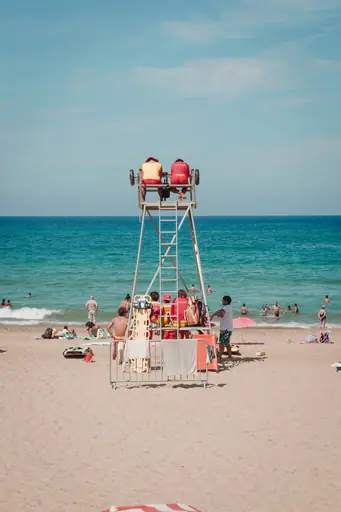
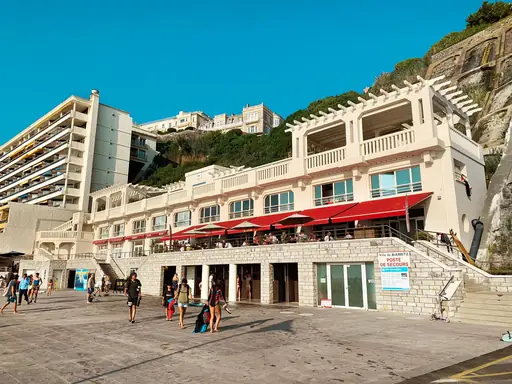
Biarritz became Europe's surf capital after a visiting screenwriter brought a board to its beaches in 1957. Local surf shops and schools grew quickly once the sport caught on among French youth. Visitors can rent boards along the Grande Plage or take lessons in town. The town now hosts European surf competitions most years.
Island in Indonesia
Mentawai Islands
Surfer's paradise with tribal culture
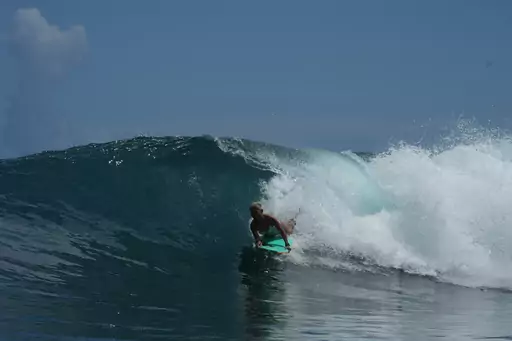
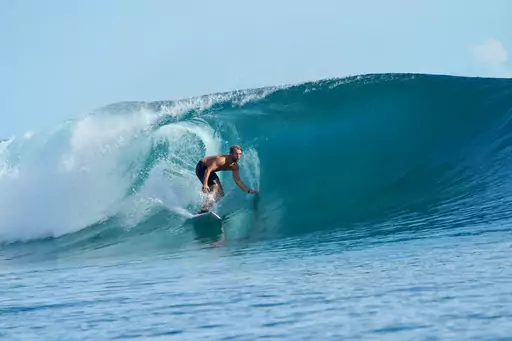
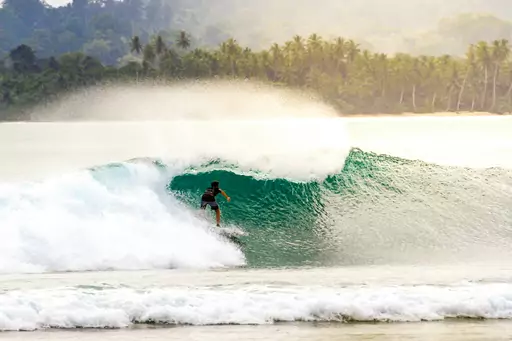
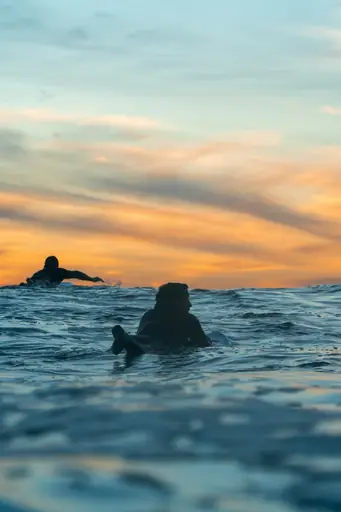
The Mentawai Islands hold a cluster of world class reef breaks, including Macaronis and Rifles. Both sit across a remote Indonesian archipelago reachable mainly by boat. Surf camps and charter boats provide the main way to reach the waves. Rainforest covers most of the islands beyond the camps themselves.
Town in Portugal
Ericeira
Europe’s Surf Sanctuary by the Sea
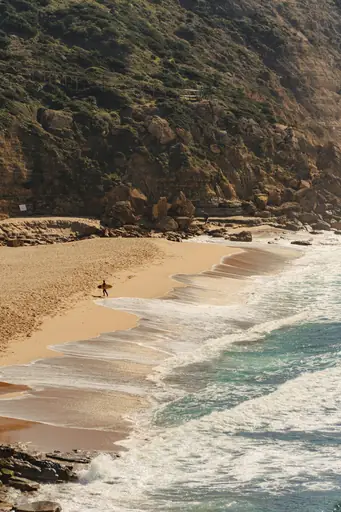
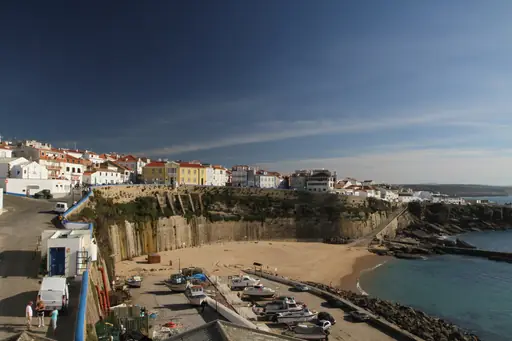
Ericeira became Europe's first World Surfing Reserve, a status protecting several high quality breaks along its coastline. Waves like Coxos and Ribeira d'Ilhas both break within a short drive of town. Visitors can surf multiple distinct wave types without travelling far between sessions. The reserve status limits development that might otherwise threaten the breaks.

Island in United States
Maui
Island of Sun, Surf and Serenity
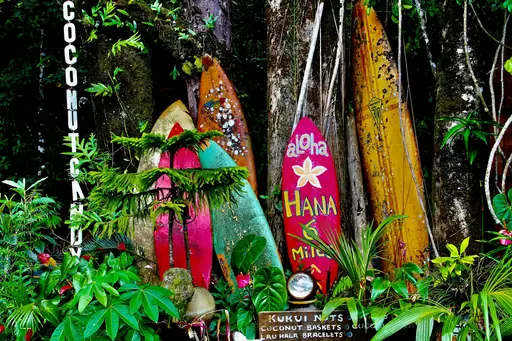
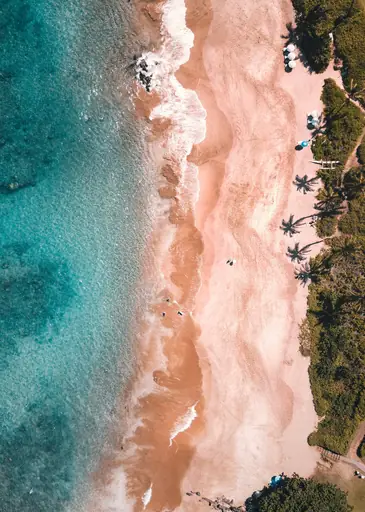
Jaws, known locally as Peahi, produces waves that can reach over 60 feet on Maui's north shore. Peak swells arrive mainly during winter months. Surfers get towed into the wave by jet ski since paddling in is nearly impossible at that size. Visitors can watch from a cliffside viewpoint during major swell events.
Country
Nicaragua
Tropical beauty with volcanic charm
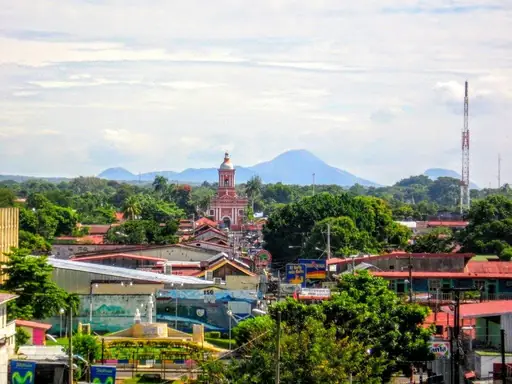
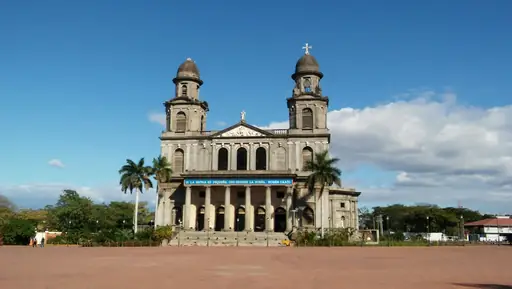
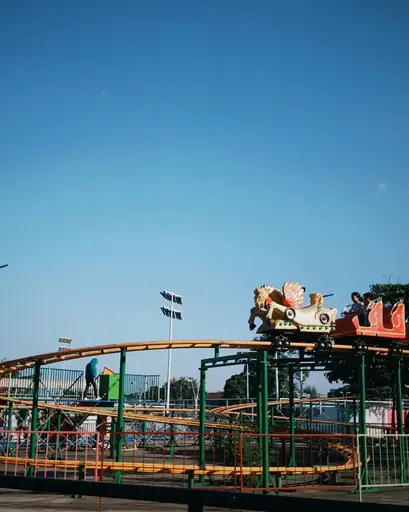
Popoyo on Nicaragua's Pacific coast benefits from steady offshore winds blowing across Lake Nicaragua towards the sea. These winds groom waves into clean, well shaped faces most mornings. Visitors can choose between a punchy beach break and a nearby reef. Surf camps throughout the area cater to a range of skill levels.
Overseas Territory in France
French Polynesia
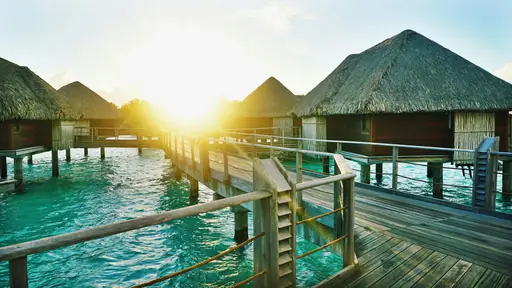
Paradise of Crystal Clear Lagoons
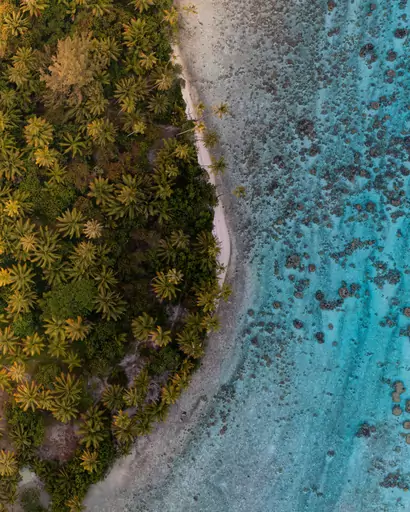
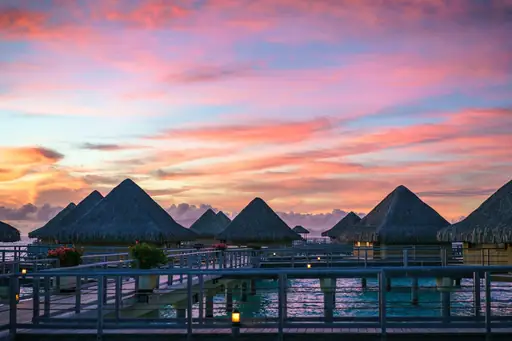
Teahupoo in Tahiti breaks over a shallow reef, producing some of the heaviest waves surfers ride. The wave hosted surfing at the 2024 Paris Olympics despite sitting far from France. Visitors can watch from boats anchored a safe distance from the break. Only elite surfers attempt to ride the wave at full size.

City in Australia
Sydney
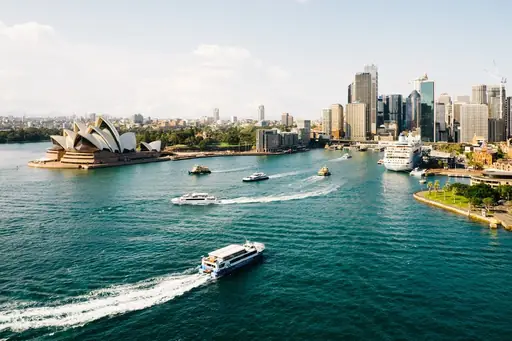
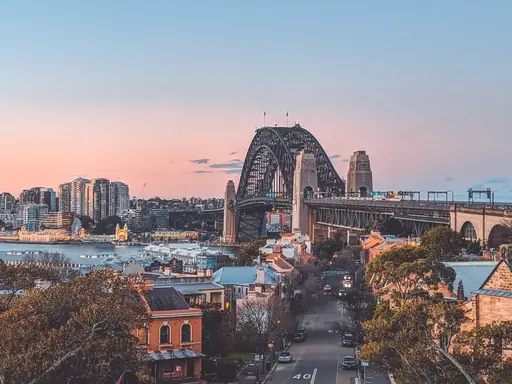
Where urban life meets stunning beaches
Bondi Beach helped give rise to Australia's surf lifesaving movement in the early 1900s, born from concerns over drownings. Volunteer lifesavers still patrol the beach using century old techniques. Visitors can rent a board and take a lesson in the gentler sections. The Bondi Icebergs pool sits carved into rocks at the beach's south end.
Region in Portugal
Algarve
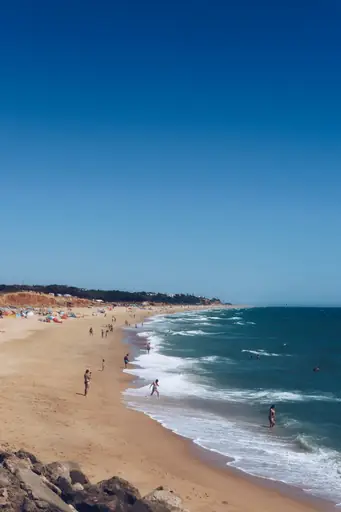
Golden cliffs and azure waters
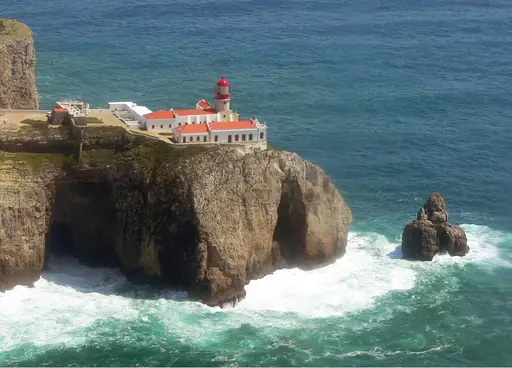
Praia do Amado near Sagres has hosted World Surf League qualifying events on Portugal's southwest coast. Consistent swells wrap around the cape from both the Atlantic and nearby currents. Visitors can book lessons at surf schools around the beach's parking area. Sagres itself sits at the edge of what sailors once called the world's end.
Island in Spain
Canary Islands
Spain's volcanic paradise year-round
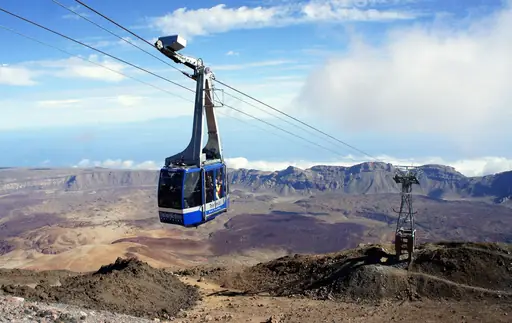
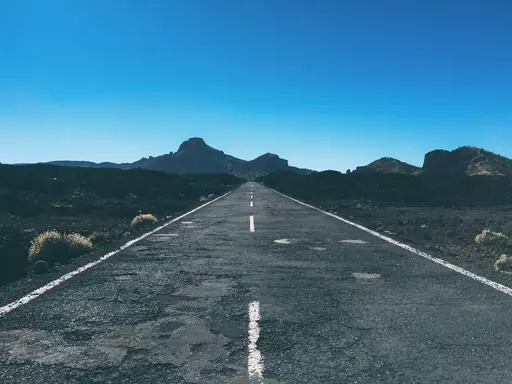
La Santa on Lanzarote breaks over a volcanic reef producing fast, hollow waves year round. Consistent Atlantic swell reaches the islands even during summer months when other regions go flat. Visitors can find surf camps throughout La Santa built around the wave. Black volcanic rock lines much of the coast nearby.
City in United States
San Diego
California's perfect weather playground
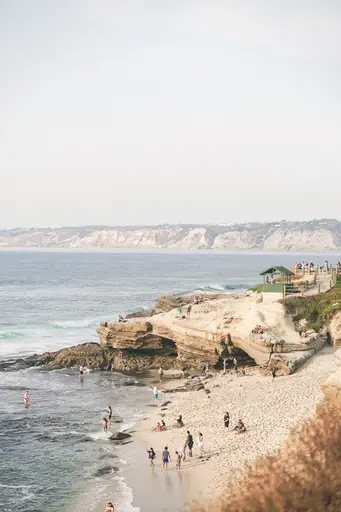
Blacks Beach in San Diego produces a powerful beach break beneath tall sandstone cliffs that shelter it from wind. Windansea Beach nearby holds historic status as an early California surf spot. Visitors can access Blacks via a steep trail down the cliffside. Both beaches draw experienced local surfers rather than beginners.
City in Australia
Gold Coast
Sun, Surf and Adventure
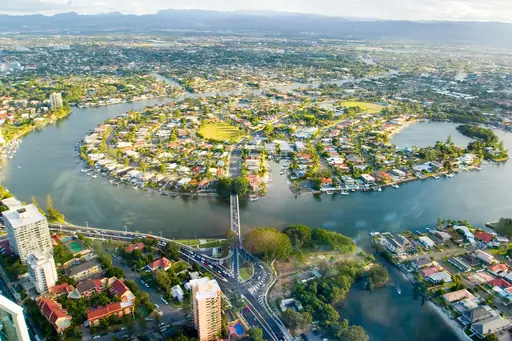
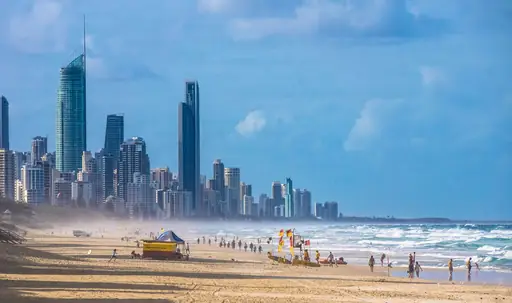
A sand pumping project connected point breaks on the Gold Coast into one wave, the Superbank. Surfers can ride from Snapper Rocks through to Kirra on a single long right hander. Visitors can watch the wave from headland lookouts during a solid swell. The connected break remains one of the longest rides on Australia's coast.
Town in Sri Lanka
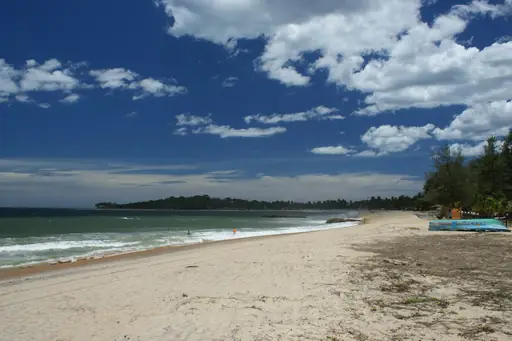
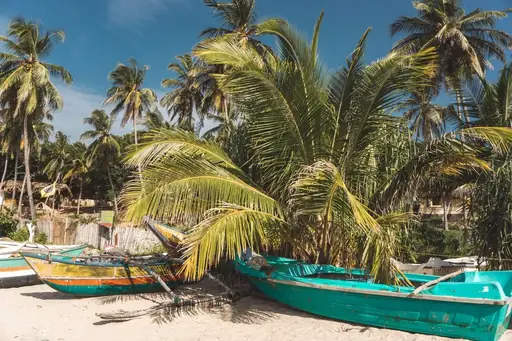
Arugam Bay
Sri Lanka’s Surf and Sunrise Haven
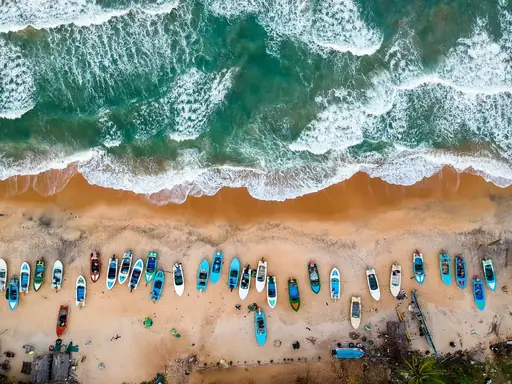
Arugam Bay's main point produces a long right hand wave that can run for hundreds of metres. On a good day the ride feels almost endless. The wave built this small fishing village into one of Asia's most visited surf towns. Visitors can rent boards from shops lining the town's main road.
Island in Indonesia
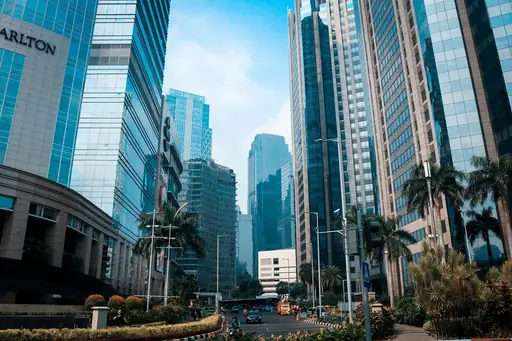
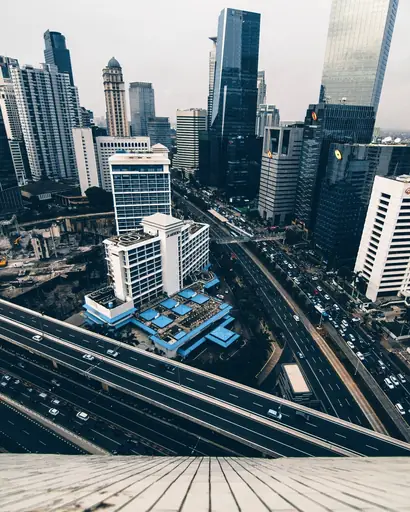
Java
Vibrant capital city and ancient temples
G-Land sits inside a national park on Java's eastern tip, producing a long left hand wave. Surfers reach it by boat or a long jungle trek, since no road leads there. Surf camps built along the shoreline supply the area's accommodation. Visitors can watch for monkeys and deer in the surrounding rainforest between sessions.
State/Prefecture in United States
Hawaii
Tropical Vibes and Volcanic Wonders
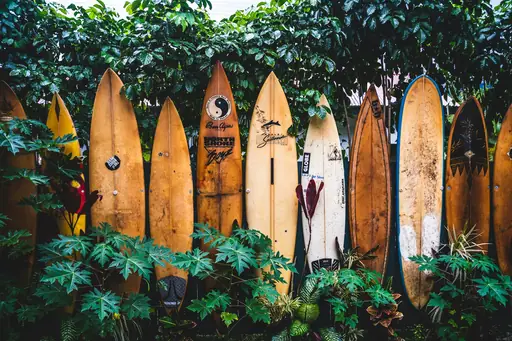
Ancient Hawaiians practised he'e nalu, known as wave sliding, long before surfing spread elsewhere. Chiefs once rode custom carved boards to display skill and status among their communities. Visitors can learn the sport's history at museums alongside modern surf lessons. Wooden boards from that era, some over 15 feet, are preserved in island collections.
Town in Portugal
Nazaré
Giant Waves and Coastal Charm
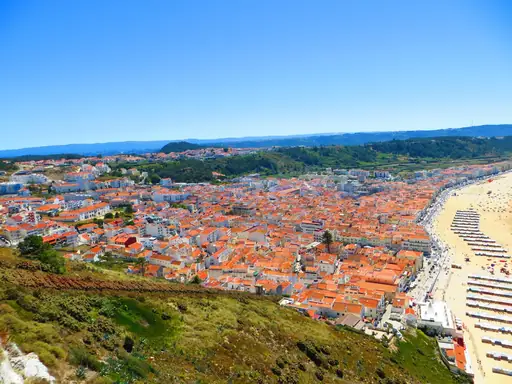
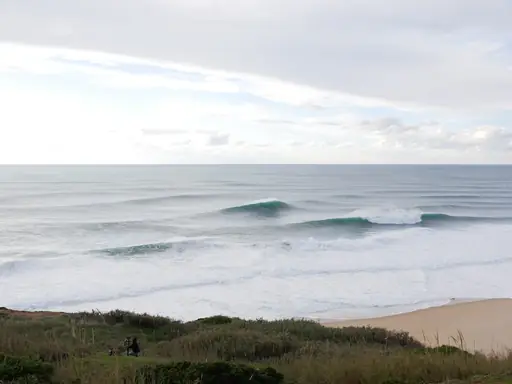
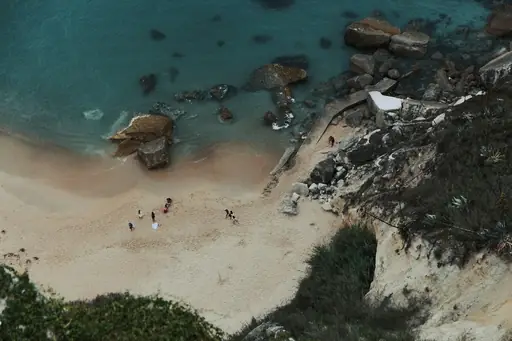
Praia do Norte in Nazare sits above an underwater canyon that funnels swell into massive waves. Big wave surfer Garrett McNamara rode a record breaking wave here in 2011. Visitors can watch from a clifftop lighthouse when winter swells bring the biggest waves. Only a handful of surfers worldwide attempt Nazare at its largest size.
Region in Indonesia
Bali
Tropical beaches, vibrant culture and adventure
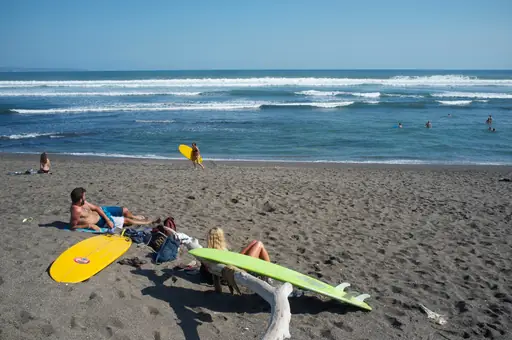
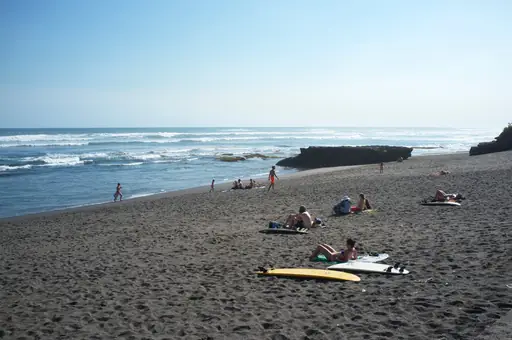
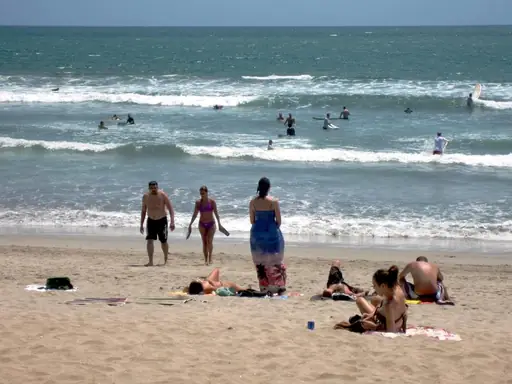
Uluwatu's wave breaks over a shallow reef beneath towering limestone cliffs, with surfers paddling out through a cave entrance. The break offers several distinct sections depending on swell size and tide. Visitors can watch from clifftop warungs perched directly above the break. Padang Padang nearby produces a short, powerful barrel prized by experienced surfers.
Town in Australia
Byron Bay
Bohemian Beaches and Laid-Back Vibes
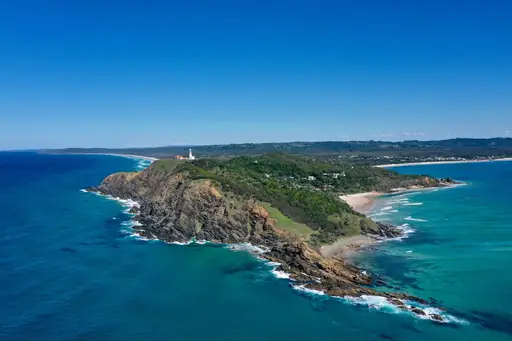
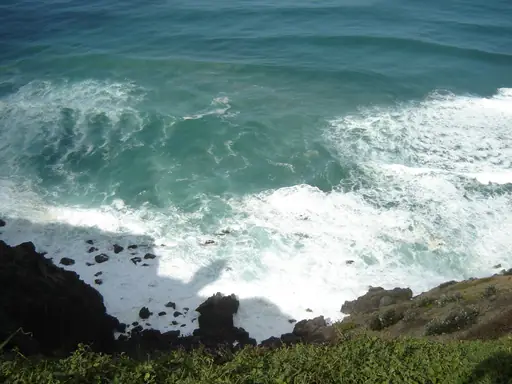
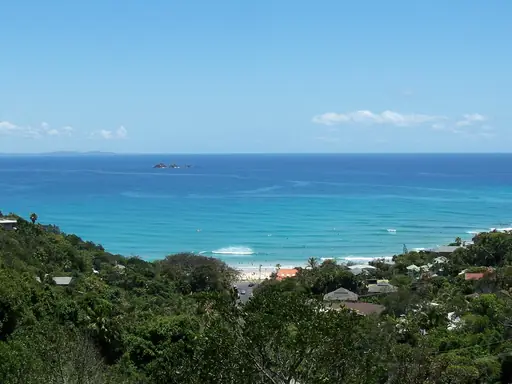
The Pass at Byron Bay produces a long, easy right hand wave that wraps around a rocky headland. Its mellow shape makes it one of the more approachable waves for surfers still learning. Visitors can rent boards from shops just steps from the beach. A lighthouse atop the headland marks the country's easternmost point nearby.
Island in Philippines
Siargao
Philippines' untouched surfing paradise
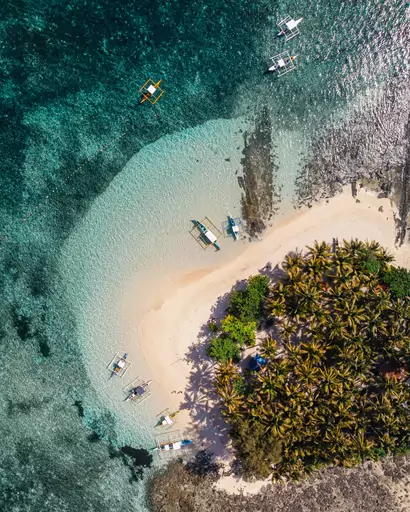
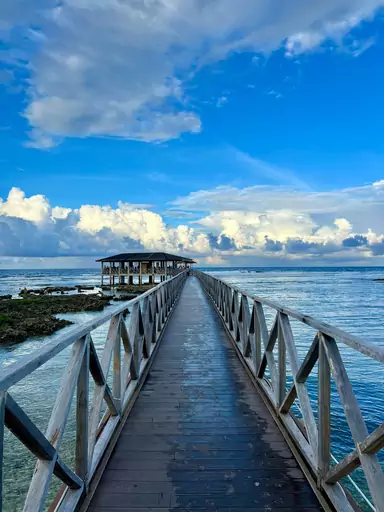
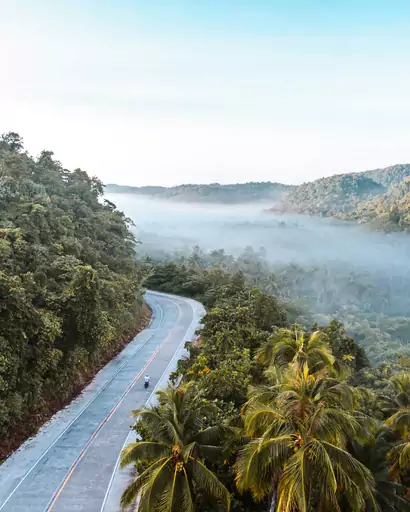
Cloud 9 in Siargao breaks over a shallow reef beneath a wooden tower built to watch the wave. The break has hosted international competitions that put the quiet island on the map. Visitors can watch from the tower or paddle out themselves if experienced. Boats ferry surfers to nearby breaks when Cloud 9 gets crowded.
Country
El Salvador
Land of volcanoes and pupusas
Punta Roca in La Libertad produces a long right hand point break, among Central America's finest waves. The wave hosted rounds of the ISA World Surfing Games. Visitors can walk to the point directly from town, unlike many remote breaks. Consistent swell keeps the wave working through much of the year.
Town in South Africa
Jeffreys Bay
Surf‑swept sands and lively coastal vibes
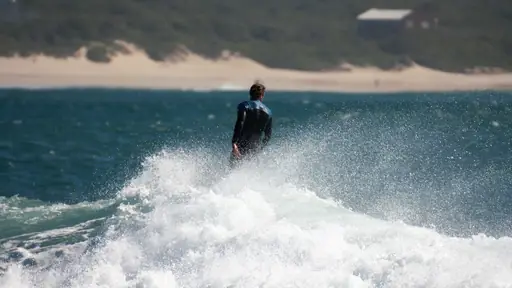
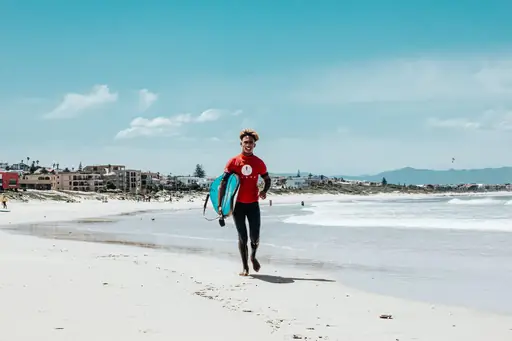
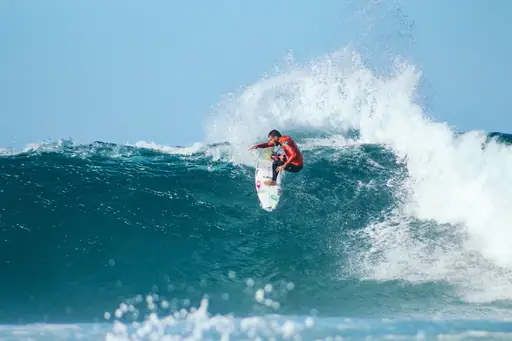
Supertubes at Jeffreys Bay produces a long, consistent right hand point break. The ride can run for hundreds of metres on a good swell. The wave has hosted a stop on surfing's world tour for years. Visitors can walk along the point to watch surfers ride multiple sections.
Town in Canada
Tofino
Wild Pacific, Rainforest, Endless Waves
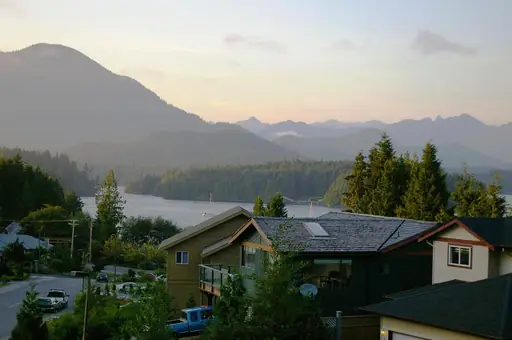
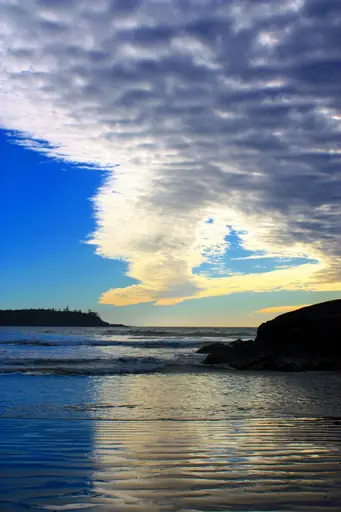
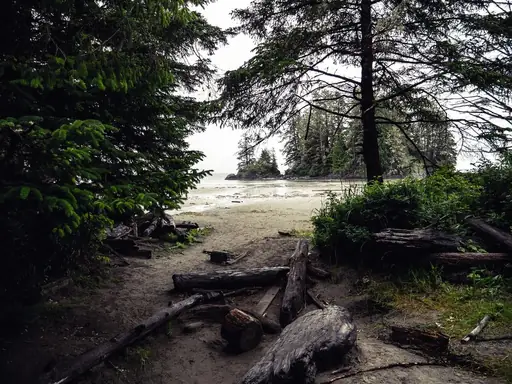
Surfers in Tofino paddle out year round despite Pacific water temperatures rarely climbing above 10 degrees Celsius. Thick wetsuits, boots and gloves are standard gear even during the busier summer. Visitors can rent full cold water surf kits at shops throughout town. Long Beach nearby offers the area's most approachable waves.
Country
Maldives
Coral atolls, lagoons and overwater villas
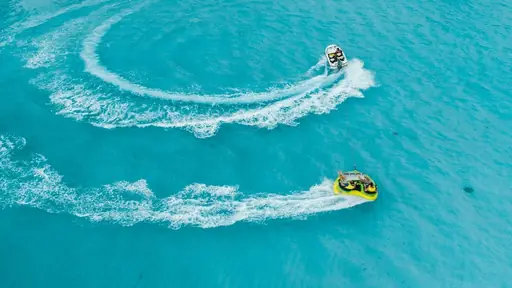
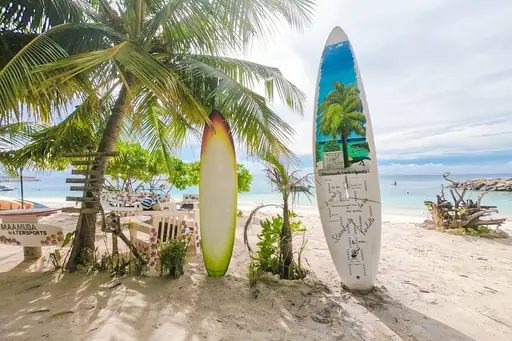
Surf breaks around the Maldives sit scattered across reef passes between its atolls. Sultans and Cokes rank among the more famous waves, both over shallow coral reef. Visitors typically book a charter boat that moves between breaks by swell direction. Warm water year round means no wetsuit is needed.

Island in United States
Oahu
Hawaii’s Vibrant Island Adventure
Banzai Pipeline on Oahu's North Shore breaks over a shallow reef, producing one of surfing's most dangerous waves. The wave anchors the Vans Triple Crown each winter, drawing top pros. Visitors can watch from the beach as surfers drop into barrels near shore. Only experienced surfers should paddle out when the wave is working.
Country
Barbados
Tropical paradise with year-round sunshine
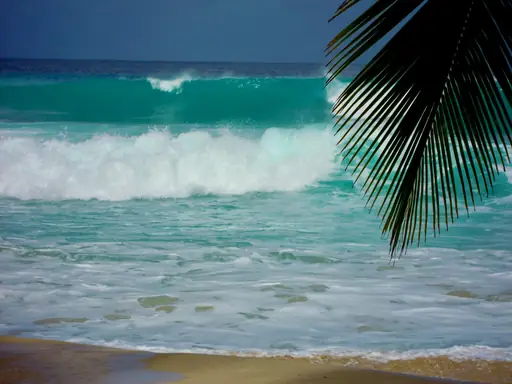
The Soup Bowl at Bathsheba produces a powerful right hand reef break that has hosted professional surfing events. Waves wrap around a rocky point exposed to open Atlantic swell. Visitors can watch from rocks above the break or paddle out if experienced. The nearby village keeps a relaxed feel compared to Barbados's busier west coast.
Village in Costa Rica
Nosara
Serene beachside village with lush rainforest
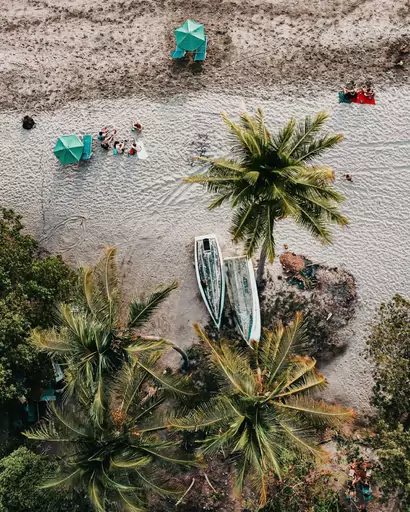
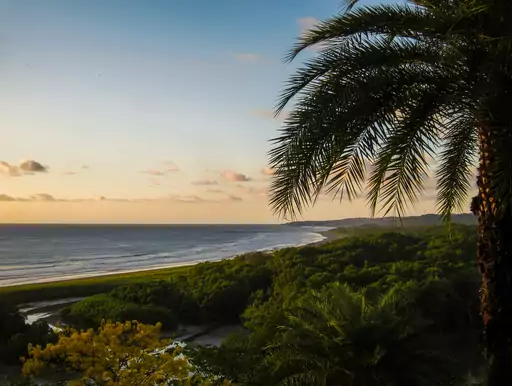
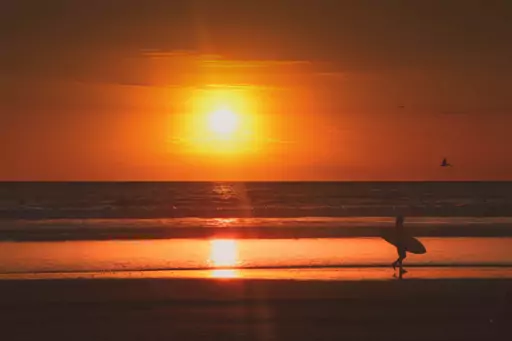
Playa Guiones in Nosara offers a long, sandy beach break suited to nearly every skill level. Consistent, forgiving waves have turned the town into a hub for surf and yoga retreats. Visitors can rent boards and book lessons at shops along the beach road. Howler monkeys are a common sound in the jungle nearby.
State/Prefecture in United States
California
Golden State of Endless Experiences
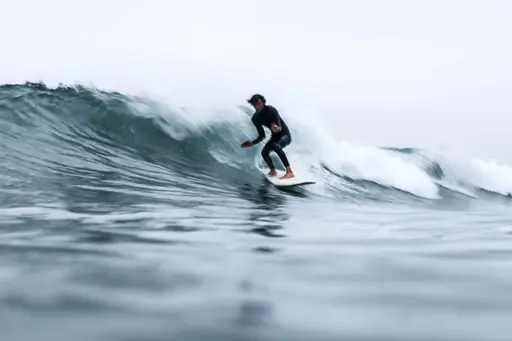
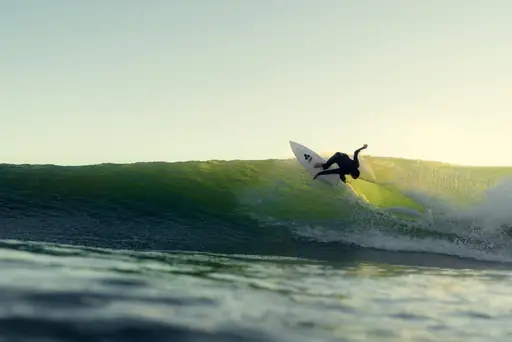
Mavericks, off the coast near Half Moon Bay, produces some of the largest rideable waves in North America. Big swells arrive mainly during winter months. Only experienced big wave surfers attempt the break, often towed in by jet ski. Visitors can watch from cliffside viewpoints when conditions bring the biggest waves.

Country
Fiji
Tropical paradise with diverse landscapes
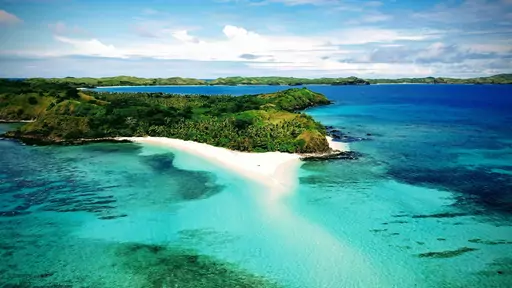
Cloudbreak off Fiji's Tavarua Island produces a powerful left hand reef break that has hosted world tour events. Waves here can turn into massive, hollow barrels when a strong swell arrives. Visitors can reach the break by boat from resorts built around access to the wave. Only experienced surfers attempt Cloudbreak at its largest size.

Region in Panama
Bocas del Toro
Tropical Bliss in Panama
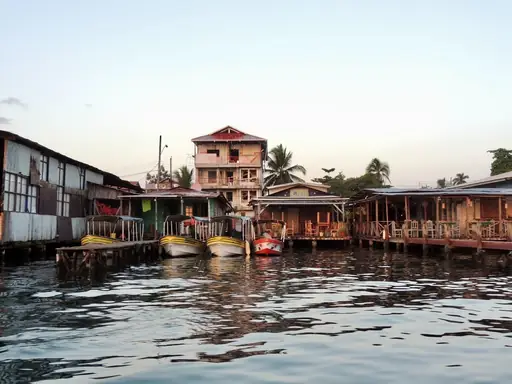
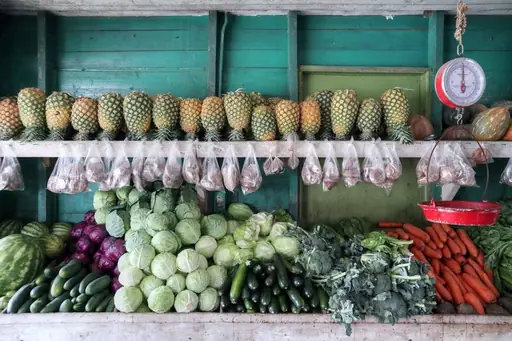
Bocas del Toro's Silverbacks wave breaks over a shallow reef named for howler monkeys heard from nearby jungle. The wave draws experienced surfers willing to navigate the sharp coral below. Visitors can reach the break by boat, since no road leads there directly. Calmer beaches nearby suit beginners not ready for the reef.
Beach in Peru
Chicama (Puerto Malabrigo)
Endless dunes meet turquoise waves here
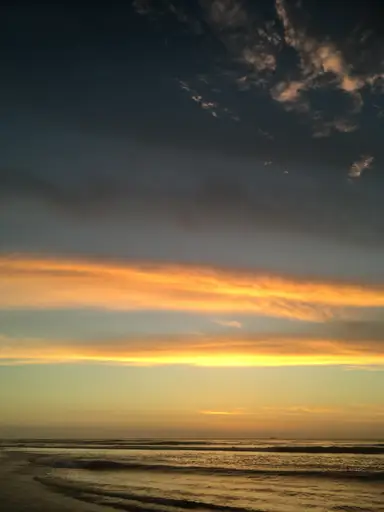
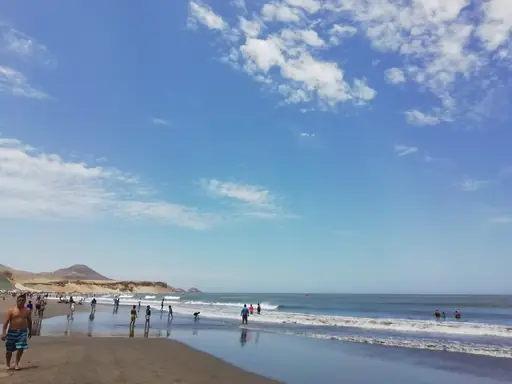
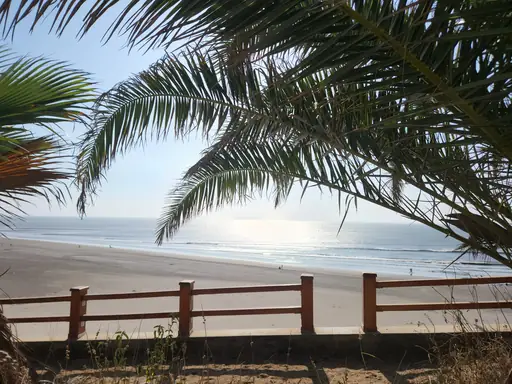
Chicama in Peru holds the world's longest known left hand wave, with rides stretching over a mile. A single wave can carry a surfer for minutes without paddling back out. Visitors can hire a boat to shuttle back to the point instead. The wave depends on a rare mix of swell and coastal shape.
Outer Territory in France
Réunion
An Island of Adventure and Beauty
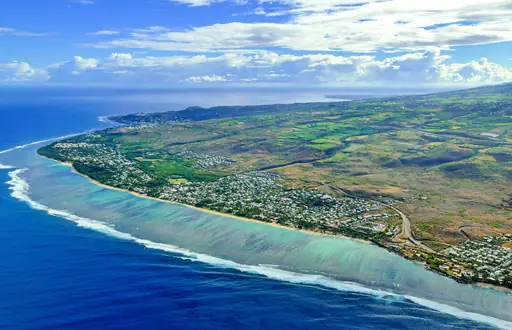
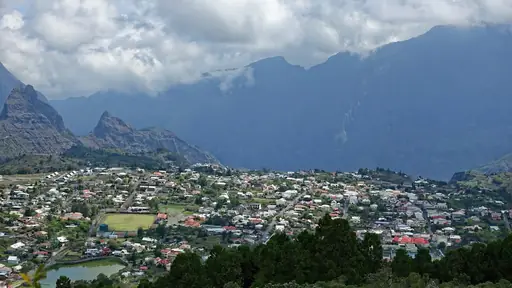
Reunion's reef breaks, including one at St Leu, produce quality waves along the island's west coast. Rising shark activity in recent years led authorities to restrict surfing at several popular spots. Visitors should check current local advisories before choosing where to paddle out. Lagoons protected by outer reefs remain calmer options away from open ocean.
Town in Mexico
Puerto Escondido
Coastal charm with vibrant local markets
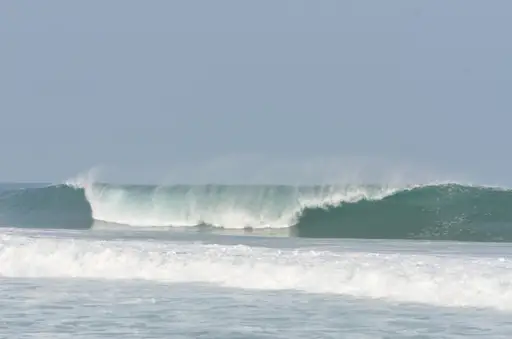
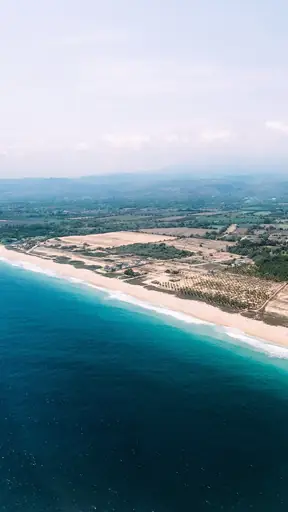
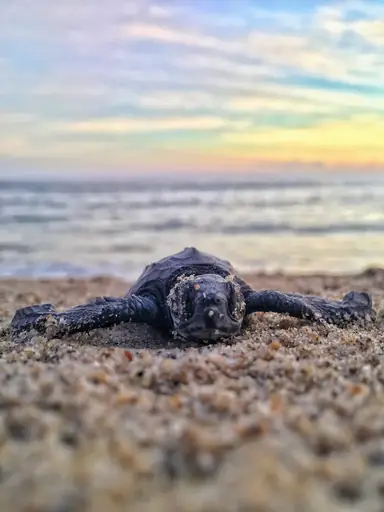
Zicatela Beach in Puerto Escondido earned the nickname Mexican Pipeline for its powerful, barrelling break. Waves break directly onto sand rather than a reef, hitting harder than many beginners expect. Visitors can watch experienced surfers from the beach or take lessons on gentler nearby breaks. The town's surf season peaks between spring and autumn.
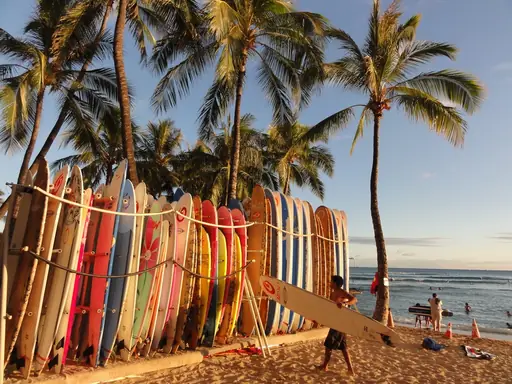
Beach in Honolulu
Waikiki Beach
Iconic Surf and Sun Paradise
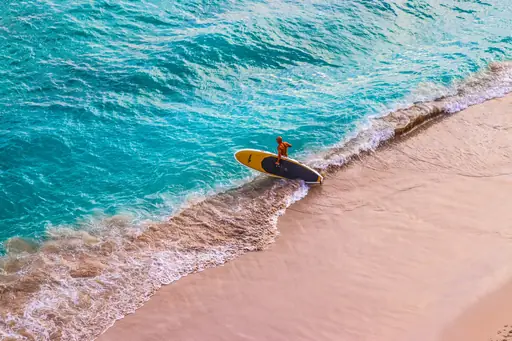
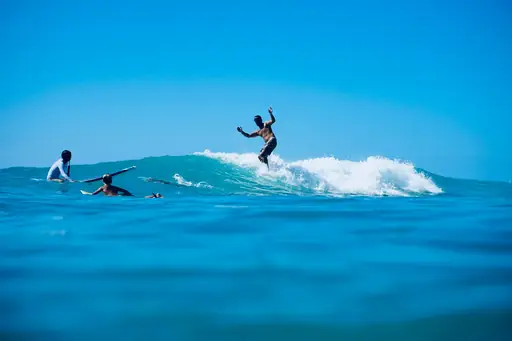
Duke Kahanamoku helped popularise modern surfing from Waikiki Beach in the early 1900s. He taught visiting tourists to ride long wooden boards on the gentle waves. Beach boys still offer lessons on the same rolling surf today. Visitors can rent a board and paddle out alongside beginners nearby.
Other lists you may like
Discover
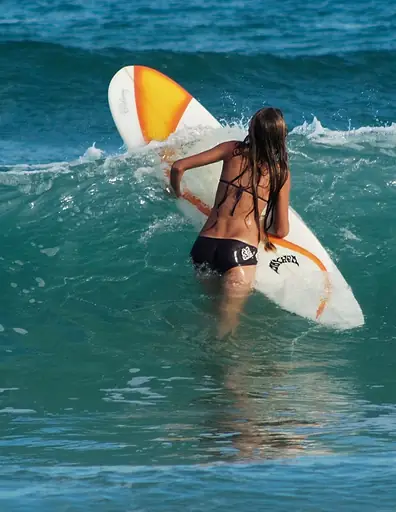
Top surfing and water sports destinations
The world's best surf and water sports destinations are shaped by a specific combination of swell exposure, wind patterns, water temperature and seabed topography that takes years…
Read more

Discover
Top surfing and water sports destinations in Africa
Africa's coastlines produce some of the most consistent and powerful surf anywhere in the world, drawing surfers from every level to its shores. Southern Africa has the…
Read more
Discover
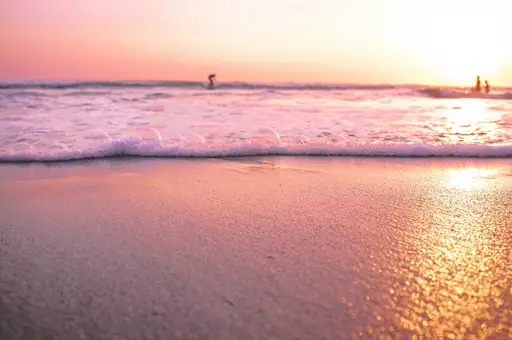
Top surfing and water sports destinations in Asia
With three coastlines and a stretch of open ocean between them, it is no surprise Asia has become one of the world's most popular regions for surfers of every level. Southeast…
Read more
Discover
Top surfing and water sports destinations in Europe
Read more
Discover
Top surfing and water sports destinations in North America
Read more
Discover
Top surfing and water sports destinations in Oceania
Read more
Discover
Top surfing and water sports destinations in South America
Read more
Discover
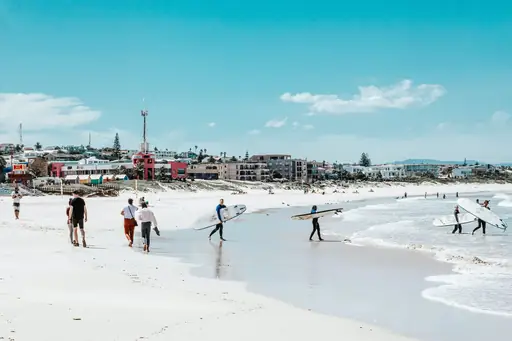
Best surfing destinations in Africa
Southern Africa is home to one of the most consistent right-hand point breaks on earth, drawing professional competitions for decades, while North Africa's Atlantic coast offers an…
Read more
What other users say about travelfilters
“travelfilters made it easy for me to find ski areas and compare what else they offer, so that I could find the best place for my personal travel style.”

Chris
Snowboarding & Onsen trip to Japan
“I love how transparent the data feels. There is no pushy upsell, just honest information and settings I can tune to my own travel style.”

Maria
After booking her 2027 winter escape
“The level of detail for each destination and how well those are displayed, make planning feel confident instead of overwhelming.”

Mina
Planned a week in New York City
“We used travelfilters for our planning from start to end. The trip turned out even better than expected, thanks to all their tools and customisation options.”

Allan & Etienne
Trip to Japan to see autumn foliage
“Thanks to travelfilters, I found some hidden gems to see. Being able to filter for exactly your interests is a game changer for my travel planning.”

Michael
Tour through the old cities of Northern Italy
“The customizable filters helped me find a quiet beach town with good wifi and low season crowds in under five minutes.”

Diego
Weekend Escape to Llanes, Spain
“The airport connection map saved me hours by showing good flight options from my home airport to lesser-known cities.”

Nguyen
Planning a 2027 trip to France
“The website is clean, fast and focused on the search itself, which makes travelfilters feel more like a professional tool than an ad-heavy booking site.”

Hassan
Christmas Market trip, Germany
