
Top flower destinations and botanical gardens
Top flower destinations and botanical gardens
Stunning flower displays and public botanical gardens
Flower travel has developed a dedicated following built around the world's most significant wildflower seasons, bulb field landscapes and botanical garden collections that offer experiences of considerable visual drama within narrow seasonal windows. The most rewarding destinations are those where flowering is driven by genuine ecological conditions, with natural wildflower meadows, desert blooms and alpine flower seasons producing landscapes that vary considerably year to year.
The unpredictability of natural flowering events is both the challenge and the appeal, with exceptional bloom years producing landscapes of extraordinary intensity that average years cannot match. Botanical collections offer a more predictable alternative with curated planting programmes delivering year-round interest alongside the seasonal highlights that draw the largest visitor numbers.
Timing requires current local knowledge and real-time monitoring rather than fixed travel dates as flowering windows shift by several weeks depending on conditions. The most celebrated destinations attract significant visitor numbers at peak bloom and advance accommodation booking is essential.
Lists by region
Region in France
Provence
Sunlit lavender fields and historic villages
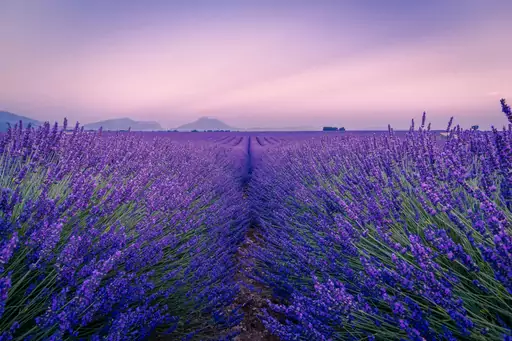
Purple lavender fields blanket Provence's plateaus each July around the town of Valensole. Farmers have grown the crop here for the perfume industry since the early 1900s. Visitors can drive marked lavender routes connecting fields, distilleries and hilltop villages. Bees kept nearby produce a lavender scented honey sold at local markets.
Region in South Africa
Namaqualand
Vibrant desert landscapes and wildlife wonders
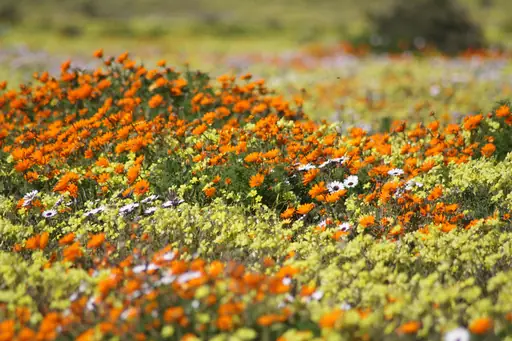
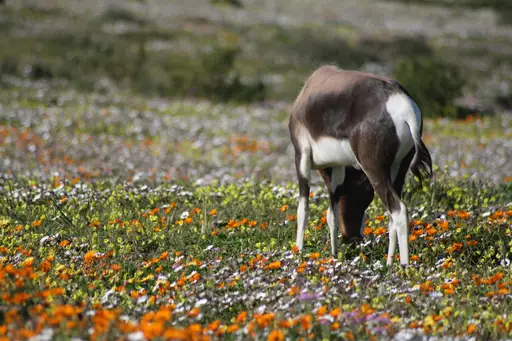
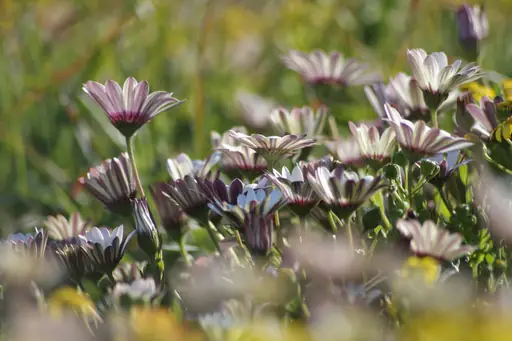
Namaqualand's usually barren semi desert bursts into a carpet of orange daisies after winter rains. This super bloom ranks among the most famous wildflower displays on Earth. Visitors can drive marked routes through the region during peak bloom in August and September. Flowers only fully open on sunny days, closing again once clouds roll in.
Region in Australia
Victoria
Diverse Landscapes and Cultural Richness
The National Rhododendron Garden blooms across a hillside in Victoria's Dandenong Ranges each spring. More than 15,000 rhododendrons and azaleas grow among towering mountain ash trees. Visitors can walk paths winding through the colour changing garden from September to November. A steam train once used for logging now carries tourists through the surrounding forest.

State/Prefecture in United States
Tennessee
Music, mountains and Southern charm
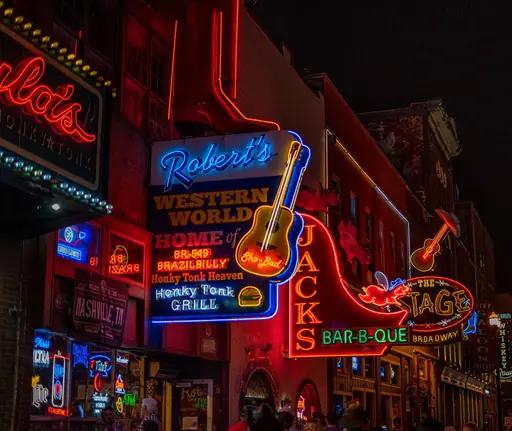
The Great Smoky Mountains host an annual wildflower pilgrimage each spring in Tennessee. More than 1,500 flowering plant species grow within the park, more than any other US park. Visitors can join guided hikes timed to catch trillium, lady's slipper and other blooms. Cades Cove valley offers some of the densest wildflower displays in April.
State/Prefecture in United States
Hawaii
Tropical Vibes and Volcanic Wonders
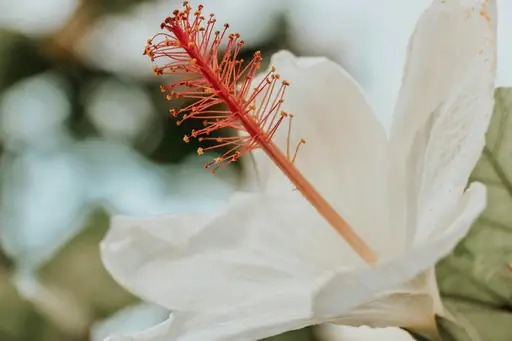
Waimea Valley's botanical garden on Oahu preserves native Hawaiian plants alongside a sacred historic site. A waterfall at the valley's end draws hikers past hundreds of labelled tropical species. Visitors can walk trails lined with hibiscus, plumeria and rare native Hawaiian flora. Ancient stone platforms once used for religious ceremonies remain within the same valley.
City in Japan
Furano
Lavender fields and powder snow in Hokkaido
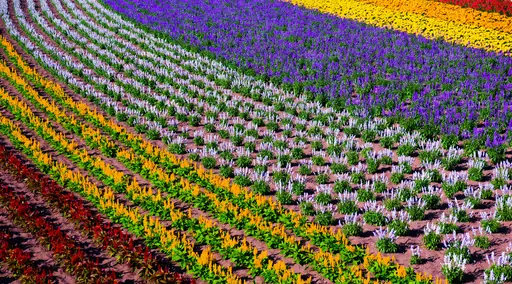
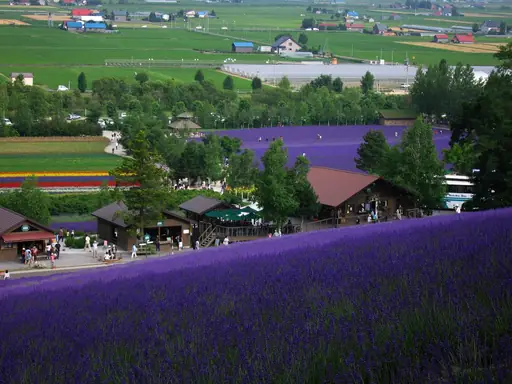
Rows of purple lavender stretch across Furano's hillside farms each July in Hokkaido. Farmers first planted the crop here in the 1950s to supply the perfume industry. Visitors can photograph the striped rainbow fields at Farm Tomita during peak bloom. Snow covers the same slopes in ski season each winter.
State/Prefecture in Japan
Hokkaido
Volcanoes, powder snow and fresh seafood
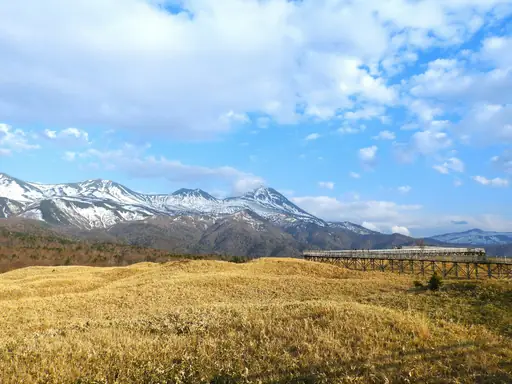
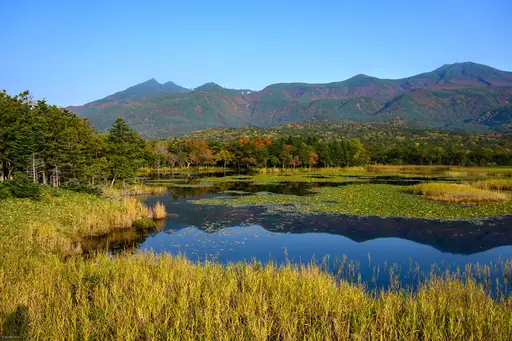
Shikisai no Oka's rolling hills near Biei display patchwork flower fields planted in bold colour blocks. Farmers rotate crops of poppies, lavender and sunflowers across the terraced slopes each season. Visitors can ride a tractor drawn cart across the wider sections of the farm. Snow covers the same hills completely once winter arrives.
State/Prefecture in India
Kerala
Verdant backwaters and serene spice gardens
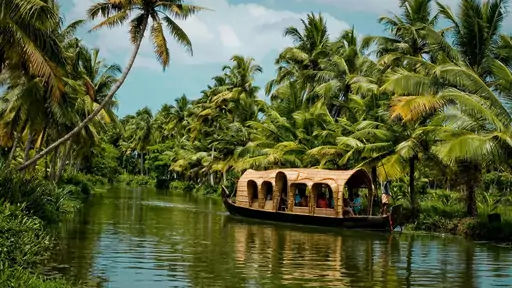
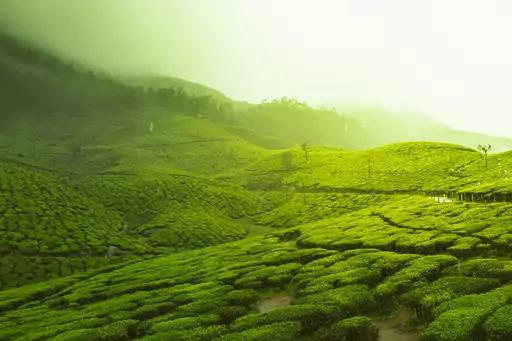
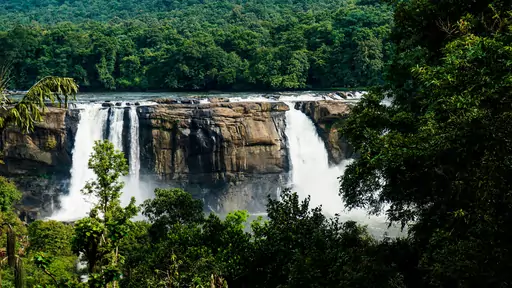
Munnar's hillsides turn blue once every twelve years when the neelakurinji flower blooms. This rare shrub flowers on a fixed cycle before dying back until its next bloom. Visitors lucky enough to catch the event can hike trails through the temporarily blue hills. Tea plantations cover the same slopes during the years between blooms.
Lake in New Zealand
Lake Tekapo
The Glacial Gem of the South Island
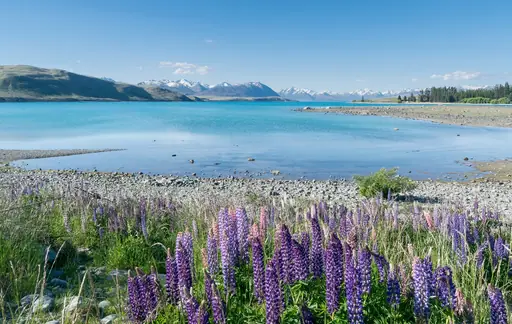
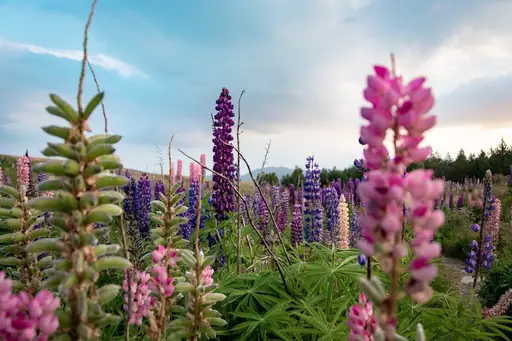
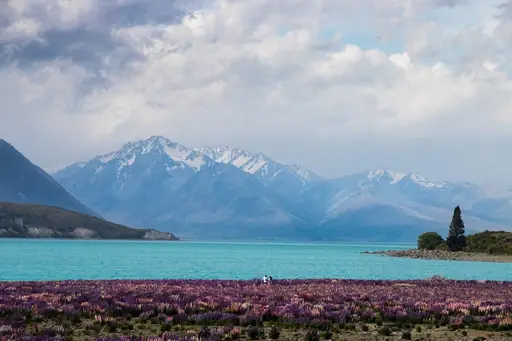
Lupines bloom in shades of purple and pink along Lake Tekapo's turquoise shoreline each December. A small stone church sits framed by the flowers on the lake's edge. Visitors can photograph the blooms against the Southern Alps rising behind the water. The flowers were introduced decades ago and now spread widely each summer.
Outer Territory in France
Réunion
An Island of Adventure and Beauty
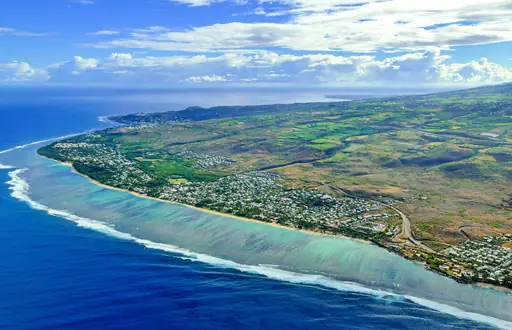
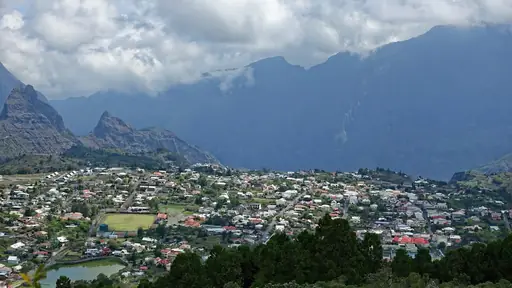
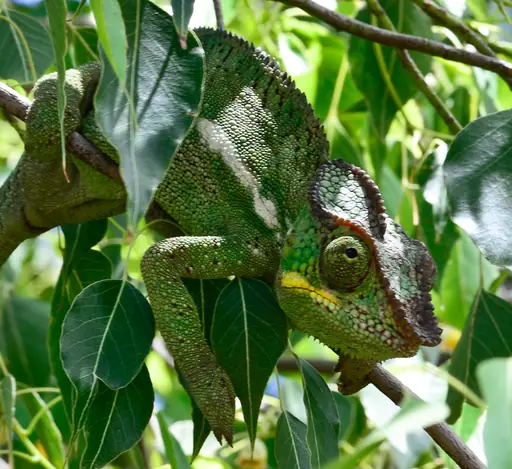
Reunion pioneered the hand pollination technique still used for vanilla orchids worldwide. A young enslaved gardener named Edmond Albius discovered the method on the island in 1841. Visitors can tour vanilla plantations to see the delicate pollination process performed by hand. Orchid flowers here open for only a single day, making timing critical for growers.
National Park in Uganda
Bwindi Impenetrable National Park
Gorilla Encounters in Ancient Forest
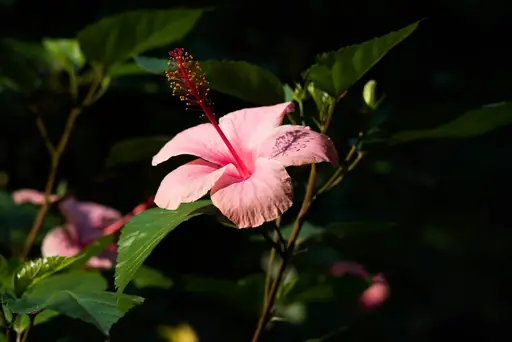
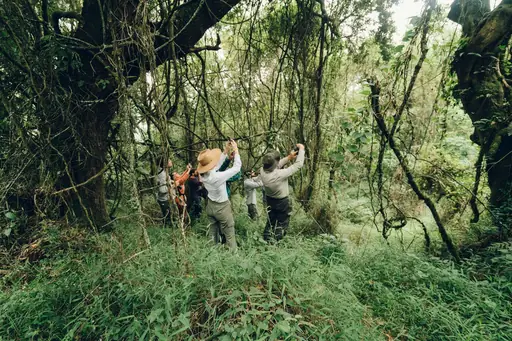
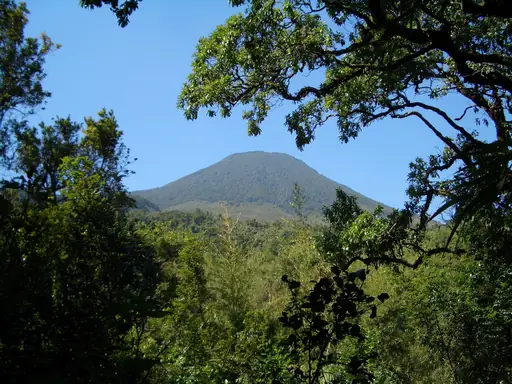
Bwindi's dense forest holds more than 200 tree species and over 100 kinds of ferns and orchids. This rare habitat survived past ice ages, preserving plant diversity found almost nowhere else. Visitors can spot wild orchids clinging to branches while trekking to see gorillas. Mist rising through the canopy gives the forest its impenetrable nickname.
Region in United States
Antelope Valley
Desert poppies and high skies
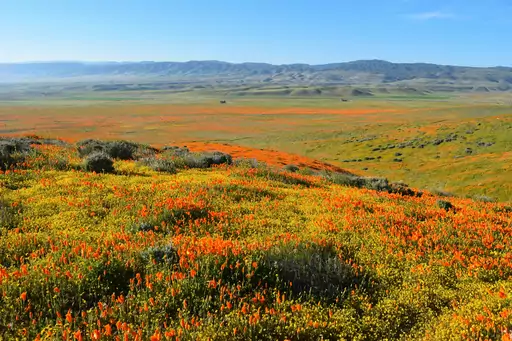
California poppies blanket Antelope Valley's hillsides in bright orange during a brief spring bloom. Wildflower season here depends heavily on winter rainfall and can vary sharply year to year. Visitors can photograph the fields against snow capped mountains on clear March mornings. A state reserve protects the poppy fields from foot traffic.
City in United Kingdom
London
A Tapestry of History and Modernity
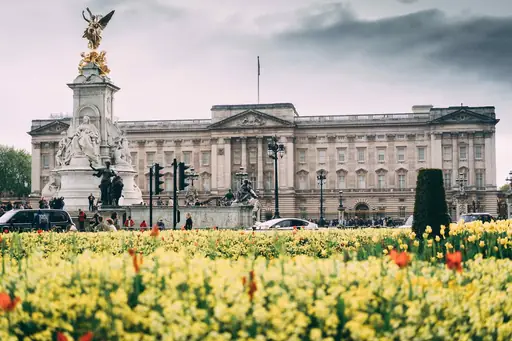
London's Chelsea Flower Show has staged garden displays for the Royal Horticultural Society since 1913. Designers compete each May to build show gardens judged by a panel of experts. Visitors can walk between dozens of temporary gardens built just for the week. Kew Gardens nearby holds a permanent collection open the rest of the year.
City in Colombia
Bogotá
Vibrant Culture in the Andean Highlands
Colombia's national flower, the Cattleya trianae orchid, grows wild in forests around Bogota. This orchid species was named for a nineteenth century Colombian botanist who studied it. Visitors can view hundreds of orchid varieties at the city's annual orchid exhibition. The Botanical Garden of Bogota also displays native high altitude paramo plants.
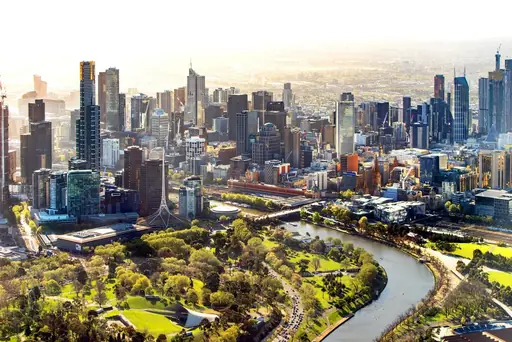
City in Australia
Melbourne
The heart of culture and coffee
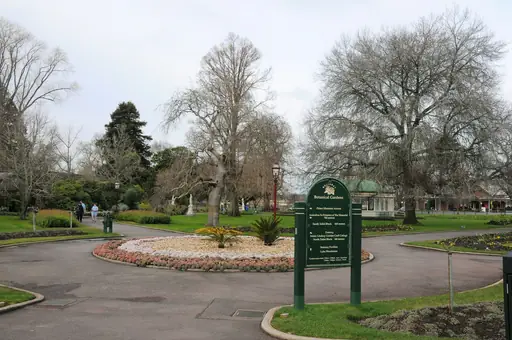
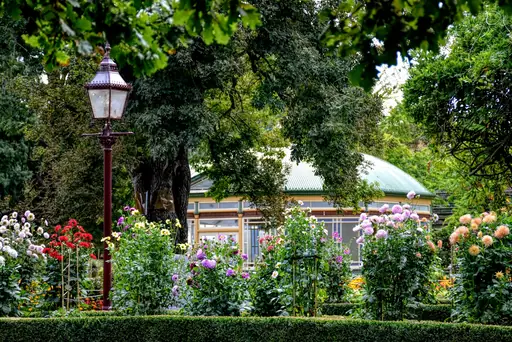
Melbourne's Royal Botanic Gardens spans 94 acres of themed plantings along the Yarra River. Curators have maintained the gardens since 1846, one of Australia's oldest botanic collections. Visitors can walk through a cactus garden, rainforest gully and formal rose beds in one visit. Black swans and other waterbirds nest along the garden's ornamental lake.
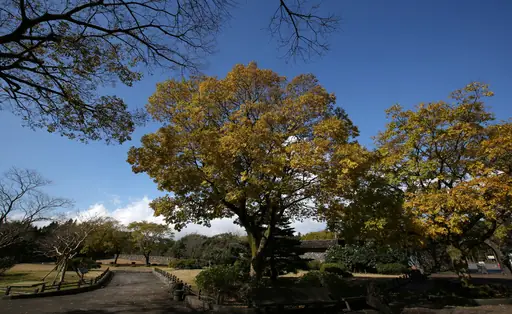
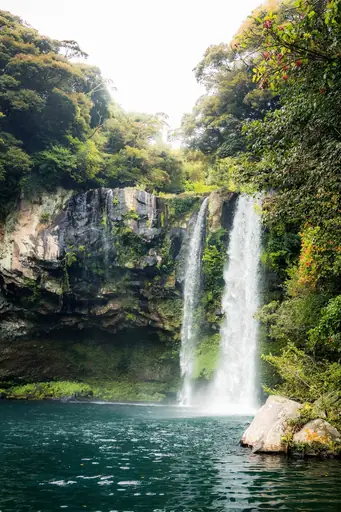
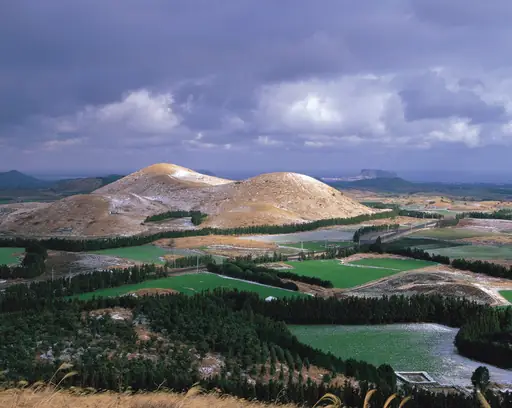
Island in South Korea
Jeju Island
Nature's Island Paradise
Bright yellow canola fields bloom across Jeju Island's coastal farmland each spring in South Korea. Farmers grow the crop partly for oil and partly for the tourism its blossoms bring. Visitors can walk marked paths through fields near Seongsan Ilchulbong for coastal backdrops. A canola flower festival draws crowds during the brief April bloom.
Island in Portugal
Madeira
Dramatic Cliffs and Eternal Spring
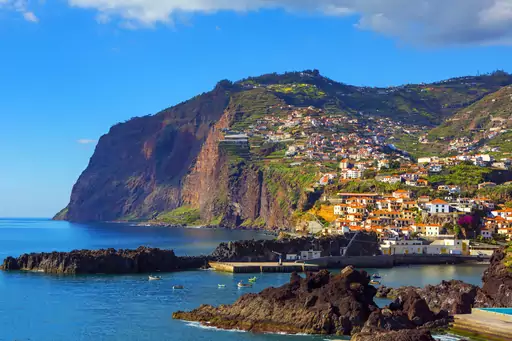
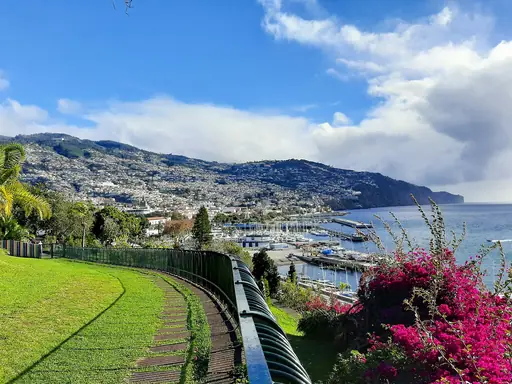
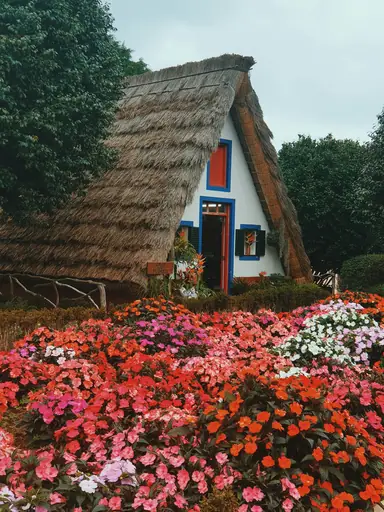
Funchal's Flower Festival covers Madeira's capital in floral carpets and parade floats each spring. Children lay flowers along a symbolic wall to mark the end of winter each year. Visitors can walk streets decorated with elaborate flower arrangements throughout the festival week. The island's mild climate supports blooming gardens across the capital year round.
Region in Austria
Salzkammergut
Alpine lakes meet imperial heritage
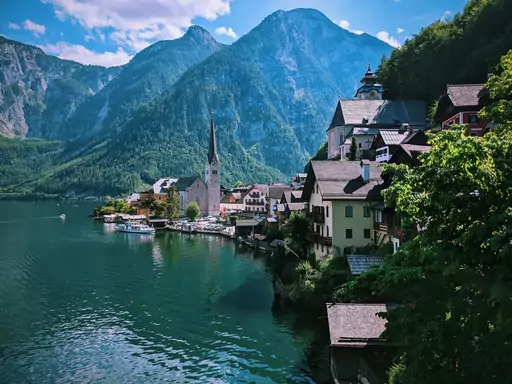
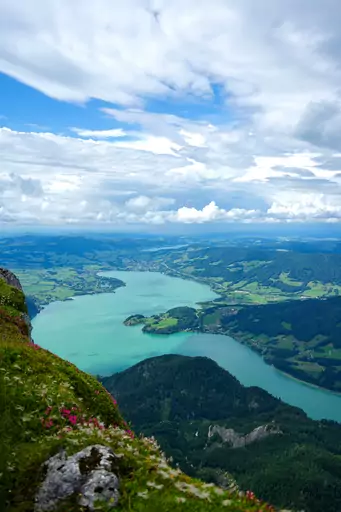
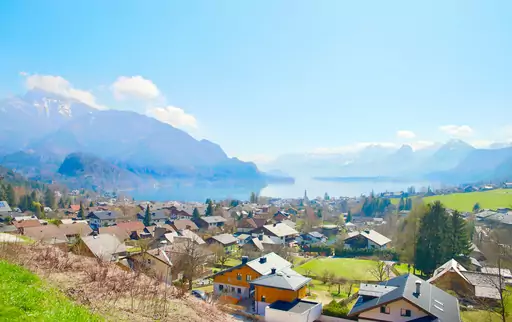
Bad Aussee's Narzissenfest covers Austria's Salzkammergut region in wild daffodils each May. Meadows around the town fill with white flowers before elaborate daffodil floats parade through the streets. Visitors can walk trails through the blooming meadows outside town during the festival. Boats decorated entirely in daffodils cruise the nearby lake during the celebration.
Town in Netherlands
Lisse
Blooming tulip paradise in Dutch countryside
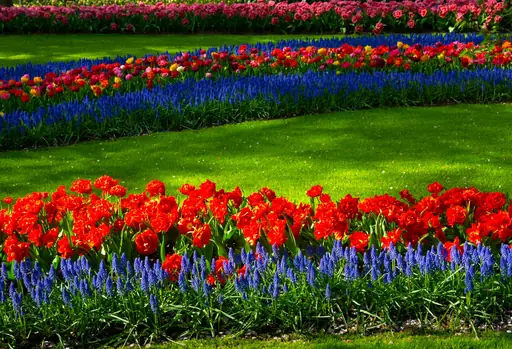
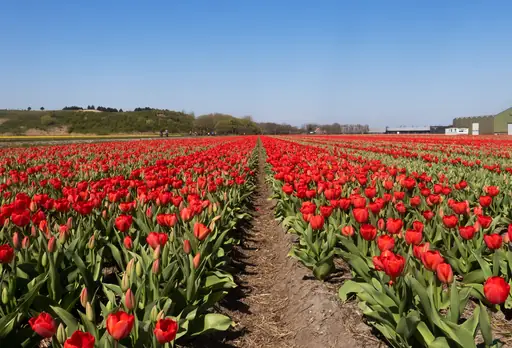
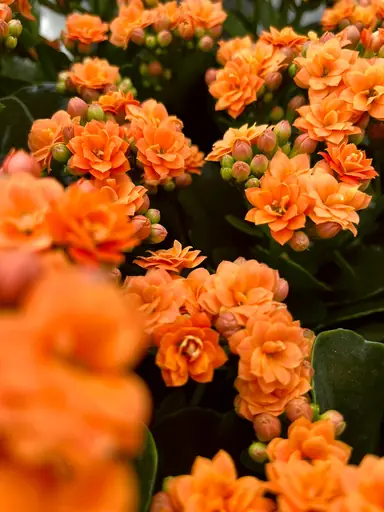
Keukenhof plants over seven million flower bulbs across its gardens near Lisse each year. The park opens for only about two months each spring before the bulbs are cleared. Visitors can walk paths through tulip fields, windmills and themed flower displays. Nearby farmland fields add striped rows of colour visible from the garden's towers.
Country
Madagascar
Unique biodiversity meets diverse landscapes
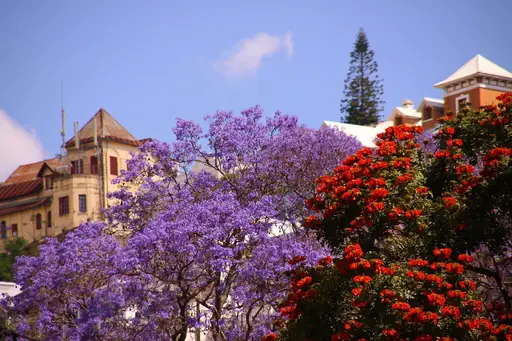
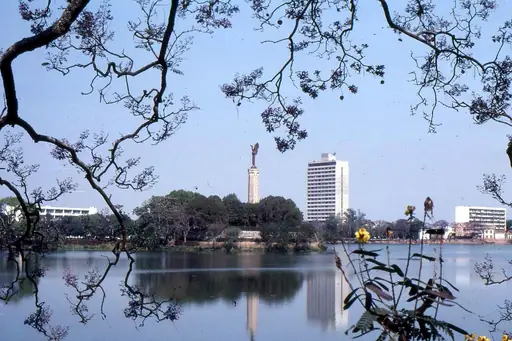
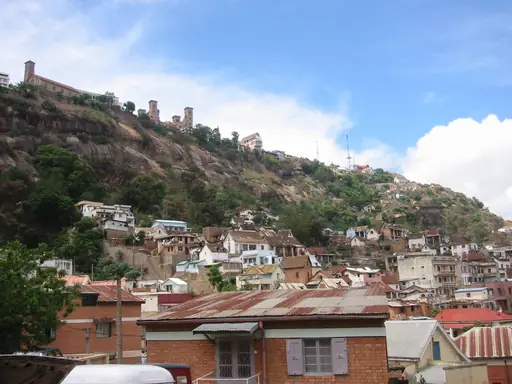
Madagascar holds more than 1,000 orchid species, many found nowhere else on Earth. Isolation from mainland Africa for millions of years let unique plant life evolve undisturbed. Visitors can spot wild orchids while hiking through rainforest reserves like Ranomafana. Baobab trees elsewhere on the island add another distinctive flowering species to spot.
Country
Papua New Guinea
Last paradise of South Pacific
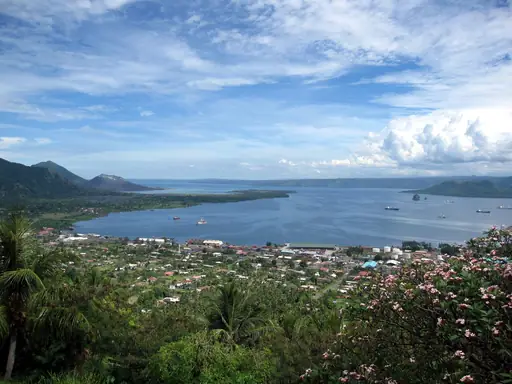
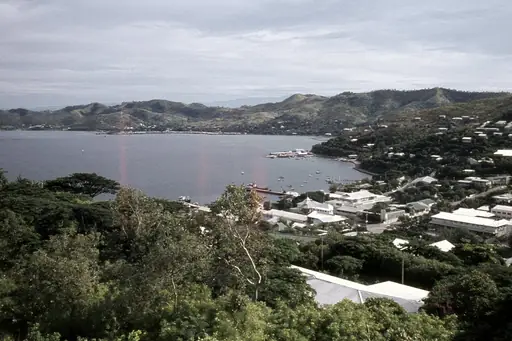
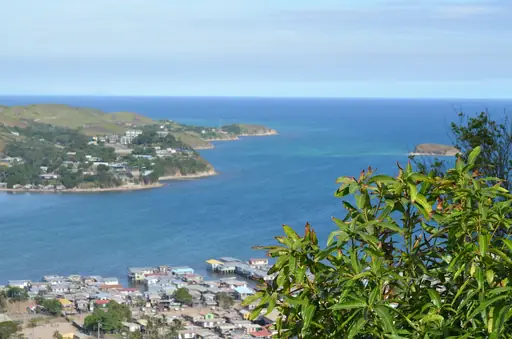
Papua New Guinea holds an estimated 3,000 wild orchid species across its mountainous rainforests. Highland communities weave some of these flowers into elaborate bilas headdresses for ceremonies. Visitors can spot orchids growing on trees while trekking routes like the Kokoda Track. New species are still being documented in the country's remote interior.
Island in Spain
Canary Islands
Spain's volcanic paradise year-round
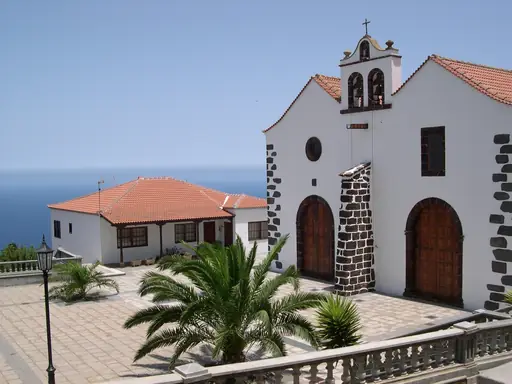
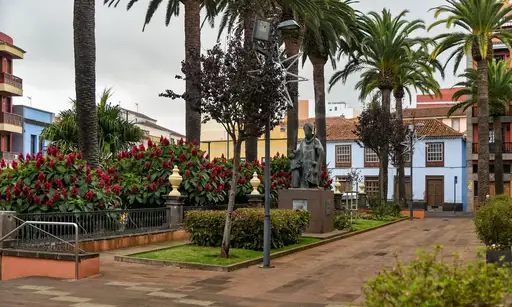
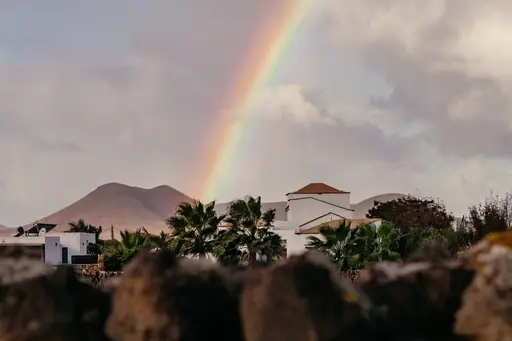
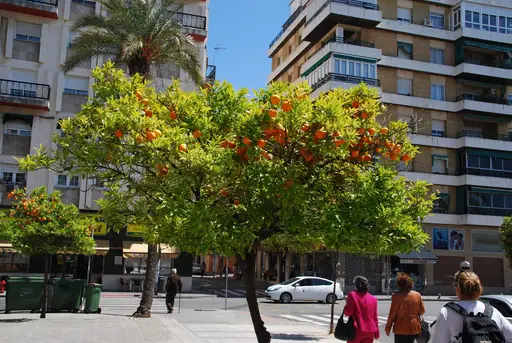
A tall red flowering plant called tajinaste rojo grows only on Tenerife's Mount Teide slopes. This endemic species blooms just once after several years before the plant dies. Visitors can hike marked trails through Teide National Park during the late spring flowering season. Volcanic soil across the island supports many other endemic plant species nearby.

Town in New Zealand
Queenstown
Adventure capital with alpine beauty
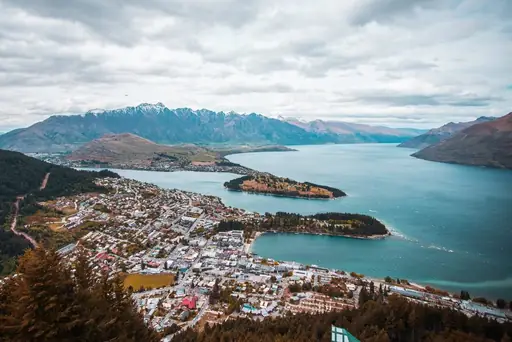
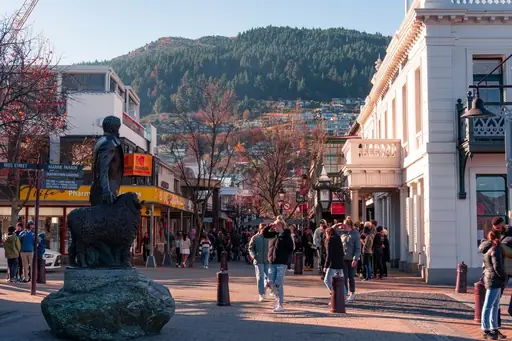
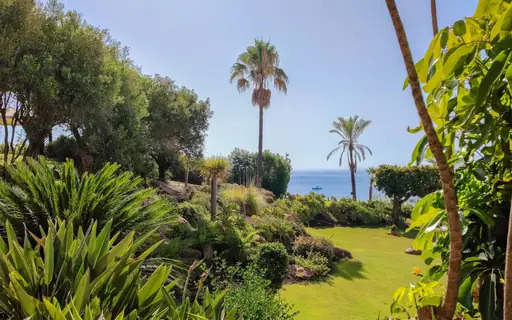
Queenstown Gardens fills a peninsula jutting into Lake Wakatipu with roses and flower beds. Trees planted here over a century ago now tower above the garden's formal walking paths. Visitors can combine a stroll through the roses with views towards the Remarkables range. A frisbee golf course shares the same grounds alongside the flower beds.
Region in Spain
Andalusia
Flamenco, Moorish Palaces and Sun
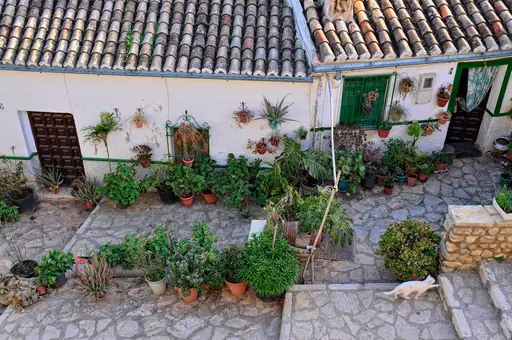
Cordoba's Patio Festival opens private courtyards filled with potted geraniums each May in Andalusia. Homeowners compete for prizes judged on how densely flowers cover their whitewashed walls. Visitors can wander a marked route through dozens of participating patios across the old town. The tradition dates back to Moorish era courtyard gardening in the city.
Region in Indonesia
Bali
Tropical beaches, vibrant culture and adventure
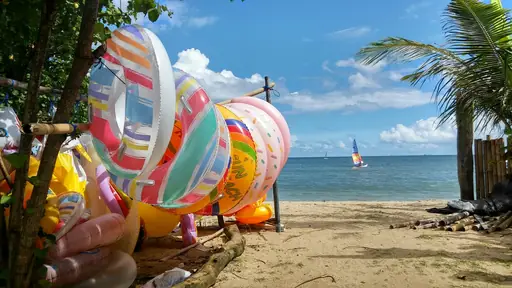
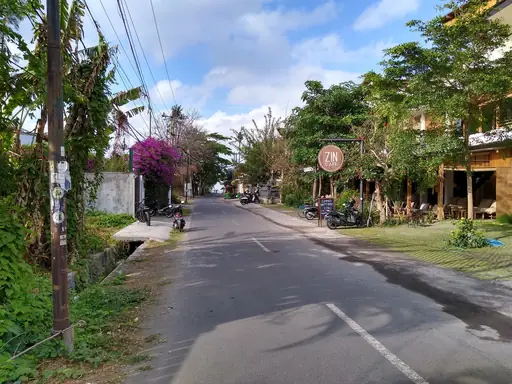
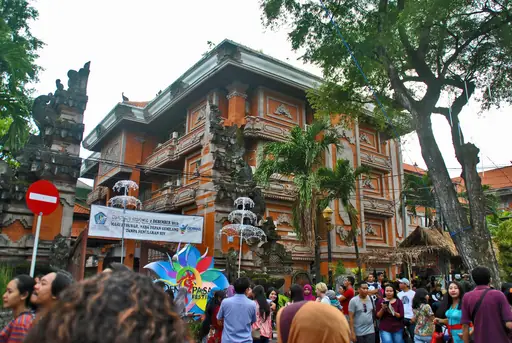
Frangipani trees drop fragrant white and yellow blossoms across temple courtyards throughout Bali. Balinese Hindus weave these flowers into small daily offerings placed at shrines and doorways. Visitors can walk rice terrace paths in Ubud lined with hibiscus and bougainvillea. Flower markets in Denpasar sell garlands used in temple ceremonies each morning.
Village in France
Giverny
Monet's living canvas of inspiration
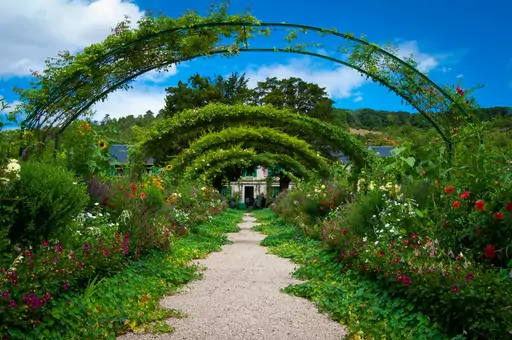
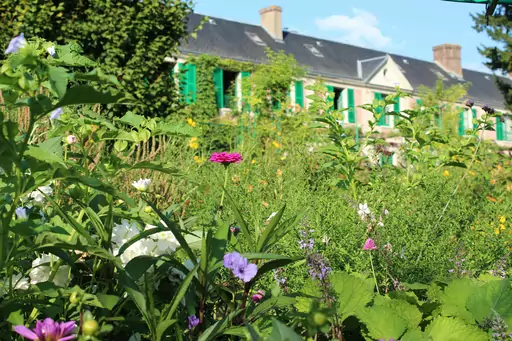
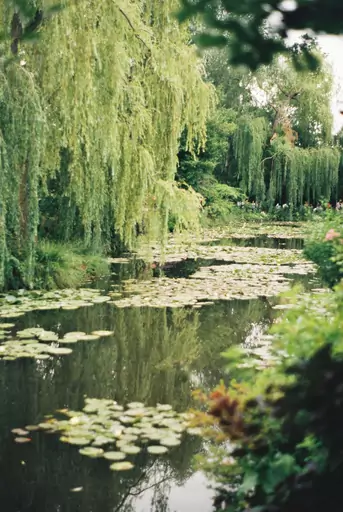
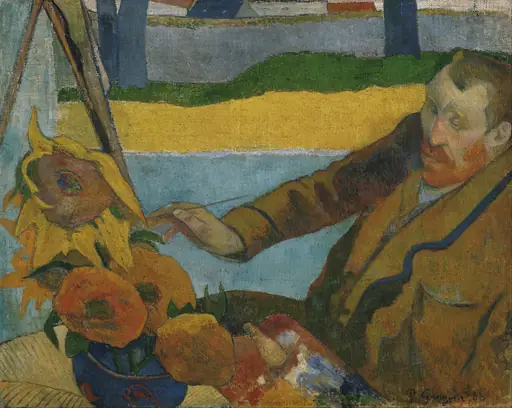
Claude Monet designed the water lily pond at Giverny that inspired his famous late paintings. A Japanese style footbridge crosses the pond amid weeping willows and floating blooms. Visitors can walk the same garden paths Monet painted repeatedly during his final decades. The artist's pink farmhouse sits just steps from the flower filled grounds.
Region
Patagonia
Untamed Beauty at the End of the World
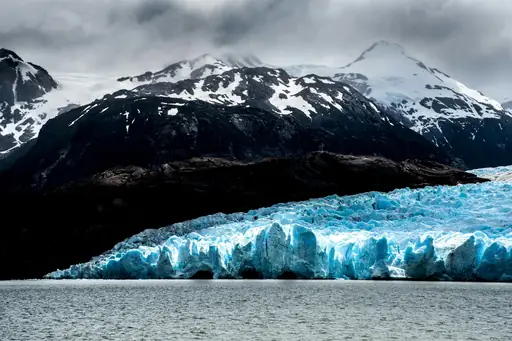
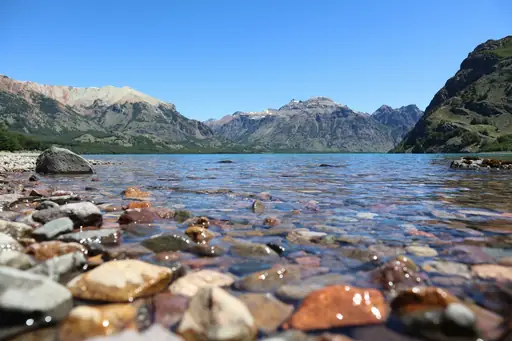
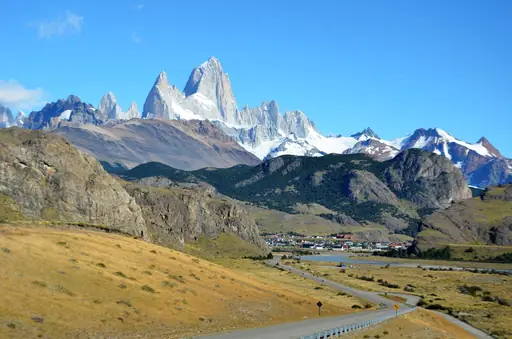
Bright red notro flowers, also called Chilean firebush, bloom across Patagonia's forests each spring. Hummingbirds are drawn to the flame coloured blossoms scattered through the region's beech forests. Visitors can spot the shrub blooming along hiking trails near El Chalten and Bariloche. Lupine fields add purple colour to roadsides further south near Ushuaia.

State/Prefecture in United States
Oregon
Diverse Landscapes and Outdoor Wonders
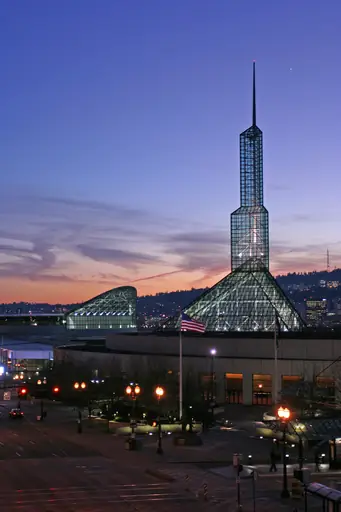
Portland's International Rose Test Garden trials new rose varieties before they reach commercial nurseries. Growers have used the hillside garden to test roses since 1917 above the city's skyline. Visitors can walk terraced beds holding more than 10,000 rose bushes in bloom each summer. Mount Hood is visible from the garden's overlook on clear days.
State/Prefecture in United States
California
Golden State of Endless Experiences
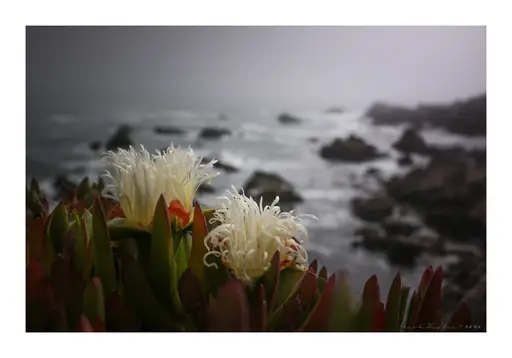
California's Anza Borrego Desert bursts into a rare superbloom after unusually wet winters. Sand verbena and desert lilies can carpet the desert floor within just a few weeks. Visitors can drive marked routes through Borrego Springs during the brief bloom window. Rangers track and publish bloom conditions online each spring.
City in Netherlands
Amsterdam
Canals, culture and a vibrant spirit
Amsterdam's Bloemenmarkt has sold cut flowers and bulbs from the same floating stalls since 1862. Vendors here supply tulip bulbs packaged for travellers to take home and plant. Visitors can browse dozens of tulip varieties alongside other Dutch grown blooms. The market floats on barges permanently moored along the Singel canal.
State/Prefecture in United States
Michigan
Great Lakes State of Wonder
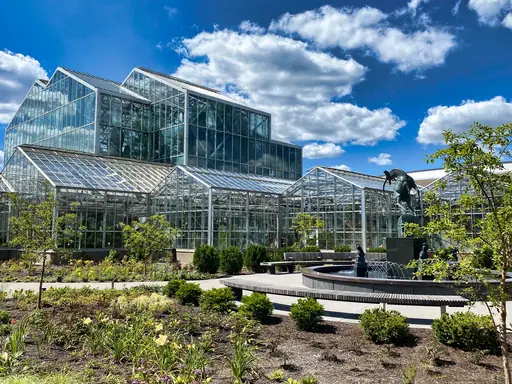
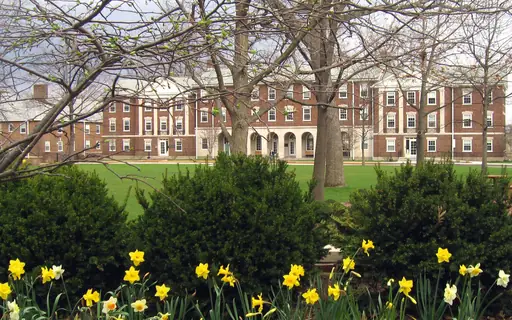
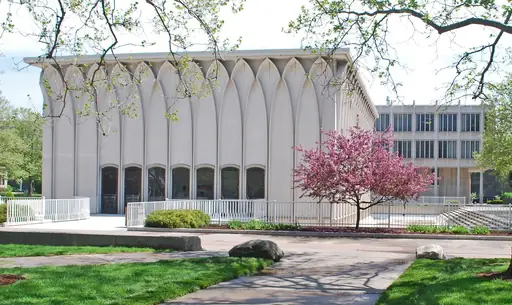
Holland, Michigan plants millions of tulip bulbs across town for its annual Tulip Time Festival. Dutch immigrants who settled the town brought the tradition of tulip cultivation with them. Visitors can walk streets lined with blooms and watch dancers in traditional wooden clogs. Windmill Island Gardens nearby adds a working Dutch windmill to the display.

Country
Ethiopia
Ancient cultures meet diverse landscapes
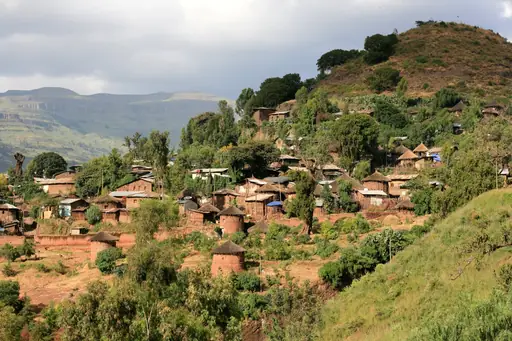
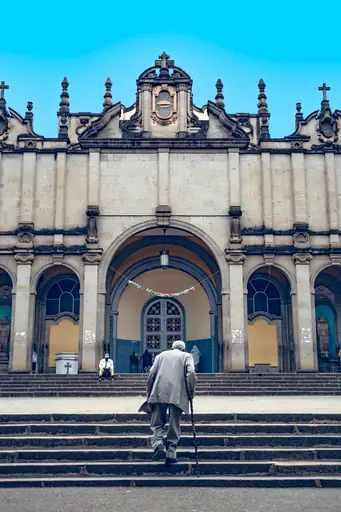
Yellow Meskel daisies carpet Ethiopia's highlands each September as the rainy season ends. Ethiopians traditionally gather the flowers to decorate bonfires during the Meskel holiday celebration. Visitors can see the blooms spread across hillsides throughout the country's central highlands. The flower's bloom timing has long served as an informal seasonal calendar for farmers.
Outer Territory in France
Martinique
Tropical Charm and French Flair
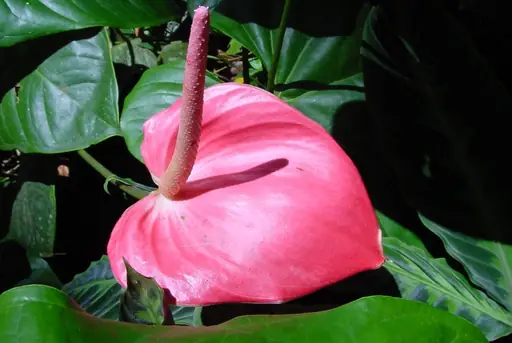
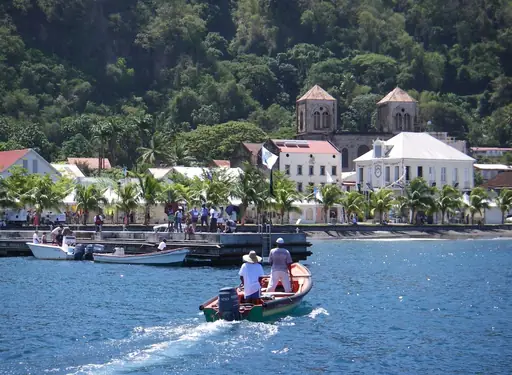
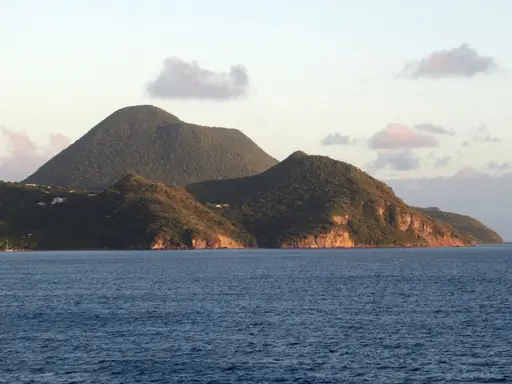
Jardin de Balata displays thousands of tropical flowers across a former plantation hillside in Martinique. A botanist spent decades transforming his family home's grounds into the current garden. Visitors can walk suspended bridges through the rainforest canopy above flowering heliconias and anthuriums. Hummingbirds are common visitors around the garden's many blooms.
Archipelago in Portugal
Azores
Volcanic Isles of Atlantic Wonders
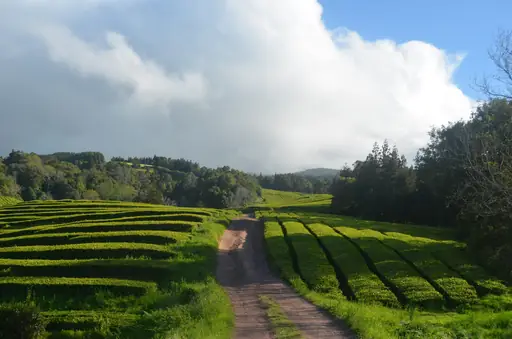
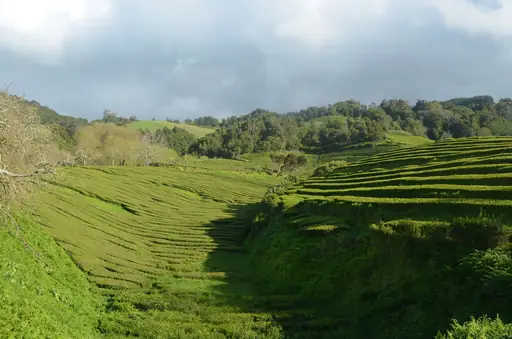
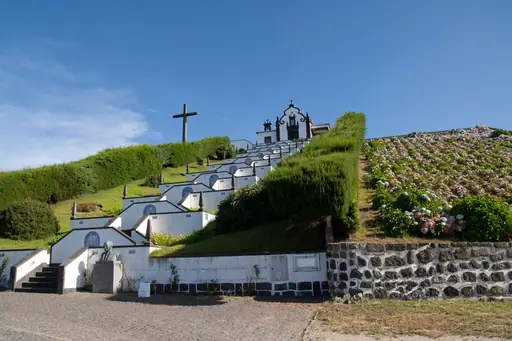
Hydrangeas line the roadsides and pasture fences across the Azores each summer in shades of blue. Farmers originally planted the shrubs as natural fencing between grazing fields decades ago. Visitors can drive island roads on Faial and Sao Miguel for the densest hydrangea displays. Blue tinted volcanic soil is thought to intensify the flowers' colour.
Region in Portugal
Alentejo
Rolling hills, historic villages, soulful cuisine
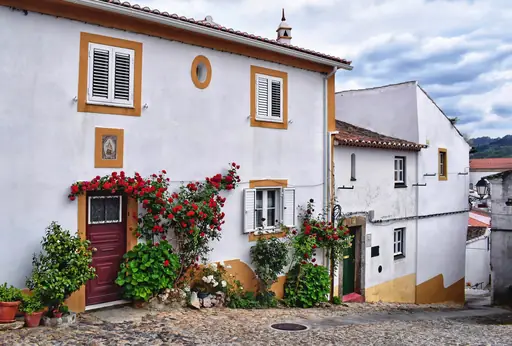
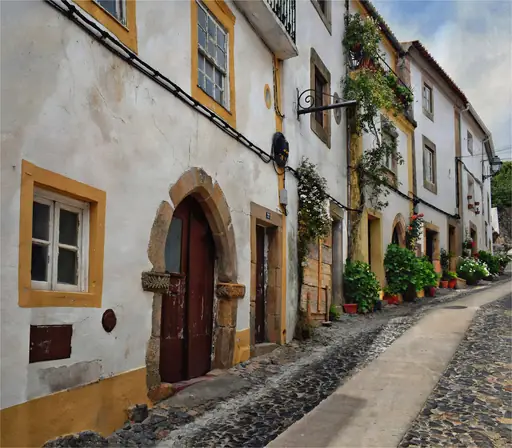
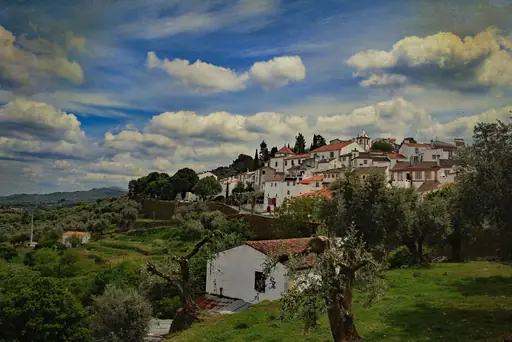
Wild almond and cherry blossoms cover Alentejo's rolling plains each February in southern Portugal. Cork oak forests and wheat fields stretch between the region's scattered blossoming orchards. Visitors can drive rural roads through towns like Marvao for the widest blossom views. Storks nesting atop church towers are a common sight during the bloom.

Island in Tanzania
Zanzibar
Turquoise Waters and Spice Perfume
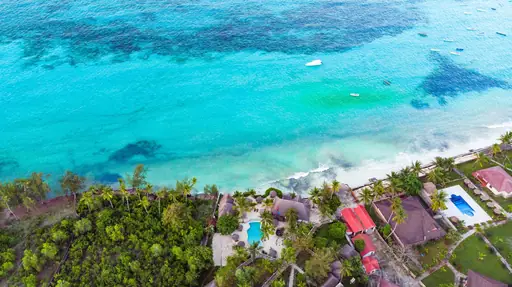
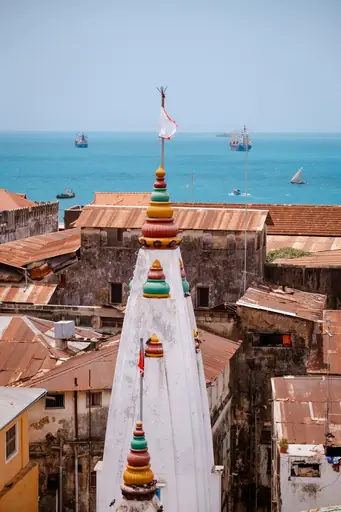
Zanzibar's spice plantations grow ylang ylang and clove trees whose flowers scent the island's air. Farmers here have exported cloves since the crop's introduction in the early 1800s. Visitors can tour plantations that explain how each flower becomes a spice or perfume ingredient. Guides often weave leaves into hats and jewellery during the walking tours.
City in South Africa
Cape Town
Mountains, Beaches and a Vibrant Culture
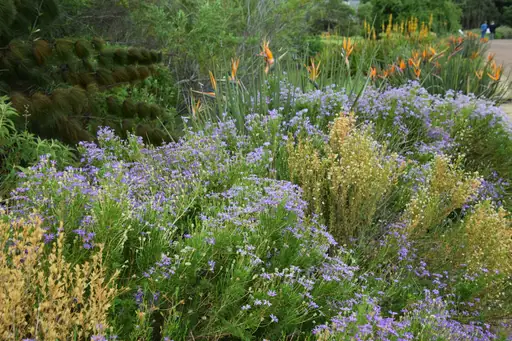
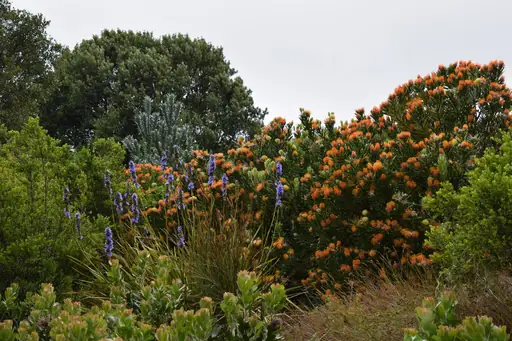
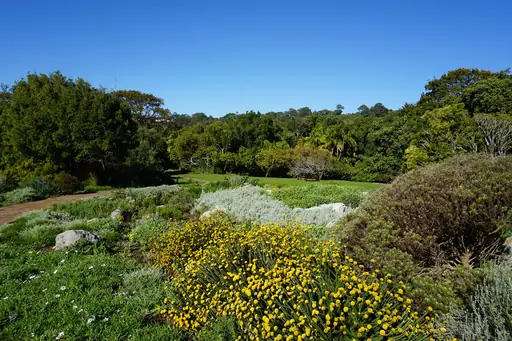
Cape Town sits within the Cape Floral Kingdom, the smallest of Earth's six floral kingdoms. Fynbos shrubland here holds more plant species than the British Isles in far less space. Visitors can hike Table Mountain's slopes to see proteas and ericas blooming in the wild. Many of these species grow nowhere else on the planet.
City in Laos
Luang Prabang
Laid-back charm by the Mekong River
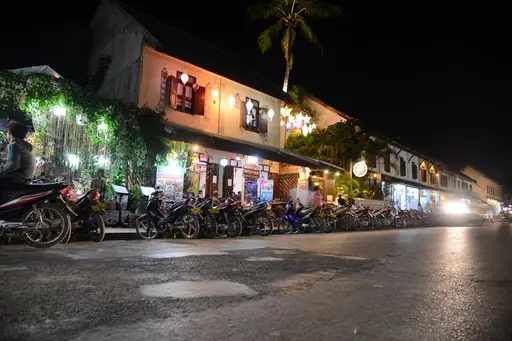
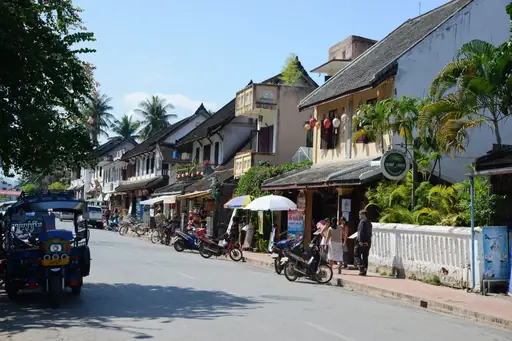
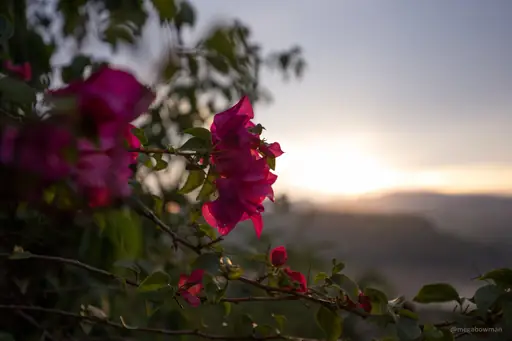
Frangipani trees drop fragrant blossoms across the temple courtyards of Luang Prabang, Laos. Buddhist monks tend gardens surrounding gilded temples throughout this former royal capital. Visitors can walk quiet lanes lined with blooming trees between the town's many wats. Saffron robed monks collect the fallen flowers each morning before daily rounds.
City in Germany
Constance
Lakeside Charm Meets Medieval History
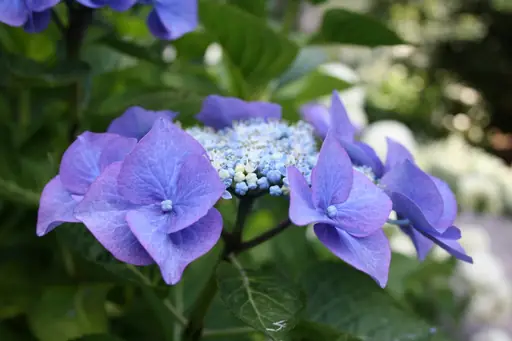
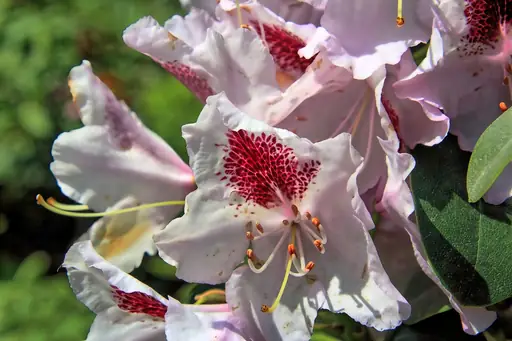
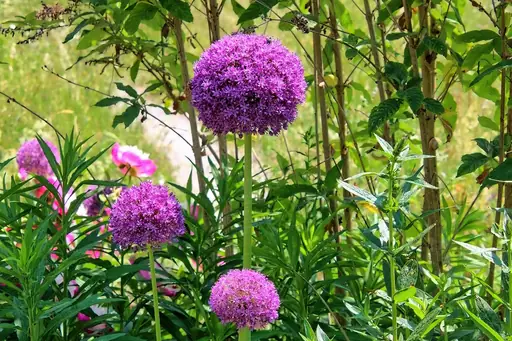
Mainau Island on Lake Constance holds one of Europe's most extensive flower gardens on a single estate. A Swedish count converted the island into an ornamental garden starting in the 1930s. Visitors can walk paths through rose gardens, palm houses and seasonal tulip displays. Butterflies fly freely inside a dedicated greenhouse on the island.
Town in Ecuador
Baños
Vibrant riverside town amid lush volcanoes
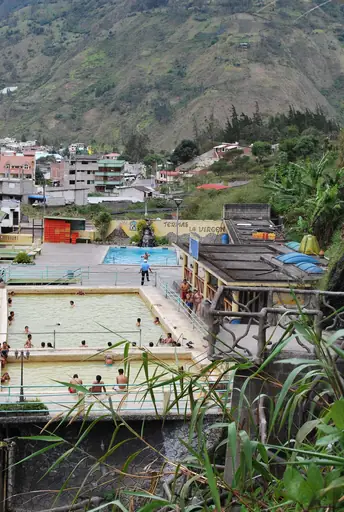
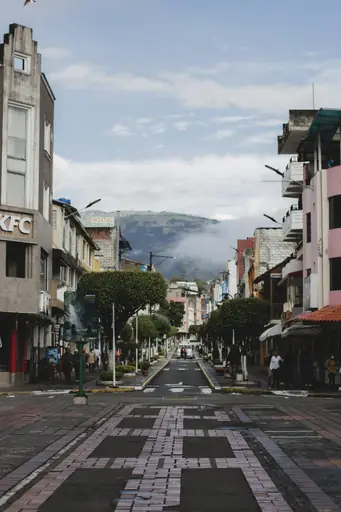
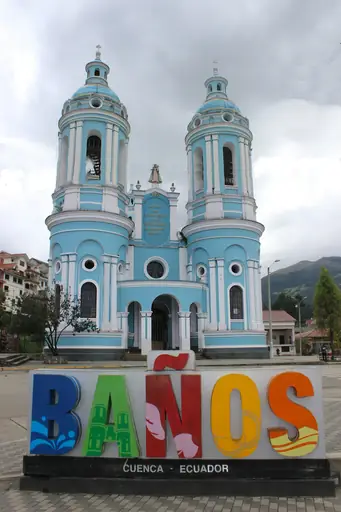
Orchids and bromeliads cling to trees along Banos' cloud forest waterfall trails in Ecuador. Warm mineral springs beneath an active volcano give the town its name and draw bathers. Visitors can hike the Ruta de las Cascadas past dozens of flowering epiphytes. Hummingbirds dart between blooms along several of the route's viewpoints.
Nature Reserve in Costa Rica
Monteverde
Verdant cloud forests whisper ancient secrets
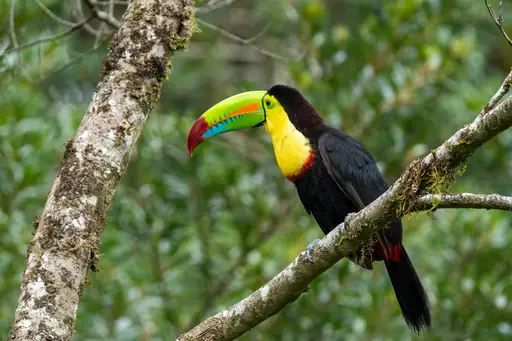
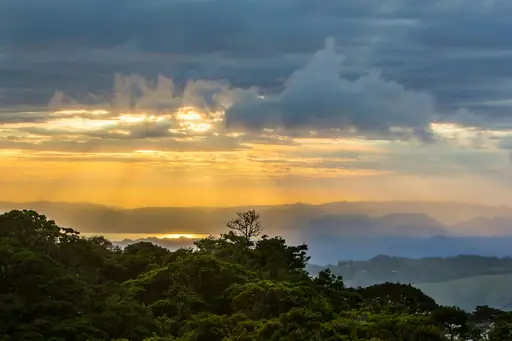
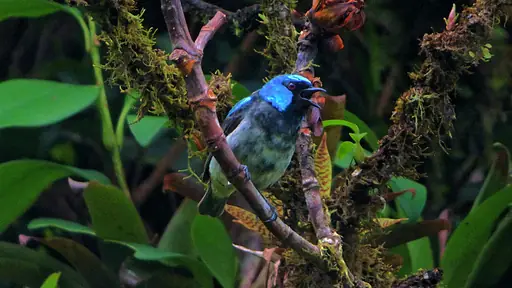
Monteverde's cloud forest holds an estimated 500 orchid species within its misty reserve. Many of these flowers grow too small to notice without a guide pointing them out. Visitors can join a dedicated orchid garden tour using magnifying glasses to spot tiny blooms. Hummingbirds and quetzals move through the same misty canopy alongside the flowers.
City in Brazil
Gramado
Brazil’s Alpine Escape in the South
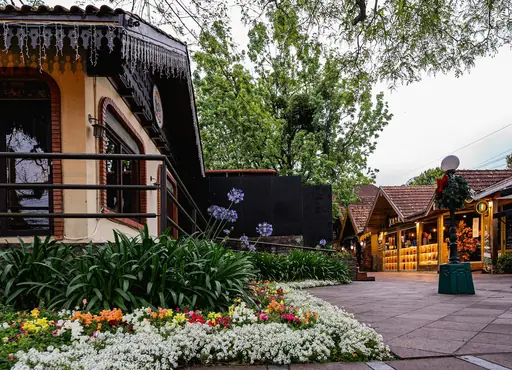
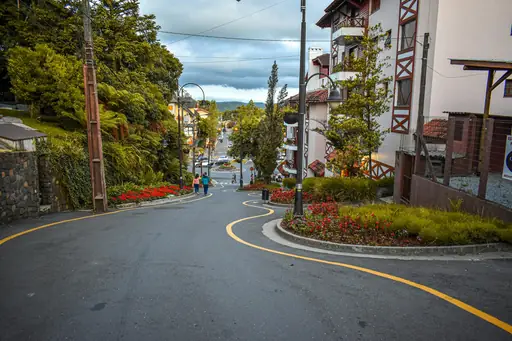
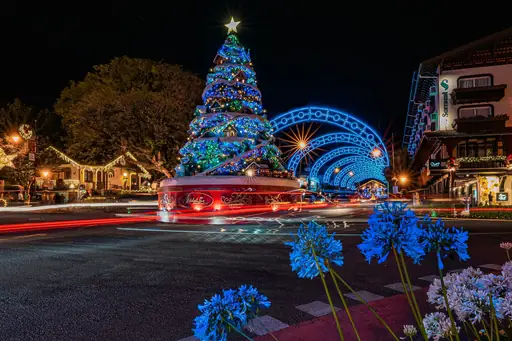
Gramado hosts an annual flower festival filling the town's streets and squares with seasonal blooms. Hydrangeas thrive in this cool mountain climate more reliably than in most of Brazil. Visitors can walk gardens throughout the town styled after European alpine villages. Flower beds along the main avenue change display each season.
City in Canada
Victoria
Garden city by the Pacific
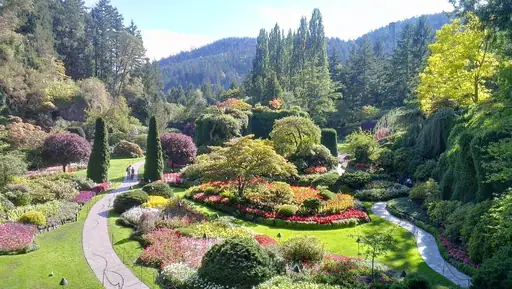
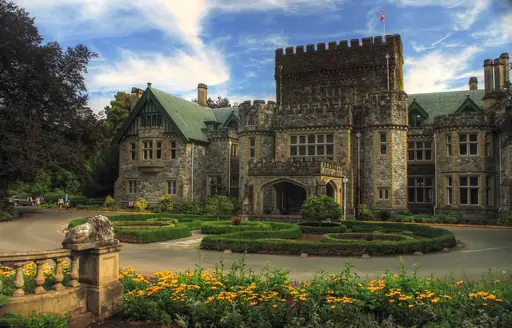
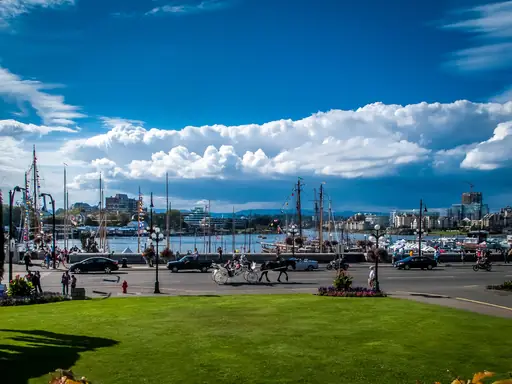
Butchart Gardens grew out of an abandoned limestone quarry on Vancouver Island near Victoria. A cement company owner's wife began planting flowers in the empty pit in 1904. Visitors can walk through a sunken garden, rose garden and Japanese garden across the grounds. Fireworks light up the gardens on selected summer evenings.

Archaeological Site in Peru
Machu Picchu
Lost Inca city among clouds
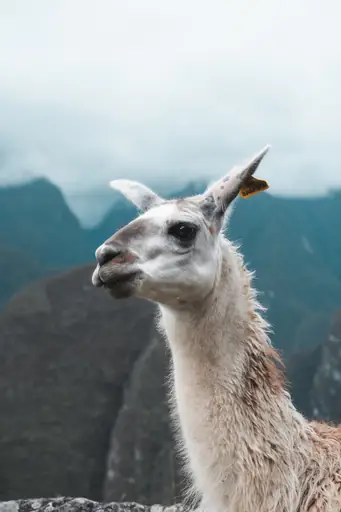
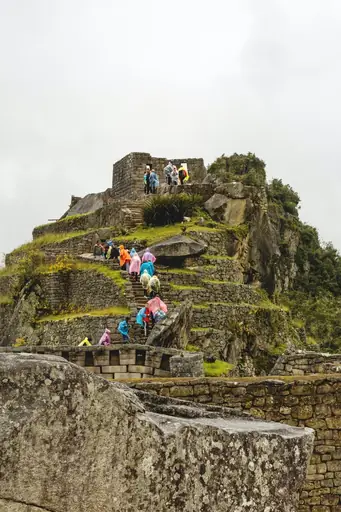
More than 300 orchid species grow in the cloud forest surrounding Machu Picchu's ruins. Mist rolling through the mountains keeps conditions humid enough to support such orchid diversity. Visitors can spot blooms clinging to trees while hiking the Inca Trail towards the site. Hummingbirds move between the flowers at various elevations along the route.

City in Colombia
Medellín
The City of Eternal Spring
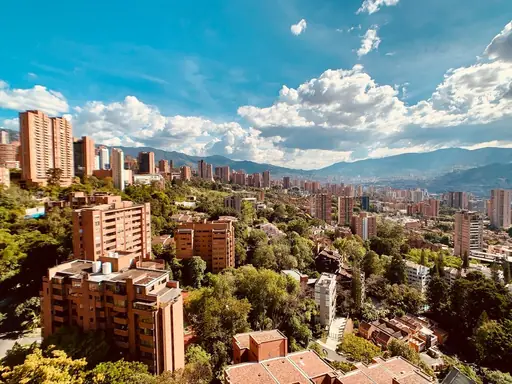
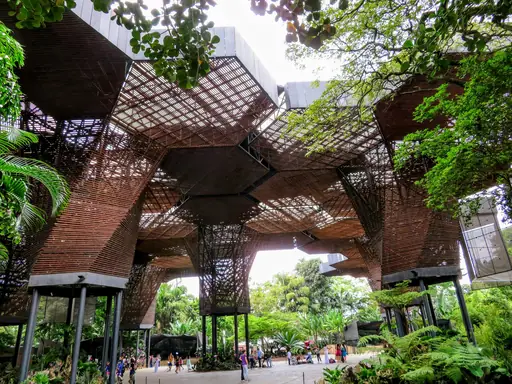
Medellin's Feria de las Flores fills the city with flower displays each August. Farmers called silleteros carry elaborate flower arrangements strapped to wooden frames on their backs. Visitors can watch the silleteros parade through the streets during the festival's main event. The tradition traces back to growers who once carried blooms to market this way.
Garden in Japan
Ashikaga Flower Park
Giant wisteria trellis and winter light show
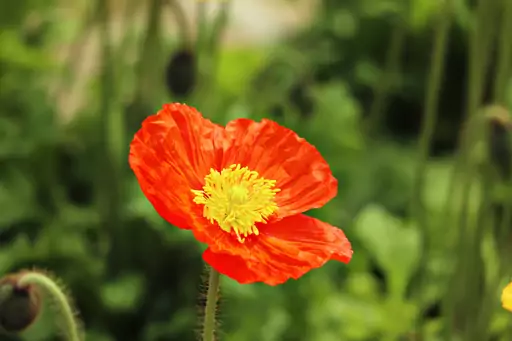
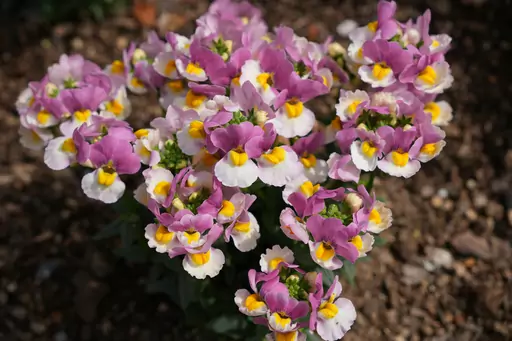
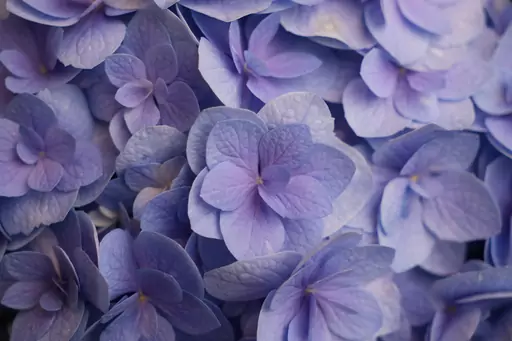
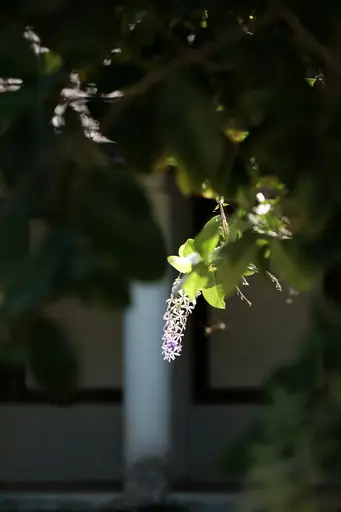
Purple wisteria vines drape over a long tunnel walkway at Ashikaga Flower Park. One wisteria tree here has grown for more than 150 years across a huge trellis. Visitors can photograph the blossoms lit up during an evening illumination event. Peak bloom usually falls in late April to early May.
City in Thailand
Chiang Rai
Temples, Misty Mountains, Lanna Soul
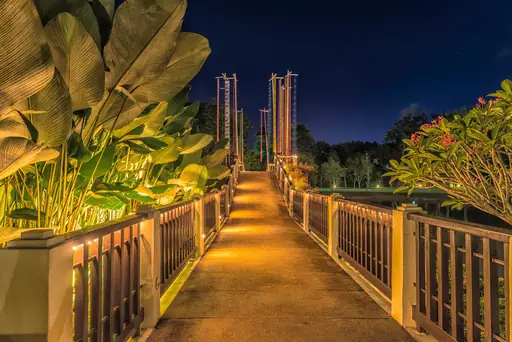
Doi Tung's Royal Villa gardens bloom with tulips and other cool climate flowers on a hillside. A former opium region, the project replaced poppy fields with gardens in the 1980s. Visitors can walk terraced flower beds planted in patterns that change with the season. Cooler mountain temperatures let the tulips grow despite Thailand's tropical latitude.
City in United States
Washington, D.C.
Capital of History and Culture
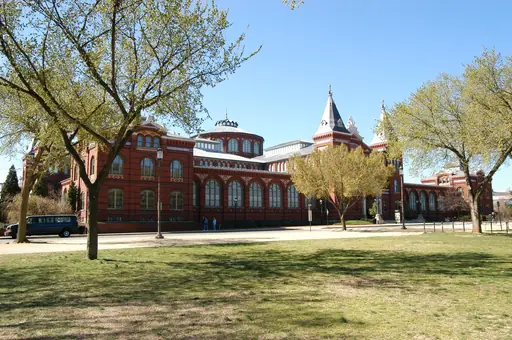
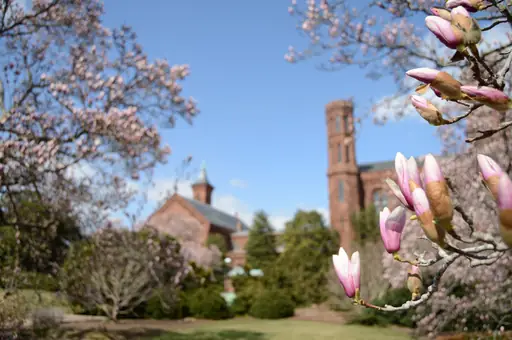
Washington's National Arboretum displays one of the country's largest azalea collections each April. More than 15,000 azalea plants bloom across a hillside within the arboretum's grounds. Visitors can walk trails through the collection before continuing to the arboretum's other themed gardens. Fifteen sandstone columns salvaged from the old Capitol building stand in a nearby meadow.

Park in Japan
Hitachi Seaside Park
Blue nemophila hills above the Pacific coast
Hitachi Seaside Park's Miharashi Hill turns blue each spring under nemophila flowers. Millions of these small blooms, called baby blue eyes, cover the hillside each season. Visitors can walk paths winding through the blue field with the ocean visible beyond. The park switches to red kochia bushes and cosmos flowers later in the year.
Region in United States
Willamette Valley
World-class pinot and scenic beauty
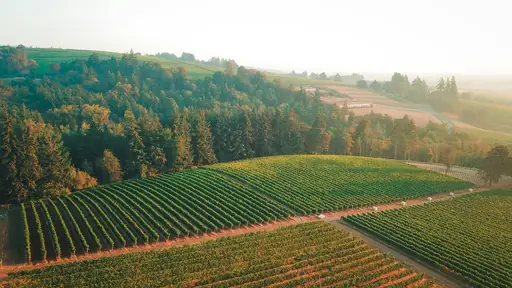
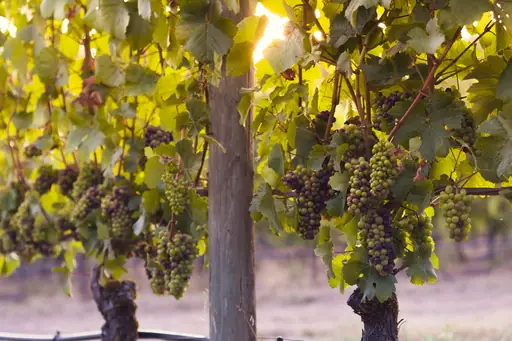
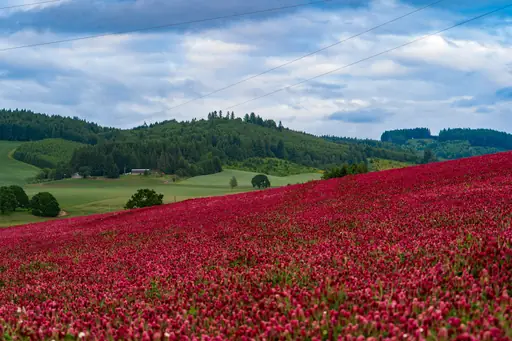
Wooden Shoe Tulip Farm plants over 40 acres of tulips across Oregon's Willamette Valley. Rows of red, yellow and purple blooms stretch beneath the region's volcanic Mount Hood. Visitors can walk between the colour blocked rows during the farm's annual April festival. Wine country vineyards surround much of the same valley beyond the tulip fields.

City in Australia
Canberra
A cultural hub surrounded by nature
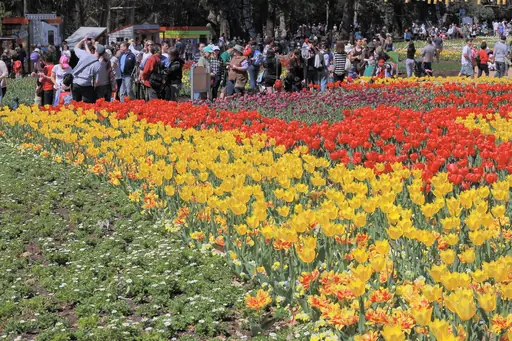
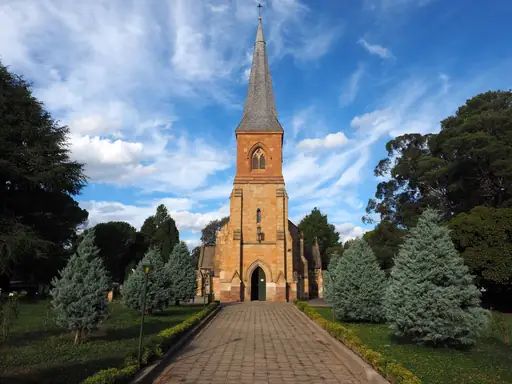
Canberra's Floriade festival plants more than a million flowering bulbs each September in Commonwealth Park. This event ranks as the largest flower festival held anywhere in the Southern Hemisphere. Visitors can walk themed garden beds redesigned with a new pattern every year. Night illuminations extend the festival's hours after dark on select evenings.
City in Morocco
Marrakech
A vibrant maze of colors and spices
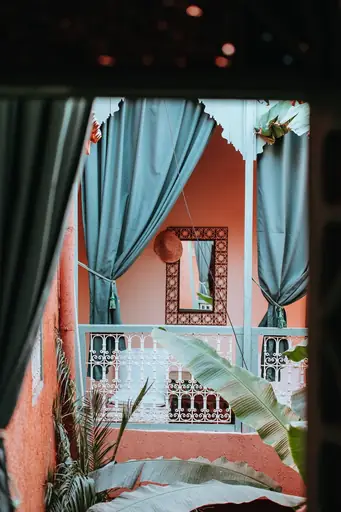
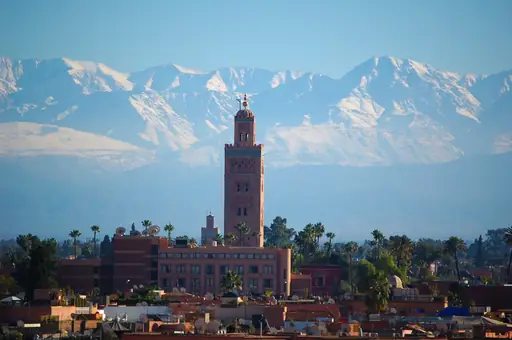
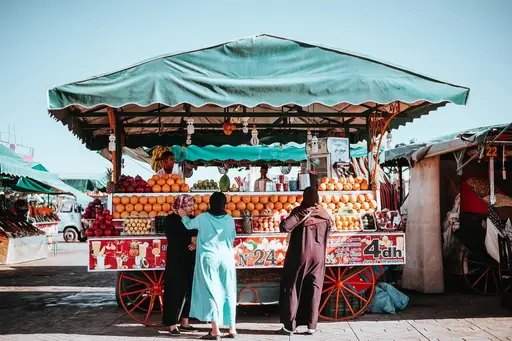
Majorelle Garden displays cactus and bougainvillea against cobalt blue buildings in Marrakech. French painter Jacques Majorelle designed the garden before fashion designer Yves Saint Laurent later restored it. Visitors can walk narrow paths shaded by bamboo and palm trees throughout the grounds. A small museum on site displays Saint Laurent's Berber art collection.

Country
Fiji
Tropical paradise with diverse landscapes
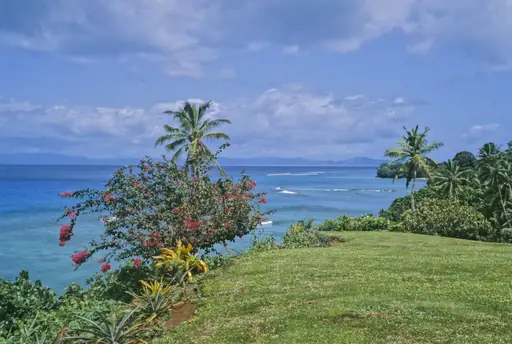
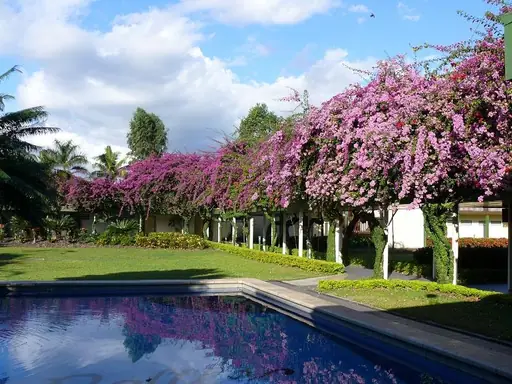
Actor Raymond Burr founded Fiji's Garden of the Sleeping Giant to house his personal orchid collection. More than 2,000 orchid varieties now grow across the garden's shaded jungle paths. Visitors can walk boardwalks past hanging orchids and lily covered ponds near Nadi. Mountain ridges behind the garden are said to resemble a sleeping giant's profile.
Country
Iceland
Land of fire and ice
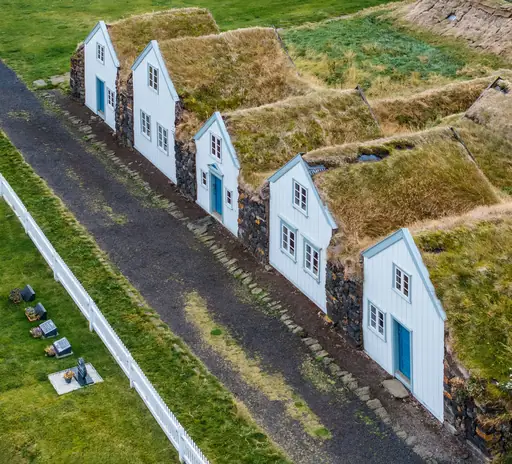
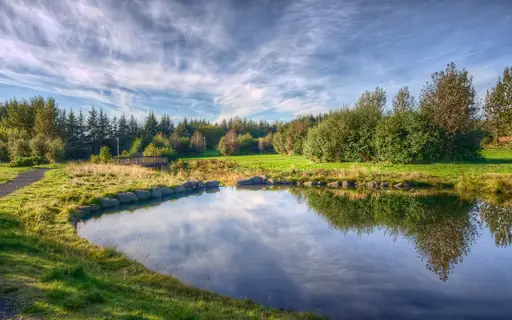
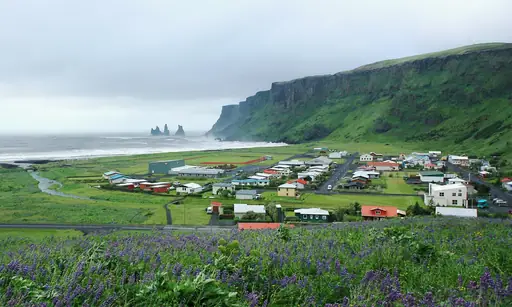
Purple Nootka lupine fields spread across much of Iceland's countryside each summer. Foresters introduced the plant decades ago to help stabilise eroded volcanic soil. Visitors can find fields of the flower along roadsides throughout the south and west. Some conservationists now consider the fast spreading plant an invasive species.
City in Australia
Perth
Sun, surf and city style collide
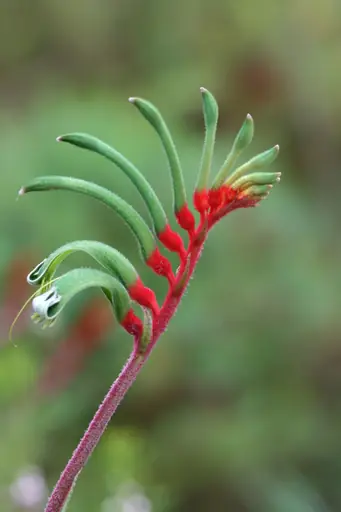
Kings Park's wildflower festival each September displays hundreds of species native to Western Australia. This region holds one of the richest concentrations of endemic wildflowers found anywhere on Earth. Visitors can walk botanic garden paths through kangaroo paw, banksia and orchid displays. Wildflowers also carpet roadsides across the state during the same spring season.
Forest in Belgium
Hallerbos
Enchanted woodland draped in emerald mist
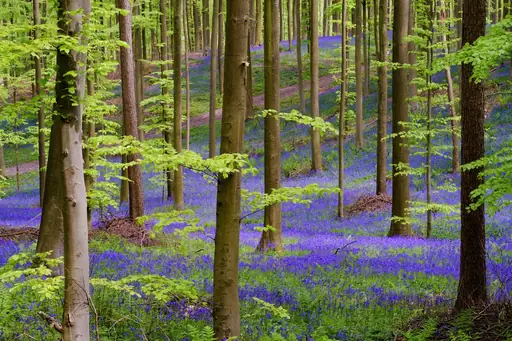
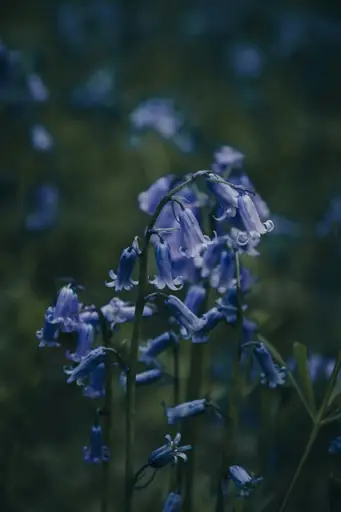
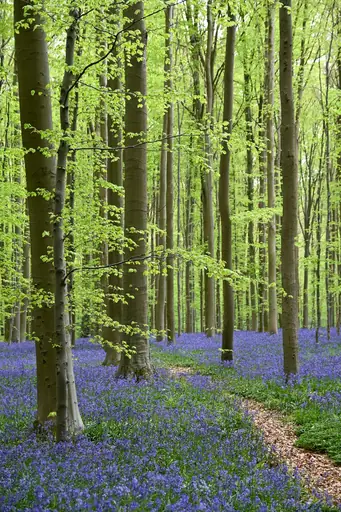
Hallerbos turns blue each April as millions of bluebells carpet the forest floor near Brussels. Locals nicknamed the woodland the Blue Forest for this brief but intense display. Visitors can walk marked trails through the beech forest during the roughly two week bloom. Weekend crowds can make the narrow paths busy during peak colour.
City in Brazil
Curitiba
Green City of Urban Innovation
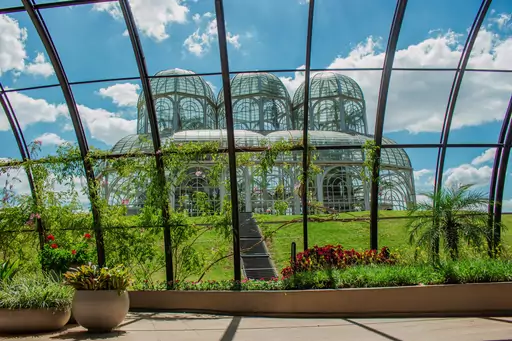
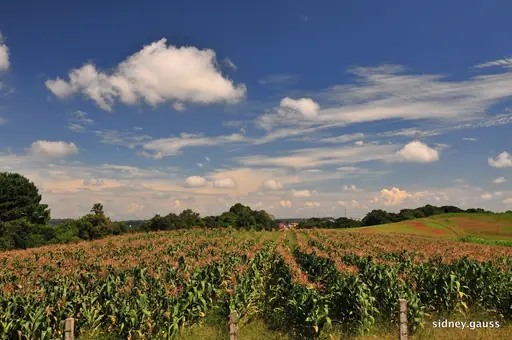
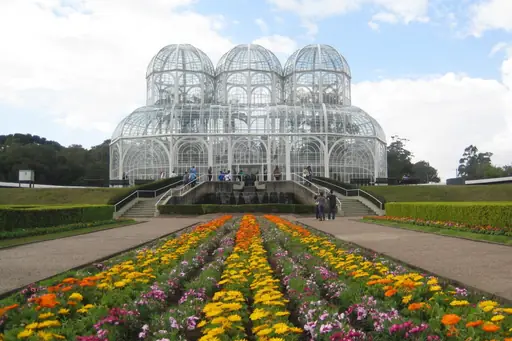
Curitiba's Botanical Garden centres on a glass greenhouse modelled after London's Crystal Palace. French style gardens surround the dome, filled with seasonal flower beds in geometric patterns. Visitors can walk raised paths through the greenhouse's tropical plant collection inside. The garden opened in 1991 on the site of a former stone quarry.
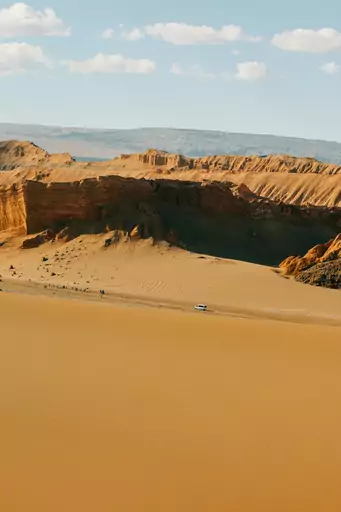
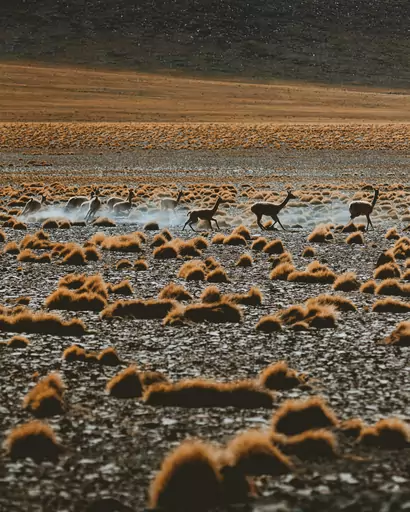
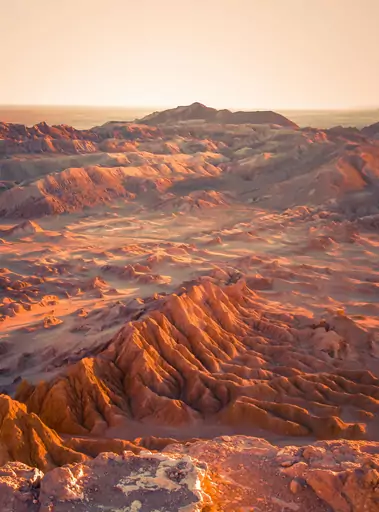
Desert in Chile
Atacama Desert
Endless dunes under starlit desert skies
Chile's Atacama Desert occasionally erupts into a phenomenon called desierto florido, the blooming desert. Rare heavy rains trigger dormant seeds to sprout across one of Earth's driest landscapes. Visitors lucky enough to catch the event can see pink and purple flowers stretch to the horizon. Years can pass between blooms strong enough to draw crowds.
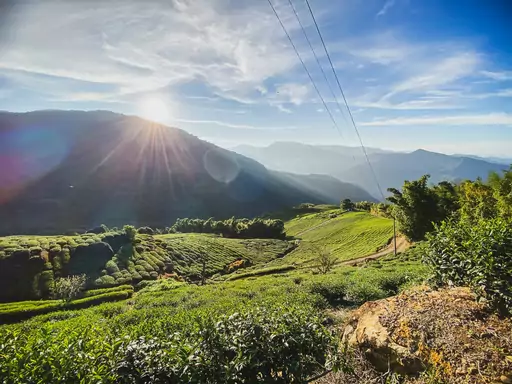
Mountain in Taiwan
Alishan
Mist‑kissed peaks and sunrise over clouds
Cherry and plum blossoms bloom across Alishan's high mountain forests each spring in Taiwan. A narrow gauge railway built for logging now carries visitors through the blossoming groves. Visitors can catch sunrise above a sea of clouds before the blossoms even open. Ancient cypress trees stand alongside the flowering paths throughout the park.
Botanical Garden in Cape Town
Kirstenbosch Botanical Gardens
Nature’s Cape Floral Kingdom Showcase
Kirstenbosch Botanical Gardens grows only plants native to southern Africa across its slopes below Table Mountain. A canopy walkway called the Boomslang winds through treetops above the garden's fynbos beds. Visitors can spot king proteas, South Africa's national flower, blooming across several garden sections. Summer concerts draw crowds to the lawns on weekend evenings.
Other lists you may like
Discover
Best flower destinations in Africa
Semi-desert regions of southern Africa transform into a vast carpet of wildflowers for a few weeks each spring, one of the most dramatic seasonal blooms anywhere on the continent,…
Read more
Discover
Best flower destinations in Asia
Asia's flower seasons span an extraordinary range of botanical traditions and natural flowering events, from the celebrated cherry blossom and autumn foliage circuits of East Asia…
Read more
Discover
Best flower destinations in Europe
Europe's flower seasons range from the tulip and bulb field landscapes of the northwest and the wildflower meadows of the Alpine zones to the lavender fields of the Mediterranean…
Read more
Discover
Best flower destinations in North America
Europe's flower seasons range from the tulip and bulb field landscapes of the northwest and the wildflower meadows of the Alpine zones to the lavender fields of the Mediterranean…
Read more
Discover
Best flower destinations in Oceania
Western parts of Australia produce one of the most biodiverse seasonal wildflower blooms on earth, with thousands of native species found nowhere else. New Zealand's botanical…
Read more
Discover
Best flower destinations in South America
The Amazon basin holds extraordinary floral biodiversity, while jacaranda-lined streets in a southern capital turn entire neighbourhoods purple each spring, a more urban,…
Read more
What other users say about travelfilters
“travelfilters made it easy for me to find ski areas and compare what else they offer, so that I could find the best place for my personal travel style.”

Chris
Snowboarding & Onsen trip to Japan
“I love how transparent the data feels. There is no pushy upsell, just honest information and settings I can tune to my own travel style.”

Maria
After booking her 2027 winter escape
“The level of detail for each destination and how well those are displayed, make planning feel confident instead of overwhelming.”

Mina
Planned a week in New York City
“We used travelfilters for our planning from start to end. The trip turned out even better than expected, thanks to all their tools and customisation options.”

Allan & Etienne
Trip to Japan to see autumn foliage
“Thanks to travelfilters, I found some hidden gems to see. Being able to filter for exactly your interests is a game changer for my travel planning.”

Michael
Tour through the old cities of Northern Italy
“The customizable filters helped me find a quiet beach town with good wifi and low season crowds in under five minutes.”

Diego
Weekend Escape to Llanes, Spain
“The airport connection map saved me hours by showing good flight options from my home airport to lesser-known cities.”

Nguyen
Planning a 2027 trip to France
“The website is clean, fast and focused on the search itself, which makes travelfilters feel more like a professional tool than an ad-heavy booking site.”

Hassan
Christmas Market trip, Germany
