
Most beautiful beaches and coastal escapes
Most beautiful beaches and coastal escapes
Best coastal destinations for your next beach trip
For a lot of people, a beach is the whole point of a holiday, but what makes a beach day perfect really depends on personal taste.
Some travellers want isolation and the feeling that nobody else has found the place. Others prefer a lively beach town with cold drinks nearby and people to watch. Families need different things from solo travellers and the person who wants to snorkel a reef has different priorities from the one who prefers to read a book undisturbed for hours.
The world has enough coastline that everyone can find their perfect version of a beach, often within the same country or island group. The destinations on our list range from well-known spots that have earned their reputation to quieter gems that might be a bit harder to reach, but are definitely worth the extra mile.
Lists by region
Region in Mexico
Baja California Sur
Desert meets ocean adventure land
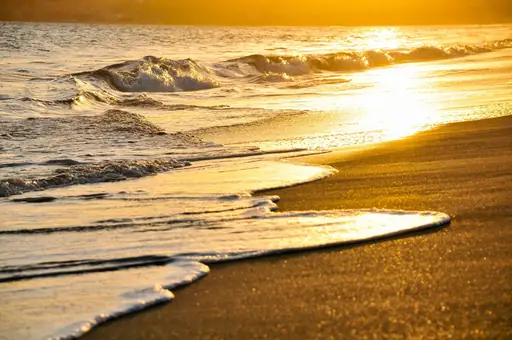
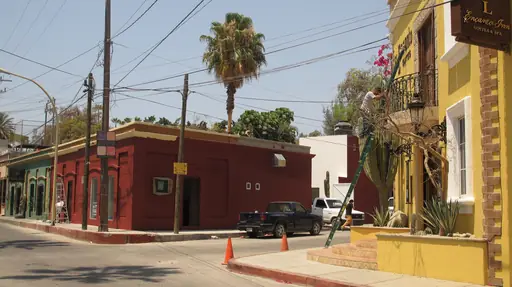
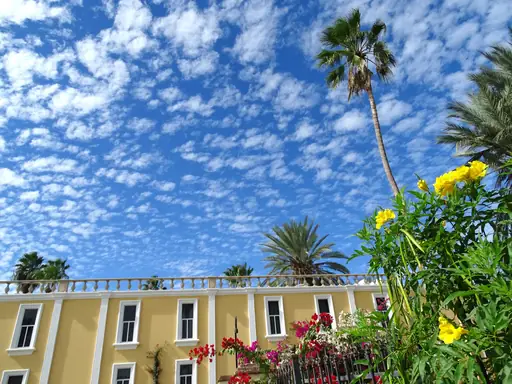
This peninsula splits the Pacific Ocean from the Sea of Cortez. Jacques Cousteau once called these waters the aquarium of the world. Balandra Beach near La Paz has calm, shallow turquoise water and a mushroom shaped rock. Whale sharks and sea lions gather offshore for much of the year.
Island in Turks and Caicos Islands
Providenciales
Turquoise Waters Meet White-Sand Beaches
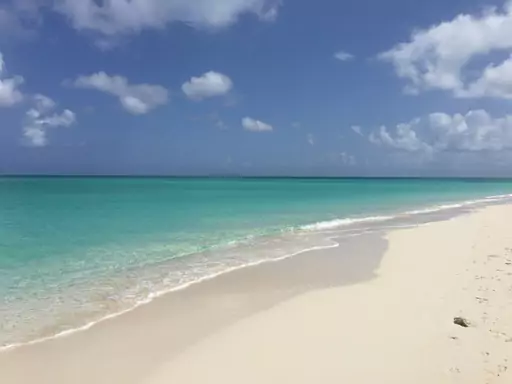
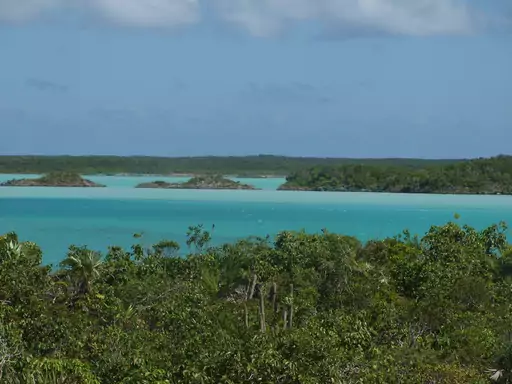
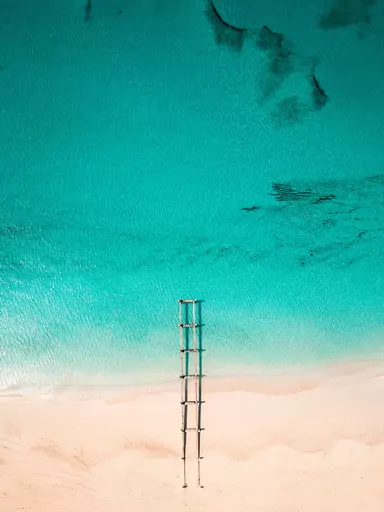
Grace Bay stretches for about 19 kilometres along the island's north shore. Its fine white sand stays soft even at the water's edge. Visitors can snorkel the offshore reef or simply wade into the shallow, calm water. Resorts here have repeatedly topped travel award rankings for the beach.

Island in Italy
Sardinia
Turquoise seas and ancient secrets
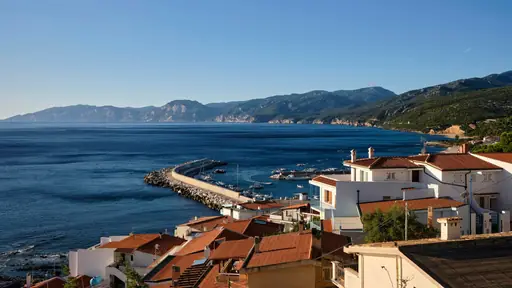
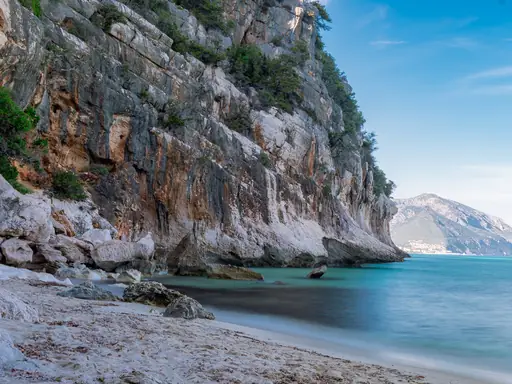
La Pelosa Beach sits at the island's northern tip, facing a small stone tower. Its shallow, pale turquoise water stays calm even close to shore. Visitors can wade out for long stretches before the seabed drops off. Access is limited in summer to protect the fragile dune system.
Country
Saint Lucia
Tropical paradise with volcanic mountains
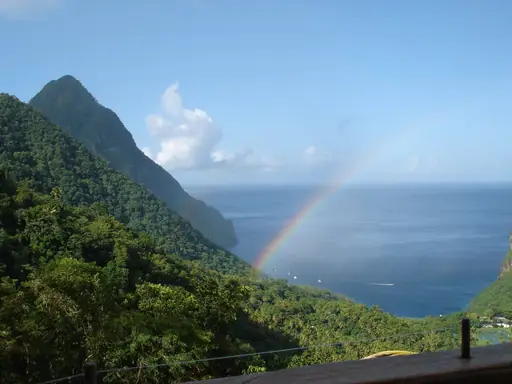
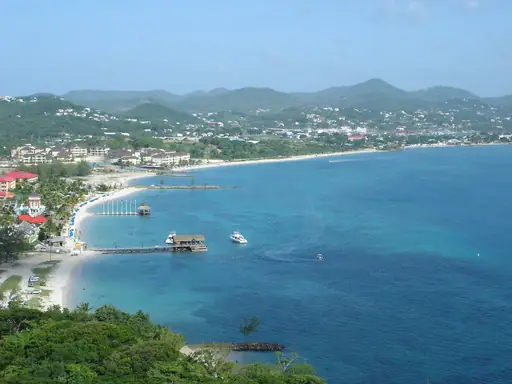
Anse Chastanet Beach sits beneath the twin volcanic peaks known as the Pitons. Its dark volcanic sand contrasts sharply with the surrounding green hillsides. Snorkellers can reach a coral reef just a short swim from shore. The Pitons themselves are a UNESCO World Heritage Site.
Overseas Territory in France
Saint Barthélemy
Luxury Island with Caribbean Charm
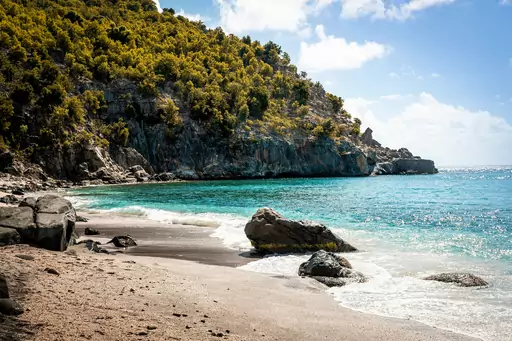
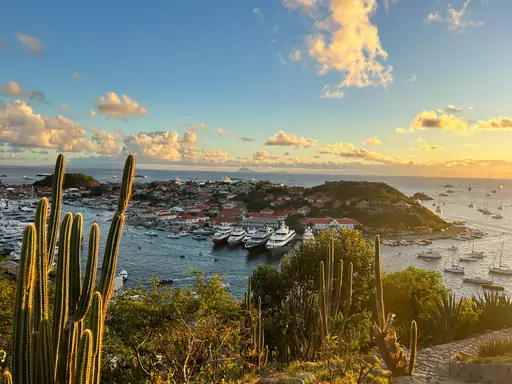
Shell Beach sits just steps from Gustavia's busy harbour, covered in fine crushed shells. Its calm, shallow water makes it easy for casual swimmers of any age. Visitors can walk over from town without needing a car or taxi. A small snack shack serves lunch right on the sand.
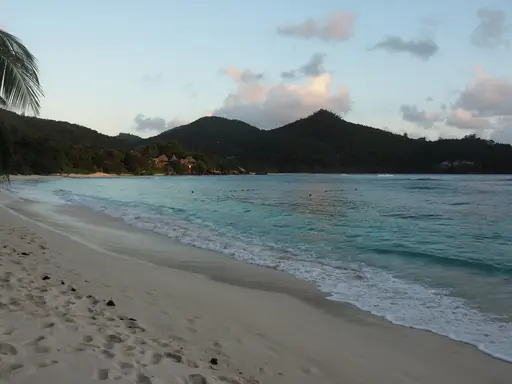
Island in Seychelles
Mahé
Tropical Paradise with a Wild Side
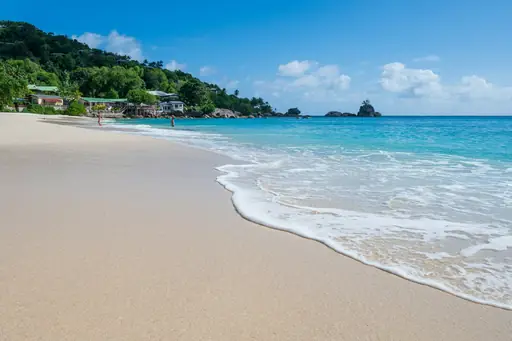
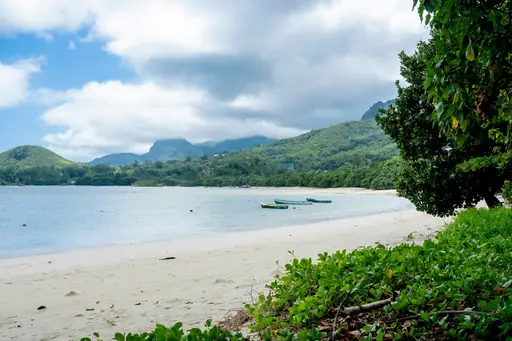
Beau Vallon Beach stretches along Mahe's northwest coast beneath the Seychelles' forested hills. Its calm, sheltered water rarely sees strong currents or big waves. Swimmers and paddleboarders can stay close to shore for most of the year. A lively night market sets up along the sand each Wednesday evening.
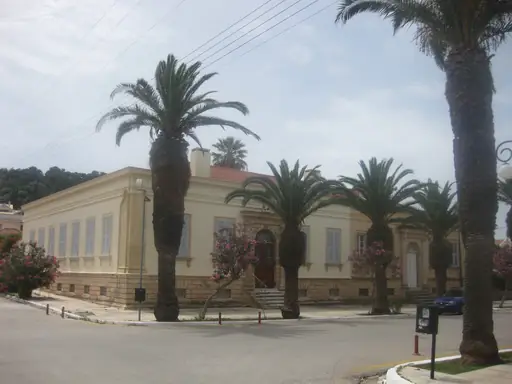
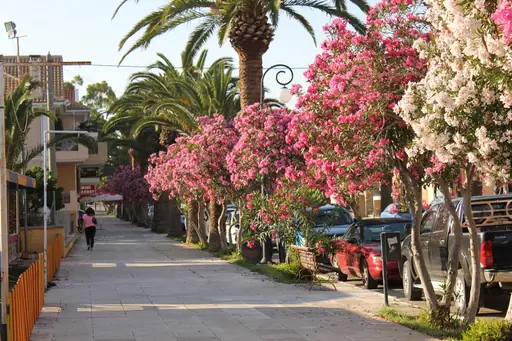
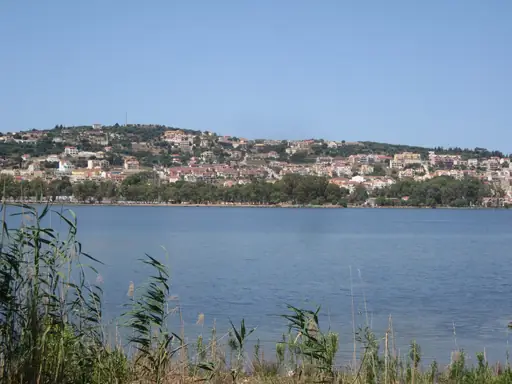
Island in Greece
Kefalonia
Wild Beauty of the Ionian Sea
Myrtos Beach curves beneath towering limestone cliffs on the island's northwest coast. Its pebbles are bright white, giving the water an almost turquoise glow. Visitors can hike down a steep switchback road for sweeping views before reaching the shore. The beach featured in the film Captain Corelli's Mandolin.
Island in Thailand
Ko Phi Phi
Tropical Paradise Awaits You
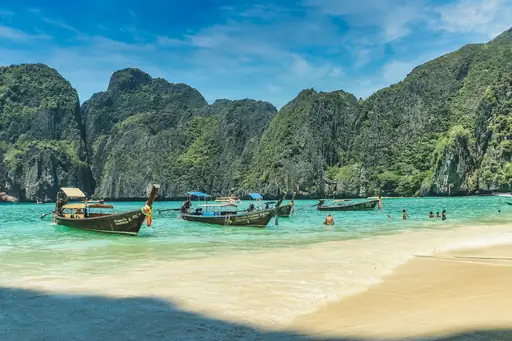
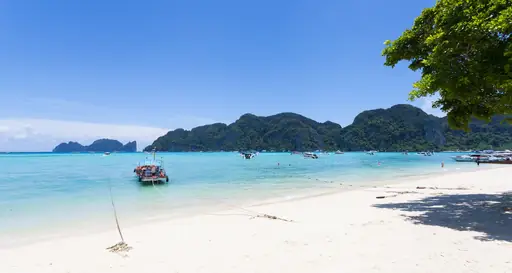
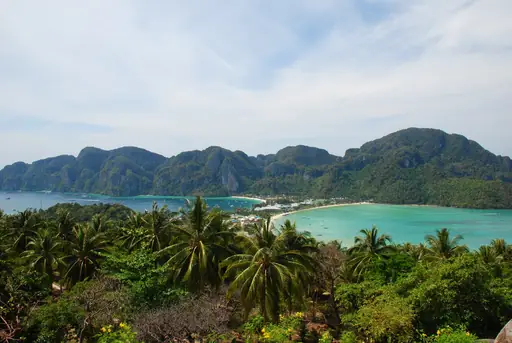
Maya Bay sits inside a sheer limestone cove made famous by the film The Beach. Its sand is soft and pale, framed by cliffs on three sides. Snorkellers can spot reef sharks and colourful fish just off the shore. The bay reopened to visitors after a long coral recovery closure.

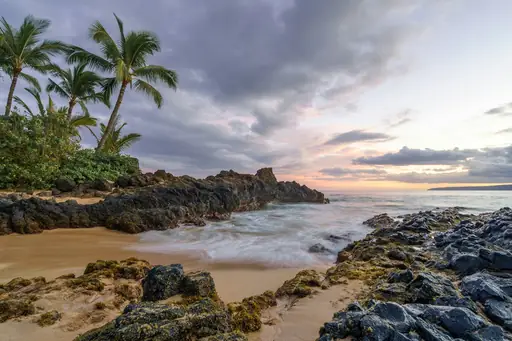
Island in United States
Maui
Island of Sun, Surf and Serenity
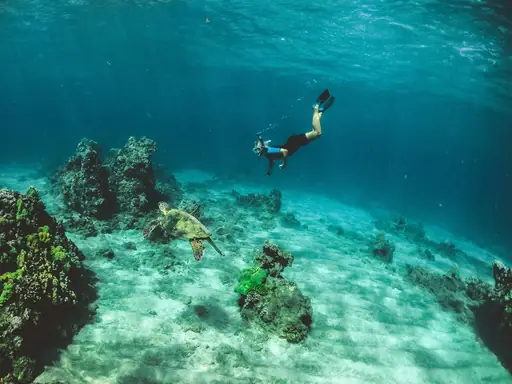
Waianapanapa State Park holds a black sand beach formed from cooled lava rock. Its cliffs drop straight into churning Pacific surf close by. Visitors can explore sea caves and a natural blowhole along the rugged shoreline. The park sits along the winding, cliffside Road to Hana route.

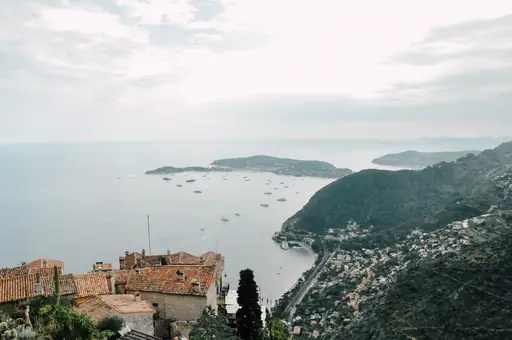
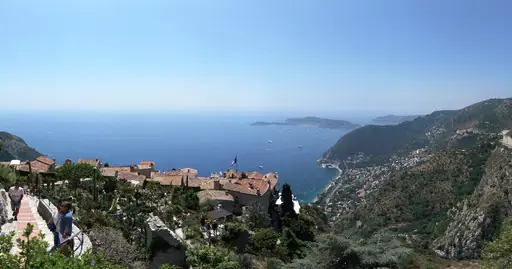
Region in France
French Riviera
Glamorous Mediterranean Getaway
Smooth pebbles rather than sand line much of the Riviera coast. Nice's Promenade des Anglais and the smaller coves near Saint Tropez share this trait. Cliffs and pine covered hills back the shoreline for long stretches between towns. The Mediterranean stays calm most of the year. Water deepens quickly just past the pebble line.
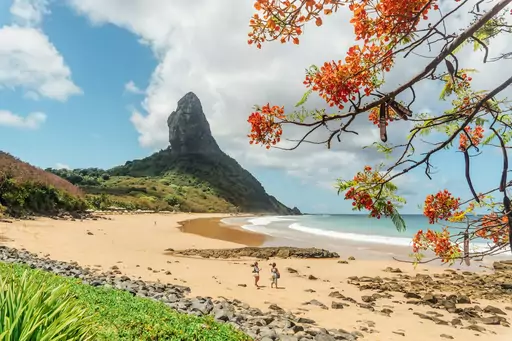
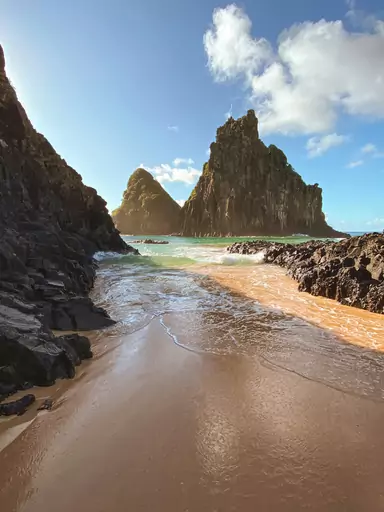
Island in Brazil
Fernando de Noronha
World's Best Beaches and Dolphins
Brazil caps the number of daily visitors to this volcanic archipelago and charges an environmental fee. The policy keeps Baia do Sancho, ranked repeatedly among the world's best beaches, free of crowds. Spinner dolphins gather each morning in the bay named for them. They are visible from the cliffs above without needing a boat.
Island in India
Havelock Island
Tropical Paradise with Underwater Wonders
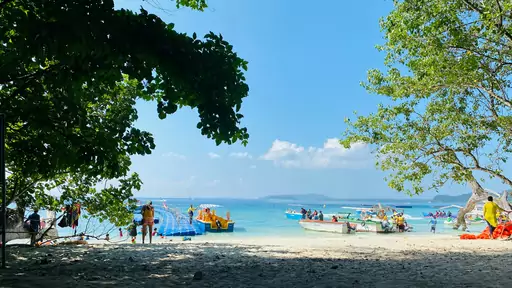
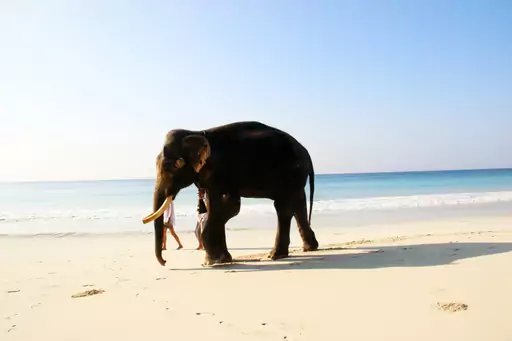
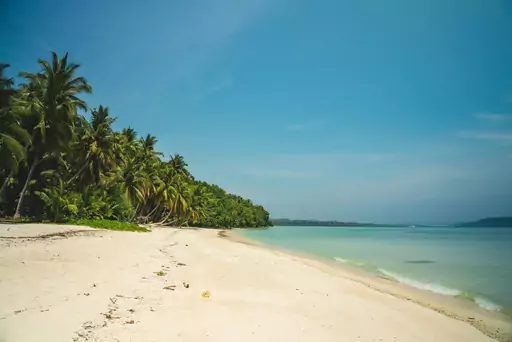
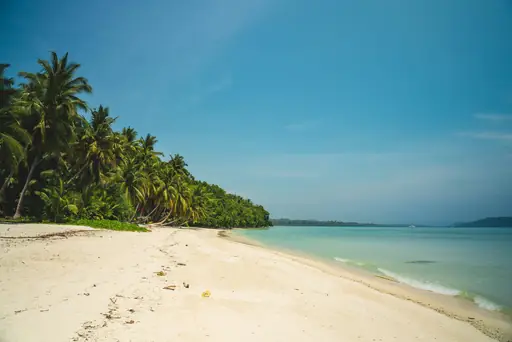
Visit Radhanagar Beach in late afternoon, after the day trip crowds thin out. Sunset then lights up the water in gold. Time magazine named it Asia's best beach in 2004. The title draws visitors to its two kilometre stretch of white sand, backed by dense forest on the Andaman Sea.
Island in Philippines
Bohol
Beaches, Chocolate Hills and Tarsiers
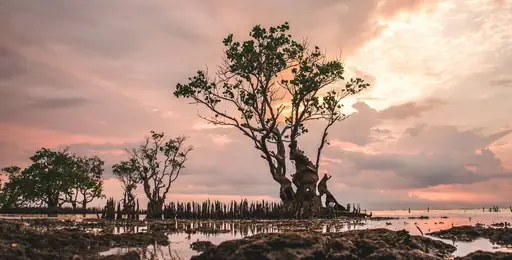
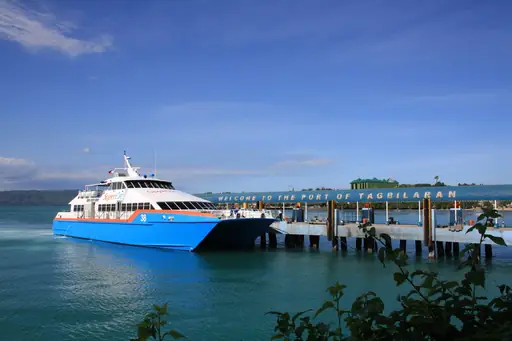
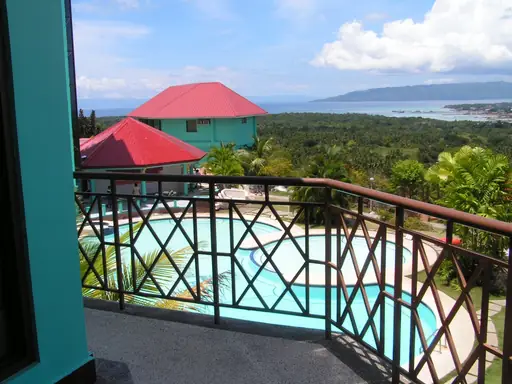
Alona Beach on Bohol's Panglao Island grew from a quiet fishing shore into a dive hub. Divers first discovered the reefs just offshore in the 1980s. White sand and calm water still draw snorkellers today. Forest patches a short drive inland shelter tarsiers, among the world's smallest primates.
Country
Barbados
Tropical paradise with year-round sunshine
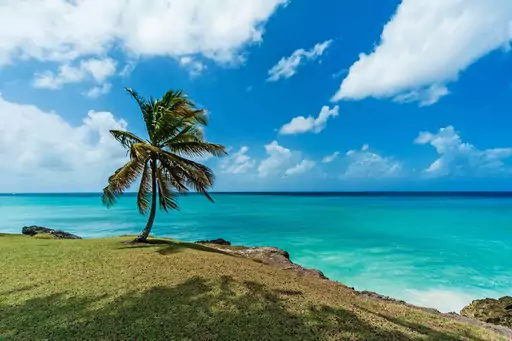
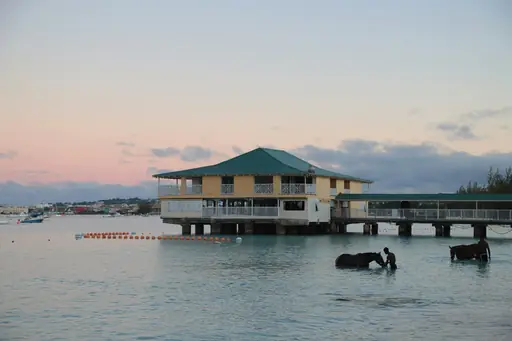
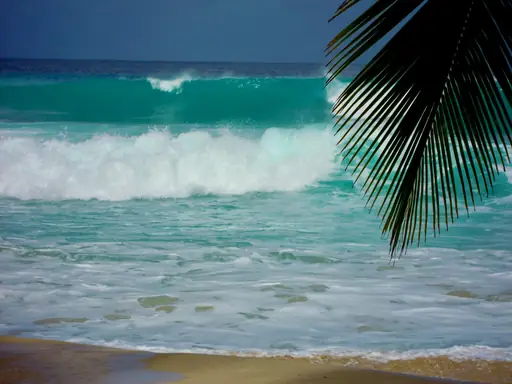
Fishermen still bring their catch straight to Oistins on Friday nights. A beachfront fish fry there has become one of the island's longest running traditions. Bottom Bay, framed by coconut palms and a low cliff, stays quieter than the west coast resorts. Flying fish, the island's signature dish, often headline the evening menu.
Overseas Territory in France
New Caledonia
Tropical Paradise with French Flair
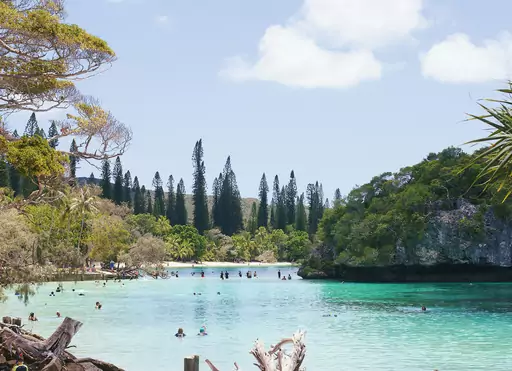
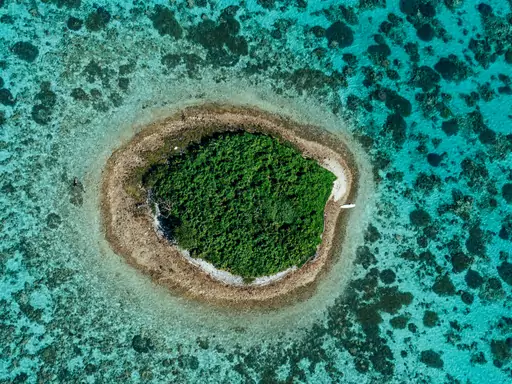
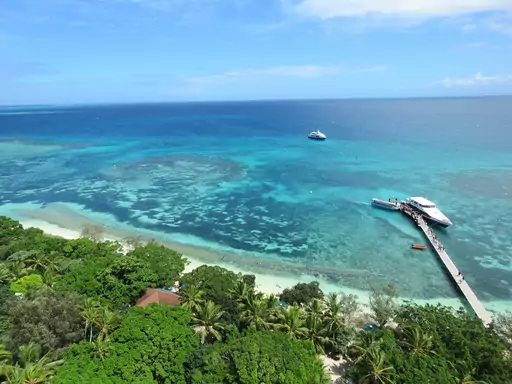
The lagoon surrounding New Caledonia is one of the largest in the world. A UNESCO listing protects its coral reefs stretching over 1,500 kilometres. Visitors can sail out to the Amedee Lighthouse for panoramic reef views. Snorkellers often spot sea turtles resting in the shallow, warm water.
Region in Portugal
Algarve
Golden cliffs and azure waters
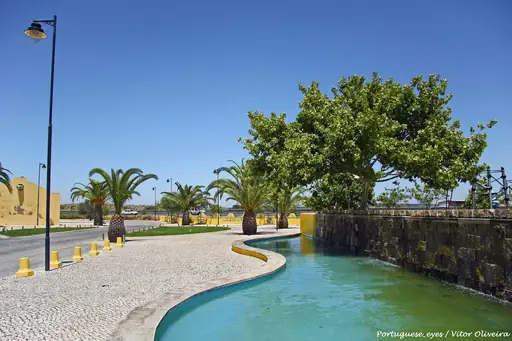
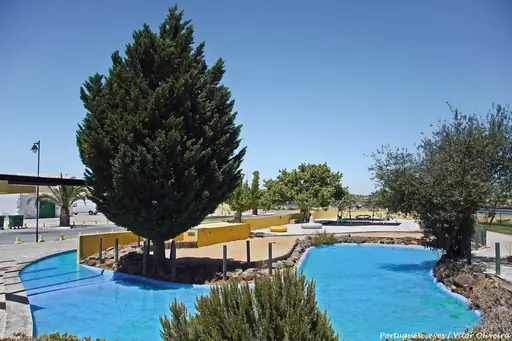
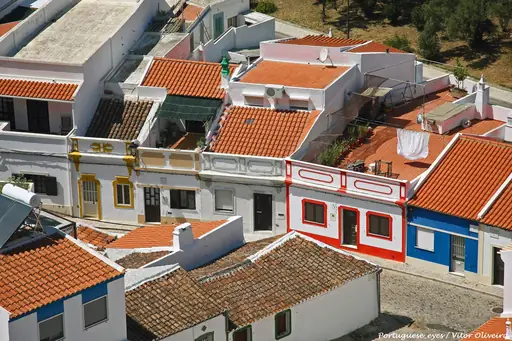
Golden limestone cliffs glow orange at sunset along the Algarve coast, dropping into clear green water below. Hidden coves like Praia da Marinha appear only after a short hike or boat ride. Sea caves such as Benagil were carved slowly by the Atlantic. Inside, sunlight filters through a natural skylight in the rock.
City in Brazil
Armação dos Búzios
Brazil’s Chic Peninsula Playground
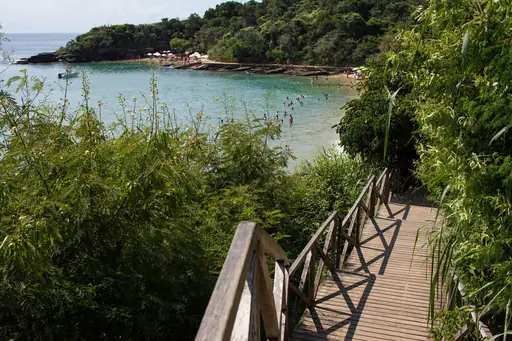
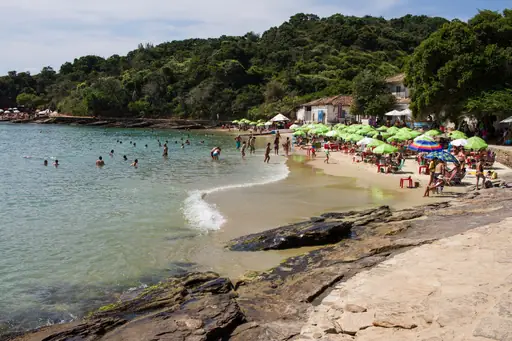
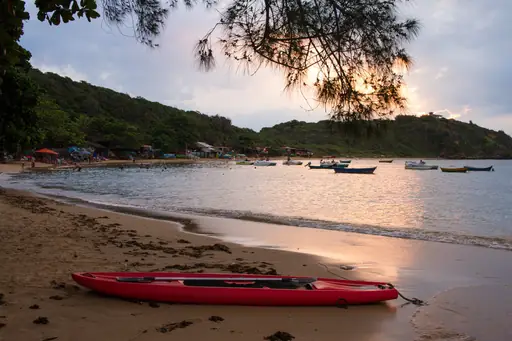
French actress Brigitte Bardot vacationed in this fishing village in 1964. The publicity that followed turned Búzios into one of Brazil's most fashionable coastal escapes almost overnight. A bronze statue of her now sits on the boardwalk. More than twenty beaches ring the peninsula, from calm family coves to surf breaks facing the open Atlantic.
Island in Thailand
Phuket
Beaches, Culture and Nightlife
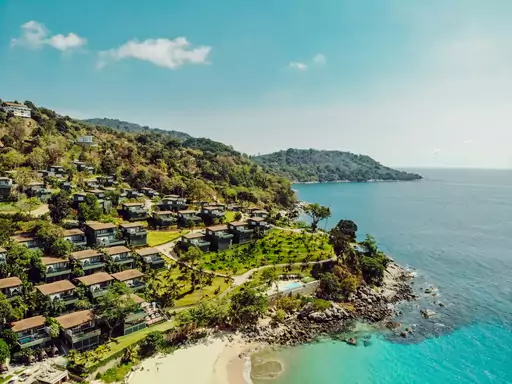
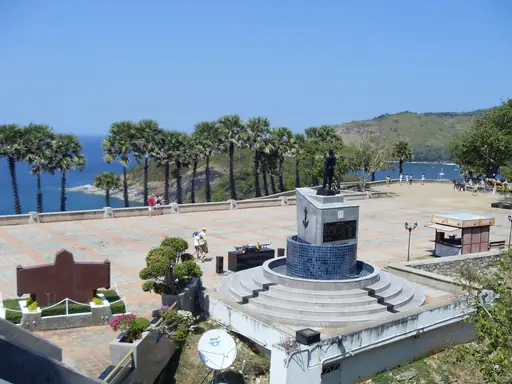
Patong Beach runs along the island's busiest stretch of coast in western Phuket. Jet skis and parasails fill the water while vendors line the sand through the dry season. Visitors can swim by day and walk the nearby nightlife strip after dark. Quieter bays like Kata sit just a short drive south.
State/Prefecture in United States
Florida
Sunshine State, Endless Adventure
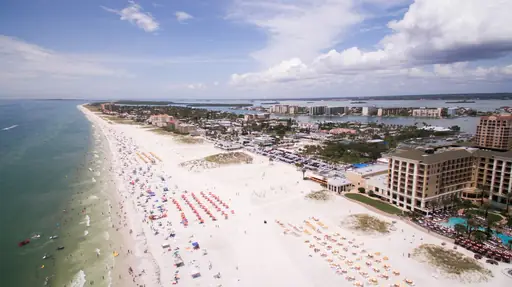
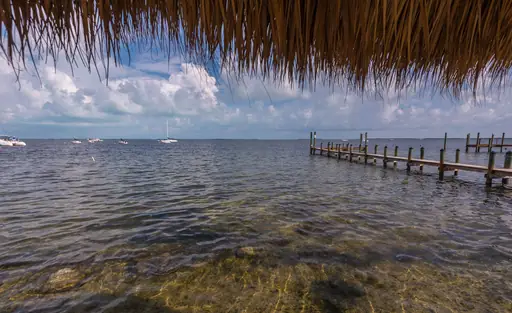
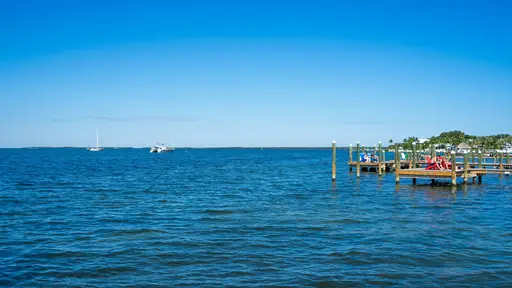
Siesta Key's sand is made almost entirely of quartz crystal rather than crushed shell. That keeps it white and cool underfoot at midday. Florida's coastline changes character by region. Barrier islands line the Gulf side, while the Keys further south sit closer to living reef. Warm, shallow water makes swimming possible most of the year.
State/Prefecture in United States
California
Golden State of Endless Experiences
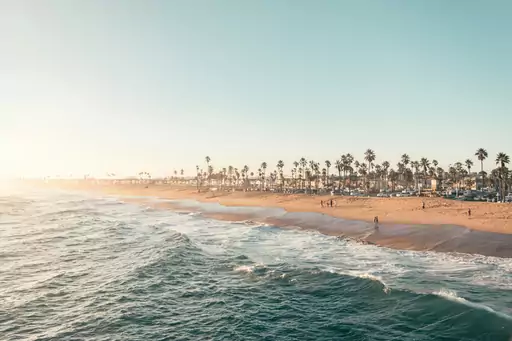
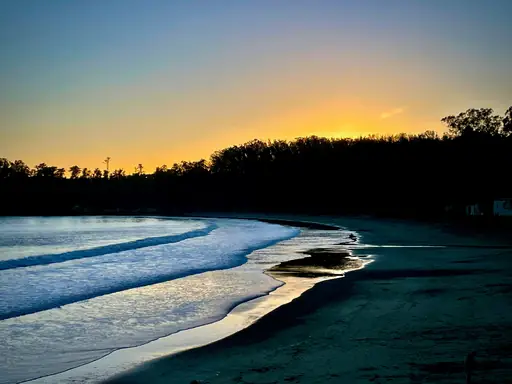
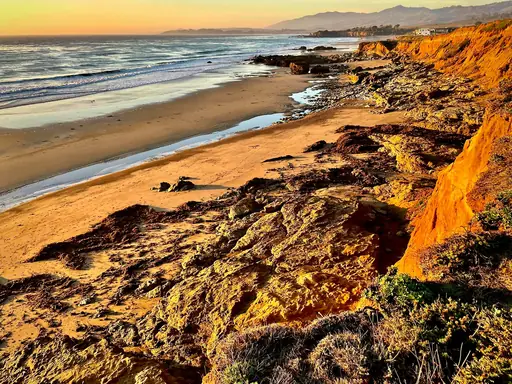
Surfing arrived in California in the early 1900s, brought by Hawaiian waterman George Freeth. The sport helped shape the beach culture that still defines much of the state's coast. Big Sur's cliffs drop straight into the Pacific along Highway 1. Malibu and Santa Monica keep the surfboard and boardwalk scene going further south.
Overseas Territory in France
French Polynesia
Paradise of Crystal Clear Lagoons
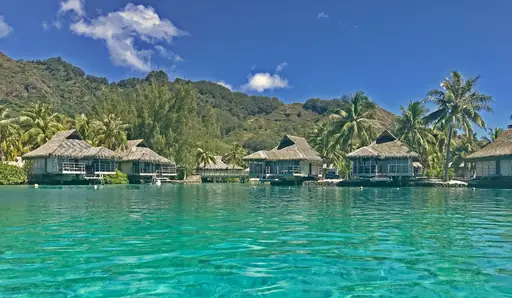
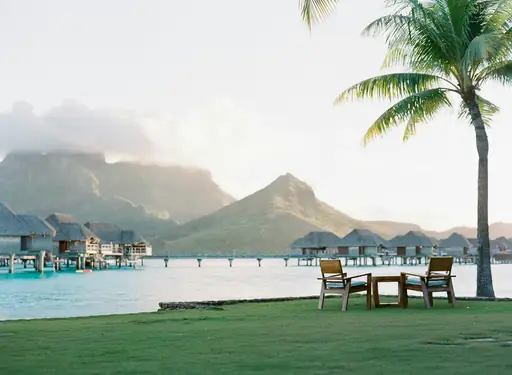
Tahiti's Point Venus has black volcanic sand that heats quickly under the sun. Many of the territory's outer atolls instead have pale coral beaches. Captain Cook observed the transit of Venus from this exact point in 1769. A lighthouse now marks the spot, with Moorea's jagged peaks visible across the channel.
City in Australia
Gold Coast
Sun, Surf and Adventure
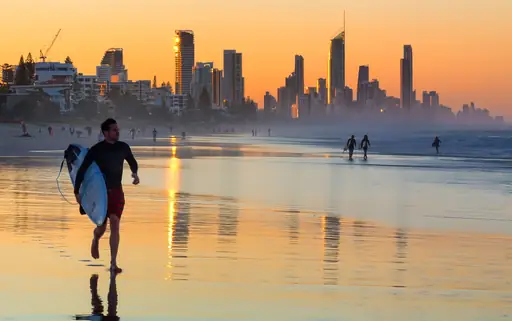
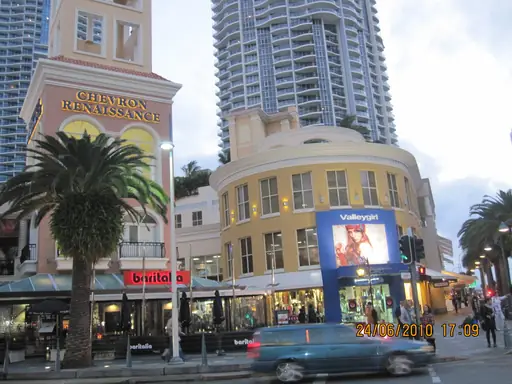
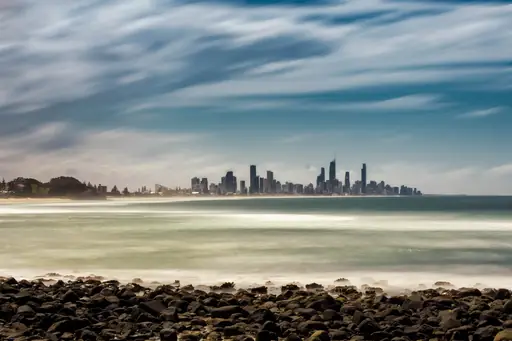
Lifeguards patrol Surfers Paradise and the surrounding beaches under a strict flag system. Locals take the rules seriously, a habit born from the coast's powerful rip currents. High rise towers line the shore behind more than fifty kilometres of sand. That gives the Gold Coast a skyline more often linked to cities than beach towns.
Country
Jamaica
Vibrant culture meets pristine beaches
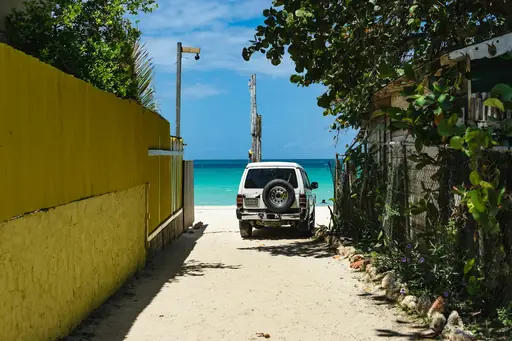
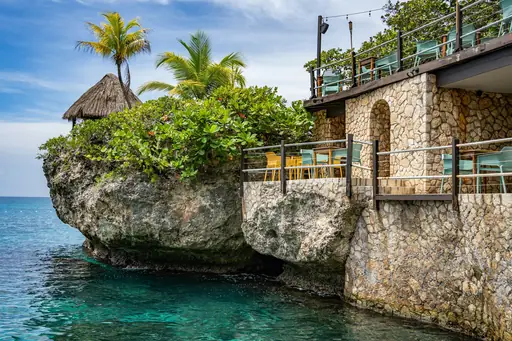
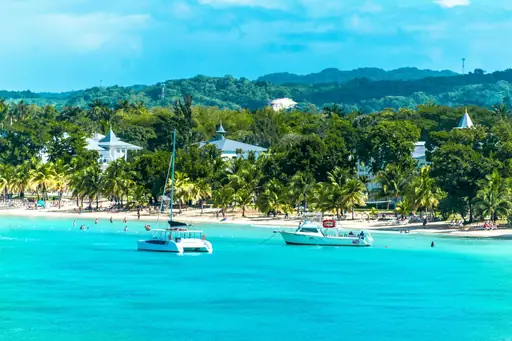
Seven Mile Beach in Negril runs along Jamaica's western coast, ending at cliffs where visitors jump into the sea. Reggae music drifts from beach bars set back from the sand. Coral reefs just offshore keep snorkelling conditions calm. Facing west, the beach has a reputation for particularly vivid sunsets.
Island in Spain
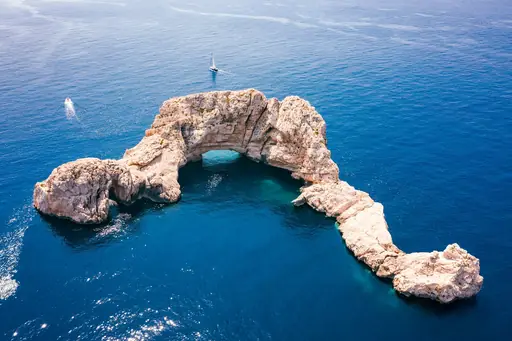
Ibiza
Mediterranean Energy, Timeless Charm
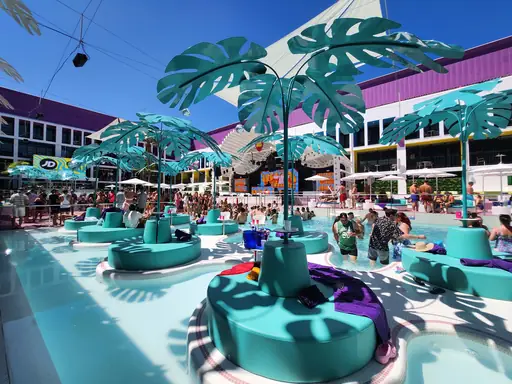
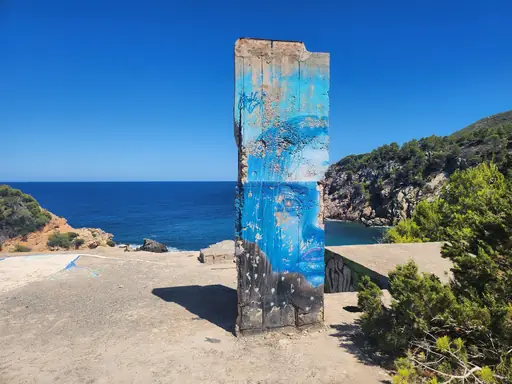
Ibiza's beaches split into two moods. Loud beach clubs and sunset bars cluster around Cala Comte on one side. Quieter coves reachable only by boat or dirt track sit on the other. Despite the island's global club scene, protected Posidonia seagrass meadows offshore keep the surrounding water unusually clear.
Outer Territory in United States
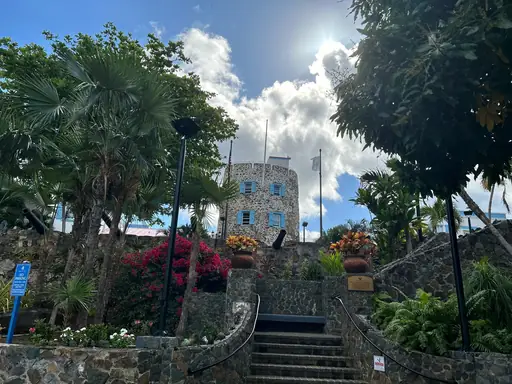
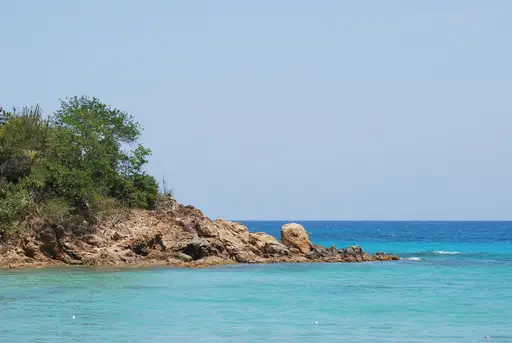
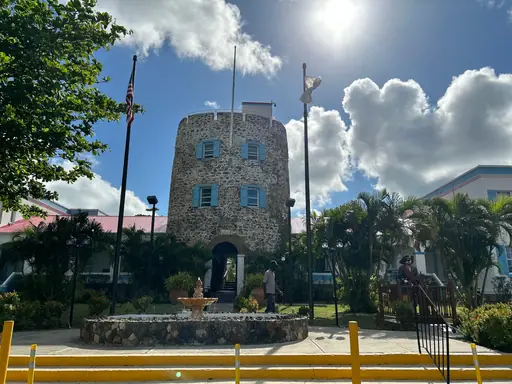
U.S. Virgin Islands
Caribbean Paradise with U.S. Convenience
Trunk Bay on St John holds an underwater snorkelling trail marked with submerged signs. The trail guides swimmers past coral formations and reef fish close to shore. Visitors can follow the marked path without needing a guide or boat. Most of the surrounding land belongs to the Virgin Islands National Park.
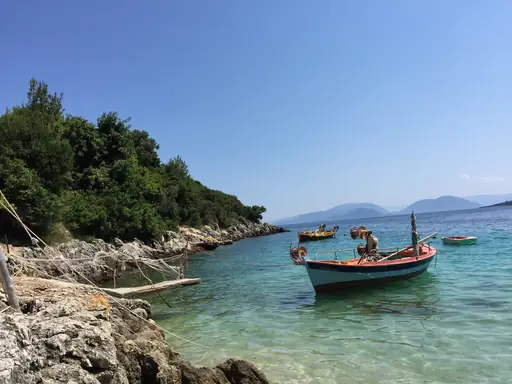
Island in Greece
Lefkada
Ionian Gem with Pristine Beaches
Porto Katsiki Beach sits below a dramatic white cliff on the island's west coast. A long stairway carved into the rock leads down to the sand. Swimmers can float in bright blue water framed by the cliff walls. The beach is one of the most visited spots on Lefkada's coast.
Country
Belize
Tropical paradise with diverse ecosystems
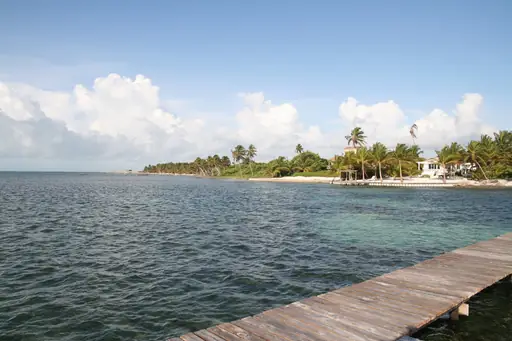
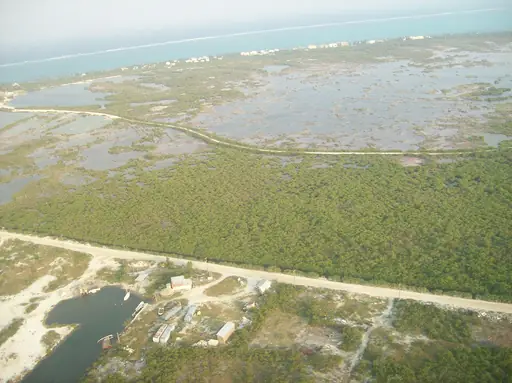
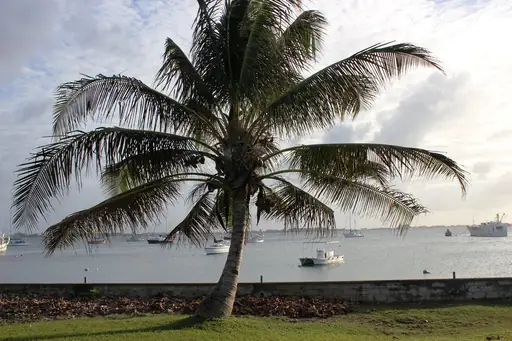
Belize's coast stays low key, unlike the crowded resort strips found elsewhere in the Caribbean. It is backed by the second longest barrier reef in the world, after Australia's. Ambergris Caye offers sandy streets instead of paved roads. The Great Blue Hole, a sinkhole visible from space, draws divers from the mainland's smaller cayes.
Country
Marshall Islands
Remote atolls with pristine waters
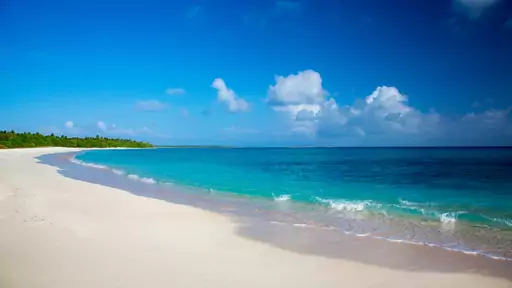
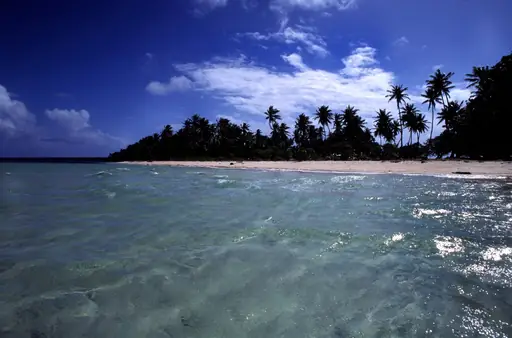
Bikini Atoll's lagoon once served as a US nuclear testing site in the 1940s and 1950s. Sunken warships from those tests now rest on the seafloor below. Certified divers can explore the wrecks in remarkably clear water. The atoll is now a UNESCO World Heritage Site.
Island in Tanzania
Zanzibar
Turquoise Waters and Spice Perfume
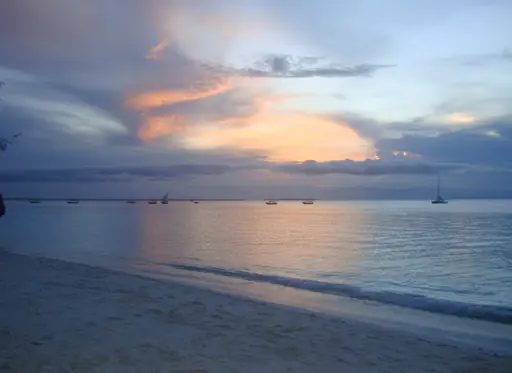
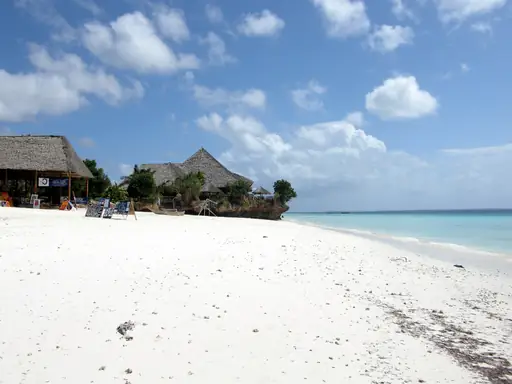
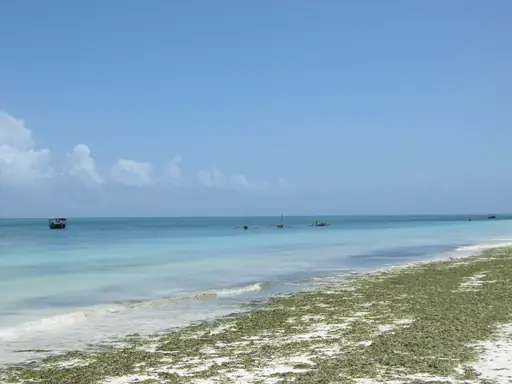
Nungwi sits on Zanzibar's northern tip, largely spared from the island's strong tides. Its beach stays swimmable through most of the day unlike the east coast. Visitors can watch traditional dhow builders working near the shore. Sunset boat trips often depart directly from the beach.
Outer Territory in United Kingdom
British Virgin Islands
Pristine sailing paradise with beaches
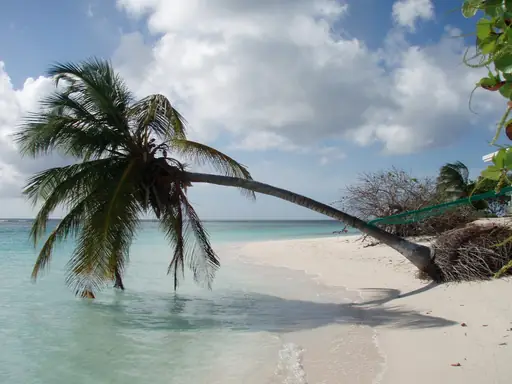
Sail here between December and April, the dry season for the BVI's daily island hopping by boat. Steady trade winds make the crossings easy most days. The Baths on Virgin Gorda hide small pools between giant granite boulders. Flat, coral bound Anegada has some of the quietest beaches in the entire chain.
Island in Philippines
Palawan
Paradise of Lagoons and Limestone Cliffs
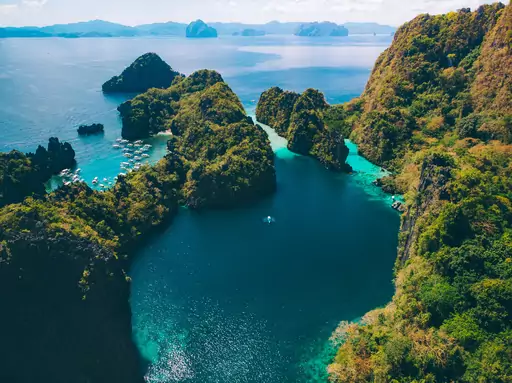
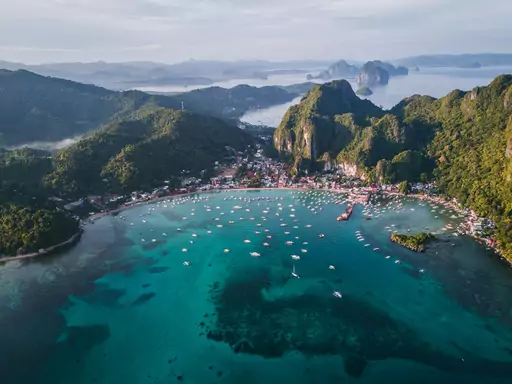
El Nido's Bacuit Archipelago is made up of limestone cliffs rising from turquoise water. Hidden lagoons sit tucked behind narrow cracks in the rock walls. Visitors can kayak into these lagoons or snorkel around the scattered islands. Boat tours typically hop between four or five lagoons in a day.
Country
Antigua and Barbuda
Tropical paradise with pristine beaches
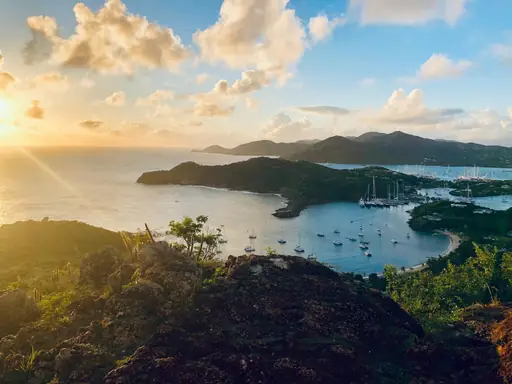
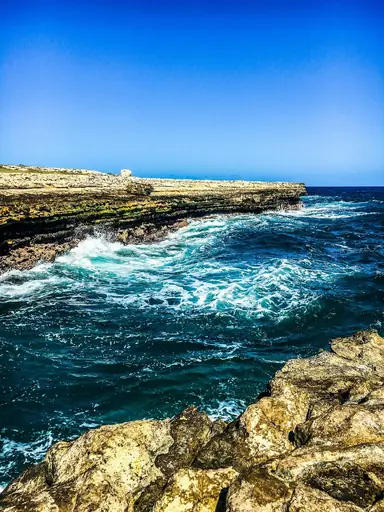
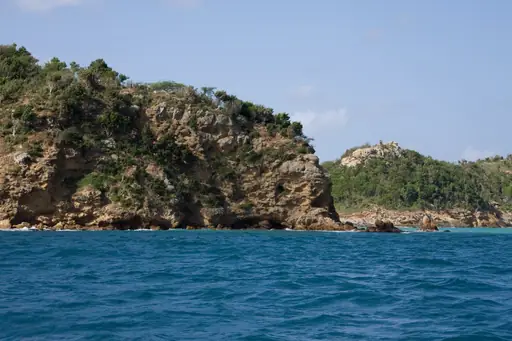
Barbuda, the quieter half of this twin island nation, has a seventeen mile beach. Crushed coral and shell fragments tint the sand pink. Fewer than two thousand people live on the island, so the shore often stretches empty in both directions. Antigua, its sister island, adds hundreds more coves within a short ferry ride.
City in Thailand
Krabi
Paradise of Cliffs and Crystal Waters
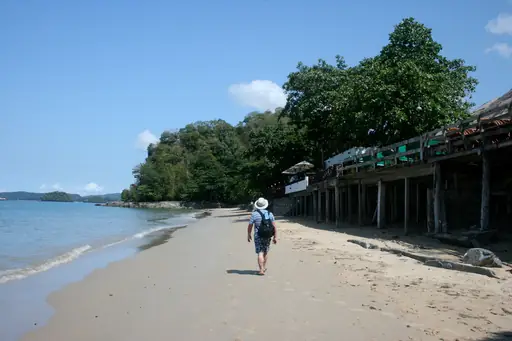
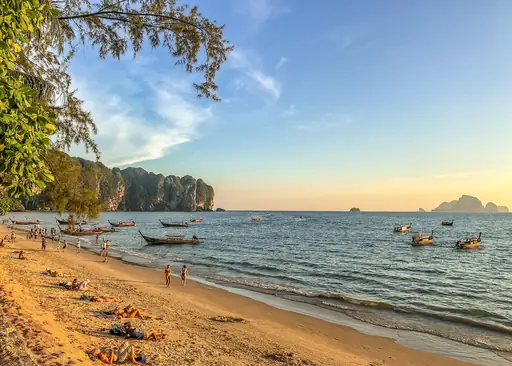
Railay Beach is reachable only by longtail boat, cut off by cliffs on all sides. Its limestone karsts rise straight out of the sand and sea. Climbers can scale the rock faces while others relax on the beach below. Kayakers often paddle to nearby lagoons hidden inside the cliffs.
City in United States
Miami
Vibrant City of Sun and Fun
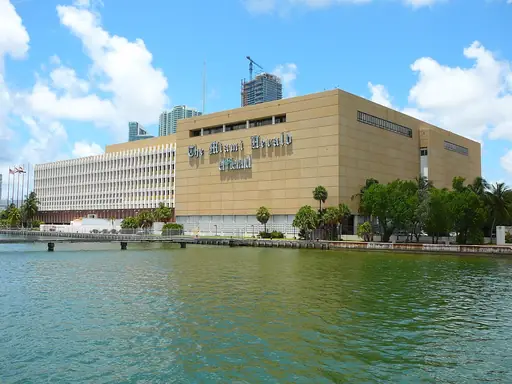
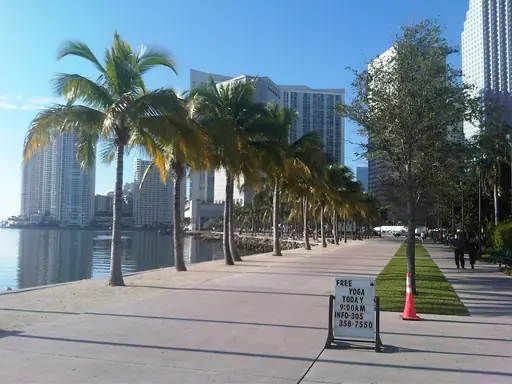
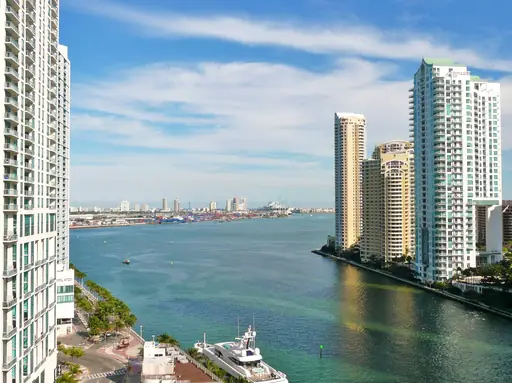
Key Biscayne's Crandon Park Beach faces the Atlantic just south of downtown Miami. Its shallow water and long sandbar make it popular with families. Visitors can rent kayaks or walk trails through the adjoining nature centre. Sea turtles nest along this stretch of shore each summer.
Island in Italy
Sicily
Sun, Sea and Ancient Secrets
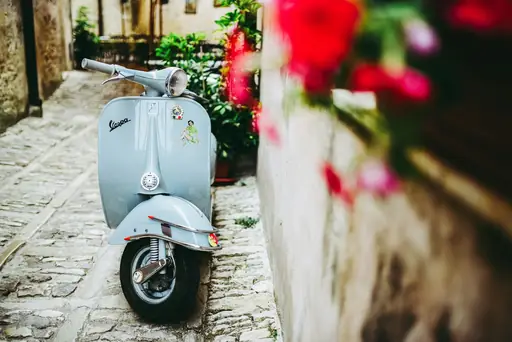
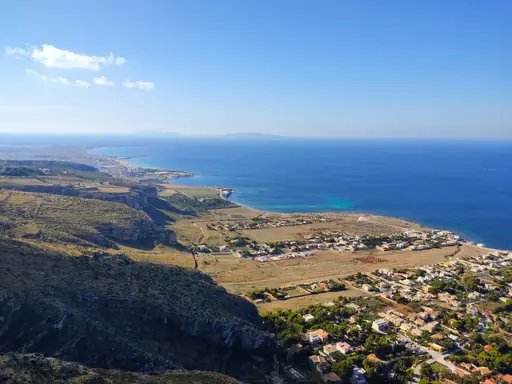
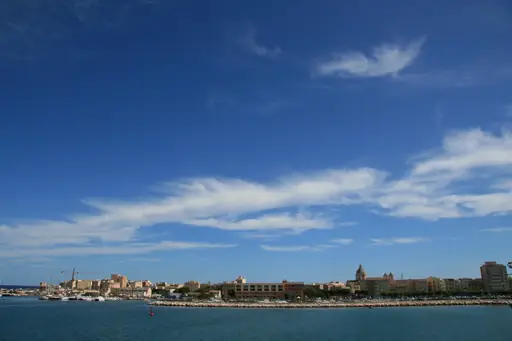
Scala dei Turchi is a staircase-like cliff of pale white limestone marl. Its smooth, sculpted steps drop straight towards the turquoise Mediterranean below. Visitors can climb partway up the rock or sunbathe on the beach at its base. The cliff's name recalls Turkish pirate raids from centuries ago.
Country
Mauritius
Tropical Bliss in the Indian Ocean
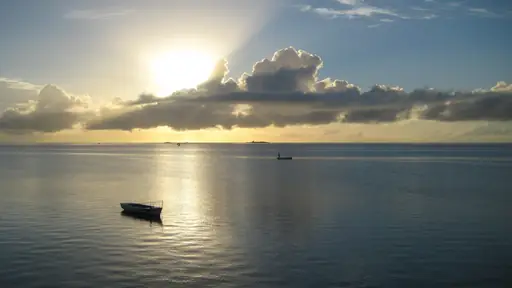
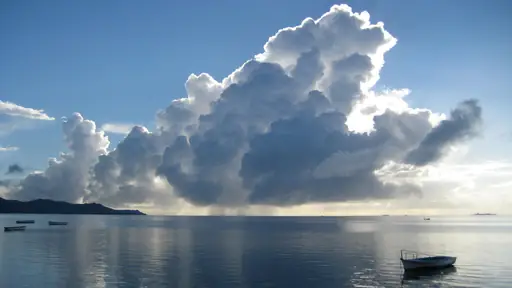
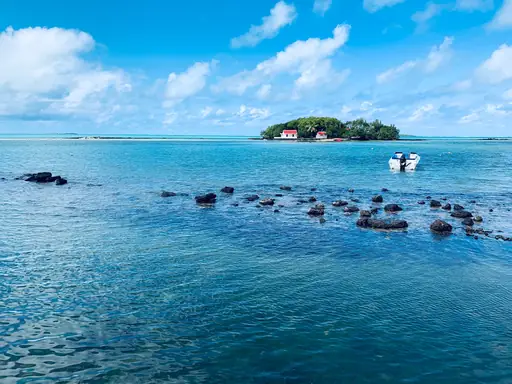
Le Morne Brabant rises sharply above a lagoon on the island's southwest tip. Its steep basalt cliffs once sheltered runaway slaves during the 1800s. Kitesurfers now use the steady trade winds off the point year round. The mountain and its beach together form a UNESCO listed site.
Island in Australia
Kangaroo Island
Wildlife, Wonders and Rugged Coast
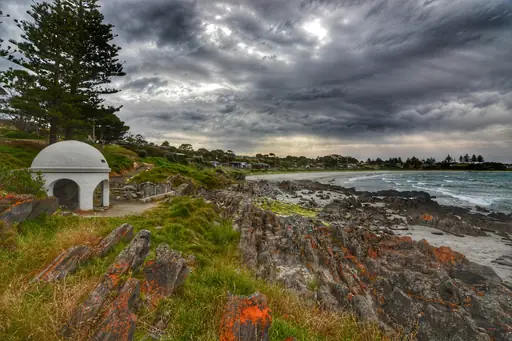
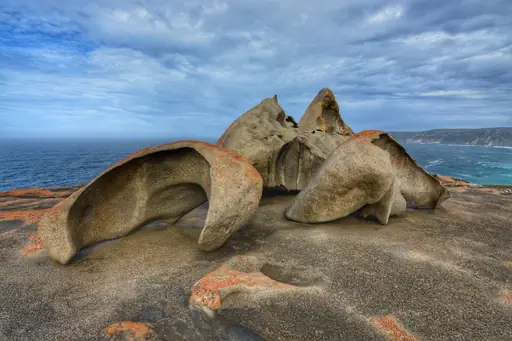
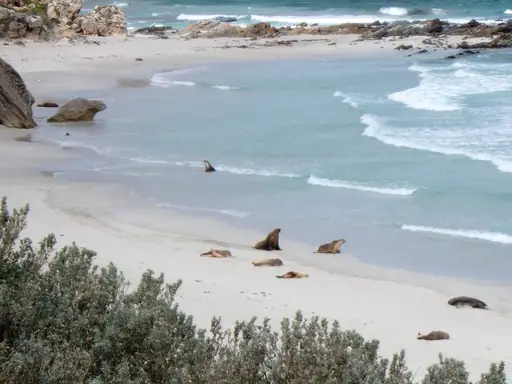
A survey of ten thousand Australian beaches by a Sydney University researcher once ranked Vivonne Bay the country's best. The title has stuck in local pride since. The beach is a six kilometre curve of white sand. Sea lions haul out nearby at Seal Bay, one of the few colonies open to viewing on foot.
Country
Fiji
Tropical paradise with diverse landscapes
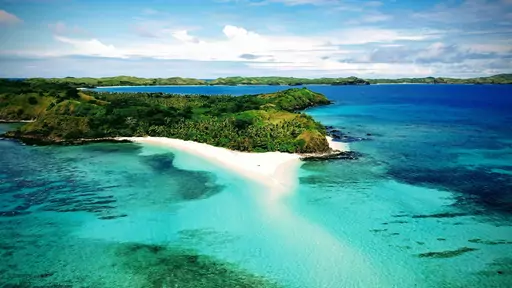
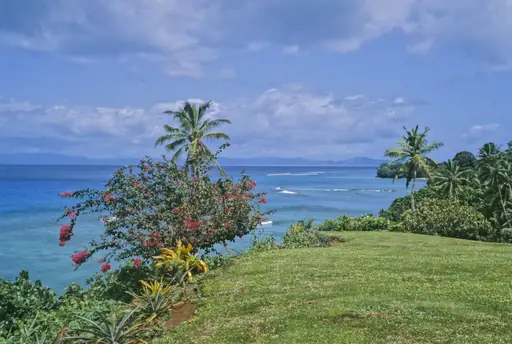
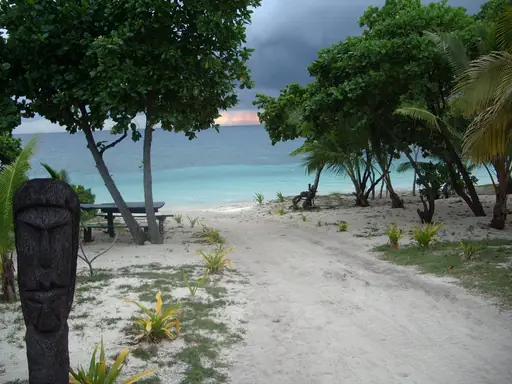
The tiny Mamanuca group sits close enough to Fiji's main island for easy day trips. It still keeps a castaway feel. Monuriki, one of its islets, doubled as the deserted island in the 2000 film Cast Away. Coral reefs ring most of the group, keeping snorkelling easy for visitors of any skill level.
Outer Territory in United Kingdom
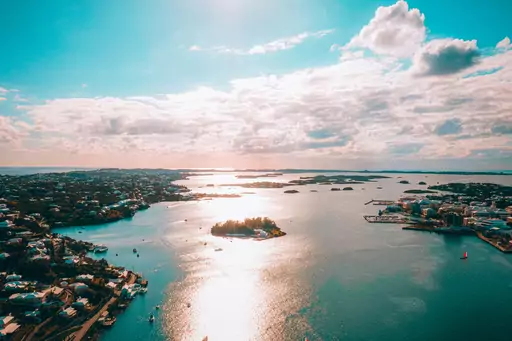
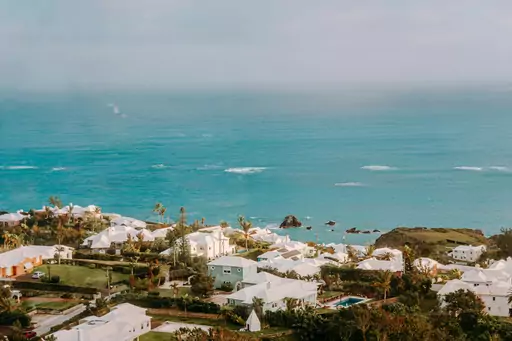
Bermuda
Pink sands and turquoise waters
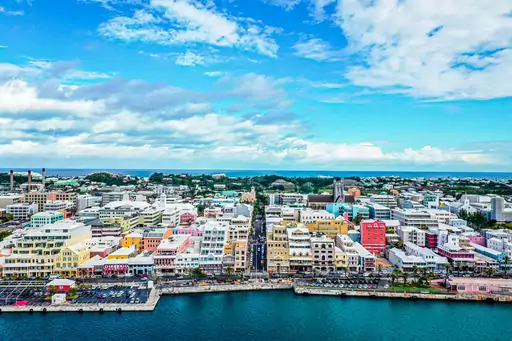
Horseshoe Bay's sand carries a real pink tint. Crushed red coral and the shells of tiny organisms called foraminifera give it that colour. The beach curves between coral outcrops that break the surf into calmer pools near shore. The coastline sits farther north than most tropical beach destinations, with cliffs and caves nearby.
Island in Greece
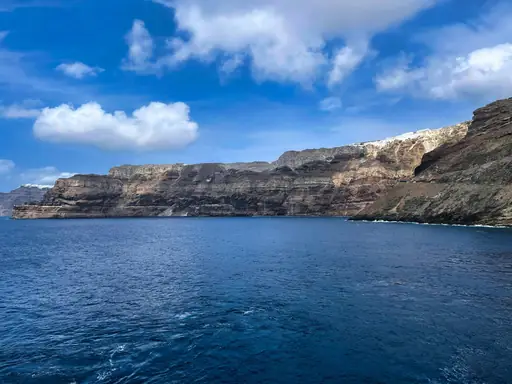
Santorini
Breathtaking Views and Blue Domes
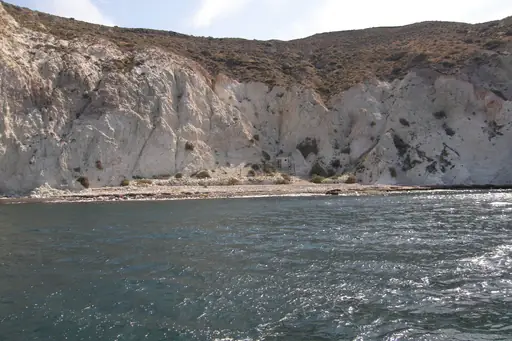
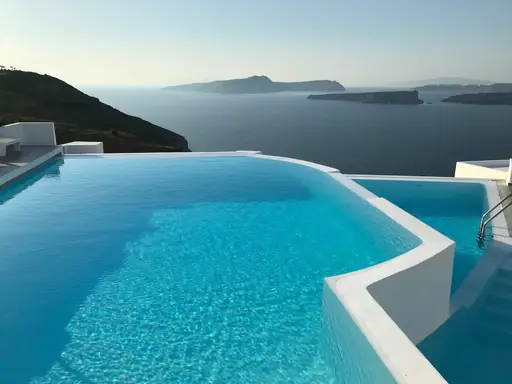
Red Beach gets its colour from the volcanic cliffs rising just behind the shore. Dark red and black stone frames the small stretch of sand. Visitors can hike a short cliffside trail to reach the cove. The colour comes from the same eruption that shaped the island centuries ago.
Island in Australia
Tasmania
Wilderness, Wildlife and Wild Coasts
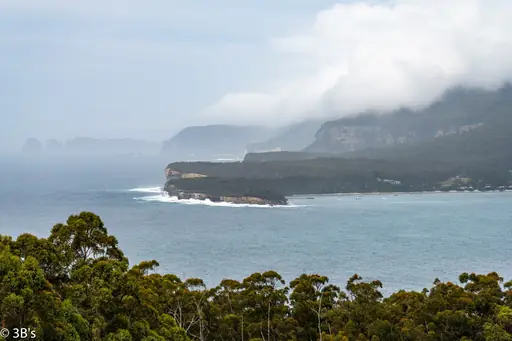
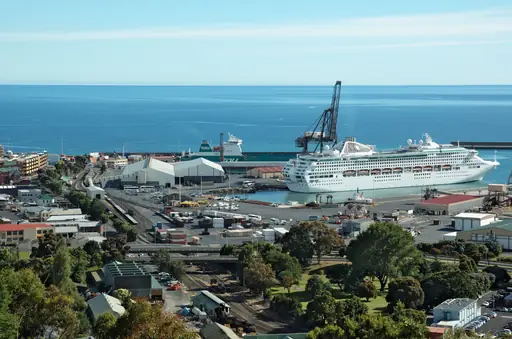
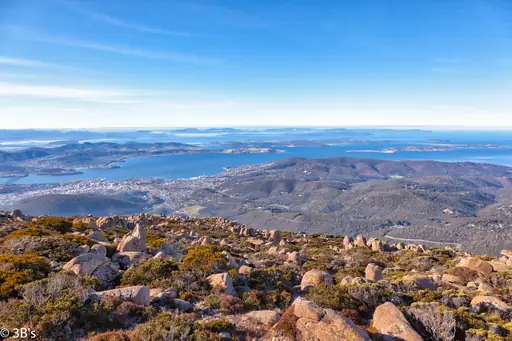
Wineglass Bay curves in a near-perfect arc along Tasmania's east coast. Its pink granite peaks frame water that shifts between deep blue and turquoise. Visitors can hike up to a lookout point before descending to the sand. The bay sits inside Freycinet National Park, reached mainly on foot.
Island in French Polynesia
Bora Bora
Turquoise Lagoons, Overwater Dreams
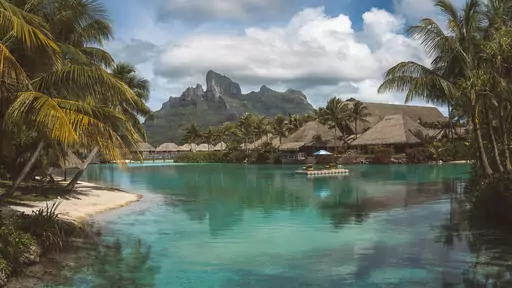
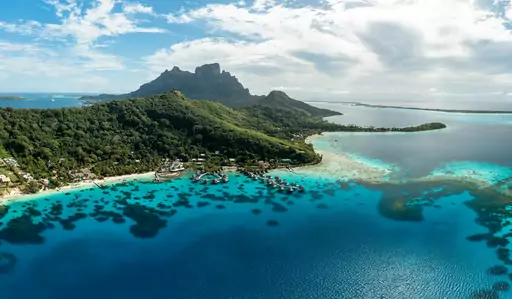
Mount Otemanu's jagged green peak reflects across a lagoon so pale blue it looks lit from below. Overwater bungalows were first built here in 1967, letting guests step straight from bed into the water. Reef sharks and stingrays glide close to shore. The barrier reef keeps the lagoon calm enough to wade through most days.
Island in Greece
Mykonos
Whitewashed beauty and wild nights
Paradise Beach on the island's south coast is known for its lively beach clubs. Loud music and sunbeds line the sand through the high season. Visitors can dance through the afternoon or swim in the calm bay between sets. A short walk leads to the quieter Super Paradise Beach nearby.
Town in Peru
Máncora
Sun‑kissed beaches and vibrant nightlife
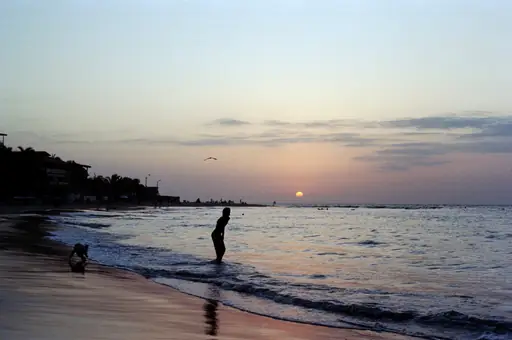
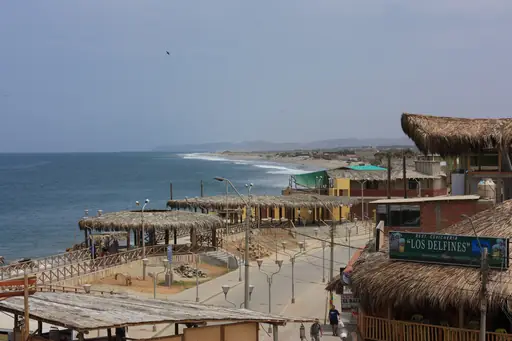
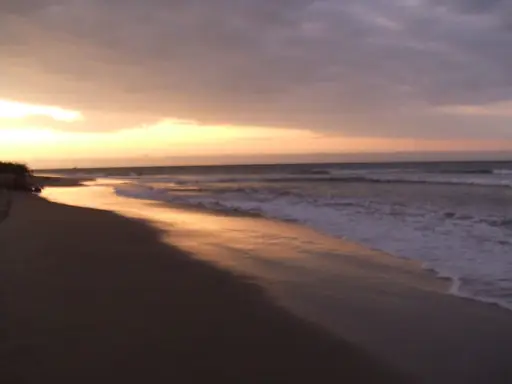
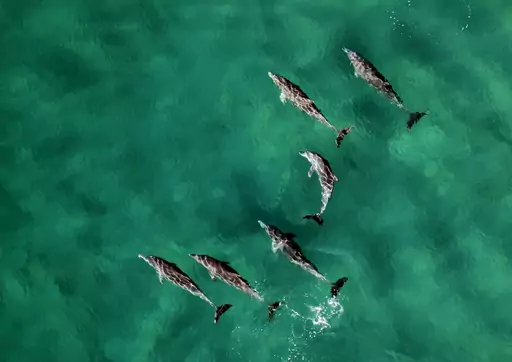
Mancora sits on Peru's northern coast, where the Pacific water runs unusually warm for the region. Its long sandy beach draws surfers chasing steady, mellow waves. Visitors can watch fishing boats return each morning near the old pier. Ceviche stalls line the beachfront through the evening hours.
Country
Mozambique
Pristine beaches meet vibrant culture
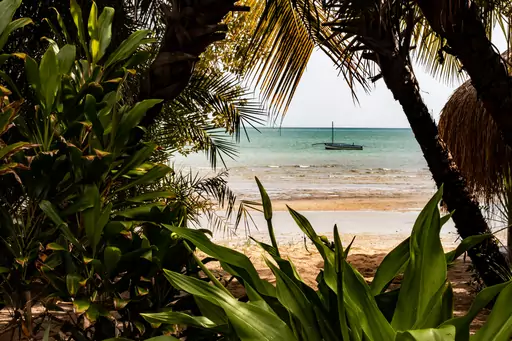
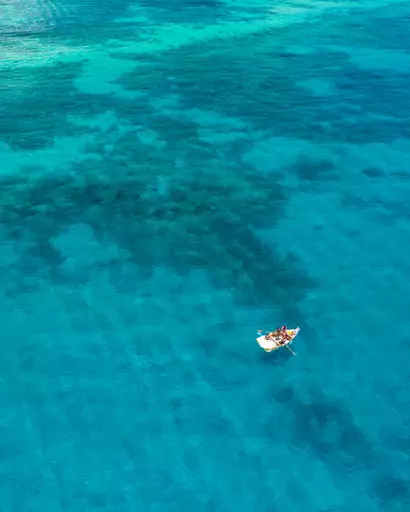
The Bazaruto Archipelago sits off Mozambique's coast, ringed by dunes and clear shallows. Traditional wooden dhow boats still sail between its islands each day. Visitors can snorkel over coral gardens or spot dugongs grazing seagrass beds. Two Mile Reef nearby draws divers for its colourful marine life.
Island in Philippines
Boracay
Powdery white sands and turquoise waters
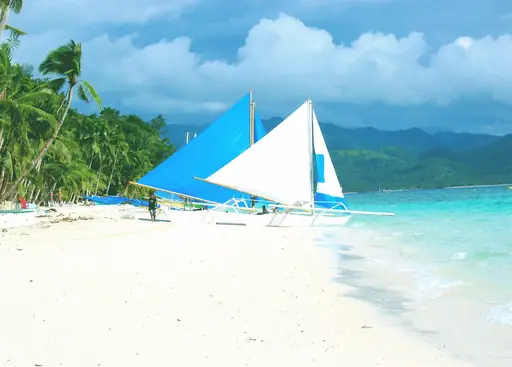
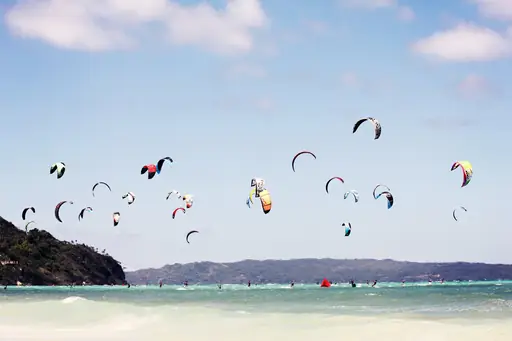
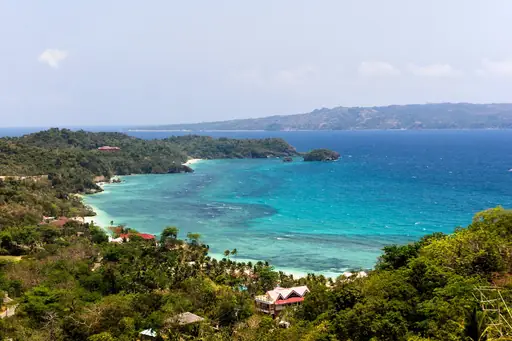
A thin strip of White Beach faces west across the Sulu Sea. It stretches four kilometres, giving Boracay some of the region's most reliable sunsets. The island is barely a kilometre wide at points, so the beach dominates daily life. Powder fine sand, made largely of crushed coral, stays cool underfoot in the afternoon heat.
City in Mexico
Cancún
Sun, sea and ancient wonders
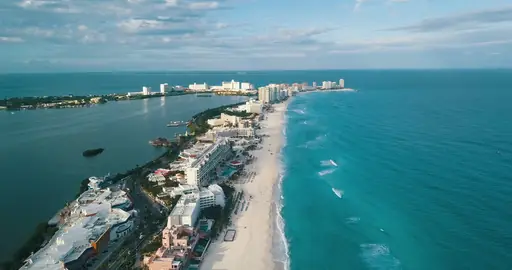
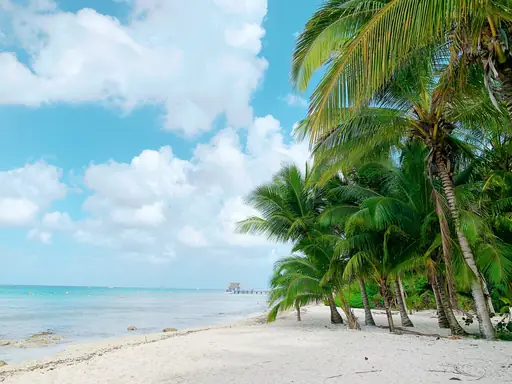
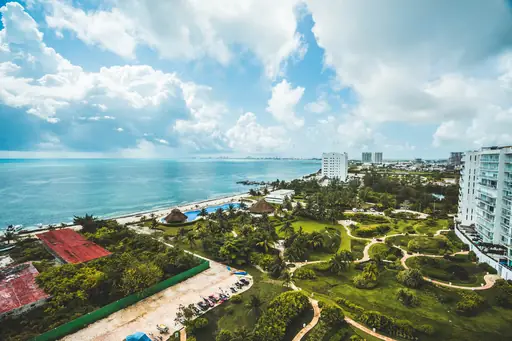
A narrow barrier island shaped like the number seven separates Cancun's Hotel Zone beaches from a calm inland lagoon. The Caribbean side has fine white sand made largely from ground coral and limestone. Constant sea breeze keeps the sand cool underfoot. Just offshore, a sunken sculpture museum called MUSA gives snorkellers something new to explore.
Country
Aruba
White Sands and Sunny Vibes
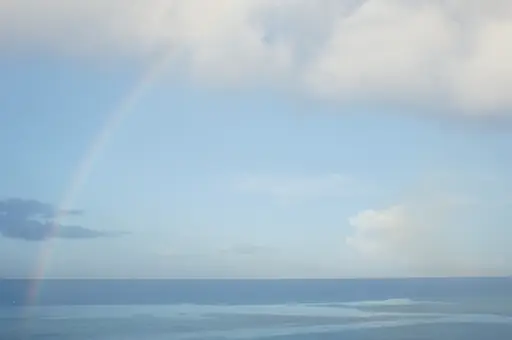
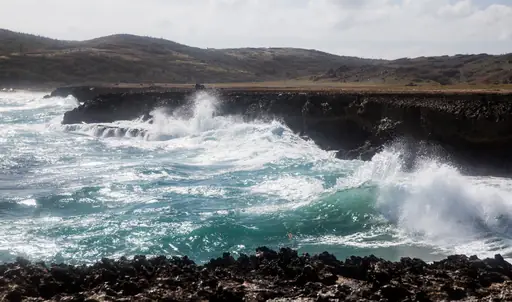
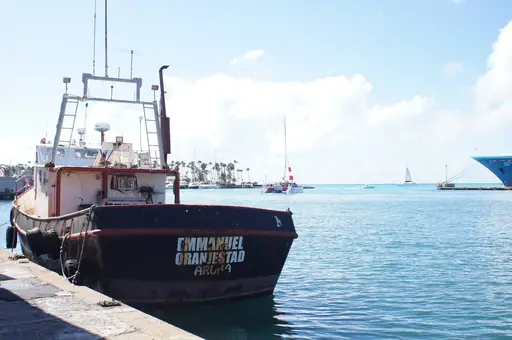
Steady trade winds bend the divi divi trees sideways along Eagle Beach. Their permanent lean has become the island's postcard image. The white sand stays cool underfoot even at midday. Water here holds a pale turquoise colour rarely broken by waves. Aruba sits outside the hurricane belt, keeping conditions calm most of the year.
Region in Australia
Ningaloo Coast
Australia's Accessible Underwater Wonderland
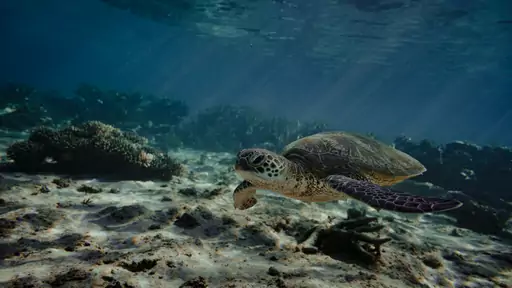
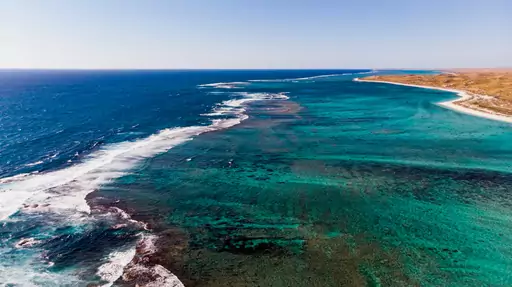
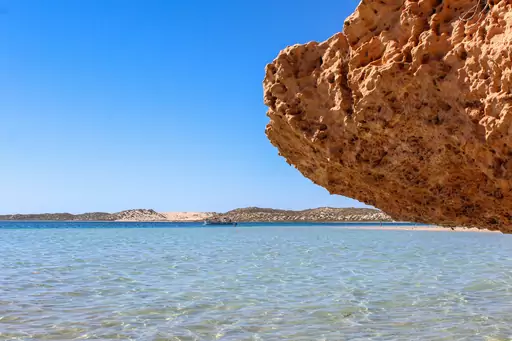
Whale sharks gather along the Ningaloo Coast reef each year between March and July. The reef sits close enough to shore to reach by a short swim. Visitors can snorkel alongside the whale sharks on guided tours. The reef stretches for roughly 260 kilometres along the coastline.
Island in Greece
Milos
Volcanic Beauty with Hidden Coves
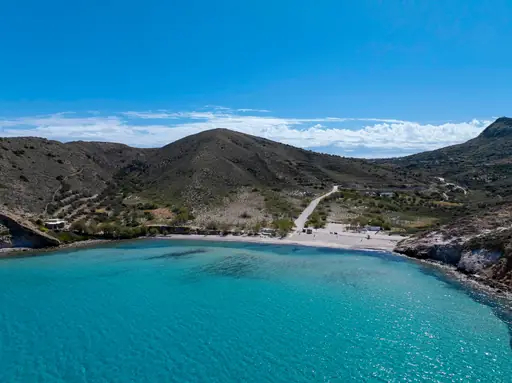
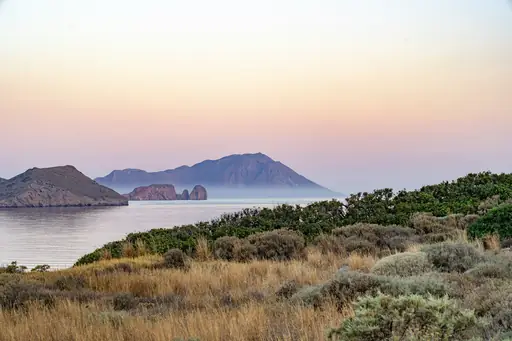
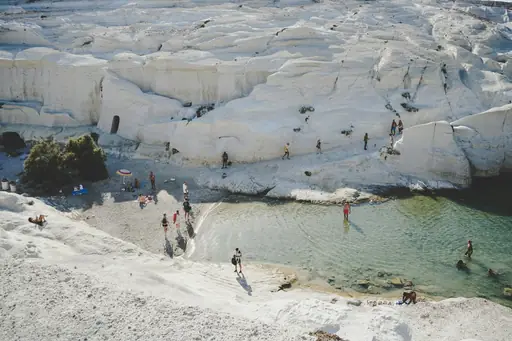
Sarakiniko Beach is carved from bright white volcanic rock shaped like a lunar landscape. Its smooth surfaces were sculpted by wind and sea over centuries. Visitors can jump from low rock ledges into deep, clear water. There is no sand here, only pale stone stretching to the sea.
Region in Mexico
Yucatán
Gateway to the Mayan world
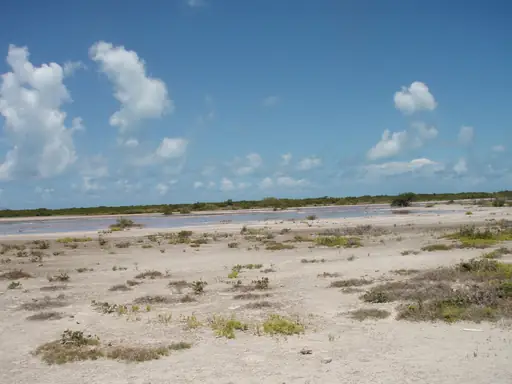
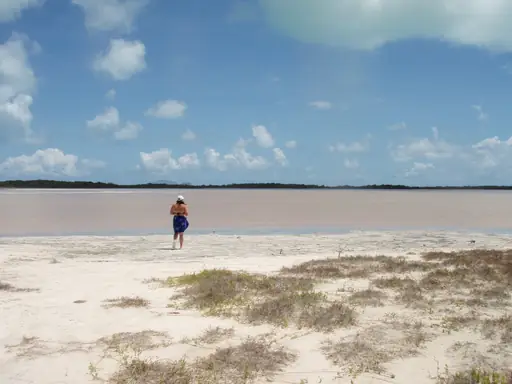
Celestun's coastline shelters a lagoon where thousands of flamingos gather each year. Mangrove channels wind between the lagoon and the open Gulf of Mexico. Visitors can take small boat tours to watch the flamingos feed in shallow water. Nearby beaches stay largely undeveloped compared to the Riviera Maya.

Country
São Tomé and Príncipe
Equatorial paradise with volcanic landscapes
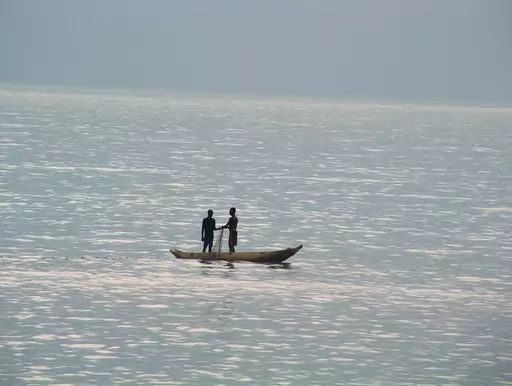
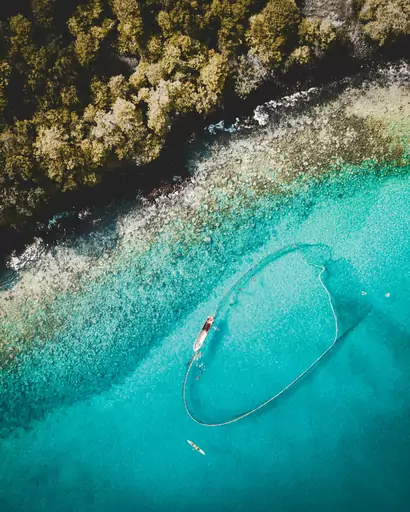
Ilheu das Rolas sits right on the equator, split by a marker line onshore. Its dark volcanic sand beaches face calm Gulf of Guinea waters. Visitors can stand with one foot in each hemisphere at the equator marker. Small fishing boats still launch daily from the nearby shore.
State/Prefecture in United States
Hawaii
Tropical Vibes and Volcanic Wonders
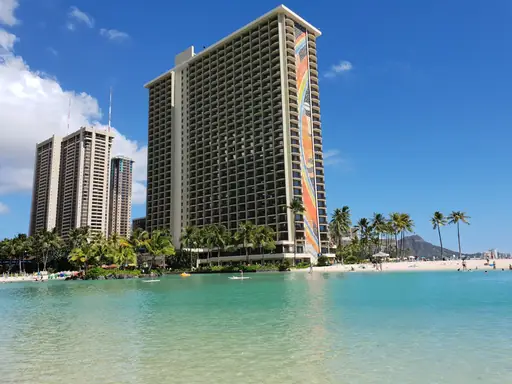
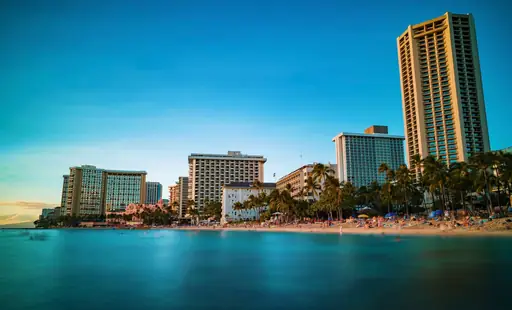
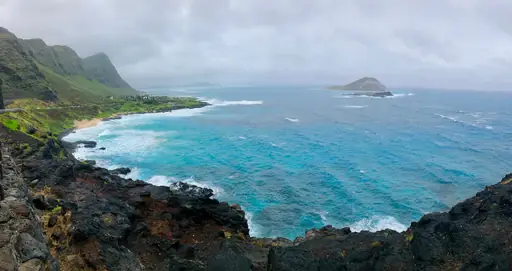
Green sand at Papakolea Beach on the Big Island comes from olivine crystals eroded out of a nearby volcanic cone. It is one of only a few beaches like it on Earth. Elsewhere, Punaluu's black sand beach draws visitors hoping to spot Hawaiian green sea turtles. Sightings there are common most mornings.
City in Mexico
Cabo San Lucas
Arches, Beaches, Nightlife and Adventure
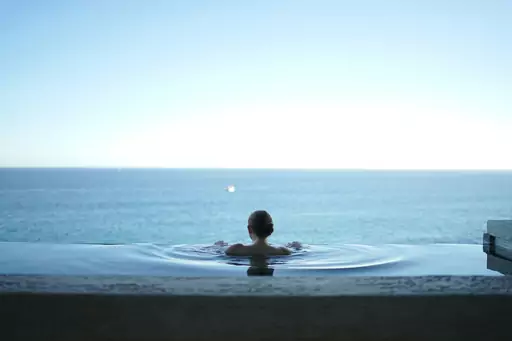
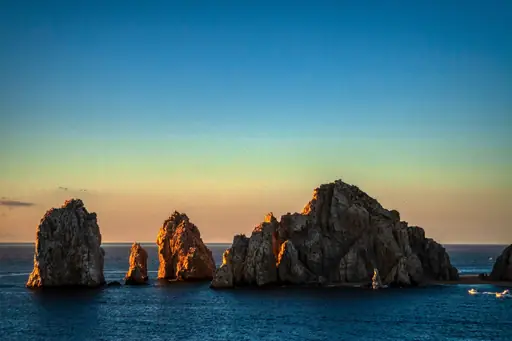
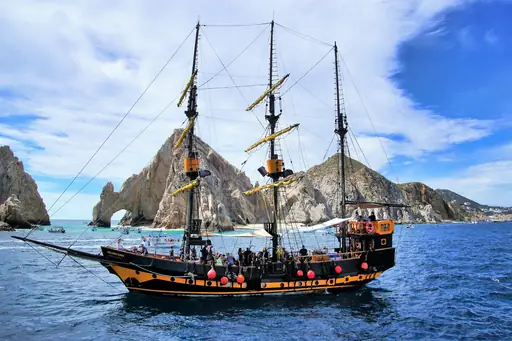
El Arco, a natural rock arch, marks the spot where the Pacific meets the Sea of Cortez. It stands at Land's End, carved by wind and waves. Boats ferry visitors past sea lion colonies to Lover's Beach, a small cove reachable only by water. Sportfishing boats leave daily from the marina in search of marlin.
City in Mexico
Tulum
Ruins, reefs and boho beaches
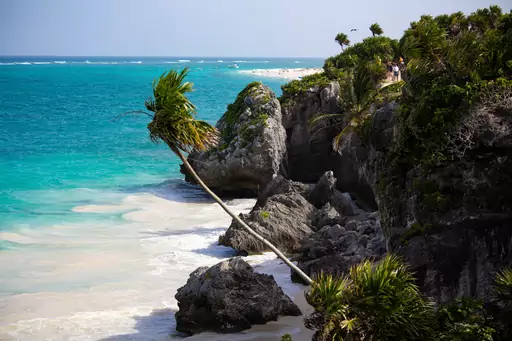
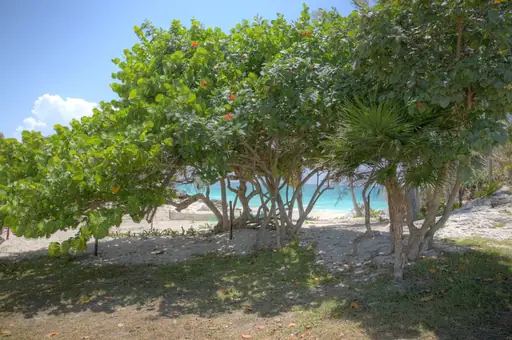
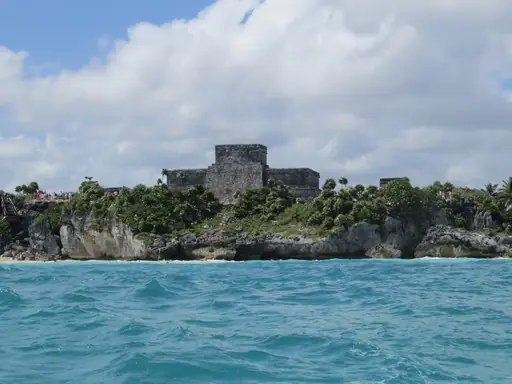
Ancient Mayan ruins sit perched on a cliff directly above Tulum's beach. The clifftop temple once served as a lookout point for arriving trade ships. Visitors can swim in the turquoise water just below the ancient ruins. Nearby freshwater cenotes offer another kind of swimming a short drive inland.
Island in Malaysia
Langkawi Island
Tropical Beaches, Rainforests and Sunsets
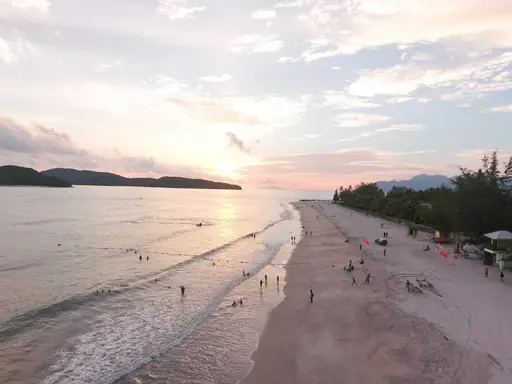
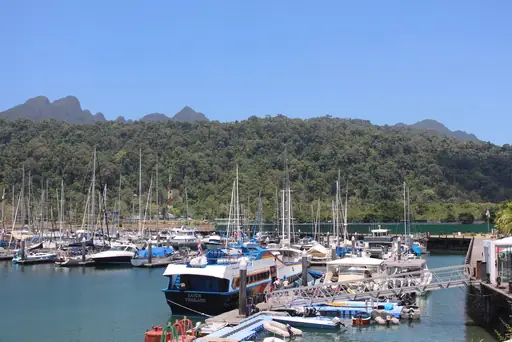
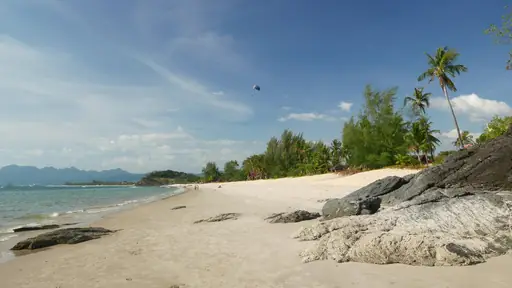
Pantai Cenang is Langkawi's busiest beach, lined with bars, shops and resorts. Calm, shallow water here stays swimmable through most tide cycles. Visitors can watch sea eagles circle overhead near the shoreline each afternoon. A cable car nearby climbs to views over the surrounding islands.
Region in Indonesia
Bali
Tropical beaches, vibrant culture and adventure
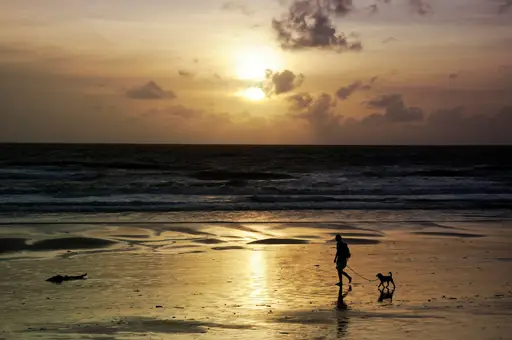
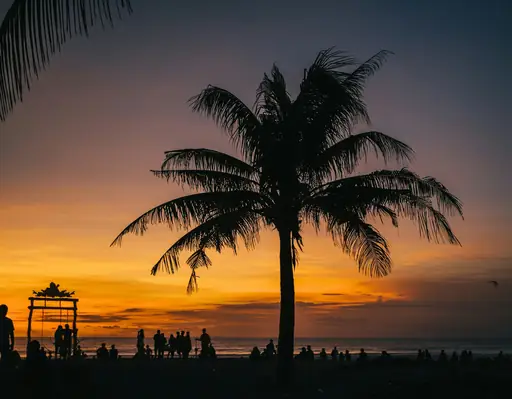
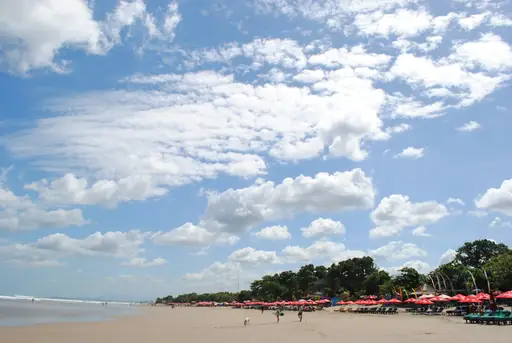
Visit the Bukit Peninsula at sunset, when the cliffside Uluwatu temple silhouettes against the sky. Bali's beaches change character by coast. Black volcanic sand covers much of the north. Pale sand surrounds Nusa Dua in the south. Rice terraces climb the hills just inland from the shore.
Island in Cayman Islands
Grand Cayman
Crystal waters, stingrays and sunsets
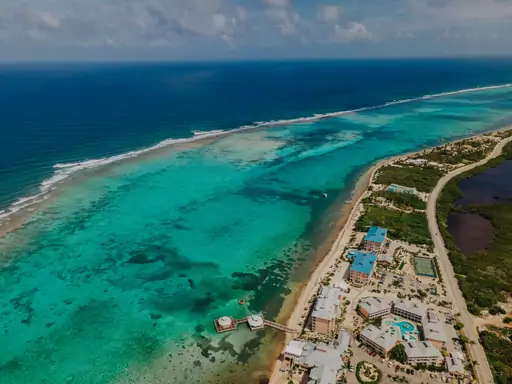
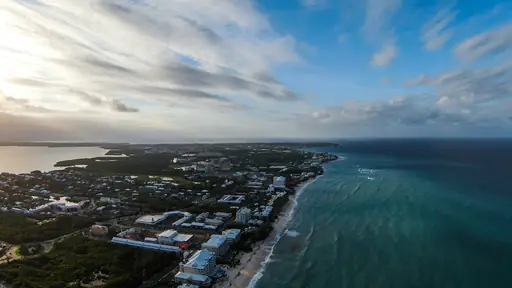
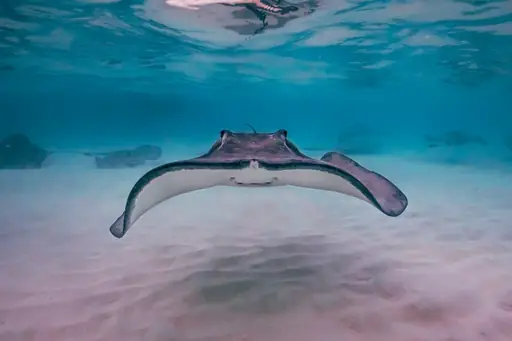
A stop at Stingray City puts visitors waist deep in the North Sound. There they wade among wild southern stingrays gathered at a sandbar offshore. Grand Cayman pairs that experience with Seven Mile Beach on the opposite coast. The island offers both a wildlife encounter and a classic stretch of white sand.
Island in United States
Kauai
Lush Landscapes and Secluded Beaches
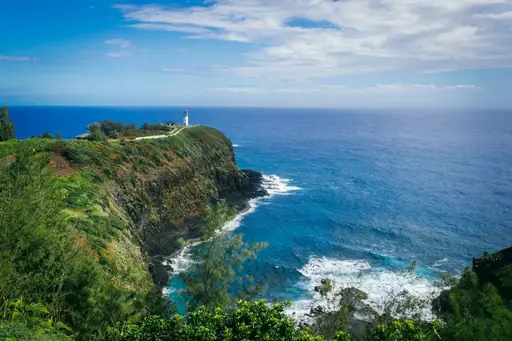
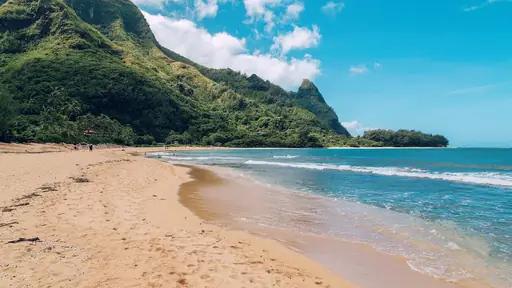
The Na Pali Coast's green cliffs rise straight up from the Pacific. No road reaches this side of Kauai, so visitors arrive by boat, kayak or a demanding trail. Hanalei Bay is easier to reach and curves beneath mountains wrapped in cloud. Its water stays warm and calm enough to swim most of the year.
National Park in Thailand
Similan Islands
Thailand's underwater paradise
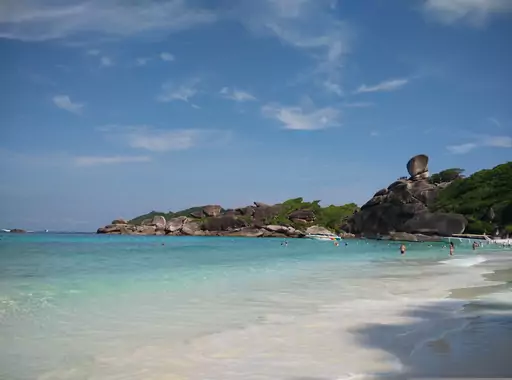
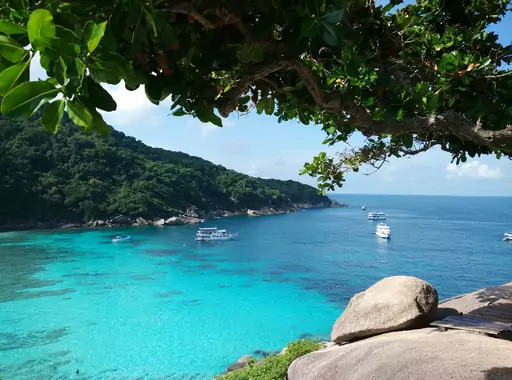
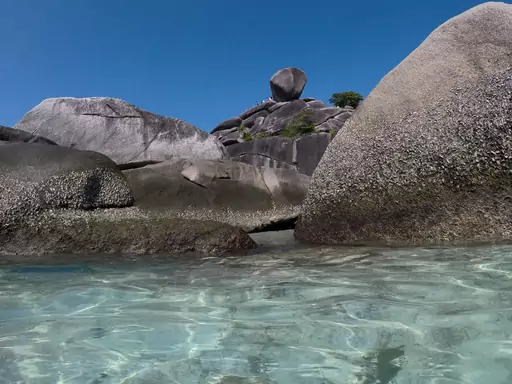
Sail Rock and Donald Duck Bay sit among giant granite boulders stacked along the shore. The islands are only open to visitors for part of the year. Divers can explore some of Thailand's clearest water and healthiest coral reefs here. Manta rays and whale sharks pass through the surrounding channels.
Outer Territory in United Kingdom
Turks and Caicos Islands
Sun-drenched beaches with crystal waters
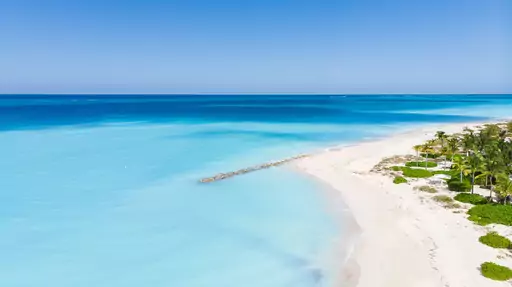
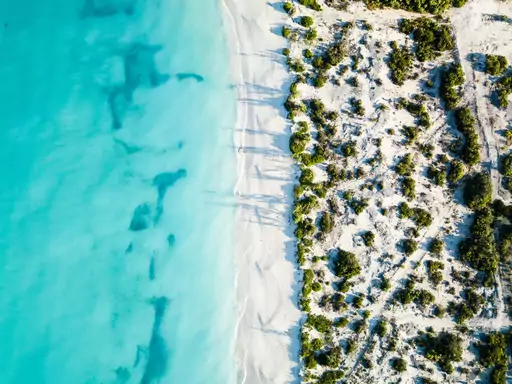
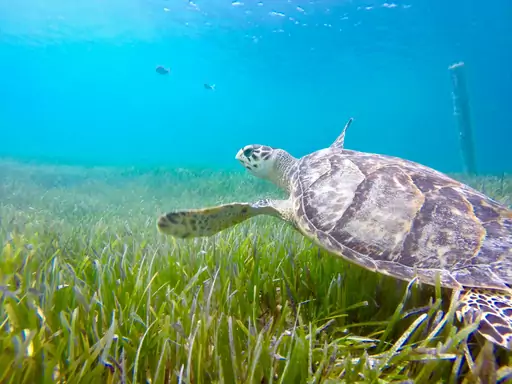
The islands sit along the world's third largest barrier reef system. Its coral wall drops steeply into deep water just offshore in several spots. Divers can explore vertical walls covered in sponges and soft coral formations. Chalk Sound nearby glows an almost unnatural shade of bright turquoise.
Island in Spain
Mallorca
Mediterranean Magic: Beaches & Mountains
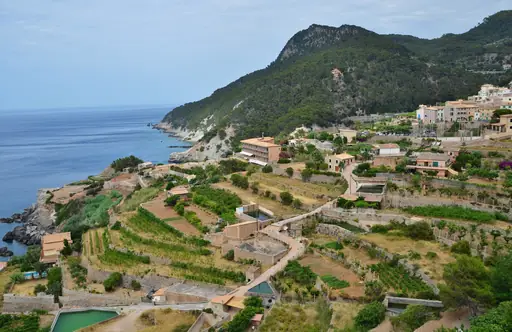
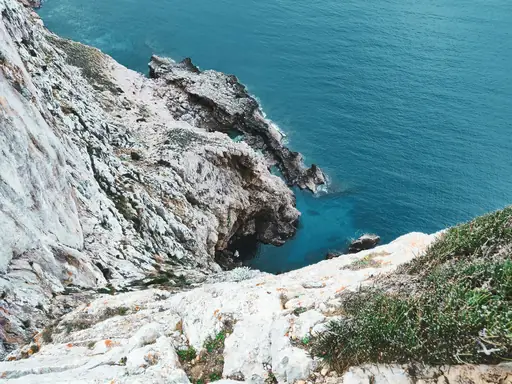
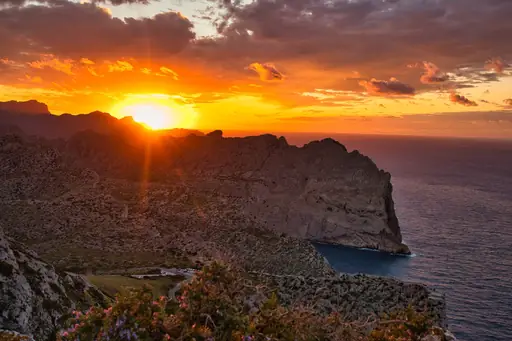
Es Trenc stretches along the island's south coast with fine, powdery white sand. Its shallow turquoise water is often compared to the Caribbean. Visitors can walk long stretches of shoreline without crossing a road or building. Wild dunes and pine trees back the beach instead of hotels or bars.
Island in Antigua and Barbuda
Antigua
365 beaches and turquoise waters
While many Caribbean islands claim a handful of standout beaches, Antigua counts 365. That works out to one for every day of the year. Dickenson Bay draws crowds with watersports and lively beach bars. Half Moon Bay, on the wilder east coast, stays far quieter. Coral reefs keep the water calm enough for swimming.
City in United States
Los Angeles
The city of stars, beaches and dreams
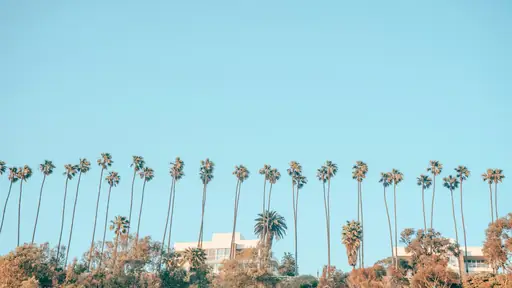
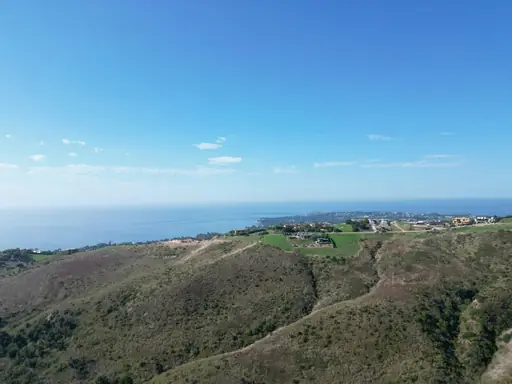
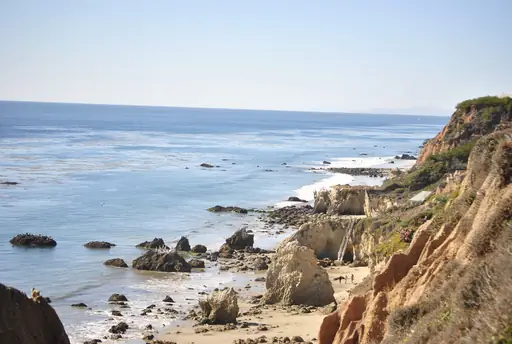
Venice Beach is known for its boardwalk lined with street performers and vendors. The original canals nearby were built in the early 1900s to mimic Venice, Italy. Visitors can watch skaters at the beachside skate park or rent bikes along the path. Muscle Beach, the outdoor gym, sits just steps from the sand.
Country
Sri Lanka
Ancient cities, tea hills and surf beaches
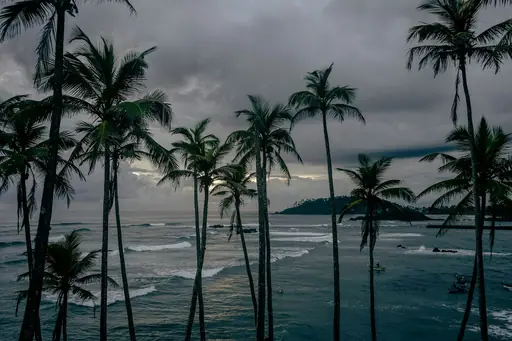
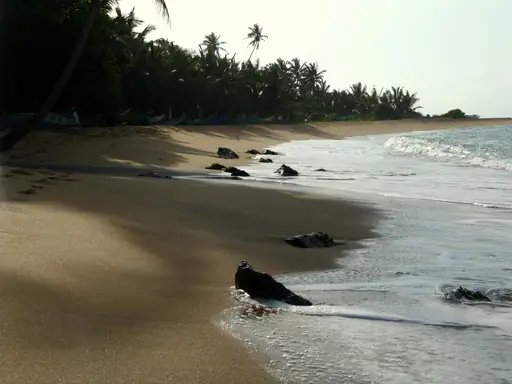
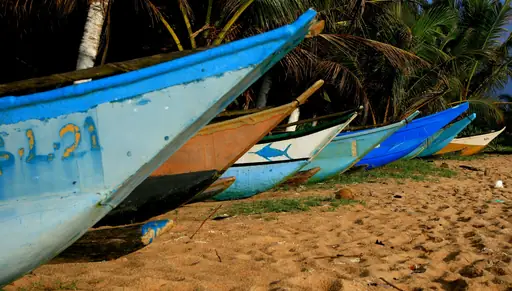
Mirissa's curved bay on the south coast doubles as a launch point for whale watching. Blue whales pass close to shore during the winter migration season. Visitors can swim at the beach by day and head out on boats at dawn. A rocky outcrop called Coconut Tree Hill overlooks the bay.
City in South Africa
Cape Town
Mountains, Beaches and a Vibrant Culture
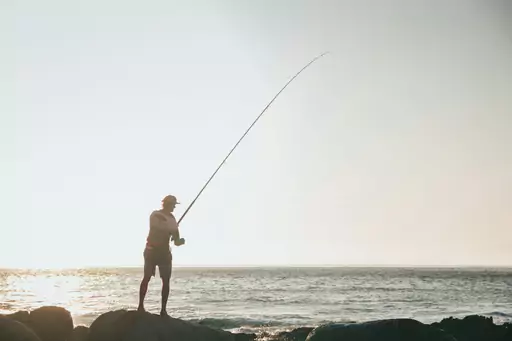
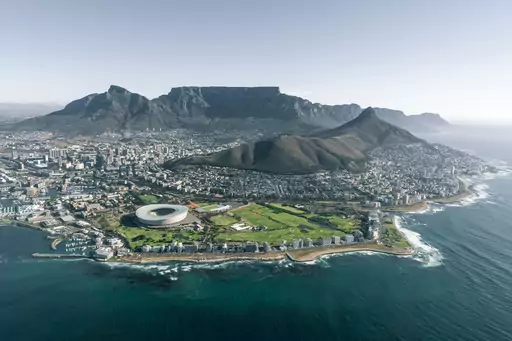
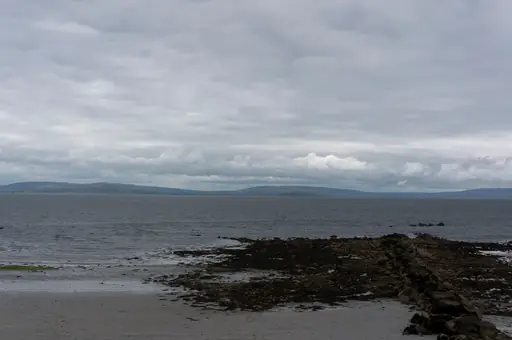
Visit Boulders Beach in the early morning to see African penguins on the rocks. Crowds arrive later in the day. Camps Bay and Clifton sit beneath the Twelve Apostles mountain range and fill up by midafternoon. The Atlantic side runs colder than the warmer False Bay waters nearby.
Island in Bahamas
Great Exuma Island
Crystal clear waters and tranquility
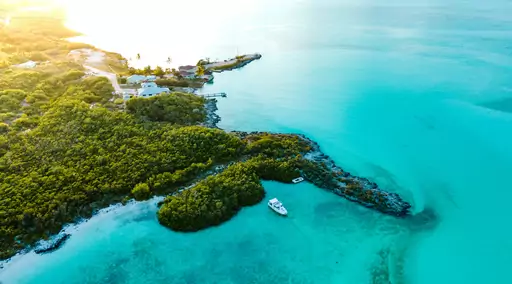
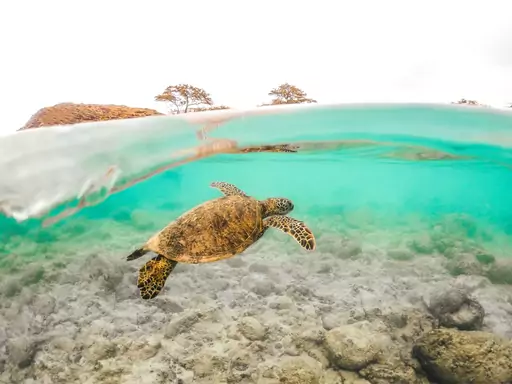
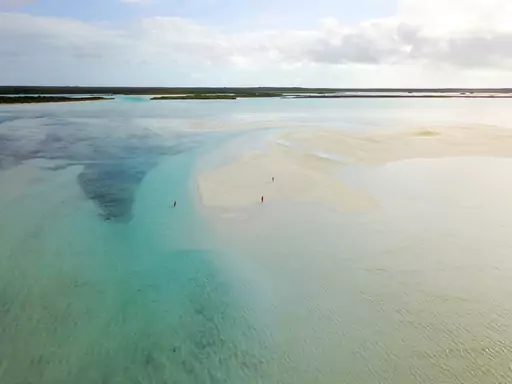
A colony of swimming pigs took up residence on Big Major Cay sometime in the 1990s. Word of their beach antics turned the uninhabited island into one of the Exumas' most visited stops. Elsewhere, the sand at Tropic of Cancer Beach sits almost exactly on its namesake line.
Country
Madagascar
Unique biodiversity meets diverse landscapes
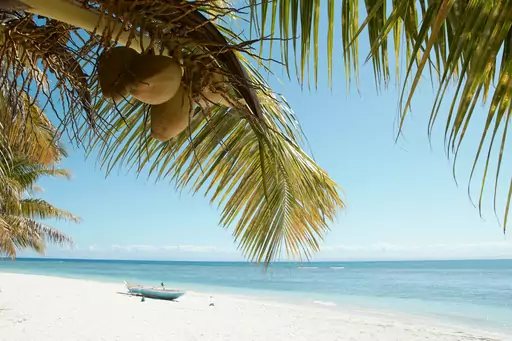
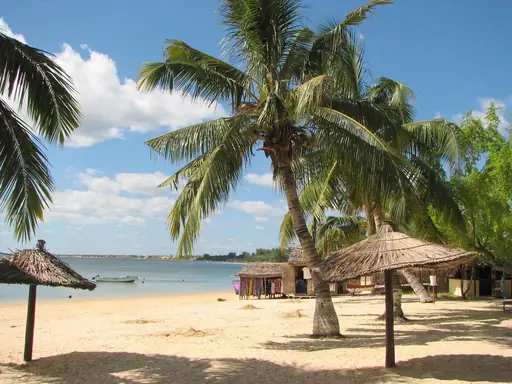
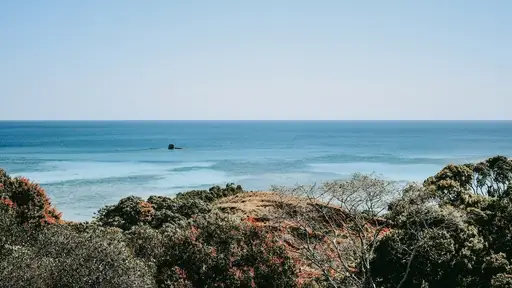
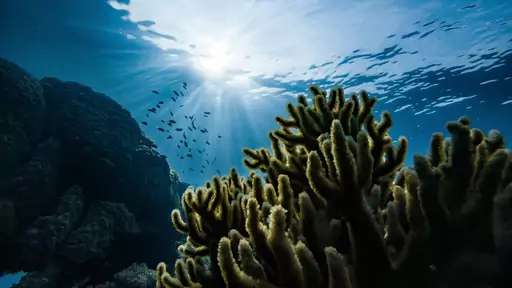
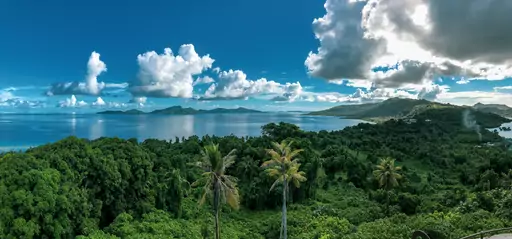
Nosy Be island sits off Madagascar's northwest coast, ringed by white sand beaches. Its warm waters stay calm for most of the year. Visitors can snorkel around nearby islets or watch humpback whales pass offshore. Ylang ylang trees grown here scent much of the world's perfume.
Country
Federated States of Micronesia
Scattered paradise with tropical diversity
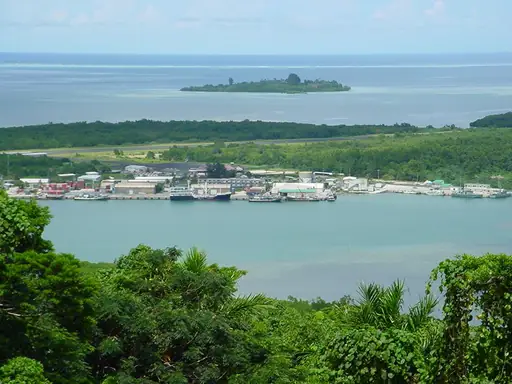
Time a Pohnpei trip around low tide, when sandbars appear leading towards Ant Atoll. This uninhabited ring of islets has the postcard beaches the main island mostly lacks. Chuuk's lagoon holds dozens of sunken World War II ships nearby. Divers explore the wrecks in waters calm enough for snorkelling above them too.
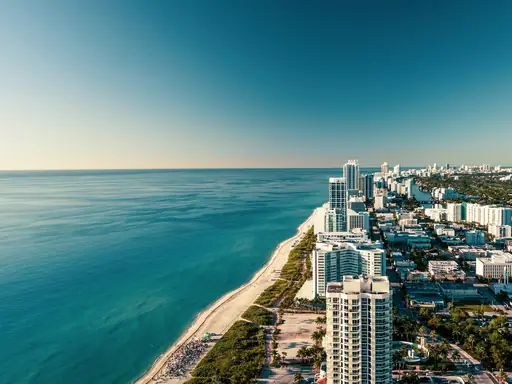
City in United States
Miami Beach
The ultimate blend of sun, sand and Art Deco charm
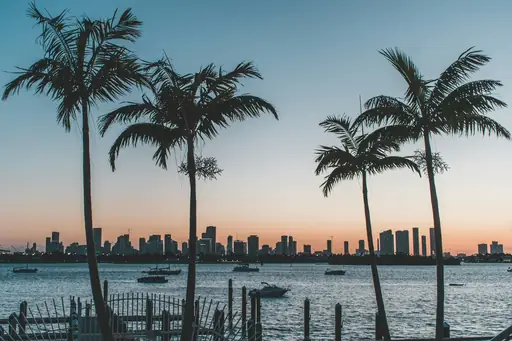
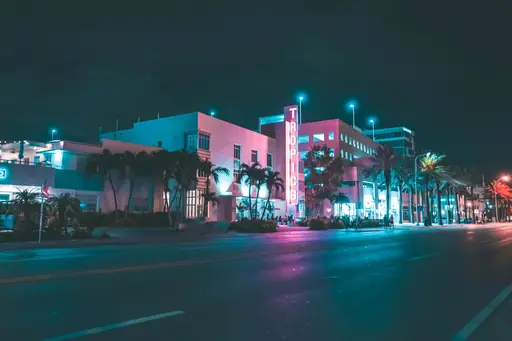
Ocean Drive runs alongside the sand through Miami Beach's Art Deco Historic District. Pastel coloured hotels from the 1930s line the street facing the shore. Visitors can sunbathe by day and walk the strip's cafes by night. Lifeguard towers here are painted in playful, individual designs.
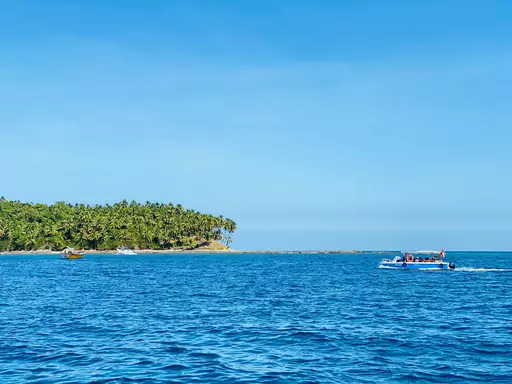
Island in India
Andaman and Nicobar Islands
Crystal waters and pristine wilderness
Visit between November and April, when calm seas and clear skies make the outer islands easy to reach by ferry. The territory holds more than five hundred islands. Most stay uninhabited and undeveloped. Coral reefs ring many shores. Mangrove channels wind past tribal reserves that stay closed to outside visitors year round.
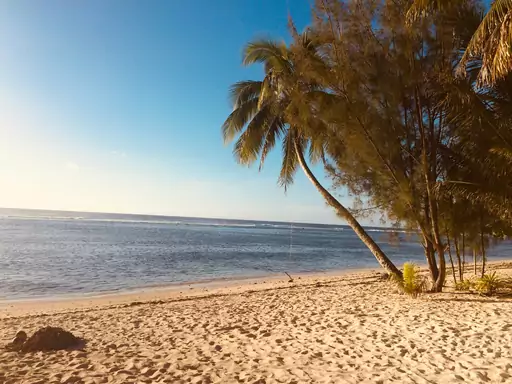
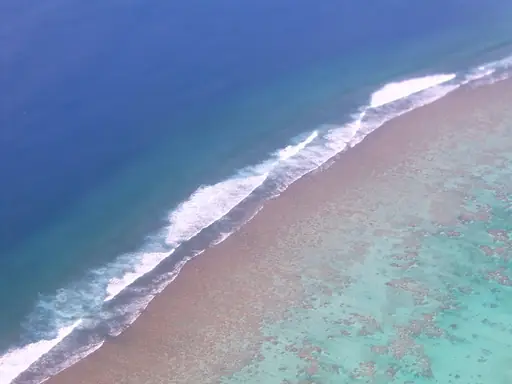
Country
Cook Islands
Tropical paradise with year-round warmth
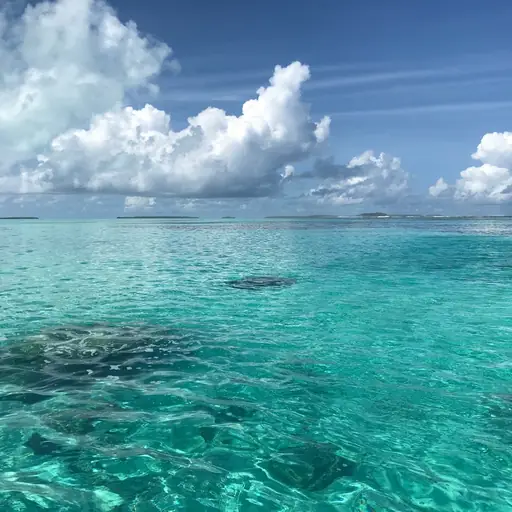
The Cook Islands keep building heights capped and resorts small, unlike the more developed islands of French Polynesia nearby. Lagoons like Muri and Aitutaki's stay largely untouched. Aitutaki's lagoon is ringed by a string of tiny motu islets. Its water is so shallow and clear that people compare it to a swimming pool.
Island in Australia
Whitsunday Islands
Paradise within Great Barrier Reef
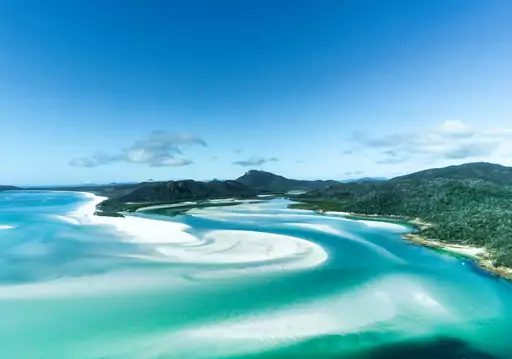
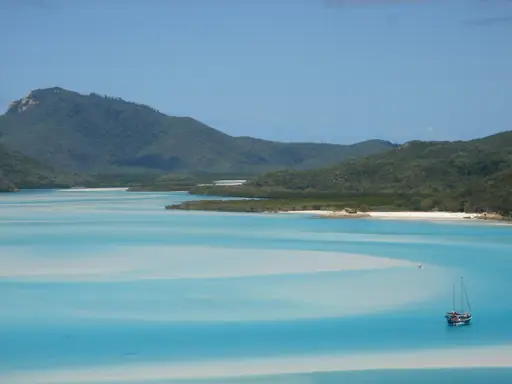
Whitehaven Beach is made of silica sand so pure it barely holds heat underfoot. Its swirling shallows blend white sand and blue water at Hill Inlet. Visitors can view the pattern from a lookout point above the beach. Boat tours often anchor offshore for the day.
Country
Maldives
Coral atolls, lagoons and overwater villas
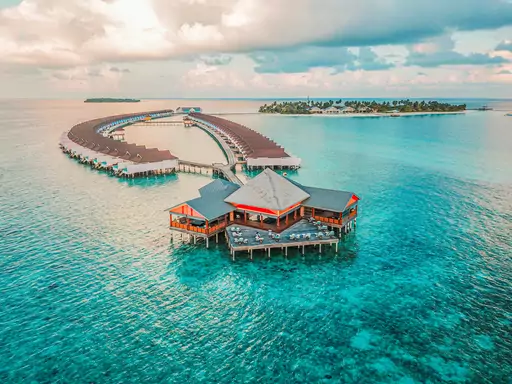
Many resorts here sit on private coral islands ringed by shallow house reefs. The water stays warm and clear across nearly every atoll. Snorkellers can step off overwater bungalows straight into reef fish and small sharks. Some lagoons glow blue at night from bioluminescent plankton.
Island in France
Corsica
Island of Beauty and Contrast
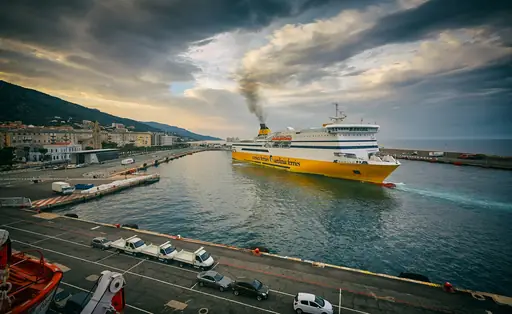
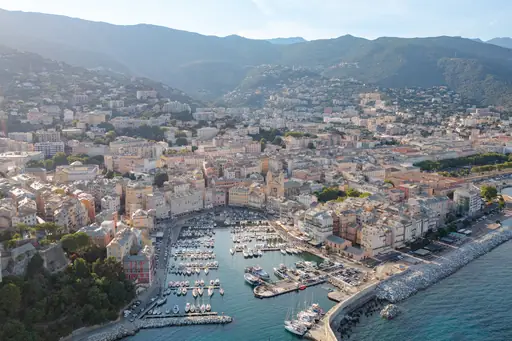
Palombaggia Beach pairs pink granite rocks with a backdrop of umbrella pines. The combination has made it one of the most photographed spots on Corsica's coast. Just offshore, the Scandola Nature Reserve protects volcanic cliffs and clear water reachable mainly by boat. The Bonifacio cliffs at the island's southern tip drop straight into the sea.
Town in Australia
Byron Bay
Bohemian Beaches and Laid-Back Vibes
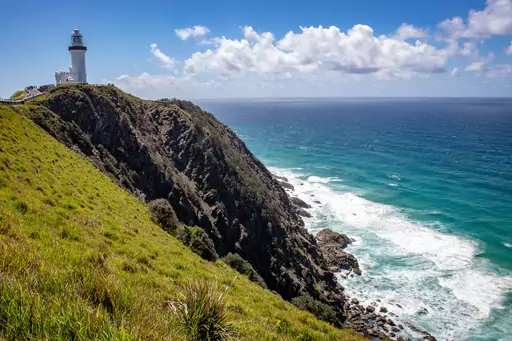
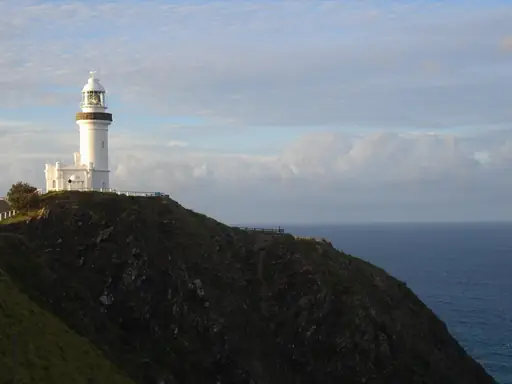
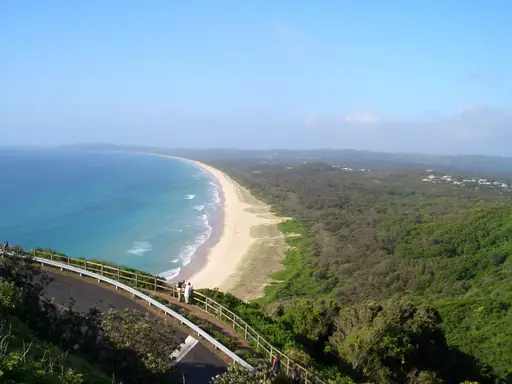
Byron Bay trades high rise resorts for a laid back surf town feel. Its lighthouse marks the continent's easternmost point. Whales pass close to shore during their winter migration. The main beach breaks gently enough for beginner surfers. Heavier swells further along the coastline suit more experienced riders.
Town in Australia
Broome
Pearl Coast Sunsets and Red Earth
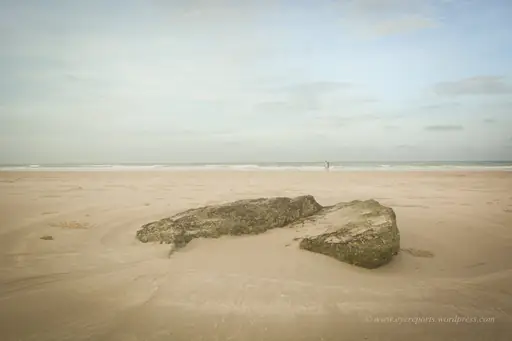
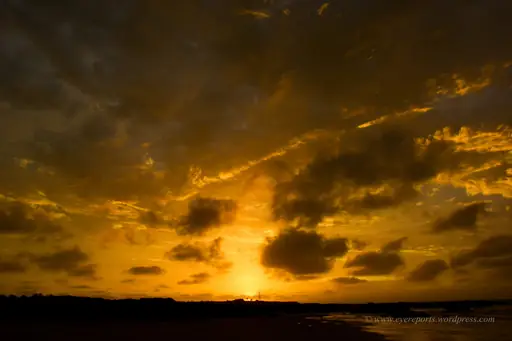
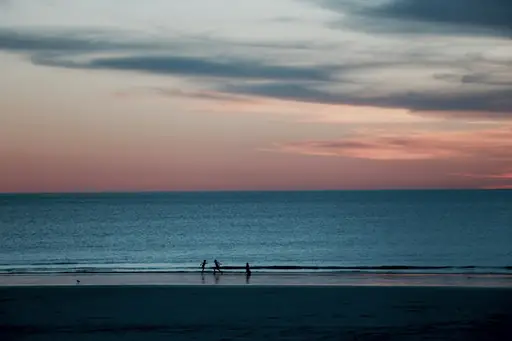
Camel trains walk the length of Cable Beach at sunset. Tourists and locals turn out to watch most evenings. The beach stretches twenty two kilometres along the Indian Ocean. It is wide enough for four wheel drives at low tide. Some nights, moonlight on the exposed mudflats creates a Staircase to the Moon.
Island
St. Martin
Dual-Nation Beaches, Cuisine and Culture
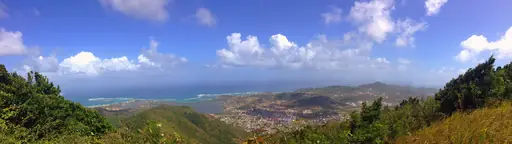
Maho Beach sits directly beneath the flight path into Princess Juliana Airport. Landing jets pass just meters above sunbathers stretched out on the sand. Visitors can feel the strong engine wind as planes descend towards the runway. A nearby beach bar tracks daily flight schedules on a chalkboard.
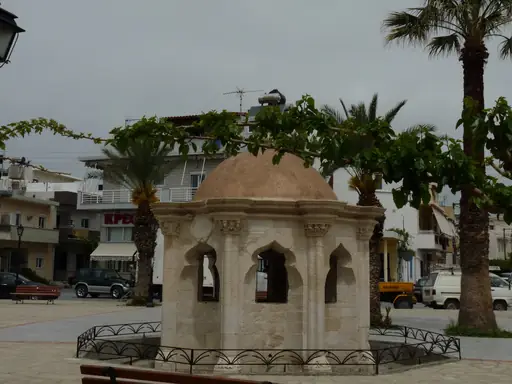
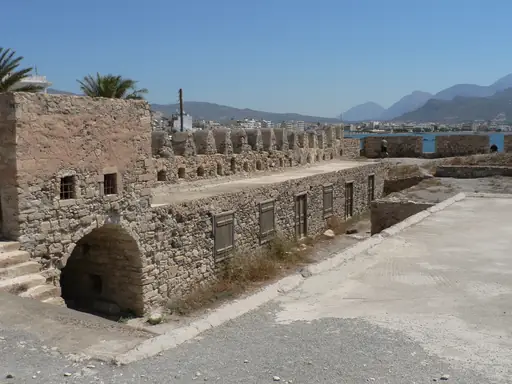
Island in Greece
Crete
A Journey Through History and Nature
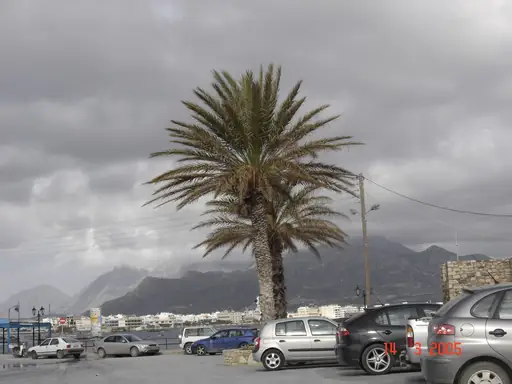
Elafonisi's pink tinted sand comes from crushed shells of a tiny marine organism called foraminifera. Bermuda's beaches share the same source of colour. A shallow lagoon separates the mainland from a small island where the pink shows most clearly. Balos, a lagoon on Crete's northwest tip, adds turquoise water framed by dry, rocky hills.
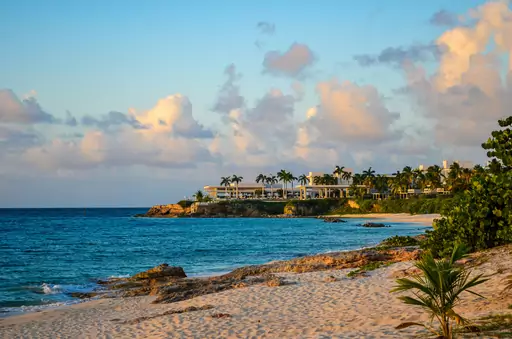
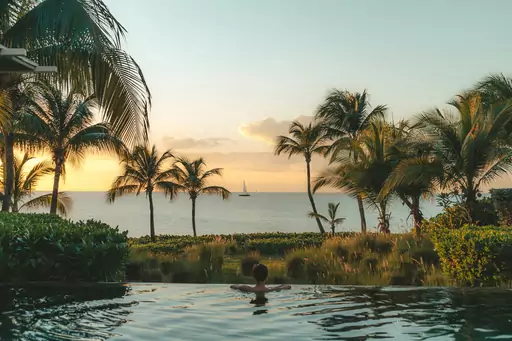
Outer Territory in United Kingdom
Anguilla
Pristine beaches and turquoise waters
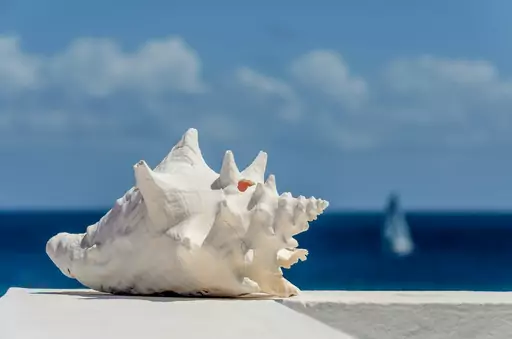
Every March, reggae musician Bankie Banx turns his driftwood beach bar on Rendezvous Bay into the site of Moonsplash. He started the festival in 1991. Big names like Jimmy Buffett have played there since. The rest of the year, the same white sand crescent stays quiet. Low rise hotels keep crowds away from the shoreline.
Island in Seychelles
La Digue
Secluded island with dream beaches
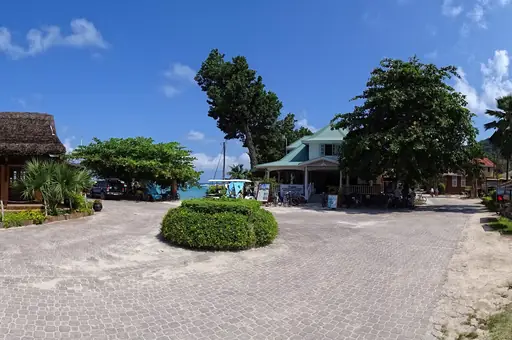
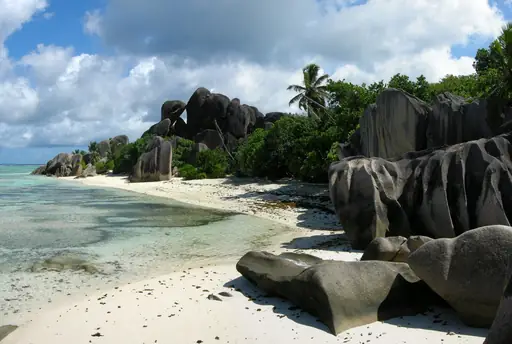
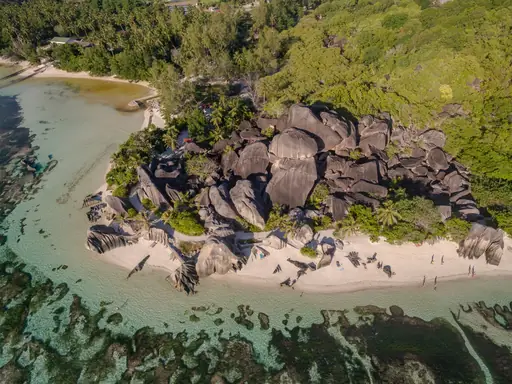
Anse Source d'Argent is framed by giant pink granite boulders shaped over centuries. The shallow, calm water sits behind a natural reef barrier. Visitors can wade between the boulders or snorkel just past the reef. Bicycles are the main way to reach the beach across the island.
Town in Australia
Esperance
Australia's Whitest Beaches and Turquoise Waters
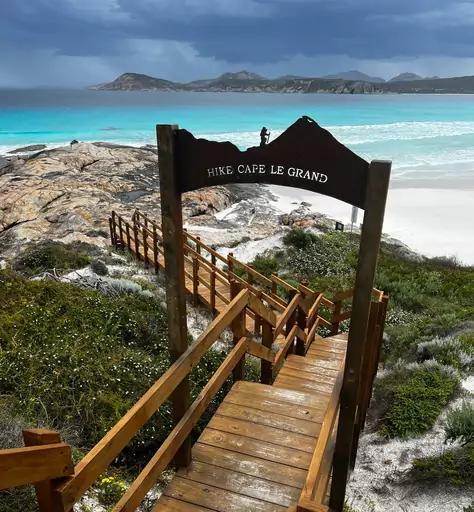
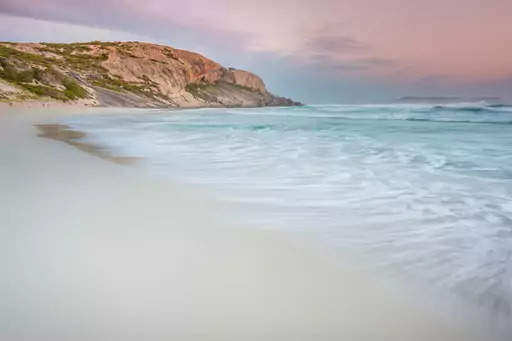
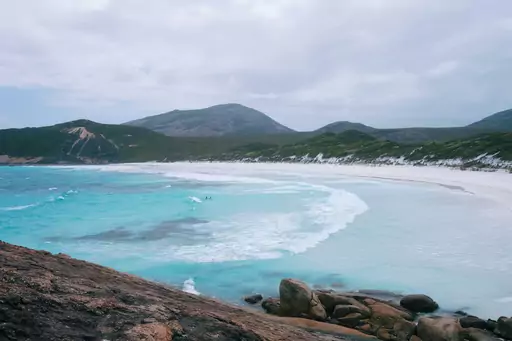
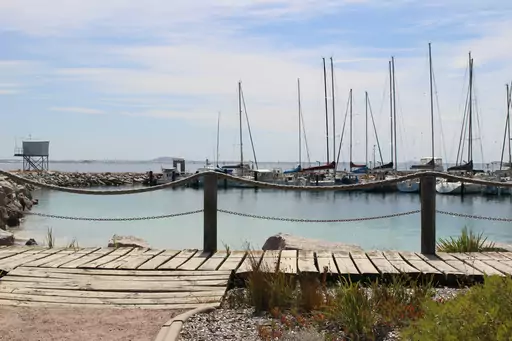
Esperance sits on Australia's remote southern coast, where the Southern Ocean meets some of the whitest sand in the country. At Lucky Bay, inside Cape Le Grand National Park, kangaroos often nap on the sand near swimmers. Turquoise water this far south stays cold. The scenery still draws visitors regardless of the temperature.
National Park in Colombia
Tayrona National Park
Where Jungle Meets Turquoise Caribbean
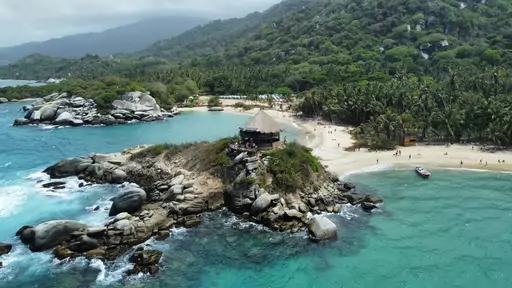
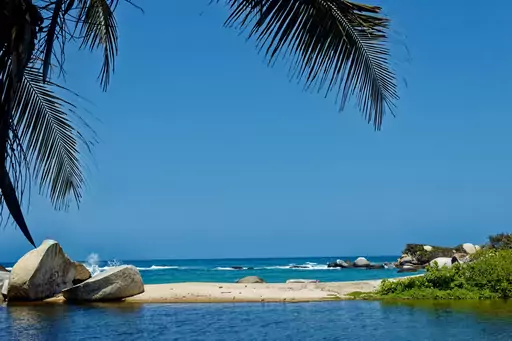
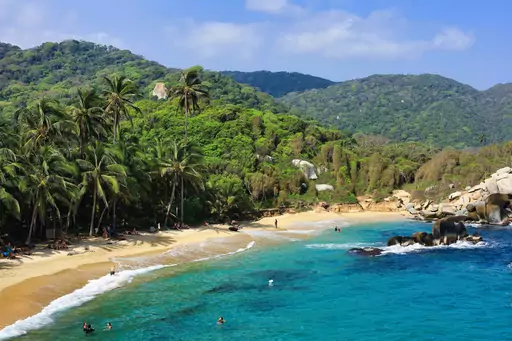
Cabo San Juan is a small headland beach backed by dense jungle and granite boulders. A wooden hut sits perched on the rocky point between two coves. Visitors can hike or ride horseback in through the surrounding rainforest. Hammocks inside the hut let travellers sleep steps from the surf.
Country
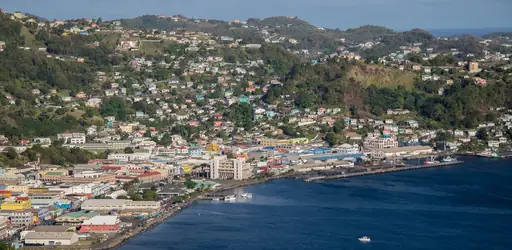
Saint Vincent and the Grenadines
One destination, 32 islands, countless possibilities
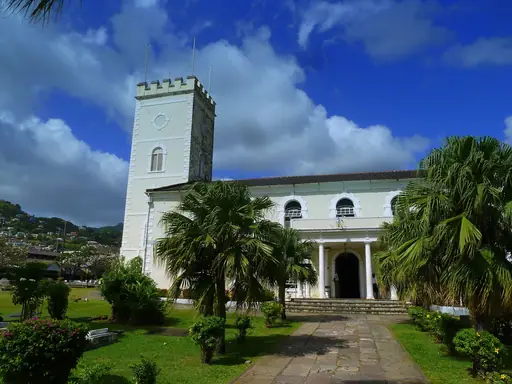
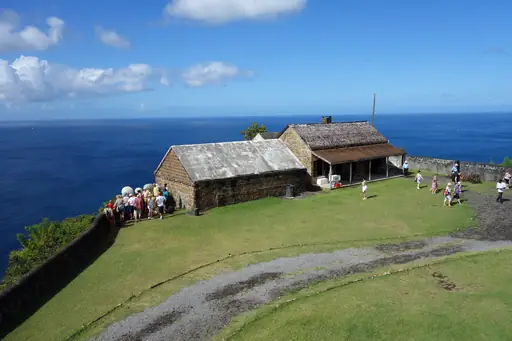
Tobago Cays is a small cluster of uninhabited islets protected as a marine park. Its shallow reefs sit close enough to explore without a boat. Visitors can snorkel alongside green sea turtles that graze the seagrass beds. Yachts often anchor here for a night under open sky.
Island in Greece
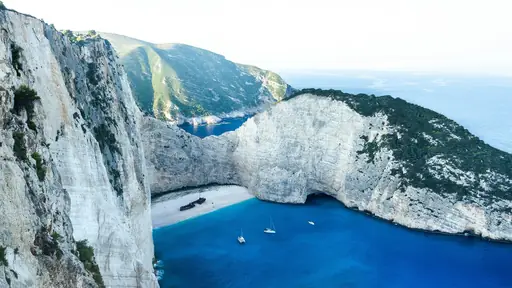
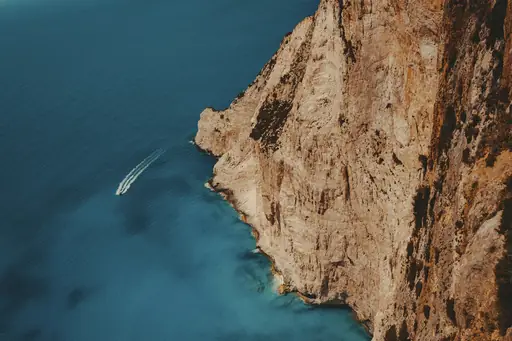
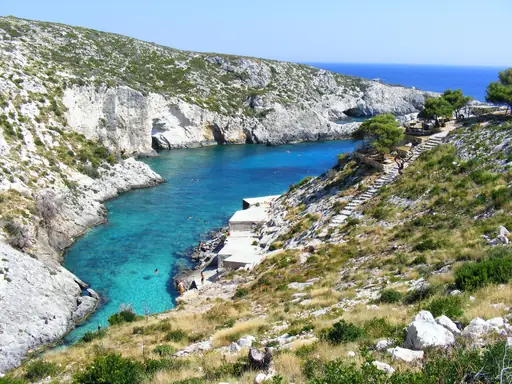
Zakynthos
Turquoise Waters and Hidden Caves
Navagio Beach is reachable only by boat, tucked inside a narrow limestone cove. A rusted shipwreck has sat beached on its sand since the 1980s. Visitors can view the cove from a cliffside platform high above. Boat tours circle close to the wreck for a nearer look.
Island in India
Lakshadweep
Pristine coral paradise off India
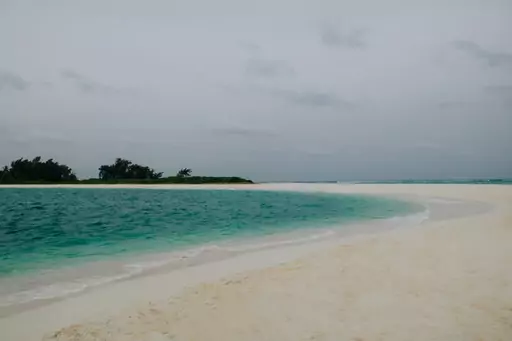
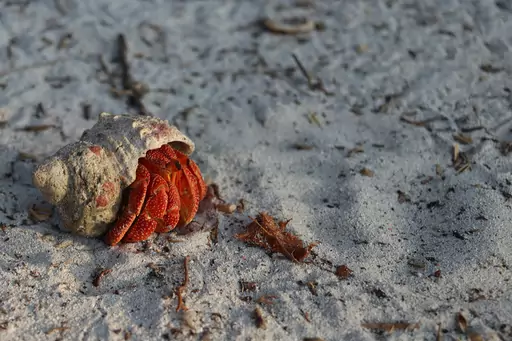
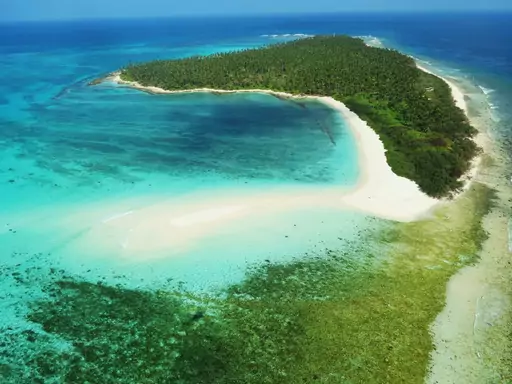
Agatti Island's lagoon shifts through shades of turquoise depending on the tide and light. Its coral reef sits close enough to shore for easy access on foot. Snorkellers can drift over the reef without needing a boat or guide. Special permits are required for outside visitors to reach these islands.
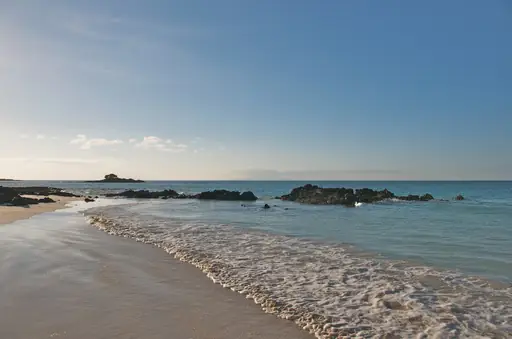
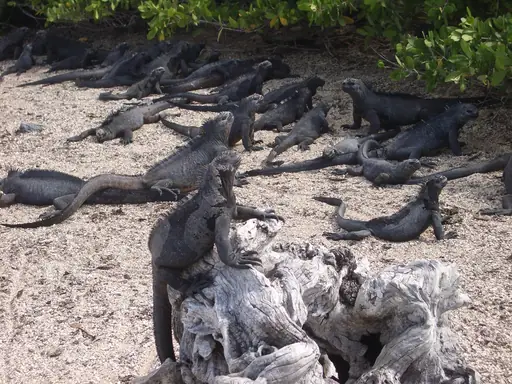
Island in Ecuador
Galapagos Islands
The Wildlife Paradise of Ecuador
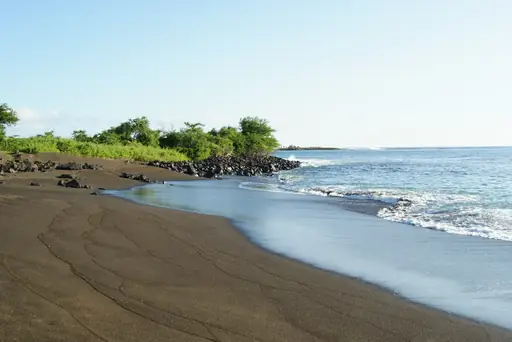
Walk the sandy path to Tortuga Bay on Santa Cruz Island in the early morning. Marine iguanas are still warming themselves on the rocks at that hour. The white sand beach is reachable only on foot. It backs onto mangroves where flamingos sometimes gather in a lagoon behind the dunes.
Outer Territory in United Kingdom
Cayman Islands
Tropical paradise with crystal waters
Locals and visitors gather at Seven Mile Beach for sunset, a nightly ritual on the island's signature stretch of sand. Caribbean Travel and Life magazine named it the Caribbean's best beach in 2015. The beach is public property along its full length. Anyone can walk it, regardless of which resort they are staying at.
Region in Croatia
Dalmatia
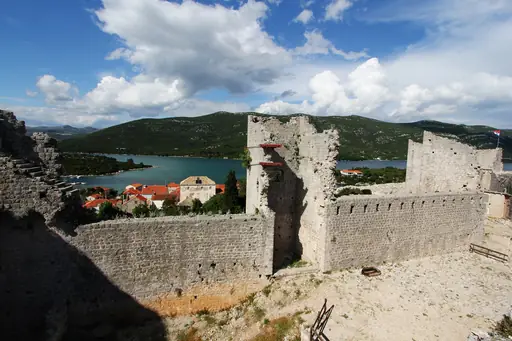
Adriatic Coastline of Ancient Wonders
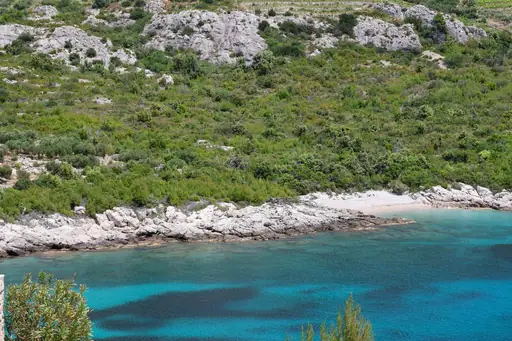
Zlatni Rat's white pebble tongue juts out from the island of Brač. Its tip shifts shape slightly with the current and wind each season. Pine forest lines the beach, offering shade rare on this rocky coastline. Clear Adriatic water drops off quickly from shore. That makes the beach as popular with windsurfers as with sunbathers.
Island in Spain
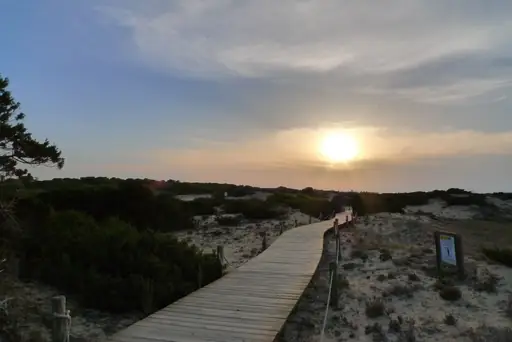
Formentera
Turquoise Waters and Bohemian Calm
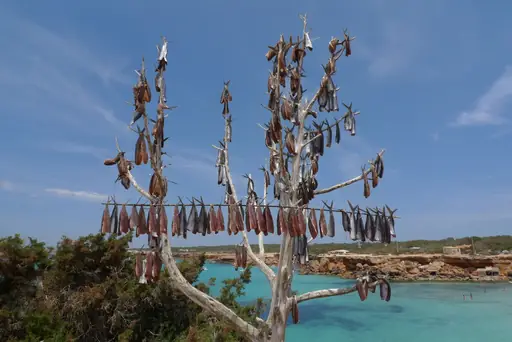
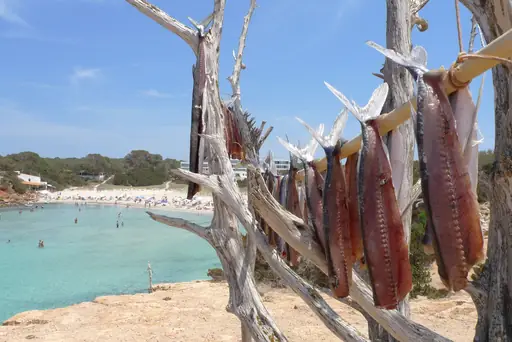
Posidonia seagrass, a plant unique to the Mediterranean, has grown off Formentera for thousands of years. Its underwater meadows are largely responsible for the exceptional clarity of the water. UNESCO recognised the meadows as a World Heritage site in 1999. Ses Illetes beach splits into two sandbars framing a shallow lagoon.

City in Spain
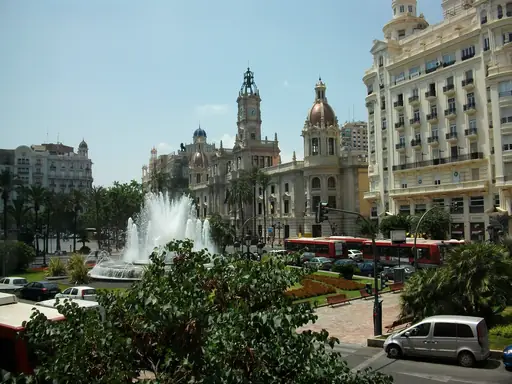
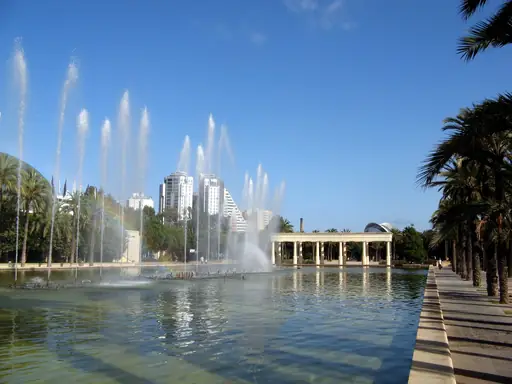
Valencia
Sunlit Shores and Rich Culture
Malvarrosa Beach stretches along Valencia's Mediterranean shoreline near the old fishing quarter. Wooden beach bars called chiringuitos line the sand through the summer months. Visitors can order paella nearby, a dish said to have originated in this region. A palm-lined promenade runs the length of the beach.
Country
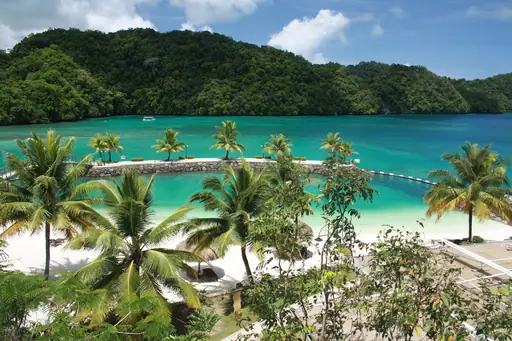
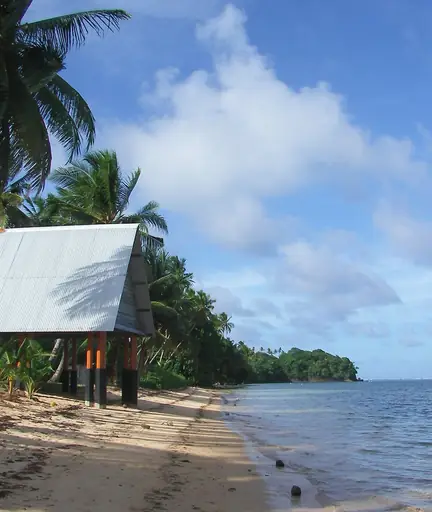
Palau
Pristine paradise with underwater wonders
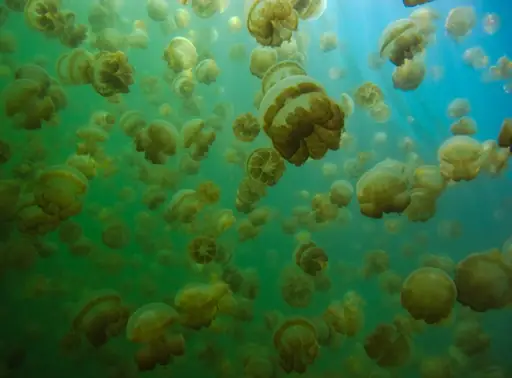
Jellyfish Lake holds millions of golden jellyfish that have lost their ability to sting. The lake formed when rising seas trapped marine life inland thousands of years ago. Snorkellers can swim among the drifting jellyfish without any real risk. The surrounding Rock Islands rise from the lagoon like green mushrooms.
Island in Spain
Canary Islands
Spain's volcanic paradise year-round
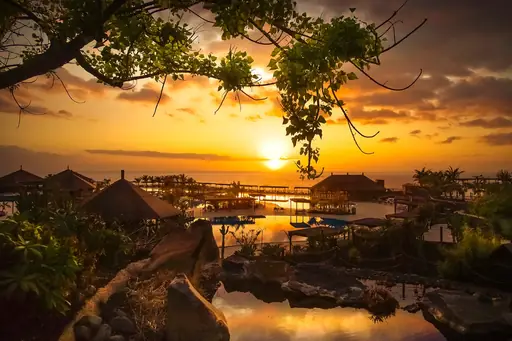
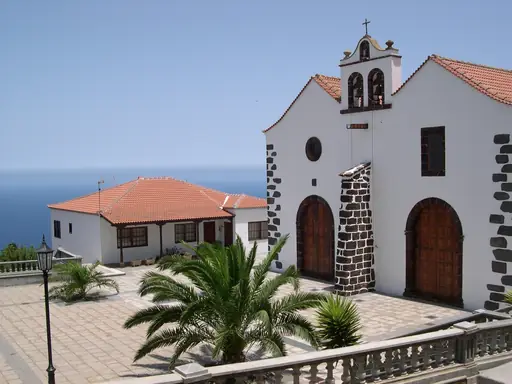
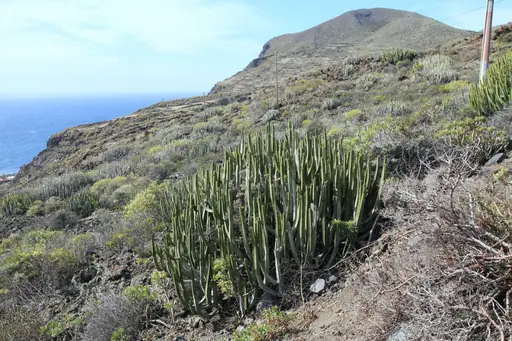
Black volcanic sand covers many beaches on Tenerife and Lanzarote. Pale dunes at Maspalomas on Gran Canaria offer a striking contrast, shifting constantly with the wind. Warm Atlantic currents keep water mild year round, despite the islands sitting off West Africa. Volcanic peaks rise directly behind several of the calmest coves.
City in Brazil
Rio de Janeiro
The heartbeat of Brazil's coast
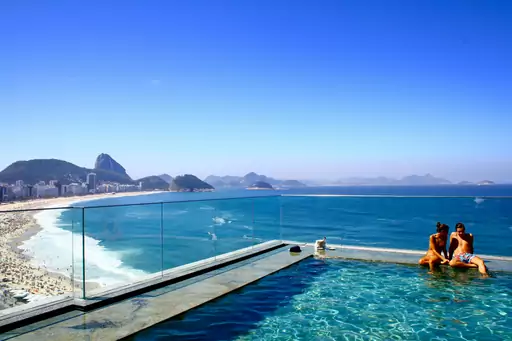
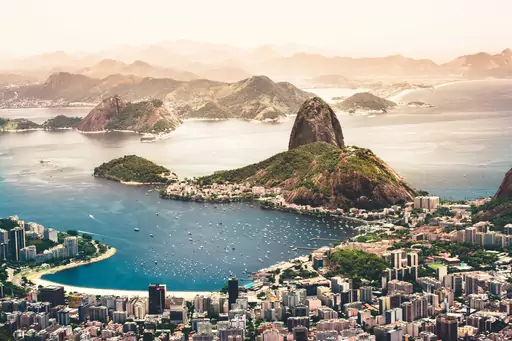
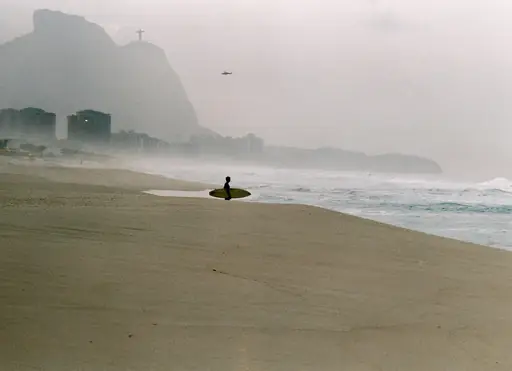
Copacabana Beach curves for about four kilometres along Rio de Janeiro's southern coast. Its black and white wave pattern pavement was designed back in the 1970s. Visitors can play beach volleyball or sip fresh coconut water from small kiosks. Sugarloaf Mountain rises in clear view just across the bay.
City in United States
San Diego
California's perfect weather playground
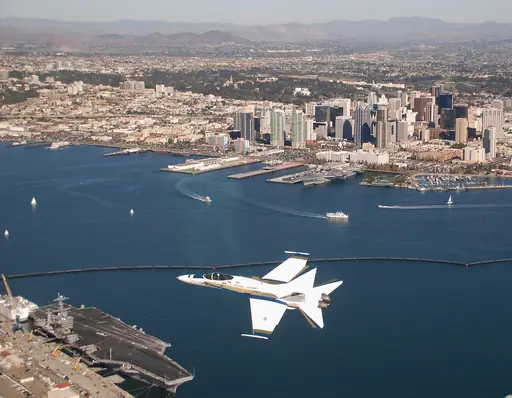
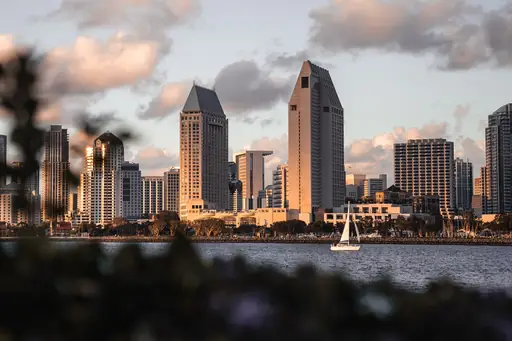
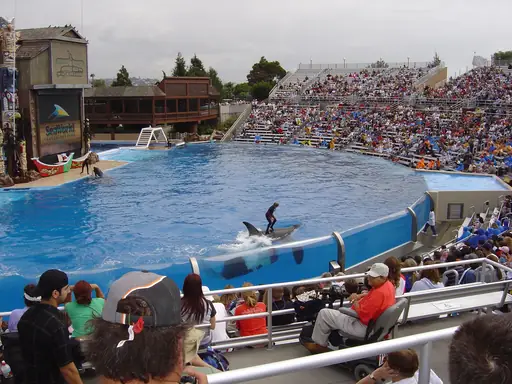
La Jolla Cove is a small, cliff-lined inlet along San Diego's coast. Sea lions and seals regularly haul out on the rocks nearby. Visitors can snorkel in the protected cove or watch wildlife from the cliffside path. Kayak tours often paddle past sea caves just around the point.
Country
Kiribati
Remote Pacific paradise with atolls
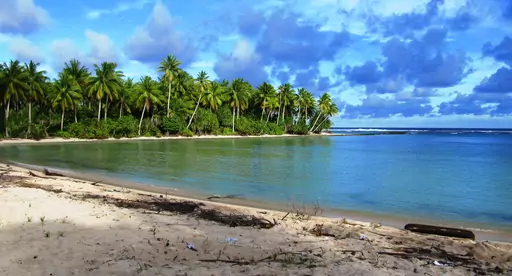
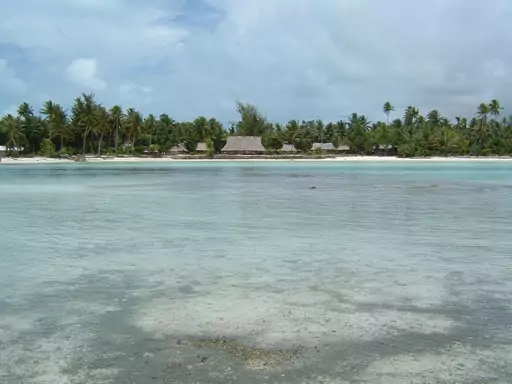
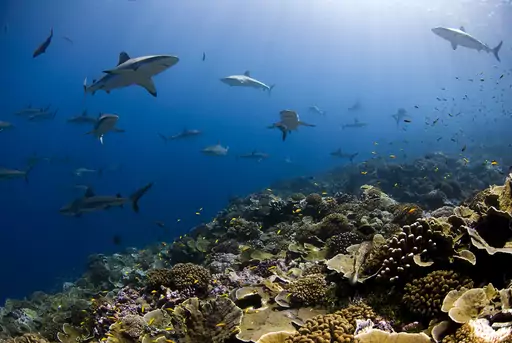
Kiritimati Island is the largest coral atoll on Earth by land area. Its lagoon shelters calm shallow flats far from any crowds. Visitors can wade across pink sand shallows or fish for giant trevally near the reef. The remote atoll sits almost exactly on the international date line.
Region in Italy
Amalfi Coast
Italy's Coastal Gem
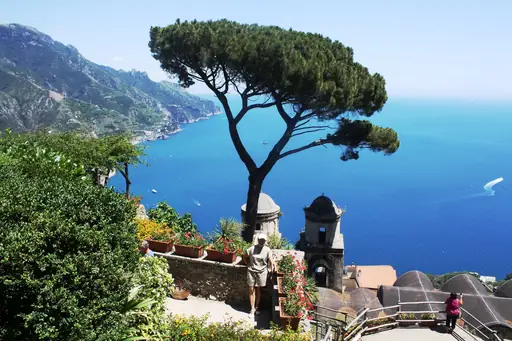
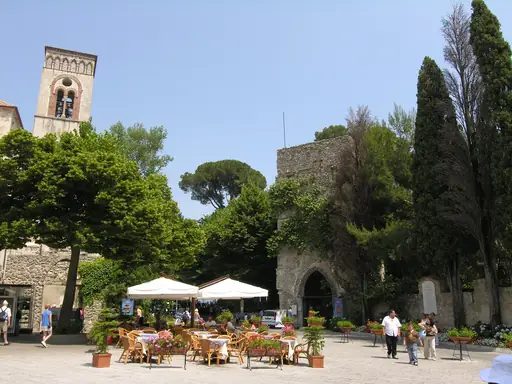
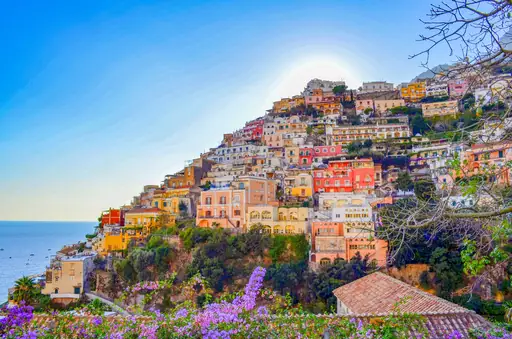
Steep limestone cliffs rise straight from the Tyrrhenian Sea along southern Italy's Amalfi Coast. Towns like Positano stack pastel houses one above another on the slopes. Small pebble beaches wedge between rock and water below. Lemon groves cover the terraces overhead. A narrow coastal road links each fishing village by hairpin turn.
Country
Tonga
Tropical paradise with volcanic islands
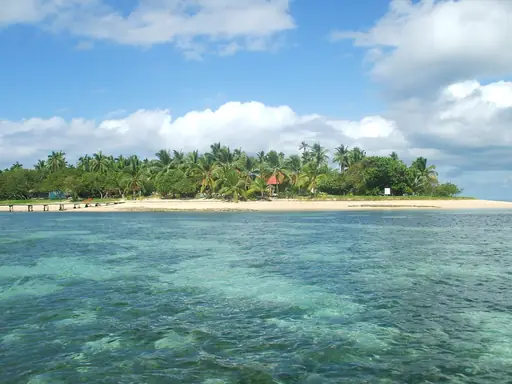
Vava'u's waters are one of the few places where people can legally swim with humpback whales. Mothers and calves gather here each year between July and October. Visitors can join guided boat trips that slip quietly into the water nearby. The surrounding islands also shelter calm anchorages for sailors.
Country
Venezuela
Land of diverse tropical landscapes
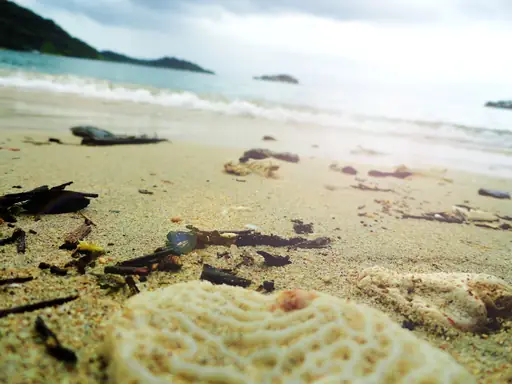
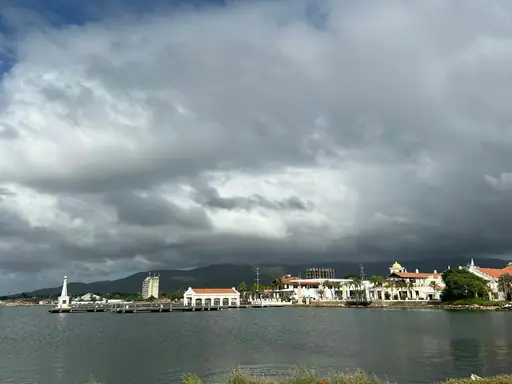
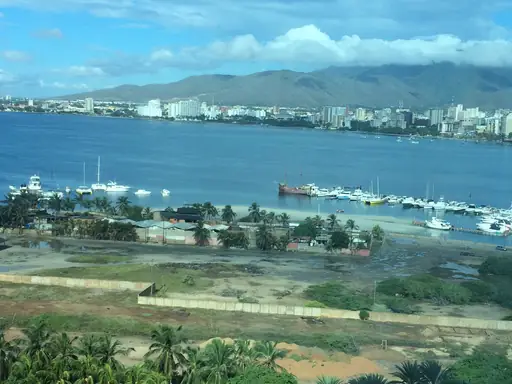
Los Roques is a coral archipelago of small islets surrounded by shallow lagoons. Its sandbars shift slightly year to year, reshaping the low-lying cays. Visitors can hop between islets by small boat to find near-empty beaches. Kitesurfers are drawn to the steady winds across the open lagoon.
Reef in Australia
Great Barrier Reef
World's largest living coral wonder
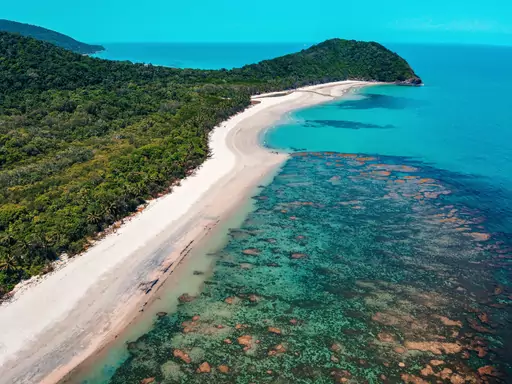
Whitehaven Beach sits within the Whitsunday Islands, part of the Great Barrier Reef marine park. Its sand is silica so pure that it stays cool in full sun. At Hill Inlet, incoming tides swirl the sand and turquoise water into shifting patterns. A lookout above the beach's northern end gives a view of the swirl.
Outer Territory in France
Guadeloupe
Caribbean Gem with French Flair
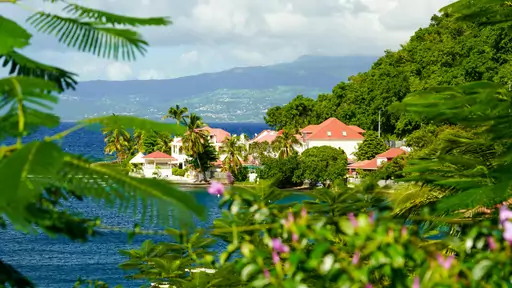
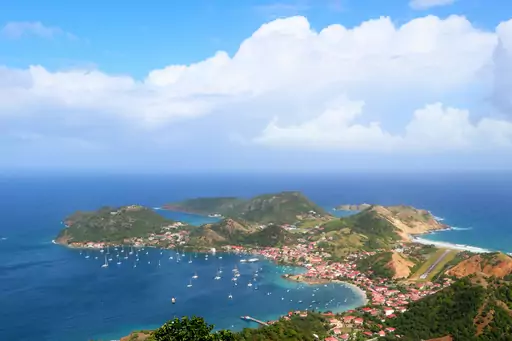
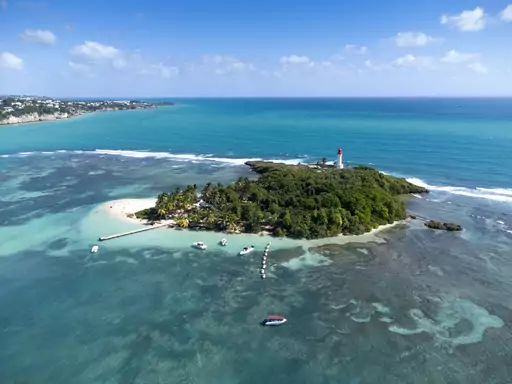
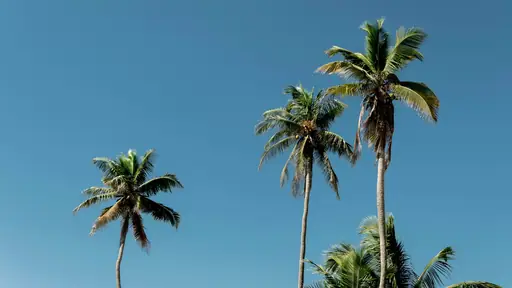
Guadeloupe is shaped like a butterfly when seen from above. It splits into two wings with different coloured sand. Black volcanic beaches sit near La Soufrière volcano on one wing. Pale coral sand covers Grande Anse on the other. Warm trade winds keep the humidity from feeling heavy. Coconut palms shade the northern coast.
City in Oman
Salalah
Verdant oasis amid Arabian desert splendor
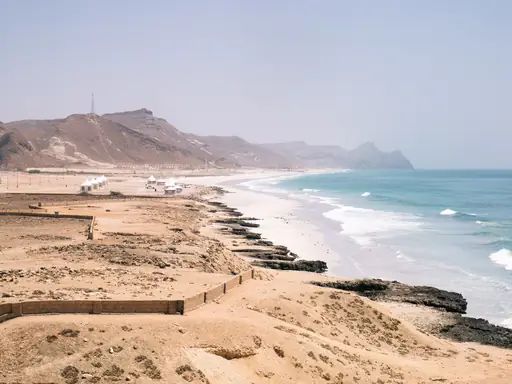
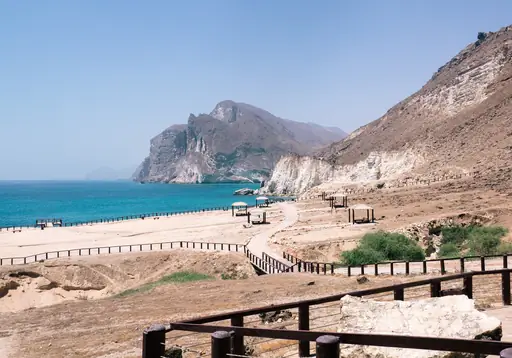
Al Mughsail Beach sits beneath cliffs that turn green each year during the khareef monsoon season. Blowholes along the rocks spray seawater high into the air at high tide. Visitors can watch camels wander the sand near the water's edge. Frankincense trees grow wild in the hills just behind the coast.
Beach in Rio de Janeiro
Copacabana Beach
Lively iconic Rio shoreline
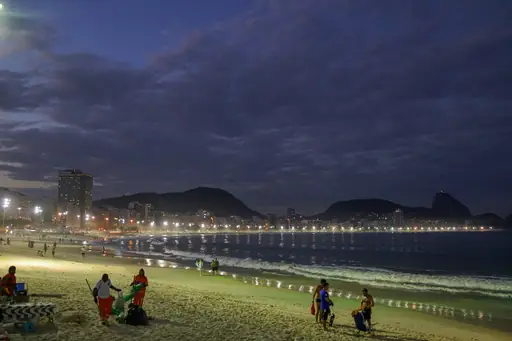
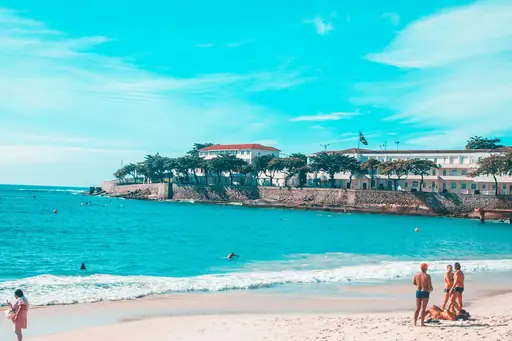
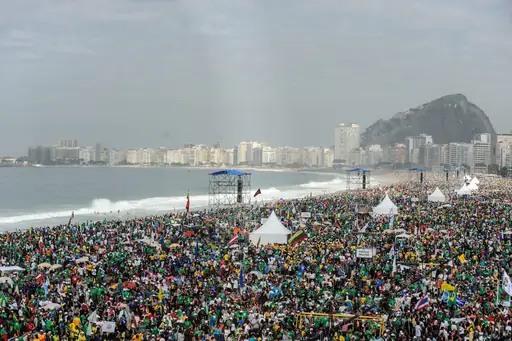
Sugarloaf Mountain anchors one end of this four kilometre beach in Rio de Janeiro. Locals play footvolley in the shallows. Joggers use the wave pattern pavement above the sand. Each New Year's Eve, close to two million people gather here in white clothing. Fireworks then burst over the bay.
Nature Reserve in Ha Long
Ha Long Bay
Vietnam’s Otherworldly Seascape
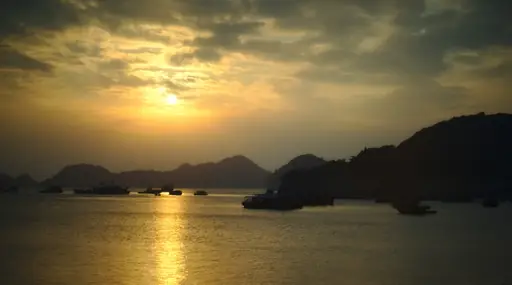
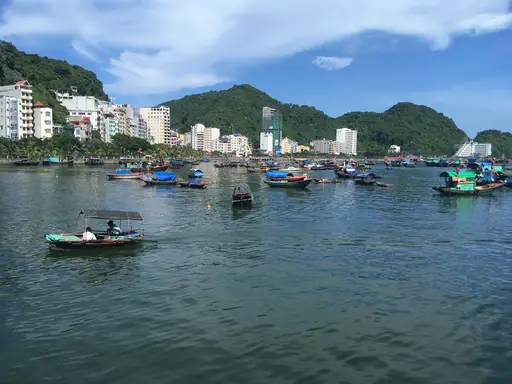
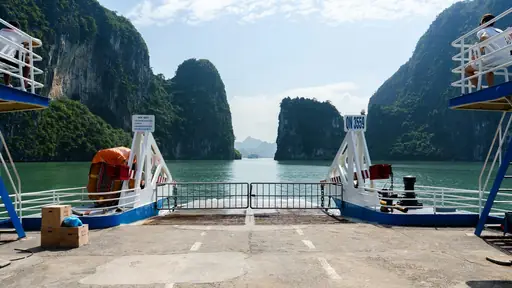
Nearly two thousand limestone islands and islets rise from the emerald water of this bay in northern Vietnam. Most stay uninhabited, shaped by tens of millions of years of erosion. Overnight boats weave between the karst towers, stopping at hidden lagoons and caves along the way. Floating fishing villages still operate within the bay.
Beach in Honolulu
Waikiki Beach
Iconic Surf and Sun Paradise
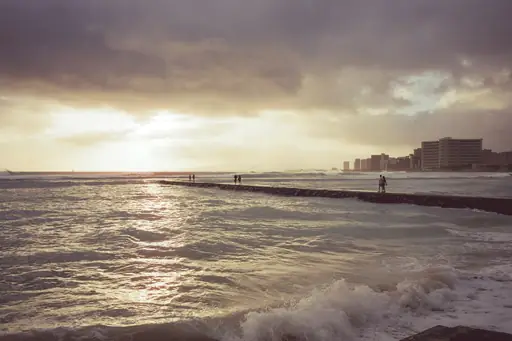
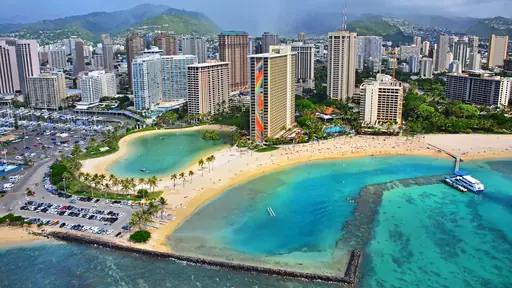
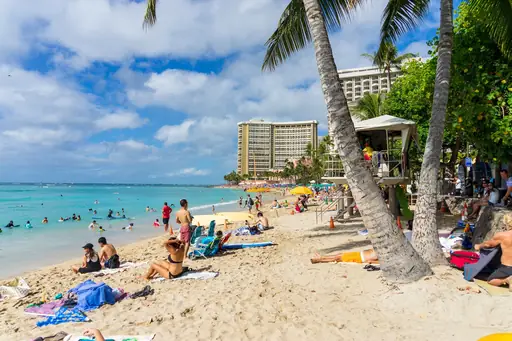
Modern surfing was reborn on this stretch of Oahu sand. Waterman Duke Kahanamoku learned to ride waves here before spreading the sport worldwide in the early 1900s. His bronze statue now stands near the shore. Diamond Head crater rises behind the beach. Outrigger canoes still launch daily from the same water.
Other lists you may like
Discover
Africa's best beach destinations and coastal escapes
Africa's coastline runs for over 26,000 kilometres and touches two oceans, which gives it a range that most people underestimate. The Indian Ocean side is warm, calm and fringed…
Read more
Discover
Asia's best beach destinations and coastal escapes
Asia's beaches range from some of the most visited in the world to stretches of coast that see almost no tourism at all. The region has enough variety that generalisations don't…
Read more
Discover
Europe's best beach destinations and coastal escapes
Europe's beaches cover more ground than the Mediterranean postcard version suggests. The continent has Atlantic surf beaches, Arctic fjord coastlines, Black Sea resorts, volcanic…
Read more
Discover
North America's best beach destinations
North America has more coastline than most people picture when they think of beach travel here. The Caribbean side of Mexico and Central America, the Gulf Coast, the Atlantic…
Read more
Discover
Oceania's best beach destinations
Australia dominates the conversation when it comes to Oceania's beaches. The country has over 10,000 beaches and enough coastline variation to keep a dedicated visitor busy for…
Read more
Discover
South America's best beach destinations
South America's coastline runs from the Caribbean in the north to near-Antarctic waters in the south, and the range between those two points is considerable. The continent has…
Read more
What other users say about travelfilters
“travelfilters made it easy for me to find ski areas and compare what else they offer, so that I could find the best place for my personal travel style.”

Chris
Snowboarding & Onsen trip to Japan
“I love how transparent the data feels. There is no pushy upsell, just honest information and settings I can tune to my own travel style.”

Maria
After booking her 2027 winter escape
“The level of detail for each destination and how well those are displayed, make planning feel confident instead of overwhelming.”

Mina
Planned a week in New York City
“We used travelfilters for our planning from start to end. The trip turned out even better than expected, thanks to all their tools and customisation options.”

Allan & Etienne
Trip to Japan to see autumn foliage
“Thanks to travelfilters, I found some hidden gems to see. Being able to filter for exactly your interests is a game changer for my travel planning.”

Michael
Tour through the old cities of Northern Italy
“The customizable filters helped me find a quiet beach town with good wifi and low season crowds in under five minutes.”

Diego
Weekend Escape to Llanes, Spain
“The airport connection map saved me hours by showing good flight options from my home airport to lesser-known cities.”

Nguyen
Planning a 2027 trip to France
“The website is clean, fast and focused on the search itself, which makes travelfilters feel more like a professional tool than an ad-heavy booking site.”

Hassan
Christmas Market trip, Germany
