












Was this page helpful?

These place ratings give you a quick overview of how well a destination matches different types of trips.
‘Best for’ scores:
The specific interest scores show where this place really shines – whether it's ideal for hiking, food & drink experiences, museums or other activities. These highlights help you understand what makes the destination special at a glance.
‘Your personal’ scores:
This reflects how well a place matches your personal preferences. You can adjust the importances of travel topics or other personal requirements categories in your account settings.
‘Suited for’ badges:
These give you a quick overview of how well a destination suits specific types of travellers, to help you find the places that match your lifestyle, preferences or travel situation.
The best times to travel section shows how the months compare for a visit, so you can find the time of year that fits what you want to do.
Background colours of the months:
The colour shows the typical temperature: yellow (hot), green (mild) and blue (cold). How strong the colour is shows the travel season: full colour means high season, soft colour means shoulder season and soft-striped means off season.
Weather symbols:
Each month has one symbol showing what the weather is typically like, such as hot and sunny, freezing or a rainy or snowy season. Use them to quickly spot months that match the weather you want, or to avoid the ones that don't.
Crowdedness:
The people icon shows how busy the place usually is. The more people, the more crowded it gets.
Additional notes:
The grey info boxes point out special things worth knowing, like recurring weather issues or seasonal events.
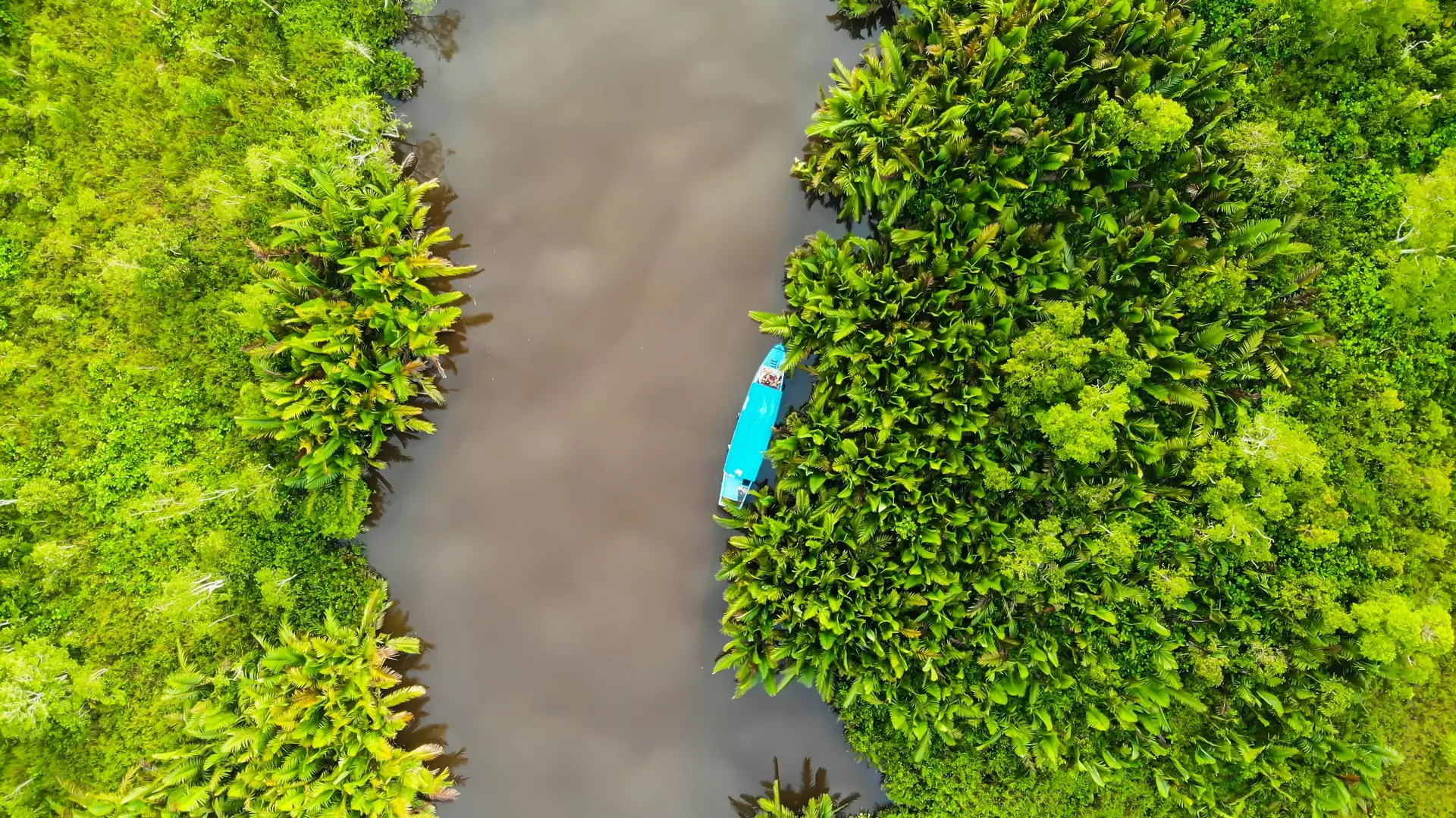
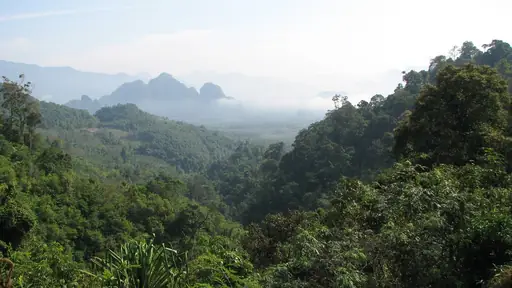
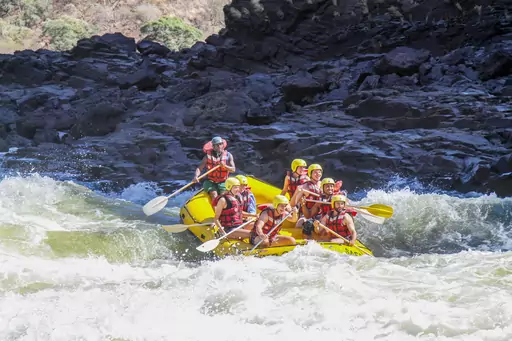
Borneo offers a rare opportunity to experience one of the planet's oldest rainforests and encounter wildlife that exists nowhere else on Earth. The island is one of the few remaining places where you can observe orangutans in their natural habitat, along with pygmy elephants, clouded leopards and an astonishing diversity of plant life including carnivorous pitcher plants. The contrast between primeval jungle and modern cities like Kuching and Kota Kinabalu creates a fascinating cultural dimension, where indigenous traditions blend with colonial influences and contemporary life. Beyond the wildlife, Borneo rewards adventurous travelers with world-class diving sites, challenging mountain treks and vast cave systems to explore. The Mulu Caves in Sarawak feature some of the largest cave chambers on Earth, while Mount Kinabalu offers a challenging but achievable climb to Southeast Asia's highest peak. For those seeking relaxation, pristine beaches and luxury resorts provide the perfect counterpoint to jungle adventures. What makes Borneo special is this remarkable diversity of experiences, allowing you to combine wildlife encounters, cultural immersion, adventure activities and beach relaxation in a single trip.
Borneo is accessible primarily by air, with several international airports serving the island. The main gateways include Kota Kinabalu and Kuching in Malaysian Borneo and Balikpapan and Pontianak in Indonesian Borneo (Kalimantan). Direct flights connect these cities to major Asian hubs like Kuala Lumpur, Singapore, Jakarta and Hong Kong. For travelers from Europe, North America or Australia, the journey typically involves connecting through one of these Asian hubs. Once on the island, domestic flights are the most practical way to travel between different regions of Borneo.
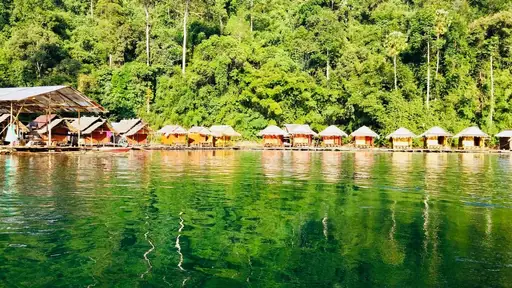
Borneo offers accommodations ranging from luxury beach resorts and city hotels to remote jungle lodges and budget hostels. The island's unique appeal lies in its specialized eco-lodges and wildlife centers, particularly in Sabah and Sarawak, which provide guided nature experiences. These range from basic to luxurious but tend to book up quickly during peak season (July-August). Major cities offer international hotel chains, while coastal areas feature beach resorts. For authentic experiences, consider homestays in traditional longhouses or village communities, though these often have basic facilities.
We calculate the average costs when travelling to destinations and compare those with the living costs at your home. With this you can get an estimate of how expensive or cheap the destination is for you.
To customise this, you can set up which location and price level are used for the calculations in your account settings.
Log in to add this place to a travel list and get a summary of all recommended items for your whole trip.
