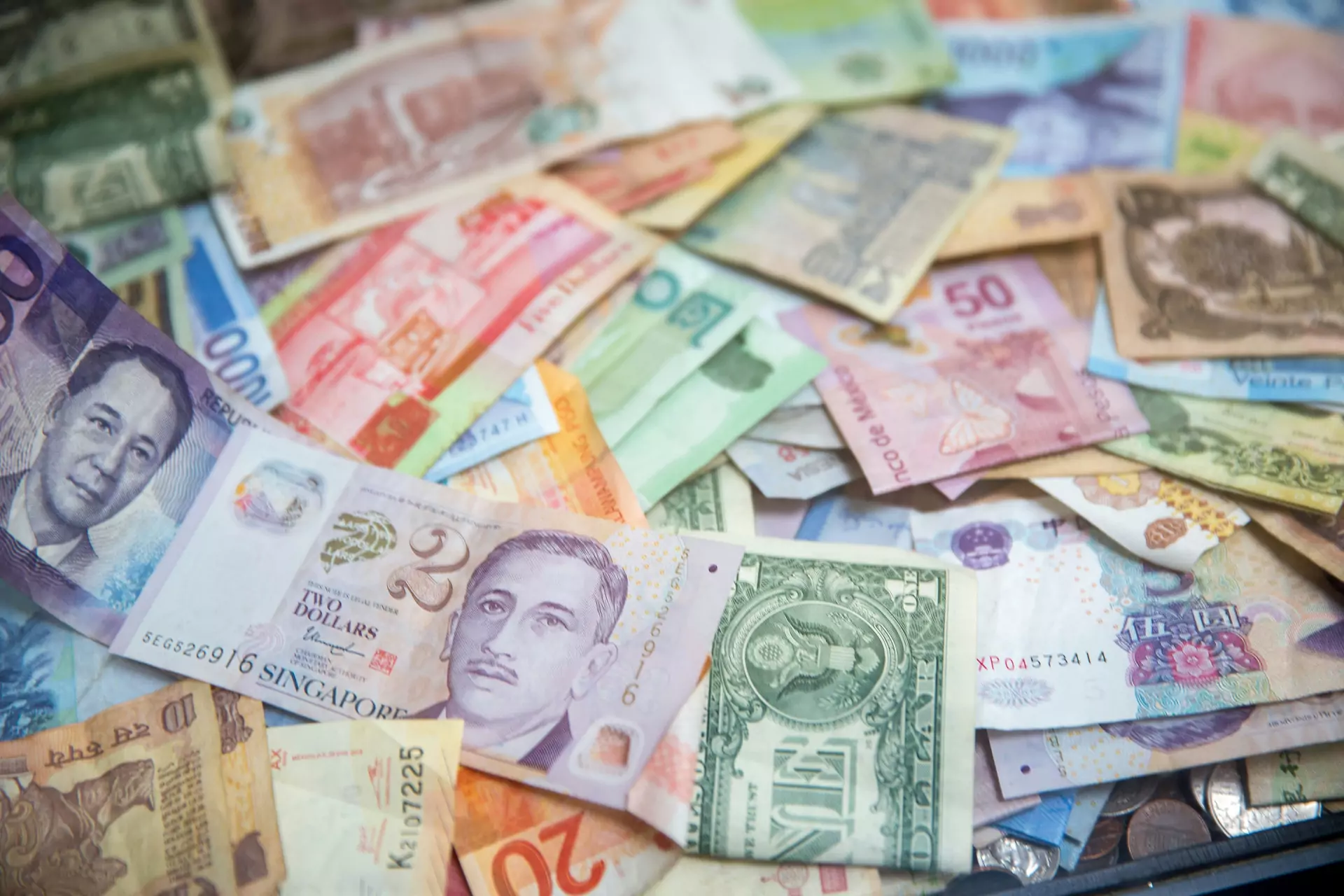

We tend to put a lot of effort into deciding where to travel, how to get there and where to stay. Figuring out how to pay for things when we actually get there tends to be more of an afterthought for many, though. We land, we need cash for the bus and we use the first ATM we see in the arrivals hall. In many countries, these conveniently located machines will come with a bunch of extra fees, but they usually beat the option of going to the airport money exchange where you can often expect to be fleeced by foreign exchange fees. A few days later we're standing in a small shop, our card is declined and we're counting coins we don't fully understand. Or, in a growing number of places, we're watching everyone around us pay with a QR code on their phone while our perfectly good credit card might as well be a coaster.
Preparing the money side of things is definitely not the most exciting part of travel planning, but it's important. In some places you can totally wing things and the worst thing that will happen to you is that you pay some extra fees. In other destinations, not having the commonly used mobile wallet set up means you'll have a hard time paying for lunch. The good news is that with a little preparation, handling money abroad can be pretty painless. If you take care of things in advance, you'll usually also save a lot of fees. So let's go through it step by step, from what to check before you leave to how to keep your money safe once you're there.
Step 1: Find out how people actually pay at your destination
The first thing worth knowing is that payment culture varies enormously from country to country and these days there are really three worlds, not two. In some places, like Sweden, you can pay for a pack of gum with your card or phone and locals will look at you funny if you attempt to pull out cash. In others, like parts of South America or Southeast Asia, the card terminal at the guesthouse has been 'broken' since 2019 and paying cash is still the expected scenario unless you go to upscale places or big chains. In a third group of countries, everyday life runs on mobile payment apps and neither your cash nor your foreign card gets you very far outside of hotels and big shops.
China is the most famous example of that third scenario. Daily life there runs almost entirely on Alipay and WeChat Pay, from taxis and street food to museum tickets and vending machines. Cash is officially accepted, but in practice many small vendors struggle to come up with change if you want to pay with it. Foreign credit cards are rarely accepted outside of international hotels and some larger shops. If you show up unprepared for this reality, you'll severely limit your options concerning where you can eat and shop. It's important to take care of the app setup beforehand, so that you can pay just as smoothly as the locals during your trip.
So before you leave, spend ten minutes finding out which of the three worlds your destination belongs to. Is it a card-first country, a cash-first country or an app-first country? Are there common situations, like local transport, entrance fees or tourist taxes paid at the hotel, where only one payment method will do? Having that information before you even depart will save you a lot of time and hassle. travelfilters makes gathering this info easy for you. Just go to the place info page for any destination and check the 'Quick Facts' box. There you can see the cashless payment rating for the location and a quick hover over the info button will provide you with more details on the way people pay there.
Step 2: Check your cards and their networks before you use them abroad
The card that works flawlessly at home can turn out to be an expensive or even useless companion abroad. Before any trip, it's worth asking your bank a few basic questions. What is the foreign transaction fee on each of your cards? What does an ATM withdrawal abroad cost and does your bank have partner banks at your destination where withdrawals are cheaper or free? Do you need to notify the bank about your travel dates so the fraud department doesn't block your card at the worst possible moment?
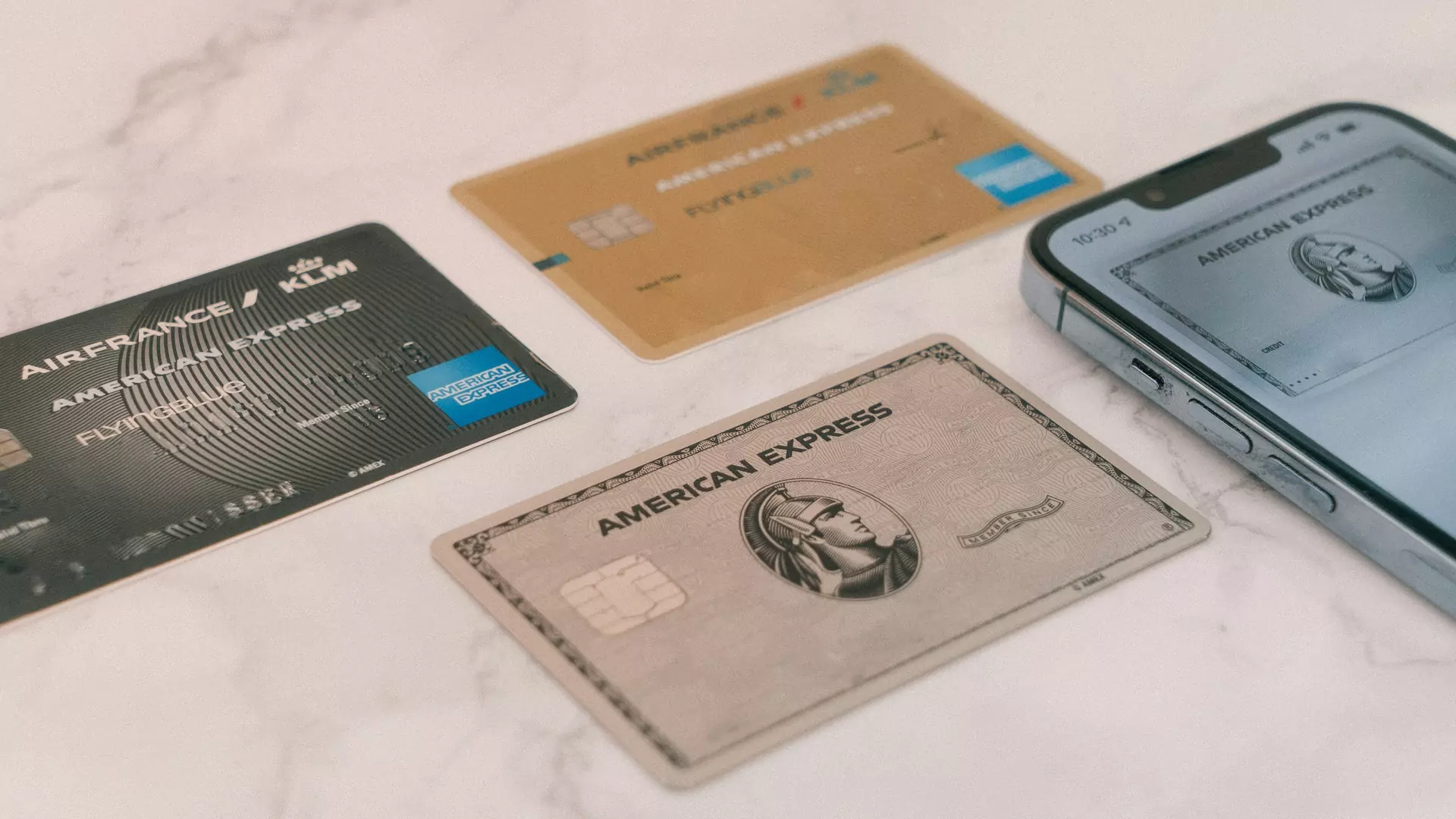
The network your card runs on deserves special attention, because acceptance abroad differs a lot more than you'd expect. Visa and Mastercard are accepted almost everywhere that cards are accepted at all. American Express is a different story. It's widely taken in its home market and at hotels, airlines and bigger shops internationally, but smaller shops and restaurants in many countries decline it because of the higher fees they pay on it. JCB, the big Japanese network, is strong in its home region and patchy in much of the rest of the world.
If your main card is anything but Visa or Mastercard, make sure it isn't your only option. In general, it's worth looking into getting a travel card without extra fees for your main spending during your trip. Not having to pay any ATM or foreign transaction fees can save you a hefty sum over the course of a holiday. Why waste any money on unnecessary fees if that amount can go straight to your travel budget for you to spend on delicious food and nice souvenirs?
Step 3: Put your cards on your phone with Apple Pay or Google Pay
Setting up Apple Pay or Google Pay before a trip can make paying abroad a whole lot easier. Contactless payment by phone is completely normal in large parts of the world by now. It's arguably safer than the physical card because the shop never sees your actual card number. There's only a one-time token, which makes skimming your card data much harder. At the same time, it has the same conditions as the card behind it, so there are no extra fees added by Apple or Google.
Setting up Apple or Google Pay is something that's best done before your trip even starts, since the confirmation codes from your bank are much easier to receive while your home number works normally. You also shouldn't see these digital wallets as a complete replacement for your cards because not all card machines worldwide support contactless functionality. Lastly, your phone-based wallet is only as good as your battery, so bring a backup card just to make sure your finances don't dry up if your phone goes to 0%.
Step 4: Set up the local super-apps where they're the norm
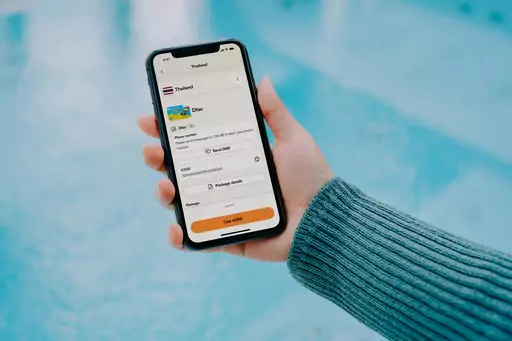
If your destination is one of the app-first countries, the most important preparation also should take place at home before departure. For China, that means downloading Alipay or WeChat Pay (or both, to be safe) and linking your international credit or debit card to the app. Both applications have made this much easier for visitors in recent years. You register with your own phone number, verify your identity with your passport, add your card and you're finally ready to pay the way locals do. Small everyday purchases are usually free of extra charges, while larger payments may carry a small fee.
With the app set up, paying works with QR codes in both directions. Sometimes you scan the vendor's code and type in the amount, sometimes the cashier scans the code on your phone. Once you get the hang of it, you'll appreciate the convenience. If you can, test the app with a small transaction before departure, so any card problem shows up at home instead of in front of a queue. Many Asian supermarkets, Chinese restaurants or global chains popular with Chinese tourists accept app payments, so you can test your setup there. If none of these are available in your area, you can also use an online merchant simulator that generates a QR code for a CN¥1 (£0.11) charge, so you can verify that everything works.
Step 5: Get your cash the smart way
You tend to get the worst exchange rates exactly where you're most likely to need money in a hurry, like airport exchange offices, hotel receptions and ATMs in tourist areas. As a general rule, exchanging large amounts of cash at home is rarely necessary anymore. A small emergency amount is fine, but for the rest, withdrawing local currency from a bank-owned ATM at your destination usually gets you a better rate.
When you do withdraw, there are a few tricks to help you save money. Choose ATMs that are physically attached to a real bank over freestanding ones near popular sights, which often charge hefty operator fees. Withdraw larger amounts less often instead of small amounts daily, so any fixed fee hurts less. And whenever an ATM or card terminal offers to charge you in your home currency instead of the local one, it's better to deny the conversion and ask to be charged in the local currency. While it might seem convenient to know what you're spending in your home currency, this is where they get you and sneak in opaque fees that are pretty much universally higher than what your bank will charge for the conversion.
Step 6: Don't keep everything in one pocket
It doesn't matter how careful you are. Things can always go missing while you're on the road. A pickpocket in a crowded underground, a wallet forgotten on a cafe table or a card swallowed by an ATM are just some of the scenarios that can occur. While situations like that are a hassle, you don't have to let them ruin your whole trip if you're prepared.
Carry your daily cash and one card in your wallet and keep a backup card and some emergency cash somewhere else entirely. A hotel safe, a different bag or a zipped inner pocket are some options. If you're travelling as a couple or a group, split the cards and cash between you. The same thinking applies to the digital side. If your trip depends on a payment app, having it set up on a second phone in your group means one lost or dead phone can't take the whole payment system down with it. It's also worth saving your bank's card-blocking hotline somewhere you can reach without the card in question, taking a photo of the important cards and documents and knowing roughly how you would get emergency cash if everything went wrong at once. You'll most likely never need any of it, but the peace of mind that having a plan B and C gives you in a country far away from home is priceless.
Ready to pay wherever you land
Dealing with money abroad isn't complicated. It's just full of small traps that are easy to avoid and can get expensive to fall into. Know how people pay at your destination, bring the right cards, put them on your phone, set up a local wallet app if needed and withdraw cash the smart way. Prepare a backup plan to keep the cashflow running if anything happens. Ideally, you won't have to think much about the topic of money on your trip aside from trying to stick to your budget and not overspending too much.
If you're wondering what payment systems are used at your next destination, just check the travelfilters place info pages for wherever you're looking to go. In the 'Quick Facts' section you can see how a place scores on cashless payments and if you hover over the info button next to the rating, you'll get more info about the payment systems that are in use in the country or city.