
Pilgrimage destinations and sacred sites
Pilgrimage destinations and sacred sites
Famous pilgrimage sites and sacred routes
Pilgrimage travel is among the oldest forms of purposeful journey, with sacred routes, shrine destinations and holy cities drawing millions of travellers annually across every major religious tradition. The most compelling pilgrimage destinations operate on multiple levels simultaneously, offering experiences of genuine historical, architectural and cultural depth that reward secular visitors as fully as those travelling with devotional intent.
The major pilgrimage routes have generated substantial infrastructure of accommodation, way-marking and support services that makes long-distance sacred walking accessible to a wide range of fitness levels and motivations. The social dimension of shared walking and the particular atmosphere of destinations that have absorbed centuries of devotional energy and human intention produce experiences that are difficult to replicate in any other travel context.
The most visited sacred destinations experience significant crowd pressure during peak religious calendars and timing visits around major festivals requires careful planning for both access and accommodation. Dress codes and behavioural expectations at active places of worship require research and respect before visiting. Secular pilgrimage along established routes has grown considerably and most major walking routes now accommodate a wide spectrum of motivations without conflict between devotional and non-devotional travellers.
Lists by region
City in India
Palitana
Majestic temple complex amid desert serenity
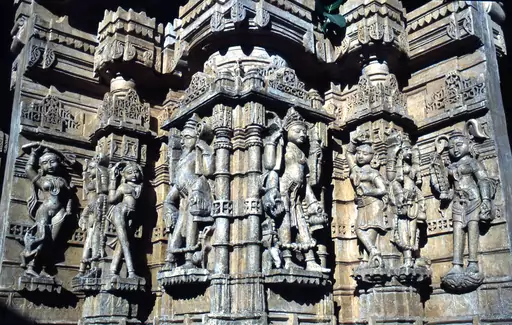
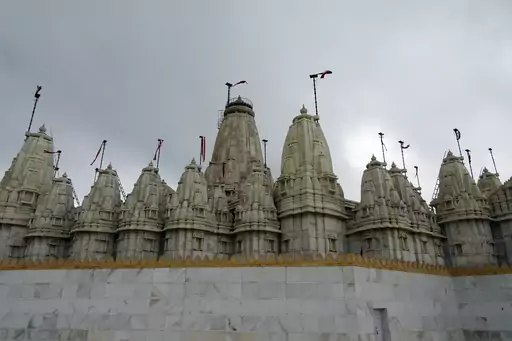
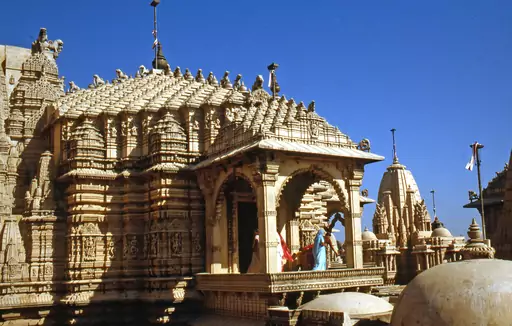
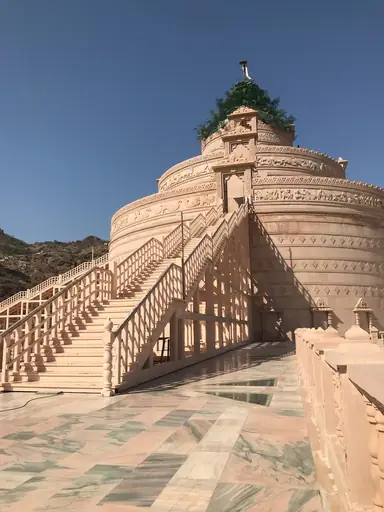
Palitana's hilltop temples form one of Jainism's most sacred pilgrimage sites. Over nine hundred marble temples cover the mountain, built across several centuries. Pilgrims can climb thousands of steps to reach the temple complex at the summit. Nearby, the site draws devoted Jain pilgrims who make the climb barefoot.
City in Iraq
Karbala
Pilgrimage heart, ancient shrines echo devotion
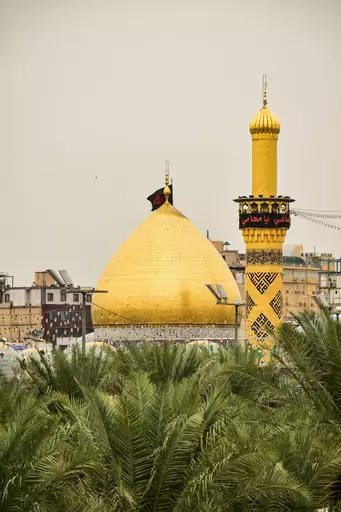
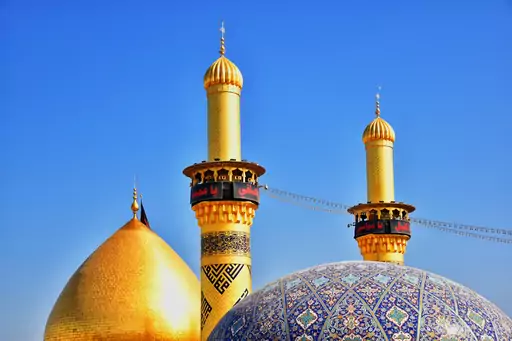
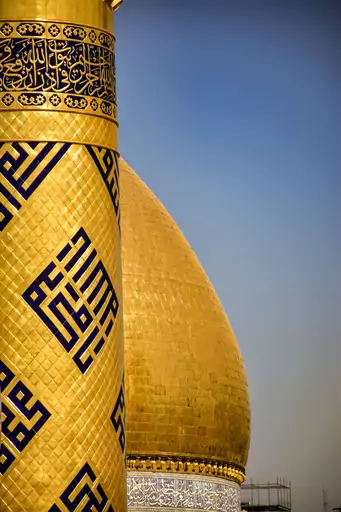
Karbala holds the shrine of Imam Hussein, a central pilgrimage site for Shia Muslims. Millions travel here each year to mark the anniversary of his death in the 7th century. Pilgrims can visit the shrine's golden dome and join the mass gathering of Arbaeen. Nearby, pilgrims walk for days along roads leading into the city.

City in Italy
Rome
The Eternal City of history and charm
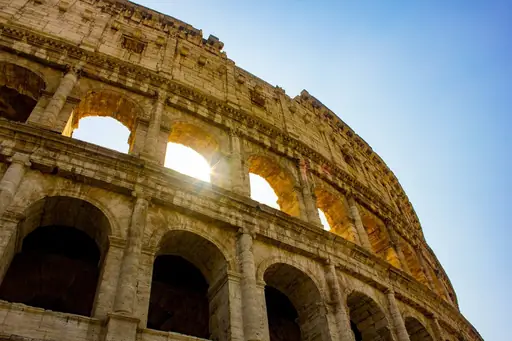
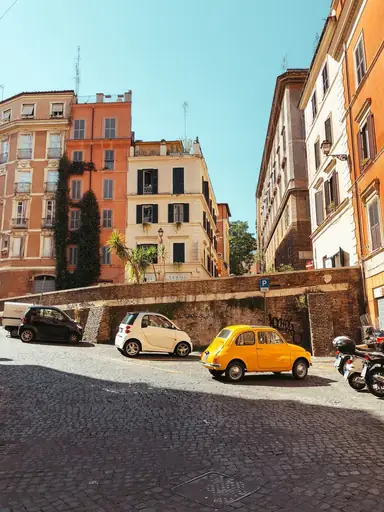
St. Peter's Basilica anchors Vatican City as one of Christianity's holiest pilgrimage sites. Builders completed the massive Renaissance basilica in the early 1600s atop an earlier church. Pilgrims can attend a papal audience or descend into the crypts below. Nearby catacombs hold the remains of early Christians from the faith's earliest centuries.
Town in France
Lourdes
Pilgrimage heart, serene mountain sanctuary
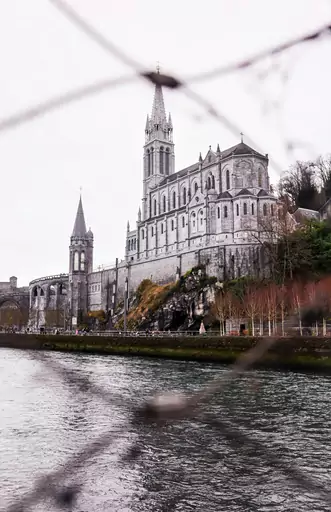
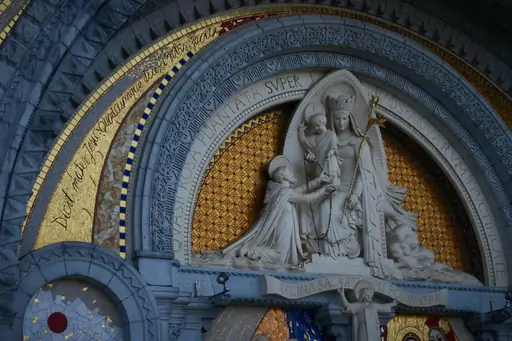
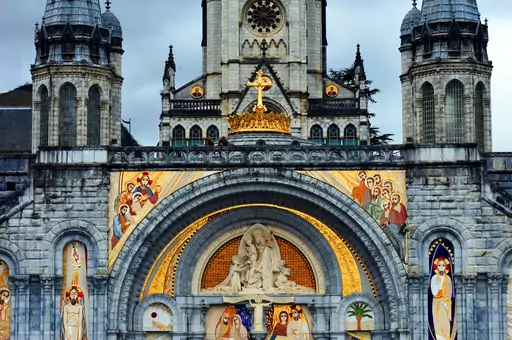
Lourdes became a major Catholic pilgrimage site after reported Marian apparitions in 1858. A young girl named Bernadette said she witnessed visions in a grotto outside town. Pilgrims can visit the grotto and bathe in waters believed to hold healing properties. Nearby, millions travel here annually seeking spiritual and physical healing.
City in Saudi Arabia
Mecca
A spiritual journey like no other
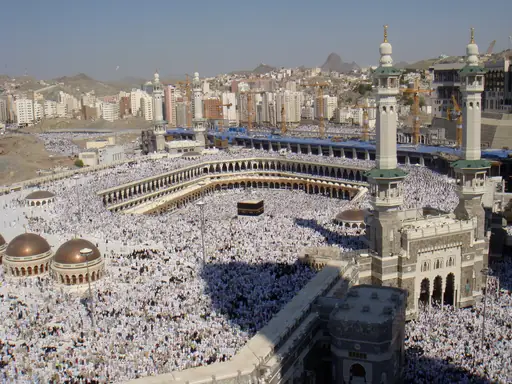
Mecca stands as Islam's holiest city, home to the Kaaba within its Grand Mosque. Muslims worldwide are required to perform Hajj here at least once if able. Pilgrims can circle the Kaaba and complete rituals spanning several days each year. Nearby, the city swells to accommodate millions during the annual pilgrimage season.


State/Prefecture in India
Rajasthan
Desert palaces and vibrant cultural tapestry
Ajmer Sharif in Rajasthan holds the shrine of a revered Sufi saint, drawing pilgrims of many faiths. Devotees have visited the shrine for its message of tolerance since the 13th century. Pilgrims can join qawwali music performances held within the shrine complex. Nearby markets sell offerings traditionally presented at the tomb.
City in United Kingdom
Canterbury
Cathedrals, Cobblestones and River Tales
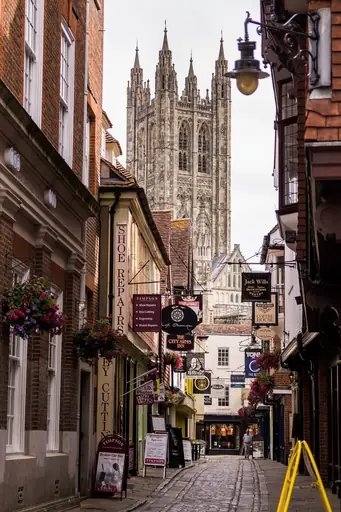
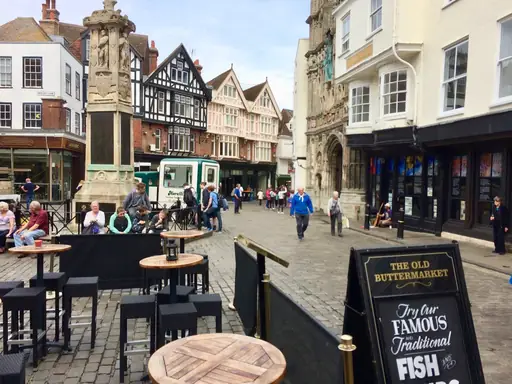
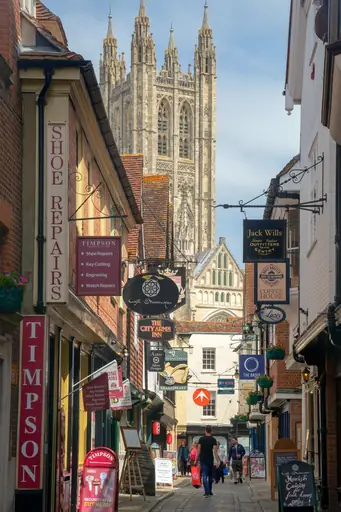
Canterbury Cathedral became a major pilgrimage site after Archbishop Thomas Becket's murder there in 1170. Geoffrey Chaucer later immortalized pilgrims travelling to the site in his famous tales. Pilgrims can visit the spot marking Becket's death within the cathedral. Nearby, medieval pilgrim routes still connect the city to London.
City in Saudi Arabia
Medina
A Spiritual Oasis
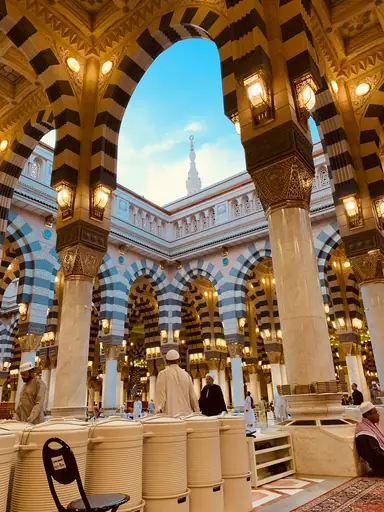
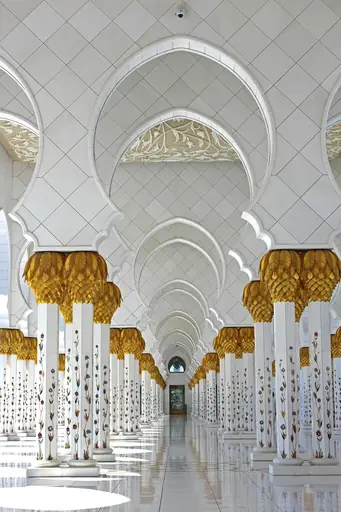
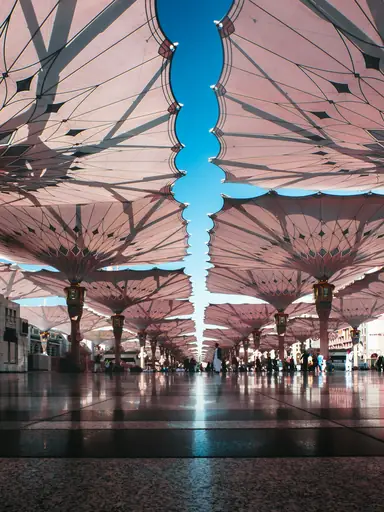
Medina holds the Prophet's Mosque, built around the tomb of the Prophet Muhammad. Muslims often visit the city as part of their broader pilgrimage to Mecca. Pilgrims can pray within the mosque and visit the nearby historic cemetery. Nearby date palm groves have supplied the city for over a thousand years.
City in Senegal
Touba
Spiritual heart of West Africa’s pilgrimage
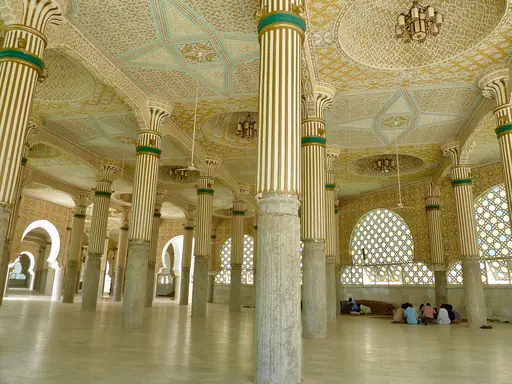
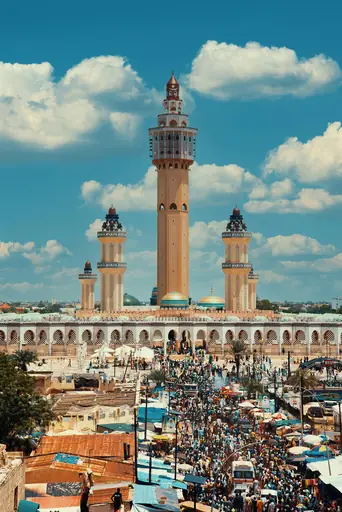
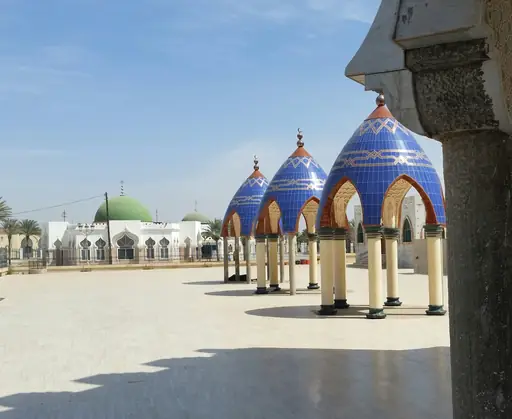
Touba holds the tomb of the founder of the Mouride Sufi order, a major pilgrimage site in Senegal. Millions of followers travel here each year for the Grand Magal pilgrimage. Pilgrims can visit the Great Mosque and the founder's mausoleum within its grounds. Nearby, the city swells dramatically during the annual pilgrimage period.
City in India
Amritsar
Golden spirituality in Punjab's heart
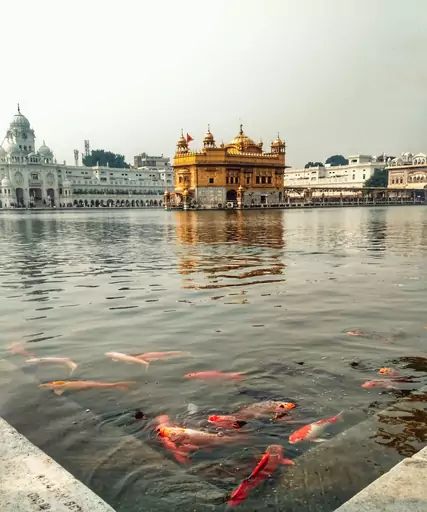
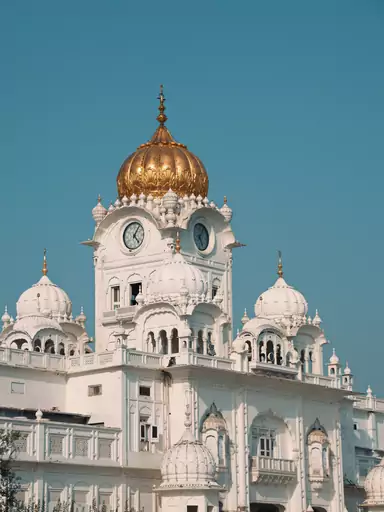
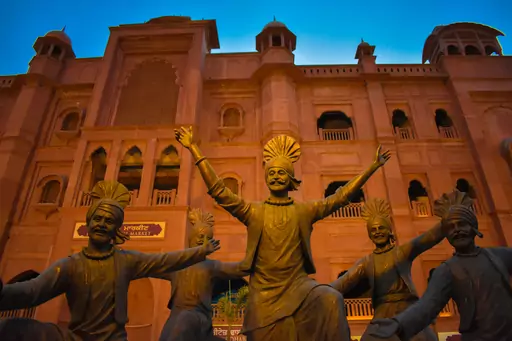
The Golden Temple's gilded dome reflects in the sacred pool surrounding it in Amritsar. Sikh tradition holds that bathing in the pool's waters offers spiritual purification. Pilgrims can walk the marble causeway to the temple's inner sanctum. Nearby, a communal kitchen serves free meals to tens of thousands of visitors daily.
City in Israel
Jerusalem
Ancient History Meets Modern Culture
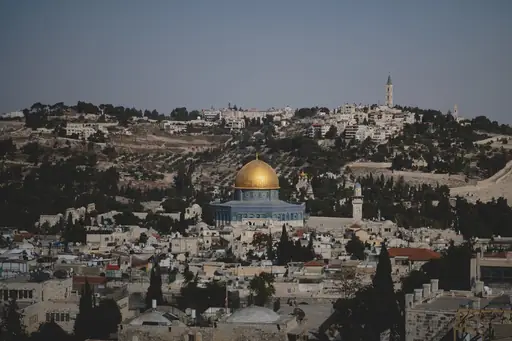
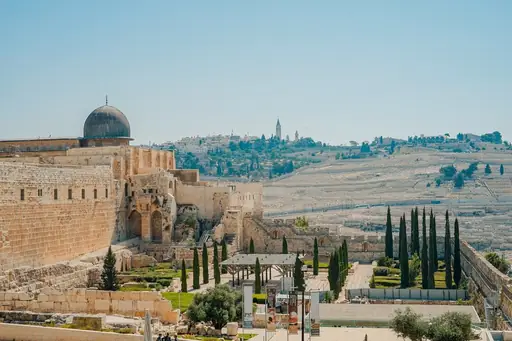
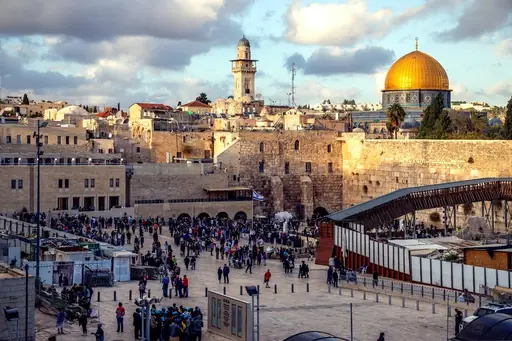
Jerusalem's Old City holds sites sacred to Judaism, Christianity and Islam within its walls. Pilgrims from all three faiths have travelled here for centuries. Pilgrims can walk narrow lanes connecting the Western Wall, Church of the Holy Sepulchre and Dome of the Rock. Nearby markets sell religious items tied to each faith's traditions.
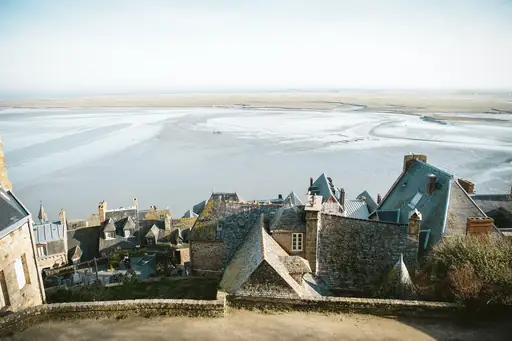
Island in France
Mont Saint-Michel
A Medieval Island Rising from the Sea
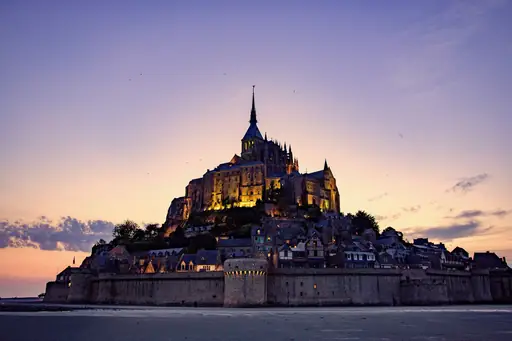
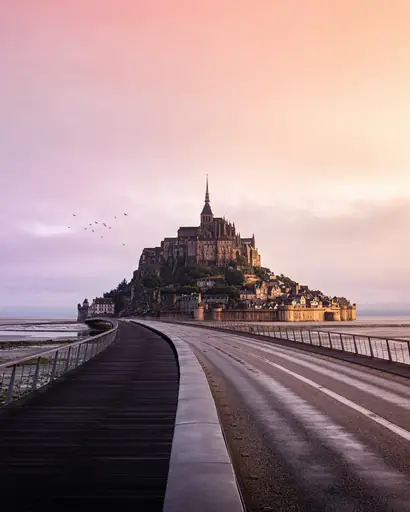
Mont Saint-Michel rises from tidal flats, becoming an island only when the tide comes in. Monks built an abbey atop the rock starting in the 8th century as a pilgrimage destination. Pilgrims can walk a causeway at low tide towards the abbey above. Nearby marshes graze sheep whose salted meat is a local speciality.
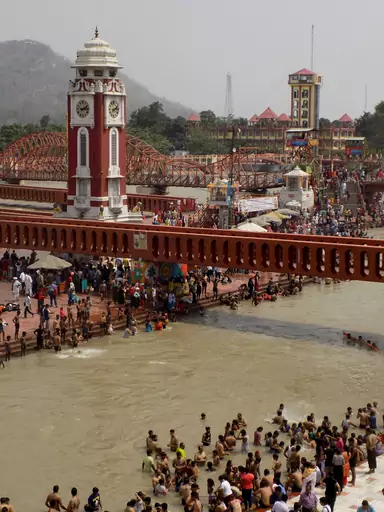
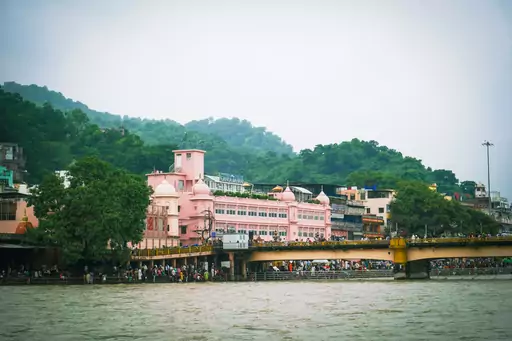
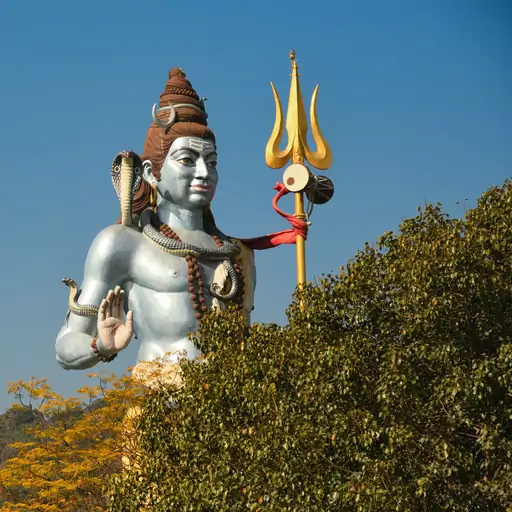
City in India
Haridwar
Sacred riverbanks echo ancient pilgrim chants
Haridwar sits where the Ganges River leaves the Himalayas and enters the plains. Hindus consider bathing here spiritually cleansing, especially during the Kumbh Mela festival. Pilgrims can join evening river ceremonies lit by floating oil lamps. Nearby ghats fill with worshippers performing rituals along the riverbank.
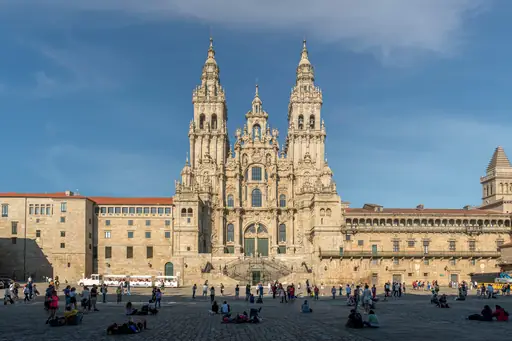
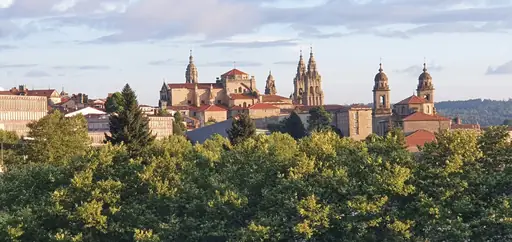

City in Spain
Santiago de Compostela
A Pilgrimage Through History and Charm
Santiago de Compostela marks the traditional endpoint of the Camino de Santiago pilgrimage. Legend holds that the remains of the apostle James rest within the city's cathedral. Pilgrims can complete their journey by embracing a statue inside the cathedral. Nearby squares fill with exhausted, celebrating pilgrims arriving after weeks of walking.

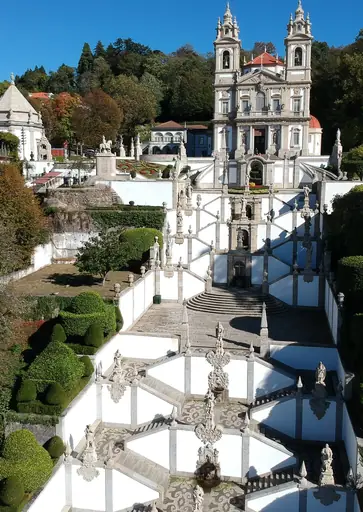
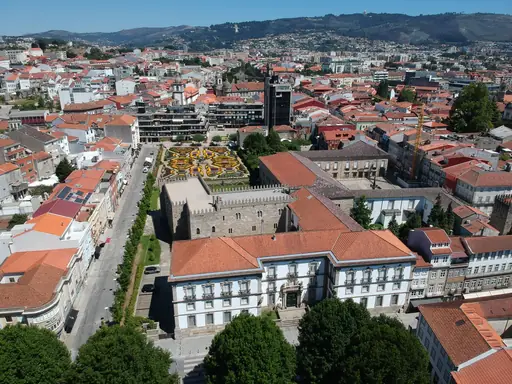
City in Portugal
Braga
Baroque Churches, Roman Roots, Youthful Buzz
Bom Jesus do Monte's baroque staircase climbs a hillside above Braga in a zigzag pattern. Pilgrims have climbed the stairs, some on their knees, as an act of devotion for centuries. Pilgrims can walk or take a funicular up to the hilltop sanctuary. Nearby, Braga's cathedral ranks among Portugal's oldest churches.
Town in India
Rishikesh
Yoga capital meets adventure haven
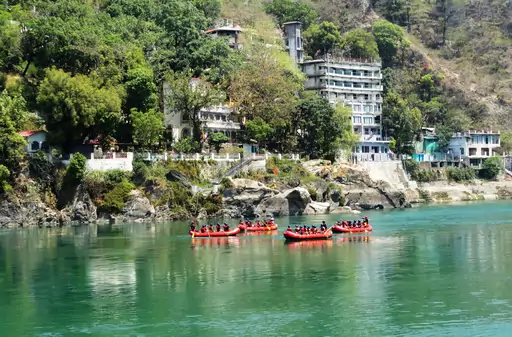
Rishikesh sits along the Ganges at the foothills of the Himalayas, a centre for yoga and meditation. Hindu tradition considers the town sacred as a gateway to the river's holy source. Pilgrims can join evening river ceremonies lit by floating oil lamps. Nearby ashrams offer meditation and yoga instruction rooted in ancient practice.

Town in Bosnia and Herzegovina
Medjugorje
Mystical pilgrimage site amid serene landscapes
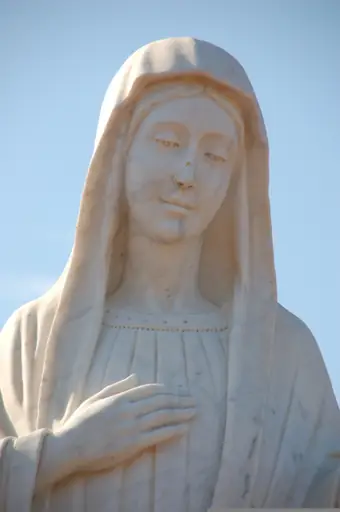
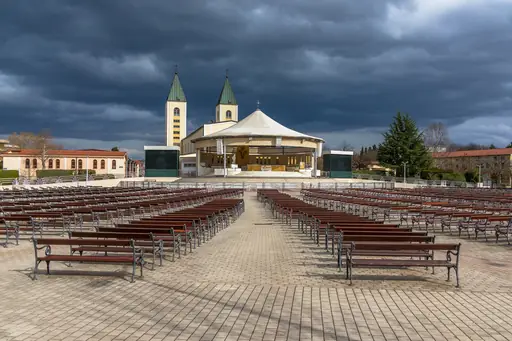
Medjugorje became a major Catholic pilgrimage site after reported Marian apparitions began in 1981. Six local young people said they witnessed the visions on a hillside outside the village. Pilgrims can climb Apparition Hill or attend evening prayer services in town. Nearby, millions have visited despite the Vatican's cautious, still-evolving stance on the apparitions.
City in India
Ayodhya
Ancient birthplace of devotion and heritage
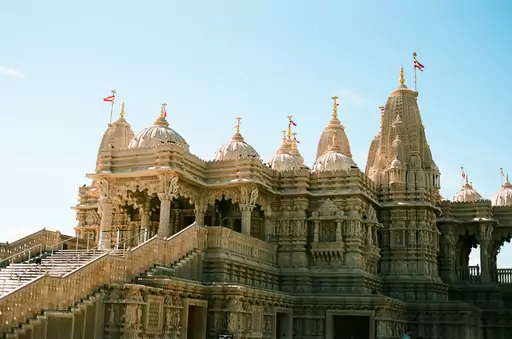
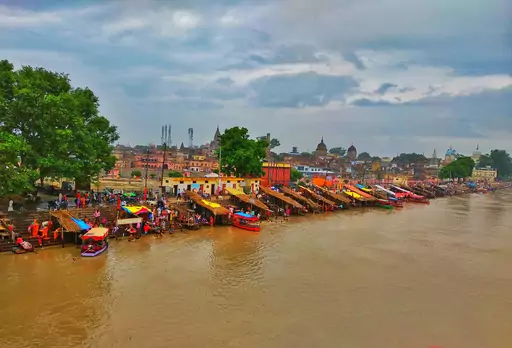
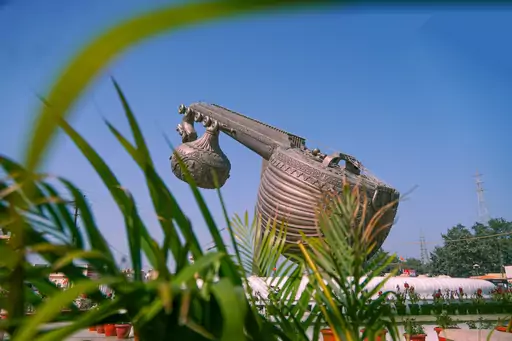
Ayodhya holds deep significance in Hindu tradition as the believed birthplace of Lord Rama. Temples here have drawn pilgrims for centuries, with a major new temple completed in 2024. Pilgrims can visit riverside ghats and temples throughout the historic city. Nearby, the Sarayu River hosts ritual bathing central to local worship.
Region in Spain
Galicia
Coastal charm with misty mountains and vineyards
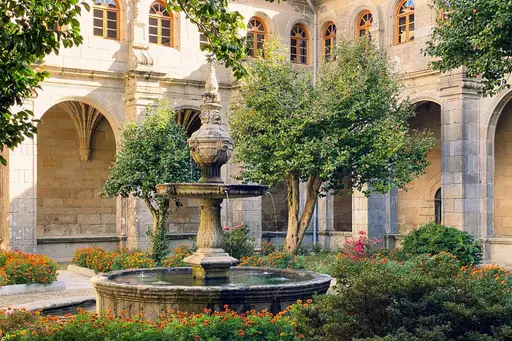
Galicia anchors the end of the Camino de Santiago, a network of medieval pilgrimage routes. Pilgrims have walked these paths towards Santiago de Compostela for over a thousand years. Pilgrims can walk sections of the route through Galicia's green, hilly countryside. Nearby villages still offer traditional stamps marking each stage of the journey.
Island in Japan
Miyajima
Torii in the sea, deer and Mount Misen
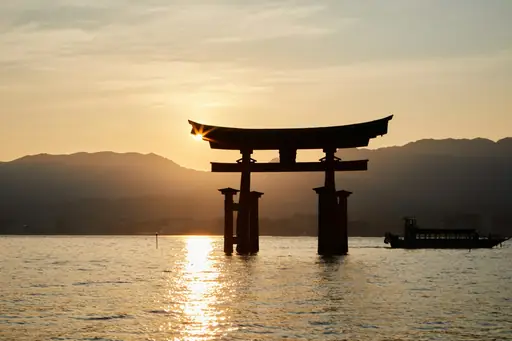
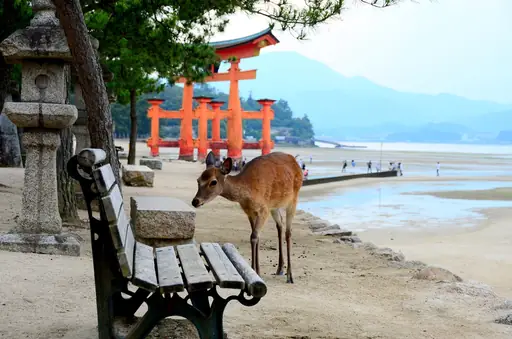
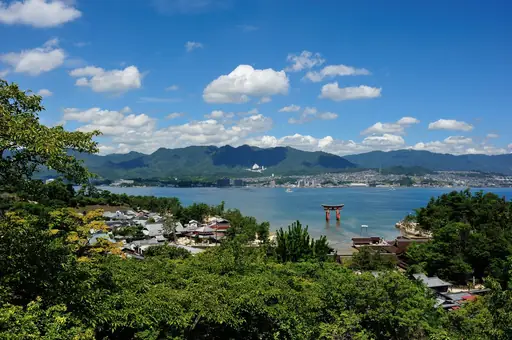
A vermilion torii gate appears to float on the water off Itsukushima at high tide. Shinto tradition considers the entire island sacred, historically restricting births and deaths there. Pilgrims can walk out to the gate at low tide or view it by boat. Nearby wild deer wander freely through the island's small town.
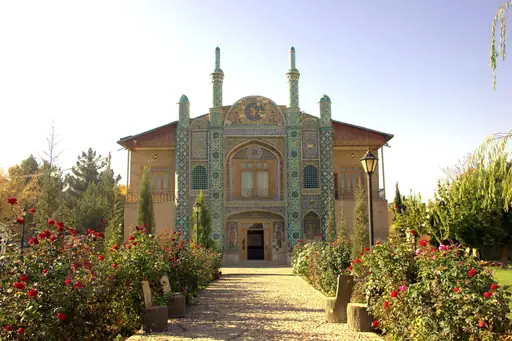
City in Iran
Mashhad
Pilgrimage heart with ancient spiritual allure
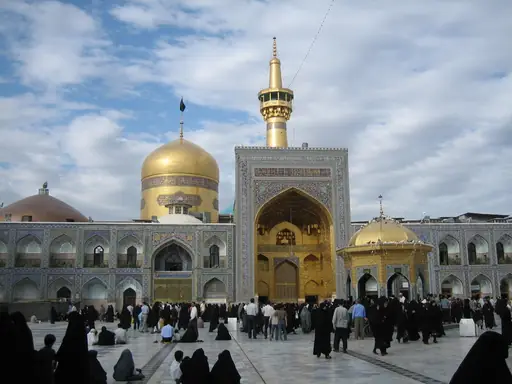
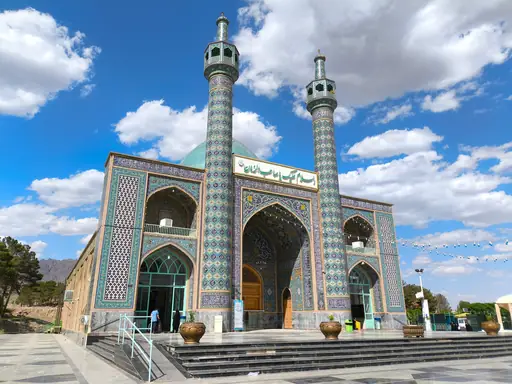
Mashhad holds the shrine of Imam Reza, a central pilgrimage site for Shia Muslims. Millions of pilgrims travel here annually, making it one of the world's most visited shrines. Pilgrims can visit the shrine's golden dome and surrounding courtyards. Nearby, the city has grown largely around the needs of arriving pilgrims.
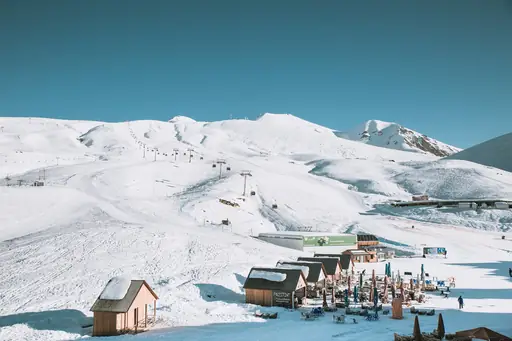
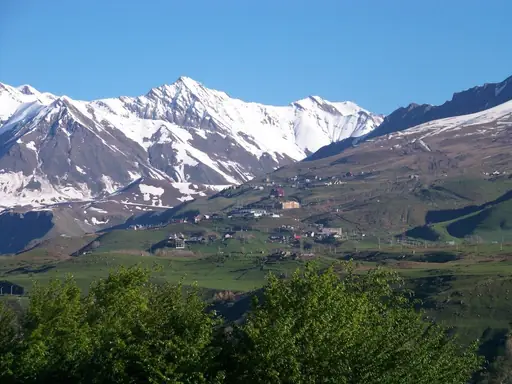
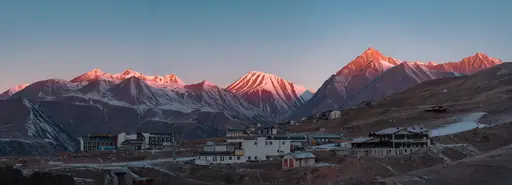
Town in Georgia
Mtskheta
Ancient Heart of Georgia
Mtskheta served as Georgia's ancient capital and remains its spiritual centre today. Svetitskhoveli Cathedral here is said to hold a relic connected to Christ's robe. Pilgrims can visit the cathedral and nearby Jvari Monastery overlooking the town. Nearby rivers converge at a point considered sacred in Georgian tradition.
Town in Portugal
Fátima
Spiritual pilgrimage center amid serene landscapes
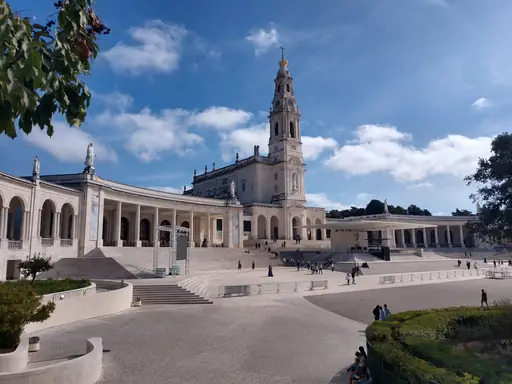
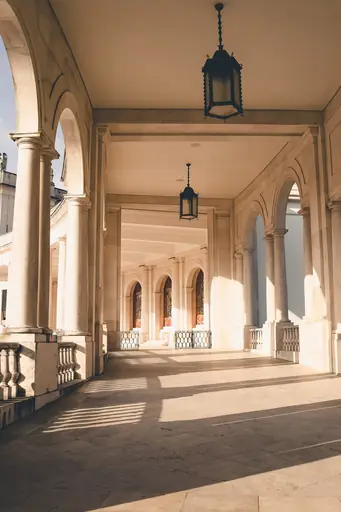
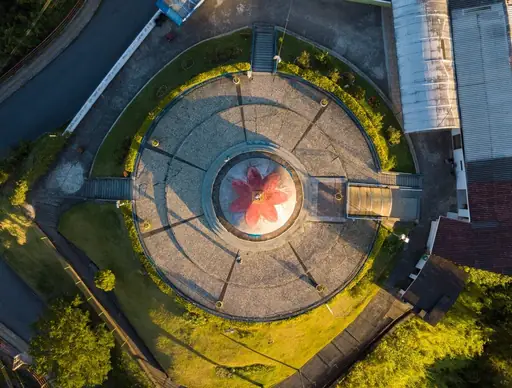
Fatima became a major Catholic pilgrimage site after reported Marian apparitions in 1917. Three shepherd children said they witnessed the visions in a field outside the town. Pilgrims can visit the Chapel of the Apparitions and join candlelight processions. Nearby, millions gather each May and October to mark the anniversaries.

City in India
Varanasi
India’s Timeless Spiritual Heartbeat
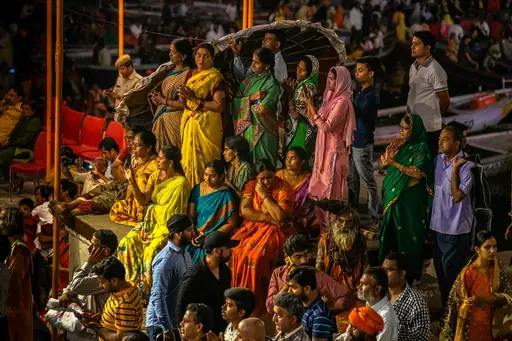
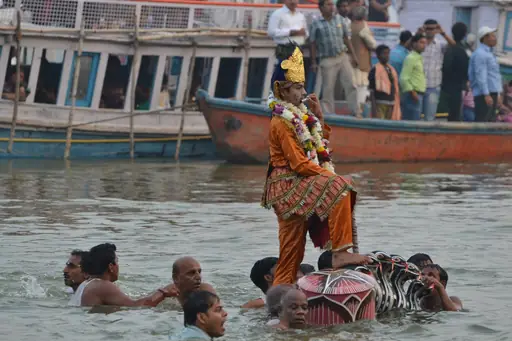
Varanasi's ghats line the Ganges River, drawing Hindu pilgrims for ritual bathing and cremation. The city ranks among the oldest continuously inhabited religious centres on Earth. Pilgrims can watch nightly fire ceremonies performed along the riverbank. Nearby temples and narrow lanes fill with worshippers throughout the day.
National Park in Australia
Uluṟu-Kata Tjuṯa National Park
Sacred Red Rock and Majestic Domes
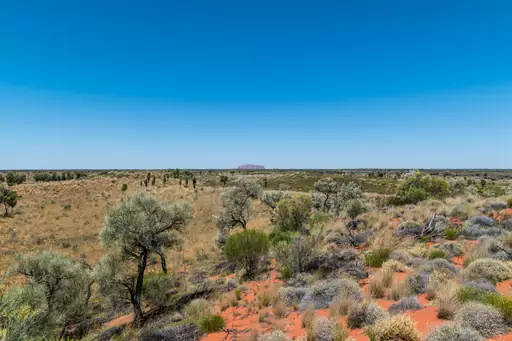
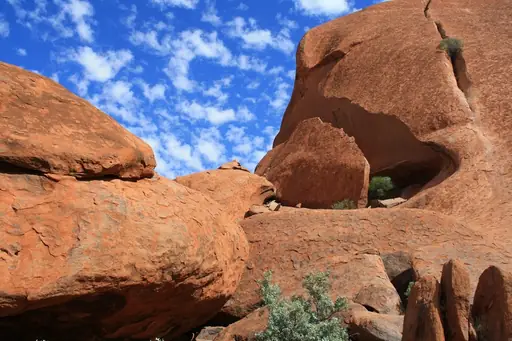
Uluru holds deep spiritual significance for the Anangu people, the traditional custodians of the land. The rock features in Anangu creation stories passed down through countless generations. Visitors can walk a base trail around the rock rather than climbing, respecting Anangu wishes. Nearby, guided tours led by Anangu elders share stories tied to the landscape.

City in Japan
Ise
Japan's most sacred Shinto shrine city
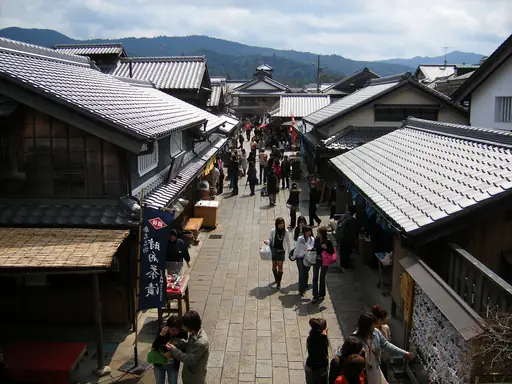
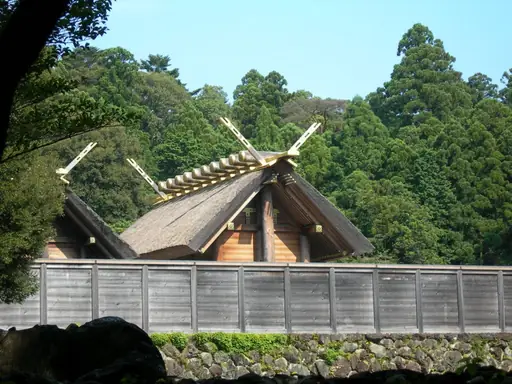
Ise Grand Shrine ranks among Shinto's most sacred sites, rebuilt every twenty years by tradition. Priests have reconstructed the shrine using the same techniques for over a millennium. Pilgrims can walk through cedar forest to reach the shrine's inner sanctuary. Nearby, a sacred bridge marks the crossing into the shrine's purified grounds.
City in India
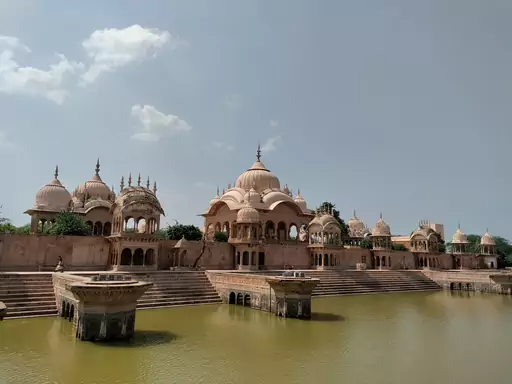
Mathura
Sacred birthplace of divine love and devotion
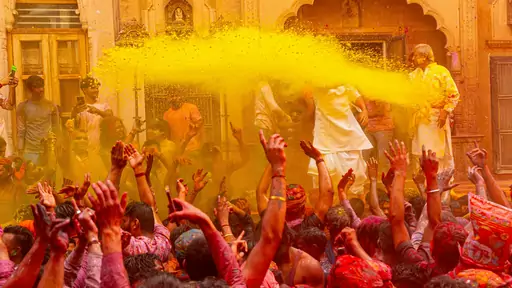
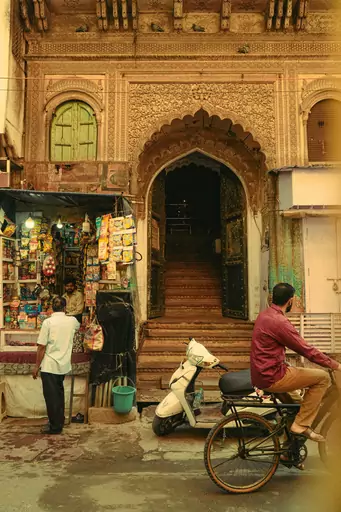
Mathura holds deep significance in Hindu tradition as the believed birthplace of Lord Krishna. Temples throughout the city mark sites tied to stories from his early life. Pilgrims can visit temples and join celebrations during the Holi festival season. Nearby Vrindavan holds equally significant sites tied to the same tradition.
City in Brazil
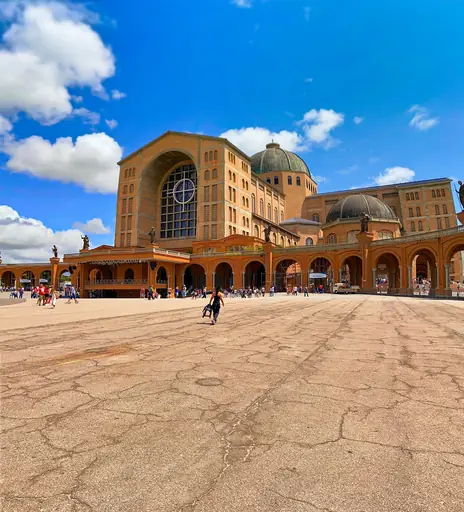
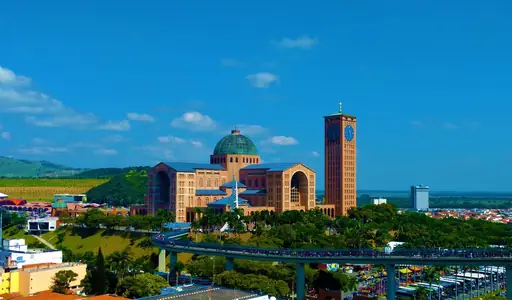
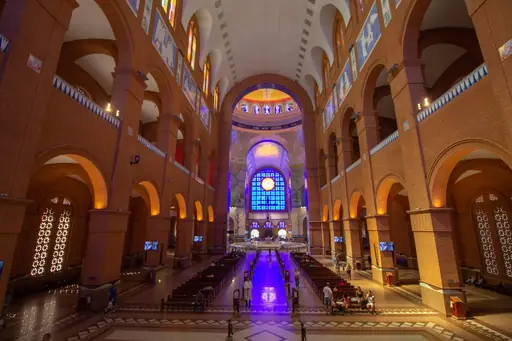
Aparecida
Serene pilgrimage site amid lush landscapes
The Basilica of Our Lady of Aparecida ranks among the largest Catholic pilgrimage sites in the world. Fishermen reportedly recovered a small statue of the Virgin Mary from a river in the 1700s. Pilgrims can view the statue and join processions held year-round. Nearby, millions travel here annually, among Brazil's busiest religious sites.
Town in North Macedonia
Ohrid
Ancient Lakeside Bliss and History
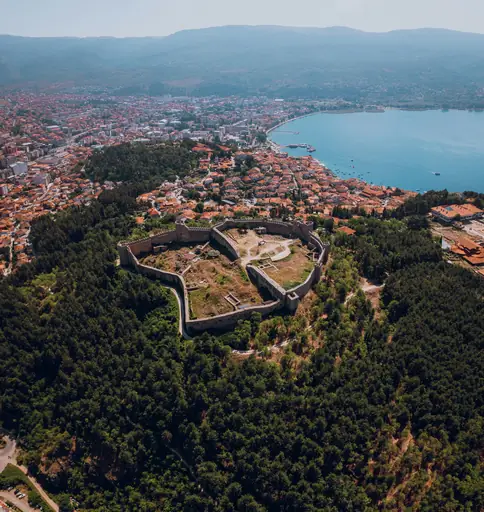
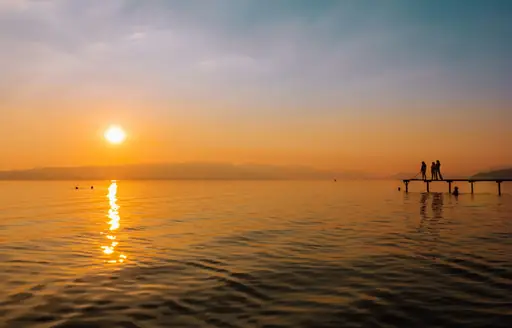
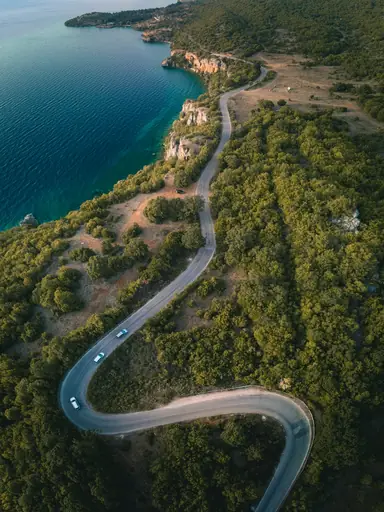
Ohrid once held 365 churches, one for each day of the year, according to local tradition. The town became an early centre of Slavic Christianity and religious learning. Pilgrims can visit the clifftop Church of St. John at Kaneo overlooking the lake. Nearby monasteries preserve centuries of Byzantine religious art and manuscripts.
City in China
Lhasa
A Spiritual Journey in Tibet
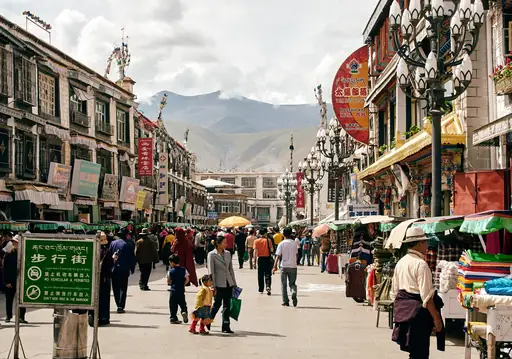
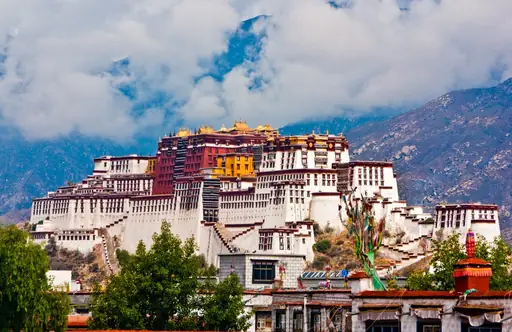
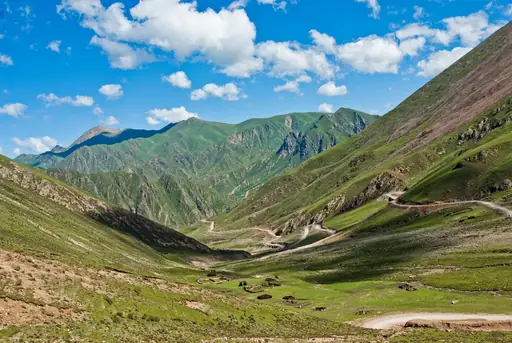
The Potala Palace towers above Lhasa, once the residence of Tibetan Buddhist leaders. Builders completed much of the massive complex in the 17th century atop an earlier fortress. Pilgrims can circle the palace along a traditional walking route called a kora. Nearby, the Jokhang Temple draws devoted pilgrims who prostrate themselves along its approach.
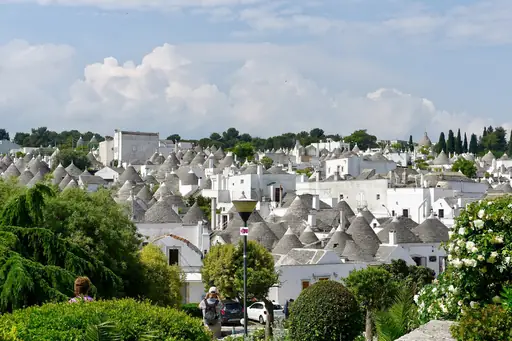
City in Italy
Bari
Authentic Puglia on the Adriatic
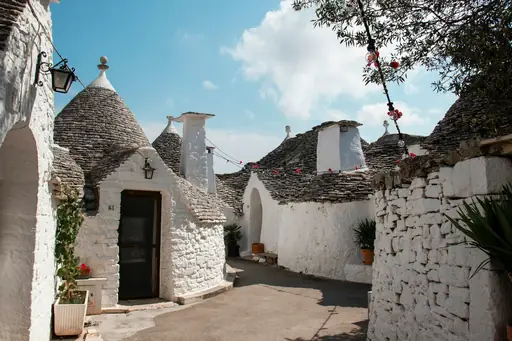
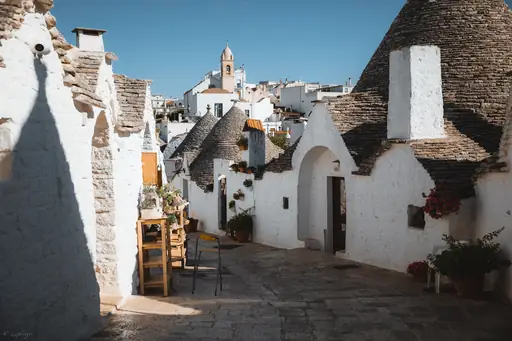
The Basilica of Saint Nicholas in Bari holds relics of the saint who inspired Santa Claus. Sailors brought the relics from modern-day Turkey to Bari in the 11th century. Pilgrims can visit the crypt holding the saint's remains beneath the main altar. Nearby, both Catholic and Orthodox Christians honour the site as sacred.
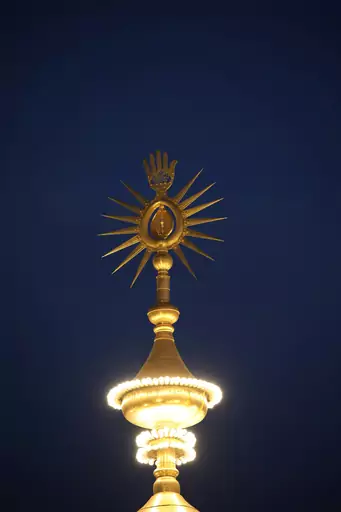
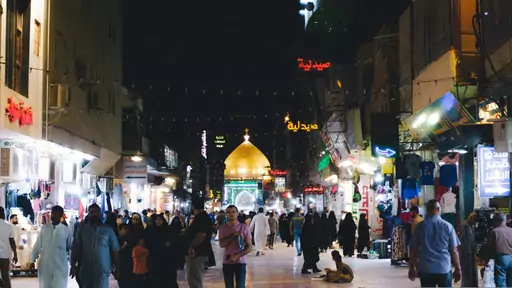
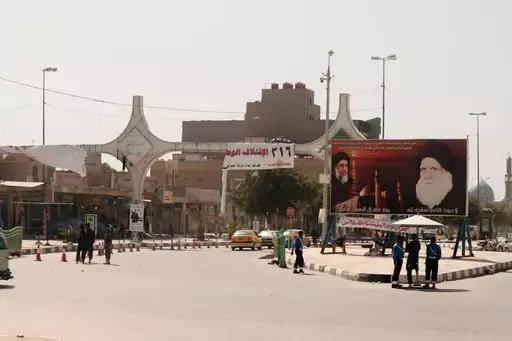
City in Iraq
Najaf
Spiritual heart of Shia pilgrimage and heritage
Najaf holds the shrine of Imam Ali, one of Shia Islam's most sacred sites. Pilgrims travel here throughout the year, with numbers swelling during major religious anniversaries. Pilgrims can visit the shrine's golden dome and adjoining courtyards. Nearby, one of the world's largest cemeteries surrounds the holy city.
Region in France
Occitanie
Sunlit vineyards and historic hilltop villages
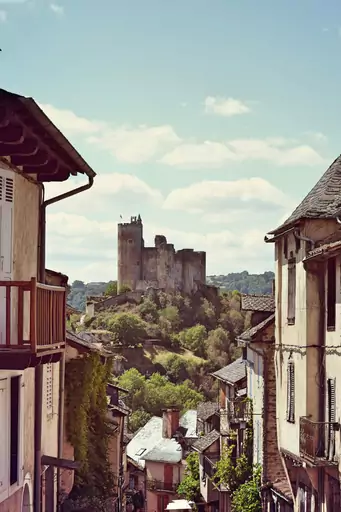
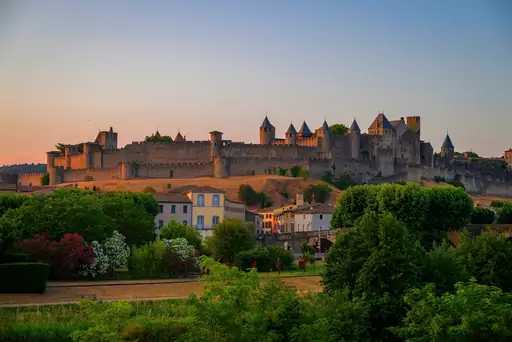
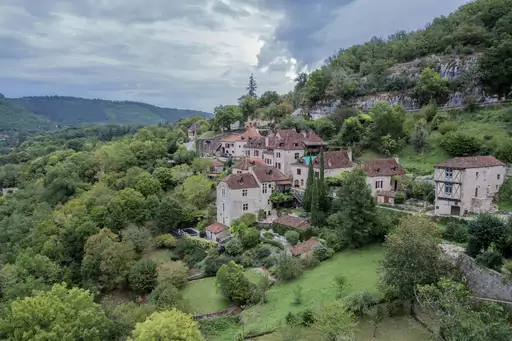
Occitanie hosts several stops along the historic Camino de Santiago pilgrimage routes through France. Medieval pilgrims passed through towns here on their way towards Santiago de Compostela. Pilgrims can walk sections of the route through vineyards and fortified hilltop villages. Nearby churches still display scallop shell symbols marking the traditional path.
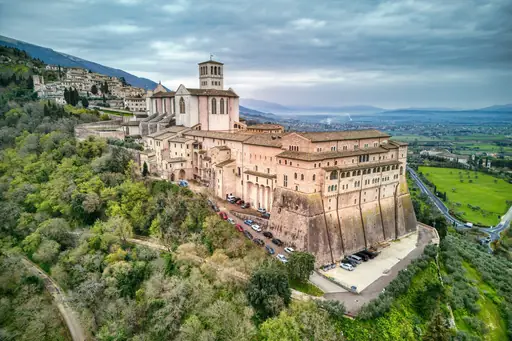
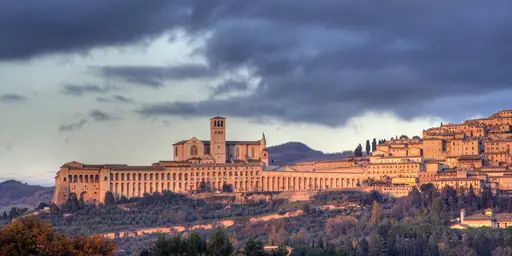
City in Italy
Assisi
Hilltop Saints, Frescoes and Peaceful Views
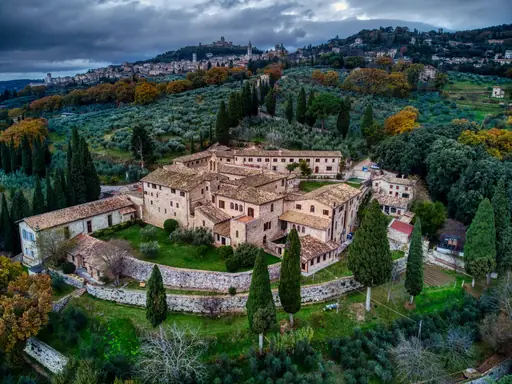
Assisi drew pilgrims after becoming the birthplace of Saint Francis in the 12th century. The saint's simple, humble teachings shaped much of Catholic monastic tradition. Pilgrims can visit the basilica holding his tomb and frescoes depicting his life. Nearby hillside paths retrace routes the saint once walked himself.
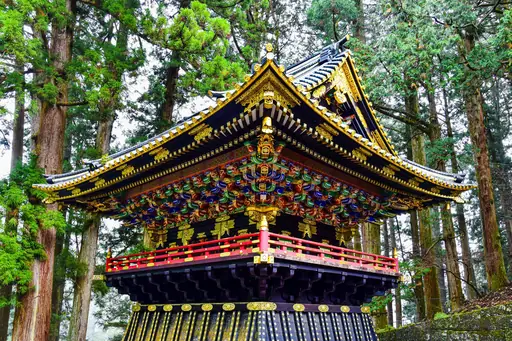
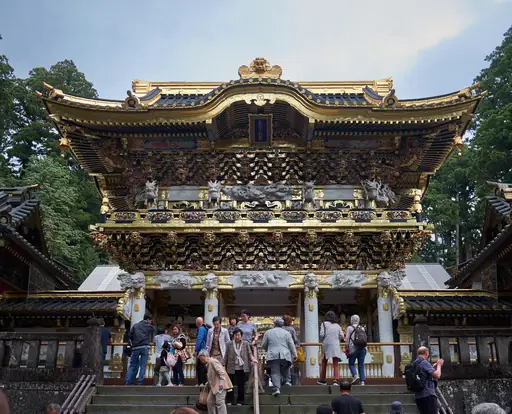
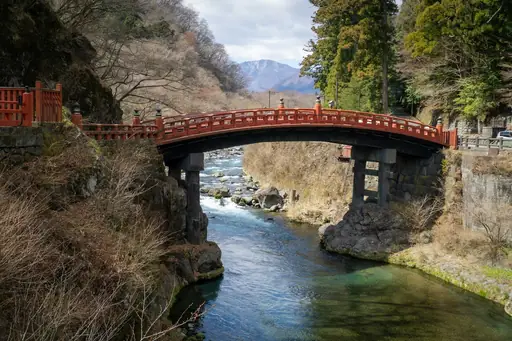
Town in Japan
Nikko
Tokugawa shrines, waterfalls and hot springs
Nikko's shrines honour a shogun who unified Japan in the early 1600s. Craftsmen spent over a decade building the elaborate carvings and gold leaf details. Pilgrims can walk beneath ancient cedar trees lining the approach to the shrines. Nearby waterfalls and mountains hold their own significance in Shinto tradition.
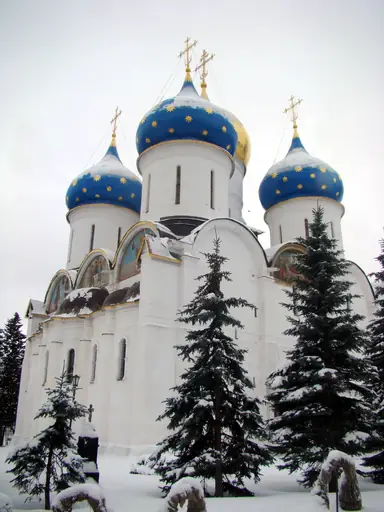
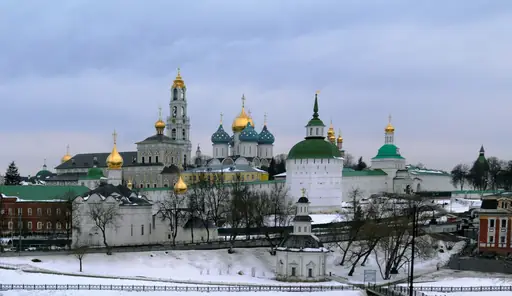
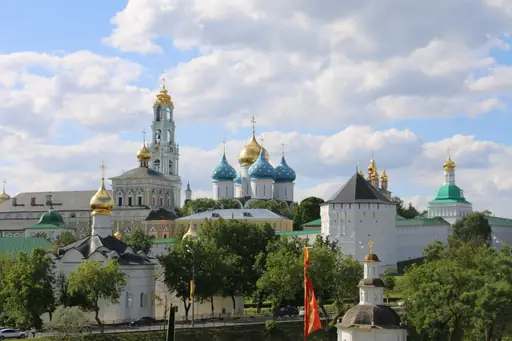
City in Russia
Sergiyev Posad
Spiritual Heart of the Golden Ring
Sergiyev Posad anchors Russian Orthodox Christianity as home to the Trinity Lavra monastery. Monks founded the monastery in the 14th century around a revered spiritual teacher. Pilgrims can tour the monastery's onion-domed cathedrals and religious museum. Nearby, the site ranks among the holiest destinations in Russian Orthodox tradition.
City in Poland
Częstochowa
Home of the revered Black Madonna shrine
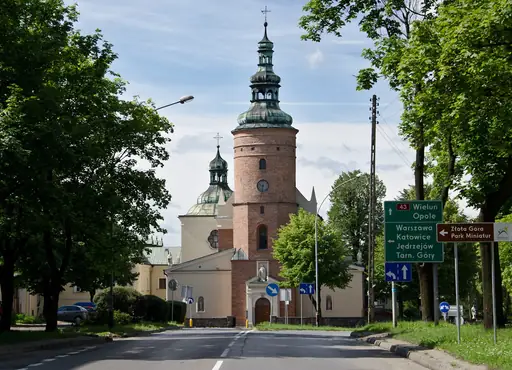
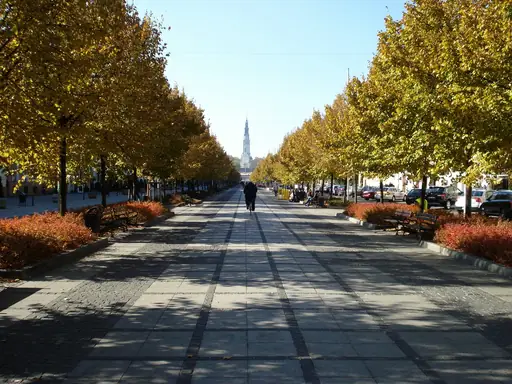
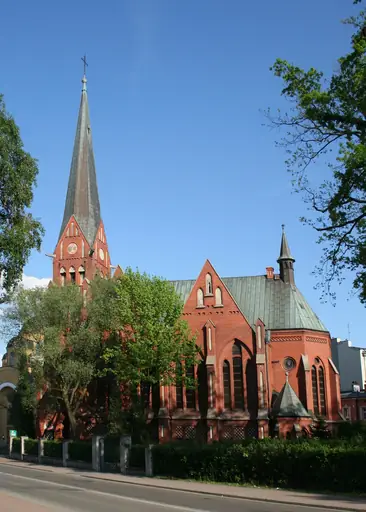
Jasna Gora Monastery in Czestochowa houses the Black Madonna, one of Poland's most revered icons. Legend attributes protective miracles to the painting during a 17th-century siege of the monastery. Pilgrims can view the icon and join large annual processions each August. Nearby, millions of visitors make the monastery one of Europe's busiest pilgrimage sites.
Place of Worship in Jerusalem
Western Wall
Sacred Remnant of Ancient Jerusalem
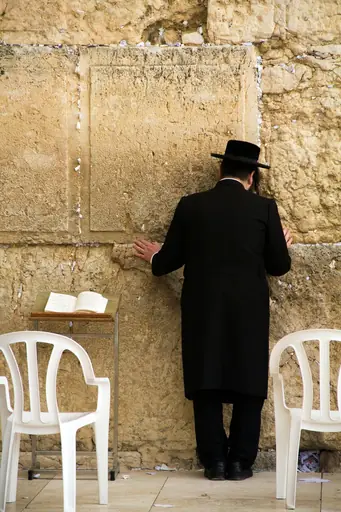
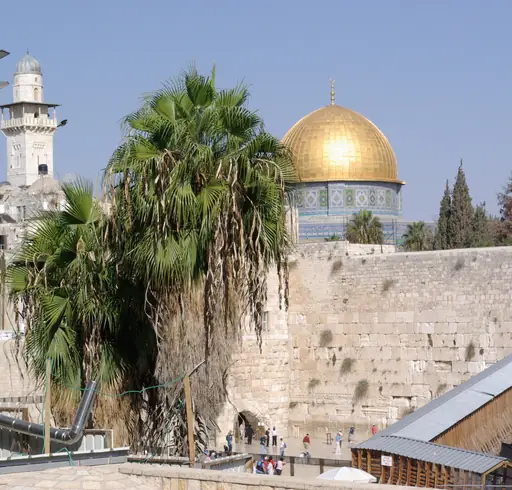
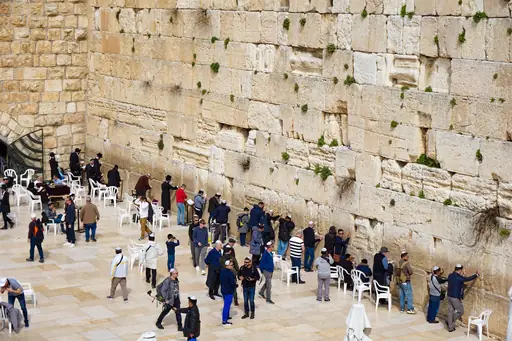
The Western Wall remains from the retaining structure of the ancient Jewish Temple in Jerusalem. Worshippers have prayed at this site for centuries, considering it Judaism's holiest accessible location. Pilgrims can approach the wall and place written prayers into its crevices. Nearby, the Old City's narrow lanes hold sites sacred to multiple faiths.
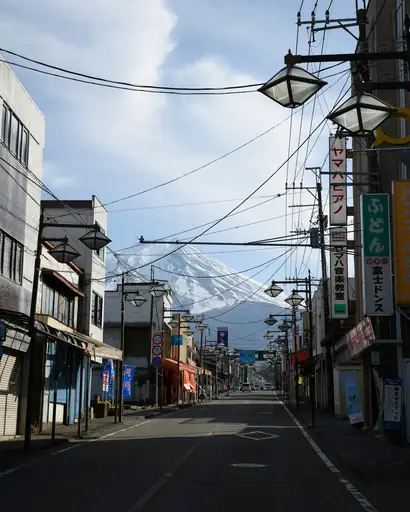
Mountain in Japan
Mount Fuji
Japan's highest peak and sacred volcano
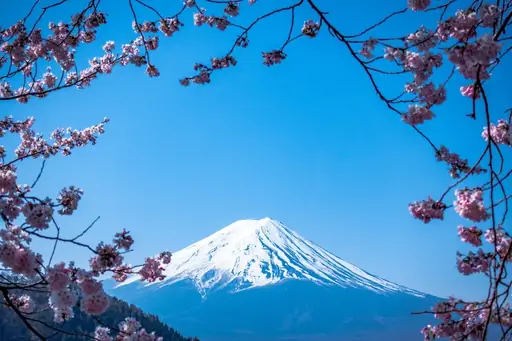
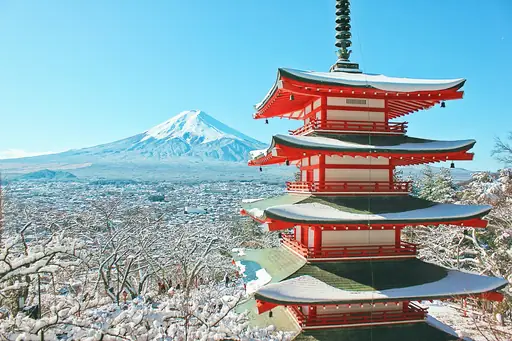
Mount Fuji has drawn religious pilgrims for centuries as a sacred site in Shinto and Buddhist tradition. Climbers historically wore white to symbolise purity while ascending the mountain. Pilgrims can hike overnight to reach the summit in time for sunrise. Nearby shrines at the mountain's base mark traditional starting points for the climb.
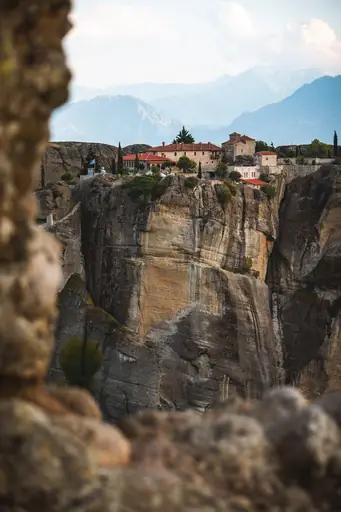
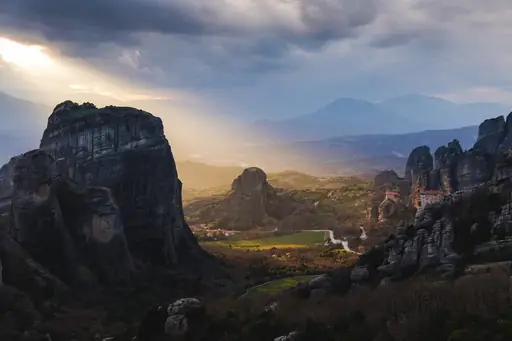
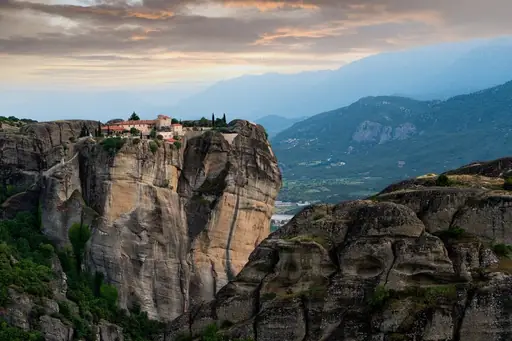
Nature Reserve in Greece
Meteora
Monasteries Suspended in the Sky
Monasteries at Meteora perch atop towering sandstone pillars in central Greece. Monks began building on these natural formations in the 14th century seeking isolation for prayer. Pilgrims can climb stairs carved into the rock to reach several still-active monasteries. Nearby valleys offer views up towards the dramatic rock formations.
Basilica in Mexico City
Basilica of Our Lady of Guadalupe
Spiritual Heart of Mexican Faith
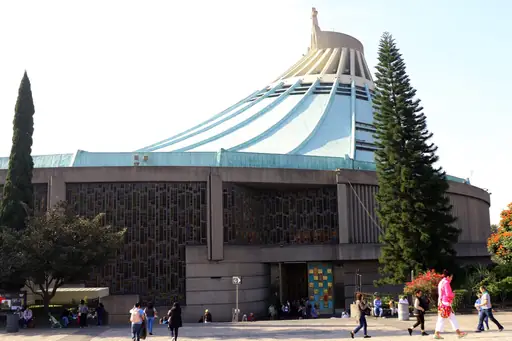
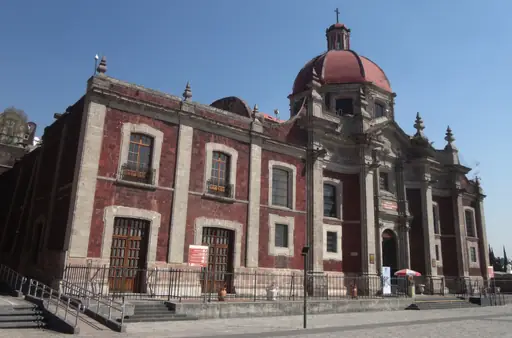
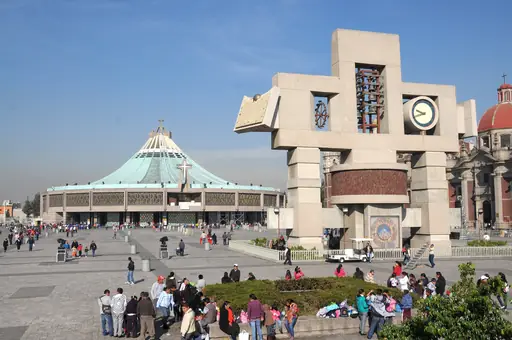
The Basilica of Our Lady of Guadalupe ranks among the most visited Catholic pilgrimage sites in the world. Millions travel here each year to honour an apparition believers say occurred in 1531. Pilgrims can view the original image above the altar via moving walkways. Nearby, an older basilica building still stands beside the modern structure.
City in Sri Lanka
Kandy
Sacred Temples, Misty Hills, Tea Trails
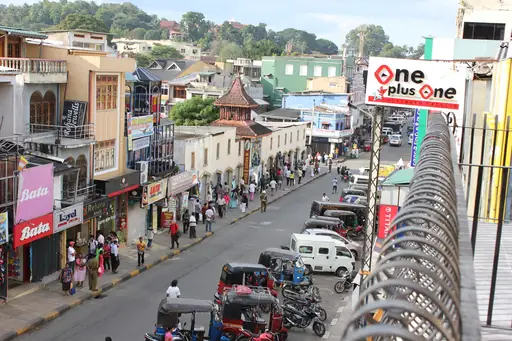
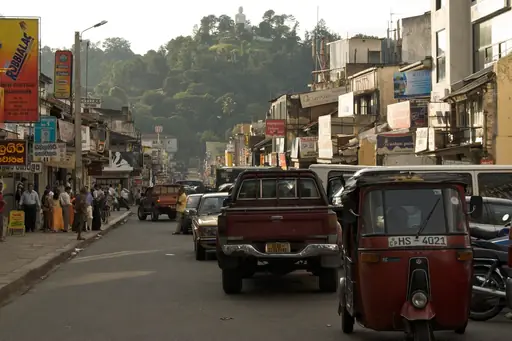
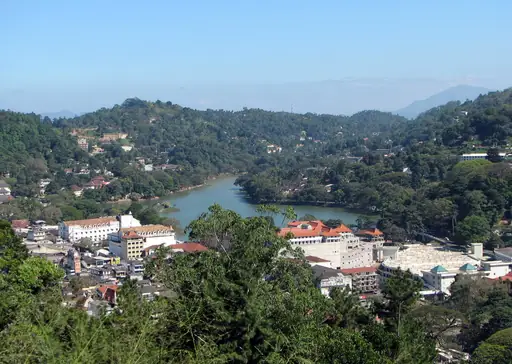
The Temple of the Tooth in Kandy houses a relic believed to be a tooth of the Buddha. Sri Lankan kings once considered possession of the relic essential to their legitimacy. Pilgrims can view the temple's ornate shrine room housing the relic's casket. Nearby, an annual procession carries the relic through the city each summer.
Historic Site in Ethiopia
Lalibela
Stone churches echoing centuries of faith
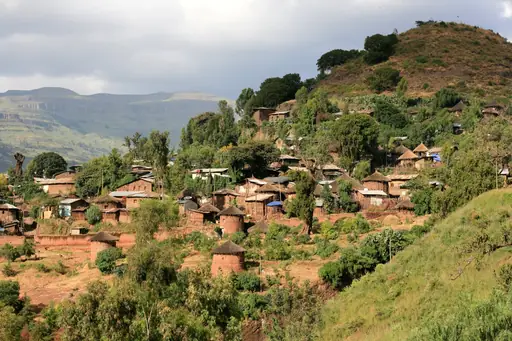
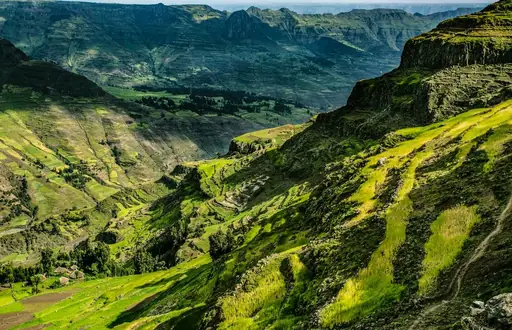
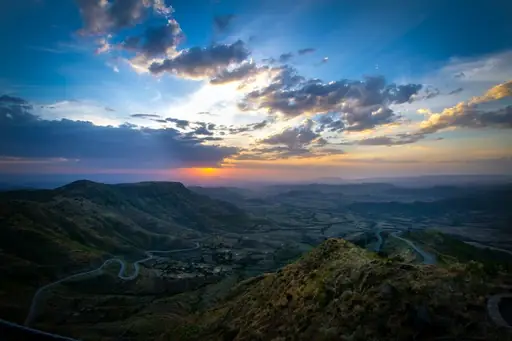
Lalibela's churches were carved directly downward from solid volcanic rock in the 12th century. Legend holds that angels assisted workers in completing the churches within a single generation. Pilgrims can descend into the carved chambers connected by narrow tunnels. Nearby, Ethiopian Orthodox pilgrims gather in large numbers during major religious festivals.
Historic Site in India
Bodh Gaya
Where Enlightenment Began Amid Sacred Monuments
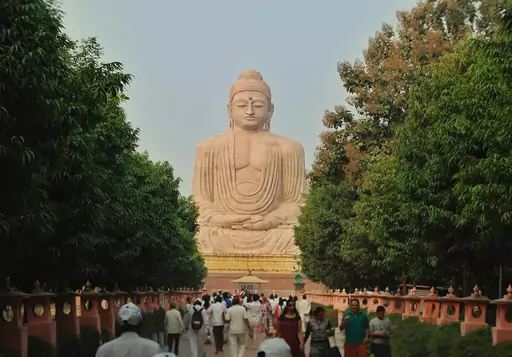
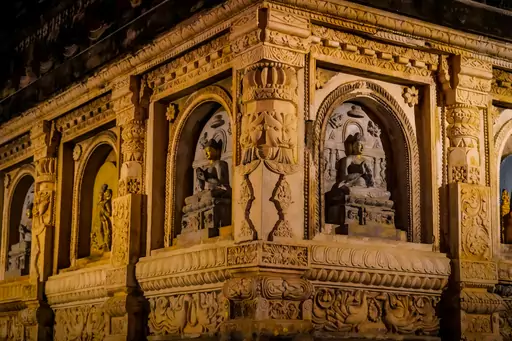
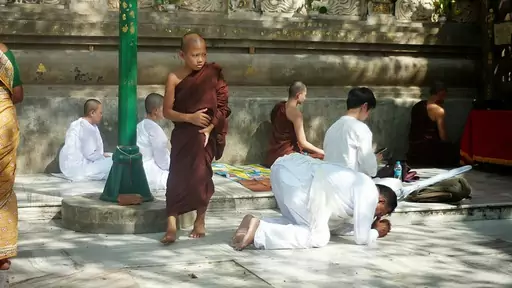
Bodh Gaya marks the spot where Buddhists believe Siddhartha Gautama attained enlightenment. A descendant of the original Bodhi tree still grows beside the Mahabodhi Temple. Pilgrims can meditate beneath the tree or circle the temple in quiet reflection. Nearby monasteries built by different countries reflect Buddhism's global reach.


City in Japan
Kyoto
Temples, geisha districts and kaiseki dining
Kyoto holds thousands of Buddhist temples and Shinto shrines built across more than a millennium. Fushimi Inari's thousands of vermilion gates form one of the city's most photographed pilgrimage paths. Pilgrims can walk the gate-lined trail up the sacred mountain behind the shrine. Nearby temples host seasonal ceremonies tied to Japan's Buddhist calendar.

City in Japan
Nara
Giant Buddha, tame deer and ancient temples
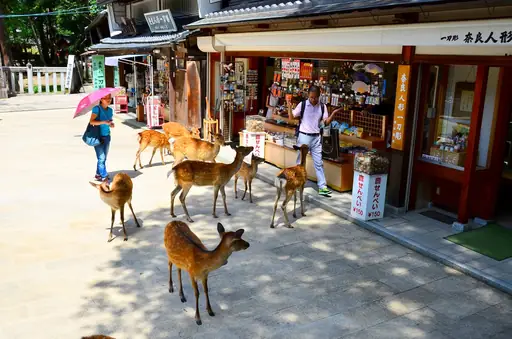
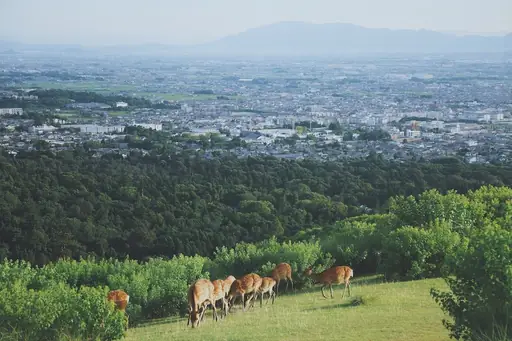
Nara's Todai-ji temple houses one of Japan's largest bronze Buddha statues. Buddhist monks completed the temple and statue in the 8th century during Nara's era as capital. Pilgrims can view the towering statue within the temple's massive wooden hall. Nearby, tame deer roam freely, considered messengers of the gods in local belief.
Place of Worship in Mecca
Kaaba
The Sacred Heart of Islam
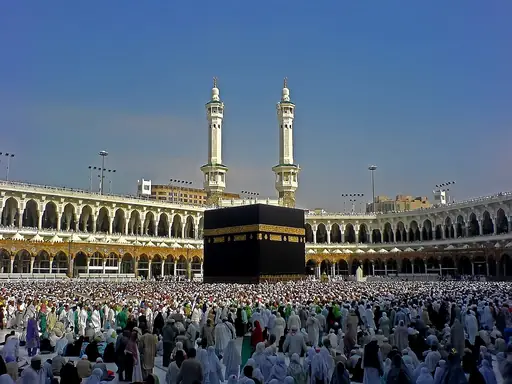
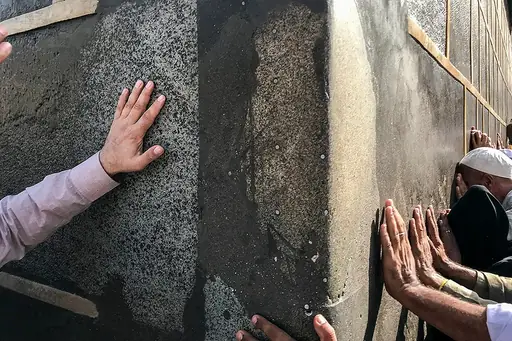
The Kaaba stands at the centre of Islam's holiest mosque in Mecca. Muslims worldwide face this cube-shaped structure during their daily prayers. Pilgrims performing Hajj circle the Kaaba seven times as part of the ritual. Nearby, the Grand Mosque can hold over a million worshippers during peak season.
Lake
Lake Titicaca
Crystal waters echo ancient Andean legends
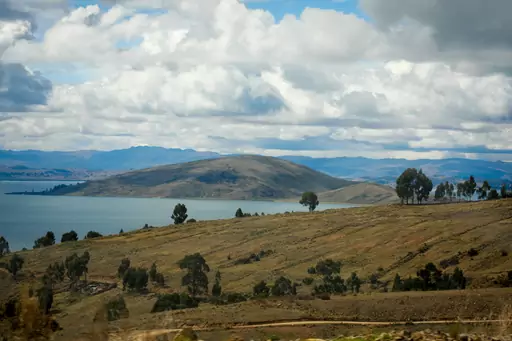
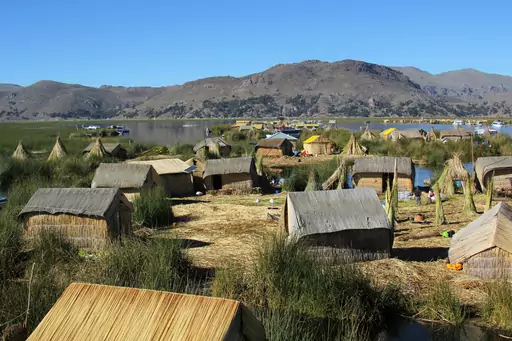
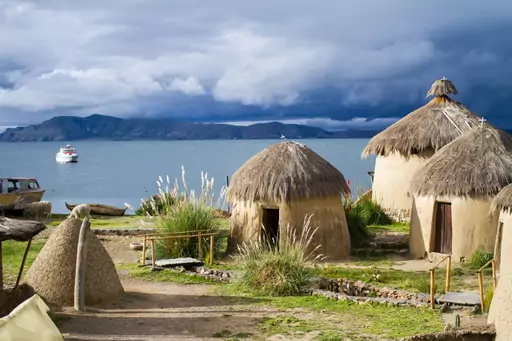
Inca tradition holds that the sun god emerged from the waters of Lake Titicaca. Islands on the lake, including Isla del Sol, remain sacred sites within Andean belief. Pilgrims can visit ruins and shrines scattered across the lake's floating and fixed islands. Nearby communities still perform rituals honouring the lake's spiritual significance.
Mountain Range
Alps
Majestic peaks echoing alpine serenity
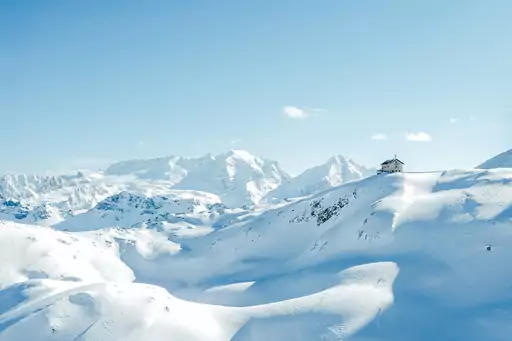
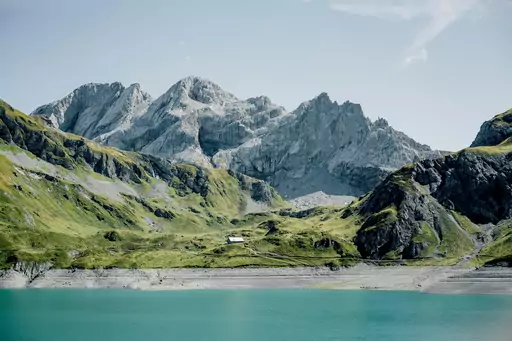
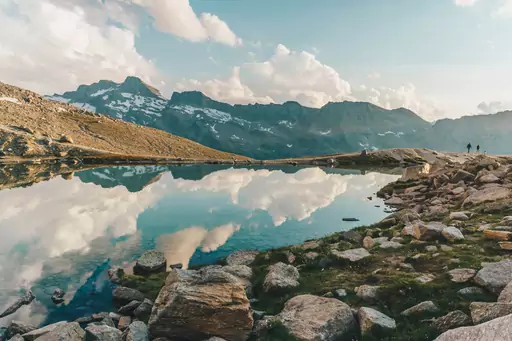
Pilgrimage routes across the Alps link ancient monasteries and mountain chapels. Medieval travellers crossed these same passes en route to Rome and other holy sites. Pilgrims can walk sections of historic trails connecting valley churches and hilltop shrines. Nearby alpine villages still host processions tied to centuries-old religious festivals.

Historic Site in Mecca
Jabal Thawr
Refuge of Faith and History
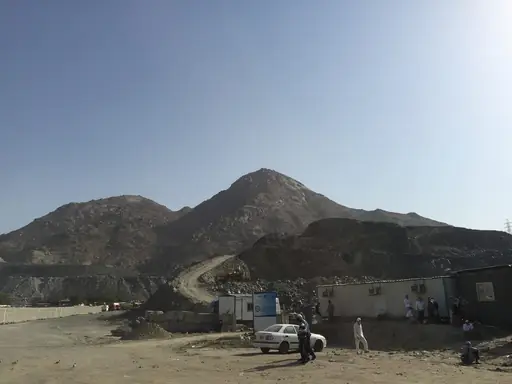
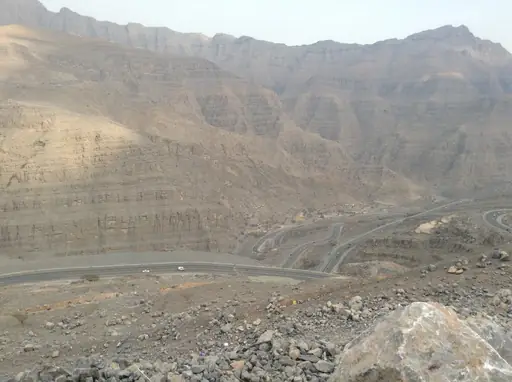
Jabal Thawr holds a cave where the Prophet Muhammad is said to have hidden during his migration to Medina. Tradition holds that a spider's web and a dove's nest hid the cave's entrance from pursuers. Pilgrims can hike the steep trail to view the historic cave. Nearby, the mountain overlooks the southern outskirts of Mecca.
Peak in Mecca
Mount Arafat
The Hill of Mercy's Sacred Peak
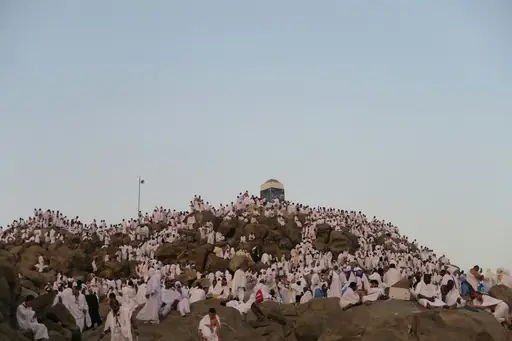
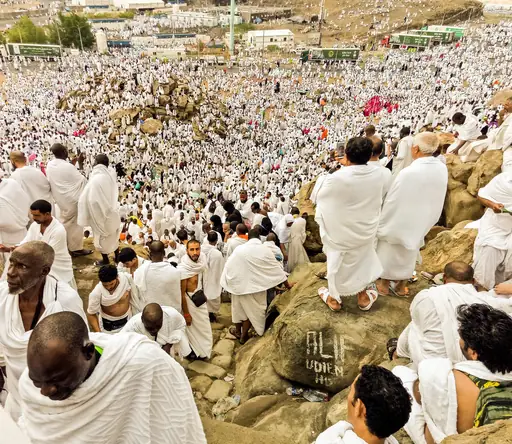
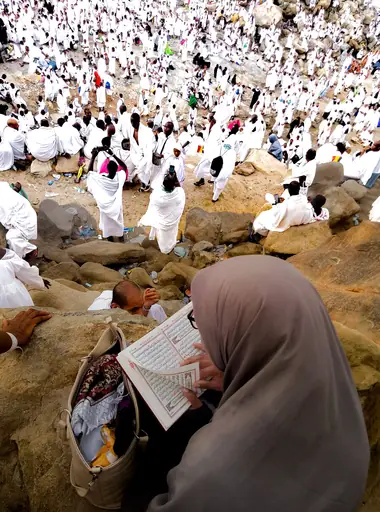
Mount Arafat marks a central ritual site during the annual Hajj pilgrimage. Muslims believe the Prophet Muhammad delivered his final sermon from this hill. Pilgrims gather here on a single day, standing in prayer from noon until sunset. Nearby plains fill with tents housing millions during the pilgrimage season.
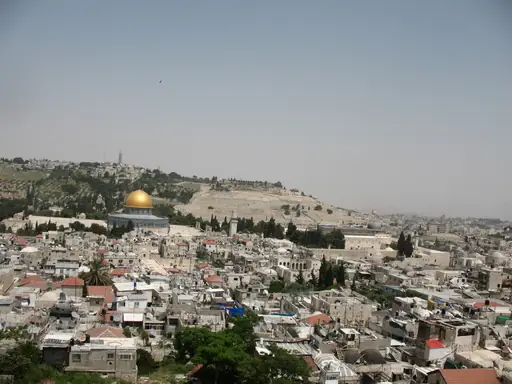
Place of Worship in Jerusalem
Dome of the Rock
Ancient Shrine with Golden Dome
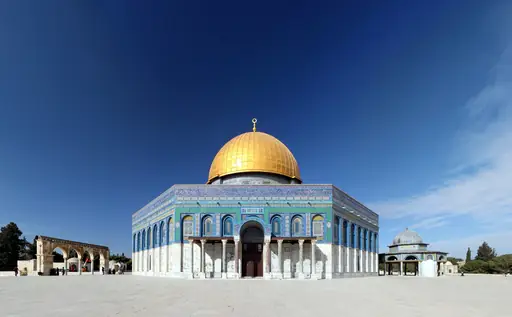
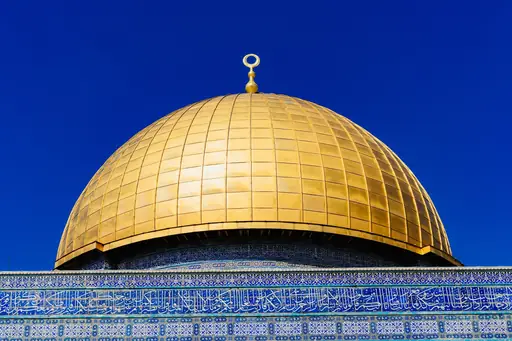
The Dome of the Rock's golden roof has marked Jerusalem's skyline since the 7th century. Muslims believe the rock beneath the shrine marks the site of the Prophet Muhammad's night journey. Pilgrims can view the shrine's exterior from the surrounding plaza. Nearby, the site holds deep significance for Jewish and Christian traditions as well.
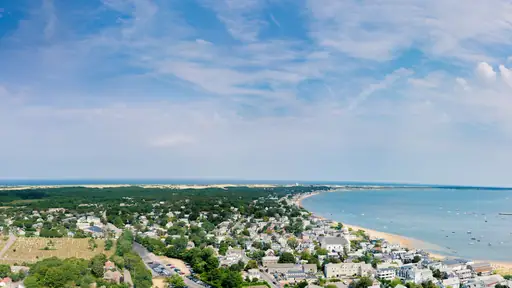
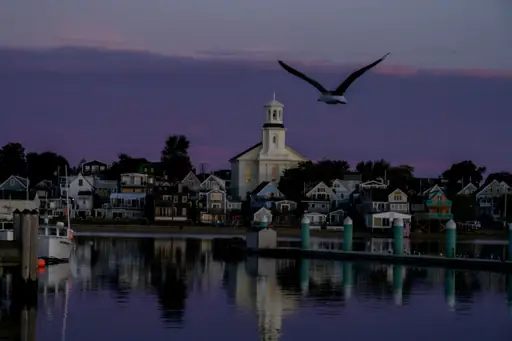

Town in United States
Provincetown
Coastal charm meets vibrant arts scene
Provincetown marks the site where the Pilgrims first landed before settling at Plymouth in 1620. A tall granite monument commemorates the Mayflower's arrival on Cape Cod. Visitors can climb the monument for views over the harbour and surrounding dunes. Nearby, a museum details the Pilgrims' journey and early days in the New World.
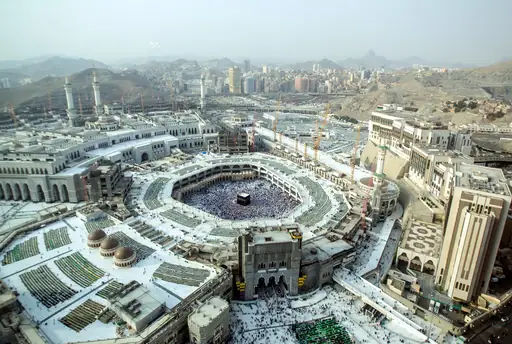
Historic Site in Mecca
Jabal al-Nour
Mountain of Light and Revelation
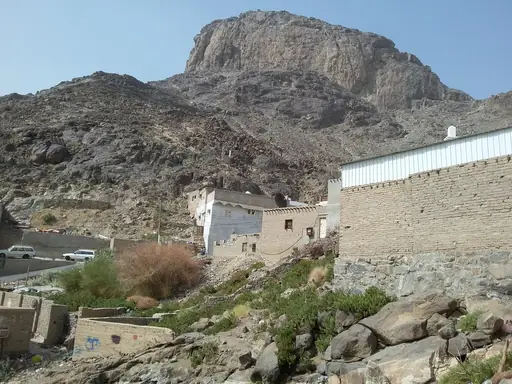
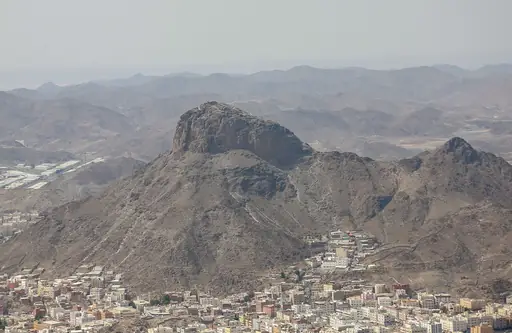
Jabal al-Nour holds the cave where Muslims believe the Quran's first revelation occurred. The Prophet Muhammad is said to have meditated in this cave before his prophethood began. Pilgrims can climb the steep mountain trail to reach the small cave entrance. Nearby Mecca's skyline is visible from the summit on clear days.
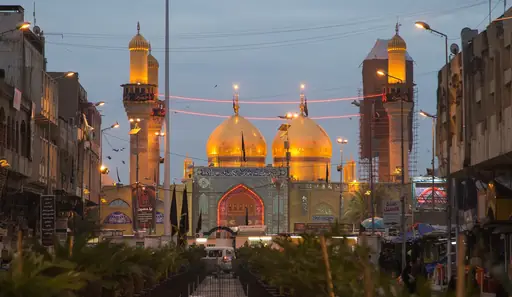
Historical Cemetery in Mecca
Jannat al-Mu'alla
Sacred Resting Place in Makkah
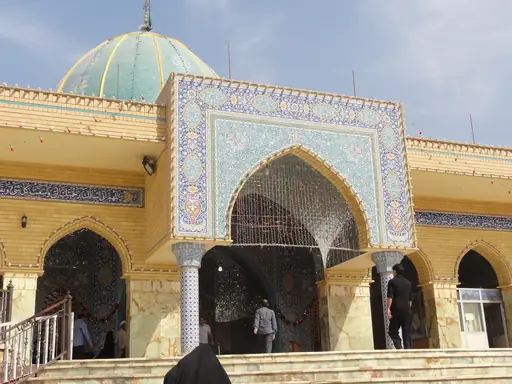
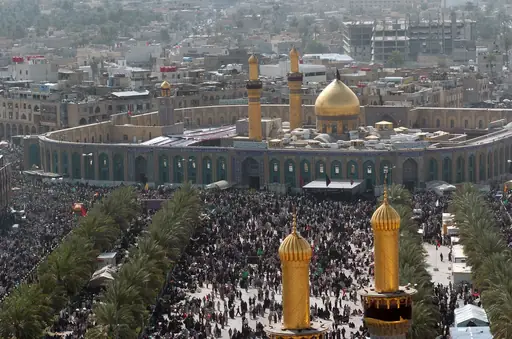
Jannat al-Mualla serves as a historic cemetery holding graves tied to early Islamic history. Many companions and relatives of the Prophet Muhammad are buried within its grounds. Pilgrims can visit the cemetery to pay respects during their time in Mecca. Nearby, the site sits within walking distance of the Grand Mosque.
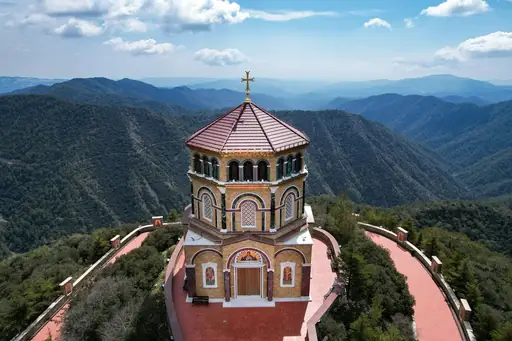
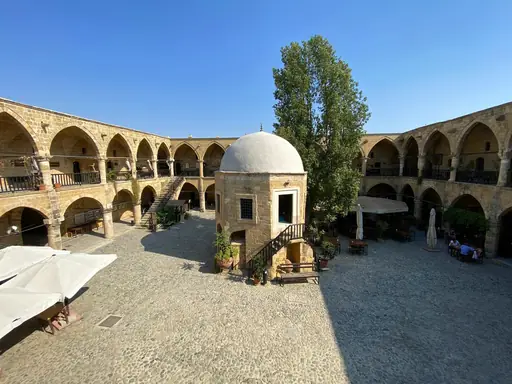
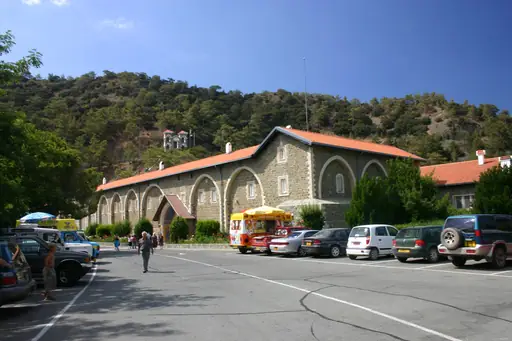
Monastery in Cyprus
Kykkos
Luxurious Retreat in Cyprus Mountains
Kykkos Monastery sits high in Cyprus's Troodos Mountains, founded in the 11th century. Monks here guard an icon of the Virgin Mary believed by many to have miraculous properties. Pilgrims can tour the monastery's ornate interior and museum of religious artefacts. Nearby mountain trails offer views over the surrounding forested peaks.
Historic Site in Nepal
Lumbini
Birthplace of Buddha’s serene pilgrimage
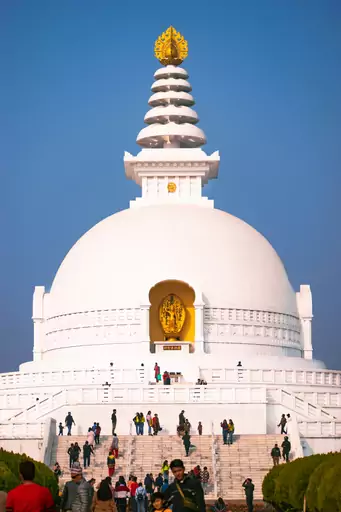
Lumbini marks the birthplace of Siddhartha Gautama, who later became the Buddha. A sacred garden and ancient pillar mark the exact spot of his traditional birth. Pilgrims can visit the Maya Devi Temple built around the birthplace site. Nearby monasteries built by different nations reflect Buddhism's worldwide reach.
Historic Site in India
Sarnath
Ancient pilgrimage site echoing timeless serenity
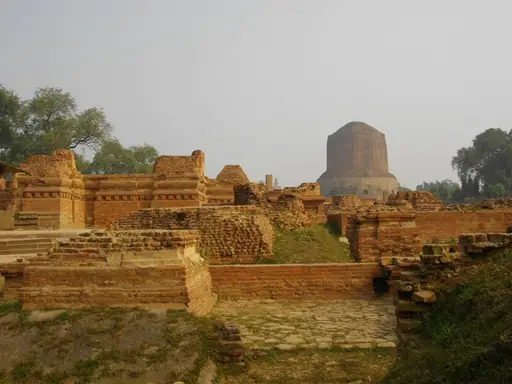
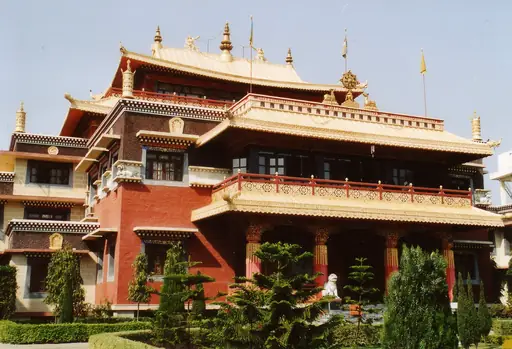
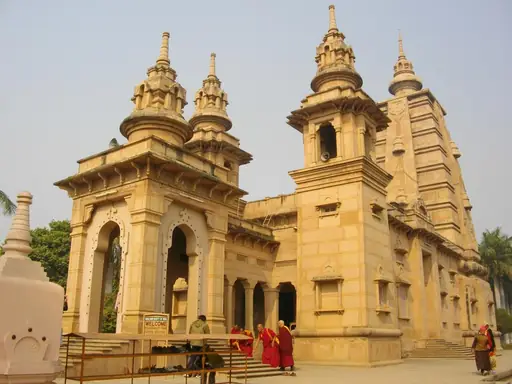
Sarnath marks the site where Buddhists believe the Buddha delivered his first sermon. A tall stone stupa commemorates the spot where he began teaching after enlightenment. Pilgrims can visit the stupa and an adjoining museum of ancient Buddhist artefacts. Nearby monasteries built by different countries reflect Buddhism's global following.

Mountain in Sri Lanka
Sri Pada / Adam's Peak
Majestic peaks echo ancient pilgrimage whispers
Sri Pada, also called Adam's Peak, holds sacred status across four major faiths. A rock formation near the summit is said by each to mark a holy footprint. Pilgrims can climb thousands of steps overnight to reach the summit by sunrise. Nearby, the mountain draws climbers from multiple religious traditions each season.
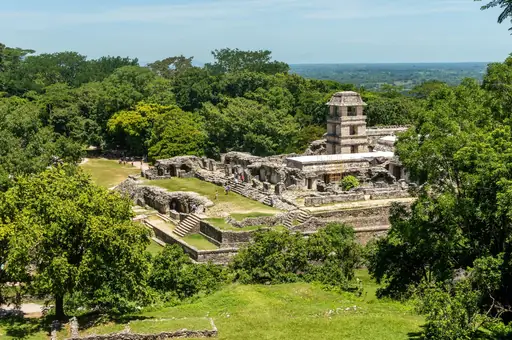
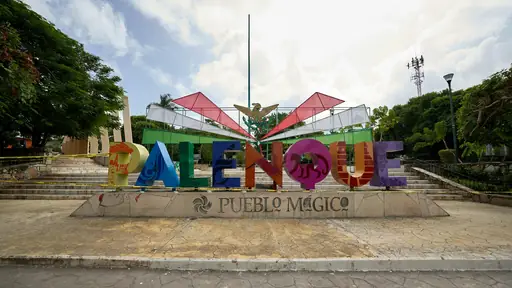
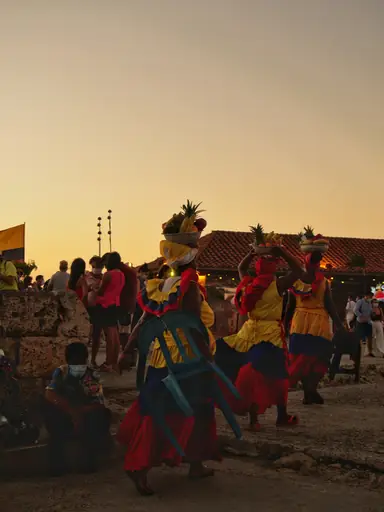
Historic Site in Palenque (city)
Palenque
Ancient Mayan Ruins Amidst Lush Jungle
Palenque's Maya ruins include temples built as sacred sites for ancient religious ceremonies. Priests and rulers once conducted rituals atop these stepped pyramids deep in the jungle. Visitors can climb several temples for views over the surrounding rainforest canopy. Nearby, carved inscriptions record the beliefs and history of the ancient Maya.
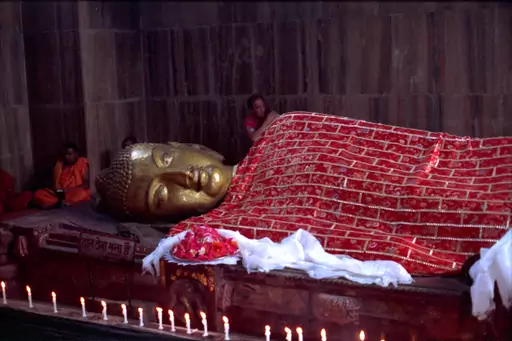
Historic Site in India
Kushinagar
Where Buddha’s final sermon echoes still
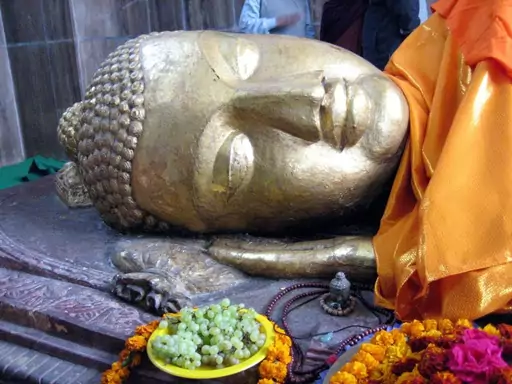
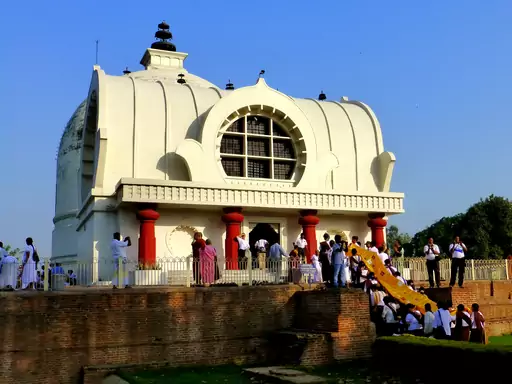
Kushinagar marks the site where Buddhists believe the Buddha passed into final nirvana. A reclining statue of the Buddha lies within the town's main temple complex. Pilgrims can visit the temple and nearby stupas built to honour the site. Nearby monasteries built by different Buddhist countries reflect the faith's global reach.
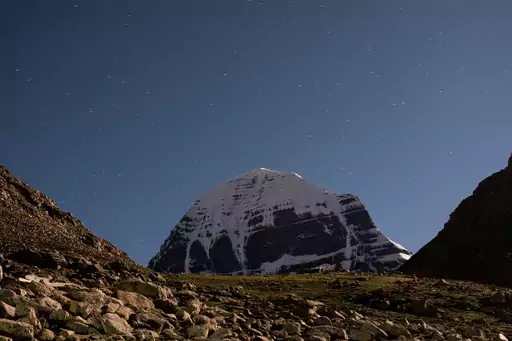
Mountain in China
Mount Kailash
Majestic peaks echo ancient pilgrimage whispers
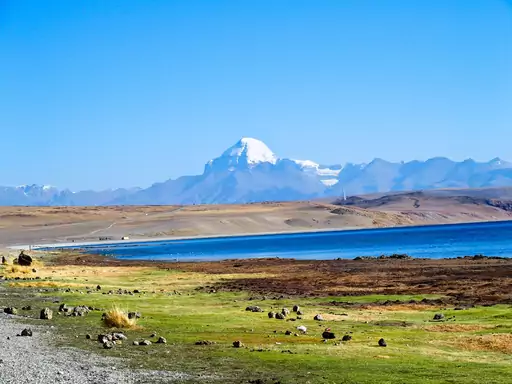
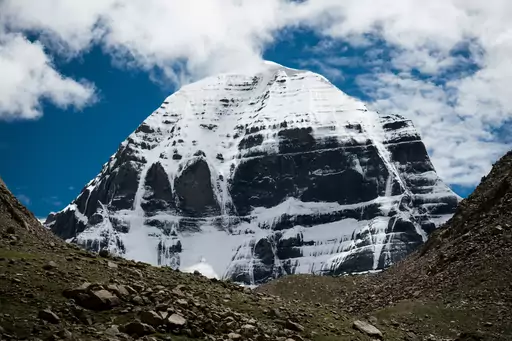
Mount Kailash holds sacred status across Hindu, Buddhist, Jain and Bon traditions. None of these faiths permit climbing the peak, considering it too holy to summit. Pilgrims can walk a demanding multi-day circuit around the mountain's base instead. Nearby lakes add further spiritual significance to the remote pilgrimage route.
Other lists you may like
Discover
Most famous pilgrimage destinations in Africa
Africa's pilgrimage traditions span deep, centuries-old roots, from rock-hewn churches central to annual Christian pilgrimage to cities anchoring significant Sufi traditions tied…
Read more
Discover
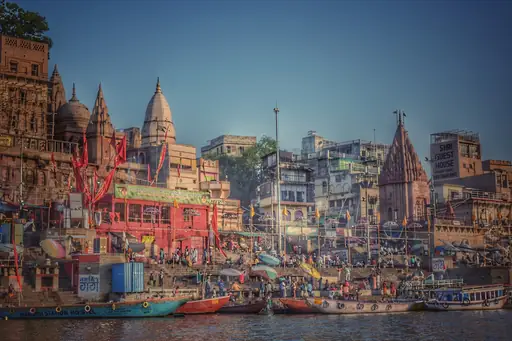
Most famous pilgrimage destinations in Asia
Asia is the birthplace of the world's major religious traditions and contains the most significant concentration of sacred destinations, pilgrimage routes and holy cities anywhere…
Read more
Discover
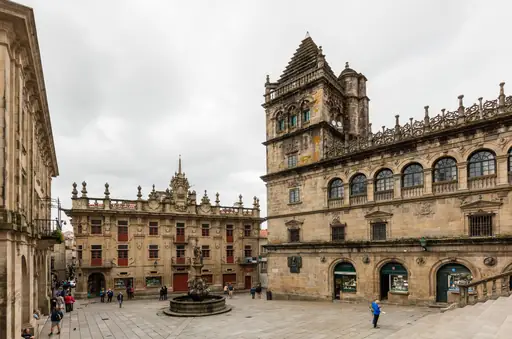
Most famous pilgrimage destinations in Europe
Europe's pilgrimage landscape is anchored by the great Christian routes and holy cities that shaped the continent's medieval geography, with sacred paths connecting shrine…
Read more
Discover
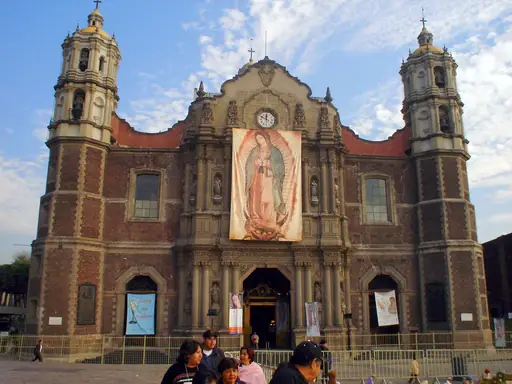
Most famous pilgrimage destinations in North America
North America's pilgrimage landscape is younger and less formally structured than those of older religious cultures but encompasses a genuine range of sacred destinations,…
Read more
Discover
Most famous pilgrimage destinations in South America
South America's pilgrimage traditions draw millions of Catholic pilgrims annually to some of the world's largest basilicas, while sacred sites tied to mountains and water hold…
Read more
Discover
Best pilgrimage destinations in Oceania
Oceania does not have many classic pilgrimage routes, but people still travel long distances here to walk, remember and reflect at places that mean a great deal to them. Uluru…
Read more
What other users say about travelfilters
“travelfilters made it easy for me to find ski areas and compare what else they offer, so that I could find the best place for my personal travel style.”

Chris
Snowboarding & Onsen trip to Japan
“I love how transparent the data feels. There is no pushy upsell, just honest information and settings I can tune to my own travel style.”

Maria
After booking her 2027 winter escape
“The level of detail for each destination and how well those are displayed, make planning feel confident instead of overwhelming.”

Mina
Planned a week in New York City
“We used travelfilters for our planning from start to end. The trip turned out even better than expected, thanks to all their tools and customisation options.”

Allan & Etienne
Trip to Japan to see autumn foliage
“Thanks to travelfilters, I found some hidden gems to see. Being able to filter for exactly your interests is a game changer for my travel planning.”

Michael
Tour through the old cities of Northern Italy
“The customizable filters helped me find a quiet beach town with good wifi and low season crowds in under five minutes.”

Diego
Weekend Escape to Llanes, Spain
“The airport connection map saved me hours by showing good flight options from my home airport to lesser-known cities.”

Nguyen
Planning a 2027 trip to France
“The website is clean, fast and focused on the search itself, which makes travelfilters feel more like a professional tool than an ad-heavy booking site.”

Hassan
Christmas Market trip, Germany
