








Was this page helpful?

| Opening hours: |
|
|
|---|---|---|
| Public website: | gph.gov.sa |
| Power Grid: |
230 V, 60 Hz Plug: Type G
Type G:
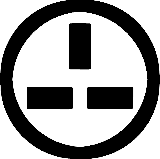 Read about power adapters |
|---|---|
| Currency: |
Saudi Riyal (SAR) £1 ≈ SAR 4.99 |
| Cashless info: |
Rating 5/5
Cashless payments are widely accepted in Saudi Arabia, especially in urban areas and large businesses.
Save with a travel credit card |
| eSIM providers: |
Best value: Saily Flexibility: Airalo Read our in-depth comparison |
| Tipping: | Tipping is not expected in Saudi Arabia, but rounding up the bill or leaving a small tip in restaurants, taxis, and hotels is appreciated. |
|---|---|
| Public drinking: | Public drinking is strictly prohibited in Saudi Arabia. Alcohol consumption is illegal, and there are heavy penalties for violations. |
| Public smoking: | Smoking is prohibited in indoor public spaces, but designated smoking areas are available outdoors. |
| National Day (23 September) |
Celebrates the founding of Saudi Arabia |
|---|---|
| Eid al-Fitr (variable) |
Marks the end of Ramadan with celebrations |
| Emergency contact: | Emergency Numbers: 911 (General), 999 (Police), 997 (Ambulance), 998 (Fire) |
|---|---|
| Taxi apps: | Uber, Careem |
| Other: | Saudi Arabia is known for its vast deserts, historic cities, and religious significance, particularly in Islam. It offers a mix of modernity and tradition. |
The best times to travel section shows how the months compare for a visit, so you can find the time of year that fits what you want to do.
Background colours of the months:
The colour shows the typical temperature: yellow (hot), green (mild) and blue (cold). How strong the colour is shows the travel season: full colour means high season, soft colour means shoulder season and soft-striped means off season.
Weather symbols:
Each month has one symbol showing what the weather is typically like, such as hot and sunny, freezing or a rainy or snowy season. Use them to quickly spot months that match the weather you want, or to avoid the ones that don't.
Crowdedness:
The people icon shows how busy the place usually is. The more people, the more crowded it gets.
Additional notes:
The grey info boxes point out special things worth knowing, like recurring weather issues or seasonal events.
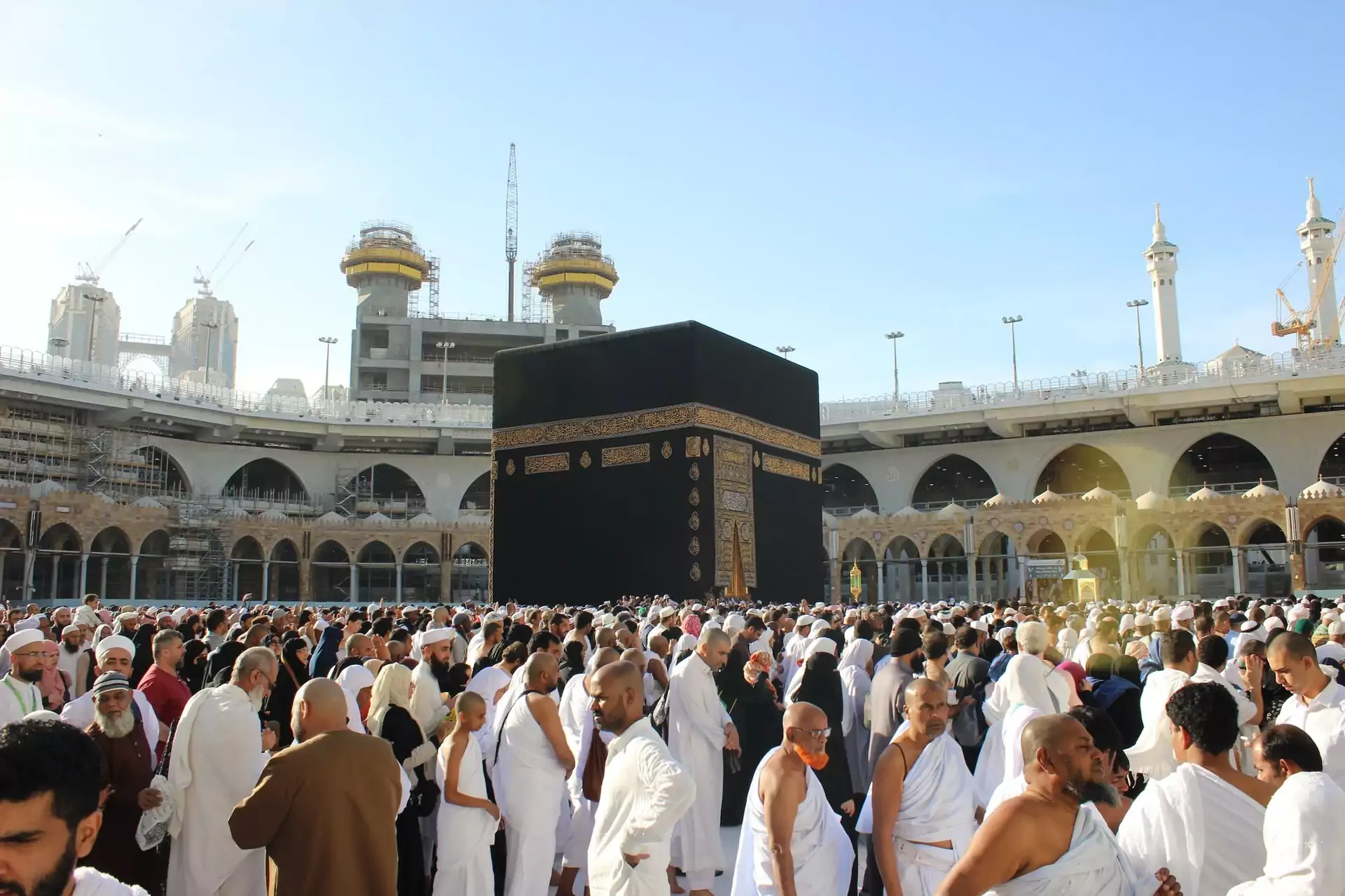
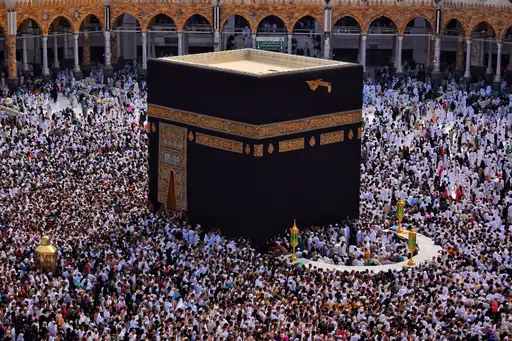
The Kaaba is a cuboid-shaped stone structure draped in a black silk cloth called the Kiswah. It is believed to have been originally built by Prophet Abraham and his son Ishmael and serves as the qibla, the direction Muslims face during prayers worldwide.
The Kaaba resides in the Masjid al-Haram, the largest mosque in the world, which accommodates millions of worshippers during yearly Hajj and throughout the year. The surrounding area includes sacred elements such as the Black Stone – a dark rock embedded in the eastern corner of the Kaaba – which pilgrims attempt to touch or kiss during the circumambulation ritual known as Tawaf.
While the spiritual experience at the Kaaba is profound and transformative for believers, the area is often extremely crowded, especially during peak pilgrimage seasons. Pilgrims must prepare for heat, physical exertion and large crowds. Strict codes of conduct and religious requirements govern access and behavior.
The visit demands physical stamina and a respectful, patient mindset to navigate rituals amidst millions; it is not an ordinary tourist destination but a deeply revered religious site offering a once-in-a-lifetime spiritual journey.
Travelers arrive via King Abdulaziz International Airport in Jeddah or Prince Mohammad bin Abdulaziz Airport in Medina. From there, pilgrims travel to Mecca by bus or private transport, with many organized Hajj groups managing logistics. Entry to the Kaaba area requires appropriate religious status and prior permits for pilgrimage.
Accommodations in Mecca range from luxurious hotels near Masjid al-Haram to more affordable guesthouses and apartments, catering primarily to pilgrims and religious visitors.
Log in to add this place to a travel list and get a summary of all recommended items for your whole trip.
We calculate the average costs when travelling to destinations and compare those with the living costs at your home. With this you can get an estimate of how expensive or cheap the destination is for you.
To customise this, you can set up which location and price level are used for the calculations in your account settings.
The exchange rate price factor shows how expensive or cheap a currency currently is compared to its historical average. It's a quick way to see if a country is currently more or less affordable due to exchange rate changes.
