
Planning an international trip that will take you to the other end of the world is extremely exciting. Watching vlogs on YouTube, researching local specialties and the restaurants that serve them or looking up shops to shop for souvenirs are just a few of the things you can do to hype yourself up in advance.
On the other hand, there is a much less fun and glamorous side to travel planning. Depending on the location and, sadly, the strength of your passport, there will likely be a bunch of admin that you have to cross off your list before arriving at the country that you are planning to visit.
To keep an overview of what typically needs to be done, we have put together this step-by-step list that you can use to cross off the different To Dos to make your trip planning as smooth as possible.
The pre-trip admin timeline you need to take care of
Your individual timeline for your trip will depend highly on where you are going, if you need a visa and what the requirements are. Always check the details in advance, as in some cases embassies will ask you for the fully booked itinerary or have a sponsor provide it. You also might be required to prove you have travel insurance at the moment of application.
If you are visa-free or can get a visa on arrival, things become much more flexible. Even then, you should know what border agents might want to see from you, as you sometimes can be turned away without a return flight or proof of substantial funds in your bank account. Thailand has been cracking down on this in recent years, for example, to prevent foreigners from staying in the country longer term and running out of money. The United States will not even let you pass through an airport for a layover without a visa or valid ESTA, so make sure you keep that in mind when you get your flights and take care of the paperwork in time.
Generally speaking, this timeline is a good starting point that you can adapt to your individual circumstances:
| Timeline | Task | Why it's important |
|---|---|---|
| 6 months in advance | Passport & visas | Some visas take months to process, so make sure your documentation is in order to prevent delays |
| 3 months in advance | Vaccinations & health | Check vaccination requirements in advance, as some shots require multiple doses |
| Right after booking | Travel insurance | Cancellation cover usually only starts once you buy the policy, and some visas require proof of insurance when you apply |
| 1 month in advance | Bank & phone prep | If necessary, inform your bank there will be international charges and make sure you have your international eSIM ready |
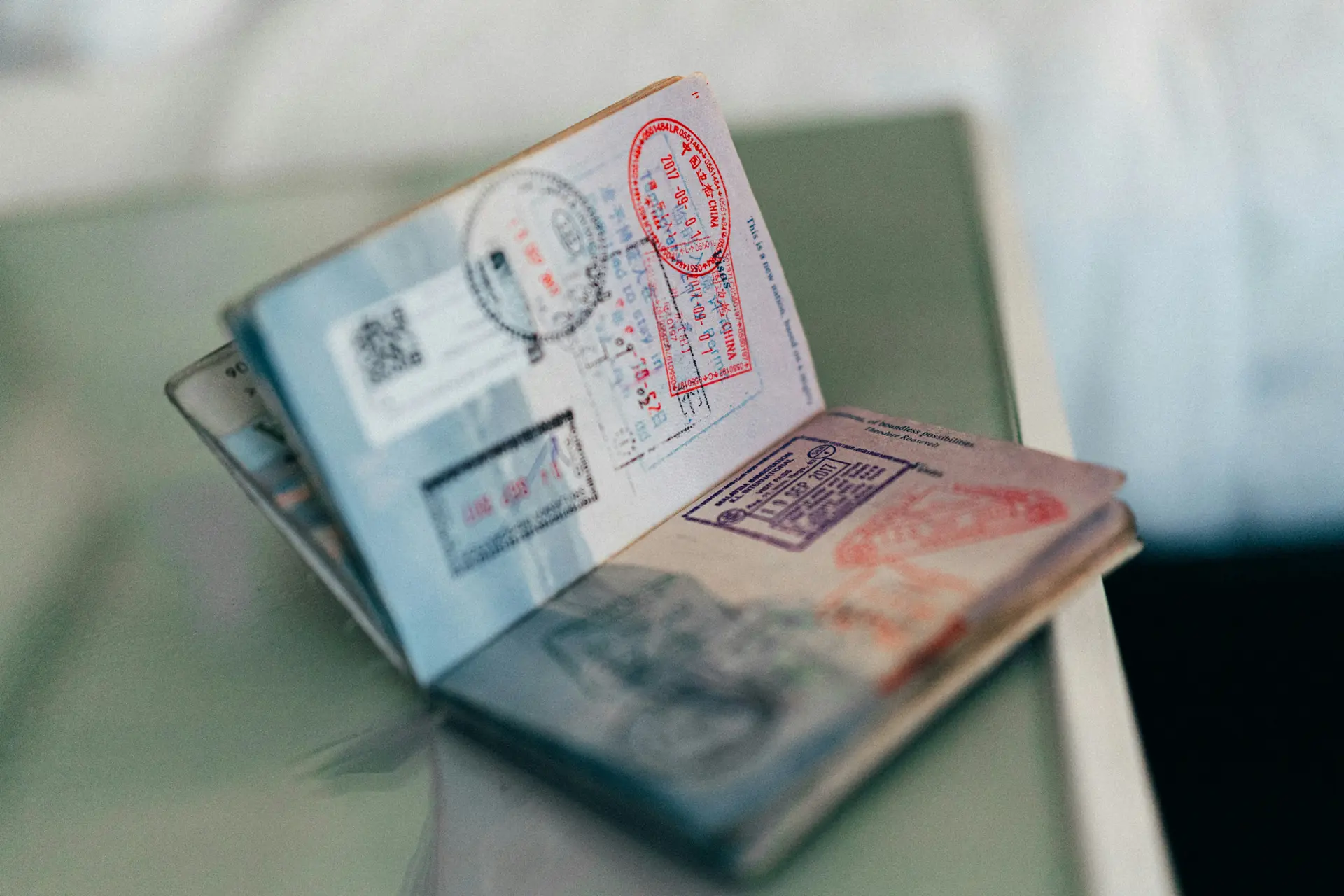
1. Documentation: passports and visas
The most common reason people are denied boarding is issues with their documents. Make sure all the timelines are correct, even if you are traveling to a visa-free country. For the full picture, have a look at our guide on Immigration and visa.
- The six-month rule: Ensure your passport is valid for 6 months past your return date. There are some exceptions to this rule, like Canada, Mexico, the UK and Japan, but most countries want to see at least half a year of validity left on your passport and if you cannot provide that, airlines will refuse to board you because they are responsible for taking you back if you are refused entry.
- Digital backups: Storing an encrypted copy of your ID in the cloud and carrying one physical copy is a good practice because many countries require you to keep identification on you, but you might prefer to keep your original passport in your hotel safe. It also makes things a lot easier in case your passport gets lost or stolen.
2. Health and safety: vaccinations and medication
Vaccination requirements vary greatly from country to country, so if you are going on a long-haul trip, make sure to check well in advance if there are any you need to take or prefer to take. Even if the country you are visiting does not require it, you might be more comfortable getting a rabies or yellow fever shot depending on the risk level of the places you are visiting. Our guide on Travel with medication. covers the medication side of this topic in detail.
- Consult a specialist: Visit a travel clinic three months before departure for necessary shots. This will give you enough time to receive multiple doses if necessary.
- Prescription laws: Carry any medications in their original packaging and bring the prescriptions on your trip. Be aware that not every medication can be brought along even if prescribed by a doctor. As an example, Adderall is entirely illegal in Japan and not allowed for tourists either. If you depend on any medication, check the individual laws and consult your doctor about your options in case any of your meds are banned.
3. Protection: travel insurance
Nobody likes paying for something they hope never to use, but travel insurance is the one thing that can save you from a financial disaster, especially if you travel to the countries like the United States, where medical bills can add up to huge sums very quickly. Even in other places, a hospital stay or medical evacuation can cost more than the whole trip. A canceled flight or stolen bag is much easier to deal with if you know you will get the money back as well.
- Buy it right after booking: Cancellation cover only starts once the policy is active, and many insurers require you to buy it shortly after your first trip payment.
- Check the fine print: Some visas, like the Schengen visa, require proof of insurance. Many policies also exclude pre-existing conditions and activities like diving or motorbike riding, so make sure your policy covers everything that you plan to do.
- Know what your credit card already covers: Some cards include travel insurance, but the coverage is often limited and conditional. Usually it is required that you pay for the tip with that card as well. If you want to rely on it, make sure you understand the policy and fulfill the requirements.
4. Financial prep: credit cards and getting cash
There is nothing worse than being stranded in a foreign country without a working card or cash. It's always good to have a backup in case your main card gets blocked, lost or stolen. Also make sure that your own bank doesn't "steal" from you by charging outrageous international fees. There is no reason in this day and age to still pay 3% foreign transaction fees, but many banks still make you do it. If that is the case for you, just get an international travel card without or with low fees that you can top up. You can find everything about cards, wallets and fees in our guide on Money.
- Two-card rule: Carry two different card brands (Visa/Mastercard) from different banks. Acceptance of one or the other might be better in certain countries. While American Express is great for traveling perks like insurance and lounge access, it’s not nearly as widely accepted abroad. The same is true for Diners Club. JCB and UnionPay have a better general acceptance rate, but still do not live up to the same coverage as the Visa and Mastercard.
- Local ATMs: Use bank ATMs at your destination for the best exchange rates. Avoid the cash exchange places at the airport or in touristy areas, as most of them will overcharge you considerably without blinking an eye. In many countries, ATMs in touristy areas will also charge you an additional fee while others do not, so it’s worth checking out the machines in places that are frequented mostly by locals. Also always remember to never let the ATM do the currency conversion for you because you will most likely get a fee that is considerably worse than what your bank will charge you.

5. Connectivity: staying online
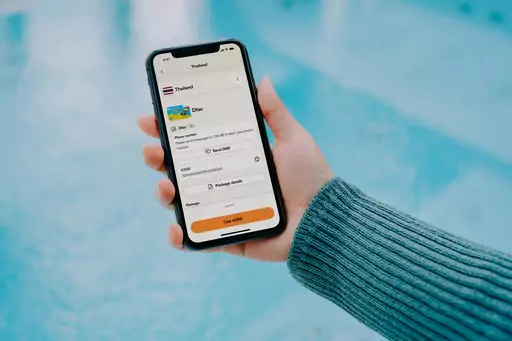
In 2026, an eSIM is the most efficient and cost effective way to stay connected while abroad. Do not use your home SIM card for roaming unless you have a great vacation package deal from your provider or you are within the EU with the SIM card of another EU country. eSIM packages offer you instant connectivity for affordable prices, so there is really no need to put yourself into a state of shock when your phone bill arrives after your trip. For a full comparison of your options, check our guide on Internet access.
- Offline maps: Download your destination’s map in advance to navigate without signal. This also allows you to track your way from the airport to your hotel if you are using a taxi.
- VPN security: Use a VPN for all public Wi-Fi connections to protect your data or get around local content blockers that restrict your content if you want unrestricted internet access in Turkey or need to use WhatsApp in China.
6. Climate research: strategic packing
Weather is one of the main factors that can make or break a trip. In places like Southeast Asia, you can go from the most perfect beach weather you can imagine to getting hit by a typhoon overnight, so be prepared for the seasons. Our Luggage guide covers the packing side in full.
- Use the travelfilters Climate world map: We provide climate data for wherever you would like to go. Just search for your destination and look at the historical data and averages.
- The 10-day forecast: Check specific weather fronts 10 days in advance, don't rely on seasonal averages.
- The layering system: Pack a base, middle and waterproof outer layer. This modular approach is also called the "onion look" and it prepares you well for most of the world's climates.
- Cultural dress codes: Ensure your wardrobe respects local norms (e.g., covering shoulders for temples or cathedrals). In many countries, shorter clothing is fine on the street, but you need to cover up for religious sites. A sarong or big, light cotton shawl is a good choice for these places, because you can just wrap it around yourself and instantly create a more modest outfit.
Prepare what matters, improvise the rest
The bottom line is that the admin part of travel planning can still be challenging and tedious, even in 2026. At least these days we do not have to look through the indexes of books anymore, but have smart tools like travelfilters that make our lives easier. Of course AI can also help a lot with travel planning, but if you use these tools for your trip, just make sure to double-check the sources. AI hallucinates and often takes wrong information at face value, so don't leave any critical things to that without making sure you are on the right path.
And in general, just don't worry too much. Be strict about the visas, your passport validity and any medical concerns. If they don't let you into the country, there is no trip, but once you have made it you can always make a plan. Didn't bring a rain jacket and it's suddenly raining? Just buy one, you will probably love wearing it back at home because it is a practical souvenir and will always remind you of the trip. You cannot always plan for everything and that is exactly what makes traveling so fun.