
Budget travel has an image problem it doesn't necessarily deserve. Say the words and people picture uncomfortable buses, rooms that smell of cleaning products and a permanent background worry about spending. Some people do travel like that, but just because you're budget-conscious doesn't mean your trip will be a stripped-down version of what other people experience. It can also mean carefully spending on the things that count and barely at all on the things that don't. People who have figured this out end up with more trips per year than most people who earn the same amount and often have a much better time in the places they visit.
The trick is spending on the right things. A great meal, a guided hike or a night in a place with a really special view is worth every cent. A big-name hotel in a great location is fine, but a guesthouse in the same neighborhood for half the price might work just as well. Getting that distinction right is a skill that you need to acquire if you want to turn into a budget traveler who has all the fun on a shoestring.
Let's go through the things that actually have an impact on the budget.
The destination is the most important factor
The single biggest lever in budget travel is the destination you choose in the first place. What you spend once you're there matters much less. The same daily life, the same meals and the same activities cost wildly different amounts in different places. A day in one country can cost what a week costs in another. A budget that makes you feel like a king for a day in South Asia will have you eating a supermarket sandwich and yogurt for dinner in Switzerland. No amount of careful spending in an expensive destination matches simply choosing an affordable one.
This is one of the most practical uses of the filters in our Trip Finder, which helps you find your ideal travel destinations. Budget level is one of the 100+ filters, which means you can combine it with everything else you care about, like climate, activities and travel time. The result is a shortlist of destinations that fit your budget, not a list of places you'd love followed by the budget math that rules them out.
Timing is the second biggest lever

The same destination can cost dramatically different amounts depending on when you go. Peak season prices for accommodation in popular spots are a thing and they're not small differences. The Greek islands, Bali, the Maldives and Patagonia are just some examples of places where this phenomenon is particularly extreme. Shoulder season, which is the few weeks before and after the main rush, is often the sweet spot. You get most of the good conditions at a fraction of the price and far fewer crowds. Flights follow the same logic and even local restaurants and tours price differently between seasons.
If your dates are flexible, use that flexibility deliberately. A shift of one or two weeks can make a surprising difference and even within a week, midweek flights tend to cost less than weekend ones. The most important thing is to check actual prices for your specific dates rather than going by general rules, since pricing is now dynamic and the general tips you might have heard are mostly obsolete at this point.
Accommodation is worth thinking about properly
Accommodation is one of the biggest daily costs and it has a lot more options than most people explore. The classic move of staying near the main sights usually means paying a premium for location and getting less for the money. A slightly less central place with good public transport access often saves thirty or forty percent and adds ten minutes to each day, which is rarely a meaningful loss.
Hostels have evolved well beyond the dormitory stereotype. Many now offer private rooms that combine guesthouse prices with a social atmosphere and the practical amenities of a proper property. Guesthouses and family-run places often give you more for the money than the equivalent star-rated hotel and you get local knowledge as part of the deal. On longer stays, apartments with kitchens remove the restaurant cost for breakfasts and some dinners, which can add up quickly.
Transport is full of unnecessary costs
Getting between places cheaply is mostly a matter of knowing the options before you land. The first taxi from the airport is almost never the cheapest one and is often the most expensive transport of the whole trip. Budget airlines in many regions have made flights between nearby countries cheap, but the hidden fees are often overlooked. What looks like a cheap fare often isn't once you add bags and a seat selection, so comparing the totals is the way to go.
For ground transport, the local options are almost always cheaper than the tourist ones and often more interesting. The local bus or train that everyone else in the region uses costs a fraction of the tourist transfer and passes through the actual country instead of the highway. Night trains and buses combine the transport and the accommodation in one ticket, which can be a good deal if you're open to this way of traveling. For multi-stop trips, the order of your stops can also have an impact on your budget. A sensible route without backtracking saves both time and money.
Food is where the budget question gets simple
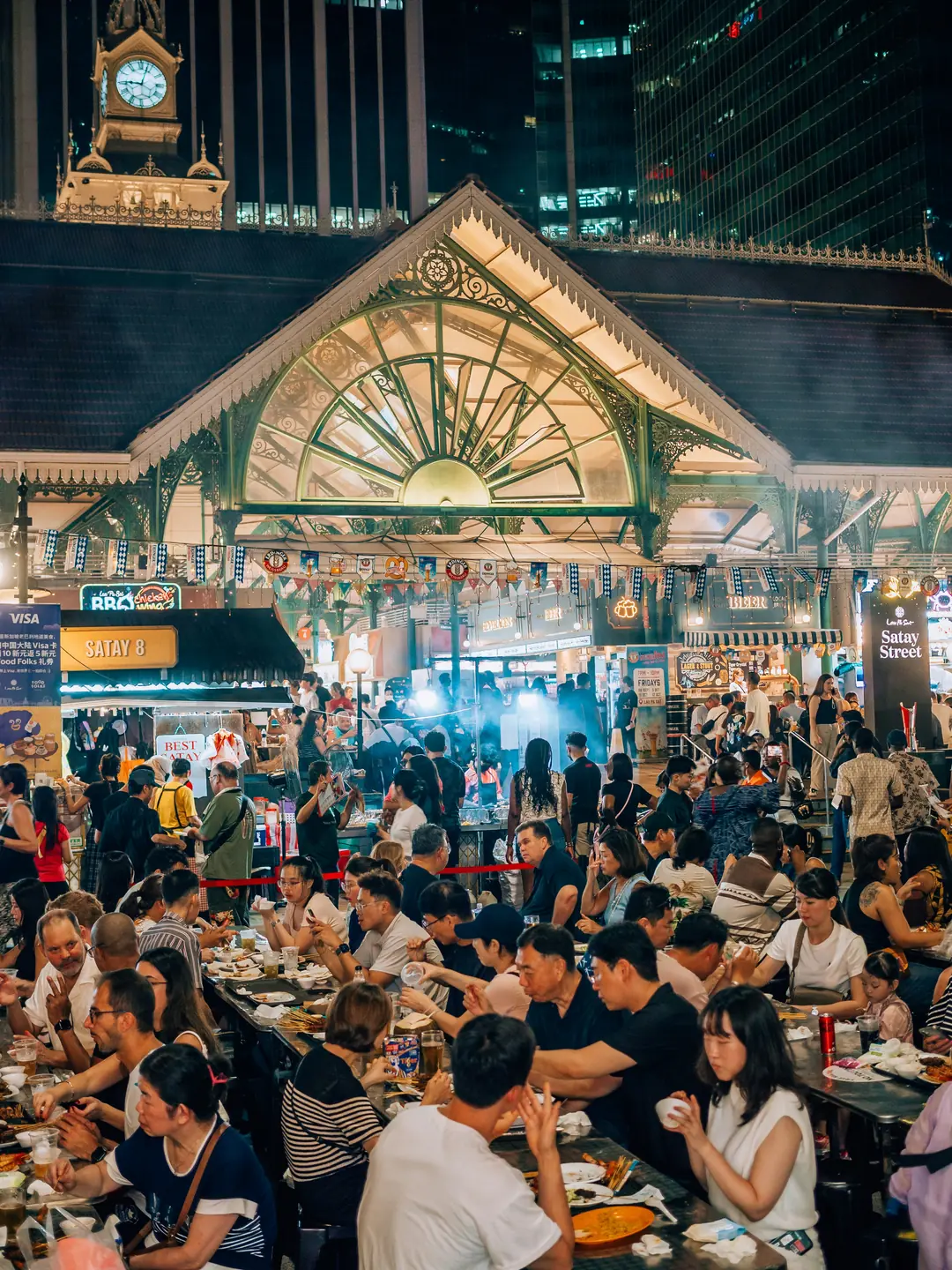
The difference between eating well and spending a lot on food is finding where the locals eat. In almost every destination, the best and most authentic meals aren't in the restaurants next to the famous sights. They're in the neighborhood slightly off the tourist circuit, at the market stall that's been serving the same dish for thirty years or at the lunch spot that's full of people in work clothes at midday.
Lunch is often the smartest meal of the day for budget travelers. Many restaurants serve the same food for less at lunchtime and the portions are often the same size. Markets, bakeries and street food cover breakfasts and snacks for very little. Supermarket runs make sense for picnics and the occasional in-room breakfast. In general, skipping hotel breakfast, unless it's included in the price, is a good rule of thumb for budget travelers because it tends to be overpriced outside of countries that are on the cheaper side. In big European cities, for example, a hotel breakfast can easily cost you three times what a breakfast at a local café will. Save the budget to splurge at restaurants that you're actually excited about and where you don't mind spending a little bit more for the experience.
Spend on the things that matter
The best version of budget travel is about knowing what you're willing to spend on and reducing the budget for the things that aren't that important to you to the bare minimum. The traveler who cuts the accommodation and transport costs and then spends the savings on one really great experience or an extra trip gets more bang for their buck than someone who pays full price for a standard trip and guards the spending on everything else.
If you're planning a budget trip, start with the destination choice. Use the budget filter in our Trip Finder alongside the other things you care about and let the match scores show you where your money can actually take you.