
Top birdwatching destinations and avian hotspots
Top birdwatching destinations and avian hotspots
Top birdwatching spots and avian hotspots
Birdwatching has a way of changing how you travel. Once you start paying attention to what's flying, perching and calling overhead, a destination opens up in ways that a standard itinerary rarely reaches. A wetland at dawn, a forest trail in the tropics, a coastline during migration season, these are the kinds of experiences that stay with you longer than most. The best birding destinations tend to be places where the natural world is still largely intact and the species that depend on it are still present in numbers worth travelling for.
Some of the most rewarding birding on the planet happens in places that take real effort to reach. A boat through a river delta, a pre-dawn drive into a national park, a guided walk through cloud forest where patience is everything. That effort is rarely wasted. The destinations on this list have been chosen because they offer something genuinely remarkable, whether that's extraordinary species diversity, a rare endemic found nowhere else on earth or a concentration of birdlife that's hard to believe until you're standing in the middle of it.
Lists by region
Worldwide (126)
Africa (23)
Asia (14)
Europe (16)
North America (41)
Oceania (10)
South America (19)
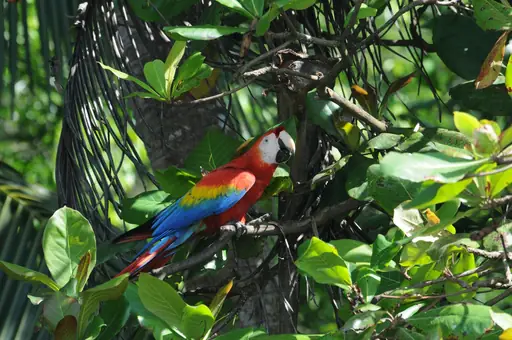


National Park in Costa Rica
Corcovado National Park
Costa Rica’s Wildest Rainforest Frontier
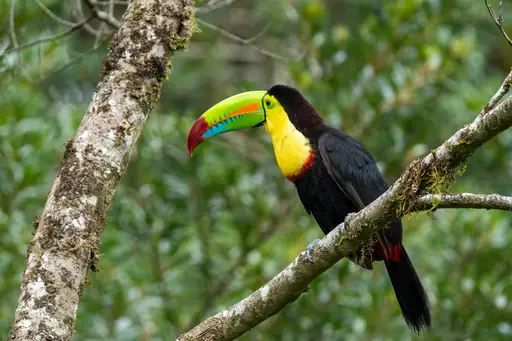
Corcovado's rainforest shelters one of Central America's highest concentrations of bird species. Scarlet macaws gather in noisy flocks within the park's lowland forest canopy. Visitors can spot macaws and toucans along trails deep in the jungle. Nearby beaches attract shorebirds foraging along the tideline each morning.
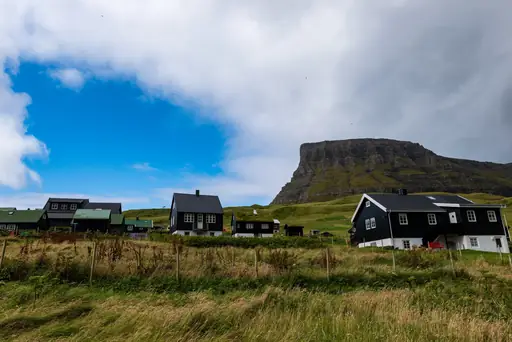


Country
Faroe Islands
Dramatic cliffs meet misty landscapes
Seabird colonies pack the Faroe Islands' cliffs during the summer breeding season. Puffins nest in burrows dug into grassy clifftops across several islands. Visitors can watch puffins return with fish for their chicks at dusk. Nearby fjords also host fulmars and kittiwakes nesting on sheer rock faces.
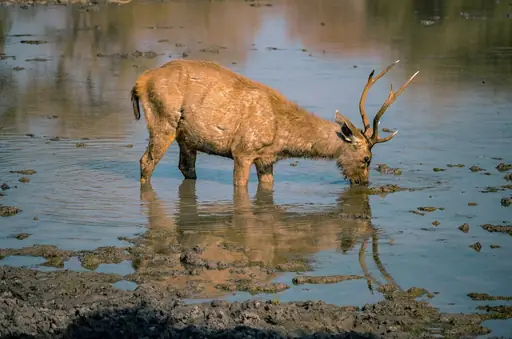
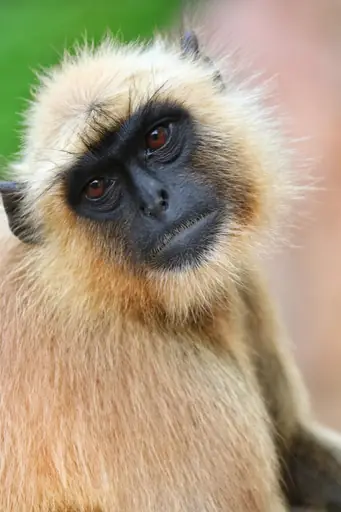
State/Prefecture in India
Rajasthan
Desert palaces and vibrant cultural tapestry
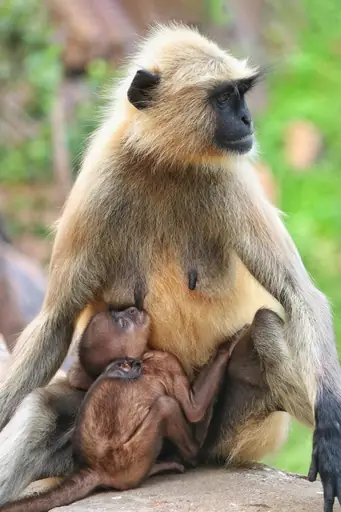
Keoladeo National Park in Rajasthan ranks among Asia's premier wetland birding destinations. Thousands of migratory birds arrive each winter to feed in the park's shallow marshes. Visitors can spot storks, cranes and pelicans along the park's walking and cycling trails. Nearby desert regions also host birds adapted to Rajasthan's arid terrain.
Nature Reserve in Costa Rica
Monteverde
Verdant cloud forests whisper ancient secrets
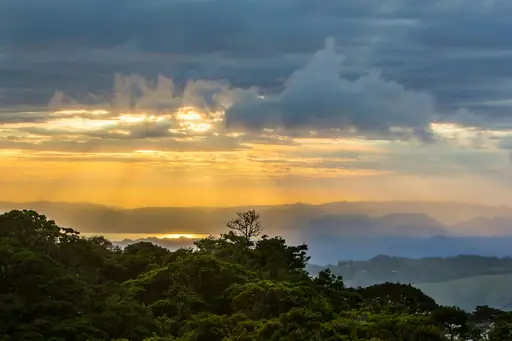
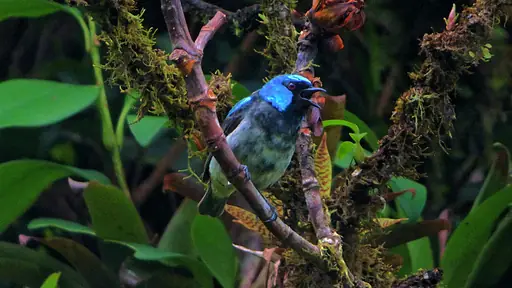
Monteverde's cloud forest supports an exceptional diversity of bird species within its misty canopy. The resplendent quetzal, prized by birders worldwide, nests here during its breeding season. Visitors can join guided walks timed to spot quetzals feeding on wild avocados. Nearby suspension bridges also offer canopy-level views of forest birdlife.



City in Peru
Iquitos
Amazon’s gateway to jungle adventures
Amazon rainforest surrounding Iquitos shelters an extraordinary diversity of tropical bird species. Macaws gather at riverside clay licks to consume minerals found in the exposed soil. Visitors can watch flocks of macaws gather at dawn along the riverbank. Nearby lodges offer canopy towers for spotting birds in the forest above.


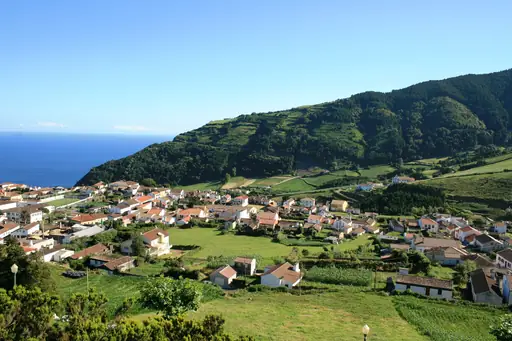
Archipelago in Portugal
Azores
Volcanic Isles of Atlantic Wonders
Seabirds nest on cliffs across the Azores, drawing birders during breeding season. Shearwaters and petrels return to these remote islands from across the Atlantic each year. Visitors can join boat trips timed to catch birds returning at dusk. Nearby crater lakes attract migrating waterfowl passing through the archipelago.

Region in Germany
Eastern Friesland
Tea culture meets coastal charm
Eastern Friesland's coastal marshes support large numbers of breeding and migrating shorebirds. Flat, wet grasslands here provide ideal nesting habitat for several wader species. Visitors can spot godwits and other waders across the region's managed wetlands. Nearby Wadden Sea mudflats also draw migrating flocks each season.
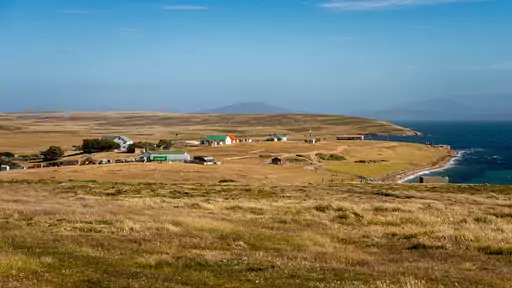
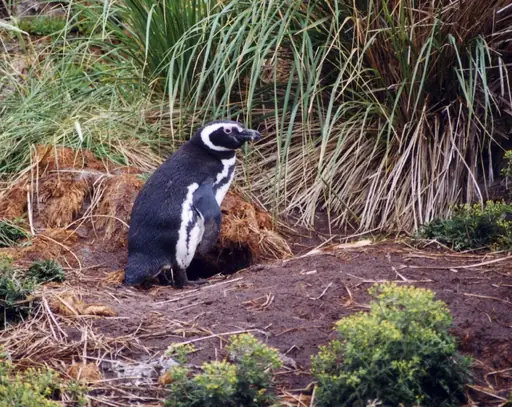
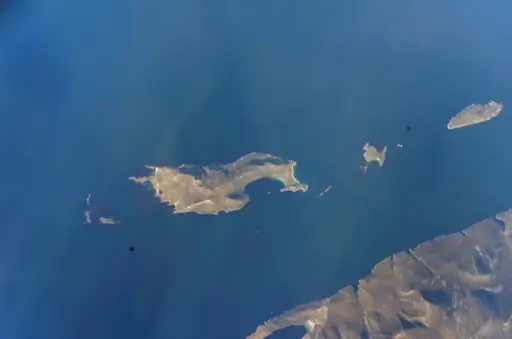
Outer Territory in United Kingdom
Falkland Islands
Untouched wilderness with abundant wildlife
Five species of penguin nest along the Falkland Islands' windswept coastline. Colonies here number in the hundreds of thousands during breeding season. Visitors can walk close to rockhopper and king penguin colonies on open beaches. Nearby cliffs host albatross that nest within sight of grazing sheep.

Country
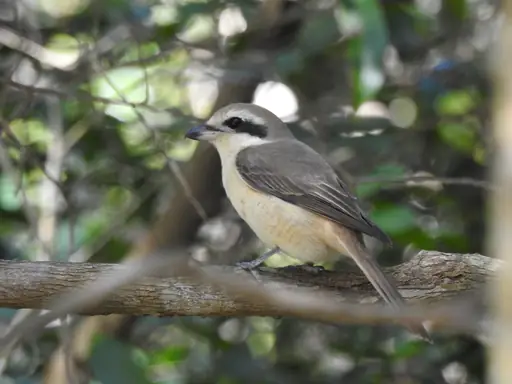
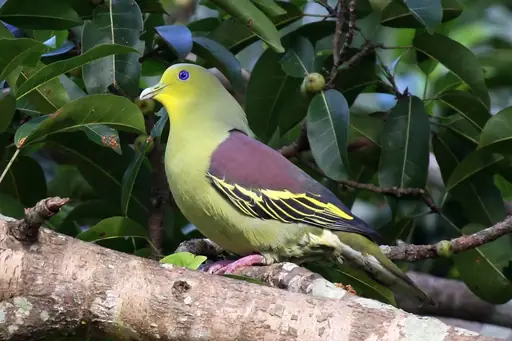
Sri Lanka
Ancient cities, tea hills and surf beaches
Sri Lanka's varied habitats support a wide range of South Asian bird species. Endemic species, including the Sri Lanka blue magpie, occur only on this island nation. Visitors can spot endemic birds while exploring the island's rainforest reserves. Nearby wetlands also draw flamingos and other waterbirds seasonally.



Island in Indonesia
Sulawesi
Vibrant cultures and pristine mountain landscapes
Sulawesi's isolation produced a remarkable number of bird species found nowhere else. The island sits along a biogeographic boundary separating Asian and Australian wildlife. Visitors can spot hornbills and kingfishers unique to this transitional zone. Nearby forests also shelter maleo birds that bury their eggs in warm volcanic soil.

Region in United Kingdom
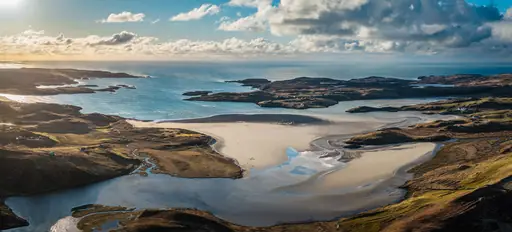
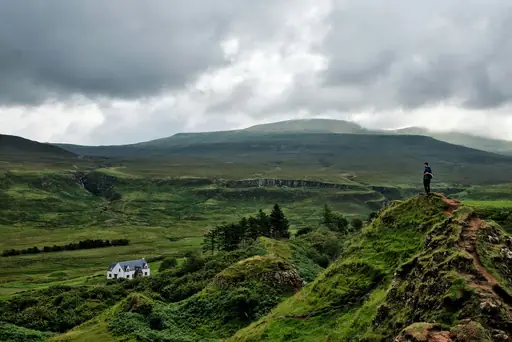
Scotland
Mystic Highlands and Historic Castles
Scotland's coastal cliffs and highlands support a wide range of breeding seabirds. Puffins and gannets nest in dense colonies along several stretches of dramatic coastline. Visitors can spot puffins on boat trips to offshore islands during summer months. Nearby moorlands also host golden eagles soaring above remote glens.
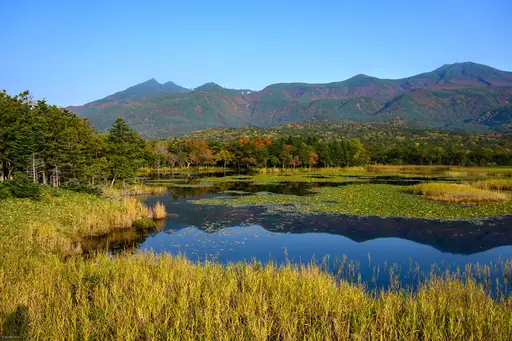
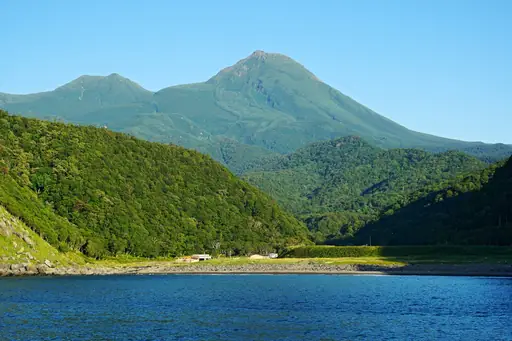
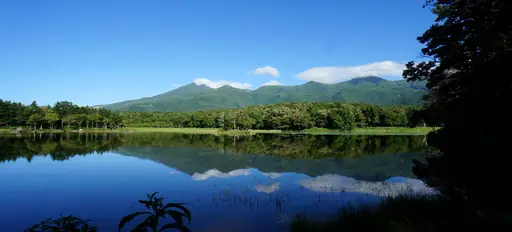
National Park in Japan
Shiretoko National Park
Brown bears and drift ice in Hokkaido
Shiretoko's coastal wilderness shelters Steller's sea eagles, among the world's heaviest raptors. Birds gather in large numbers along the coast during the winter months each year. Visitors can spot eagles perched on drifting sea ice from boat tours. Nearby forests also host owls and woodpeckers within the park's remote interior.
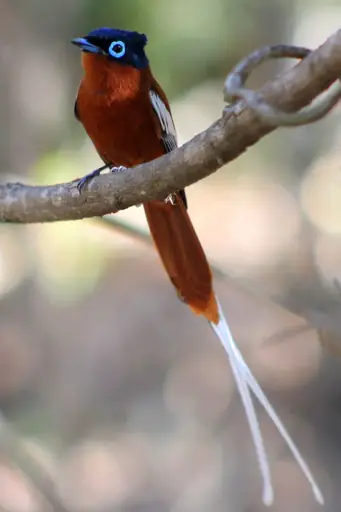


Country
Madagascar
Unique biodiversity meets diverse landscapes
Madagascar's isolation produced a remarkable number of bird species found nowhere else on Earth. Forests across the island shelter vangas, ground-rollers and other endemic families. Visitors can spot colourful, unusual species on guided walks through remaining forest reserves. Nearby wetlands also draw herons and other waterbirds across the island.
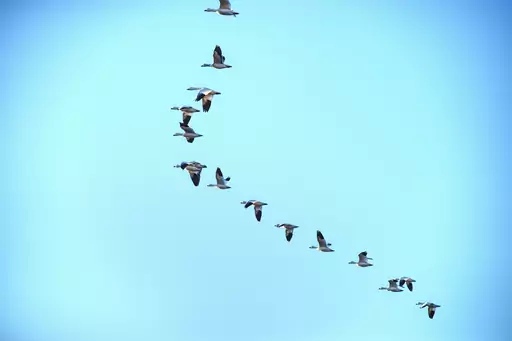
Wildlife Sanctuary in United States
Bosque del Apache
Majestic plains echo with soaring condors
Bosque del Apache's wetlands fill each winter with tens of thousands of sandhill cranes and snow geese. Managers flood fields seasonally to recreate habitat once found along the Rio Grande. Visitors can watch mass flights of geese lift off at sunrise. Nearby ponds also draw ducks and other waterfowl throughout the winter months.
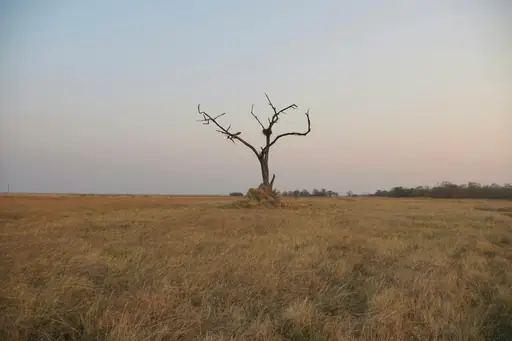
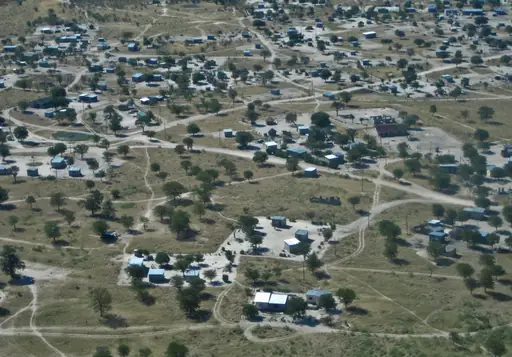

Nature Reserve in Botswana
Okavango Delta
Africa’s Uncharted Water Wilderness
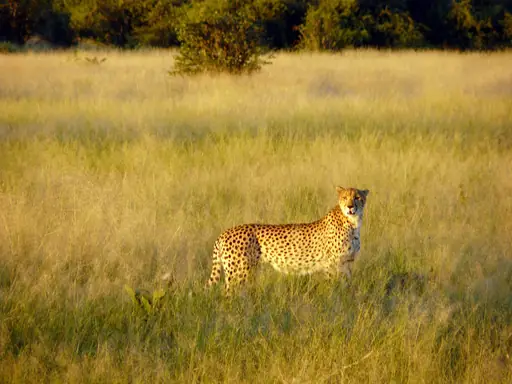
The Okavango Delta supports an exceptional range of birds across its seasonally flooded channels. Fish eagles call from treetops overlooking the delta's winding waterways. Visitors can spot herons, storks and kingfishers while gliding through reeds by traditional canoe. Nearby islands host raptors perched watching over the floodplain.
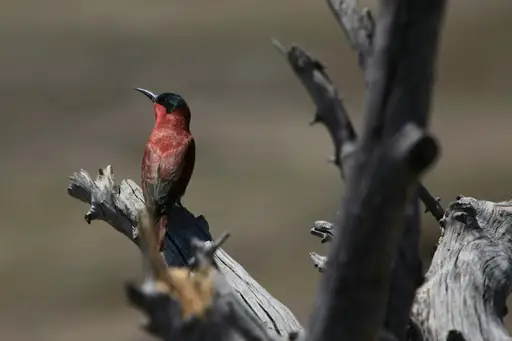
National Park in Botswana
Chobe National Park
Elephant Haven in Botswana
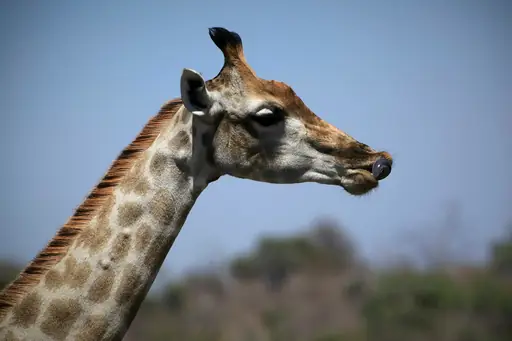
Chobe's riverfront draws enormous concentrations of birds alongside its famous elephant herds. Waterbirds gather along the river's banks, especially during the dry season crunch. Visitors can spot fish eagles and kingfishers from boats cruising the Chobe River. Nearby floodplains attract wading birds when seasonal waters rise.

City in Faroe Islands
Tórshavn
Nordic Charm on Stormy Shores
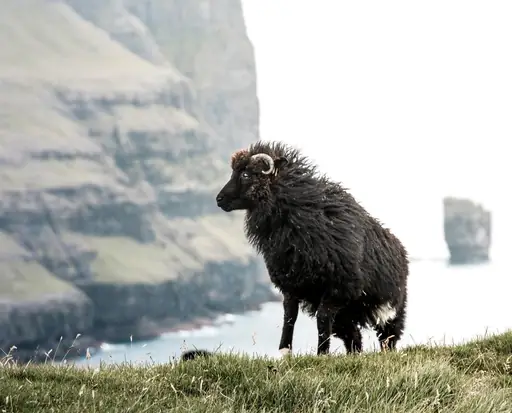
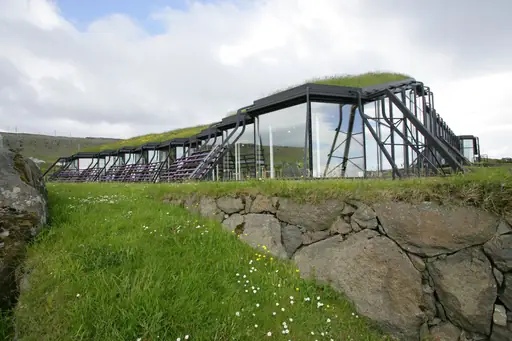
Torshavn serves as a base for exploring the Faroe Islands' dramatic seabird cliffs. Puffins and other seabirds nest on cliffs a short drive from the small capital. Visitors can join boat tours to view seabird colonies along the coastline. Nearby harbours also draw gulls and other coastal species year-round.
Outer Territory in Australia
Christmas Island
Island Paradise of Red Crabs
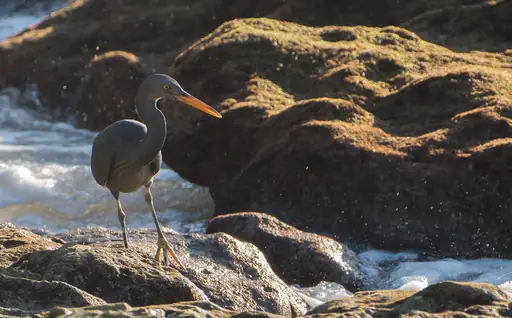
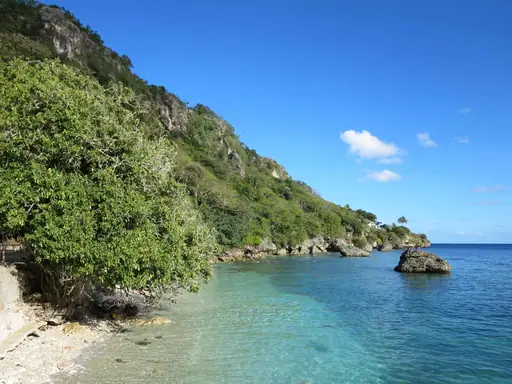
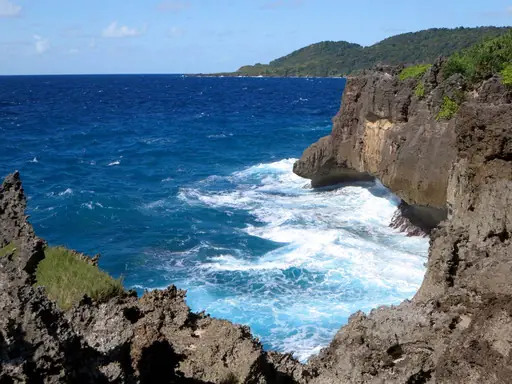
Seabird colonies nest across Christmas Island's cliffs, including species found nowhere else. The island hosts one of the world's largest colonies of a rare frigatebird. Visitors can spot nesting seabirds on cliffside trails around the island. Nearby forests also shelter the island's famous annual red crab migration.



Island in Brazil
Fernando de Noronha
World's Best Beaches and Dolphins
Seabirds nest in large numbers across Fernando de Noronha's protected island cliffs. Frigatebirds and boobies gather here in one of Brazil's most significant seabird colonies. Visitors can spot nesting colonies on boat tours around the island's coastline. Nearby waters also draw spinner dolphins that gather each morning in the bay.
National Park in Zimbabwe
Hwange National Park
Elephant Herds and Wild Horizons
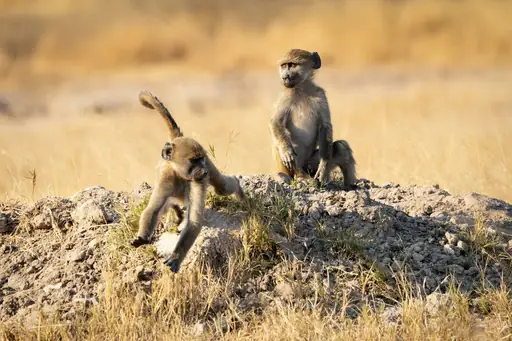
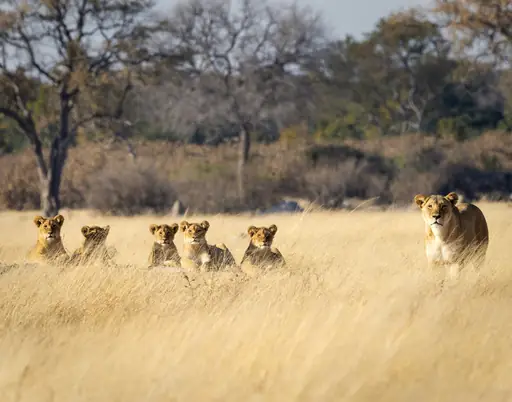
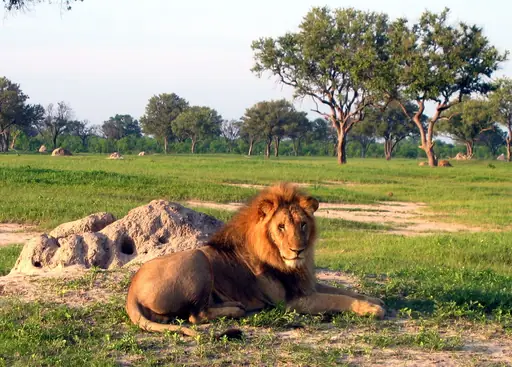
Hwange's waterholes draw dense concentrations of birds alongside its famous elephant herds. Raptors and waterbirds gather at pumped waterholes throughout the dry season. Visitors can spot eagles and storks gathered around shrinking pools each afternoon. Nearby grasslands also host secretary birds hunting on foot across the open plain.



State/Prefecture in United States
Alaska
Land of superlatives and adventure
Millions of shorebirds pass through Alaska's coastal wetlands during spring migration. The Copper River Delta alone hosts one of the continent's largest shorebird gatherings. Visitors can watch flocks stage in massive numbers before continuing north. Nearby tundra hosts nesting loons and other Arctic-breeding species each summer.

National Park in Indonesia
Tanjung Puting National Park
Orangutan paradise in Borneo jungle
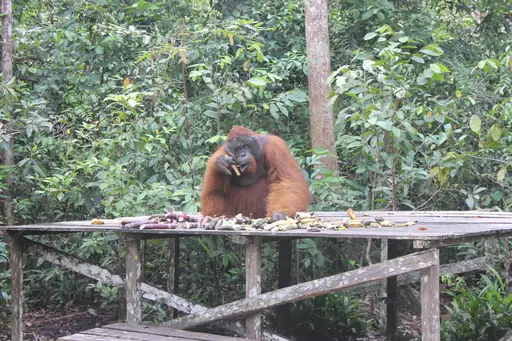
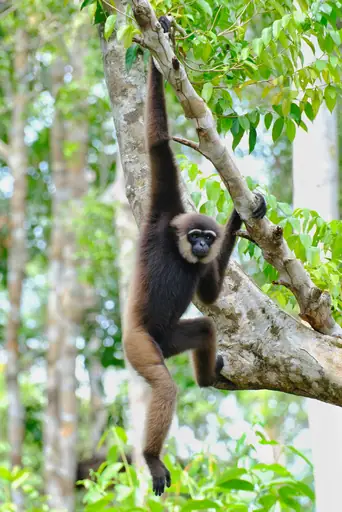
Tanjung Puting's swamp forest supports a wide range of Bornean bird species. Hornbills fly between fruiting trees within the park's dense river-fed forest. Visitors can spot hornbills and kingfishers while cruising the river by traditional houseboat. Nearby feeding platforms also draw birds alongside the park's famous orangutans.

Country
Uganda
Pearl of Africa's diverse landscapes
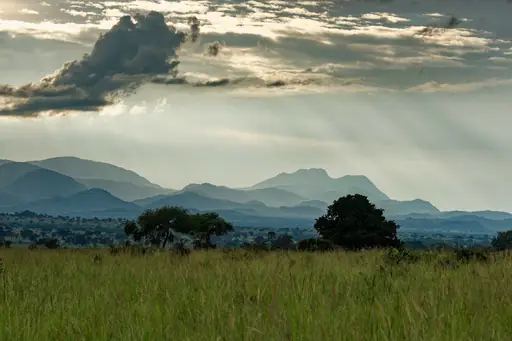
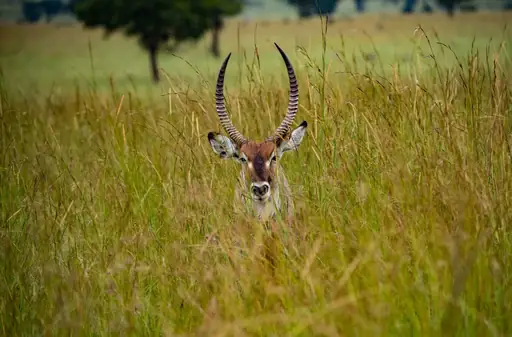
Uganda's varied habitats support one of Africa's richest recorded bird lists. Shoebills, a striking and unusual stork relative, inhabit the country's papyrus swamps. Visitors can spot shoebills on guided boat trips through wetland reserves. Nearby forests also shelter turacos and hornbills within remaining patches of woodland.



City in Norway
Tromsø
Arctic Lights, Culture and Wild Beauty
Seabirds nest along cliffs near Tromso during the short Arctic summer breeding season. White-tailed eagles also hunt along the fjords surrounding the northern city. Visitors can join boat tours to spot eagles and seabirds along the coastline. Nearby islands also host puffins nesting in burrows each summer.

Island in Canada
Cape Breton Island
Coastal charm meets rugged Atlantic scenery
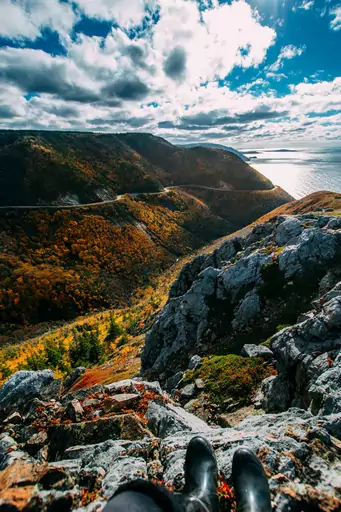
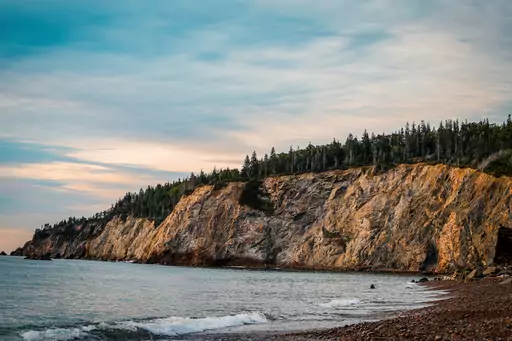
Cape Breton's coastal cliffs and forests draw birders during spring and autumn migration. Seabirds nest along the highlands' rugged shoreline through the summer breeding season. Visitors can spot bald eagles soaring over the Cabot Trail's coastal cliffs. Nearby wetlands attract waterfowl passing through on their seasonal journeys.
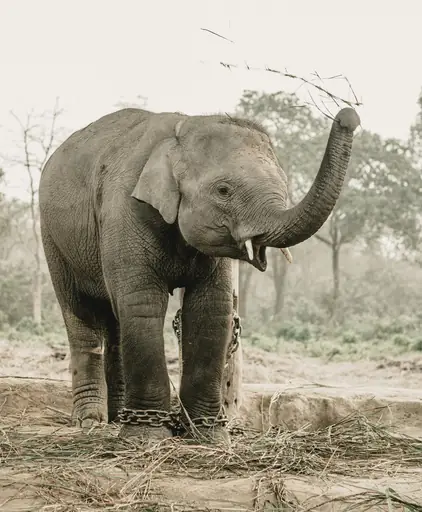
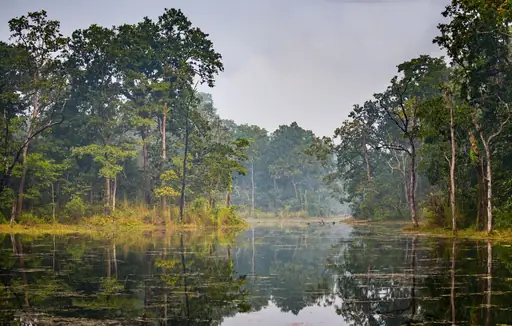
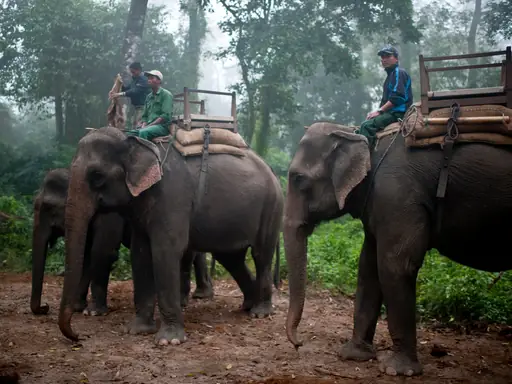
National Park in Nepal
Chitwan National Park
Wild Rhinos and Jungle Adventures
Chitwan's grasslands and forest support a wide range of Nepal's lowland bird species. Bengal florican, a critically endangered bustard, survives in the park's remaining grasslands. Visitors can spot hornbills and kingfishers while on safari through the park. Nearby rivers also draw storks and other wading birds.

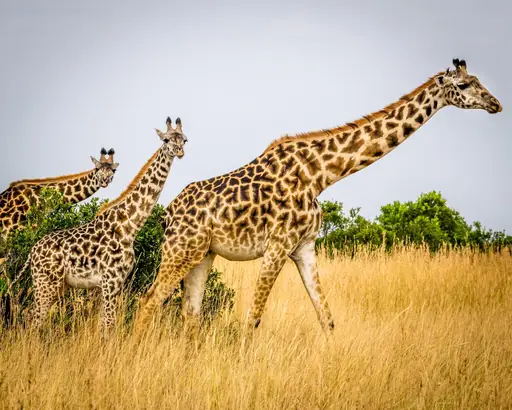

Nature Reserve in Kenya
Maasai Mara National Reserve
Witness the Great Migration
The Maasai Mara's grasslands support hundreds of bird species alongside its famous wildlife. Vultures and other raptors circle above herds during the Great Migration season. Visitors can spot secretary birds hunting on foot across the open savanna. Nearby rivers also draw storks and herons along the wooded banks.
National Park in Spain
Doñana National Park
Wildlife sanctuary where rivers meet wetlands
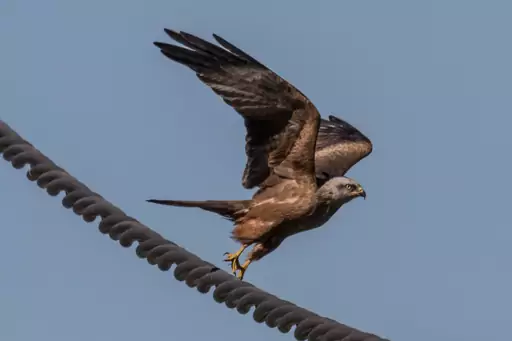
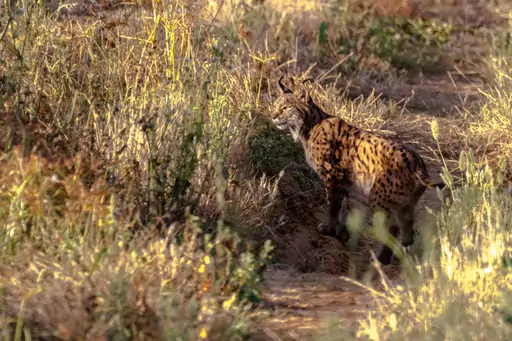
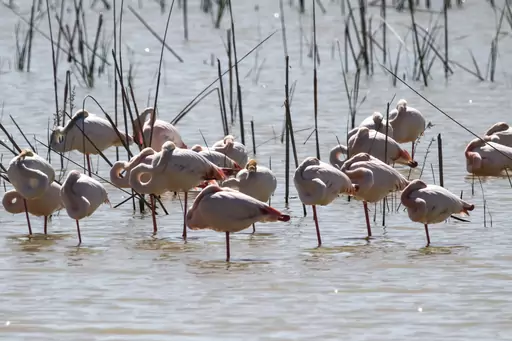
Donana's wetlands rank among Europe's most important stopover sites for migrating birds. Flamingos and other waterbirds gather by the thousands during peak migration seasons. Visitors can spot flamingos and raptors on guided tours through the park's marshes. Nearby dunes also host species adapted to the park's varied coastal habitats.
Outer Territory in United Kingdom
South Georgia and the South Sandwich Islands
Remote polar wilderness with wildlife
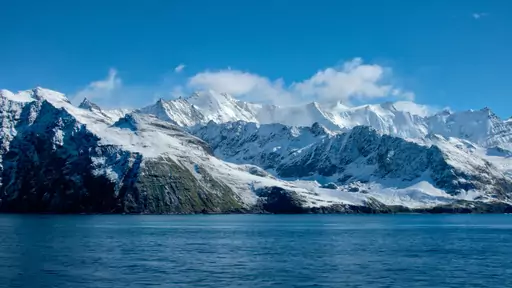
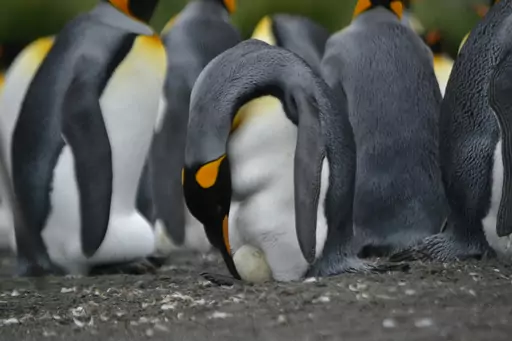
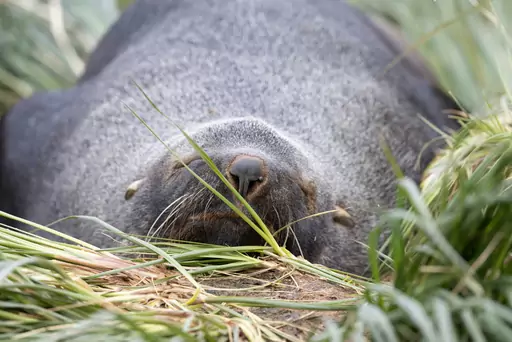
King penguin colonies on South Georgia number in the hundreds of thousands during breeding season. Wandering albatross also nest here, among the largest flying birds on Earth. Visitors can walk among dense penguin colonies along the island's beaches. Nearby cliffs host albatross returning from long foraging trips at sea.
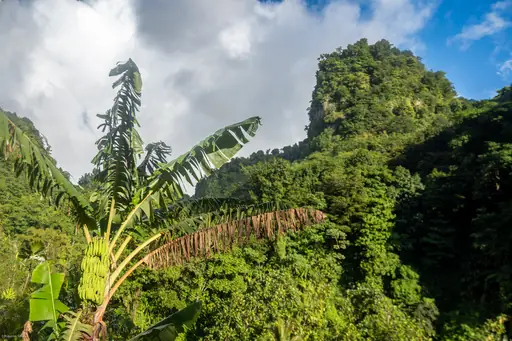
National Park in Dominica
Morne Trois Pitons National Park
Volcanic wonders in pristine rainforest
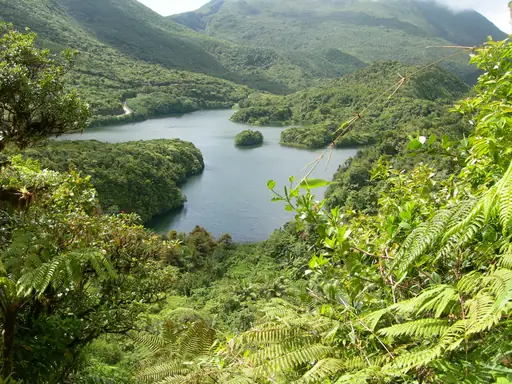
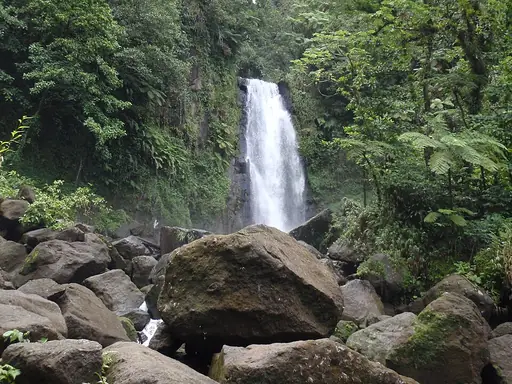
Morne Trois Pitons' rainforest shelters a wide range of Caribbean bird species. The Sisserou parrot, Dominica's national bird, survives only within the island's remaining forest. Visitors can spot parrots and hummingbirds while hiking the park's forest trails. Nearby hot springs and waterfalls add habitat diversity within the reserve.

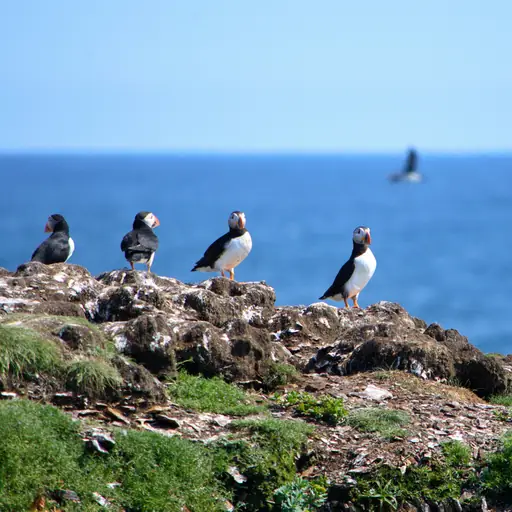

Island in Canada
Newfoundland
Coastal charm meets rugged wilderness on island
Newfoundland's coastal cliffs host massive seabird colonies during the summer breeding season. Puffins, gannets and murres gather by the thousands at protected coastal reserves. Visitors can view nesting colonies up close at sites reachable by short boat trips. Nearby waters also draw whales that arrive to feed alongside the seabirds.
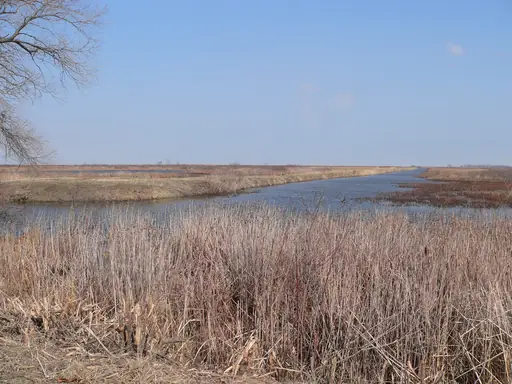
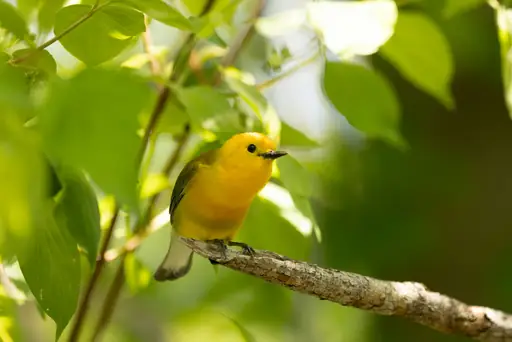
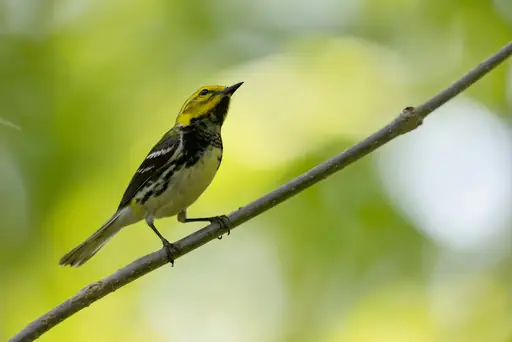
Wetland in United States
Magee Marsh
Serene marshlands echoing wildlife’s chorus
Magee Marsh sits along Lake Erie's shore at a key bottleneck for spring songbird migration. Warblers pile up here each May, waiting for favourable winds to cross the lake. Visitors can walk the marsh's boardwalk trail spotting dozens of species at close range. Nearby wetlands also draw herons and waterfowl throughout the season.
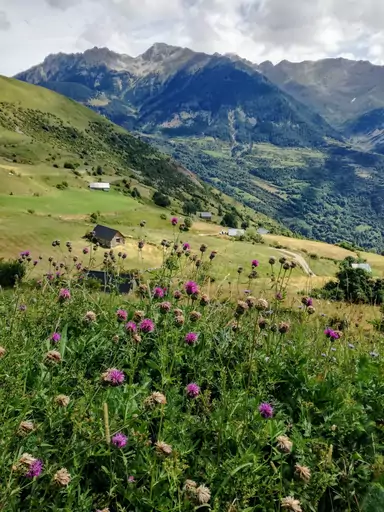
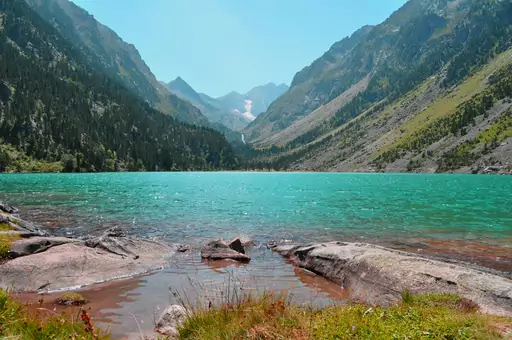

Mountain
Pyrenees
Where France meets Spain majestically
The Pyrenees shelter raptors including the rare bearded vulture across their rugged peaks. Conservation programmes have worked to rebuild vulture populations after decades of decline. Visitors can spot vultures soaring above mountain passes on hiking trails. Nearby valleys also host woodpeckers and forest species in dense pine woodland.



State/Prefecture in United States
Texas
Vast Landscapes and Deep Culture
The Texas Gulf Coast sits along a major migratory flyway for birds crossing from the tropics. Exhausted migrants often land in coastal woodland after a long overwater flight. Visitors can spot warblers and other songbirds resting in coastal parks each spring. Nearby wetlands also draw whooping cranes, among North America's rarest birds.
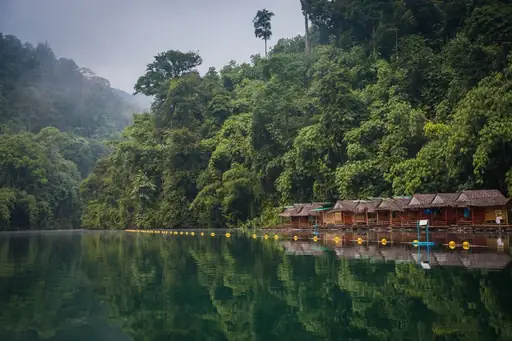
National Park in Thailand
Khao Sok National Park
Ancient Jungle and Emerald Lake Paradise
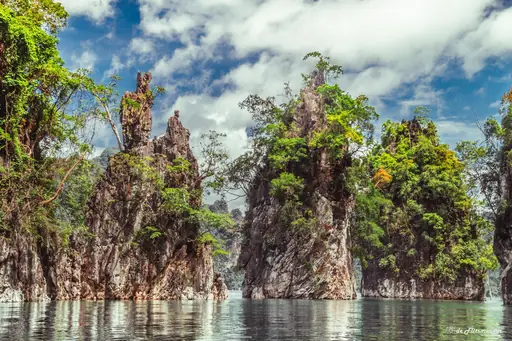
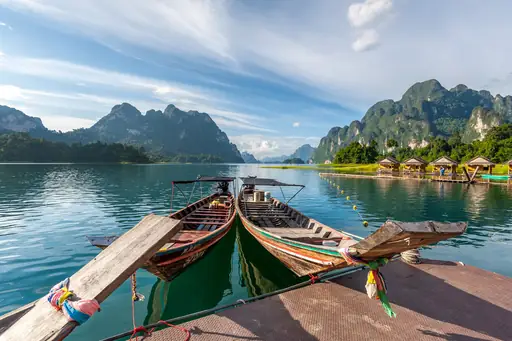
Khao Sok's rainforest shelters hornbills and other species tied to Thailand's oldest evergreen forest. Limestone karsts rising from the jungle provide nesting cliffs for several raptor species. Visitors can spot hornbills flying between fruiting trees along forest trails. Nearby Cheow Lan Lake also draws kingfishers along its forested shoreline.
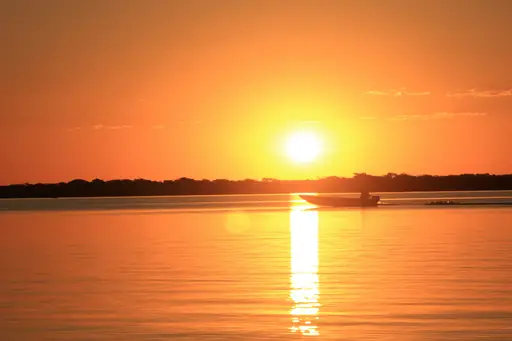
National Park in Brazil
Pantanal Matogrossense National Park
World's largest tropical wetland paradise
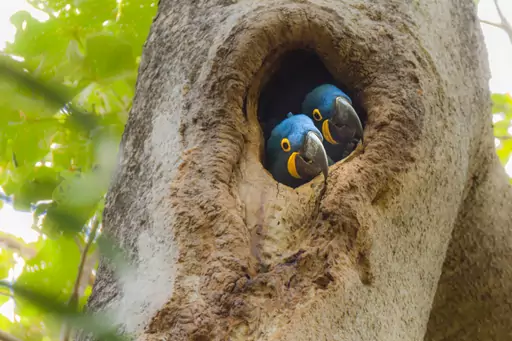
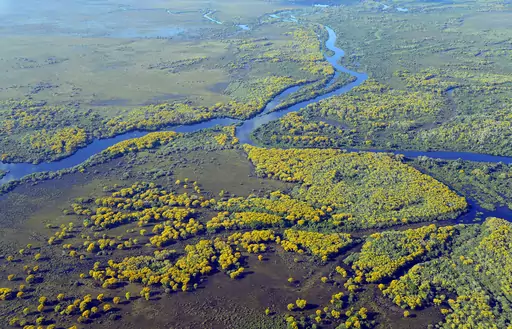
The Pantanal supports one of South America's richest concentrations of bird species. Hyacinth macaws, the world's largest parrot, nest in the region's scattered palm trees. Visitors can spot macaws and toucans while boating through the flooded wetland. Nearby riverbanks also draw jabiru storks and other large wading birds.
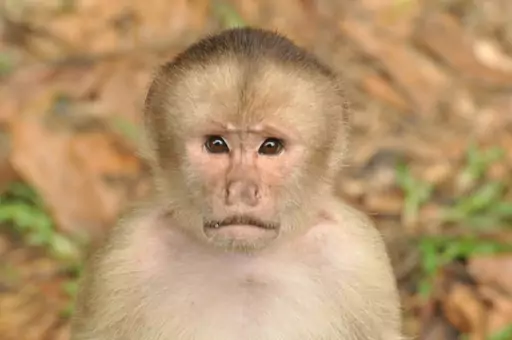
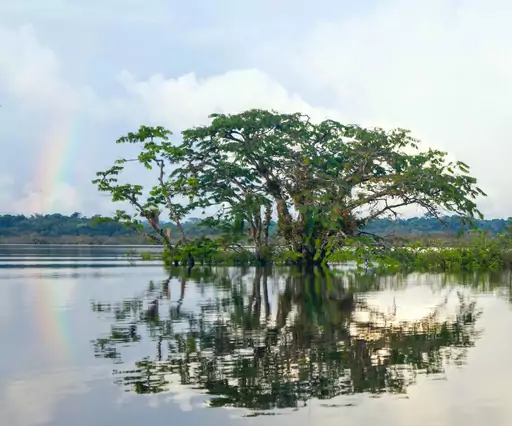
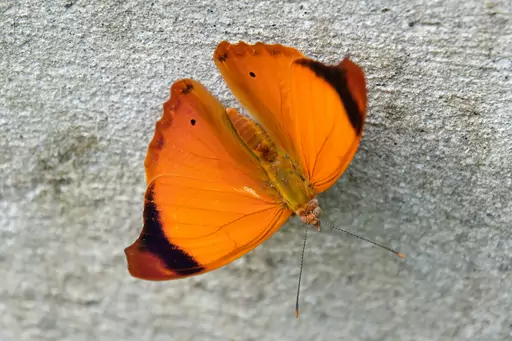
Nature Reserve in Ecuador
Cuyabeno Wildlife Reserve
Amazon wilderness teeming with life
Cuyabeno's flooded Amazon forest supports an extraordinary range of tropical bird species. Guides paddle canoes quietly through blackwater channels to spot birds undisturbed. Visitors can watch toucans and parrots feeding in the forest canopy overhead. Nearby oxbow lakes attract herons and other wading birds throughout the year.
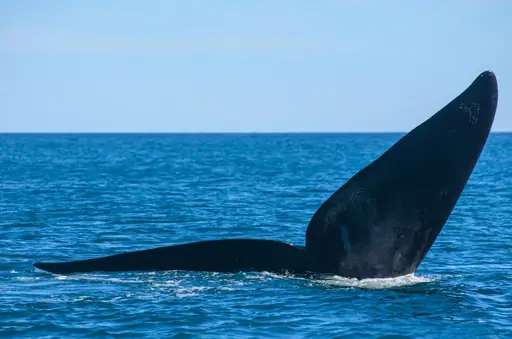


Town in Argentina
Puerto Pirámides
Whale Watching on Wild Patagonian Shores
Puerto Piramides serves as a base for exploring Peninsula Valdes' rich coastal birdlife. Cormorants and other seabirds nest along cliffs overlooking the surrounding bay. Visitors can join boat tours to spot seabirds alongside the peninsula's famous marine mammals. Nearby wetlands also draw flamingos during certain times of year.
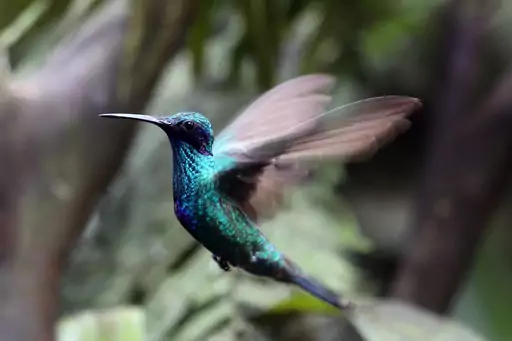
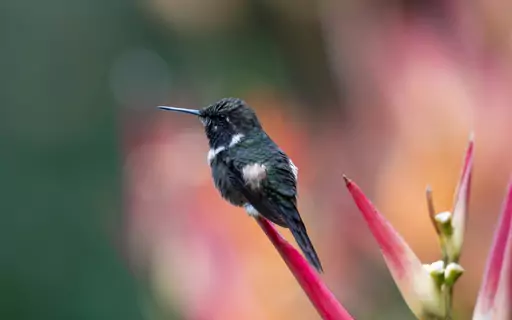
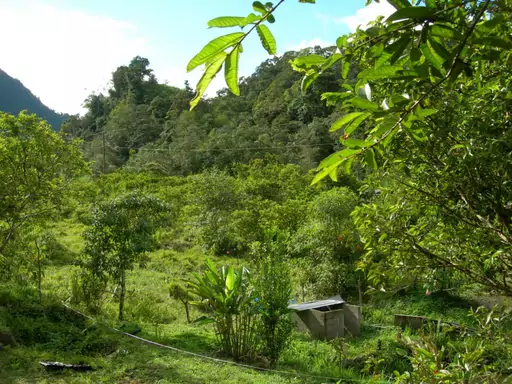
Town in Ecuador
Mindo
Lush cloud forests and vibrant hummingbird haven
Mindo's cloud forest ranks among Ecuador's premier destinations for hummingbird diversity. Dozens of hummingbird species visit feeders and flowering plants throughout the region. Visitors can watch hummingbirds at close range from lodges set within the forest. Nearby trails also offer sightings of the striking Andean cock-of-the-rock.

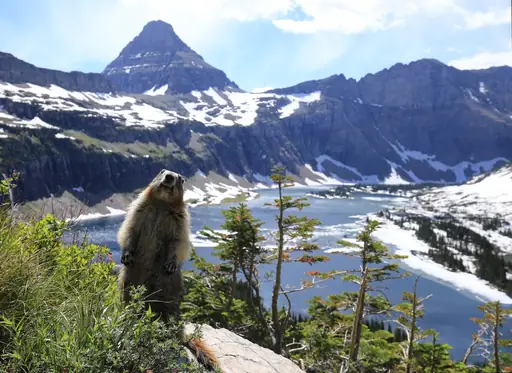

National Park in United States
Glacier National Park
Crown of the Continent
Glacier's alpine and forest habitats support birds ranging from ptarmigan to golden eagles. Harlequin ducks nest along the park's fast-flowing mountain streams each summer. Visitors can spot eagles soaring above high mountain passes on popular trails. Nearby wetlands also draw waterfowl during spring and autumn migration.
National Park
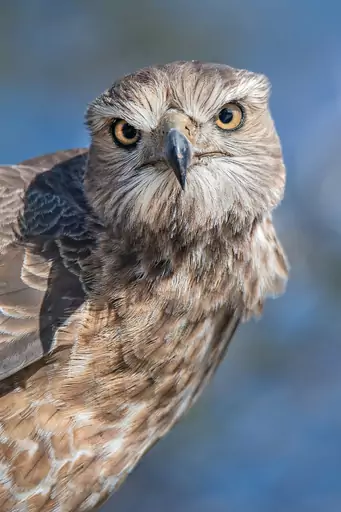
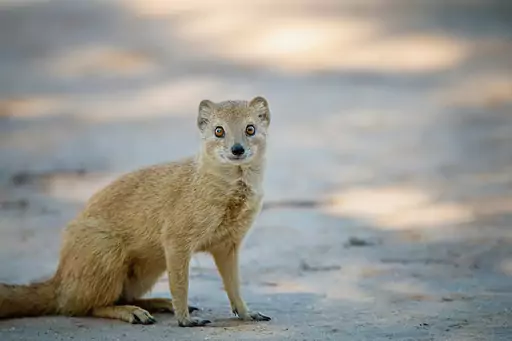
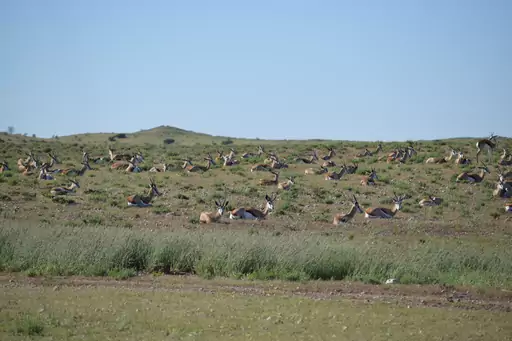
Kgalagadi Transfrontier Park
Where predators rule the Kalahari
Kgalagadi's arid landscape supports birds adapted to one of Africa's driest environments. Raptors, including the martial eagle, hunt across the park's red dune terrain. Visitors can spot birds of prey perched near dry riverbeds throughout the park. Nearby waterholes draw sandgrouse in large numbers during the hottest months.
National Park in Namibia
Etosha National Park
Namibia's Wildlife Sanctuary
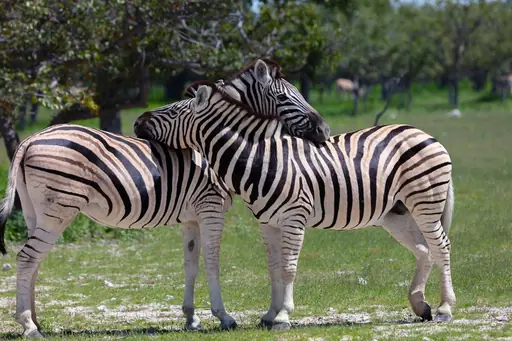
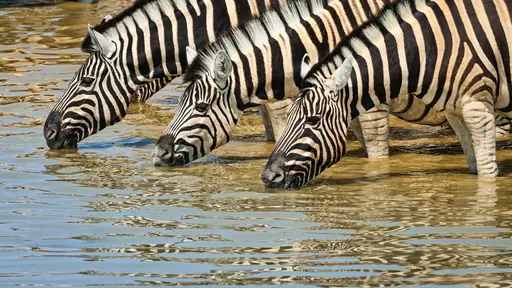
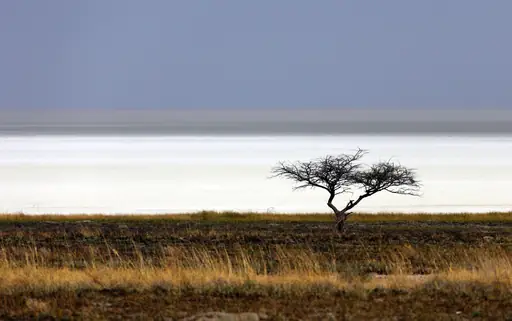
Etosha's waterholes draw dense concentrations of birds during the region's long dry season. Flamingos gather by the thousands when seasonal rains fill the park's salt pan. Visitors can spot raptors and waterbirds gathered around shrinking waterholes. Nearby grasslands host secretary birds hunting on foot across the open plain.


State/Prefecture in Japan
Hokkaido
Volcanoes, powder snow and fresh seafood
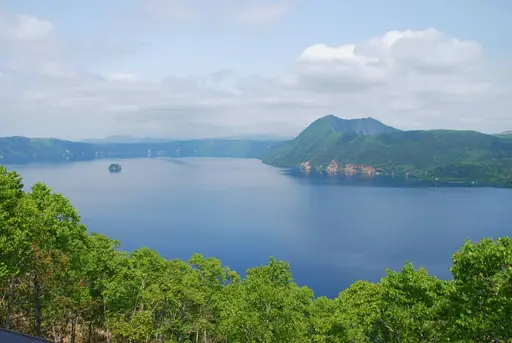
Wild red-crowned cranes gather each winter in the marshes of eastern Hokkaido. Conservationists once feared the species extinct before a small population was rediscovered in the 1920s. Visitors can watch the cranes perform mating dances in the snow. Nearby coastal cliffs also host massive gatherings of white-tailed eagles each winter.
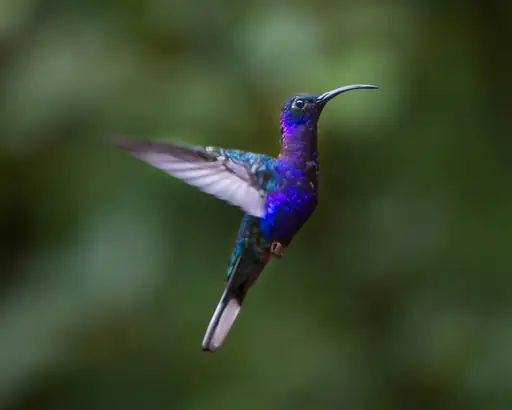
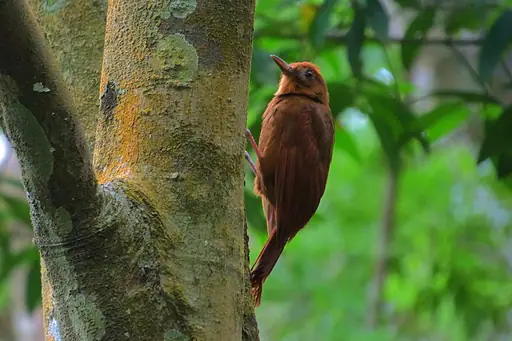
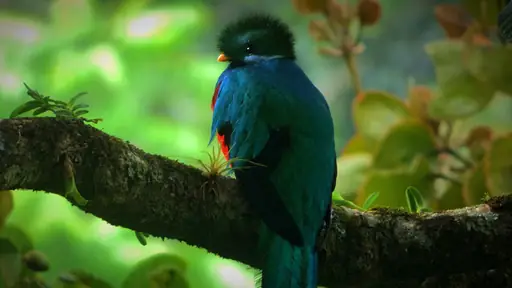
Nature Reserve in Costa Rica
Monteverde and Santa Elena Cloud Forest Reserves
Mist, Wildlife and Cloudy Magic
Thick mist blankets Monteverde's cloud forest, supporting an exceptional diversity of bird species. The resplendent quetzal, prized by birders worldwide, nests within the reserve's misty canopy. Visitors can join guided walks timed to spot quetzals during their nesting season. Nearby suspension bridges offer canopy-level views of forest birdlife.



City in United States
Key West
Tropical charm at the end of the road
Key West sits along a major migratory route for birds crossing the Gulf of Mexico. Exhausted migrants often stop to rest in the island's parks after the long flight. Visitors can spot warblers and other songbirds resting in coastal vegetation each spring. Nearby waters also draw frigatebirds and other seabirds year-round.
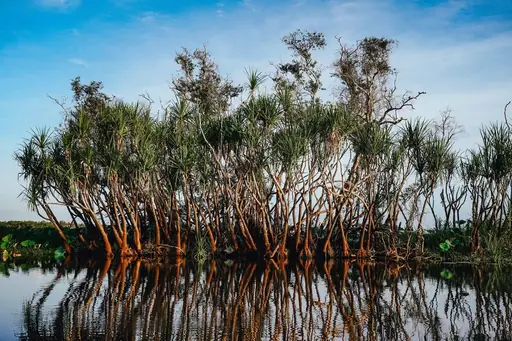
National Park in Australia
Kakadu National Park
Ancient Rock Art and Wild Wetlands
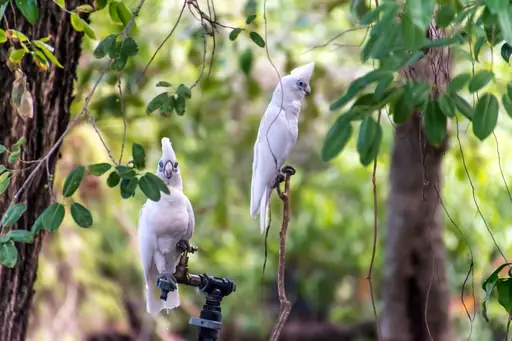
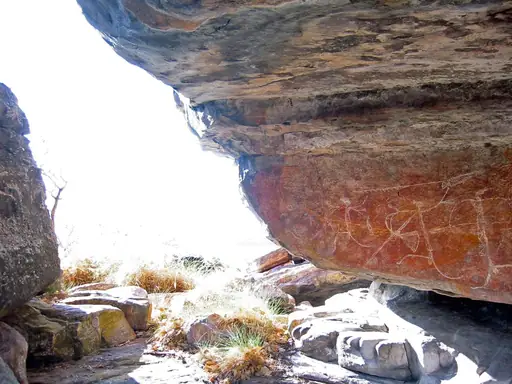
Kakadu's wetlands support one of Australia's richest concentrations of bird species. Magpie geese gather by the thousands across the park's seasonal floodplains. Visitors can spot jabiru storks and sea eagles on wetland cruises through the park. Nearby rock art depicts birds that have been observed here for thousands of years.

State/Prefecture in United States
Florida
Sunshine State, Endless Adventure
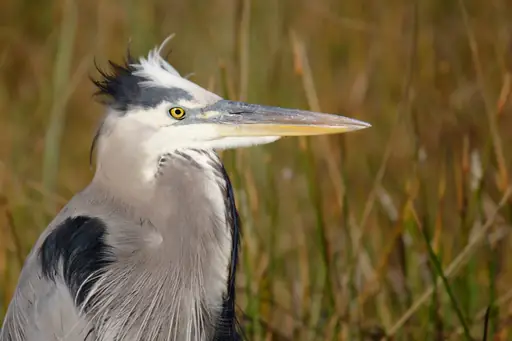
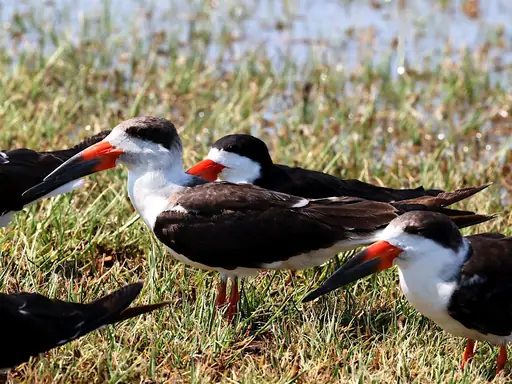
Wading birds fill Florida's wetlands, especially across the Everglades' shallow marshes. Herons, egrets and roseate spoonbills concentrate around shrinking pools during the dry season. Visitors can spot wading birds along boardwalks throughout the national park. Nearby coastal areas draw shorebirds and diving seabirds along the shoreline.
Wetland in Romania
Danube Delta
Breathtaking wetlands where nature thrives
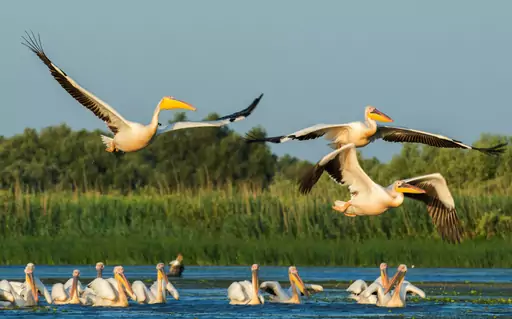
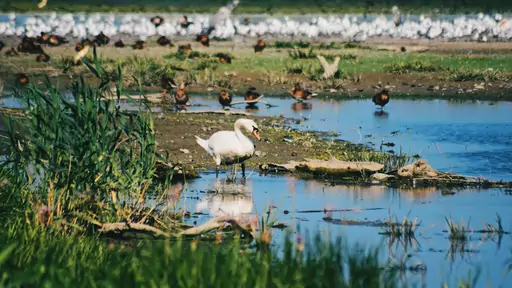
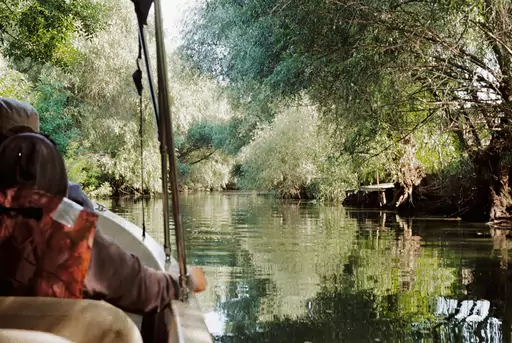
The Danube Delta hosts one of Europe's largest concentrations of breeding pelicans. Reed beds and wetlands here provide habitat for hundreds of recorded bird species. Visitors can cruise the delta's channels spotting herons, egrets and pelicans. Nearby villages still rely on traditional fishing within the same wetlands.

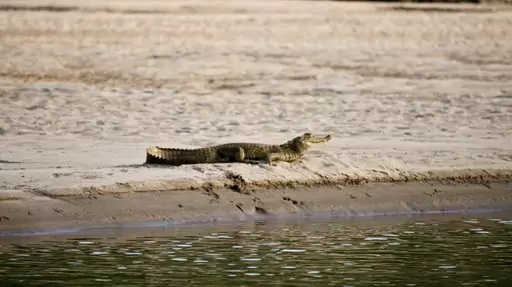
National Park in Peru
Manú National Park
Pristine Amazon biodiversity wonderland
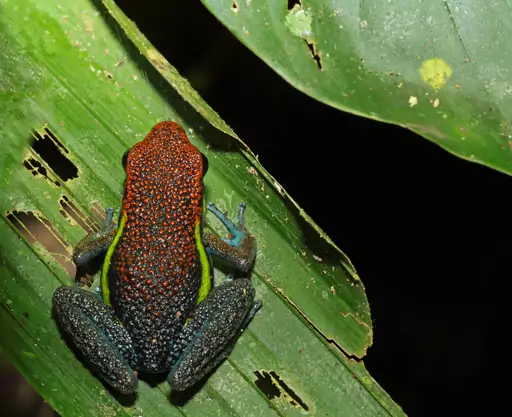
Manu spans elevations from high Andean peaks down to Amazon lowland forest. Biologists have recorded well over a thousand bird species within the park's varied habitats. Visitors can spot macaws gathering at a riverside clay lick each morning. Nearby cloud forest also shelters the vivid Andean cock-of-the-rock.
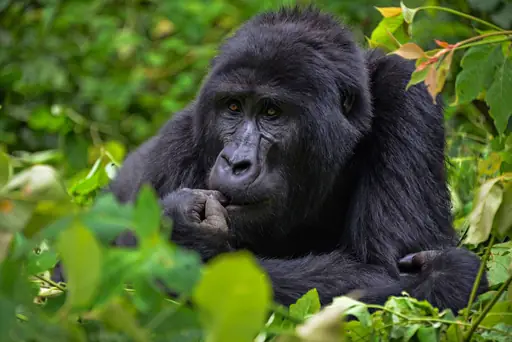
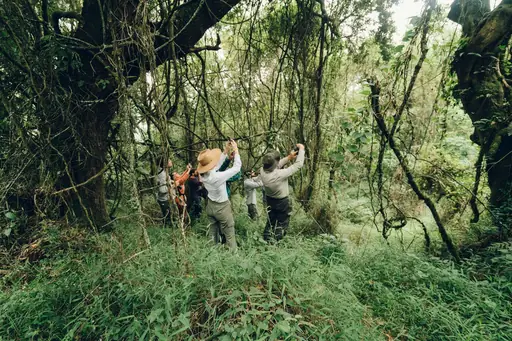
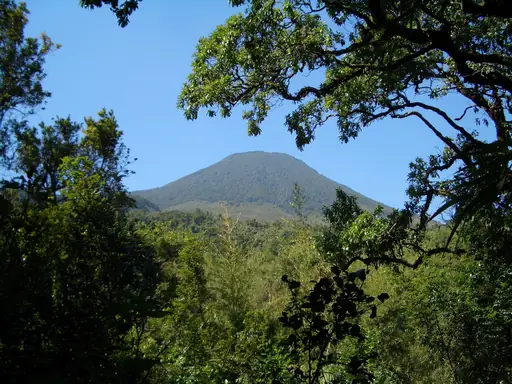
National Park in Uganda
Bwindi Impenetrable National Park
Gorilla Encounters in Ancient Forest
Bwindi shelters over three hundred and fifty bird species within its dense mountain forest. Several species found here occur nowhere else outside the surrounding Albertine Rift region. Visitors can spot colourful turacos and sunbirds while trekking the park's forest trails. Nearby ridges stay wrapped in mist that shapes the park's rich biodiversity.
Nature Reserve in Mexico
Calakmul Biosphere Reserve
Ancient Maya Ruins in Pristine Jungle
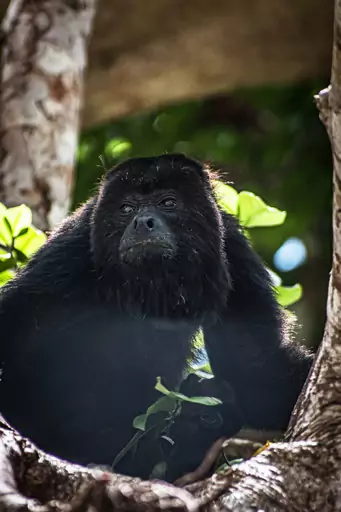
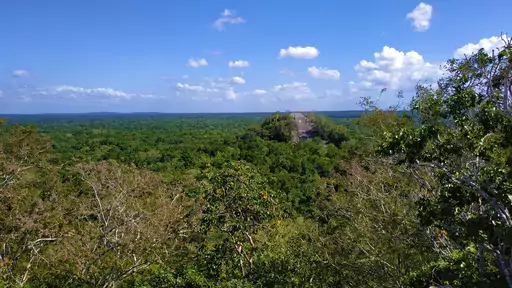
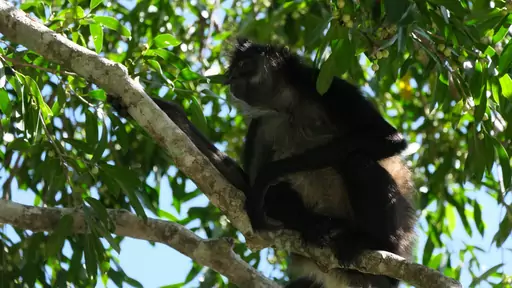
Calakmul's rainforest shelters a wide range of tropical bird species around its ancient ruins. Ocellated turkeys, found only in the region, wander the forest floor near Maya temples. Visitors can spot toucans and parrots while exploring the reserve's remote ruins. Nearby forest canopy also shelters hawks and other raptors.
National Park in Ethiopia
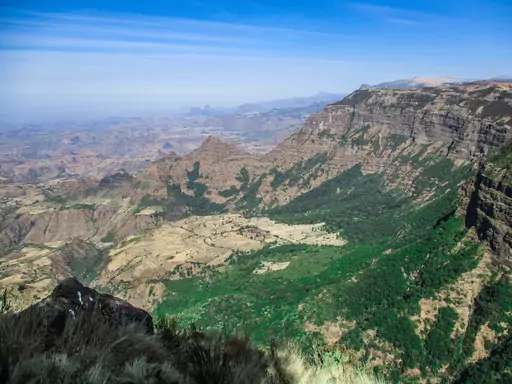
Simien National Park
Jagged peaks of ancient wilderness
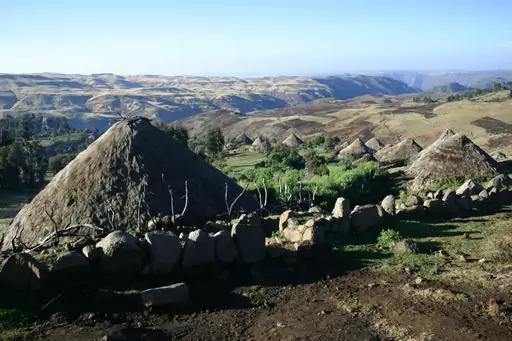
Simien's high plateau shelters birds adapted to Ethiopia's dramatic mountain terrain. Lammergeiers, bearded vultures, soar along the escarpment's sheer cliff edges. Visitors can spot raptors circling above deep valleys while trekking the highland trails. Nearby cliffs also host thick-billed ravens found only in the region.
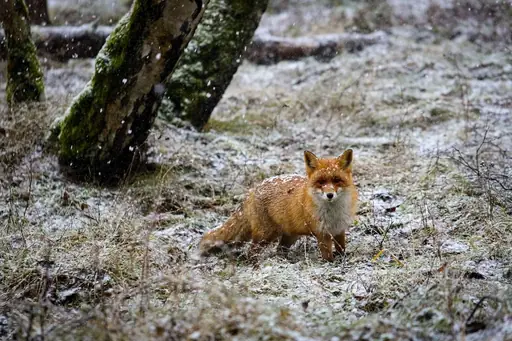
National Park in Lithuania
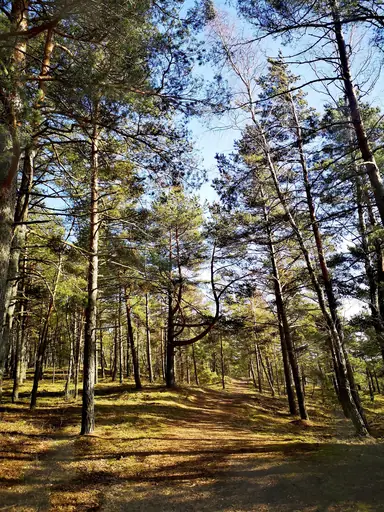
Curonian Spit National Park
Dunes, Forests and Baltic Magic
The Curonian Spit sits along a major bird migration route through the Baltic region. Millions of birds pass through this narrow strip of dunes and forest each season. Visitors can visit a research station that has tracked migrating birds for decades. Nearby forests also host owls and woodpeckers year-round.

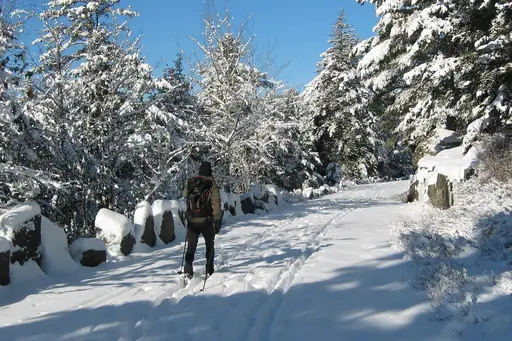
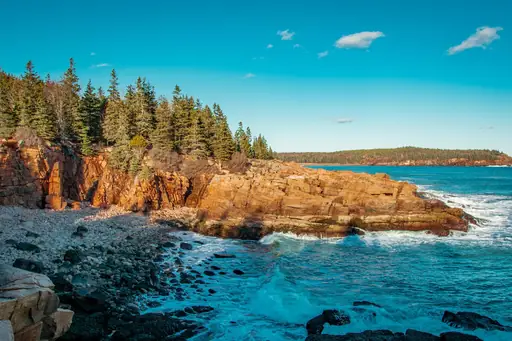
National Park in United States
Acadia National Park
Rugged Shores, Sunrise Peaks, Wild Beauty
Acadia's coastal forests and rocky shoreline draw migrating songbirds each spring and autumn. Birders have tracked seasonal movements through the park for well over a century. Visitors can spot warblers in the forest or seabirds along the rocky coast. Nearby Cadillac Mountain offers views over the same migratory flyway.

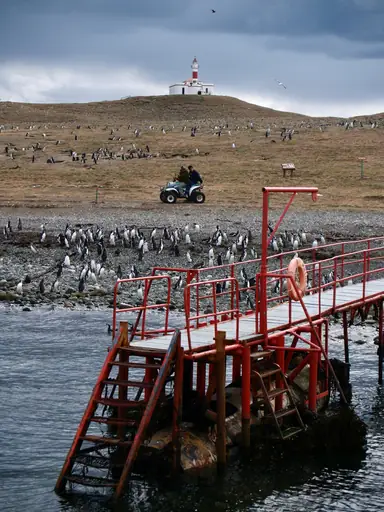

City in Chile
Punta Arenas
Patagonia’s windswept gateway to adventure
Punta Arenas serves as a gateway to Patagonia's rich seabird and penguin colonies. Magellanic penguins nest in large numbers on nearby islands each breeding season. Visitors can take a boat trip to view penguin colonies just offshore. Nearby straits also draw albatross and other seabirds year-round.
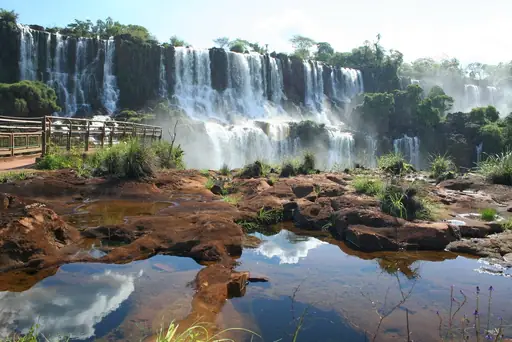


City in Argentina
Puerto Iguazú
Gateway to Iguazú’s Thundering Falls
Rainforest surrounding Iguazu Falls shelters a wide range of tropical bird species. Toucans and parrots frequent the forest canopy near the roaring waterfall system. Visitors can spot colourful birds along trails leading towards the falls. Nearby swifts nest behind the curtain of falling water itself.

Island in India
Andaman and Nicobar Islands
Crystal waters and pristine wilderness
Isolated forests across the Andaman Islands shelter bird species found nowhere else. Isolation from the mainland allowed several endemic species to evolve here undisturbed. Visitors can spot Andaman woodpeckers and other island specialities on guided walks. Nearby coastal mangroves add habitat for wading birds along the shoreline.
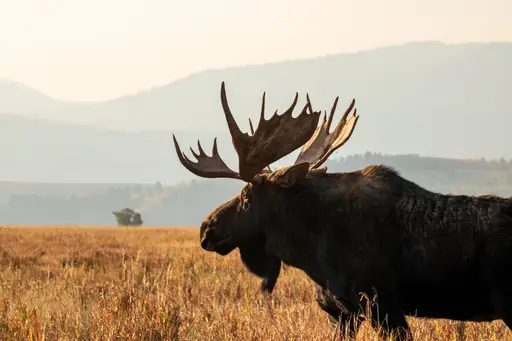
State/Prefecture in United States
Wyoming
Wild West landscapes and natural wonders
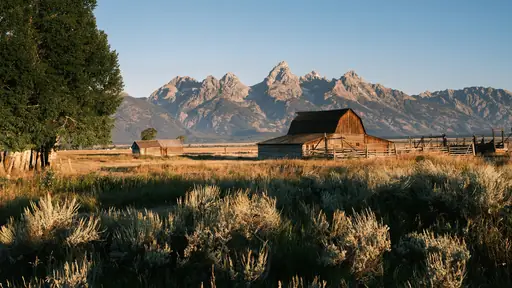
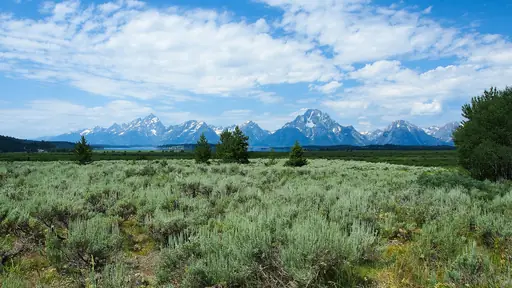
Wyoming's mountains and prairies support birds ranging from sage grouse to golden eagles. Greater sage grouse perform elaborate mating displays on open grassland each spring. Visitors can join guided outings timed to view the birds' dawn courtship rituals. Nearby wetlands also draw trumpeter swans and other waterfowl.
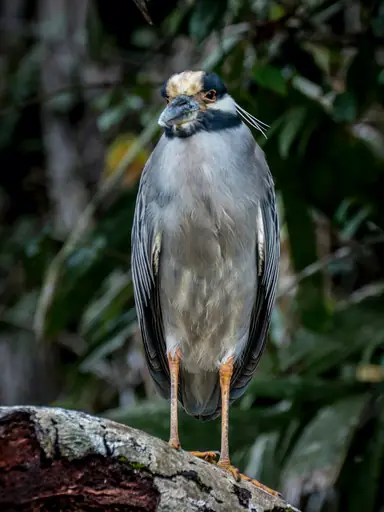
National Park in Costa Rica
Tortuguero National Park
Wildlife and Waterways Adventure
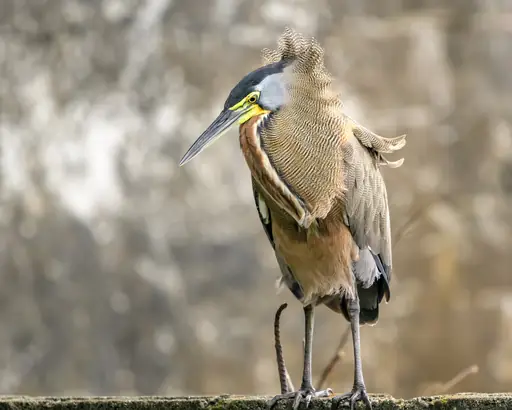
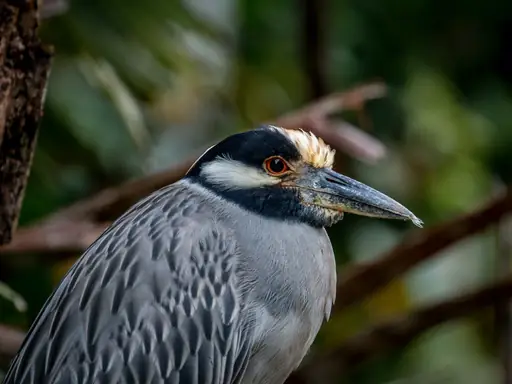
Tortuguero's canals and rainforest support a wide range of Costa Rican bird species. Toucans and parrots move through the canopy along the park's winding waterways. Visitors can spot herons and kingfishers while gliding through canals on quiet boat tours. Nearby beaches also draw shorebirds foraging along the shoreline.
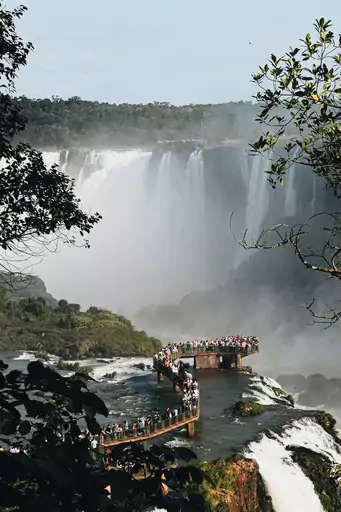
National Park in Argentina
Iguazú National Park and Reserve
Epic Waterfalls and Wild Rainforest
Rainforest surrounding Iguazu Falls shelters a wide range of tropical bird species. Toucans and parrots frequent the forest canopy near the roaring waterfall system. Visitors can spot colourful birds along trails leading towards the falls. Nearby swifts nest behind the curtain of falling water itself.



Town in Canada
Tofino
Wild Pacific, Rainforest, Endless Waves
Old-growth rainforest around Tofino shelters a wide range of coastal bird species. Bald eagles nest along the shoreline, drawn by the area's abundant fish supply. Visitors can spot eagles and other raptors while exploring the coastline by boat. Nearby beaches also draw shorebirds foraging along the tideline.

State/Prefecture in United States
Maine
Lobsters, Lighthouses and Lush Landscapes
Maine's rocky coastline and forests support a wide range of nesting and migrating birds. Puffins nest on a handful of protected offshore islands each summer. Visitors can join boat tours to view puffin colonies during the breeding season. Nearby forests also host warblers and other songbirds during spring migration.
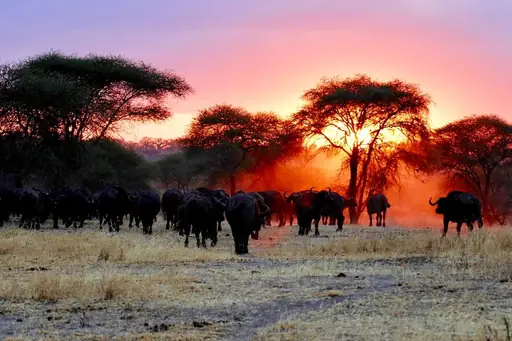
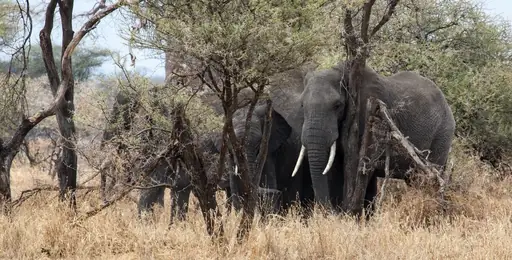
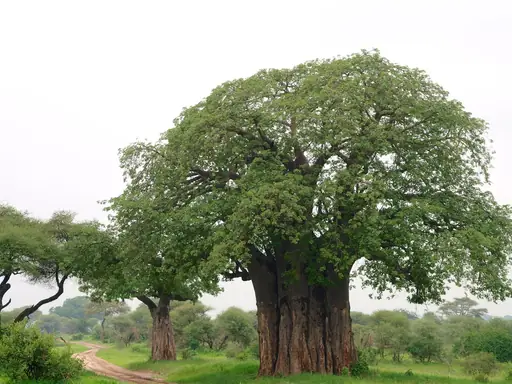
National Park in Tanzania
Tarangire National Park
Elephant Paradise with Baobab Backdrops
Tarangire's baobab-studded landscape supports a wide range of Tanzanian bird species. Large flocks gather around the Tarangire River, especially during the dry season. Visitors can spot hornbills and raptors while on safari through the park. Nearby swamps also draw storks and other wading birds even in drier months.
National Park in Zambia
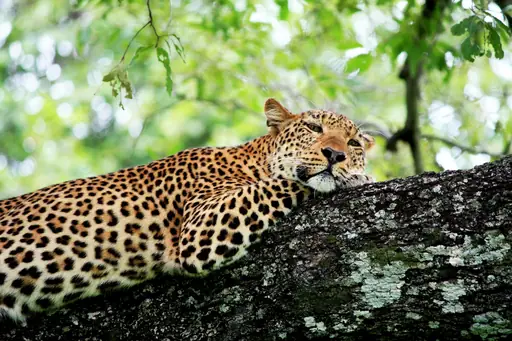
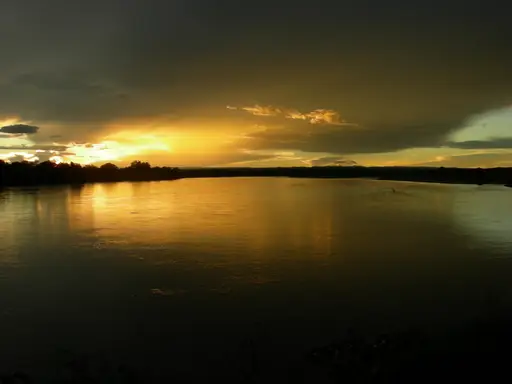
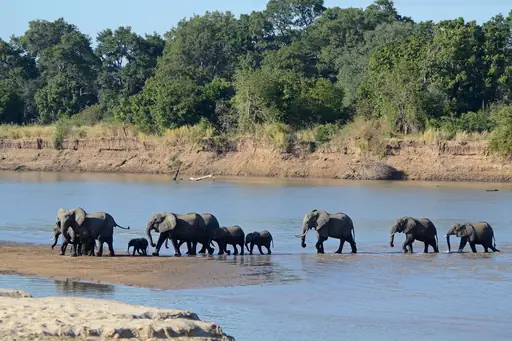
South Luangwa National Park
Walking Safaris and Wild Encounters
South Luangwa's riverine forest supports one of Zambia's richest concentrations of bird species. Carmine bee-eaters nest in colourful colonies along the river's steep sandy banks. Visitors can spot bee-eaters and fish eagles while on safari along the Luangwa River. Nearby lagoons also draw storks and other wading birds.


Island in Malaysia
Sipadan
Crystal reefs and untouched tropical paradise
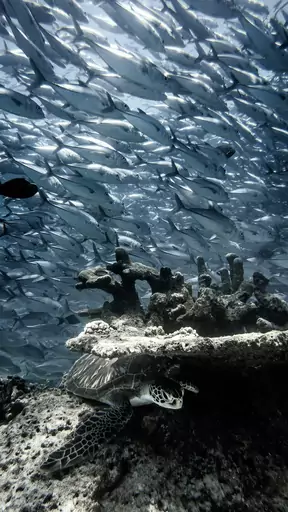
Sipadan's forested shoreline shelters seabirds alongside its famous coral reefs. Frigatebirds and other seabirds nest on the small island's remaining forest. Visitors can spot nesting seabirds while exploring trails around the island's edge. Nearby waters also draw seabirds diving for fish above the surrounding reef.



State/Prefecture in United States
Louisiana
Cajun Soul and Vibrant Culture
Louisiana's coastal marshes provide key stopover habitat for birds crossing the Gulf of Mexico. Exhausted migrants often land in the state's cheniers after a long overwater flight. Visitors can spot warblers and other songbirds resting in coastal woodland each spring. Nearby swamps also shelter herons and egrets year-round.
National Park in South Africa
Kruger National Park
Where Africa's Big Five Roam Free
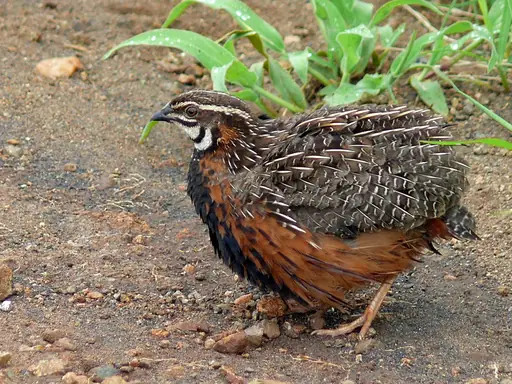
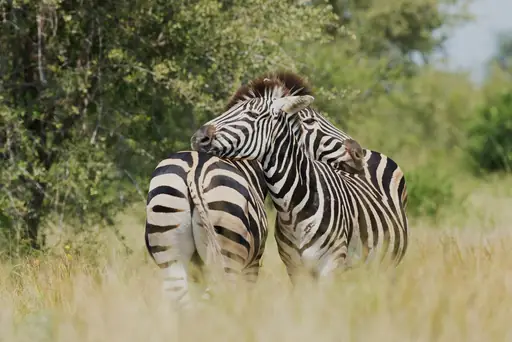
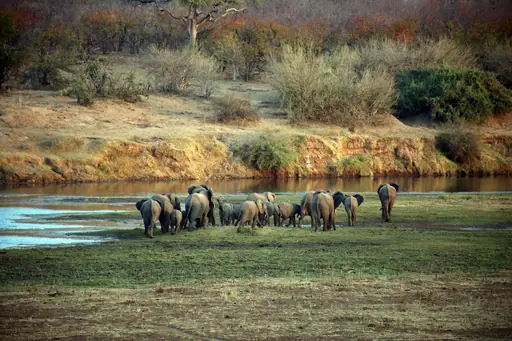
Kruger supports over five hundred recorded bird species alongside its famous mammals. Raptors, including several vulture species, patrol the park's open savanna. Visitors can spot ground hornbills and eagles while on game drives through the bush. Nearby rivers also draw herons and kingfishers along the wooded banks.



Country
Myanmar
Ancient temples meet natural wonders
Myanmar's forests and wetlands support a wide range of Southeast Asian bird species. Indawgyi Lake draws large numbers of waterbirds during migration season each year. Visitors can spot storks and pelicans gathered along the lake's shallow waters. Nearby forests also shelter hornbills within remaining protected areas.

National Park in United States
Olympic National Park
Untamed Wilderness, All in One
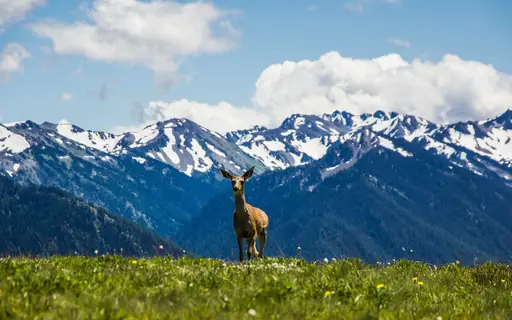
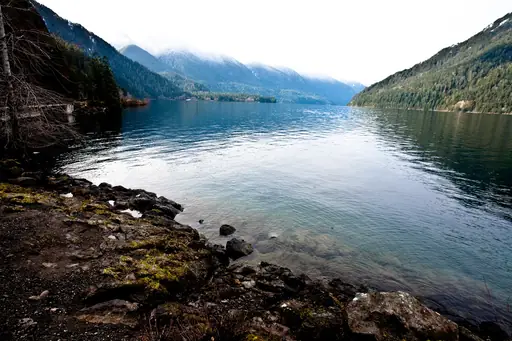
Olympic's varied habitats, from rainforest to alpine meadow, support a wide range of bird species. Marbled murrelets nest in old-growth trees found within the park's ancient forest. Visitors can spot owls and woodpeckers in mossy rainforest along popular trails. Nearby coastline also draws shorebirds and seabirds along the rocky shore.
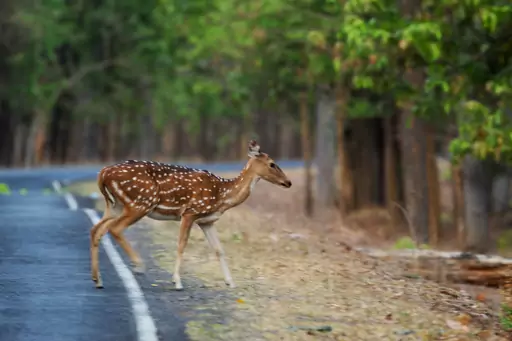
National Park in India
Kanha National Park
Tiger paradise in magical wilderness
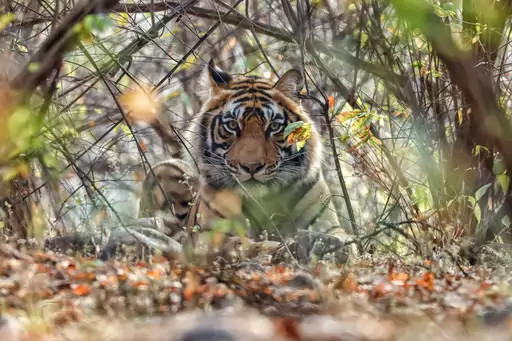
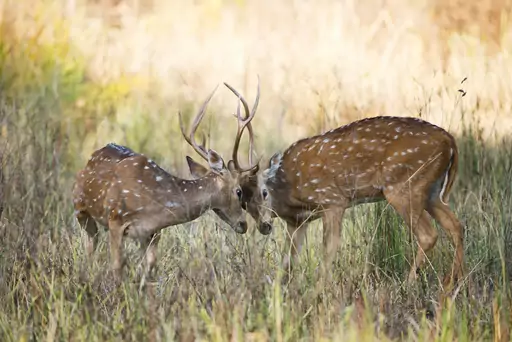
Kanha's sal forests support a wide range of bird species alongside its famous tigers. Peafowl display their plumage across open meadows within the park's protected grasslands. Visitors can spot hornbills and raptors while on safari through the forest. Nearby wetlands attract storks and other wading birds during the dry season.

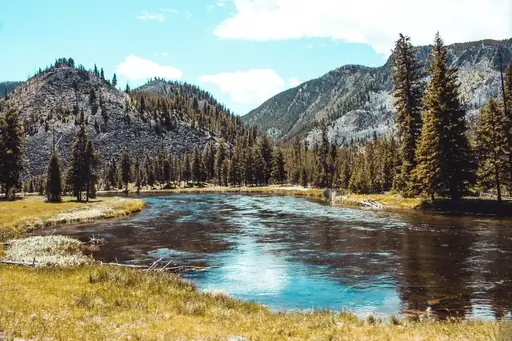
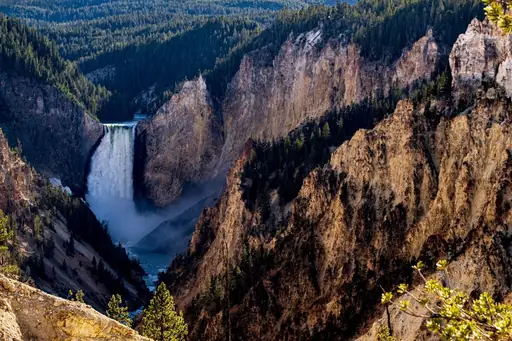
National Park in United States
Yellowstone National Park
Geysers, wildlife and untamed wilderness
Yellowstone's varied habitats support birds ranging from waterfowl to mountain raptors. Trumpeter swans nest on the park's rivers and lakes each summer season. Visitors can spot ospreys and eagles fishing along the Yellowstone River's canyon. Nearby geyser basins also draw waterfowl to their ice-free winter waters.



Country
São Tomé and Príncipe
Equatorial paradise with volcanic landscapes
Isolated forests across Sao Tome and Principe shelter bird species found nowhere else. Isolation from the African mainland allowed several endemic species to evolve undisturbed. Visitors can spot ibis and sunbirds found only on these small volcanic islands. Nearby plantations also host birds adapted to the island's shaded cacao groves.



Country
Papua New Guinea
Last paradise of South Pacific
Papua New Guinea's rainforest shelters a remarkable diversity of birds of paradise. Male birds perform elaborate courtship displays deep within the forest canopy. Visitors can join guided walks timed to catch these displays at dawn. Nearby highland valleys also shelter numerous other species found nowhere else.
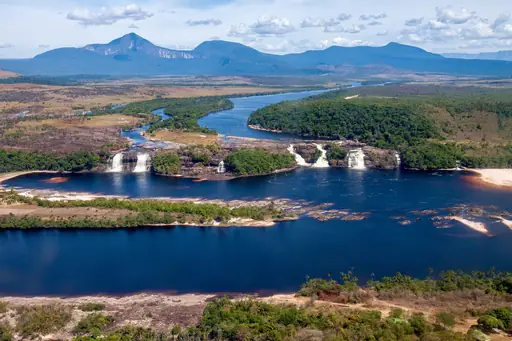
National Park in Venezuela
Canaima National Park
Tepui Peaks and Angel Falls Wonder
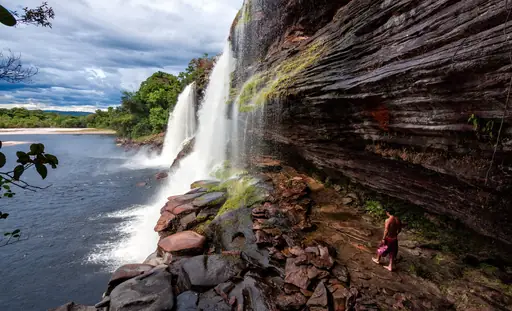
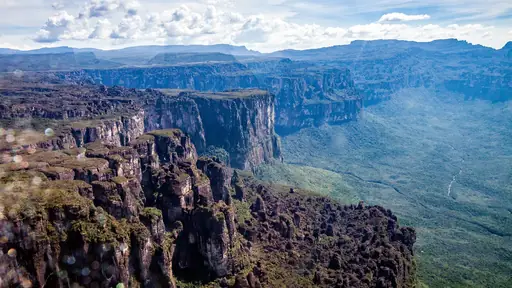
Canaima's tabletop mountains and rainforest shelter a wide range of tropical bird species. Cock-of-the-rock and other colourful birds inhabit the forest surrounding Angel Falls. Visitors can spot macaws and toucans while travelling the park's rivers by canoe. Nearby cliffs host raptors that nest along the sheer rock faces.



Outer Territory in France
Saint Pierre and Miquelon
French Charm off Canada's Coast
Seabirds nest along the cliffs of these small French islands off Newfoundland's coast. Puffins and other seabirds gather here during the short northern breeding season. Visitors can join boat tours to view puffin colonies nesting on offshore islands. Nearby waters also draw seabirds feeding on rich fishing grounds nearby.

National Park in India
Kaziranga National Park
Land of Rhinos and Wild Grasslands
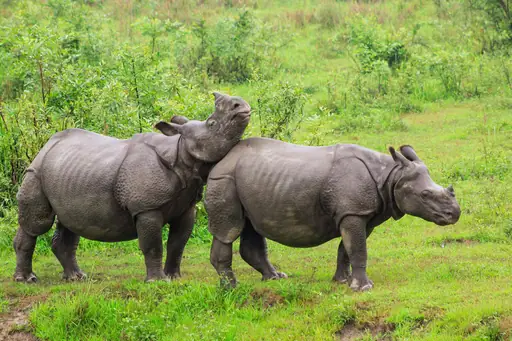
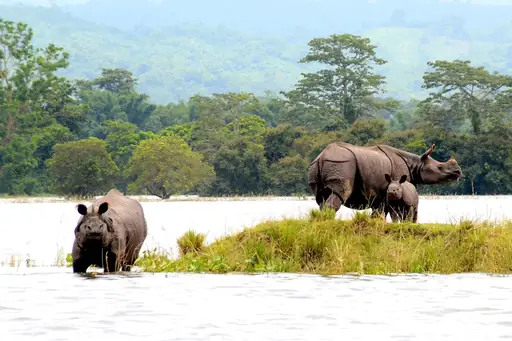
Kaziranga's wetlands and grasslands support one of India's richest bird lists. The park's floodplains draw storks, pelicans and other waterbirds alongside its famous rhinos. Visitors can spot birds from the back of an elephant during guided safaris. Nearby forests also shelter hornbills within the park's protected boundaries.

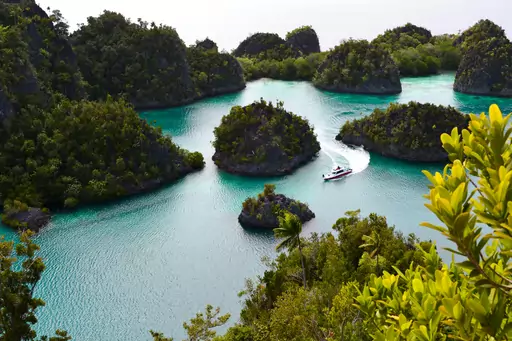
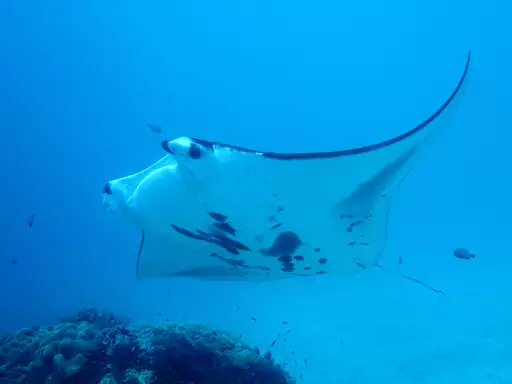
Archipelago in Indonesia
Raja Ampat
Vibrant coral reefs and lush tropical islands
Raja Ampat's forested islands shelter birds of paradise alongside its famous coral reefs. Male birds perform elaborate courtship displays deep within the island forests. Visitors can join guided walks timed to catch displays at dawn. Nearby waters also draw seabirds diving above the surrounding reef systems.
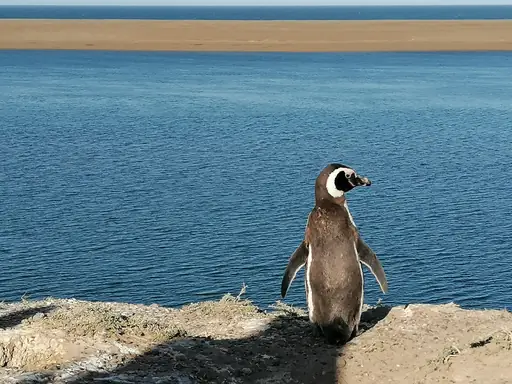
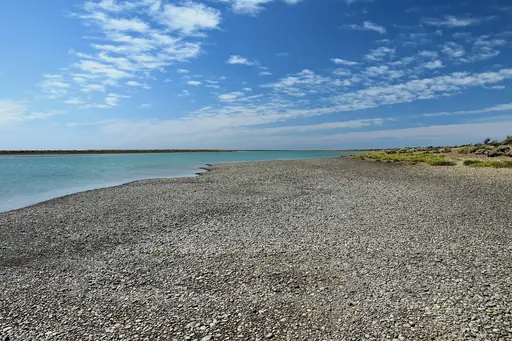
Nature Reserve in Argentina
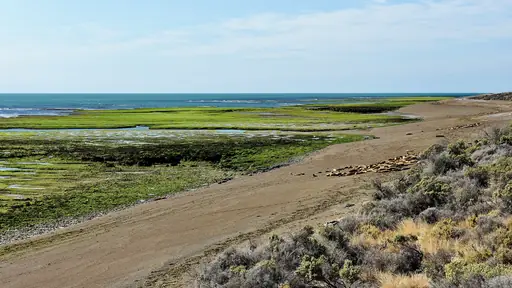
Peninsula Valdes
Wild dolphins glide over turquoise cliffs
Peninsula Valdes supports large colonies of seabirds alongside its famous marine mammals. Cormorants and penguins nest along cliffs overlooking the surrounding bay waters. Visitors can spot nesting colonies on guided tours around the peninsula's coastline. Nearby waters also draw seabirds diving for fish just offshore from the peninsula.
National Park in Tanzania
Serengeti National Park
The Ultimate Safari Adventure
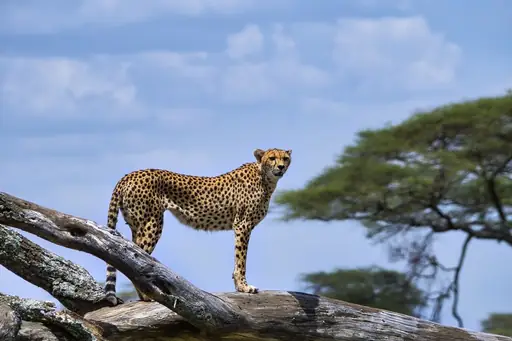
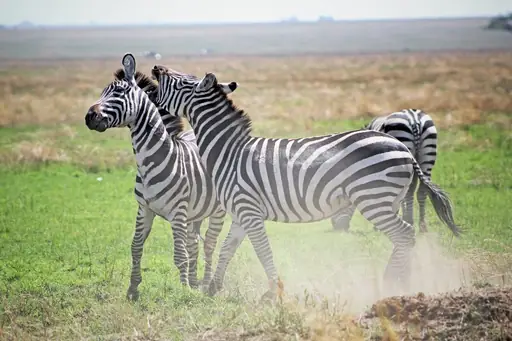
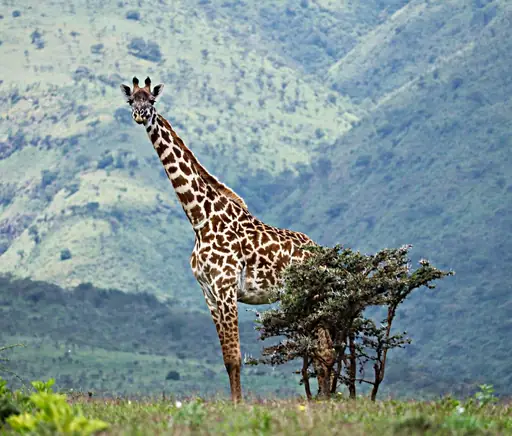
The Serengeti's plains support hundreds of bird species alongside its famous migrating herds. Vultures and other raptors circle above wildebeest during the Great Migration season. Visitors can spot secretary birds hunting on foot across the open savanna. Nearby kopjes, rocky outcrops, offer perches for raptors surveying the plains.


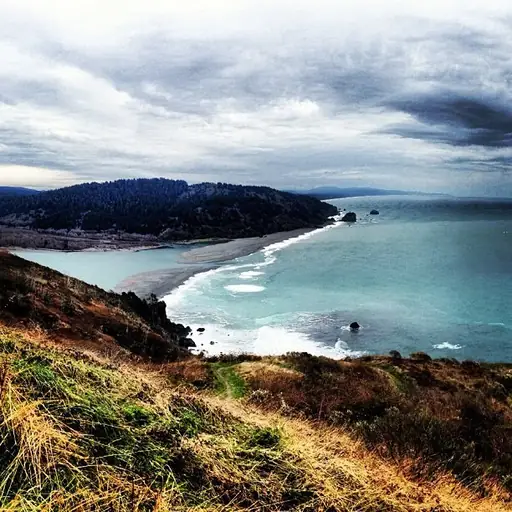
National Park in United States
Redwood National Park
Home of the World’s Tallest Trees
Old-growth redwood forest shelters the marbled murrelet, a seabird that nests in ancient trees. Researchers only confirmed the species' unusual forest nesting habits in the 1970s. Visitors can spot woodpeckers and owls while walking among the towering redwoods. Nearby coastline also draws shorebirds along rocky beaches and coves.

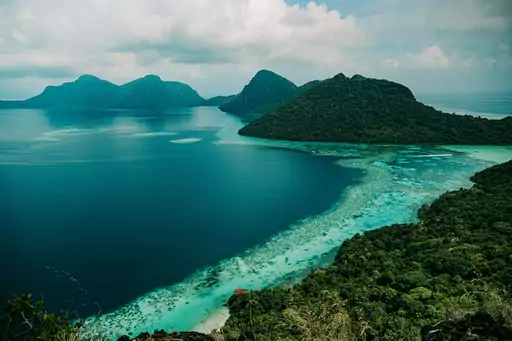

Island
Borneo
Wild rainforests meet unique wildlife
Rainforests across Borneo shelter hundreds of bird species, including several found only on the island. Hornbills with their oversized bills rank among the most sought-after sightings for visiting birders. Visitors can spot hornbills and pittas on guided walks through the jungle canopy. Nearby rivers offer boat trips for spotting kingfishers along the banks.



Region in Canada
Bay of Fundy
Home to world's highest tides
Shorebirds gather by the hundreds of thousands along the Bay of Fundy's mudflats. The world's highest tides expose feeding grounds that fuel a long migratory journey south. Visitors can watch flocks lift together in tight, swirling formations at high tide. Nearby cliffs also host nesting seabirds along the rugged coastline.

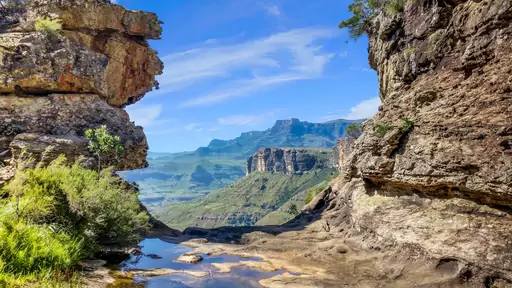
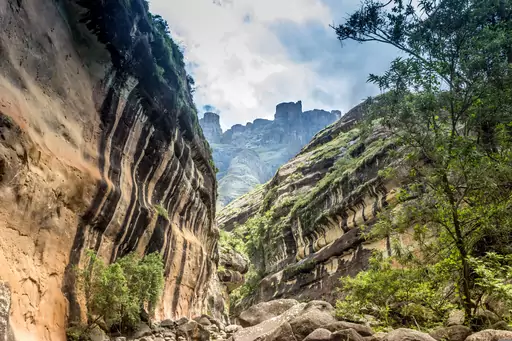
Nature Reserve in South Africa
Ukhahlamba Drakensberg Park
Barrier of spears touching sky
The Drakensberg's cliffs shelter bearded vultures found in few other parts of Africa. Steep escarpments here provide ideal nesting sites for several rare raptor species. Visitors can spot vultures soaring above mountain trails throughout the park. Nearby grasslands also host sunbirds and other high-altitude specialists.
Nature Reserve in United States
Big Cypress National Preserve
Florida's wild swamp wilderness experience
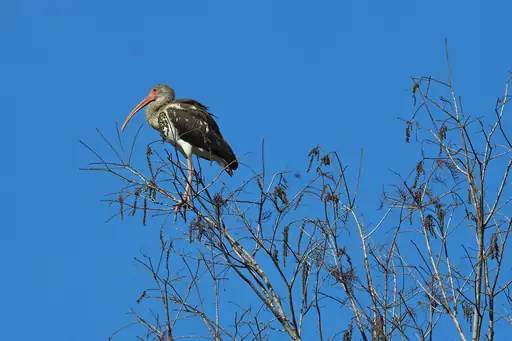
Wading birds fill Big Cypress's swamp forest, especially during the dry winter months. Herons, egrets and wood storks concentrate around shrinking pools as water levels drop. Visitors can spot wading birds along the Tamiami Trail's boardwalks and canals. Nearby cypress domes shelter owls and other forest-dwelling species.

City in Brazil
Foz do Iguaçu
Where three nations meet waterfalls
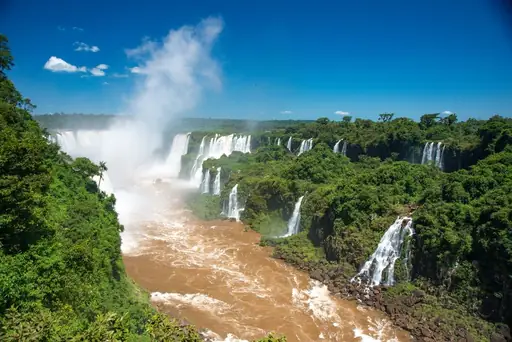
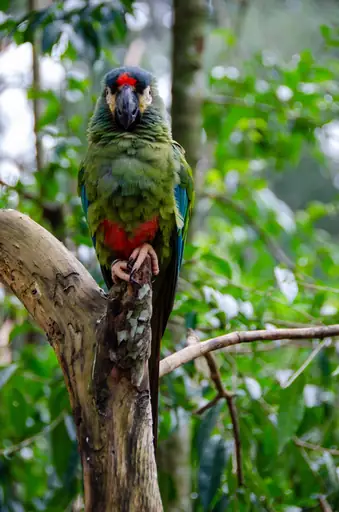
Rainforest surrounding Iguacu Falls shelters a wide range of tropical bird species. Toucans and parrots frequent the forest canopy near the roaring waterfall system. Visitors can spot colourful birds along trails leading towards the falls. Nearby swifts nest behind the curtain of falling water itself.



Country in United Kingdom
England
Historic Nation of Timeless Charm
Wetland reserves across England draw birders hoping to spot rare migrants each season. Coastal marshes provide key stopover habitat along major European migration routes. Visitors can spot waders and waterfowl from hides overlooking managed wetlands. Nearby woodlands host owls and other resident forest species year-round.



Region in Belize
Cayo District
Jungle adventures and ancient Maya ruins
Rainforest and river habitats across Belize's Cayo District support a wide range of tropical birds. Toucans and parrots rank among the most commonly spotted species in the region. Visitors can birdwatch from canopy walkways or along quiet jungle rivers. Nearby ruins offer views over forest canopy alive with birdsong.
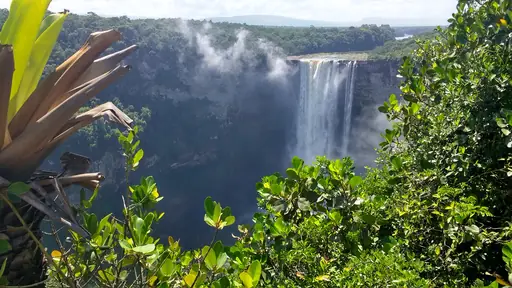
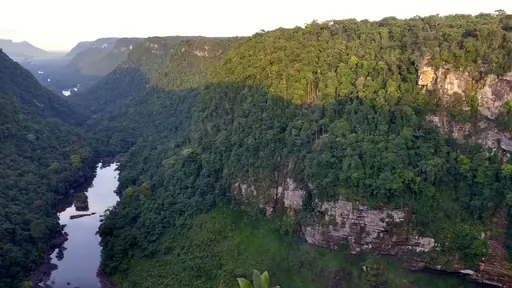
National Park in Guyana
Kaieteur National Park
World's Most Powerful Single-Drop Waterfall
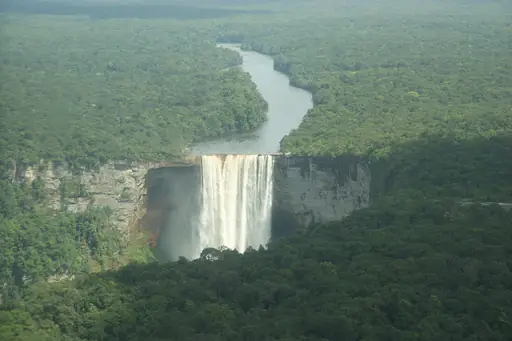
Kaieteur's rainforest shelters the golden cock-of-the-rock, a strikingly coloured bird found in Guyana. Swifts nest behind the curtain of Kaieteur Falls, one of the world's tallest single-drop waterfalls. Visitors can spot cock-of-the-rock displays and swifts diving near the falls. Nearby forest canopy also shelters toucans and macaws.
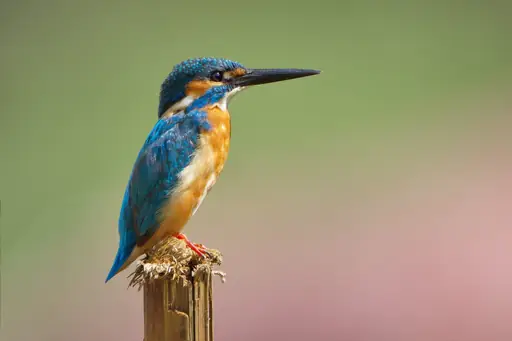
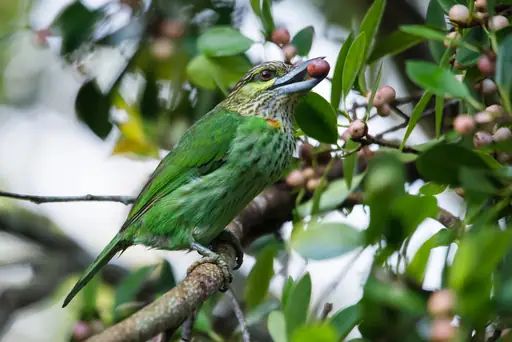
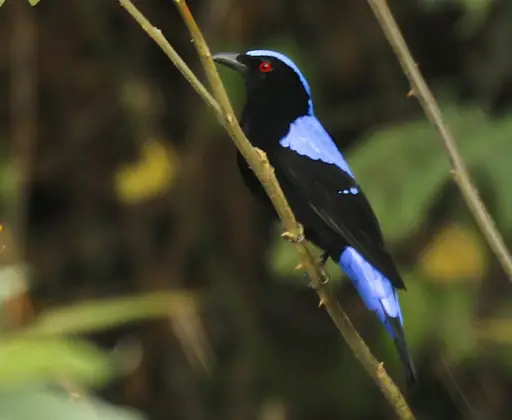
National Park in Thailand
Khao Yai National Park
Wild Elephants, Waterfalls and Jungle Trails
Khao Yai's forest supports over three hundred recorded bird species within its protected boundaries. Hornbills nest in old-growth trees scattered throughout the park's dense canopy. Visitors can join guided walks specifically timed to spot hornbills feeding at dawn. Nearby waterfalls and grasslands add habitat for additional forest species.
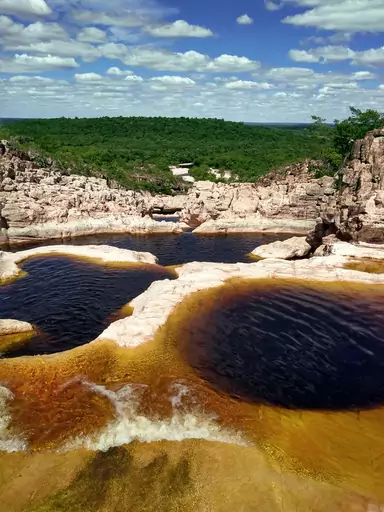
National Park in Brazil
Chapada Diamantina National Park
Waterfalls, Caves and Diamond History
Chapada Diamantina's plateau and canyons shelter birds found across Brazil's diverse interior habitats. Rocky outcrops and waterfalls provide nesting sites for several regional specialities. Visitors can spot hummingbirds and raptors while hiking the park's varied trails. Nearby caves shelter swifts that roost in large colonies.



Country
Central African Republic
Untouched wilderness with diverse ecosystems
Rainforest and savanna across the Central African Republic shelter a remarkable diversity of birds. Researchers have recorded hundreds of species across the country's varied habitats. Visitors can spot hornbills and turacos in remaining forest reserves. Nearby wetlands support herons and other water-dependent species across the country.
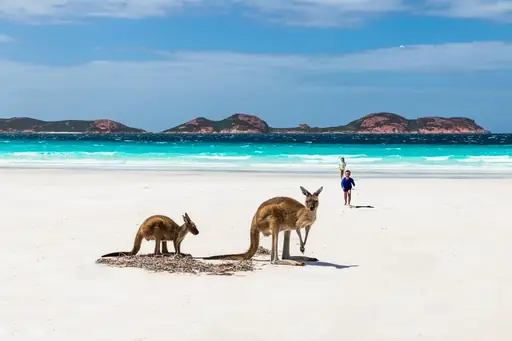
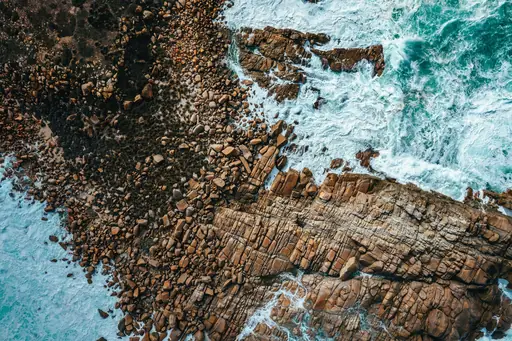
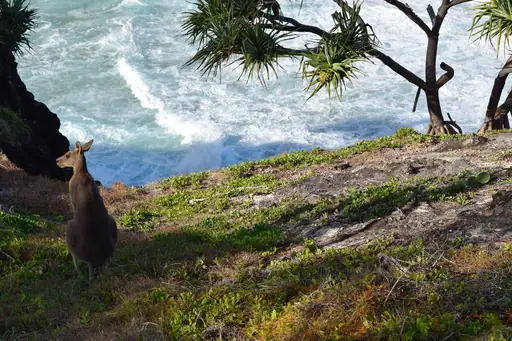
Island in Australia
Kangaroo Island
Wildlife, Wonders and Rugged Coast
Kangaroo Island's varied habitats support a wide range of native Australian bird species. Glossy black cockatoos, a threatened subspecies, find refuge in the island's remaining woodland. Visitors can spot cockatoos and other parrots across the island's national parks. Nearby cliffs also host nesting seabirds along the coastline.
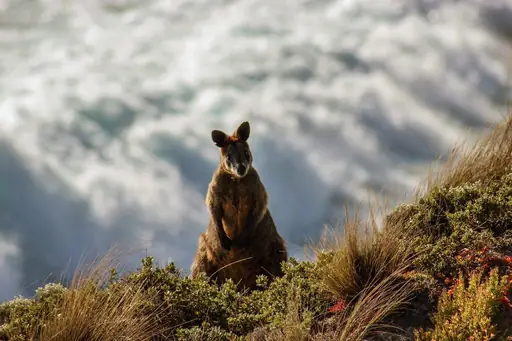
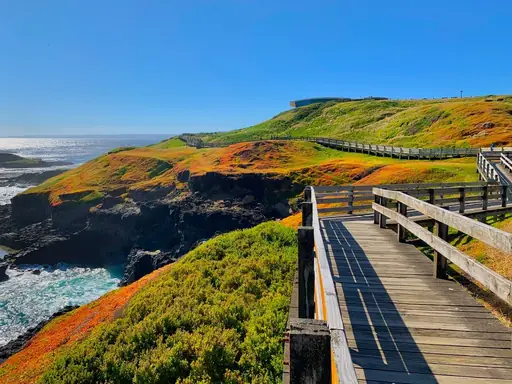

Island in Australia
Phillip Island
Penguins, Surf and Coastal Wonders
Phillip Island hosts a nightly parade of little penguins returning to shore after fishing. Rangers have protected the colony's nesting grounds for decades against introduced predators. Visitors can watch the penguins waddle ashore from viewing platforms after sunset. Nearby cliffs also shelter other seabirds nesting along the coastline.

Outer Territory in Australia
Norfolk Island
Untouched Paradise with Rich History
Norfolk Island shelters several bird species found nowhere else, isolated in the South Pacific. Conservation efforts have helped rebuild populations of once critically endangered island birds. Visitors can spot the Norfolk Island green parrot on forest walks within the national park. Nearby cliffs also host seabirds nesting along the island's coastline.
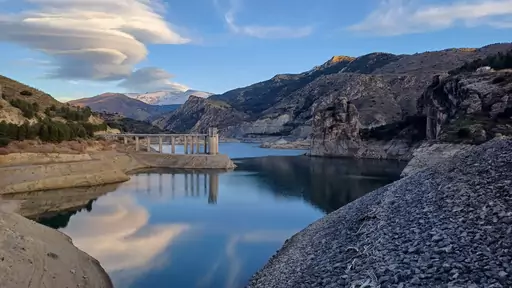
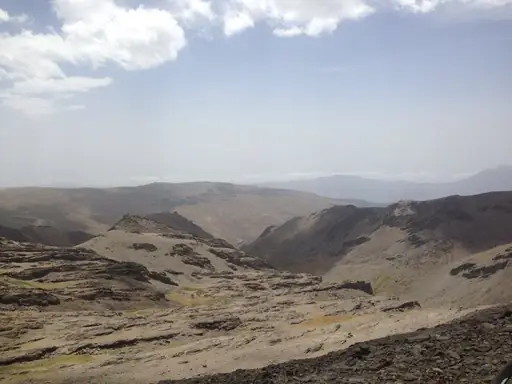

National Park in Spain
Sierra Nevada National Park
Spain’s Rooftop of Sun and Snow
Spain's Sierra Nevada shelters birds adapted to both Mediterranean and alpine conditions. Golden eagles nest on cliffs across the range's highest, most rugged terrain. Visitors can spot eagles and other raptors while hiking mountain trails. Nearby lower slopes also host warblers and other Mediterranean species.
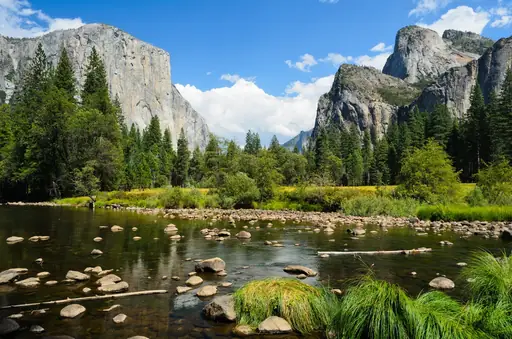

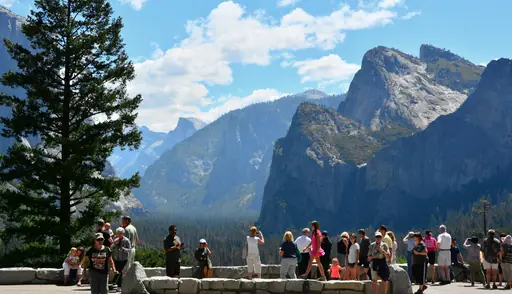
National Park in United States
Yosemite National Park
Nature's Grand Cathedral
Yosemite's granite cliffs and forests support a wide range of Sierra Nevada bird species. Peregrine falcons nest on sheer rock faces including El Capitan's towering wall. Visitors can spot falcons and other raptors soaring above the valley floor. Nearby meadows also draw songbirds during the park's brief alpine summer.



Country
Guyana
South America's pristine rainforest gem
Guyana's rainforest and savanna support one of South America's most diverse bird lists. The harpy eagle, one of the world's largest raptors, nests in the country's remote forests. Visitors can spot harpy eagles and macaws on guided rainforest expeditions. Nearby Kaieteur Falls also draws swifts that nest behind the roaring cascade.



Country
Gambia
Africa's smiling coast river paradise
The Gambia River's wetlands support one of West Africa's richest concentrations of bird species. Over five hundred species have been recorded along the river's varied habitats. Visitors can spot kingfishers and herons on boat trips along the river. Nearby forests shelter hornbills and other woodland specialities.
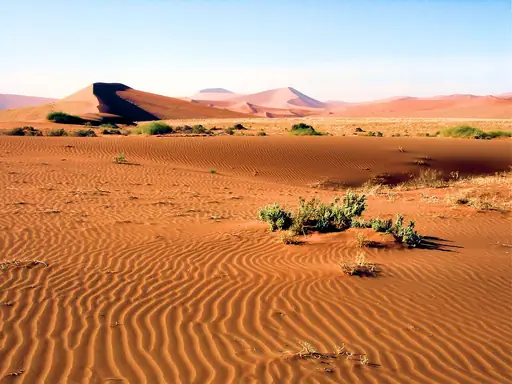
Country
Namibia
Desert wilderness meets wildlife wonders
Namibia's deserts and wetlands support birds adapted to extreme conditions across the country. Social weavers build massive communal nests that can house hundreds of birds at once. Visitors can spot these unusual nests dotting trees across the arid landscape. Nearby wetlands at Etosha draw flamingos when seasonal rains fill the pan.

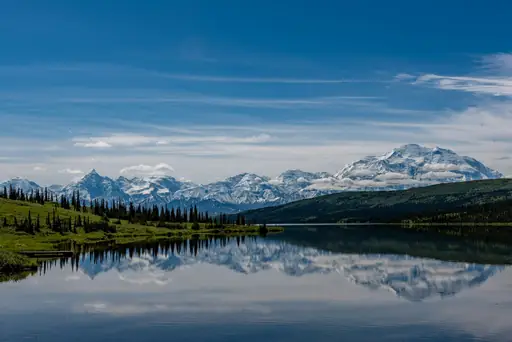

National Park in United States
Denali National Park
Wild Alaska’s peaks and wildlife
Denali's tundra and boreal forest support birds adapted to Alaska's short, intense summer. Golden eagles nest on cliffs across the park's vast wilderness. Visitors can spot ptarmigan and other Arctic-adapted birds along mountain trails. Nearby wetlands attract migratory waterfowl during the brief nesting season each year.
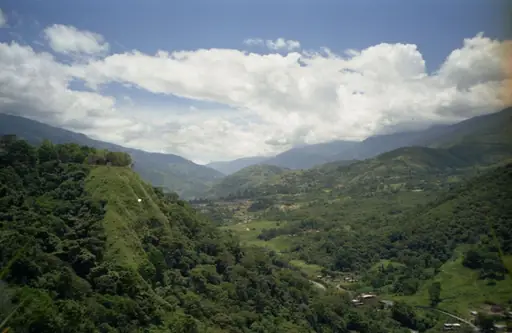


Region in Spain
Extremadura
Rolling hills and historic castles
Extremadura's plains hold some of Europe's largest populations of great bustards. Open grasslands here have remained undeveloped enough to support these large, shy birds. Visitors can spot bustards and other steppe species on guided birding tours. Nearby cliffs host colonies of griffon vultures and black storks.
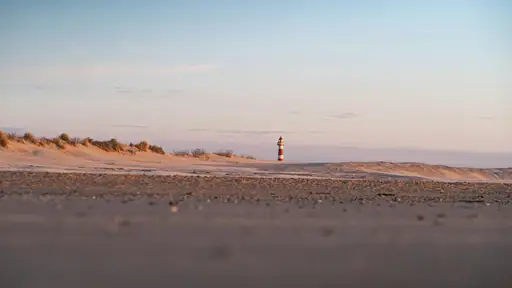
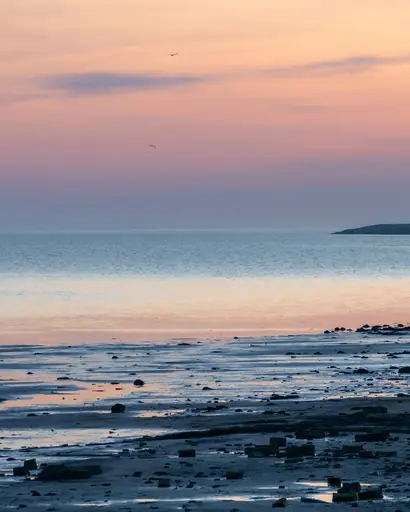
Nature Reserve
Wadden Sea
World's largest tidal flats ecosystem
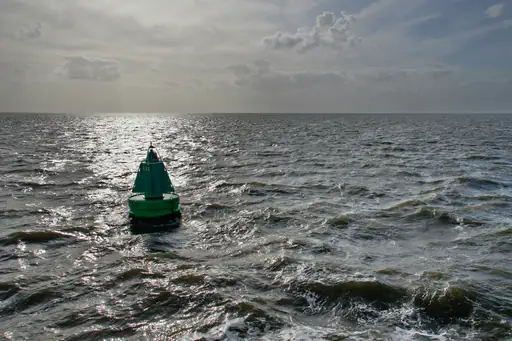
The Wadden Sea's tidal flats support one of Europe's largest concentrations of migratory shorebirds. Millions of birds stop here each year to refuel during long-distance migrations. Visitors can watch flocks lift together across the exposed mudflats at low tide. Nearby dunes also host breeding terns and other coastal specialists.



City in United States
Juneau
Glaciers, whales and wild Alaska
Bald eagles gather in large numbers along the waters near Juneau, especially during salmon runs. Alaska's abundant fish supply supports one of the densest eagle populations in North America. Visitors can spot eagles perched in trees along the shoreline from boat tours. Nearby wetlands also draw a variety of waterfowl and shorebirds.
Nature Reserve in Tanzania
Ngorongoro Conservation Area
Nature's Untamed Sanctuary
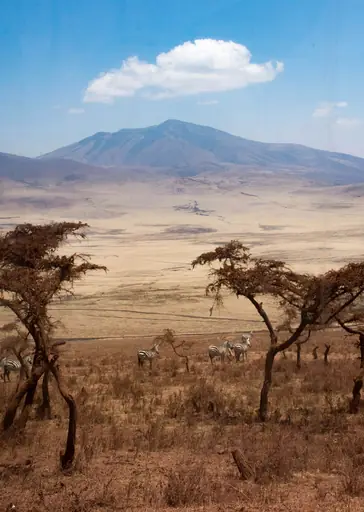
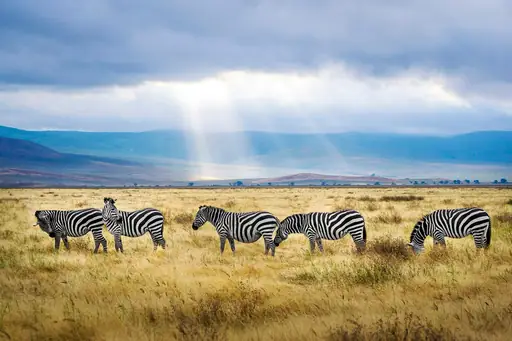
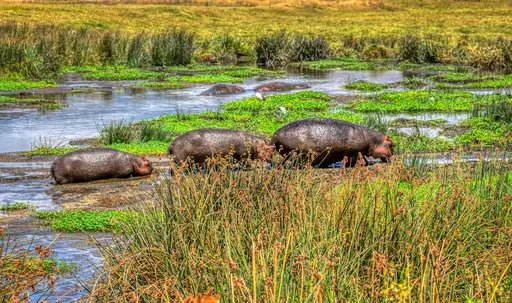
Ngorongoro's crater floor supports a wide range of birds alongside its famous mammals. Flamingos gather in large flocks on the crater's shallow soda lake when conditions allow. Visitors can spot flamingos and other waterbirds from vehicles touring the crater floor. Nearby highland forests also shelter turacos and other forest specialists.

Island in Canada
Vancouver Island
Untamed Beauty and Coastal Charm
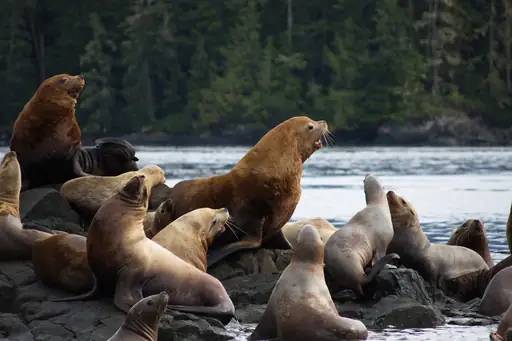
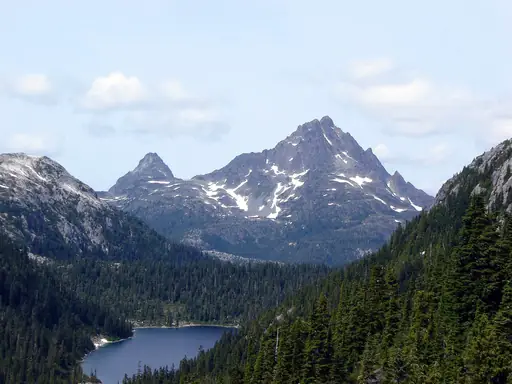
Old-growth rainforest along Vancouver Island's coast shelters a wide range of bird species. Bald eagles gather in large numbers along the shoreline during salmon runs each year. Visitors can spot eagles and other raptors while exploring the coastline by boat. Nearby wetlands also draw waterfowl during spring and autumn migration.



State/Prefecture in United States
Washington (State)
Diverse landscapes from mountains to coast
Washington's coastline and forests support a wide range of Pacific Northwest bird species. Marbled murrelets nest in old-growth trees within the state's coastal rainforest. Visitors can spot owls and woodpeckers in mossy forest along popular hiking trails. Nearby estuaries also draw shorebirds and waterfowl during migration seasons.

National Park in Spain
Picos de Europa National Park
Jagged Peaks, Deep Gorges, Wild Spain
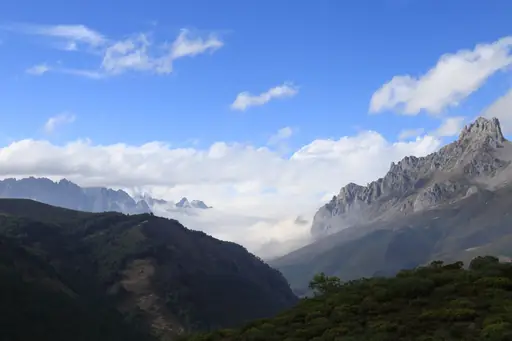
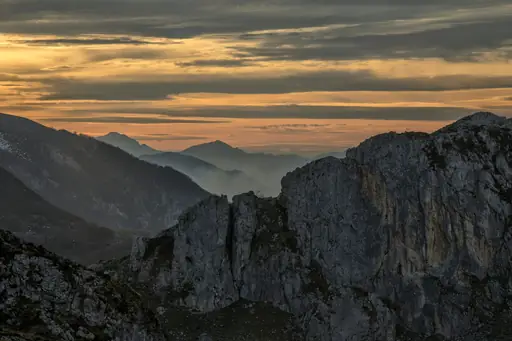
The Picos de Europa shelter raptors including the rare bearded vulture across its peaks. Steep limestone cliffs here provide ideal nesting sites for several mountain bird species. Visitors can spot vultures soaring above trails winding through the range. Nearby valleys also host woodpeckers within dense forest habitat.

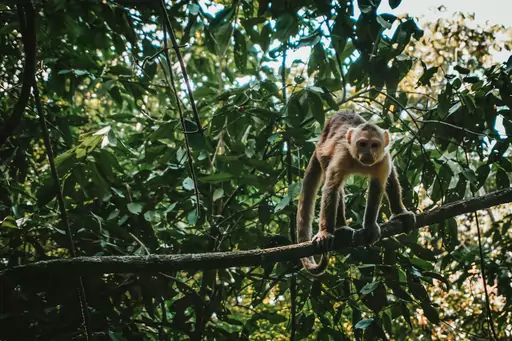

National Park in Colombia
Tayrona National Park
Where Jungle Meets Turquoise Caribbean
Tayrona's forest and coastline support a wide range of Colombian bird species. Toucans and parrots move through the canopy just above the park's coastal trails. Visitors can spot colourful birds while hiking between forest and secluded beaches. Nearby mangroves also draw herons and other wading birds.

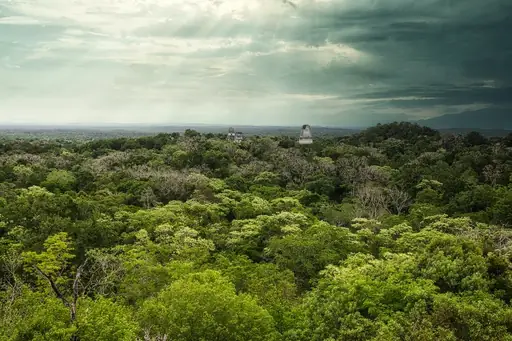

National Park in Guatemala
Tikal National Park
Lost Mayan City in the Jungle
Tikal's rainforest shelters a wide range of Guatemalan bird species around its ancient Maya ruins. Ocellated turkeys wander the forest floor near temples rising above the jungle canopy. Visitors can spot toucans and parrots while climbing temples for views over the treetops. Nearby forest also shelters hawks and other raptors.
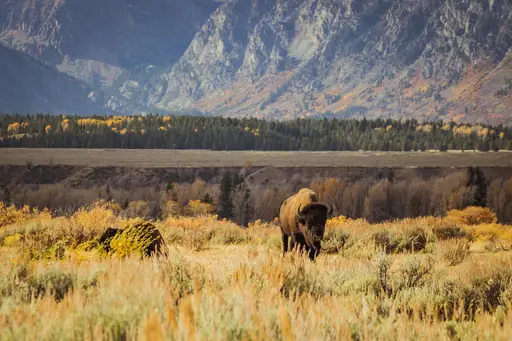
National Park in United States
Grand Teton National Park
Stunning Peaks and Wildlife Wonders
Grand Teton's wetlands and forests support a wide range of mountain and prairie bird species. Trumpeter swans, among North America's largest waterfowl, nest in the park's ponds. Visitors can spot swans and sandhill cranes across the valley's wetlands. Nearby forests host owls and woodpeckers among the towering conifers.
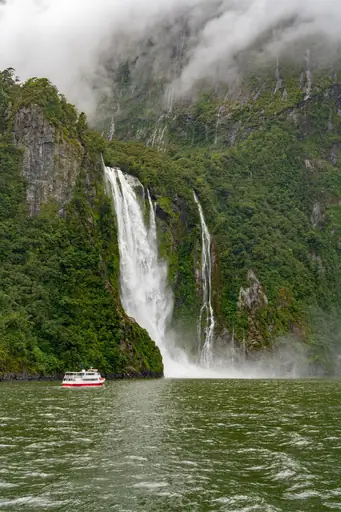
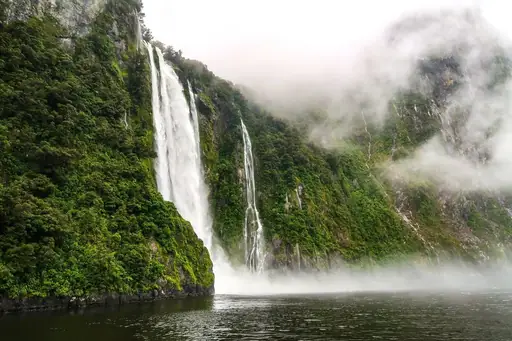
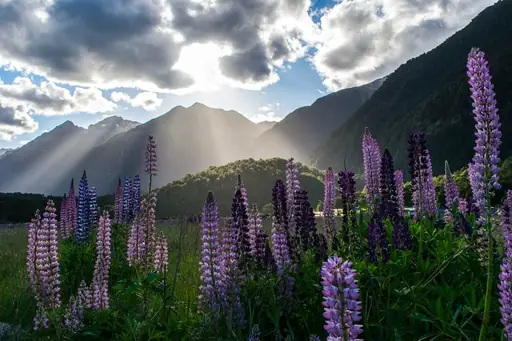
National Park in New Zealand
Fiordland National Park
New Zealand’s Wildest Water World
Fiordland's dense forest shelters some of New Zealand's rarest native birds. The flightless takahe, once thought extinct, survives in isolated valleys within the park. Visitors can spot kea, an alpine parrot, at higher elevations along mountain trails. Nearby fjords also host penguins nesting along the rugged coastline.

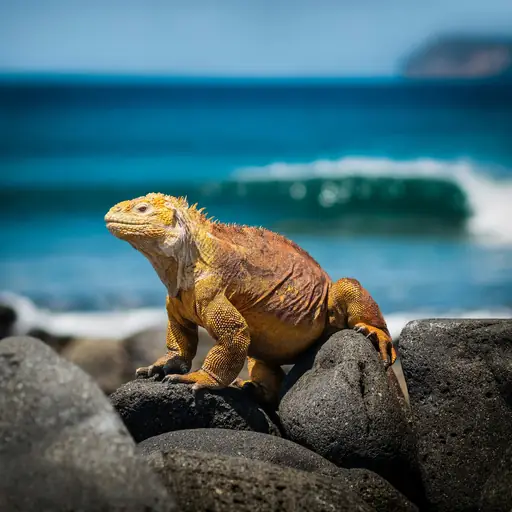
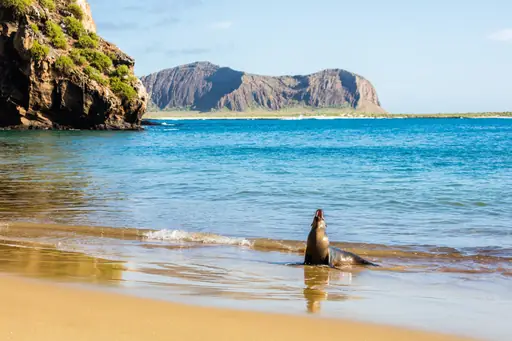
Island in Ecuador
Galapagos Islands
The Wildlife Paradise of Ecuador
Blue-footed boobies perform elaborate mating dances across the Galapagos Islands. Isolation from the mainland allowed unique species to evolve with little fear of predators. Visitors can walk closely among nesting seabirds that show little fear of humans. Nearby cliffs host waved albatross found nowhere else on Earth.

National Park in Kenya
Amboseli National Park
Elephants Against Kilimanjaro's Backdrop
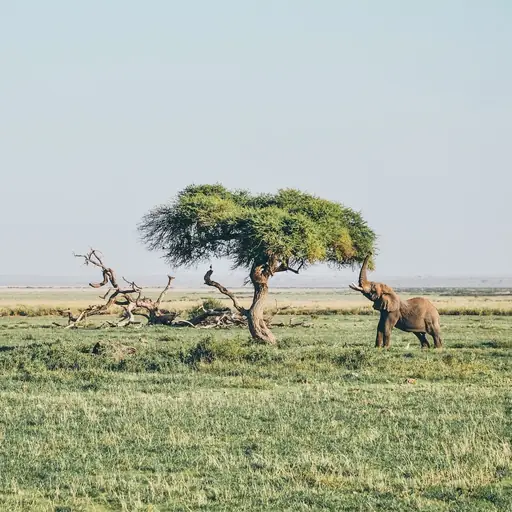
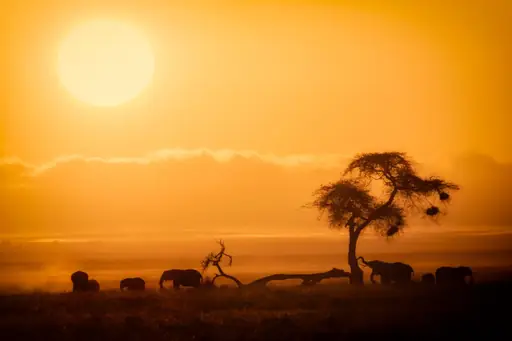
Amboseli's wetlands and plains support over four hundred recorded bird species. Elephants share the swampy grasslands with pelicans, herons and other water-loving birds. Visitors can spot flamingos wading in shallow pools with Kilimanjaro rising behind them. Nearby acacia woodlands host raptors perched watching over the open plains.


Island in Australia
Tasmania
Wilderness, Wildlife and Wild Coasts
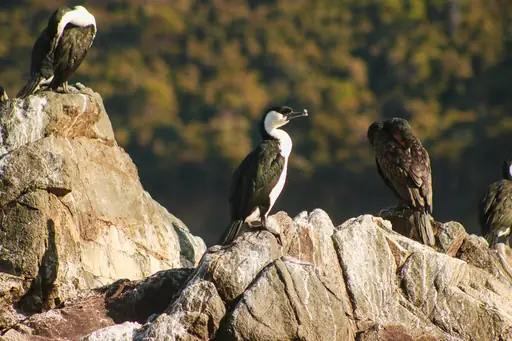
Tasmania's forests and coastline support a range of bird species found only in the region. The forty-spotted pardalote, a tiny endangered bird, survives in a handful of Tasmanian forests. Visitors can spot pardalotes and other endemic birds on guided birding walks. Nearby coastlines also host seabirds nesting along rugged cliffs.

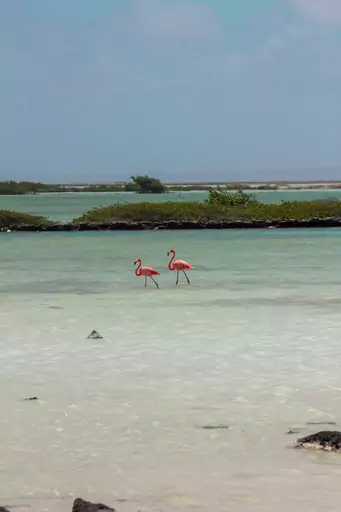
Outer Territory in Netherlands
Bonaire, Sint Eustatius and Saba
Caribbean Gems of Nature & Adventure
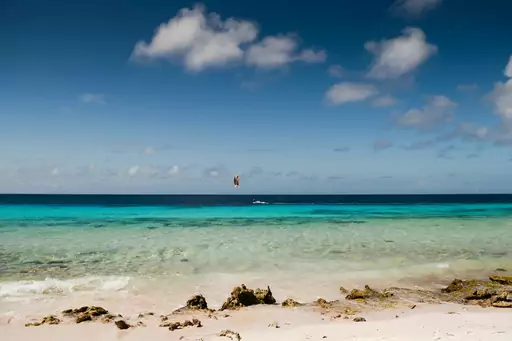
Flamingos gather in large numbers at Bonaire's salt pans, drawn by the shallow, mineral-rich water. Conservation efforts have protected the birds' nesting grounds for decades. Visitors can spot flamingos feeding along the edges of the island's salt flats. Nearby Saba's cliffs also host seabirds nesting along its steep volcanic slopes.
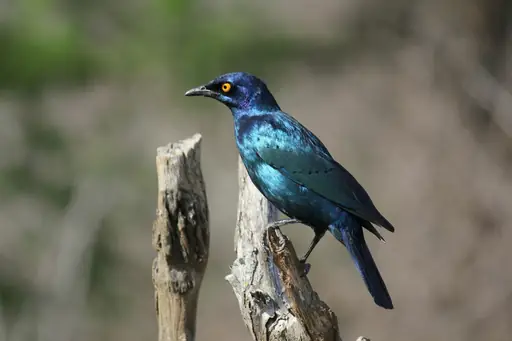


Region in South Africa
KwaZulu-Natal
Where Wild Beauty Meets Coastal Bliss
KwaZulu-Natal's varied habitats support birds ranging from coastal wetlands to mountain grasslands. The Drakensberg's cliffs shelter bearded vultures found in few other parts of Africa. Visitors can spot vultures soaring above mountain trails in the Drakensberg. Nearby wetlands along the coast draw pelicans and other waterbirds.

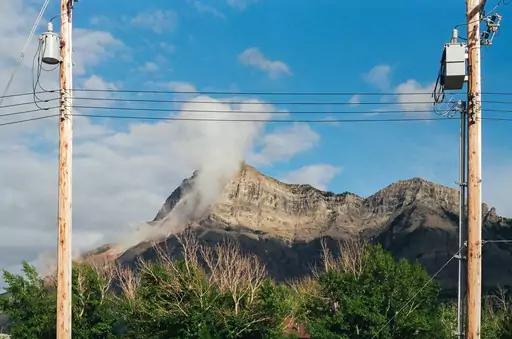

National Park in United States
Waterton Glacier International Peace Park
Where two nations preserve wilderness
This shared park supports birds ranging from alpine species to prairie grassland specialists. Golden eagles nest on cliffs across the park's rugged mountain terrain. Visitors can spot raptors soaring above ridgelines on trails that cross the border. Nearby wetlands also draw waterfowl during spring and autumn migration.
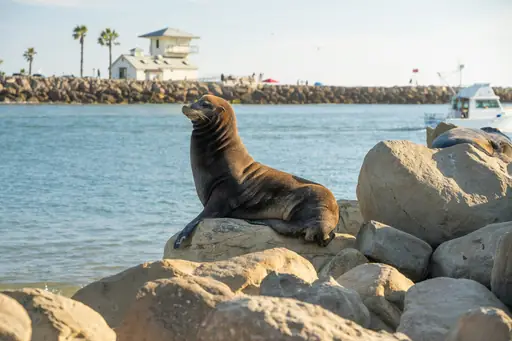
State/Prefecture in United States
California
Golden State of Endless Experiences
California's coastline and wetlands support one of the busiest bird migration routes in North America. The Pacific Flyway funnels millions of birds along the state's shoreline each year. Visitors can spot shorebirds at coastal reserves or raptors soaring over inland valleys. Nearby estuaries fill with waterfowl during the peak of autumn migration.

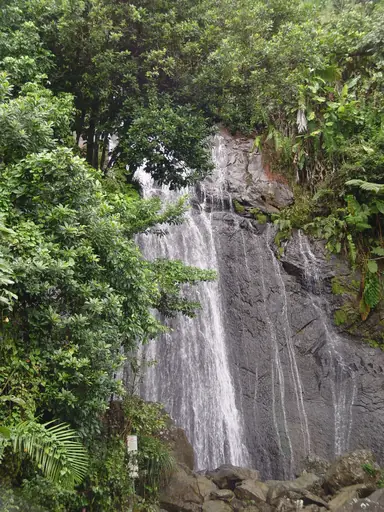
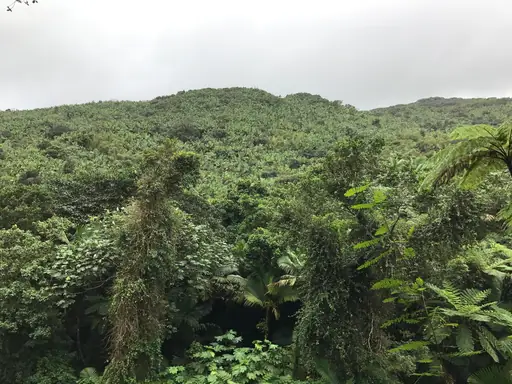
National Park in Costa Rica
El Yunque National Forest
Tropical rainforest paradise in Caribbean
El Yunque's rainforest shelters the Puerto Rican parrot, one of the rarest birds in the Americas. Conservationists have worked for decades to rebuild the species from a small remaining population. Visitors can hike trails listening for the calls of this critically endangered parrot. Nearby waterfalls draw a range of other tropical forest birds.

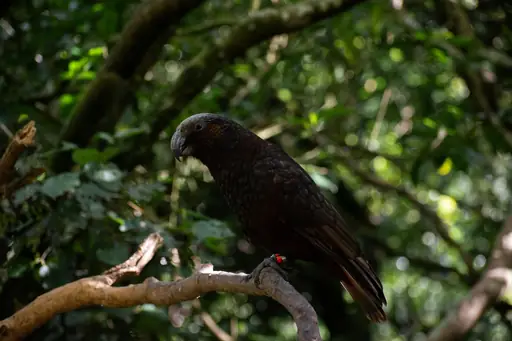
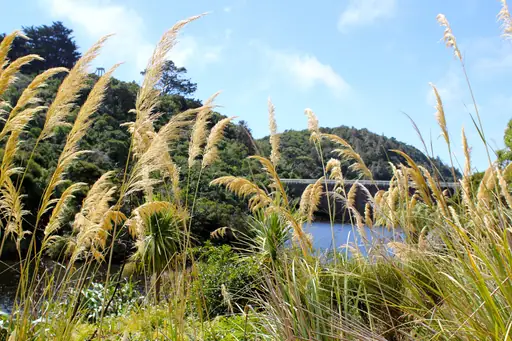
Wildlife Sanctuary in Wellington
Zealandia
Urban Wildlife Sanctuary in Wellington
Zealandia sits behind a predator-proof fence protecting native birds from introduced species. Conservationists built the enclosure around Wellington's valley to let birdlife recover safely. Visitors can spot rare kiwi and takahe on guided night walks through the reserve. Nearby trails offer daytime sightings of native birds rarely seen elsewhere on the mainland.
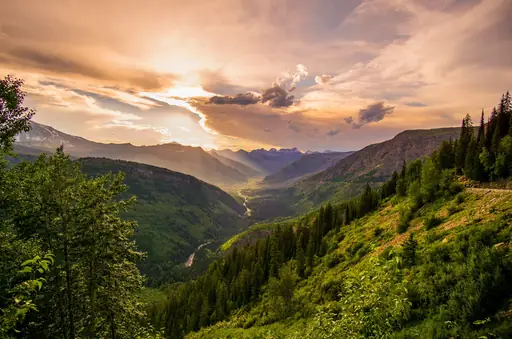
State/Prefecture in United States
Montana
Wild Beauty & Vast Big Skies
Montana's mountains and prairies support birds ranging from alpine species to grassland specialists. Golden eagles nest on cliffs across the state's rugged wilderness areas. Visitors can spot raptors soaring above mountain ridgelines in Glacier National Park. Nearby wetlands draw waterfowl and shorebirds during spring and autumn migration.


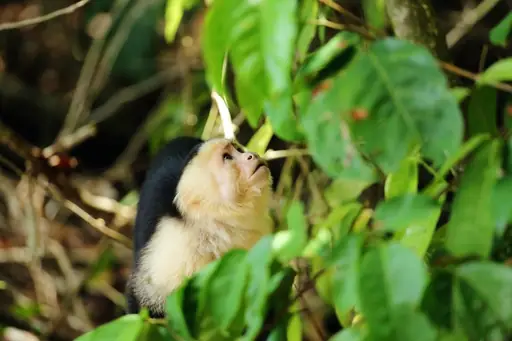
National Park in Costa Rica
Manuel Antonio National Park
Jungle, Wildlife and Stunning Beaches
Manuel Antonio packs rainforest, beaches and coral reef into one of Costa Rica's smallest parks. Toucans and parrots move through the canopy just above the park's main trails. Visitors can spot colourful birds while walking trails bordered directly by jungle. Nearby lookout points offer views over the Pacific coastline.



Region in Finland
Lapland
Northern lights and midnight sun
Finnish Lapland's forests and wetlands support birds adapted to the far north's long winters. Owls and woodpeckers favour the region's old-growth taiga forest habitat. Visitors can spot Siberian jays and other boreal specialities on forest walks. Nearby wetlands draw waterfowl during the brief but intense summer breeding season.
Other lists you may like
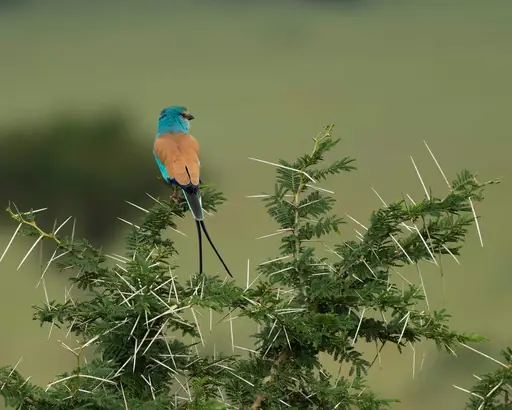
Discover
Best birdwatching destinations in Africa
Africa is in a different category as a birdwatching destination. The continent holds over 2,300 species, many of them found nowhere else on earth, and the range of habitats on…
Read more
Discover
Best birdwatching destinations in Asia
Asia is the largest continent on earth and its birdlife reflects that scale. With over 4,000 species recorded across its habitats, it holds more birds than any other continent,…
Read more
Discover
Best birdwatching destinations in Europe
Europe may not have the sheer species numbers of the tropics, but it offers far more than most visitors expect as a birdwatching destination. The continent sits at the intersection…
Read more
Discover
Best birdwatching destinations in North America
North America has one of the most developed birdwatching cultures in the world, and the continent's birdlife justifies it. With over 900 species recorded in the United States and…
Read more
Discover
Best birdwatching destinations in Oceania
Oceania is one of the most compelling regions on earth for birdwatching, largely because of the extraordinary levels of endemism produced by millions of years of island isolation.…
Read more
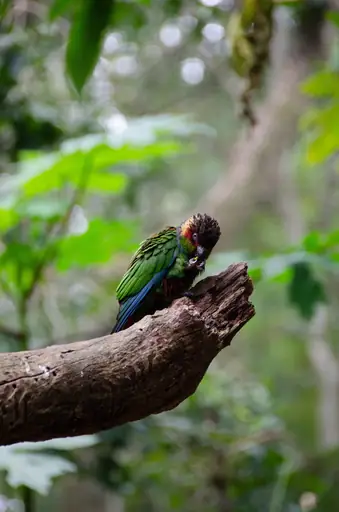
Discover
Best birdwatching destinations in South America
South America is the undisputed capital of global birdwatching. The continent holds more bird species than any other, with over 3,400 recorded, and the levels of endemism in…
Read more
What other users say about travelfilters
“travelfilters made it easy for me to find ski areas and compare what else they offer, so that I could find the best place for my personal travel style.”

Chris
Snowboarding & Onsen trip to Japan
“I love how transparent the data feels. There is no pushy upsell, just honest information and settings I can tune to my own travel style.”

Maria
After booking her 2027 winter escape
“The level of detail for each destination and how well those are displayed, make planning feel confident instead of overwhelming.”

Mina
Planned a week in New York City
“We used travelfilters for our planning from start to end. The trip turned out even better than expected, thanks to all their tools and customisation options.”

Allan & Etienne
Trip to Japan to see autumn foliage
“Thanks to travelfilters, I found some hidden gems to see. Being able to filter for exactly your interests is a game changer for my travel planning.”

Michael
Tour through the old cities of Northern Italy
“The customizable filters helped me find a quiet beach town with good wifi and low season crowds in under five minutes.”

Diego
Weekend Escape to Llanes, Spain
“The airport connection map saved me hours by showing good flight options from my home airport to lesser-known cities.”

Nguyen
Planning a 2027 trip to France
“The website is clean, fast and focused on the search itself, which makes travelfilters feel more like a professional tool than an ad-heavy booking site.”

Hassan
Christmas Market trip, Germany
