






Asia › Nepal › Chitwan National Park

Chitwan National Park

Scroll
Wild Rhinos and Jungle Adventures

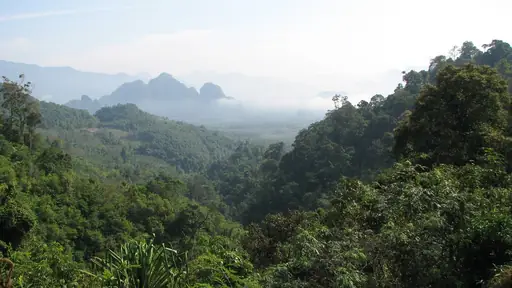
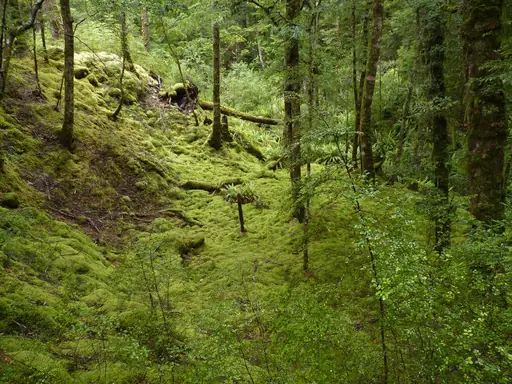
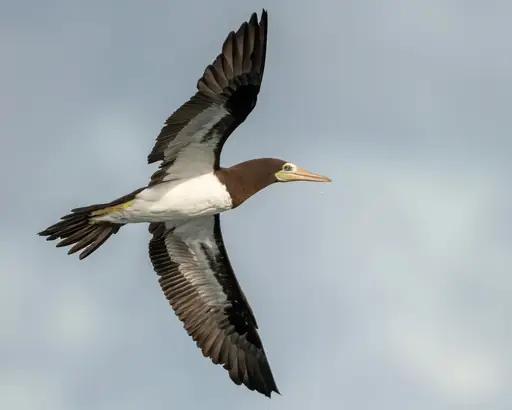
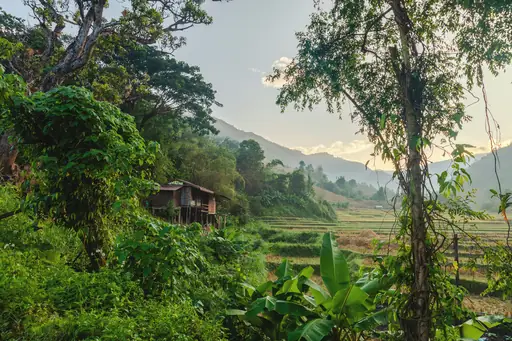
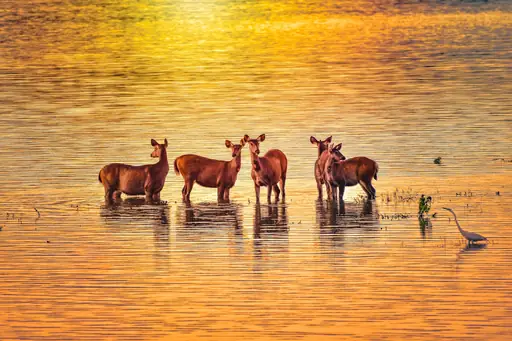
Chitwan National Park in Nepal covers lush lowland forests and wide grasslands along the southern Terai region. The park protects one of the last homes to the Bengal tiger, one-horned rhinoceros and many bird species. Visitors can explore by foot or on a guided boat ride through rivers that cut across the landscape. Local villages provide insight into traditional Nepali culture while offering simple lodging options for travelers seeking an authentic experience in nature. The area supports conservation projects focused on wildlife protection and community development.

National Park in Nepal
Climate zone: Tropical savanna

Tropical savanna: Tropical climates with distinct wet and dry seasons, warm year-round, featuring grasslands with scattered trees and shrubs.

See climate table
Price level: $$$
$Cheap
$$Medium
$$$Expensive, upscale
$$$+Very expensive, luxury
See price details
Safety: 5.2
General Safety:7
Health & medical:3
Accessibility:2
Tap water:2
Read details
Tourist English: 4/5
English is widely spoken in hotels, by guides, and in tourist services around Chitwan. Most signage and information are available in English, making it easy for international visitors to get around and book activities.
Last update: 26 Oct 2026
* We earn a commission from some links on this page.
Chitwan National Park Summary

These place ratings give you a quick overview of how well a destination matches different types of trips.

‘Best for’ scores:
The specific interest scores show where this place really shines – whether it's ideal for hiking, food & drink experiences, museums or other activities. These highlights help you understand what makes the destination special at a glance.

‘Your personal’ scores:
This reflects how well a place matches your personal preferences. You can adjust the importances of travel topics or other personal requirements categories in your account settings.

‘Suited for’ badges:
These give you a quick overview of how well a destination suits specific types of travellers, to help you find the places that match your lifestyle, preferences or travel situation.

Read how our scores work
Excellent for jungle wildlife safaris. Ride jeep safaris through forests, spot rhinos and crocodiles, watch tropical birds and explore rivers by canoe.
Place score
7.5
Best at:
Wildlife
9
Birdwatching
9
Forests
8
Guided tours
8
Rivers
7
Personal score
?
Log in to see how this place matches your personal travel interests.
Suited for
👶 5
Families
🧓 4
Seniors
🥗 9
Vegetarian
👩 6
Solo
Nepal – Quick facts
Power Grid: 230 V, 50 Hz
Plug: Type C , Type D
Type C:
Diagram of a Type C power plug
Type D:
Diagram of a Type D power plug

Read about power adapters
Currency: Nepalese Rupee (NPR)
£1 ≈ NPR 202.52
Cashless info: Rating 3/5
Cashless payments are becoming more common in Nepal, particularly in Kathmandu and Pokhara. Credit cards are accepted in many larger establishments.

Save with a travel credit card
eSIM providers: Best value: Saily
Flexibility: Airalo
Read our in-depth comparison
Tipping: Tipping is common in Nepal, with 10% being the usual amount in restaurants. Taxis and hotel staff appreciate small tips.
Public drinking: Public drinking is not generally allowed in Nepal, and alcohol should be consumed in licensed venues.
Public smoking: Smoking is allowed in designated areas, though many places have non-smoking zones.
Dashain
(September-October)
The biggest Hindu festival in Nepal
Tihar
(October-November)
A celebration of lights, similar to Diwali
Emergency contact: Emergency Number: 100 (Police), 102 (Ambulance)
Taxi apps: Pathao
Other: Nepal is famous for its cultural heritage and natural beauty, including the Himalayas and UNESCO World Heritage sites.
Best times to travel

The best times to travel section shows how the months compare for a visit, so you can find the time of year that fits what you want to do.

Background colours of the months:
The colour shows the typical temperature: yellow (hot), green (mild) and blue (cold). How strong the colour is shows the travel season: full colour means high season, soft colour means shoulder season and soft-striped means off season.

Weather symbols:
Each month has one symbol showing what the weather is typically like, such as hot and sunny, freezing or a rainy or snowy season. Use them to quickly spot months that match the weather you want, or to avoid the ones that don't.

Crowdedness:
The people icon shows how busy the place usually is. The more people, the more crowded it gets.

Additional notes:
The grey info boxes point out special things worth knowing, like recurring weather issues or seasonal events.

for Chitwan National Park, Nepal
☀️
Jan
☀️
Feb
🔥
Mar
🔥
Apr
🔥
May
🌦️
Jun
⛈️
Jul
⛈️
Aug
🌦️
Sep
🔥
Oct
☀️
Nov
☀️
Dec
High season: Jan. - March, Nov. - Dec.
Shoulder season: April, Oct.
Crowdedness: 5 (Moderate tourist numbers)
Tap on a month for more info Hover over a month for more info
Tall elephant grass is cut in January and February, making rhinos and tigers much easier to spot
Monsoon June to September: many lodges close, jungle activities are limited and roads can flood

Why travel to Chitwan National Park?

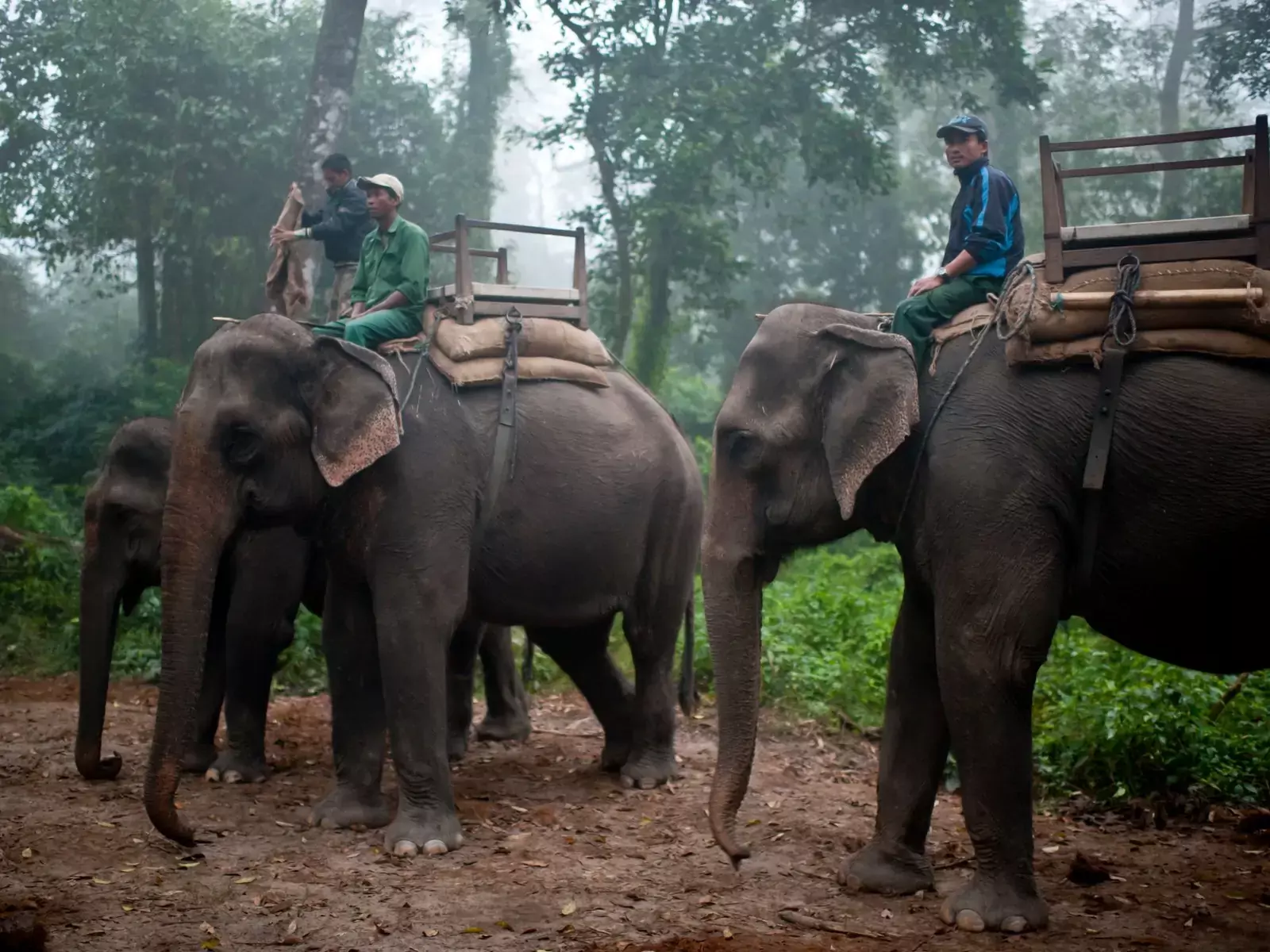
Chitwan is the ultimate escape for anyone who dreams of seeing wild animals up close. Jeep safaris and guided jungle walks bring you face-to-face with rhinos, deer, wild boar and (if you’re lucky) elusive tigers and sloth bears. Canoe rides on the Rapti or Narayani Rivers are a peaceful way to spot crocodiles and kingfishers. Birdwatchers will be in heaven with over 600 species recorded. The chance to visit Tharu villages adds a cultural twist, giving you a glimpse into the local way of life. But there are things to consider: It gets hot and humid, especially from April to September and the monsoon (June–September) can close roads and trails. Wildlife sightings are never guaranteed and some activities – like elephant rides – raise ethical concerns due to animal welfare issues. Tsetse flies and mosquitoes can be a nuisance, so bring repellent. Still, Chitwan’s blend of adventure, nature and culture makes it one of Nepal’s most memorable destinations.

🏯Places worth seeing
  • 1 Meghauli
  • 2 Gharial Conservation Breeding Center, Kasara
  • 3 Tharu Village
🎡Places for activities
  • 1 Amaltari Madhyabarti Homestay
  • 2 Kings Jungle Safari & Culture Home Stay
  • 3 Elephant Safari Resort
  • 4 Lamo jharna, Jalbire
🏞️Natural landmarks
  • 1 Narayani
  • 2 Thangkhola Community Forest
  • 3 East Rapti River
🎈Events
  • Chitwan Elephant Festival (December)
  • Tharu Cultural Festival
  • Birdwatching Week (winter)
  • Nepali New Year celebrations
  • Wildlife Conservation Awareness Days

Knowledge before you go

  • Mandatory guide required. No solo entry into park permitted.
  • October-November best for rhinos; dry season concentrates wildlife near rivers.
  • Entry 2000 NPR/person daily; book jeep/canoe safaris through licensed operators.
  • Tharu villages offer cultural dinners; try local rice beer and stick dances after safari.

How to travel to Chitwan National Park

Chitwan is about 5–7 hours by tourist bus from Kathmandu or Pokhara, with daily departures. Private cars are faster and more comfortable (about 5 hours from Kathmandu). The nearest airport is Bharatpur, 10 km from Sauraha, with daily flights from Kathmandu (30 minutes). From Bharatpur, take a taxi or arrange a hotel pickup.

Access summary

  • From Bharatpur Airport (BHR): Taxi or hotel transfer about 30–45 minutes.
  • From Kathmandu: Tourist bus or private car roughly 5–7 hours.
  • From Pokhara: Tourist bus or private car usually about 4–6 hours.

Where to stay in Chitwan National Park

Accommodation ranges from budget guesthouses to mid-range hotels and luxury jungle lodges, mostly clustered around Sauraha and Meghauli. Many offer package deals with meals and activities. Book ahead in high season (October–March). For a more immersive experience, consider a Tharu village homestay.

How to get around Chitwan National Park

Most visitors stay in or near Sauraha, the main tourist hub. Hotels and lodges arrange all safaris and tours, including transfers. Walking and cycling are pleasant in the dry season, but distances can be long and it’s hot midday. Jeep safaris and guided walks are the best way to explore the park itself. Canoe rides are a must for a different view of the jungle. Taxis and rickshaws are available for short trips.
Budget snapshot
Costs compared to home

We calculate the average costs when travelling to destinations and compare those with the living costs at your home. With this you can get an estimate of how expensive or cheap the destination is for you.

To customise this, you can set up which location and price level are used for the calculations in your account settings.

-73 %
Daily expenses in the region are around 73% lower than the average across United States. That means you'll spend a lot less on meals and getting around.
Exchange rate trend

The exchange rate price factor shows how expensive or cheap a currency currently is compared to its historical average. It's a quick way to see if a country is currently more or less affordable due to exchange rate changes.

-20 %
Your exchange rate (GBP to NPR) is 20% better than in recent years. That means travelling now is considerably cheaper compared to the past.

Travel costs (Data for Hetauda, Nepal - 70 km away)

To help you plan your trip, we provide estimated daily costs per person (when travelling as a pair) for different travel styles. These numbers give you an idea of what you might spend each day at this destination, including accommodation, food, transport and activities.

Additionally, we also provide average hotel costs for different travel styles to give you an estimate for the accommodation only.

Please note that these are only estimates. The real costs depend on booking times, season and other factors.

Daily cost summary

Travel style categories explained:

Backpacker:
Staying in hostels or budget hotels, cooking your own meals or eating cheap and choosing low-cost activities.

Mid-range:
Staying in mid-range hotels, eating at a mix of restaurants and casual spots and enjoying a variety of activities.

Luxury:
Staying in luxury hotels, dining out at high-end restaurants and enjoying premium experiences without worrying about the price.

Backpacker Mid-range Luxury
💵 Total costs per day, including accommodation
£17
£43
£139
🏨 Accommodation per night, per person
£6
£23
£75
🍝 Food per day
£10
£17
£56
🚕 Transportation per day
£2
£3
£8
Food & Drink
🍽️ Restaurant Dinner, per person
£5
🍛 Lunch Set, per person
£1.30
🍟 Fast food combo
£4.40
🍝 Preparing your own food, per day
£2.80
☕ Cappuccino
£0.95
🍺 Beer in a restaurant, 0.5 l
£1.90
Transportation
🚌 Public transport ticket
£0.31
🚕 Taxi Ride, 10 km / 6 mi
£5
⛽ Petrol, 1 l
£0.85
Other
🎞️ Cinema ticket
£1.50
👩‍⚕️ Doctor's consult
£16
🤧 Cold medication
£1.50
💇 Basic haircut
£1.80

Safety information overview

General safety
7
Chitwan is generally safe, but always follow your guide’s instructions — wildlife encounters can be dangerous. Petty theft is rare but possible, especially in crowded markets. Avoid walking alone in the park or at night.
Health & Medical
3
Basic medical care is available in Sauraha and Bharatpur, but serious issues require travel to Kathmandu. Mosquitoes and tsetse flies can carry disease — use repellent and consider malaria prophylaxis. Drink only bottled or filtered water.
Accessi­bility
2
Most lodges and main areas are accessible, but jungle walks and safaris require moderate fitness and may not be suitable for those with mobility issues. Jeeps can be bumpy and trails may be muddy in the wet season.
Tap water
2
Tap water is not safe to drink — always use bottled or filtered water, even for brushing teeth. Bring a reusable bottle to refill at your lodge or hotel.

Packing recommendations for Chitwan National Park

Log in to add this place to a travel list and get a summary of all recommended items for your whole trip.

Looking for inspiration?

Discover
Stunning national parks and wilderness areas
National parks exist because someone decided that certain landscapes were too important to lose. The best of them protect ecosystems, wildlife and natural processes that would…
Read more
Discover
Best forest destinations in Asia
Asia's forest environments range from the ancient temperate rainforests of the far north and the cedar and beech forests of the eastern mountain zones to the cloud forests of the…
Read more
Discover
Best travel destinations for food allergies
Travelling with a food allergy adds a layer of planning most people never have to think about and the right destination can make that planning a lot easier. Some travellers…
Read more
Discover
Best destinations for first-time travelers in Asia
Asia has one of the best established beginner travel routes anywhere, largely because so many first time travelers have worn the path before you. Southeast Asia in particular…
Read more
Discover
Top forest destinations and woodland landscapes
Forest travel encompasses some of the world's most biodiverse and ecologically significant environments, with the great tropical rainforests, temperate old growth systems and…
Read more
Discover
Best travel destinations for food allergies in Asia
Asia has real strengths for allergy conscious travelers once you know what to look for, since several of its cuisines are naturally suited to specific diets. Rice based diets…
Read more
Discover
Top birdwatching destinations and avian hotspots
Birdwatching has a way of changing how you travel. Once you start paying attention to what's flying, perching and calling overhead, a destination opens up in ways that a standard…
Read more
Discover
Best travel destinations for seniors in Asia
Asia offers some of the most senior friendly infrastructure anywhere, alongside destinations that still call for a bit more independence and stamina. Japan in particular stands…
Read more
Discover
Best eco-tourism destinations in Asia
One Himalayan kingdom's deliberately restrictive, high-value tourism policy funds conservation and limits environmental impact by design, a model considerably different from…
Read more
Discover
Best wildlife destinations in Asia
Asia holds some of the most extraordinary wildlife on earth, from the great apes of equatorial rainforest to marine ecosystems of exceptional richness, endemic island species found…
Read more
Discover
Stunning national parks and wilderness areas in Asia
Read more
Discover
Best destinations for first-time travellers
A first trip abroad works best somewhere that eases you in, rather than throwing every possible culture shock and logistical headache at you at once. Some first-time travellers…
Read more
Discover
Amazing wildlife encounters and natural habitats
Wildlife encounters of real quality are becoming rarer and finding them requires more intention than it once did. The destinations that still offer genuine, undisturbed wildlife in…
Read more
Discover
Top rainforest destinations and tropical ecosystems
Rainforest travel offers some of the most biodiverse and sensory intense environments on earth, with primary tropical forest destinations supporting species densities and…
Read more
Discover
Best birdwatching destinations in Asia
Asia is the largest continent on earth and its birdlife reflects that scale. With over 4,000 species recorded across its habitats, it holds more birds than any other continent,…
Read more
Was this page helpful?
Feedback