
Stunning national parks and wilderness areas
Stunning national parks and wilderness areas
National parks and wilderness areas to visit
National parks exist because someone decided that certain landscapes were too important to lose. The best of them protect ecosystems, wildlife and natural processes that would otherwise be gone and offer something increasingly rare in a crowded world: places where the natural environment is still largely running on its own terms. Visiting them well means engaging with that seriously rather than treating them as scenery.
The parks on this list span an extraordinary range of environments, from tropical rainforest and high altitude desert to Arctic tundra and ancient temperate woodland. Some are vast and require real planning to explore properly. Others are compact enough to cover on foot in a day or two. What they share is a quality of natural experience that justifies the journey, whatever that journey involves.
Timing, permits and preparation matter more for national park visits than for most types of travel. Popular parks can be significantly overcrowded at peak times and some of the best experiences require advance booking months ahead. Going outside peak season, arriving early and moving away from the main trails usually makes for a better visit. Those who plan carefully and take the time to go beyond the obvious tend to get the most out of them.
Lists by region

National Park in Japan
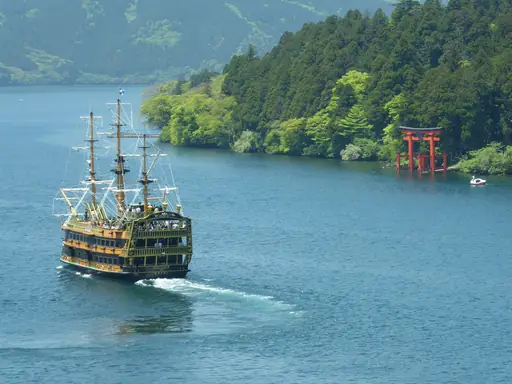
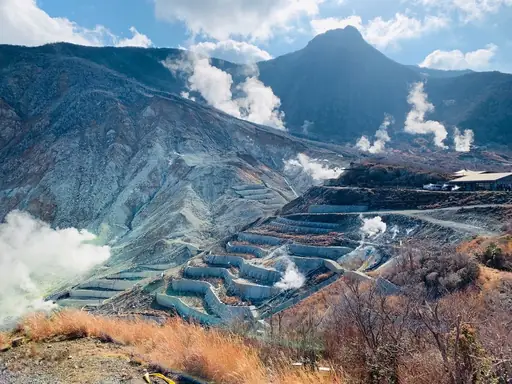
Fuji-Hakone-Izu National Park
Fuji, Hakone, Izu and volcanic islands
Mount Fuji rises as Japan's tallest peak within this sprawling national park. Five lakes near the mountain's base offer classic reflection views on calm days. Visitors can climb the volcano during its short official summer climbing season. The park also protects hot spring towns and a stretch of Pacific coastline.
Nature Reserve in China
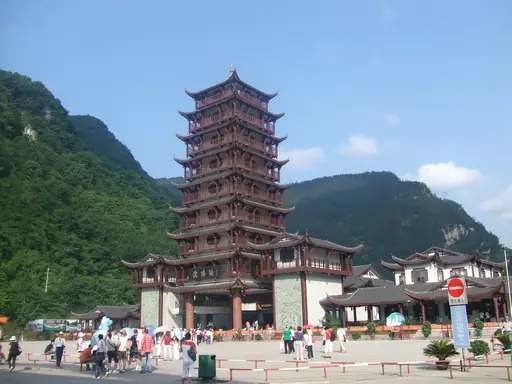
Wulingyuan nature reserve
Misty Peaks of Avatar Fame
Wulingyuan holds thousands of narrow sandstone pillars that inspired scenery in the film Avatar. Glass walkways here stretch across cliff faces hundreds of metres above the valley floor. Visitors can ride a glass lift built directly into the side of a cliff. Mist often settles between the pillars, adding to their otherworldly appearance.
National Park in United Kingdom
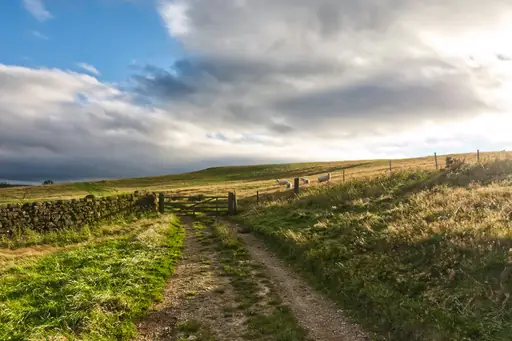
North York Moors
Heather moorlands meet rugged coastline
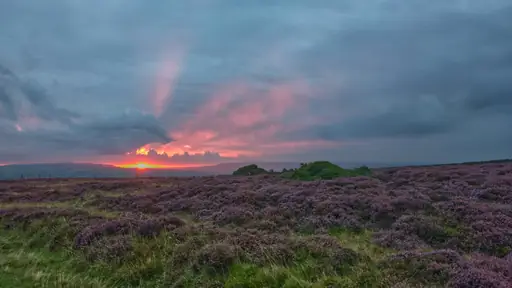
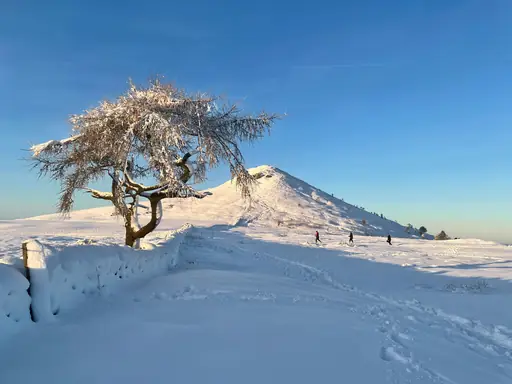
North York Moors holds one of England's largest expanses of heather moorland. Purple blooms cover the hillsides each August during peak flowering season. Visitors can ride a heritage steam railway through the park's forested valleys. Whitby's coastline nearby inspired parts of Bram Stoker's novel Dracula.
National Park in United States
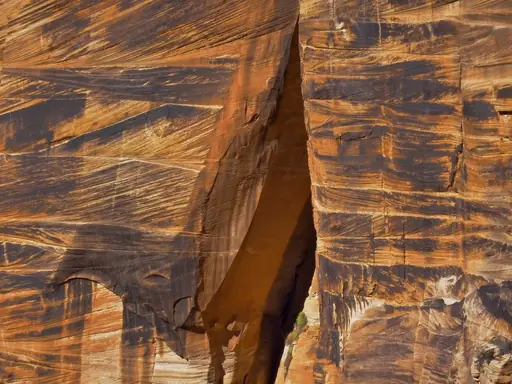
Zion National Park
Red rocks, epic hikes and nature's beauty
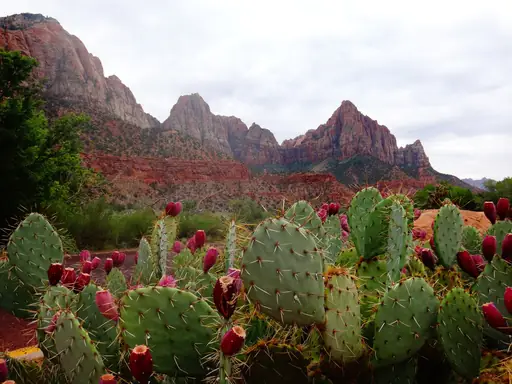
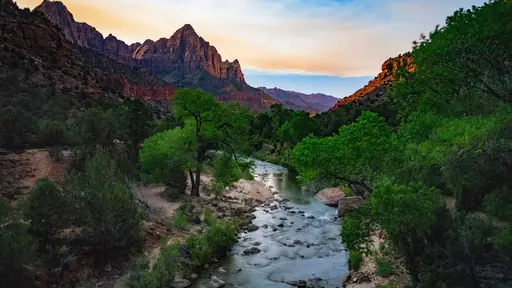
Zion Canyon was carved by the Virgin River cutting through layers of red sandstone. Angels Landing offers a narrow trail with chains bolted along its steepest sections. Visitors can wade through the Narrows, a slot canyon filled with flowing water. Zion earned its name from Mormon settlers who saw the canyon as a refuge.
National Park in United States
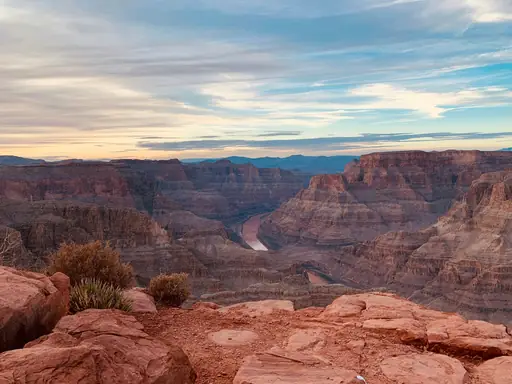
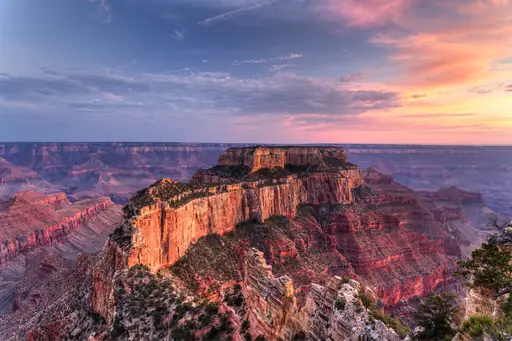
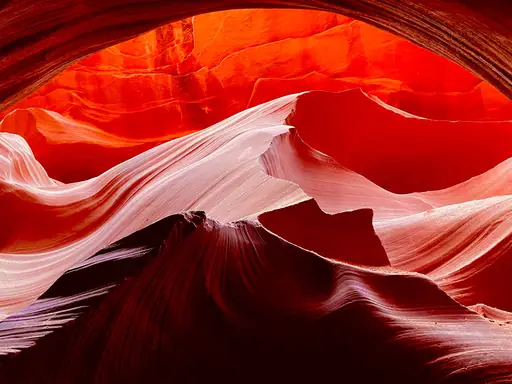
Grand Canyon National Park
Epic Vistas, Timeless Adventure
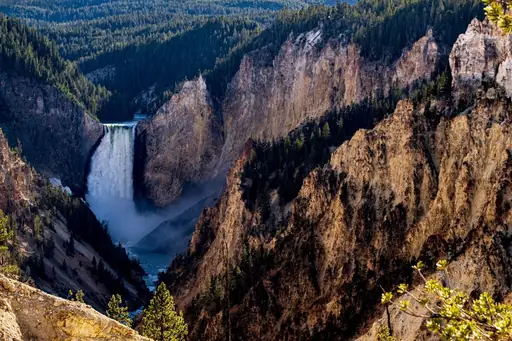
The Grand Canyon stretches 277 miles long and reaches depths over a mile deep. Layers of exposed rock here reveal nearly two billion years of geologic history. Visitors can hike the Bright Angel Trail down towards the Colorado River. The Skywalk, a glass platform, extends out over the canyon's rim.

National Park in United States
Yellowstone National Park
Geysers, wildlife and untamed wilderness
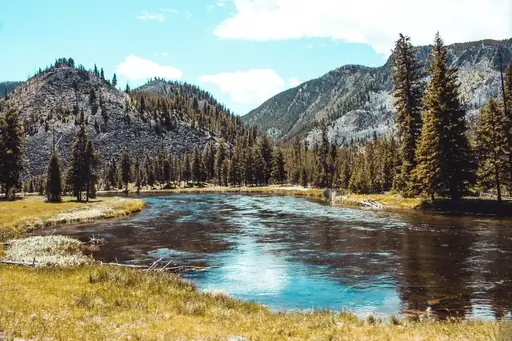
Yellowstone became the world's first national park when Congress established it in 1872. Old Faithful erupts roughly every ninety minutes with predictable regularity. Visitors can walk boardwalks past colourful hot springs and bubbling mud pots. Wolves, reintroduced here in the 1990s, have since reshaped the park's entire ecosystem.

National Park in United States
Rocky Mountain National Park
Majestic Peaks and Untamed Wilderness
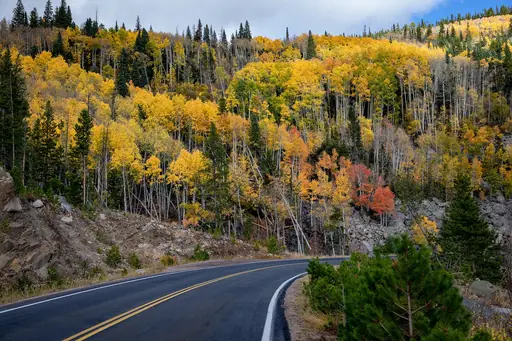
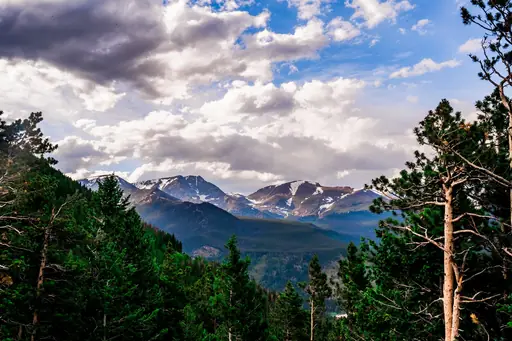
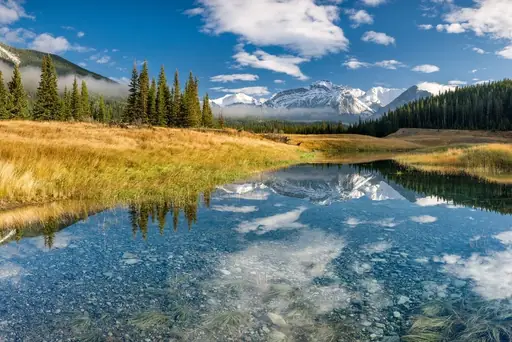
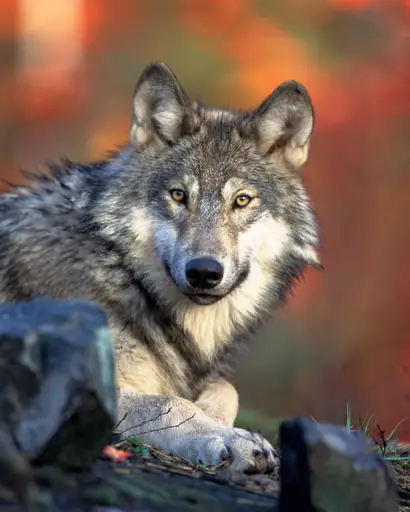
Trail Ridge Road climbs above 12,000 feet as the highest paved road in the US park system. Alpine tundra stretches across the road's highest stretches above the tree line. Visitors can spot elk bugling in meadows during the September rutting season. Longs Peak, the park's tallest summit, draws experienced climbers each summer.
National Park in Canada
Banff National Park
Majestic Peaks and Turquoise Lakes
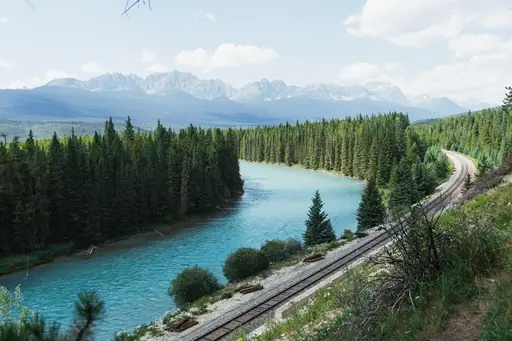
Banff became Canada's first national park after hot springs were discovered here in 1883. Turquoise glacial lakes like Louise and Moraine draw visitors from around the world. Visitors can ride a gondola up Sulphur Mountain for sweeping Rocky Mountain views. Wildlife crossings built over the highway help animals move safely through the park.
National Park in United States
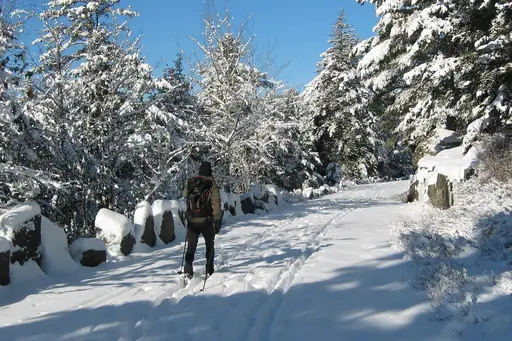
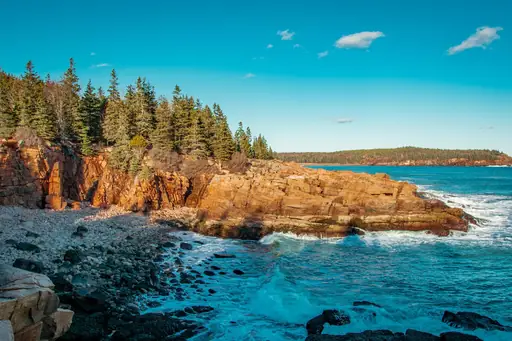
Acadia National Park
Rugged Shores, Sunrise Peaks, Wild Beauty
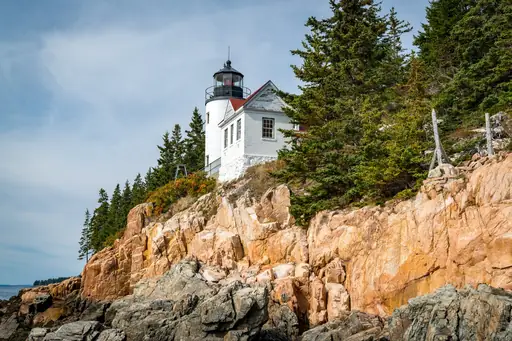
Cadillac Mountain rises within Acadia, among the earliest spots to see sunrise in the United States. Granite peaks meet the Atlantic along miles of rocky coastline. Visitors can hike carriage roads built without cars in mind by John D. Rockefeller Jr. Autumn colour turns the surrounding forest bright red and orange each October.
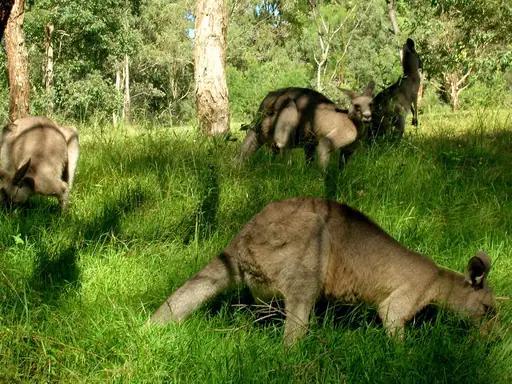
National Park in Australia
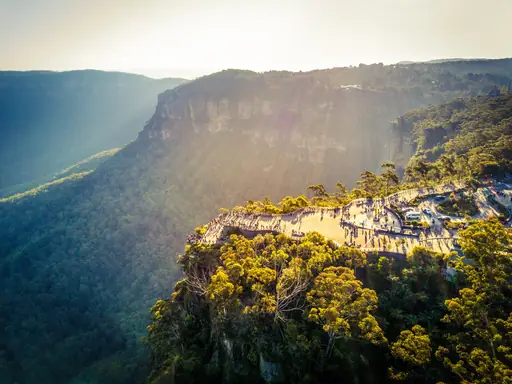
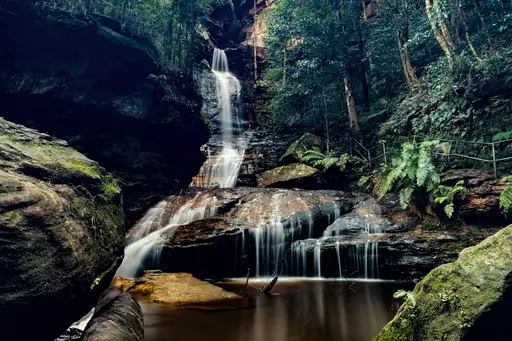
Blue Mountains National Park
Majestic Views and Untamed Nature
The Blue Mountains take their name from a blue haze rising off eucalyptus trees. Sandstone cliffs drop into deep forested valleys across the park. Visitors can view the Three Sisters rock formation from a marked lookout point. A steep scenic railway carries visitors down into the valley floor below.
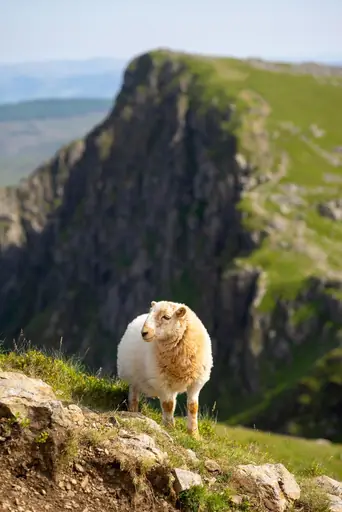
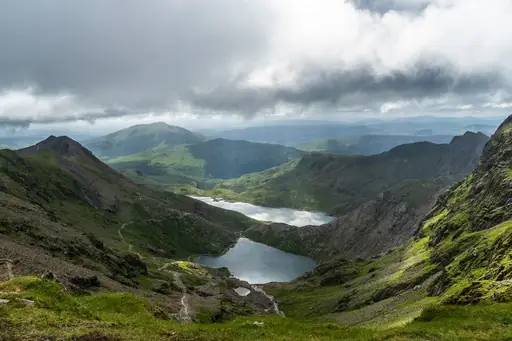
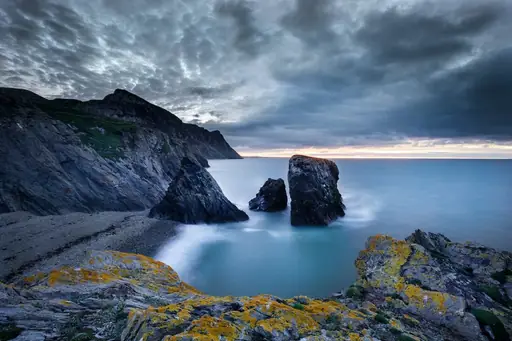
National Park in United Kingdom
Snowdonia National Park
Mythic Peaks and Wild Welsh Beauty
Snowdon, Wales's tallest peak, rises within this mountainous national park. A historic rack railway carries visitors to the summit without a hike. Visitors can walk one of six marked routes climbing towards the top. Slate quarries scattered through the valleys recall the region's mining past.
National Park in United States
Yosemite National Park
Nature's Grand Cathedral
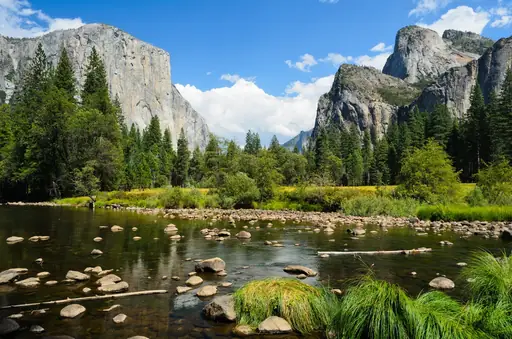
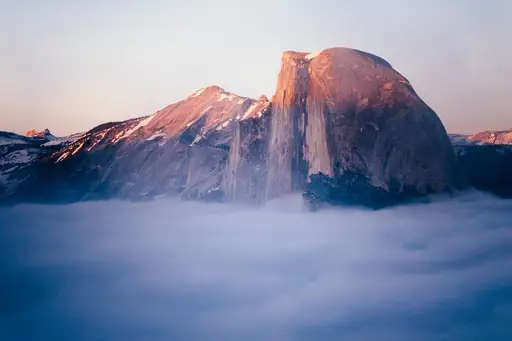
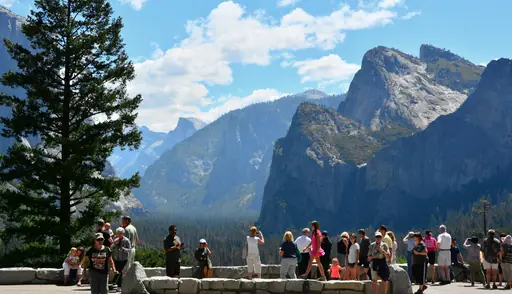
Yosemite protects granite cliffs like El Capitan, a favourite challenge among rock climbers worldwide. Waterfalls including Yosemite Falls drop from towering cliffs during peak spring runoff. Visitors can hike towards Half Dome, a granite formation split by ancient glaciers. Giant sequoias grow within Mariposa Grove near the park's southern entrance.
National Park in Spain
Teide National Park
Mars-Like Landscapes and Epic Views
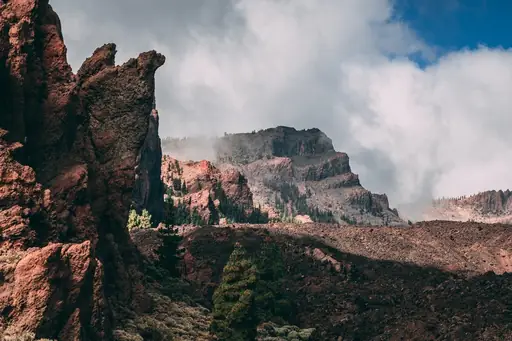
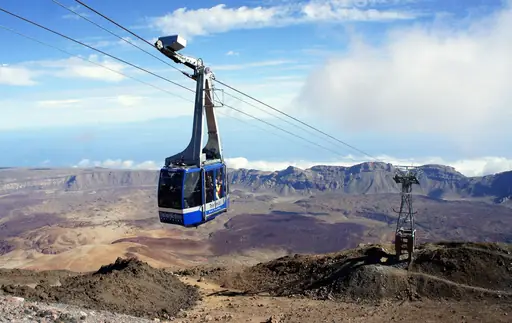
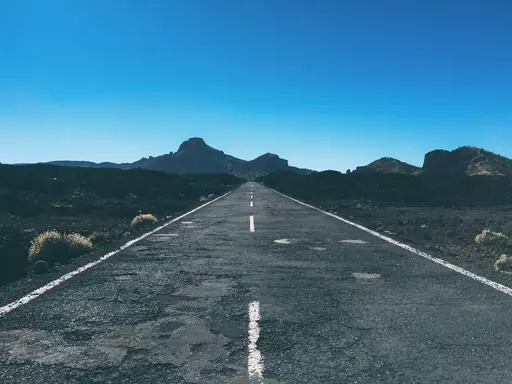
Teide protects Spain's tallest peak, a dormant volcano rising from Tenerife's centre. Lunar looking lava fields surround the mountain's lower slopes. Visitors can ride a cable car partway up before hiking the final stretch. Clear skies here make the summit a popular spot for stargazing at night.

National Park in Turkey
Göreme National Park
Fairy chimneys and cave wonders
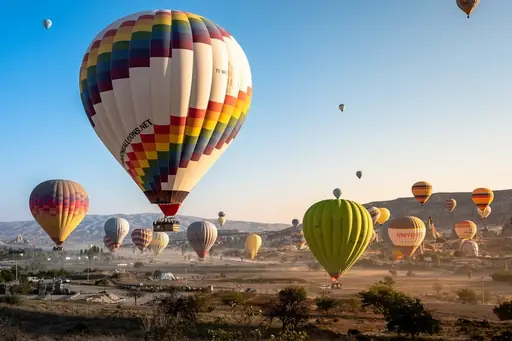
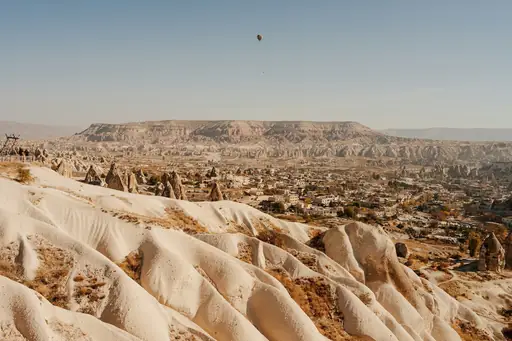
Goreme protects Cappadocia's fairy chimney rock formations shaped by volcanic ash erosion. Early Christians carved churches directly into the soft volcanic stone here. Visitors can ride hot air balloons at sunrise over the surreal landscape. Underground cities nearby once sheltered thousands of people from ancient invasions.
National Park in United States
Grand Teton National Park
Stunning Peaks and Wildlife Wonders
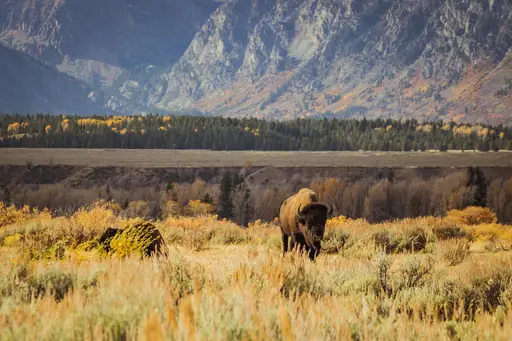
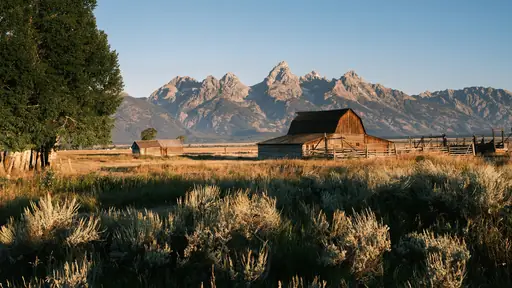
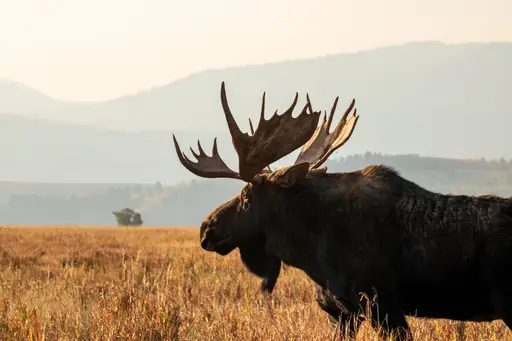
The Teton Range rises abruptly from the valley floor without any foothills. Jackson Lake reflects the jagged peaks on calm early morning visits. Visitors can paddle canoes across the lake beneath the mountain skyline. Moose and elk are commonly spotted grazing in the park's willow flats.
National Park in South Africa
Table Mountain National Park
Epic views and wild landscapes
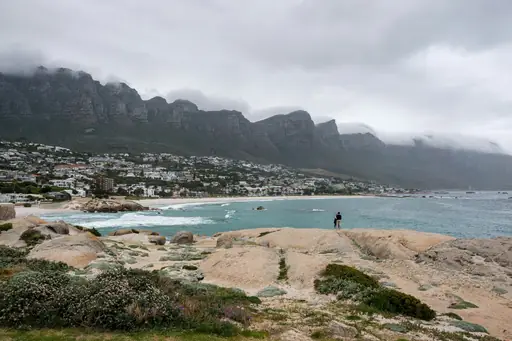
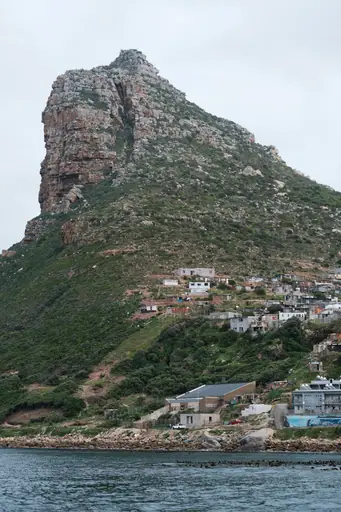
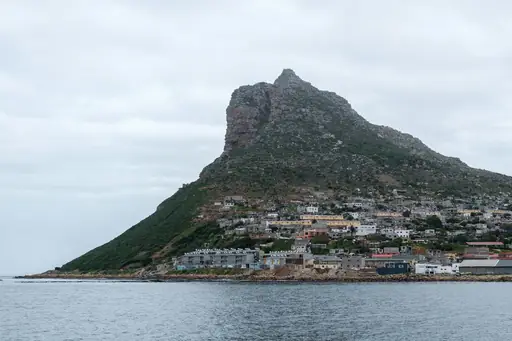
Table Mountain rises above Cape Town, its flat top often capped by a cloud layer locals call the tablecloth. Over 2,000 plant species grow within the park's fynbos vegetation. Visitors can ride a rotating cable car to the summit for coastal views. Baboon troops are commonly spotted along several of the lower trails.

National Park in United States
Waterton Glacier International Peace Park
Where two nations preserve wilderness
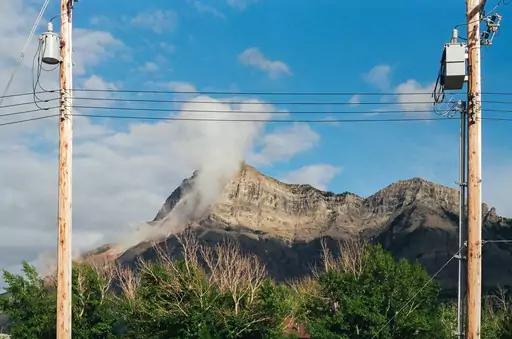
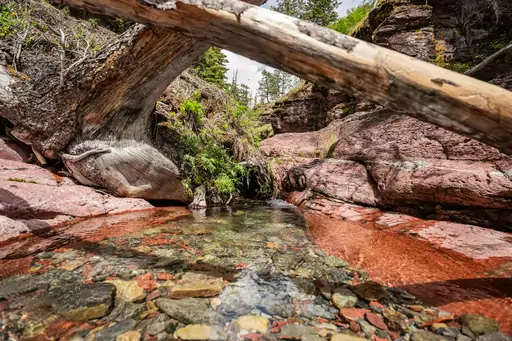
Waterton-Glacier spans the US-Canada border as the world's first international peace park. Glacially carved valleys connect turquoise lakes on both sides of the boundary. Visitors can drive the Going-to-the-Sun Road across dramatic mountain passes. Grizzly bears and mountain goats roam freely across this shared wilderness.

National Park in United States
Glacier National Park
Crown of the Continent
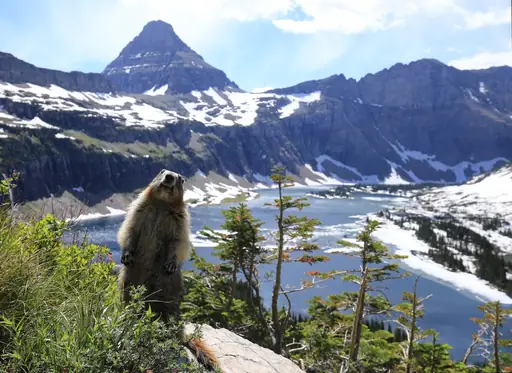
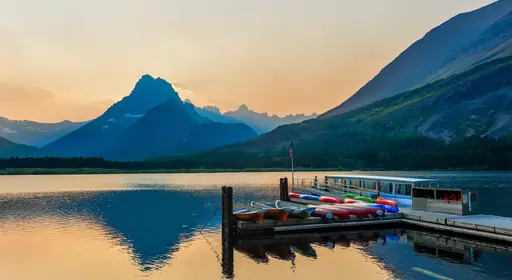
Glacier protects rugged peaks carved by ice sheets during past glacial periods. Fewer than thirty glaciers remain today out of the hundreds counted a century ago. Visitors can drive the Going-to-the-Sun Road across the Continental Divide. Grizzly bears and mountain goats roam freely through the park's high country.
National Park in United States
Olympic National Park
Untamed Wilderness, All in One
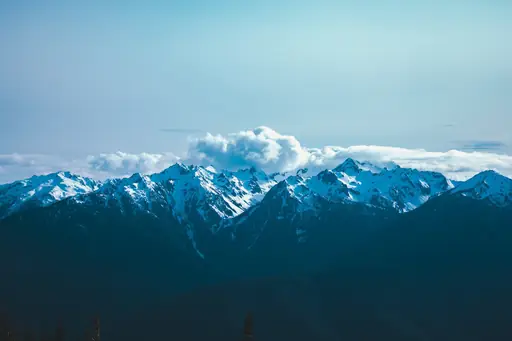
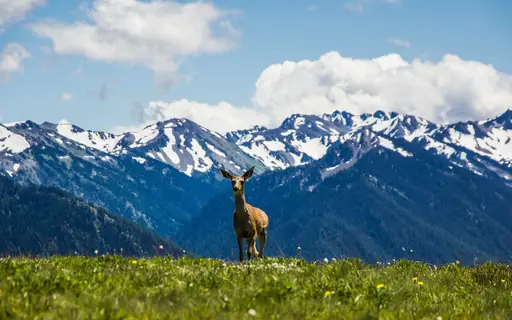
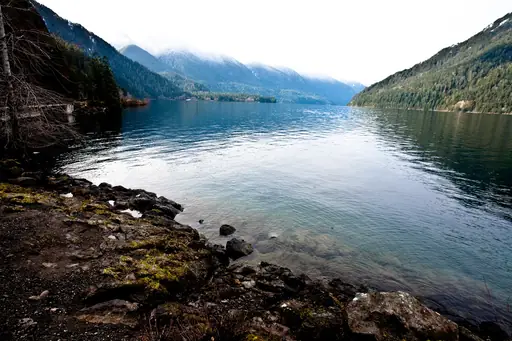
Olympic protects temperate rainforest, alpine peaks and rugged coastline within one park. Moss draped trees in the Hoh Rainforest receive over 140 inches of rain yearly. Visitors can walk misty forest trails before driving to snow covered mountain passes. Tide pools along the coast reveal starfish and anemones at low tide.
National Park in United States
Bryce Canyon National Park
Hoodoo Wonderland and Starry Nights
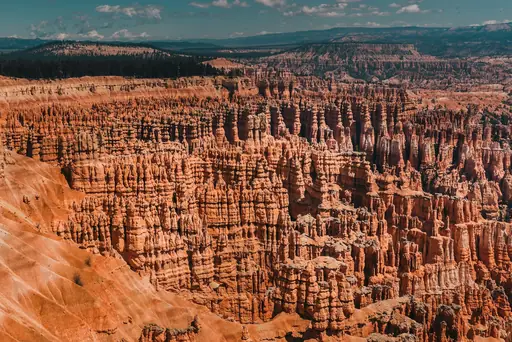
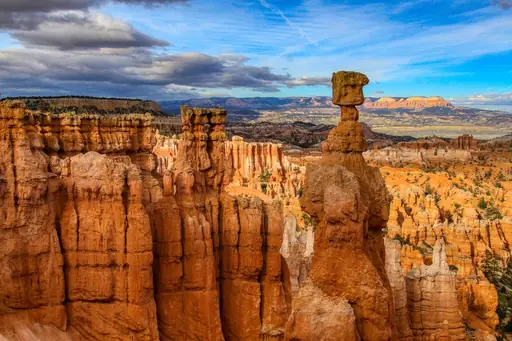
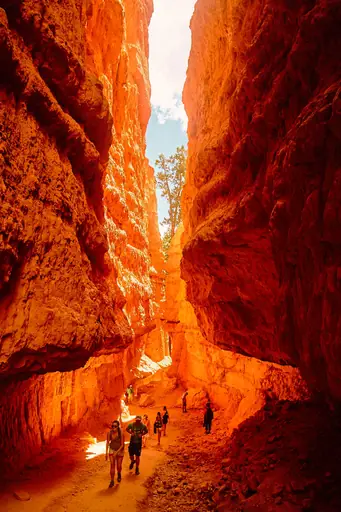
Bryce Canyon holds the largest concentration of hoodoos found anywhere on Earth. These spire shaped rock formations were carved by centuries of freezing and thawing. Visitors can walk among the hoodoos on trails descending into the amphitheatre. Clear night skies here make the park a popular stargazing destination.

Nature Reserve in Ha Long
Ha Long Bay
Vietnam’s Otherworldly Seascape
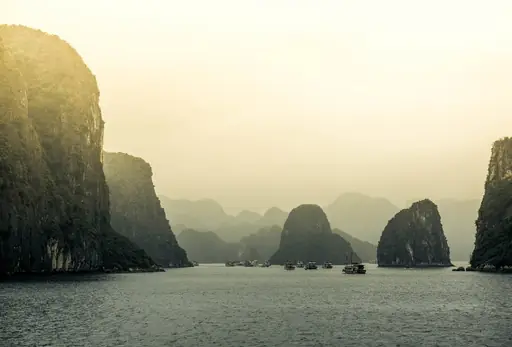
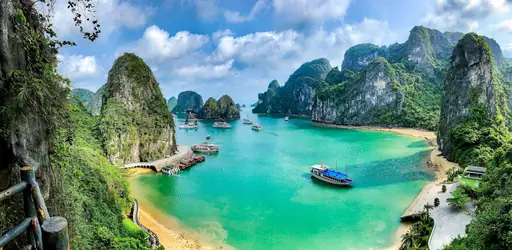
Ha Long Bay holds nearly 2,000 limestone karsts rising straight out of emerald water. Local legend says dragons formed the bay by spitting jewels into the sea. Visitors can cruise overnight on traditional junk boats between the islands. Hidden caves and grottoes are scattered throughout the karst formations.
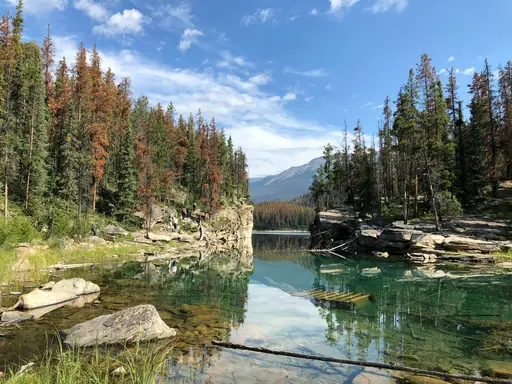
National Park in Canada
Jasper National Park
Untamed Wilderness and Starry Skies
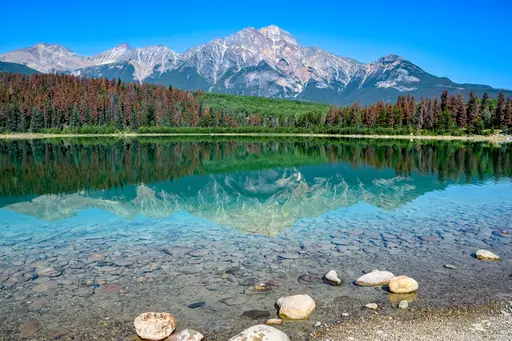
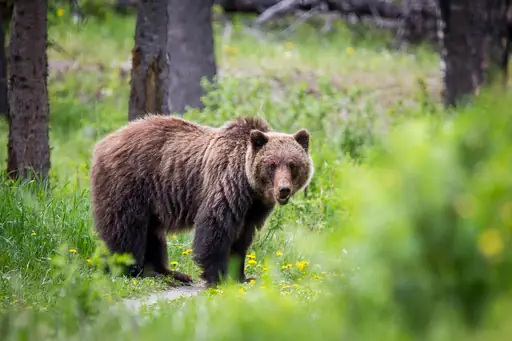
Jasper protects the largest area of any national park in the Canadian Rockies. The Athabasca Glacier here lets visitors walk directly onto ancient ice. Visitors can ride a specialised vehicle onto the glacier's surface. Dark sky preserve status makes Jasper a leading destination for stargazing.
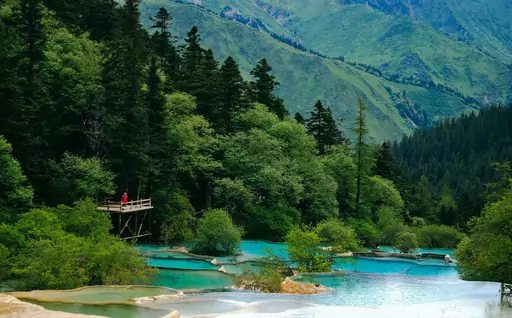
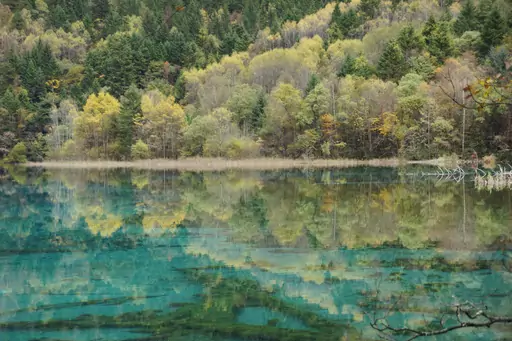
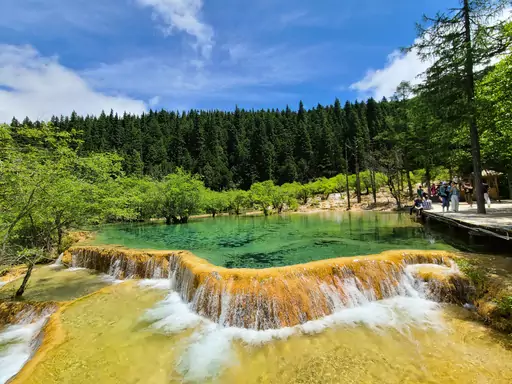
Nature Reserve in China
Jiuzhaigou Nature Reserve
Colorful lakes in Tibetan mountains
Jiuzhaigou takes its name from nine Tibetan villages scattered throughout the valley. Mineral rich lakes here glow in shades of turquoise and deep green. Visitors can walk boardwalks past waterfalls cascading between terraced pools. Snow capped peaks and colourful autumn foliage frame the valley each October.
National Park in United Kingdom
Cairngorms National Park
Scotland’s Wild Heart of Adventure
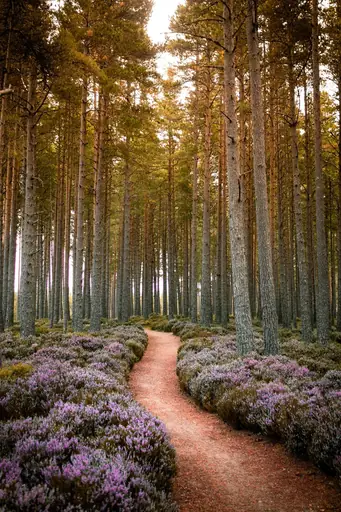
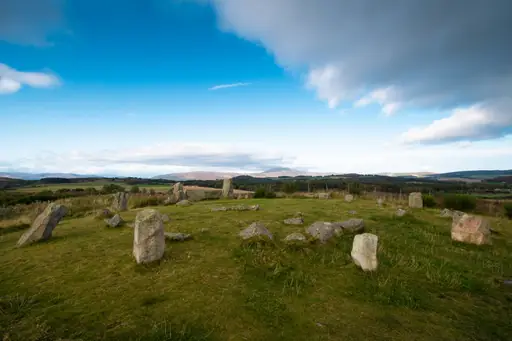
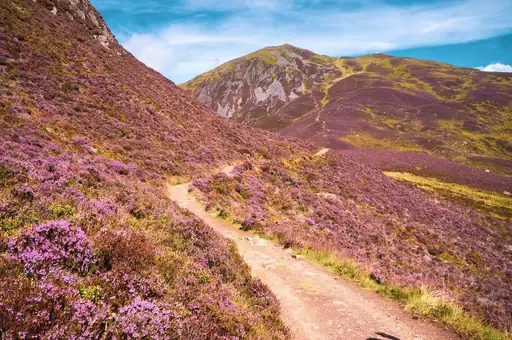
The Cairngorms hold the largest area of arctic tundra found in Britain. Ancient Caledonian pine forest survives in scattered pockets across the park. Visitors can spot reindeer, reintroduced here after centuries of local extinction. Ski lifts operate on the higher slopes during Scotland's snowy winter months.
National Park in South Africa
Kruger National Park
Where Africa's Big Five Roam Free
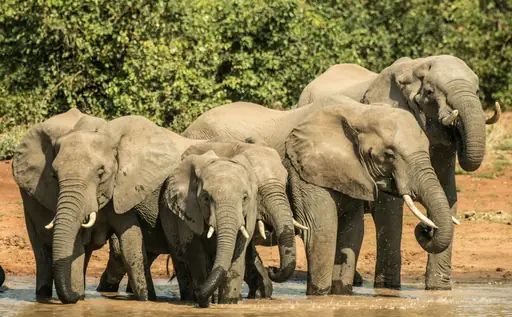
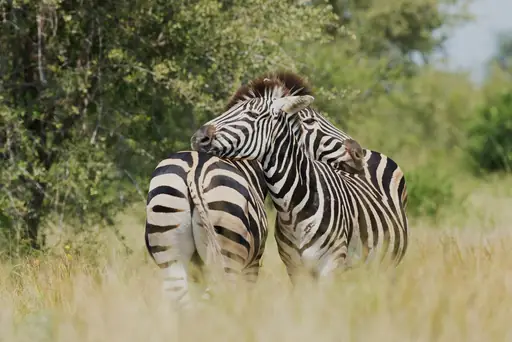
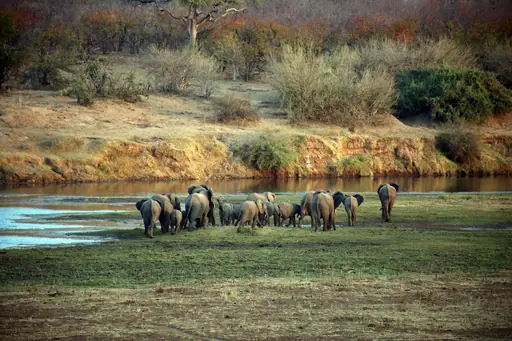
Kruger protects one of Africa's largest game reserves, spanning nearly two million hectares. All members of the Big Five can be spotted within its boundaries. Visitors can self drive along paved roads connecting rest camps throughout the park. Ancient rock art sites survive in remote corners of the reserve.
Nature Reserve in Greece
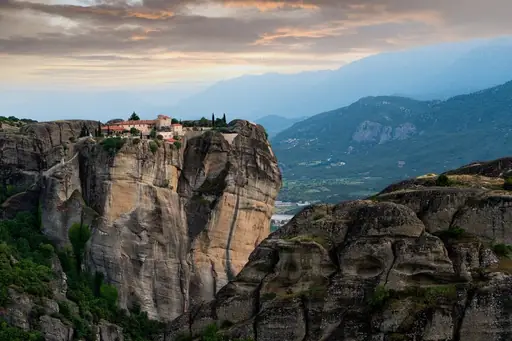
Meteora
Monasteries Suspended in the Sky
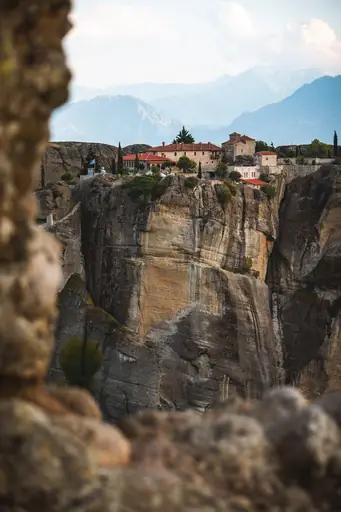
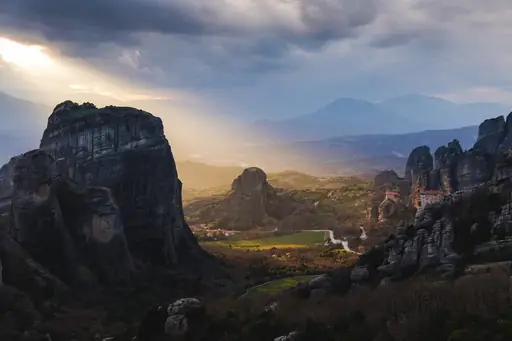
Meteora holds monasteries built atop towering sandstone pillars in central Greece. Monks once used rope baskets to haul supplies up the sheer rock faces. Visitors can climb stone steps carved into the cliffs to reach several monasteries. Six of the original twenty-four monasteries remain active today.

National Park in Slovenia
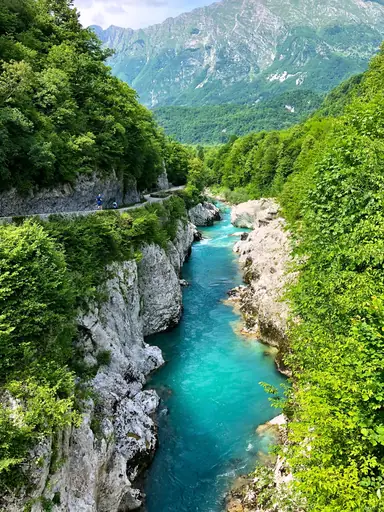
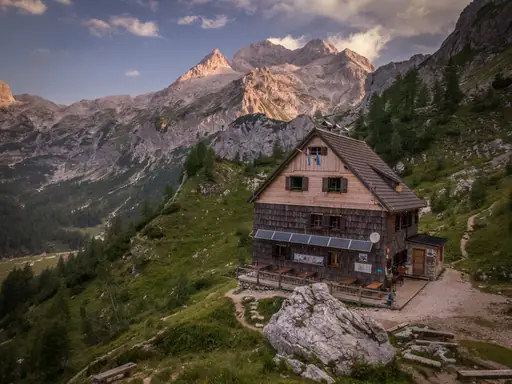
Triglav National Park
Slovenia’s Natural Beauty
Triglav protects Slovenia's tallest peak, considered a national symbol appearing on the flag. Alpine lakes and gorges fill the valleys beneath the mountain's three summits. Visitors can hike towards mountain huts offering meals and beds partway up the trail. Emerald coloured rivers like the Soca cut through the park's lower valleys.
National Park in Spain
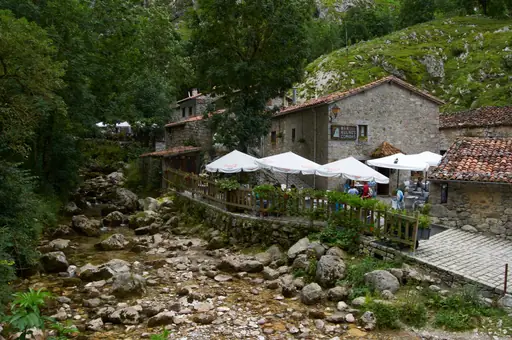
Picos de Europa National Park
Jagged Peaks, Deep Gorges, Wild Spain
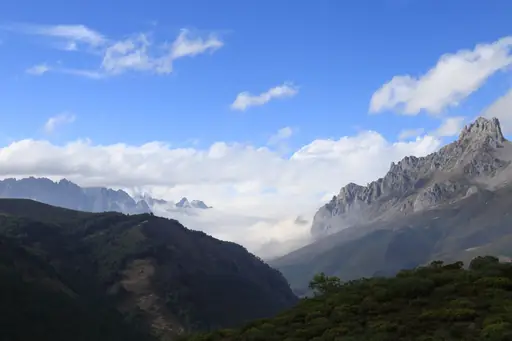
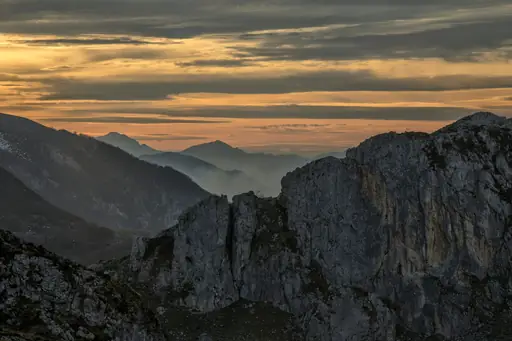
Picos de Europa holds jagged limestone peaks visible from ships approaching the Spanish coast. Deep gorges like the Cares Route cut dramatically through the mountain range. Visitors can hike a cliffside trail carved into the canyon wall. Cable cars carry visitors up towards Naranjo de Bulnes, a famous limestone spire.

National Park in Japan
Setonaikai National Park
Island seascapes, bridges and art islands
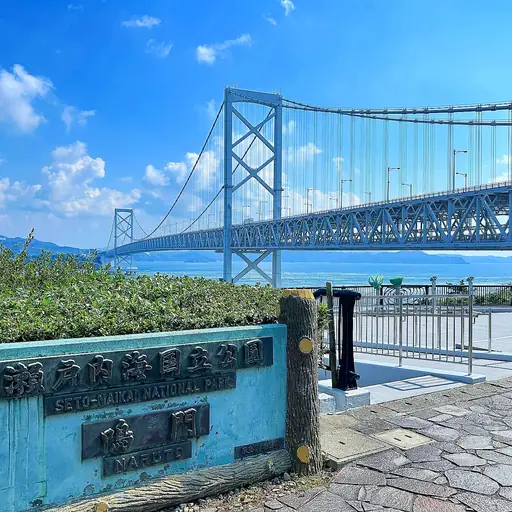
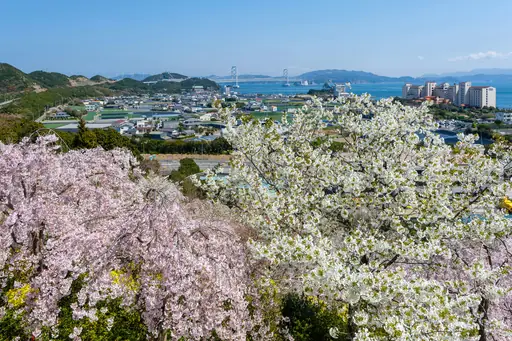
Setonaikai protects Japan's Inland Sea, dotted with hundreds of small islands. Naoshima, one island within the park, has become known for large scale outdoor art. Visitors can island hop by ferry between contemporary art museums and quiet fishing villages. Cherry blossoms and citrus groves line many of the smaller islands each spring.
Nature Reserve in China
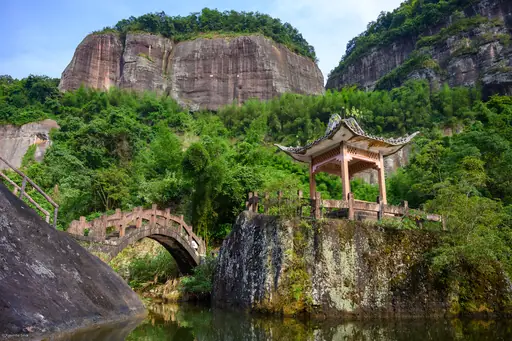
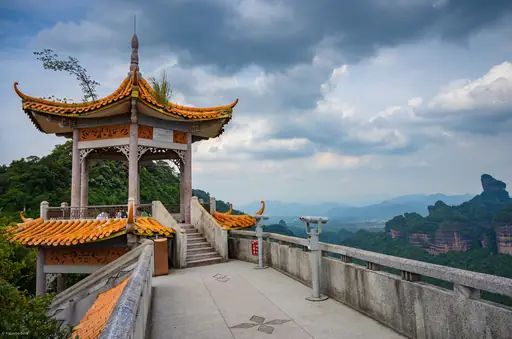
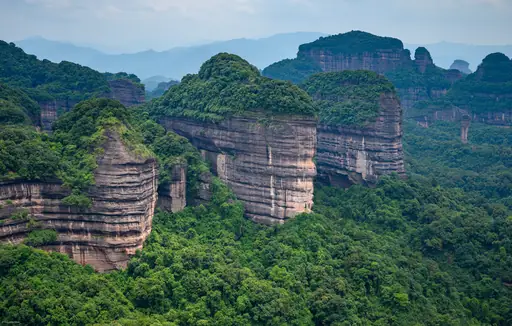
Danxiashan World Geopark
China’s Red Cliffs and Legends
Danxiashan protects red sandstone formations shaped by millions of years of erosion. Steep cliffs and canyons here inspired the term Danxia used for this landform globally. Visitors can walk elevated boardwalks past columns and natural stone arches. The park earned recognition as a UNESCO World Heritage Site in 2010.
National Park in United States
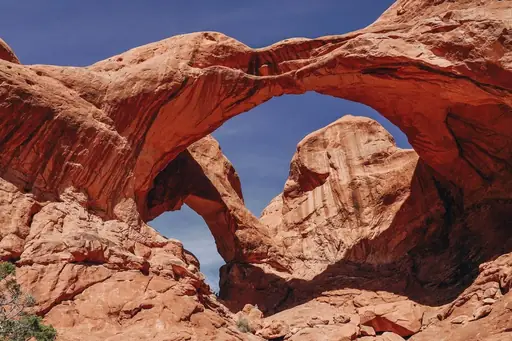
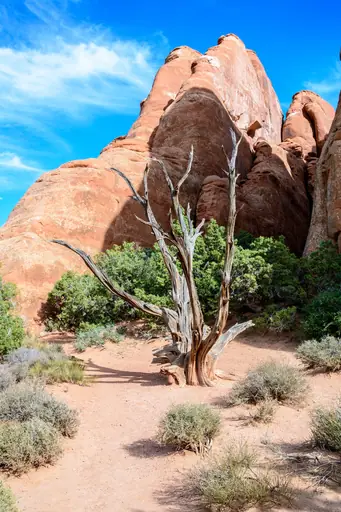
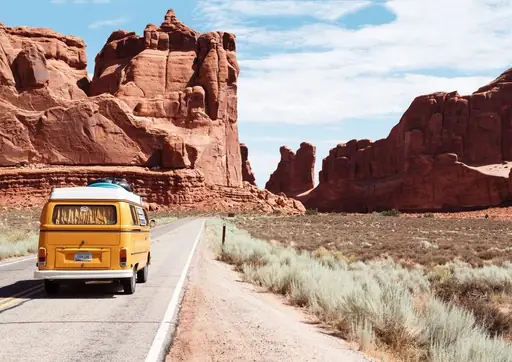
Arches National Park
A Desert Wonderland of Stone Arches
Arches protects over 2,000 documented natural stone arches within its boundaries. Delicate Arch, the park's most photographed formation, stands alone against the desert sky. Visitors can hike a moderate trail leading directly to its base. Erosion continues shaping new arches while occasionally collapsing older ones.
National Park in China
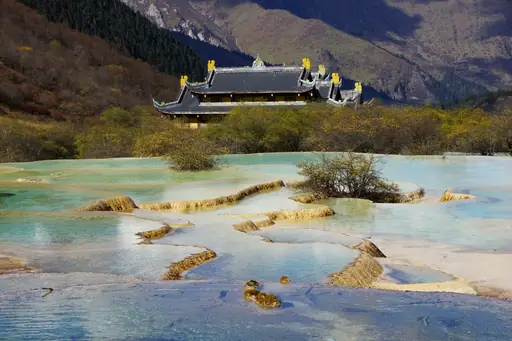
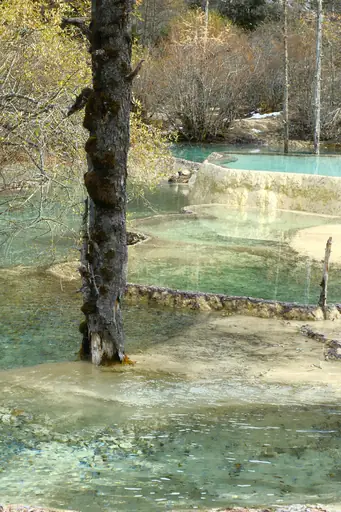
Huanglong National Park
China's Colorful Terraced Wonderland
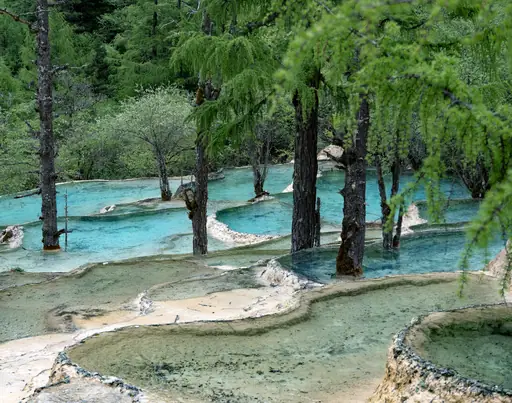
Huanglong protects terraced pools of mineral rich water in shades of blue and green. Calcium deposits built up over centuries to form the pools' distinct colours. Visitors can walk boardwalks winding past hundreds of these terraced ponds. Snow capped peaks rise above the valley through much of the year.
National Park in Japan
Kamikochi
Clear river valley beneath the Hotaka Range
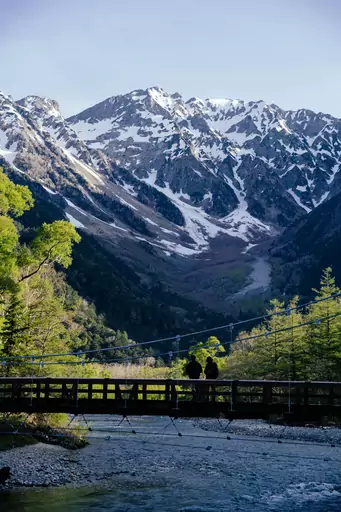
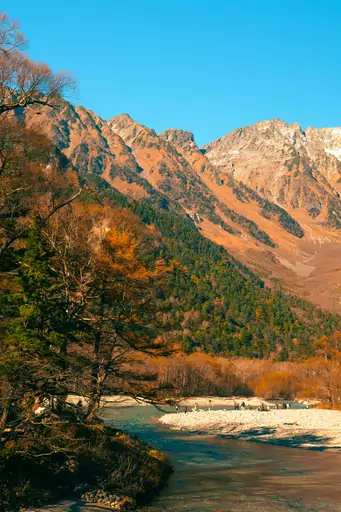
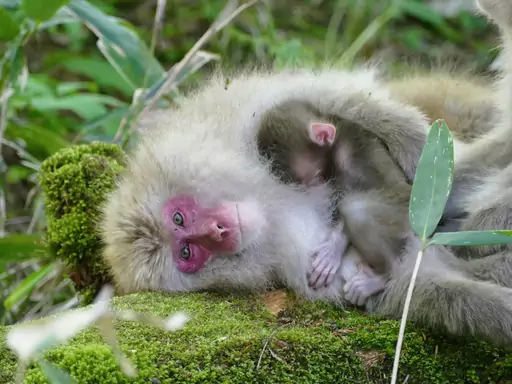
Kamikochi stays closed to private vehicles, accessible only by shuttle bus or on foot. The Azusa River runs clear beneath the towering Hodaka mountain range. Visitors can walk flat riverside trails suited to casual hikers of any level. Japanese macaques are occasionally spotted along the valley's forested edges.
National Park in Japan
Chūbu-Sangaku National Park
Northern Alps peaks, snow walls and onsen
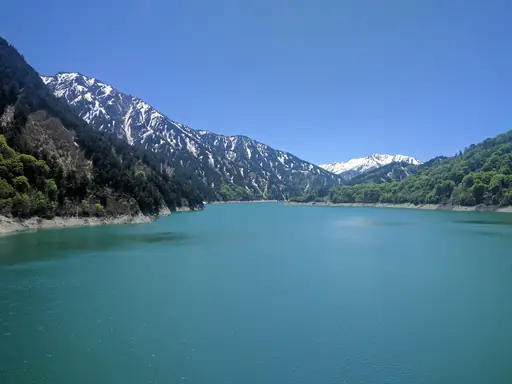
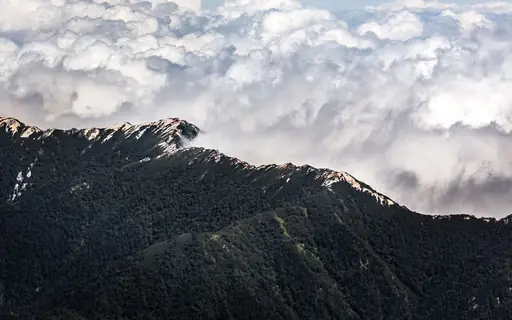
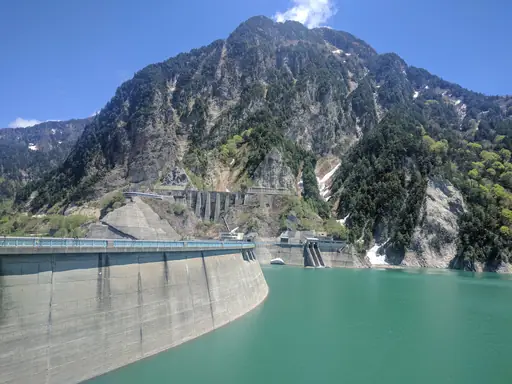
Chubu Sangaku protects the Japanese Alps, home to peaks rising above 3,000 metres. Kamikochi, a valley within the park, offers flat trails suited to casual hikers. Visitors can hike more demanding routes towards Yarigatake's sharp summit. Japanese macaques are occasionally spotted bathing in the park's hot springs.
National Park in Croatia
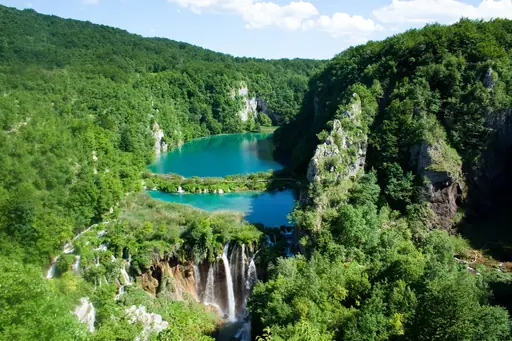
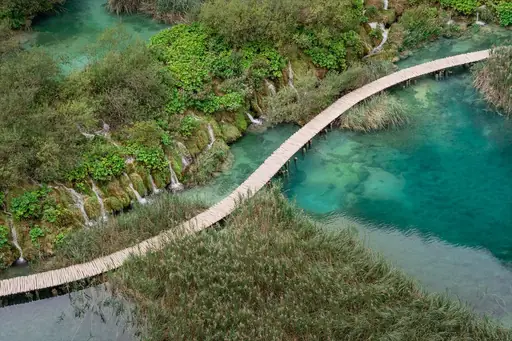
Plitvice Lakes National Park
Cascading Waterfalls and Turquoise Lakes
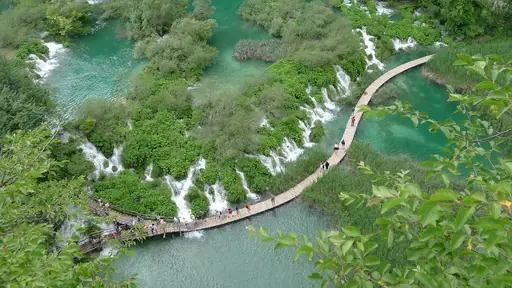
Plitvice holds sixteen terraced lakes connected by waterfalls and natural travertine barriers. Mineral deposits continuously reshape the barriers separating each turquoise coloured lake. Visitors can walk wooden boardwalks suspended just above the clear water. The park earned recognition as one of Croatia's first UNESCO listings.
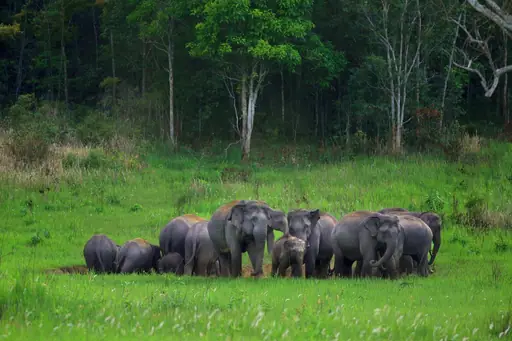
National Park in Thailand
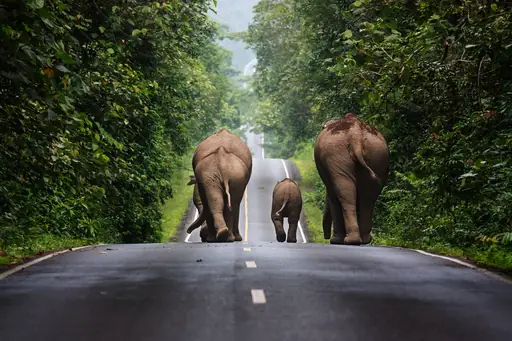
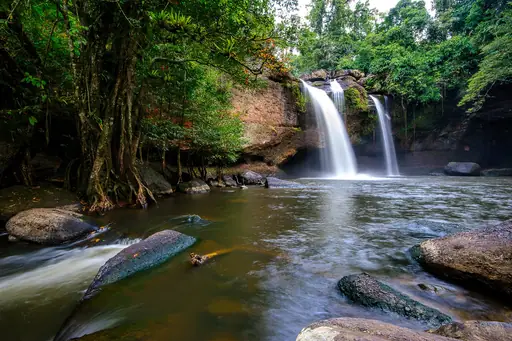
Khao Yai National Park
Wild Elephants, Waterfalls and Jungle Trails
Khao Yai protects one of Thailand's largest remaining stretches of intact forest terrain. Wild elephants and gibbons move through the park's mixed jungle terrain. Visitors can hike marked trails leading past waterfalls and open grassland. The park earned recognition as a UNESCO World Heritage Site.
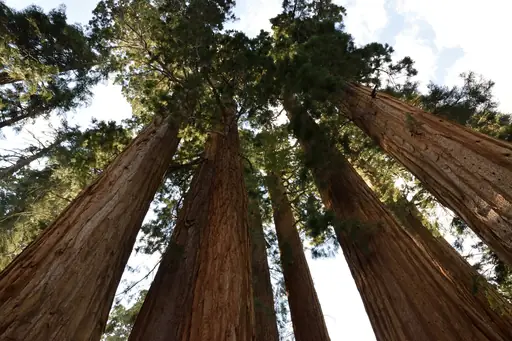
National Park in United States
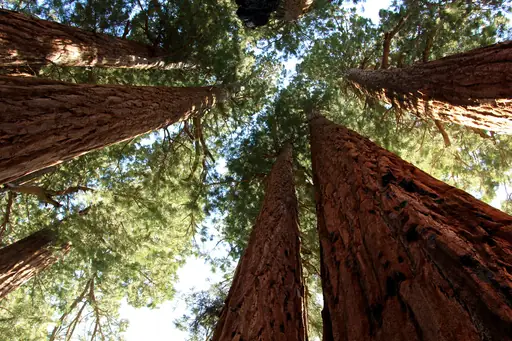
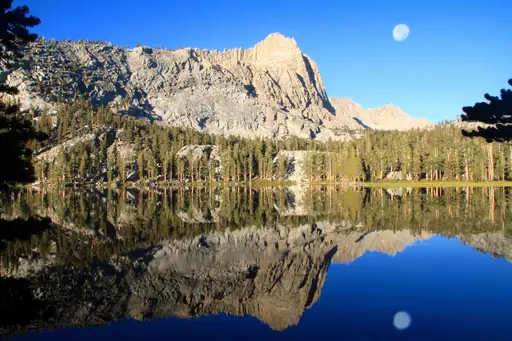
Sequoia and Kings Canyon National Parks
Home of the Giant Sequoias
General Sherman, the world's largest tree by volume, grows within Sequoia National Park. Giant sequoias here can live for more than 3,000 years. Visitors can walk among the massive trunks along the Giant Forest trail. Kings Canyon nearby cuts deeper in places than the Grand Canyon.
National Park in United States
Mount Rainier National Park
A Majestic Volcano and Wild Beauty
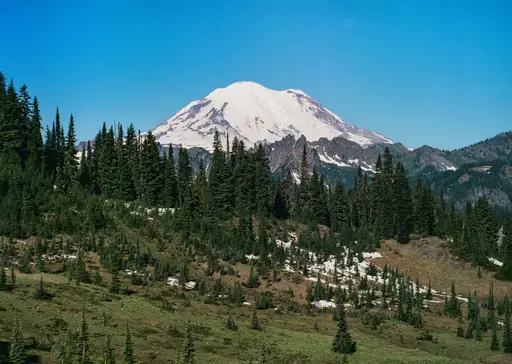
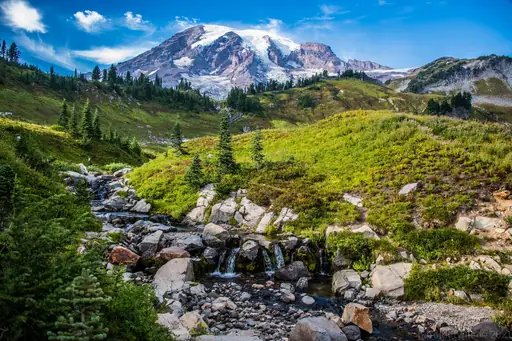
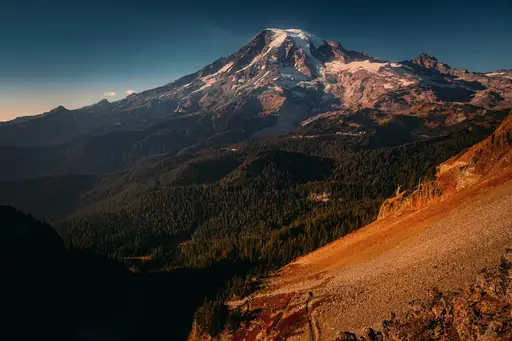
Mount Rainier towers as the most glaciated peak in the contiguous United States. Wildflower meadows bloom brightly across its slopes during the short summer season. Visitors can hike the Skyline Trail for close views of the glacier covered summit. The mountain remains an active volcano monitored for potential eruptions.
National Park in Ireland
Wicklow Mountains National Park
Wild Irish Peaks and Ancient Valleys
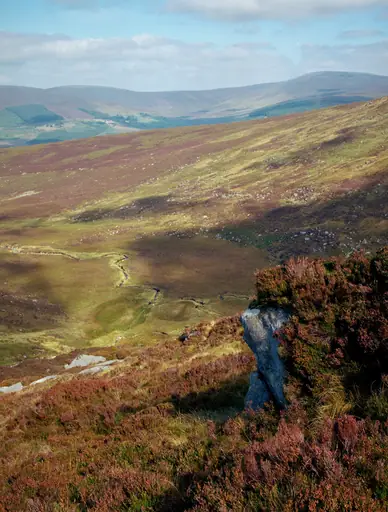
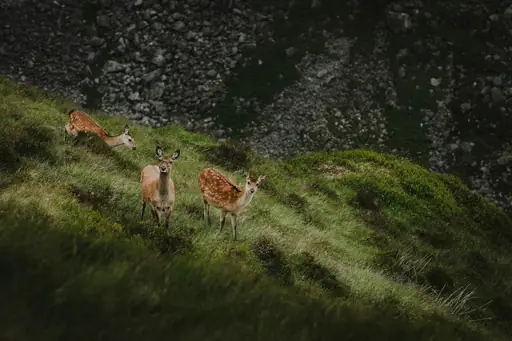
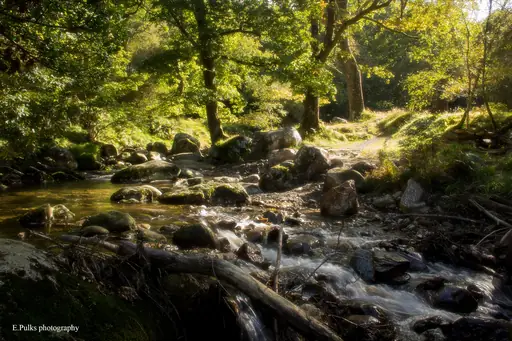
Wicklow Mountains protect a granite range just south of Dublin's outskirts. Glendalough, a glacial valley within the park, holds ruins of a sixth century monastery. Visitors can hike trails past two lakes framed by round tower ruins. Peat bogs across the higher slopes preserve pollen records thousands of years old.
National Park in Thailand
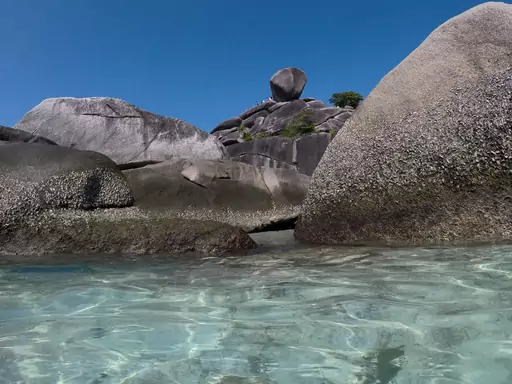
Similan Islands
Thailand's underwater paradise
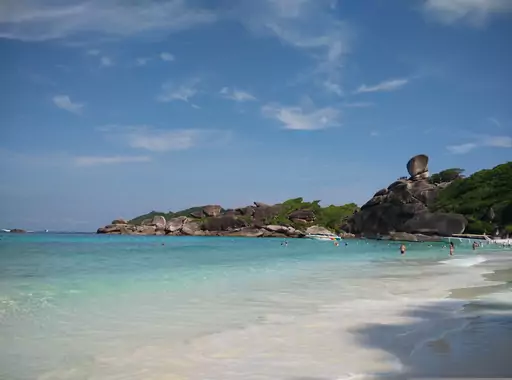
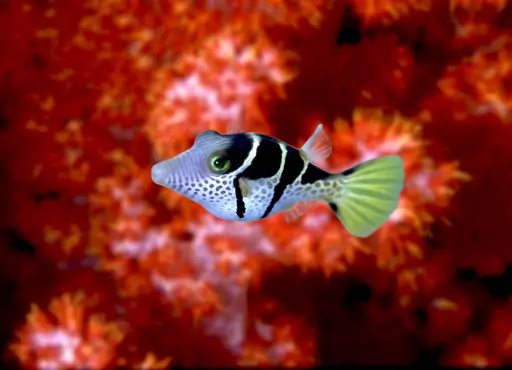
Similan Islands National Park protects nine granite islands off Thailand's Andaman coast. Coral reefs here rank among the healthiest found anywhere in the country. Visitors can dive alongside manta rays and reef sharks in clear water. The park closes seasonally to let marine ecosystems recover from visitor traffic.
National Park in Japan
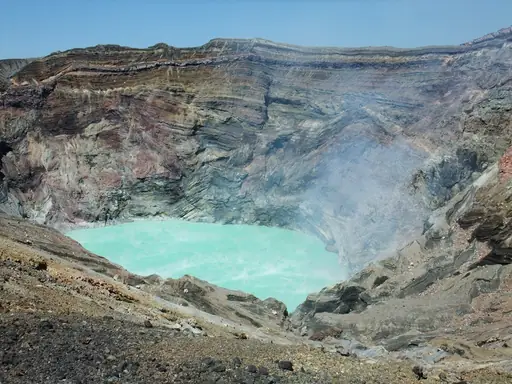
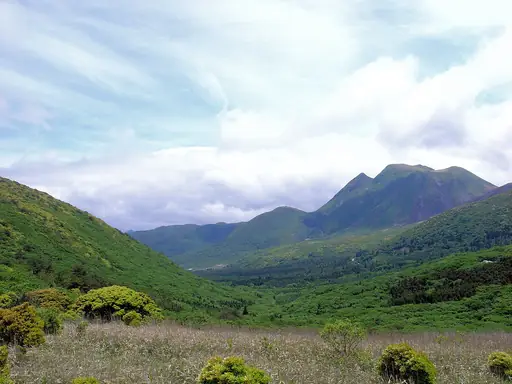
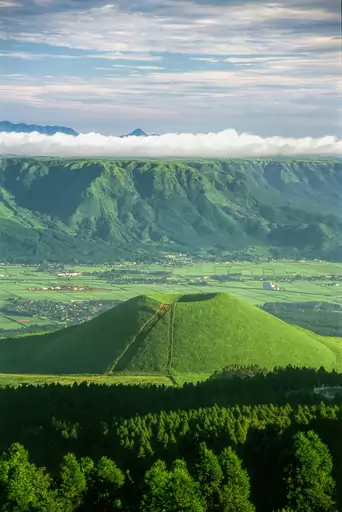
Aso-Kuju National Park
Giant caldera, active volcano and highlands
Aso-Kuju protects Mount Aso, whose caldera ranks among the largest volcanic craters on Earth. Grassland stretches across much of the caldera floor between smoking peaks. Visitors can drive across the caldera or ride a cable car towards the crater rim. Controlled burns each spring help maintain the park's open grassland habitat.
National Park in Argentina
Iguazú National Park and Reserve
Epic Waterfalls and Wild Rainforest
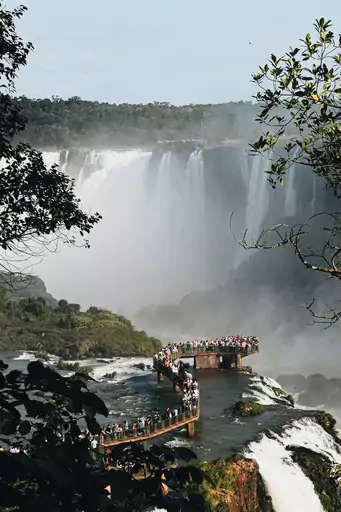
Iguazu Falls spans nearly 275 individual waterfalls along the Argentina-Brazil border. Devil's Throat, the tallest section, drops water with a constant deafening roar. Visitors can walk elevated catwalks positioned just above the thundering falls. Rainbows form regularly in the mist rising from the crashing water below.
Nature Reserve in United States
Big Cypress National Preserve
Florida's wild swamp wilderness experience
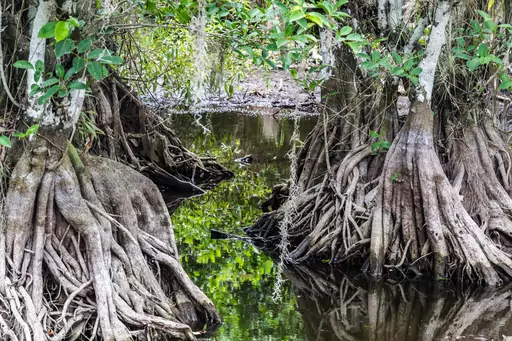
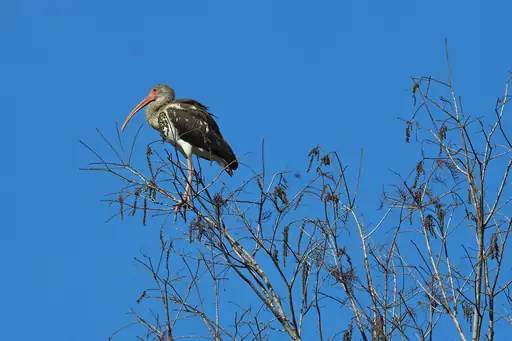
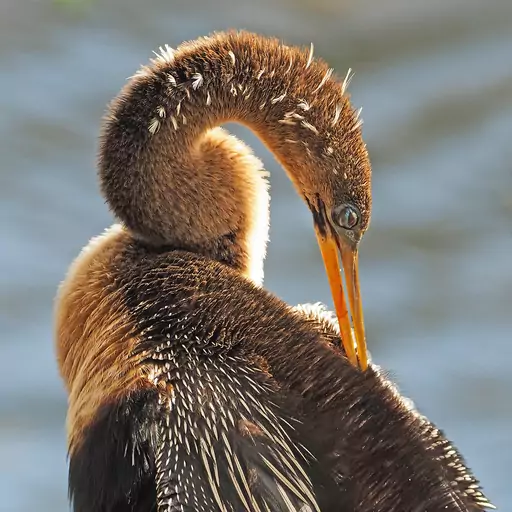
Big Cypress protects a swamp forest bordering the Florida Everglades to the north. Bald cypress trees draped in Spanish moss rise from shallow standing water. Visitors can paddle canoe trails winding through cypress domes and open prairie. Florida panthers, among the most endangered cats in the world, roam this preserve.
National Park in United States
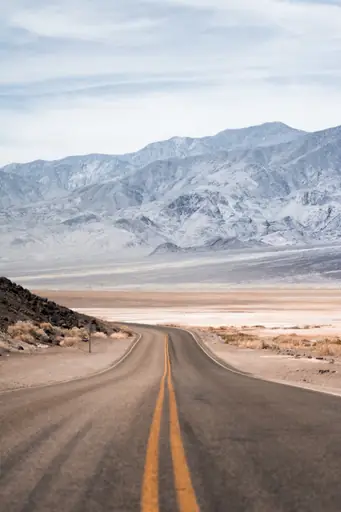
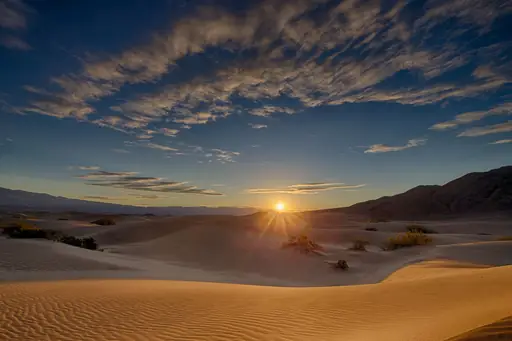
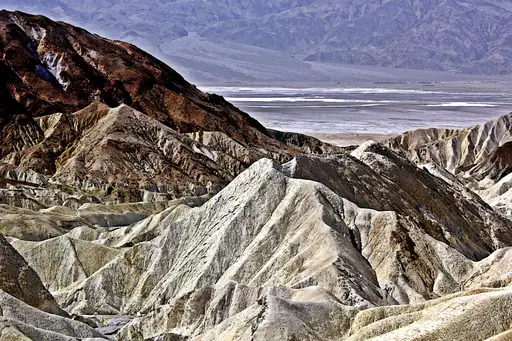
Death Valley National Park
Otherworldly Extremes and Silent Beauty
Death Valley holds the record for the highest air temperature ever reliably measured. Badwater Basin lies over 280 feet below sea level, the lowest point in North America. Visitors can walk across a vast white salt flat stretching for miles. Rare wildflower blooms occasionally transform the desert floor after heavy winter rain.
National Park in Croatia
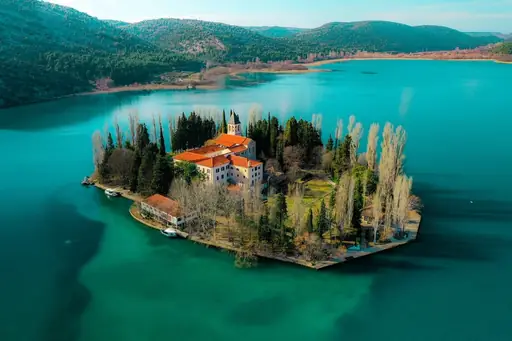
Krka National Park
Waterfalls and Pristine Nature
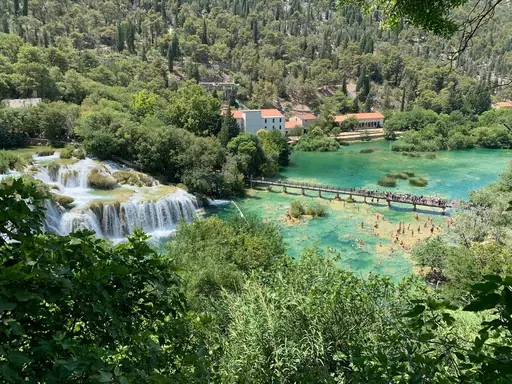
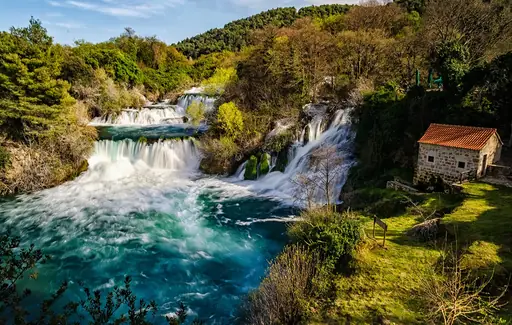
Krka protects a series of waterfalls cascading through Croatia's limestone canyon country. Skradinski Buk, the park's largest waterfall, spans nearly 800 metres in width. Visitors could once swim beneath the falls before rules changed to protect the ecosystem. Water mills built centuries ago still stand along parts of the river.
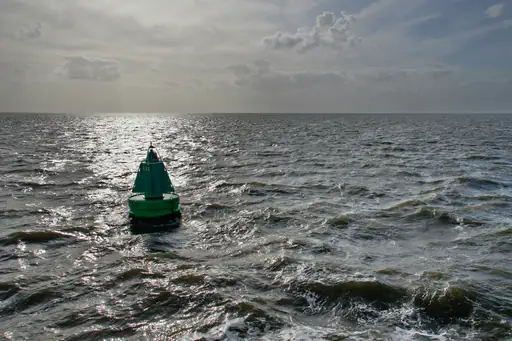
Nature Reserve
Wadden Sea
World's largest tidal flats ecosystem
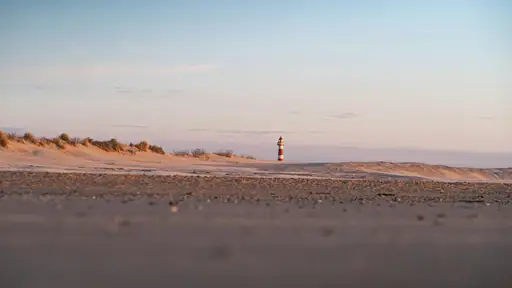
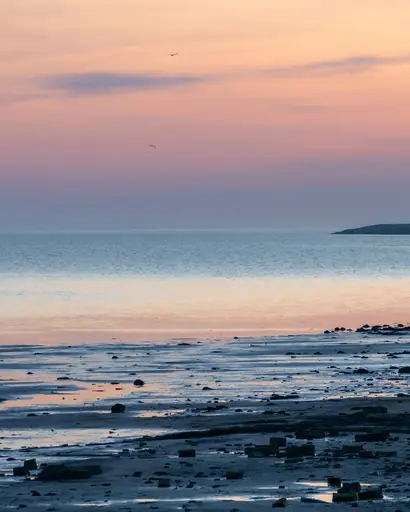
The Wadden Sea forms the largest unbroken system of tidal flats in the world. Twice daily tides expose vast mudflats stretching along three countries' coastlines. Visitors can join guided mudflat walks called wadlopen across the exposed seabed. Millions of migratory birds stop here each year to rest and feed.
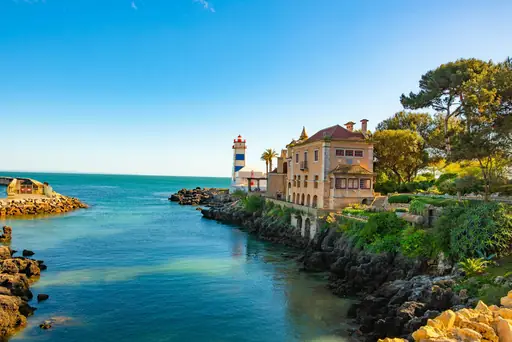
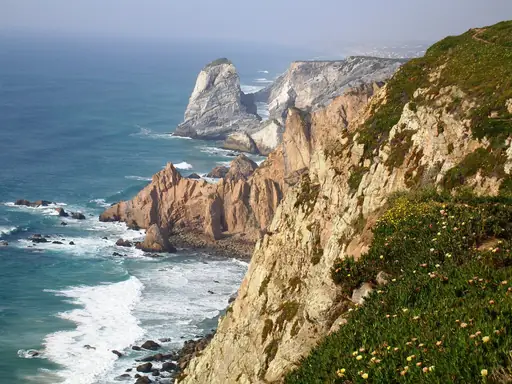
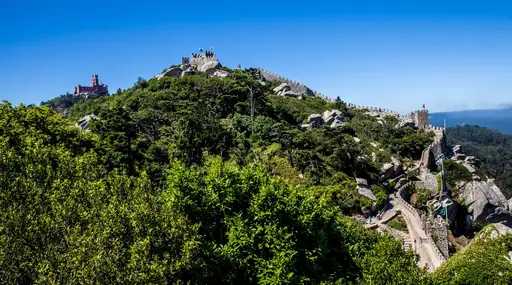
Nature Reserve in Portugal
Sintra-Cascais Nature Park
Where Europe meets the Atlantic
Sintra-Cascais protects a coastal landscape dotted with fairytale palaces and castles. Cabo da Roca within the park marks the westernmost point of mainland Europe. Visitors can tour the colourful Pena Palace perched above the forested hills. Ocean cliffs along the park's coast draw surfers to nearby beaches.
National Park in Australia
Twelve Apostles Marine National Park
Iconic Cliffs and Wild Ocean Wonders
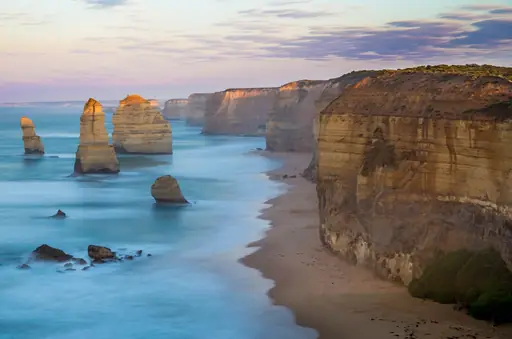
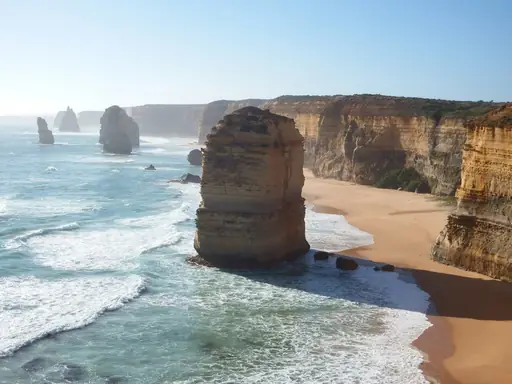
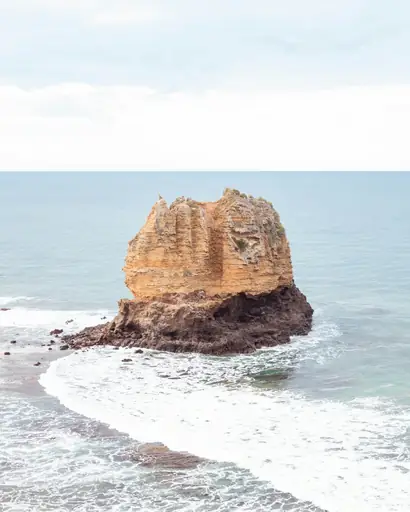
The Twelve Apostles are limestone stacks rising from the Southern Ocean off Victoria's coast. Erosion has reduced the original formations to fewer than a dozen remaining stacks. Visitors can view the stacks from clifftop platforms along the Great Ocean Road. Sunset here turns the limestone a deep orange against the darkening sky.
National Park in Portugal
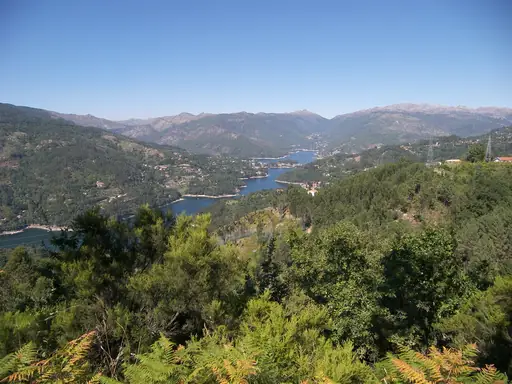
Peneda-Gerês National Park
Portugal's Only National Park Paradise
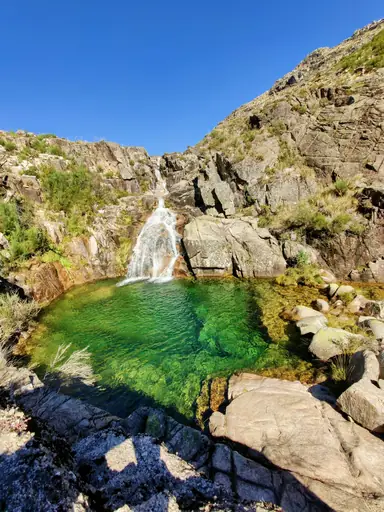
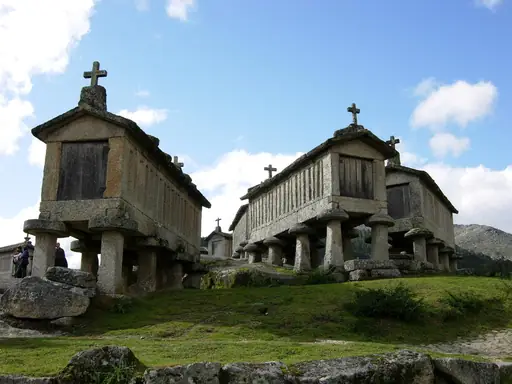
Peneda-Geres protects Portugal's only national park, tucked into its rugged northern border. Ancient granite villages here still use community grain stores called espigueiros. Visitors can hike trails past waterfalls and free roaming wild garrano ponies. Roman roads built two thousand years ago cross sections of the park.
National Park in Spain
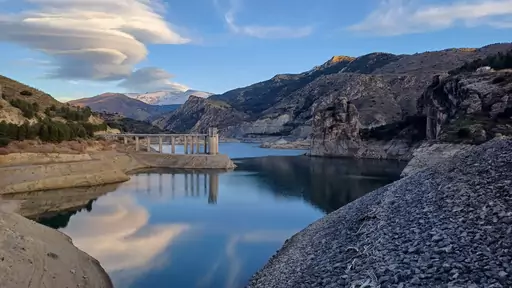
Sierra Nevada National Park
Spain’s Rooftop of Sun and Snow
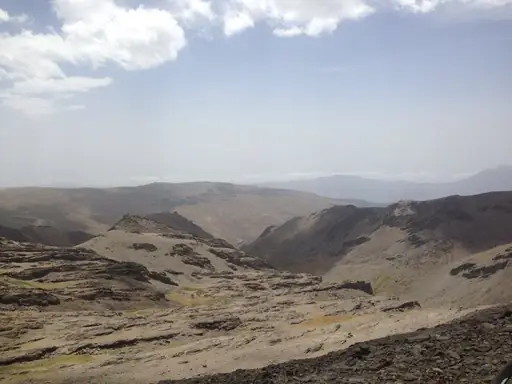
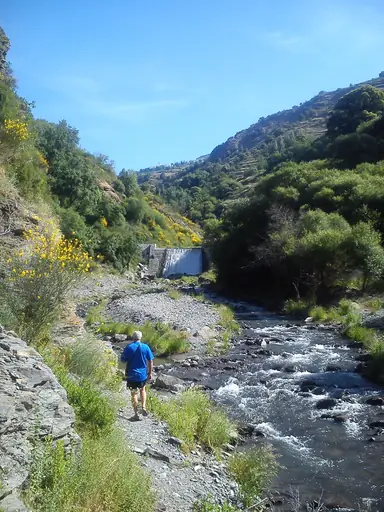
Sierra Nevada holds mainland Spain's tallest peak, Mulhacen, rising above 3,400 metres. Snow covers the range's highest slopes well into the summer months. Visitors can ski at Europe's southernmost major ski resort here. Wildflowers unique to this range bloom briefly each spring at high elevation.
National Park in New Zealand
Mount Cook National Park
New Zealand’s alpine wonderland
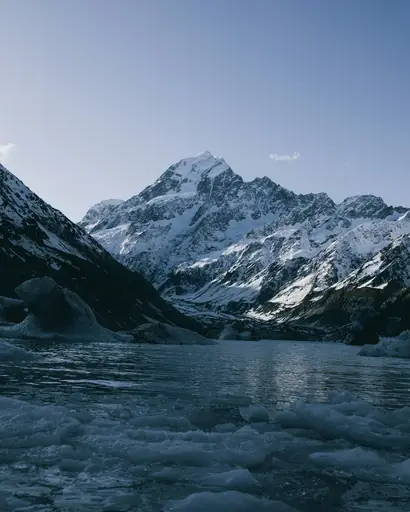
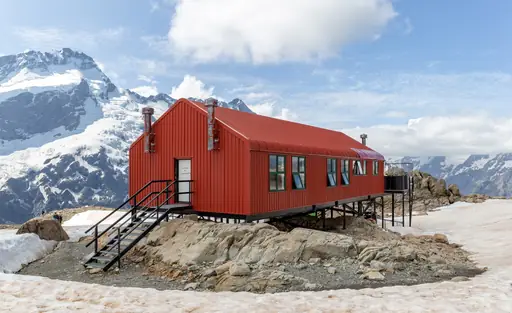
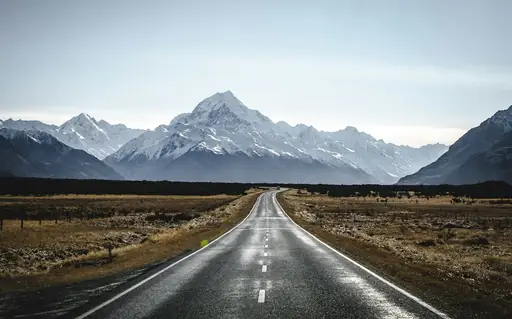
Aoraki Mount Cook rises as New Zealand's tallest peak within this alpine park. Glaciers cover roughly forty percent of the park's total protected area. Visitors can hike the Hooker Valley Track towards views of a glacial lake. Dark sky status here allows for exceptional stargazing after sunset.
National Park in Indonesia
Bromo-Tengger-Semeru National Park
Where volcanoes meet ancient traditions
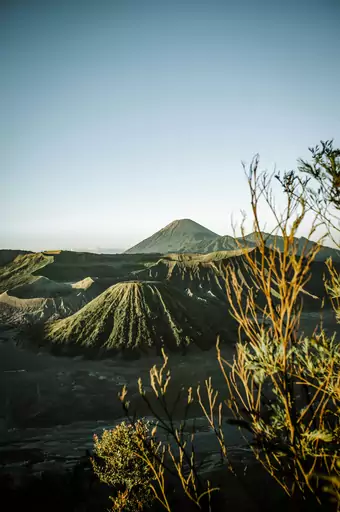
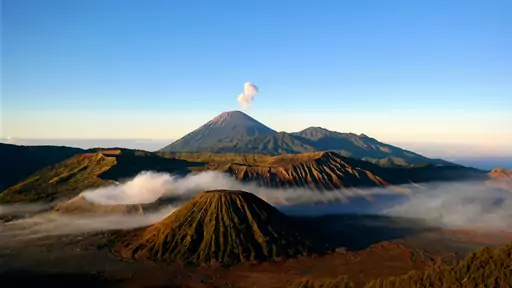
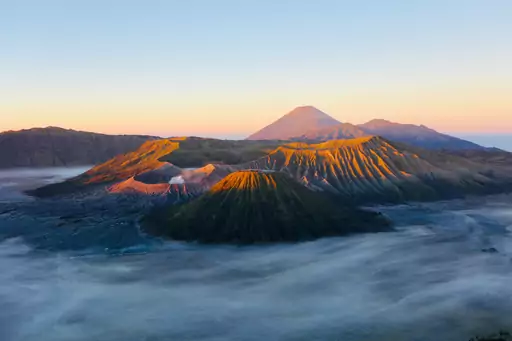
Mount Bromo smokes steadily inside a vast volcanic caldera called the Sea of Sand. Sunrise viewpoints overlook the smoking crater surrounded by ash coloured plains. Visitors can ride horses across the caldera floor towards the volcano's base. Mount Semeru, Java's tallest peak, erupts periodically in the distance.
National Park in United States
Canyonlands National Park
Epic Canyons and Untamed Wilderness
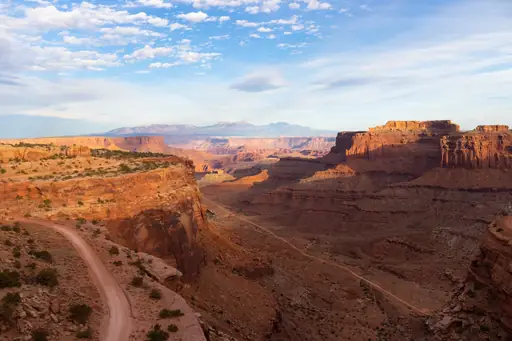
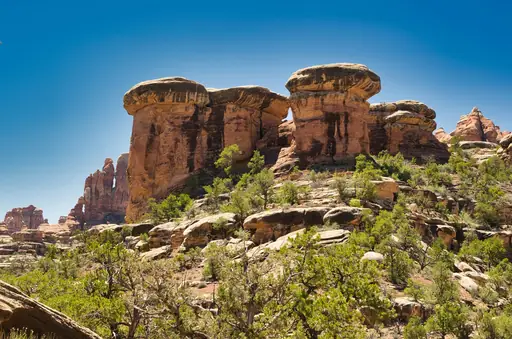
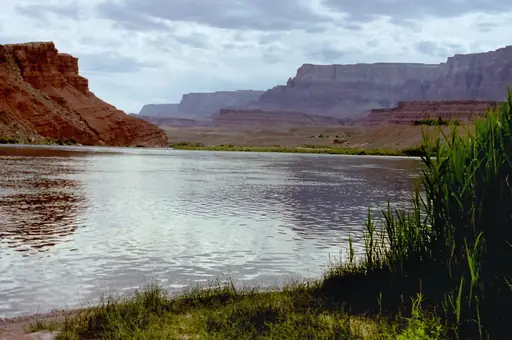
Canyonlands spreads across land carved by the Colorado and Green Rivers. Mesa Arch frames sunrise views over a deep canyon each morning. Visitors can drive rugged jeep trails through the park's remote Maze district. Ancient rock art left by earlier inhabitants survives on canyon walls.
Nature Reserve in Tanzania
Ngorongoro Conservation Area
Nature's Untamed Sanctuary
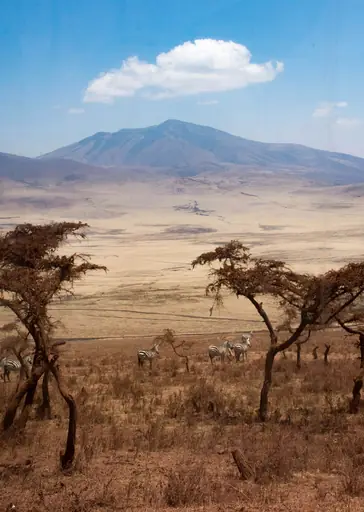
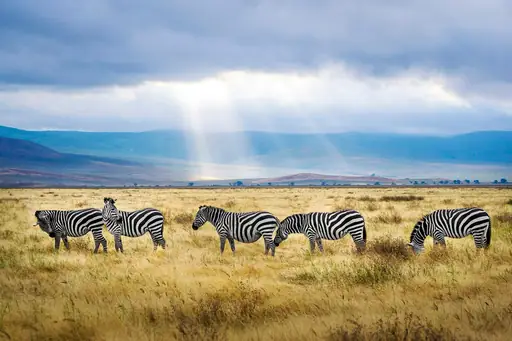
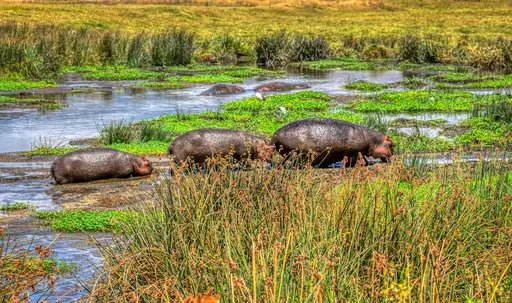
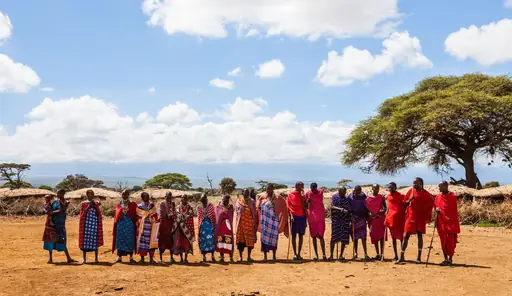
Ngorongoro Crater formed when an ancient volcano collapsed inward millions of years in the past. Wildlife stays largely within the crater's walls throughout the year. Visitors can descend by vehicle to spot lions and elephants below. Maasai communities continue grazing cattle across the surrounding conservation area.
National Park in Iceland
Vatnajökull National Park
Glaciers, Volcanoes and Ice Caves
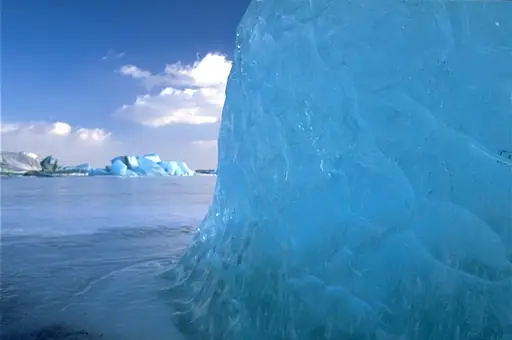
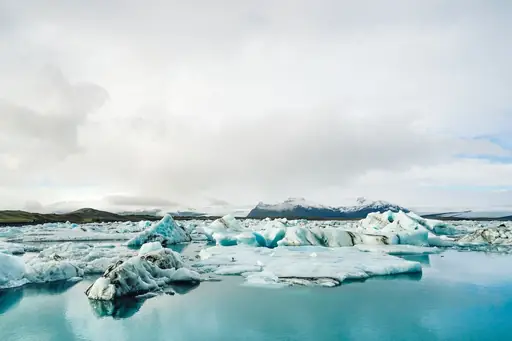
Vatnajokull protects Europe's largest glacier by volume, covering roughly eight percent of Iceland. Ice caves form within the glacier each winter, open briefly to visitors. Visitors can explore blue ice tunnels carved naturally beneath the surface. Volcanic activity beneath the ice occasionally triggers sudden glacial floods.
National Park in New Zealand
Fiordland National Park
New Zealand’s Wildest Water World
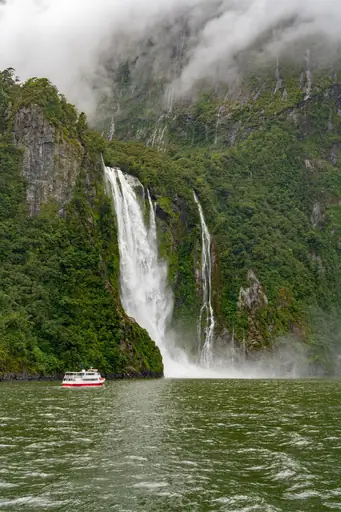
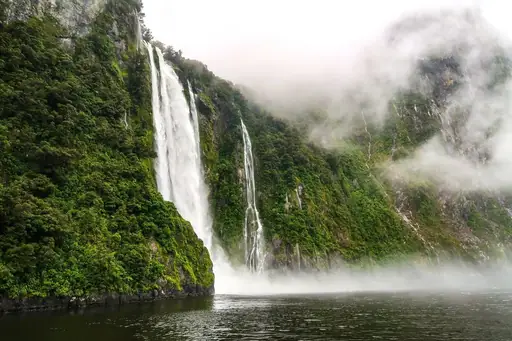
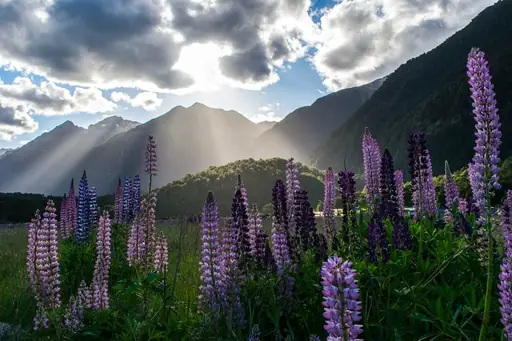
Fiordland holds Milford Sound, a fjord carved deep by glaciers over the ice age. Waterfalls drop hundreds of metres straight into the dark fjord water below. Visitors can cruise beneath cliffs draped in temperate rainforest vegetation. The region receives some of the heaviest rainfall found anywhere in New Zealand.
National Park in Iceland
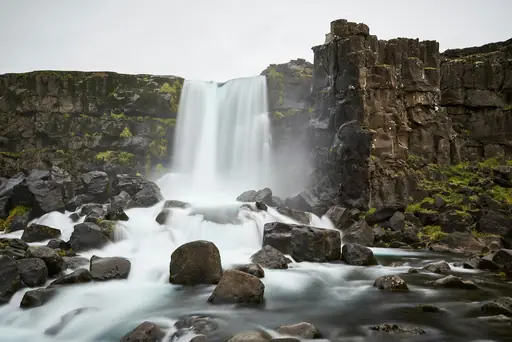
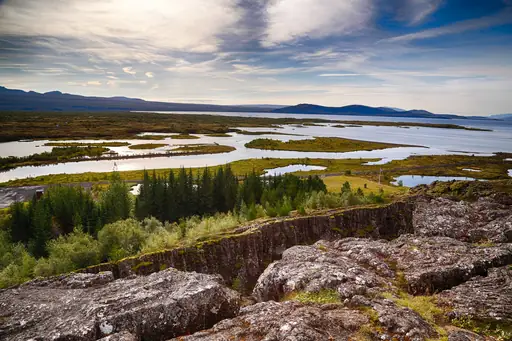
Þingvellir National Park
Where History Meets Nature’s Power
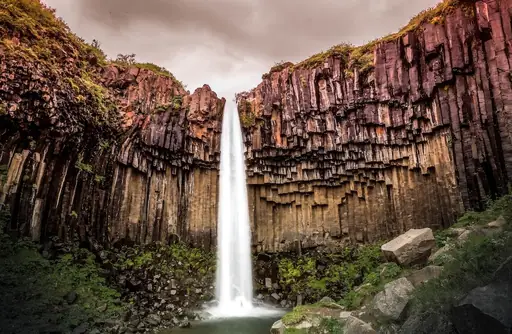
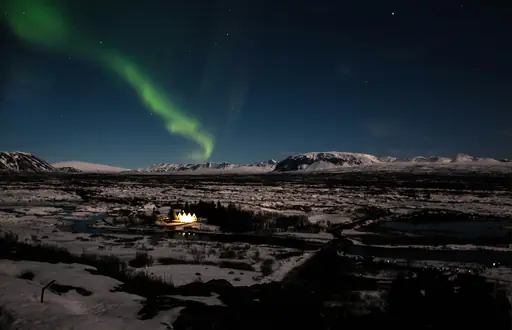
Thingvellir marks where the North American and Eurasian tectonic plates slowly pull apart. Iceland's parliament first met on this site over a thousand years ago. Visitors can walk through a rift valley marking the edge of two continents. Divers can snorkel between the plates in a fissure called Silfra.

National Park in United States
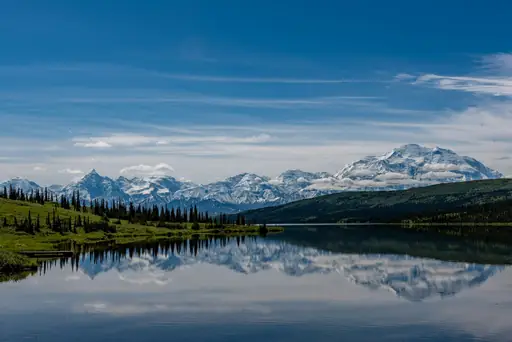
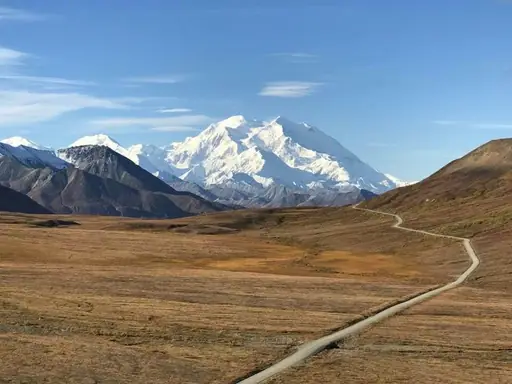
Denali National Park
Wild Alaska’s peaks and wildlife
Denali protects North America's tallest peak, rising over 20,000 feet above sea level. A single 92 mile road provides nearly all vehicle access into the park. Visitors can ride park buses to spot grizzly bears and caribou along the way. The mountain's summit remains hidden by clouds on most days of the year.
National Park in Costa Rica
El Yunque National Forest
Tropical rainforest paradise in Caribbean
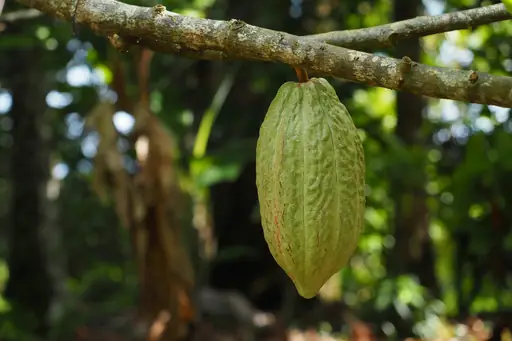
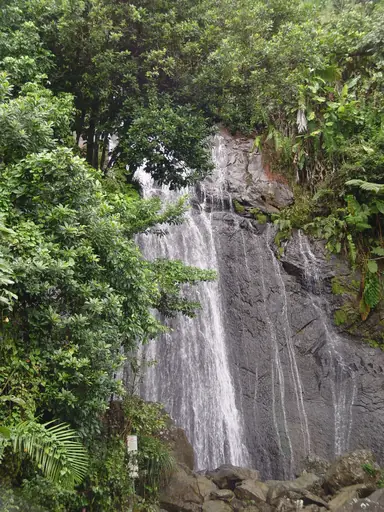
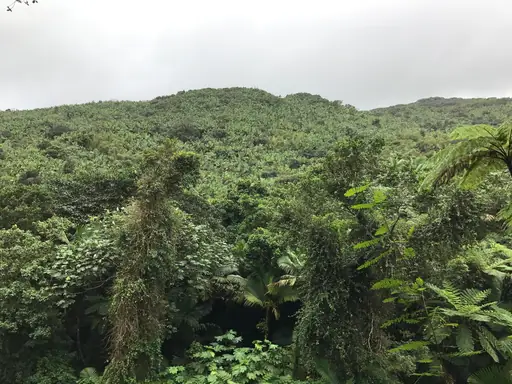
El Yunque is a rare tropical rainforest managed within the US National Forest System. Waterfalls cascade through dense forest across Puerto Rico's northeastern mountains. Visitors can hike to La Mina Falls for a swim beneath the cascade. Coqui frogs fill the forest with their distinctive nighttime call.
National Park in United States
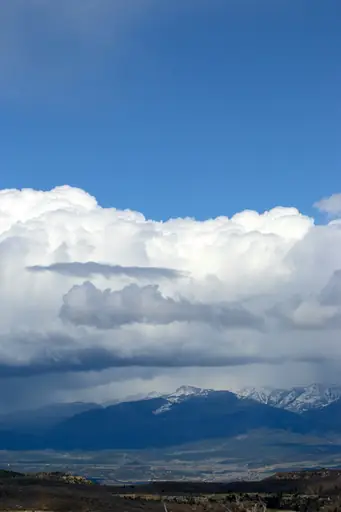
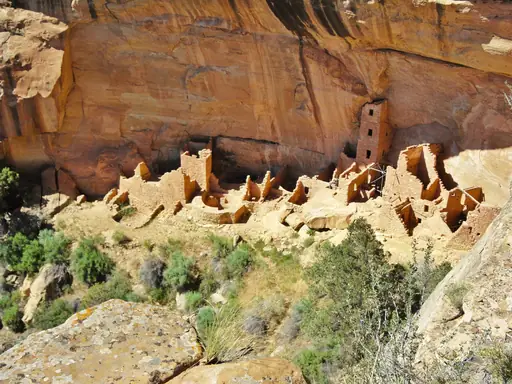
Mesa Verde National Park
Ancient Cliff Dwellings and Rich History
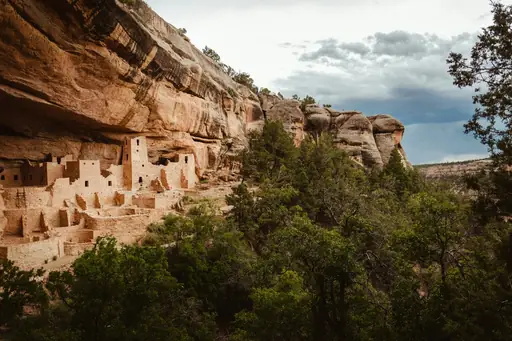
Mesa Verde preserves cliff dwellings built by Ancestral Puebloans over 700 years ago. Cliff Palace, the largest structure, holds over 150 rooms carved into the rock. Visitors can join ranger led tours climbing ladders into the ancient dwellings. The site earned recognition as one of America's first UNESCO listings.
National Park in Lithuania
Curonian Spit National Park
Dunes, Forests and Baltic Magic
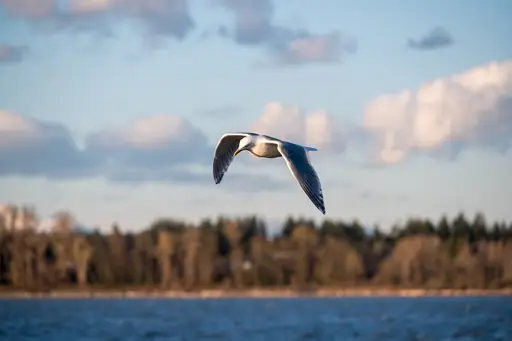
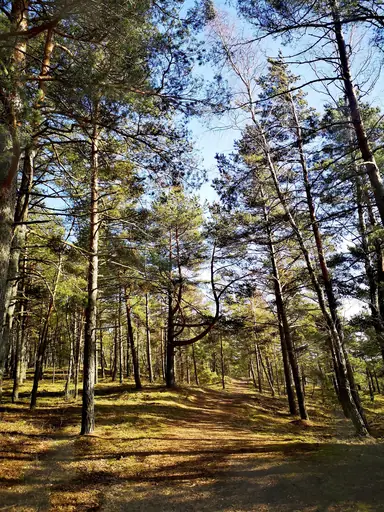
Curonian Spit stretches as a narrow sand dune peninsula between Lithuania and Russia. Some dunes here rise over 60 metres, among Europe's tallest. Visitors can climb wooden stairways to viewpoints overlooking both sea and lagoon. Drifting sand once buried entire villages along this fragile coastline.
National Park in Italy
Vesuvius National Park
Walk the Rim of a Volcano
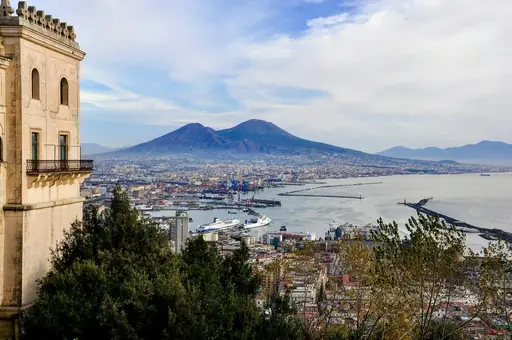
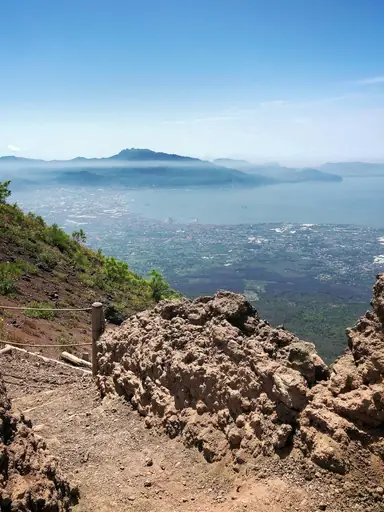
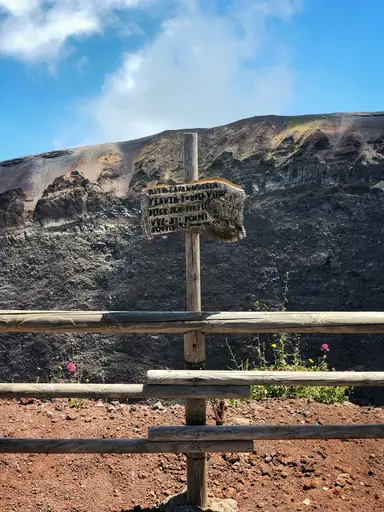
Vesuvius remains an active volcano, famous for its eruption that buried Pompeii in 79 AD. A crater trail near the summit lets visitors look directly into the volcano. Visitors can hike a marked path circling the rim for views over the bay. Vineyards growing on the volcano's fertile slopes produce a distinct local wine.
National Park in Norway
Jotunheimen
Home of giants and glaciers
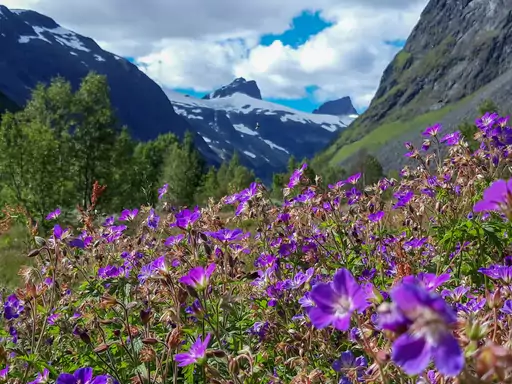
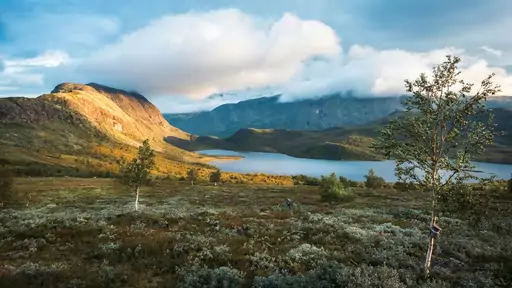
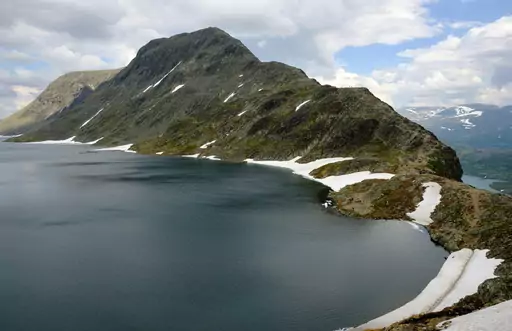
Jotunheimen takes its name from the Old Norse for home of the giants. Norway's tallest peaks, Galdhopiggen and Glittertind, both rise within this range. Visitors can hike multi day routes connecting remote mountain huts across the terrain. Glaciers here feed rivers that carve dramatic valleys below the peaks.
National Park in United States
Mammoth Cave National Park
World's Longest Known Cave System
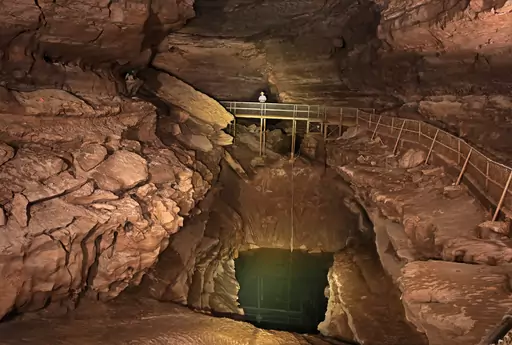
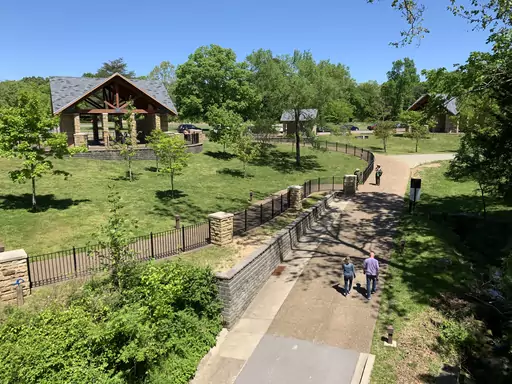
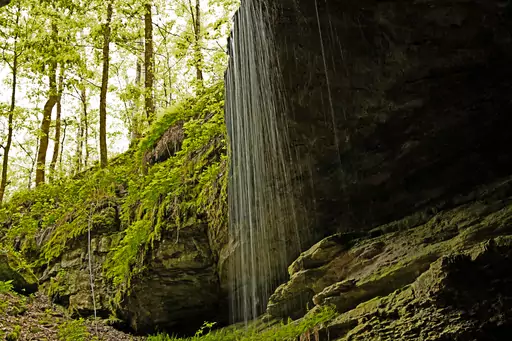
Mammoth Cave holds the longest known cave system on Earth, mapped past 400 miles. New passages continue being discovered and surveyed within the cave network. Visitors can join guided tours through massive underground chambers and tight passages. Blind cave fish live in the cave's dark underground streams.


National Park in Costa Rica
Manuel Antonio National Park
Jungle, Wildlife and Stunning Beaches
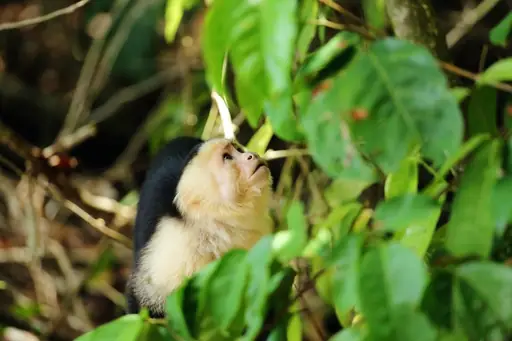
Manuel Antonio packs rainforest and beaches into one of Costa Rica's smallest parks. Squirrel monkeys and sloths are commonly spotted along the park's shaded trails. Visitors can swim at white sand beaches framed by dense tropical forest. Capuchin monkeys occasionally approach visitors along the more crowded paths.
National Park in Namibia
Sossusvlei
Towering red dunes meet white clay
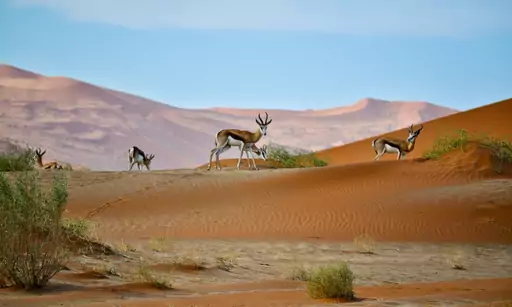
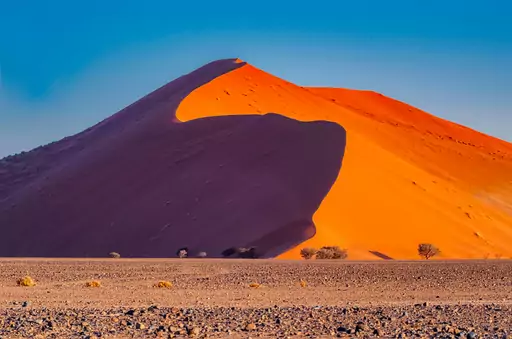
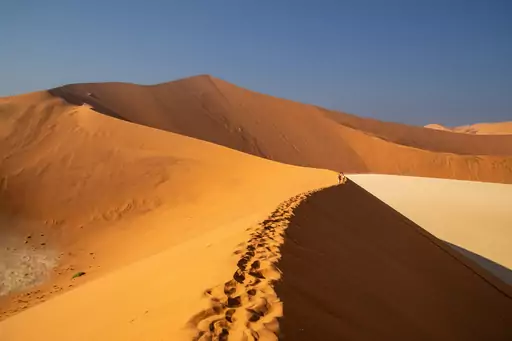
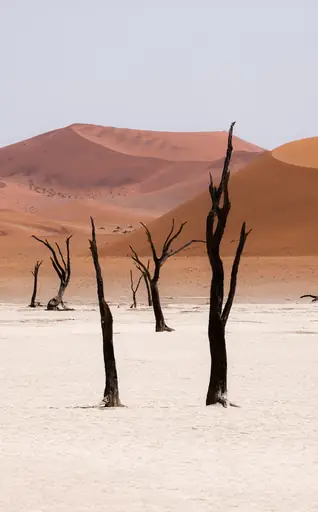
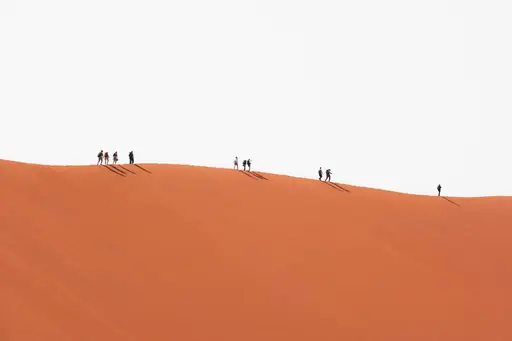
Sossusvlei holds a white clay pan trapped between some of the world's tallest sand dunes. Dead camelthorn trees have stood blackened here for over 600 years without decaying. Visitors can climb Big Daddy dune for sweeping views across the desert floor. The extreme dryness of the area preserves the ancient trees almost perfectly.
Nature Reserve in South Africa
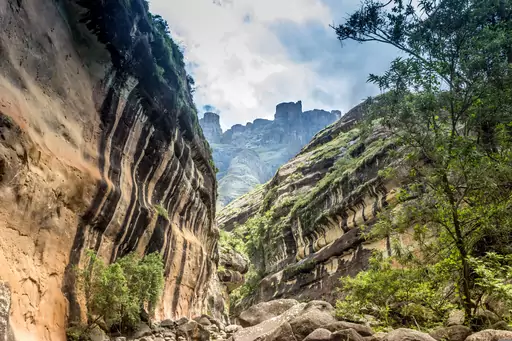
Ukhahlamba Drakensberg Park
Barrier of spears touching sky
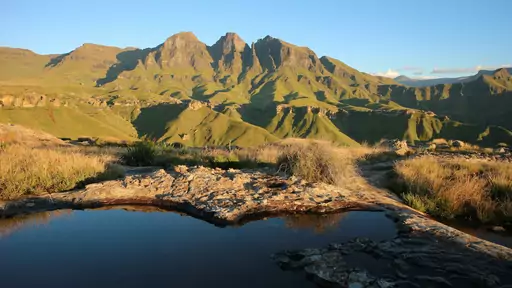
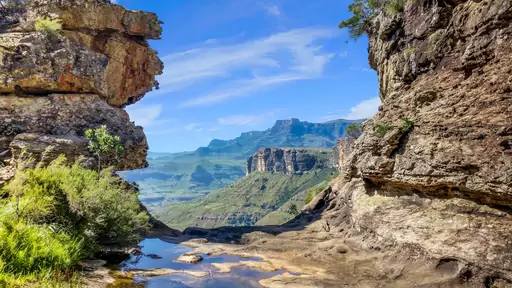
The Drakensberg escarpment forms a wall of basalt cliffs along South Africa's eastern border. San rock art found in caves throughout the park dates back thousands of years. Visitors can hike towards Amphitheatre, a curved cliff face nearly five kilometres wide. Tugela Falls, among the world's tallest waterfalls, drops from the escarpment's edge.
National Park in Italy
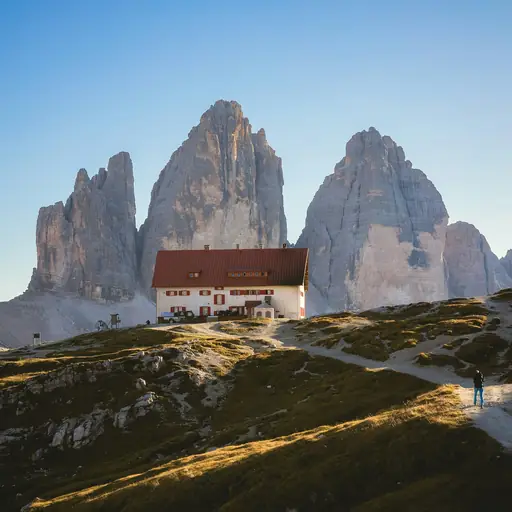
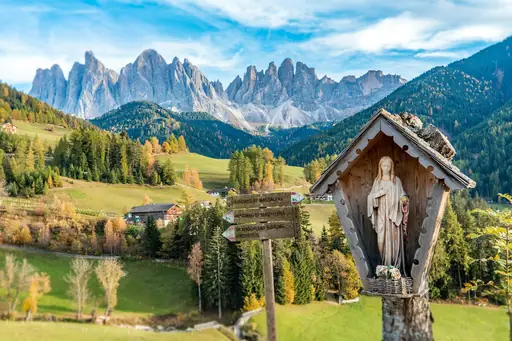
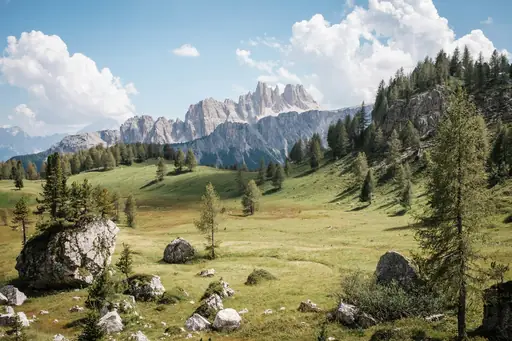
Dolomites National Park
Towering peaks and pristine wilderness
The Dolomites hold jagged limestone peaks that turn pink at sunset, a glow called enrosadira. Via ferrata routes here let climbers scale cliffs using fixed cables and ladders. Visitors can hike towards Tre Cime, three distinctive rock towers rising sharply skyward. World War One trenches carved into the rock survive at higher elevations.
National Park in Germany
Harz National Park
Legendary mountain wilderness in transition
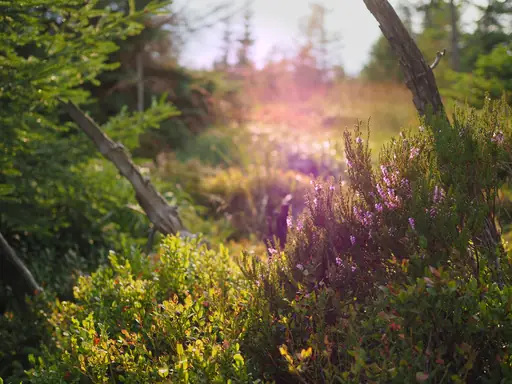
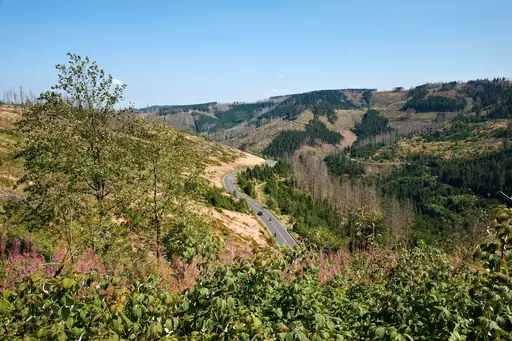
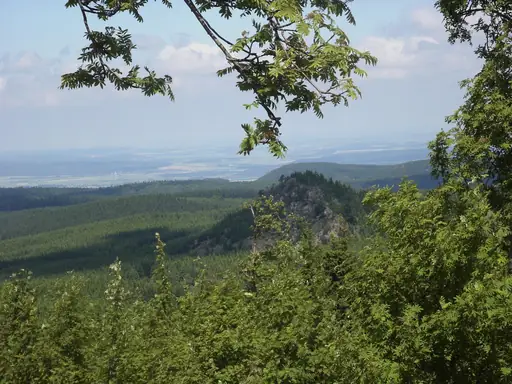
Harz protects Germany's northernmost mountain range, long associated with witch folklore. Brocken, the range's tallest peak, inspired legends of witches' gatherings on its summit. Visitors can ride a historic steam train to the mountain's rocky top. Dense spruce forest covers much of the park's lower elevations.

National Park in Japan
Akiyoshidai Quasi-National Park
Japan's largest karst plateau with caves
Akiyoshidai protects Japan's largest karst plateau, dotted with limestone pinnacles across open grassland. Beneath the surface, Akiyoshido cave stretches for over ten kilometres through the rock. Visitors can walk lit pathways past underground pools and towering stalactites. Controlled burns each spring keep the plateau's grassland from turning to forest.

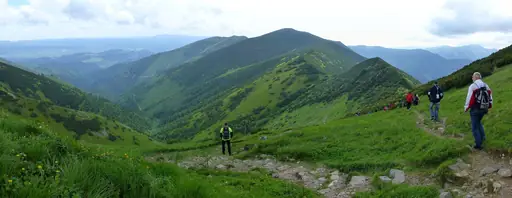
National Park in Slovakia
Low Tatras National Park
Slovakia’s Wild Ridges and Hidden Caves
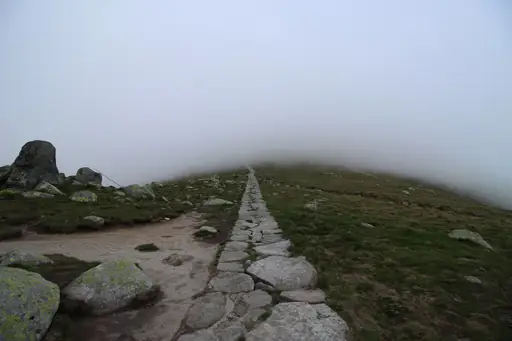
Low Tatras protects a mountain range stretching across central Slovakia's interior. Chopok, the range's tallest peak, offers ski runs during winter months. Visitors can hike ridgelines connecting mountain huts across the protected range. Brown bears and lynx still roam through the park's forested lower slopes.

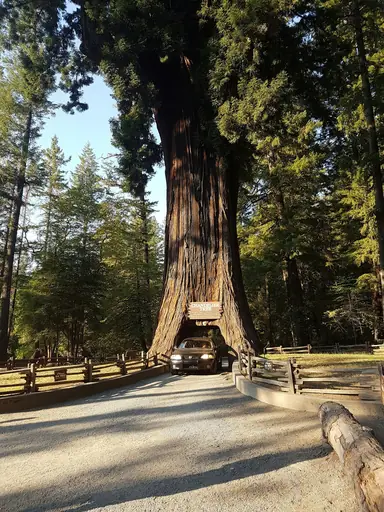
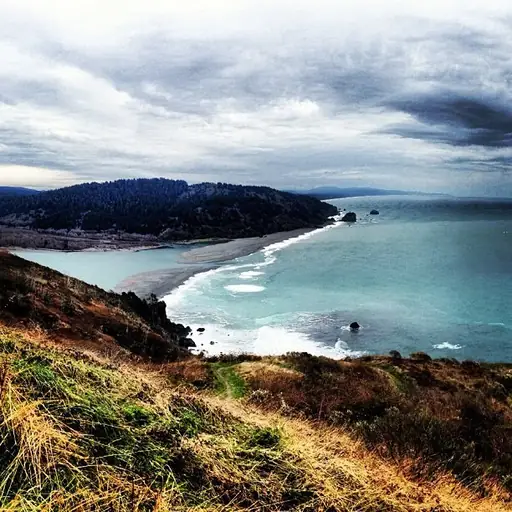
National Park in United States
Redwood National Park
Home of the World’s Tallest Trees
Redwood protects some of the tallest trees on Earth, some reaching over 350 feet. Coast redwoods here can live for more than 2,000 years. Visitors can walk among ancient groves along the Tall Trees Grove trail. Fog rolling in from the Pacific helps supply moisture to the towering trees.
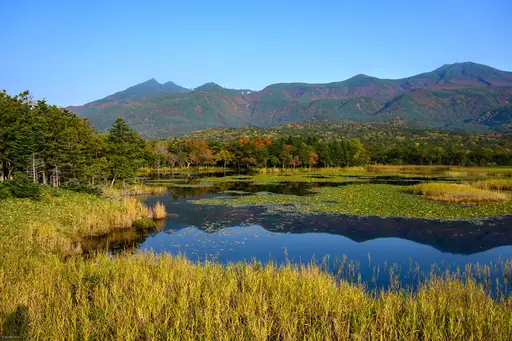
National Park in Japan
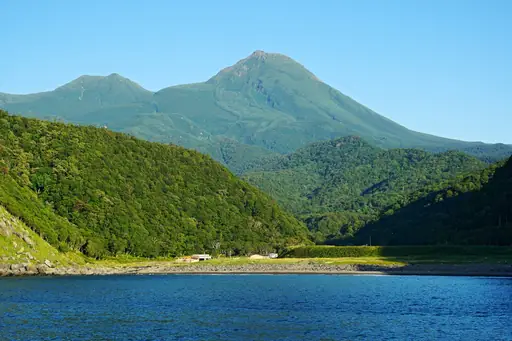
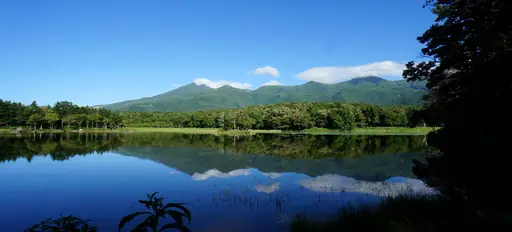
Shiretoko National Park
Brown bears and drift ice in Hokkaido
Shiretoko protects a remote peninsula where brown bears roam largely undisturbed. Drift ice from the Sea of Okhotsk reaches this coastline each winter. Visitors can cruise the shoreline to spot bears fishing along the rocky edge. The park earned recognition as a UNESCO World Heritage Site in 2005.
National Park in New Zealand
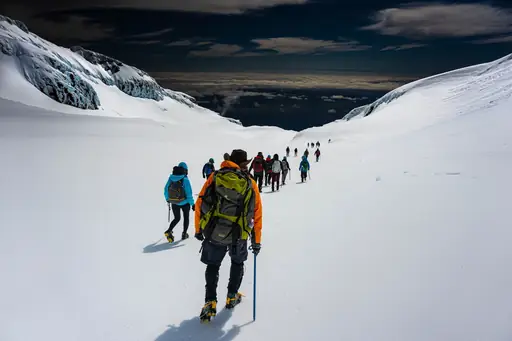
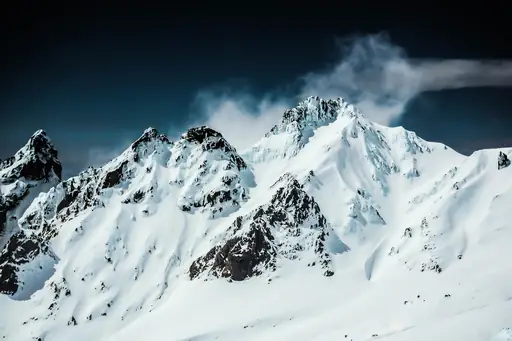
Tongariro National Park
Volcanic landscapes and epic hikes
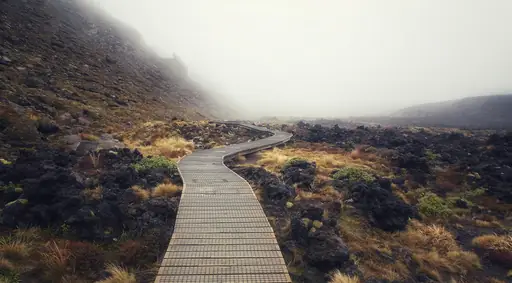
Tongariro became New Zealand's first national park after Maori chiefs gifted the land in 1887. Three active volcanoes rise within the park's boundaries. Visitors can hike the Tongariro Alpine Crossing past emerald coloured crater lakes. The volcanic terrain here served as filming locations for Mordor in Lord of the Rings.

National Park in Japan
Kerama Shoto National Park
Kerama blue seas, coral and whales
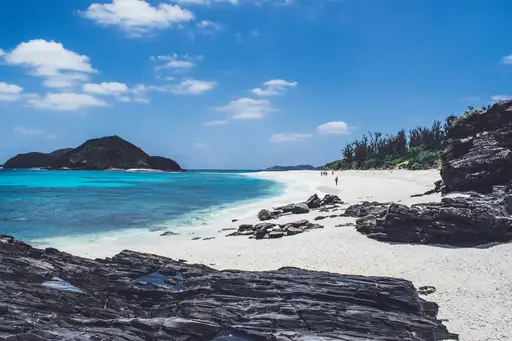
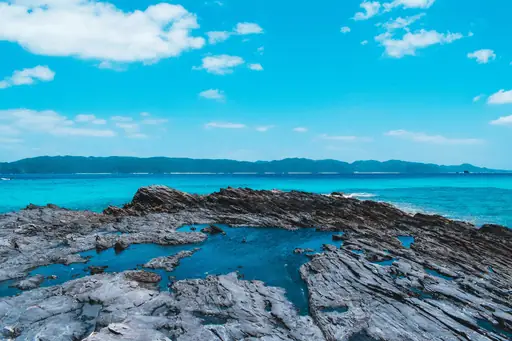
Kerama Shoto protects a cluster of islands known for exceptionally clear surrounding water. Coral reefs here support one of Japan's healthiest marine ecosystems. Visitors can snorkel or dive among sea turtles in the shallow reef waters. Humpback whales pass through nearby channels during the winter breeding season.
National Park in Tanzania
Serengeti National Park
The Ultimate Safari Adventure
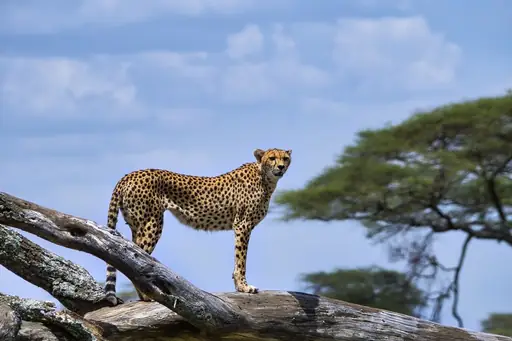
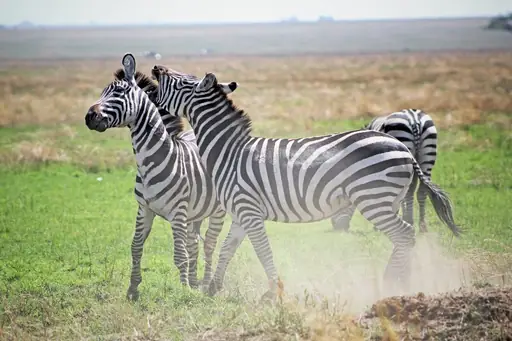
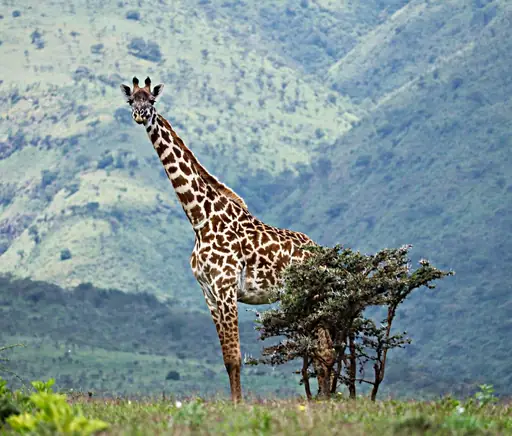
The Serengeti hosts the largest overland mammal migration remaining on Earth. Wildebeest and zebra move in a continuous cycle following seasonal rainfall. Visitors can watch predators like lions and cheetahs stalk herds across open plains. Kopjes, granite outcrops scattered across the grassland, offer shade for resting wildlife.
National Park in Australia
Uluṟu-Kata Tjuṯa National Park
Sacred Red Rock and Majestic Domes
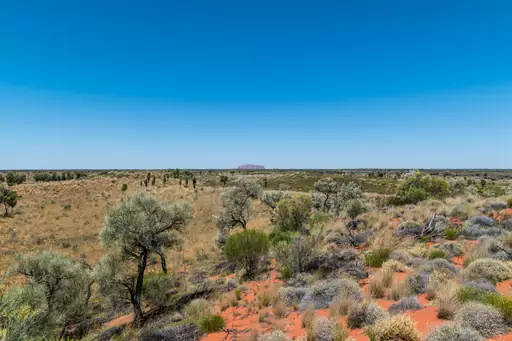
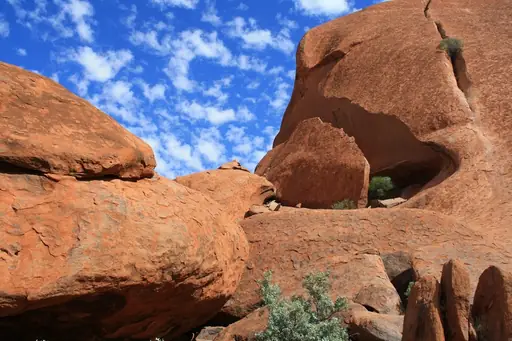
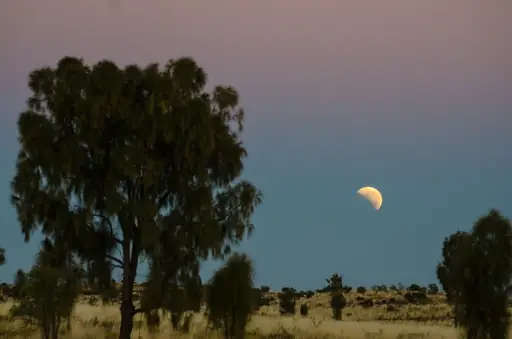
Uluru rises as a single sandstone monolith holding deep spiritual meaning for the Anangu people. The rock changes colour dramatically as sunlight shifts across its surface. Visitors can walk a base trail circling the formation rather than climbing it. Kata Tjuta, a group of domed rocks nearby, holds equal cultural significance.
Nature Reserve in Jordan
Wadi Rum
Valley of the moon's timeless magic
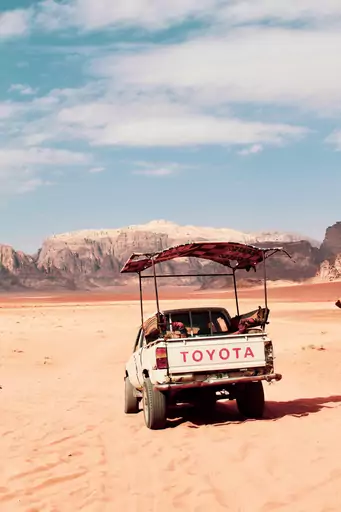
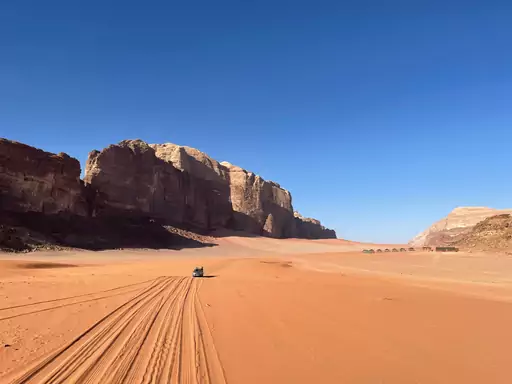
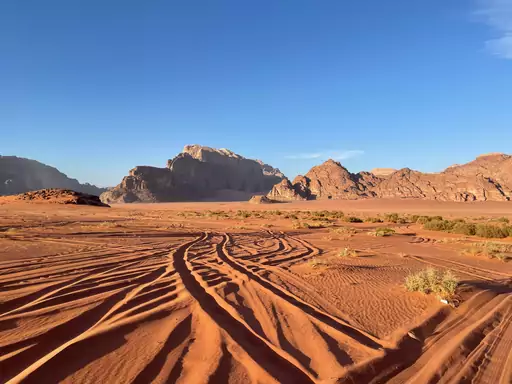
Wadi Rum protects a desert valley of red sand framed by towering sandstone cliffs. Ancient rock carvings left by early travellers survive on the canyon walls. Visitors can ride camels or 4x4 vehicles across the vast open desert. The valley served as a filming location for several major science fiction movies.
National Park in United States
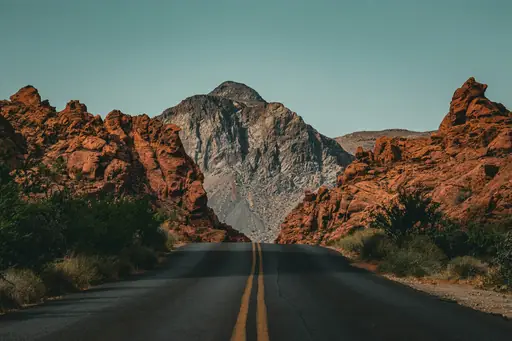
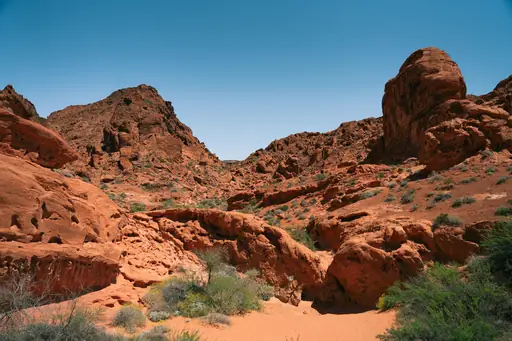
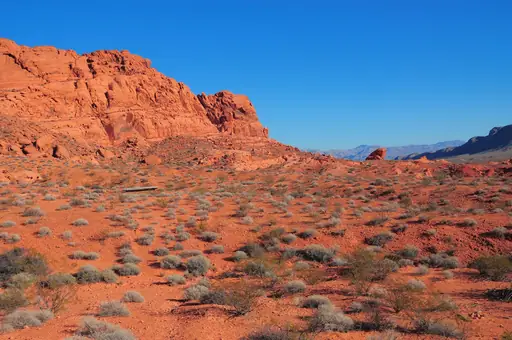
Valley of Fire State Park
Fiery Red Rocks and Ancient Art
Valley of Fire takes its name from red sandstone that glows bright at sunset. Ancient petroglyphs left by earlier inhabitants survive on many rock surfaces. Visitors can hike short trails past formations like the Fire Wave and Elephant Rock. The park served as a filming location for several science fiction movies.
National Park in Bulgaria
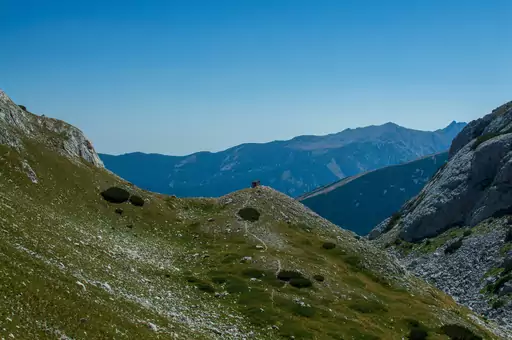
Pirin National Park
Alpine Peaks, Glacial Lakes, Wild Beauty
Pirin protects sharp granite peaks and glacial lakes across southwestern Bulgaria. Ancient Bosnian pine trees within the park can live for over a thousand years. Visitors can hike past Vihren, Bulgaria's second tallest mountain, along marked trails. Glacial cirques carved during past ice ages dot the higher elevations.
National Park in Namibia
Namib-Naukluft National Park
Endless Dunes and Desert Drama
Namib-Naukluft protects Sossusvlei, a white clay pan ringed by towering red sand dunes. Dead camelthorn trees stand blackened against the pan's pale cracked surface. Visitors can climb Dune 45 for sunrise views across the surrounding desert. The Namib is considered among the oldest deserts on Earth.
National Park in Slovakia
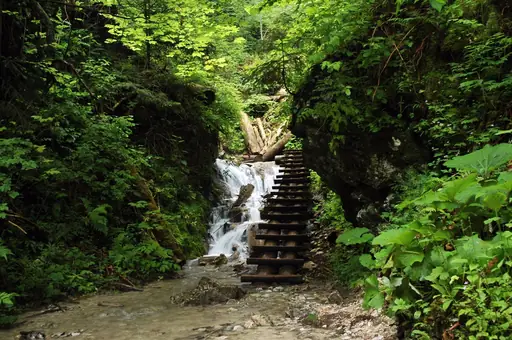
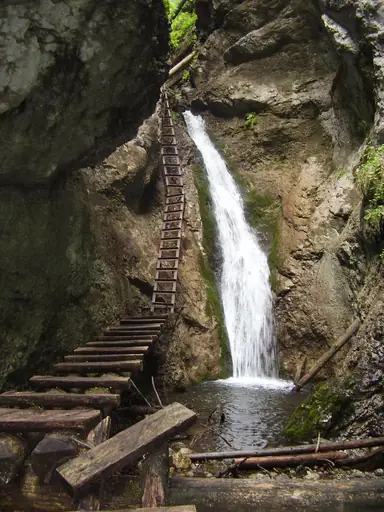
Slovak Paradise National Park
Ladders, Gorges and Wild Waterfalls
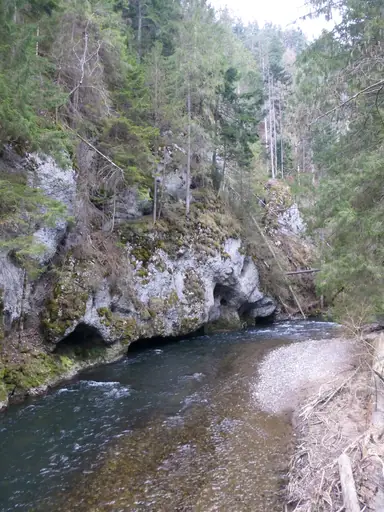
Slovak Paradise protects deep gorges crossed by iron ladders and chained pathways bolted to the rock. Waterfalls tumble through narrow canyons carved into limestone plateaus. Visitors can climb metal ladders bolted directly into the rock beside cascades. Wooden walkways guide hikers through the park's tightest ravines.
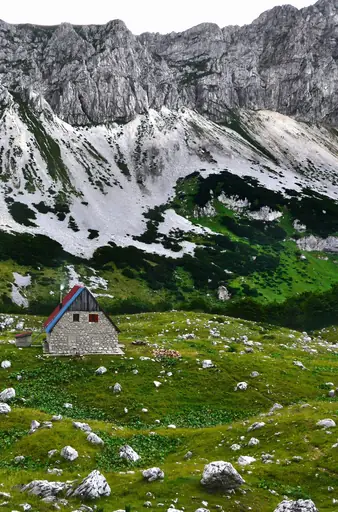
National Park in Montenegro
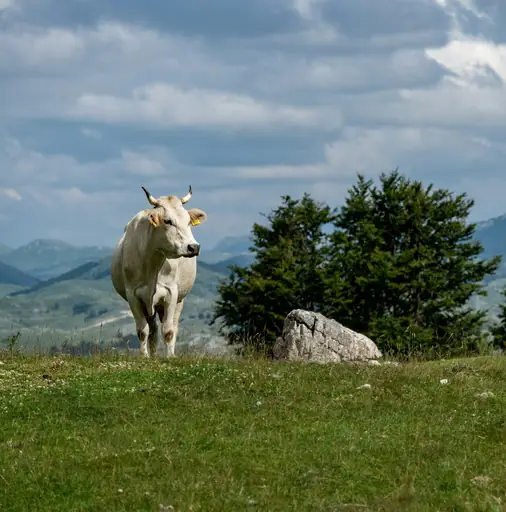
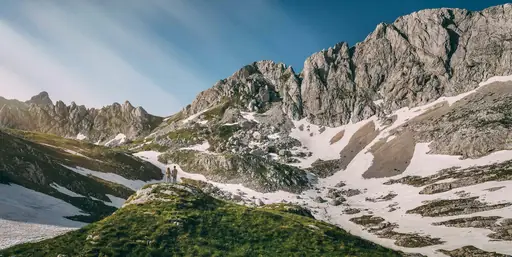
Durmitor National Park
Montenegro’s Wild Peaks and Deep Canyons
Durmitor protects jagged limestone peaks and glacial lakes across northern Montenegro. Tara River Canyon, Europe's deepest gorge, cuts along the park's northern edge. Visitors can raft the Tara's rapids or hike towards the Black Lake. Wolves and brown bears still roam through the park's remote forested slopes.
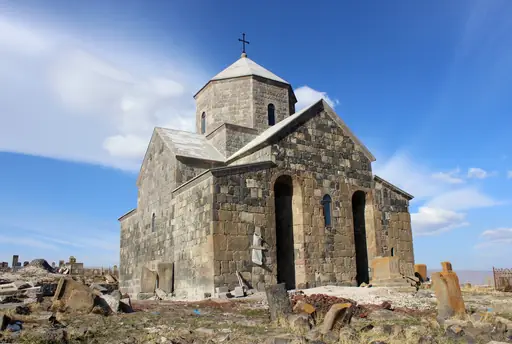
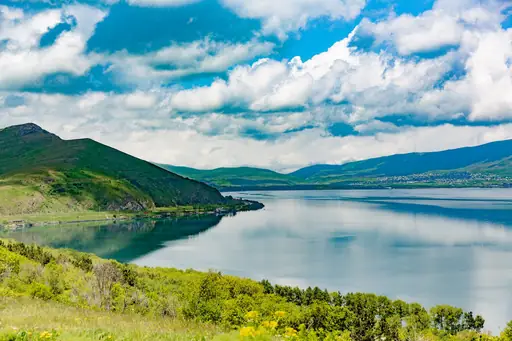
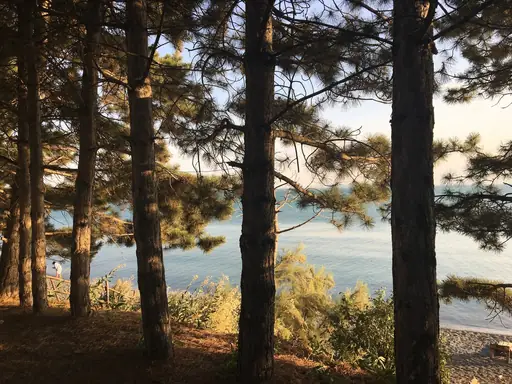
National Park in Armenia
Sevan National Park
Armenia’s Blue Pearl and Peaks
Sevan protects Lake Sevan, one of the largest high altitude lakes in the world. A peninsula jutting into the lake holds two ancient Armenian monasteries. Visitors can swim at beaches along the lake's clear alpine water. The lake's water level has fluctuated significantly due to decades of irrigation use.
National Park in Kenya
Amboseli National Park
Elephants Against Kilimanjaro's Backdrop
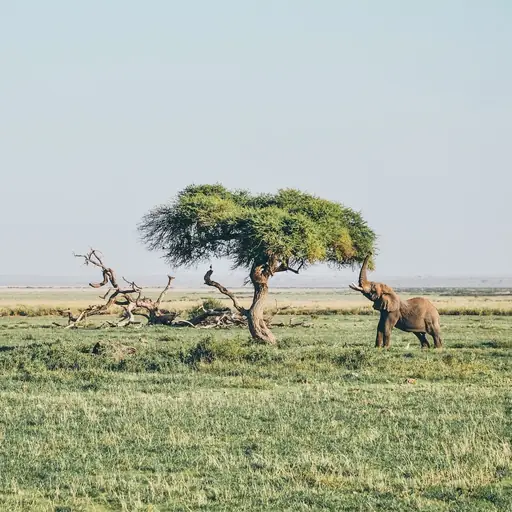
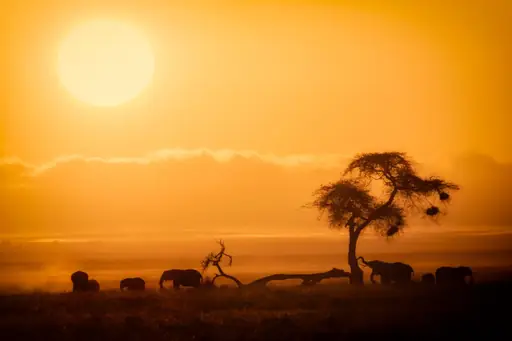
Amboseli offers some of Africa's clearest views of Mount Kilimanjaro across the plains. Herds of elephants move freely between swamps fed by the mountain's underground water. Visitors can photograph elephants with the snow capped peak rising behind them. Dried lake beds here once formed part of a much larger ancient lake.
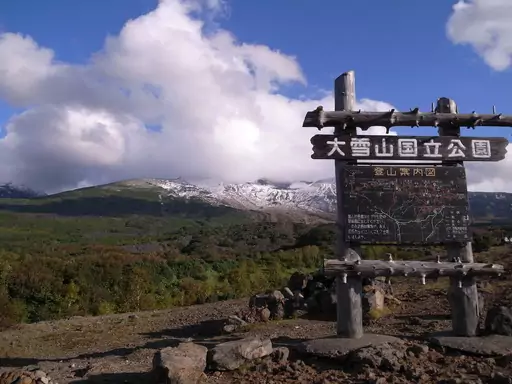
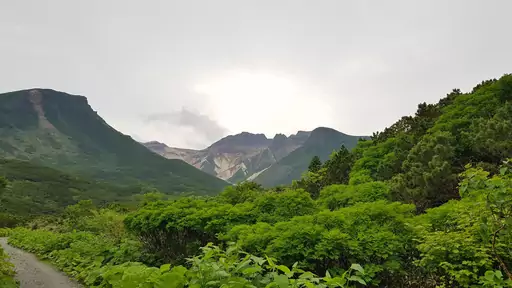
National Park in Japan
Daisetsuzan National Park
Japan's largest national park, in Hokkaido
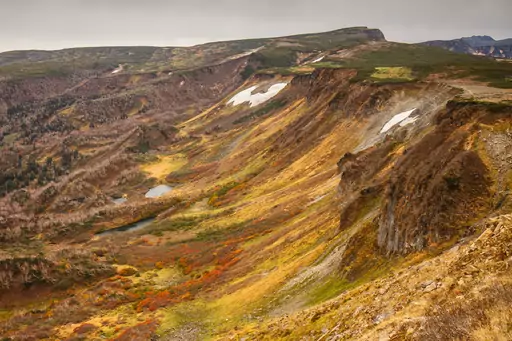
Daisetsuzan spans Hokkaido's largest national park, centred on a cluster of volcanic peaks. Autumn colour here arrives earlier than almost anywhere else in Japan. Visitors can soak in remote hot springs reachable only by hiking trail. Brown bears roam freely through much of the park's dense forest.

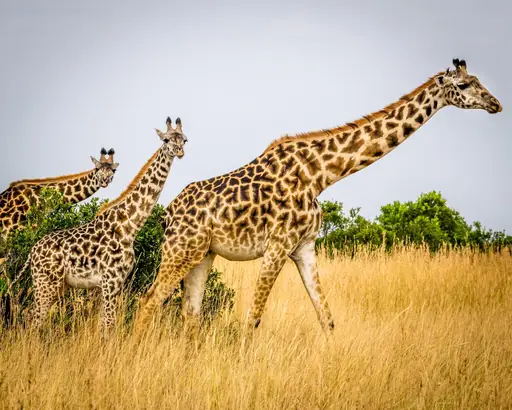

Nature Reserve in Kenya
Maasai Mara National Reserve
Witness the Great Migration
Maasai Mara hosts the Great Migration each year as wildebeest cross from Tanzania. Over a million animals move through the reserve chasing seasonal rainfall. Visitors can watch dramatic river crossings where crocodiles wait in the water. Maasai communities living near the reserve still herd cattle across these plains.
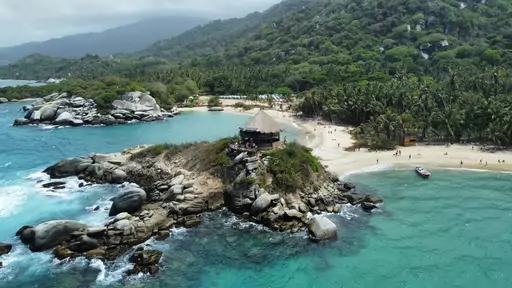
National Park in Colombia
Tayrona National Park
Where Jungle Meets Turquoise Caribbean
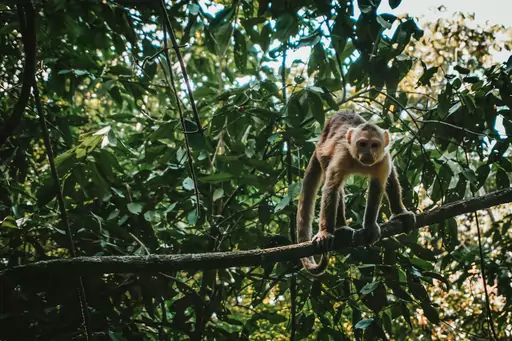
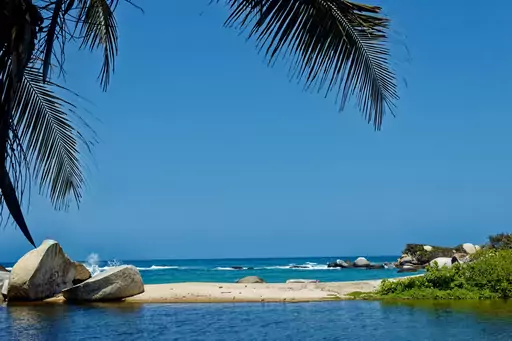
Tayrona protects both dense rainforest and rocky Caribbean coastline in one park. Indigenous Kogi communities still consider parts of this land sacred territory. Visitors can hike through jungle before reaching secluded coves along the coast. Ancient stone terraces built by earlier civilisations survive within the park's boundaries.
National Park in Chile
Torres del Paine National Park
Epic Landscapes and Untamed Wilderness
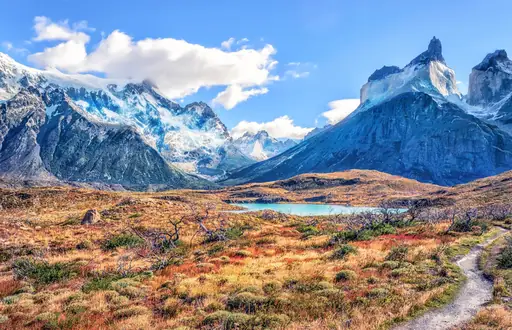
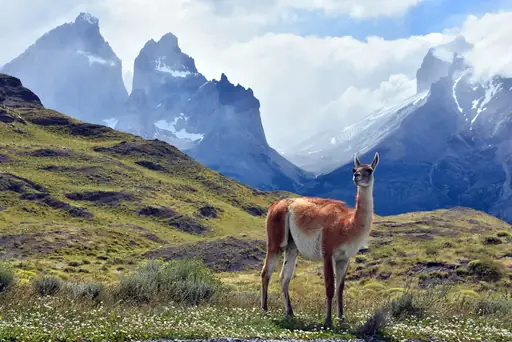
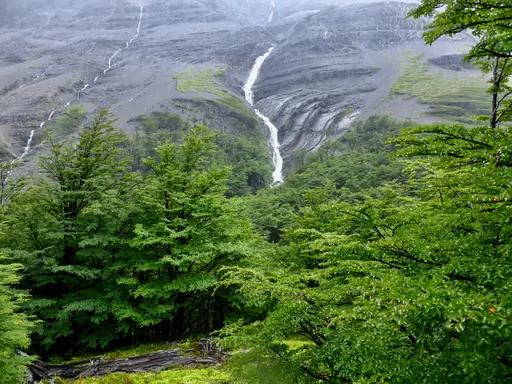
Torres del Paine takes its name from three granite towers rising above the Patagonian steppe. Glaciers feed turquoise lakes scattered throughout the park's valleys. Visitors can hike the W Trek past forests and glaciers towards the towers. Guanacos, wild relatives of the llama, graze freely across the open grassland.
National Park in Guatemala
Tikal National Park
Lost Mayan City in the Jungle
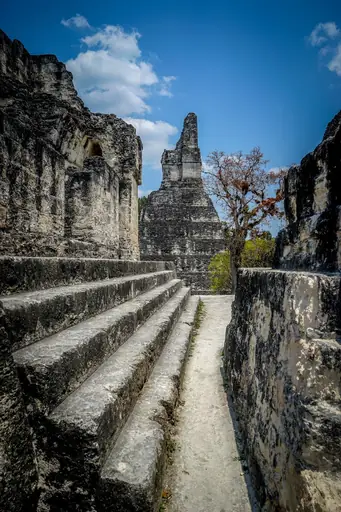
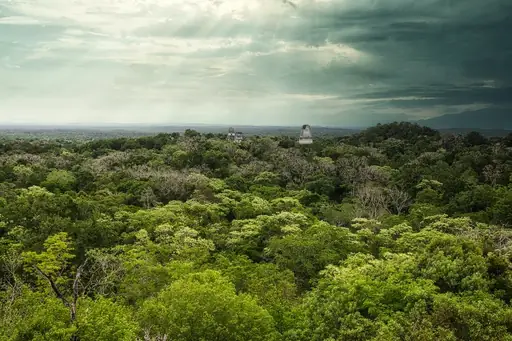
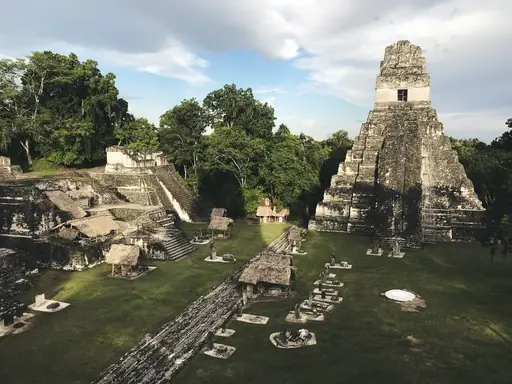
Tikal protects Maya ruins rising above dense Guatemalan rainforest canopy for miles around. Temple IV, the tallest pyramid here, reaches over 70 metres in height. Visitors can climb ancient stairways for views stretching across the jungle. Howler monkeys and toucans are commonly spotted among the ancient ruins.
Nature Reserve in Czech Republic
Adršpašsko-teplické skály
Czechia’s Labyrinth of Stone Towers
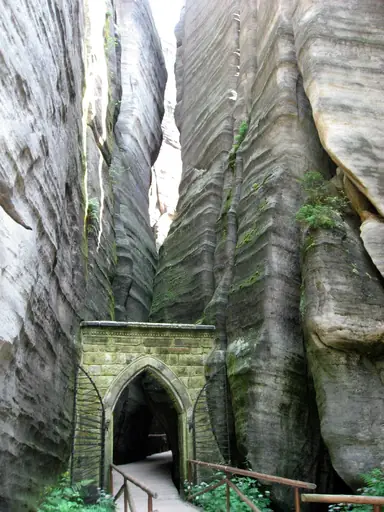
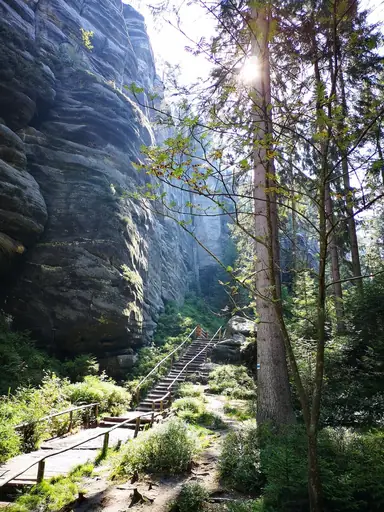
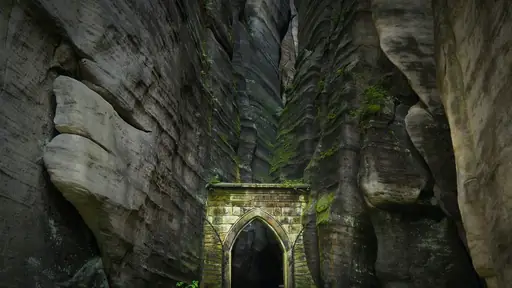
Adrspassko-Teplicke Skaly protects sandstone rock towers carved by centuries of erosion. Narrow passages between the rocks force hikers to squeeze through tight gaps. Visitors can paddle a small boat across a quiet forest pond within the reserve. Moss covered boulders and pine forest surround the sandstone formations.
Island in Ecuador
Galapagos Islands
The Wildlife Paradise of Ecuador
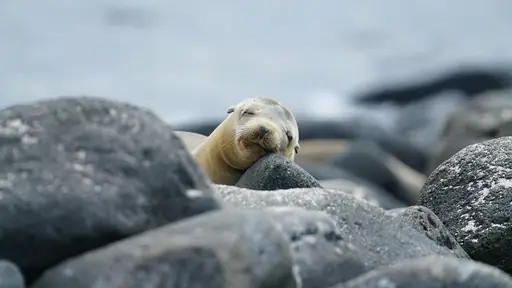
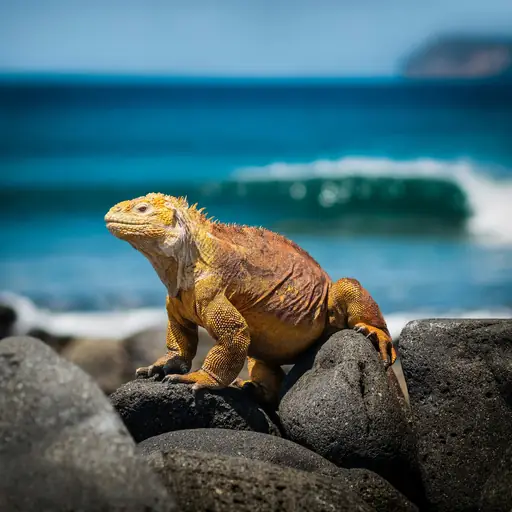
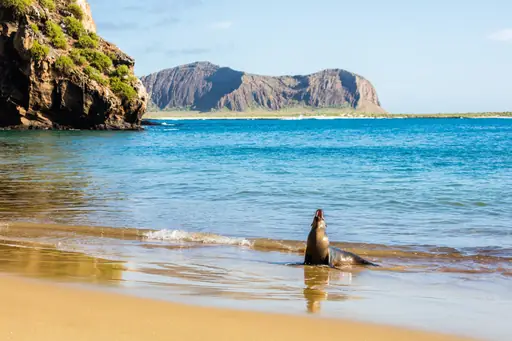
The Galapagos Islands helped shape Charles Darwin's theory of evolution in the 1830s. Giant tortoises here can live well over a hundred years in the wild. Visitors can snorkel alongside sea lions and marine iguanas found nowhere else. Each island in the chain hosts species that evolved in isolation from the others.
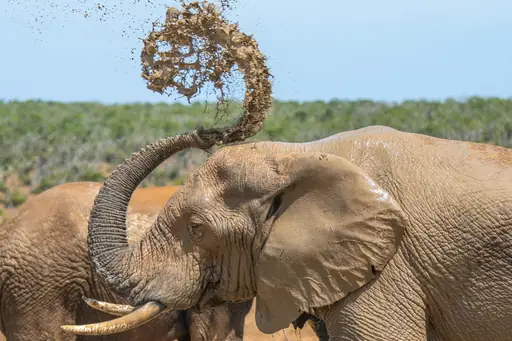
National Park in South Africa
Addo Elephant National Park
Big Five Safari in Malaria-Free Wilds
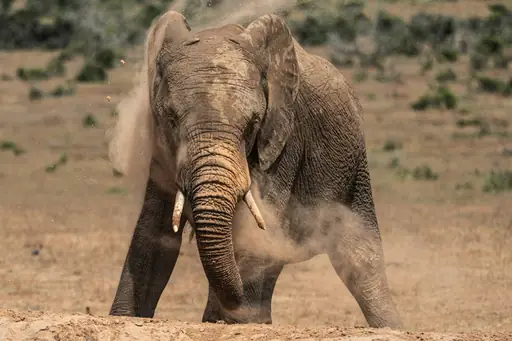
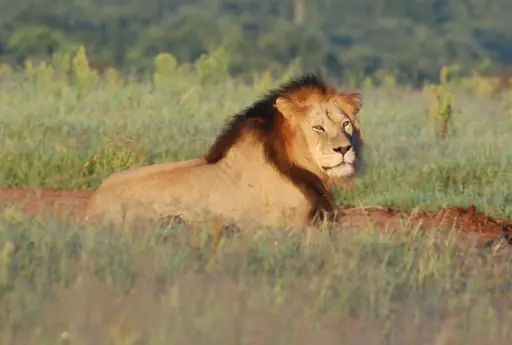
Addo protects one of Africa's densest elephant populations, numbering well over 600 animals. The park grew from just eleven surviving elephants protected here in the 1930s. Visitors can watch herds gather at waterholes visible from several rest camps. Dung beetles here even have their own protected road crossing signs.
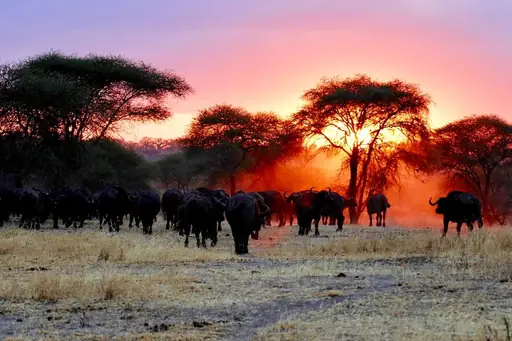
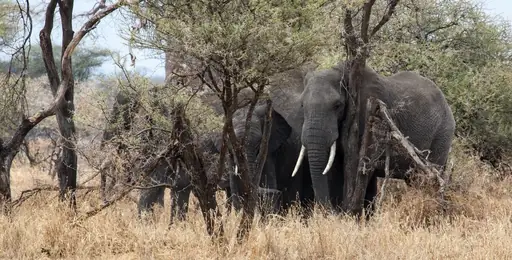
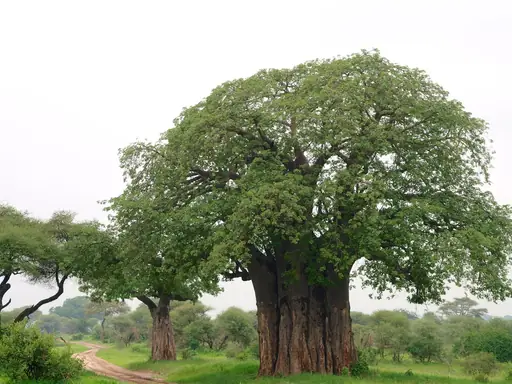
National Park in Tanzania
Tarangire National Park
Elephant Paradise with Baobab Backdrops
Tarangire holds one of Africa's largest concentrations of baobab trees. Elephant herds gather along the Tarangire River especially during the dry season. Visitors can spot large herds moving between scattered watering holes. The park sees far fewer visitors than nearby Serengeti despite its dense wildlife.
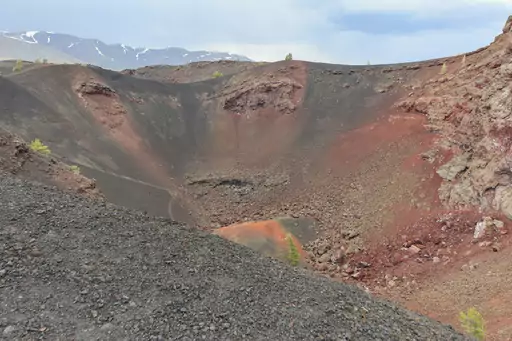
National Park in United States
Craters of the Moon National Monument
Otherworldly volcanic landscape on Earth
Craters of the Moon preserves a vast field of hardened lava flows in Idaho. Volcanic eruptions here occurred as recently as 2,000 years ago. Visitors can walk across cooled black basalt and explore lava tube caves. Astronauts trained here in the 1960s to prepare for lunar missions.
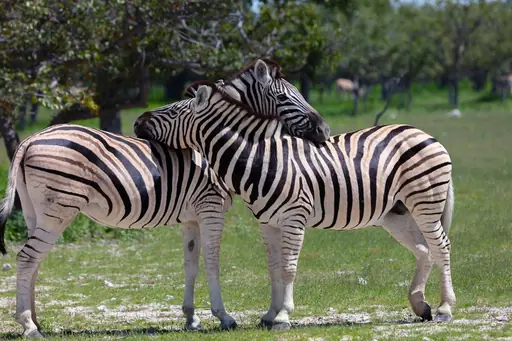
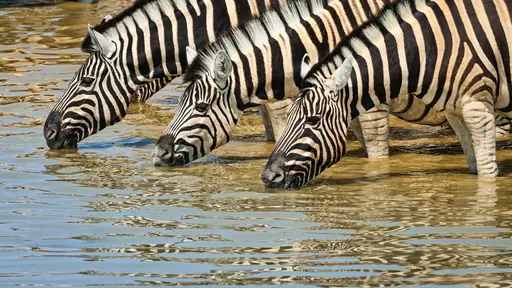
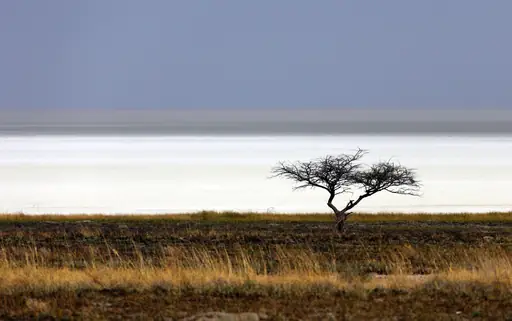
National Park in Namibia
Etosha National Park
Namibia's Wildlife Sanctuary
Etosha centres on a vast salt pan visible even from space on clear days. Waterholes scattered across the park draw wildlife during the dry season. Visitors can watch elephants and lions gather at floodlit waterholes after dark. The pan itself was once part of a large inland lake.
National Park in Indonesia
Komodo National Park
Dragons, Pristine Reefs and Wild Beauty
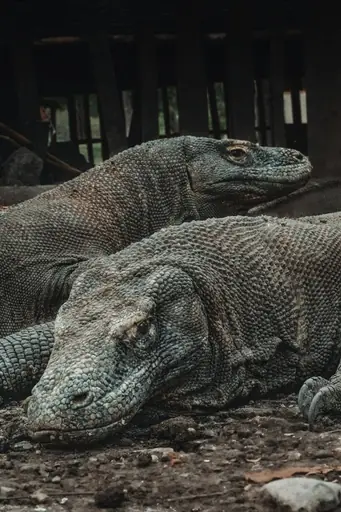
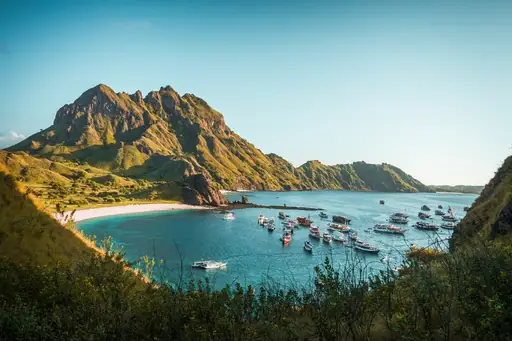
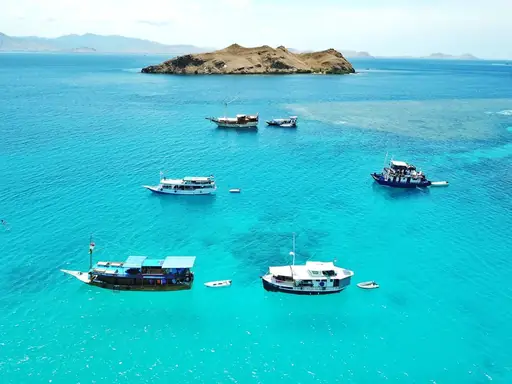
Komodo National Park protects the last wild habitat of the Komodo dragon. These giant lizards can grow to lengths of over three metres. Visitors can join ranger led hikes to observe dragons in their natural setting. Pink sand beaches nearby draw snorkellers to coral reefs just offshore.
Nature Reserve in Costa Rica
Monteverde and Santa Elena Cloud Forest Reserves
Mist, Wildlife and Cloudy Magic
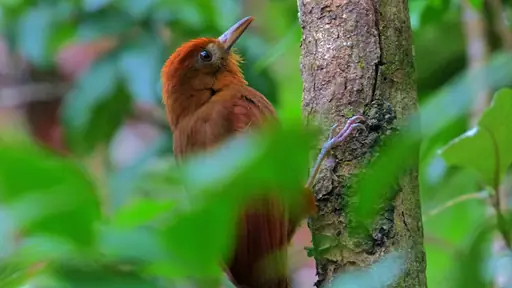
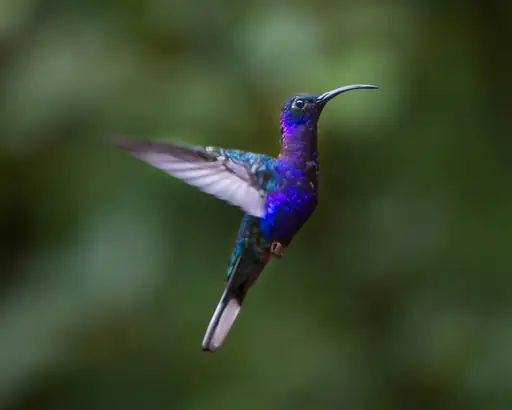
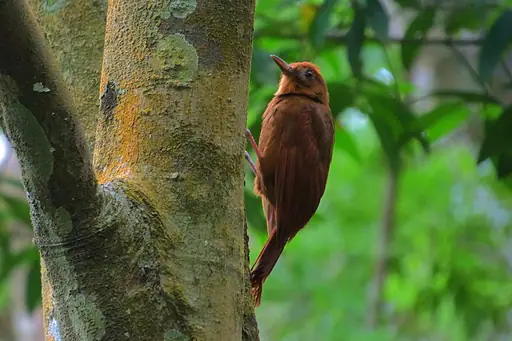
Monteverde protects a cloud forest where mist settles permanently among the treetops. Over 400 bird species have been recorded within these reserves alone. Visitors can cross hanging suspension bridges strung high above the forest canopy. The resplendent quetzal, a strikingly colourful bird, nests within this protected forest.
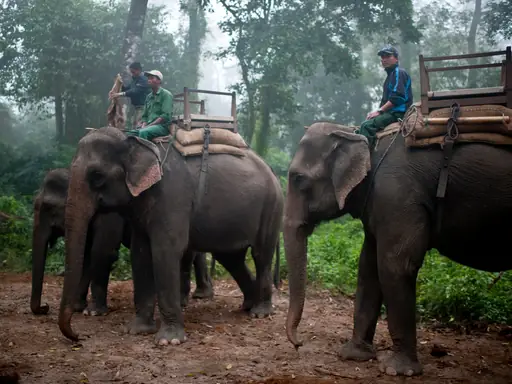
National Park in Nepal
Chitwan National Park
Wild Rhinos and Jungle Adventures
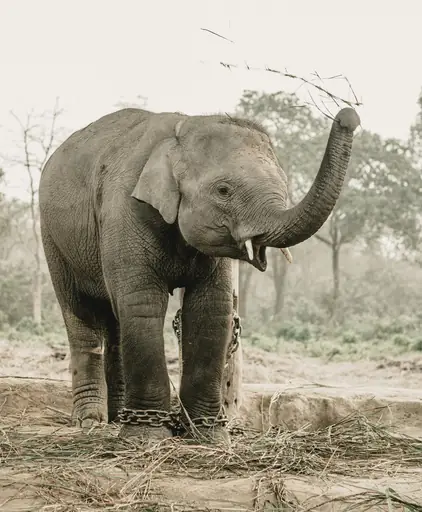
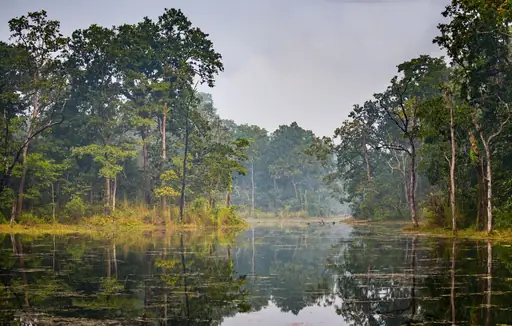
Chitwan protects one of Nepal's last strongholds for the greater one horned rhino. Dense sal forest and grassland stretch along the Rapti River's floodplain. Visitors can take canoe rides to spot crocodiles basking along the riverbank. Royal Bengal tigers also roam through the park's protected core zone.
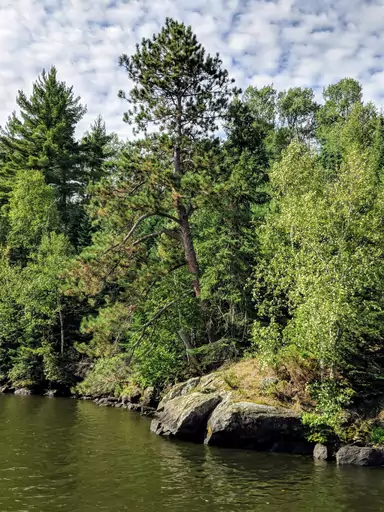
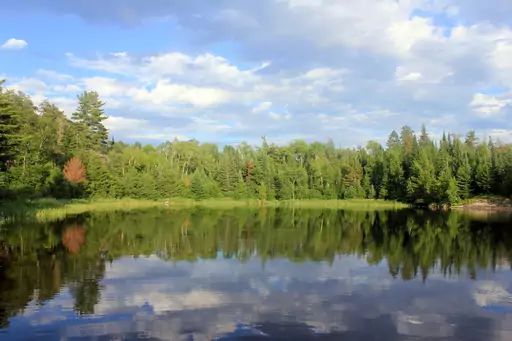
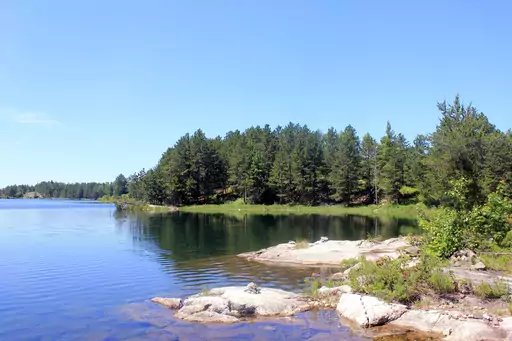
National Park in United States
Voyageurs National Park
Watery wilderness of northern Minnesota
Voyageurs takes its name from French Canadian fur traders who once paddled these waterways. Roughly forty percent of the park's area is covered by interconnected lakes. Visitors can explore mainly by canoe or boat rather than by road. Northern lights are visible here on clear nights away from city lights.
National Park in India
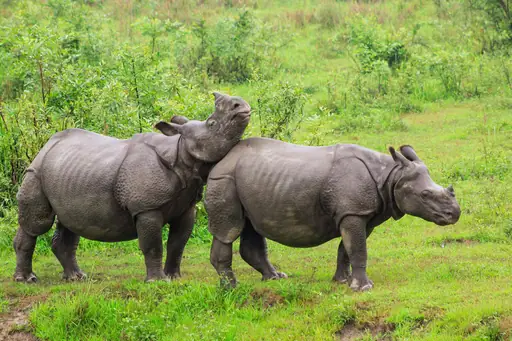
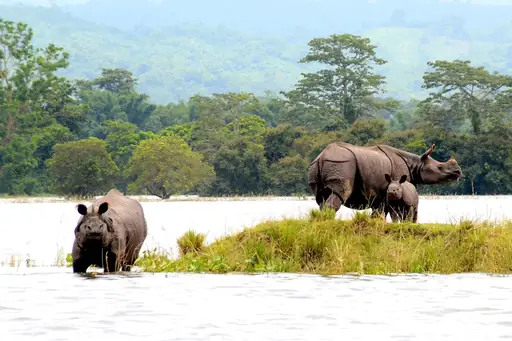
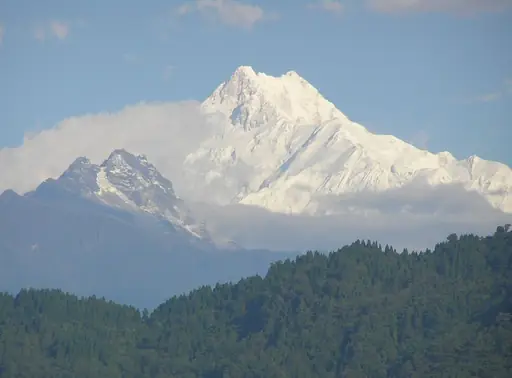
Kaziranga National Park
Land of Rhinos and Wild Grasslands
Kaziranga shelters roughly two thirds of the world's remaining one horned rhinos. Tall elephant grass and marshland stretch across the park's floodplain. Visitors can ride elephants or jeeps to spot rhinos grazing at close range. Annual monsoon floods actually help sustain the park's grassland ecosystem.
National Park in Argentina
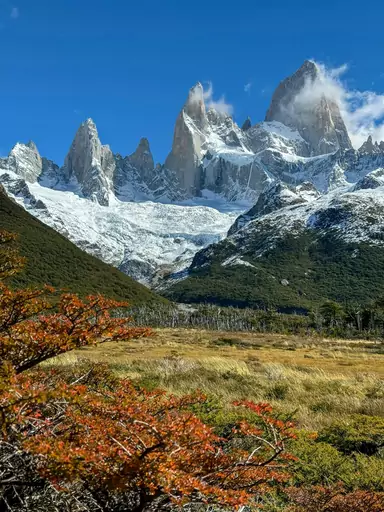
Los Glaciares National Park
Where glaciers meet towering peaks
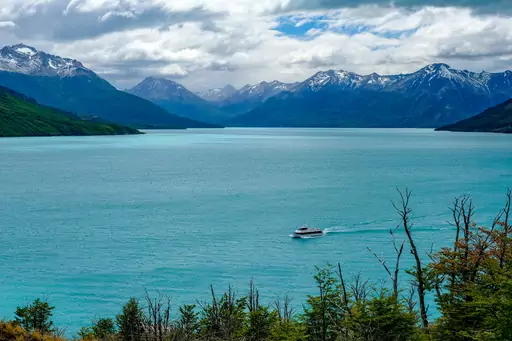
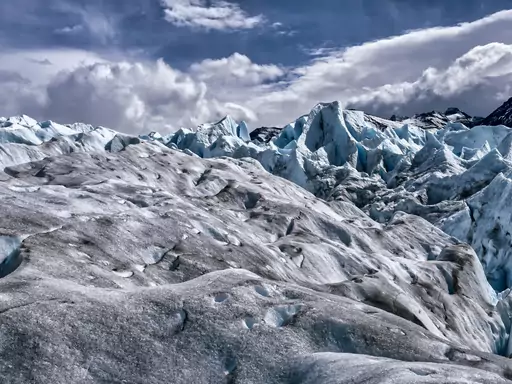
Los Glaciares protects Perito Moreno, one of the few glaciers still advancing worldwide. Massive chunks of ice regularly calve into the lake with a thunderous crack. Visitors can walk boardwalks positioned for close views of the glacier's face. Mount Fitz Roy rises sharply above the park's forests further north.
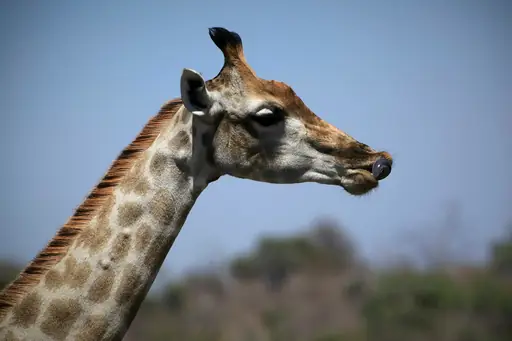
National Park in Botswana
Chobe National Park
Elephant Haven in Botswana
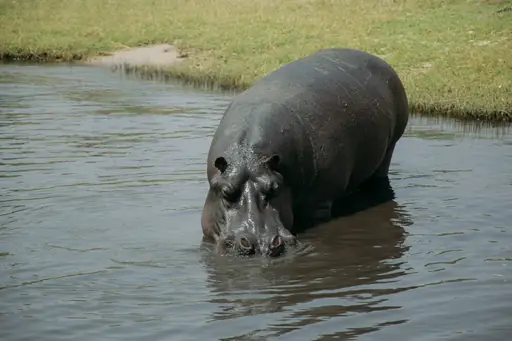
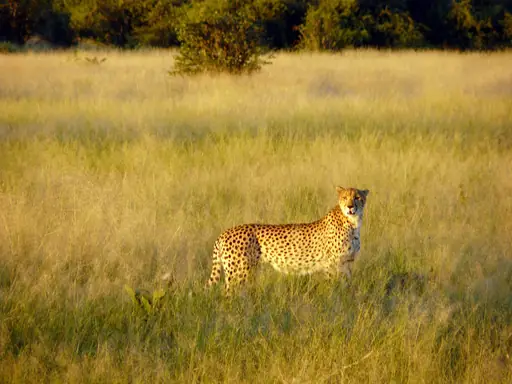
Chobe holds one of Africa's largest concentrations of elephants along its riverfront. Herds gather along the Chobe River especially during the dry season months. Visitors can take boat safaris to watch elephants drink and bathe up close. Lions here have been observed hunting elephants, an unusual behaviour for the species.
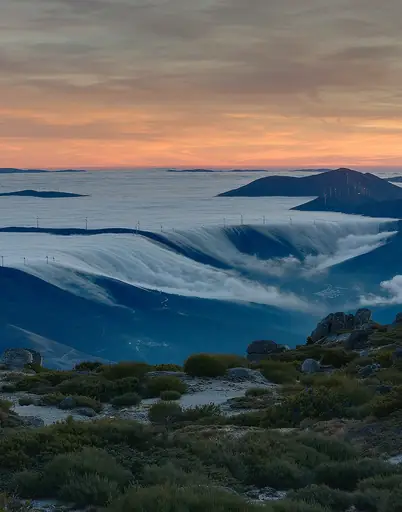
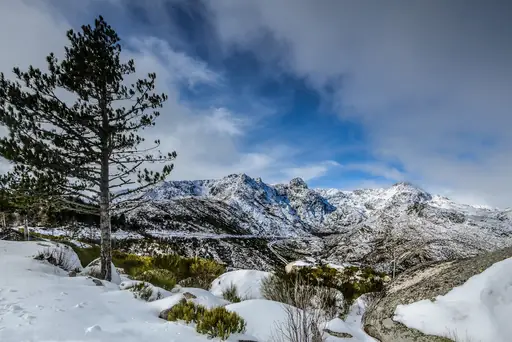
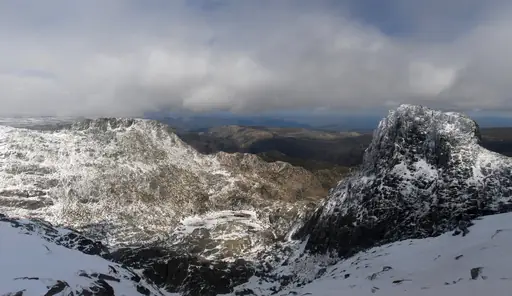
National Park in Portugal
Serra da Estrela Natural Park
Portugal’s High Peaks and Wild Beauty
Serra da Estrela protects mainland Portugal's tallest mountain range. Snow covers the higher peaks here during winter, drawing the country's only ski resort. Visitors can hike towards glacial valleys carved during past ice ages. Sheep grazing on these slopes supply milk for the region's famous cheese.
Nature Reserve in Portugal
Área de Paisagem Protegida das Sete Cidades
Twin Lakes and Volcanic Wonders
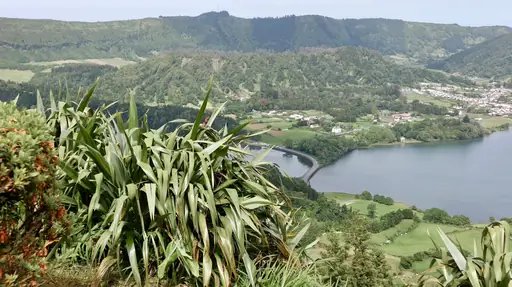
Sete Cidades protects twin crater lakes, one blue and one green, inside a volcanic caldera. Local legend explains the colours as the tears of two star crossed lovers. Visitors can hike the caldera rim for views over both lakes at once. Hydrangea hedges bloom bright blue along many of the park's roads each summer.
National Park in Australia
Kakadu National Park
Ancient Rock Art and Wild Wetlands
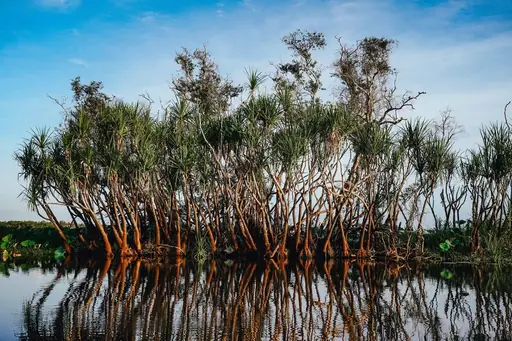
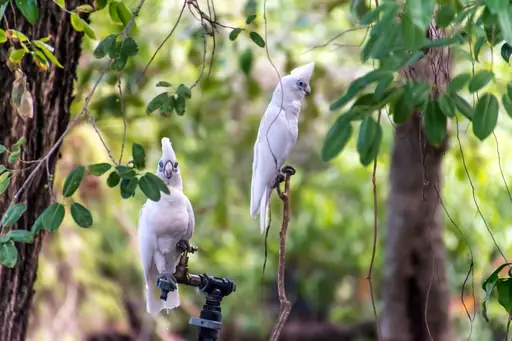
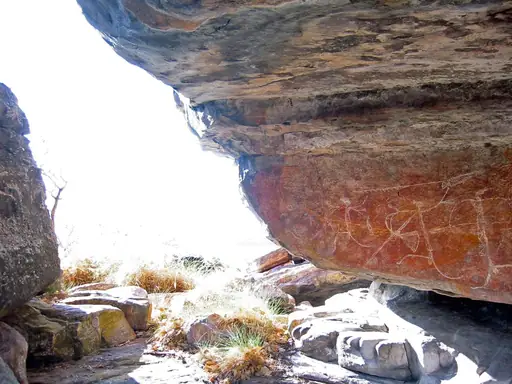
Kakadu protects rock art sites showing evidence of continuous human occupation for millennia. Aboriginal communities still maintain cultural ties to the land within the park. Visitors can cruise wetlands home to saltwater crocodiles and countless bird species. Sandstone escarpments here shift colour dramatically at sunset.
National Park in Brazil
Lençóis Maranhenses National Park
Otherworldly dunes with turquoise lagoons
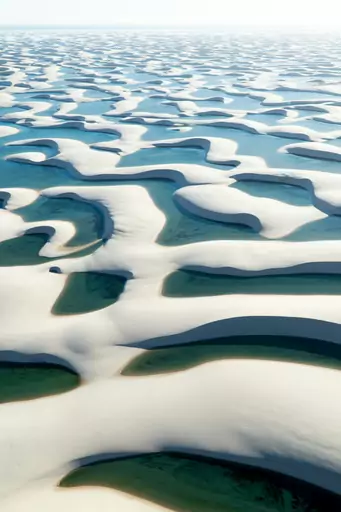
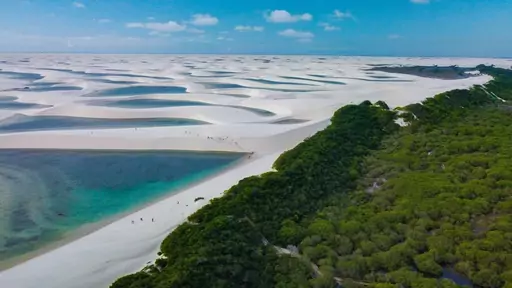
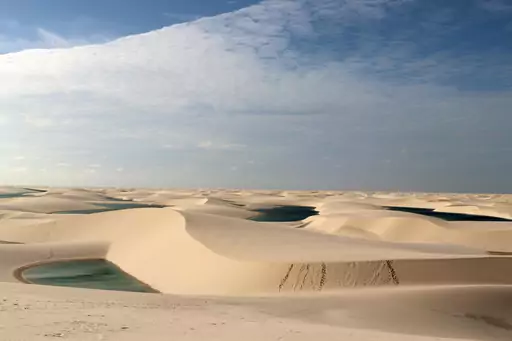
Lencois Maranhenses holds white sand dunes that fill with rainwater each year. Turquoise pools form between the dunes during the rainy season months. Visitors can swim in these temporary lagoons before they evaporate by autumn. The park's name translates roughly to bed sheets, describing its rippled dunes.

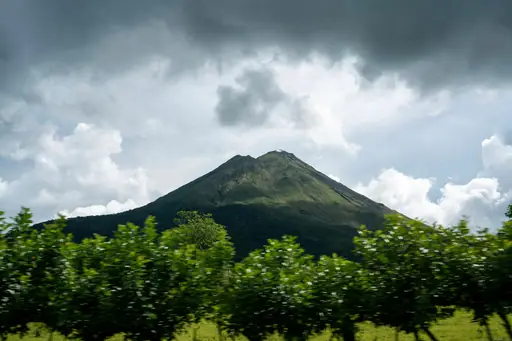
National Park in Costa Rica
Arenal Volcano National Park
Lava Trails, Rainforest and Epic Views
Arenal Volcano rises as a near perfect cone above Costa Rica's northern lowlands. The volcano erupted continuously for decades before falling dormant in 2010. Visitors can hike trails across old lava fields at the volcano's base. Hot springs heated by the volcano's activity draw visitors year round.
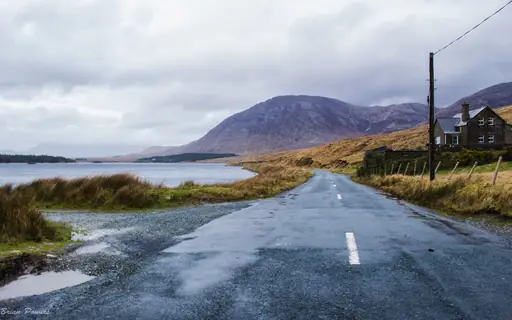
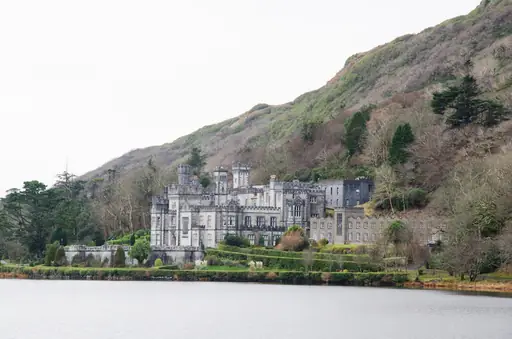
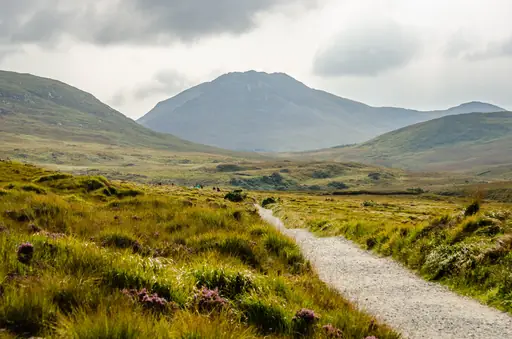
National Park in Ireland
Connemara National Park
Wild Bogs, Peaks and Ponies
Connemara protects boggy moorland beneath a range of quartzite peaks called the Twelve Bens. Wild Connemara ponies, a native breed, roam freely across the open landscape. Visitors can hike Diamond Hill for panoramic views over the surrounding bogland. Ancient monuments scattered through the park date back thousands of years.
National Park in India
Bandhavgarh National Park
Tiger territory in ancient forests
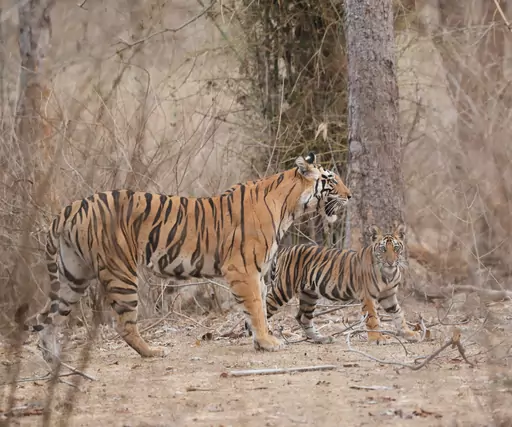
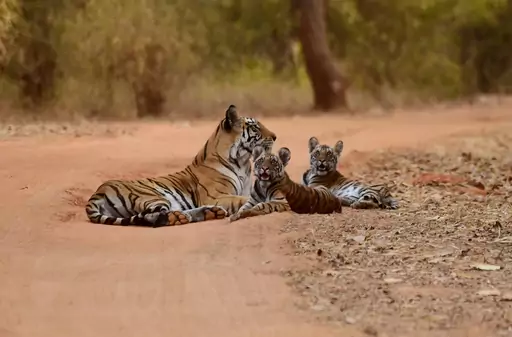
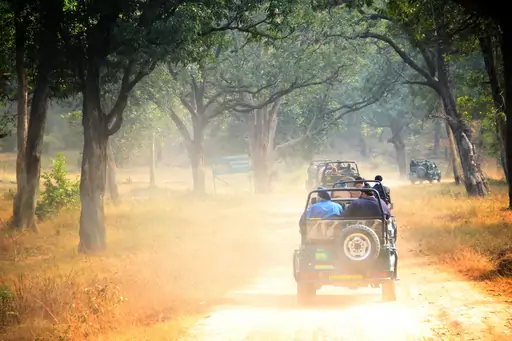
Bandhavgarh holds one of India's highest densities of wild Bengal tigers. A ruined hilltop fort overlooks the park's forests and grasslands below. Visitors can join jeep safaris that regularly spot tigers along forest tracks. Ancient rock cut caves within the park date back over two thousand years.
Nature Reserve in United States
Boundary Waters Canoe Area Wilderness
Pristine lakes, untouched wilderness paradise
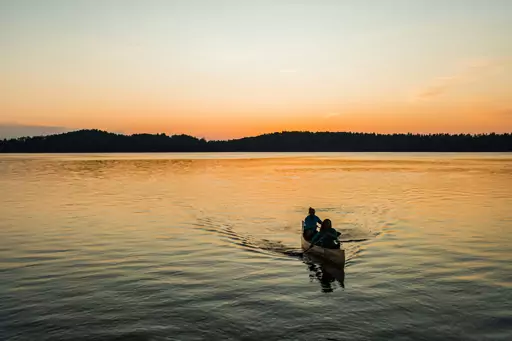
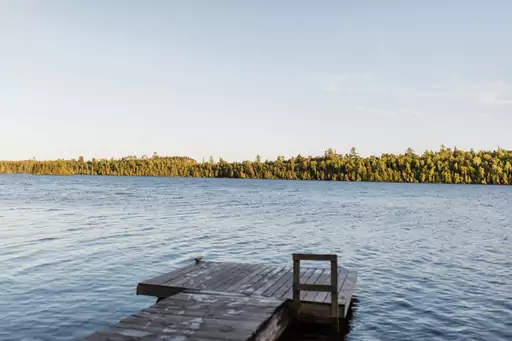
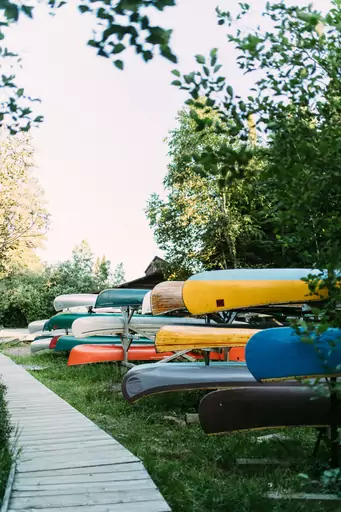
The Boundary Waters protects over a thousand lakes connected by portage trails. Motorised boats are banned across most of the wilderness area. Visitors can paddle for days without crossing a single road or building. Wolves and loons are commonly heard calling across the water at night.
National Park in Brazil
Chapada Diamantina National Park
Waterfalls, Caves and Diamond History
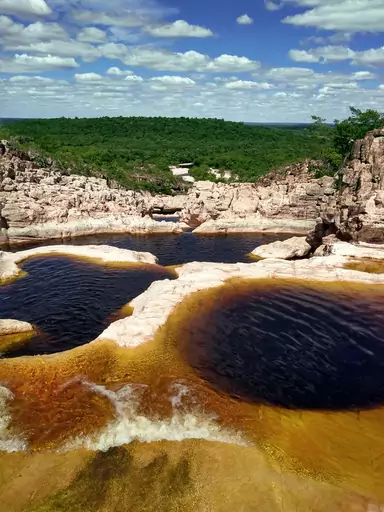
Chapada Diamantina takes its name from diamonds once mined across the region. Waterfalls plunge from tabletop mountains into clear natural swimming pools below. Visitors can hike to Poco Encantado, a cave pool lit by shafts of sunlight. Sandstone plateaus here rise dramatically above the surrounding Bahia countryside.
National Park in United States
Great Basin National Park
Ancient trees, caves and starry skies
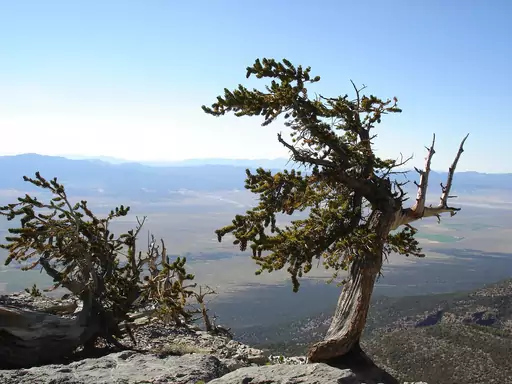
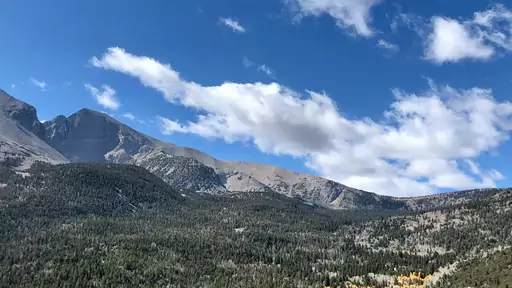
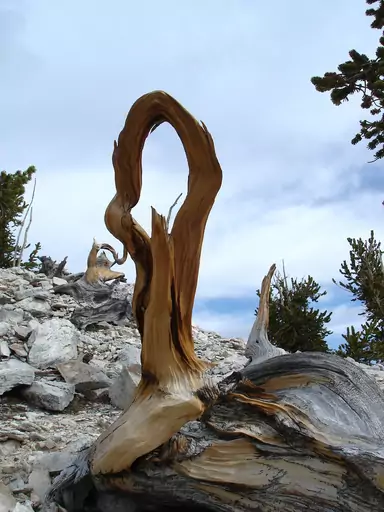
Great Basin protects ancient bristlecone pines, among the oldest living trees on Earth. Some specimens here have survived for more than 4,000 years. Visitors can tour Lehman Caves, a limestone cavern beneath the park's surface. Dark skies here rank among the clearest for stargazing in the country.
National Park in Thailand
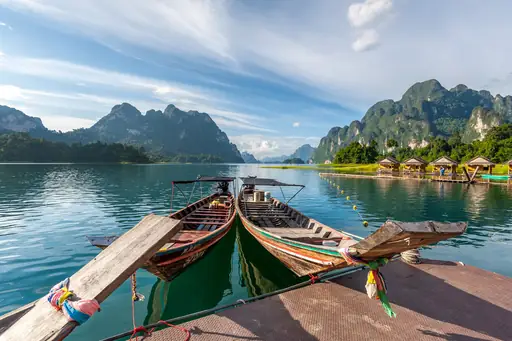
Khao Sok National Park
Ancient Jungle and Emerald Lake Paradise
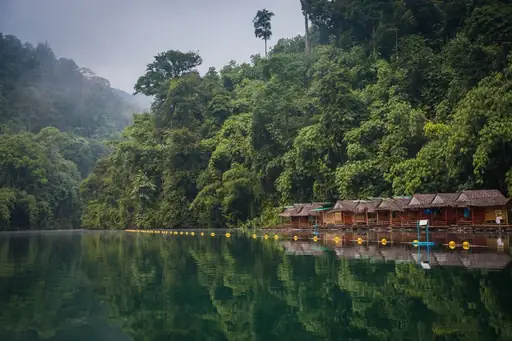
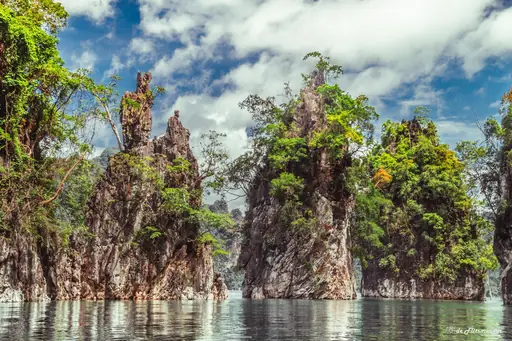
Khao Sok protects rainforest older than the Amazon, dating back 160 million years. Limestone karsts rise dramatically above Cheow Lan Lake's emerald water. Visitors can sleep in floating raft houses moored along the lake's edge. Wild elephants and rare flowering plants live within the dense forest.
National Park in Venezuela
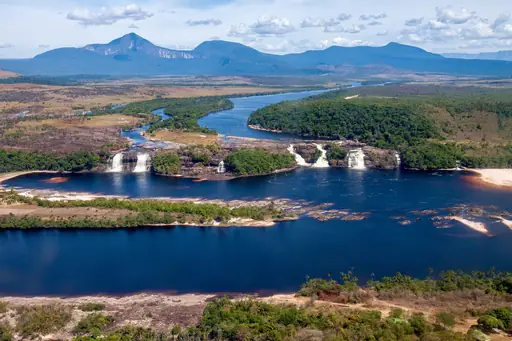
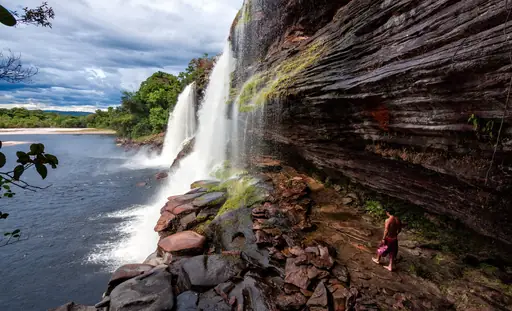
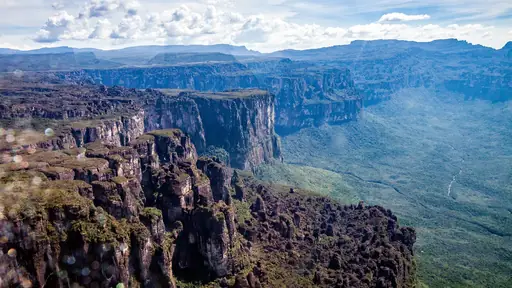
Canaima National Park
Tepui Peaks and Angel Falls Wonder
Canaima protects Angel Falls, the tallest uninterrupted waterfall in the world. Water drops nearly a kilometre from the edge of a flat topped tepui mountain. Visitors can reach the falls only by canoe and a forest hike. Table top mountains here inspired the floating peaks in the film Up.
National Park in Zimbabwe
Hwange National Park
Elephant Herds and Wild Horizons
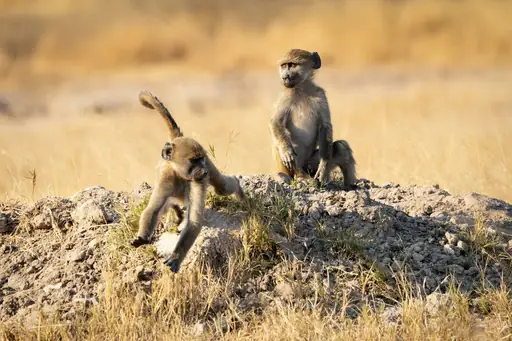
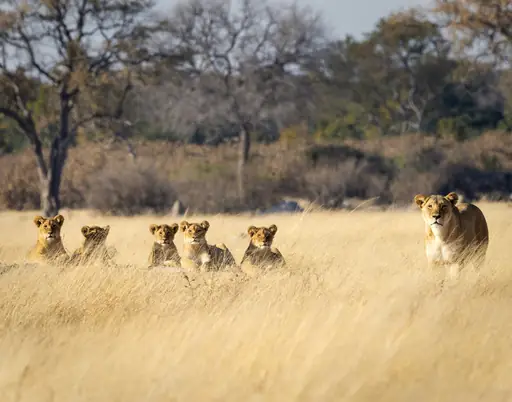
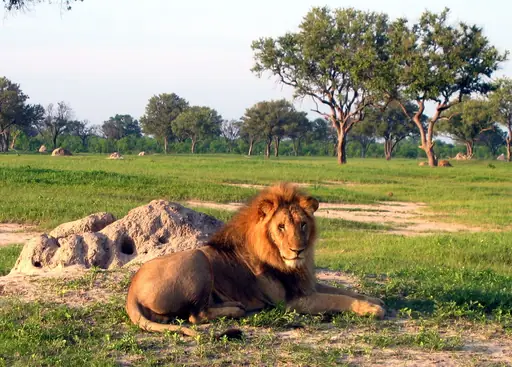
Hwange holds Zimbabwe's largest elephant population, numbering in the tens of thousands. Artificial waterholes here support wildlife through the region's long dry season. Visitors can watch large herds gather at pumped waterholes during peak dry months. Painted dogs, one of Africa's most endangered predators, still roam the park.
Nature Reserve in Botswana
Okavango Delta
Africa’s Uncharted Water Wilderness
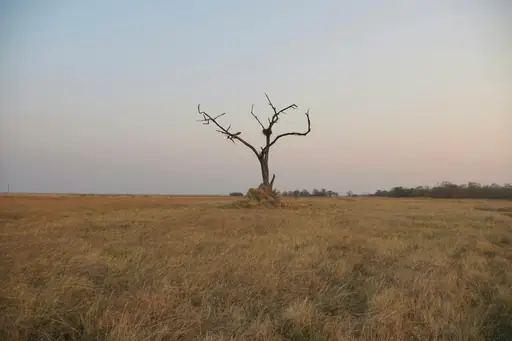
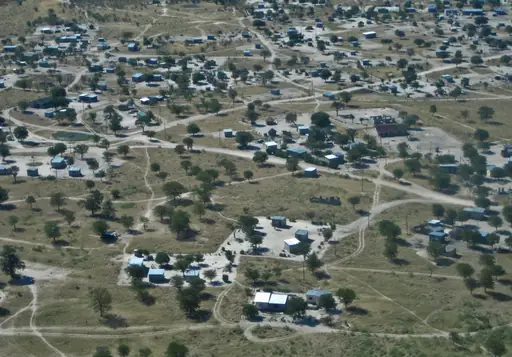
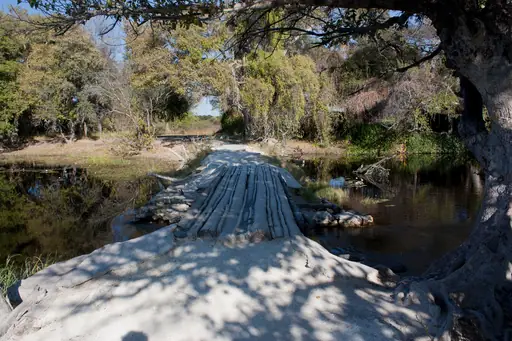
The Okavango Delta forms where a desert river spreads into a vast inland floodplain. Seasonal flooding transforms dry channels into a maze of waterways each year. Visitors can glide through reed lined channels aboard traditional mokoro canoes. Elephants and lions both depend heavily on the delta's shifting waters.

National Park in Costa Rica
Tortuguero National Park
Wildlife and Waterways Adventure
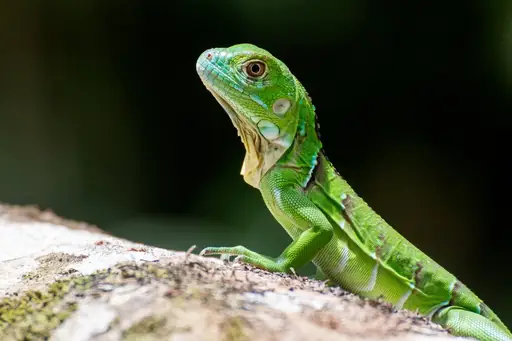
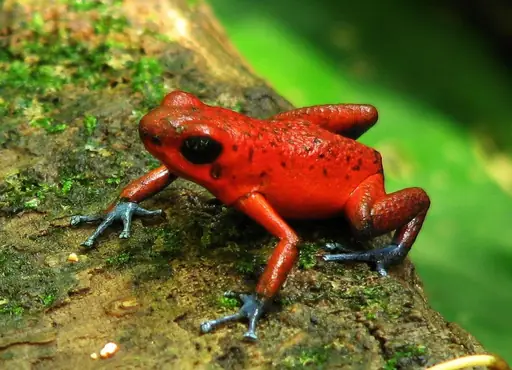
Tortuguero protects Costa Rica's Caribbean coast, reachable only by boat or small plane. Four different sea turtle species come ashore here to nest each year. Visitors can navigate a network of canals threading through dense rainforest. Manatees occasionally surface in the park's slow moving waterways.
Nature Reserve in Mexico
Calakmul Biosphere Reserve
Ancient Maya Ruins in Pristine Jungle
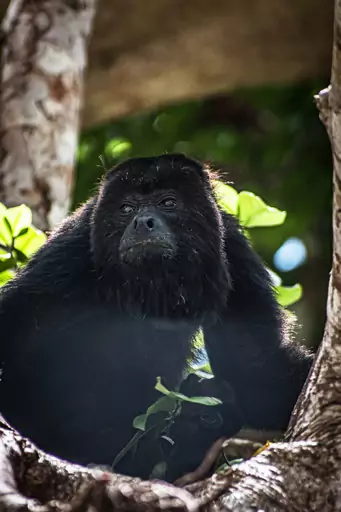
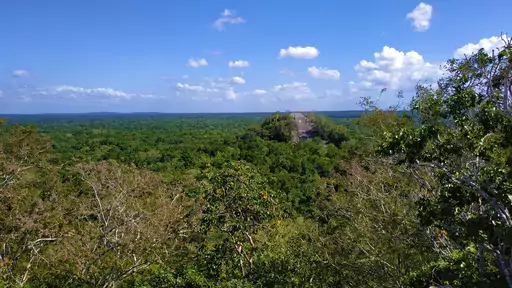
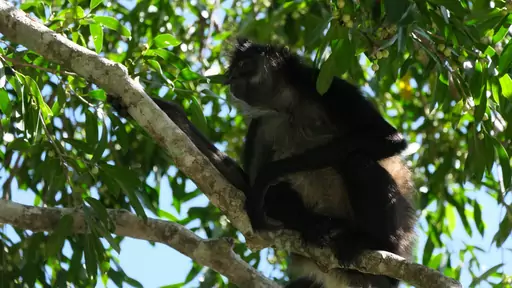
Calakmul protects Maya ruins hidden within one of Mexico's largest tracts of rainforest. Twin pyramids here once served as the centre of a powerful ancient city. Visitors can climb temple structures rising above the surrounding jungle canopy. Howler monkeys and jaguars still roam through the dense reserve today.
National Park in India
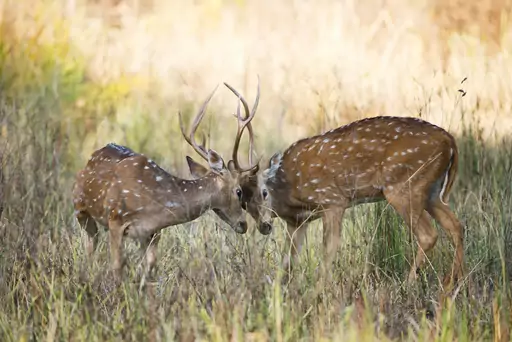
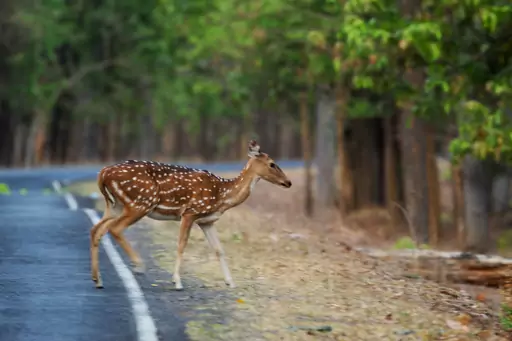
Kanha National Park
Tiger paradise in magical wilderness
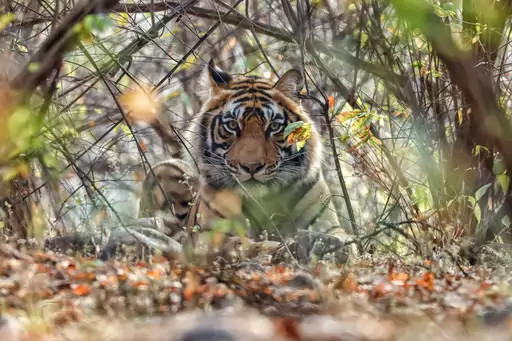
Kanha helped inspire the setting of Rudyard Kipling's The Jungle Book. Sal forests and open meadows here support a healthy population of Bengal tigers. Visitors can join jeep safaris tracking tigers across the park's grasslands. Barasingha deer, once nearly extinct, have recovered here through conservation efforts.
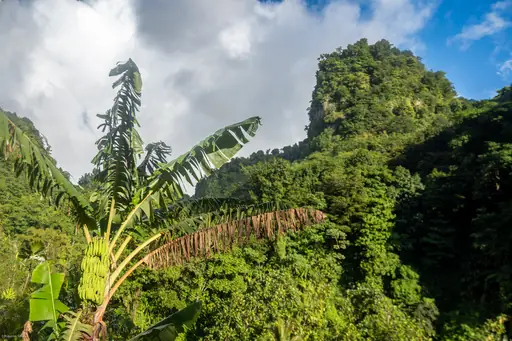
National Park in Dominica
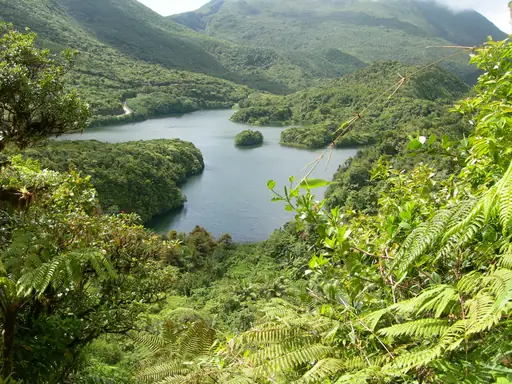
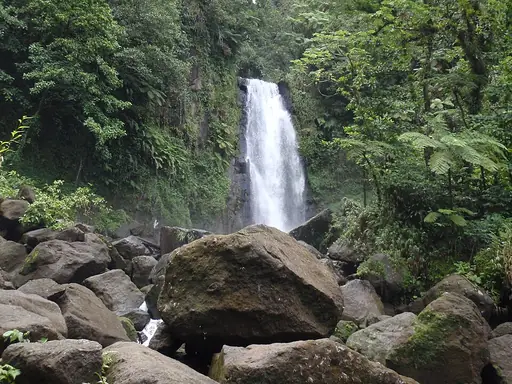
Morne Trois Pitons National Park
Volcanic wonders in pristine rainforest
Morne Trois Pitons protects Dominica's volcanic interior, named for three jagged peaks. Boiling Lake, a flooded fumarole, steams within the park's remote backcountry. Visitors can hike a demanding trail to view the bubbling grey blue lake. The park earned recognition as the Caribbean's first UNESCO World Heritage Site.
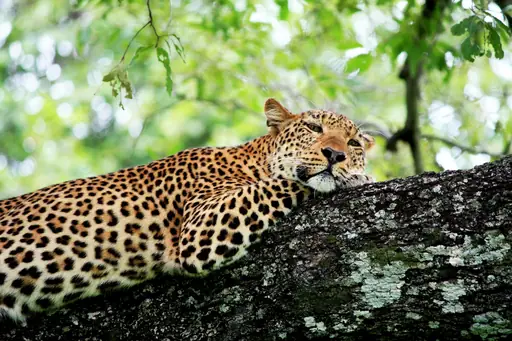
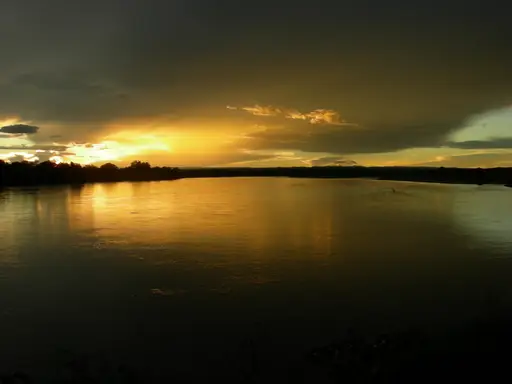
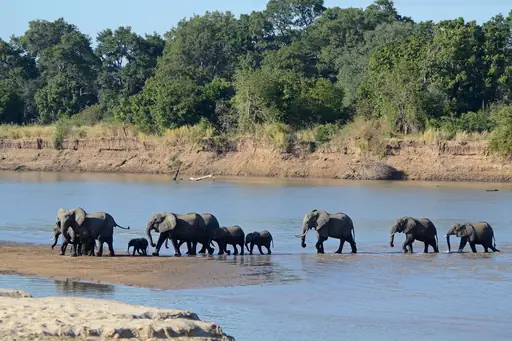
National Park in Zambia
South Luangwa National Park
Walking Safaris and Wild Encounters
South Luangwa is credited with pioneering the walking safari across Africa in the 1950s. The Luangwa River winds through the park, drawing wildlife to its banks. Visitors can join guided walks led by armed rangers tracking animals on foot. Leopards here are considered unusually easy to spot compared to other reserves.
National Park in Costa Rica
Corcovado National Park
Costa Rica’s Wildest Rainforest Frontier
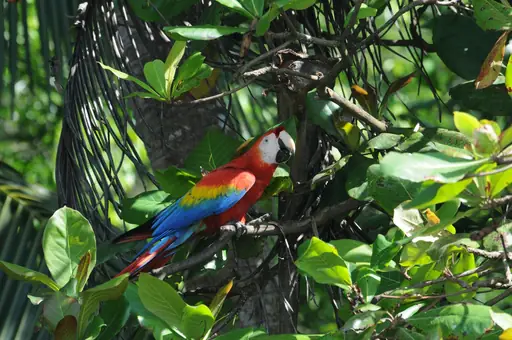
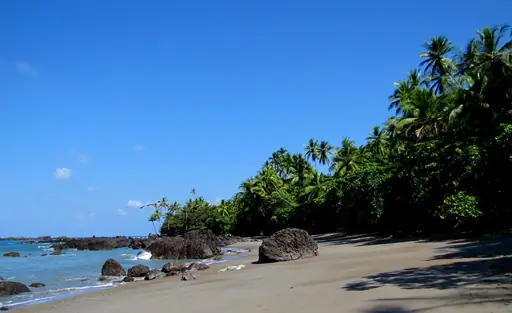
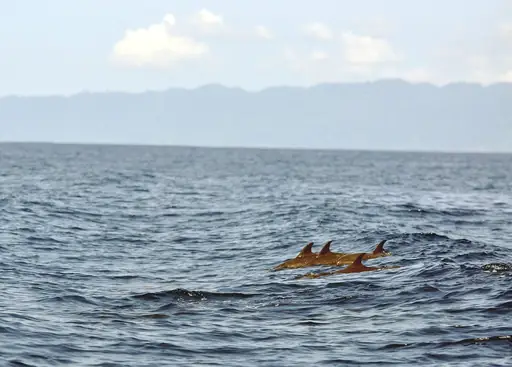
Corcovado protects one of the most biodiverse rainforests remaining in Central America. National Geographic once called it the most biologically intense place on Earth. Visitors can spot tapirs and scarlet macaws along remote jungle trails. The park remains accessible mainly by boat or a long hike.
Nature Reserve in Ecuador
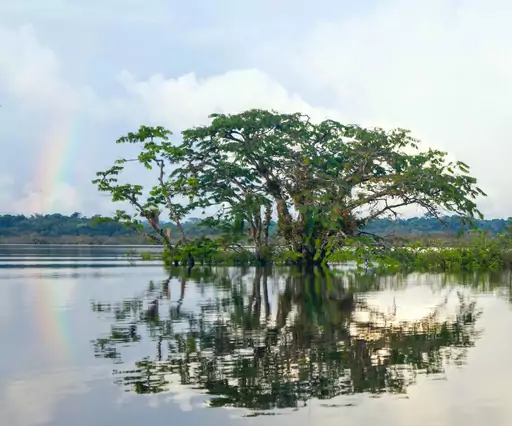
Cuyabeno Wildlife Reserve
Amazon wilderness teeming with life
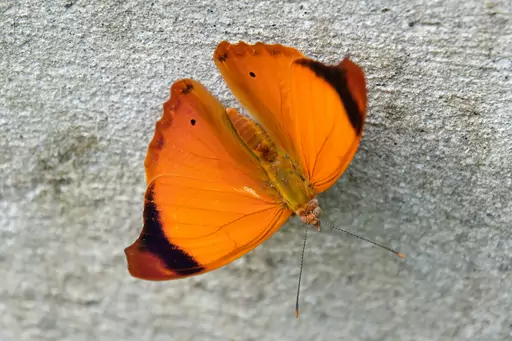
Cuyabeno protects flooded Amazon rainforest crossed by winding black water rivers. Pink river dolphins surface regularly along the reserve's slow moving waterways. Visitors can paddle canoes through flooded forest to spot monkeys and caimans. Indigenous communities within the reserve still practice traditional fishing methods each season.
National Park in United States
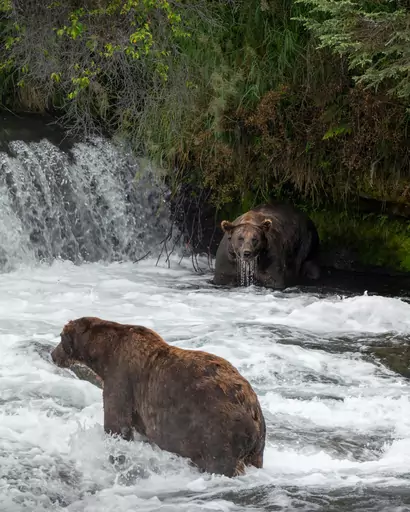
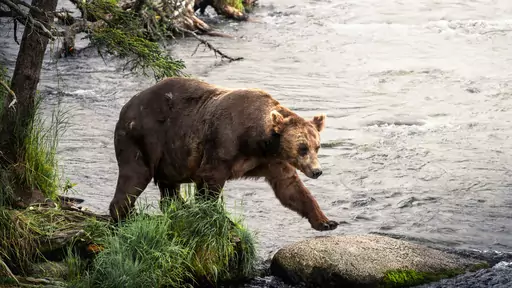
Katmai National Park
Bears, salmon and volcanic wonders
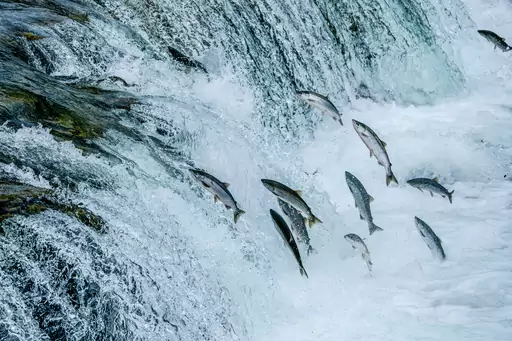
Katmai hosts one of the world's largest gatherings of brown bears each summer. Bears fish for salmon leaping up Brooks Falls during the annual run. Visitors can watch from viewing platforms built just above the churning water. The park also protects a valley formed by a massive 1912 volcanic eruption.
National Park in Tanzania
Kilimanjaro National Park
Africa's Rooftop Adventure
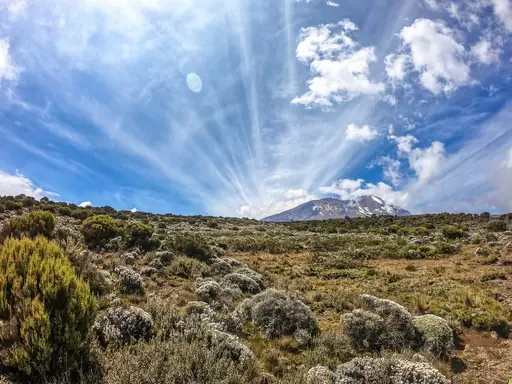
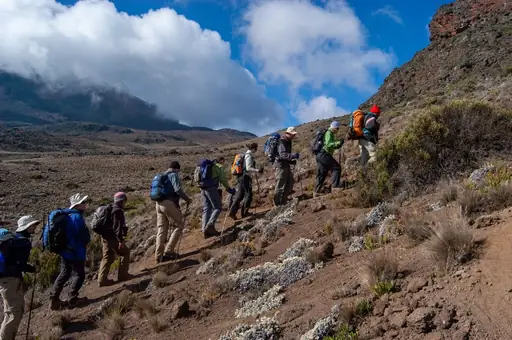
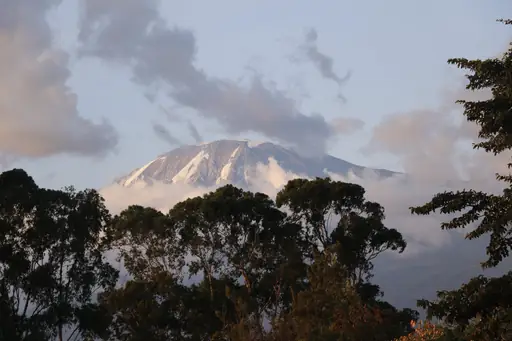
Kilimanjaro rises as Africa's tallest peak, a dormant volcano with three separate cones. Climbers can reach the summit without technical climbing gear or ropes. Visitors can trek multiple routes ranging from five to nine days in length. The mountain's glaciers have shrunk significantly over the past century.

National Park
Kgalagadi Transfrontier Park
Where predators rule the Kalahari
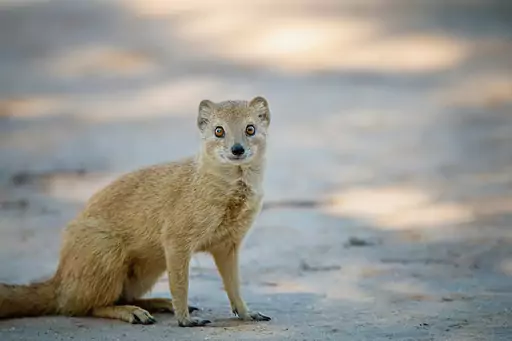
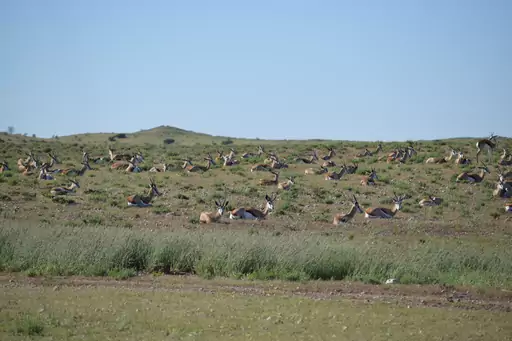
Kgalagadi spans the border between South Africa and Botswana without any fences. Red sand dunes stretch across this arid stretch of the Kalahari Desert. Visitors can spot black maned lions adapted to the harsh desert environment. Dry riverbeds here occasionally fill after rare seasonal rains.
National Park in Uganda
Bwindi Impenetrable National Park
Gorilla Encounters in Ancient Forest
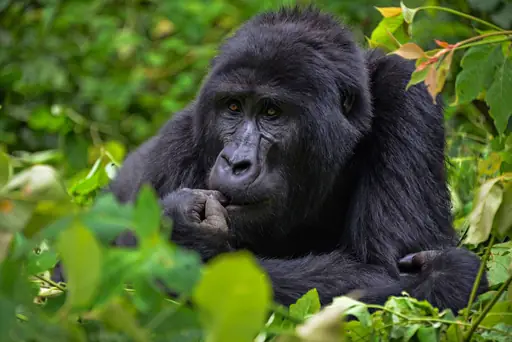
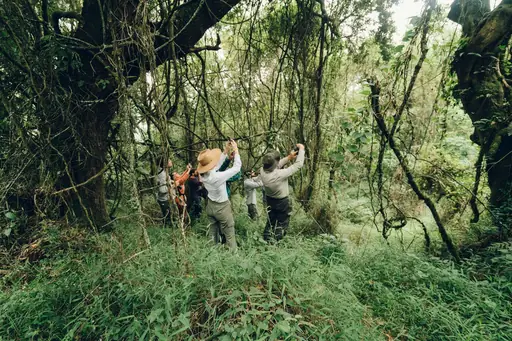
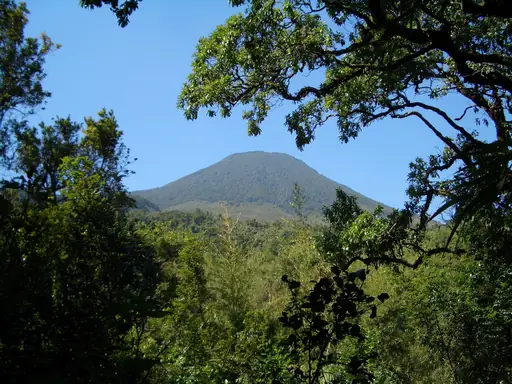
Bwindi shelters roughly half of the world's remaining mountain gorilla population. Dense forest here has grown largely undisturbed for over 25,000 years. Visitors can trek through thick vegetation to observe gorilla families up close. Permits for gorilla trekking are limited to protect the animals from stress.
National Park in Peru
Manú National Park
Pristine Amazon biodiversity wonderland
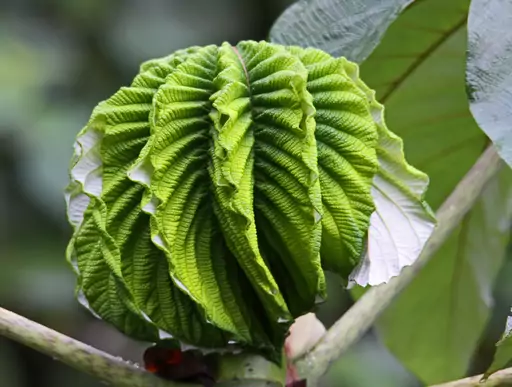
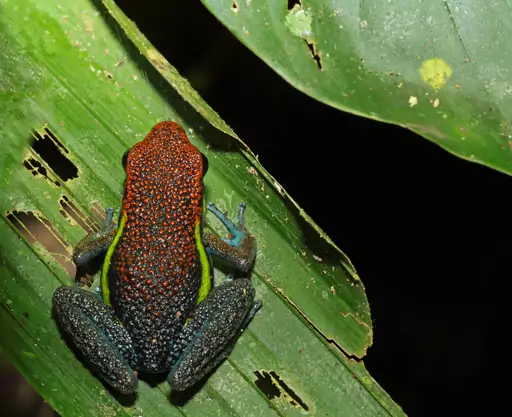
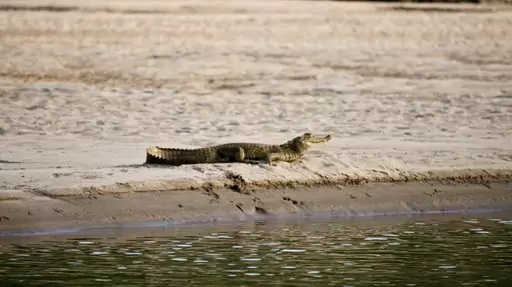
Manu protects one of the most biodiverse regions found anywhere in the Amazon. Elevation changes across the park support everything from cloud forest to lowland jungle. Visitors can spot macaws gathered at clay licks along the riverbank. Isolated indigenous communities within the park have little contact with outsiders.

National Park in Indonesia
Tanjung Puting National Park
Orangutan paradise in Borneo jungle
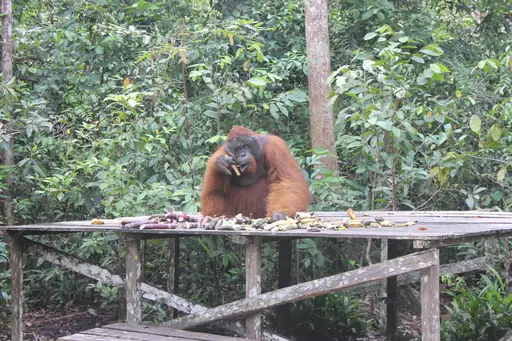
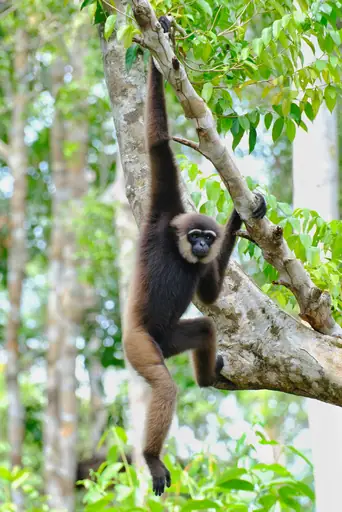
Tanjung Puting protects rainforest home to one of the largest wild orangutan populations. Rivers wind through peat swamp forest across the park's interior. Visitors can cruise slow wooden boats called klotoks to spot orangutans feeding. Camp Leakey within the park has studied orangutan behaviour since the 1970s.
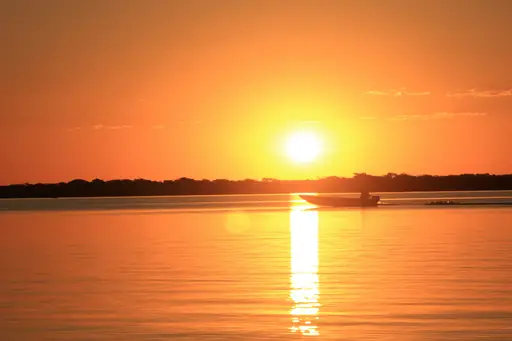
National Park in Brazil
Pantanal Matogrossense National Park
World's largest tropical wetland paradise
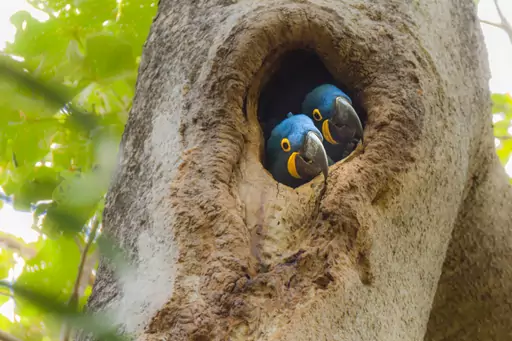
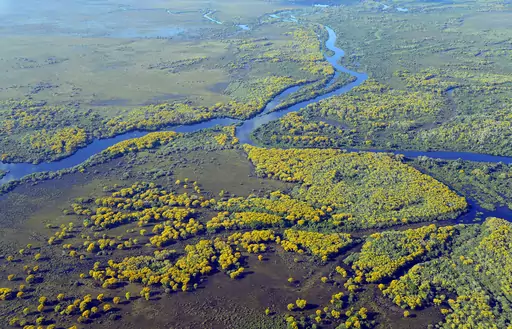
The Pantanal forms the world's largest tropical wetland, far exceeding the Amazon in wildlife density. Jaguars here are spotted more reliably than almost anywhere else on Earth. Visitors can take boat safaris along rivers thick with caimans and capybaras. Seasonal flooding shapes nearly every aspect of the wetland's ecosystem.
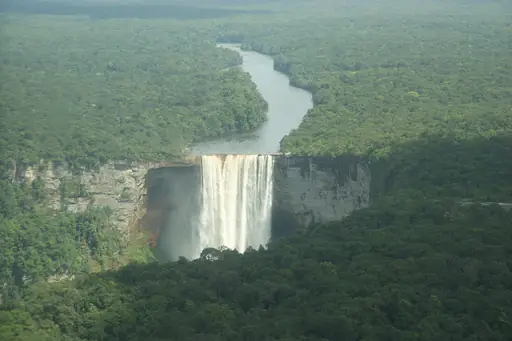
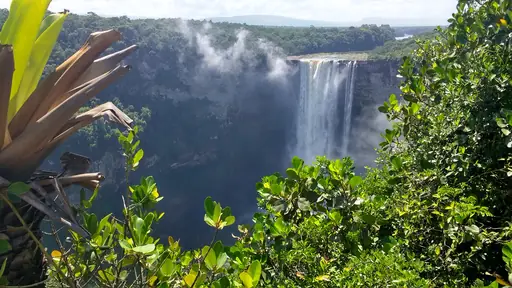
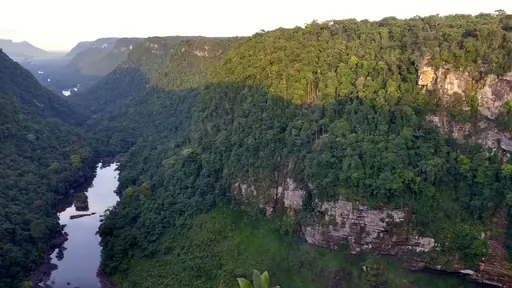
National Park in Guyana
Kaieteur National Park
World's Most Powerful Single-Drop Waterfall
Kaieteur Falls drops in a single sheer plunge nearly five times the height of Niagara. Guyana's dense rainforest surrounds the falls on nearly every side. Visitors can reach the falls only by small aircraft or a multi day trek. Golden frogs unique to this area live inside giant bromeliad plants nearby.
National Park in Ethiopia
Simien National Park
Jagged peaks of ancient wilderness
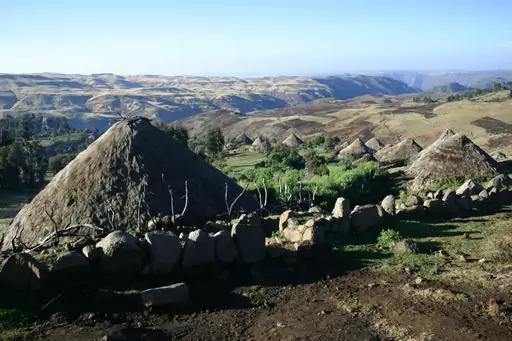
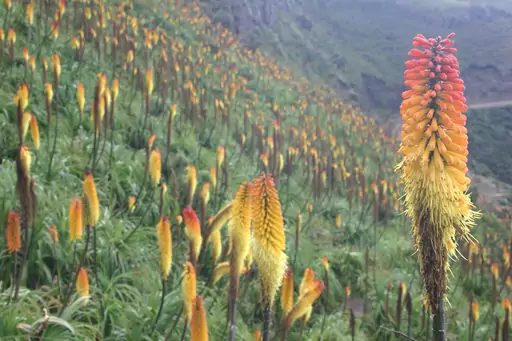
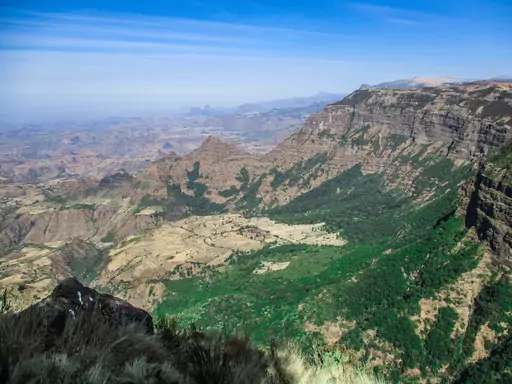
Simien Mountains protect jagged peaks carved by erosion over millions of years. Gelada baboons, found nowhere else on Earth, gather in large troops here. Visitors can hike ridgelines with sheer drops falling thousands of feet below. Walia ibex, a rare mountain goat, cling to the park's steep cliffs.
Other lists you may like
Discover
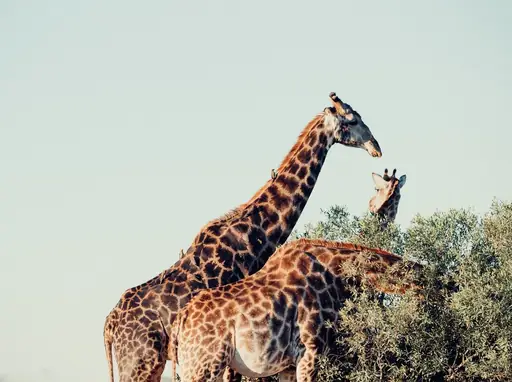
Stunning national parks and wilderness areas in Africa
Read more
Discover
Stunning national parks and wilderness areas in Asia
Read more
Discover
Stunning national parks and wilderness areas in Europe
Read more
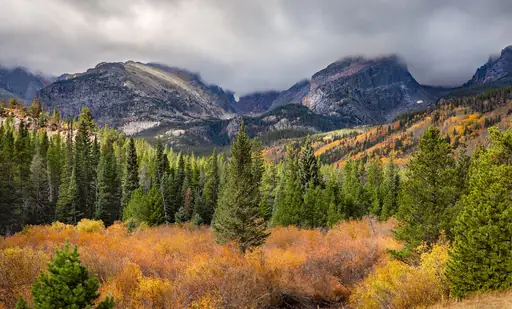
Discover
Stunning national parks and wilderness areas in North America
Read more
Discover
Stunning national parks and wilderness areas in Oceania
Read more
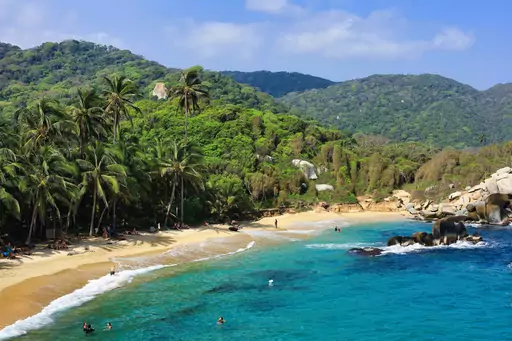
Discover
Stunning national parks and wilderness areas in South America
Read more
What other users say about travelfilters
“travelfilters made it easy for me to find ski areas and compare what else they offer, so that I could find the best place for my personal travel style.”

Chris
Snowboarding & Onsen trip to Japan
“I love how transparent the data feels. There is no pushy upsell, just honest information and settings I can tune to my own travel style.”

Maria
After booking her 2027 winter escape
“The level of detail for each destination and how well those are displayed, make planning feel confident instead of overwhelming.”

Mina
Planned a week in New York City
“We used travelfilters for our planning from start to end. The trip turned out even better than expected, thanks to all their tools and customisation options.”

Allan & Etienne
Trip to Japan to see autumn foliage
“Thanks to travelfilters, I found some hidden gems to see. Being able to filter for exactly your interests is a game changer for my travel planning.”

Michael
Tour through the old cities of Northern Italy
“The customizable filters helped me find a quiet beach town with good wifi and low season crowds in under five minutes.”

Diego
Weekend Escape to Llanes, Spain
“The airport connection map saved me hours by showing good flight options from my home airport to lesser-known cities.”

Nguyen
Planning a 2027 trip to France
“The website is clean, fast and focused on the search itself, which makes travelfilters feel more like a professional tool than an ad-heavy booking site.”

Hassan
Christmas Market trip, Germany
