


Africa › Tanzania › Kilimanjaro National Park

Kilimanjaro National Park

Scroll
Africa's Rooftop Adventure

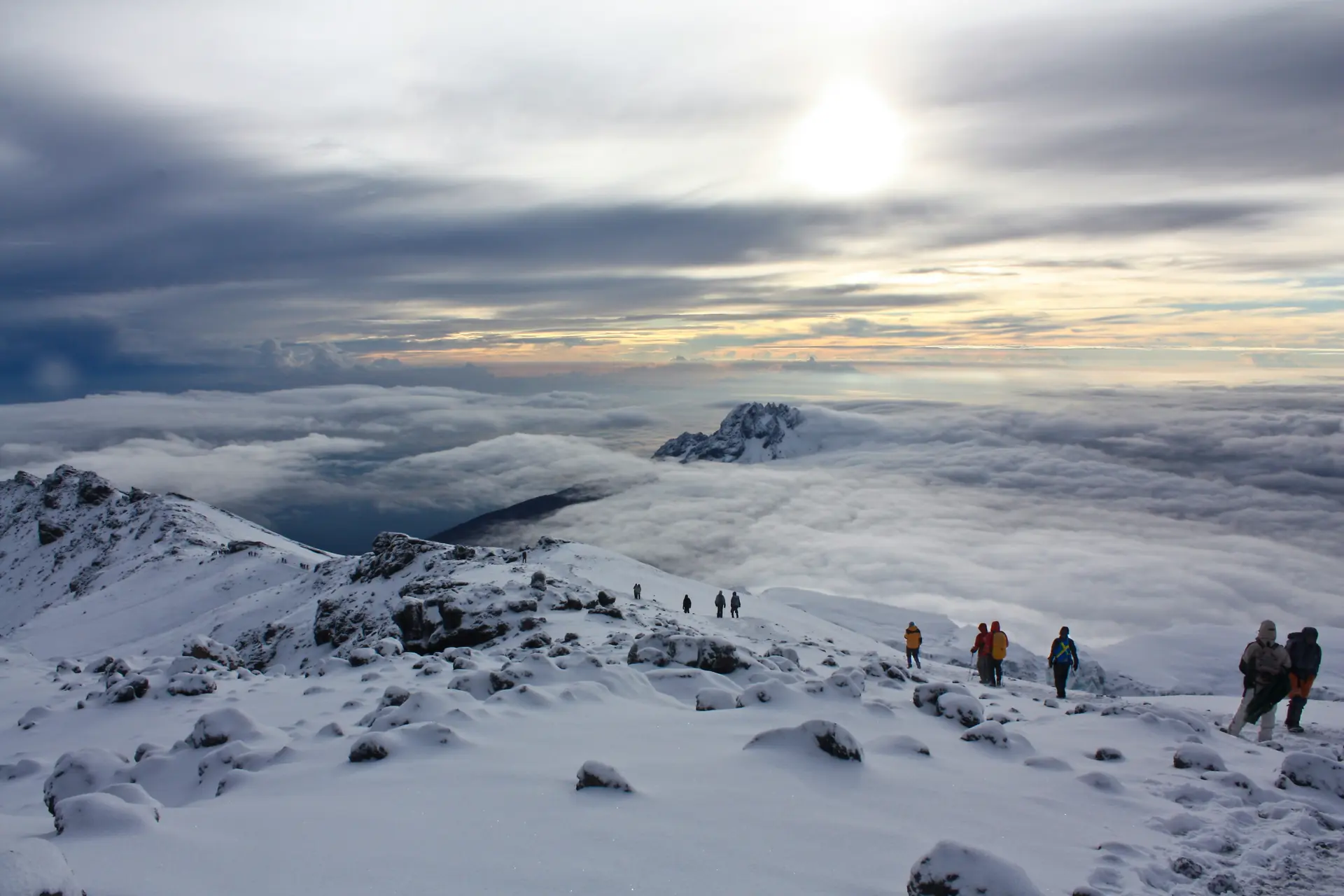
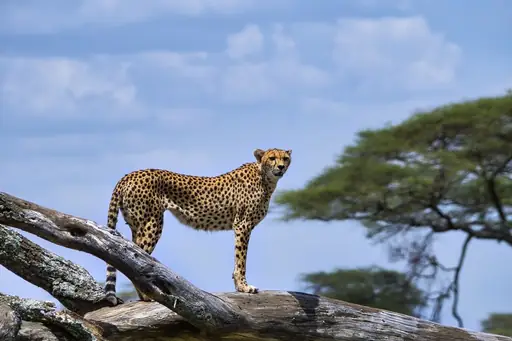
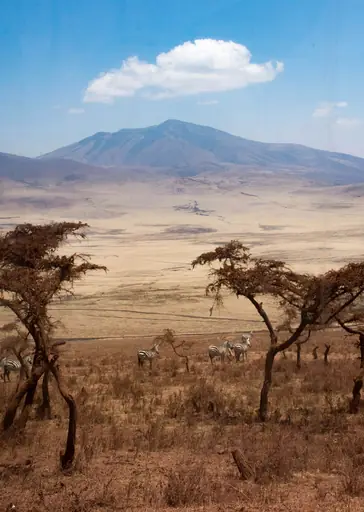
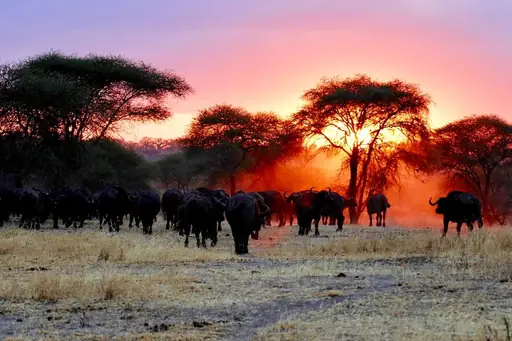
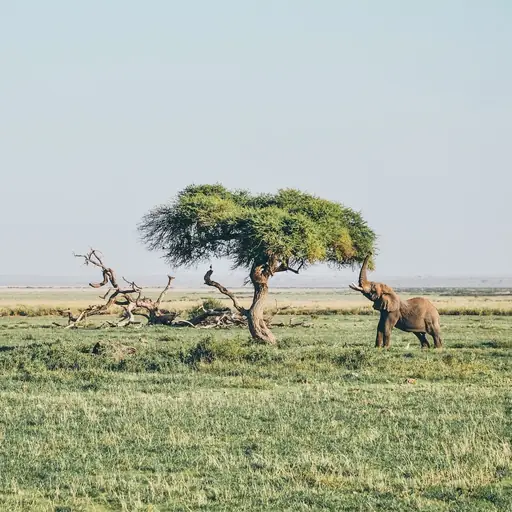
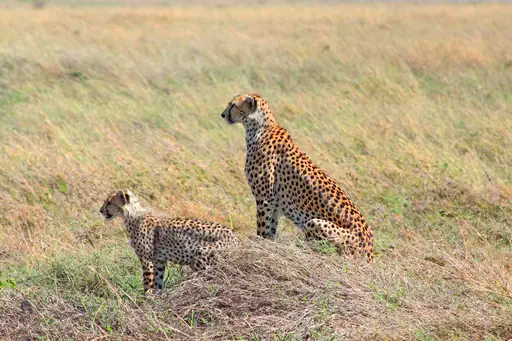
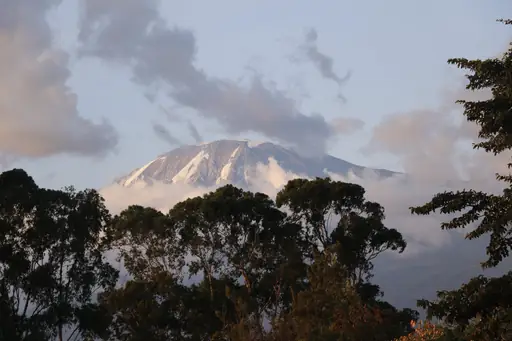
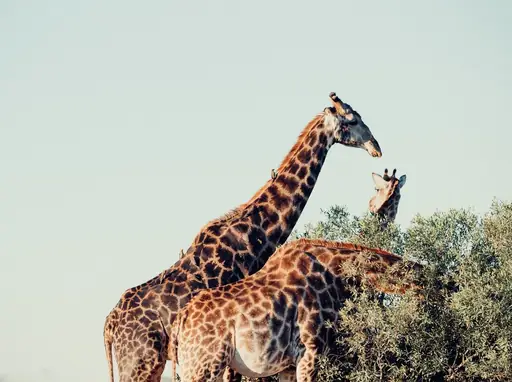
Kilimanjaro National Park covers Tanzania’s highest peak and a large area of surrounding forests and savannas. The park protects the mountain itself, which rises over 5,800 meters above sea level. Visitors can see different climate zones as they travel up from warm lowlands to cold alpine conditions near the summit. Wildlife includes monkeys, antelopes and many bird species. Hiking trails lead through varied terrain with volcanic rock formations and seasonal waterfalls. The park also holds cultural significance for nearby communities who rely on its resources and traditions.

National Park in Tanzania
Climate zone: Mild highland

Mild highland: Highland climates in subtropics or tropics, with mild temperatures, distinct wet summers and dry or cooler winters.

See climate table
Price level: $$$
$Cheap
$$Medium
$$$Expensive, upscale
$$$+Very expensive, luxury
See price details
Safety: 5.0
General Safety:7
Health & medical:3
Accessibility:1
Tap water:1
Read details
Tourist English: 4/5
English is widely spoken by guides, tour operators, and staff in tourist areas. Most official park information is available in English, making communication relatively easy for international visitors throughout your journey.
Last update: 28 Oct 2026
* We earn a commission from some links on this page.
Kilimanjaro National Park Summary

These place ratings give you a quick overview of how well a destination matches different types of trips.

‘Best for’ scores:
The specific interest scores show where this place really shines – whether it's ideal for hiking, food & drink experiences, museums or other activities. These highlights help you understand what makes the destination special at a glance.

‘Your personal’ scores:
This reflects how well a place matches your personal preferences. You can adjust the importances of travel topics or other personal requirements categories in your account settings.

‘Suited for’ badges:
These give you a quick overview of how well a destination suits specific types of travellers, to help you find the places that match your lifestyle, preferences or travel situation.

Read how our scores work
World-class for mountain trekking. Climb Africa’s highest peak, hike through diverse ecosystems, enjoy guided expeditions and photograph glaciers and vast plains.
Place score
7.4
Best at:
Mountains
10
Guided tours
10
Trekking
10
Natural sites
9
Camping
9
Personal score
?
Log in to see how this place matches your personal travel interests.
Suited for
👶 2
Families
🧓 2
Seniors
🥗 5
Vegetarian
♻️ 5
Sustainability
Tanzania – Quick facts
Power Grid: 230 V, 50 Hz
Plug: Type D , Type G
Type D:
Diagram of a Type D power plug
Type G:
Diagram of a Type G power plug

Read about power adapters
Currency: Tanzanian Shilling (TZS)
£1 ≈ TZS 3,520.45
Cashless info: Rating 3/5
Cashless payments are becoming more common in Tanzania’s larger cities, but cash is still the most widely accepted form of payment. Credit cards are accepted in some establishments.

Save with a travel credit card
eSIM providers: Best value: Saily
Flexibility: Airalo
Read our in-depth comparison
Tipping: Tipping is appreciated in Tanzania, typically around 5-10% in restaurants. Taxi fares should be rounded up, and small tips for hotel staff are common.
Public drinking: Public drinking is not common in Tanzania, and alcohol is typically consumed in licensed venues like restaurants and bars.
Public smoking: Smoking is allowed in outdoor public spaces and designated indoor areas. Many restaurants and public spaces have non-smoking sections.
Independence Day
(9 December)
Celebrates Tanzania’s independence from British colonial rule
Saba Saba
(7 July)
Industry Day
Emergency contact: Emergency Number: 112
Taxi apps: Uber, Bolt
Other: Tanzania is famous for its stunning wildlife, including safaris and Mount Kilimanjaro. The coast also offers beautiful beaches, particularly around Zanzibar.
Best times to travel

The best times to travel section shows how the months compare for a visit, so you can find the time of year that fits what you want to do.

Background colours of the months:
The colour shows the typical temperature: yellow (hot), green (mild) and blue (cold). How strong the colour is shows the travel season: full colour means high season, soft colour means shoulder season and soft-striped means off season.

Weather symbols:
Each month has one symbol showing what the weather is typically like, such as hot and sunny, freezing or a rainy or snowy season. Use them to quickly spot months that match the weather you want, or to avoid the ones that don't.

Crowdedness:
The people icon shows how busy the place usually is. The more people, the more crowded it gets.

Additional notes:
The grey info boxes point out special things worth knowing, like recurring weather issues or seasonal events.

for Kilimanjaro National Park, Tanzania
🔥
Jan
🔥
Feb
🌦️
Mar
🌦️
Apr
🌦️
May
🌤️
Jun
☀️
Jul
☀️
Aug
☀️
Sep
☀️
Oct
🌦️
Nov
🌦️
Dec
High season: Jan. - Feb., June - Sep.
Shoulder season: March, Oct., Dec.
Crowdedness: 7 (Many tourists)
Tap on a month for more info Hover over a month for more info
Best climbing windows are January to early March and June to October; long rains March to May, short rains November
Machame and Lemosho routes are busiest July to September, so book months ahead

Why travel to Kilimanjaro National Park?

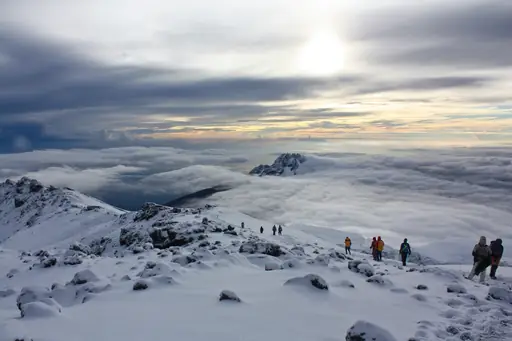
Climbing Kilimanjaro is the ultimate bucket-list achievement - standing on the 'Roof of Africa' with clouds below you and the vast savannah stretching to the horizon. The journey itself is extraordinary, taking you through five distinct ecological zones, from cultivated farmland and rainforest to heath, alpine desert and finally the arctic-like summit. Each day brings new landscapes, unique flora and sometimes wildlife sightings including monkeys, birds and occasionally elephants in the lower regions. Beyond the main summit trek, the park offers paragliding, mountain biking and shorter nature walks for those not aiming for the peak. However, Kilimanjaro demands respect. Altitude sickness is a serious concern, affecting even the fittest climbers and adequate acclimatization is essential - which is why longer routes have higher success rates. All climbers must be accompanied by registered guides and the trek isn't cheap when you factor in park fees, guides, porters and equipment. Weather can change rapidly, with temperatures at the summit dropping well below freezing. Despite these challenges, with proper preparation and a positive attitude, the experience of watching the sunrise from Uhuru Peak is something you'll remember for a lifetime.

🏯Places worth seeing
  • 1 Crater Camp
🎡Places for activities
  • 1 Rydon Circuit
  • 2 Barafu Camp
🏞️Natural landmarks
  • 1 Mount Kilimanjaro
    A towering granite peak dominates Tanzania’s northern highlands, offering year-round climbing routes that range from easy treks to technical ascents. The surrounding national park features diverse ecosystems, from alpine meadows to dense rainforest and hosts a variety of wildlife.
  • 2 Uhuru Peak
  • 3 Barranco Wall
  • 4 Lava Tower
  • 5 Shira Plateau
  • 6 Lauwo Waterfall
🛍️Shopping
  • 1 Souvenirs
🎈Events
  • Kilimanjaro Marathon
  • Kilimanjaro Climbing Season (Jan-Mar)
  • Second Climbing Season (Jun-Oct)
  • Tanzania Cultural Festivals
  • Kilimanjaro Stage Run
  • Kilimanjaro Cycling Challenge
  • Moshi International Trade Fair
  • Kilimanjaro Music Festival
  • Paragliding Season
  • Wildlife Migration Viewing

Knowledge before you go

  • You must trek with a licensed guide; no solo climbs.
  • Choose longer routes to acclimatize better; altitude sickness is the main summit killer.
  • Pack for four seasons: hot sun, freezing nights, sudden rain or snow.
  • Even non-summit visitors can hike to waterfalls or Maundi Crater for views without committing to a full trek.

How to travel to Kilimanjaro National Park

Most visitors arrive via Kilimanjaro International Airport (JRO), located between Moshi and Arusha, about 40km from the park entrance. Alternatively, you can fly into Julius Nyerere International Airport in Dar es Salaam and take a domestic flight or bus to Moshi or Arusha. From these towns, tour operators provide transportation to the various park gates where treks begin.

Access summary

  • From Kilimanjaro Airport (JRO): About 1–1.5 hours by road to gates.
  • From Moshi: Roughly 45–90 minutes by car to main trailheads.
  • From Arusha: Around 1.5–2.5 hours by tour operator transfer or taxi.

Where to stay in Kilimanjaro National Park

Accommodation on the mountain consists of camping sites on most routes or basic dormitory-style huts on the Marangu Route. Before and after your climb, nearby towns like Moshi and Arusha offer a range of options from budget hostels to luxury lodges. Many climbing packages include pre and post-climb accommodation. Advance booking is essential, especially during peak climbing seasons.

How to get around Kilimanjaro National Park

Within Kilimanjaro National Park, movement is primarily on foot along designated hiking trails. Each of the six main climbing routes has established paths and camping areas or huts. For activities like mountain biking, specific routes such as Kilema and Shira Plateau are available. All visitors must be accompanied by registered guides and transportation to trailheads is typically arranged through tour operators.
Budget snapshot
Costs compared to home

We calculate the average costs when travelling to destinations and compare those with the living costs at your home. With this you can get an estimate of how expensive or cheap the destination is for you.

To customise this, you can set up which location and price level are used for the calculations in your account settings.

-70 %
Daily expenses in the region are around 70% lower than the average across United States. That means you'll spend a lot less on meals and getting around.
Exchange rate trend

The exchange rate price factor shows how expensive or cheap a currency currently is compared to its historical average. It's a quick way to see if a country is currently more or less affordable due to exchange rate changes.

-12 %
Your exchange rate (GBP to TZS) is 12% better than in recent years. That means travelling now is cheaper compared to the past.

Travel costs (Data for Moshi, Tanzania - 29 km away)

To help you plan your trip, we provide estimated daily costs per person (when travelling as a pair) for different travel styles. These numbers give you an idea of what you might spend each day at this destination, including accommodation, food, transport and activities.

Additionally, we also provide average hotel costs for different travel styles to give you an estimate for the accommodation only.

Please note that these are only estimates. The real costs depend on booking times, season and other factors.

Daily cost summary

Travel style categories explained:

Backpacker:
Staying in hostels or budget hotels, cooking your own meals or eating cheap and choosing low-cost activities.

Mid-range:
Staying in mid-range hotels, eating at a mix of restaurants and casual spots and enjoying a variety of activities.

Luxury:
Staying in luxury hotels, dining out at high-end restaurants and enjoying premium experiences without worrying about the price.

Backpacker Mid-range Luxury
💵 Total costs per day, including accommodation
£42
£114
£296
🏨 Accommodation per night, per person
£30
£90
£225
🍝 Food per day
£9
£19
£54
🚕 Transportation per day
£3
£4
£17
Notable additional fees: Conservation fee US$82.60 (£62.04) per person per day, plus hut/camping and rescue fees. Budget roughly US$800 – 1,000 (£600.91 – 751.14) in park fees for a 7-day route; operators usually bundle it into the climb price.
Food & Drink
🍽️ Restaurant Dinner, per person
£9.50
🍛 Lunch Set, per person
£2.60
🍟 Fast food combo
£1.80
🍝 Preparing your own food, per day
£3.80
☕ Cappuccino
£1.30
🍺 Beer in a restaurant, 0.5 l
£0.80
Transportation
🚌 Public transport ticket
£0.60
🚕 Taxi Ride, 10 km / 6 mi
£10.50
⛽ Petrol, 1 l
£0.80
Other
🎞️ Cinema ticket
£3.20
👩‍⚕️ Doctor's consult
£9
🤧 Cold medication
£7
💇 Basic haircut
£2.10

Safety information overview

General safety
7
Kilimanjaro is generally safe regarding crime, but the main risks are altitude sickness and weather-related hazards. All climbers must be accompanied by licensed guides. Listen to your guide's advice about acclimatization and descent if symptoms appear.
Health & Medical
3
Medical facilities on the mountain are limited to basic first aid from guides. Serious cases require evacuation. Altitude sickness is common and can be fatal if ignored. Consider travel insurance with evacuation coverage and consult a doctor about altitude medication before your trip.
Accessi­bility
1
Kilimanjaro is challenging and not suitable for those with mobility issues. The terrain varies from muddy forest paths to rocky scrambles and steep scree slopes. Different routes offer varying difficulty levels, with Marangu being the most accessible but still demanding.
Tap water
1
Do not drink untreated water on Kilimanjaro. Tour operators typically provide boiled water for drinking. Bring water purification tablets or a filter as backup. Stay well-hydrated (3-4 liters daily) to help with acclimatization.

Looking for inspiration?

Discover
Stunning national parks and wilderness areas
National parks exist because someone decided that certain landscapes were too important to lose. The best of them protect ecosystems, wildlife and natural processes that would…
Read more
Discover
Best wildlife destinations in Africa
Africa remains the benchmark for wildlife encounters worldwide. The scale of large mammal populations in the continent's best protected areas, the quality of the savanna ecosystems…
Read more
Discover
Top adventure destinations and outdoor activities
Adventure travel covers an enormous range of activities and risk tolerances, from multi-day wilderness trekking and white water rafting to technical climbing, polar expeditions and…
Read more
Discover
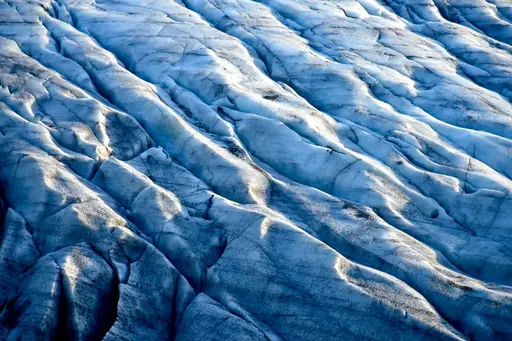
Best glacier destinations in Africa
Glaciers are very rare in Africa. The last ones are on a few high peaks near the equator, where seeing ice after days of hiking through forest can feel a bit unreal. Kilimanjaro…
Read more
Discover
Best climbing destinations in Africa
Africa is one of the most underrated continents for climbing, offering everything from striking granite peaks to sun-baked sandstone that is well worth seeking out. The range…
Read more
Discover
Volcano destinations and volcanic landscapes
Volcanic destinations offer a category of landscape experience unavailable anywhere else, with the combination of raw geological drama, active crater environments and the…
Read more
Discover
Stunning national parks and wilderness areas in Africa
Read more
Discover
Top hiking destinations and famous trails
Hiking at its best is one of the most direct ways to engage with a landscape. The pace forces a relationship with terrain, weather and distance that faster forms of travel rarely…
Read more
Discover
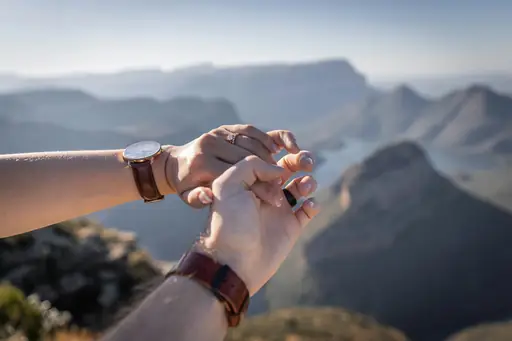
Best couple vacation destinations in Africa
For couples, Africa offers something that is getting rare in modern travel, the sense of experiencing something genuinely extraordinary together rather than ticking off sights you…
Read more
Discover
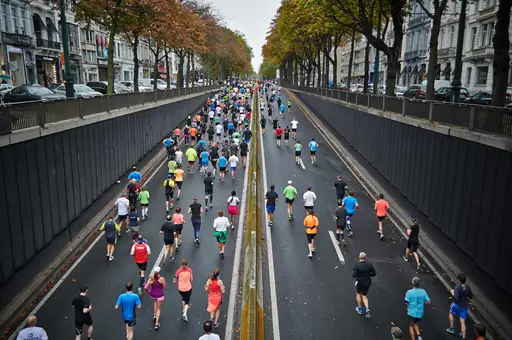
Best running destinations in Africa
One East African town, sitting at high altitude, has produced a disproportionate number of the world's best distance runners, drawing serious athletes specifically to train at…
Read more
Discover
Best couple holiday destinations
Travelling as a couple sounds simple enough, yet the best couple holiday destinations mean something different to almost every pair. What feels romantic to one couple can feel like…
Read more
Discover
Best mountain destinations in Africa
Africa's mountain landscapes are more varied than the continent's flatland reputation suggests, with the East African volcanic peaks, Atlas ranges of the north and the Drakensberg…
Read more
Discover
Top glacier destinations and polar landscapes
Glacier travel offers access to landscapes of extraordinary scale and geological significance, with the world's most significant ice fields, tidewater glaciers and high-altitude…
Read more
Discover
Top running destinations and marathon routes
The world's best running destinations combine a genuinely good route with the kind of organisation, including closed roads, crowd support and logistics, that turns a long run into…
Read more
Discover
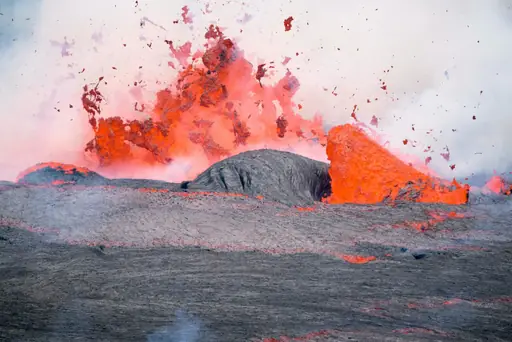
Best volcano destinations in Africa
The East African Rift runs through some of the continent's most active volcanic terrain, producing rare features like naturally flowing lava lakes found in only a handful of places…
Read more
Was this page helpful?
Feedback