
Top lake destinations and scenic waters
Top lake destinations and scenic waters
Scenic lakes and waterfront holiday spots
Lake destinations offer a distinct category of landscape experience shaped by the particular qualities of still or slow-moving water, reflective surfaces and the contained geography that defines life around a lake shore. The most compelling lake destinations combine natural beauty with enough cultural and activity infrastructure to sustain extended stays, with water-based recreation, lakeside settlements and mountain or forest surroundings typically forming the core of the offer.
Lakes vary enormously in character depending on altitude, geology and surrounding landscape, from the vast inland seas of the great lake systems and the high-altitude crater lakes of volcanic regions to the glacially carved finger lakes of mountain zones and the shallow reed-fringed lakes of lowland plains. Each type produces a distinct atmosphere and activity offer, with sailing, kayaking, swimming and fishing infrastructure varying considerably by destination.
Seasonal conditions affect lake destinations considerably, with water levels, temperatures and surrounding landscapes changing significantly across the year. Summer brings the highest visitor numbers to the most popular destinations and accommodation books out well in advance during peak season. Shoulder season visits in spring and autumn deliver better conditions at most lake destinations, with lower costs, quieter shores and the particular quality of light that comes with transitional seasons in lakeside landscapes.
Lists by region
National Park in United States
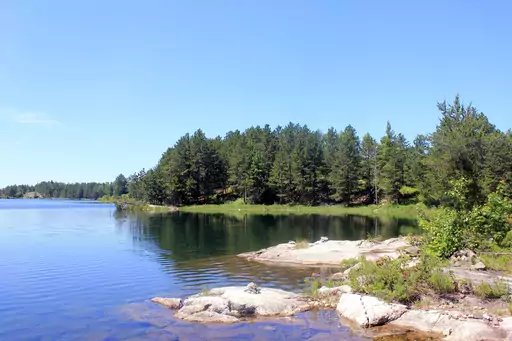
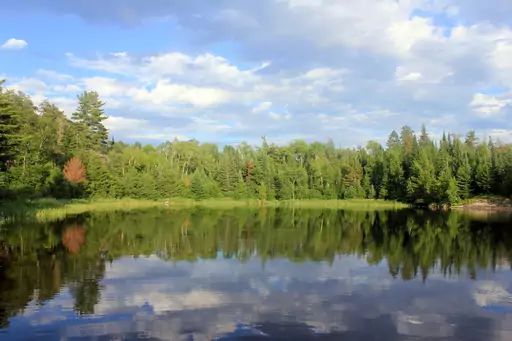
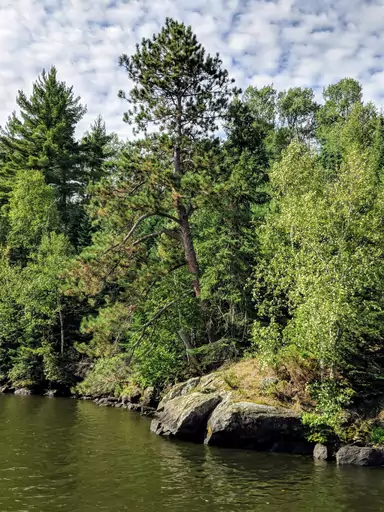
Voyageurs National Park
Watery wilderness of northern Minnesota
Water covers about a third of this park, linking lakes once paddled by fur trading canoes. Visitors can only reach most of the park by boat, floatplane or canoe. Houseboats drift across Rainy Lake and Kabetogama Lake for multi-day trips. Clear night skies here have earned the park recognition for its dark, star filled views.
Lake in Canada
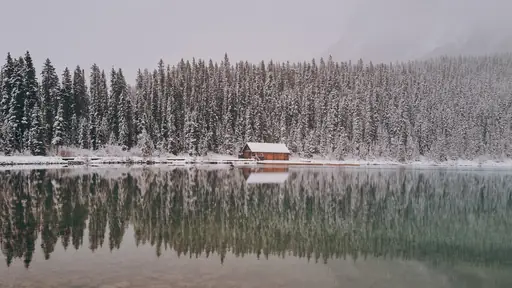
Lake Louise
Turquoise Gem of the Canadian Rockies
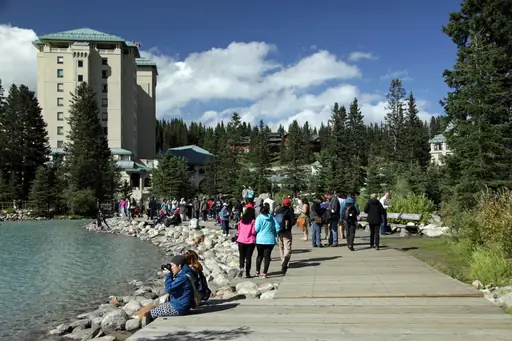
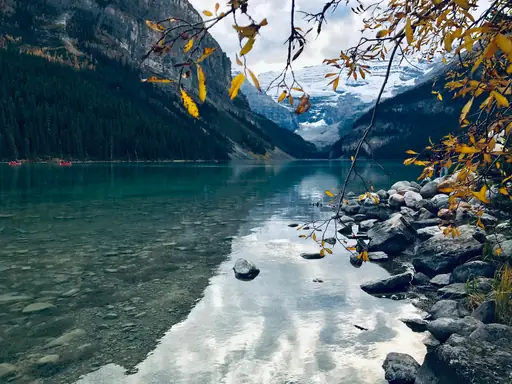
Glacial silt gives Lake Louise its striking turquoise colour each summer. A historic chateau built beside the water has hosted travellers since the 1890s. Visitors can canoe across the lake with a glacier visible at the far end. Nearby trails climb towards teahouses reachable only on foot.
Village in Austria
Hallstatt
A Fairytale Village by the Lake
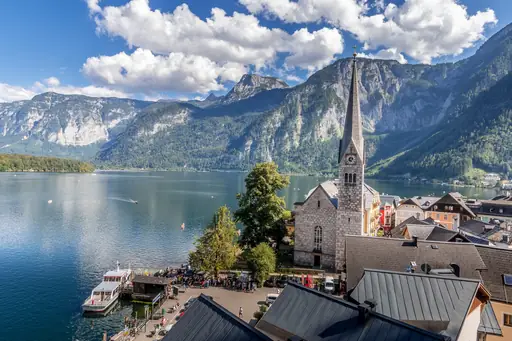
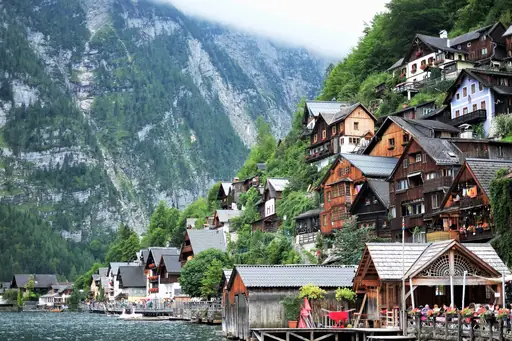
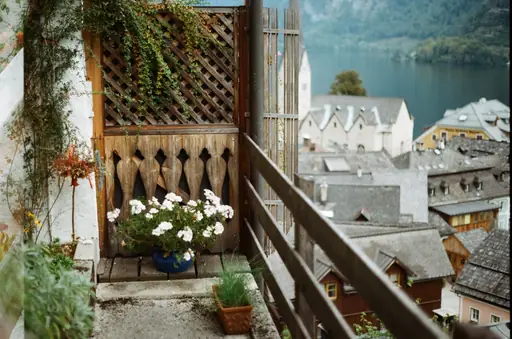
Hallstatt's lakefront houses appear to rise straight out of the water below steep cliffs. Salt mining shaped the town for thousands of years, giving a prehistoric culture its name. Visitors can cruise the lake or tour the salt mines in the mountains above. Nearby Alpine peaks frame the lake on nearly every side.
Town in France
Annecy
Fairytale town by a crystal lake
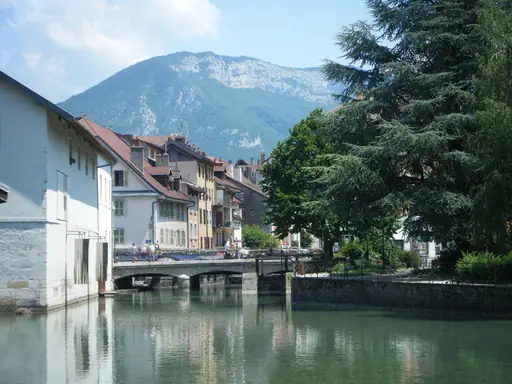
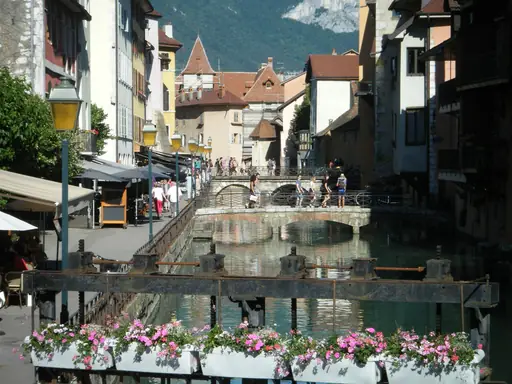
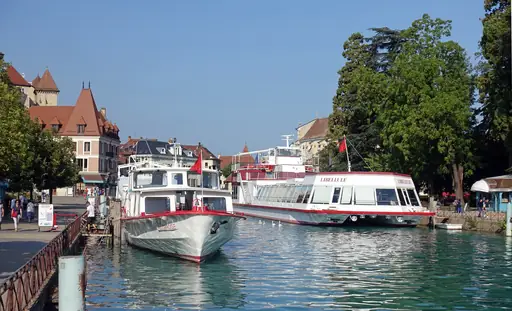
Lake Annecy's clear water has earned it a reputation as one of Europe's cleanest lakes. Strict environmental protections have kept the lake pristine since the 1960s. Visitors can swim, kayak or cycle a path circling much of the shoreline. Nearby mountains frame the lake with dramatic alpine scenery.
National Park in Croatia
Plitvice Lakes National Park
Cascading Waterfalls and Turquoise Lakes
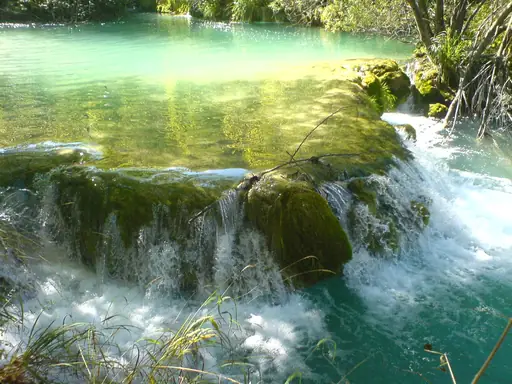
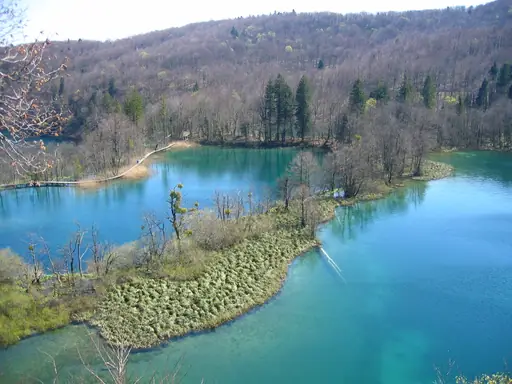
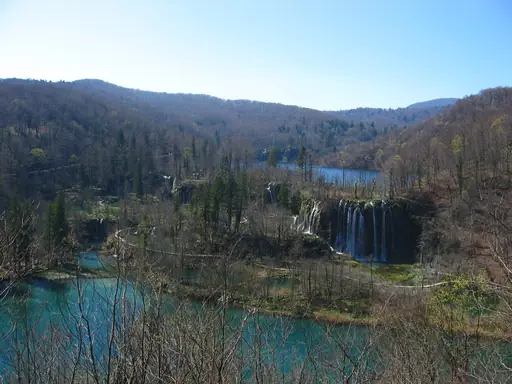
Sixteen terraced lakes step down through this park, linked by waterfalls and wooden footbridges. Dissolved minerals build up over years, forming the natural travertine dams between each pool. Visitors can walk boardwalks that cross right over the shallow, impossibly clear water. Boats also ferry guests across the two largest lakes to save on hiking time.
City in Switzerland
Lucerne
Alpine Beauty Meets Medieval Charm
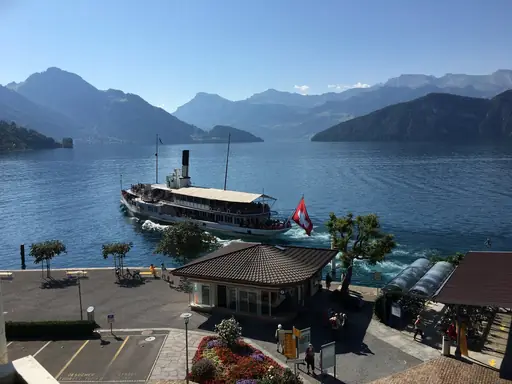
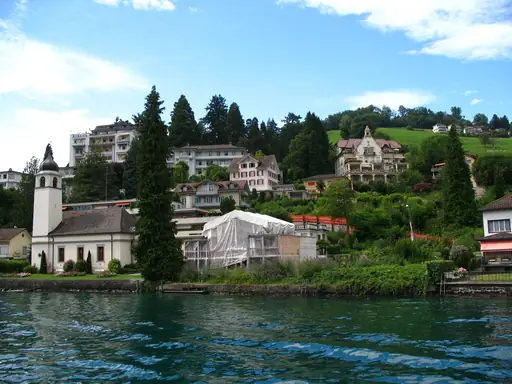
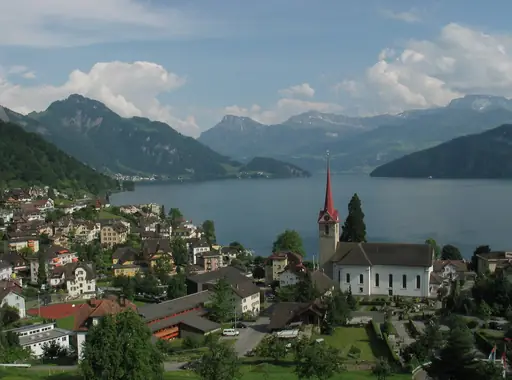
Lake Lucerne winds between mountains in a shape shaped like a cross. A wooden covered bridge dating to the 1300s spans a river feeding into the lake. Visitors can cruise the lake on a historic paddle steamer. Nearby Mount Pilatus offers views over the lake from a steep cable car ride.
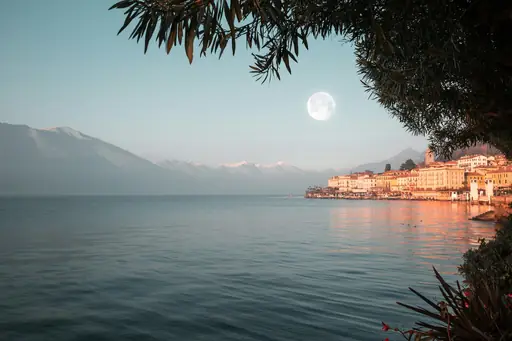
Town in Italy
Bellagio
Pearl of Lake Como’s Shores
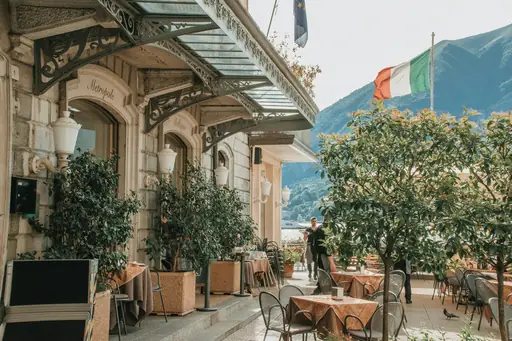
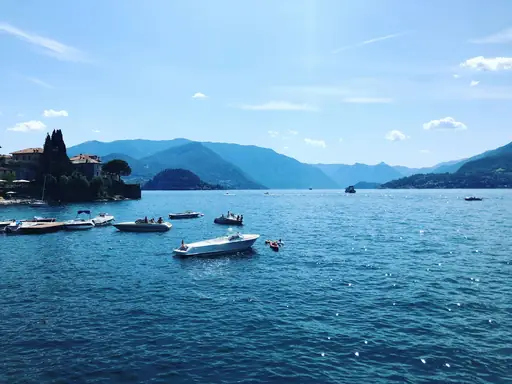
Bellagio sits at the point where Lake Como splits into two southern branches. Villas built by wealthy families line the town's lakefront promenade. Visitors can stroll gardens overlooking the water or take a ferry to nearby towns. Nearby hillsides offer views over the lake's full Y-shaped outline.

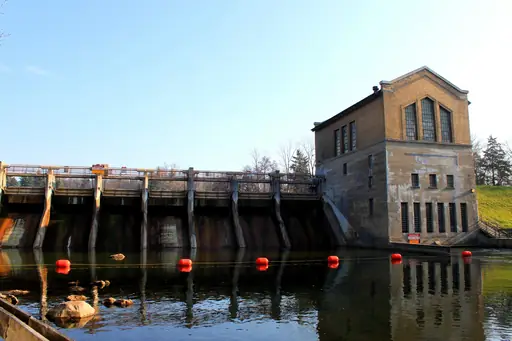
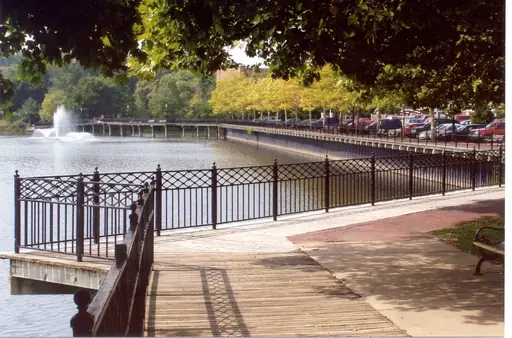
State/Prefecture in United States
Michigan
Great Lakes State of Wonder
State wildlife officials count more than 11,000 inland lakes across the two peninsulas. Torch Lake draws attention for water so clear it looks almost tropical. Visitors spend summers moving between small lake towns, boating from one to the next. Four of the five Great Lakes also touch the state, adding more miles of coast.
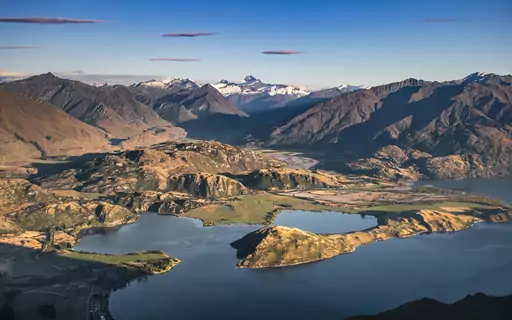
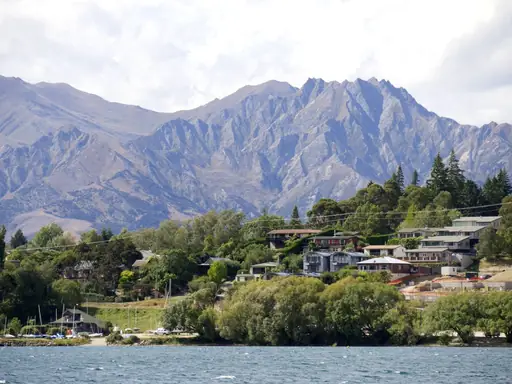
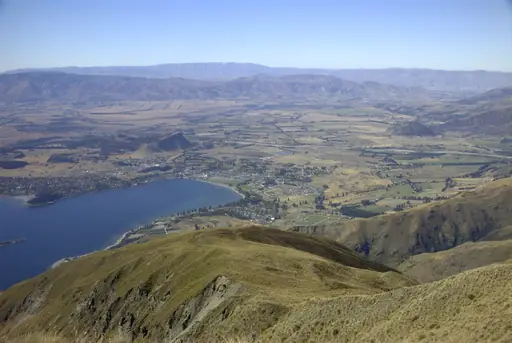
Town in New Zealand
Wanaka
Alpine Adventure, Lakeside Serenity
A lone willow grows out of Lake Wanaka's shallows, known as That Wanaka Tree. Photographers line the shore at dawn, waiting for still water and soft light. Visitors can walk or cycle the lakefront track past the tree towards town. Kayaks and paddleboards are easy to rent along the same stretch of shore.
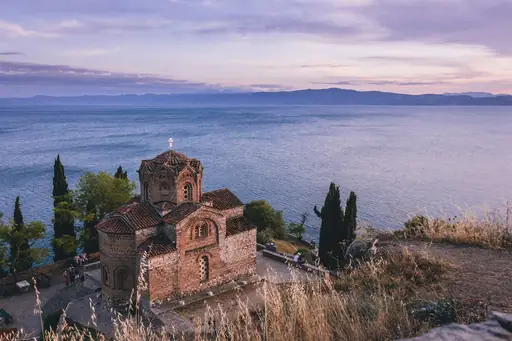
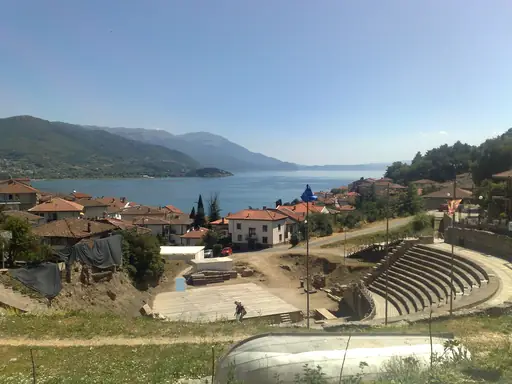
Town in North Macedonia
Ohrid
Ancient Lakeside Bliss and History
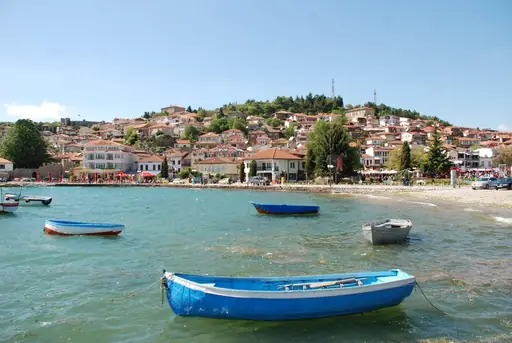
Sediment cores show this lake has existed continuously for about 1.36 million years. That makes it one of the oldest lakes anywhere in Europe. Divers and swimmers share the water with more than 200 species found nowhere else. The old town above the shore adds Byzantine churches perched along cobbled lanes.
City in Germany
Constance
Lakeside Charm Meets Medieval History
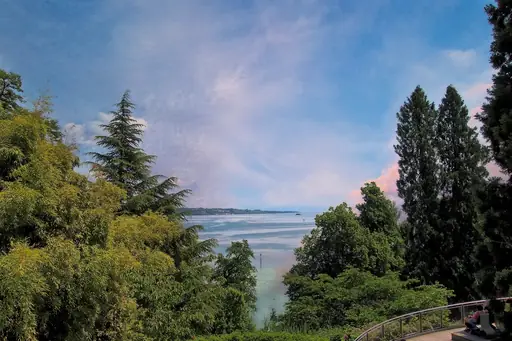
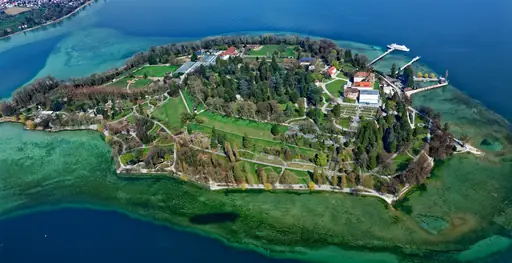
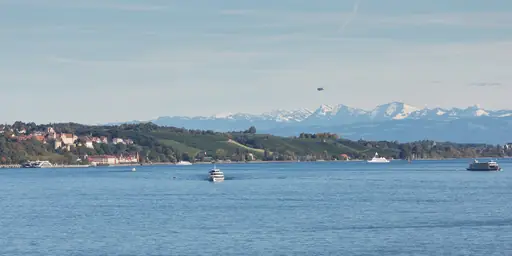
Lake Constance borders Germany, Switzerland and Austria along its shifting shoreline. Roman settlements once ringed the lake, later replaced by medieval towns and monasteries. Visitors can cruise between countries or cycle a path circling the entire lake. Nearby vineyards produce wine using grapes grown along the sunny shore.
Region in United States
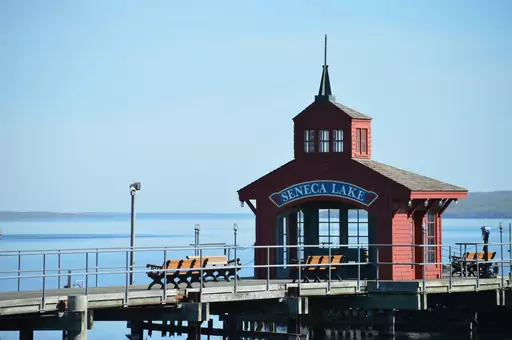
Finger Lakes
Waterfalls, wine and pristine lakes
Eleven narrow lakes carved by glaciers give the Finger Lakes region its name. Vineyards now line many of the slopes above the deep, cold water. Visitors can taste Rieslings at wineries perched over the lakeshores. Nearby waterfalls drop through gorges cut into the surrounding hillsides.
State/Prefecture in United States
Minnesota
Land of 10,000 Lakes and Vibrant Cities
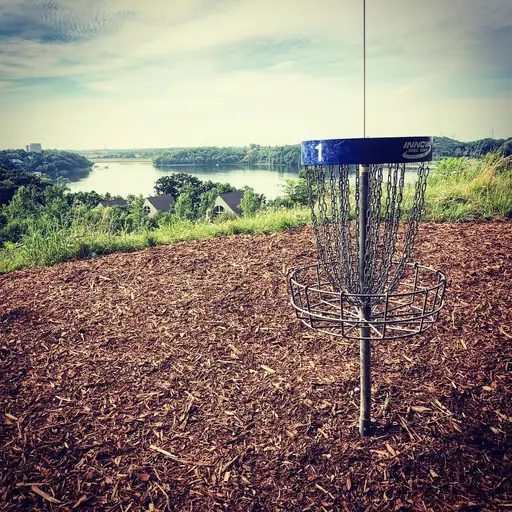
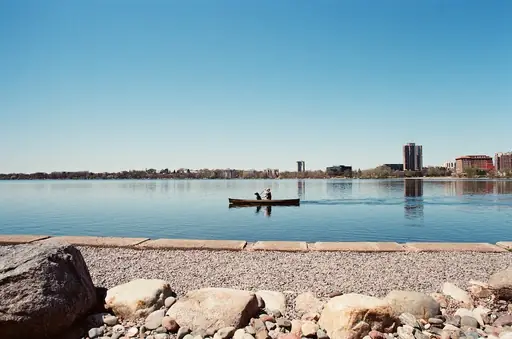
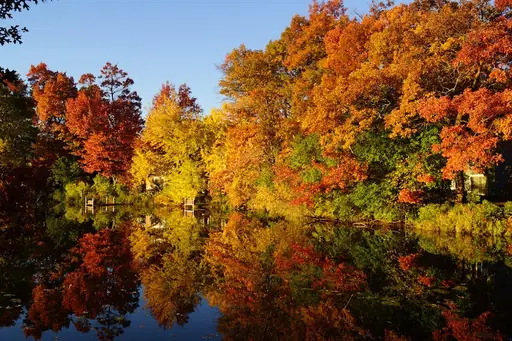
Official surveys count 11,842 lakes of ten acres or larger within state lines. The nickname Land of 10,000 Lakes actually understates the true number by a wide margin. Paddlers can cross entire chains of connected lakes without ever touching a road. Winter turns many of them into groomed trails for ice fishing and skating.
City in Argentina
San Carlos de Bariloche
Argentina’s Alpine Wonderland
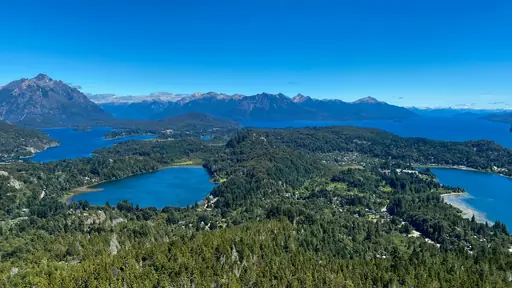
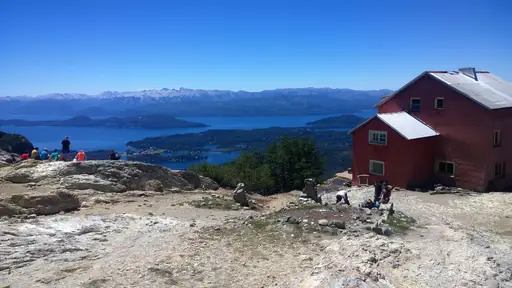
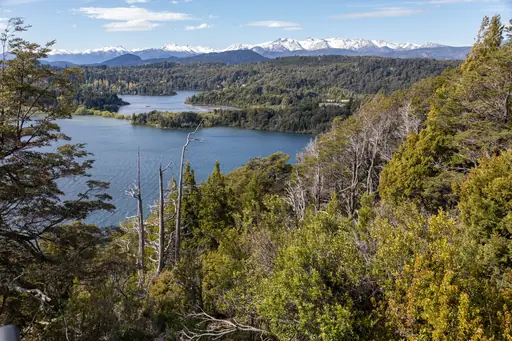
Lake Nahuel Huapi stretches for miles beneath the Andes, its water a glacial blue. Chocolate shops line downtown, a tradition brought by Swiss and German settlers. Visitors can cruise to Victoria Island or the Arrayanes forest across the water. Skiers use it as a base in winter, with the lake visible from the slopes.

Town in New Zealand
Taupō
Volcanic Lake, Adventure and Hot Springs
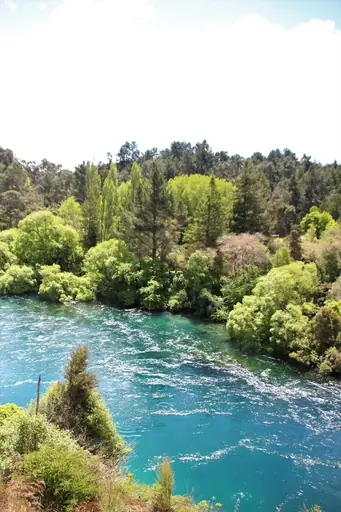
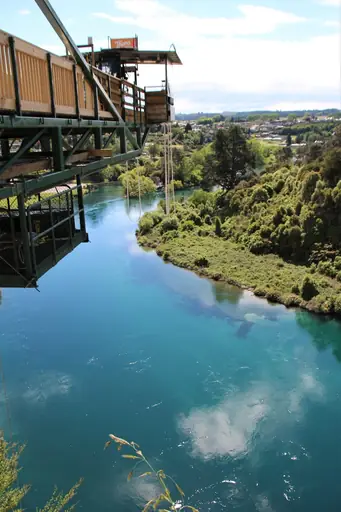
Lake Taupo fills the crater left by a supervolcano eruption around 1,800 years ago. It is now the largest lake in New Zealand by surface area. Visitors can swim near hot springs that seep straight into the cooler lake water. Trout fishing draws anglers to the rivers that feed into the lake each season.
City in New Zealand
Rotorua
Geothermal Wonders and Māori Culture
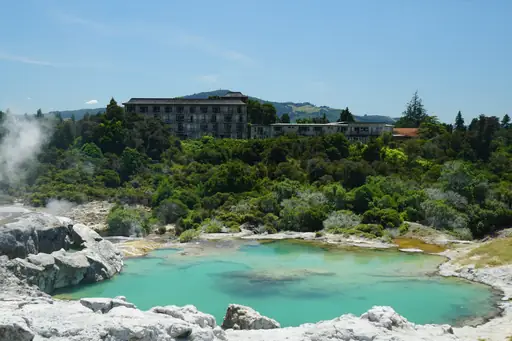
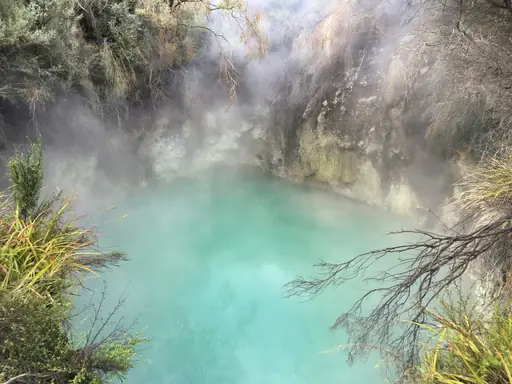
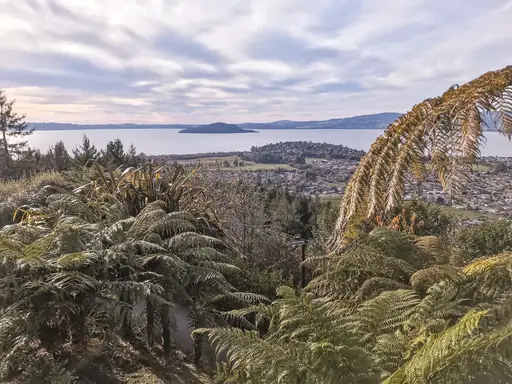
Geothermal vents bubble beneath several of the lakes scattered around this volcanic region. Lake Rotorua itself carries a faint sulphur smell from the mud pools nearby. Visitors can soak in naturally heated pools before paddling out onto the cooler open water. Māori cultural sites along the shore explain the deep local ties to these lakes.
State/Prefecture in United States
Idaho
Outdoor Paradise with Scenic Beauty
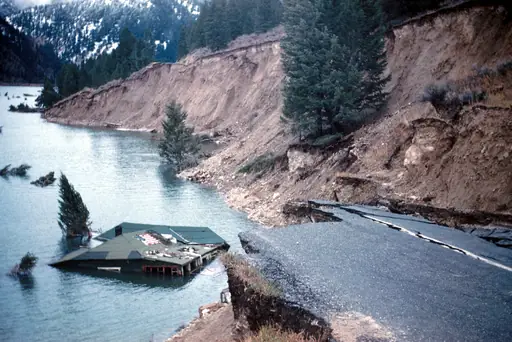
Redfish Lake sits beneath the jagged Sawtooth Mountains in central Idaho. Sockeye salmon once migrated here from the Pacific before dams altered their route. Visitors can swim, kayak or camp along the lake's forested shoreline. Nearby peaks offer hiking trails with views back over the water.
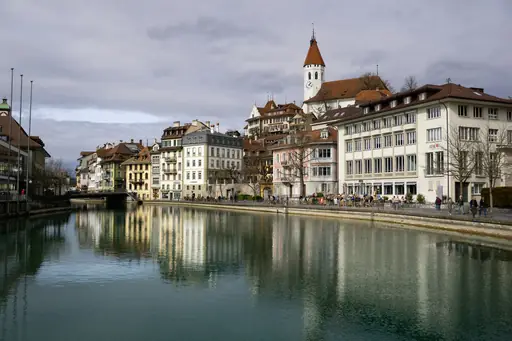

City in Switzerland
Thun
Medieval Charm Meets Alpine Beauty
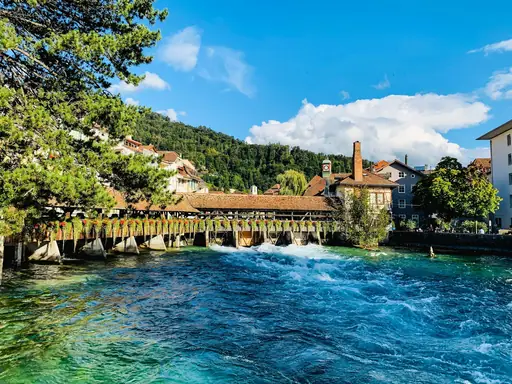
Lake Thun sits below the Bernese Alps, with the Eiger visible on clear days. Paddle steamers built more than a century ago still cross the water on regular routes. Visitors can stop at Oberhofen Castle, which juts out on its own point of land. Vineyards climb the northern shore near the town of Spiez.
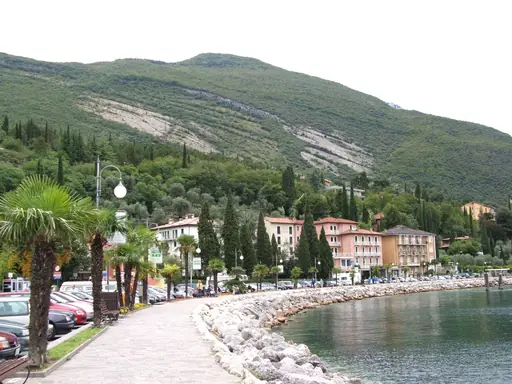
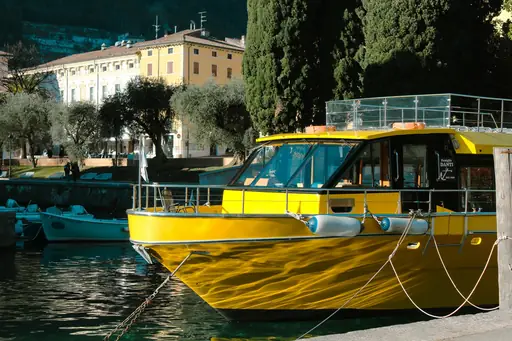
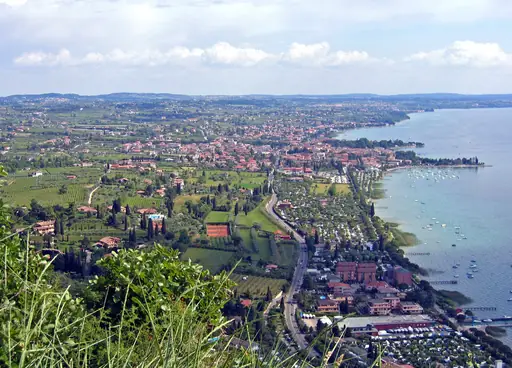
Town in Italy
Garda
Lakeside Strolls and Italian Sunshine
Lake Garda, Italy's largest lake by area, takes its name from this small town. Lemon groves once lined the shore, giving it the old name Riviera dei Limoni. Visitors can wander the old town's lanes before a swim off the public beach. A short walk leads to Rocca hill for a view over the water.
Region in United Kingdom
Scotland
Mystic Highlands and Historic Castles
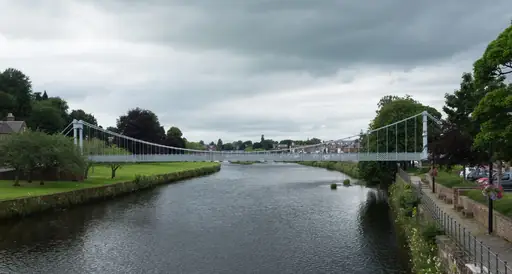
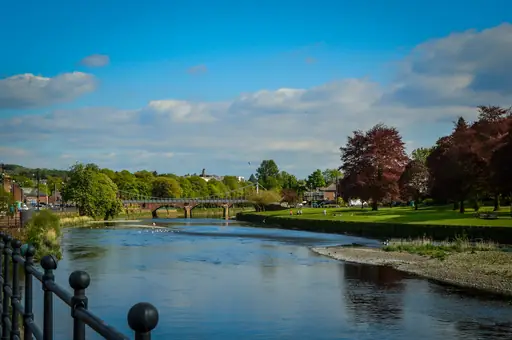
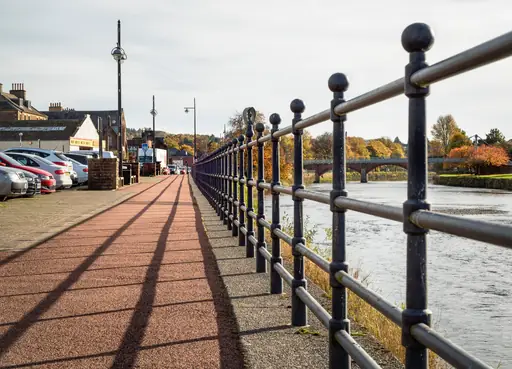
Hundreds of lochs fill glens carved by ancient glaciers across the country. Loch Ness alone holds more water than every lake in England and Wales combined. Visitors can cruise its dark surface, watching sonar screens for unexplained shapes below. Smaller lochs in the west offer quieter shorelines for fishing or a paddle.
Island in United States
Mackinac Island
Historic charm meets pristine lakeside serenity
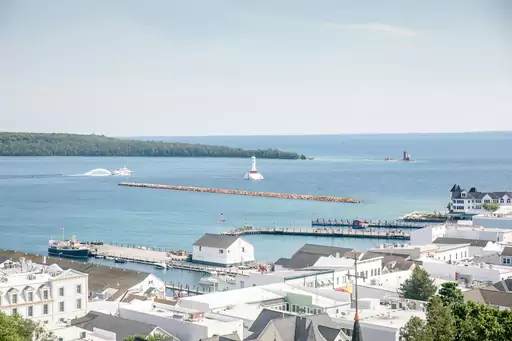
Mackinac Island bans motor vehicles, leaving bicycles and horse-drawn carriages as the main transport. A historic fort built by the British in the 1780s overlooks the harbour. Visitors can bike the island's perimeter road or tour the old fort. Nearby ferries connect the island to Michigan's mainland shoreline.
Park in Canada
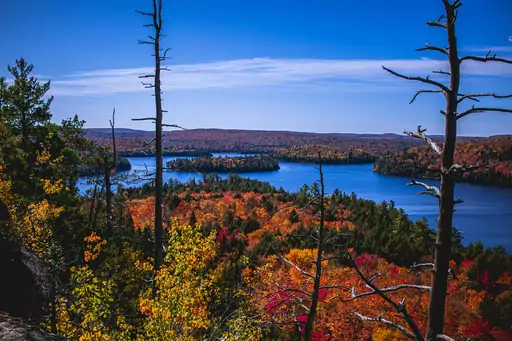
Algonquin Provincial Park
Lakes, forests and wildlife in serene wilderness
Algonquin's interior holds over two thousand lakes connected by portage routes. Canoeists have paddled these same interconnected waterways for generations. Visitors can canoe for days without crossing a road within the park. Nearby forests fill with the calls of loons across the water each evening.
Nature Reserve in United States
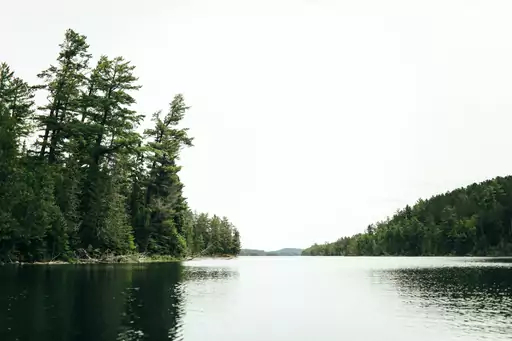
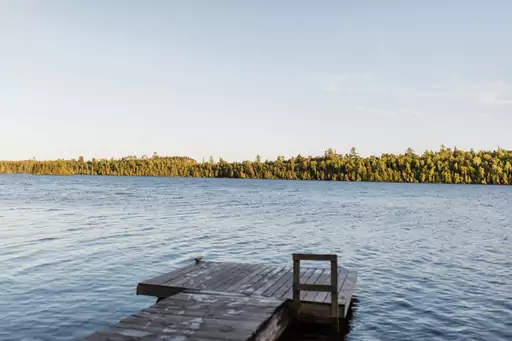
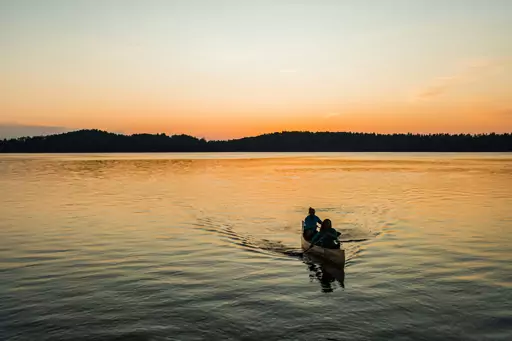
Boundary Waters Canoe Area Wilderness
Pristine lakes, untouched wilderness paradise
Over a thousand lakes link together across the Boundary Waters' canoe routes. Paddlers portage between them along trails first used by Ojibwe traders. Visitors can canoe for days without crossing a single road. Nearby forests stay quiet enough at night to hear wolves howling in the distance.
Village in France
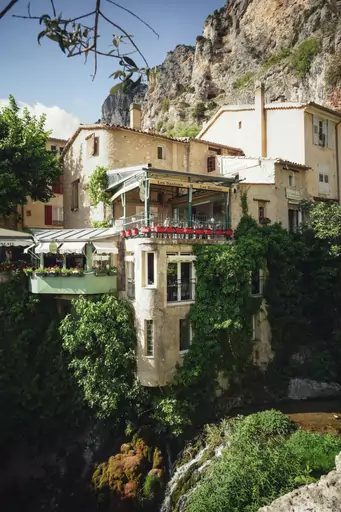
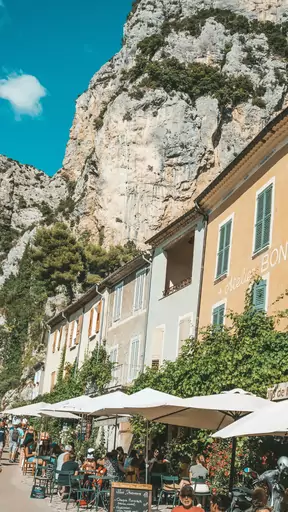
Moustiers Sainte Marie
Gateway to the Verdon Gorge
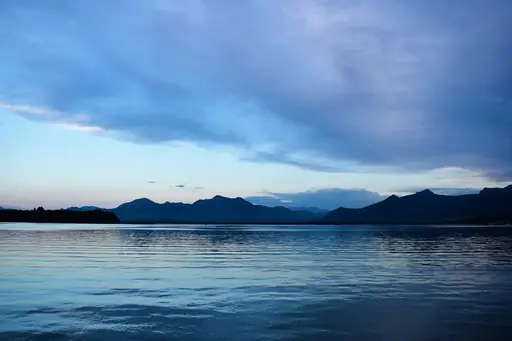
A short drive away, Lac de Sainte-Croix spreads out in a startling shade of turquoise. The colour comes from fine limestone particles suspended in the glacial meltwater. Kayakers can paddle from the lake into the narrow Verdon Gorge upstream. Cliffside villages ring the shore, their reflections doubling in the still water.
Region in Germany
Bavaria
Alpine beauty meets medieval charm
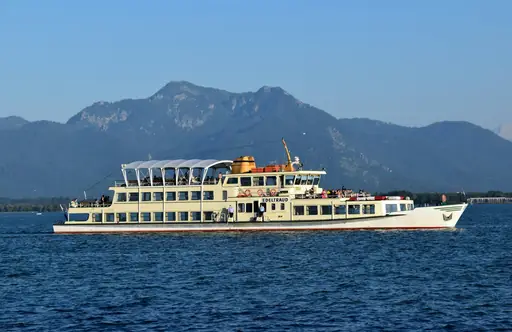
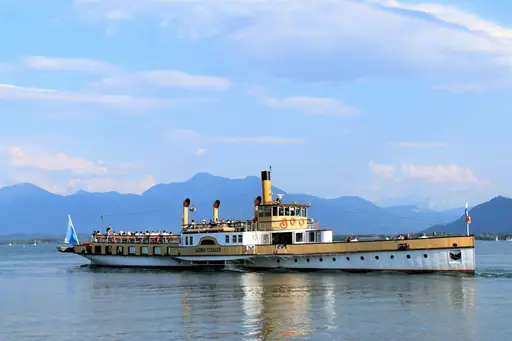
Bavaria's alpine lakes reflect surrounding peaks in clear, glacially fed water. Lake Konigssee ranks among the most photographed, framed by steep cliffs and pine forest. Visitors can cruise the lake by electric boat, since noise disturbs its famous echo. Nearby castles built by Bavarian kings overlook several of the region's lakes.
Region in Austria
Salzkammergut
Alpine lakes meet imperial heritage
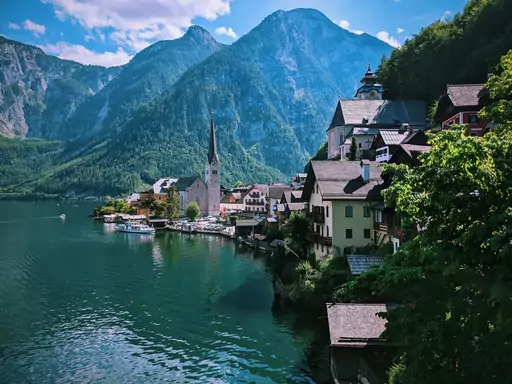
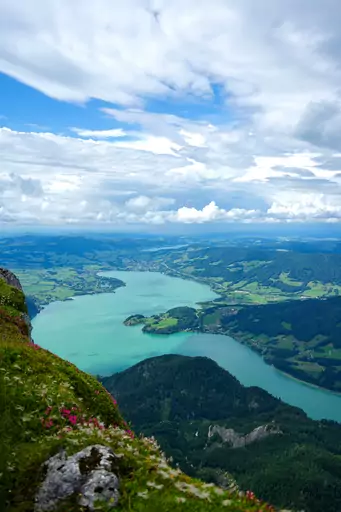
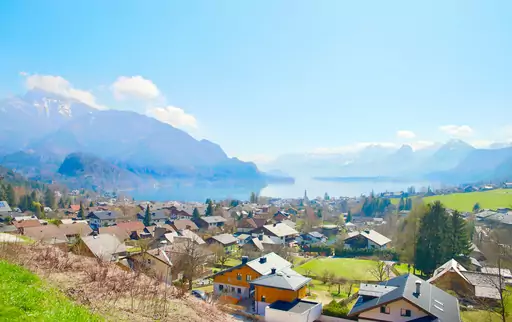
Hallstatt sits on the edge of its namesake lake, wedged between mountains and deep water. Salt has been mined in the hills above since the Bronze Age. Visitors can ride a funicular up for a view of lake and rooftops below. Boats also cross to the far shore, where a quieter path skirts the water.
Town in Switzerland
Interlaken
Adventure, Lakes and Alpine Magic
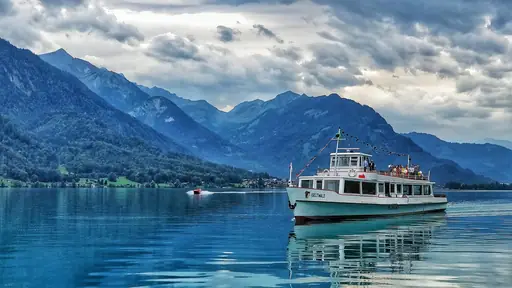
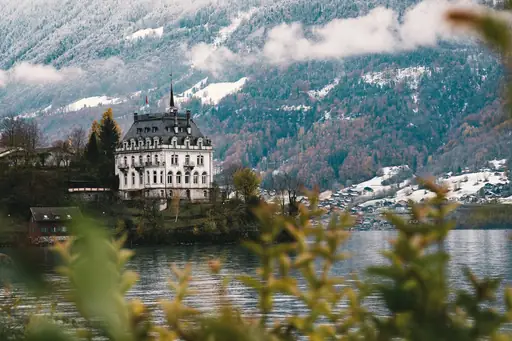
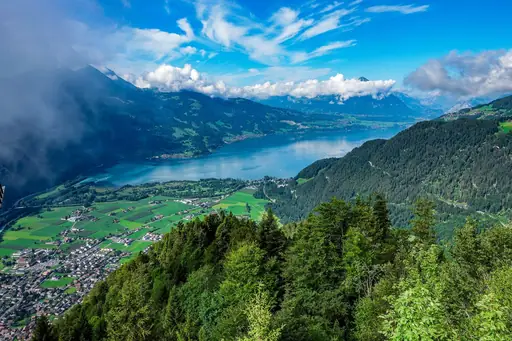
Interlaken sits between two lakes, its name translating directly to between lakes. Turquoise water on both sides reflects the surrounding Swiss Alps. Visitors can cruise either lake or paraglide above the valley between them. Nearby peaks including the Jungfrau tower over the twin lakes on either side.
Town in Italy
Sirmione
Castles, Spas and Lake Garda Views
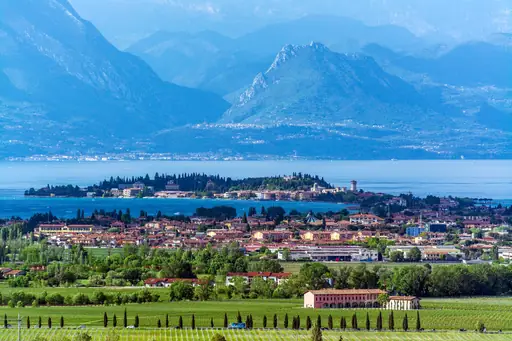
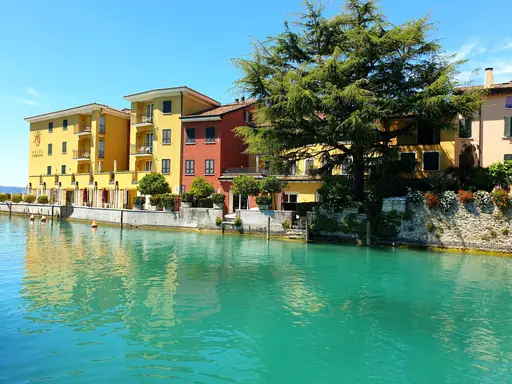
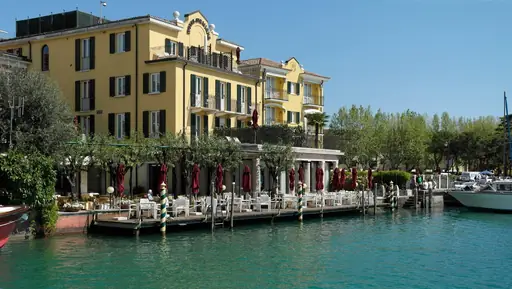
This narrow peninsula juts into Lake Garda, ringed by water on three sides. Roman ruins called the Grotte di Catullo sit at the tip, overlooking the lake. Visitors can soak in thermal springs that rise from beneath the lakebed. A medieval castle with a moat connected to the lake guards the entrance.
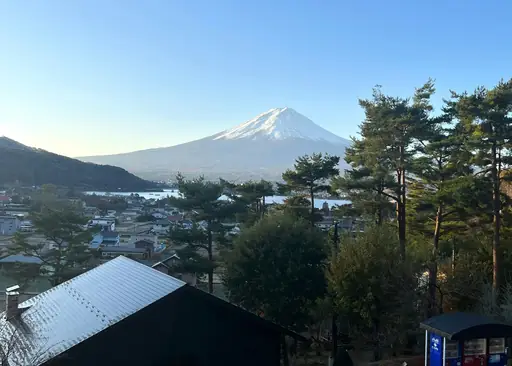
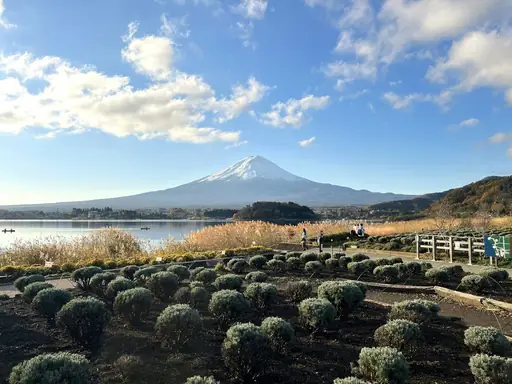
Town in Japan
Fujikawaguchiko
Lake town with Mount Fuji views and onsen
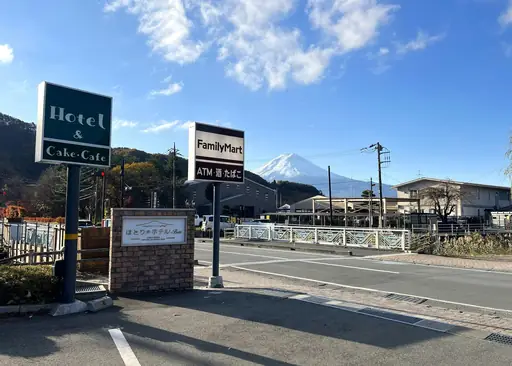
Lake Kawaguchi offers one of the clearest reflections of Mount Fuji among its five lakes. Calm mornings in autumn or winter produce the sharpest mirror image. Visitors can ride a cable car up Mount Kachi Kachi for a view of both. Cherry blossoms line parts of the shore each spring, framing the mountain.
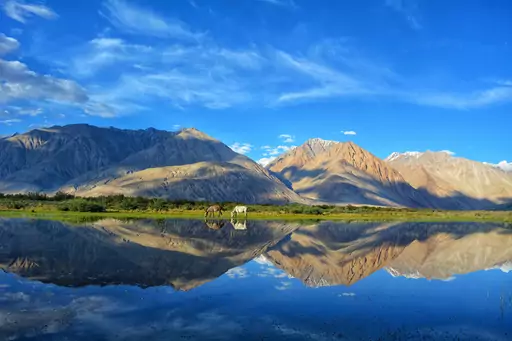
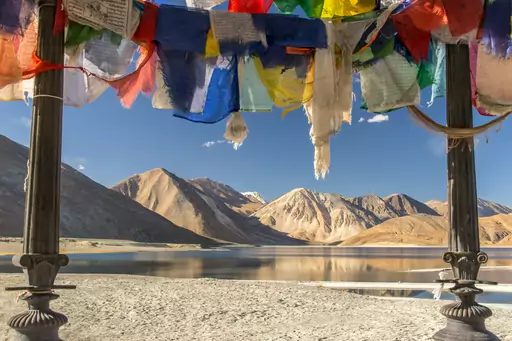
Region in India
Ladakh
Himalayan Cold Desert of Contrasts
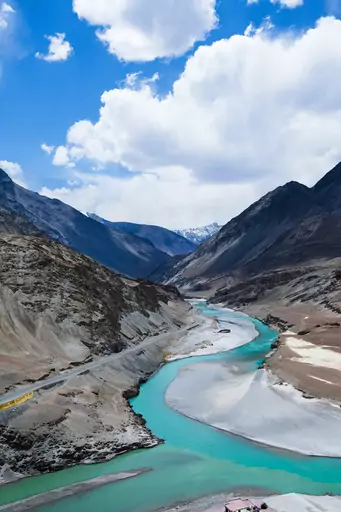
Ladakh's high-altitude lakes turn a deep blue against a backdrop of barren mountains. Pangong Lake shifts colour through the day as light changes across its surface. Visitors can drive along the lake's shore taking in the shifting hues. Nearby passes rank among the highest motorable roads on Earth.
Town in Canada
Banff
Rocky Mountain Majesty, Endless Adventure
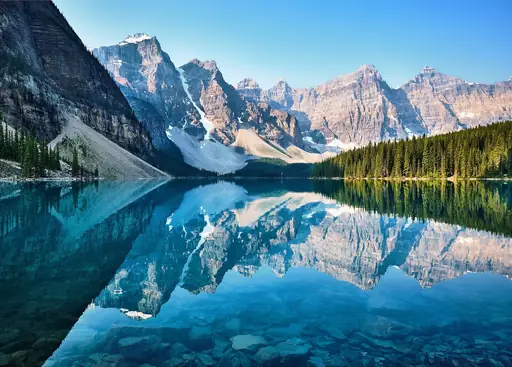
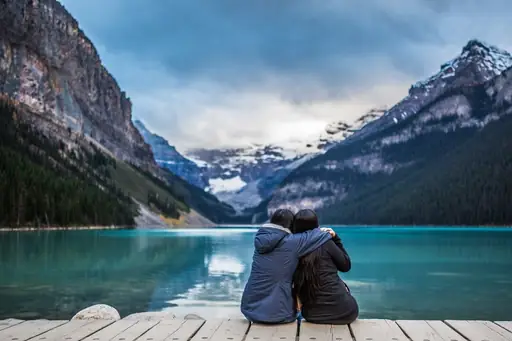
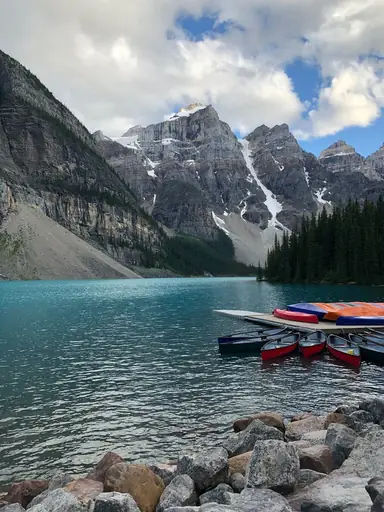
Lake Louise turns a striking turquoise from glacial silt each summer near Banff. A historic chateau built beside the water has hosted travellers since the 1890s. Visitors can canoe across the lake with a glacier visible at the far end. Nearby trails climb towards teahouses reachable only on foot.
Town in Italy
Peschiera del Garda
Fortified Canals Meet Lake Magic
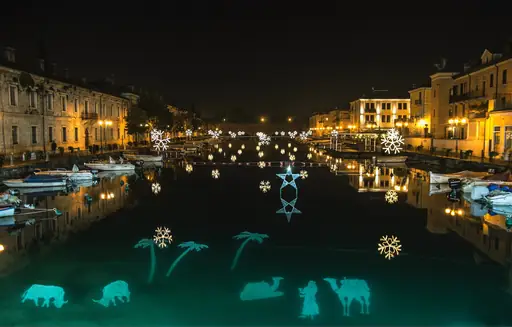
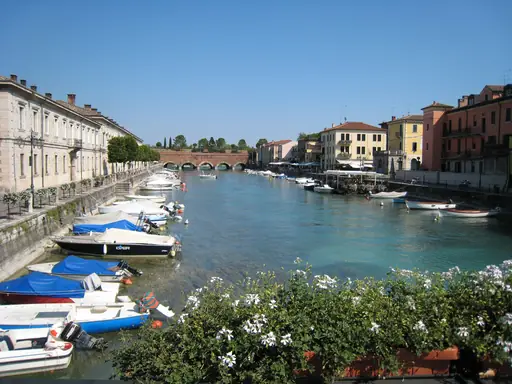
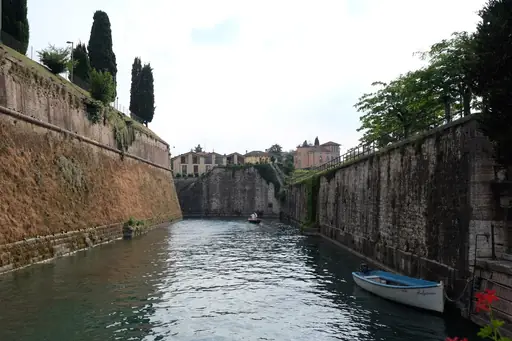
Venetian walls still ring this fortress town where the lake drains into the Mincio River. The star shaped defences were built in the 1500s to guard the republic's edge. Visitors can walk the ramparts or cycle the path along the old moat. Boats depart from the harbour for short hops along the southern shore.
Region in Italy
Veneto
Venice, Mountains and Renaissance Splendor
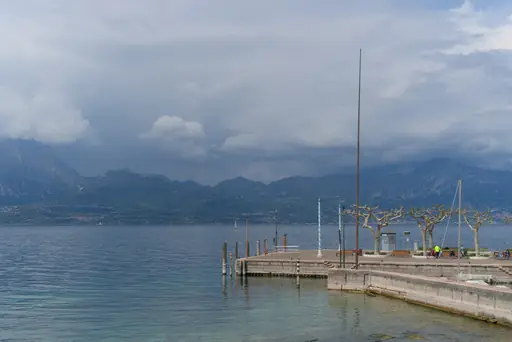
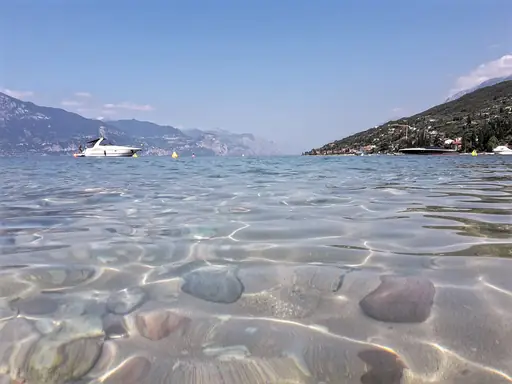
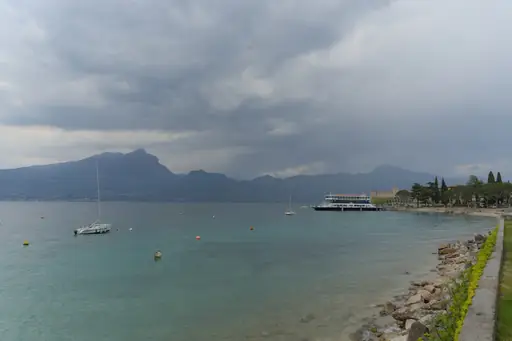
Lake Garda's eastern shore runs through this region, backed by vineyards and fishing towns. Ferries connect the shoreline towns, cutting travel time versus the winding lake road. Visitors can stop in Lazise to see its Scaliger castle guarding the old harbour. Olive groves reach down to the water in several spots near Bardolino.
City in Switzerland
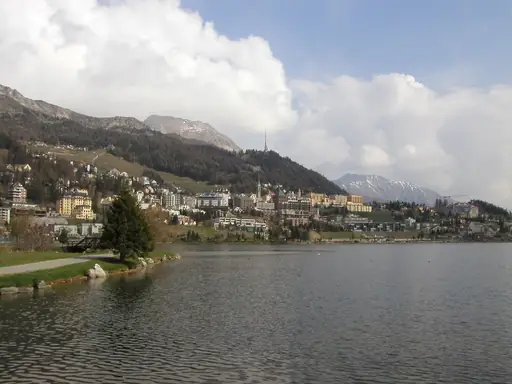
St. Moritz
Alpine Glamour and Winter Magic
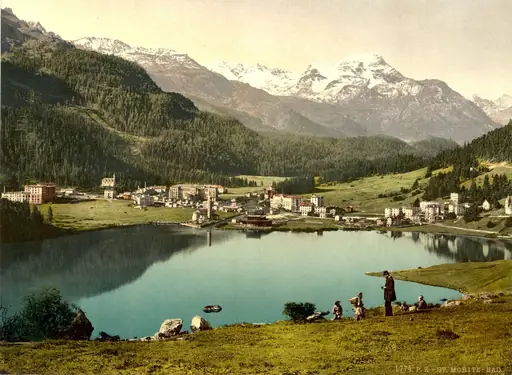
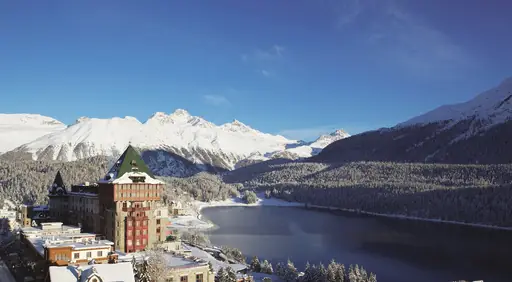
Lake St. Moritz freezes solid enough each winter to host horse races on the ice. The event, known as White Turf, draws crowds for polo and skijoring on the ice. Visitors can walk out onto marked ice paths when conditions allow. In summer the same lake fills with sailboats and swimmers instead.
City in Nepal
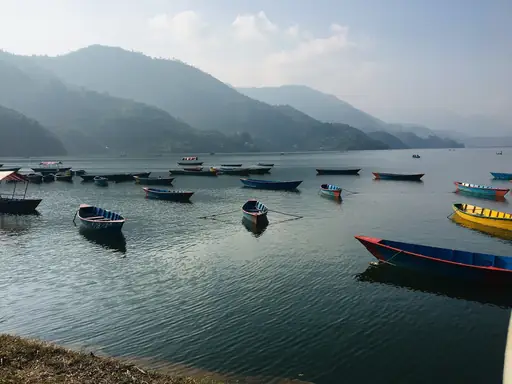
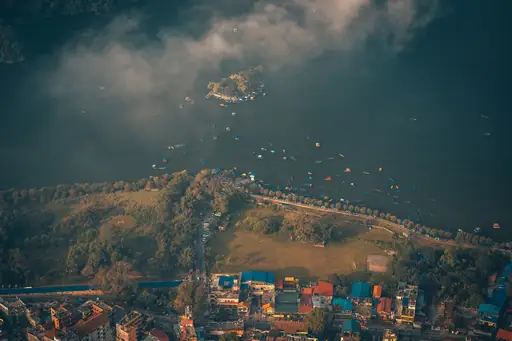
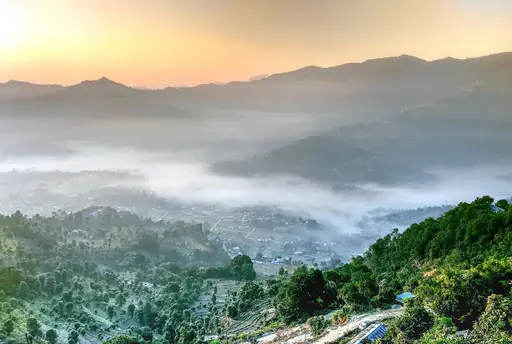
Pokhara
Lakeside Calm, Himalayan Adventure Gateway
Phewa Lake mirrors the Annapurna range on calm mornings, including the peak of Machapuchare. Rowers can hire a boat and cross to the Tal Barahi temple on an island. Paragliders launch from the hills above and land on the lakeshore. Cafes along the eastern shore fill up at sunset as the peaks turn pink.

Country
Ethiopia
Ancient cultures meet diverse landscapes
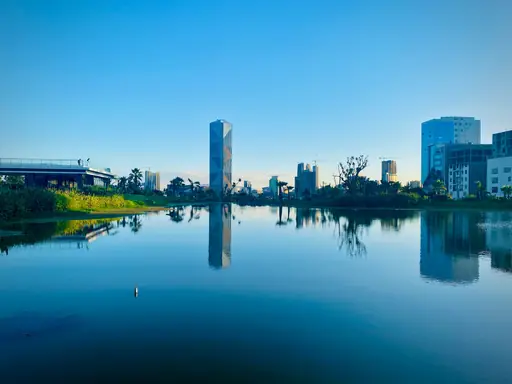
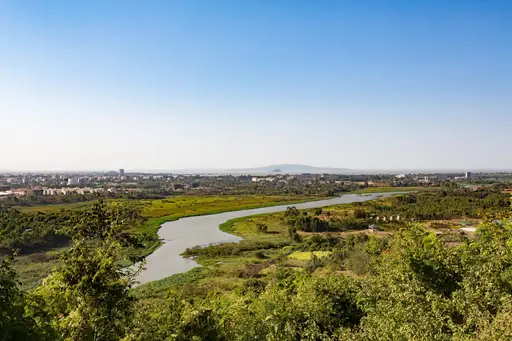
Lake Tana serves as the source of the Blue Nile within Ethiopia's highlands. Monasteries built on islands within the lake date back several centuries. Visitors can take a boat to visit island monasteries holding old religious art. Nearby waterfalls mark the point where the Blue Nile leaves the lake.
Region in Finland
Lapland
Northern lights and midnight sun
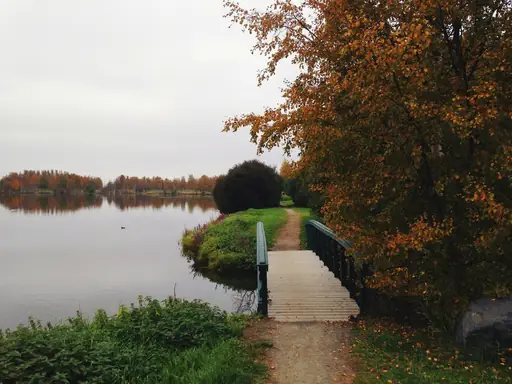
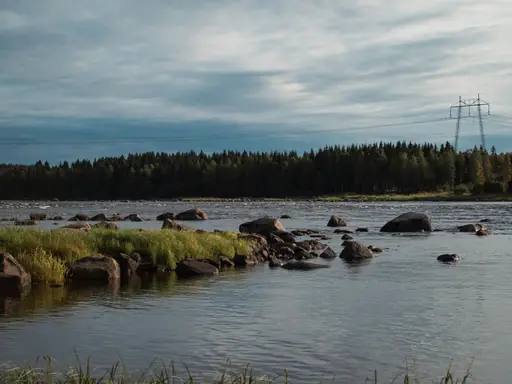
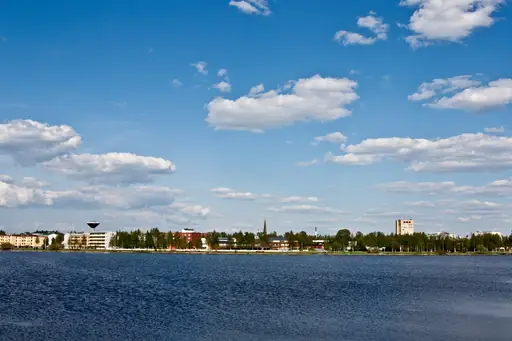
Thousands of lakes dot Finnish Lapland, many frozen solid through the long winter. Reindeer herders have crossed these same lakes on foot and sled for generations. Visitors can fish in summer or drive across frozen lakes in winter. Nearby forests offer some of the clearest views of the northern lights.
Lake in Italy
Lake Garda
Italy's largest lake of wonders
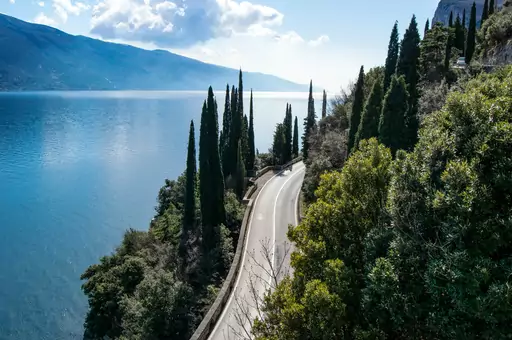
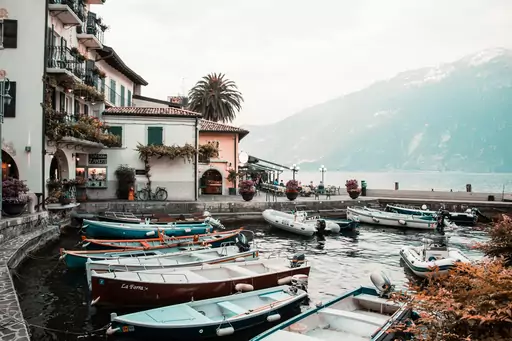
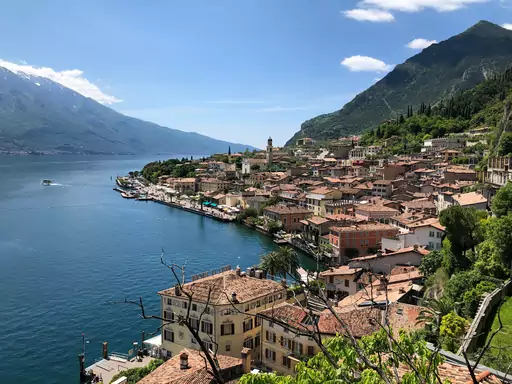
Lake Garda ranks as Italy's largest lake, ringed by mountains and lemon groves. Roman poets wrote about the lake's beauty over two thousand years ago. Visitors can sail its waters or explore castles along the shoreline. Nearby cliffs draw climbers and hikers to trails above the water.
Country
Tanzania
Wild safaris meet tropical beaches
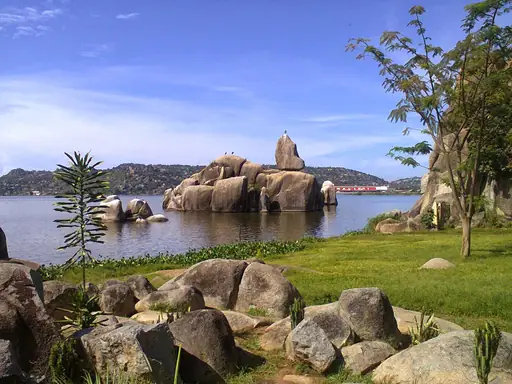
Lake Tanganyika drops to depths of nearly a mile, among the deepest lakes on the planet. Its clear water holds hundreds of colourful cichlid species found only within its shores. Snorkellers near Kigoma can drift above rocky reefs without needing scuba gear. Sunset over the lake often draws fishermen out in narrow wooden canoes.
Lake in New Zealand
Lake Tekapo
The Glacial Gem of the South Island
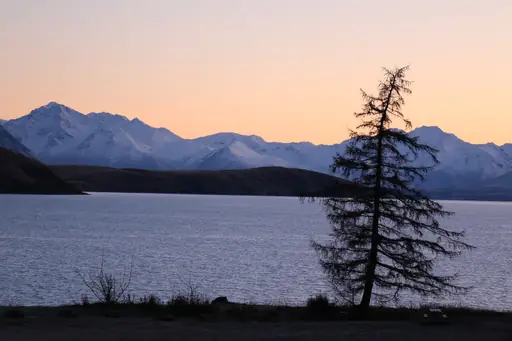
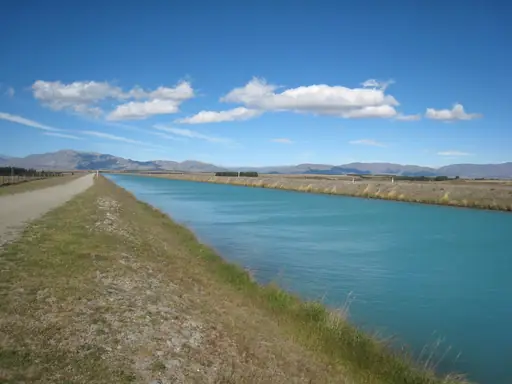
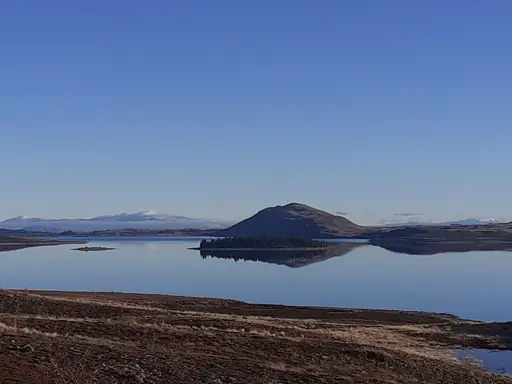
Lake Tekapo sits within one of the largest official dark sky reserves on Earth. Strict lighting rules around the town keep the night sky free of light pollution. Visitors can stargaze from the lakeshore or join a tour at a nearby observatory. Nearby lupins bloom in bright colours along the water's edge each summer.
National Park in Argentina
Los Glaciares National Park
Where glaciers meet towering peaks
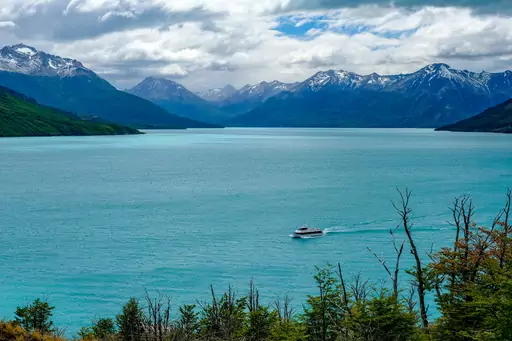
Glacial lakes within Los Glaciares reflect some of Patagonia's most dramatic peaks. Perito Moreno Glacier calves directly into one of the park's largest lakes. Visitors can view calving ice from walkways positioned just across the water. Nearby Mount Fitz Roy rises above another of the park's scenic lakes.

District in Switzerland
Lavaux-Oron
UNESCO terraced vineyards above Lake Geneva
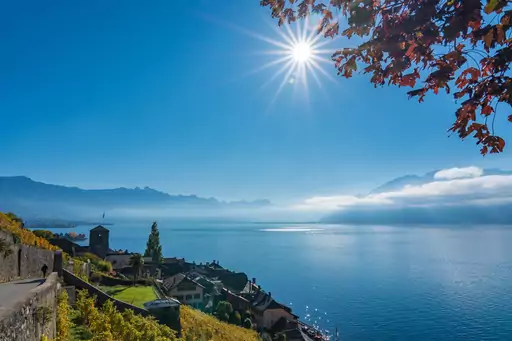
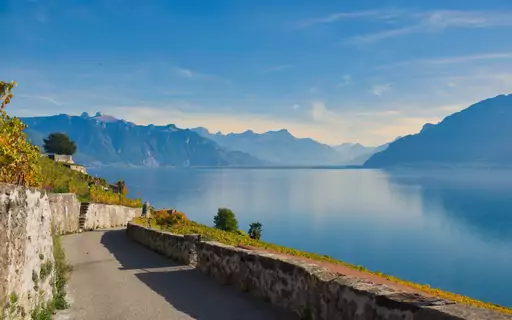
Terraced vineyards climb steep slopes above Lake Geneva across the Lavaux region. Monks began cultivating these same terraces roughly a thousand years ago. Visitors can hike or bike paths winding between vines with lake views throughout. Nearby villages sell wine produced from grapes grown on the terraces.
Nature Reserve in China
Jiuzhaigou Nature Reserve
Colorful lakes in Tibetan mountains
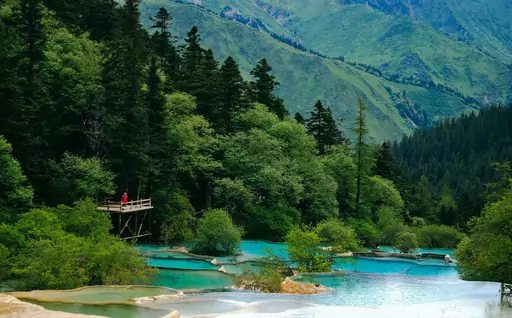
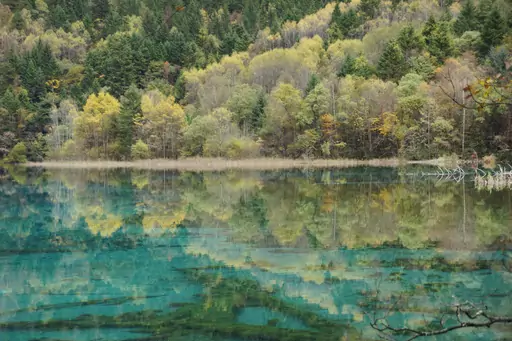
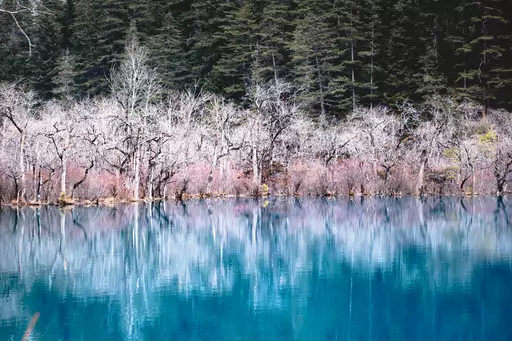
Mineral-rich lakes across Jiuzhaigou hold water so clear that submerged trees remain visible below. Tibetan communities have lived among these valleys for centuries, naming many of the lakes. Visitors can walk boardwalks past pools that shift shades of blue and green. Nearby waterfalls tumble over travertine terraces built up over time.
Country
Malawi
Africa's warm heart with lakes
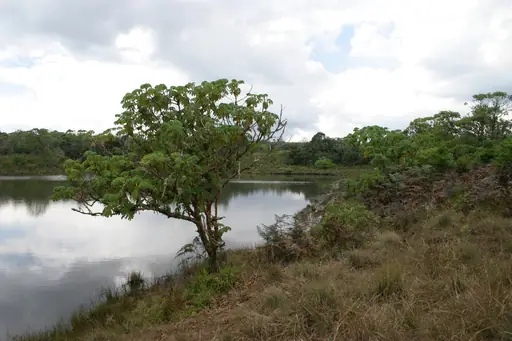
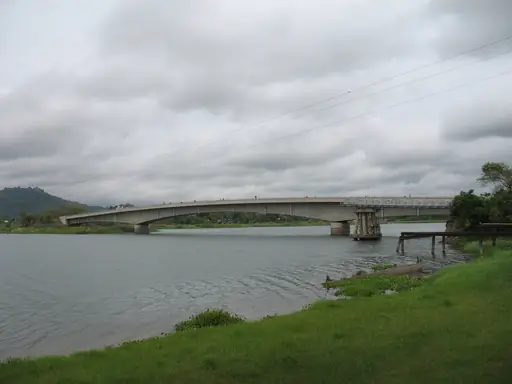
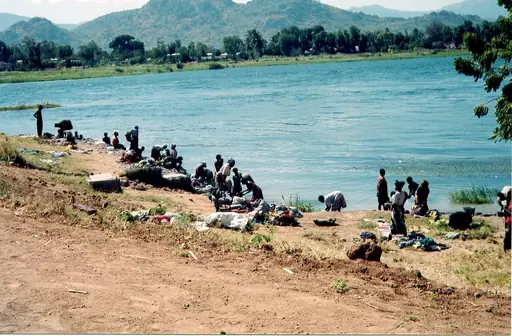
More cichlid species live in this Rift Valley lake than in any other on Earth. Many are small and jewel coloured, each suited to its own patch of shoreline. Snorkellers near Cape Maclear can watch dozens dart past in one swim. Dhows also sail out to Mumbo Island for a quieter stretch of shore.
Town in Slovenia
Bled
Fairytale Lake and Alpine Beauty
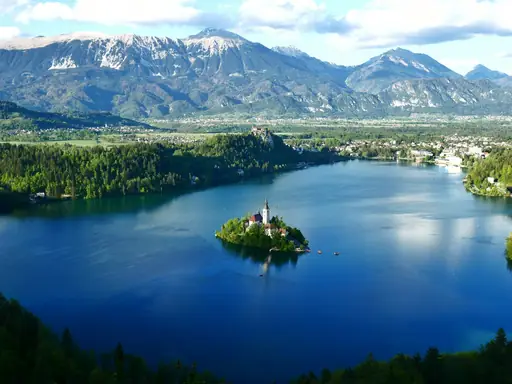
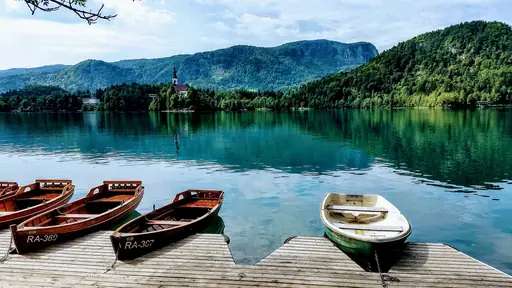
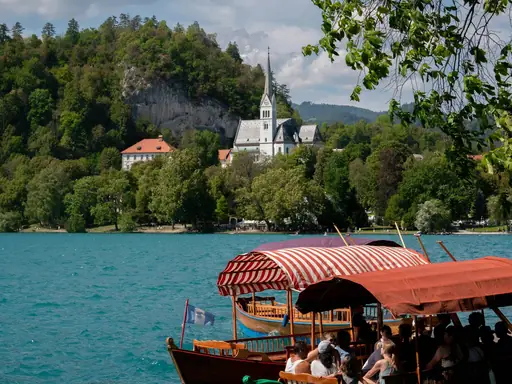
A small island church sits at the centre of Lake Bled, reachable only by traditional wooden boats. Legend holds that ringing the church bell there grants a wish. Visitors can row across and climb ninety-nine steps to reach the entrance. Nearby, a cliffside castle looks down over the lake from above.

State/Prefecture in United States
Montana
Wild Beauty & Vast Big Skies
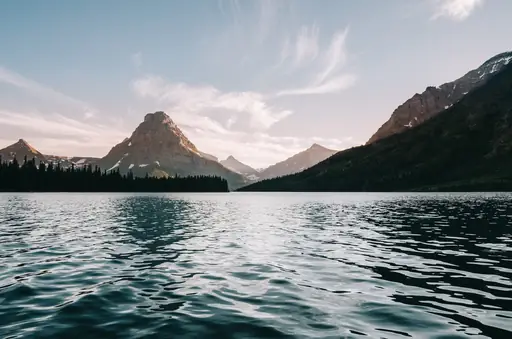
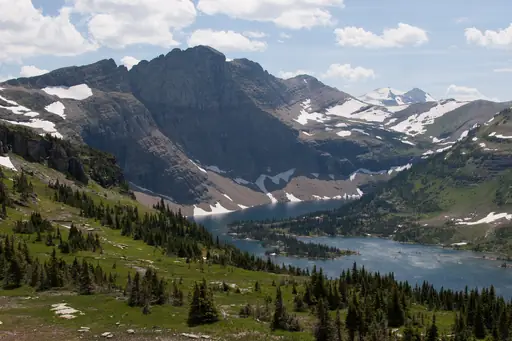
Flathead Lake is the largest natural freshwater lake west of the Mississippi River. Mountain snowmelt feeds it, keeping the water a cold, glassy blue through summer. Boaters can sail past cherry orchards lining the eastern shore near Bigfork. Wild Horse Island in the middle of the lake still holds free roaming horses.

Country
Zambia
Wild safaris meet thundering waterfalls
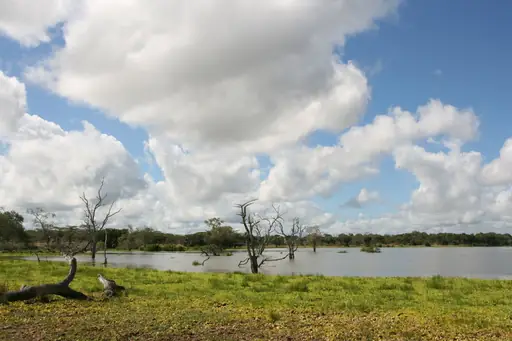
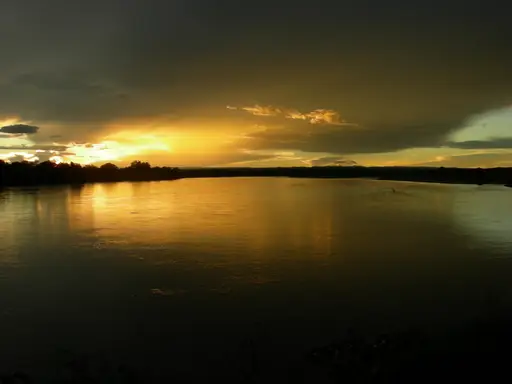
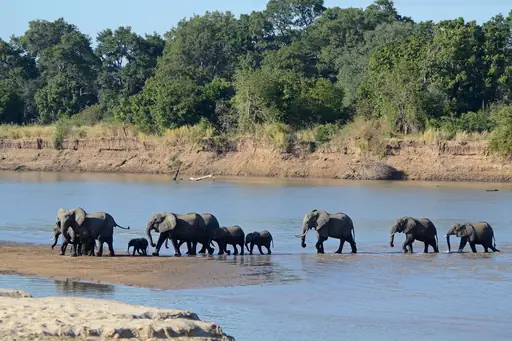
Lake Kariba formed when engineers dammed the Zambezi, creating one of the world's largest reservoirs by volume. Drowned tree trunks still poke above the surface near the shallow northern shore. Visitors can join sunset cruises to watch elephants and hippos along the banks. Houseboats also depart from Siavonga for multi-day trips across the water.
Lake in Russia
Lake Baikal
World's deepest lake, Siberia's jewel
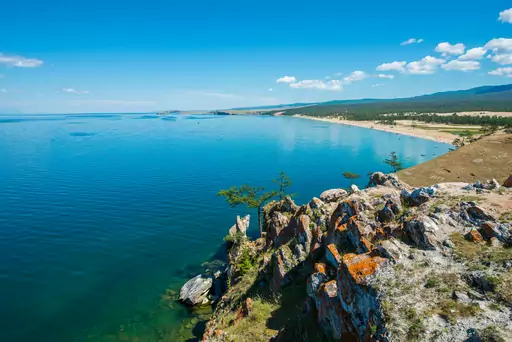
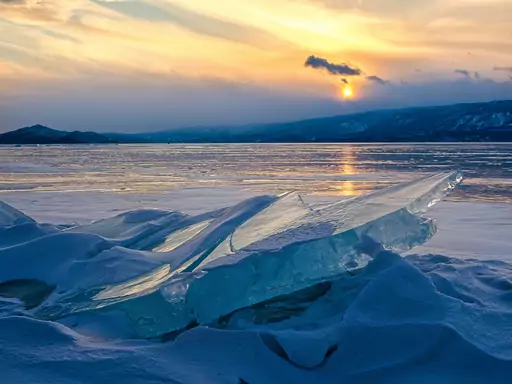
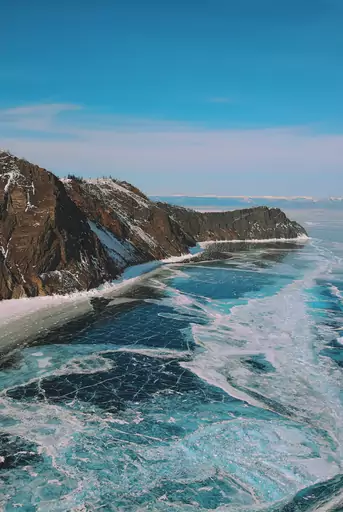
Lake Baikal holds more fresh water than any other lake on the planet. Its depth and age have allowed unique species found nowhere else to evolve here. Visitors can walk across its frozen surface in winter or swim in its cold water in summer. Nearby forests shelter brown bears along largely untouched shorelines.
Town in Argentina
Villa la Angostura
Patagonia's Hidden Gem
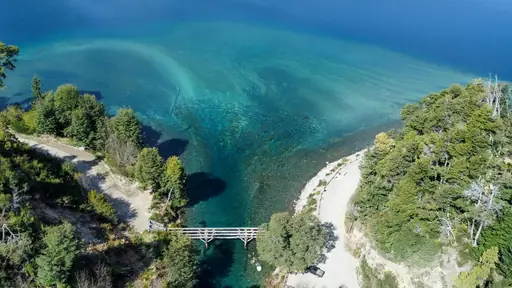
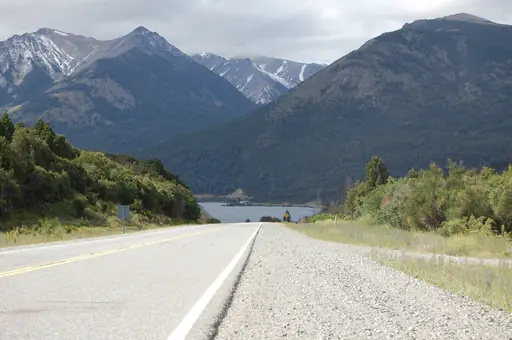
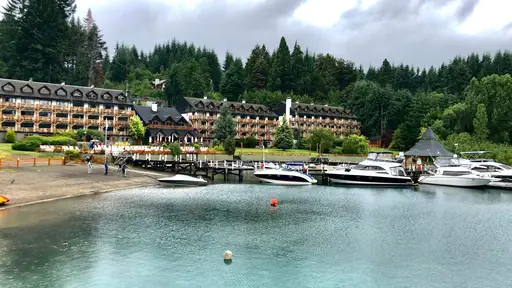
A forest of cinnamon barked arrayanes trees grows on a peninsula reachable only by boat from here. The trees, related to myrtle, are found in just a few spots worldwide. Visitors can walk a short trail through the grove after crossing Lake Nahuel Huapi. Snowcapped peaks ring the lake, visible from the town's pebbled beaches.
City in United States
Wisconsin Dells
Waterpark capital of the world
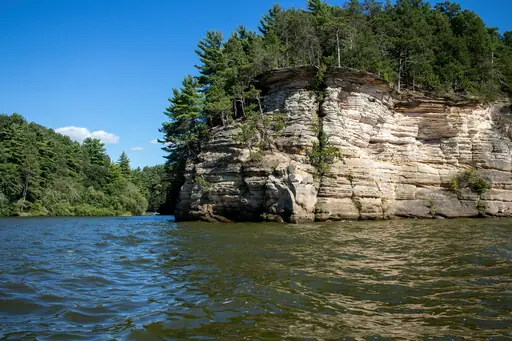
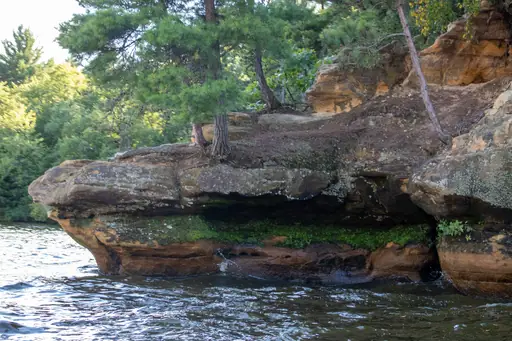
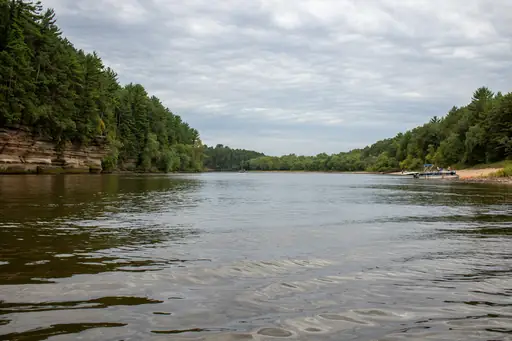
Lake Delton was drained and rebuilt after a 2008 flood tore through its dam. Waterparks now ring the shoreline, drawing families for slides beside the open lake. Visitors can ride amphibious Duck Boats that drive off the bank into the water. Boat tours also run through sandstone canyon walls on the nearby Wisconsin River.
City in Switzerland
Geneva
Where nature meets international flair
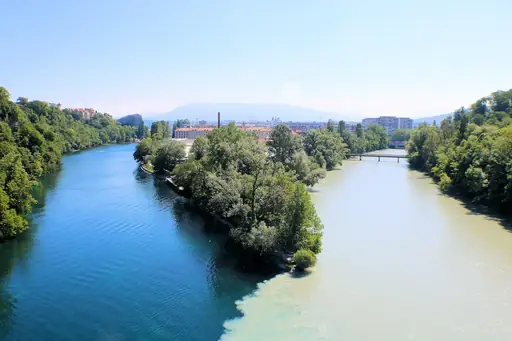
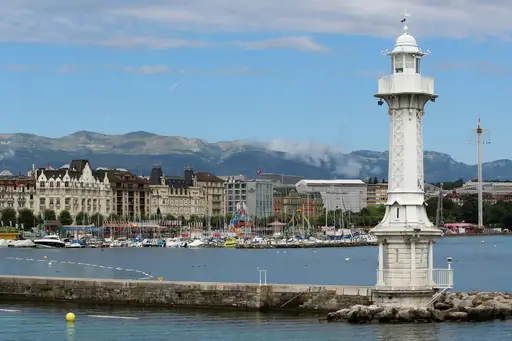
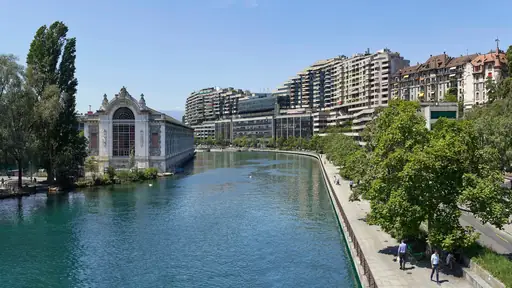
Lake Geneva stretches along the border between Switzerland and France, framed by the Alps. A massive fountain in Geneva shoots water high above the lake's surface. Visitors can cruise the lake or walk the promenade along its shore. Nearby vineyards climb terraced hillsides overlooking the water.
Town in New Zealand
Queenstown
Adventure capital with alpine beauty
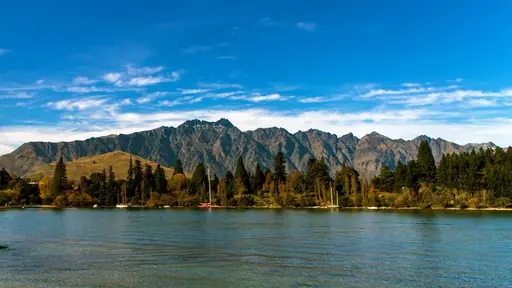
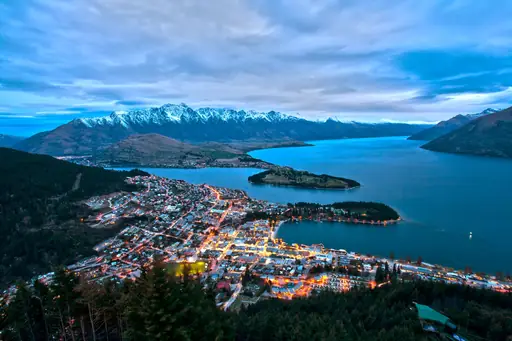
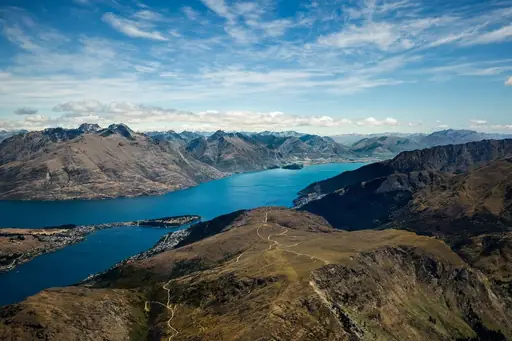
Lake Wakatipu has a zigzag shape that local legend blames on a sleeping giant's heartbeat. The lake rises and falls a few centimetres every 25 minutes for reasons still debated. Visitors can ride the steamship TSS Earnslaw to a high country farm. Jet boats run tight turns near the Shotover River mouth at the shore.
Town in Italy
Lecco
Lakeside charm meets mountain majesty
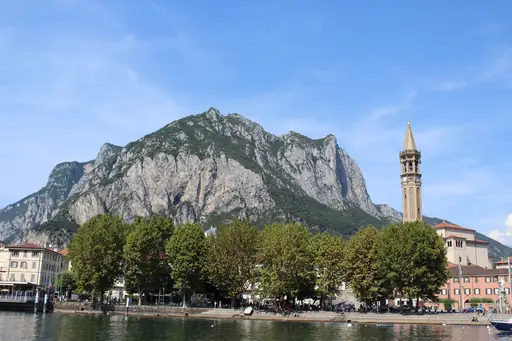
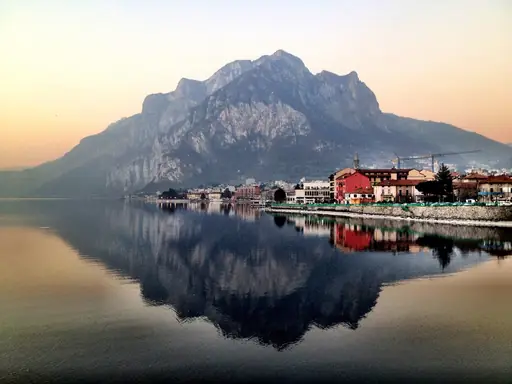
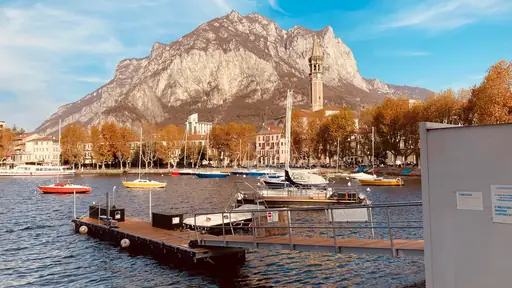
Lecco sits at the southeastern branch of Lake Como, framed by dramatic limestone peaks. The town inspired scenes in a classic Italian novel set along the lakeshore. Visitors can walk the lakefront promenade or hike nearby mountain trails. Nearby ferries connect Lecco to towns along the rest of the lake.
State/Prefecture in United States
California
Golden State of Endless Experiences
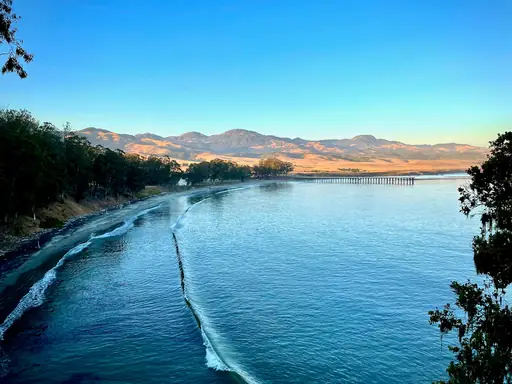
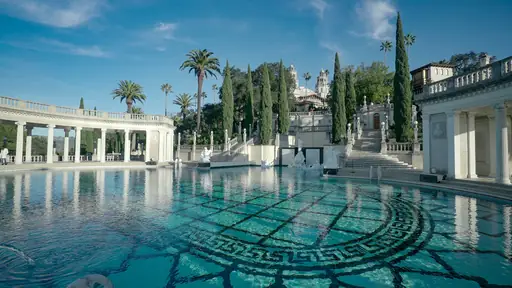
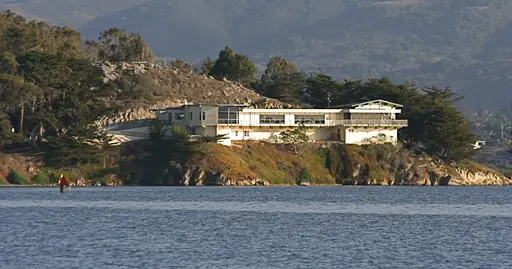
Lake Tahoe's deep blue water sits framed by the peaks of the Sierra Nevada. The lake ranks among the largest and clearest alpine lakes in North America. Visitors can swim, kayak or ski nearby slopes depending on the season. Nearby beaches draw crowds during summer along the lake's sandy northern shore.
Country
Kyrgyzstan
Untouched mountain wilderness awaits explorers
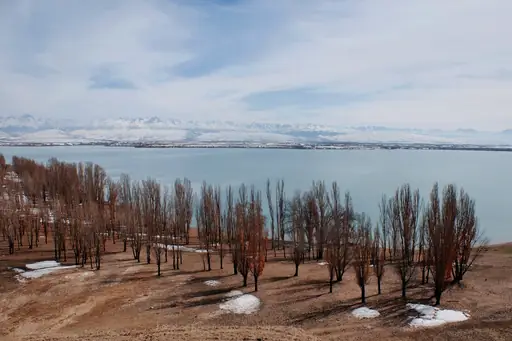
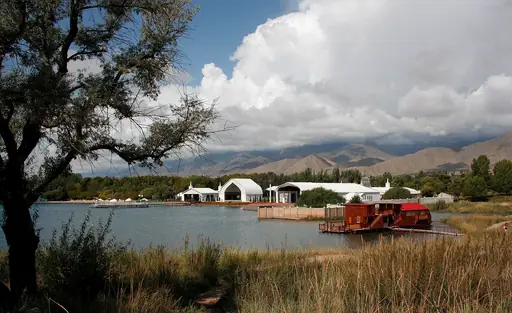
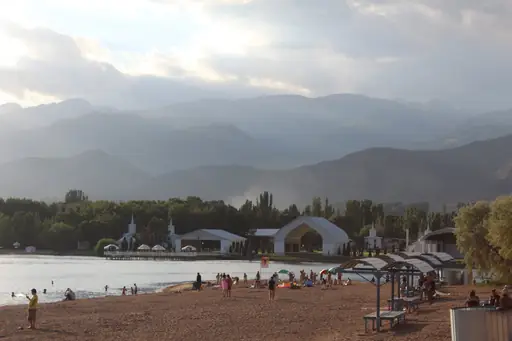
Issyk-Kul ranks among the largest alpine lakes in the world, ringed by snow-capped peaks. Nomadic herders have grazed livestock along its shores for centuries. Visitors can swim in the lake's slightly saline water or camp along its beaches. Nearby mountains offer trekking routes with views back down to the water.
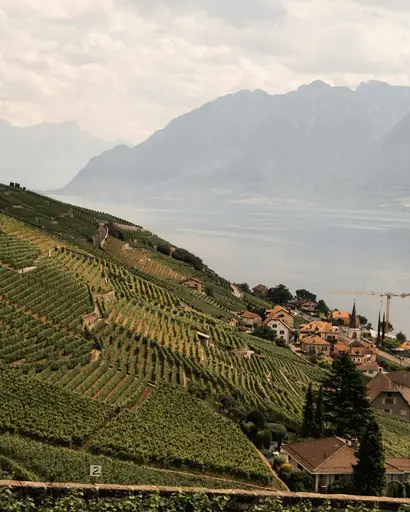
City in Switzerland
Lausanne
Lake views, vineyards and Olympic spirit
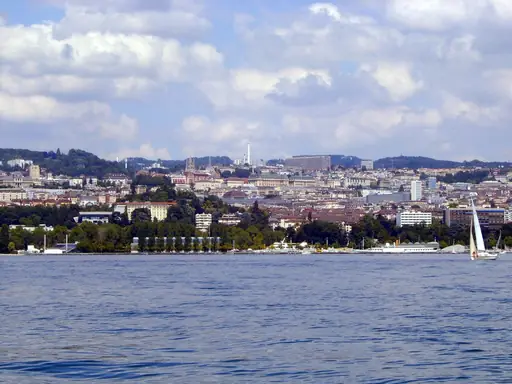
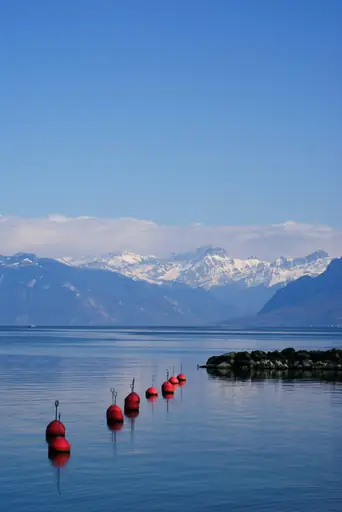
Lausanne overlooks Lake Geneva from terraced hillsides covered in vineyards. The city has served as headquarters for the International Olympic Committee since 1915. Visitors can walk the Olympic Museum's grounds along the lakefront. Nearby ferries cross the lake to French towns on the opposite shore each day.
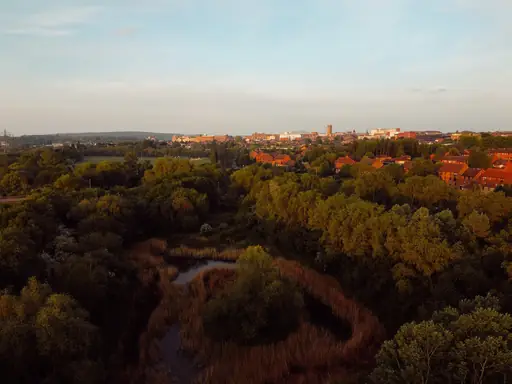
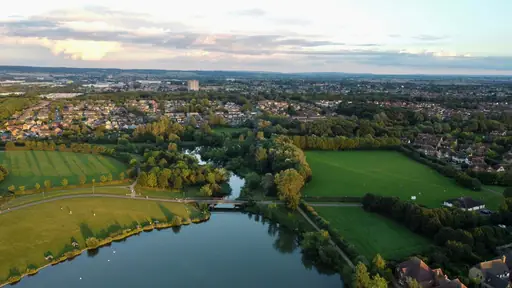
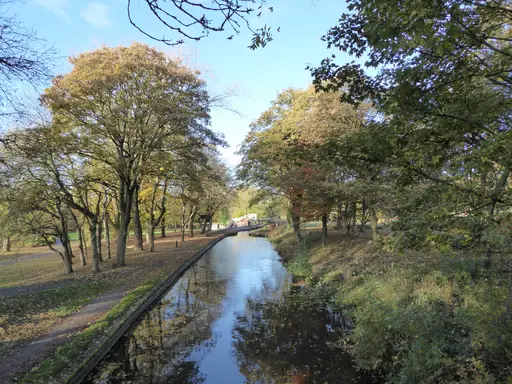
Country in United Kingdom
England
Historic Nation of Timeless Charm
England's Lake District holds glacially carved lakes surrounded by rolling fells. Poets including Wordsworth drew inspiration from the region's scenery in the 1800s. Visitors can hike fells overlooking the water or take a boat cruise. Nearby villages preserve stone architecture typical of the rural Lake District.
Town in Italy
Varenna
Charming Lakeside Escape in Italy
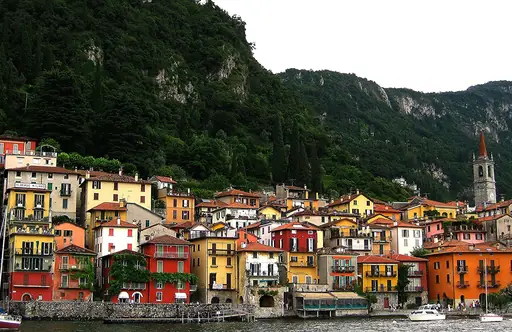
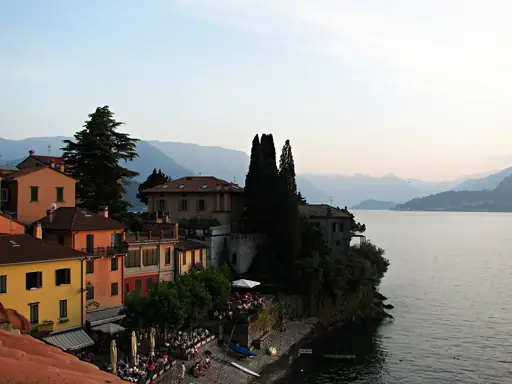
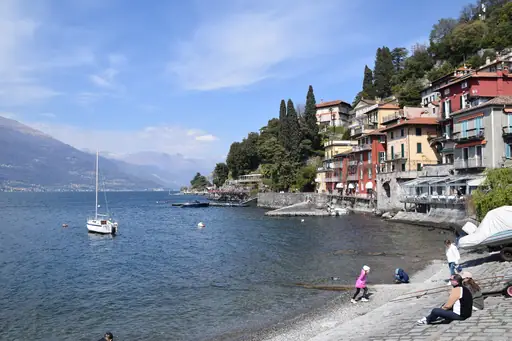
Lake Como narrows here, with ferries crossing to Bellagio in under twenty minutes. Pastel houses climb the hillside above a lakeside promenade carved into the rock. Visitors can walk the Passeggiata degli Innamorati, a path that hugs the cliff above the water. Villa Monastero's gardens spill towards the shore at the edge of town.
National Park in United States
Grand Teton National Park
Stunning Peaks and Wildlife Wonders
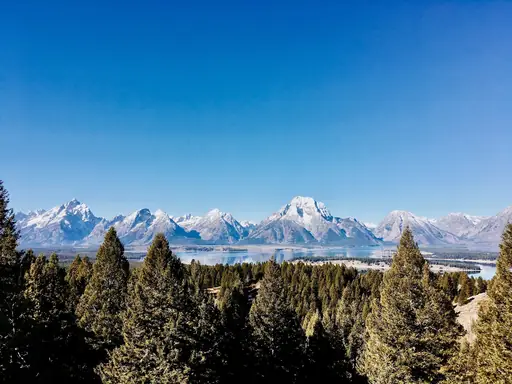
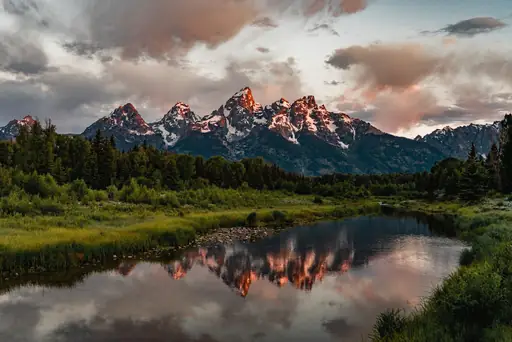
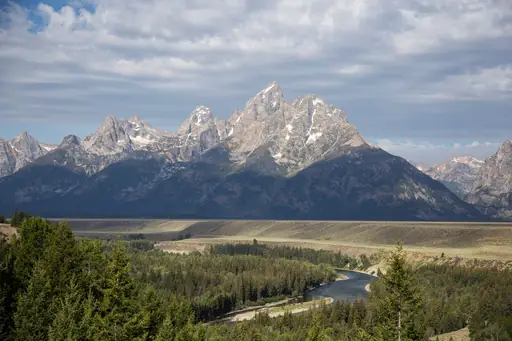
Jenny Lake sits at the base of the Teton Range, reflecting the jagged peaks above. Glaciers carved the lake's basin thousands of years ago at the mountains' edge. Visitors can canoe the lake or hike trails circling its forested shoreline. Nearby meadows fill with elk during the autumn rutting season.
Region in United Kingdom
Scottish Highlands
Rugged Beauty and Ancient Legends
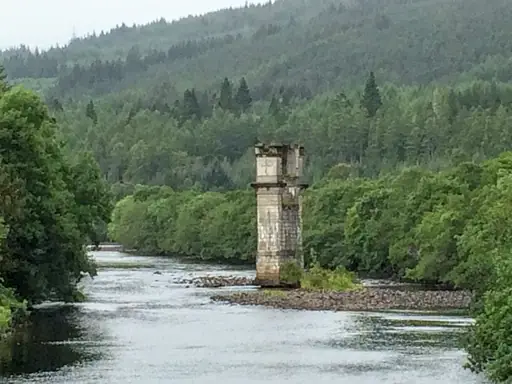
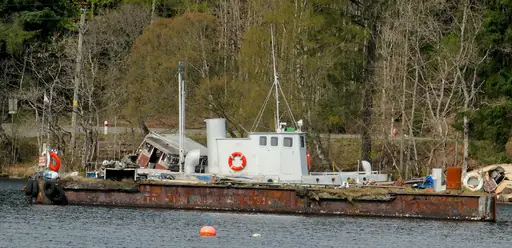
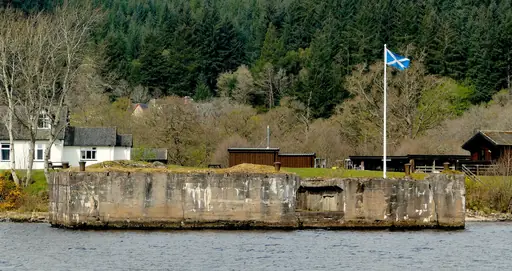
Loch Ness stretches nearly 23 miles through a deep glacial trench. Its peat stained water is so dark that visibility drops to a few feet. Boat tours run past Urquhart Castle, perched in ruins above the shoreline. Ghost stories aside, the loch also draws walkers along the Great Glen Way.
Lake in Italy
Lake Como
Alpine elegance meets Italian charm
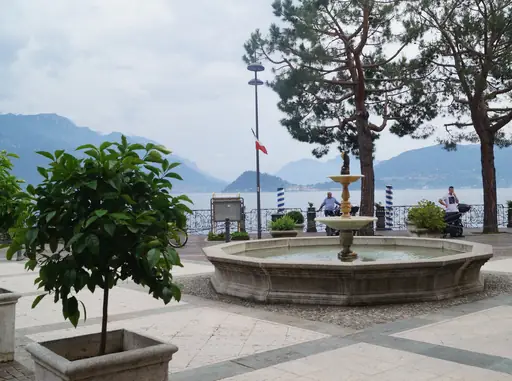
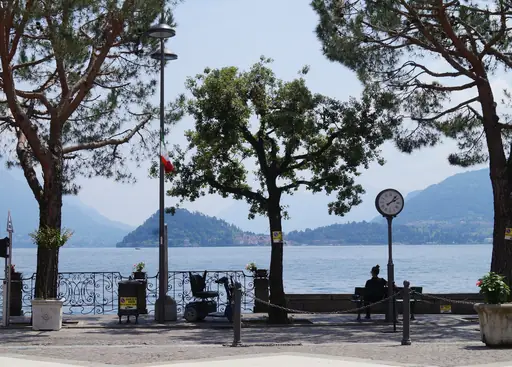
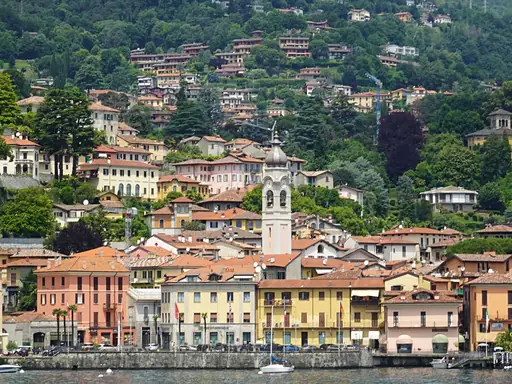
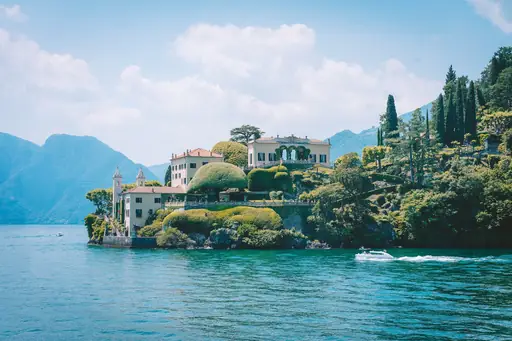
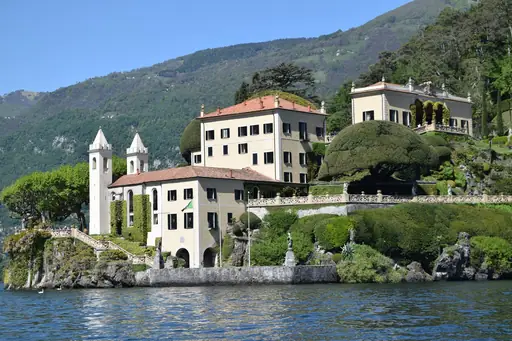
Lake Como's Y-shaped outline has drawn wealthy visitors since Roman times. Grand villas built by aristocrats and celebrities line much of the shoreline today. Visitors can tour lakeside gardens or ferry between towns along the water. Nearby mountains rise steeply from the lake's northern reaches.
National Park in Canada
Banff National Park
Majestic Peaks and Turquoise Lakes
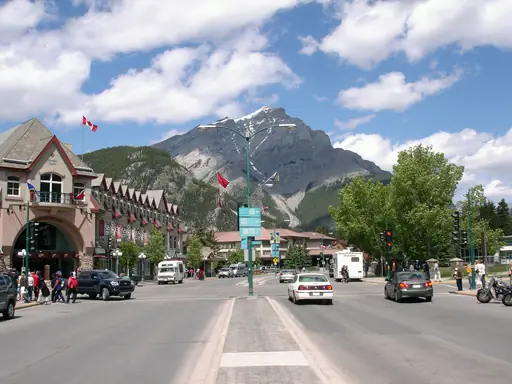
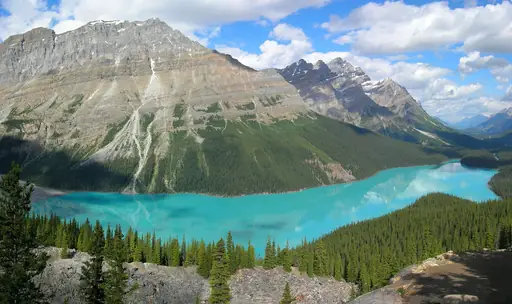
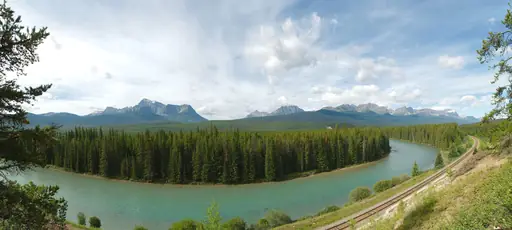
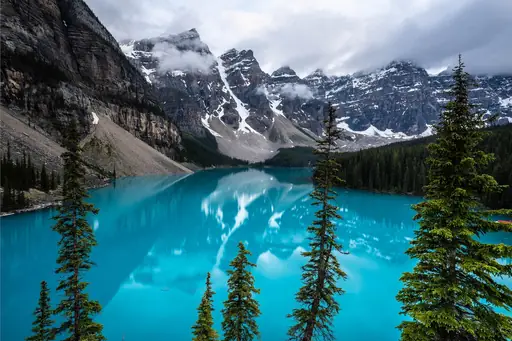
Glacial melt gives Moraine Lake its intense turquoise colour each summer within Banff National Park. The lake sits inside a valley once nicknamed the Valley of the Ten Peaks. Visitors can canoe across the water with the surrounding peaks reflected on its surface. Nearby Lake Louise offers a second, equally striking glacial lake nearby.
City in Italy
Como
Lakeside charm meets mountain views
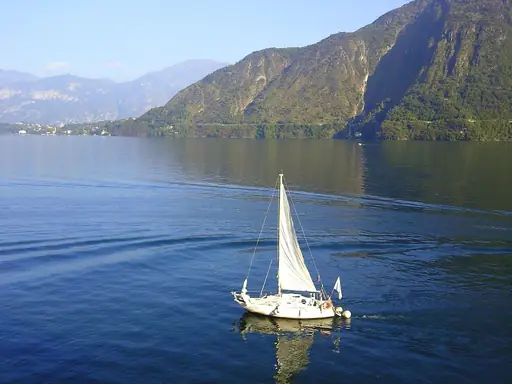
Lake Como's Y-shaped outline has drawn wealthy visitors since Roman times. Grand villas built by aristocrats and celebrities line much of the shoreline today. Visitors can tour lakeside gardens or ferry between towns along the water. Nearby mountains rise steeply from the lake's northern reaches.
City in Switzerland
Zurich
A city of lakes, luxury and history
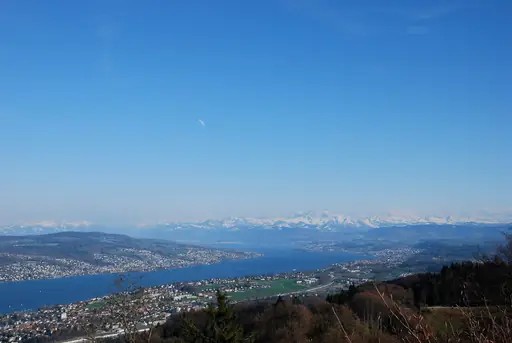
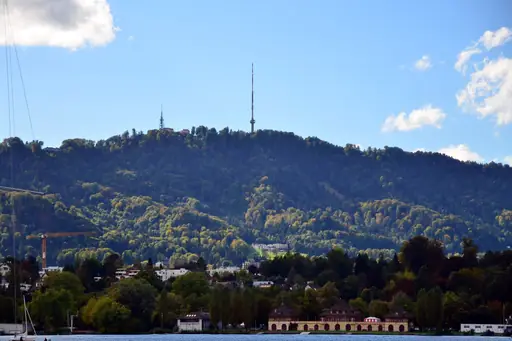
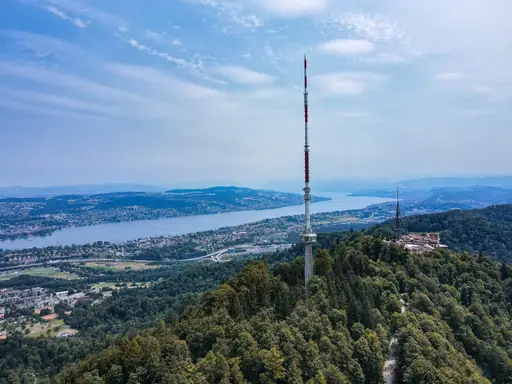
Lake Zurich stretches southeast from the city, lined with promenades for walking and swimming. Public bathing spots called badis let visitors swim in the city centre for free. Ferries run the length of the lake, stopping at small towns along both shores. Sailboats fill the water on weekend afternoons once the wind picks up.
Town in Japan
Maibara
Rail junction below Shiga's highest peak
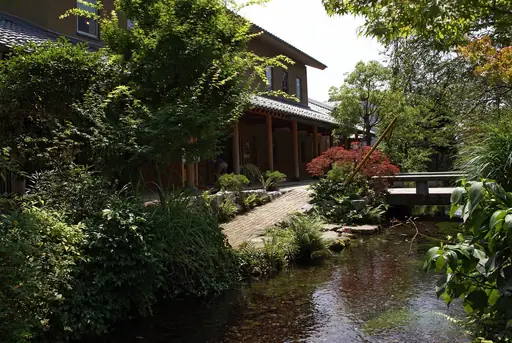
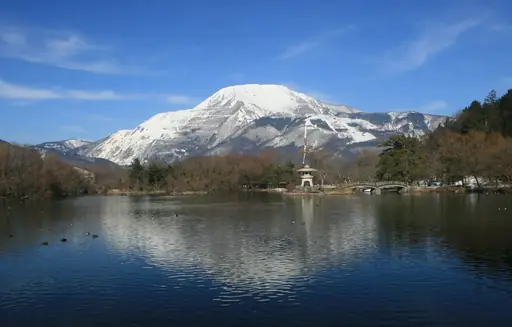
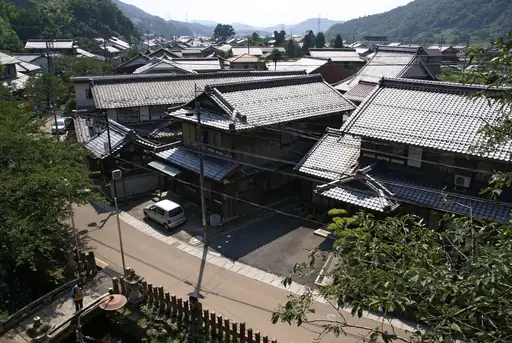
Lake Biwa, Japan's largest lake, stretches along the edge of Maibara. Fishing communities have worked the lake's waters for over a thousand years. Visitors can cruise the lake or cycle a path circling much of its shoreline. Nearby temples and shrines sit scattered along the lake's historic shore.
City in Argentina
San Martin de los Andes
Patagonian Paradise by Lake Lácar
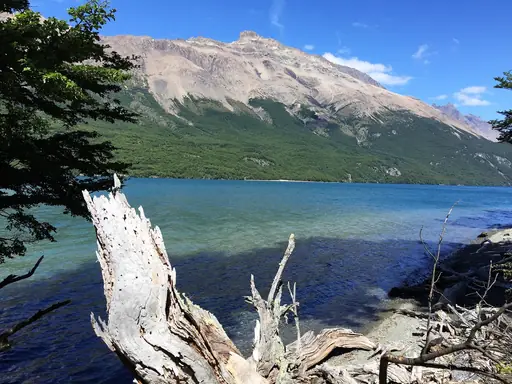
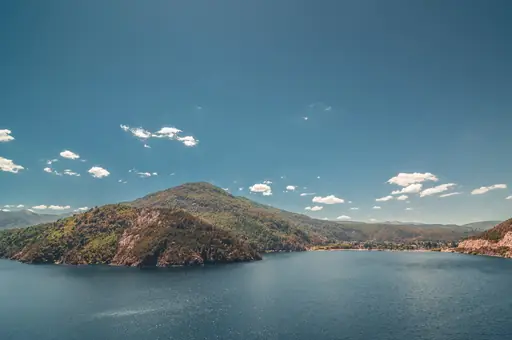
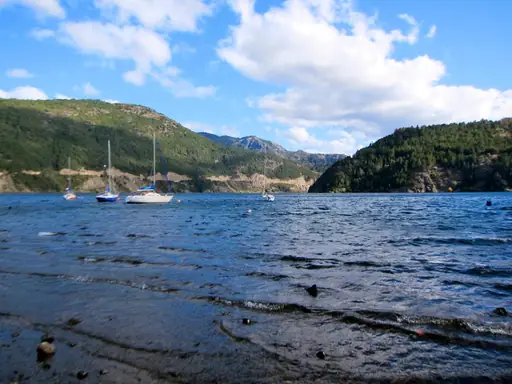
Lake Lácar fills a long glacial valley at the edge of Lanín National Park. The town's streets end almost directly at the shoreline, backed by dense forest. Visitors can swim from small beaches or paddle out towards the surrounding peaks. A volcano named Lanín is visible across the water on clear days.
State/Prefecture in United States
New York (state)
Beyond the city that never sleeps
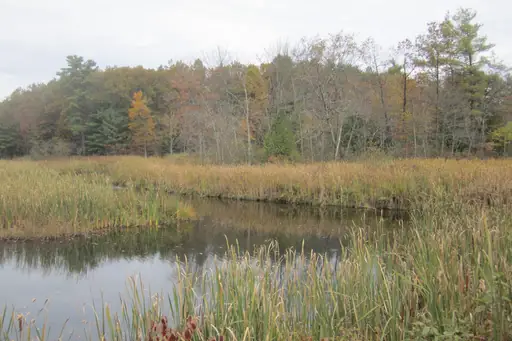
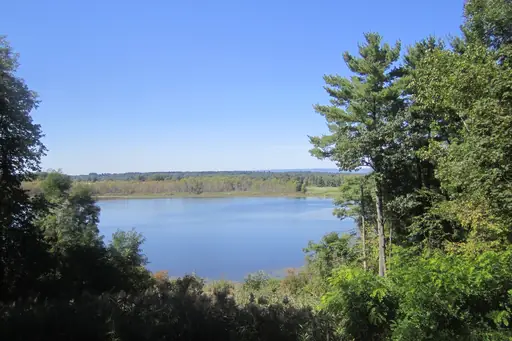
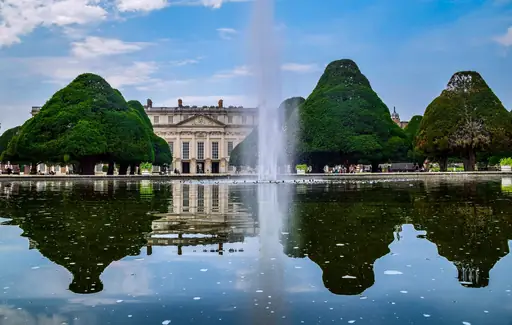
Eleven long narrow lakes fan out across the state's Finger Lakes region. Glaciers carved the basins, leaving steep slopes now covered in vineyards. Visitors can drive the wine trail around Seneca or Cayuga, stopping at tasting rooms. Watkins Glen State Park, with its stacked waterfalls, sits near the tip of Seneca Lake.
Village in Germany
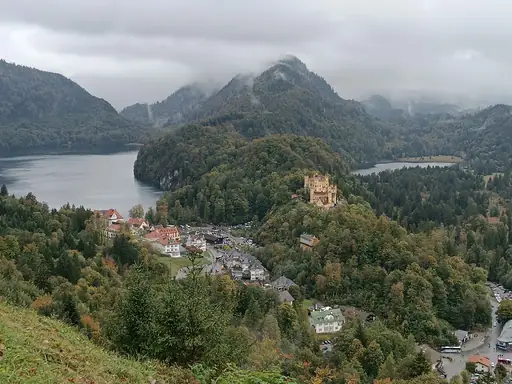
Schwangau
Fairytale Castles and Alpine Adventure
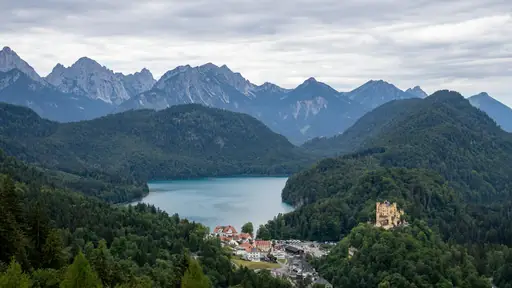
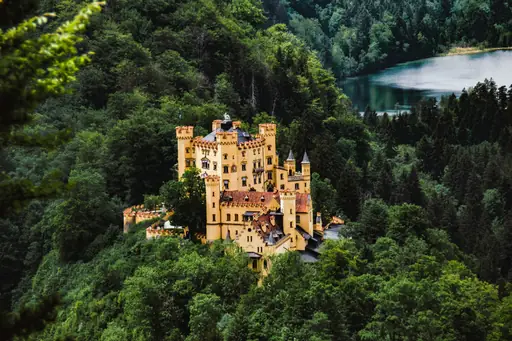
Alpsee lake sits below Neuschwanstein Castle, visible from several viewpoints around the shore. King Ludwig II reportedly enjoyed boating on the lake before the castle was completed. Visitors can walk the path circling the lake or rent a rowboat in summer. A chairlift nearby climbs Tegelberg for a wider view down over the water.
Village in Austria
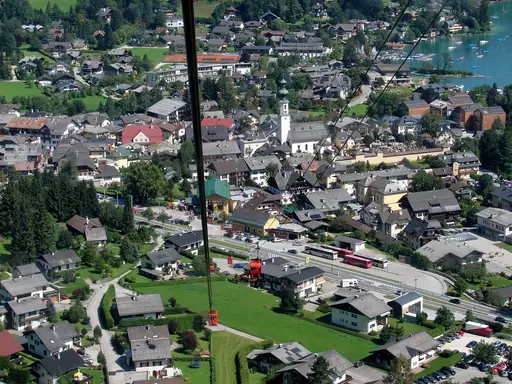
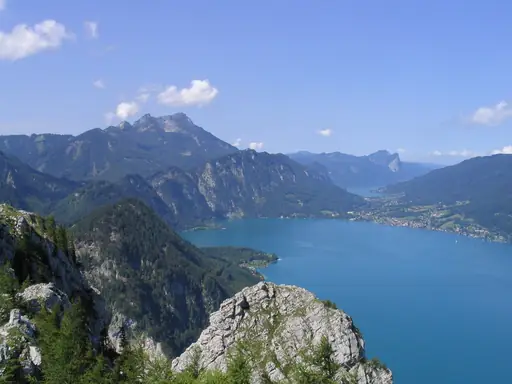
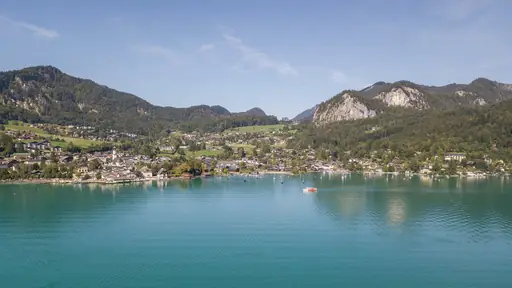
Sankt Gilgen
Lakeside Charm in the Alps
Sankt Gilgen sits on Wolfgangsee, a lake named for a nearby pilgrimage church. Mozart's mother, born in this lakeside town, is remembered at a small local museum. Visitors can swim from lakeside lidos or take a boat across to St. Wolfgang. A cable car nearby climbs Zwolferhorn for views over the lake and peaks.
Mountain in Slovakia
Vysoké Tatry
Slovakia’s Majestic Alpine Playground
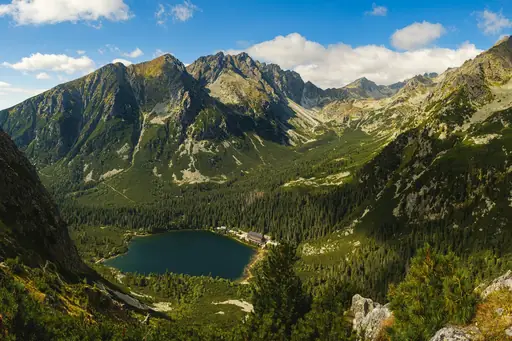
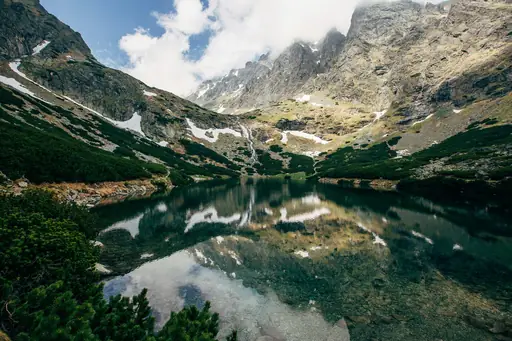
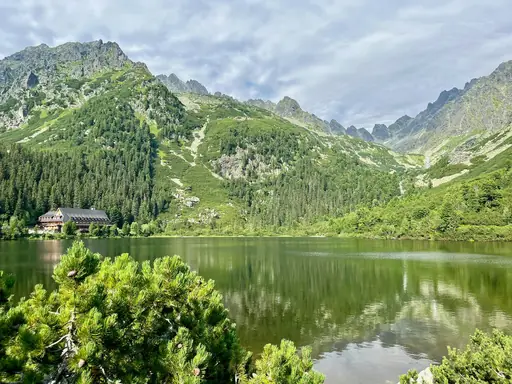
Strbske Pleso, one of the region's glacial lakes, stays frozen about 155 days a year. Underground springs feed the lake, which has no visible stream flowing out. Visitors can walk the easy path around the shore or rent a rowboat in summer. Ski jumps and cross country trails surround the lake once winter sets in.
Country
Democratic Republic of the Congo
Wild heart of Central Africa
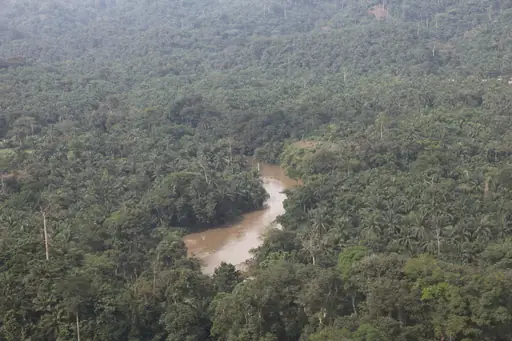
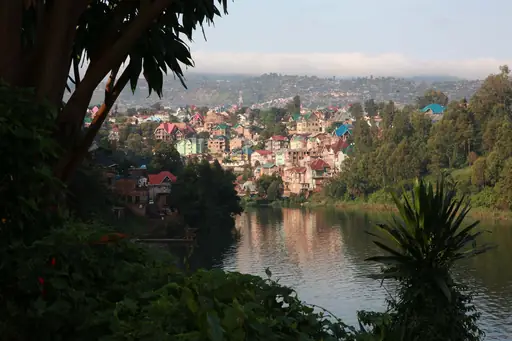
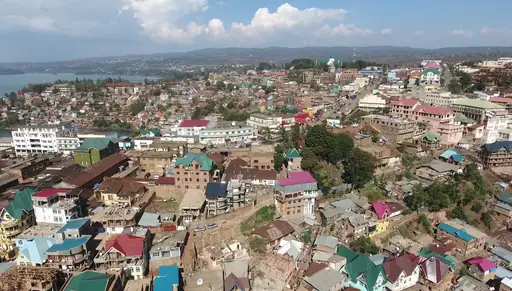
Lake Kivu sits along the border between Congo and Rwanda within the Great Rift Valley. Dissolved gases trapped deep beneath the lake make it one of only a few of its kind. Visitors can swim in the lake's warm water or cruise along the shoreline. Nearby volcanic peaks rise above the lake's forested surroundings.
National Park in United States
Yellowstone National Park
Geysers, wildlife and untamed wilderness
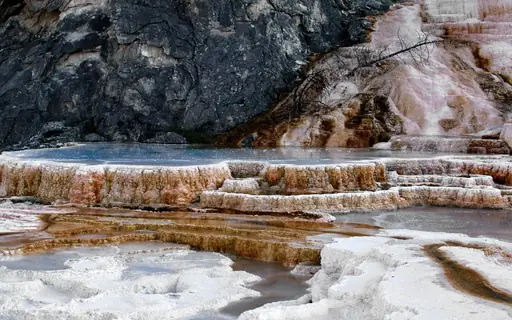
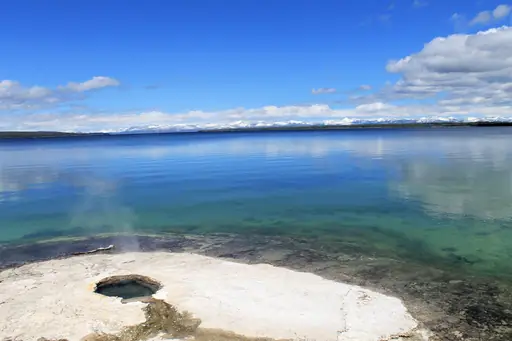
Yellowstone Lake sits above 7,700 feet, among the largest high elevation lakes in North America. Its cold water still holds native cutthroat trout despite decades of invasive lake trout. Visitors can paddle the calm West Thumb area or watch geysers steam at the shoreline. Ice covers most of the lake from December into late spring.
National Park in United Kingdom
Lake District National Park
Majestic valleys and tranquil mountain lakes
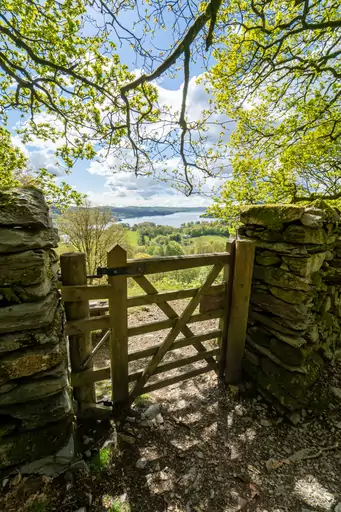
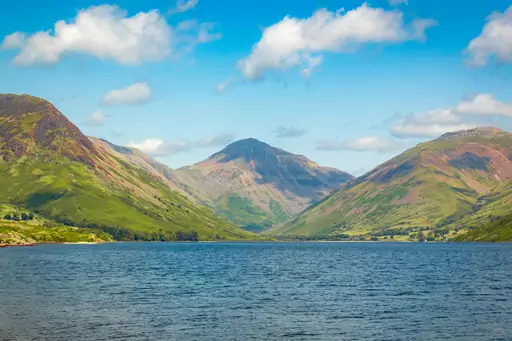
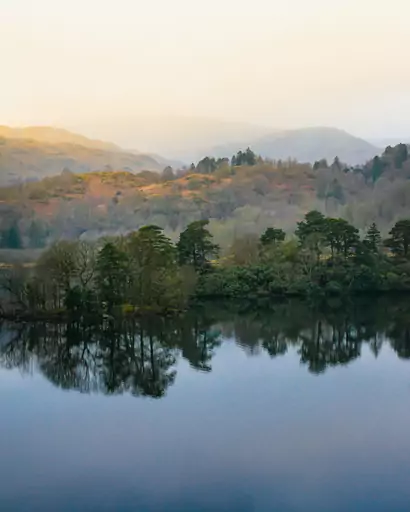
England's Lake District holds glacially carved lakes surrounded by rolling fells. Poets including Wordsworth drew inspiration from the region's scenery in the 1800s. Visitors can hike fells overlooking the water or take a boat cruise. Nearby villages preserve stone architecture typical of the rural district.
Town in Austria
Zell am See
Lakes, Mountains and Alpine Charm
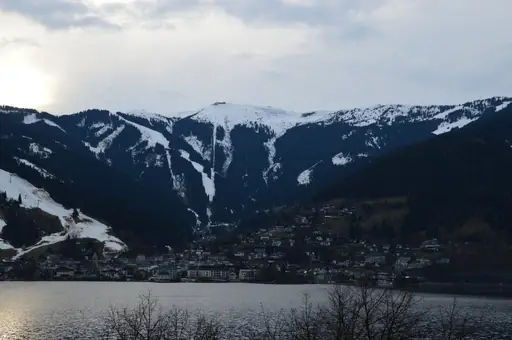
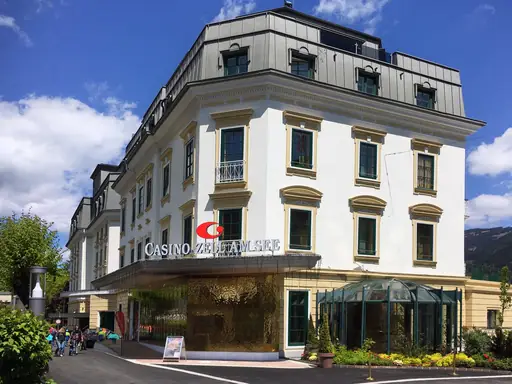
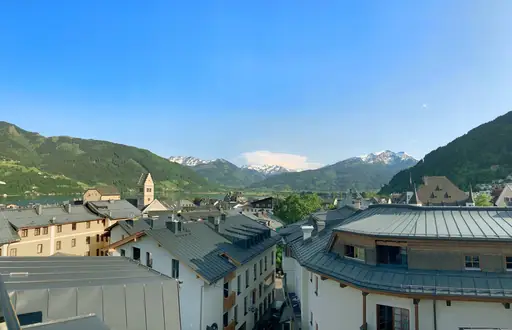
The Zeller See freezes thick enough most winters for a temporary golf course on the ice. Cable cars from the shore climb up the nearby Schmittenhohe for wide lake views. Visitors can walk or cycle the flat path that circles the lake. Swimmers use the eastern beaches once the water warms in summer.
State/Prefecture in United States
Wisconsin
Four seasons of Midwestern charm
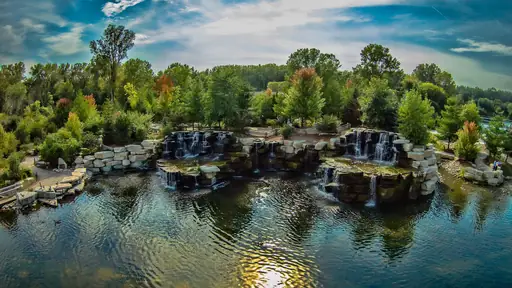
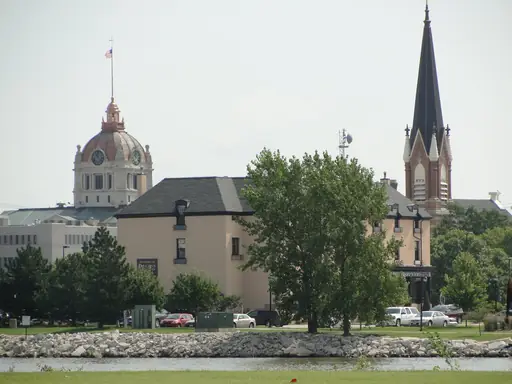
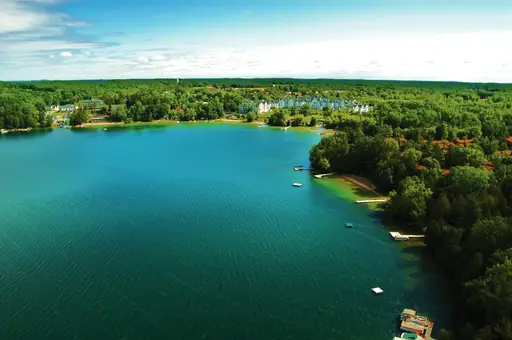
State records list more than 15,000 lakes scattered across Wisconsin's northern woods and farmland. Green Lake is the deepest natural one, reaching down more than 200 feet. Visitors can rent cabins on smaller lakes for quiet weeks of fishing and swimming. The Chain O'Lakes region links dozens of connected waters near the town of Waupaca.

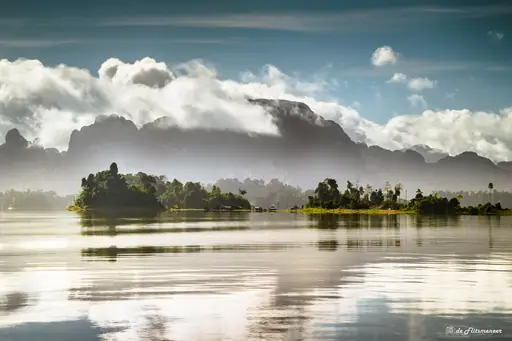
National Park in Thailand
Khao Sok National Park
Ancient Jungle and Emerald Lake Paradise
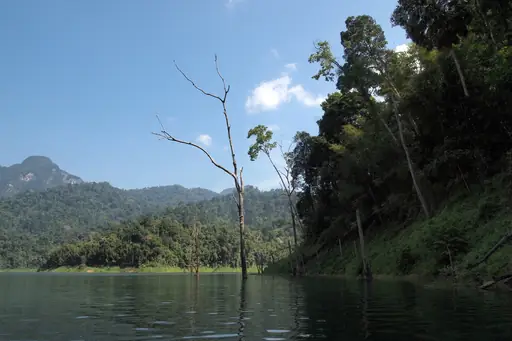
Limestone karsts rise straight from the water at Khao Sok's Cheow Lan Lake. Engineers created the lake by damming a river in the 1980s, flooding the valley floor. Visitors can stay in floating bamboo rafts anchored beneath the cliffs. Nearby rainforest holds some of Thailand's oldest evergreen forest.
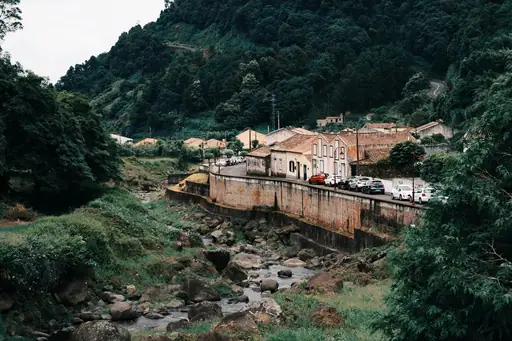
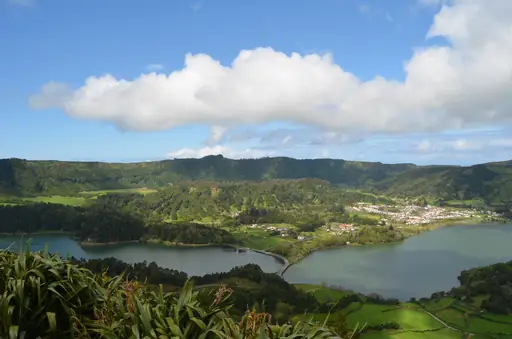
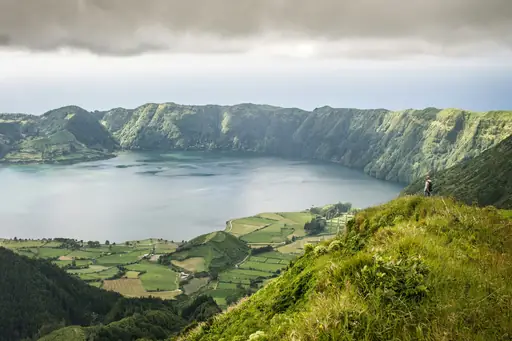
Archipelago in Portugal
Azores
Volcanic Isles of Atlantic Wonders
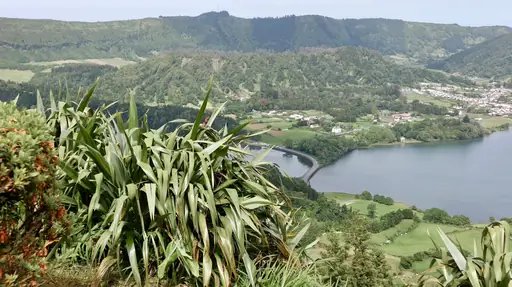
Twin crater lakes at Sete Cidades sit side by side in shades of blue and green. Volcanic activity carved the caldera that holds both lakes within one rim. Visitors can hike the crater's edge for views over both lakes at once. Nearby hot springs at Furnas add another volcanic lake to explore.
Nature Reserve in Portugal
Área de Paisagem Protegida das Sete Cidades
Twin Lakes and Volcanic Wonders
Twin crater lakes fill this caldera, one tinted blue and the other green. The two are technically one connected body of water, split by a narrow bridge. Visitors can hike into the crater or view both lakes from Vista do Rei above. A small village with a white church sits where the two lakes meet.
Town in Japan
Hakone
Onsen town with Fuji views and lake cruises
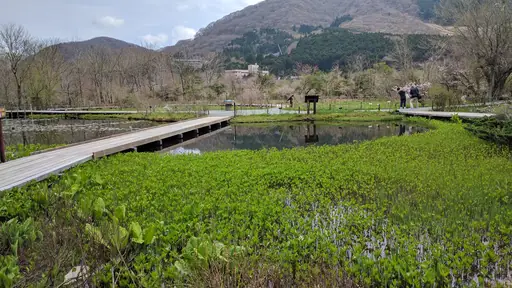
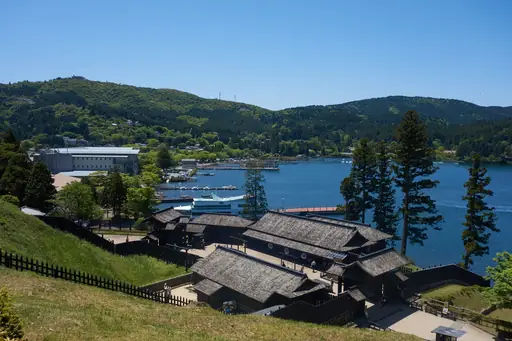
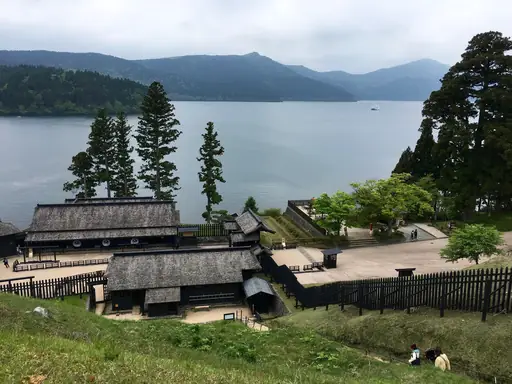
Lake Ashi fills a volcanic caldera within Hakone, framed by views of Mount Fuji. A pirate-style boat crosses the lake on clear days when the mountain is visible. Visitors can cruise the lake or ride a cable car above the water. Nearby hot springs draw on the same volcanic activity that shaped the caldera.
Country
Rwanda
Land of a thousand hills
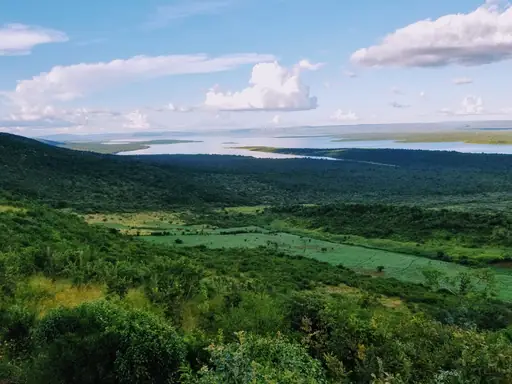
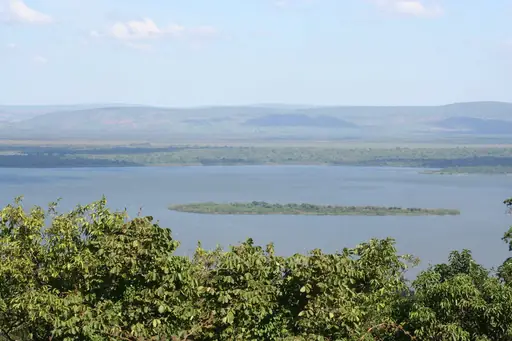
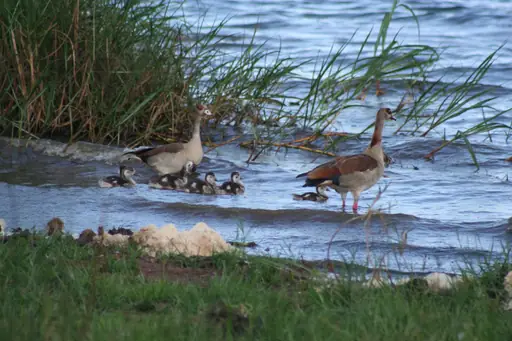
Lake Kivu fills a rift valley basin along the border with Congo. Unusual amounts of dissolved methane and carbon dioxide sit trapped in its lower depths. Visitors can swim near the shore, since the gas layers stay far below. Wooden fishing boats head out at night, their lanterns lighting the dark water.

National Park in United States
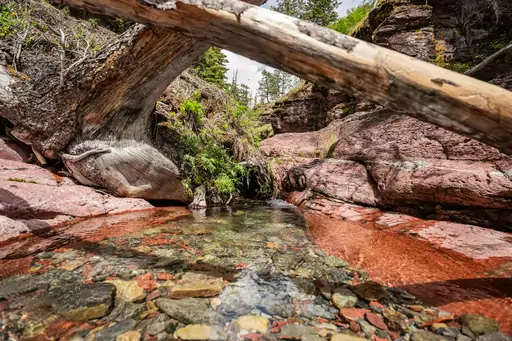
Waterton Glacier International Peace Park
Where two nations preserve wilderness
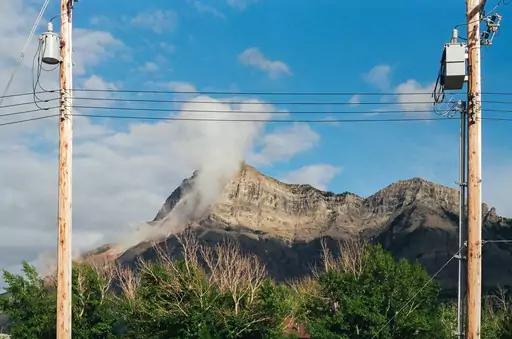
Upper Waterton Lake crosses the border between Canada and the United States. A boat tour stops mid lake so passengers can step across the international line. Hikers can follow trails along both shores, connecting Waterton townsite to Goat Haunt. Steep peaks rise almost straight from the water on either side of the lake.
Lake in United States
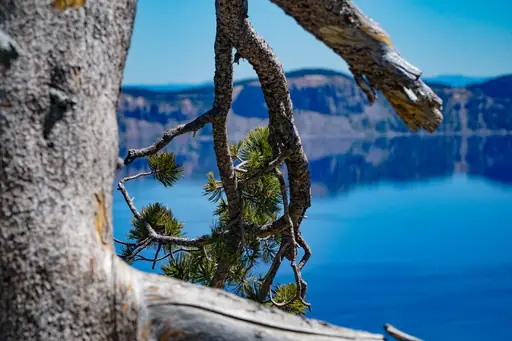
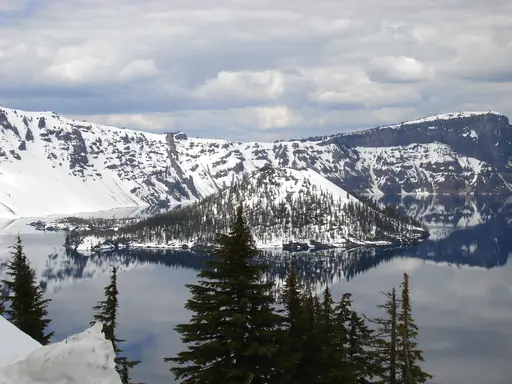
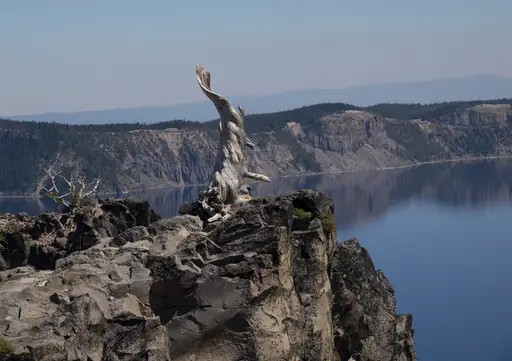
Crater Lake
Eternal blue depths echo volcanic history
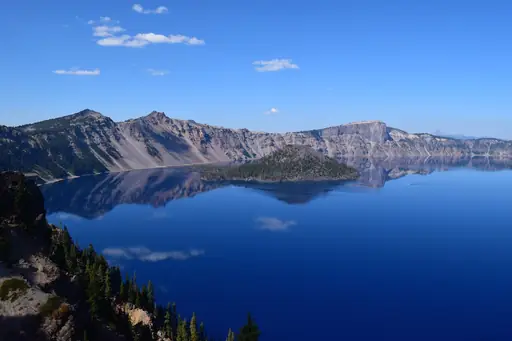
Crater Lake is the deepest lake in the United States, nearly 1,950 feet deep. A lone hemlock log, the Old Man of the Lake, has floated upright for decades. Visitors can hike to the shore at Cleetwood Cove, a rare access point. Boat tours pass Phantom Ship, a rock island shaped like a sailing vessel.
City in Switzerland
Montreux
Jazz, Castles and Lake Geneva Views
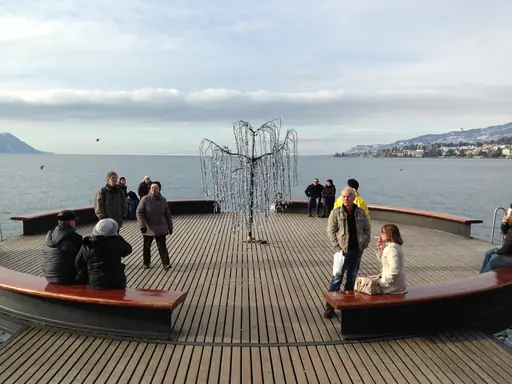
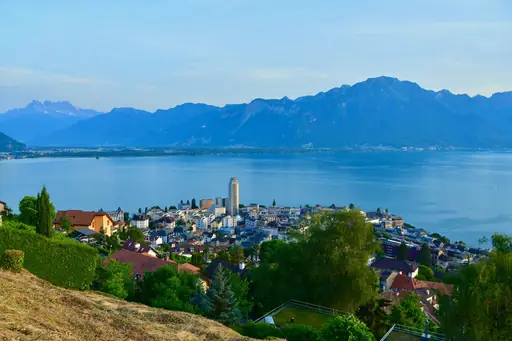
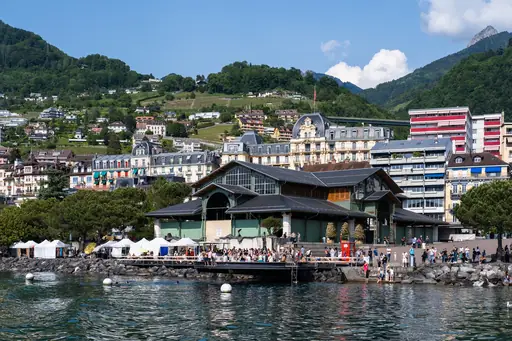
Lake Geneva laps against the promenade that hosts the Montreux Jazz Festival each July. Chillon Castle rises from a rock at the water's edge just outside town. Visitors can walk the lakeside path past palm trees planted in the mild microclimate. Boats cross to the French shore in under an hour from the town pier.
State/Prefecture in United States
Alaska
Land of superlatives and adventure
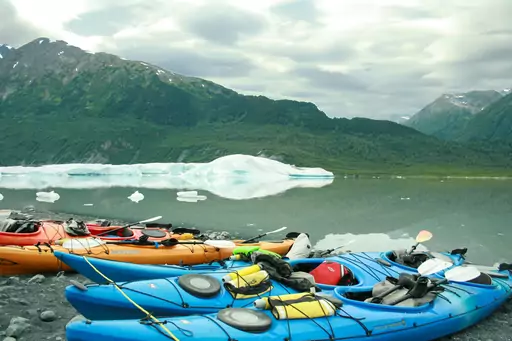
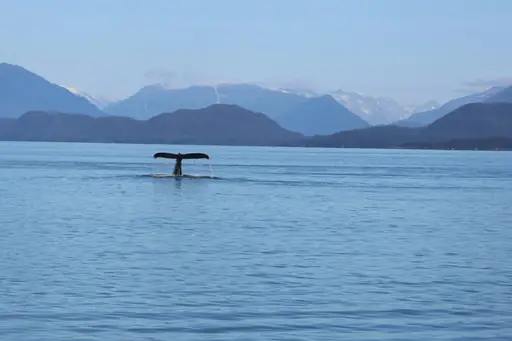
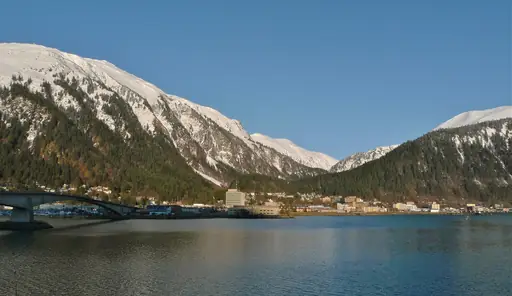
Alaska holds more lakes than any other US state, carved largely by ancient glaciers. Many remain accessible only by small plane or long backcountry hike. Visitors can fish or paddle remote lakes surrounded by untouched wilderness. Nearby glaciers continue to feed many of the state's coldest, clearest lakes.
Town in Italy
Riva del Garda
Lakeside beauty meets mountain adventure
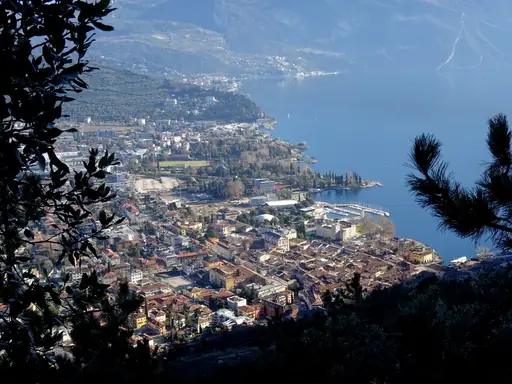
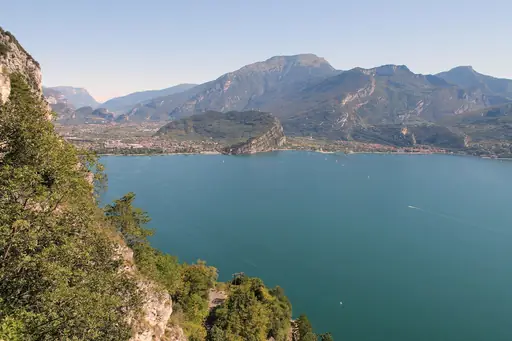
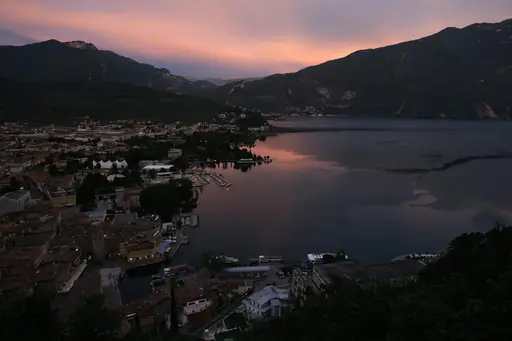
This town sits at the lake's northern tip, pinched between sheer limestone cliffs. Two dependable winds, blowing from opposite directions morning and afternoon, meet here daily. Windsurfers and sailors rig up along the harbour each morning before the wind builds. A funicular also climbs to Bastione fortress for a view down over the water.
National Park in Japan
Fuji-Hakone-Izu National Park
Fuji, Hakone, Izu and volcanic islands
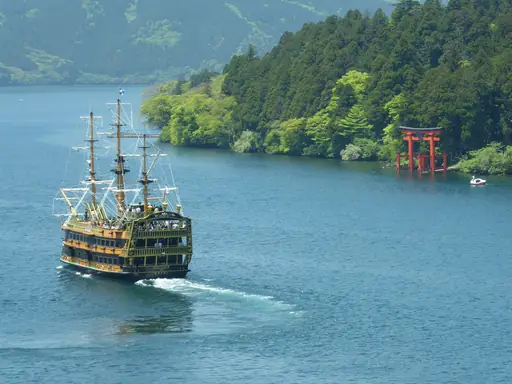
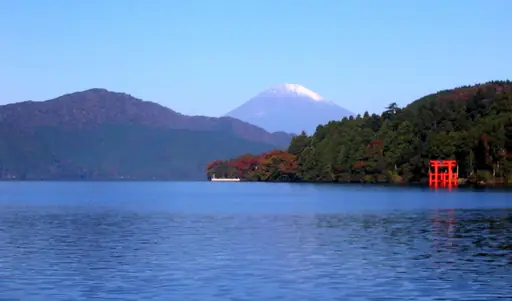
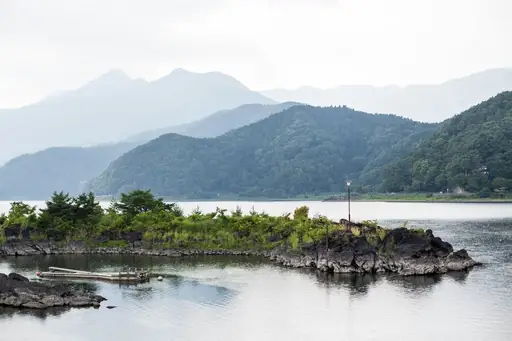
Lake Ashi fills a caldera formed by an ancient volcanic eruption within this park. A pirate-style tour boat crosses the lake past views of Mount Fuji on clear days. Visitors can cruise the lake or ride a cable car for elevated views. Nearby hot springs draw on the same volcanic activity that shaped the lake.
Country
Kenya
Safari paradise meets coastal charm
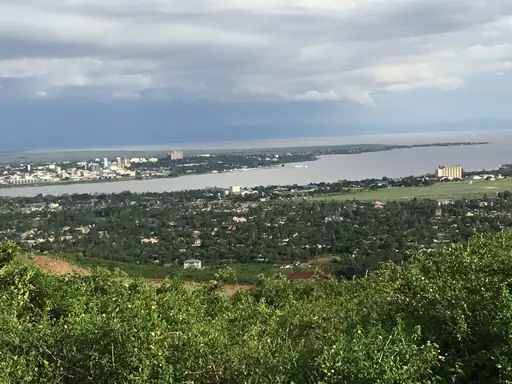
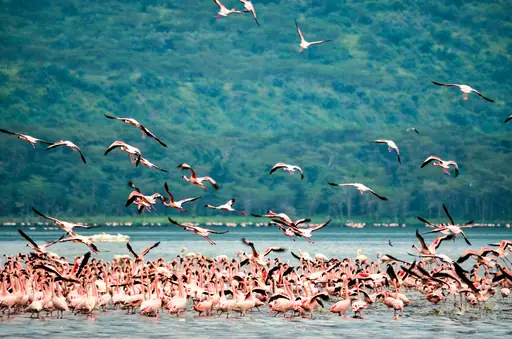
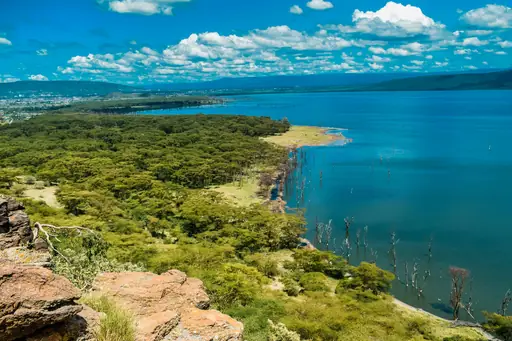
Lake Nakuru draws enormous flocks of flamingos feeding on the lake's abundant algae. Rangers have watched flamingo numbers shift dramatically with the lake's changing water levels. Visitors can spot flamingos and rhinos within the surrounding national park. Nearby cliffs offer viewpoints looking down over the pink-tinted water.
National Park in Canada
Jasper National Park
Untamed Wilderness and Starry Skies
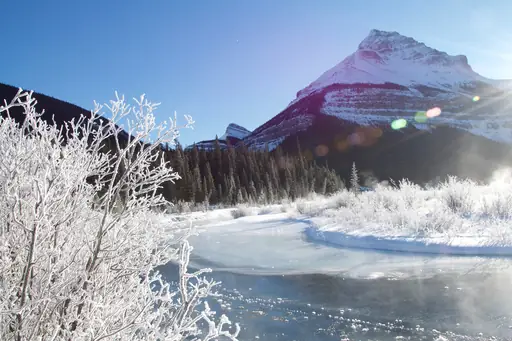
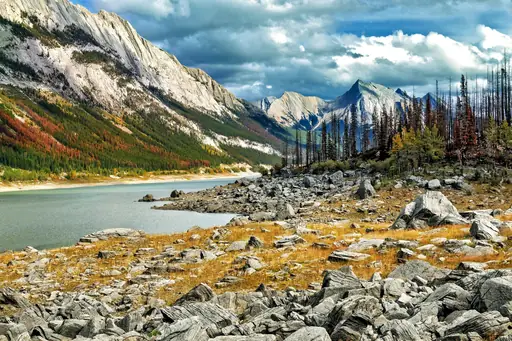
Maligne Lake turns a deep blue fed by glacial meltwater within Jasper National Park. A small island partway across ranks among the most photographed spots in the Canadian Rockies. Visitors can cruise the lake to view the island or paddle its clear water. Nearby glaciers feed the same meltwater that colours the lake.
National Park in United States
Glacier National Park
Crown of the Continent
Lake McDonald is the park's largest lake, filling a valley carved by a glacier. Colourful rocks visible through the water give the lakebed a mosaic like pattern. Visitors can paddle the water or drive its shore on Going to the Sun Road. Smaller lakes near Many Glacier draw hikers towards trailheads in the park.
Lake in Djibouti
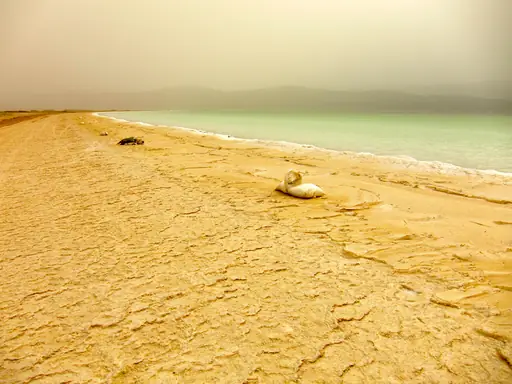
Lake Assal
Salt‑rich waters reflecting desert horizons
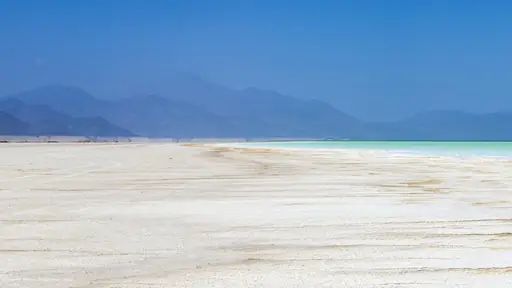
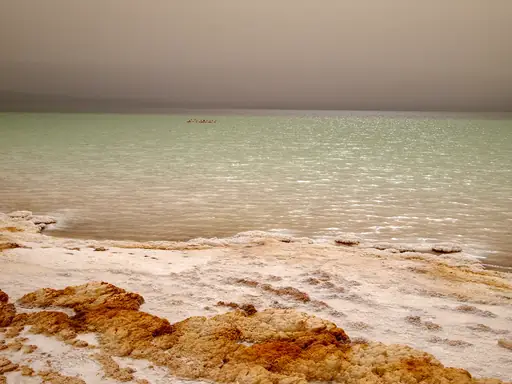
This crater lake sits 155 metres below sea level, Africa's lowest point. Its water is among the saltiest anywhere, dense enough that swimmers float without effort. Visitors can walk across crusted white salt flats ringing the turquoise water. Camel caravans still cross nearby, carrying blocks of salt as they have for generations.
City in Switzerland
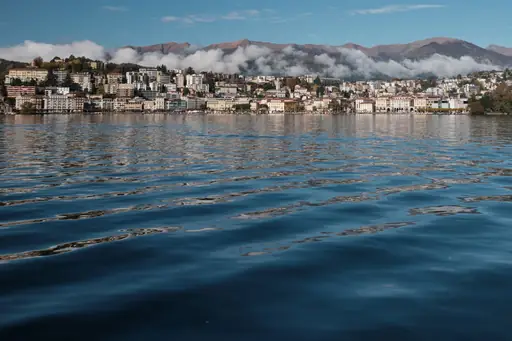
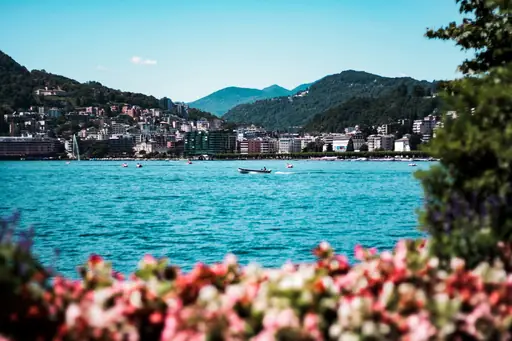
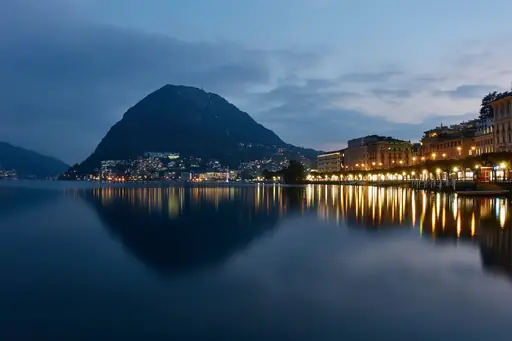
Lugano
Mediterranean flair on Swiss lakeshore
Lake Lugano sits surrounded by mountains along the Swiss-Italian border. Palm trees line parts of the lakefront, giving the city a mild, almost Mediterranean feel. Visitors can cruise the lake or ride a funicular up a nearby peak. Nearby villages retain an Italian character despite sitting within Switzerland.
Town in Germany
Berchtesgaden
Alpine Peaks, Crystal Lakes, Living History
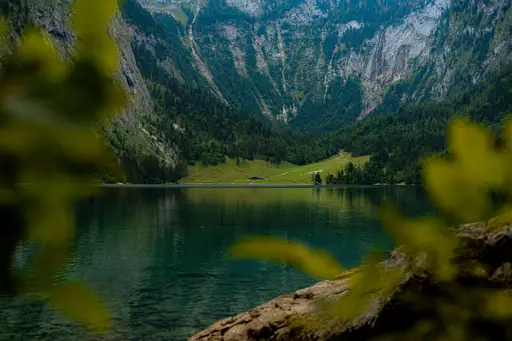
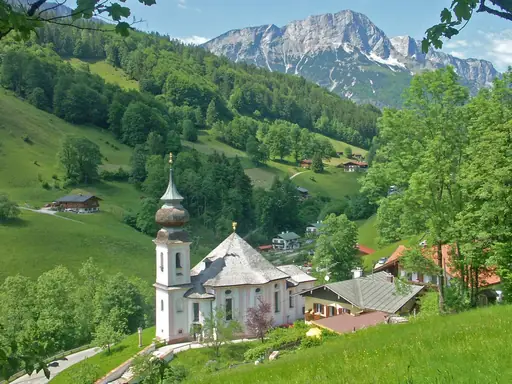
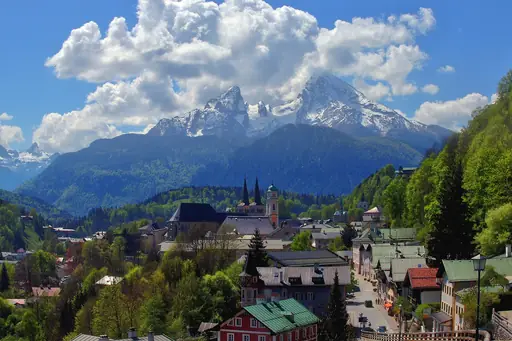
Lake Konigssee's clear water sits inside steep alpine walls near Berchtesgaden. Electric boats have carried visitors across the lake since noise disturbs its famous echo. Visitors can hear a trumpeter play a note that bounces off the surrounding cliffs. Nearby trails climb towards salt mines once worked for centuries.
National Park in New Zealand
Fiordland National Park
New Zealand’s Wildest Water World
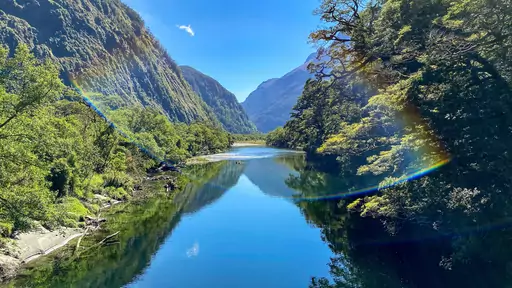
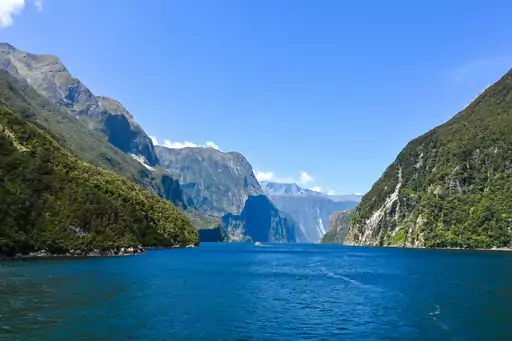
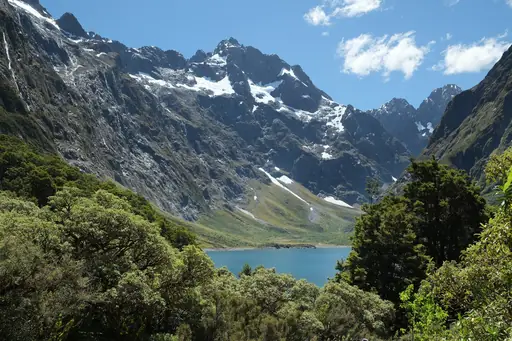
Milford Sound cuts deep into Fiordland's coastline, framed by cliffs rising straight from the water. Rain falls here on most days, feeding waterfalls that pour down the rock face. Visitors can cruise the sound and pass close beneath the falling water. Nearby, Doubtful Sound offers a quieter, less-visited version of the same scenery.
Country
Nicaragua
Tropical beauty with volcanic charm
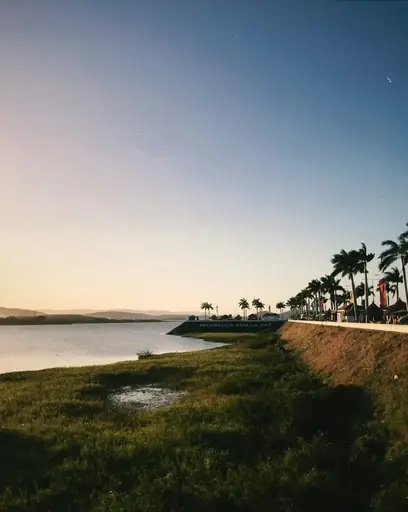
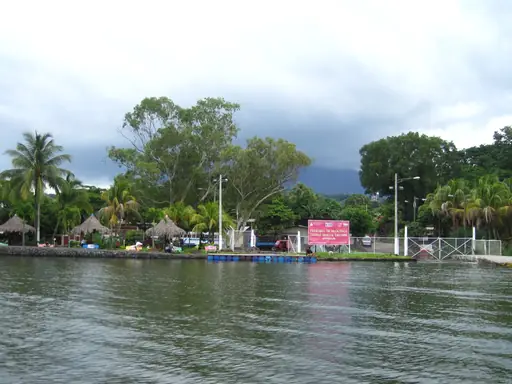
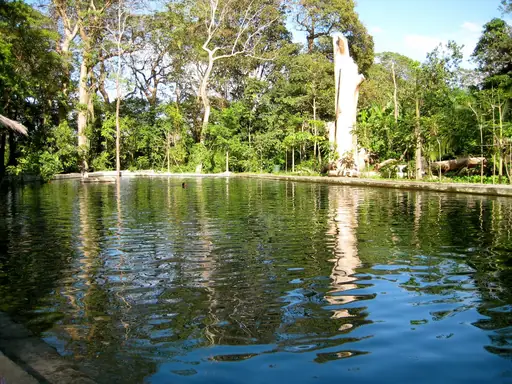
Bull sharks are among the more surprising residents of this vast Central American lake. They swim far from any ocean, having adapted over generations to fresh water. Fishermen on Ometepe Island still watch for their dorsal fins near the shallows. The lake's two volcanic peaks rise straight from the water, forming the island's distinct shape.
State/Prefecture in United States
Oregon
Diverse Landscapes and Outdoor Wonders
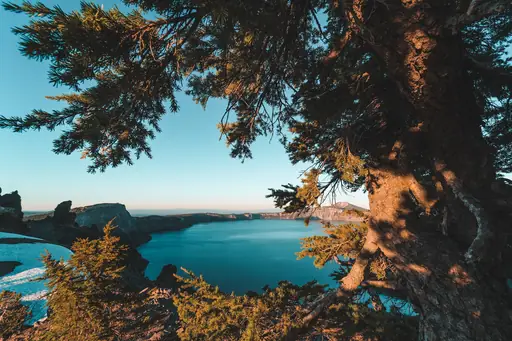
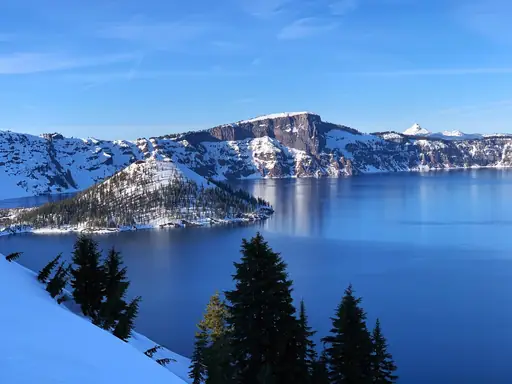
Crater Lake formed when Mount Mazama collapsed after a massive eruption 7,700 years ago. No rivers feed it, so the water comes only from rain and snow. That gives the lake its deep blue colour, visible from the rim road. Boat tours stop at Wizard Island, a cinder cone rising from the water.
Region
Patagonia
Untamed Beauty at the End of the World
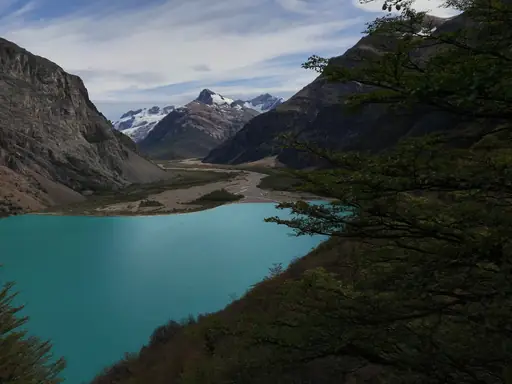
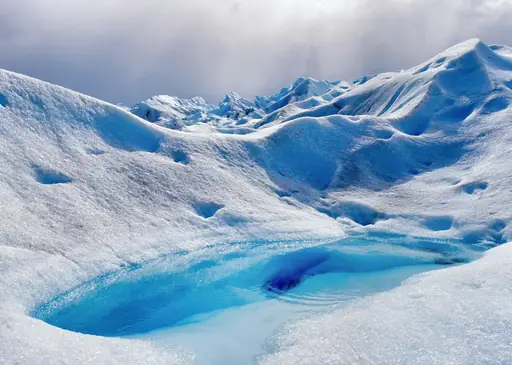
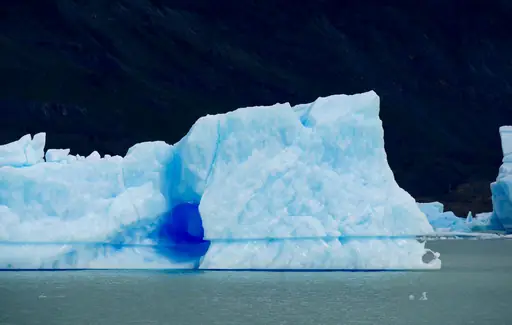
Glacial lakes across this region often turn milky turquoise from suspended rock flour. Lago Argentino sits beside Perito Moreno, a glacier still advancing into open water. Visitors can watch chunks of ice calve off the face and crash into the lake. Boat tours also cross Lago General Carrera to view its marble carved caves.
Lake in United States
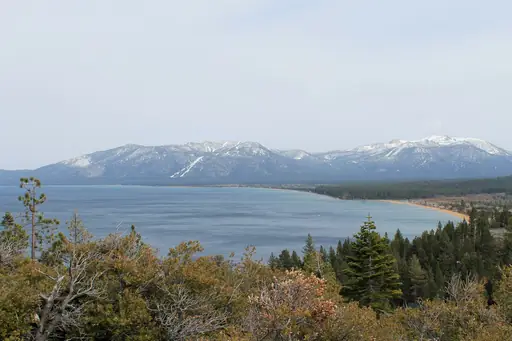
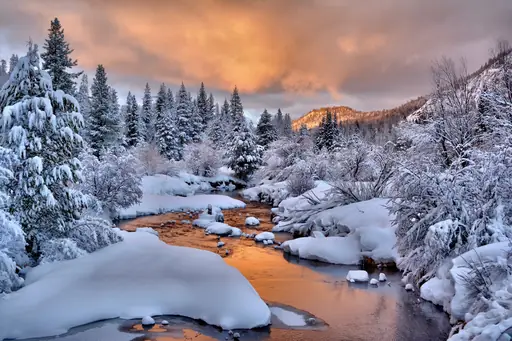
Lake Tahoe
Crystal waters framed by towering pine peaks
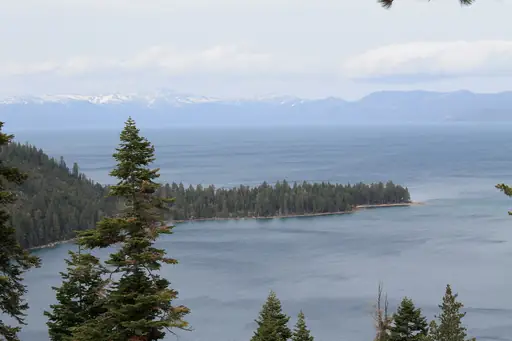
Lake Tahoe's deep blue water sits framed by peaks of the Sierra Nevada. The lake ranks among the largest and clearest alpine lakes in North America. Visitors can swim, kayak or ski nearby slopes depending on the season. Nearby beaches draw crowds during summer along the lake's sandy shore.
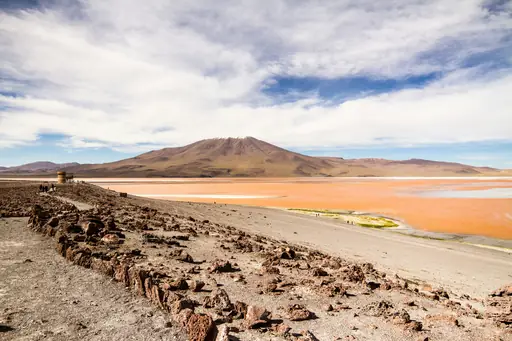
Lake in Bolivia
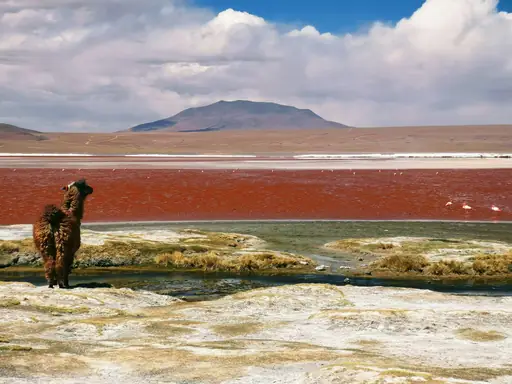
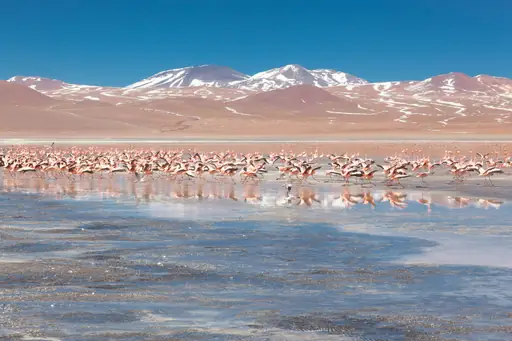
Laguna Colorada
Vibrant turquoise waters framed by Andean peaks
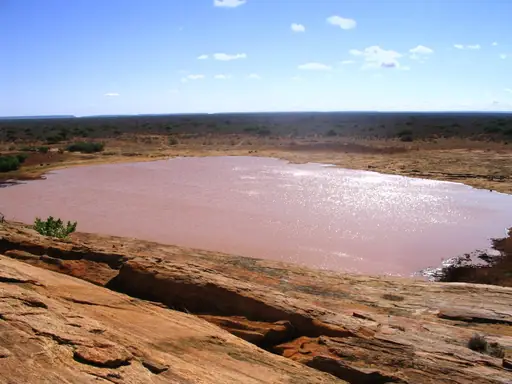
Algae tint this shallow Bolivian lake a deep red, especially near dawn. White islands of crystallised borax dot the surface, a sign of past geothermal activity. Visitors can watch thousands of flamingos, three species in all, feed in the shallows. Nights here drop far below freezing, a result of the lake's altitude above 14,000 feet.
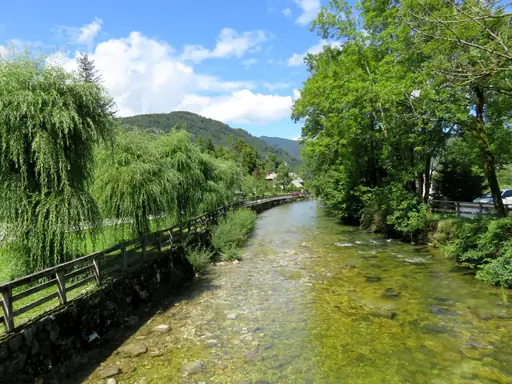
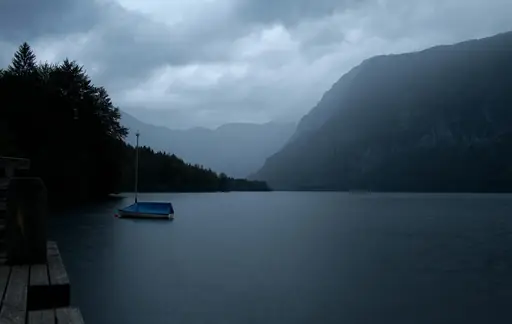
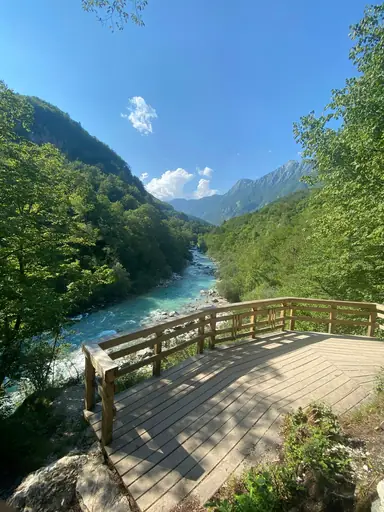
Town in Slovenia
Bohinjska Bistrica
Gateway to Slovenia’s Alpine Wonders
Lake Bohinj is Slovenia's largest lake, tucked inside Triglav National Park. A cable car nearby climbs to Vogel, giving a wide view over the water. Visitors can swim from small beaches or hike up to Savica Waterfall at the valley's end. The lake stays quieter than nearby Lake Bled, with fewer crowds along its shore.
Lake in Udaipur
Lake Pichola
Serene reflections over historic palace waters
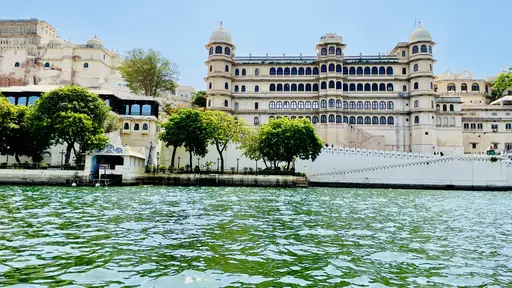
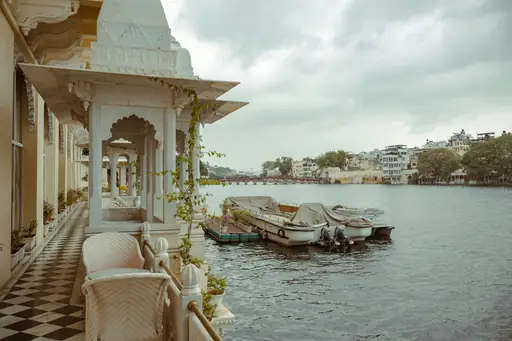
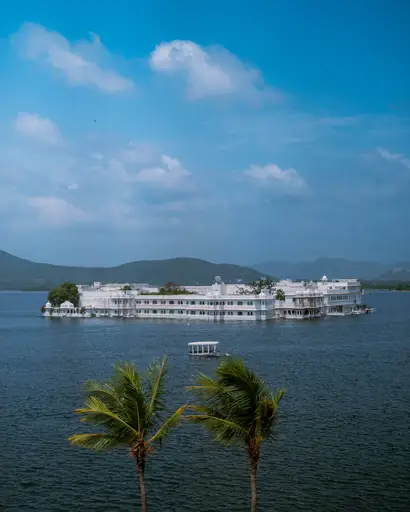
Lake Pichola holds two palaces that float on the water near Udaipur. One, Jag Niwas, was converted into a hotel reachable only by boat. Visitors can take a sunset cruise past the City Palace on the eastern shore. The lake and its palaces once served as a film set for a James Bond movie.
Country
Uganda
Pearl of Africa's diverse landscapes
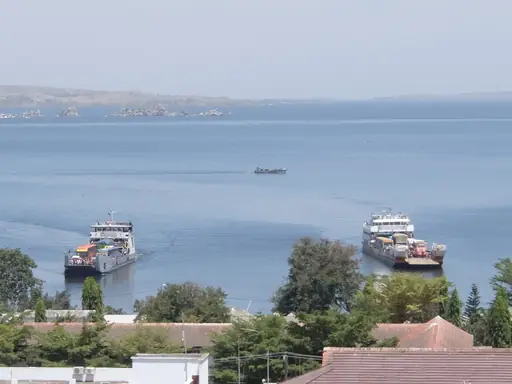
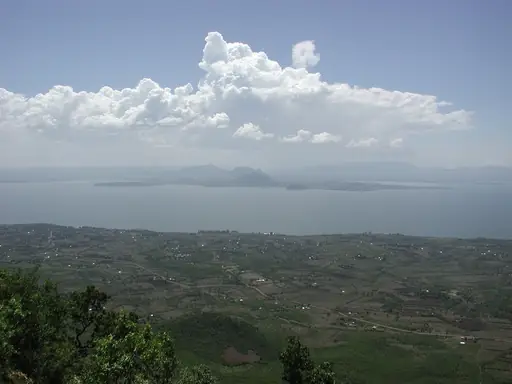
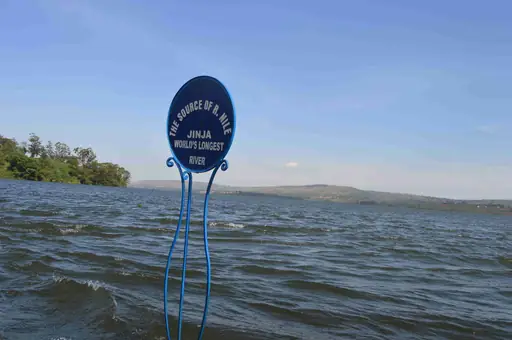
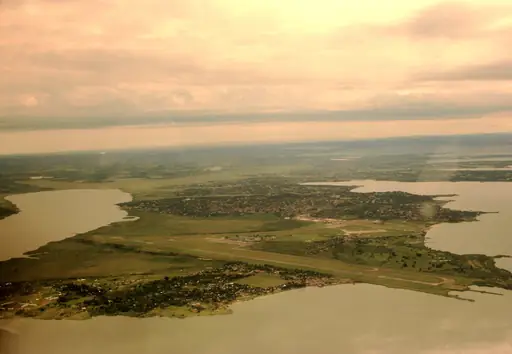
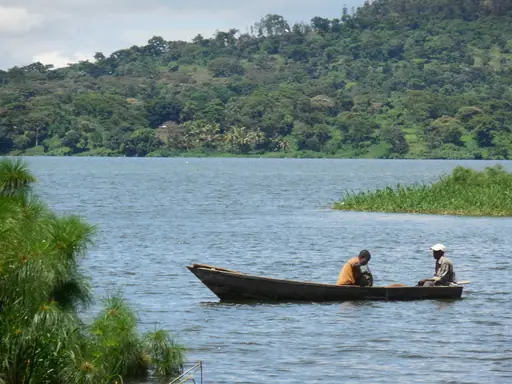
Lake Victoria narrows near Jinja at the spot long marked as the source of the Nile. Fishermen launch wooden boats at dawn from villages along the northern shore. Visitors can raft the rapids downstream, where the river picks up speed leaving the lake. Boda drivers wait at the shore to run travellers back into town.
Town in Ireland
Killarney
Ireland’s Adventure Gateway Town
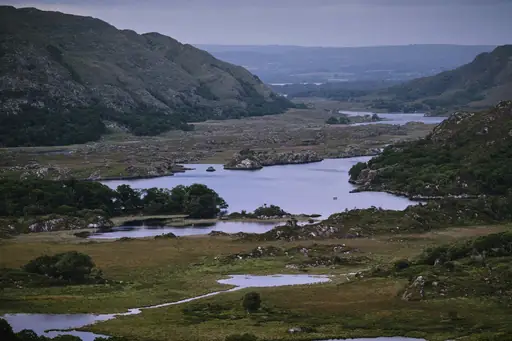
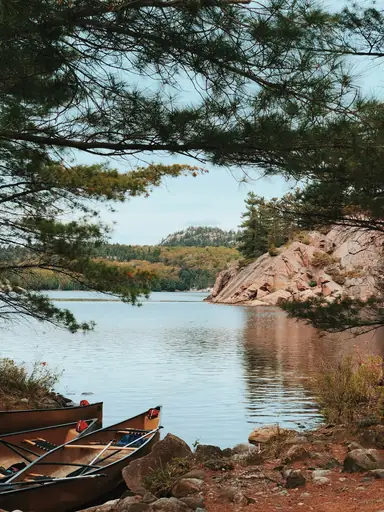
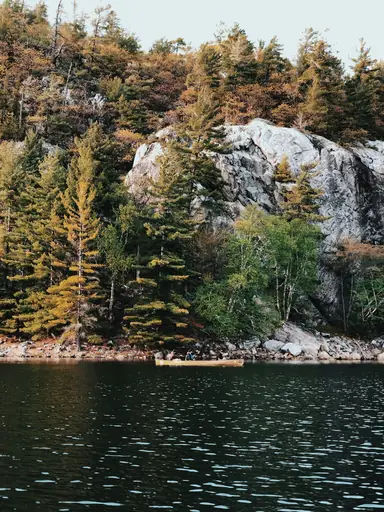
The Lakes of Killarney sit within Ireland's oldest national park, ringed by mountains. A horse-drawn jaunting car still carries visitors through the old estate to the lakeshore. Visitors can cruise the lakes or hike trails offering sweeping mountain views. Nearby castles and abbeys sit scattered along the water's edge.
Lake in Japan
Lake Kawaguchi
Mirror-like lake with the best Fuji views
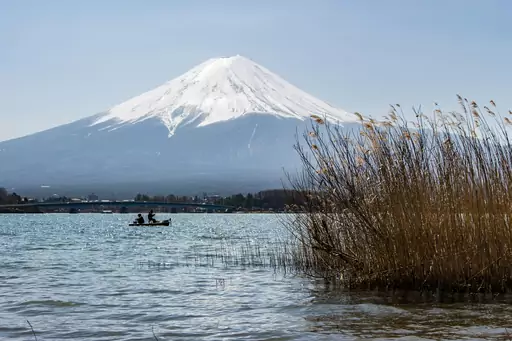
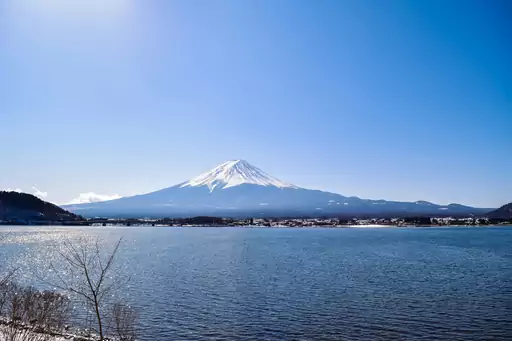
Lake Kawaguchi offers one of the clearest reflections of Mount Fuji among the Fuji Five Lakes. Photographers gather along its shore especially during cherry blossom season each spring. Visitors can walk the lakeside path for shifting views of the mountain. Nearby hot spring inns look directly across the water towards Fuji.
Lake in Canada
Lake Minnewanka
Banff's Majestic Alpine Jewel
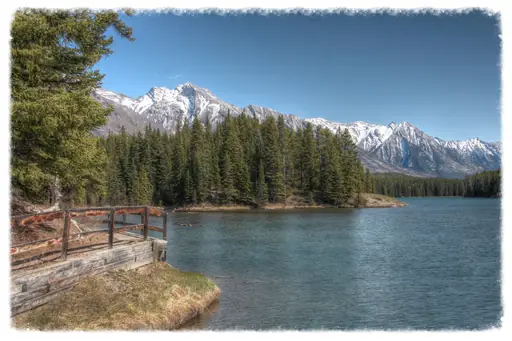
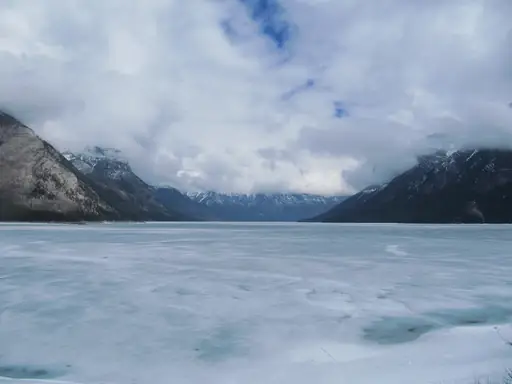
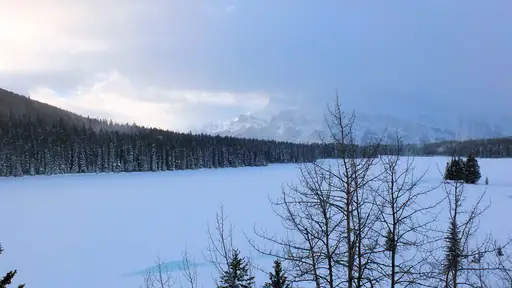
Lake Minnewanka ranks among the largest lakes in Banff National Park. A dam built in the 1940s raised the lake's water level, submerging an old townsite. Visitors can cruise the lake by boat or hike trails along its northern shore. Nearby cliffs shelter bighorn sheep often spotted grazing above the water.

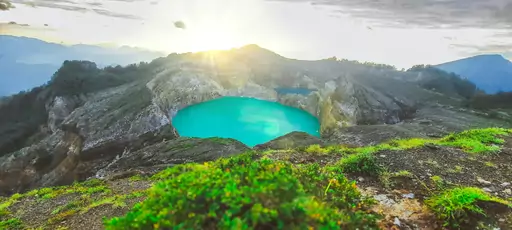
Volcano in Indonesia
Kelimutu
Twin craters illuminated by fiery sunset
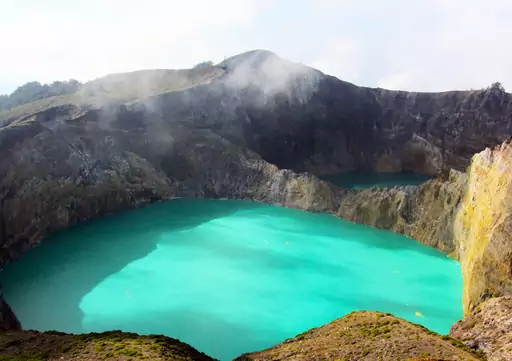
Three crater lakes sit side by side atop this volcano on Flores island. Each one shifts colour over time, cycling through turquoise, green, red and black. Hikers who arrive before dawn watch the lakes glow as sunrise lights the crater rims. Locals once believed the lakes held the souls of the dead, sorted by deeds.
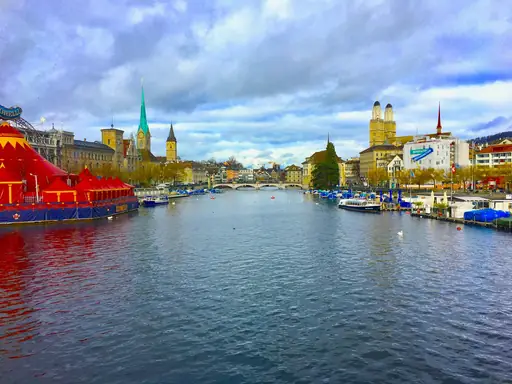
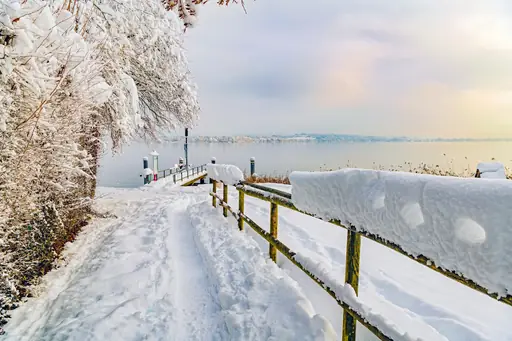
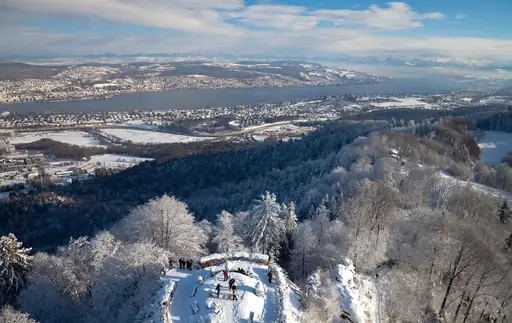
Lake in Switzerland
Lake Zurich
Switzerland's Serene Urban Lake
Lake Zurich stretches from the city centre deep into the surrounding Swiss countryside. Ferries have crossed the lake connecting lakeside towns for well over a century. Visitors can cruise the lake or swim at public bathing areas along the shore. Nearby vineyards climb hillsides overlooking the water's edge.
Lake in Bern
Oeschinen Lake
Turquoise Jewel of the Bernese Alps
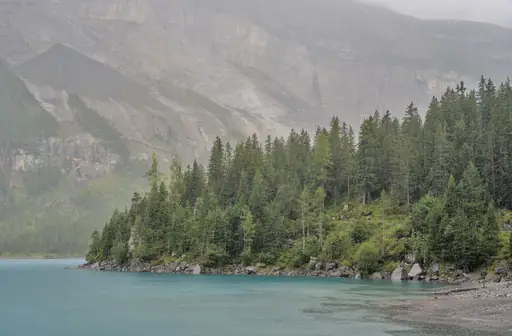
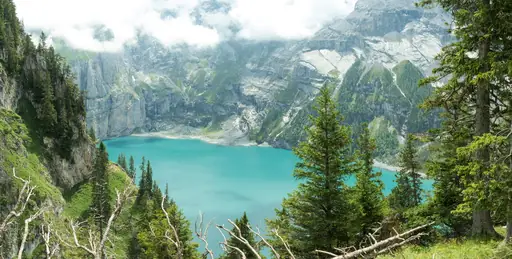
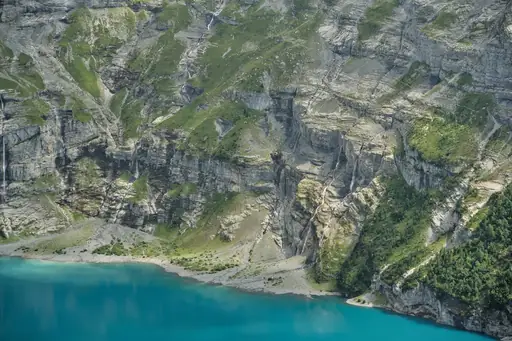
Oeschinen Lake sits in a bowl of cliffs and peaks within the Swiss Alps. A cable car and gentle trail bring visitors up from the valley below. Visitors can hike around the lake or rent a rowboat on its clear water. Nearby waterfalls drop from the surrounding cliffs into the lake.
Lake in Iceland
Jökulsárlón
Glacial waters reflecting midnight sun horizons
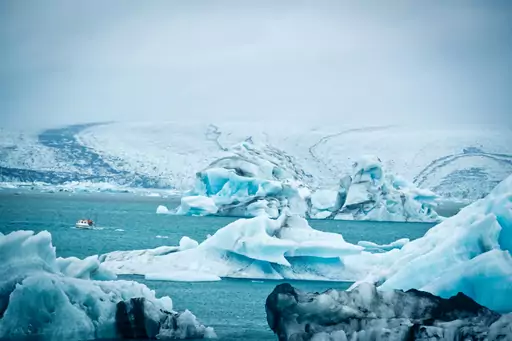
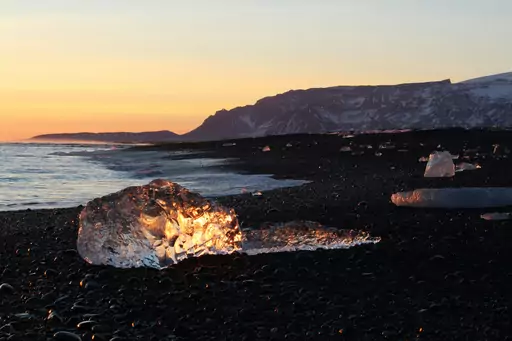
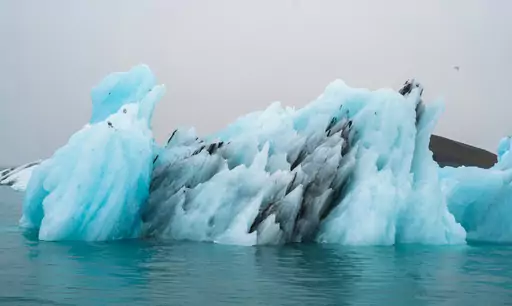
Icebergs calved from a retreating glacier drift slowly across Jokulsarlon's lagoon. Chunks of ice eventually wash out to a nearby beach, glittering against black volcanic sand. Visitors can cruise among the icebergs by boat or view them from the shore. Nearby glaciers continue to calve fresh ice into the lagoon.
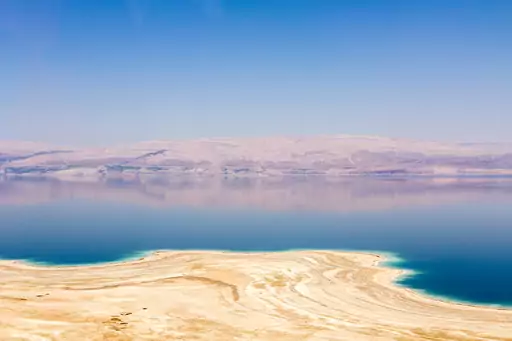
Lake
Dead Sea
Salt‑rich waters and ancient desert horizons
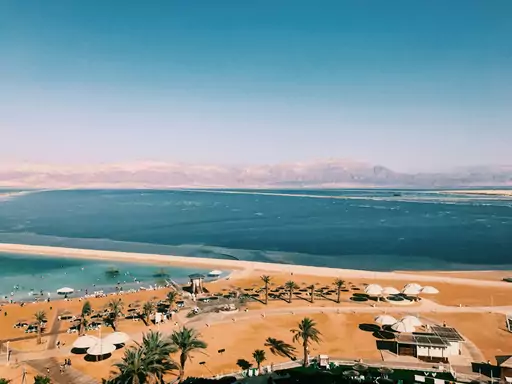
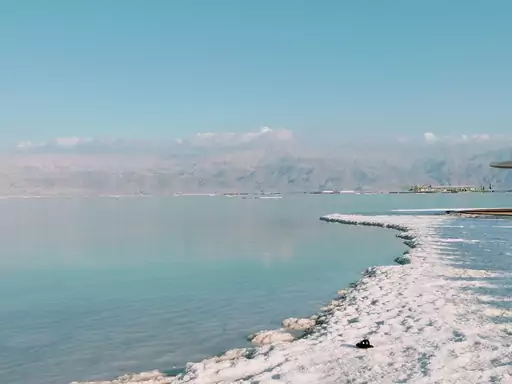
The Dead Sea's extreme salinity lets swimmers float effortlessly on its surface. Mineral content here runs roughly ten times saltier than typical ocean water. Visitors can float in the sea and coat themselves in the shore's mineral-rich mud. Nearby resorts offer spa treatments built around the sea's unique properties.
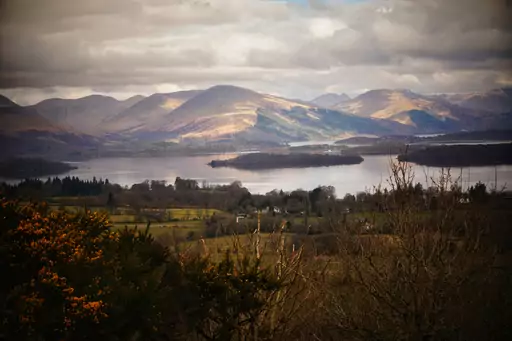
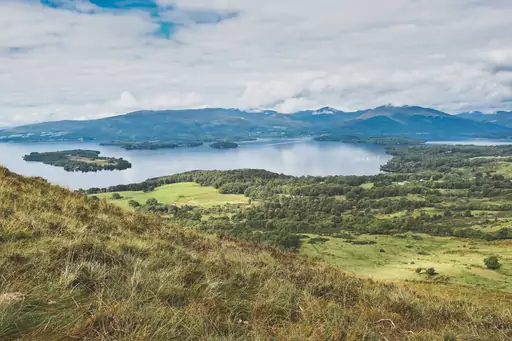
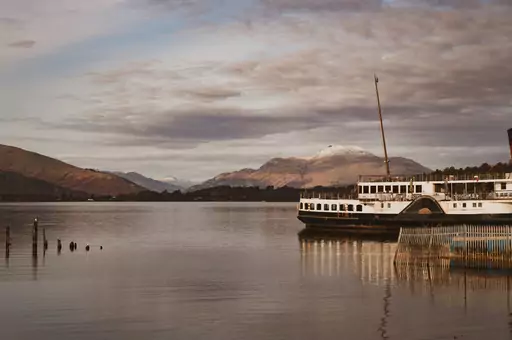
Lake in United Kingdom
Loch Lomond
Majestic waters framed by misty mountain peaks
Loch Lomond covers more surface area than any other lake in Great Britain. More than thirty islands dot the water, some large enough to hold whole farms. Visitors can hike up Ben Lomond for a wide view down over the loch. A cycle path also runs along the western shore inside the surrounding national park.
Lake in Kenya
Lake Nakuru
Vibrant wildlife reflections over crystal waters
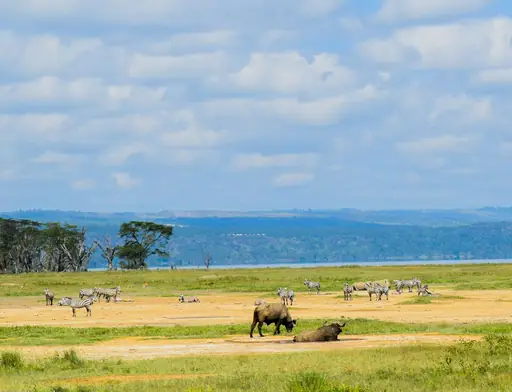
This shallow soda lake once drew hundreds of thousands of flamingos to its waters. Rising water levels in recent years have diluted that alkalinity, pushing birds to nearby lakes. Visitors can still spot flocks feeding along the shallows on a good day. Rhinos and buffalo now graze near shorelines that once sat underwater.
Lake
Lake Titicaca
Crystal waters echo ancient Andean legends
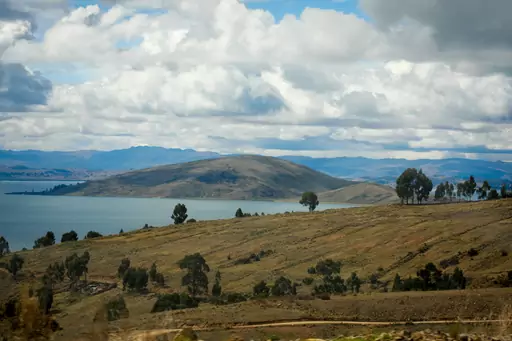
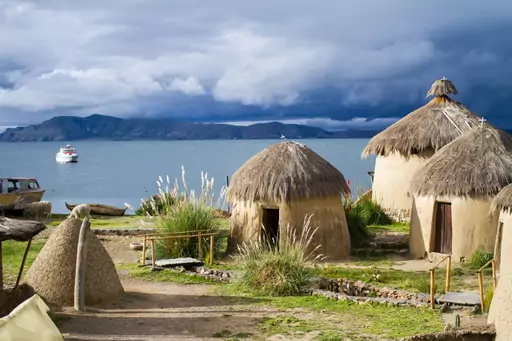
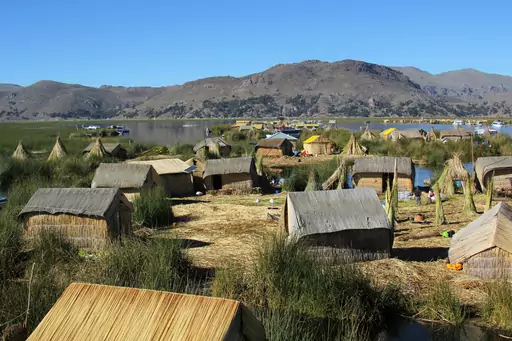
Lake Titicaca ranks among the highest navigable lakes in the world, shared by Peru and Bolivia. Inca tradition holds that the sun god emerged from these same waters. Visitors can visit floating reed islands built by the Uros people. Nearby fixed islands hold ruins tied to pre-Inca civilisations.
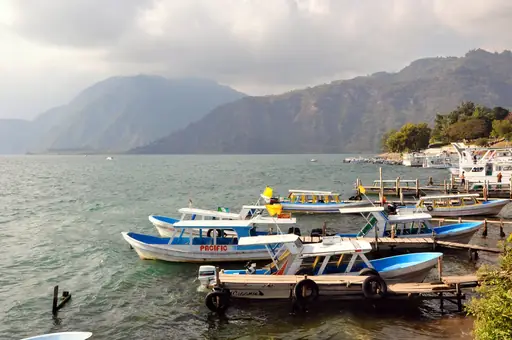
Lake in Guatemala
Lake Atitlán
Crimson sunsets over turquoise waters
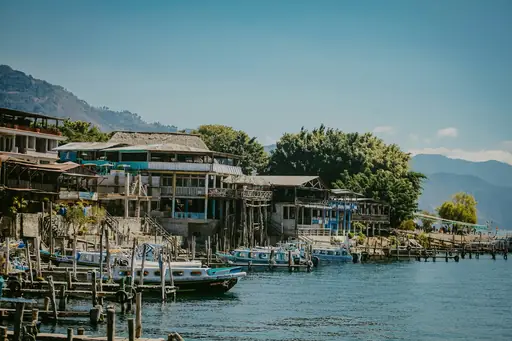
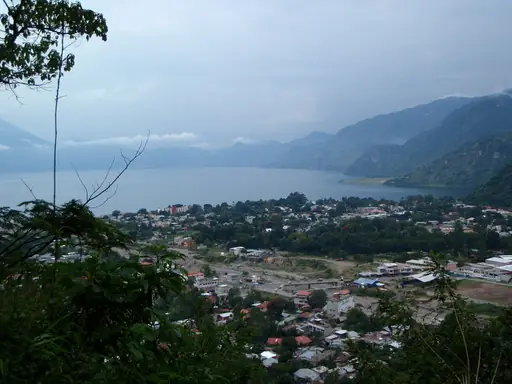
Volcanoes ring Lake Atitlan, filling a caldera formed by a massive ancient eruption. Maya villages have lined the lake's shore for centuries, each with distinct traditions. Visitors can boat between villages or hike trails overlooking the water. Nearby volcanic peaks offer challenging climbs with views over the entire lake.
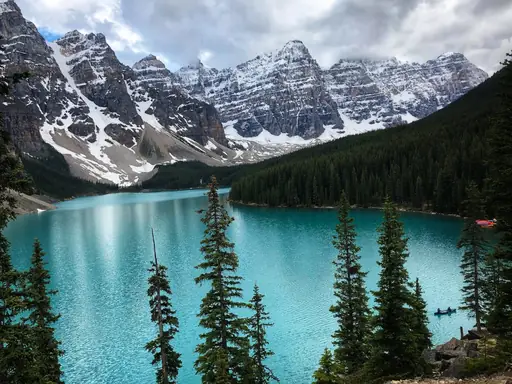
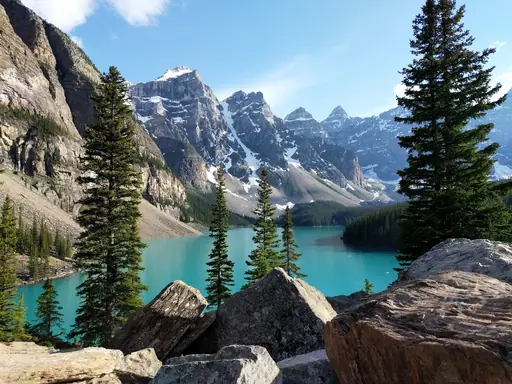
Lake in Canada
Moraine Lake
Turquoise jewel of the Rockies
Glacial melt gives Moraine Lake its intense turquoise colour each summer. The lake sits inside a valley once nicknamed the Valley of the Ten Peaks. Visitors can canoe across the water with the surrounding peaks reflected on its surface. Nearby trails climb towards glaciers that feed the lake below.
Lake
Lake Superior
Majestic waters echoing rugged wilderness
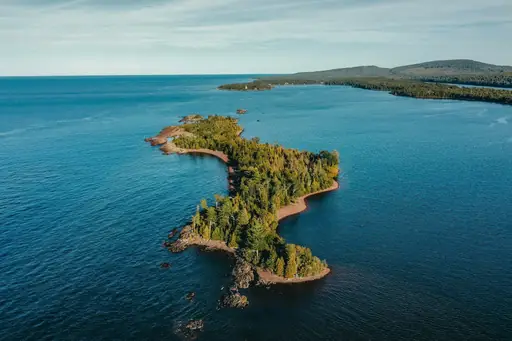
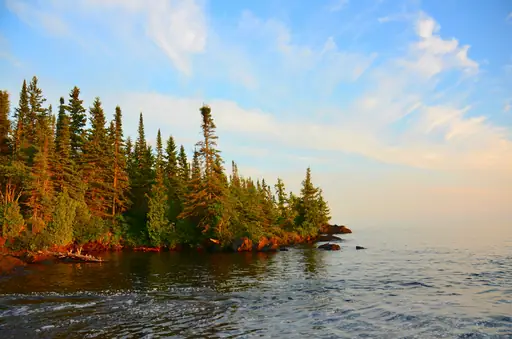
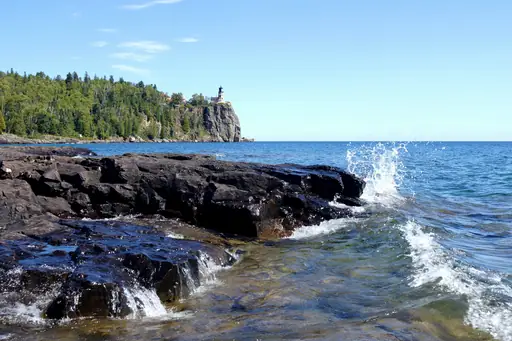
Lake Superior covers more surface area than any other freshwater lake on Earth. It holds roughly ten percent of the planet's surface fresh water within its basin. Visitors can kayak past sea caves along the Apostle Islands on the lake's southern shore. More than 350 shipwrecks rest on the lake bed, including the Edmund Fitzgerald.
Other lists you may like
Discover
Best lake destinations in Africa
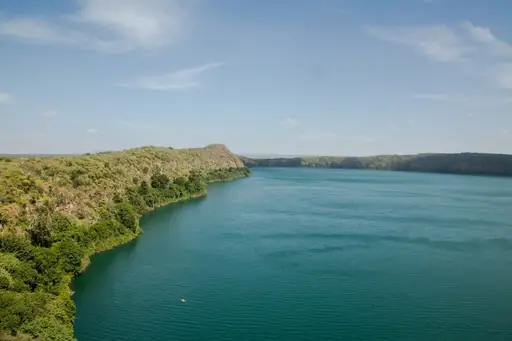
Africa's lake destinations are defined by the great rift valley lakes of east Africa and the vast freshwater systems of the central interior, which together constitute some of the…
Read more
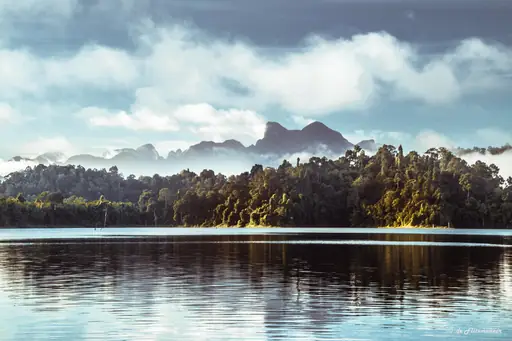
Discover
Best lake destinations in Asia
Asia's lake destinations span an extraordinary range of scale, altitude and character, from the vast high-altitude lakes of the Tibetan plateau and the Himalayas and the crater…
Read more
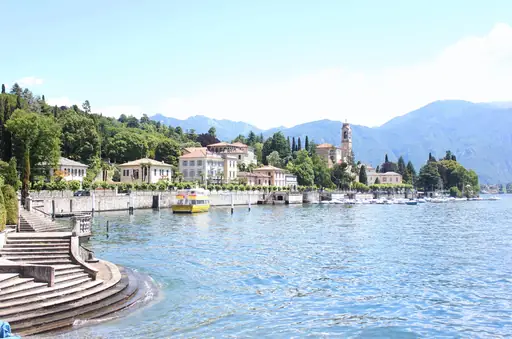
Discover
Best lake destinations in Europe
Europe's lake destinations are concentrated in the glacially carved landscapes of the Alps, Scandinavia and the British uplands, where retreating ice sheets left behind some of the…
Read more
Discover
Best lake destinations in North America
North America's lake destinations range from the vast inland seas of the Great Lakes system and the glacier-fed mountain lakes of the Rockies and Pacific northwest to the…
Read more
Discover
Best lake destinations in South America
South America's lake destinations range from the high-altitude lakes of the Andean plateau and the glacially carved finger lakes of Patagonia to the vast shallow wetland systems of…
Read more
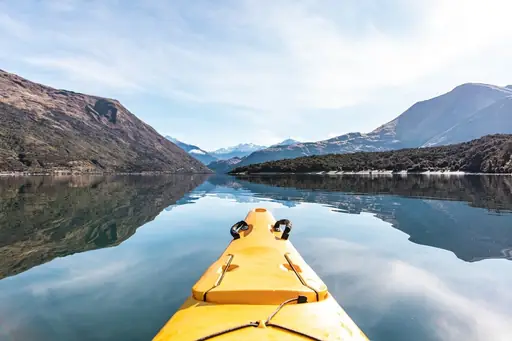
Discover
Best lake destinations in Oceania
New Zealand's glacial lakes hold a distinctive turquoise colour caused by finely ground rock flour suspended in the water. Australia's smaller lake systems offer a different,…
Read more
What other users say about travelfilters
“travelfilters made it easy for me to find ski areas and compare what else they offer, so that I could find the best place for my personal travel style.”

Chris
Snowboarding & Onsen trip to Japan
“I love how transparent the data feels. There is no pushy upsell, just honest information and settings I can tune to my own travel style.”

Maria
After booking her 2027 winter escape
“The level of detail for each destination and how well those are displayed, make planning feel confident instead of overwhelming.”

Mina
Planned a week in New York City
“We used travelfilters for our planning from start to end. The trip turned out even better than expected, thanks to all their tools and customisation options.”

Allan & Etienne
Trip to Japan to see autumn foliage
“Thanks to travelfilters, I found some hidden gems to see. Being able to filter for exactly your interests is a game changer for my travel planning.”

Michael
Tour through the old cities of Northern Italy
“The customizable filters helped me find a quiet beach town with good wifi and low season crowds in under five minutes.”

Diego
Weekend Escape to Llanes, Spain
“The airport connection map saved me hours by showing good flight options from my home airport to lesser-known cities.”

Nguyen
Planning a 2027 trip to France
“The website is clean, fast and focused on the search itself, which makes travelfilters feel more like a professional tool than an ad-heavy booking site.”

Hassan
Christmas Market trip, Germany
