







Was this page helpful?

| Power Grid: |
230 V, 50 Hz Plug: Type G
Type G:
 Read about power adapters |
|---|---|
| Currency: | Pound Sterling (GBP) |
| Cashless info: |
Rating 5/5
Cashless payments are widely accepted in the UK, especially in cities. Contactless payments and mobile payment options are increasingly popular, with smaller businesses also accepting cards.
Save with a travel credit card |
| eSIM providers: |
Best value: Saily Flexibility: Airalo Read our in-depth comparison |
| Tipping: | Tipping is customary in the UK, with 10-15% in restaurants. Taxi drivers generally expect a 10% tip or rounding up. Small tips for hotel staff are appreciated. |
|---|---|
| Public drinking: | Public drinking is allowed in many parts of the UK, especially in parks, festivals, and licensed premises. However, it's banned on public transport or in certain public spaces. |
| Public smoking: | Smoking is prohibited indoors in all public spaces, including bars and restaurants. There are designated outdoor smoking areas. |
| Christmas (December) |
Christmas is widely celebrated, expect crowded markets and higher accommodation prices. |
|---|---|
| Bank Holiday (August) |
Busy periods, especially in cities and along coastal areas. Many businesses close. |
| New Year’s Day (January) |
A major public holiday with celebrations and closures in some sectors. |
| Emergency contact: | Emergency Number: 999 or 112 (Police, Fire, Ambulance) |
|---|---|
| Taxi apps: | Uber, Bolt, Free Now, Ola |
| Other: | The UK is well-prepared for tourists, with excellent infrastructure. However, be aware of language barriers in remote areas. |
The best times to travel section shows how the months compare for a visit, so you can find the time of year that fits what you want to do.
Background colours of the months:
The colour shows the typical temperature: yellow (hot), green (mild) and blue (cold). How strong the colour is shows the travel season: full colour means high season, soft colour means shoulder season and soft-striped means off season.
Weather symbols:
Each month has one symbol showing what the weather is typically like, such as hot and sunny, freezing or a rainy or snowy season. Use them to quickly spot months that match the weather you want, or to avoid the ones that don't.
Crowdedness:
The people icon shows how busy the place usually is. The more people, the more crowded it gets.
Additional notes:
The grey info boxes point out special things worth knowing, like recurring weather issues or seasonal events.
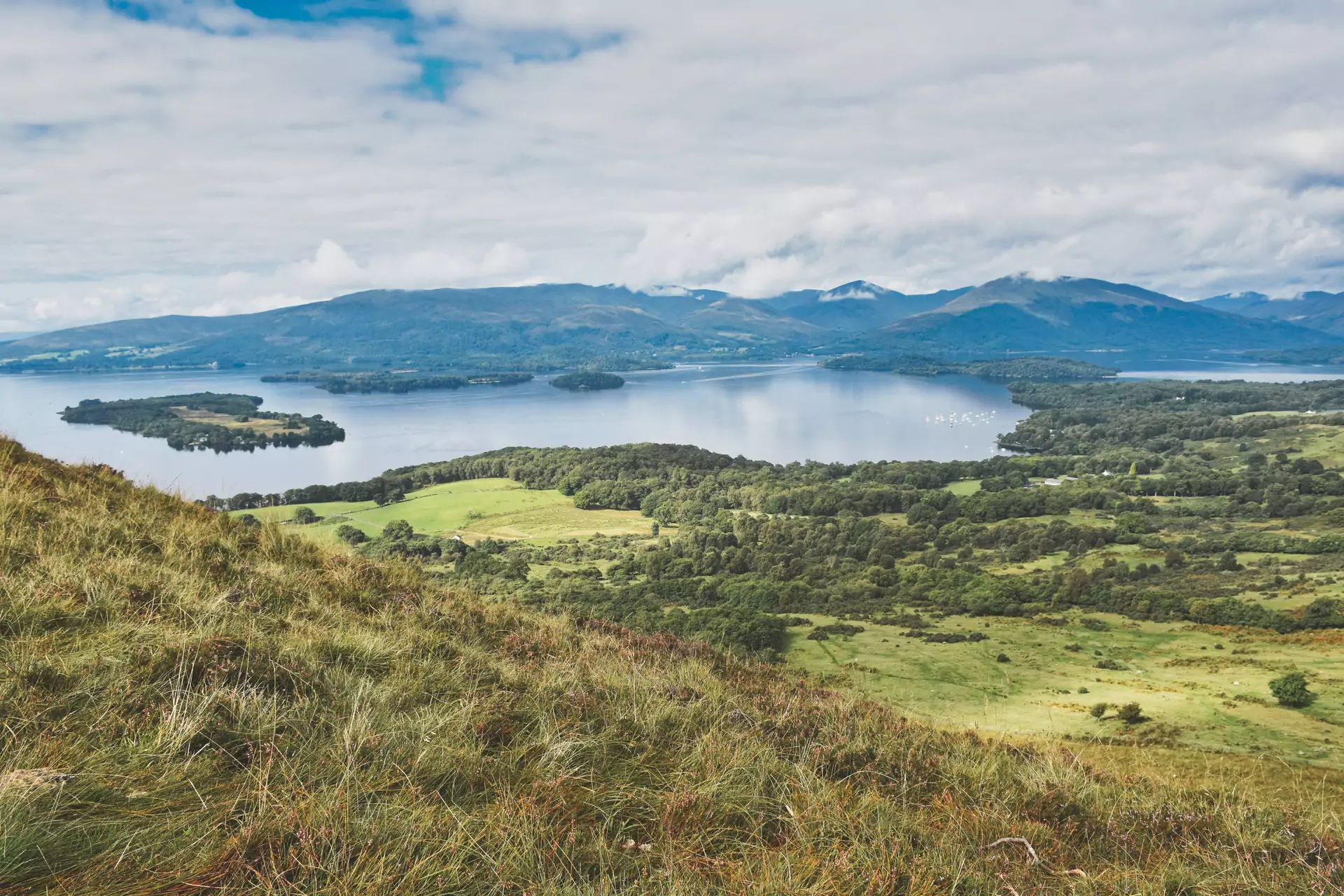
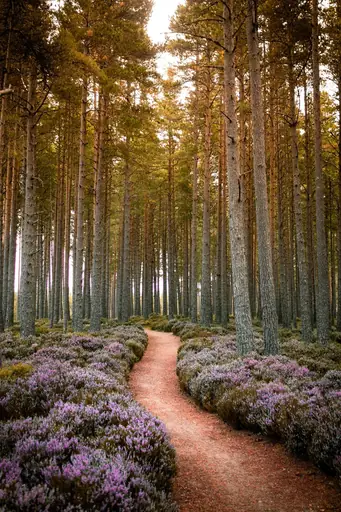
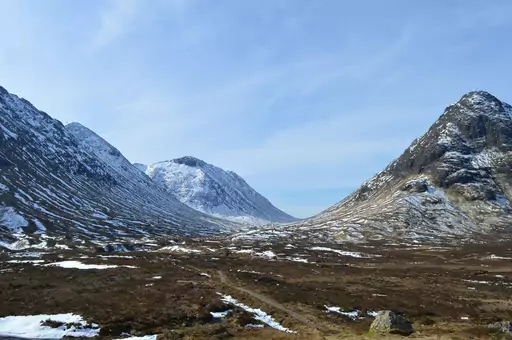
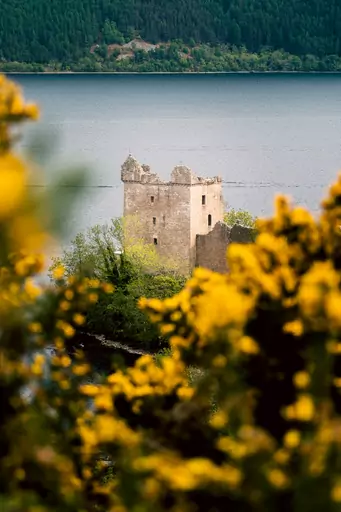
Loch Lomond stands as a significant body of water in the Scottish Highlands. It stretches across 27 kilometers with over 30 islands scattered throughout its surface. The loch’s landscape features rugged mountains rising sharply from calm waters creating a striking visual contrast. Visitors encounter rolling hills covered in heather alongside ancient woodlands that frame the shoreline.
The area surrounding Loch Lomond supports diverse ecosystems. Native pine forests host birds like ospreys and golden eagles while freshwater fish such as salmon thrive in its depths. The loch’s cold waters maintain clear visibility allowing swimmers and kayakers to explore its hidden coves. Seasonal changes alter the scenery dramatically with autumn foliage painting hillsides red and gold near the water’s edge.
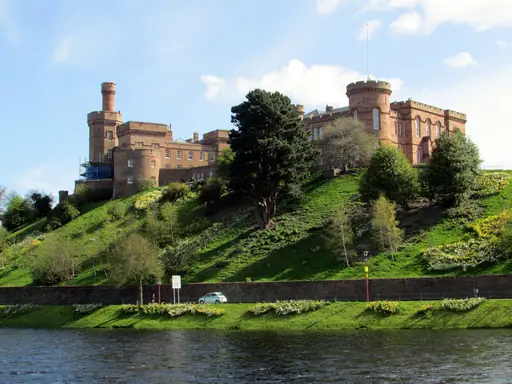
Human activity has shaped Loch Lomond for centuries. Historic castles like Inverlochy stand as reminders of past conflicts while modern trails invite hikers to trace paths once used by clans. Boat tours provide access to remote villages where traditional crafts such as weaving persist alongside contemporary tourism services. Local guides share stories about the loch’s role in Scottish history from prehistoric settlements to industrial-era developments.
Outdoor enthusiasts find varied opportunities here. Cyclists navigate winding roads with panoramic views while anglers cast lines into secluded bays. In winter snow blankets peaks making skiing possible near the loch’s higher elevations. Conservation efforts protect fragile habitats ensuring future generations can experience its natural beauty without compromising ecological balance.
Loch Lomond, located in the Scottish Highlands, is accessible primarily by road and rail. The nearest major city is Glasgow, approximately 50 kilometers to the southeast, with regular bus services and car rentals available from there. The A82 road provides a scenic route westward toward the loch, passing through picturesque villages like Balloch at its southern tip. For rail access, Fort William or Mallaig stations offer connections via local buses to nearby towns such as Luss, which sit along the loch’s shores. Ferries operate seasonally on parts of the loch, connecting destinations like Balmaha and Inveruglas. Walking trails and boat rentals are available locally for those preferring slower exploration.
Loch Lomond offers a spectrum of lodging that caters to every budget and taste. Budget travelers can find cozy B&Bs and self‑catering cottages in nearby villages such as Balloch or Luss, with nightly rates typically between £50 – 80 (£50 – 80). Mid‑range options include family‑run inns and boutique hotels offering lake views, priced around £90 – 140 (£90 – 140) per night. For those seeking luxury, the area boasts a handful of country houses and spa resorts that blend historic charm with modern amenities; these can command £200 (£200)+ per night, especially during peak summer months. The region is renowned for its rustic lodges and eco‑friendly cabins, many featuring traditional Scottish décor and locally sourced produce. Seasonal festivals and hiking trails further enhance the appeal of staying near the loch’s tranquil shores.
Log in to add this place to a travel list and get a summary of all recommended items for your whole trip.
We calculate the average costs when travelling to destinations and compare those with the living costs at your home. With this you can get an estimate of how expensive or cheap the destination is for you.
To customise this, you can set up which location and price level are used for the calculations in your account settings.
The exchange rate price factor shows how expensive or cheap a currency currently is compared to its historical average. It's a quick way to see if a country is currently more or less affordable due to exchange rate changes.
