
Top scuba diving destinations and coral reefs
Top scuba diving destinations and coral reefs
Top diving reefs and underwater destinations
The world's best diving destinations share a few things in common: visibility, healthy reef structure and enough marine biodiversity to reward repeated dives in the same spot. Where those conditions hold, diving becomes less about ticking off one site and more about returning to the same water again and again.
The destinations here range from remote atolls reachable only by liveaboard to shore-accessible reefs minutes from a dive shop. Some are known for big pelagic encounters such as sharks, rays and mantas. Others are known for the sheer density and colour of smaller reef life.
Certification level, season and current strength all affect which sites are realistically accessible and matching the destination to experience level makes for a far better trip.
Lists by region
Country
Indonesia
Volcanoes, temples, rice terraces and coral reefs
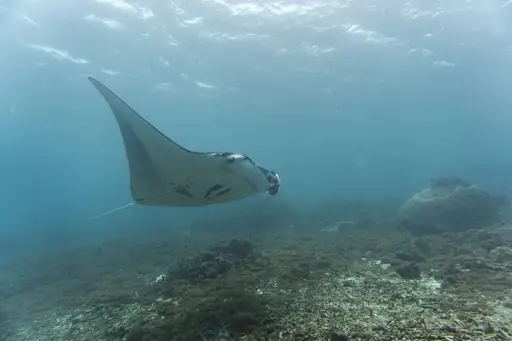
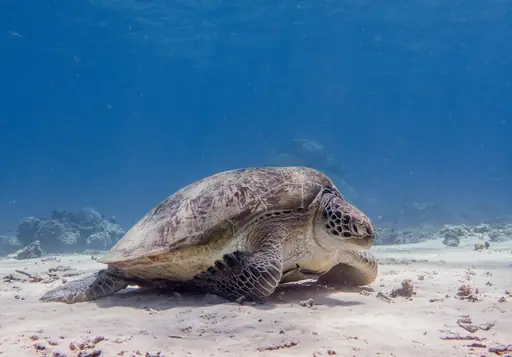
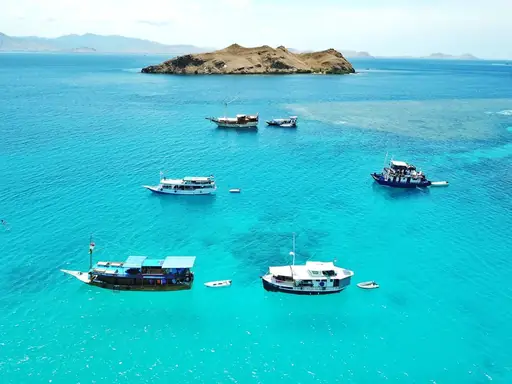
Indonesia sits at the centre of the Coral Triangle, home to the greatest coral and reef fish diversity on Earth. Scientists have documented more coral species here than anywhere else in the ocean. Visitors can dive dramatically different ecosystems by moving between islands. Liveaboards remain the most common way to reach remote reef systems.
National Park in Thailand
Similan Islands
Thailand's underwater paradise
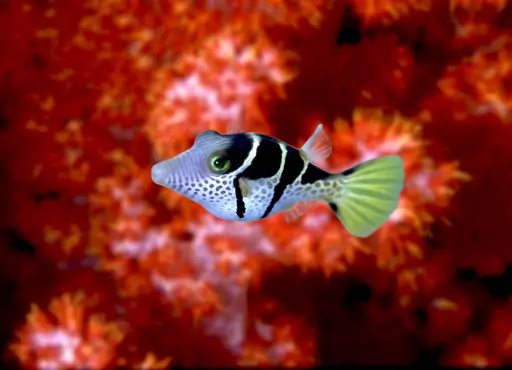
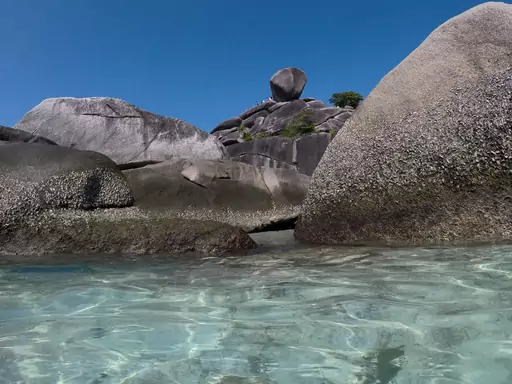
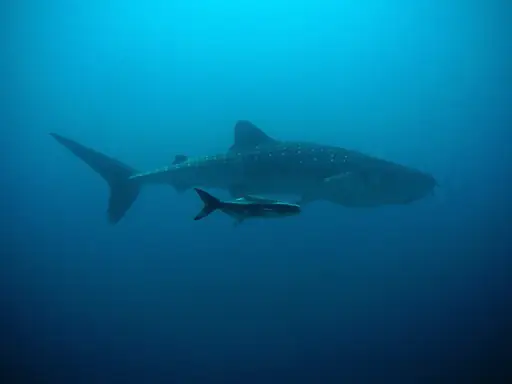
Underwater granite boulders around the Similan Islands mirror the giant rocks found above the waterline. Richelieu Rock nearby draws manta rays and, in certain seasons, whale sharks passing through. Visitors typically reach the islands by liveaboard from mainland Thailand. The park closes for several months each year to let the reef recover.
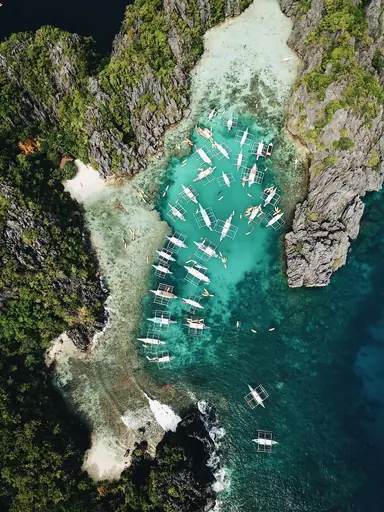
Island in Philippines
Palawan
Paradise of Lagoons and Limestone Cliffs
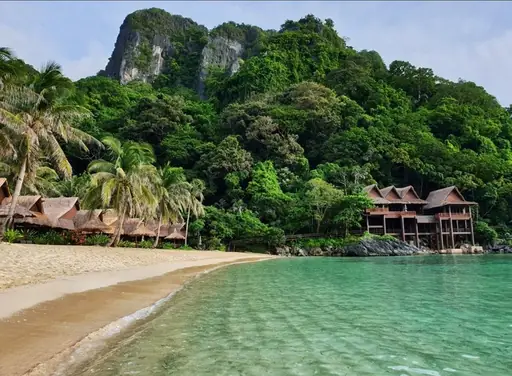
Tubbataha Reef sits far enough offshore from Palawan that it stays accessible only by liveaboard during a short season. UNESCO protection has helped the reef maintain unusually high coral cover and fish density. Visitors can dive walls that drop steeply into deep water on both sides. The reef closes outside its brief window each year.
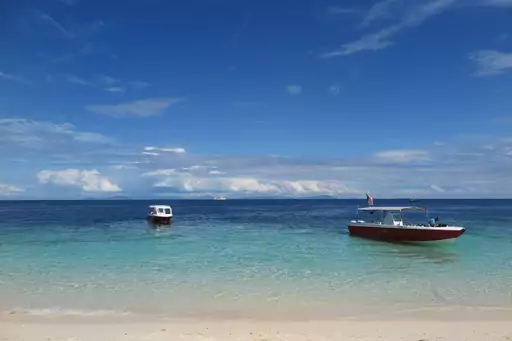
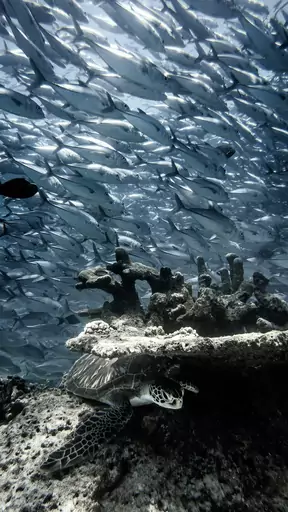
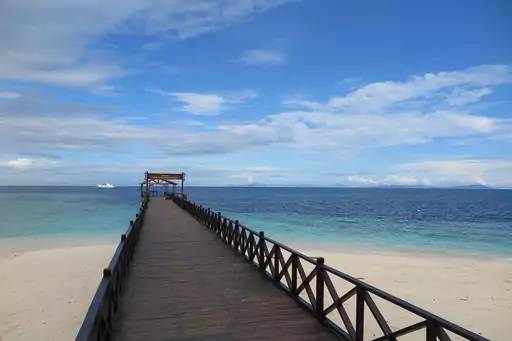
Island in Malaysia
Sipadan
Crystal reefs and untouched tropical paradise
Sipadan rises from the seafloor as an isolated oceanic island rather than a continental shelf. Divers can encounter large schools of barracuda that circle together in a dense formation. Visitors can also swim through an underwater cavern where sea turtles rest. Malaysia limits daily diver permits to protect the reef from overcrowding.
Country
Philippines
7,641 islands of tropical wonder
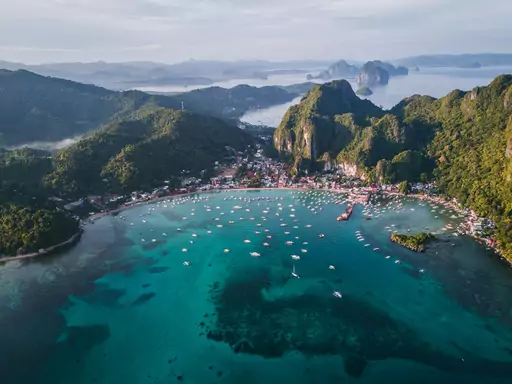
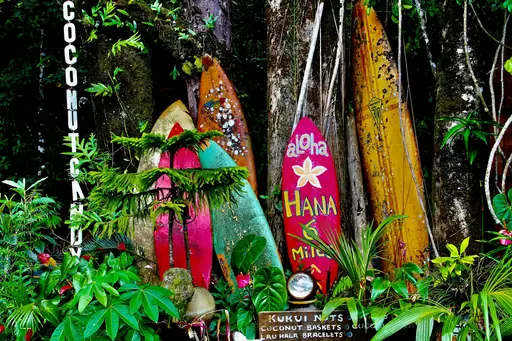
Coron Bay holds a dozen Japanese shipwrecks sunk during a World War II air raid in 1944. Many wrecks sit shallow enough for snorkellers and divers to explore the same structures. Visitors can pick from wrecks ranging from easy dives to advanced technical routes. Coral has grown over much of the sunken fleet since.
Island in United States
Maui
Island of Sun, Surf and Serenity
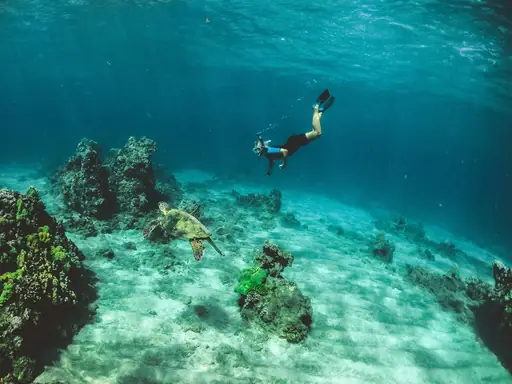
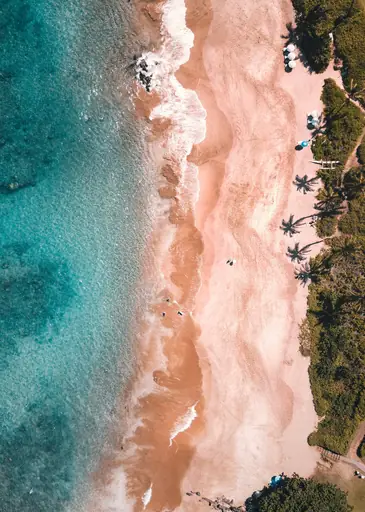
Molokini Crater sits offshore from Maui as a partially submerged volcanic cone shaped like a crescent. Clear, sheltered water inside the crater gives divers strong visibility most days. Visitors can reach the site by boat for morning dives or afternoon snorkel tours. The crater's outer wall drops steeply for divers seeking deeper terrain.
City in Mexico
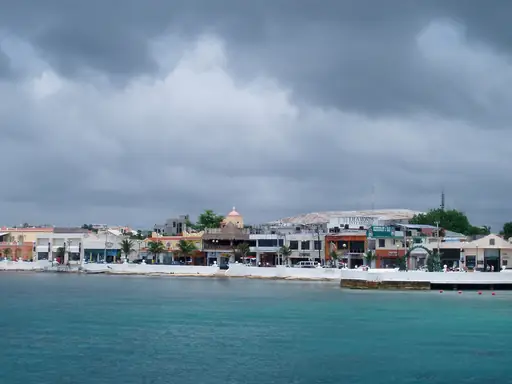
San Miguel de Cozumel
Island Heartbeat, Reefs and Colorful Streets
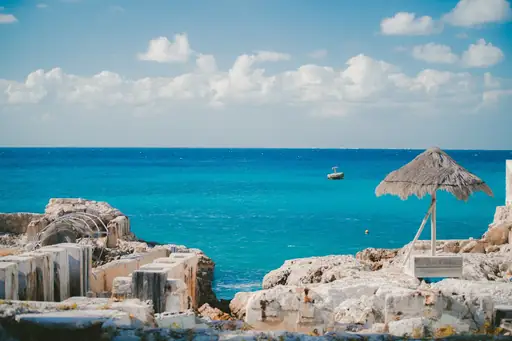
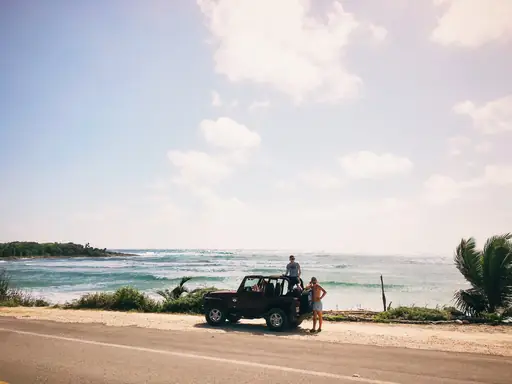
Palancar Reef off Cozumel forms part of the Mesoamerican Barrier Reef. Strong currents here carry divers along in a steady drift. Coral formations include large barrel sponges and swim throughs cut into the reef. Visitors can join drift dives that cover long stretches of reef with minimal effort.
Region in Bonaire, Sint Eustatius and Saba
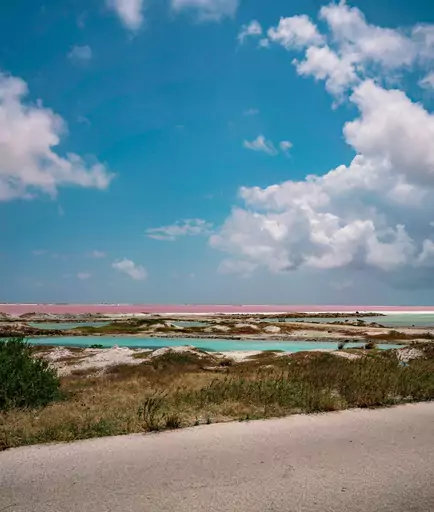
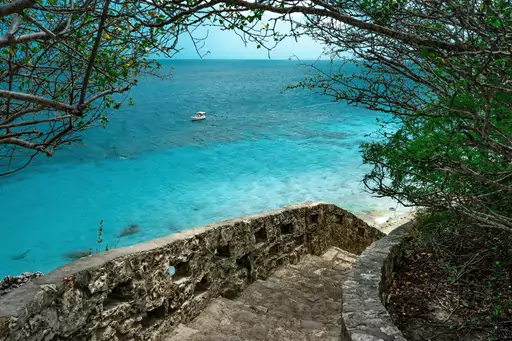
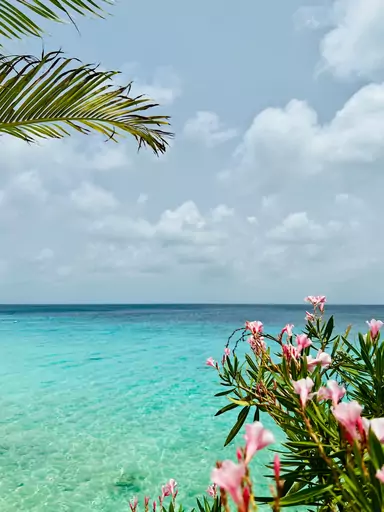
Bonaire
Caribbean diving paradise with volcanoes
Bonaire's coastline became a protected marine park in 1979, among the earliest in the Caribbean. Yellow rocks mark shore access points where divers can walk into the water with tanks on. Visitors can dive any time without needing a boat for most sites. Coral cover here has stayed healthier than at many Caribbean destinations.
Country
Federated States of Micronesia
Scattered paradise with tropical diversity
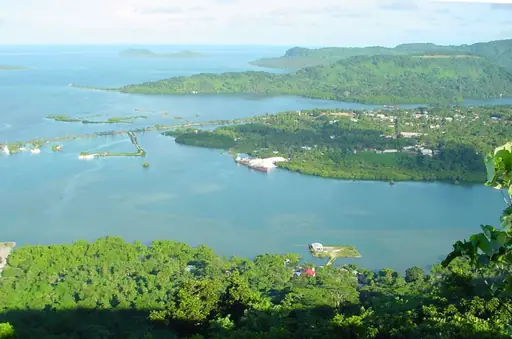
Chuuk Lagoon holds dozens of Japanese ships sunk during a single World War II air raid in 1944. Cargo still fills many wrecks, including tanks, aircraft parts and personal belongings. Visitors can explore multiple wrecks across a single liveaboard trip through the lagoon. Coral has grown over many hulls in the decades since they sank.
City in Australia
Cairns
Gateway to Reef and Rainforest Wonders
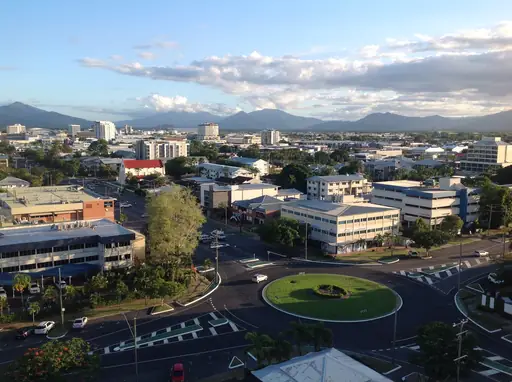
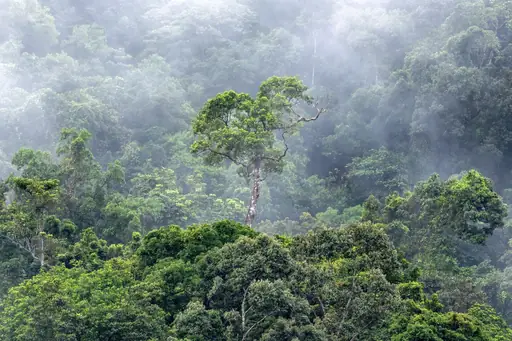
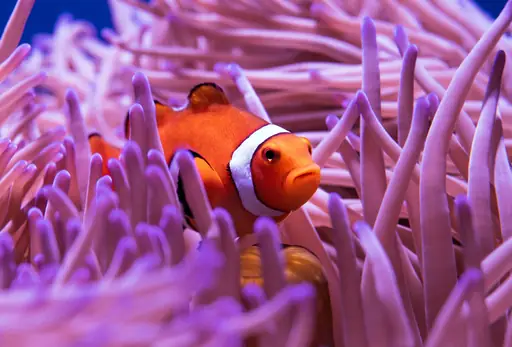
Cairns serves as the main departure point for liveaboard trips to the outer Great Barrier Reef. Its Cod Hole site is famous among divers. There, massive potato cod that have grown used to visitors can be hand fed. Visitors can choose day trips to closer reefs or multi day liveaboards further offshore.
Outer Territory in United Kingdom
Turks and Caicos Islands
Sun-drenched beaches with crystal waters
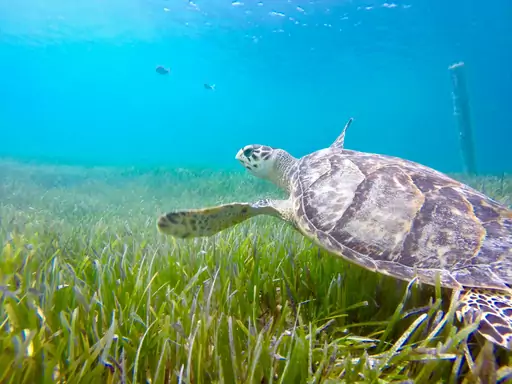
Wall dives around Turks and Caicos drop steeply just offshore, letting divers reach deep water quickly. Humpback whales pass through nearby channels during their winter migration, sometimes audible underwater. Visitors can combine wall dives with whale watching trips during the season. Coral formations along the walls host a wide range of reef fish.
Overseas Territory in France
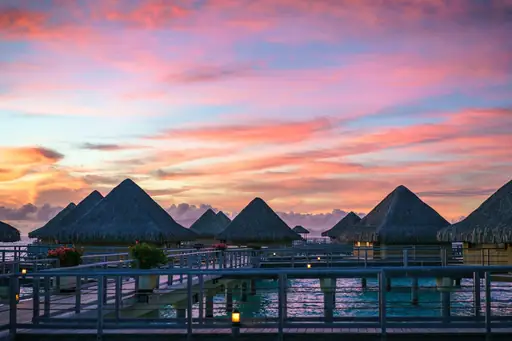
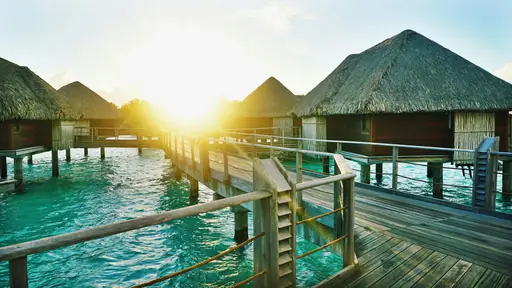
French Polynesia
Paradise of Crystal Clear Lagoons
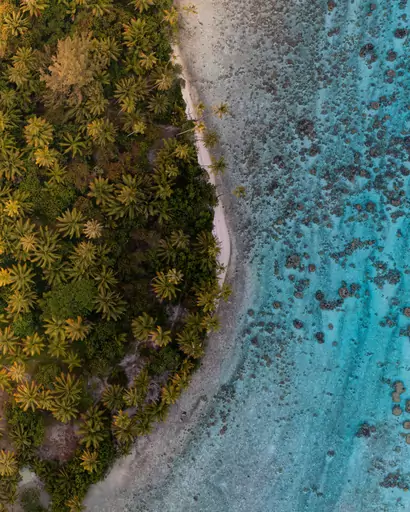
Tiputa Pass in Rangiroa channels strong currents between the open ocean and a wide lagoon. Sharks and dolphins gather in numbers along the pass throughout the year. Divers drift through the channel rather than swimming against the current. Visitors can time dives around tidal changes that affect current strength and direction.

Country
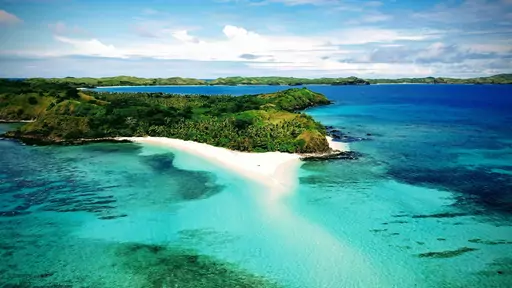
Fiji
Tropical paradise with diverse landscapes
Reefs around Fiji produce dense growths of soft coral in shades of purple, orange and pink. Rainbow Reef earned its name from the coral colours visible along a single dive. Visitors can also dive Beqa Lagoon, known for encounters with several shark species. Strong currents through Fiji's channels help feed the coral with steady nutrients.
Region in Mexico
Yucatán
Gateway to the Mayan world
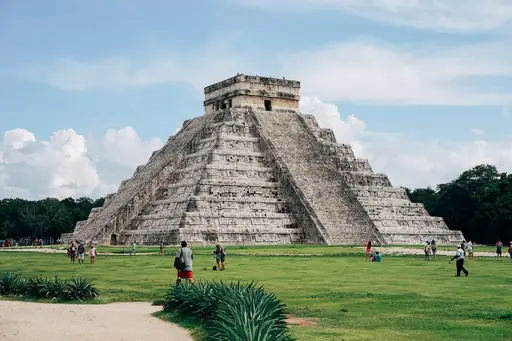
Cenotes across the Yucatan connect to a vast underground river system carved through limestone over thousands of years. Divers can swim through chambers lit only by sunlight through openings above. Visitors can choose cenotes ranging from open cavern dives to cave systems needing training. Stalactites formed when the caves sat dry, before sea levels rose.
Island
Borneo
Wild rainforests meet unique wildlife
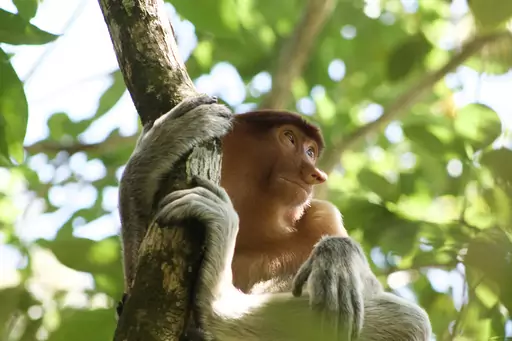
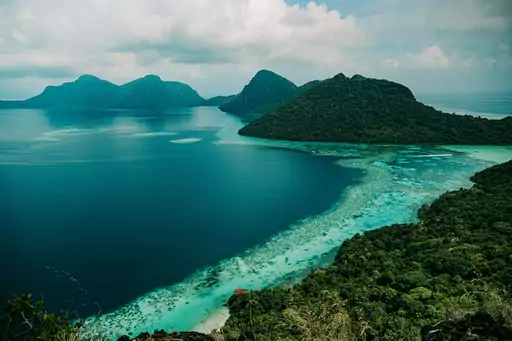
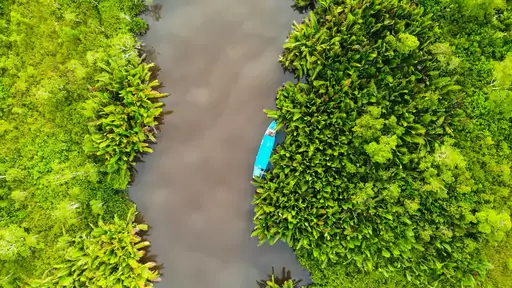
Kakaban Island off Borneo holds a landlocked lake filled with stingless jellyfish. Generations cut off from predators left the jellyfish with no need to sting. Snorkellers can swim among thousands of them without fear of being stung. Visitors can also dive nearby Derawan's reefs, known for manta ray cleaning stations.
Country
Palau
Pristine paradise with underwater wonders
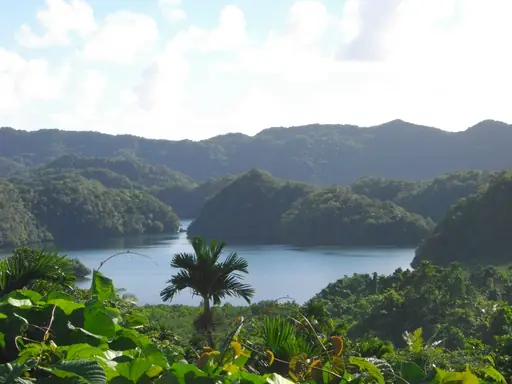
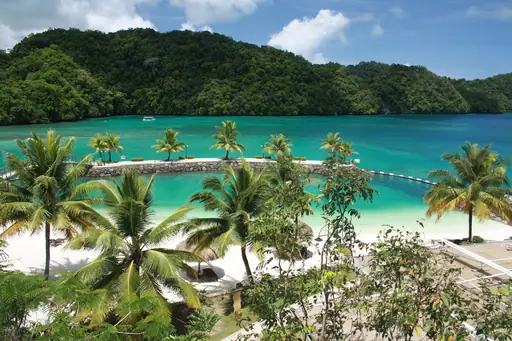
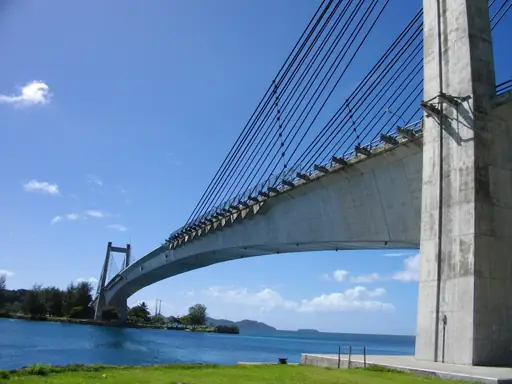
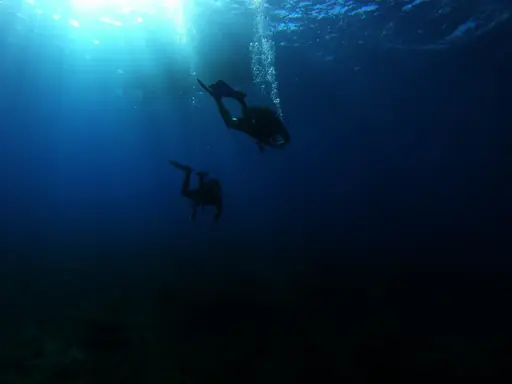
Blue Corner in Palau channels strong ocean currents past a coral wall. Sharks and other pelagic fish gather there in large numbers. Divers use reef hooks to anchor in place and watch without drifting away. Visitors can also swim through Palau's original Jellyfish Lake, home to millions of stingless jellyfish.
Outer Territory in United Kingdom
Cayman Islands
Tropical paradise with crystal waters
Bloody Bay Wall off Little Cayman drops from shallow reef into open ocean within a few metres. Divers hover along the wall, watching for fish passing in the blue water. Visitors can reach the site by day boat from Little Cayman's dive operators. The wall remains one of the more dramatic drop-offs in the Caribbean.
Country
Solomon Islands
Tropical paradise with pristine waters
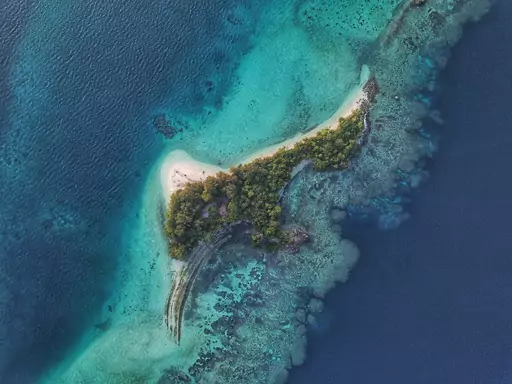
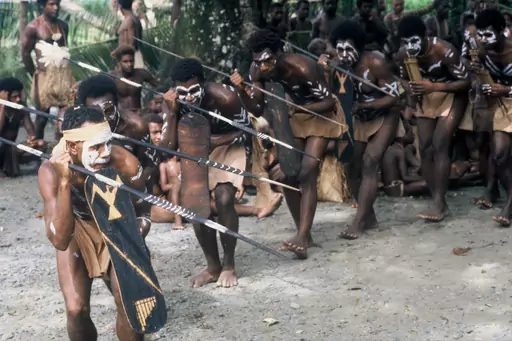
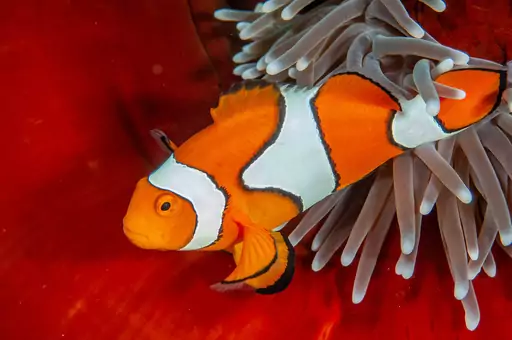
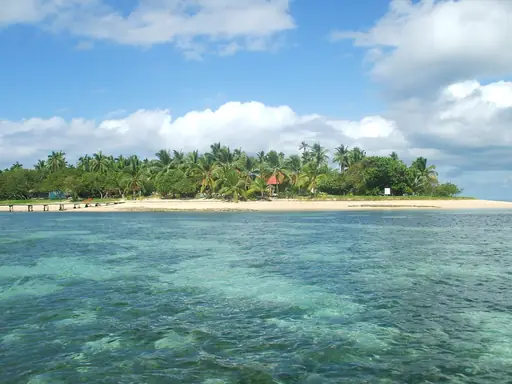
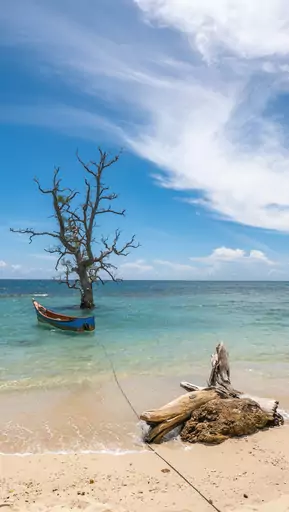
Iron Bottom Sound in the Solomon Islands holds dozens of ships and planes sunk during World War II naval battles. Divers can explore both shallow wrecks and reefs largely untouched by mass tourism. Visitors typically reach remote sites through liveaboard trips departing from Honiara. Coral growth has slowly reclaimed many hulls over the decades.
Country
Tonga
Tropical paradise with volcanic islands
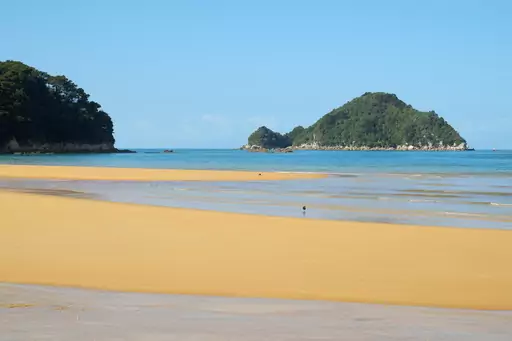
Tonga remains one of the few places where swimmers can legally enter the water alongside migrating humpback whales. Whales arrive each year to breed and give birth in the kingdom's sheltered waters. Visitors can join licensed operators that follow strict guidelines limiting how close swimmers approach. The season generally runs from July to October.
City in Egypt
Hurghada
Red Sea Bliss and Adventure
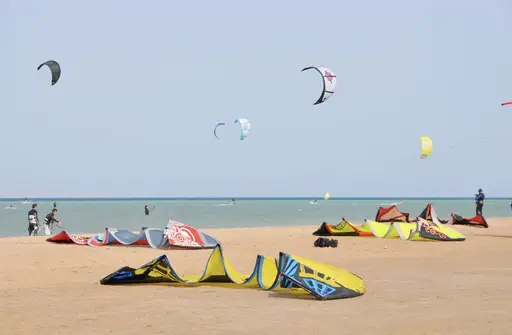
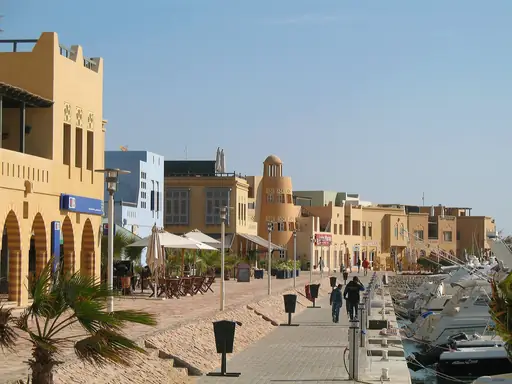
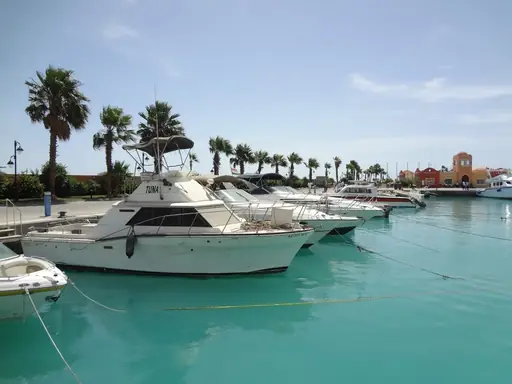
Reefs just offshore from Hurghada drop into deep water, letting divers reach coral quickly. Nearby Abu Nuhas holds shipwrecks scattered across a shallow reef known locally as the ships' graveyard. Visitors can dive multiple wrecks in a single day trip from town. Warm Red Sea water keeps diving comfortable most of the year.
Country
Maldives
Coral atolls, lagoons and overwater villas
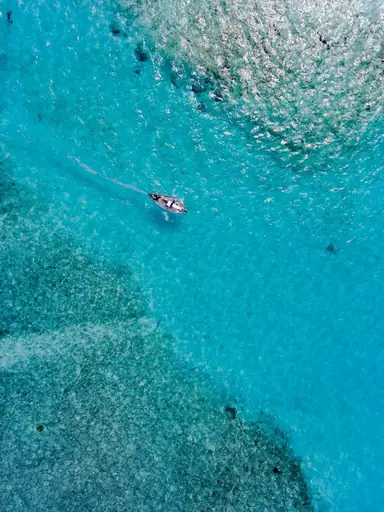
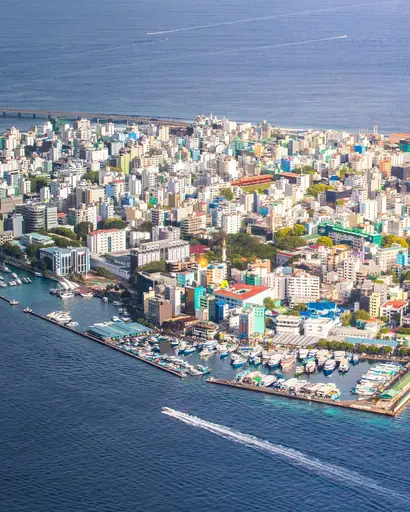
South Ari Atoll in the Maldives hosts whale sharks spotted somewhere in its waters year round. Local guides track recent sightings to help boats find the sharks each morning. Visitors can snorkel or dive alongside the animals under guidelines that limit disturbance. Manta ray cleaning stations elsewhere in the Maldives draw similar seasonal crowds.
Island in United States
Oahu
Hawaii’s Vibrant Island Adventure
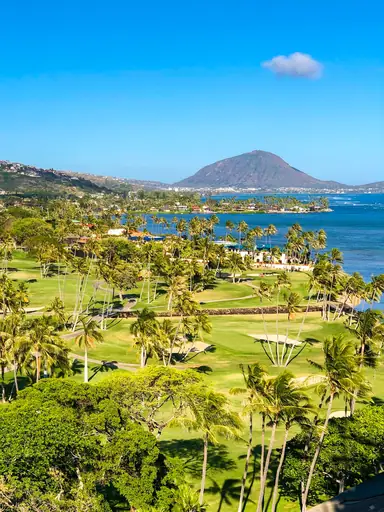
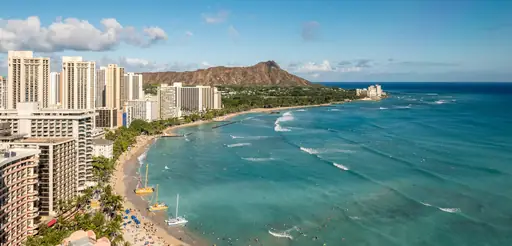
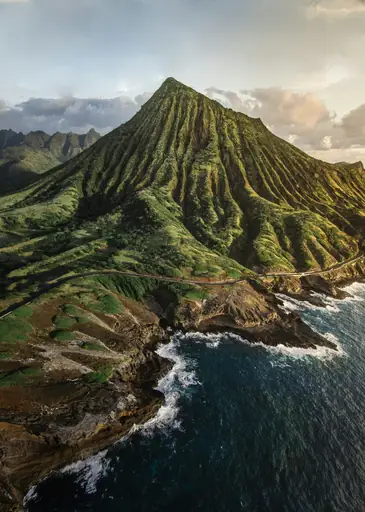
The Sea Tiger wreck off Oahu's south shore was sunk in 1999 to create an artificial reef. Its structure now hosts eels, turtles and fish that have moved in over the years. Visitors can dive the wreck at a depth manageable for most certified divers. Nearby Shark's Cove offers a shallower option for snorkelling.
Island in Australia
Whitsunday Islands
Paradise within Great Barrier Reef
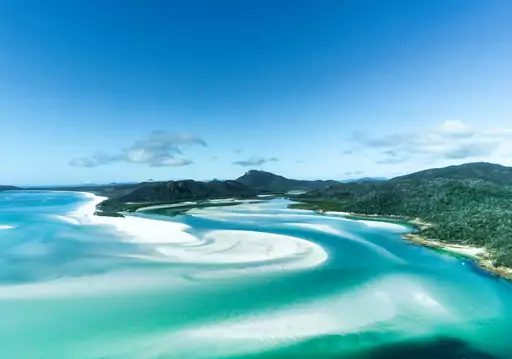
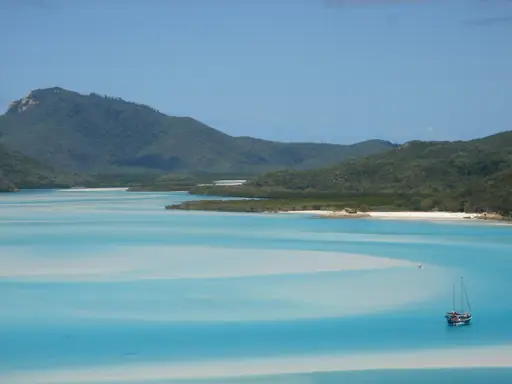
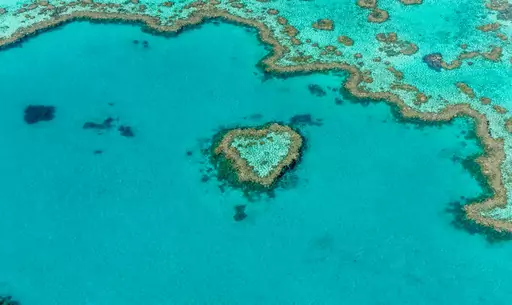
Hardy Reef near the Whitsunday Islands includes Heart Reef, a coral formation visible in its shape from above. Pontoons anchored offshore give divers and snorkellers a base without returning to the mainland. Visitors can combine reef time with sailing trips through the islands. Coral gardens here sit in shallow water compared to the outer reef.
Region in Australia
Ningaloo Coast
Australia's Accessible Underwater Wonderland
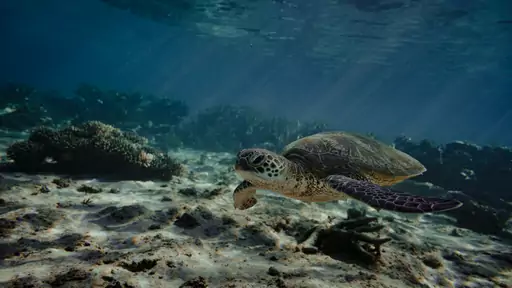
Coral along the Ningaloo Coast sits close enough to shore for snorkellers to reach in a short swim. Whale sharks gather offshore yearly, drawn by seasonal coral spawning nearby. Visitors can join boat tours that spot and swim alongside the sharks under guidelines. The reef's closeness to land makes it unusually accessible for its size.
Overseas Territory in France
New Caledonia
Tropical Paradise with French Flair
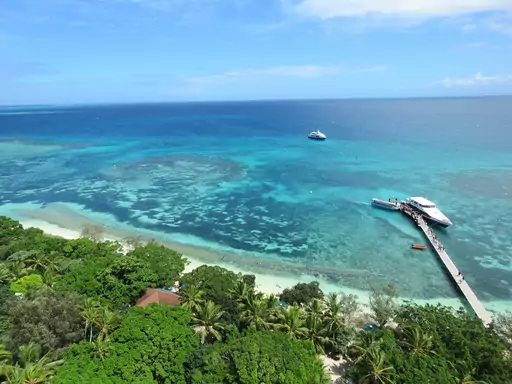
New Caledonia's lagoon ranks among the largest in the world, protected within a UNESCO reef system. The reef nearly encircles the main island, creating calm water inside and open ocean beyond. Visitors can dive sites ranging from coral gardens to deeper passages with current. Sea snakes and turtles are common throughout the lagoon's shallower reefs.
Country
Belize
Tropical paradise with diverse ecosystems
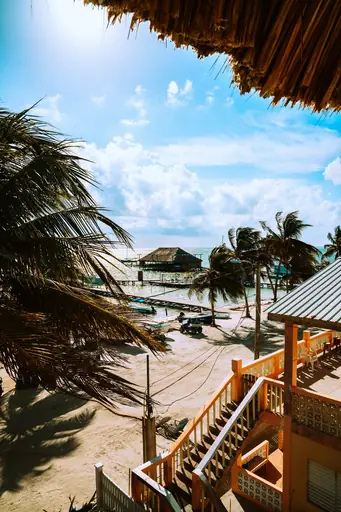
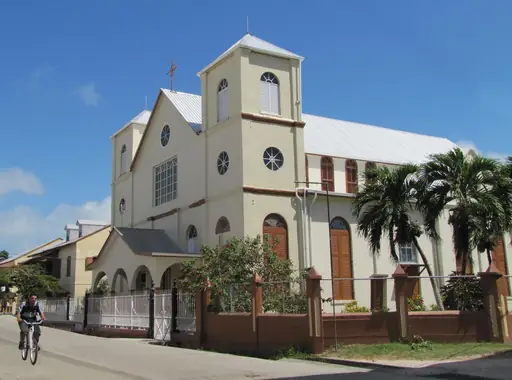
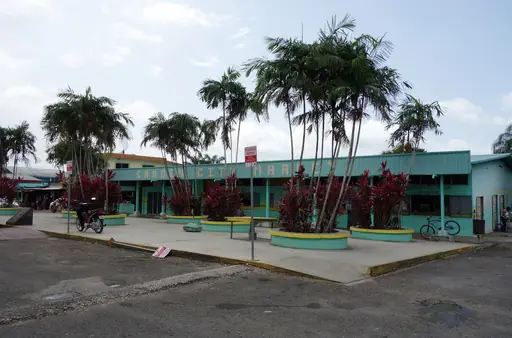
The Great Blue Hole off Belize formed as a limestone cave that collapsed and flooded after the ice age. Jacques Cousteau's 1971 expedition brought international attention to the sinkhole. Visitors can dive along its walls past ancient stalactites from what was once a dry cave. The hole sits within the wider Belize Barrier Reef.
Archipelago in Indonesia
Raja Ampat
Vibrant coral reefs and lush tropical islands
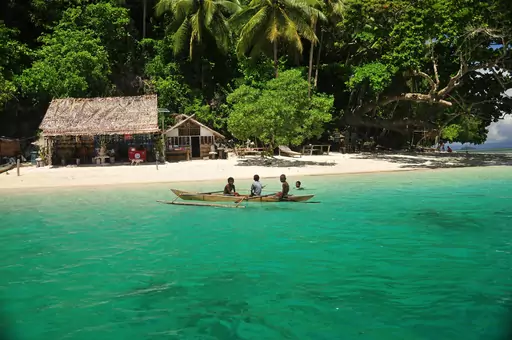
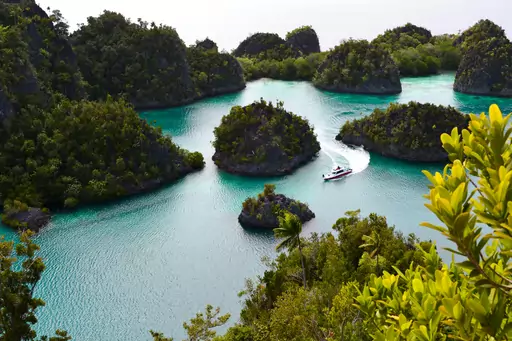
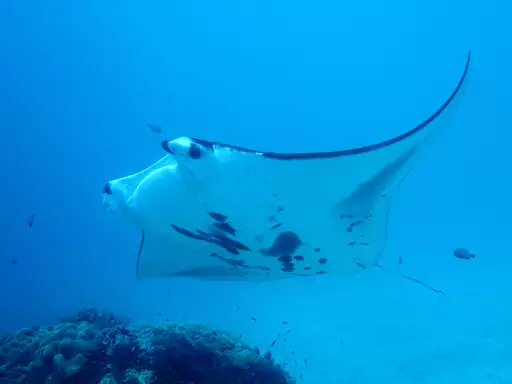
Raja Ampat sits at the heart of the Coral Triangle. Scientists have recorded more reef fish species here than anywhere else studied. Remote islands and limited infrastructure have helped keep much of the reef pristine. Visitors typically explore by liveaboard, since few land based resorts operate here.
Island in Ecuador
Galapagos Islands
The Wildlife Paradise of Ecuador
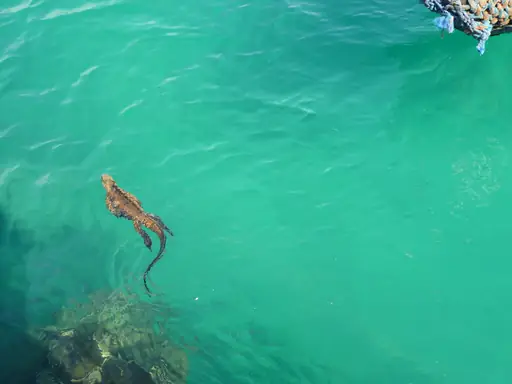
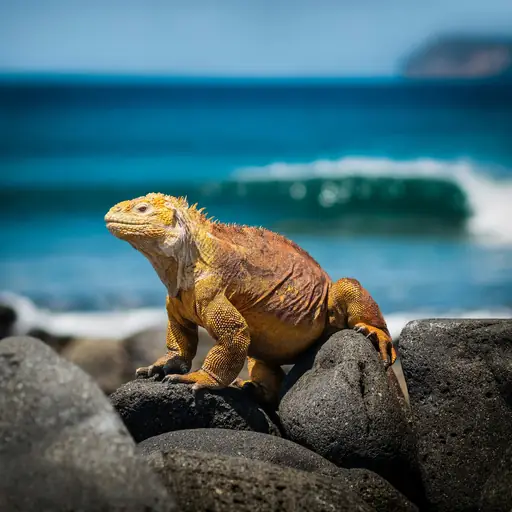
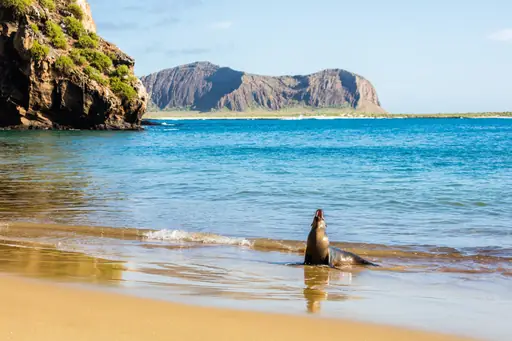
Darwin's Arch near Darwin Island draws massive schools of hammerhead sharks in the surrounding current. Whale sharks also pass through during certain seasons, drawn by the same nutrient rich water. Visitors can reach the remote site only by liveaboard. Strong currents here demand advanced diving experience.
Region in Mexico
Baja California Sur
Desert meets ocean adventure land
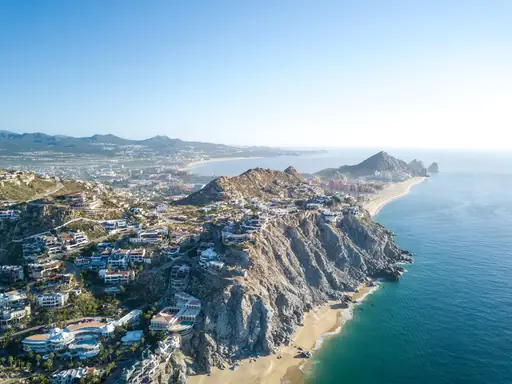
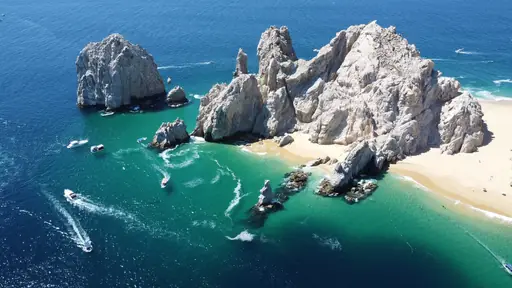
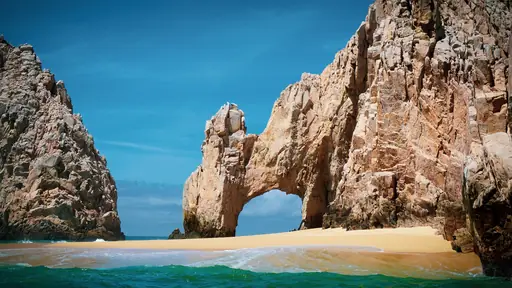
Cabo Pulmo protects one of the oldest living coral reefs in the Gulf of California. Fish populations rebounded dramatically after a fishing ban took effect in 1995. Visitors can dive among large schools of jack and snapper gathered in the current. Sea lion colonies nearby often join divers who enter their waters.

Country
Sudan
Ancient pyramids beyond the crowds
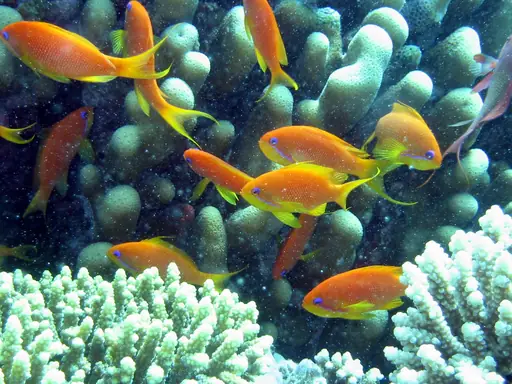
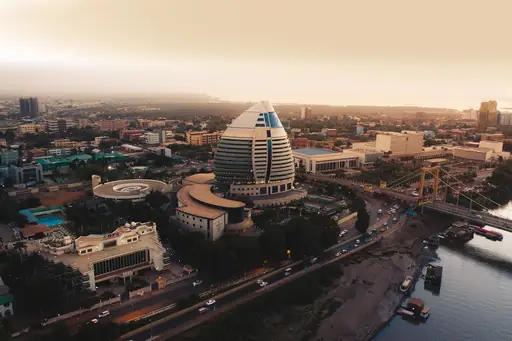
Sanganeb Atoll off Sudan holds reefs that have seen far less traffic than other Red Sea destinations. Jacques Cousteau once tested an underwater habitat nearby as an experimental project. Visitors can reach the remote reefs mainly through liveaboard trips from Port Sudan. Sharks and large pelagic fish are common in the atoll's open water.
Country
South Africa
Where wildlife meets diverse landscapes
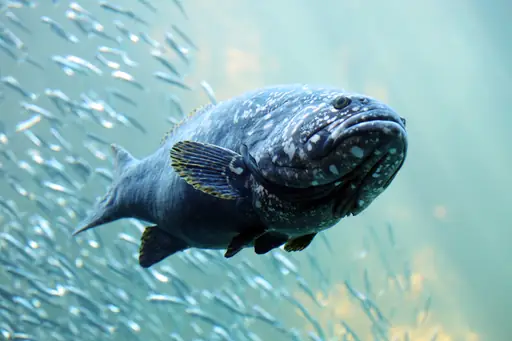
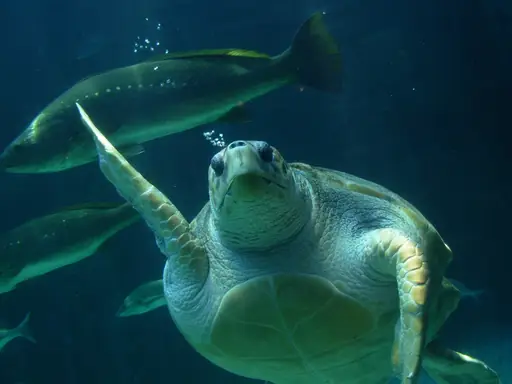
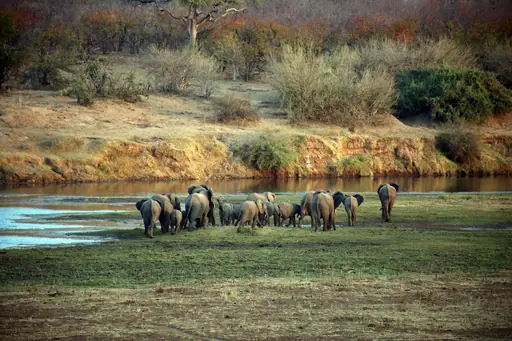
The Sardine Run off South Africa's coast draws massive shoals of fish each winter. Sharks, dolphins and diving seabirds follow close behind. Predators drive the sardines into tight bait balls that divers can watch unfold. Visitors can join boat trips that track the migration along the coastline.
Island in Honduras
Roatán
Coral Reefs, Caribbean Vibes, Adventure
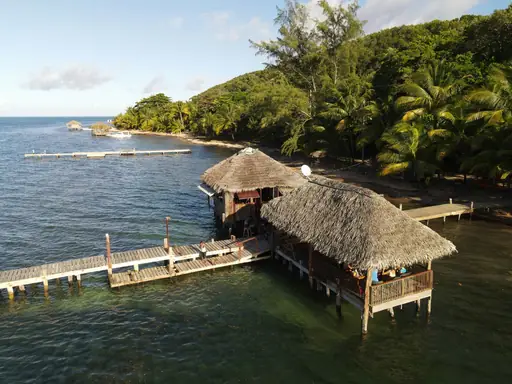
Roatan sits along the Mesoamerican Barrier Reef, the second largest reef system after Australia's. Whale sharks pass through nearby waters during certain months, drawing snorkellers alongside divers. Visitors can explore Mary's Place, a narrow canyon split through the reef by an earthquake. Calm, sheltered water makes much of the island's diving accessible to beginners.
Island in Cayman Islands
Grand Cayman
Crystal waters, stingrays and sunsets
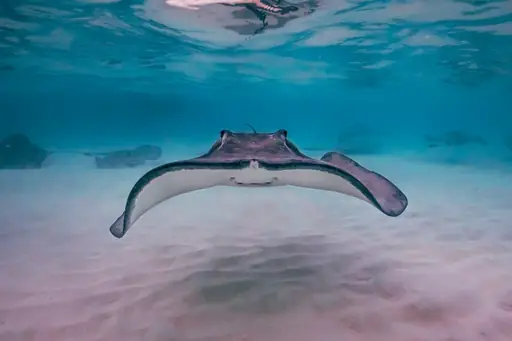
The USS Kittiwake was deliberately sunk off Grand Cayman in 2011 as an artificial reef. Its intact structure lets divers swim through corridors once used by the Navy crew. Visitors can explore the wreck at depths suited to different certification levels. Marine life has steadily colonised the hull since it settled on the seabed.
Country
Vanuatu
Tropical paradise with cultural diversity
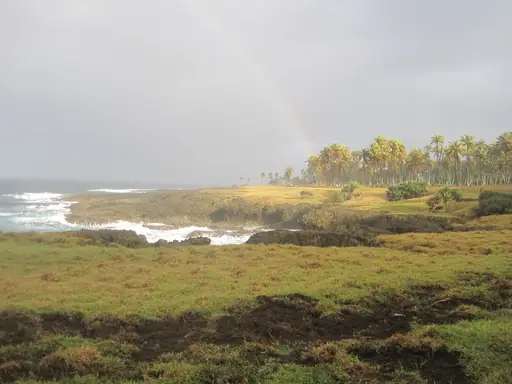
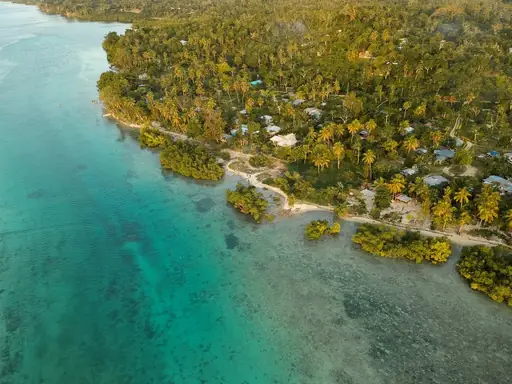
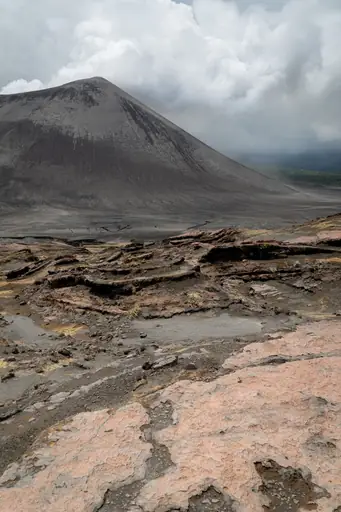
The SS President Coolidge sank off Vanuatu in 1942 after striking mines while serving as a troop transport. Divers can access much of the wreck directly from shore, unusual for a ship this size. Visitors can explore cargo holds still containing helmets and jeeps. The wreck ranks among the largest accessible from land anywhere.
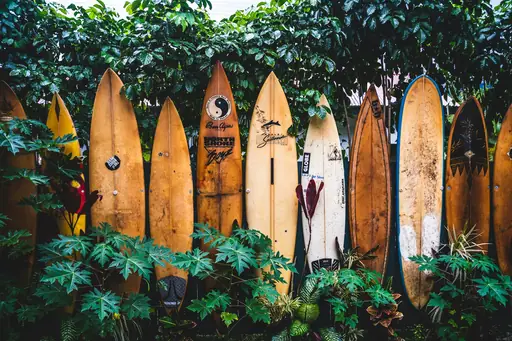
State/Prefecture in United States
Hawaii
Tropical Vibes and Volcanic Wonders
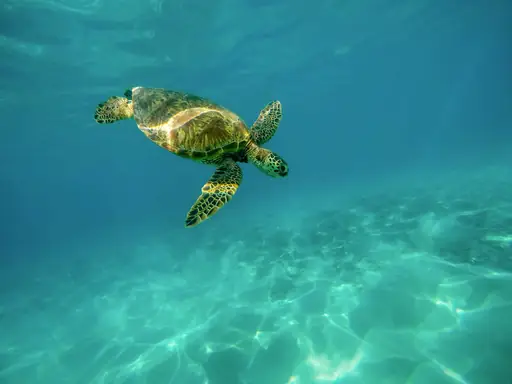
Manta ray night dives off Hawaii's Big Island use bright lights to attract plankton. Large rays glide in repeatedly to feed close to divers. Visitors can join organised night dives run by local operators most evenings. Snorkellers can also watch the spectacle from the surface.
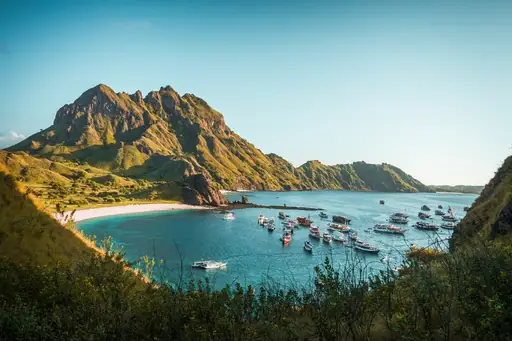
National Park in Indonesia
Komodo National Park
Dragons, Pristine Reefs and Wild Beauty
Manta Point inside Komodo National Park draws reef manta rays to a shallow cleaning station most of the year. Strong currents through the park's channels bring nutrients that support coral growth. Visitors can combine dives with visits to komodo dragons nearby. Pink sand, coloured by crushed red coral, lines a beach within the park.
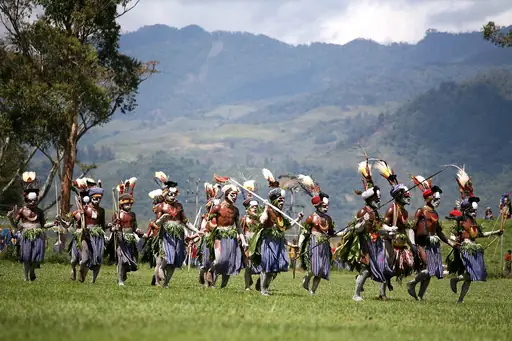
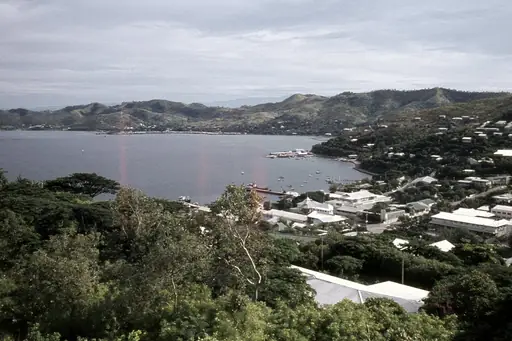
Country
Papua New Guinea
Last paradise of South Pacific
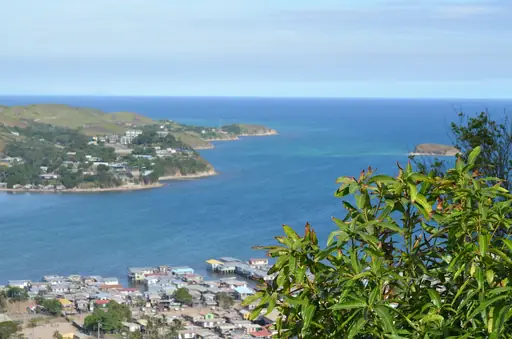
Kimbe Bay holds some of the highest coral diversity recorded anywhere, packed into a small area. Muck diving sites nearby specialise in spotting small, unusual creatures camouflaged against the sandy seafloor. Visitors can combine reef dives with muck diving on the same liveaboard trip. Remote access keeps diver numbers low compared to more developed destinations.
Outer Territory in Netherlands
Bonaire, Sint Eustatius and Saba
Caribbean Gems of Nature & Adventure
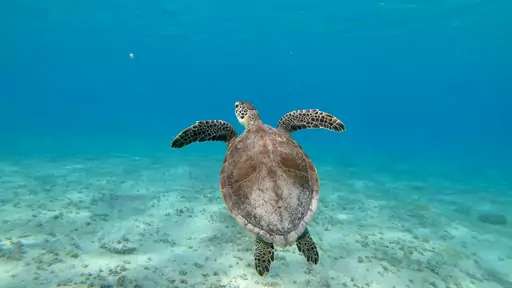
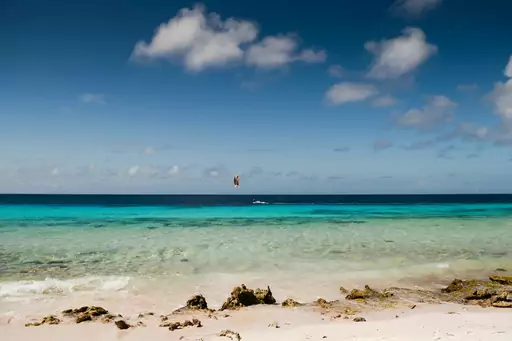
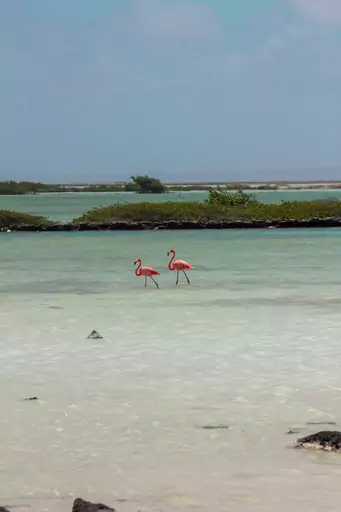
Saba's underwater pinnacles rise from deep water within reach of divers at sites like Third Encounter. Volcanic rock formations here differ from flatter reefs common elsewhere in the Caribbean. Visitors can dive multiple pinnacles in a single day from operators on the island. Strong currents around the seamounts draw larger pelagic fish close to shore.
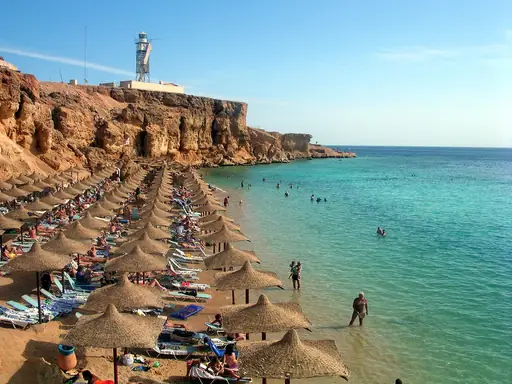

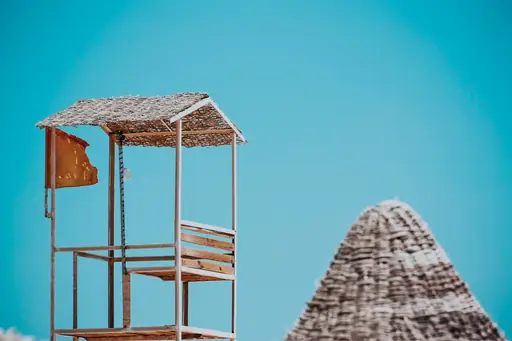
City in Egypt
Sharm el-Sheikh
Coral Reefs, Desert Safaris, Endless Sun
The SS Thistlegorm sank off Sharm el-Sheikh in 1941 after the British supply ship was hit during World War II. Its cargo still includes motorcycles, trucks and rail cars. Visitors can penetrate several holds on the wreck with an experienced guide. The ship remains one of the most visited wreck dives in the Red Sea.
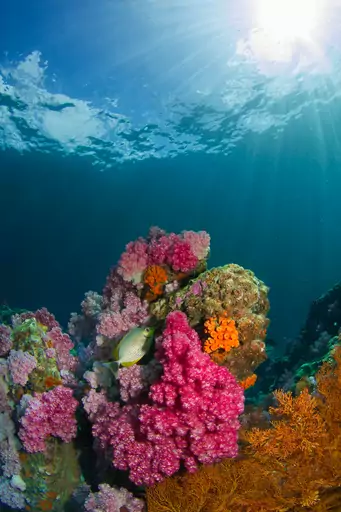
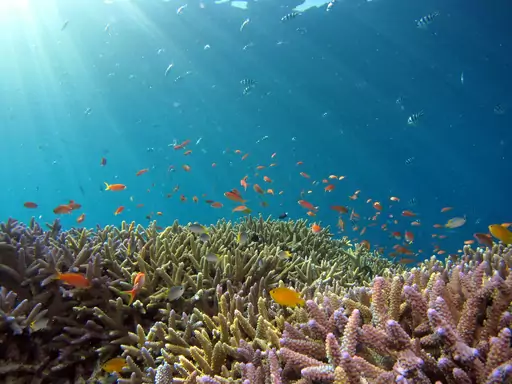
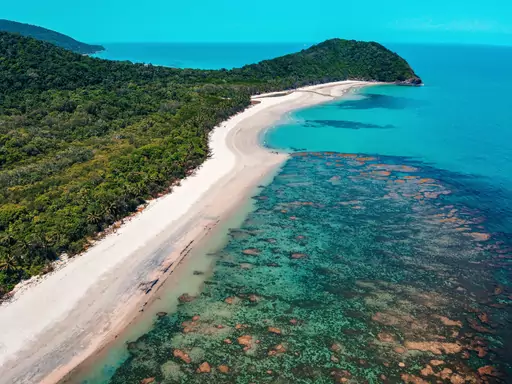
Reef in Australia
Great Barrier Reef
World's largest living coral wonder
The Great Barrier Reef stretches more than 2,300 kilometres along Australia's coast. Thousands of individual reefs and islands make up the system. Coral cover and colour vary widely between sites depending on depth. Visitors can access different sections by day boat, liveaboard or scenic flight.
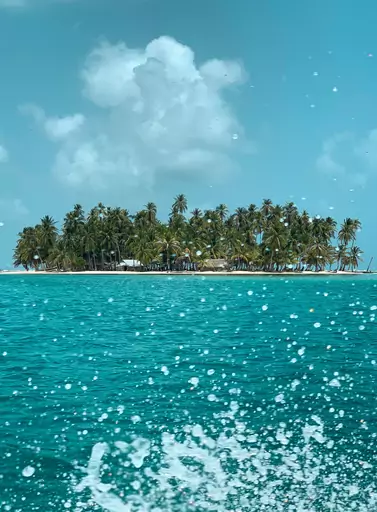
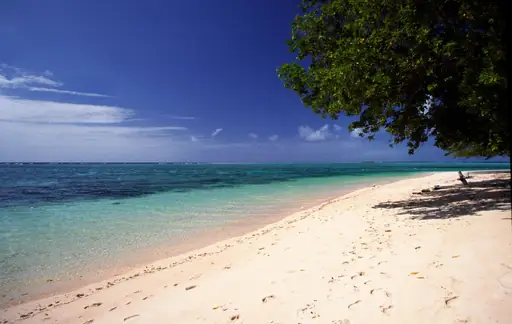
Country
Marshall Islands
Remote atolls with pristine waters
Bikini Atoll holds the wreck of the USS Saratoga, an aircraft carrier sunk during nuclear testing in the 1940s. Aeroplanes remain visible inside the ship's hangar deck. Visitors can dive the wreck only through specialised liveaboard trips given the site's remoteness. Radiation levels have dropped enough to allow limited diving access.
Island in Turks and Caicos Islands
Providenciales
Turquoise Waters Meet White-Sand Beaches
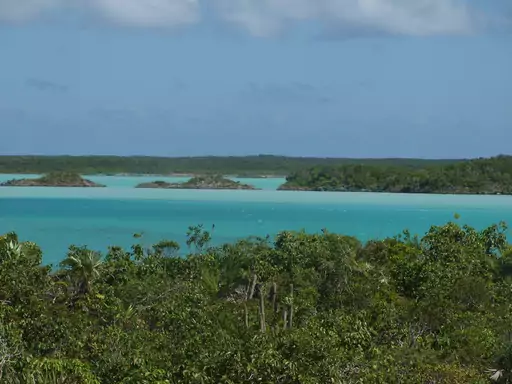
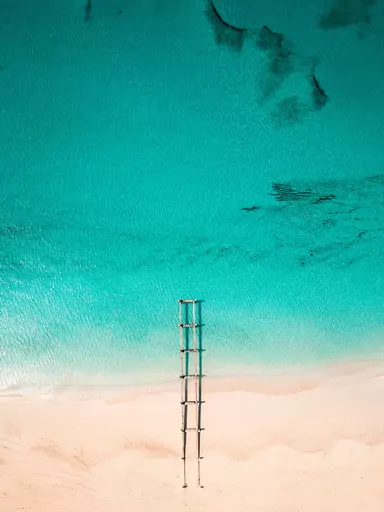
Northwest Point off Providenciales drops from a shallow reef into a sheer wall close to shore. Visibility here often exceeds 30 metres, letting divers see far along the wall. Visitors can reach the site by short boat trips from resorts along the coast. Coral formations cling to the wall at depths suited to most divers.
Region in Croatia
Dalmatia
Adriatic Coastline of Ancient Wonders
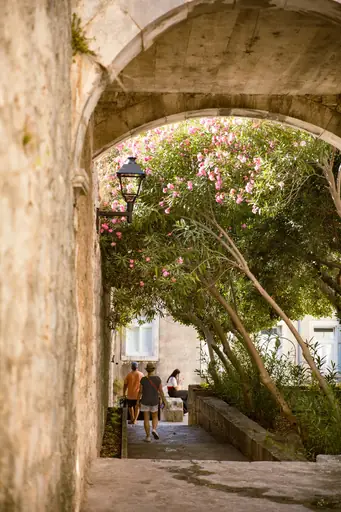
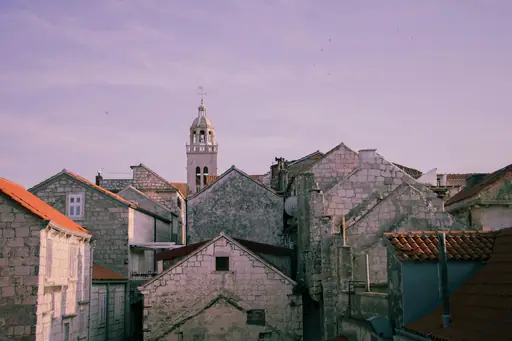
The Baron Gautsch shipwreck off Dalmatia's coast sank in 1914 after hitting a mine. It now rests largely intact on the seabed. Clear Adriatic water often lets divers see much of the wreck from the surface. Visitors can explore the ship's structure with a local dive guide familiar with its layout.
Country
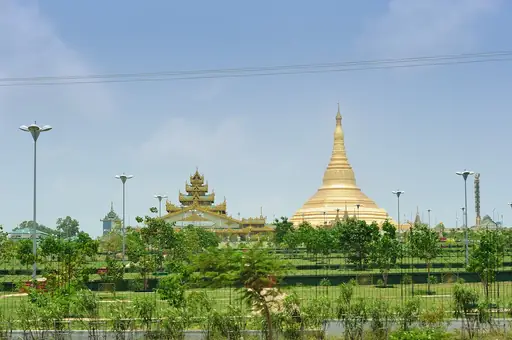
Myanmar
Ancient temples meet natural wonders
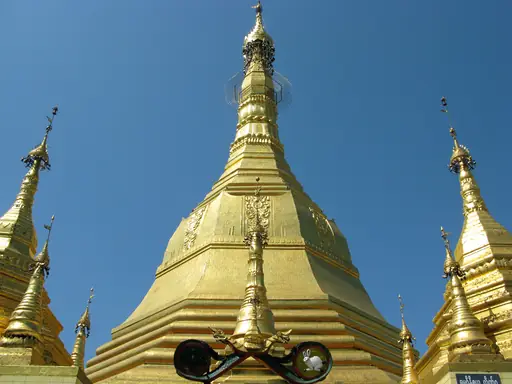
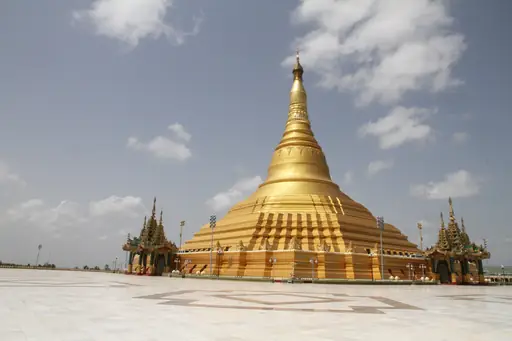
The Mergui Archipelago off Myanmar holds hundreds of largely undived islands across the Andaman Sea. Reefs here have stayed relatively untouched due to limited tourism access over past decades. Visitors can reach the area only aboard liveaboard vessels from a handful of ports. Manta rays and whale sharks pass through during certain seasons.
Archipelago in Portugal
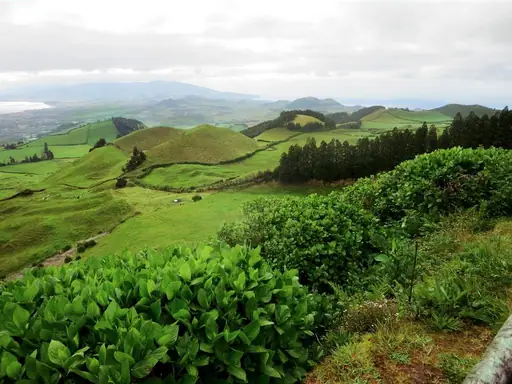
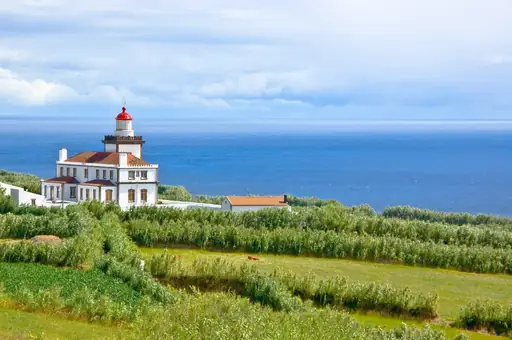
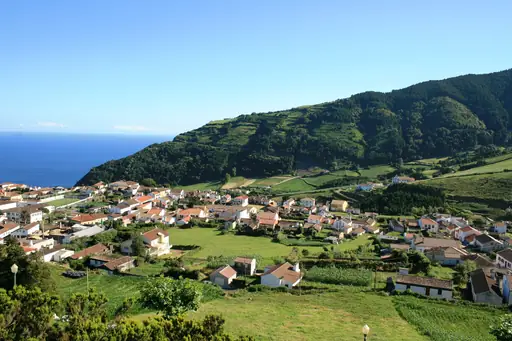
Azores
Volcanic Isles of Atlantic Wonders
Princess Alice Bank off the Azores rises from deep ocean floor, drawing hammerhead sharks during summer months. Divers descend along a seamount surrounded by open water rather than a coastal reef. Visitors can join liveaboard trips timed to seasonal shark and mobula ray aggregations. Volcanic rock formations from the islands' origins continue beneath the surface.
Gorge in Iceland
Silfra
Pristine crystal waters between tectonic plates
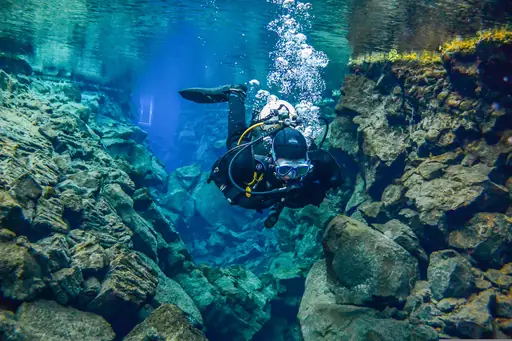
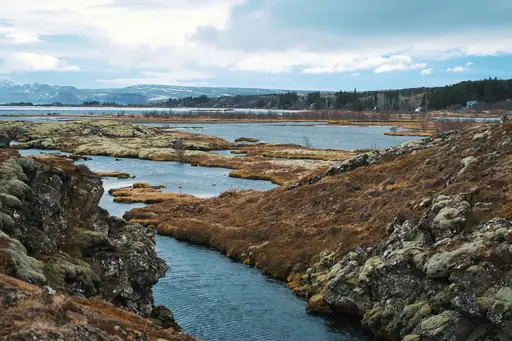
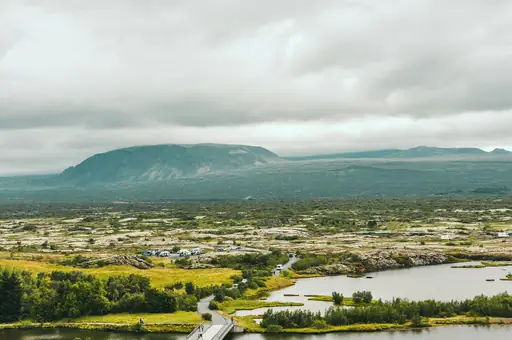
Silfra fissure in Iceland formed where the North American and Eurasian plates slowly pull apart. Glacial meltwater filtered through lava rock keeps visibility often over 100 metres. Visitors can snorkel or dive between the plates in a drysuit, since the water stays near freezing. The site sits inside a national park rather than the ocean.
Other lists you may like
Discover
Best diving destinations in Africa
A long stretch of warm northern coastline anchors Africa's diving reputation, with visibility regularly exceeding 30 metres and reef systems largely untouched by the coral…
Read more
Discover
Best diving destinations in Asia
Southeast Asia holds some of the most biodiverse reefs on earth, regularly cited by marine biologists as having more coral and fish species than anywhere else in the world.…
Read more
Discover
Best diving destinations in Europe
Southern Europe offers warm-water wreck diving with centuries of maritime history beneath the surface, while colder northern waters reward divers with kelp forests and marine life…
Read more
Discover
Best diving destinations in North America
Warm Caribbean waters offer some of the most accessible diving anywhere, with consistent visibility and a dense concentration of dive operators built specifically around tourism.…
Read more
Discover
Best diving destinations in Oceania
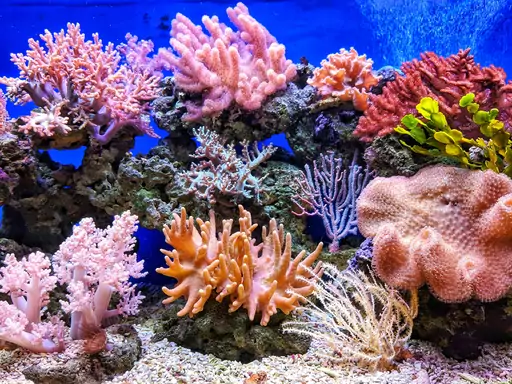
A major reef system remains the defining diving destination in this region, though changing reef health has made site selection more important than it once was. Remote Pacific…
Read more
Discover
Best diving destinations in South America
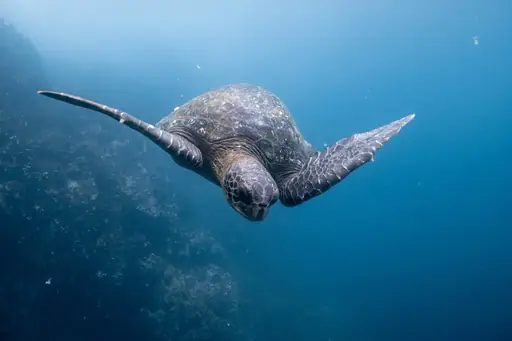
Cold-current island chains offer some of the most distinctive diving on earth, built around currents that bring in hammerhead sharks, marine iguanas and species found almost…
Read more
What other users say about travelfilters
“travelfilters made it easy for me to find ski areas and compare what else they offer, so that I could find the best place for my personal travel style.”

Chris
Snowboarding & Onsen trip to Japan
“I love how transparent the data feels. There is no pushy upsell, just honest information and settings I can tune to my own travel style.”

Maria
After booking her 2027 winter escape
“The level of detail for each destination and how well those are displayed, make planning feel confident instead of overwhelming.”

Mina
Planned a week in New York City
“We used travelfilters for our planning from start to end. The trip turned out even better than expected, thanks to all their tools and customisation options.”

Allan & Etienne
Trip to Japan to see autumn foliage
“Thanks to travelfilters, I found some hidden gems to see. Being able to filter for exactly your interests is a game changer for my travel planning.”

Michael
Tour through the old cities of Northern Italy
“The customizable filters helped me find a quiet beach town with good wifi and low season crowds in under five minutes.”

Diego
Weekend Escape to Llanes, Spain
“The airport connection map saved me hours by showing good flight options from my home airport to lesser-known cities.”

Nguyen
Planning a 2027 trip to France
“The website is clean, fast and focused on the search itself, which makes travelfilters feel more like a professional tool than an ad-heavy booking site.”

Hassan
Christmas Market trip, Germany
