


Bonaire

Scroll
Caribbean diving paradise with volcanoes

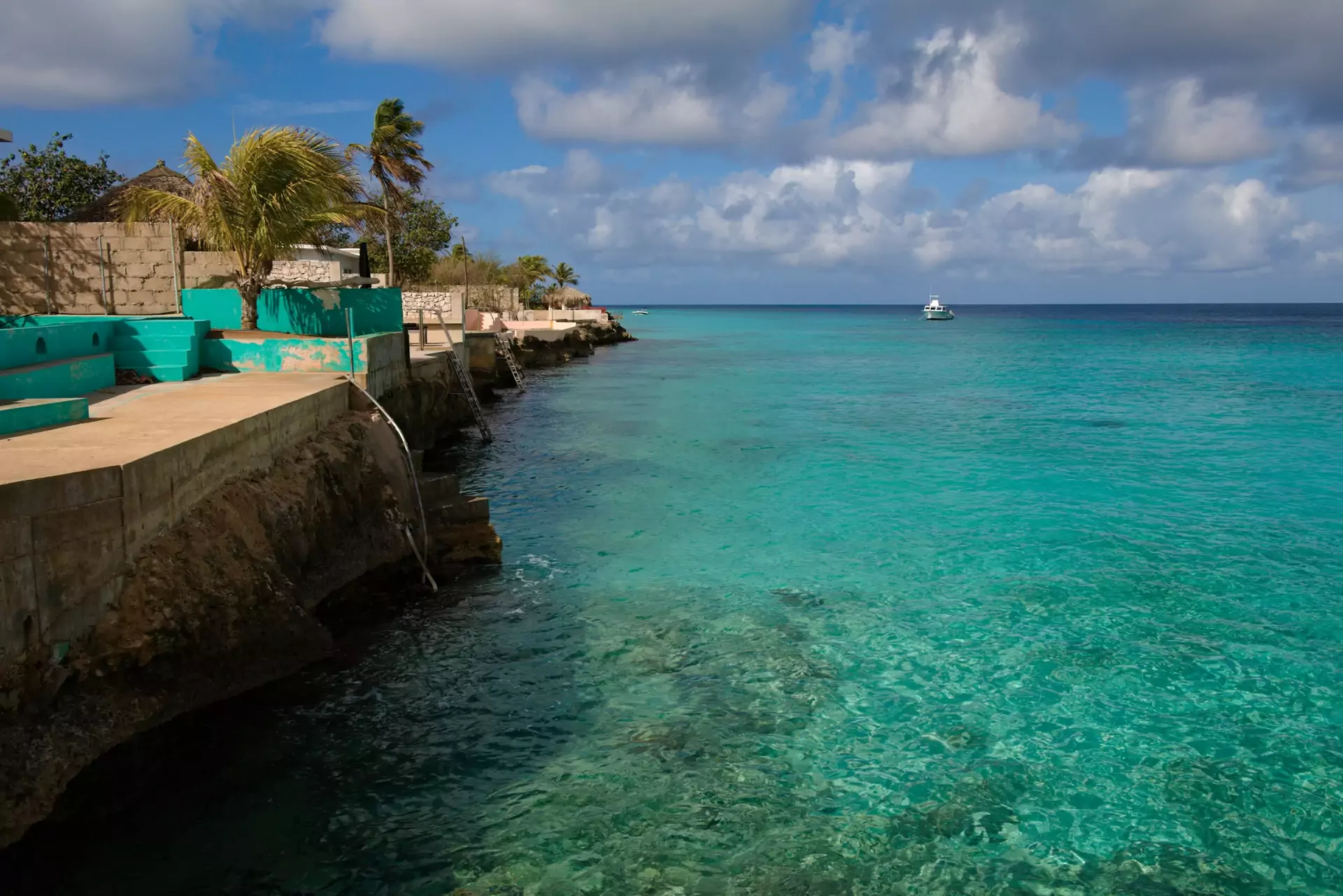
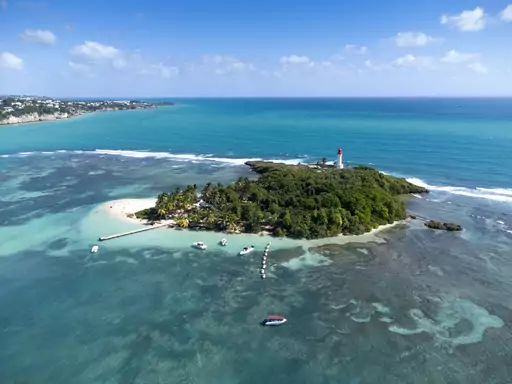
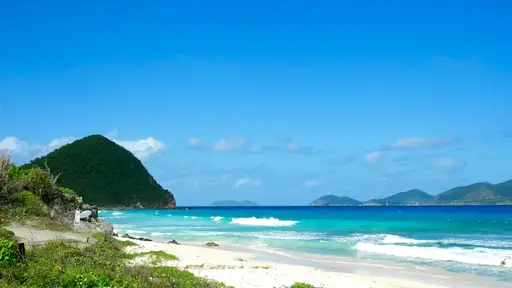
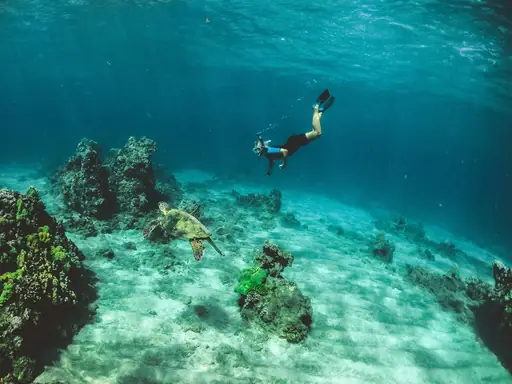
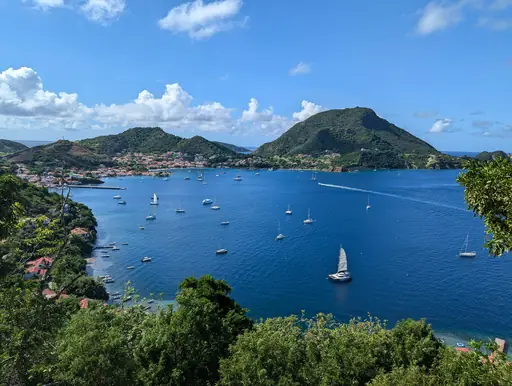
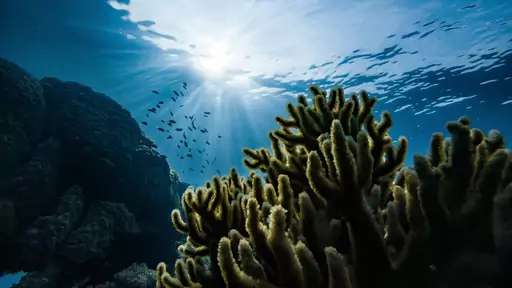
Bonaire, Sint Eustatius and Saba form a small group of Caribbean islands known for clear waters and diverse wildlife. The area has volcanic origins with unique landscapes like salt pans, dry forests and coral reefs. On land, you can spot iguanas, parrots and rare plants adapted to the arid climate. Underwater, visibility is high, making snorkeling or diving popular activities. Each island maintains a low-key atmosphere compared to busier tourist spots, providing calm beaches and authentic local culture without heavy crowds.

Region in Bonaire, Sint Eustatius and Saba
Climate zone: Tropical savanna

Tropical savanna: Tropical climates with distinct wet and dry seasons, warm year-round, featuring grasslands with scattered trees and shrubs.

See climate table
Price level: $$$
$Cheap
$$Medium
$$$Expensive, upscale
$$$+Very expensive, luxury
See price details
Safety: 8.2
General Safety:9
Health & medical:7
Accessibility:6
Tap water:8
Read details
Tourist English: 4/5
English is widely spoken throughout the islands, especially in tourist areas, hotels, and restaurants. Most locals in the tourism industry are fluent, making communication easy for English-speaking visitors.
Last update: 12 Oct 2026
* We earn a commission from some links on this page.
Bonaire Summary

These place ratings give you a quick overview of how well a destination matches different types of trips.

‘Best for’ scores:
The specific interest scores show where this place really shines – whether it's ideal for hiking, food & drink experiences, museums or other activities. These highlights help you understand what makes the destination special at a glance.

‘Your personal’ scores:
This reflects how well a place matches your personal preferences. You can adjust the importances of travel topics or other personal requirements categories in your account settings.

‘Suited for’ badges:
These give you a quick overview of how well a destination suits specific types of travellers, to help you find the places that match your lifestyle, preferences or travel situation.

Read how our scores work
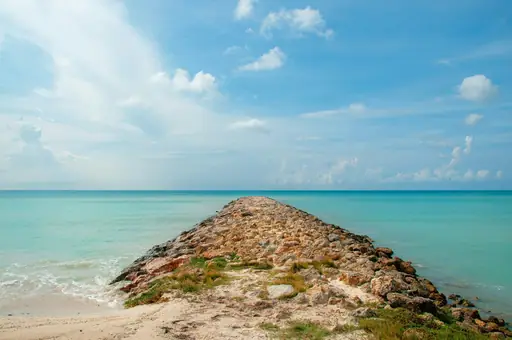
World-class for diving and snorkeling. Explore colorful coral reefs, spot sea turtles and tropical fish, enjoy windsurfing and relax on quiet Caribbean beaches.
Place score
8.1
Best at:
Sea
10
Diving
10
Islands
9
Beaches
7
Spotless
7
Personal score
?
Log in to see how this place matches your personal travel interests.
Suited for
👶 8
Families
🧓 7
Seniors
❤️ 9
Couples
🛡️ 8
Travel Beginners
Bonaire, Sint Eustatius and Saba – Quick facts
Power Grid: 120 V, 60 Hz
Plug: Type A
Type A:
Diagram of a Type A power plug

Read about power adapters
Currency: US Dollar (USD)
£1 ≈ US$1.33
Cashless info: Rating 4/5
Cashless payments are becoming more common in Bonaire, especially in tourist areas, though cash is still widely accepted.

Save with a travel credit card
eSIM providers: Best value: Saily
Flexibility: Airalo
Read our in-depth comparison
Tipping: Tipping is customary, with 10-15% being the standard in restaurants. Small tips are also appreciated for hotel and taxi services.
Public drinking: Public drinking is allowed in designated areas, especially on beaches and during events.
Public smoking: Smoking is prohibited in indoor public spaces such as restaurants and shops.
Dia di Rincon
(April)
Expect lively celebrations and parades in the town of Rincon.
New Year’s Day
(January)
Expect public celebrations and some business closures.
Emergency contact: Emergency Number: 911
Taxi apps: Bonaire Taxi
Other: Bonaire is known for its excellent diving and water activities, as well as its beautiful beaches and wildlife.
Best times to travel

The best times to travel section shows how the months compare for a visit, so you can find the time of year that fits what you want to do.

Background colours of the months:
The colour shows the typical temperature: yellow (hot), green (mild) and blue (cold). How strong the colour is shows the travel season: full colour means high season, soft colour means shoulder season and soft-striped means off season.

Weather symbols:
Each month has one symbol showing what the weather is typically like, such as hot and sunny, freezing or a rainy or snowy season. Use them to quickly spot months that match the weather you want, or to avoid the ones that don't.

Crowdedness:
The people icon shows how busy the place usually is. The more people, the more crowded it gets.

Additional notes:
The grey info boxes point out special things worth knowing, like recurring weather issues or seasonal events.

for Bonaire, Bonaire, Sint Eustatius and Saba
🔥
Jan
🔥
Feb
🔥
Mar
🔥
Apr
🔥
May
🔥
Jun
🔥
Jul
🔥
Aug
🔥
Sep
🔥
Oct
🔥
Nov
🔥
Dec
High season: Jan. - April, July - Aug., Dec.
Shoulder season: May - June, Sep.
Crowdedness: 5 (Moderate tourist numbers)
Tap on a month for more info Hover over a month for more info
Wettest months October to January, but rain usually comes as short showers and diving continues
Outside the main hurricane belt, but distant storms can bring rough seas August to October

Why travel to Bonaire?

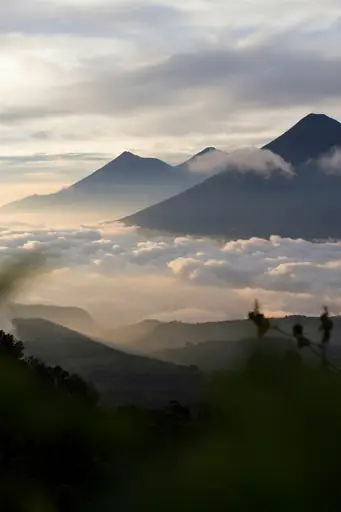
Bonaire offers such diverse experiences despite their small size. Bonaire is a diver's dream with its pioneering marine conservation efforts creating some of the Caribbean's healthiest coral reefs. The island's protected status means you can snorkel right off the shore and see incredible marine life without needing a boat trip. Meanwhile, Saba's dramatic Mount Scenery (the highest point in the Netherlands at 887 meters) offers challenging hikes through cloud forests with breathtaking views as your reward. St. Eustatius (or 'Statia') gives you a chance to explore both natural wonders like The Quill volcano and fascinating historical sites from its days as a bustling 17th-century port. What makes these islands special is their commitment to eco-tourism and preservation rather than overdevelopment. You won't find massive resort complexes or crowded beaches here, but rather authentic experiences and a chance to connect with nature in ways that feel increasingly rare in today's world.

🏯Places worth seeing
  • 1 Washington Slagbaai National Park
  • 2 Donkey Sanctuary
  • 3 Kralendijk
🎡Places for activities
  • 1 Washington Slagbaai National Park
  • 2 Cadushy Distillery
🏞️Natural landmarks
  • 1 Klein Bonaire
  • 2 Lac Bay
🛍️Shopping
  • 1 Sunshine Market
🎈Events
  • Bonaire Dive Festival
  • Saba Day Celebration
  • Statia Day
  • Carnival
  • Sea Turtle Conservation Events
  • Saba Summer Festival
  • Bonaire International Sailing Regatta
  • St. Eustatius Cultural Festival
  • Saba Triathlon
  • Bonaire Eco Week

Knowledge before you go

  • Rent a car. Public transport nonexistent beyond Kralendijk.
  • Buy STINAPA nature tag online before arrival for marine park access and national park entry.
  • Follow shore diving rules at 86 yellow stone sites; Klein Bonaire water taxi offers pristine reefs.
  • Drive Washington Slagbaai National Park's long route for secluded beaches, hikes and sea turtle spotting.

How to travel to Bonaire

The islands are accessible primarily by air. Bonaire has an international airport with connections to Amsterdam, the US and other Caribbean islands. Saba features the world's shortest commercial runway at Juancho E. Yrausquin Airport, with flights mainly from St. Maarten. St. Eustatius is also served by small aircraft connections. Ferry services are limited, though water taxis operate between some islands.

Access summary

  • From Flamingo International Airport (BON): Taxi or hotel transfer to Kralendijk, 5–15 minutes.
  • From Amsterdam: Seasonal nonstop long‑haul flights to Bonaire, roughly 10–11 hours.
  • From Curaçao/Aruba: Short island‑hopper flights, usually around 20–30 minutes each way.

Where to stay in Bonaire

Accommodation options range from boutique hotels and eco-lodges to vacation rentals. Bonaire offers the widest selection, including dive resorts catering to underwater enthusiasts. Saba features charming cottages in villages like Windwardside, while St. Eustatius has a smaller selection of guesthouses and small hotels. Advance booking is recommended, especially during peak diving seasons.

How to get around Bonaire

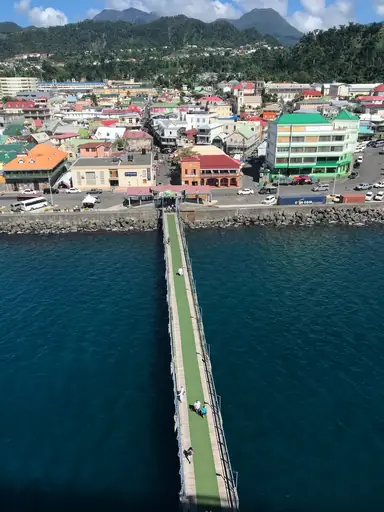
Transportation varies by island. On Bonaire, renting a car is recommended for exploring, while Saba and St. Eustatius are small enough that taxis are sufficient for most needs. Roads can be narrow and winding, especially on Saba with its famously steep terrain. Walking is feasible in the main villages like Windwardside on Saba and Kralendijk on Bonaire.
Budget snapshot
Costs compared to home

We calculate the average costs when travelling to destinations and compare those with the living costs at your home. With this you can get an estimate of how expensive or cheap the destination is for you.

To customise this, you can set up which location and price level are used for the calculations in your account settings.

+27 %
Daily expenses in the region are around 27% higher than the average across United States. That means you'll spend considerably more on meals and getting around.
Exchange rate trend

The exchange rate price factor shows how expensive or cheap a currency currently is compared to its historical average. It's a quick way to see if a country is currently more or less affordable due to exchange rate changes.

-4 %
Your exchange rate (GBP to USD) is 4% better than in recent years. That means travelling now costs around the same compared to the past.

Travel costs

To help you plan your trip, we provide estimated daily costs per person (when travelling as a pair) for different travel styles. These numbers give you an idea of what you might spend each day at this destination, including accommodation, food, transport and activities.

Additionally, we also provide average hotel costs for different travel styles to give you an estimate for the accommodation only.

Please note that these are only estimates. The real costs depend on booking times, season and other factors.

Daily cost summary

Travel style categories explained:

Backpacker:
Staying in hostels or budget hotels, cooking your own meals or eating cheap and choosing low-cost activities.

Mid-range:
Staying in mid-range hotels, eating at a mix of restaurants and casual spots and enjoying a variety of activities.

Luxury:
Staying in luxury hotels, dining out at high-end restaurants and enjoying premium experiences without worrying about the price.

Backpacker Mid-range Luxury
💵 Total costs per day, including accommodation
£88
£181
£539
🏨 Accommodation per night, per person
£45
£81
£225
🍝 Food per day
£36
£88
£250
🚕 Transportation per day
£8
£12
£64
Food & Drink
🍽️ Restaurant Dinner, per person
£38
🍛 Lunch Set, per person
£17
🍟 Fast food combo
£13
🍝 Preparing your own food, per day
£11.50
☕ Cappuccino
£2.30
🍺 Beer in a restaurant, 0.5 l
£5.50
Transportation
🚌 Public transport ticket
£1.80
🚕 Taxi Ride, 10 km / 6 mi
£40
⛽ Petrol, 1 l
£1.20
Other
🎞️ Cinema ticket
£10.50
👩‍⚕️ Doctor's consult
£50
🤧 Cold medication
£4.80
💇 Basic haircut
£16

Safety information overview

General safety
9
The islands are generally safe with low crime rates. Petty theft can occur in tourist areas, so secure your valuables. Natural hazards include hurricane risk from June to November, so monitor weather advisories during this period.
Health & Medical
7
Medical facilities are limited, particularly on Saba and St. Eustatius. Bonaire has basic hospital services, but serious conditions require evacuation. Travel insurance with emergency evacuation coverage is strongly recommended.
Accessi­bility
6
The islands present challenges for those with mobility issues. Saba and St. Eustatius have steep terrain, while Bonaire is flatter but has limited accessible infrastructure. Many natural attractions require good mobility to fully experience.
Tap water
8
Water quality varies by island. Bonaire produces desalinated water that's generally safe to drink. On Saba and St. Eustatius, bottled water is recommended for visitors to avoid potential stomach issues.

Packing recommendations for Bonaire

Log in to add this place to a travel list and get a summary of all recommended items for your whole trip.

🥾
Walking boots
📷
Camera
👟
Comfortable walking shoes
🚰
Reusable water bottle
👕
Light, breathable clothing
🧥
Waterproof jacket
🎒
Small rucksack
🪰
Insect repellent
👛
Cash in small denominations
few cash machines on smaller islands
📕
Guidebook with offline map
🤿
Snorkelling gear
🔋
Power bank
🌞
Reef-safe sun cream
📷
Waterproof camera
🪪
Copies of passport and important documents
📱
Travel eSIM
🔌
Universal travel adaptor
💳
Credit card with no foreign transaction fees
Show more

Looking for inspiration?

Discover
Most beautiful beaches and coastal escapes
For a lot of people, a beach is the whole point of a holiday, but what makes a beach day perfect really depends on personal taste. Some travellers want isolation and the feeling…
Read more
Discover
Best travel destinations for food allergies
Travelling with a food allergy adds a layer of planning most people never have to think about and the right destination can make that planning a lot easier. Some travellers…
Read more
Discover
Best couple vacation destinations in North America
North America might not trade on romance the way some continents do, but couples who look past the clichés will find an almost unfair amount of variety waiting for them here.…
Read more
Discover
Best destinations for first-time travelers in North America
North America offers a comfortable starting point for many first-time travelers, particularly those already familiar with English speaking countries. The United States and…
Read more
Discover
Best diving destinations in North America
Warm Caribbean waters offer some of the most accessible diving anywhere, with consistent visibility and a dense concentration of dive operators built specifically around tourism.…
Read more
Discover
Top island destinations and tropical getaways
Island travel offers a self-contained quality that few other destination types match, with defined geography, distinct local culture and the particular atmosphere that comes from…
Read more
Discover
Best island getaway destinations in North America
North America's island destinations range from the tropical Caribbean archipelagos and the volcanic Hawaiian chain to the temperate coastal islands of the Pacific northwest and the…
Read more
Discover
Top solo travel destinations and safe hubs
Travelling alone sounds like a bigger deal than it is. The first day feels strange – eating dinner by yourself, navigating without someone to double-check the map with, making…
Read more
Discover
Best travel destinations for seniors in North America
North America offers older travelers a strong mix of accessible infrastructure and destinations built specifically with comfort in mind. National parks across the continent have…
Read more
Discover
Best couple holiday destinations
Travelling as a couple sounds simple enough, yet the best couple holiday destinations mean something different to almost every pair. What feels romantic to one couple can feel like…
Read more
Discover
Best destinations for first-time travellers
A first trip abroad works best somewhere that eases you in, rather than throwing every possible culture shock and logistical headache at you at once. Some first-time travellers…
Read more
Discover
Top scuba diving destinations and coral reefs
The world's best diving destinations share a few things in common: visibility, healthy reef structure and enough marine biodiversity to reward repeated dives in the same spot.…
Read more
Discover
Best solo travel destinations in North America
North America is one of the easier regions to start solo travel, mostly because the logistics are familiar. Flights are frequent, English gets you far, and the infrastructure in…
Read more
Discover
Best travel destinations for food allergies in North America
Food allergy awareness runs fairly high across North America, backed by laws that require major allergens to be listed clearly on packaged food. The United States and Canada…
Read more
Discover
Best travel destinations for seniors
Senior travel covers a wide range, from slow, low effort trips built around comfort to more independent trips for travellers who still want to cover plenty of ground. Some…
Read more
Was this page helpful?
Feedback
