
Top craft destinations and artisan workshops
Top craft destinations and artisan workshops
Regional workshops and traditional artisan communities
Craft travel has developed a dedicated following built around the world's great making traditions, artisan communities and the places where specific skills, materials and cultural knowledge converge to produce objects of genuine quality and distinctiveness. The most rewarding destinations are those where craft is maintained by active communities producing for local markets rather than purely for visitor consumption, with working workshops, apprenticeship traditions and living craft cultures that exist independently of tourism.
The distinction between authentic production and tourist-oriented reproduction matters considerably and developing the knowledge to tell them apart rewards research before travel and time spent with makers rather than retailers. Craft festivals, open studio events and specialist markets provide the most direct access to makers and the most reliable contexts for understanding and acquiring work of genuine quality.
Seasonal timing around craft festivals and open studio programmes delivers significantly better access than unplanned visits. Several of the world's most significant craft traditions are under pressure from industrial competition and buying directly from makers provides economic support that retail purchasing does not. Customs regulations on specific craft materials vary by destination country and are worth researching before significant purchases.
Lists by region
Region in Indonesia
Bali
Tropical beaches, vibrant culture and adventure
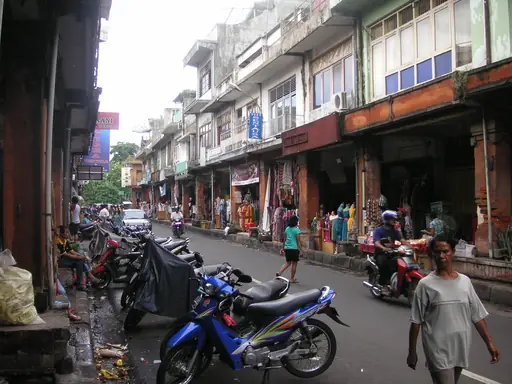
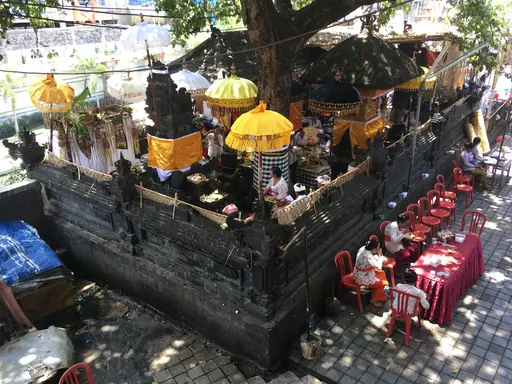
Woodcarvers in the village of Mas shape teak and hibiscus wood into masks, statues and temple doors. Silversmiths in nearby Celuk hammer rings and bracelets using techniques passed through family workshops. Visitors can watch both crafts in open studios along the main roads. Batik makers nearby draw wax patterns onto cloth before dyeing it.


City in Mongolia
Ulaanbaatar
Vibrant capital where steppes meet skyscrapers
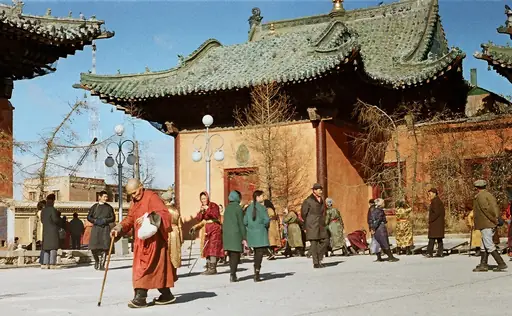
Mongolian cashmere workers in Ulaanbaatar comb fine undercoat wool from goats each spring. Factories in the city process much of the raw fibre gathered from herding families nationwide. Visitors can tour workshops and shop for finished scarves and jumpers. Craftsmen nearby also carve and string the horsehead fiddle, Mongolia's traditional instrument.

City in Peru
Lima
Historic Charm Meets Coastal Vibes
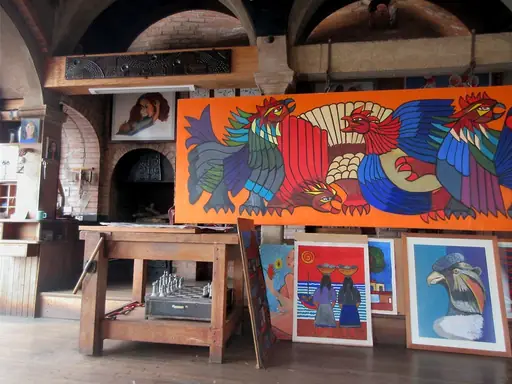
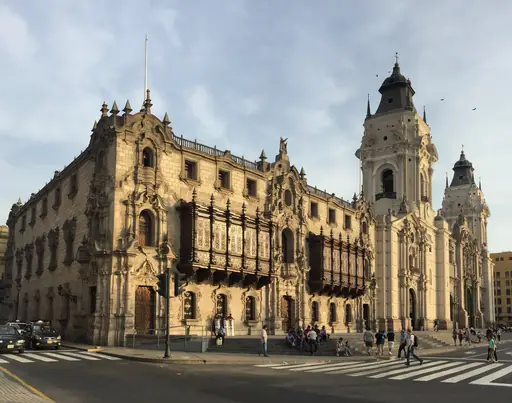
Gourd carvers in Lima's markets etch scenes into dried gourds, a technique called mate burilado. The craft was brought to the city from Peru's central highlands. Artisans burn fine lines into the surface, then fill them with dark pigment. Visitors can browse finished gourds at craft markets throughout the city.
City in Morocco
Essaouira
Atlantic Breeze, Blue Medina, Bohemian Vibe
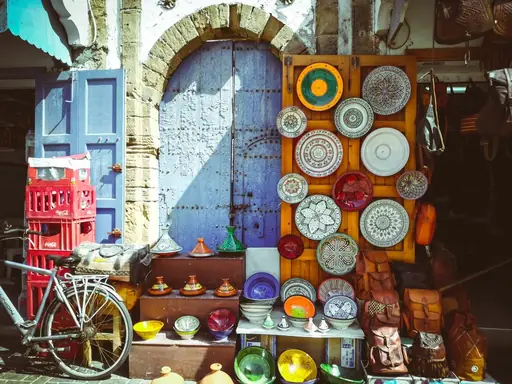
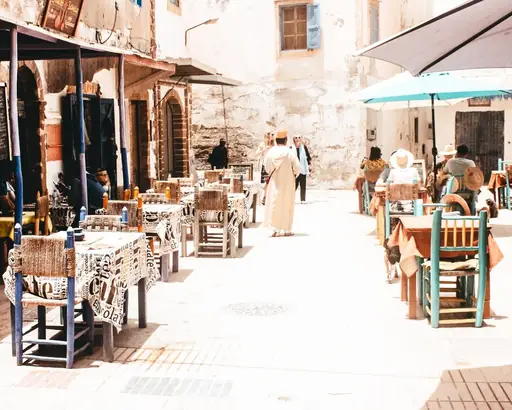
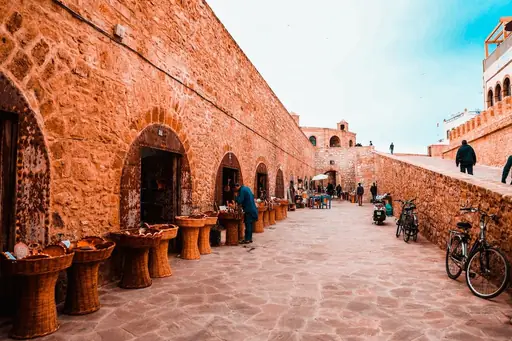
Woodworkers in Essaouira carve fragrant thuya wood into boxes and furniture inlaid with mother of pearl. The tree grows only in this corner of Morocco. Its roots produce the swirled grain that artisans prize most. Visitors can watch carvers work in small shops along the port's old ramparts.
City in Japan
Takayama
Old town, morning markets and Hida beef
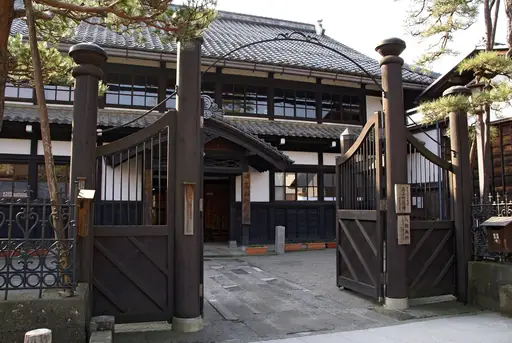
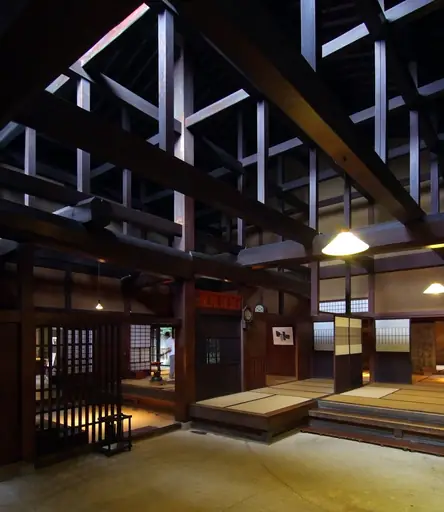
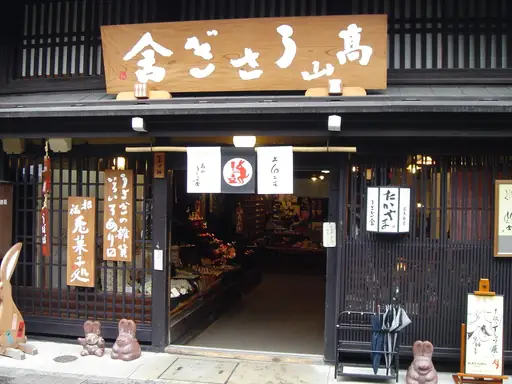
Carvers in Takayama practice ichii ittobori, shaping yew wood figures using a single blade instead of many tools. Artisans work the pale outer wood and darker heartwood together to shade each carving naturally. Visitors can watch carvers work in small studios around the old town. Finished figures range from tiny netsuke to larger decorative pieces.
City in Brazil
Salvador
Afro-Brazilian Soul on the Sea
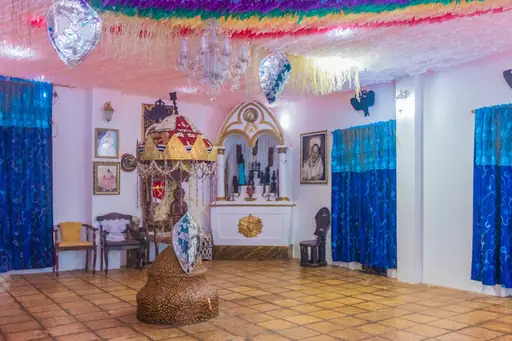
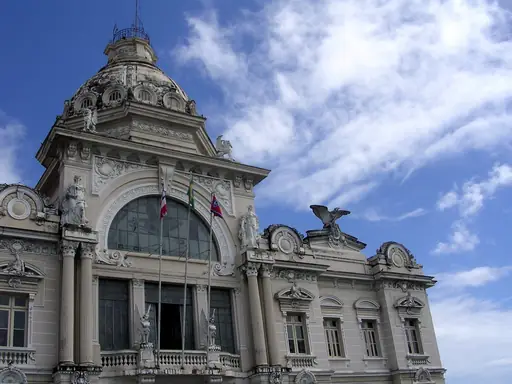
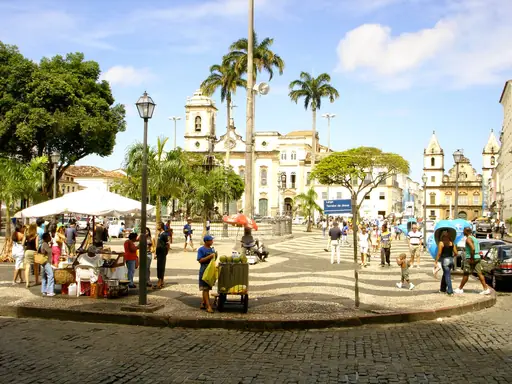
Woodcarvers in Salvador shape figures of orixas, deities from the Afro-Brazilian Candomble religion. Lacemakers nearby produce renda de bilro, a bobbin lace brought by Portuguese settlers centuries ago. Visitors can watch both crafts at markets around the historic Pelourinho district. Beaded jewellery tied to Candomble traditions is sold in the same stalls.
City in Morocco
Fez
Labyrinthine Medina, Living Moroccan Heritage
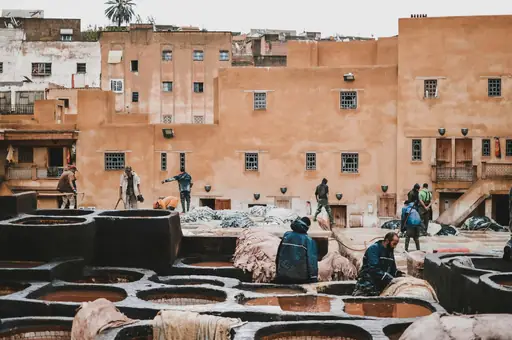
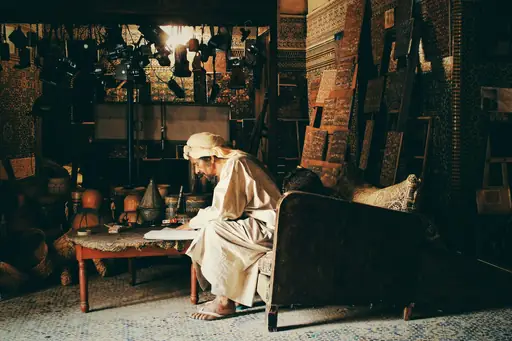
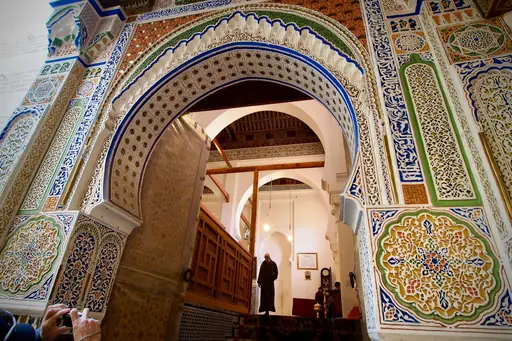
Tanners at Fez's Chouara Tannery still soak hides in stone vats using centuries old methods. Workers dye leather using natural pigments like poppy, indigo and henna before it is shaped. Visitors can view the vats from surrounding terraces, often handed a sprig of mint. Finished leather bags and slippers are sold in shops nearby.
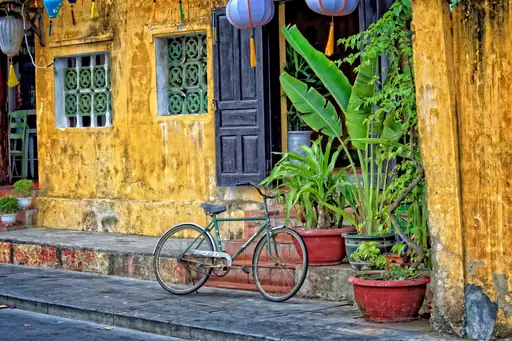
Town in Vietnam
Hoi An
Charming Lanterns and Timeless Streets
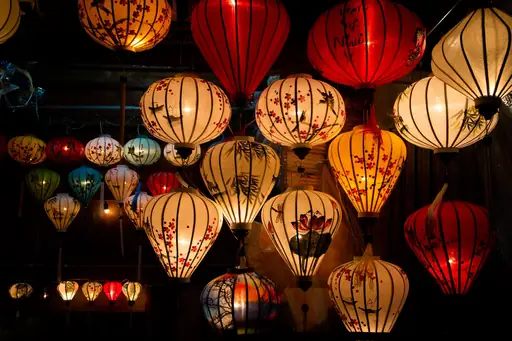
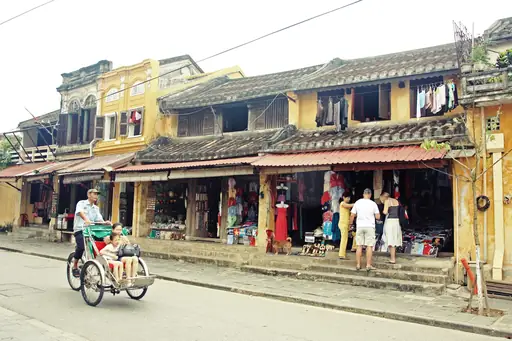
Lantern makers in Hoi An stretch silk over bamboo frames by hand. The finished lanterns light the old town's streets and river each evening. Visitors can commission a custom lantern or a tailored outfit at nearby shops. Potters in nearby Thanh Ha village still shape clay on a foot powered wheel.
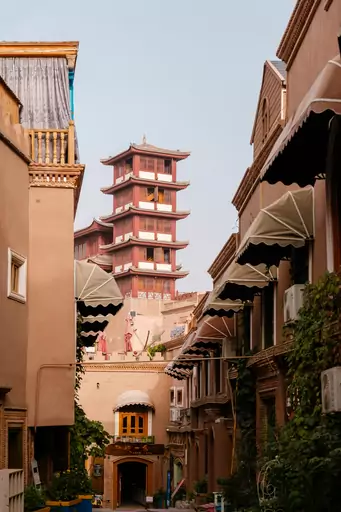


City in China
Kashgar
Ancient Silk Road's living museum
Knife makers in the nearby town of Yengisar forge blades and inlay handles with brass, bone or gemstones. Coppersmiths in Kashgar's old town hammer pots and basins using methods passed through Uyghur families. Visitors can watch both crafts at stalls throughout the old city's lanes. Musical instrument makers nearby carve rawap lutes from mulberry wood.
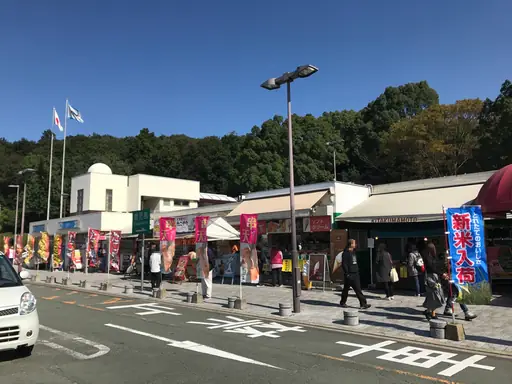
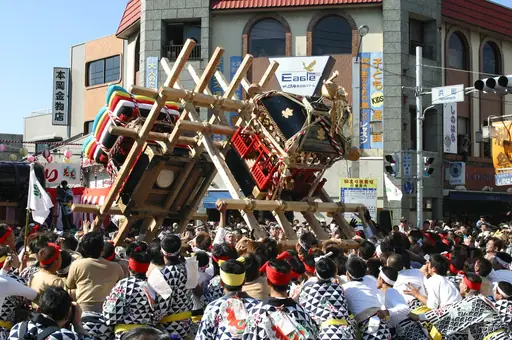
Island in Japan
Kyushu
Volcanoes, onsen and tonkotsu ramen
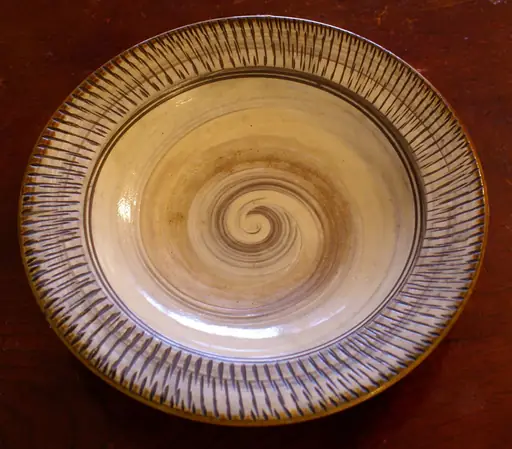
Potters in the town of Arita have fired porcelain since discovering clay deposits in the early 1600s. Their blue and white ware became Japan's first porcelain export, prized across Europe. Visitors can tour kilns and shops lining Arita's pottery street. Nearby Satsuma potters add gold and colourful enamel to their own designs.

City in India
Mumbai
India's bustling coastal metropolis
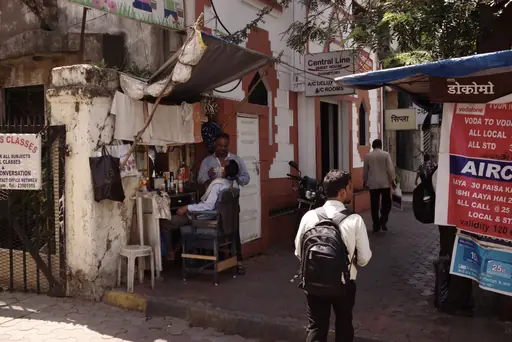
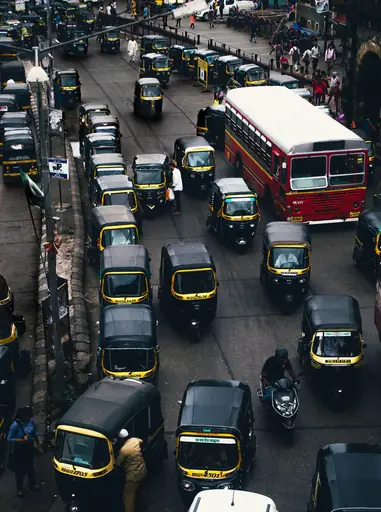
Zardozi embroiderers in Mumbai stitch gold and silver thread onto fabric, a technique that once decorated royal robes. Workers stretch cloth over a frame and work metallic thread through it by hand for hours. Visitors can watch embroiderers work in small workshops around the city's textile districts. Finished garments are sold in markets and boutiques.

City in Morocco
Marrakech
A vibrant maze of colors and spices
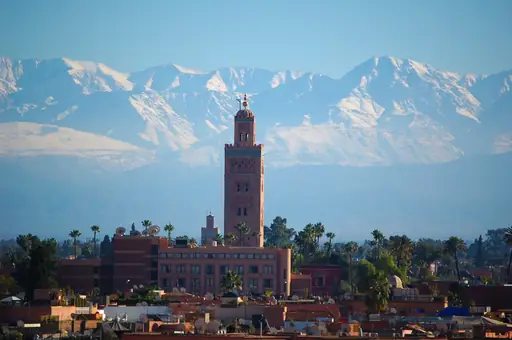
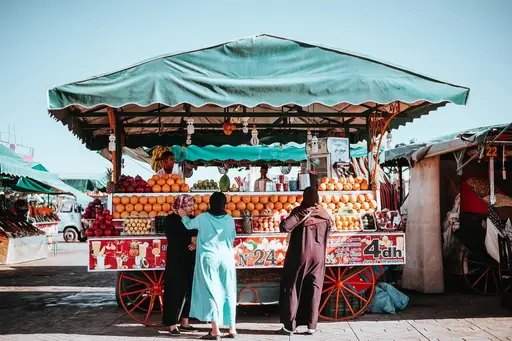
Zellige tile makers in Marrakech cut and fit small pieces of glazed clay into mosaic patterns by hand. Each tile is chiselled to shape before being set into plaster or cement. Visitors can watch the process in workshops around the medina. Leatherworkers and lantern makers nearby fill the souks with metalwork and dyed hides.
State/Prefecture in India
Rajasthan
Desert palaces and vibrant cultural tapestry
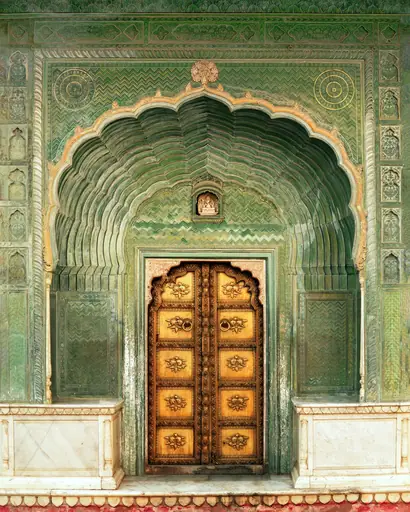
Cobblers in Rajasthan hand stitch mojari shoes, curling the toes upward and adding zari embroidery. Workshops in Jodhpur and Jaipur cut and stitch each pair without a left or right shape. Visitors can watch artisans work at stalls throughout the region's markets. Finished pairs mould to the wearer's foot after a short break in period.
Town in Guatemala
Chichicastenango
Ancient Market with Vibrant Mayan Culture
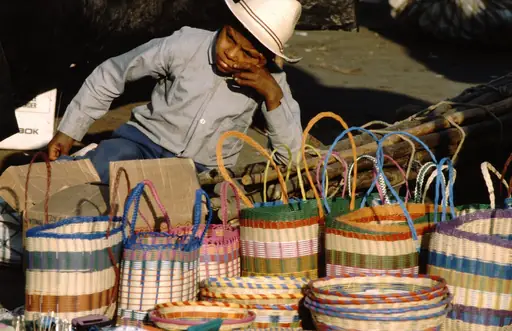
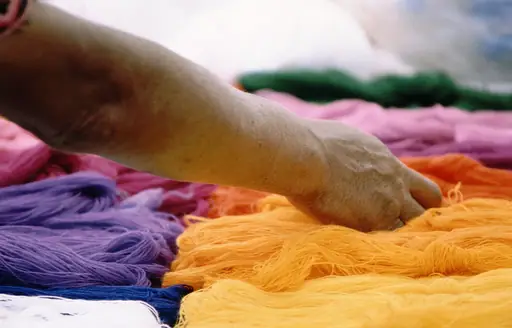
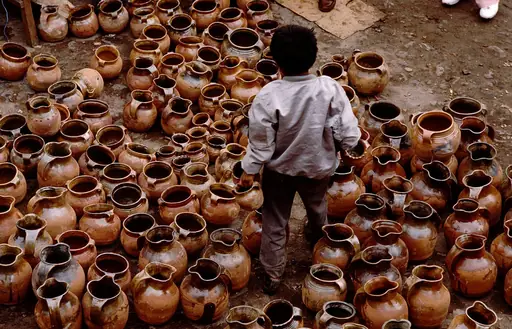
Maya weavers in Chichicastenango still work backstrap looms to produce huipiles with patterns specific to their village. Mask makers carve and paint wooden faces used in traditional dances performed during festivals. Visitors can browse both crafts at the town's large Thursday and Sunday markets. Candle sellers and incense vendors line the church steps nearby.



City in New Zealand
Rotorua
Geothermal Wonders and Māori Culture
Maori carvers in Rotorua shape wood and pounamu stone into figures recording tribal stories and genealogy. Each carved pattern carries meaning passed down through generations of a particular family or tribe. Visitors can watch carvers work at a dedicated arts institute in town. Flax weavers nearby produce baskets and cloaks using a technique called raranga.
City in Indonesia
Denpasar
Bali’s Vibrant Cultural Heart
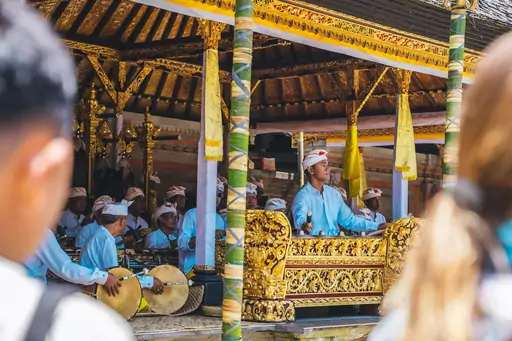
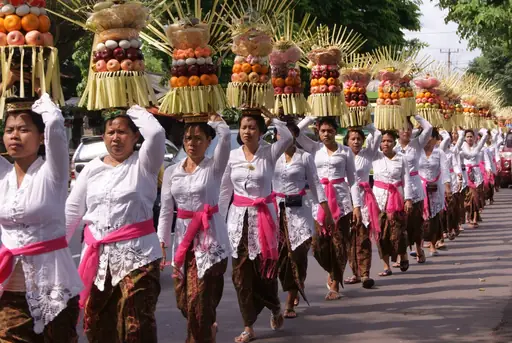
Bronze casters in villages near Denpasar still forge gamelan gongs using methods passed down through generations. Each instrument is tuned by ear, adjusting thickness until the pitch matches the set. Visitors can tour a foundry and hear a gamelan orchestra rehearse. Finished gongs are shipped to temples and dance troupes across the island.


City in Mexico
Mérida
Colonial charm and Yucatán culture
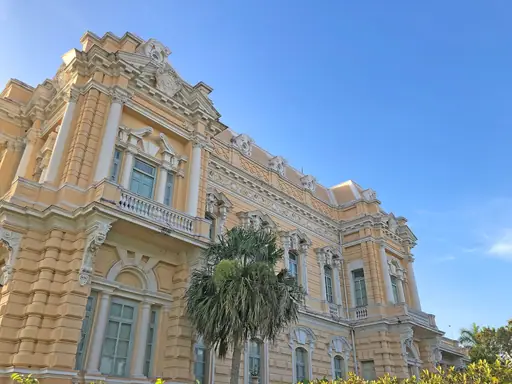
Weavers in villages around Merida still knot hammocks by hand, a Yucatan tradition. A fine hammock can take days to complete on a simple wooden frame. Visitors can watch weavers work and order a custom size at shops nearby. Panama style hats woven from jipijapa palm are sold in the same markets.

City in Ghana
Accra
Vibrant Culture and Coastal Charm
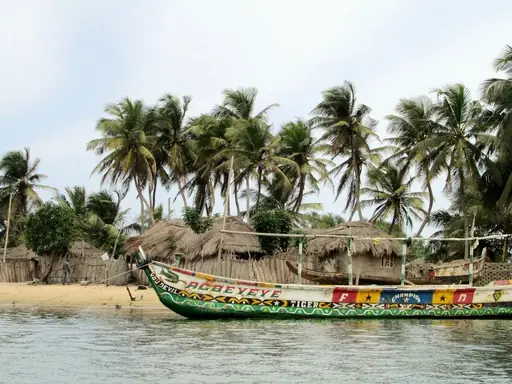
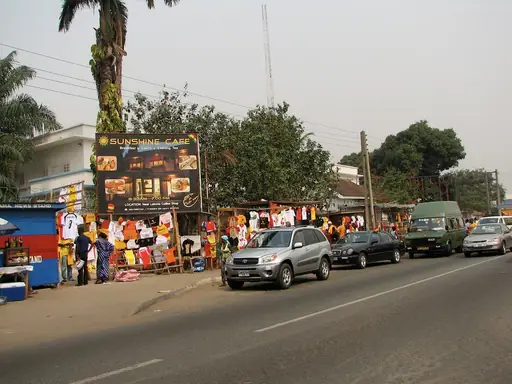
Coffin makers in Accra's Teshie neighbourhood carve caskets shaped like fish, planes or cocoa pods. Each design matches something from the deceased's life or trade. Craftsmen shape and paint every coffin by hand over several weeks. Visitors can tour workshops and watch the carving process up close.
Region in Mexico
Yucatán
Gateway to the Mayan world
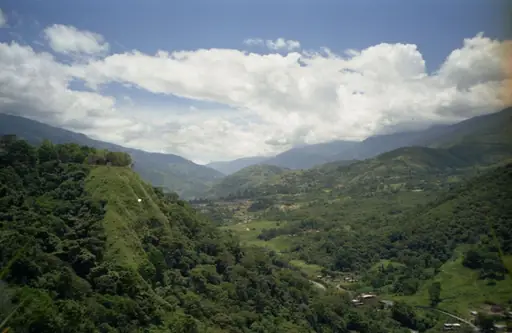
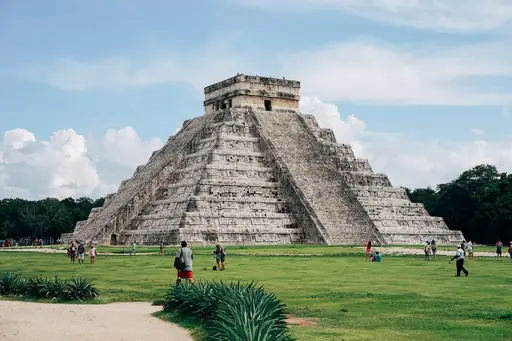
Maya women across the Yucatan still hand embroider huipil dresses with bright floral cross stitch patterns. Each region favours its own colours and motifs, passed down through generations of stitchers. Visitors can buy finished huipiles directly from women at village markets. Henequen fibre, once called green gold, is still woven into bags nearby.
City in Iran
Shiraz
Poetry, Gardens and Persian Splendor
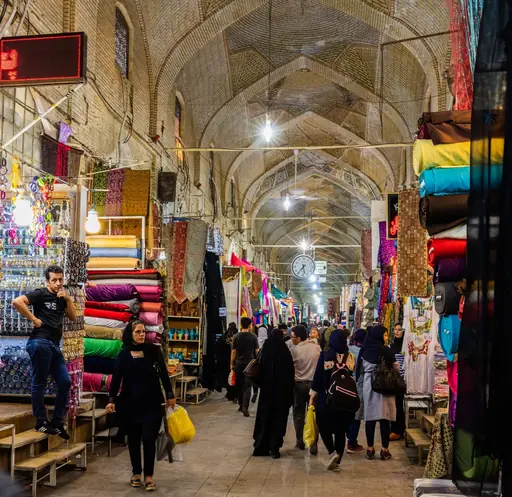
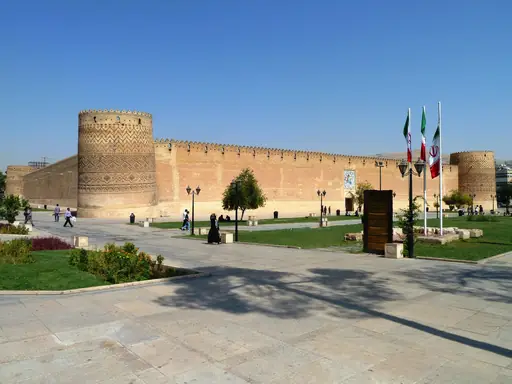
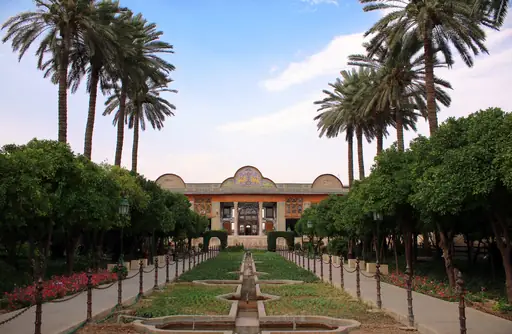
Craftsmen in Shiraz practice khatam kari, inlaying tiny triangles of wood, bone and metal into geometric star patterns. Each finished panel can contain thousands of individually cut pieces glued into place. Visitors can watch artisans work in small workshops around the city's bazaars. Finished boxes, frames and instruments are sold in shops nearby.
City in Italy
Lecce
Baroque Beauty in Italy’s Heel
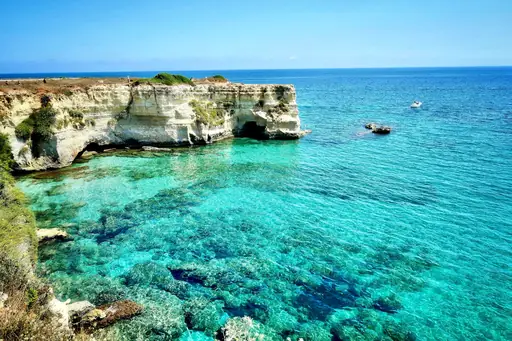
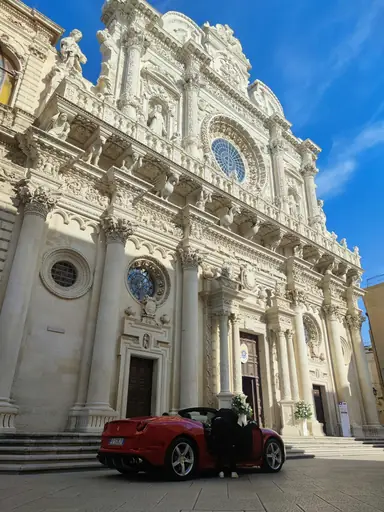
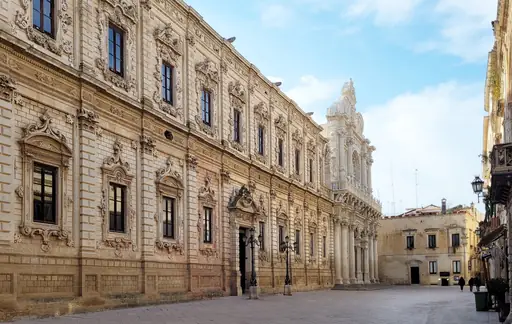
Sculptors in Lecce have carved the city's soft golden limestone into Baroque facades for centuries. The stone, called pietra leccese, is soft enough to shape with simple hand tools when freshly quarried. Visitors can watch artisans work in small studios producing decorative panels. Papier-mache workshops nearby build nativity figures using techniques passed down for generations.
City in Egypt
Luxor
Ancient wonders on the Nile
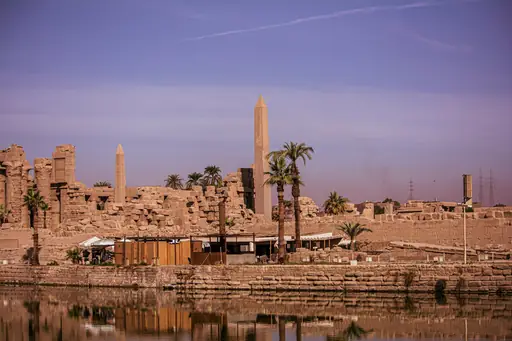
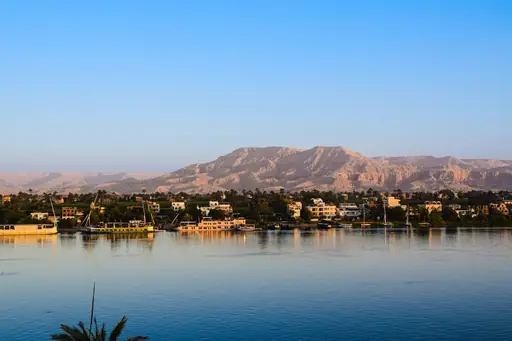
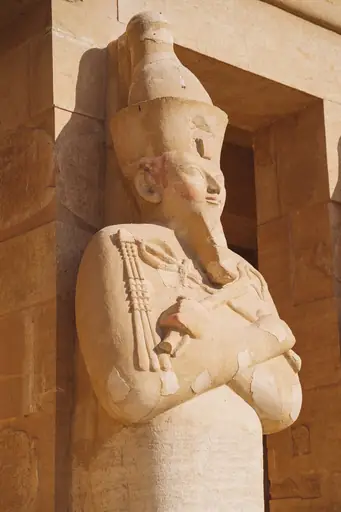
Alabaster carvers near Luxor still hand shape stone quarried from hills used by ancient Egyptian craftsmen. Workers hollow out vases and bowls, checking wall thickness by holding pieces up to light. Visitors can tour workshops and watch the process from raw block to finished vessel. Finished pieces range from small bowls to large vases.
City in India
Hyderabad
Where Ancient Meets Tech Revolution
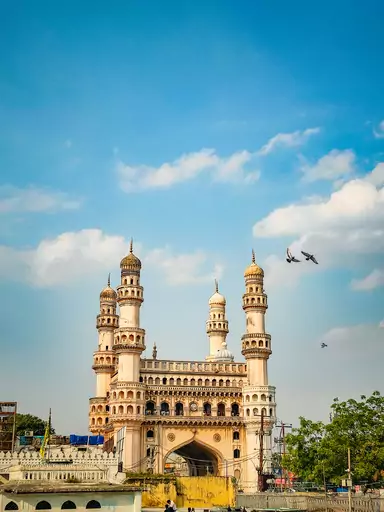
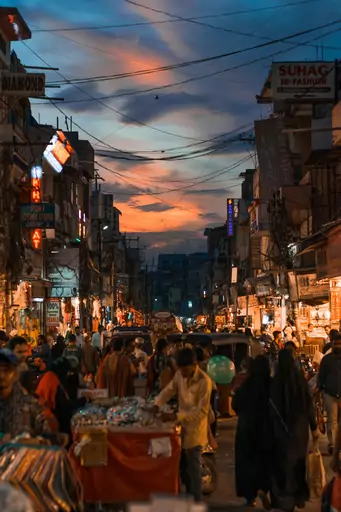
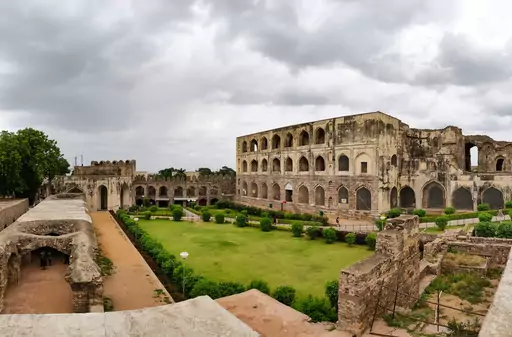
Pearl stringers in Hyderabad's old markets still sort and string pearls entirely by hand. The trade is so central here it gave Hyderabad its nickname, City of Pearls. Bidriware craftsmen nearby inlay silver wire into blackened metal using a centuries old technique. Visitors can watch both crafts at shops and workshops near the Charminar.


Region in Malaysia
Penang
Heritage charm meets foodie heaven
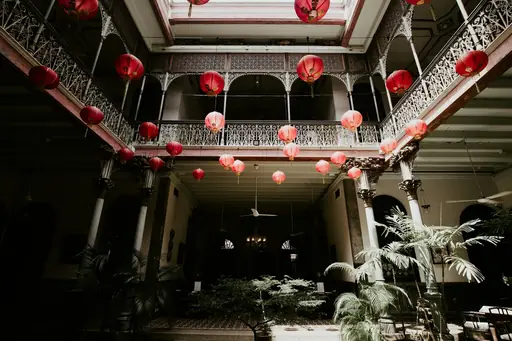
Batik painters in Penang apply hot wax to cloth using a metal tool called a canting. Cloth is dyed by hand, one colour at a time, to build up the pattern. Visitors can try the technique themselves at workshops around George Town. Finished sarongs and wall hangings are sold in shops throughout the old city.
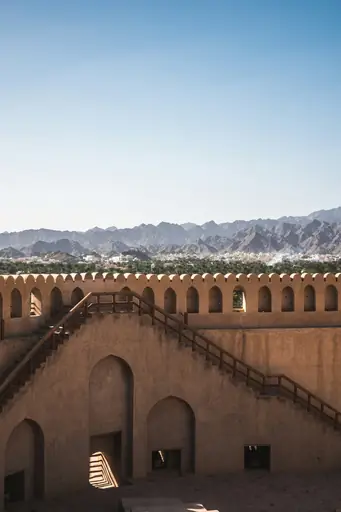
Town in Oman
Nizwa
Ancient Capital with Mountain Charm
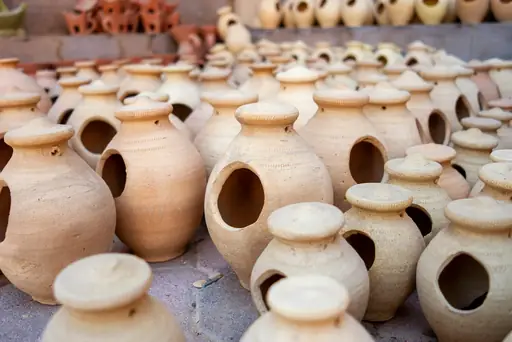
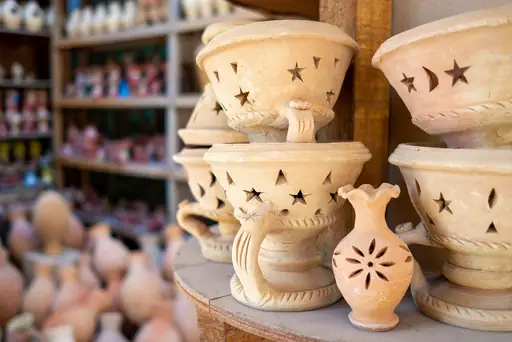
Silversmiths in Nizwa still forge the curved khanjar dagger, a traditional Omani blade worn at the waist. Craftsmen decorate the sheath with silver wire wrapped in tight, even coils. Visitors can watch silversmiths work at stalls inside the old souk. Potters nearby shape clay water jars using techniques passed down through generations.
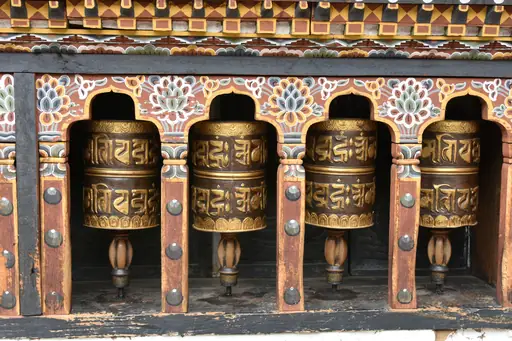
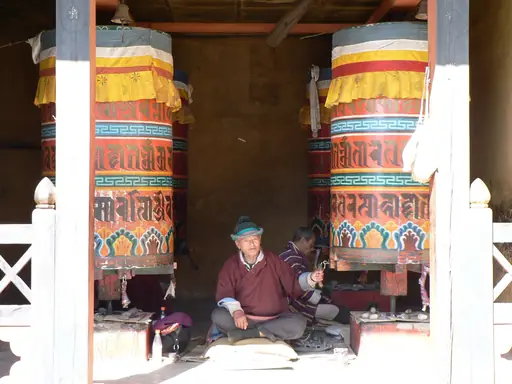
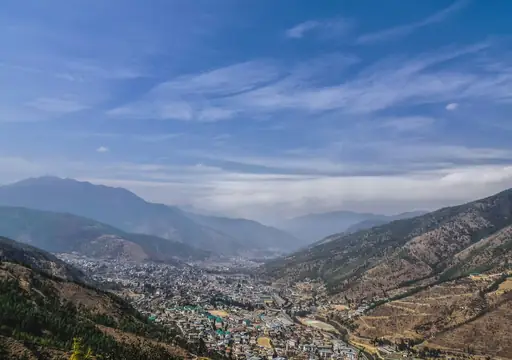
City in Bhutan
Thimphu
Himalayan Culture Meets Modern Life
Students at Thimphu's Zorig Chusum institute train for years in Bhutan's thirteen traditional arts, from painting to embroidery. Papermakers nearby press paper from daphne plant bark using methods unchanged for centuries. Visitors can tour the institute and watch students practice each craft. Finished paintings, textiles and paper goods are sold in shops around the city.
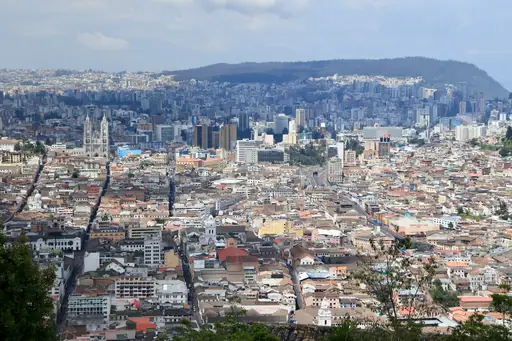
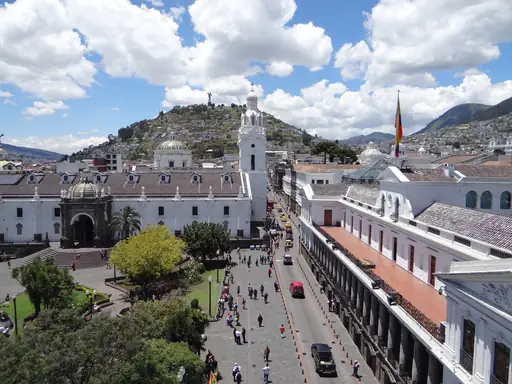

City in Ecuador
Quito
Andean Charm Meets Colonial Splendor
Sculptors in Quito once carved and gilded wooden religious figures in a style known as the Quito School. Workshops combined indigenous techniques with European imagery brought by Spanish missionaries. Visitors can see finished pieces in the city's churches and a museum downtown. Modern workshops nearby still carve saints and altarpieces using traditional methods.
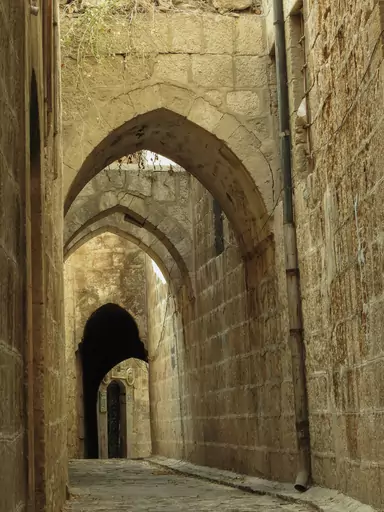
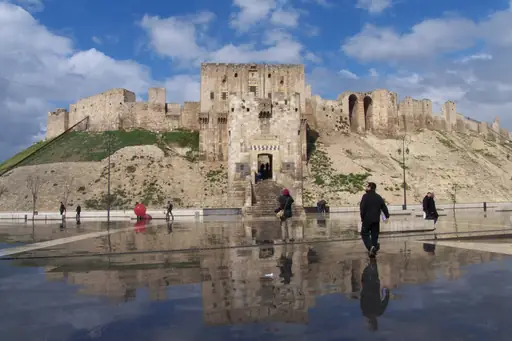
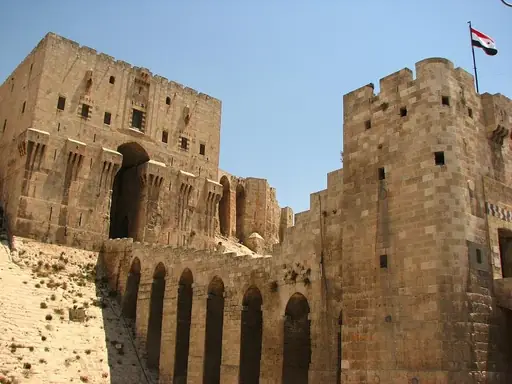
City in Syria
Aleppo
Ancient Markets and Resilient Spirit
Soap makers in Aleppo have boiled olive oil and laurel oil into soap for centuries. Workers cut the still soft mixture into bars, then stack them to cure for a year. Visitors can tour workshops where the scent of laurel fills the air. Bars stamped with a maker's seal are sold by weight.
City in India
Agra
Home of the Majestic Taj Mahal
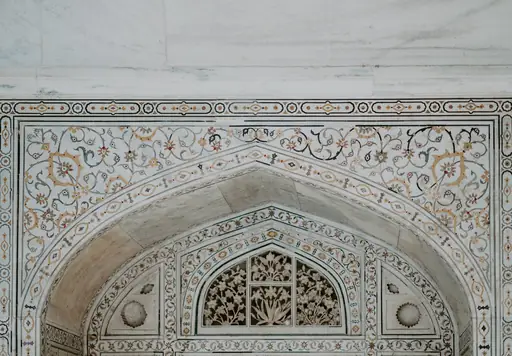
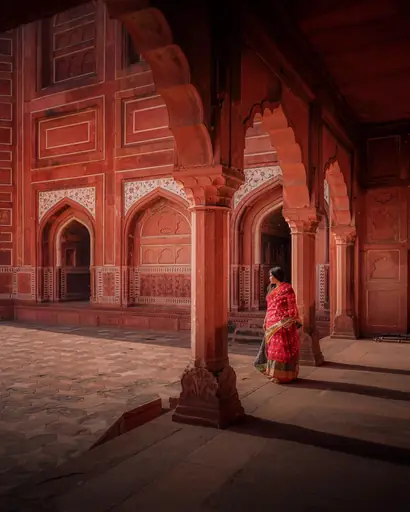
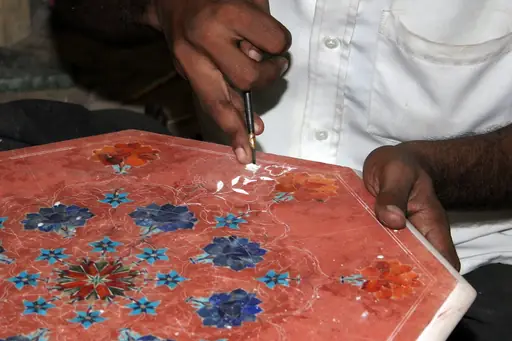
Marble inlay artisans in Agra still practice pietra dura, the same technique used to decorate the Taj Mahal. Craftsmen cut tiny pieces of semi-precious stone and fit them into marble by hand. Visitors can watch the slow process in small family run workshops near the monument. Finished pieces range from tabletops to small jewellery boxes.
City in Malaysia
Malacca
Where centuries of culture converge
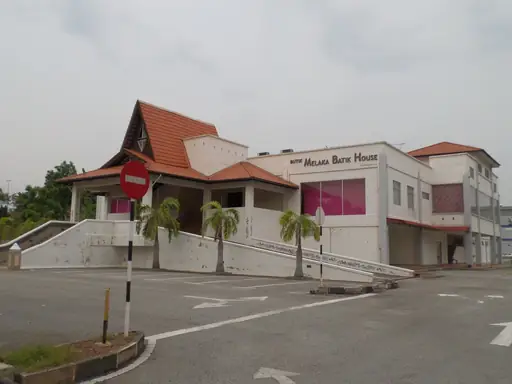
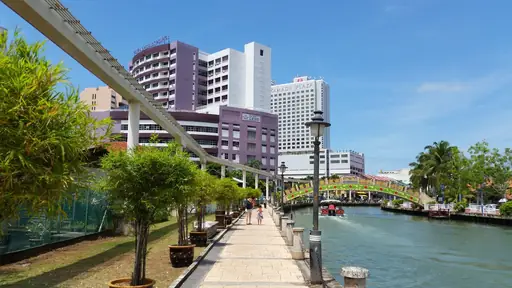
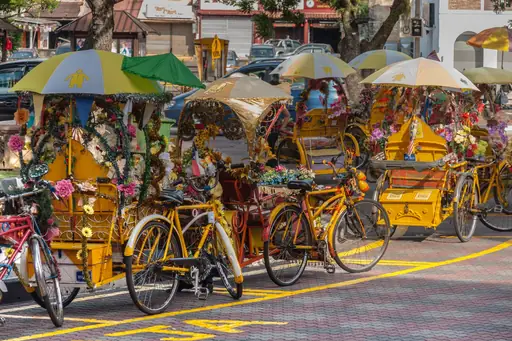
Nyonya beadworkers in Malacca stitch tiny glass beads into slippers and panels, a craft brought by Peranakan settlers. Each pair of beaded shoes can take weeks to finish by hand. Visitors can watch artisans work in small shops around Jonker Street. Wood carvers nearby build furniture inlaid with mother of pearl.



City in Nepal
Kathmandu
Temples, chaos and Himalayan magic
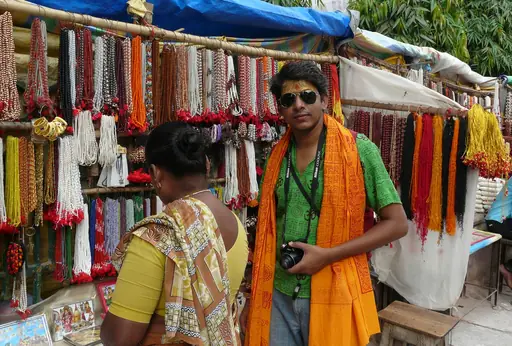
Thangka painters in Kathmandu's Patan district grind mineral pigments by hand to paint detailed Buddhist scroll art. Metalworkers nearby cast bronze statues using the lost wax method, practised in the valley for centuries. Visitors can watch both crafts in small workshops around Patan's central square. Finished statues and paintings are sold in nearby galleries.
City in India
Varanasi
India’s Timeless Spiritual Heartbeat
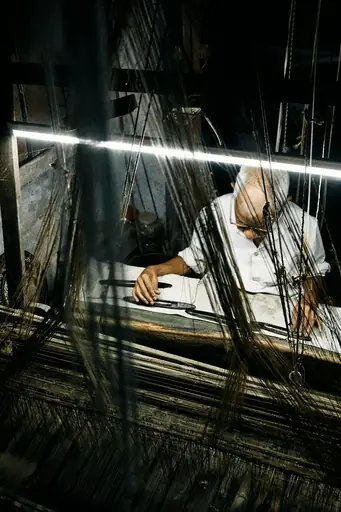
Weavers in Varanasi produce Banarasi silk saris on wooden looms, working gold and silver thread into brocade patterns. A single sari can take weeks to finish, depending on the complexity of its design. Visitors can watch weavers work in small home workshops throughout the old city. Finished saris are sold in shops near the ghats.

Town in China
Dunhuang
Desert Wonders and Ancient Art
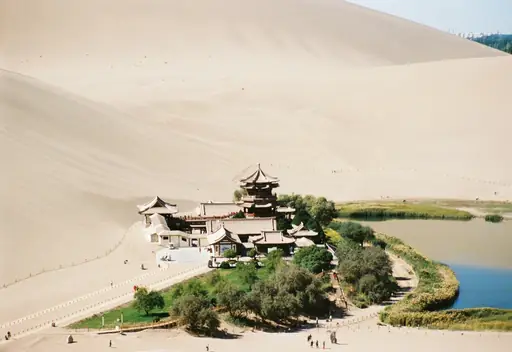
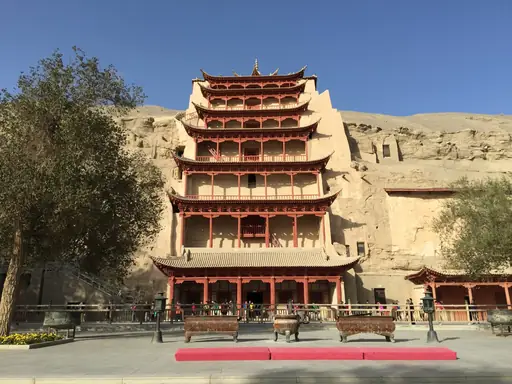
Painters near Dunhuang still copy murals from the Mogao Caves using mineral pigments used centuries ago. The caves, cut into a cliff along the Silk Road, hold Buddhist art over a thousand years old. Visitors can view a selection of caves with a guide before browsing reproductions. Local workshops also sell hand copied silk paintings.


City in China
Lhasa
A Spiritual Journey in Tibet
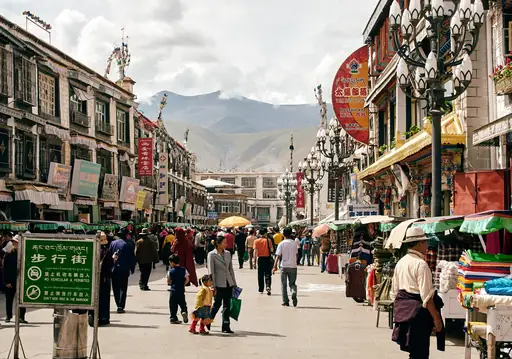
Thangka painters in Lhasa grind mineral pigments by hand to paint detailed Buddhist scroll art. Carpet weavers nearby knot Tibetan wool rugs using patterns tied to specific monasteries and regions. Visitors can watch both crafts in workshops around the Barkhor street circuit. Finished thangkas and carpets are sold in shops surrounding the Jokhang temple.

City in Indonesia
Yogyakarta
Java’s soul: temples, art, street eats
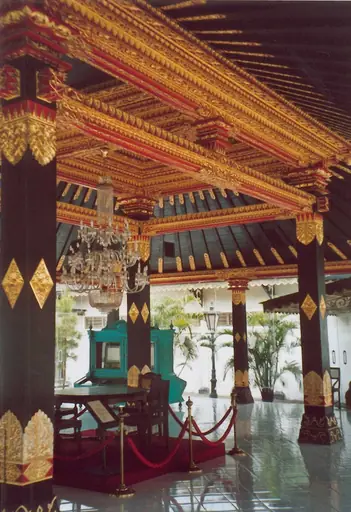
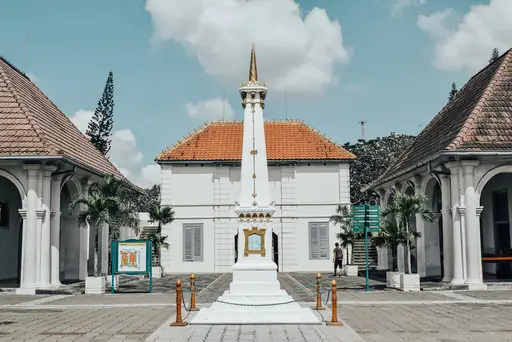
Silversmiths in Yogyakarta's Kotagede district have hammered silver into jewellery and tableware for generations. The district once served as the seat of an old royal capital. Visitors can tour family run studios and watch silversmiths shape each piece. Finished rings, bowls and filigree pieces are sold on site.
City in Israel
Jerusalem
Ancient History Meets Modern Culture
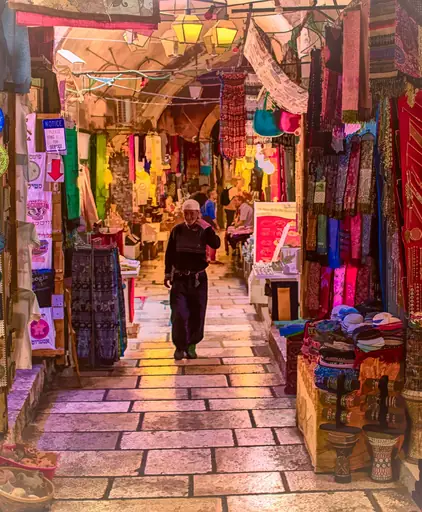
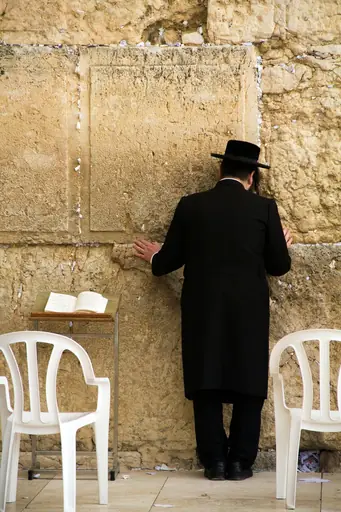
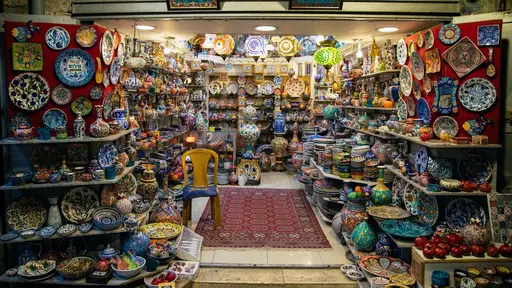
Armenian potters in Jerusalem's Old City hand paint ceramic tiles in cobalt blue and turquoise. The glaze technique traces back to Kutahya, a Turkish town famous for pottery. Visitors can watch painters work and commission custom house signs or tiles. Olive wood carvers nearby shape crosses and small figures from local wood.
City in Iran
Tabriz
Bazaar Wonders and Persian Heritage
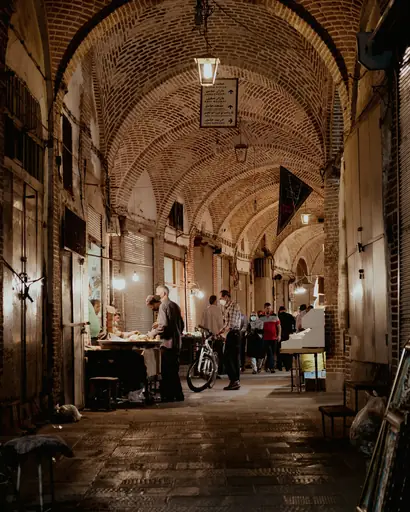
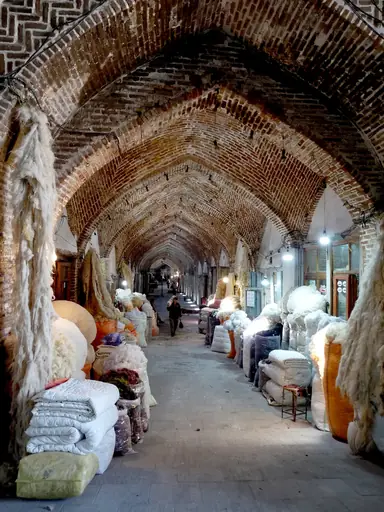
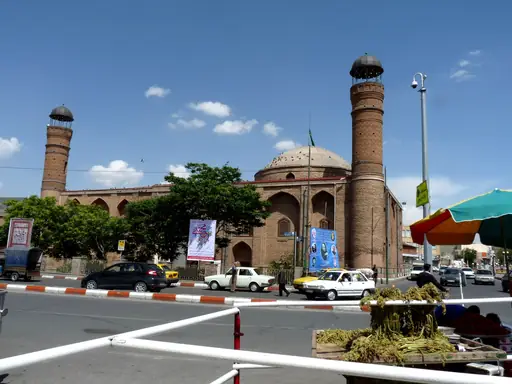
Weavers in Tabriz have knotted Persian carpets by hand for centuries, producing some of Iran's most prized rugs. A single carpet can take a weaver more than a year to finish on a large loom. Visitors can watch weavers work at workshops around the bazaar. Miniature painters nearby add fine detail to small scenes.



Country
Papua New Guinea
Last paradise of South Pacific
Carvers along the Sepik River shape wooden masks and storyboards showing ancestral spirits. Each carving style differs from village to village, tied to clans along the river. Visitors can view finished pieces at cultural centres or buy them directly from carvers. Woven bilum bags, made from plant fibre, are carried by most people nationwide.
Country
Bhutan
Himalayan monasteries, dzongs and trekking trails
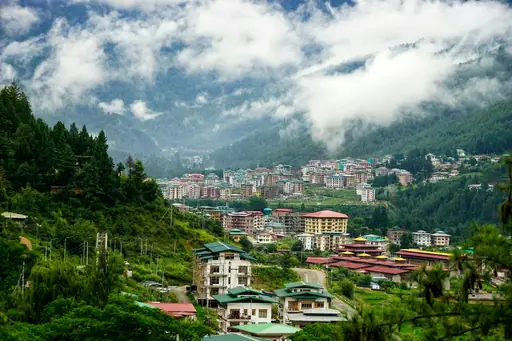
Weavers in eastern Bhutan produce kishuthara, a detailed patterned cloth woven by hand on a backstrap loom. A single piece can take months to finish, with patterns passed down within families. Visitors can watch weavers work at workshops around Thimphu and Lhuntse. Thangka painters nearby produce Buddhist scroll paintings using mineral pigments ground by hand.
City in India
Ahmedabad
Where heritage meets modern India
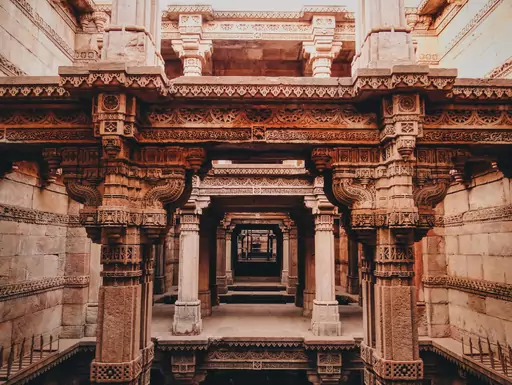
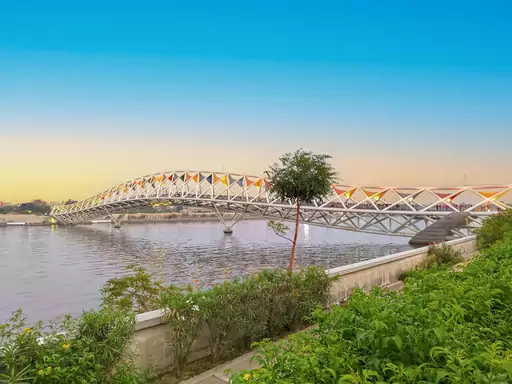
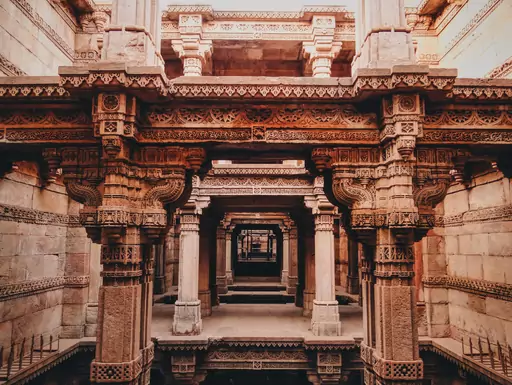
Bandhani tie-dye artisans in Ahmedabad pinch and tie thousands of tiny knots into cloth before dyeing it by hand. Each knot resists the dye, leaving a dotted pattern once the fabric is untied. Visitors can watch the process in workshops around the old city's textile quarter. Finished saris and scarves often take weeks to complete.


Town in Indonesia
Ubud
Bali's Cultural and Spiritual Heart
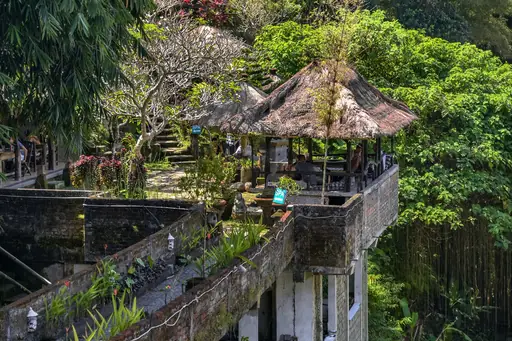
Painters in Ubud developed a modern Balinese style in the 1930s, blending temple painting with new subjects. Artists in a village school called Pita Maha helped shape the style still taught today. Visitors can browse galleries throughout town or watch painters work in open studios. Finished paintings range from temple scenes to modern art.
Country
Mongolia
Land of endless steppes
Felt makers in Mongolia still press sheep's wool into thick sheets used to cover traditional gers. Families roll and beat the wool by hand or drag it behind a horse to compress it. Visitors can watch the process during a countryside homestay or a demonstration in Ulaanbaatar. Silversmiths nearby shape traditional snuff bottles and jewellery.

City in Italy
Venice
A floating city of romance and history
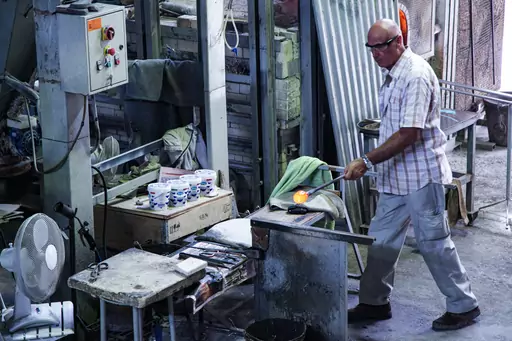
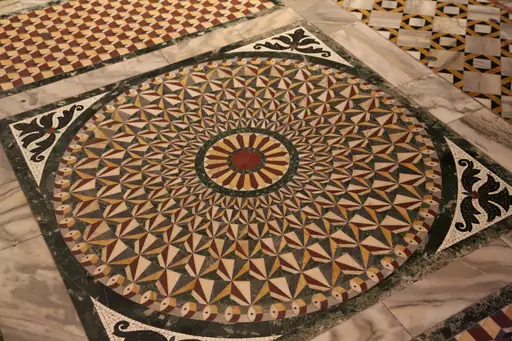
Mask makers in Venice still build carnival masks from papier mache and gesso, then hand paint each one. Traditional designs include the long beaked plague doctor and the plain white bauta once worn for anonymity. Visitors can watch artisans work in small ateliers around the city. Finished masks are sold in shops throughout the centre.
City in Mexico
Guanajuato
Colorful alleys and silver history
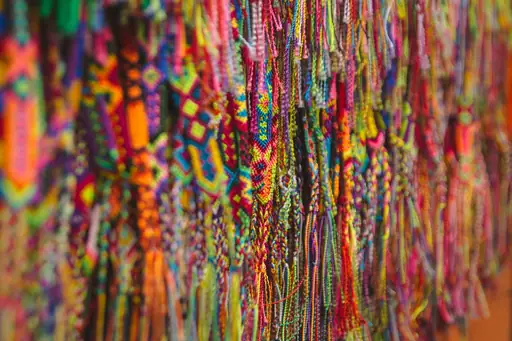
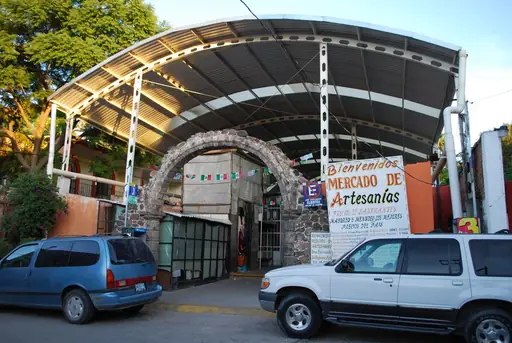
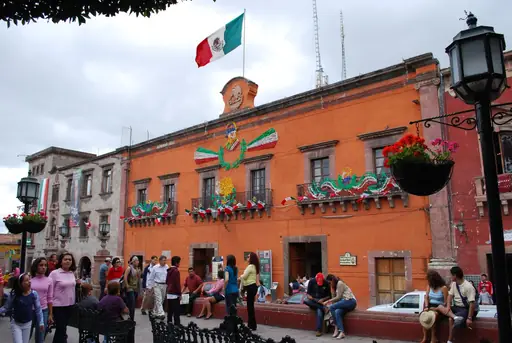
Silversmiths in Guanajuato still work silver pulled from mines that once made the city rich. Workshops shape the metal into jewellery using techniques passed down through mining families. Visitors can browse finished rings and necklaces at shops around the historic centre. Many pieces still use raw silver sourced from nearby mines.


City in Japan
Hida
Carp canal and sake town near Takayama
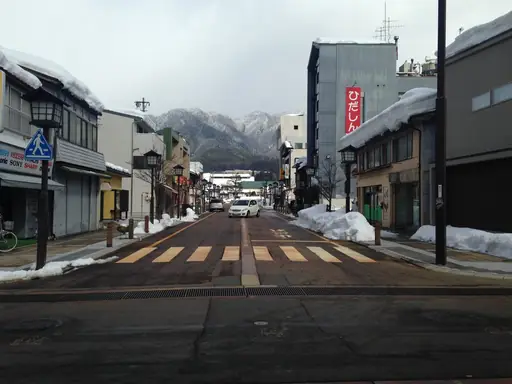
Carpenters from the Hida region were once sent to build temples in Nara and Kyoto. Their joinery used no nails, only interlocking wood joints cut by hand. Visitors can watch demonstrations at a folk village dedicated to traditional Hida building. Lacquerware from the same region uses a finish that lets the wood grain show through.

City in Mexico
Oaxaca
Colonial Charm and Rich Traditions
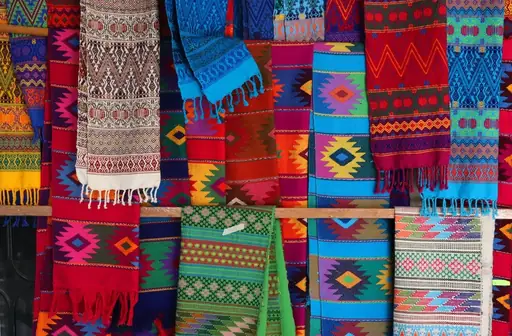
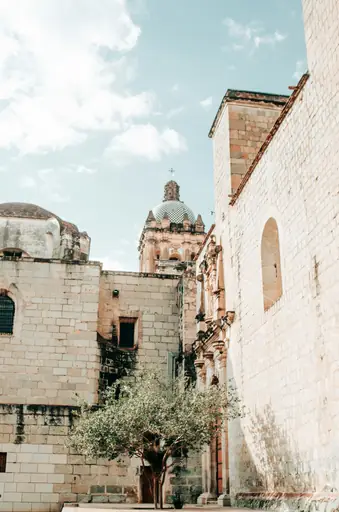
Woodcarvers in the village of San Martin Tilcajete near Oaxaca shape copal wood into painted alebrijes. Painters cover each fantastical creature in fine dots and patterns using tiny brushes. Visitors can tour family workshops and watch the carving and painting process firsthand. Black pottery from nearby San Bartolo Coyotepec gets its sheen from local clay.
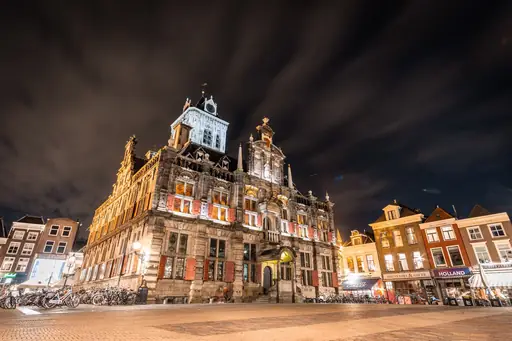
City in Netherlands
Delft
Canals, blue pottery, Vermeer’s legacy
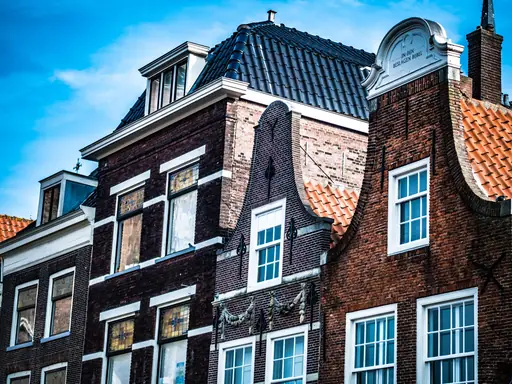
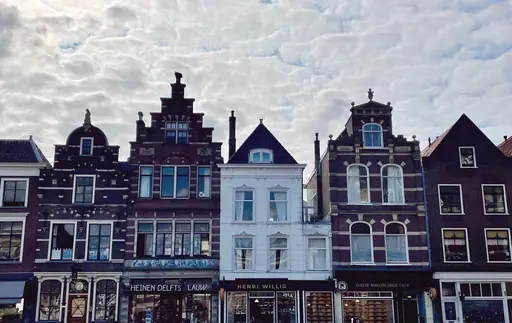
Painters at Delft's pottery studios still hand paint blue designs onto white earthenware with a single fine brush. The tradition dates to the 1600s, when potters copied imported Chinese porcelain patterns. Visitors can watch painters work at a factory just outside the old centre. Finished plates, tiles and vases are sold in the shop.
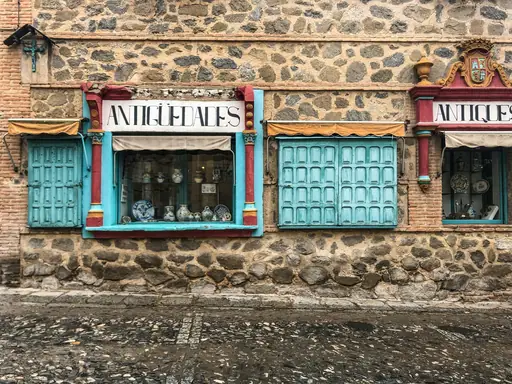

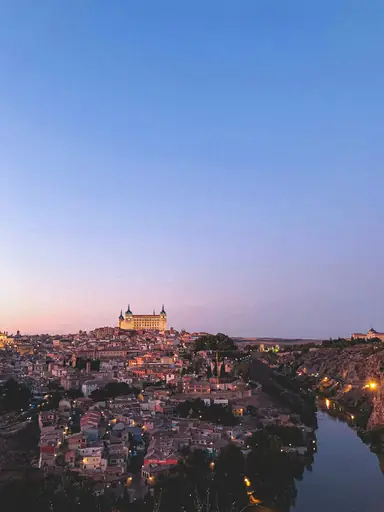
City in Spain
Toledo
A Timeless Blend of Cultures
Craftsmen in Toledo still practice damascening, inlaying gold and silver thread into blackened steel to form fine patterns. The technique arrived with Moorish metalworkers and remains centred in workshops near the cathedral. Visitors can watch artisans work in small shops throughout the old city. Finished jewellery and decorative plates are sold on site.
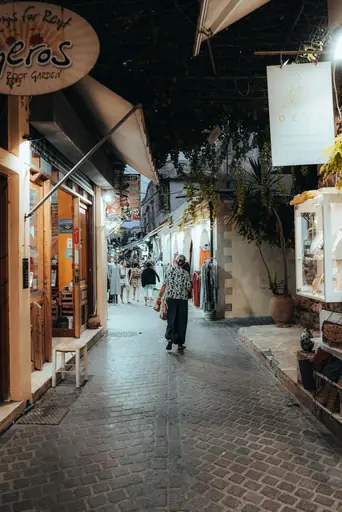

Island in Greece
Crete
A Journey Through History and Nature
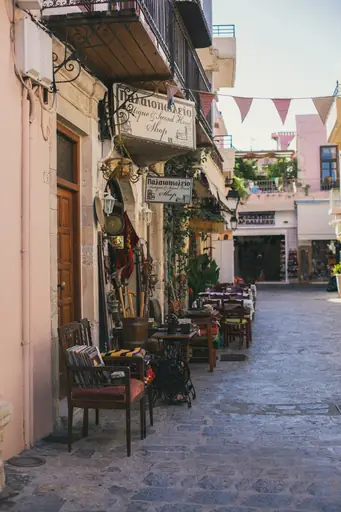
Shoemakers in Chania still handcraft leather sandals using patterns passed down through Cretan families. Knife makers nearby forge blades with decorated handles, a craft tied to the island's shepherd traditions. Visitors can watch both crafts in small workshops around old town lanes. Woven textiles with bold geometric patterns are sold throughout the island.

City in United Arab Emirates
Sharjah
Culture, Heritage and Coastal Charm
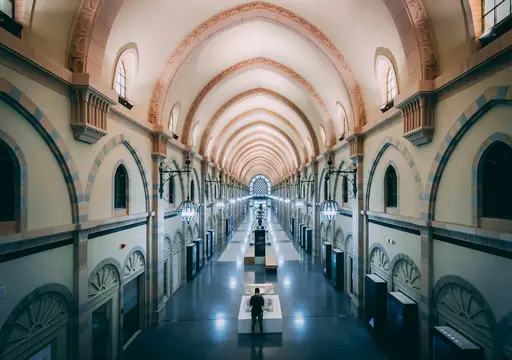
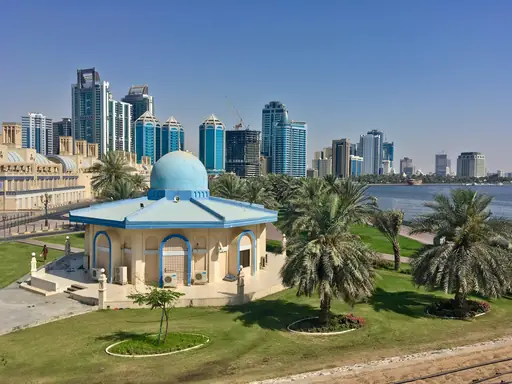
Bedouin women in Sharjah still practice sadu weaving, producing geometric patterned textiles from sheep, goat and camel hair. Traditional looms are set up on the ground, with weavers working the strands by hand. Visitors can watch demonstrations at heritage centres around the emirate. Finished textiles become tent panels, cushions and bags sold in local markets.
City in Thailand
Chiang Mai
Ancient temples and mountain escapes
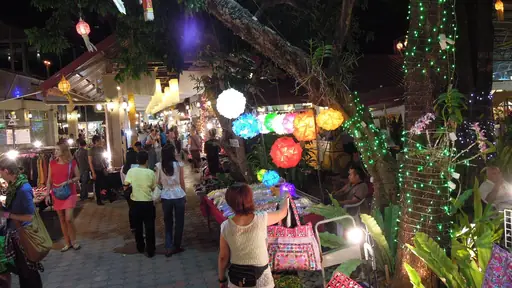
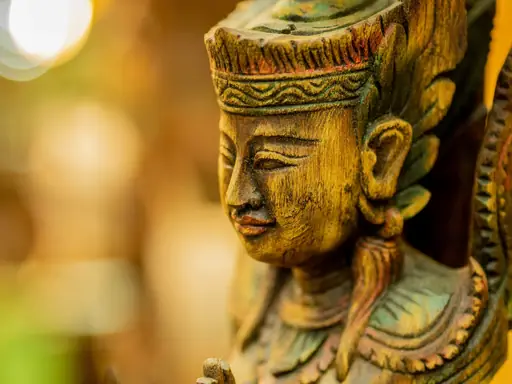
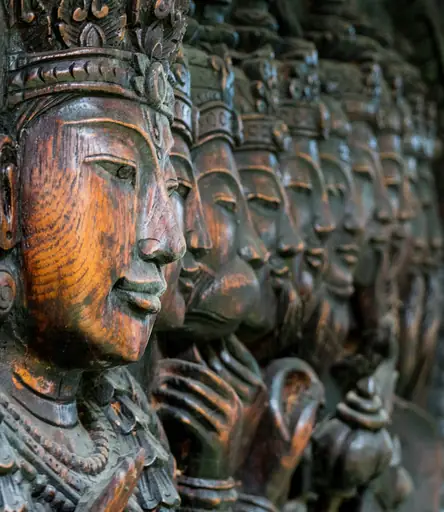
Lacquerware makers in Chiang Mai build up bowls using thin layers of tree resin. Each layer is dried and polished before the next is applied, a process that can take weeks. Visitors can watch artisans work at workshops around the old city. Hill tribe communities nearby sell hand embroidered textiles in the same markets.
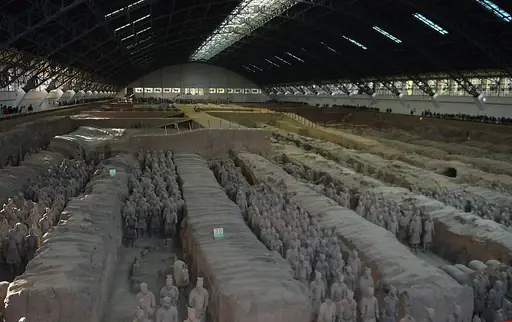
City in China
Xi'an
Where history whispers through time
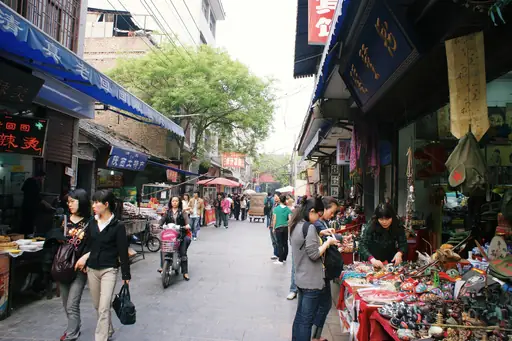
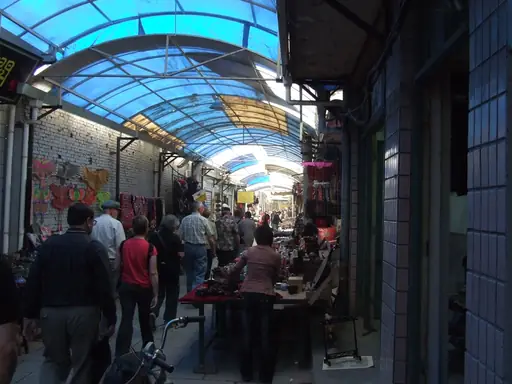
Puppet carvers in Xian cut leather shadow puppets by hand, following patterns tied to Shaanxi's old puppet theatre. Each figure is punched with tiny holes and painted before being mounted on rods. Visitors can watch carvers work and see puppet shows at small theatres. Finished puppets are sold as wall art nearby.



City in Ecuador
Cuenca
Colonial charm meets Andean beauty
Weavers around Cuenca still braid toquilla straw into what the world calls Panama hats, despite their Ecuadorian roots. A fine hat can take weeks of weaving before it is shaped and trimmed. Visitors can tour workshops and watch weavers work the pliable straw by hand. Finished hats are sold in shops around the historic centre.
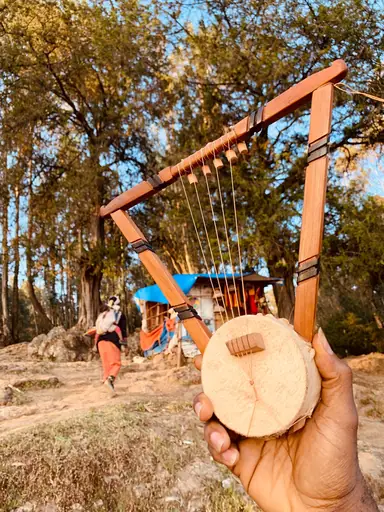

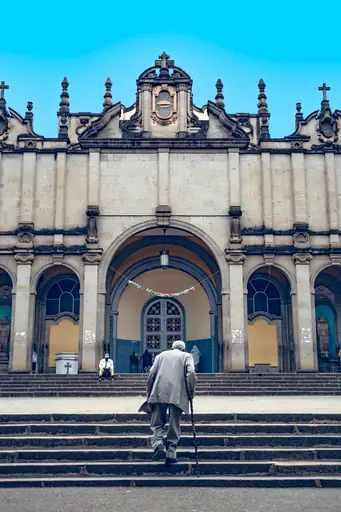
City in Ethiopia
Addis Ababa
Vibrant capital where history meets modernity
Weavers at Shiro Meda market work handlooms to produce shemma, the white cotton cloth worn at Ethiopian ceremonies. Threads are dyed and woven with coloured borders specific to different regions. Visitors can watch weavers work the looms and buy finished scarves or shawls directly. Silversmiths nearby shape traditional crosses using patterns tied to specific churches.
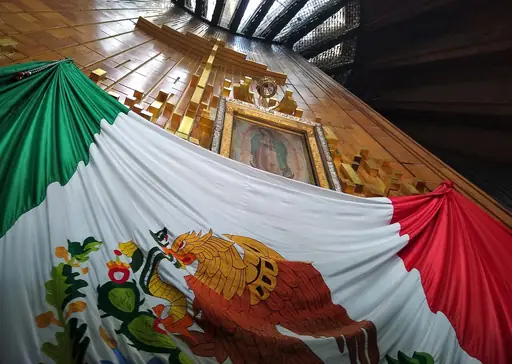

City in Mexico
Mexico City
Vibrant Culture, History and Street Food
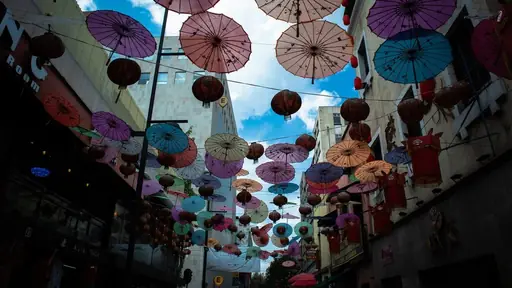
Artisans in Mexico City still paint alebrijes, fantastical creatures first made by artist Pedro Linares in the 1930s. Workshops build the figures from wire, paper and paste before painting bold patterns onto their surface. Visitors can watch the process at studios and markets around the city. Finished alebrijes range from small trinkets to large sculptures.

City in Iran
Isfahan
Persia's Architectural Masterpiece
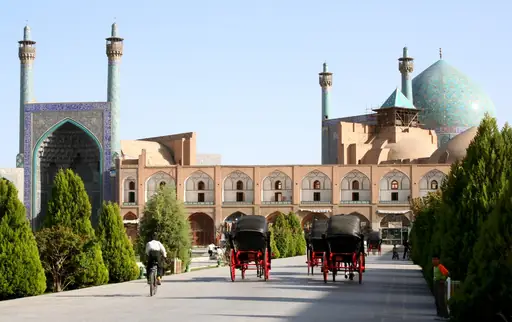
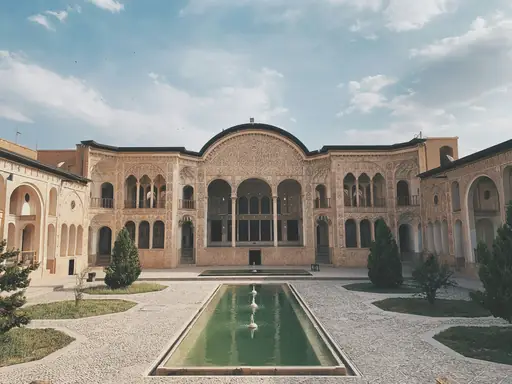
Enamel painters in Isfahan still hand paint minakari designs onto copper plates before firing. Miniature painters nearby use squirrel hair brushes to add fine detail to small scenes. Visitors can watch both crafts in workshops around the main square. Finished plates and paintings are sold in shops beneath the arcades.
Country
Madagascar
Unique biodiversity meets diverse landscapes
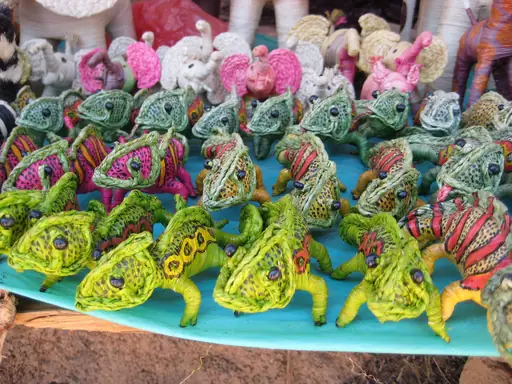
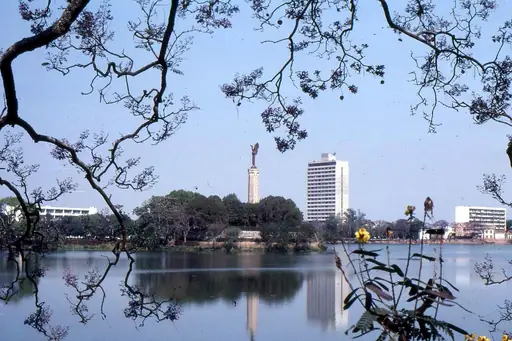
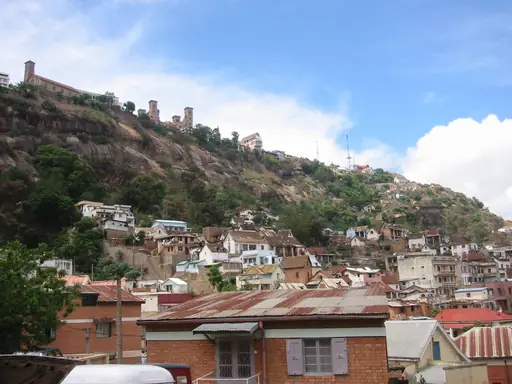
Zafimaniry woodcarvers in Madagascar's eastern highlands carve geometric patterns into doors, shutters and furniture without using nails. UNESCO recognised the craft as part of the island's intangible cultural heritage. Visitors can visit workshop villages and watch carvers work with hand tools. Raffia weavers nearby produce baskets and mats using palm fibres gathered locally.



City in Ireland
Kilkenny
Ireland’s Medieval Gem with Spirit
Stonemasons in Kilkenny have long carved the region's dark limestone, known as Kilkenny marble, into monuments and tombs. The stone polishes to a near black shine unlike most limestone in Ireland. Visitors can see the material used throughout the town's medieval buildings. Craft studios in Kilkenny now produce pottery, glass and jewellery alongside the stonework.
City in Japan
Kanazawa
Samurai streets, gold leaf and Kenrokuen garden
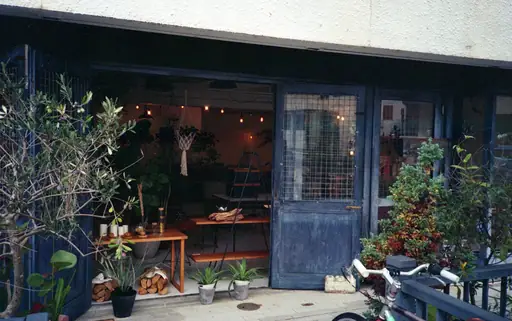
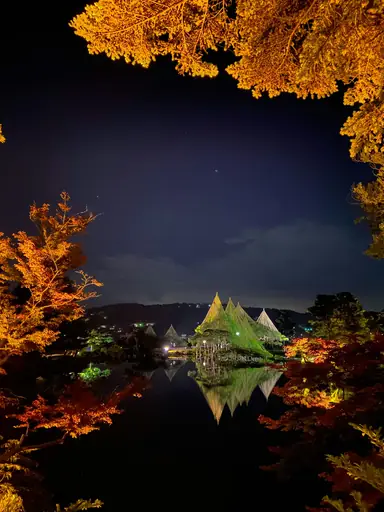
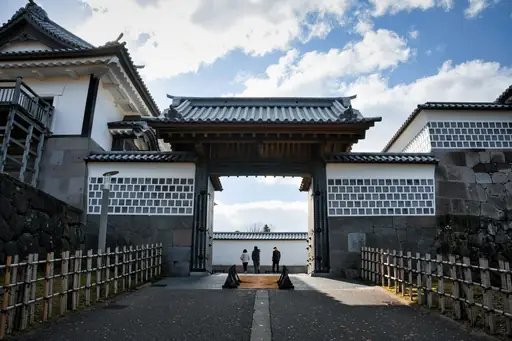
Kanazawa produces nearly all of Japan's gold leaf, hammered by hand into sheets thinner than hair. Workshops apply the leaf to lacquerware and ceramics using tweezers and a steady hand. Visitors can try applying gold leaf themselves at studios around the city. Kutani ware, painted with bold colours, is fired nearby using regional clay.

City in Guatemala
Antigua Guatemala
Colonial Charm and Volcanic Views
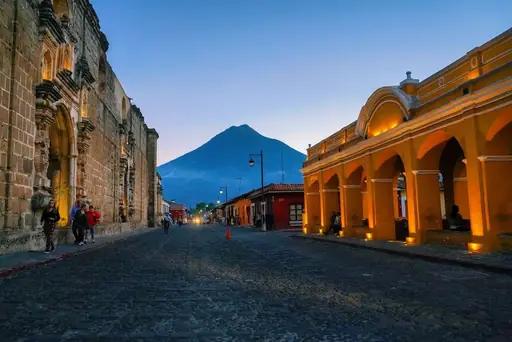
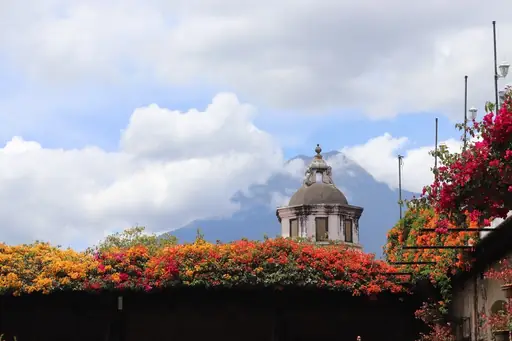
Jade carvers in Antigua work stone once sacred to the Maya, who valued it above gold. Workshops near the city cut and polish jade brought from a single valley nearby. Visitors can watch craftsmen shape pendants and figures using old and modern tools. Finished jewellery is sold alongside a small museum of ancient pieces.
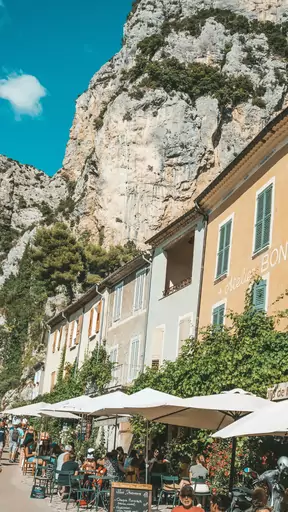

Village in France
Moustiers Sainte Marie
Gateway to the Verdon Gorge
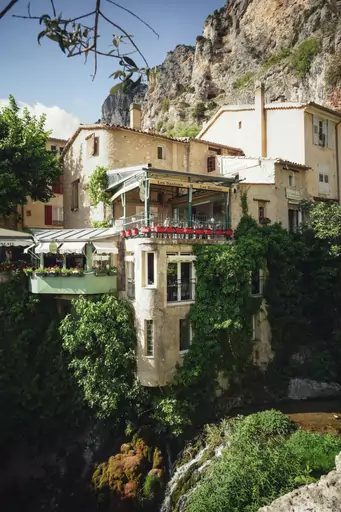
Potters in Moustiers-Sainte-Marie have hand painted tin glazed faience since it arrived from Italy in the 1600s. Each piece is fired, glazed and painted before a final firing sets the colours. Visitors can tour workshops and watch painters add detail to plates and vases. Finished faience is sold in shops lining the square.
City in China
Suzhou
Gardens, canals and silk dreams
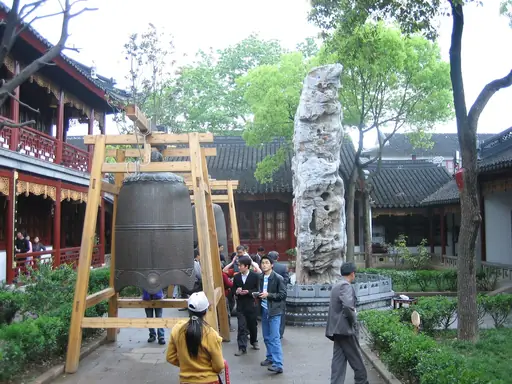
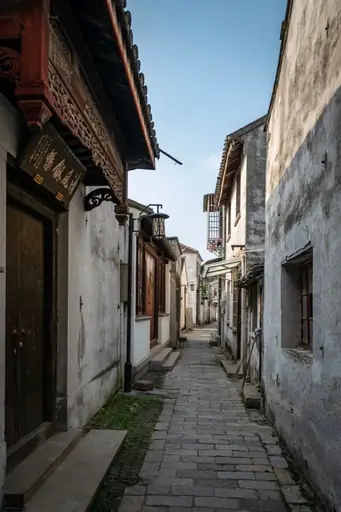
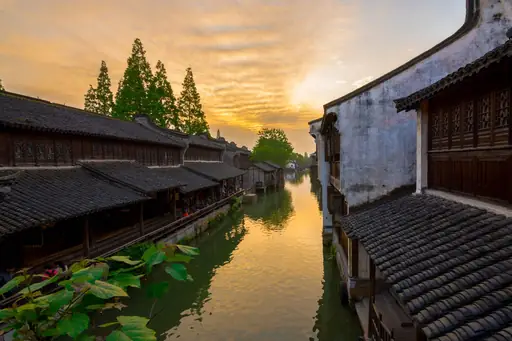
Embroiderers in Suzhou stitch su xiu, fine enough to show different images on each side of the cloth. Threads are split into tiny strands, sometimes thinner than a hair, to shade the design. Visitors can watch embroiderers work at a research institute in the city. Finished panels can take months or years to complete.
Island in Italy
Burano
Colorful houses reflecting Venetian charm
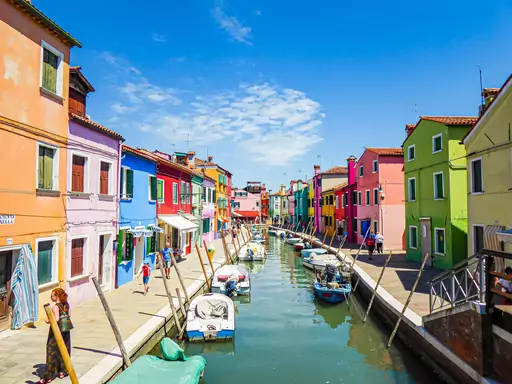
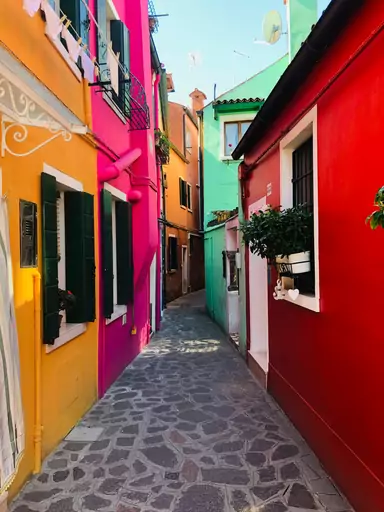
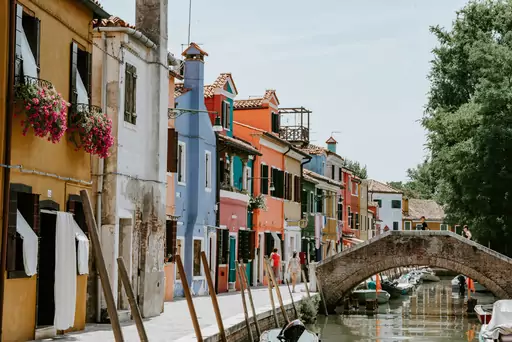
Lacemakers on Burano have stitched needle lace by hand since at least the 1500s. Each piece can take months to complete, built stitch by stitch without any machine. Visitors can watch lacemakers work at a small museum dedicated to the craft. Brightly painted houses line the canals just outside the workshop doors.
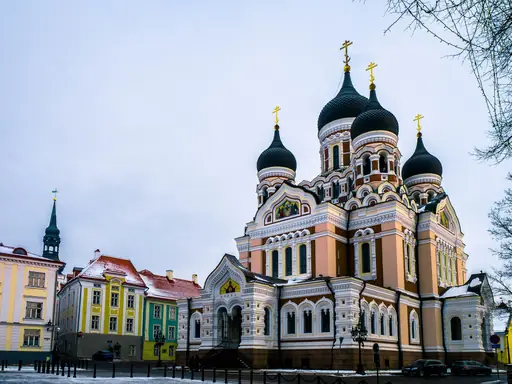
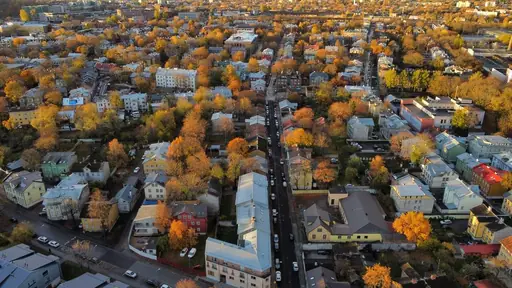
City in Estonia
Tallinn
Medieval charm meets modern innovation
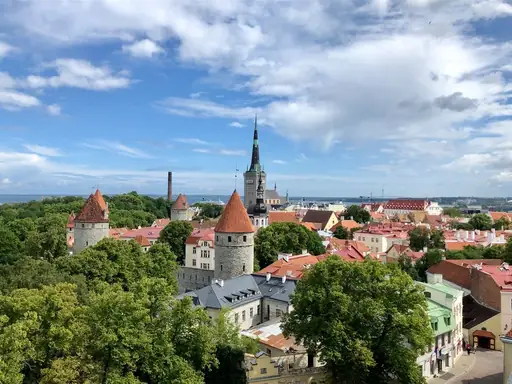
Knitters on Estonia's islands produce mittens with patterns specific to each village, a tradition still taught in Tallinn workshops. Amber gathered along the Baltic coast is carved into jewellery sold throughout the old town. Visitors can watch both crafts demonstrated at shops near the market square. Finished mittens and amber pieces make popular souvenirs.

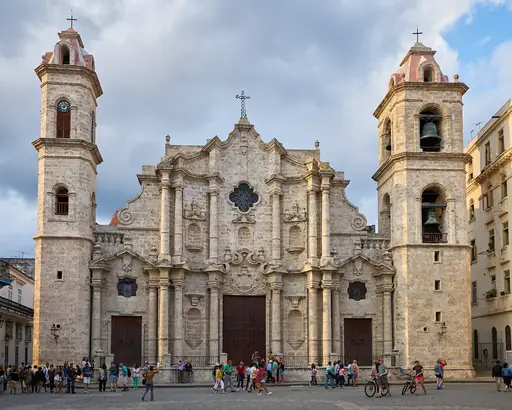
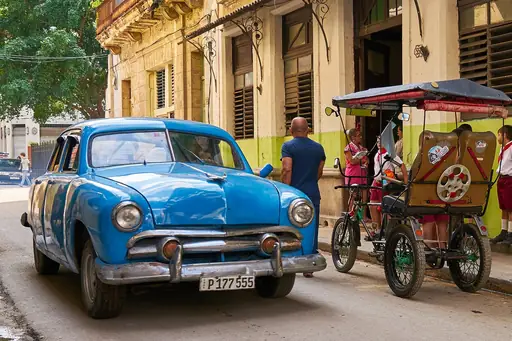
City in Cuba
Havana
Vibrant Streets, Timeless Rhythms
Torcedores in Havana hand roll cigars using tobacco leaves grown in the Vuelta Abajo region. Rollers train for years before they are trusted to shape a cigar's blend and draw. Visitors can watch the process at small factories and tobacco shops around the city. Finished cigars are often sold straight from the roller's table.
City in Japan
Kyoto
Temples, geisha districts and kaiseki dining
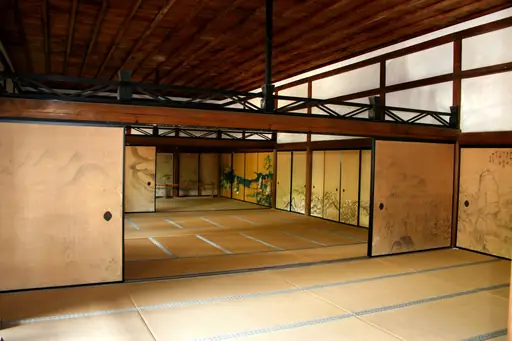
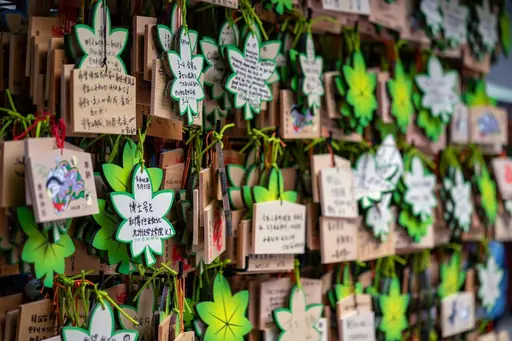
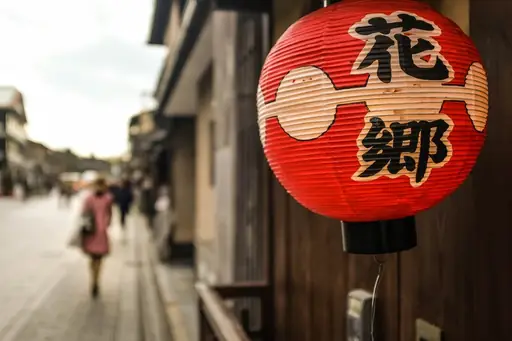
Weavers in Kyoto's Nishijin district produce brocade textiles on looms set up for a single pattern. The fabric traditionally supplies kimono sashes called obi, woven with gold and silver thread. Visitors can tour a weaving workshop and see looms in action. Kiyomizu-yaki pottery, hand painted nearby, is sold in shops throughout the city.
City in Uzbekistan
Bukhara
Ancient Silk Road Splendor
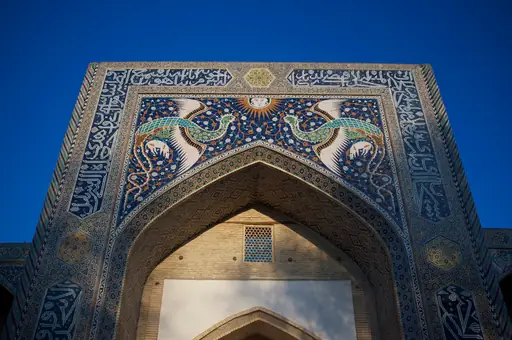
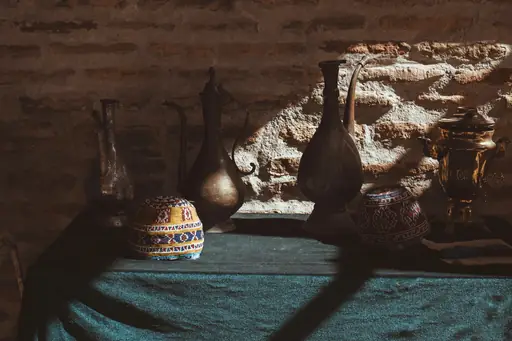
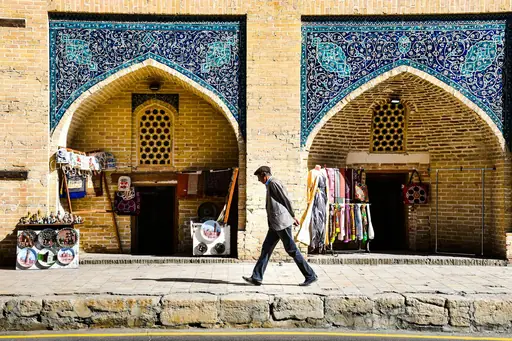
Embroiderers in Bukhara stitch suzani textiles by hand, covering cotton or silk with dense floral patterns. Gold embroidery workshops nearby stitch metallic thread onto velvet, a craft once reserved for royalty. Visitors can watch both crafts in small family run studios around the old city. Finished textiles are sold in shops near the Kalyan minaret.


City in China
Lijiang
Ancient Charm and Mountain Majesty
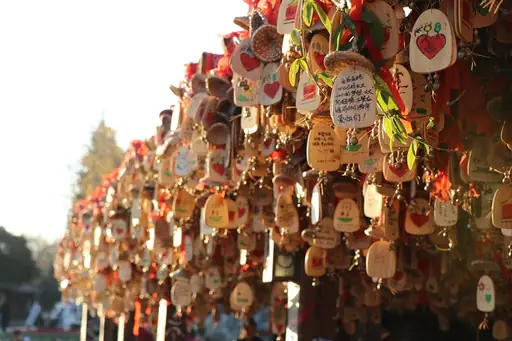
Naxi papermakers near Lijiang still press mulberry bark into sheets using a method largely unchanged for centuries. The paper was traditionally used to record Dongba script, one of the last living pictographic writing systems. Visitors can watch papermaking demonstrations in workshops around the old town. Naxi embroiderers nearby stitch traditional patterns onto clothing and accessories.

Island in Portugal
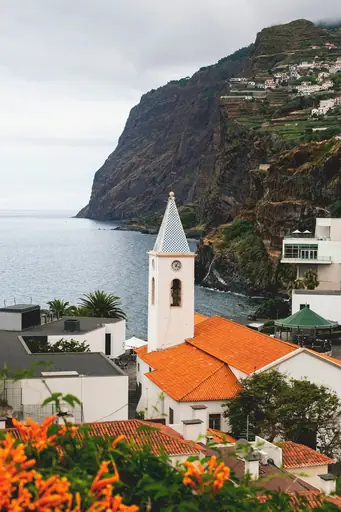
Madeira
Dramatic Cliffs and Eternal Spring
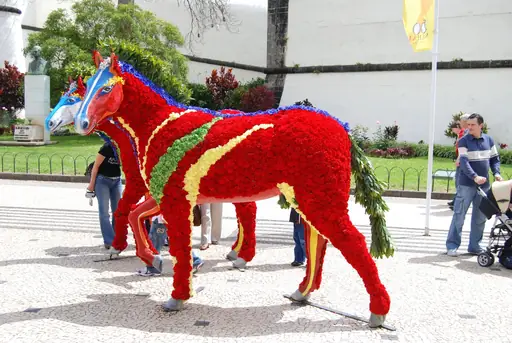
Embroiderers on Madeira stitch fine floral patterns onto linen and organdy entirely by hand. The craft dates back to the 1850s, when it was first exported to Europe. Visitors can watch embroiderers work at small ateliers in Funchal. Wicker weavers in nearby Camacha shape furniture and baskets from willow branches.

City in Peru
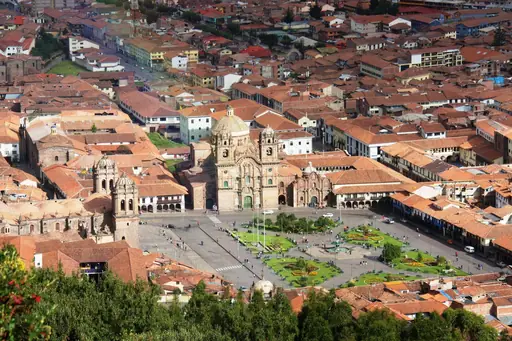
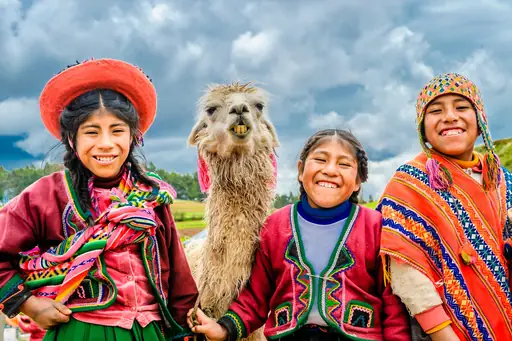
Cusco
Gateway to the Incan Empire's Heart
Weavers in villages around Cusco still spin alpaca wool and dye it using plants, insects and minerals. Backstrap looms produce textiles with patterns specific to each community, passed down through generations. Visitors can watch demonstrations at weaving cooperatives just outside the city. Finished textiles are sold directly by the weavers who made them.
City in Mexico
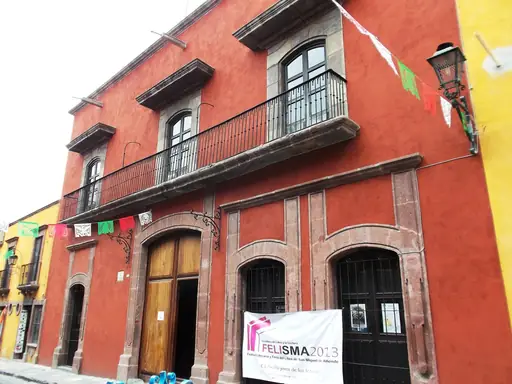
San Miguel de Allende
Colonial Charm with Artistic Soul
Tinsmiths in San Miguel de Allende cut and hammer sheets of tin into mirrors, frames and ornaments known as hojalata. Workers punch decorative patterns into the metal before folding it into a finished shape. Visitors can watch artisans work at small workshops around the historic centre. Finished pieces are sold in shops throughout the town.

Country
Mali
Ancient wonders meet natural landscapes
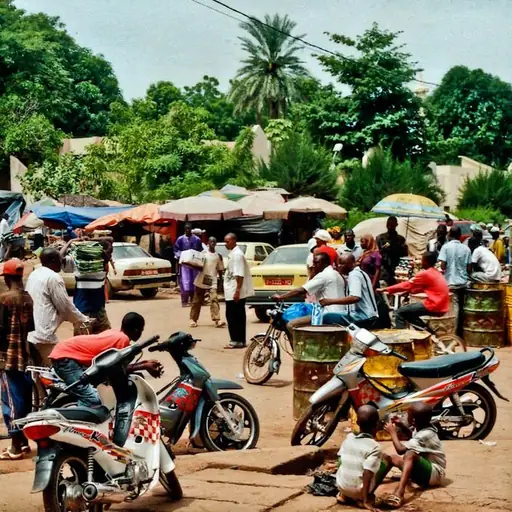
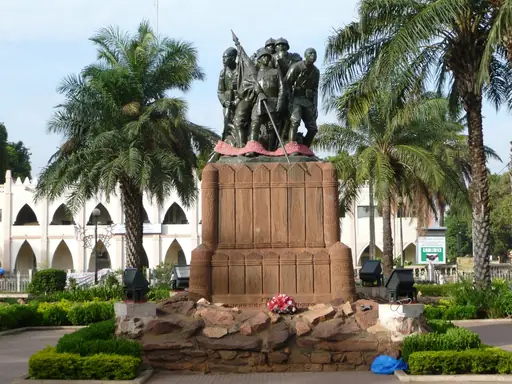
Weavers and dyers in Mali produce bogolanfini, mud cloth painted in patterns specific to each family. Cloth is dyed yellow with plant dye, then painted black using river mud rich in iron. Visitors can watch the process in workshops around Bamako and San. Dogon woodcarvers in cliffside villages carve masks and doors used in ceremonies.

City in Colombia
Bogotá
Vibrant Culture in the Andean Highlands
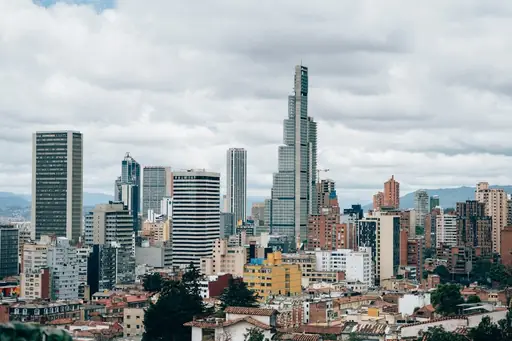
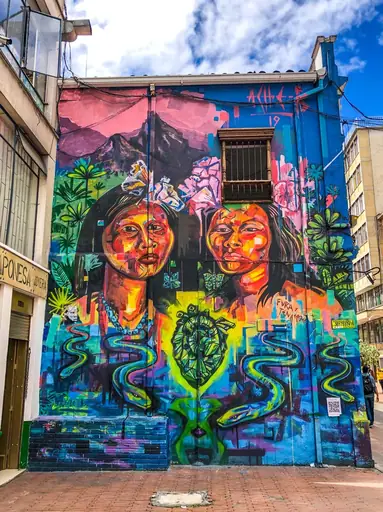
Goldsmiths in Bogota still use lost wax casting, the same method pre-Columbian artisans used to shape ceremonial gold pieces. The city's Gold Museum displays thousands of original works made with the technique. Visitors can watch modern goldsmiths demonstrate the process in workshops around La Candelaria. Finished replicas and original designs are sold in nearby shops.
City in India
Jaipur
The Pink City of Royal Splendor
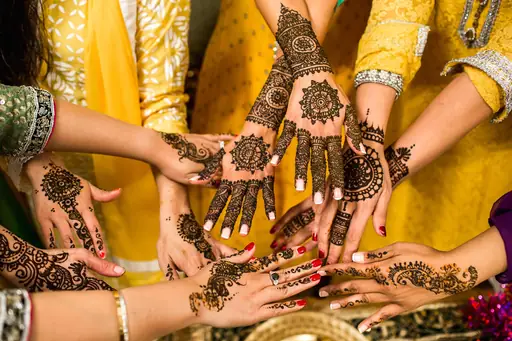
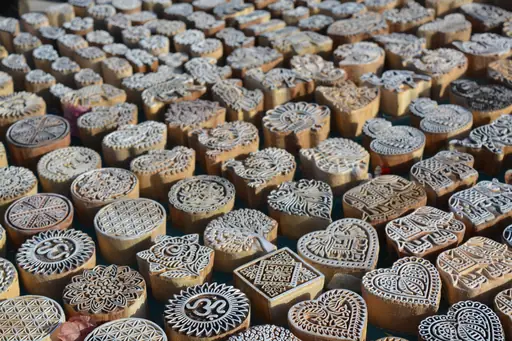
Potters in Jaipur shape blue pottery from a quartz paste rather than clay. The technique arrived from Persia centuries ago and remains unique to the city. Block printers nearby carve wooden stamps by hand to press patterns onto cotton. Visitors can watch both crafts at workshops around the old walled city.
City in Uzbekistan
Samarkand
The Silk Road’s Shimmering Gem
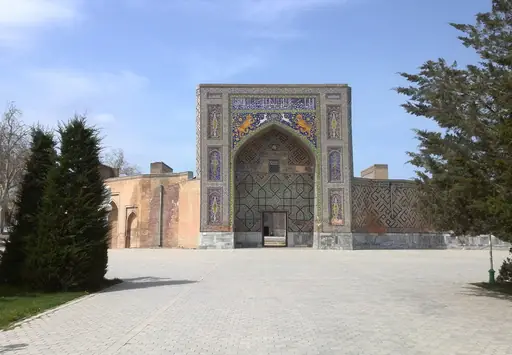
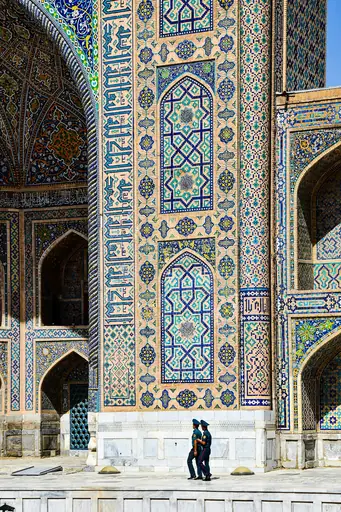
Papermakers in the village of Konigil near Samarkand still press mulberry bark into paper using a water powered mill. The paper, once famous along the Silk Road, differs from modern paper in texture and durability. Visitors can tour the mill and watch the pressing process. Finished sheets are sold as notebooks and decorative paper.

Village in Colombia
Barichara
Colombia's most beautiful colonial gem
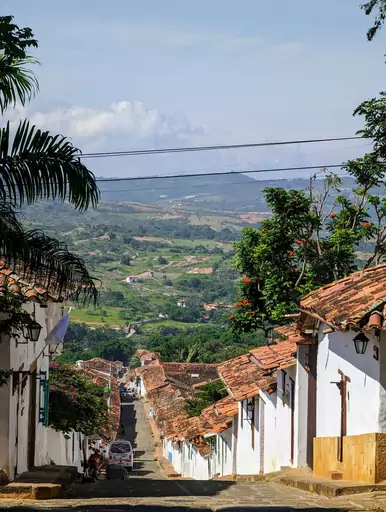
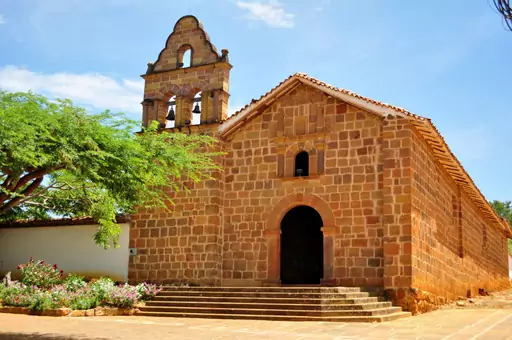
Stonemasons built Barichara entirely from local sandstone, a trade still practised by families in town. Papermakers nearby press fibres from the fique plant into sheets by hand at a small cultural centre. Visitors can tour the paper workshop and watch the pressing process. Whitewashed stone houses and cobbled streets show off the masons' work.
City in Tunisia
Tunis
Where Ancient Meets Vibrant Modernity
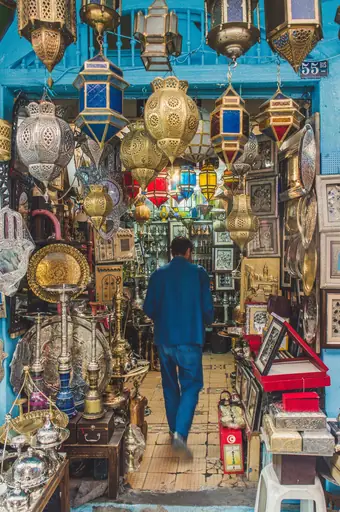
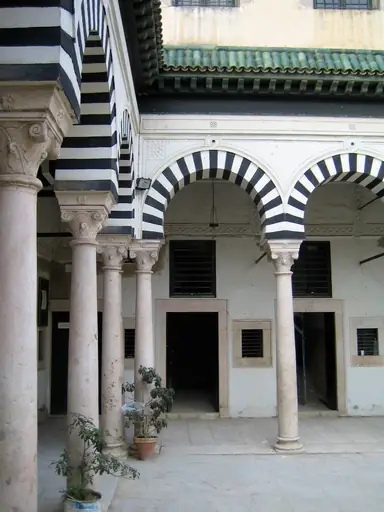
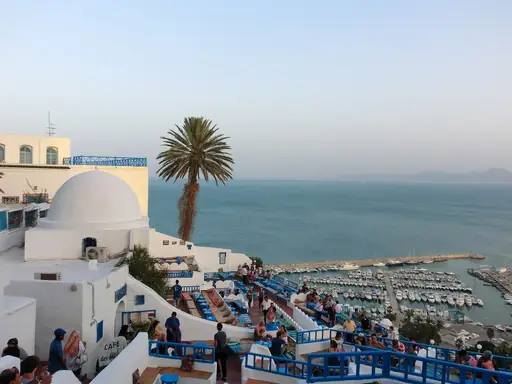
Hatmakers in Tunis's medina still shape the chechia, a red felt cap, using a guild system dating back centuries. Wool is felted and dyed by hand before being shaped on a wooden mould. Visitors can watch the process in the chechia souk nearby. Finished caps are sold by families who have made them for generations.


City in Egypt
Aswan
Nile Islands, Nubian Culture, Golden Light
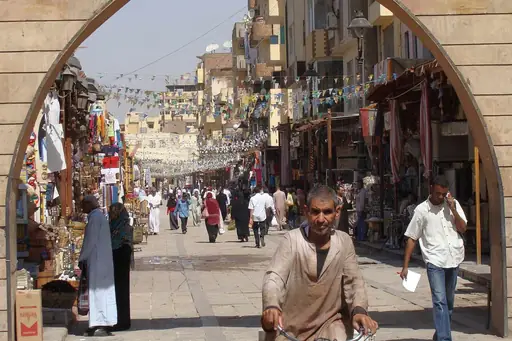
Nubian women in villages near Aswan paint homes in bright geometric patterns passed down for generations. Baskets woven from palm leaves in the same villages come in matching bold colours. Visitors can tour a Nubian village by boat and buy baskets directly from weavers. Henna artists nearby paint detailed designs on visitors' hands and feet.


City in Australia
Cairns
Gateway to Reef and Rainforest Wonders
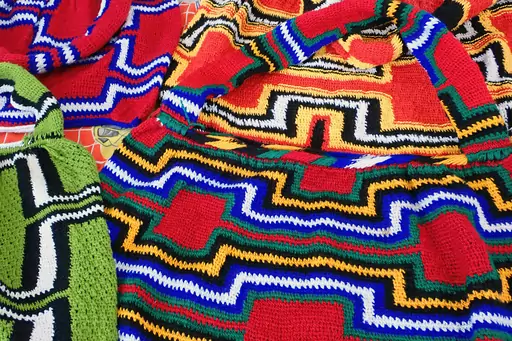
Aboriginal artists in Kuranda, just outside Cairns, still paint using ochre pigments ground from local stone. Dot painting techniques passed down through generations often encode stories tied to specific places. Visitors can watch artists work at galleries and markets in the rainforest village. Didgeridoos carved and painted nearby are sold alongside boomerangs shaped by hand.
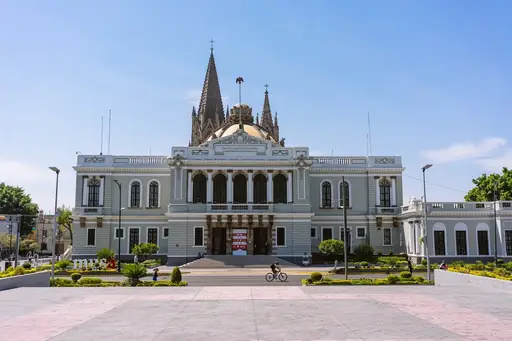
City in Mexico
Guadalajara
Mariachi, murals and modern flair
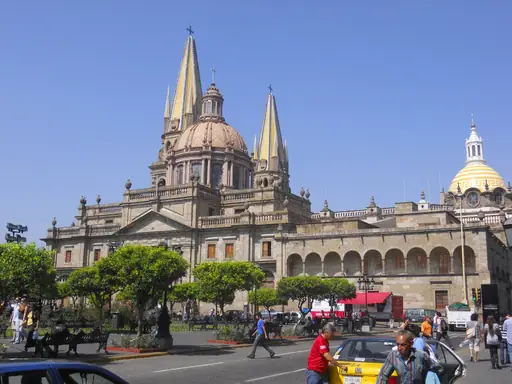
Potters in the Guadalajara suburb of Tlaquepaque have thrown and painted ceramics using techniques passed down for generations. Glassblowers nearby shape molten glass into bubbled blue vases using lung power and simple tools. Visitors can watch both crafts at workshops lining the neighbourhood's cobbled streets. Finished pottery and glassware fill shop windows throughout the area.
City in Italy
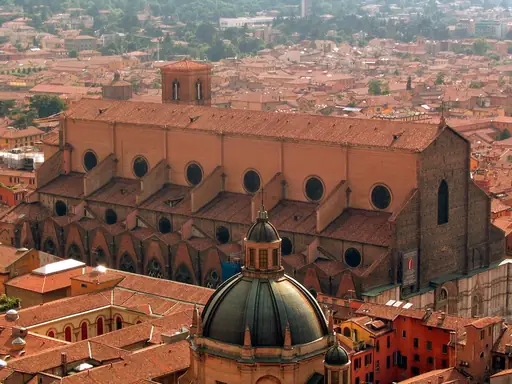
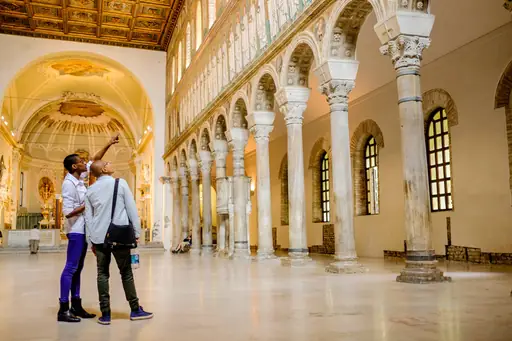
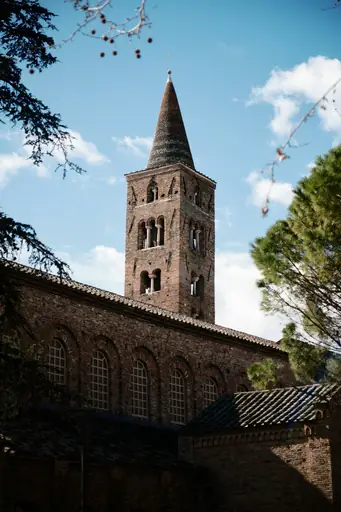
Ravenna
Mosaics, History and Charm
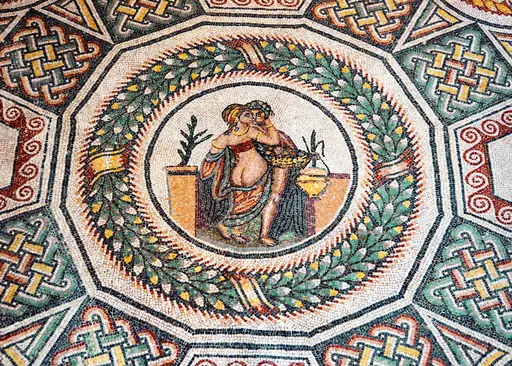
Mosaic artists in Ravenna still set tiny glass and stone tesserae by hand. The craft once decorated the city's Byzantine basilicas centuries ago. Local schools teach the technique using methods largely unchanged since the 5th century. Visitors can watch artisans work at studios around the historic centre.

Island in Italy
Sicily
Sun, Sea and Ancient Secrets
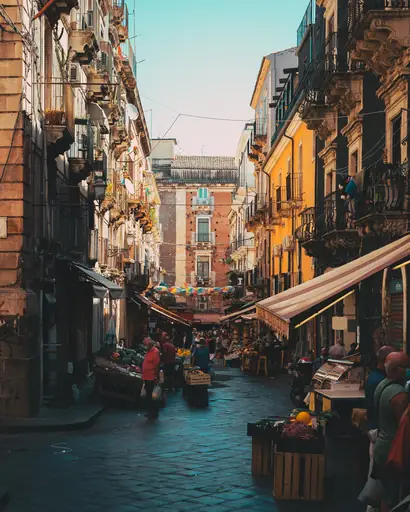
Potters in Caltagirone still hand paint ceramic vases and tiles using bold Sicilian folk colours. Figures shaped like a Moor's head, glazed and turbaned, remain one of the island's best known designs. Visitors can climb the town's tiled staircase, decorated with painted risers. Coral jewellers in Trapani carve red coral into rings and pendants.
Marketplace in Chiang Mai
Night Bazaar
Vibrant Evening Market in Chiang Mai
Silversmiths on nearby Wualai Road still hand hammer bowls and jewellery using techniques taught for generations. Umbrella makers in the village of Bo Sang stretch handmade mulberry paper over bamboo frames. Visitors can watch artisans paint each finished umbrella with flowers by hand. Celadon pottery, glazed pale green, fills nearby shop shelves as well.

City in Japan
Otaru
Canal warehouses, glass shops and sushi
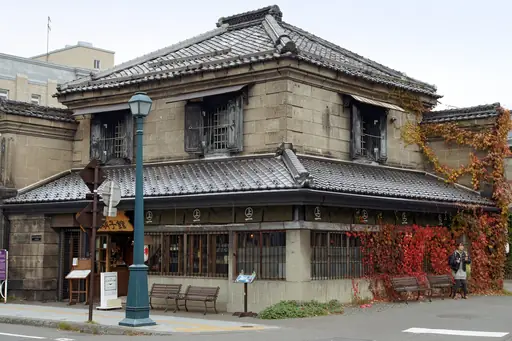
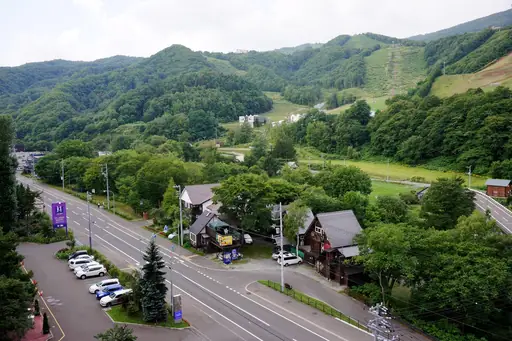
Glassblowers in Otaru have shaped glass into bottles and lamps since the fishing industry needed glass floats. Workshops today focus on decorative pieces, though some still use the old furnaces. Visitors can try blowing their own piece at studios around the canal district. Music box makers nearby build wind up mechanisms in carved wooden cases.
City in Syria
Damascus
Ancient Alleys, Bazaars and Minarets
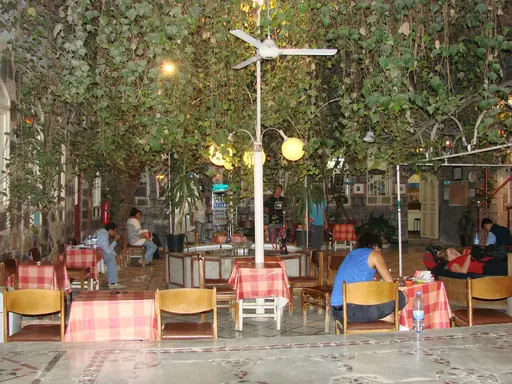
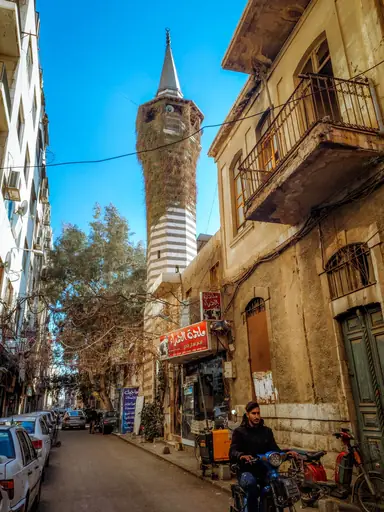
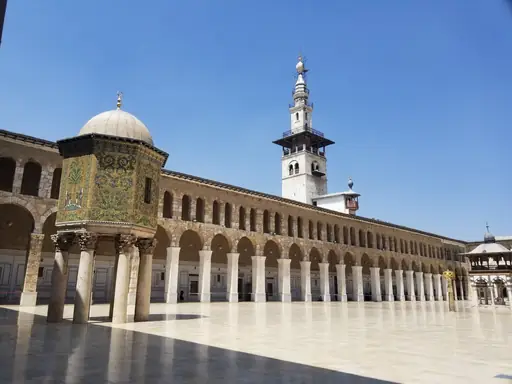
Woodworkers in Damascus still inlay furniture with thin strips of mother of pearl, bone and coloured woods. The technique, once reserved for palaces, produces geometric patterns built piece by piece. Visitors can find finished boxes in shops around the old city. Damask fabric, woven with raised patterns, takes its name from the city's looms.

Country
Ghana
Gateway to vibrant African culture
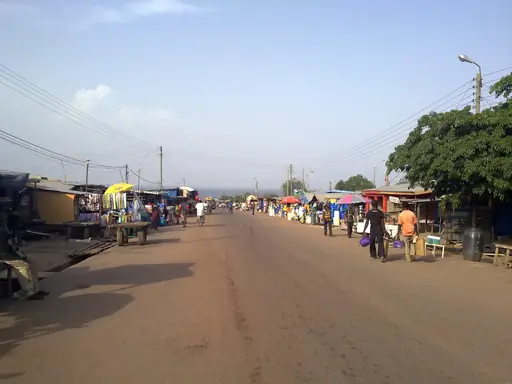
Weavers in the village of Bonwire still produce kente cloth on narrow strip looms. Bands are stitched together afterwards into wide finished panels. Each colour and pattern traditionally carries its own meaning, from royalty to proverbs. Visitors can watch weavers work at outdoor looms along the village's main road.
Town in China
Dali
Ancient Charm by Erhai Lake
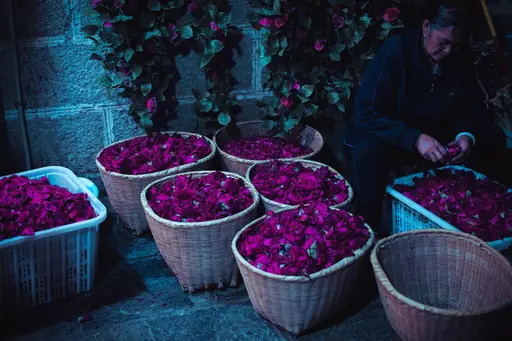
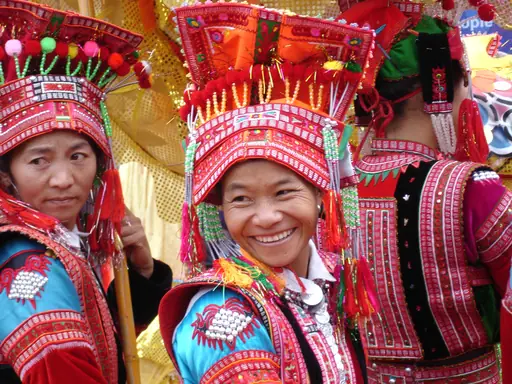
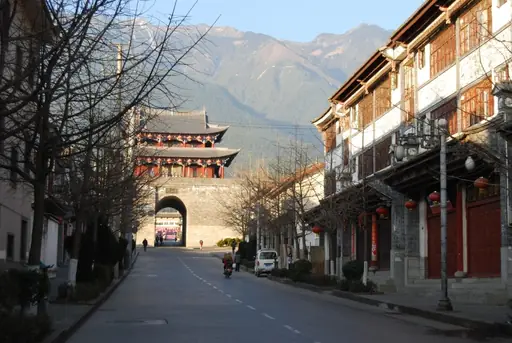
Bai artisans in Dali still tie-dye cotton using indigo grown and fermented locally for generations. Cloth is folded, stitched and bound before dyeing to create patterns unique to each piece. Visitors can watch the process at workshops around the old town's cobbled streets. Dali marble, quarried nearby, is also carved into decorative screens and tabletops.


Region in Turkey
Cappadocia
A surreal land of fairy chimneys
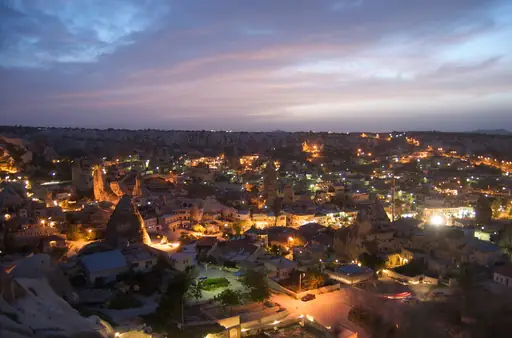
Potters in Avanos have thrown clay from the Kizilirmak river on foot powered wheels for centuries. Workshops built into old cave dwellings still fire the same red clay used long ago. Visitors can try the wheel themselves or watch masters shape vessels freehand. Finished pottery ranges from simple jugs to painted vases.

Island in Chile
Easter Island
Mysterious Moai and Volcanic Landscapes
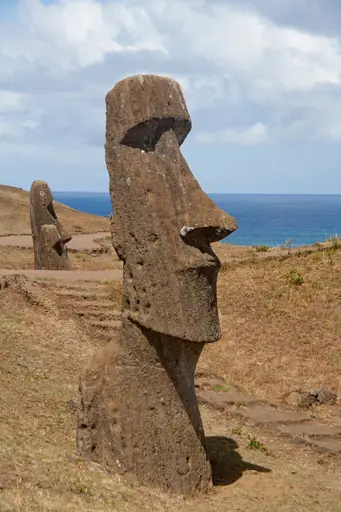
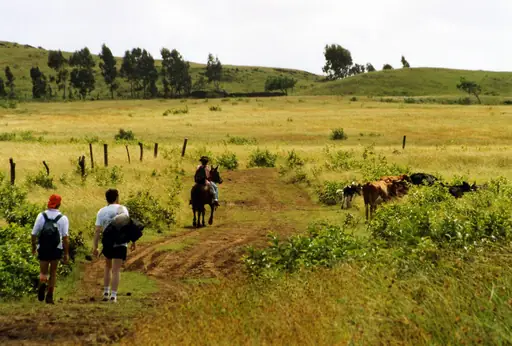
Carvers on Easter Island still shape volcanic stone into moai figures using hand tools near Rano Raraku. The original quarry there still holds hundreds of unfinished statues abandoned mid carve. Visitors can tour the quarry and watch carvers demonstrate the same techniques. Smaller wooden figures, called moai kavakava, are carved and sold nearby.
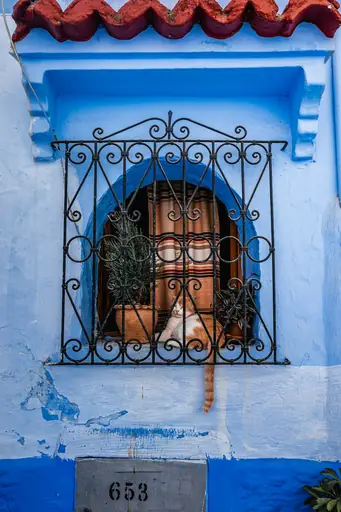
City in Morocco
Chefchaouen
Blue Medina, Mountain Views, Calm Vibes
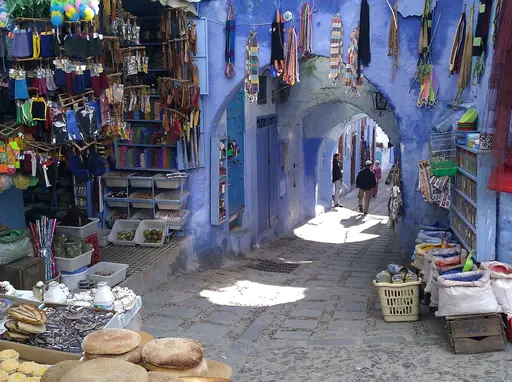
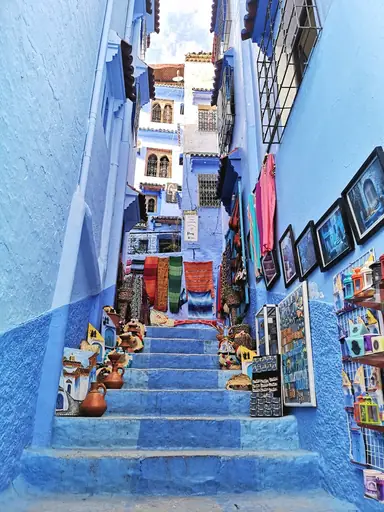
Weavers in Chefchaouen's old medina work wooden looms to produce thick wool blankets and rugs. Wool is often spun and dyed by hand before it ever reaches the loom. Visitors can watch weavers work in small shops tucked along the blue painted alleys. Leather goods made nearby are sold in the same market stalls.
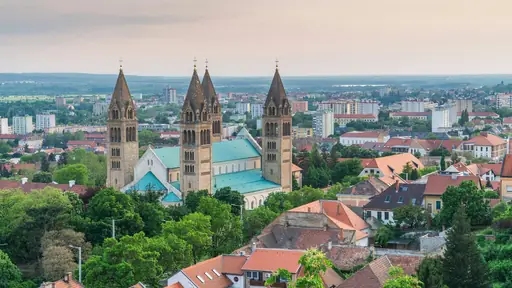

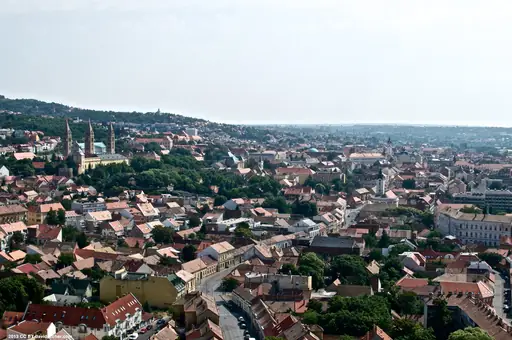
City in Hungary
Pécs
Historic charm and Mediterranean vibes
Potters at the Zsolnay factory in Pecs developed a shimmering metallic glaze called eosin in the 1800s. The green and gold ceramic tiles produced there now cover roofs and monuments across Hungary. Visitors can tour the factory grounds and museum to see historic pieces. Finished vases and figurines are sold in the shop.

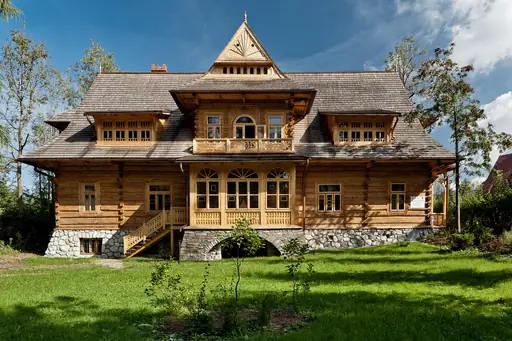

Town in Poland
Zakopane
Poland’s Tatra Mountain Adventure Hub
Woodcarvers in Zakopane shape furniture and building details in the distinctive Zakopane style, developed by architect Stanislaw Witkiewicz. Highland motifs, including stars and geometric borders, decorate everything from chalets to walking sticks. Visitors can browse carved goods at a market near the town centre. Leatherworkers nearby stitch kierpce, the traditional pointed moccasins worn by highlanders.
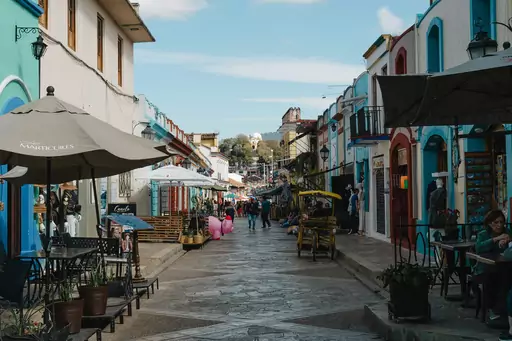
City in Mexico
San Cristóbal de las Casas
Colonial Charm Meets Indigenous Culture
Amber carvers in San Cristobal shape jewellery from stone mined in the nearby Chiapas highlands. Some pieces still contain ancient insects trapped inside the stone. Workshops polish and set the amber into rings, pendants and earrings by hand. Visitors can browse finished pieces at a dedicated amber museum downtown.
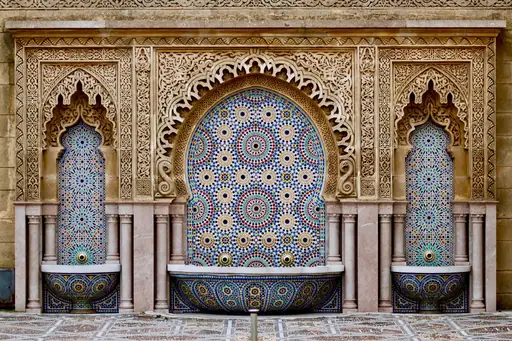
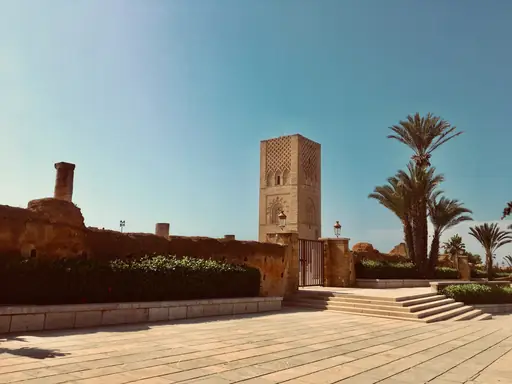
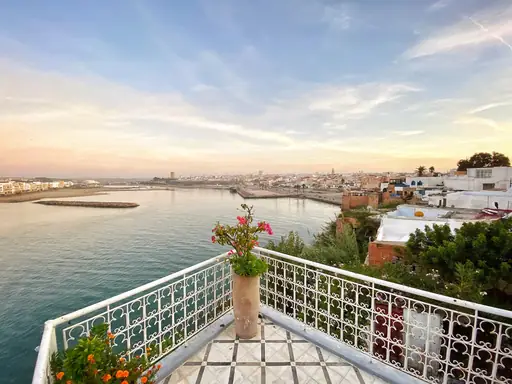
City in Morocco
Rabat
A Hidden Gem with Royal Flair
Weavers in Rabat knot wool carpets in bold geometric medallions, a style distinct from rugs woven elsewhere in Morocco. Families have passed down specific patterns through generations of weavers in the city. Visitors can watch weavers work at cooperatives inside the old medina. Leatherworkers nearby produce bags and slippers dyed in the same workshops.


Town in Turkey
Göreme
Fairy Chimneys and Cave Dwellings
Women's cooperatives in Goreme still weave wool kilim rugs on upright looms, using village specific patterns. Natural dyes made from plants and minerals colour the wool before it reaches the loom. Visitors can watch weavers work and learn how each motif carries meaning. Finished rugs are sold directly through the cooperative.
City in Turkey
Istanbul
Where East meets West in stunning contrast
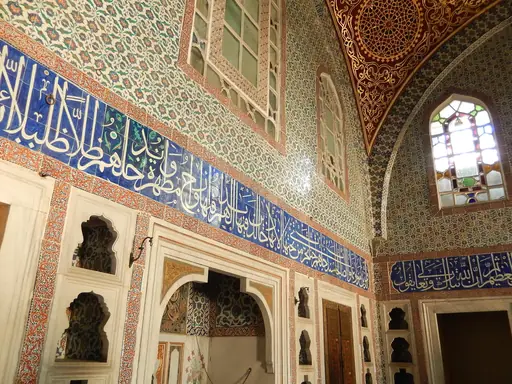
Marbling artists in Istanbul still float pigment on a bath of thickened water. They lift a sheet of paper onto the surface to capture the swirling pattern. Each print comes out slightly different, since the design cannot be repeated exactly. Visitors can try the technique themselves at workshops around the city.

City in Laos
Luang Prabang
Laid-back charm by the Mekong River
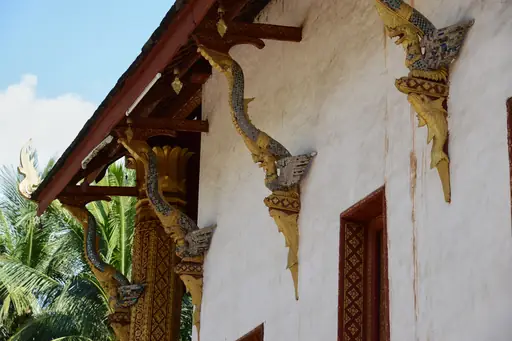
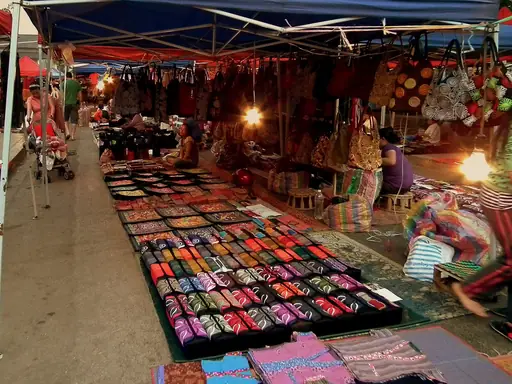
Papermakers in Luang Prabang press mulberry bark into sheets, often adding flower petals while it dries. Weavers nearby produce silk textiles on wooden looms using patterns specific to different ethnic groups. Visitors can watch both crafts at workshops just outside the old town. Silversmiths add finely worked bowls and jewellery to the same villages.
City in Spain
Córdoba
A timeless blend of cultures
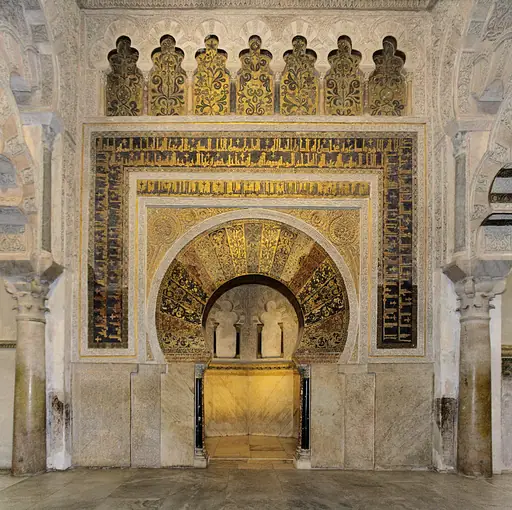
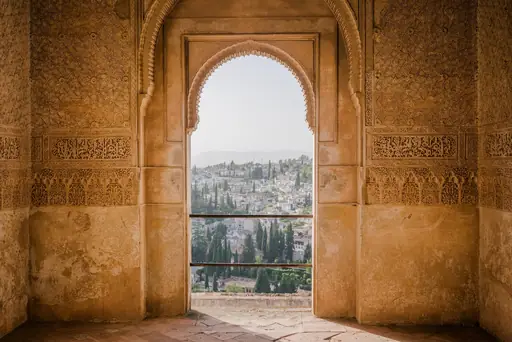
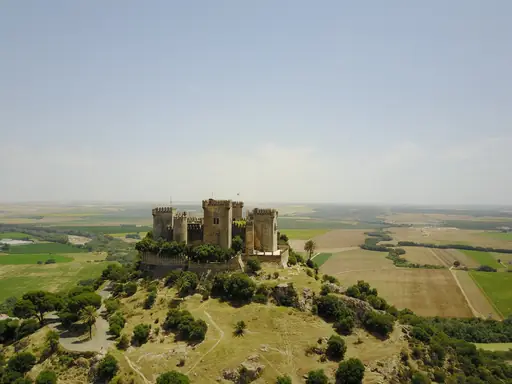
Silversmiths in Cordoba still hammer fine filigree jewellery, twisting thin silver wire into lace like patterns. The technique traces back to Moorish craftsmen who worked in the city centuries ago. Visitors can watch artisans work in small shops around the Jewish quarter. Leatherworkers nearby produce goods using a method that gave cordovan leather its name.

City in Spain
Granada
Where Moorish Palaces Meet Flamenco Beats
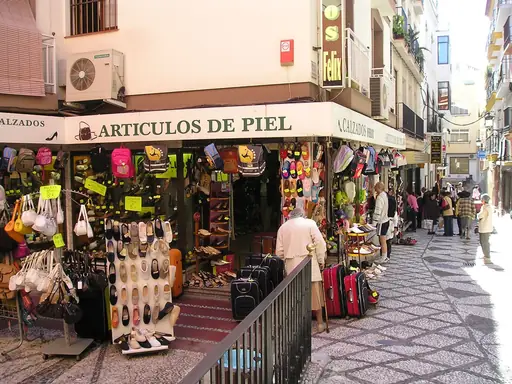
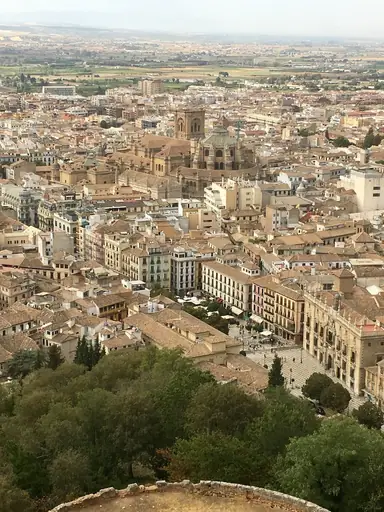
Craftsmen in Granada still practice taracea, inlaying wood furniture with thin strips of bone, silver and mother of pearl. The technique arrived with Moorish artisans and remains centred in workshops near the Alhambra. Visitors can watch craftsmen work in small shops throughout the Albaicin district. Finished boxes, chess sets and frames are sold on site.



Town in Cambodia
Siem Reap
Gateway to Ancient Temples and Culture
Silk weavers near Siem Reap raise their own silkworms before dyeing and weaving thread into ikat patterns. Stone carvers nearby train for years to replicate reliefs found at Angkor's temples. Visitors can tour a silk farm or watch carvers shape sandstone by hand. Silversmiths in the old market sell bowls stamped with traditional Khmer designs.
Island in Italy
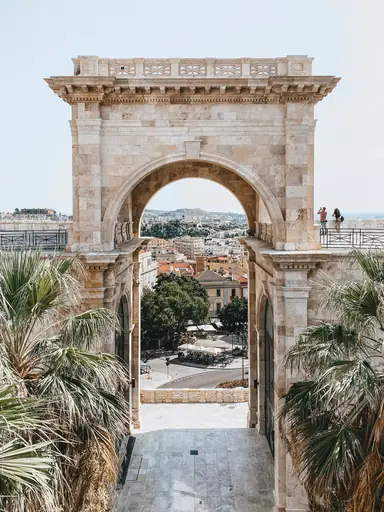
Sardinia
Turquoise seas and ancient secrets
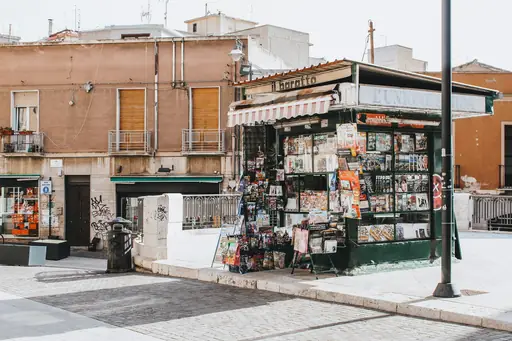
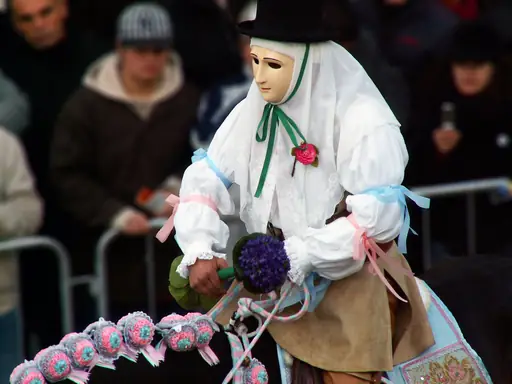
Filigree jewellers in Sardinia twist fine silver or gold wire into lace like patterns using techniques passed down through generations. Workshops in towns across the island still produce buttons, earrings and pendants this way. Visitors can watch artisans work in small family run shops. Woven baskets made from local reeds are sold alongside the jewellery.
Marketplace in Ho Chi Minh City
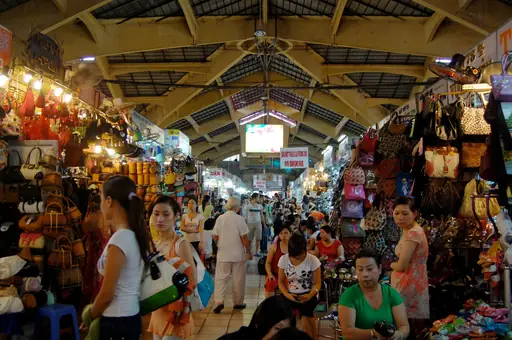
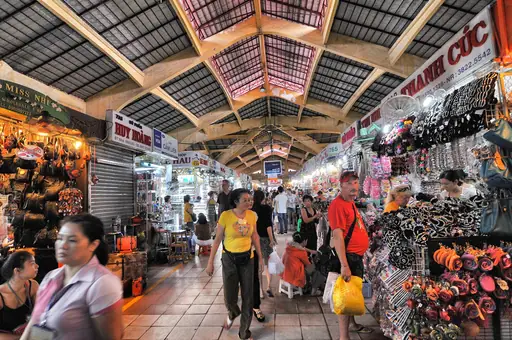
Ben Thanh Market
Vibrant Heart of Saigon Shopping
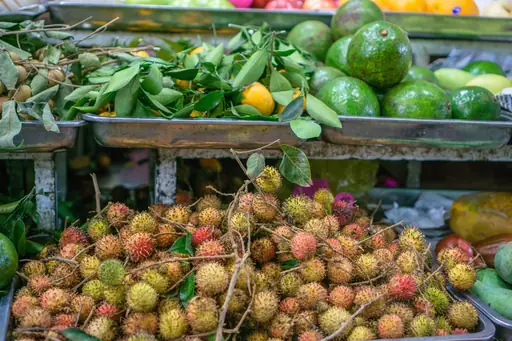
Tailors inside Ben Thanh Market can stitch a custom ao dai, Vietnam's fitted dress, within a single day. Embroiderers add floral patterns by hand to silk before it is sewn. Visitors can pick fabric and a design, then return later for a fitting. Lacquerware bowls and trays, built up in layers, fill nearby stalls.

City in Tanzania
Zanzibar City
Stone Town’s Spice-Scented Labyrinth
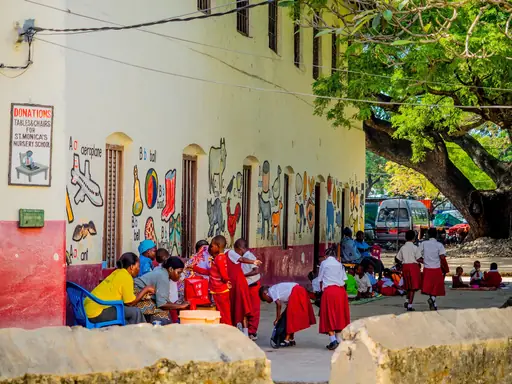
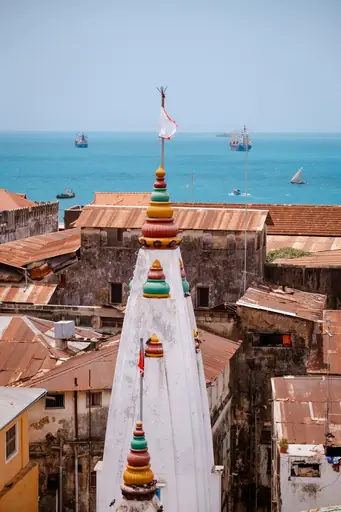
Woodcarvers in Zanzibar City still shape the elaborately carved doors found across Stone Town. Patterns and inscriptions vary between Arab, Indian and Swahili styles depending on the door's origin. Visitors can watch carvers work in small shops and see original doors around the old quarter. Silversmiths nearby craft jewellery using designs brought by Omani traders.

City in Kenya
Nairobi
Where urban life meets wild adventures
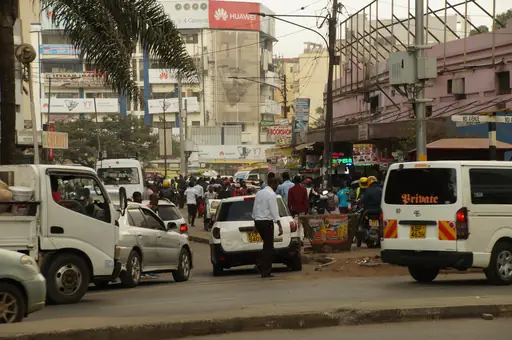
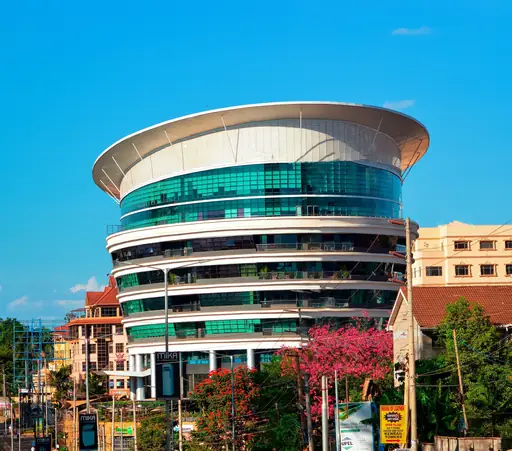
Wood carvers from the Kamba community sell hand carved animal figures at Nairobi's craft markets. Soapstone carvers from the Kisii region bring polished bowls to sell in the city too. Visitors can browse both crafts at the Maasai Market, which moves each day. Beadworkers nearby string colourful jewellery using patterns tied to age and status.

City in India
Amritsar
Golden spirituality in Punjab's heart
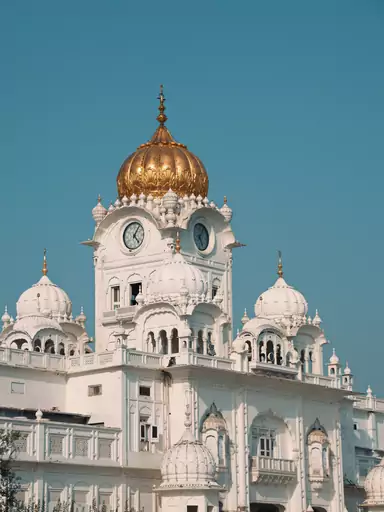
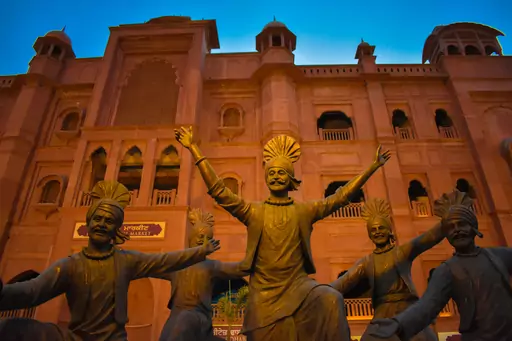
Phulkari embroiderers in Amritsar stitch dense floral patterns onto cloth using silk thread and a darning stitch technique. Punjabi families traditionally prepared a phulkari shawl for a bride before her wedding. Visitors can watch artisans work in small workshops around the old city. Finished shawls and dupattas are sold in markets near the Golden Temple.
Marketplace in Cairo
Khan el-Khalili
Vibrant Historic Bazaar Bustling
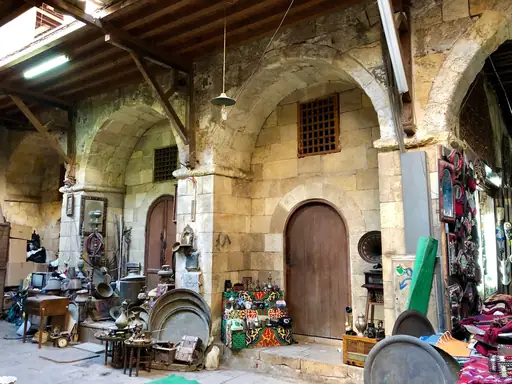
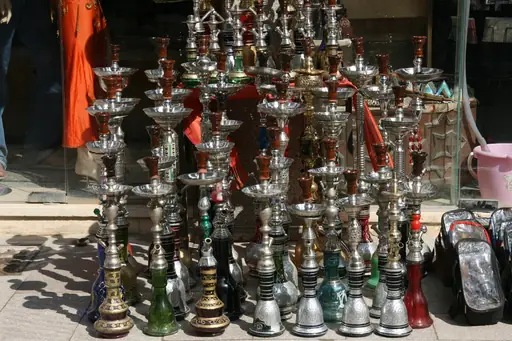
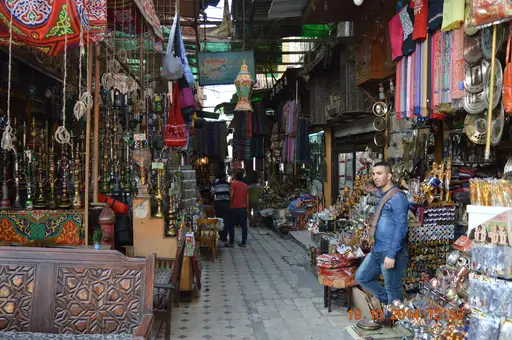
Coppersmiths and brass workers have hammered trays and lanterns in Khan el-Khalili since the 14th century. Mother of pearl inlay boxes, built up piece by piece, fill nearby shop windows. Visitors can watch artisans work in small open fronted shops along narrow lanes. Perfume sellers nearby mix scents to order from bottles on wooden shelves.
City in Myanmar
Mandalay
Ancient culture, temples and tradition
Gold leaf pounders in Mandalay hammer gold into sheets thinner than paper. The trade has been practised in the same workshops for generations. Workers strike the metal for hours until it is thin enough to apply to statues. Visitors can watch the pounding process at small family run shops.
City in Mexico
Puebla
Mexico's Underrated Cultural Gem
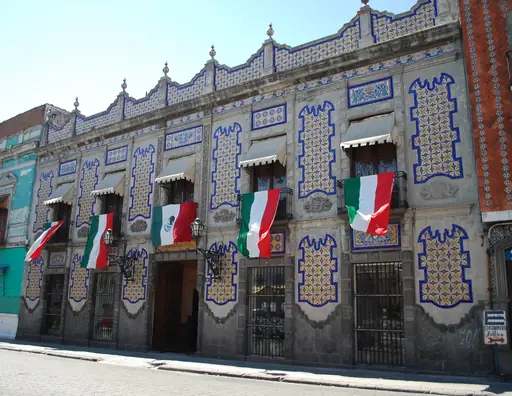
Potters in Puebla still hand paint Talavera ceramics using cobalt blue designs brought by Spanish colonists. Each piece passes through several firings and glazing steps before a painter adds the pattern. Visitors can tour workshops around the city and watch painters at work. Finished tiles and vases decorate buildings throughout Puebla's historic centre.
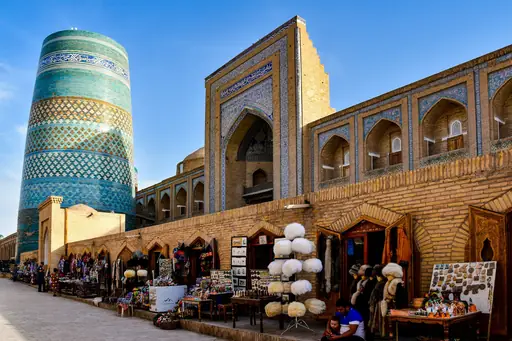
Town in Uzbekistan
Khiva
A Step Back in Time
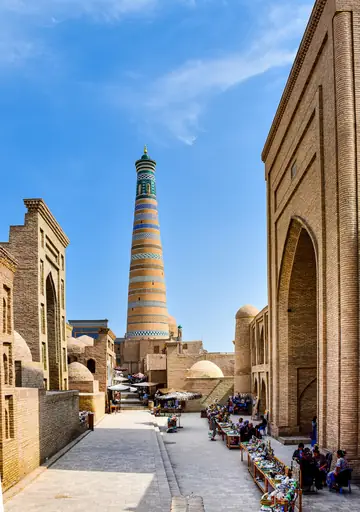
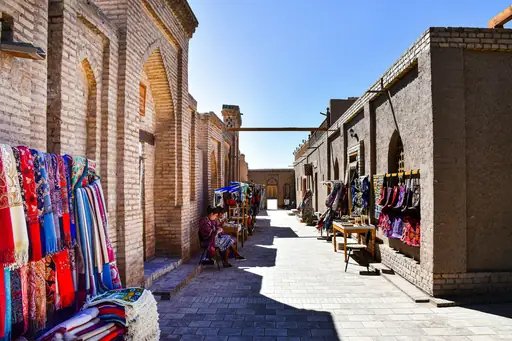
Woodcarvers in Khiva have decorated doors and pillars with detailed patterns since its days as a Silk Road stop. Some carved wooden columns inside Ichan Kala date back several centuries. Visitors can see carvers at work in small workshops around the old walled city. Finished doors and small carved items are sold nearby.
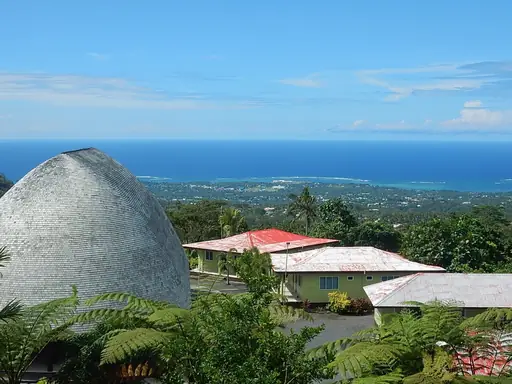

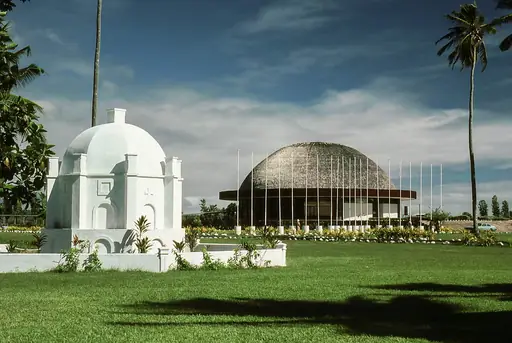
Country
Samoa
Tropical paradise with volcanic mountains
Women in Samoan villages still beat mulberry bark into siapo, cloth painted with plant dye in geometric patterns. Each village guards its own specific pattern, passed down through generations of women. Visitors can watch the beating and painting process during a village visit. Finished siapo is displayed at ceremonies or sold as wall art.
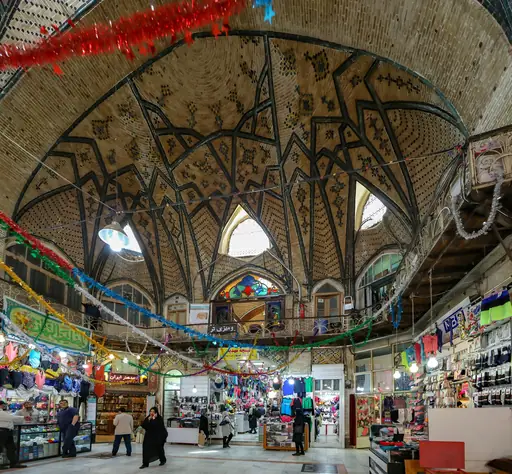
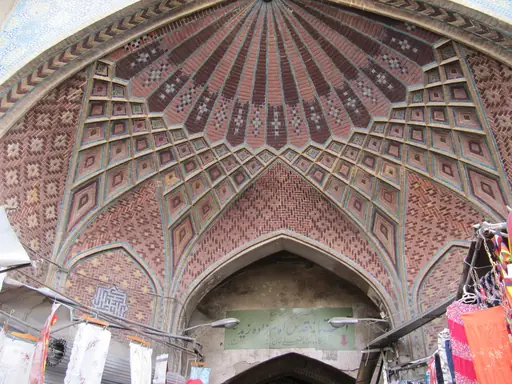
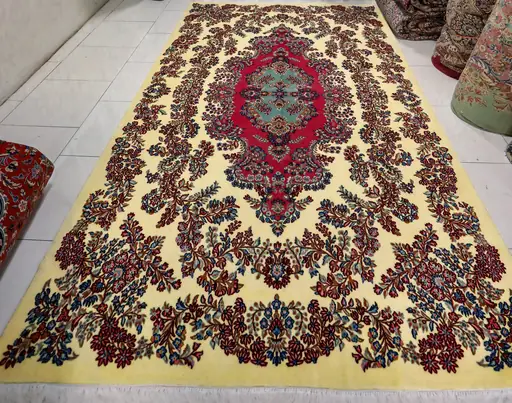
Marketplace in Tehran
Tehran Grand Bazaar
Historic Labyrinth of Trade
Coppersmiths hammer pots by hand in the Grand Bazaar's Mesgarha alley, a trade passed down for generations. The clang of metal on metal fills the narrow passage all day. Visitors can watch artisans shape trays, pots and bowls from raw copper sheets. Carpet sellers nearby unroll hand knotted rugs woven in villages across Iran.

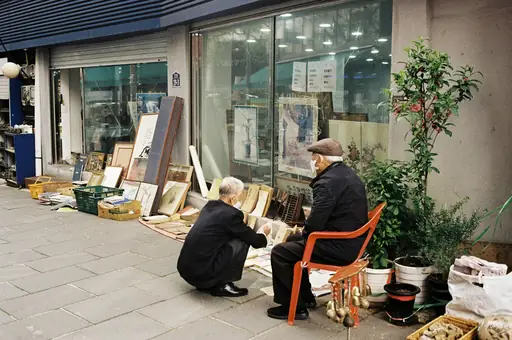
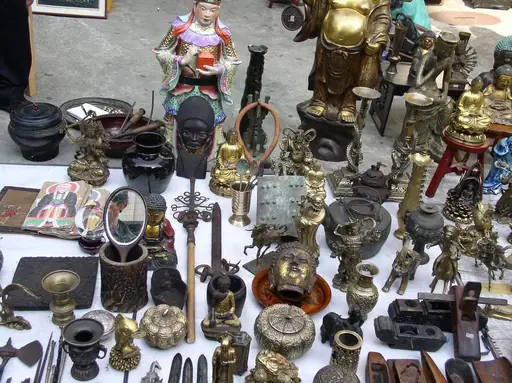
Neighbourhood in Seoul
Insadong Cultural Street
Seoul's Artistic Tradition Hub
Hanji paper makers in Insadong still press mulberry bark by hand into sheets for calligraphy and crafts. Brassware shops nearby sell yugi spoons and bowls, once standard tableware across Korea. Visitors can watch calligraphers demonstrate ink and brush technique in small studios. Antique shops mix celadon pottery with folk paintings from past centuries.
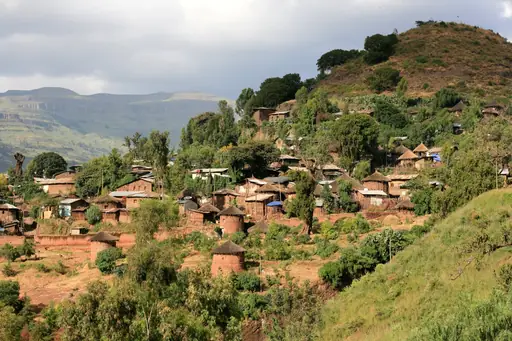


Historic Site in Ethiopia
Lalibela
Stone churches echoing centuries of faith
Workers carved Lalibela's churches directly out of solid volcanic rock, chiselling downward instead of building upward. Each structure remains connected to the bedrock below it. Visitors can walk through tunnels linking the churches and see tool marks still in the stone. Local weavers nearby produce white cotton shawls worn at religious festivals.
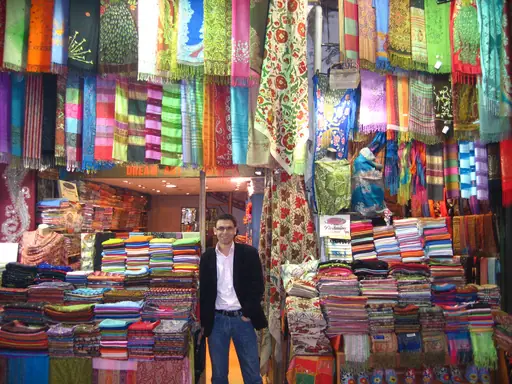
Marketplace in Istanbul
Grand Bazaar
Labyrinth of Timeless Treasures
More than four thousand shops fill Istanbul's Grand Bazaar, many grouped by trade as centuries ago. Meerschaum pipe carvers in one corner shape the soft white stone into bowls. Visitors can watch hand knotted carpets unrolled by sellers eager to show their weave. Goldsmiths on Kalpakcilar Street have traded from the same shops for generations.
Other lists you may like
Discover
Best craft destinations in Africa
Africa's craft traditions encompass some of the world's most distinctive textile, ceramic, metalwork, basketry and woodcarving cultures, with making traditions rooted in specific…
Read more
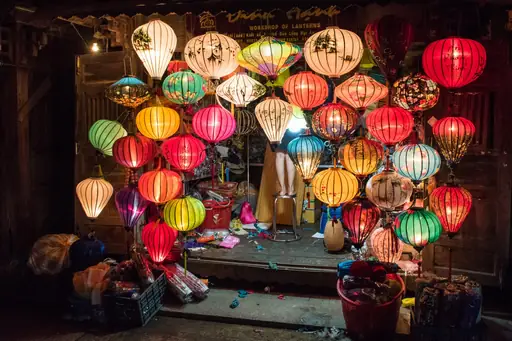
Discover
Best craft destinations in Asia
Asia contains the world's most diverse and technically sophisticated craft traditions, with ceramics, textiles, lacquerwork, metalsmithing, woodcarving and papermaking traditions…
Read more
Discover
Best craft destinations in Europe
Europe's craft traditions span an extraordinary range of making cultures, regional materials and accumulated technical knowledge, with ceramics, textiles, glass, metalwork and…
Read more
Discover
Best craft destinations in North America
North America's craft traditions are rooted in the indigenous making cultures of the continent's native communities alongside folk craft traditions brought by successive waves of…
Read more
Discover
Best craft destinations in Oceania
Oceania's craft traditions are defined by the indigenous making cultures of Australia, New Zealand and the Pacific island groups, where distinct artistic traditions rooted in…
Read more
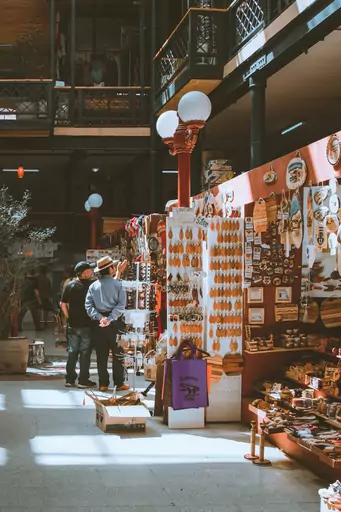
Discover
Best craft destinations in South America
South America's craft traditions are among the most diverse on earth, with textile, ceramic, metalwork and woodcarving traditions rooted in pre-Columbian making cultures that have…
Read more
What other users say about travelfilters
“travelfilters made it easy for me to find ski areas and compare what else they offer, so that I could find the best place for my personal travel style.”

Chris
Snowboarding & Onsen trip to Japan
“I love how transparent the data feels. There is no pushy upsell, just honest information and settings I can tune to my own travel style.”

Maria
After booking her 2027 winter escape
“The level of detail for each destination and how well those are displayed, make planning feel confident instead of overwhelming.”

Mina
Planned a week in New York City
“We used travelfilters for our planning from start to end. The trip turned out even better than expected, thanks to all their tools and customisation options.”

Allan & Etienne
Trip to Japan to see autumn foliage
“Thanks to travelfilters, I found some hidden gems to see. Being able to filter for exactly your interests is a game changer for my travel planning.”

Michael
Tour through the old cities of Northern Italy
“The customizable filters helped me find a quiet beach town with good wifi and low season crowds in under five minutes.”

Diego
Weekend Escape to Llanes, Spain
“The airport connection map saved me hours by showing good flight options from my home airport to lesser-known cities.”

Nguyen
Planning a 2027 trip to France
“The website is clean, fast and focused on the search itself, which makes travelfilters feel more like a professional tool than an ad-heavy booking site.”

Hassan
Christmas Market trip, Germany
