
Best craft destinations in North America
Best craft destinations in North America
Handmade leather goods workshops and regional quilt making centers in North America
North America's craft traditions are rooted in the indigenous making cultures of the continent's native communities alongside folk craft traditions brought by successive waves of settlement that have developed distinct regional identities. The most compelling destinations are those where living craft cultures produce for community and ceremonial contexts rather than purely for visitor consumption.
Indigenous craft traditions maintain pottery, weaving, jewellery and basketry techniques of considerable sophistication, with community-controlled markets and galleries providing the most reliable context for acquiring authentic work. Studio craft and contemporary making cultures have developed serious infrastructure in several cities, with open studio programmes and specialist galleries supporting a wide range of traditions.
The distinction between authentic indigenous production and commercially produced imitations requires research before purchasing. Haggling is standard practice at craft markets across Mexico and Central America and expected as part of the transaction. Craft festival seasons create time-specific reasons to visit specific destinations and buying directly from makers provides economic support that retail purchasing does not.
Lists by region
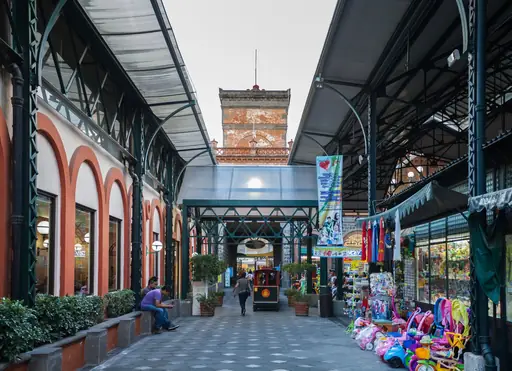
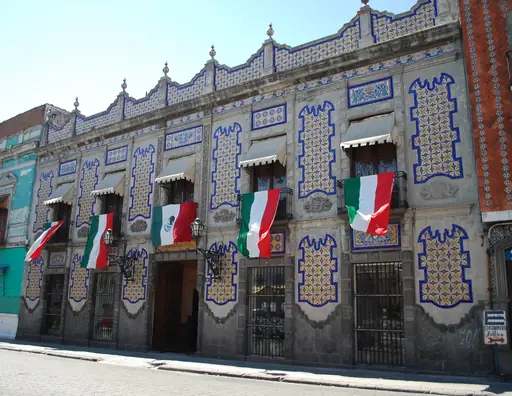
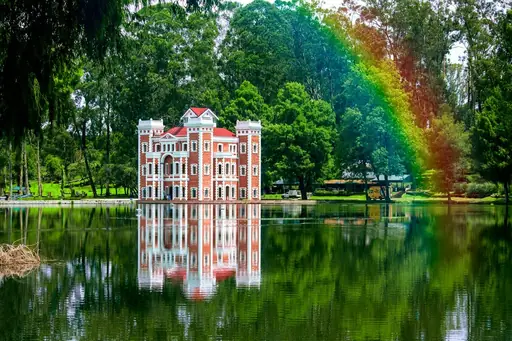
City in Mexico
Puebla
Mexico's Underrated Cultural Gem
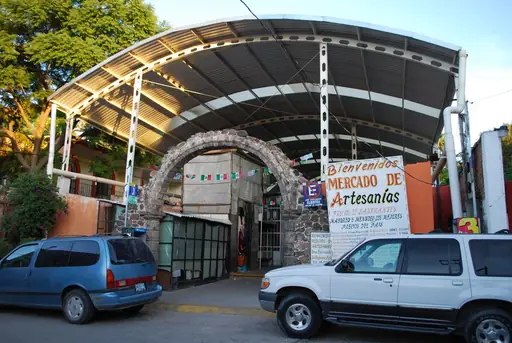
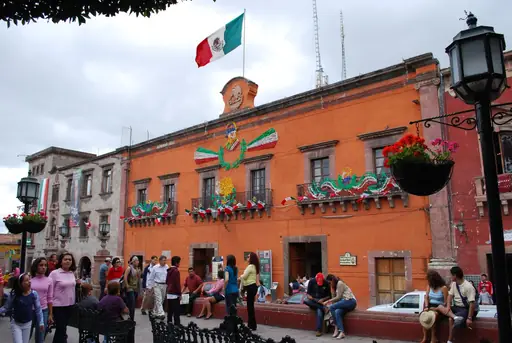
Spanish potters brought tin glazed Talavera pottery here in the 1500s. UNESCO lists the Talavera craft of Puebla and Tlaxcala as heritage. Workshops in the old centre show painters filling tiles and plates with blue and yellow patterns. Tiles cover many church domes and house fronts across the city.
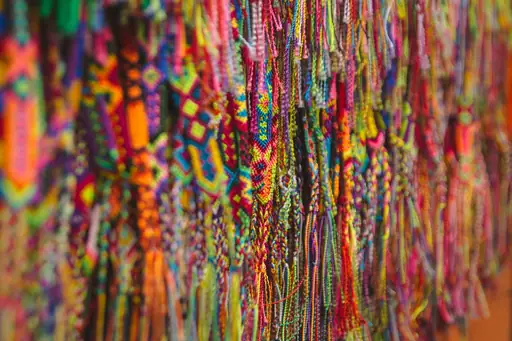
City in Mexico
Guanajuato
Colorful alleys and silver history
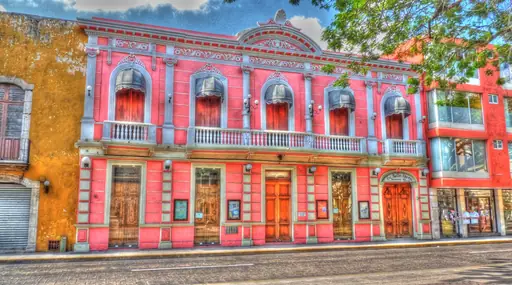
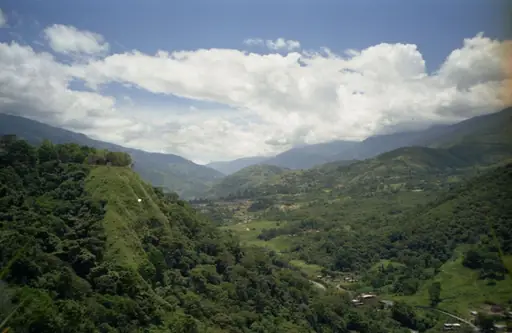
This colourful city climbs the sides of a narrow valley in the Sierra de Guanajuato. Workshops make majolica, tin glazed pottery painted with bright flowers and birds. Several family workshops offer short tours of the clay and glaze steps. UNESCO listed the old town in 1988 and many alleys are too narrow for cars.
Region in Mexico
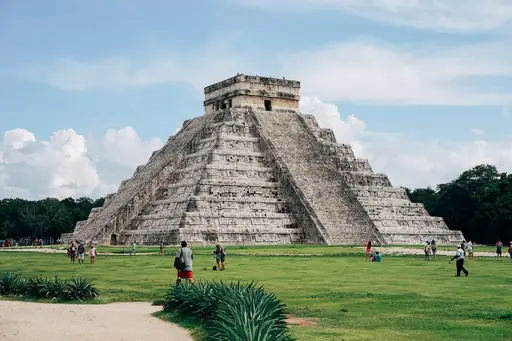
Yucatán
Gateway to the Mayan world
November to March is dry and cooler with highs in the 80s Fahrenheit. Maya women across the peninsula sew bright flowers in a cross stitch called xocbichuy. Ticul workshops shape clay pots and figures by hand. Izamal, a town painted yellow, has shops selling hammocks and embroidered blouses.
City in Mexico
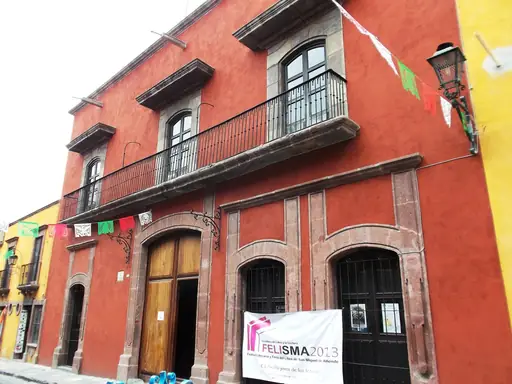
San Miguel de Allende
Colonial Charm with Artistic Soul
This hill town lies in the central highlands at about 6,200 feet. Fábrica La Aurora is a former textile mill with art studios, design shops and galleries. Stalls at the artisan market sell punched tin mirrors, blown glass and painted ceramics. The pink spires of the Parroquia church rise above the main square.

City in Mexico
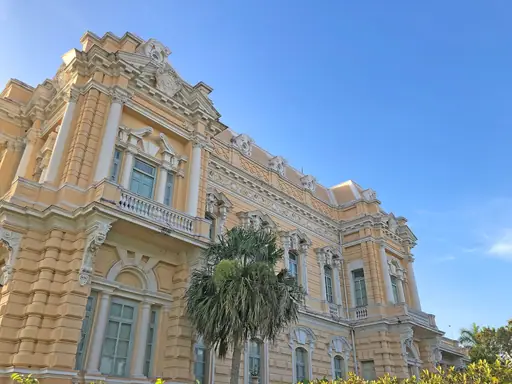
Mérida
Colonial charm and Yucatán culture
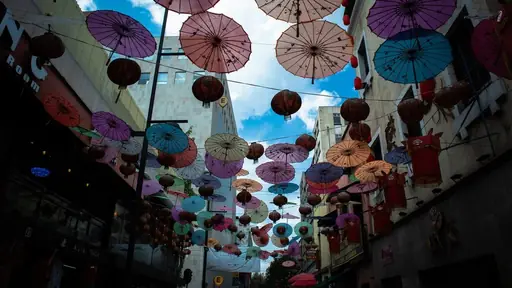
Men here often wear guayaberas, light shirts with pleats and four pockets, to work and weddings. Shops near the main plaza also sell hats woven from palm fibre in nearby towns. Hammocks from Tixkokob, a nearby town, are woven from fine cotton thread. Maya women embroider bright flowers on white dresses called huipiles.

City in Mexico
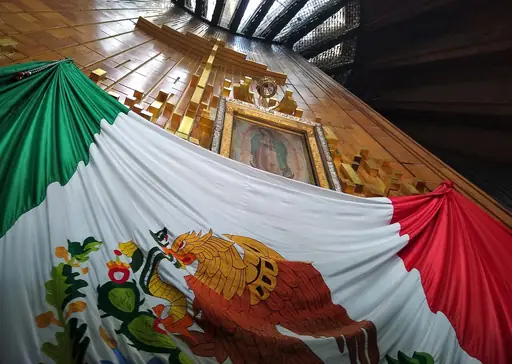
Mexico City
Vibrant Culture, History and Street Food
At about 7,350 feet this city is higher than Denver. La Ciudadela market sells ceramics, weavings, silver and painted wooden toys from across Mexico. The Museo de Arte Popular fills a former fire station with folk art from every region. Each October giant alebrije sculptures, painted fantasy animals, parade through the centre.
City in Cuba
Havana
Vibrant Streets, Timeless Rhythms
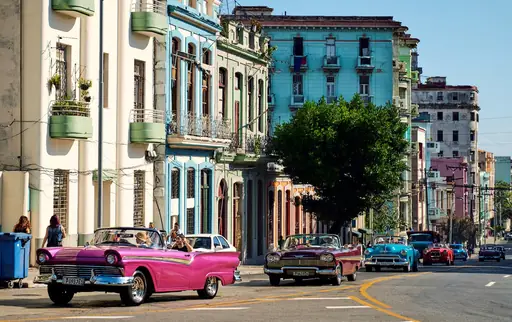
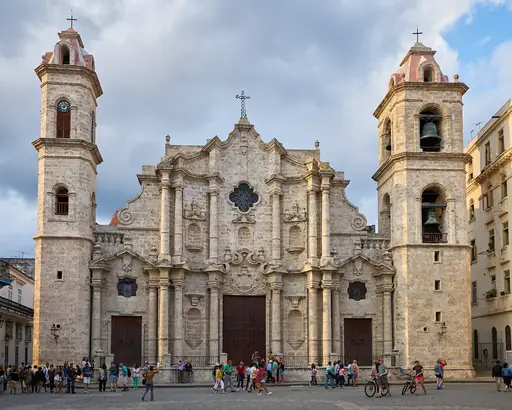
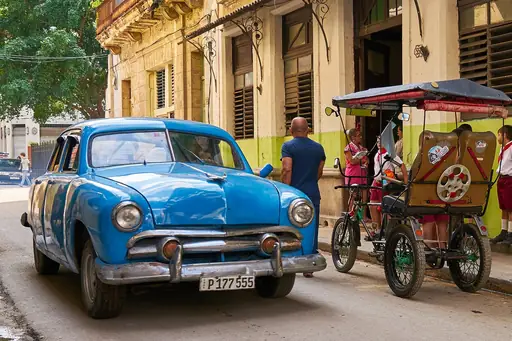
December to April brings dry breezy days for walking the old town and its market stalls. Almacenes San José, a former port warehouse market, sells paintings, wood carvings and handmade jewellery. Fábrica de Arte Cubano is a former cooking oil factory that now shows art and design. It opens Thursday to Sunday at night.
City in Mexico
Guadalajara
Mariachi, murals and modern flair
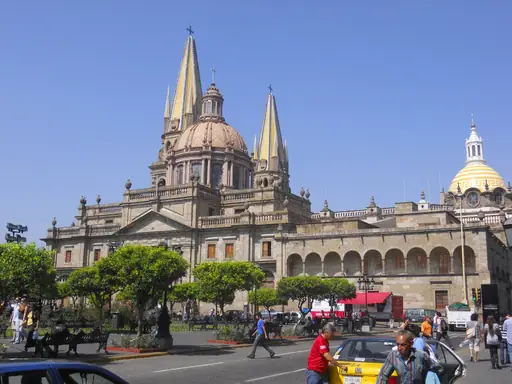
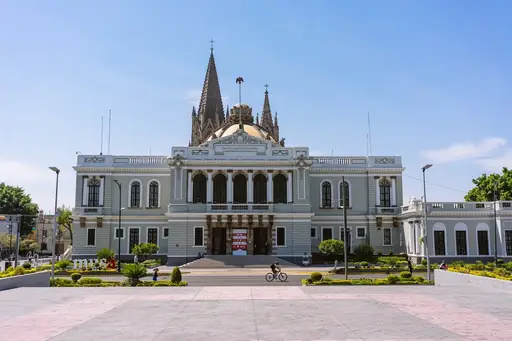
The heat of glass furnaces and the smell of wet clay fill workshops in Tlaquepaque and Tonalá. Tlaquepaque has a pedestrian centre with galleries and shops in old mansions. Tonalá holds a street market on Thursdays and Sundays with pottery, glass and papier-mâché. Huichol artists press tiny glass beads onto wax coated figures.
City in Mexico
San Cristóbal de las Casas
Colonial Charm Meets Indigenous Culture
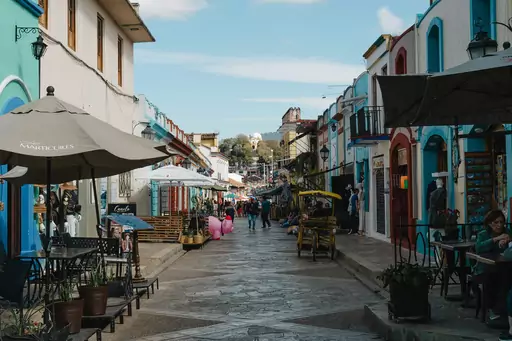
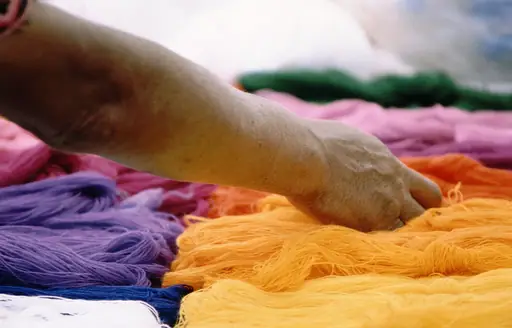
Cool mountain air carries woodsmoke past stalls piled with bright woven cloth. Tzotzil and Tzeltal Maya women from nearby villages weave and embroider the cloth. The market beside Santo Domingo church sells blouses, shawls and dolls in many patterns. The Amber Museum shows Chiapas amber, a golden fossil resin, in jewellery and carvings.
Town in Guatemala
Chichicastenango
Ancient Market with Vibrant Mayan Culture
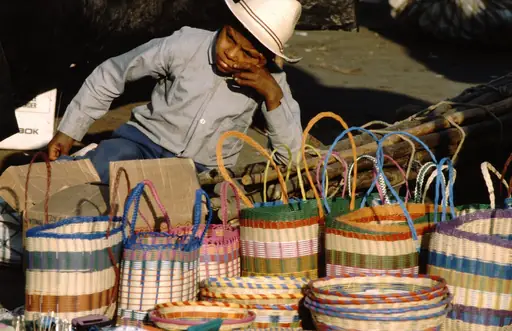
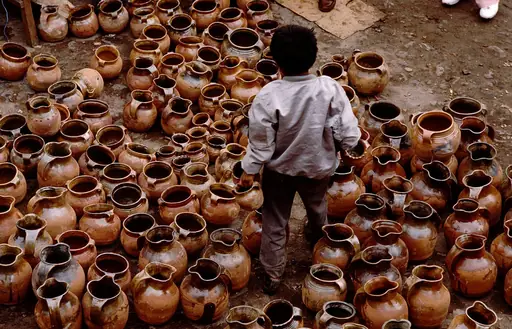
Friar Francisco Ximénez copied the Popol Vuh, a Maya creation book, in this town in the early 1700s. Markets fill the square around Santo Tomás church every Thursday and Sunday. Vendors sell carved wooden masks used in village dances and embroidered blouses in bright colours. Come early on market days to beat the crowds.

City in Guatemala
Antigua Guatemala
Colonial Charm and Volcanic Views
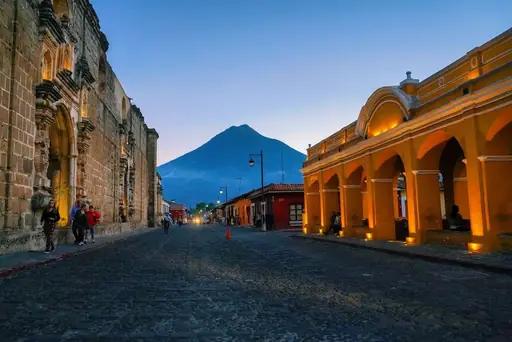
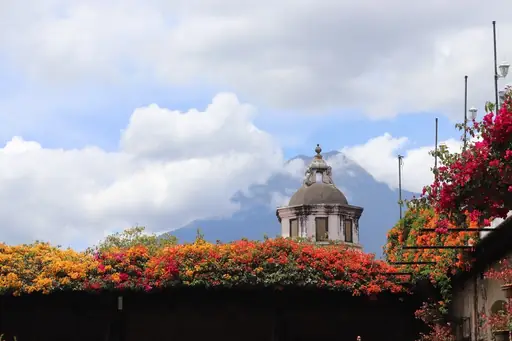
The Mercado de Artesanías sells woven cloth, carved wooden masks and jade jewellery. Jade workshops in town show how the Maya carved the stone they valued more than gold. Weavers from nearby Maya villages sell cloth made on looms tied to the waist. This colonial city was the capital until earthquakes in 1773.
City in Mexico
Oaxaca
Colonial Charm and Rich Traditions
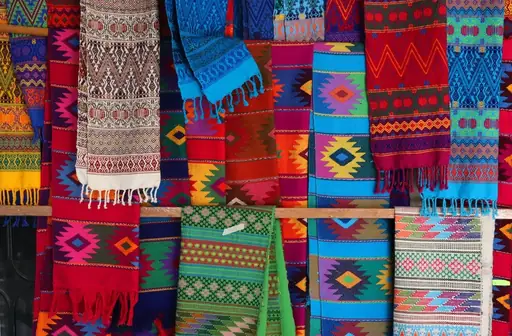
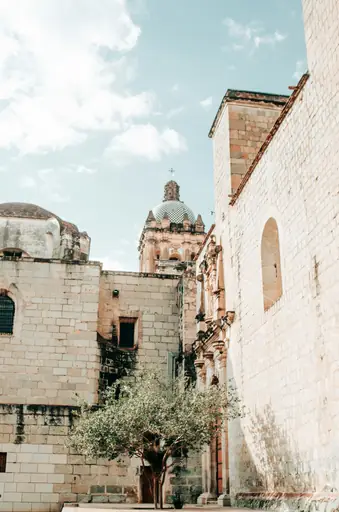
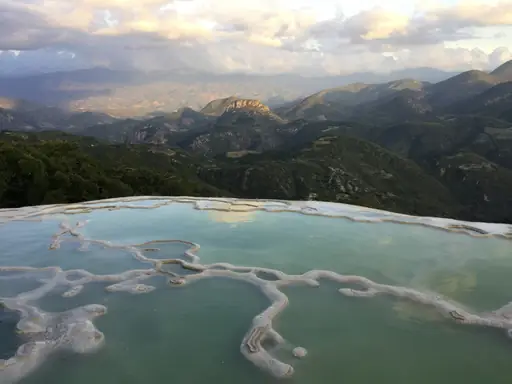
Teotitlán del Valle, a Zapotec village near this city, weaves wool rugs dyed with cochineal insects. Family workshops show how crushed cochineal bugs make a deep red dye. San Bartolo Coyotepec makes black clay pots polished with quartz stones. Painted wooden animals called alebrijes come from Arrazola and San Martín Tilcajete.
Other lists you may like
Discover
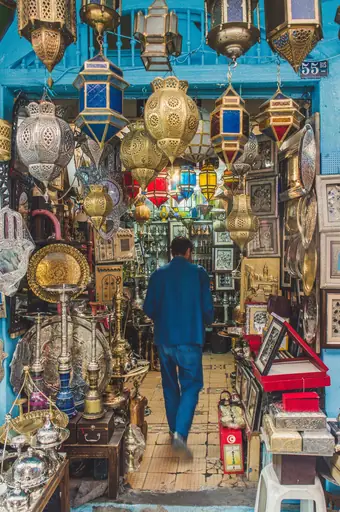
Best craft destinations in Africa
Africa's craft traditions encompass some of the world's most distinctive textile, ceramic, metalwork, basketry and woodcarving cultures, with making traditions rooted in specific…
Read more
Discover
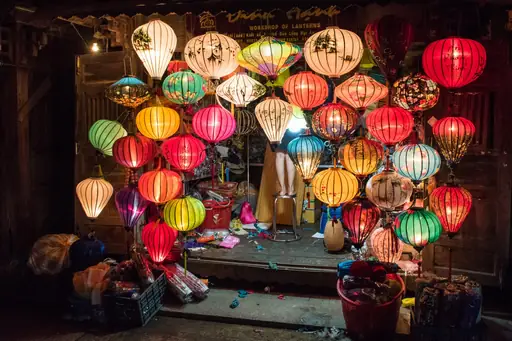
Best craft destinations in Asia
Asia contains the world's most diverse and technically sophisticated craft traditions, with ceramics, textiles, lacquerwork, metalsmithing, woodcarving and papermaking traditions…
Read more
Discover
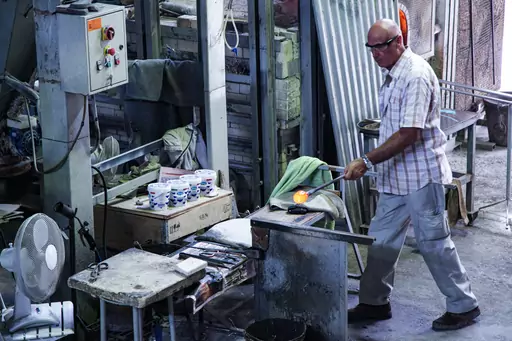
Best craft destinations in Europe
Europe's craft traditions span an extraordinary range of making cultures, regional materials and accumulated technical knowledge, with ceramics, textiles, glass, metalwork and…
Read more
Discover
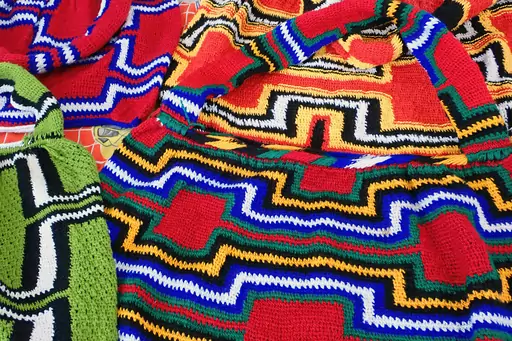
Best craft destinations in Oceania
Oceania's craft traditions are defined by the indigenous making cultures of Australia, New Zealand and the Pacific island groups, where distinct artistic traditions rooted in…
Read more
Discover
Best craft destinations in South America
South America's craft traditions are among the most diverse on earth, with textile, ceramic, metalwork and woodcarving traditions rooted in pre-Columbian making cultures that have…
Read more
Discover
Top craft destinations and artisan workshops
Craft travel has developed a dedicated following built around the world's great making traditions, artisan communities and the places where specific skills, materials and cultural…
Read more
What other users say about travelfilters
“travelfilters made it easy for me to find ski areas and compare what else they offer, so that I could find the best place for my personal travel style.”

Chris
Snowboarding & Onsen trip to Japan
“I love how transparent the data feels. There is no pushy upsell, just honest information and settings I can tune to my own travel style.”

Maria
After booking her 2027 winter escape
“The level of detail for each destination and how well those are displayed, make planning feel confident instead of overwhelming.”

Mina
Planned a week in New York City
“We used travelfilters for our planning from start to end. The trip turned out even better than expected, thanks to all their tools and customisation options.”

Allan & Etienne
Trip to Japan to see autumn foliage
“Thanks to travelfilters, I found some hidden gems to see. Being able to filter for exactly your interests is a game changer for my travel planning.”

Michael
Tour through the old cities of Northern Italy
“The customizable filters helped me find a quiet beach town with good wifi and low season crowds in under five minutes.”

Diego
Weekend Escape to Llanes, Spain
“The airport connection map saved me hours by showing good flight options from my home airport to lesser-known cities.”

Nguyen
Planning a 2027 trip to France
“The website is clean, fast and focused on the search itself, which makes travelfilters feel more like a professional tool than an ad-heavy booking site.”

Hassan
Christmas Market trip, Germany
