
Best craft destinations in Africa
Best craft destinations in Africa
Traditional textile weaving workshops and wood carving centers in Africa
Africa's craft traditions encompass some of the world's most distinctive textile, ceramic, metalwork, basketry and woodcarving cultures, with making traditions rooted in specific landscapes, materials and social functions that give the continent's craft objects a cultural specificity unavailable through international retail channels. The most compelling destinations are those where craft produces for local and ceremonial contexts rather than purely for visitor consumption.
North and west Africa have the most developed craft tourism infrastructure, with dedicated medina workshops, specialist souks and open studio programmes providing direct access to makers across a wide range of traditions. East and southern African craft traditions in beadwork, weaving and woodcarving have developed community-controlled market infrastructure that provides reliable access to authentic work while ensuring economic benefit reaches makers directly.
Haggling is standard practice at craft markets and souks across most of the continent and expected as part of the transaction. Initial prices at tourist-oriented markets are typically set with significant negotiation margin built in. Buying directly from makers rather than intermediaries provides better value and more direct economic support to the communities whose traditions are being shared.
Lists by region

City in Ethiopia
Addis Ababa
Vibrant capital where history meets modernity
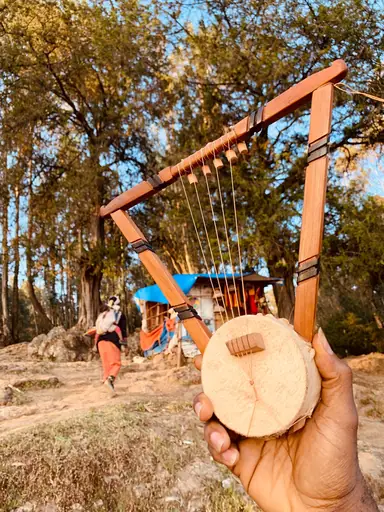
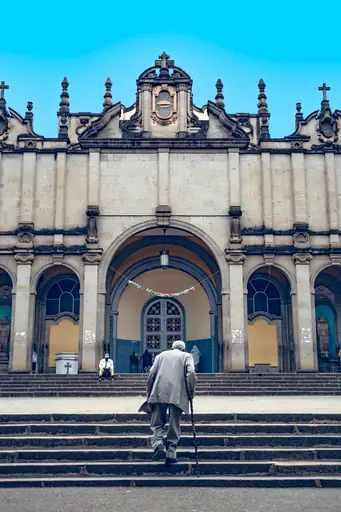
Busy, high at 2,355 metres and full of the smell of roasting coffee, this capital has a lively craft scene. Merkato is a huge open air market. Shiro Meda market sells handwoven cotton shawls with coloured borders. Silversmiths sell Ethiopian crosses. Leather workers make bags and shoes.
City in Morocco
Essaouira
Atlantic Breeze, Blue Medina, Bohemian Vibe
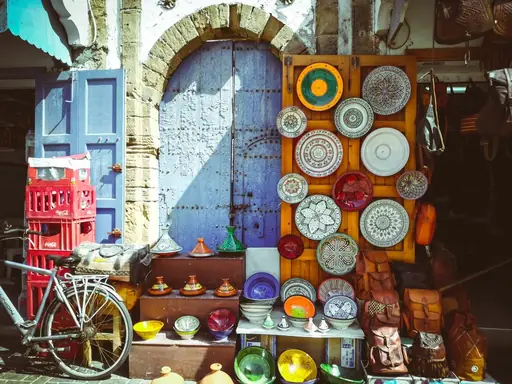
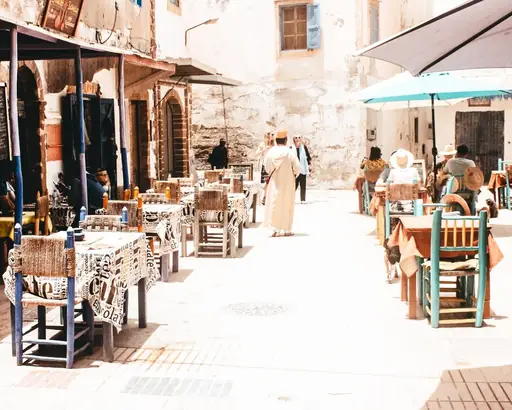
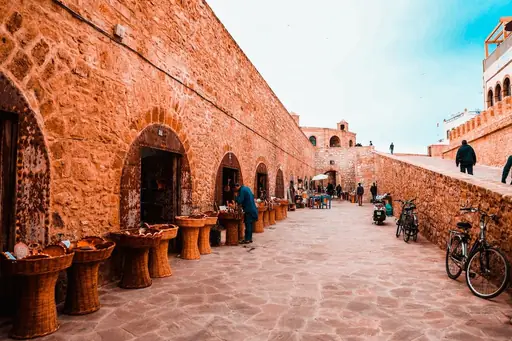
Woodworkers on this windy Atlantic coast carve thuya wood, a fragrant root that grows near the city. Small workshops under the ramparts make boxes, chess sets and tables with a golden grain. The medina is a World Heritage Site. Painters sell colourful canvases in the lanes. Fishing boats unload at the port.
City in Tunisia
Tunis
Where Ancient Meets Vibrant Modernity
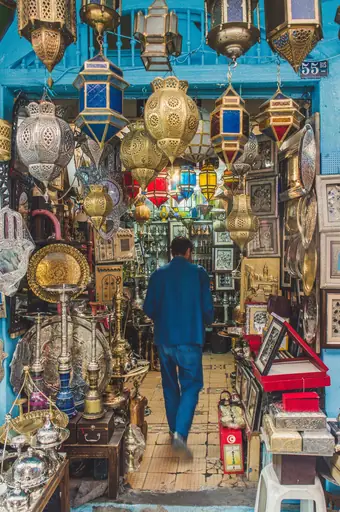
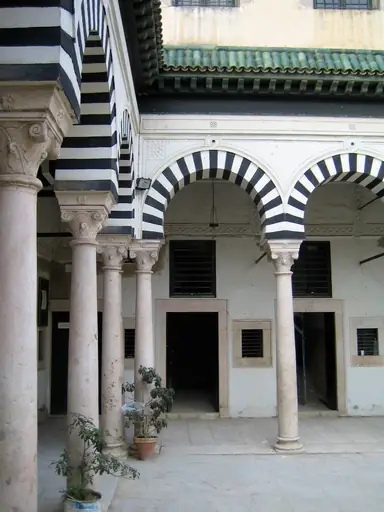
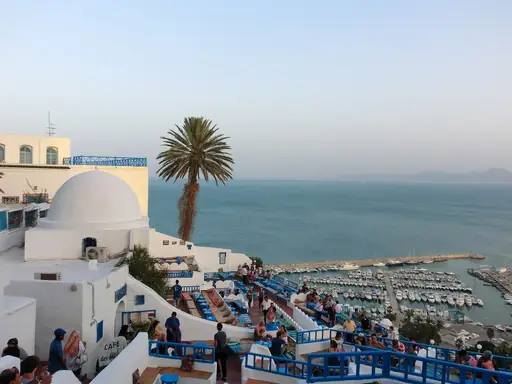
On the Mediterranean coast, this capital has a walled medina that became a World Heritage Site in 1979. Hat makers in Souk el Chaouachine sell red felt caps called chechia. Perfume sellers fill other lanes. The Bardo Museum holds a large collection of Roman mosaics. Shops in Sidi Bou Said sell decorative birdcages.

City in Kenya
Nairobi
Where urban life meets wild adventures
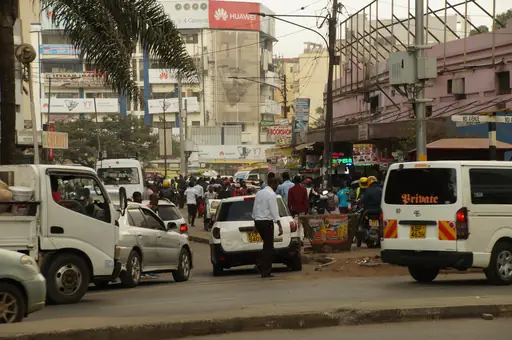
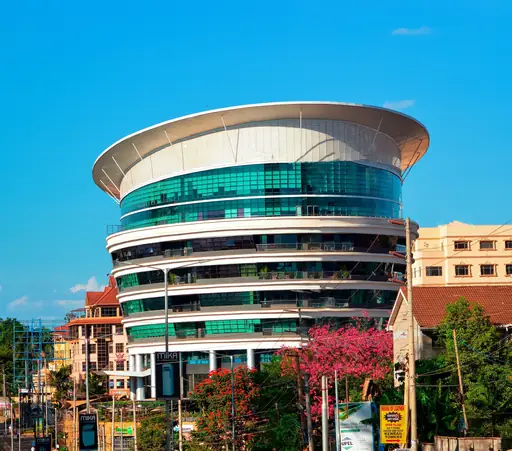
Shoppers in Kenya's capital follow the Maasai Market, which moves to a new spot each day of the week. Stalls sell beaded jewellery, kikoy cloth and soapstone carvings from Kisii. The Kazuri factory in Karen makes ceramic beads by hand. Woodcarvers sell animals and masks at the Utamaduni Craft Centre.

City in Morocco
Marrakech
A vibrant maze of colors and spices
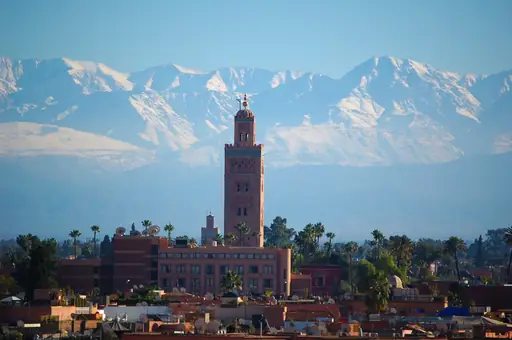
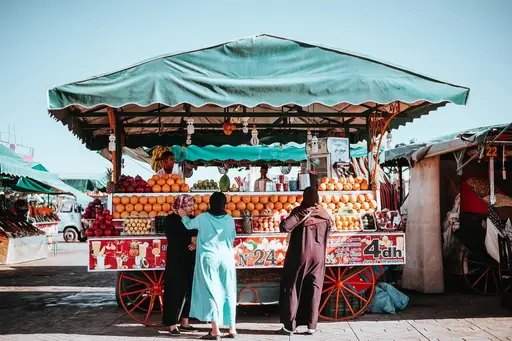
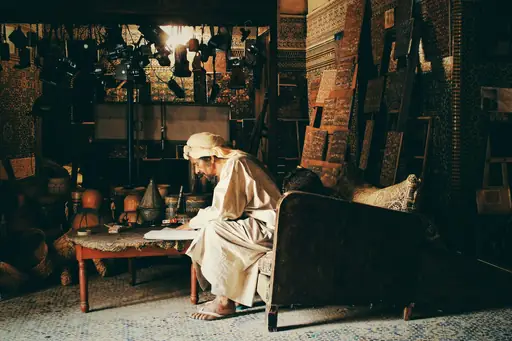
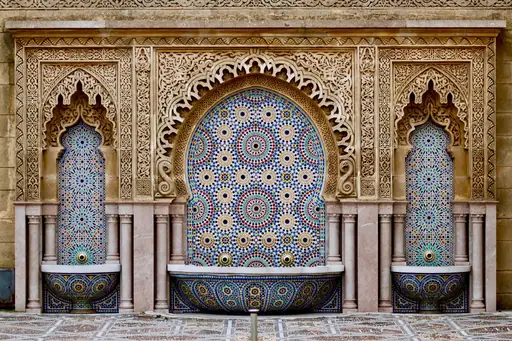
In October days are about 27 degrees Celsius, which is pleasant for browsing the souks. Merchants in the old medina sell leather slippers, brass lanterns and handwoven rugs. Potters make zellige tiles from tiny glazed pieces. Jemaa el Fnaa square is close to the main lanes. The medina was founded in 1070.
City in Morocco
Fez
Labyrinthine Medina, Living Moroccan Heritage
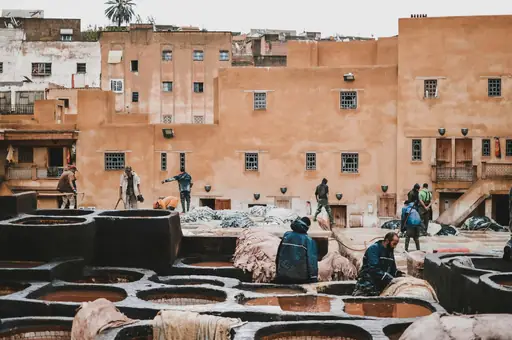
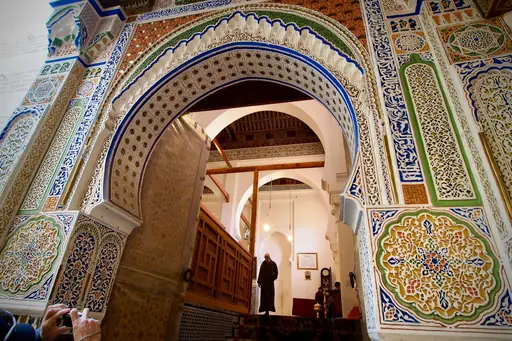
Older and more maze like than Marrakech, the medina of Fez was founded in 789. Cars are not allowed. Leather is dyed in stone vats at the Chouara tannery. Potters paint blue glazed bowls. Brass workers hammer trays by hand. The Al Qarawiyyin library is among the oldest in the world.
City in Morocco
Rabat
A Hidden Gem with Royal Flair
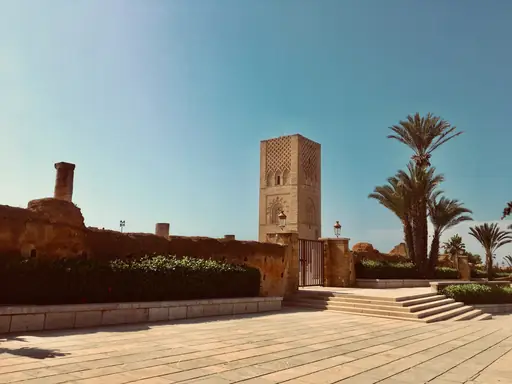
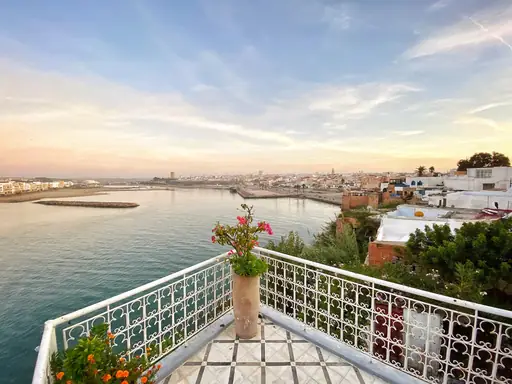
Calmer and less crowded than Marrakech or Fez, Morocco's capital still has a strong craft tradition. Rabat is known for woven wool carpets with deep reds and geometric patterns. The Oudayas Kasbah has painted blue and white lanes. Potters work in the nearby town of Sale. The medina is a World Heritage Site.
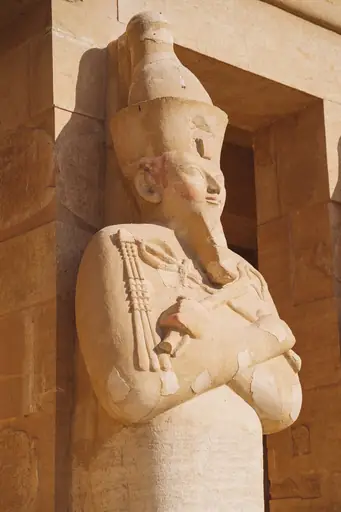
City in Egypt
Luxor
Ancient wonders on the Nile
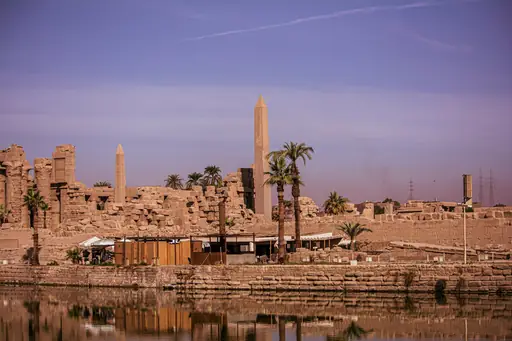
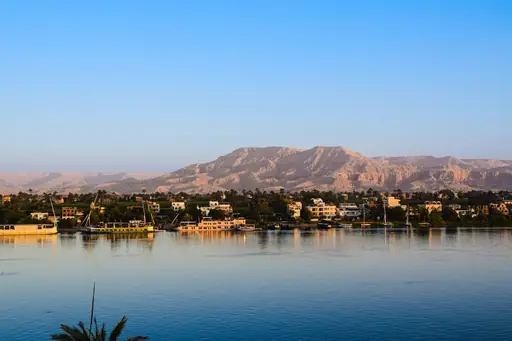
Quiet and full of temples, this Nile town has craft shops on both banks. Villages on the west bank carve alabaster vases and bowls from local stone. Some workshops welcome visitors to watch craftsmen at work. The souq sells spices, scarves and cotton clothing. Felucca sailboats cross the river at dusk.
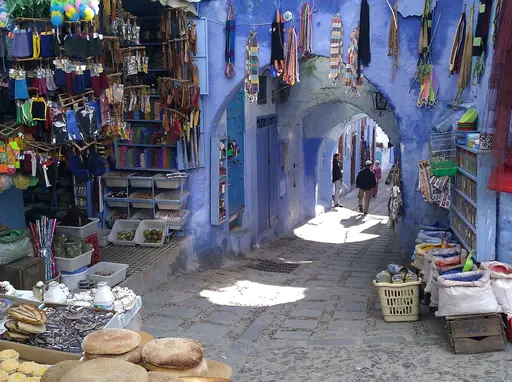
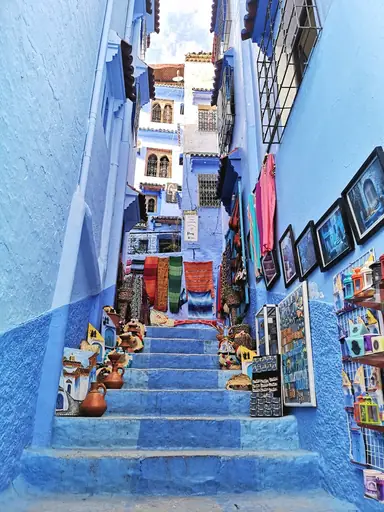
City in Morocco
Chefchaouen
Blue Medina, Mountain Views, Calm Vibes
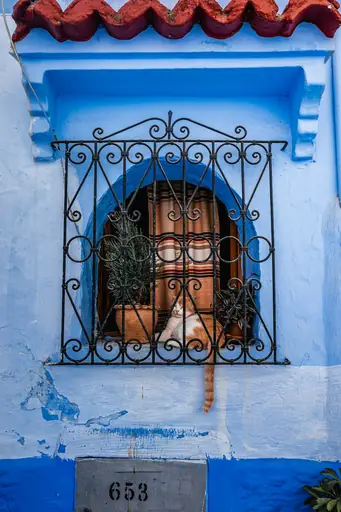
Early mornings are quiet in this Moroccan hill town, before day trippers arrive. Walls in the old medina are painted in shades of blue. Weavers make wool blankets and striped cloaks on wooden looms. Woodworkers carve small boxes. Goat cheese and olive oil are sold at stalls near the main square.

City in Tanzania
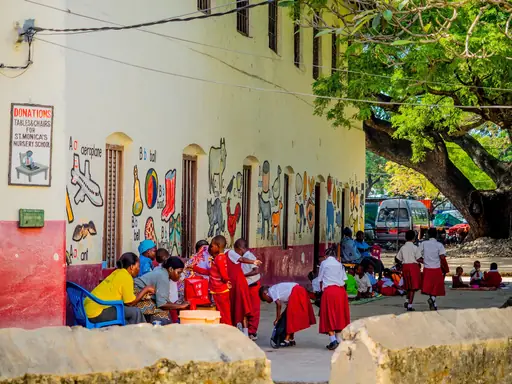
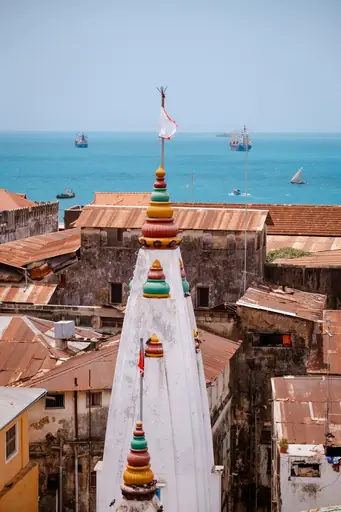
Zanzibar City
Stone Town’s Spice-Scented Labyrinth
Omani sultans ruled from this port in the 1800s and left a city of carved wooden doors. Stone Town has hundreds of doors with brass studs and deep patterns. Carpenters still build dhow boats. Markets sell bright kanga cloth, woven baskets and Makonde carvings. Spice stalls fill Darajani Market with scent.


City in Egypt
Aswan
Nile Islands, Nubian Culture, Golden Light
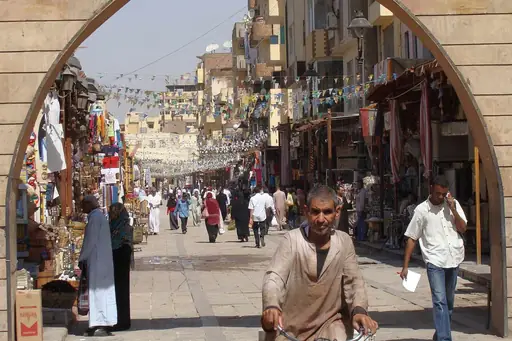
This is the southern gateway of Egypt, a quiet Nile town near the Sudan border. Nubian villages on the river have houses painted in bright colours. Families sell beaded jewellery and baskets woven from palm leaves. The old souq sells spices and hibiscus tea. Philae Temple sits on an island close by.

City in Ghana
Accra
Vibrant Culture and Coastal Charm
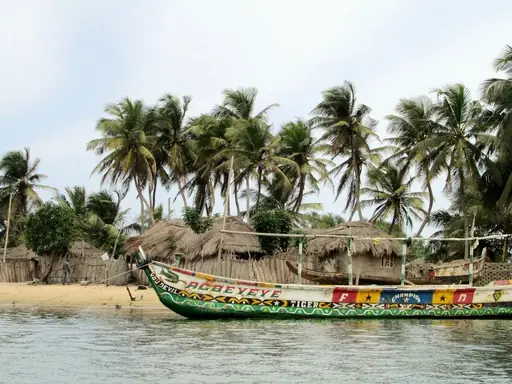
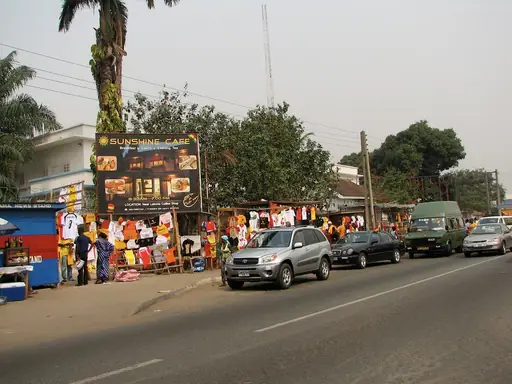
Ga people have lived on this coast for centuries. Today the city sells crafts from all over Ghana. The Arts Centre has rows of stalls with wood carvings, masks and drums. Makola Market sells bright wax print cloth. Kente, a woven silk and cotton cloth, is cut and sewn into clothes.
Country
Ghana
Gateway to vibrant African culture
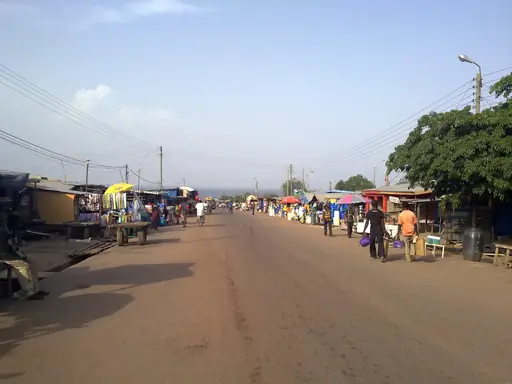
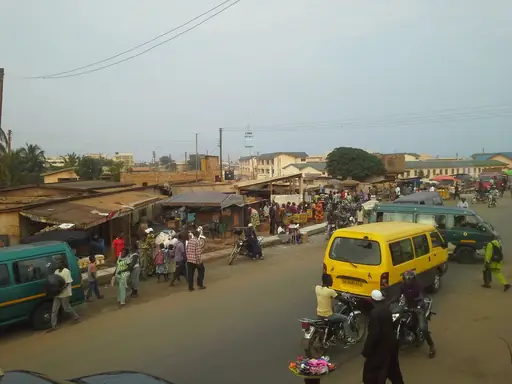
On the Gulf of Guinea in West Africa, this country is known for kente, a cloth woven in narrow strips. Weavers in Bonwire work at wooden looms. In Ntonso artisans stamp adinkra cloth with symbols using dye made from tree bark. Krobo bead makers near Koforidua sell glass beads.
Marketplace in Cairo
Khan el-Khalili
Vibrant Historic Bazaar Bustling
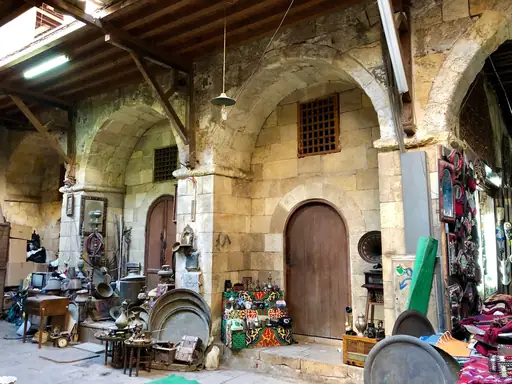
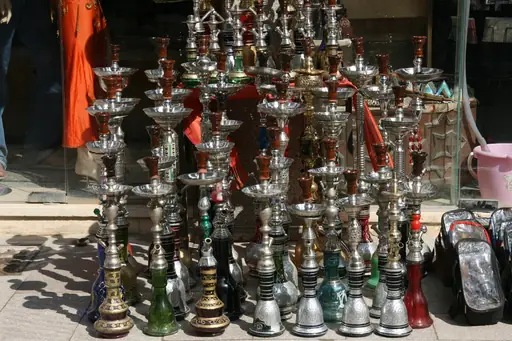
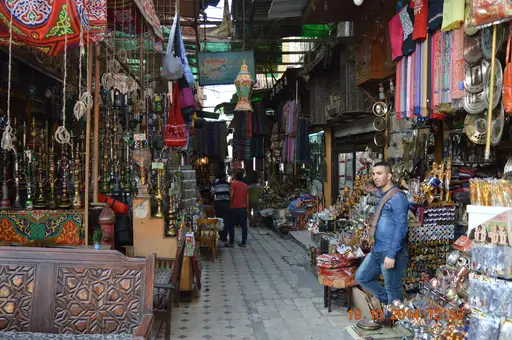
In the old Islamic quarter of Cairo, this bazaar has been a place of trade since the 1300s. Metalworkers hammer copper trays and brass lanterns in tiny shops. Boxes are inlaid with mother of pearl. Perfume sellers pour scents into glass bottles. Fishawi cafe serves mint tea beside the main lane.
Country
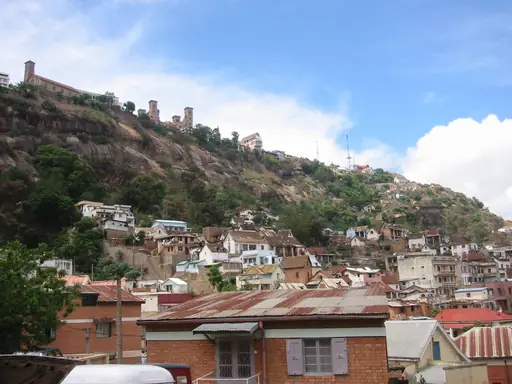
Madagascar
Unique biodiversity meets diverse landscapes
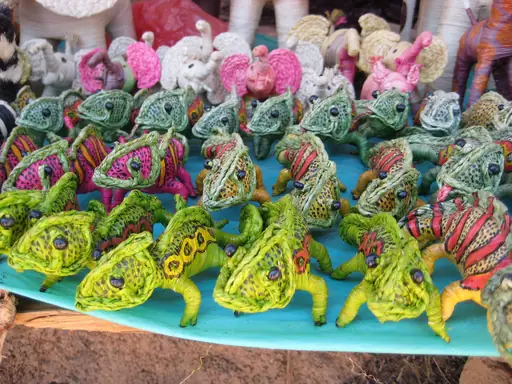
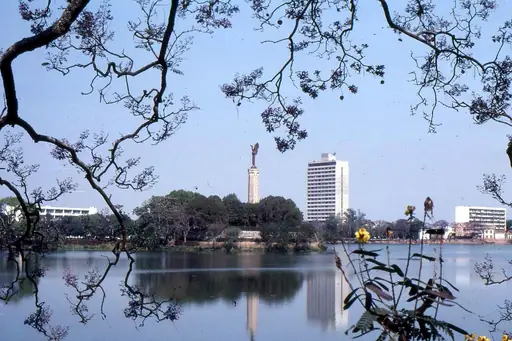
The world's fourth largest island has crafts as unusual as its wildlife. The Zafimaniry people of the highlands carve wood in patterns recognised by UNESCO. Antsirabe workshops weave silk. Raffia hats and baskets are made along the coast. Markets in Antananarivo sell zebu horn bowls and carved wooden boxes.


Historic Site in Ethiopia
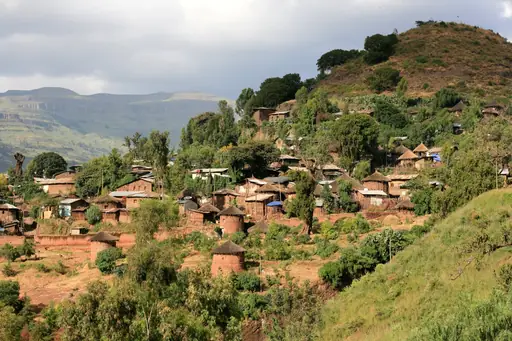
Lalibela
Stone churches echoing centuries of faith
King Lalibela had churches carved from solid rock here in the 1100s and 1200s. Craft traditions grew around them. Priests carry hand hammered metal crosses in processions. Weavers sell white cotton shawls. Painters decorate parchment with bright saints. Local shops sell the small crosses as keepsakes.
Other lists you may like
Discover
Best craft destinations in Asia
Asia contains the world's most diverse and technically sophisticated craft traditions, with ceramics, textiles, lacquerwork, metalsmithing, woodcarving and papermaking traditions…
Read more
Discover
Best craft destinations in Europe
Europe's craft traditions span an extraordinary range of making cultures, regional materials and accumulated technical knowledge, with ceramics, textiles, glass, metalwork and…
Read more
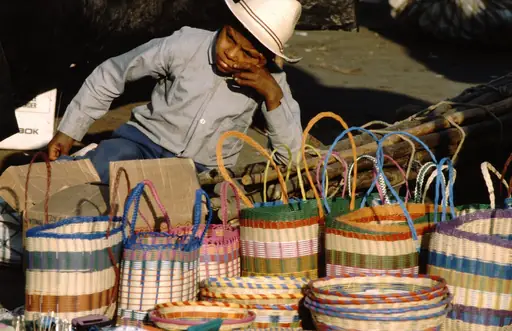
Discover
Best craft destinations in North America
North America's craft traditions are rooted in the indigenous making cultures of the continent's native communities alongside folk craft traditions brought by successive waves of…
Read more
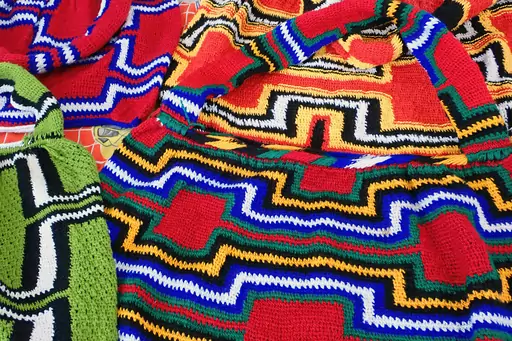
Discover
Best craft destinations in Oceania
Oceania's craft traditions are defined by the indigenous making cultures of Australia, New Zealand and the Pacific island groups, where distinct artistic traditions rooted in…
Read more
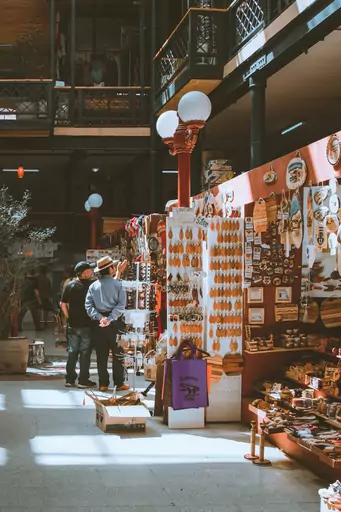
Discover
Best craft destinations in South America
South America's craft traditions are among the most diverse on earth, with textile, ceramic, metalwork and woodcarving traditions rooted in pre-Columbian making cultures that have…
Read more
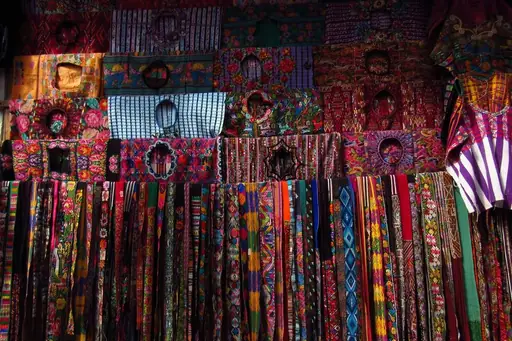
Discover
Top craft destinations and artisan workshops
Craft travel has developed a dedicated following built around the world's great making traditions, artisan communities and the places where specific skills, materials and cultural…
Read more
What other users say about travelfilters
“travelfilters made it easy for me to find ski areas and compare what else they offer, so that I could find the best place for my personal travel style.”

Chris
Snowboarding & Onsen trip to Japan
“I love how transparent the data feels. There is no pushy upsell, just honest information and settings I can tune to my own travel style.”

Maria
After booking her 2027 winter escape
“The level of detail for each destination and how well those are displayed, make planning feel confident instead of overwhelming.”

Mina
Planned a week in New York City
“We used travelfilters for our planning from start to end. The trip turned out even better than expected, thanks to all their tools and customisation options.”

Allan & Etienne
Trip to Japan to see autumn foliage
“Thanks to travelfilters, I found some hidden gems to see. Being able to filter for exactly your interests is a game changer for my travel planning.”

Michael
Tour through the old cities of Northern Italy
“The customizable filters helped me find a quiet beach town with good wifi and low season crowds in under five minutes.”

Diego
Weekend Escape to Llanes, Spain
“The airport connection map saved me hours by showing good flight options from my home airport to lesser-known cities.”

Nguyen
Planning a 2027 trip to France
“The website is clean, fast and focused on the search itself, which makes travelfilters feel more like a professional tool than an ad-heavy booking site.”

Hassan
Christmas Market trip, Germany
