
Best craft destinations in Asia
Best craft destinations in Asia
Ancient pottery kiln communities and handmade silk workshops across Asia
Asia contains the world's most diverse and technically sophisticated craft traditions, with ceramics, textiles, lacquerwork, metalsmithing, woodcarving and papermaking traditions of extraordinary depth distributed across the continent's distinct cultural regions. The most compelling destinations are those where living craft cultures produce for local markets and ceremonial contexts rather than purely for visitor consumption, maintaining the standards and integrity that tourist-oriented production frequently compromises.
Several countries have developed serious craft tourism infrastructure, with dedicated craft villages, open workshop programmes and specialist markets providing direct access to makers across a wide range of traditions. Apprenticeship systems in several East and Southeast Asian craft traditions have preserved techniques of extraordinary refinement that reward dedicated engagement and slow travel over brief encounters.
The distinction between authentic production and tourist reproduction requires research and time with makers to develop reliably. Buying directly from workshops rather than retail outlets provides better value and more direct economic benefit. Customs regulations on specific materials and antiques vary by destination and home country and are worth researching thoroughly before making significant purchases.
Lists by region
State/Prefecture in India
Rajasthan
Desert palaces and vibrant cultural tapestry
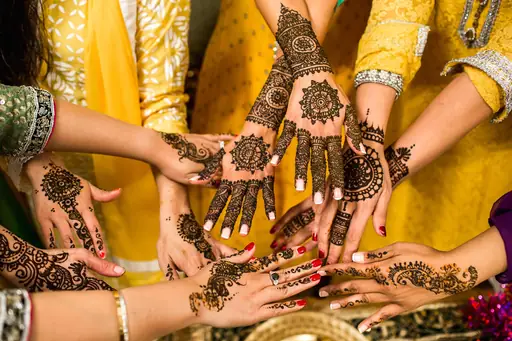
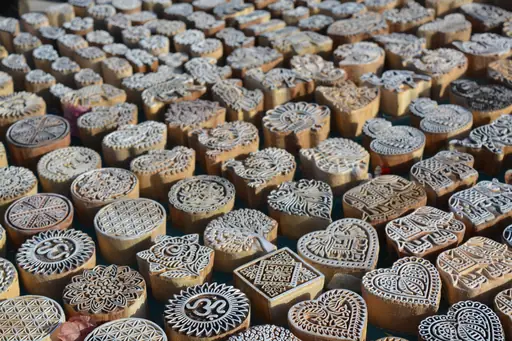
Bagru village near Jaipur is known for dabu mud resist printing. Printers press carved wooden blocks into cotton dyed with natural colours. Villagers dry the cloth on the sandy riverbed in the sun. Visitors can join workshops in Bagru to try block stamping a scarf.
City in Iran
Tabriz
Bazaar Wonders and Persian Heritage
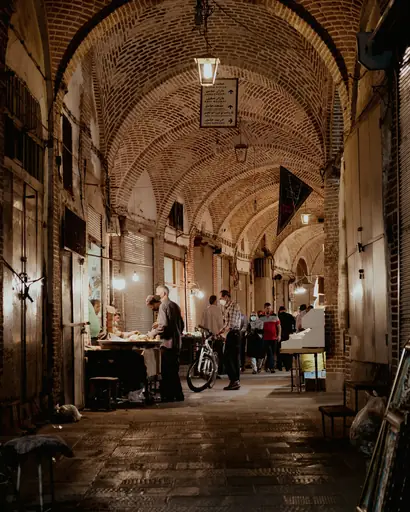
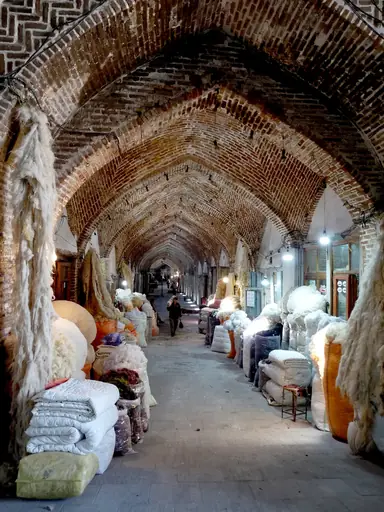
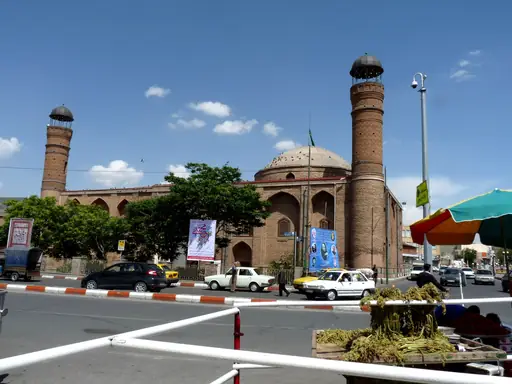
UNESCO lists the historic Tabriz bazaar complex as a World Heritage site. Domed halls called timches sell carpets, rugs and textiles. Tabriz carpets feature dense knotting in wool and silk. Visitors can also find copperware and spices in the long vaulted passages, where merchants have traded for centuries.
City in Japan
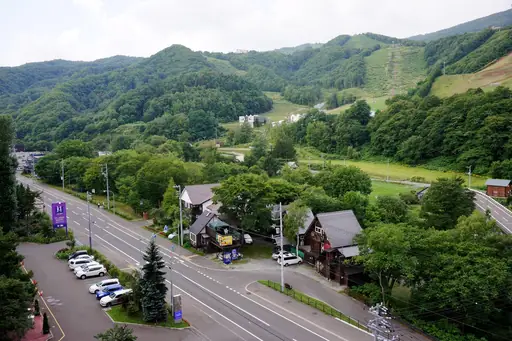
Otaru
Canal warehouses, glass shops and sushi
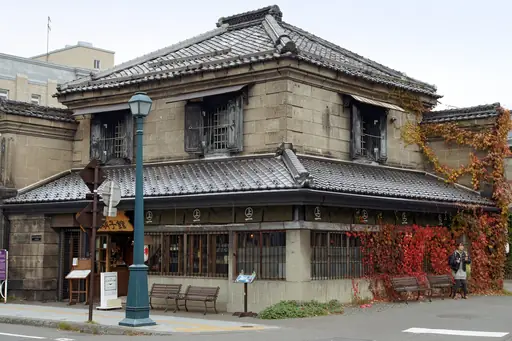
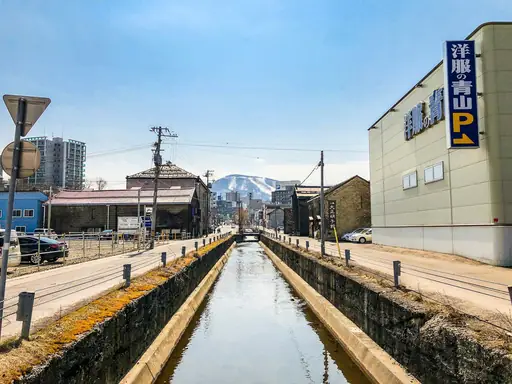
Glassmaking began here in the late 1800s with oil lamps and fishing floats. Workshops along Sakaimachi Street let visitors blow their own glass cups. Shops sell delicate pieces in ocean blues and greens. The Otaru Music Box Museum on the same street fills the lanes with melodies.
City in India
Jaipur
The Pink City of Royal Splendor
Blue pottery glazed in cobalt and turquoise is a signature craft of Jaipur. Unlike regular clay it is made from quartz powder and glass. Workshops let visitors paint their own tiles before they are fired. Johari Bazaar sells gemstone jewellery and Bapu Bazaar specialises in camel leather mojari shoes.
City in Syria
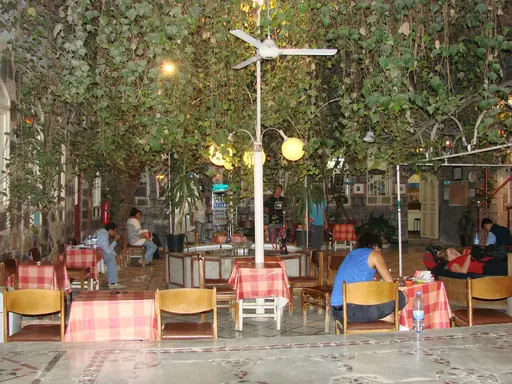
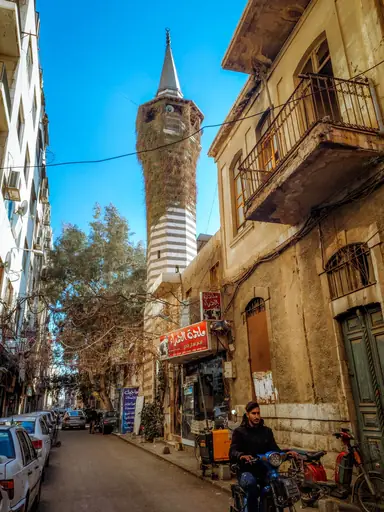
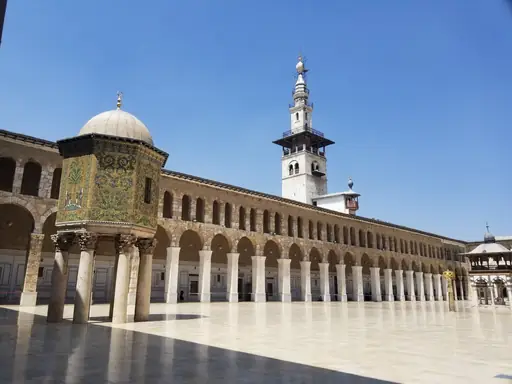
Damascus
Ancient Alleys, Bazaars and Minarets
Damascene brocade woven with silk and metal threads has been prized for centuries. Workshops in the Old City also make inlaid boxes decorated with mother of pearl. The covered Al Hamidiyah Souq runs straight towards the Umayyad Mosque. Visitors should check current travel advisories before planning a trip.
City in Laos
Luang Prabang
Laid-back charm by the Mekong River
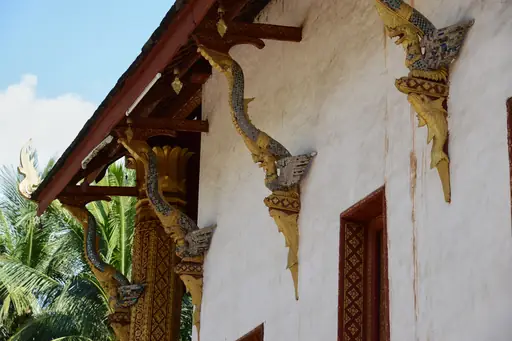
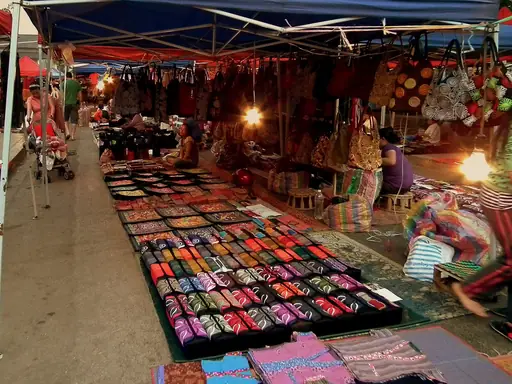
Ban Phanom village is known for handwoven silk and cotton scarves in Lao patterns. Ban Xang Khong makes mulberry paper and silk using traditional methods. Visitors can watch weavers at wooden looms and try dyeing a scarf. The evening night market sells Hmong embroidered bedspreads and bags.
Town in Oman
Nizwa
Ancient Capital with Mountain Charm
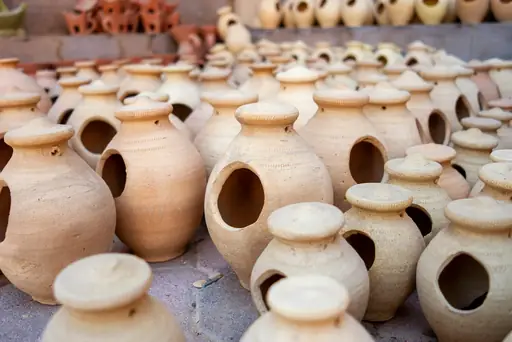
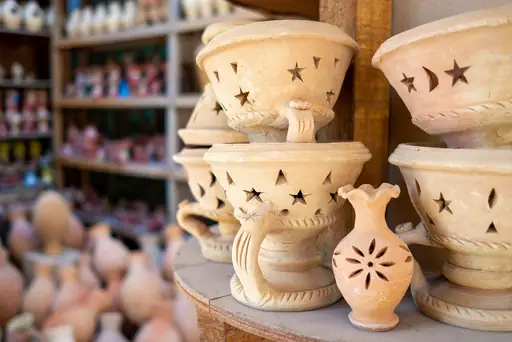
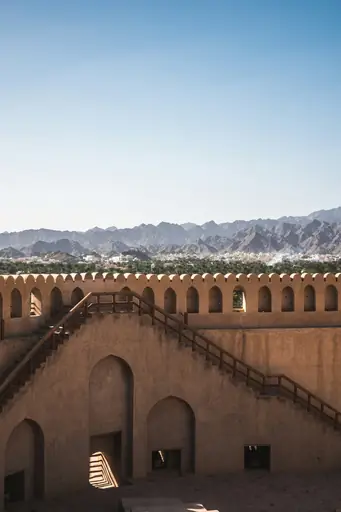
Silversmiths in Nizwa Souq hammer curved khanjar daggers decorated with detailed patterns. Khanjars are traditional Omani daggers worn with formal dress. Bahla, a short drive away, is known for its clay pottery. Visitors can browse the souq beside the fort and watch smiths at work.
City in Japan
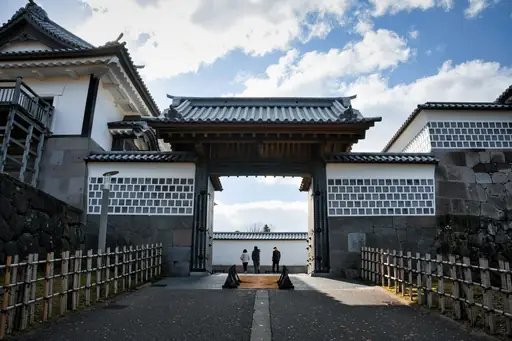
Kanazawa
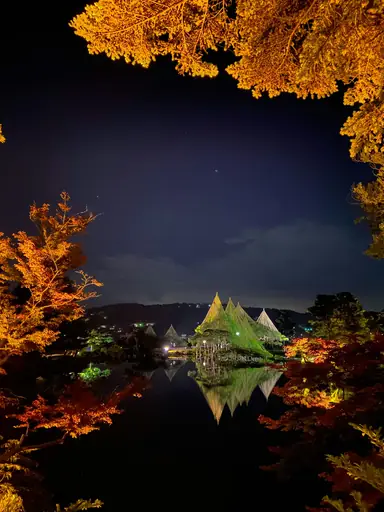
Samurai streets, gold leaf and Kenrokuen garden
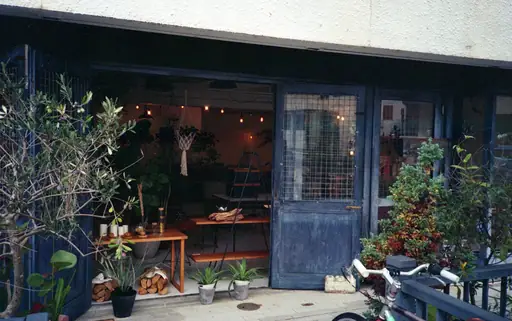
Most of Japan's gold leaf is produced in this city. Workshops near Higashi Chaya let visitors apply gold leaf to chopsticks or small lacquer trays. Kaga yuzen silk painting and Kutani porcelain are also local specialities. Some cafes even serve soft serve ice cream topped with gold leaf.
City in India
Varanasi
India’s Timeless Spiritual Heartbeat
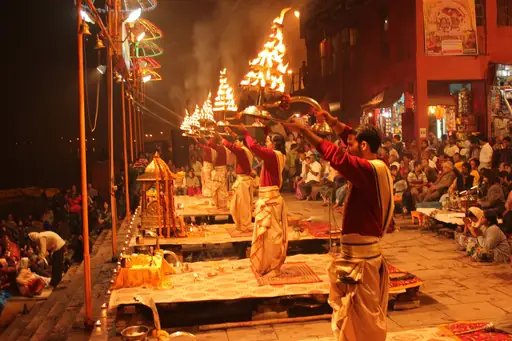
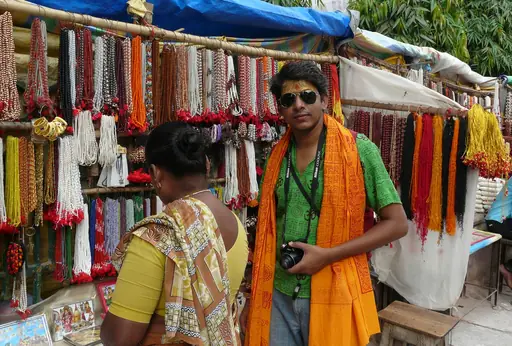
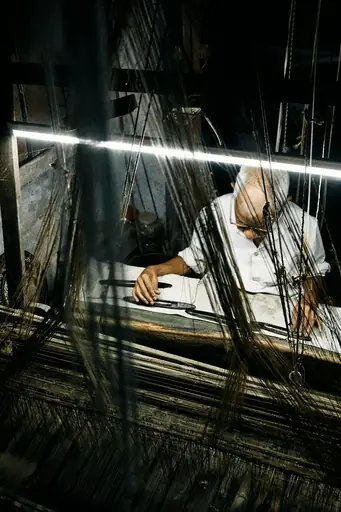
Banarasi silk sarees woven with gold and silver thread are made in neighbourhoods like Madanpura. Weavers work at handlooms in small homes and pass patterns through families. Visitors can tour workshops and watch a saree take shape over weeks. Lacquered wooden toys and glass beads are also local crafts.
City in India
Agra
Home of the Majestic Taj Mahal
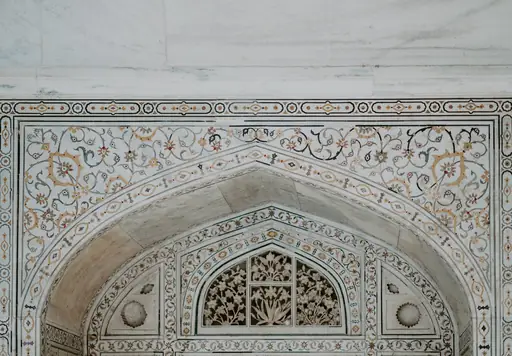
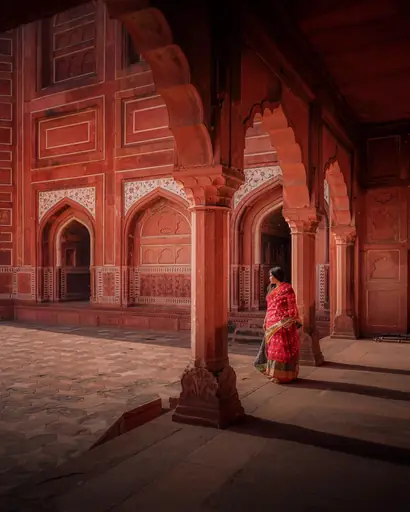
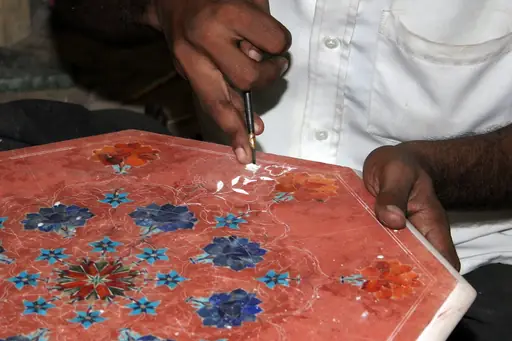
Marble inlay workshops in Agra trace their methods to the craftsmen who built the Taj Mahal. Artisans set tiny pieces of semiprecious stone into white marble using a technique called pietra dura. Visitors can watch the cutting and polishing in family run studios. Tabletops and coasters take shape slowly by hand.


City in China
Lhasa
A Spiritual Journey in Tibet
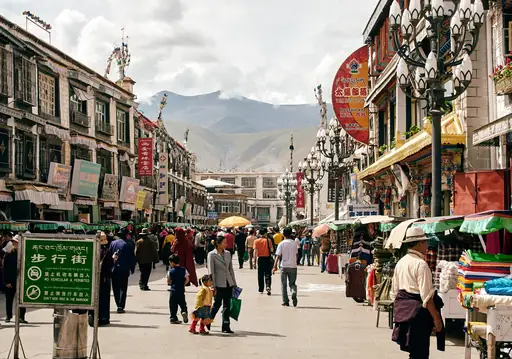
Barkhor Street circles the Jokhang Temple with shops selling Tibetan handicrafts. Pilgrims walk the circuit clockwise past stalls of prayer wheels, silver jewellery and thangka paintings. Painters use mineral pigments and gold on cotton canvas. Foreign visitors need a Tibet Travel Permit arranged through a tour agency.
City in Indonesia
Yogyakarta
Java’s soul: temples, art, street eats
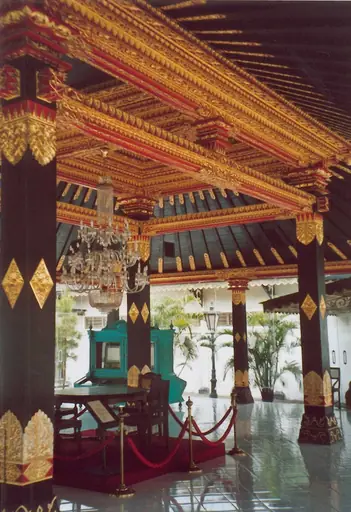
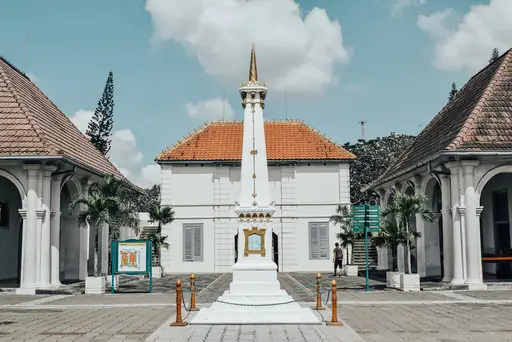
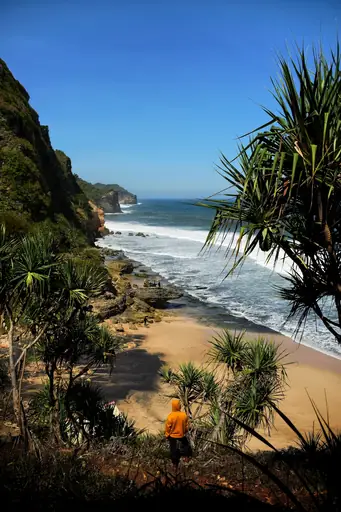
UNESCO recognised Indonesian batik in 2009 and Yogyakarta is a major centre of the craft. Painters in the Taman Sari area draw wax patterns by hand on cotton. Kotagede south of town has been a silver craft district since the Mataram era. Visitors can join batik classes and watch silversmiths at work.

Region in Malaysia
Penang
Heritage charm meets foodie heaven
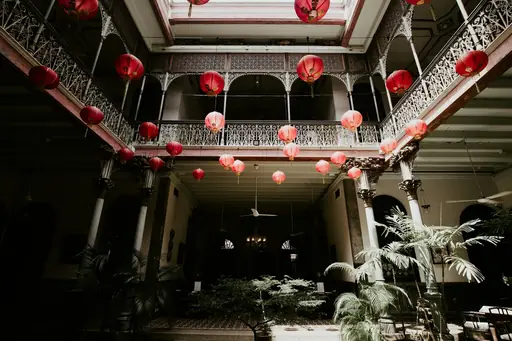
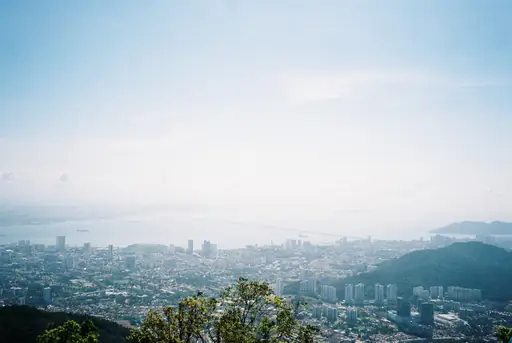
Batik painting with wax and dye is practised in studios around George Town. Artists draw outlines with a tool called a canting and fill the patterns with bright colour. Visitors can try painting a small piece themselves. Shophouse workshops still run traditional trades such as lantern making and joss stick rolling.
City in United Arab Emirates
Sharjah
Culture, Heritage and Coastal Charm
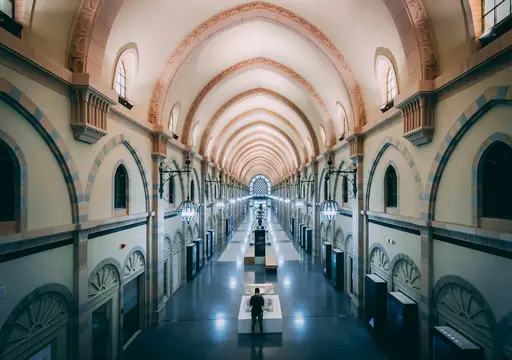
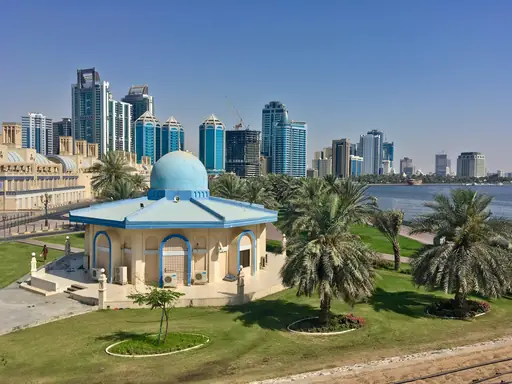
Covered lanes of Souq Al Arsah sell brass dallah coffee pots, frankincense and silver jewellery. Carved wooden doors with brass studs mark the restored old quarter. The Heart of Sharjah project hosts craft workshops and galleries in old houses. Sharjah Heritage Days features traditional crafts each spring.
City in Uzbekistan
Bukhara
Ancient Silk Road Splendor
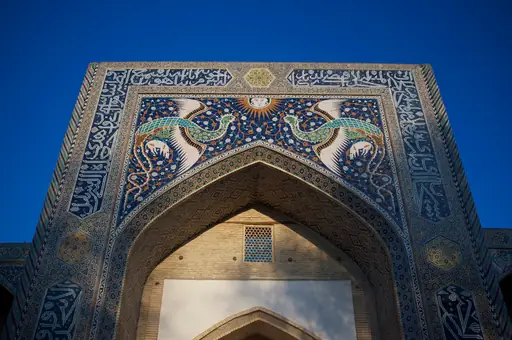
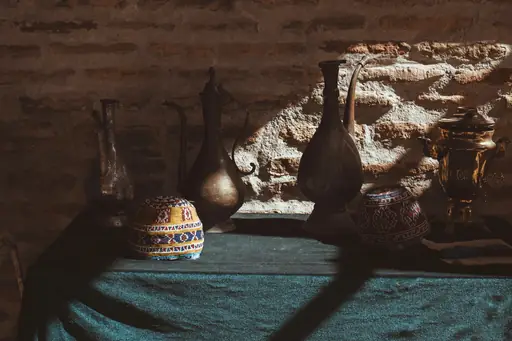
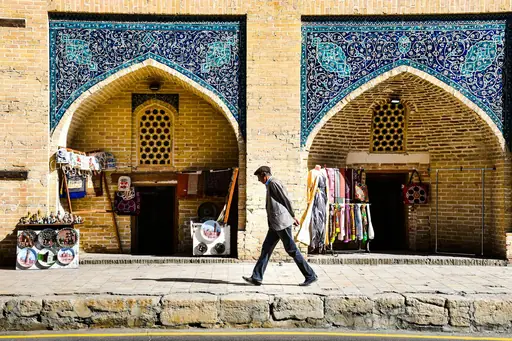
Brick trading domes from the sixteenth century still house craft shops in the old centre. Sellers offer suzani embroidery, gold thread zardozi and handmade knives. Visitors can see carpet weavers and miniature painters working in restored madrasa cells. Silk Road history gives the lanes their lasting trade character.
City in Thailand
Chiang Mai
Ancient temples and mountain escapes
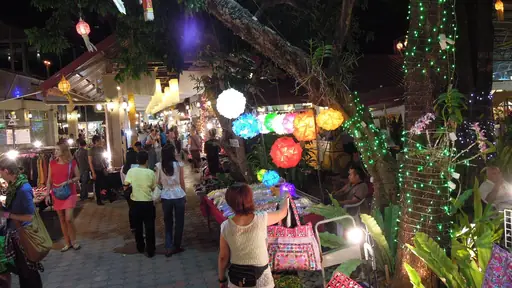
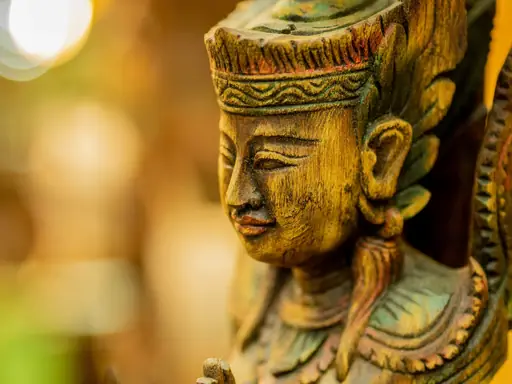
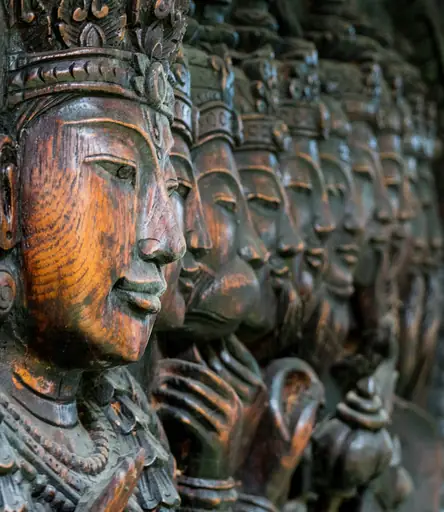
Bo Sang village nearby paints cotton and paper umbrellas by hand with flowers and birds. Baan Tawai village is known for its teak woodcarving workshops. Visitors can watch painters fill a blank canopy with colour in minutes. Wualai Road has a long tradition of silversmiths and a lively Saturday walking street.
Town in Vietnam
Hoi An
Charming Lanterns and Timeless Streets
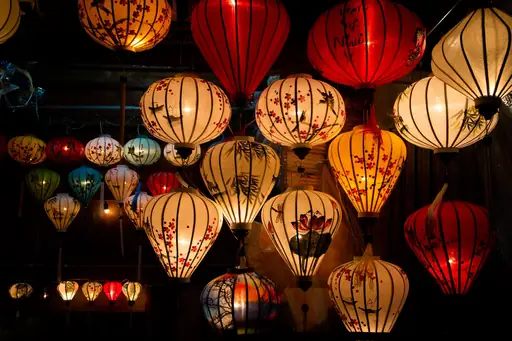
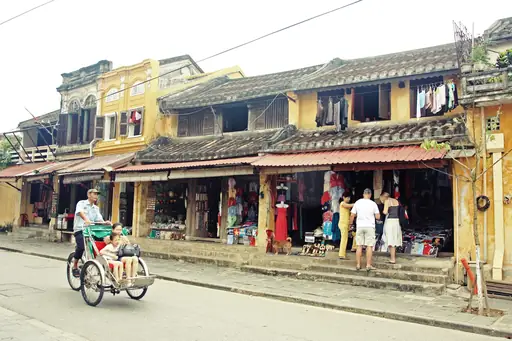
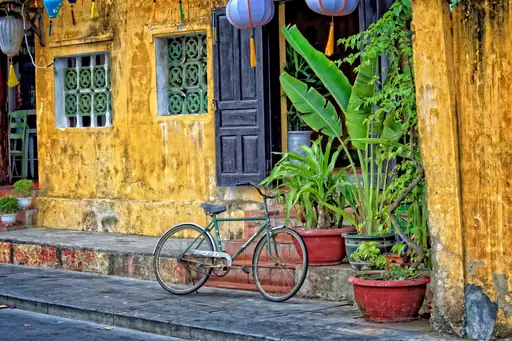
Tailors along Tran Phu Street can stitch a custom suit within a day or two. Silk lanterns in every colour hang across the old town. Kim Bong village nearby is known for its carpenters and woodcarvers. Thanh Ha pottery village lets visitors try the wheel in an open workshop.


Town in Turkey
Göreme
Fairy Chimneys and Cave Dwellings
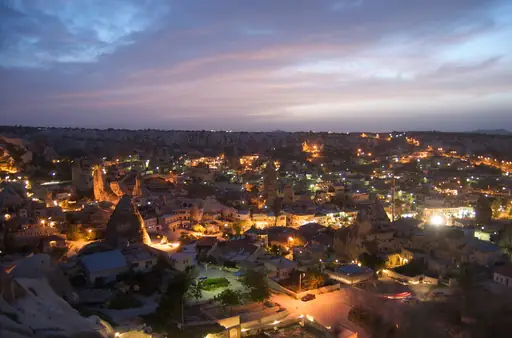
Cave shops in Goreme sell hand knotted carpets and kilims woven by village women. Natural dyes from madder root and walnut shells give the wool warm reds and browns. Some shops let visitors watch weavers at upright looms. Painted ceramics line the shelves of the cool rock rooms.
City in India
Ahmedabad
Where heritage meets modern India
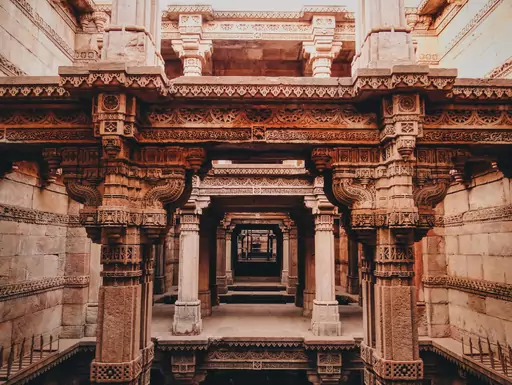
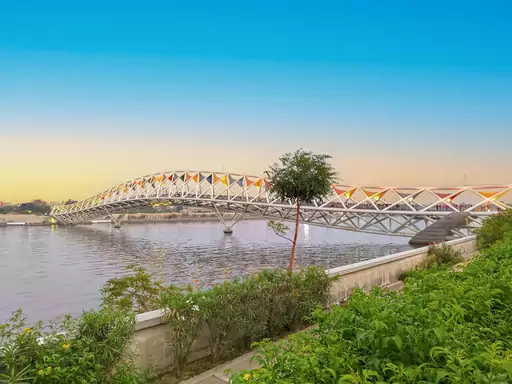
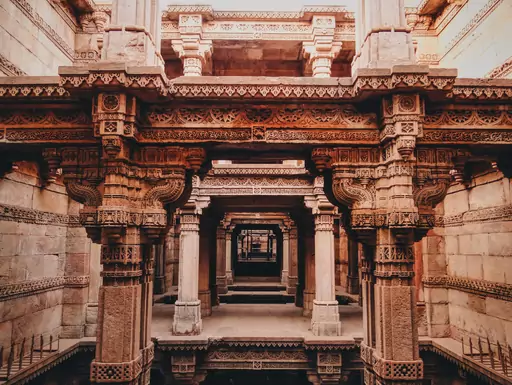
The Calico Museum of Textiles holds a major collection of historic Indian fabrics. Workshops in the old walled city produce bandhani tie dye and block printed cloth. Visitors can watch printers press carved wooden blocks into cotton. The Law Garden night market sells mirrorwork embroidery from across Gujarat.
City in China
Xi'an
Where history whispers through time
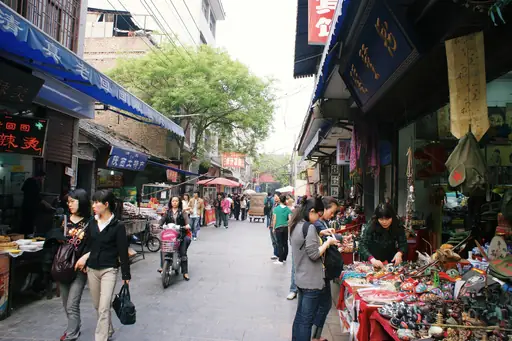
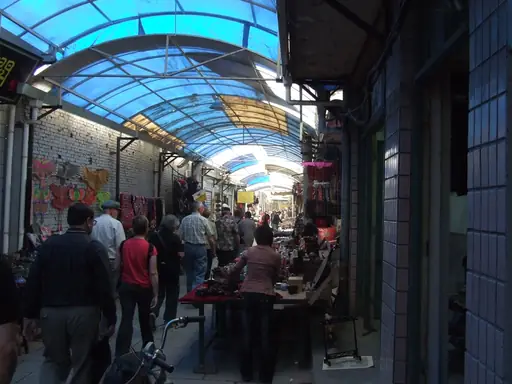
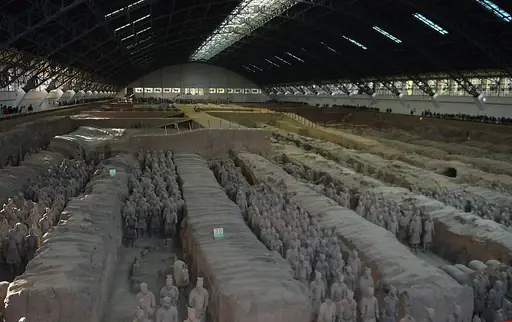
Shaanxi shadow puppets are cut from cowhide and painted in bright colours. Puppeteers move them behind a lit screen while musicians play. Visitors can see shows and buy puppets in the Muslim Quarter. Replica terracotta warriors in many sizes also fill the souvenir shops nearby, from pocket models to life size figures.
City in India
Amritsar
Golden spirituality in Punjab's heart
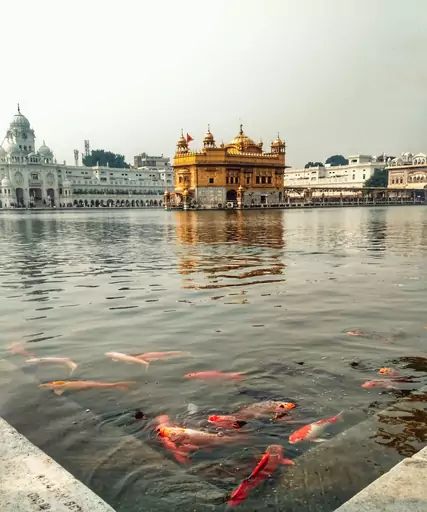
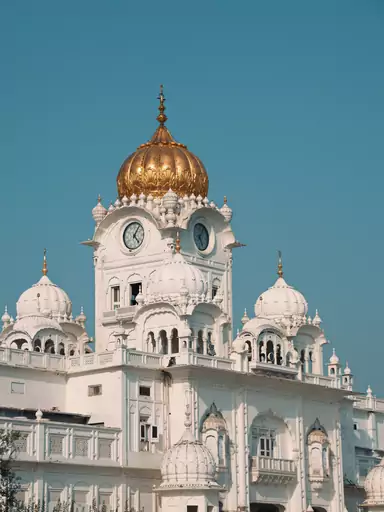
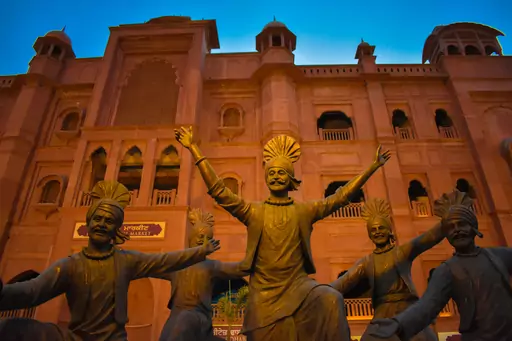
Phulkari embroidery, meaning flower work, is a signature craft of Punjab. Bright silk thread is stitched onto cotton shawls in geometric patterns. Shops near the Golden Temple sell these textiles beside handmade Punjabi jutti shoes. Visitors can browse the lanes of Hall Bazaar for both in one afternoon.



Town in Cambodia
Siem Reap
Gateway to Ancient Temples and Culture
Artisans Angkor workshops in Siem Reap train young Cambodians in stone carving, lacquerwork and silk weaving. Visitors can tour the workshops to see carvers tap sandstone figures into shape. A silk farm outside town shows the path from mulberry leaf to woven cloth. Their shop sells finished pieces made on site.
City in Bhutan
Thimphu
Himalayan Culture Meets Modern Life
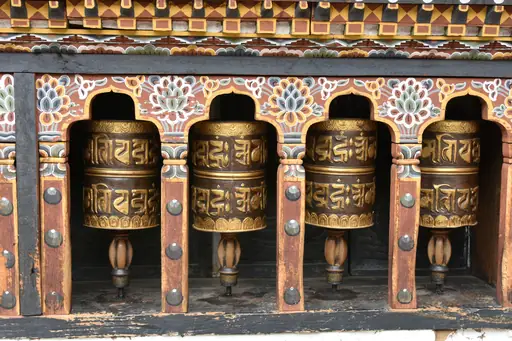
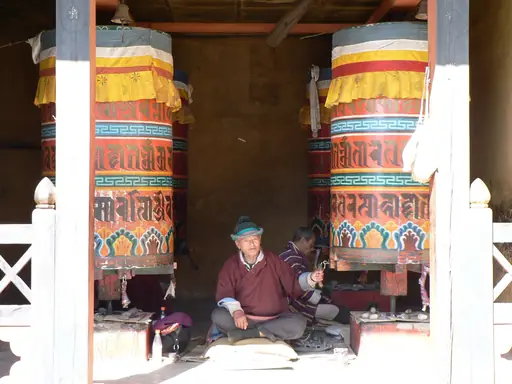
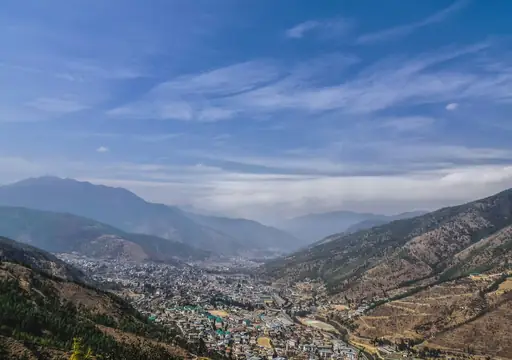
Students at the Institute for Zorig Chusum spend years learning painting, woodcarving and embroidery. Visitors can watch students paint thangkas and carve wooden masks through classroom windows. The National Textile Museum displays ceremonial clothing and woven cloth. Handicraft shops in the centre sell work by Bhutanese artisans.
Town in Uzbekistan
Khiva
A Step Back in Time
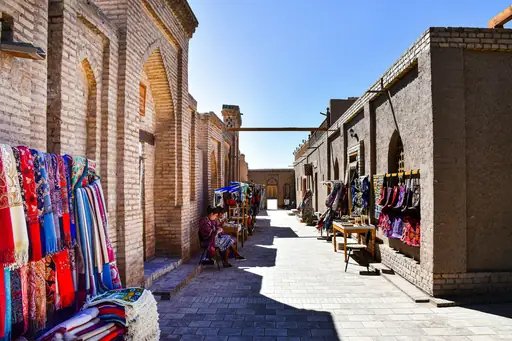
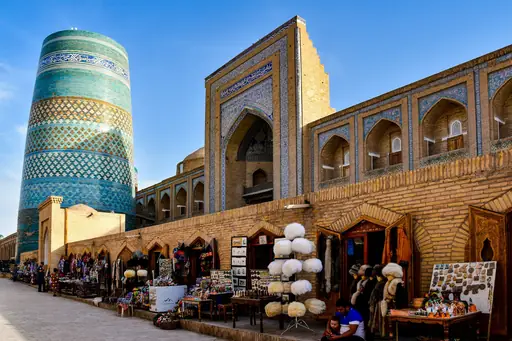
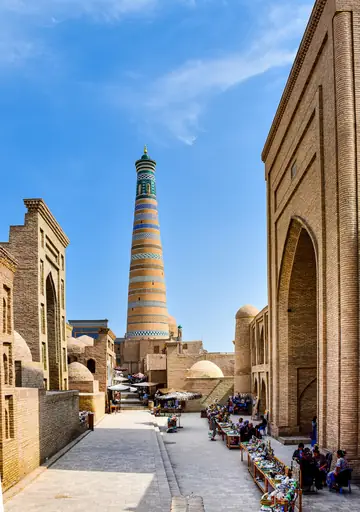
More than two hundred carved wooden columns hold up the roof of Khiva's Juma Mosque. Workshops inside Itchan Kala still produce carved doors, silk carpets and shaggy sheepskin hats called telpaks. Visitors can watch carvers and embroiderers at work in former madrasas. The whole walled city feels like an open air craft museum.
City in Japan
Kyoto
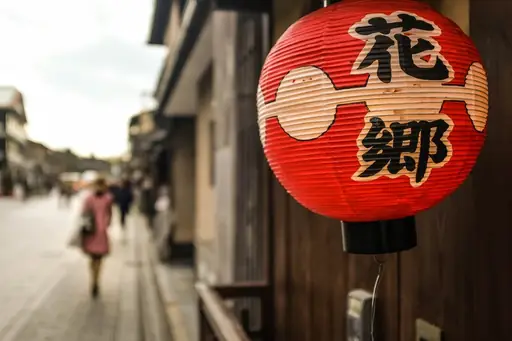
Temples, geisha districts and kaiseki dining
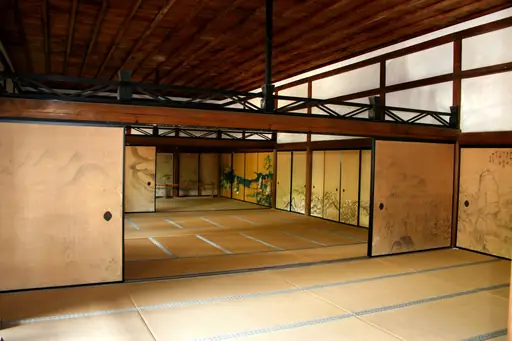
Nishijin district has woven silk brocade for obi sashes and kimono since the fifteenth century. The Nishijin Textile Center shows looms producing gold threaded fabric. Kiyomizu ware pottery is sold along the slope below Kiyomizu Temple. Visitors can also try Kyo yuzen dyeing in small studios.


City in Nepal
Kathmandu
Temples, chaos and Himalayan magic
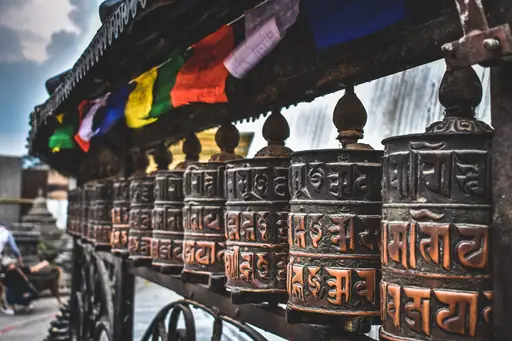
Newar artisans cast bronze and copper statues using the lost wax method. Workshops around Patan Durbar Square create Buddhist and Hindu figures for temples worldwide. Thangka painters in the Kathmandu Valley fill cotton canvas with fine gold lines. Handmade lokta paper and singing bowls are sold in shops around Thamel.
City in Turkey
Istanbul
Where East meets West in stunning contrast
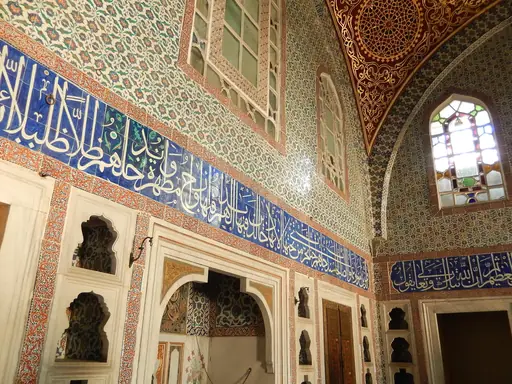
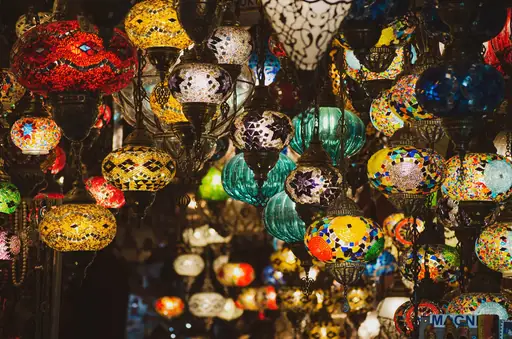
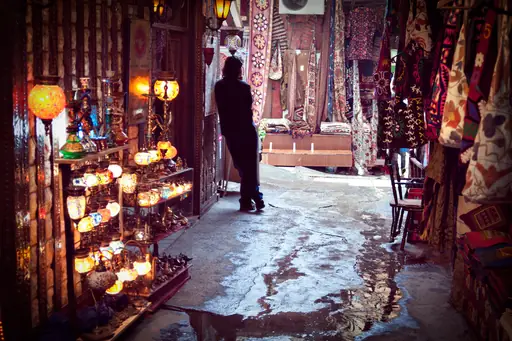
Ebru paper marbling floats ink on thickened water before it is lifted onto paper. Master marblers swirl flowers and waves with fine combs and tools. Visitors can join workshops in Sultanahmet and make their own sheet. Arasta Bazaar behind the Blue Mosque sells ceramics and kilims nearby.

City in Iran
Isfahan
Persia's Architectural Masterpiece
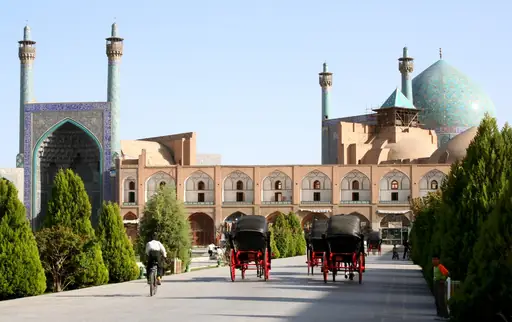
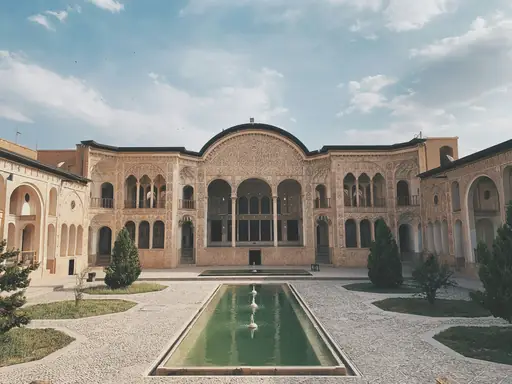
Shops around Naqsh e Jahan Square sell enamel work known as minakari. Khatam inlay covers boxes and frames with tiny geometric pieces of wood metal and bone. Coppersmiths tap patterns into trays in the nearby bazaar. Qalamkar cloth is printed by pressing carved blocks into cotton.


Town in Indonesia
Ubud
Bali's Cultural and Spiritual Heart
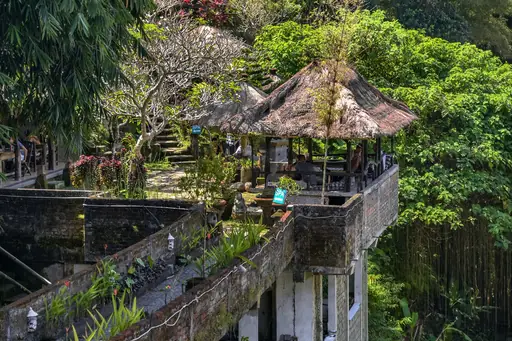
Painters in Ubud formed the Pita Maha artists cooperative in 1936 with European artists Walter Spies and Rudolf Bonnet. The Neka Art Museum shows paintings from this Balinese tradition. Visitors can take painting classes in village studios. Mas village south of town carves masks and statues.
City in Japan
Hida
Carp canal and sake town near Takayama
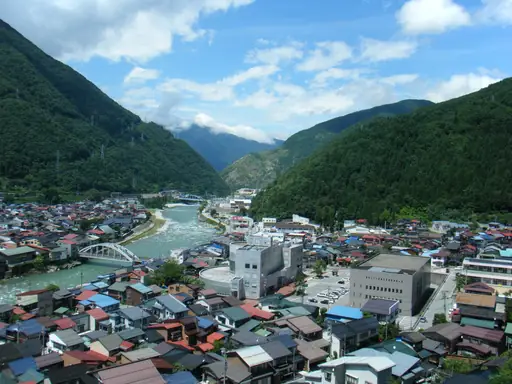
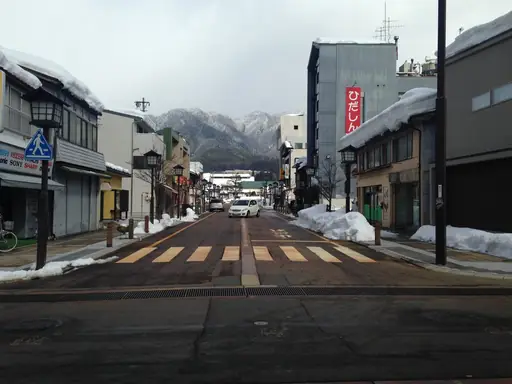
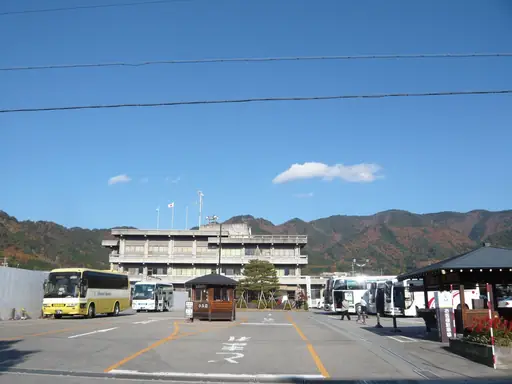
Hida carpenters were once summoned to build temples and palaces in Nara and Kyoto. Woodworkers here still cut joints so precisely that no nails are needed. Sarubobo charms, small red faceless dolls, are sewn by hand for good luck. Hida Furukawa town also has a workshop making traditional candles.
City in Iran
Shiraz
Poetry, Gardens and Persian Splendor
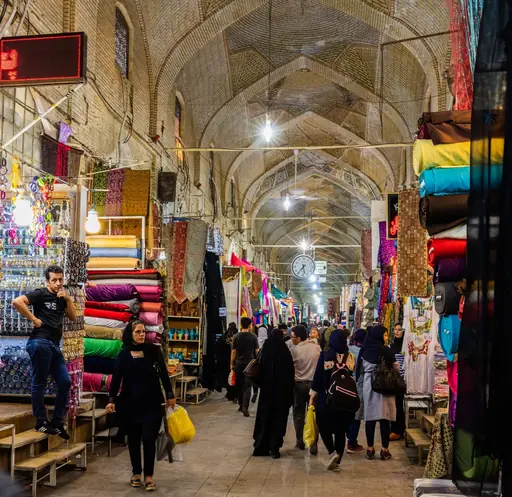
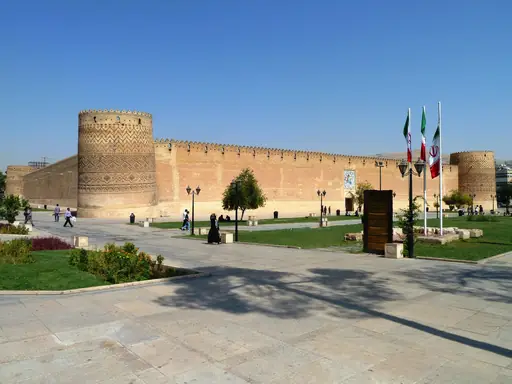
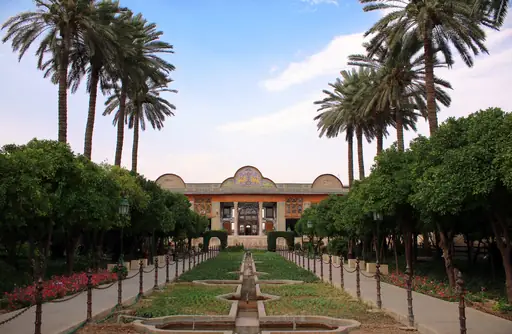
Vakil Bazaar, built in the Zand era, sells Qashqai rugs woven by nomadic tribeswomen. Wool from mountain flocks gives the rugs bold colours and patterns. Khatam inlay boxes and brass ware fill the side stalls. Visitors can watch rug dealers unroll pieces across the courtyard floor.
Island in Japan
Kyushu
Volcanoes, onsen and tonkotsu ramen
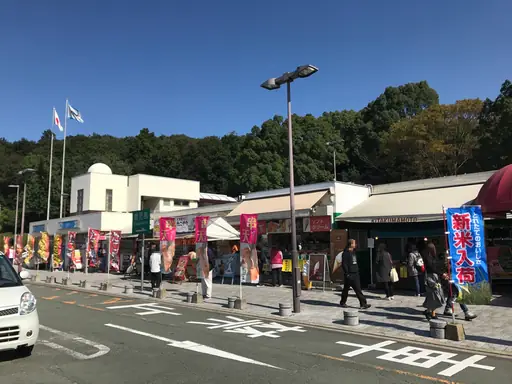
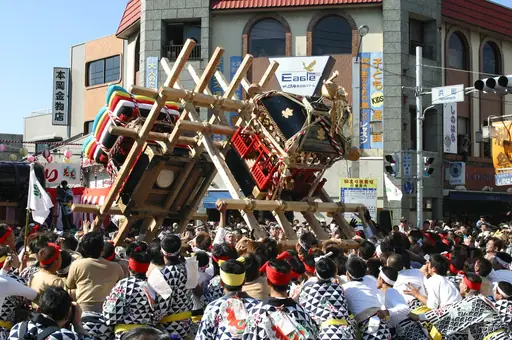
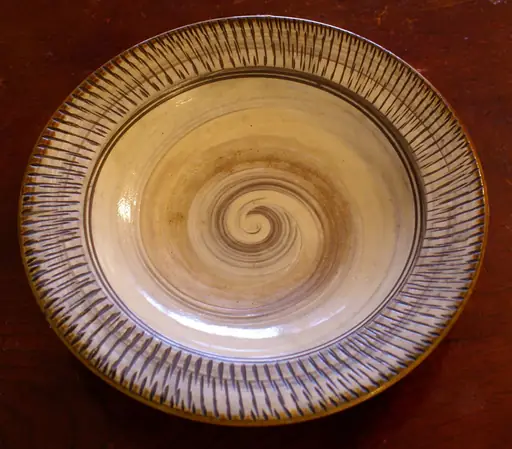
Arita potters have made porcelain since the early 1600s after kaolin was found at Izumiyama. Fine blue and white ware and colourful Kakiemon styles were once exported to Europe through Imari port. Nearby towns like Karatsu and Hasami have their own pottery traditions. The Arita Ceramic Fair in early May sells pieces at reduced prices.
City in Myanmar
Mandalay
Ancient culture, temples and tradition
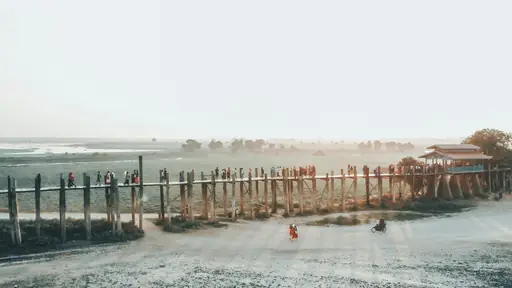
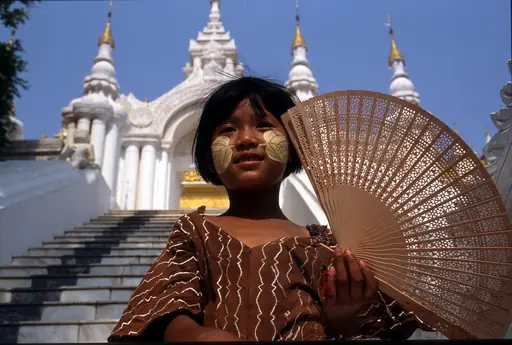
Gold leaf workshops in Mandalay hammer small pieces of gold into sheets thinner than paper. Workers pound the metal for hours with heavy hammers. Pilgrims press the leaf onto Buddha statues at the Mahamuni Temple. Stone carvers nearby chip marble into Buddha figures beside the road.
City in Syria
Aleppo
Ancient Markets and Resilient Spirit
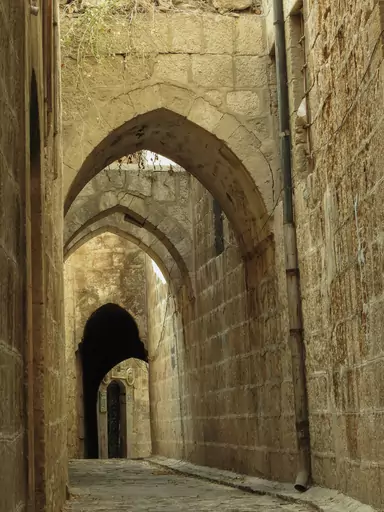
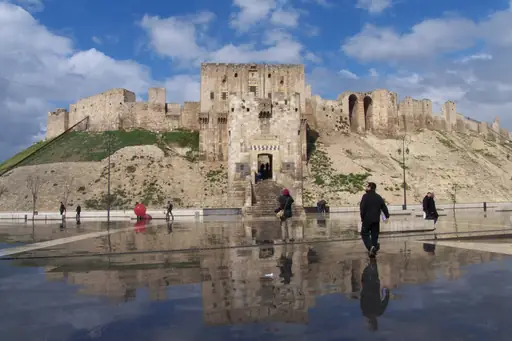
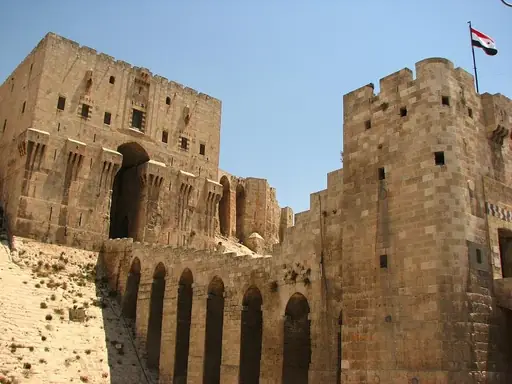
Laurel oil soap has been made here for centuries from olive oil and laurel berries. Soap makers stack the green bars to cure until the insides turn golden. The old covered souks once stretched for kilometres and are slowly being restored. Visitors should check current travel advisories before planning a trip.
Region in Indonesia
Bali
Tropical beaches, vibrant culture and adventure
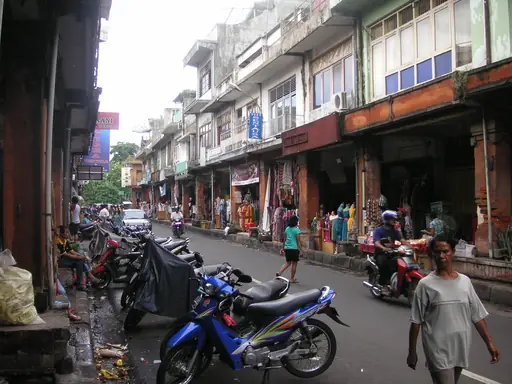
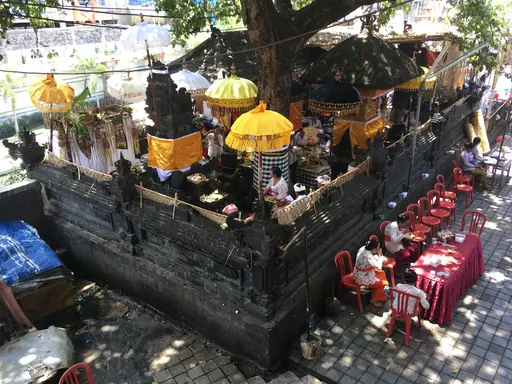
The village of Celuk is known for silver and gold jewellery made entirely by hand. Craftspeople shape delicate filigree using techniques passed down through families. Visitors can watch smiths at work and buy straight from the workshops. Nearby villages specialise in woodcarving and stone sculpture along the same road.

City in China
Lijiang
Ancient Charm and Mountain Majesty
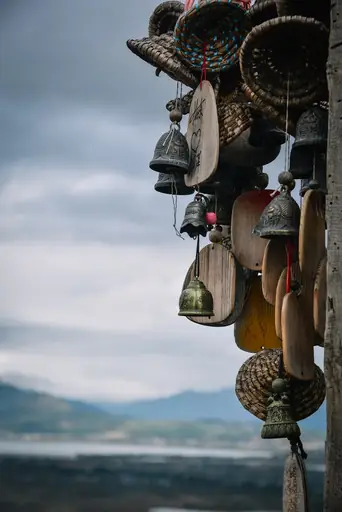
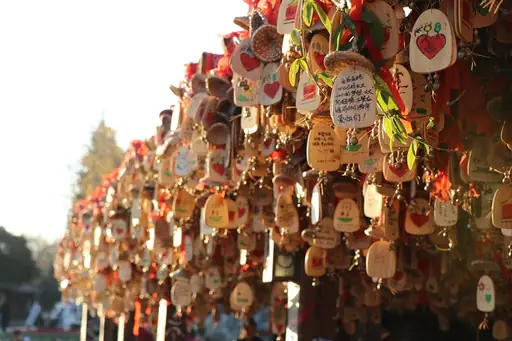
Naxi craftspeople in Lijiang paint and print on Dongba paper, a handmade bark paper. Dongba pictographs appear on scrolls, bookmarks and fabrics throughout the old town. Shuhe old town nearby has workshops making leather goods and copperware. Visitors can watch calligraphers write the pictographs with a brush.
City in India
Hyderabad
Where Ancient Meets Tech Revolution
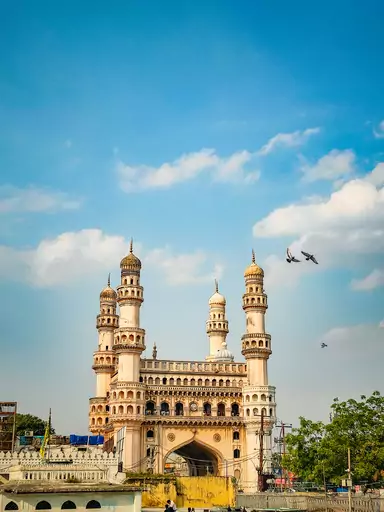
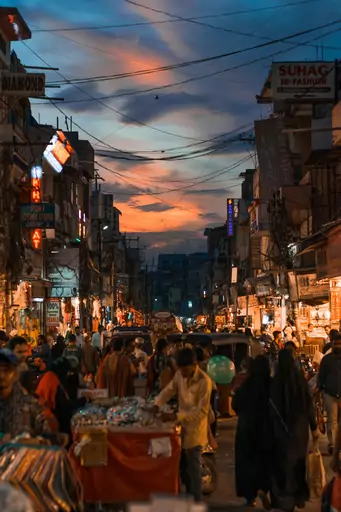
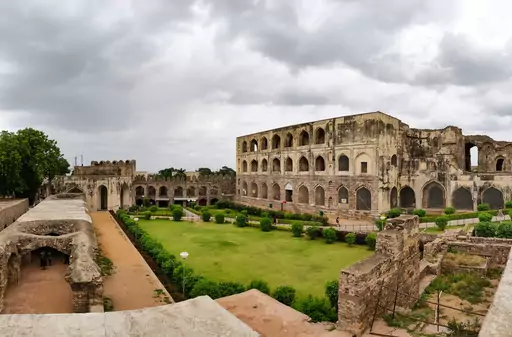
Laad Bazaar near Charminar is known for lac bangles set with colourful stones. Bidri metalwork, silver inlaid on blackened alloy, is sold in shops across the old city. Pearl dealers also keep stalls around the lanes. Pochampally ikat sarees are woven in villages roughly an hour away.
City in Japan
Takayama
Old town, morning markets and Hida beef
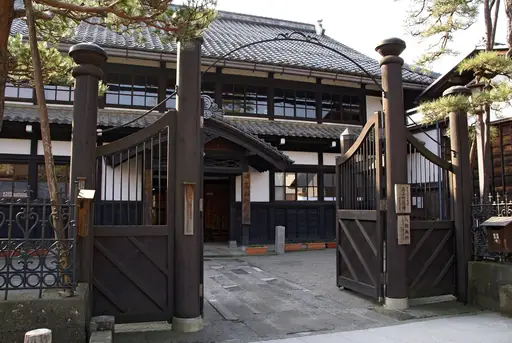
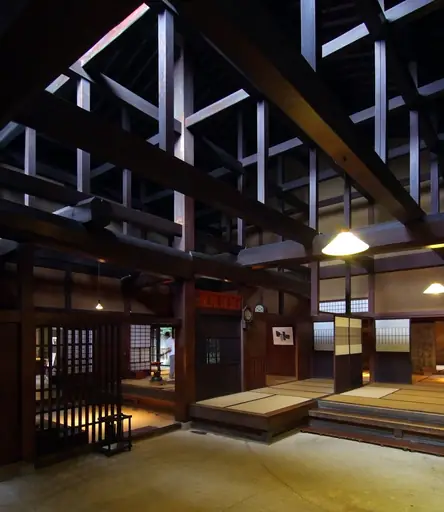
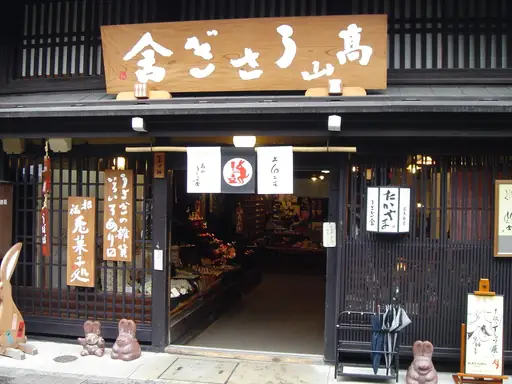
Hida shunkei lacquerware shows wood grain beneath a translucent amber coat. Craftspeople brush on layer after layer in small shops around town. The lanes of Sanmachi Suji preserve old merchant houses and sake breweries. Visitors can buy hand carved Ichii Ittobori figures made from yew wood.
City in Israel
Jerusalem
Ancient History Meets Modern Culture
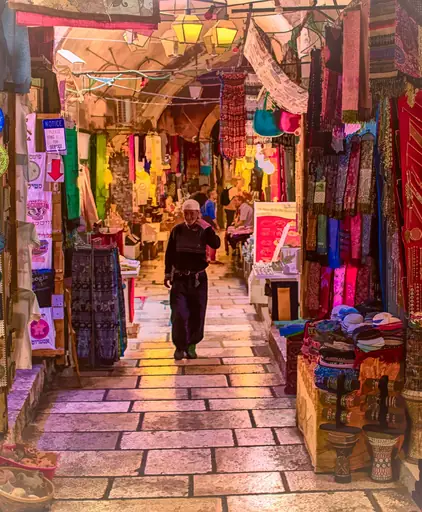
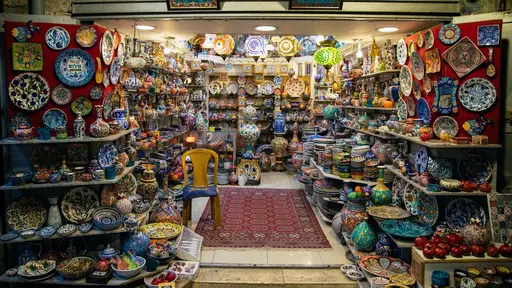
Armenian potters came to Jerusalem from Kutahya in 1919 to repair tiles on the Dome of the Rock. Their painted ceramics in cobalt blue and green are still sold in the Old City. Olive wood carvings and mother of pearl items fill shops along Christian Quarter Road. Visitors can watch painters at work in studios.
City in Mongolia
Ulaanbaatar
Vibrant capital where steppes meet skyscrapers
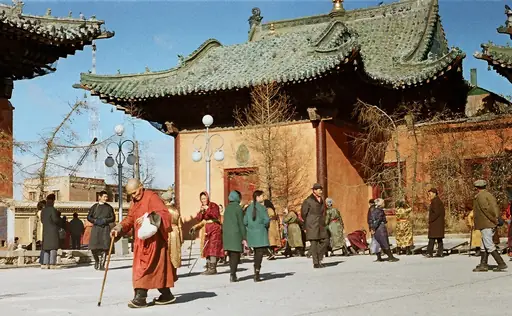
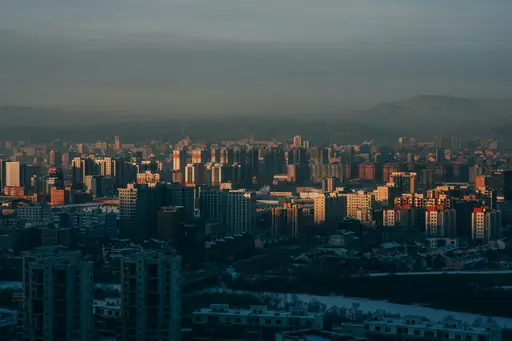
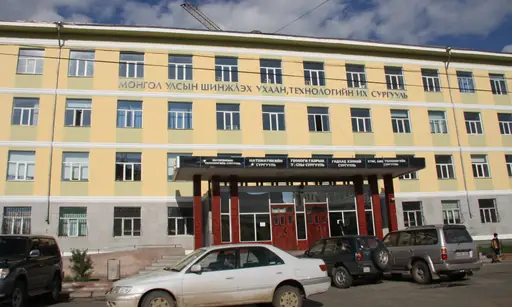
The Zanabazar Museum of Fine Arts holds Buddhist bronze statues by the artist and spiritual leader Zanabazar. Shops in the capital sell cashmere jumpers from Gobi goats. Narantuul market sells felt boots, leather goods and saddles. Visitors can also see traditional costumes at the national museum.


City in China
Kashgar
Ancient Silk Road's living museum
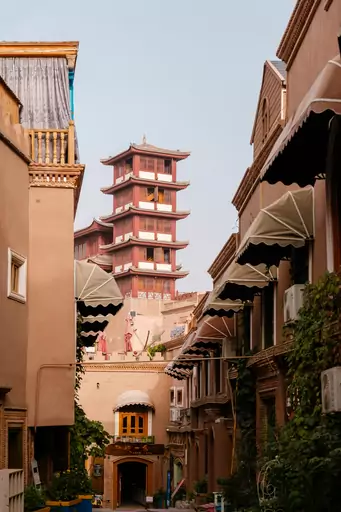
Uyghur coppersmiths hammer kettles and trays in the lanes of the old city. Doppa embroidered caps, hand forged knives and Hotan style silk carpets fill the stalls. Visitors can watch knife makers shape blades beside their shops. The weekly Sunday market draws traders from distant oasis villages.
Town in China
Dali
Ancient Charm by Erhai Lake
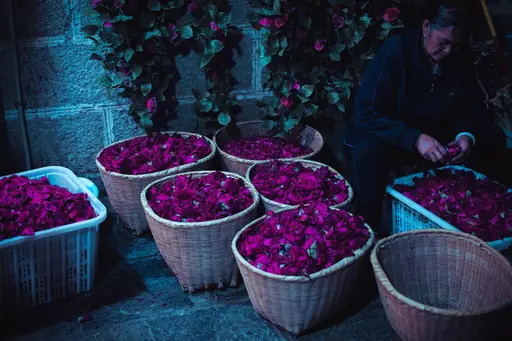
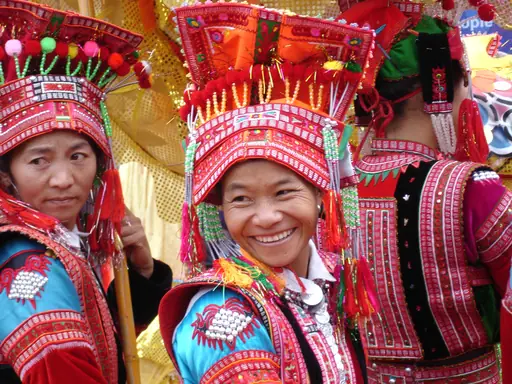
Zhoucheng village near Dali produces Bai tie dye in deep indigo blue. Workers dip stitched cloth into large vats of plant dye. The finished scarves and bags show flowers and butterflies in white. Visitors can join a short class and dye their own cloth to take home.

Region in Turkey
Cappadocia
A surreal land of fairy chimneys
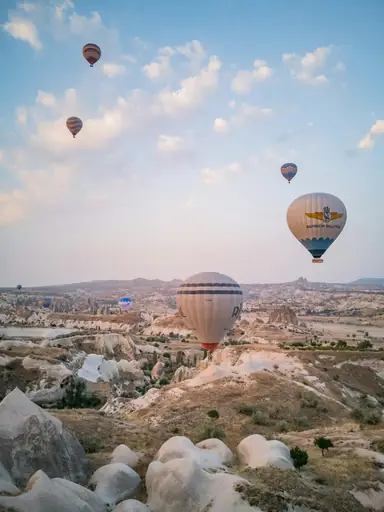
Potters in Avanos dig red clay from the bed of the Kizilirmak River. Workshops use kick wheels to turn out plates and jugs in traditional shapes. Some studios sit inside caves cut into volcanic rock. Visitors can try throwing a pot on the wheel with a local master.
City in Uzbekistan
Samarkand
The Silk Road’s Shimmering Gem
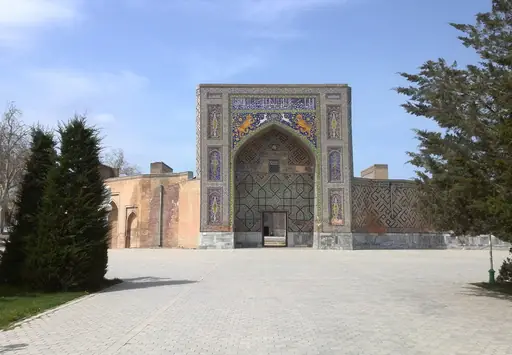
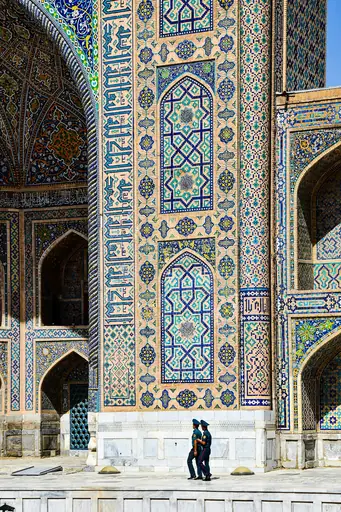
Konigil village near Samarkand has a paper mill making mulberry bark paper by hand. A water wheel powers the mill as it did in medieval times. Visitors can watch workers pound bark and press fresh sheets. Hand knotted silk carpets are also woven in city workshops.
City in Malaysia
Malacca
Where centuries of culture converge
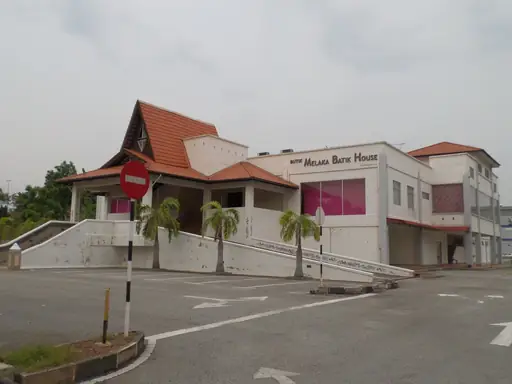
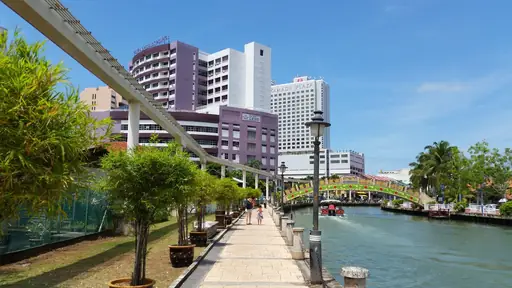
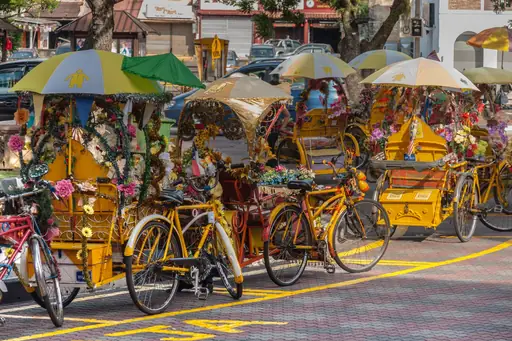
Nyonya beaded slippers called kasut manik are sewn by hand with tiny glass beads. Making a single pair can take weeks. Shops around Jonker Street and Heeren Street sell them with Peranakan embroidery. The Jonker Street night market runs at weekends and fills the lane with crafts.
City in India
Mumbai
India's bustling coastal metropolis
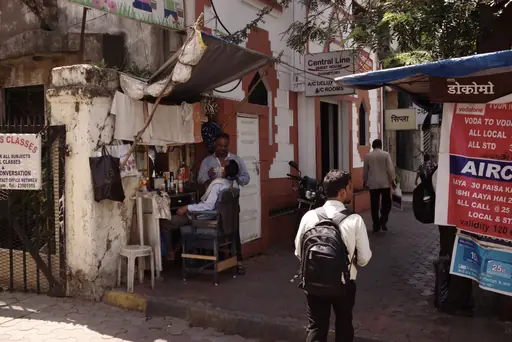
Potters from Gujarat settled in Kumbharwada in Dharavi generations ago. Kilns turn out clay diyas and pots by the thousands each season and especially before Diwali. Guided tours of Dharavi include the pottery lanes and workshops. Chor Bazaar sells antiques and vintage finds in the south of the city.
City in Indonesia
Denpasar
Bali’s Vibrant Cultural Heart
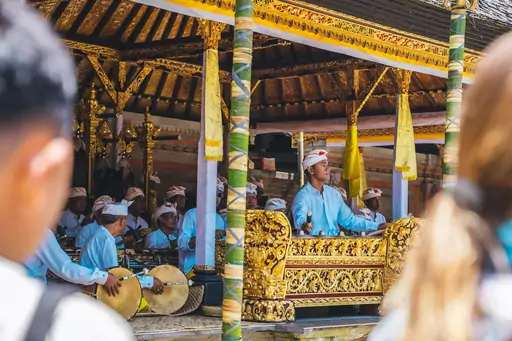
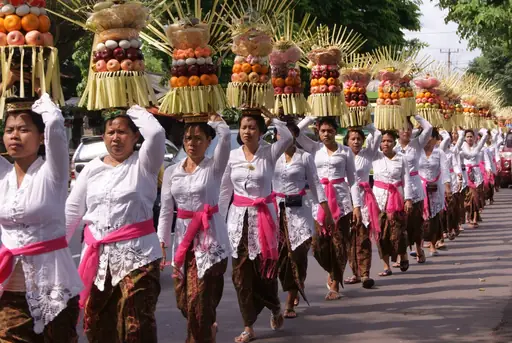
Every summer the Bali Arts Festival fills the Art Centre in Denpasar with dance and handicrafts. Exhibition halls show woodcarving, weaving and painting from all corners of the island. Artists demonstrate their techniques in open pavilions. The festival usually runs from June to July and draws large local crowds.
City in China
Suzhou
Gardens, canals and silk dreams
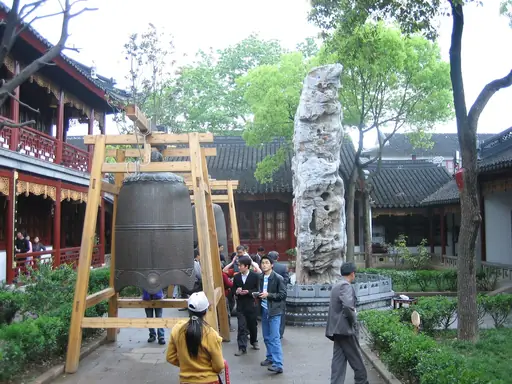
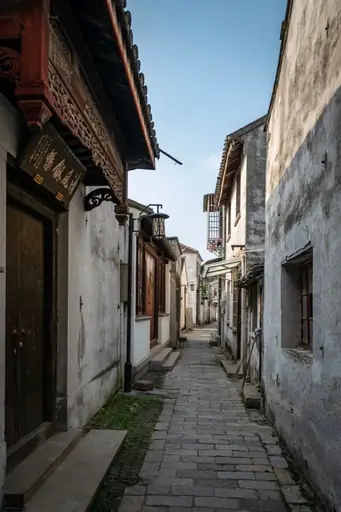
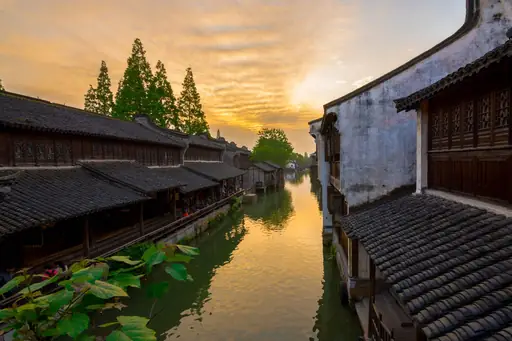
Double sided embroidery with a different image on each side is a Suzhou speciality. Embroiderers split a silk thread into many fine strands. Cats and goldfish appear in delicate detail on small screens. The Suzhou Embroidery Research Institute displays finished pieces and demonstrates the stitching.
Town in China
Dunhuang
Desert Wonders and Ancient Art
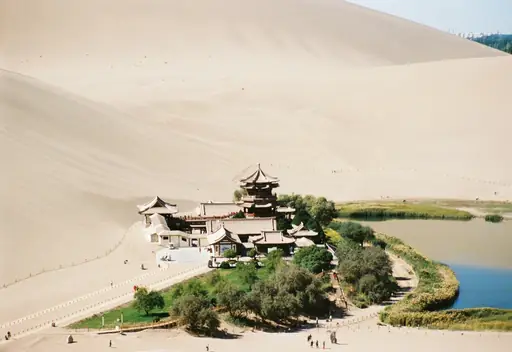
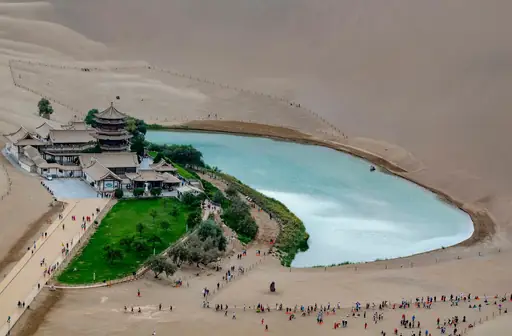
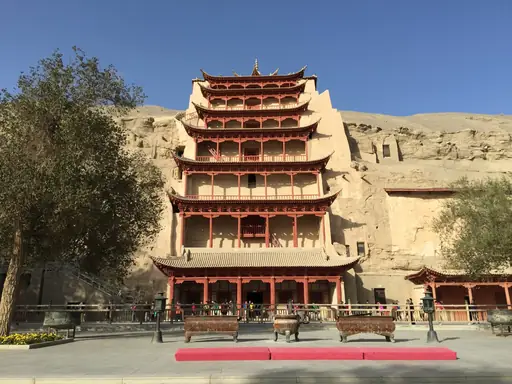
Artists at Dunhuang copy Buddhist murals from the Mogao Caves using mineral colours like those of centuries ago. Reproduction painters work carefully from photographs and detailed studies. Visitors can see copied murals in city galleries and buy small paintings. Flying apsara figures also appear on silk scarves and fans.
Marketplace in Chiang Mai
Night Bazaar
Vibrant Evening Market in Chiang Mai
Every evening the stalls along Chang Khlan Road fill with northern Thai handicrafts. Shoppers find hill tribe embroidery, silver jewellery and lacquerware at many tables. Vendors also sell carved teak boxes and cotton bags stitched by village cooperatives. Bargaining is expected and usually stays friendly.
Marketplace in Ho Chi Minh City
Ben Thanh Market
Vibrant Heart of Saigon Shopping
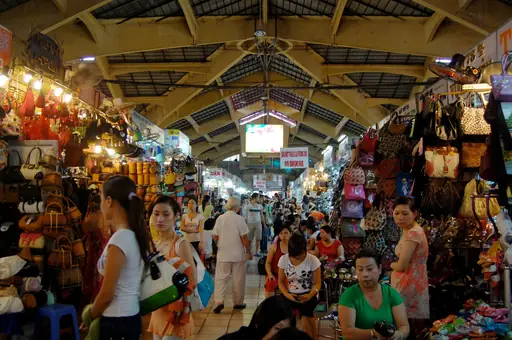
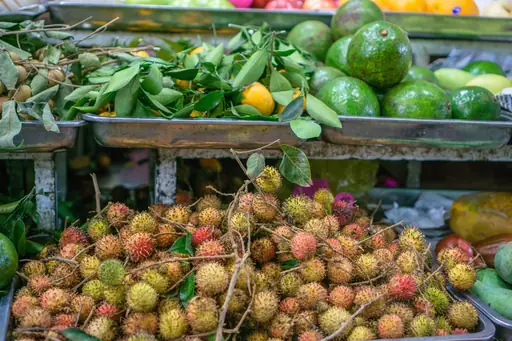
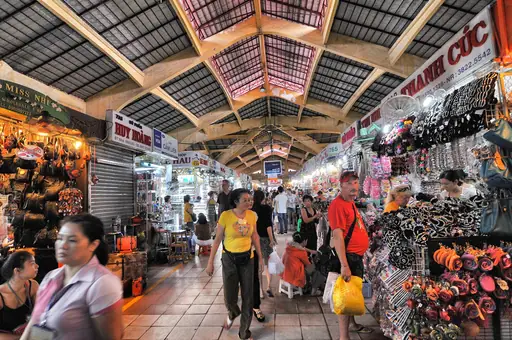
Built in 1914, this domed market in District 1 gathers Vietnamese crafts under one roof. Stalls stock lacquerware, embroidered silk and conical palm leaf hats. Shoppers can compare handmade goods from many provinces in a single visit. Food counters in the middle offer a quick break between purchases.
Marketplace in Istanbul
Grand Bazaar
Labyrinth of Timeless Treasures
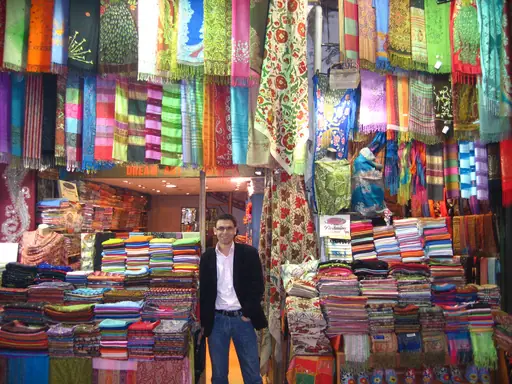
Dating to the 1450s, this covered market shelters thousands of shops under painted vaults. Ceramics, beaten copper and Ottoman style lamps fill the main lanes. Visitors can watch artisans at work in the quieter side courtyards called hans. Turkish carpets hang from nearly every second shopfront.
Neighbourhood in Seoul
Insadong Cultural Street
Seoul's Artistic Tradition Hub
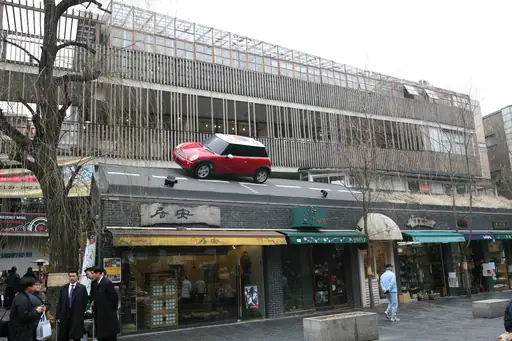
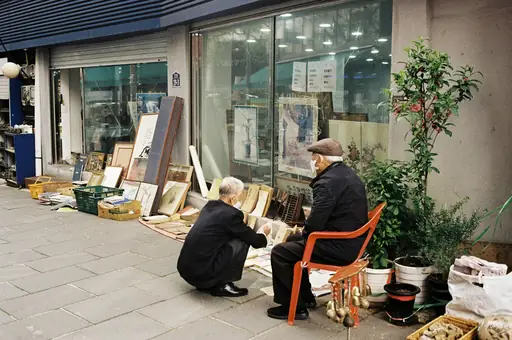
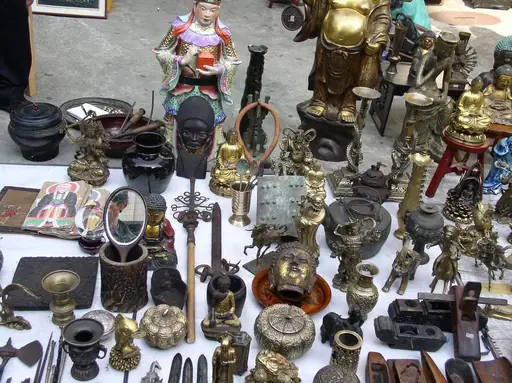
A long pedestrian street in central Seoul is lined with traditional craft shops and galleries. Stores sell hanji paper, ceramics and brushes for Korean calligraphy. Visitors can try paper crafts or knot making in small workshops. Teahouses tucked into side alleys serve traditional teas and rice cakes.
Marketplace in Tehran
Tehran Grand Bazaar
Historic Labyrinth of Trade
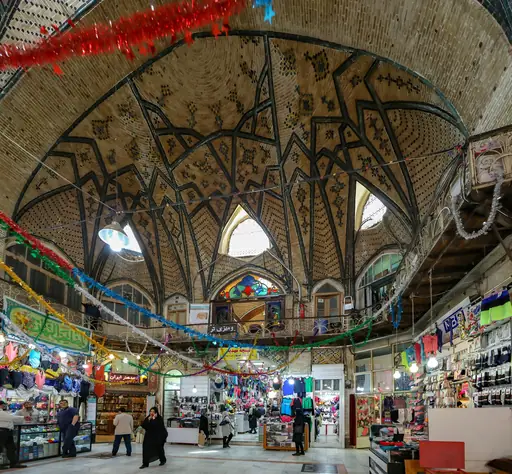
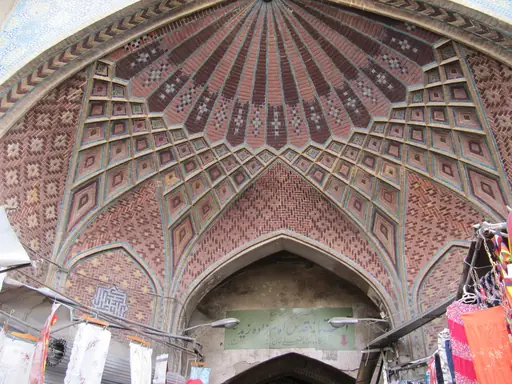
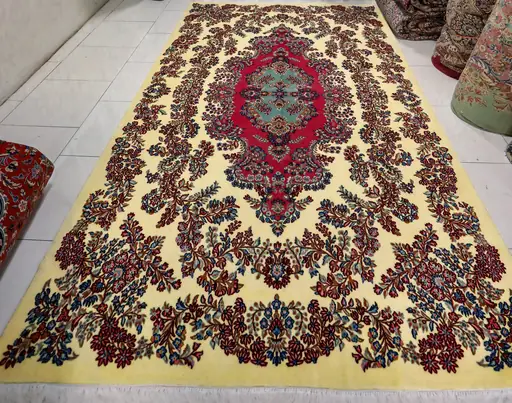
Covered lanes stretch for kilometres through the old commercial heart of Tehran. Whole corridors specialise in Persian carpets, copperware and handwoven textiles. Visitors can watch coppersmiths hammer patterned trays inside tiny workshops between the main lanes. Dealers often offer tea before unrolling their finest rugs for inspection.
Other lists you may like
Discover
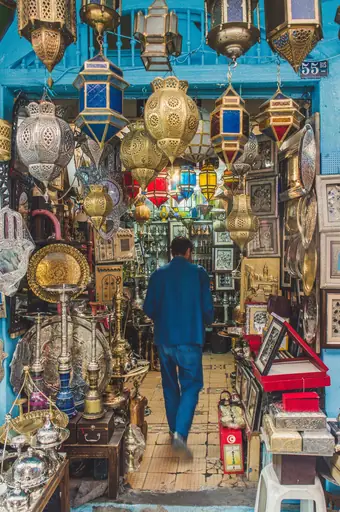
Best craft destinations in Africa
Africa's craft traditions encompass some of the world's most distinctive textile, ceramic, metalwork, basketry and woodcarving cultures, with making traditions rooted in specific…
Read more
Discover
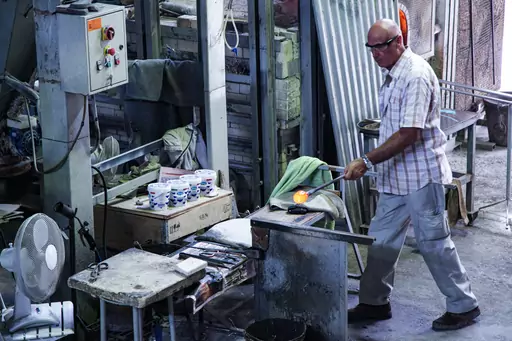
Best craft destinations in Europe
Europe's craft traditions span an extraordinary range of making cultures, regional materials and accumulated technical knowledge, with ceramics, textiles, glass, metalwork and…
Read more
Discover
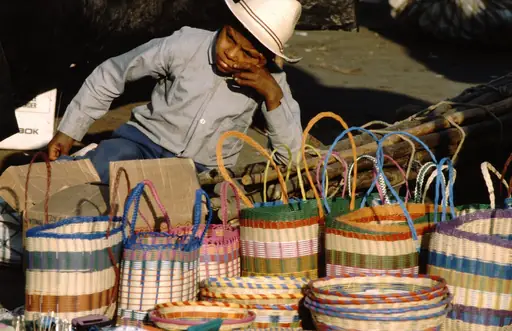
Best craft destinations in North America
North America's craft traditions are rooted in the indigenous making cultures of the continent's native communities alongside folk craft traditions brought by successive waves of…
Read more
Discover
Best craft destinations in Oceania
Oceania's craft traditions are defined by the indigenous making cultures of Australia, New Zealand and the Pacific island groups, where distinct artistic traditions rooted in…
Read more
Discover
Best craft destinations in South America
South America's craft traditions are among the most diverse on earth, with textile, ceramic, metalwork and woodcarving traditions rooted in pre-Columbian making cultures that have…
Read more
Discover
Top craft destinations and artisan workshops
Craft travel has developed a dedicated following built around the world's great making traditions, artisan communities and the places where specific skills, materials and cultural…
Read more
What other users say about travelfilters
“travelfilters made it easy for me to find ski areas and compare what else they offer, so that I could find the best place for my personal travel style.”

Chris
Snowboarding & Onsen trip to Japan
“I love how transparent the data feels. There is no pushy upsell, just honest information and settings I can tune to my own travel style.”

Maria
After booking her 2027 winter escape
“The level of detail for each destination and how well those are displayed, make planning feel confident instead of overwhelming.”

Mina
Planned a week in New York City
“We used travelfilters for our planning from start to end. The trip turned out even better than expected, thanks to all their tools and customisation options.”

Allan & Etienne
Trip to Japan to see autumn foliage
“Thanks to travelfilters, I found some hidden gems to see. Being able to filter for exactly your interests is a game changer for my travel planning.”

Michael
Tour through the old cities of Northern Italy
“The customizable filters helped me find a quiet beach town with good wifi and low season crowds in under five minutes.”

Diego
Weekend Escape to Llanes, Spain
“The airport connection map saved me hours by showing good flight options from my home airport to lesser-known cities.”

Nguyen
Planning a 2027 trip to France
“The website is clean, fast and focused on the search itself, which makes travelfilters feel more like a professional tool than an ad-heavy booking site.”

Hassan
Christmas Market trip, Germany
