
Top rainforest destinations and tropical ecosystems
Top rainforest destinations and tropical ecosystems
Biodiverse rainforest paths and tropical ecosystems
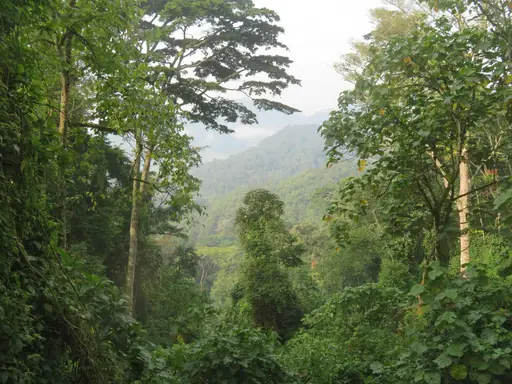
Rainforest travel offers some of the most biodiverse and sensory intense environments on earth, with primary tropical forest destinations supporting species densities and ecological complexity that no other terrestrial ecosystem approaches. The most rewarding experiences combine genuine wilderness access with enough practical infrastructure to make extended stays viable, as the qualities that make rainforest destinations compelling require time and patience to fully appreciate.
The distinction between primary and secondary forest matters considerably, with undisturbed old growth systems producing an atmosphere, biodiversity and structural complexity that logged and regenerating forest cannot replicate. Canopy access through walkways, platforms and guided night walks reveal dimensions of forest life invisible from the ground and represent some of the most rewarding experiences available in the world's major rainforest destinations.
Heat, humidity and insects are constants that require appropriate preparation and quality lightweight gear makes a practical difference to comfort on extended stays. Guided access is strongly recommended across most significant rainforest destinations where navigation, wildlife identification and safety benefit considerably from local expertise. Deforestation continues to reduce primary forest cover and researching the ecological status of specific destinations before travel is worthwhile.
Lists by region
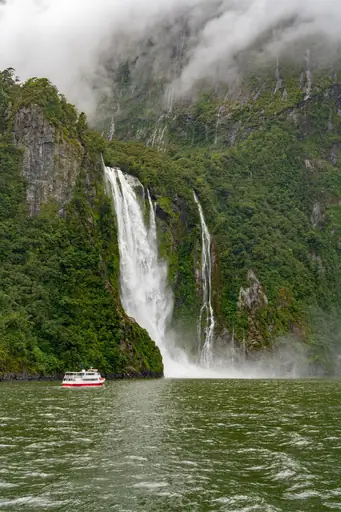
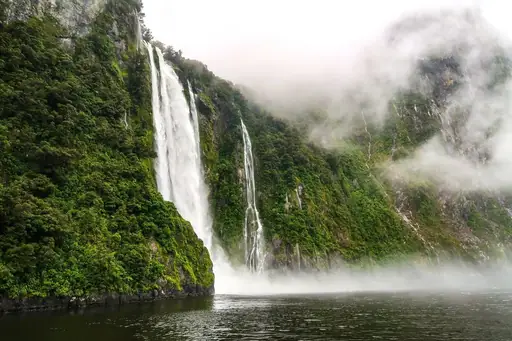
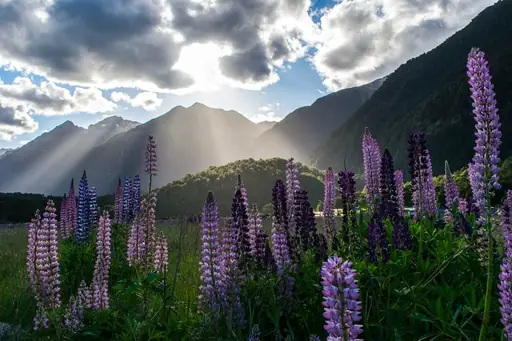
National Park in New Zealand
Fiordland National Park
New Zealand’s Wildest Water World
Milford Sound gets more than 6 metres of rain in a typical year. Hundreds of waterfalls pour down the cliffs after heavy rain. Temperate rainforest clings to steep rock walls beside the dark water. Boat cruises pass fur seals and rare Fiordland crested penguins on the rocks.
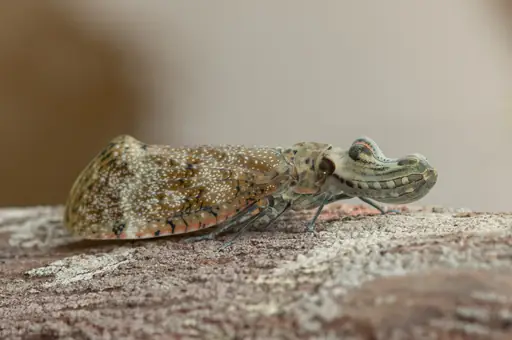
National Park in Ecuador
Yasuni National Park
Untamed rainforest, ancient wildlife sanctuary
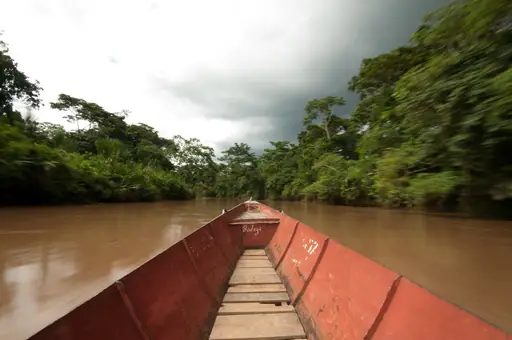
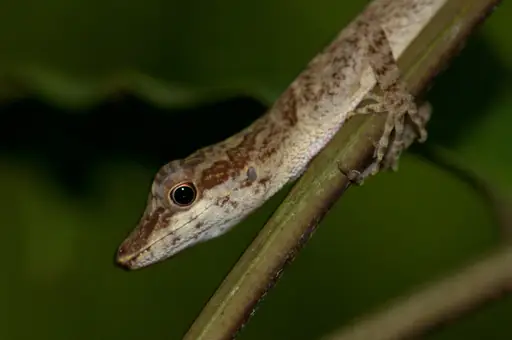
A single hectare of Yasuni forest can hold more than 600 tree species. Kichwa community lodges on Anangu Lake offer canoe trips through flooded forest. Guides lead visitors to a canopy tower and a clay lick where parrots gather at dawn. Giant otters and pink river dolphins live in the nearby waterways.
National Park in Costa Rica
El Yunque National Forest
Tropical rainforest paradise in Caribbean
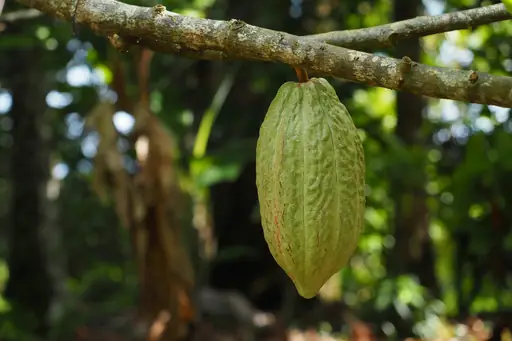
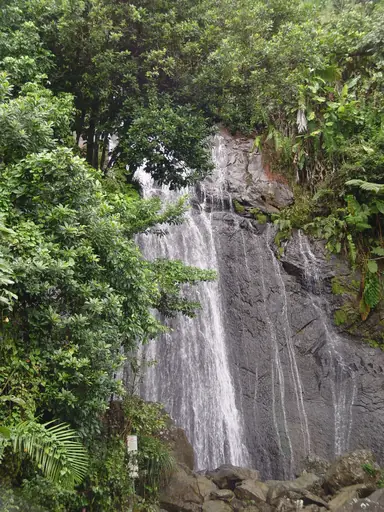
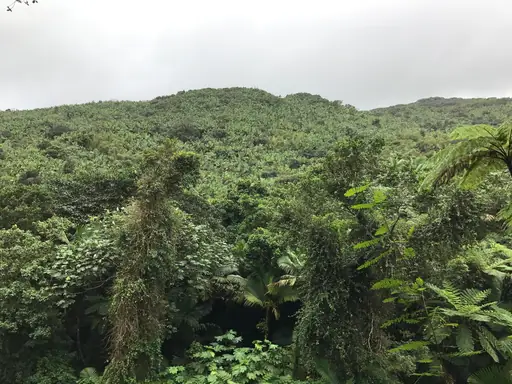
This is the sole tropical rain forest in the US National Forest System. Tiny coqui frogs sing loudly after dark from trees and leaf litter. Trails lead to La Mina Falls beneath tall tree ferns. Rain falls on most days and fills clear streams and pools.
National Park in Costa Rica
Tortuguero National Park
Wildlife and Waterways Adventure
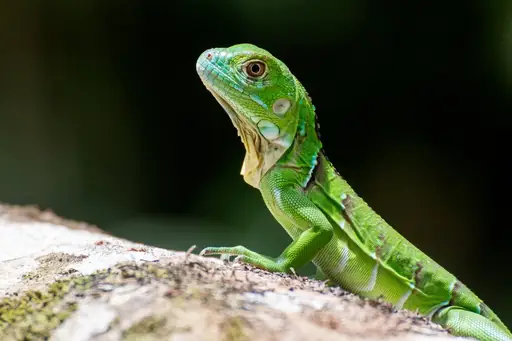
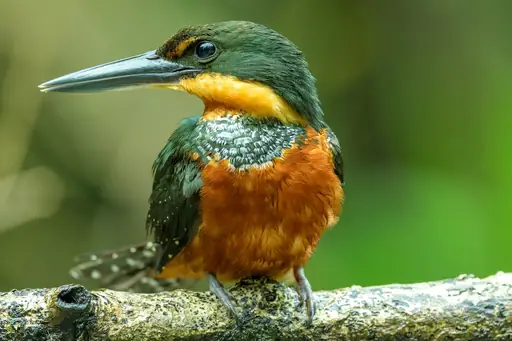
Green turtles come ashore to nest on the beach from July to October. Rangers guide small groups to watch at night with dim red lights. Boat tours drift through canals and see caimans and howler monkeys. The park was created in 1975 to protect the coast.
Nature Reserve in Mexico
Calakmul Biosphere Reserve
Ancient Maya Ruins in Pristine Jungle
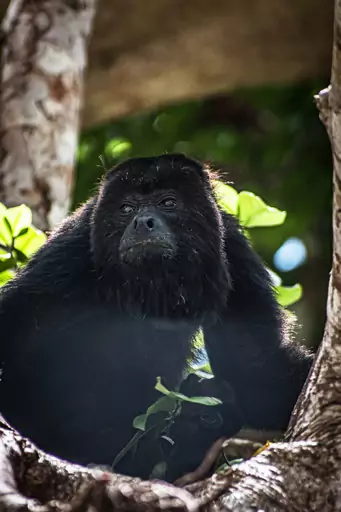
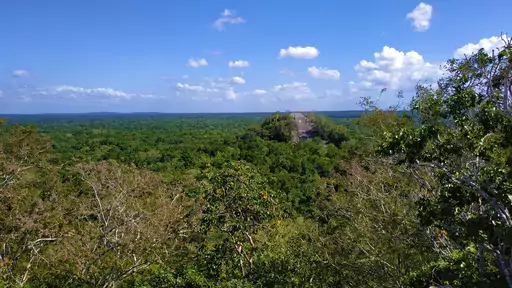
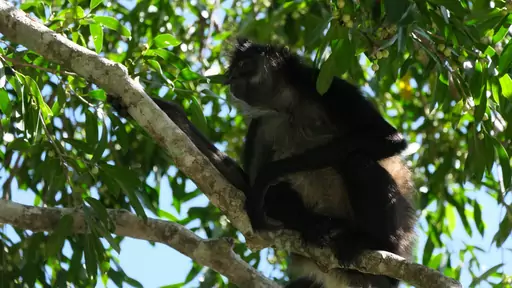
This Mexican reserve is the largest area of tropical forest protected in the country. A Maya city hides in the trees with a pyramid 45 metres tall. Visitors can climb Structure II for views over the canopy. Spider monkeys, toucans and jaguars live in the surrounding jungle.
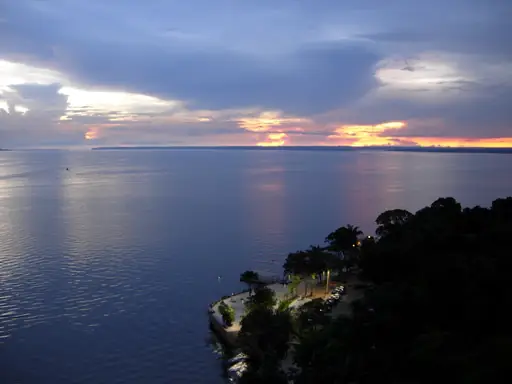

City in Brazil
Manaus
Amazon's gateway to lush rainforest adventures
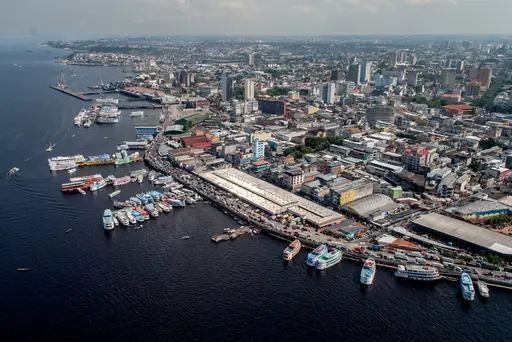
The Meeting of the Waters is where the dark Rio Negro joins the sandy Solimoes. The two rivers run side by side for about six kilometres. Visitors can see the line by boat. The Teatro Amazonas opera house, built in 1896, stands in the city centre.
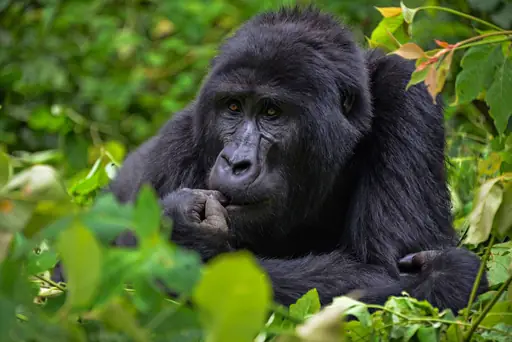
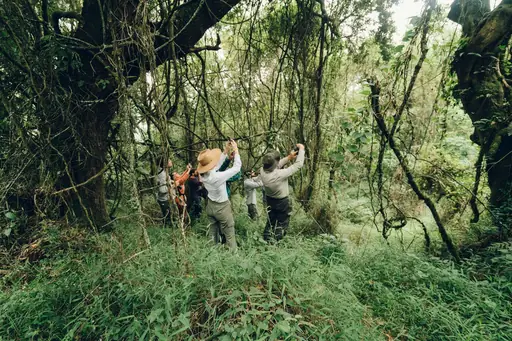
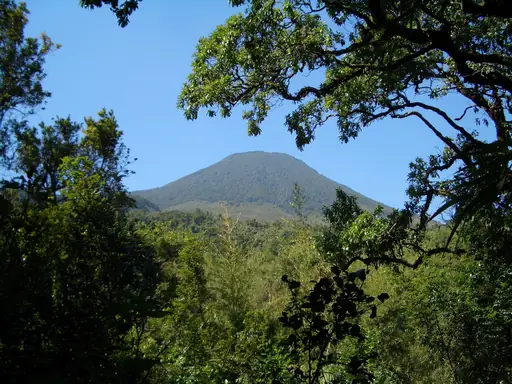
National Park in Uganda
Bwindi Impenetrable National Park
Gorilla Encounters in Ancient Forest
About half of the world's mountain gorillas live in this misty Ugandan forest. Trekkers hike steep hills to spend one hour with a gorilla family. Batwa guides share old forest skills on a cultural walk near the park. UNESCO listed the park in 1994 for its rare mountain wildlife.

National Park in Costa Rica
Arenal Volcano National Park
Lava Trails, Rainforest and Epic Views
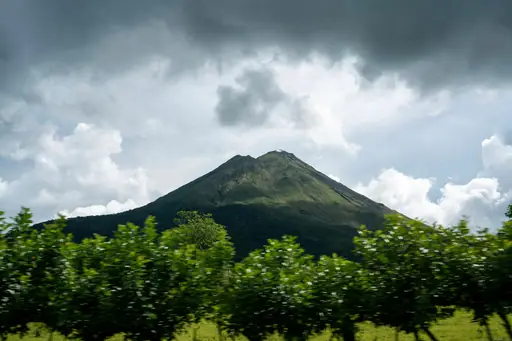
A 1968 eruption destroyed a village and started four decades of fire. The volcano has been quiet since 2010 and its cone is covered in green. Trails cross old lava flows and rainforest at the foot of the cone. Nearby rivers warmed by volcanic heat make natural hot spring baths.

State/Prefecture in United States
Alaska
Land of superlatives and adventure
The Tongass National Forest covers about 17 million acres of temperate rainforest in southeast Alaska. Sitka spruce and hemlock trees grow beside rivers full of salmon. Bald eagles perch on the branches and brown bears fish in the streams. Ketchikan gets about 12 feet of rain a year.
National Park in Indonesia
Gunung Leuser National Park
Breathtaking peaks and ancient rainforests
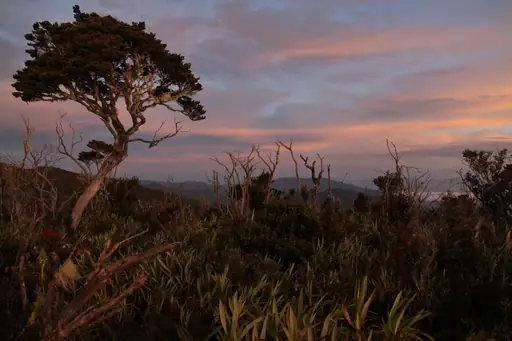
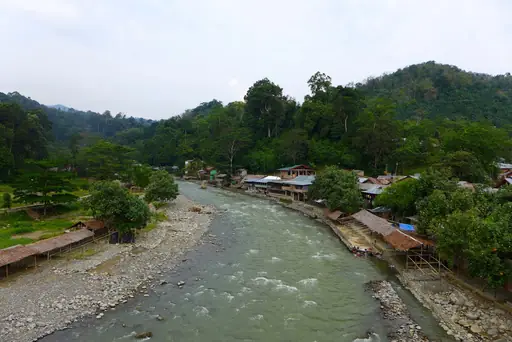
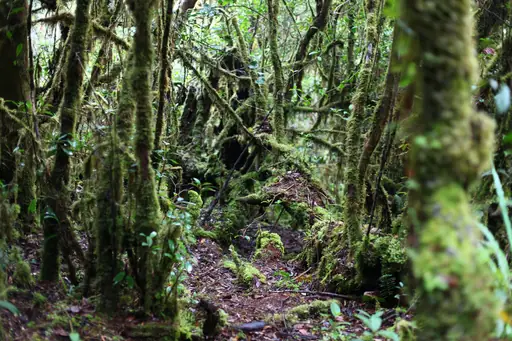
Orangutans, tigers, rhinos and elephants all share the Leuser rainforest in Sumatra. Bukit Lawang has guided treks to see orangutans in the wild. The Bohorok River runs beside the village and is popular for tubing. Rainforest covers steep hills and cool river valleys around the park.
National Park in Argentina
Iguazú National Park and Reserve
Epic Waterfalls and Wild Rainforest
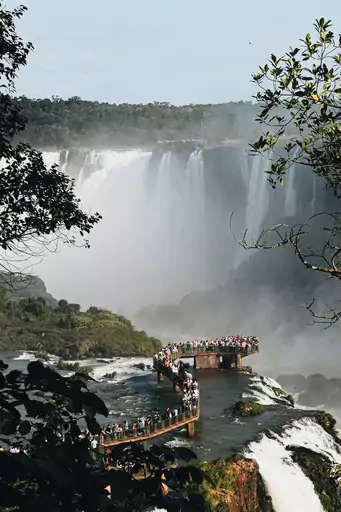
Boat rides carry visitors right beneath the spray of the falls in summer. The park protects more than 60,000 hectares of Atlantic forest around the river. Coatis, toucans and blue butterflies live along the walkways. The Upper and Lower circuit walkways offer different views of the cascades.
National Park in Malaysia
Mulu National Park
Lush limestone canyons echo ancient wildlife
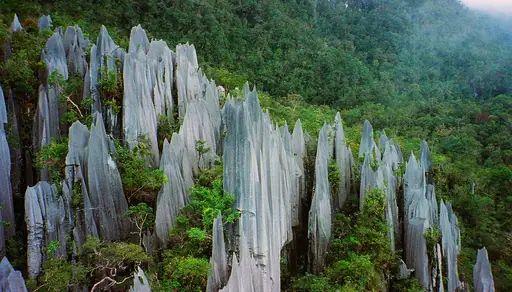
The Deer Cave releases a huge stream of wrinkle lipped bats at dusk. Millions of them swirl into the sky in dark ribbons. The Sarawak Chamber is one of the largest cave rooms known, about 600 metres long. Limestone spikes called the Pinnacles rise above the forest.

National Park in Malaysia
Taman Negara National Park
Lush canopy trails reveal hidden wildlife wonders
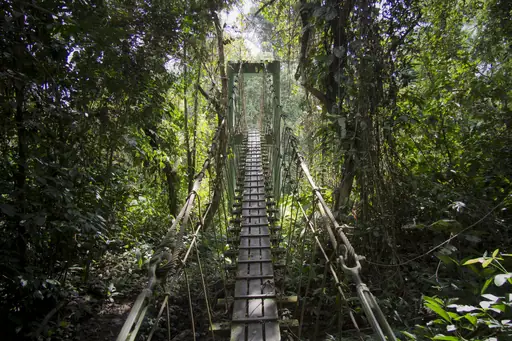
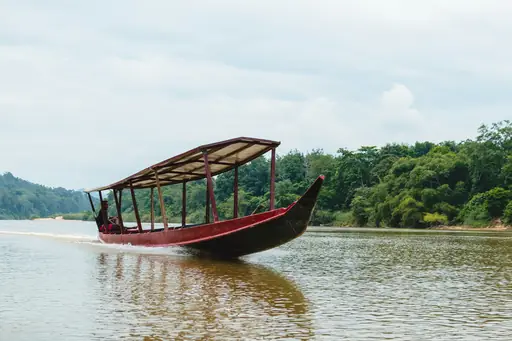
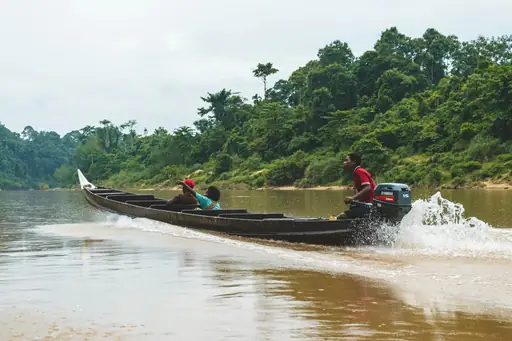
A canopy walkway about 530 metres long hangs 40 metres above the forest floor. The rainforest here is estimated at 130 million years old. Night walks along the river spot deer, owls and civets. Batek people share traditional forest knowledge with visitors on cultural walks.
Town in Canada
Tofino
Wild Pacific, Rainforest, Endless Waves
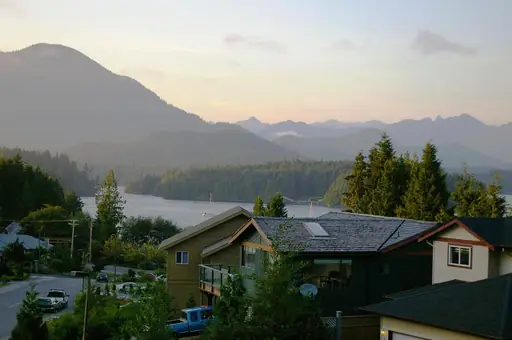
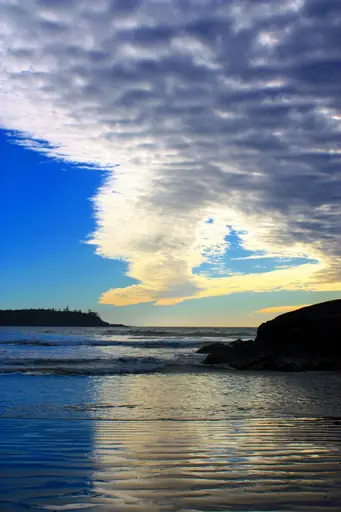
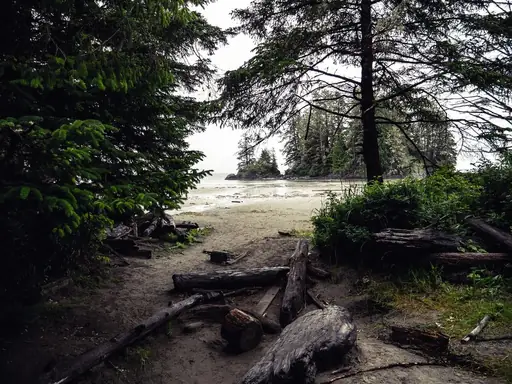
Clayoquot Sound was named a UNESCO biosphere reserve in 2000. Meares Island has a boardwalk trail through giant cedars over 1,000 years old. Boats reach Hot Springs Cove where warm pools sit among rocks. Storms roll in from the Pacific and feed the wet forest.


National Park in Costa Rica
Manuel Antonio National Park
Jungle, Wildlife and Stunning Beaches
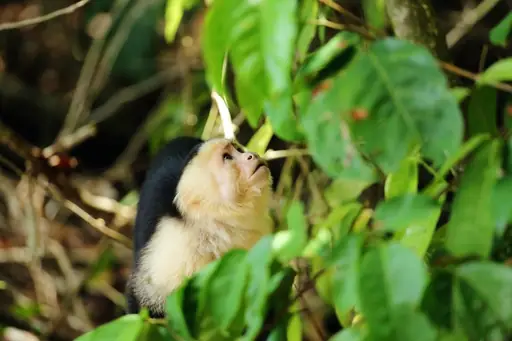
Three toed sloths hang in the trees beside the park trails. White faced capuchin monkeys steal snacks from careless visitors on the beach. The park is one of the smallest in Costa Rica with forest and beaches. Local guides use spotting scopes to show visitors hidden wildlife.

Island in United States
Kauai
Lush Landscapes and Secluded Beaches
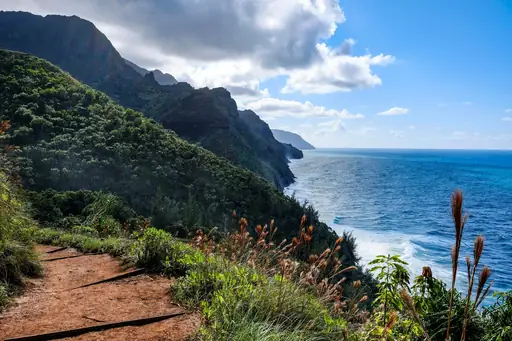
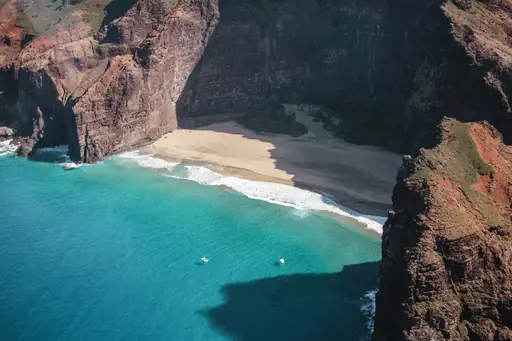
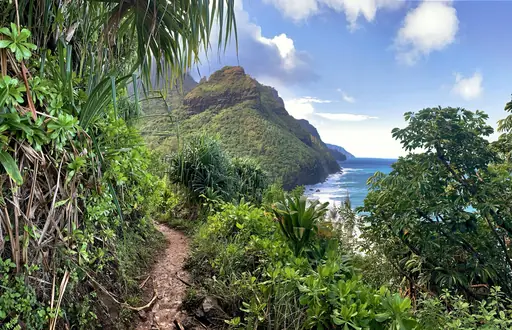
Mount Waialeale is one of the wettest places on Earth with around 450 inches of rain. The rain feeds waterfalls and green valleys along the Na Pali coast. Hikers can follow the Kalalau Trail 11 miles along cliffs to a remote beach. Rain and sun often mix to make rainbows over the hills.
Island in India
Havelock Island
Tropical Paradise with Underwater Wonders
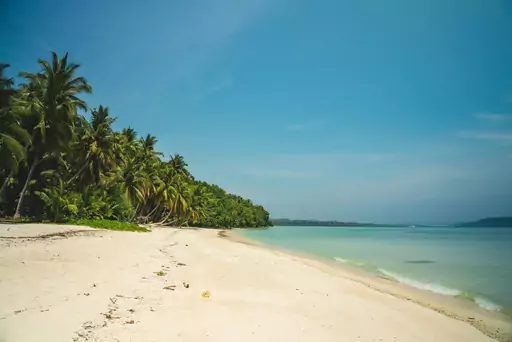
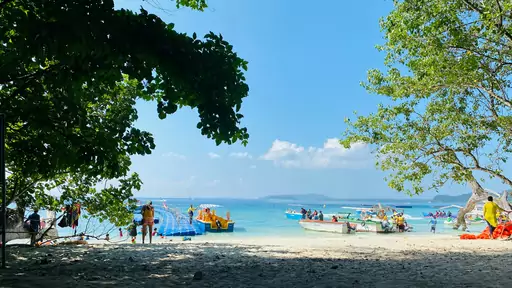
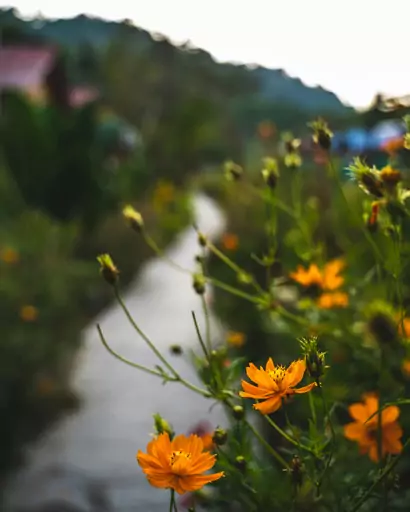
Time magazine listed Radhanagar Beach as Asia's top beach in 2004. Green forest runs right down to the white sand and shallow turquoise water. Boats reach Elephant Beach for snorkelling over colourful coral gardens. Evergreen trees shade the walking paths that lead inland from the shore.
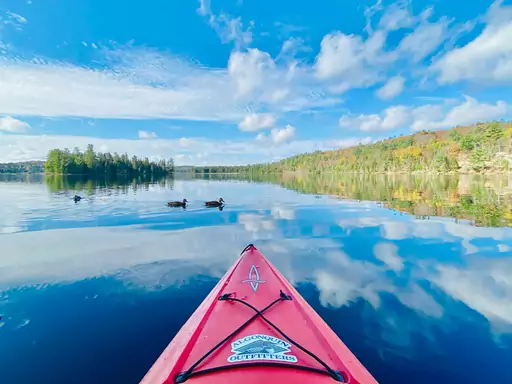
Park in Canada
Algonquin Provincial Park
Lakes, forests and wildlife in serene wilderness
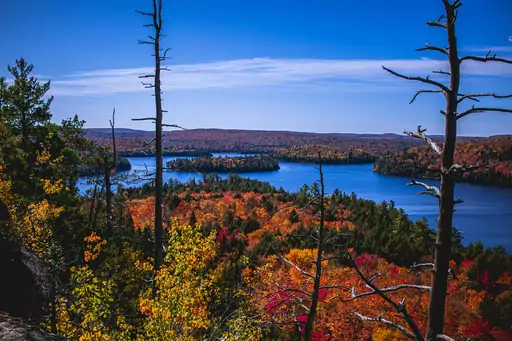
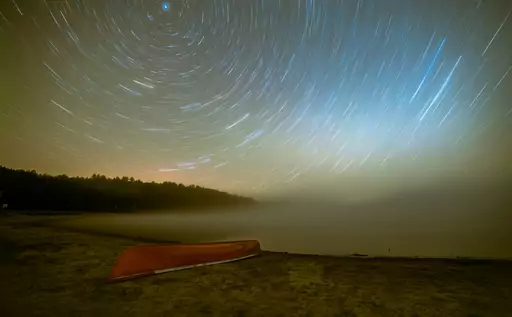
Canoe routes cover thousands of kilometres of lakes and portages in this Ontario park. The forest is a temperate mix of maple, pine and spruce with cool damp air. Rangers lead public wolf howls on selected August nights in the park. Moose feed in the roadside ponds at dawn and dusk.
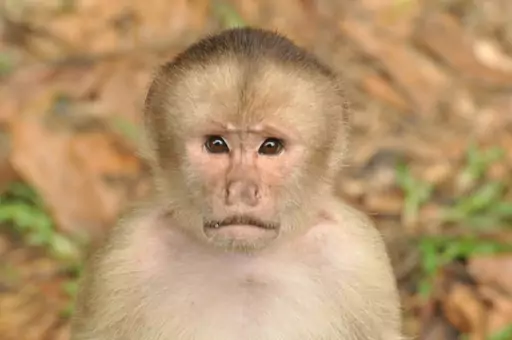
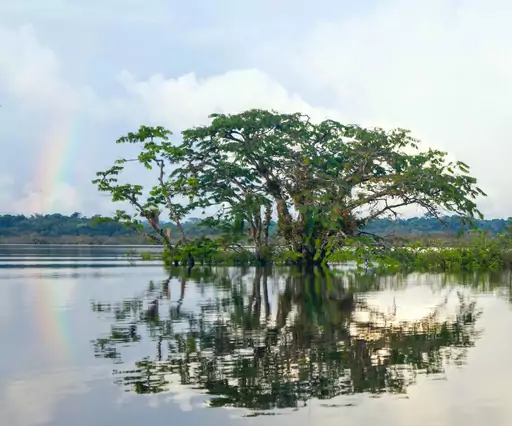
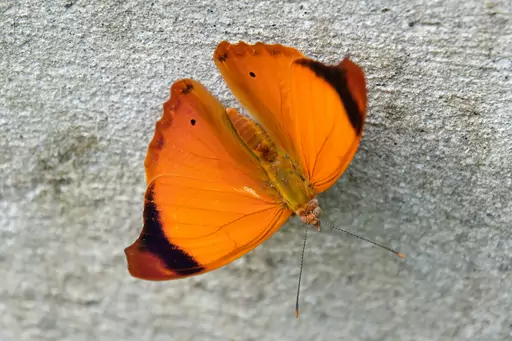
Nature Reserve in Ecuador
Cuyabeno Wildlife Reserve
Amazon wilderness teeming with life
Black water lagoons flood the forest in this Ecuadorian Amazon reserve. Canoes glide between the treetops during the high water months. Pink river dolphins surface near the canoe in the wide open lagoon. Night walks turn up tree frogs, tarantulas and other creatures of the dark.
National Park in Venezuela
Canaima National Park
Tepui Peaks and Angel Falls Wonder
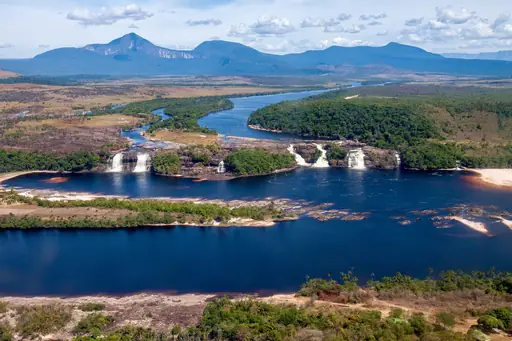
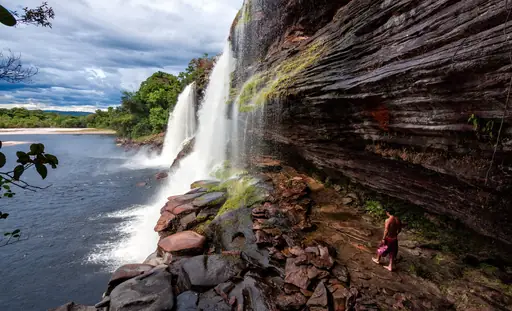
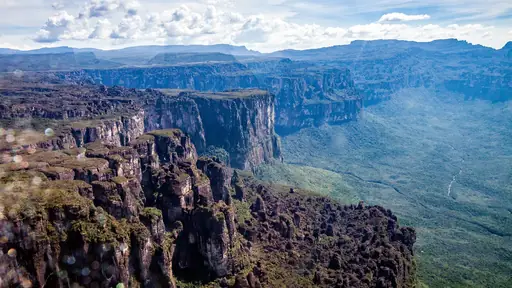
Angel Falls drops 979 metres and is the tallest uninterrupted waterfall on Earth. It plunges from the flat top of Auyan tepui. Canoe trips head upriver to the base of the falls from June to November. Tepuis are flat topped mountains that rise from the jungle.
Town in Costa Rica
La Fortuna
Volcano Views, Hot Springs, Adventure
A waterfall drops about 70 metres into a forest pool near town. A stairway of about 500 steps leads down to the swimming spot. Arenal Volcano rises nearby with a smooth cone above the rainforest. Hot rivers and springs warm the water after a day of hiking.
Nature Reserve in Costa Rica
Monteverde and Santa Elena Cloud Forest Reserves
Mist, Wildlife and Cloudy Magic
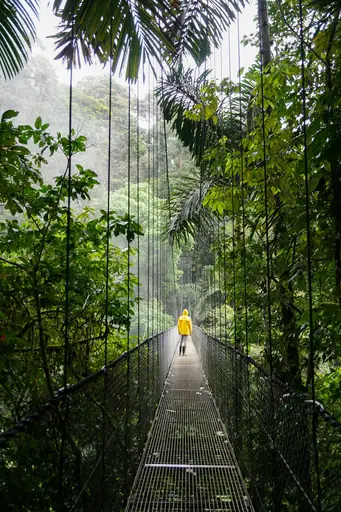
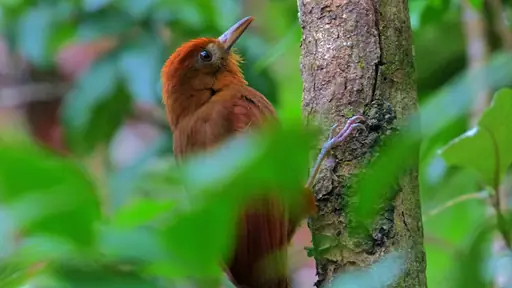
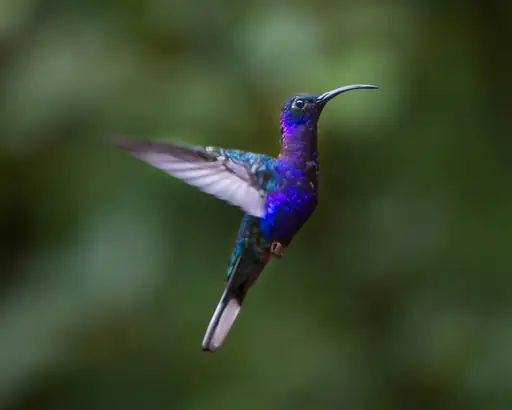
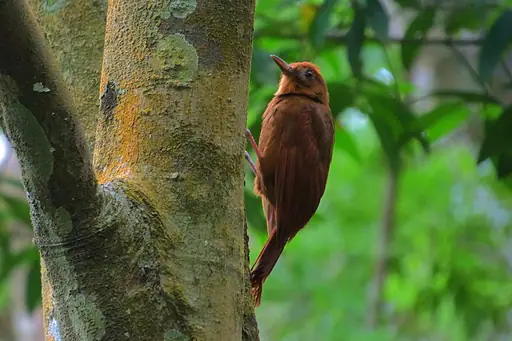
More than 500 species of orchids grow in the misty cloud forest here. Hummingbirds hover and feed at bright flower gardens near the trail entrance. Suspended bridges cross the canopy high above the tree ferns and mossy branches. Guided night walks find kinkajous, sleeping birds and colourful frogs.
Region in Panama
Bocas del Toro
Tropical Bliss in Panama
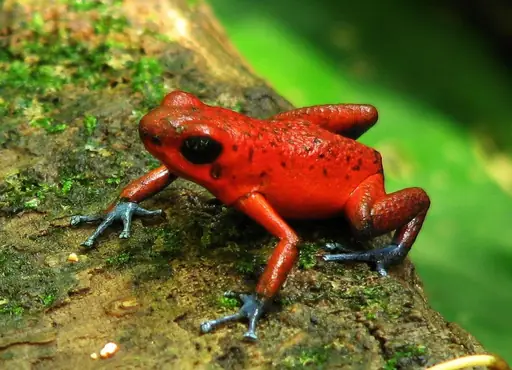
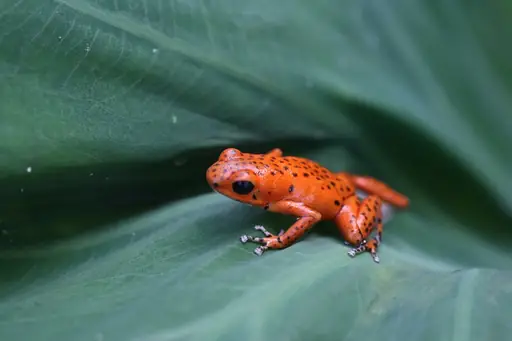
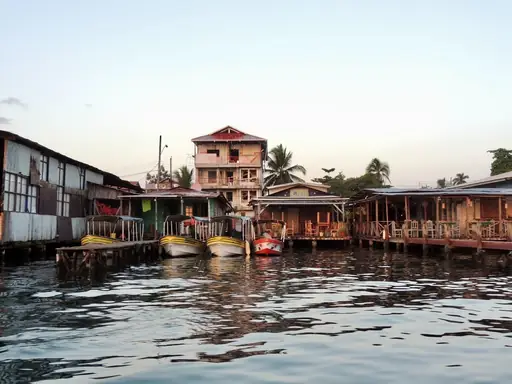
Strawberry poison dart frogs on Bastimentos Island come in red, blue and green colours. The colour pattern changes from one island to the next in the archipelago. Trails through Bastimentos National Park lead past mangroves and wet forest. Sloths hang from the trees beside the boat channels near the town.
Island in Japan
Yakushima
Ancient cedars, mossy forest and waterfalls
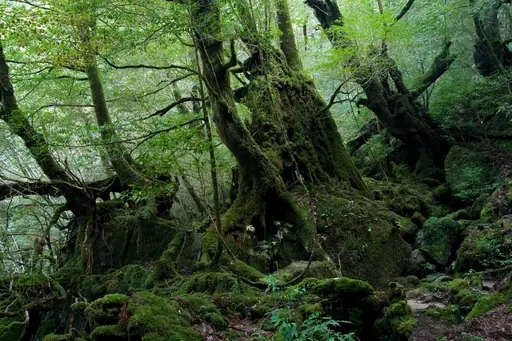
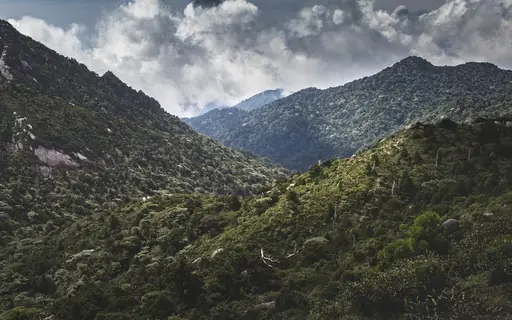
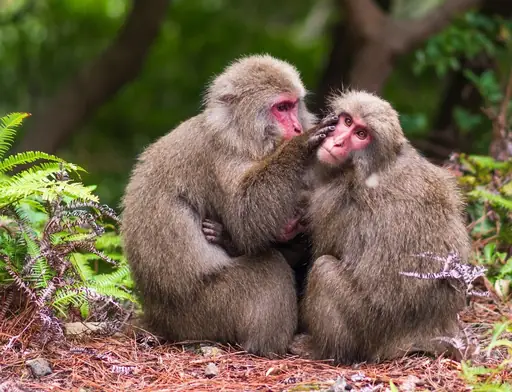
Mountains on Yakushima receive between 4 and 10 metres of rain a year. Moss covers cedar stumps and rocks along every trail. Wild Yaku deer and macaques roam the forest paths and roadsides. Hirauchi Kaichu Onsen is a hot spring pool beside the sea that appears at low tide.
National Park in Costa Rica
Corcovado National Park
Costa Rica’s Wildest Rainforest Frontier
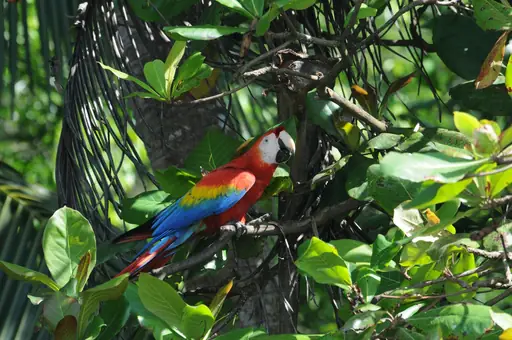
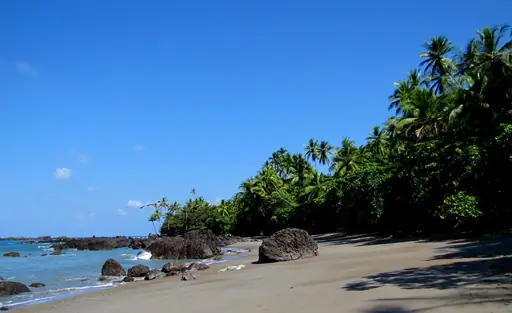
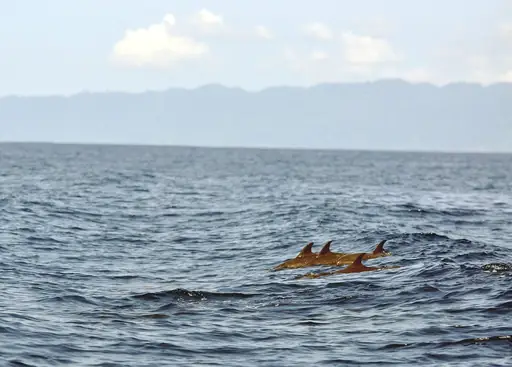
Sirena ranger station sits beside a river where tapirs and bull sharks appear. Trails lead through lowland rainforest on the Osa Peninsula. Scarlet macaws squawk in tall almond trees along the beach. National Geographic once called the area the most biologically intense place on Earth.
City in United States
Juneau
Glaciers, whales and wild Alaska
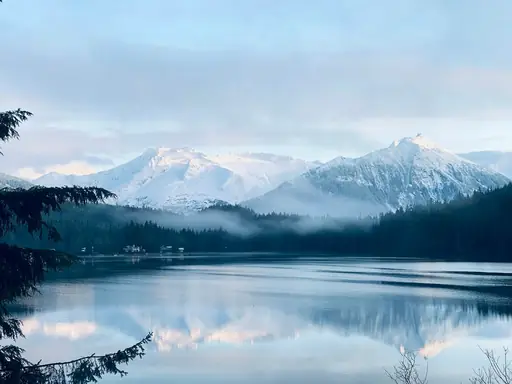
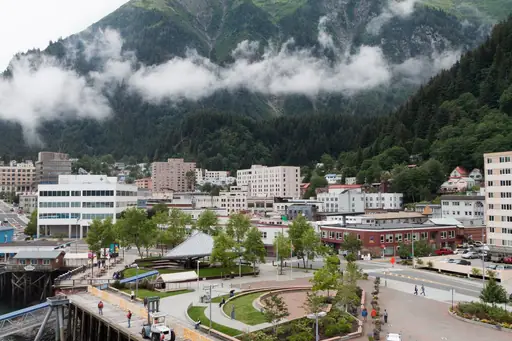
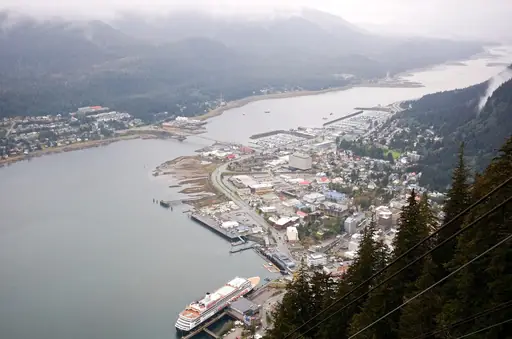
Mendenhall Glacier is about 13 miles long and ends in a lake. Steep Creek near the glacier fills with salmon in summer. Black bears often fish there while visitors watch safely from a boardwalk. Tall spruce and hemlock trees cover the rainy hills above town.

Country
Gabon
Pristine rainforests with diverse wildlife
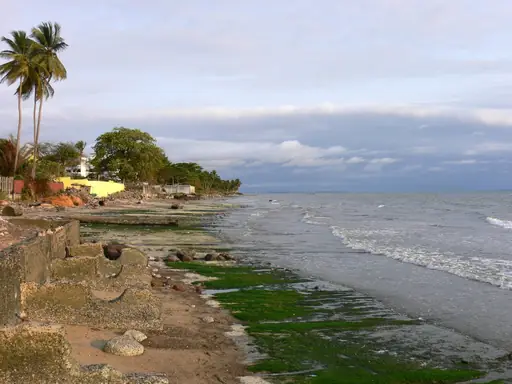
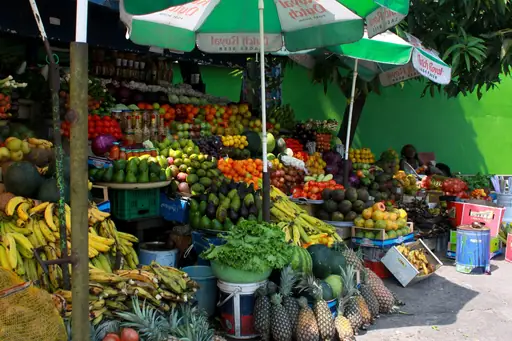
Elephants, hippos and buffalo walk along the beach at Loango National Park. Forest covers about 88 percent of the country's land. Thirteen national parks were created in 2002 to protect the rainforest and coast. Boat trips and forest trails lead to gorillas, chimps and monkeys.
National Park in Indonesia
Tanjung Puting National Park
Orangutan paradise in Borneo jungle
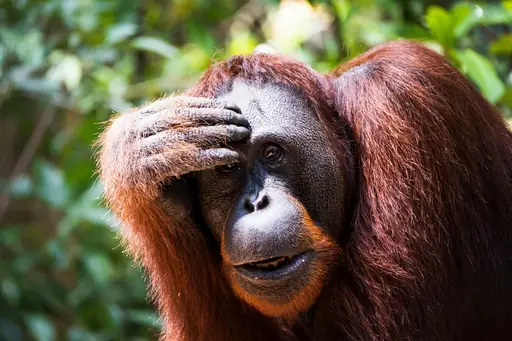
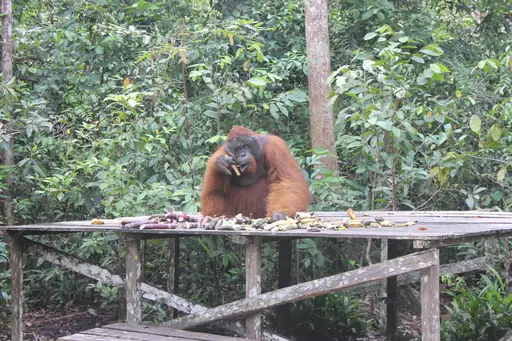
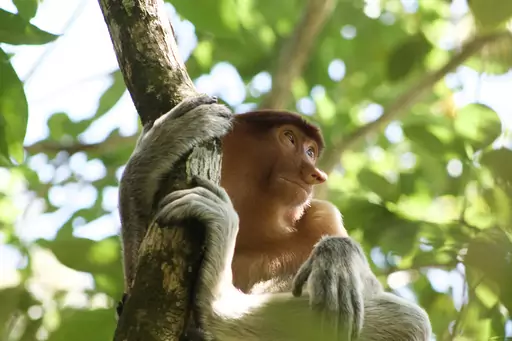
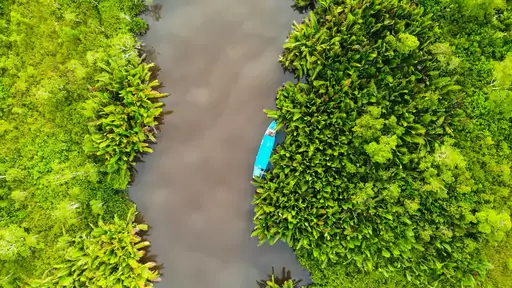
Klotoks, small wooden houseboats, carry visitors up the black water Sekonyer River. Proboscis monkeys with long noses sit in the riverside trees. Wild orangutans arrive at ranger feeding platforms deep in the forest each afternoon. Guests sleep on the deck under a mosquito net beside the river.
Island
Borneo
Wild rainforests meet unique wildlife
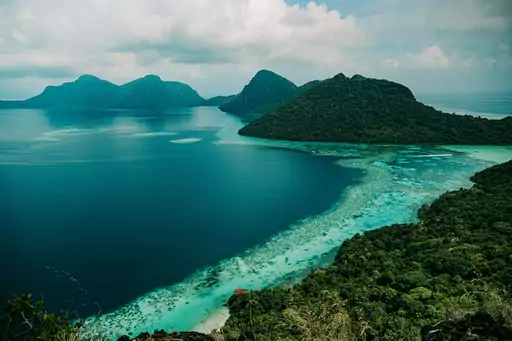
Sepilok Orangutan Rehabilitation Centre near Sandakan has cared for orphaned apes since 1964. Visitors can watch feedings from a viewing platform in the forest. Boat trips on the Kinabatangan River spot proboscis monkeys and pygmy elephants. Borneo's rainforest is estimated at about 130 million years old.
National Park in Thailand
Khao Sok National Park
Ancient Jungle and Emerald Lake Paradise
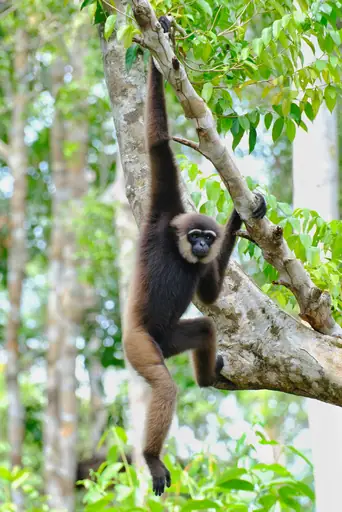
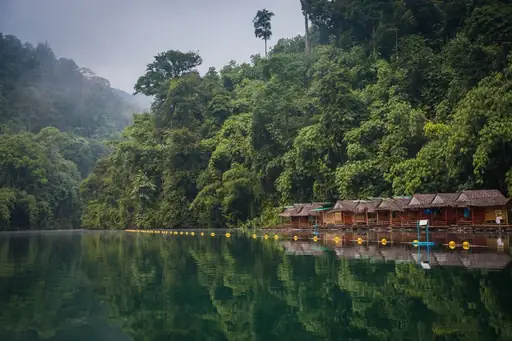
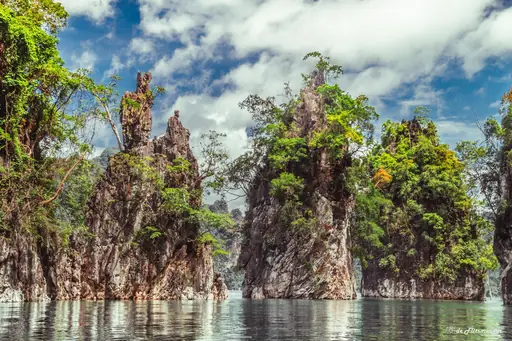
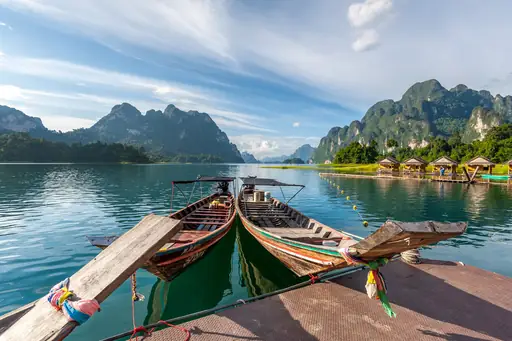
Rafflesia, a huge flower with a rotten smell, usually blooms here from December to February. Trails follow streams past big limestone cliffs and bat caves. Gibbons call loudly at dawn from the tall treetops. Visitors can float in tubes or on a bamboo raft down a calm river.
National Park in India
Sundarbans National Park
Whispers of mangrove giants and elusive tigers
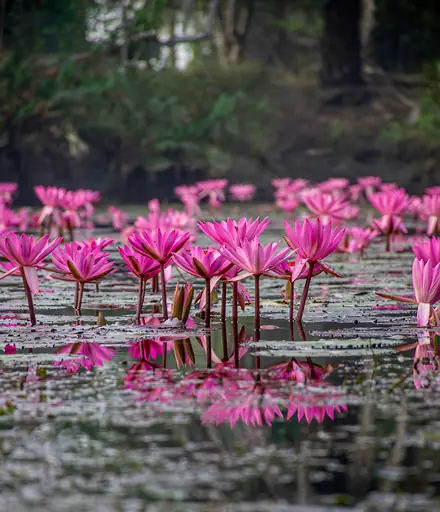
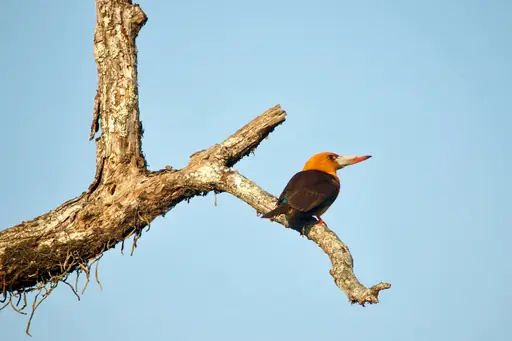
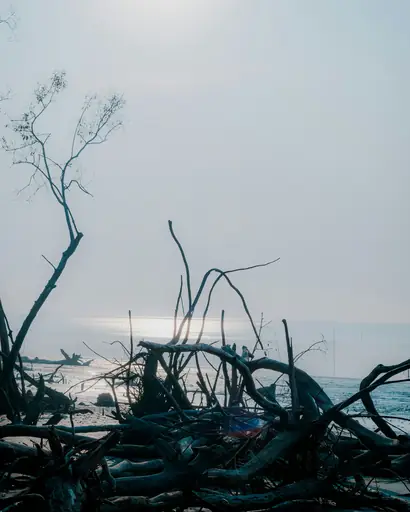
Tides flood this mangrove forest twice a day and then drain it again. Bengal tigers swim through the muddy channels between the forested islands. Small boat safaris look for estuarine crocodiles, spotted deer and kingfishers. Breathing roots called pneumatophores poke through the mud like spikes.
Island in Malaysia
Langkawi Island
Tropical Beaches, Rainforests and Sunsets
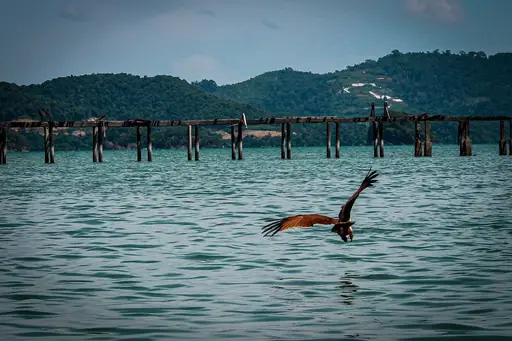
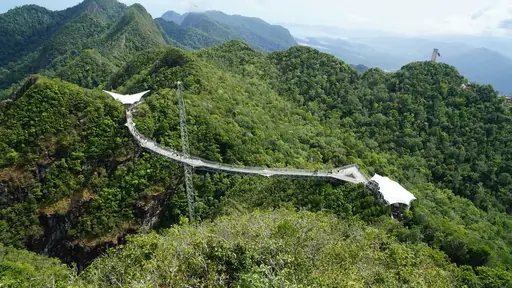
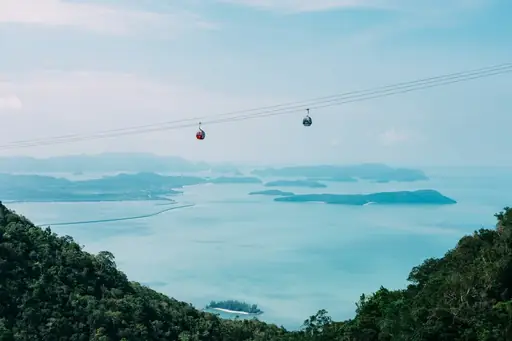
The Langkawi SkyBridge is a curved footbridge 660 metres above sea level. A steep cable car climbs Machinchang Mountain to reach the bridge. Rocks in the mountain are about 500 million years old. Mangrove creeks and green forest lie below the bridge in every direction.
City in Brazil
Foz do Iguaçu
Where three nations meet waterfalls
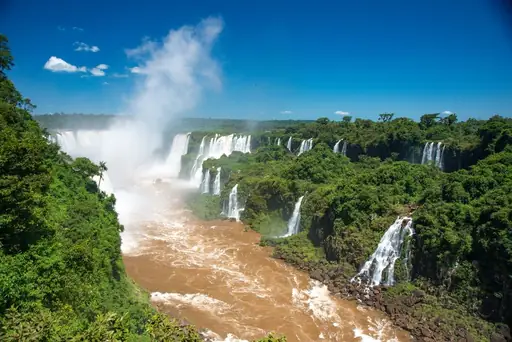
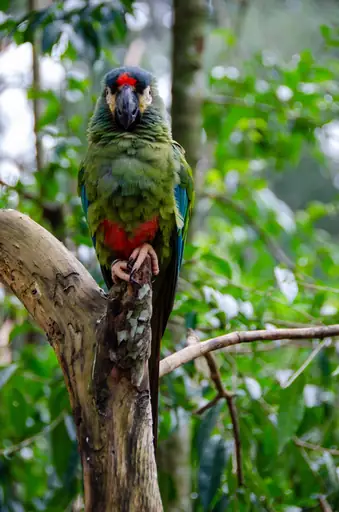
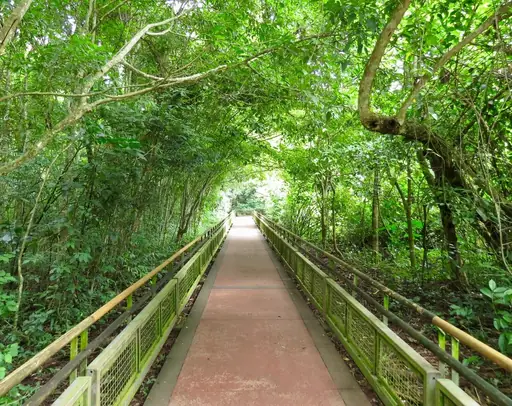
Parque das Aves has big aviaries full of toucans and macaws that visitors walk through. It sits near the Iguazu Falls on the Brazilian side of the border. Walkways at the falls give wide views of the water curtain. Coatis roam the trails looking for food from visitors.
City in Mexico
Palenque (city)
Lively Jungle Gateway Town
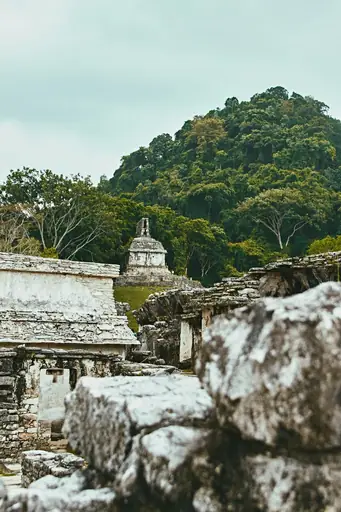
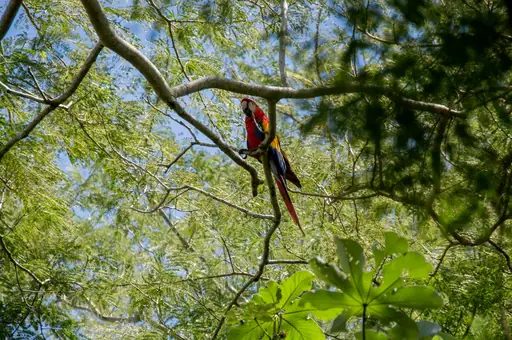
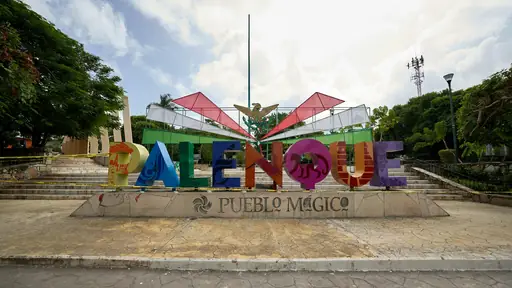
The Temple of the Inscriptions holds the tomb of the Maya ruler Pakal. Howler monkeys roar from the tall jungle trees around the ruins. Waterfalls such as Misol Ha drop 35 metres into a round pool. Visitors can walk behind the falls along a wet rock path.

Island in United States
Maui
Island of Sun, Surf and Serenity
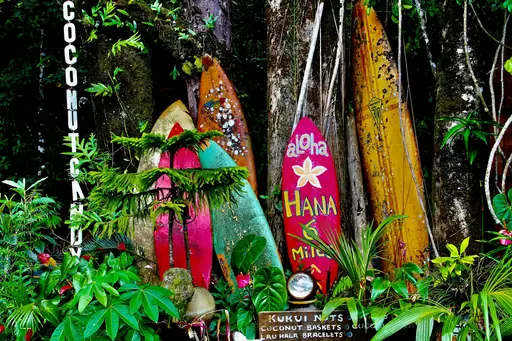
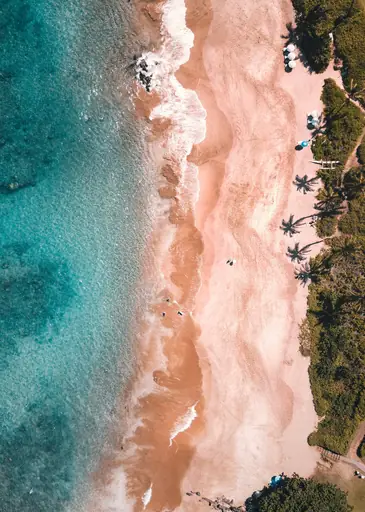
The Road to Hana has about 620 curves and 59 bridges over streams. Waterfalls and dense rainforest line the road on Maui's east side. The Pipiwai Trail passes a bamboo forest and ends at 120 metre Waimoku Falls. Roadside stands along the route sell fresh banana bread.
National Park in Thailand
Khao Yai National Park
Wild Elephants, Waterfalls and Jungle Trails
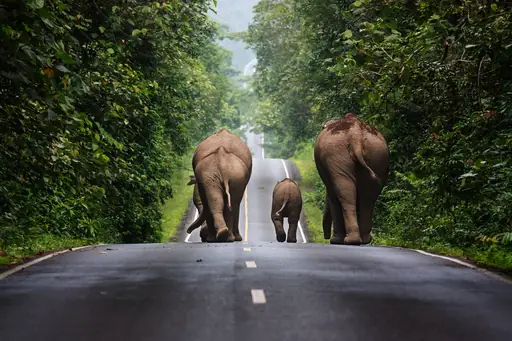
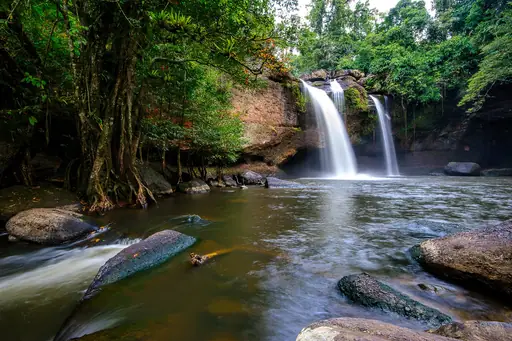
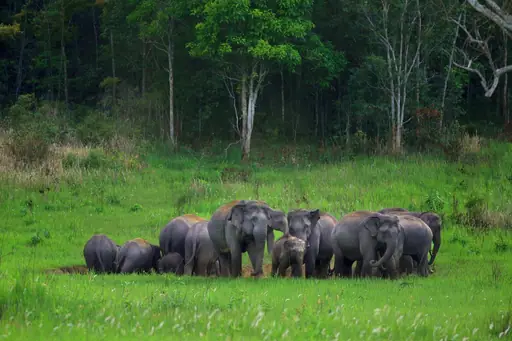
At dusk a stream of wrinkle lipped bats pours from a cave at Khao Luk Chang. Wild elephants and white handed gibbons live in the wet forest. Hornbills fly overhead and macaques play near the park road. Waterfalls and forest trails cover much of the park.
National Park in Dominica
Morne Trois Pitons National Park
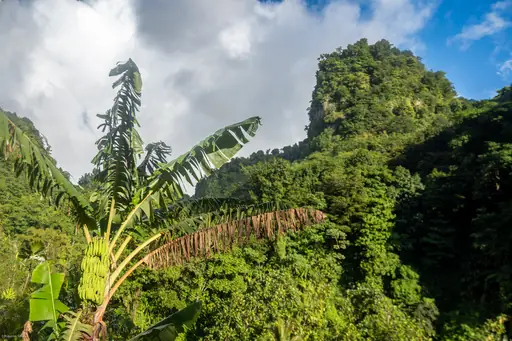
Volcanic wonders in pristine rainforest
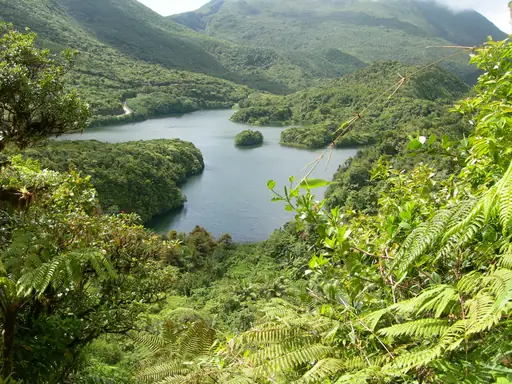
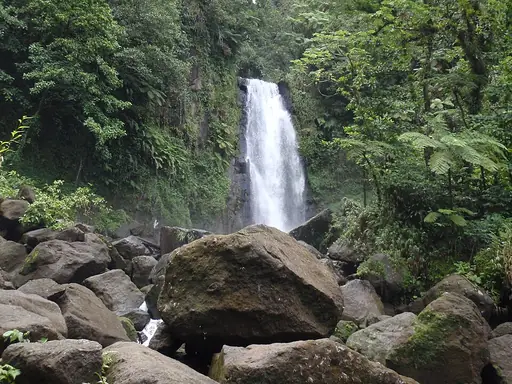
Titou Gorge is a narrow canyon where visitors swim between rock walls. Scenes from a Pirates of the Caribbean film were shot there. Trafalgar Falls has twin cascades called Mother and Father in the forest. Hot streams and volcanic vents lie farther up the valley near the Boiling Lake.
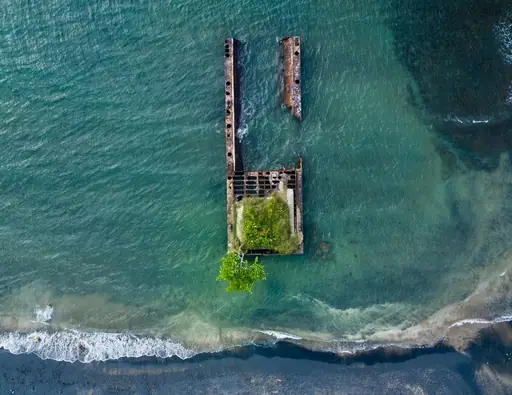
Town in Costa Rica
Puerto Viejo de Talamanca
Caribbean Vibes and Pristine Beaches
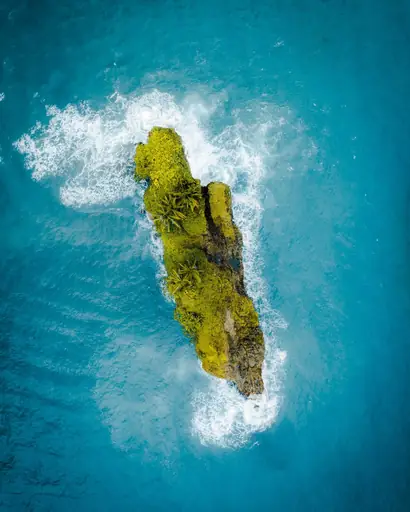
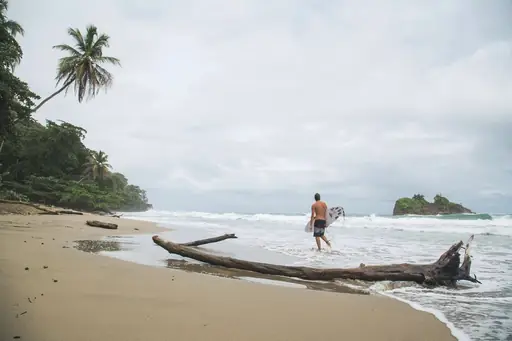
The Jaguar Rescue Center cares for sloths, monkeys and other hurt animals. Visitors can join a guided tour to see them recover. Bribri families nearby grow cacao and teach visitors how to make chocolate. Sandy Caribbean beaches lie beside dense forest and a shallow coral reef.
National Park in United States
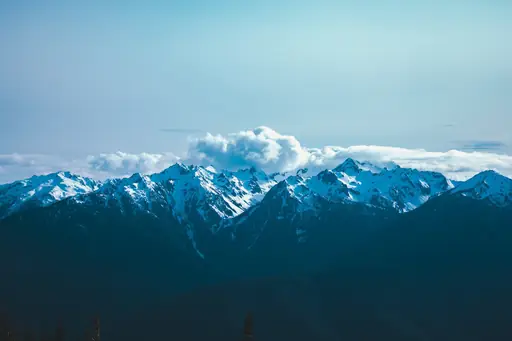
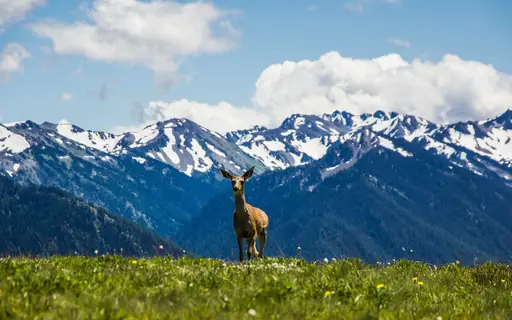
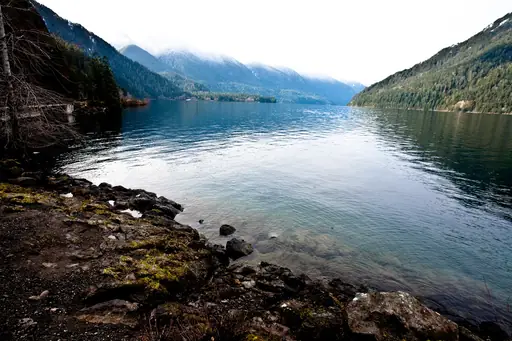
Olympic National Park
Untamed Wilderness, All in One
Lake Quinault has one of the largest Sitka spruce trees in the world. The giant tree stands about 58 metres tall in the wet forest. A loop trail passes moss draped maples and huge red cedars. Roosevelt elk graze in the wet river valleys near the lake.
National Park in United States
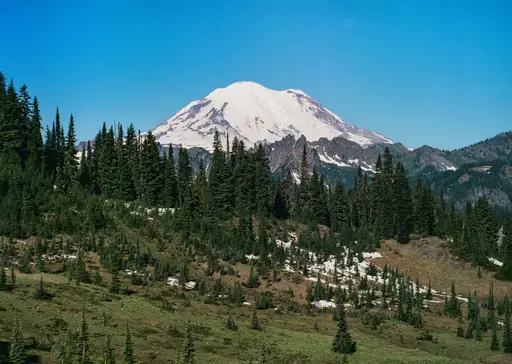
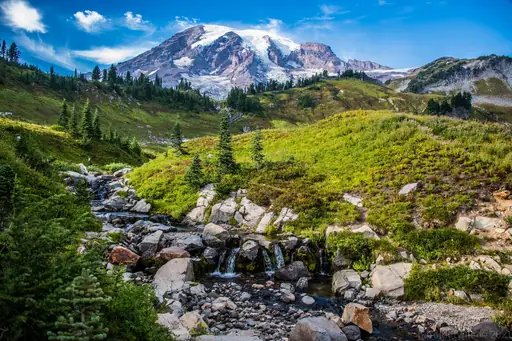
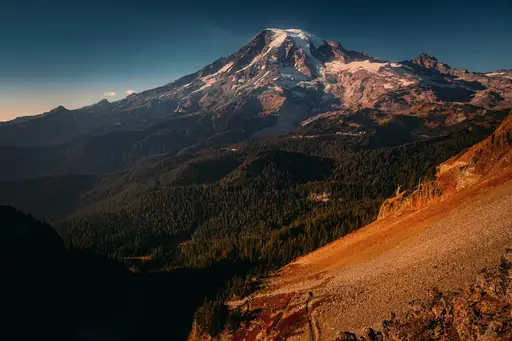
Mount Rainier National Park
A Majestic Volcano and Wild Beauty
The Carbon River Rainforest is an inland temperate rainforest on the park's northwest side. Thick moss hangs from bigleaf maples and old cedar trees. Flat trails follow the glacial river through wet green forest. Grove of the Patriarchs, on the southeast side, has Douglas firs over 1,000 years old.
National Park in Peru
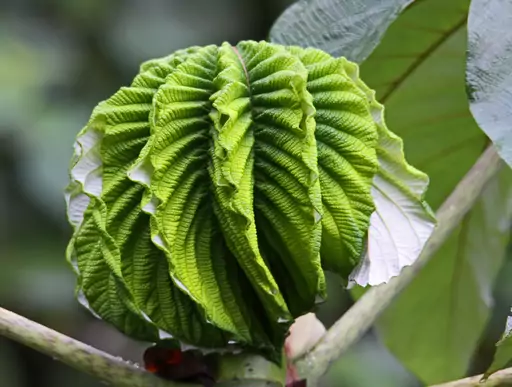
Manú National Park
Pristine Amazon biodiversity wonderland
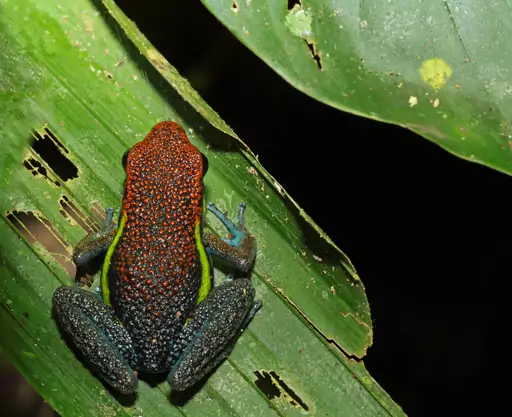
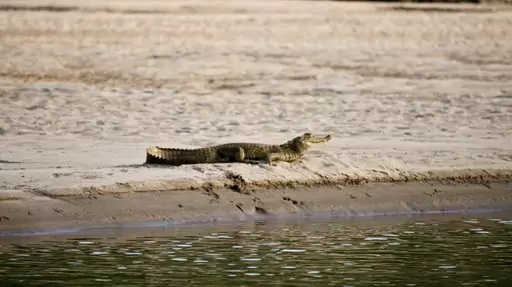
Cock of the rock birds gather at dawn on display grounds in Manu. Males are bright orange and dance and squawk to attract mates. The park drops from cloud forest to lowland jungle across about 3,000 metres. Giant otters fish in oxbow lakes at Cocha Salvador.

National Park in United States
Redwood National Park
Home of the World’s Tallest Trees
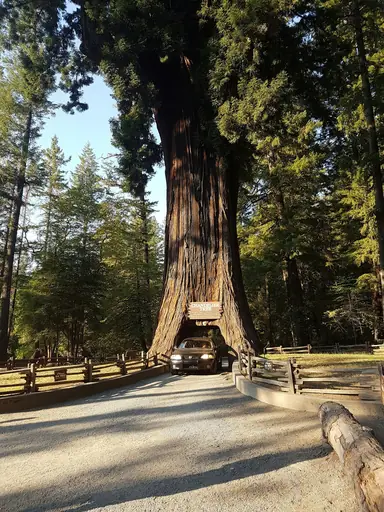
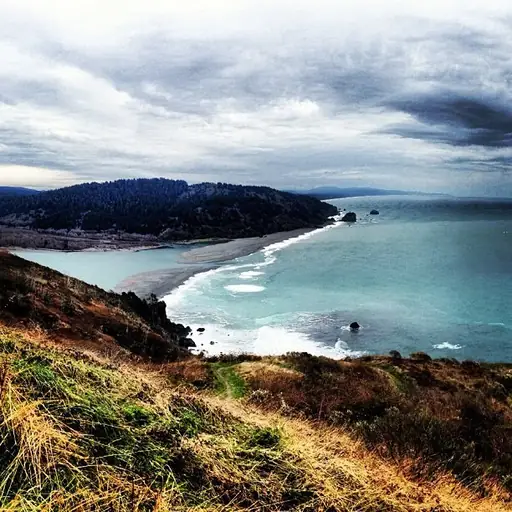
Hyperion, a coast redwood 116 metres tall, is the tallest known tree. Its location is kept secret to protect the fragile forest floor. Visitors can walk among other giants at Tall Trees Grove with a permit. Cool fog drifts through the branches on summer mornings.

Country
Democratic Republic of the Congo
Wild heart of Central Africa
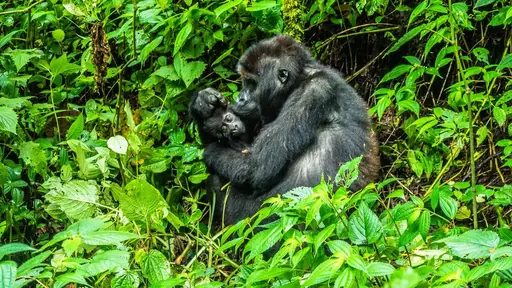
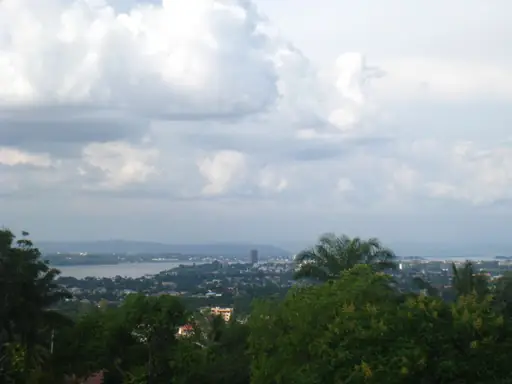
The Congo Basin holds the second largest rainforest in the world. Virunga National Park has mountain gorillas and the smoking Nyiragongo volcano. Hikers camp on the rim of Nyiragongo beside a glowing lava lake. Check current safety advice before planning a trip to eastern regions.
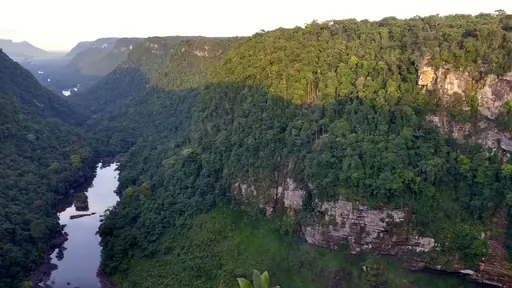
National Park in Guyana
Kaieteur National Park
World's Most Powerful Single-Drop Waterfall
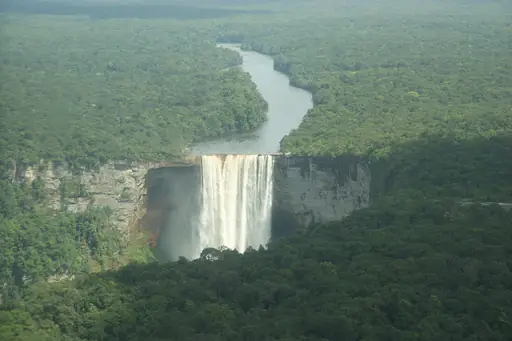
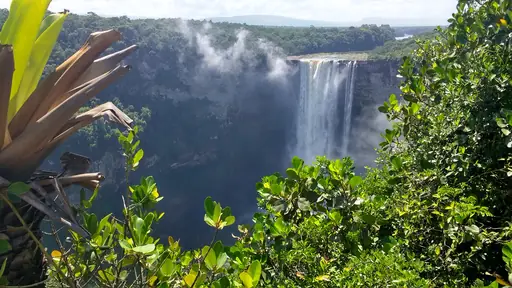
A single plunge of 226 metres makes this waterfall more than four times higher than Niagara. It pours off a sandstone plateau into a gorge in the Guyana forest. Tiny golden frogs live inside bromeliad plants beside the falls. Scarlet cock of the rock birds flash red in the trees.
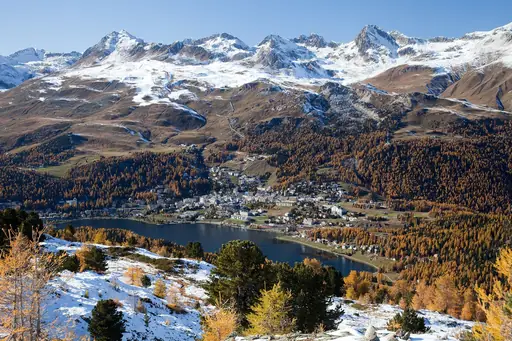
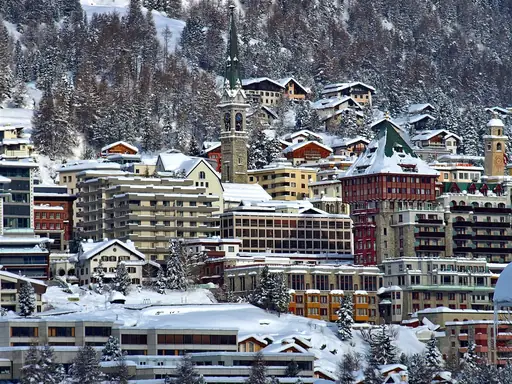
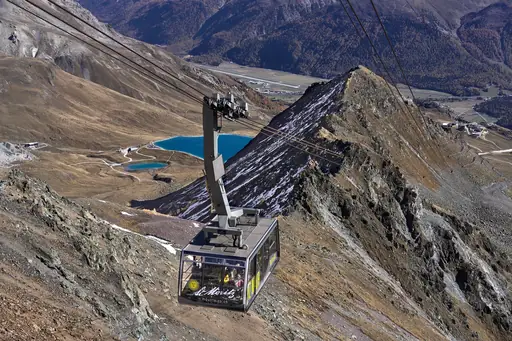
Region in Switzerland
Graubünden
Alpine wonderland with pristine lakes and trails
The Ruinaulta gorge, called the Swiss Grand Canyon, is about 400 metres deep. Pine forest and pale limestone cliffs line the Rhine below the viaducts. Rafting trips and hiking trails follow the river for 13 kilometres. Red mountain trains cross the region on narrow tracks and old bridges.
National Park in United States
Glacier Bay National Park
Majestic glaciers and pristine wilderness
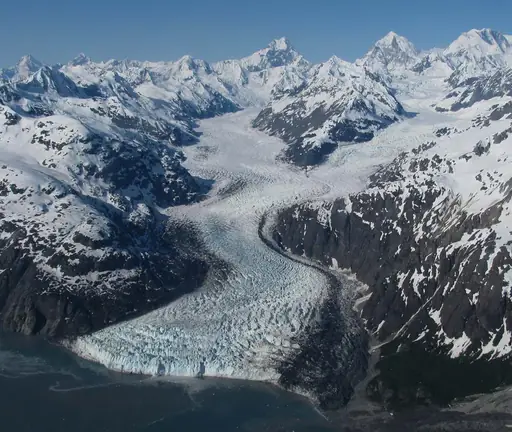
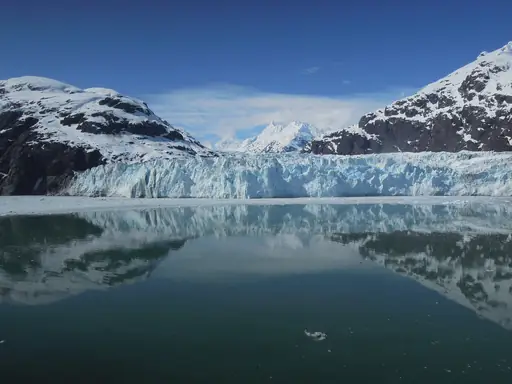
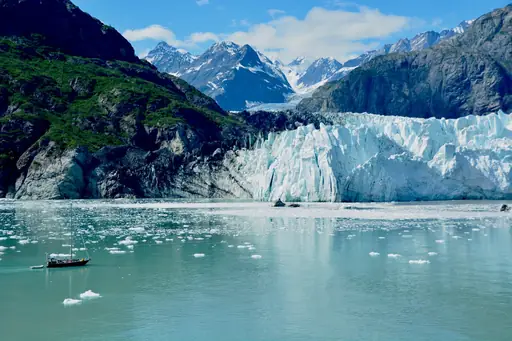
Ice filled this bay in 1794 and has since retreated about 65 miles. Plants and trees have grown back in stages on the bare rock. Visitors can see moss, alder thickets and spruce forest along the shore. Humpback whales feed in the cold channels each summer.
City in Argentina
San Carlos de Bariloche
Argentina’s Alpine Wonderland
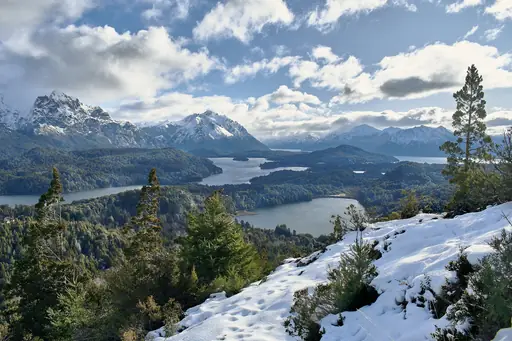
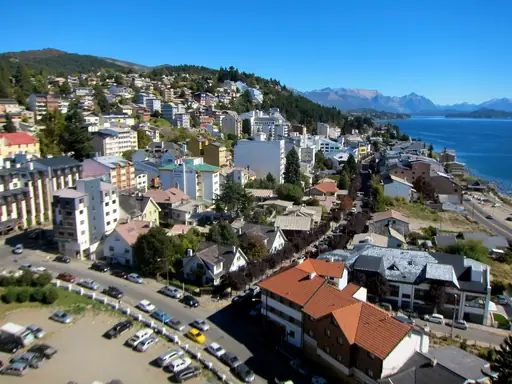
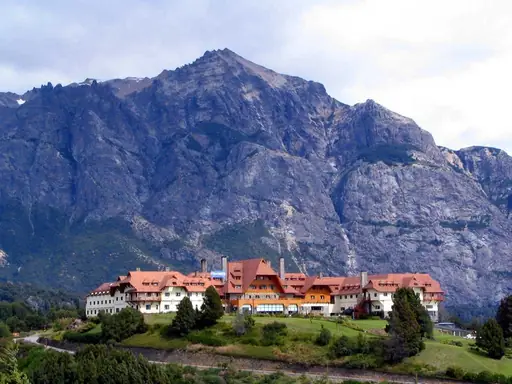
Puerto Blest lies at the end of a boat ride across Lake Nahuel Huapi. Valdivian rainforest with ferns and giant trees surrounds the small port. A short trail leads to a waterfall called Cascada de los Cantaros. Rain and mist keep the forest green in summer.
Outer Territory in Australia
Christmas Island
Island Paradise of Red Crabs
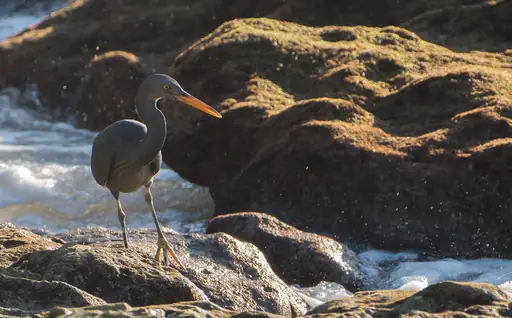
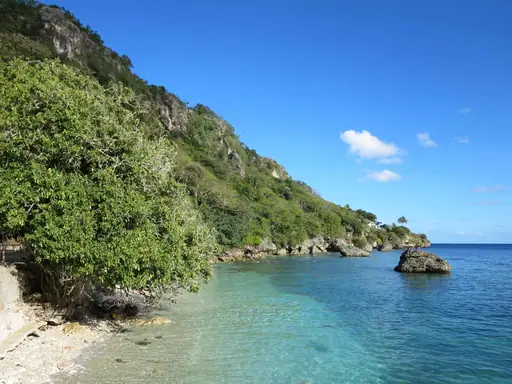
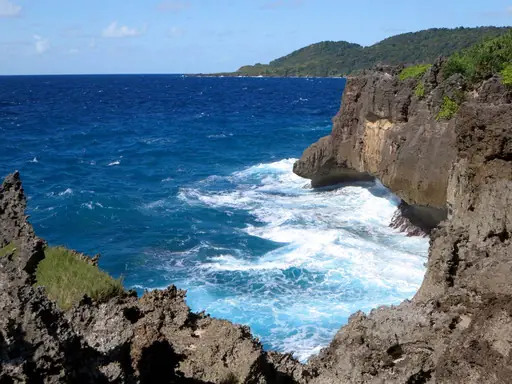
Millions of red crabs march from the forest to the sea each year. The march begins with the wet season rains in October or November. Crabs cross roads and bridges built for them. Rainforest covers most of the island and robber crabs climb its trees.
City in Argentina
Puerto Iguazú
Gateway to Iguazú’s Thundering Falls
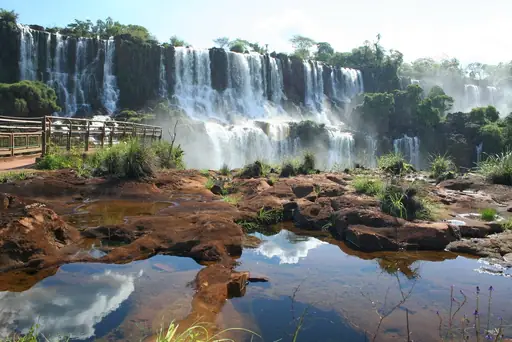
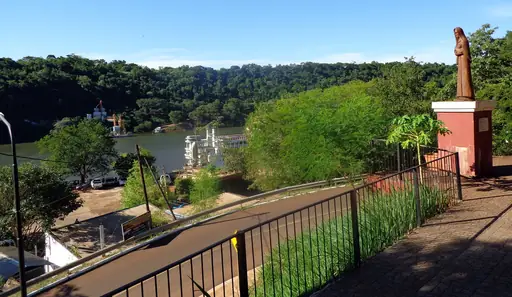
Catwalks lead to the Devil's Throat, a horseshoe of falls with an 82 metre drop. Spray rises in thick clouds above the rainforest at the canyon. Rainbows form over the water on most sunny days. A small jungle train carries visitors between the main trailheads.
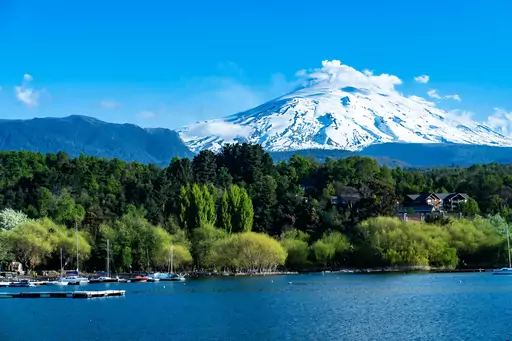
Town in Chile
Pucon
Volcano Views and Adventure Bliss
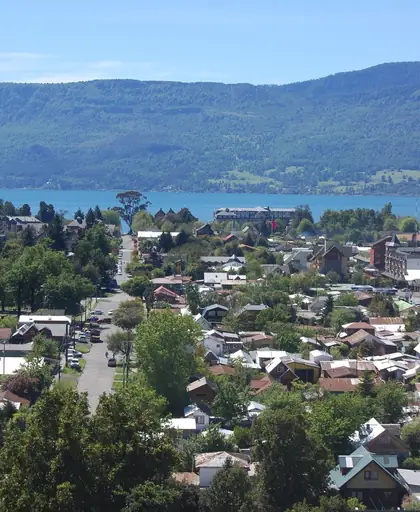
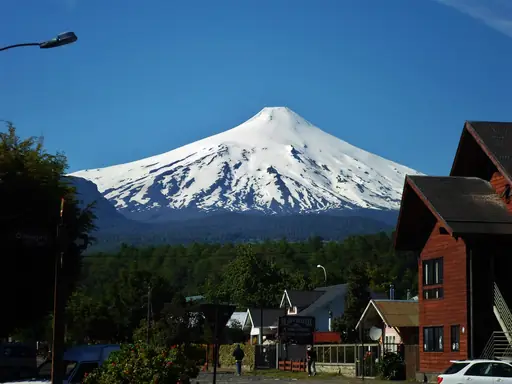
Huerquehue National Park has forests of araucaria trees, known as monkey puzzle trees. Trails climb past waterfalls to a group of blue mountain lakes. Some araucaria trees are over 1,000 years old with spiky branches. Villarrica Volcano rises above the town and its wide lake.
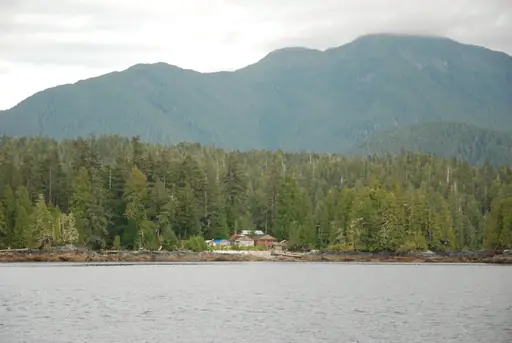
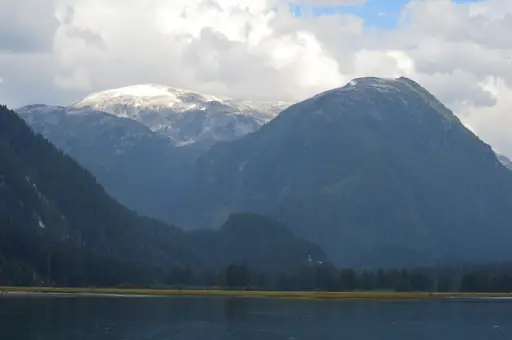
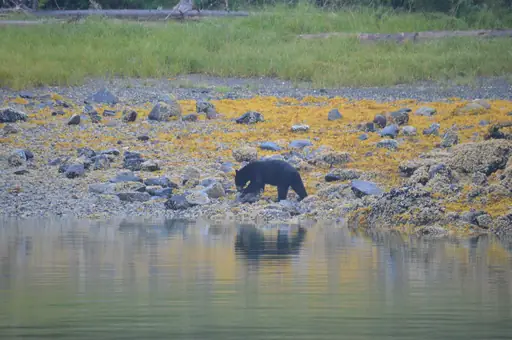
Forest in Canada
Great Bear Rainforest
Whispers of ancient pines and mist
The Kermode bear, a white coated black bear, lives in this coastal rainforest. Guides from Gitga'at and Kitasoo First Nations lead small boat viewing tours. Tall cedar and spruce trees grow beside misty inlets and rocky shores. Salmon runs feed wolves, eagles and grizzly bears each autumn.
National Park in Switzerland
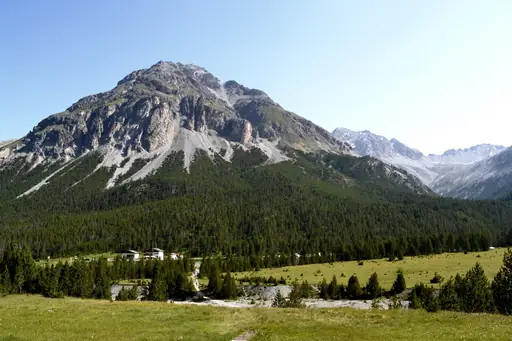
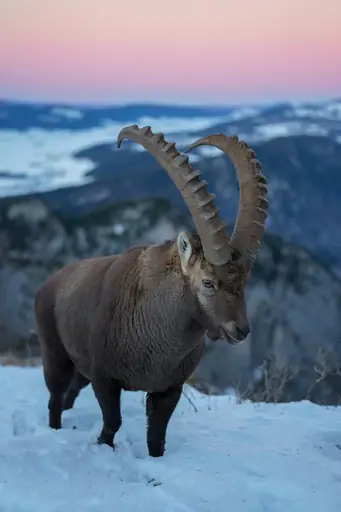
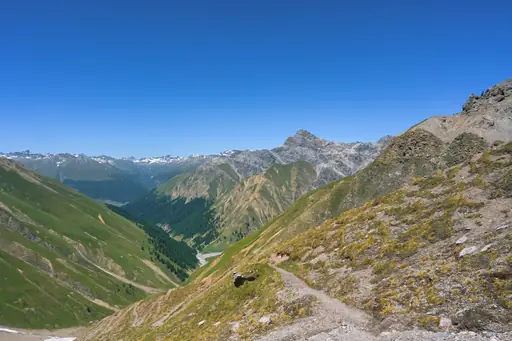
Swiss National Park
Majestic alpine wilderness, untouched and serene
Since 1914 visitors cannot camp, light fires or pick plants in this Swiss park. Ibex and red deer graze on open slopes above the forest. Old mountain pines grow on the rocky valley sides and shade small streams. Marked trails lead to huts and views of the Engadin Alps.
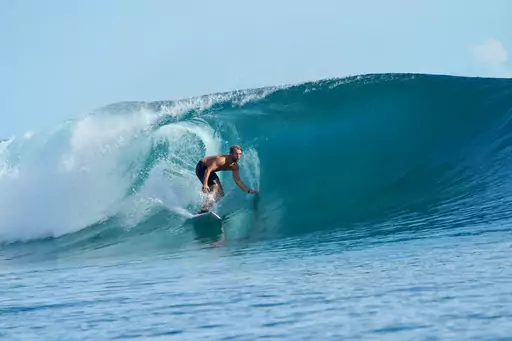
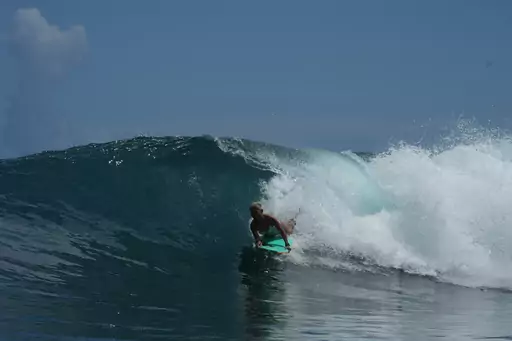
Island in Indonesia
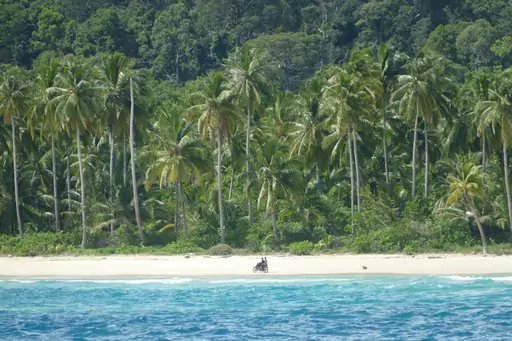
Mentawai Islands
Surfer's paradise with tribal culture
On Siberut island the Mentawai people wear traditional tattoos and live in forest longhouses. Shamans called sikerei lead healing rituals with herbs and dance. Endemic monkeys such as the Mentawai langur and Kloss gibbon live in the trees. Surf breaks off the coast draw visitors by boat.
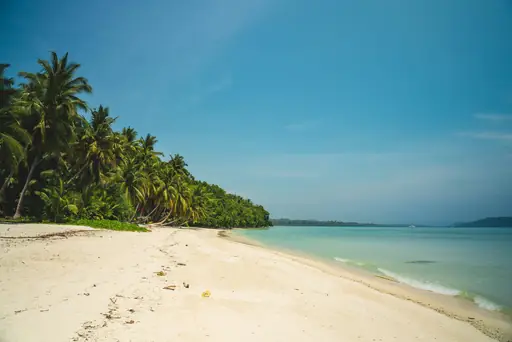
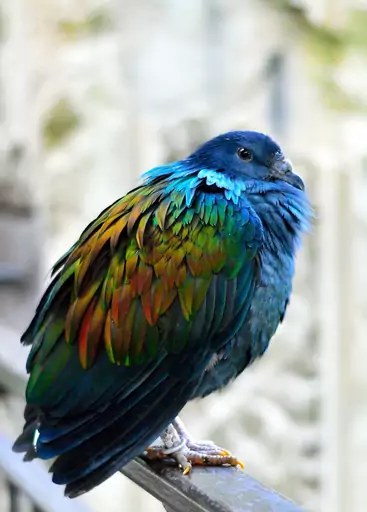
Island in India
Andaman and Nicobar Islands
Crystal waters and pristine wilderness
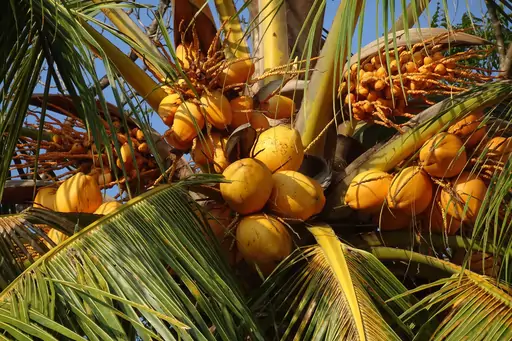
The Andaman Islands hold dense evergreen forest across hundreds of islands. Boats carry visitors through narrow mangrove creeks to the limestone caves of Baratang. A small mud volcano bubbles nearby on a short forest walk. Some forest areas are reserved for indigenous people and closed to visitors.
National Park in Guatemala
Tikal National Park
Lost Mayan City in the Jungle
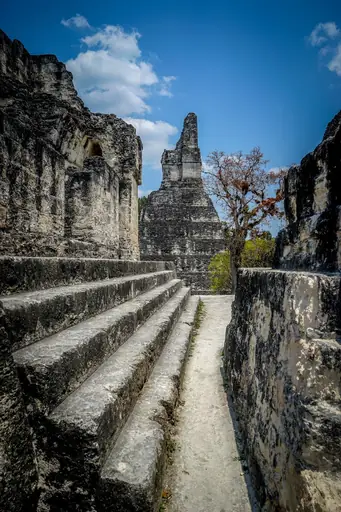
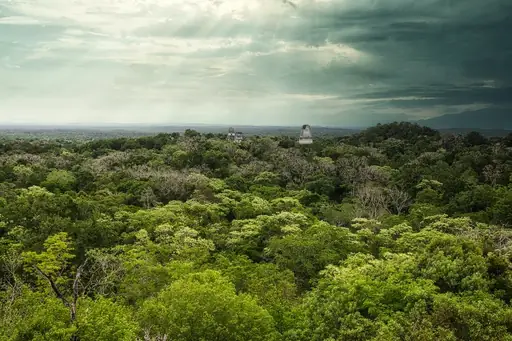
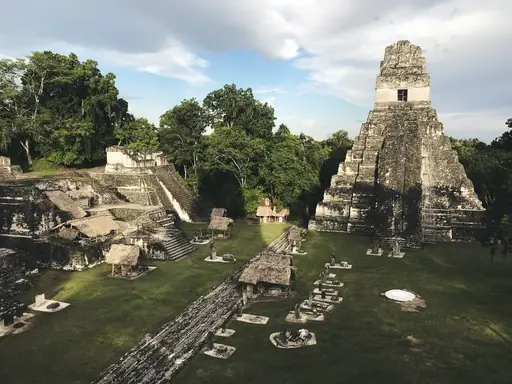
Temple IV rises about 70 metres above the rainforest canopy. Visitors climb wooden stairs to the top for views at sunrise. Howler monkeys roar and toucans call in the trees around the plazas. The original Star Wars film shot scenes here in 1976 for the rebel base.
State/Prefecture in United States
California
Golden State of Endless Experiences
Fern Canyon has 15 metre walls covered in green ferns and dripping water. Scenes from Jurassic Park 2 were filmed in the narrow gorge. Roosevelt elk graze in meadows near the redwoods of Prairie Creek. A short loop trail leads through the canyon and along a shallow creek.
Island in Australia
Tasmania
Wilderness, Wildlife and Wild Coasts
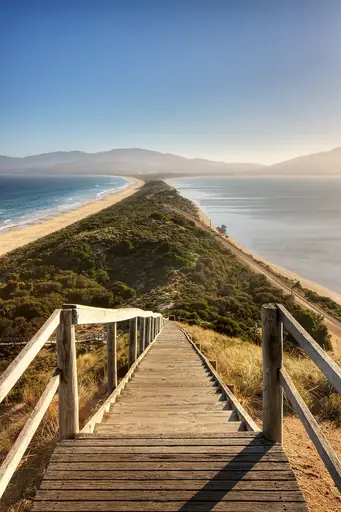
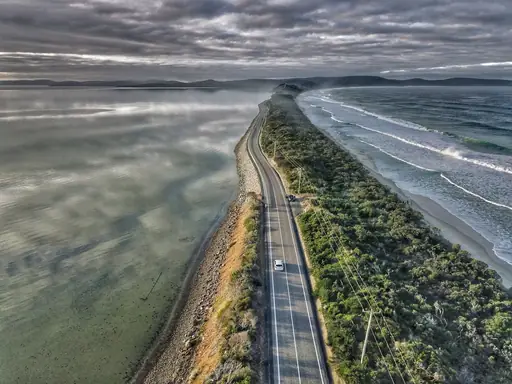
The Tarkine, in the northwest, is the largest temperate rainforest in Australia. Myrtle trees and giant tree ferns grow in cool mist. The Tahune AirWalk in the south lifts visitors 20 metres above the forest floor. Tasmanian devils and quolls hunt at night in the undergrowth.
State/Prefecture in United States
Hawaii
Tropical Vibes and Volcanic Wonders
Akaka Falls drops 135 metres through rainforest on the Big Island. A short paved loop passes wild orchids, ferns and giant bamboo. Thurston Lava Tube is a cave you can walk through in a fern forest. Frequent rain around Hilo keeps the hills green all year.
City in Malaysia
Kota Kinabalu
Gateway to Borneo’s wild beauty
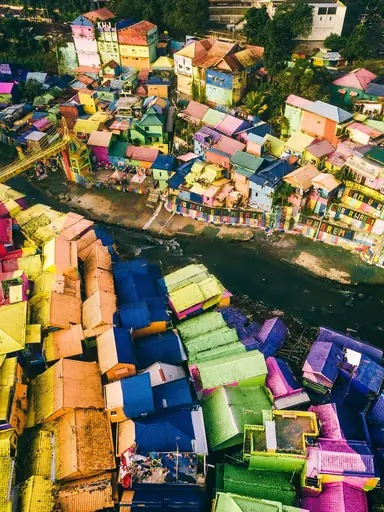
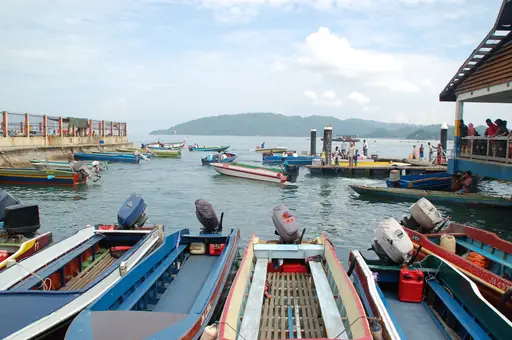
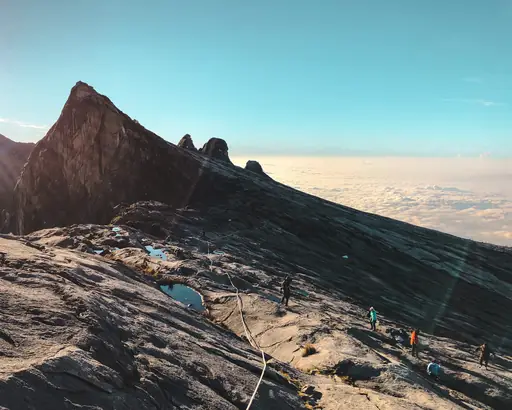
Thousands of plant species grow on the slopes of Mount Kinabalu, including giant pitcher plants. A canopy walkway at Poring Hot Springs hangs 40 metres above the forest floor. Rafflesia flowers, among the largest on Earth, bloom near the park. Boats from the city reach island beaches and coral reefs.
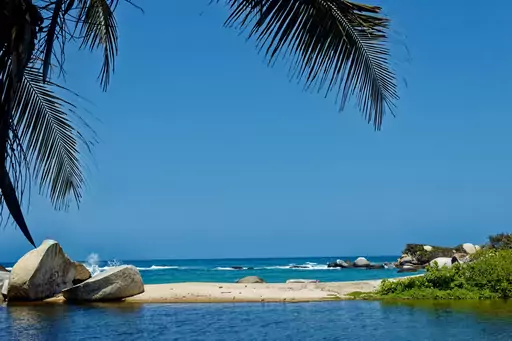
National Park in Colombia
Tayrona National Park
Where Jungle Meets Turquoise Caribbean
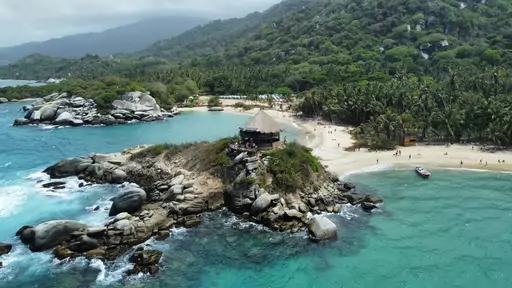
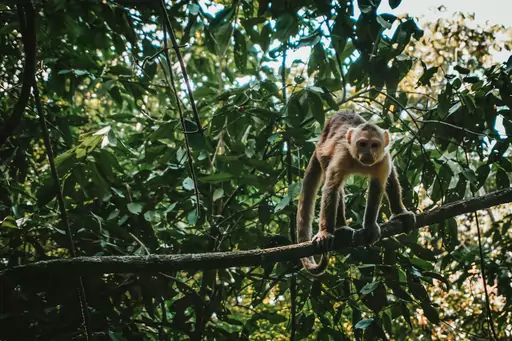
Rainforest meets the Caribbean Sea at the foot of the Sierra Nevada de Santa Marta. Trails lead through dry and wet forest to golden beaches. Hikers can walk on to Pueblito Chairama, an old Tairona village site. Hammocks at Cabo San Juan face the sea under coconut palms.
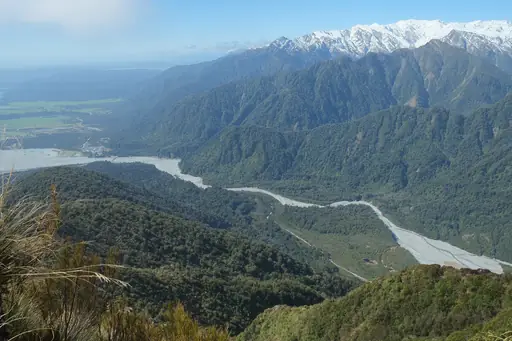
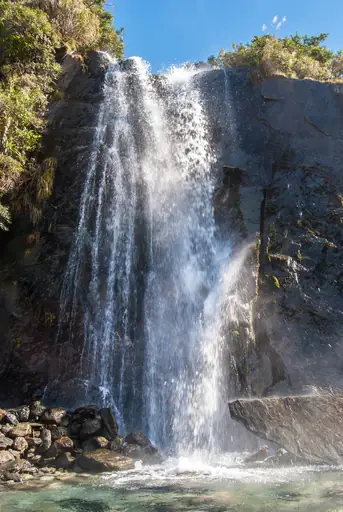
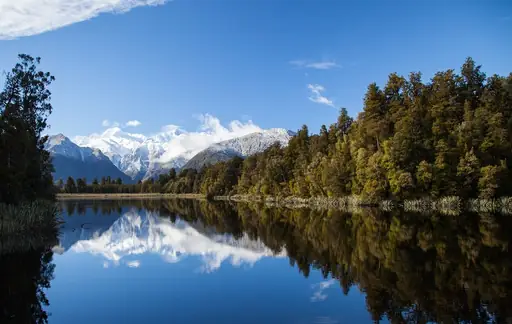
Town in New Zealand
Franz Josef
Gateway to the Majestic Glaciers
The glacier flows down a valley to about 300 metres above sea level. Green rainforest grows within a short walk of the glacier's ice. Helicopter and guided hiking tours climb onto the frozen surface. Tree ferns and mossy trunks line the path to the viewpoint.
Town in Canada
Revelstoke
Big Mountain Adventure, Small Town Soul
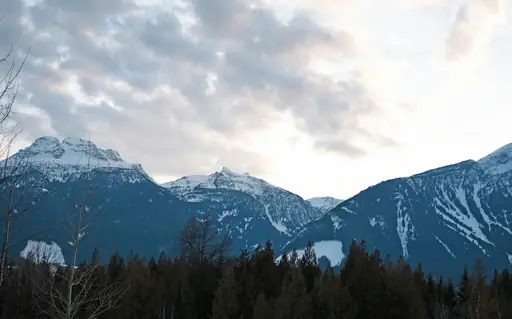
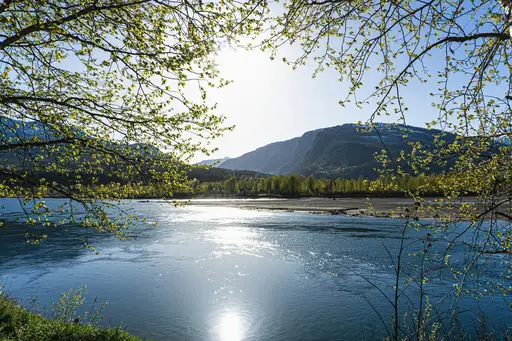
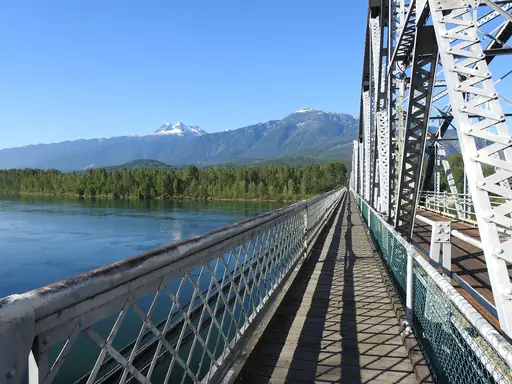
Giant cedar trees more than 500 years old line the Giant Cedars Boardwalk. The forest is part of an inland temperate rainforest in the British Columbia interior. Rain and snow feed ferns and mossy trunks beside the trail. A wooden walkway keeps visitors above the fragile roots.
Town in Argentina
Villa la Angostura
Patagonia's Hidden Gem
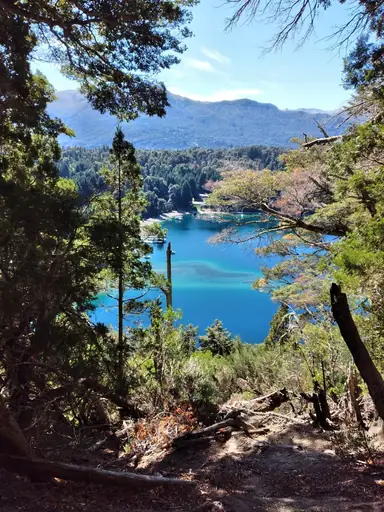
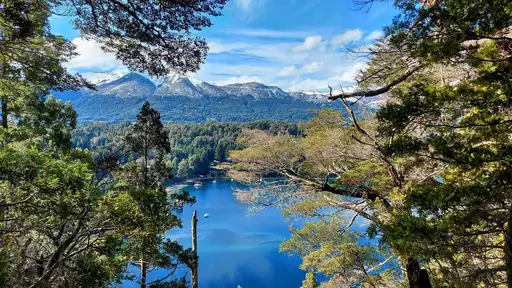
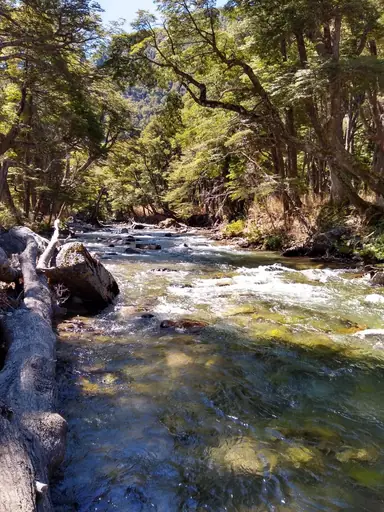
Arrayan trees have smooth cinnamon bark and grow in Los Arrayanes National Park. The park sits on a narrow peninsula in Lake Nahuel Huapi. A wooden boardwalk crosses the stand of trees to a tea house. Valdivian rainforest with tall coihue trees rises above the town.
Region in New Zealand
North Island
Geothermal Wonders and Māori Culture
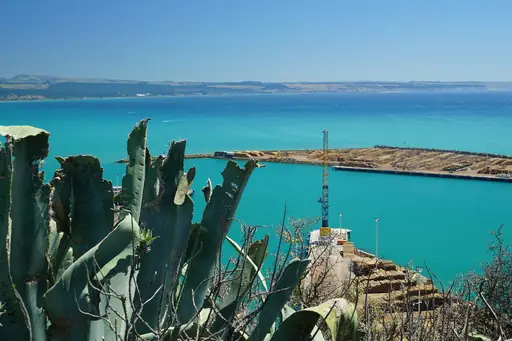
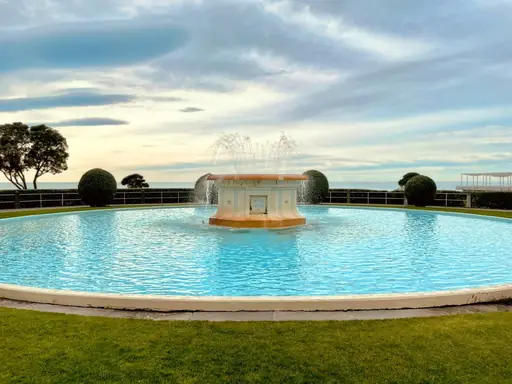
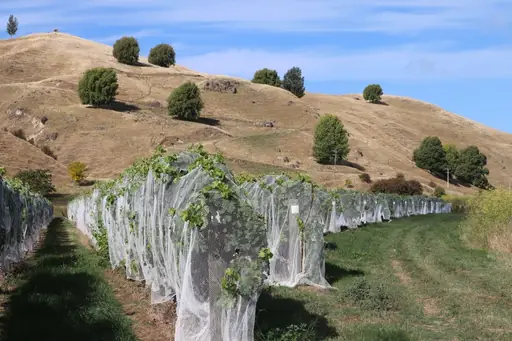
Tane Mahuta, a giant kauri tree in Waipoua Forest, is about 51 metres tall. It is estimated to be more than 2,000 years old. Visitors clean their shoes at a station before entering to protect kauri from disease. Ferns, vines and birdsong fill the surrounding subtropical forest.
Region in Belize
Cayo District
Jungle adventures and ancient Maya ruins
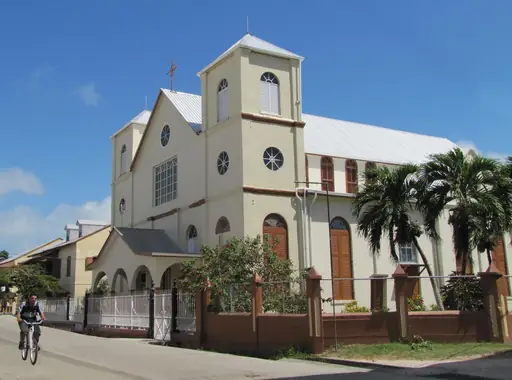
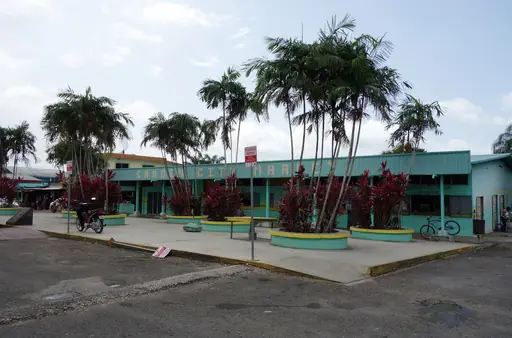
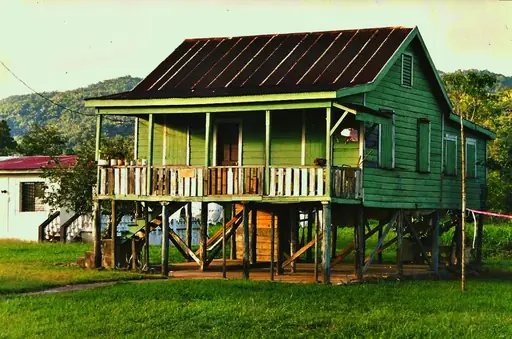
Actun Tunichil Muknal is a cave where visitors wade to Maya skeletons. Guides lead small groups through cold water and past ancient pottery. The Caracol ruins have a pyramid 43 metres tall above the treetops. Rivers, orchid filled forest and pine covered hills surround the area.

Outer Territory in United States
American Samoa
Remote Island Beauty and Culture
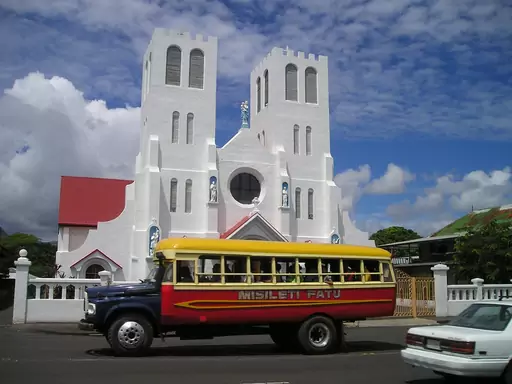
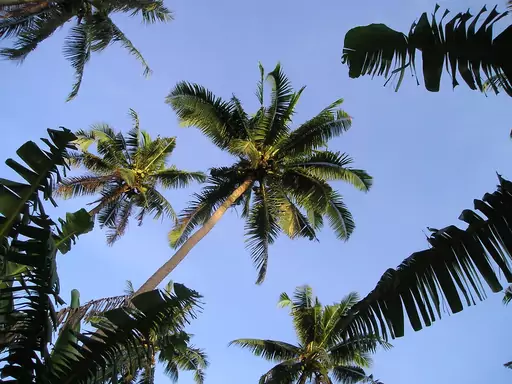
Fruit bats called flying foxes glide over the rainforest on Tutuila island. The national park protects forest, coral reef and coast on three islands. Trails lead through wet forest to quiet beaches and viewpoints. The park is a US national park south of the equator.
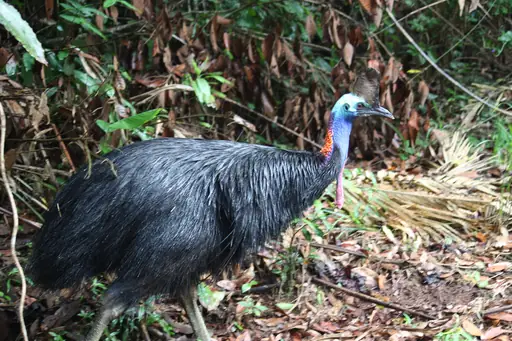
Forest in Australia
Daintree Rainforest
Lush canopy whispers ancient rainforest secrets
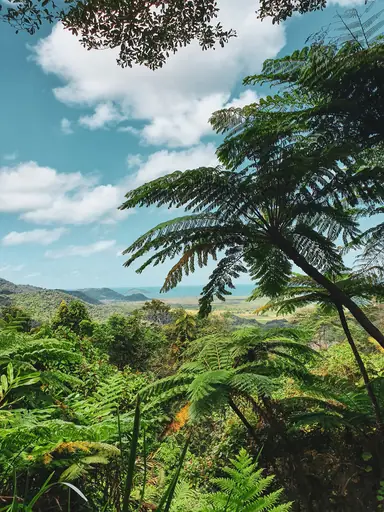
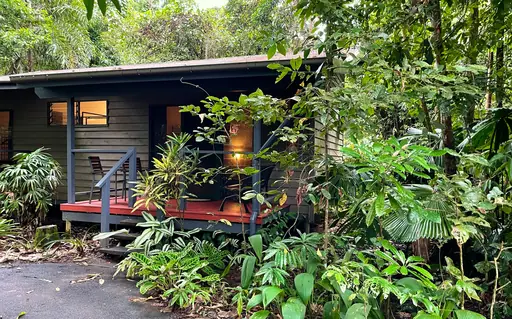
Rainforest meets the reef at Cape Tribulation on Australia's Queensland coast. The Daintree forest is estimated to be about 180 million years old. Kuku Yalanji guides lead walks at Mossman Gorge and explain bush foods. Cassowaries, large flightless birds with blue necks, walk the forest floor.
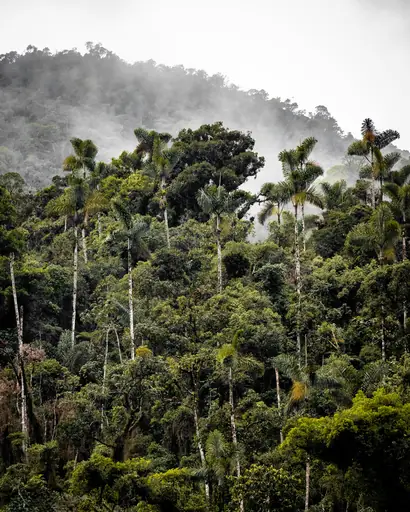
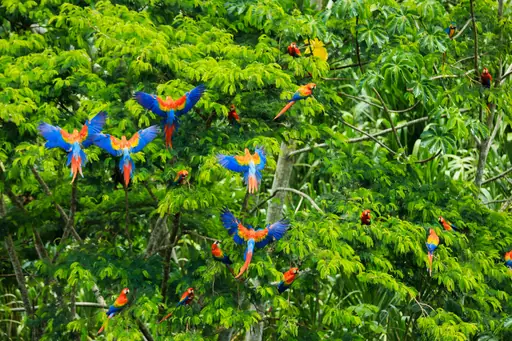
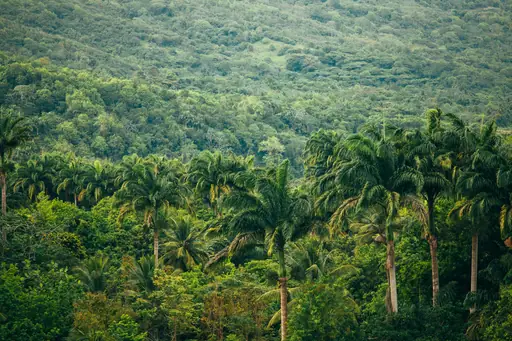
Forest
Amazon Rainforest
Lush canopy teeming with untamed wildlife wonders
The Amazon rainforest holds about one in ten known species on Earth. Scientists estimate that more than 16,000 tree species grow across the basin. Pink river dolphins surface in the flooded forest at high water in the wet season. Canopy towers and riverboats give visitors views over the treetops.
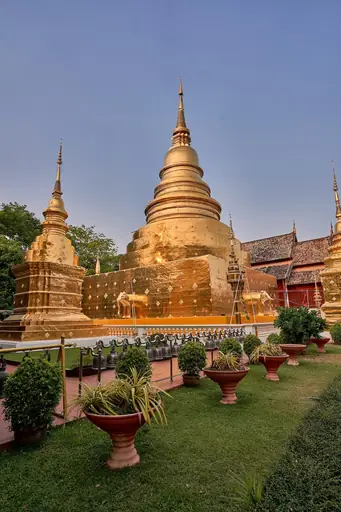

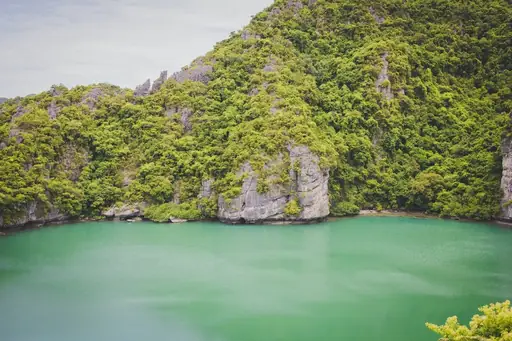
Region in Thailand
Trang
Emerald Caves and Pristine Islands
Emerald Cave on Koh Mook is a tunnel swim of about 80 metres into a hidden lagoon. White sand and green forest cliffs surround the lagoon. Dugongs graze on seagrass in the shallow water near Libong Island. Longtail boats reach small islands with white beaches and coral.
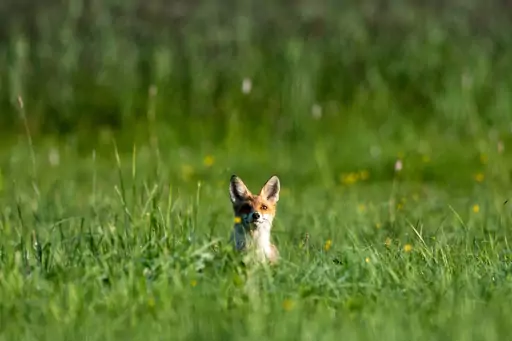
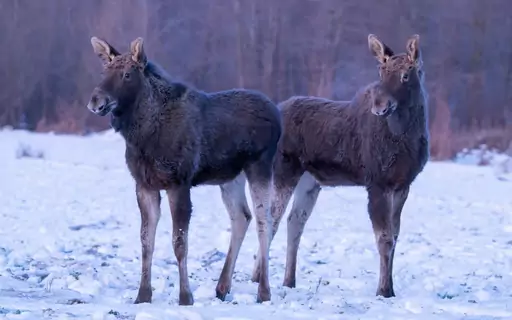
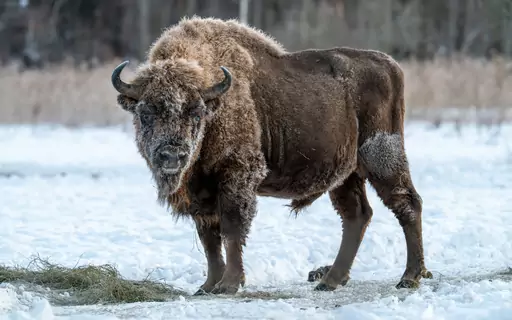
Forest
Białowieża Forest
Ancient woodland echoing centuries of wildlife
Dead trees are left to rot on the forest floor in this ancient woodland. Fallen logs feed fungi, beetles and woodpeckers for decades. Oaks and hornbeams grow up to 40 metres tall in the old stands. Visitors can taste Zubrowka vodka flavoured with bison grass in the village.
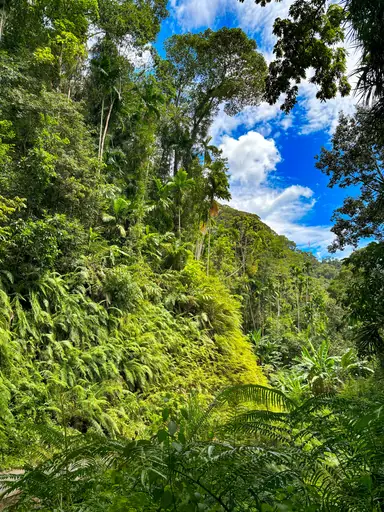
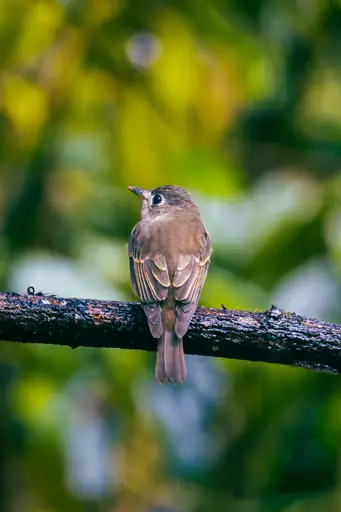
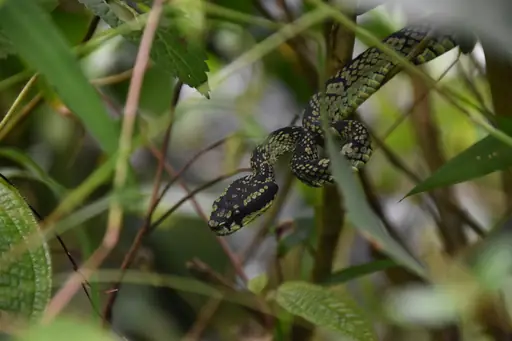
Forest in Sri Lanka
Sinharaja Forest Reserve
Ancient rainforest teeming with elusive wildlife
About 60 percent of the trees in this Sri Lankan rainforest grow nowhere else. Purple faced langurs and bright blue magpies live in the canopy. Leeches wait on the wet trails so visitors wear long socks. UNESCO listed the reserve in 1988 as a biosphere reserve.
Other lists you may like
Discover
Best rainforest destinations in Africa
Africa's rainforests are concentrated in the Congo basin and the coastal forest zones of west and east Africa, representing the world's second largest tropical forest system and…
Read more

Discover
Best rainforest destinations in Asia
Asia's rainforests are concentrated in the island archipelagos and peninsular regions of Southeast Asia, where some of the world's oldest and most biodiverse tropical forest…
Read more
Discover
Best rainforest destinations in South America
South America has the largest rainforest on the planet, and even a few days in the Amazon feel very different from any other trip. Most trips start in a river town like Manaus…
Read more

Discover
Best rainforest destinations in Europe
Europe's rainforest is a genuine rarity, but parts of the British Isles hold pockets of temperate rainforest, kept wet year-round by Atlantic weather systems rather than tropical…
Read more
Discover
Best rainforest destinations in North America
The Pacific Northwest's temperate rainforests hold some of the tallest trees on earth, kept consistently wet by coastal weather systems rather than tropical heat. Central American…
Read more
Discover
Best rainforest destinations in Oceania
One Australian rainforest is the oldest continuously surviving tropical rainforest on earth, predating the Amazon by millions of years, while New Zealand's smaller temperate…
Read more
What other users say about travelfilters
“travelfilters made it easy for me to find ski areas and compare what else they offer, so that I could find the best place for my personal travel style.”

Chris
Snowboarding & Onsen trip to Japan
“I love how transparent the data feels. There is no pushy upsell, just honest information and settings I can tune to my own travel style.”

Maria
After booking her 2027 winter escape
“The level of detail for each destination and how well those are displayed, make planning feel confident instead of overwhelming.”

Mina
Planned a week in New York City
“We used travelfilters for our planning from start to end. The trip turned out even better than expected, thanks to all their tools and customisation options.”

Allan & Etienne
Trip to Japan to see autumn foliage
“Thanks to travelfilters, I found some hidden gems to see. Being able to filter for exactly your interests is a game changer for my travel planning.”

Michael
Tour through the old cities of Northern Italy
“The customizable filters helped me find a quiet beach town with good wifi and low season crowds in under five minutes.”

Diego
Weekend Escape to Llanes, Spain
“The airport connection map saved me hours by showing good flight options from my home airport to lesser-known cities.”

Nguyen
Planning a 2027 trip to France
“The website is clean, fast and focused on the search itself, which makes travelfilters feel more like a professional tool than an ad-heavy booking site.”

Hassan
Christmas Market trip, Germany
