










Was this page helpful?

| Opening hours: |
|
||
|---|---|---|---|
| Public website: | daintreerainforest.au |
| Power Grid: |
230 V, 50 Hz Plug: Type I
Type I:
 Read about power adapters |
|---|---|
| Currency: |
Australian Dollar (AUD) £1 ≈ A$1.89 |
| Cashless info: |
Rating 5/5
Cashless payment is widely accepted, even in rural areas. Digital wallets are commonly used.
Save with a travel credit card |
| eSIM providers: |
Best value: Saily Flexibility: Airalo Read our in-depth comparison |
| Tipping: | Tipping is not mandatory in Australia. Rounding up or 10% is appreciated in high-end restaurants. |
|---|---|
| Public drinking: | Public drinking is regulated and often prohibited, except in designated areas. |
| Public smoking: | Smoking is banned in public indoor spaces and most outdoor public areas. |
| Australia Day (January) |
Public events and celebrations occur nationwide. |
|---|---|
| ANZAC Day (April) |
Commemorations and closures happen. |
| Christmas (December) |
Festive events and closures occur. |
| Emergency contact: | Emergency Number: 000 (Police, Fire, Ambulance) |
|---|---|
| Taxi apps: | Uber, 13cabs, Ola |
| Other: | Australia's vast size requires careful planning for travel between regions. Be aware of wildlife and sun exposure. |
The best times to travel section shows how the months compare for a visit, so you can find the time of year that fits what you want to do.
Background colours of the months:
The colour shows the typical temperature: yellow (hot), green (mild) and blue (cold). How strong the colour is shows the travel season: full colour means high season, soft colour means shoulder season and soft-striped means off season.
Weather symbols:
Each month has one symbol showing what the weather is typically like, such as hot and sunny, freezing or a rainy or snowy season. Use them to quickly spot months that match the weather you want, or to avoid the ones that don't.
Crowdedness:
The people icon shows how busy the place usually is. The more people, the more crowded it gets.
Additional notes:
The grey info boxes point out special things worth knowing, like recurring weather issues or seasonal events.
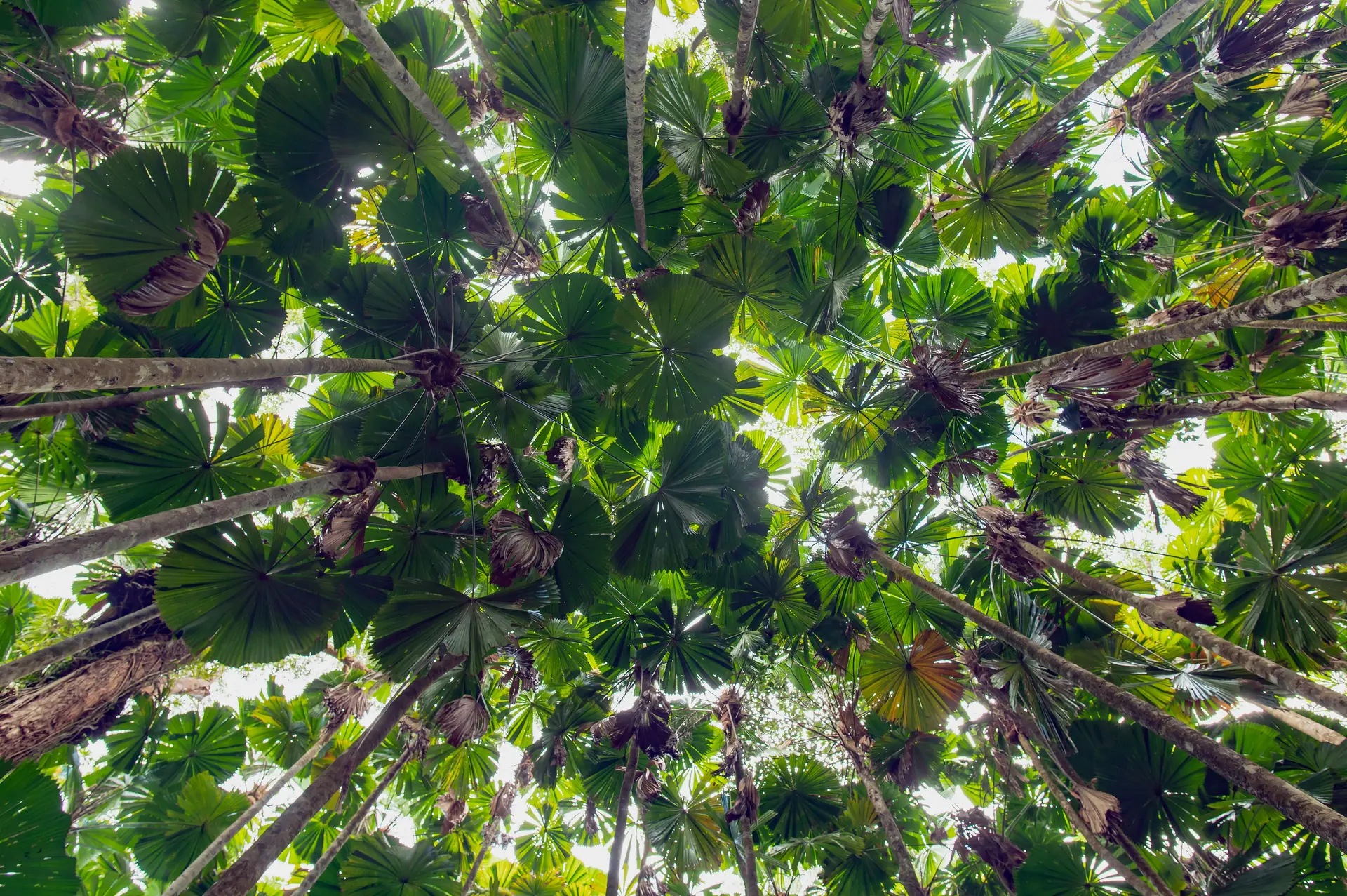
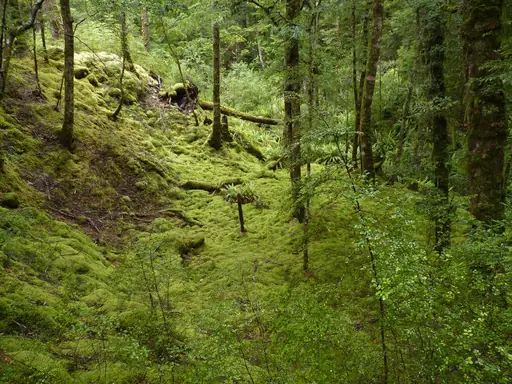
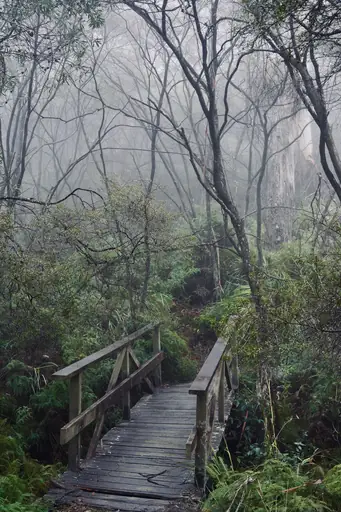
The Daintree Rainforest spans over one thousand square kilometers in northeastern Queensland. It stands as one of the oldest tropical rainforests on Earth. Trees here reach toward the sky with thick canopies that filter sunlight into dappled patterns on the forest floor. The air carries a fresh scent from damp earth and green leaves. Many species thrive within this environment including rare birds and unique insects.
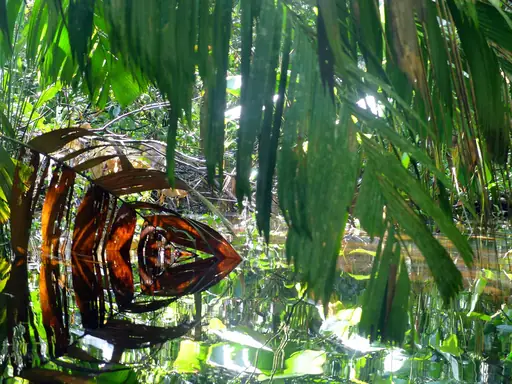
Waterways wind through the landscape creating small streams and quiet pools. These water sources support fish and frogs while providing drinking spots for larger animals like wallabies. Seasonal changes influence how much rain falls each year. During wet months the forest swells with moisture and during drier times the vegetation stays green thanks to constant humidity. Visitors can walk along marked paths to observe wildlife without disturbing habitats.
Indigenous communities have cared for this land for thousands of years. Their knowledge shapes how people interact with plants and animals today. Guided tours led by local experts share stories about bush tucker plants used for food and medicine. Some trails follow ancient pathways once traveled by ancestors. Respectful visitors learn to leave minimal impact while enjoying the scenery.
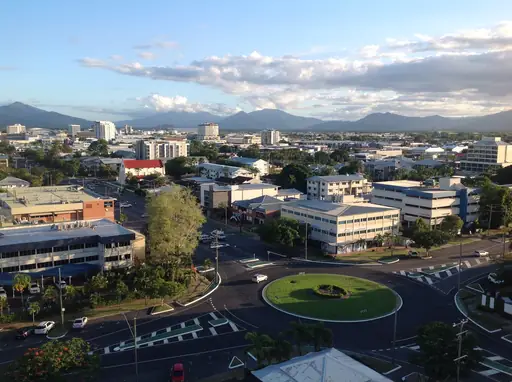
Travelers can reach the rainforest via roads from Cairns or Port Douglas. Public buses connect major towns with smaller villages near entry points. Camping options range from basic sites to guided eco-lodges that follow strict environmental rules. Pack light clothing suitable for heat and rain. Bring insect repellent and sturdy shoes for muddy sections. Early starts help avoid crowds on popular lookout spots.
The Daintree Rainforest, located in northeastern Queensland, Australia, is accessible primarily by road via the Cape Tribulation Road, which connects to the Bloomfield Track. Visitors can drive from Cairns or Port Douglas, with travel times ranging between 1.5 to 3 hours depending on traffic and road conditions. Alternatively, small aircraft operate charter flights from Cairns to nearby airstrips such as Mossman or Cape Tribulation, offering quicker access for those seeking efficiency. Public transport options include guided tours departing from major towns like Cairns, which combine bus transfers with scenic drives. The rainforest’s remote location requires advance planning for transportation, particularly during the wet season when road conditions may deteriorate.
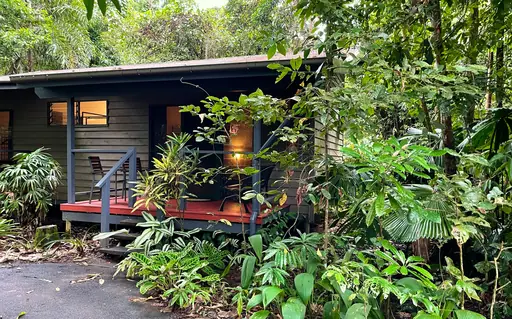
In the Daintree Rainforest region, lodging ranges from rustic eco‑campsites to luxury rainforest lodges, offering guests a spectrum of experiences that blend comfort with immersion in nature. The area hosts several boutique treehouse resorts perched among ancient ferns, providing panoramic views of the canopy and easy access to guided walks. Budget travelers can find well-equipped cabins or glamping tents equipped with basic amenities, while higher‑end options feature private plunge pools, spa services and gourmet dining overlooking misty wetlands. Many accommodations emphasize sustainability, using solar power, rainwater harvesting and locally sourced materials. The region’s reputation for intimate, nature‑centric stays attracts both adventure seekers and couples looking for a secluded retreat.
Log in to add this place to a travel list and get a summary of all recommended items for your whole trip.
We calculate the average costs when travelling to destinations and compare those with the living costs at your home. With this you can get an estimate of how expensive or cheap the destination is for you.
To customise this, you can set up which location and price level are used for the calculations in your account settings.
The exchange rate price factor shows how expensive or cheap a currency currently is compared to its historical average. It's a quick way to see if a country is currently more or less affordable due to exchange rate changes.
